New Portable Device Identifies Pathogens
By MARIA MINSKER Sun Senior Writer
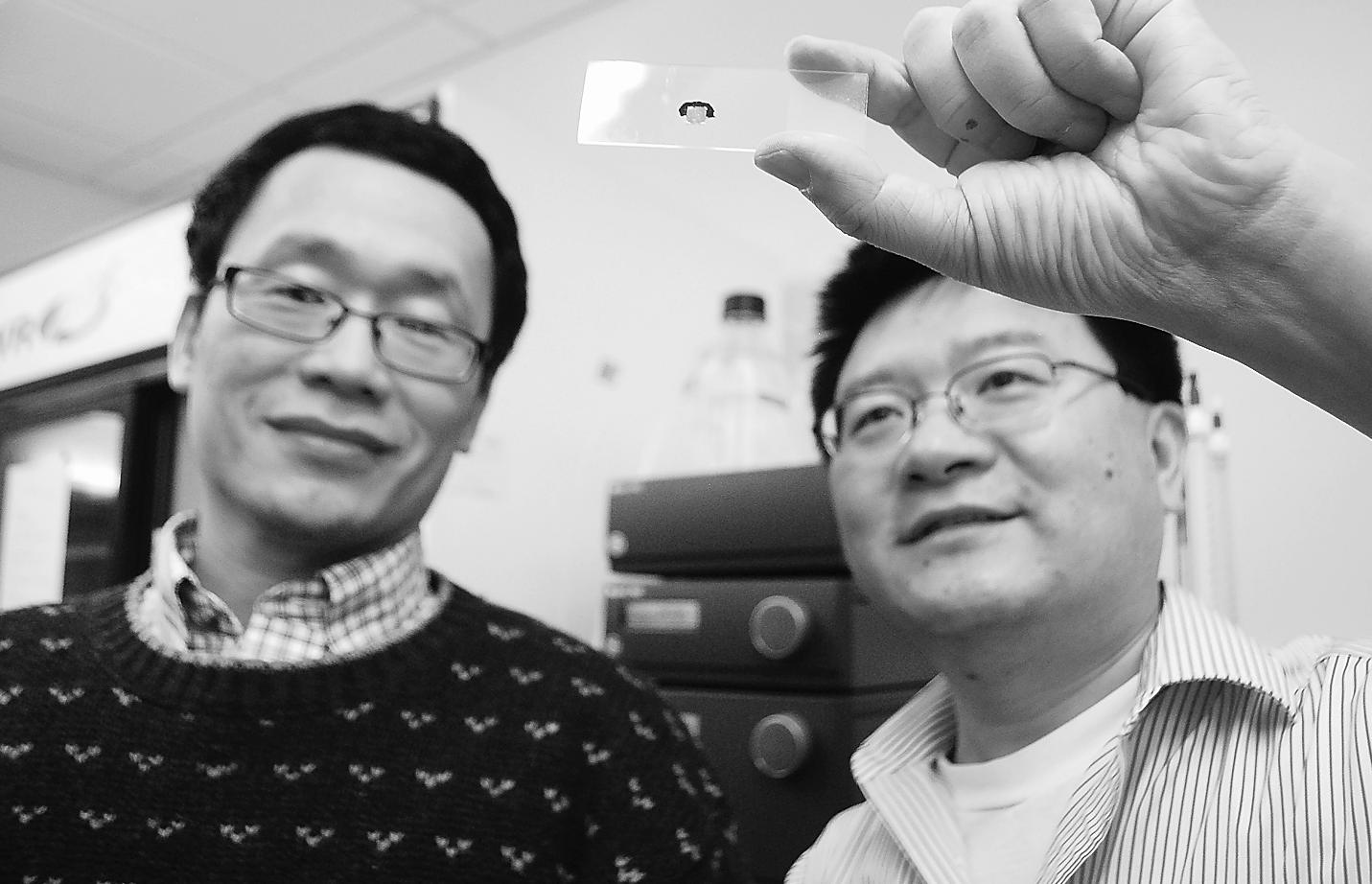
In an effort to simplify the process of diagnosing diseases caused by such pathogens as tuberculosis, chlamydia, gonorrhea and even HIV, Prof Dan Luo, biological and environmental engineering, and Prof Edwin Kan, electrical and computer engineering, have combined inventions from their respective fields to potentially revolutionize the way diseases are detected in the developing world with a new handheld device
In Luo’s laboratory, he and his team have developed a way to amplify the size of small samples of pathogen DNA, RNA and proteins, said Luo His team has observed that DNA formations are analogous to Lego blocks in that a strand of DNA can connect to another strand of DNA if the two contain complementary genetic codes The strands can be shaped into different forms “If DNA strands that correspond are combined over only a portion of their length, then interesting shapes can be made, such as the letter Y,” Luo said
The base of the Y shape, the part that points straight down, is either a strand of DNA or an antibody, designed to connect with a pathogen, just like two Lego blocks connect when corresponding parts are brought together Luo said The top section of the Y, the part that consists of the two outward pointed lines, is the site where molecules called monomers attach and chemically combine with each other in a process called polymerization The monomers polymerize when exposed to ultraviolent light
The “Y” detects various pathogens by matching and
connecting with them When a pathogen is added to a solution of the corresponding Y-shaped molecules, a part of the pathogen will attach to a matching stem on the Y “So if a pathogen is present in solution, the result is the formation of many double-Ys linked together by a
pathogen molecule, each assembly carrying two molecules capable of polymerizing,” Luo said
Then, when the mixture is exposed to UV light, polymerization occurs, meaning the Y-shaped molecules link up to each other and form long polymer chains If polymerization does not occur, then no pathogen is present
“The polymerization won ’ t happen if there is no pathogen present to link two Ys together,” Luo explained “A single

i l l i n g i n n o t t h e m i s s i n g p a r t s o f t h e g l o b e , b u t r a t h e r t h e g a p s i n t h e m a p o f h u m a n e x i st e n c e Sp e n c e r We l l s , Fr a n k H T R h o d e s C l a s s o f ’ 5 6 Pro f e s s o r a n d Ex p l o re r - i n -
Re s i d e n c e a t Na t i o n a l Ge o g r a p h i c a n d
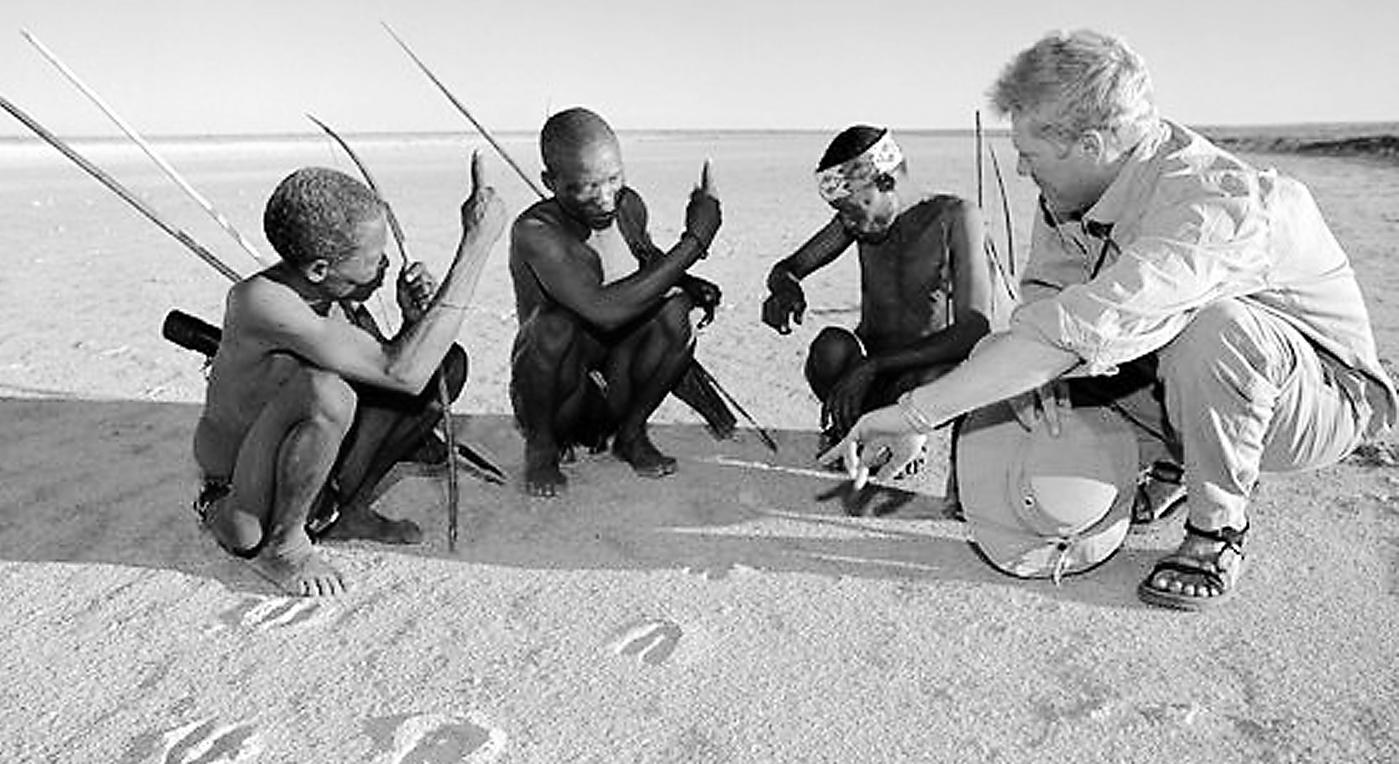
Di re c t o r o f t h e Ge n o g r a p h i c Pro j e c t , h a s a d ve n t u re d t o a l m o s t 8 0 c o u n t r i e s , r i d d e n e x - Sov i e t t a n k s i n - 7 0 d e g re e t e m p e r a t u re s i n f a r - e a s t e r n Ru s s i a , t r a ve r s e d t h e w o r s t p a r t o f t h e Sa h a r a De s e r t i n C h a d a n d c ro s s e d m i n e f i e l d s i n B o l i v i a , w h i l e o n a q u e s t t o d i s c ove r h ow t h e h u m a n r a c e m i g r a t e d t h e g l o b e T h e g o a l o f t h e o n g o i n g Ge n o g r a p h i c p ro j e c t i s t o u n d e r s t a n d h u m a n o r i g i n s a n d t h e g e n e t i c re l a t i o n s t h a t a re c o m m o n t o a l l p e o p l e , a c c o rd i n g t o We l l s T h e p ro j e c t a n a l y ze s i n p a r t i c u l a r t h e g e n e s o f re m o t e p o p u l a t i o n s a l o n g t h e Si l k Ro a d , f ro m L o n d o n t o Mo n g o l i a , w h i c h i s a re g i o n t h a t h a s s e e n s u b s t a n t i a l h u m a n t r a f f i c t h ro u g h o u t h i s t o r y T h e s e p o p u l at i o n s o f t e n h a ve re l a t i ve l y “ o l d g e n e s ” a c c o rd i n g t o We l l s , w h i c h m e a n s t h a t t h e s e g ro u p s h a ve re p ro d u c e d m i n i m a l l y w i t h o t h e r p o p u l a t i o n s s i n c e a n c i e n t t i m e s a n d t h u s t h e i r g e n e s re p re s e n t a n o l d e r, p u re r ve r s i o n , s i m i l a r t o t h a t o f h u m a n it y ’ s o l d e s t a n c e s t o r s “ T h e c o re o f t h e s c i e n c e i n t h i s p ro j e c t i s b a s e d o n t h e w o rk we d o a ro u n d t h e w o r l d w i t h i n d i g e n o u s a n d t r a d i t i o n a l p e o p l e s , ” We l l s s a i d “ Be c a u s e t h e y re t a i n t h a t g e o g r a p h i c l i n k b a c k t o t h e i r a n c e st o r s t h a t m o s t o f u s h a ve l o s t t h a t re c e n t l y b e c a u s e o u r a n c e s t o r s h a ve m ove d a ro u n d s o m u c h ” By e x a m i n i n g t h e n u m b e r o f g e n e t i c d i f f e re n c e s i n p o p u l a t i o n s a n d f a c t o r i n g i n t h e n o r m a l r a t e o f g e n e t i c m u t a t i o n , h e c a n d e t e r m i n
t o g e t t h e re

Un l i k e o t h e r a c a d e m i c g e n e t i c i s t s , We l l s g e t s t o m e e t t h e p e o p l e w h o g i ve t h e i r s a m p l e s t o t h e Ge n o g r a p h i c p ro j e c t w h i l e i n t h e f i e l d In d o i n g s o h e g e t s t o b e t t e r u n d e r s t a n d t h e c u l t u r a l p a t t e r n s
Y with only one polymer molecule attached can only link to one other single Y, and no chain will form ”
Kan’s research has made an important implementation to this new method He has designed a computer chip that responds to the amplified samples targeted by Luo’s method, and sends a signal that tells scientists whether or not a pathogen is present
Typically, when a strand of Y-shaped DNA attaches to a single molecule, a very weak signal is emitted, and it requires highly tuned and precise sensors to detect a pathogen If polymerization occurs, however, the signal becomes stronger and easier to detect
Kan’s chip uses common, inexpensive semiconductor technology compatible with other common electronic devices, such as a mobile phone Kan’s device is capable of measuring both the mass and charge of molecules, two measurements that can determine whether the Y chains contain pathogen particles
Kan and Luo’s work on their joint invention is supported by the Bill & Melinda Gates Foundation as part of the Grand Challenge program to develop “point-of-care diagnostics” for developing countries that do not have the laboratory and research space to test and diagnose diseases
According to Luo, the foundation has distributed $25 million to 12 teams, with each team working on a different element to include in a practical, durable and low-cost testing and diagnostic kit
Prof. Spencer Wells Traces the Path of the Human Race
b e h i n d e a c h s a m p l e , h e s a i d “ It’s a m a z i n g b e i n g a b l e t o p i e c e t h e
s t o r y o f h u m a n m i g r a t i o n t o g e t h e r by
m e e t i n g t h e p e o p l e w h o p rov i d e d t h e
c l u e s , ” We l l s s a i d
In c o n d u c t i n g t h e Ge n o g r a p h i c p ro -
j e c t , We l l s f o u n d t h a t h u m a n s a re 9 9 9 p e rc e n t g e n e t i c a l l y s i m i l a r t o e a c h o t h e r
T h e s u p e r f i c i a l d i f f e re n c e s b e t we e n p e o p l e
a re t h e re s u l t o f s m a l l va r i a t i o n i n o n l y a
f e w g e n e s Fro m t h e i n i t i a l p o o l o f g e n e s , s u p e r -
f i c i a l c h a n g e s h a ve b e e n t h o s e e vo l u t i o na r i l y a d va n t a g e o u s f o r s u r v i va l i n s p e c i f i c re g i o n s Fo r e x a m p l e , p a l e s k i n i s n e c e ss a r y f o r s u f f i c i e n t v i t a m i n D p ro d u c t i o n i n a re a s w h e re t h e re i s l i t t l e d i re c t l i g h t a n d s i m i l a r l y, d a rk s k i n i s a d va n t a g e o u s i n a re a s o f re l e n t l e s s s o l a r r a d i a t i o n Ot h e r c h a n g e s , s u c h a s h a i r t y p e , c a n b e
a t t r i b u t e d t o s e x u a l s e l e c t i o n a m o n g i n d i v i d u a l p o p u l a t i o n s , We l l s s a i d T h e
g e n e t i c h o m o g e n e i t y o f Ho m o s a p i e n s c a n b e c o n t r i b u t e d t o a n e a r e x t i n c t i o n
e ve n t 7 0 , 0 0 0 ye a r s a g o At t h i s t i m e , t h e re we re o n l y a f e w t h o u s a n d h u m a n s a l i ve i n t h e w o r l d , a l l o f t h e m l i v i n g i n A f r i c a W h e n c o m p a re d w i t h t h e re s t o f t h e l a r g e a p e s , w h o h a ve b e t we e n f o u r a n d 1 0 t i m e s m o re w i t h i n - s p e c i e s d i ve r s i t y t h a n h u m a n s , p e o p l e a re s i g n i f i c a n t l y m o re s i m i l a r t h a n o u t w a rd a p p e a r a n c e s w o u l d s u g g e s t “ I t h i n k t h i s m e s s a g e o f p e o p l e b e i n g m u c