The Corne¬ Daily Sun


By CAMDEN WEHRLE Sun Contributor
As the sun dipped below the horizon on Saturday night, the Ithaca Commons were illuminated by the light installations of the Winter Lights Festival. Despite the cold of a December night in Ithaca, many residents were still attracted to the festivities just off of Seneca Street.
The festival is organized by the Downtown Ithaca Alliance and runs for two consecutive weekends from Dec. 3 to Dec. 11, with events scheduled on Fridays and Saturdays.
The Lights Festival had its start in 2019, taking over from the Ithaca Ice Festival, which featured ice sculptures rather than light displays. Light installations created by the Beyond Art Collective were spread around the Common and include light projections, an LED christmas tree and Sparky the Unicorn –– a large, multicolored unicorn on wheels with a moveable head.
Luis Cuanda tended the Ice Bar, serving alcoholic drinks from behind a counter made of ice. Cuanda said he has enjoyed working at IDA events for a few years, saying they are good activities to keep Ithacans busy and promote downtown businesses. He also said he liked interacting with the visitors.
“It’s good to connect to people of different cultures,”

As classes wrap up this Tuesday, students are preparing for finals –– but not right away. Prior to the pre-exam pencil sharpening and deep breaths, come three days of a “study period” from Wednesday, Dec. 8 to Friday, Dec. 10.
With libraries open and office hours
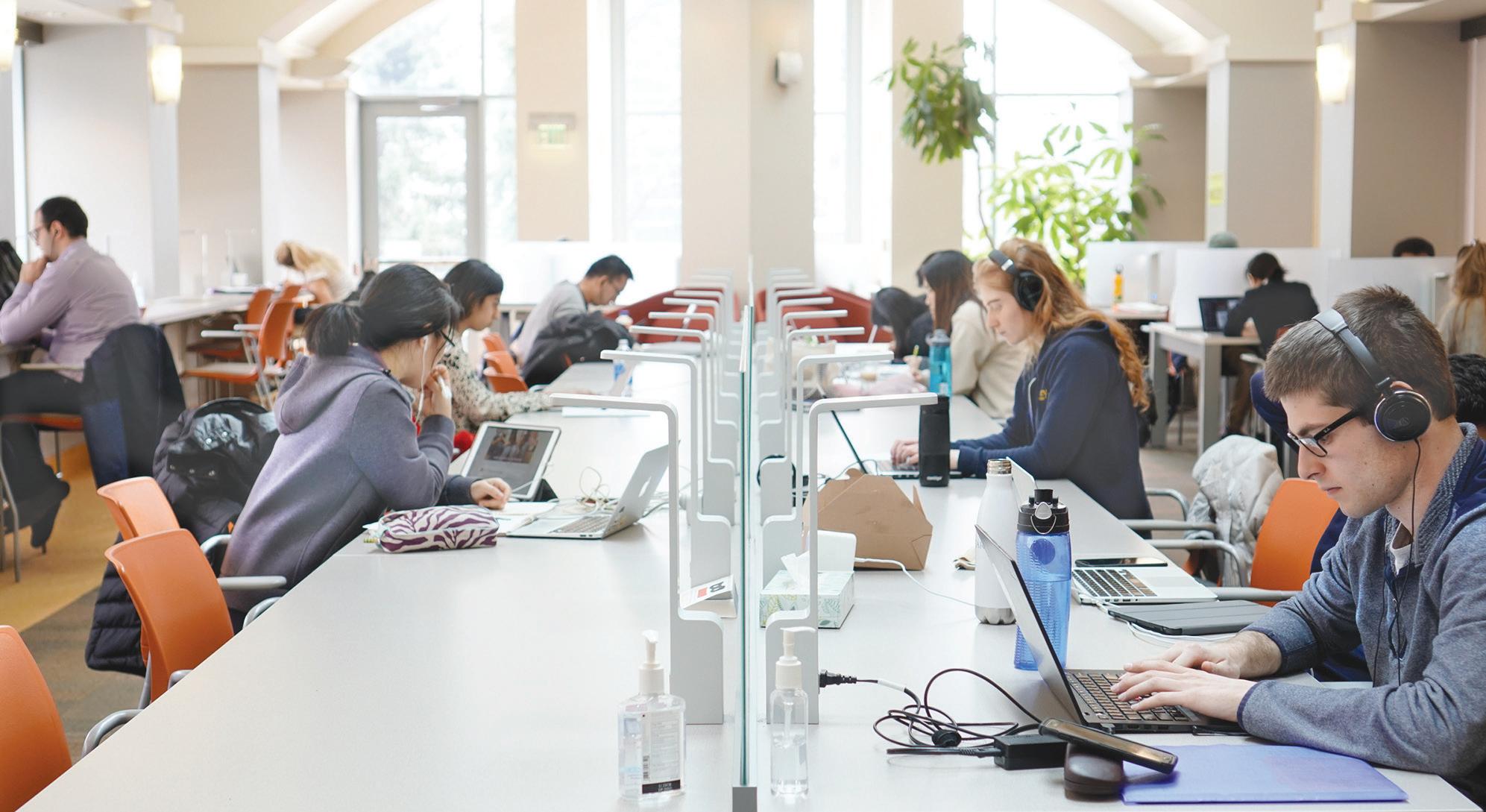
back in person, students are once again crowding into study spaces on campus. With a sudden lack of structure for many students following a busy semester, they will be tested with the promise of free time before their actual exams.
“In my head, I plan on being up at 8 a.m., getting a coffee and not leaving the library all day. It always ends up not being that intense,” said Camille van der Watt
’24. Learning from prior exam periods, van der Watt has now adopted the practice of using apps like Forest that utilize the Pomodoro method -– working in cycles of studying for two hours without the distraction of her phone, and then taking twenty minute breaks.
Sarah Kanuk ’25 plans on spending much of her time reviewing material at Crossings Café in Toni Morrison Hall, but
taking breaks to head down to the gym when she feels she cannot focus and having restful evenings with her friends.
“In my head, I plan on being up at 8 a.m., getting a coffee, and not leaving the library...”
Camille van der Watt ’24
“I think that the University really encourages diversity of interest, but I don’t think that it comes from a wellness perspective,” Kanuk said. “It’s more of a personal decision to mindfully do nothing or to do something healing and that creates personal balance.”
Despite pressure from final exams and projects, recent University messages and programming have discussed student wellbeing. An email from Ryan Lombardi, Vice President for Student and Campus Life, to the student body encourages students to “get together with friends for a meal, participate in campus events and stay active” during these days before the exam period.
The Tatkon Center for First-Year Students is placing emphasis on balance,offering both peer-tutoring and “de-stressor” activities like origami and puzzles throughout the study period.
These types of in-person programming represent a departure from the largely remote or isolated study environments of the 2020-2021 academic year.

Weill Institute Special Seminar — Brian Crane 10 - 11 a.m., G10 Biotechnology Building
Joint Labor Economics & Public Economics Workshop: Ellora Derenoncourt 11:15 a.m. - 12:45 p.m., Virtual Event
EEB Seminar Series — Michael Webster 12:20 - 1:20 p.m., Morrison Room, Corson/Mudd Hall
Maelstrom: Scandinavian Art and Culture From the Viking Age, Jackson Crawford 4:30 p.m., Virtual Event
End of Semester Piano Recital Celebrating R.P. Chair Jeffrey Chusid 5:15 p.m., Barnes Hall
Leaders in Sustainable Global Enterprise — Yve-Car Momperousse, Founder & CEO at Kreyol Essence 6 - 7:15 p.m., 106 Sage Hall
12/6 Lessons and Carols: C.U. Music 7 p.m., Sage Chapel
More than Movement: Choreographing Identities on Global Stages 9:40 - 10:55 a.m., A. D. White House
The Recruitment and Appointment of Supreme Court Judges in Europe: A Comparative Perspective 11 a.m. - 12 p.m., Virtual Event
Behavioral Economics Workshop: Kelly Shuace 11:15 a.m. - 12:45 p.m., Johnson Graduate School of Management
for
Twenty Years of War: Coalitions of War and Anti-War (Class, Race, Global) 3 p.m., Virtual Event
Thinking of a Career In Academic Publishing? 4:30 - 6 p.m., Virtual Event


By VIDYA BALAJI and XINYU HU Sun Contrubtors
On Wednesday, three Pulitzer Prize-winning journalists, Sonia Nazario, Nadja Drost and Molly O’Toole ’09, participated in a discussion about the unparalleled migration through the Americas, immigration policy and the role of journalism in relation to these topics.
The panel was part of the University’s College of Arts and Sciences’ Distinguished Visiting Journalist Program, which invites journalists to the University to engage with faculty, researchers and students through guest lectures, teaching courses and participating in panels.
Prof. Ray Jayawardhana, astronomy, Dean of Arts and Sciences, introduced the three speakers and acknowledged the contributions that made the panel possible, including donations from Jan Rock Zubrow ’77 and Barry Zubrow.
Introductions began with O’Toole, the moderator of the panel and this semester’s Distinguished Visiting Journalist Fellow. She was a member of the group that was awarded the first Pulitzer Prize for audio journalism, which she received in 2020, for her work on This American Life. She currently covers immigration and security for the Los Angeles Times, but has reported for many publications from across the world throughout her career.
O’Toole introduced Nadja Drost, who has worked in print journalism, radio, television and documentary film. She won a Pulitzer Prize this year for her coverage of the difficult migrant journey through the treacherous Darien Gap — a mountainous jungle along the Colombia-Panama border — to reach the United States.
“In journalism, you are not supposed to bring your opinions to the table when you’re reporting stories.”
Sonia Nazario
Sonia Nazario has reported on hunger, drug addiction and child migration and is a current contributing opinion writer at The New York Times. She is best known for her story of a Honduran boy’s search for his mother in the United States entitled “Enrique’s Journey,” which won the Pulitzer Prize for feature writing in 2003 and was later developed into a book.
The panel began with O’Toole posing the question of how and why Drost and Nazario became journalists with an interest in migration. “I have migration in my blood,” said Nazario, whose immediate family, who is of Syrian and Polish descent, immigrated from Argentina to the U.S. for greater academic freedom. Similarly, Drost cited her upbringing as the daughter of immigrants and a first-generation Canadian, but she described her slightly different path to journalism, which she initially saw as “too enjoyable for a job.”
Mentioning working with immigration as a journalist, Nazario also described finding her place in working on immigration and whether she views herself as an activist.
“In journalism, you are not supposed to bring your opinions to the table when you’re reporting stories. You don’t want people to perceive you as biased,” Nazario said.“There are many reasons we abide by these rules.”
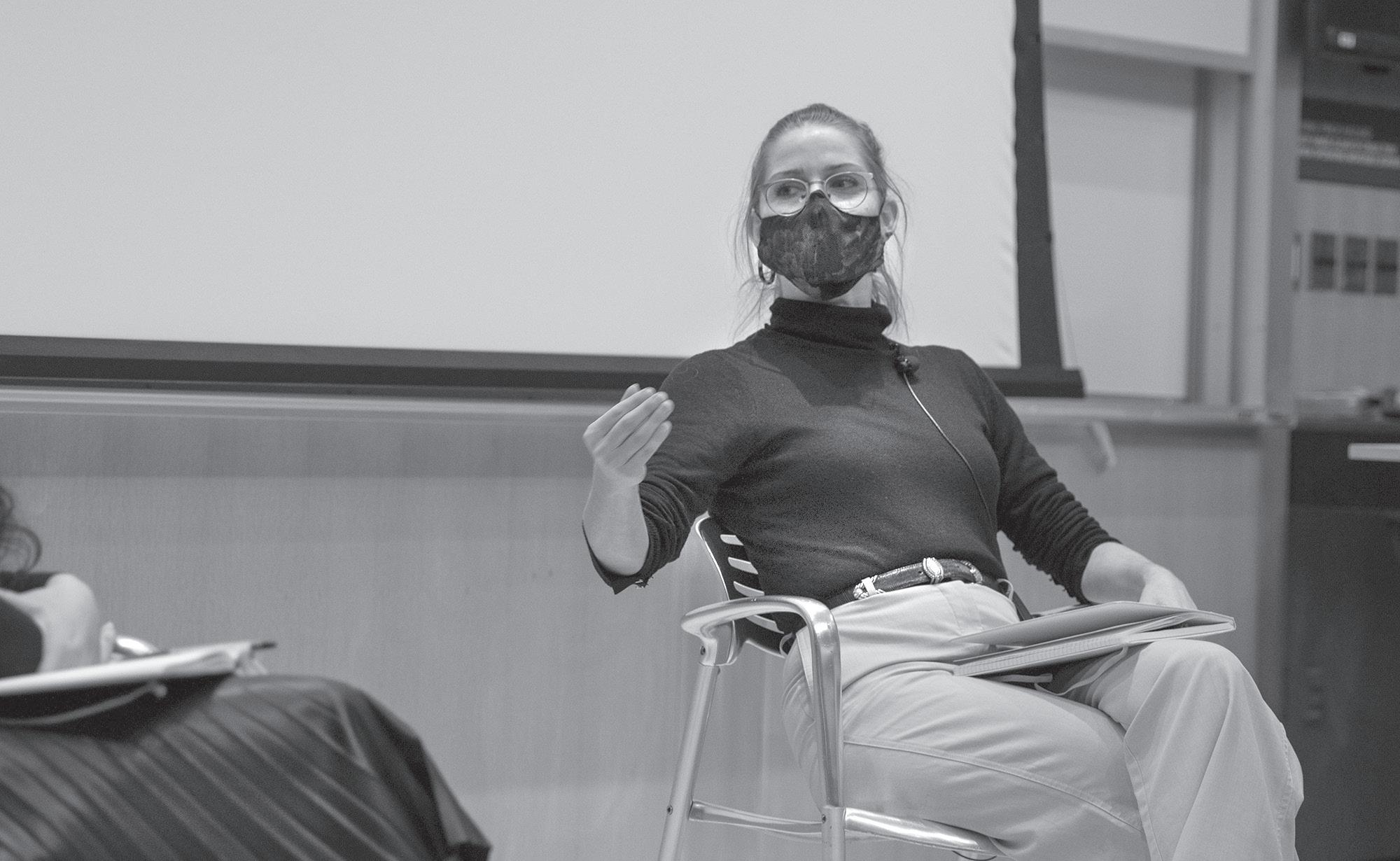
Drost feels that aspects of journalism, even if a reporter is abiding by journalistic standards, can achieve similar goals as activism.
“I think that even if it is the case that you are trying to be objective, fair and rigorous in journalism, it is a form of activism in the sense that you are exposing abuses and injustices, you are holding people and the system accountable for them,” Drost said.
At the conclusion of the formal discussion, Nazario touched on three ways she believes the U.S. can tackle the issues surrounding immigration — investing in nation-building, having compassion and fairness for the people arriving at the border and prioritizing asylum seekers.
The talk was followed by a question & answer session with members of the audience. The first question asks the journalists what is the process in their research and writing to present someone else’s stories accurately and respectfully. Drost explained that it’s not necessary to know every detail to present a comprehensive story.
“I think a lot of that has to do with relationship building with the person. … First of all, not pressure them to tell more stories than they want to, and I think it’s particularly true when people have gone through dramatic events,” she said.
As the panel wrapped up, O’Toole was asked about the differences between Trump’s and Biden’s administrative attitudes towards immigration. She said the primary differences are rhetorical differences. While Biden has deviated from Trump’s language dehumanizing immigrants in his public addresses, he has not changed many of the policies Trump put in place.
Vidya Balaji can be reached at vb266@cornell.edu. Xinyu Hu can be reached at xh285@cornell.edu.
Festival includes hot chocolate, silent disco and balloon sculptures
Continued from page 1
Cuanda said.
The main event of Saturday night –– the Silent Disco — began at 6 p.m. Rather than blasting music out of speakers, three local DJs pumped tunes through wireless headphones visitors could borrow for free. The headphones can be set to hear any of the DJ’s music
“It’s possibly the coolest thing we could have stumbled upon.”
Stephen Caviness
at a time. To any passerbys, the commons were filled with a silent crowd of people sporting colorful headphones with each dancing to their own beat.
Daniela Monge, a local resident, enjoyed an IPA from the Ice Bar along with the music. Monge said she
had attended the Ithaca Ice Festival previously, but not the Lights Festival.
“The last time I was here the main thing was the ice sculptures,” Monge said.
“But I like the concept of the lights.”
As the night grew colder, a hot chocolate bar proved popular as a warm, nonalcoholic alternative to the Ice Bar, particularly among the many families at the festival. Many children drank the hot chocolate and ran around, swinging balloon swords and other balloon sculptures made by Tom Britt, a local balloon artist.
“I’ve been coming here for the past few years,” Britt said.
“I make balloons, depends on what the kids want.”
He carried multiple balloons under his arm, quickly twisting them into the shapes requested by his young clientele. Britt said he liked the festival, and often attends similar events in downtown Ithaca.
For some attendees, the festival was a complete surprise. Stephen and Kylie Caviness, from Syracuse, sipped beverages as they watched the Silent Disco.
Visiting Ithaca for a Mt. Joy concert, they explored the city while waiting for dinner. After encountering two sculpted ice chairs, they walked over and discovered the festival.
“It’s possibly the coolest thing we could have stumbled upon,” Stephen Caviness said.
The programming for the festival changes each day. Friday, Dec. 10 will feature a Lightsaber demonstration by Ithaca Sabers, and on Dec. 11 Santa Claus will make an appearance. The festival also featured the 11th Annual Chowder Cook-Off on Saturday, where Ithaca restaurants compete to make the best chowder and visitors vote
STUDY
Continued from page 1
van der Watt mentioned that last semester’s COVID restrictions impacted her studying habits during this in-between period before finals. Due to the reservation system needed to work at libraries, she notes that “It was incredibly difficult to get into the libraries, so we ended up staying in our rooms a lot, making it much harder to be productive.”
Tori DiStefano ’23 also values setting distinct boundaries during her finals period, despite not having any exams.
around the house and go to the gym; between lunch and dinner, I do my work because that’s when I typically have the most energy; and after dinner, I try to relax,” said DiStefano.
Just as DiStefano plans on centering her schedule around her productivity patterns, Kanuk notes that she goes about her studying via a similarly personalized model. With three full days to study and complete her final assignments, she plans to distribute the work according to how she’s feeling.
“I was never a big library go-er before this year, but it’s been nice to have a place to disconnect school and personal life.”
Tori DiStefano ’23
“I was never a big library go-er before this year, but it’s been nice to have a place to disconnect school and personal life,” she said.
Because her course load is largely centered around independent study and final projects she’s found that she has even more freedom than usual to define her schedule, centering around her personal work habits.
“I focus a lot around meals: between breakfast and lunch, I get stuff done
“When I feel like being creative, I’ll be working on a project. When I feel like sitting down to test my knowledge, I’ll do a practice exam,” says Kanuk.
With different forms of final assessment –– whether it be online quizzes, typical in-person exams, essays or presentations –– alongside different exam schedules and unique study methods, there is surely no one-size-fits-all approach to study days.
(Spoilers ahead.)
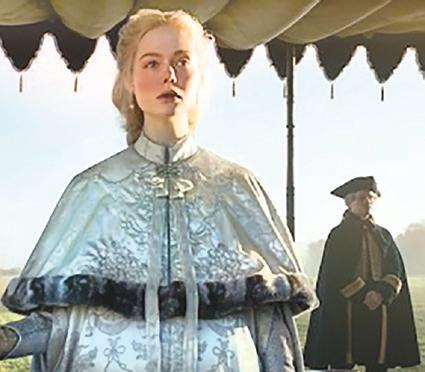
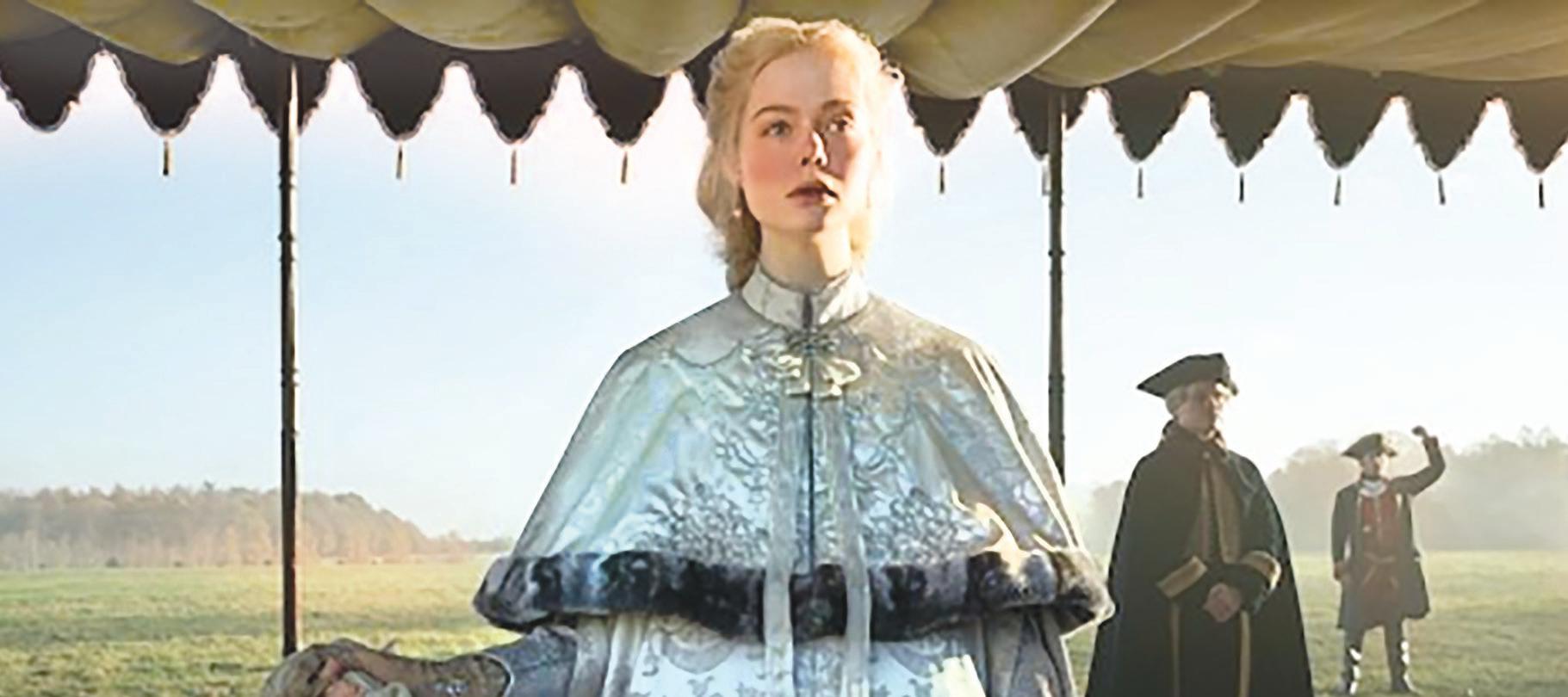
The Great , an imaginatively unhistorical take on Catherine the Great (Elle Fanning), has continued in a bloody, romping second season. Created by Tony McNamara, it follows the dawn of a new era under Catherine’s rule of Russia, having just overthrown her brutally capricious husband Peter (Nicholas Hoult) — but is it truly a new era?
It begins with a lackluster episode, “Heads It’s Me,” a minefield of forced humor and a casual end to the coup against Peter that occupied the whole of the last season. It tries to tie up the loose threads of the far more compelling finale that preceded it.
On average, however, the writing does improve gradually, as Catherine and her court adjust to her new reign and her pregnancy. Intrigue is layered upon intrigue, ambitions and appalling mistakes rising like the smoke from poisonous candles Catherine receives for her attempts at diplomacy. At times sickening, at others charming, The Great’s second season is a woozy, erratic take on similar themes to its first: idealism, desire and the price of power.
Unfortunately, the show’s rowdy lewdness, which was previously done well, gets more cringes than laughs from me this time around — as always when characterization is sacrificed to shock factor. Otherwise, characterization is, if not believable, at least highly entertaining. Catherine’s fickle and feathery court is peopled with characters for whom one can’t help feeling empathy despite their laundry lists of misdeeds — eccentric and clever Elizabeth (Belinda Bromilow) grieving for her murdered son, general
Velementov (Douglas Hodge) hunting truffles and musing on his legacy of failure, lovelorn ex-Emperor Peter hallucinating in a freshly dug grave. And, above all, the show’s women shine — treacherous, clever, vain, compassionate. Phoebe Fox in particular gives another tremendous performance as Marial, restored to her former status and struggling with the responsibilities of being Catherine’s forthright friend.
For all the delicate strokes expended to paint these complicated people, the
the Ottoman Empire, but it is so clumsily done that it makes the rest of the screen time spent humanizing aristocratic despots feel trite.
Other characters are a bit mishandled as well, especially Sacha Dhawan’s Orlo, who is made to exchange his previous gentle cleverness for worried idiocy, sidelining a skilled actor and character. I also expected to adore Gillian Anderson’s take on Catherine’s mother, but I confess myself relieved at her character’s swift send-off,
vacillate in tone without much accountability to previous plot points, laughing in some moments and rioting the next, smoothing ruffled silks after an afternoon of murdering serfs, placing bets on whether Catherine’s child will be part horse. While the show’s deliberate anachronisms are a refreshingly irreverent response to idolizing historical biographies, I wish they had made more of an effort to develop a sense of rising urgency. Maybe it is a matter of taste, but despite Hoult’s
plot suffers, wandering as aimlessly as the crocodile Archie (Adam Godley) lets loose in the palace. I am left with a sense that the writer must manufacture threats to Catherine’s rule, including the Ottomans, who are the otherized spectres at the feast.
The almost cartoonishly evil Sultan made me cynical about the show’s ability to navigate its vague, colorblind historicity without veering into problematic tropes.
The writers try to preserve Catherine’s virtue by shifting her political motives to a desire for liberation of those oppressed by
as scandalous as it was. Anderson certainly savors every icy word that comes out of her mouth — I’ll give her that.
The Great Mistake is the loss of the first season’s momentum. All of the danger and intrigue of Catherine’s coup is replaced with disappointment, failure and general weirdness, which makes for perhaps more philosophical storytelling, but it fumbles even that. Catherine’s attempts at progress are misfires.
The short memories of the court allow them, and by extension each episode, to
impressive efforts at portraying a playful and sincere Peter, slowly requited love from Catherine was not satisfying enough of an overall arc for me.
One theme I think is successfully developed, however, is how — like the rest of her ‘Enlightened’ team — Catherine, for all her visionary plans, is still coming from a place of immense privilege. She is out of touch with the reality of ruling, and for each step forward, she is forced to take two steps back, undermined at every turn by friends and enemies alike. While she initially unleashes her avant-garde ideas on Russia without restructuring it, she cultivates a ruthlessness that makes her in some ways a mirror for Peter. Elle Fanning carries the show, portraying a young woman buffeted by delight, dismay and outrage, but still trying to hold fast to her high ideals.

Ultimately, however, the season nosedives with a finale that left me unconvinced by its emotional candlelit speeches. I expected better, as the first season so nimbly balanced its warmth with its ferocity. This continuation of The Great gestures towards narratives about the difficulties of marriage, of social and political progress and of failed redemption, but it is bogged down by its deeply questionable choices for sources of conflict. Despite its brilliant costumes and dialogue, it was just not as much fun to watch.
Uneasy lies the head that wears the crown — and uneasy lies some shows that try to repeat their past success.
Charlee Mandy is a junior in the College of Arts and Sciences. She can be reached at cmandy@cornellsun.com.
“The war photographer’s most fervent wish is for unemployment.”
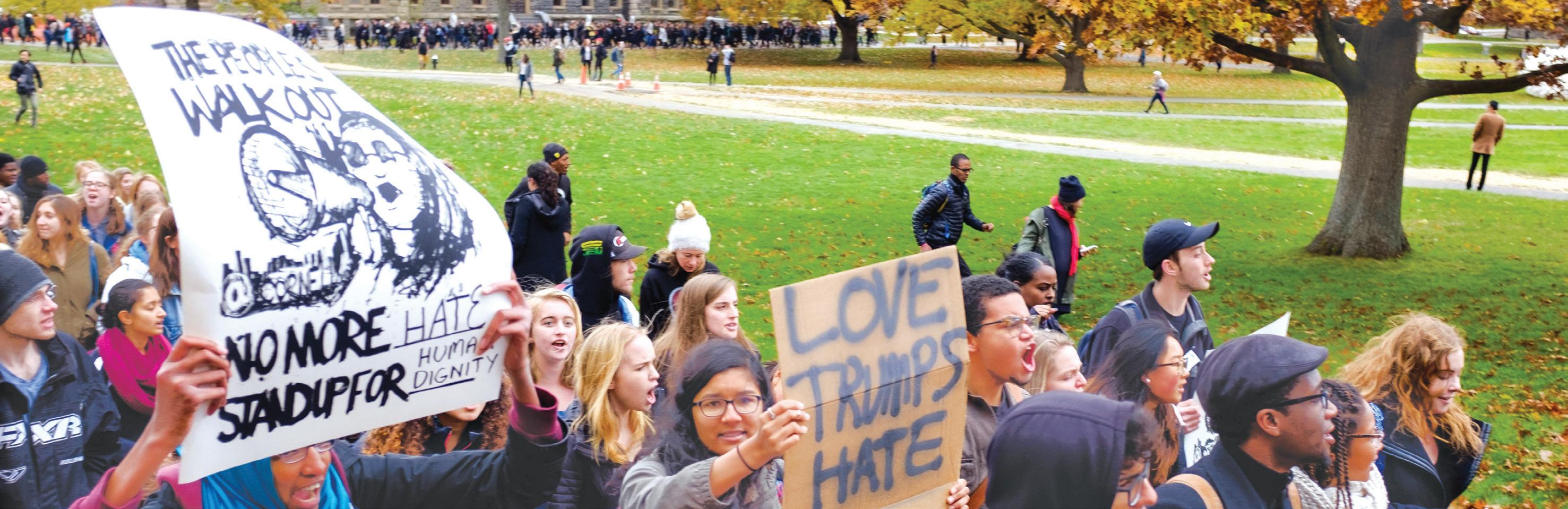

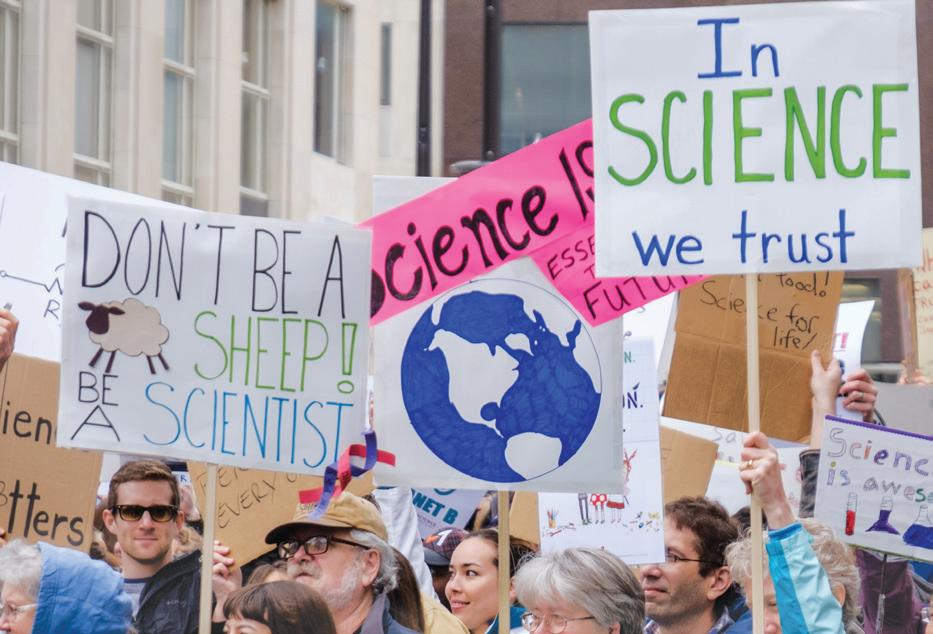
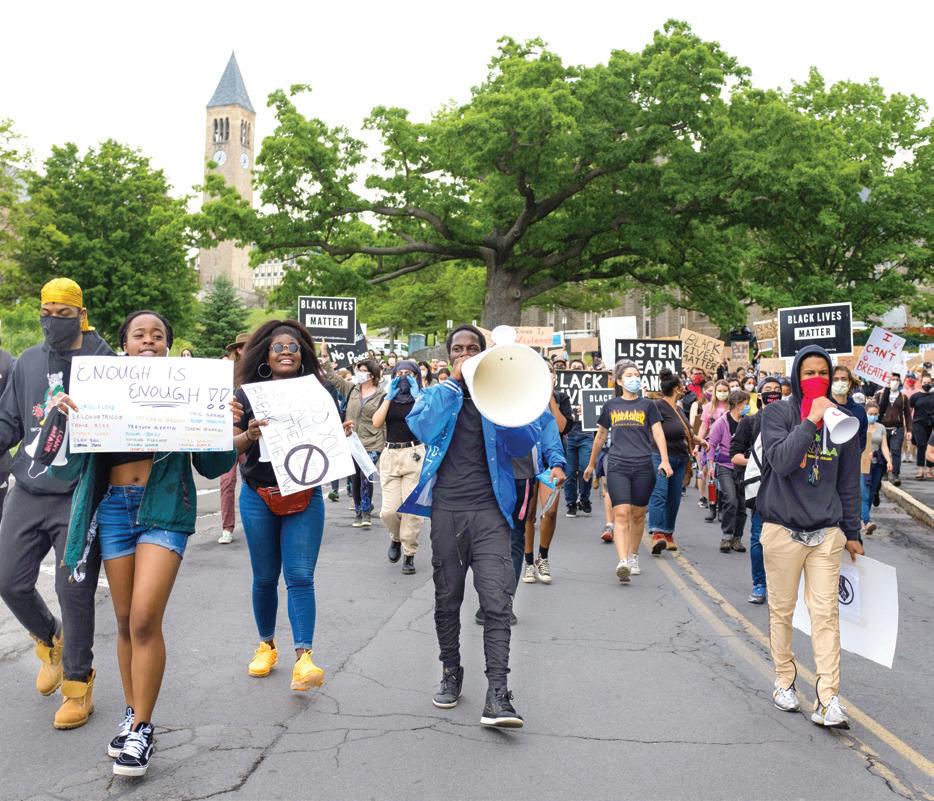
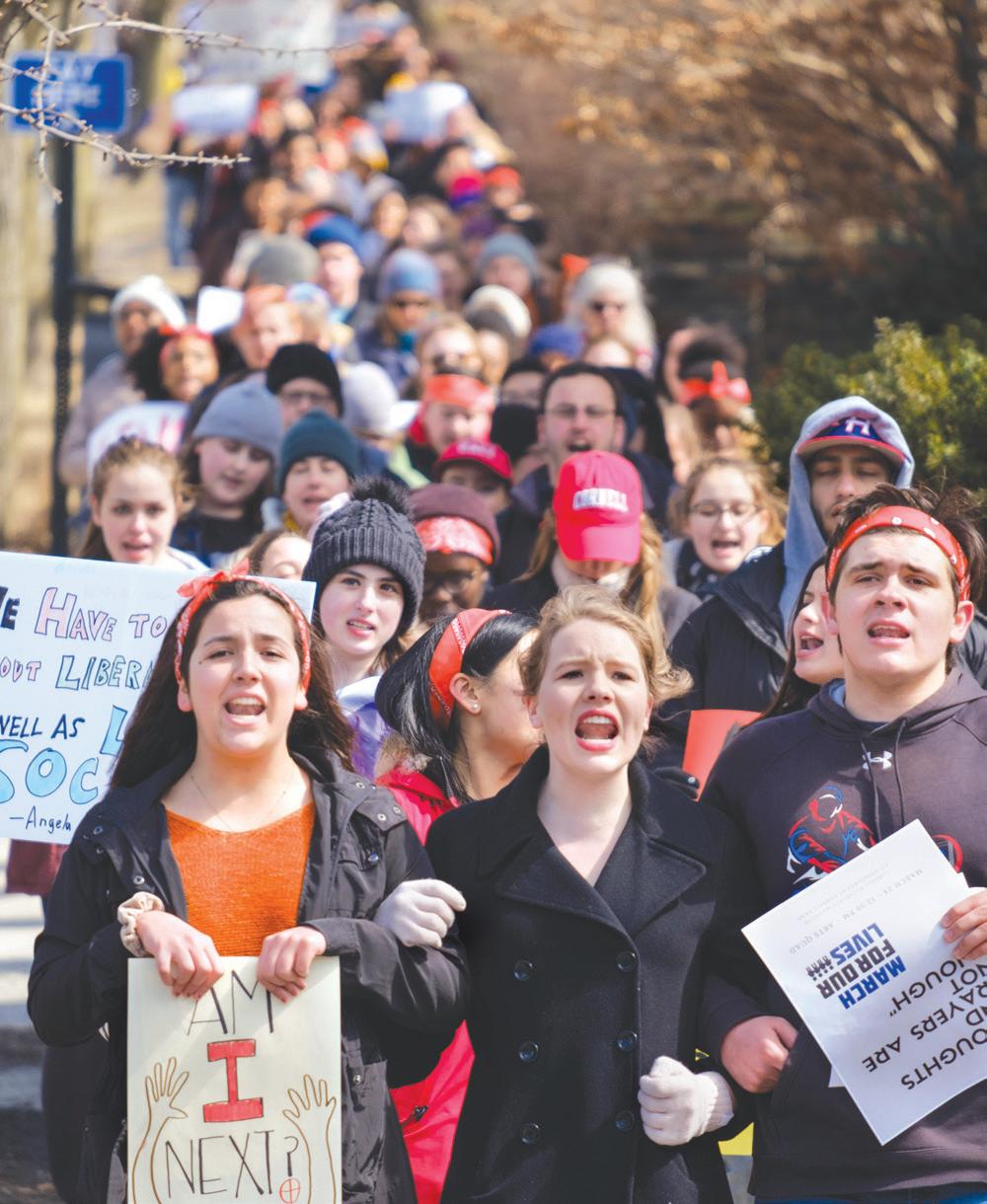
Five years, dozens of protests and several terabytes of photographs later, my tenure as a staff photographer at The Sun is coming to a close. Camera in hand, I photographed anything and everything, from protests and proposals to concerts and commencements. The camera has been a passport, a weapon and a thearapist’s couch. The photograph captures a reality realer than reality; the human dichotomies of love and hatred, of laughter and crying, magnified through the camera’s lens.
However, when another weekend means another protest or

vigil, and when every sign and slogan and person starts looking the same, one starts to wonder and hope for when, if ever, it will be time to put the camera down.
It is easy for us to mistake the photographic simulation as reality. However, people are not photographs and photographs are not people. We should not look at photographs to reinforce our biases, but instead look through them towards the realities, pain and joy of others.
I thank The Sun for the opportunities to develop my eye, mind and heart. The sun may set, but The Sun won’t.


ANUSHYA ALANDUR ’23
Business Manager
CATHERINE ST. HILAIRE ’22
Associate Editor
PRANAV KENGERI ’24
Advertising Manager
ODEYA ROSENBAND ’22
Opinion Editor
JYOTHSNA BOLLEDULA ’24
News Editor
TAMARA KAMIS ’22
News Editor
CAMERON HAMIDI ’22
App Editor
KRISTEN D’SOUZA ’24
Design Editor
HANNAH ROSENBERG ’23
Photography Editor
OMSALAMA AYOUB ’22
Science Editor
PUJA OAK ’24
Layout Editor
ANNIE WU ’22 Production Editor
MIHIKA BADJATE ’23
Assistant News Editor
SERENA HUANG ’24
Assistant Business Editor
ANGELA BUNAY ’24
Assistant News Editor
JOHN COLIE ’23
Assistant Arts & Culture Editor
AMELIA CLUTE ’22
Assistant Dining Editor
WILLIAM BODENMAN ’23
Assistant Sports Editor
AARON SNYDER ’23
Assistant Sports Editor
MEGHANA SRIVASTAVA ’23
Compet Manager
KATHRYN STAMM ’22
MADELINE ROSENBERG ’23
Editor NAOMI KOH ’23
Editor ANIL OZA ’22
Editor YUBIN HEO ’24
VEE CIPPERMAN ’23
UMAR ’23
E.D. PLOWE ’23
YOON ’23
BENJAMIN VELANI ’22
PICHINI ’22
SRISHTI TYAGI ’22
MARIA MENDOZA ’24
ARANDA ’23
Editor SURITA BASU ’23
KAYLA RIGGS ’24
’23
’24 Assistant
LIAM MONOHAN ’24
SASHA ABAYEVA ’24
ALPERS ’22
Working on today’s sun
ad layout Christine Wu ’22
opinion desker Catherine St. Hilaire ’22
managing desker Anil Oza ’22
news deskers Jyothsna Bolledula ’24 Angela Bunay ’24
production deskers Katherine Chang ’25 Anya English ’24
layout deskers Kristen D’Souza ’24
photo desker Hannah Rosenberg ’23
Arts desker John Colie ’23
sports desker Liam Monahan ’24

Noah Do
Noah’s Arc
Noah Do is a sophomore in the College of Human Ecology. He can be reached at ndo@cornellsun.com. Noah’s Arc runs every other Monday this semester.
With the colder winter months comes “cuffing season”, a time filled with romantic desperation and the palpably depressing knowledge of our own loneliness. Maybe it’s the dreary winter sky, the grueling end-of-year retrospection or the frigid, icy winds evoking a grave desire for the fleeting warmth and comfort of another forlorn soul’s embrace: There could be any number of reasons, really.
Cornellians should be especially familiar with seasonal depression. In exchange for the beautiful gold and auburn of fall, we spend the better part of five months locked into Jack Frost’s crosshairs. With this comes an extended cuffing season, as students attempt to escape the dread of the Big Red Grind with an equally burnt-out partner by their side.
I’ll be the first to admit that college dating has never made much sense to me. College is an extremely chaotic period filled with transition and uncertainty, not to mention, it only lasts four years. Are the intimacy and emotional connection of romance really worth the risks that come with the impending separation of graduation? Why does everyone else seem to be happy with their partners while my world is a never ending onslaught of emptiness and imagined romantic scenarios?
These dilemmas have me pondering the question posed by intellectual greats like Haddaway and TWICE: What is love? I’m asking merely out of journalistic curiosity, of course, as I’m perfectly content being single. Couldn’t be happier, really.
It should first be said that there are many different types of love. We love our partners, parents, children, friends and favorite BTS members all in (hopefully) very different ways. I, however, like most other college students, am only interested in talking about romantic love, as it’s perhaps the most difficult variant of love to attain on this screwed-up ball of rock and heartache we call Earth.
Love is, at its core, a feeling of strong affection. It’s a very strange concoction of emotions that makes us desire a certain person’s exclusive romantic attention. Very rarely is love this straightforward, though; problems typically arise once we consider that not only do you have to love the other person, but the other person has to love you back.
Countless psychological theories attempt to explain the complicated web of small-spooning and misery that is love. One such theory proposed by Prof. Robert Sternberg, psychology, suggests that the three components of love are intimacy, passion and commitment. I learned about his theory in-depth while taking his class, Human Development 1170: Adolescence and Emerging Adulthood, which I highly recommend.
Credit to Dr. Sternberg for his decades of industry-leading work in psychology, but as a 19 year-old college student who’s done well in one of his undergraduate-level courses, I think I also have some valuable thoughts to share on the matter. In my formally published and thus supremely insightful opinion, love consists of three main ingredients - friendship, attraction and discernment - and the overarching
final touch of time. I call it the F.A.D. Theory, because, let’s be real, that’s what most college relationships are, anyway.
Friendship is a surprisingly underrated element of love, at least in the age of hookups. Rom-coms love their love-at-first-sight and enemies-to-lovers stories, but I’ve always thought the slow burn of close friendship to romance is the ideal path. Establishing a friendship with someone you’re interested in can help uncover a lot of romantic red flags and also ensures that your interest isn’t conditional on reciprocation.
Attraction is a rather straightforward ingredient, and one I’ve discussed at length in a previous column. Despite my stance in that column that the importance of beauty is often inflated, I want to acknowledge that physical attraction to one’s partner is vital to establishing and maintaining love. Not only will it strengthen friendship, but physical attraction is the cornerstone to love’s ‘roided-up, bastard cousin: Sex. I like to think of love and sex as a brains-and-brawn buddy cop team, à la 21 Jump Street. Sex is the brawn, providing the muscle and adrenaline, while love is the brain, strategically employing the brawn and supplying it with the proper intel. Love without sex is too timid to accomplish anything, while sex without love manhandles everything in its sight, with little regard to long-term consequences or the actual mission.
Sex analogies aside, we are left with our final core ingredient of love: Discernment. The F.A.D. Theory defines discernment as the ability to frankly assess the prospects of one’s love. Maybe this is just a reflection of my personality, but I’ve always thought that love is often rushed into before factors like values and personal shortcomings can be properly considered.
Bringing such baggage as conflicting worldviews or hidden, shameful imperfections into a relationship practically spells disaster for everyone involved. I don’t want to downplay the transformative power of love, but rather emphasize that true love is a love for a whole person. Young people nowadays are so overloaded with stressful emotions and responsibilities that they often turn to romance as an escape, thinking that love will heal them. In reality, though, love is what comes after the healing. We can’t expect anyone else to fully embrace us as romantic partners if there are skeletons in our closets that we’re not even willing to confront.
I want to close by highlighting the importance of the fourth, overarching piece of the F.A.D. Theory, which is time. I can’t blame anyone for desiring the affection and emotional security of romance, but love that lasts demands time. The best advice that I, a college student with no real relationship experience, can give is to spend your time building friendships and learning about yourself. Interact with new personalities and find out what kind of people you have chemistry with. Once you’re ready to wholly love and be loved, the right person will make themselves known to you. And even if they don’t, you’ll at least have Ithaca’s long winter months to wait some more.

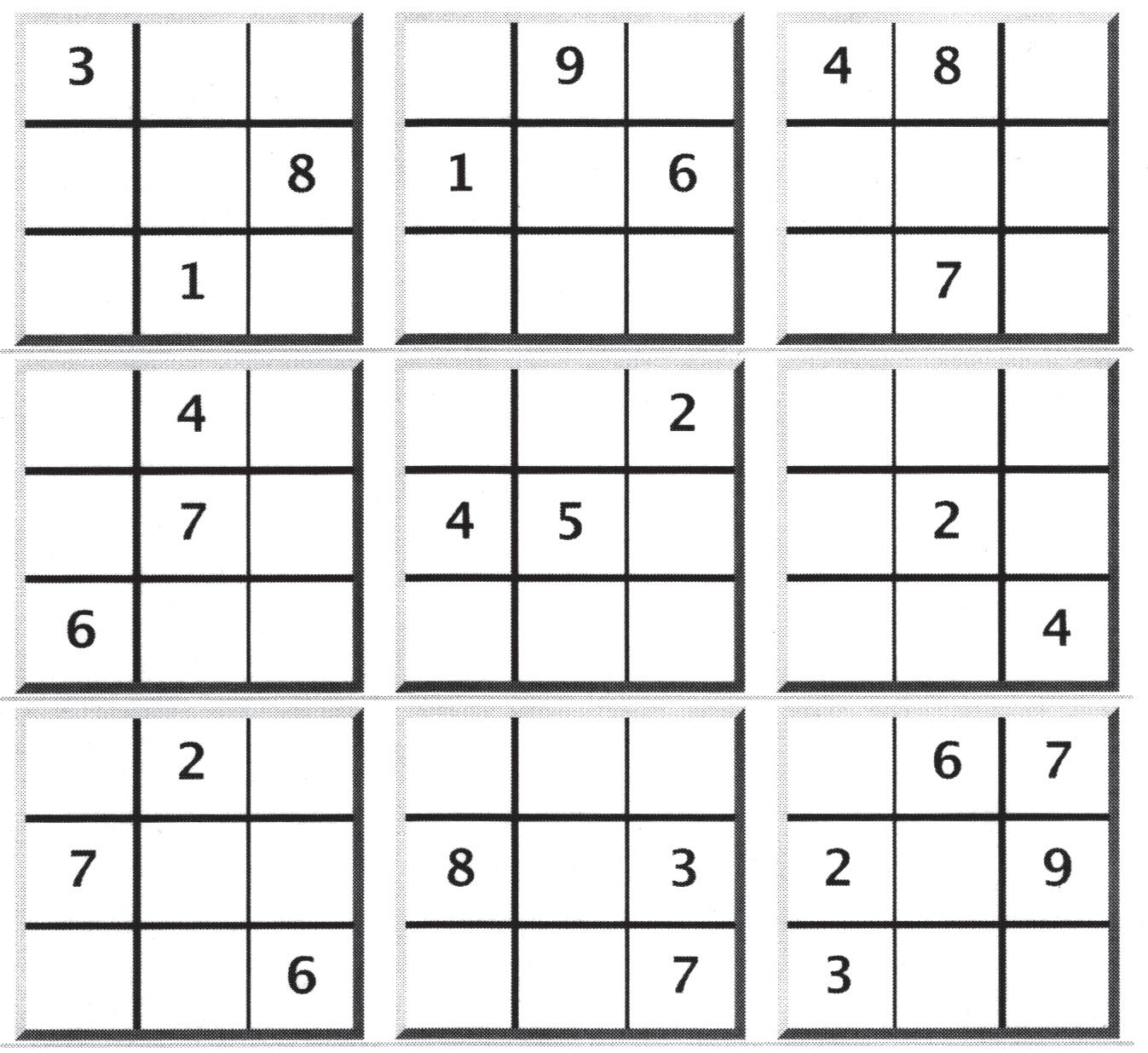
Fill in the empty cells, one number in each, so that each column, row, and region contains the numbers 1-9 exactly once. Each number in the solution therefore occurs only once in each of the three “directions,” hence the “single numbers” implied by the puzzle’s name. (Rules from wikipedia.org/wiki/ Sudoku)



By AARON SNYDER
Sun Assistant Sports Editor
When two teams that have not lost in their last seven games face off, one team’s streak must end. Or so the thinking goes.
Late in the third period of Saturday’s game in Potsdam, Cornell seemed poised to extend its winning streak to eight games and bring Clarkson’s down to zero.
A meltdown during the final minutes of the game forced the Red to settle for a 4-4 tie and shootout loss.
“Tonight’s a really tough, tough game,” Head Coach Mike Schafer ’86 said. “The guys played well for basically 55 minutes, and then we thought it was over...We let it get away and [Clarkson] came back hard.”
With under six minutes remaining, Cornell held a 4-0 lead behind senior goaltender Nate McDonald’s 29 saves on 29 shots.
Seemingly then, the most notable aspect of Clarkson’s goal with just over five minutes left was that it ended McDonald’s shutout bid. With a 4-1 lead with five minutes to play, it seemed that Cornell was set to wrap up an impressive road win.
Then Clarkson scored again. Facing a three goal deficit, the Golden Knights pulled their goalie with 3:45 to play. Clarkson capitalized with the extra attacker, scoring with just under three minutes left to pull within two.
With just under two minutes left, head Coach Mike Schafer ’86 took a timeout. McDonald allowed a game tying, extra attacker goal in the final minute and a half of Cornell’s game against Dartmouth on Nov. 6
“It’s very similar to a penalty kill — they’ve got one extra guy than us,” McDonald said after that game. “Things can get a little hectic when they have an extra guy, but I think the key is to stick to our systems and whenever I can, to slow the game down.
Schafer’s timeout gave him a chance to prepare the team to wind down the clock on the final two minutes of 6-on-5 play and to close out the win.
And then Clarkson scored again. With a minute and a half to play Clarkson fired a shot from the circle. McDonald made a pad save, but the Golden Knights buried the rebound to cut Cornell’s lead to 4-3.
Cornell prevented the Golden Knights from taking more shots for the next minute, until a deep shot at the empty net from Cornell’s defensive zone went wide and resulted in a questionable icing call — a Clarkson skater seemed to pass up an opportunity to play the puck — with 34 seconds left.
Cornell won the faceoff and cleared the zone, but turned the puck over in the neutral zone. Clarkson brought the puck into the corner, where two Golden Knights and two Red skaters got tied up. Nobody could get the puck free until the referees blew their whistle with 4.7 seconds to play.
After the whistle, Clarkson’s Chris Klack and senior tri-captain Kyle Betts got into it, with Klack delivering a punch to Bett’s helmet and Betts responding by driving Klack to the ice.
After a review, the officials placed the puck in Cornell’s offensive zone. The decision seemed to be an incorrect adjudication of rule 81.2, which stipulates that the puck be
placed in the neutral zone following an altercation where the attacking team’s players come below the faceoff circles to get involved - which Clarkson defenseman Noah Beck did when he went to the corner to check out the action.
“We made mistakes, officials made mistakes, and Clarkson capitalized,” Schafer said.
With 4.7 seconds left, if the puck had been placed in the neutral zone Clarkson would have had the impossible task of
managed to convert on its man advantage early in the second period. Senior forward Brenden Locke fed junior defenseman Sam Malinski, who fired a one-timer from the high slot past Haider to give the Red a 2-0 lead.
The rest of the second period saw back and forth action with both teams generating quality opportunities but neither converting. The Red took its 2-0 lead into the third period.
Cornell killed a penalty early in the third period and then

winning the draw, entering the zone and getting off a shot. But it wasn’t.
And then Clarkson scored again. The Golden Knights won the draw and fired a shot from the circle. McDonald stopped the puck, but it fell behind him and Clarkson tapped it in to tie the game with 1.4 seconds left.
“Even on the faceoff at the end, we didn’t do the job and they did,” Schafer said.
The third 6-on-5 goal completed a shocking comeback for Clarkson and a stunning collapse for the Red.
The Red had been in firm control of the contest for the first 55 minutes, despite being outshot by Clarkson. Cornell only tested Clarkson’s Ethan Haider 19 times before he was pulled, but scored four times.
Cornell struck first when junior forward Jack Malone scored his third of the year just past the halfway point of the first period. Sophomore defenseman Tim Rego pulled off a spin move behind the net to create some space and fed Malone across the crease. Malone had no problem tapping in the puck to put Cornell in front, 1-0.
The Golden Knights ramped up the pressure down the stretch of the first, but could not get anything past McDonald, who started for the second consecutive night.
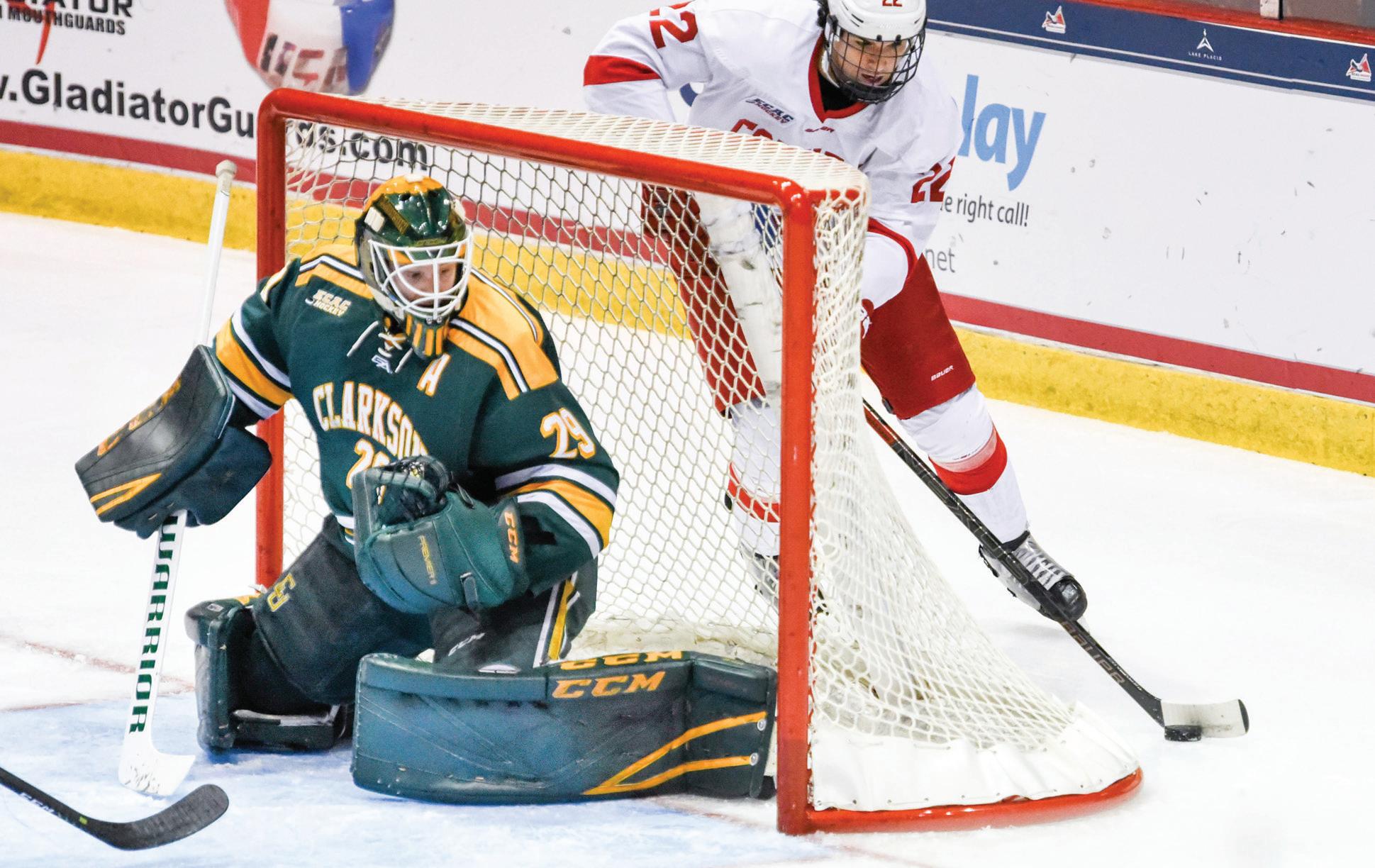
Clarkson took a 8-6 shots lead into the intermission but Cornell led by a goal.
Clarkson was called for slashing in the opening minute of the middle frame, and after a long stretch of six on five play during the delayed penalty, the Red went on its second power play of the night early in the second.
Cornell came into the night with a .150 conversion rate on the power play while the Golden Knights began the night with the nation’s second best penalty kill at .914.
Despite facing a tough penalty kill unit and its own recent struggles on the power play, the Red


withstood pressure from the Golden Knights.
With about 13 and a half minutes left Cornell sent a puck into its offensive zone. Haider came out of the net to play the puck, but junior forward Ben Berard picked his pocket before he could get a pass off. Berard found senior forward Max Andreev who buried the goal and put Cornell up 3-0 before Haider could return to his net.
Andreev struck again with just over eight minutes left, adding his second goal of the night on a power play. Locke found Andreev right in front of the crease and he poked it in to give Cornell a 4-0 lead.
Cornell’s collapse down the stretch sent the contest to overtime - Cornell’s fourth foray into the new 3-on-3 format. Cornell won easily in its first three overtime tries, including two game winning goals from junior forward Matt Stienburg.
The Red were less successful on Saturday night. Clarkson had a few opportunities that were stopped by McDonald before the Golden Knights tripped Betts as he went to the net with just under three minutes left in the frame.
The Red’s 4-on-3 power play unit had plenty of opportunities - including a series of one timers by Stienburg and junior forward Ben Berard - but nothing got past Haider. Time ran out in the extra frame with neither team scoring.
The game officially ended in a 4-4 tie, but under the ECAC’s new rules a shootout determined which team received an extra point in the league standings.
Clarkson and Cornell each converted in the first two rounds of the shootout with Berard and Malone scoring for Cornell. After McDonald made a save in the third round, Sam Malinski had a chance to win it for the Red. Malinski lost the handle and the puck slid into Haider’s glove.
Clarkson scored in round four, putting the extra point on the line for Stienburg, whose wrist shot was snatched up with a nice glove save by Haider to secure the shootout win for Clarkson.
With the tie and shootout loss the Red earned one point in the league standings - a disappointing way to head to the break after seeming poised to take three points on the road against a big rival.
Cornell will take a four week break for finals and the holidays before heading to Tempe, Ariz. for a New Year’s Day matchup with Arizona State University.