The Corne¬ Daily Sun

By ALEX HALE Sun News Editor
Cornell has not yet released much information regarding what the spring semester is going to look like. But one thing it’s done now is say when the semester will take place.
The University released its academic calendar, showing when the semester will begin, end and — most notably — what days students will get off in between. March will not see a week-long spring break that typically happens. Instead, it will be replaced by a two-day break in April.
the fall semester. Classes will end May 14, followed by a study period until May 18 and then final exams until May 25.
Last year, Cornell was set to begin its semester more than two weeks earlier than this year on Jan. 21, and planned to end nine days earlier on May 5. Cornell scheduled a typical February break and spring break. February break happened as planned, giving students Jan. 24 and Jan. 25 off.
March will not see a week-long spring break ... Instead, it will be replaced by a two-day break in April.
According to the academic calendar, two breaks — each labeled a “Wellness Day” — will be on March 9 and March 10 and then April 23 and April 26 — a Friday and a Monday.
The semester will start Feb. 9, as was established the summer when the University announced its plan for
living | Without a week-long spring break, students will be less likely to leave campus for vacations, perhaps opting instead for
Originally, the University scheduled its plan to leave campus due to COVID-19 around spring break.
In her first message saying that the spring 2020 semester will end virtually, President Martha Pollack said in-person classes will resume until spring break and then move to an online format. Three days later, Pollack rescinded that statement, instead saying in-person classes would end immediately on March 13.
The changes to the spring semester round out an
academic calendar completely revamped due to COVID19. Fall break — which is typically a four-day weekend — instead consisted of one Wednesday off, causing some students to add it to the list of factors to burnout during the atypical fall semester.
Students are currently experiencing the renovations done around Thanksgiving break. Usually a five-day weekend between classes, November now consists of a newly-developed semifinals period before Thanksgiving break. After the break’s conclusion, students are recommended to stay home for the remainder of the semester. Cornell will not be the only school to cancel spring break this upcoming semester. Syracuse University canceled its spring break when announcing part of its spring plans in September, and New York University lists two days called “Spring Break” on its academic calendar, although each only consists of one day off, showing a breaking from a traditional week-long reprieve from classes.
Alex Hale can be reached at ahale@cornellsun.com.
By JOHNATHAN STIMPSON Sun Managing Editor
By winter of 2025, Collegetown may look a whole lot different.
According to recent filings submitted to the City of Ithaca, Coll-Cath Associates — an LLC associated with longtime, Ithacabased developer John Novarr — plans to undertake what may be the largest development project in Collegetown’s history.
Dubbed the Collegetown “Innovation District” by developers, the massive, $145 million proposal calls for the construction of five office and apartment buildings spread across what are currently 17 separate parcels of land. If approved, construction is slated to begin in fall 2021 and continue for about four years.
The unveiling comes after years of planning and seemingly sporadic purchases.
According to The Ithaca Voice, Novarr and business partner Philip Proujansky bought a string of seven buildings located
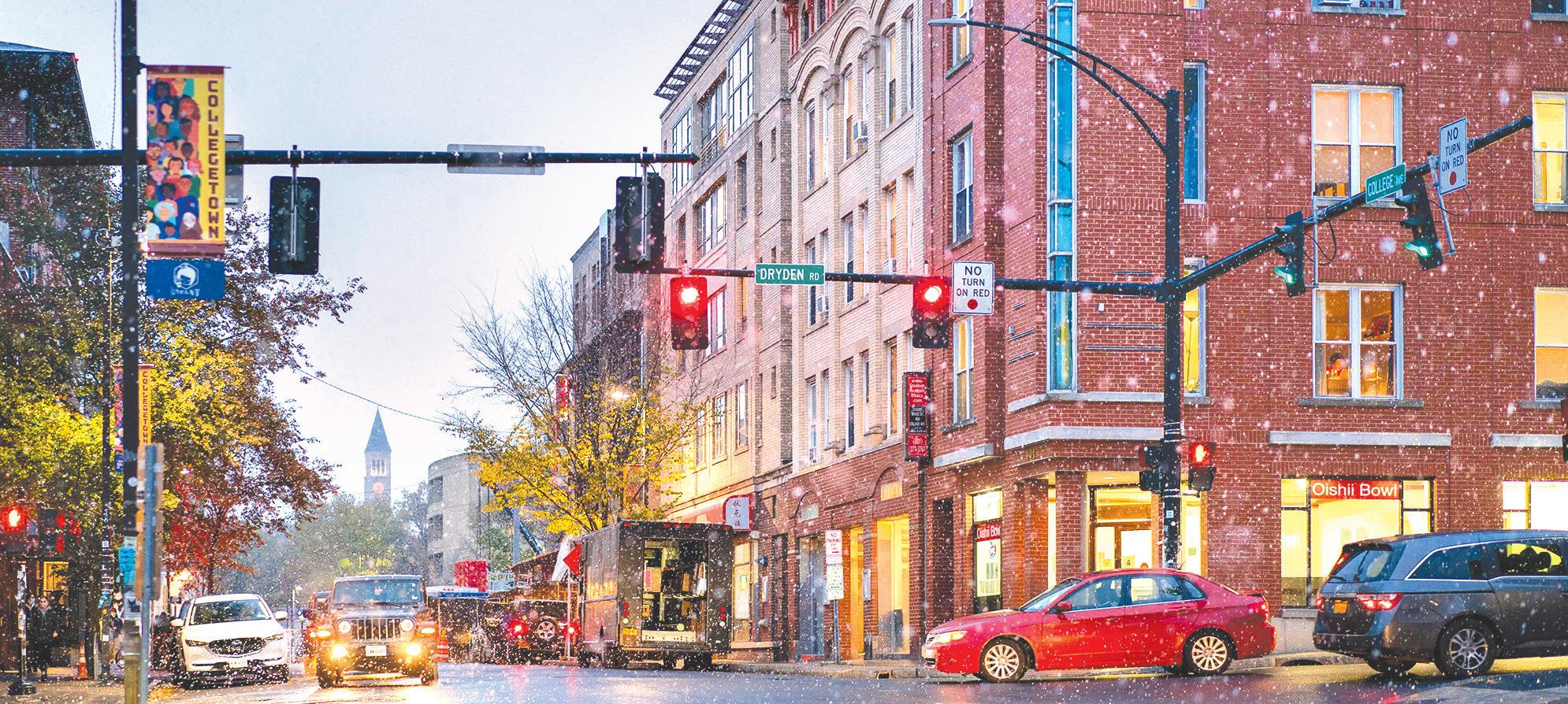
along College Avenue in 2018 for nearly $16 million. For over a year, the properties have been left vacant and boarded up with plywood, leaving many to wonder what would become of them. Similarly, an LLC
linked to the pair bought the historic, former Nines building in April 2019 for over $3 million.
Now, all are slated to potentially become the site of various new, glitzy apartments.
Novarr has long been a major investor in Ithaca. In 2013, The Sun reported that Novarr owned more than $38 million in Collegetown real estate, a number that has almost certainly grown since then. Novarr and just seven other landlords then accounted for ownership of two-thirds of Collegetown housing. The redevelopment could further concentrate ownership of the neighborhood’s rental market into just a handful of prominent individuals and investment groups.
Collegetown — traditionally a quaint hub of mid-rise storefronts and single-family homes — has seen a deluge of significant redevelopment in recent years. Given its immediate proximity to Cornell, and a captive market of thousands of students, real estate players have repeatedly bet that the historic neighborhood still has plenty of room to grow.
Novarr and Proujansky previously led

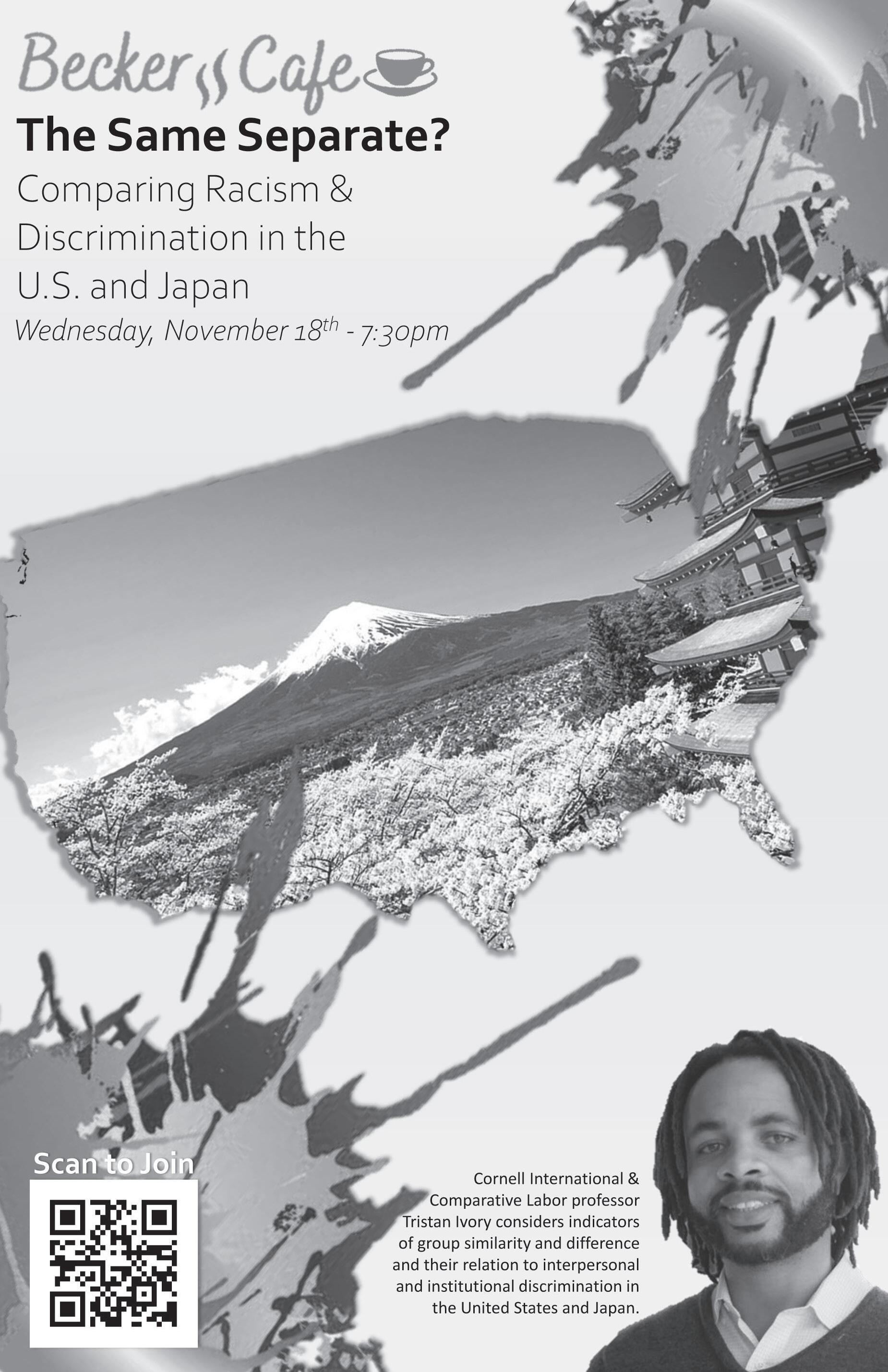
Tuesday, November 17, 2020
Be the Change: Call to Action — Connecting Identity to Community 9 - 10 a.m., Virtual Event
Unraveling Mysterious Interactions Between Viruses and Antibodies: Molecular Mechanisms and the Importance of Vaccination Noon - 1 p.m., Virtual Event
C.U. Wind Symphony: Haitian Music Lecture Series Noon, Virtual Event
Energy Smackdown Noon, Virtual Event
Eggs, Expression and Ecology: Regulation and Evolution of Reproductive Capcity 4 - 5 p.m., Virtual Event
Rachel Cummings: Attribute Privacy — Framework and Mechanisms 4:15 p.m., Virtual Event
Tomorrow
Remembering Prof. Yuri Orlov, Physics: Physicist, Human Rights Activist, Soviet Dissident 10 a.m. - Noon, Virtual Event
Rough Work in Search for a Cure: Trust and Social Inequality in Contemporary China Noon - 1:30 p.m., Virtual Event
The Chemical Language of the World Wide Mycelial Internet 12:40 p.m., Virtual Event
Engaged Cornell Learning Coffee Hour 1 p.m., Virtual Event
Towards a New Architecture Practice 3 - 4 p.m., Virtual Event
Cornell Orchestras Present Anthony McGill 4:55 - 6:10 p.m., Virtual Event
A Reading of Translations in, of and From Southeast Asia 7 - 9 p.m., Virtual Event
By GABRIELLE GONZALEZ Sun Staff Writer
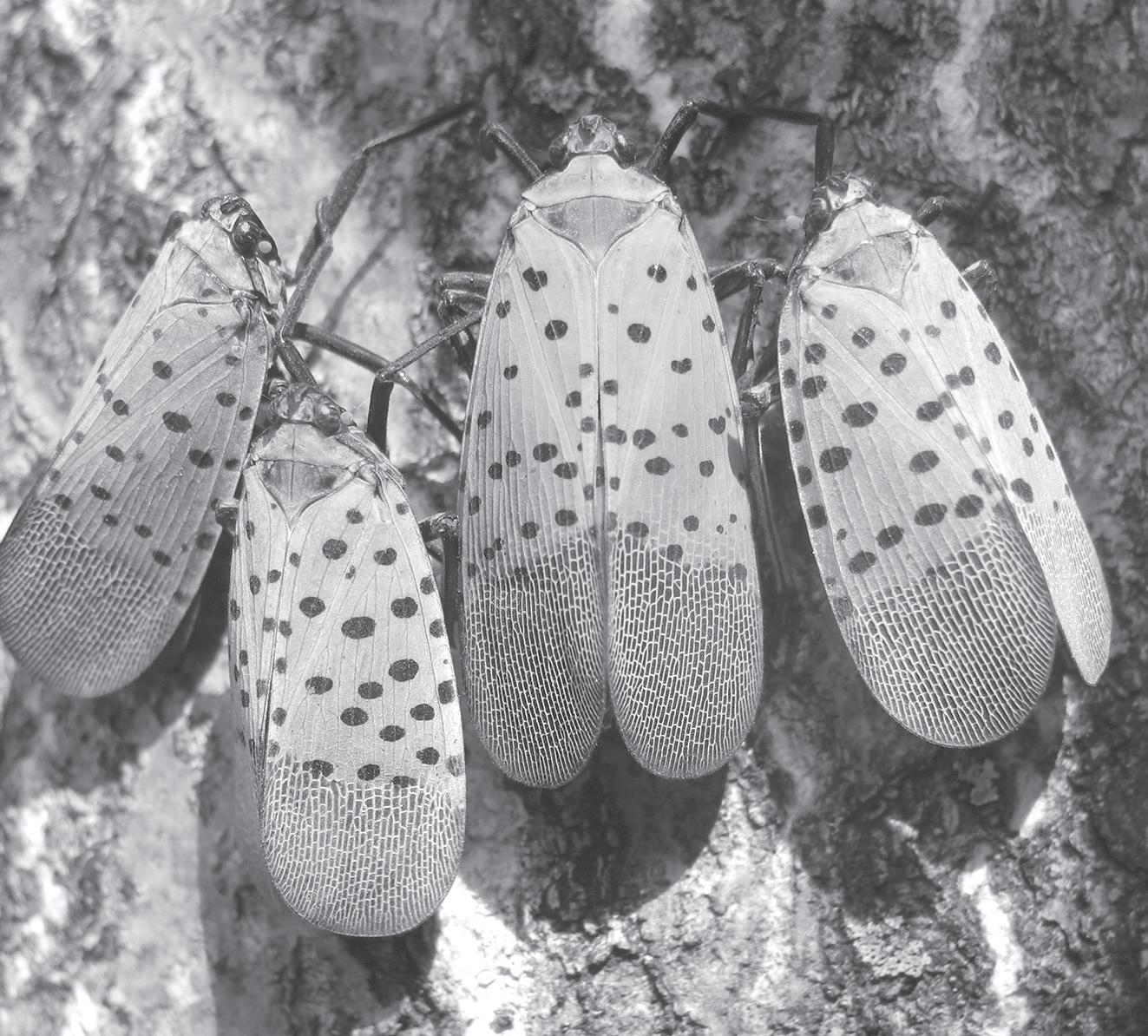
An undergraduate student recently found a spotted lanternfly in the Fall Creek neighborhood of Ithaca, right below Cornell’s campus. The invasive insect species has never been seen in the Ithaca area before, and its potential for agricultural disaster in the region has prompted New York State officials to arrive in the area to search for eggs and destroy them before a population can grow.
Originally from Asia, the insect was first found in the U.S. in 2014. While the largest populations are in Pennsylvania, the spotted lanternfly has now been found in New Jersey, Ohio and New York.
According to Brian Eshenaur, coordinator of the New York State outreach efforts for the spotted lanternfly, this insect most likely arrived by car.
“[The spotted lanternfly] is not a strong flyer,” Eshenaur said. “In most cases, it’s a hitchhiker.”.
While the adults die off in the cold New York winter, the threat is not over. State officials are now combing through the Fall Creek neighborhood, hoping to find all of the eggs before they hatch in the spring. The success of their search will determine whether the spotted lanternfly is able to establish a permanent population in Ithaca.
Although it may be a nuisance in residential areas, causing some early yellowing of trees, the spotted lanternfly is neither harmful to humans nor animals. However, when a population of the spotted lanternfly is able to thrive, the effects for agricultural producers can be devastating.
“We’re really concerned about this from an agricultural aspect, because it can affect grapevines, apple trees and hops,” Eshenaur said. All three of these crops are integral to the Finger Lakes’ agricultural economy. If the flies do take hold in the area, farmers would need to increase their use of pesticides to treat grapes that they plan to harvest. It could
also weaken grapevines, ultimately rendering them unusable to vineyard owners.
When traveling to areas where the spotted lanternfly is populous, students should check their cars carefully for egg masses or adult spotted lanternflies so they don’t accidentally bring the insect to a new place,
The search for eggs begins with establishing the perimeter of where potential eggs may be, or how large the outbreak area is, and then slowly combing through it to see how prevalent the population is at the time, getting rid of any egg masses found along the way.
“Our New York State Agriculture and Markets is going to make every effort to hopefully eradicate this population that’s in Tompkins county,” Eshenaur said.
In the spring, officials will reassess and figure out a management plan going forward, depending on how many of the insects were able to hatch. Trying to find the eggs is a long and tedious process because spotted lanternflies lay eggs under rocks, on tree trunks and on branches, sometimes high up in tree canopies.
Since its discovery in Ithaca, both adult spotted lanternflies and eggs have been found, but it is unclear how many more are in Ithaca.
“So far, the evidence points to there not being an established population in Ithaca, but that’s so far,” said Prof. Ann Hajek, entomology.
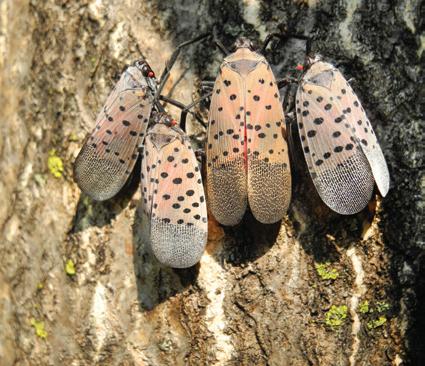
The adults look particularly unique, donning gray and red wings with black spots. However, before they go through metamorphosis, the young spotted lanternflies are small black and white bugs, making it a challenge to recognize and get rid of them.
Eshenaur is cautiously optimistic about state officials’ ability to eliminate the population in Ithaca.
“The more time we have, the more we can learn from the successes that are taking place in Pennsylvania and that’s been very helpful,” Eshenaur said. “We’re also learning more about biological control. Early on in 2014, we knew very little about this insect, so we’re in a better position than they were when it was first noticed in Pennsylvania.”
Hajek also expressed optimism on the possibility of removing these insects from the Ithaca area.
“I think that [state officials] are really taking it seriously,” Hajek said. “However, the spotted lanternfly is already established in Pennsylvania and New Jersey, both of which are very close. I think it would be really good for people in Ithaca to learn what they look like and to be vigilant if they see one.”
Gabrielle Gonzalez can be reached at ggonzalez@cornellsun.com.
By OLIVIA CIPPERMAN Sun Staff Writer
The fall semester moved most classes online, but the winter session will be completely virtual. Although the winter session will have an expanded course roster, it will not offer students any in-person options.
Many Cornell students and professors plan to continue their academic work through winter session classes, but will have to do so in a virtual setting. Because of this, facilitators will expand the number of classes held and adapt pre-existing programs to the online format.
Ann Morse, the executive director of communications and marketing at the School of Continuing Education and Summer Sessions, said all classes will occur within one session from Jan. 4 to Jan. 23.
Recurring courses that have been popular in the past, according to Morse, include PLBIO 2400: Green World, Blue Planet,
HD 2600: Introduction to Personality and ILRST 2100: Introductory Statistics.
Visiting students must register for winter courses by Dec. 7. Continuing Cornell students can register until Jan. 4, when classes begin. Morse explained that registration usually picks up in the few weeks prior.
The winter session roster will add 10 new courses. The Center for Teaching Innovation worked alongside SCE during the summer to maximize course offerings and impact during the pandemic.
days. Specifically, the School of Hotel Administration and the Dyson School of Applied Economics and Management will add brand new classes, Morse said.
“I’m going to get [the class] over with in three weeks rather than spend the whole semester.”
One SCE course that has undergone major adaptations is the human ecology course “Practicing Health Equity: Theory and Online Fieldwork in Brooklyn.” Sam Beck, director of Cornell’s Urban Semester, will lead the program in an online space instead of its regular venue in Brooklyn.
Kyra Kozin ’23
“They’ve been really proactive in helping faculty and our school either initiate new offerings and make sure they’re high quality and accessible or convert existing offerings,” Morse said.
The winter session course roster will continue to add classes over the next few
In past sessions, class participants visited New York City to examine the diverse factors impacting community health. This year, they will study the same topic throughdifferent methods: online research, a virtual case study and daily online lectures from Weill Cornell Medicine faculty.
Other courses will proceed as they nor-
mally do during winter session. HIST 3662: Women, War and Peace In Europe 19001950, a history course taught by prof. Jomarie Alano, history, always takes place online and asynchronously. Students turn in assignments at 5 p.m. every day except for Sunday.
Students taking winter session courses look to get ahead in their coursework.
Kyra Kozin ’23, a human ecology student majoring in design and environmental analysis, plans to take “Introduction to Business Management” to start her business minor. Kozin chose not to take classes during the fall semester, and she said she wouldn’t participate in the winter session otherwise.
“I’m going to get it over in three weeks rather than spend the whole semester on it,” Kozin said. “I am not a fan of online learning.”
Olivia Cipperman can be reached at ocipperman@cornellsun.com.
Continued from page 1
the development of Collegetown Terrace, a sprawling 1,200 unit complex located in east Collegetown, the Breazzano Center for Executive Education and several other, smaller projects in recent years. Last year, Cornell’s Student Agencies decided to demolish the beloved, former home of Collegetown Bagels and Rulloff’s to build a sleek six-story building.
But both in size and cost, the latest proposal far dwarfs the previous projects, promising to significantly transform the urban fabric of Collegetown.
If all stages are fully completed as described, it would add roughly 720,000 new square footage of rental area to the market, including
over 30,000 square feet of retail and 70,000 of office space. By comparison, Shops at Ithaca, the region’s largest mall, contains just over 600,000 square feet of space.
On the corner of Dryden Avenue and College Avenue — where Cornell’s Collegetown surveillance testing site currently sits — the developer plans to build a 12-story office building, which would become the area’s tallest.
The former Nines building will be demolished and replaced with a 10-story, mixed-use retail and residential building. The structure will be set back by 20 feet and include a new plaza.
“Catherine North,” a three-building apartment complex to be located on the corner of Catherine Street and College Avenue, will include 222 residential units and over 3,000 square
feet of retail space. “Catherine South,” which will be on the other side of Catherine Street, is planned to include two buildings, one 10-stories and the other five-stories, totaling 218 units.
The final proposed complex, called “Catherine Summit” in the filings, is set to replace 301 College Ave., a four-floor apartment complex built in the 1980s, with three mixed-use and residential buildings that combine to over 300,000 square feet of new space.
Ground-breaking, however, is still likely a long way off: The unprecedented size and height of the project’s various buildings means it will need to seek many exemptions from Collegetown’s current zoning codes. As with previous large-scale Ithaca projects, such a process will almost certainly require at least months of back-
and-forth negotiation.
According to the group’s Planned Unit Development application — a document that must be reviewed and approved by Ithaca’s Common Council before construction can begin — the developer plans to offer a number of incentives in hopes of winning the City of Ithaca over. These include $1 million to help shore up the city’s budget and another $1 million donation to Ithaca Neighborhood Housing Services to build affordable housing.
In a gesture to preservationists, the developer also promised to spend $1 million to relocate the Nines building, the home of a historic, former fire station. Constructed at the turn of the 20th century, the building narrowly missed being declared a protected landmark after Mayor Svante
Myrick ’09 cast a tie-breaking vote against the designation. Offering cash incentives and promised investments is a common strategy developers use to convince otherwise wavering municipalities to agree to at least parts of their plans.
Although the project’s scope is likely to be controversial, it comes at a time when Ithaca, like governments nationwide, is reeling from job losses and financial shortfalls. In its filings, the developer argued its project would “create a substantial number of high paying, union and non-union construction jobs over an extended period of time,” as well as provide a “significant, immediate increase in the City’s property tax base.”
Johnathan Stimpson can be reached at jstimpson@cornellsun.com.
‘Why
“I do rule out banning fracking, because the answer we need, we need other industries to transition to, ultimately, a completely zero emissions by 2025,” said President-elect Joe Biden in the final presidential debate.
The former vice president, and now president-elect, elaborated that to him, the focus in mitigating climate change would be on carbon capture methods and eventually transitioning to renewable energy sources.
After the debate, President Donald Trump stated that he would protect fracking in the interest of maintaining low prices for energy and preserving American jobs.
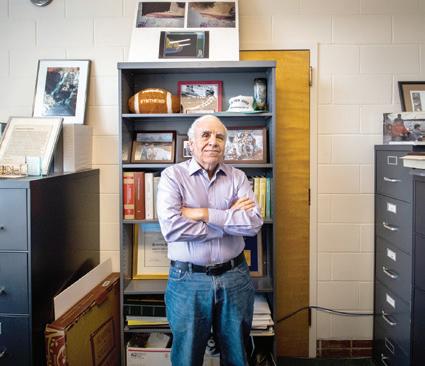
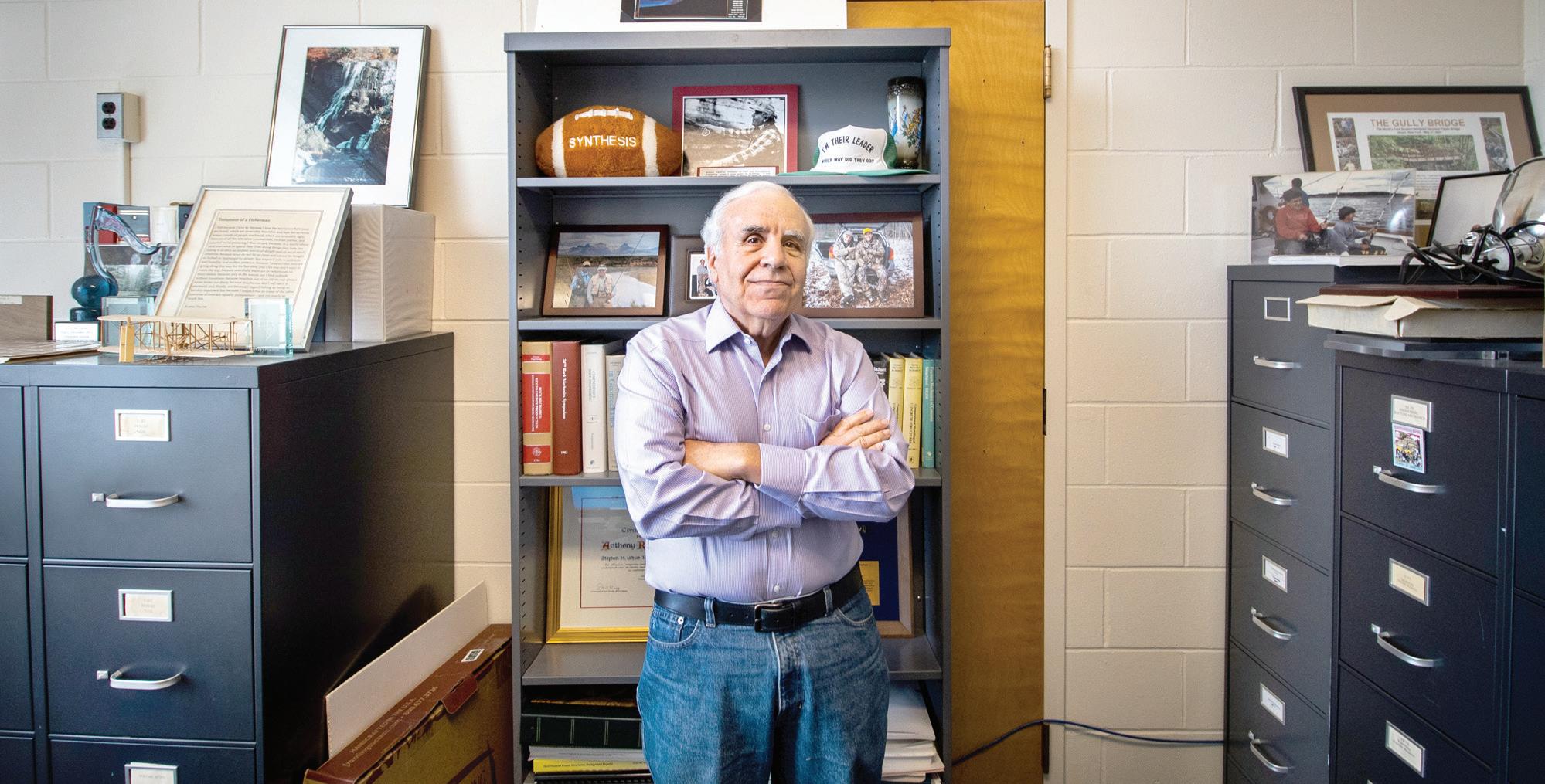
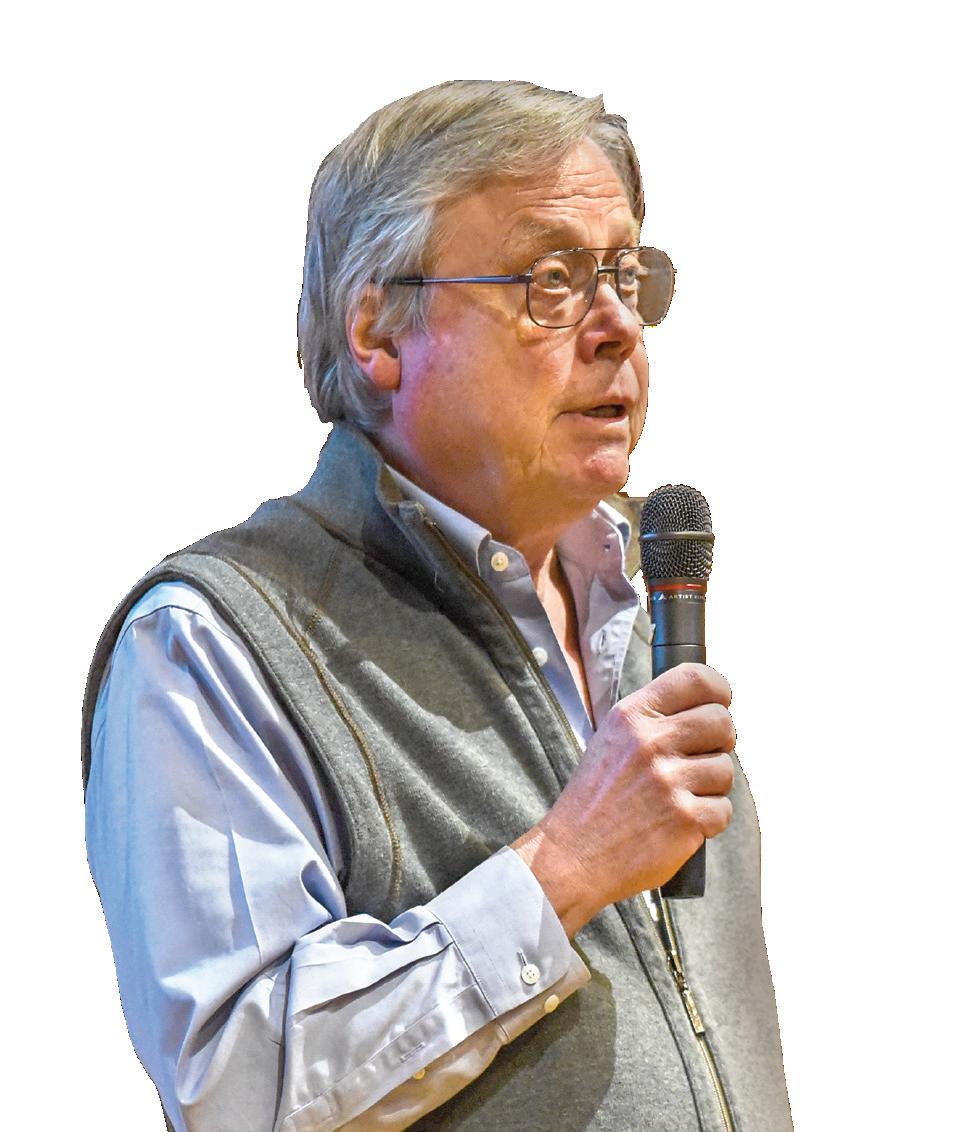
A failing that underscored both sides of the debate on fracking is a fundamental misunderstanding of what fracking is and the role it plays in the fossil fuel industry, according to Prof. Anthony Ingraffea, civil and environmental engineering.
“Why are we talking about fracking in 2020? Clearly, there’s something wrong here,” Ingraffea said. “Something doesn’t jive, and what’s wrong is that there is profoundly universal misuse of the word fracking.”
Fracking rose to national importance when it was repeatedly mentioned during the final presidential debate, leading many to scrutinize Biden’s position on the matter and whether he should not ban fracking to win over the key battleground state of Pennsylvania — in which 26,000 peo ple are employed by the oil and gas industry. Despite this attention, Ingraffea thinks that the candidate’s lack of expertise on the matter has led to an inflation of fracking’s importance.
Fracking has been commonplace in the United States for nearly 75 years — which begs the question of why it is coming up in a presi dential election now.
Hydraulic fracturing is the process of uti lizing water, under high pressure, to cre ate cracks — or fractures — in rocks deep underground. These fractures can then be used to extract oil and gas that was previously inaccessible.
While this is the process that the president-elect so frequently harkened back to on the campaign trail, this process of stimulating rock is not the problem, Ingraffea said.
However, the phenomenon that is at the root of exacerbating climate change, contaminating water supplies and suppressing the transition from fossil fuels to renewable energy is not hydraulic fracturing, but what is known as “unconventional drilling.”
This practice taps into a type of rock — shale rock — previously untouched by conventional drilling methods. Shale rock forms when mud, which often contains dead plant and animal matter that becomes
oil and gas over the course of millions of years, is condensed. Over time, heat and pressure drives the oil and gas toward the surface, into what is known as “reservoir rock.”
“The problem is in the early 2000s, the oil and gas industry discovered an entirely new way of getting a huge oil and gas resource to market,” Ingraffea said.
Conventional natural gas reserves contain methane that naturally broke free from shale over the course of millions of years, but the practice of extracting natural gas directly from shale was not commercially available until 15 years ago, according to Prof. Robert Howarth, ecology and evolutionary
Tapping into these reserves opened up a Pandora’s box of effects on local communities, contaminating local water sources and releasing emissions that contribute to poorer air quality and worsening the greenhouse effect.
On top of the direct environmental effects of this unconventional drilling, the expansion of obtainable oil and gas kept the price of fossil fuels low, making them more economically desirable than renewable alternatives like wind and solar, and subsequently extending the lifetime of the fossil fuel industry while stalling the

transition to renewable energy sources.
“[Unconventional drilling] suppressed, or pushed down, what we should have been elevating — which is capital investment and renewable energy,” Ingraffea said. “The oil and gas industry was saying, ‘Look, we just elongated the fossil fuel industry by 30 years, we made the United States energy dominant’ ... The market response to that is, ‘Well, then we don’t need wind and solar and hydro, because there’s this cheaper alternative called shale gas.’”
Resistance From
‘The White House All The Way Down’
Throughout the past 40 years, fossil fuel companies have used their monetary and political sway to postpone the transition to other sources of energy — spreading misinformation on oil and gas emissions’ connection to climate change and lobbying for subsidies.
Ingraffea and Howarth are no strangers to this political and economic arm of the fossil fuel industry.
Ingraffea began his career on the other side of the fence — working for fossil fuel companies and learning how to best extract oil and gas from rock. Ingraffea worked for the industry until around 2008, when he and some of his colleagues realized that this industry was having severe, negative impacts on local communities and worldwide.
On a local level, these drilling sites can also release ozone, which can cause coughing and respiratory irritation in the short term but can also worsen chronic conditions like asthma.
“What they were doing was having profound impacts locally on human health and globally, indirectly, because of climate change,” Ingraffea said. “The local [effects] from the leaking, and the spilling that goes along with oil and gas development and its impact on drinking water and air being breathed by local residents.”
Upon coming to these realizations Ingraffea began to speak out against unconventional drilling, but the oil and gas industry didn’t take kindly to Ingraffea’s change in tone.
In the 1990s, Ingraffea was one of the founders of the American Rock Mechanics Association, for which he frequently gave presentations, conducted research and wrote papers. Following his shift in tone toward drilling, Ingraffea was forced out of the very group he helped found.
“I got blackballed … When I started to research and write and speak, in opposition, I was told I was no longer invited. I tried to publish in the newsletters and the blogs and was prohibited from doing so,” Ingraffea said. “It’s frustrating. It’s aggravating, nauseating, infuriating.”
Nevertheless, he moved on, focusing his efforts in the world of academia, teaching classes and mentoring other engineers.
To read the rest of this story, please visit www.cornellsun. com.
Virtual Vibrance was held electronically on Halloween.
Viewers got to see two events over the course of the day; both were created by Black women.
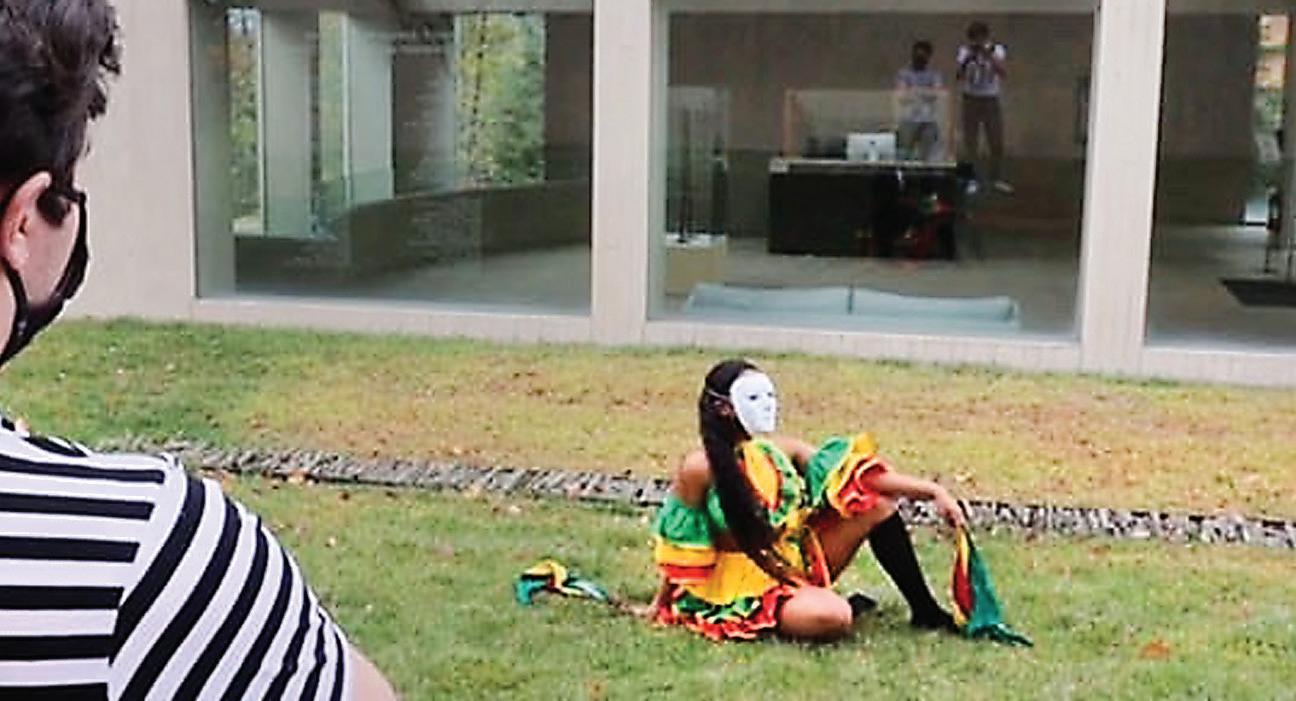
The first event, “Exhibit Noir” featured three Black female dancers, including creator Faith Parris ’24, who all performed different cultural dances of the African diaspora. They wore masks to obscure their faces while they danced in front of a white male spectator. The second exhibit In the Parlor was a table reading of the play by playwright Judy Tate, directed by Cornell’s Carley Robinson ’21.
Virtual Vibrance represents a big shift in the Cornell Performance and Media Arts Department, which has struggled with diversity and inclusion in the past. Since an open letter written to the University over the summer, and the recent spike in awareness of the systemic racism against people of color, Cornell PMA has worked to address these complaints and adjust performances and syllabi to better meet the needs of their students.
Prof. Nick Salvato, performing and media arts, believes Virtual Vibrance is a good example of what the department needs to be doing to support their BIPOC students, he explained how “We [as faculty] have an obligation to offer more robust support to the projects that BIPOC students helm… [This was] achieved in the case of Virtual Vibrance, so I see the project as modeling good practices for the future.”
Parris felt fortunate that she got to take part in this. “I’m very surprised that this is happening in my first year,” she said. “But Cornell made it very welcoming … I had a ton of support.”
“Exhibit Noir” was a very personal event for Parris, as she used it as a way for her to explore her own blackness and as a way to address the recent social movements. The final dance in the sequence of three dances was danced by Parris, the only one without a mask, to represent her celebrating her own liberation and culture as an AfroCarribean woman.
However, she recognized that her experience in getting to tell her story isn’t universal at Cornell: “I do appreciate Cornell’s transparency in the fact that they acknowledge the strides that weren’t taken in the past and how rare this experience actually is. Coming here I thought, ‘This is amazing! Students get all of their stories told and their voices heard!’ But that isn’t as true as we would like it to be.”
Robinson also recognizes the significance of this event, and extends her thanks to the graduate students for it: “[Virtual Vibrance]
was originally the graduate students’ slot, and they decided, unprompted, that they were going to reach out to the undergrads like ‘Hey, we know you have been incredibly ignored in the department. We have the power and the platform to help you do whatever it is you want to do.’”
Robinson tried to make her reading of In the Parlor a safe haven for its participants, emulating what she hopes for the Cornell PMA department will one day be, “The department has this elitism that is rampant throughout the theater commu-
One of these artists is Amaris Henderson ’21, a friend of Robinson. Henderson, despite being a senior majoring in PMA with a concentration in acting, has not had the chance to perform. “I’ve never been in a show before [“In the Parlor”], and I’m probably not the only senior who has had this experience,” she discussed. “I don’t necessarily think that it’s been by choice, but rather it has been due to lack of clear information as to what opportunities are out there.” She tried to get performance experience outside of the department, through clubs
majors, but there’s so few majors that I wish they took care of us better and made us feel special. If the department is even going to bother with making a sequence and [acting] concentration, they should at least promise their students that they will be given a space to act.”
However, she thinks that the students who often get cast repeatedly could help address this problem. “We need to learn to be unselfish when it comes to opportunities,” she notes. “If we know we have done something plenty of times say ‘hey, it’s time
nity, that [the performance] has to be perfect… but the industry standard is unsustainable ... and if I have 100 pages of reading per class, per week, and then on top of that rehearsals are 24 hours a week? It’s like, we are students!” As such, and knowing the constraints of the virtual format, Robinson lessened the time commitment for rehearsals from what a normal production would require, and opted to do a
and organizations but was denied. “I wish I could have joined more musical groups that are welcoming. It was really strange that I wanted to perform, and since my department wasn’t giving that to me I went out [to other performing arts opportunities and groups] and I still got told no.”
She discussed how discouraging the audition process was, “I have auditioned … but I never got called back, which I thought
to sit down and let someone else go in and take that opportunity.’ Students should encourage their classmates to audition, and professors should too and help their students prepare for it.”
Besides a lack of opportunities to perform, many students also struggle to find opportunities for genuine mentorship within the department. Allen Porterie ’20 comments: “Many of the faculty members have these connections
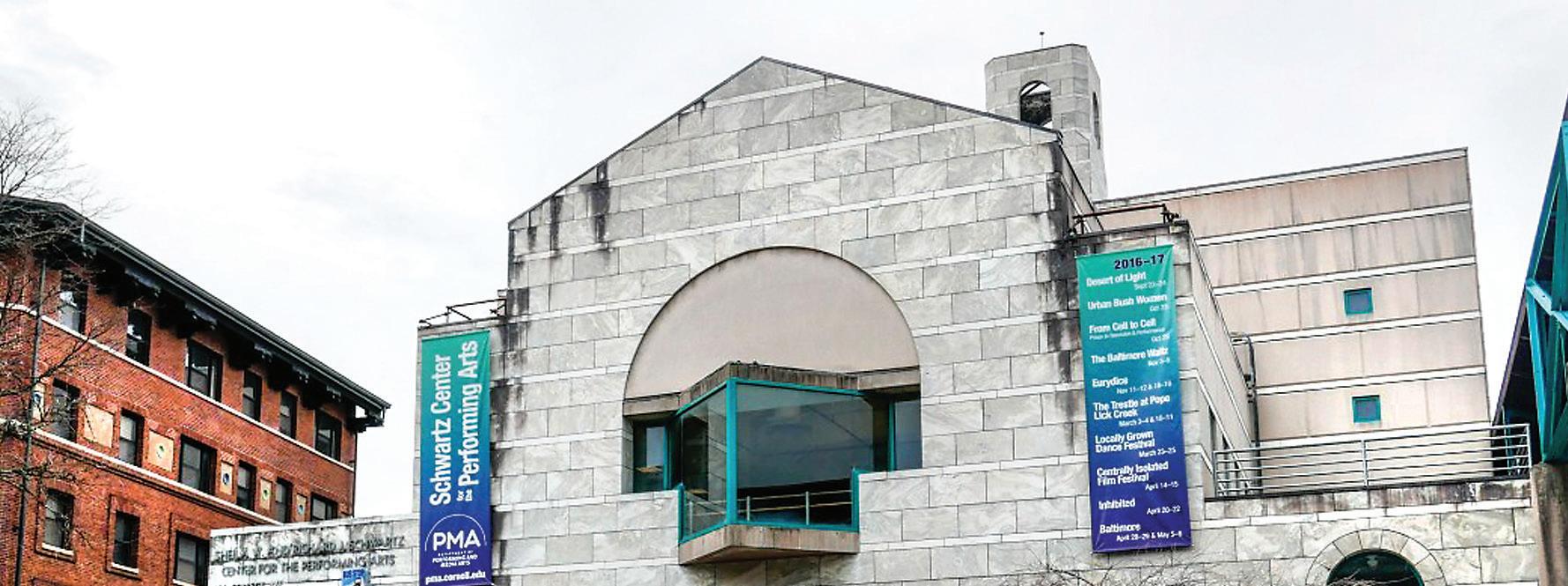
table read.
This allowed her to get closer to the people she was working with and bring students who weren’t in Ithaca or who did not have as much performance experience into the production. “I try to get people who I don’t know or who had a terrible audition into the room,” she explained. “Once you get them introduced and comfortable in the department, then anyone can make art.”
was weird because I’m a major and my concentration is in acting. I think there hasn’t been open arms for people like me, and sometimes you start to notice that the same people get casted in every show and it turns you off from auditioning again.”
Henderson feels that the department should be more considerate for the students in its major: “The department is more catered to minors than it is
to working directors and actors and they aren’t really leveraging them all the time, which leaves a lot of students of color out of the loop. I had to create a lot of opportunities for myself with my friends in the department in order to grow.”
An important way that PMA has worked towards addressing this need is by increasing faculty diversity. Professor Salvato reflects: “My department’s faculty
was almost entirely white when I came here in 2006. Since that time, we’ve significantly diversified our faculty to include a number of BIPOC professors.”
Certain faculty, such as Professors Jeff Palmer, Ellen Gainor, Aoise Stratford, Sabine Haenni, and Samantha Sheppard — all PMA — were cited by the students as being positive influences and figures who made them feel welcomed and seen in the department.
Henderson discusses the progress she has seen in terms of the way faculty interact with their students, “Professors are starting to pay attention to their BIPOC students… The other day I got an email by one of the professors saying that they heard I was a great writer and musician and they wanted me to make a piece… The fact that I got that email shows the department is changing and they should continue that process.”
The most impactful way the department has tried to remedy its student’s grievances is by increasing student participation in the Performance & Events Committee. Robinson applauds the changes that this shift has brought: “The Performance and Events Committee has basically been revamped … They have been extremely willing to take feedback and… have listened when we say these are our opinions but this is a lot of labor, and it is not our job as students to fix the department, it is yours as faculty.”
The students have plenty of ideas on how to better the department, and are excited to be able to share them and see these changes take place. Henderson explains her ideas: “One of my dreams for the department is for them to start hosting open mic nights … so artists can come out and get that good practice. If we are going to encourage students to be performers there needs to be an opportunity for students to put all their tools into practice before they graduate.”
Another important way to get BIPOC students more involved in the department is by putting on productions to which they can relate. A principal complaint from PMA students of color has always been the lack of opportunities to tell diverse stories. Robinson explains how this struggle led to her wanting to be involved in Virtual Vibrance. “I wanted to create a space [with In the Parlor] where people could celebrate people of color,” she said. “A lot of our performances are centered on white stories and whtie voices, but it is important for us to see and to be seen.”
To continue reading this article, please visit cornellsun.com.
Christina Ochoa is a junior in the College of Agriculture and Life Sciences. She can be reached at co234@cornell.edu.
138th Editorial Board The Corne¬ Daily Sun Independent Since 1880
MARYAM ZAFAR ’21 Editor in Chief
JOYBEER DATTA GUPTA ’21
Business Manager
PETER BUONANNO ’21
Associate Editor
MEGHNA MAHARISHI ’22
Assistant Managing Editor
CHRISTINA BULKELEY ’21
Sports Editor
BORIS TSANG ’21 Photography Editor
CAROLINE JOHNSON ’22 News Editor
ALEX HALE ’21
News Editor
ARI DUBOW ’21 City Editor
EMMA ROSENBAUM ’22 Science Editor
BENJAMIN VELANI ’22
Dining Editor JOHN MONKOVIC ’22
Multimedia Editor
MIKE FANG ’21
OLIVIA WEINBERG ’22
Assistant News Editor
MADELINE ROSENBERG ’23
Assistant News Editor
LUKE PICHINI ’22
Assistant Sports Editor
HANNAH ROSENBERG ’23
Assistant Photography Editor
BRIAN LU ’23
Assistant
ANNABEL LI ’21
Assistant
LEI ANNE RABEJE ’22 Layout Editor
JOHN COLIE ’23
JOHNATHAN STIMPSON ’21 Managing Editor
KRYSTAL YANG ’21
Advertising Manager
JASON HUANG ’21
NIKO NGUYEN ’22
Editor PALLAVI KENKARE ’21
Editor SEAN O’CONNELL ’21
Editor KATHRYN STAMM ’22
Editor ANIL OZA ’22
PLOWE ’23
LEE ’21
CHENG ’21
PEÑEÑORY ’22
MEGHANA SRIVASTAVA ’23
’21
’22
MORAN ’21
LAW ’22
WANG ’21
’22
’21

Monday, Nov. 16 marks the first day of Geography Awareness Week. The third week of every November, students, educators, organizations, policymakers and geographers alike celebrate the often undervalued and understudied discipline. Geography can be used to study the physical properties of our world or the human societies and cultures that inhabit it. Indeed, the field is increasingly relevant today, and for Cornell to accomplish its goals of enhancing academic exploration and preparing students for the future, a department of geography must be created.
On the surface, geography may seem like nothing more than making maps or memorizing capitals. But it’s much deeper. Climate change, population growth and globalization are each inherently geographical and important topics for today’s students. Geography can be used to dive deeply into these subjects and explore solutions to the issues they pose.
And as our population grows, we as humans have become more interconnected. Globalization is growing and we rely on information from all sorts of people, regardless of nationality. Learning from each other is best accomplished when we understand each other: our backgrounds, histories and cultures. In this way, geography can help us make sense of globalization.
Geography lends itself to studying international development and the comparison of cultures and environments. These studies ask students to step away from their own preconceptions that they get from their own bubbles and to learn globally. Geography majors who concentrate in international development at Dartmouth learn about domestic politics, environmentalism and inequality in other countries, even sometimes doing field research abroad. This kind of studying prepares students to go about life in a globalized world.
Peñeñory ’22

Perhaps the most important problem faced by our generation is climate change, which affects environments differently based on geography: landscapes, populations and borders all have an impact. Studying geography can help people research, combat and prepare for climate change. In fact, the University of Oregon’s climate studies minor and Dartmouth College’s climate change science minor are each housed in the schools’ respective departments of geography; at these places they believe that in order to study how our climate works, you must take geography courses.
Geography is used every day to more deeply understand climate change. We can look to the work of Chris Funk, a research geographer and climatologist for the United States Geological Survey, as an example of this. His team uses geography and specifically geographical information systems to study ocean temperatures worldwide. They can use this data to predict rainfall patterns, and thus droughts and floods, in East Africa. Funk’s research helps people know when to stock up food or evacuate, and it shows geography can help prepare for the effects of climate change.
Geography can also help us answer questions about population, demography and resources in our developing world as well. The world population is expected to reach 9.7 billion by 2050. Where will these people live? Where will they get their food? How will this impact our planet’s environment?
Human geography, the study of how humans affect and are affected by geography, is especially relevant in answering these questions. For instance, Prof. Susanne Friedberg, Dartmouth College, studies the geopolitical and social relations that determine how food gets from farm to market, to which market it goes, and how that process affects both cultural and natural environments. Geography students at Dartmouth can learn alongside her and take classes where they learn about things like population distribution and distribution of resources in a geographical light.
It also should be recognized that geography is extremely interdisciplinary. Hard science involving the studies of climate and Earth’s physical properties are paired handin-hand with social sciences to understand populations, societies, policies and cultures. The University of Oregon’s six concentrations of the geography major range from focusing on the economy and sustainability to geopolitics and culture to geographic information systems.
Geography’s breadth adds to its intrigue but also its relevance. It’s useful for the problems of our future and its study is an integral part of adequately preparing students to face them. In fact, Cornell already knows this.
Geographic breadth has long been a requirement in the College of Arts and Sciences because the college wants to ready its students for a truly global world. However, with the old curriculum fading away, the geographic breadth requirement is going with it. To both make up for its loss and to truly cement geography as an important subject at Cornell, a department for its study must be created. Thankfully, across the university’s many schools, majors, and disciplines, the infrastructure to do so already exists.
Across Cornell’s colleges, classes can be found that resemble those in other schools’ geography departments. To name a few, the Departments of city & regional planning, international & comparative Labor, policy analysis & management, development sociology, international agriculture & rural development, sociology, anthropology, and government all have classes that in one way or another study geography.
These classes provide great opportunities, but an organized department would offer so much more. Cornell students deserve the freedom to study geography in different ways, like environmental and physical geography, human and population geography, or international development and comparative geography . . .
To continue reading this column, please visit cornellsun.com.

Fill in the empty cells, one number in each, so that each column, row, and region contains the numbers 1-9 exactly once. Each number in the solution therefore occurs only once in each of the three “directions,” hence the “single numbers” implied by the puzzle’s name. (Rules from wikipedia.org/wiki/ Sudoku)



By RAPHY GENDLER Sun Senior Editor
In the 21st century, most Cornell-Dartmouth foot ball games don’t make national headlines. But 80 years ago, in Hanover, New Hampshire, on Nov. 16, 1940, in what commentators called a stunning display of sportsman ship, Cornell — then the top team in the country, riding a 19-game winning streak — gave away an apparent 7-3 win after realizing its last-second touchdown was scored on fifth down.
The Red entered the game against its longtime rival — then called the Indians — riding an 18-game winning streak dating back two seasons. Dartmouth broke a scoreless tie with a fourth-quarter field goal, taking a 3-0 lead.
The Wikipedia page for the game reports that Cornell got the ball on the Dartmouth six-yard line with less than a minute to play. After short gains on first and second down, Cornell had the ball on the one-yard line. A run for no gain on third down followed by a delay of game penalty gave Cornell fourth down from around the five-yard line.
’41 threw an incomplete pass into the end zone. And that should’ve been it. But referee signalled fourth down, and Scholl found receiv er William Murphy for a touchdown on the bonus down. Cornell won the game 7-3.
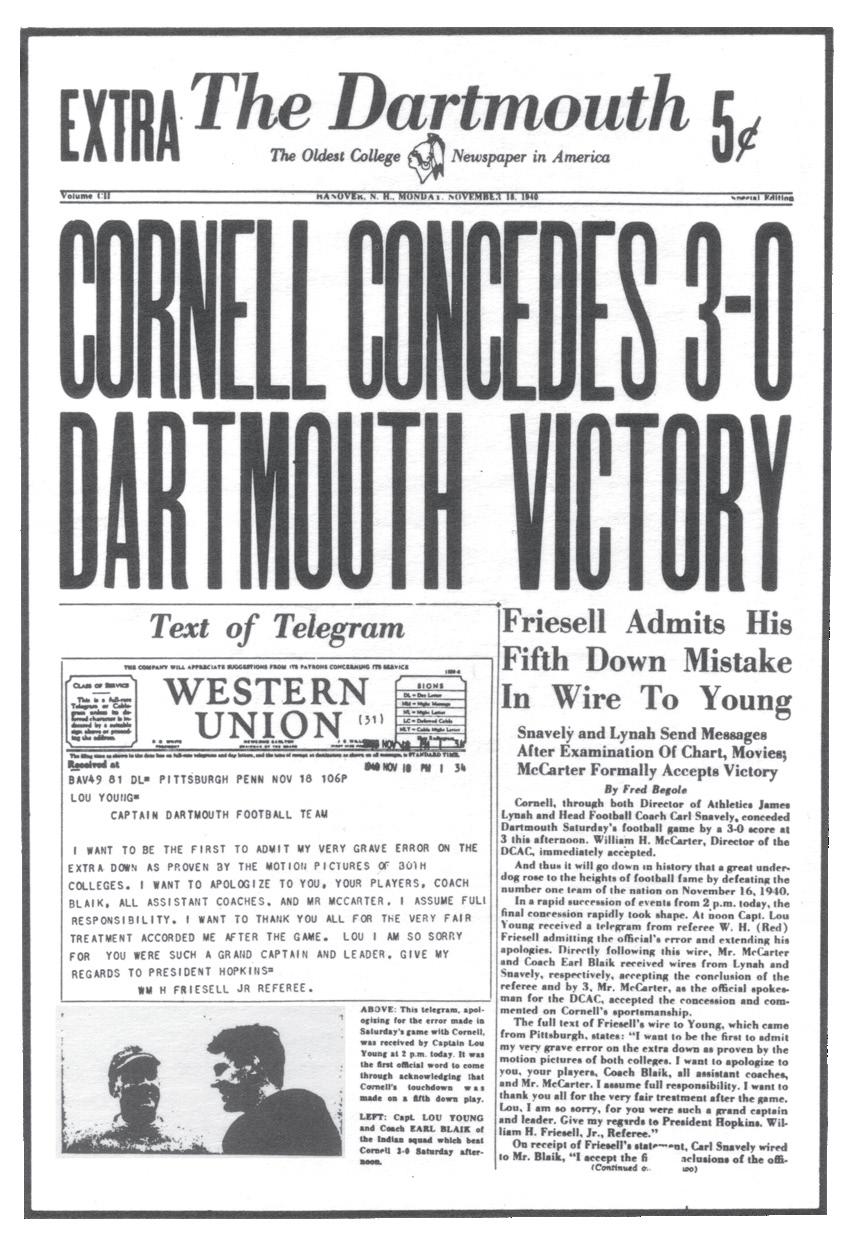
Or so they thought. After reviewing film of the game on Sunday, coach Carl Snavely and Cornell officials realized the touchdown shouldn’t have happened. sent a telegram to Hanover offering to forfeit the game. Dartmouth accepted, cementing the contest as a 3-0 win for the home team.
Edmund Ezra Day, then the president of Cornell, was a Dartmouth graduate. Lou Conti ’41, a guard on the 1940 team, told The Los Angeles Times in 2010 that Day said, “You can offer them the game, but they won’t accept it.”
“We didn’t believe that. I didn’t believe that. Nobody believed that they would not accept the game,” Conti said.
Frank “Bud” Finneran ’41 said he’ll “never forget this as long as I live.”
“[Day] said,
— and they were 100 percent right,” Conti, then 91 years old, said in 2010. “But if I had been a grown person with some authority, I never would have offered to give the game away.”
At the time, an angry team and football-obsessed campus felt like the game had been unjustly stolen, even as praise for the act of sportsmanship came from around the country: A New York Herald Tribune editorial said “there seems again to be hope in the world.”
Some players on the 1940 team insisted that Mort Landsberg ’41 got into the end zone on his third-down run that was marked just shy of the goal line. And while decades later they looked back fondly on the forfeit, at the time they couldn’t believe their university would give the win away.
“The pride is now. It wasn’t then,” said Frank Finneran ’41, a guard and defensive lineman on the 1940 team. “I can just remember my father telling me. He said, ‘Son, they will never remember that you guys were undefeated and that you had the greatest team in the nation. But they’ll never, never forget that your college awarded that game back to Dartmouth.’”
Eighty years later, the Fifth-Down Game still stands alone in college football history: No other game has been decided off the field after its conclusion. A 1940 editorial in The Sun said “our honor and good name remain unstained.”
Raphy Gendler can be reached at rgendler@cornellsun.com.

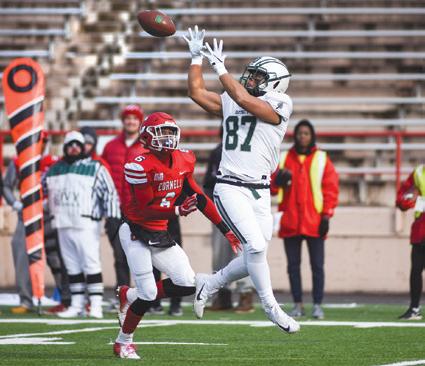
Decades later | This play took place during the Cornell-Dartmouth football game on Nov. 10, 2018 — 72 years after the “FifthDown” football concession.