Cornellians to Serve on Biden Administration Transition Team COVID-19 Cases Continue
To Climb After Campus Moves to Yellow Alert
to yellow alert was “a precautionary measure.”
On the last day of in-person classes for the semester, Cornell’s COVID19 success story began to unravel as a major spike in cases forced the campus to move to yellow alert.
A Cornell alert sent out after 3 p.m. Friday indicated that campus would tick up to yellow, the second-lowest “low to moderate risk” alert level.
The University last released new COVID-19 case numbers on its dashboard Friday evening, reporting 14 new cases on Nov. 12, for a total of 27 on campus positive cases.
Lombardi, in a Thursday email, identified one cluster in Cornell’s Greek community. The Tompkins County Health Department noted that college students who visited “multiple gatherings with different people at each gathering” had caused a cluster of over 10 positive cases to date. The University declined to comment on what specific chapters had cases.
In a Thursday release, the health department stated that another cluster emerged from a gathering at a single household.
There are 142 active COVID-19 cases in Tompkins County, as of Sunday evening — the most ever during the pandemic’s course.
The Tompkins County Health Department reported 17 new cases Sunday, 20 new cases Saturday and 23 new cases Friday. On Thursday, the health department reported its highest number of COVID-19 cases since the start of the pandemic, with 30 new cases.
There are 142 active cases in the area, as of Sunday evening — the most ever during the pandemic’s course.
In a Friday email to the Cornell community, Provost Michael Kotlikoff and Vice President for Student and Campus Life Ryan Lombardi wrote that additional cases connected to Thursday’s cluster had been identified, and that the move
A smaller, fourcase cluster resulted from a church group gathering. While campus is at yellow alert, the only change the University will implement is the addition of adaptive testing, which targets select groups with more frequent tests.
Campus gatherings have been capped at 10 all semester, and Gov. Andrew Cuomo (D-N.Y.) banned all private gatherings of that size as well.
The upticks in cases in Tompkins County and at Cornell mirror national and statewide trends, which have both seen resurgences in COVID-19 cases during the past month — the U.S. tallied 142,860 of cases on Wednesday with New
By JULIA NAGEL
Days after news outlets called the election for the Biden-Harris ticket, the presidential transition team released a list of members on its agency review teams — and 18 of them are Cornellians.
The teams will prepare President-elect Joe Biden and Vice President-elect Kamala Harris to “hit the ground running on day one,” understand the operations of each executive agency and allow for a smooth transfer of power, according to the Biden-Harris transi tion website.
Their first steps are to determine policy implementation methods, develop adminis trative agendas for each federal agency and choose administration staff members — pre paring the Biden administration to tackle the pandemic, the economic crisis, calls for racial justice and other pressing issues.
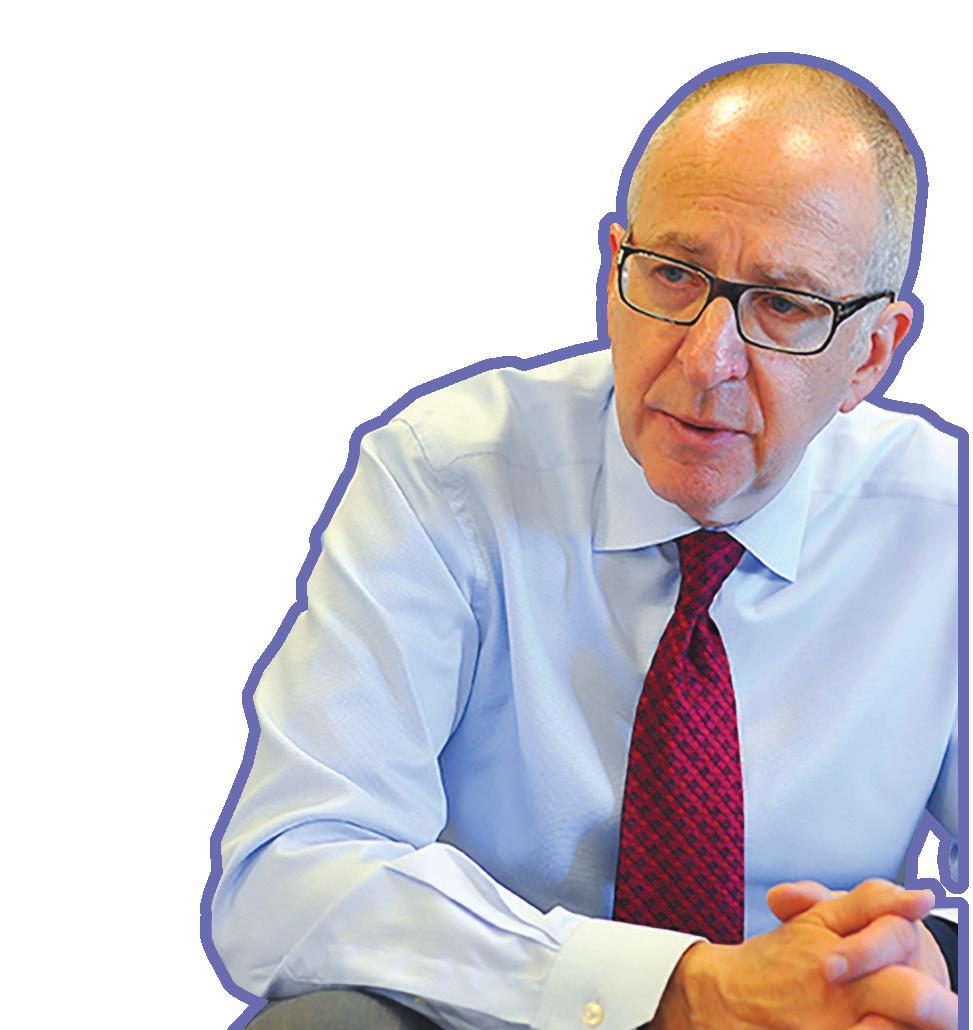
More than 500 federal policy experts cur rently sit on the transition review teams. Eighteen of them are Cornell alumni, in addition to former University president David Skorton, who is a member of the Arts and Humanities Agency Review Team and was selected because of his experience as the 13th secretary of the
Smithsonian Institute.
With the goal of “building an administration that looks like America,” the transition team makeup is markedly diverse. Women make up more than half of the team, and there is also strong representation among people of color, the LGBTQ+ community and people with disabilities.
Some of the transition team members will be temporarily involved and return to their careers after the transition period ends, become
CUPD Reform Debate Pushes Forward
S.A. members address Cornell police disarmament
By ESAT BRAVEBOY Sun Staff Writer
Student Assembly members kicked off their latest meeting with calls for the University to disarm the Cornell University Police Department — the assembly’s latest move in a semesters-long push for police reform.
The discussion follows the assembly’s late October resolution that demanded the CUPD cut ties with the Ithaca Police Department, following several IPD arrests of protesters. For the past year, student activists have demanded various changes to CUPD.
In March, the S.A. passed a resolution calling for an oversight committee composed of members from
Cornell’s governing bodies and CUPD. In June, Do Better Cornell demanded a similar committee — which University administration had not addressed — and called for the disarming and defunding of the Cornell police. This resolution, in part, builds from previous demands.
that have disproportionately affected people of color, especially Black and brown people,” Chukwukere said. “That’s something minority students here still worry about.”
“We don’t think that Cornell should wait for a tragedy like this to occur for us to disarm the CUPD.”
Lucy Contreras ’21
Uche Chukwukere ’21, the S.A. vice president of finance, introduced the resolution to disarm CUPD — citing the history of policing as rooted in maintaining slavery.
“Policing has upheld a lot of racist laws and policies
Lucy Contreras ’21, first generation student representative at-large, pointed to more immediate motivations for the resolution, explaining that other universities have disarmed their police forces, including Portland State University after the fatal shooting of U.S. postal worker Jason Washington on campus grounds in 2018.
“We don’t think that Cornell should wait for a tragedy like this to occur for
See CUPD page 3
By ALEC GIUFURTA Sun Senior Editor
See SPIKE page 3
Sun Staff Writer
Presidential | David Skorton, the 12th C.U. president, will serve on Presidentelect Joe Biden’s transition team.
MICHELLE FELDMAN / SUN FILE PHOTO
JULIA NAGEL / SUN STAFF PHOTOGRAPHER
Cases kick up | The surge in COVID-19 cases has hit home in Ithaca, where there are now three clusters — including one in Cornell Greek life.
Monday, November 16, 2020 Today
A LISTING OF FREE CAMPUS EVENTS
Guiding Our Children Through Crisis 10 a.m., Virtual Event
How Completing Teaching as Research Project Impacted My Career Noon - 1:30 p.m., Virtual Event
Online Learning Inequities: Taking Action to Do Better Noon - 1 p.m., Virtual Event
The Chilean Right at the Crossroads 12:40 - 1:50 p.m., Virtual Event
Race, Place and Digital Space:
Using Health Communication to Achieve Health Equity 1:25 p.m., Virtual Event
Back to Basics: Self-Care 101 Refresher 4 - 5 p.m., Virtual Event
The Politics of Race in the European Middle Ages 7:30 - 8:30 p.m., Virtual Event
Tomorrow
Be the Change: Call to Action — Connecting Identity To Community 9 - 10 a.m., Virtual Event
Employment Law and Investigations: Advanced Internal Investigations Process 9 - 12:30 p.m., Virtual Event
Our NextSeq 2000: New Capabilities to Accelerate Your Research 9:30 a.m. - 12:30 p.m., Virtual Event
Diversity and Inclusion: Inclusive Diversity and Inclusion Talent Management 10 a.m. - 1 p.m., Virtual Event
Plant Breeding 3.0 – The Return of the Breeder’s Equation 12:40 p.m., Virtual Event
Faculty and Staff Town Hall: Operating Budget Update 3 - 4 p.m., Virtual Event
Plants of the Pacific Northwest 7 - 8:30 p.m., Virtual Event
Alumnus Launches Fundraising Platform for Green Startups
By RUTHIE COVO Sun Staff Writer
When Sam Wenger ’20 first came to Cornell, he did not expect that, within four years, he would graduate and start a crowdfunding platform dedicated to helping sustainable businesses.
“I did engineering classes for four years, learned a lot about math and was an operations research major. So, zero of my core courses were dedicated to sustainability or the environment,” Wenger said.
But after deciding to enroll in EAS 1540: Introductory Oceanography, Wenger discovered his passion for the environment. Last summer, he interned at a green business accelerator, which laid the groundwork for his own venture — a GoFundMe-like service focused only on environmental ventures.
“After my internship, I learned that there are so many early stage green companies that are too young or too small for venture capital firms to invest in, but if they had access to capital, that would really help them grow,” Wenger said. “I feel pretty strongly that with a climate crisis this dire, it’s really important to accelerate the next generation of sustainable companies.”
After graduating, Wenger went to brain-
storm ways he could help early stage green companies gain funding without forfeiting equity. He looked towards crowdfunding platforms like Kickstarter and Indiegogo for inspiration, but found that these platforms did not show a clear dedication to sustainability; many had just one category dedicated to the environmental sector buried in their expansive websites.
And so Wenger ultimately landed on the idea of founding his own online platform that works exclusively with sustainability-focused companies.
“With Greenfundr, I took that environmental sector, broke it up into a bunch of different categories, like sustainable fashion, clean energy and sustainable agriculture, and built a platform that’s completely dedicated to green projects,” he said.
Greenfundr receives applications from different organizations, and conducts a thorough interview process to ensure that each company chosen for the website is qualified and committed to helping the environment.
The chosen campaigns are then posted to Greenfundr’s website and highlighted on its social media platforms. In exchange for each contribution, donors are rewarded with one tree planting from One Tree Planted.
S.A. Calls to Disarm Cornell Police Dept.
CUPD Continued from page 1
us to disarm the CUPD,” Contreras said.
Contreras also said student advocacy groups at Harvard University, Yale University and the University of Chicago are already campaigning to have their on-campus police disarmed or disbanded.
Youhan Yuan ’21, international students liaison at-large, questioned how well the campus police would monitor campus without the option of force.
Moriah Adeghe ’21, ex-officio
Freshman representative Amari Lampert ’24 asked if there was already a system in place on campus for people to respond appropriately to mental health incidents on campus.
Fellow freshman representative Kayla Butler ’24 said that Cornell was already discussing a “police alternative” unit, but did not offer further specifics.
The resolution’s discussion was heated, as other assembly members opposed disarming the campus police. Many representatives said they were apprehensive about the resolution, raising concerns about campus safety.
“Policing has upheld a lot of racist laws and policies ... That’s something minority students here still worry about.”
Uche Chukwukere ’21
member, responded by asking assembly members to recall a time where they needed both police assistance and police lethality.
“The point of this request is that we don’t think the lethality the police wield is necessary on this campus,” Adeghe said.
Other members discussed the role of police in responding to mental health incidents and pointed to nationwide incidents of lethal weapons used during non-criminal calls.
“We could look at the recent incident in Philadelphia as an example, where a mentally unstable Black man clearly needed to simply be detained and receive medical assistance,” Chukwukere said. “He didn’t need armed police officers there to eventually gun him down, and his family has made that clear.”
Dillon Anadkat ’21, undesignated at-large representative, said the campus police should be armed without lethal weapons by default, but should have it as an available option when necessary.
“When responding to something that is clearly a case of violence or an attack, maybe we should have the police able to appropriately arm themselves before approaching the situation,”
Anadkat said. “I’d say that we’re lucky that we haven’t needed CUPD in the past to protect from an attack, but we should keep the armaments as an option because such an attack is still possible.”
The assembly agreed to further discuss CUPD disarmament at its Nov. 19 meeting, when the S.A. will vote on the resolution.
Esat Braveboy can be reached at ebraveboy@cornellsun.com.
Wenger first created the website in August 2020, and then partnered with a former classmate to help gain a strong social media following.
“Social media has been super beneficial for us, in terms of giving us some legitimacy [in] showing that there are people who are actually interested in Greenfundr,” Wenger said. “It’s also been a really great platform for us to recruit projects. So pretty immediately after creating a minimum viable product with the Greenfundr website, we were able to start reaching out and receiving applications.”
Greenfundr is currently in its first month of crowdfunding and has received over 20 applications. Wenger chose three companies for the website’s launch — so far, it has received over $12,300 in donations to date and has funded the planting of 400 trees.
“I felt that on most of the mainstream crowdfunding sites, there are thousands of projects competing for space on the website. I didn’t want any lower quality projects to detract from the high quality ones,” Wenger said. “Greenfundr’s focus has been to have the best sustainable projects on our site: to choose quality over quantity.”
Over the next several months, Wenger plans to slowly expand Greenfundr’s proj-
ects while maintaining a thorough recruitment process. Greenfundr aims to provide funding for as many quality sustainable projects as possible, in order to foster a stronger dedication to helping the planet. In the future, Wenger hopes to also offer rewards-based crowdfunding, where green companies can offer stock shares in exchange for a donation. This would allow Greenfundr to partner with larger companies that are raising more substantial amounts of money.
Wenger discovered his passion for the planet and ultimately launched Greenfundr after taking classes outside of his operations research major. For Cornell students, Wenger strongly recommended taking advantage of the University’s vast course catalog and venturing outside of your normal coursework.
“It was really only by taking Introductory Oceanography that I learned something completely new to me, and found myself inspired,” Wenger said. “And so my advice is, take classes outside of what you normally would, and talk with your professors.”
Biden-Harris Team Includes Cornellians
Harris ’83, a Department of Labor Agency Review Team volunteer, is one of four likely contenders to be named Biden’s Secretary of Labor, according to The New York Times.
Many of the Cornellians are also former members of the Obama administration. Some notable examples include Derek Chollet ’93, part of the Department of State Agency Review Team, who was the assistant secretary of defense for International Security Affairs. Chollet participated in the Cornell in Washington program in 1992, and called the program “indispensable to my understanding of foreign policy but also to my career.”
Jenny Yang ’73, a Department of Labor Agency Review Team volunteer, was appointed by former President Barack Obama to chair the Equal Employment Opportunity Commission in 2014. She was the first Asian American to serve in this position, and under her leadership on the commission, the EEOC established a task force on the Study of Harassment in the Workplace.
Other Cornellian transition team members include Erin Szulman ’12, who was appointed to the Office of Science and Technology Policy Agency Review Team. Szulman worked in the Department of Energy and Office of Science and Technology Policy for nearly five years under the Obama administration. Szulman’s career in government started at Cornell, where she served as an Arts and Sciences Representative on the Student Assembly.
Part of the Department of Labor Agency Review Team, Patricia Moscoso ’11 worked in the Obama White House as a legislative intern, legislative assistant and assistant to the House Liaison.
At Cornell, Moscoso was part of the Quill and Dagger Senior Honor Society, and was senior copy editor for The Visible Hand economics journal.
Andrea Ippolito ’06, who is volunteering on the Department of Veterans Affairs Agency Review Team, is a lecturer in Cornell’s Engineering Management Program and the Johnson Graduate School of Management. She served as the Director of the Department
of Veterans Affairs from 2015 to 2017. During her undergraduate years at Cornell, Ippolito was co-president of Society of Women Engineers and a Kappa Alpha Theta Sorority member.
As the new Biden administration and its transition teams look toward January 2021, they have already hit some bumps in the road: President Donald Trump has still not acknowledged his defeat and has refused to allow BidenHarris transition team staffers access to the necessary materials, funds and agencies.
Still, the team has worked around these restrictions by connecting with recently departed government officials and experts and tapping into a network of allies in government, The Washington Post reported.
By the time of publication, Skorton, Harris, Szulman, Moscoso and Ippolito declined to comment, citing restrictions on releasing information about the transition.
Julia Nagel can be reached at jnagel@cornellsun.com.
Campus Cases Spike as Break Nears
SPIKE Continued from page 1
York at 4,821. When announcing the 30-case surge, the Tompkins County Health Department largely attributed the increase to three clusters.
University administration had lauded campus’s performance in containing the pandemic on campus throughout the fall semester.
On Sept. 30, President Martha Pollack and Provost Michael Kotlikoff wrote a Washington Post op-ed noting that despite colder weather and “precaution fatigue,” they were confident
“that our science-driven approach … can keep our community safe.”
Speaking on Good Morning America on Sept. 22, Kotlikoff said that after the early September clusters from house parties, the University “quickly sent the message that those behaviors have consequences.”
During the September spike on campus, there were 61 cases in Tompkins County — less than half the current total.
With the end of in-person classes Friday and start of the semifinals period, many students had prepared to depart cam-
pus as early as this weekend. In their Friday email, Kotlikoff and Lombardi reminded students in quarantine that they may not leave their quarantine location.
“[A]ny student in quarantine or isolation is prohibited from leaving their place of quarantine without permission from the health department,” the two wrote.
As of Friday, the University’s COVID-19 dashboard shows available quarantine capacity at 93 percent.
Alec Giufurta can be reached at agiufurta@cornellsun.com.
Ruthie Covo can be reached at rcovo@cornellsun.com.
BIDEN Continued from page 1
ARTS & ENTERTAINMENT
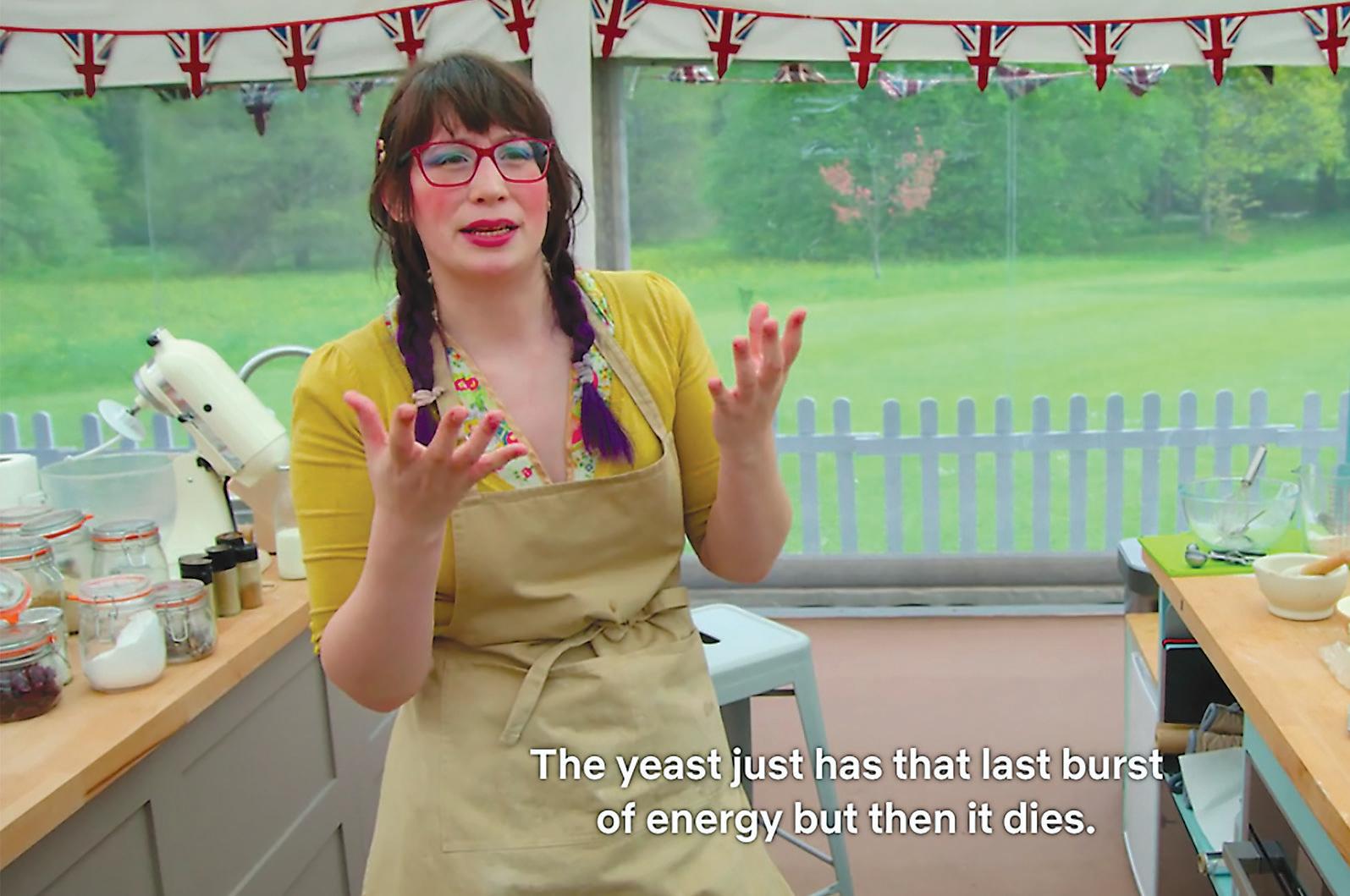
Help, I’ve Fallen Into Te Great British Baking Show and I Can’t Get Up
Ihave to admit, in the past I wasn’t a huge Great British Baking Show fan. Now, this isn’t to say I didn’t appreciate the show as I am, in fact, a human with a heart, but I could never quite understand the obsession of people who tuned in every week and rewatched older episodes in their freetime. That is, until recently.
On Saturday, I spent about two hours at Ithaca College protesting the fact that they were firing 130 faculty members amidst a global pandemic, a rather sobering experience accompanied by chilly weather which had my hands looking like they were about to fall off my body. During it all, my best friend was feeling a week’s worth of organizing come to a boiling point — so, needless to say, neither of us was at our best. By the end of the day, we both felt the need for some wholesome recuperation — a need which was immediately met by watching The Great British Baking Show
This has become something of a pattern for me amidst quarantine. Annoyed at your roommate’s inability to wash dishes? Watch some British people con-
struct a biscuit chandelier. Giving up on Bumble? Shake your head as some poor soul completely botches that week’s technical. Stressed about a last-ditch attempt to save your group project? Look on in horror at the worst cake busts you’ve ever seen.
This appreciation isn’t unique to me, as the show is constantly being complimented for its peaceful atmosphere and contestant camaraderie — which is in sharp contrast to other cooking competition shows such as Chopped , where contestants lose their minds working with ingredients that range from whole suckling pigs to dried tarantulas. Of course, The Great British Baking Show contestants have also had their frenzied moments — think any technical ever — but something about the scenic nature shots and crazed enthusiasm of the hosts offsets the chaos of it all, presenting viewers with an hour of pleasantly mind-numbing content. Which, yes, it’s television designed to ensnare your brain, but it’s still an enjoyable ensnarement.
The sheer escapism of something like The Great British Baking Show is hard to overstate. Am I currently stuck in a tiny apartment eating a diet of mostly pasta? Yes. Have I been spending most of my mental energy trying to induce some type of psychosis that would create a simulation wherein I’m a British baker hanging out with baby
goats? Also yes. I don’t think that escapism is any sort of solution. But at a time where post-election jubilation is mixed with a looming sense of doom as COVID-19 cases continue to climb, it’s nice to take a moment to yourself, and embrace the comfort of something like The Great British Baking Show. Personally, I suffer from a rather acute case of necessity-based logic, resulting in an influx of guilt whenever I indulge in something for my own benefit. I’m somewhat hesitant to reject this mindset on the basis of self-care — a concept
that’s become increasingly intertwined with consumerism — but the reality is that sometimes you need to take time to yourself, even when it feels silly. As you return home for break, or steel yourself for an Ithacan winter, take a moment to unwind, relax and provide a brief moment of relief — even if it’s something as simple as watching someone bake a perfect genoise.
Mira Kudva Driskell is a sophomore in the College of Agriculture and Life Sciences. She can be reached at mdriskell@cornellsun.com. Portrait of a Gen Z on Fire runs alternate Mondays this semester.
Te Success of Crunchyroll Original Adaptations Promises More Webtoons in the Future
Last month, Crunchyroll finished airing their second anime adaptation of a Webtoon comic. The first Crunchyroll adaptation, Tower of God , paved the way for animation studios to turn the still comic images of a webtoon into 24 frames per second on screen. Now The God of High School , which aired from July 6 to the Sept. 28, promises even more from both Crunchyroll and Webtoons.
Either Crunchyroll has some strange inclination toward anime that deals with gods, or these two visual novels knock it out of the ballpark. To be honest, I think both are true. But I’ll save the first theory for another article.
Both Tower of God and The God of High School racked up millions of views in the past few years and ascended to high popularity among the dozens of outstanding comics on the platform. While the former achieved a higher status on the site than the latter, reaching a rating of 9.86 stars out of 10 and boasting
the second highest number of total likes across all Webtoon comics (35 million), it would be hard to find a soul on the app that could not answer the question, “On which weekday does the next God of High School chapter come out?”
In fact, currently The God of High School anime is one of the hottest on Crunchyroll, and can be found in the second row of the site’s front page for popular anime, to the right of the legendary Haikyu!! and directly below the new, yet densely followed shounen, Black Clover. While popularity is not the greatest gauge of quality — which is evident from the fact that Boruto sits on the list — Crunchyroll popularity does indicate success. And oftentimes, simpler anime are very successful.
The God of High School anime perfectly fits into this simple-yet-sweet category. It’s familiar shounen character types and fast-paced, well-animated action make it easy to pick up and even easier to stay interested in. While the webtoon-anime does little to explore the complex nature of characters or give us something to think about, it does justice in adapting the comic’s main interest points.
The animation combines realistic motions and special effects with quick camera cuts, pans and zooms to create an extraordinary sense of invigoration. The animators perfectly create the illusion of speed, power and weight in each punch as we follow a character’s motions throughout their match. The God of High School reached Crunchyroll’s page of top-trending anime thanks to this exciting portrayal of action, and I would recommend it to you for the same reason.
For those of you who have seen Tower of God, The God of High School may leave much to be desired. But for those of you who have not seen either, I would recommend both. While the former delves deeper into characters and drives the story with outstanding plot points and well-written puzzles and challenges, the latter deals with action in a way I have never before seen done in anime.
More importantly, Crunchyroll’s “originals” of these two webtoons are promising for two reasons. One, we get to look forward to comic-tested stories coming to the animation scene. And second, we can confidently look forward to more of our favorite webtoons getting
an animation, as the success of these two anime will encourage more studios to look to Webtoon for material. In fact, it was Tower of God’s success that began this trend of adapting webtoons into anime. While Crunchyroll is at the head of the trend, thanks to the partnership between Crunchyroll and Webtoon in October of last year, these visual comics are not limited to the Japanese company in terms of distribution. Lore Olympus , for example, the most popular comic on Webtoons, is currently being animated by The Jim Henson Company as a “young adult” series, and is rumored to be undergoing publishing by Netflix. If successful, these anime will encourage even more studios to adapt our favorite webtoons into animated series. So far, the horizon looks pretty good.
I look forward to seeing what becomes of Noblesse — which is animated by Production I.G., the studio behind Haikyu!! — and to hearing about the next batch of Webtoon-Crunchyroll “Originals”.
Matthew Kassorla is a freshman in the College of Arts and Sciences. He can be reached at mk928@cornell.edu.
MATTHEW KASSORLA SUN ARTS STAFF
Portrait of a Gen Z on Fire
Mira Kudva Driskell
The Corne¬ Daily Sun Independent Since 1880
138th Editorial Board
MARYAM ZAFAR ’21 Editor in Chief
JOYBEER DATTA GUPTA ’21
Business Manager
PETER BUONANNO ’21
Associate Editor
MEGHNA MAHARISHI ’22
Assistant Managing Editor
CHRISTINA BULKELEY ’21
Sports Editor
BORIS TSANG ’21
Photography Editor
CAROLINE JOHNSON ’22
News Editor
ALEX HALE ’21
News Editor
ARI DUBOW ’21
City Editor
EMMA ROSENBAUM ’22
Science Editor
BENJAMIN VELANI ’22
Dining Editor
JOHN MONKOVIC ’22
Multimedia Editor
MIKE FANG ’21
App Editor
OLIVIA WEINBERG ’22
Assistant News Editor
MADELINE ROSENBERG ’23
Assistant News Editor
LUKE PICHINI ’22
Assistant
HANNAH ROSENBERG ’23
Assistant
BRIAN LU ’23
Assistant
ANNABEL LI ’21 Assistant
LEI ANNE RABEJE ’22
JOHN COLIE ’23
JOHNATHAN STIMPSON ’21 Managing Editor
KRYSTAL YANG ’21
Advertising Manager
JASON HUANG ’21 Web Editor
NIKO NGUYEN ’22
PALLAVI KENKARE ’21
SEAN O’CONNELL ’21
KATHRYN STAMM ’22 News Editor
ANIL OZA ’22 Science Editor
PLOWE ’23
LEE ’21
CHENG ’21
PEÑEÑORY ’22
MEGHANA SRIVASTAVA ’23
EMILY DAWSON ’21 Assistant Sports Editor
BEN PARKER ’22
Assistant Photography Editor
MORAN ’21 Assistant
& Entertainment Editor DOMINIC LAW ’22
WANG ’21
& Sketch Editor MEI OU ’22
’21
A.J. Stella Stellin’ It Like It Is
A.J. Stella is a senior in the College of Arts and Sciences. He can be reached at astella@cornellsun.com. Stellin’ It Like It Is runs alternate Fridays this semester.
Senior Citizenship In College
Whether it’s noticing some grey hairs in the mirror or blurred eyesight at 20 feet, it’s time to face the unforgiving fact that we are getting old. As seniors, we’re concluding our second-to-last semester on Cornell’s campus, and the three and a half years have taken a toll. Maybe the true meaning of senioritis this year isn’t the lack of motivation to do work (we’re all unmotivated with an online semester), but rather the creaks in our knees and the urge to turn the music down on our car radios.
Tom
Ad Layout Camilla Bacolod ’21
Deskers Mei Ou ’22
Flores ’21
Stamm ’22
Rosenberg ’23
Buonanno ’21
Anne Rabeje ’22
Tsang ’21
Moran ’21
Bulkeley ’21
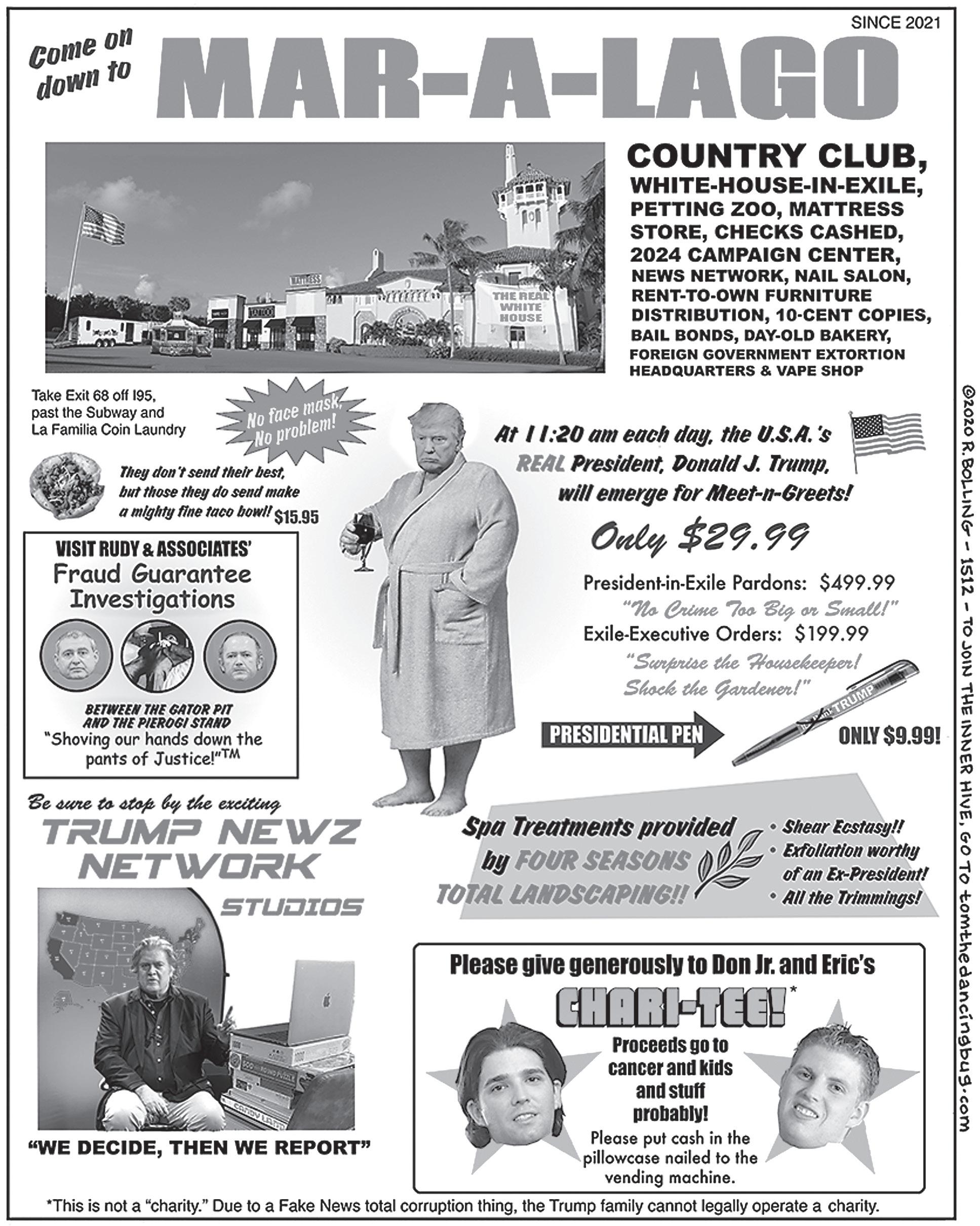
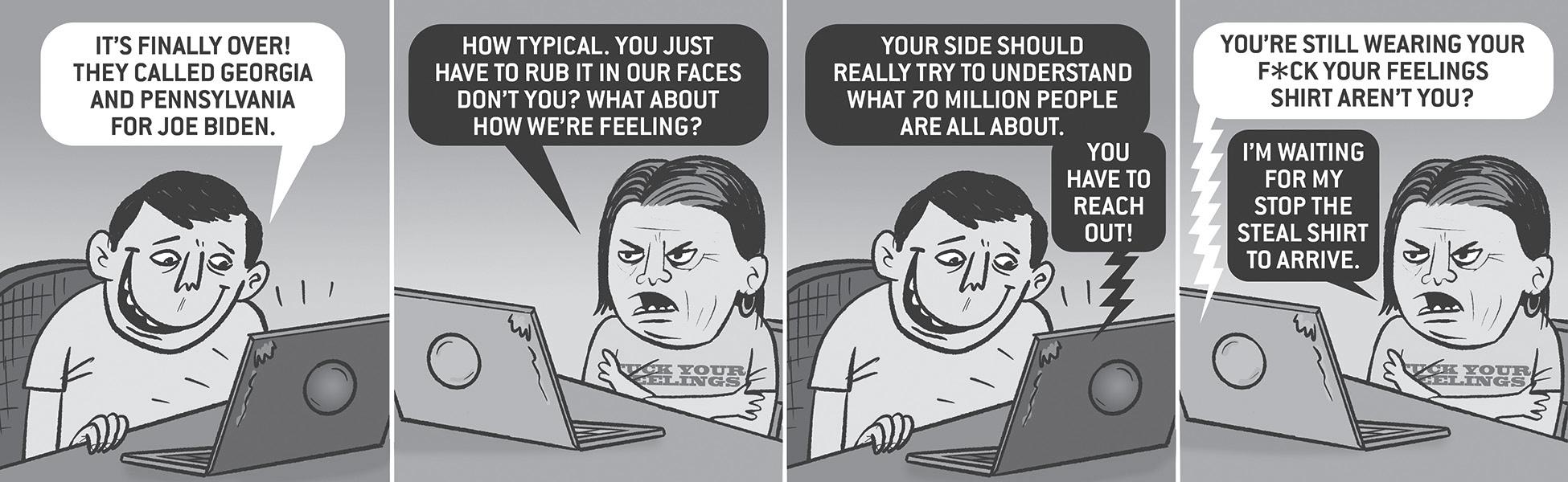
the Dancing Bug by Reuben Bolling
7. You play one recreational soccer game, then can’t bend over for two days due to unadulterated back pain and your significant other has to get you an appointment at a massage spa even though you’re afraid of the touch of a stranger.
8. The most important items on your Wegman’s list have changed from Diet Coke and Ruffles to toilet paper and Tums because you’ve developed acid reflux and IBS (two ant-acids a day keeps the bile away).
It doesn’t take much for us to realize or, rather, accept the truth. If you’re experiencing any of these symptoms, you may be a senior citizen.
I remember entering Cornell as a puppy-eyed, clean shaven freshman. I looked at the seniors with awe and admiration (though, looking back, they probably viewed us with disdain and laughter). I was nervous to raise my hand in class, but now the little blue hand goes up every time I want to make a half-witted pun in poetry. I was eager to meet new people, but now I hold the close door button in the elevator to avoid passing conversations. I was energetic for our PE requirements, but now you couldn’t roll me off the couch to go for a run with the promise of a signed Frank Sinatra picture. It doesn’t feel all that long ago, but a lot has changed.
Maybe you’re not feeling the same way yet in your final year. Maybe the thought of eating a grilled cheese from Nasties at 3 a.m. doesn’t give you indigestion, but it doesn’t take much for us to realize, or rather, accept the truth. If you’re experiencing any of these symptoms, you may be a senior citizen.
9. You start listening to the playlist you made when your grandma visits because Elvis and Johnny Cash are the new Bing Crosby and Dean Martin.
10. You wake up to your roommate’s burping moans from drinking too much seltzer in the morning. First thing you do is finish the seltzer you left for yourself on the bedside table.
11. You call your insurance so they deal with the medical invoice you received from Cornell Health labs instead of handing the responsibility over to your parents.
You’re the last person in class to figure out all of the features on Zoom (we’ve spent three years with in-person classes).
1. All excitement for birthdays has halted because who wants to keep getting older after reaching the legal drinking age?
2. Your hangover lasts all the way up until dinner time: 4:30 p.m. at the earliest.
3. You were born in the same century as Mother Theresa.
4. You’ve gotten angry with the younger kids in your extracurricular organization for disrespecting their elders, even if your ideas are outdated and unhelpful.
5. You can grow a full mustache for Movember, and find some greys.
6. You’re the last person in class to figure out all of the features on Zoom (we’ve spent three years with in-person classes, we don’t like change).
12. You have moved back from the stage at Slope Day because the music was too loud (or think you might, if we have one again).
13. You leave voicemails.
14. You carry around change and hand the cashier at Universal Deli the exact $8.24 for a bottle of Advil.
15. You talk too much about your past glory days from freshman and sophomore year (how you got lost at your first on Halloween only to wind up in the Commons in a lemur onesie, or how you cut class to Uber to Friendly’s).
It’s reasons like these that we no longer feel the wind in our face in our chipper walks to campus, but instead feel awfully similar to Chevy Chase in Community. We’ve traded in pimples and beerbongs for creases on our cheeks and Werther’s Original butterscotch candies. Enjoy the ability to exercise without twenty minutes of stretching beforehand, or the blessing of a liver that can handle a thorough drunk Friday night, then waking up early Saturday for some day-drinking while it lasts. All good things must come to a harshly premature end.
Abolish Legacy Preference in College Admissions
Wendy Wang Common Nonsense
Wendy Wang is a freshman in the College of Arts and Sciences. She can be reached at ww376@cornell.edu. Common Nonsense runs every other Friday this semester.
Once again, college application season is upon us. Even in this extraordinarily unprecedented time, millions of high schoolers are getting ready to apply to one of the approximately 2800 four-year colleges in America. Many have already submitted applications through early or rolling admission. All of this means we should once again talk about the persisting inequities in the college process. Recently, discussions over how fair the college process truly is has come up as a result of the debate over afrmative action and the recent college admissions scandal known as Operation Varsity Blues.
But I believe the real issue in college admissions is the preference given to legacy applicants. After all, legacy preference is the most overt way an applicant can get an edge in the admissions process. And they still play a role in a signifcant number of American colleges and universities, with approximately 42 percent of private colleges and universities, including Cornell, factoring in legacy status in admissions.
Here at Cornell, legacies make up around 15 percent of the student body. Yet at best, legacies mostly beneft already socioeconomically privileged kids, and at worst, they promote a lack of racial and socioeconomic diversity on college campuses.
Legacy admissions have long had a controversial and troubled past that’s rooted in keeping certain groups out of elite universities. After all, legacy preference to applicants was initially established after World War I to stop the rapid increase of Jewish students. While legacy admissions does not carry such an overtly discriminatory tone today, the policy still serves to mainly beneft the same people it initially was meant to protect, namely white and generally wealthy prospective applicants.
While most colleges, including Cornell, tend to keep their statistics regarding legacies under wraps, we can look at the legacy makeup at one of our peer institutions: Harvard. Because of the recent lawsuit against Harvard over alleged discrimination against Asian American applicants, much of Harvard’s data on legacy admissions have been made publicly available. A study done using this data discovered that 43 percent of white students, compared to less than 16 percent of students of color, were either recruited athletes, legacy students, children of faculty and staf or students on the children of major donors to Harvard. Te study ended up concluding that “removing either of these [legacy and athlete] preferences would result in signifcantly fewer white admits with increases or no change in the number of African American, Hispanic, and Asian American admits.”
Tis preference given to children of legacies also disadvantages low-income students even more in the college process, contributing to the lack of socioeconomic diversity on many college campuses. After all, at Harvard, 67 percent of students come from the top 20 percent, while here at Cornell, 64 percent of students come from families in the top 20 percent. Legacy students tend to be wealthier, and thus already have an edge, as they likely have access to better resources such as a private school education or personal college counselors. At my private high school, I would estimate at least a third of the people in my grade of 55 had legacy
The real issue in college admissions is legacy preference. Legacies benefit already socioeconomically privileged kids and promote a lack of racial and socioeconomic diversity on college campuses.
connections of some sort, which probably contributed to the over 20 of us that ended up at Ivy League universities. Additionally, a common argument in favor of legacy admission is that it makes alumni more likely to donate to their alma mater. But when a group of researchers looked at data for the top 100 universities from 1998 to 2008, they found no proof that legacy preferences infuence alumni donations. In fact, from 1980 to 2010, as the proportion of students with legacy status decreased, total alumni giving increased. And other prestigious universities, such as Oxford and MIT, do not consider legacy status in admissions decisions, and neither their reputation nor their fnancial health has sufered.
Honestly, I don’t think getting rid of legacies will solve the mess that is college admissions. Tere are already so many other things that give wealthier applicants a leg up in the college process. But legacy preference is one of the few policies that overtly beneft generally wealthy and white students, who are already among the most privileged when it comes to college admissions. To me, it’s just the frst step in making the college process more meritocratic, one that better models the core value of this country, that if one works hard enough, one can accomplish anything.
Re: ‘Africana Department Refuses to Support Creating Caribbean Studies Minor’
The decision of the current leadership of Cornell’s Africana Studies and Research Center not to consider the students’ request for the creation of a Caribbean Studies minor or to even create a committee of scholars to examine the possibilities indicates a major way in which they are failing to represent all the interests of the faculty and students in the Department and in Cornell at large. Te ASRC director’s letter to Caribbean Studies Association dated Oct. 5, which is now public, says explicitly that “the faculty have now met and carefully considered your request.” By these means I indicate that the decision was not unanimous or uniform and that the entire faculty did not endorse this dispatching of the CSA request.
Te Africana Studies Department in its founding operated with a sense of geographical coverage of Africa, the Caribbean and African America, under the rubric of Africana, generated by robust student support. Africana Studies evolved out of Black struggle and engagement, particularly the well-documented activities of 1968 and 1969. Students all over the United States were at the forefront of asking that the universities they were enrolled in be more attentive to the fact that the curriculum was Eurocentric and that
there was a need for Black Studies. Tose in the unit now (faculty, staf, students) beneft from that struggle and the hard work that went into creating Cornell’s Africana and similar programs and departments across the United States.
Since its inception ffty years ago, the feld has grown substantially from the early available scholarship on the African-American experience and the studies of the history of the African continent to a groundswell of work on a range of African Diaspora communities in Europe, Latin America, Asia, North Africa, Brazil and defnitely the Caribbean. While the Department has added one African-American and one Caribbean-American junior scholar to the faculty in the last two years, we have not really grown. As a result, there are critical sub-felds missing. Caribbean Studies today is not just studying the “islands” but also includes the circum-Caribbean and the Caribbean coastal countries of South America, (the Greater Caribbean) replete with AfroLatin American communities and defnitely the larger Caribbean Diaspora in the U.S. and Europe. If we want to fully represent Africana Studies, then, these missing areas must also be considered in a project of expansion and inclusion of Caribbean and Afro-Latin American Studies areas of the African Diaspora minimally.
Students concern for Africana’s remoteness was not just the physicality of its location though that was an issue but, in my view, the fact that the Department was not meeting their needs, hence the CSA and the #DoBetterCornell petition which includes items relevant to Africana. Te recent Anti-Racist demands of Cornell faculty, students and alumni, which Africana as a department did not sign (though individual faculty, graduate students and staf did) requested cluster hirings and several items which would beneft Africana. Tere are several missing areas in African American intellectual history so much needed to ground all students in some of the important currents that defne the experience of African Americans in the U.S. which are absent from the current department’s oferings. I would therefore suggest an African American Studies specialization as well within the Department and even a Black Women’s Studies specialization. All of these will expand the department’s possibilities and provide more students, move the unit away from constraint to expansion and provide better coverage and an amazing
and dynamic array of research areas that would create new generations of scholars.
I am clear that my position is a minority position among faculty. I expressed these ideas being articulated here at that meeting in which this decision was made and made a follow-up request for at least a committee to study the CSA request which was also rejected. However, as a former president of the CSA (20152016) and the one currently teaching the introductory course Caribbean Worlds it is impossible for me to acquiesce to a less than equitable handling of the current Caribbean Students Association CSA request for a minor. It is important to say as well that I am the faculty advisor for CSA and in that capacity supported their petition though this was generated completely by student initiative, with several other requests specifc to their passage through the University.
Te fact is that CSA’s petition for a Caribbean Studies minor points to several gaps in Africana’s oferings. Missing is the entire Afro-Latin geographical and cultural feld heavily represented in the circum-Caribbean coastline of South America, not to mention Brazil which has the largest African-descended population in the Americas. Tere is no Brazillianist in the Department. In my view then, a student group’s request for an area of study, such as this, should help us think about how best to advance our absent coverage in these areas; how best to meet the needs of the students; how best to return our department to being the leading one in the country which it was initially.
Te current director’s and department’s controlling logic that Africana means studying Africa and the African Diaspora as an interconnected feld is fne as an ideological construct that we all support. But along with an ideological framework (or even guided by it) this is an intellectual feld and, as such, there is room for specializations which minors are, providing students a means to do advanced and particular work and study as they go on to graduate school or to related places of employment. We can note relatedly that several departments have minors which actually expand the reach of the feld and broaden the possibilities of students and provide more majors and minors and above all excitement for study which we should never squelch in students . . .
To continue reading this column, please visit cornellsun.com.
Carole Boyce Davies Guest Room
Carole Boyce Davies is a Professor of Africana studies and English and the H.T. Rhodes Professor of Humane Letters at Cornell. Guest Room runs periodically this semester.
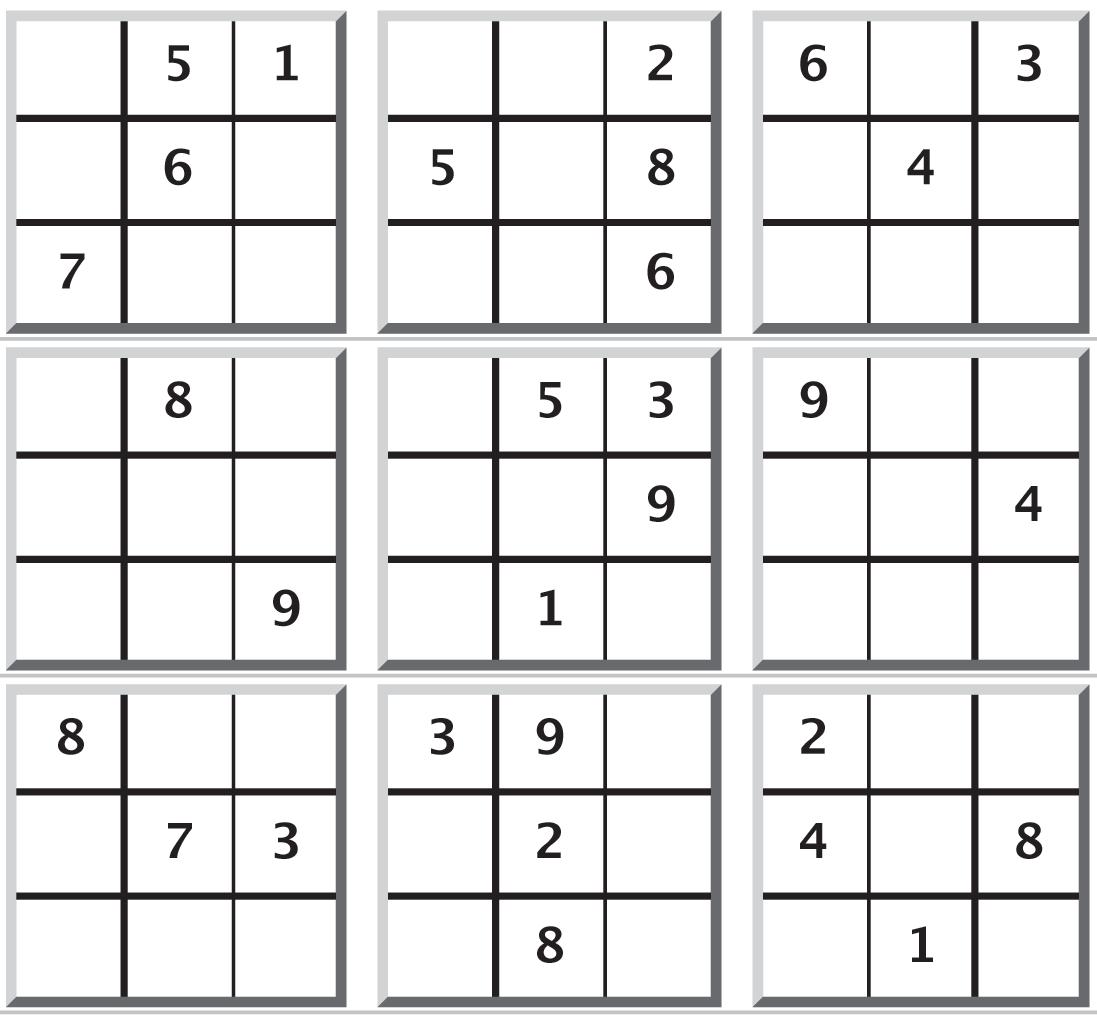
Fill in the empty cells, one number in each, so that each column, row, and region contains the numbers 1-9 exactly once. Each number in the solution therefore occurs only once in each of the three “directions,” hence the “single numbers” implied by the puzzle’s name. (Rules from wikipedia.org/wiki/ Sudoku)
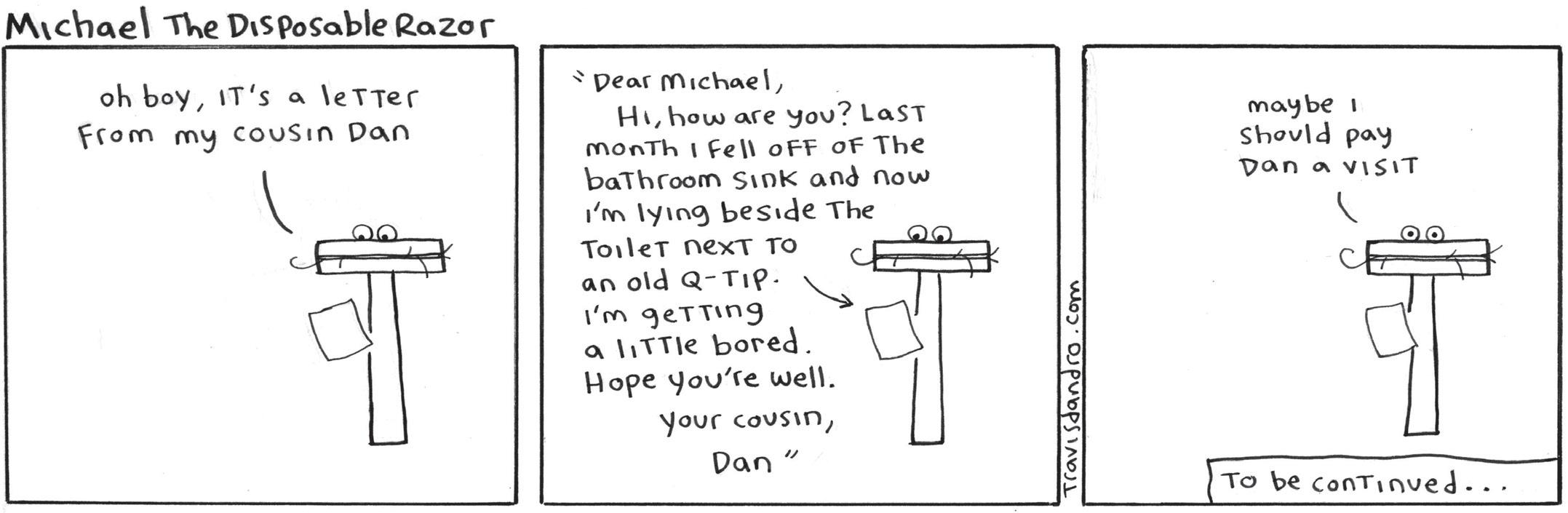
Caption Contest Winner
Art by Alicia Wang ’21
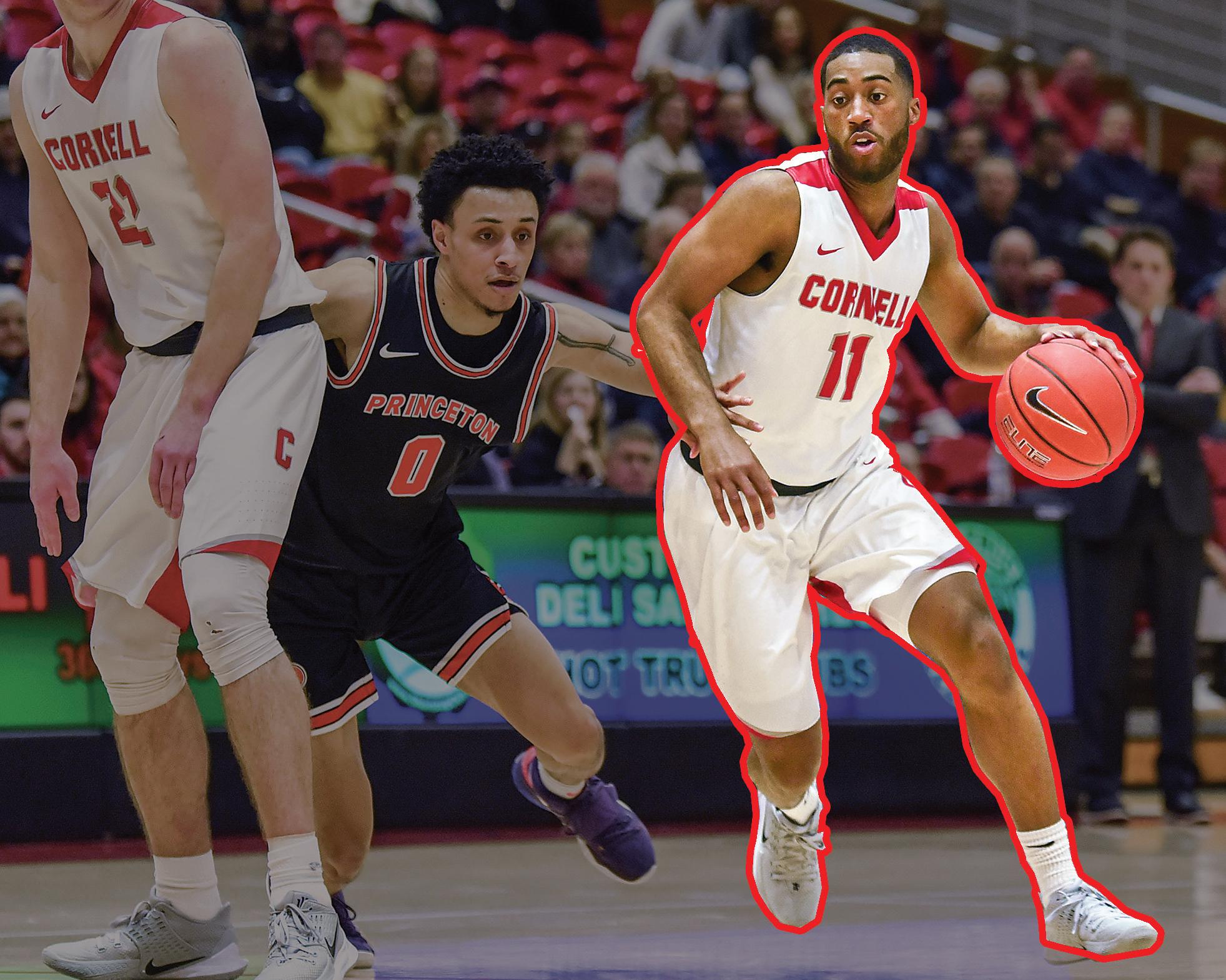
Ivy League Cancels Winter Sports
COVID concerns prompt league to further suspend intercollegiate athletics
By CHRISTINA BULKELEY Sun Sports Editor
The Ivy League extended its moratorium on varsity athletics Thursday, when it announced that winter competition would not take place for the 2020-21 season.
“Regrettably, the current trends regarding transmission of the COVID-19 virus and subsequent protocols that must be put in place are impeding our strong desire to return to intercollegiate athletics competition in a safe manner,” the Ivy League presidents wrote in a joint statement.
The league’s decision also affected spring sports, which will be postponed at least until the end of February.
The announcement came the same day that Vice President for Student and Campus Life Ryan Lombardi announced that the University would move to Code Yellow due to a spike in COVID-19 cases on campus. Nationwide, COVID-19 infections continue to climb, as well.
“The current trends ... are impeding our strong desire to return to intercollegiate athletics.”
Ivy League Presidents
When the Ancient Eight canceled fall competition in July, it became the first athletic conference to do so, but left open the possibility that football and other fall sports could resume in the spring. David Archer ’05, the head coach of the Cornell football team, told The Sun last month that he thought it was very unlikely that there would be a season. The Ivy League was also the first in the country to cancel sports last spring.
The Ivy League’s plan prior to the start of the school year canceled all competition through the end of the fall semester. That meant winter sports, like hockey and basketball, might be able to resume around the start of 2021. But the decision reported Thursday means winter sports won’t take place during the 2020-21 season, and spring sports won’t start for at least three months.
Cornell’s women’s and men’s ice hockey had recently been dubbed the NCAA’s No. 2 and No. 6 teams, respectively, in preseason polling. At the early conclusion of last year’s seasons, both were rated No. 1.
The ECAC on Friday said it remains dedicated to conducting a winter season this year with whatever member institutions are able to play. Ivy League schools make up half of the ECAC’s 12 teams. It is not yet clear exactly what the league’s plan for resuming play will be going forward.
Precedent does exist for leagues rescinding such decisions — earlier this fall, the PAC 12 and Big Ten doubled back on their plans to cancel fall sports and commenced play partway through the season. The Ivy League, however, is less likely to make such a change, given its steadfastness in its decision making this past fall and the fact that sports do not produce as much revenue in the Ancient Eight as they do at Power Five conference schools.
Spring athletes last year were granted an extra year of varsity athletics eligibility by the NCAA. It is unknown whether any such concessions will be made for the Ivy League athletes who aren’t playing this school year.
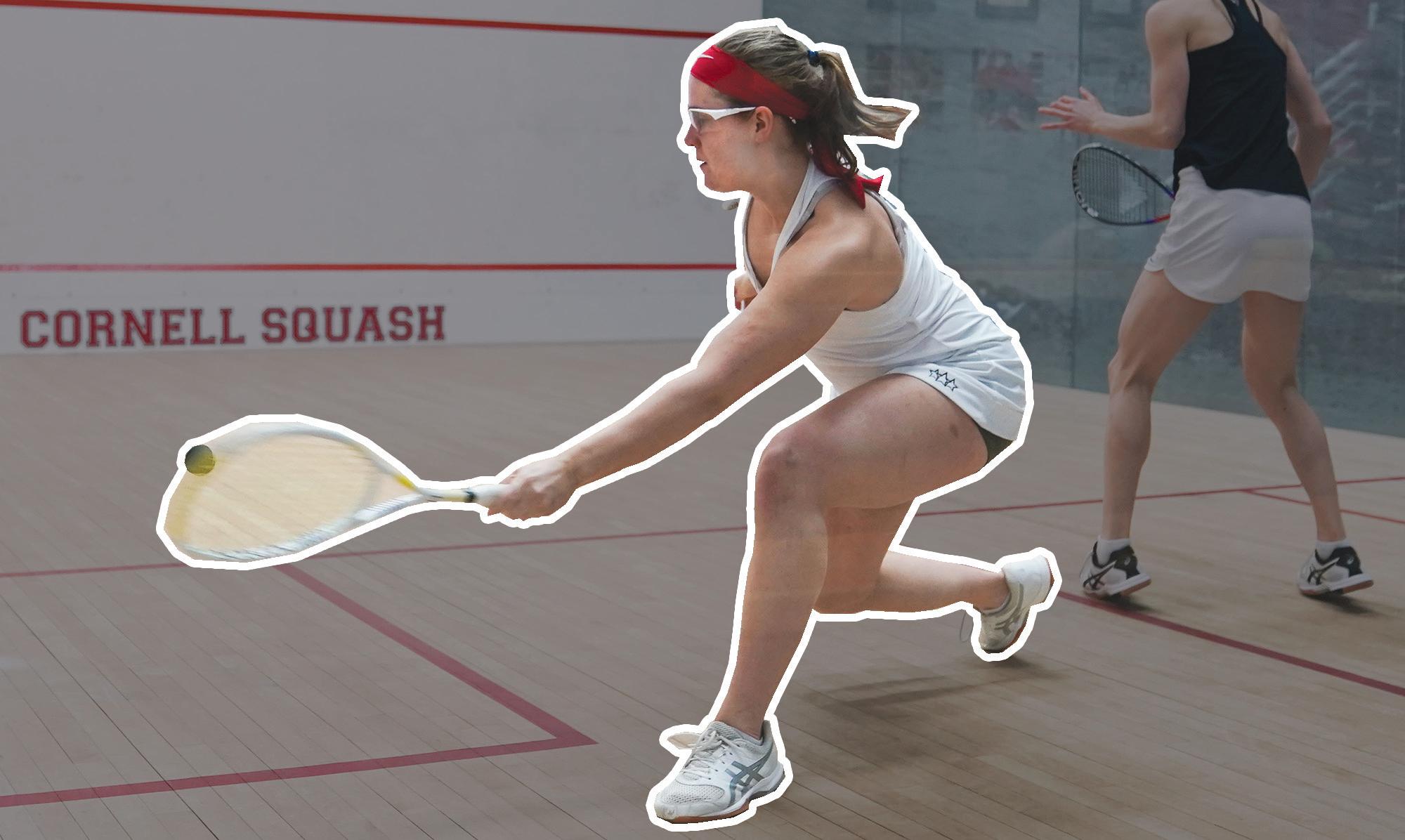
Hopes iced | The league’s decision ended the potential for Cornell’s top-rated hockey teams to hit the rink this season.
Christina Bulkeley can be reached at cbulkeley@cornellsun.com.