The Corne¬ Daily Sun

By AIMEE EICHER Sun Contributor
Cornell named its two newest Andrew Dickson White Professors-at-Large on Oct. 21, bringing distinguished professors from across the globe to the University.
Prof. May Berenbaum Ph.D. ’80, entomology, University of Illinois, and Prof. Ellen Rothenberg, biology and biological engineering, California Institute of Technology, will serve sixyear terms as the two picks.
Andrew Dickson White — the first president of Cornell — proposed a program to host distinguished professors from across the globe during his time at the University. In 1965, the University’s Board of Trustees approved a plan “to revive the office of non-resident professor by appointing as Andrew D. White Professors-at-Large a group of individuals, from both America and abroad, who have achieved
high international distinction.”
In joining the A.D. White Professors-at-Large, Berenbaum and Rothenberg become part of 19 other distinguished scholars and intellectuals currently part of the program. The University will sponsor two trips for these professors to visit campus throughout their terms, including for lectures and symposia. Both Berenbaum and Rothenberg will be hosted by two Cornell faculty members, who will organize their trips to the University.
Berenbaum and Rothenberg have become part of 19 other distinguished scholars and intellectuals.
Berenbaum’s faculty hosts are Prof. Anurag Agrawal, ecology and evolutionary biology, and Prof. Jennifer Thaler, entomology, who both teach in the College of Agriculture and Life Sciences. Rothenberg’s faculty hosts are Gary Koretzky, vice provost for academic integration and professor in the department of medicine at Weill Cornell Medicine, and Prof. Brian Rudd,
See PROFESSOR page 3
Common Council seats to be decided
By JYOTHSNA BOLLEDDULA Sun News Editor
On Nov. 2, Ithaca residents will head to local polls to cast their ballots for Common Council seats.
There are eight candidates vying for slots in Ithaca’s five wards. Cornell University encompasses wards three, four and five. Students can look online for an interactive map used to identify their ward and local polling locations.
Polls will be open from 6 a.m to 9 p.m. on election day. Alice Cook House on West Campus will serve as a polling center for the Fourth Ward, as will St. Luke’s Lutheran Church on 109 Oak Ave. Early voting began Oct. 23, giving New York State residents the opportunity to vote at two county voting
sites before election day.
The Fourth Ward, which includes part of West Campus and all of Collegetown, has one seat up for election. Patrick Mehler ’23 fills the other seat, after winning a special election in October. Mehler’s term will end in December 2022, when a special election will be held for Ithaca’s Fourth Ward vacancy.
There are eight candidates vying for slots in Ithaca’s five wards. Cornell includes parts of wards three, four and five.
Two candidates are vying for seats in the Fourth Ward — George DeFendini ’22 and contracting-company owner Alejandro Santana. DeFendini’s campaign is run on providing equitable housing for all, espe-
See VOTING page 3
By KAYLA RIGGS Sun Assistant News Editor
Moving from a McGraw Hall seminar table to a Physical Sciences Building lecture hall, Distinguished Visiting Journalist Fellow Molly O’Toole ’09 is set to speak about journalism and related careers in a Wednesday event.
O’Toole, an immigration and security reporter with The Los Angeles Times, was among the first recipients of the 2020 Pulitzer Prize in audio reporting, earning this honor for a podcast episode entitled “The Out Crowd,” which was part of a weekly public radio and podcast, This American Life O’Toole’s episode investigated the effects of the Trump Administration’s “Remain in Mexico” asylum policy on individuals at the Mexican border who were seeking refuge.
O’Toole, who was an English major and a news editor at The Sun as a Cornell undergraduate, has also worked for The Washington Post, The Atlantic, The New Republic, Newsweek and The Associated Press from Central America, West Africa, the Middle East, the Persian Gulf and South
Asia during previous reporting roles.
Returning to her alma mater for the fall semester, O’Toole teaches American Studies 4318: American Dream? Journalism, Politics and Identity in U.S. Immigration Policy as the second Zubrow Distinguished Visiting Journalist Fellow. The program, which was created through the College of Arts and Sciences, invites accomplished journalists to Cornell from anywhere between
two and 12 weeks — when they meet with interested students and faculty to discuss their work, moderate discussions, participate in panels and more.
“The program aims to recognize excellence in journalism and to provide opportunities for select journalists and the University community to engage with each other,” wrote Ray Jayawardhana, dean of arts and sciences.
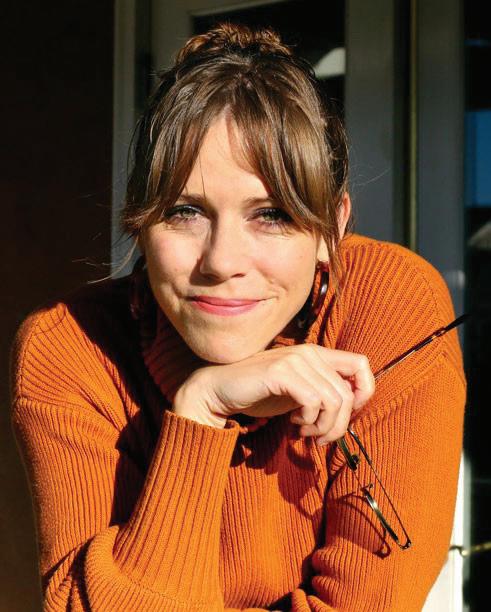
Marc Lacey ’87, assistant managing editor for The New York Times, was the inaugural fellow in 2020. For the spring 2022 semester, Natalie Wolchover, a science writer for Quanta Magazine, will visit Cornell as a speaker and guest lecturer, wanting to educate students about how to write about complex, technical subjects like physics.
O’Toole’s discussion, hosted from 4:30-5:30 p.m., is free and open to all students. The event will be moderated by Kathryn Stamm ’22, editor in chief of The Sun and will include a Q&A session for audience members. Those interested in attending can register on Handshake.
Engaging Communities, Empowering Students: Fostering Cross-Cultural Connections Through Dress
8 a.m. - 8 p.m., Human Ecology Building
Behavioral Economics Workshop: Lynn Conell-Price 11:15 a.m., Sage Hall 141
Stress Less Sessions Noon - 1 p.m., Virtual Event
UTS Series #2 — Pitching 101 Noon - 1 p.m., Virtual Event
Berger International Speaker Series With Dr. Dipali Mukhopadhyay: Afghan State-Building in the Shadow of Counterterrorism
12:15 p.m. - 1:15 p.m., Landis Auditorium
CCSS Workshop: Using NVivo as a Research Tool 2 - 4 p.m., Virtual Event
Development and Social Change: A Global Perspective 4 - 5 p.m., Virtual Event
Moral Psychology Brown Bag Series 4:15 p.m. - 5 p.m., Virtual Event
Microecnomic Theory Workshop: Yuhta Ishii 4:15 p.m. - 5:45 p.m., Virtual Event
Inside ILR: Cornell Engagement 4:30 p.m., 423 King-Shaw Hall
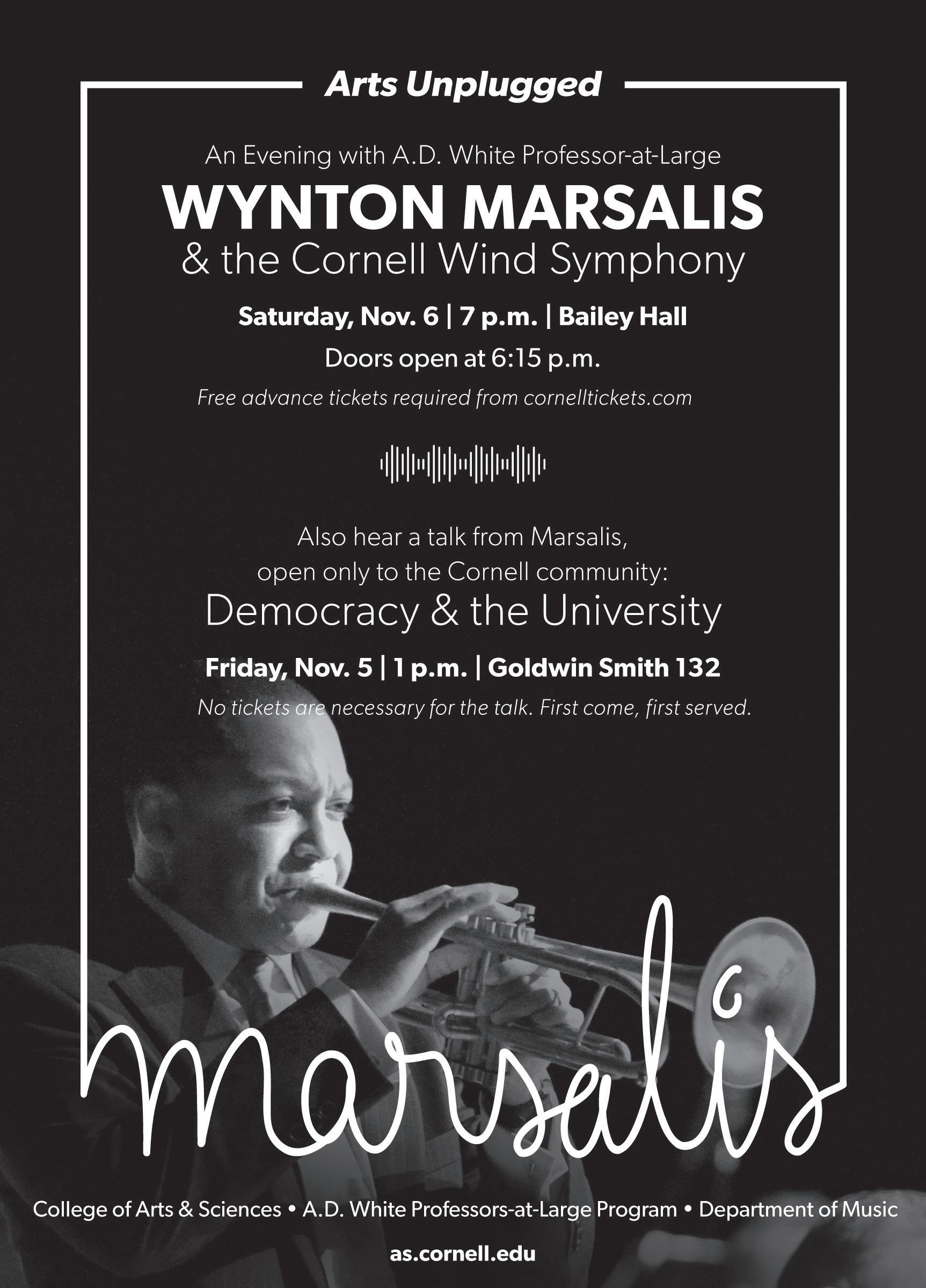
Joint Econometrics Workshop and Industrial Organization Workshop 11:15 a.m. - 12:45 p.m., ILR Conference Center 423
AASP Wednesday Lunch Series Christian Gonzalez Noon to 1 p.m., Rockefeller Hall 429
GET SET Workshop: Designing Learning Activities Noon, Virtual Event
Scrivener for Academic Writing Noon, Olin Library, 106G Classroom
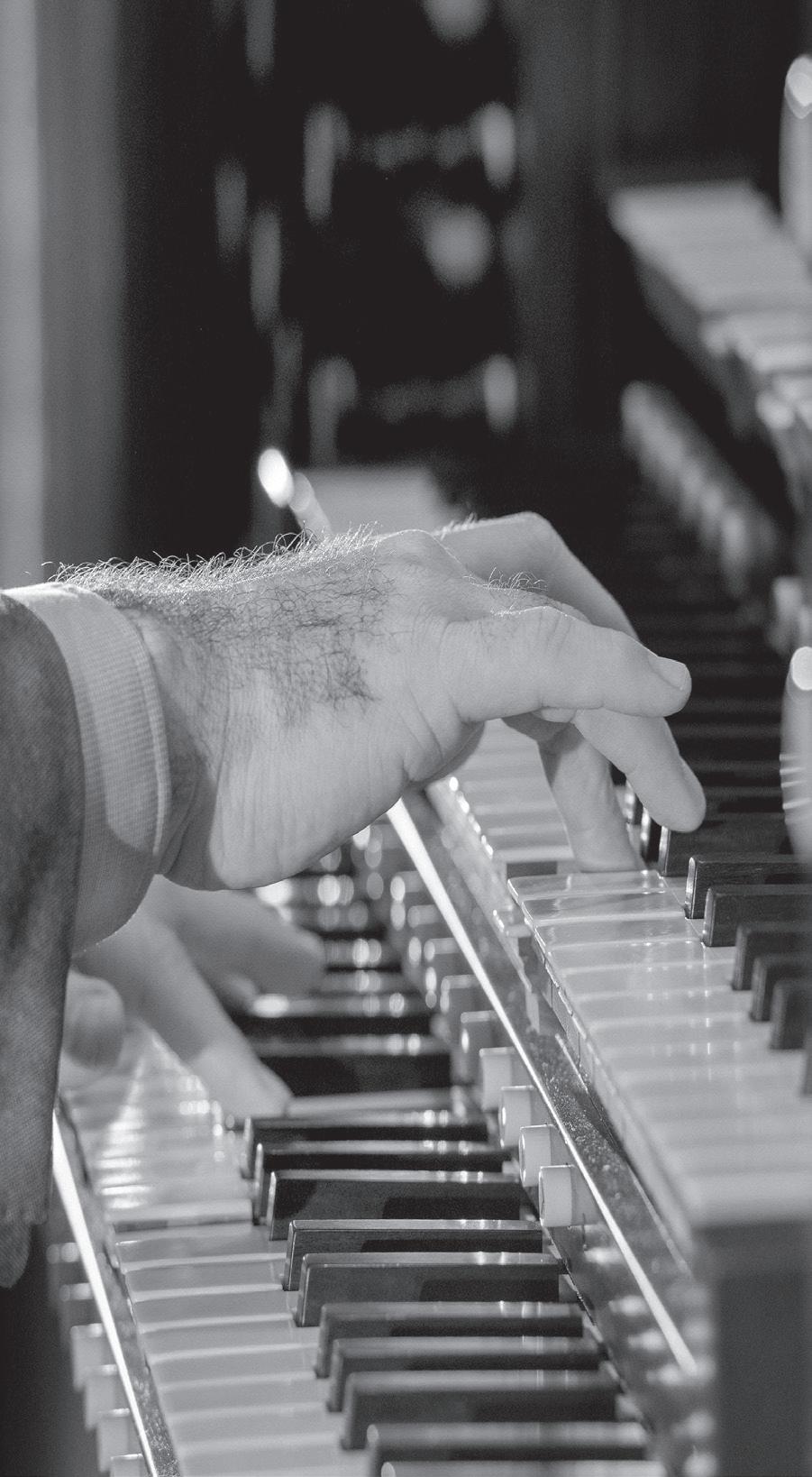
Midday Music for Organ: C.U. Music 12:30 p.m. - 1:10 p.m., Sage Chapel
CCSS Workshop: Introduction to RMarkdown 1 p.m. - 3 p.m., Virtual Event
Kabbalah and Sex Magic 5 p.m. - 6:15 p.m., Virtual Event
Dang Qun: The Memory and Spirit of Architecture 5:15 p.m., Virtual Event
Cornell Speech and Debate Live Classroom Debate: Should Artists Be Funded Until Commercially Successful? 7:30 p.m. - 8:45 p.m., Virtual Event
System Engineering General Information Session 8 p.m., Virtual Event

Berenbaum and Rothenberg appointed to prestigious professorship
PROFESSOR
Continued from page 1
biology and immunology.
According to Agrawal, Berenbaum is considered one of the most influential and accomplished entomologists of the past several decades, describing her as an “iconic scholar.” In 2014, she was awarded the National Medal of Science — the nation’s highest scientific honor — by President Barack Obama.
“It’s a really wonderful reciprocity. [Berenbaum] considers Cornell an alma mater and we consider her one of our greatest products.”
Prof. Anurag Agarwal
Berenbaum’s research has shed light on the chemical mechanisms that dictate interactions between insects and their host plants. She has applied this research to develop sustainable practices for management of agricultural and natural communities. Berenbaum served as chair of the Committee on the Future of Pesticides in U.S. Agriculture in 2000, and was on the Committee on the Status of Pollinators in North America in 2007.
Berenbaum has also dedicated much of her career to scientific education and literacy. She has written six books and many magazine articles detailing her knowledge of insects for the general public. In 2019, Berenbaum was named editor in chief of Proceedings of the National Academy of Sciences — the journal run by the National Academy of Sciences, where she has been a member since 1994.
Thaler commented on Berenbaum’s mentorship to young students, describing an anecdote from when she met with Berenbaum while in high school.
opment of T lymphocytes, the transcriptional networks underlying T-cell development and signaling, and gene networks that control hematopoietic cell fates.
At Caltech, Rothenberg was named Albert Billings Ruddock Professor in 2007 and earned the title of distinguished professor in 2021. She was awarded nine teaching awards while at the university, including the Richard P. Feynman Prize for Excellence in Teaching.
Koretzky and Rudd cited Rothenberg’s commitment to teaching as one of the main reasons they wanted her to join the A.D. White professorship program.
“She’s an amazing scientist, but really importantly, for the A.D. White Professor-at-Large program, she really likes teaching,” Koretzky said. “She’s interested in bridging disciplines, so we thought she would be perfect.”
“She’s one of those rare individuals that is both a leader in research but also a dedicated educator and teacher,” Rudd added.
Among Rothenberg’s other accomplishments are being named a fellow of the American Association for the Advancement of Science, fellow of the American Academy of Arts and Sciences and member of the National Academy of Sciences.
She was also selected for the inaugural class of distinguished fellows of the American Association of Immunologists and has served on editorial boards, American Association of Immunologists committees and grant review panels for the National Institute of Health and other organizations.
“It’s very infectious to be around her because she’s so passionate about biology, and curious about everyone’s research,” Rudd said. “I think she captures what we all are looking for in the A.D. White professorship, somebody who really wants to come in and get involved in the community.”
“[Rothenberg] is an amazing scientist, but really importantly, for the A.D. White Professorat-Large, she really likes teaching.”
Gary Koretzky
“She actually met with me when I was a high school student, because I had an interest in entomology,” Thaler said. “That’s the last thing a National Academy member has time for, but she made it happen.”
Having earned her Ph.D. from Cornell in 1980, Berenbaum is an alumna. Agrawal is excited for her return to the University.
“It’s a really wonderful reciprocity,” Agrawal said. “She considers Cornell an alma mater and we consider her one of our greatest products.”
Rothenberg studies gene regulation and devel-
Before Berenbaum and Rothenberg, the last Professors-at-Large named were Dawn Upshaw, an internationally-acclaimed soprano; Oskar Eustis, artistic director of The Public Theater since 2005; and James Balog, founder of the Extreme Ice Survey and Earth Vision Institute. All three professors were named in 2020. Another notable member of this program was Toni Morrison M.A. ’55, who served as a Professor-at-Large from 1997 to 2003.
Aimee Eicher can be reached at ame225@cornell.edu.
Local alderperson elections are underway in Ithaca’s fve wards
VOTING
Continued from page 1
cially college students in Collegetown, whereas Santana’s platform centers on maintaining the local economy when Cornell is not in session.
Robert Cantelmo grad is also in the race for a Common Council seat in the Fifth Ward. His platform focuses on public safety, climate change and housing issues. Cantelmo is a Ph.D. student in Cornell’s government department.
Common Council members, also known as alderpersons, serve for four-year terms, during which they attend Common Council meetings and work with their
constituents to enact their campaign promises.
DeFendini is running on the Solidarity Slate, which has received endorsements from numerous local organizations, including the Democratic Socialists of America, Ithaca Tenants Union and Cornell Progressives. According to their website, the Solidarity Slate of candidates focus on “systemic racial justice, improving housing quality and access, and engaging and assembling the community to make decisions together.”
Phoebe Brown (Ward 2) and Maddie Halpert (Ward 1), who replaced Niya Foster after she ended her campaign in early June, are also candidates on the slate.
By JULIETTE EGAN Sun Contributor
From sustainable rockets and electric racecars to environmentalism and philanthropy, some of Cornell’s 31 project teams said they’re looking for one primary feature in their applicants: the desire to learn.
Benjamin Pierce ’23, the business team leader of Cornell Racing, has always liked cars. Touring project teams as a high school senior, the opportunity to take his education beyond the classroom through project teams played a large role in his decision to come to the University. Cornell Racing is a nine-time World Champion Formula FSAE team. Holding the record number of U.S. world championships, Cornell’s team is categorized as the most successful American team of collegiate formula car racing engineers.
As the team now onboards new members after receiving 50 to 60 applicants a year, Pierce said, “above everything, we’re looking for a desire to learn and passion.”
But not everyone needs to share his particular interest in cars.
“It’s passion for the project,” he explained. “It’s passion for whatever you want to do on the team.”
It’s this mindset that brings FSAE alumni back to Cornell every fall to review new car designs and mentor current students. By mid-February, the team conducts test runs, and by June, the cars are shipped across the country. Last year, it flew to Las Vegas, and this year, it will find its way to Michigan.
Pierce also noted the realworld applications of the project team’s work.
“We got an email yesterday from Red Bull racing about recruiting for aerodynamic engineers,” Pierce said in October. “Project teams are the best application of engineering curriculum. It’s why they’re heavily recruited from.”
Cornell Rocketry is another project team that competes annually in the world’s largest intercollegiate rocket engineering competition, which contains several requirements — some of which are that rockets must launch above 10,000 feet, be launched,
recovered, relaunched and deploy a parafoil during descent.
Aidan McNay ’24 explained that the rocketry team primarily recruits first-year students.
“We’re looking for interest and being enthusiastic about learning,” he said. As a sophomore, he’s already responsible for two of the team’s six subteams (electrical and software).
McNay explained how he became responsible for a third of the rocketry team so quickly: “It goes back to that general mentality. It’s less about how much you know than how you go about it.”
He advises first-years who are interested in applying to “find something that you want to commit to, be a part of it and really engage in that community,” even if it’s not a project team.
Beyond competitive engineering, project teams are searching for ethical solutions to community problems.
Eleni Gianulis ’23 is a former member of Engineers for a Sustainable World, a team dedicated to finding solutions to global sustainability issues. Though she eventually left the team as her career goals changed, she described the environment as “empathetic.” The sub-team, Solar-Powered Solutions, worked on an emergency solar-powered backpack.
“Everyone was willing to offer help outside of project teams,” she said.
Currently, Cornell’s chapter of Engineers Without Borders has four ongoing projects relating to ethical, global solutions, according to Emily Stone ’23, vice president of the organization.
A domestic sub-team is currently building a sustainable tiny home for an Indigenous community in Pineridge South Dakota that is experiencing a housing crisis, while another sub-team is working on a water irrigation system in Tanzania. The software development team is completing an app for carbon off-setting locally, helping make Tompkins County more sustainable.
“Working with the community is a huge, huge, thing,” Stone said.
Juliette Egan can be reached at jse74@cornellsun.com.
Here’s a full list of candidates and their respective wards:
Ward 1
Cynthia Brock
Maddie Halpert
Ward 2
Phoebe Brown
Rick Murray
Ward 3
Jeffrey Barken
Ward 4
George DeFendini ’22
Alejandro Santana
Ward 5
Robert Cantelmo grad
Jyothsna Bolleddula can be reached at jbolleddula@cornellsun.com.
’22
This summer, after publishing my article relating King Kong to the male power fantasy, I received three different emails from angry readers. Two of them seemed to be explaining that I had misunderstood the material by relating this character to the idea of toxic masculinity, while the third admonished me and others who chose to “ruin” movies by imposing a political or social commentary onto them. Acknowledging that I would never be able to please everyone, I brushed off these comments.
Still, I couldn’t help but wonder why social commentary on a work of fiction would be seen as trying to prevent anyone from enjoying it. If anything, wouldn’t connecting a piece of popular media to an issue that’s
relevant to current society add to its value instead of detract from it? While some may beg to differ, I do feel that an analytical interpretation of fictional media can’t be avoided; furthermore, it has the potential to enrich the media that audiences consume.
Fictional works are open to interpretation, just as any form of art is. Every person who views and interacts with a work of fiction does so in a way that is biased due to their own unique perspective.
Part of what makes fiction so appealing is its ability to convince a vast audience to connect with the work and consume it, and it’s highly likely that each audience member is connecting with the material in their own way.
Similarly, subjective commentary is just that: subjective. Those who connect deeply with a certain piece of media may be

more inclined to have strong opinions about it, but each audience member is still afforded the
right to consider the work of fiction from their own perspective.
No piece of media exists in a vacuum, so social commentary is inevitable. Many consumers of popular media favor escapism and therefore want to draw clear-cut lines between the fictional worlds that they indulge in and reality. To be clear, there is nothing wrong with this . There isn’t one definitive way to consume fiction. If your enjoyment comes from ignoring the issues of the real world when you turn on your television, that’s entirely your choice.
trations that many audience members feel in their own lives.
In essence, works of fiction are inseparable from the climate they emerge into, whether that be political, social, economic or any combination of these. Recognizing how popular media play into their environments doesn’t seek to limit the audience’s enjoyment of that media, but rather highlights how the feelings of the audience have been represented through different works of fiction.
We all engage with our media
If anything, wouldn’t connecting a piece of popular media to an issue that’s relevant to current society add to its value instead of detract from it?
Nevertheless, any barriers between fiction and reality still allow social issues and phenomena to seep into popular media. Take the popular Netflix show Squid Game , for example. It’s impossible to ignore the strong critiques of capitalism and wealth inequality that are a consistent theme throughout the episodes.
This commentary did not prevent the show from gaining immense popularity. I’d even argue that the reception of the show has been helped by the relevance of its themes to frus-
of interest in different ways. Although it may be difficult, we can manage to coexist with our differing opinions.
Honestly, those differing opinions are part of what makes fictional media so interesting; its power to move the audiences to declare strong opinions about its content is quite impressive, showing just how much of an impact that works of fiction have on our reality.
Aditi Hukerikar is a junior in the College of Arts and Sciences. She can be reached at ahukerikar@cornellsun.com.

Katherine Yao Hello Katie
Katherine Yao is a junior in the College of Arts and Sciences. She can be reached at kyao@cornellsun.com. Her column, Hello Katie, runs every other Monday this semester.
America is the land of choice -- go to the cereal aisle of any grocery store and that much is obvious. Brands laud their vast selection of favors.Colleges boast the courses they ofer that allow students to dabble in anything from business to visual arts. Having options is indeed a luxury, but in the moment, making that fnal decision can still be overwhelming.
Last year, I wrote an article about my confict over choosing the “perfect” major. I spent paragraphs describing my pre-med crisis and my panic over remaining undecided as all my friends started declaring their majors. While I’m sure now, a semester later, that I’ve settled into the course of study that suits me the best, I sometimes fnd it difcult to shake the FOBO -- the fear of better options.
After all, isn’t that the pinnacle of what makes choosing difcult -- the worry over making the wrong decision? We wafe over whether normal Cheerios or the Honey
Nut ones would be the better purchase and spend ages picking out what outfts to wear to class. We worry that our majors aren’t practical enough and wonder whether our initial jobs might silo our careers.
If you’re anything like me, you’ll likely procrastinate on decision-making with research. And by research, I mean overthinking and rumination. A fve-second internet search will bring up thousands of articles and blogs debating the pros and cons for any question, no matter how trivial. It’s no wonder the indecision-induced panic
But perhaps it’s important to remember that, while we all want to guarantee ourselves the best future possible, nothing will ever be set in stone.
spiral is so easy to fall into.
Tere’s a term for this phenomenon -- analysis paralysis. Instead of having the tools required to determine the path forward, the overload of information to our synapses only increases uncertainty. Sometimes, it seems easier to put of commitment altogether rather than dealing with the fallout of choosing wrong. We don’t realize, however,
that not making a choice is, by default, a choice. And it usually doesn’t make our lives any easier.
I spent the fnal paragraph of my major dilemma column attempting to convince myself that there’s no one path to success or happiness. To be honest, I’m still trying to internalize it. My major, my frst job, the box of cereal I buy this week or any other singular experience should not dictate the rest of my life. Prolonging indecision can feel comforting at frst, but the relief won’t last in the long run. You need to pick a major at some point. You’ll graduate and fgure out post-grad plans. Maybe you’ll even decide on things like marriage or buying a house a little further down the line.
As teenage and twenty-something college students, we’re caught in the crux of conficting expectations. On one hand, exploration is encouraged, mistakes are brushed of, and the phrase, “Live a little”, is tossed around freely. On the other hand, we’re told that it’s time to start having the answers and making “adult” commitments. Worst of all, there’s little guidance on how to strike a balance between the two opposites.
But perhaps it’s important to remember that while we all want to guarantee ourselves the best future possible, nothing will ever be set in stone. Jumping between jobs, moving cities and re-evaluating goals are natural parts of life. Our environments will change, and our wants and needs will shift as well. Sometimes, it’s more benefcial to pick the option that feels right in the moment, rather than agonizing over a mile-long pro-con list to fnd what’s “perfect”.
Sooner or later, there are diminishing returns to spending more and more time turning over the possibilities again and again in your head. By making a choice and using that decision to gauge your next step, the ambiguous mass that we call “the future” will become a bit clearer. At the end of the day, “better” is a subjective term, and what we consider to be better right now may not hold later on. So, stand frm in the decisions you make today, and understand that today doesn’t need to be forever.

Daniel Bernstein
Feel the Bern
Daniel Bernstein is a junior in the College of Arts and Sciences. He can be reached at dgb222@cornell.edu. Feel the Bern runs every other Monday this semester.
Within this city that we call home, there’s a trail you can travel with troves of treasure stashed along its way. Chests full of your wildest dreams stock aisles and crowd warehouses, line the walls of basements and fll storefronts to the brim. To one who doesn’t stop and look, it’s trash: but dust away the layer of what’s old and dirty on top, and underneath, you fnd something that’s not just pre-owned — but pre-loved.
Tis is the goal of the Reuse Trail of Tompkins County, a directory of over 40 places where you can get reused items for low prices. I found its little rack card while in East Hill Antiques over the summer. On one side is a map that lays out the county’s secondhand shops allowing you to plan your scavenger hunt accordingly. On the other is a complete list of locations sorted into seven categories: Clothing & Accessories, Antiques & Collectibles,
Music & Books, Home & Furnishing, Sports & Outdoors, Arts, Crafts & Sewing and Computers & Electronics
Since then, I’ve kept the map up on the bulletin board of my desk, taking it down every time I’m in the market for something “new”. My entire living room is furnished by the Reuse Trail: we bought a dining table, TV Stand, reclining chair, cofee table, TV stand, lamp and posters all for about 125 bucks. Not to mention, our kitchen is stocked with reused plates, bowls and cups. On top of that, I’ve used the map to fnd clothes a number of times, and one of my friends even borrowed it to go shopping for accessories to his Halloween costume this past weekend.
I’ve found so many cool and useful things from reusing in Ithaca, and while I’d heard of some of the spots on the trail, seeing everything listed and compiled together lays out all of the options — and there are a lot.
Ithaca makes it so easy for us to reuse. All over the city, you can fnd shops selling quality secondhand goods for cheap. Take advantage of it. Not only will you save money, but you’ll reduce waste, support local businesses and give a new home to an item that might otherwise be discarded.
Buying secondhand keeps items from flling landflls and preserves resources. Tis is why Get Your GreenBack Tompkins started the Reuse Trail back in 2013: reusing is good for the environment and lowers your carbon footprint. You stop things from ending up in landflls, you use less waste in shipping and packaging and you don’t increase demand for newly manufactured goods, which is energy and carbon intensive. Plus, you don’t support big businesses with unsustainable
practices. For instance, if you’re thrift shopping, you’re not giving money to fast fashion or un-environmental clothing factories.
In fact, reusing actively supports local businesses. Te trail promotes tons of locally owned secondhand shops, so when you follow along you generate revenue for the city and beneft the local economy. Plus, some of the stores are nonprofts devoted to helping the community.
Take for example Finger Lakes ReUse. It’s a community-oriented nonproft and its goals are to prevent waste from populating landflls and serve as an education center on reusing and repairing. At its two locations, ReUse ofers practically anything under the sun, with low prices and special deals every day. Going to places like this supports their mission in helping this town.
It’s important to take a step back for a second and recognize that reusing is bigger than the Reuse Trail, and bigger than
Anything you find at a thrift, consignment or antique shop was once owned, and maybe even loved, by someone else.
Ithaca. It’s about environmental sustainability, supporting local businesses and saving money. We’re lucky to go to school in a place that prides itself on reusing, but
I’ve found so many cool and useful things from reusing in Ithaca...
you can and should reuse anywhere. Tere’s something kind of beautiful about buying secondhand, too. Someone else’s trash really does become your treasure. You can fnd so many hidden gems along the aisles of a consignment shop or secondhand store. And when you reuse, you give an item a new story: the jacket you got at Trader K’s will keep another generation warm, the couch from Mimi’s Attic will host a whole diferent set of guests and the records from Angry Mom will serve as the soundtrack to a brand new movie.
Anything you fnd at a thrift, consignment or antique shop was once owned, and maybe even loved, by someone else. Tis doesn’t make the item less valuable — it gives it history. And you, by reusing it, give it new life.
We should all strive to reuse more: to reduce waste, to save money, to support the community — and to get cool things! Ithaca ofers great opportunities to make reusing a part of our life. It’s up to us to follow through.

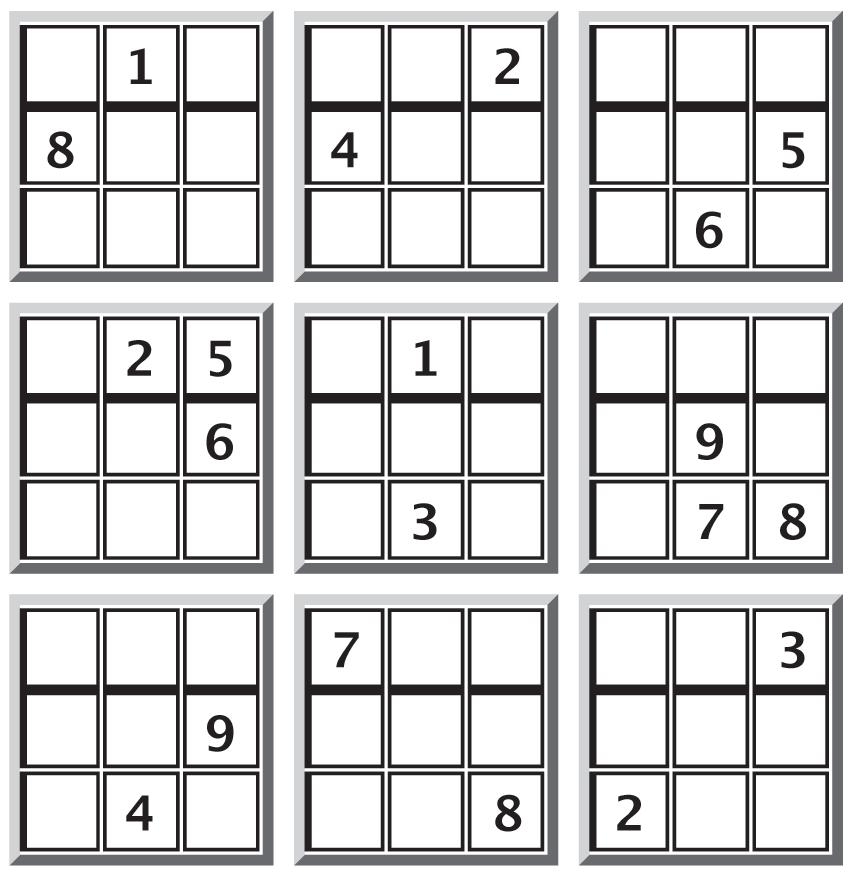
Fill in the empty cells, one number in each, so that each column, row, and region contains the numbers 1-9 exactly once. Each number in the solution therefore occurs only once in each of the three “directions,” hence the “single numbers” implied by the puzzle’s name. (Rules from wikipedia.org/wiki/ Sudoku)



By GRACE MAINES Sun Contributor
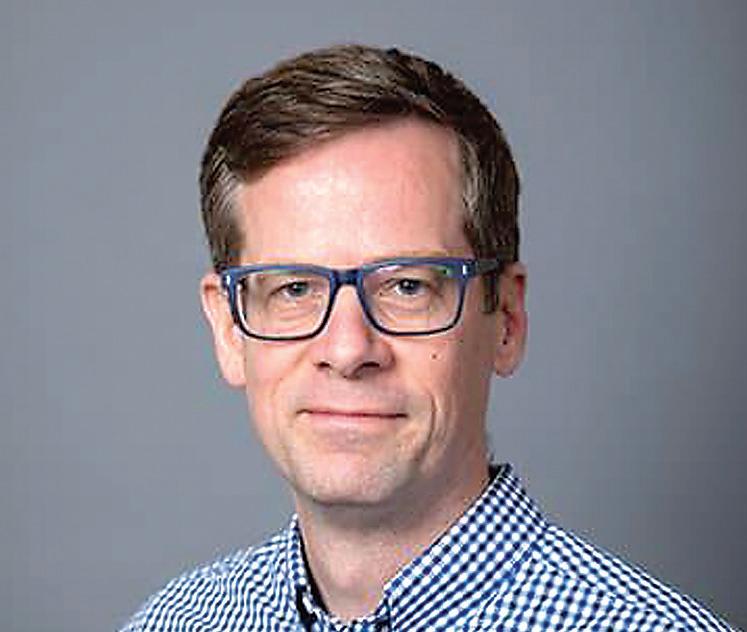
In 1998, Prof. Tristan Lambert, chemistry, then a first-year Ph.D. student at U.C. Berkeley, was stuck on a reaction mechanism.
When his research adviser Prof. David MacMillan, chemistry, Princeton University, walked by, Lambert asked: “Why is it that this works … Why doesn’t it do this other thing?” unknowing that his simple question would lead MacMillan on his way to win the Nobel Prize in Chemistry 2021.
The 2021 Nobel Prize in Chemistry was awarded to David MacMillan and Benjamin List, who are credited for developing asymmetric organocatalysis — a way of catalyzing reactions using organic molecules to form specific copies of a compound. This tool increases the capabilities of medicinal chemistry. MacMillan and List, director at the Max Planck Institute for Coal Research, came across the concept simultaneously yet an ocean apart in the late 1990s.
According to Lambert, chemical reactions can be understood through an analogy of people going across a mountain — they can either go up one side and down the other, or tunnel through.
“The catalyst is basically tunneling through the mountain to give a much easier pathway, a much lower energy [is needed],” Lambert said.
While catalysis is a common tool used in chemical reactions, “asymmetry” is what makes MacMillan’s and List’s findings stand apart.
In organic chemistry, many organic molecules have an “asymmetric” property
of chirality, when two molecules are mirror images of one another, according to Lambert. A classic example of chirality, or handedness, is the relationship between a person’s left and right hand — while a glove can match either the left or right hand, it will only align with the hand that it is created for.
“You can’t put your right hand in the left hand [of] the glove, right? So they’re identical, except that they are not superimposable,” Lambert said.
Asymmetric organocatalysis allows the correct mirror image of a molecule to be produced using organic materials. The molecule can then be used to catalyze specific reactions, according to Lambert.
In the pharmaceutical industry, enzymes must be made to fit the correct glove. If the right hand went into the wrong glove, the drug could be inefficient or detrimental to health.
For example, thalidomide, a drug that was prescribed to women in the 1950s to treat morning sickness, only worked if it had the correct mirror image. The wrong version of the molecule led to horrific birth defects, and even death, for thousands of babies.
MacMillan’s development of asymmetric organocatalysis “provided new and nontoxic ways to do this type of catalysis” and achieve selectivity between mirror image molecules, Lambert said.
Lambert explained that this tool has profound potential, such as leading to the development of new heart medications or drugs to treat cancer, which is thrilling for medicinal chemistry, the pharmaceutical industry and people worldwide.
Organic chemistry has been transformed by MacMillan — so when Lambert woke up to get his morning coffee on Oct. 7, and his wife greeted him with “Dave won the Nobel,” Lambert said he was “thrilled.”
However, MacMillan’s award was not a surprise to Lambert and his wife who expected MacMillan to win the prize, based on their knowledge of the drastic impacts asymmetric organocatalysis could have.
“[It’s] a pretty cool feeling to know anybody who won a Nobel, and especially to know him before he became so famous,” Lambert said.
Interestingly, MacMillan’s more recent research in other areas of organic chemistry has been popular among scientists, prompting Lambert to believe MacMillan would win the Nobel for those findings instead.
“He actually didn’t win it for the chemistry that everyone thought he was going
to win it for. It is actually the stuff that he’s done more recently… [that’s] arguably more impactful,” Lambert said. “He’s helped initiate two revolutions in organic chemistry in his career. And I think many people, myself included, thought that the Nobel might go for this more recent work.”
Because of the impact of these more recent findings, Lambert said the 2021 Nobel is likely not the last time MacMillan will be recognized for his groundbreaking work in organic chemistry.
“He and his group completely transform the way that people go about making molecules, and it’s been really stunning to watch that develop over the last quarter century,” Lambert said. “I expect he’s going to win a second [Nobel Prize]… Most people kind of think that’s probably going to happen soon.”
Lambert initially became interested in organic chemistry in an introductory course at the University of Wisconsin at Platteville. He later decided to apply to graduate programs, and learning UC Berkeley was ranked number one in chemistry, he applied and was accepted.
The choice to attend led Lambert to not only his Ph.D., but also a small contribution in this year’s Nobel Prize in Chemistry.
In the early 2000s, the MacMillan group moved to the California Institute of Technology, where Lambert earned his Ph.D. after receiving a masters from U.C. Berkeley. Thereafter, Lambert and his wife have stayed close with MacMillan, and regard him as both a friend and colleague.
Grace Maines can be reached at gkm44@cornell.edu.
By JESSICA DAI Sun Staff Writer
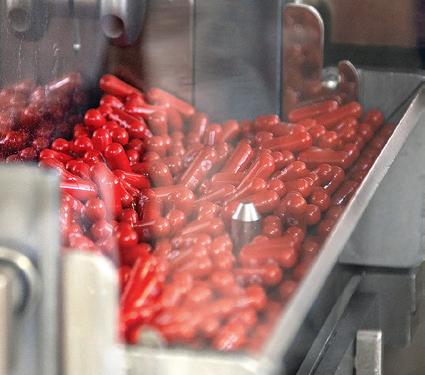
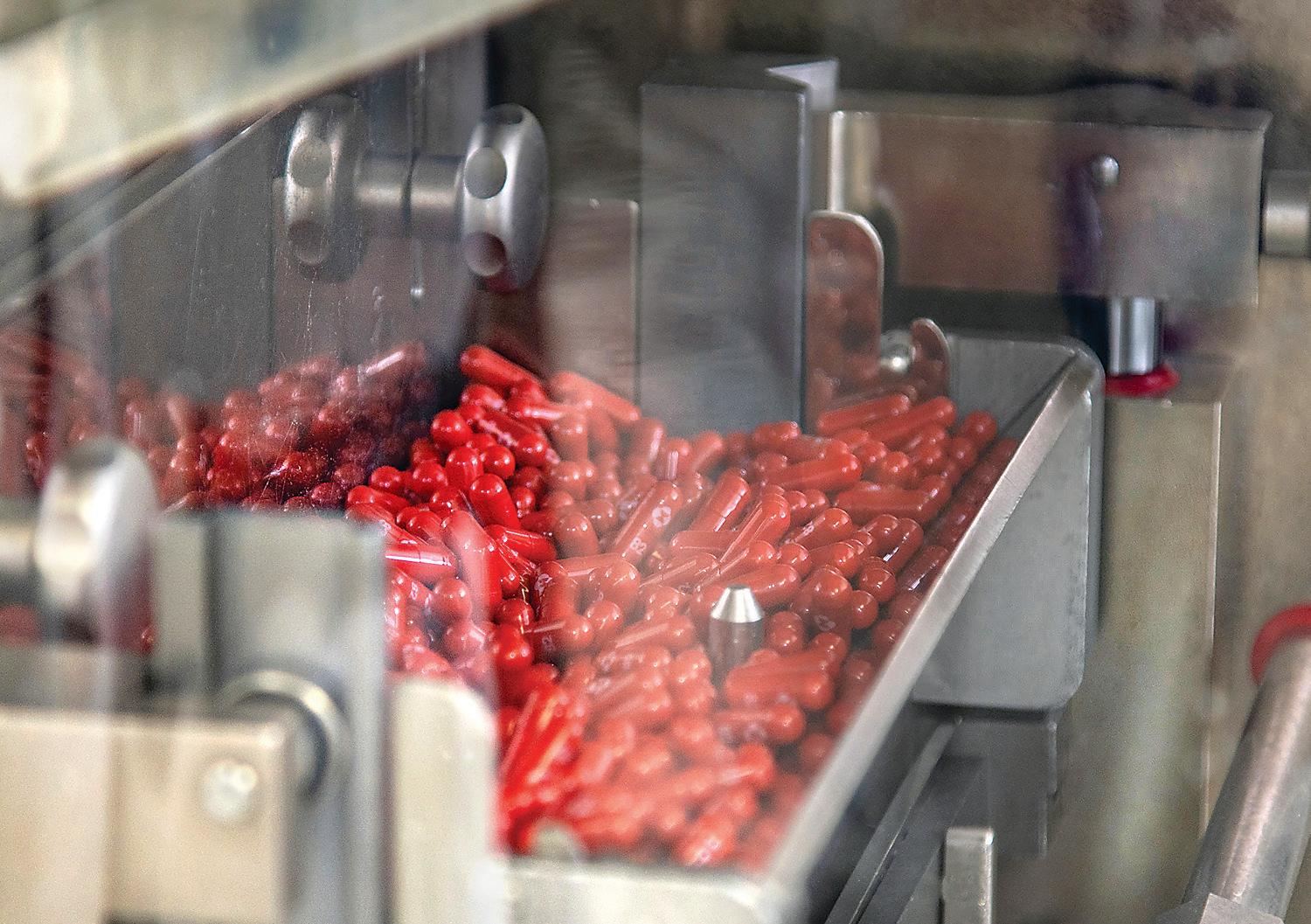
The first-ever COVID antiviral pill developed by Merck could be available before the end of the year. The drug, molnupiravir, has been shown to reduce the risk of hospitalization and death from COVID-19 by 50 percent, and on Oct. 11, Merck requested the Food and Drug Administration for an emergency authorization of the pill. To demystify molnupiravir, Cornell professors explained the science behind the COVID pill and its potential risks.
If approved, molnupiravir could be an inexpensive treatment option, with the potential to reach more high-risk populations who tested positive for COVID-19 than injectable antiviral options and antibody treatments currently used.
Compared to antibody treatments, which are currently being used to treat high-risk patients with mild to moderate COVID, molnupiravir is less effective. These antibodies have been shown to reduce hospitalizations and death by 85 percent in those patients. Despite the difference in effectiveness, the Merck’s pill may have a larger effect on treating patients with COVID, since its pill form is said to be a more convenient and less expensive option.
Antivirals rely on suppressing a virus’ ability to infect and replicate. The drugs often work by preventing the virus from binding to host
cells or disrupting its mechanism of replication.
As a result, antivirals must be taken early in the infection phase, before symptoms appear, so that the first copies of the virus can be halted, according to Prof. Gary Whittaker, microbiology and immunology. Molnupiravir achieves this effect by inducing ambiguous base pairing in the viral genome — in which the viral mutation rate is accelerated, resulting in the production of mutant viruses that are less infectious.
Although the COVID pill can reduce symptoms and shorten time of illness, this mechanism of action raises some concerns about the possibility for mutations within mammalian cells, which may translate into complications for pregnant
women.
“The antiviral drug is super important, but it’s not important enough for the risk of birth defects in pregnant women ... The risk is really high with the developing fetus,” Whittaker said.
Since antivirals that enhance mutations target how viral genes are replicated, this may affect replication of genes that encode the development of major limbs and organs in the fetus, leading to birth defects.
On the other hand, the risk of inducing mutagenesis, the process of altering genetic information, in human, non-developmental cells is significantly lower than in developing cells, since the antiviral medication only affects the RNA, which hold the virus’
genomic information, according to Prof. Luis Schang, microbiology and immunology.
Two types of nucleic acids are found in mammalian cells — ribonucleic acids, which are nongenomic, and deoxyribonucleic acids which are genomic. Since ribonucleic acid does not incorporate into the DNA well, the risk of the new drug producing mutagenesis is low, according to Schang.
Considering these hazards, it is likely that the pill will only be available for unvaccinated people who are considered high risk and not pregnant.
Merck is ready to produce tens of millions of doses of Molnupiravir, if given regulatory approval by the FDA for distribution.
FDA approval of COVID vaccines was within 21 days after submission under emergency authorization, which was significantly shorter than the typical 10-month wait time for a drug review.
However, for molnupiravir, possible risks may delay the approval process. The cost-benefit is noticeably high, especially for pregnant women, since there is a possibility that the drug may cause unwanted mutations within mammalian cells.
“Generating an antiviral drug is actually very easy, but generating one that is not toxic is the hard part,” Whittaker said. “Because the virus is so intertwined in replicating with the cell, it’s very hard to strike that balance. We just gotta make sure these things are safe.”
Molnupiravir is not the only antiviral COVID drug on the way. Pfizer, which has been developing antivirals for SARS-CoV-1, is currently developing a COVID pill using a similar mechanism of action. Currently, it is in phase two out of three trials for treating people who are just recently infected.
Cornellians are also conducting research on developing COVID treatments. Prof. Abrrey Monreal Ph.D. ’17, immunology and microbiology, and Prof. Tirosh Shapira Ph.D. ’16, microbiology and immunology, Life Sciences Institute at the University of British Columbia, recently wrote a paper describing the potential of a spray containing a small molecule compound that impedes viral entry in host cells. This may provide a localized and safer way to treat COVID-19.
According to Whittaker, who is part of the research collaboration, the good ratio of toxicity to efficacy starting point is in the 10,000 range. The spray treatment, however, is in the millions, meaning the therapeutic benefit greatly outweighs unacceptable side-effects or toxicity.
As for the Merck COVID pill, Molnupiravir, the FDA has scheduled a meeting on Nov. 30 with outside experts to evaluate the drug.
Jessica Dai can be reached at jdai@cornellsun.com.