It’s not too late to join Te Cornell Daily Sun for news, sports, opinion, web, arts, dining and other departments. Contact editor@cornellsun.com. Join The Sun




It’s not too late to join Te Cornell Daily Sun for news, sports, opinion, web, arts, dining and other departments. Contact editor@cornellsun.com. Join The Sun
By TAMARA KAMIS and CAMDEN WEHRLE Sun News Editor and Sun Contributor
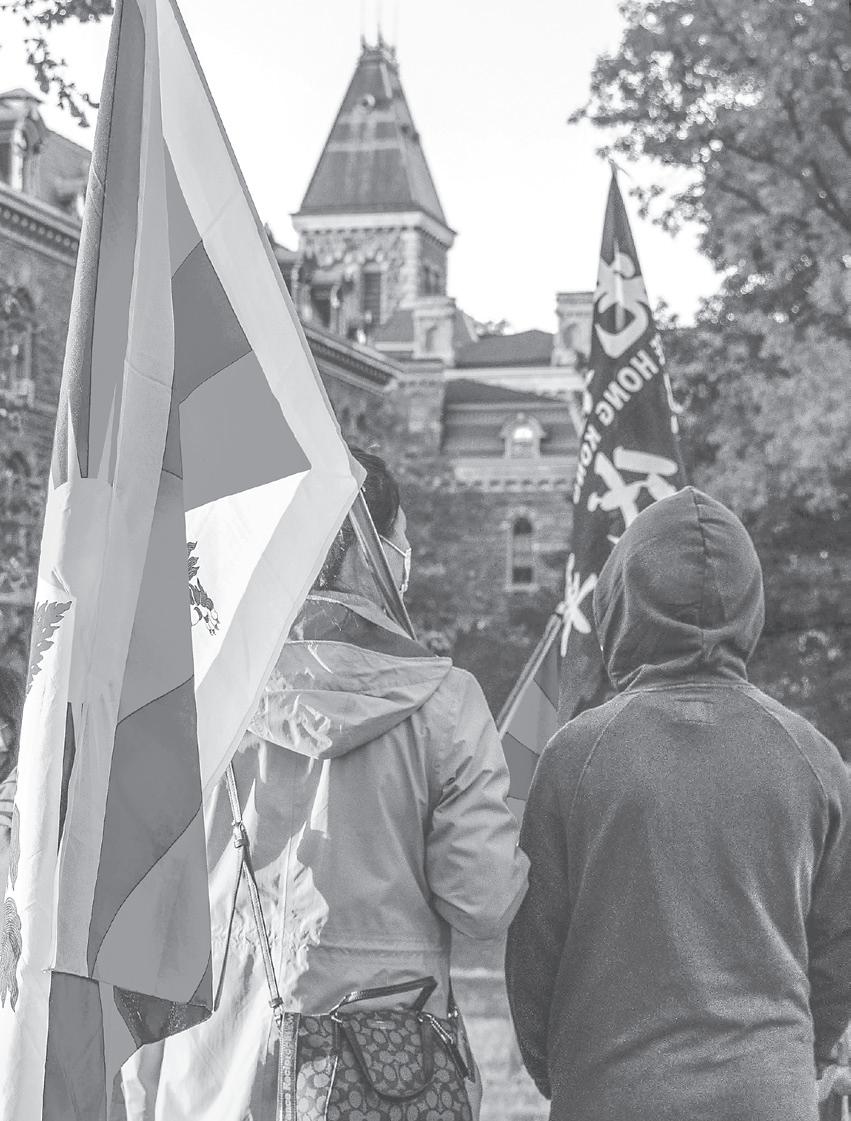
Protesters and counterprotesters stood in peaceful but tense opposition at a Hong Kong Action Day Rally on Friday on the Arts Quad, continuing campus discussion of Chinese government policies.
The Hong Kong Action Day Rally protesters advocated for awareness of human rights violations by the Chinese government, including the ongoing
genocide of Uighur people, the anti-free speech effects of the Hong Kong National Security law and attempts at forced assimilation of the Tibetan people.
According to Kinen Kao ’22, one of the protest’s organizers and co-president of Society for the Promotion of East Asian Liberty, the protest was also meant to continue advocating against the School
of Hotel Administration’s dual-degree program with China’s Peking University.
“Will [Cornell] provide any kind of scrutiny of these institutions?”
Prof. Eli Friedman
Speakers at the protest included Kao, Prof. Eli Friedman, industrial and labor relations, and SPEAL co-president Samuel Kim ’23.
“Even if we don’t successfully force Cornell to suspend the [dual-degree] program, at least by putting pressure on them, they will
By STEPHY CHEN Sun Contributor
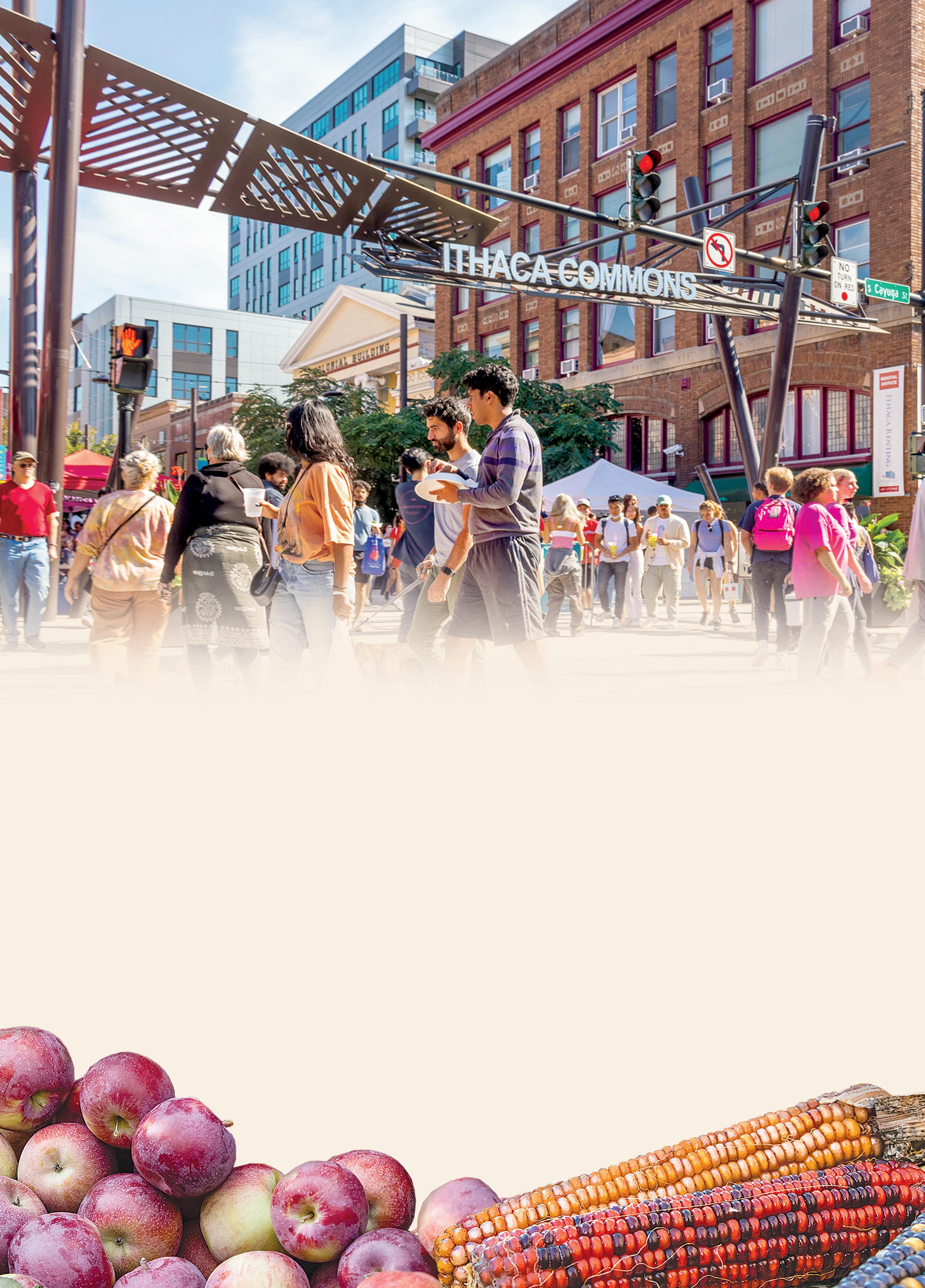
The Commons was once again packed with crowds of students, visitors and Ithaca residents this weekend — lining up for apple cider donuts and snapping pictures of caramel apples at the 39th annual Apple Harvest Festival.
AppleFest bloomed across several blocks downtown, offering a variety of apple-related products, from apple cider to apple crisps and barrels of apples themselves. Beyond the food, the festivities extended to dancers entertaining the crowd, visitors walking the Commons in balloon hats and families participating in
carnival games.
Organized by the Downtown Ithaca Alliance and presented by the Tompkins Trust Company, AppleFest was hosted Friday through Sunday. Many attendees were glad that the festival, with crowds and lines of vendors, came back for another Ithaca fall after a downsized festival in 2020 — though some said they were concerned about unmasked crowds.
“Last year, there were literally six vendors and they were all by the aisle near the stage. It was a small event. This [year’s festival] is normal AppleFest level,” said Amara Steinkraus, a vendor for her family farm LittleTree Orchards, which grows and produces the fruit used for their
APPLEFEST page 3
know that next time they want to pursue other collaborations with Chinese universities, we will speak up against them,” Kao said.
The dual-degree program with Peking University was opposed by the Student Assembly in March 2021 and by the Faculty Senate in April last spring — but the Cornell administration established the program regardless.
“We encourage responsible collabora-
By KATHERINE ESTERL Sun Staff Writer
The Ithaca City School District reopened in September to educate thousands of students in classrooms full time, despite staff shortages and ongoing concerns about COVID-19 risk, leaving many teachers feeling overworked and concerned about infection.
“I’m more exhausted than I’ve been at the start of any school year,” said Kathryn Cernera, DeWitt Middle School teacher and a vice president of the Ithaca Teachers Association.
By New York State mandate, school teachers, staff and administrators must show proof of vaccination or weekly testing.
Per Centers for Disease Control and Prevention guidelines for K-12 schools, the district mandates indoor masking and three-foot distancing. Still, the district has reported 16 student
“I’m more exhausted than I’ve been at the start of any school year.”
Kathryn Cernera
cases since Sept. 13, one teacher positive case and one staff case. In addition to this data, which was last updated Oct. 1, Belle Sherman Elementary reported two positive student cases on Sunday. Boynton Middle School went virtual for one day last month fol-
The Ithaca school district isn’t mandating COVID vaccinations for students — many students are under 12, too young to receive them. Staffing gaps that are also unfolding nationally are exacerbating the burdens placed on teachers in the district according to Adam Piasecki, elementary school teacher and president of the teachers association. “We have teachers in our union who are surrounded by hundreds of students who are not vaccinated because they are not 12 years old,” Piasecki said. “We have immunocompromised and teachers who are over the age of 65 in these environments.”
Tuesday, October 5, 2021
Town-Gown Tuesdays
9 a.m., Virtual Event
Dancing Asia on the Global Stage 9:40-10:55 a.m., Virtual Event
GET SET Workshop: Effective Grading and Feedback 11 a.m., Virtual Event
Systems Engineering General Information Session Noon, Virtual Event
Form and Object:
A Talk by Tristan Garcia Noon, Virtual Event
Spanish Conversation Hour
3 p.m., Stimson Hall G25
Portuguese Conversation Hour
3 p.m., Stimson Hall G25
Tumbuka: Cultural Orientation and Elementary Language Elements
3-4 p.m., Stimson Hall G25
Turkish Conversation Hour
4:30 p.m., Stimson Hall G25
Using Your Personality Strengths for Academic and Career Services
5-6:30 p.m., Stimson Hall G25
PIHE: Hospitality Business Plan Competition Information Session
4:30 -5:30 a.m., Statler Hall Atrium
A Conversation With Harvard Professor Livingston 9:40-10:55 a.m., Virtual Event
City and Regional Planning Graduate Information Session 10 a.m, Virtual Event
Foundation of Community-Engaged Learning: 3-Week Intensive 11:30-12:30 p.m., Virtual
Asian American Studies Program Wednesday Lunch Series With Julia Chang Noon, Virtual Event
CLE Webinar: A Discussion With National Labor Relations Board General Counsel Jennifer Abruzzo Noon-1:30 p.m., Virtual Event
Situated, Anonymous and Free? Hacking Diversity in Technical Work: Information Science Colloquium Series, USC Professor Christine Dunbar-Hester 2 p.m., Virtual Event
Cornell in Washington Information Session 4:30 p.m., MVR G422
American Sign Language Conversation Hour 4:45 p.m., Virtual Event
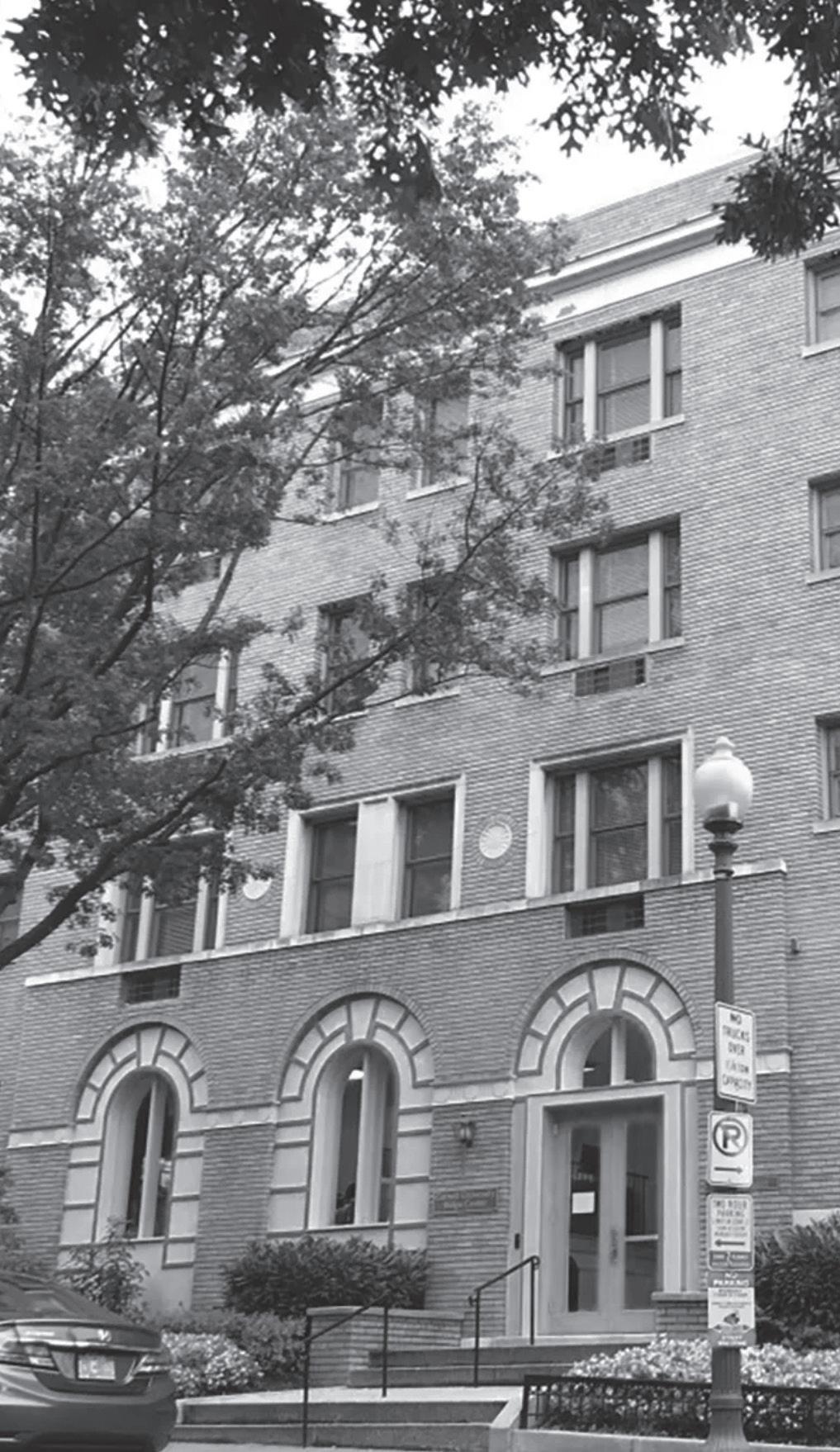
in Washington | Learn more about Cornell in Washington’s classes, internships and events at an information session on Wednesday from 4:30-6 p.m.

Continued from page 1
tions even in countries with which we might have fundamental disagreements,” Provost Michael Kotlikoff said in a May 2021 press release.
Attendees at the Friday rally included members of SPEAL, the Tibet Initiative at Cornell and Cornell Muslim Educational and Cultural Association. In addition to fighting for Cornell policy change, many protesters also said they wanted to support mainland Chinese people who criticize the government, as well as Tibetans, Hong Kongers and Uighurs.
“The fact that this rally happens would probably never reach mainland China, Tibet or Hong Kong because of the information control,” said a student from Hong Kong, who asked to remain anonymous so that he can safely return home. “Still, for overseas Tibetans, Uighurs, Hong Kongers and mainlanders, I think it is important that they know that there is someone in support of them and I want to be that.”
Hanjun Cui ’24 said he considers American concerns about Chinese government policies hypocritical because of the current surge in anti-Asian American hate crimes in the United States. Cui also said he thinks that SPEAL’s use of a COVID virus graphic in one of their posters exacerbates anti-Asian and anti-Chinese sentiment on campus.
“If anyone doesn’t care about what is happening to Asians here in their homeland but cares about what happens to Asians thousands of miles away, that is too hypocritical for me to handle,” Cui said.
SPEAL organizers Kao and Kim condemned anti-Asian racism in a statement to The Sun. Kao said that the use of the coronavirus in the poster was meant to criticize the Chinese government’s response to the pandemic, but said the organization won’t use the logo again. Kao said he believes that anti-Asian hate crimes in the United States can be addressed while also advocating for the safety of Uighurs, Tibetans and Hong Kongers.
“There’s no place in the world that is perfect,” Kao said. “I believe that just because there’s still problems in the U.S., that cannot justify what the Chinese Communist Party is doing with Tibetans, Uighurs or Hong Kongers.”
Friedman, who has been involved in academic research and activism in China for decades, spoke to the crowd of protesters, criticizing the University for what he sees as looking past academic freedom violations when deciding to start the hotel school’s dual-degree program with China’s Peking University and forthcoming global hubs in China.
“Will [Cornell] provide any kind of scrutiny of these institutions to protect academic freedom?” Friedman said.
Some students, including Ryan Shi ’22, an international student from Beijing, said they’re
glad that Cornell decided to go forward with the dual-degree program with Peking University. Shi said he thinks that activists who want to stop dual-degree programs with Chinese universities unfairly target students in China.
Annie Hsu ’24 and Amber Hsu ’23 are sisters who moved from Taiwan to the United States for high school, and came to the protest to advocate for their friends from Hong Kong as well as for the safety of Uigurs and Tibetans. Annie and Amber said their criticism is reserved for the Chinese government, not its citizens.
Many of the counterprotesters, some of whom asked to remain anonymous out of concern for their safety, were skeptical about the protesters’ statements about Chinese government actions.
While human rights abuses by the Chinese government have been widely reported on by The New York Times and CNN, some counterprotesters considered United States-based media outlets to be biased.
According to a student from China, who asked to remain anonymous so that he can safely visit China, knowing how many students from China on Cornell’s campus disagree with Chinese government policies is challenging because of the prevalence of self-censorship.
“We grow up being taught that you have to know about politics, but never get involved,” the student said. “I have to do self censorship if I want to still go back to China.”
Tamara Kamis can be reached at tkamis@cornellsun.com. Camden Wehrle can be reached at cw566@cornell.edu.
Teachers want more information and more colleagues
SCHOOLS
Continued from page 1
lowing a positive case, but most schools are staying open regardless of cases.
On the first Friday of the year, Ithaca High School teacher Sofi Gluck said she learned one of her students tested positive. Gluck said the student told her directly, but the district eventually notified her the following Tuesday.
“This person was sitting directly in the middle of the 25-student class,” Gluck said. “Nobody else even knew.”
Gluck said she wants more transparency from the district, which does not notify students of a positive case in their class unless they were named as a close contact for privacy reasons. If students wear masks and maintain distance, Tompkins County Health
Department does not consider them close contacts.
About two weeks ago, the district began offering symptomatic testing, and now the district says it will make screening testing available weekly for all students.
According to Piasecki, the pandemic increased demand across the region, and neighboring districts with higher starting salaries attracted some Ithaca teachers. More Ithaca district teachers retired early than he anticipated.
“It was a devastating summer to see veteran people leave, most of them to the local region,” Piasecki said.
Now teachers, including Cernera, are teaching extra classes to fulfill the need. According to Gluck, Ithaca High School is asking her and her colleagues to cover extra class periods on a needs basis because they can’t find
Continued from page 1
cider donuts and apple cider.
Students who have previously attended AppleFest also said they’re glad they came to this year’s festival. Many pointed to the long lines, full of visitors excited to purchase cider donuts, handmade kettle corn and freshly made lemonade as indicators of a return to normalcy.
“I came to AppleFest for my freshman and sophomore year. I didn’t come when it was the COVID AppleFest, but it’s good to see everyone back. It really feels like things are going back to normal and it’s promising,” said Valerie Kong ’22. “I can’t think of anything that is actually missing compared to pre-COVID AppleFest.”
Taking into account the health and safety of the visitors and vendors, the DIA encouraged all attendees to be vaccinated and wear masks when six-foot distancing wasn’t possible. All vendors were encouraged to be vaccinated and were required to wear masks when on festival grounds.
“All the staff are wearing masks. We’re all being diligent about hand sanitizing and washing our hands,” Steinkraus said, while moving crates of apples and cider at the back of the Littletree Orchards stand. “We’re all doing our best to stay safe and glad to see a lot of people wearing masks and staying safe as well.”
Despite these regulations, some visitors said they felt enforcing these safety policies was another story, pointing to a lack of masking compliance from some vendors and visitors.
In addition to food and handmade crafts stalls, AppleFest also featured live entertainment at the Bernie Milton Pavillion. Dance performances ranged from Ithaca’s Community School of Music and Arts belly dance troupe Mirage to a step and double-dutch troupe like Greater Ithaca Activities Center Jumpers. Local musical performances included a variety of genres, such as instrumental music from Fall Creek Brass Band as well as rock and blues music from Go Gone.
Street. James Williams, a member of Ithacappella, said he was thrilled to sing in front of a crowd again.
“It’s nice to see people out and about and hear the other groups perform,” Williams said. “It’s really cool seeing people make music and present to a live audience again.”
Anisha Datt, a student at Fordham University who was visiting Ithaca for the weekend, said she enjoyed that the festival was more than just a celebration of apples.
“I think [AppleFest] is really cool,” Datt said. “I really like that there is an apple portion of the festival but also a carnival portion as well as the incorporation of physical stores and vendors that sell crafts and other foods.”
Many attendees like Tommy Zieger, an Ithaca College student, said they were happy to continue supporting local businesses and farmers, celebrating Ithaca tradition and sharing their love for apples.
“It’s really cool to see a lot of people from different areas celebrating apples,” Zieger said. “AppleFest is an Ithaca tradition and everyone has to experience it. There’s just some things that you must experience living in Ithaca and this is definitely one of them.”
Steinkraus noted that Apple Harvest Festival draws thousands of visitors to AppleFest every year for a taste of fall before Ithaca winter storms in.
“People like to have a big celebration of the harvest before the winter comes,” Steinkraus said. “Winter can become intense in Ithaca so people like to come out and have fun. We live in a state that produces a lot of apples and apple products so there is a plentiful amount for people to taste, try, buy and see.”
For first-time visitors and students like Maxwell Pang ’25, the festival gave them an opportunity to explore downtown Ithaca.
other substitutes. The district job posting list is extensive, seeking up to 13 special education teachers, five elementary school teachers, other instructors, custodial workers, nurses, bus drivers and more.
Navigating in-person school in a pandemic, when many students are too young to be vaccinated, hasn’t been easy. Cernera, who said she feels overworked, facing “a million challenges,” said regardless, students appreciate being back together.
“The human interactions are really joyful, and the logistical details of actually doing it feel impossible,” Cernera said. “It’s a strange balance of trying to have school be normal when everything is so outrageously abnormal.”
Katherine Esterl can be reached at kesterl@cornellsun.com.
Student groups from nearby schools also performed at the festival, including Ithaca College’s allmale acapella group Ithacappella who performed on West State
“I was really excited to attend AppleFest because I heard such good things about the lively and inclusive atmosphere,” Pang said. “I’m glad I showed up because I got to explore beyond the Cornell campus. I feel more connected to the community of Ithaca.”
Stephy Chen can be reached at sc2548@cornell.edu.
When studying history in middle and high school, I would always wait patiently for the arrival of the Gilded Age. I would sit through the slow formation of the thirteen colonies and their rebellion against a mercantilist monarch, waiting restlessly through long discussions of Jacksonian democracy and the

Mexican-American War and Bleeding Kansas. I would eagerly anticipate the epoch of urbanization and industrialization, biding the rapid growth of cities I’d visited on family road trips and imagining how different they must have looked before the naissance of underground transit systems and billboards awash in neon.
Reflecting on this now, it seems
rather peculiar for my younger self to have been so intrigued by a time of such intense heartache — the Triangle Shirtwaist fire, public health catastrophes and little to no protections for working class laborers. What I relished most about this period, however, was the vehement tide that pushed against this repression. Namely, I was fascinated by the muckrakers, and what I upheld as one of their most powerful tools: the political cartoon. I adored the way these creations were at once so explicit and so full of hidden messages, sometimes boldly labelling gluttonous oil tycoons and at other times scratching down names or phrases in the tiniest of corners. I loved the way they condemned political machines before I even entirely understood what political machines were, the way they
so unapologetically flipped the standing power dynamic on its head.
Political cartoons were perhaps the most openly accessible form of sociopolitical commentary in their time, largely abandoning the requirements for highbrow education — or even mere literacy — that newspaper columns and longer form publications demanded of their readers. Sure, Upton Sinclair’s The Jungle is an integral narrative for the project of cognizing industrialization’s true horrors, but was it within reach of the poverty-stricken, uneducated immigrant peoples whose stories it was meant to chronicle? Not quite, at least in its untranslated form. In this way, political cartoons pried open the political dialogue that elites were working so hard to nail shut, posing their critiques in a way that was inclusive and mainstream.
Take this piece from April 1901, likely penned by Eugene Zimmerman for Judge magazine. The artist takes a scathing stand against a groundless policy (unless you consider the
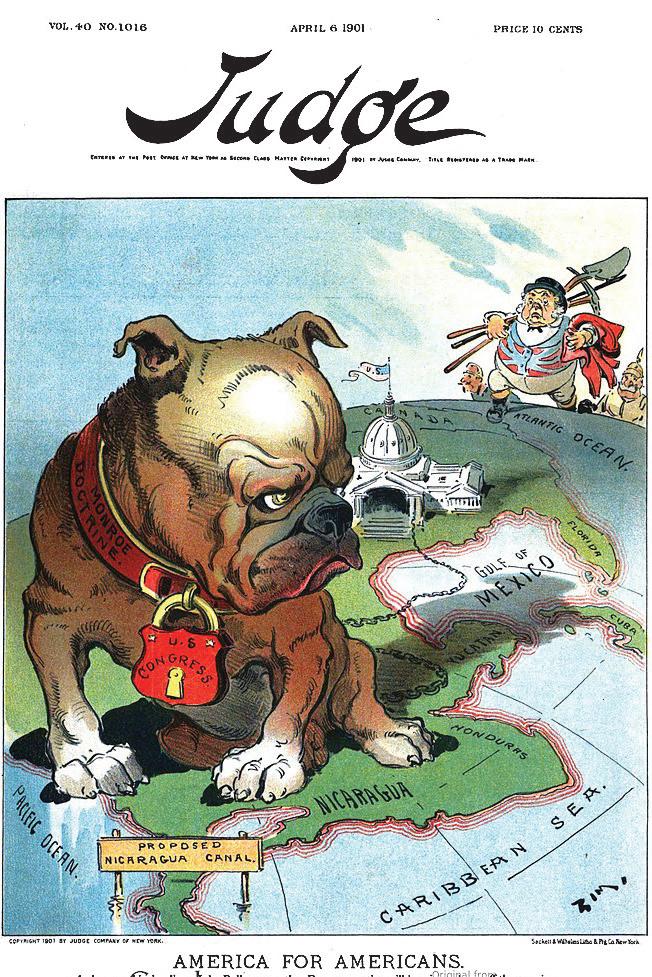
Monroe Doctrine valid ground) of interventionism in Latin America. Full-page, full-color cartoons frequently adorned the covers of magazines like Judge and Puck, tackling the most complex, multi-layered domestic and global entanglements in a method both eye-catching and hair-raising.
Even beyond their value on the planes of humor and inclusivity, it is important to remember that political cartoons are, at their core, an incredible form of art. They task the artist with a manifold mission, challenging them to at once make biting political critique, formulate this critique so that it is understandable and attainable for the masses, and — of course — do so in a way that is visually alluring and appealing.
The best art is not passive. It does not hang idly on gallery walls and let strangers’ eyes run across it, stationary in its physical presence and in the imagination it incites in the viewer. The most striking masterpieces call upon us to question the status quo, to contemplate and dismantle the record as it is most conveniently or most commonly publicized. Political cartoons achieve this objective to a tee.
It’s also hard to overstate the indelible impact political cartoons have borne unto the American political discourse. They concretized the mudslinging so common in the vibrant debate over contested candidacies and foreign policy decisions, making this derision tangible and visible in an entirely
new way through art. Some of the most powerful symbolism in the two-party system comes from the Harper’s Weekly cornerstone Thomas Nast, who is credited with establishing the donkey-elephant dichotomy that has since become central to contemporary political imaging.
While born in the past, the art of political cartooning is not an artifact of the past. This art form continues to structure the way we think about power — about who is the bulldog and who is the British man hurriedly crossing the Atlantic. It gives breath to the frustration that can be hard to express in words and forces us to reframe our dilemmas in the simplest of terms.
Perhaps most poignantly, this genre of artistry also begs an unsettling question: Have we entered a new Gilded Age? It doesn’t take much imagination to think of who might belong to a new class of tycoons, this time fabricating fortune not with oil and steel, but with data and software. Likewise, the nature of labor exploitation has changed, but it remains an unignorable undercurrent of the burgeoning global network. Yet just as these forces continue to encircle each of us, simultaneously restricting and freeing us, a fearless wave of artists forges ahead, waging their own colorful form of battle.
Megan Pontin is a junior in the School of Industrial Labor Relations. She can be reached at mpontin@cornellsun.com. Rewind runs alternate Tuesdays.
ANUSHYA ALANDUR ’23
Business Manager
CATHERINE ST. HILAIRE ’22
Associate Editor
PRANAV KENGERI ’24
Advertising Manager
ODEYA ROSENBAND ’22
Opinion Editor
JYOTHSNA BOLLEDULA ’24
News Editor
TAMARA KAMIS ’22
News Editor
CAMERON HAMIDI ’22
App Editor
KRISTEN D’SOUZA ’24
Design Editor
HANNAH ROSENBERG ’23
Photography Editor
OMSALAMA AYOUB ’22
Science Editor
PUJA OAK ’24
Layout Editor
ANNIE WU ’22
Production Editor
MIHIKA BADJATE ’23
Assistant News Editor
SERENA HUANG ’24
Assistant Business Editor
ANGELA BUNAY ’24
Assistant News Editor
JOHN COLIE ’23
Assistant Arts & Culture Editor
AMELIA CLUTE ’22
Assistant Dining Editor
WILLIAM BODENMAN ’23
Assistant Sports Editor
AARON SNYDER ’23
Assistant Sports Editor
MEGHANA SRIVASTAVA ’23
Compet Manager
139th Editorial Board
KATHRYN STAMM ’22
in Chief MADELINE ROSENBERG ’23
Editor
KOH ’23
OZA ’22
HEO ’24
VEE CIPPERMAN ’23
NOOREJEHAN UMAR ’23
PLOWE ’23
YOON ’23
VELANI ’22
PICHINI ’22
TYAGI ’22
MENDOZA ’24
ARANDA ’23
BASU ’23
KAYLA RIGGS ’24
LEYNSE ’23
NAGEL ’24
’24
’24
’22

In office hours last week, a student mentioned he took a gap semester in the spring, opting-out of Zoom classes to build his own cryptocurrency company. I was impressed by his bold initiative, as were many others across the room, who listened intently. I thought back to this past spring on campus, when the closest I got to starting a business was joining the Carl Becker startup club Zoom call, thinking it was a floor meeting. As I continued to listen about his semester off, his tone suddenly changed, and he concluded in disappointment: “so, technically, I’m still a sophomore.” With all the invaluable experience he gained from choosing entrepreneurship over problem sets for only a few months, in Cornell’s eyes, he was just a semester behind on classes.
school on hold to pursue their interests in a real-world setting. Now that the dread of Zoom classes is no longer a stimulus for these ventures, we must look elsewhere to encourage more students to deviate from the path most taken: It’s the administration that must lead the charge in normalizing the gap semester.
Wu ’22
St. Hilaire ’22
Rosenberg ’23
news deskers Tamara Kamis ’22
Surita Basu ’23
production deskers Sofa van Mierlo ’23
layout deskers Kristen D’Souza ’24 Puja Oak ’24
photo desker Julia Nagel ’24
Arts desker Emma Leynse ’23
science desker Srishti Tyagi ’22
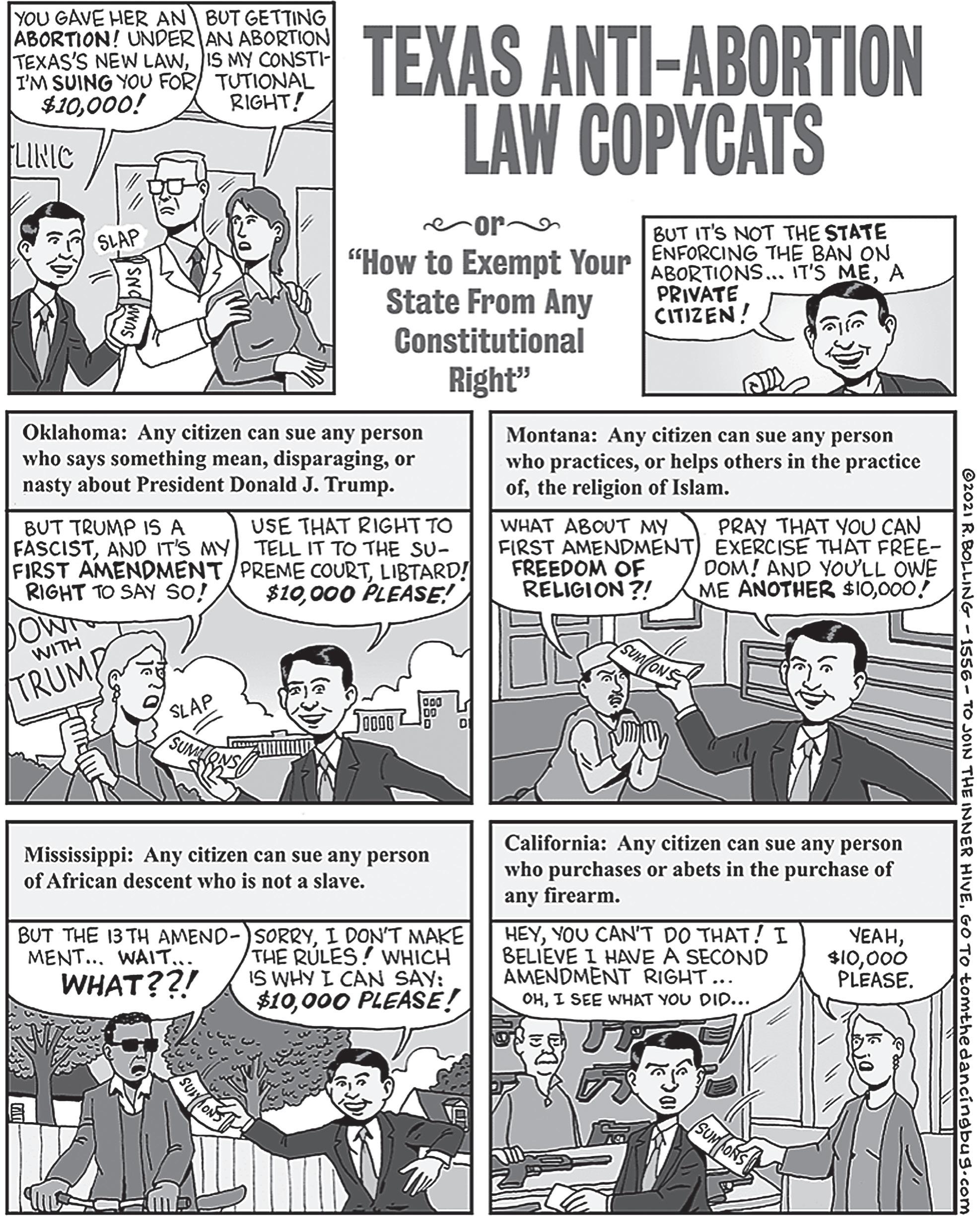
by Ruben Bolling
Now several weeks removed from immersing himself in a booming industry, he was back in TA office hours, working on assignments as if he never left. For the rest of us who return to campus semester after semester, there’s an understanding that the fall and spring are dedicated to studies, with the summer being the time for career exploration and passion projects. As a junior now, I’ve followed this blueprint that most Cornellians seem to take: enroll for eight semesters straight, then graduate. Like most Cornellians, I, too, see the summer breaks as a much-needed change of pace to focus on other interests, career pursuits and often, to focus on personal matters that took the backburner during the semester. It’s ironic, then, that our school expects us to pinpoint our career paths during eight consecutive semesters, when so much of our time is spent just trying to keep up with the day-to-day deliverables it keeps us busy with. Sometimes one junior year summer internship is not enough to figure out what post-college life will look like.
It’s the administration that must lead the charge in normalizing the gap semester.
Any deviation from the four-year graduation track, particularly by taking a gap semester, for example, often connotes burnout or a lack of direction. This perception isn’t aided by the administration’s similar treatment of gap semesters, or what they call a “Leave of Absence.” In particular, Cornell’s unwillingness to recognize study abroad as well as other endeavors during these semesters by rewarding academic credit furthers the stigma that a gap semester is counterproductive to the college diploma, prolonging our studies and slowing us down.
In spite of this, there are already students who, particularly during the previous Zoom semesters, took initiative to put
This process starts with accessibility. Majors and their host departments could do more to recognize career pursuits during gap semesters, and realize that opportunities worth academic credit, like study abroad, are not exclusive to those programs partnered with Cornell. More customization within certain majors would allow students to opt-out for their own gap semester plans to be approved by an advisor on a case-bycase basis. The ILR School already offers a full semester’s credit to pursue approved professional experiences away from campus through the ILR Credit Internship Program, a blueprint which, if expanded to the other colleges, would accomodate all Cornellians. However, what differentiates a gap year from something like study abroad in the first place is that it isn’t necessarily preplanned with an advisor or motivated by career goals. Even more important is flexibility to ensure the mental health and wellbeing of our campus. This past summer, I met a college student in Florida, who, over the past several semesters, struggled to balance schoolwork and social life on campus with his family’s needs. This fall, he’s taking a gap semester to help out at home. Any notion that such a reasonable decision comes at the cost of losing momentum towards a degree is indicative of an unhealthy culture. Yet, equally unhealthy is pushing through eight consecutive semesters while sweeping personal issues under the rug, which can even be harmful to the studies we believe we’re prioritizing in the first place.
To this end, aside from the administration emphasizing more course-related and financial accommodations, the burden of fixing this cultural issue lies within the student body itself. The negative connotation associated with a gap semester leads students to overlook serious issues for the illusory fear of falling behind. And though successful completion of courses is valuable to any field of study, the expectation that it’s done in eight consecutive semesters robs us of flexibility in our schedules and guilts us into putting our personal lives on the backburner. Freed from this notion, we can view gap semesters as a means to get ahead, not fall behind.
Katherine Yao is a junior in the College of Arts and Sciences. She can be reached at kyao@cornellsun.com. Her column, Hello Katie, runs every other Monday this semester.
I’m still fuzzy on the diferences between a Roth IRA and a 401(k). I can’t fathom how much money I would need for retirement. I can’t begin to understand what going into debt might mean for my future. And don’t even get me started on taxes or insurance rates. I’m far from the only student who feels this way. Tis might be reassuring if it wasn’t so terrifying. According to a 2019 survey by EVERFI, 53 percent of student respondents felt that they were less prepared to manage their money compared to other college activities like staying
organized or managing coursework. I’m no psychic, but considering that a recent survey by Bankrate has shown that 51percent of Americans have less than three months’ worth of emergency savings, the lack of knowledge our society has about money management doesn’t bode well for our collective economic health.
Put simply, there’s a fnancial literacy crisis in this country and few avenues helping to combat it. Financial literacy education should start at a younger age when most students can appreciate conversations about money, but are not yet saddled with obligations like paying of mortgages, student loans, or major medical bills. Universities like Cornell are in a position where they can help tackle the crisis instead of enabling it.
Some colleges have actually taken steps to instill fnancial confdence in their students. Te Utah State University, for instance, just recently added a personal fnance course that would satisfy general education requirements. In fact, during the Fall 2018 semester, Cornell had a similar class titled Hotel Administration 3200: Personal Financial Management, but it is no longer ofered. Te class covered topics ranging from taxes and insurance to investing and retirement planning. Bringing back such a course that teaches life skills such as budgeting while discussing concepts like infation or compound interest could go a long way in setting up benefcial fnancial habits for the long term. Allowing the course to count for graduation requirements and marketing it as essential for students of all majors would incentivize students to take the topic more seriously.
In 2020, the total amount of U.S. student loan
debt reached 1.71 trillion dollars, with the average borrower owing 39,361 dollars. Students take out loans to pursue an education in hope of a better future, so it’s counterintuitive that so many graduate college with little understanding of how their current fnancial decisions will impact their lives later. Sure, the idea of placing a down payment on a house might feel eons away, and retirement even further. But, our credit scores and current debt numbers will afect how soon our mortgages will get approved, and the amount of money we invest now may determine the age we retire.
Financial literacy courses shouldn’t be about selecting stocks or advanced Excel modeling, but rather about developing ways to cope with all of the money concerns that will defnitely crop up much sooner than expected. Tere are, unfortunately, so many other ways, in addition to student loans, to get into crippling debt. Te sooner we’re taught how to make informed fnancial decisions, the more equipped we will be to handle whatever unknowns life throws at us.
Ten, twenty, thirty years down the line, I’ll probably forget the exact defnition of an eigenvalue or the time complexity of insertion sort. Unlike these feeting pieces of information worn away over time and disuse, money management is something that sticks around for the long haul. If that’s not a sign for colleges to start educating students on best practices for a fnancially stable future in this evolving world, I don’t know what is. Perhaps Cornell can reinstate its personal fnance course and show that the school cares that its students succeed long after we leave Cayuga’s waters.
Javed Jokhai ’24 is a sophomore in the College of Arts and Sciences. He can be reached at jaj77@cornell.edu. J-Punk runs every other Tuesday this semester.
Last Tursday, Cornell’s Institute for Comparative Modernities hosted a talk with Palestinian human rights lawyer, scholar and author Noura Erakat on the topics of “Palestine: Settler Colonialism, Sovereignty and Apartheid.” Erakat started by laying bare the ultimate struggle for academics when trying to address Israel’s occupation of Palestine. Erakat fnds that the main issue of talking about Palestine is the idea of Palestine as an exception to fundamental truth. It is deemed too complicated and, therefore, no truth seeker is allowed to appeal to basic decency or common sense. In her perspective, this state of being an exception leads to endless “debate” by those in power, but none that will protect Palestinians and their basic human rights. Tis idea of perpetual discussion being a tool of oppression towards Palestinians was certainly not directed at anything specifc. Like all discussions regarding human rights and their violations, the conversation is not localized, but global, afecting all people. Te point struck incredibly close to home for me. Earlier in 2021, the Palestinian struggle gained global notoriety due to the eviction of Palestinians in Sheikh Jarrah, leading to a rally of Cornellians sympathetic to
the cause, organized by Prof. Eric Cheyftz and members of Students for Justice in Palestine, at which others and I gave speeches. Cornell’s response to our voices left much to be desired.
President Martha Pollack responded by side stepping the genuine politics and focusing on the nonetheless genuine issue of a “national rise in anti-Semitic hate crimes.” She never said the word “Palestine’ ‘and only noted the “need for rigorous discourse and debate” about the complexities of the Middle East. President Pollack’s decision to focus only on the discussion of truth without ever settling on any specifc truth, eerily parallels Erakat’s critique. It would seem that President Pollack is another powerful fgure that treats Palestine as an exception to the question of humanity, whose very name should never be said aloud. Sadly, this is not the frst time in recent history that the articulation of Palestinian struggle and resistance on Cornell’s campus was quelled. On Oct. 5, 2020 a visiting Brown University Professor of Comparative Literature and Modern Culture and Media, Prof. Ariella Azoulay delivered a lecture at Cornell titled, “Palestine Is Tere, Where It Has Always Been.” Shortly after starting, she was interrupted and her lecture’s thesis disregarded by a comment regarding “other viewpoints than those ofered [at the lecture] and in subsequent talks” before the professor could fnish. Te incident led to the harassment of Prof. Azoulay and the curator of the lecture, Prof. Henni, Department of Architecture. Te Cornell administration ofered apologies to both professors in private regarding the matter. However, Cornell has yet to publicly address the incident as an occasion in which free speech was deterred on campus. It is in the interruption centered around “diferent viewpoints” where one can see that the viewpoint supporting Palestine is never allowed to articulate itself.
Following this situation, Prof. Jonathan Ochshorn, Department of Architecture, wrote an open letter to the head of
his department, Dean Meejin Yoon. In it, Prof. Ochshorn exposes the external pressures to intimidate those critical of the Israeli state’s actions. Addressing the Dean, he writes, “I want to emphasize one of the key points raised … there was ‘outside pressure to interfere in this academic event.’ … you also acknowledged that there was external pressure, including by Rabbi Weiss, Executive Director of Cornell Hillel, to marginalize and discredit (my words, not yours) the lecture and the speaker.” Tis begs the question: Why can’t Cornell understand the struggles of Palestine?
To question the reasons behind limiting freedom of speech requires looking at the inherent issues that need to be addressed, especially in regards to the discussion of Palestine. Te fght for freedom of speech is always in line with speaking truth to power, but also carries with it those that wish to use their free speech to bring down others. Te argument of freedom of speech has been used throughout history as an excuse to insult, ostracize and alienate Jewish people. Te freedom to smuggle anti-Semitism into spaces, through means like conspiracy theories, is not free speech at all but hate. It must be dealt with as such. Te genuine fght to speak up for those who cannot yet, like that of the fght for Palestinian liberation, must be kept separate from those desiring to speak ofensively about Judaism. One can do this by utilizing what hate speech does not have, measurable facts. Tus, we must explain why Cornell’s culture is hesitant with academic freedom regarding Palestine with material information.
In Oct. 2011, Cornell announced its partnership with Technion – Israel Institute of Technology to win former Mayor Bloomberg’s bid to turn Roosevelt Island, New York City, into a hub for technological innovation akin to Silicon Valley. Despite Cornell’s bylaw that “Te functions of the University Faculty shall be to consider questions of educational policy which concern more than one college, school or separate academic unit, or are general in nature,” Cornell’s administra-
tion decided to ignore democratic processes including faculty, devaluing rigorous debate when debate could actually matter. Tere were panels and forums arguing the ethics of the move even after Roosevelt Island was approved to be used by the Cornell-Technion partnership. It was here that genuine dialogue about Technion’s documented moral failures prevailed. Examples like Technion’s development of the unmanned D-9 bulldozer utilized in Operation Cast Lead that culminated in 1,400 Palestinian deaths and their development of “the Scream,” an acoustic crowd control weapon utilized to suppress peaceful protests in occupied territories hung over those conversations just as they do over our campus today. Cornell decided that public discussion of its ethics are acceptable, as long as Cornellians never express dissenting opinions at at time where those opinions are needed most. Tough Cornell-Technion does not explicitly develop military technology, Cornell’s partnership with them creates an academic culture where anyone who condemns its role in maintaining Israeli occupation risks their argument being relegated to the realm of “mere opinion.” Te act of questioning is emptied of its impact as the criticism would happen under an institution that would rather chase lucrative partnerships and real estate than listen to concerns.
Cornell cannot be an institution that values academic freedom while legitimizing an institute that unequivocally perpetuates oppression. However, until this changes, it is the duty of academics like Prof. Ariella Azoulay and Noura Erakat to push for an end to the endless debate that claims to value both sides but ends up unquestionably supporting the status quo of oppression. Tere is much to discuss about how to fnally solve the situation between Israel and Palestine. However, this discussion must not be allowed to silence the truth: Under Israeli oppression, Palestine is struggling, and it is in line with human rights and human decency to support Palestinians in their resistance.
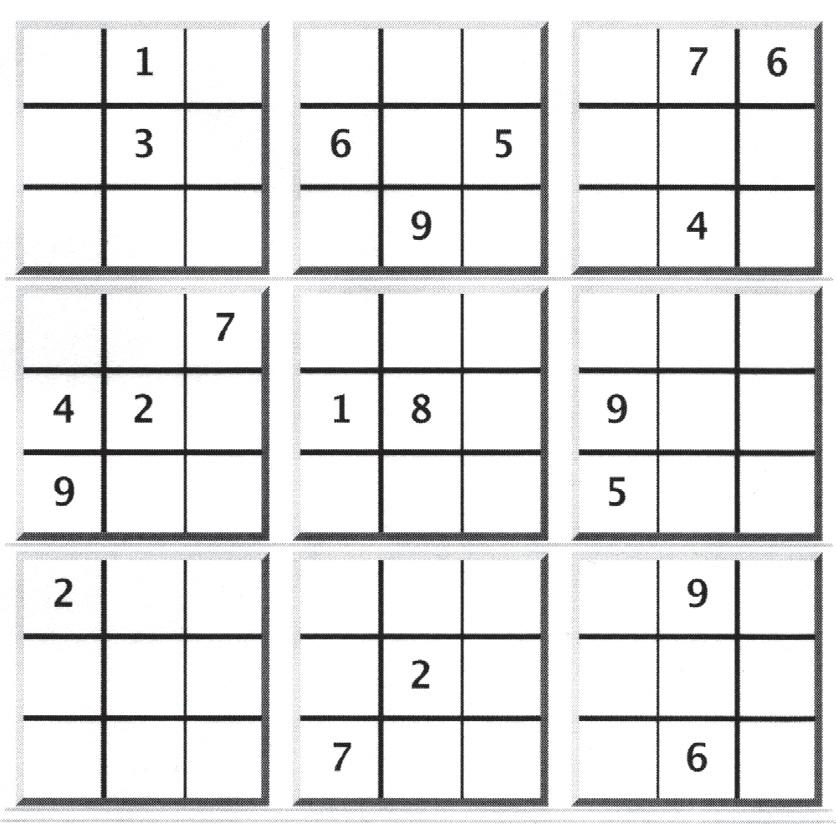
Fill in the empty cells, one number in each, so that each column, row, and region contains the numbers 1-9 exactly once. Each number in the solution therefore occurs only once in each of the three “directions,” hence the “single numbers” implied by the puzzle’s name. (Rules from wikipedia.org/wiki/ Sudoku)
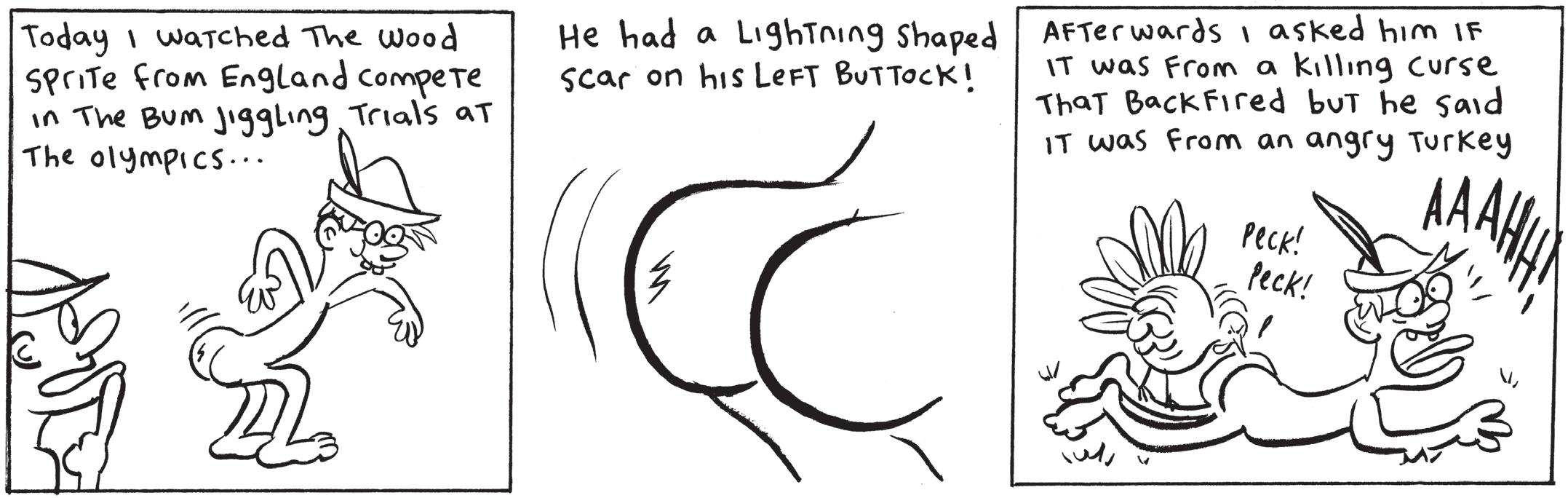
Strings Attached by Ali Solomon ’01
r Ta DEADLINE for ads in the issues of Wednesday, October 13 and Thursday, October 14 is Thursday, October 7 by 3pm.
THE SUN offices will be closing at 5pm on Thursday, October 7, and will reopen on Wednesday, October 13 at 9am.

By TENZIN KUNSANG Sun Contributor
Each fall, Cornell partners with Wegmans Pharmacy to offer free flu vaccinations to students at various campus locations from September to November. With the ongoing pandemic impacting Cornellians’ daily lives, getting the flu vaccine this year is just as critical as in any other year for all individuals, according to Cornell physicians.
The flu, also known as influenza, may manifest similar symptoms to COVID19, according to Dr. Kristen Marks, an infectious disease physician at Weill Cornell and principal investigator for clinical trials of the Moderna and Novavax COVID vaccines.
Marks said the two illnesses generate similar symptoms of fever, cough, sore throat and headache. She added, however, that the flu does not cause as much nasal congestion as COVID-19. It is also possible to catch both viruses at the same time, which may lead to more intense symptoms.
According to Marks, while college students as a whole are not the most vulnerable population to get a severe flu case, flu vaccinations are still essential to maintaining a healthy campus population.
According to The New York Times, getting a flu shot remains important as concerns over dwindling hospital capacities, as well as relaxed mask mandates, could lead to additional burdens for the nation’s health care system already strained with COVID patients.
“When you’re talking about trying to prevent those severe cases, you really want to target the extremes of age, immunocompromised [and] pregnant women,” Marks said. “But vaccinating college students can prevent spread, which can protect those people.”
Marks added that while no vaccine offers perfect protection against illness, getting vaccinated still benefits individuals through the effects of collective community protection.
“There is no vaccine that perfectly protects yourself, but if you protect your community, you benefit because there’s
fewer [cases],” Marks said.
Dr. Jada Hamilton, interim medical director for Cornell Health, said that vaccination is key to reducing flu spread, in addition to alleviating limited hospital resources.
“Getting your flu vaccine benefits the whole campus community by helping to reduce the spread of influenza on campus, and freeing up medical services for students who may be exposed to COVID,” Hamilton said.
Despite the importance of vaccinating the community against the flu, the University has not mandated the flu vaccine this year but rather “strongly recommends” it — a shift from the flu vaccine requirement in fall 2020.
After the past few months during which community members have returned to local and international travel, Marks said she expects a more normal flu season, indicated by more cases and flu activity, unlike last year’s milder one.
“What we really want to do is keep people out of the hospitals and keep people from getting secondary pneumonias from flu and ending up in the ICU [or] hospital, or dying,” Marks said. “For both viruses, that’s what the vaccines are designed for and that’s why they think it is equally important this year as any other year.”
However, according to Hamilton, students have been receptive to Cornell Health’s flu vaccine messaging, as Cornell Health recorded a high volume of students getting inoculated against the flu virus, potentially due to students’ practice of public health measures over the past year.
“I think practicing strategies that help prevent COVID has primed students to prioritize other healthy behaviors like flu vaccination,” Hamilton said.
Marks added that all flu vaccines this
year — similar to other years — are quadrivalent, meaning they protect against four strains of the flu. There are also variations in the types of doses available — regular, high and thimerosal-free — that are mentioned on Cornell Health’s website and aimed toward specific communities.
Marks explained that the high dose is meant to increase the immune response among individuals 65 years of age and older, and the thimerosal-free dose is meant for those who have allergies to the thimerosal ingredient or opt to get this preservative free vaccine out of choice. Individuals opt out of thimerosal ingredients due to its rare side effects such as redness and swelling.
While some may be wary of interactions between the flu vaccine and COVID vaccine reducing their efficacies, Marks dismissed these concerns.
“There is no concern for the reduction in efficacy of either one,” Marks said. Although it is safe and effective to get the COVID-19 and flu shot on the same day, Marks said, scientists are currently researching a combination of these two shots.
Similar to the Tetanus, Diphtheria and Pertussis vaccine that is required for Cornell students, the COVID booster and flu combo shot will allow for people to receive one vaccination with the same effects of two separate ones to increase efficiency and maximize the number of vaccinations in a given period of time.
Students, faculty and staff can register on the Cornell Health website to book a flu vaccination appointment. There will be clinics at the College of Veterinary Medicine and at Willard Straight Hall on Oct. 13 and 22, respectively.
Tenzin Kunsang can be reached at tk489@cornell.edu.
By SRISHTI TYAGI Sun Science Editor
As a finalist in the international Breakthrough Junior Challenge, Ellen Jannereth ’25 is making quantum physics more accessible to general audiences and is vying for a $250,000 scholarship in the process.
The annual challenge asks competitors to select a scientific concept and create a three-minute YouTube video explaining the concept in an easily understandable manner, Jannereth said.
Afterward, a peer review process and several rounds of judging stand between participants and the grand prize of a $250,000 scholarship, as well as a $50,000 award for a teacher who inspired the participant and $100,000 toward building a science lab for the student’s high school.
With the ultimate goal of encouraging scientific curiosity and creative thinking, the challenge draws thousands of submissions from students ages 13 to 18 all over the world.
Jannereth has reached the final round of judging and stands among the top 16 scorers.
“I honestly don’t think I’m going to win. But if I did, or hope for whoever does win ... that’s obviously life changing to be able
to get that much money to pay for your education,” Jannereth said.
A physics major from Tampa, Florida, Jannereth stumbled on the competition online during her junior year of high school and decided to enter for fun, thinking nothing of the outcome.
“There’s so many people who submit video entries. I just thought it would be fun,” Jannereth said.
“And I also sent that in with my college applications, so I thought that would be an extra bonus. I didn’t think I would actually win or anything, or become a finalist.”
Entries are scored for engagement of the viewers, clarity of explanation, creativity and difficulty of the subject matter.
For her entry, Jannereth chose to explain the mystery of quantum tunneling — a phenomenon in which a particle can be found on the other side of a potential energy barrier, despite not having enough kinetic energy to surmount it.
A concept that is taught in college-level physics classes, Jannereth used lively animations, sound effects and scenery to help her break down this complex topic, diving into details typically beyond the comprehension of non-physics majors.
Jannereth explained that in her video, she used the simple analo-
gy of kicking a ball over the hill — unless the ball is kicked hard enough, there is no way of finding the ball on the other side.
“So say, a particle — kind of like the ball stuck on one side of the hill — doesn’t have enough energy to get over it,” Jannereth
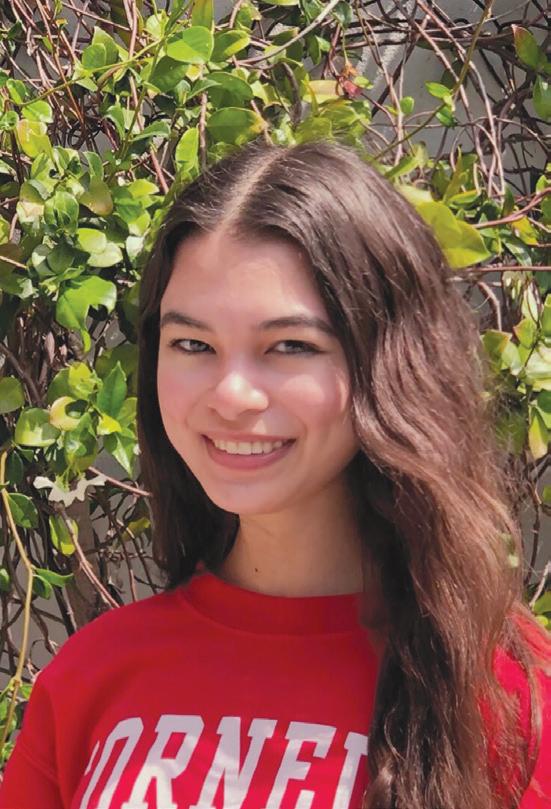
said. “There’s still a chance that in the quantum world, it’ll be on the other side, even if it doesn’t have enough energy. You can just find it there.”
This is possible because quantum physics operates differently from the everyday world of classi-
cal physics, Jannereth said.
“In the macroscopic world, position is very straightforward,” Jannereth said. “There’s no such thing as a probability of finding something somewhere. It just kind of exists there already. You can observe it, you can see it, and the act of observing something doesn’t change it’s position.”
Governed by Heisenberg’s uncertainty principle, quantum physics dictates that it is impossible to know a particle’s exact position and momentum at the same time. According to Jannereth, since the quantum world is so “tiny,” light hitting the particle during the simple act of observation would be enough to change a particle’s position.
“It’s just a completely different, way of thinking about the world,” Jannereth said.
This unseen quantum world instead relies on probabilities — called wave functions — of finding a particle at a certain position, Jannereth explained.
In the phenomenon of quantum tunneling, a particle’s probability wave can extend through a potential barrier — essentially, be found on the other side of a “hill” — despite not having enough energy to do so.
While quantum tunneling may seem removed from everyday life,
it has applications in touch-screen technology and mapping the surface of materials at the atomic level.
“Most of us can go our whole lives without even caring about quantum tunneling or knowing what it is,” Jannereth said. “But it’s definitely something really interesting to think about.”
Jannereth first stumbled into quantum physics in middle school when she watched The Fabric of the Cosmos, a PBS documentary series.
But her passion for physics took off in high school, when her physics teacher shifted Jannereth’s perspective toward using math as a way of understanding complicated physics problems.
“That kind changed my whole outlook on everything,” Jannereth said. “So that’s when I decided that physics is what I want to pursue, and that I actually can pursue it.”
The competition’s selection committee, composed of science experts ranging from astronaut Scott Kelly to Khan Academy founder Salman Khan, is slated to review and score the top group of finalists and select the winner of the challenge by this November.
Srishti Tyagi can be reached at styagi@cornellsun.com.