The Corne¬ Daily Sun

By SEAN O’CONNELL, ALEC GIUFURTA and MILO GRINGLAS Sun News Editor, Sun Senior
counterprotesters.
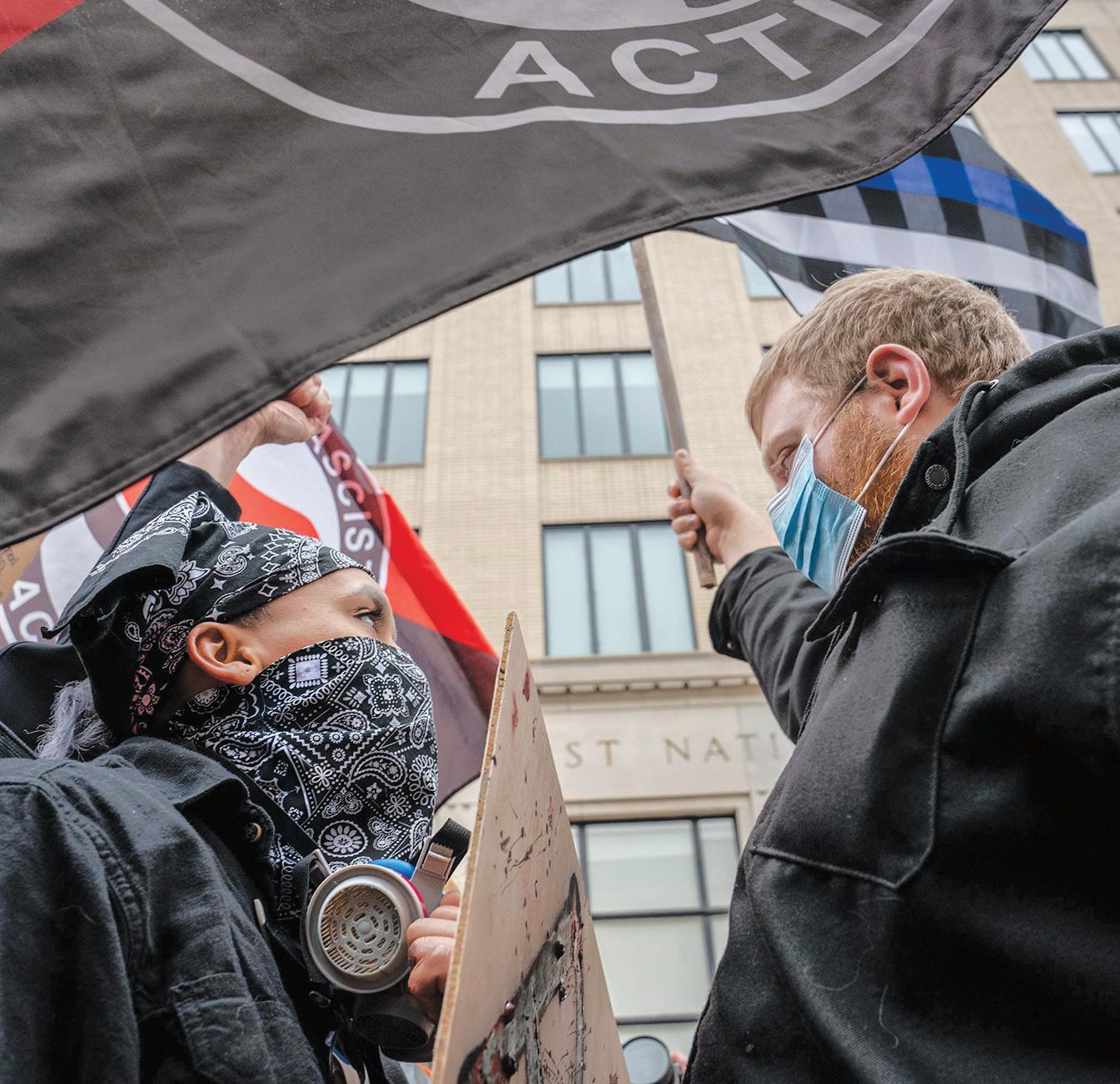
The two sides face off on the Ithaca Commons.
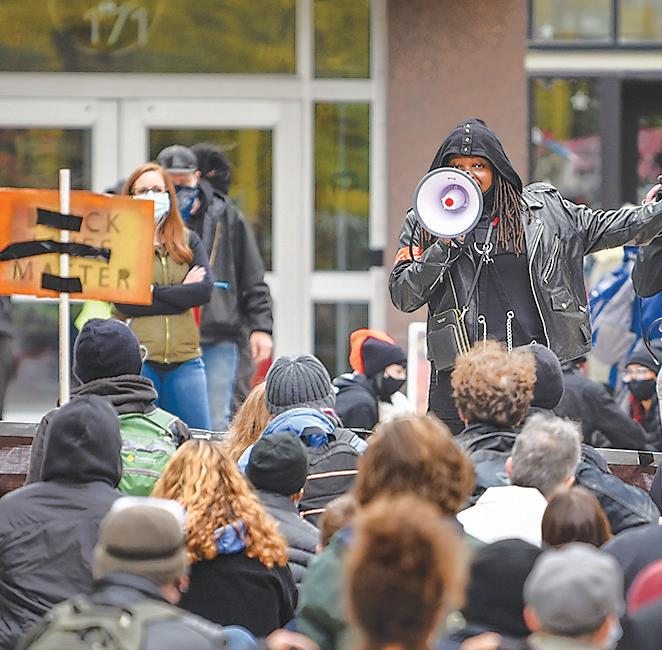
Black-clad counterprotesters filled the Ithaca Commons Saturday, toting signs and chanting slogans of “Black Lives Matter” in response to a Back the Blue rally scheduled later that afternoon.
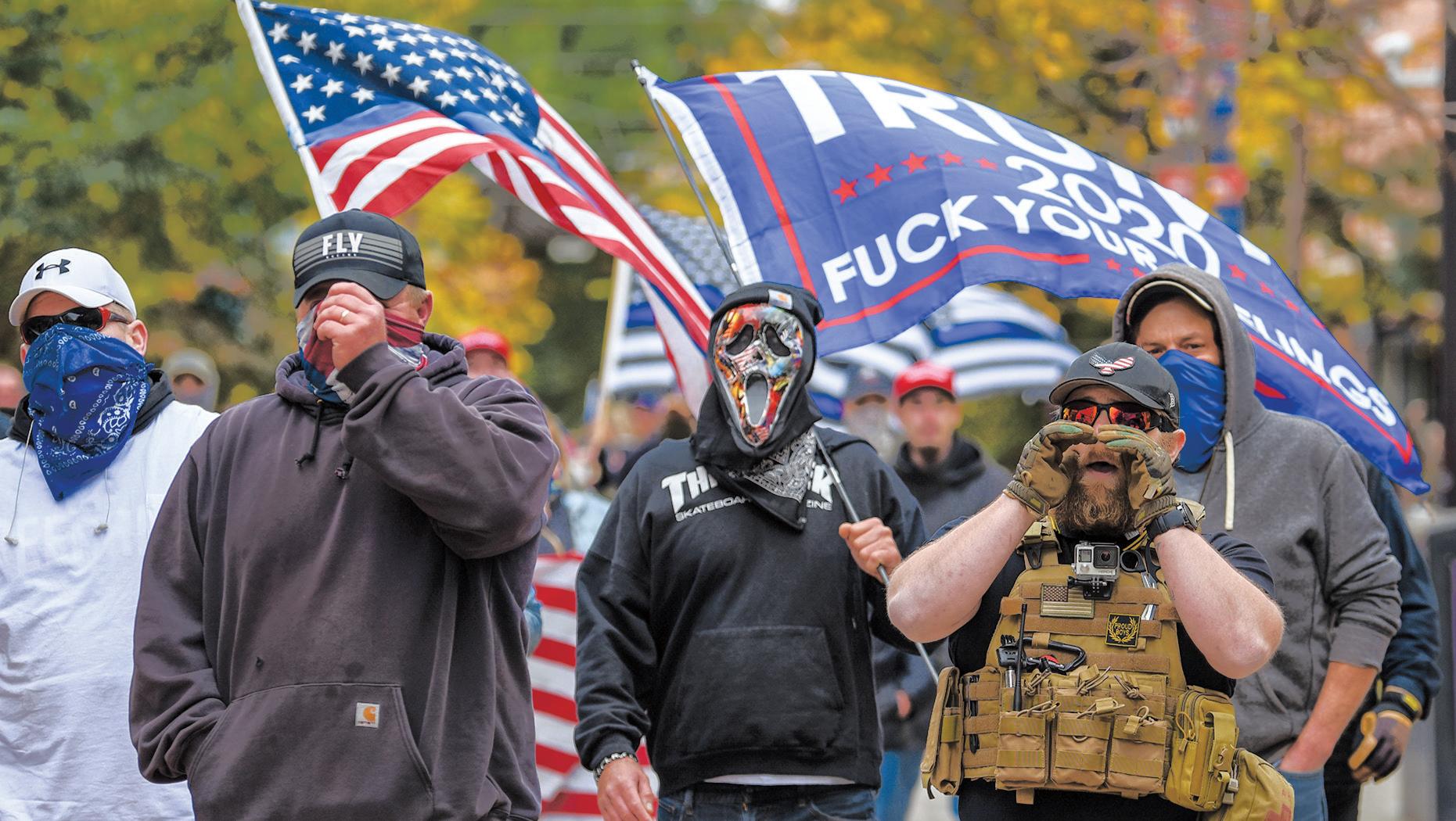
By 2 p.m., a black American flag with a blue stripe — the “Blue Lives Matter” symbol — had been unfurled in front of around 50 demonstrators on the west side of the Commons; the rally had begun. On the other side of the Commons, the number of counterprotesters in the competing demonstration swelled to fill the Bernie Milton pavilion since beginning to filter in at 11 a.m., the original intended location for the Back the Blue rally.
But by 2:45 p.m., tensions escalated as Back the Blue rally-goers marched down the Commons to confront the approximately 250 person Black Lives Matter protest.
“Where we are right now is almost a state of soft civil war,” said Rocco Lucente, the organizer of the Back the Blue rally, to the crowd holding American flags and “Blue Lives Matter” signs at the west end of the Commons.
The clash ended by 4:30 p.m, leaving only one Back the Blue member — the only one of the group who actually resides in Ithaca, according to him. “This is my home,” he said to protesters telling him to go home.
There were many police officers present at the protest —— officers covered street corners, blanketed the Commons and perched themselves on overlooking rooftops. Black Lives Matter protesters directed their chants toward the group of Back the Blue supporters.
This was the strategy from the outset, according to Cornell Abolitionist Revolutionary Society organizer
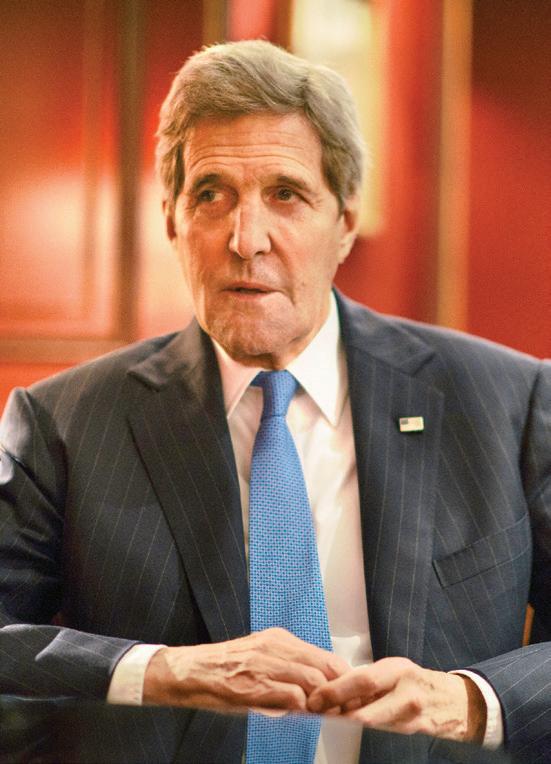
Five days before the Presidential election, Cornell students will get the opportunity to ask questions to former Democratic nominee John Kerry.
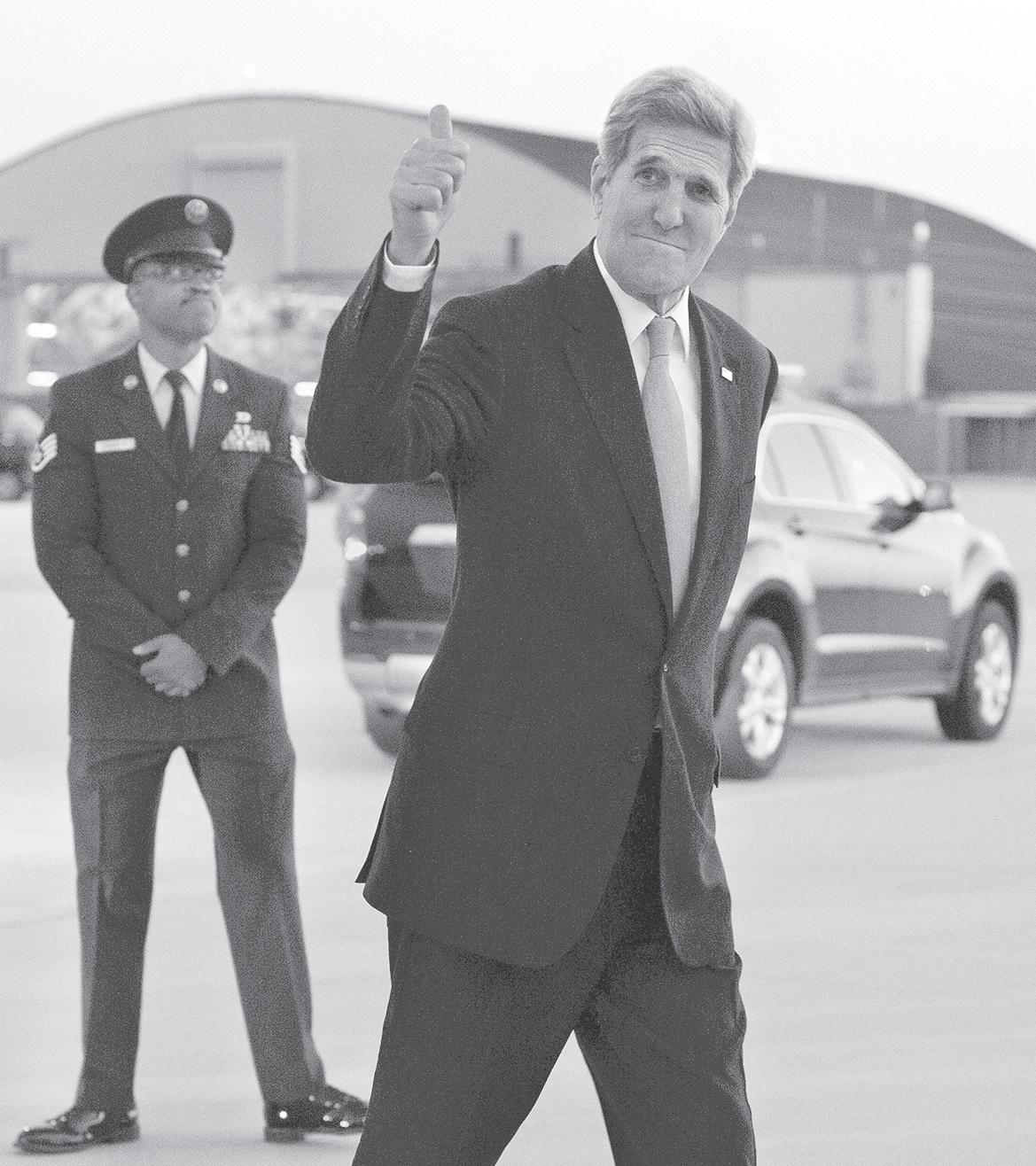
Kerry — the runner-up in the 2004 presidential election and the Secretary of State under President Barack Obama — will speak to the Cornell community in a Zoom
event on Thursday at 5 p.m. Titled “A Conversation with John Kerry 68th Secretary of State (2013-2017),” the event is organized by the Institute of Politics and Global Affairs, and is sponsored by the government and history departments. The event is also hosted as a part of the Belnick Family LaFeber/ Lowi Presidential Forum, which takes place leading up to presidential elections. Named in honor
of Profs. Walter LeFeber, history, and Ted Low, government, the forum aims to inform students about major political issues facing the United States.
First, there will be a discussion between Kerry and moderator Steve Israel, a former Congressman and head of Cornell’s politics institute. Then, the floor will open up to students’ questions for the former Secretary of State. Kerry grew up in Massachusetts
and attended Yale University for his undergraduate degree in political science in 1966. He then joined the Navy, serving for four years. He would go on to attend Boston College Law School, graduating in 1976.
After losing a race for a spot in the House of Representatives in 1972, Kerry went into law. He practiced for ten years until he won
Monday, October 26, 2020
Hindu Belonging and Minority Recognition in Pakistan 11:15 a.m., Virtual Event
“‘The Ultimate Drive-by’: Racionais MC’s, Ice Cube And the Pitfalls of Being Black,” by Paulo Dutra 4 - 5:15 p.m., Virtual Event
CBE Raymond G. Thorpe Distinguished Lecture: Craig Wheeler, Former President and CEO, Momenta Pharmaceuticals, Inc. 4 - 5:15 p.m., Virtual Event
Science & Technology Studies Colloquium — Evelynn Hammonds, Harvard University 4 p.m., Virtual Event
Education, COVID-19 & The Election: What Do Polls Tell Us? 7 p.m., Virtual Event
“Pathogen Spillover: Lessons Learned From Emerging Bat Viruses” With Dr. Raina Plowright, Ph.D. Noon - 1 p.m., Virtual Event
Nematic Quantum Criticality in Iron-Based Superconductors 12:20 p.m., Virtual Event
First Gen and Low Income Student Support Office Hours 2 - 3 p.m., Virtual Event Museum in the Dark 6 - 7 p.m., Virtual Event
Continued from page 1
Nadia Vitek ‘23, who hoped to de-escalate tensions with the police to prove that community-based protections actually work. Vitek said she was pepper sprayed by Ithaca Police Department officers while peacefully protesting Thursday outside the department headquarters.
CARS is a student-led organization that aims to abolish the Cornell University Police Department, divest from prisons and invest in transformative solutions to policing. Along with the Ithaca Pantheras and the Tompkins County Democratic Socialists of America, CARS was heavily involved in setting up the counterprotest.
“We’re not going to be antagonizing the cops,” Vitek said, “if we were to say [that the] cops and klan go hand and hand, they’re just going to get pissed off and start supporting the Proud Boys.”
Organizers enforced this principle: At one point, a small group of protesters started chanting “no good cops in a racist system,” before they were quickly stopped by Ithaca Pantheras leaders.
The counterprotesters counted on high levels of coordination for the event. The Pantheras distributed specific color-coded armbands to protesters: Orange for Panthera members, green for “wranglers,” who spread information and yellow for protesters armed with shields as a defense against any provocation by Back

the Blue demonstrators.
Before the Back the Blue members marched to confront Black Lives Matter protesters, Tompkins County Sheriff Derek Osborne told The Sun he was fearful of violence.
“I’m afraid if the two sides come together there’s going to be problems,” he said.
Despite his fears, there was no violence between the two sides, which Osborne later said he was happy to avoid.
“I think it’s gone as good as could be planned,” Osborne said as the rally wound down. “I see both sides talking with each other and I think that’s a good thing.”
Lucente said he was protesting to protect his rights of expression and in support of law enforcement — an institution he believes is fundamental to democracy.
“Without the police, we don’t have the ability to resolve our differences without the citizens escalating to force themselves,” Lucente said. “The police are supposed to be the neutral moderator, who allow us to settle these views and protect all of our rights from those who would encroach upon them.”
Lucente was ardent in his position that the Black Lives Matter protesters encroached on his rights, and said the event “may be attacked by a mob of Antifa counterprotesters.” He said he had been tipped off by city insiders that the counterprotesters intended to use violence at the rally.
While no violence had occurred, the prelude to the demonstrations had been marked by growing tension between right-wing and left-wing protesters. Dueling protests on Oct. 16 led to a confrontation at the Tompkins County Republican Party headquarters, which had turned violent.
On Oct. 22, Ithaca police arrested six protesters and pepper sprayed many more outside of police headquarters, in response to a demonstration against three arrests made earlier in the afternoon.
Antifa loosely refers to groups of Americans protesting the increasingly authoritarian tendencies of the U.S. government and systems of racism. Antifa movements can be distinguished from other forms of far-left activism for its willingness to use political violence in self-defence.
Ithaca Police Department Chief Dennis Nayor and other public officials urged protesters to not demonstrate on Saturday, citing rising tensions and increased arrests over the past week.
“Support for any position must occur peacefully and if any participant from either side has any intent other than peacefully demonstrating, then I implore you to stay home,” Nayor wrote in a media release, calling the violence at last week’s rally and counterprotest “unacceptable.”
Students and faculty alike stood behind the Black Lives Matter banner.
Prof. Jane-Marie Law, religious studies and Asian studies, attended the rally with her daughter, Tamar Law ’17. JaneMarie was perturbed by the prospect of Proud Boys looking for trouble.
“Those of us who know the signs of nascent fascism recognize this moment, and we can’t not be here,” she said.
While the Proud Boys — a far-right group with a history of engaging in political violence — did not attend the event in any official capacity, a Back the Blue protester donned a bulletproof vest with a “Proud Boys” logo patch on the front.
Egan Hiatt, a first-year law student, attended after reading that the protest was occurring in a group chat. She said she was worried about her safety, both from threats from officers and Back the Blue protesters.
Lisa Bagliaro, an Ithaca resident, led Black Lives Matter chants in front of the group’s sign in front of the Back the Blue protesters. She shared that she did not feel safe and that she was shocked at the tension of the event in her community.
“It’s kind of blowing my mind,” Bagliaro said. “It’s emotional.”
As the cold set in, two lively dance circles formed at each end of the pavilion among the Black Lives Matter protesters. Pantheras organizers declared “victory,” and the protesters came together as one to dance one last time to the late Pop Smoke’s “Dior” before dispersing prior to dusk.
Sean O’Connell can be reached at soconnell@cornellsun.com. Alec Giufurta can be reached at agiufurta@cornellsun.com. Milo Gringlas can be reached at mg862@cornell.edu.
By CHARLIE MOLLIN Sun Staff Writer
In what would otherwise be common practice in a non-pandemic year, Cornell students now have to go through a new process to leave and return to campus this semester.
Students who leave campus to travel to a state on the New York State Travel Advisory List — which currently covers 39 states — are encouraged not to return to campus by Cornell, and instead remain at their permanent residence for the rest of the semester. Students who live in University housing that travel to a state not on the list must quarantine upon their return, and will be able to return to their Cornell residence after testing negative twice in a row.
Students returning from a travel-restricted state are told to find, and pay for, their own quarantine housing and food. Cornell mandates that students remain in their off-campus housing for 14 days, or until they’ve tested negative according to Cornell’s COVID19 website.
Cornell requires that students disclose the duration of their trip and destination through the Daily Check system. It states that only exceptional situations — such as family emergencies — merit a departure from campus.
Joaquin Lopez May ’24 left campus for Philadelphia for a family emergency in mid-September and went through the return-to-campus process. Upon arriving back to Ithaca, Lopez May was directed by Cornell Housing to Robert Purcell Community Center Service Center to get a key to his quarantine housing in Townhouse H on North Campus. He waited in line along with other students, despite the fact that he had not yet received his COVID-19 test results.
“My quarantine was not enforced much, I was never checked on by any Cornell employee to make sure I was following the rules,” Lopez May said. “I feel like, had I wanted, I could have easily walked around campus.”
Lopez May also said that Cornell Housing took
three days to respond to his emails asking about dining rules while he was in quarantine. He also said that Cornell Housing had planned to have another student stay in the same housing.
“I emailed them about dining hall rules, and it took them concerningly long to answer, considering that I needed to eat,” he said. “They also assigned another student to quarantine in the same house as me, despite the fact that we both needed to isolate. He ended up not showing up, though.”
Lopez May stayed four days and three nights in quarantine, with his tests spaced one day apart. On the first day, he did not get tested and only isolated, but after testing negative twice, he was allowed to return to campus.
Neil Patel ’24 also traveled out of Ithaca to Ellicott City, Maryland, in October to visit his family for a family emergency. Like Lopez May, Patel spent his quarantine period in Townhouse H.
“I didn’t actually [feel my quarantine was enforced],” Patel said. “I was just told to stay in the quarantine housing by Cornell Housing and no one checked on me. The only factor that kept me from living like normal was my need to isolate to not put other Cornellians at risk.”
Unlike arrival to campus, students are not provided with pre-packaged meals and are instead directed to dining halls, despite the uncertainty of their test results.
“I was expected to follow the same social distancing protocols as everyone else, but it wasn’t as if I received any special treatment or dealt with any additional guidelines,” Patel said.
Patel also said Cornell’s quarantine housing was poorly maintained, explaining that it “doesn’t seem to be visited by custodians” and that “hair was all over the floor and the bathroom, as a whole, was very dirty.” Its condition was so bad that he said he considered renting an Airbnb for the duration of his quarantine.
Charlie Mollin can be reached at cmollin@cornellsun.com.
KERRY Continued from page 1
Massachusetts’ Lieutenant Governor position in 1982. Two years later, he was elected as one of the state’s Senators, a seat he held until he entered the Obama cabinet in 2013. Before then, Kerry ran for President himself in 2004 against incumbent President George W. Bush, but fell short by 19 electoral college votes in a narrow
two-point loss.
Two elections later, Kerry was appointed to serve as Secretary of State during President Obama’s second term. Notable foreign policy accomplishments during his tenure included the Iran Nuclear Deal, the reopening of the American embassy in Cuba and the U.S. signing onto the Paris Climate Agreement.
Alex Hale can be reached at ahale@cornellsun.com.
The pandemic-induced economic recession reverberated through cities and municipalities across the country, prompting unemployment levels in Tompkins County to rise from 3.5 percent to 10.1 percent between March and April — the largest reported single-month increase in the county since at least 1990.
The Sun sat down with Natalie Branosky, director of the Tompkins County Workforce Development Board, and Tompkins County Legislators Martha Robertson ’75 (D-13th District) and Anna Kelles (D-2nd District) to reflect on the latest impact of the COVID-19 pandemic on Tompkins County’s unemployment trends.
In September, the national unemployment rate declined to 7.9 percent as the economy sparked back to life in many parts of the country. With thousands of businesses reopening, the number of previously furloughed employees brought back to work totaled a dramatic 1.5 million.
In Tompkins County, the unemployment rate declined to 4.3 percent during the same period. But the county still has 2,900 fewer private-sector jobs than this time last year, when the county’s unemployment stood at 3.9 percent.
While employment levels recovered much more quickly in Tompkins County than in other parts of New York — New York City, for instance, still has a 13 percent unemployment rate — Kelles and Bronasky noted that the county isn’t fully out of the woods yet, receiving about 150 to 200 new unemployment insurance claims per week.
reason that claims continue to remain relatively high is because many even employed residents still don’t earn enough to meet their basic needs. Unemployment insurance also covers workers who have had their hours or wages substantially cut, in addition to those who have been terminated outright.
Even so, the failure of Congress to expand the $600 a week unemployment supplement when it expired at the end of July means that insurance is only an incomplete stopgap. In New York, weekly unemployment benefits are capped at $504, an amount that is intended to approximate only half of one’s prior wages while employed.
“Unemployment insurance is only a partial replacement for lost wages; if the worker doesn’t make a living wage to begin with, unemployment isn’t nearly enough,” Robertson said.
In total, Bronasky estimated that nearly 10,000 Tompkins County residents have made initial unemployment claims. However, a lack of federal support has hampered the county’s efforts to address the rising unemployment claims.
Job loss is concentrated in specific sectors, with higher education, hospitality and tourism, food services and health care the hardest hit industries, according to Branosky.
In a previous interview with The Sun, Prof. Ian Greer M.S. ’03 Ph.D. ’05, industrial and labor relations, explained how Tompkins County— unlike almost any other county in New York — is uniquely dependent on colleges. According to 2010 Census data, nearly 30 percent of the county is composed of college students.
an outsized impact on unemployment levels in Tompkins County. While Cornell University announced a return to campus in a hybrid format, Ithaca College elected to hold an entirely remote semester. Many Cornell students also opted not to return to campus.
“The students left, and [they] just amount to a much bigger share of economic activity in our county,” Greer said. “There’s nothing comparable elsewhere in New York State — a single sector that suddenly shuts down. It’s not just people on campus who lose their jobs, but it’s everything that surrounds the university economy.”
Education going virtual has had adverse economic effects outside of higher education. While Ithaca public schools have largely reopened, Ithaca High School and Cayuga Heights Elementary School were forced to temporarily close last week following positive coronavirus cases among students. When schools or daycare facilities close, parents — usually mothers — often have to leave their jobs in order to care for their children.
“Many women [in Tompkins County] have taken themselves out of the labor market since the pandemic because of child care challenges,” Robertson said. “Since women still do more of the caretaking than fathers, when school went remote it was an incredible challenge to manage a job as well as be available for children.”
By ALESSANDRO MARCHESANI Sun Staff Writer Alessandro Marchesani can be reached at amarchesani@cornellsun.com.
According to Robertson, the primary
As a result, the absence of many students from the local economy has had
To address child care, Roberston, along with the Tompkins County Industrial Development Agency, established a program to help child care providers reopen safely during the pandemic. The $100,000 fund will provide up to $10,000 in grants to fund protective wear, sanitation supplies and building air quality improvements.
In order for Tompkins County to continue on its path to economic recovery, Robertson stressed the need for a new COVID-19 stimulus package that provides financial assistance for state and local governments that have lost a significant amount of taxpayer revenue. Due to declining economic activity, the City of Ithaca, for example, reported that it would likely face a $4 million deficit.
While a Congressional stalemate suggests that new funding is not likely to come soon, such a package could help Tompkins County maintain critical services such as mental health, support for people experiencing homelessness and child care.
A new round of loans from the Paycheck Protection Program “could also help our residents directly decrease unemployment by helping businesses maintain their payrolls,” Robertson added. The forgivable credit lines, which temporarily covered the payroll expenses of small businesses, were widely seen as key in staving off a wave of bankruptcies and permanent closures.
Overall, Robertson said that, while some jobs have come back, Tompkins County is still experiencing harmful levels of unemployment.
“Thousands of residents have burned through all their savings; many businesses will have lost everything and closed,” Robertson said.
“The longer the pandemic lasts, the longer we will feel the recession effects of this pandemic and the higher the risk and reality for job loss and business loss,” Kelles added.
Ilike to walk around in cities, to get lost in them. Each face that passes permeates a unique kind of flavor. Walking around and around like this, you feel yourself become blank and anonymous, transparent, almost, as though you could absorb each of these walking histories into your own. Who are these people — that one there laughing, that one hunched over her phone, that one smoothing his hair? Once in a while, there are moments of connection. Brief moments where you meet strangers, have conversations with them and some flint strikes against the steel surface of life to make sparks.
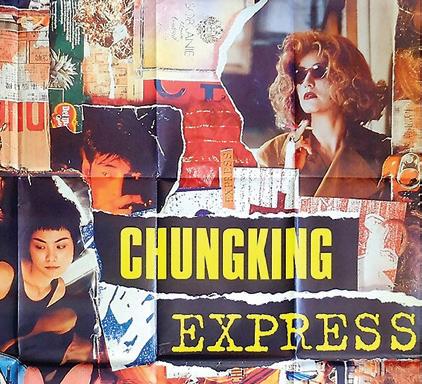
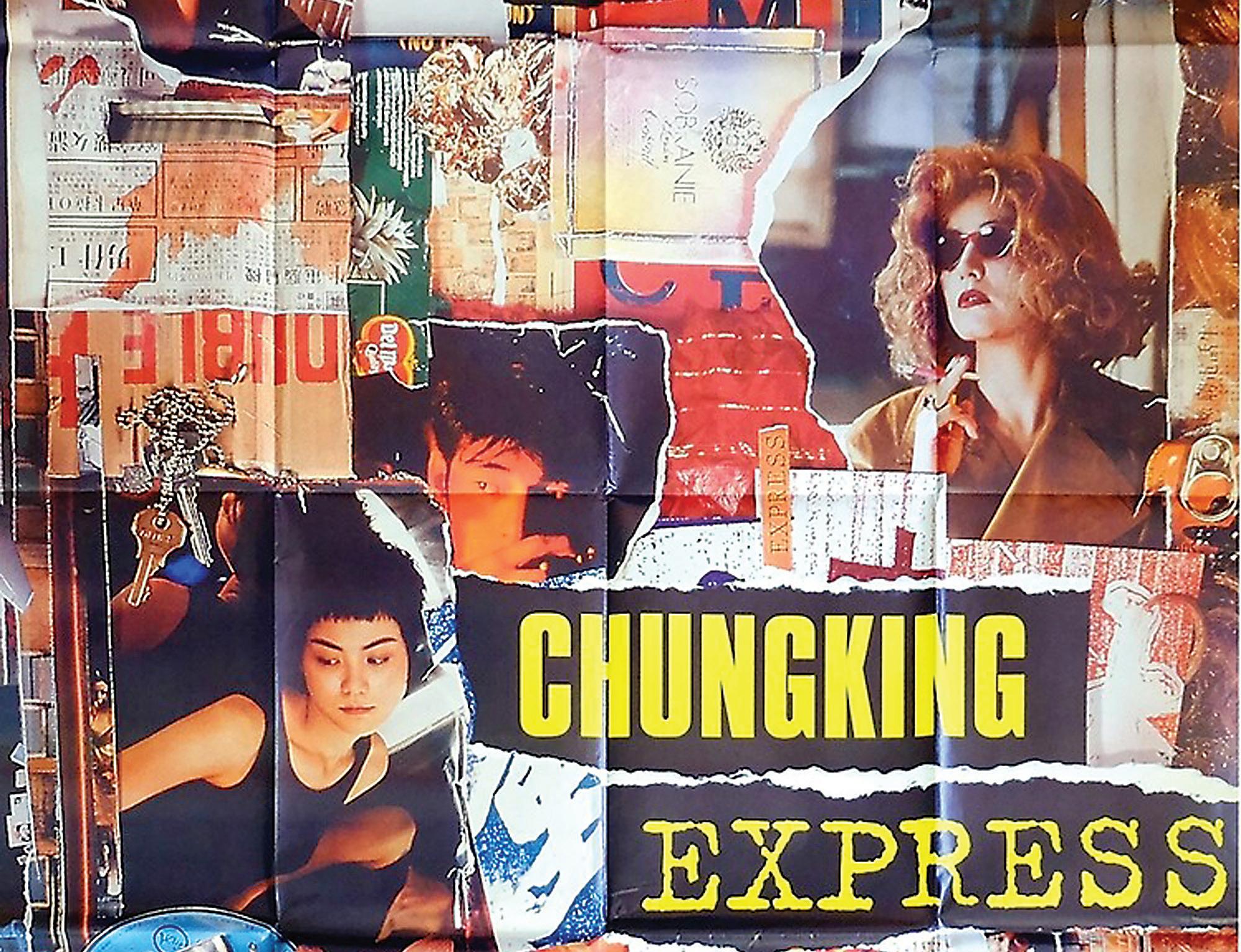
The cities of film director Wong Karwai are such cities. I should say “city,” rather, because there is primarily one city, Hong Kong, though it goes through many iterations and is even, in the case of Happy Together , relocated in Buenos Aires. In an interview on two related films from the 90s, Chungking Express
and Fallen Angels , Wong has said that his main characters “are not Faye Wong or Takeshi Kaneshiro, but the city itself, the night and day of Hong Kong.”
Alienation is the main mood of this night and day. Neon lights blur with wet pavements, and cigarette smoke drifts through the empty spaces. Trains
pass and clock hands tick, relating isolation and displacement to modernity and industrialization. Through framing, the viewer is often held at an arm’s length from characters. The characters themselves stand side-by-side, glancing at one another without talking, unable to express their love. Two people can be business partners but rarely meet. Intimacy and connection find expression through objects: cans of pineapple, coins, someone else’s trash.
Respite from loneliness often arrives in the form of chance meetings. In Fallen Angels, Wong Chi-ming (Leon Lai) goes to an empty McDonald’s late at night, where a woman, Blondie (Karen Mok), sits next to him and strikes up a conversation, and the two become lovers for a short time. In the same film, Ho Chimo (Takeshi Kaneshiro) keeps running into Charlie (Charlie Yeung). After she uses him as a shoulder to cry on (literally) for her ex-boyfriend woes and they spend time together going to soccer matches and taking rides on his motorcycle, he falls in love with her. Though neither of these relationships work out, the chance encounter between Ho and Wong’s former agent that ends the film reaffirms the hope of such moments and offers the possibility for connection in an otherwise bleak, friendless and transient world. It’s the first time we see daylight breaking through the screen.
In a voiceover, Ho says, “We rub shoulders with many people every day. Some may become close friends or confi-
dants. That’s why I’m always optimistic.”
Cop 223 of Chungking Express expresses an almost identical sentiment: “Every day we brush past so many other people. People we may never meet or people who may become close friends.”
The permeability of the boundary between self and other that Wong’s films reveal is a profoundly hopeful one. Caught in routines that stifle them, characters break out only when made aware of this permeability. It comes at them with the force of Rilke’s Torso of Apollo : “You must change your life.” The rootedness of time and place becomes illusory. Despite the elegiac tone of these films, I feel in the hours after watching them that I have become broader, somehow, more
open. The surface of life turns liquid. These days, I find myself nostalgic for that world again. I would like to sit down next to a stranger, even if for a brief moment, and be unbounded. “From now on,” says Yuddy (Leslie Cheung) to Su Li-zhen (Maggie Cheung) in Days of Being Wild, “we’re friends for one minute.” Well, I might have lost the ability to make these one-minute friends, but for the time being, I can at least find consolation in the fictional friends of one hour.
reached at ryandava@ cornellsun.com. Ramya’s Rambles runs alternate Mondays this semester.
DANIEL MORAN ASSISTANT ARTS EDITOR
This content of this article discusses sensitive topics such as suicide, depression and anxiety.
I spent my quarantine like so many others; stuck inside my childhood bedroom, trapped with all of these mementos that began to feel increasingly that they were from a past life. Posters of bands I no longer listen to, bookmarks holding a place that I’ve long since abandoned, notes hanging on my wall reminding me to do my precalculus homework — all things from a forgotten time in my life I slowly regressed back into. With everything seemingly perfectly preserved, I also fell victim to the same mental health issues that plagued me throughout high school.
“Brakeless” is a song created in this sort of environment. The Wonder Years captured this feeling by revisiting album notes and attempting to dive back into the world that led them to the creation of 2010’s The Upsides and 2011’s Suburbia I’ve Given You All and Now I’m
Nothing . It works because it’s revisiting old emotions, but processing and interpreting them as you would today, with all of the growing and experience you’ve experienced since.
Singer Dan Campbell has an unnerving ability to translate specifics of anxiety and depression into song lyrics, creating some wickedly biting songs that force you to pause the music and reflect. These lyrics tend to cut like a razor blade — at first you don’t notice, until you look down and realize you’re bleeding everywhere. “Brakeless” is the epitome of this; the song title is relatively unassuming, until you realize it’s about searching for ways of an indirect suicide.
“I keep thinking of ways to make it seem like an accident / I pulled the brakes off my bike, so if a bus runs the light, well then… / I keep telling myself that it can’t be that serious / But if I’m talking like this, well, I guess it is.”
This song was first conceived in 2010, although Campbell never shared it with the rest of the band, and understandably so. Talking about suicide is always difficult, but to convey
the feeling of wanting to die but not having the ability to do it yourself is a very small nuance that is hard to pickup if you’re not suicidal. You try and convince yourself over and over that it’s not that deep — that you aren’t *technically* suicidal because you don’t want to do it yourself. Yet it’s a brutal catch-22, one that you can’t really explain to a mental health professional without fear of being institutionalized. And it’s hard to share that with the people that are already in your corner — there’s the perpetual fear of being a burden (one that Campbell frequently addresses throughout The Upsides , particularly on tracks like “It’s Never Sunny in South Philadelphia”).
Nothing encapsulates the Wonder Years circa 2010/2011 more than the hook of “Brakeless:”
“I heard a song on the radio try to tell me I’m not alone / But I feel like it today / And I heard a song on the radio / Said that’s just the way it goes / I think I’m gonna break.” It’s self-help music that tries so hard not to be, but it works because you can find solace in knowing someone
you look up to suffers with the same specific issues (a topic the band addresses in 2011’s “Local Man Ruins Everything”). Even the tone of the hook is a fantastic recall to
On the surface, the lyrics are hyper-specific to the point where they shouldn’t translate well to a larger audience, yet that specificity is precisely what makes the lyrics relatable. “Caught my front wheel in the trolly tracks / Slid across the street / Showed up to work all bloodied up / But at least I’ve got my teeth” isn’t a particularly common situation, but it’s the emotion of getting bodied by life but forcing yourself to find the positives that’s relevant, as if you can convince yourself into happiness. The sincerity, the franticness, all combined to make The Upsides the sonic equivalent of a caffeine-induced panic attack, and that same energy is back once again in “Brakeless.”
But you can’t just return to a past life as if nothing changed, even if you were lucky enough to have a moment fully . I couldn’t return to my 15 yearold-self and just ignore everything between then and now.
“Brakeless” exists in this same space. It revisits a different time, but it’s colored with all of the lived experiences that followed the original idea for the song and when the song was actually created. The resignation in the song sounds like Campbell’s other project, Aaron West and The Roaring Twenties. The song structure is reminiscent of fellow album loosie “Slow Dancing With San Andreas” from the No Closer to Heaven era. It’s not really an Upsides song, but it’s drawing from the same well. And honestly? It sounds better this way.
Students may consult with counselors from Counseling & Psychological Services (CAPS) by calling 607-255-5155. Employees may call the Faculty Staff Assistance Program (FSAP) at 607-255-2673. An Ithacabased Crisisline is available at 607-272-1616. For additional resources, visit caringcommunity. cornell.edu.
Daniel Moran is a senior in the College of Human Ecology. He currently serves as the assistant arts editor on The Sun’s board. He can be reached at dmoran@cornellsun.com.
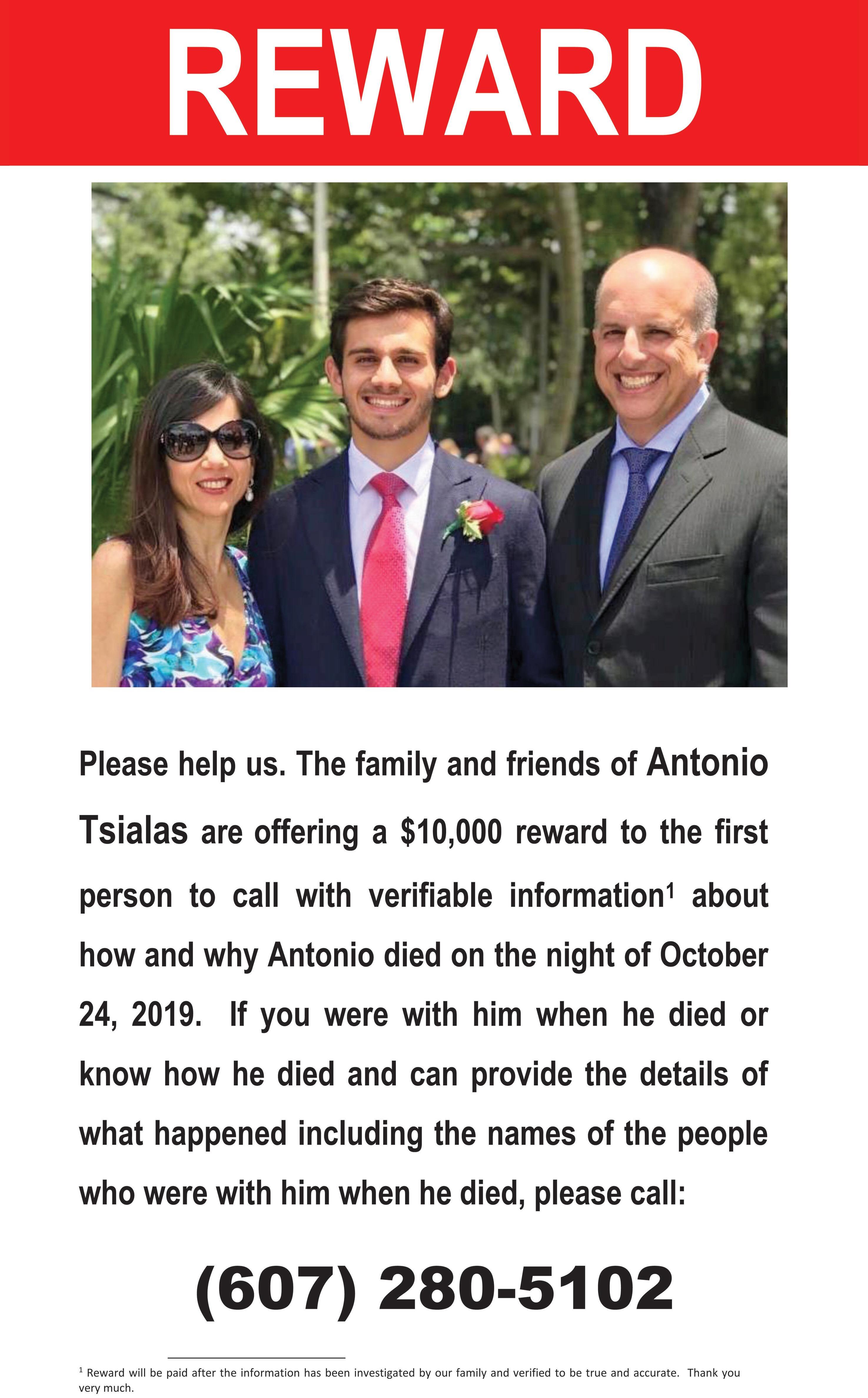
8/4/01 — 10/24/19
Our son Antonio was a freshman at Cornell University last year when he attended a “dirty rush” party at the Phi Kappa Psi frater nity house on the evening of Thursday, October 24, 2019. He arrived at approximately 8:30 p.m. and was subjected to various forms of hazing while he was there. After that, we do not know what happened to him. His body was found by a drone at the bottom of Fall Creek gorge two days later on Saturday, October 26, 2019. His wallet was still with him but his phone was missing. Its last known location was the Phi Kappa Psi house.
We are seeking any and all information about what happened to our son after he left the frater nity house that night. Can you PLEASE HELP? We have set up a special website where you can lear n more and pass on any information you might have about what happened to Antonio after he left the frater nity event. The website is below.
Thank you from our entire family.
138th Editorial Board
MARYAM ZAFAR ’21 Editor in Chief
JOYBEER DATTA GUPTA ’21
Business Manager
PETER BUONANNO ’21
Associate Editor
MEGHNA MAHARISHI ’22
Assistant Managing Editor
CHRISTINA BULKELEY ’21
Sports Editor
BORIS TSANG ’21 Photography Editor
CAROLINE JOHNSON ’22 News Editor
ALEX HALE ’21 News Editor
ARI DUBOW ’21
Editor
EMMA ROSENBAUM ’22 Science Editor
BENJAMIN VELANI ’22
Dining Editor
JOHN MONKOVIC ’22
Multimedia Editor
MIKE FANG ’21
App Editor
OLIVIA WEINBERG ’22
Assistant News Editor
MADELINE ROSENBERG ’23
Assistant News Editor
LUKE PICHINI ’22
Assistant Sports Editor
HANNAH ROSENBERG ’23
Assistant Photography Editor
BRIAN LU ’23
Assistant Arts & Entertainment Editor
ANNABEL LI ’21 Assistant Money & Business Editor
LEI ANNE RABEJE ’22 Layout Editor
JOHN COLIE ’23 Blogs Editor
JOHNATHAN STIMPSON ’21
Managing Editor
KRYSTAL YANG ’21
Advertising Manager
JASON HUANG ’21 Web Editor
NIKO NGUYEN ’22
PALLAVI KENKARE ’21
SEAN O’CONNELL ’21
KATHRYN STAMM ’22 News Editor
ANIL OZA ’22 Science Editor EMMA PLOWE ’23 Arts & Entertainment
LEE ’21
CHENG ’21
PEÑEÑORY ’22
MEGHANA SRIVASTAVA ’23 Assistant News
EMILY DAWSON ’21
’22
MORAN ’21
’22
WANG ’21
OU ’22
’21
Working on Today’s Sun
Ad Layout Dana Chan ’21
Production Deskers Dana Chan ’21 Sarah Skinner ’21
News Deskers Alex Hale ’21
Opinion Desker Pallavi Kenkare ’21
Design Desker Lei Anne Rabeje ’22
Photo Desker Boris Tsang ’21
Arts Desker Daniel Moran ’21
Sports Desker Raphy Gendler ’21
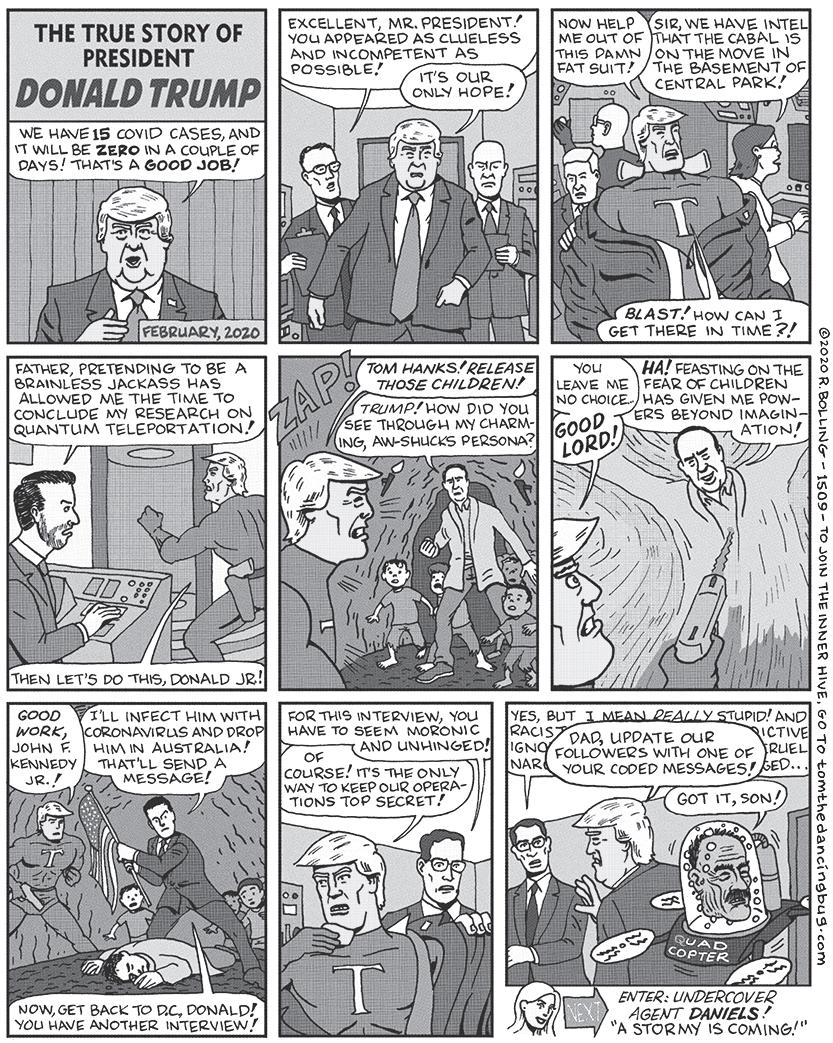
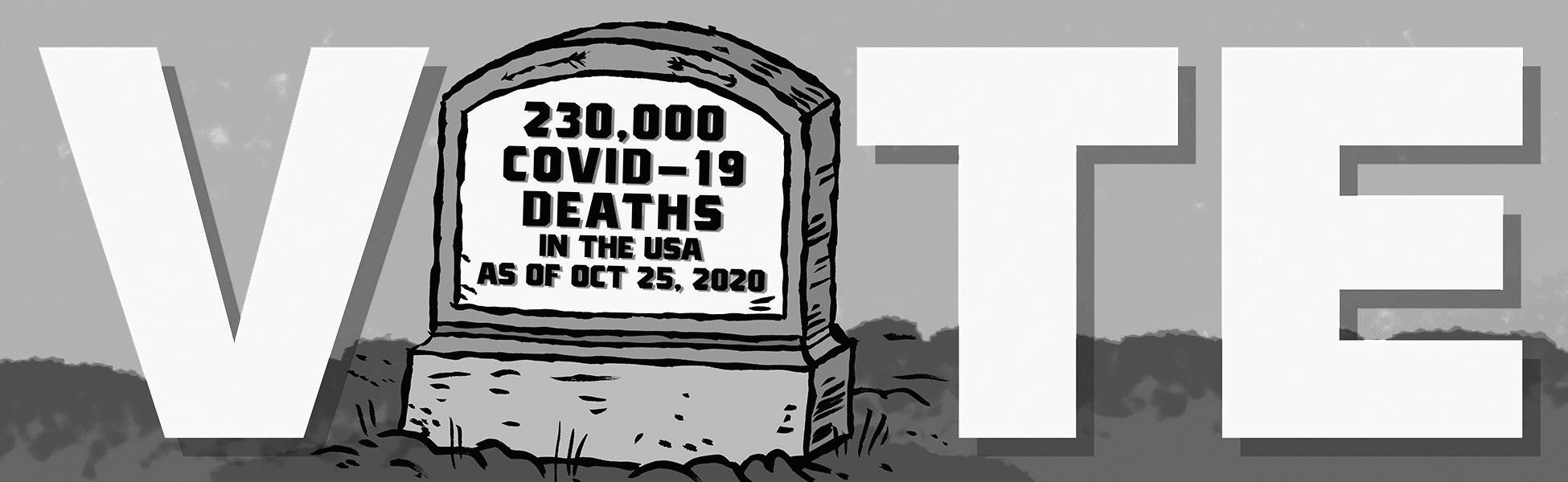
With every election, we become bombarded with messages telling us that we have to vote, and necessarily on one of the two major party lines. However, this blind faith in voting as a cornerstone of our democracy makes politics into a hobby, becoming a dead-end rather than a gateway to civic engagement. Examining why people can’t and won’t vote shows how treating voting as the means by which we bring about systemic change, and electoral politics as a fair and impartial system, is misleading and, ultimately, to our detriment.
One of the dangers of the American system and our belief in democratically elected representation is that we have a tendency to overestimate the power of voting, especially in presidential elections. The electoral college in and of itself should cast a long shadow of doubt over the power that most votes have. The average voter in California has significantly less weight than the average voter in Wyoming, and the average Wyoming voter has three times more weight than the average national vote. The last two of three presidents were elected to office despite losing the popular vote; in the last election three million more people voted for the democratic nominee Hillary Clinton than for President Trump. Is it really fair that those three million votes essentially didn’t count because of where they were? The electoral college places a disproportionate amount of power into a few states, which ends up boiling down to a few counties and valuing those swing voters over other voters in the country. On another note of voter disenfranchisement, felons live in this country, pay taxes and are in many ways more acutely impacted by the laws our elected representatives pass because of lack of access to key social resources like public housing. Yet, they are often unjustly prevented from voting, like in Florida when, in response to people voting to restore voting rights to felons, the state legislature mandated that felons pay court fees, an exorbitant cost to vote. There are deliberate measures, mostly coming from the GOP, to limit voting locations within black communities. This voter disenfranchisement is not accidental; it is a systemic tool for suppression, allowing the American political system to endure and perpetuate its own inequities.
In the aftermath of the 2016 election, several studies were done on voter abstention, finding that the majority of non-voters were lower-income and non-white, hardly a portrait of privilege. Even with the knowledge of the razor-thin margin in Wisconsin and that a vote for Clinton could have swung the state in the other direction, these non-voters did not regret their abstention. They overwhelmingly did not believe that a Clinton victory, much less any election outcome, would bring meaningful improvement to their lives. A
Milwaukee barber remarked that no president, including Obama, had done anything to improve the lives of black people, and that neither Clinton nor Trump would “do anything for us anyway.” This absention does not reflect laziness or a lack of civil engagement, but rather a deep disillusionment with a system that claims to give a voice to the people but allows for elected representatives to not fulfill their promises without consequences. In the aftermath of the 2016 election and 2019 primaries, The New York Times’ Nate Cohn explained that non-status quo candidates have the most power to bring non-voters to the poll, and we see this on both sides of the aisle. In the 2016 election, Trump mobilized a powerful rural white-working class voter base, who were increasingly disillusioned by the coastal elites’ apathy towards their (very real) economic plight. Similarly, Sanders’ base was bolstered by traditional non-voters: In the primaries, Sanders received the highest levels of support from nonvoters on the left compared to Biden and Warren. Instead of unequivocally shaming nonvoters, we should recognize that voting abstention reflects endemic issues in this country, from disenfranchisement to disillusionment with the two parties. This should make us question how and why voting is important, especially when a significant portion of the population experiences difficulty in voting and when the choice is between two sanitized options, both of whom are deeply invested in perpetuating the status quo that gives them to power. And this goes for the vast majority of elections.
For those of you who are considering not voting and questioning how much your vote really counts in the face of all of this, I get it. But if you have the means to vote, you should. No, your vote in the general elections is not a determinant of systemic change, it is barely even your civic duty. However, voting does set the context in which we protest and act. It’s a collective decision for the milieu in which political change can be effected more efficiently. Voting mobilizes yourself and your communities, but your mobilization should not be a reaction to others and for the sake of fighting an enemy.
What are our options in addition to voting? Truthfully, I don’t know. Most of us reading this are all average people with very little political power, even if we are armed with our vote, which is not by accident. But the very least we can do is think critically and start conversations about the endemic flaws in our system of electoral politics, even and especially now in an all-consuming election that feels like life or death. Yes, vote, but simultaneously stop expecting and relying on a broken system to produce the change we want to see in this world, and mobilize beyond the voting booth.
Fill in the empty cells, one number in each, so that each column, row, and region contains the numbers 1-9 exactly once. Each number in the solution therefore occurs only once in each of the three “directions,” hence the “single numbers” implied by the puzzle’s name. (Rules from wikipedia.org/wiki/ Sudoku)

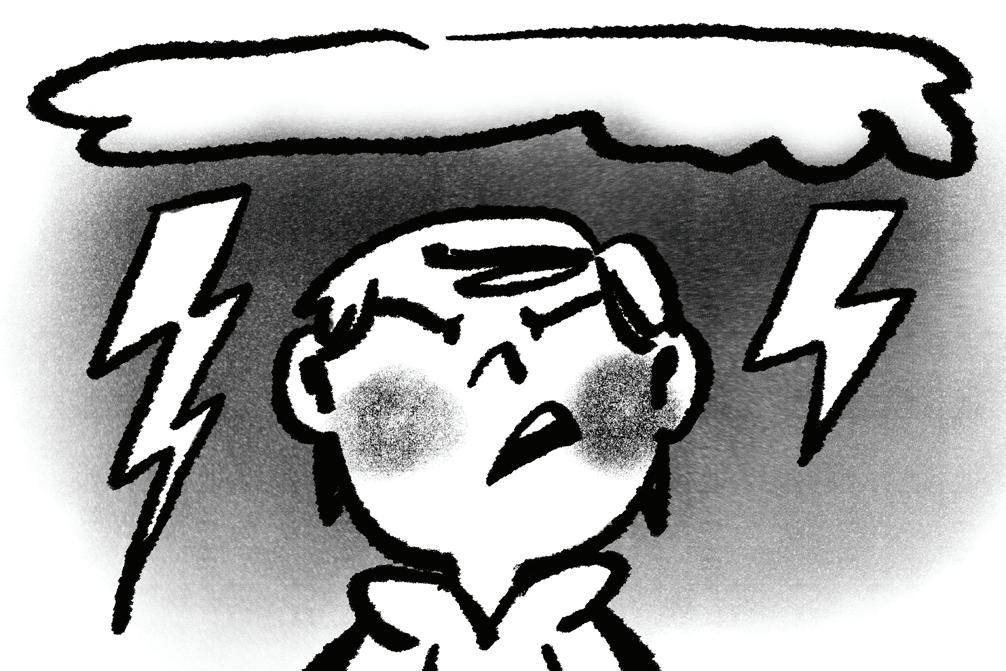
“Oh that’s not the weather, it’s just the physical manifestation of my mood.”
To submit your caption for this week’s contest, visit sunspots.cornellsun.com.

info@oconnorapartments.com
By RAPHY GENDLER Sun Senior Editor
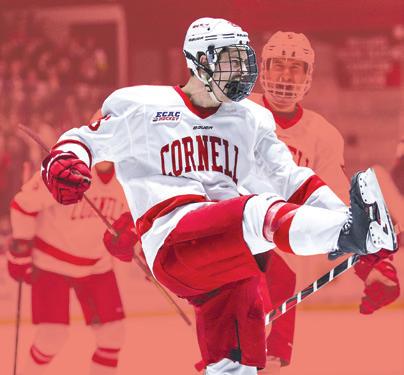
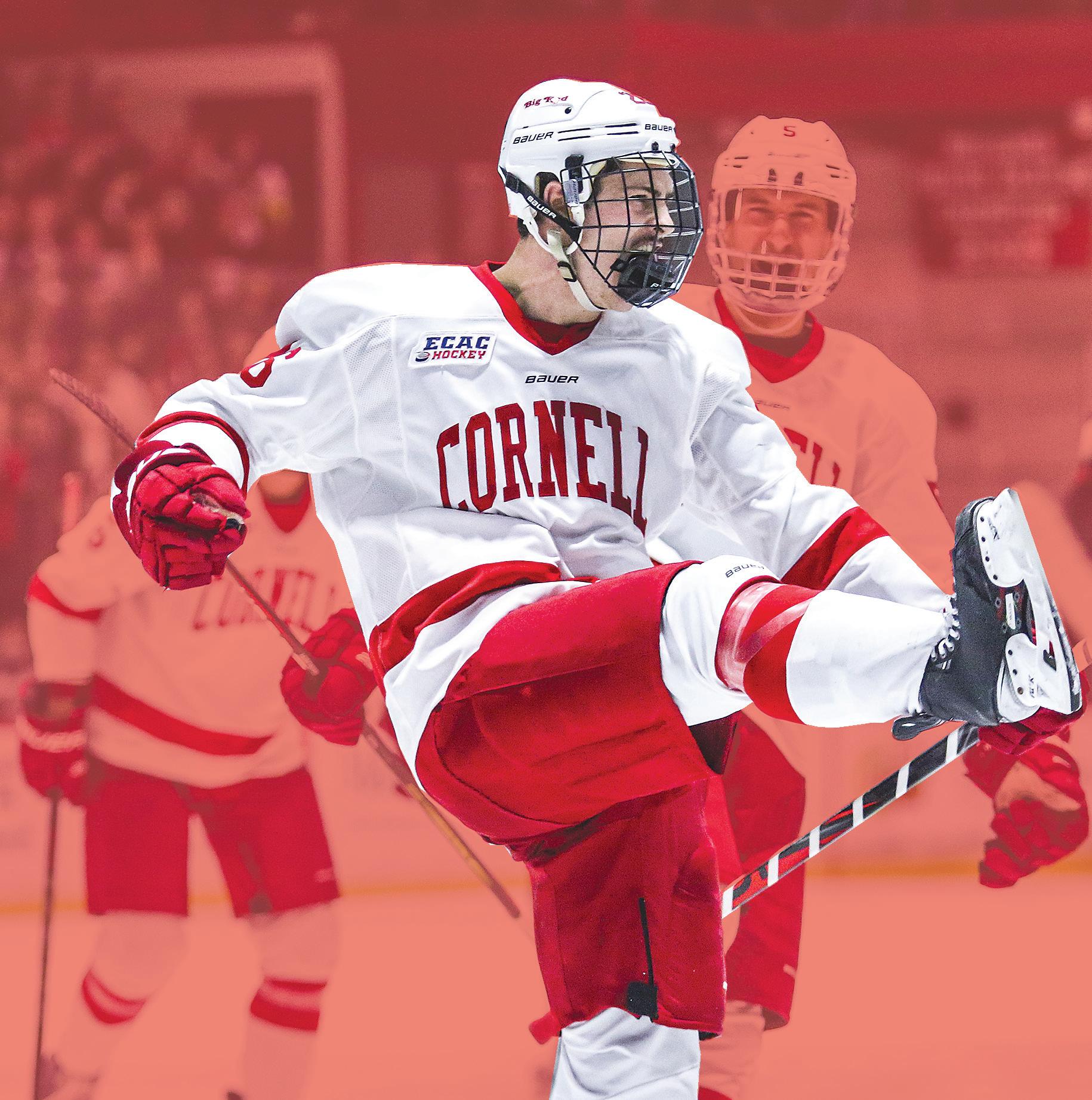
If Cornell has a 2020-21 college hockey season, senior forward Tristan Mullin will become the latest Cornellian to wear the ‘C.’
Mullin has scored 21 goals and recorded 28 assists in 89 games over three seasons at Cornell, and spent much of last season on the Red’s best defensive line. The Cartwright, Manitoba, native posted a career-high 22 points last season after coming onto the scene with 21 as a sophomore.
The 6-foot-2, 192-pound winger has 11 career power-play goals, seven of which came last season. Mullin showed off his ability to get hot offensively, scoring 16 of his 22 points in the season’s final 16 games.
The team also named alternate captains, all seniors: forward Kyle Betts, defenseman Cody Haiskanen and forward Brenden Locke. This is the first time Cornell will have three players wear the ‘A’ since the 2004-05 season.
“I am very excited for this group to be named leaders of our program,” head coach Mike Schafer ’86 said in the release. “They all bring a unique approach to the
game and pursuing excellence. They play well in big games, have a tremendous work ethic and they are connected to all four classes.”
Betts has been one of his team’s best defensive forwards since his freshman year, and has shown flashes of offense: He scored six points in his final eight games last season, and as a sophomore caught fire in the playoffs, tallying three goals and an assist in seven postseason games.
the latter of whom signed with the New York Rangers and, like Green, won’t be back for his senior year — ranked second on the team in scoring last season with 26 points on eight goals and 18 assists. Locke has posted double-digit assists in all three seasons he’s been on East Hill.
“These four and the senior class as a whole know what it takes to prepare, compete, adapt and overcome adversity. That’s really helped our team over the years.”
Mike Schafer ’86
After being eased in as a freshman, Haiskanen has established himself as a top-six defenseman and good penalty killer. If his team plays in 2021, he’ll have to pick up some of the key minutes created by the early departure of Alex Green, who signed with the Tampa Bay Lightning on Sept. 9.
Locke, who has spent chunks of his career centering a top line with classmates Cam Donaldson and Morgan Barron —
The team hopes that some sort of season is on the horizon. If they’re able to play, the team’s leadership is going to face unprecedented challenges. The Ivy League announced over the summer that no competition would take place before the end of the fall semester, and in July, ECAC Hockey said it was developing “schedule models” for a 2020-21 season.
“These four and the senior class as a whole know what it takes to prepare, compete, adapt and overcome adversity,” Schafer said. “That’s really helped our team over the last three years.” Cornell, which ascended to the No.
1 spot in the national rankings before the pandemic brought the 2019-20 season to a screeching halt right before the playoffs, missed one of the program’s best chances in years to win a national championship.
The Red won’t be able to simply replace its best offensive player and captain in Barron and a key defenseman in Green. But senior goaltender Matt Galajda, one of the best netminders in the country, will be back for his fourth season, Locke and Donaldson headline a list of dynamic offensive weapons and Cornell has shown an ability to quickly develop young defensemen into solid options on the blue line.
Cornell athletic teams have moved into Phase 2 of the Ivy League’s reactivation plan. Leaders of college hockey conferences announced a plan last month to delay the start of the season until at least late November, but that’s complicated by the six Ivy League teams, who aren’t allowed to start competition until at least late December.
Raphy Gendler can be reached at rgendler@cornellsun.com.