The Corne¬ Daily Sun




By JACK DONNELLAN
The annual Rev. Dr. Martin Luther King, Jr. Commemorative Lecture — a cross-campus and community partnership meant to honor the life and legacy of Dr. King — took place online Thursday for its second consecutive virtual year. This year’s event featured authors Danté Stewart and Cole Arthur Riley for a discussion on Black literature, love, livelihood and spirituality.
The Martin Luther King, Jr. Commemoration Event Planning Committee had initially intended for the event to take place in a hybrid format with a virtual livestream and an in-person option at Sage Chapel, where Dr. King himself spoke on Nov. 13, 1960. However, the temporary shutdown of Cornell’s Ithaca campus on Thursday evening due to winter storm warnings forced the event to adopt a completely virtual format.
The event featured a reading from Stewart’s debut memoir Shoutin’ in the Fire: An American Epistle, published last November. In his memoir, Stewart meditates on family, identity, Black love and lovelessness and his experiences as a Black man navigating predominantly white, Christian spaces.
Stewart is currently studying at the Candler School of Theology at Emory University, where he focuses his work on reinventing spiritual virtues. He has written for CNN, The Washington Post and Christianity Today. Riley is currently the spiritual teacher in residence with Cornell’s
Office of Spirituality and MeaningMaking. She is also the creator of the Instagram account Black Liturgies, a space for Black spiritual words of liberation, lament, rage and rest that boasts around 143,000 followers.
Oliver Goodrich, chair of the Martin Luther King, Jr. Commemoration Event Planning Committee, explained that the committee looks for speakers who can touch on how Dr. King’s work remains relevant years after his death.
“The committee wanted to think about ways to reclaim some spiritual virtues that can actually work towards anti-racism and to dismantling antiBlack systemic violence,” Goodrich said in an interview with the Sun.
Leslyn McBean-Clairborne serves as director for the Greater Ithaca Activities Center, one of the sponsors of the event. McBean-Clairborne said she looks forward to the event every year as the speakers inspire her own work in the Ithaca community.
“It gives me and others like me hope,” McBean-Clairborne said, “and also gives us sort of a blueprint that if they can do it … I can do it too, even in this small community.”
After the reading, Riley and Stewart discussed Stewart’s portrayal of Black love and livelihood in today’s society, which Stewart describes as low in empathy and compassion.
“We are dealing with the residual of a world that we have inherited,” Stewart said. “To ground Shoutin’ in the Fire in that world meant that I needed to account for the lovelessness of the world.”
Stewart also discussed the ideas of scholar Carter G. Woodson, whose work led to the establishment of Black History Month. Quoting King, Stewart claimed that Woodson wanted the month to represent “the reality of our somebodiness.”
“We have to be honest about Black history that it’s not a story of triumph, for we fail as much as we love, and we destroy as much as we liberate,” Stewart said. “We have taken the mundane, the ugly, the traumatic and even the grand, and we have made it all Black.”
Stewart and Riley discussed how self-honesty and vulnerability are key to embracing Black storytelling.
“There’s a way to write easy, and there’s a way to write true,” Riley said. “These are the stories that persevere: stories of nuance and particularity, where no one is all hero, and no one is all villain.”
The topic of how to craft nuanced Black stories resurfaced in the final 20 minutes, when audience members could virtually submit questions to Stewart and Riley.
When asked about representing Black faith in predominantly white Christian spaces, Stewart stressed finding spaces that enable finding connection to Black culture.
“We have to be connected to the stories and the artifacts that bring us meaning,” Stewart said. “We need to find some space to experience what feels like home.”
Jack Donnellan can be reached at jfd233@cornell.edu.

By GWEN SCHWAY Sun Contributor
As the last wave of Cornellians arrive on Ithaca’s snowy campus for the spring 2022 semester, students continue to adjust to the University’s updated COVID-19 policies.
Put into effect on Jan. 24, the modified guidelines included a take-out only dining policy until Feb. 7, a two week virtual start to classes with a scattered move-in period and a new booster shot requirement. With these policies in place, students were able to move in with ease, acquire an interactive learning environment and attain a sense of security over COVID-19 concerns.
In an announcement sent out Jan. 11, President Martha Pollack explained the underlying rationale behind the two week virtual start. By holding classes virtually, the University was able to maintain constant modality and minimize the spread of COVID-19.
According to Katlyn Moulia ’25, she found the campus less congested on her move in as compared to the fall semester because of scattered arrival times. Due to inclement weather during move-in, Moulia, who is originally from Florida, experienced her first snowfall. She stated that the ability to take her first classes online allowed her to adjust more easily to the weather shock.
While Moulia decided to keep her original move-in date, other students, such as Lily Young ’25, decided to delay their arrival by a few days when the University announced its virtual start.
“I wasn’t sure if we would go virtual longer, but since COVID seems to be getting better, I decided to move in while we had online classes,” Young said.
Because her professors were more interactive over Zoom, Young expressed that she felt more confident asking questions individually.
To limit student exposure, the University also implemented grab-and-go dining for the first two weeks of the semester. However, some students feel that the take-out only option would not be sustainable, supporting the return to hybrid in-person and take-out dining on Monday.
Moulia stated that she has seen a significant buildup of empty take-out boxes in the garbage disposal at Risley Hall, demonstrating the excessive waste caused by greater student use of throw-away containers.
To further protect students, the University implemented a booster shot mandate on Dec. 21.
Continued from page 1
Young supports the mandate and stated that it has helped her feel protected from the virus. “It’s nice to know that everyone is trying to support each other and trying to prevent COVID as much as possible,” Young said.
Some students expressed far less optimism about University policies. The University has updated the testing modality for on-campus residents until Feb. 7, requiring a bi-weekly antigen test instead of the standard PCR testing.
Shrutika Damle ’25 delayed her travel plans, as she believes the bi-weely antigen tests would not have been as beneficial as PCR tests due to their decreased sensi-
tivity to the virus.
“Twice a week does make sense, but I feel like since we are doing at home testing, it’s not as valuable as doing it in-person,” Damle said.
For the first time since the Omicron outbreak last semester, the University moved back to alert level green on Feb. 1. Campus facilities, including dining halls and gyms, will operate normally, and gatherings both indoors and outdoors may resume. Visitors will also be allowed on campus under public health guidance.
Starting Feb. 7, testing reverted to once-a-week PCR tests for vaccinated and boosted student groups.
Gwen Schway can be reached at pgs74@cornell.edu.
Editor in Chief Kathryn Stamm ’22
SEND A FAX
(607) 273-0746
139 W. State Street, Ithaca, N.Y.
THE SUN ONLINE www.cornellsun.com E-MAIL sunmailbox@cornellsun.com Business


By SOFIA RUBINSON
Sun Staff Writer
Generations of Cornellians have participated in a unique tradition: jumping feet first into the deep-end of a pool to swim three consecutive laps.
The swim test has been a graduation requirement for all men as of 1905 and all women as of 1920. But Cornellians will not be making a splash this semester. Due to the pandemic, the University has waived the required swim test for the fifth time for seniors graduating in spring 2022.
There will be no swim test clinics this spring, but this decision is subject to change depending on the course of the pandemic, according to the Physical Education Department.
Hadar Boker ’22 is graduating this spring but completed the swim test requirement during her freshman orientation. She said that the test was inconvenient, but she ultimately didn’t mind participating.
“I’m a third generation Cornellian, so the swim test was a tradition I heard about a lot from my mom and grandma,” Boker said. “It was just one of those funny Cornell things to tell your home friends about.”
Abby Drucker ’23 also completed the swim test during her freshman orientation in fall 2019, which was the final time it was offered for first-years at large. She remembers the test being difficult to complete, as she hadn’t swam for years prior to the examination.
“It was so exhausting, but it felt like an accomplishment, and me and my friends joked about it as the first test we passed at Cornell,” Drucker said.
Drucker also sees the swim
test as an opportunity for incoming first-year students to bond.
“I saw a lot of people for the first time that I would become friendly with later,” Drucker said. “Although it was kind of awkward standing in your bathing suit in front of 50 people and struggling to swim across the pool, I look back on it and laugh.”
The Class of 2024 is the first class that did not have the opportunity to complete the swim test requirement. Helen Newman pool lifeguard Emory Walsh ’24 feels indifferent about the temporary loss of tradition. While she thinks that swimming is an important life skill, she said that her main concern is the potential for increased work hours when the requirement is eventually resumed.
“It’s going to be a lot of work for the lifeguards, as you are going to have three grades needing to complete the requirement in a short timeframe,” Walsh said.
The Faculty Advisory Committee on Athletics and Physical Education decided to postpone this semester’s swim test requirement as of now. However, according to Prof. Frank S. Rossi, chairman of the committee, discussions about the test are still underway.
“This decision is related to the challenges COVID has created and simply extending the pause on the requirement from 2020 when it was implemented,” Rossi wrote in an email to The Sun.
While the tradition of the swim test has been lost for some Cornellians, only time will tell whether the requirement will float on in the future or if it is dead in the water.
Sofa Rubinson can be reached at srubinson@cornellsun.com.

Student-run coding program returns from two-year hiatus
By OLUCHI OKORAFOR-NWOSU Sun Contributer
Originally founded in 2017 by Cynoc Boahene ’20, Code Afrique has reopened this semester. Forced to shut down in spring 2020 due to COVID19 restrictions, the student-run organization can now continue its mission of introducing computer science and Python coding to high school students in African countries.
engineers, and computer science was not one of the options,” said staff member of Code Afrique Prof. Robert Van Renesse, computer science.
“The students get to ... paint an image of how they can make an impact.”
Prof. Hakim Weatherspoon
Based on his experiences in Ghana, Boahene’s primary focus in founding the organization was to raise awareness of computer science as a career path for students there.
“Basically, all parents were opening options for their kids to become doctors, lawyers or civil
What started off as a simple idea by a Cornell student transformed into a student-run organization that has sponsored two international trips –– one in January 2019 to Ghana and another in January 2020 to Eswatini. About 30 students from Cornell and Duke University were involved in these trips as teachers to roughly 250 high school students in Ghana and Eswatini.
“The students get to solidify their computer science skills at one end and also paint an image of how they can make an

impact,” said Interim Associate Dean of Diversity and Inclusion Prof. Hakim Weatherspoon, computer science.
However, after the members of Code Afrique returned from their last trip to Eswatini in January 2020, the organization was forced to go on hiatus due to COVID-19.
“Was it hard? Yes, very disappointing, but clearly the right thing to do,” said Van Renesse.
The break in the program was a disappointment not only for the students who received instruction in computer science, but also to the program tutors.
“It is a good argument of who benefits more between the high school students we are reaching out to and us, their mentors, but it definitely goes both ways,” Weatherspoon said.
Code Afrique’s next scheduled trip is planned for the winter break of 2023. To prepare, the club plans to launch fundraising efforts to attain hardware and sponsor computer science clubs for the students they will teach.
In addition, the organization plans to provide opportunities for Cornell graduate students to teach an undergraduate course in African universities and conduct research for several weeks with the aim of sparking interest in computer science among young people.
“I saw how passionate the students were to expand their knowledge in computer science.”
Chinasa Okolo
So far, the group has left an impression on those it has impacted.
“I was basically in tears leaving because I saw how passionate the students were to expand their knowledge in computer science,” Chinasa Okolo, grad said. “It was a great experience and definitely something I would want to do for the rest of my life.”
Oluchi Okorafor-Nwosu can be reached at oco6@cornellsun.com.
for singing, ultimately becoming her first manager and overseeing the release of two albums that flopped on the charts.
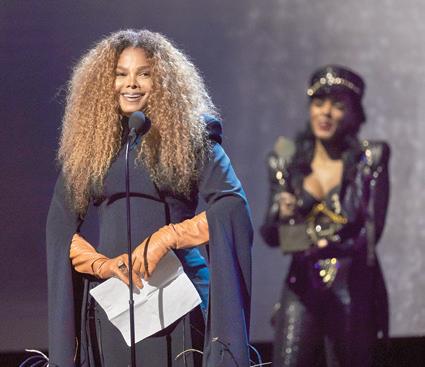
Legendary singer and performer Janet Jackson released her documentary Janet on Lifetime and A&E on Jan. 28. The documentary explores her romances, her relationship with her iconic brother Michael and, of course, the Super Bowl Incident. However, all these aspects of her life tie back to one central theme: control.
The first sign of this theme in the documentary is Jackson’s relationship with her father and family patriarch, Joe Jackson. Her late parent has been notoriously publicized for his strict discipline, and his dominant nature distanced himself from the rest of the family.
The youngest of nine children, Janet was exposed to the entertainment industry at seven years old, performing at variety shows in Vegas with her siblings under the instruction of her father, with no say in the matter. Her father recognized Jackson’s talent
Throughout this, Janet was still a teenager, and she wanted to go to college to become a lawyer. Although the documentary paints Jackson’s father in a positive light, it’s easy to argue that if he never forced his daughter into the spotlight, she would not have suffered a lack of privacy during the height of her career.
Ultimately, Jackson fired her father to work with producers Jimmy Jam and Terry Lewis, creating her groundbreaking album Control. The album pioneered the “good girl gone bad” pipeline in music.
Jackson encouraged other women around the world to take control of their lives. Her assertiveness and fierce attitude resonated with many fans across racial and gender lines. She changed the way artists choreographed music videos; the production from collaborators Jimmy Jam and Terry Lewis would create a new genre, but most of all Janet found her voice.
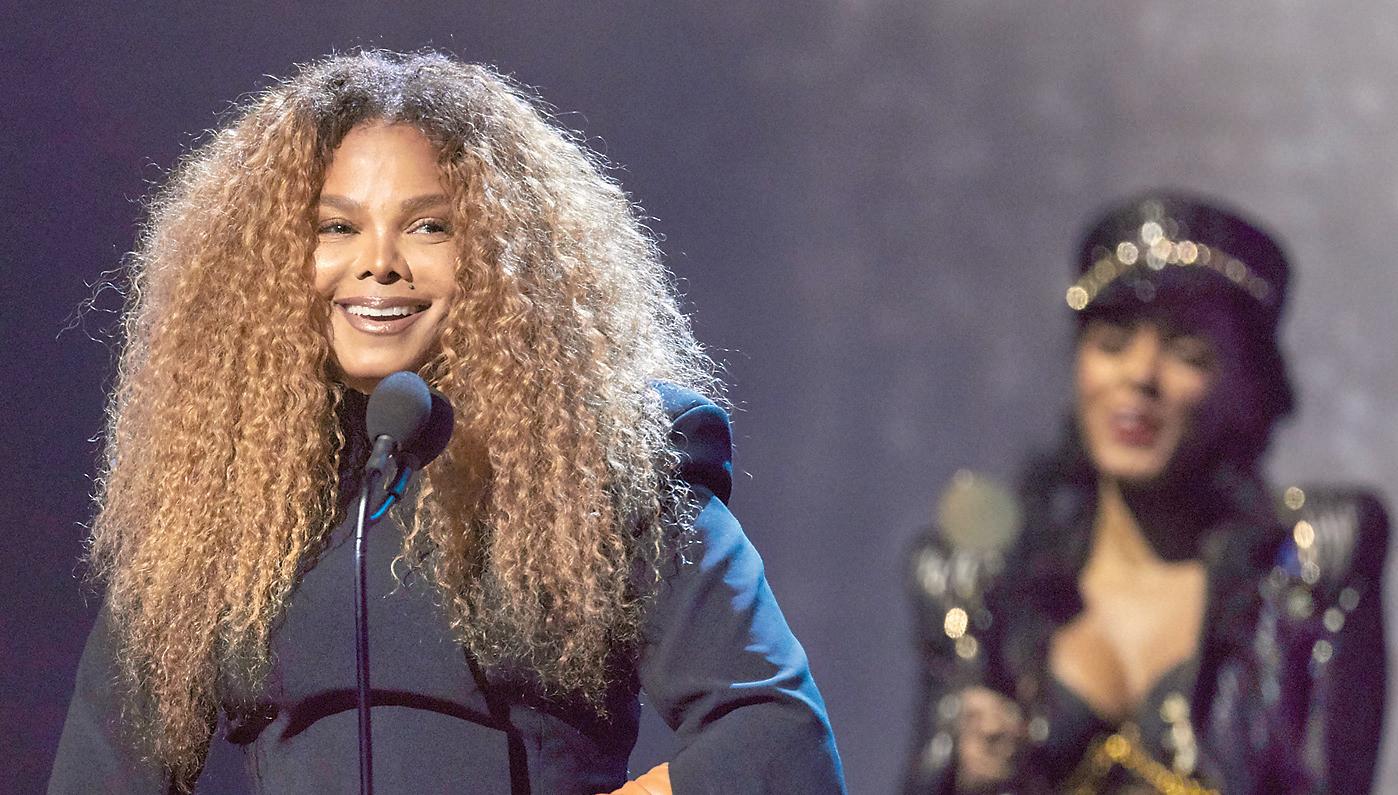
However, her relationship with Renée Elizondo Jr proved that she still didn’t have control over her life. Elizondo, a music director and dancer, was Jackson’s first relationship after her annulment with James DeBarge. He and Jackson were married for almost a decade.
The documentary argues that Elizondo had a great impact on
Jackson’s image and artistic vision, as he would direct her movements and style in videos and stage. It showcases how Jackson and Elizondo were a powerful couple, with Elizondo encouraging his love to succeed, but it also accounts for Elizondo’s controlling nature. He would never stop recording Jackson, even during very intimate moments with her close family and friends. His addiction to painkillers ultimately led their relationship to spiral.
Although Janet thought she gained control over her life after removing her father as her manager, she was trapped in a relationship with a controlling man who saw himself as the pure genius behind her career. This assumption led Elizondo to sue Jackson for $25 million in spousal support, arguing that he needed it due to the contribution he made to Jackson’s career in songwriting.
The aftermath of her divorce led Jackson to dive deeper into her femininity and maturity with her next album All For You, which explored prevalent issues in romance: heartbreak, new love and dating. The album saw great critical success, featuring Jackson’s last number one hit with the lead single. Everything seemed to be going well: Jackson released a successful album, found new love with producer Jermaine Dupri and was praised by MTV with a special episode on MTV Icon. What could possibly go wrong?
In 2004, Jackson performed at the Super Bowl with Nelly, Kid Rock and a surprise guest, Justin Timberlake. The show went smoothly until a wardrobe malfunction occurred. Timberlake ripped a piece of her clothing, revealing her breasts for 9/16ths of a second on national television.
The Super Bowl Incident, also known as “Nipplegate,” led the entertainment industry of the 2000s to blackball Jackson. It took her agency away in the sense that the media reframed her sexuality against her will, correlating
her sexual agency with promiscuity and subjecting her to the Jezebel Trope.
It was a shocking scene. According to the documentary, Jackson started crying as soon as she left the stage. The cameras kept rolling as chaos surged from the crowd.
Outrage ensued. MTV and other media outlets refused to support Jackson’s upcoming album, Damita Jo. Former CBS Chairman Les Moonves ordered Viacom properties not to support her music videos. The Grammy Awards rescinded Jackson’s invitation, and the conservative right used this incident to condemn the hypersexuality of women in the media.
As a Black woman who has embraced her sexuality from a young age as a response to childhood body image issues, I feel that these arguments decentralize the importance of a figure who has empowered other women to be comfortable with their sexualities. Because of the Super Bowl incident, Jackson’s legacy and accomplishments have been tarnished, and all the work she built up to gain control over her career and success went down the drain.
Jackson still released albums after the incident, but they didn’t have the same mainstream appeal as all of her other albums before the incident. Although she still received support from black media, specifically BET, her work went under the radar for many radar audiences, to the point where Gen Z still doesn’t understand the impact of Jackson on the new pop girls Britney Spears, Aaliyah and more — until now.
Continued discussions about Jackson are one step toward keeping her legacy alive; although Jackson could not retain control over her media image, the truth of her impact in the industry is indisputable. We should celebrate that.
ANUSHYA ALANDUR ’23 Business Manager
CATHERINE ST. HILAIRE ’22
Associate Editor
PRANAV KENGERI ’24
ODEYA ROSENBAND ’22
JYOTHSNA BOLLEDULA ’24
TAMARA KAMIS ’22
CAMERON HAMIDI ’22
KRISTEN D’SOUZA ’24
HANNAH ROSENBERG ’23
OMSALAMA AYOUB ’22
PUJA OAK ’24
ANNIE WU ’22
MIHIKA BADJATE ’23
HUANG ’24
BUNAY ’24
COLIE ’23
AMELIA CLUTE ’22
KATHRYN STAMM ’22
MADELINE ROSENBERG ’23
NAOMI KOH ’23
OZA ’22
HEO ’24
CIPPERMAN ’23
UMAR ’23
PLOWE ’23
YOON ’23
VELANI ’22
PICHINI ’22
TYAGI ’22
MENDOZA ’24
ARANDA ’23
’23
RIGGS ’24
NAGEL ’24
on
Layout Tifany Lin ’24 Jacqueline Woo ’24
’24
Editors in Training
in Chief Vee Cipperman ’23
Editor Surita Basu ’23
Emma Leynse ’23 John Colie ’23
Nihar Hegde ’24
Hukerikar ’23
Editors Estee Yi ’24 Sofa Robinson ’24 Jiwook Jung ’25 Sports Editor Aaron Snyder ’23 Katrien de Waard ’24
Julia Nagel ’24
Katrien de Waard ’24
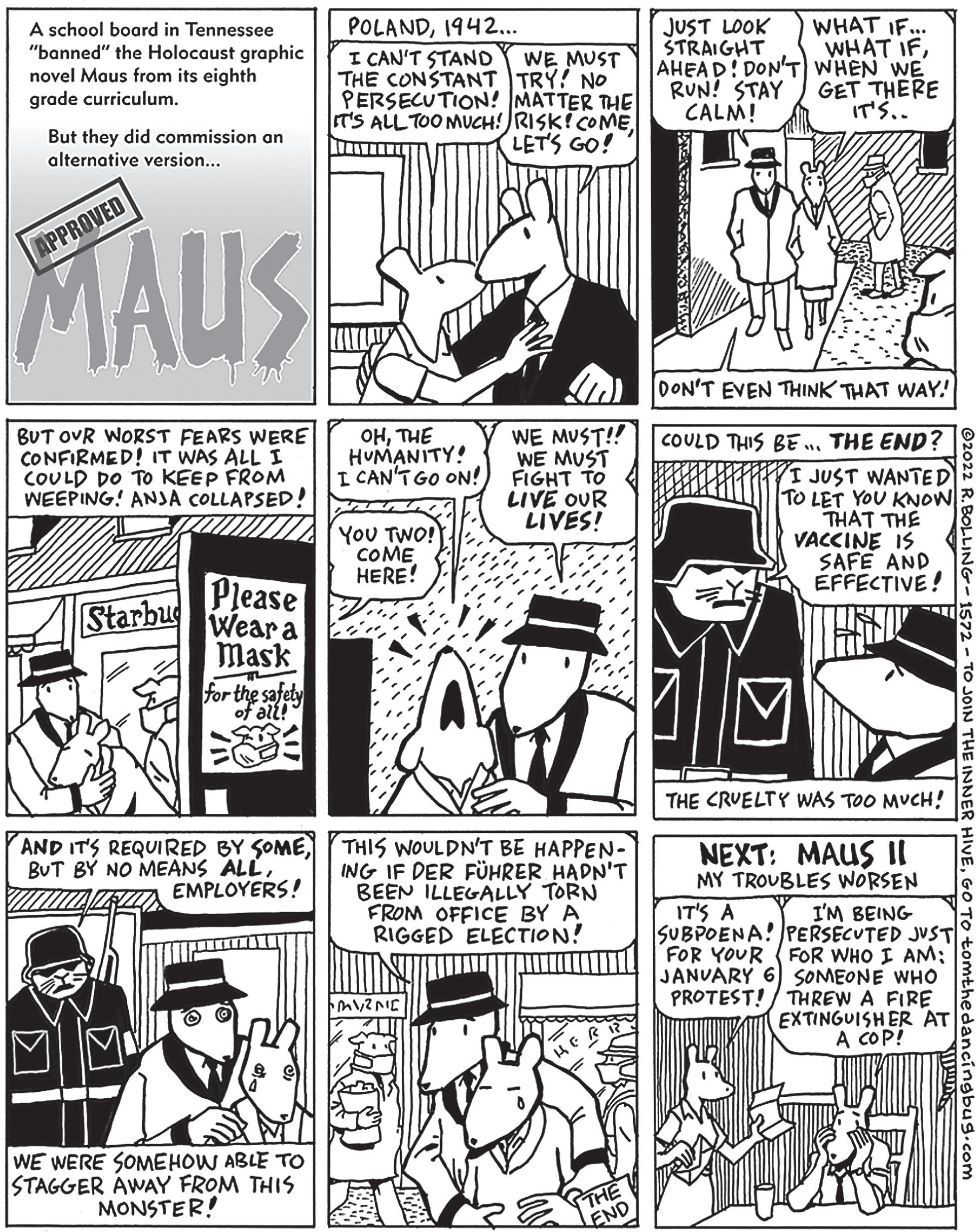
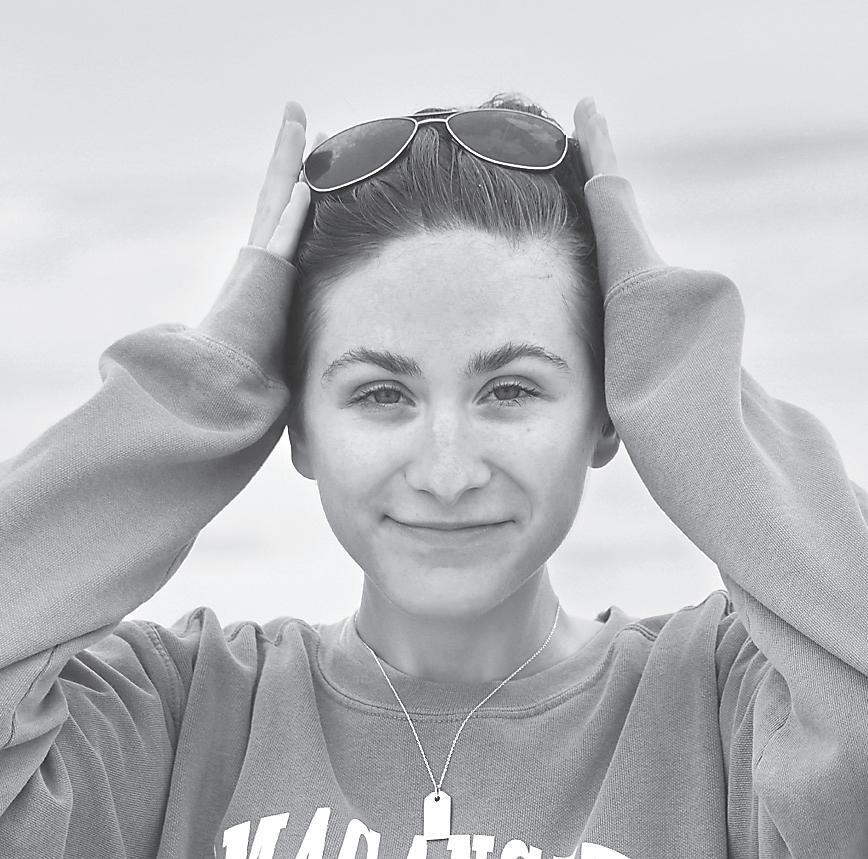

Anuli Ononye (she/her) is a senior in the College of Arts and Sciences. She can be reached at aononye@cornellsun.com. Womansplaining runs every other Monday this semester.
DBut when you get past the original no-brainer, it’s a pretty good question. One of my favorite publications (ever!), The Lily, recently announced that they’re “moving” to the main Washington Post site under the section “Gender & Identity.” The Lily was established in 2017 by The Washington Post as a “by women, for women” outlet, named after the first women-run newspaper in the United States, which was created in 1849.
Since its inception, it has been one of my favorite places to look for news because I don’t have to dig through dozens of articles to find a piece about women (or even worse, by a woman!).
I feel the same way about cultural studies courses at Cornell. I wouldn’t be who I am if I wasn’t a feminist, gender & sexuality studies major at Cornell.
Women and gender-marginalized people have been the center of The Lily’s mission and I have enjoyed a safe space to read stories about reproductive rights in the United States, trans rights in sports and resources for survivors.
In the tweet announcement that they would be moving their work back to their parent company, editors stated, “Our expansion to @washingtonpost will help you more easily discover the breadth of gender and identity coverage coming from writers across the newsroom.” That makes sense. Right?
This argument reminded me of a conversation that I had with a professor last year. When I quoted an article from The Lily in class, she described why she was against “gender-focused” media: It separated newsrooms and marginalized gender topics to a “section” of a publication rather than making sure it was fully integrated into all of their work
I wholeheartedly agree. But, that doesn’t stop me from reading The Lily or listening to BBC Woman’s Hour daily. Most news stories just aren’t pushing women, gender-marginalized people and people of color enough for me. Rather than dig through to find those pieces, I want a space where they’re readily available.
Yet, at the same time, I desperately want The Washington Post’s “Gender & Identity” section, because gender media shouldn’t be self-selecting — everyone should know what’s impacting women and gender-marginalized people.
I feel the same way about cultural studies courses at Cornell. I wouldn’t be who I am if I wasn’t a feminist, gender & sexuality studies major at Cornell. I want the department — which just celebrated their 50th anniversary (yay!) — to last forever. I want to come back here as an old alumna and see scholars passionate about gender research, because it’s important.
At the same time, I want other departments — like government, english, biology, hotel administration and engineering — to make their own spaces for women and gender-marginalized people.
These are some of the widest-reaching departments on our campus, and they should be welcoming spaces that encourage discussions about gender. That doesn’t just mean accepting diverse students and faculty into their programs, but also embracing feminist scholarship and conducting feminist research.
Which leaves me at an uncomfortable conclusion: I miss The Lily, but I am excited for what’s to come with this new section of The Washington Post.
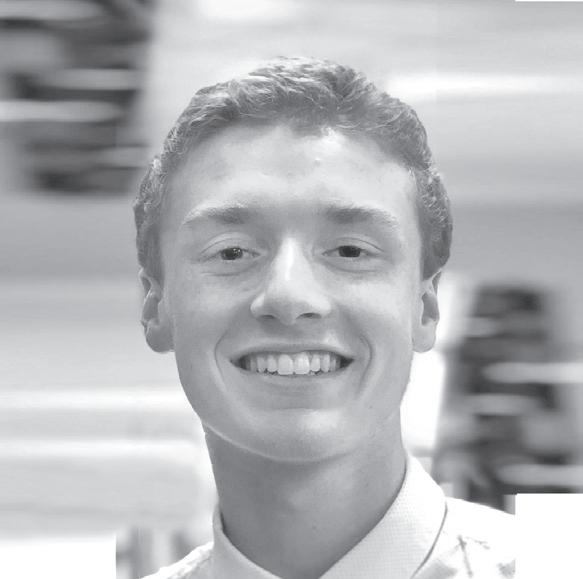
Brenner Beard ’24 (he/him) is a sophomore in the College of Arts and Sciences. He can be reached at brennerbeard@cornellsun.com. His column, Agree to Disagree, runs every other Friday this semester.
As we return to a Cornell campus blanketed in snow and brace ourselves against the mind-numbing winter temperatures of central New York, the name of the game is “starting over.” Te dawn of another year and semester gives all of us the opportunity to make resolutions, change our study habits, break resolutions, impulsively switch majors, etc. As the hopeful saying goes, “new year, new me.”
Yet, not even a month into our new year and we already have the makings of a punchline at the expense of all of those naïve optimists like myself. For the past two weeks,
the news cycle has been dominated by the increasingly legitimate threat of a Russian invasion into Ukraine. It’s kind of feeling like the universe has been playing an agonizingly long joke on all of us here on Earth. Tree years of uncertainty, tragedy and division, and right when there’s light at the end of the tunnel, the universe has introduced the potential for global war.
Like many good jokes, its comedic stock can be measured in irony. Last semester, I took a class on European afairs in which Russia was a prominent topic. I’ll set the scene for you. It was fall 2021. Te location was a dimly lit lecture hall where I spent an hour and ffteen minutes doing a combination of listening and sleeping every Monday and Wednesday. For about a week or two, our class covered the Russian federation and its less-than-savory antics with its neighbors. Primary sources, academic papers, a guest lecturer and our professor all seemed to agree that war in Ukraine plainly wasn’t in the interest of Vladimir Putin. Flash forward a couple of months and 100,000 Russian soldiers on the Ukrainian border later, and it’s beginning to look like our course’s prediction may be a losing bet.
So what’s my point here? As crazy as it may seem, Te Cornell Daily Sun is not an academic journal, and I am not an international security expert. My point, though, is that sometimes even the experts get it wrong. 30+ years of experience in the feld of international relations, and our textbook’s author had just about as good of a guess about future outcomes as I did. Of course that may be an oversimplifcation of the fact, but still the point remains. Try as we may and worry as we do, the future does what it wants regardless. Consult the graphs all you want and laude your expertise in whatever feld it may be, but at the end of the
day, you could still end up with your own proverbial “land war in Europe.”
Tis may come across as a defeatist attitude but — trust me — it isn’t intended to be. Te title of this article includes “How I Learned to Stop Worrying,” not the opposite. In fact, I’d argue that there’s some relief in not knowing what this coming year holds. Imagine if we knew exactly what was going to happen in 2021 back in 2020. I think a lot of us simply would have given up.
Here in college, the idea is that we’re all fguring out what we’re doing with our lives. Te premium placed on fguring out our future is all around us at Cornell. Career fairs, picking a major, research and hypothesizing, the bold proclamations of professors — all of them in a sense boil down to a form of academic and professional palm reading. We’re all just trying to add some certainty to the murkiness of our future endeavors. But if anything, it’s the naïve spirit of hope that lies in the uncertainty of the new year restart that sustains many of us. Maybe knowing what’s going to happen isn’t all that it’s cracked up to be.
Back to 2022, though. Will Russia invade Ukraine? Will the global pandemic come to an end? Will 2022 be better than the past three years? No one knows — and as I’ve been saying, maybe that’s a good thing. As the Pentagon puts 8,500 U.S. soldiers on high alert, it’s a candid reminder that no one — not even our professors — can predict the future with absolute certainty. Yet it works both ways.
Tere’s still hope things don’t deteriorate further in Ukraine. Tere’s still hope that we can all make good on our new year’s resolutions, and still hope that 2022 will furnish more good than bad. Whatever the case, I’ve learned to stop worrying and love the uncertainty.

Roei Dery
Te Dery Bar
Roei Dery ’23 (he/him) is a junior in the College of Arts and Sciences. He can be reached at rdery@ cornellsun.com. His column, Te Dery Bar, runs every other Monday this semester.
Watching the recent Saturday Night Live sketch that took place in Bailey Hall, I couldn’t help but have one thought – I’ve never walked into an Ancient Greek poetry forum in that auditorium.
When I think of Bailey Hall, I think of the building where I took my frst (and only) computer science course; I think of the Cornell Symphony Orchestra performance I attended during my freshman fall semester, when the event’s live streamed recording almost caught me watching football on my phone.
Yet, SNL depicted the building as a hallowed space for serious scholars, and as I watched, my mind wandered to all those times when people have made assumptions about my ego or pretensions because my student identity is attached to the label “Cornell.”
Despite its privileges, there’s a certain stigma attached to that name – one
chosen when I enrolled, of course, but disquieting still in several ways.
At the conclusion of a recent summer internship, my roommate from another school teased, “I learned this summer that students from big-name schools are people, too.”
Tat statement stuck with me. While I didn’t realize it at the beginning of that job, I needed to demonstrate my capabilities and professionalism to break away from my assigned “Ivy League superiority complex.” Perhaps I didn’t fear my peers losing faith in my ability; rather, I feared losing my own relatability. I wonder when I managed to successfully debunk the notion that I was some Ancient Greek poetry connoisseur — was it during the second soccer match we watched, or the third hike we trekked? Te fact that I couldn’t tell unnerved me.
While I didn’t realize it at the beginning of that job, I needed to demonstrate my capabilities and professionalism to break away from my assigned “Ivy League superiority complex.”
Yet, I won’t pretend to be any sort of pitiful victim to this stigma; I, too, tightened up when I met the student in the program whose “@princeton. edu” stood out to me as I surveyed the group email recipients list. Sometimes, these labels confer benefits like career opportunities; other times, they manifest themselves in social and mostly harmless ways, like playful jests when I use a big word with friends back home.
Mingling and networking becomes a tricky business when your peers know the college you attend before knowing who you are. From the moment they look you up on LinkedIn, you have been constrained to a box you may have to work your way out of. Tis “box” often dictates that Cornellians are supposed to sound intelligent or act exclusive and intimidating. Whether we uphold the image of Cornell’s toted rigor or attempt to downplay this very notion, it’s really all the same: We interact according to the label that is our college degree.
Dealing with stigma is a battle everyone fghts to varying degrees, and the school we choose to attend is a rather minor one at that. Yet, the very fact that this label is unimportant in the long run adds an element of contradiction to the superiority complex we inherit. After all, we choose to come here ourselves, and we should own up to any benefts or detriments that come out of that choice.
When discussing this subject, it is frankly impossible to avoid the hypocrisy of lamenting Cornell’s stigmas while also enjoying its prestige in other contexts. It is picky, even, to demand that our peers judge our characters independent of our school, but nudge our employers to let it attest to our work ethic and boost our resumes.
Sometimes,
these
labels confer benefits like career opportunities; other times, they manifest themselves in social and mostly harmless ways, like playful jests when I use a big word with friends back home.
Perhaps, then, it’s not a matter of nudges or demands, but of introspection and an understanding of nuance. Te prestigious connotations that we enjoy with the word “Cornell” come at the cost of having this label speak for us when we are not there to speak for ourselves, or even worse, sacrifcing our relatability to certain others.
I hope we can take this into consideration as we continue to address the labels of institutions or brands in future education or career decisions. I wish I took it to heart even before arriving on the Hill.




By AARON SNYDER Sun Assitant Sports Editor
After falling to Colgate, 3-2, in Hamilton on Friday night, Cornell ended a disappointing weekend with a 2-2 tie and a shootout loss when it hosted the Raiders on Saturday night. Cornell (13-6-4, 8-4-4 ECAC) finished the weekend with just one point against its upstate rival.
The tie extended Cornell’s winless streak to five games. The Red has not won in regulation since Jan. 15.
“The difference between winning and losing is just so small,” said senior tri-captain Kyle Betts. “Right now it just feels like that extra play or that one extra block is missing. It’s tough at the time, but the positive is that it’s fixable, and we’ll keep working day in and day out to get to that point.”
Cornell set itself up in a great position to snap its skid, jumping out to a 2-0 lead early in the second period. The Red allowed Colgate (10-14-3, 5-7-3 ECAC) to score two unanswered goals in the last 12 minutes of the period, and neither team broke the deadlock in the third or overtime.
“We need to get one of those wins that comes down to the wire but you find a way to get it done,” Betts said. “I think a win like that really propels a team and gives you confidence again. Tonight I thought it was going to happen for us, but unfortunately it didn’t.”
The tie was made especially frustrating by a shootout loss – the third consecutive tie and shootout loss at Lynah.
“We’re 0-4 in shootouts right now. That’s not good,” Associate Head Coach Ben Syer said. “That’s a frustrating way to end a game … but it’s the same for each team in the league, so you can’t complain about it.”
A strong first period allowed Cornell to take a 1-0 lead into the intermission, but the Red missed power play opportunities that would have given it commanding control of the game.

Four minutes in, senior forward Liam Motley’s shot from the slot was saved by Colgate’s Mitch Benson, but the puck bounced off his pad to the stick of junior forward Jack Malone, who converted on the rebound, putting Cornell ahead 1-0.
“It was a great start,” Malone said. “It’s nice to try to get one early and build momentum off that.”
After killing a delay of game penalty midway through the period, the Red got two chances to extend its lead on the power play. After going 0-4 on the power play Friday night, Cornell’s struggles continued in the first period of Saturday’s game. The Red did not record a
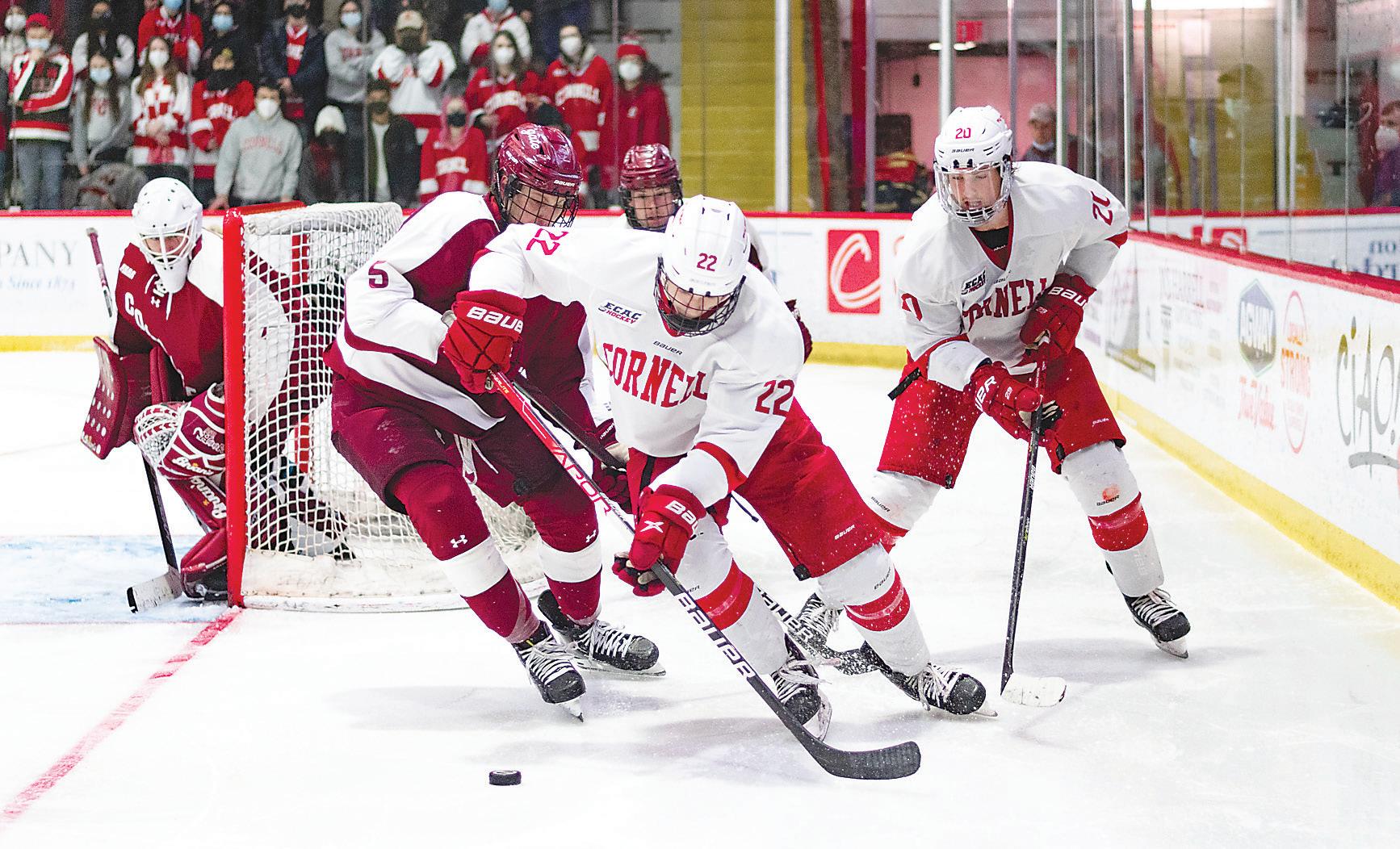
shot on goal during either of its two first period power plays.
Those woes ended early in the second period. The Red took advantage of a slashing call on Colgate and scored on the power play with 14:34 to go in the second. Sophomore forward Kyle Penney set up junior forward Matt Stienburg with a tape-to-tape field that Stienburg easily tapped in to give Cornell a 2-0 lead.

The Red’s lead started to slip away when Cornell allowed the Raiders to score on a power play of their own with just under 12 minutes left in the period. Syer challenged the goal for a potential offsides call, but the goal stood after a lengthy review.
“Special teams has definitely been killing us lately,” Betts said. “The penalty kill gave up another goal tonight, and that kind of swung momentum.”
Cornell had opportunities to regain its two goal lead, but it came up short. Freshman defenseman Michael Suda, playing in his first game at Lynah, rang the crossbar with 10 minutes remaining. A few minutes later, sophomore forward Zach Bramwell narrowly missed out on his first collegiate goal in his first game.

With Cornell’s lines ravaged by injuries, Suda and Bramwell both saw their first consistent stretches of game action this week.
Junior defenseman Peter Muzyka made his collegiate debut on Saturday. The newcomers filled in for junior forward Ben Berard, senior forward Max Andreev, freshman forward Kyler Kovich and senior defenseman Cody Haiskanen, all of whom were out due to injuries.
“I think the guys who have come in for the injured guys have done a really good job,” Betts said. “All those guys that haven’t really seen much time in the first half came in and did a great job,
played Cornell hockey and did the things that we needed them to do to give us a chance to win.”
With Cornell unable to regain firm control of the game, the Raiders drew even with just under two minutes left in the second period. A turnover by the Red in its defensive zone set Colgate up to score and brought the game to a 2-2 deadlock.
“All of a sudden we get away from things a bit, and boom we get scored on. It takes momentum away,” Syer said. “We can’t do that. There’s certain things that make us successful, and if we get away from them, it leaves things to chance. You have to stay on those details every single shift.”
Each team had a power play in the first half of the third period, but neither scored. The teams skated for a long stretch of neck-and-neck play, with Cornell taking eight shots in the first 12 minutes of the final frame and Colgate taking seven.
Cornell had a series of chances at even strength, including a wild sequence with just over five minutes left. The puck slipped around in the crease and slot, but Cornell could not find a lane to shoot before the play was blown dead after Benson was knocked over.
With 1:45 left in the third, the Red was sent to yet another power play after a holding call on Colgate, but despite the golden opportunity, Cornell could not convert. The Red failed to notch a shot on yet another power play, sending the game into overtime.
For the third consecutive game at Lynah, overtime did not decide the game’s outcome. Neither team scored, and the game ended in a tie. Cornell lost its fourth shootout of the year and ended the weekend with one point.
“We had an opportunity, but we’re not getting it done. That’s a huge frustration for the guys, for the staff for the entire program,” Syer said. “It’s a matter of fighting tooth and nail to dig yourself out of that. There’s some really good things to take away from tonight, and it can be quickly dismissed because of a shootout loss. But a loss is still a loss.”
The disappointing weekend sets up an important road trip next week. Cornell’s 26 points put it five points ahead of both of next weekend’s opponents, RPI and Union. Cornell currently sits in fourth place in the ECAC standings, which would make it the last team to get a first round bye in the ECAC playoffs. Losses next weekend would put that position in serious jeopardy.
“It’s going to take effort and work and determination to get out of this stitch that we’re in,” Malone said. “I think once we get that first bounce back win we’ll be rolling again.”
The Red will look for that win on Friday night against RPI in Troy.