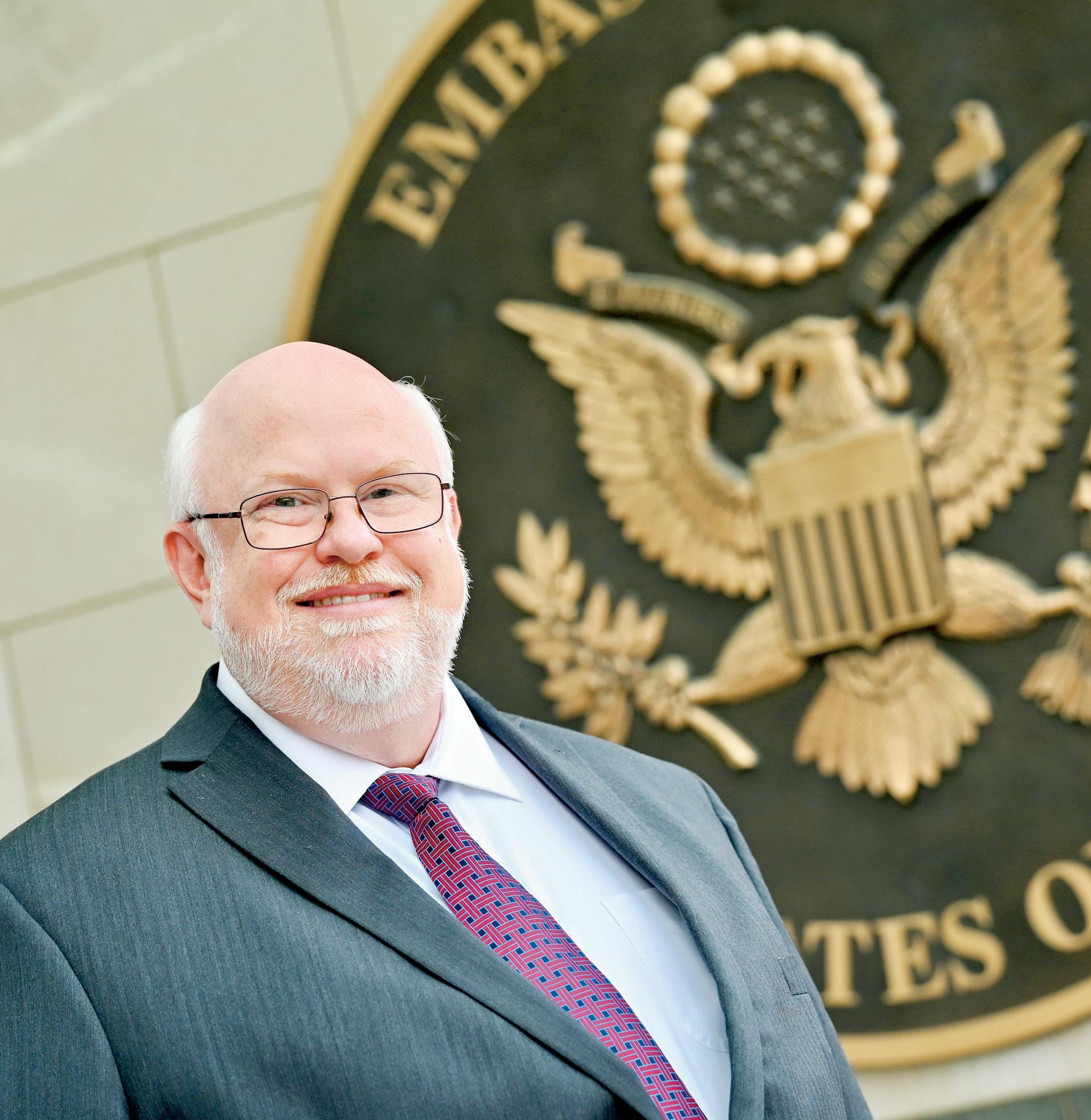
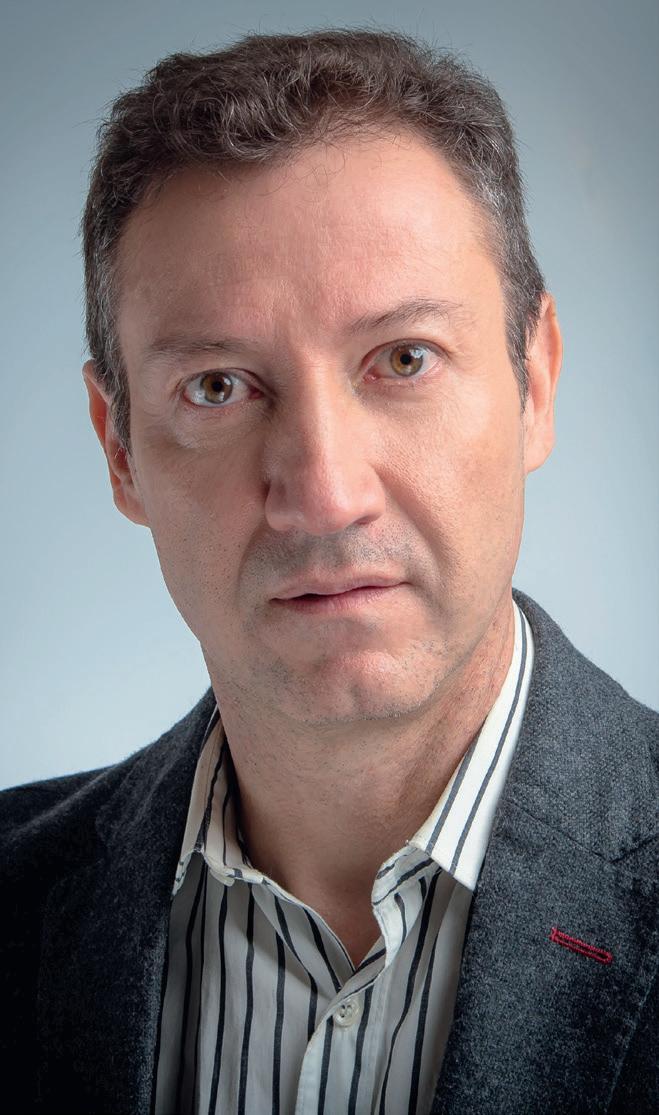
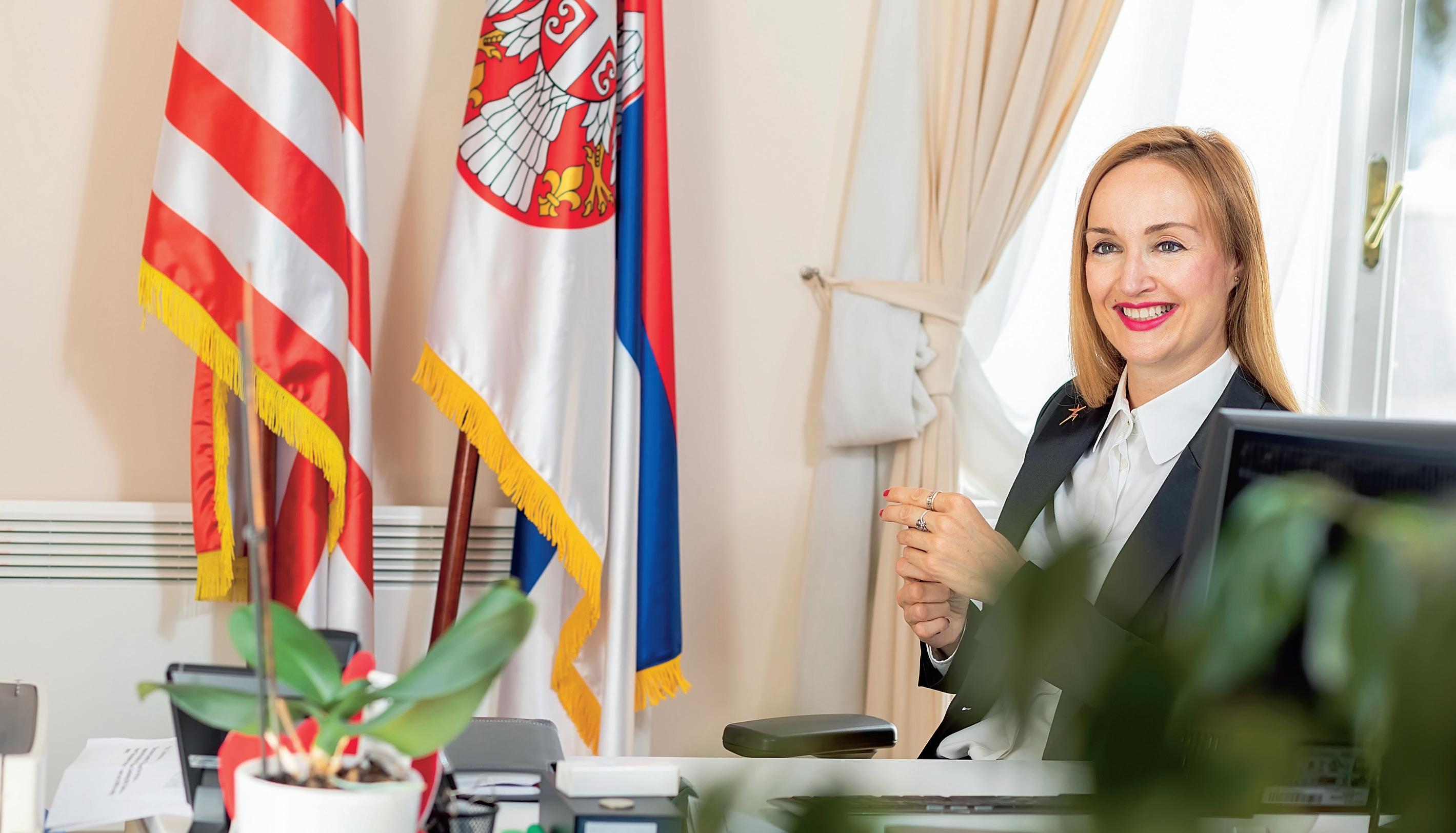
Senior S&CS Manager – Federal Public Sector, Schweitzer Engineering Laboratories (SEL)
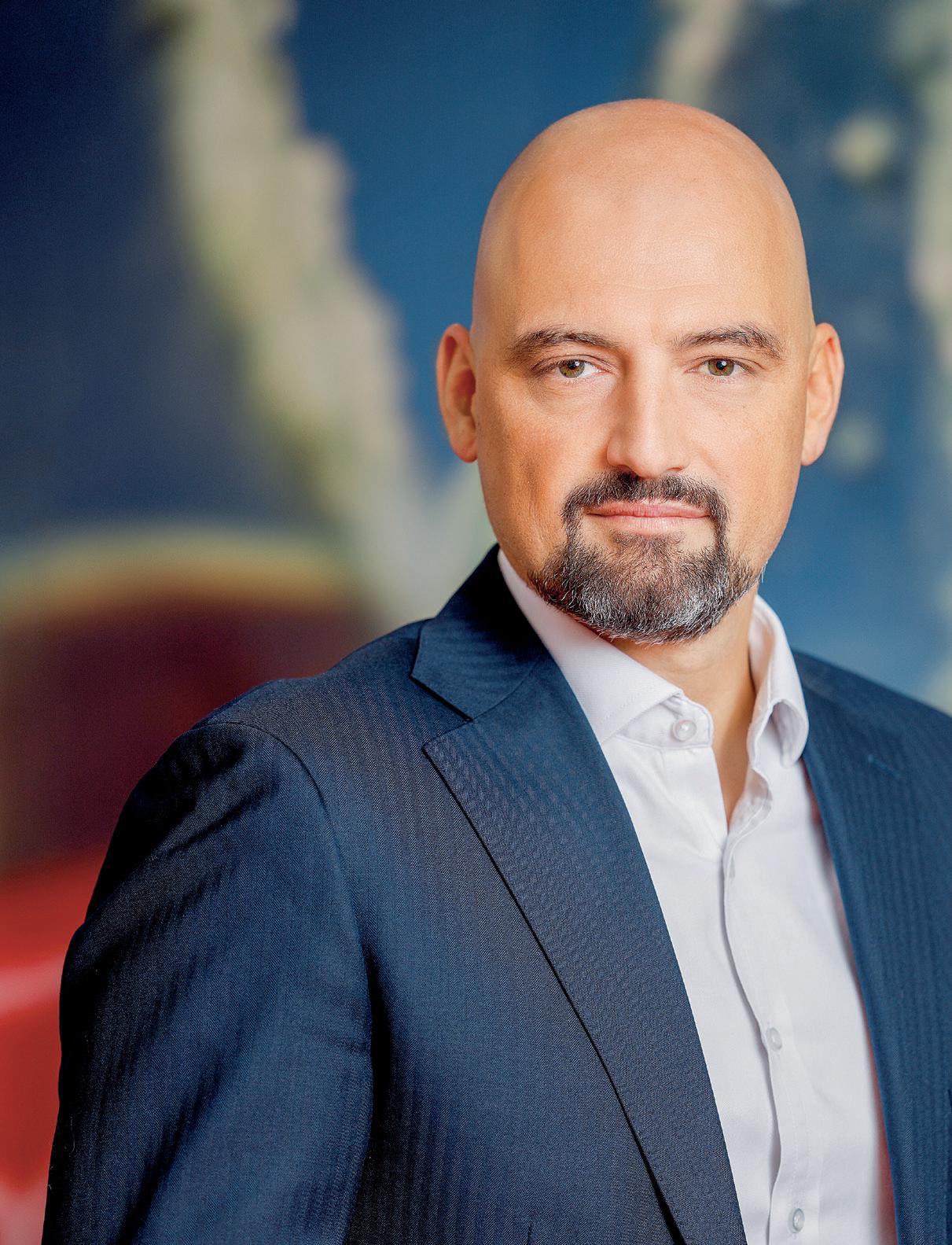
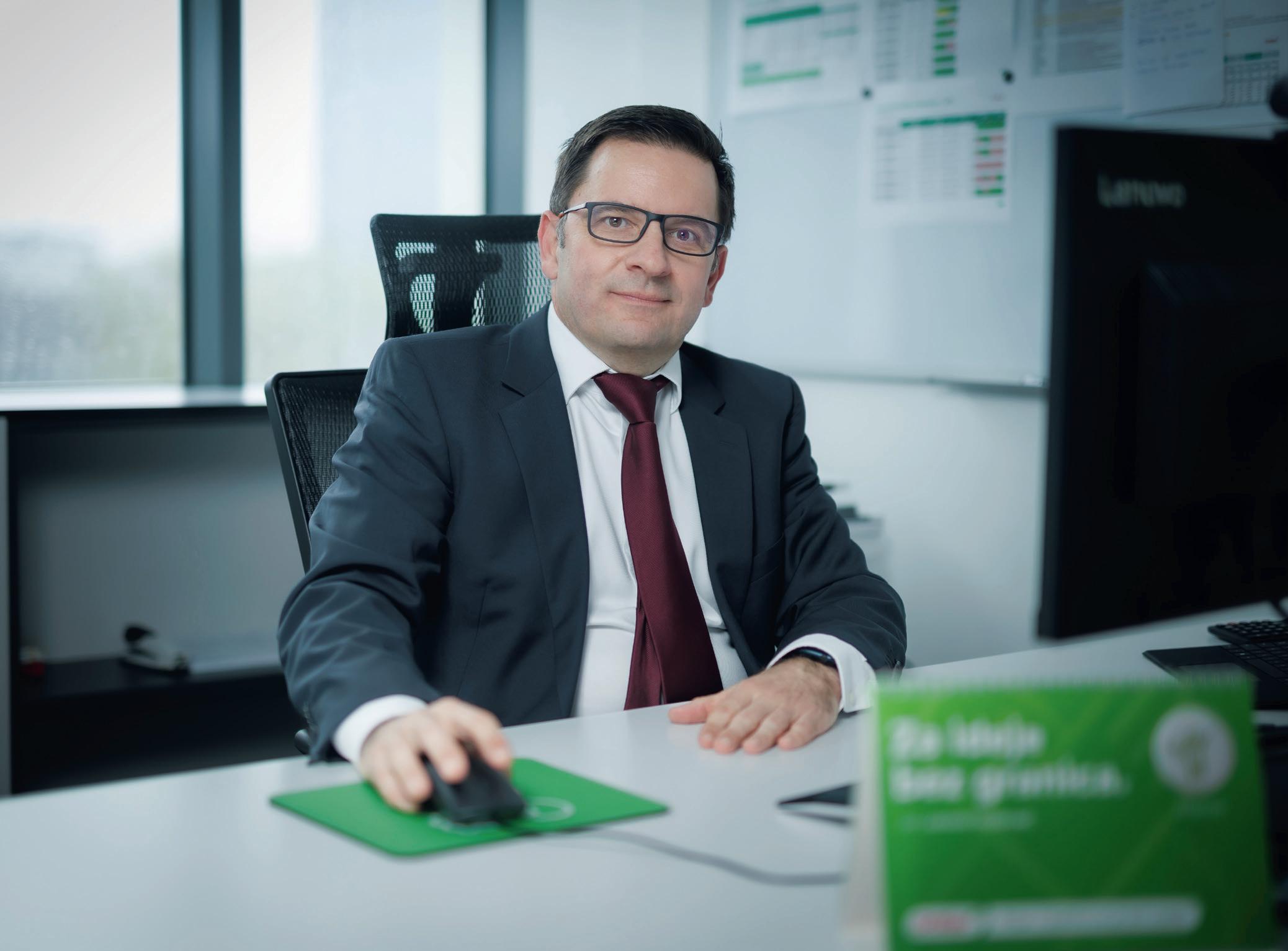
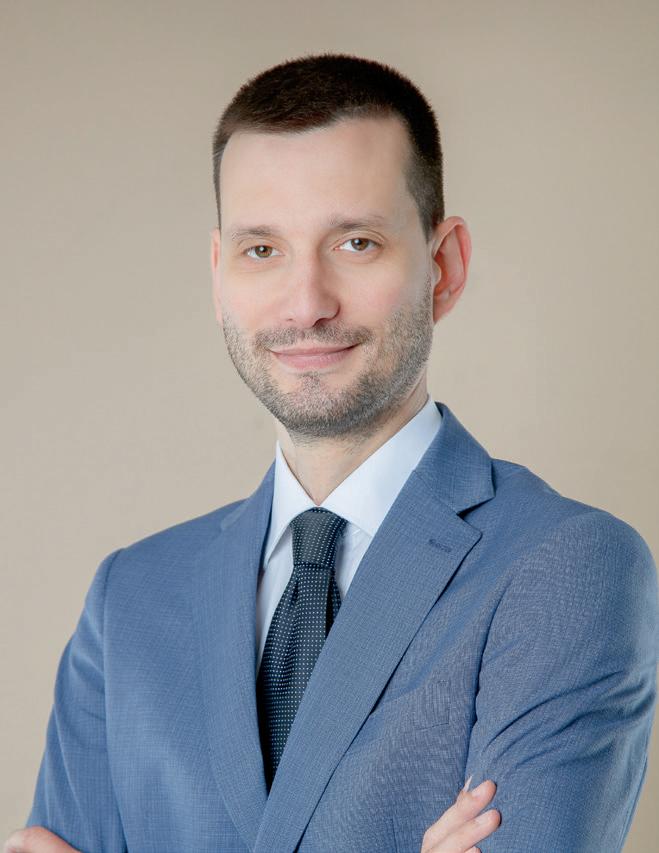
Miloš Jauković General Manager, Dr.Max Serbia
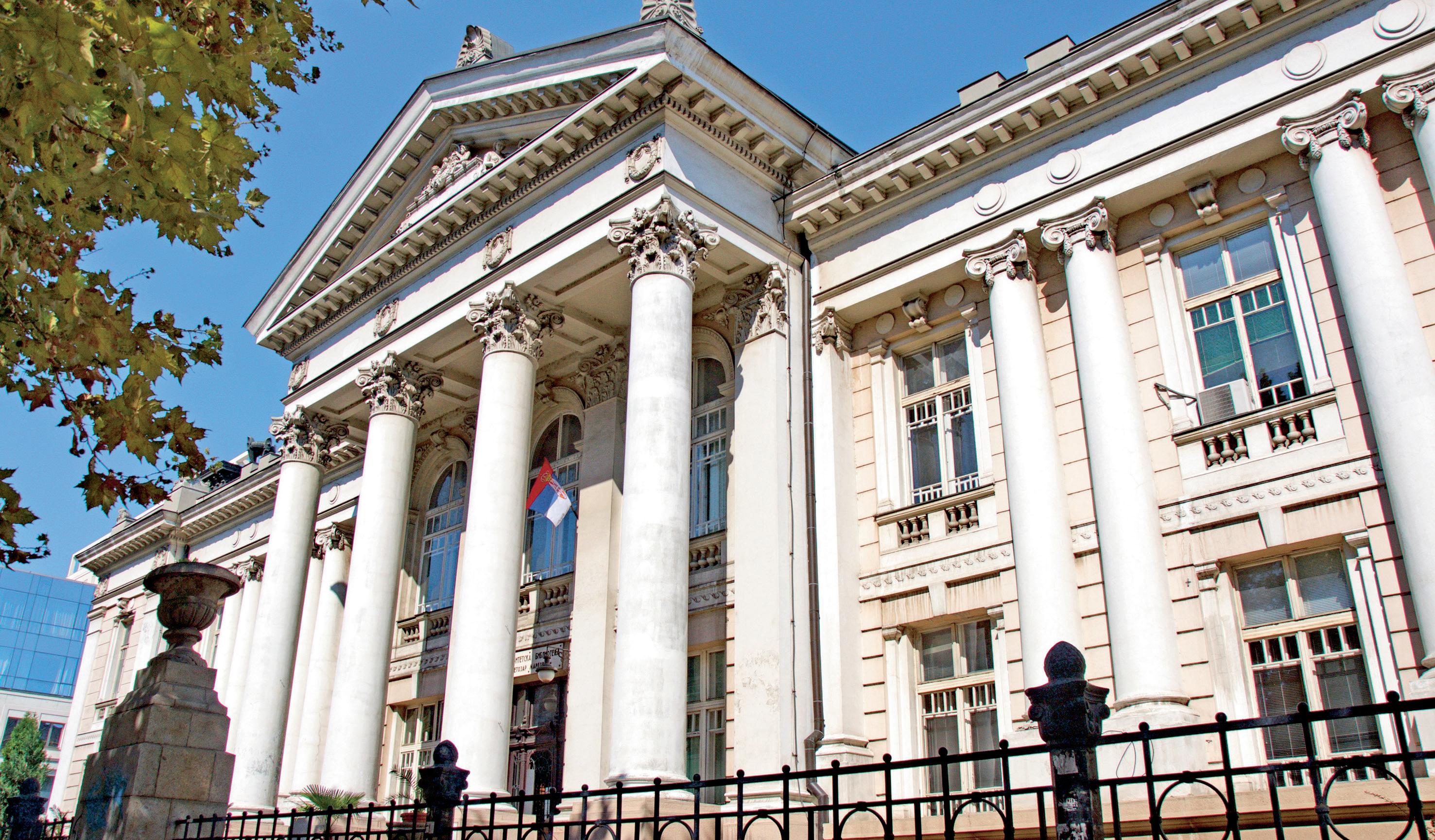
100 Years of the University Library in Belgrade
America at
MORE THAN A BIRTHDAY CELEBRATION
As the United States marks the 250th anniversary of its independence in 2026, the celebration extends far beyond fireworks and patriotic symbolism. America250 has become a nationwide conversation about history, identity, innovation, and the values that will shape the country’s next chapter
On July 4, 2026, the United States will commemorate 250 years since the adoption of the Declaration of Independence, signed in Philadelphia in 1776. Known as the Semiquincentennial, the anniversary is being marked through the nationwide America250 initiative, established by Congress to engage Americans in reflecting on the country’s past while looking ahead to its future.
Unlike the Bicentennial celebrations of 1976, which largely focused on patriotic symbolism and national pride, America’s 250th anniversary has evolved into a broader civic project. Its ambition is not merely to celebrate historical achievements, but to encourage a more nuanced conversation about the American experience in all its complexity.
The 250th anniversary is not only a celebration of America’s founding, but an invitation to reflect on who Americans are today and what kind of future they want to build
The official theme revolves around three ideas: honoring the past, engaging the present, and inspiring the future. Throughout 2026, every state, territory, and numerous institutions will host events designed to involve citizens of all generations.
A NATIONWIDE EFFORT
The scope of the initiative is unprecedented. Museums, libraries, universities, cultural institutions, businesses, and local communities are all participating. Major exhibitions are being organized by the Smithsonian Institution, which has launched its “Our Shared Future: 250” program, encouraging Americans to reflect not only on the country’s accomplishments, but also on the challenges and contradictions that have shaped its development.
The National Park Service is also preparing special programming at some of America’s most significant historical sites, while Philadelphia — the birthplace of American independence — will host many of the flagship events surrounding July 4, 2026. A nationwide time capsule project, featuring contributions from all 50 states and U.S. territories, will preserve artifacts representing contemporary American life and will remain sealed until 2276.
TELLING A MORE INCLUSIVE AMERICAN STORY
Perhaps the most significant difference between this anniversary and previous commemorations lies in its inclusiveness.
The conversation now deliberately incorporates perspectives that were historically underrepresented, including those of Native Americans, immigrant communities, African Americans,
and other groups whose stories are essential to understanding the nation’s development.
Rather than presenting a single narrative, America250 seeks to acknowledge that the American story is both inspiring and complex — one shaped by ideals of liberty and democracy, but also by difficult chapters that continue to inform contemporary debates. This approach reflects a broader cultural shift
in the United States, where institutions increasingly view history not as a static account of the past, but as an ongoing dialogue about identity, citizenship, and shared responsibility.
AMERICA’S SOFT POWER ON DISPLAY
The anniversary also serves as an exercise in American soft power. Through cultural diplomacy, educa -
tional exchanges, public events, and international partnerships, the United States is using the milestone to reinforce its global image as a country built on innovation, diversity, and democratic values.
Tourism campaigns, international exhibitions, and partnerships with communities abroad are all part of this effort, transforming a national anniversary into a global conversation.
FREEDOM
250 IN SERBIA
Serbia also took part in the celebration.
The U.S. Embassy in Belgrade launched Freedom 250, a year-long initiative running throughout 2026 that brought together events across Serbia dedicated to music, film, education, business, and cultural exchange. The program was designed to strengthen people-to-people ties and highlight the enduring partnership between Serbia and the United States.
The initiative included high-profile cultural events, such as a gala concert of American jazz organized in partnership with the Ilija M. Kolarac Endowment, which brought together artists, diplomats, and members of the broader Serbian public.
Rather than simply exporting a celebration, Freedom 250 was conceived as a dialogue — an opportunity to explore shared values, deepen cultural understanding, and foster new connections between the two countries.
LOOKING BEYOND 2026
Ultimately, America’s 250th anniversary is not about commemorating a date alone.
It is an opportunity for a nation of more than 340 million people to ask fundamental questions: What does freedom mean today?
How can democratic institutions remain resilient in an era of rapid technological and geopolitical change? And what legacy will today’s generation leave for the next 250 years?
Two and a half centuries after 1776, the United States is discovering that anniversaries are not only about remembering the past — they are also about imagining the future.
A New Era of Economic Partnership
The next phase of U.S.-Serbia relations is about turning economic potential into practical results: stronger competitiveness, better institutions and lasting growth.
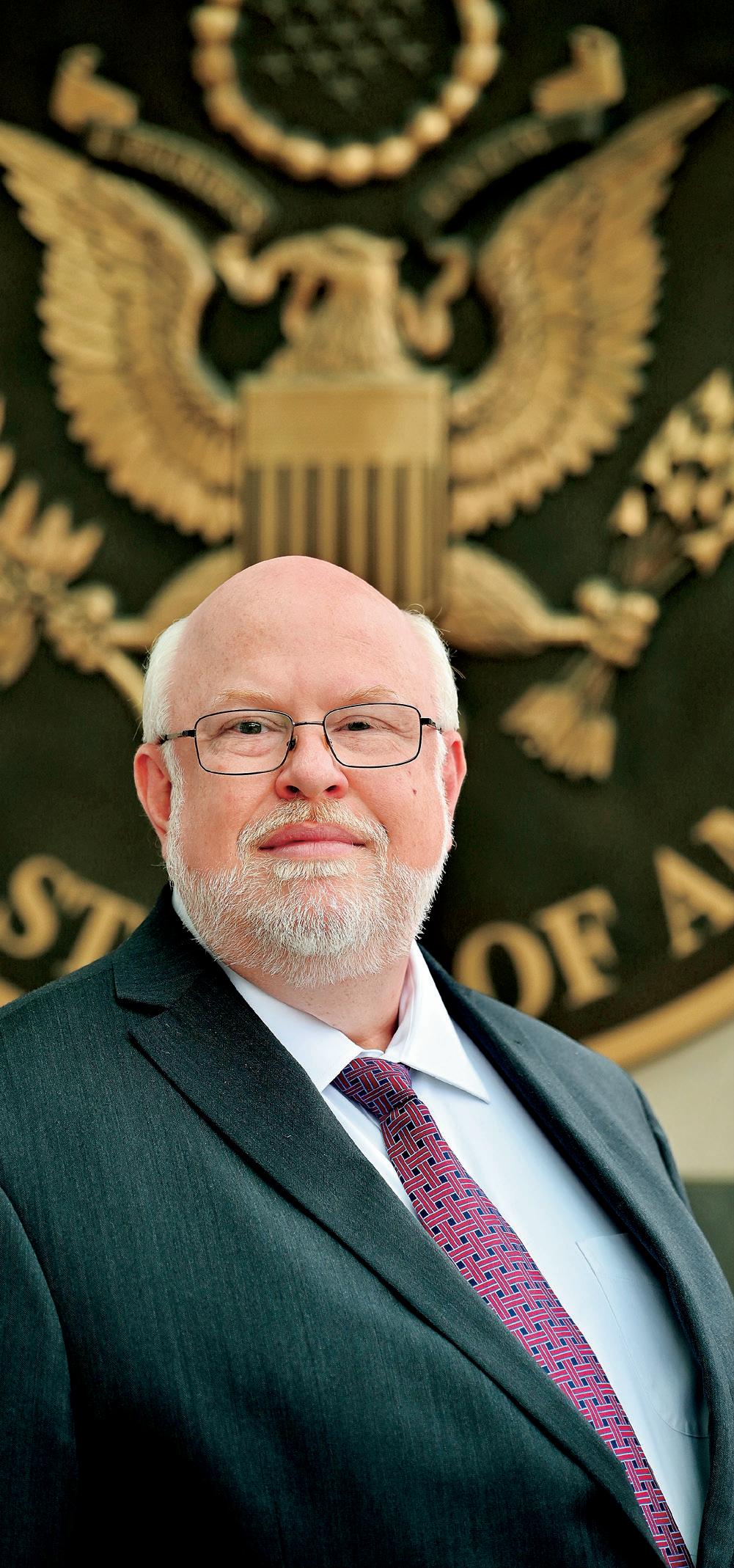
Serbia’s size and geographic position have long shaped its economic role in the region, but its future potential will increasingly depend on investments in energy security, human capital, new technologies and strategic partnerships. The United States is ready to support Serbia on that path, says Matthew Andris, Head of the Economic Section at the U.S. Embassy in Belgrade.
Recent U.S. policy toward the Western Balkans has emphasized stability, prosperity, and the advancement of American economic interests. What does this mean in practical terms for U.S.-Serbia economic cooperation in the years ahead?
— We are forging a new, promising era in U.S.-Serbia relations, and President Trump has demonstrated commitment to deepening our bilateral ties. Economic and business cooperation is of course an important part of this. Our hope is this cooperation translates into increased trade, more investments, further innovation, and greater productivity for both our countries. Expanding the U.S.-Serbia economic relationship is mutually beneficial and will result in economic growth and higher standards of living. We have already seen how U.S. companies can directly contribute to the Serbian economy. Ball Packaging, Coca-Cola, Microsoft, NCR Atleos, NCR Voyix, Rivian, and other U.S. companies employ thousands of Serbians in high-paying jobs in high-value-added industries, the kinds of jobs that represent Serbia’s future. At the same time, these companies benefit from Serbian creativity and expertise, which contribute to the success of their global operations. We would like to see more of that.
But this won’t happen automatically. U.S. companies won’t do business in Serbia just because we want them to. Foreign investors have choices, and they need the right kind of business environment, one that is predictable and transparent. This will enable Serbia to grow. Ultimately, economic cooperation means bringing together everyone – Serbians, Americans, public sector, private sector, academics – to focus on building an ecosystem in which all companies, both foreign and Serbian, can thrive.
Washington increasingly appears to view the Western Balkans not only through a political lens, but also as a geoeconomic region shaped by transportation corridors, energy networks, skilled talent, and technological potential. Where does Serbia fit into this evolving economic landscape?
MOMENTUM
We are entering a promising new phase in U.S.Serbia relations, and President Trump has made clear his commitment to deepening bilateral ties.
SECURITY
The United States is committed to helping Serbia diversify supply, strengthen energy independence and build a more resilient economic future.
PREDICTABILITY
Foreign investors look first for predictability, rule of law and transparency, supported by reliable infrastructure, strong skills and stable economic conditions.
— Serbia lies at the heart of the Western Balkans, both geographically and economically. It sits on vital north-south and east-west transportation corridors, and it has the region’s largest workforce. Historically, this has meant Serbia has also had the region’s largest economy and greatest potential for economic growth. However, we are moving into an era where economic potential is more closely linked to energy security, improvements in human capital, and productivity gains made possible by emerging technologies. Increasingly, these factors will allow any country to compete globally, and Serbia’s economic opportunities in the future will depend largely on the investments, policy decisions, and partnership choices it makes today. The United States is eager to encourage Serbia to develop its full potential in this area.
Energy security has become a central pillar of U.S. engagement across the region. How do you assess Serbia’s progress toward greater energy diversification, and where could American expertise, companies, or institutions make the most meaningful contribution?
— The United States is committed to working with the Serbian government on energy security and diversification that will allow Serbia to re-
Economic
cooperation means bringing together
Serbian and American partners from government, business and academia to build an ecosystem where all companies can thrive
alize energy independence, which will lead to a stronger economic future. In the Serbia 2030 development strategy, Serbia’s government laid out an ambitious plan to invest in the future of its energy sector. It is a robust strategy that promises over €14 billion in investments in natural gas infrastructure, hydropower facilities, energy storage facilities, and nuclear power, among other things. The United States is home to companies that excel in all of these areas, and we will be looking for opportunities for them to provide the world’s best technology, equipment, and services to enable Serbia to realize its energy security goals.
Looking beyond traditional investment, which sectors or forms of cooperation offer the great-
est potential for strengthening the U.S.-Serbia economic partnership?
— The United States is particularly focused on the energy sector, emerging technologies (including artificial intelligence), and the health technolo-
gy sector. This is partly because these are areas where U.S. companies have the strongest competitive advantages globally. However, this is also because investments in these sectors represent longterm commitments, and building links in these areas will pay dividends in terms of strengthening the U.S.-Serbia relationship for many years.
Focusing on these sectors also demonstrates a commitment to Serbia’s economic future. By focusing on energy, technology, and healthcare, we aim to support high-value, high-productivity industries where wages can grow along with the economy.
U.S. companies can bring world-class technology, equipment and services to help Serbia strengthen energy security and deliver its planned investments in gas, hydropower, storage and nuclear energy
The current U.S. approach suggests that countries in the Western Balkans will be expected to take greater responsibility for strengthening their own economic and institutional resilience. What reforms or improvements would most help Serbia attract higher-value American investment and position itself as a more predictable and competitive business partner?
— Predictability is the gold standard for foreign investors. Before they make an investment decision, sophisticated investors need a high degree of confidence that the regulatory landscape will not change abruptly, that contracts will be upheld and enforced, and that their interactions with the public sector will be characterized by efficiency and fairness. Efforts made by any country in improving rule of law, transparency, and fair business practices therefore have an outsized impact in attracting foreign investment.
Beyond that, foreign investors are looking for reliable infrastructure (both physical and technological), strong human capital, and stable economic conditions. Serbia already scores regionally well on these issues, but even more investments in infrastructure and education will support Serbia’s aspirations to become more competitive within the global economy.
Partnerships That Build the Future
Long-term development does not come from individual investments or short-term measures, but from systems that encourage initiative, reward innovation and ensure a level playing field for all market participants – Ana Drašković
For 25 years, the American Chamber of Commerce in Serbia has grown into one of the country’s most influential partners in improving the business environment and advancing reforms. In a year marked by two major milestones – 25 years of AmCham Serbia and 250 years of American independence – Ana Drašković discusses the future of Serbian-American economic relations, strengthening Serbia’s competitiveness, developing talent, and the role of innovation and artificial intelligence in the global economy.
AmCham Serbia is celebrating its 25th anniversary this year, and you are assuming the role of Chairwoman of the Board. What will be AmCham’s key priorities in the years ahead? — It would not be an overstatement to say that, over the past 25 years, AmCham has grown into the strongest business association in Serbia. Today, we bring together more than 260 American, international and domestic companies that have invested over €14 billion in Serbia and employ more than 119,000 people.
Throughout its 25 years in Serbia, AmCham has established itself as a consistent and reliable partner to the government in implementing reforms and improving the business environment. This anniversary is an opportunity not only to reflect on our achievements, but, more importantly, to reaffirm the importance of continuous public-private dialogue and partnership in creating greater predictability and stability for investors.
In this context, it is important to emphasize that Serbia’s EU integration process remains one of the key reform frameworks, as it strengthens institutions, reinforces the rule of law, improves legal certainty and aligns market rules with EU standards.
There is still much work ahead. AmCham’s priorities will therefore remain focused on areas critical to Serbia’s long-term competitiveness: im-
proving the overall business environment through a predictable and enforceable regulatory framework, strengthening institutions and the rule of law, developing and retaining talent, and increasing the economy’s resilience to global economic and geopolitical disruptions.
Particular emphasis will be placed on encouraging higher-value investments, fostering innovation and productivity, advancing the digital and green transitions, and strengthening Serbia’s innovation ecosystem so that the country can fully realize its potential in an increasingly dynamic global environment.
How do you assess Serbian-American economic relations today, and where do you see the greatest opportunities for further growth?
— Economic relations between Serbia and the United States are considerably stronger than they are often perceived to be. For decades, American companies have invested in Serbia, bringing new technologies, management expertise and international business standards, while domestic companies have also developed successful partnerships with American counterparts.
However, the potential is far greater than the current level of cooperation. We see particular opportunities in energy, the digital economy, artificial intelligence, health technologies, research and development, and in connecting the innovation ecosystems of the two countries. At a time when global value chains are being reorganized, Serbia has an opportunity to further strengthen its position as a regional hub for investment, knowledge and innovation.
AmCham’s research has consistently highlighted the priorities of the business community. Which reforms do you consider most important for strengthening Serbia’s competitiveness in the next phase of development?
— Every year, AmCham’s investor satisfaction survey, Lap Time, provides a comprehensive overview of the investment environment and identifies the business community’s reform priorities. Our members consistently emphasize the need to accelerate institutional reforms aimed at strengthening the rule of law, improving institutional efficiency, ensuring consistent implementation of regulations and creating a level playing field for all market participants.
In the past year, Medtronic therapies improved the lives of 79 million+ people. That’s two people every second of every hour of every day — and counting
These are not merely legal issues; they are key drivers of investment competitiveness. In addition, reforms aimed at reducing corruption and the gray economy, lowering administrative burdens, improving public administration, modernizing the regulatory framework and accelerating alignment with European standards must continue.
The countries that attract the highest-quality investments today are not necessarily those with the lowest costs, but those that provide strong institutions, legal certainty, a predictable business environment and clear rules of the game.
American companies are among the leading drivers of innovation and business standards in Serbia. What role can they play in accelerating the digital and green transformation of the economy?
— American companies are often the first to introduce new technologies, business models and management standards. Their role extends beyond investment itself, as the knowledge they transfer remains within the local economy.
The countries that attract the highest-quality investments today are not necessarily those with the lowest costs, but those that provide strong institutions, legal certainty and a predictable business environment
When it comes to digital and green transformation, the focus must shift from individual projects to systemic change. This requires regulatory frameworks that encourage innovation and the adoption of new technologies, investment in the energy transition, further development of digital and transport infrastructure, and the removal of barriers to deploying advanced technologies across all sectors. The private sector can be a strong partner to the government, but long-term policy predictability and continuous dialogue between institutions and businesses are essential.
Artificial intelligence has become one of the defining issues for business leaders worldwide. How will AI transform the way companies operate, and what should Serbia do to unlock its full potential?
— Artificial intelligence is more than a new technology; it represents a shift in the economic model and is comparable to the digital revolution. Companies that successfully integrate AI will achieve
higher productivity, faster decision-making and greater global competitiveness.
For Serbia, the most important thing is to view AI as a development opportunity rather than simply a technological trend. We have a strong IT sector, highly skilled engineers and a well-developed startup community. The next step is to invest in education, develop digital skills, strengthen links between academia and industry, and create a regulatory and infrastructure environment that supports innovation. Otherwise, we risk becoming users rather than creators of new technologies.
One of the biggest challenges facing economies today is developing and retaining talent. How can companies meet the expectations of younger generations while remaining competitive? — Talent has become a question of a country’s long-term competitiveness. Companies are no longer competing only for market share, but for people.
Younger generations expect more than a traditional employer-employee relationship. They seek opportunities for growth, flexibility, continuous learning, quality of life and a culture built on trust. At the same time, rapid technological change requires constant upskilling and reskilling.
That is why developing and retaining talent must become a shared priority for government, the education system and businesses. Improving quality of life, healthcare and environmental protection, while continuously investing in AI-era skills, is essential for attracting, retaining and empowering talent. The countries that succeed in developing talent and creating high-quality jobs will be the most competitive economies of the next decade.
This year also marks the 250th anniversary of American independence. Which lessons from the American tradition of entrepreneurship, innovation and business leadership are particularly relevant for Serbia today?
America’s economic success is not simply the result of market size or access to capital. It is built on strong institutions, the protection of private property, competition, openness to innovation and a culture that encourages entrepreneurship.
The most important lesson is understanding that long-term development does not come from individual investments or short-term measures, but from systems that encourage initiative, reward innovation and ensure a level playing field for all market participants. These are universal principles that remain just as relevant today as they were decades ago and continue to form the foundation of sustainable economic development.
Building Community, Not Just a Workforce
By shifting the focus from job openings to authentic human connections, McDonald’s Serbia transformed its approach to youth recruitment, increased applications by 63%, and earned an Effie Award for marketing effectiveness
In today’s competitive labor market, attracting young talent has become one of the greatest challenges facing employers across industries. This trend is particularly evident in sectors that rely heavily on younger workers, where companies compete not only on salaries and benefits, but increasingly on culture, belonging, and purpose.
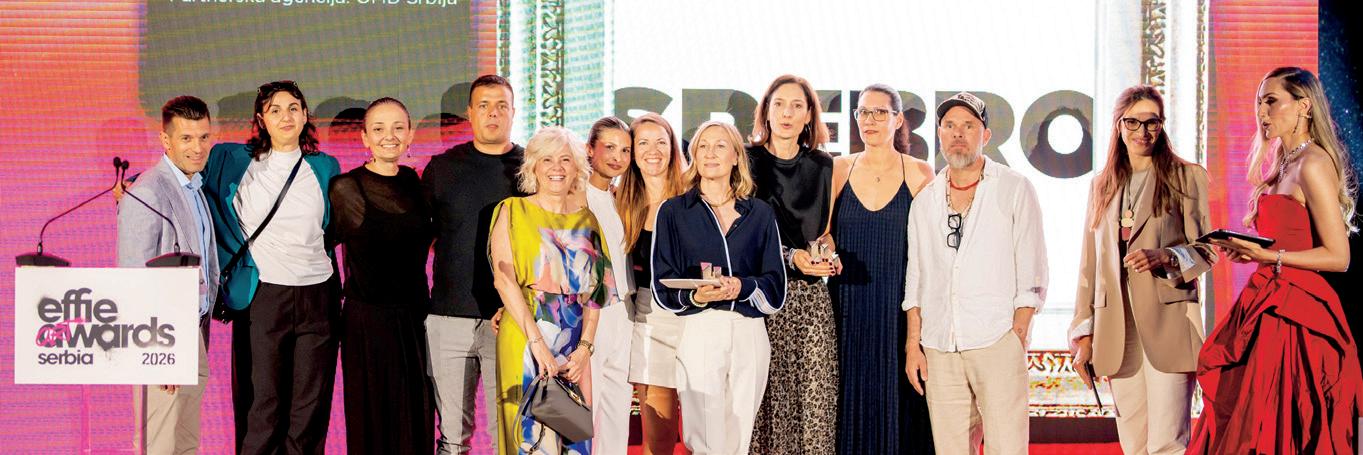
It was precisely this challenge that earned McDonald’s Serbia one of the highest honors in marketing effectiveness: an Effie Award. The winning campaign, Moja Ekipa (“My Crew”), demonstrated how a globally recognized American brand can successfully adapt to local market realities while remaining true to its core values.
Like many employers in the quick-service restaurant industry, McDonald’s faced a growing shortage of job applicants. The company operates nearly 40 restaurants across Serbia and employs approximately 1,300 people, making it one of the country’s largest employers in its category. Yet despite offering flexible schedules and valuable opportunities for first-time workers, recruitment became increasingly difficult as competition for young employees intensified.
Research uncovered a critical insight: the challenge was not the job itself, but how young people perceived it. While many viewed restaurant work as demanding and highly structured, existing employees described a very different experience — one defined by friendship,
teamwork, mutual support, and a strong sense of belonging.
That insight prompted a strategic shift. Instead of promoting employment conditions, McDonald’s chose to highlight the people behind the brand. The campaign repositioned McDonald’s from simply being a workplace to becoming a community where young people can find their team, develop skills, and build confidence through their first professional experiences.
The results were impressive. During the campaign period, job applications increased by 63% compared to the previous year, while perceptions of McDonald’s as a desirable employer improved significantly among young people. The campaign also generated millions of video views and exceptionally high engagement rates, confirming that authenticity remains one of the most powerful tools in modern communication.
The execution was equally innovative. Rather than relying on traditional recruitment advertising, the company launched a TikTok-first campaign featuring real employees as both creators and protagonists. Through authentic short-form videos, humor, personal stories, and everyday interactions, young workers offered an inside look at life at McDonald’s in a language their peers could genuinely relate to.
Today’s young professionals are looking for more than a job — they want a sense of belonging, meaningful connections, and a place where they can grow
Beyond the award itself, the success of Moja Ekipa reflects a broader shift in how organizations engage with Generation Z. For today’s young professionals, employment decisions are increasingly influenced by workplace culture, social connections, and a sense of belonging. Companies that recognize these priorities — and communicate them credibly — gain a distinct competitive advantage.
For McDonald’s, the Effie Award represents more than recognition for an effective campaign. It serves as a reminder that, even in a rapidly evolving labor market, understanding people remains at the heart of long-term business success.
A Long-Term Partner to Local Communities
Each direct job within the Coca-Cola system generates 11 additional jobs in the value chain, representing a tangible contribution to the local economy
In a year marked by major anniversaries, the Coca-Cola brand celebrates 140 years since the creation of one of the world’s most recognisable beverages. In Serbia, Coca-Cola has been bottled at the same site in Zemun for almost sixty years where production continues today as part of the Coca-Cola HBC Group. Through decades of investment, the development of local partnerships, and sustainable business practices, the company has become an im-
portant economic partner for Serbia. Saša Marković, General Manager of Coca-Cola HBC Serbia and Montenegro, explains how the strength of a global system contributes to the local community.
Coca-Cola arrived in socialist Yugoslavia in 1968 as a symbol of the country’s economic opening. What does continuity mean for Coca-Cola HBC Serbia, which operates according to the highest standards of corporate governance?
In the past five years alone, we have invested nearly €150 million in capacity modernisation, logistics, digitalisation and sustainable solutions, creating long-term value for the communities in which we operate
— Continuity, for us, means continued growth. Today, we operate three bottling plants across Serbia, with nine distribution centres.
We employ more than 1,200 people, work with more than 25,000 retail customers and partners and serve 41,000 outlets nationwide. As part of the Coca-Cola HBC Group, globally recognised as a sustainability leader in our industry, we bring world class corporate governance standards and best industry practices, which we apply daily in Serbia. This delivers concrete results, but above all trust, which our customers and consumers confirm through their choices. Over the last 60 years, there have been inevitable changes in market conditions, consumer habits, technology, and business scale. However, certain values remain the same, such as responsible management, transparency, and a longterm commitment to investment in this market.
Which indicators best reflect your economic and social impact in Serbia?
— We are proud of our positive impact on the local community and it is important for us that the results are achieved by working with all participants across our value chain. The latest Socio-Economic Impact Study of the Coca-Cola system and Bambi, presented last year, shows that we generate €633 million1 in added value, accounting for around 0.9% of Serbia’s GDP. This impact has almost doubled in the last two years. Across the value chain, we support 22,600 jobs, with each direct job within the Coca-Cola system generating 11 additional jobs in the wider economy.
In the past five years alone, we have invested nearly €150 million in capacity modernisation, logistics, digitalisation, and sustainable solutions. This ensures business stability, contributes to strengthening the domestic economy, and creates long-term value for the communities in which we operate.
How do you see the role of your company in regional development, given that Coca-Cola HBC Serbia also operates bottling plants outside Belgrade – in Vlasina and Neresnica?
— Our investments in Vlasinka and Neresnica are part of a long-term strategy with a clear understanding of the market. Our people live and work in the municipalities of Kučevo and Surdulica, and we believe our role makes a tangible, positive impact. For example, when we took over the “Vlasinka” water factory in Surdulica in 2005, it employed only around 30 people; today, it has more than 140. We have built a long-standing partnership around the “Vlasina – Pure Love” initiative with UNDP (United Nations Development Programme), supported by the relevant government ministry, the municipality of Surdulica, and the local tourist organisation. Over five years, it has grown into one of the most significant development projects in the region, promoting sustainable tourism and advancing biodiversity protection, environmental education, and long-term community support.
What is your investment plan for the upcoming period?
— Our focus is on infrastructure and improvements that deliver cost efficiencies and reductions in carbon emissions. The High Bay warehouse currently under construction will increase storage capacity in Zemun by 70%. This expansion will enable us to operate faster and more efficiently and provide a more stable and flexible distribution network for our customers. We are supporting the development of low-emission logistics by introducing electric trucks on our longest domestic transport route, Belgrade–Vlasina–Belgrade, where they are expected to reduce CO₂ emissions by more than 200 tonnes annually.
We remain committed to supporting the development of a more sustainable value chain in Serbia and contributing to the Coca-Cola HBC Group’s Net Zero 2040 ambition through accelerated decarbonisation.
In parallel, we are scaling AI across our value chain to enable smarter decision-making, accelerate and streamline operations, and enhance both customer and employee experiences. This is making our operations more agile, efficient, and resilient, while gradually shifting us toward more predictive and increasingly data-driven models, with customers and consumers at the centre.
Taken together, these initiatives demonstrate how measurable progress has already been achieved, while building a more resilient and future-ready organisation.
How does leadership in the company reflect on organisational culture?
— Our employees are the foundation of our success, which is why we believe that long-term business results can only be built in an environment where people have the opportunity to
Coca-Cola HBC Serbia and Montenegro today: 3 bottling plants, 9 distribution centres, 1,200 employees in Serbia alone, and €633 million1 in generated added value – 0.9% of national GDP. Behind nearly six decades of presence in the region stands a global system deeply rooted in the community where it operates, playing an important role in supporting regional development –from Zemun, through Neresnica and Vlasina, to other regional markets within the Serbia and Montenegro business unit.
grow and stay motivated. We continuously invest in our people’s development through various learning programmes, internal mobility, and advancement opportunities within the Coca-Cola system. Last year, nine colleagues continued their careers within the Coca-Cola system, while nearly 40 employees were promoted within our business unit.
The working environment is inclusive, modern, and adapted to different employee needs, from flexible work models to enhanced workspaces and overall employee experience. It is especially important to us that young talent has space to develop. The results of the recent Talent X survey, conducted by Infostud, show that among 11,000 respondents, younger generations recognise us as the most desirable employer, which is an important confirmation that our culture is future-oriented and aligned with the expectations of young talent.
1 Results of the Socio-Economic Impact Study of the Coca-Cola System and Bambi Company for 2023
Intense and Rewarding Experience
Although the project has not yet materialized, Jadar has already made a lasting contribution to scientific knowledge and mining practice, particularly by integrating sustainability into project design from the earliest stages
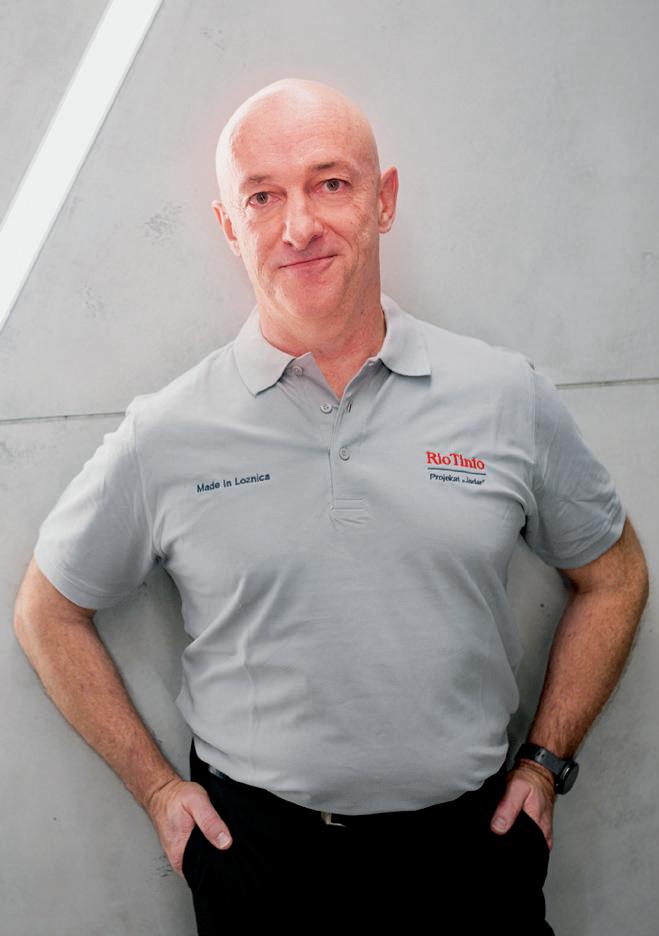
At the close of his mandate as Managing Director of Rio Tinto’s Jadar Project, Chad Blewitt reflects on three demanding years in Serbia, the work of the Jadar team, and the project’s place within Rio Tinto’s expanding lithium portfolio.
In this interview, he discusses Jadar’s technical significance, the challenges of operating in a highly contested public environment, and the professional and personal impressions he will take with him from Serbia.
At the close of your mandate as Managing Director of the Jadar Project, how would you reflect on this chapter of Rio Tinto’s work in Serbia?
— I would describe it as an intense, yet extremely rewarding, three years of my professional career. I am immensely proud of both the team I led and the Jadar Project itself. Jadar is truly a worldclass project, and that is not just my opinion. The European Commission designated it a Strategic Critical Raw Materials Project, recognizing its high technical and environmental standards, as well as its significant development potential for the local community.
That said, it has also been a very challenging period, particularly because the project has become increasingly politicized over the past several years. We have done everything in our power to engage in public dialogue and provide all the necessary information, while acknowledging and respecting citizens’ legitimate concerns.
We have remained committed to transparency and constructive engagement, but it is difficult to have factbased conversations when some project opponents are unwilling to participate in a constructive, evidence-based, and scientifically grounded discussion.
What would you identify as the key achievements of the Jadar Project team during this period?
— From a technical perspective, the Jadar Project is undoubtedly one of the most thoroughly studied lithium projects in Europe. This extensive body of research enabled us to develop a project that meets the highest environmental protection standards across all aspects of its design and operation.
The numerous studies we conducted in cooperation with scientific institutions in Serbia and abroad, involving around 100 independent experts and 40 university professors from more than ten faculties, allowed us to continuously improve the project and develop new solutions that further reduced its environmental footprint, even when previous solutions had already met the highest standards.
This process of continuous improvement has been an exceptionally rewarding professional experience. It is also a common feature of mining and geological projects and one of the aspects that makes this profession so exciting.
The moment the European Commission included Jadar among a limited number of Strategic Projects under its Critical Raw Materials framework was particularly significant. At the time, the project was facing considerable unfounded and politically motivated criticism from certain segments of the professional community in Serbia.
The fact that we succeeded in designing a sustainable project with the potential to transform Serbia’s economic landscape, while creating the foundations for an entire electric vehicle value chain based on advanced technologies, is something that will always make me proud.
From the early exploration work in western Serbia to the identification of the Jadar deposit, what made this
discovery scientifically and technically significant?
— The Jadar Project is one of the most promising and thoroughly researched lithium projects in Europe. Over more than two decades of development, it has evolved considerably. The project we have today is significantly different from the one we had ten years ago, which is entirely consistent with the normal development process for projects of this scale and complexity.
Through extensive scientific research and engineering work, we have demonstrated that lithium extraction from jadarite, a unique mineral, can be carried out in a way that complies with both EU and Serbian environmental standards under all operating conditions. Our analyses have shown that all key environmental parameters remain within regulatory limits, even under highly unlikely adverse scenarios.
In this respect, the Jadar Project represents a lasting contribution to both scientific knowledge and the broader mining industry, particularly in advancing approaches that place sustainability at the center of project design and implementation.
What has the Jadar Project represented for Rio Tinto within its broader global portfolio, both as a significant mineral discovery and as a complex project shaped by local, institutional, and social dynamics?
— For more than 150 years, Rio Tinto has supplied the raw materials the world needs. The Jadar Project has also provided
strong institutional support and unwavering adherence to the highest technical, environmental, and governance standards. Projects of this magnitude should be guided by facts, scientific evidence, and a long-term vision for economic and social development.
We are also witnessing how access to natural resources, particularly strategic minerals, is becoming an increasingly important geopolitical issue. The Jadar Project offers Serbia greater autonomy over a critical raw material that is in significant global demand.
As you complete this assignment, what professional or personal lessons from your time in Serbia will you take with you?
— Above all, it has been a tremendous privilege to work alongside outstanding professionals, and I believe Serbia can be genuinely proud of the expertise it possesses in this field.
I will also remember my relationships with the local community as one of the most rewarding aspects of this experience. In particular, I appreciated what I would describe as the “silent majority” of people who supported the project and followed its development with an open mind and a willingness to engage with the facts.
While the professional context has at times been challenging, it has not defined my overall experience of the
For Rio Tinto, Jadar became an important source of knowledge in lithium development at a time when critical raw materials are reshaping industrial strategy and geopolitical competition
us with invaluable knowledge in relation to lithium, which is undoubtedly one of the defining materials of the future.
This is particularly important as Rio Tinto has significantly expanded its lithium portfolio in recent years and now ranks among the world’s three largest lithium producers.
At the same time, an entire ecosystem is needed to support these industrial transformations. Large-scale strategic projects with the potential to reshape a national economy require
country. Having grown up in Australia surrounded by many people of Serbian heritage, I developed an appreciation for Serbian culture and values long before I came here.
I see Serbians as warm-hearted people with a strong competitive spirit, a deep love for their country, and a strong sense of family and community. These are qualities I have long admired and that have only been reinforced through my personal and professional experiences in Serbia.
The American model, built on the rule of law, meritocracy and strong institutions, has shaped global business standards for decades. Bogdan Gecić explains how these values can translate into sustainable development across Serbia and the region, strengthen the investment climate and create new opportunities in an era of artificial intelligence and rapid regulatory change.
As a Harvard lawyer who built a European-recognized firm, how important are American business culture and professional standards for the region? — Harvard was never a credential — it was a method: clarity, rigor, integrity. Method rests on something deeper: the rule of law, meritocracy, and institutions that serve people, not the reverse. That is America’s most enduring export — not capital, but a model for organizing a free, democratic and accountable society. For our region, partnership with the United States is a cornerstone of modernization. American business culture set the bar for accountability and merit — accelerating local talent, not displacing it. Combine the two and you get Gecić Law — three-time Law Firm of the Year at The Lawyer European Awards. It is also why I serve as Vice Chair for Europe of TerraLex and Vice President of the Harvard Law School Association of Europe —
Law as Infrastructure for Development
Bogdan Gecić discusses American education, the rule of law, investment certainty, artificial intelligence and the role of Serbia and the region in the global economy
bridges reconnecting our region to America and the globe. Capital follows confidence, and confidence follows rules that work — what AmCham has built over 25 years in Serbia.
How important are legal certainty and compliance in attracting U.S. and other developed-market investors to the region?
— American investors don’t expect a frictionless market — they expect to understand, measure and manage risk. That is where legal certainty and compliance become assets, not formalities. Our advantage is often misread as weakness: Serbia is on the European path but not bound by the full EU acquis — a window others no longer have. We adopt the highest standards by choice, pairing European rigor with a deeper U.S. partnership — not choosing America over Europe, but aligning intelligently with the U.S. while keeping flexibility over our own posture. The evidence is here: the region’s largest-ever Eurobond, heavily oversubscribed with strong U.S. demand, and U.S. EXIM Bank financing for 5G. Brussels, for
America’s most enduring export is not capital, but a model for organizing a free, democratic and accountable society
us, isn’t a prestigious address — it’s infrastructure: EU rules shape business far beyond the Union.
Your firm was early to AI, ESG and trade — which trends will most shape Serbia’s and the region’s ties to global markets?
— Regulation no longer arrives after the fact — it is part of the process from day one. AI is the clearest example, and I’ll admit I’m an enthusiast: the question is not whether to adopt it but how — responsibly, with governance and oversight. But the macro picture is sobering. America is racing ahead on AI and market capitalization while Europe lags — the NYSE alone outweighs all of Europe’s major exchanges combined. I believe in competitiveness and agree with the Draghi report: Europe needs a serious reset. For our region, the lesson is to compete harder and align with the U.S. growth engine — across AI, competitiveness and trade. That conviction drives my work beyond the firm: through 0to1.global, our strategic platform, we advise on positioning, governance and U.S.-market entry. This included support for the expansion of Newsmax across the Balkans, Poland, Germany, and Italy. A region grounded in the rule of law, freedom, democracy and meritocracy need not invent from scratch — its advantage is velocity, the defining opportunity of this decade.
Photo by
Nebojša
Babić
25 Years of Responsible Banking
For a quarter of a century, ProCredit Bank has been building long-term partnerships with small and medium-sized enterprises, guided by the principles of responsible banking, sustainable development and modern financial solutions
Modern banking today encompasses far more than financing businesses – it requires a deep understanding of the market, support for business transformation and a long-term vision for growth. We spoke with Ivan Smiljković, Member of the Management Board of ProCredit Bank, about the evolving needs of businesses and the greatest opportunities ahead for Serbian companies.
ProCredit Bank is celebrating 25 years in Serbia. What have been the key milestones in your development?
— Since our founding, we have remained committed to being a reliable financial partner to small and medium-sized enterprises, guided by a clearly defined concept of responsible banking. Our business model has been built on transparency, long-term partnerships and a deep understanding of entrepreneurs’ needs.
Our growth has been driven by investment in people, efficient processes and technologies that meet clients’ evolving expectations. Our greatest achievement has been preserving our identity as a bank that understands its clients and grows with them.
SMEs are at the heart of your business model. How have their needs evolved over time?
— Today, SMEs operate in a far more dynamic and complex environment than in the past. Clients expect fast, reliable and digitally accessible services, but also a bank that understands the broader context of their business.
While access to financing was once the priority, companies today seek comprehensive support – from process optimisa-
Businesses that invest in technology, energy efficiency and innovation will have a clear advantage in an increasingly competitive market
tion to investment planning and growth strategies. In other words, the role of banks has evolved from financiers to development partners.
What are the biggest challenges currently facing SMEs in Serbia, and how does ProCredit support them?
— SMEs face challenges such as global economic uncertainty, rising operating costs, productivity pressures and the need for accelerated technological and digital transformation.
Our answer is a long-term partnership model built on trust. We provide investment financing, advanced digital solutions
and support for energy-efficiency projects. Thanks to modernised infrastructure and streamlined processes, we are able to deliver faster and higher-quality services while helping clients make strategic decisions.
In today’s environment, trust is just as important as capital.
How do you see AmCham’s role in strengthening the business environment and supporting your clients?
— AmCham plays an important role in promoting transparency, improving the business environment and advancing modern business practices in Serbia. For our clients, this means easier access to international markets and closer alignment with global business standards.
Such cooperation strengthens the competitiveness of Serbia’s economy and creates new investment opportunities. Partnerships like these help domestic companies align with international standards faster.
Looking ahead, where do you see the greatest growth opportunities for SMEs, and what role does ProCredit aim to play in the next stage of development?
— We see the greatest opportunities in further digitalisation, accelerating the green transition and strengthening the export potential of Serbian companies. Businesses that invest in technology, energy efficiency and innovation will gain a competitive edge.
Our goal is to remain a reliable partner that supports long-term economic development through modern banking solutions and sustainable financing. We believe that a successful bank today is not one that simply follows change, but one that helps shape it.
Skills That Will Shape the Next Decade
In an era of rapid technological change, financial literacy, long-term thinking and adaptability are becoming essential prerequisites for the sustainable development of individuals, companies and entire economies, says economist, entrepreneur and financial educator Nemanja Antić
The business world is undergoing one of its most profound transformations in decades. Artificial intelligence, automation, geopolitical shifts and changing labour market dynamics are redefining how companies operate and how individuals make financial and professional decisions. In such an environment, financial literacy, continuous learning and long-term planning are no longer optional – they are essential tools for resilience and sustainable growth. We spoke with Nemanja Antić about changing business mindsets in Serbia and the Western Balkans, the skills that will define future leaders and the lessons the region can adopt from American business culture.
sions. For years, discussions about money, investing and entrepreneurship in our region were either overly academic or reduced to simplistic narratives about quick success. My goal has been to make these topics practical and accessible and to show that sustainable success is built on discipline, long-term planning and personal responsibility. More and more people are realising that they cannot wait for circumstances to improve on their own; they have to take control of their financial future.
Which skills will determine the success of individuals and companies in the coming decade?
— Adaptability, technological literacy
Financial literacy, adaptability and long-term thinking will define the leaders of the next decade
Over the past few years, you have actively promoted financial literacy and entrepreneurship through books, mentoring programmes, educational initiatives and public appearances. Why have these topics become so important for individuals, businesses and society as a whole?
Financial literacy is no longer an additional skill – it is a prerequisite for making sound personal and business deci-
and lifelong learning will be essential. Artificial intelligence and automation are already reshaping the way we work, and this process will only accelerate. At the same time, the ability to manage risk and invest strategically will become increasingly important. We live in an era of constant geopolitical and economic disruption, and success will belong to those who understand the difference between speculation and long-term investing. Emotional intelligence, discipline and strong execution skills will also become critical competitive advantages.
The Western Balkans is undergoing significant changes in business culture and entrepreneurship. Where do you see the region’s greatest potential and what is still holding it back?
— I see very positive developments, particularly among younger generations who are increasingly interested in creating their own value rather than seeking traditional job security. However, short-term thinking and the expectation of immediate results continue to slow us down. The greatest opportunities lie in the digital economy, regional integration and the modernisation of traditional family-owned businesses. The Western Balkans is a dynamic market with enormous untapped potential, especially through digitalisation, logistics and stronger regional cooperation.
The American market and business culture have long been synonymous with innovation and entrepreneurship. Which lessons could Serbia and the region successfully adopt?
— First, we need to change our relationship with failure. In developed economies, failure is often seen as part of the learning process, whereas in our region it is still perceived as a permanent setback. Second, we need to build a stronger culture of investing. Capital should not remain idle; it should actively create value. Finally, businesses need to become scalable systems rather than organisations that depend entirely on one individual. Sustainable companies are built on processes, structure and the ability to adapt to change.
Building Trust Through Technology
Advanced authentication and traceability solutions are helping governments protect public revenue, secure supply chains, and strengthen consumer confidence. Kevin McKenna, President & CEO of Authentix, discusses the company’s global approach to fighting illicit trade and explains why Serbia has become a regional success story
Counterfeiting, smuggling, and supply chain fraud cost governments and businesses billions of dollars each year while eroding consumer confidence. By combining advanced authentication technologies with digital traceability, Authentix helps governments, central banks, and global brands protect products, public revenue, and supply chain integrity. In this interview, Kevin McKenna explains the company’s integrated approach and highlights Serbia as an example of how technology can transform an entire market.
How does Authentix help governments and businesses combat illicit trade and protect supply chains?
— At Authentix, we are in the business of trust. For more than 20 years, we have helped governments, central banks, and leading global brands answer one essential question: Is this genuine? Whether it is fuel, pharmaceuticals, consumer goods, or currency, authenticity is fundamental to protecting revenue, brands, and consumers.
Our business is built around four complementary capabilities. We help governments safeguard public revenue through fuel integrity programs and digital tax stamp and track-and-trace solutions. We protect global brands against counterfeiting, diversion, and warranty fraud using authentication, digital security, traceability, and online monitoring. We also pro-
Authentication is
no longer just
about preventing fraud—it
has
become a strategic tool for protecting public finances, strengthening legitimate markets, and building long-term consumer confidence
vide central banks with advanced banknote security technologies and manufacture secure tax stamps, IDs, postage, and other protected documents.
What sets Authentix apart is our customer-first approach. Rather than applying a single technology to every challenge, we begin with each customer’s objectives and integrate the right technologies, data, field detection, and program management to deliver measurable results. The
outcome is stronger supply chains, higher government revenues without increasing taxes, safer products, and greater consumer confidence.
How do you assess Serbia’s progress, and what opportunities do you see across Southeast Europe?
— Serbia has become one of our strongest examples of how authentication technology can transform a market. As a major transit corridor, the country faced significant fuel fraud, including smuggling, adulteration, and lost excise revenue.
Working with SGS as program leader and our Belgrade-based partner Nanoinspekt, Authentix introduced its proprietary fuel marking and detection technology, helping authorities significantly increase legitimate fuel sales and recover substantial excise revenue. More importantly, the program demonstrated that authentication is far more than a compliance tool— it changes market behavior.
As Serbia modernizes its excise system and moves toward QR-enabled tax stamps and fully digital traceability, we see tremendous opportunities for continued cooperation. Similar priorities exist across Southeast Europe, where governments are strengthening revenue protection while aligning with EU standards. With fuel marking programs now expanding into Bosnia and Herzegovina and Montenegro, we also see strong potential to extend these solutions to tobacco, alcohol, and broader track-and-trace programs. Serbia has shown that supply chain integrity can become a strategic national asset rather than simply a regulatory requirement.
Building Global Value
For two decades, Ball Corporation has been expanding its manufacturing operations in Serbia, supplying around 20 international markets from its Belgrade facility. In this interview, Nenad Đurđević, Commercial Director for Southeast Europe, Türkiye and the CIS, discusses the role of the Serbian plant within Ball’s global network, as well as the company’s approach to sustainability and innovation
Ball Corporation, one of the world’s leading manufacturers of aluminum beverage packaging, has operated in Serbia since 2005, when it established what was then the largest U.S. greenfield investment in Southeast Europe. Today, its Belgrade plant is one of the company’s key manufacturing and export hubs in Europe, employing more than 600 people and supplying customers across numerous international markets while continuing to invest in technology, innovation, and sustainability.
Ball Corporation has entered its third decade of successful operations in Serbia. Looking back on more than 20 years of growth, how would you de -
scribe the role of the Belgrade plant within your global network?
— We have enjoyed more than two decades of stable, long-term operations in Serbia, built on continuous investment, technological leadership, and outstanding people. Today, the Belgrade plant is one of Ball Corporation’s key manufacturing and export centers in Europe. It operates to the same highest technological standards as our more than 65 plants worldwide. Our advanced production capabilities enable us to manufacture billions of cans each year with speed, safety, and exceptional flexibil-
ity. We are especially proud of the stability of our team. Many of our employees have been with us from the very beginning, and the expertise they have developed in Belgrade is now so highly regarded that our specialists regularly support the launch of new Ball investments around the world.
As Commercial Director for Southeast Europe, Türkiye and the CIS, how do you assess the competitiveness and market reach of production in Serbia? Which markets are supplied from the Belgrade plant today?
— The market reach and export potential of our Serbian operation are outstanding. Today, the Belgrade plant directly supplies around 20 international markets, including Central and Eastern Europe, Southeast Europe, Türkiye, the CIS, and the broader European market. More than half of our total production is exported, making us one of Serbia’s largest industrial exporters. This clearly demonstrates that products manufactured in Serbia meet the highest global standards of quality, safety, and sustainability. At the same time, we continue to expand our network of local suppliers, strengthening the domestic economy and building a robust manufacturing ecosystem around our plant.
Demand for aluminum packaging continues to grow, while the industry is rapidly adapting to the EU’s new Packaging and Packaging Waste Regulation (PPWR). Why is the aluminum can the right choice for customers and the market in this context?
— Aluminum offers ready-made solutions to the challenges posed by the PPWR. The aluminum beverage can is a champion of the circular economy through the “can-tocan” model, where a used can can return to store shelves as a new one in just 60 days with virtually no loss of quality. Remarkably, around 75% of all aluminum ever produced is still in use today. From an economic standpoint, aluminum retains significant value as recyclable material, while recycling it requires up to 95% less energy than primary production. In light of eco-modulation and the new regulatory framework, materials that are easier to recycle generate direct financial savings and greater value, making the aluminum can the smartest and most future-proof choice for our customers.
In today’s highly competitive marketplace, purchasing decisions are made in seconds. How does Ball help brands stand out on the shelf through printing innovations such as Dynamark™ Advanced Pro?
— Innovation and premium design are essential tools for market differentiation. Our portfolio ranges from standard formats to highly innovative packaging solutions. Dynamark™ Advanced Pro gives brands exceptional creative freedom by enabling multiple graphic designs within a single production run, making it ideal for personalized campaigns. The technology reflects Ball’s
More than half of the Belgrade plant’s production is exported, demonstrating that products made in Serbia meet the highest global standards of quality, safety, and sustainability
commitment to understanding consumer behavior and responding to changing market demands. Consumers make purchase decisions in less than six seconds, and around 80% of those decisions are influenced by shelf appearance.
Dynamark™ Advanced Pro is a powerful tool for brands seeking to capture consumers’ attention by combining aesthetics with functionality, fully aligned with Ball’s commitment to excellence. It enables companies to push creative boundaries through
multiple frames, graphic elements, colors, halftones, and many other design features, setting a new benchmark for packaging design, consumer engagement, and brand expression.
Sustainability is at the heart of Ball’s Climate Transition Plan, which targets a 90% recycling rate by 2030. What results have you achieved in Serbia through the “Every Can Counts” initiative?
— We are proud that Ball has been recognized among Europe’s three most sustainable companies in the field of circular packaging. However, achieving our ambitious 2030 targets, including 85% recycled content in every can, requires active community participation. That is why we have been implementing the Every Can Counts initiative in Serbia for the past 15 years. The results have been outstanding. Since 2010, the initiative has collected more than [number missing in original] million cans. Last year alone, more than 900,000 cans were collected for recycling at festivals, sporting events, and public gatherings across Serbia. This clearly demonstrates that through education and direct engagement, we are successfully raising awareness that aluminum is a valuable resource that can be recycled endlessly.
How important are people, expertise, and corporate culture in maintaining the same level of quality and reliability across a global organization?
— At Ball Corporation, quality begins with people.
Our global standards are identical across all our facilities, but it is our people who ensure those standards are consistently put into practice every day.
We are especially proud of our team in Serbia. Over the years, we have developed experts who now contribute to international projects, the launch of new facilities, and knowledge sharing throughout the Ball network. That speaks not only to the quality of our people, but also to a corporate culture that encourages development, continuous learning, and accountability.
We believe that the knowledge, experience, and commitment of our employees are among the key reasons why Ball consistently delivers the same high level of quality, reliability, and customer support across every market.
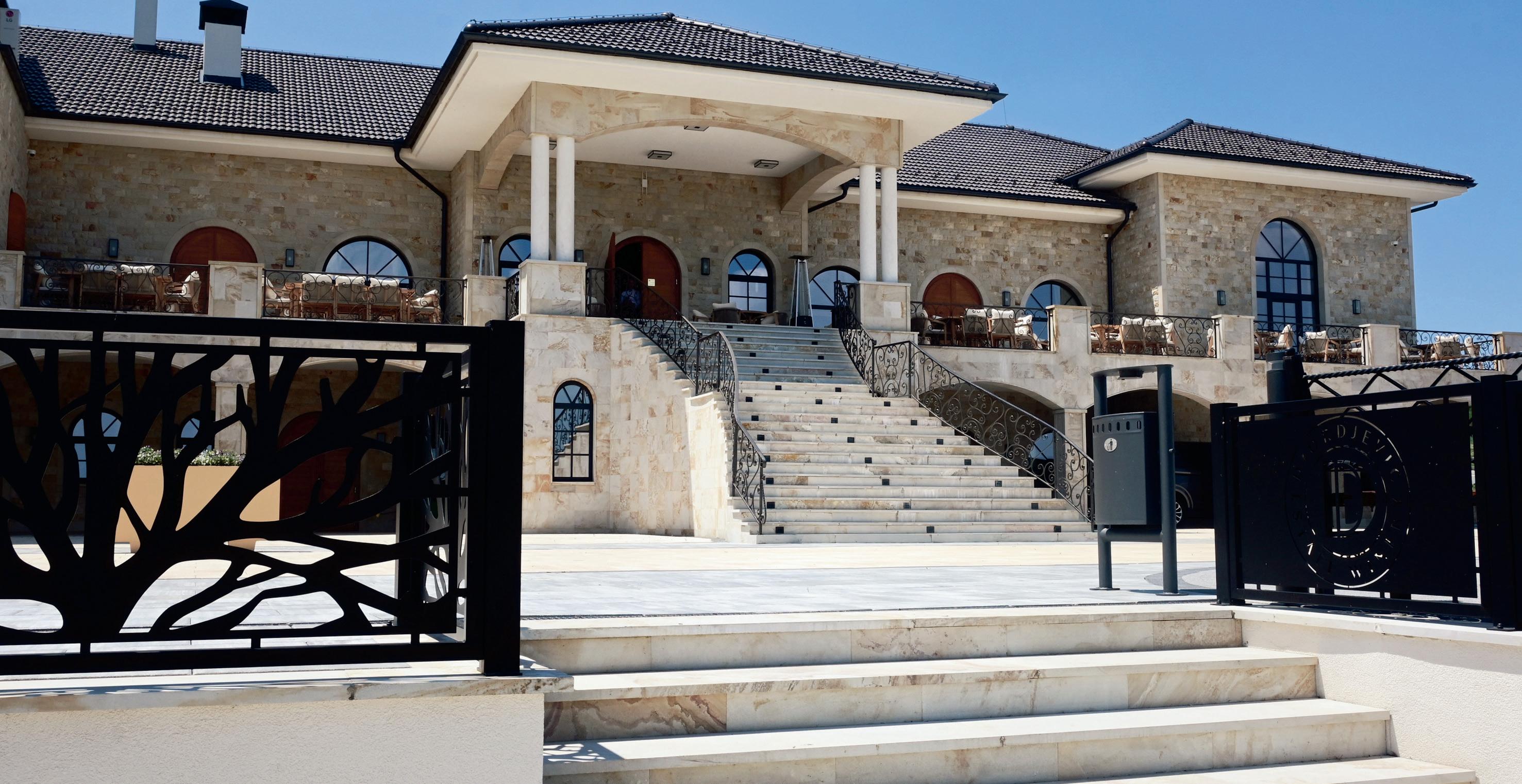
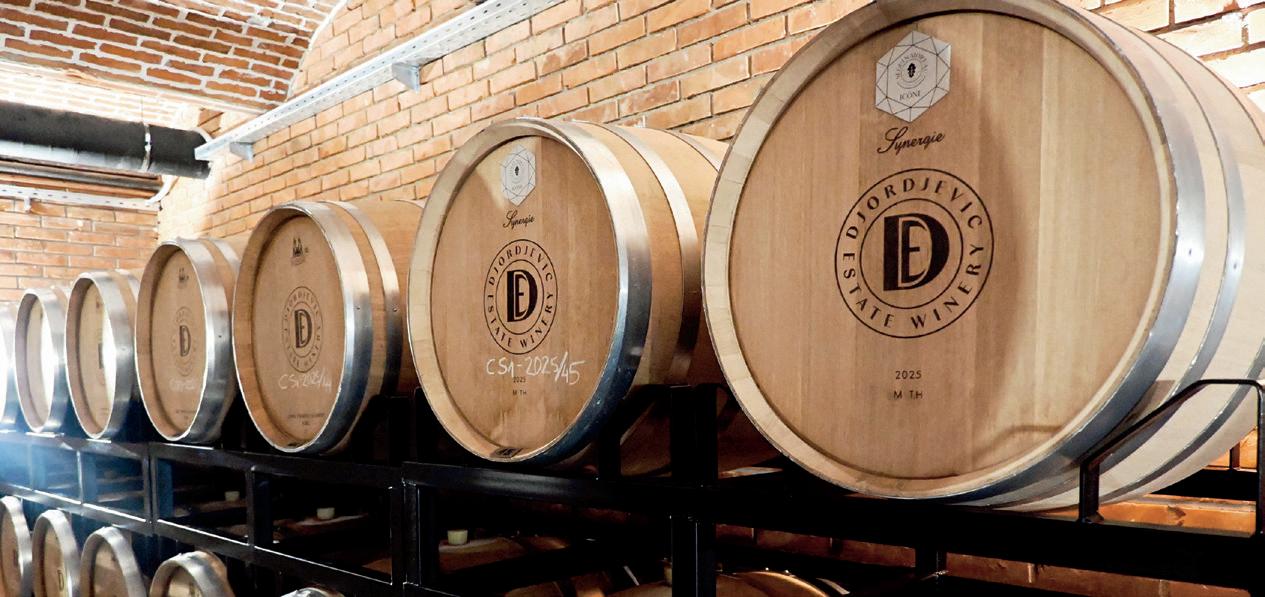
Wine with a Sense of Place
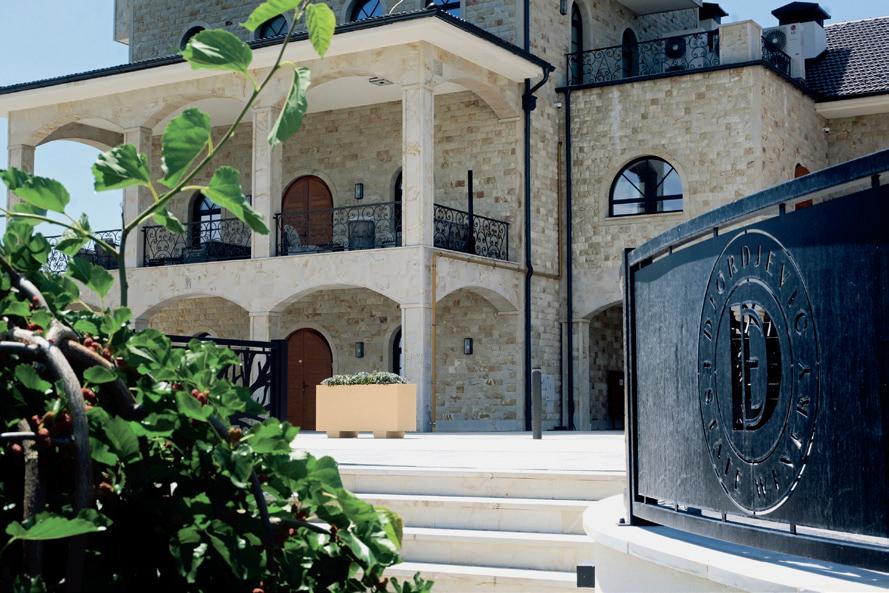
Djordjevic Estate Winery combines premium wines with authentic hospitality, creating memorable experiences while showcasing Serbia’s growing appeal as a wine and gastronomic destination
Following a successful international career, Nenad Đorđević returned to his family’s roots to create a winery that blends heritage with contemporary winemaking. In this interview, he discusses the philosophy behind the Djordjevic Estate brand, the launch of the new Via Diagonalis wine collection and Serbia’s potential as an emerging destination for wine tourism.
Djordjevic Estate Winery offers far more than premium wines. What defines your brand and the experience you want guests to take away?
— Throughout our decades in the U.S. insurance industry, we always built our companies around a strong identity reflected in the company name and a slogan that captured our business purpose. For the first time, however, one of our businesses—this winery—carries our family name, Đorđević. That naturally makes the brand deeply personal, especially knowing that our ancestors cultivated vineyards on this very site.
Our identity has two distinct dimensions. One is Serbian, deeply rooted in tradition, faith and family heritage. The other is American—dynamic, forward-looking and always ready to embrace innovation.
Interestingly, our international guests often speak about the beauty of the mornings here—the sunrise viewed from our terraces and the mist embracing the villages of Resava and the Morava River valley. Our Serbian guests, on the other hand, enjoy relaxed evenings with acoustic music that creates atmosphere without overwhelming conversation, accompanied, of course, by good wine and fine food.
Our identity is built on the meeting of Serbian tradition and the American entrepreneurial spirit, while our family heritage inspires us to create something that will endure
We have already hosted a number of themed events, ranging from art gatherings to special wine tastings, with many more planned. We are proud of our region and our local community, and we enjoy creating opportunities for people to meet, connect and build lasting friendships here.
You are preparing a new premium wine collection. What can you tell us about it?
— We are delighted to announce our new premium wine collection, Via Diagonalis, named after the ancient Roman road that once passed alongside our winery.
The inaugural release will feature two varietals—Merlot and Cabernet Sauvi-
gnon—from the 2024 vintage, aged in both French and American oak barrels.
Via Diagonalis was the principal route connecting Rome and Constantinople, linking East and West through trade, communication and the exchange of ideas. For centuries, travelers and history itself passed by our vineyards. Our wish is that every guest who enjoys the Via Diagonalis collection at Djordjevic Estate Winery creates memories of their own that will last a lifetime.
How does Djordjevic Estate Winery contribute to promoting Serbia as an international wine and culinary destination?
— Serbia’s wine and gastronomy scene is like a beautiful mosaic, made up of countless unique pieces. Some are immediately visible, while others reveal themselves only to those willing to look a little deeper. As a young winery, we are proud to contribute our own piece to that picture.
Through our activities in the United States, we actively introduce international audiences to Serbia’s wine culture and encourage them to visit.
We welcome guests at the airport in luxury vehicles, offer accommodation in four elegant suites at the winery, and our multilingual team ensures they feel at home from the moment they arrive. Most importantly, together with our colleagues, we organize visits to other Serbian wineries so guests can discover a wide range of local producers and grape varieties.
International visitors are often genuinely surprised by the quality of Serbian wines, as well as by the professionalism, knowledge and hospitality of Serbia’s winemakers.
PREMIUM WINES FROM THE HEART OF SERBIA
Djordjevic Estate Winery is a family-owned boutique winery located in Lapovo, just one hour from Belgrade. Our estate spans 12.5 hectares, with 10 hectares of vineyards planted with indigenous and international varietals.
Guided by tradition and driven by innovation, we craft elegant, expressive wines that reflect the unique terroir of Šumadija and the Morava River valley.
VISITORS CAN ENJOY:
Wine tastings & cellar tours
Gourmet restaurant with terrace and panoramic views
Luxury accommodation in 5 exclusive suites
Event spaces for private and corporate gatherings
Wine shop & premium local products
Building a More Resilient Grid
As Southeast Europe modernises its power infrastructure, advanced protection, automation and cybersecurity are becoming essential for a more secure, reliable and sustainable energy future
As power systems become increasingly complex, utilities face the challenge of integrating renewable energy while maintaining stability, resilience and cybersecurity. Diego Rodas, Senior S&CS Manager – Federal Public Sector at Schweitzer Engineering Laboratories (SEL), explains how advanced protection, automation and control technologies can help modernise energy infrastructure, strengthen grid resilience and support the transition to a more sustainable power system.
SEL is recognised globally for technologies that make electric power safer, more reliable and more economical. How would you describe the company’s mission today, particularly in the context of accelerating energy transition and growing pressure on power grids?
— SEL has been an innovation force in the power industry since its earliest days, developing technologies for the protection and control of electrical energy while maintaining an unwavering commitment to quality, reliability and engineering excellence.
SEL’s mission remains remarkably relevant today: making electric power safer, more reliable and more economical. What has changed is the scale and complexity of the challenge. SEL has always
focused on protecting and controlling the power system, but today that mission is increasingly linked to enabling the global energy transition while maintaining grid resilience in a rapidly changing environment.
As utilities integrate more renewable generation, distributed energy resources, battery storage, electric vehicles and digital technologies, power grids are becoming more dynamic and decentralised. The growing use of inverter-based generation introduces new challenges for transmission system operators, making the challenge no longer simply delivering electricity reliably, but ensuring stability,
security and operational visibility across a far more complex system. SEL’s expertise in protection, automation, communications and cybersecurity directly addresses these needs.
Whether preventing blackouts, shortening outages, improving situational awareness, protecting critical infrastructure from cyber threats or helping utilities modernise substations and grid operations, SEL enables customers to adopt new technologies without compromising reliability.
What stands out is that SEL approaches innovation pragmatically. The company focuses on solving real customer challenges while ensuring that evolving power systems continue to deliver dependable, secure and affordable electricity to communities, industries and critical services. This makes SEL not only a technology leader, but also an important enabler of sustainable economic growth and quality of life for future generations.
The Western Balkans is working to modernise its power infrastructure, integrate more renewables and strengthen energy security. Where do you see the greatest opportunities for SEL’s protection, automation and smartgrid solutions in this region?
— One of the greatest opportunities lies in helping transmission operators improve grid stability across an increasingly interconnected regional power system. As renewable generation grows and cross-border electricity flows become more dynamic, operators need greater visibility and faster decision-making than traditional SCA-
DA systems can provide. Wide Area Situational Awareness (WASA), using synchrophasor technology, enables real-time monitoring of voltage, frequency, power-angle differences and system oscillations, which is especially valuable in the Western Balkans, where disturbances in one country can quickly affect neighbouring systems.
Beyond visibility, automated Remedial Action Schemes (RAS) help utilities respond within milliseconds to congestion, voltage instability, frequency excursions or the loss of major assets, reducing the risk of cascading failures and outages. Advanced analytics and real-time alarming turn grid data into actionable intelligence, allowing operators to identify risks early and act proactively. Another major opportunity is substation modernisation and digitalisation, where SEL’s expertise in protection, control, communications and IEC 61850 architectures can improve efficiency, reduce outages and prepare networks for future smart-grid needs. Energy security and cyber resilience are equally important, and SEL aims to be a long-term strategic partner, delivering practical solutions that help utilities build smarter, more resilient power systems while integrating more renewable energy without compromising stability or reliability.
SEL’s work with Georgian State Electrosystem showed how advanced emergency control systems can help stabilise a national power grid in real time. What lessons from such projects could be relevant for countries in Southeast Europe?
— The key lesson is that grid operators should not wait for instability to occur before acting. Instead, they should build systems capable of detecting, analysing and responding to disturbances in real time.
SEL’s Emergency Control System for Georgian State Electrosystem demonstrated how automated protection can prevent cascading outages by responding to critical events within milliseconds. Equally important is providing operators
with wide-area visibility through synchrophasor-based monitoring, enabling them to identify emerging risks across the interconnected transmission network and make faster, better-informed decisions.
Similar experience from renewable integration projects elsewhere in Europe has shown that expanding wind and solar generation must be accompanied by investments in grid intelligence, automation and real-time monitoring. As Southeast Europe becomes increasingly interconnected while expanding renewable generation, situational awareness, faster automation and coordinated control will become just as important as physical infrastructure in maintaining reliability and energy security. Ultimately, resilient power systems will depend not only on stronger grids, but also on smarter technologies that enable operators to anticipate and respond to system events in real time.
E3 International has highlighted its close cooperation with SEL on smartgrid projects in North Africa and the Western Balkans. How important are strong local and regional partnerships
and operating conditions. Together, they reduce project risks and ensure successful implementation.
Equally important is knowledge transfer. Utilities are looking for long-term capabilities, not just new technology. By working closely with local engineering teams, partnerships help build expertise that continues to deliver value long after a project is completed.
As power systems become increasingly interconnected and renewable generation expands, regional cooperation is more important than ever. The most successful projects combine advanced technology, strong local expertise, and long-term customer trust to build more resilient, secure, and sustainable power grids.
As a U.S.-headquartered, employee-owned engineering company, SEL has built its reputation on long-term thinking, innovation and customer focus. What elements of the American engineering and business culture do you believe are most valuable for partners in emerging energy markets?
— The elements I find most valuable are customer focus, long-term thinking,
Innovation has value only when it solves real operational challenges while ensuring that evolving power systems remain reliable, secure and affordable
when implementing complex energy infrastructure solutions?
— Strong partnerships are essential for delivering complex energy infrastructure projects. Smart-grid solutions involve far more than equipment—they require integration with existing systems, regulatory compliance, communications, and utility operations.
This is why the cooperation between SEL and regional partners such as E3 International is so valuable. SEL contributes global expertise in protection, automation, and grid control, while local partners bring in-depth knowledge of regional regulations, utility requirements,
practical innovation and a strong culture of ownership. Utilities in emerging energy markets need trusted partners committed to delivering reliable outcomes over the long term, not simply completing projects.
SEL’s employee-owned culture, engineering rigor and commitment to solving real customer challenges create exactly that type of partnership. In my view, these values are particularly important today as utilities modernise their grids, integrate renewable energy, strengthen energy security, and manage growing system complexity while making the most of limited resources.
The New Role of Pharmacies
As healthcare systems face growing pressure from aging populations and the rising prevalence of chronic diseases, pharmacies are evolving into accessible centers for prevention, patient counseling and continuous care
BAging populations, the growing burden of chronic diseases and rapid digital transformation are redefining the role of pharmacies within modern healthcare systems. Miloš Jauković, General Manager of Dr.Max Serbia, discusses how pharmacies are evolving be-
yond dispensing medicines to become accessible centers for prevention, professional advice and personalized patient care.
Dr.Max has quickly become one of the largest investors in Serbia’s pharmaceutical retail sector. In your view,
what has driven the success of this business model, and what makes the Serbian market attractive for longterm investment?
— Large investments depend on two key factors. First, investors must have confidence in the market they are entering. Second, the organization must be flexible enough to integrate acquisitions quickly and create value. By successfully integrating different pharmacy networks into our organization, we have built a competitive advantage while strengthening the company as a whole. From the very beginning, we have remained firmly focused on our patients and their needs, and I believe that commitment has been a key factor in our success.
In previous interviews, you have described pharmacies as the “first line of healthcare.” How is that role evolving as populations age, chronic diseases become more widespread and patients place greater emphasis on prevention and professional guidance?
— Pharmacies are rapidly becoming trusted sources of healthcare information and professional advice simply because they are the most accessible part of the healthcare system. As populations age, hospitals and primary care providers face growing pressure, making pharmacies the natural point of contact between doctor visits. I believe pharmacies will increasingly provide basic health screenings, ongoing therapy counseling, lifestyle guidance and support for managing chronic conditions.
In the future, pharmacists will become a key link between patients and the healthcare system, supported by digital tools and artificial intelligence, while preserving the irreplaceable value of personal professional care
Global experience clearly shows that healthcare systems must adapt to demographic change, while technology is making that transformation faster and more effective. At Dr.Max, we have already introduced a range of preventive health services—including body composition analysis, skin and hair diagnostics—through our Super Dr.Max pharmacies. I believe this is only the beginning. Across other Dr.Max markets, we already provide additional services that could be introduced in Serbia as regulations continue to evolve in line with patients’ needs and the growing role of pharmacies.
Digitalization and artificial intelligence are transforming healthcare. How do you expect AI, data analytics and personalized services to reshape pharmacies over the next five to ten years?
— AI is still at an early stage in healthcare, but its adoption is expected to accelerate rapidly through AI-assisted diagnostics, faster clinical trials, more efficient healthcare protocols and other advanced applications. At the same time, this transformation will require a clear and modern regulatory framework.
At Dr.Max, we are already preparing to introduce AI as a tool for expanding personalized services. AI will enable faster communication with patients and improve access to essential health information. However, technology should complement—not replace— the expertise of pharmacists. The highest quality of care will always depend on the professional judgment and personal interaction that only pharmacists can provide.
Dr.Max operates across numerous European markets. Which international best practices have proven most valuable in Serbia, and in which areas could Serbia serve as a model for other countries within the Group?
— In Serbia, Dr.Max has successfully implemented international service standards, private-label development and digital solutions inspired by more mature markets across the Group. We also place strong emphasis on advanced logistics
Pharmacies are increasingly seen less as places for dispensing medicines and more as accessible points of healthcare support, prevention, and everyday patient counseling
and data-driven insights that help us better understand patients’ needs.
At the same time, Serbia stands out for its agility and the speed with which new initiatives are implemented. Our pharmacists build strong personal relationships with patients, creating an important competitive advantage while strengthening both business performance and patient trust.
Healthcare today faces challenges that extend well beyond access to medicines—from antibiotic resistance and drug shortages to improving public health literacy. What role can large pharmacy chains play in addressing these challenges, and how do you see Dr. Max Serbia evolving in the years ahead?
— Large pharmacy chains play an important role by ensuring responsible procurement and inventory management, helping reduce medicine shortages while educating patients about the responsible use of medicines, particularly antibiotics. They also contribute to improving health literacy through professional counseling, preventive programs and digital tools that provide reliable health information.
Because pharmacies are widely accessible and highly trusted, they serve as an important link between the healthcare system and the public. In the years ahead, Dr.Max Serbia will continue expanding services focused on prevention, personalized care and the digital patient experience. Our ambition is to be more than a place where medicines are dispensed—we aim to be a trusted partner in protecting every patient’s health.
Digital Corridors for the Future
As artificial intelligence, the energy transition and geopolitical shifts reshape the global economy, investment in digital infrastructure is becoming a critical driver of economic growth, technological advancement and long-term regional competitiveness
Digital infrastructure has evolved far beyond technological support for business.
Today, it is a strategic asset that underpins economic resilience, national security and investment attractiveness.
Nada Begenišić of Igmako Smart Solutions discusses how the Western Balkans can leverage its geographic position to develop new digital corridors and prepare its infrastructure for the AI era.
Which investments will have the greatest impact on Serbia’s and the region’s digital transformation?
– Europe is undergoing a historic transformation driven by energy and data, while the Western Balkans is emerging as a key junction for new digital corridors. This is no longer about technological prestige—it is about economic sovereignty and national security.
The greatest progress will come from investments that combine reliable energy sources with ultra-fast fibre-optic networks. Their absence is currently the main bottleneck to AI infrastructure development. The region’s strategic position and its ability to attract new investment depend on the development of digital corridors, including:
•The Western Balkans as a new low-latency corridor: Thanks to its strategic location, Serbia and the wider region are becoming a digital bridge connecting the Mediterranean and the Middle East with the DACH region.
•The convergence of transport, energy and digital infrastructure: Devel-
oping digital corridors alongside motorways, railways and gas pipelines, while linking them to stable energy sources, will position the Western Balkans as an attractive destination for AI infrastructure investment.
Through a network of strategic partnerships, Igmako Smart Solutions designs and delivers solutions that prepare regional infrastructure for the demands of the AI era.
What will separate tomorrow’s technology leaders from those that fall behind?
— We are witnessing the transition from a digital economy to an autonomous one. Technology is becoming a pillar of national security, and competitive advantage will increasingly depend on technological capability and capacity.
The greatest limitation of the digital era has been fragmented information and disconnected systems. The transi-
tion to autonomous systems requires a sustainable, interoperable data ecosystem, regulatory sovereignty and compliance with global standards, supported by close cooperation between business, academia and the public sector.
In this environment, Igmako Smart Solutions is no longer simply a technology provider—it is a strategic partner ensuring the stability and sovereignty of critical infrastructure. The difference between future leaders and those left behind will be their willingness to invest in technologies that prepare the environment for autonomous systems while safeguarding regulatory sovereignty.
What will drive Igmako Smart Solutions’ next phase of growth?
— Digitally connected, sustainable and interoperable transport, energy and telecommunications infrastructure has become a cornerstone of economic sovereignty and national security across the Western Balkans. Accordingly, Igmako Smart Solutions will continue to focus on technologies that prepare infrastructure for the coming era of autonomy while contributing to environmental, social and economic sustainability. These include 5G and Open RAN technologies, high-capacity optical networks, artificial intelligence, and digitally connected transport and energy systems.
We believe these technologies will ensure that the Western Balkans remains competitive, secure and fully integrated into European and global technology and investment flows.
Powering Southeast Europe
As Southeast Europe emerges as one of Europe’s most attractive renewable energy markets, SBEH is helping international investors turn opportunities into bankable energy projects through local expertise, strategic partnerships and end-to-end development support
The global energy transition is reshaping investment priorities, positioning Southeast Europe as one of Europe’s most promising renewable energy markets. Turning that potential into successful projects, however, requires more than capital. It requires local expertise, regulatory insight and a partner with a proven ability to navigate complex development processes.
SBEH is an independent renewable energy development company focused on utility-scale solar, battery energy storage (BESS) and hybrid energy projects. The company supports international investors throughout the entire development cycle, from project origi-
SBEH – Connecting Global Capital with Regional Energy Opportunities
nation and permitting to grid integration, strategic structuring and investment readiness.
Rather than acting solely as a project developer, SBEH works as a long-term strategic partner to global energy companies, infrastructure funds and institutional investors seeking opportunities across Southeast Europe. Combining international business standards with extensive regional experience, the company helps reduce development risk, streamline project delivery and create lasting value for investors and local communities alike.
As the region’s renewable energy sector continues to expand, successful projects will increasingly depend on strong local partnerships and a clear understanding of market dynamics. SBEH’s objective is to develop bankable energy infrastructure while contributing to energy security, economic growth and the transition towards a more sustainable energy future.
Competitiveness for a New Era
Competitiveness is increasingly determined not by individual advantages, but by the overall quality of the ecosystem in which companies operate – Vera Nikolić Dimić
Over the past 25 years, AmCham Serbia has played an active role in improving the regulatory framework and modernizing Serbia’s business environment. At a time of accelerating technological, energy and geopolitical shifts, Vera Nikolić Dimić discusses reform priorities, European integration, the digital and green transitions, and the factors that will shape Serbia’s competitiveness in the decade ahead.
As AmCham Serbia celebrates its 25th anniversary this year, what do you see as the most significant changes in Serbia’s business environment
over the past two and a half decades, and what should be the priorities for the country’s next phase of economic development?
— Over the past 25 years, Serbia’s business environment has evolved significantly, both institutionally and in terms of market development, moving from a period of stabilization and the attraction of initial large-scale investments toward a more complex and competitive economy that is now more deeply integrated into global trends.
During this period, AmCham has established itself as one of Serbia’s most influential business associations, actively contributing to the improvement
of more than 300 regulations and their implementation in practice. Our members have helped modernize the tax, financial and inspection frameworks, digitalize public administration, remove barriers to e-commerce, strengthen intellectual property protection, advance the green and energy transitions, and improve access to modern therapies for patients in Serbia.
The next phase of development naturally shifts the focus toward deeper structural issues – primarily strengthening the rule of law, ensuring consistent implementation of regulations, improving institutional efficiency, developing and retaining talent, boosting innovation ca-
pacity and creating conditions for higher-value investments, while further aligning domestic legislation, standards and business practices with European rules and the process of accession to the EU Single Market.
Equally important is strengthening the resilience of the economy to global economic and geopolitical disruptions through the diversification of energy sources and trade flows, as well as further development of digital and transport infrastructure.
American companies have long been an important part of Serbia’s investment and business community. How do you assess Serbian-American economic relations today, and where do you see the greatest potential for further growth?
— Economic relations between Serbia and the United States can be described as stable, with steady growth in both trade and the presence of American companies in Serbia. According to available data, bilateral trade has reached approximately $1.5 to $2 billion annually in recent years, with a gradual diversification of its structure and a growing share of higher-value products and services.
Beyond economic activity itself, American companies make an important contribution through the transfer of knowledge, technology and business standards based on competitiveness, transparency and entrepreneurship, all of which support the long-term modernization of Serbia’s economy.
Looking ahead, the greatest potential lies in high-value sectors, including information and communication technologies, digital services and advanced manufacturing, as well as energy, particularly in the areas of energy transition, diversification of supply sources and energy security. These sectors offer the greatest opportunities for sustained growth and deeper economic cooperation.
AmCham Serbia actively participates in discussions on the economic aspects of European integration and the alignment of domestic legislation with EU law. Which reforms does the business community consider most important for strengthening Serbia’s com-
petitiveness and its gradual integration into the European market?
— The European integration process remains one of the most important reform frameworks for strengthening Serbia’s competitiveness, as it establishes clear standards in the areas of institutions, market rules and legal certainty. From the business community’s perspective, the key priorities are strengthening the rule of law, improving regulatory predictability and ensuring the consistent implementation of existing regulations.
Beyond formal legislative alignment, businesses expect more efficient enforcement of contractual obligations, reduced administrative burdens and a level playing field for all market participants.
Countries seeking longterm competitiveness must simultaneously strengthen institutions, develop talent and build resilient economies
Further alignment with European rules in the areas of competition, the digital economy and the green transition is particularly important, as these areas directly affect companies’ integration into the EU Single Market. The quality and consistency of implementation are just as important as the formal adoption of reforms.
The global economy is entering a period of simultaneous technological,
energy and geopolitical change. How are companies in Serbia responding to these challenges, and which factors will be most important for maintaining competitiveness in the coming decade?
— Companies in Serbia increasingly operate in an environment that requires simultaneous adaptation to technological, energy and geopolitical changes, driving a rapid transformation of business models. In practice, this means greater investment in digitalization, increased flexibility and supply chain diversification, and a stronger focus on efficiency and resilience.
In the coming decade, competitiveness will depend on the ability to adapt quickly, access to skilled talent and the capacity for innovation, but also on the existence of a stable, predictable and enforceable regulatory framework, efficient institutions and open public-private dialogue.
In this environment, competitiveness is increasingly determined not by individual advantages, but by the overall quality of the ecosystem in which companies operate.
Sustainability, digitalization and talent development are increasingly shaping investment decisions and business strategies. How far have companies in Serbia progressed in these areas, and where do you see the greatest opportunities to accelerate economic transformation?
— Companies in Serbia have made noticeable progress in their approach to sustainability, digitalization and talent development, particularly within larger and internationally integrated systems. These issues are no longer viewed as add-ons to business operations, but as integral components of strategy and long-term resilience.
Nevertheless, there is still significant room for acceleration, particularly in the systemic development of skills, broader adoption of advanced digital solutions, and more consistent implementation of sustainable business principles and the green transition across industries.
In the long term, these areas hold the key to transitioning toward a higher-value economy, creating quality jobs and strengthening Serbia’s global competitiveness.
BUILDING SERBIA’S TALENT ECOSYSTEM
From Fulbright to AI
Long before artificial intelligence and digital transformation became global priorities, educational exchange, entrepreneurship and knowledge transfer were already building bridges between Serbia and the United States
When discussing Serbian-American relations, attention is often focused on trade, investment and geopolitical cooperation. Yet one of the most enduring dimensions of the partnership has been built through people – through education, academic exchange, scientific collaboration and the development of talent.
Long before artificial intelligence, biotechnology and the digital economy became defining global trends, educational ties between Serbia and the United States were already helping shape generations of professionals, researchers and future leaders. Among the most important pillars of this coopera-
tion is the Fulbright Program, one of the world’s most prestigious international academic exchange initiatives. Established in 1946, the program continues to operate actively in Serbia through the U.S. Embassy in Belgrade, offering opportunities for graduate students, researchers, university professors and doctoral candidates to study, teach and conduct research at American universities. New competitions for the 2026–2027 academic year were launched in 2025, reaffirming the long-term commitment to academic cooperation between the two countries.
The importance of these exchanges extends far beyond individual careers. Participants return with new knowledge,
professional networks and practical experience that strengthen Serbian institutions, universities and businesses. Over time, these exchanges have contributed to the development of a community of professionals who understand both local realities and global standards.
The ecosystem surrounding these exchanges continues to grow. Serbia today also has an active Fulbright alumni network, bringing together former participants and promoting broader academic and professional cooperation between Serbia and the United States.
At the same time, American companies operating in Serbia have become important contributors to the country’s transformation. Their role extends well
beyond investment itself. Through the transfer of knowledge, modern management practices and technological expertise, they have helped strengthen Serbia’s innovation capacity and accelerate the development of new industries.
This partnership is now entering a new phase. Artificial intelligence, biotechnology, advanced manufacturing, data science and digital services are creating new opportunities for collaboration. Serbia’s growing startup ecosystem, expanding research infrastructure and initiatives such as the BIO4 campus reflect the country’s ambition to move from a cost-based economy toward one driven by knowledge and innovation.
The future of Serbian-American cooperation will increasingly be defined not by capital alone, but by the ability to develop talent, share knowledge and build innovation together
However, the greatest challenge facing Serbia today is one shared by many developed economies: attracting, developing and retaining talent.
In an era of rapid technological change, competitiveness depends less
on natural resources and more on a country’s ability to educate, empower and connect its people.
This is where Serbian-American cooperation may have its greatest longterm impact.
A century ago, an American donation helped build the University Library in Belgrade, creating a lasting symbol of investment in knowledge. Today, educational exchanges, scientific partnerships and artificial intelligence may become the defining symbols of a new era of cooperation between Serbia and the United States.
If the twentieth century was shaped by institutions, the twenty-first century will increasingly be shaped by talent.
Yosemite National Park, California
Towering granite cliffs, ancient forests and breathtaking valleys have made Yosemite one of America’s most iconic landscapes. Protected for more than a century, it reflects a vision that has inspired conservation efforts around the world. As the United States marks 250 years of independence, Yosemite remains one of the country’s most enduring natural treasures.
The Monument of American Philanthropism in Serbia
The University Library, opened a century ago, stands as one of the most significant examples of early Serbian-American cooperation and a lasting investment in education, institutions and future generations
The University Library in Belgrade stands as a lasting testament to Serbian-American cooperation during and immediately after the First World War. Built with a donation from the Carnegie Endowment for International Peace, it remains one of the most significant examples of America’s contribution to Serbia’s post-war recovery and modernization.
The cornerstone of the library was laid on June 23, 1921, by Prince Regent Alexander. Reporting on the occasion, The New York Times later wrote that the day “was made a real American day” and represented “the heartfelt, dignified response of a proud people … to an American effort to help lessen the demoralizing devastation of war.” The library officially opened on May 24, 1926, St. Cyril and Methodius Day, ex-
actly one hundred years ago. A new bilingual book by Serbian publicist and diplomat Dragan Bisenić, Furore Teutonico, DonoAmericanoRestituta:Carnegie,the Library,AmericaandSerbia(1919–1926), published by Klub Plus, sheds fresh light on the story behind the project and its broader historical significance.
The study shows that the Carnegie Endowment viewed the library not merely as a building, but as an investment in Serbia’s future and a contribution to both its Europeanization and its modernization. Belgrade was one of only three European cities selected to receive a library grant after the First World War, alongside Leuven and Reims.
The book also highlights the extraordinary commitment of Belgrade’s academic community and the considerable
efforts required to secure the necessary state funding to complete the project.
For Serbia’s academic community, the library’s opening was a landmark moment. The then rector of the University of Belgrade, Pavle Popović, described it as “the most beautiful thing in Belgrade”, adding that it “will bring immense benefits to countless generations”.
A century later, the University Library remains far more than an architectural landmark. It is a powerful reminder that one of the strongest foundations of Serbian-American relations was built not through geopolitics, but through a shared belief in education, institutions and knowledge as engines of progress.
Prof. Slobodan G. Markovich, University of Belgrade