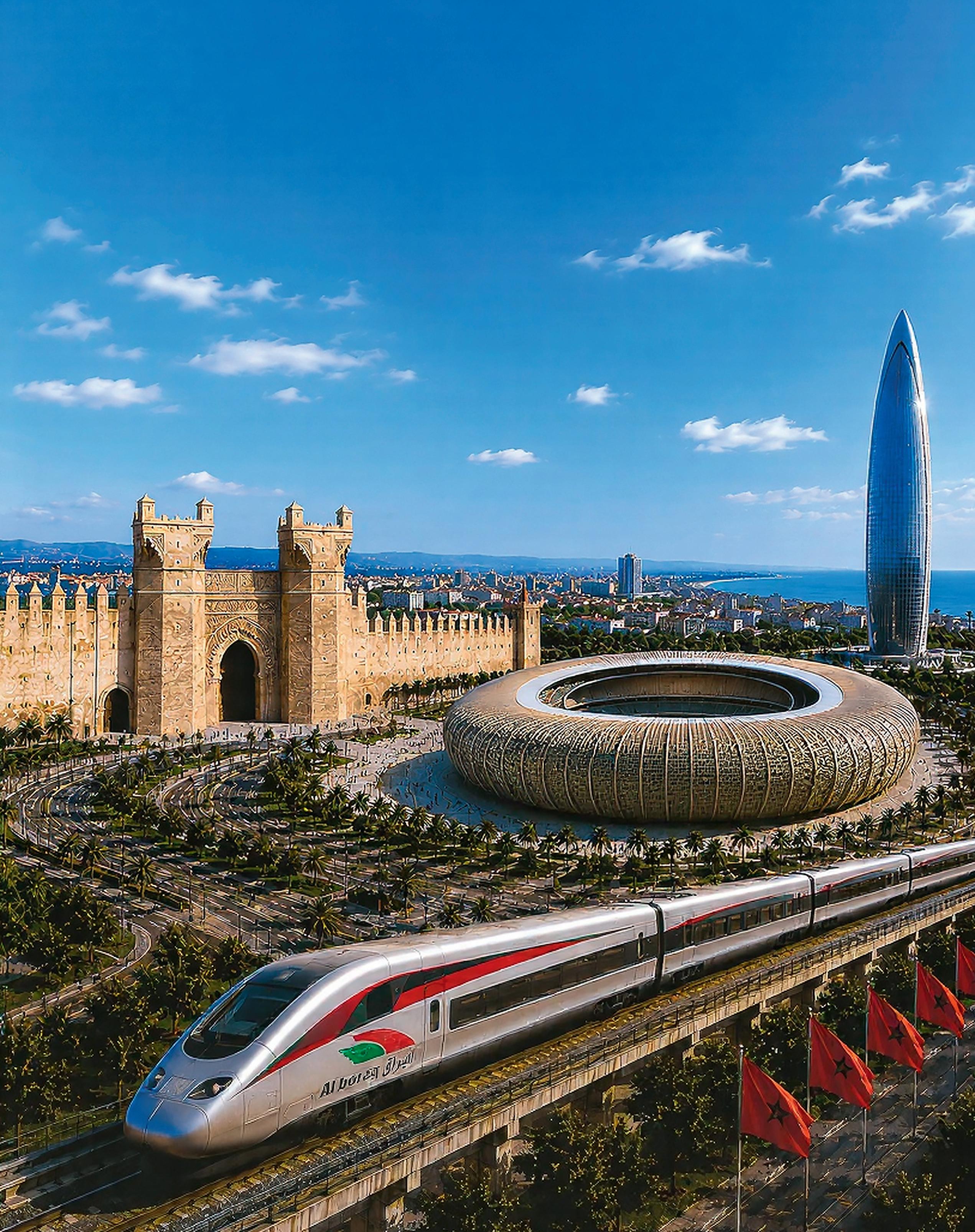

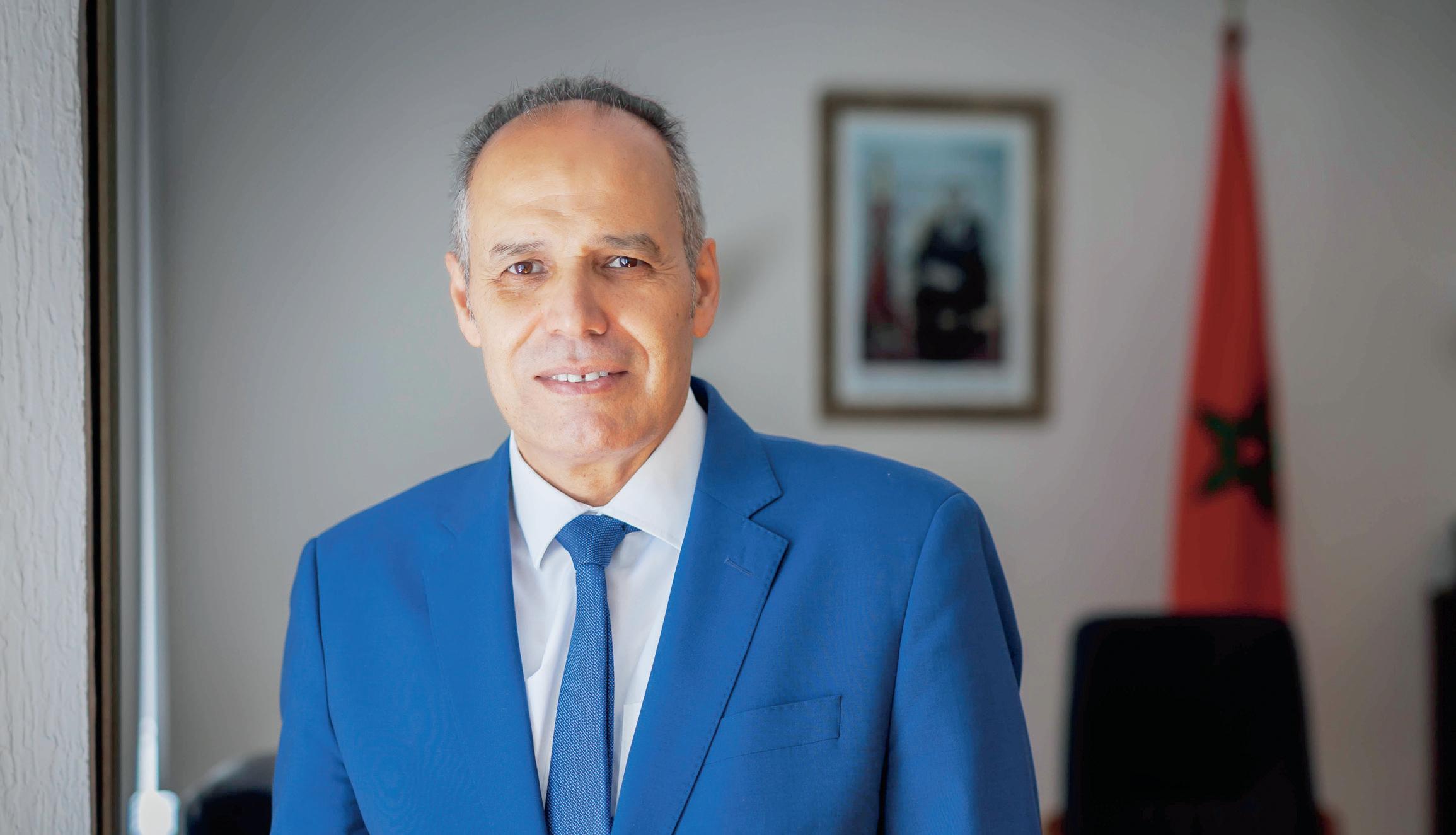
As Morocco celebrates the Glorious Throne Day, Ambassador H.E. Omar Amghar reflects on the Kingdom’s transformation, its enduring partnership with Serbia, and the opportunities ahead as the two countries approach the 70th anniversary of diplomatic relations
It is with a profound sense of honour and responsibility that I address the readers of this special edition of CorD magazine, marking the 27th anniversary of the Glorious Throne Day, only a few months after assuming my duties as Ambassador of His Majesty the King to the Republic of Serbia.
This first celebration of our National Day within the framework of my mission in Belgrade holds particular significance for me. It provides an opportunity to share the richness of a Morocco that is constantly evolving while remaining deeply rooted in its millennial history, firmly attached to its values, and resolutely committed to the future under the enlightened leadership of His Majesty King Mohammed VI, May God Assist Him.
Our shared ambition is to transform the many opportunities between Morocco and Serbia into concrete projects that benefit both our peoples
Throne Day is far more than a national celebration: it embodies the unique bond that unites the Throne and the Moroccan people, a bond built on continuity, trust and a shared ambition. It reflects the vision of a Kingdom committed to peace, stability, dialogue and inclusive development, both nationally and internationally. Building on its exceptional geostrategic position at the crossroads of Europe, Africa and the Arab world, Morocco has established itself as a pillar of stability and a trusted partner on the regional and international stage. This trajectory is underpinned by continuous institutional reforms, an attractive investment climate, an active and balanced diplomacy, and a steadfast commitment to international peace and securi-
ty. The Kingdom contributes to United Nations peacekeeping operations, participates in global efforts to combat terrorism and extremism, and promotes intercultural and interfaith dialogue, as well as the values of tolerance and moderation.
This stability has enabled Morocco to embark on a profound economic and industrial transformation, driven by a vision of balanced territorial development across its twelve regions. Today, the Kingdom stands as a leading African country in the automotive industry, a major player in the aerospace sector, and an international logistics hub, thanks in particular to the Tanger Med port complex. The development of the Dakhla Atlantic Port will further strengthen Morocco’s role as a platform connecting Africa with global markets.
This dynamic is supported by world-class infrastructure, an extensive network of free trade agreements, and an ambitious strategy in the fields of renewable energy and green hydrogen. The agricultural and fisheries sectors continue their modernisation through the “Green Generation” and “Halieutis” strategies, while tourism is experiencing remarkable growth, driven by the Kingdom’s attractiveness and the opportunities presented by the upcoming FIFA World Cup 2030.
Africa occupies a central place in Morocco’s international vision. In line with the High Royal Directives, the Kingdom regards South-South cooperation as a strategic choice based on solidarity, the sharing of expertise and co-development. The Royal Atlantic Africa Initiative, together with the Morocco-Nigeria African Gas Pipeline project, reflects this ambition to foster regional integration, energy security and shared prosperity.
Human development remains at the heart of this momentum through investment in human capital, the modernisation of education, the strengthening of vocational training, support for research and innovation, and the promotion of
Morocco’s rich cultural heritage, craftsmanship and creative industries.
Relations between Morocco and Serbia fully reflect this spirit of openness and cooperation. They are founded on friendship, trust, mutual respect, respect for the territorial integrity of both states, and a convergence of views on several issues of common interest. The year 2027 will mark an important milestone with the celebration of the 70th anniversary of the establishment of diplomatic relations between our two countries. It will provide a valuable opportunity to further strengthen political dialogue, consolidate the legal framework, and expand economic, cultural and people-to-people exchanges.
Numerous opportunities exist in promising sectors such as the automotive and aerospace industries, renewable energy, agriculture, digital technologies, sports and information and com-
Political stability, economic transformation and international openness continue to shape Morocco's development journey
munications technology (ICT), as well as tourism. Our shared ambition is to transform these opportunities into concrete projects that will benefit both our peoples.
On the occasion of this Glorious Throne Day, I would also like to express my sincere gratitude to the Serbian authorities and people for the warm welcome extended to me since my arrival in Belgrade. I wish for the friendship between Morocco and Serbia to continue to grow stronger, and for the years ahead to bring new shared achievements in a spirit of trust and solidarity, guided by our mutual interests and our enduring partnership.
The Nigeria–Morocco African Atlantic Gas Pipeline, launched by His Majesty King Mohammed VI, is one of Africa’s most ambitious strategic infrastructure projects. Stretching 6,800 kilometres along the Atlantic coast, it will connect Nigeria with Morocco before linking to the European gas network. With an annual transport capacity of 30 billion cubic metres of natural gas, including up to 15 billion cubic metres destined for Morocco and Europe, the pipeline is expected to strengthen energy security, promote regional integration and support industrial development across West Africa. The ECOWAS member states expressed their endorsement for this project during their last summit held in Sierra Leone on July 19th 2026.
A bold vision, sustained investment and the Kingdom’s extraordinary diversity have transformed Morocco into Africa’s leading tourism destination, creating new opportunities for visitors, investors and local communities alike
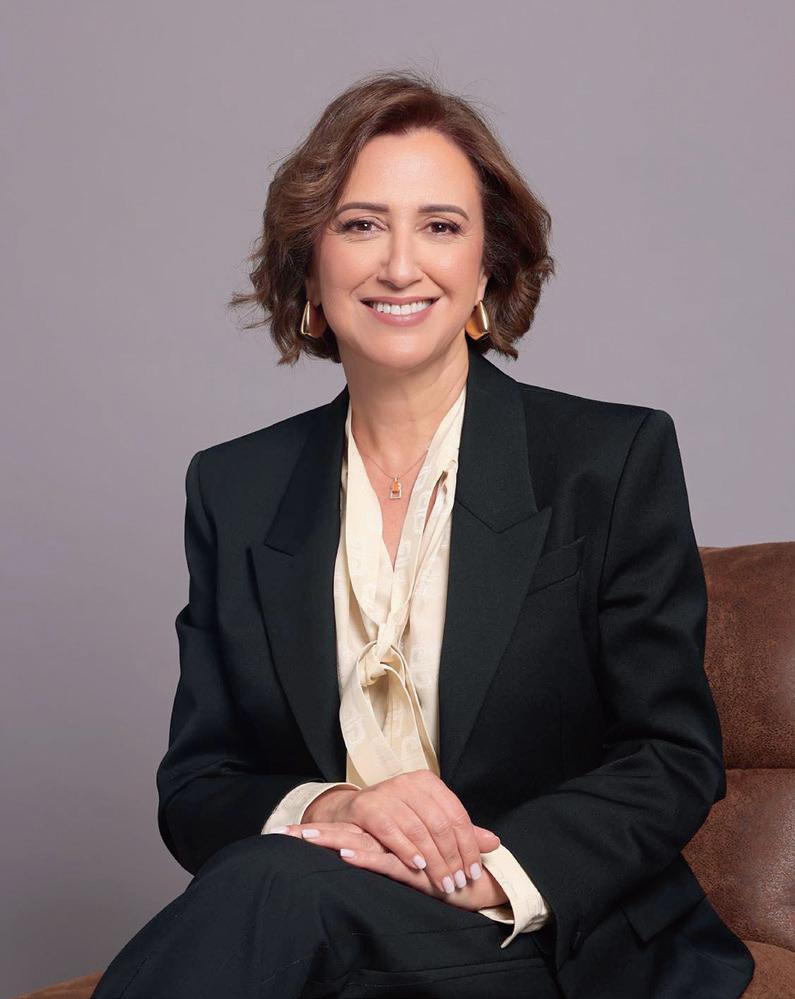
Bold”. If I had to choose one word to describe Morocco’s tourism policy over the past few years, that would be it.
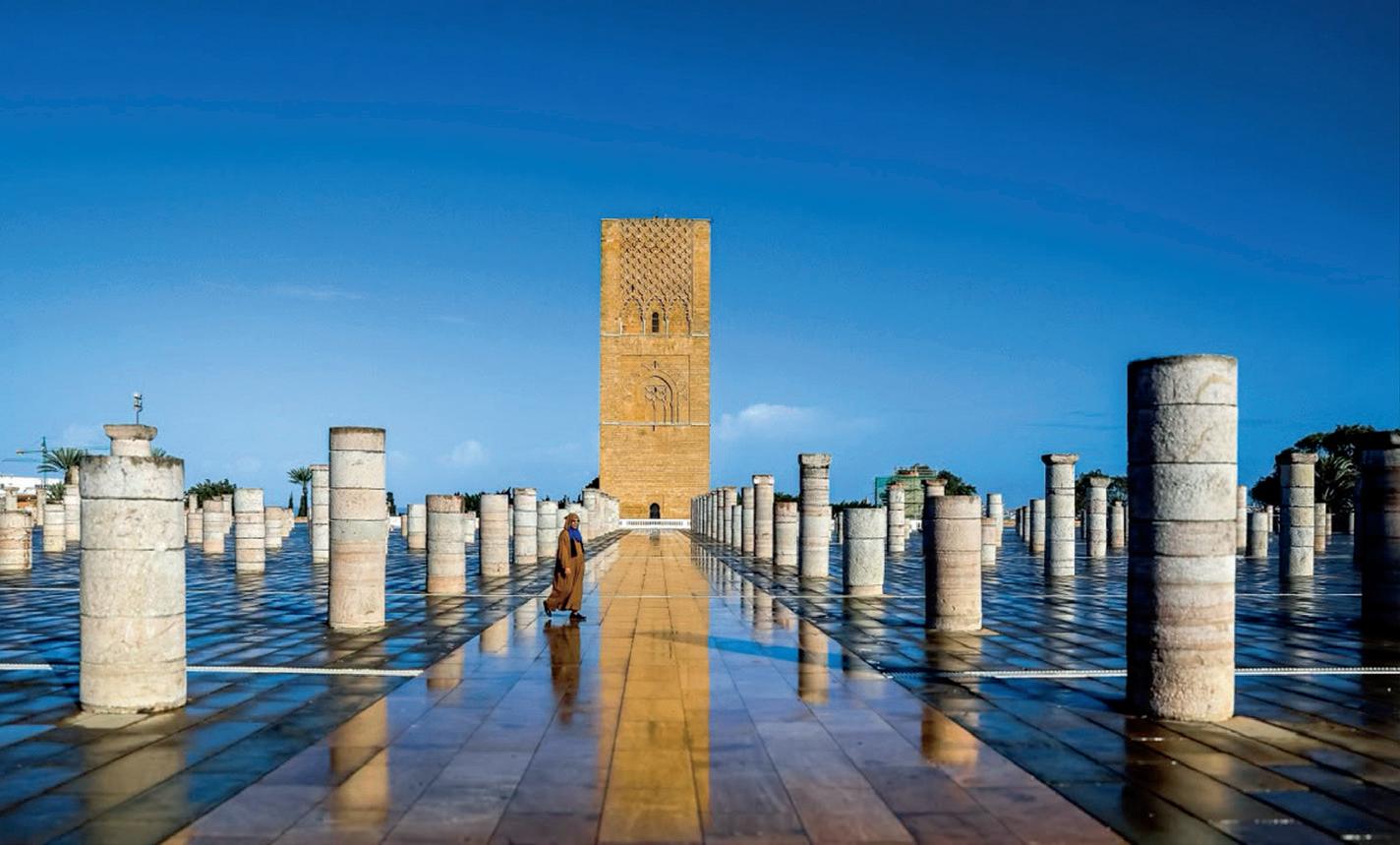
But before that, let me start with what makes Morocco unique. I often like to illustrate it with a very simple example. Where else can you ski in the morning, surf in the afternoon and wander through a thousand-year-old medina in the evening? One place: Morocco.
Of course, having extraordinary assets is not enough. In 2021, Morocco faced the same reality as every other tourism destination in the world. Borders were closed. Aircraft were grounded. An entire industry came to a standstill. The starting point was the same for everyone.
Which is why luck cannot explain where Morocco stands today.
Nearly 20 million tourists visited our country in 2025. Morocco is now Africa’s leading tourism destination and has climbed 12 places in the global tourism rankings compared to 2019. What made the difference was a vision, a clear ambition and a strong belief in what our country could achieve. Most importantly, we backed that ambition with action.
In 2023, our government launched an ambitious 2023–2026 tourism roadmap designed not simply to grow tourism, but to transform it. Over the past four years, we have expanded our air connectivity, increased accommodation capacity, strengthened our leisure offering and invested heavily in human capital.
Our objective has been clear: to build a stronger, more competitive and more integrated tourism industry, where every component contributes to creating value and delivering a better experience for visitors.
Today, the results are visible and the momentum is real. To the readers of CorD, there is only one way to truly understand what Morocco is: come and experience it for yourselves.
If you are an investor, Morocco offers a stable environment, modern infrastructure, a clear long-term vision for tourism development and attractive investment incentives.
If you are a traveller, Morocco offers something increasingly rare: diversity, authenticity and hospitality, all within a single journey. The world is discovering Morocco at an unprecedented pace. We invite you to discover why.
Water, innovation and market access are driving Morocco’s agricultural transformation, strengthening resilience, competitiveness and sustainable growth while creating new opportunities for international partnerships
In Morocco, the future of agriculture rests on efficient water management and resilient, competitive, value-creating production models.
Over the past two decades, the Kingdom of Morocco has undertaken a far-reaching transformation of its agricultural model. From the Green Morocco Plan to the Generation Green 2020–2030 strategy, this transformation has gathered pace around a shared ambition: to place farmers, climate resilience, innovation and value creation at the heart of public policy, enabling the country to produce more with fewer resources while improving product quality and securing sustainable incomes for farmers.
In the face of mounting water stress, Morocco regards efficient water use as essential to its food sovereignty, the long-term viability of investment and the competitiveness of its agriculture. By 2025, more than 900,000 hectares—56% of the country’s irrigated land—had been equipped with modern irrigation technologies, bringing Morocco closer to its target of one million hectares by 2030.
This policy forms part of an integrated approach combining localised irrigation, digitalisation, inter-basin water transfers, the reuse of treated wastewater and desalination. In Chtouka, a desalination plant with a capacity of approximately 100 million m³ helps secure irrigation for 15,000 hectares of horticultural crops.
This modernisation underpins a diversified and competitive agricultural sector. Fresh fruit and vegetables, citrus fruit, berries, olive oil and seafood meet international standards for quality, food safety, traceability and sustainability. In 2024, agricultural and fisheries exports reached nearly USD 9 billion.
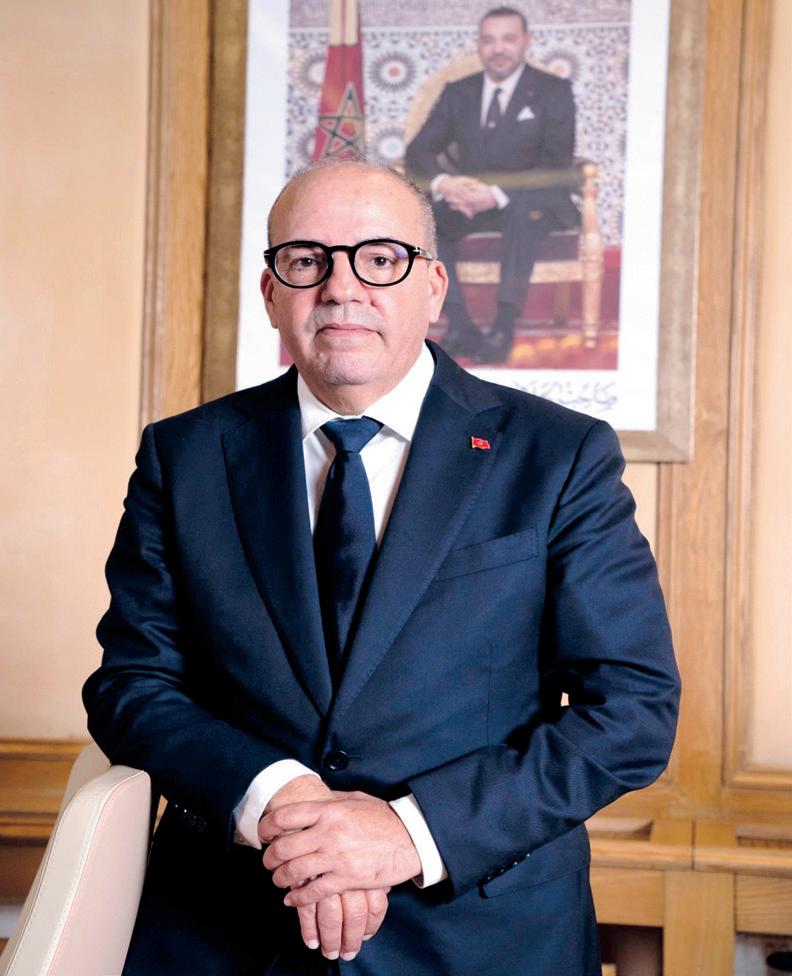
This performance is also supported by active economic diplomacy. Twelve free trade agreements provide access to nearly 100 countries, representing approximately 2.5 billion consumers, notably across the European Union, the United States, Türkiye and the Arab countries, as well as throughout the African continent through the AfCFTA. Morocco’s strategic location, world-class port and logistics infrastructure, and well-developed agro-industrial ecosystem foster investment, economic cooperation and the development of high-value-added projects.
It is against this backdrop that cooperation between Morocco and Serbia takes on particular significance. Our economies possess complementary strengths. Serbia has recognised expertise in arable farming, seeds, livestock and the food industry. Morocco, for its part, has developed extensive experience in irrigation, water management, fruit and vegetable production, and the advancement of climate-resilient agriculture.
Our vision is to build alliances with partners and investors in priority areas such as smart irrigation, agricultural research, resilient seeds, animal and plant health, agri-food processing, the cold chain and logistics. Morocco offers an enabling environment for projects that combine technology, training and market access.
Our ambition is to take this partnership to a new level by advancing co-investment and co-innovation—producing together, processing more locally and strengthening our integration into resilient, inclusive and competitive global value chains.
Within this vision, Serbia is ideally positioned to build with Morocco a lasting, value-creating partnership that advances food security.
Moving from trade to co-investment and co-innovation
900,000 ha equipped with modern irrigation technologies by the end of 2025 USD 9 billion in agricultural and fisheries exports in 2024 12 agreements free trade agreements: nearly 100 countries and 2.5 billion consumers
Morocco is using sport as a strategic driver of economic transformation, infrastructure development and international influence, demonstrating how major sporting events can accelerate growth, strengthen partnerships and enhance the Kingdom’s global standing
A New Paradigm for the Global South
Morocco is challenging conventional development models by making sport a cornerstone of its national strategy, leveraging it as a powerful instrument of economic development, infrastructure modernisation and geopolitical influence under the leadership of His Majesty King Mohammed VI, who has elevated sport to a constitutionally enshrined fundamental right. The Kingdom offers valuable lessons for transitional economies and stakeholders across the Global South on how sport can accelerate infrastructure development, attract international investment and strengthen diplomatic influence. This strategic reorientation comes into sharp focus as Morocco prepares to co-host the 2030 FIFA World Cup alongside Spain and Portugal, building on the momentum of hosting the 2025 Africa
For Morocco, sport is not merely a competition—it is a strategic driver of economic transformation, infrastructure development and international influence
Cup of Nations (AFCON). These milestones are far more than prestigious sporting events; they are strategic catalysts transforming the Kingdom into a global hub for innovation, connectivity and cultural exchange.
Building a Sporting Legacy: From vision to execution
The significance of Morocco’s sporting ambitions lies not in athletic achievement alone, but in the transformative momentum they generate across infrastructure, human capital development and international positioning.
The Kingdom has firmly established itself as a leading sporting nation. Its trajectory reached a defining milestone during the 2022 FIFA World Cup, when Morocco’s national football team became the first African and Arab nation to reach the tournament’s semi-finals. Beyond the sporting achievement itself, this historic success projected an image of ambition, resilience and excellence that resonated far beyond the football pitch.
Morocco’s growing stature is equally evident at the continental level. Through the proactive en-
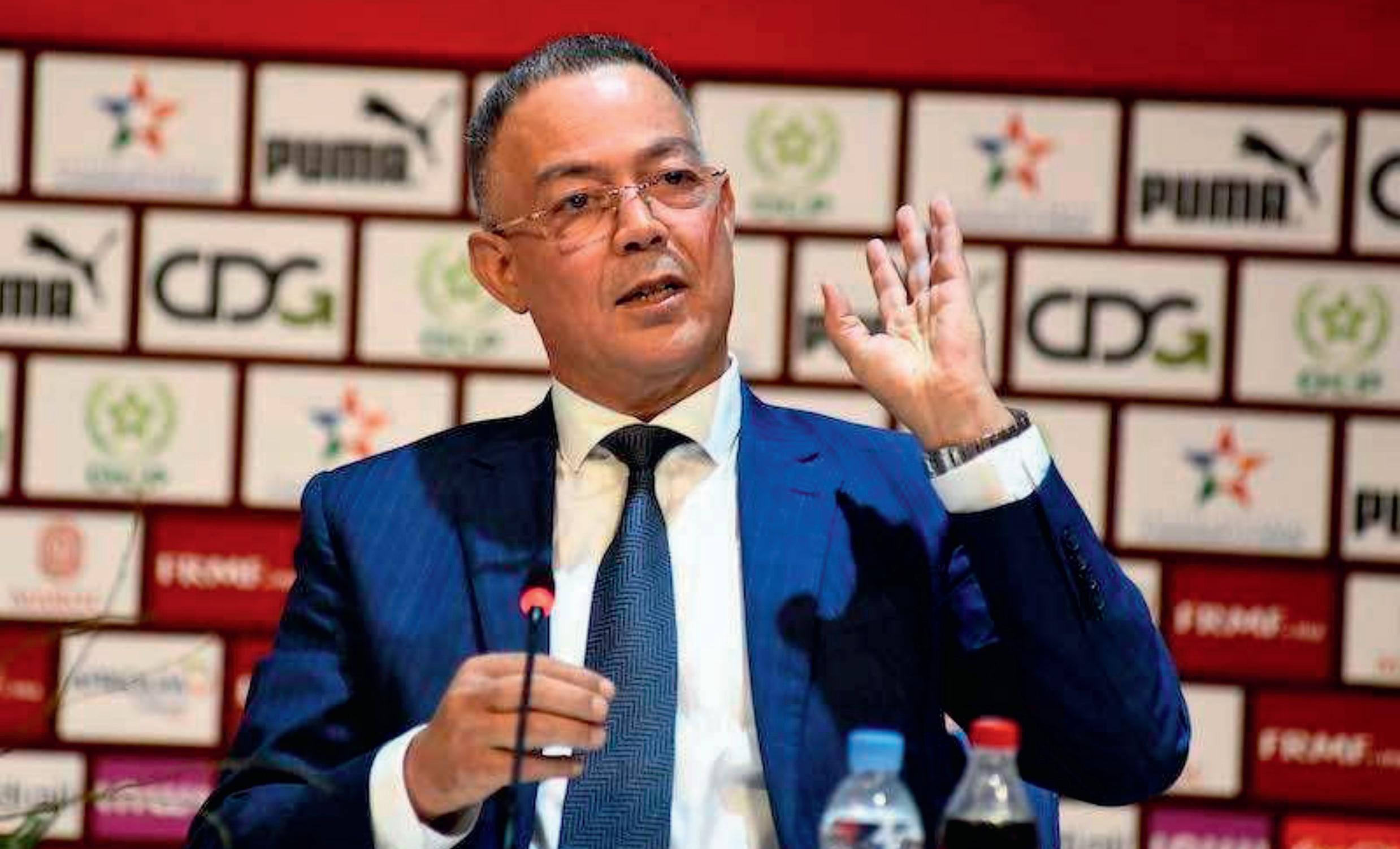
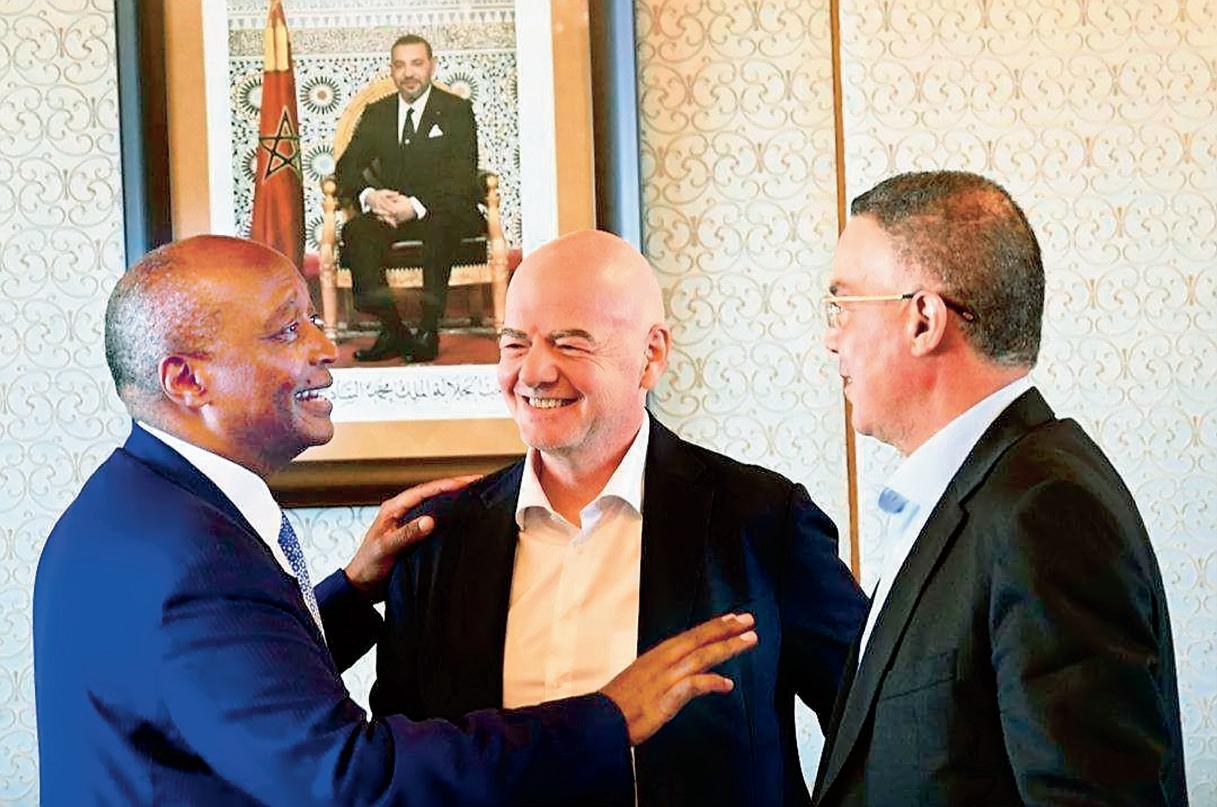
gagement of the Royal Moroccan Football Federation, the Kingdom has established cooperation frameworks with more than 40 African football associations, contributing to capacity building, technical assistance and knowledge transfer across the continent. These partnerships reflect a broader vision of sports diplomacy, positioning Morocco not only as a leading football nation, but also as a trusted partner in advancing the development and governance of African sport.
As the Kingdom prepares to host major international sporting events and continues its long-term investment in football infrastructure and expertise, its sporting project increasingly stands as a model of how strategic ambition, institutional commitment and international cooperation can converge to create a lasting impact that extends well beyond the world of sport.
Morocco’s successful preparation for and organisation of major sporting events is increasingly being viewed through a broader strategic lens. While the 2025 Africa Cup of Nations (AFCON) serves as a critical operational rehearsal for the 2030 FIFA World Cup, the Kingdom’s sporting agenda extends well beyond event management. It represents a carefully designed long-term strategy that transforms temporary tournaments into lasting socio-economic assets.
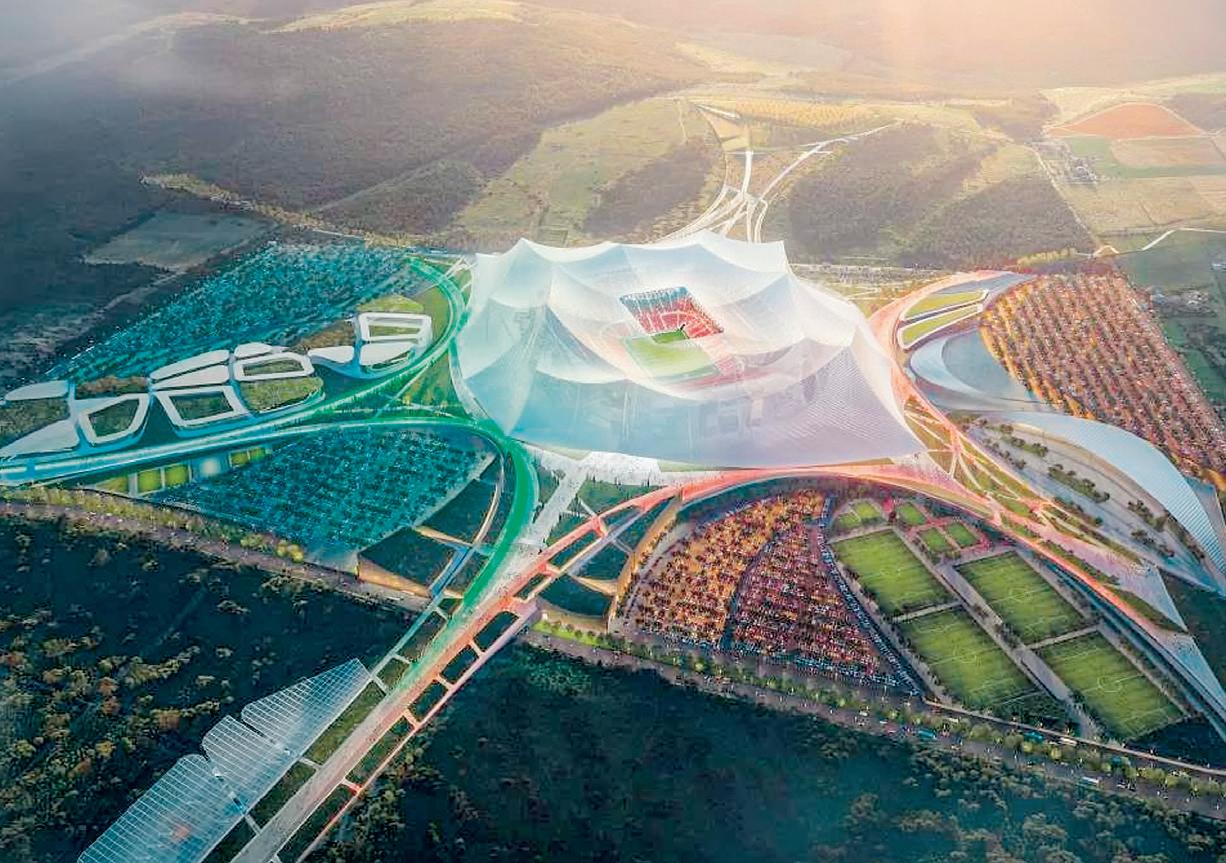
The construction of the Grand Stade Hassan II in Benslimane, with a capacity of 115,000 spectators, is progressing steadily and remains on track to become the world’s largest football stadium upon its completion in 2028, symbolising Morocco’s global ambitions. This flagship development is complemented by extensive modernisation projects across the Kingdom’s major sporting hubs, including Rabat, Casablanca, Marrakech, Agadir, Fez and Tangier. Together, these investments illustrate an increasingly influential development model for the Global South, in which strategic infrastructure projects serve multiple objectives simultaneously: strengthening technical capabilities, creating employment, enhancing international competitiveness and generating transferable expertise. Unlike many largescale sporting projects elsewhere, Morocco’s approach is firmly anchored in long-term utilisation and economic integration, ensuring that these facilities remain valuable national assets long after the events they are designed to host.
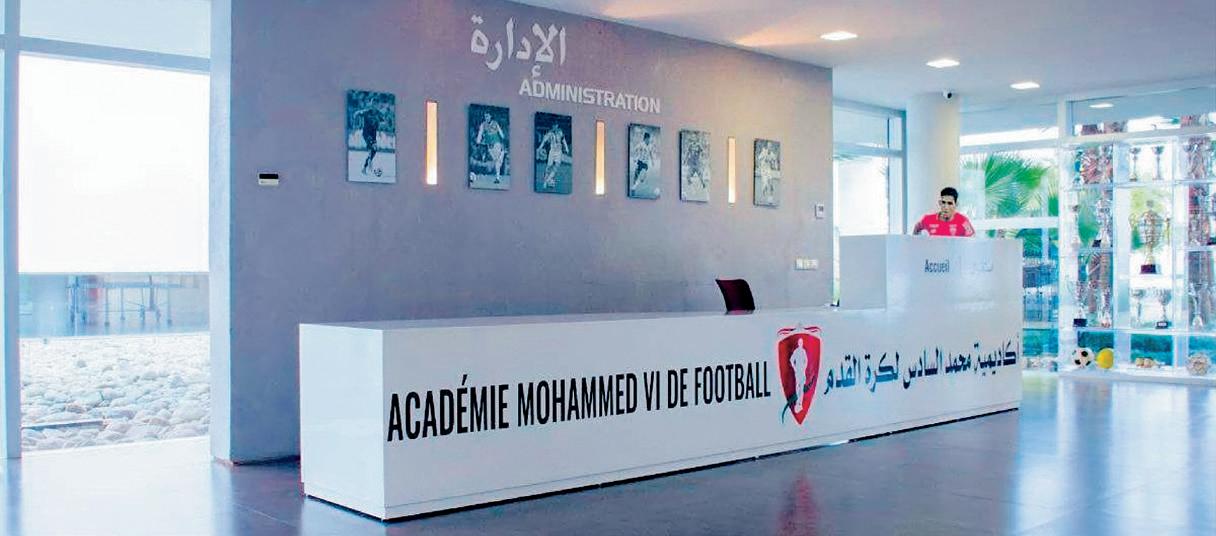
The Kingdom’s investment strategy also extends to human capital development. Continued support for football academies, technical training programmes and sports science institutions is helping to cultivate the next generation of athletes, coaches, referees, analysts and sports management pro-
fessionals. This commitment to capacity building is further reflected in Morocco’s selection as host of five consecutive FIFA Women’s U-17 World Cups beginning in 2025, underlining its determination to advance women’s participation and leadership in sport.
Importantly, Morocco increasingly views its sporting expertise as an exportable asset. The experience gained in stadium construction, turf management, event organisation and sports governance is expected to support broader South-South cooperation initiatives, particularly across Africa, further reinforcing the Kingdom’s role as a regional platform for knowledge sharing and technical assistance.
The synergy between sport and tourism has become one of the defining pillars of Morocco’s development strategy. Major sporting events have signif-
icantly enhanced the Kingdom’s international visibility, while sustained investment in connectivity and hospitality continues to strengthen its appeal as a year-round destination.
This momentum is reflected in tourism performance. Morocco welcomed nearly 20 million visitors in 2025, representing a 14% increase compared with 2024, while tourism revenues reached a record MAD 138.6 billion by the end of the year, up 21% on 2024 and consolidating the Kingdom’s position as Africa’s leading tourism destination.
The upward trajectory continued into 2026. By May, Morocco had welcomed 7.7 million tourists, a further 7% increase compared with the same period in 2025, confirming the sector’s resilience and growing competitiveness.
The legacy of Morocco’s sporting ambitions therefore extends well beyond stadiums. It encompasses the modernisation of airports, the expansion of the high-speed rail network, the upgrading of hotel infrastructure, enhanced digital connectivity, and the diversification of cultural, sporting and leisure experiences available to international visitors. Collectively, these developments contribute to a more integrated and sophisticated tourism offering capable of generating sustainable regional growth and employment.
For international investors and policymakers, Morocco’s transformation presents significant opportunities across a wide range of sectors, including
engineering, transport, digital technologies, renewable energy, hospitality and sustainable urban development. The Kingdom’s co-hosting of the 2030 FIFA World Cup alongside its European partners further reinforces its unique position as a bridge between Africa and Europe, demonstrating its capacity to foster innovative models of transcontinental cooperation.
While football remains the flagship of Morocco’s sporting renaissance, the Kingdom’s international appeal is increasingly shaped by the diversity of its sporting landscape. Prestigious events such as the Hassan II Golf Trophy and the Lalla Meryem Golf Cup, a tournament on the Ladies European Tour, have strengthened Morocco’s position as a leading sports tourism destination, attracting elite players and high-profile visitors.
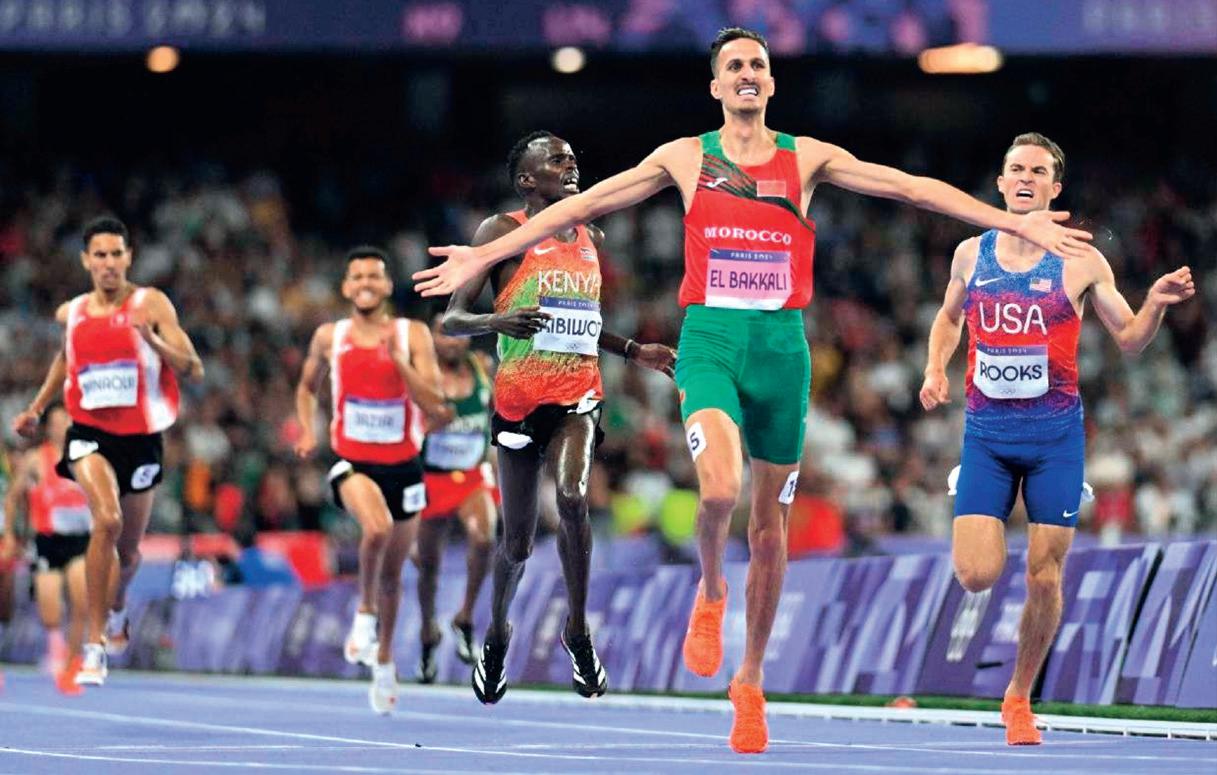
Athletics remains another pillar of the nation’s sporting identity, building on a distinguished legacy shaped by Olympic champions including Nawal El Moutawakel, Said Aouita, Hicham El Guerrouj and, more recently, Soufiane El Bakkali. Events such as the Marrakech International Marathon further reinforce the Kingdom’s standing within the global athletics community.
Along the Atlantic coast, destinations such as Taghazout and Agadir have become renowned surfing centres, while Dakhla has earned international recognition as one of the world’s premier kitesurfing destinations, regularly hosting elite competitions and attracting a growing community of enthusiasts from around the globe.
For investors and industry stakeholders, these diverse sporting assets offer compelling opportunities in hospitality, event management and sustainable tourism infrastructure.
Morocco’s sporting ambitions extend far beyond the pursuit of athletic excellence; they represent a blueprint for sustainable development and stronger global connectivity. By harnessing the power of sport to drive tourism, empower young people and strengthen international partnerships, the Kingdom is building a legacy that reaches well beyond its borders.
Morocco’s trajectory offers a compelling case for deeper international cooperation, bringing together shared interests in innovation, investment and cultural exchange. As the Kingdom continues to strengthen its position on the global sporting and tourism map, its vision invites partners around the world to help shape a dynamic and prosperous future.