
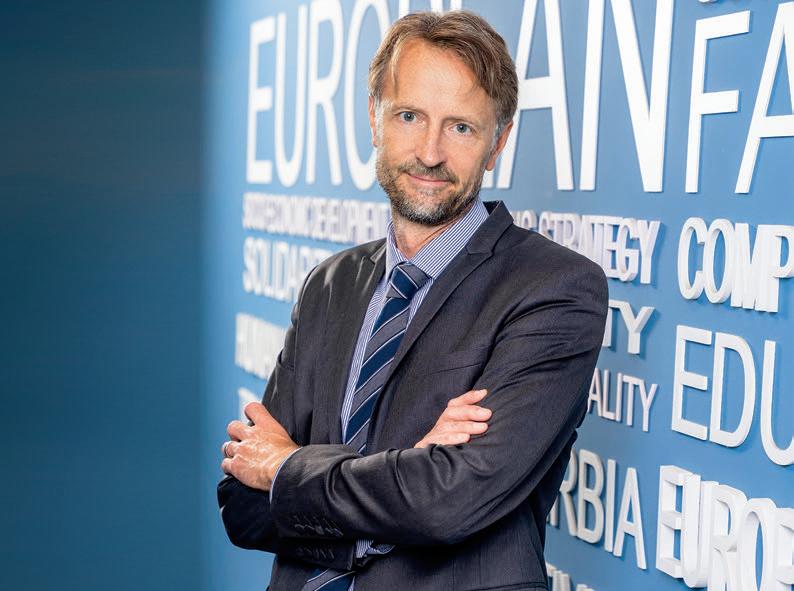
Michael O’Flaherty Council of Europe Commissioner for Human Rights


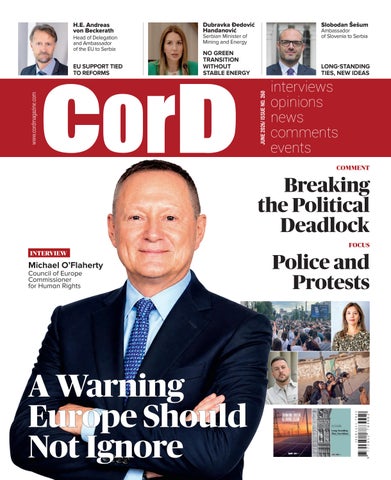
Michael O’Flaherty Council of Europe Commissioner for Human Rights


21st World Congress of the International


Belgrade • 22–26 June 2026
In June 2026, Belgrade will host one of the world’s most important global gatherings dedicated to economic thought, policy and the future of international development.

The Congress will feature some of the most influential economists of our time, including Nobel Prize laureates:



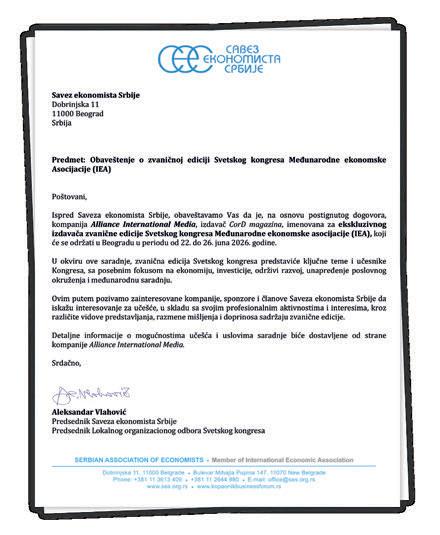
Alliance International Media, publisher of CorDMagazine and TheRegion, has been appointed the exclusive publisher of the Official Edition of the 21st World Congress of the International Economic Association.
Titled “Contrasting World Visions,” this special publication will accompany the Congress and present key themes, participants and perspectives from global economic leaders.
The publication will be distributed to Congress participants and published digitally on the Alliance International Media, CorD Magazine, and The Region websites.
The Official Congress Edition offers companies and institutions the opportunity to present their perspectives alongside leading economists, policymakers and global thought leaders participating in the Congress.

The publication will be distributed exclusively to participants of the Congress, reaching a highly influential international audience of more than 800 attendees, including:
Leading economists from universities worldwide Nobel Prize laureates Policymakers and government representatives International financial institutions Corporate leaders and investors
Members of the diplomatic community
Organisations may participate through the following formats:
Executive Interviews
Conversations with CEOs and senior executives discussing economic trends, innovation and investment strategies.

Corporate Features
Editorial-style presentations highlighting major projects, business achievements and international partnerships.
Thought Leadership Articles
Analytical contributions addressing the key themes of the Congress and the evolving global economic landscape.
For participation opportunities and editorial collaboration:
Alliance International Media ieacongress@aim.rs



EDITOR IN CHIEF: Neda Lukić n.lukic@aim.rs
DESIGN: Slađan Radosavljević Zoran Perović design@aim.rs
COPY EDITOR: Mark Pullen
TRANSLATION & EDITING: Pullen Editorial, Halifax

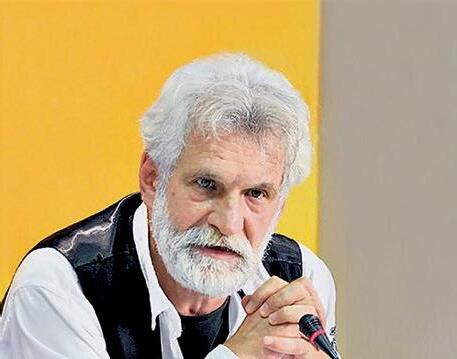
BORA BABIĆ founder and chief editor of publishing house Akademska Knjiga
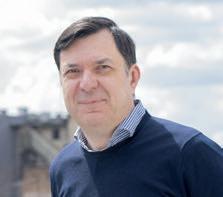
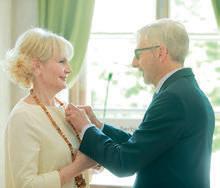
“CorD - 23 Years of Independent Thought and Inspiration”
CONTRIBUTORS:
Ljubica Gojgić
Zoran Panović
Radmila Stanković
Maja Vukadinović
Mirjana Jovanović
Miša Brkić, Rob Dugdale
Steve MacKenzie
Zorica Todorović Mirković
Sonja Ćirić, Miloš Belčević
DIRECTOR OF SALES: Maja Subotić m.subotic@aim.rs
SALES MANAGERS: Biljana Dević b.devic@aim.rs
Vesna Vukajlović v.vukajlovic@aim.rs
SUBSCRIPTIONS: office@aim.rs
FINANCE: finance@aim.rs
CEO: Ana Novčić a.novcic@cordmagazine.com
COO: Ivana Jovanović i.jovanovic@aim.rs
PUBLISHER: Ivan Novčić i.novcic@aim.rs
PRINTING: Rotografika d.o.o. Segedinski put 72, Subotica CorD is published by: alliance international media d.o.o.
Resavska 1/III, 11111 Belgrade 17, PAK 125806, Serbia Phone: +(381 11) 2450 508
E-mail: office@aim.rs office@cordmagazine.com www.cordmagazine.com www.aim.rs
ISSN no: 1451-7833 All rights reserved alliance international media 2026

By Professor Zoran Stojiljković, PhD
Halting growing polarisation and the constant erosion of trust in institutions requires a political solution capable of enabling change while preserving social stability
erbia has spent far too long trapped in a deep political and social crisis marked by rising polarisation and the gradual exhaustion of public trust in institutions. If the current dynamic of mutual obstruction between the authorities and the protest movement continues, the risk of more serious social conflict will inevitably increase. To avoid such a scenario, I would propose five measures for overcoming the crisis that might even be considered “unrealistic”.
SFirst, President Vučić could demonstrate political responsibility by announcing that he will call elections and resign on 1st September — symbolically, when children return to school. Failing that, Serbia could face a wave of mass and disciplined civic pressure of the kind that theories of social change recognise as a critical threshold for political resolution. At the same
time, students would need to present a clear political platform and credible candidates. Serbia no longer has the luxury of relying on the logic of “let them go first, and we will decide later”. We have already paid a high price for that approach on more than one occasion.
Second, the Speaker of Parliament should call presidential elections as soon as possible, while the government and parliament should immediately enter a form of limited-term governance — effectively a controlled “hundred-day” mandate, with clear-
The electoral contest must be fought through programmes and clear commitments, not through discreditation and the deepening of divisions
ly defined competences and budgetary restrictions. It is particularly i mportant to address the question of accountability within the security apparatus and establish serious oversight of key officeholders, including scrutiny of assets and financial flows.
Third, symbolic acts of de-escalation are urgently needed. The barriers surrounding Pionirski Park should be removed, while students could organise a public gathering or concert that would demonstrate that society has not entirely lost its capacity for
dialogue and basic solidarity. The police must once again become a public service for citizens, rather than a symbol of political force and division.
Fourth, the electoral contest must be fought through programmes and precise commitments, rather than discreditation campaigns. If students are offering workers and trade unions concrete measures aimed at improving labour and living conditions, amendments to labour legislation and stronger strike rights, citizens have the right to hear what the other side is proposing as well. The same applies to farmers, pensioners, young people, women and all groups exposed to discrimination. The central electoral question must be: what must never happen again?
Fifth, the opposition must avoid the logic of endless fragmentation and post-election defections that undermine the will of voters and perpetuate a system of political clientelism. Without a minimum level of political seriousness and responsibility, even a potential change of government would not produce genuine systemic change.
And, finally, perhaps it isn’t unreasonable – in a time marked by political aggression and constant social conflict – to seriously consider entrusting the country’s most important positions, particularly those related to security and crisis management, to competent women. That may be worth trying.








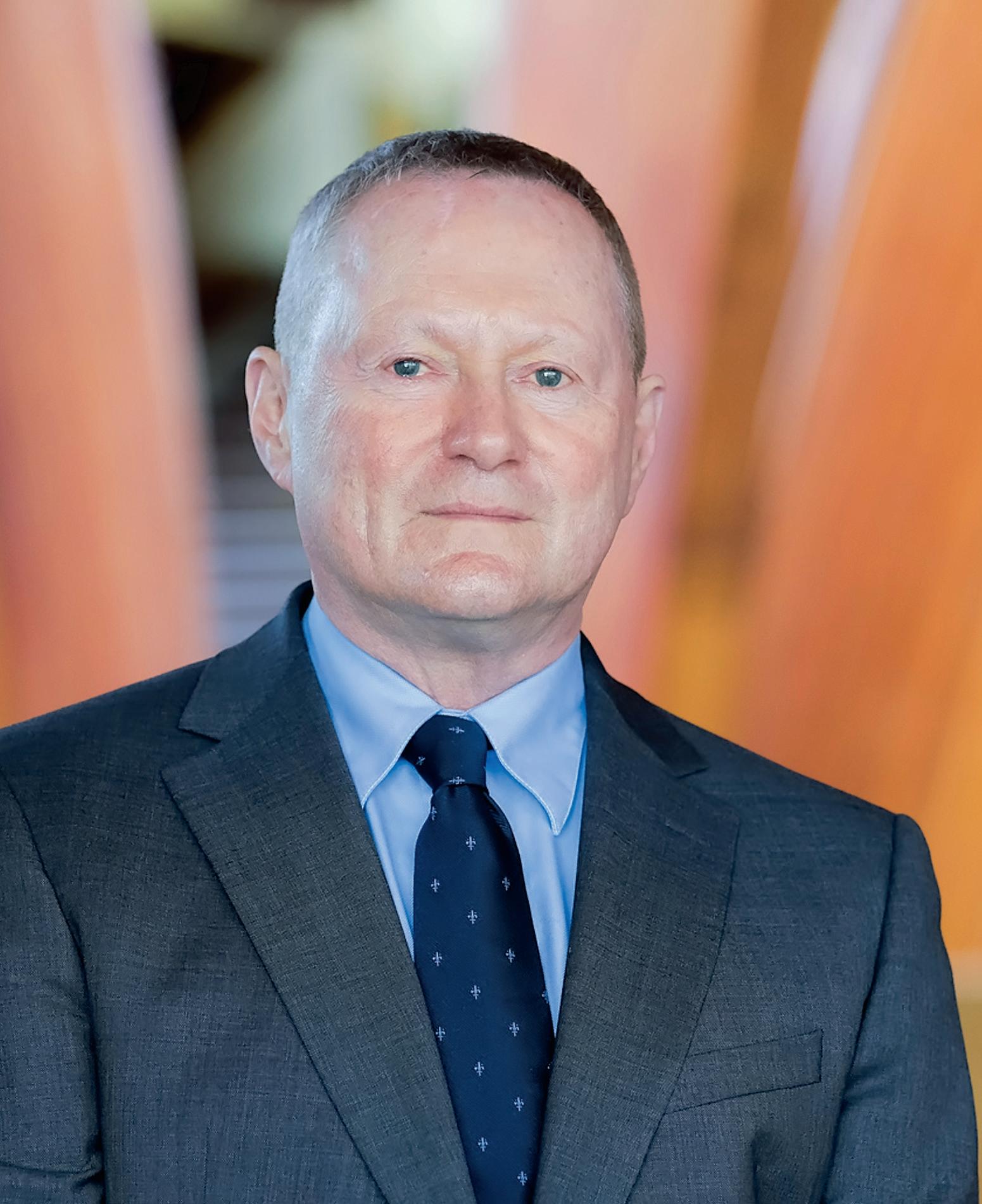

Council of Europe Commissioner for Human Rights
Michael O’Flaherty warns that institutional decline, intimidation and impunity are undermining public trust and deepening Serbia’s democratic crisis
Michael O’Flaherty Council of Europe Commissioner for Human Rights
Following his recent visit to Serbia, Council of Europe Commissioner for Human Rights Michael O’Flaherty speaks to CorD about police accountability, shrinking civic space and the widening gap between the state and society. In unusually direct terms, he warns that the current climate is among the most alarming he has encountered in recent years.
In your statement following your visit to Serbia, you sa id that the human rights situation has deteriorated since your previous visit in 2025. Which development concerns you most today – the authorities’ treatment of protesters, pressure on the media and civil society, or the weakening of institutional safeguards?
—These developments are interdependent and, taken together, have a negative effect on human rights protection in Serbia. Democratic societies need strong, independent institutions, pluralist media and an engaged civil society that demands effective investigations and rejects impunity. Weakening institutional safeguards and the silencing of independent media and civil society in Serbia undermine prospects for accountability for human rights violations, including excessive use of force by the police and arbitrary arrests.
As Serbia faces continuing student-led protests and rising social tensions, public trust in state institutions – including the police – appears increasingly fragile. At the same time, concerns persist over possible provocations, escalation and excessive use of force during public gatherings. In such an environment, what key principles should guide the conduct of law enforcement authorities under European human rights standards?
— Under European human rights standards, the overarching principle is that law enforcement must protect, not restrict, the right to freedom of assem-
bly. Any restriction on this right must be an exception. It must be explicitly prescribed by law, strictly necessary in a democratic society, and proportionate to a legitimate aim. Even in high-tension situations or when facing potential provocations, the default response of law enforcement must be de-escalation and communication, ensuring that the peaceful majority can exercise their rights safely. Public trust cannot exist without accountability. To preserve public confidence, there must be access to independent complaints mechanisms capable of effectively and promptly investigating any allegations of police malpractice or ex-
masked groups, and the absence of effective investigations into excessive use of force. How damaging is a climate of impunity for public trust in law enforcement and for democratic stability more broadly?
— A climate of impunity damages public trust not just in law enforcement, but in government and democratic institutions more broadly. People have a sense of justice. When they witness police misconduct or masked groups engaged in violence without accountability for their actions, that sense of justice is shattered. It sends the message that there is no equality before the law, and without that, there
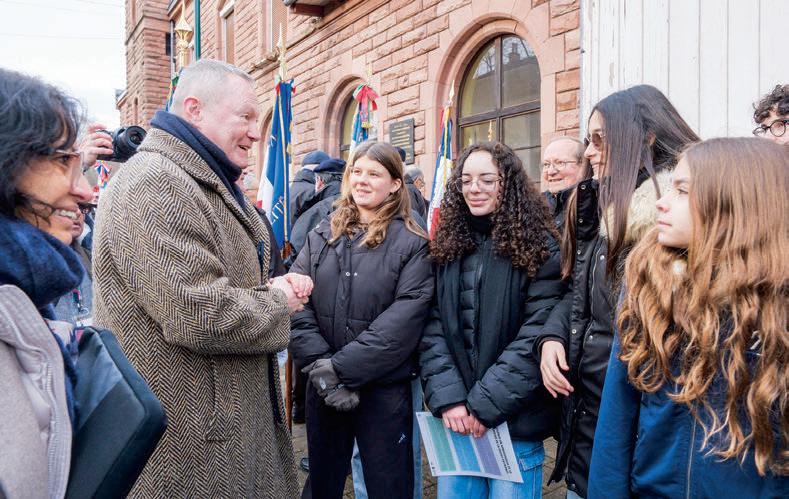
The labelling of students, academics, journalists, and civil society actors as ‘foreign agents’ or ‘traitors’ is a constant feature of an alarming pattern of shrinking civic space across Europe
cessive use of force. Security and human rights are not a zero-sum game; rigorous institutional accountability is what guarantees both.
You referred to allegations of police brutality, the protection of
is no justice. When people doubt that institutions will protect them, they lose trust and disengage from public participation.
In recent months, students, academics, journalists and civil society organisations have frequently been labelled in pro-government media as “foreign agents” or “traitors”. Do you recognise this rhetoric as part of a broader pattern seen in societies where civic freedoms are gradually narrowing? — Yes, I recognise this rhetoric. The labelling of students, academics, journal-
Democratic societies need strong, independent institutions, pluralist media and an engaged civil society that demands effective investigations and rejects impunity
When people doubt that institutions will protect them, they lose trust and disengage from public participation
Europe needs a vibrant, safe civil society to tackle its greatest challenges, and we must push back against any narratives that treat human rights defenders as the enemy
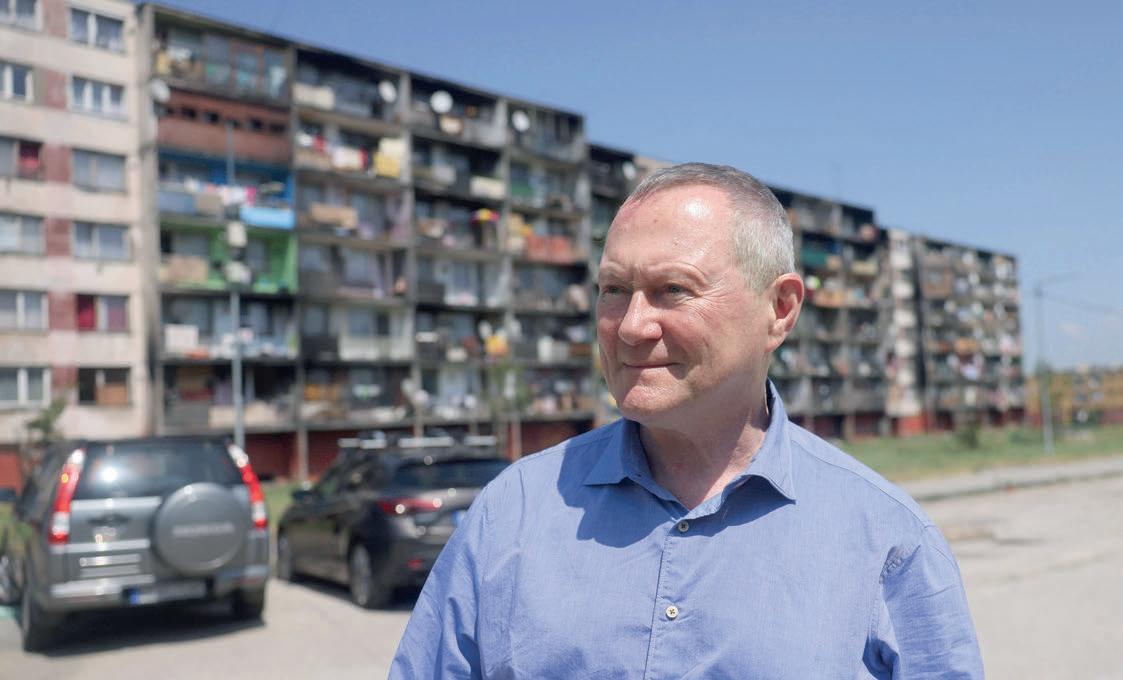
ists, and civil society actors as ‘foreign agents’ or ‘traitors’ is a constant feature of an alarming pattern of shrinking civic space across Europe. We are witnessing the rapid deterioration of working conditions for civil society in countries across the continent, compounded by a funding crisis, an increasingly restrictive legislative framework, and hostile rhetoric.
What this rhetoric does is stigmatise, marginalise, and delegitimise those who express dissenting or critical opinions, expose corrupt practices or defend human rights. Instead of engaging in a broad social dialogue on issues that matter to society, such as the environment, social inequality, or access to rights for future gen-
Under European human rights standards, the overarching principle is that law enforcement must protect, not restrict, the right to freedom of assembly
erations, it portrays critical voices as threats to national security, attempting to justify restrictions and crackdowns.
Europe needs a vibrant, safe civil society to tackle its greatest challenges, and we must push back against any narratives that treat human rights defenders as the enemy.
What, in your view, would be the most dangerous scenario for Serbia in the coming months if the gap between state institutions and large sections of society continues to deepen?
— When the gap between state institutions and large sections of society deepens and when peaceful protests are met with force or intimidation, social cohesion is undermined and the risk of escalation is high. What alarms me most is that I have rarely encountered such unanimous agreement among the people I spoke to during my visit about how severe the current situation is. A few of them described the current climate as worse than in the 1990s, and this should serve as a warning to all of us.
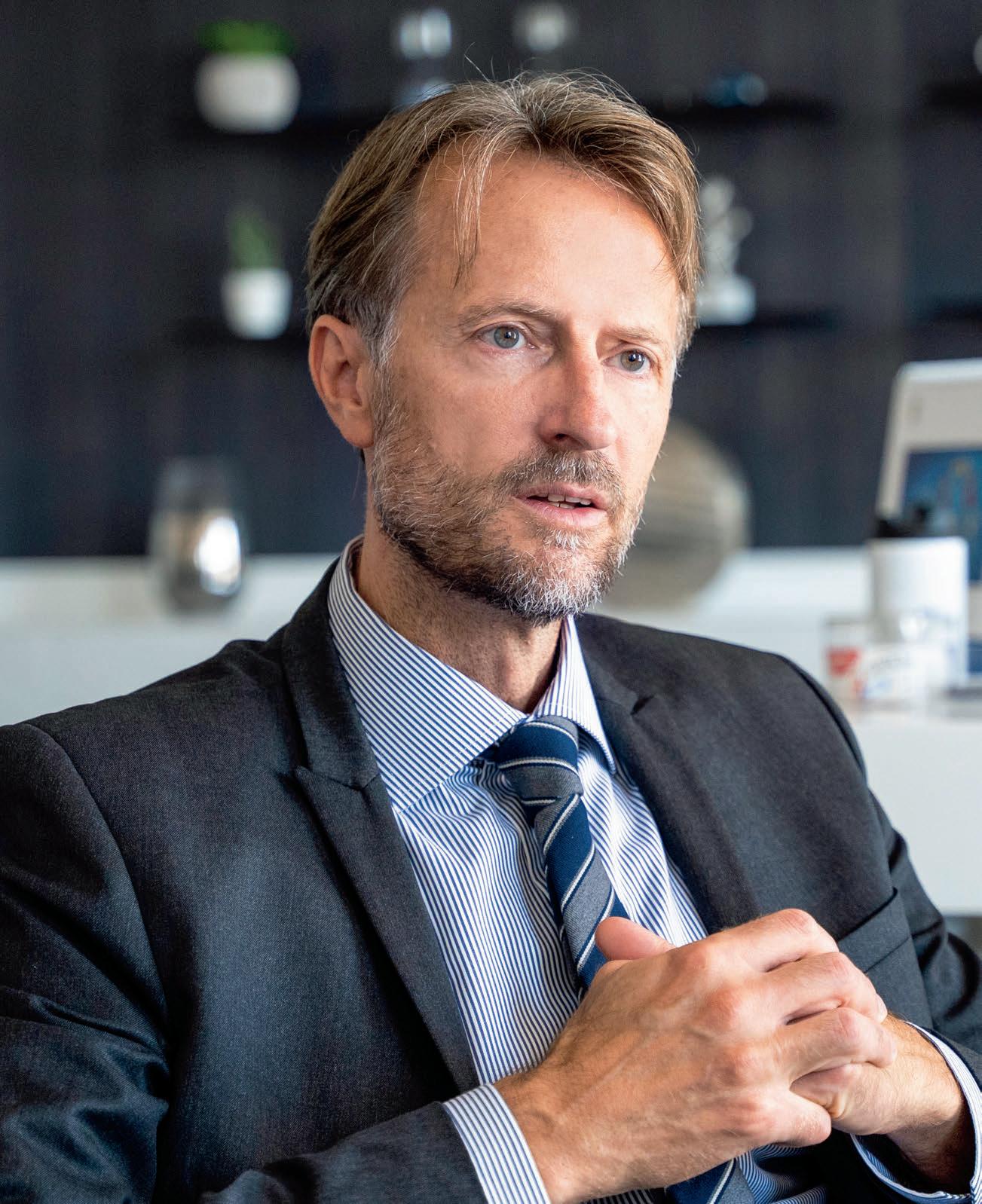
We support Serbia joining the EU, and that path is paved with exactly the kind of reforms that many Serbian citizens are themselves calling for ~ Andreas von Beckerath
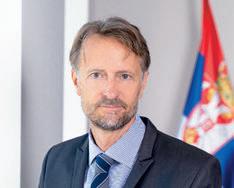
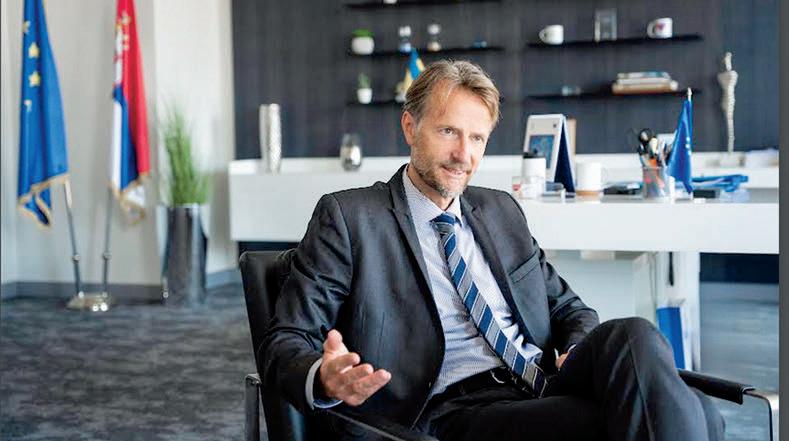
H.E. Andreas von Beckerath Ambassador of the EU to Serbia
By Ljubica Gojgić
Full implementation of the Venice Commission’s recommendations regarding the raft of judicial laws and the continuation of amendments to electoral laws that would ensure respect for all recommendations of the OSCE Office for Democratic Institutions and Human Rights, as well as the deblocking of the Regulatory Authority for Electronic Media, would all represent steps in the right direction on Serbia’s path to European integration. The European Commission’s recommendation to open a new negotiating cluster with Serbia remains valid, says Ambassador Andreas von Beckerath in this interview for CorD Magazine, before adding that “a decision on this is in the hands of European Member States, which are very attentively monitoring developments in the rule of law sector.”
Following criticism from the expert community and the EU, and –in particular – the opinion issued by the Venice Commission, Serbia has initiated a process to revise its recently adopted package of judicial laws. The question that arises is whether the laws must be repealed in their entirety, or whether the government, as has been suggested, may opt to introduce only certain amendments to the existing legislation?
— The EU has been very clear on this: we took note of the Venice Commission’s opinion, which is fully aligned with the Commission’s assessment. We now expect Serbia to implement all recommendations of the Venice Commission fully and as quickly as possible. In doing so, there must be respect for the transparent and in-

clusive consultation process with all relevant stakeholders, including the European Commission and the Venice Commission. We also continue to call on Serbia to put the implementation of these amendments on hold in the meantime.
Would repealing this package of judicial laws bring Serbia closer to opening Cluster 3, or would it still be necessary to fulfil additional conditions?
— The Commission’s 2021 assessment that Serbia had fulfilled the op ening benchmarks for Cluster 3 (competitiveness and inclusive growth) remains valid, but a decision on this is in the hands of EU member states, which are monitoing developments in the rule of law sector very attentively.
While full implementation of the Venice Commission’s Opinion would send an important signal, it is essentially a way to address the steps backward taken in this field, while decisive action is also needed to urgently reverse the backsliding on freedom of expression and address the erosion of academic freedom, as well as ensuring progress on the electoral framework, among other major issues raised in our most recent Annual Report.
I would emphasise in particular that accession is often discussed in a rather technical and bureaucratic language, when it is in fact a package of very concrete and tangible benefits for Serbia’s citizens. Every reform, including in the area of rule of law and judiciary, aims to secure freedoms, democratic principles, better standards and higher quality of life in general. The accession process follows genuine implementation of such reforms, because they aren’t merely technical criteria, but rather form the very foundation of democratic societies.
In the meantime, Serbia has become a member of the Single Euro Payments Area (SEPA). What does this step signify for relations between Serbia and the EU?
— Indeed, and this only goes to show that this is a real and tangible en -
largement moment. SEPA is one of many very concrete examples of what coming close to the EU can bring to citizens. In the case of SEPA, Serbia’s entry into the Single Euro Payments Area allows many concrete benefits for citizens. If appropriately followed by the banks, it can lead to faster transfers and lower fees. In other countries that joined recently, fees dropped up to tenfold. This is what complying with the EU’s rules looks like in practice.
Serbia adopted the Electricity Integration Package legislation that’s necessary for the country’s integration into the EU electricity market. The European Commission has to verify the alignment. What would be the next steps following that verification? — Serbia adopted a new set of legislation in December 2025. This was a crucial step towards the full integration of the national and regional electricity market into the single EU market. This important step is also an indicator of the Reform Agenda, and its full compliance with EU legislation must be verified by relevant EU bodies. Due to the complexity of the electricity market, many technical details and procedures must be fully compatible with requirements. Following verification, the
system operator and market operator should proceed with the implementation of all instruments necessary to integrate the market. Full integration of the national market into the single EU electricity market will render all market players i n Serbia like any company in the EU. This should help Serbia accelerate decarbonisation and scale-up the integration of new renewables.
The Serbian National Assembly is considering a new package of electoral laws that would partially incorporate the recommendations of the ODIHR mission. Are you monitoring that process?
— By all means. We continue to follow the functioning of democratic institutions closely, and the conduct of elections remains crucial in this context.
We saw that the Assembly approved a set of four electoral laws and that work is ongoing on other draft bills,
The election of the REM Council is among the key issues identified by the last Annual Report, and we expect Serbia to urgently reverse backsliding on freedom of expression
and we welcome this step towards implementing ODIHR recommendations for improving Serbia’s electoral framework in support of free and fair elections. It should be duly noted that, while legislative reforms are important, transparent and consistent implementation needs to follow.
Several key recommendations remain to be addressed and we call for an inclusive and transparent process involving all relevant stakeholders to advance the work towards full implementation of ODIHR and Council of Europe recommendations. These relate in particular to the need to take measures to prevent the misuse of office and state resources, to prevent
The EU remains committed to Serbia’s accession path, while progress in key reforms will shape the next steps in the integration process
Serbia’s entry into the Single Euro Payments Area could bring faster transfers, simpler payments and significantly lower transaction fees for citizens
Every reform, including in the area of rule of law and judiciary, aims to secure freedoms, democratic principles, better standards and higher quality of life in general
intimidation and pressure on voters, to protect the safety of media staff and to effectively guarantee the independence of the Regulatory Authority for Electronic Media, among others. We also expect meaningful results from the audit of the unified voter register. We welcome the fact that the UVR audit commission was established and now call on relevant authorities to fully cooperate with the commission, in particular ensuring full access to voter register data without delay, as required by the law, so that a meaningful audit can be carried out within established timeframes.
As you’ve stated previously, you exerted considerable effort in supporting the appointment of new members of the REM Council. How do you view the fact that this process has been blocked for months, while the situation in the media sector is being described as difficult?
— It is true that the EU has exerted strong efforts to help complete this process in line with the law and good practice, and we therefore cannot but regret that Serbia has remained without a functioning REM Council since 4th November 2024, which has a direct impact not only on electronic media operations, but also on wider media reform. The EU has repeated many times that we expect the media regulator to start fully delivering on its mandate. It is therefore essential that the new REM Council is re-elected in accordance with the Law on Electronic Media, in a transparent and inclusive process, involving all relevant stakeholders, as per Serbia’s commitments under the country’s adopted Reform Agenda. The election of the
REM Council is among the key issues identified by the last Annual Report, and we expect Serbia to urgently reverse backsliding on freedom of expression. We will follow the procedures closely.
This year’s Europe Day celebrations included a concert by Darko Rundek in front of Belgrade’s Europe House. This renowned musician expressed support for the student movement in Serbia. What is your view of this movement, which has a concept that doesn’t appear to have always been understood fully in Brussels?
— Well, if there is one thing that connects people it would be music, and what better way to mark Europe Day than with great music by a renowned regional artist at the heart of Belgrade.
We were delighted to see so many people gathered in front of Europe House. However, since you raise the question of understanding: freedom of expression, the right to peaceful assembly and civic engagement are foundational to what the EU is and what it stands for. As Commissioner Kos has noted on several occasions, what the EU asks of Serbia aligns closely with the demands of citizens. If you look at their requests, they align with what the EU is supporting on Serbia’s accession path: rule of law, fight against corruption, an independent judiciary and media freedom. We support Serbia joining the EU, and that path is paved with precisely the kind of reforms that many Serbian citizens are themselves calling for. And that is perhaps the most important point of all.
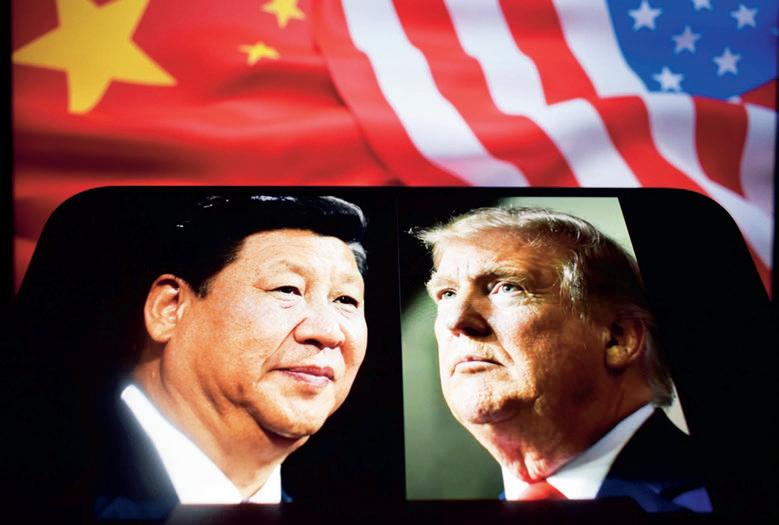
Donald Trump travelled to Beijing in May for a closely watched meeting with Chinese President Xi Jinping, marking the first visit by a US president to China in nearly a decade. The talks focused on trade, artificial intelligence, Taiwan and instability in the Middle East, reflecting the increasingly complex relationship between the world’s two largest economies. Although no major agreements were announced, the summit was widely seen as an attempt to prevent further deterioration in US–China relations.
“Fear is never a good adviser”
Angela Merkel
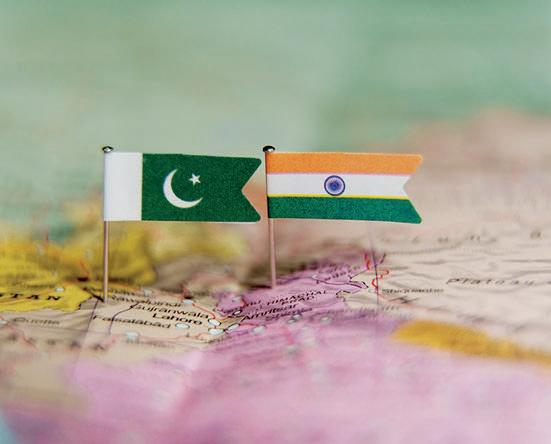
Tensions between India and Pakistan intensified sharply during May following deadly attacks in Kashmir and rising military activity near the border. International leaders called for restraint amid fears of wider confrontation between the two nuclear powers. The crisis quickly became one of the world’s most closely watched geopolitical flashpoints.
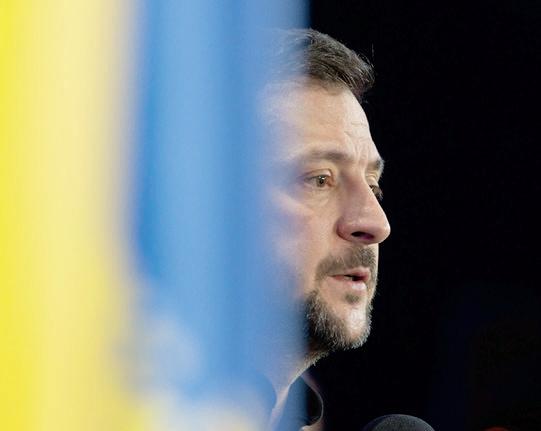
Russia carried out some of its largest missile and drone attacks of the year against Ukrainian cities during May, causing major damage and civilian casualties. Ukrainian President Volodymyr Zelenskyy renewed calls for stronger Western air defence support as pressure mounted on NATO allies to accelerate military assistance. The escalation reinforced fears that the war is entering an even more destructive phase.

“Stability is not the absence of change, but the ability to adapt to it”
John F. Kennedy
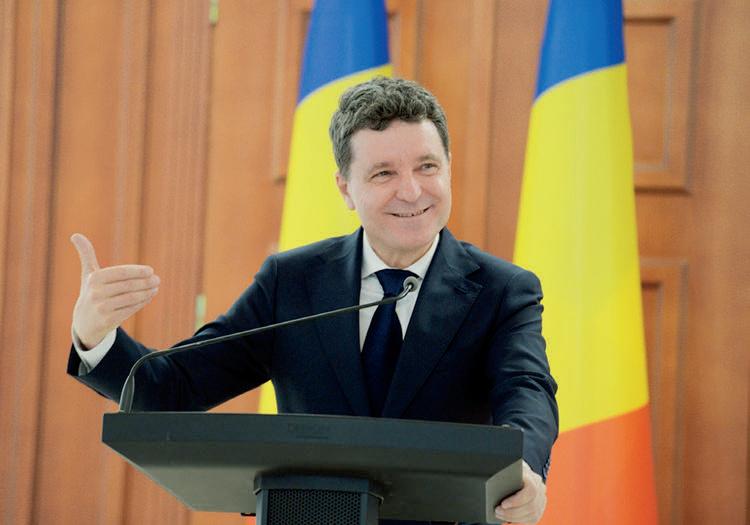
Bucharest Mayor Nicușor Dan won Romania’s presidential election in May, defeating nationalist candidate George Simion in one of the country’s most closely watched political contests in recent years. The result was closely monitored across Europe because of Romania’s strategic role on NATO’s eastern flank and growing nationalist momentum across parts of the EU. Analysts viewed the vote as an important signal about the political direction of Central and Eastern Europe during a period of rising geopolitical uncertainty.

Singapore Prime Minister Lawrence Wong led the People’s Action Party to another decisive victory in the country’s general election in May, strengthening his position less than a year after taking office. The result reassured investors and regional allies by preserving political continuity in one of Asia’s most important financial and trading hubs. Analysts now closely watch how Wong will navigate rising tensions between the United States and China while protecting Singapore’s role as a global business centre.
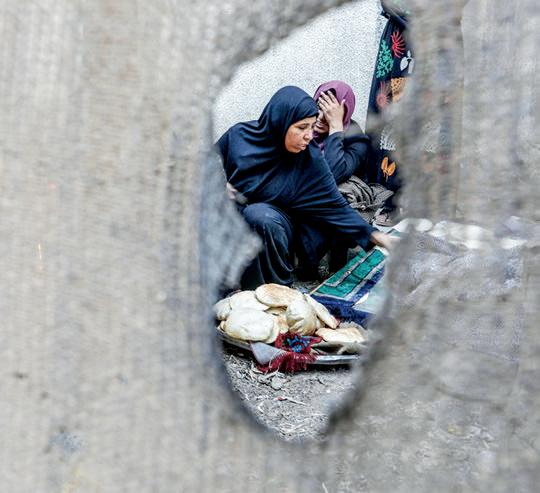
International attempts to restore a ceasefire in Gaza suffered another major setback during May as fighting continued and diplomatic negotiations stalled. Humanitarian agencies warned of worsening civilian conditions, while pressure mounted on regional and Western governments to revive talks. The conflict remained one of the central diplomatic crises on the global agenda.
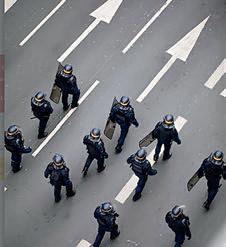
From the 1990s to the present day, police violence against demonstrators has remained a constant feature of protests in Serbia: the boundaries of brutality continue to shift, while accountability of law enforcement officers, despite the growing body of evidence, has largely remained absent
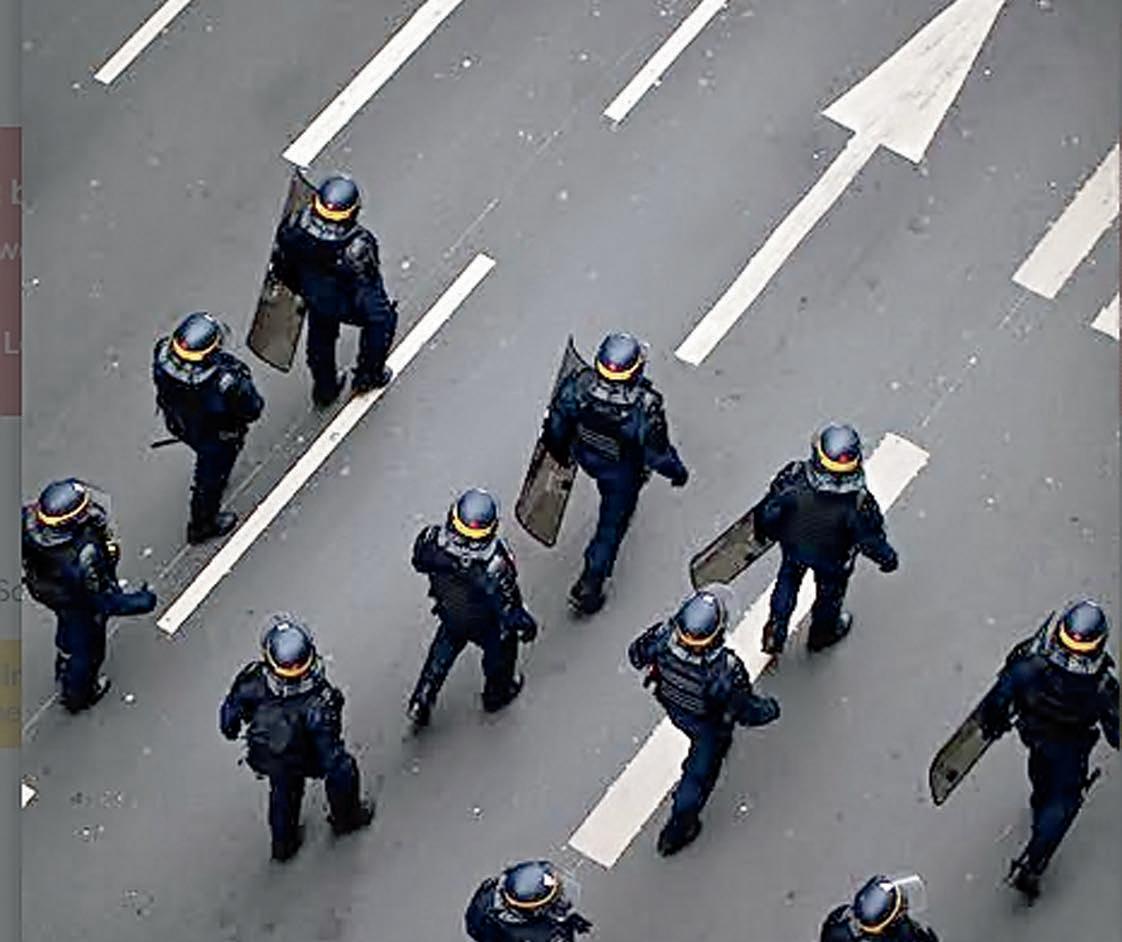
Is police violence today more brutal than it was in the 1990s and 2000s, or is it primarily more visible, better documented and closer to our everyday experience? Have the methods of force, target groups and institutional responses changed
over time – and if so, why? We spoke with lawyers, researchers and human rights experts about the continuities and differences in the use of force during mass protests in Serbia from the 1990s to the present day.
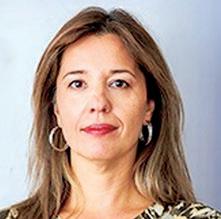
Katarina Golubović President of the Lawyers’ Committee for Human Rights – YUCOM
What was once justified as the “defence of the constitutional order” is today increasingly framed through relativisation, media spin and the shifting of blame onto protesters
The 1990s established a dark standard – the regime at the time used the police apparatus as a primary tool for preserving power, with a clear political and ideological dimension. Violence was widespread, systemic and often fatal. Today, in the era of sm artphones and social media, every use of batons or tear gas becomes instantly visible. That visibility creates the impression of greater brutality, but above all it creates immediacy – violence is no longer a distant news i tem, but something documented in real time and witnessed collectively.
The question of whether police force used during protests in Serbia today is more brutal or simply better documented through technology must be analysed through the prism of international human rights standards, particularly Article 3 of the European Convention on Human Rights, which prohibits torture and inhuman or degrading treatment. What we are witnessing today is a tactic of “selective repression” and demonstration of power aimed at intimidation and the prevention of future gatherings. The target groups have also changed – no longer only political opponents, but increasingly young people, students and environmental activists, groups seen as having the greatest potential for broader social mobilisation. Institutional responses have evolved as well. What was once jus tified as the “defence of the constitutional order” is now increasingly managed through relativisation, media spin and attempts to shift responsibility onto protesters.
Police violence in Serbia reveals a systemic failure to fulfil the state’s procedural obligation to conduct effective, independent and timely investigations. Legal redress for
victims remains the exception rather than the rule. Earlier analyses of court proceedings involving police officers accused of abuse, torture or coercion show that only around five per cent of cases resulted in convictions. The reasons behind such statistics lie in ineffective investigations leading to cases becoming time-barred, as well as in a culture of collegial solidarity among police officers that often overrides professional responsibility. Today, despite the abundance of video evidence, the institutional wall of silence and internal solidarity remains largely intact. The absence of accountability sends a clear message: the state’s
Regardless of the growing body of evidence documenting police brutality, citizens remain unprotected, while those who violated the law continue to be protected. In that sense, these protests are no different from the ones before them
monopoly on force remains protected, while citizens remain legally unprotected. The consistent lack of criminal accountability and solidarity within the security apparatus sustains a culture of impunity for police officers who exceed their authority. In this way, the state directly violates its positive obligations to protect the right to freedom of assembly, transforming the monopoly on the use of force into an instrument of political retaliation rather than a mechanism for preserving public order.

Jelena Pejić Nikić Senior Researcher at the Belgrade Centre for Security Policy
While victims still await accountability, officers accused of ill-treating students have been promoted rather than sanctioned
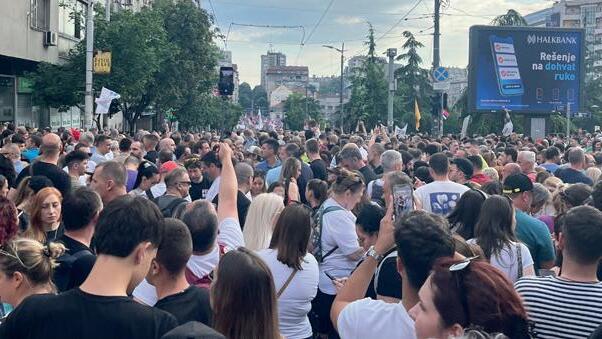
The large student and civic protest held at Belgrade’s Slavija Square on 23 May ended peacefully, but violence and clashes with the police erupted shortly afterwards — scenes that have become increasingly familiar in recent years. A pattern first seen during the anti-COVID protests of July 2020 continues to repeat itself: a small black-clad group provokes and attacks the police, who then use this as a pretext for disproportionate and indiscriminate force. In some cases, that force did not spare peaceful bystanders, people walking, sitting in cafés, riding bicycles or taking taxis; nor those raising their hands, lying on the ground or already subdued; nor lawyers, medical workers or minors. Means of coercion have been used against the head, neck and genitals, despite being explicitly prohibited by law.
These scenes have been documented by citizens, activists and journalists and cannot simply be erased. More than 3,000 people reported exposure to an unlawful acoustic weapon on 15 March 2025, citing both physical and psychological trauma. Medical reports confirm injuries, while brutality also occurs away from public view — in police stations, vehicles, detention facilities and prisons.
The prohibition of torture also includes ill-treatment and degrading treatment, including insults, threats of rape and recordings of handcuffed students kneeling as though they were terrorists. Other abuses include expired tear gas or more harmful variants, as well as unlawful means of coercion such as acoustic weapons. The
Ministry of the Interior should not procure such weapons, let alone use them against peaceful demonstrators.
The Ministry has repeatedly attempted to legalise such practices through proposed amendments that would prohibit citizens from recording police officers, allow officers to operate without visible identification and expand the means of coercion permitted against groups, including acoustic cannons and rubber bullets. Public pressure ultimately forced the withdrawal of these proposals.
The public demands accountability, yet concrete outcomes remain absent while proceedings risk becoming time-barred. Internal Control within the Ministry of the Interior delays investigations, allegedly unable to locate recordings or identify officers even when cameras and
What emerges is a broader pattern of protest management in which force is normalised, evidence is contested and institutional responsibility is delayed
witnesses exist. Officers accused of ill-treating students have been promoted instead of sanctioned. Meanwhile, institutions act far more efficiently against protesters, with some even facing charges of undermining the constitutional order. As long as such double standards persist, public trust that the police act in the public interest will remain deeply eroded.




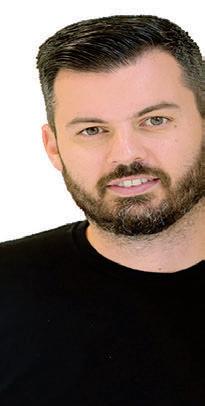


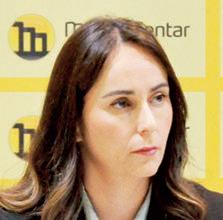
PSanja
Radivojević Legal Adviser at the Belgrade Centre for Human Rights
Despite the development of institutions and human rights protection mechanisms, excessive use of force remains a constant feature of civic protests
olice violence in Serbia has long been a constant across different social and political eras. Despite the formal democratic development of institutions and the strengthening of human rights protection mechanisms, the number of recorded cases of excessive force against citizens continues unabated. Confronting police brutality has become an almost expected element of civic and political struggle.
Compared to earlier periods, mobile phones and social media now allow police conduct in public spaces to be documented in real time. Precisely for that reason, police brutality today appears more visible. However, neither increased public scrutiny nor the availability of evidence has led to a fundamental change in the institutional approach towards violence committed by law enforcement officers.
The July 2020 protests long stood as a symbol of police brutality. Footage of a man lying motionless on Terazije while a police cordon marched over him, after he had already suffered dozens of blows, remains one of the most disturbing images of violence from that period. At the time, it seemed that society had reached a boundary that could not be pushed any further. Yet the years that followed demonstrated that this was not the peak of police brutality, but rather the beginning of its increasingly open normalisation in public space. During the student and civic protests of summer 2025, footage of police brutality became an almost daily feature of social media and media reporting.
For years, reports have pointed to a deep institutional unwillingness to effectively investigate allegations of vi -
olence involving law enforcement officers. In most cases, investigations are slow, superficial and without meaningful results. A large number of criminal complaints are dismissed, while even in the rare cases resulting in convictions, sentences are most often suspended. Analyses also point to a pronounced “collegiality stronger than professionalism”, due to which police officers almost never testify against colleagues.
Perhaps the most disturbing example of the institutional response to police violence remains the death of a detained citizen at the Bor Police Directorate in 2024. De-
What in 2020 appeared to be the ultimate boundary of violence later proved to be the beginning of its increasingly visible normalisation in public space
spite serious suspicions that the death resulted from abuse, more than two years later the public still has no answers regarding direct responsibility, nor any visible results of the investigation.
For now, victims of police violence can generally expect satisfaction only through civil compensation proceedings, and only if they possess material evidence. The paradox of the present moment lies precisely in the fact that there has never been more evidence of police brutality, while accountability for such conduct has almost never extended beyond the symbolic level.

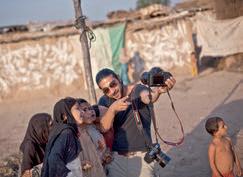
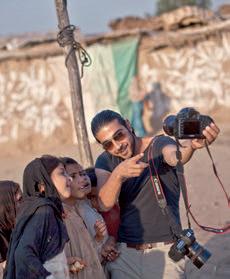
Muhammed Muheisen Two-time Pulitzer Prize-winning photographer
For Muhammed Muheisen, photography is not only about documenting tragedy, but about restoring dignity, memory and human presence in a world overwhelmed by images
or more than two decades, Muhammed Muheisen has documented wars, displacement and humanitarian crises across the Middle East, Asia, Europe and Africa. A two-time Pulitzer Prize winner, National Geographic photojournalist and founder of the Everyday Refugees Foundation, he has dedicated his career not only to witnessing human suffering, but also to preserving dignity in the midst of devastation. His photographs rarely focus solely on destruction; instead, they reveal fragile moments of tenderness, resilience and humanity that survive even in the harshest conditions.
FDuring May, Muhammed Muheisen visited Belgrade for the opening of his exhibition at the Silosi cultural centre, organised by the International Organization for Migration (IOM) with the support of the European Union. The exhibition offered Serbian audiences an opportunity to engage with his powerful visual testimony on displacement, resilience and human dignity.
In this interview for CorD, Muheisen speaks about compassion in an age of visual overload, the responsibility of bearing witness, the meaning of home in a displaced world, and his belief that photography still has
the power to change lives — one image at a time.
For more than two decades, you have documented war, displacement and human suffering across the Middle East, Asia, Europe and Africa. After everything you have witnessed, do you believe the world today is more compassionate than before — or have we simply become more indifferent to the suffering of others?
— I have witnessed both sides of humanity. I have seen pain, loss and indifference, but also extraordinary kindness in the darkest moments. Even in the middle of conflict, life never stops — it continues.
I met people who lost everything overnight, yet still found a way to share the little they had with others. I saw children smiling amid rubble and families trying to create a sense of normality under impossible circumstances. These moments remind me that compassion still exists.
The challenge today is that the world moves very quickly. Stories disappear fast and people often become overwhelmed by what they see every day. That is why I continue doing what I do best — shedding light and reminding people that behind every headline,
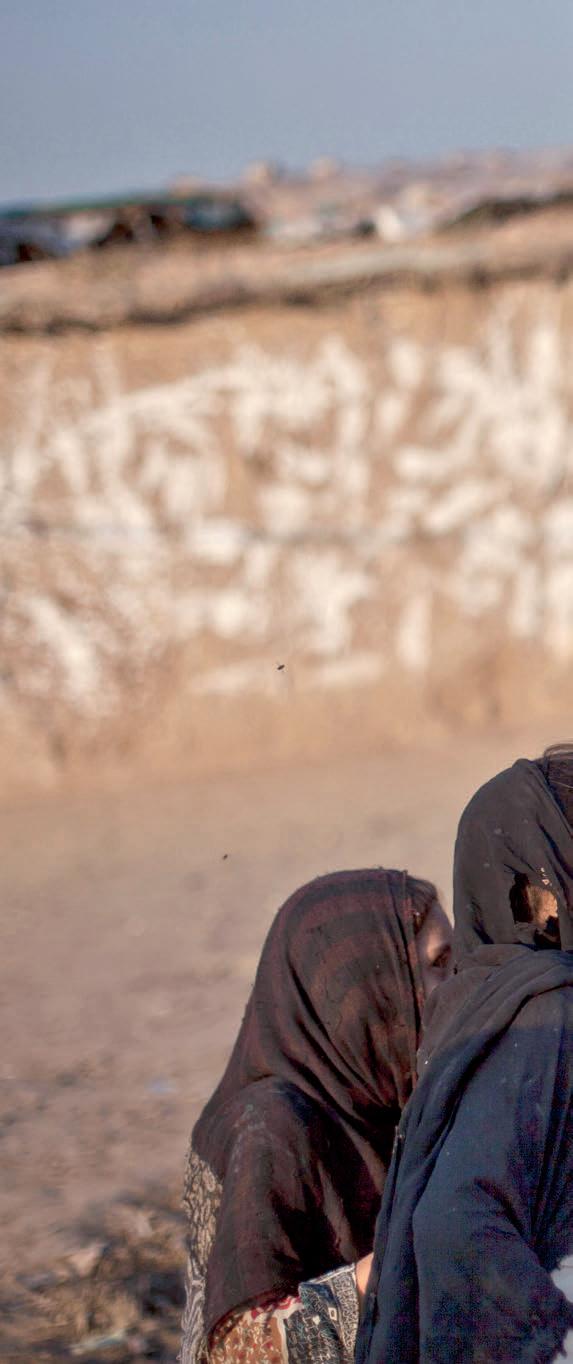
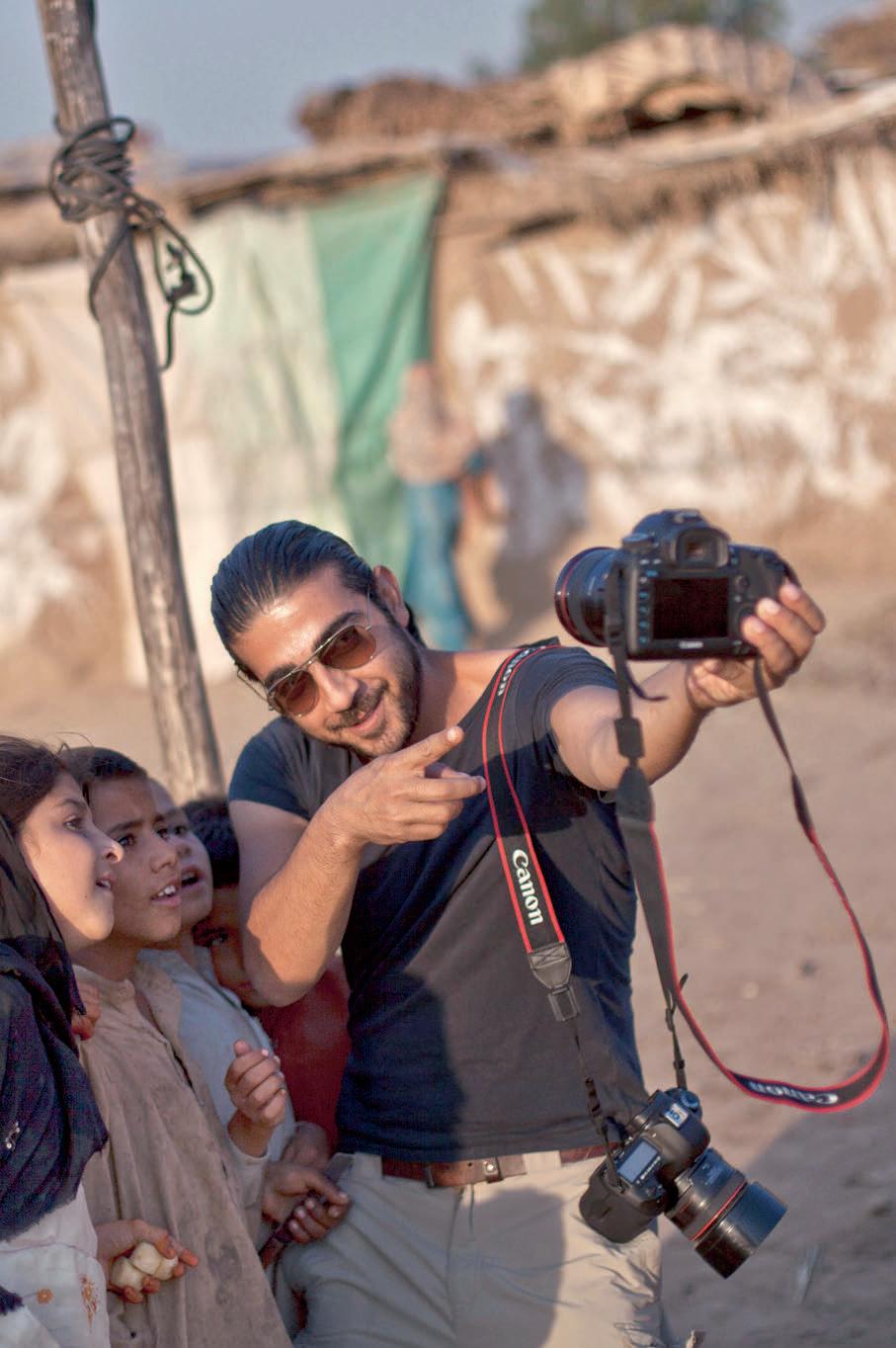
every number and every label, there is a human being with dreams, fears and a story that deserves to be seen, heard and remembered.
That is why I am a photographer. I am on a mission to change the world, one photograph at a time.
Your documentary Finding the Light reflects a transition from classical war photography towards a more personal and engaged mission through the Everyday Refugees Foundation. Was there a moment when you realised that simply documenting tragedy was no longer enough?
— There were several moments throughout my journey when I began questioning whether my role was only to document events. I witnessed firsthand how even a simple act of kindness can make a profound difference in someone’s life.
I remember handing a 10-year-old Afghan refugee named Zawar his own
Home is where I am needed most — especially when the media leaves
portrait and realising it was the first time he had ever seen himself in a printed photograph. It was just a photograph, but for him it meant being seen, remembered and acknowledged.
I also remember seeing a six-yearold boy suffering from a fever, lying on the ground beside his mother while she worked in a brick factory because she neither had the money to take him to hospital nor the possibility of leaving work behind. There were many similar moments that stayed with me.
A decade ago, while standing on the shores of the Greek island of Lesbos documenting the refugee crisis in Europe, I realised I no longer wanted to be only the messenger raising awareness through images and small acts of kindness. I wanted to fully commit myself to helping people in need.
That was the moment I decided to establish the Dutch non-profit organisation Everyday Refugees Foundation in Amsterdam — with the mission not only to continue documenting, but also to educate, support and empower refugees, local communities and internally displaced people around the world.
Your photographs often capture dignity, tenderness and even moments of joy amid humanitarian crises. Why is it important for you to reveal the human being behind the label of ‘refugee’, particularly at a time when migration is increasingly viewed through political and security narratives?
The people I photograph are human beings before they are refugees or displaced persons. Behind the words “refugee” or “IDP” are people who were forced to leave their homes, families, memories and hopes behind in search of safety and a new place to call home. Behind these labels are mothers and fathers, grandparents and grandchildren, scientists, artists, teachers and dreamers. Nobody leaves home unless they are forced to do so.
This is what I try to convey through my photographs: courage, resilience and moments of joy despite hardship. I want to portray people with dignity and respect. I do this by spending time with them, getting to know their environment, respecting their privacy and, most importantly, earning their trust.
We live in an age of endless images, shortened attention spans and instant reactions. Do you believe contemporary audiences are still capable of truly seeing and understanding photography that speaks about human suffering — or have even tragedies become part of the visual noise?
From my personal experience, I believe people still care and continue to find ways to help and make a difference. However, the constant flow of imagery we are exposed to today has made it more difficult to connect
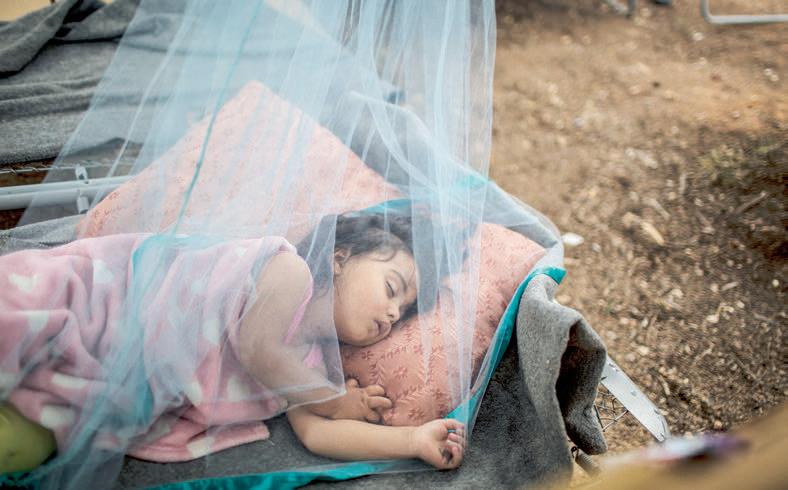
with audiences in the way photography once could.
People sometimes become overwhelmed by the amount of images and news they consume every day, and tragedies risk becoming part of the visual noise.
Nevertheless, I still believe that an honest image can move people and create impact. For me, photography has never been only about documenting destruction or pain, but about reminding people of our shared humanity.
Behind every photograph there is a human being with a story that deserves to be seen, felt and remembered
That is why I always try to show dignity, hope and life continuing even in the hardest moments. Sometimes a simple human moment can say far more than an image of destruction itself. Behind every photograph there is a human being with a story that deserves to be seen, felt and remembered.
You were born in Jerusalem and have spent much of your life documenting people who have lost their homes. How do you personally de-
fine the idea of home today? And after years spent among displaced communities, do you feel that the search for belonging has become a universal human crisis?
— Over the years, my understanding of home has changed. For me, home is where I am needed most — especially when the media leaves. That is often when my story truly begins. It is when I return in order to continue documenting and giving people a voice.
For many of the people I photograph, home is not necessarily a physical place. Home becomes the safety, love and dignity they try to provide for their families wherever they are. I have met people who lost everything overnight, yet still strive every day to create a sense of normal life for their children.
Today, the search for belonging has become something universal. Whether because of war, poverty, climate change or loneliness, many people are searching for a place where they feel safe, accepted, seen and heard. Through my photographs, I want to raise awareness, challenge stereotypes and, above all, amplify the voices of the people I photograph. These are never just pictures — they are voices, messages and testimonies that will outlive us all.
by
Icons first shine in our imagination, handcrafted by our master goldsmiths their glow is passed from our hands to yours, from generation to generation.


+381 60 471 7280
info@nts-international.net
www.nts-international.net
Weishaupt doo Beograd
Omladinskih brigada 88 11070 Beograd
tel: +381 11 35 33 430
e-mail: info@weishaupt.rs
www.weishaupt.rs
32 Long-Standing Ties, New Ideas
Slobodan Šešum Ambassador of Slovenia to Serbia
35 Digitalisation as a Matter of Survival
Borko Ristić Managing Director of Datalab SR
36 The Quiet Strength of Authenticity
Valentina Gagić director, Lisca
38 Trust as the New Business Currency
Danijela Fišakov President of the Slovenian Business Club
40 A Platform for Business Connectivity
41 Drawing Space Through Generations
42 Slovenian Cinema Without Borders
44 The Quiet Modernity of Ivana Kobilca

I believe the first tangible effects of the agreements signed with Serbia will become visible during 2026, through both new investments and joint projects that will be capable of strengthening the competitiveness of the entire region
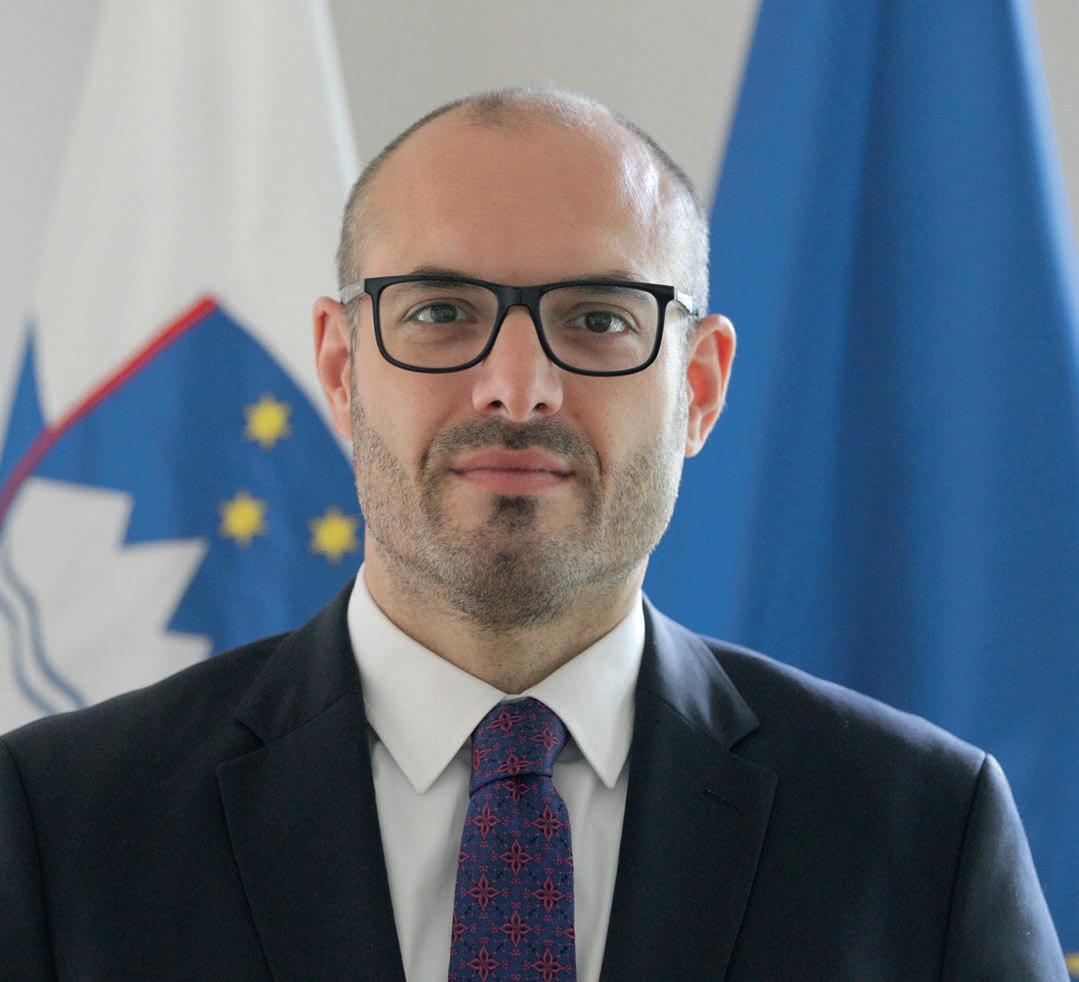
We are living at a time of the forming of new political and economic alliances globally, while existing cooperation models are increasingly being reassessed. Under such circumstances, small, open economies are particularly exposed to changes to the European and global markets. We spoke with Slobodan Šešum, ambassador of Slovenia to Serbia, about the ways Slovenia is coping with global turmoil and the country’s strong dependence on the EU market, particularly Germany, but also about the opportunities for Slovenian and Serbian companies to strengthen their existing cooperation, develop new joint projects and make joint appearances on third markets.
How exposed is Slovenia to the current global instability and to what extent is it impacting your country’s economic growth, inflation levels and business environment stability?
— As a small and highly open economy, Slovenia is significantly exposed to current global instability.
For the citizens of Serbia and the Western Balkans, Slovenia remains the first and most attractive destination for employment, particularly in construction, manufacturing, tourism and healthcare
Exports of goods and services account for around 90% of GDP, placing Slovenia among the EU’s most open economies. Our most important market is Germany, which accounts for approximately 17–20% of our exports. This makes us highly dependent on the health of the German, and broader European, economy.
As a small economy, we are particularly sensitive to global crises and share the destiny of the EU. When global trade is disrupted, energy crises emerge or the automotive industry slows down, the impacts are quickly reflected in our economic growth. GDP growth stood at approximately 1.1 – 1.6% in 2025, which is below the long-term average, mainly due to weaker demand across Europe. Inflation remains relatively stable, at around 2.5%, while the business environment continues to be solid, albeit under certain pressures.
However, our size isn’t only a weakness, but also an advantage. Slovenian companies adapt to change quicker, identify new markets swiftly
and move into segments with higher added value. Many operate successfully in specialised sectors, serving as development suppliers to major global companies — from members of the automotive and electrical industries, via pharmaceuticals and tool manufacturing, to IT.
That’s why I believe that, in a world where change is the only constant, the only long-term solution ensuring stable economic growth is in determined support for innovation, development and increased productivity. This is also Slovenia’s strategic orientation: creating an environment that attracts high-quality talent and capital, while strengthening the competitiveness of our companies.
Foreign investments in Serbia have fallen significantly under these circumstances. What is the current sentiment among Slovenian business partners regarding further investments and joint ventures with Serbia?
— The sentiment towards Serbia among Slovenian investors remains predominantly positive and stable.
Around 1,200 companies with Slovenian capital currently operate in Serbia and have to date invested more than two billion euros. This makes Serbia one of the most important destinations for Slovenian direct investment.
Slovenian companies initially came to Serbia because of competitive labour costs, but today they remain and expand their operations primarily due to the quality of the workforce, the improved business environment and increasingly developed infrastructure.
It’s important to stress that existing Slovenian companies aren’t only remaining in Serbia, but new ones are also arriving, investing in high-tech and prospective sectors like the food industry, biotechnology, advanced technologies and energy.
Naturally, the media occasionally report on problems faced by certain companies, but these cases represent a minority. The vast majority of Slovenian businesses in Serbia are satisfied with business conditions and are planning to further expand their activities.
I believe the joint appearance of Slovenian and Serbian companies on third markets is the next logical step in our relations. Only through such cooperation and connectivity can we remain competitive on a global scale.
What results do you expect from the Memorandum on Strategic Cooperation between SPIRIT Slovenia and the Development Agency of Serbia (RAS), aimed at accelerating development across the Western Balkans?
— We expect concrete and measurable results from this memorandum, which was signed last March and represents an important step towards strengthening economic cooperation between our two countries, with a particular focus on the development of the Western Balkans as a whole. Priority sectors of cooperation include digitalisation, environmental protection, the electrification of the automotive industry and the food industry.
We expect this memorandum to lead to:
• a greater number of joint projects between Slovenian and Serbian companies,
• easier access to information, support and financing for investments,
• the organisation of concrete B2B meetings and joint appearances on third markets.
In this context, I would also highlight the agreement signed between SPIRIT Slovenia and the Serbian Chamber of Commerce & Industry aimed at supporting the joint appearance of our companies on third markets. These two documents complement one another exceptionally well and create a strong institutional framework for future cooperation.
I believe we will see the first concrete results during 2026 — through both new investments and joint projects that will contribute to the competitiveness of the entire region.
The Slovenian labour market relies heavily on workers from the region. Given the growing interest in workers from Serbia and the wider region across the EU, does Slovenia remain an attractive destination for employment?
— Yes, Slovenia remains a highly attractive destination for workers from Serbia and the wider region.
The Slovenian labour market has for years relied heavily on workers from the Western Balkans. By year’s end 2024, around 24,600 residence permits for Serbian citizens had been valid in Slovenia. Foreign workers account for more than 15% of all employees in Slovenia, clearly demonstrating their importance to the Slovenian economy.
The main reasons why workers from Serbia and the region continue to choose Slovenia include geographical proximity and easier integration, cultural similarities and partial knowledge of the language, Slovenia’s EU membership, which provides greater legal certainty, social protection and a higher standard of living, higher salaries compared to countries around the region, as well as simplified procedures for obtaining work permits thanks to bilateral agreements signed between Slovenia and Serbia.
The employment of Serbian citizens in Slovenia is regulated through a bilateral agreement
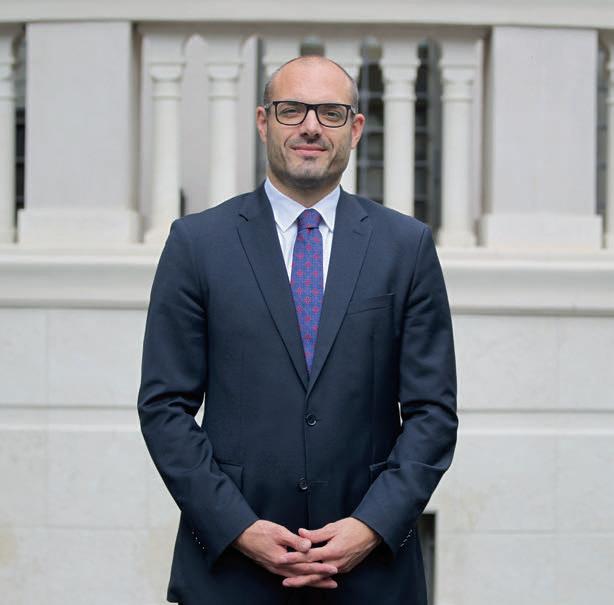
Slovenia’s strategic orientation is to create an environment that attracts high-quality talent and capital while strengthening the competitiveness of our companies
between the two countries, which governs this area systematically. This is a government-level arrangement that ensures an organised, transparent and legal employment process, rather than uncontrolled workforce outflows. The agreement enables the meeting of the needs of the Slovenian labour market in an organised manner, while respecting the interests of both states.
Naturally, Slovenia – like Serbia – is facing a serious labour shortage. As a result, both countries are actively attracting workers from more distant regions, including Asia and Africa. Nevertheless, for the citizens of Serbia and the Western Balkans as a whole, Slovenia remains the first and most attractive destination precisely because of its proximity, easier adaptation and better living and working conditions.
In conclusion, Slovenia remains a highly sought-after destination and I expect this to continue in the years ahead, particularly in sectors such as construction, manufacturing, tourism and healthcare.
by Irena Herak
Companies investing in integrated ERP and AI solutions today are building more resilient operations and long-term competitiveness
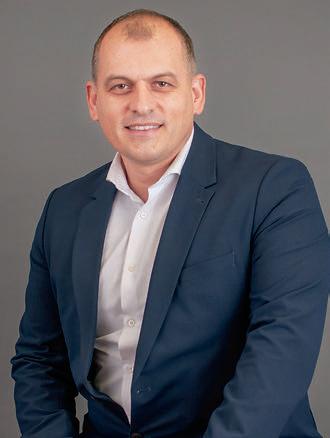
igital transformation is no longer a development advantage reserved for the largest systems, but a key prerequisite for sustainable business. In this interview for CorD, Borko Ristić discusses the level of digital maturity among companies in Serbia and the region, the challenges of implementing ERP and AI solutions, and the role domestic IT companies will play in creating a more efficient and resilient business environment.
DDatalab has been developing solutions that connect digitalisation with traditional business models for many years. How would you assess the readiness of companies in Serbia and the region to adopt advanced ERP and AI solutions, and where do you see the greatest room for improvement?
— I would say that companies in Serbia and the region are far more prepared today than they were just a few years ago, although the level of readiness is still uneven. Large companies and those operating internationally already understand that there can be no long-term competitiveness without advanced ERP and AI solutions. On the other hand, many medium-sized and smaller companies are still in transition – they recognise the need for digitalisation, but face challenges such as a lack of internal expertise, resources or a clearly defined strategy.
At Datalab, we see the greatest potential for improvement in three key areas. The first is a strategic approach to digitalisation, as many companies still implement technology partially and with-
out a clear long-term vision. The second is change management, employee development and education – technology alone does not create value unless people embrace and use it properly. The third is the integration of systems and data.
Datalab operates as part of a regional system with roots in Slovenia, one of the most digitally advanced economies in the region. To what extent have Slovenian technological standards and business practices influenced the development of the solutions you now apply in Serbia and across the Western Balkans? — Slovenia is certainly one of the most mature digital economies in the region, and this has had a very strong influence on the development of the PANTHEON ERP solution. What we adopted from that environment were not only technological standards, but also a way of thinking – a focus on efficiency, process discipline and long-term value for clients.
I should also point out that the digital maturity of both employees and companies in Serbia is advancing rapidly. In some segments, I believe we are even among the leaders in digital transformation, particularly when it comes to e-invoicing and electronic delivery notes. From the very beginning, PANTHEON was developed to respond to the needs of markets at different stages of development, which is why we work both with large corporations and with small and medium-sized enterprises.
At a time when companies are increasingly seeking predictability, efficiency and business resilience, how do you see the future of digital transformation among small and medium-sized enterprises in the region, and what role will domestic IT companies play in that process?
— I believe that, in the coming years, the digital transformation of small and medium-sized enterprises in the region will move from being an initiative to becoming a necessity. In an increasingly unpredictable environment – from market changes to regulatory and global challenges – companies can no longer rely on fragmented systems and manual processes. Predictability, efficiency and resilience today depend directly on the quality of digital infrastructure.
I believe the leading role will belong to domestic companies that view digitalisation not as a one-off project, but as a continuous process. Through PANTHEON, our goal is to be a long-term partner in that journey – helping companies become more efficient, resilient and prepared for the future.
Lisca has built its position not on passing trends, but on a lasting commitment to quality, trust and a responsible relationship towards women, the community and enduring values
Today, brands no longer succeed through visibility and aesthetics alone, but through their ability to build authentic relationships with consumers. Lisca has spent decades shaping its identity on precisely this philosophy, combining comfort, functionality, sustainability and sophisticated design into a recognisable lifestyle concept for the modern woman.
Lisca has recently received recognition for its social impact and authenticity. In an era of hyperproduction, how does a brand with decades of tradition manage to remain genuinely authentic and measure business success through trust, rather than solely through sales figures?
— The awards we have received are not only recognition for design, but proof
brand must have character and a clear identity. When customers feel there is honesty behind every product, trust develops naturally. Our ambition is not to be the loudest brand on the market, but the most reliable companion in the most intimate moments of a woman’s life. That stability is our greatest strength in an industry driven by instant trends.
You have spent decades building relationships with women of all generations. How do you define modern female confidence today, and how is Lisca becoming a lifestyle symbol of that change?
— Modern confidence is no longer about achieving perfection imposed by screens; it is about embracing one’s own nature. Women today expect understanding from a brand, not instructions. That is why we no longer define
In the future, our signature will not only be a recognisable design, but a feeling of harmony and freedom that inspires women to set their own standards of beauty
that the market today values intention more than ever. At Lisca, business success is the result of consistency. We do not try to “buy” attention through aggressive campaigns; we earn it by remaining true to our DNA season after season. For us, authenticity means having the courage to stay true to ourselves while the world around us accelerates.
Our philosophy is rooted in the humanisation of business. We believe a
Lisca solely as a lingerie manufacturer, but as an ecosystem of comfort and confidence. We are here to support women in all their roles — from business meetings to moments of complete relaxation. Our transformation into a lifestyle brand means integrating comfort and aesthetics into every part of the day. Minimalist design and outstanding functionality are our response to the growing need for simplicity and elegance. We

want every woman wearing Lisca to feel that unwavering inner strength. In the future, our signature will not only be a recognisable design, but a feeling of harmony and freedom that inspires women to set their own standards of beauty.
You often emphasise that sustainability is not a trend, but a moral compass. How does Lisca connect social responsibility with everyday business operations?
— For us, responsible business is inseparable from brand integrity. In the world of fast fashion, we choose the path of uncompromising quality. A product that lasts for years while retaining its shape and comfort represents the highest level of environmental awareness. By investing in quality, we directly oppose the culture of excessive consumption.
However, our responsibility does not end there. It is embedded in our relationship with employees, the careful selection of resources and continuous support for the community. Through projects focused on women’s health and empowerment, we strive to return value to the society in which we operate. Profit only has meaning if it serves a greater purpose. We believe business and humanity must function as one. By purchasing our products, consumers become part of a system that respects labour, preserves resources and contributes to a better future for generations to come. That is our vision of sustainability — real, tangible and deeply human.

Digital tools have accelerated communication, but they have not replaced personal relationships. On the contrary, direct meetings, quality dialogue and mutual understanding have become more important than ever

Danijela Fišakov, President of the Slovenian Business Club, speaks about regional connectivity, new investment priorities, labour market challenges and the growing importance of stable business partnerships in a time of global uncertainty.
In times of global uncertainty, are business clubs becoming “bridges of stability” in the region?
— Business clubs and bilateral organisations today play a far broader role than traditional networking platforms. In times of uncertainty, companies increasingly seek reliable partners, first-hand information and platforms that enable dialogue with institutions and the business community.
That is why business clubs are becoming bridges of stability and trust across the region. Companies are looking not only for networking opportunities, but also for support in understanding regulatory and market changes and building longterm partnerships.
One of the advantages of the Slovenian Business Club is that membership provides access not only to companies in Serbia, but also to the global network of Slovenian business clubs.
Which sectors are becoming key to the next phase of Serbian-Slovenian cooperation?
— Slovenian companies have been present in Serbia and the wider region for decades, recognised for their long-term approach, stability and understanding of the local market.
A reliable business club today is no longer merely a directory of contacts, but an active intermediary helping transform an initial digital connection into a stable and lasting partnership
While the first wave of investments after 2000 focused on retail, banking and acquisitions, today the investment focus has shifted towards sectors with stronger development potential, including energy, green technologies, digital solutions, logistics, sustainable infrastructure and advanced industries.
Interest is also growing in projects that combine innovation, sustainability and regional interoperability. I believe the next phase of cooperation between Serbia and Slovenia will rely much more on knowledge, technology transfer and the joint development of sustainable business models.
How has the way business people build trust and partnerships changed?
— The way business people build contacts has undergone a profound transformation. Today, almost nobody enters a meeting without first researching their potential partner.
However, although technology has accelerated communication and enabled initial contacts online, traditional formats such as working break-
fasts, Speed Business Meetings and informal gatherings remain irreplaceable.
Business people still want to feel the energy, commitment and integrity of the partners with whom they plan long-term cooperation. Direct meetings, quality dialogue and mutual understanding have become more important than ever.
That is why the Slovenian Business Club combines traditional networking formats with modern communication models, expert panels and platforms that encourage long-term partnerships.
How prepared are companies in the region for green transition, ESG standards and digitalisation?
— These are no longer future-oriented concepts, but direct questions of competitiveness. While large international companies already operate according to these standards, many smaller businesses are still adapting to new market demands.
There is strong awareness across the region, but also a visible gap between ambition and the real capacity to implement transformation. The biggest challenges remain the shortage of specialised talent, significant investment needs and slower institutional adaptation.
At the same time, this creates opportunities for regional cooperation, knowledge exchange and joint projects capable of accelerating the transition.
What will be the biggest business challenge in the region over the next five years?
— Business challenges are becoming increasingly interconnected. Labour shortages remain one of the most serious issues, particularly in technology, energy and specialised industries, while companies also continue to point to administrative inefficiency and geopolitical uncertainty.
However, perhaps the greatest challenge will be the ability to adapt quickly to change — from technological transformation to new expectations from employees and the market.
Companies that remain flexible, innovative and regionally connected will have the strongest chance of success in the years ahead.
SPK recently held its electoral assembly session. What were the results?
— The members of the Slovenian Business Club recognised the work and results achieved by the current leadership and entrusted the President and Board of Directors with another mandate.
A new mandate also brings four new years of responsibility.
For more than two decades, the Slovenian Business Club has been strengthening business ties between Serbia and Slovenia through networking, knowledge exchange and regional cooperation initiatives.
The Slovenian Business Club (SPK), which brings together more than 150 members, has for 23 years served as a platform connecting the Serbian and Slovenian business communities. Through around 30 annual events, organised independently or with partners, SPK promotes networking, business cooperation and the exchange of expertise, while actively participating in regional and European business initiatives.
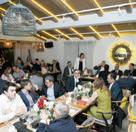
The annual CEO Gathering brings together directors and company owners from SPK member companies, providing an opportunity for informal networking, the exchange of business perspectives and the strengthening of mutual cooperation.
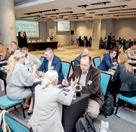
Organised together with partner associations, the
Speed Business Meeting gathers more than 60 company representatives from various sectors for one-on-one meetings, business networking and the development of new partnerships.
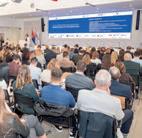
In cooperation with regional business associations, SPK organised the 4th Regional Conference on Transport, Logistics and Supply Chains, gathering more than 200 participants from five countries. Discussions focused on digitalisation, infrastructure investment, sustainable logistics and regional connectivity, while a special panel addressed the role of women in logistics leadership.
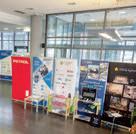
Located in New Belgrade, the Slovenian Showroom
promotes Slovenian companies, products and services through presentations, business meetings and networking events, creating opportunities for new partnerships and market visibility.
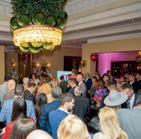
The traditional New Year reception, held at the Hyatt Regency Hotel, brought together members and partners of the Club to reflect on key achievements from 2025 and underline the importance of bilateral cooperation.
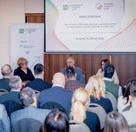
In cooperation with the Croatian Business Club, SPK organised a panel discussion dedicated to business risks and insurance practices in Slovenia, Croatia and Serbia,
gathering more than 40 participants from the insurance and wider business sectors.
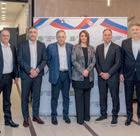
During its annual and electoral session, SPK reviewed the results achieved in 2025 and presented plans for 2026, reaffirming its focus on concrete business initiatives, stronger international cooperation and closer alignment with the needs of the business community.
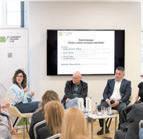
SPK organised a working breakfast dedicated to labour market trends in Serbia, focusing on labour shortages, employee retention and the regulatory framework, with participation from HR professionals, company representatives and institutions.
The exhibition “Marjan and Marko Mušič: The Art of Architectural Drawing”, realised through cooperation between the Slovenian Academy of Sciences and Arts (SAZU) and the Serbian Academy of Sciences and Arts (SANU), explores a century-long dialogue between architecture, artistic expression and cultural continuity.
At a time when architecture is increasingly shaped by digital technologies and accelerated urban transformation, the exhibition Marjan and Marko Mušič: The Art of Architectural Drawing offers a reminder of the enduring value of the hand-drawn line as a space of thought, intuition and artistic reflection. Opened at the Gallery of Science and Technology of the Serbian Academy of Sciences and Arts (SANU), the exhibition also highlights the continuity of cultural and institutional dialogue between Slovenia and Serbia through the cooperation of their two leading academies.
Dedicated to two generations of distinguished Slovenian architects — father and son Marjan and Marko Mušič — the exhibition presents architectural drawing not merely as a technical tool, but as an autonomous artistic language and a fundamental instrument of architectural thinking.
The selected works reveal both continuity and difference in the creative approaches of Marjan and Marko Mušič. Their drawings trace the evolution of architectural expression across an entire century, while simultaneously opening broader questions about permanence, identity and the human dimension of space.
Marjan Mušič, one of the most important Slovenian architects of the twenti-
The exhibition shows that architectural drawing is not merely a sketch or technical preparation, but a fundamental instrument of research, reflection and creation
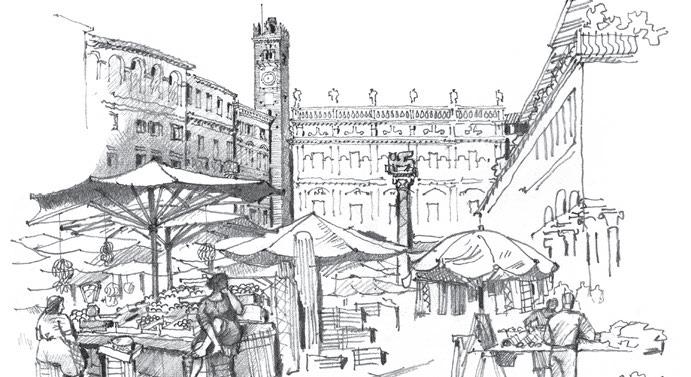
eth century, was known for combining Mediterranean influences, regional heritage and modernist sensibility. His son, Marko Mušič, developed an equally distinctive architectural language shaped by monumentality, symbolism and strong spatial narratives. Together, their works represent a unique intergenerational dialogue between tradition and contemporary architectural thought.
The exhibition particularly emphasises that architectural drawing remains irreplaceable even in the age of digital design. While contemporary technologies have transformed architectural practice, the hand-drawn sketch still provides the most direct connection between the architect’s idea and the emerging form. The displayed works demonstrate that drawing is not simply preparation for architecture, but architecture itself in its earliest and most intimate phase.
Beyond its artistic dimension, the exhibition reflects a broader question increasingly relevant to contemporary architecture: what remains essential, lasting and deeply human in the shaping of space.
In a period dominated by speed, algorithms and standardised visual communication, the exhibition reaffirms the importance of observation, artistic discipline and intellectual continuity.
It also reminds visitors that architecture ultimately represents far more than construction or technology alone — it remains a reflection of memory, identity and human experience.
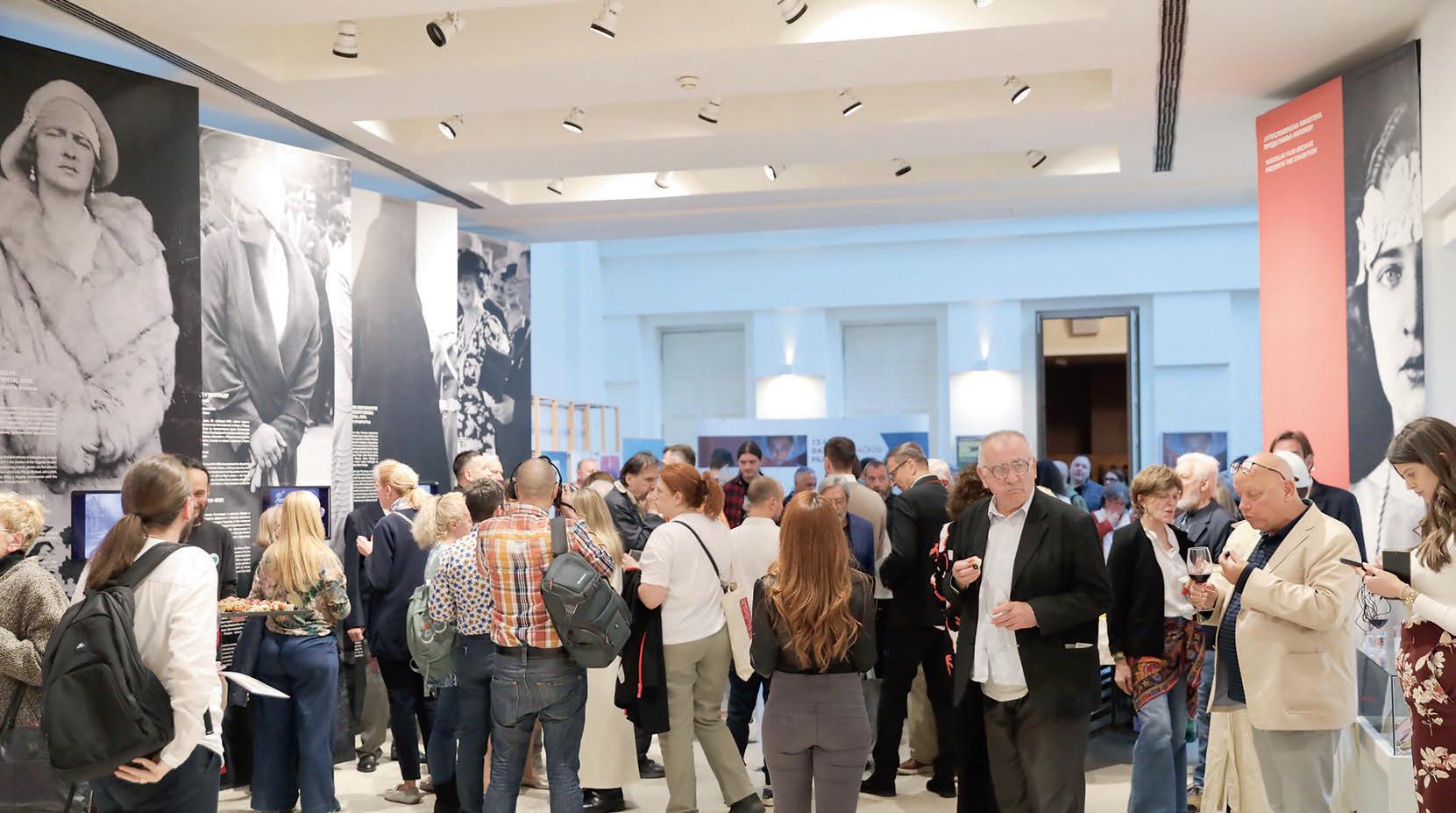
The 12th Days of Slovenian Film in Belgrade reaffirm the strength of a cinematic dialogue that continues to connect regional audiences while bringing a new generation of Slovenian filmmakers into sharper focus
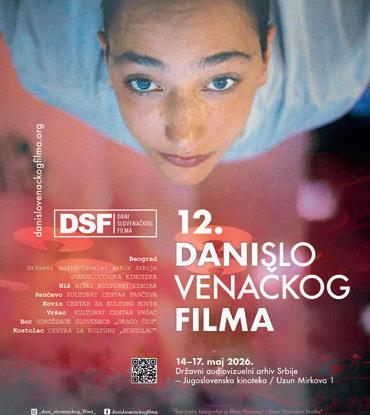
Held annually at Belgrade’s Yugoslav Film Archive, the Days of Slovenian Film have grown into one of the most important platforms for cinematic exchange between Serbia and Slovenia. The twelfth edition of the festival, held from 14 to 17 May, once again confirmed the vitality of contemporary Slovenian cinema and its increasing visibility within the wider European cultural space.
This year’s programme presented a carefully selected overview of contemporary Slovenian
feature, documentary and animated films, alongside regional and European co-productions. Under the artistic direction of filmmaker Dragomir Zupanc, the festival offered insight into some of the most notable titles and authorial tendencies that marked Slovenian cinema over the past year. The festival opened with Little Trouble Girls by director Urška Djukić and closed with Fantasy by director Kukla, two films that framed the thematic focus of this year’s edition through different interpretations of coming of age, identity and emo-
overview of annual production by offering audiences deeper insight into individual artistic practices. Božič’s accompanying masterclass explored his interdisciplinary approach to filmmaking and visual storytelling.
Another important segment was DSF+, a short film selection curated by Vladimir Šojat, bringing together fiction, documentary, animated and experimental works. The programme offered a valuable overview of the diversity and creative energy of Slovenia’s contemporary short-form production, while also creating space for emerging authors and innovative cinematic approaches.
Alongside screenings, the festival included a series of accompanying events, including a panel dedicated to the avant-garde Slovenian art movement OHO, discussions on contemporary Slovenian female filmmakers and conversations with audiences following screenings. These programmes reinforced the festival’s role not merely as a showcase, but as a space for dialogue, interpretation and cultural exchange.
Speaking at the opening ceremony, representatives of the organisers and partner institutions
Contemporary Slovenian cinema continues to gain international visibility through intimate storytelling, visual precision and a new generation of distinctive authors
tional vulnerability. Their inclusion also highlighted the growing presence of a new generation of Slovenian female directors whose work increasingly attracts international attention.
Djukić’s Little Trouble Girls already enjoyed a successful festival trajectory before arriving in Belgrade. Premiering at the Berlin International Film Festival, where it received the FIPRESCI Critics’ Award, the film went on to collect numerous international recognitions and earned a nomination from the European Film Academy.
One of the key additions to this year’s programme was Author in Focus, dedicated to cinematographer and director Gregor Božič. Conceived by selector Sonja Đekić, the programme expanded the festival beyond a representative
emphasised the importance of long-term cultural cooperation between Slovenia and Serbia. Saša Verbič, President of the Slovenian Society Sava in Belgrade, reflected on the development of the festival since its launch in 2014, while Yugoslav Film Archive Acting Director Aleksandar Erdeljanović highlighted the growing opportunities for collaboration between Slovenian and Serbian film professionals.
Slovenian Ambassador to Serbia Dr Slobodan Šešum underlined the increasing quality and international visibility of Slovenian productions, while legendary actress Anica Dobra perhaps best captured the essence of Slovenian cinema by describing it as a “small cinematography” whose strength lies precisely in its honesty, precision and ability to speak through intimate human experiences rather than spectacle.
Featuring nineteen films across multiple formats, the twelfth Days of Slovenian Film once again demonstrated that contemporary Slovenian cinema remains artistically ambitious, thematically relevant and increasingly influential within the regional and European cultural landscape.
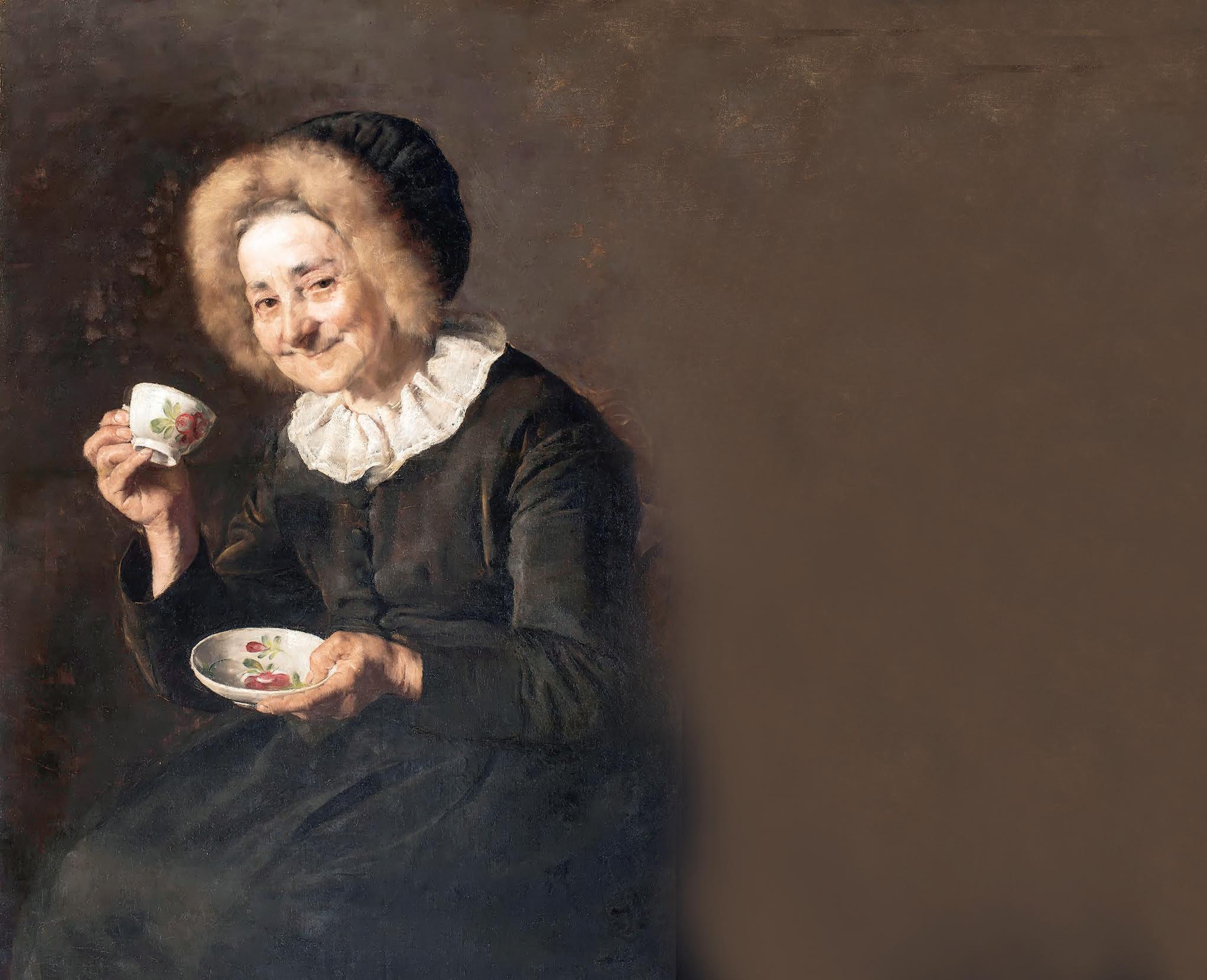
TheA century after her death, Ivana Kobilca remains one of the defining figures of Slovenian and Central European art
Amajor retrospective at the National Gallery of Slovenia has once again brought attention to the remarkable artistic legacy of Ivana Kobilca (1861–1926). Bringing together works from different periods of her career, the exhibition reaffirms her place not only within Slovenian cultural history, but also within the broader narrative of European realism and early modernism.
Born in Ljubljana in 1861, at a time when opportunities for women artists remained severely limited, Kobilca pursued an unusually ambitious and independent path. After early studies in Ljubljana and Vienna, she continued her artistic education in Munich, one of Europe’s leading artistic centres of the late nineteenth century. There she developed a visual language shaped by realism, naturalism and plein-air painting, while simultaneously becoming part of a wider cosmopolitan artistic network.
Her career was defined by movement between Europe’s cultural capitals. Paris proved especially significant, exposing her to international artistic circles and bringing recognition through exhibitions at the prestigious Salon of the Société Nationale des Beaux-Arts, where she became an associate member — a rare achievement for a Slovenian woman artist of the period.
Kobilca’s paintings combined technical precision with emotional subtlety. Works such as Summer and Woman Drinking Coffee transformed intimate everyday moments into compositions marked by light, atmosphere and psychological nuance. Rather than focusing on monumental historical themes, she turned towards portraits,
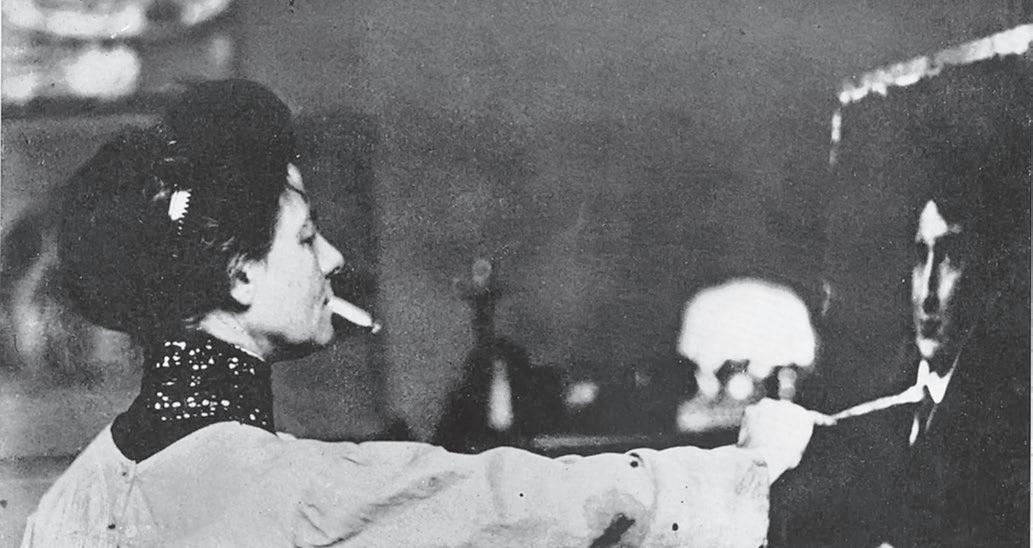
interiors and domestic scenes, developing a distinctly introspective artistic language.
Today, that restraint feels strikingly contemporary. Her paintings reveal a quiet sophistication shaped less by spectacle than by observation, intimacy and emotional discipline. In many ways, they reflect a broader Central European sensibility positioned between realism, symbolism and early modernity.
Her years in Sarajevo further expanded her artistic perspective. Living there between 1897 and 1905, Kobilca worked on portraits, commissions and church decorations while becoming part of the city’s evolving cultural life under Austro-Hungarian administration. The experience introduced additional cultural layers into her work and reinforced her position as a truly transnational artist.
Despite her international success, Kobilca often faced prejudice within a male-dominated profession. Critics frequently reduced her work to supposedly “feminine” qualities, overlooking the discipline and technical rigor behind her
paintings. Yet her career itself represented a quiet form of resistance. She travelled independently, built professional networks across Europe and sustained herself through artistic work at a time when women were rarely granted such autonomy.
This is precisely why her work resonates so strongly today. Beyond their beauty, Kobilca’s
Ivana Kobilca built an international artistic career across Vienna, Munich, Paris, Sarajevo and Berlin at a time when women were still largely excluded from the European art world
paintings reflect broader questions of identity, visibility and cultural belonging within a rapidly changing Europe. A century after her death, she continues to stand not only as one of Slovenia’s defining artists, but also as a significant European cultural figure whose quiet modernity still feels remarkably relevant.

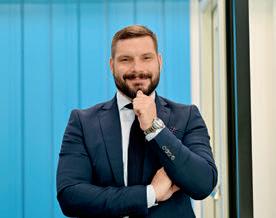
Milen Janjić Founder and CEO of Intellya
Technology alone does not deliver transformation. Companies capable of combining artificial intelligence, strong talent and clear strategy will emerge as leaders of the new business era, says Milen Janjić

s artificial intelligence rapidly moves from experimentation to serious business application, companies are increasingly facing a crucial question — how to turn technological potential into genuine competitive advantage. According to Milen Janjić, Founder and CEO of Intellya, the greatest challenge today is no longer access to technology, but the ability of organisations to strategically integrate AI into processes, decision-making and corporate culture. In an interview for CorD, Janjić discusses the difference between genuine AI transformation and technological marketing, the future of customer experience, the limits of automation, the importance of trust and data governance, and why people — not algorithms — remain the key drivers of change.
AToday, almost every company claims to use AI. Where is the line between real transformation and technological marketing? — We are witnessing a historic technological revolution driven by artificial intelligence, and it is true that companies are using AI to some extent. However, when it comes to strategic and transformational implementation, the picture is entirely different. Serious deployment still exists in a relatively small number of organisations, while marketing remains far more dominant than systemic application.
The main problem is the shortage of highly trained professionals with practi -
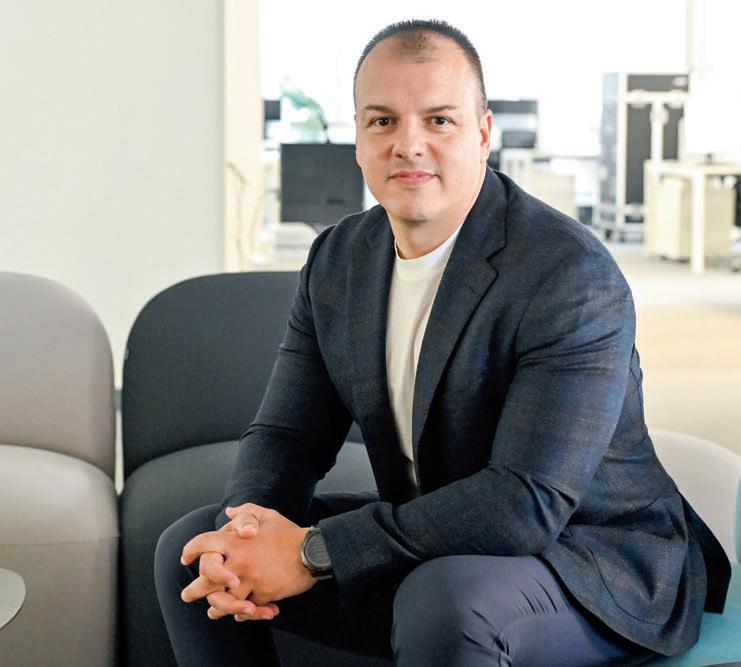
cal experience in machine learning and artificial intelligence. The technology itself is mature enough for implementation, but the IT sector remains predominantly traditional.
After almost a decade of working on ML implementation projects, we can now very easily distinguish between companies using AI primarily for PR purposes and those pursuing a clear strategy and a serious transformation process.
Ultimately, the difference comes down to people. High-quality professionals become even more valuable with AI, while weak talent remains weak regardless of technology. Artificial intelligence will not replace people, but it will significantly increase the importance of capable individuals.
Is there a risk that companies, in their pursuit of efficiency and automation, could lose the human relationship with clients?
— This question should be viewed from two perspectives — technological progress and changing user expectations.
Technology today enables highly personalised services and customer experiences that increasingly resemble human interaction. However, AI must be used responsibly and within clear ethical and regulatory frameworks. The fact that something is technologically possible does not automatically mean it should be used without limitations.
At the same time, users themselves are changing. People are becoming increasingly willing to accept AI-driven services when they provide faster and better solutions to their problems. In many situations today, users already prefer intelligent systems to traditional support channels.
Even more important is what AI changes behind the scenes. Long bureaucratic and operational processes can now become significantly faster and more efficient thanks to intelligent automation and multi-agent architectures.
Nevertheless, companies must find the right balance. Technology should create additional value, but not completely eliminate human interaction. Organisations capable of successfully combining automation, data and human expertise will naturally become market leaders.
Across the region, digitalisation is often discussed more than it is strategically implemented. What is today’s biggest obstacle — technology, management or fear of change?
— Our market has long suffered from an underdeveloped project culture. IT projects are often implemented with uncertain timelines and unclear outcomes.
However, fear of change is no longer the main issue. Today, many companies are more concerned that change may not happen quickly enough. Technology itself is no longer the limiting factor either. The real challenge lies in strategic planning and management’s ability to understand how to invest in transformation over the medium and long term.
Globally, AI projects still deliver relatively modest results. Only a small percent-
age of implementations generate full business impact, mainly because companies underestimate the importance of organisational readiness, internal expertise, and a culture built around data and processes.
Responsibility now shifts to top management. Leaders must clearly define strategic goals, build strong teams, and plan long-term
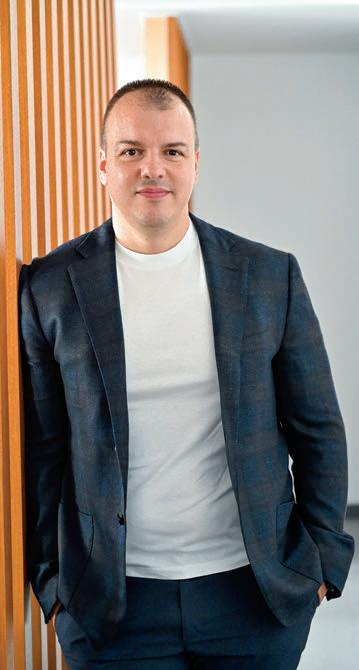
A good manager supported by AI can create a revolution, while poor management will simply produce more expensive problems
AI investments. A good manager supported by AI can create a revolution, while poor management will simply produce more expensive problems.
As questions surrounding control over data, decisions and algorithms become increasingly important globally, will future competitive advantage be defined by technology or by trust?
— Technology without trust has no longterm value.
Large systems today manage enormous volumes of data, often highly sensitive. That is why it is crucial for companies to retain control over their own data and the way it is used.
There are several implementation models for AI systems — cloud solutions, private instances, or fully closed on-premise systems. The choice depends on the company’s strategy, the regulatory environment and the level of control an organisation wishes to maintain.
At Intellya, we develop and implement AI solutions specifically for large systems where security, control and reliability are top priorities.
However, regardless of technological sophistication, trust remains decisive. Only technology aligned with business practice, regulation and clearly defined processes can become a genuine competitive advantage.
What is the biggest misconception business leaders currently have about artificial intelligence?
— The biggest misconception is that AI alone will solve a company’s problems.
Today, artificial intelligence can improve almost every business process to some extent, including creative and complex tasks once believed to be reserved exclusively for humans. However, the key responsibility of management is not simply to follow technological trends, but to understand where AI can genuinely create sustainable business value.
That is why investing in people is now more important than ever. We need highly skilled professionals capable of working alongside AI technologies and using them to create additional value.
Companies lacking internal expertise often do not even know what to purchase, nor how to unlock the full potential of technology. AI is not a magic wand — it is a tool that delivers results only when supported by strategy, knowledge and a culture of continuous improvement.
“Corporate lending continues to be one of the key support channels for economic activity”
Jorgovanka Tabaković Governor of the National Bank of Serbia
Visa and Halkbank AD Beograd have officially launched the first Visa Signature Business card on the Serbian market, introducing a premium banking product aimed at companies, executives and frequent business travellers. Presented at a launch event in Belgrade, the new card combines corporate expense management tools with a range of premium travel and concierge services.
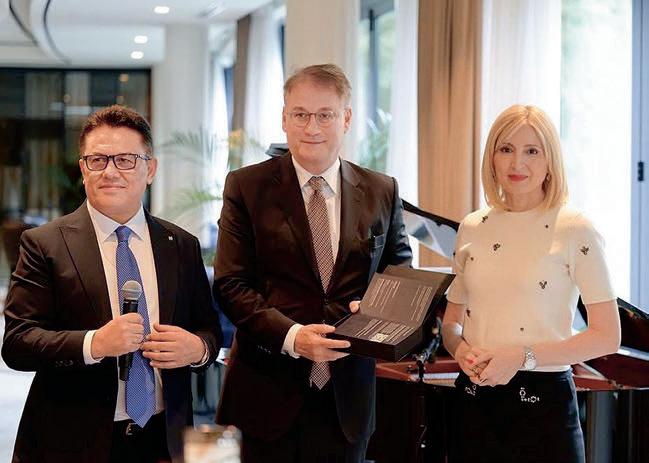
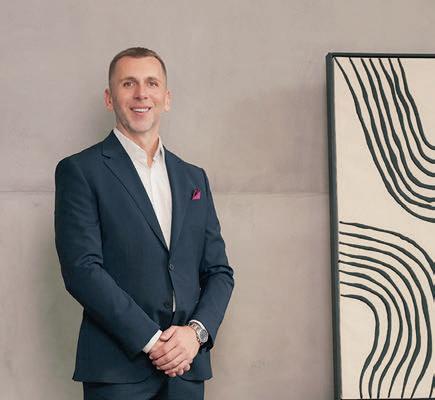
As Leasing Director, Office and Retail, Bojan will focus on further enhancing experience across MPC Properties’ assets, attracting leading international and local brands, and supporting the continued growth and evolution of the company’s assets. In his new role, he will lead leasing activities across the retail portfolio while continuing to oversee office leasing operations.
PepsiCo’s snack factory in Maglić has marked 30 years of operations, during which it has grown into one of the company’s most important production and distribution centres in Serbia and the wider region. Over the past decade, the company has continued investing in production capacity, portfolio expansion and logistics, while a significant share of products manufactured in Maglić is exported to markets including Croatia, Bosnia and Herzegovina, Greece, Hungary and Italy.

“AI is changing both the nature of demand and the way services are delivered ”
Vladimir
Lučić
CEO of Telekom Srbija Group
The Generali Group has unveiled Redion, a new global brand bringing together Europ Assistance and Generali Employee Benefits under a single international Care platform. The move reflects Generali’s growing ambitions in health, employee protection, travel insurance and assistance services. According to the company, Redion already operates in more than 190 countries, employs over 12,000 people and generated €5.8 billion in annual business volume in 2025.
Serbia is approaching the final phase of negotiations with Hungary’s MOL Group, with Energy Minister Dubravka Đedović Handanović indicating that an agreement could be reached by the end of the May. The talks are focused on resolving key issues related to energy cooperation and supply arrangements. According to the ministry, discussions have progressed constructively, with both sides working toward a solution that would ensure long-term stability in the oil sector.
H.E. Mr Omar AMGHAR
New Ambassador of Morocco to Serbia
His Excellency Mr. Omar Amghar has been appointed Ambassador Extraordinary and Plenipotentiary of the Kingdom of Morocco to the Republic of Serbia. A seasoned diplomat with more than three decades of experience, Ambassador Amghar has built an extensive career within Morocco’s Ministry of Foreign Affairs.
Prior to his appointment in Serbia, he served as Chargé d’Affaires and Head of Mission to the European Union and NATO in Brussels. His previous roles include Consul General in Strasbourg, Director of the European Union and Mediterranean Processes Directorate, and Deputy Head of Mission in Brussels. Over the course of his career, he has also held several senior positions focused on relations with the European Union, both at headquarters and in diplomatic missions abroad.
Ambassador Amghar holds a Bachelor’s degree in Physics from Mohammed V University in Rabat, as well as a certificate in management from Groupe ISCAE. Born in Tangier in 1968, he is married and a father of two children.

“In a connectivity-driven economy, the network becomes part of national infrastructure”
Zoran Milovanović CEO of MTEL

Žito Group has formally completed the acquisition of Zvijezda Plus and Zvijezda Slovenia from Fortenova Group, marking one of the most significant transactions in the regional food industry in recent years. Following approvals from all relevant regulatory authorities, Žito d.d. officially became the owner of 100 percent of the business shares in Zvijezda Plus d.o.o. and Zvijezda Podjetje za notranjo in zunanjo trgovino d.o.o. Ljubljana.
Croatia Airlines has reportedly cancelled up to 900 flights as rising fuel costs continue to put pressure on airline operations across Europe. The company is said to be restructuring parts of its timetable in order to reduce financial losses and maintain operational stability during a period of volatile energy prices.
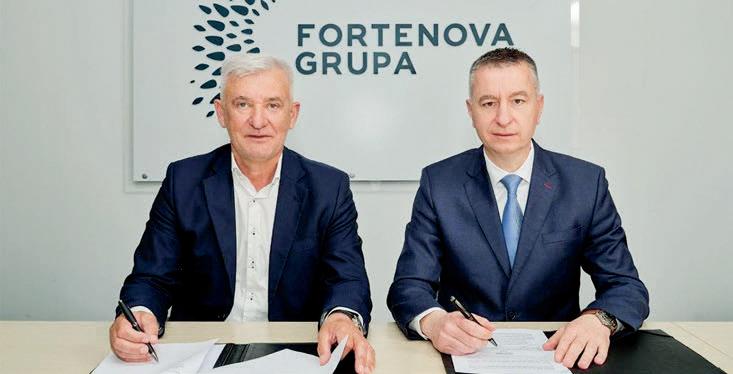
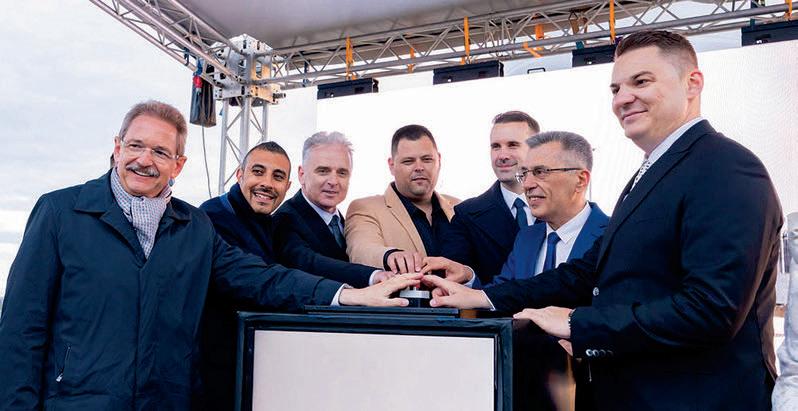
Montenegro has officially launched the Gvozd Wind Farm into trial operation, in partnership with Nordex and the European Bank for Reconstruction and Development – EBRD. The launch was marked on Europe Day, highlighting its symbolic importance for Montenegro’s energy transition and European integration path.
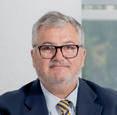
“The integration with Komercijalna Banka became the clearest symbol of transformation”
Martin Leberle CEO of NLB Bank Podgorica
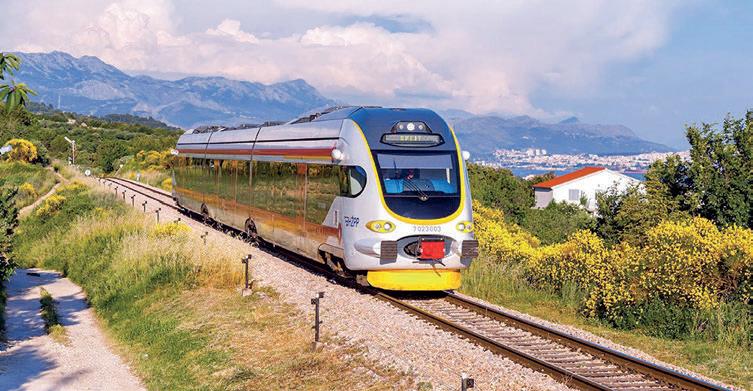
Procter & Gamble has appointed Dragan Brkljač as Senior Director – Sales Serbia and South East Europe, within its Freedom within Framework Markets programme, effective 1 May 2026. In his new role, Brkljač will lead the P&G’s sales organisation across Serbia and Southeast Europe, with a clear mandate to accelerate market growth and deepen partnerships.


AFCONS Infrastructure Limited has joined what is being described as the largest railway project in Croatia, reflecting the country’s continued push to modernize transport infrastructure and strengthen regional connectivity. The project is part of broader efforts to upgrade rail networks and improve links with European transport corridors.
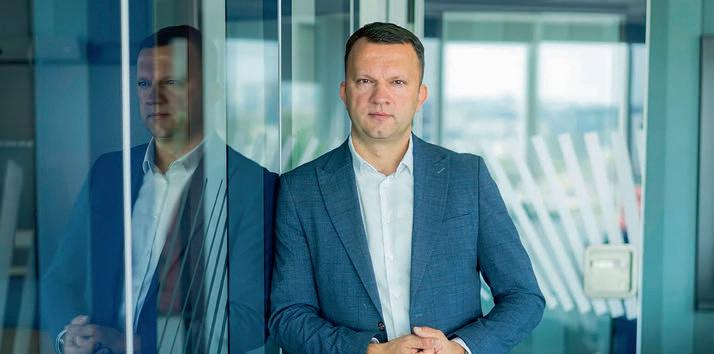
Kraš Group reported €45.5 million in revenue in the first quarter of 2026, up 4.3% year-on-year, while net profit reached €1 million, almost doubling compared to the same period last year. EBITDA stood at €3.3 million, with a margin of 7.7%, reflecting improved profitability despite a moderate rise in costs.
As Malaysia strengthens its position as one of ASEAN’s most advanced manufacturing and trading economies, Serbia is emerging as an increasingly important partner in Southeast Europe. From digital trade and advanced manufacturing to halal industries and sustainable supply chains, the two countries are entering a new phase of economic cooperation shaped by resilience, diversification and long-term strategic opportunity
By Ravidran Manogaran
alaysia has evolved from a historic maritime trading hub into one of ASEAN’s most advanced manufacturing and export-oriented economies, a transformation that continues to shape our international partnerships today. The country is now recognised among the world’s leading trading nations, positioning itself as a strategic bridge between Southeast Asia and emerging European markets, including Serbia.
A major turning point in Malaysia’s economic development came during the 1970s, when the country accelerated its industrialisation process and attracted substantial foreign investment, particularly in the electrical and electronics sector. Over time, this transformation created a highly diversified economy driven by advanced manufacturing, technological innovation and strong entrepreneurial activity.
Malaysia’s economic performance in 2025 reflected the maturity of this long-term transformation. Total trade surpassed RM3 trillion for the first time, reaching RM3.06 trillion,
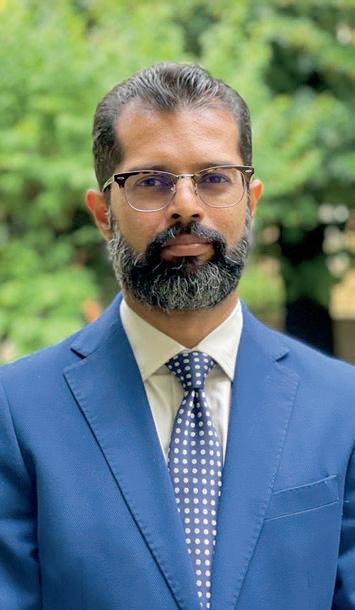
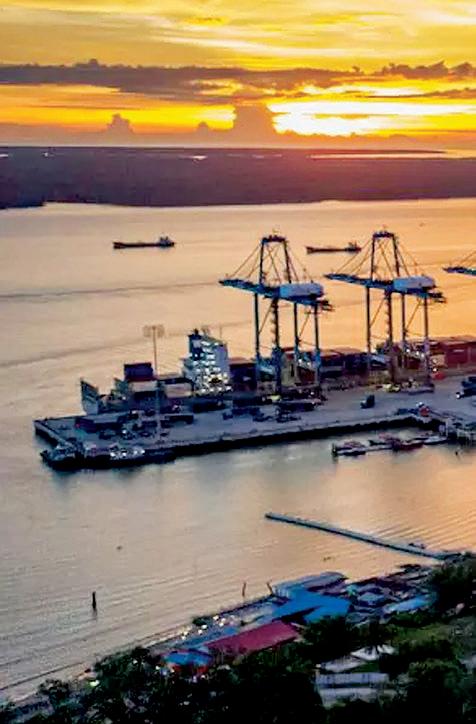
while exports climbed to a record RM1.61 trillion. By maintaining a trade surplus for 28 consecutive years, Malaysia has demonstrated a level of fiscal stability and industrial reliability increasingly valued in today’s uncertain global environment.
Within Europe, Serbia is steadily emerging as an increasingly important trade partner. Total bilateral trade between the two countries reached RM110.73 million in 2025, with Malaysian exports accounting for RM79.48 million and imports from Serbia totalling RM31.25 million.
However, the most significant development came during the first quarter of 2026, when imports from Serbia recorded remarkable growth, largely driven by mining goods and metal-related exports. This sharp increase signals a potentially important shift in bilateral trade relations and highlights growing opportunities for industrial cooperation between the two markets.
At the same time, Malaysia continues to provide Serbia with important agricultur-
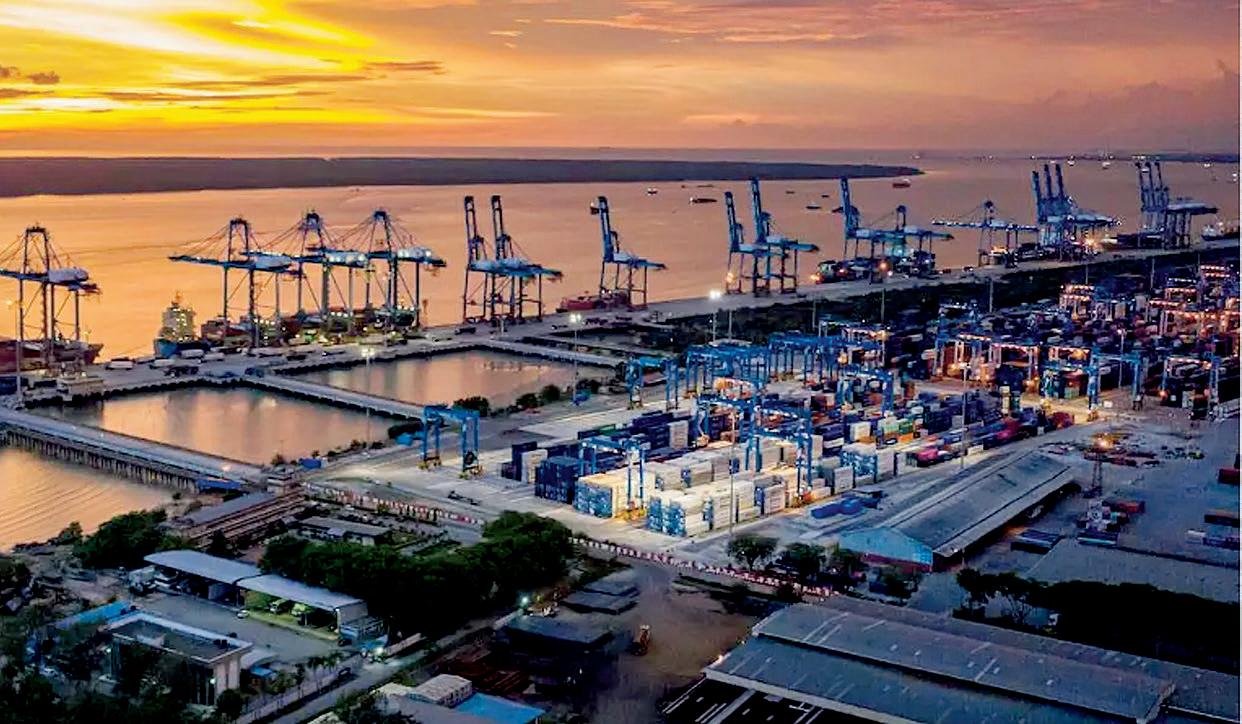
al and manufactured products, including palm oil, electrical and electronic components and industrial materials that support modern production and supply chains.
Malaysia’s strategic geographic position, combined with its extensive regional trade agreements, provides international companies with direct access to wider ASEAN
wSupporting these connections is MATRADE, Malaysia’s national trade promotion agency, which continues to facilitate international partnerships through business matchmaking, market access support and direct engagement with Malaysian companies.
As part of our broader digital trade strategy, Malaysia has also launched the Madani
In an increasingly fragmented global economy, stronger Malaysia–Serbia cooperation reflects the growing need for resilient partnerships, diversified markets and new strategic bridges between Europe and Southeast Asia
markets. Serbian companies can increasingly find opportunities across Malaysia’s broad industrial and service sectors, particularly in electrical and electronics industries, chemicals, machinery, healthcare, logistics, tourism, digital economy, halal, islamic banking and finance.
Digital Trade Platform, designed to simplify international business cooperation and improve direct access to verified Malaysian suppliers and manufacturers. The initiative reflects a wider effort to modernise trade channels and strengthen cross-border commercial connectivity.
Another important platform for future cooperation is the Malaysia International Halal Showcase (MIHAS), recognised as one of the world’s leading halal trade exhibitions. As global demand for halal-certified food, agriculture and consumer products continues to grow, the event creates new opportunities for Serbian producers and exporters seeking access to rapidly expanding international markets.
As Serbia advances its industrial modernisation and European integration process, we increasingly see the country as a strategic regional partner. The potential for cooperation extends far beyond traditional trade, encompassing technology, sustainable industries, digital transformation and long-term investment partnerships.
In a period marked by geopolitical uncertainty and supply-chain diversification, stronger ties between Malaysia and Serbia can provide a valuable foundation for resilient growth and broader economic connectivity between Southeast Europe and Southeast Asia.
By Embassy of Malaysia in Serbia
Few destinations in Asia combine cultural diversity, tropical landscapes and contemporary urban energy as naturally as Malaysia. Through the Visit Malaysia 2026 campaign, the country presents itself not only as a tourism destination, but also as an experience shaped by heritage, gastronomy, modern lifestyle and nature.
As the nation’s capital, Kuala Lumpur reflects the dynamic character of modern Malaysia. The city effortlessly blends multicultural heritage with contemporary architecture, luxury retail, renowned gastronomy and a vibrant street-food culture. From upscale districts and rooftop restaurants to bustling night markets and traditional neighbourhoods, Kuala Lumpur offers visitors an authentic insight into Malaysia’s cosmopolitan lifestyle.
Among the city’s newest landmarks is The Exchange TRX, a modern financial and lifestyle district that combines premium shopping, dining and green public spaces in the heart of the capital. Just a short distance away, Jalan Alor remains one of Kuala Lumpur’s most famous culinary destinations, attracting visitors with its lively atmosphere and diverse local flavours.
Malaysia’s cultural identity is perhaps best experienced in Penang and Malacca, two UNESCO World Heritage destinations that preserve the country’s rich historical legacy. George Town, the capital of Penang, is known for its unique blend of colonial architecture, Chinese heritage houses, temples and contemporary art spaces. Its streets reveal layers of Malaysian history shaped by centuries of trade, migration and cultural
exchange, while its food scene has become internationally recognised as one of Southeast Asia’s culinary capitals.
In Malacca, visitors encounter another side of Malaysia’s multicultural past. Jonker Street, located in the city’s historic centre, is famous for its heritage buildings, antique shops, cafés and vibrant night markets, offering a distinctive atmosphere where history and contemporary lifestyle coexist.
For travellers seeking nature and relaxation, Langkawi provides a very different Malaysian experience. Surrounded by the Andaman Sea and framed by ancient rainforest landscapes, the island is recognised as Southeast Asia’s first UNESCO Global Geopark.
Langkawi combines luxury hospitality with eco-tourism, offering everything from exclusive beach resorts to island-hopping adventures and rainforest experiences. Among its best-known attractions is the Langkawi SkyCab and SkyBridge, which provide panoramic views of the island’s dramatic natural scenery.
Visit Malaysia 2026 will feature more than 300 cultural events, festivals and lifestyle programmes across the country. Highlights include Citrawarna Malaysia, a celebration of the nation’s diverse cultural traditions, as well as the internationally acclaimed Rainforest World Music Festival, which brings together musicians and performers from around the world.
From urban sophistication and historical heritage to tropical landscapes and cultural festivals, Malaysia continues to position itself as one of Asia’s most diverse and welcoming travel destinations.

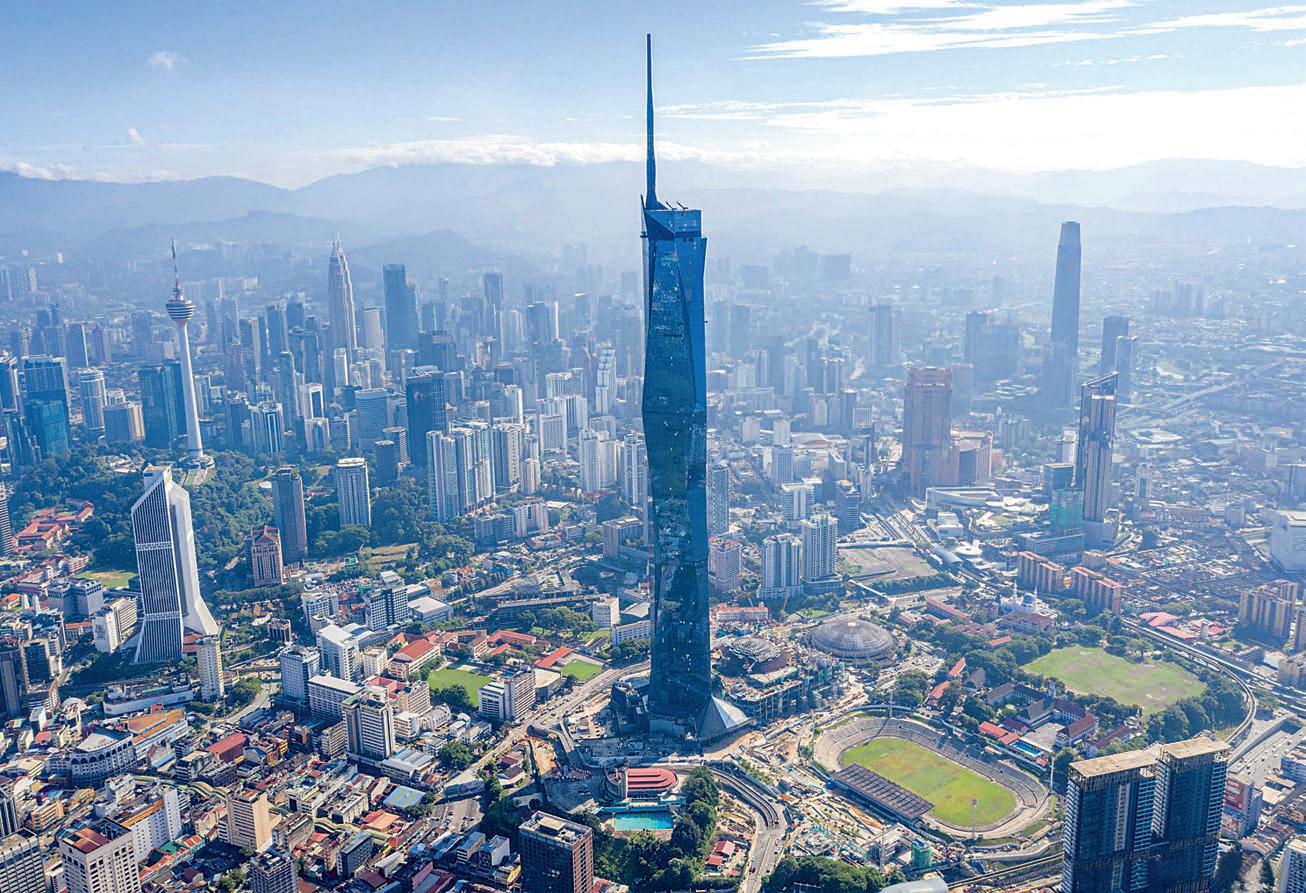
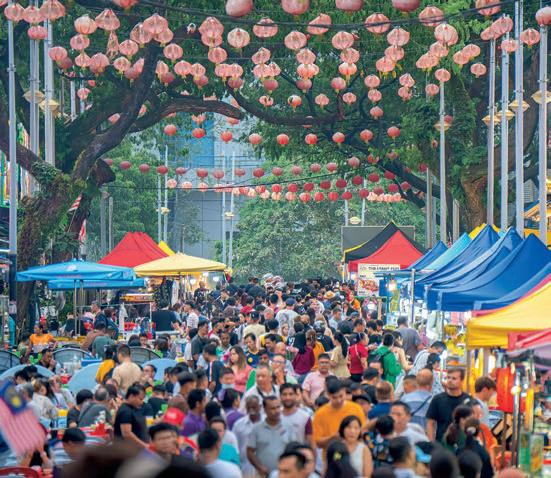
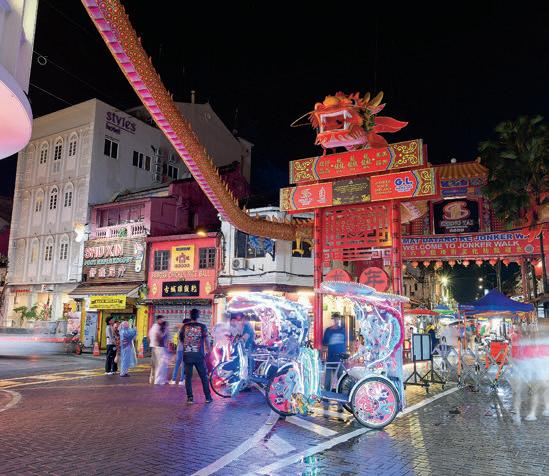

“In business, opportunities rarely come perfectly formed. They come disguised as change”
Michael Dell
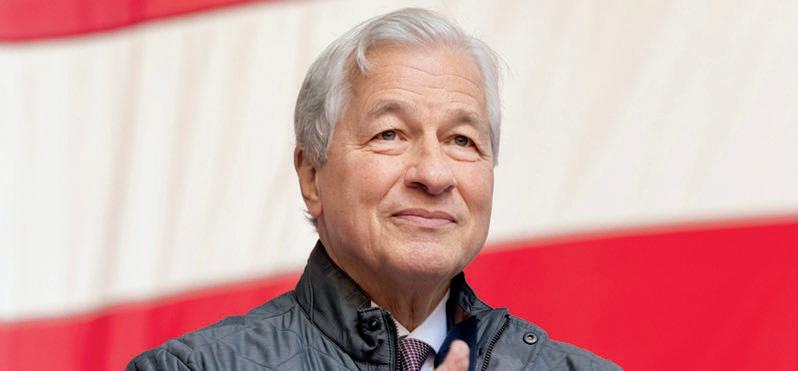
Uber is considering an improved takeover bid for Germany’s Delivery Hero after an initial offer was rejected earlier this month. The potential deal could become one of the largest food-delivery acquisitions in recent years and would significantly strengthen Uber’s position in Europe, the Middle East and Asia. Investor interest surged after reports suggested negotiations between the two companies were continuing.
JPMorgan Chase is preparing for a new wave of acquisitions, with CEO Jamie Dimon saying the bank is ready to spend up to $20 billion on strategic deals. The announcement signals growing confidence in global M&A markets after a slower period for transactions. Dimon described the current business environment as increasingly active and competitive.


CVC Capital Partners and Groupe Bruxelles Lambert have launched a €10.7 billion takeover offer for Italian pharmaceutical company Recordati. The deal would take the company private and rank among Europe’s biggest healthcare buyouts in recent years. Investors continue to show strong interest in specialty pharmaceuticals and rare-disease treatments.
Igor Albunović Regional Businesses Development Manager for CEE at ASSA ABLOY Global Solutions
Digitalisation and security are reshaping the hospitality industry, but long-term growth still depends on trust, adaptability and strong partnerships across Central and Eastern Europe

AManager for Central and Eastern Europe at ASSA ABLOY Global Solutions, Igor Albunović operates at the intersection of technology, hospitality and regional business development. In an industry where digitalisation, security and guest experience increasingly define competitiveness, he believes that innovation alone is not enough without long-term partnerships and a strong understanding of local markets. In this interview for CorD, he discusses leadership, regional business culture and the evolving expectations of premium hospitality clients.
What do you consider your greatest professional achievement in developing business across the Central and Eastern European region?
— In our business, particularly across Central and Eastern and Southern Europe, success is measured not only by results, but also by the value we create for clients and partners. The greatest reward comes from being involved in a project from the very beginning – from the initial idea and implementation process to the moment when the solution becomes part of the client’s everyday operations.
That process carries a special responsibility because we know we are not simply observing change, but actively contributing to it. Every project leaves a mark, both
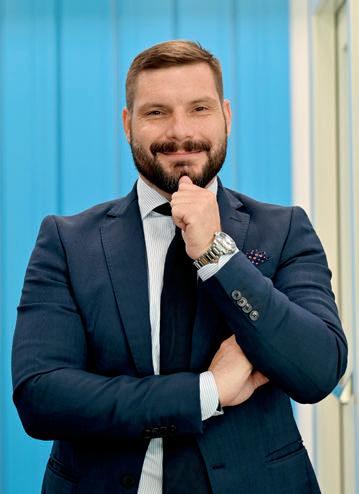
on the market and on our own professional development.
We are not simply delivering products. We help clients create safer, smarter and more efficient hospitality environments that support long-term growth.
How important are innovation and client relationships for long-term growth in today’s hospitality industry?
— If we fail to follow innovation trends and properly inform our clients, we effectively slow down their development. The trust clients place in us comes with responsibility, because their growth and progress are closely connected with our own role and expertise. Today, companies that are not continuously thinking about innovation across every
segment of business risk falling behind rather than standing still. While some hesitate, others are already creating new opportunities and setting new industry standards. Innovation is not only about improving business performance. It also allows organisations to optimise processes, improve efficiency and create more time for people –both professionally and privately
You are known as a manager who successfully combines corporate standards with a very approachable leadership style. How important are leadership, trust and personal relationships in building a successful regional career today? — Corporations rely on clearly defined standards and procedures designed to reduce risk and ensure operational stability across different markets. Such systems are essential for efficient and sustainable business performance. At the same time, business remains fundamentally people-oriented. In our industry, long-term relationships with colleagues, partners and clients are often the foundation of lasting success.
The business culture of the Balkans is traditionally more direct and relationship-driven than in some Northern European markets. I see that as an advantage, particularly in an industry where trust, responsiveness and a personal approach play an important role. Professionalism does not have to mean distance. The strongest partnerships are built over time through reliability, consistency and an understanding of clients’ needs. No matter how digital and technology-driven the industry becomes, the human dimension of business remains equally important.
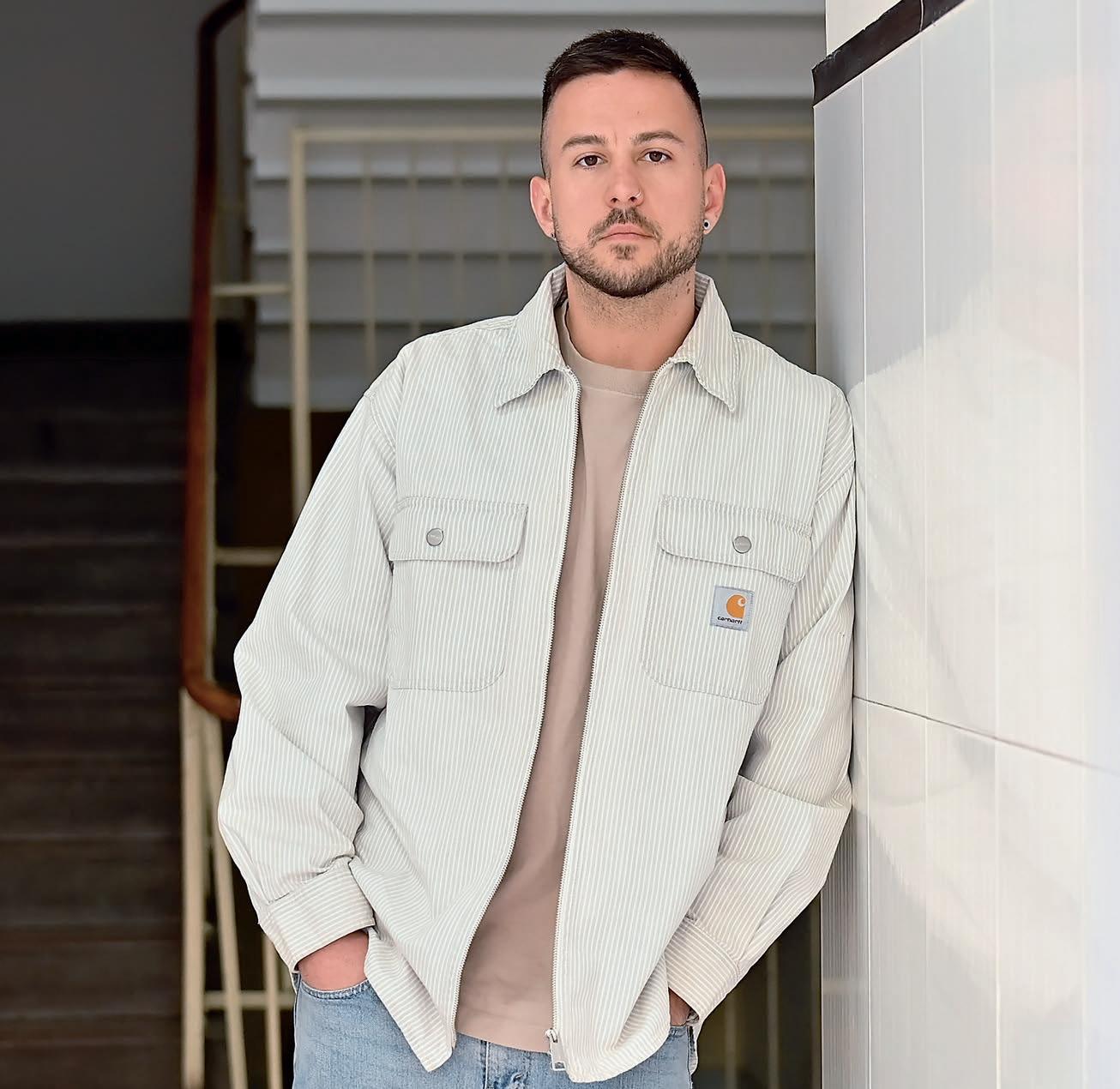
At some point between a flight to Miami and a strategy call with his team in Lisbon, Igor Radošević opens his laptop and finishes a track. A few hours later, he is discussing market expansion across multiple continents. For him, this is not a contradiction. It is a system.
Radošević, a 30-year-old entrepreneur from Belgrade, moves between two worlds that rarely intersect: electronic music and global business infrastructure. As a DJ and producer performing internationally under the name Cosmic G, and as Chief Sales Officer and Managing Director of Native Teams, he rep-
resents a new type of entrepreneur — one who does not separate identity into categories, but builds across them.
Work as a System, Not a Structure
He grew up in an environment where discipline was expected and creativi-
From DJ booths to global business systems, Igor Radošević is building a model that refuses to choose one path

ty encouraged. At 15, he was working on construction sites, carrying heavy loads — an experience that left a lasting impression. It was not just about earning money, but about understanding that effort alone was not enough.
“That was the moment I realised I needed to find a smarter, more crea-
Igor Radošević Entrepreneur and DJ
tive way to build a life,” he says. Music came early. He formed his first band at 14, followed by another soon after, before moving toward a more individual expression through electronic production. Over time, that evolved into a global presence, with performances across Europe and the Unit-
ed States, and a catalogue of albums and tracks shaped by a mix of 1990s influences and contemporary sound. Yet music, for him, was never about pressure or structure. It remained a space of control — something he could return to between meetings, in transit, or whenever an idea sur-
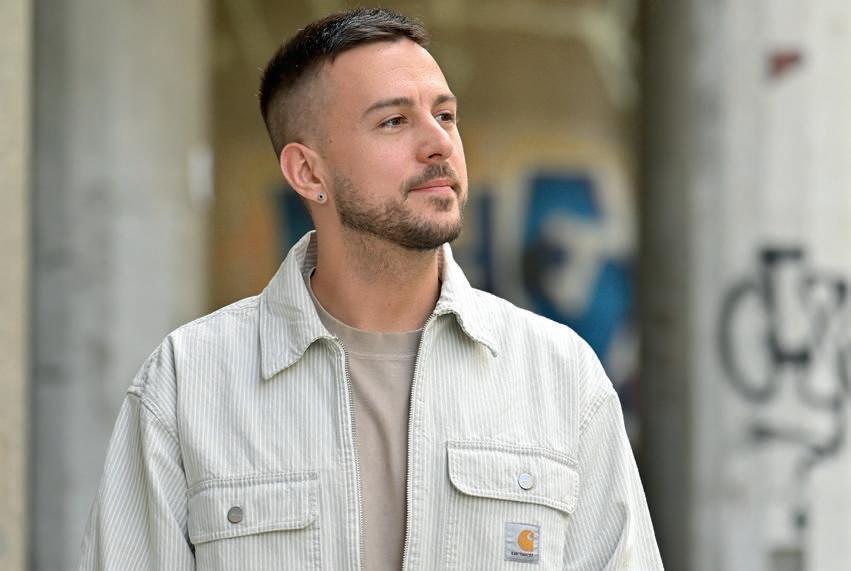
faced. Business, on the other hand, became the platform that enabled that freedom.
The shift toward entrepreneurship began during his studies, which combined mechanical engineering with sound production. Early professional experience at Red Bull, where he worked with young talent and community building, helped shape his u nderstanding of people and systems — lessons that would later define his leadership approach.
In 2020, together with a small team in Belgrade, he co-founded Native Teams. The timing was precise. As remote work accelerated globally, so did the need for infrastructure that could support it.
The idea was simple, but execution was not: create a platform that allows individuals and companies to operate across borders without being slowed down by legal, administrative, and financial complexity.
Today, Native Teams operates in 95 markets, with a team of 400 people across 70 countries and offices in Belgrade, Lisbon, Zagreb and Miami. The company handles everything from employment and relocation to payroll
and compliance — turning what was once a fragmented process into a single operational system.
Its growth reflects a broader shift in how work is defined. Increasingly,
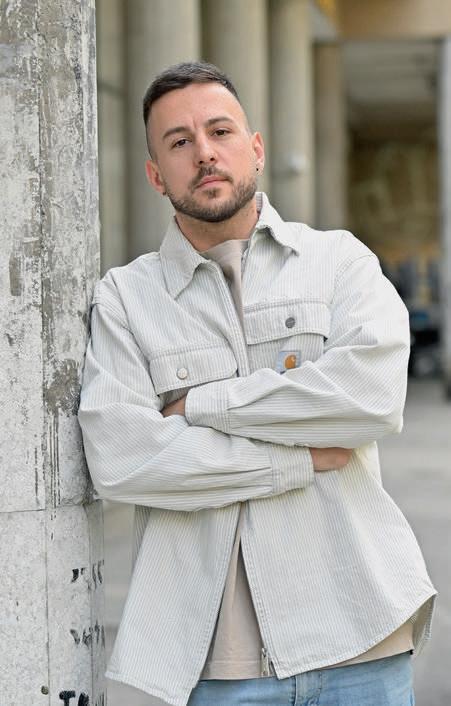
talent is distributed, expectations are changing, and traditional employment models are being rethought.
What distinguishes the company is not only its expansion, but its internal philosophy. Much of the team consists of young professionals, many at the start of their careers, given responsibility early. Compensation levels exceed local averages, and women make up half of the workforce.
For Radošević, this is not positioning — it is structure.
“There is no shortage of talent in this region,” he says. “What is often missing is opportunity early enough.”
That approach has shaped the company’s culture as much as its product. It is also reflected in how he thinks about success. Acquisition offers have already been made, but the response has been cautious. If a deal were to happen, he notes, it would come with one condition: the team remains intact.
Leading a company that operates across jurisdictions and cultures requires constant adjustment. Each market brings different expectations, regulations and ways of working. For Radošević, that complexity is not a burden, but a driver.
“We are a generation that does not wait for permission,” he says. “If we see a problem, we solve it. If there is no path, we build one.”
It is a statement that defines both his company and his career. There is no single track, no dominant identity, and no clear separation between disciplines. Instead, there is a system built on movement — between industries, cities and ideas.
For a generation increasingly unwilling to choose between stability and autonomy, that model is not an exception.
It is a signal of what comes next.

Dubravka Đedović Handanović Serbian Minister ining and Energy
Aleksandra Čupić Head of
By
Đurđa Radivojević
General Manager, Smurfit Westrock Avala Ada
Katarina Kulić
Sustainability and ESG Expert, UN Consultant
As climate regulation, carbon pricing and energy security reshape global markets, green transition is becoming less a question of sustainability rhetoric and increasingly one of economic resilience and competitiveness
For years, discussions about green transition were dominated by climate goals, renewable energy and environmental responsibility. Today, however, both Europe and Serbia are entering a new phase in which the green agenda is increasingly defined by economics, industrial competitiveness and long-term energy stability. What was once largely viewed as a sustainability issue is rapidly becoming a central question of investment, technology and market survival.
The introduction of the EU’s Carbon Border Adjustment Mechanism (CBAM) marks a turning point in that transformation. What initially appeared to be another regulatory instrument is rapidly becoming a powerful economic force capable of reshaping investment flows, industrial strategies and export competitiveness. For economies like Serbia’s, strongly connected to the European market while still significantly dependent on fossil fuels, the implications are profound.
The green agenda is no longer a matter of corporate image or sustainability reporting alone. It is increasingly becoming a question of production costs, access to capital, technological readiness and market survival. The price of carbon emissions is no longer theoretical; it is entering financial calculations, investment models and strategic planning across industries.
This shift is already visible throughout the energy and industrial sectors. Companies are being forced to rethink supply chains, energy sources and long-term investment priorities. Financial institutions are integrating climate risk into lending policies. Governments are balancing decarbonisation with energy security and industrial stability. The debate has moved far beyond environmental policy and entered the core of economic strategy.
At the same time, the transition itself is becoming more technologically complex. Renewable energy expansion today cannot be discussed without addressing grid stability, energy storage, digital infrastructure and the growing energy demands of artificial intelligence and data centres. Eu-
rope’s return to questions of nuclear energy, strategic raw materials and industrial resilience reflects this new reality.
For Serbia, this moment represents both a challenge and an opportunity. The country’s future competitiveness will increasingly depend on its ability to modernise energy infrastructure, accelerate industrial transformation and integrate more deeply into Europe’s evolving green economy. The pace of adaptation may ultimately become as important as the transition itself.
This edition of Thinking Green & Living Clean therefore focuses less on sustainability as an abstract concept and more on the economic, financial and technological realities of transition. The questions are no longer whether green transformation will happen, but how quickly economies and companies can adapt to it — and at what cost.
Because in 2026, green transition is no longer only about protecting the future. It is increasingly about remaining competitive in the present.
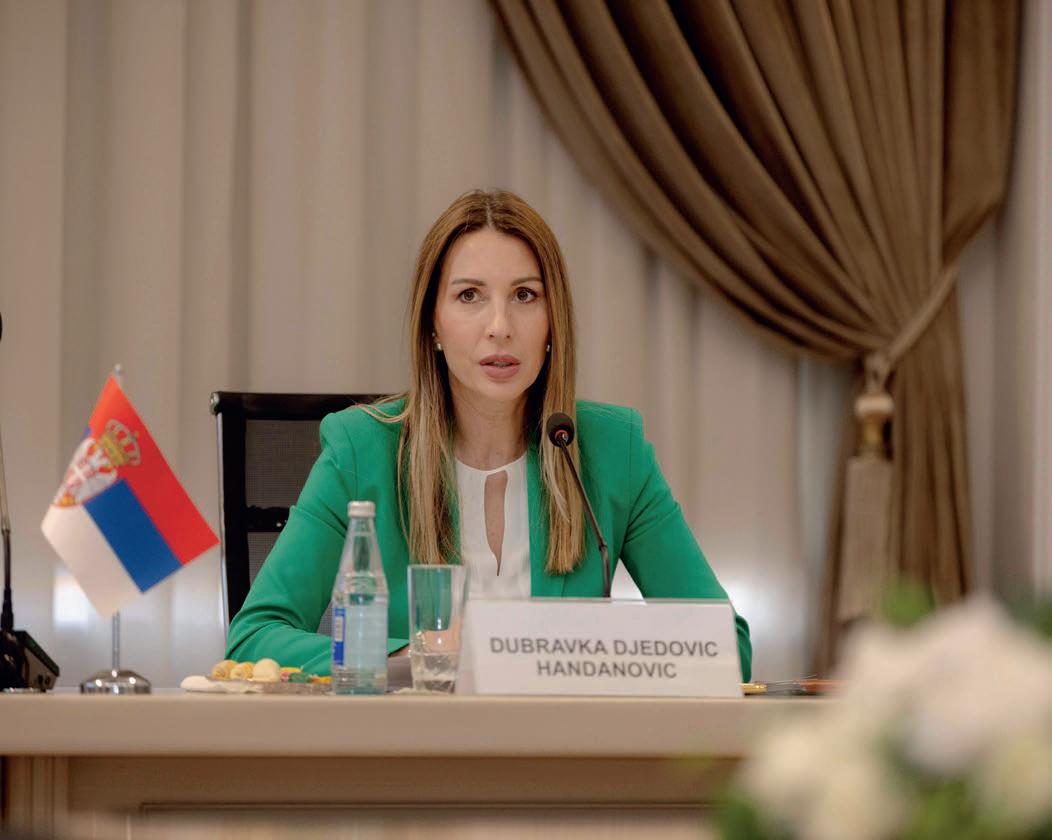
As European climate rules become increasingly stringent, Serbia is attempting to balance decarbonisation, energy security and industrial competitiveness DUBRAVKA
Serbian Minister of Mining and Energy
Europe’s green agenda and the introduction of the CBAM mechanism are raising new questions for countries that still rely heavily on coal. For Serbia, the energy transition is no longer solely a climate issue, but also a matter of industrial competitiveness, investment sustainability and the long-term stability of the energy system. In an interview with CorD, Dubravka Đedović Handanović, Serbia’s Minister of Mining and Energy, discusses the challenges of decarbonisation, the role of EPS, financing the transition and Serbia’s place within Europe’s future energy architecture.
How does Serbia plan to balance decarbonisation with preserving industrial competitiveness following the introduction of CBAM? — Serbia follows global, and gradually also European, climate policy. Due to the high share of coal in its energy mix, Serbia must carefully manage the decarbonisation process and changes in carbon pricing. The growth of variable renewable energy sources needs to be aligned with the system’s integration capacities and with the gradual replacement of coal by other forms of baseload energy, including gas-fired power plants, nuclear energy and, eventually, hydrogen where necessary.
CBAM, through which the EU seeks to protect its industry, will encourage the implementation of measures that can accelerate sustainable decarbonisation in Serbia as well. To support this process, Serbia has begun implementing the Law on GHG Emissions Taxation, with an initial carbon price of four euros per tonne of CO₂, significantly lower than the current EU ETS price of around 70 euros per tonne.
Maintaining a low carbon price helps avoid sudden increases in energy costs for citizens, while preserving industrial competitiveness, energy security and the operational stability of energy companies. By the time Serbia joins the EU, the country is expected to be prepared for integration into the EU ETS.
However, we still do not see a solution for countries with a high share of coal that would overcome the incompatibility between CBAM implementation and the functioning of interconnected electricity markets. This raises questions regarding market coupling with the EU, which remains one of the key objectives of European integration and the EU’s common energy policy.
How can Serbia secure a sustainable financing model for the energy transition?
— Sustainable financing of the energy transition requires a combination of funding sources, including the state, international financial institutions, commercial banks and the energy companies’ own resources. This approach is also embedded in the “Serbia 2035” development plan, whose objective is to make the country more energy secure, better connected to European and regional markets and positioned as a stable energy hub in Southeast Europe.
The total estimated value of projects under the plan for the 2028–2035 period amounts to approximately €14.4 billion and includes budget financing, loans and the companies’ own investments.
EPS is expected to receive a credit rating by the end of the year, which could improve its access to capital markets, including the issuance of green bonds. At the same time, the government is attempt-
strengthened its production portfolio through new green energy capacities, while the Bajina Bašta pumped-storage hydropower plant has been revitalised for the first time in more than four decades. The completion of desulphurisation facilities at TENT A and TENT B has also reduced harmful emissions at Serbia’s largest thermal power plants.
Additionally, the government is being asked to recognise up to 80 per cent of EPS investments in renewable energy sources as a tax credit. This would enable faster decarbonisation through a more financially sustainable transition model.
Where does Serbia see its competitive advantage within the green transition?
— Expanding generation capacities is a prerequisite not only for industrial growth, but also for
ing to design a transition model that does not significantly undermine citizens’ living standards or the competitiveness of the domestic economy.
How important is the transformation of state-owned energy companies to the success of Serbia’s green transition?
— There can be no strong energy sector without strong and stable energy companies. EPS has advanced the furthest in the reform process so far, recording more stable operations for the third consecutive year while continuing to invest in new generation capacities.
Alongside the new 350 MW thermal unit in Kostolac, EPS has
the broader transformation of the economy towards new technologies and artificial intelligence. Without stable energy capacities, it is impossible to develop infrastructure such as data centres, whose electricity consumption is becoming increasingly significant.
The “Serbia 2035” plan envisages investments of around €6.5 billion in new generation capacities, including gas-fired plants, the Bistrica and Đerdap 3 pumped-storage hydropower projects, as well as more than 1.2 GW of new renewable energy capacity. Significant investments in transmission and distribution networks are planned in parallel.
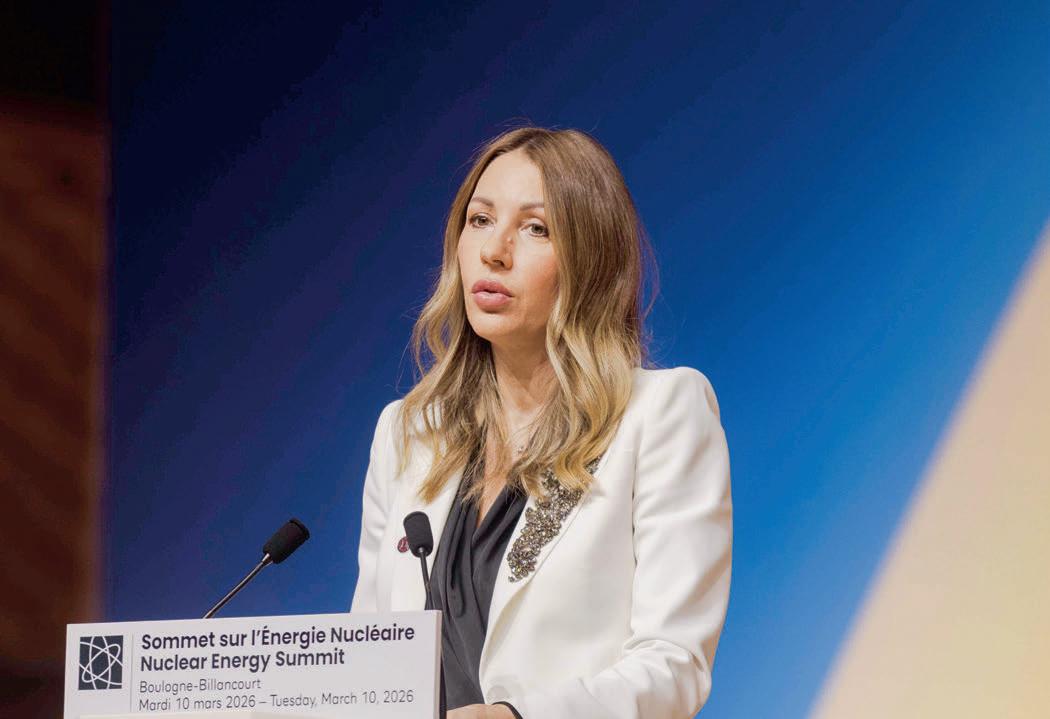
Serbia has also launched the development of a national nuclear programme, which is currently in its initial phase. The objective is to complete all studies required for the Government to make an informed decision on the implementation of the nuclear programme by mid-next year.
Is the green transition already reshaping Serbia’s investment landscape?
— The energy transition is already affecting the investment structure of Serbia’s energy sector. Four
years ago, Serbia had just over 400 MW of wind and solar capacity, while today — including prosumers — the country has more than 1,200 MW.
This growth is largely the result of regulatory reforms and market premium auctions, which have opened the door for stronger private-sector participation in renewable energy investments. Serbia’s objective is that by 2030 nearly every second megawatt-hour of electricity produced should come from green energy sources.
THE OBJECTIVE IS TO COMPLETE ALL STUDIES REQUIRED FOR GOVERNMENT TO MAKE AN INFORMED DECISION ON THE IMPLEMENTATION OF THE NUCLEAR PROGRAMME BY MID-NEXT YEAR
How quickly could hydrogen become part of Serbia’s energy system?
— Serbia aims to become part of Europe’s hydrogen transition and is already working on the development of a regulatory framework and pilot projects with the support of the European Union and international partners. Amendments to the Energy Law adopted in 2024 opened the possibility for hydrogen to be systematically integrated into the development of the country’s energy sector.
At the same time, demonstration projects are being developed, including cooperation with Germany’s KfW development bank and a project at the Vinča Institute. Nevertheless, the development of the hydrogen economy remains at an early stage and will require long-term investment and deeper integration with the European energy market.
Sustainable construction is becoming a key factor in preserving long-term property value and securing easier access to financing
Rising energy costs and increasingly selective capital markets are reshaping the real estate sector, making sustainability an important indicator of long-term project resilience. Banks today place greater emphasis on energy efficiency, operational costs and asset liquidity, while investors increasingly view green standards as a prerequisite for easier access to financing. Aleksandra Čupić, Head of Real Estate Financing at Erste Bank Serbia, explains how these changes are redefining the market.
You recently said that sustainable architecture is no longer a “luxury upgrade”, but a factor in preserving longterm project value. How do banks assess that value today?
— Energy efficiency lies at the core of preserving long-term asset value and can be clearly measured through energy consumption per square metre. At the same time, buildings are designed around user needs, which means functionality, comfort and overall user experience are becoming increasingly important competitive advantages. Projects that provide greater comfort with lower energy consumption are ultimately more sustainable and market resilient.
Banks assess such projects as lower-risk because they support more stable operations for owners and investors. In addition, they achieve stronger market liquidity and retain value even under distressed-sale conditions, which makes them highly valuable as collateral.
Has the attitude towards green construction in Serbia changed — is it still mainly a reputational advantage, or is it becoming a condition for easier financing?
— In recent years, investors were able to place projects successfully even without major investments in energy efficiency, largely due to strong market liquidity and attractive real-estate returns. Today, how-
PROJECTS THAT DELIVER HIGHER LEVELS OF COMFORT WITH LOWER ENERGY CONSUMPTION ARE ULTIMATELY MORE SUSTAINABLE AND MARKET RESILIENT
ever, amid geopolitical uncertainty and tighter access to capital, sustainable construction is becoming an important factor in securing financing more easily.
Most banks in Serbia are now committed to sustainable finance principles, including monitoring energy performance and emissions, and are ready to support development, acquisition and energy-efficiency improvement projects.
What distinguishes a genuinely “green” project from one that merely follows ESG trends formally?
— A quality green project today must demonstrate measurable profitability,
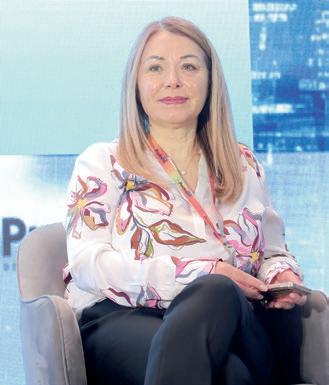
stable cash flow and tangible operational effects, rather than simply formal ESG compliance. This primarily includes low primary energy consumption for heating, cooling and ventilation, as well as reduced GHG emissions.
Equally important are flexible spaces that can adapt to changing user needs, supported by advanced BMS systems that enable proactive energy management, cost optimisation and more efficient decision-making. International certifications such as LEED, BREEAM and WELL also add value by ensuring transparency and standardised reporting.
How can programmes such as SME Go Green help smaller companies see green transition as an investment rather than a cost?
— For many SMEs, particularly micro-enterprises, such programmes fundamentally change the perception of investment. Costs become subsidised investments with faster and more predictable returns. Initial energy-renovation costs typically range from EUR 50 to more than EUR 200 per square metre, depending on the scope of works, while the payback period is usually between five and ten years. Financial support and grants significantly lower entry barriers and shorten return periods. At the same time, technical assistance is becoming increasingly important. Support in identifying efficiency measures, selecting technologies and supervising implementation often proves decisive, particularly because this type of practical expertise is still not widely available on the market.
From the circular economy to environmental infrastructure investments, sustainability is shaping the way companies produce, invest and grow
ndustrial production and sustainability are no longer opposing concepts. Companies seeking long-term growth are increasingly investing in solutions that enhance business performance while reducing environmental impact. Smurfit Westrock bases its development strategy on the principles of the circular economy, sustainable packaging solutions and investments that help preserve natural resources. Đurđa Radivojević, General Manager of Smurfit Westrock Avala Ada, discusses the results of this approach and the company’s plans for the future.
How do you align industrial production with sustainability principles?
— At Smurfit Westrock, sustainability is an integral part of our business strategy. We focus on improving energy efficiency, optimising resource use and advancing a circular model built around paper – a renewable and fully recyclable material.
This includes continuous investment in equipment modernisation, emissions control and efficient waste management, while maintaining the highest environmental standards. Through our Better Planet Packaging initiative, we develop innovative packaging solutions that replace less sustainable materials and help reduce plastic use wherever technically and commercially feasible.
We also focus on optimising our partners’ entire value chains – from packaging design that uses less material to improvements in logistics and transportation. In
doing so, we reduce CO₂ emissions while helping our customers achieve their own sustainability goals.
How important are investments in wastewater treatment systems?
— They are one of the key pillars of our sustainability strategy. In Serbia, we were among the first companies to invest in an advanced aerobic and anaerobic wastewater treatment system, which was further upgraded and brought to its current configuration in 2023.
The system enables efficient treatment of industrial water and its return to the natural cycle through biological processes based on microorganisms. This directly supports the preservation of natural resources, improves water quality and reduces environmental impact.
Beyond operational benefits, such investments contribute to raising environmental standards and promoting respon-
THE PRIMARY FOCUS IS ON DECARBONISING PRODUCTION PROCESSES THROUGH IMPROVED ENERGY EFFICIENCY AND THE GRADUAL TRANSITION TO RENEWABLE ENERGY SOURCES, SUPPORTED BY CONTINUOUS TECHNOLOGICAL DEVELOPMENT

sible business practices within the local community.
What are the key steps towards Net Zero operations and energy-sustainable production?
— Achieving climate neutrality requires an integrated approach across the entire value chain, from raw materials to the final product. Our priority is the decarbonisation of production through greater energy efficiency, increased use of renewable energy sources and continuous technological development.
At the same time, we are developing innovative paper-based packaging solutions that replace less sustainable materials and help reduce product carbon footprints. Digitalisation and logistics optimisation also play an important role in lowering emissions throughout transport and distribution.
By 2030, we aim to reduce Scope 1 and Scope 2 emissions by 28% compared to 2019 levels, cut water intake by 22% and reduce landfill waste by 24%. We also plan to invest more than $40 million in social and environmental initiatives within local communities.
In Serbia, these goals are being advanced through targeted investments, technological upgrades and close cooperation with customers, reflecting our belief that strong partnerships are essential to long-term progress and sustainable growth. I believe that one of our key responsibilities as business leaders is to consider the legacy we leave to future generations and to work together towards a more sustainable future.
At Saga, sustainability is built on responsible governance, continuous learning and a corporate culture that places people, trust and long-term value at its core
By Ivana Gajović, HR Director of Saga Group
In today’s business environment, companies are assessed not only by financial results, but also by how they manage people, processes, knowledge, partnerships, and their impact on the community. ESG recognitions therefore matter because they reflect not only what a company achieves, but also how those results are delivered.
For Saga, the “ESG Leaders 2026” recognition, awarded by PwC Serbia in the category “Responsible Governance and Internal Training” for small and medium-sized enterprises, confirms the direction of our development. It is not merely recognition of one initiative, but confirmation that sustainability is built through everyday decisions, clear processes, ethical standards, knowledge, and continuous investment in people.

It is particularly important that this recognition follows the regional “Regional ESG Leader” award for Central and Southeast Europe, which Saga received for its positive impact on society. Together, they reflect something essential: responsibility does not begin only when a company presents itself to the market or community. It begins much earlier — in how we communicate with employees, develop their skills, make decisions, cooperate with partners, and build trust.
As part of the Noventiq Group, we operate in line with responsible corporate governance, professional integrity, respect
for human rights, equal opportunities, data protection, and ethical business conduct. For us, ESG is not a topic reserved for reports; it is a framework for long-term development, relationships with employees, clients and partners, and responsibility towards the wider community.
From an HR perspective, it is significant that internal training and responsible governance have been recognised. In technology, knowledge changes rapidly and the market requires adaptation. Yet the values that underpin a strong team remain unchanged: trust, collaboration, responsibility, a willingness to learn and respect for diversity. This is why we invest in employee development, education, and open communication.
Our philosophy, “People Move, Tech Improve”, best describes what we believe in. Technology advances when driven by people who understand its purpose, responsibility, and impact. We create solutions that transform clients’ businesses, while ensuring growth based on knowledge, integrity, and lasting relationships.
For the business community, recognitions such as these speak to reliability. Partnerships today are built not only on expertise and delivery, but also on trust, reputation, compliance and a commitment to responsible business practices.
For us at Saga, this award recognises the people who build the company every day through their knowledge, professionalism, and attitude towards colleagues, clients, and the community. It is also an encouragement to continue building an organisation whose growth is driven not only by technology and business performance, but also by trust, responsibility and positive impact.

KATARINA KULIĆ
Sustainability and ESG Expert, UN Consultant
CBAM is becoming far more than a regulatory obligation, with its impact already reshaping investment decisions, access to capital and long-term corporate competitiveness
According to Katarina Kulić, sustainability and ESG expert, the main gap between European climate requirements and the readiness of Serbian companies is no longer a question of
awareness, but of decision-making speed and implementation capacity. In this interview for CorD, she discusses the growing financial implications of CBAM, the challenges companies face and the risks of delaying decarbonisation.
Based on your work with companies and financial institutions, where do you currently see the biggest gap between CBAM requirements and the actual readiness of Serbian companies to respond?
— In the early stages, the main issue was a lack of knowledge –what should be measured, who is responsible and how embedded emissions are calculated. Today, the challenge is increasingly managerial. Companies understand that the issue is important, but many still postpone key decisions related to data, systems, responsibilities and investments until direct market pressure appears.
That delay is now becoming costly. The CBAM certificate price is linked to the EU ETS allowance price, and the first reference price published in April 2026 reached EUR 75.36 per tonne of CO₂. This clearly shows that CBAM is no longer only a regulatory requirement, but also a direct financial factor that will increasingly influence investment and financing decisions.
What are the biggest practical challenges companies face in implementing CBAM?
— The primary challenge is the availability and quality of data. Most companies still lack internal capacities for collecting and verifying emissions data across products, facilities and supply chains. Without reliable data, companies face the risk of inaccurate cost assessments and a weaker market position.
The second challenge is the absence of clear decarbonisation plans and technological transformation strategies. The third is financing – how to fund decarbonisation investments and under what conditions.
Financial institutions are increasingly integrating climate and CBAM-related risks into credit risk assessments, meaning companies without credible transition plans may face more diffi-
cult access to capital and less favourable financing conditions.
Do companies today fully understand that CBAM is not only a compliance issue, but also a factor shaping competitiveness and investment decisions?
— The most advanced companies already see CBAM as a signal of broader market transformation and are integrating it into investment decisions, technology choices and supplier management strategies.
The difference between companies that reacted early and those that did not is already visible. Those that started calculating emissions and building data-management systems earlier are now in a much stronger position when communicating with financial institutions and planning investments.
Companies that continue to react ad hoc often make decisions under pressure, without reliable data or a clear investment strategy. That usually leads to higher costs, less efficient technologies and weaker financing conditions.
Where does Serbia currently stand compared to the EU when it comes to implementing decarbonisation strategies, particularly in sectors such as steel, cement and chemicals?
— Serbia has made important progress in its regulatory framework, including the introduction of a national CO₂ tax from January 2026. This sends a clear signal that decarbonisation is becoming an important business issue for the private sector. However, the difference compared to the EU becomes visible at the implementation level. The EU is significantly ahead in carbon-market integration, financing
mechanisms and industrial investments necessary for decarbonising sectors such as steel, cement and chemicals. Serbia is no longer at a stage where having a strategy is enough. The key question now is the speed of implementation.
If the transition remains slow, there is a real risk that parts of the industry could lose competitiveness, access to EU markets and investment attractiveness.
Where do you see the greater risk today – among companies that have not yet started adapting to CBAM or among those that believe they have already completed the process?
— The greater risk is often among companies that believe the pro -
THE
AS A REGULATORY OR CUSTOMS ISSUE, INSTEAD OF AS PART OF A LONG-TERM COMPETITIVENESS AND DECARBONISATION STRATEGY
cess ends with calculating their carbon footprint and CBAM emissions. In reality, CBAM requires much more – from data quality and supply-chain management to investment planning and longterm decarbonisation strategies. The most expensive mistake is treating CBAM solely as a regulatory or customs issue. When companies approach it that way, key departments such as finance, procurement and production are involved too late, leading to delayed decisions, unreliable data and inefficient investments.
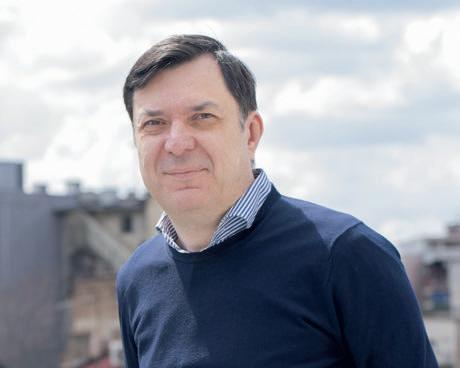
The meeting between French and German Freemasons in Belgrade in 1926 remained remembered as one of the first institutional gestures of European reconciliation after the First World War
By Slobodan G. Markovich, PhD
The Great War left Europe in profound moral and material devastation. One of the war’s immediate consequences was the deep political and psychological division of the continent. While the victorious Entente powers displayed cautious optimism, sentiments of resignation and humiliation prevailed in Germany.
Although the interwar period is often regarded as the apogee of Freemasonry’s influence in Europe, political divisions significantly affected relations among European masonic obediences, some of which completely suspended communication. This tension had earlier precedents. Following the Franco-Prussian War of 1870–1871, French and German masonic lodges terminated any relations until 1911. The Great War extinguished any remaining hopes for reconciliation. After the Paris Peace Conference of 1919, German public opinion increasingly perceived French Freemasonry as one of the principal forces behind the provisions imposed upon Germany that were seen as humiliating.
During the Great War, the Supreme Council of Serbia, established in 1912, together with the National Bank of Serbia, both headed by the prominent industrialist Georges Weifert, went into exile in Marseille. Consequently, Serbian Freemasonry came under the considerable influence of the French grand lodges. In the newly established Kingdom of the Serbs, Croats, and Slovenes, Serbian and Croatian masonic lodges united and, on 9 June 1919, founded in Zagreb the Grand Lodge of Serbs, Croats, and Slovenes “Yugoslavia.” Under the leadership of Grand Master Georges Weifert (1919–1934), the new obedience pursued an ambitious international agenda.
In 1925, Dušan Miličević, a high-ranking official of the Yugoslav Grand Lodge, succeeded in obtaining in Geneva an extraordinary proposal from the International Masonic Association (Association Maçonnique Internationale, AMI), the principal organization promoting cooperation among continental European grand lodges during the interwar period. The proposal envis-
aged that the Grand Lodge “Yugoslavia” would host the “Manifestation for Peace and Reconciliation of Peoples” (Manifestation pour la Paix et le Rapprochement des Peuples), symbolically to be held in Belgrade, the first city that was shelled during the Great War from Austria-Hungary. Exceptionally for the time, parts of the gathering were intended to be public.
The congress assembled European masonic Who’s Who. Among those present were the renowned Czech artist Alphonse Mucha; Arthur Groussier, President of the Council of the Grand Orient of France and one of the most influential French freemasons of the interwar era; and Eugen Lennhoff, Grand Commander of the Supreme Council of Austria and a leading Austrian pacifist. In total, the congress gathered sev-
The
emotional embrace between Arthur Groussier and Leo Müffelmann in Belgrade became a powerful symbol of reconciliation in a Europe still
deeply
divided by the legacy of the Great War
en grand masters, eight deputy grand masters, three grand commanders, and four former grand masters representing fifteen European masonic obediences.
The congress took place in Belgrade from 12 to 15 September 1926. It began only two days after Weimar Germany had been admitted to the League of Nations and granted a permanent seat on the Council of the League. This admission occurred under the presidency of the Yugoslav foreign minister Momčilo Ninčić and with the participation of the German foreign minister Gustav Stresemann, himself a freemason.
Considerable efforts were undertaken to secure the participation of a Ger-
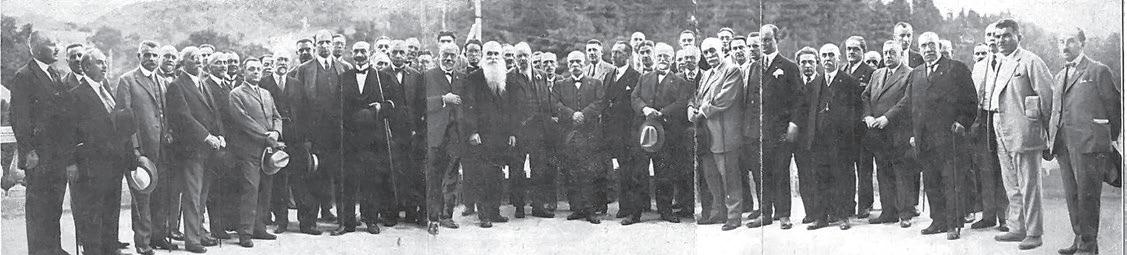
man grand lodge in the Belgrade meeting. Although these attempts ultimately failed, Dr Leo Müffelmann, Master of the Berlin lodge “Bluntschli,” attended the congress in individual capacity. The spirit of reconciliation between Germany and the Entente powers, evident in Geneva during the Assembly of the League of Nations, resonated strongly in Belgrade. On 12 September 1926, during a ritual meeting in the Temple of the Grand Lodge “Yugoslavia” in Studenička Street (today Svetozara Markovića Street), a highly emotional moment occurred, subsequently reported by the Belgrade daily Politika, whose correspondent was himself a member of a Belgrade lodge. In his address, Müffelmann declared: “What happened, happened. In the interest of the community and in the interest of all mankind, it should be forgotten, and we should try to make sure that it does not happen again.” After that he turned to Arthur Groussier “and offered his hand to him. The old Frenchman received his hand, and then pressed the young German to his chest, and for a long, long time they remained in a fraternal hug. Among the delegations of other peoples, great excitation broke out, followed by heartfelt emotions that provoked tears. In this way, a renewal of relations broken by the war took place.” The event was interpreted as a symbolic restoration of relations severed by the war. It soon became known as the Bruderkuß — the Belgrade “fraternal kiss,” more precisely a fraternal embrace. The event was immediately reported in the Austrian, German, and wider European press.
While reactions in France were generally positive, responses in Germany
proved considerably less favourable. Müffelmann faced harsh criticism, including within segments of the German masonic press. He was soon compelled to leave his lodge and affiliate with the Viennese lodge “Labor”. In July 1930, together with like-minded German freemasons committed to international cooperation, he founded the Symbolic Grand Lodge of Germany, joined by approximately six hundred brethren who
Participants 1926.
1949, together with other remnants of German Freemasonry in exile, contributed to the re-establishment of German Freemasonry under the United Grand Lodges of Germany. In 1990, this grand lodge brough light back to the Grand Lodge of Yugoslavia, thereby symbolically completing a historical circle that had begun in Belgrade in 1926. It was in Belgrade that Franco-German masonic reconciliation first ac-
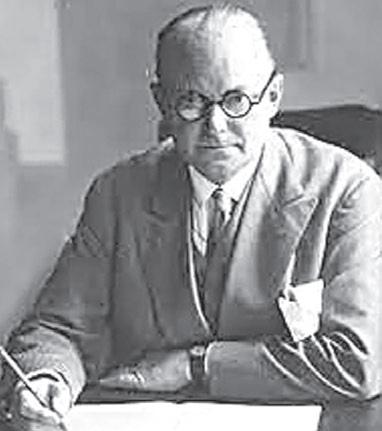
shared his pacifist and internationalist convictions. This obedience, together with the Grand Lodge “Zur Sonne,” refused to compromise with National Socialism in 1933. Müffelmann himself was subjected to immediate persecution by the Nazi regime and spent three months in the Sonnenburg concentration camp. He died in August 1934 under circumstances that remain insufficiently clarified.
Several lodges of the Symbolic Grand Lodge of Germany continued their activities in exile in Palestine and, in June
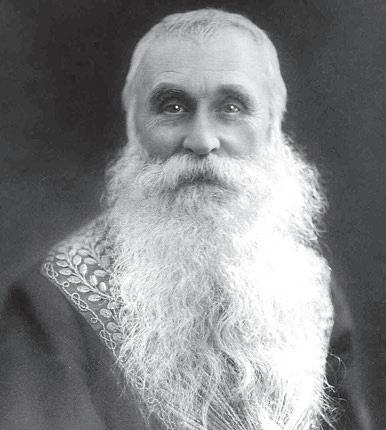
quired a tangible institutional form. Although the triumph of National Socialism rendered such efforts temporarily impossible, the “Müffelmann Affair” directly contributed to the emergence of a new German masonic obedience grounded in internationalism. In this respect, the Belgrade Masonic Peace Conference of 1926 exerted a lasting influence on the history of European Freemasonry, while the memory of the “fraternal kiss” continued to resonate within European masonic circles for decades thereafter.

From the industrial landscapes of Slovenia to the halls of major European museums, Neue Slowenische Kunst created one of the most distinctive artistic universes in contemporary Europe — a space where art, ideology, ritual and identity merge into a unique visual system
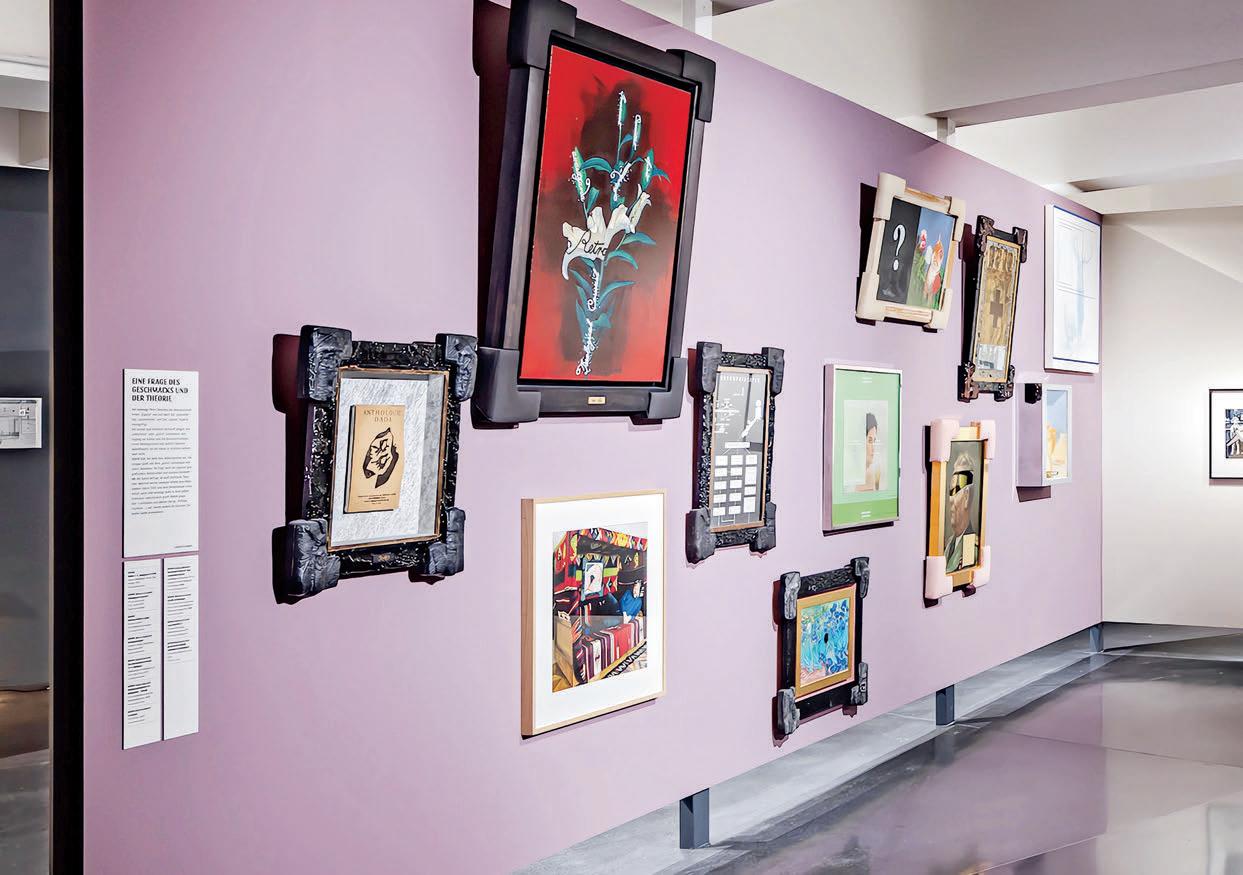
At a time when contemporary art often relies on immediacy and fleeting provocation, few collectives have succeeded in building a visual universe as coherent and enduring as Neue Slowenische Kunst — NSK. Established in Slovenia in the early 1980s, then part of socialist Yugoslavia, the collective transcended regional boundaries to become one of the most compelling cultural phenomena of late twentieth- and early twenty-first-century Europe.
NSK was never conceived merely as an artistic group. From the outset, it functioned as a complex system that connected music, visual art, design, performance, philosophy and politi-
cal symbolism. Its members created their own language of signs, rituals and identities, deliberately blurring the boundaries between artistic expression and institutional form.
At the centre of this system stood the idea that art need not simply comment on society — it could imitate its mechanisms, rituals and structures of power, transforming them into a subject of analysis.
In 1992, NSK established a “state without territory” and began issuing passports that soon became a global artistic phenomenon
The collective was formally established in 1984 through the collaboration of several groups, most notably the music ensemble Laibach and the visual arts collective IRWIN. While Laibach explored the relationship between ideology and collective identity through industrial sound, rigid iconography and highly theatrical performances, IRWIN d eveloped the concept of the “retro-principle”. Rather than rejecting historical styles and symbols, the artists appropriated and reinterpreted them, creating works that appeared simultaneously familiar and unsettlingly contemporary.
It was precisely NSK’s visual identity that became its most enduring
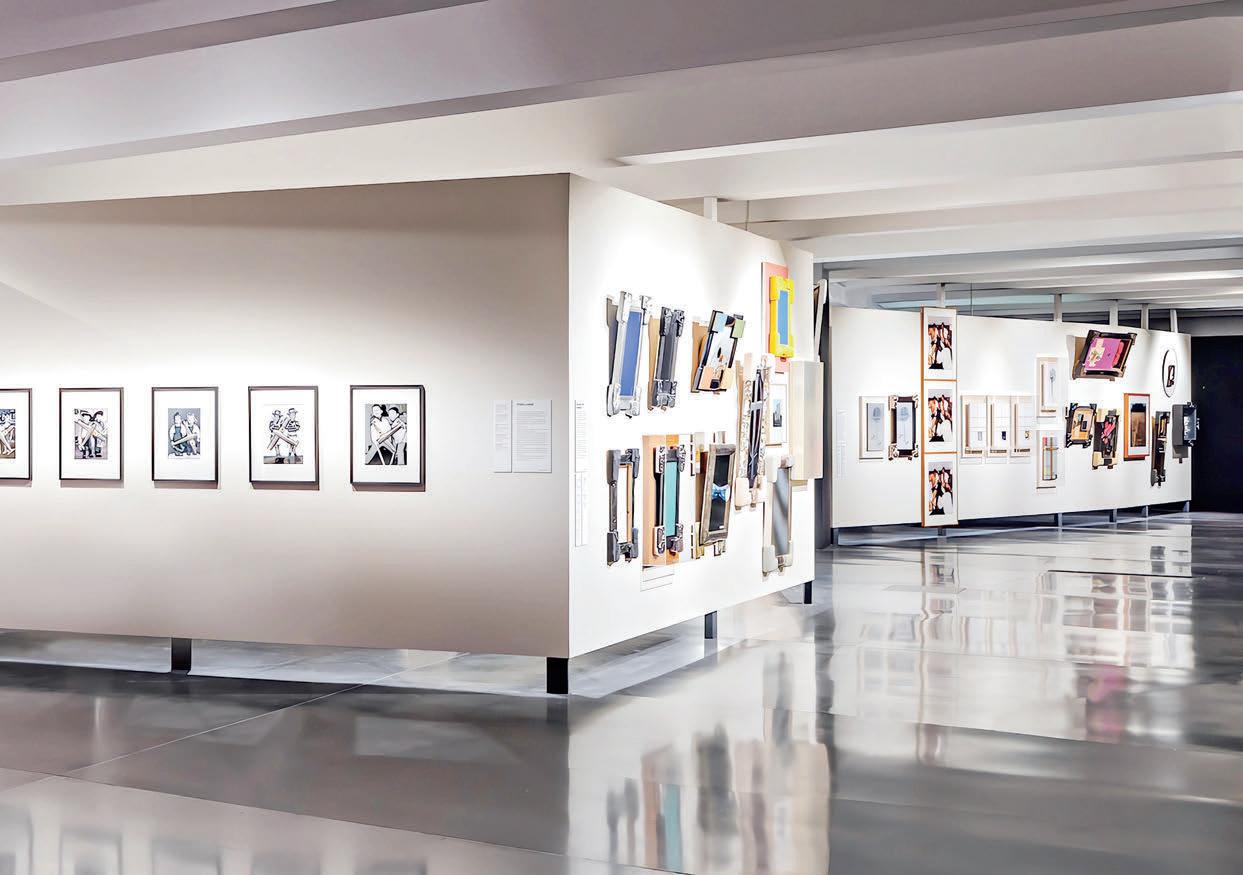

legacy. Monumental compositions, austere typography, seals, uniforms, heraldic motifs and ceremonial aesthetics formed a recognisable artistic language that recalled state institutions, propaganda systems and administrative rituals.
Yet the intention was never to glorify authority, but rather to examine the ways in which symbols shape collective consciousness and social behaviour.
Unlike many artistic movements that emerged in Eastern Europe during the Cold War, NSK avoided straightforward political critique. Their approach was far more complex: instead of directly opposing ideology, they adopted its visual and rhetor-
ical mechanisms in order to reveal how universal and deeply embedded such systems can become, regardless of political context.
The culmination of this concept came with the creation of the so-called “NSK State in Time”, a symbolic state without territory. During the early 1990s, the collective began issuing passports, establishing embassies and organising ceremonies that resembled diplomatic and state protocols. What began as an artistic experiment soon evolved into an international phenomenon. People around the world applied for NSK citizenship, while exhibitions and performances functioned as temporary embassies of an imaginary state.
Today, in an era shaped by digital identities, virtual communities and increasingly fluid borders between political, cultural and media spaces, the concept of a state without territory appears almost prophetic. Long before contemporary debates surrounding post-national identity, NSK had already raised questions about what truly defines belonging — geography, institutions, symbols or shared systems of belief.
A particularly important role within this narrative belongs to IRWIN, whose works have become part of major international collections of contemporary art. Their paintings and installations combine elements of the avant-garde, socialist realism, religious iconography and political symbolism, producing layered visual compositions that resist singular interpretation. It is precisely this ambiguity that has allowed NSK to remain relevant far beyond the historical moment in which it emerged.
Today, NSK’s aesthetic is often described as a fusion of art and institutional ritual. Their projects resemble cerem onies of a parallel European state — serious, monumental and meticulously orchestrated, yet always open to irony and reinterpretation. In an age dominated by digital imagery and accelerated communication, such slower and more contemplative visual language has regained remarkable relevance.

Perhaps this is why NSK’s work now appears even more contemporary than it did decades ago. The modern world is once again preoccupied with symbols, identities, rituals and political scenography. The boundaries between politics, performance and media representation are becoming increasingly blurred, while public space is more and more shaped through images, signs and carefully constructed narratives.
Within this context, Neue Slowenische Kunst no longer appears as a phenomenon of the past, but rath-
The collective’s visual identity merged avant-garde art, propaganda aesthetics, bureaucratic ritual and contemporary culture into one of Europe’s most recognisable artistic projects
er as a visual model of the world we inhabit today. Their work reminds us that power never operates solely
through institutions, but also through aesthetics — through flags, uniforms, architecture, ceremonies and collective imagery that shape the way societies understand reality.
This is precisely why NSK remains one of the rare artistic projects to emerge from the former Yugoslavia and become part of global cultural history. Not as a regional curiosity or nostalgic symbol of a vanished era, but as a serious and internationally relevant artistic concept whose visual language continues to resonate across contemporary Europe.
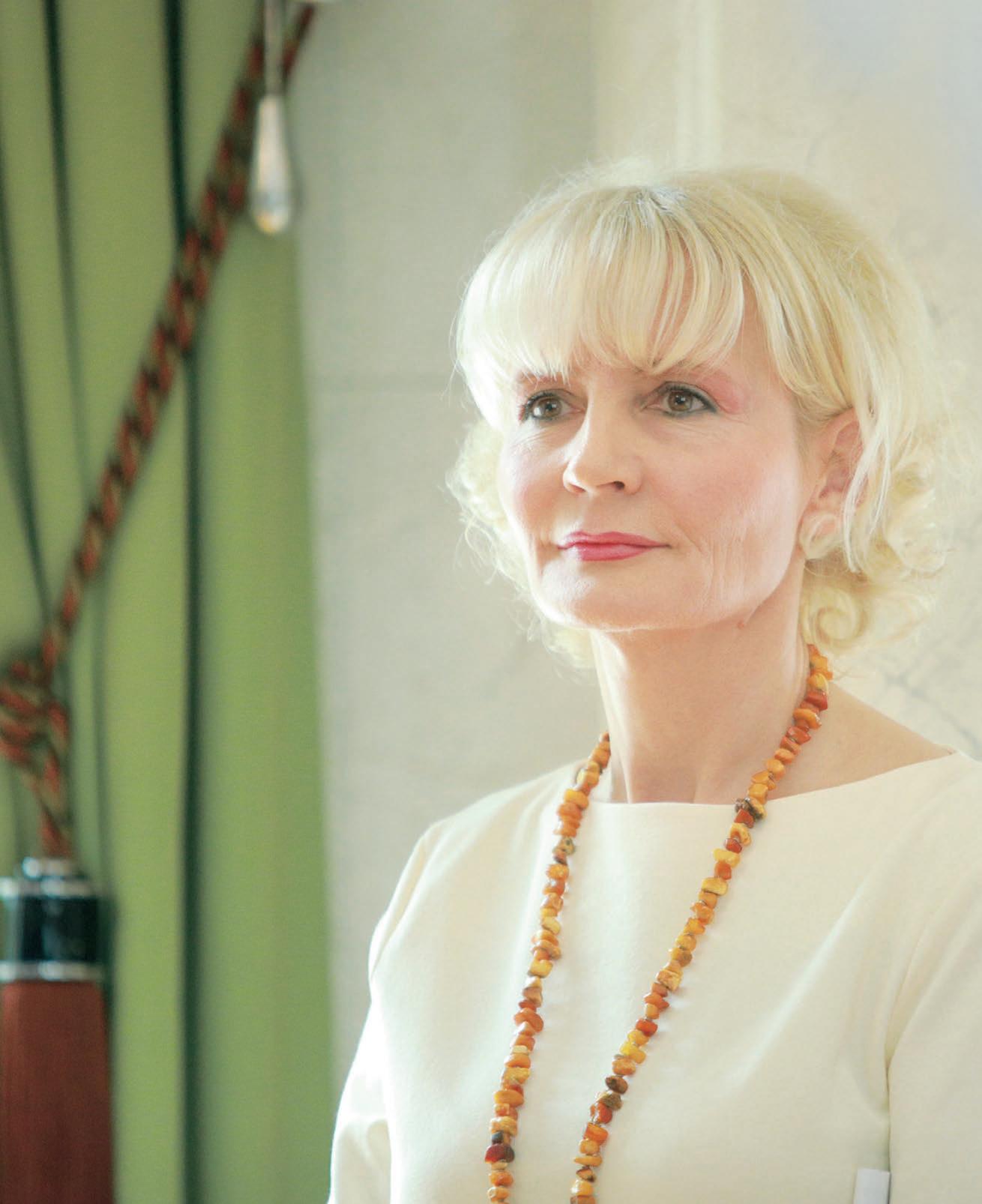

Here Bora Babić, chief editor of publishing house Akademska Knjiga (Academic Book), discusses publishing as cultural responsibility, the writers who’ve marked her life, faith in serious literature and a world in which books remain as the last haven of free thought
Bora Babić Founder and Editor-in-Chief, Akademska knjiga
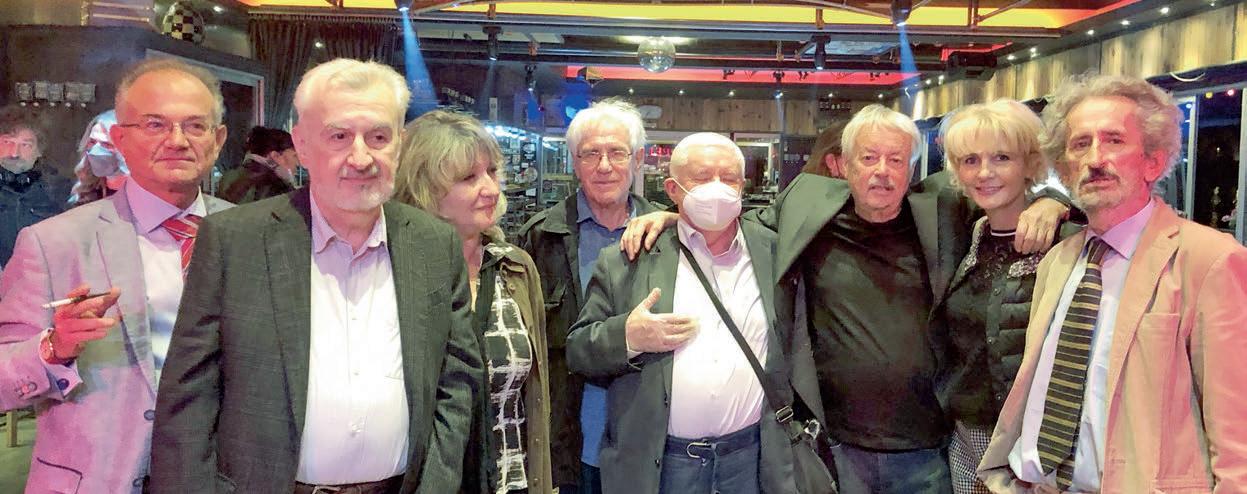
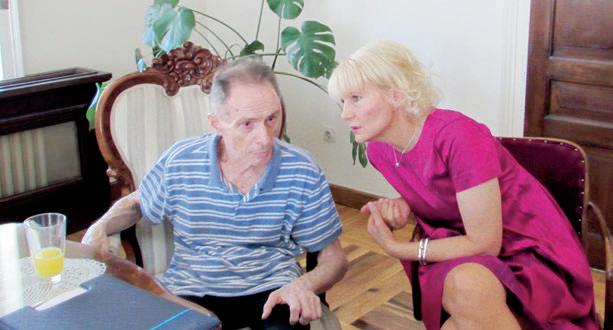
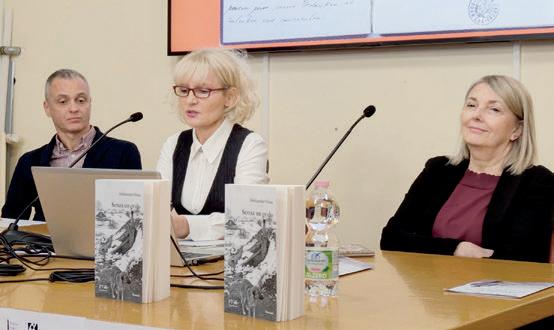
In these times of fast-paced content and market logic that often stifles cultural criteria, Bora Babić has remained true to the notion that a book isn’t merely a commodity, but an enduring value. Over the course of two decades of operations, Akademska Knjiga has grown to become one of the region’s most respected publishing houses, recognisable for its philosophy, social theory, literature and great works of world science.
Her interlocutors and friends have included the most important writers and thinkers of our time – from Slavoj Žižek and Daša Drndić to László Végel, while the catalogue of Akademska Knjiga has been shaped by authors like Thomas Piketty, Mark Mazower, Yasmina Reza and Guido Tonelli.
Discreet in public, and with an almost ascetic devotion to her work, Babić today represents the rare figure of a publisher who still believes in the “long life of the book” and in the idea that culture must have seriousness, continuity and responsibility.
You come across in public as being very discreet and almost ascetically devoted to your work. Did you make a conscious decision to remain distant from the public scene?
— With a relatively small number of employees, Akademska Knjiga’s output is impressive, such that in recent years we’ve been publishing over 70 titles annually. And despite the fact that working on books is my great passion, that work requires a wholehearted presence and a huge commitment. My working day lasts for at least 12 hours. The public scene brings popularity, but it consumes a lot of time and has never attracted me. I’m only interested in the concrete result. Every new title brings me joy.
My wish was to establish a respectable publishing house that would publish books that educate, promote critical thinking, encourage the humanisation and pacification of society; books that build an intellectual readership
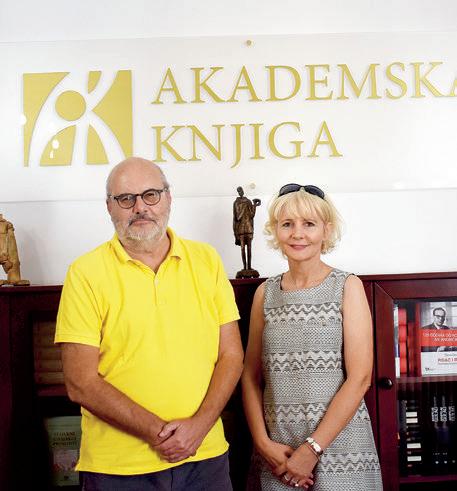
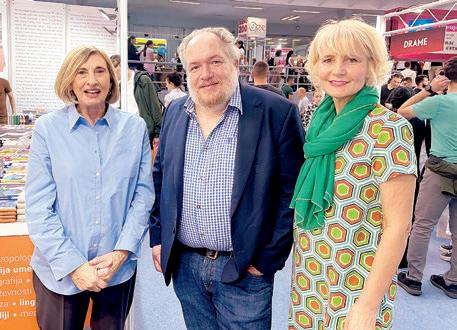
You’re often described as an editor who doesn’t treat a book as a product, but rather as a cultural responsibility. Is it tougher to maintain such integrity today than it was 20 years ago?
— The numerous works we’ve published over the past two decades belong at the very pinnacle of world spirituality and science. The range of works included in Akademska Knjiga’s catalogue extends from ancient Greek historian and philosopher Xenophon to works written in the third decade of the 21st century, such as books by Mark Mazower, Thomas Piketty, Guido Tonelli, Branko Milanović, Tibor Várady, Mathias Enard and Yasmina Reza.
When great scientists and writers of the world entrust us with trans-
When great scientists and writers of the world entrust us with translating and publishing their works in the Serbian language, we simultaneously take on huge responsibility towards those authors
lating and publishing their works in the Serbian language, we simultaneously take on huge responsibility towards those authors. Their books must be translated excellently, designed beautifully and published with minimal errors.
I’m sure that any publisher who approaches books in such a way must consider the book as a cultural asset.
You established Akademska Knjiga at a time when the market had already begun favouring commercial titles strongly. How courageous – or perhaps stubborn – a move was it at that time to opt to publish books that seek serious readers?
— Akademska Knjiga was established just three years after the assassination of Zoran Đinđić, when the traumas of the ‘90s were still fresh in the minds of citizens. The then political leadership was striving to build state institutions on democratic foundations,
while citizens’ living standards were increasingly slowly.
The commercial concept of publishing never appealed to me. My wish was to establish a respectable publishing house that would publish books that educate, promote critical thinking, encourage the humanisation and pacification of society; books that build an intellectual readership.
My role models were NOLIT, Oxford University Press, Cambridge University Press, Gallimard and Suhrkamp. I knew that this work wasn’t easy, but I was led by a strong desire to do something noble for the culture of my country, and for the shared culture of the post-Yugoslav area.
You’ve collaborated with some of the most important authors of this region and the world – from Slavoj Žižek to Daša Drndić and László Végel. What did those encounters teach you about writers, and about yourself?
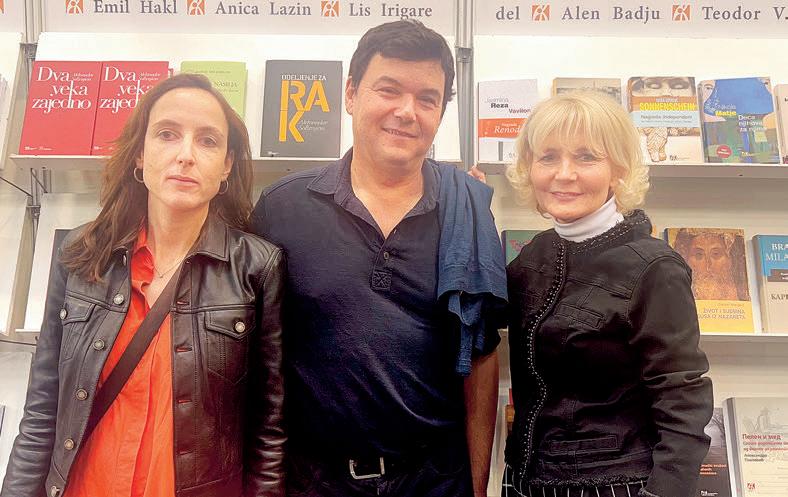
— My personal encounters with authors have often developed into friendships. It seems to me that I’ve managed to build trust with everyone. And that trust was mutual, which is the most important thing to realise any business successfully.
They recognised that I have only one goal: to publish high-quality books. It was clear to everyone that it’s impossible to make money with books in the domain of theory on a small language market. Those who visited our editorial offices were pleasantly surprised by Akademska Knjiga’s publishing profile and wanted to help us.
Some waived their royalty fees, like Slavoj Žižek, while others helped us to secure donations for individual projects.
I only met Daša Drndić at the Belgrade Fair in October 2017. Our meeting was love at first sight. She had tremendous charisma and a strong will to live despite fighting illness.
Never before or since have I met such a brave, just and empathic person. We corresponded constantly from our meeting in Belgrade until her passing on 5th June 2018. I said my final farewell to Daša Drndić at Zagreb’s Mirogoj Cemetery, to the sounds of Internacionale.
I’ve been collaborating with László Végel for more than a decade, and to date we’ve published five of his books, and we’ll soon publish the book that he dedicated to the great Hungarian author Sándor Márai. Végel is a wonderful writer, a great intellectual and an uncompromising critic of social and political conditions. Novi Sad is an inexhaustible topic of our conversations.
Your professional biography extends from Matica Srpska and publishing house IKZS (Izdavačka knjižarnica Zorana Stojanovića) to Ak ademska Knjiga. To what extent did those institutions shape you as an editor?
— I was extremely fortunate to gain my first work experience at publishing company Matica Srpska, which inherited a long tradition of publishing books. The
Matica Srpska publishing programme was traditionally focused on national themes, though during those years its publishing enterprise was also open to writers with modern sensibility.
I have indelible memories of two outstanding women who represented pillars of the editorial department: writer Judita Šalgo, who then held the position of chief editor, and Mrs. Mirjana Jovanović, who managed the
Education is a crucial process for every young person. Reading good books builds critical thinking and a much better understanding of the world in which we live
Unfortunately, Mrs Šalgo quickly fell ill and I decided to continue my professional career at IKZS, which had a great reputation at the time, and Serbia’s highest quality publishing programme in the social sciences and humanities.
Zoran Stojanović was a dedicated editor and employer. IKZS published major works in the fields of philosophy, sociology, linguistics, anthropology and others, and the editorial department gathered together our country’s best translators and proofreaders.
The IKZS publishing programme inspired me to make the editing and publishing of books not only my job, but also my life’s calling.
Ambassador Pierre Cochard decorates Bora with France’s Order of Arts and Literature
technical editorial office and proofreading service. Both were outstanding intellectuals.
Šalgo possessed very high editorial standards for artistic literature, while Jovanović would explain to me on a daily basis how the standards for the technical structuring and arranging of books had been adopted from German publishers and printers. Both of them accepted me warmly and were selfless in passing on their knowledge to me.
It is said by many that you are among the rare publishers who still believe in the “long life of the book”. How do you recognise a title with enduring value today?
— As long as civilisation exists, the book will endure. Human memory has already relocated to the digital world.
Apart from the fact that almost all of the planet’s intangible heritage is stored on huge servers, it also continues to be preserved on paper. Moreover, at least one hard paper copy of all electronic editions of books is preserved. Electronic books are practical for quick searches, convenient for trav-
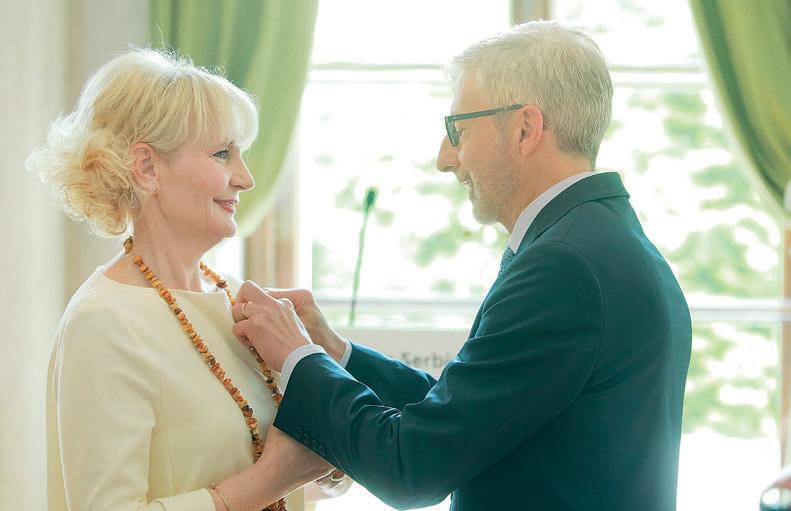
elling and don’t take up living space in apartments, but paper editions remain irreplaceable to every dedicated reader.
Thanks to our cooperation with major publishers around the world, we are easily able to access information about the works of relevant authors. They regularly send us PDFs of literary and scientific works, as well as reviews of those works.
It isn’t difficult to recognise a title that has enduring value. The big problem is securing the financing required for translation and publication.
How difficult is it to maintain high standards in these times of accelerated production and superficial attention?
— It is increasingly difficult to maintain high standards in publishing, primarily due to the constant decline in the number of readers of books in the domain of theory, on the one hand, and the constant rise in production costs for books, on the other. This problem doesn’t only apply to Serbia, but the whole world.
The social sciences and humanities are in a major crisis at all universities, with declining numbers of students enrolling in these courses every year.
I often mention American philosopher Martha Nussbaum, who published a book after [2008’s] Great Recession in which she warned about what would happen to education. She warned that education for profit has become dominant around the world, witing: “Thirsty for national profit, nations, and their systems of education, are heedlessly discarding skills that are needed to keep democracies alive. If this trend continues, nations all over the world will soon be producing generations of useful machines, rather than complete citizens who can think for themselves, criticise tradition, and understand the significance of another person’s sufferings and achievements.”
And despite these gloomy predictions, we won’t abandon the high standards that we set 20 years ago.
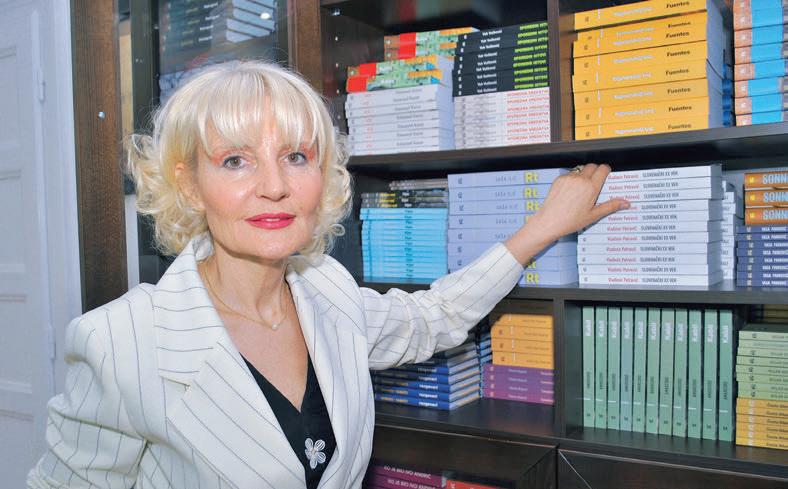
As long as civilisation exists, the book will endure… Electronic books are practical, but paper editions remain irreplaceable to every dedicated reader
France has decorated you with its Order of Arts and Literature for your contribution to spreading French culture and philosophy in Serbia. How did you establish your special connection with France’s intellectual tradition?
— At the beginning of my career in Novi Sad, I had the good fortune to meet an outstanding intellectual in the form of French lady Nicole Maritch-Haviland. She spent her best years in the shadow of her husband, professor Sreten Marić.
We became very close friends, despite our age difference of more than four decades. She lived 101 years.
All of our conversations were about French literature and art. Paris’s artistic and intellectual world gathered in the house of her mother, painter and costume designer Suzanne Lalique-Haviland.
Nicole was friendly with Pierre Emmanuel and Mircea Eliade, while she
knew Picasso personally and her father, Paul Haviland, had had his portrait painted by Renoir when he was just a few years old.
She donated her family’s artistic legacy and archival materials to French museums. A special Nicole Marić-Haviland Fund is preserved at the Limoges Museum of Fine Arts.
My conversations with Nicole about the excellence of French culture encouraged me to dedicate an important part of my publishing works to the publication of French authors.
If you had to explain to today’s younger generations why serious literature and big ideas are important, what would you tell them?
— Education is a crucial process for every young person. Without education, they would turn into “tools” that are easily manipulated.
Reading good books elevates one spiritually, builds critical thinking, eases the acceptance of different forms of human experience and helps us develop a much better understanding of the world in which we live.
If they read constantly, they will be on the right track to becoming world citizens.
Romanian director Cristian Mungiu won the Palme d’Or at the 2026 Cannes Film Festival for Fjord. The Grand Prix went to Andrei Zviaguintsev’s Minotaure. Cannes 2026 closed with a strong focus on European auteur cinema and character-driven storytelling.
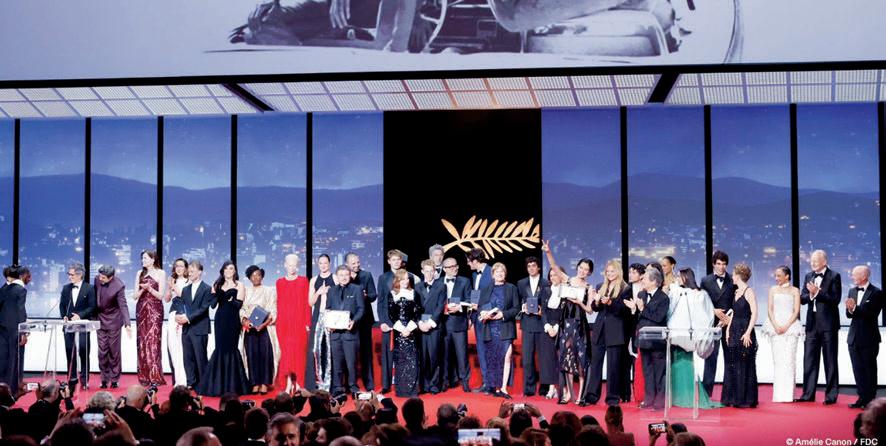
Paris Saint-Germain and Arsenal secured places in the 2026 UEFA Champions League final after their semi-final victories in May. The final will be played at Budapest’s Puskás Aréna on 30 May. Arsenal are chasing their first Champions League title, while PSG are aiming to defend the trophy.
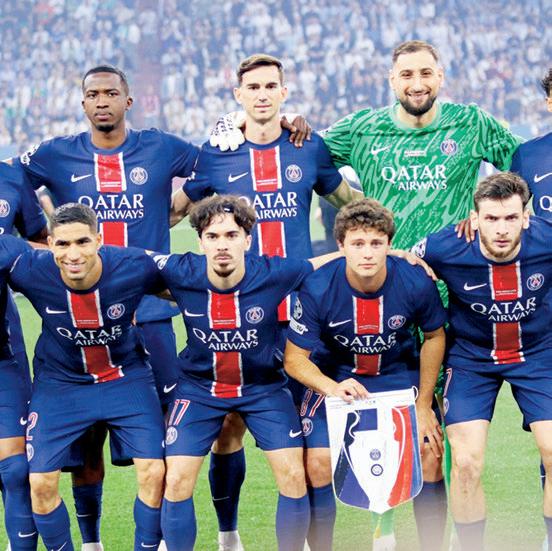
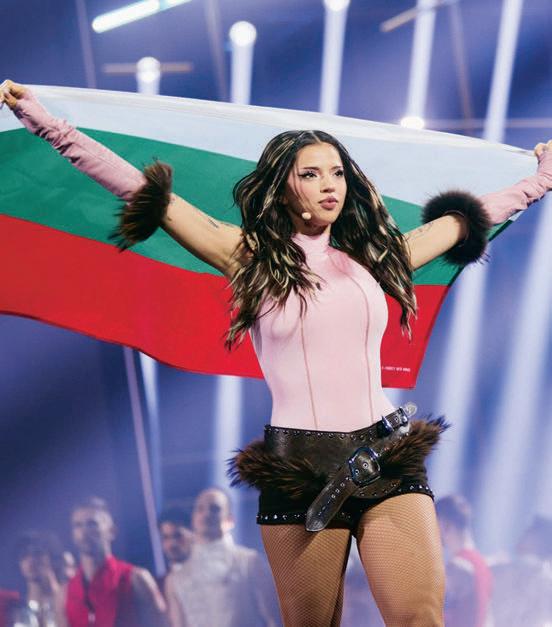
Bulgarian singer DARA won the 2026 Eurovision Song Contest with the song Bangaranga. The victory marked Bulgaria’s first Eurovision win. The final was held in Vienna on 16 May before millions of viewers across Europe.
Jannik Sinner was eliminated from the French Open after losing to Juan Manuel Cerundolo in the second round. Sinner had led by two sets before fading physically during the match in Paris. The defeat quickly became one of the biggest surprises of Roland Garros 2026.
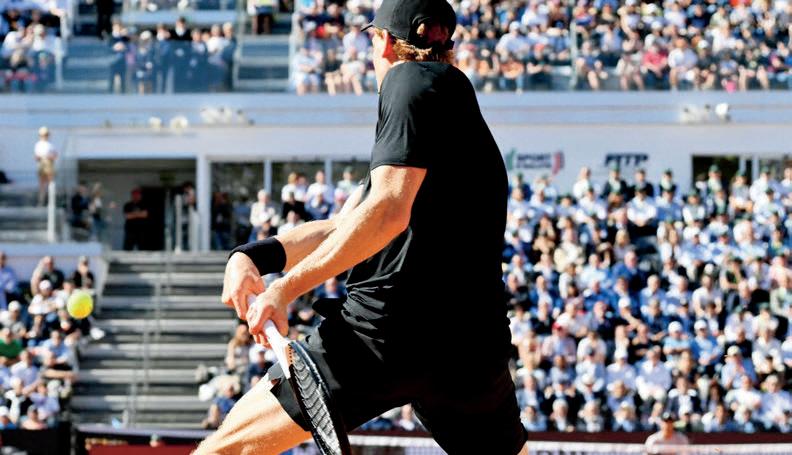
Google used its May I/O conference to unveil new Gemini AI models and digital assistants. CEO Sundar Pichai described the company’s next phase as the “agentic Gemini era”. The announcements confirmed that AI is becoming central to search, productivity and consumer technology.
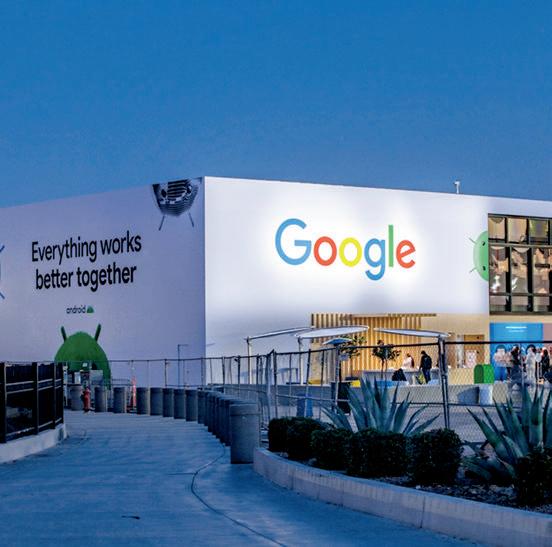
The May 2026 auction season produced 17 new artist records across major international sales. Works by Jackson Pollock, Mark Rothko and Alice Neel reached new highs during auctions in New York. The results showed continued strength at the top end of the global art mark et.

Larq Bottle
PureVis
Hydration redesigned for movement and long summer days.
Objects created for lighter travel, sharper movement, and work beyond

Loewe Paula’s Ibiza Sunglasses
The season’s shift begins the moment sunglasses return to the table.

A sport watch that feels lighter, sharper, and ready for departure.

Leica D-Lux 8
A reminder that some moments still deserve a real camera.

Rimowa Essential Cabin
Built for constant movement and remarkably little friction.


Sound engineered for movement, not distraction.
Smythson Panama Notebook
For plans, notes, and thoughts too important for disappearing screens.


Tod’s City Gommino
Ease, translated into movement.

Soft structure for cities that warm up slowly.
Métier Weekender
Travel, refined to its essentials.


5 June – Belgrade Philharmonic Hall
The Belgrade Philharmonic presents an evening of musical masterpieces by Berlioz, Liszt and Beethoven under the baton of Felix Mildenberger. Acclaimed pianist Maxim Lando, winner of the Cleveland International Piano Competition, will perform Liszt’s spectacular Piano Concerto No. 1, a work renowned for its virtuosity and dramatic flair. The programme opens with Berlioz’s vibrant Roman Carnival Overture and concludes with Beethoven’s monumental Symphony No. 3 “Eroica”, one of the most influential works in the history of classical music. Together, these three masterpieces promise a memorable celebration of Romantic imagination, virtuosity and orchestral brilliance.

5 June – Dorćol Platz, Belgrade
Singer-songwriter, pianist and multi-instrumentalist Miki Solus brings his distinctive blend of music, humour and storytelling to Dorćol Platz. Known for his witty lyrics, eclectic style and energetic performances, Solus has built a loyal following through songs that combine sharp observation with an unmistakable sense of playfulness. Audiences can expect an engaging evening of original music, inventive arrangements and the unique stage charisma that has made Miki Solus one of the most recognisable voices on the regional alternative music scene.

28 June – Vlada Divljan Cultural Centre, Belgrade
This summer gala programme brings together some of the most celebrated moments of the classical ballet repertoire in a single evening of elegance, artistry and theatrical splendour. Audiences will enjoy acclaimed excerpts from Scheherazade, La Bayadère and Don Quixote, performed by artists of international standing. Combining virtuosic technique, expressive storytelling and timeless music, the gala offers both ballet enthusiasts and newcomers an opportunity to experience the beauty and emotional power of classical dance in a festive summer setting.
Salon of the Museum of the City of Belgrade – until 15 June
The Salon of the Museum of the City of Belgrade hosts an exhibition by renowned Italian photographer Massimo Listri, internationally acclaimed for his striking images of historic interiors, museums, libraries and cultural landmarks. Through carefully composed photographs, Listri captures the architectural grandeur, atmosphere and hidden narratives of some of the world’s most remarkable spaces. Combining documentary precision with artistic sensibility, the exhibition offers visitors a unique visual journey through cultural heritage, revealing the beauty, history and quiet elegance preserved within iconic institutions across Europe and beyond.
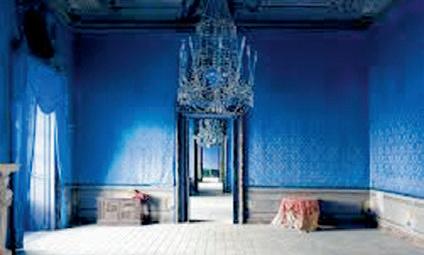
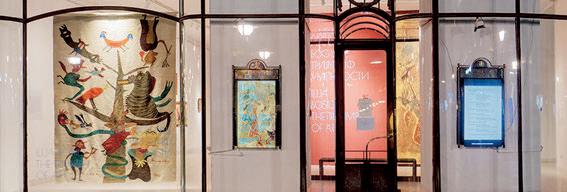
1–4 June – Serbian Academy of Sciences and Arts (SANU), Belgrade
The Regional Biophysics Conference (RBC) will bring together leading researchers, academics and young scientists from across the region to discuss the latest developments in biophysics and related interdisciplinary fields. Hosted by the Serbian Academy of Sciences and Arts, the conference provides a platform for scientific exchange, collaboration and the presentation of cutting-edge research. Covering topics at the intersection of biology, physics, chemistry and medicine, RBC highlights the growing importance of biophysics in advancing our understanding of complex biological systems and developing innovative solutions for contemporary scientific challenges.
1 June – SANU Gallery, Belgrade

Pianist Nebojša Maksimović will present a recital featuring works by Chopin, Schubert, Rachmaninoff, Bach-Busoni and Liszt. The programme brings together some of the most celebrated compositions of the piano repertoire, ranging from lyrical Romanticism to dazzling virtuosity.
Held at the SANU Gallery, the concert offers audiences an opportunity to experience an evening of expressive interpretation and musical craftsmanship through works by some of the greatest composers in the history of classical music.
8–27 June – Gallery of Science and Technology, SANU, Belgrade
Organised by the Mountaineering Association of Serbia, Academicians on the Mountain explores the lesser-known connection between scientific achievement and a passion for nature. The exhibition presents prominent members of the Serbian Academy of Sciences and Arts through their engagement with mountaineering, highlighting the relationship between intellectual curiosity, exploration and the natural world.
Bringing together photographs, documents and personal stories, the exhibition offers visitors a unique perspective on the lives and interests of distinguished scholars beyond their academic work.
23 June – Serbian Academy of Sciences and Arts (SANU), Belgrade
Nobel Prize-winning economist Eric Maskin will deliver a lecture titled An Introduction to Mechanism Design at the Serbian Academy of Sciences and Arts. One of the world’s leading economists, Maskin was awarded the Nobel Memorial Prize in Economic Sciences for his pioneering contributions to mechanism design theory, a field that explores how institutions and incentives shape economic outcomes. The lecture offers a rare opportunity to hear one of the foremost thinkers in modern economics discuss concepts that continue to influence public policy, market design and strategic decision-making worldwide.
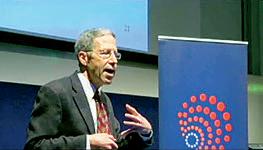
28/4/2026
Swiss President Guy Parmelin visited Belgrade on an official state visit marking 110 years of diplomatic relations between Switzerland and Serbia. During meetings with Serbian officials, the two countries launched a new cooperation programme for 2026–2029 and signed an agreement focused on innovation and economic development. The visit highlighted Switzerland’s growing economic engagement in Serbia and the broader Western Balkans.
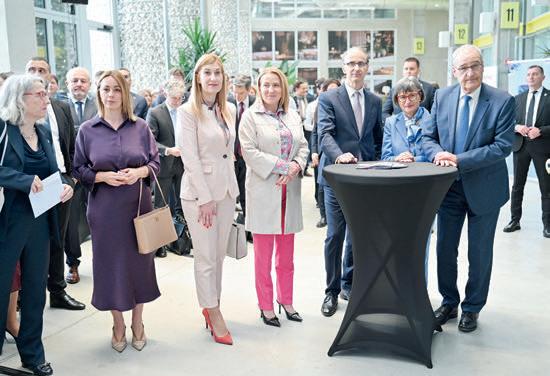
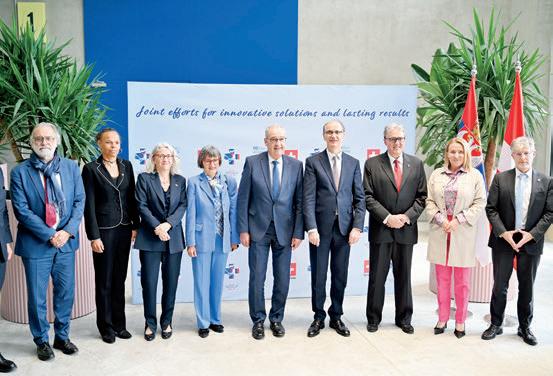
14/5/2026
The Embassy of Israel in Serbia marked the 78th anniversary of Israel’s independence in Belgrade under the slogan “The Power of Renewal”, gathering government officials, diplomats, members of the Jewish community and partners of the embassy. The event celebrated the strong ties between Israel and Serbia, with special thanks extended to Serbian institutions, guests and supporters who contributed to the evening. Guests also enjoyed a performance by artist Jasmin Levy, while the reception was hosted at the Mama Shelter hotel.
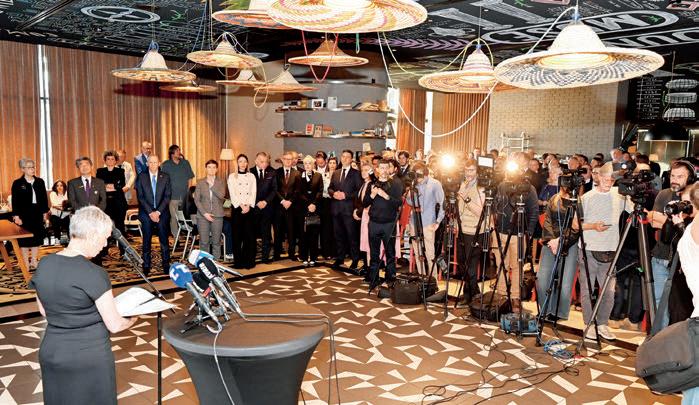
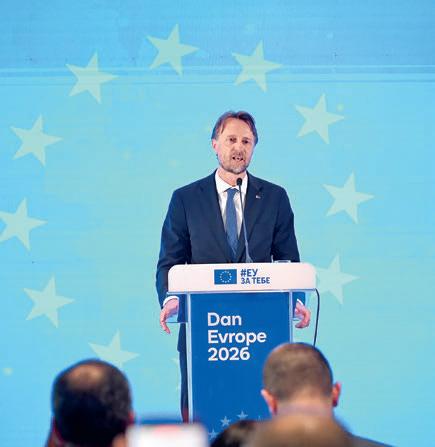
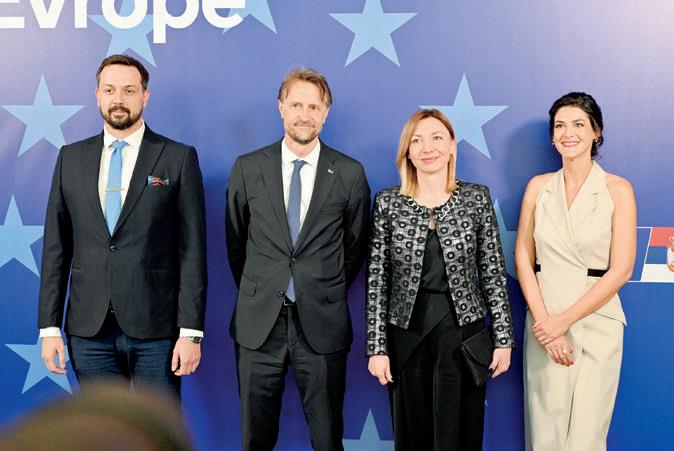
8/5/2026
Europe Day was marked in Belgrade with a reception hosted by Andreas von Beckerath, Head of the Delegation of the European Union to Serbia, at the Museum of Contemporary Art. Addressing diplomats, Serbian officials and international partners, von Beckerath said Serbia belongs in the European Union “not as a guest, but as a host at its own table,” highlighting the importance of reforms, rule of law and cooperation. The celebration, held under the motto “United in Diversity,” included artistic performances and public programmes dedicated to European values, inclusion and cultural exchange.
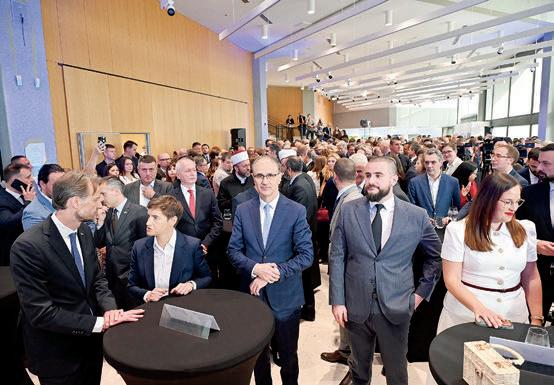
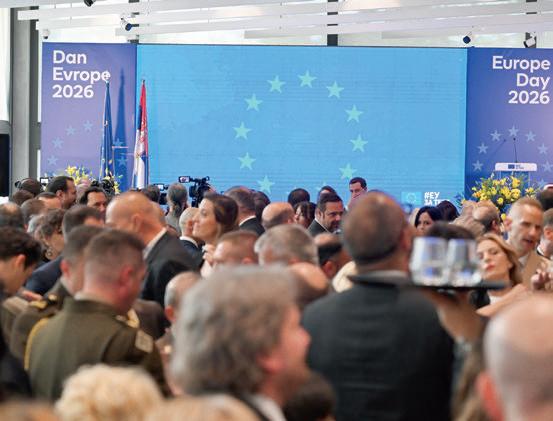
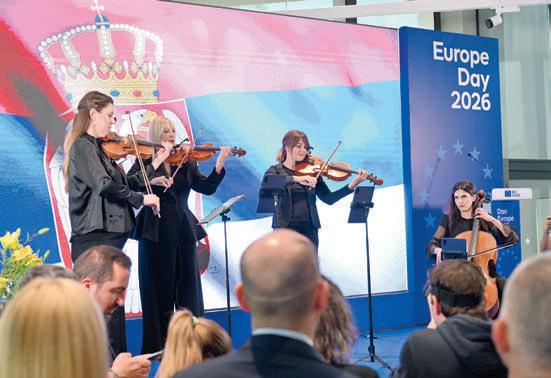
15/5/2026
The Embassy of Norway in Serbia marked Norway’s Constitution Day with a reception hosted by Ambassador Kristin Melsom, gathering diplomats, partners and representatives of the local community. The celebration honoured the adoption of Norway’s Constitution on 17 May 1814, a date regarded as the foundation of the modern Norwegian state. Guests also had the opportunity to experience elements of Norwegian tradition, including the country’s distinctive regional national costumes known as bunad.
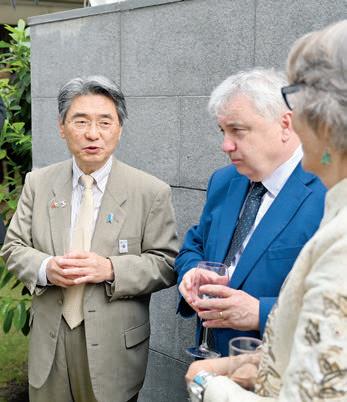
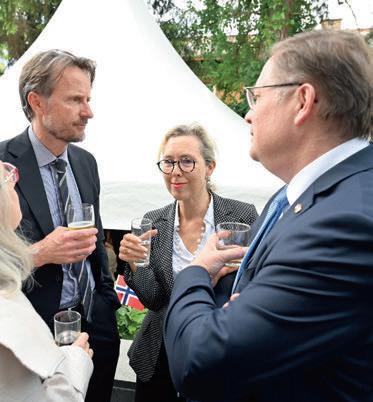
15/5/2026
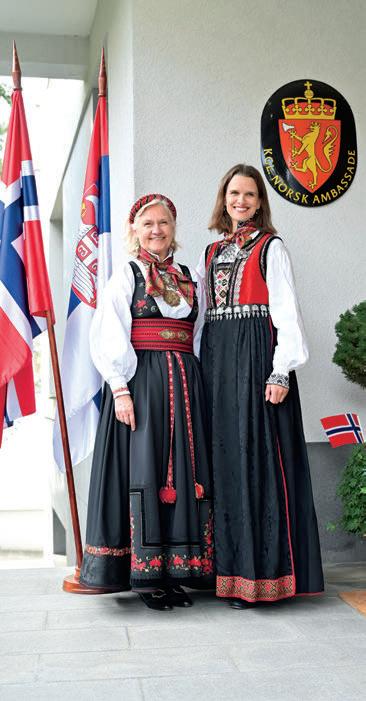
A musical and dance performance was held at Madlena Art Palace as the closing event of the “Days of Tunisia in Serbia”, organised to mark the 70th anniversary of diplomatic relations between Tunisia and Serbia. The evening presented the richness of Tunisian culture through traditional and contemporary music, dance, choreography and traditional costumes, offering audiences a journey through the country’s artistic heritage. Performances featured Tunisian musicians and dancers including singer Wissal Naceur, accordionist Zouheir Gouja, and dancers Chaima Ouni and Haithem Boughalmi.
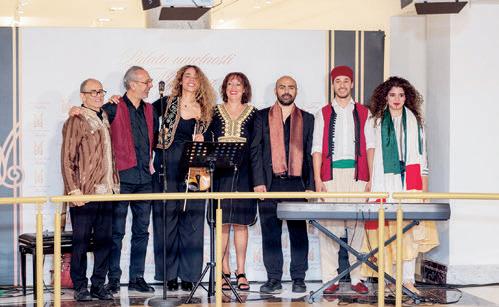
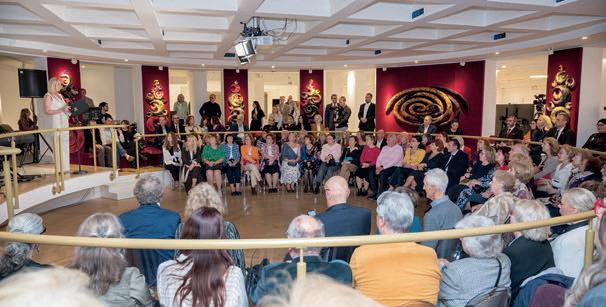
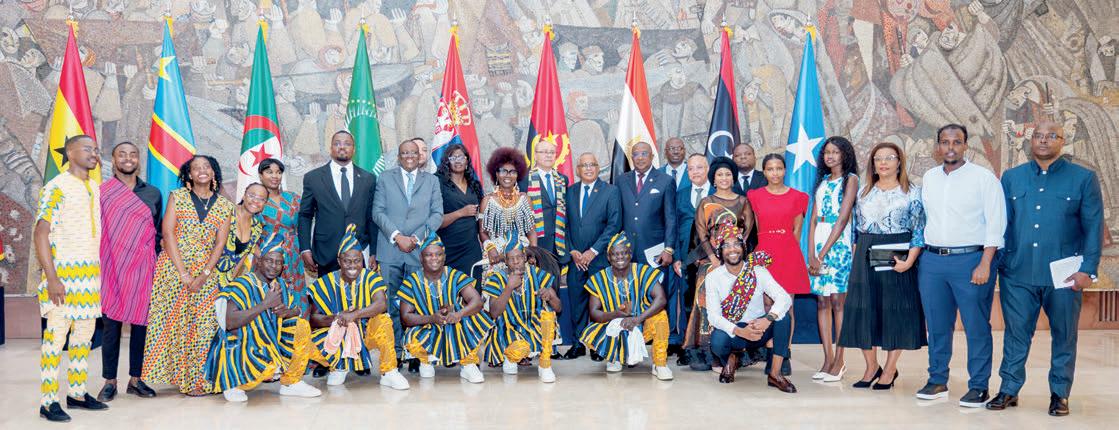
25/5/2026
Africa Day was marked in Belgrade with a gathering of African ambassadors, diplomats and Serbian officials celebrating the long-standing ties between Serbia and African nations. The event highlighted historical friendship, cooperation and opportunities for stronger economic and cultural relations, while also recognising 25 May as the Day of Friendship between Serbia and Africa. Speakers emphasised the importance of deepening partnerships in areas including trade, education and international cooperation.
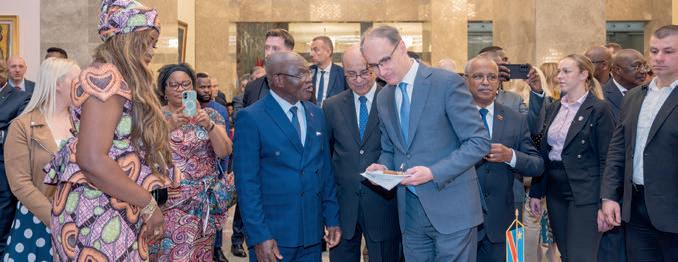
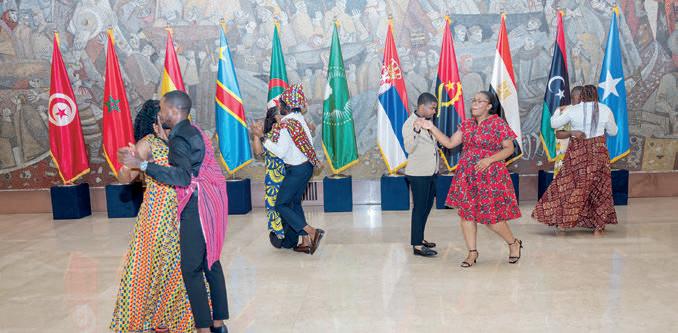
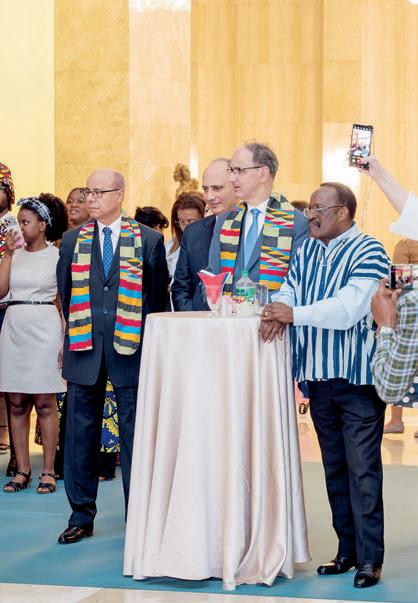
18/5/2026
The Embassies of Malaysia and Indonesia in Belgrade jointly organised a strategic forum on palm oil awareness and trade cooperation, bringing together Serbian institutions, food industry representatives and international stakeholders. The event addressed sustainability, regulation and the role of palm oil in Serbia’s food industry following new Serbian labelling rules introduced in 2025. Speakers underlining growing trade ties, with Serbia importing more than USD 21 million worth of palm oil products from Malaysia and Indonesia in 2025.
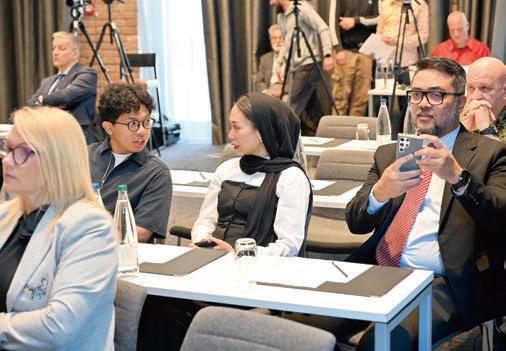
26/5/2026
The Foreign Investors Council (FIC) hosted a networking cocktail for its member companies at Hotel Moskva in Belgrade, bringing together representatives of the international business community. Guests were welcomed by Ana Govedarica, Vice President of the FIC, and Aleksandar Ljubić, Executive President, who highlighted the importance of dialogue, cooperation and a stable business environment. The gathering provided an opportunity for member companies and partners to strengthen connections and exchange views on the Serbian investment climate.