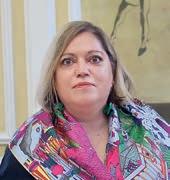
Levanti Ambassador of Greece to Serbia
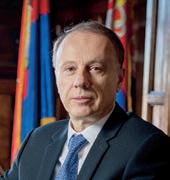

Aleksandar
Levanti Ambassador of Greece to Serbia
Aleksandar


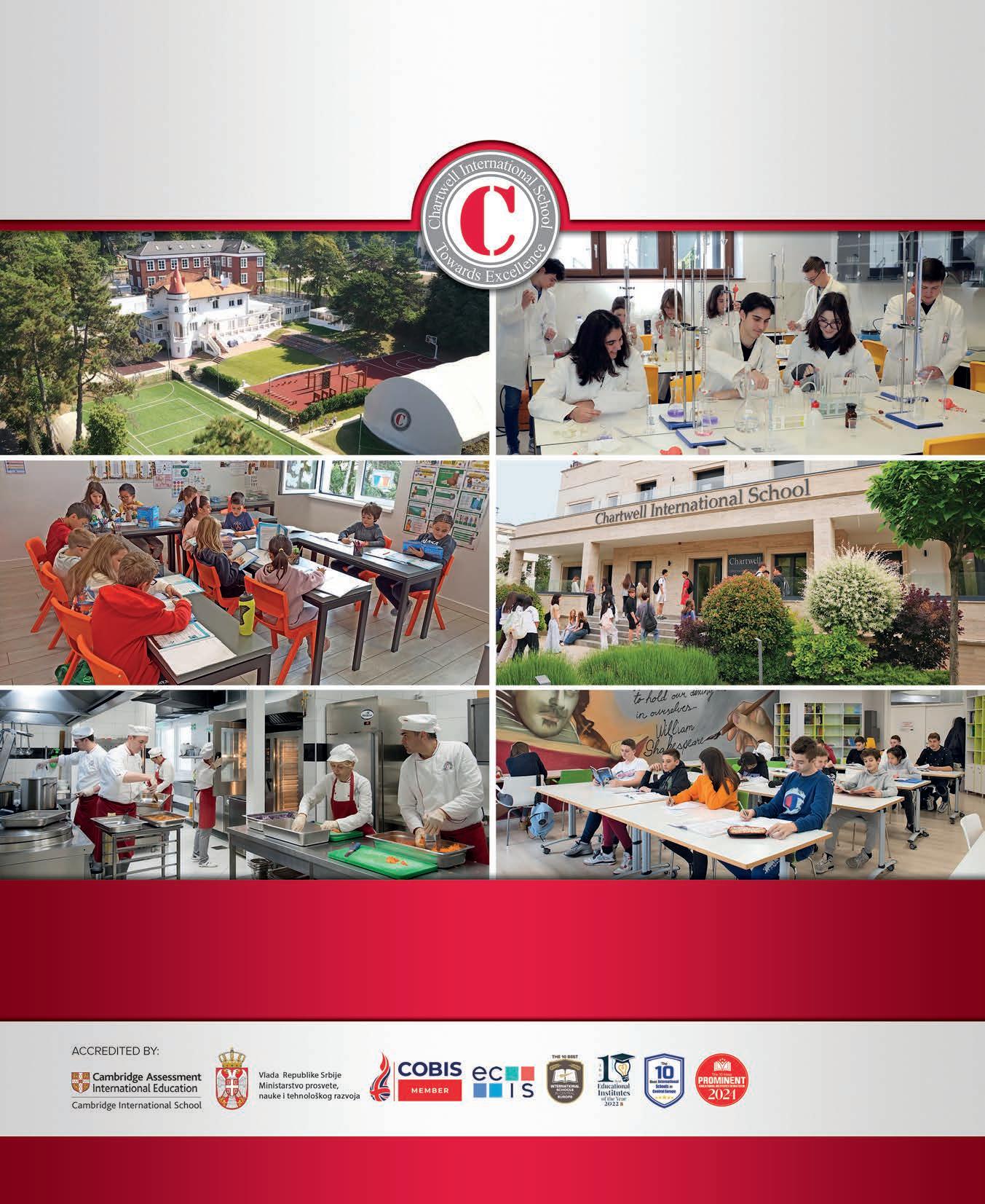
• British curriculum based international school
• Accredited by Cambridge Assessment
International Education
• Accredited by the Ministry of Education, Science and Technological Development of Serbia
• Accredited by Council of British International Schools
• Students representing over 60 nationalities
• 27 years of experience
• Wide range of daily after school activities
• 7 languages taught
• Monthly outings to the theater/museums
• 2 residential trips per year
• The only international school with its own catering
• Involved in community service projects
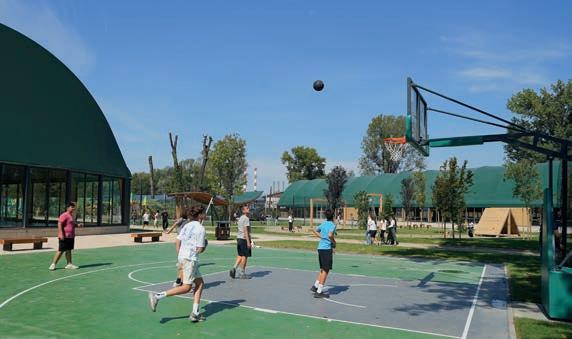
Green School is an international, English-mediaum school that follows the globally acclaimed Cambridge curriculum – enriched with green-oriented, hands-on experiences that bring learning to life. Our students thrive both inside and outside the classroom, making education exciting, meaningful, and relevant.
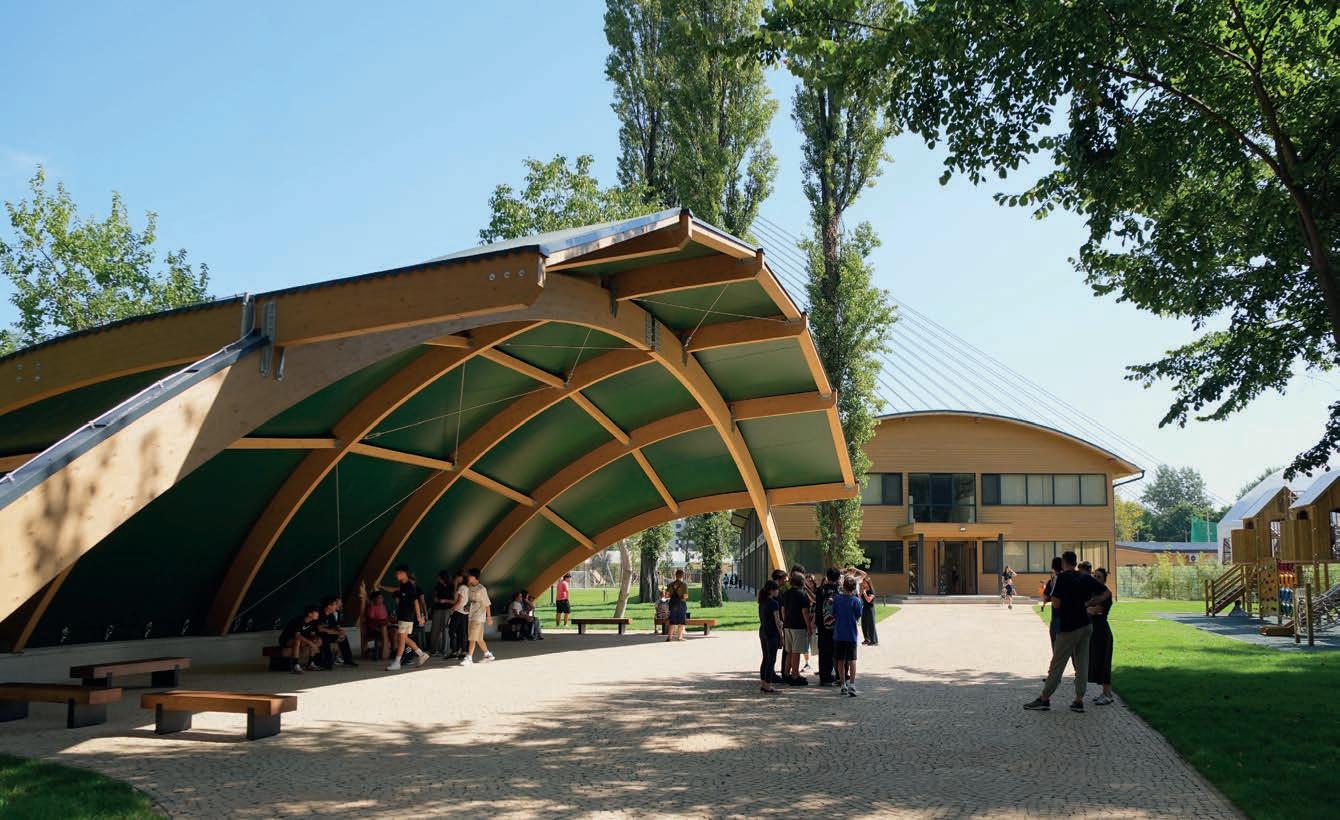
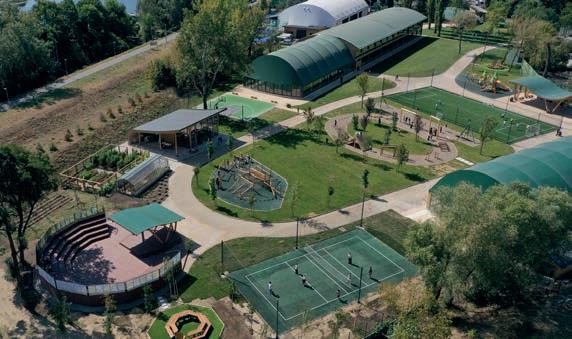
At Green School Belgrade, the environment is more than a place – it’s a living, breathing classroom in the heart of nature.
At Green School Belgrade, the environment is more than a place – it’s a living, breathing classroom in the heart of nature.



• Cambridge & Green Curriculum
• Expansive natural campus
• Cambridge & Green Curriculum
• Areas for sports, yoga, and mindfulness
• Expansive natural campus
• Spaces for creative expression in drama, music, and dancing
• Areas for sports, yoga, and mindfulness
• Hands-on activities (gardening, cooking, recycling)
• Spaces for creative expression in drama, music, and dancing
• Hands-on activities (gardening, cooking, recycling)


Enrolling now for 2026/27 Years 1-9 (ages 5 - 14)
Ada Ciganlija, Belgrade
Enrolling now for 2026/27 Years 1-9 (ages 5 - 14)
Ada Ciganlija, Belgrade


EDITOR IN CHIEF: Neda Lukić n.lukic@aim.rs
DESIGN: Slađan Radosavljević
Zoran Perović design@aim.rs
COPY EDITOR: Mark Pullen
TRANSLATION & EDITING: Pullen Editorial, Halifax

“CorD - 23 Years of Independent Thought and Inspiration”
CONTRIBUTORS:
Ljubica Gojgić
Zoran Panović
Radmila Stanković
Maja Vukadinović
Mirjana Jovanović
Miša Brkić, Rob Dugdale
Steve MacKenzie
Zorica Todorović Mirković
Sonja Ćirić, Miloš Belčević
SALES MANAGERS: Biljana Dević b.devic@aim.rs Vesna Vukajlović v.vukajlovic@aim.rs
SUPSCRIPTIONS: office@aim.rs
FINANCE: finance@aim.rs
DIRECTOR: Ana Novčić a.novcic@cordmagazine.com
PUBLISHER: Ivan Novčić i.novcic@aim.rs
PRINTING: Rotografika d.o.o. Segedinski put 72, Subotica CorD is published by: alliance international media d.o.o.
Resavska 1/III, 11111 Belgrade 17, PAK 125806, Serbia Phone: +(381 11) 2450 508
E-mail: office@aim.rs office@cordmagazine.com www.cordmagazine.com www.aim.rs
ISSN no: 1451-7833
All rights reserved alliance international media 2026
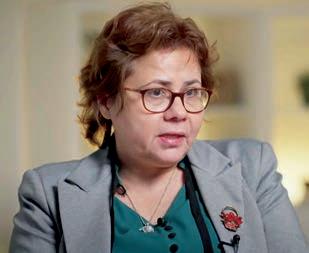
Lidija Komlen Nikolić, Public Prosecutor in Appellate Public Prosecutor’s Office in Belgrade; President of Presidency Prosecutors Association Serbia
Serbia’s judicial framework is formally aligned with European standards, yet recent legislative changes and institutional pressures call into question the genuine independence of the public prosecution service
t the outset, I would like to recall the obligations Serbia has undertaken in the EU accession process, primarily the alignment of its constitutional and legislative framework with the values of the rule of law and judicial integrity.
AThe adoption of judicial laws in May 2023 was seen as a step forward in European integration. Constitutional amendments and related legislation were supported by the European Union, the Council of Europe and Serbia’s highest state officials.
Since then, significant social changes have taken place. The tragedy in Novi Sad on 1 November 2024 triggered student-led protests and heightened public awareness of the role of the judiciary, particularly the public prosecution service, in safeguarding institutional accountability.
Already deeply polarized, Serbian society became further divided following these events, affecting the media, institutions and citizens alike.
The work of the public prosecution service has since come under increased public and political scrutiny.
Although constitutional changes were expected to reduce political influence, concerns resurfaced after the recent amendments to judicial legislation. These amendments were adopted within an exceptionally short timeframe, without obtaining opinions from the judicial councils or consulting the Venice Commission. Just over a month passed between their submission to Parliament and publication in the Official Gazette.
Despite warnings from legal experts and objections by the European Commission, which described the changes as a step backwards, the National Assembly adopted the legislation. State officials nevertheless con-
Although formally aligned with European standards, recent legislative changes and institutional pressures are weakening the mechanisms designed to safeguard prosecutorial independence
tinue to insist that Serbia remains on its European path.
Following pressure from domestic and European institutions, the amended laws were forwarded to the Venice Commission, which is expected to issue an urgent opinion on their compliance with international standards in June 2026.
Two issues are particularly problematic.
The first concerns the abolition of the commission of the High Prosecutorial Council, which had played an important role in protecting independence by reviewing objections to binding instructions.
The second relates to the Prosecutor’s Office for Organised Crime. Under transitional provisions, all seconded prosecutors must return to their home offices within 30 days. As 11 of its 20 prosecutors are currently seconded, this measure will significantly reduce operational capacity.
This contradicts European Commission recommendations to strengthen institutional and staffing resources in the fight against organised crime and corruption, especially in light of recent high-profile investigations.
The High Prosecutorial Council remains central to safeguarding prosecutorial independence and should therefore be strengthened rather than weakened. The continued presence of the Minister of Justice and the Supreme Public Prosecutor within the Council undermines its constitutional role.
Delays in appointments and insufficient protection from undue influence have further weakened institutional safeguards.
As a result, public prosecutors are increasingly seeking protection through media engagement. In a polarised environment, this may generate public support, but also exposes them to pressure and tabloid campaigns.







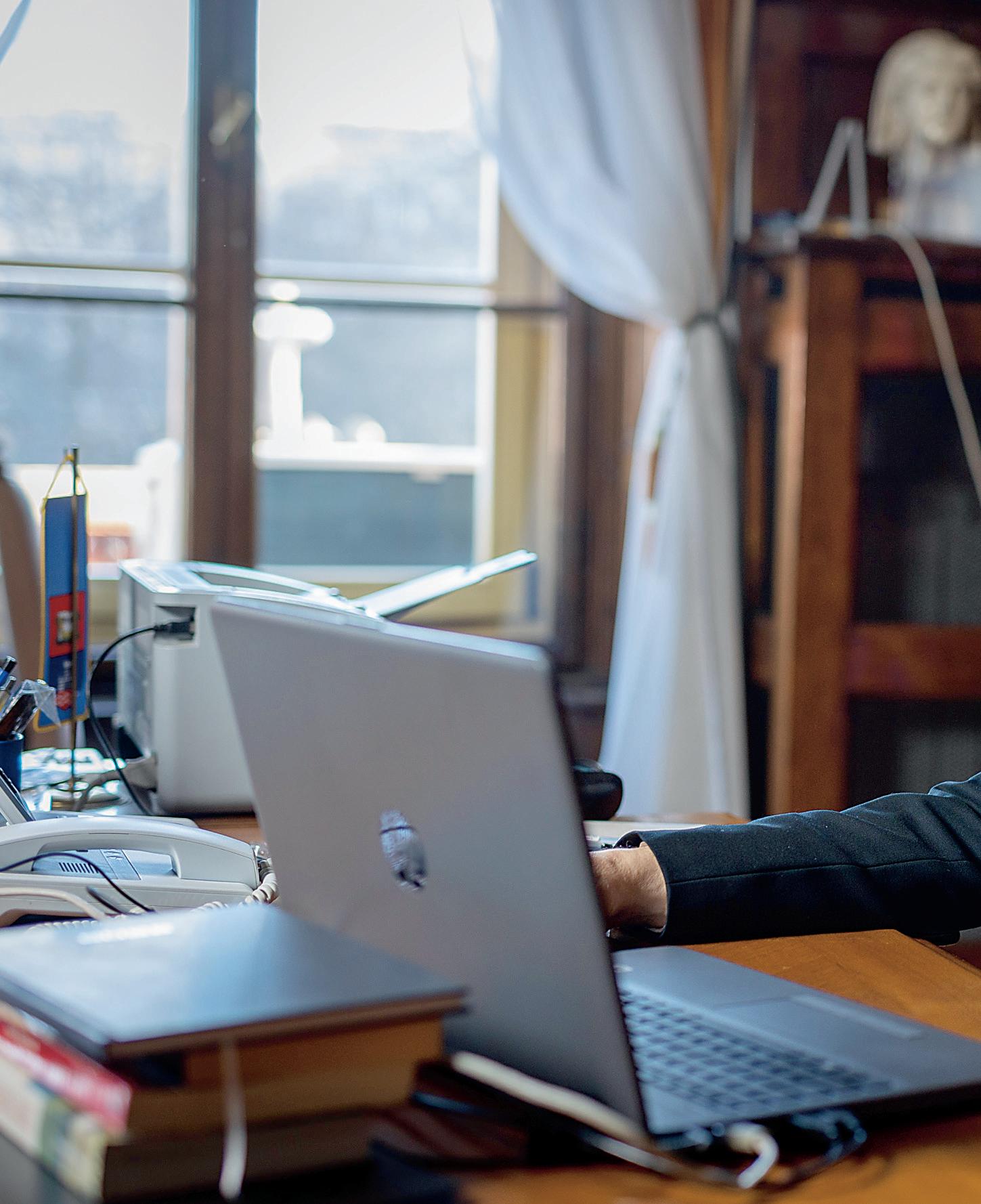
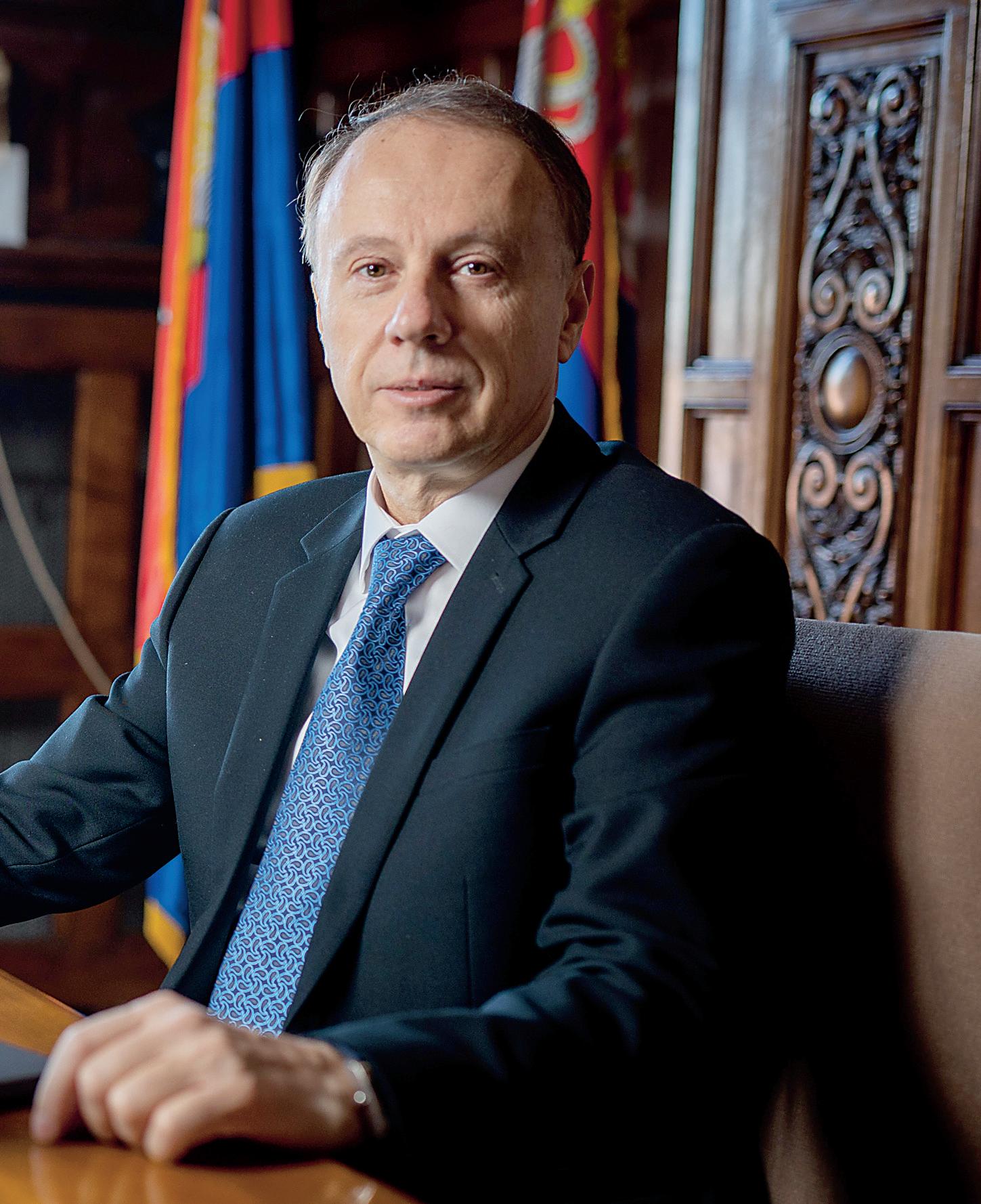
The law and its implementation represent the only systemic protection of institutions and individuals, while the public and the Constitution remain the last line of defence against the arbitrariness of power – Prof. Dr Vladan Đokić
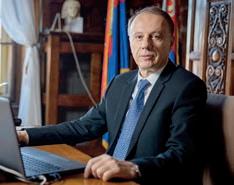
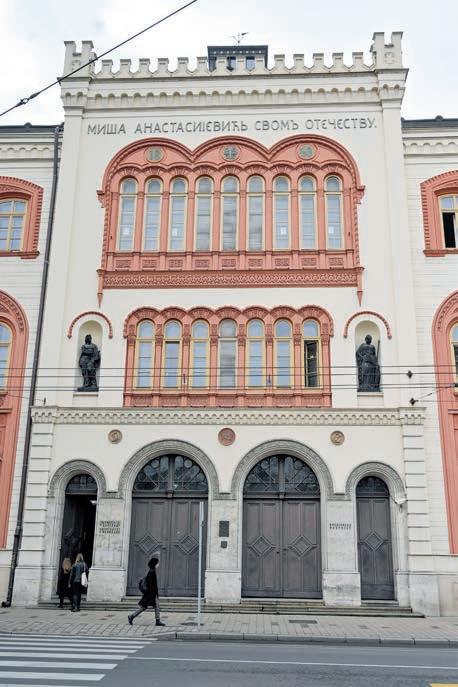
Professor Vladan Đokić, PhD
Rector of the University of Belgrade
In the context of prolonged political pressure, financial instability and open attempts to limit university autonomy, the role of the academic community has become one of the key issues of public life in Serbia. In this interview, the Rector of the University of Belgrade, Prof. Dr Vladan Đokić, speaks about the erosion of autonomy, the authorities’ attitude towards education, student activism and the responsibility of institutions to safeguard the rule of law. He points to the systemic weaknesses of higher education, while emphasising the need for a long-term strategy that places knowledge, expertise and integrity at the centre of social development.
You have previously spoken publicly about pressures on the academic community and the undermining of university autonomy. In what ways are these pressures most visible today, and how can institutions be systemically protected? — I have spoken about the pressures and mechanisms the authorities use against the University — against the institution itself, its individual faculties and those individuals who publicly supported students in their academic protest. I have also referred to the authorities’ attempt to amend the Law on Higher Education in a way that would discriminate against public universities in Serbia, which pre-
ceded the events that led to the student protest.
The public is well aware of the forms these pressures continue to take: physical, financial, media and administrative. All these punitive and disciplinary mechanisms are activated out of fear of losing positions of power and accumulated privileges. What follows is a demonstration of force, arbitrariness and retaliation against those who command public trust and represent the future.
The law and its implementation constitute the only adequate systemic protection for both institutions and individuals, while the public and the Constitution serve as safeguards against
the arbitrariness of power. That arbitrariness has now exceeded all limits, and we can no longer speak of systemic solutions without a change in those who govern the system. It is therefore incumbent upon independent institutions, the public and each of us individually to oppose further violence and retaliation directed at deans, professors, students and citizens.
Despite the urgency of the present situation, we must also remain committed to ensuring, in the longer term, that the University provides conditions for the advancement of outstanding individuals and encourages new generations to pursue academic careers. Alongside material resources, it is essential to create adequate opportunities for professional development, engagement and recognition in the fields of science and the arts. In defending university autonomy, it is crucial that career advancement be governed by academic standards and codes, rather than by criteria imposed by any ruling group or political party.
Competent institutions must guarantee university autonomy, and quality, accessible education must be a priority for any future government. I say future government because the present one has convinced us that it has no need for educated people, and that experts are required merely as a façade for decisions that have already been taken.
You have repeatedly pointed out that financial instability directly undermines university autonomy. What are currently the most critical funding issues, and what should a sustainable model of higher education in Serbia look like in your view? — It is necessary to understand the complexity of the higher education system, to recognise the specific challenges of each discipline and to take into account the rapid technological development within an unpredictable context for which we are educating future professionals. The solutions for reorganising higher education in Serbia are not a matter for one individual. Answers can only be reached collectively, with the most
qualified individuals in the field of education, including alumni, professors and public figures who are genuinely committed to addressing the challenges of education in Serbia.
We are part of the European Higher Education Area, which offers opportunities for university reform. An example of this is our membership in the European university alliance Circle.U.
Thematic and multidisciplinary study programmes, as well as multi-
disciplinary research projects, are viable options that mobilise both the research and teaching capacities of our academic community. What must be ensured is infrastructure capable of providing administrative support to new scientific and cultural achievements. It should be emphasised that the survival of any culture depends on sustained investment in education, science and the arts — primarily by the state and by the public and private sectors, rather than predominantly through international funding.
Following discussions with government representatives, you assessed that key proposals put forward by the academic community had not been sufficiently considered. In your view, which measures could deliver swift and tangible results within the next year?
— I remain sceptical that even the most effective measures would be implemented by those who, not only over the past year but for decades, have done everything possible to erode the education system and to undermine and humiliate those dedicated to education.
In the context of student activism and broader social tensions, how do you see the role of the university today? Where is the boundary between civic responsibility and the political instrumentalisation of education?
— Passivisation is the most dangerous form of political instrumentalisation of higher education. Today, the University protects the academic community and the public interest from authorities whose legitimacy is increasingly called into question. The University has a duty to speak out publicly, to warn, to criticise and to act institutionally in the interest first of the academic community and then of society as a whole.
Beyond its role in public and political life, the University is also the highest educational authority, where moral codes and the highest professional standards are established and defended, and where future professionals are encouraged to uphold and advance those standards in their academic and professional work.
Students responded in an academic and solidaristic manner to injustice and unethical conduct, demanding that institutions act in accordance with the law. The ignoring of their demands, media targeting of students and professors, and excessive intervention by the police and gendarmerie in public spaces and university premises have only intensified tensions that had already been present in our society due
Passivisation is the most dangerous form of political instrumentalisation of education
to growing dissatisfaction across public sectors.
Is it not therefore absurd to question why the University speaks out publicly in response to student engagement and the increasingly blatant erosion of university autonomy? As citizens, as university professors and as experts, we are free to think and to speak publicly. Yet our society has reached a point at which public discourse has been usurped by quasi-politicians. It has become almost unnatural for anyone who is not party-affiliated — even if competent and called upon to speak — to be heard on matters of public interest, although this is precisely the role of the academic community and of young, educated people.
We now find ourselves in a situation where this controlled public discourse has been breached by new voices deemed undesirable by the dominant class, only to be accused of interfering in “someone else’s affairs” or in so-called politics. In any system that aspires to efficiency, criticism is welcome; for the present authorities, however, criticism is intolerable. Thus, such a University is portrayed as superfluous, and public education as a financial burden.
It is important to remember that higher education is funded by the citizens of the Republic of Serbia. That investment should be returned to them through reliable and high-quality services across all sectors of the economy — services from which citizens are currently deprived.
Recent institutional proceedings against you attracted significant public attention. How do such processes affect trust in institutions, and what message do they send to the academic community?
— The message is clear: if you speak out publicly against the dominant narrative, regardless of your qualifications for the highest positions within leading
Global competitiveness without political will remains an empty phrase
University autonomy is a matter of social contract
educational institutions — such as Rector of a university or Dean of a faculty — you may be exposed to all forms of pressure available to those in power, with the aim of diminishing both your role and your credibility.
Despite this, public trust in the University is growing. The merit does not belong to any individual, but to the unified response to the actions taken against specific members of the academic community.
The arbitrariness of power has exceeded all limits, and today we can no longer speak of systemic solutions without changing those who govern the system
During meetings with international partners, including representatives of the European Parliament, you addressed the challenges facing academic freedom. What do you expect from European institutions in terms of supporting higher education in Serbia?
— I spoke about repression, the erosion of university autonomy and the restriction of academic freedoms. In the short term, I expect a solution to be found regarding the participation of our faculties in international projects whose implementation is being blocked by our own ministry. Representatives of the European Parliament have shown interest in engaging with new interlocutors and have demonstrated an openness to hearing the voice of the academic community.
In the long term, however, I do not expect more from the European Parliament than what we must first do ourselves in order to remain a credible partner within the European Higher Education Area. This means ensuring
stable conditions for scientific research, implementing contemporary teaching models, and strengthening the infrastructure necessary for international cooperation and project-based funding.
The University of Belgrade seeks to enhance its international standing and research capacity. How can global competitiveness be reconciled with everyday challenges such as brain drain, retaining young talent and modernising curricula?
— Young people leave in search of a normal life — a society in which, during their studies and professional careers, they can live the values they are taught: the rule of law, professional security, meritocracy and dignified working conditions. Their interest in studying in European countries does not primarily reflect a lack of quality in education here, but rather the expectation that elsewhere they may live and work in accordance with the values they believe in. The problem, therefore, is not merely academic, but profoundly social and political.
This generation has nevertheless demonstrated a willingness to remain and to build its future here. However, this is possible only if the state clearly and unequivocally places education at the centre of its priorities — not rhetorically, but through stable funding, institutional autonomy, the protection of academic freedoms and a long-term strategy for university development. Without such political commitment, global competitiveness remains an empty phrase, and the outflow of talent becomes a rational choice for the individual.
In other words, aligning international ambition with the University’s internal stability is not a technical matter of curricular reform, but a question of political will and of the social contract that defines the kind of country we wish to build.
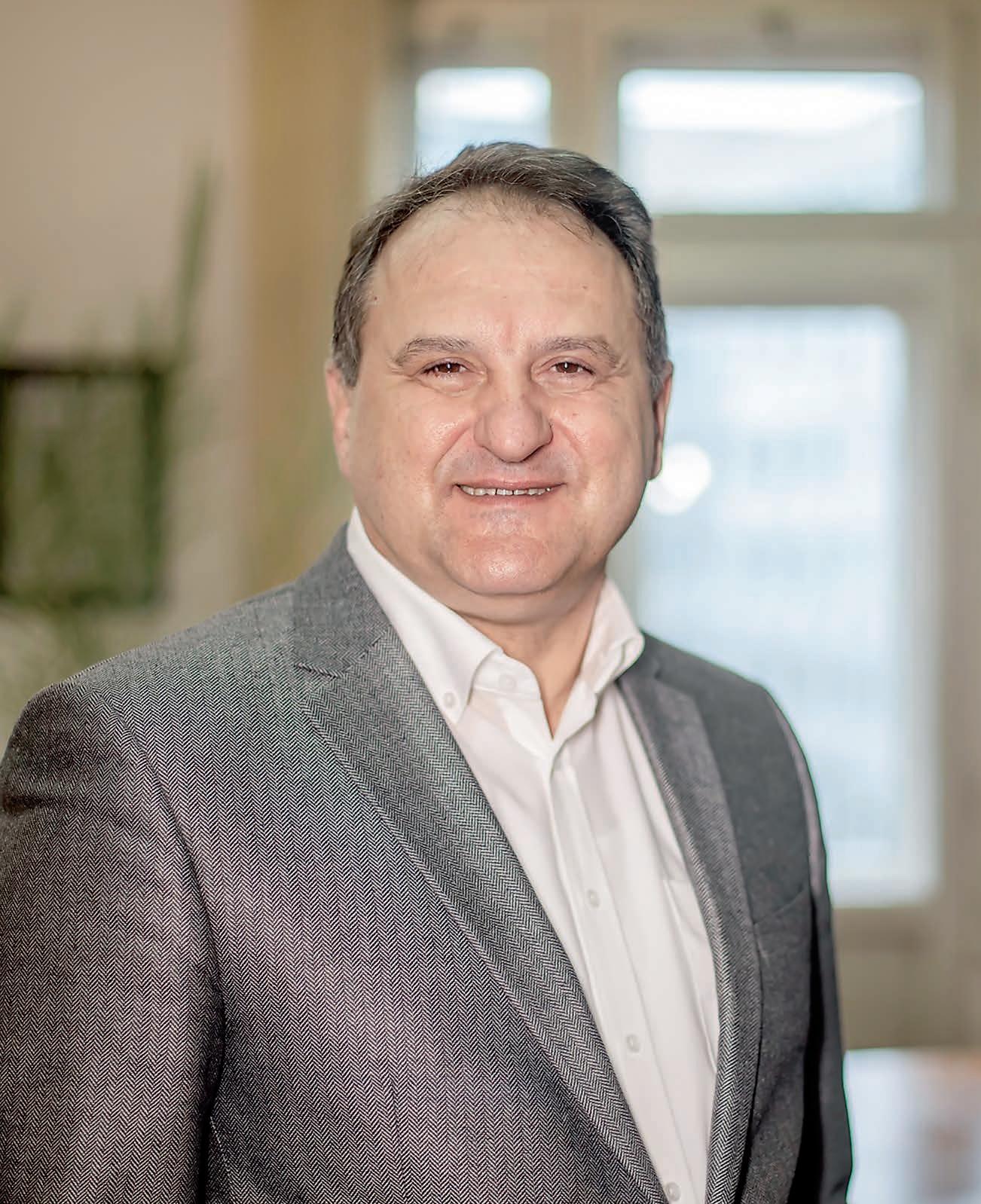

How should Serbia interpret the so-called “Trump effect” and the “NIS effect”, and why do political debates increasingly spill over into the economic arena? From the perspective of economists, the answer remains unchanged: without strong institutions and equal rules of the game, no economy can sustain long-term growth
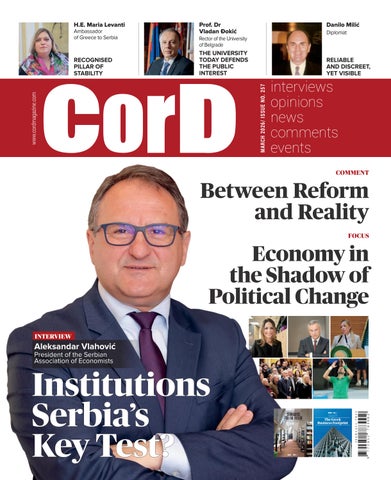
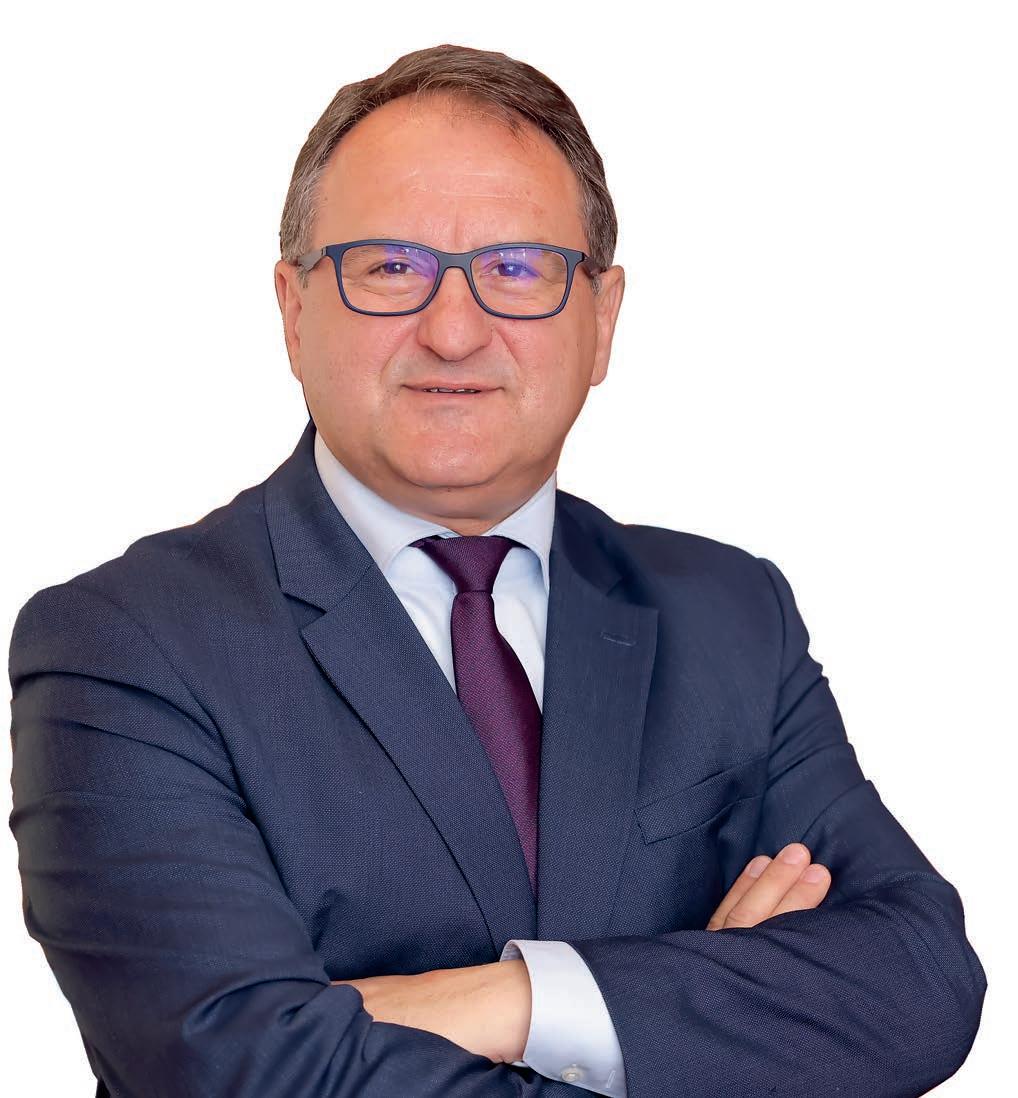
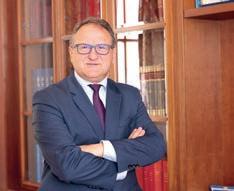
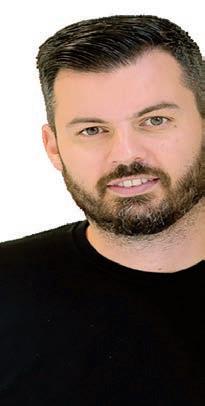
Aleksandar Vlahović President of the Serbian Association of Economists
For decades, the Kopaonik Business Forum (KBF) has served as a place where Serbia’s key economic dilemmas are first articulated and reform responses debated. Ahead of this year’s Forum, taking place from 1 to 4 March, we spoke with Aleksandar Vlahović, President of the Serbian Association of Economists and organiser of the Forum, about the forces shaping Serbia’s economic outlook and reform agenda in 2026.
How should the “Trump effect” on global markets be understood, especially in comparison with earlier global shocks?
— The so-called “Trump effect” is often personalised, but markets do not react to personalities—they react to decisions and the uncertainty those decisions generate. Financial markets are particularly sensitive to trade policy, as tariffs and other restrictions directly affect corporate margins, inflation expectations and, indirectly, interest rates.
This is why market reactions tend to unfold in stages. The first wave is usually immediate, driven by headlines and sentiment. The second is slower and more structural, as investors reassess expectations for growth, inflation and monetary policy.
A telling example was the announcement of broad “reciprocal” US tariffs in 2025. Equity markets initially declined amid fears of higher costs and weaker global trade, while yields on US government bonds rose as investors priced in additional risk. At the same time, the dollar weakened—an unusual development in a higher-yield environment, but one that reflected increased political risk premiums and hedging by international investors. This combination made it clear that markets were responding not to a single policy move, but to a broader mix of economic and institutional risks.
Comparisons with events such as the pandemic or the global financial crisis are relevant only in terms of volatility and the speed at which risk is repriced. The fundamental differ-
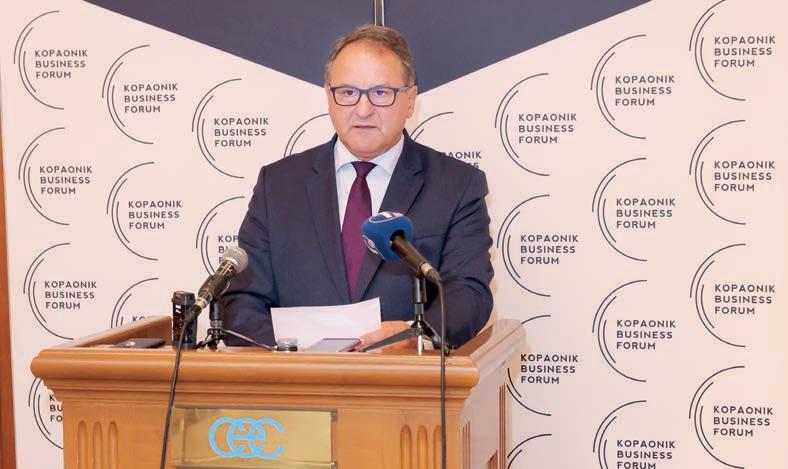
The Kopaonik Business Forum combines agenda-setting, networking and policy testing within a controlled yet publicly visible environment
ence is that those crises were exogenous and systemic, while Trump-era decisions are politically driven, endogenous and often reversible. As a result, markets continuously reassess not only their impact, but also their probability and duration.
Do credible institutional responses exist at the national and international level?
They do—but only if they are carefully designed and anchored in a credible framework. That means realistic fiscal space, clear rules, defined timeframes and strong safeguards against abuse.
At the national level, the fastest tools are budgetary measures such as targeted subsidies, tax relief, credit guarantees and export support schemes. These instruments can be effective if they address clearly identified problems—such as temporary cost shocks caused by tariffs or supply-chain disruptions—are time-limited, and linked to measurable outcomes like investment, exports
or technological upgrading. The risk, however, is that such measures turn into indiscriminate subsidy distribution, a pattern Serbia has already experienced during the Covid-19 period.
Industrial policy can also play a role, but not in the sense of blanket protection. What is needed is smart targeting—policies that strengthen infrastructure, energy efficiency, logistics, education and innovation, while selectively supporting only those value chains where genuine comparative advantages exist.
International institutions such as the IMF, World Bank and EBRD remain relevant, although their role is no longer what it was during the “golden age” of globalisation. Their strength lies not in reversing fragmentation, but in cushioning its effects—through financing, stabilisation programmes and reforms that enhance resilience, and by preventing fragmentation from translating into permanently lower growth.
In Serbia, much attention is focused on ownership changes in NIS. What are the potential political and economic implications?
— The “NIS effect” is a clear illustration of how shifts in ownership are also shifts in power. The key questions are who controls critical infrastructure—re-
The “Trump effect” does not operate as a single shock, but as a sequence of episodes marked by heightened uncertainty
fineries, storage facilities, logistics and retail networks—who sits at the negotiating table in times of crisis, and how much room Serbia has to diversify supply without paying a high political price.
If Russian capital were to exit NIS, it would represent a visible reduction of Russia’s direct economic influence in Serbia and the wider region, given NIS’s role as a central energy hub. That said, a change in ownership does not automatically mean a complete withdrawal of Russian influence, which persists through other political and economic channels.
It is also important to acknowledge that since its acquisition by Gazprom, NIS has invested heavily and significantly raised its operational, reporting and corporate-governance standards. A management change could prove positive if it brings clearer alignment with Western regulatory frameworks, improved access to financing and more stable supply. Conversely, it could be damaging if the company shifts towards short-term value extraction— lower investment, delayed maintenance and reduced transparency—or if professional management becomes subordinated to political objectives.
In the short term, ownership changes may strengthen Serbia’s negotiating position by reducing dependence on a single source of supply. However, if diversification ultimately remains limited to one logistics route and one dominant infrastructure, the underlying risk will merely be repackaged rather than resolved.
How does the current political environment affect the business climate in Serbia?
— In essence, everything revolves around stability—specifically, the predictability of government decisions, the strength and independence of institutions, and
In its latest report on Serbia, the IMF warns of the impact of global slowdown and geoeconomic fragmentation on FDI inflows and exports
In Serbia, everything ultimately comes back to stability, predictability and institutional strength. The greater the political uncertainty, the higher the risk premium
the consistency of policies related to taxation, subsidies, regulation, permits and judicial protection. Investors translate political scenarios—whether elections, government reshuffles or policy shifts—into risk premiums.
It is important to distinguish between stability and predictability. Investors can operate in politically dynamic environments if there is a clear direction and strong institutional buffers. Problems arise when the system appears less capable of channelling political tensions through established rules and procedures.
Serbia’s positioning between the US and the EU is interpreted in very practical terms: access to markets, financing and regulatory compatibility. The EU re-
The focus of KBF 2026 is on preserving growth, investment and energy security amid heightened geopolitical tensions
mains Serbia’s key economic partner, both as its largest export market and its main source of investment capital. Any slowdown in reforms or deterioration in relations with the EU increases uncertainty regarding long-term convergence and investment risk. The failure to open new negotiation chapters in 2025, combined with the strict conditionality of EU Growth Plan funds, has sent a negative signal to investors.
For existing investors, this typically means a stronger focus on regulatory compliance and contractual protection, along with a “wait-and-see” approach to new investment cycles. For prospective investors—especially those in high-tech sectors—the critical question is whether Serbia remains firmly aligned with European standards in areas such as the rule of law, competition policy, state aid and public pro-
curement, and how resilient its economy is to geo-economic fragmentation.
What role does the Kopaonik Business Forum play in interpreting and shaping Serbia’s economic response?
— The Kopaonik Business Forum has a distinct and multi-layered role in Serbia’s economic and broader social discourse. First and foremost, it acts as an agenda-setter, often articulating issues long before they enter mainstream debate. This was the case with discussions on transition and privatisation in the late 1990s, fiscal consolidation and public debt in the early 2010s, and more recently digitalisation, energy transition and green finance. At the same time, KBF functions as a powerful networking hub. Its most tangible contribution lies in informal exchanges between domestic companies, foreign investors, banks and international financial institutions.
Importantly, the Forum has never served as a platform for promoting government policies. On the contrary, open debate, criticism and—even sharp—disagreement are part of its identity. This does not mean policymakers should avoid the Forum. On the contrary, they should use it to explain and defend their proposals before an audience that is both expert and critical.
In the short term, the focus of KBF 2026 is on how Serbia and the region can preserve growth, investment and energy security amid geopolitical tensions, higher interest rates and slower economic activity in Europe. In the longer term, the message is more demanding: without stronger institutions, equal rules of the game, higher-quality investment and productivity growth, no development strategy can be sustainable—regardless of how favourable current macroeconomic conditions may appear.
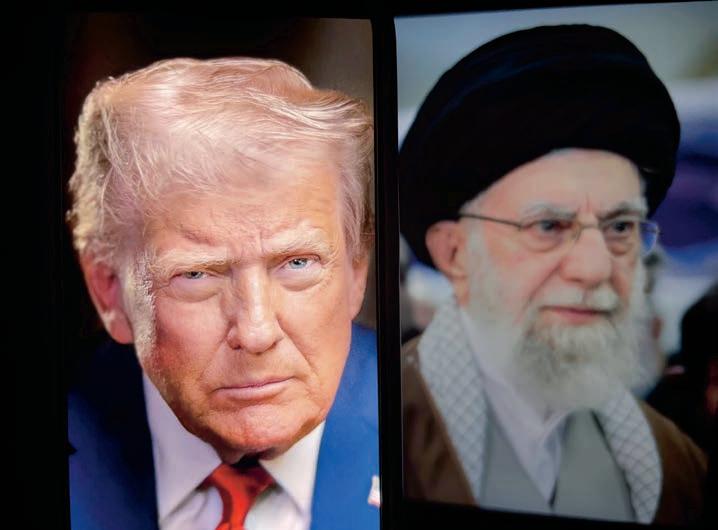
U.S. President Donald Trump has issued a firm ultimatum to Iran — demanding a “meaningful nuclear deal” within about 10–15 days or face “really bad things” — while ramping up a major U.S. military deployment in the Middle East. Tehran, though still officially engaged in indirect talks, has warned it would respond decisively to any attack and has conducted naval drills, including live-fire exercises near the Strait of Hormuz, a vital global energy chokepoint. The standoff has sharply raised regional tensions, unsettling oil markets and prompting diplomatic efforts to prevent the crisis from spiralling into open conflict.
“The world will not be destroyed by those who do evil, but by those who watch them without doing anything.”
Albert Einstein
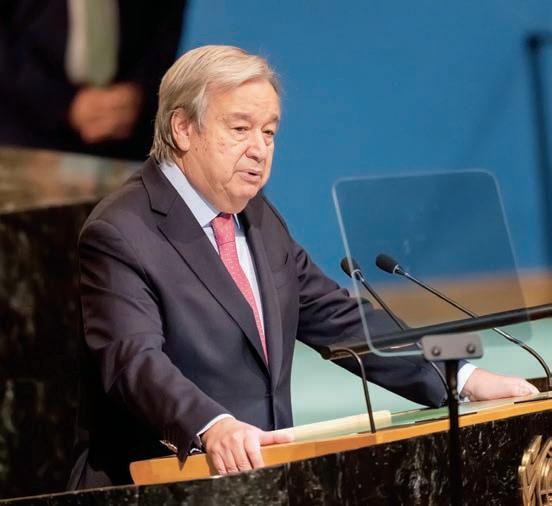
UN Secretary-General António Guterres warned that the United Nations risks “imminent financial collapse” due to unpaid member contributions. The alert comes at a time of escalating global conflicts and humanitarian demands. The warning underscores strain within the multilateral system.
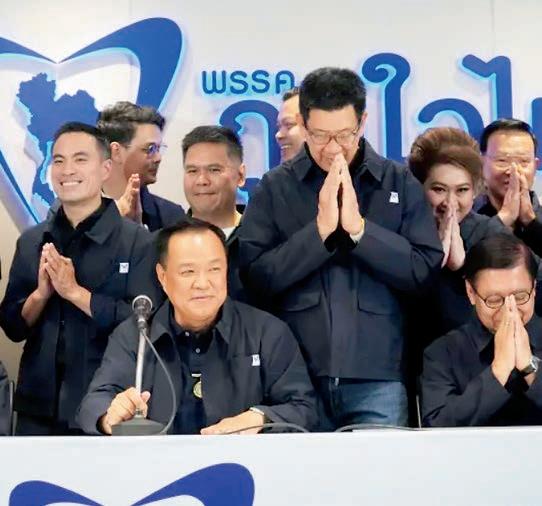
Thailand’s general election produced no clear majority, triggering complex coalition negotiations. Political fragmentation reflects deep divisions within the country’s electorate. The outcome will shape Southeast Asia’s diplomatic and economic positioning.
“In a world of change, the learners shall inherit the earth.”
Eric Hoffer
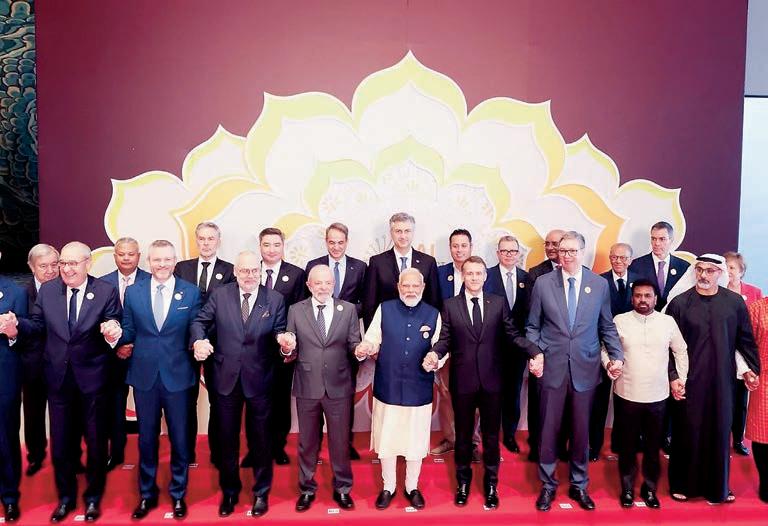
India hosted the India AI Impact Summit 2026 in New Delhi, bringing together around 20 heads of state and top tech executives — including France’s Macron and Brazil’s Lula — to discuss the future of artificial intelligence and global cooperation frameworks. The summit is the first major global AI governance forum held in the Global South, underscoring India’s rising diplomatic role in tech policy. Talks focused on ethical AI use, inclusive growth and governance approaches, though binding agreements were not expected.
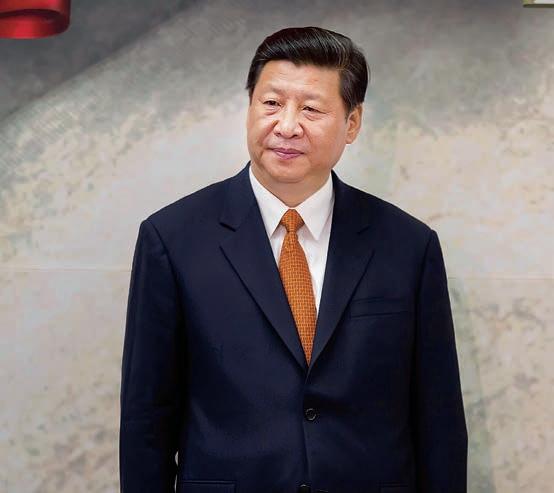
China signalled a major push to deepen its global trade footprint, advancing negotiations on nearly 20 free-trade agreements. The strategy aims to counter mounting tariff pressures and position Beijing at the centre of future trade architecture. As protectionism rises elsewhere, China is betting on long-term economic integration.
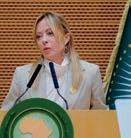
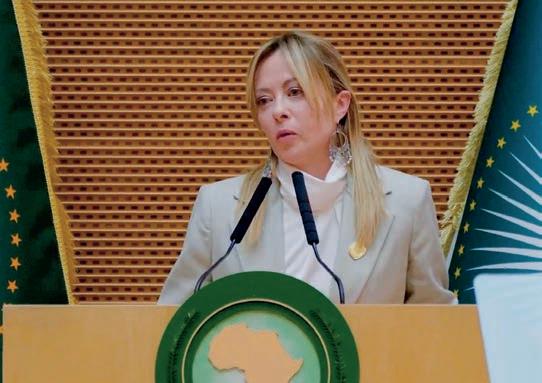
At the second Italy-Africa Summit in Addis Ababa, Italian Prime Minister Giorgia Meloni pledged expanded partnership with African nations focusing on investment-led cooperation rather than traditional aid. The summit reviewed progress under the Mattei Plan for Africa, with collaborative efforts on energy, infrastructure, healthcare, climate action and education involving around 14 countries. Leaders emphasized mutual respect and shared prosperity as the foundation for deeper ties between Europe and Africa.
Although corruption, weak institutions and the lack of basic democratic freedoms currently dominate the protests led by citizens and students, profound economic dissatisfaction also underlies these developments.
Yet, just as there is no consensus on the political strategy of the main opposition actors, there is likewise no shared vision regarding the direction of economic change.
In the long term, this absence of clarity may prove costly
F
armers’ protests, which now occupy much of the limited airtime in the few remaining independent media outlets, represent only one of many symptoms of the economic discontent facing Serbian society. While these concerns are overshadowed by demands for political change driven by corruption and institutional decline, dissatisfaction is also evident among teachers, pensioners and workers who are either losing their jobs or struggling to make ends meet.
Nevertheless, economic issues remain low on the list of priorities within both the stu-
dent movement and opposition narratives. Why is this the case? Have the major economic debates of the early 2000s, which accompanied the protests against former Serbian President Slobodan Milošević, been resolved in the meantime, or have they merely been reframed into topics such as anti-corruption efforts, non-transparent public procurement and declining trust in institutions?
Is the problem the absence of political actors capable of credibly advancing an economic agenda, or rather the lack of ideological consensus on the range of desira-
ble policy measures? Why do we no longer have a dedicated economic reform team, such as the one that existed in the early 2000s? What will be the consequences of failing to articulate a clear vision for change? Will the economic expectations shared by large segments of the electorate remain unanswered?
These questions formed the basis of our discussions with leading economic experts, many of whom were members of the unified opposition team that spearheaded Serbia’s reform process in 2000.
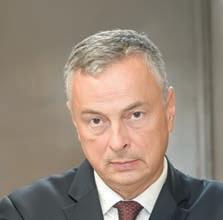
Dejan Šoškić, PhD Economist and Full Professor at the Faculty of Economics, University of Belgrade
Although the demands for the departure of Slobodan Milošević and Aleksandar Vučić were political events of comparable weight, the economic focus has shifted from the Washington Consensus to the quality of institutions, the rule of law and investment in knowledge
During the 1990s, Serbia was among the last countries in Europe to embark seriously on the transition from a socialist economic system to a market economy based on private ownership – in other words, to capitalism. At the same time, there was an almost undisputed consensus within the global academic and policy community regarding the reforms deemed necessary for development: the so-called Washington Consensus.
In Serbia as well, it was widely believed that privatisation, liberalisation, deregulation and fiscal discipline would undoubtedly create the conditions for economic growth and improved living standards. It was not yet fully understood that this would not be sufficient, nor that some of the prescribed reform measures might prove ill-suited to particular national contexts, occasionally generating more problems than solutions.
The implementation of reforms and economic developments worldwide – including in Serbia – during the first two decades of this century revealed significant weaknesses. Liberalisation and deregulation exposed economies to financial instability, culminating in severe global financial and economic crises, most notably in 2008. In conditions of globalisation and trade liberalisation, countries with relatively high wages and developed social institutions lost competitiveness and saw their industrial bases erode, as witnessed in both the United States and the European Union. Finally, persistent corruption and institutional decay inevitably led to lower growth rates and a sharp rise in public debt.
In their research, which earned them the Nobel Prize, Daron Acemoglu, James A. Robinson and Simon Johnson convincingly demonstrate that the strength and inclusiveness of institutions are fundamental preconditions for sustainable economic development. At the same time, it has become equally clear – as reflected, for example, in Mario Draghi’s report on EU competitiveness – that investment in education, science and innovation, particularly research and development, is essential for enhancing competitiveness, economic growth and overall prosperity. In this context, the student movement’s demands that state institutions operate impartially, efficient-
Further reforms are possible, but without meeting the core student demands, no reform agenda can be meaningful or sustainable in the long term
ly, competently and in accordance with the law, as well as its call for greater investment in universities as centres of education and research, represent not only political aspirations but also core economic reforms necessary for establishing a more effective and prosperous economic system in Serbia. Further economic reforms are certainly possible. However, their foundation lies precisely in these fundamental demands. Without such a foundation, any additional reform architecture would neither be meaningful nor sustainably viable.
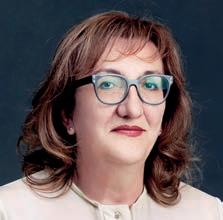
Biljana Stepanović General Manager, Business Info Group
Serbia is deeply divided: some operate within the system and above the law, while others remain outside it, without protection – pushing economic concerns into the background
The deep polarisation of Serbian society, which the regime of the Serbian Progressive Party has systematically cultivated since coming to power, has reached its expected climax. Serbia now appears irreversibly divided between those who have chosen to align themselves with the ruling system of values – within which loyalty brings privilege and legal immunity – and those who reject it and live outside the system, at their own risk.
Those who refuse to conform face intimidation, physical attacks and job losses, and cannot expect effective legal protection.
This context largely explains why economic issues have ceased to be the primary public concern.
Fundamental civilisational values have been eroded. Criminal groups carry out bomb attacks on restaurants and destroy vehicles, while police discover several tonnes of marijuana in Serbian villages, only for the authorities and their aligned media to attempt to conceal such cases.
At the same time, the government is making determined efforts to bring the judiciary, prosecution service, army and police under political control. It has not hesitated to use force against students who have been protesting for more than a year, with such actions openly justified or relativised by the President himself.
In such circumstances, citizens have pushed economic issues aside, believing that the defence of basic rights and freedoms must take priority.
This is one reason. Another lies in the fact that Aleksandar Vučić’s regime has long succeeded, both domestically and among foreign diplomats, in maintaining a narrative of economic success, stability, large-scale infrastructure projects and continuous
progress. To this end, it has mobilised its extensive propaganda machinery, effectively obscuring the extraordinary levels of public debt and corruption that accompanied these “achievements”.
This narrative began to unravel after the collapse of a canopy in Novi Sad, where negligence and corruption led to the deaths of 16 people and exposed mechanisms of corruption reaching the highest levels of power. This tragedy triggered mass protests. I cannot fully explain why neither students nor the opposition focus more strongly on economic issues, except to assume that this will come later – once the country is freed. The opposition and the few remaining independent media have repeatedly exposed cor-
The regime constructed an image of economic success while debt and corruption continued to grow. Their true scale will become visible only after it leaves power – and the cost of recovery will be high
ruption scandals, yet I am convinced that the true scale of economic devastation caused by the Serbian Progressive Party will become fully visible only after it leaves power.
At that point, a comprehensive economic recovery and consolidation programme will be indispensable. The only remaining question is the price that all citizens will have to pay through their living standards.
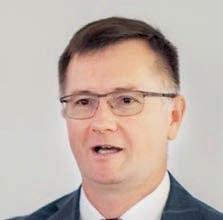
EGoran Radosavljevic, PhD Vice-Dean for Science, Director, FEFA Institute
Economic issues have not disappeared from the opposition narrative; rather, the focus has shifted from inflation and wages to corruption, captured institutions and the quality of development – in other words, towards institutional economics
conomic themes remain highly present in opposition discourse today, but their emphasis differs from that of 2000. At that time, the dominant concerns were widespread poverty, delayed wages and pensions, high inflation and mounting public debt. Today, macroeconomic indicators appear formally more stable, which reduces the sense of immediate existential urgency. However, this does not mean that structural economic dilemmas have been resolved. On the contrary, they have become more complex and less immediately visible.
The current focus is on high levels of corruption, weak and captured institutions, infrastructure projects and the manner of their financing, the development of the domestic private sector, as well as the direction and funding of agriculture and energy policy. All of these are fundamentally economic issues, as they determine the quality of growth and development, and the allocation of resources within society.
In other words, economic questions have not vanished; they have been institutionalised. They are now articulated through debates on the rule of law, transparency, the efficiency of the state and the market, and the social dimension of development. Education and healthcare have likewise gained prominence, as they represent key preconditions for long-term growth and competitiveness – again, inherently economic matters.
Unlike
However, the opposition – including the student movement – is not currently acting in a unified formation. Unlike in 2000, when the economic “voice” was relatively coherent, today multiple voices can be heard. This creates the impression of divergent goals and development strategies, even if the underlying objectives are not fundamentally different. Although credible economic figures within the opposition could consolidate a reform agenda, that synergy has yet to materialise.
in 2000, the opposition today lacks a unified economic voice. Without a consolidated reform agenda, there is a risk of disappointment following political change
I believe this is a transitional phase and that these, at times seemingly dissonant, tones will converge ahead of future elections. Only then can we expect economic issues to be articulated more forcefully – and they must be. Otherwise, there is a risk that the high expectations of voters will remain without a clearly prepared and operational economic response, potentially leading to rapid disappointment after political change.
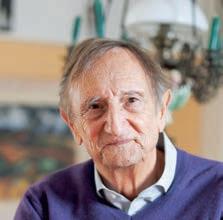
TPavle
Petrović,
PhD
Full Member of the Serbian Academy of Sciences and Arts; Former President of the Fiscal Council
The economic challenges Serbia faces today cannot be successfully addressed without dismantling the existing system of concentrated political and economic power, which remains in the hands of a narrow elite
he main structural problem confronting Serbia is the high concentration of political power, which has distorted economic institutions and the “rules of the game” in favour of a few, thereby hindering domestic entrepreneurship and long-term economic growth. Over the past decade, Serbia has regressed from an electoral democracy to an electoral autocracy, leading to a marked deterioration in the rule of law, an uneven playing field and a sharp rise in corruption.
Our research shows that this erosion of economic institutions has constrained the growth of the domestic private sector, limiting entrepreneurship and investment, and contributing to sluggish technological progress. Domestic entrepreneurs currently invest less than 20 per cent of total capital, while public investment accounts for around 42 per cent and foreign direct investment for 22 per cent.
Yet it is private-sector dynamism, rather than state-driven growth, that forms the basis of stable and sustainable development. The current model favoured by the ruling elite produces only short-term results. The fundamental remedy for Serbia’s flawed development and weak entrepreneurship therefore lies in addressing its root cause: the excessive concentration of political and economic power.
Comparative studies demonstrate that effective constraints on political power encourage the development of sound economic institutions and fair rules that protect the rights of a broad segment of society. Such an environment stimulates entrepreneurship and supports long-term growth based on innovation, knowledge and advanced technologies.
Accordingly, the first pillar of any credible economic programme for Serbia must be a return to democratic governance. This would remove key obstacles to the second pillar:
a substantial strengthening of the rule of law, including property rights protection and contract enforcement. It would also help establish a level playing field through transparent public tenders, the dismantling of monopolies held by privileged companies, and decisive action against systemic corruption.
However, it will take time for the domestic private sector to benefit fully from improved institutional conditions and translate them into accelerated growth. In the meantime, current drivers of growth – public and foreign investment – should be maintained, but subject to thorough reassessment.
A new economic programme must be anchored in democratic governance, which underpins the rule of law and creates the conditions for entrepreneurship, education and green transition
A comprehensive review of ongoing public investment projects and related obligations is urgently needed. On this basis, a transition strategy can be developed towards investments that genuinely support long-term growth and social welfare, including education, environmental protection, green transition and local infrastructure.
At the same time, foreign direct investment in low value-added sectors is declining, while large-scale projects in mining and environmentally harmful industries offer no sustainable solution. Serbia must instead attract high value-added, technology-intensive investments. Once again, this presupposes the existence of efficient, credible and independent economic institutions.






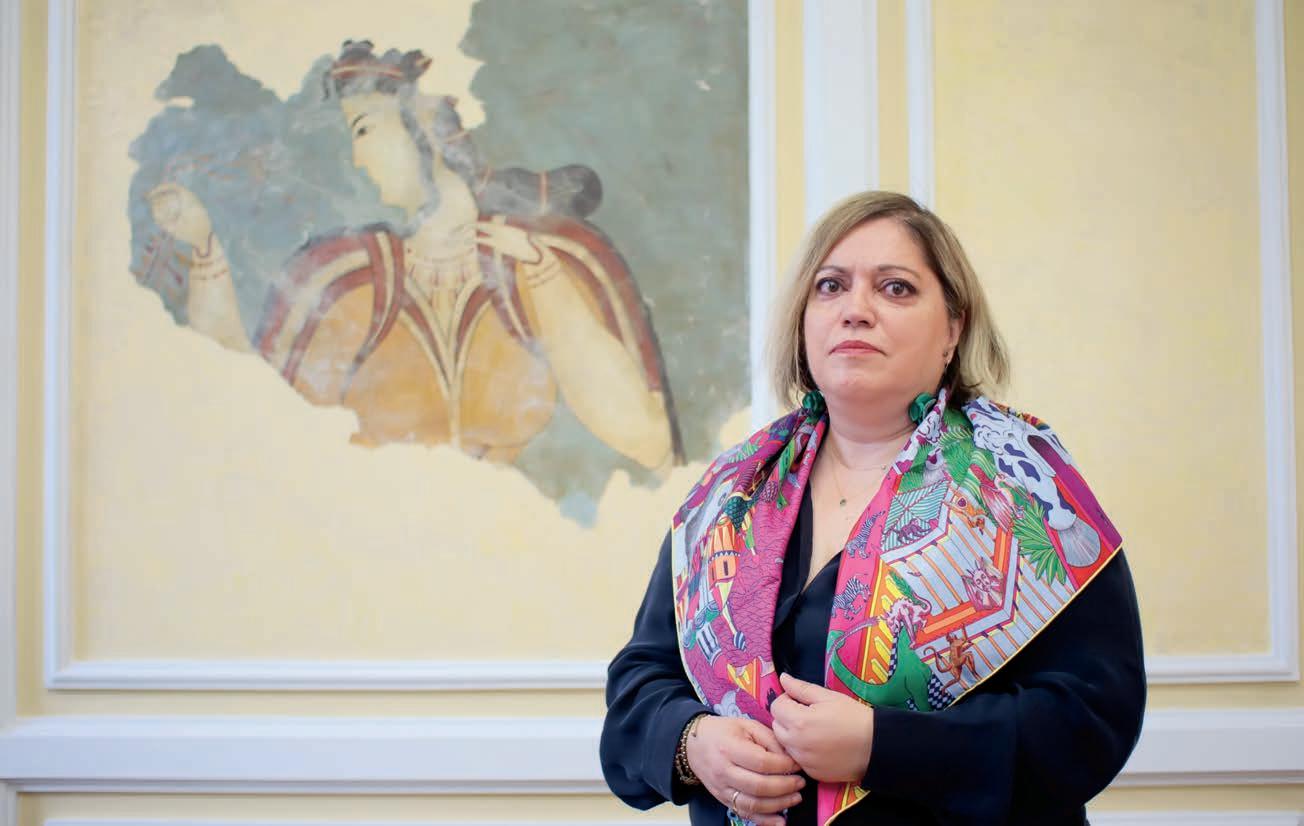
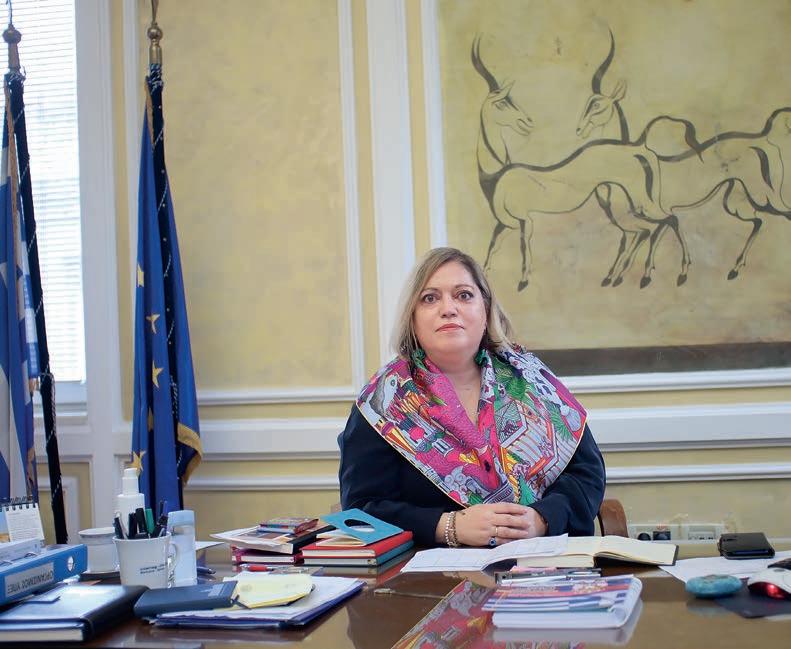
The Greek Prime Minister sent a letter to all his counterparts in December 2024, asking that they align themselves with the recommendations of the European Commission. Serbia’s EU accession is a geopolitical necessity. We are confident that Serbia will further step up its efforts to fully align with the European acquis, in order to persuade even the most sceptical ~ Maria Levanti
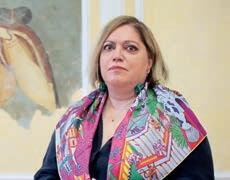
H.E. Maria Levanti Ambassador of Greece to Serbia
By Ljubica Gojgić
At a time when we are hearing frequent reminders that the doors of the EU remain open to new member countries, but also announcements of possible new membership criteria, the Greek Ambassador to Serbia reminds us that
the Union’s expansion to encompass the Western Balkans is an idea that Greece has remained committed to since 2003. Athens views the EU accession of Greece’s Balkan neighbours as “a way to consolidate stability and security in the region”. During these
Greek foreign policy remains principled, firmly committed to unwavering respect for International Law
The relationship between Greece and Serbia will always be on an upward trajectory
both sides have a strong desire to strengthen and reinforce cooperation in the sectors of tourism, trade, infrastructure, transport and energy
times of great global and regional challenges, Greece remains “firmly committed to the unwavering respect for International Law, including the Law of the Sea, the UN Charter and UN Security Council Resolutions”, says Ambassador Levanti, as well as reiterating that Greece’s stance on the independence of Kosovo remains unchanged.
Your Excellency, in the buildup to the celebration of Greece’s National Day, what do you see as the most important issues currently confronting your country?
— Greece is being recognised for its economic turnaround, which has regained investment grade status. The country is now growing faster than the eurozone average, while its debt-to-GDP ratio is on track to fall below 120% by 2030. Greece’s Minister of National Economy and Finance, Kyriakos Pierrakakis, was recently elected to the Eurogroup Presidency, marking a significant political and symbolic juncture for the country.
Greece has also emerged as an energy hub for Southeast Europe. Athens actively promotes the implementation of the “Vertical Gas Corridor”, which will actually be a network of existing and future natural gas infrastructure projects that will greatly enhance the terms of energy security in SEE and across Europe as a whole. Its purpose will be to carry natural gas and LNG through Greece and Bulgaria to Central, Eastern and Southeast European countries.
Given that you previously served as Head of the Directorate for NATO and the OSCE at the Greek Minis-
try of Foreign Affairs, how would you assess the current security environment of Greece and Europe?
— With an awareness of the new realities of the international landscape, Greek foreign policy remains principled, firmly committed to unwavering respect for International Law, including the Law of the Sea, the UN Charter and UN Security Council Resolutions.
Greece is recognised as a reliable interlocutor and a pillar of stability, a fact reflected, inter alia, in our election to the UN Security Council for the 2025-2026 term.
Moreover, Athens has always had a vision for the Western Balkans inside the European Union family. It was
Athens supports the “Vertical Gas Corridor” as a key project for strengthening energy security in Southeast Europe and across the continent
historical and cultural ties, which are based on the solid friendship between our peoples. We have always stood by each other, in good times and bad. The relationship between Greece and Serbia will always be on an upward trajectory.
I would also like to reiterate Greece’s firm and tangible support to Serbia’s European path. Most recently, it was just last September that Greece and Serbia signed a Memorandum on Cooperation for the acceleration of the process of integrating Serbia into the European Union.
On a parallel note, both sides have a strong desire to strengthen and reinforce cooperation in the sectors of tourism, trade, infrastructure, transport and energy, where many possibilities and prospects exist.
Lastly, Greece has wholeheartedly supported Serbia with regard to EXPO 2027, which will be held for the first time here in Belgrade, and we are ready to help in every way.
Does Greece continue to maintain the same position regarding Kosovo’s unilateral declaration of independence?
Greece that pioneered the Thessaloniki Agenda of 2003 for the accession of the Western Balkan countries to the EU as the only way to consolidate stability and security in the region.
What do you consider the key priorities of bilateral relations between Greece and Serbia, and have there been any changes in this regard since your December 2022 arrival in Belgrade?
— Greece and Serbia have excellent longstanding political relations and
— Greece’s stance regarding non recognition of Kosovo remains unchanged.
Greece is among the largest investors in Serbia, with more than 200 companies established with Greek capital. What is the current main focus of economic cooperation between the two countries?
— Greek companies have invested more than 2.5 billion euros in Serbia over the last 20 years. While traditional sectors like industrial production, retail and tourism remain i mportant pillars of Greek invest -
ment in Serbia, the focus has gradually shifted towards energy, infrastructure, logistics and digital transformation. Also, energy connectivity and renewable energy projects reflect both countries’ interest in strengthening regional resilience and supporting the broader European green transition.
Trade and investment cooperation is also expanding through transport and supply-chain development. At the same time, collaborations in tourism, real estate and services continue to deepen business connections. Innovation, small and medium-sized enterprises and technology partnerships are gaining attention since they are sectors with strong growth potential.
Serbia’s energy diversification has created new opportunities for cooperation with Greece, particularly through the gas interconnection via North Macedonia. How do you see the future of this partnership?
It was Greece that pioneered the Thessaloniki Agenda of 2003 for the accession of the Western Balkan countries to the EU as the only way to consolidate stability and security in the region
— Serbia’s energy diversification efforts create opportunities for cooperation with Greece, particularly through the gas interconnectors via Bulgaria and North Macedonia. This partnership reflects a broader regional shift towards diversified supply routes, enhanced energy security and closer alignment with European energy policies. Greece’s expanding LNG infrastructure and its role as a regional energy hub offer Serbia greater access to alternative sources, helping reduce dependence on single suppliers.
Looking ahead, our cooperation could extend beyond natural gas to
include renewable energy, electricity market integration and future-oriented technologies like hydrogen. These initiatives can promote economic cooperation, strengthen regional stability and support the transition to more sustainable energy systems.
Overall, the energy partnership between our countries has the potential to contribute both to energy secu rity and to broader European efforts promoting energy diversification and resilience.
Serbia has made limited progress on EU accession in recent years. Where do you see the key obstacles to further integration?
— I would like to reiterate Greece’s full support to Serbia’s European path. We welcome Serbia’s progress, encourage you to continue moving forward and contribute actively to the country’s accession process.
In December 2024, the Greek Prime Minister sent a letter to all his counterparts asking them to align themselves with the recommendations of the European Commission. Serbia’s accession to the EU is a geopolitical necessity.
We are confident that Serbia will further step up its efforts to fully align with the European acquis, in order to persuade even the most sceptical.
An agreement on cooperation between Greece and Serbia was confirmed earlier this year and provides for the joint deployment of police officers in the most popular tourist centres. Could you elaborate on how this agreement will be implemented in practice?
— Greece is the top summer holiday destination for travellers from Serbia, while Greek tourism to Serbia is also experiencing a steady rise. Greek police officers and their Serbian counterparts will be stationed at summer holiday destinations in Greece that are favoured by Serbian tourists. Likewise, Greek police officers will serve temporarily in Serbia.


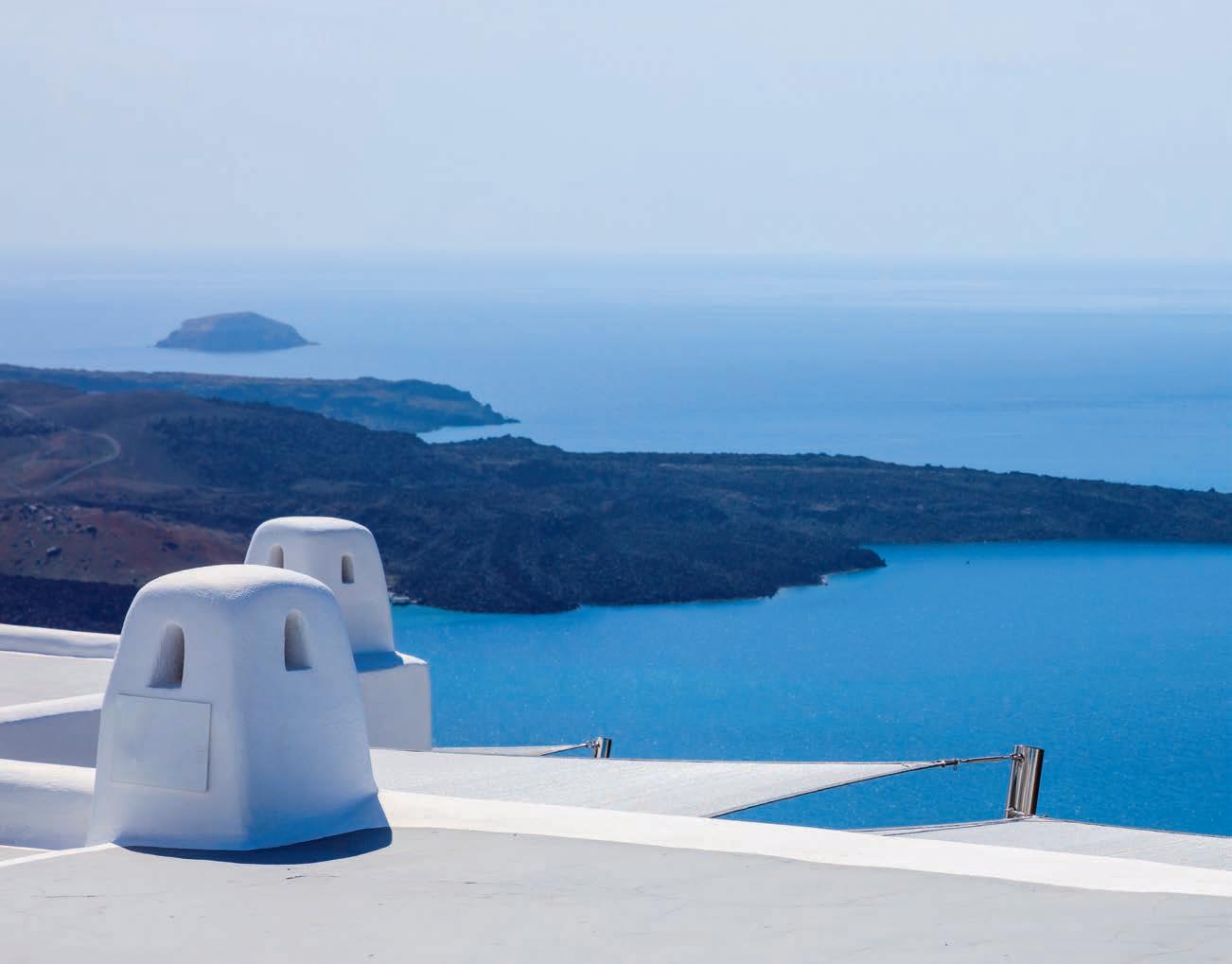
From European integration and energy security to long-term investment and infrastructure development, Greek institutions and companies are strengthening their strategic presence in Serbia through sustainable cooperation
In a period marked by geopolitical uncertainty, energy transition and shifting economic priorities, Greece is reaffirming its role as one of Serbia’s most consistent partners in Southeast Europe. Political dialogue, institutional cooperation and long-term investment are increasingly converging into a framework that supports regional stability, European integration and sustainable growth.
At the diplomatic level, Athens continues to advocate Serbia’s European perspective as a strategic priority for the Western Balkans. Greece’s long-standing support for EU enlargement remains a cornerstone of its regional policy, reflecting its commitment to security, institutional development and European values.
This political continuity is matched by strong economic engagement. Greek companies have invested more than €2.5 billion in Serbia over the past two decades, with more than 200 enterprises operating across key sectors. While retail, tourism and manufacturing remain important, recent years have seen a growing focus on energy, infrastructure, logistics and digital transformation.
Energy cooperation has emerged as one of the most strategic pillars of bilateral relations. Greece’s development as a regional energy hub, supported by LNG terminals, gas interconnectors and renewable projects, is opening new opportunities for Serbia’s energy diversification and security of supply. Initiatives such as the Vertical Gas Corridor reflect a shared commitment to resilience and alignment with European energy policies.
Within the business community, structured platforms for cooperation continue to translate institutional dialogue into concrete opportunities. Sector-focused forums, B2B initiatives and inter-chamber cooperation are reinforcing the operational integration of Greek investors into Serbia’s economic environment. With EXPO 2027 approaching, the importance of coordinated regional engagement is becoming increasingly evident. What unites these initiatives is a shared strategic approach: long-term commitment, institutional credibility and adaptability. Greek investors in Serbia are not driven by short-term cycles, but by sustainable partnerships based on mutual trust, regulatory alignment and regional integration.
As Serbia advances towards EXPO 2027 and continues its European path, cooperation with Greece offers both stability and opportunity. From diplomacy and energy connectivity to infrastructure and trade, the Greek presence in Serbia reflects a mature partnership—one that combines political consistency with economic dynamism and long-term perspective.
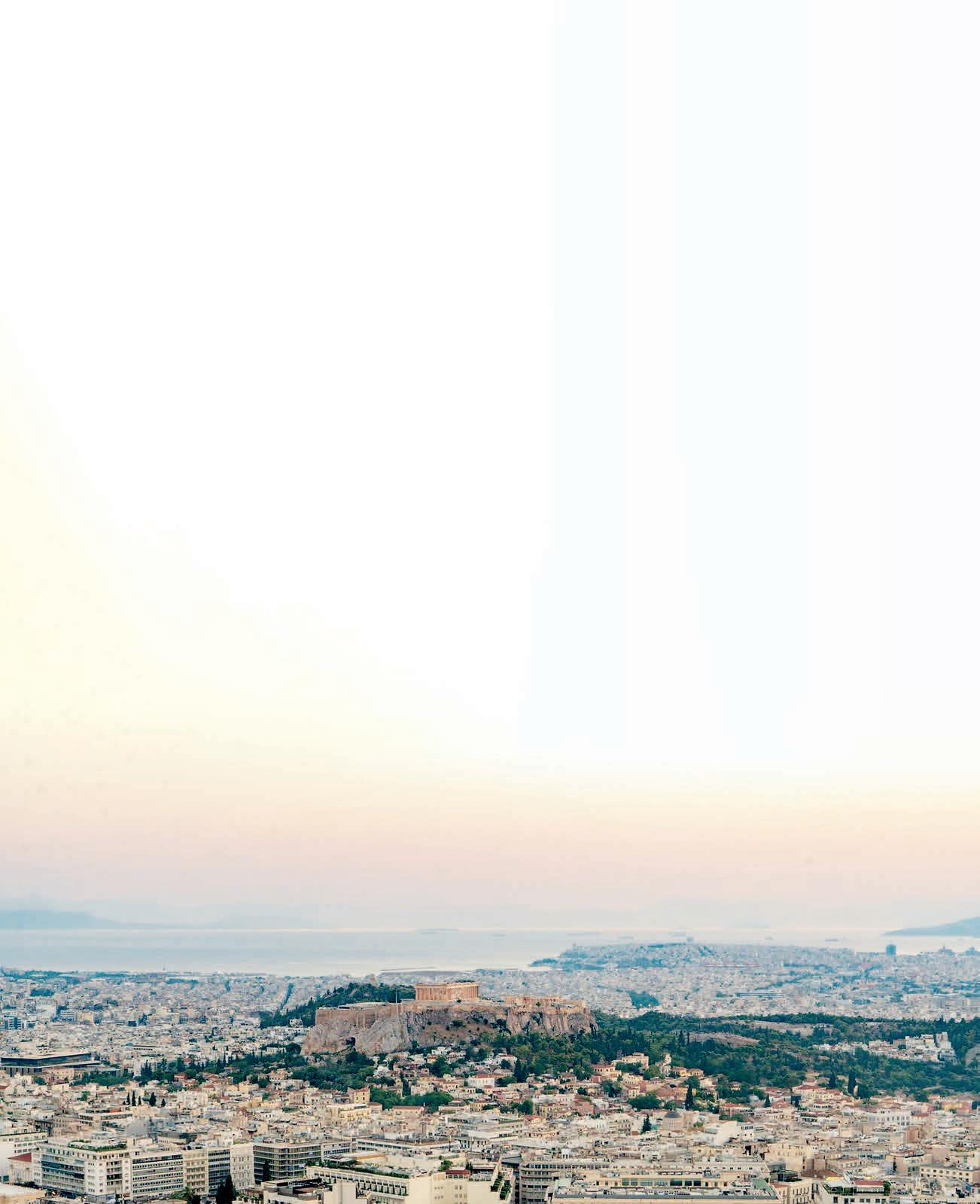
Through diplomatic continuity, energy cooperation and long-term investment, Greece is reinforcing its role as a strategic partner in Serbia’s regional integration and sustainable development
On strengthening Greek-Serbian economic ties, translating institutional cooperation into concrete projects, and positioning the Hellenic Business Association for the next phase of regional integration ahead of EXPO 2027
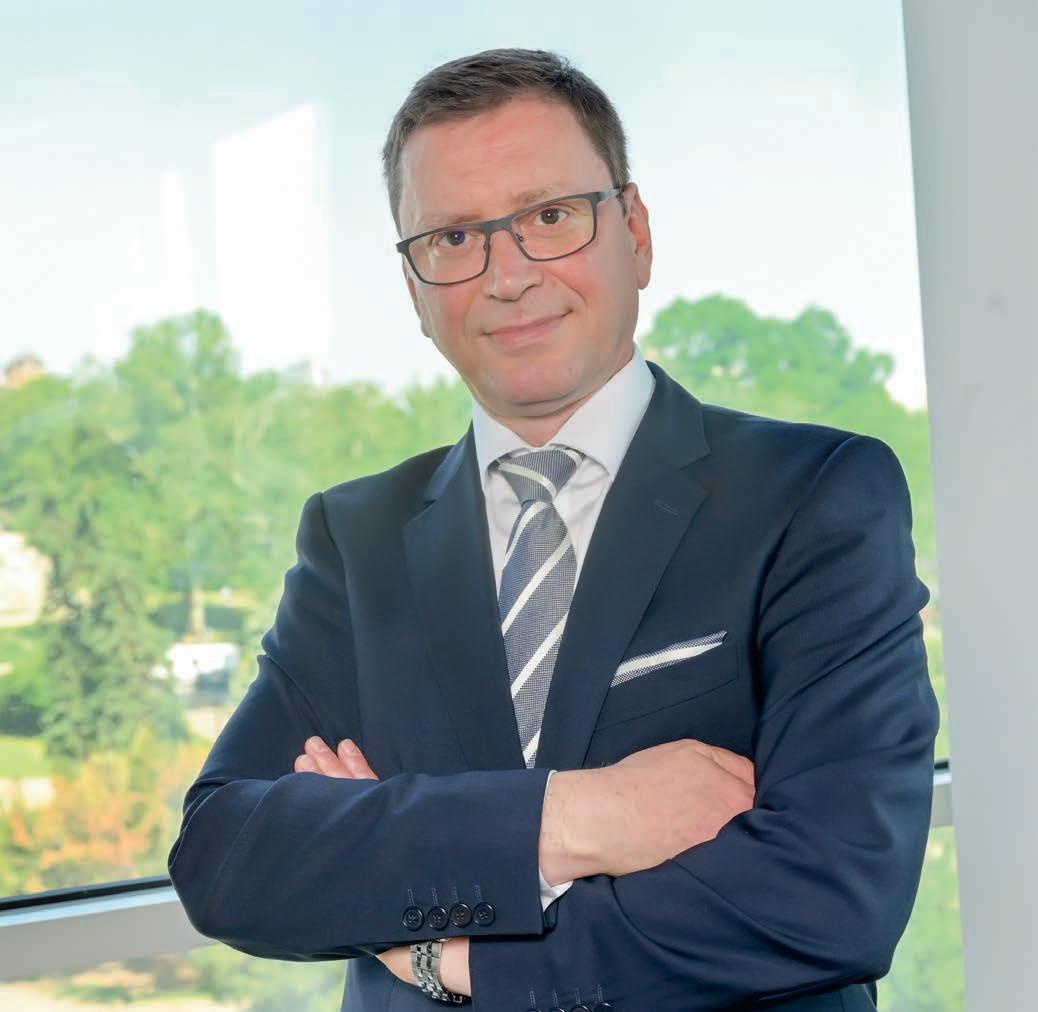
As Greek investment in Serbia continues to grow, the Hellenic Business Association is increasingly positioning itself as a platform for practical cooperation, sector-focused dialogue and longterm partnerships. Its President, Nikolaos Sliousaregko, speaks to CorD about translating institutional engagement into concrete business projects, strengthening regional connectivity, and preparing member companies for the opportunities ahead.
HBA has positioned itself as a key platform for Greek investors in Serbia. Looking beyond formal cooperation frameworks, what concrete results would you highlight as the Association’s most significant achievements over the past year?
— Over the past year, HBA has remained focused on delivering concrete, sector-specific value to its members while strengthening its institutional and regional positioning. A major achievement was the organisation of three flagship conferences, each dedicated to a strategic area of business. The Green Energy Transition Conference addressed sustainability and Serbia’s alignment with European climate goals; the IV Regional Conference on Transport, Logistics and Supply Chains focused on connectivity and resilience; while Synergy of Human and Artificial Intelligence in Modern HR explored digital transformation and the evolving world of work. Together, these events fostered substantive dialogue among business leaders, experts and institutional representatives, moving beyond formal exchange towards practical outcomes.
We strengthened direct engagement through structured Speed Business Meetings, facilitating meaningful B2B interaction between Greek companies, other chambers and the wider Serbian business community, and generating concrete cooperation opportunities.
At the same time, we continued to nurture the community aspect of the Association through informal member gatherings, encouraging open dialogue and stronger mutual trust. Beyond business activities, HBA reaffirmed its social responsibility through the Humanitarian Christmas Dinner, bringing members and partners together in support of charitable causes and reinforcing the spirit of solidarity within our network.
As an active member of the Council of European Business Associations and Chambers in Serbia (CEBAC), HBA continues to contribute to broader European business dialogue and inter-chamber cooperation, ensuring that Greek investors remain well integrated into the wider European business framework.
You have repeatedly pointed to untapped potential in bilateral trade and investment. Where do you see the main obstacles in translating interest into concrete projects?
— Translating potential into concrete projects depends on efficiency, predictability and institutional capacity. Serbia has made visible progress in improving its investment climate, particularly through infrastructure development and support for foreign investors, which has strengthened overall interest.
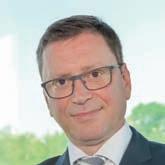
We see energy, transport corridors and logistics as natural areas where Greek companies can actively support Serbia’s regional integration
Stable regulations and predictable procedures are essential if business interest is to be translated into concrete and sustainable projects
Our goal is to build long-term partnerships based on trust, sectorfocused dialogue and strong local presence
At the same time, certain administrative procedures remain time-consuming, especially in areas such as permitting and inter-institutional coordination. While improvements are ongoing, further simplification and greater regulatory predictability would help accelerate implementation.
With continued reform efforts and close cooperation between institutions and the business community, there is strong potential for this positive trajectory to result in an increasing number of concrete and sustainable investments.
Energy security, infrastructure development and supply chain resilience have become central regional priorities. To what extent are Greek companies ready to engage in these areas in Serbia?
— Greek companies are well positioned to engage in energy security, infrastructure development and supply chain resilience. Greece has significantly advanced its role as an energy hub in Southeast Europe through LNG infrastructure, gas interconnectors and renewable energy investments, strengthening both expertise and operational capacity.
There is clear interest in participating in projects in Serbia related to green energy, transport corridors and logistics modernisation. Given geographic proximity and strong economic ties, this cooperation has a strong natural foundation.
Further progress will depend primarily on accelerating project preparation and ensuring stable, transparent regulatory frameworks. Largescale initiatives require long-term planning and coordinated implementation. With continued alignment of strategic priorities and efficient execution, Greek companies can play an even more active role in supporting Serbia’s regional connectivity and energy diversification goals.
HBA maintains strong visibility at major regional and international forums. How effectively does this translate into tangible benefits for member companies?
— Through organising sector-specific conferences — from green energy and logistics to HR trans-
formation — HBA has positioned itself as a platform where dialogue leads to actionable business connections.
Our participation in high-level events enables us to ensure that the interests of Greek
HBA aims to turn dialogue into concrete projects, positioning Greek companies as long-term partners in Serbia’s energy, infrastructure and regional development
companies are represented in broader economic discussions, while creating direct access to decision-makers, potential partners and new markets.
In that sense, institutional presence serves as a catalyst, opening doors, facilitating communication and strengthening the operational positioning of our members within the Serbian and regional market.
With EXPO 2027 approaching, what must HBA do to remain relevant and influential?
— The core of HBA consists of Greek companies that have been operating in Serbia for more than two decades. These are not short-term investors, but long-standing partners of the Serbian economy, contributing to employment, technology transfer and sectoral development.
To remain relevant, HBA will continue to strengthen three key areas: expanding sector-focused platforms, deepening institutional dialogue and regulatory insight, and fostering stronger regional integration through cross-border partnerships, particularly in the context of EXPO 2027. Our role is not only to represent interests, but to anticipate trends, connect stakeholders and help transform long-term partnerships into new growth opportunities. By building on the strength and reputation of its members, HBA will continue to serve as a stable and forward-looking bridge between the Greek and Serbian business communities.
Through continuous investment in modernization, digitalization and sustainable mobility, EKO Serbia is strengthening its retail network and building long-term customer
In a market shaped by changing consumer habits, digital transformation and the energy transition, adaptability has become a key determinant of long-term success. EKO Serbia has responded to these challenges through continuous investment in innovation, infrastructure and customer experience.
Speaking for CorD, Aris Karousos, CEO of EKO Serbia, outlines the company’s development priorities, its approach to sustainable mobility and its vision of transforming petrol stations into modern, service-oriented destinations.
How does EKO Serbia respond to the growing expectations and needs of consumers?
— The market is evolving rapidly, and consumer habits are changing accordingly. EKO Serbia remains committed to innovation and to enhancing the overall customer experience, because our consumers deserve not only a high-quality and diverse offer, but also a pleasant, well-organised and efficient environment.
For this reason, we are focused on modernising our retail network and elevating the experience at EKO petrol stations to a higher level.
We are transforming our stations into destinations that provide fast and efficient service, modern minimarkets, a rich gastronomic selection and solutions that support sustainable mobility. This transformation is essential for building long-term customer loyalty and for
raising retail standards across our sector.
EKO Serbia is investing significantly in modernising its retail network. What has been achieved so far?
— The reconstruction of our network represents one of our key strategic priorities. Over the past two years, we have renovated 28 petrol stations in line with the highest standards of quality, safety and energy efficiency, with additional locations scheduled for redesign.
In 2025, we also launched the reconstruction of self-service and automatic car washes at EKO stations, which will be equipped with state-of-the-art technology and will deliver a significantly enhanced vehicle-care experience.
At the same time, we have continued to invest in innovation and digitalisation. Improvements to the Smile app, along with the introduction of new services, demonstrate that EKO Serbia is aligning its operations with global trends and evolving market needs.
Electric mobility is increasingly reshaping the market. How prepared is EKO Serbia for these changes?
— In parallel with our infrastructure improvements, the company is actively responding to the challenges of the energy transition. The growth of electric vehicles represents a significant market transformation, and we are fully prepared to address it.
EV chargers have already been installed at seven EKO petrol stations along
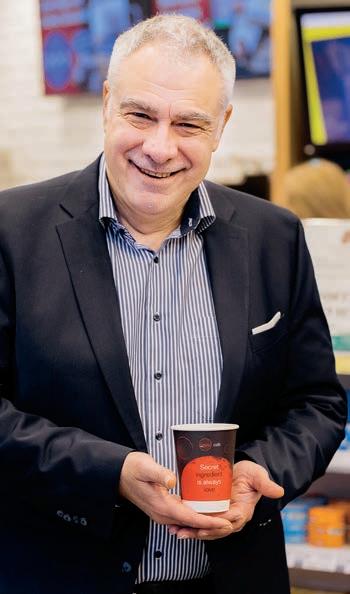
major highways. We continue to invest in this area in order to become a reliable partner to electric vehicle users and to provide accessible and dependable charging infrastructure. This initiative forms an integral part of our long-term sustainable mobility strategy.
What are the key development goals for EKO Serbia in the coming year?
— We address all challenges through flexibility and innovation — core values that define our business approach. In this spirit, the coming year will be focused on further developing our retail network and enhancing the customer experience.
At the same time, we will continue to expand the Kalypso brand, introduce new services and further strengthen our retail segment. In addition, the Smile loyalty programme, with nearly 800,000 members, plays a particularly strategic role, serving as one of the key pillars of our relationship with consumers. Our vision is for EKO petrol stations to become destinations that deliver a distinctive customer experience — a balanced combination of energy, technology and service quality that simplifies the lives of modern consumers.
How Veropoulos builds long-term customer trust through authentic products, disciplined expansion and operational excellence across Southeast Europe
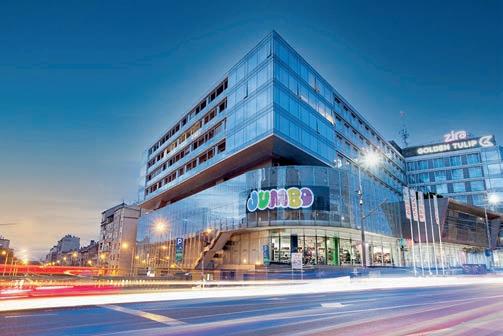
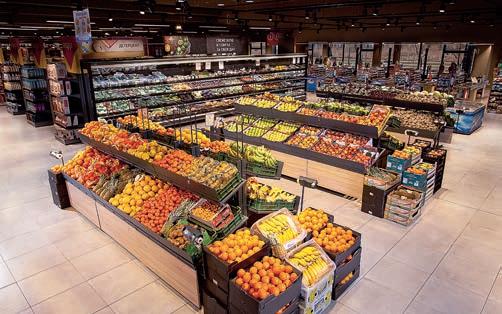
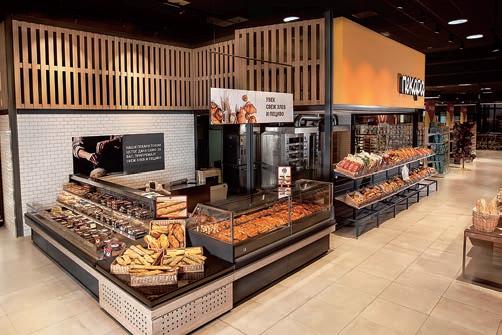
Walking into a Vero store is like stepping into a vibrant Mediterranean marketplace.
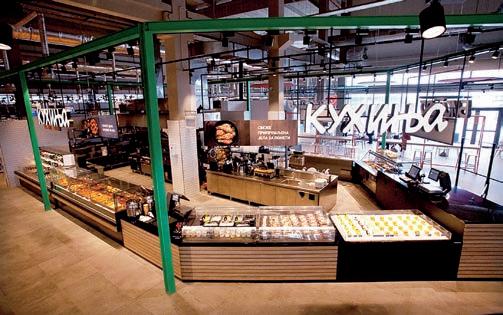
Fresh bakery aromas, colourful fruit displays, premium meats, readyto-eat meals and authentic Greek products welcome customers at every turn. Beyond this warm and inviting atmosphere, however, lies a carefully structured business strategy that has positioned Veropoulos as a regional leader in retail.
In 2025, the Group further strengthened its market position, increased sales and deepened customer loyalty, while consistently maintaining a high-quality and authentic shopping experience.
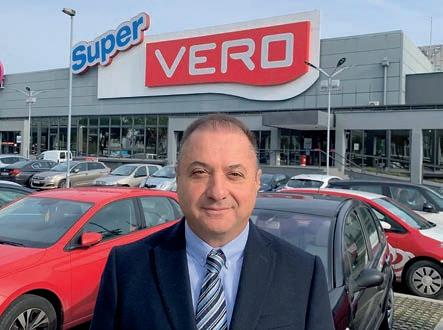
Veropoulos has built a strong regional presence in Southeast Europe. How would you assess the company’s current market position, and what are your main strategic priorities for the coming period?
— The year 2025 has been highly successful for us. We strengthened our market position, expanded our customer base, increased sales and maintained profitable operations.
Vero is more than a retail brand — it is a household name built on customer trust. Our priority remains to create a shopping environment that combines authentic products, service excellence
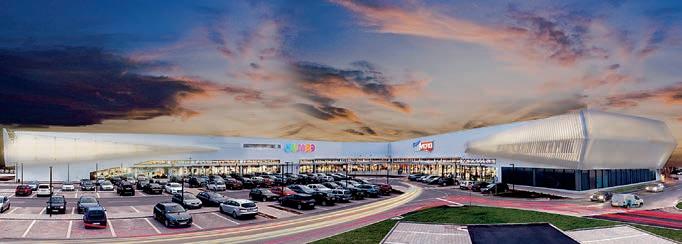
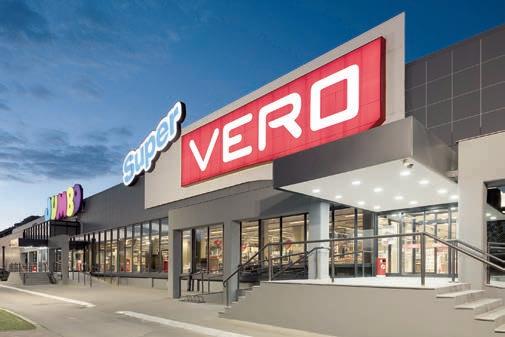
and a welcoming atmosphere, while supporting sustainable and steady growth across all markets.
Since your previous interview with CorD, the retail environment has become more demanding. How has the Group adjusted its business model in response?
— We have embraced change as an opportunity to further refine our business model. Regulatory developments in 2025 required us to rethink our cooperation with suppliers and our pricing approach.
We responded through a conservative expansion strategy, careful cost management and selective assortment planning. These measures have enabled us to maintain product quality, preserve customer trust and grow responsibly, strengthening the resilience of our operations.
What role does regional diversification play in your long-term strategy, particularly in Serbia and North Macedonia?
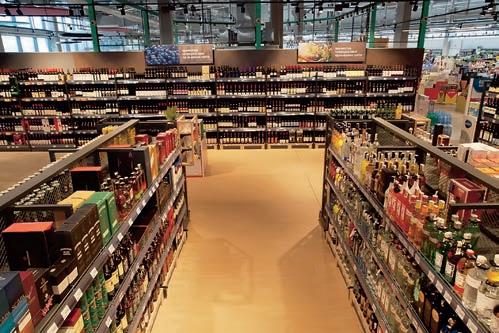
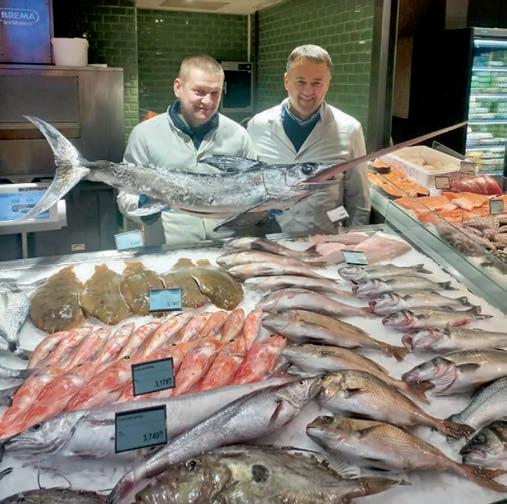
— Regional diversification allows us to bring the Vero experience to a wider range of communities, while preserving operational consistency.
Vero is a brand that is difficult to replicate. Our distinctive assortment and in-house production in fresh categories enable us to maintain high standards of quality and differentiation.
Store locations are carefully selected in urban areas with accessible parking and spacious sales areas ranging from 2,000 to 10,000 square metres. Each store offers a consistent, authentic and welcoming customer experience.
Investment in infrastructure, logistics and store modernisation is crucial for sustainable growth. What are your current priorities?
Vero is more than a retail brand — it is a household name built on customer trust, consistent quality and a shopping experience that reflects professionalism, authenticity and long-term commitment
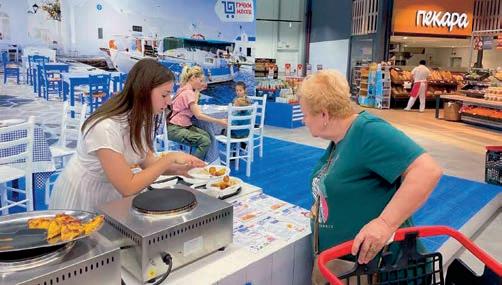
— We have initiated the development of central warehouses in each country in order to centralise exclusive imports and support proprietary departments, including meat processing, ready meals, bakery products and fresh fish packaging.
At the same time, store renovation remains a key priority. Our modern, spacious facilities are designed to enhance the shopping experience and reflect the warmth and hospitality of a true Mediterranean marketplace.
Human capital remains a key competitive advantage. How do you approach talent development and corporate culture?
— Our people are at the heart of our success. Financial resources alone cannot create expertise or loyalty — these are
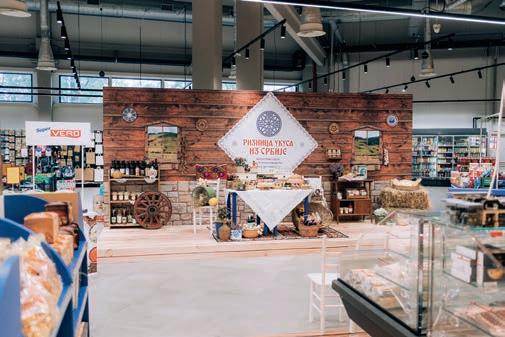
built through time, consistency and responsible management.
We focus on developing knowledgeable, motivated and customer-oriented teams, ensuring that every visit to Vero reflects our core values: professionalism, warmth and authenticity.
Sustainability and responsible business practices are increasingly shaping corporate reputation. How is Veropoulos integrating ESG principles?
— For us, sustainability is primarily practical and operational. We focus on efficiency, cost-effectiveness and longterm stability, rather than on promotional narratives.
This approach ensures that our stores, products and supply chains remain responsible, reliable and resil -
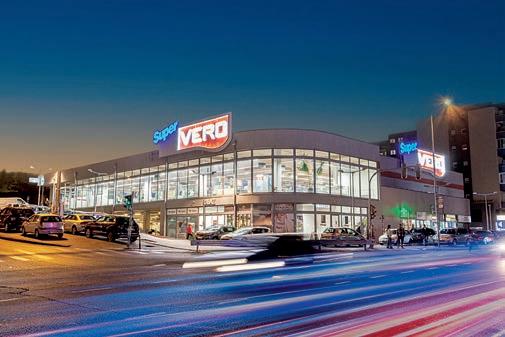
ient, providing customers with quality they can trust.
Digitalisation is transforming retail globally. How is your company leveraging technology?
— Technology serves as a tool to enhance both customer experience and operational efficiency.
In 2025, we invested in cybersecurity and system upgrades and introduced
electronic pricing across all stores, improving accuracy, flexibility and responsiveness. This allows our teams to focus on what matters most: serving customers and creating a welcoming environment.
In times of economic uncertainty, how do you balance price competitiveness with quality standards and brand positioning?
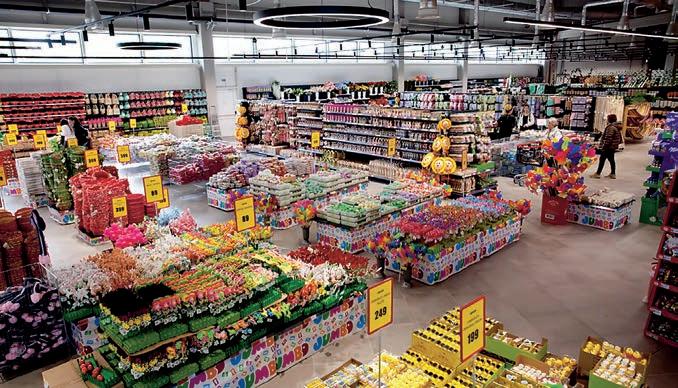
— Our strategy in 2025 delivered strong results. Through competitive pricing of Vero and Jumbe products, we maintained high quality while attracting both new and loyal customers.
Sales increased by 5.7 per cent despite the absence of new store openings, while store visits grew by nearly 10 per cent. Customers continue to choose Vero because of quality, authenticity and a shopping experience that feels personal and reliable.
Looking ahead, how do you envision Veropoulos’ role in the regional economy over the next five years?
— Our strategy is simple but effective. We continue to grow by following three core principles:
– Zero bank loans
– Strong cash reserves
– Minimum 80 per cent asset ownership
Financial independence gives us the freedom to invest in people, authentic products and high-quality retail environments. In this way, Veropoulos will continue to strengthen trust and deliver value to customers across Southeast Europe.
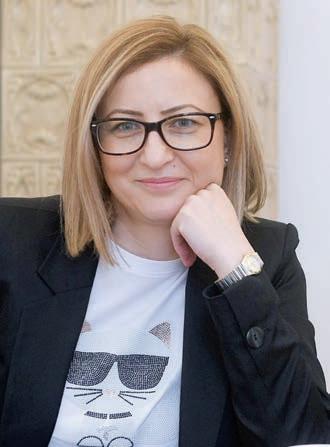
In the context of strengthening economic relations between Serbia and Greece, Mirjana Radić, Director of Inos Balkan, speaks about sustainable business practices, alignment with European standards, and the strategic role of the circular economy in the secondary raw materials industry.
In light of strengthening economic relations between Serbia and Greece, do you see room for intensifying cooperation in metal recycling and the circular economy?
— Absolutely. Greece is a natural and reliable partner for us – not only geographically close, but also culturally and historically connected to Serbia, which makes our relationship stable and longterm. This closeness provides a solid foundation for joint projects in circular economy and metal recycling. We believe it is important to revitalise and further strengthen ties between Serbia and Greece, particularly in the field of circular economy and metal recycling, where there is considerable potential for joint progress and the development of sustainable models of cooperation.
As a member of the European Union, Greece applies high sustainability standards, while Serbia is steadily improving its regulatory framework and industrial practices. Greek experience offers valuable guidance for faster alignment with European regulations through knowledge exchange, technological solutions and regional initiatives that support efficient resource and waste management.
To what extent do European green policies influence the strategic positioning of Inos Balkan?
We see our role as a bridge between the local market and European industrial flows, contributing to stable and sustainable secondary raw material streams
— European policies are setting increasingly demanding sustainability standards, and as part of a major European group, Inos Balkan actively implements them in its operations.
The Sidenor Group is a leader in applying advanced and sustainable technologies in metal production. Environmental protection remains a key factor of long-term development and market competitiveness.
Our climate and sustainability policies enable continuous alignment with
European regulatory requirements and active participation in the region’s green transition.
How important are international business networks and regional initiatives for competitiveness in your sector? — International business networks and regional initiatives enhance the competitiveness of the secondary raw materials sector through knowledge exchange, technological advancement and market integration. However, predictability of the business environment remains essential: efficient administration and adequate adjustment periods for regulatory changes are prerequisites for stable investment and sustainable business development.
As part of the Sidenor Group, Inos Balkan benefits from a strong international network that supports the application of the highest European standards. We see our role as a bridge between the local market and European industrial flows, contributing to stable and sustainable secondary raw material streams.
How do you see the future development of the circular economy in SouthEast Europe?
— The circular economy in South-East Europe is becoming a necessity, driven by stricter European standards and the growing need for more efficient resource use. It is clear that there is no alternative — sustainability and circular models will be key to long-term competitiveness. Inos Balkan aims to further strengthen its position through continuous process improvement, modernisation, and close cooperation with supply chain partners, contributing to responsible and sustainable business practices in Serbia and the wider region.
On regional integration, workforce challenges and building long-term partnerships in facilities management
s one of the leading facility management providers in Southeast Europe, Globe Williams has built its regional presence through integrated services, operational efficiency and a strong focus on long-term cooperation. Its General Manager for the Western Balkans speaks to CorD about regulatory differences, human resources, market growth and the future of the industry.

AGlobe Williams operates in more than 36 countries. How would you describe your approach to markets in Southeast Europe, particularly in terms of client expectations?
— There are clear differences between EU and non-EU markets, especially in regulatory requirements. EU countries are more heavily regulated and often involve extensive administrative procedures. At the same time, the free movement of goods and services offers advantages when working with multinational clients, enabling economies of scale and more efficient resource allocation.
Human resource availability remains a major challenge across all markets. To address this, we have obtained special licences that allow us to recruit workers from Asia and Africa, who are then trained locally. This has given us a competitive advantage, particularly in sectors where long-term contracts and minimum wage standards apply. We have also maintained competitive salaries,
which has resulted in strong staff retention and operational stability.
Facility management is a demanding field. Clients expect consistently high-quality service and rapid responses to additional needs. In many cases, these services become part of long-term cooperation. For example, by supporting a client’s recycling processes several years ago, we later secured a comprehensive facility management contract in seven countries.
Above all, clients expect professionalism, flexibility, reliability, transparency and a strong understanding of their operational needs.
Do you work with the same corporate clients across the region, and how does regional coordination affect efficiency?
— Each national entity manages its own portfolio, while multinational accounts are coordinated from our regional hub in Athens.
This model enhances efficiency by avoiding duplication of functions and enabling centralised knowledge sharing. Strong regional management combined with local service delivery ensures high customer satisfaction, cost optimisation and full compliance with health and safety standards.
Today, Globe Williams employs more than 30,000 people worldwide, including several hundred in Serbia, and maintains a strong safety record across all markets.
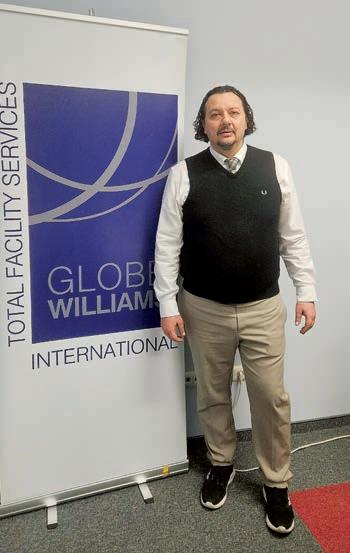
How do you assess the development of the facilities management sector in the region over the past five years? — Facility management is among the fastest-growing industries globally, and our region has followed this trend, particularly after the pandemic. Growth exceeds 30 per cent, driven by hybrid working models and increased outsourcing of non-core services.
Stricter compliance requirements, rising investment costs and labour shortages have encouraged companies to seek professional partners, leading to sustained demand for integrated facility management services.
For Globe Williams Serbia and the wider Group, this confirms the long-term vision behind our entry into the market in 2008. We are proud to have built a modern organisation that provides professional recognition, development opportunities and access to a multinational working environment.
Our key growth drivers include stable financial performance, steady workforce expansion, the introduction of new services, strong client retention and our partnership-oriented approach. We aim to provide global standards to international clients and reliability to local companies, ensuring that their facilities are managed with the same care as our own.

Coral SRB D.O.O - Official Shell Licensee, introduces a loyalty programme offering rewards, personalised benefits and added value to customers across its network of service stations and Shell Select stores.
Coral SRB D.O.O - Official Shell Licensee, has launched the Shell GO+ loyalty programme, now available at all Shell service stations nationwide. The programme is designed to reward customer loyalty and provide additional value through a fully digital and user-friendly platform. Through the Shell GO+ mobile application, users can collect points when purchasing fuel and products at Shell Select stores. After downloading the app and completing a simple registration process, customers can scan their virtual loyalty card at the point of purchase and immediately start earning rewards.
Upon registration, users receive 100 welcome points. Accumulated points can be exchanged for e-vouchers within the application and redeemed for purchases at Shell Select stores, which offer a wide range of everyday products.
“We are delighted to announce the launch of the Shell GO+ loyalty programme in Serbia. This is our way of rewarding our customers and providing them with added value alongside the premium quality fuels and services we offer at our stations,” said Vassilis Karanasios, Country Manager, Coral SRB D.O.O - Official Shell Licensee and continued: “Shell GO+ is not just a rewards programme. It is a holistic experience designed around the needs of the modern driver and seamlessly integrated into everyday life.”
Since 2017, Shell service stations in Serbia have been offering fuels of certified quality, with even standard fuels containing additives that clean and protect the engine. The unique formulation of Shell FuelSave Diesel protects the injection system from deposit build-up, improving engine efficiency and fuel economy, while Shell FuelSave 95 gasoline cleans and protects key components of the fuel system.
The company also offers premium fuels, including Shell V-Power 100 and Shell V-Power Diesel with DYNAFLEX technology,
By introducing the Shell GO+ loyalty programme, Coral SRB strengthens its regional presence and enhances customer experience through digitalisation, personalised rewards and high-quality fuel and retail services

which helps restore engine performance and remove deposits. Shell V-Power 100 gasoline is the brand’s most advanced fuel, featuring enhanced DYNAFLEX technology for improved performance and efficiency.
Through the Shell GO+ programme, customers earn one point per litre of standard fuel and two points per litre of premium fuel. Additional points are awarded for purchases in Shell Select stores, with one point earned for every RSD 100 spent, excluding selected product categories and services.
Shell Select stores and cafés offer more than 2,000 products, including beverages, snacks, tobacco products and branded toys, with the assortment continuously expanding. High-quality coffee is available in all locations while freshly prepared meals are available at motorway locations, supported by professional and customer-oriented service.
For more information and registration, customers can visit the Shell GO+ website or their nearest Shell service station.
Coral SRB D.O.O - Official Shell Licensee has been operating in Serbia since 2017. The holding company Coral SA is the successor of Shell Hellas, which has been present in Greece since 1926. Coral SA is licensed by Shell and manages more than 880 stations under the Shell brand in Greece, Serbia, North Macedonia, Croatia, Cyprus and Albania. In Serbia, the company currently operates 11 service stations in nine cities, as well as two motorway locations on the E70 and E75 corridors.
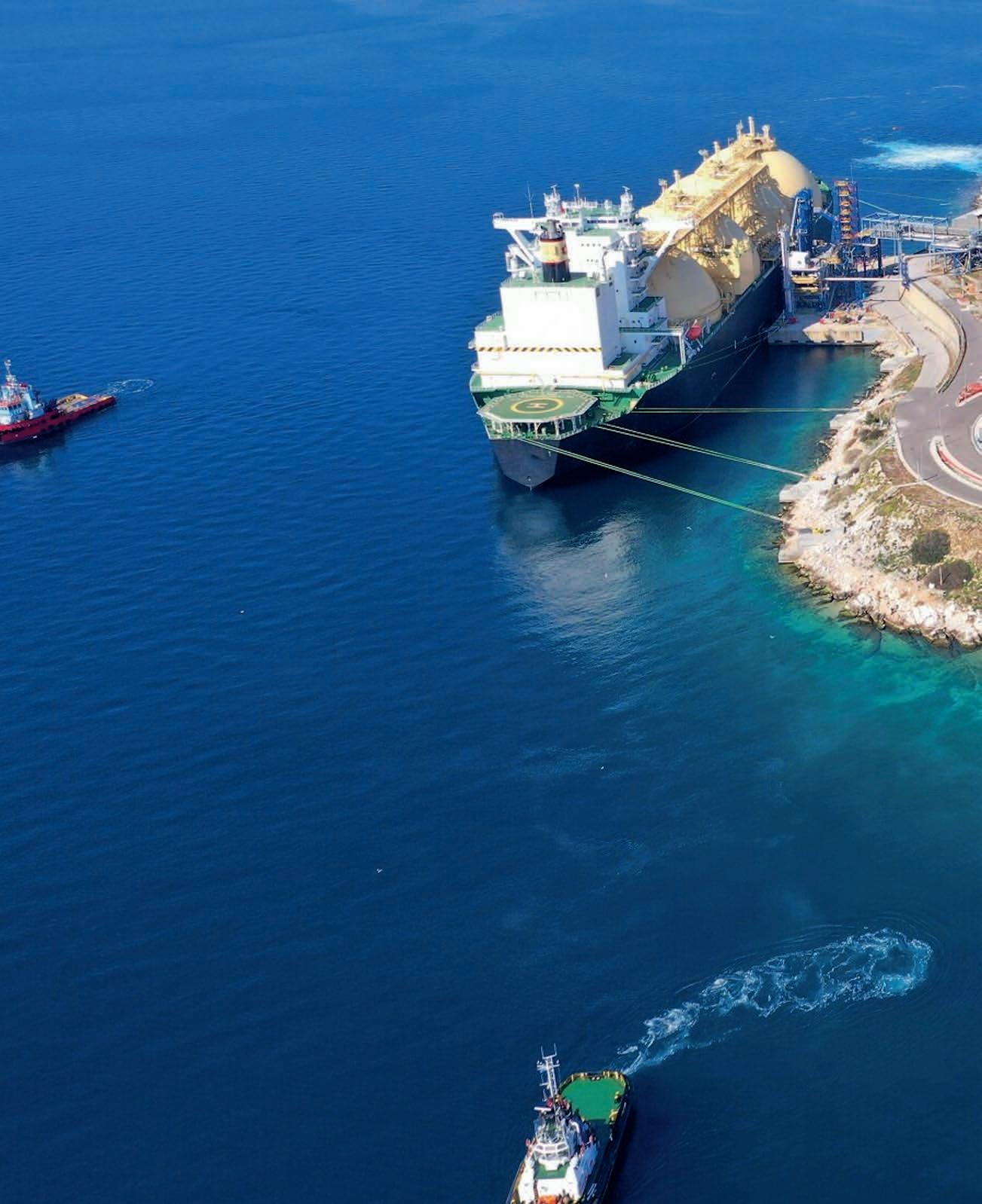
How shipping, energy, technology and nearshoring are reshaping Greece’s growth model and strengthening its regional role
For decades, tourism has been one of the strongest pillars of the Greek economy, shaping both its international image and domestic development priorities. While the sector remains vital, the experience of the financial crisis and the pressures of global competition have prompted Greece to pursue a more diversified and resilient growth model.
Over the past decade, economic policy has increasingly focused on strengthening productive sectors, improving institutional capacity and attracting longterm investment. This strategic shift has gradually transformed Greece from a predominantly tourism-driven economy into a more balanced regional hub
for logistics, energy, technology and advanced services.
One of the most visible drivers of this transformation is shipping and logistics. With one of the world’s largest merchant fleets and the strategic development of the Port of Piraeus, Greece has reinforced its position as a gateway between Asia, Europe and the Western Balkans. Investments in port infrastructure, rail links and logistics centres have enhanced connectivity and positioned the country as a key node in regional supply chains. Energy has emerged as another central pillar. Through the development of LNG terminals, gas interconnectors and renewable energy projects, Greece has strengthened its role as a regional ener-
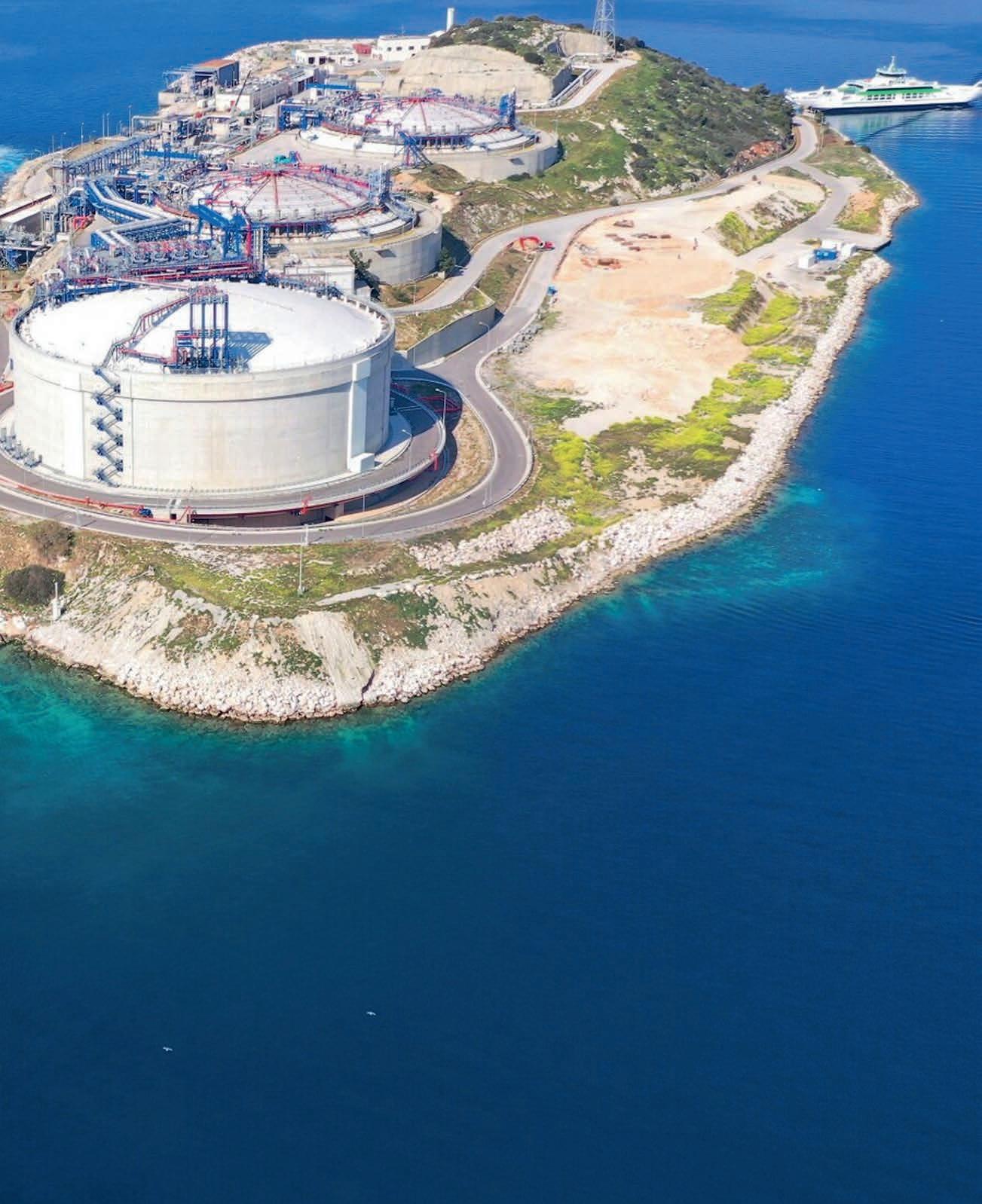
gy hub in Southeast Europe. This infrastructure not only contributes to European energy security and diversification, but also supports industrial development and cross-border cooperation, including with Serbia and neighbouring markets.
At the same time, Greece has made significant progress in building a competitive digital and innovation ecosystem. Athens and Thessaloniki have developed into emerging technology hubs, attracting startups, international IT companies and venture capital. Reforms in digital public services, combined with targeted incentives, have improved the business environment and supported the return of highly skilled professionals who had left the country during the crisis years.
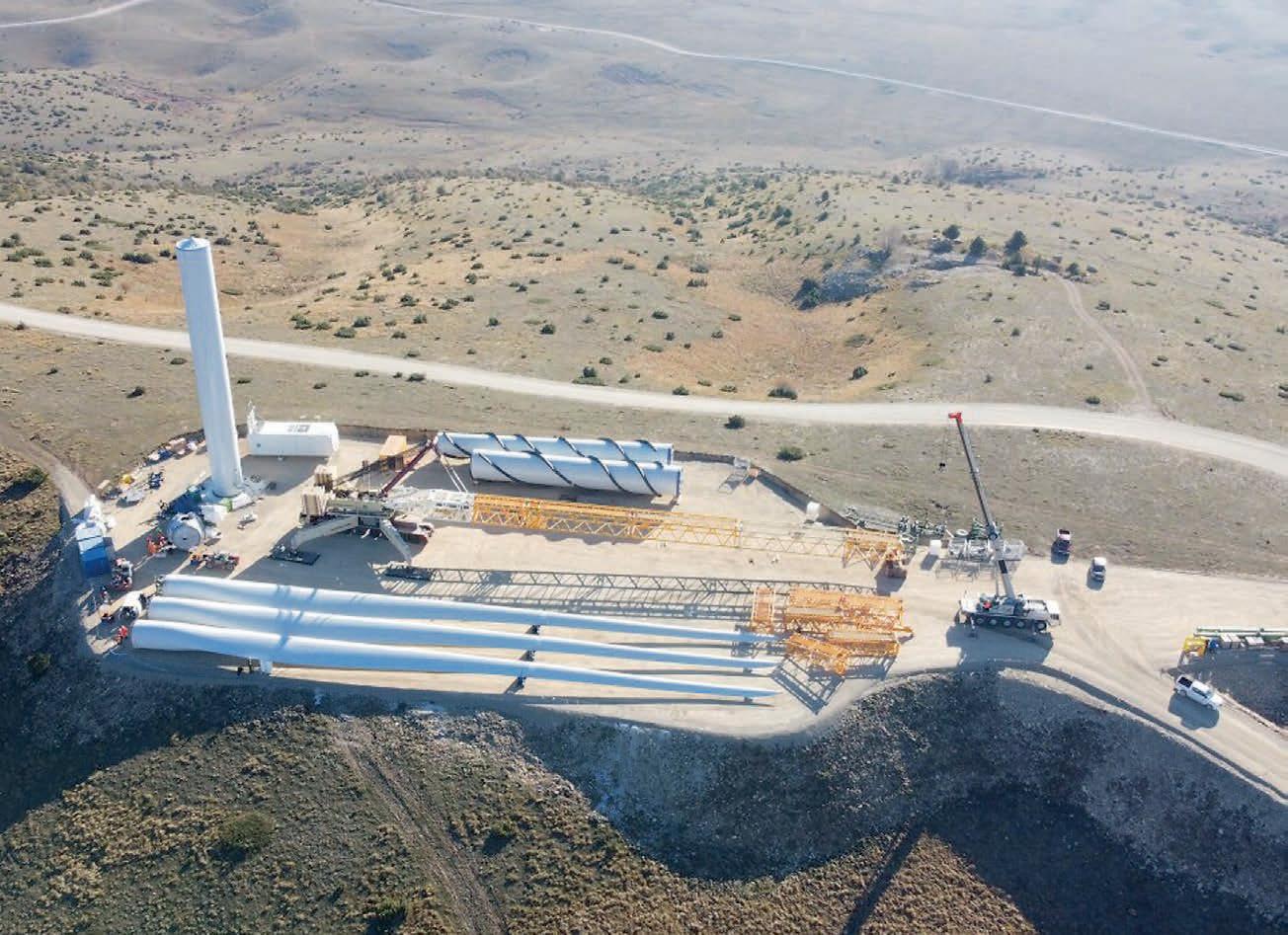
Nearshoring and advanced manufacturing are also gaining momentum. As European companies reassess global supply chains, Greece is positioning itself as an attractive location for regional production, assembly and distribution. Industrial parks, logistics zones and specialised clusters are strengthening links between Greek manufacturers and markets in Southeast Europe.
This diversification strategy has been supported by broader structural reforms, improved fiscal discipline and stronger engagement with European institutions. Although challenges remain, including productivity gaps and demographic pressures, Greece has gradually rebuilt investor confidence and institutional credibility.
For Serbia and the wider Western Balkans, this transformation creates new opportunities for partnership. Energy
connectivity, transport corridors, digital cooperation and integrated supply chains are reinforcing economic interdependence and supporting regional stability. Greek companies operating in Serbia increasingly reflect this new de-
By diversifying beyond tourism and strengthening logistics, energy and innovation, Greece is building a more resilient growth model and deepening its regional partnerships
velopment model, combining long-term commitment with technological upgrading and sustainable practices.
The shift beyond tourism does not diminish the importance of Greece’s most visible industry. Rather, it places tourism within a broader economic framework that emphasises resilience, innovation and competitiveness. By strengthening multiple growth engines, Greece is reducing vulnerability to external shocks and building a more balanced development path.
As regional integration accelerates and EXPO 2027 approaches, this evolving economic model positions Greece as a strategic partner for Southeast Europe. From logistics and energy to technology and manufacturing, the country’s post-crisis transformation demonstrates how diversification and institutional reform can translate into long-term stability and growth.


Hotel Grand Kopaonik, the epitome of mountain luxury and conference excellence, has for over four decades provided the ideal setting for high-profile business gatherings and unforgettable team building experiences.
With impeccable conference facilities, luxurious amenities and exemplary service, the hotel has hosted countless companies and events, creating a truly distinctive professional and social experience.
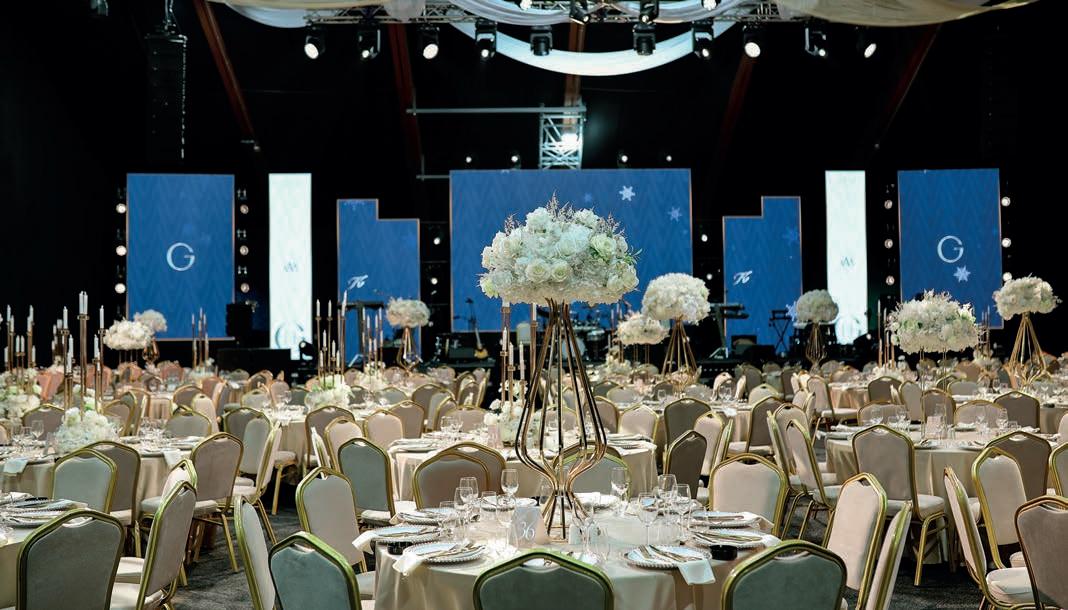
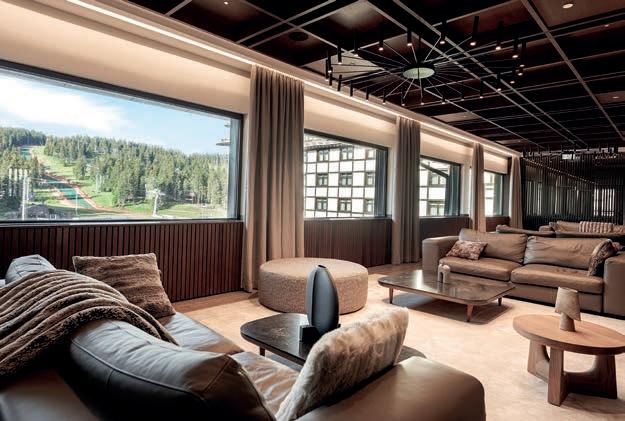
Inspiring nature, exceptional offers and facilities designed to energise and inspire.
When you choose Grand Kopaonik Hotel for your event, you can expect state-of-the-art facilities, unforgettable outdoor experiences and impeccable service.
Set in a prime location with sweeping views of the Kopaonik forests, the hotel offers the supreme comfort of 191 luxurious rooms and suites, ensuring that everything you need is seamlessly brought together in one place.
Unmatched comfort, a wealth of facilities and thoughtfully curated activities will enhance every agenda and transform your event into a truly memorable occasion.
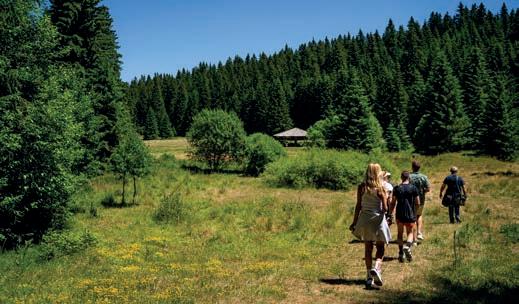

For an unforgettable team building experience in the fresh mountain air, discover new perspectives and shared achievements as you navigate by map and compass in an orienteering challenge, take part in outdoor team building activities, attempt an unfamiliar asana, test your focus with bow and arrow, embark on an exhilarating quad bike adventure, or enjoy a thrilling safari tour. Complete the experience with a picnic in a picture-perfect mountain setting, where Grand’s chefs prepare exquisite bites exclusively for you. It’s the perfect finishing touch to an inspiring day.
The Congress Centre at Hotel Grand Kopaonik offers the most modern setting for congresses, conferences, symposiums, seminars, corporate celebrations and a wide range of events. Its five congress and conference halls can accommodate up to 1,500 participants and are equipped with state-of-the-art technical facilities. Decades of experience and devoted service form the foundation of hundreds of successfully executed gatherings. From formal protocol meetings to dynamic cocktails and evening parties, every event is designed to leave a lasting impression.
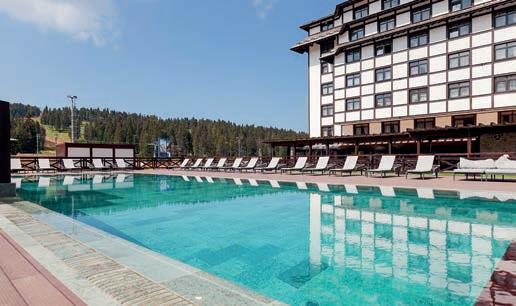
Spanning almost 2,000 square metres, the Ether Spa & Wellness Centre is a sanctuary for body and soul. Indoor and outdoor swimming pools, offering breathtaking views of the mountain peaks, provide an unforgettable experience. Enhance your visit with the benefits of the thermal zone and authentic treatments crafted from local natural ingredients and signature products from the exclusive Aroma SPA laboratory.
With its unique concept inspired by the nature of Kopaonik, the spa at Hotel Grand Kopaonik ranks among the finest spa destinations worldwide, recognised by the World Spa Awards for excellence in spa tourism.
Begin your culinary journey with the finest local flavours, contemporary cuisine and the vibrant atmosphere of the Garden Restaurant. Combined with a rich evening programme, it offers a fully authentic experience, perfectly complementing a memorable mountain adventure.
For something truly refined, innovative and adventurous, visit the unique Bacco Restaurant. Luxurious touches, the captivating live preparation of dishes before your eyes, a private wine cellar, and an elegant yet intimate atmosphere are just a few of the reasons why Bacco has become synonymous with indulgence.
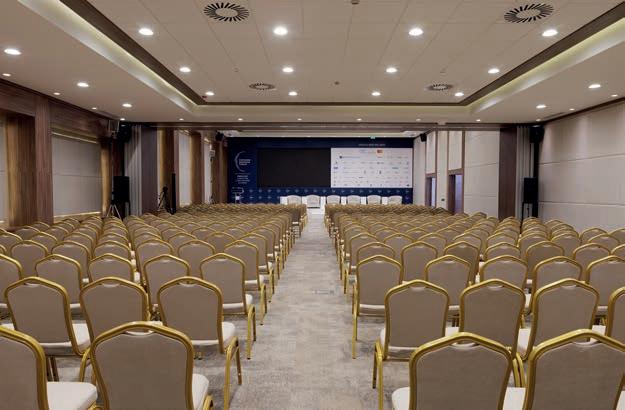
Sandra Tinaj General Manager of UDG and Director of Vatel Montenegro
The University of Donja Gorica and Vatel Montenegro are building a regional centre for the development of leaders in hospitality and tourism, grounded in international standards, strong practical training and close industry partnerships

At a time of accelerated technological and economic change, higher education plays an increasingly important role in preparing young people for the global labour market. Through its innovative teaching model, international partnerships and strong links with the business community, the University of Donja Gorica positions itself as one of the key regional centres for developing future leaders in hospitality and tourism. Sandra Tinaj, General Manager of UDG and Director of Vatel Montenegro, speaks about this vision, as well as the importance of practical learning and international experience.
How would you assess the significance of the partnership between the University of Donja Gorica and Vatel Business School, particularly in the context of the regional educational landscape and the internationalisation of higher education? — The partnership between the University of Donja Gorica and Vatel Business School represents a strategic step forward not only for the two institutions, but also for the wider regional educational space.
Vatel is one of the world’s leading business schools in hospitality and tourism management – the first worldwide business school group in this field and a recognised leader
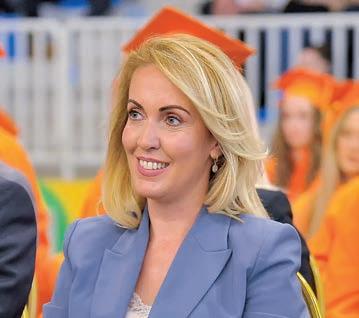
in France. It is a global network with more than 50 campuses across over 30 countries in Europe, Asia, Africa and the Americas, offering students the opportunity to gain international experience through mobility, internships and work in multinational environments.
For decades, Vatel has educated professionals for top positions in the hotel and tourism industry, combining academic excellence with a strong practical component.
In addition to the already established programme in Podgorica, the opening of the Vatel school in Belgrade, in cooperation with the Faculty of Organisational Sciences and Eduka, further strengthens the regional dimension of the project. In this way, the region gains a solid academic bridge to France and to global education. The model of interconnected centres in Podgorica and Belgrade ensures stable regional presence and reinforces the institutional capacity for further expansion.
At its core, this partnership unites regional academic infrastructure with global
educational excellence, with a clear objective – to create a new generation of leaders in hospitality and tourism, educated to international standards while maintaining a strong understanding of the regional context.
What concrete advantages and synergies does this expansion of the academic network bring to students and the business community, both in Montenegro and across the region?
— This cooperation raises educational standards in hospitality and tourism across the region by introducing internationally recognised methodology, curriculum and operational models.
Students have the opportunity to study according to global standards without leaving the region, while benefiting from mobility and professional development within the international Vatel network across Europe, Asia, the Americas and Africa.
For the business community, this means access to graduates trained in line with real industry needs, with strong practical experience and international exposure. Networking with the global academic and business community creates opportunities for internships, joint projects and employment within renowned hotel and tourism companies.
In this way, the competitiveness of both Montenegro and the wider region is further strengthened.
UDG is recognised for its innovative educational model. In what ways does the partnership with Vatel further enhance a practice-oriented approach and competencies required by the labour market?
— UDG is widely recognised as a university that fosters an innovative, interdisciplinary and market-oriented educational model. A key element of this innovation lies in its strategic partnerships with globally relevant institutions – first with Vatel and subsequently with Arizona State University –confirming that internationalisation is not an addition, but an integral part of its development strategy.
The partnership with Vatel further strengthens practice-oriented teaching through a model that combines academic theory with intensive operational training in cooperation with leading hotel brands such as Chedi, One&Only, Hilton and Sheraton.
Students do not merely study hospitality management – they live it through real business scenarios, mandatory internships and work in an international environment.
UDG’s innovative approach is also reflected in the breadth of its international
Every UDG student who meets the required language and academic standards has the opportunity to apply for scholarships and complete part of their studies abroad through partner universities
tor, particularly in times of rapid technological and economic change?
— Private universities such as UDG have the advantage of flexibility and the ability to adapt swiftly to technological and economic changes. From its foundation, UDG has developed a model in which cooperation with the business sector forms an inte-
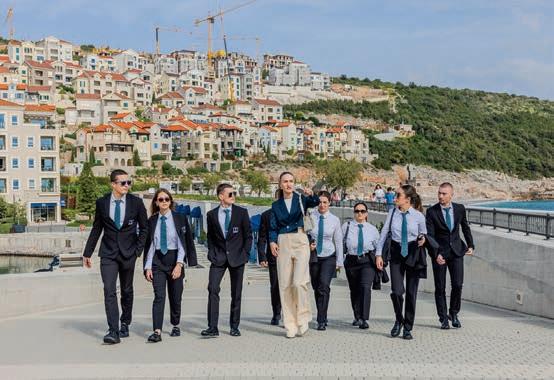
cooperation and its clear mission – to educate responsible global citizens. Every UDG student who meets the required language and academic standards has the opportunity to apply for scholarships and complete part of their studies abroad through partner universities.
In this spirit, we invite prospective students from across the region to join an academic community that combines local relevance with global opportunities.
How do you see the role of private universities such as UDG in strengthening higher education capacity and building connections with the business sec-
— There are inherent differences in purpose – education must not be reduced solely to short-term market needs; it must also lay long-term foundations for the development of young individuals, their values, critical thinking and sense of responsibility. However, these dimensions can be successfully reconciled through the model of cooperation we promote – by combining academic breadth with practical relevance. This is also an opportunity to invite companies from across the region to approach us with ideas for cooperation, joint projects, internships or other opportunities for students. We remain open and committed to partnerships that generate additional value.
What changes and trends do you foresee in the education of future leaders and managers, and how can institutions such as UDG and Vatel Business School contribute to their development?
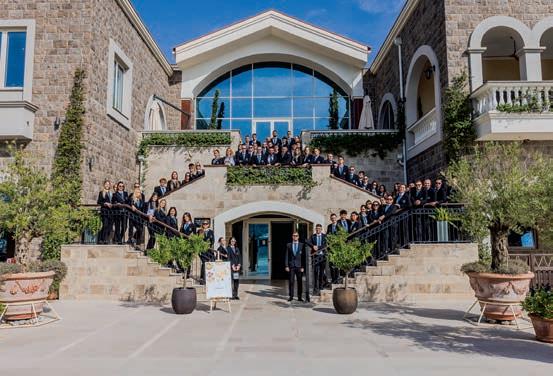
gral part of its academic philosophy, rather than an additional feature.
Through continuous curriculum innovation, the inclusion of industry professionals and the development of joint projects with companies, the university directly enhances graduate employability and strengthens overall system competitiveness. Diverse models and healthy competition further contribute to raising the quality of higher education.
What are the key challenges and opportunities in building bridges between academia and the business community, and how does UDG actively foster this connection?
— In a time of such rapid and unpredictable change, it is difficult to forecast precise future models with certainty. Nevertheless, I firmly believe that future leaders will need a strong sense of personal, professional and social responsibility, along with empathy, agility and a commitment to lifelong learning.
They will be individuals with a sound value system and a strong work ethic. Institutions such as UDG and Vatel Business School can contribute to their development through the combination of academic excellence, practical experience and an international environment that shapes responsible leaders for a global era..

“Regardless of the product, value for money is always decisive.”
Robert Lukić Toyota Serbia and Toyota Adria
OTP Bank Serbia has signed a cooperation agreement with the Serbian Entrepreneurship Foundation (SEF), becoming part of the Start-up Facility programme supporting newly established businesses. Under the scheme, entrepreneurs and SMEs can access working capital loans of up to €30,000 with repayment periods of up to 36 months, as well as investment loans with maturities of up to five years. The programme also offers grants of up to 20% of the approved loan amount, capped at €3,000, upon successful repayment.

ProCredit Bank has received official approval from the European Payments Council to join the Single Euro Payments Area (SEPA). From 4 May, the bank will become part of the key system for euro-denominated cashless transactions. The move enables clients to make simpler and more cost-effective euro payments to 41 SEPA countries under the same conditions as domestic transfers within the EU.
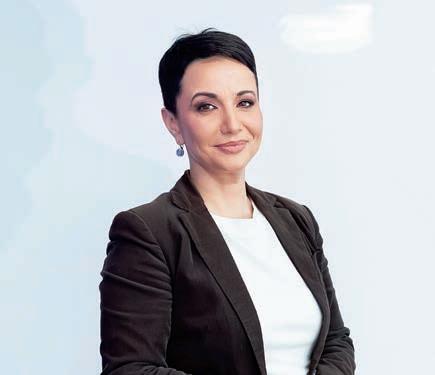
Milica Nikolić has been appointed Managing Director of iO Partners Serbia, bringing more than 20 years of experience in commercial real estate advisory. She previously spent over 18 years at CBS International, part of Cushman & Wakefield, where she led major office-sector transactions and advised international and domestic clients. In her new role, she will collaborate closely with Andrew Peirson, Managing Director of iO Partners Czech Republic, who previously worked in Serbia for a decade.
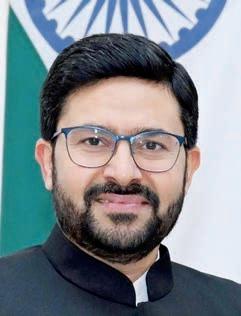
H.E. Mr. Abhishek SHUKLA
new Ambassador of India to Serbia
A career diplomat, Ambassador Shukla joined the Indian Foreign Service in 2006. His first overseas posting was in China, where he served at the Embassy of India in Beijing from 2008 to 2013, specialising in economic, trade and commercial affairs and acquiring proficiency in the Chinese language.
He later served as First Secretary (Political) at the Indian High Commission in London from 2013 to 2015, while also acting as Staff Officer to the High Commissioner. Upon returning to New Delhi, he was appointed Deputy Chief of Protocol at the Ministry of External Affairs, overseeing high-level engagements of India’s leadership.
From 2018 to 2019, he served as Consul General in Cape Town, followed by his appointment as Director in the Prime Minister’s Office from 2019 to 2022. He returned to China in 2022 and served as Deputy Chief of Mission until December 2025.
Ambassador Shukla is married and has two sons.
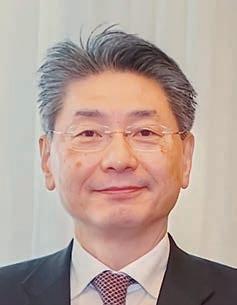
H.E. Mr TSUTSUMI Naohiro
new Ambassador of Japan to Serbia
Born in 1961 in Fukuoka, Ambassador Tsutsumi joined Japan’s Ministry of Foreign Affairs in 1989 and has since built a distinguished diplomatic career in Asia and beyond. He has held senior positions within the Ministry, including Director of the OECD Division and Secretary-General of the Taipei Office.
His overseas assignments include serving as Minister and Deputy Chief of Mission at the Embassy of Japan in Singapore, as well as Minister for Information and Cultural Exchange in China. From 2020 to 2024, he served as Japan’s Ambassador to South Sudan, followed by his role as Ambassador for Human Rights and International Peace Cooperation.
Ambassador Tsutsumi holds a law degree from the University of Tokyo and a Master’s degree in Chinese History from Brown University. He also completed advanced language training at Nanjing University. He is fluent in Japanese, English and Mandarin.
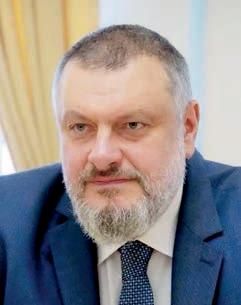
H.E. Oleksandr Lytvynenko new Ambassador Extraordinary and Plenipotentiary of Ukraine to Serbia
A career diplomat and security expert, Ambassador Lytvynenko previously served as Secretary of the National Security and Defence Council of Ukraine (2024–2025) and Head of the Foreign Intelligence Service of Ukraine (2021–2024). He also held senior positions at the National Institute for Strategic Studies and within the National Security and Defence Council.
He holds degrees in applied mathematics and law, is a Doctor of Political Sciences and Professor, and completed advanced studies at the Royal College of Defence Studies in London. He is a recipient of the Order of Prince Yaroslav the Wise and the Officer’s Cross of the Order of Merit of the Republic of Poland. Ambassador Lytvynenko holds the rank of Major General (Reserve).
He is married and has two children.
“With over 40% market share in mobile telephony, television and internet, MTEL continue to push boundaries.”
Zoran Milovanović MTEL
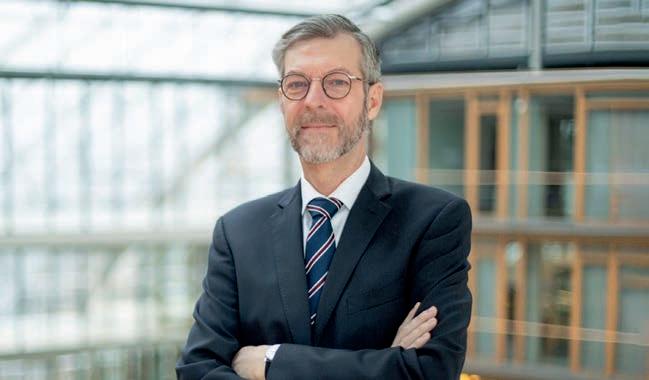
Stubičke Toplice, one of Croatia’s top spa and rehabilitation destinations, is set to expand with a new four-star hotel as part of a €17 million investment. The facility, developed by the Special Hospital for Medical Rehabilitation, will feature 36 rooms, two suites, a restaurant, and a wellness and spa zone with an indoor pool.


The European Investment Bank Group committed €822 million in loans, guarantees and grants to the Western Balkans in 2025, expected to mobilise nearly €1.5 billion in total investments. Funding supported transport, healthcare, education, energy and SMEs, with sustainable transport accounting for 58% of total investment. Overall, 58% of EIB financing targeted climate action and environmental sustainability, reinforcing the EUbacked Team Europe approach to regional growth.
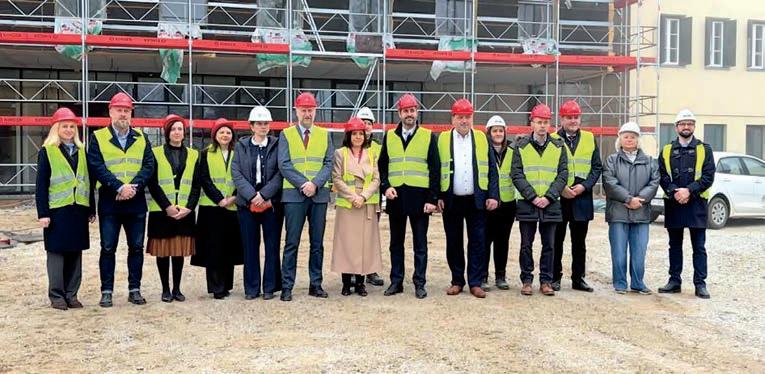

Nelt Group has been appointed the new principal for the Elephant snack brand in Albania, following a partnership with Alka Group RO Under the agreement, Nelt will lead market positioning, distribution expansion and longterm brand development for Elephant across the Albanian market. Elephant is an internationally recognised snack brand, best known for its innovative take on pretzels, strong visual identity and consistent product quality.
Violeta Belanović General Director, Sekopak
he Extended Producer Responsibility (EPR) system is not merely a regulatory obligation, but an operational mechanism that requires stable financing and continuous investment. In the context of rising environmental standards, the business sector needs a reliable partner capable of ensuring transparent fund management and long-term system stability in packaging waste management.
Within this framework, Sekopak has been operating for nearly two decades, having sent more than 1.1 million tonnes of packaging waste for recycling. Over time, it has developed a model that connects producer responsibility, transparent waste flows and equal treatment of all clients.
We spoke with Violeta Belanović, General Director of Sekopak, one of the key actors in the development of Serbia’s EPR model, about system sustainability, transparency and the importance of fair market rules.
The EPR system in Serbia has been in place for almost two decades. How would you assess its maturity?
— Although the system is formally established, its true maturity is measured by its ability to maintain long-term balance between ambitious targets and realistic capacities. The key question is not only whether targets are achieved, but how they are achieved.
A mature system requires predictable financial flows, clear rules and resilience to market disruptions. The transition from formal compliance to long-term stability represents the next crucial stage in Serbia’s EPR development.
How does Sekopak contribute to strengthening trust and transparency within the EPR system?
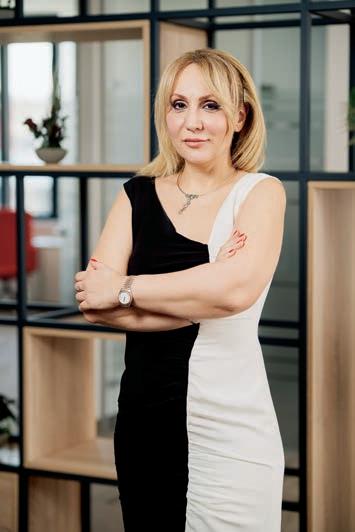
— Since its establishment, Sekopak has insisted on full traceability of packaging waste flows and equal treatment of all clients, regardless of their size or market share, in line with the Ministry’s licence. This transparent approach is confirmed through international management standards and Sekopak’s EcoVadis Gold sustainability rating, placing the company among the top five per cent of globally assessed firms. For Sekopak, transparency is not an added value, but an operational necessity. It protects the system from disruption and ensures that financial resources are directed towards infrastructure development.
How are the principles of a sustainable EPR system translated into infrastructure and citizen participation?
— System sustainability is reflected in visible capacities on the ground. This includes investment in separate collection containers, logistics, primary sorting and long-term cooperation with local authorities.
Sekopak implements this approach through long-term partnerships with municipalities and utility companies, as well as continuous infrastructure investment. Today, around two million citizens have access to packaging waste disposal facilities near their homes. Alongside infrastructure, education plays a vital role, as behavioural change is essential for achieving full system effectiveness.
What can Serbia learn from European experience?
— European Union practice shows that ambitious targets alone do not guarantee success. Many member states face difficulties in meeting recycling goals despite well-developed regulatory frameworks.
Slovenia offers a relevant example. Prolonged pressure to reduce fees led to a situation in which financing no longer reflected real system costs, resulting in imbalance and the need for reform. A centralised, non-profit model was introduced, and the Court of Justice of the European Union confirmed the state’s right to apply such an approach in order to protect the environment and ensure system stability.
In this context, fee levels are not an administrative issue, but a reflection of the actual costs of collection, transport, sorting and processing, as well as the investments required to reach European standards.
The key lesson is that the sustainability of the EPR system must take precedence over short-term market effects. Stable financing and clearly defined responsibilities are essential for its long-term functioning.
By Dušan Petrović Co-Founder & CSO, Crypto12
In a world that changes on a daily basis, global trade, central bank policies and geopolitical tensions are shaping investor behaviour in ways that would have seemed unimaginable only a few years ago
Dušan Petrović, Co-Founder and CSO of Crypto12, observes these developments first-hand and highlights an intriguing paradox: despite rising global tensions, interest in digital assets has not weakened. On the contrary, periods of uncertainty often encourage investors to seek diversification and new mechanisms for capital protection.
In this article, he analyses how new trade regimes, relations between the United States and China, shifting Federal Reserve policies, as well as movements in precious metals and foreign exchange markets, influence global financial trends, with a particular focus on Serbia and the implications for monetary policy.
Over the past year, global financial markets have once again been strongly shaped by geopolitics. The introduction of new trade tariffs, growing tensions between major economies and the fragmentation of global supply chains have created an environment in which investors increasingly favour caution over risk.
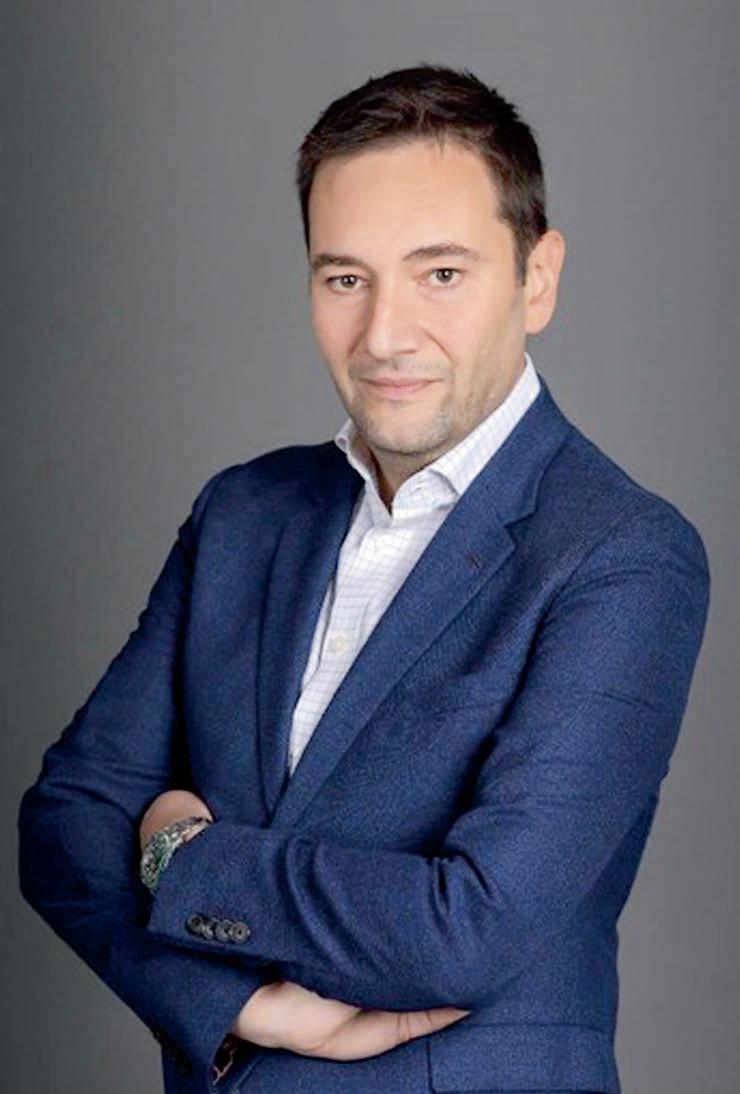
This shift is evident across multiple segments — from cryptocurrencies and equities to currency flows and monetary policy expectations. Capital is being allocated more selectively, while volatility has become an integral part of the investment landscape.
The post-pandemic period was marked by optimism and abundant liquidity. However, a new wave of protectionism and trade barriers has reminded markets that globalisation is no longer a linear and irreversible process. Tariffs, sanctions and political tensions increase uncertainty, and financial markets traditionally respond by moving towards safer asset classes.
Government bonds, gold and so-called “safe-haven” currencies, such as the US dollar and the Swiss franc, tend to strengthen in such periods, while capital is temporarily withdrawn from riskier segments, including digital assets.
Cryptocurrencies, particularly Bitcoin, are increasingly viewed through the lens of global financial flows rather than as an isolated asset class. Their market behaviour is closely linked to changes in monetary policy, global liquidity and investor sentiment.
During periods of heightened uncertainty — whether driven by new trade tariffs, geopolitical crises or abrupt interest rate changes — investors tend to reassess their positions across all asset classes. Temporary reductions in exposure to more volatile assets represent a natural market response aimed at stabilising portfolios.
Nevertheless, short-term price declines do not indicate a weakening of the longterm prospects of digital assets. Historically, the cryptocurrency market has moved through cycles of growth and correction driven by a combination of macroeconom-
ic factors, regulatory developments and internal market dynamics.
Today, the crypto market is an integrated part of the global financial system, and its movements reflect broader financial trends rather than isolated anomalies.
Geopolitical tensions also exert a strong influence on foreign exchange markets. The US dollar and the Swiss franc traditionally gain in value during periods of global uncertainty. The strengthening of these currencies places additional pressure on emerging economies, particularly those with foreign currency-denominated debt.
Short-term price declines do not weaken the long-term potential of digital assets. The cryptocurrency market moves through cycles of growth and correction shaped by macroeconomic factors, regulation and internal market dynamics
At the same time, increased volatility in currency markets affects global investment flows, as capital is often withdrawn from riskier regions and redirected towards developed economies, widening disparities in financial conditions.
Central banks are facing the complex challenge of balancing inflation control with the preservation of economic growth. Inflation in many economies remains above tar-
get levels, while geopolitical tensions and trade barriers further increase uncertainty. The Federal Reserve has signalled caution in further interest rate reductions, aware of the risk of reigniting inflationary pressures. The European Central Bank continues to combine interest rate policy with additional instruments to stabilise long-term financing markets, while the People’s Bank of China applies selective measures to support credit activity and liquidity.
Today, monetary policy extends beyond its traditional role of inflation control. It has become a key mechanism for safeguarding financial system stability in times of global shocks.
The Serbian Market Perspective
For Serbia, global trends have a dual effect. On one hand, increased uncertainty may limit access to capital and slow investment inflows into the region. On the other, the development of the fintech sector and digital assets offers opportunities for faster integration into global financial flows.
Interest in cryptocurrencies in Serbia remains stable, indicating growing awareness of digital assets as an alternative investment class. In periods of instability, the need for diversification and innovative financial solutions becomes particularly pronounced.
Geopolitical tensions and trade barriers have once again become key drivers of financial markets. Shifts in investor sentiment, the strengthening of the dollar, selective capital outflows and more cautious central bank policies form part of a broader transformation of the global financial system.
In this environment, understanding macroeconomic trends and the ability to adapt in a timely manner are crucial. Those who successfully adjust to the new reality will be best positioned to benefit from the next growth cycle.
“Price is what you pay. Value is what you get.”
Warren Buffett

European stock markets, led by gains in defence and banking shares, pushed the STOXX Europe 600 index to a record closing high, driven by strong corporate earnings and investor optimism. Companies like BAE Systems and others reporting solid results helped lift broader market sentiment despite geopolitical and macroeconomic headwinds. The rally underscores renewed confidence in the region’s equity markets as investors weigh earnings strength against global risks. ([reuters.com][1])
HELLENiQ ENERGY and Chevron have signed lease agreements with the Hellenic Republic for hydrocarbon exploration and production across four offshore blocks south of Crete and the Peloponnese. The agreement marks a major step forward in Greece’s upstream energy development and signals renewed international interest in the country’s offshore potential. The signing ceremony in Athens was attended by Prime Minister Kyriakos Mitsotakis and senior officials from the Ministry of Environment and Energy, alongside executives from both companies.
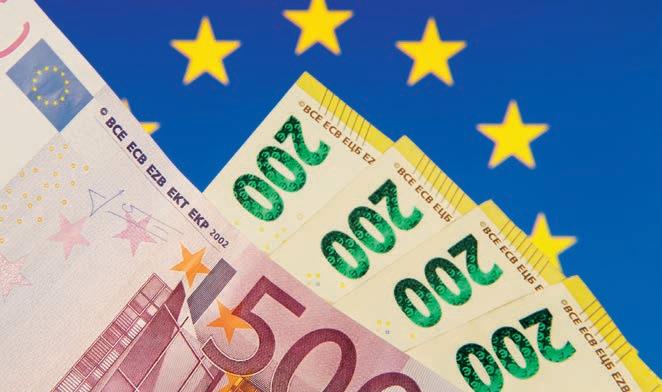
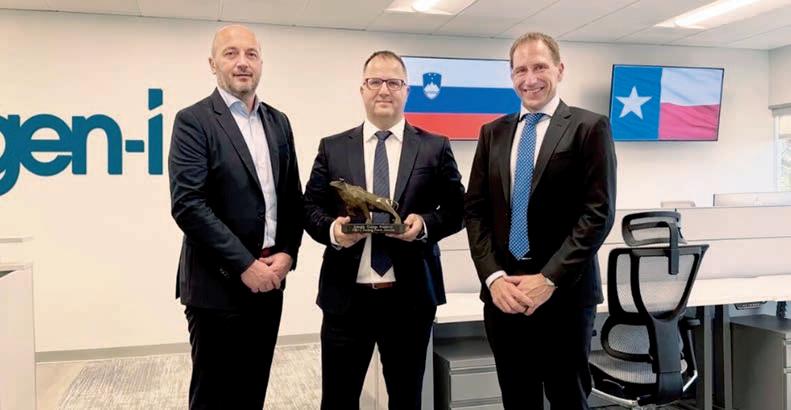
Slovenia’s leading energy trader Gen-I has entered the US market by establishing Gen-I Trading North America LLC in Houston, Texas — marking a major milestone in the company’s international expansion. With this move, the Gen-I Group now operates in 27 countries, spanning from the United States and the United Kingdom to Turkey and Ukraine.
A comprehensive rental, laundering, and maintenance service for workwear, entrance mats, industrial wipes, and mops, in line with the highest hygiene and safety standards of modern industry

n today’s production environment, where hygiene, safety, and regulatory compliance are key success factors, SALESIANER positions itself as a reliable partner in the management of workwear and professional textiles, supported by a fully integrated maintenance service.
Founded in Vienna in 1916, this Austrian family-owned company now operates at 32 locations in 11 countries, serving clients across Central and Eastern Europe. Through decades of experience and continuous investment in technology and quality, SALESIANER has grown into one of the region’s leading service providers.
On the Serbian market, through SALESIANER MIETTEX d.o.o., the company offers a comprehensive portfolio covering workwear and protective clothing, personal protective equipment, industrial cleaning wipes, mop covers, and entrance mats for business facilities. All services are based on a rental model, combined with professional laundering and regular maintenance.
The company’s main clients include food and pharmaceutical manufacturers operating under standard conditions or in cleanrooms, where the highest hygiene requirements apply. It also serves companies in the mechanical, electronics, and chemical industries, which use specialised protective clothing that requires impregnation in addition to laundering, such as welding, acid-resistant, and ESD garments. Other users include businesses with high employee turnover.
Unlike traditional models based on purchasing and in-house washing, SALESIAN-
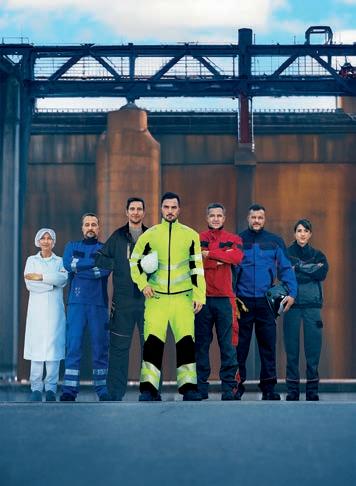
ER provides an integrated solution that includes collection, high-standard laundering, quality control, repairs, and free replacement of worn items. Delivery and organised distribution in employee lockers further simplify daily operations and ensure uninterrupted access to clean equipment.
Financial predictability represents another key advantage. Instead of large initial investments and uncertain costs caused by workforce fluctuations, clients pay a monthly fee based on actual usage. A barcode-based tracking system ensures full transparency and control throughout the product life cycle.
SALESIANER actively supports clients in meeting occupational safety regulations, particularly in the area of personal protective equipment. At the same time, advanced laundering technologies enable efficient use of water, energy, and chemicals, contributing to sustainability goals.


A special contribution to environmental responsibility is made through the rental and laundering of industrial wipes, which significantly reduces waste by enabling repeated reuse.
Thanks to its developed network of laundries in Serbia and the wider region, SALESIANER ensures continuity of supply and service stability, even in challenging circumstances. Local teams, working in the local language and familiar with market specifics, further strengthen long-term partnerships with clients.
With increasingly stringent hygiene and safety standards and growing sustainability requirements, demand for reliable and compliant services continues to rise. In this context, SALESIANER positions itself as a long-term partner for companies seeking to focus on their core business, while entrusting workwear management to specialised professionals.
When Ayman Sadiq began recording short educational videos for students in Bangladesh, he was not trying to disrupt an industry. He was responding to a structural imbalance. In a country where academic performance can define economic mobility, access to quality teaching is uneven, often dependent on geography and income. Private tutoring fills gaps. Public systems stretch capacity. Students compete intensely for limited university seats.
Sadiq observed a simple truth: while talent is evenly distributed, access is not. And if access could be standardised through technology, opportunity could be scaled.
In 2015, he launched 10 Minute School — initially as a YouTube-based initiative offering concise, curriculum-aligned lessons. The format was deliberate. Short videos respected students’ attention spans while remaining tightly aligned with national examination frameworks. Clarity and structure were prioritised o ver theatrics. The early content was free, lowering the barrier to entry for millions.
What distinguished the platform was not just accessibility but precision. Rather than creating abstract educational content, Sadiq focused on the practical realities students faced: exam syllabi, marking schemes, time management, and structured revision
techniques. The platform quickly expanded beyond recorded lessons into live classes, interactive assessments, and paid structured programs, gradually transforming into a comprehensive digital learning ecosystem.
Within a few years, 10 Minute School reached millions of users. For many, it became more than a supplementary resource; it became primary support in preparation for critical national exams. The platform’s growth
Ayman Sadiq was named in Forbes’ “30 Under 30 Asia” list and received international accolades for youth leadership
Ayman Sadiq Founder of 10 Minute School

was not driven by viral marketing alone but by word-of-mouth credibility. Students returned because the material worked.
From a business standpoint, the model evolved carefully. Unlike many education technology startups that pursue aggressive venture funding and rapid international expansion, Sadiq focused on deep domestic penetration first. Revenue streams were introduced gradually through premium courses and structured learning tracks, while maintaining a large portion of freely accessible content. This dual-layer model balanced mission and sustainability.
Recognition followed. Ayman Sadiq was named in Forbes’ “30 Under 30
Asia” list and received international accolades for youth leadership. Yet global validation was not the core objective. The company remained anchored in solving a national educational challenge at scale.
The broader significance lies in what 10 Minute School represents: the emergence of private digital infrastructure operating alongside public systems. Education, historically defined by physical classrooms and government oversight, is increasingly shaped by platforms that aggregate content, track performance data, and standardise curriculum delivery.
In emerging economies, where teacher-to-student ratios are often stretched and rural access remains
limited, such platforms can reduce disparities. A student in a remote district can access the same structured explanation of calculus or grammar as one in an urban centre. Standardisation, in this context, becomes an equaliser. Yet platformisation also raises complex questions. When millions of learners rely on a private company for academic preparation, influence over educational pathways expands beyond the state. Curriculum interpretation, assessment strategies, and pedagogical framing gain a digital intermediary. The governance of such platforms becomes a matter not just of commerce, but of public interest. Sadiq’s approach has been notably cautious in this regard. Rather than
positioning 10 Minute School as a replacement for traditional schooling, he frames it as reinforcement — a support layer that strengthens existing systems. The platform aligns with official curricula and exam boards, maintaining institutional compatibility rather than confrontation.
Leadership style has also played a defining role. Sadiq communicates directly with students through social media, webinars and live sessions. His presence is visible but not flamboyant. The tone is instructional rather than inspirational. Engagement is structured, not sensationalised. Behind the public-facing layer operates a disciplined organisation managing curriculum development, teacher recruitment, content review cycles, and technical infrastructure.
The operational demands are significant. Scaling educational content requires constant updates to syllabi, rigorous quality control, and feedback loops driven by student performance data. Unlike entertainment platforms, learning platforms must deliver measurable outcomes. Trust is not built through engagement metrics alone, but through exam results.
Globally, education technology has experienced cycles of exuberance and retrenchment. During the pandemic, digital learning platforms expanded rapidly; in the aftermath, many struggled to convert temporary adoption into du-
rable business models. What differentiates 10 Minute School is its grounding in structural need rather than temporary disruption. The demand predated crisis conditions and persists beyond them.
For policymakers and business leaders observing demographic transitions, the implications are substantial. Countries with young populations face a de-
Within a few years, 10 Minute School reached millions of users
cisive challenge: translating educational access into employable skill sets. Platforms that standardise foundational knowledge at scale influence long-term labour market outcomes. Improved exam readiness can expand university access; structured skill courses can bridge into professional pathways.
Education, in this context, becomes economic architecture.
Ayman Sadiq did not begin with a macroeconomic thesis. He began with videos. Yet the accumulation of incremental improvements — lesson by lesson, cohort by cohort — has contributed to a broader transformation. Digital access has altered expectations. Students now anticipate on-demand explanations, structured revision plans, and immediate feedback. The traditional classroom no longer operates in isolation.
The future trajectory of such platforms will depend on their ability to integrate artificial intelligence responsibly, personalise learning pathways without fragmenting standards, and maintain affordability while scaling. The challenge will be to preserve trust as technology becomes more complex.
Sadiq’s story illustrates a fundamental shift in how education systems evolve. Reform does not occur solely through legislation or institutional redesign. It can also emerge through entrepreneurs who identify operational bottlenecks and build scalable solutions around them.
In an era where human capital determines national competitiveness more than natural resources, education entrepreneurs occupy a strategic position. They are not simply content creators or technology founders. They are architects of access.
What began as ten-minute lessons has matured into a platform shaping how millions prepare for their futures. The lesson extends beyond Bangladesh. When systems move slowly, disciplined innovation can build bridges that institutions alone struggle to construct. And in the quiet accumulation of those bridges lies the real transformation.

By Ryan Bollhorn

In contemporary societies, education occupies a central place in debates on economic development, social cohesion and long-term stability. Yet, despite its acknowledged importance, the conditions in which education systems operate are often shaped by political uncertainty, financial constraints and uneven institutional support
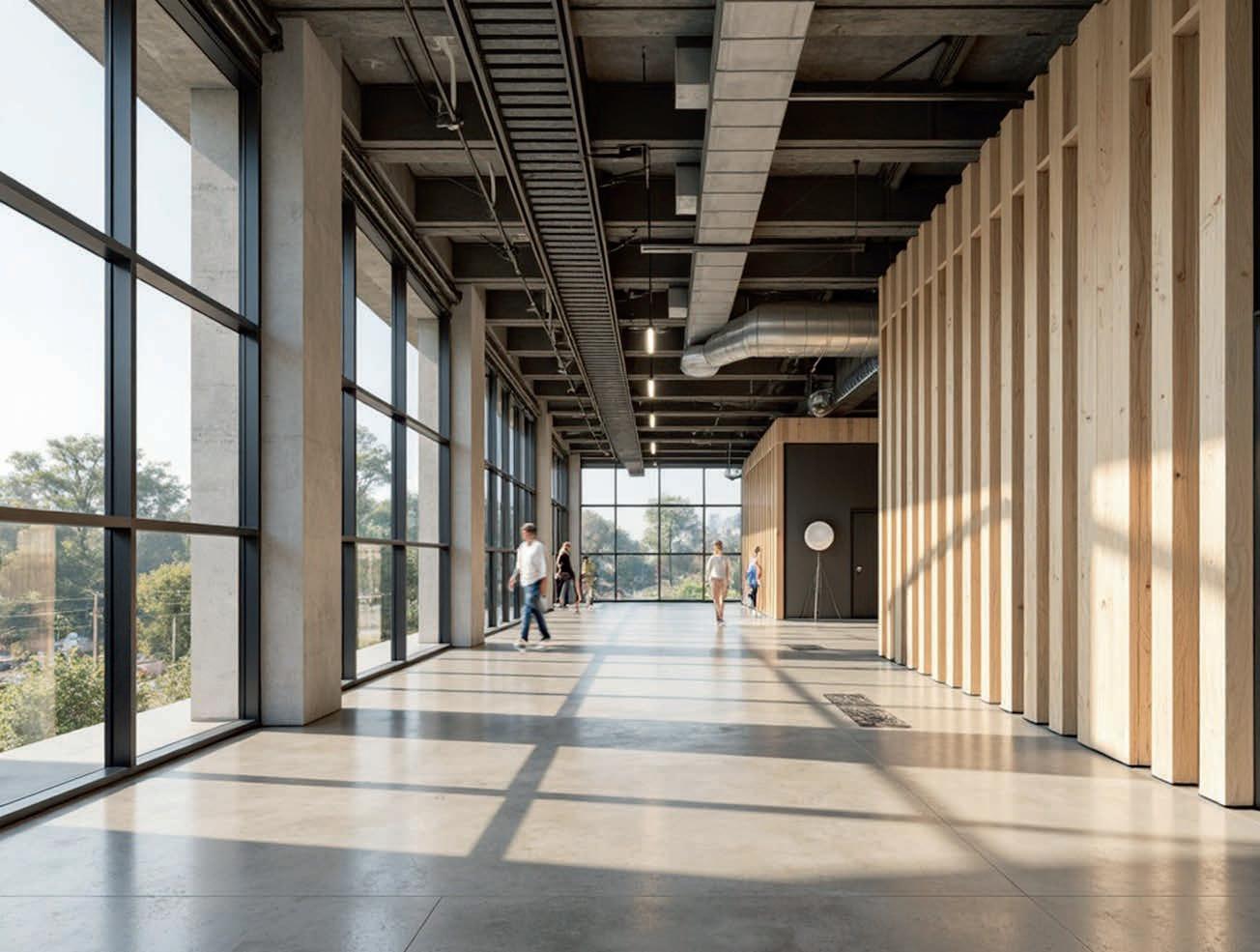
In this issue of CorD, the interview with the Rector of the University of Belgrade provides a broader institutional context for understanding the challenges facing public education in Serbia. His observations highlight pressures on academic autonomy, the importance of professional standards and the responsibility of institutions to safeguard the rule of law. Positioned at the beginning of the edition, the interview serves as a framework for interpreting the wider environment in which educational actors operate.
At the same time, contemporary education is increasingly influenced by diverse models and practices, particularly within international and private institutions that introduce new approaches to learning, governance and professional development. It is within this evolving landscape that our mini-special on education is positioned.
Rather than offering a comprehensive overview of the sector, this section presents selected examples of educational practice that reflect broader global trends: personalised learning, greater attention to student wellbeing, responsible use of digital tools and closer alignment between education and social responsibility. These institutions illustrate a gradual shift away from rigid, standardised models towards more flexible, student-centred approaches. Teaching is increasingly understood as a collaborative process grounded in trust, continuous evaluation and professional reflection. Technology, when applied thoughtfully, supports rather than replaces human interaction.
CONTEMPORARY EDUCATION IS NO LONGER DEFINED BY RIGID SYSTEMS, BUT BY THE ABILITY OF INSTITUTIONS TO BALANCE INNOVATION WITH RESPONSIBILITY AND LONG-TERM SOCIAL VALUE
At the core of these developments lies a renewed understanding of education as a long-term investment in human capital. Sustainable models depend not only on infrastructure and curricula, but also on institutional integrity, qualified staff and stable governance frameworks. They require consistent public policy, transparent regulation and a clear commitment to quality.
For Serbia, these issues are particularly relevant. As the country seeks to strengthen its competitiveness and retain young talent, education becomes a strategic resource. Public and private institutions alike must respond to technological change and labour market demands while preserving academic values and professional autonomy.
This mini-special aims to contribute to an informed discussion on how contemporary education can balance innovation with responsibility, flexibility with standards and international integration with local relevance. The examples presented here should be understood as part of a broader process of transformation shaping learning environments across Europe and the wider region.
Ultimately, the quality of education remains one of the most reliable indicators of a society’s capacity for long-term development. Its future will depend on cooperation between institutions, educators and policymakers in creating resilient, inclusive and sustainable systems.
The Invisible Architecture of Teaching
EByRyanBollhorn
ach school day at ISB unfolds within a carefully constructed framework of preparation, reflection and human connection. Much of that work remains invisible. Long before the first bell rings, teachers are already considering how to support the students who will soon enter their classrooms — academically, socially and emotionally.

This preparation does not always take the form of written plans or formal documentation. Often, it begins with attentive observation and intentional design. Ashley, one of ISB’s Early Years teachers, describes how her mornings start with a simple question: what are my students curious about, and how can I build that curiosity into today’s learning?
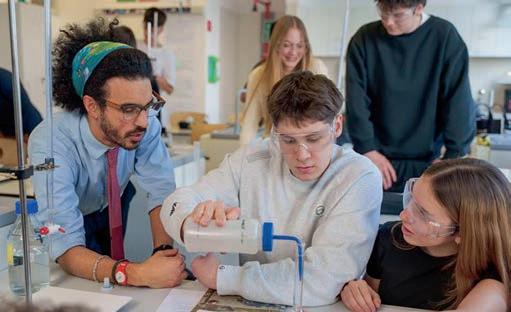
In the Early Years, learning begins with connection. Teachers pay close attention to how children enter the space — their body language, their energy, the child who needs reassurance, or the quiet moment that signals uncertainty. These interactions may appear small, yet they establish the foundation for trust and readiness to learn. A welcoming gesture, a brief conversation, or simply creating a sense of safety becomes part of the educational architecture that supports longterm development.
As students progress through Primary School, that attentiveness evolves into structured academic planning. In Grade 2, Sabina approaches each lesson through the lens of Universal Design for Learning, ensuring that concepts are accessible through multiple pathways — visual, auditory and experiential. Curiosity is deliberately sparked, and connections between past and present learning are encouraged. Those moments, when a student independently links prior knowledge to new ideas, signal genuine intellectual growth.
Milena follows a similar philosophy. While she begins with clear objectives, she adapts her teaching to students’ interests and motivations. Inquiry often starts with a provocation — a question or scenario designed to encourage critical thinking. Growth, she notes, rarely happens in dramatic leaps. It unfolds in phases, through incremental risk-taking and confidence-building.
By Secondary School, those early foundations translate into deeper dialogue and intellectual independence. In Ayesha’s drama classroom, cultural diversity enriches discussion. Students draw on lived experiences from different
parts of the world, shaping lessons in unexpected yet meaningful ways. Learning becomes collaborative, rooted in perspective and reflection.
In science laboratories and Diploma Programme classrooms, Dan describes a shift from instruction to partnership. The emphasis moves away from delivering content and toward guiding inquiry. Students are encouraged to take ownership of their learning, to question, experiment and articulate their reasoning. The goal is not only mastery of subject matter, but the development of analytical skills and intellectual responsibility.
When the school day ends, preparation continues. Teachers review assessments, refine lesson plans, engage in professional development and reflect on how to better support individual learners. Teaching at ISB is understood as an evolving practice — shaped by experience, research and collaboration.
Across divisions and departments, a shared philosophy emerges: meaningful education is built not only on curriculum, but on relationships, reflection and professional commitment. The daily work of teachers — often unseen — forms the structure that sustains student growth.
At ISB, this invisible architecture is not incidental. It is central to the school’s educational model and long-term vision.

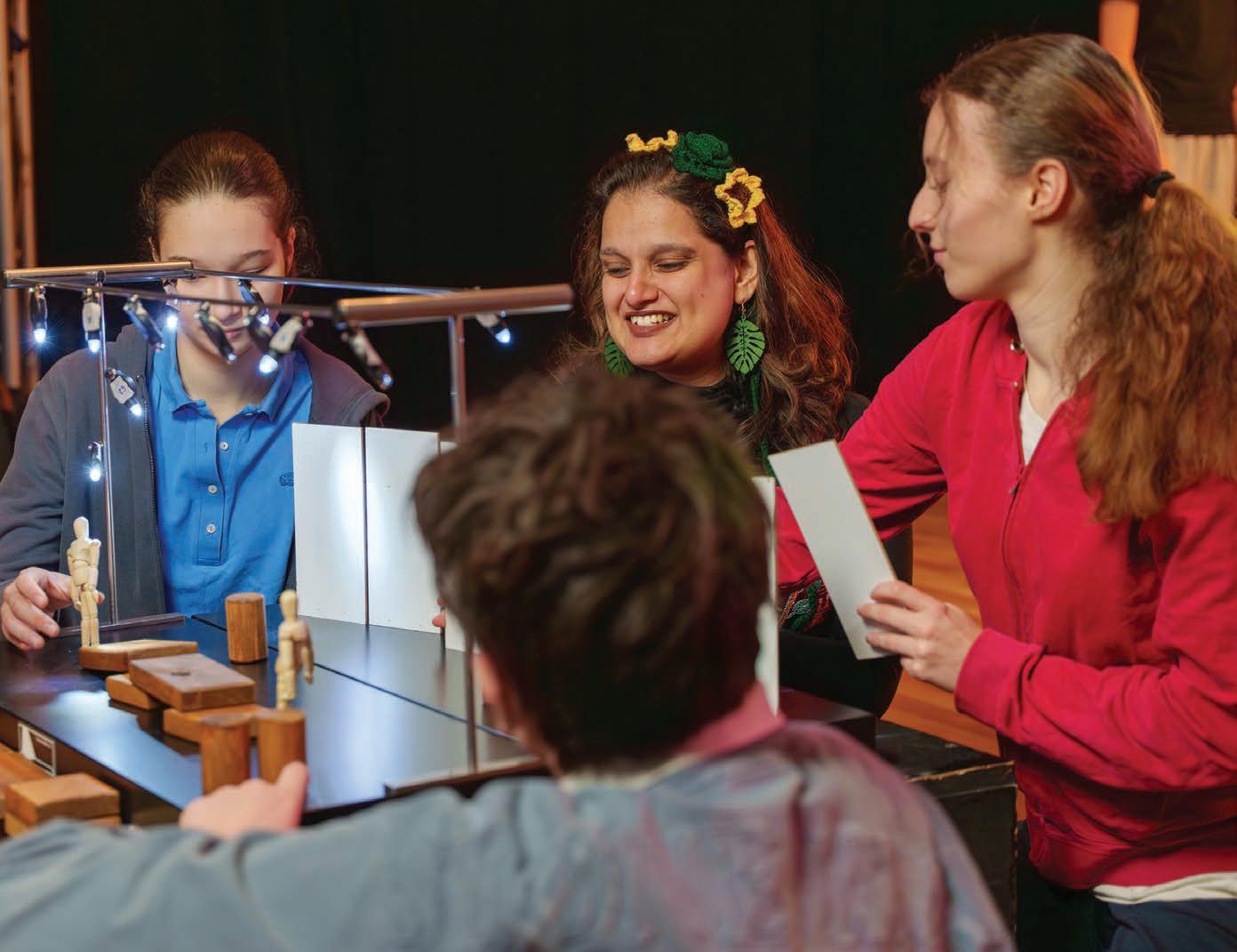










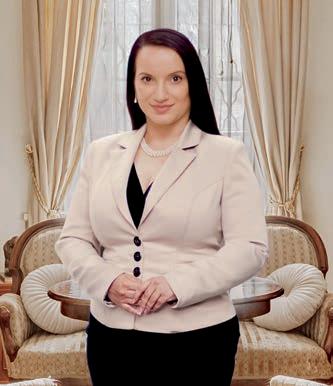
Imagine bringing the world’s most respected educational model to the very heart of Serbia. Not as an experiment, but as a carefully crafted reality, where academic excellence and emotional wellbeing weave together seamlessly. This is EDUCA – Belgrade’s only Finnish International Kindergarten & School, where children learn with purpose, grow and glow.
Finland consistently ranks at the pinnacle of global education. Its approach rests on a profound understanding: when hearts feel safe, minds can create. At EDUCA, authentic Finnish pedagogical principles remain intact, thoughtfully adapted for children growing up in Serbia. Teachers craft personalised pathways to success through discovery, play and curiosity. From ages 3 to 15, children experience education that honours their individual pace and unique talents. No grades. No tests. Yet remarkable results.
Principal, EDUCA Finnish International Kindergarten & School
Each child’s brain is wonderfully unique, forming connections at its own rhythm. By understanding the neuroscience behind learning – how emotion, movement, rest and challenge interact –EDUCA’s teachers create classroom experiences where every child can find their optimal path to growth.
Pedagogy meets heart. Science shapes mind. Knowledge serves wonder.

Smart technology. Dedicated teachers. Child-centred approach.
Nestled in a green, tree-lined street in Dedinje, where birdsong replaces traffic noise, EDUCA’s campus offers an environment where hearts and minds can develop naturally. For international families, this provides an ideal balance: proximity to diplomatic missions and business centres, combined with tranquillity where children can breathe, explore and grow. Nature classrooms. Urban convenience. Harmony without compromise.
EDUCA’s educational alchemy transforms the way learning happens. Through the Neuroeducation for Transformative Classrooms (NTC Framework), the school weaves brain science into everyday teaching. It centres on a simple truth: learning is not one-size-fits-all.
As one of the first schools in Europe to embrace the Cleo AI mentor platform, EDUCA has addressed one of education’s greatest challenges: how to personalise learning for every child. Cleo does not replace teachers – it empowers them.
This innovative neuroeducation ecosystem analyses how each child learns best and helps teachers respond with precision. For neurodivergent learners in particular, Cleo becomes a learning companion that recognises individual strengths, understands different learning patterns and adapts accordingly.
As a non-profit organisation within the Education for Serbia Foundation, EDUCA places children’s wellbeing above financial gain. Every resource is reinvested directly into students – exceptional teachers, innovative programmes and nurturing environments.
For discerning families, this offers invaluable assurance: their children’s development will always come first.
Visit EDUCA and experience education that honours both hearts and minds, blending academic rigour with joy and celebrating achievement alongside emotional wellbeing.
Inspired by children. Created with love. Curated with care.
In an era marked by technological acceleration, social uncertainty and profound changes in the labour market, education is increasingly being recognised as one of the most important pillars of long-term social stability and economic development. Schools are no longer expected merely to transmit knowledge. They are now called upon to cul ti vate emotional intelligence, critical thinking, adapt-
ability and a strong sense of personal responsibility.
Across Europe and beyond, this shift has given rise to new educational models that combine academic rigour with wellbeing, individualised learning and continuous professional development. In Serbia, this transformation is becoming increasingly visible through the work of international and private educational institutions that are introducing innovative pedagogical practices while remaining attentive to local context and cultural values.
These examples reflect broader trends that are increasingly shaping educational policy across Europe and the Western Balkans.
One such example is the Finnish-based approach implemented by EDUCA, which emphasises emotional safety, personalised learning pathways and the integration of neuroscience into everyday
teaching practice. Its model rests on the understanding that when children feel secure and supported, they are more open to learning, creativity and intellectual exploration. Rather than relying on traditional grading systems and standardised testing, EDUCA focuses on discovery, play and individual development, guided by contemporary research in neuroeducation and supported by advanced digital tools.
Through its neuroeducation framework and the use of personalised digital platforms, the school seeks to respond to the diversity of learning styles and cognitive rhythms among students. Technology, in this context, is not treated as a substitute for human interaction, but as a means of strengthening the relationship between teachers and learners.
Equally important is the institutional commitment to placing stu-
dents’ wellbeing above commercial considerations. As a non-profit organisation, EDUCA reinvests resources into teaching quality, learning environments and professional development, reinforcing trust among parents and the wider community. This approach reflects a broader European trend towards viewing education as a long-term public good rather than a shortterm market product.
ing begins with emotional connection and attentiveness to students’ wellbeing. In primary education, structured planning is combined with inclusive teaching strategies to ensure accessibility and engagement.
As students progress, teaching evolves into a collaborative process in which inquiry, dialogue and independent reasoning become central. In secondary education and
A complementary perspective on contemporary education emerges from the experience of the International School of Belgrade, where attention is focused on what might be described as the “invisible architecture” of teaching. Much of the work that shapes student development takes place beyond the classroom spotlight — in careful preparation, reflection and continuous adaptation to individual needs.
From early childhood education to secondary and diploma programmes, teachers build learning environments grounded in trust, observation and intellectual curiosity. In the early years, learn-
Taken together, these examples illustrate a broader shift in contemporary education: from standardisation to personalisation, from instruction to mentorship, and from short-term outcomes to long-term development. They also highlight the growing importance of integrating scientific research, digital innovation and ethical responsibility into educational practice.
For Serbia, this evolution is particularly significant. As the country seeks to strengthen its human capital and retain young talent, the quality and relevance of education will play a decisive role. International schools and innovative institutions are contributing to this process by introducing new standards, encouraging professional exchange and fostering a culture of lifelong learning.
At the same time, their experience raises important questions for the wider educational system. How can personalised learning be scaled within public institutions? How can teacher autonomy and accountability be balanced? How can technology be used responsibly without undermining human connection? And how can educational policy support long-term stability rather than short-term reforms?
science laboratories, instruction gives way to partnership, encouraging students to take ownership of their intellectual development and to articulate their thinking with confidence.
Crucially, this model views teaching not as a fixed profession, but as an evolving practice shaped by research, experience and cooperation. Continuous professional development and institutional reflection are seen as essential components of educational quality. In this sense, the school functions as a learning organisation in which educators and students grow together.
There are no simple answers. Yet what emerges clearly from both holistic and reflective educational models is that meaningful education is built on relationships, trust and professional integrity. It requires sustained investment, institutional autonomy and a shared commitment to placing students’ development at the centre of public policy.
In a world defined by rapid change, education remains one of the few enduring foundations of social progress. Its future will depend not only on innovation and infrastructure, but on the willingness of institutions, educators and policymakers to work together in shaping learning environments that are inclusive, resilient and oriented towards the common good.
Can billions be stolen one hundred at a time? How is democracy really “produced”? And do post-conflict civilian missions genuinely serve the societies they are meant to
support?

Blanka Čehova Lawyer, Human Rights Advocate and Writer
These were the questions that led me, as a young lawyer and human rights advocate, to Kosovo. I arrived convinced that institutions, procedures and international engagement could help build accountability and protect human dignity. I soon discovered how fragile these assumptions could be.
My experience later became the basis for my documentary novel Total Balkan, which explores the gap between declared values and everyday practice within international missions. Over the course of a year, I witnessed how good intentions were gradually absorbed by bureaucracy, political compromise and silence.
I learned that loyalty within such systems is often rewarded more than integrity. Asking uncomfortable ques
-
tions can quickly turn a committed professional into an inconvenient outsider. At the same time, remaining silent means becoming complicit.
Working in Kosovo exposed me to contradictions that are rarely discussed openly. National flags flew high, institutional rhetoric was polished and reports were carefully drafted. Yet responsibility was often blurred, and accountability postponed. Decisions affecting thousands of lives were frequently made behind closed doors, far removed from those they were supposed to serve.
One phrase from my native language kept returning to me throughout that period: Ima samo čovek ili nečovek – “One is either human, or he is not.” It became a moral compass in situations where formal rules proved insufficient.
In Belgrade, during public readings and discussions with students and readers, I was often asked whether I had encountered fear, prejudice or hostility in Serbian society. My answer has remained consistent: what I encountered most was humanity. In classrooms, cafés, bookshops and public debates, I met people willing to listen, disagree respectfully and reflect critically on their own society
This experience strengthened my belief that public engagement matters. While institutions may fail, citizens continue to demonstrate resilience, ethical awareness and a desire for accountability.
Total Balkan is not intended as a memoir or an indictment. It is an attempt to document how systems function in practice, how power operates in subtle ways, and how individuals navigate moral dilemmas within rigid structures. Writing it was, for me, a way of preserving both memory and responsibility.
One phrase from my native language accompanied me throughout that period: Ima samo čovek ili nečovek – “One is either human, or he is not.” It became my ethical compass when professional rules failed to provide clear answers
Democracy is not produced through slogans, missions or reports. It is built through transparency, institutional integrity and the courage to question authority. Without these elements, even the most sophisticated frameworks remain empty.
Looking back, my time in Kosovo taught me that reform begins with personal responsibility. Large systems change only when individuals refuse to normalise injustice and silence. That lesson remains as relevant today as it was then.
The art of Alexis Akrithakis as a reflection of mobility, identity and modern Greek experience between tradition, Europe and global culture
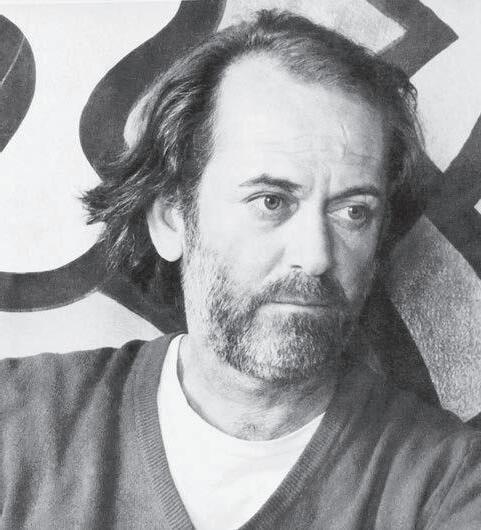


IBy transforming everyday symbols into a universal language of movement and identity, Alexis Akrithakis captured the emotional landscape of modern Greece and its ongoing cultural transformation
n the landscape of modern Greek art, few artists have managed to create a visual language as distinctive, emotionally resonant and internationally recognisable as Alexis Akrithakis. Through minimalist drawings, symbolic motifs and handwritten lines, he developed an artistic universe that reflects movement, uncertainty, aspiration and the search for belonging in a rapidly changing world.
Born in Athens in 1939, Akrithakis came of age during a period marked by political turbulence, social transformation and cultural realignment. His formative years coincided with Greece’s struggle to redefine itself in post-war Europe, a process that profoundly shaped his artistic sensibility. From an early stage, his work demonstrated a strong awareness of both personal experience and broader historical context.
Du ring the 1960s and 1970s, Akrithakis lived and worked in Par-
is and Berlin, becoming part of the European avant-garde scene. This international exposure enabled him to engage with contemporary artistic movements while preserving a distinctive personal voice. His position between cultures — Greek by origin, European by experience — became one of the defining elements of his creative identity.
This renewed interest in his work is reflected in the major retrospective “Alexis Akrithakis: A Line Like a Wave”, currently on view in Athens from February to May 2026. Curated by Chloé Akrithaki and Alexios Papazacharias, the exhibition marks the first large-scale retrospective of Akrithakis in Greece in three decades. Bringing together works from public and private collections, it traces his artistic journey from early psychedelic compositions of the 1960s and the iconic “suitcase” motif of the 1970s, through experimental light constructions and expressive por -
traits, to the emotionally powerful late works inspired by his encounters with patients at the Dromokaiteio Psychiatric Hospital. The exhibition reveals the full complexity of his artistic language and sheds new light on previously unknown aspects of his creative legacy.
Akrithakis is best known for his recurring visual vocabulary: ladders, suitcases, arrows, boats and fragmented texts. These elements function as metaphors for travel, transition and emotional displacement. Ladders suggest aspiration and uncertainty; suitcases evoke migration and impermanence; arrows point toward unknown destinations. Together, they form a symbolic map of life in motion.
Despite their apparent simplicity, his works carry deep psychological and philosophical layers. The childlike quality of his lines
conceals a sophisticated reflection on freedom, vulnerability and resilience. His art resists rigid interpretation. Instead, it invites viewers to engage emotionally and to project their own experiences onto its open-ended narratives.
Working across drawing, painting, sculpture and installation, Akrithakis frequently incorporated everyday objects into his compositions, blurring the boundary between art and life. This experimental approach reinforced the immediacy of his work and strengthened its connection with contemporary social realities.
He also maintained close ties with Greece’s literary, musical and theatrical communities. Collaborations with poets, writers and composers enriched his artistic language and contributed to a broader cultural dialogue. His work evolved within an interdisciplinary framework, reflecting a holistic understanding of creativity.
Through ladders, suitcases and handwritten lines, Akrithakis translated personal experience and collective memory into a timeless visual narrative of migration, uncertainty and creative resilience


In the context of Greece’s cultural history, Akrithakis represents a bridge between tradition and modernity. He neither rejected classical heritage nor became confined by it. Instead, he translated collective memory, historical experience and personal emotion into a contemporary visual idiom capable of communicating across borders. His artistic trajectory mirrors the experience of many Greeks of his gen-
eration — marked by migration, political change and cultural negotiation. In this sense, his work offers not only aesthetic value, but also sociological insight into the formation of modern Greek identity.
Today, Akrithakis’ legacy remains highly relevant. In an era defined by global mobility, digital transformation and social uncertainty, his themes of movement, fragmentation and self-re-

flection resonate with new generations. Major European institutions continue to revisit his work, confirming his lasting international significance.
Within the broader narrative of Greece’s transformation beyond tourism and classical imagery, Akrithakis embodies a modern, outward-looking cultural identity. His art reflects a country that is not defined solely by its ancient past, but by its capaci-
ty for reinvention, dialogue and creative adaptation.
T hrough fragile lines, powerful symbols and poetic restraint, Alexis Akrithakis created a visual language of transition and meaning. His work stands as a testament to the enduring relevance of personal expression in times of collective change — and as a vital chapter in the evolving story of contemporary Greek culture.
He began his diplomatic career in Paris, and continued it in Brussels and Rome, before ending up as ambassador to several African countries. He was acquainted with the greatest European and African statesmen, and was also introduced to Pope John Paul II and members of royal families. With his beautiful and charming wife Zorica, he was a welcome guest at all receptions
Danilo Milić diplomat
by Radmila Stanković
The world of diplomacy has always been as attractive as it is mysterious. Top diplomats represent the best face of their nation, serving as inconspicuous bridges between countries and cultures.
Danilo Milić was one such diplomat, who proved to be reliable and accurate in interpreting circumstances, regard less of where he served. He was also clear and precise when it
came to representing his country’s stances.
All these qualities are easily recognised in his memoir entitled Memories of a Diplomat, published by Prometheus, which quickly gained great popularity among readers. Over nearly 400 pages, this career diplomat illustrates his rich professional journey, filled with interesting events that he attended or created.
Milić is the eldest son of Milutin and Vjera. Born in Cetinje in 1936, his junior of Libra, he has a brother, Slobodan, who’s six years younger than him and is also a lawyer who concluded his professional career as a diplomat of the then Serbia & Montenegro to Cuba. Their mother spent 20 years working as a French language teacher at the Aleksa Šantić School, today’s Vladislav Ribnikar Primary School.
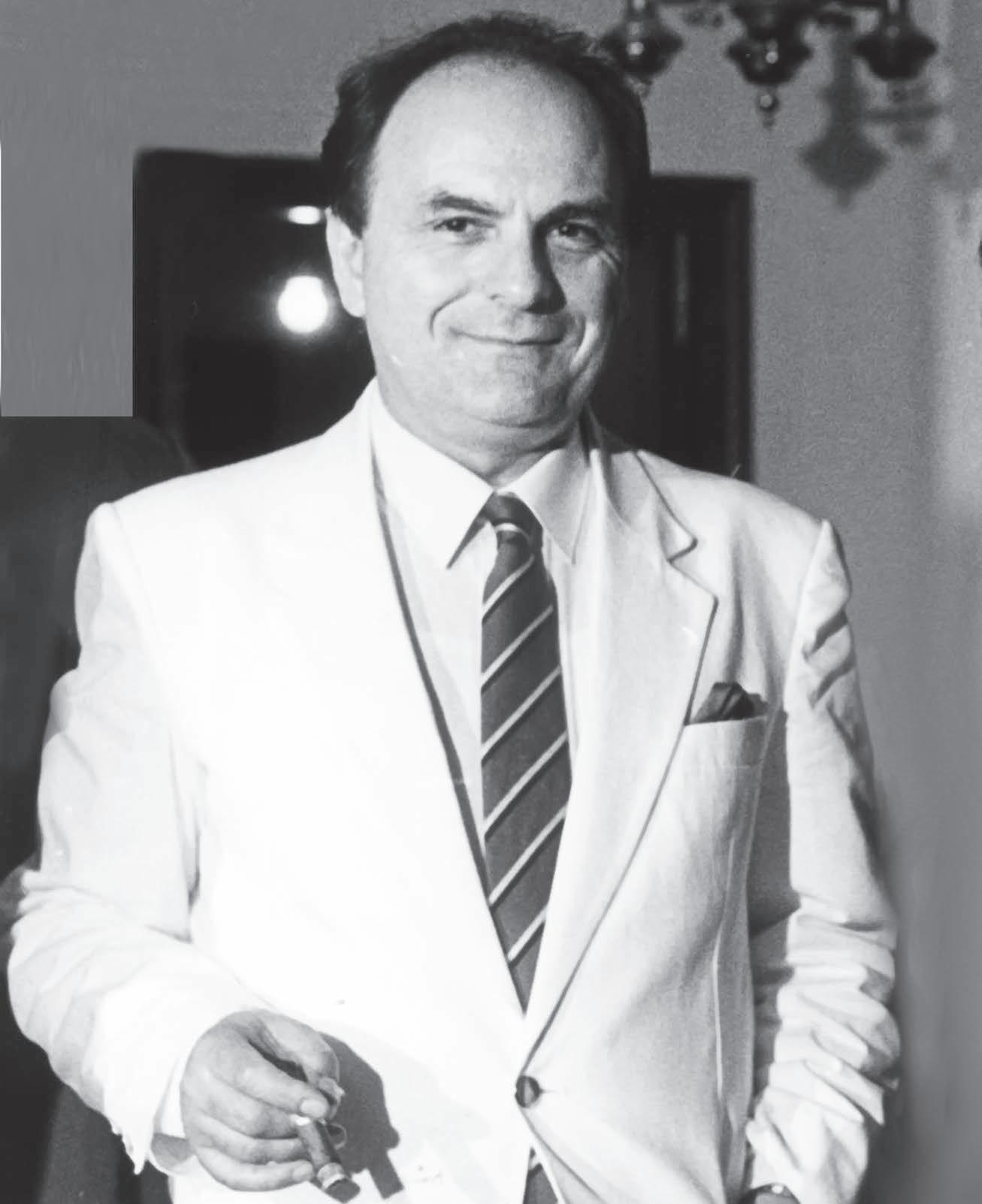
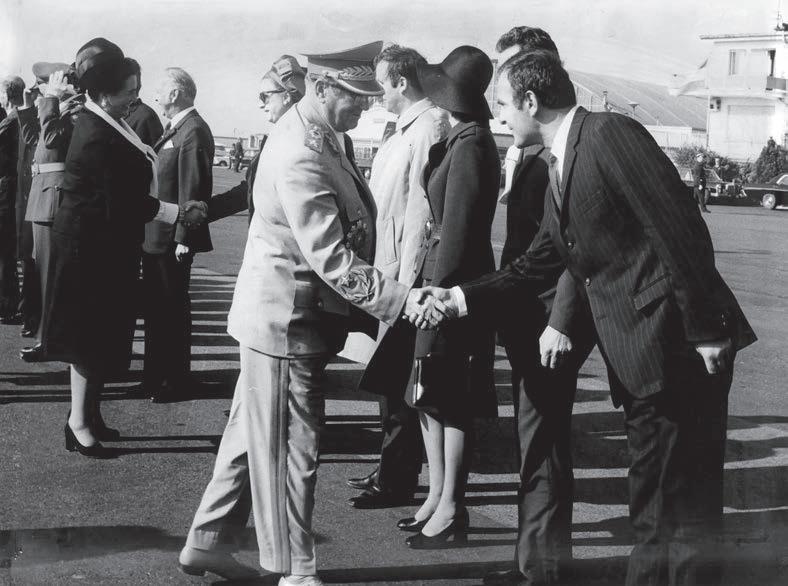
That school is today attended by Danilo’s grandson, Stefan Milić, to whom he dedicated the book. Danilo’s parents relocated to Belgrade in 1945. His father was a lawyer who died young, and it seemed somehow logical that both sons would graduate the same university. Danilo was among the top students of his generation, and today he has fond memories of the professors of the Faculty of Law who taught him.
“When I start assembling them in my mind, I halt when recalling their greatness. Academics Radomir Lukić, Mehmed Begović, Milan Bartoš and Jovan Đorđević... Andrija Gams... I was one of the party leaders at the Faculty of Law and it was thanks to this that I had an opportunity to get better acquainted with them.”
Professor Jovan Đorđević and Milić would meet again in Paris, in the autumn of 1966, when Milić was serving as press and culture secretary at th e Embassy of Yugoslavia. This is also a moment that he describes in the book, but he adds something else when speaking in our interview.
“That was a real event that I attended. A French student and writ-
I was taught at the Faculty of Law by greats like academics Radomir Lukić, Mehmed Begović, Milan Bartoš, Jovan Đorđević et al.
er of Yugoslav constitutions, my professor Jovan Đorđević, came to the Sorbonne to give a lecture on Yugoslav constitutional law. I was tasked with accompanying him and that was a special pleasure for me, as it was the first time I’d found myself, as a diplomat, in the surroundings of the most important French university. It would be an understatement to say that I was surprised when nearly four hundred students welcomed Professor Đorđević with rapturous applause, as though it was a political rally and not an expert lecture. However, when the dean of the faculty greeted Đorđević by describing him as a world-class scientist who doesn’t come from a great country, but from the small Yugoslavia, the audience responded as one and insisted, as if on command: ‘No, Yugoslavia is a great country!’ They obviously all knew how important Yu-
goslavia was at the time, which they also demonstrated when they started asking Professor Đorđević questions after his lecture. Upon leaving the college, the professor told me that he was very glad to have had a witness who could confirm how the students reacted when the dean, quite well-intentioned, mentioned Yugoslavia as being a small country.”
During his studies, Danilo resided across the road from the faculty in Braće Nedića Street. He attended all lectures, after which he would study in the reading room until 8pm .
President Tito arrives in Luxembourg, 1970
“That’s how I passed all the exams in June, and mostly with nines and tens. I would then be free all summer. Apart from my successful results, I was also engaged in the Party. It was during those years of my studies that I first considered that I could find myself working in diplomacy. And I was invited to work at the Institute for International Politics and Economy as soon as I graduated. The director at the time was Janez Stanovnik, who would go on to serve as the last president of [the Yugoslav republic of] Slovenia prior to the collapse of the country, before Milan Kučan. The Institute was then part of the Ministry of Foreign Affairs. I spent two years at the Institute and during that time I wrote a book on the Council of Europe and several studies on European integration. I then transferred to the Ministry, which was being headed by Koča Popović. He was a great statesman, but also a natural cynic.
“When de Gaulle expelled our head of mission from France, who held the rank of ambassador, Slovene Darko Černej sent a dispatch to Minister Popović in which he proposed that he leave his wife at the residence in Paris, as he was under the assumption that his expulsion wouldn’t last long and that he would soon return. Koča answered him in his own way, saying ‘Of course not!” And, of course, Černej never returned to Paris and a new ambassador was dispatched two years later.”
Yugoslav Foreign Minister Marko Nikezić visited Paris in September 1968 and met with French President Charles De Gaulle. He spoke to him in his native French, without an accent, as his mother was French and had married his father, who was also a diplomat. And De Gaulle agreed to come to Belgrade and to meet with Tito.
As Milić explains today: “I’m just quoting what Marko Nikezić told me straight after his conversation with De Gaulle. De Gaulle had thanked him for the invitation sent by Yugoslav President Tito and said that h e had to visit Belgrade as soon as possible. Nikezić had looked at him somewhat surprised, to which De Gaulle had replied: ‘No, I’m not saying that because of Tito, he will live for a long time, but rather I have to do it for my own sake’. De Gaulle passed away a year and a half after that meeting. And he tendered his resignation prior to that, as he had lost a referendum.
De Gaulle had long been critical of Tito for allowing the execution of Draža Mihajlović. He also rebuked him for providing great assistance to the Algerians and other anti-French liberation movements. Of course, the French never brough into question the claim that Draža Mihajlović was a NAZI collaborator in World War II, and it wasn’t even a problem that he’d been sentenced to death, but they’d
With Belgian King Baudouin as he departs for Yugoslavia, 1973 Diplomatic staff of the Yugoslav Embassy in Belgium, Brussels 1975
expected Tito to commute his sentence. Because that’s what De Gaulle had done with Marshal Pétain, who was given a life sentence rather than facing the death penalty, and who died in prison. It wasn’t only de Gaulle who sought that he do that, but also the then pope, Churchill, Truman et al.”
Wherever Danilo appeared as a Yugoslav diplomat in the Paris of the ‘60s, he’d had priority over his other colleagues. No matter who he announced
an interest in meeting, he would be accepted the very next day. Yugoslav diplomats had front row seats for all events and were welcomed by government representatives and party leaders. “In those years, we were a country that served as an example of how to behave when you aren’t part of political blocs, and then you get a major role in the world with the Non-Aligned Movement. And I felt very comfortable and privileged as a diplomat. After France, when I was in Belgium, m any ministers told me how sorry they were that their country couldn’t have policies like Yugoslavia. And that’s why they supported Yugoslavia whenever it was important, and Belgium was the source of the largest number of investments during those years. In 1952, Belgium was the first country to bring down the Western prejudice about the Yugoslav clash with the USSR being a farce for the world, proving that it was a genuine historical split and that the West should provide us with maximum assistance. And then followed great assistance from the U.S., Germany and other Western countries.”
His comfort and appreciation as a diplomat lasted until the outbreak of the wars and national conflicts of Yugoslavia. In the opinion of CorD’s interlocutor, Slobodan Milošević caused so much damage to the reputation of Serbia and the Serbian people that it would take decades to fix.
“Trump recently asked Zelensky if he wanted to cause World War II with his policy towards Russia. Milošević had known back in 1999 that Serbia would be bombed if he didn’t accept the Rambouillet Agreement. And he obviously wanted the bombing to happen. He thought the bombing of Serbia would cause a wave of protests in Europe and that the governments of all those countries would fall. He was also counting on possible Russian military intervention, which certain Russian generals had irresponsibly and privately promised his brother, the then ambassador in Moscow. And we saw what actually happened.”
When you’re a diplomat serving abroad, you are obliged to report your independent intentions to your superiors in the country, to receive approval. However, it sometimes happens that it’s simply impossible to do so and you are forced to make your own instant decisions. Our interlocutor describes one such move that he made that would turn out to be far-reaching and extremely significant.
“I was in Brussels in 1977 and was on my way to a reception when I heard the news on the radio that a visit of President Tito to Moscow and Pyongyang had been arranged for late 1977. We had no relations at all with China at the time, and during my time in Brussels I’d become friends with the Chinese ambassador to Belgium. He was a young man and a very influential member of the Politburo of the Chinese Communist Party. We bumped into one another at the reception and, on my initiative, discussed the news that he’d also heard. I asked him what he thought about the idea of Tito visiting China after the USSR and North Korea. He asked me if that was my opinion or the position of my country, to which I replied that it was my opinion, but that I believed Belgrade would be happy to accept it. He called me the very next day to tell me that he’d received an answer from Beijing. Chairman Hua Guofeng would very much like to invite and receive President Tito. I reported this to Belgrade and was later told that Tito was
very happy when he was told that the president of China was also inviting him. And he also officially said that the Yugoslav Embassy in Brussels should be praised.”
Danilo passed through Beijing as a diplomatic courier ten years later and received great recognition. The First Deputy Minister of Foreign Affairs of China hosted a gala dinner in his honour, as a sign of respect and gratitude for the initiative he’d shown.
Milić performed numerous and varied jobs in Belgium, some of which were quite bizarre. During the staging of Yugoslav Week in Belgium, a
With Italian President Sandro Pertini in Rome, 1983
Delegation of SFR Yugoslavia at the 1979 Non-Aligned Movement Summit in Havana
Jugoexport fashion show was also held and featured models wearing the designs of Mirjana Marić. One of the models was the sister of Željko Ražnatović, who had hten been in prison in Ghent, around fifty kilometres from Brussels. She begged for permission to visit her brother, but Jugoexport director Rade Kušić believed that shouldn’t be done in the framework of cultural cooperation. Milić reached an agreement with the prison’s administration for the sister and the Yugoslav consul to visit. Raž natović complained to the consul that the guards were mistreating him, that they poured so much salt into his food that he couldn’t eat, that the prisoners would beat him while he showered etc. Milić called the prison warden and complained about the treatment of the Yugoslav prisoner, saying that he would complain to the Minister of Justice, whom he knew well. The warden called the next day to confirm that everything Ražnatović had said was true and to guarantee that no one would mistreat him again.
Slobodan Milošević caused so much damage to the reputation of Serbia and the Serbian people that it would take decades to fix
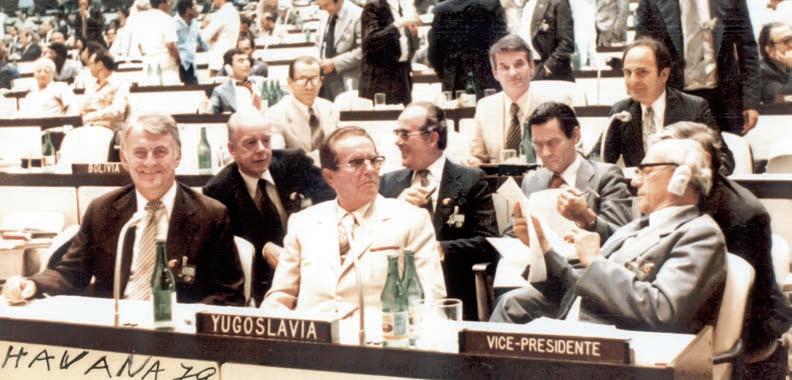
When departing Belgium, where he’d served as deputy ambassador for five years, Ambassador Slavoljub Petrović hosted a farewell reception at the Yugoslav Embassy that was attended by more than 300 distinguished guests and members of the Belgian government, including Vice President Leon Hurez. Then Parliament Speaker Edmond Leburton requested silence to make an announcement: “His Majesty the King asked me to today present the Order of the Star of Leopold to this Yugoslav diplomat who has contributed immeasurably to the development of relations between our two countries”. That set a precedent, as this Order had previously, as a rule, only been awarded to prime ministers or ministers of foreign affairs. Danilo’s work had obviously also been recognised by then Belgian King Baudouin.
After Belgium, Danilo travelled to Italy in 1981. He’d been single until then and was 45 when he met Zorica
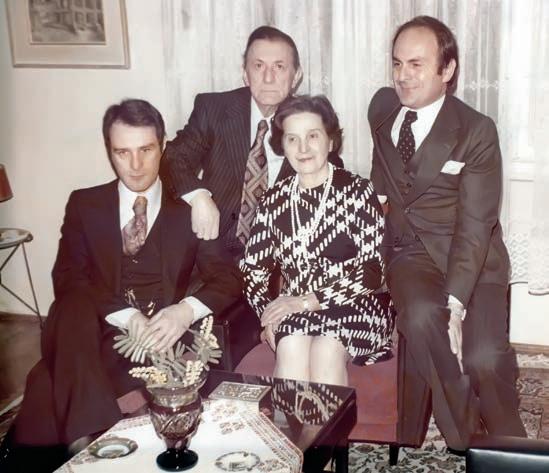
Damić, who worked at Genex and the Sava Centre. He fell in love and realised that it had been worth the wait. They received a son, Nenad, and a grandson, Stefan.
“My friend Miloje Popović introduced me to Zorica and I fell in love immediately. We were married after two months and departed for Rome together. She was the best example of a diplomat’s spouse. I was often invited to dinner in Rome by NATO alliance generals, despite there being no basis for that. We were neither a NATO member country nor was I a military envoy. After six months,
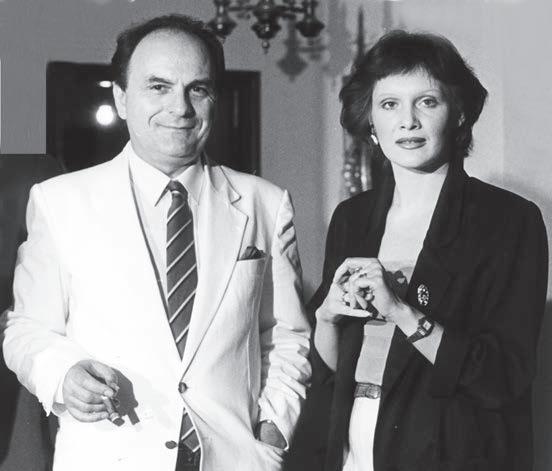
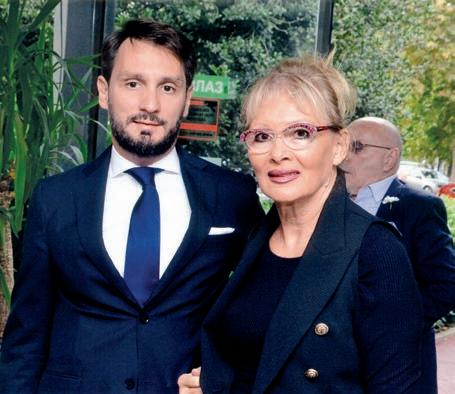
My wife Zorica was the best example of a diplomat’s spouse
I said as much to a general who was the chief of the general staff of the Italian army, his name was Umberto Cappuzzo, and he answered me by saying “Signor Danilo, we invite you because of your beautiful wife, so that we can enjoy looking at her!” When I went on a farewell visit to the President of Guinea, he told me that he was very sorry that I was leaving after seven years because I had done a lot, but he was equally sorry about the departure of my
With his parents and brother in Belgrade, 1975
With his wife, Zorica Milić
Zorica and their son Nenad in Belgrade, 2012
wife, because she was so popular and dear to them.”
Milić concluded his diplomatic career as ambassador to Congo, Angola, Gabon, Guinea, Guinea-Bissau and Sierra Leone. He remembers how he was presented as the ambassador of Yugoslavia to Pope John Paul II in Guinea in 1992. And the Pope had sighed: “Ah, my poor Yugoslavia!” When asked why he had reacted like that, CorD’s interviewee explains: “The Pope was our friend, though many thought he wasn’t. He was Polish and Yugoslavia was close to his heart.”
During his time as ambassador in Guinea, he also served as ambassador to Guinea-Bissau. He discovered
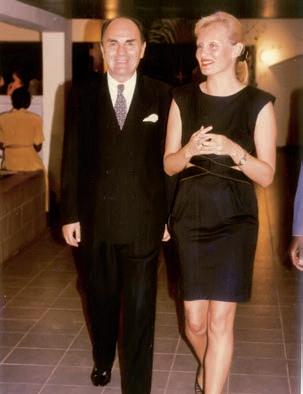
there that seven of the government’s 14 ministers, led by the Minister of Foreign Affairs, had completed their studies in Belgrade. The governor of the country’s central bank had also been a student of the Belgrade Faculty of Economics, and the director of national radio and television had studied at the Belgrade Faculty of Law... That small country of just two million inhabitants had an association of former Yugoslav students with more than 200 members.
As a diplomat, Milić was discreet and visible, while he is today among the few reliable witnesses to the period when Yugoslavia was blazing a trail on the international stage.
At the 2026 Grammy Awards in Los Angeles, Bad Bunny’s Debí Tirar Más Fotos made history as the first Spanish-language album to win Album of the Year, reflecting music’s global shift. Kendrick Lamar & SZA scored Record of the Year with “Luther,” while Billie Eilish & Finneas took Song of the Year for “Wildflower,” and Olivia Dean won Best New Artist. Lady Gaga’s Mayhem was named Best Pop Vocal Album, showing the night was spread across styles and voices. The ceremony underscored that in 2026, music’s biggest stage is truly global.

Super Bowl LX lived up to the hype as the Seahawks battled the Patriots in a matchup defined by turnovers and clutch plays. Defensive stands and key fourth-quarter conversions turned the tide in Seattle’s favour. The halftime show and spectacle around the game drew global attention, proving that the event remains one of the largest annual pop-culture phenomena. Fans called it a classic mix of sport and entertainment.

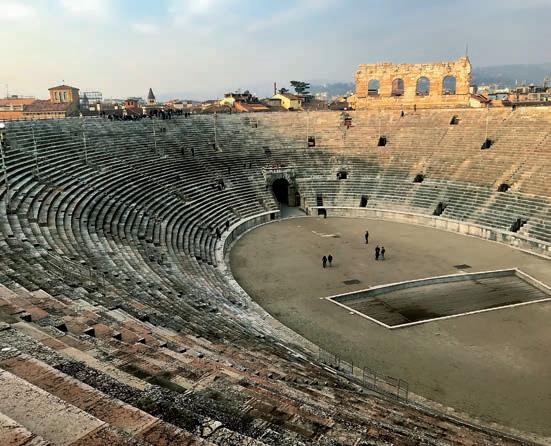
The ancient Roman Arena in Verona hosted the Winter Olympics closing ceremony in a spectacular blend of dance, music and performance art, bridging classical heritage with modern celebration. Italian icons including ballet star Roberto Bolle took part, and local artists are choreographing a show themed “Beauty in Motion.” The arena’s historic setting adds a timeless feel to what is usually a cutting-edge production. With thousands attending, it delivered culture and athleticism wrapped in an unforgettable live moment.
At the 2026 Australian Open, Novak Djokovic stunned the tennis world by defeating Jannik Sinner in an epic five-set semifinal, showcasing tenacity at age 38 and becoming the oldest man to reach the final in Melbourne Though he fell to Carlos Alcaraz in the championship match, Djokovic’s semifinal display was hailed as one of his finest late-career efforts. His performance also emphasised the enduring rivalry with the younger stars. Melbourne once again proved to be a stage for both legacy and rising power.
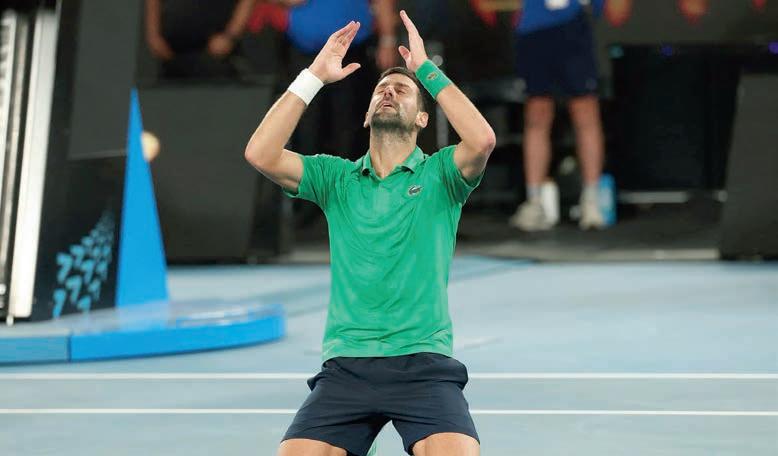
Heavy snowfall at the 2026 Winter Olympics disrupted key freestyle skiing events — including halfpipe and aerials — forcing rescheduling just days before the Games’ closing. Athletes and spectators had to adapt on the fly as organizers shuffled qualifiers and finals to keep both safety and competition intact. Despite the snow drama, the Games continued on schedule, showcasing the unpredictable mix of sport and nature. It’s a reminder that even the world’s most organised events can bend to weather wryly.
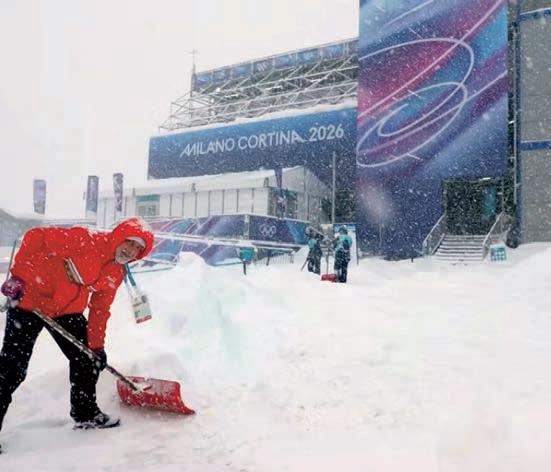
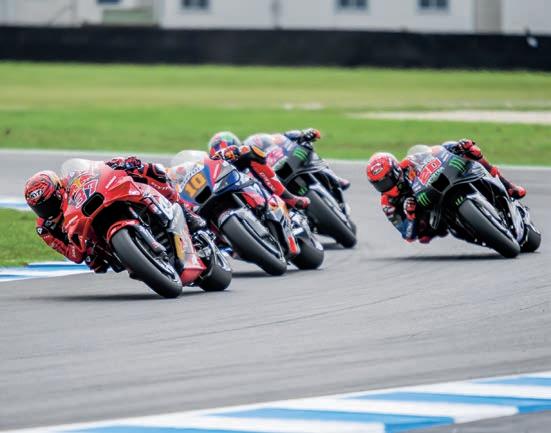
MotoGP confirmed that from 2027 the Australian Grand Prix will take place on the Adelaide street circuit, bringing top-tier motorcycle racing into an urban festival atmosphere. It’s the first time a premier motorcycle championship will use a historic city route in Australia, promising racing that’s as much about the crowd as the speed. Fans can look forward to culture, nightlife and motorsport all in one. This move signals a trend toward city-centre sporting spectacles that feel more like celebration than competition.

Jaeger-LeCoultre Reverso
Art Deco icon with a reversible case. Elegant, technical, and culturally enduring.
From heritage icons to technical masterpieces, these timepieces represent the pinnacle of modern horology

Hybrid mechanical-quartz innovation with unmatched dial craftsmanship. Quietly one of the most technically interesting watches in the world.
The watch that created the luxury steel sports category in 1972. Still one of the most influential designs ever made.


A. Lange & Söhne Lange 1
German precision at its finest. Asymmetrical dial, immaculate finishing, and movement architecture admired by purists.


Independent watchmaking at collector level. Low production, high respect, extraordinary movement finishing.
Refined, discreet, and mechanically elite. Often preferred by collectors who value heritage over hype.



Ultra-light materials, radical engineering, and unapologetic pricing. Polarising, but technically groundbreaking.
The benchmark of traditional haute horlogerie. Perpetual calendars, minute repeaters, and finishing standards that define the top tier of watchmaking.

The only watch flight-qualified by NASA and worn on the Moon. Historical credibility meets everyday wearability.
4–5 March – MTS Dvorana, Belgrade
One of the world’s most celebrated and enduring ballets, Swan Lake continues to enchant audiences with its beauty, emotional depth and timeless music by Pyotr Ilyich Tchaikovsky. Belgrade audiences will have the opportunity to experience this masterpiece performed by the renowned Ukrainian Classical Ballet. Known for uniting outstanding dancers from around the world, the company presents elegant and technically demanding productions that honour the classical tradition. With its iconic choreography by Marius Petipa and Lev Ivanov, Swan Lake tells a story of love, betrayal and transformation, unfolding in a magical world of lakes, forests and royal courts. This unforgettable ballet promises an evening of artistic excellence and romantic atmosphere for all generations.
FESTIVAL: 14 th BELGRADE
IRISH FESTIVAL – BECKETT’S LEGACY AND CONTEMPORARY IRISH CULTURE
12–21 March 2026 – Various venues, Belgrade
The 14th Belgrade Irish Festival presents a rich programme of film, theatre, literature and visual arts, connecting contemporary Irish creativity with the enduring legacy of Samuel Beckett. This year’s edition brings renowned artists to Belgrade, including Oscar-winning director Neil Jordan and acclaimed actors Stephen Rea and Ruth Negga. A central highlight is the European premiere of Beckett – Poetry at Atelje 212, inspired by Beckett’s work and performed by Rea and Negga. Irish Film Week focuses on the collaboration between Jordan and Rea, featuring award-winning films, new productions and special screenings.
Opening with the exhibition Siege in the Room at Bioskop Balkan, the festival continues to serve as the region’s leading platform for contemporary Irish culture.
13 March 2026, 20:00 – Great Hall, Kolarac Foundation, Belgrade
Under the baton of Kristof Kunih, world-renowned violinist Sergey Khachatryan returns to Belgrade with Jean Sibelius’s Violin Concerto, one of the masterpieces of the classical repertoire. The programme also features Franz Schmidt’s Symphony No. 4, performed for the first time before the local audience, offering a rare opportunity to experience one of the most profound symphonic works of the early 20th century.
Dedicated to the memory of Zoran Đinđić, this concert promises an evening of emotional depth, musical refinement and artistic excellence.
21 March – Nova Zappa Barka, Nebojša Tower, Belgrade
The acclaimed darkwave duo Lebanon Hanover arrive in Belgrade for an atmospheric live performance marked by introspection, emotional intensity and minimalist aesthetics. Formed by Larissa Iceglass and William Maybelline, the band is known for its distinctive sound that blends eighties-inspired nostalgia with dark, understated electronic textures. Renowned for their ability to convey deep emotion through simple yet powerful melodies, Lebanon Hanover explore themes of melancholy, solitude and inner reflection, creating an intimate connection with their audience. Each performance unfolds as a carefully crafted sonic experience, inviting listeners into a world of restrained beauty and haunting elegance.

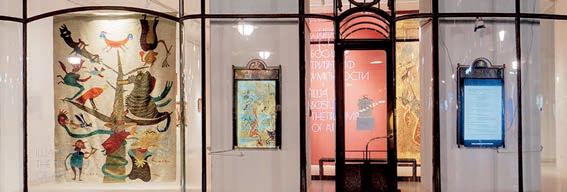
4 March – Ceremonial Hall, Serbian Academy of Sciences and Arts, Belgrade
As part of the lecture series Serbian Women Artists of the 19th and 20th Century (The Foundational Period), this talk focuses on the life and work of Katarina Ivanović, a pioneering figure in Serbian art history.
Delivered by Dr Snežana Mišić, the lecture explores Ivanović’s artistic legacy, her role in shaping modern Serbian painting, and her contribution to the cultural development of the period.

11 March – Multimedia Hall, University of Niš
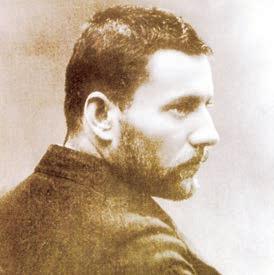
Organised by the Serbian Academy of Sciences and Arts – Niš Branch, this event marks the 150th anniversary of the birth of Borislav Stanković (1875–2025), one of the most significant figures in Serbian literary modernism.
The lecture will be delivered by Prof. Dr Goran Maksimović, offering insights into Stanković’s distinctive narrative world, his portrayal of social and psychological tensions, and the enduring relevance of his work within the broader European literary tradition.
ERCOM MEETING OF EUROPEAN MATHEMATICAL RESEARCH CENTRES
20–21 March – Ceremonial Hall, Serbian Academy of Sciences and Arts, Belgrade, Opening: 20 March, 14:00
Organised by the Mathematical Institute of SASA and the Serbian Academy of Sciences and Arts, this international meeting brings together leading European research centres in mathematics. The ERCOM conference provides a platform for academic exchange, collaboration and discussion on current developments in mathematical research, reaffirming Belgrade’s role in the European scientific community.
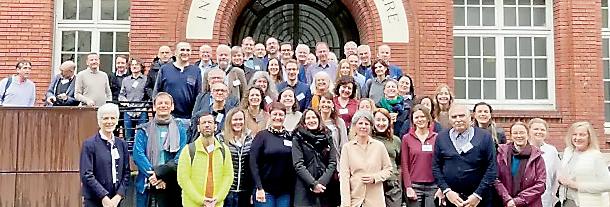
30 March – Gallery of the Serbian Academy of Sciences and Arts, Belgrade
Pianist Antonio Soria presents a refined recital featuring works by Mendelssohn, Liszt, Chopin, Granados, Albéniz, de Falla and Ravel. The programme spans Romantic, Impressionist and Spanish musical traditions, offering audiences an elegant evening of virtuosity, expressive depth and stylistic diversity.

29/1/2026
Norway is already preparing to mark 200 years since the birth of playwright Henrik Ibsen in 2028, with commemorative events planned worldwide. An evening dedicated to Ibsen was hosted in Belgrade at the residence of Norwegian Ambassador Kristin Melsom, who highlighted that the official anniversary will open on 20 March 2028 in his hometown of Skien. Describing Ibsen as the world’s second most performed dramatist, she noted that although he called himself a citizen of the world, his legacy strongly resonates across Serbia, Montenegro and North Macedonia.
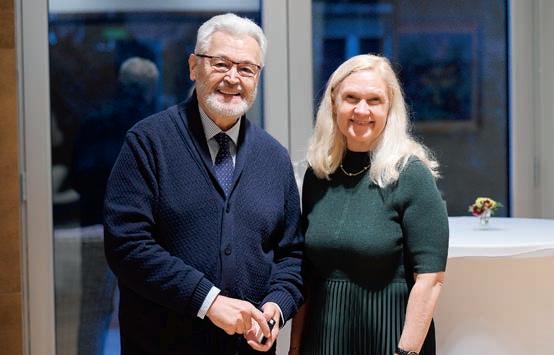
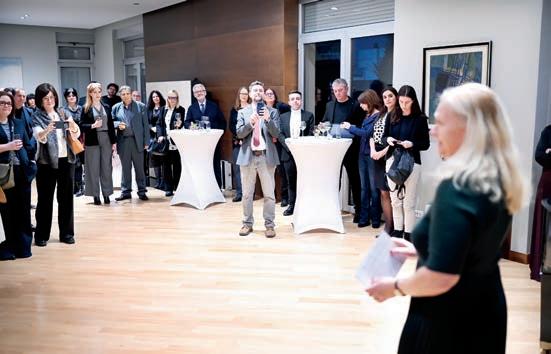
5/2/2026
The Embassy of Belarus in Serbia supported a press conference at the UNS Press Centre in Belgrade to mark the photo exhibition “Slavjanski Bazar in Vitebsk.” Organised by the Axios Centre for Art Promotion, the event highlighted the renowned international arts and culture festival and announced upcoming artistic programmes. The exhibition was held in early February 2026, bringing a touch of Belarusian cultural heritage to Belgrade.
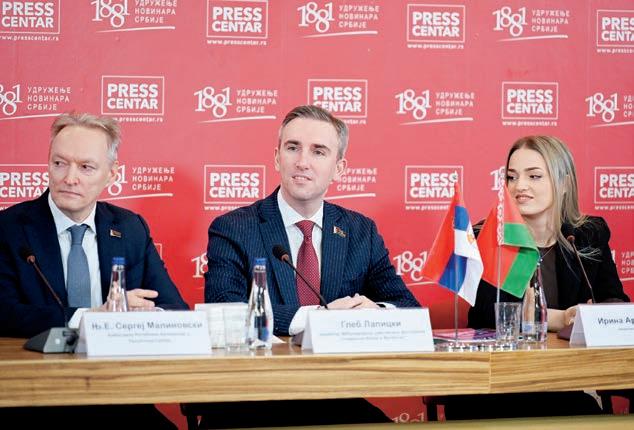
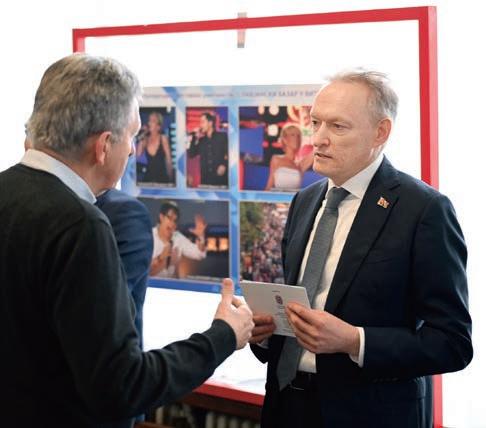
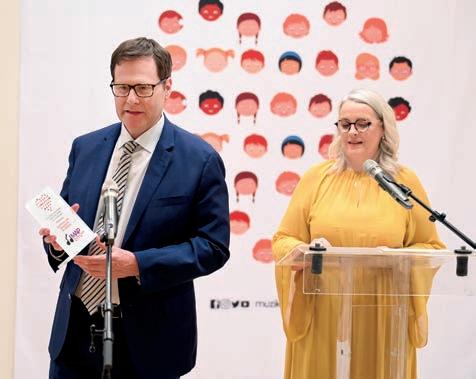
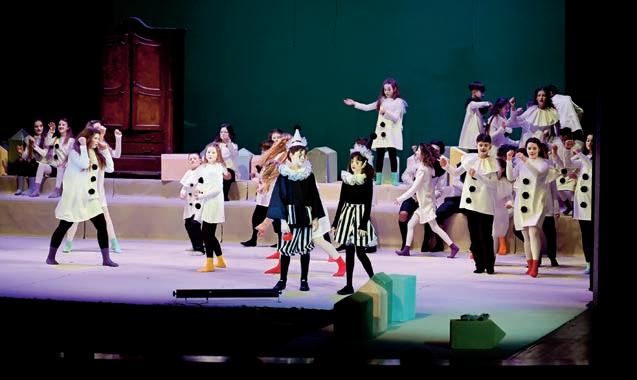
9/2/2026
A gala premiere of the opera Brundibar by Hans Krasa at Madlenianum marked the 10th anniversary of the Music of Hope programme, featuring 50 children performing alongside professional artists in a charity production by Music Art Project. Speeches were delivered by Jan Bondi and Peter Truswell, who praised the project’s international cooperation and its impact on children’s lives. Inspired by the El Sistema movement, the programme provides free music education to children from diverse and vulnerable communities, with all ticket proceeds supporting its continued development.
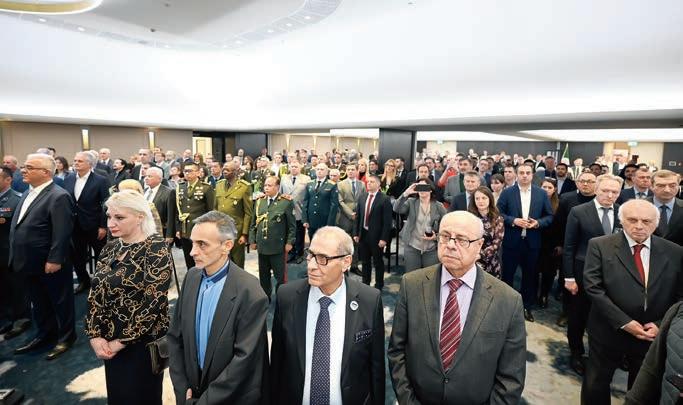
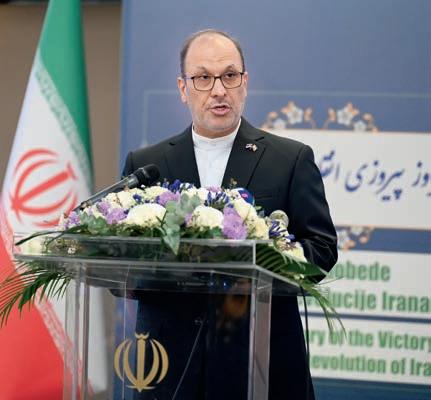
10/2/2026
The Embassy of the Islamic Republic of Iran hosted a formal reception in Belgrade to mark Iran’s National Day and the 47th anniversary of the Islamic Revolution, with H.E. Mohammad Sadegh Fazli as host. The event brought together ambassadors, Serbian officials, cultural figures and media representatives to celebrate longstanding diplomatic and cultural ties. Ambassador Fazli highlighted Iran’s progress and reiterated the commitment to strengthening bilateral relations between Iran and Serbia.
12/2/2026
The final conference titled “Smart Engineering for Urban Development” was held at the Chamber of Commerce and Industry of Serbia as part of the “Nordic Green and Smart Cities” initiative, led by the embassies of Denmark, Finland, Norway and Sweden in cooperation with the Nordic Business Alliance. Swedish Ambassador Charlotte Sammelin opened the event, joined by fellow Nordic ambassadors Pernille Dahler Kardel, Kristin Melsom and Niklas Lindqvist. Supported by the Nordic Council of Ministers, the initiative promotes knowledge exchange and partnerships in smart and sustainable city development, with a focus on new technologies and artificial intelligence in Serbia and Montenegro.
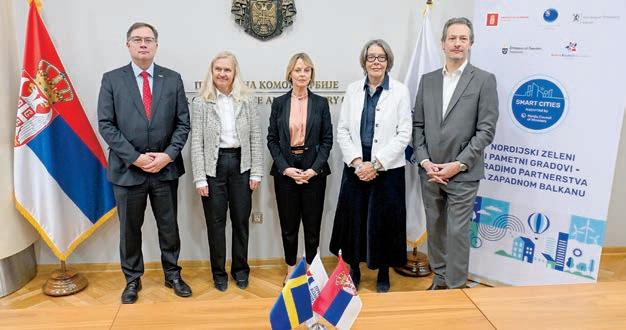
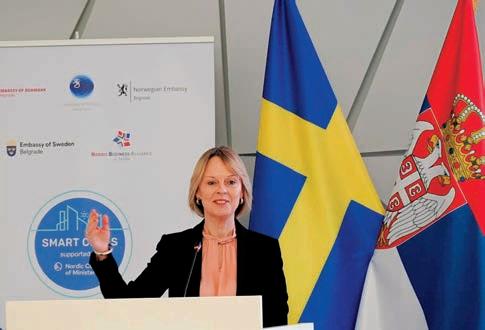
15/2/2026
Serbia held its official Statehood Day celebrations at the Monument to Vožd Karađorđe in Orašac, the historic site where the First Serbian Uprising began, with Prime Minister Đuro Macut laying wreaths alongside Republika Srpska’s Prime Minister Savo Minić. The ceremony featured a memorial service and cultural programme, attended by government ministers, foreign ambassadors and citizens, underscoring the holiday’s importance in Serbian national identity. Statehood Day on 15 February commemorates both the start of the uprising in 1804 and the adoption of Serbia’s first modern constitution in 1835.
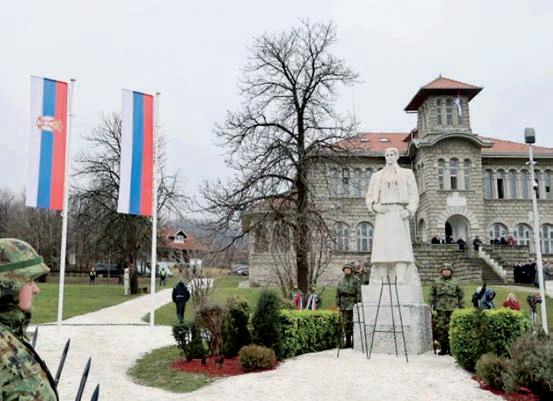
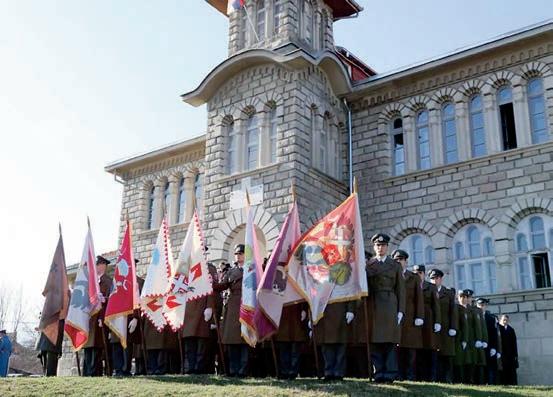
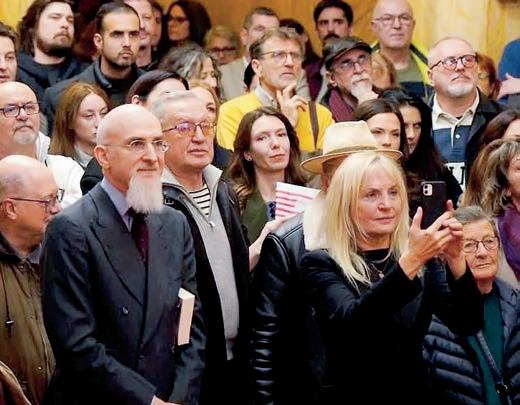

16/2/2026
The Italian Cultural Institute in Belgrade organised the opening of the exhibition “On a Leap Day” by artist Damjan Đakov at the Gallery of the Ilija M. Kolarac Endowment in Belgrade. The event was attended by Luca Gori, Ambassador of Italy to Serbia. The exhibition highlights contemporary artistic dialogue between Italy and Serbia, bringing together cultural institutions and the local art community.
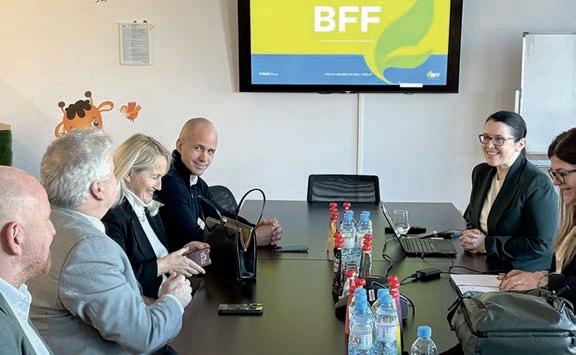
19/2/2026
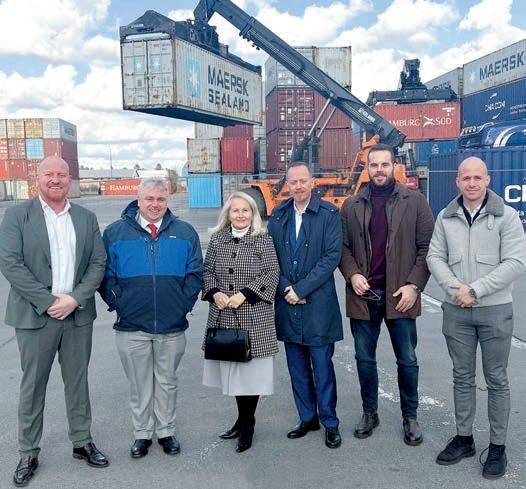
Kevin Colgan, Ambassador of Ireland to Serbia, and Fionn Herriott, Managing Director of DHL Express Serbia, visited Nelt Group’s Central Distribution and Logistics Center in Dobanovci and its Baby Food Factory. Nelt’s leadership presented the company’s strategic priorities, intermodal logistics model and production standards, highlighting investments in innovation and sustainable growth. The visit provided an opportunity to discuss international trade, logistics excellence and stronger cooperation between the business sector and institutional partners.
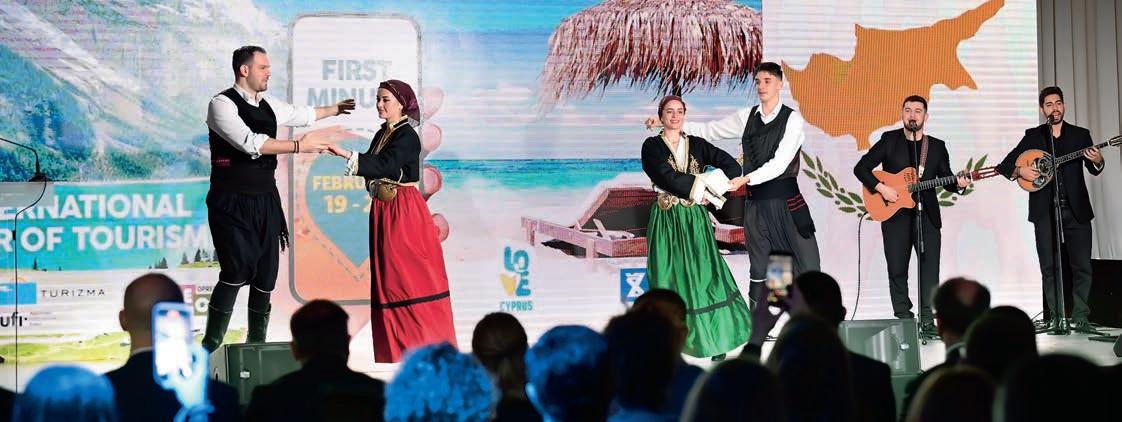
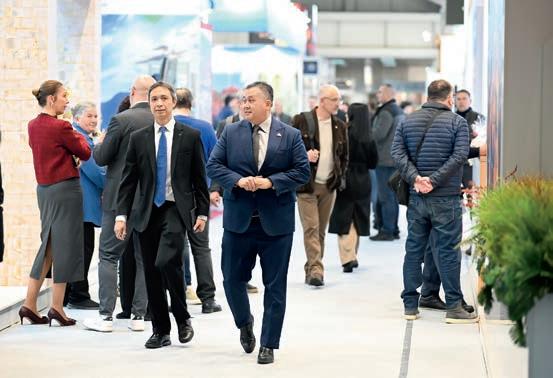
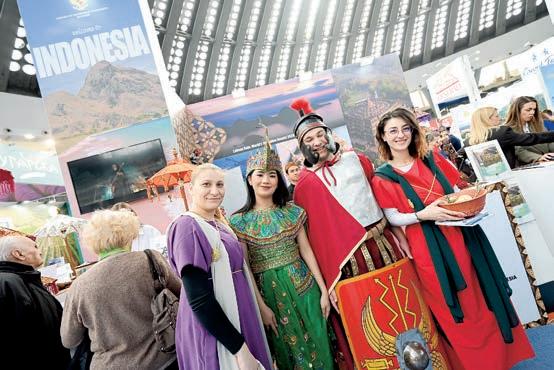
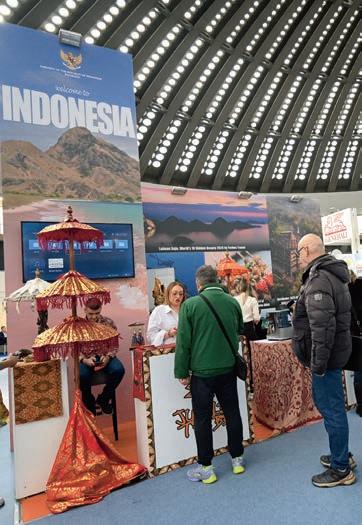
The 47th International Tourism Fair opened at the Belgrade Fair under the slogan “One journey, a thousand stories,” with more than 350 exhibitors from 18 countries showcasing travel offers, packages and destinations. The opening ceremony was attended by Serbia’s Prime Minister Đuro Macut, with Cyprus featured as the official partner country. The four-day event aims to boost tourism collaboration, present first-minute deals and support industry networking across the region.