
We acknowledge the Custodians of this land and their Elders past and present. We acknowledge and respect their unbroken connections to the land upon which we all live and work.
We recognise and respect the contribution that Aboriginal and Torres Strait Islander peoples make to our nation through their artistic and cultural expression, and the working relationships that we have with many creators through our work at the Copyright Agency.
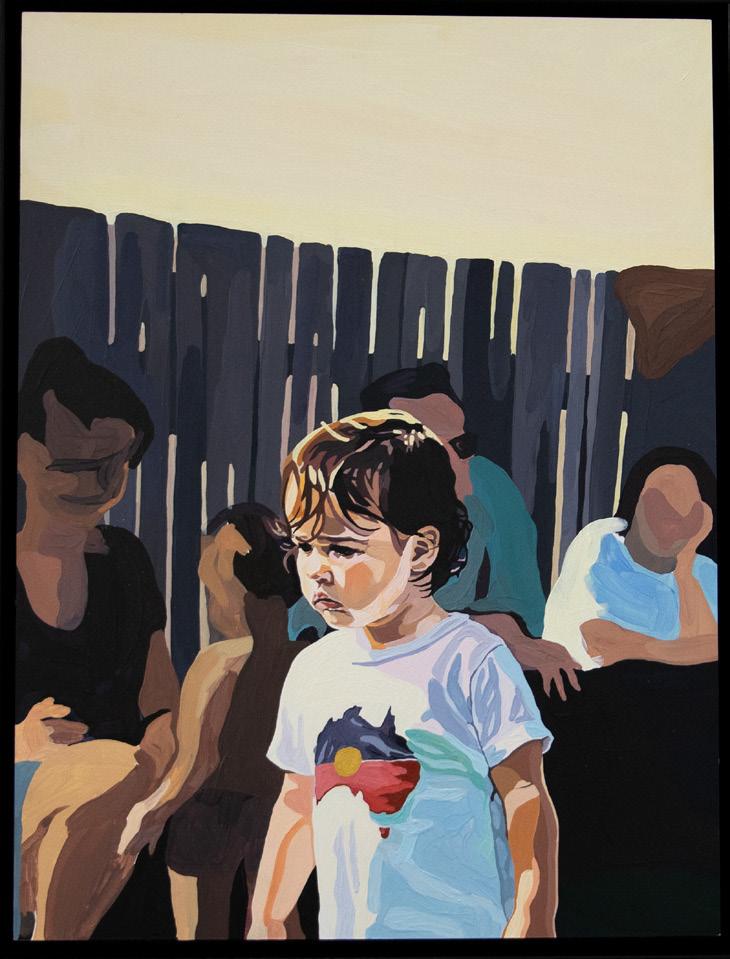
Thea Anamara Perkins is an Arrernte and Kalkadoon artist whose practice incorporates portraiture and landscape to question representations of First Nations peoples and Country. With a delicate hand, Thea answers heavy questions about what it means to be First Nations in contemporary Australia, and interrogates portrayal.
Thea’s middle name Anamara is an Arrernte word that describes a river and a Dreaming that runs north of Mparntwe (Alice Springs) – the place that keeps calling her back and has been the wellspring of art and activism for her family, and by extension, the nation. Perkins continues her family’s commitment to what she calls “strong and ready communication” and is part of an extraordinary dynasty of First Nations activists and creatives that includes activist Charles Perkins (her grandfather), Arrernte elder Hetti Perkins (her great-grandmother), curator Hetti Perkins (her mother) and acclaimed film director Rachel Perkins (her aunt).
Perkins routinely delves into her family’s photographic archive for source material, attracted by the hyper-saturated, almost cinematic, glow of old photos, and the melancholia that comes with seeing a moment in time you can no longer access. She is most drawn to snapshots that evoke feelings of comfort and certainty – smiling faces, happy memories. The glimmer, she calls it. Her compositions home in on this by removing the background noise, reducing the photo to its very essence – a gesture, a colour, or an evocation of place.
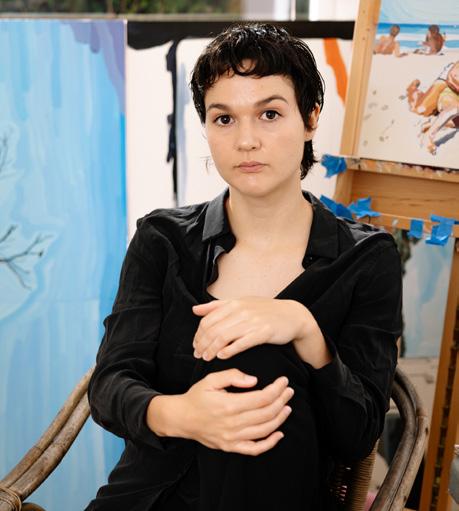
Raised and based in Sydney, Thea has family ties to the Redfern community and has worked in a broad range of community projects. Thea was the recipient of the 2023 La Prairie Art Award, administered by The Art Gallery of NSW, and won the Brett Whiteley Travelling Art Scholarship in 2021, and the Alice Prize and Dreaming Award in 2020.
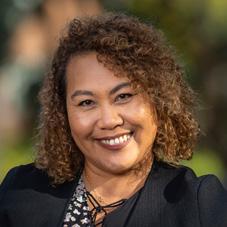
Reconciliation Australia commends Copyright Agency on the formal endorsement of its fourth Innovate Reconciliation Action Plan.
Since 2006, Reconciliation Action Plans (RAPs) have provided a framework for organisations to leverage their structures and diverse spheres of influence to support the national reconciliation movement.
With over 5.5 million people now either working or studying in an organisation with a RAP, the program’s potential for impact is greater than ever. Copyright Agency continues to be part of a strong network of more than 3,000 corporate, government, and not-for-profit organisations that have taken goodwill and transformed it into action.
The four RAP types: Reflect, Innovate, Stretch and Elevate — allow RAP partners to continuously strengthen reconciliation commitments and constantly strive to apply learnings in new ways.
An Innovate RAP is a crucial and rewarding period in an organisation’s reconciliation journey. It is a time to build the strong foundations and relationships that ensure sustainable, thoughtful, and impactful RAP outcomes into the future.
An integral part of building these foundations is reflecting on and cataloguing the successes and challenges of previous RAPs. Learnings gained through effort and innovation are invaluable resources that Copyright Agency will continuously draw upon to create RAP commitments rooted in experience and maturity.
These learnings extend to Copyright Agency using the lens of reconciliation to better understand its core business, sphere of influence, and diverse community of staff and stakeholders.
The RAP program’s emphasis on relationships, respect, and opportunities gives organisations a framework from which to foster connections with Aboriginal and Torres Strait Islander peoples rooted in mutual collaboration and trust.
This Innovate RAP is an opportunity for Copyright Agency to strengthen these relationships, gain crucial experience, and nurture connections that will become the lifeblood of its future RAP commitments. By enabling and empowering staff to contribute to this process, Copyright Agency will ensure shared and cooperative success in the long-term.
Gaining experience and reflecting on pertinent learnings will ensure the sustainability of Copyright Agency’s future RAPs and reconciliation initiatives, providing meaningful impact toward Australia’s reconciliation journey.
Congratulations Copyright Agency on your fourth Innovate RAP and I look forward to following your ongoing reconciliation journey.
Karen Mundine Chief Executive Officer Reconciliation Australia
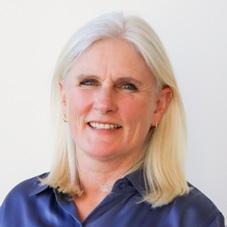
I am thrilled to announce Copyright Agency’s fourth Reconciliation Action Plan for 2026–2027 as we continue our journey to reconciliation.
The implementation of our Reconciliation Action Plans since 2015 shows how our commitment to reconciliation has been woven into the fabric of our organisation. It enriches and strengthens our business; it is part of what we do and what we stand for.
Our purpose is to promote and protect a sustainable future for Australian authors, artists and publishers. Our members include a large number of First Nations artists, art centres and writers.
We assist First Nations artists and writers to earn income from their work, from copyright licensing and from the artists’ resale royalty scheme. In 2024–25, 64% of recipients from the resale royalty scheme were First Nations, and they received 55% of the total royalties.
We also continue to advocate for appropriate levels of support for Australia’s creative industries, and we were delighted to see the introduction of Revive, the Australian Government’s five-year cultural policy, which includes a dedicated ‘First Nations First’ pillar.
Reading Australia, Copyright Agency’s flagship initiative to create teaching resources for Australian books, continues to promote First Nations literature, connecting new readers and educators with the works and stories of Aboriginal and Torres Strait Islander communities. There are currently 311 resources published on Reading Australia. Of these, 84 (27%) are for books written or illustrated by Aboriginal or Torres Strait Islander peoples. Reading Australia is
committed to maintaining this ratio and at least five of the next 20 books to be added to the resource catalogue will be written or illustrated by First Nations peoples.
Our members have agreed to 1.5% of copyright fees being used to support significant projects that benefit Australian writers, visual artists, publishers and creative organisations, via our Cultural Fund. Many of these grants are awarded to First Nations creators and communities.
In 2025, recipients included author Julie Janson, visual artist Leon Russell Black, and poet Alison J Barton. The Fund also supported organisations such as Word Travels (Listening Fire program), Magabala Books (Daisy Utemorrah Award), Moogahlin Performing Arts (Yellamundie Festival), and the State Library of Queensland (David Unaipon Award). First Nations peers including Ellen van Neerven, Ryan Presley and Jared Thomas continue to shape the assessment of Cultural Fund programs
We are immensely grateful for Reconciliation Australia’s ongoing assistance in outlining our new RAP commitments. We look forward to embarking on the next stage of our reconciliation journey through honest discussion, unlocking new opportunities, and listening to and learning from the experiences of First Nations peoples.
Josephine Johnston Chief Executive Officer

Our vision for reconciliation is to maintain and grow our role as trusted allies and supporters in protecting and promoting First Nations cultures, creators and creative institutions.
We are a not-for-profit company with 40,000 members, who are primarily writers, artists, and publishers. A large proportion of the artists we represent are First Nations artists, and our members also include First Nations writers and publishers.
We are appointed by the Australian Government to collect and distribute copyright fees for the copying and sharing of text and images in the education and government sectors, and to manage the Artists Resale Royalty Scheme.
In addition, we manage licences for the use of text and images in the business sector, and the use of artworks in a wide range of scenarios from publications to homewares to aeroplanes. We also have agreements with international affiliates to license the use of text and images from other countries in Australia, and to collect copyright fees for Australian content used overseas.
Our business framework is built on ethical licensing, and we take the responsibility seriously, particularly for our First Nations members’ work. We follow protocols for respecting Indigenous Cultural and Intellectual Property (ICIP). We are also a Signatory Member of the Indigenous Art Code, and support, promote and follow the ethical principles set out in the Indigenous Art Code’s constitution.
We have about 60 staff, who include a First Nations Indigenous Engagement Manager, and a Board of 11 Directors (including one First Nations director). The Traditional Owners of the land on which our office stands are the Gadigal of the Eora Nation.
Our company is based in Sydney, but our members are from all parts of Australia, and some are based overseas. We also work closely with our counterparts in other countries.
Apart from our staff, Board and members, our stakeholders include other organisations working in the creative industries, our licensees, art market professionals, teachers and teacher associations and policy makers.
This is the fourth iteration of Copyright Agency’s RAP, and 2026 marks the ninth year in our RAP journey.
Some of the challenges we have found are; keeping staff members engaged with our RAP outside the key events in our RAP calendar, and engaging with our licensees on their RAPs.
Things we have learnt include: the gaps in our understanding and knowledge, particularly from cultural awareness activities, and how we can benefit from exchanging experiences and ideas with other organisations that have, or are considering, RAPs.
Our key goal in our new RAP is Building Connections. We want to learn more from First Nations people, and we want to work more closely with other organisations seeking reconciliation.
We are committed to building stronger relationships with First Nations peoples and communities, listening to, and learning from, their experiences and fostering an inclusive culture that eliminates racism and calls out prejudice.
Our staff are familiar with our RAP Calendar, which comprises events, talks, and opportunities throughout the year that help strengthen our connection with First Nations communities and cultures. For new employees, it is central to their onboarding experience, and our organisation is sometimes the first RAP environment they have been involved in.
Our staff have made significant progress with their understanding of, and engagement with, First Nations stories and histories. In National Reconciliation Week 2024 staff participated in immersion on country with the Redfern Walking Tour, led by Donna Ingram, a Wiradjuri woman who identifies Redfern as her cultural home. The tour traced the Redfern artwork and landmarks that help us to understand the importance of Redfern to the Aboriginal community.
During NAIDOC Week 2025, staff undertook Waranara guided tours in the Australian Museum to deepen understanding of Aboriginal and Torres Strait Islander knowledge processes and ways of working with country.
During Reconciliation Week in 2025 we hosted the first of our Indigenous connections webinars, ‘Doing it Right, Respectful Brand Alignment with First Nations Art.’ Copresented with Indigenous Leader and Copyright Agency Board Member Terri Janke and featuring April Nulgit, Gija and Ngarinyin artist and Chairperson of Warmun Art Centre, it had over 100 attendees to learn about the process of respectful collaboration.
We have also facilitated Indigenous Literacy Day Book Swap annually as well as providing a team for the annual Indigenous Literacy Foundation Trivia Night.
We have had significant leadership presence both in our RAP working groups and when engaging with issues that affect First Nations communities. For example, the Senior Management Team and Board encouraged staff and other stakeholders to be informed about, and participate in, the Referendum on The Voice.
Leadership have also promoted our Floating Public Holiday Policy regarding 26 January, offering staff the option to switch the public holiday with another date if they don’t feel comfortable acknowledging the day, or wish to abstain as a form of protest.
Our RAP Working Group for 2026–28 will comprise people working in the following roles:
• Indigenous Engagement Manager, Kullali/ Koa and Butchulla Nations Woman, Makeeta Ratulevu
• one member of the Senior Management Team (SMT), who is the RAP Champion
• three other staff members from different areas of the business.

We want to work more closely with First Nations people and organisations in the arts, and with other organisations seeking reconciliation.
Action
Establish and maintain mutually beneficial relationships with Aboriginal and Torres Strait Islander stakeholders and organisations.
Raise internal and external awareness of our RAP to promote reconciliation across our business and sector
Deliverables
Establish a First Nations Advisory Committee of the Board
Develop guiding principles with this Committee to support an Aboriginal and Torres Strait Islander engagement framework.
Review the Staff Engagement Strategy at least once during the RAP period to assess effectiveness and identify opportunities for improvement.
Adopt strategy to communicate our RAP to internal and external stakeholders, including via newsletters, social media and industry forums.
June 2026
December 2026
Director Corporate Services
Director Corporate Services
December 2026
March 2026
Build relationships through celebrating National Reconciliation Week (NRW)
Deliver a NRW webinar focused on respectful commissioning and licensing in partnership with a First Nations–led organisation.
All RWG members to attend, and the webinar will be promoted through National Reconciliation Week channels and Copyright Agency communications
May 2026
Communications and Events Coordinator
MarchMay 2026
Communications and Events Coordinator
Communications and Events Coordinator
Marketing and Communications Manager
Action
Deepen engagement with Indigenous art centres
Deliverables
Provide opportunities through our Cultural Fund program
Deepen relationships with other organisations that work with First Nations people in the arts
Promote positive race relations through antidiscrimination strategies.
Timeline Responsibility
Webinars for art centres on working with us, opportunities for represented artists, and how we might improve our services and relationships Annually Indigenous Engagement Manager
Regular check-in with Indigenous art centres to understand their, and their artists’, needs
Engage First Nations professionals in Reading Australia resource development.
Promote Cultural Fund opportunities to First Nations creators
February, May, August, November each year Indigenous Engagement Manager
March 2026
Aligned with funding rounds
Reading Australia Editor and Publisher
Communications and Events Coordinator
Regular meetings with Indigenous Art Code
Regular meetings with other organisations in the arts with, or considering, a RAP, to share experiences.
Review existing workplace policies and procedures to ensure they address racism, discrimination and culturally unsafe behaviour.
Communicate anti-discrimination expectations to staff through internal channels, including onboarding materials, and our Tribal Habits online training platform.
February, May, August, November each year Manager, Visual Arts
March and September each year
June 2026
Manager Partnerships and Stakeholder Engagement
Manager Human Resources
June 2026
Manager Human Resources
We want to learn more from First Nations people about their cultures, histories and contemporary experiences, particularly in relation to creative practice, cultural expression and ethical use of content, to ensure we are respecting their experience, values and aspirations in the work that we do.
Action
Engage employees in continuous cultural learning opportunities to increase understanding and appreciation of Aboriginal and Torres Strait Islander cultures, histories and achievements
Deliverables
Conduct a review of cultural learning needs within our organisation.
Develop and implement an Aboriginal and Torres Strait Islander cultural awareness training strategy for staff. This strategy will define the cultural learning needs of teams in all areas of our business
Investigate opportunities to work with local Traditional Owners and/or Aboriginal and Torres Strait Islander consultants to develop and deliver cultural awareness training.
Investigate establishing a cultural advisory panel comprising First Nations advisors to guide development of cultural awareness expertise
Timeline Responsibility
By May 2026
Human Resources Manager
By June 2026 Director Corporate Services
By April 2026
Human Resources Manager
By July 2026 Chief Executive Officer
Engage employees in understanding the significance of Aboriginal and Torres Strait Islander cultural protocols, such as Welcome to Country and Acknowledgement of Country, to ensure there is a shared meaning
Develop, implement and communicate a cultural protocol document outlining how and when to conduct Welcome to Country and Acknowledgement of Country ceremonies. This should include guidance for events and meetings.
Develop a list of key contacts for organising a Welcome to Country (e.g. Traditional Owners or Elders) and build respectful partnerships with them.
Invite a Traditional Owner to provide a Welcome to Country at significant events, including at least one major event during the RAP period.
By March 2026
Communications and Events Coordinator
By March 2026
At least annually
Communications and Events Coordinator
Communications and Events Coordinator
Action
Provide opportunities for all staff to engage with First Nations cultures and communities by celebrating dates and events of significance.
Deliverables
Celebrate and recognise Aboriginal and Torres Strait Islander dates of significance (e.g. National Sorry Day, NAIDOC week) within our HR approved organisational annual calendar.
Provide opportunities for all staff (Indigenous and non-Indigenous) to support First Nations-led events or celebrations (e.g. by promoting local community events or hosting an internal event).
Set expectations with clients around First Nations content use
Timeline
By March 2026
Support respectful treatment of First Nations creators and their content
As events arise
Communications and Events Coordinator
Communications and Events Coordinator
As licensing opportunities arise
Develop respectful public-facing content used to support license sales By May 2026
Support and promote the Indigenous Art Code
Support advocacy for ICIP (Indigenous Cultural and Intellectual Property) recognition.
As opportunities arise
As opportunities arise
Manager, Visual Arts.
Marketing and Communications Manager
Communications and Events Coordinator
Director Policy, Government and Member Relations
We want to increase opportunities for First Nations artists and writers to earn income from work from the services that we provide, and from working with us. Action Deliverables
Investigate opportunities to maximise Aboriginal and Torres Strait Islander employment outcomes within our workplace
Investigate opportunities to incorporate Aboriginal and Torres Strait Islander supplier diversity within our organisation
Establish relationship with Aboriginal and Torres Strait Islander employment agencies for candidates.
Include in all job advertisements a statement encouraging Aboriginal and Torres Strait Islander people to apply
Review progress of hiring process and relationships
Review and update procurement policies and procedures to ensure there are no barriers to procuring goods and services from Aboriginal and Torres Strait Islander businesses.
Communicate to staff, Supply Nation service with Aboriginal and Torres Strait Islander businesses that can supply our needs, for use when procuring goods and services.
June 2026
March 2026
By December 2026
By May 2026
By May 2026
Increase revenue opportunities for First Nations’ artists and creators
Review process for locating First Nations artists for whom we are holding resale royalties
Partner with Indigenous art centres and DESART to increase images available for licensing via the CA portal, including capacity building for image capture
By Dec 2026
By May 2026
Arts
Action
Provide appropriate support for effective implementation of RAP commitments.
Appoint and maintain an internal RAP Champion from senior management.
Complete and submit the annual RAP Impact Survey to Reconciliation Australia.
RAP Working Group to annually create report detailing progress and learnings to be shared with the senior leaders including the CA Board
Investigate participating in Reconciliation Australia’s biennial Workplace RAP Barometer.
Timeline Responsibility
February each year
September each year
Director Policy, Government and Member Relations
Director Policy, Government and Member Relations
November each year
By April 2026
Director Policy, Government and Member Relations
Director Policy, Government and Member Relations
Continue our reconciliation journey by developing our next RAP.
Register via Reconciliation Australia’s website to begin developing our next RAP.
February 2027
Director Policy, Government and Member Relations