COMMUNICATION ON PROGRESS YEAR 2025
BASED ON THE ENHANCED COMMUNICATION ON PROGRESS REQUIRED FOR MEMBERS OF THE UNITED NATIONS GLOBAL COMPACT

COMMUNICATION ON PROGRESS YEAR 2025
BASED ON THE ENHANCED COMMUNICATION ON PROGRESS REQUIRED FOR MEMBERS OF THE UNITED NATIONS GLOBAL COMPACT
This annual report is based on the Enhanced Communication On Progress (COP) reporting framework of the United Nations Global Compact (UNGC).
In 2022, EFICO reported to this framework already as Early Adopter Member.
The Communication on Progress (COP) is a required public and annual disclosure by business participants of the UN Global Compact - celebrating its 25th Anniversary in 2025to stakeholders with the following main objectives:
• Foster accountability on corporate sustainability performance to help safeguard the integrity of the UN Global Compact initiative; Promote continued learning and help drive corporate sustainability performance;
• Enhance stakeholder access to information regarding participants’ implementation of the Ten Principles and contribution towards the achievement of the Sustainable Development Goals (SDGs).
The enhanced COP therefore enables participating companies of the UN Global Compact to: Measure and demonstrate progress to stakeholders and the public on the Ten Principles and the Sustainable Development Goals in a consistent and harmonized way.
• Build credibility and brand value by showing their commitment to the Ten Principles and the Sustainable Development Goals.
• Receive insight, learn and continuously improve performance by identifying gaps, accessing guidance and setting sustainability goals. Compare performance against peers with access to one of the largest sources of free, public and comparable corporate sustainability data.
This report reflects our commitment towards the Ten Principles of the UNGC and the Sustainable Development Goals (SDGs) and reports our progress made in 2025.
At EFICO, we encourage this consistent and harmonized way of continuous improvement reporting and are convinced the UNGC’s enhanced platform acts as a strong tool to support sustainability performance advancement and transparency year over year.
As a global compact signatory since 2003, EFICO is committed to transparently report its progress and challenges, and share this with its partners.
We welcome feedback and ideas to continue learning and improving our sustainability journey, together with you.
Our COP report is published on www.unglobalcompact.org and on www.EFICO.com/about/sdg/.
Dear Stakeholders, Partners and Friends of EFICO,
Looking back on 2025, one phrase captures the year well: advanced navigation. Not because the challenges were unfamiliar, but because the water ran deeper, the winds were stronger, and the charts were more complex.
Across the global coffee sector, volatility once again was the prevailing condition. For the industry, this was familiar territory -yet magnified. Green coffee traders throughout the value chain spent much of the year reacting, recalibrating, and adapting to constantly shifting currents.
The start of 2025 was marked by an unprecedented bull run in the NY C Market. Arabica prices opened at 321.55 c/lb and rose to a February peak of 429.96 c/lb, before reaching similar levels again later in the year. The defining challenge was not only elevated prices but the extreme volatility that accompanied them. Sharp and unpredictable swings complicated planning for producers, exporters, traders and roasters alike. Stability, throughout much of 2025, was notably absent.
The origin of this market turbulence was set in motion in 2024. Early projections for Brazil’s 2024/25 crop signaled severe shortfalls due to prolonged drought and water stress, creating a global deficit outlook. Across Central America, changing weather patterns delayed harvests by up to six weeks, pushing shipments back one to two months. Port congestion and container shortages compounded these delays, particularly in
Honduras and Nicaragua, demonstrating how fragile logistics remain even in routine seasons. Later in the year, Sumatra experienced rare cyclones and flooding, affecting communities, warehouses, and coffee trees. Together, these events reinforced a reality now shared across the industry: climate disruption is systemic.
Geopolitics added further crosscurrents. Shifting trade policies and fluctuating tariff announcements -particularly involving the United States and major producing countries such as Brazil, Vietnam, India, Indonesia, and Colombia, introduced additional uncertainty into global trade flows. Coffee continued to move, but often less predictable and at higher cost.
At the same time, coffee producers faced reduced international development support. The closure of USAID in 2025 ended longstanding investments in rural infrastructure, coffee facilities, and breeding programs, further tightening conditions at origin.
Together, these dynamics highlighted the importance of sound risk management, diversified sourcing, and strong partnerships in maintaining reliable supply.
Upstream uncertainty was mirrored by an increasingly complex regulatory environment downstream. As the year drew to a close, the EU postponed implementation of the Deforestation Regulation (EUDR) -now scheduled for December 2026 for larger operators and June 2027 for smaller businesses. The revised framework also introduced a simplified set of rules for downstream operators, including streamlined due - diligence obligations that reduce
duplicative filings and ease the compliance burden for smaller businesses, helping to limit the impact on SMEs. This sense of “EU déjà vu” underlined a broader reality: compliance in Europe is a constantly shifting horizon.
Against this backdrop, EFICO focused on what we could control -staying true to our role as a reliable, long-term partner. We invested in our expertise, strengthened preparedness, nurtured partnerships across the value chain, and supported our teams.
Across our origin offices and European sales teams, our crew of experts in trade, logistics, finance, legal, quality, and sustainability worked closely together to manage risk, secure supply, and maintain continuity in a year where disruption became the norm.
At the same time, we deepened engagement with partners across the value chain. From collecting geolocation data in previously unmapped regions in Africa to hosting origin trips reconnecting roasters with production realities, our approach remained hands-on, practical, and partnership driven.
Knowledge-sharing continued to be a key contribution. EFICO participated in trade fairs and sector discussions on EUDR, Fairtrade, and organic coffee, contributed to international media, and welcomed partners into our quality lab and historic cupping room for tastings and dialogue.
Quality remained a shared language. As global coffee evaluation systems evolved, EFICO supported roaster partners through calibration and interpretation, co-hosting
Quality Grading Courses to ensure that scores, data, and certifications translate into meaningful understanding.
Collaboration with peers and stakeholders was essential. Delayed shipments, container constraints, and shifting demand patterns required constant coordination. Solutions were rarely perfect, but partnership kept coffee moving -a reminder that resilience in our sector is built through cooperation rather than isolation.
This hands-on, end-to-end involvement -from supporting producers to delivering green coffee to roasters’ doorsteps, allowed EFICO to continue providing the quality, service, and expertise that partners have relied on for nearly 100 years.
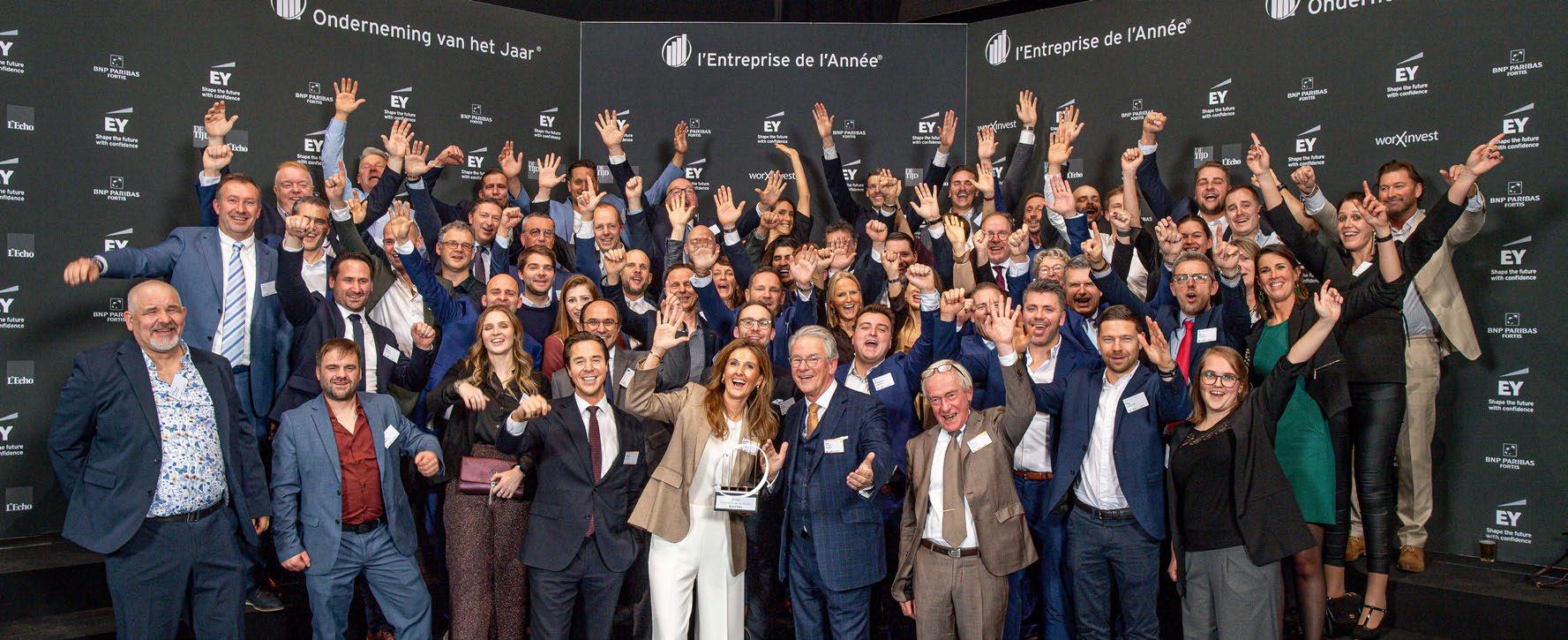
As 2025 draws to a close, we take a moment to reflect on a year of remarkable achievements. We extend our heartfelt congratulations to our shareholder, NOORD NATIE , on being named a finalist for the EY “Onderneming van het Jaar ® 2025.” This recognition celebrates their outstanding track record, strategic foresight, and entrepreneurial spirit in the logistics sector.
Alongside NOORD NATIE’s honour, we can proudly reflect on EFICO ’s own successes in a challenging year for the entire coffee industry. Despite unprecedented obstacles, we adapted, persevered, and delivered results. The dedication, flexibility, and seamless collaboration across our teams and partners enabled us to navigate a steep and complex learning curve.
Thanks to these collective efforts, we managed to continue sourcing quality coffee
with diverse flavour profiles, keep supplying roasters reliably and with the right context, and nearly a century into our trading history, move more coffee than ever before. Achieving this in an increasingly severe inverted market -where nearby prices traded above forward levels, penalizing inventory holding and placing sustained pressure on trading, financing, and execution, highlights EFICO’s disciplined approach to risk management and operational continuity. Even amid extreme circumstances, this dedication across our team, producing partners, and roasters ensured business continuity throughout the year.
Looking ahead, we know the water will remain unpredictable. Yet, with an experienced crew, shared guidance, and a clear sense of direction, EFICO confidently moves into 2026. This year also brings a significant milestone: 100 years of navigating the global coffee trade -a century built on stable leadership, enduring partnerships, and the determination to steer through the most challenging seas.
Together, with steady hands at the helm, we look ahead to 2026 as another year of growth, resilience, and meaningful achievement.
We are pleased to affirm EFICO ’s continued support of the Ten Principles of the United Nations Global Compact in the areas of Human Rights, Labour, Environment and Anti-Corruption.
Since 2003, EFICO has been a signatory to the United Nations Global Compact and we remain as committed as ever in the implementation of those principles.
This annual Communication on Progress describes our actions to integrate the Global Compact and its principles into our business strategy, culture and daily operations.
We are committed to sharing the details of our progress through our primary channels of communication and we invite stakeholder feedback.
Sincerely,
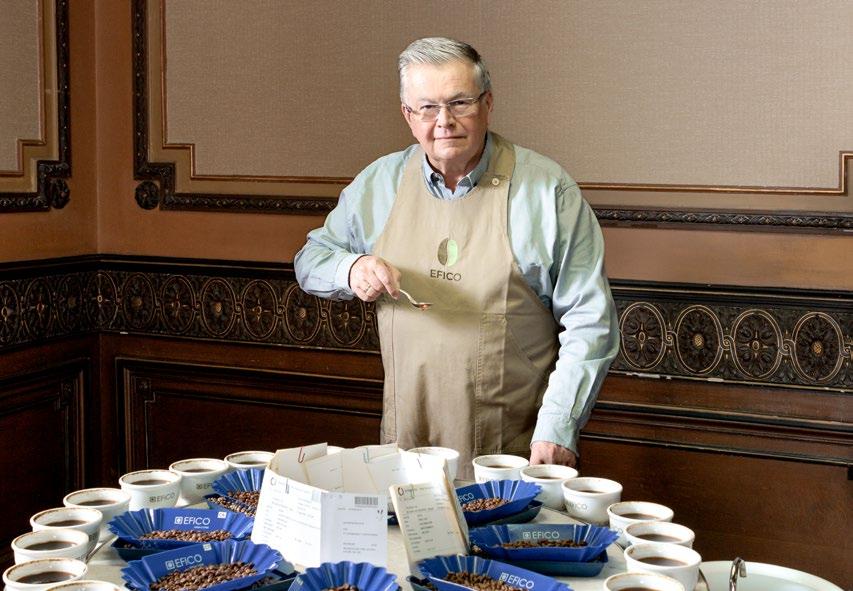
Michel Germanès Managing Director

Philip Van gestel Executive Chairman
EFICO Group works in support of following 8 SDGs
At EFICO we integrate the ten United Nations Global Compact principles in our strategies and actions: Additionally, we support the United Nations Guiding Principles on Business and Human Rights, following the Commodity Sector Guidance issued by the Swiss Government in November 2018.
HUMAN RIGHTS - PRINCIPLES BASED ON THE UNIVERSAL DECLARATION
§1 Businesses should support and respect the protection of international proclaimed human rights
§2 Businesses should ensure that they are not complicit in human rights abuses
LABOUR - PRINCIPLES RESULTING FROM THE INTERNATIONAL LABOUR ORGANIZATION’S DECLARATION
§3 Businesses should uphold the freedom of association and recognize effectively the right to collective bargaining
§4 Elimination of all forms of forced or compulsory labour
§5 Effective abolition of child labour
§6 Elimination of discrimination in respect of employment and occupation
ENVIRONMENT - PRINCIPLES DERIVED FROM THE RIO DECLARATION PRINCIPLES
§7 Businesses should support a precautionary approach to environmental challenges
§8 Undertake initiatives to promote greater environmental responsibility
§9 Encourage the development and diffusion of environmentally-friendly technologies
ANTI-CORRUPTION - PRINCIPLE BASED ON THE UN CONVENTION AGAINST CORRUPTION
§10 Businesses should work against corruption in all its forms including extortion and bribery
The Millenium Development Goals were transformed into the post2015 Sustainable Development Goals. The UN Member States agreed on the proposed 17 goals at the UN Summit in September 2015; the new framework came into effect as from January 2016. These new goals give an overview on how to tackle the world’s most pressing problems, including poverty, inequality and environmental destruction:
End poverty in all its forms everywhere
End hunger, achieve food security and improved nutrition and promote sustainable agriculture
Ensure healthy lives and promote well-being for all at all ages
Ensure inclusive and equitable quality education and promote lifelong learning opportunities for all
Achieve gender equality and empower all women and girls
Ensure availability and sustainable management of water and sanitation for all
Ensure access to affordable, reliable, sustainable and modern energy for all
Promote sustained, inclusive and sustainable economic growth, full and productive employment and decent work
Build resilient infrastructure, promote inclusive and sustainable industrialization and foster innovation
Reduce inequality within and among countries
Make cities and human settlements inclusive, safe, resilient and sustainable
Ensure sustainable consumption and production patterns
Take urgent action to combat climate change and its impacts
Conserve and sustainably use the oceans, seas and marine resources for sustainable development
Protect, restore and promote sustainable use of terrestrial ecosystems, sustainably manage forests, combat desertification, and halt and reverse land degradation and halt biodiversity loss
Promote peaceful and inclusive societies for sustainable development, provide access to justice for all and build effective, accountable and inclusive institutions at all levels
Strengthen the means of implementation and revitalize the global partnership for sustainable development
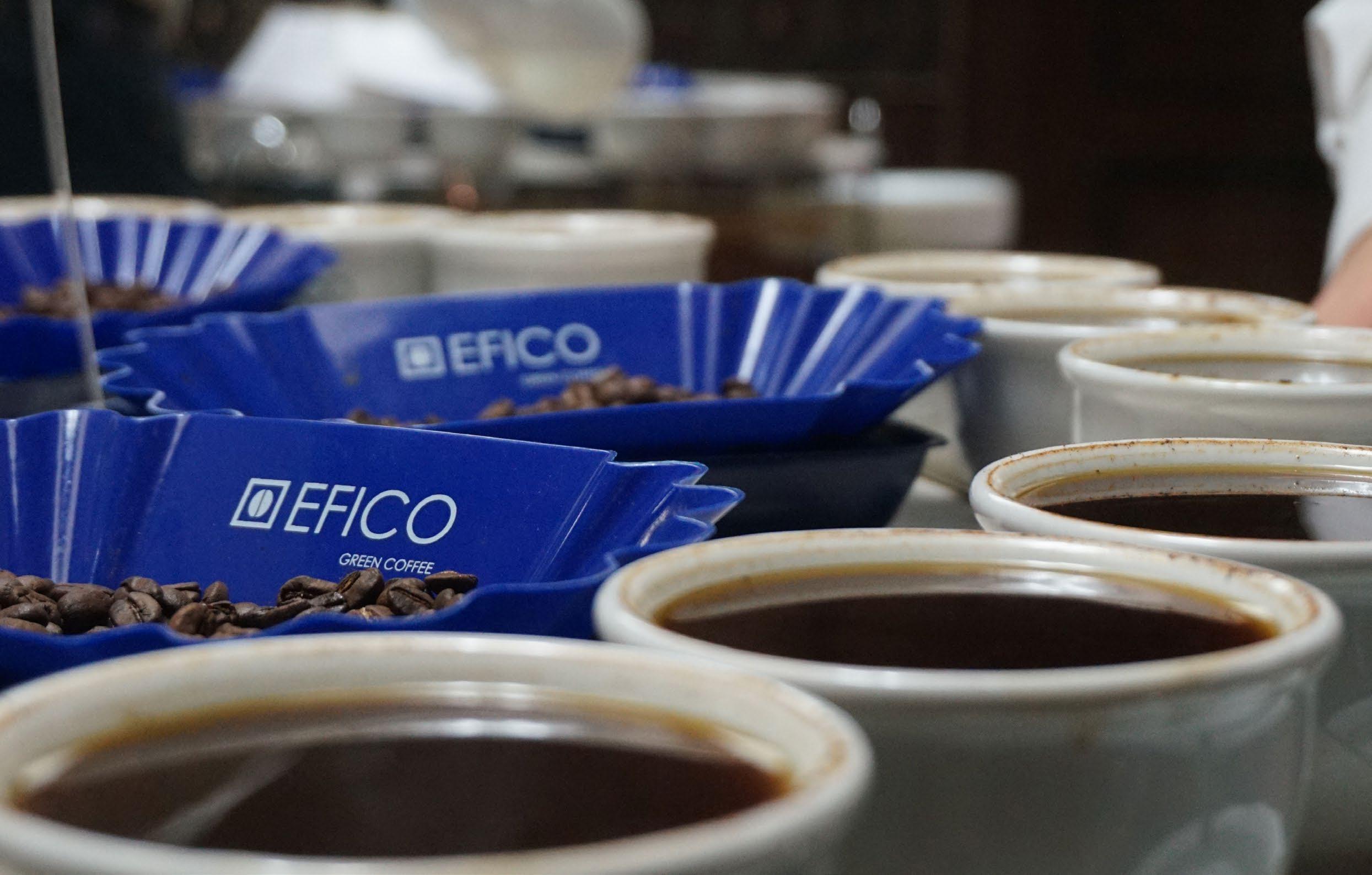
EFICO GROUP’s network of companies gives you direct access to the entire world’s coffee production. Our tailor-made services include sustainable sourcing, competitive price proposals & structuring, high quality assurance, smart logistics, current availability and forecasts, and much more.
EFICO is a green coffee specialist acting as a connector in the coffee value chain since 1926. EFICO covers the need of the roasting industry and small specialty roasters, and is able to offer their clientele unique varieties delivered from around the world.
CUPRIMA is the group’s specialty coffee division and an additional EFICO response to the growing need to promote flavour and origin diversity. CUPRIMA’s coffee range consists of extraordinary qualities, prepared for both the connoisseur and the regular market. Based on the organoleptic profile, traceability and physical quality assessment, roasters can choose within 3 categories; Prima, Autentica, and Terra.
At EFICO, our sustainable sourcing commitment goes hand in hand with investment in a sustainable coffee future through the EFICO FOUNDATION. Established as a private foundation in 2003, the EFICO FOUNDATION’s goal is to positively impact coffee farmer’s livelihoods, prosperity and environment.
SEABRIDGE is a sustainable green logistics service center and distribution platform dedicated to green coffee in the port of Zeebrugge, founded to meet the existing community needs and to define a sustainable benchmark for all companies within the sector.
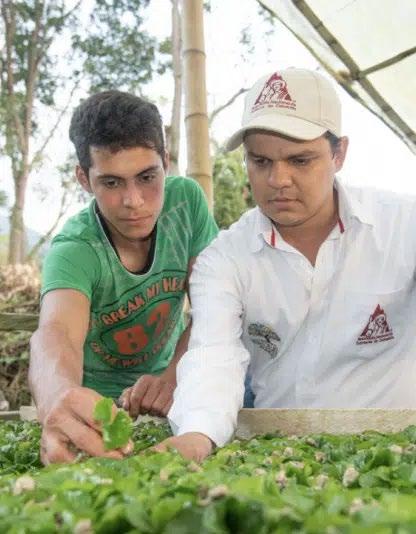
9 projects created concrete impact in 4 different countries : Colombia, Guatemala, Honduras and Tanzania
• with direct improved possibilities, empowerment and prosperity for 8,218 coffee entrepreneurs
• indirectly generating a positive impact on the lives of over 6,783 coffee families
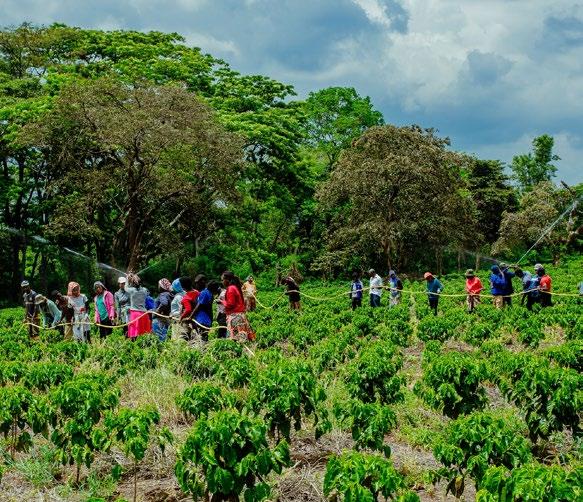
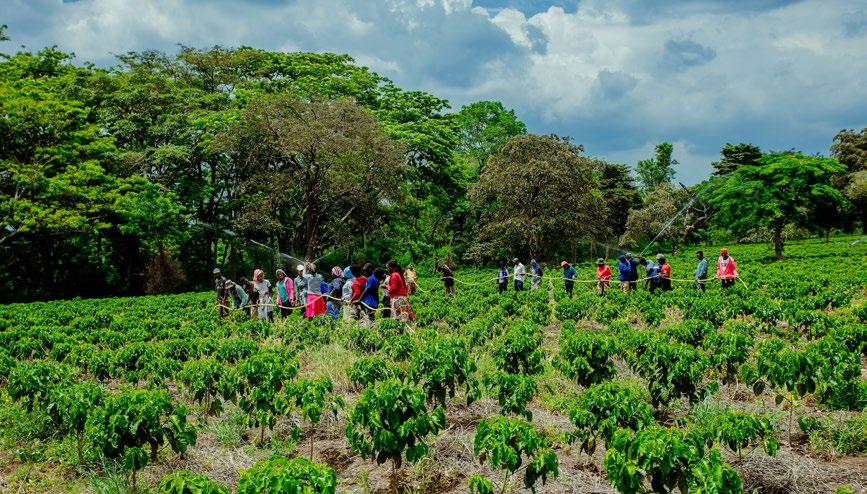
In 2025, EFICO and the EFICO FOUNDATION advanced Phase 2 of the ‘Kilimanjaro Water & Food for All’ project in Tanzania, building on a strong Phase 1. Two public-private partnerships were launched: ‘Kilimanjaro Climate Smart Agriculture – Water and Food for All’ (co-financed by the Flemish Government) and ‘Kilimanjaro Water and Food for All’ (co-financed by the Business Partnership Facility, funded by the Grand Duchy of Luxembourg). EFICO and APK cofinanced both initiatives, with HerenciaVL as key partner and strategic advisor. Implementation began in early 2025, focusing on low-carbon, water-efficient irrigation and regenerative, climate-smart agriculture -with tangible progress already visible in Kilimanjaro’s coffee fields.
*In ‘Insights into EFICO’s 2025 Sourcing Strategy & Market Trends’, (p.22), you can read what we understand as certified and verified coffee, and how we translate these facts & figures into reality & practice.
We highly support initiatives as The Global Coffee Platform’s Sustainability Reference Code, the Commitment’s Hub of Sustainable Coffee Challenge, the programs and trials of World Coffee Research and Equal Origin’s Gender Equity Index Tool. 49% EVOLUTION CERTIFIED & VERIFIED COFFEES* 2007 - 2025 of our sourced coffees are certified or verified against sustainable standards
Coffee production is a major driver of deforestation, causing soil degradation, biodiversity loss and increasing carbon emissions. To address this global issue, the EUDR requires importers to prove that coffee placed on the EU market does not come from land deforested after 31 December 2020, with traceability at plot level and due diligence in the supply chain. In 2025, EFICO made significant progress towards a deforestation-free supply chain, with 44% of purchase contracts sourced from land that has not been deforested after 2020. From all the geolocation datasets assessed for EUDR readiness, 93% were approved according to our internal standards.
Within the Tanzania projects, regenerative and climate-smart agriculture are key. When soils and their surrounding environments are able to flourish, entire ecosystems are transformed. This, in turn, has a positive impact on both the community and the crops grown.
EFICO is a green coffee specialist acting as a connector in the coffee value chain since 1926. EFICO covers the need of the roasting industry and small specialty roasters, and is able to offer their clientele unique varieties delivered from around the world.
| 2025
Reconnecting with our global and local partners
Field Trips | Travelling to the Origins
Several trips to Brazil, Colombia, Costa Rica, El Salvador, Ethiopia, Guatemala, Honduras, Nicaragua, Peru, Tanzania, Togo, Uganda,…
Fairs & Events | Hosting, Cupping, Networking
• February 2025 | Madrid Coffee Fest
• March 2025 | Nordic Coffee Fest, Gothenburg
• March 2025 | Producer Roaster Forum, Honduras
• March 2025 | Jury Service at Belgian Junior Coffee Ambassador, Namur
• April 2025 | Le Paris Café Festival
• April 2025| Amsterdam Coffee Fest
• April 2025 | Specialty Coffee Expo, Houston
• April 2025 | Antwerp Coffee Week
• May 2025 | Jury Service at Golden Cup competition - Anacafé, Guatemala City
• May 2025 | Fairtrade CLAC, Antigua
• May 2025 | EUDR Panel Discussion Ana Café, Guatemala City
• May 2025 | Botanic Garden Meise Cupping and Presentation Results ClimCoff project, Meise
• Q2 2025 | European Coffee Federation, Koffieverbond, BVDAKI-UPCAIC
• June 2025 | World of Coffee Geneva
• August 2025 | Coffee Congress Anacafé, Guatemala City
• September 2025 | Panel Discussion, Hesselink Koffiebranders Inspiratiedag, Winterswijk
• September 2025 | Paris Coffee Show
• October 2025 | KOFFIECAFE, Koninklijk Verbond van Koffiebranders (Koffieverbond), Belgium
• October 2025 | 16th SCTA Coffee Forum & Dinner, Basel
• October 2025 | Brussels Coffee Show
• November 2025 | Sintercafé, Costa Rica
NOORD NATIE – Finalist ‘Onderneming van het Jaar®’ 2025 (EY Enterprise of the Year)
With roots dating back to 1548, NOORD NATIE has grown from an Antwerp-based family business into a specialised international logistics holding. The group operates in the storage and distribution of liquid bulk, fresh fruit, and coffee and cacao, complemented by global trading in specialty products such as coffee and cacao.
Its operations are organised around three strategic pillars: specialised port terminals, logistics real estate, and global trading in specialty products.
In 2025, NOORD NATIE’s entrepreneurship, resilience, vision, and social engagement were recognised through its nomination as a finalist for the Onderneming van het Jaar® award, organized by EY following a rigorous nomination and evaluation process.
As a proud member of NOORD NATIE , EFICO is honoured to be part of a group whose long-standing dedication and values continue to drive sustainable growth and innovation.
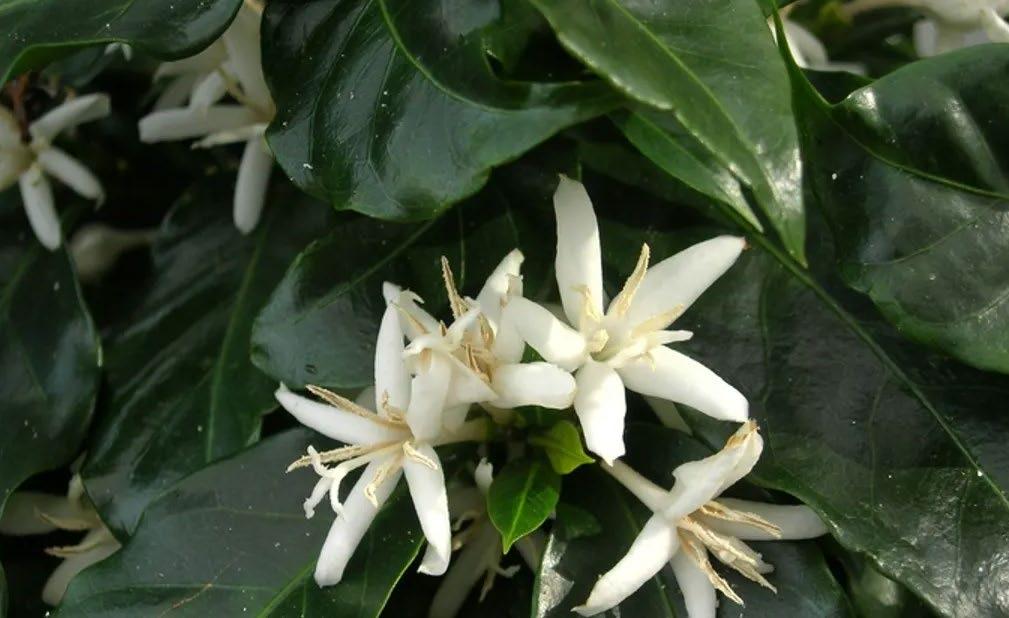
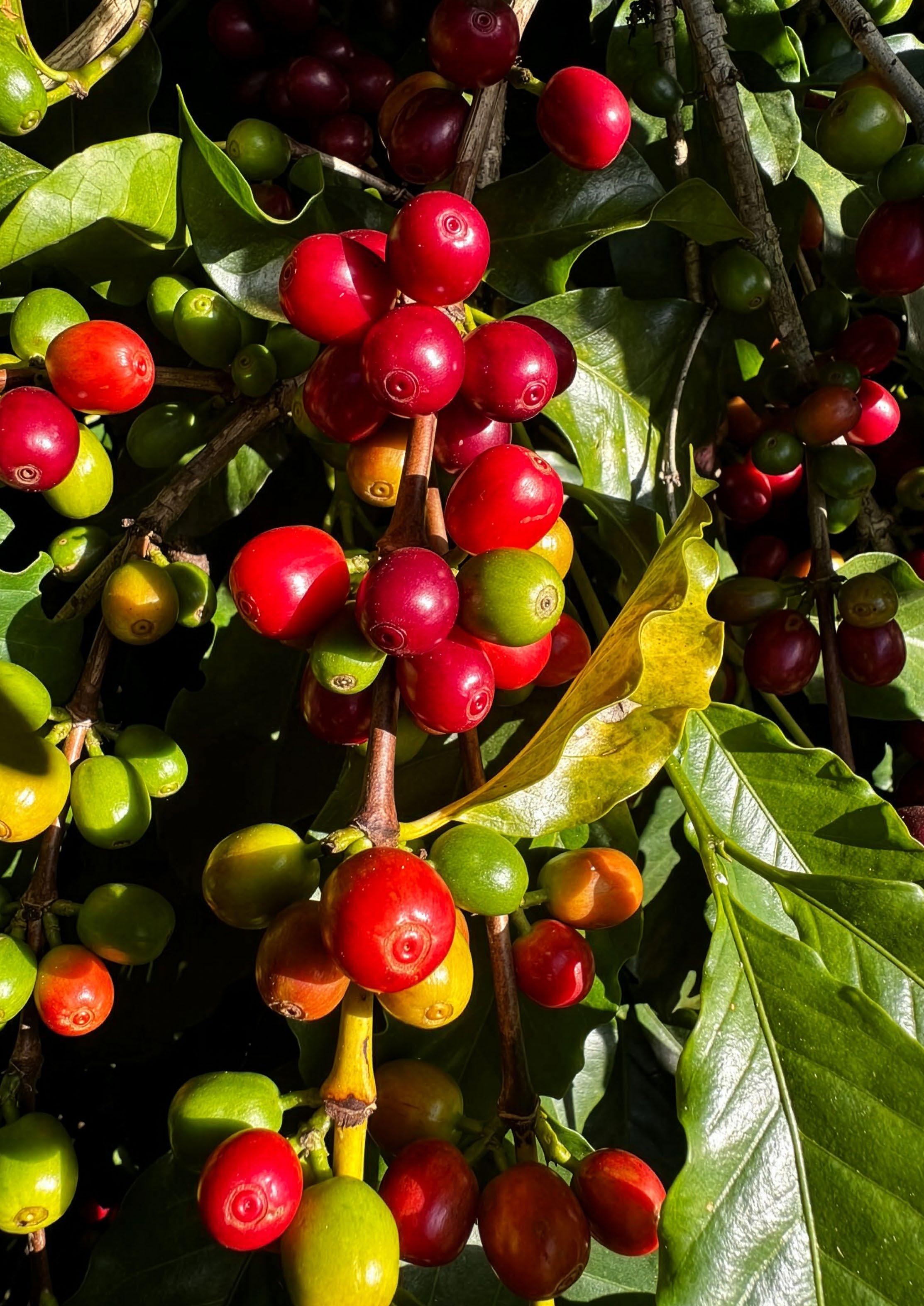
In May 2025, a cupping session was organised, and a presentation took place at Botanic Garden Meise to inform about the results of the ClimCoff project.
Robusta coffee was once the most important agricultural export product of the DR Congo, but the sector was decimated by political instability, diseases and a lack of investment.
In Yangambi (Tshopo province), the ClimCoff project is developing sustainable Robusta coffee production to increase the economic and climate resilience of local agriculture and to mitigate climate change. This collaboration between Meise Botanic Garden, EFICO, KU Leuven, CIFOR-ICRAF, R&SD, and INERA - funded by the Flemish government in the context of international climate finance - has achieved the following results:
• Infrastructure Rehabilitation: A fully equipped research and demonstration unit has been installed for processing coffee cherries into high-quality green beans and seeds for nurseries.
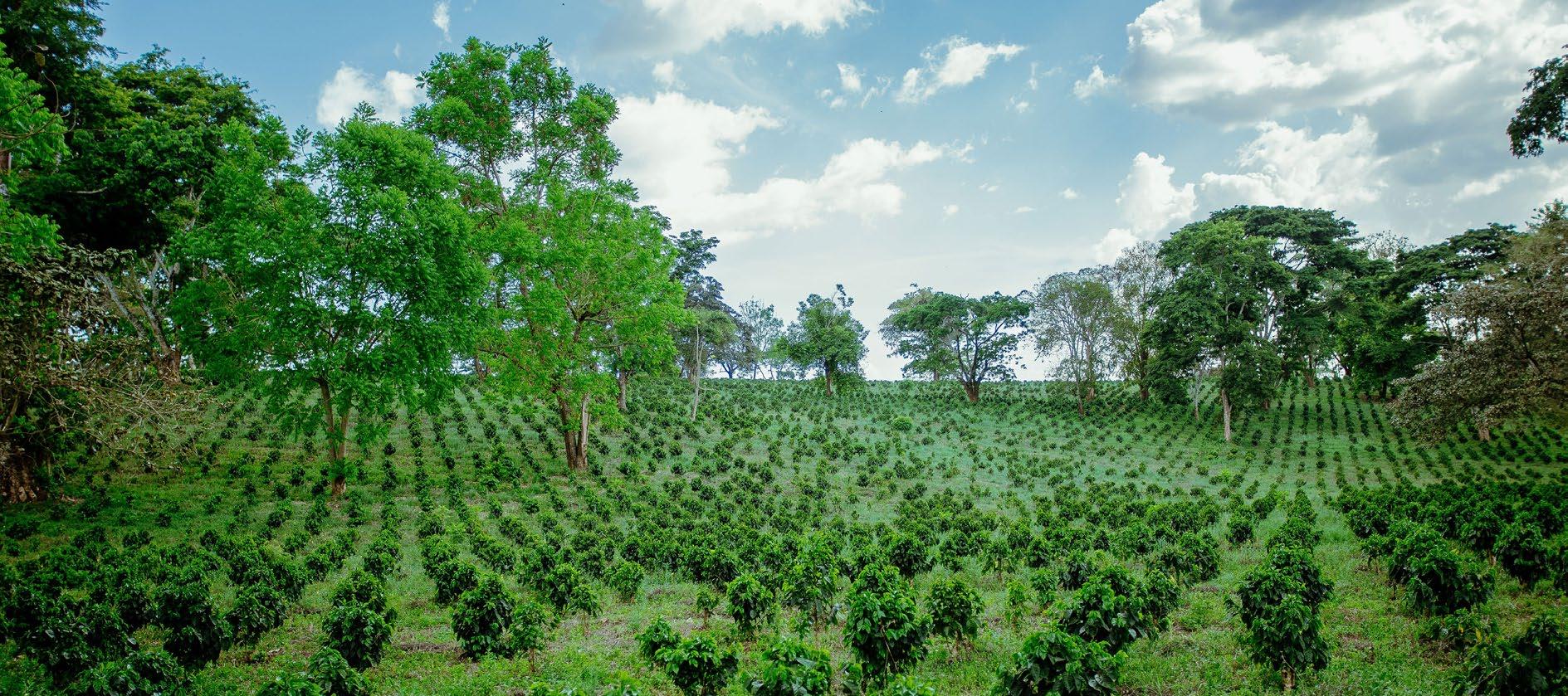
• Reintroduction of Coffee Agroforestry: More than 50 hectares of coffee agroforestry fields were planted. In these forest farming systems, coffee trees are mixed with annual crops, banana plants, and trees to diversify harvest and increase farmer resilience.
• Local Engagement and Capacity Building: Local communities are supported by establishing plantations at Farmer Field Schools. Young plants are produced in nurseries where local staff are trained. The project continues to encourage community engagement and ensures the continued growth of the local coffee sector. Over 300 families are involved in the project.
• Data Generation and Collection: Experimental plantations were established to evaluate the yield and carbon storage capacity of coffee monoculture and coffee agroforestry with bananas and various tree species. Genetic lines that came out promising in research were used for planting.
Encouraging and fostering a knowledge sharing culture
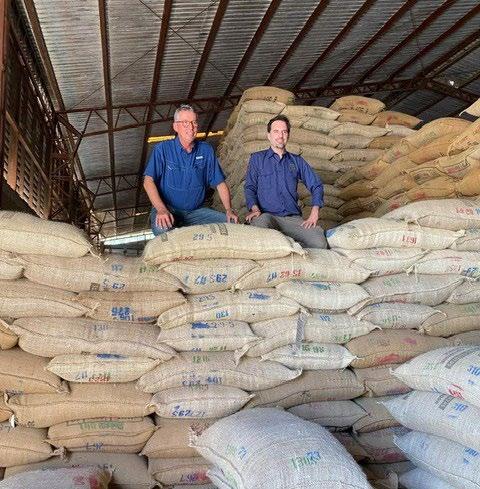


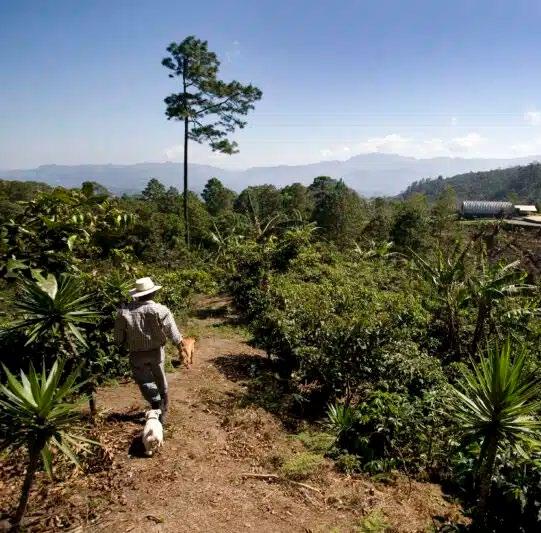
EFICO GREEN COFFEE TRADERS’ FIELD REPORT GUATEMALA & EL SALVADOR
Harvest, Quality & Market Insights – A Chat with EFICO’s Green Coffee Traders.
Click and read the full story
DECAF UNPACKED: THE BEAN WITHOUT THE BUZZ
From Origins to Innovations: A Deep Dive into the Process, Pioneers, and Standards of Decaffeinated Coffee.
Click and read the full story
BRAZIL COFFEE HARVEST – UPDATE 2025/2026
Quality confirmed. Challenges real. EFICO ’s Brazil 2025/2026 harvest insights.
Click and read the full story
HOW THE EU’S ORGANIC REGULATION UPDATE AFFECTS COFFEE VALUE CHAINS
The European Union has been updating several regulatory frameworks affecting coffee imports.
Click and read the full story
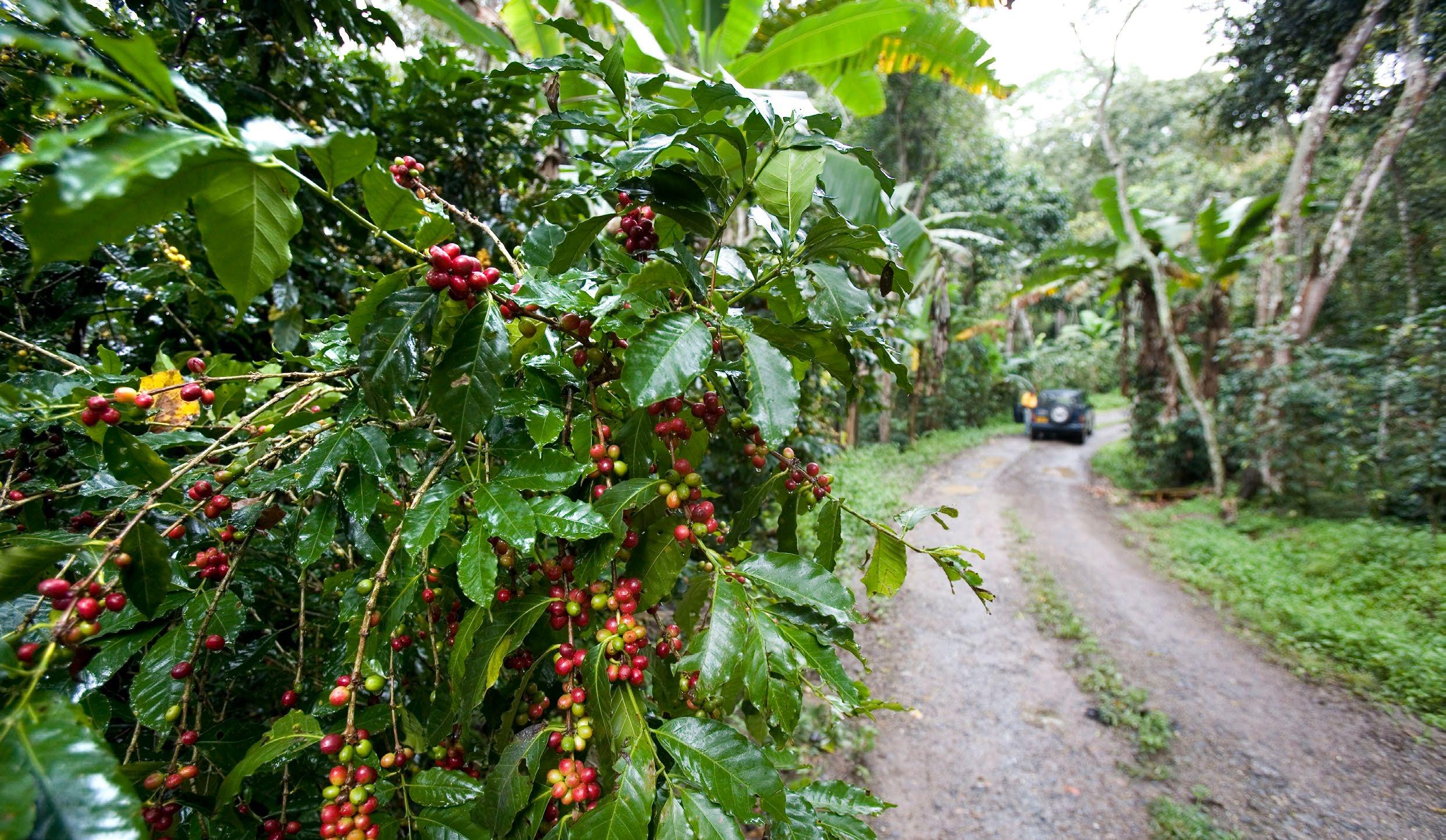
THE COFFEE VALUE CHAIN IN 2025 PERFORMANCE AND TRENDS IN A VOLATILE MARKET
The coffee market has always been volatile, but in recent years, fluctuations have intensified. While prices were historically shaped by harvest expectations, weather patterns, and supply–demand dynamics, financial market mechanisms -including speculative trading and algorithm-driven strategies, increasingly amplify price swings, sometimes exceeding underlying supply fundamentals.
At the same time, climate change remains the most significant long-term challenge facing the sector. Across producing regions, erratic weather patterns -from prolonged droughts to unexpected rainfall and extreme storms, disrupt harvest cycles, reduce yields, and create growing uncertainty throughout the global coffee value chain.
In 2025, several of these pressures converged. Arabica prices surged on the New York C Market amid drought-affected Brazilian crops and delayed harvests in parts of Central America. Logistical bottlenecks, geopolitical tensions, and lingering trade policies, including tariffs introduced under the Trump administration, added further complexity to the global trading environment. Meanwhile, regulatory developments in the European Union -notably the EU Deforestation Regulation (EUDR) and updated organic standards, introduced additional compliance requirements for actors across the coffee value chain.
Despite this challenging environment, EFICO achieved strategic growth in 2025, while continuing to build on nearly a century of experience in connecting coffee value chain partners. Through strategic sourcing and
transparent collaboration with partner farmers, cooperatives, exporters, and roasters, EFICO works to strengthen every link in the chain -helping partners navigate market volatility, regulatory complexity, and climate-related challenges.
PURPOSE DRIVEN PARTNERSHIPS
STRATEGIC OPERATIONS
For nearly a century, EFICO has connected coffee value chain partners through longterm, trusted relationships that foster resilience and shared growth. Through its origin offices and green coffee trading teams, EFICO works closely with partner farmers, cooperatives, and exporters, providing market access, technical guidance, and sustainability support while maintaining lasting partnerships with partner roasters worldwide.
Complementing its operational sourcing work, the EFICO FOUNDATION -along with the coffee roasting community and institutional partners, structurally supports coffee producing communities worldwide with the goal to positively impact coffee farmers and their families’ livelihoods, prosperity, and environment.
EFICO | QUALITY, TRACEABILITY & SUSTAINABILITY
Y2025 KEY FACTS & FIGURES FROM EFICO’S MAIN SOURCING AREAS
PURPOSE DRIVEN LOCAL PARTNERSHIPS
EFICO ’s sourcing strategy is built on purpose-driven partnerships across the coffee value chain, starting at origin. By collaborating closely with cooperatives, local exporters, and trusted supply partners, EFICO works to ensure a transparent and resilient coffee supply while reinvesting value locally in coffee-producing regions.
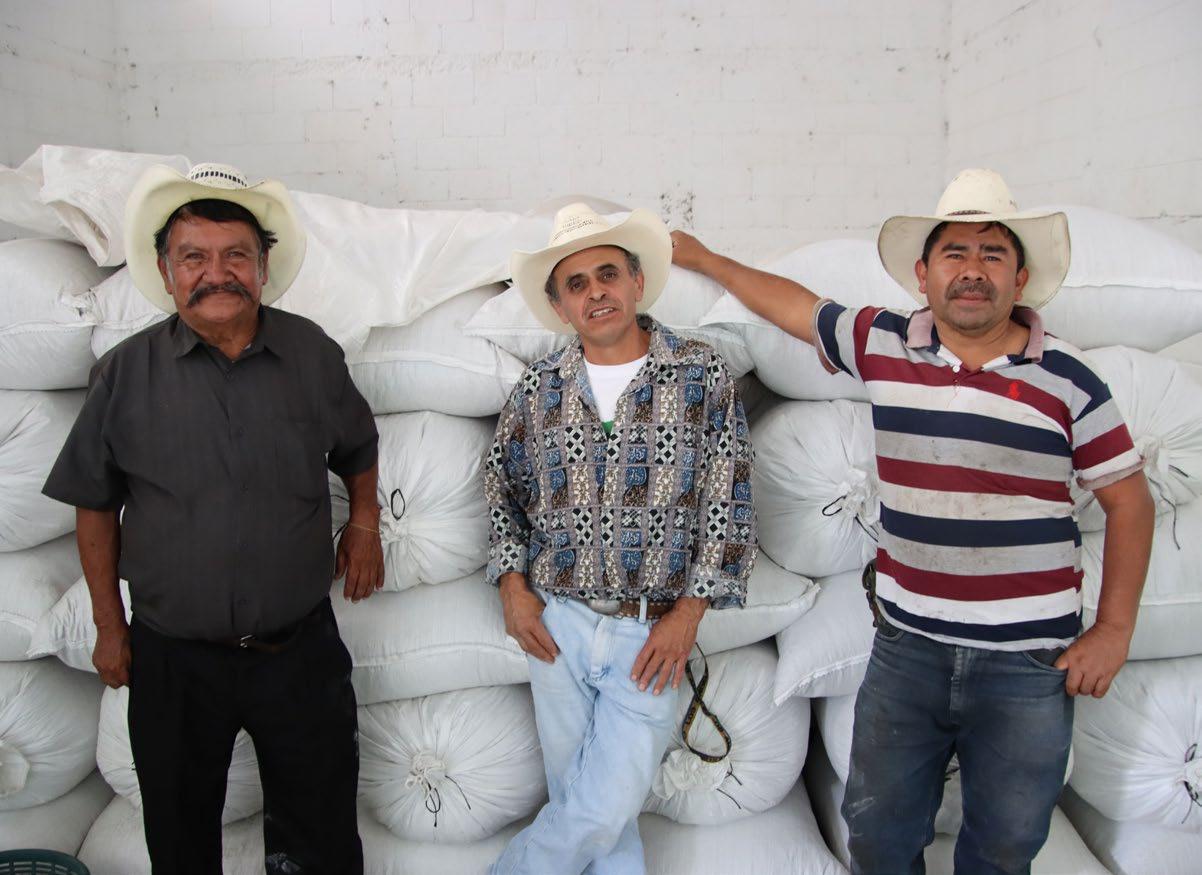
In 2025, 85% of EFICO ’s coffee continued to be sourced from local actors , reflecting the company’s long-standing commitment to locally rooted supply chains. Within this share, cooperatives represented 23% of total sourcing volumes , while local exporters accounted for 62% , showing a slight shift compared to 2024. The remaining 15% comes from international exporters
These long-term partnerships support local economies, strengthen farming communities, and reinforce resilience throughout the broader coffee value chain -particularly in times of market volatility and environmental uncertainty.
EFICO’s sourcing offices in Ethiopia, Central America, and Brazil remain central to this strategy. Beyond operational hubs, they serve as centers of adaptive collaboration, connecting EFICO directly to coffee-growing regions. By working closely with partner farmers, cooperatives, and suppliers on the ground, these origin offices help partner farmers navigate fluctuating market conditions, climate challenges, and evolving regulatory requirements, while strengthening relationships with partner roasters worldwide.
In 2025, EFICO recorded remarkable growth in absolute terms, with certified volumes increasing by 34% compared to last year, while shares among Rainforest Alliance, Fairtrade, and Organic remained stable, reflecting continued commitment to certifications.
Rainforest Alliance held the largest share at 64% , also leading in absolute growth, while Fairtrade and Organic recorded the largest relative growth, recovering from the decline observed in 2024 as premiums increased and market prices remained high.
A shift in origins was observed, with a lower share of Organic and Fairtrade sourced from Central America in favour of Latin America, Africa, and Asia.
However, overall coffee sourcing volumes increased even faster than certified volumes. As a result, the relative share of certified and verified coffee represented 49% of total sourcing -marking the third consecutive year of modest relative decrease.
49% of our sourced coffees are certified or verified against sustainable standards
Despite this shift, EFICO ’s sourcing remains above the global market average, as reported by the Global Coffee Platform in 2024, which registered 47% sustainable sourcing under third-party schemes.
These dynamics reflect broader market conditions. During periods of high and volatile coffee prices, certification models can become more complex for both producers and buyers, as certification costs and administrative requirements must be balanced against market opportunities.
Certified | Coffee is compliant with and audited against internationally recognized sustainability standards
Verified | Coffee is compliant with and audited against company’s sustainability standards
Not Verified
The world map above provides a 2025 snapshot of coffee origins , showing the shares of certified, verified, and unverified coffee. These patterns vary across EFICO’s key coffee-producing regions, reflecting differences in sourcing volumes, certifications, and partnerships.
For a more detailed view, we analysed sourcing data from EFICO ’s major coffee origins with established sourcing offices - Brazil, Central America, and Ethiopia -and included Uganda , a country featured in this deeper analysis despite not having an EFICO origin office. This analysis highlights how sourcing volumes, certifications, and partnerships differ across regions and sets the stage for a closer look at each origin’s sourcing profile.
Brazil remained EFICO ’s largest sourcing origin in 2025, accounting for approximately one-third of total sourcing volumes The country continues to provide high-quality Arabica coffees that form an essential component of both blends and single-origin offerings.
In 2025, 47% of EFICO ’s Brazilian sourcing was certified , meaning the coffee complies with internationally recognized sustainable standards and is audited accordingly. An additional 17% was verified , meaning the coffee meets EFICO ’s internal sustainable standards -including 6% verified through independent verification processes and 11% from local partners aligned with EFICO’s sustainability standards. This brings the total share of Brazilian coffee meeting certification or verification criteria to 64%
At the same time, 85% of Brazilian coffee volumes were sourced from local actors , reinforcing EFICO’s long-standing commitment to strong local partnerships.
While certified volumes increased in absolute terms, the relative share of certified coffee declined slightly as conventional volumes expanded more rapidly amid strong market demand.
Central America remained one of EFICO ’s most important regions for certified sourcing in 2025. 66% of coffees sourced from the region were certified, meaning they comply with internationally recognised sustainable standards and are audited accordingly, with Rainforest Alliance representing the largest share and showing the strongest growth. Fairtrade sourcing also showed steady growth during the year, while Organiccertified coffees declined both in absolute volumes and relative share.
This trend reflects a combination of market dynamics and regulatory developments: high and volatile coffee prices influenced producer and buyer decisions, while the increasing complexity of complying with updated EU organic requirements made sourcing fully compliant Organic coffees more challenging in some producing countries.
Across the region, 79% of EFICO ’s sourcing came from local actors , reinforcing long-standing partnerships with cooperatives and exporters. Through the ongoing work of the EFICO FOUNDATION , EFICO supports projects that promote training and education, sustainable incomes, infrastructure development, and diversity, while mitigating environmental impacts and climate change, with the aim of positively impacting coffee farmers’ livelihoods, prosperity, and environment.
Central America therefore remains a key region for EFICO’s certified sourcing, supported by strong local partnerships and ongoing initiatives that contribute to sustainable coffee production and traceable supply chains.
Ethiopia experienced significant growth in coffee sourcing volumes in 2025 , with total volumes more than doubling compared to the previous year. While much of this increase occurred in conventional coffees, certified volumes also expanded.
In total, 21% of Ethiopian coffees sourced by EFICO were certified, with an additional 19% meeting EFICO’s internal sustainability standards. This brings the total share of coffees aligned with sustainability criteria to 40%.
Local partnerships remain central to EFICO’s sourcing approach in Ethiopia, with 80% of volumes sourced from local actors . A key partner in this development is KURU, EFICO’s long-standing sourcing partner in Ethiopia, which expanded its operations to eight washing and/or collecting stations in 2025 -four more than in 2024. This expansion strengthens processing capacity and traceability while reinforcing EFICO ’s direct connection to coffee-producing communities.
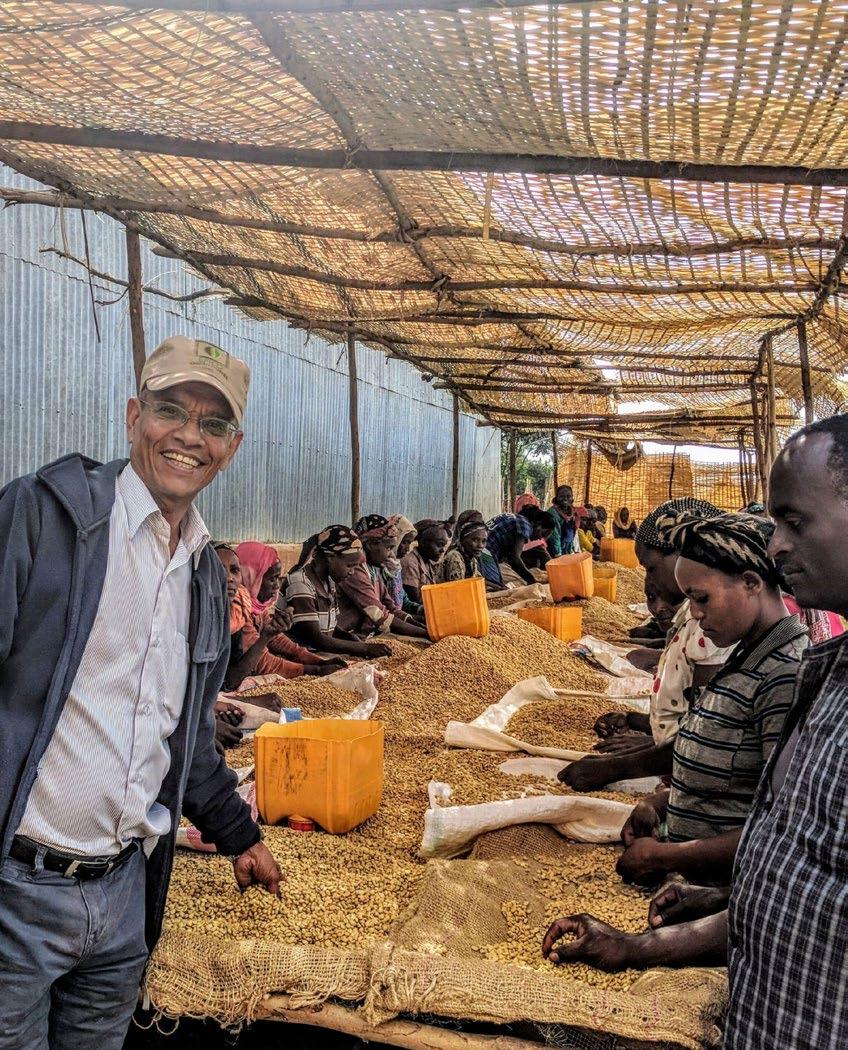
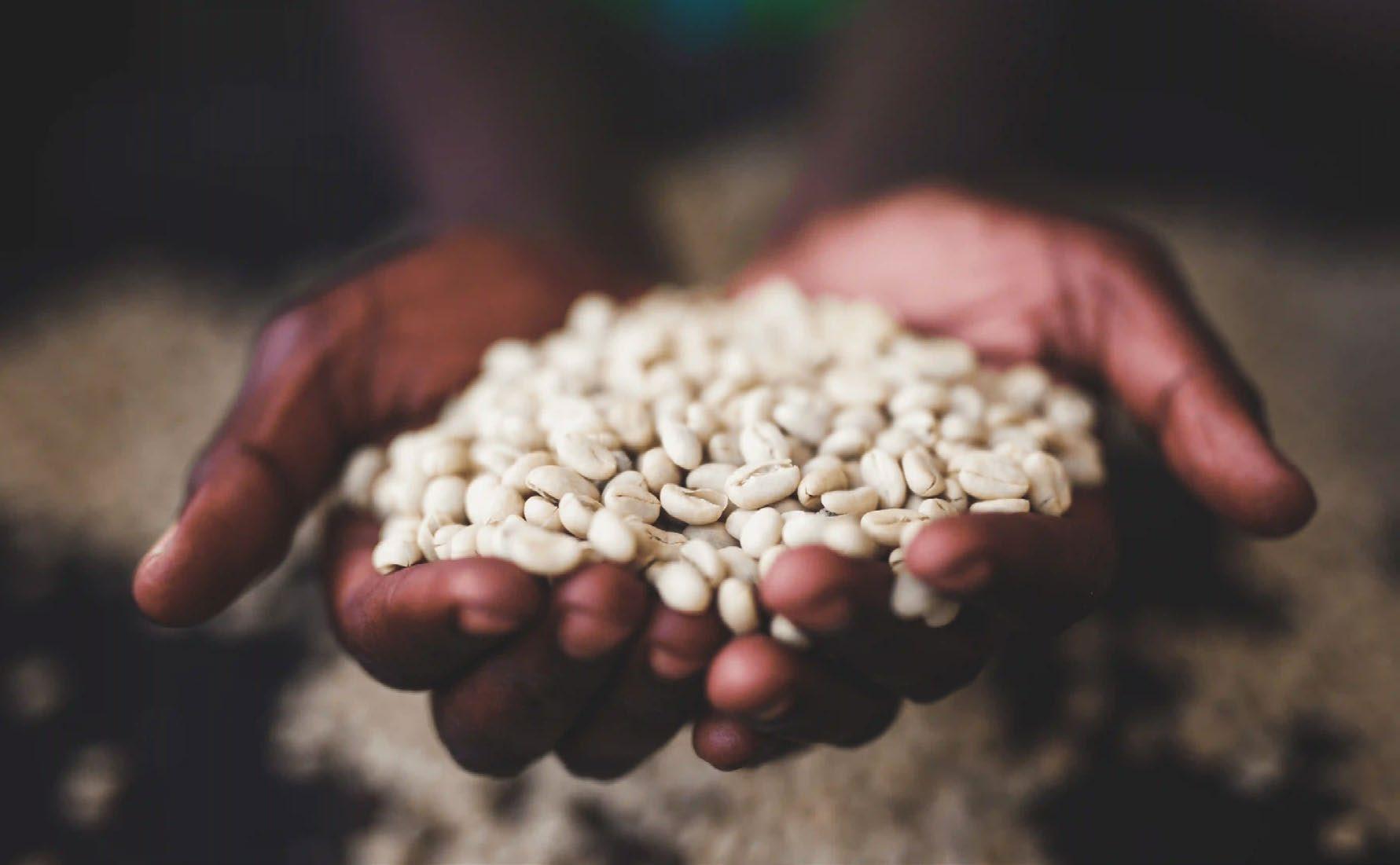
Uganda is included in this 2025 analysis because sourcing volumes from the country have grown significantly, making it a strategic addition to EFICO ’s Robusta portfolio
Within just two years, Uganda has become EFICO ’s third-most important origin for Robusta coffee , even though sourcing remains predominantly conventional
79% of Ugandan volumes were sourced from local actors , highlighting EFICO ’s commitment to building sustainable, locally rooted supply relationships, even in regions without a permanent origin office.
U ganda’s rapid rise adds a new, locally sourced supply to EFICO ’s portfolio, reinforcing traceability and partnerships and supporting the company’s broader global sourcing strategy.
In 2025, EFICO continued its efforts to ensure compliance with the EU Deforestation
Regulation (EUDR) , despite the late announcement of another one-year delay in its entry into application. By the end of the year, 93% of geolocation datasets submitted for EUDR contracts were approved according to EFICO’s strictest standards and assessments . This reflects both the growing familiarity of suppliers with EUDR requirements and the improving quality of incoming data, demonstrating how detailed feedback from EFICO’s GIS team is being integrated effectively at origin.
A major step in this process was the launch of EFICO ’s supplier portal during the summer. The portal has streamlined data collection, ensuring rigorous traceability and segregation at shipment level, and is now also used to gather legality-related information from suppliers on an annual basis. This includes mandatory topics such as indigenous peoples, human rights, and traceability. Through these measures, EFICO has strengthened supply chain transparency and accountability, supporting suppliers in meeting EUDR requirements while maintaining readiness for the regulation’s eventual enforcement.
While EFICO ’s EUDR readiness work reflects system-wide improvements in traceability and deforestation risk assessments, translating these standards into practice requires hands-on support in regions where suppliers are less familiar with geolocation and traceability requirements. Togo was selected for focused engagement to ensure suppliers could implement these requirements effectively on the ground.
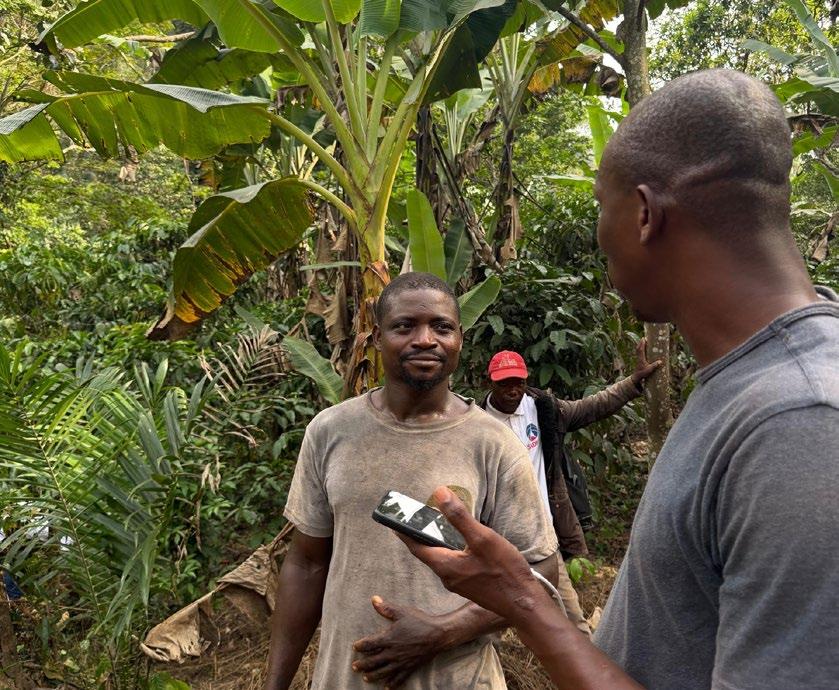
Since early 2024, EFICO has trained local field teams to collect, harmonise and validate farmer and plot-level data. Over 2025, the teams collected nearly 10,000 GPS points, documenting plot locations, farm characteristics, and production details. A second field visit in December 2025 implemented ground truthing procedures to verify deforestation alerts and provided deeper insights into multi-tier supply chains locally.
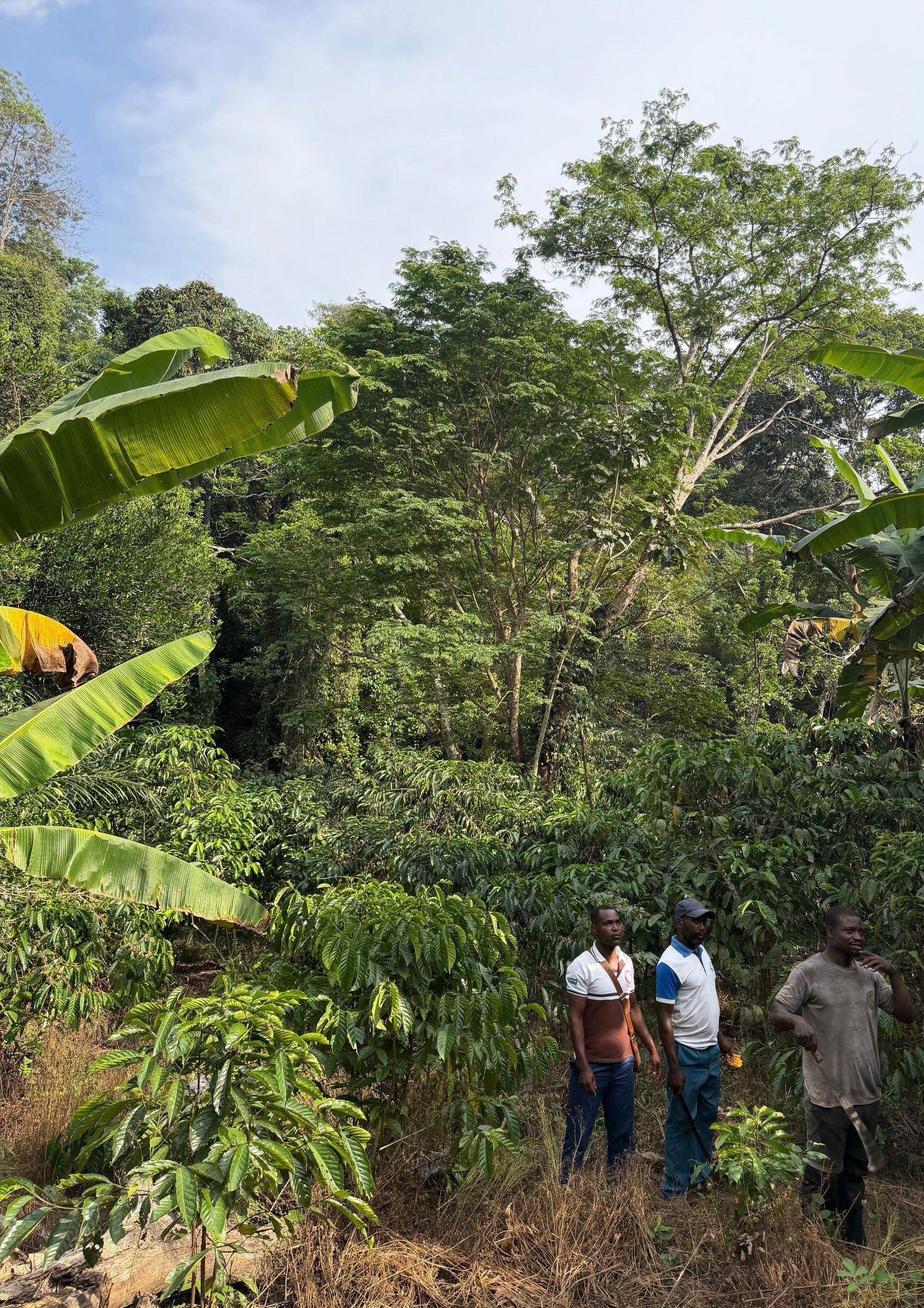
Most coffee plots are managed within agroforestry shade systems , under an open forest canopy and surrounded by fields of other crops. The majority of coffee trees were planted before 2000, as indicated by their large trunk sizes.
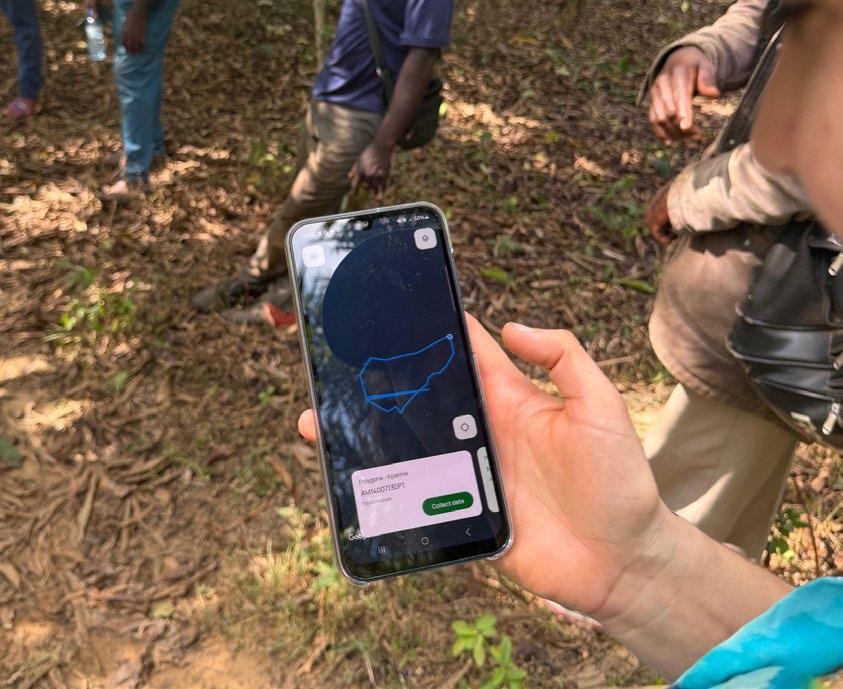
Satellite imagery-based assessments initially indicated deforestation on dozens plots; however field verification allowed to rule out the risk for the majority of them. The risk was confirmed on a few plots only and was mainly due to the extension of coffee production plots into previously forested land. Some plots were also excluded due to their location in classified forests and the unclear regulations governing agricultural activities within these areas.
All non-compliant plots were identified and their coffee will be segregated through the local partner and EFICO ’s traceability systems , ensuring EUDR compliance while continuing to work with farmers. The field engagement also provided practical education on deforestation prevention, EU regulations, and viable alternatives to preserve primary forests.
This Togo case illustrates EFICO ’s hands-on approach, integrating training, data collection, verification, and risk management to ensure even less-prepared origins are part of a transparent, traceable, and sustainable coffee value chain.
Building a sustainable future for both business and society requires more than ambition alone. It calls for clarity on what truly matters, alignment with those who shape and depend on our value chain, and action grounded in reality.
At EFICO , sustainability has long been shaped by experience, boots on the ground, purposeful partnerships, and a constant finger on the pulse across the coffee value chain. To strengthen this approach and translate it into a shared, structured framework, we completed a Double Materiality Assessment (DMA) in 2025.
The objective was clear: to turn our intuition, knowledge, expertise, and ongoing monitoring into a stakeholder-validated and measurable foundation that can guide our sustainability strategy towards 2050.
The DMA is the first formal step required under the Corporate Sustainability Reporting Directive (CSRD). While EFICO ultimately falls outside the revised scope following the Omnibus proposal, we deliberately chose to conduct this exercise. It provides a robust and credible basis to challenge and refine our sustainability priorities, grounded in the perspectives of those who precede and follow us in the coffee value chain.
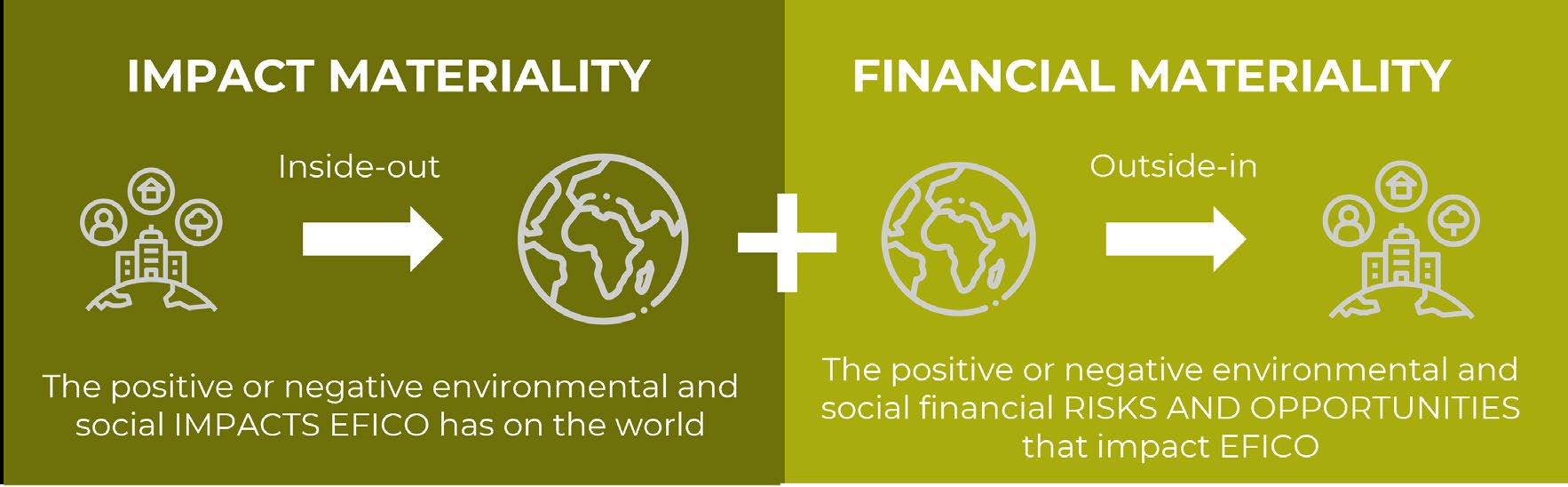
At its core, the DMA looks at sustainability from two angles
• It assesses EFICO ’s impacts on people and the environment across the value chain (inside-out),
• while also examining external environmental, social and governance (ESG) factors that may create financial risks or opportunities for the company (outside-in).
Together, these are referred to as Impacts, Risks and Opportunities (IROs)
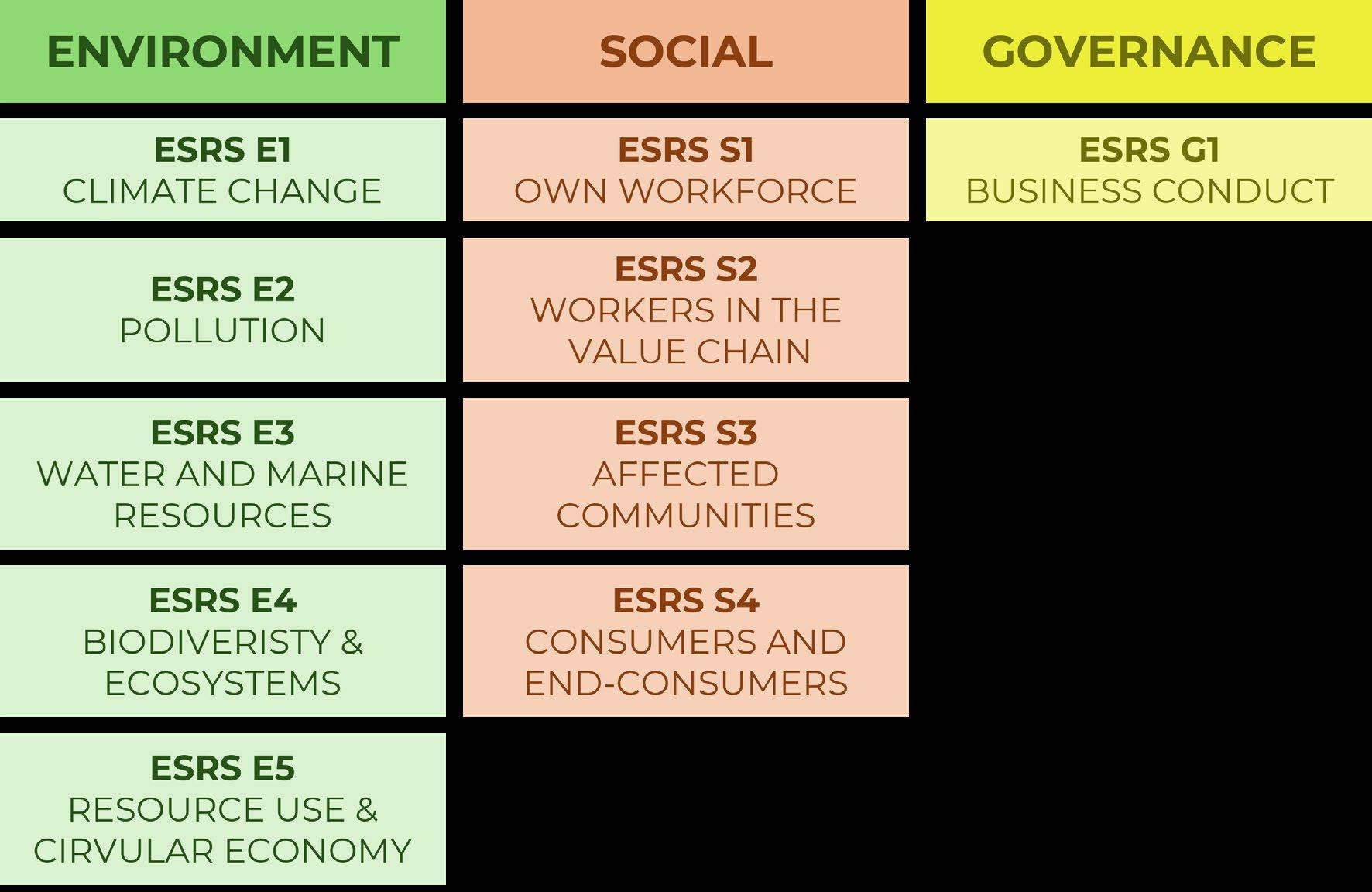
The CSRD sets out ten topics that form the foundation of any sustainability strategy, referred to as the European Sustainability Reporting Standards (ESRS)
We analysed these ten topics using a double axis -across our own operations, as well as upstream and downstream in the coffee value chain.
FROM SCOPE TO SIGNIFICANCE – EFICO’S FOUR-STEP ASSESSMENT APPROACH
To ensure neutrality and robustness, the DMA was conducted with the support of South Pole, an independent climate consulting company -following a structured four-step approach

STEP 1: PRE-SCREEN OF THE ESG UNIVERSE
The process started with a pre-screening of EFICO ’s ESG universe. By analysing our business context, our value chain, our internal documentation and existing literature, we identified an initial long list of sustainability topics and filtered out those that were redundant or not relevant to our activities.
STEP 2: ENGAGING INTERNAL AND EXTERNAL STAKEHOLDERS FOR ROBUST INSIGHTS
We then moved into stakeholder engagement . Key actors across upstream, operational and downstream levels were mapped, and their interaction with EFICO ’s potential impacts, risks and opportunities was assessed. A survey was sent to 150 suppliers and clients, ensuring representativeness in terms of origin, volume, size and product types. In parallel, nine in-depth interviews were conducted -five internally and four with external stakeholders -to anchor the analysis in operational reality and sector best practices. The final response rate reached 37% , a strong return for a B2B survey -providing a representative dataset.
Next came the scoring of identified IRO’s . Each shortlisted topic was assessed based on severity and likelihood for impacts, and magnitude and likelihood for financial risks and opportunities.
Public indexes and databases relevant to the coffee sector and producing countries were used, complemented by desk research, expert judgement, and stakeholder insights from step 2.
Finally, the materiality scores of all shortlisted IRO’s were evaluated against the threshold recommended by EFRAG (European Financial Reporting Advisory Group) in its first draft of the Double Materiality Guidance -which serves to highlight the ESG topics most significant to the organisation and its stakeholders. The results were subsequently reviewed and discussed with the Sustainability team and the Executive Committee , including representatives from EFICO’s board and management, to ensure a well-informed identification of the company’s material ESG topics.
Out of 150 IRO’s identified across the value chain, 51 came out as material -including 36 impacts and 15 risks and opportunities.
Of the material topics, 59% were related to the environment , 35% to social issues and 6% to governance
Unsurprisingly, the largest share of material topics sits upstream in the value chain -where the most significant impacts of coffee production occur.
Around 80% of material topics were identified at this level, followed by 12% at the downstream level and 10% within EFICO’s own operations.
A simplified DMA matrix is represented below with the highest rated IRO score per ESRS. The bubble size is proportional to the amount of IRO’s identified under each topic (material and non-material).
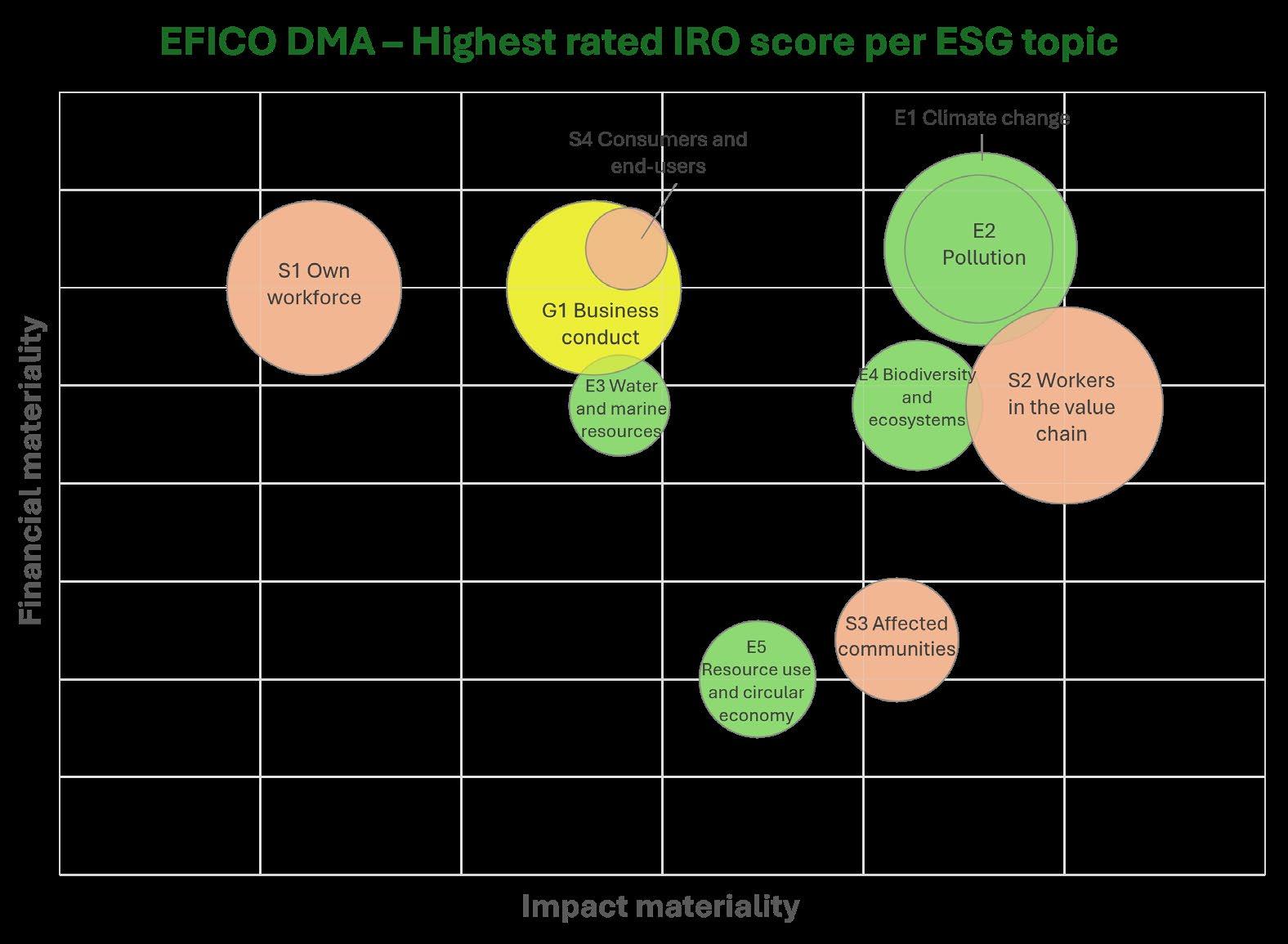
While material topics were identified in each ESRS, we classified them into three strategic priority groups based on their impact, financial materiality scores, and the number of material topics identified. The sphere and extent of EFICO’s influence were also considered as a medium-sized green coffee trader that does not grow its own coffee. It is important to note that this classification is not fixed and may evolve over time or vary in specific contexts.
The FIRST GROUP includes topics that score high on both impact and financial relevance. These topics require close monitoring and immediate action to prevent or mitigate further harm.
For EFICO, these are high-priority topics where we can create meaningful impact and drive real change
It is no surprise that climate change has emerged as a top material topic, given the sensitivity of coffee plants to extreme weather events -such as droughts, floods, and diseases, and the resulting impacts on global coffee markets.
Furthermore, most emissions associated with green coffee occur during the production stage, through fertilizer use, land-use changes including deforestation, and fermentation processes. Road and maritime transport, which rely on fossil fuels, also account for a significant share of greenhouse gas emissions.
→ To address these challenges and secure future supply, there is an opportunity to support producing countries in establishing climate-resilient production systems and in complying with the EU’s increasingly stringent sustainability regulations.
Coffee producers are the backbone of the industry, playing a central role in ensuring coffee quality and healthy ecosystems.
Despite their essential contribution, many smallholder farmers and upstream workers continue to face inadequate working conditions and insufficient incomes, undermining food security and financial stability within local communities and perpetuating cycles of poverty.
Modern labor challenges persist, particularly among seasonal workers, and issues such as child labor remain a concern.
Gender inequality is also pronounced, as female coffee producers often have limited access to training, land, and credit, restricting their ability to manage and develop their own farms.
These structural challenges increasingly drive migration, especially among younger workers seeking more secure livelihoods elsewhere, which in turn contributes to a declining and ageing workforce already observed in many coffee-producing countries.
→ Addressing these challenges requires dedicated support and stronger due diligence systems at exporter and importer levels, beyond existing certification schemes.
Coffee yields depend on healthy soils, pollinators, and the shade provided by trees. Thriving ecosystems and rich biodiversity are therefore essential for sustainable coffee production.
Yet these natural assets are increasingly under threat. Agriculture-driven deforestation and the overuse of agrochemicals deplete soil nutrients and reduce populations of insects crucial for pollination.
The impact goes beyond decreasing yields and bean quality; it affects ecosystem services of local communities such as food production and freshwater availability, and contributes to overall loss of plant, bird and insect species.
The consequences extend beyond declining yields and bean quality. Ecosystem degradation also undermines vital services for local communities, including food production and freshwater availability, while contributing to the loss of plant, bird, and insect species.
→ Addressing this challenge -the biggest hurdle in sustainable coffee production, requires a holistic approach and a thorough review of cultivation practices. Coffee traders can support this by orienting their sourcing policies toward shade-grown, zero-deforestation coffee systems.
Coffee cultivation can significantly impact soil, water, and air quality, primarily through the use of fertilizers and pesticides, which are often poorly regulated in producing countries.
The use of agrochemicals leads to the accumulation of heavy metals in soils, contaminates groundwater around coffee
plantations, and contributes to greenhouse gas emissions.
Wet processing generates large volumes of polluted wastewater, which is frequently discharged untreated into rivers.
Certification schemes help mitigate these impacts by limiting synthetic fertilizer use and requiring proper treatment and disposal of contaminated water.
→ Although there are effective coffee production methods that use little to no chemicals, implementing them requires transition time and training for farmers, as well as investment from the coffee industry in technological innovations to control pollution.
The SECOND GROUP comprises topics that score high in financial materiality but somewhat lower in impact materiality
In other words, the associated risks and opportunities could have substantial financial consequences for EFICO, yet EFICO ’s ability to generate additional impact is limited due to the scope of its activities or progress already made. Consequently, these topics are classified as medium priority
Building trust and integrity throughout the coffee value chain is essential -not only to secure access to qualitative goods from suppliers but also to ensure timely access to capital, thereby fostering equitable business relationships. More than ever, coffee traders must put in place strong governance frameworks and thorough due diligence processes to identify, prevent, and manage risks while ensuring compliance
with applicable regulations. Incidents of corruption, bribery or food fraud -particularly at the exporter level, can trigger legal liabilities and significant reputational backlash.
Equally important is the cultivation of a strong corporate culture in which both boards and employees uphold ethical values and responsible practices, which is critical to attracting and retaining talented professionals.
A skilled and motivated workforce is fundamental to business success. Coffee trading increasingly demands expertise in both the coffee sector and evolving EU requirements, as well as a diverse workforce capable of building strong relationships across upstream and downstream value chain partners.
Ensuring employee satisfaction requires providing a safe working environment, clear career development pathways, and fair and competitive compensation. While significant progress has been made in EU countries regarding workers’ rights, persistent challenges related to gender equality, diversity,
and work–life balance remain and must be addressed to sustain employee engagement and productivity.
The water demands of coffee production -encompassing both irrigation and wet processing, vary with a country’s origin and agricultural practices. In regions where water is scarce, cultivating coffee can compete with other crops that local communities rely on for subsistence or supplementary income.
Water-efficient technologies and practices are available and, when scaled at community level, can be transformative -as demonstrated by the ‘Kilimanjaro Water & Food for All’ project in Tanzania, supported by the EFICO FOUNDATION through a public–private funding scheme.
Improved irrigation and water management practices have restored farmland productivity and enhanced long-term sustainability. As a result, downstream users have gained improved access to water, contributing to better livelihoods across the entire community.
Even though EFICO does not engage directly with coffee consumers, we do have an impact on the level of knowledge and information shared at the downstream level. While access to traceability data -including origin, producer organisations, and geo-referenced plots, has improved significantly following the adoption of the EUDR, further progress is needed in the collection and valorisation of transparent information about ESG practices in the value chain.
The THIRD GROUP comprises ESG topics that score relatively high on impact but low on financial materiality. In other words, while these topics are less likely to pose immediate financial risks or opportunities, EFICO can still exert a meaningful influence. Since we believe our impact is greatest when focused on a limited set of strategic priorities -and because some topics overlap, we have assigned the following topics under different ESRS to this lower-priority group:
Local communities experience indirect impacts from coffee production: inadequate wages can lead to financial instability and food insecurity; pollution can limit access to clean water and productive soils; and deforestation can threaten livelihoods and ecosystem services. Through the EFICO FOUNDATION many of these unintended consequences on our suppliers –such as hindered access to water, housing, education and healthcare, are already addressed under the ‘S2 -Workers in the Value Chain’ topic.
Although EFICO does not own coffee plantations, potential risks such as land rights violations affecting indigenous peoples
must still be carefully monitored within the supply chain.
Although coffee traded in bulk generates minimal packaging waste, cultivation and processing produce significant biomass waste. Many parts of the coffee plant can, however, be used regeneratively and transformed into value-added products. While certification systems include waste management requirements, these primarily focus on wastewater and hazardous chemicals.
Farmers need better information on and access to organic waste management techniques, within climate-smart agriculture practices -a topic already addressed under ‘E1 Climate Change’ and ‘E4 Biodiversity & Ecosystems.’

Rather than revealing unexpected outcomes, the DMA confirmed what EFICO had already sensed through experience, engagement, and continuous monitoring. What has changed is the level of clarity. Our sustainability priorities are now grounded in a shared perspective, validated by stakeholders across the value chain, and will be formalised in a structured and measurable framework.
These outcomes will guide how we prioritise our strategic focus areas, review existing policies and performance, and define the objectives we aim to achieve by 2050, ensuring our actions remain targeted, pragmatic, and aligned with long-term, sector-level goals developed through collaborative efforts.
The DMA also marks the first step towards CSRD compliance and forms the foundation of our sustainability roadmap and reporting. The next step will be to translate priority material topics into clear, measurable indicators and targets, ensuring transparency, accountability, and progress over time. These elements, together with our new reporting framework, will be presented in our next sustainability report.
Far from being an endpoint, this DMA marks the starting point of a shared journey -a reference for action, grounded in dialogue, evidence, and a long-term commitment to what truly matters.
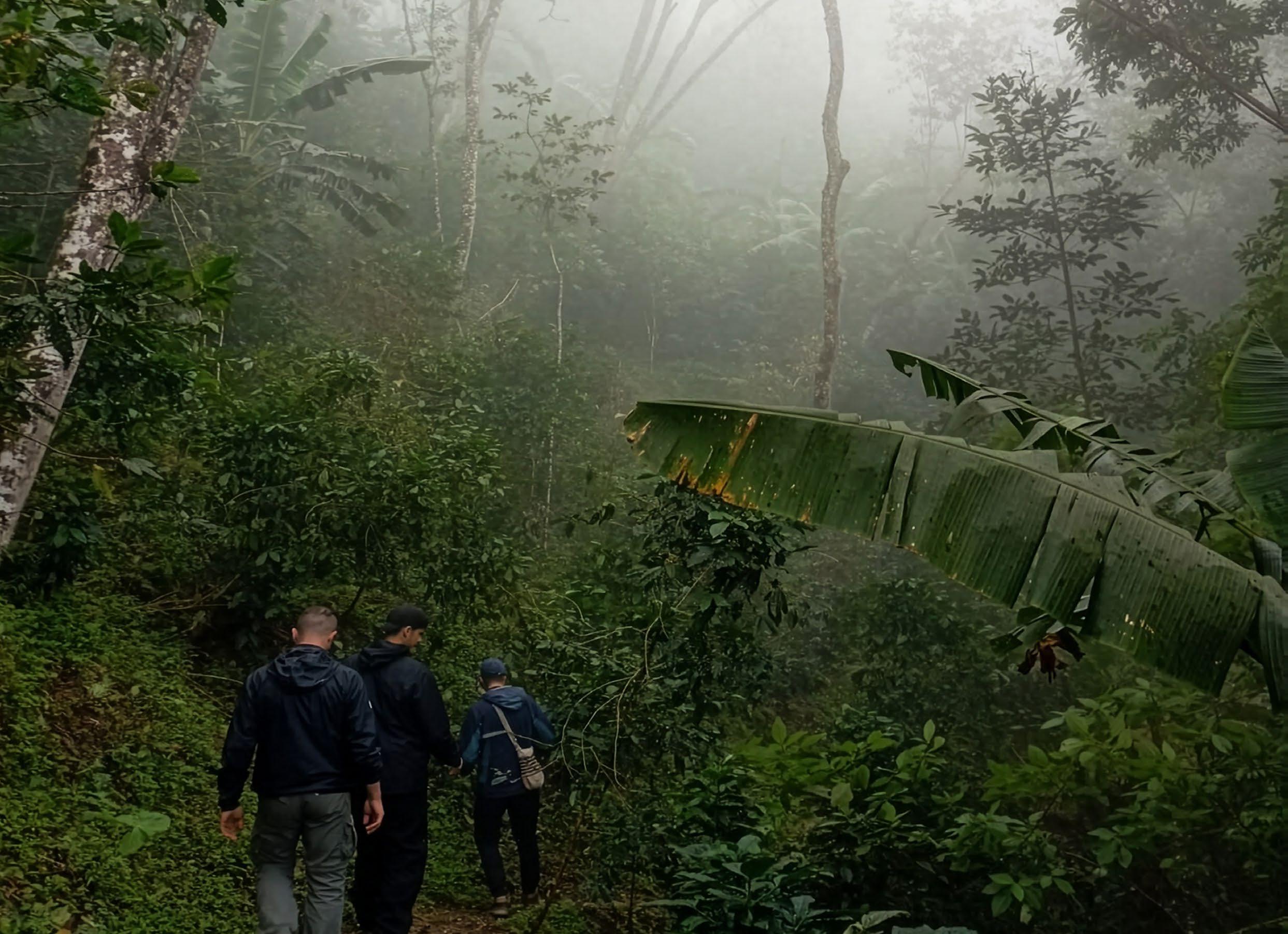
CUPRIMA is EFICO Group’s specialty coffee division and an additional response to the growing need to promote flavour and origin diversity, and foster stable and sustainable supply chains that make sense in today’s challenging environment.
A dedicated CUPRIMA team of coffee experts and Q graders takes care of the selection, sourcing, logistics and sales of specialty coffee. Outstanding coffee qualities are selected, directly sourced and fully traceable down to washing station or farm level, while building win-win partnerships and connecting farmers and craft coffee roasters .
For more information visit our website
Terra Prima
• SCA: 86+
• Exceptional coffees
• Unique sensory experiences
• Exclusive
• Optimal traceability
• SCA: 84-86
• High quality coffees
• Authentic
• Available according to the crop calendar
SCA: 82-84
• Typical of the organoleptic profile of its region
• Available all year
• Traceable to the region
In 2025, CUPRIMA partnered with 268 roasters across 29 countries , delivering 144 lots from 16 different origins and expanding our portfolio with a new origin: Panama.
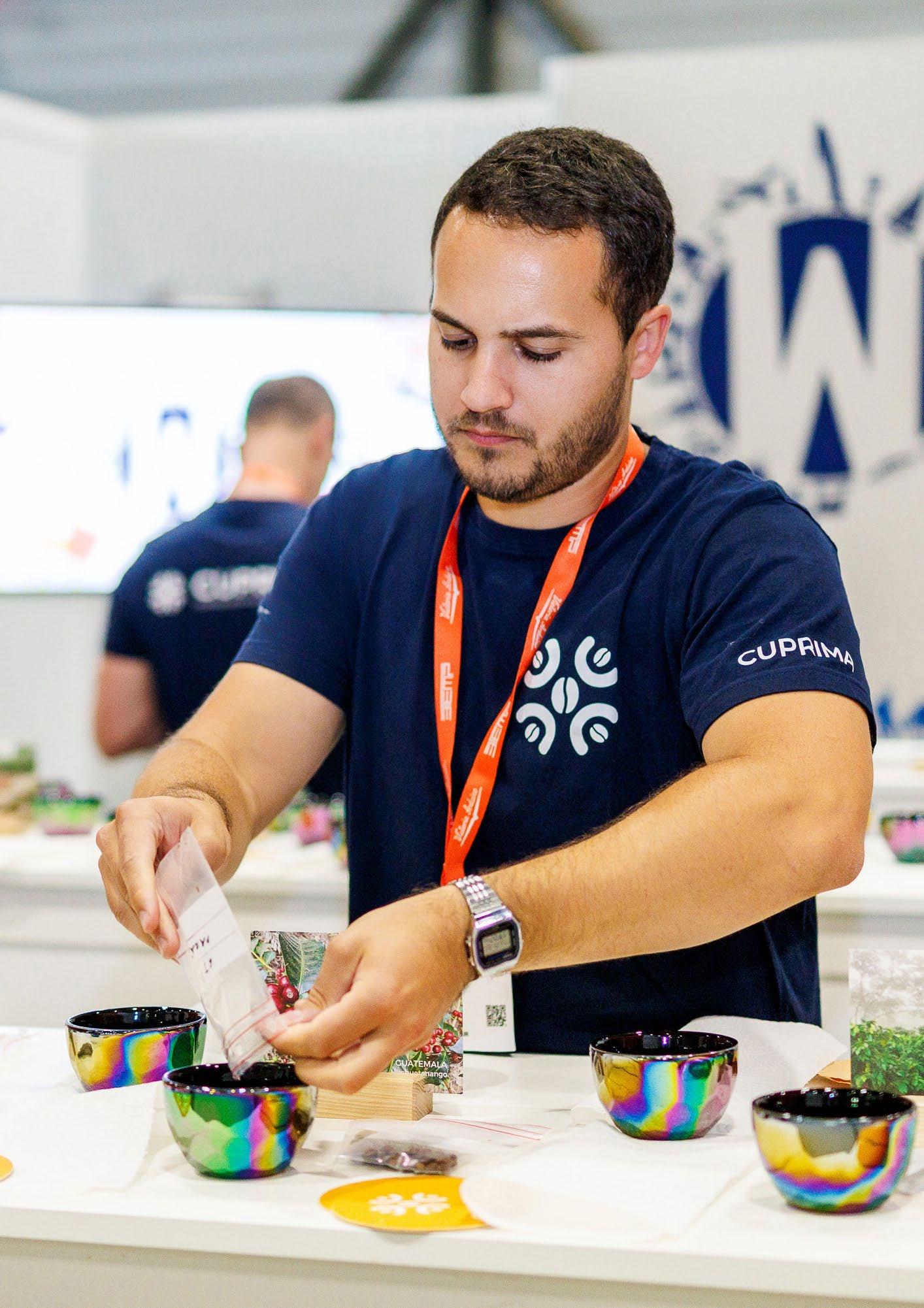
Field Trips | Travelling to the Origins
Several trips to Brazil, Colombia, Costa Rica, Ethiopia, El Salvador, Guatemala, Honduras, Nicaragua, Peru, Tanzania, Togo, …
Fairs & Events | Hosting, Cupping, Networking
• February 2025 | Cupping Coffee & Cacao Flavour Flights with SILVA Cacao - Madrid Coffee Fest
• March 2025 | Cupping - Nordic Coffee Fest, Gothenburg
• March 2025 | Producer Roaster Forum, Honduras
• March 2025 | Cupping & Keynote ‘Guatemala & El Salvador edition’, HQ Antwerp
• March 2025 | Jury Service at Belgian Junior Coffee Ambassador, Namur
• April 2025 | Le Paris Café Festival
• April 2025 | Cupping - Amsterdam Coffee Fest
• April 2025 | 2025 Specialty Coffee Expo, Houston
• April 2025 | Cupping with the new CVA form, Antwerp Coffee Week
• April 2025 | Cupping + Keynote ‘Green Specialty Coffee Pricing TransparencyBeans on Fire, Paris
• May 2025 | Jury Member, Golden Cup Competition at Anacafé, Guatemala City
• May 2025 | Fairtrade CLAC, Antigua
• May 2025 | EUDR panel discussion Ana Café - Guatemala City
• May 2025 | Service support during the Q Arabica Grader Combo Exam & Training Course V5.1 at SEABRIDGE
• June 2025 | Cupping - World of Coffee Geneva
• August 2025 | Coffee Congress Anacafé, Guatemala City
• September 2025 | Cupping - Barista Cup Ostrava, Czechia
• September 2025 | Cupping & Panel Discussion ‘les nouvelles relations producteurs sourceurs’ - Paris Coffee Show
• October 2025 | Cupping & Keynote ‘Impact of Post Harvest on Terroir’KOFFIECAFE, Koninklijk Verbond van Koffiebranders, Belgium
• October 2025 | 16th SCA Coffee Forum & Dinner, Basel
• October 2025 | Cupping, Key Note ‘Terroir and the impact of new fermentation processes’ & Panel Discussion ‘The coffee Sourcing Equation: Volatility, Regulation (EUDR), Innovation’ - Brussels Coffee Show
• October 2025 | Panel Discussion ‘What is Direct Trade?’ - MycoffeeAwards, Barcelona
• November 2025 | Sintercafé, Costa Rica
Collabs
• Teaming up with SCA France Sponsoring ‘Le Championnat de France de Torréfaction’ Teaming up with SCA Belgium Sponsoring Roasting competition
• Teaming up with World Coffee Research
| 2025
Encouraging and fostering a knowledge sharing culture
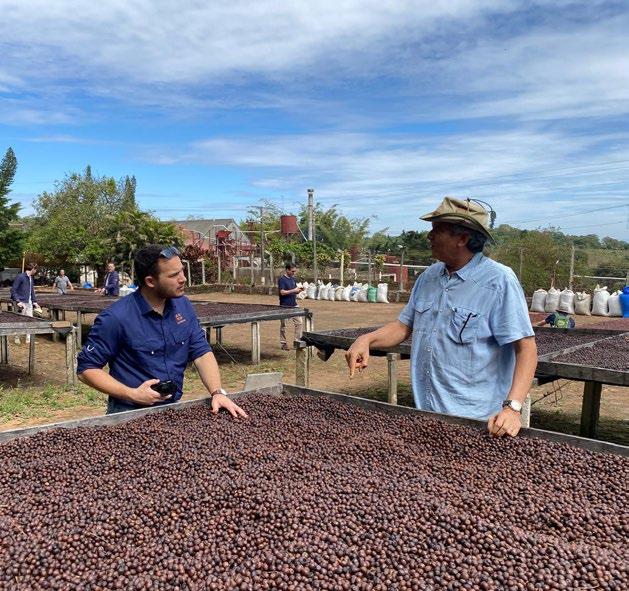
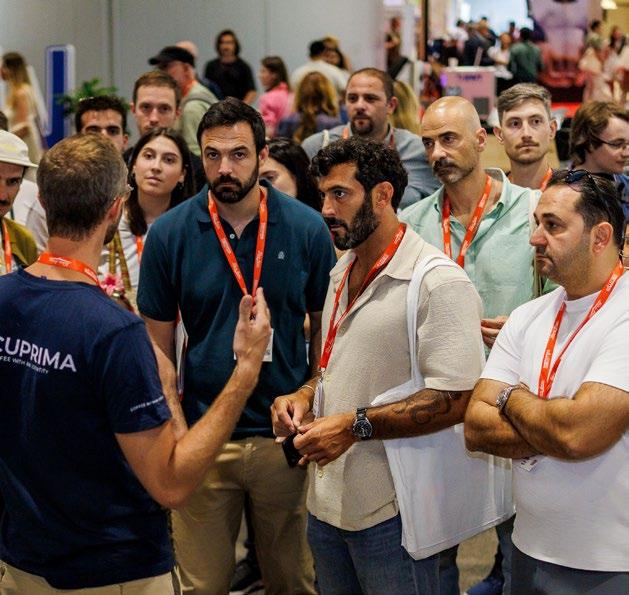
CUPRIMA GUATEMALA & EL SALVADOR FIELD REPORT, JANUARY 2025
Navigating Central America’s new crop and climate patterns.
Click and read the full story
CUPRIMA, HIGH FIVE TO FIVE YEARS!
Celebrating the Journey, Cupping the Future and Looking Ahead to What’s Next.
Click and read the full story
HOW THE EU’S 2025 ORGANIC REGULATION RESHAPES COFFEE VALUE CHAINS
What to expect and how to get involved.
Click and read the full story
WHAT IT TRULY MEANS TO SOURCE SPECIALTY COFFEE
A CUPRIMA perspective – Coffee with an Identity.
Click and read the full story
In a market increasingly shaped by traceability, authenticity, and flavour, choosing the right coffee is only the visible part of the iceberg. The invisible part is what makes sourcing truly complex: ensuring coffee reaches a roaster’s doorstep -legally, securely, and in perfect condition, while consistently arriving on time.
At CUPRIMA , sourcing green coffee is not merely a trade. It is a craft that connects worlds: from farms to roasters, from soil and terroir to compliance and storytelling. Our perspective is simple: great coffee starts with great sourcing, and great sourcing requires precision, care, and deep knowledge -because every coffee carries its identity.
Sourcing specialty coffee goes far beyond selecting beans. Bringing coffee into Europe involves navigating a maze of regulations, inspections, and certifications. Every shipment must meet customs requirements, health and phytosanitary standards, organic certification, food safety compliance, and heavy metal testing. Add to that EU labelling requirements, traceability protocols, evolving legislation such as the EUDR, and international logistics, and it becomes clear: importing coffee demands both expertise and meticulous planning.
Yet regulations are only part of the story. The coffee supply chain is inherently unpredictable. Weather patterns, droughts, and hurricanes can affect yields and quality, while geopolitical instability or civil unrest can delay exports. Market volatility -whether from speculative trading or sudden price shifts -can disrupt planning. Even seemingly minor events, such as port closures or shipping delays, can affect the journey from farm to cup.
Managing these challenges requires preparation and flexibility. Maintaining buffer stocks in Europe, monitoring harvest cycles closely, and planning shipments well in advance helps mitigate disruptions. While some events remain outside anyone’s control, a proactive sourcer ensures continuity, protecting both roasters and producers.
Expertise is another critical element. Identifying and evaluating coffee quality requires a combination of sensory skill and deep agricultural knowledge. Understanding genetics, processing methods, and terroir ensures that every cup reflects its origin. From farm visits and cupping sessions to export documentation and import compliance, a green coffee sourcer builds a complete picture of a coffee’s value from farm to cup.
Finally, sourcing demands understanding the specific needs of roasters and markets. Finding good coffee is one thing; finding the coffee that truly makes a difference for a roaster or a particular cup profile is another. Sourcing involves interpreting how different people experience and appreciate coffee based on context, culture, and preparation, ensuring each shipment meets both taste and market expectations.
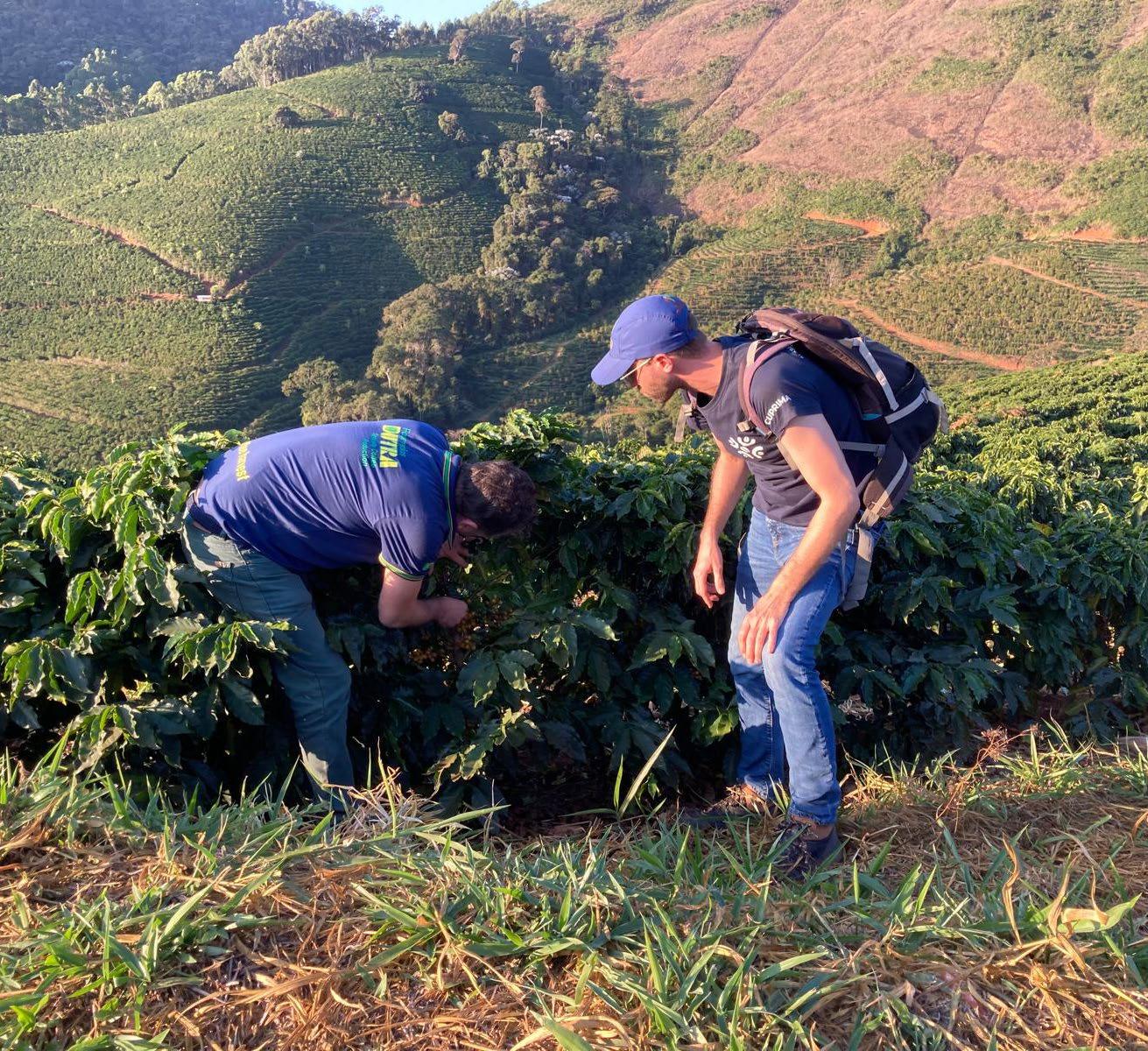
At CUPRIMA , we see ourselves as facilitators rather than just buyers. Our role is to support producers in positioning their coffees internationally, guiding them through regulatory requirements like the EUDR, and helping them understand the expectations of final consumers. We act as a voice for producers, telling the story of their coffee: what makes it distinctive, and why it stands apart.
Sourcing with intention and identity means building long-term relationships with farmers and communities. Trust, collaboration, and shared commitment to quality are central. Coffee sourced this way reflects care, integrity, and relationships -not just transactional value.
Authentic storytelling is part of this philosophy. We help roasters craft narratives rooted in truth, providing insights from origin, sensory profiles, fermentation details, visual materials and, whenever possible, direct introductions to the farmers behind the beans. These stories give coffee identity and resonance beyond the cup.
True sustainability also means transparency about the relationships behind every bag of coffee. It is about understanding each other’s realities, fostering respect, and creating partnerships where both producers and buyers can grow together. Only through these intentional, trust-based relationships does coffee go beyond being a commodity -it becomes coffee with an identity, carrying the care, expertise, and collaboration that define CUPRIMA
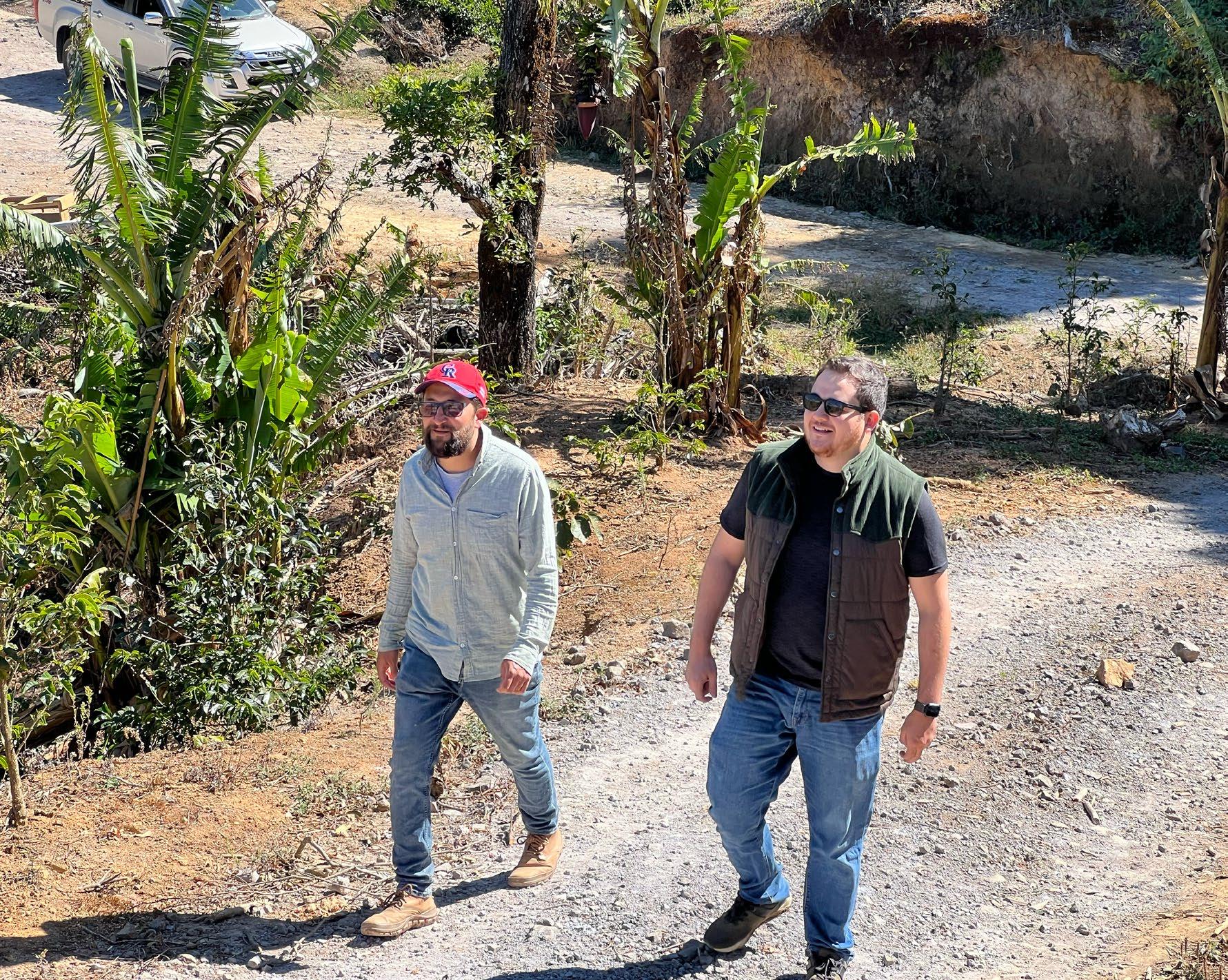
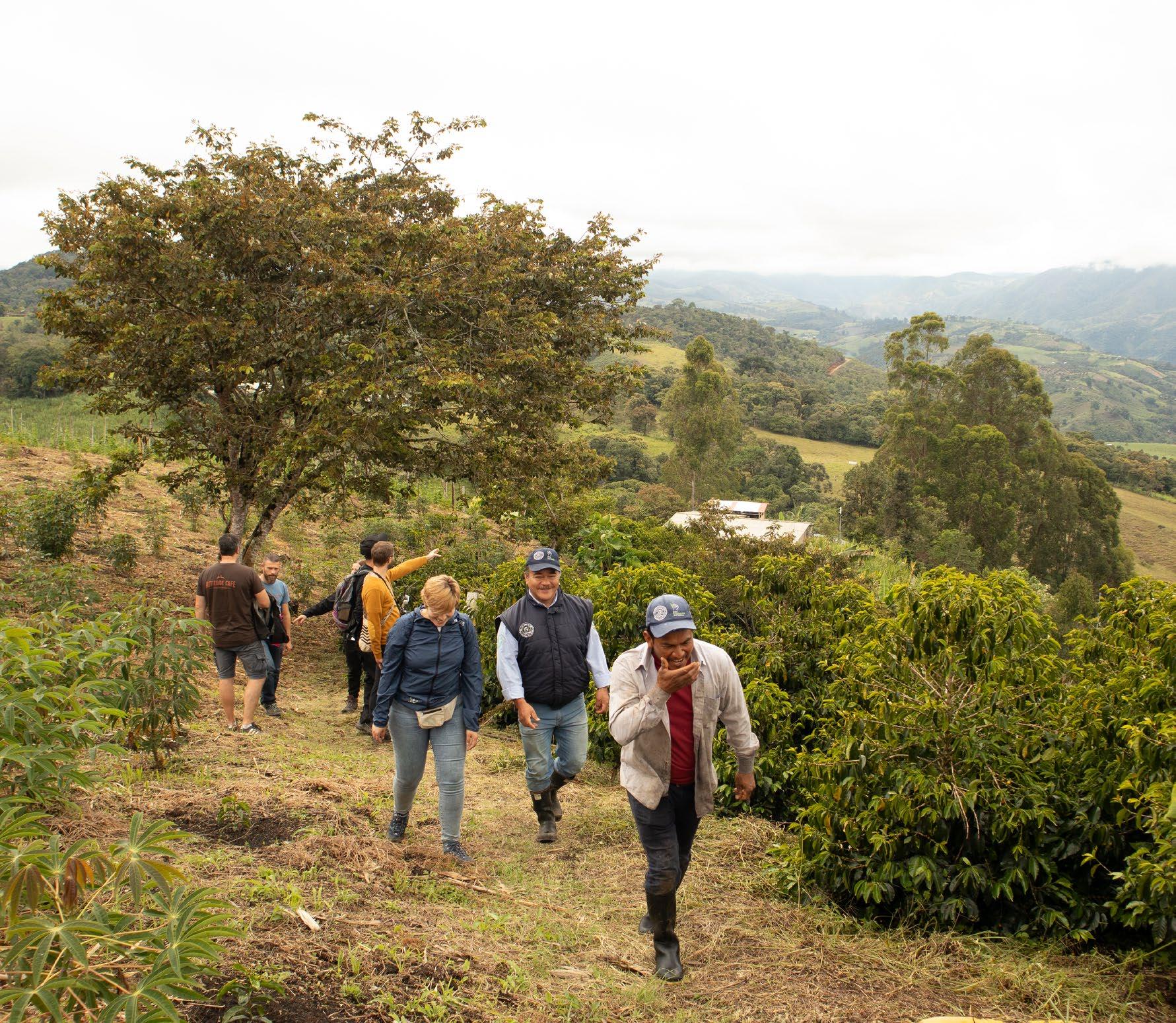
COFFEE WITH AN IDENTITY
Sourcing is not simply about importing beans. At CUPRIMA , we are hands-on sourcers, flavour connoisseurs, and origin collaborators. Most importantly, we are bean bridgers: connecting farmers with roasters, ideas with execution, and coffees with the stories they carry.
What we deliver is more than coffee. It is coffee with an identity -shaped by expertise, guided by intention, and grounded in the care, integrity, and relationships behind every bean. That is what CUPRIMA stands for: Coffee with an Identity.
KUDO’S, INSPIRATION & REFERENCES
INTELLIGENCE COFFEE – The industry needs to remember that relationship coffee is a business EFICO – Why teaming up with a Green Coffee Sourcer makes Sense
SILVA CACAO – The Art of Cacao Sourcing
SILVA CACAO – Why teaming up with a cacao Sourcer is a Smart Move, and then some…
Click here for the online insight
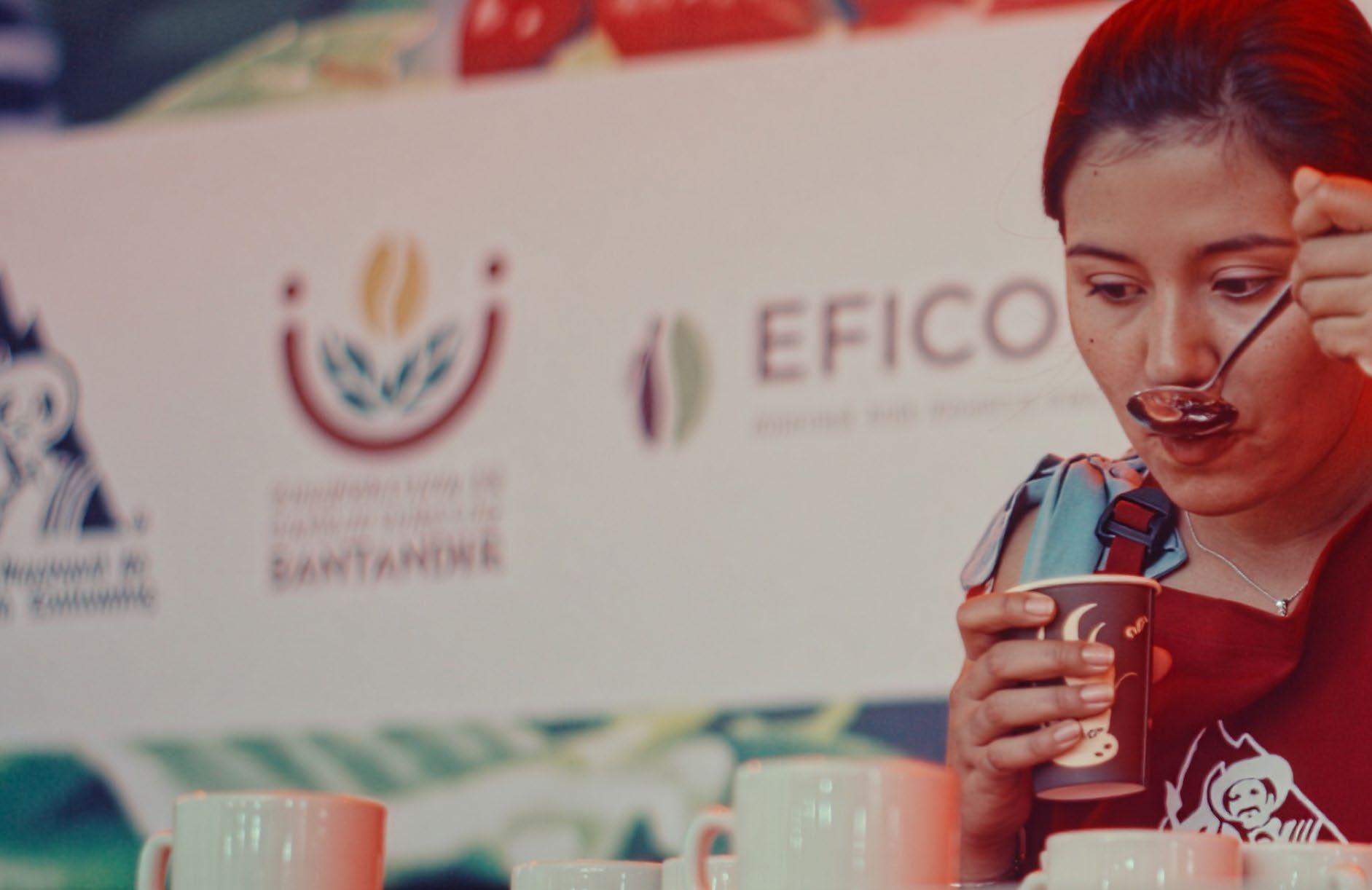
At EFICO, sourcing sustainably and establishing long-term partnerships with our customers and suppliers, facilitated by our local offices, is key. Our sustainable sourcing commitment goes hand in hand with investment in a sustainable coffee future through our EFICO FOUNDATION.
By supporting innovative and scalable projects in coffee-producing countries, along with the coffee roasting community and institutional partners, a positive ripple effect is put into motion.
Established as a private foundation in 2003, the EFICO FOUNDATION’s goal is to positively impact coffee farmers’ livelihoods, prosperity and environment. The multi-stakeholder approach adopted is unique and is a dynamic tool to foster partnerships. The EFICO FOUNDATION is about PEOPLE: from coffee farmers, their families and local communities to coffee roasters and coffee lovers.
To date, we report back on about 90 projects in 18 producing countries Discover them on our website.
IN SHORT:
Private foundation, established in 2003
• Co-designs and supports projects that create a positive impact on coffee farmers’ livelihoods, prosperity and environment
• Projects are selected by an independent jury of experts
• A flexible tool to build a sustainable supply chain : support by sourcing coffee with EFICO contributing 0.25 EUR/kg or direct transfer to the Fund Friends of EFICO FOUNDATION: www.eficofoundation.org
• 100% of the contribution goes directly to the projects, EFICO covers operational expenses, funds are managed independently and transparently by the King Baudouin Foundation
Working together: a multi-stakeholder approach, fostering partnerships
IN 2025:
• 9 projects in 4 different countries with concrete impact
• direct improved possibilities, empowerment and prosperity for 8,218 coffee entrepreneurs generating a positive impact on the lives of more than 6,783 coffee families
Field Trips | Travelling to the Origins
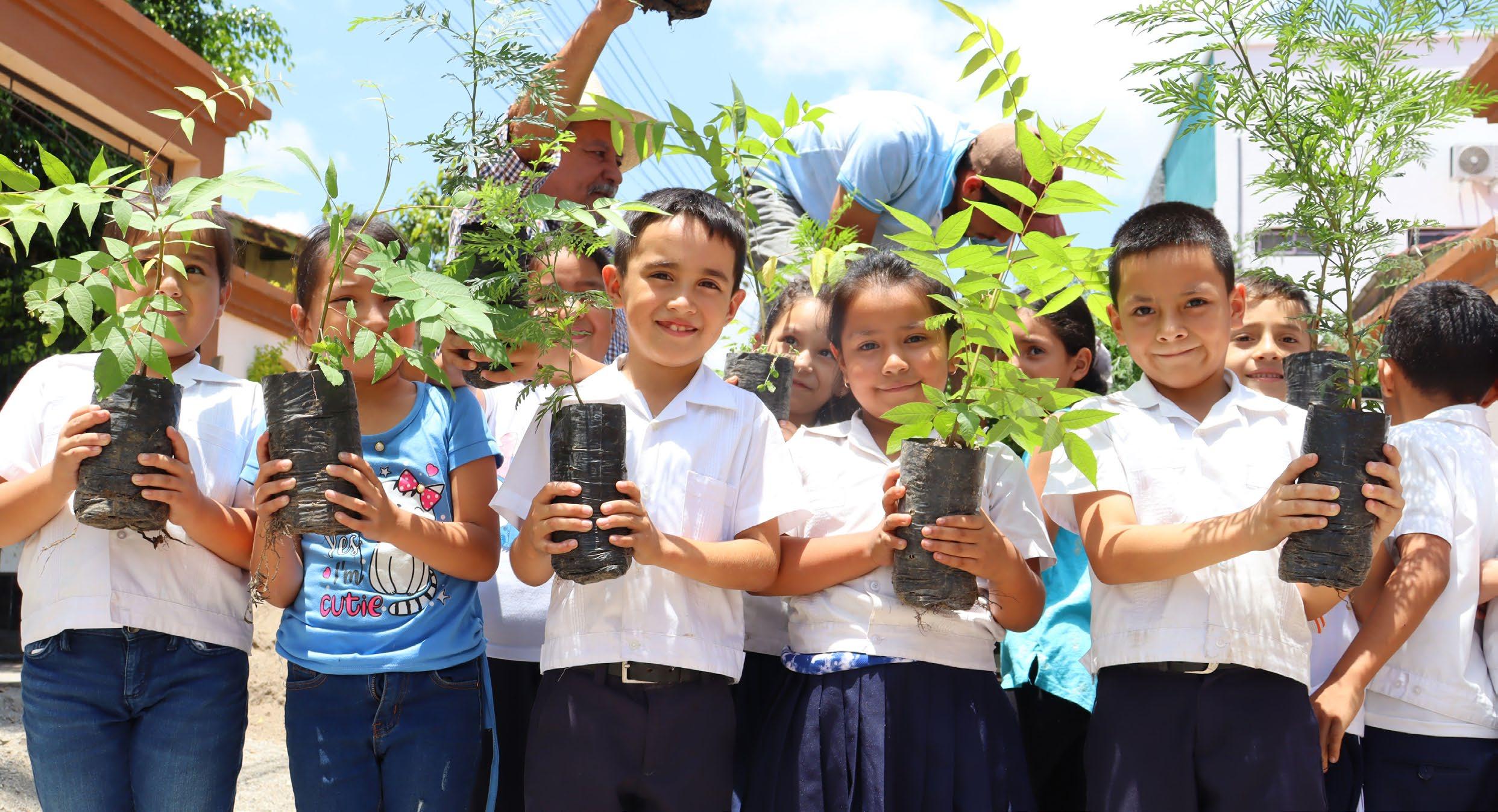
Various trips to Central and South America and Africa
Fairs and coffee events | Attending, Networking & Hosting
It was nice to reconnect at WOC Geneva, Paris Coffee Show, SCA Houston, Anacafé’s Coffee Congress, 16th SCTA Coffee Forum & Dinner and Sintercafé.
EFICO FOUNDATION PARTNERSHIP IMPACT REPORT
Together with our EFICO FOUNDATION partners, we proudly look back on 9 projects in 2025 that have directly improved opportunities, empowerment, and prosperity for 8,218 coffee entrepreneurs, while positively impacting the lives of more than 6,783 coffee families.
Through Public–Private Partnerships, such as the Tanzania projects featured on the following pages, we are able to scale impact even further.
Our EFICO FOUNDATION partnership impact report serves as a practical tool for our partners, enabling them to demonstrate the tangible results achieved through each supported project and its contribution to the United Nations Sustainable Development Goals.
Find out more
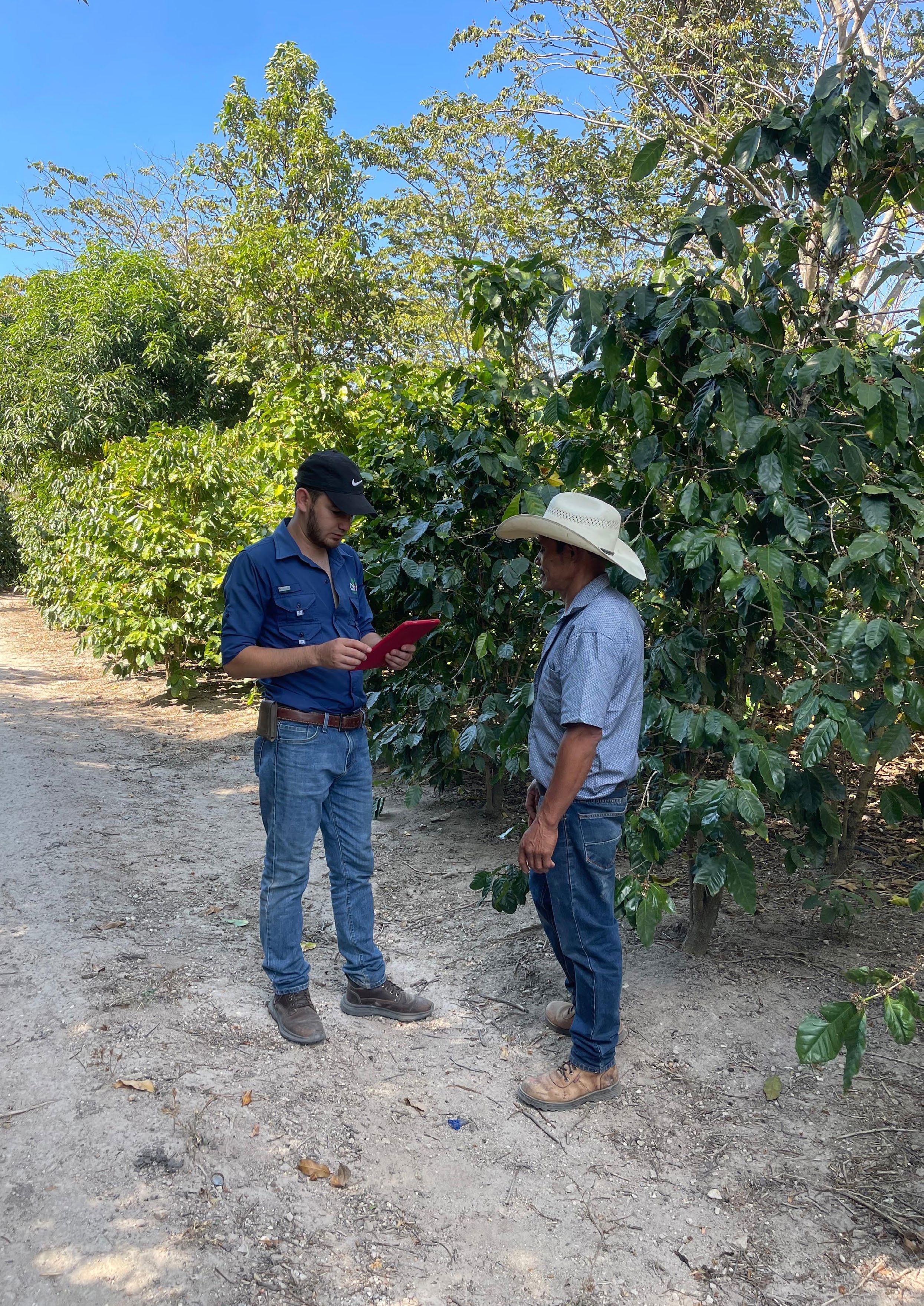
In 2025, the EFICO FOUNDATION supported nine projects across four different countries, directly improving opportunities, empowerment, and prosperity for 8,218 coffee entrepreneurs and generating a positive impact on the lives of more than 6,783 coffee families
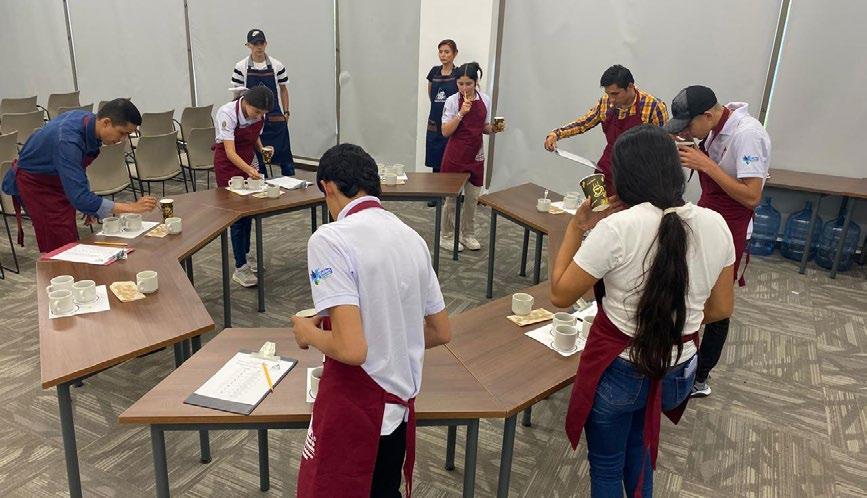
A new generation of coffee entrepreneurs, committed to productivity and quality
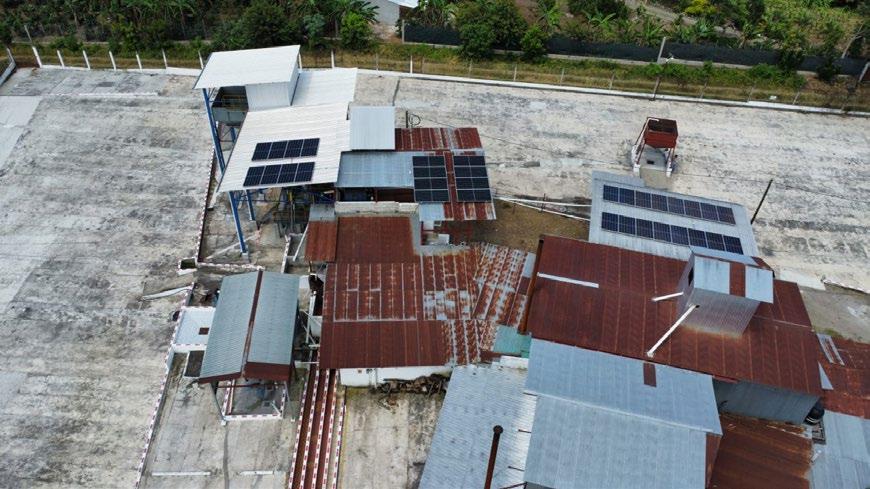
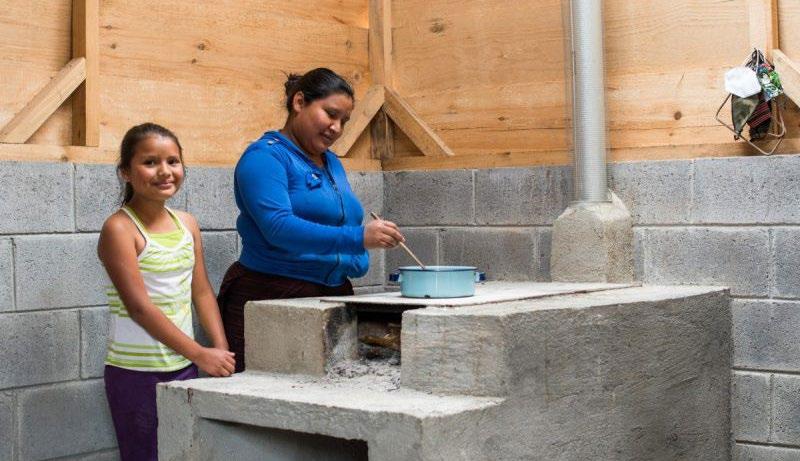
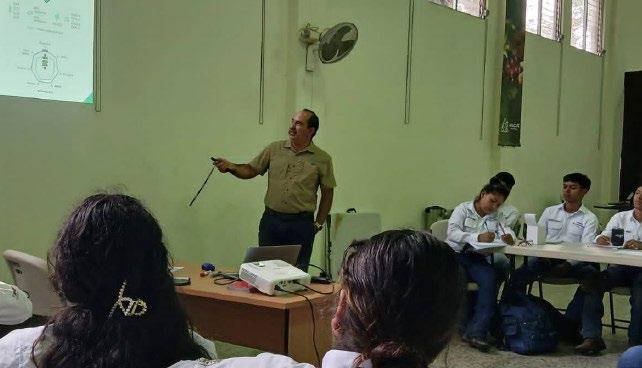
GUATEMALA Entrepreneurs in action: 4th Bachelors in coffee project
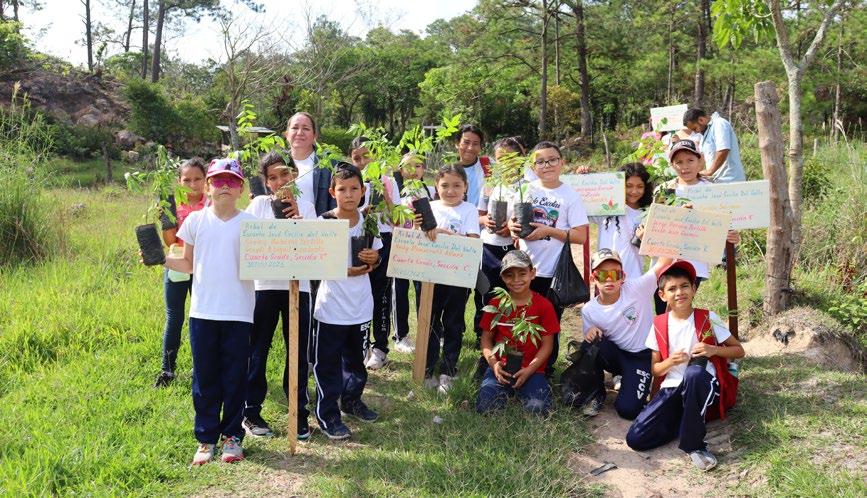
HONDURAS
Zero Carbon: Towards Sustainable Coffee Farming
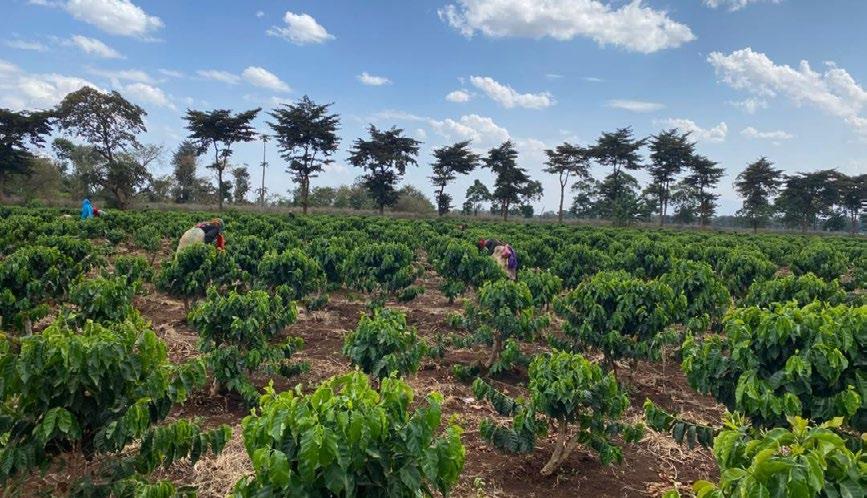
TANZANIA
Kilimanjaro
Climate Smart Agriculture Phase 2
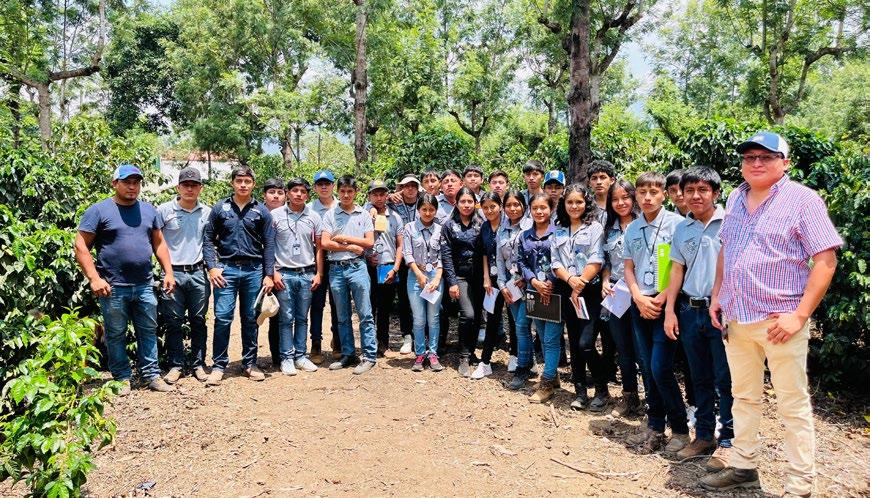
GUATEMALA Entrepreneurs in action, Bachelors in coffee at Finca El Platanillo and Finca El Panorama
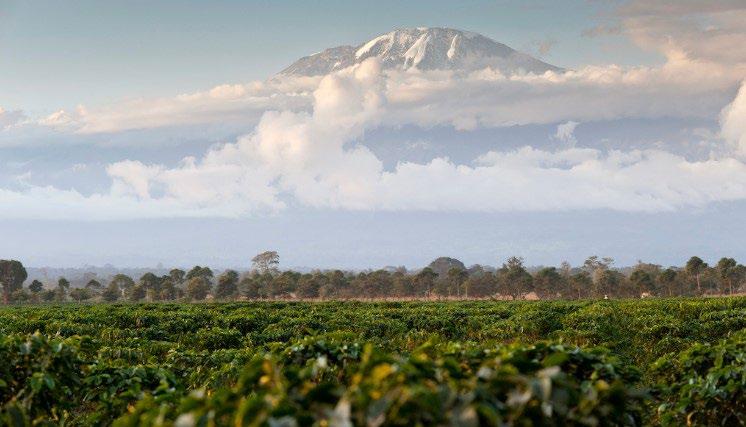
TANZANIA
Kilimanjaro
Water & Food for All
TANZANIA
Kilimanjaro
Water & Food for All Phase 2
For this 2025 reporting, we reflect on EFICO FOUNDATION’s Flagship project ‘KILIMANJARO WATER & FOOD FOR ALL’, launched in honour of 20 Years of EFICO FOUNDATION in 2023:
EFICO FOUNDATION PROJECT
KILIMANJARO WATER & FOOD FOR ALL
PHASE 1
In 2023 , we proudly celebrated 20 years of EFICO FOUNDATION -2 decades of meaningful impact supporting coffee farmers, guided by our motto: ‘Coffee for People, People for Coffee’. To mark this milestone, we launched a new EFICO FOUNDATION flagship project, ‘KILIMANJARO WATER & FOOD FOR ALL’ (KW&F4A).
Co-funded by EFICO, EFICO FOUNDATION and African Partnerships Kilimanjaro and partnered by Herencia Value your Legacy, this Phase supported the water-intake infrastructure in the Weru Weru sub-catchment and promoted reforestation efforts. It represented a key step toward a scalable model for water management that, combined with regenerative agriculture, enhances productivity, secures rural water supply, and supports communities linked to coffee and food production (maize, beans, and other short-cycle crops).
As the ‘KW&F4A’ project is scalable and serves as a replicable model for advancing additional cooperative-owned farmlands in Kilimanjaro, together with our partners, we remain committed to expanding this initiative. The project also promotes cultural change and multi-stakeholder engagement, driving the positive transformation of the coffee sector while highlighting values such as conservation, participation, regeneration, prosperity, innovation, and collaboration.
Phase 2 introduced two key projects, funded and implemented through publicprivate partnerships:
• ‘Kilimanjaro Climate Smart AgricultureWater and Food for All’, co-financed by the Flemish Government, is a demonstration project focusing on climate change mitigation and adaptation through water-efficient irrigation on approximately 123 hectares and regenerative agriculture on 440 hectares in Lyamungo and Manushi Narumo farms.
The project also supports awareness campaigns and capacity-building initiatives, reaching 3,500 cooperative members.
• ‘Kilimanjaro Water and Food for All’, co-financed by the Business Partnership Facility (an initiative funded by the Grand Duchy of Luxembourg), promotes a sustainable and reliable coffee supply chain from Tanzania to Europe by implementing water-efficient irrigation on 120 hectares of Kyumasha and Fonrwa farms. The project also includes regenerative agriculture, capacity-building sessions, and a strategic sustainable market strategy, benefiting 2,700 cooperative members.
EFICO and APK co-finance both projects with HerenciaVL serving as a key partner and strategic advisor to ensure maximum project impact.
In early 2025 , project implementation began with the support of our partners.
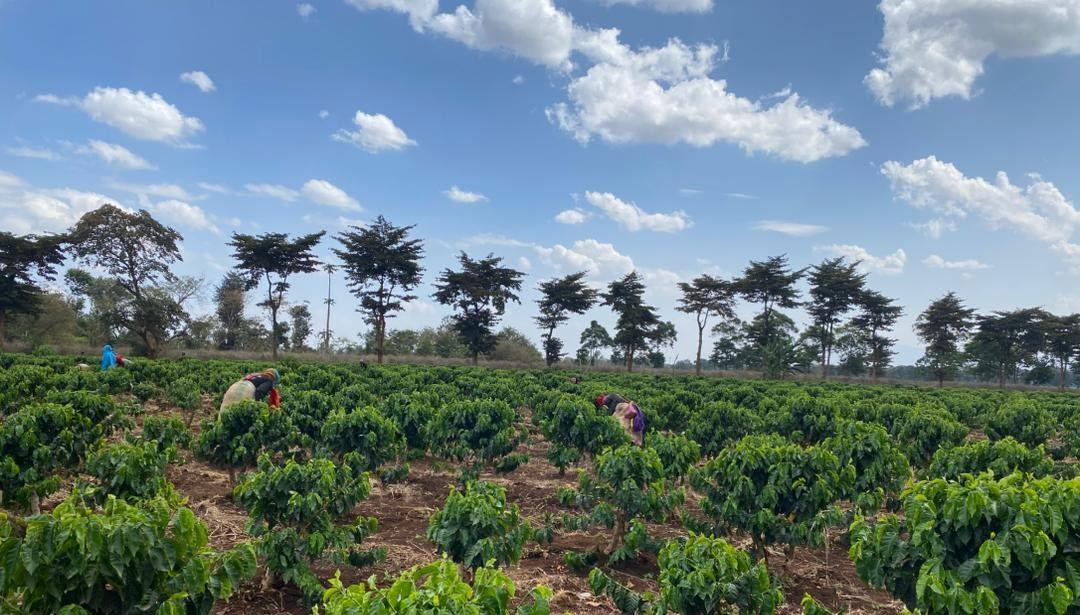
The 'Kilimanjaro Water & Food for All' project Phase 1 supported the water-intake infrastructure in the Weru Weru sub-catchment and promoted reforestation efforts, laying the foundation for water-efficient irrigation and regenerative agriculture in selected areas.
Phase 2 scales up this approach by expanding water management using low-carbon irrigation systems, while continuing the implementation of regenerative and climate-smart agriculture.
JANUARY 2025 TO JULY 2027:
This project is co-financed by the Flemish Government through the Flanders International Climate Action Programme (FICAP), a funding call coordinated by G-STIC and the department of Environment and Spatial Development. The project runs from January 2025 to July 2027.
Purpose:
Demonstrating a Climate Smart Agriculture (CSA) model for water management and regenerative agriculture, the project will implement a low-carbon, gravity-fed irrigation system on 123 hectares of Lyamungo and Manushi Narumo cooperative farmlands managed by APK, alongside a regenerative agriculture plan for 440 hectares, supported by capacity-building sessions, awareness campaigns, and stakeholder collaboration.
→ The project aims to reduce CO₂ emissions, address climate change impacts, empower women and youth, and improve local livelihoods.
Beneficiaries:
The project directly benefits at least 3,500 cooperative members and local institutions, including schools, health centers, and community farms, and indirectly reaches more than 3,700 community members through improved water access and strengthened resource management.
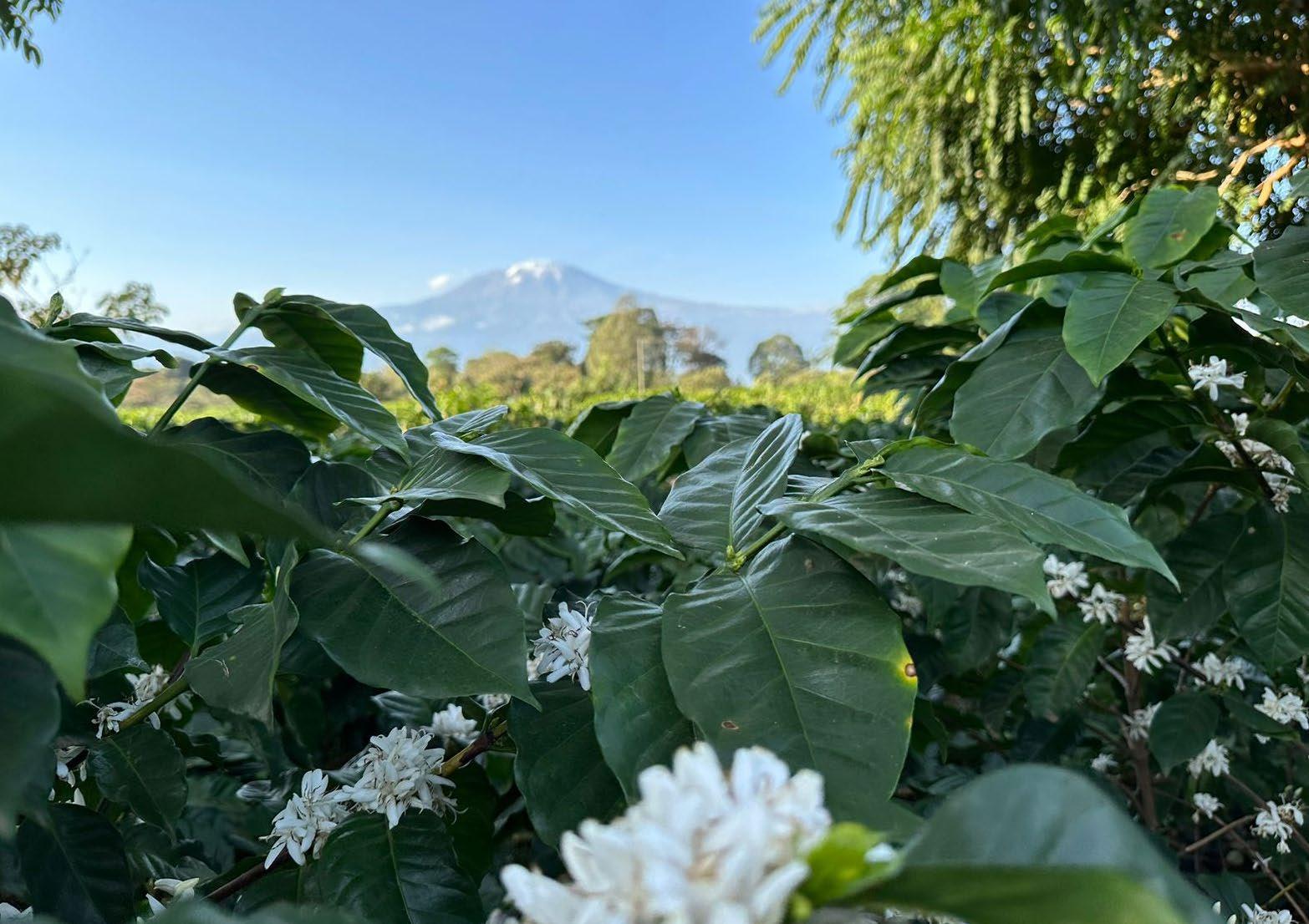
Location: Farmlands of Lyamungo and Manushi Narumo Cooperatives at the foot of Mt Kilimanjaro in Tanzania
Project actions and positive pursuits:
☑ The design of low-carbon, gravity-fed irrigation systems for 123 hectares of cooperative land has been completed, providing the basis for efficient and sustainable water use.
☑ Once installed, the new irrigation system is expected to reduce water loss by over 20% and eliminate diesel-powered irrigation, lowering CO₂ emissions by 215.54 metric tons annually for the targeted area.
☑ Demonstration plots will illustrate efficient water use and climate-smart agriculture practices.
☑ In parallel, a regenerative agriculture plan has been developed for 440 hectares -achieving 100% of the target, along with a planned reforestation of 37.4 hectares of riverine buffer zones with over 16,000 native trees.
☑ Capacity-building sessions have benefited 102 participants, with a particular focus on women and youth. Demonstration plots have been identified to provide practical examples for local adoption and learning.
☑ A training manual was developed, translated into Swahili, enabling participants to adopt sustainable practices that enhance resilience, soil health, and productivity.
☑ A stakeholder mapping was conducted to strengthen the multi-stakeholder partnership, including cooperatives, the Tanzania Coffee Board (TCB), the Tanzania Coffee Research Institute (TACRI), and the Sustainable Water Management Partnership (SUWAMA), to enhance collaboration and project impact.
→ These efforts are creating the conditions for a scalable Climate-Smart Agriculture model that promotes food security, reduces CO₂ emissions, and improves livelihoods in the Kilimanjaro region.
This project contributes to
MARCH 2025 TO MARCH 2027:
This project is co-financed by the Business Partnership Facility, an initiative funded by the Grand Duchy of Luxembourg and implemented by LuxDev, the Luxembourg Development Cooperation Agency.

Purpose:
Promoting a sustainable coffee supply chain with origin in Tanzania’s Kilimanjaro region, the project implements a low-carbon, gravity-fed irrigation system on 120 hectares of Kyumasha and Fonrwa cooperative farmlands managed by APK, supported by regenerative agriculture practices, capacity-building sessions, and a strategic approach for Belgium and the European markets.
→ This project aims to enhance coffee productivity and quality, reduce CO₂ emissions, strengthen rural incomes, create employment opportunities, and benefit local communities while supporting a resilient coffee sector.
Beneficiaries:
The project directly benefits 790 APK staff and 2,700 cooperative members by supporting higher incomes and local employment, while the new irrigation system provides surplus water to 177 hectares downstream, indirectly enhancing water access for surrounding communities.
Location:
Farmlands of Kyumasha and Fonrwa Cooperatives at the foot of Mt Kilimanjaro in Tanzania
Project actions and positive pursuits:
☑ The installation of the closed, gravity-fed irrigation system covering 120 hectares in the Lambo and Silverdale (KYUMASHA) AMCOS was successfully completed. The system now supplies stable irrigation to 120 ha of coffee farms, and hydraulic modelling confirms an additional 177 ha of downstream land benefiting from improved flow regularity and water availability.
☑ CO₂ emissions from irrigation decreased from approximately 74.69 t CO₂/year (baseline diesel pumping) to ~0 tCO₂/year, as gravity flow fully replaced fossil-fuel pumping.
☑ Regenerative agriculture practices -including cover cropping, organic amendments, and agroforestry - have enhanced soil fertility and increased crop resilience.
☑ Training delivery reached 148 smallholders (51% women and 95% aged 18–35), representing the first wave toward the project’s 790 target beneficiaries.
☑ A gender-balanced expansion plan is underway to achieve ≥60% women participation by the end of year two, including tailored scheduling, peer women trainers, and on-farm mentoring.
☑ A practical Kiswahili training manual on Regenerative Coffee Farming and Efficient Water Use was developed and distributed to support adoption of sustainable practices.
☑ Risk assessments were conducted, including a Double Materiality Analysis to ensure alignment with EUDR and CSRD.
☑ A robust governance and reporting system was established to ensure compliance. Monitoring and reporting tools and guidelines, along with capacity-building support, have been provided to facilitate effective impact reporting. These resources also guide the incorporation of a gender approach throughout implementation.
☑ Tanzanian “Tumaini” coffee was promoted in European markets, showcasing the partnership, sustainable production, and community development.
This project contributes to
LOOKING AHEAD - WHAT'S NEXT?
We continue to expand the ‘KW&F4A’ project as a scalable, replicable model for advancing additional cooperative-owned farms in Kilimanjaro. At the same time, it fosters cultural change and multi-stakeholder engagement, supporting the transformation of the coffee sector and promoting values such as conservation, participation, regeneration, prosperity, innovation, and collaboration.
We truly value our partners’ support and look forward to continuing this journey.

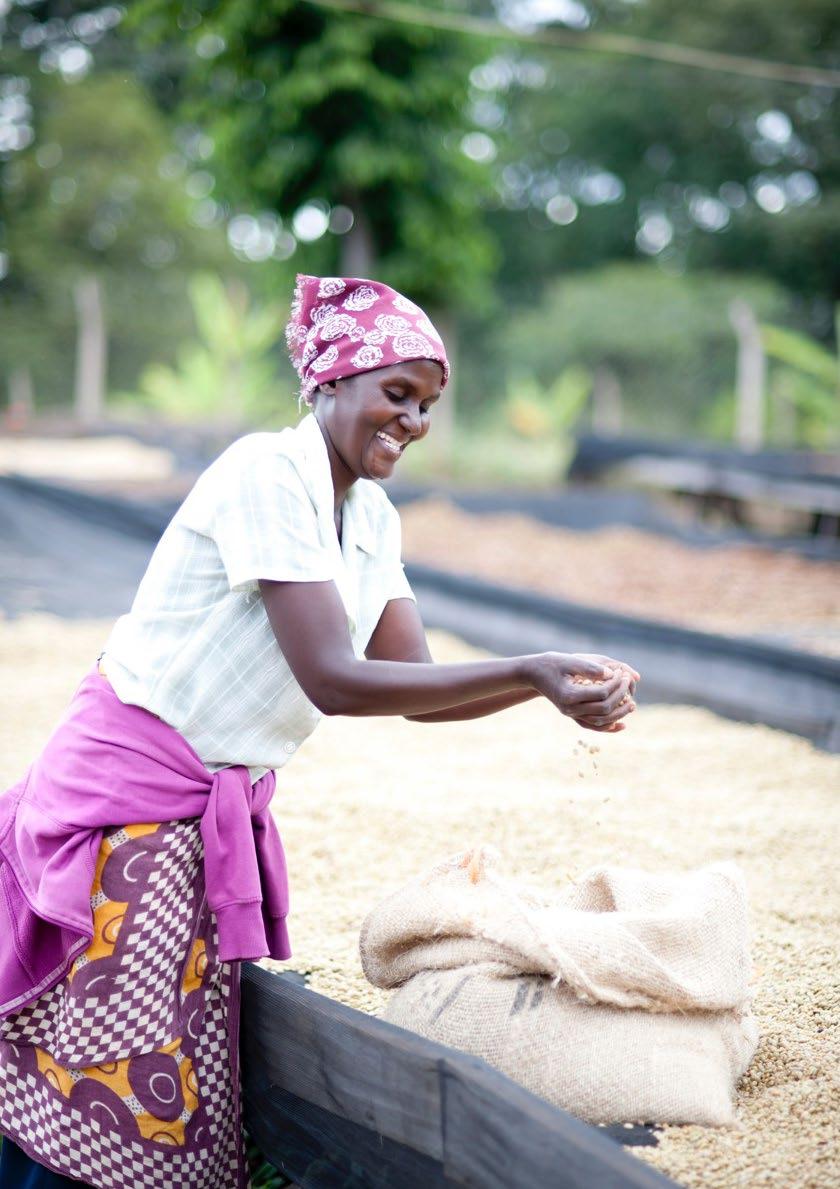
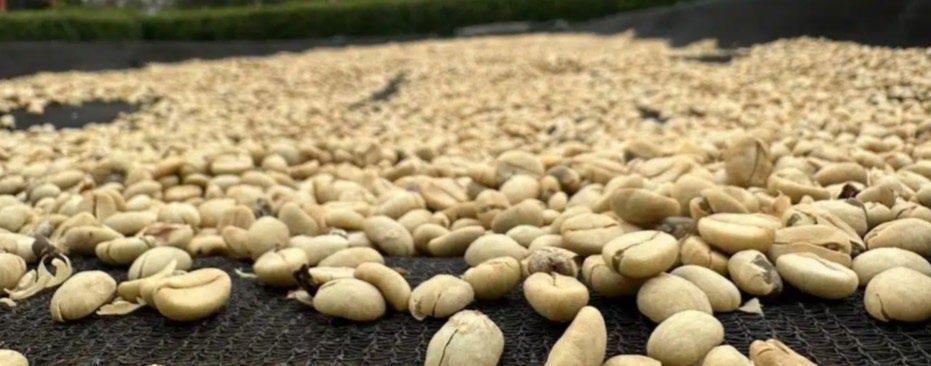
REGION:
Region: Kilimanjaro region, Tanzania
Altitude: between 1,350 - 1,750 masl
COFFEE SPECS:
Species: Arabica
Varieties: Bourbon, Kent, N39, KP, F6
Picking: Hand Picked
Process: Washed coffee - via semi-submersive channel, saves 85% water consumption vs traditional washing method.
Drying: 50% sun-dried and 50% mechanical dryer with temperature control in slack combustion silo
OUR CUPPING NOTES:
This fully washed APK coffee has a balanced cup, fine acidity, milk chocolate body with fruity flavours, berry and tobacco notes, bright sweetness and rounded with a smooth finish.
CERTIFICATION & RECOGNITION:
Rainforest Alliance
EFICO FOUNDATION PROJECT: KILIMANJARO CLIMATE SMART AGRICULTURE PHASE 2
EFICO FOUNDATION PROJECT: KILIMANJARO WATER AND FOOD FOR ALL PHASE 2
EFICO COFFEE: TANZANIA TUMAINI, KILIMANJARO
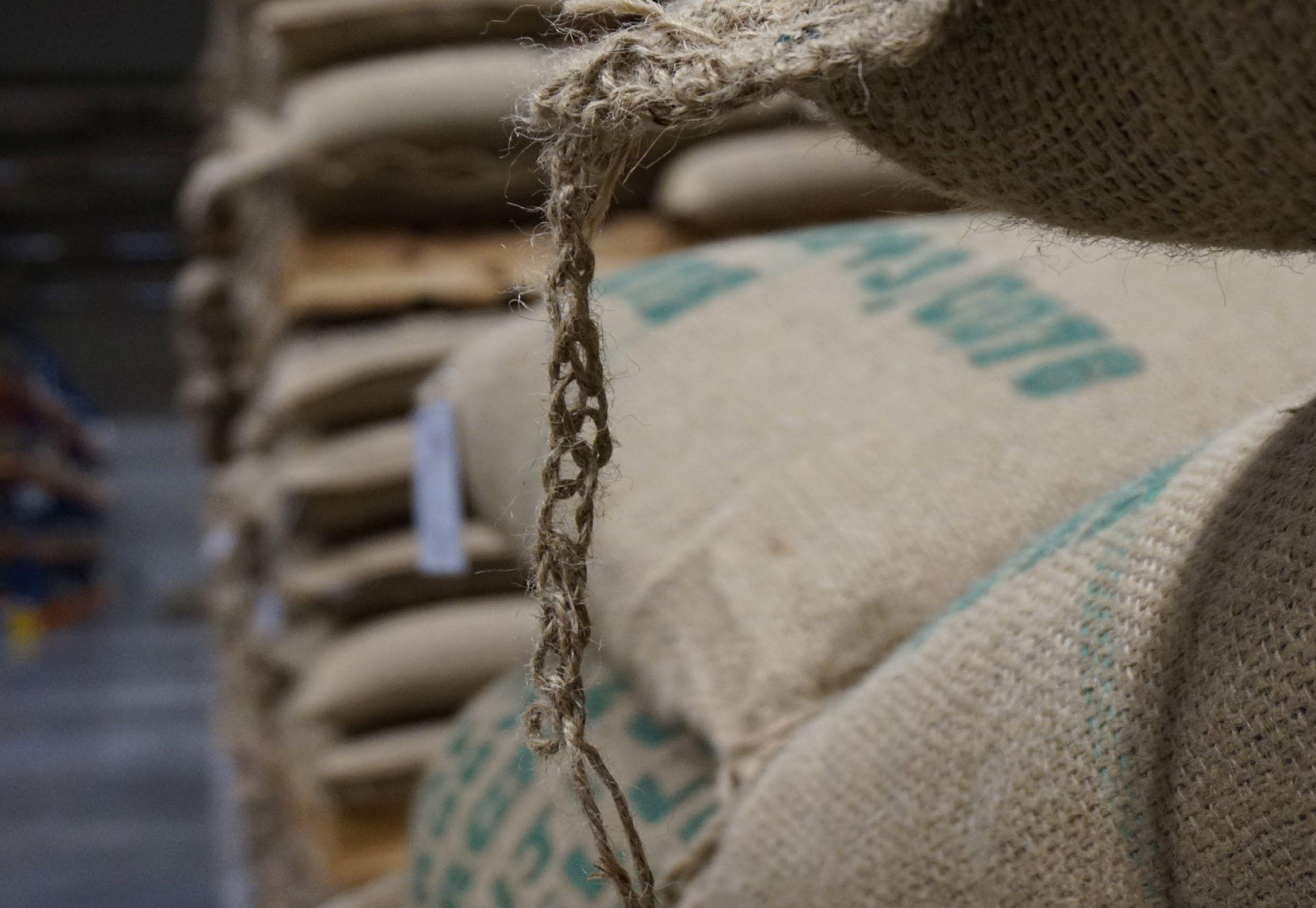
sive array of services encompasses shipping, transportation, forwarding, customs and documentation handling, as well as coffee loading and coordinating transportation to end customers on behalf of coffee traders.
SEABRIDGE functions as an advanced logistics service hub and distribution platform tailored specifically for the coffee industry, strategically positioned within the port of Zeebrugge, Belgium.
Its primary aim is to excel in providing solutions for the storage, sustainability, and traceability of green coffee. Its comprehen -
Backed by a proficient and seasoned team, SEABRIDGE offers a range of value-added services such as coffee reprocessing, sieving, blending, and repacking, tailored to meet the diverse needs of its clientele. Be it boxes, bags, big bags, or bulk shipments, SEABRIDGE 's adaptable logistics solutions are meticulously tailored from the point of origin to the final destination. The warehouse infrastructure at SEABRIDGE is meticulously designed to maintain optimal storage conditions for green coffee, employing highly automated processes for precision.
In 2018, SEABRIDGE attained the distinction of being the first Belgian company to be recognized as an SCA Premier Training Campus, a testament to its commitment to excellence. Collaborating with the Coffee Quality Institute (CQI), SEABRIDGE organizes annual training courses in coffee quality control, covering Q-Grading, Q-cupping, and Q-Calibration & Retakes.
SEABRIDGE is dedicated to improving energy efficiency in its operations and storage. They work actively to reduce the use of fossil fuels by carefully tracking greenhouse gas emissions and setting strategic goals to lessen their environmental impact.
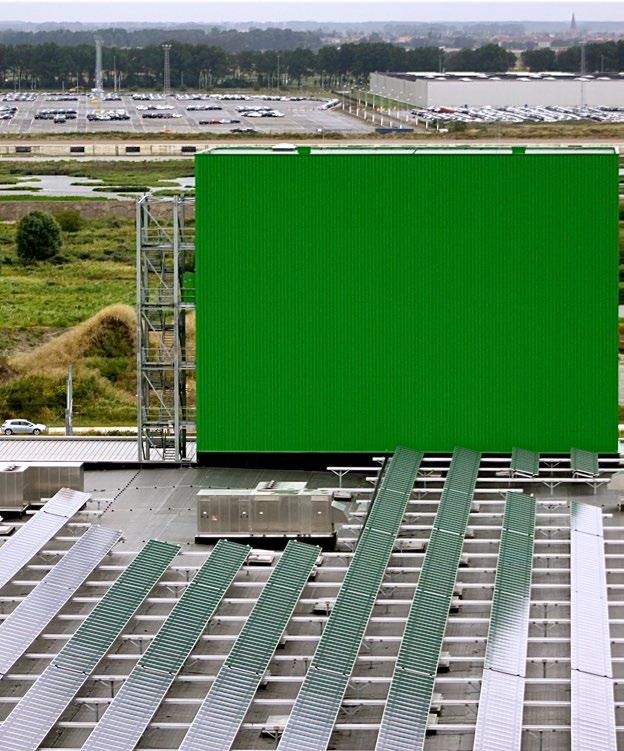
Founded in 2009 at the Port of Zeebrugge, establishing itself as a pioneer in sustainable green logistics services
• Achieved AEO (Authorised Economic Operator) certification in 2012, a global mark of quality recognizing secure supply chain operations, efficient standards, and trustworthiness as a business partner
In February 2015, the NOORD NATIE group elevated its managerial engagement within the EFICO Group
• In 2018, SEABRIDGE became the first Belgian SCA certified premier training campus
• In July 2023, SEABRIDGE was granted with the Rainforest Alliance 2020 Program License
• In 2024, SEABRIDGE received the SDG Pioneer Certificate at the VOKA Sustainability event, recognizing leadership in sustainable development
• SEABRIDGE operates a 20,000 m² warehouse with 9 loading docks, 24 silos, and a storage capacity of 16,000 MT for coffee in bags or big bags
• SEABRIDGE’s warehouse is equipped with an advanced environmental control system, including permanent humidity and temperature monitoring, air filtration, sterilization, and ventilation systems
• Powered by 4,600 photovoltaic panels, SEABRIDGE generates 1 MW of peak green energy
• SEABRIDGE guarantees automated goods handling (receiving and processing), ensuring maximum efficiency and accuracy
SEABRIDGE is accessible via inland shipping, sea, and on-site rail connections, with 99% of import containers utilizing intermodal solutions
• SEABRIDGE features an on-site laboratory for rigorous quality testing and analysis of incoming coffee
• The core principles of SEABRIDGE are centered around a commitment to quality, maintained through the highest standards and just-in-time services; traceability, supported by an advanced track-and-trace system; and sustainability, driven by the use of green energy, waste recycling, and the cultivation of strong, long-term partnerships
Dear Stakeholders, Partners and Friends of EFICO,
As EFICO enters 2026, the global coffee market is not calmer, but more defined. After years marked by sharp rallies, sudden reversals, and overlapping disruptions, volatility has become a structural condition rather than an occasional disturbance. The challenge ahead is not avoiding movement, but navigating it with clarity, discipline, and purpose.
EFICO ’s approach is guided by long-standing values, with quality at its core. Combined with consistency, reliability, and transparency, these principles shape how we source, trade, and deliver coffee and sustain long-term partnerships across the coffee value chain.
Global coffee markets enter 2026 characterized by tight supplies, elevated prices, and ongoing volatility. Any potential easing later in the year -linked to expectations of a strong Brazilian harvest in 2026/27, will depend largely on how conditions unfold. Weather remains the dominant variable, particularly in major coffee-producing regions, where rainfall patterns and extreme temperatures continue to drive yield expectations and market sentiment.
The inverted market remains a notable feature at the start of 2026, with near-term prices higher than those for later deliveries. While this reflects current tightness and cautious sentiment among traders, it is important to recognize that these conditions are dynamic and may shift as the year progresses, depending on production, weather, and global stock movements. EFICO’s experienced teams and strong part-
nerships across the value chain provide the flexibility to respond proactively, ensuring continued access to quality coffee while supporting partners reliably, regardless of how the market develops.
After several years of declining stocks, even modest supply risks can move markets. Futures prices reflect not only confirmed data, but anticipated disruption, amplifying price swings well ahead of harvest outcomes. Modest production gains in origins such as Vietnam, Indonesia, and Ethiopia are offset by uncertainty in key arabica producers, keeping global balances tight.
Demand adds another layer of complexity. While European and North American consumption remains stable -particularly for specialty and responsibly sourced coffees, growth in Asia continues to reshape global dynamics. These uneven demand patterns, together with tight supply, reinforce that volatility is a persistent market feature.
For European operators, regulatory change adds further complexity. The postponed implementation of the EU Deforestation Regulation (EUDR), alongside the threshold revision of the Corporate Sustainability Reporting Directive (CSRD), reinforces the importance of traceability, transparency, and accountability. Good governance is increasingly a structural element of how coffee is sourced, documented, and traded. Navigating this evolving landscape requires strong alignment across stakeholders, sound data integrity, and a long-term commitment to sustainable practices.
Sustainability has long been embedded in EFICO’s way of working and remains at the heart of our operations in 2026. Building on 2025 initiatives -from geolocation mapping
to aligning systems and processes, EFICO is further enhancing regulatory readiness and deepening sustainability integration. Simultaneously, preparations for CSRD are progressing, with strengthened data collection and reporting across environmental, social, and operational dimensions.
A future key milestone will be the carbon footprint assessment across the entire coffee value chain -from the coffee farm to the roastery door. Through our recent Double Materiality Analysis (DMA), we identified EFICO‘s most significant impacts on people and the environment (inside-out), as well as the financial challenges and opportunities that sustainability topics present for EFICO (outside-in). By understanding these ESG themes, we are better positioned to implement targeted actions that minimize negative impacts, address emerging risks and opportunities, and meet stakeholder expectations.
Collaborating with specialized partners, EFICO translates this data into actionable insights that drive emissions reduction, enhance ESG performance, and create value across the coffee value chain. Through the EFICO FOUNDATION , we continue both existing and new social, environmental, and educational projects, aligned with the UN Global Compact and the Sustainable Development Goals, to structurally support coffee farmers and their families.
Throughout these initiatives, EFICO focuses on collaboration: guiding partners through change, using preparation time strategically, and ensuring sustainability strengthens -rather than fragments- the coffee value chain.
None of these initiatives would be possible without the dedication, expertise, and resil-
ience of EFICO colleagues across all offices and functions. Their daily work ensures quality is upheld, coffee flows efficiently, and partnerships remain strong.
Our producing and roasting partners are equally vital. Through long-term engagement, shared responsibility, and transparent communication, these partnerships form the backbone of trust across the value chain.
In a market shaped by volatility and transformation, EFICO ’s role as a trusted ally is increasingly crucial. We offer access to carefully selected coffees across all categories -conventional, specialty, verified and certified, supported by market insight, technical expertise, and flexible logistics.
Clear and open communication, combined with active dialogue with partners through sector platforms -including associations, institutional partners, and civil society, remains a key objective. By engaging in these forums, EFICO helps to ensure that the sector’s collective voice is heard, contributing to a resilient, future-proof coffee sector.
As EFICO approaches its 100th anniversary in June 2026, this milestone is more than a celebration -it is a testament to our track record, expertise, and enduring credibility in the coffee market. With gratitude to our producer and roaster partners, stakeholders, and EFICO colleagues, we move forward with confidence and long-term commitment.
With an experienced team at the helm and strong partnerships across the value chain, we look ahead to 2026 -not to wait for calmer seas, but to navigate them together with purpose, conviction, and shared responsibility.

We would like to take this opportunity to express our utmost gratitude to all our long-term partners: from coffee growers and suppliers to coffee roasters. A special thanks goes out to our institutional partners and civil society:







In a difficult context with several global challenges, your inspiration and continued support in our effort to contribute to the SDGs has made a difference. We are grateful for the exchanges, learnings and long-term cooperation.
This report is published online on the website of UN Global Compact ∙ unglobalcompact.org, and on the website of EFICO ∙ EFICO.com
This report has been prepared with due care; however, inadvertent errors or omissions cannot be entirely excluded.
Italiëlei 181, B-2000 Antwerpen Tel. : +32 (0)3 233 78 65 EFICO@EFICO.com www.EFICO.com