Designing a Resilient Future
Conway’s Climate Commitment
Graduate Program in Sustainable Landscape Planning + Design
Graduate Program in Sustainable Landscape Planning + Design
As an academic institution focused on ecological landscape design and planning, what is Conway’s role in climate mitigation and social justice?
New England’s identity is deeply rooted in its landscapes, from coastal cities and fishing towns to industrial centers, villages, suburbs, and the Berkshire Hills. These places, and the diverse communities within them, are already experiencing the impacts of climate change.
Recent climate studies are projecting the region will experience up to a 42% increase in winter precipitation and summertime temperatures resembling those in North Carolina by 2070. Sea level rise, increased drought, and inland flooding continue to pose major challenges across New England.1
“There can be no climate justice without social justice.”
Yolande Wright, COP212
Climate change will profoundiy impact the communities the Conway School serves by affecting agricultural outputs, species decline and biodiversity, water availability, and conservation efforts. These issues disproportionately impact historically marginalized communities, including racial minorities and low-income groups. The social and political systems that enable exploitation of people—their labor, health, and resources—enable the exploitation of natural systems.23
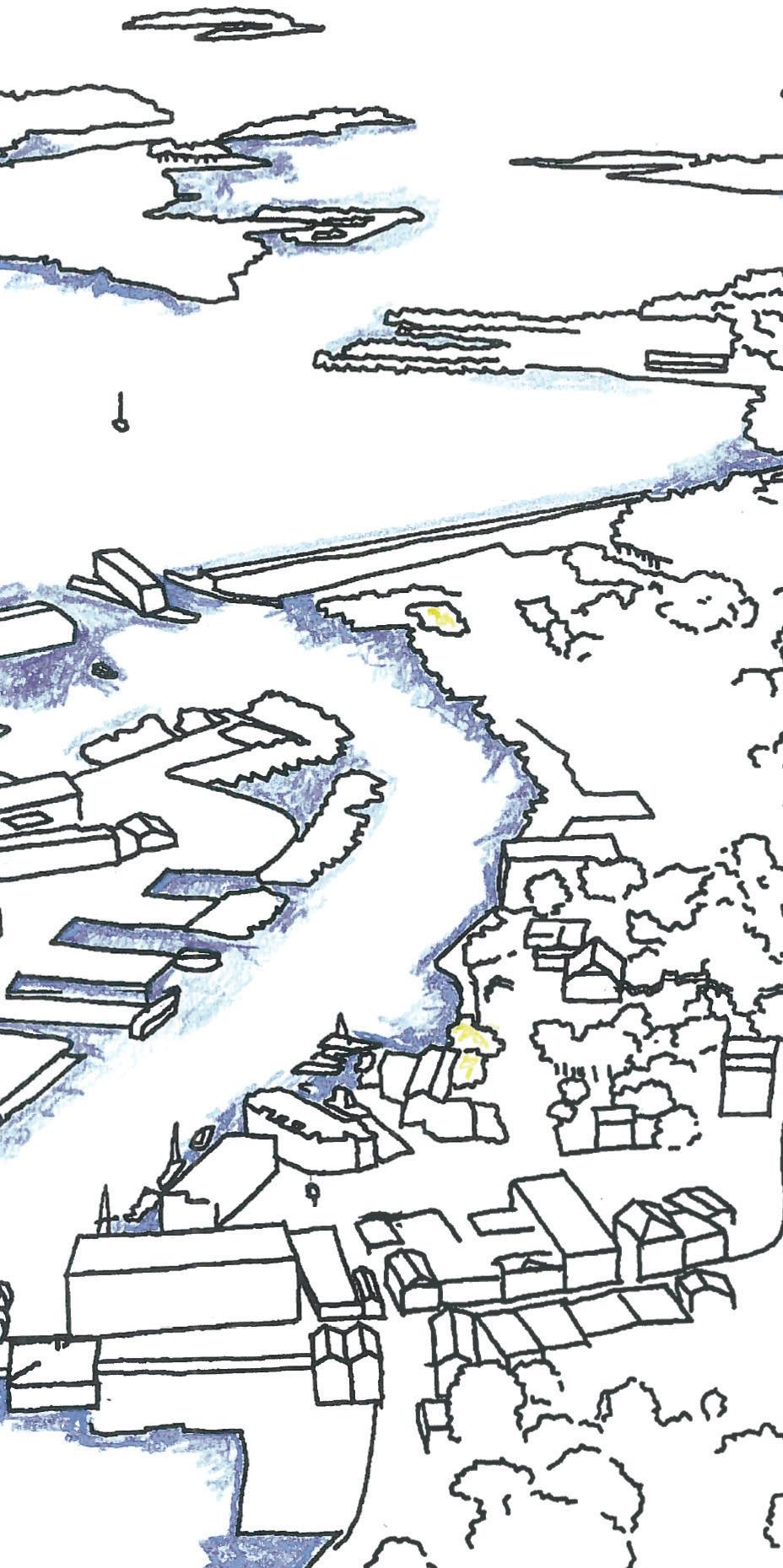
Above right: In Mystic, Connecticut, rising seas and intensifying storm surge highlight the urgent need for coastal adaptation. A winter student project by Martha Abbott ’19, Caitlin Broman ’19, and Bo Carpen ’19 explores living shoreline strategies—including breakwaters and marsh enhancement—to strengthen resilience at the water’s edge and offer a model for vulnerable communities across New England.
1 Massachusetts Municipal Association. 2023. “Administration unveils comprehensive plan for climate resiliency.” https://www.mma. org/administration-unveils-comprehensive-plan-for-climate-resiliency
2 Roelen, Keetie. 2021. “COP26: No climate justice without social justice.” Povery Unpacked. https://poverty-unpacked. org/2021/11/05/cop26-no-climate-justice-without-social-justice/.
3 World Health Organization. 2021. “Climate Change and Health.” https://www.who.int/news-room-fact-sheets/detail/climatechange-and-health
Students grapple with climate change implications. Climate change is discussed almost every day at the Conway School. Through thorough analysis of existing ecological and social conditions, the students uncover interrelated patterns of natural resource and human exploitation. Through field trips and classroom discussions, they gain a deeper understanding of these patterns and consider how designers and planners can reveal challenges, prevent further harm, and identify opportunities for healing and regeneration.
Examples of these learning opportunities include:
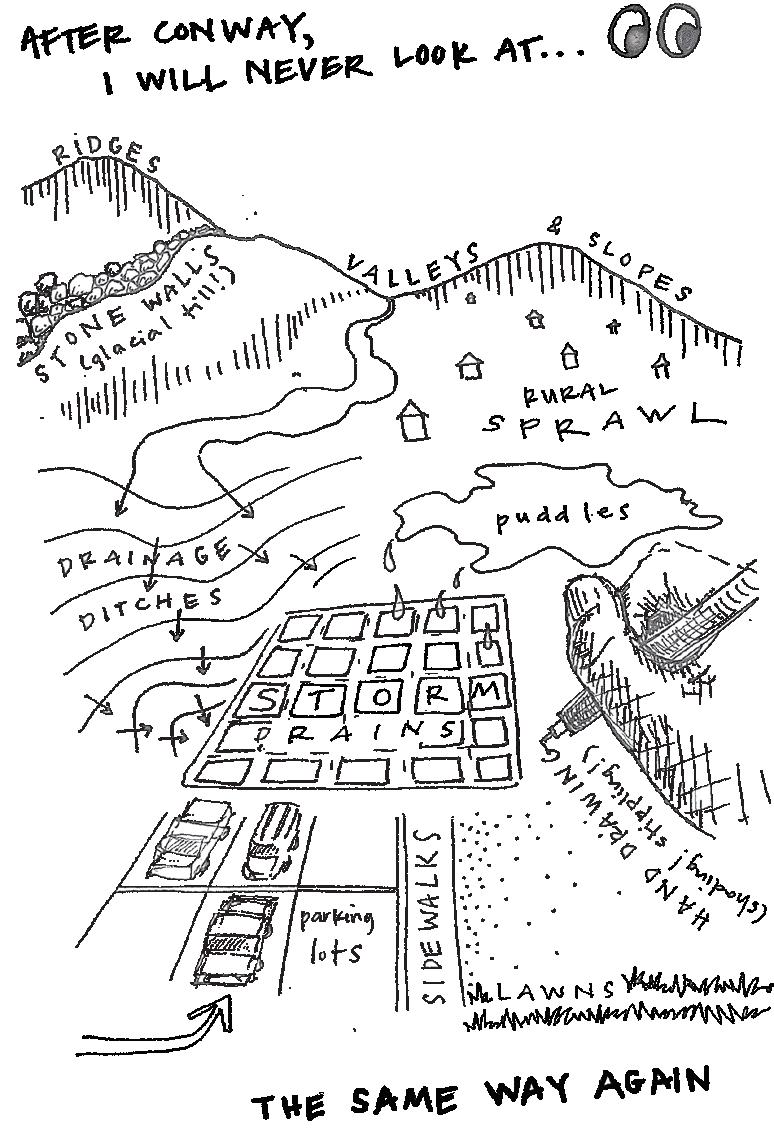
• Humanities classes in the fall, winter, and spring terms focus on topics including responses to rising seas; the meaning of the terms mitigation, adaptation, and resilience; geoengineering; ecological economics; and walkability/reduction of car use.
• The site engineering course covers topics including renewable energy considerations and implications of flooding in the landscape.
B Ervin ’23
• The year-long ecology course includes sessions on incorporating climate change into conservation management, climate change and assisted migration, resilience in forest ecosystems, phenological response to climate change, disturbance dynamics, and forest pests and pathogens.
• During their community-based projects, the students facilitate discussions around climate impacts and how planning and design can provide opportunities for mitigation and adaptation.
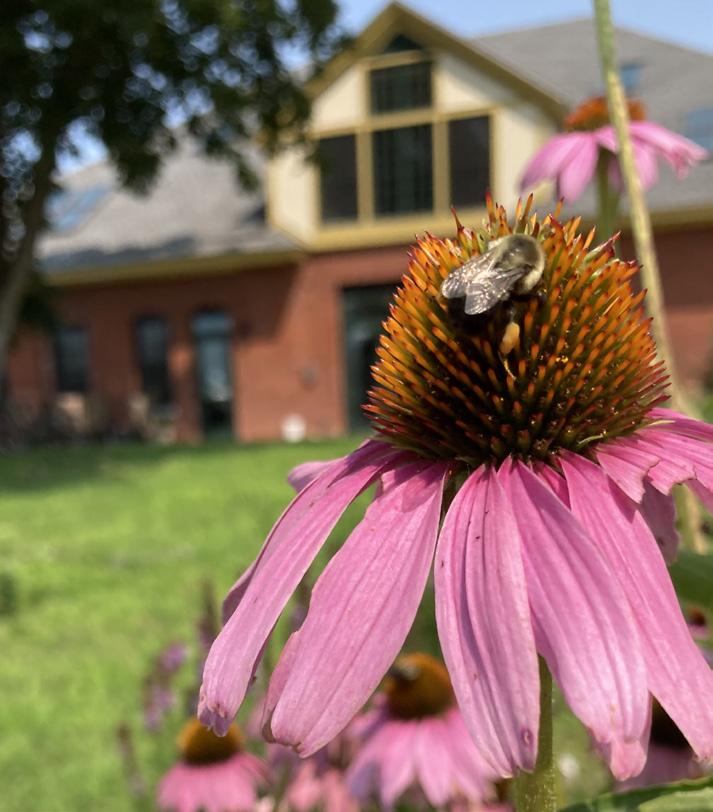
In addition to its focus on climate change in the curriculum, Conway continues to seek opportunities to reduce greenhouse gas emissions and increase equity in its operations. In 2025, Conway hired an investment manager specializing in socially responsible funds to ensure the school’s investments are mission-aligned. The school chose to renovate an existing building for its campus rather than building new, and maximized energy efficiency, durability, and indoor air quality in the retrofit. Conway uses its social media and other marketing channels to share information about climate policy advocacy.
Conway’s program encourages students to critically examine established beliefs and paradigms in academic fields of study and professional practice. The visiting speaker series catalyzes these conversations, particularly around climate change and equity.
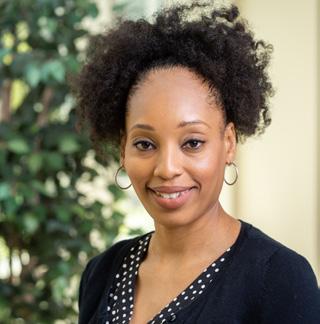
April Baptiste, Professor of Environmental and Africana and Latin American Studies at Colgate University , discussed how knowledge does not consistently predict behavior. In her work with Caribbean communities experiencing sea level rise, she seeks to understand peoples’ beliefs, values, and attitudes.
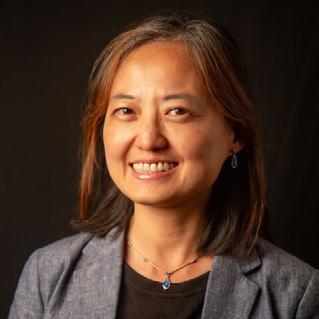
Chingwen Cheng, Professor of Landscape Architecture and Director of the Stuckeman School at Penn State University , presented her “Climate Justice Design” framework, which integrates justice theory and engages communities in co-designing climate actions that meet their needs. Cheng emphasizes nature-based solutions in her practice and research.
“It has been really eye-opening to see different paths that others are walking and how they got there, as well as a great opportunity to learn from professionals.”
Conway student, 2022

Serin Houston, Associate Professor of Geography and International Relations at Mount Holyoke College , called for collaborative and creative governance to produce more equitable human migration outcomes in response to climate change.
Photo: Skylar Hou

Daphne Lundi, Managing Director, Urban Ocean Lab , stressed social cohesion as a critical component of climate resilience. Climate change has a crippling effect on public health, and building strong social networks through shared community spaces (libraries, open spaces) is critical to survival.
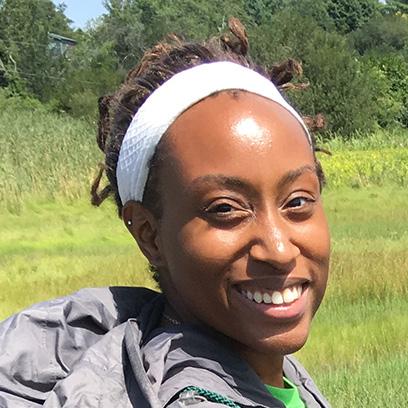
Danielle Perry, NOAA Marine Habitat Resource Specialist , reminded students that people think of resources in different ways, and that we need to understand what they value and how. Her climate vulnerability assessments include both climate change impacts to natural communities, like salt marshes, and how these impacts will affect human communities that value them.
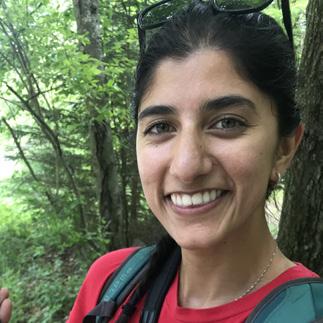
Neha Savant, Wildlife and Fisheries Ecologist with the NYC Department of Parks and Recreation , reminded us that all environmental problems are political problems. Being a scientist (or a designer) means taking sides: neither field is entirely subjective.
Photo: Tenisha Malcolm
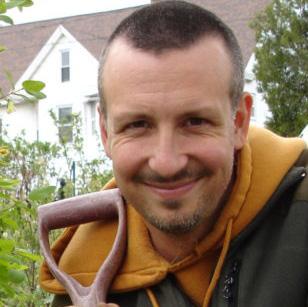
Eric Toesmeier, writer, trainer, and consultant working on agricultural climate change mitigation, shared his research on solutions in the food, agriculture, land, and naturebased carbon removal sectors.
Student projects at the Conway School are grounded in one urgent reality: climate change is reshaping the environments and communities designers and planners serve. In the United States, transportation accounts for 28.4% of greenhouse gas emissions, followed by commercial and residential buildings (13.5%) and agriculture (10%).1 Designers and planners play a critical role in addressing these impacts—by improving building efficiency, enhancing soil health and carbon sequestration in agricultural systems, and reducing reliance on personal vehicles.
“We
are fortunate to have the opportunity to work with the Conway School students,
who bring a fresh
look at Greenfield’s landscape.
They helped us as we work to improve our community’s preparedness and resilience to the wide range of local impacts from the changing climate.”
Jonah
Keane, Member, Sustainable Greenfield Implementation Committee and Conway School Winter 2024 Project Client
Just as importantly, they help protect and restore carbon sinks—landscapes that absorb and store atmospheric carbon. On the adaptation side, designers and planners can help landowners and municipalities prepare for rising sea levels, inland flooding, and increasing heat exposure, as well as to plan for managed retreat from vulnerable coasts and river corridors. Thoughtful design can reduce harm and build resilience for people, plants, and animals alike.
At Conway, every graduate student community project engages directly with climate change—both its impacts and opportunities for intervention. Projects also examine environmental justice, identifying inequities and proposing strategies that support communities disproportionately affected by climate risks and systemic injustice. The school’s Community Projects Fund further supports this work by prioritizing projects that serve communities impacted by racism and other structural forces.
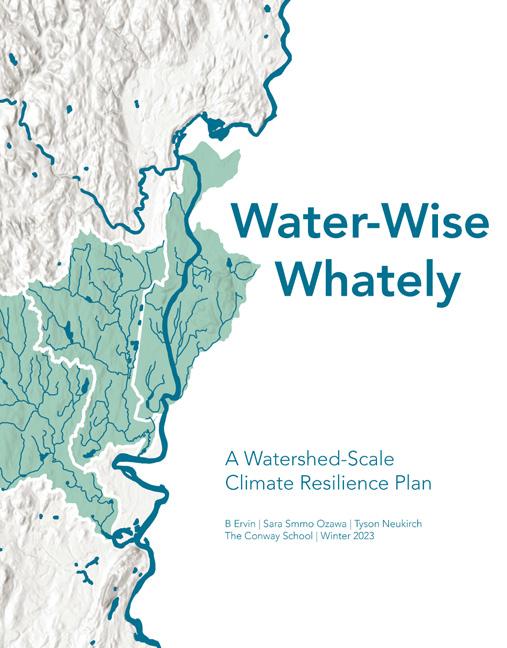
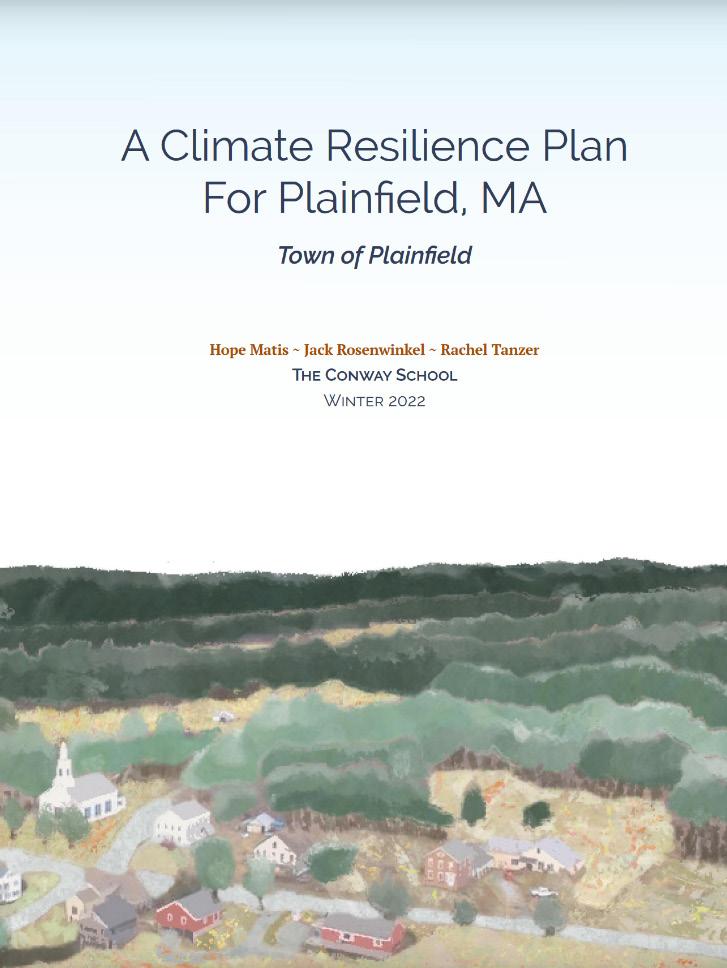
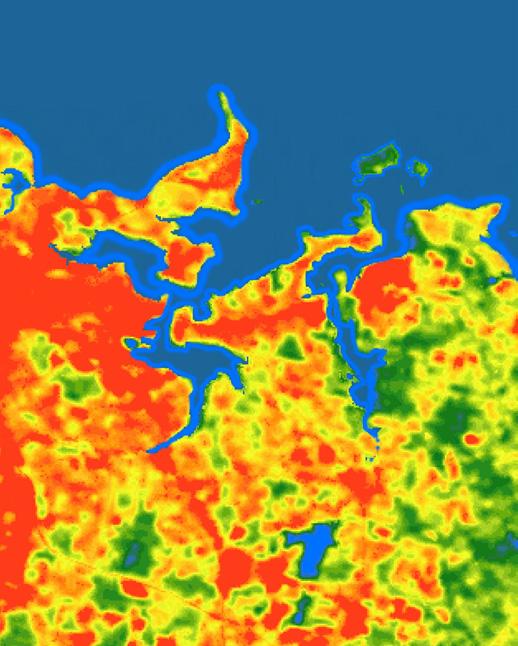
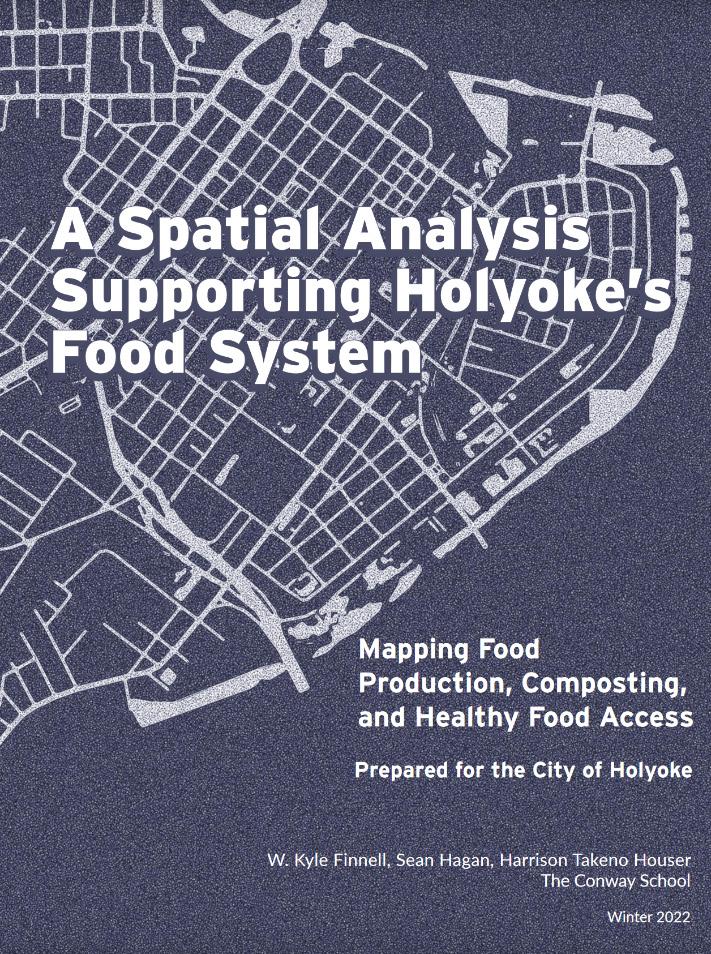
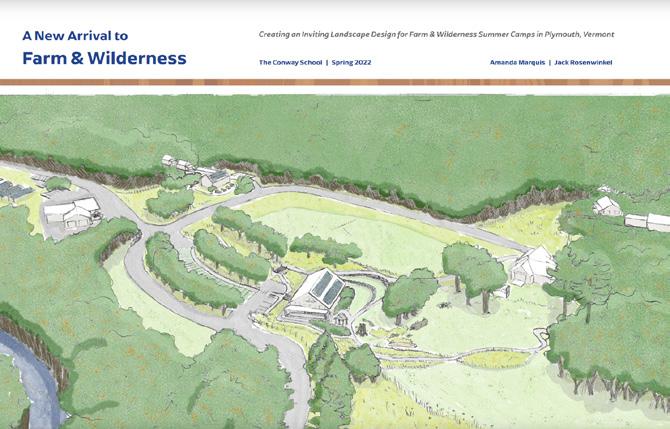
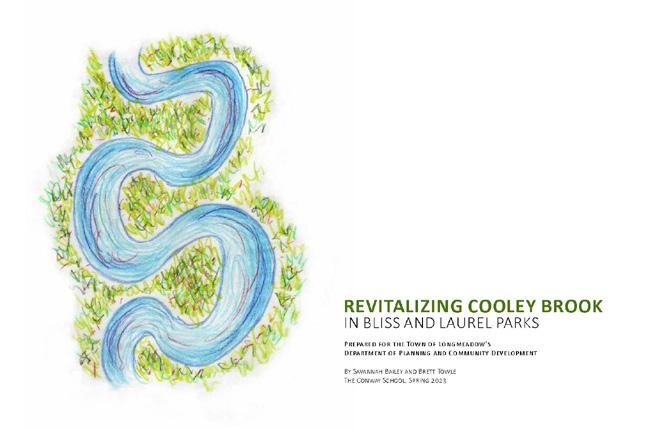
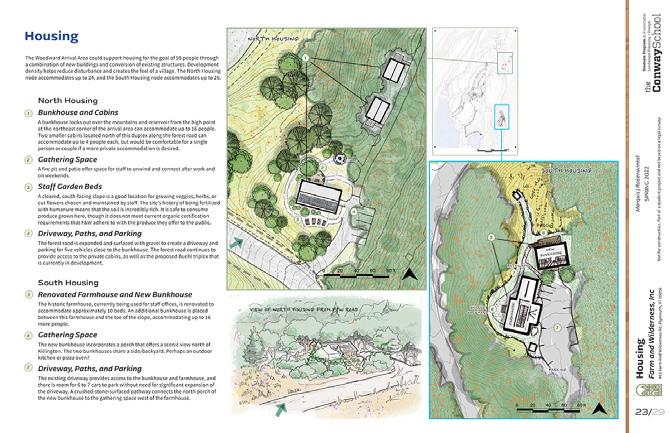
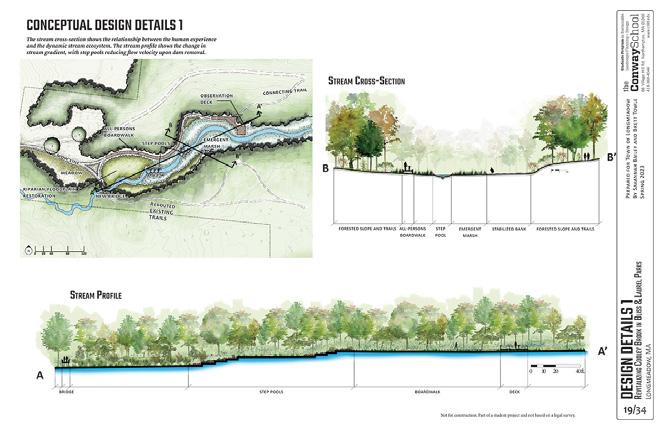
Covers of four recent winter term project documents. L to R: Water-Wise Whately: A Watershed Scale Climate Resilience Plan (2023), A Climate Resilience Plan for Plainfield, MA (2022), Keeping Weymouth Cool: A Heat Island Mitigation Plan for a Coastal Town (2024), A Spatial Analysis Supporting Holyoke’s Food System (2022).
Cultivating Resilience: Helping Florida Prepare for an Uncertain Future (Winter 2025)
Student team: Kayla Hatcher ’25, Fen Johanson ’25, and Nellie Ostow ’25
Project client: Town of Florida, MA
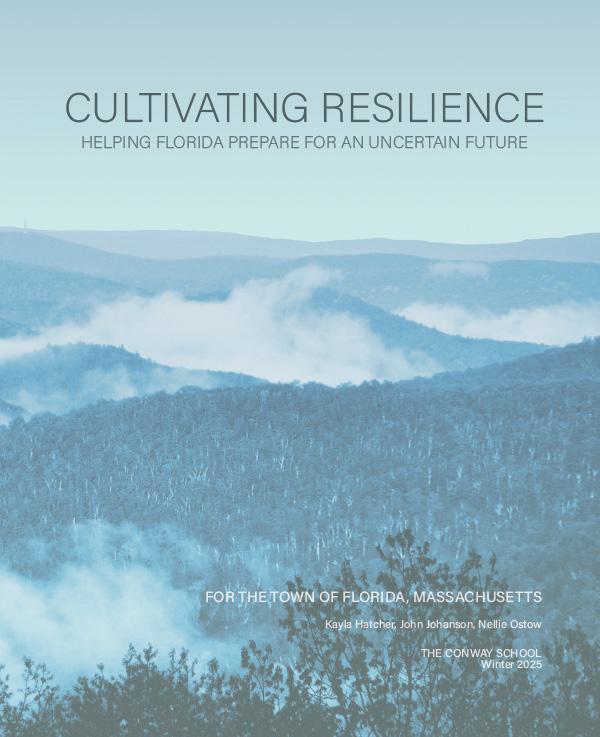
In partnership with the Town of Florida, Massachusetts, a team of three graduate students developed a combined Municipal Vulnerability Preparedness (MVP) and Hazard Mitigation Plan (HMP) to help the rural community prepare for climate change. With limited local capacity, the town needed a clear, actionable approach to identify risks and prioritize resilience strategies.
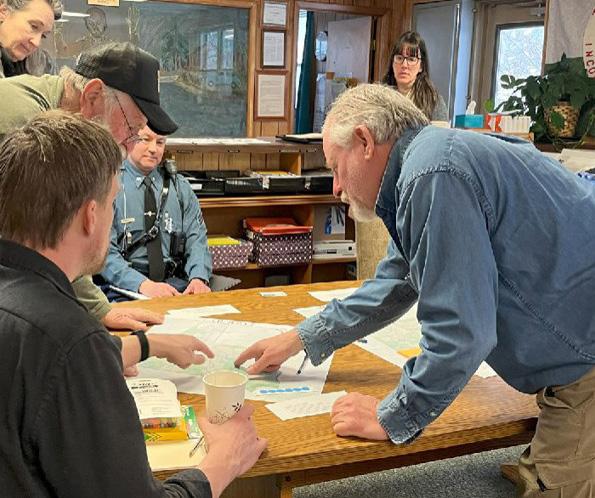
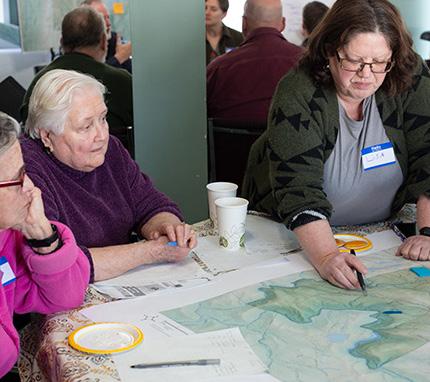
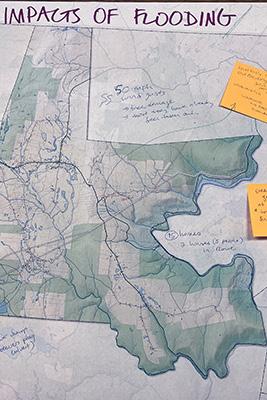
Over a 12-week studio, students conducted a vulnerability assessment across environmental, infrastructure, and social systems using GIS analysis, climate projections, and stakeholder engagement. They worked closely with town officials and residents to integrate local wisdom with technical analysis.
Analysis showed that Florida’s forests face risks from wildfire and pests, while critical infrastructure—including Route 2, a hydroelectric dam, and the Hoosac Tunnel—is increasingly vulnerable to extreme weather and flooding.
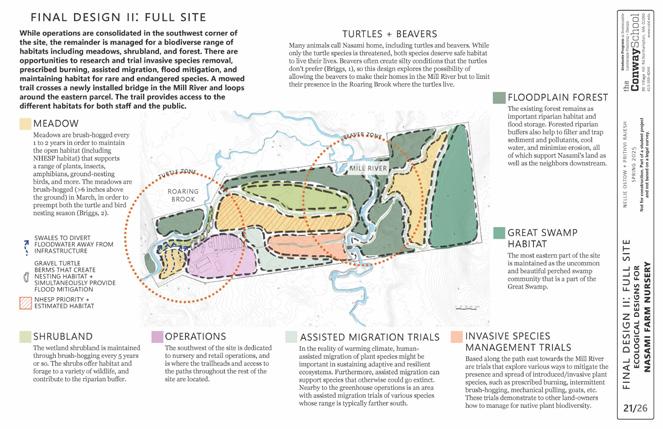
The town’s small, aging population and reliance on neighboring communities for essential services further increase vulnerability during emergencies.
The final plan outlines prioritized strategies focused on nature-based solutions, infrastructure improvements, and emergency preparedness. It provides a practical roadmap to guide implementation, support funding applications, and strengthen long-term community resilience.
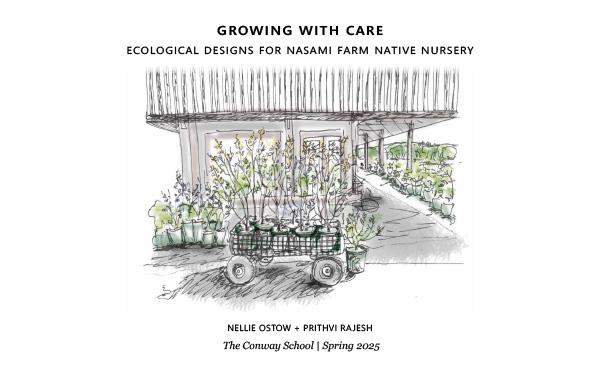
West River Resilience Project (Spring 2025)
Student team: Reed Bryant ‘25, Kayla Hatcher ‘25, and Stefan Poost ‘25
Project client: Providence Department of Planning and Development, Providence, RI
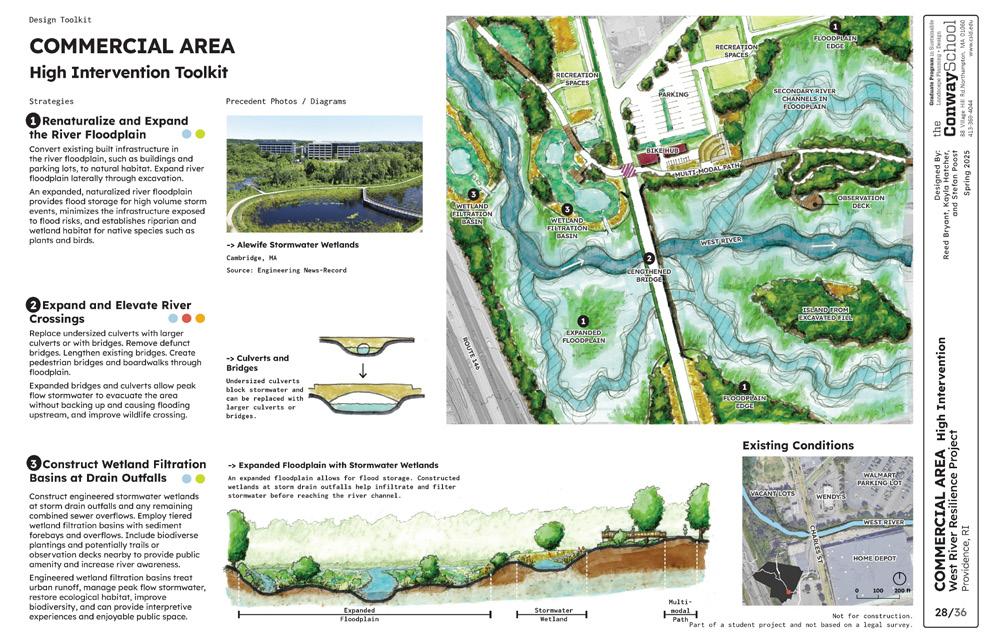
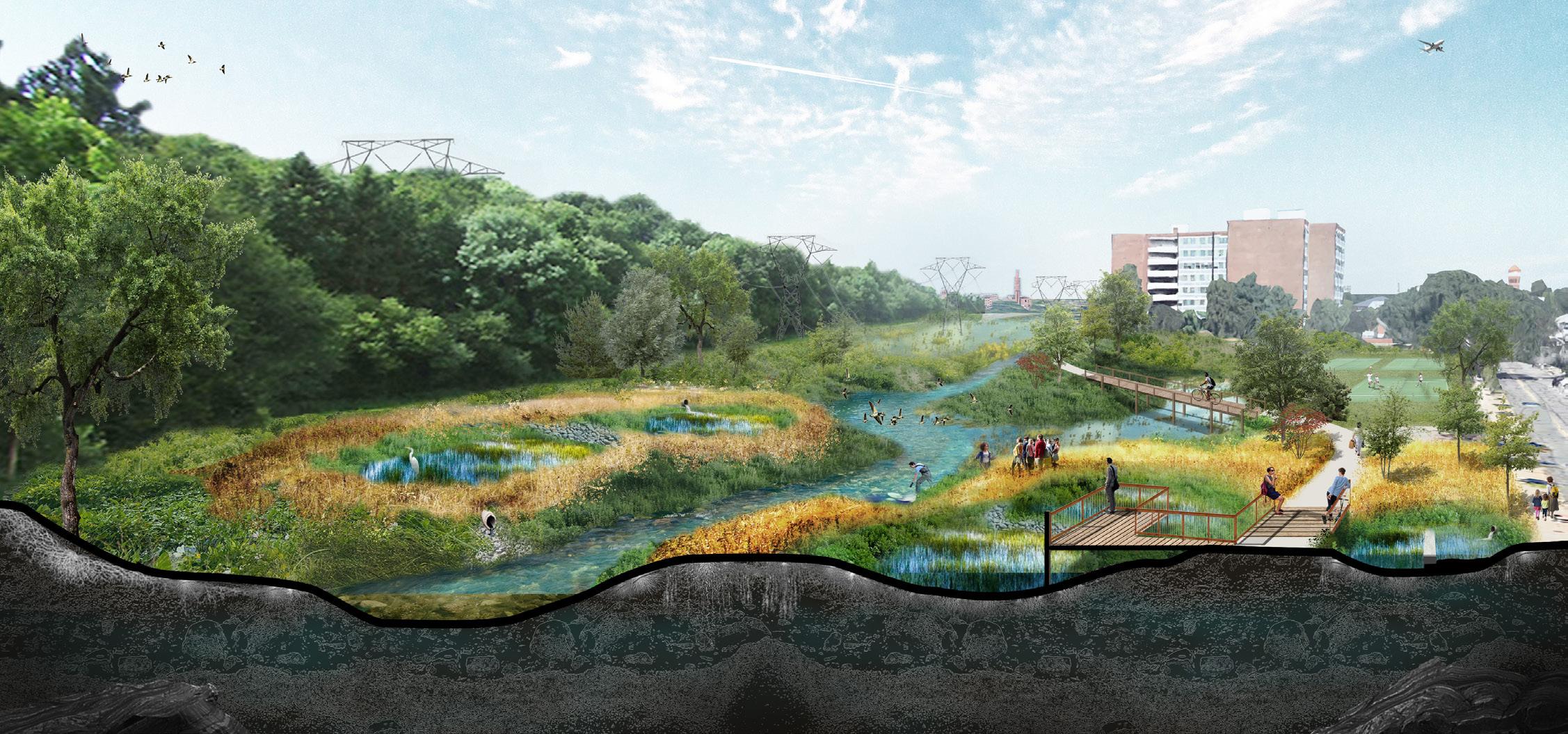
During the 2025 winter term at Conway, three graduate students developed the West River Resilience Project to address flooding, ecological degradation, and community connectivity in Providence’s North End. Using GIS-based spatial analysis, the team assessed watershed hydrology, flood risk, and ecological conditions to identify priority areas for intervention. They also engaged the community through stakeholder meetings, multilingual surveys, and informal conversations to understand local needs and concerns, supported by research into the area’s historical, ecological, and social context.
The final report, prepared for the Providence Department of Planning and Development, includes design alternatives, intervention toolkits, and case studies to guide future efforts. It aims to improve flood resilience, restore the river ecosystem, expand access to green space, and strengthen connections between the Charles and Wanskuck neighborhoods.
“This project provided the fresh perspective and added capacity necessary to envision design solutions to climate resilience challenges around the West River. We hope to take this work and run with it in the years and decades ahead.”
Providence Planning Department
Our alums—from every decade—are deeply involved in climate work as designers, planners, and activists. As climate impacts intensify— from rising seas and flooding to droughts and extreme temperatures— Conway prepares students to plan and design in response. Students arrive deeply concerned about the future and complete three realworld projects focused on climate challenges. They graduate with the teamwork and multidisciplinary skills to make an immediate impact in climate mitigation, adaptation, and resilience.
Samantha Battaglia ’17
Environmental Designer & Project Manager, CBWES (Nova Scotia)
“My work involves overseeing, designing, and implementing large scale projects for the managed realignment of dykelands in Atlantic Canada to assist with climate change adaptation and tidal wetland restoration along vulnerable coasts.”
Liz Kelly ’14
Project Planner, Resilience Planning & Design (NH)
“We work to promote regenerative development, sustainable land use patterns, and community and land stewardship through site design, comprehensive planning, and regulatory initiatives.”
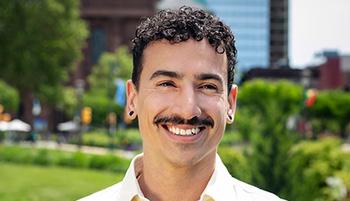
Taurean Gagnon ’18
Landscape Designer, Veridian Landscape Studio (PA)
“There’s no sole owner of any project and challenging the status quo means collaboration to reach innovation. My work involves creating that synergy so we can move that needle together from big picture ideas to the tiny details.”
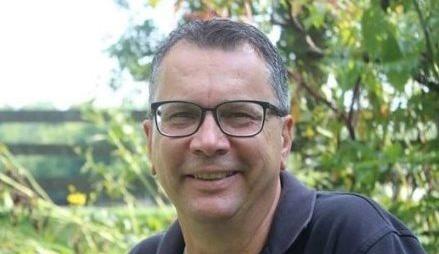
Jim Urban ’89
Director, Oldham County Planning (KY)
“My position is incredibly diverse including economic development, stormwater and floodplain management, and land-use and regulatory policy.”
“Conway offers the kind of education you need not just to make a living, but to make a difference.”
Bill McKibben, Author, Educator, Environmentalist
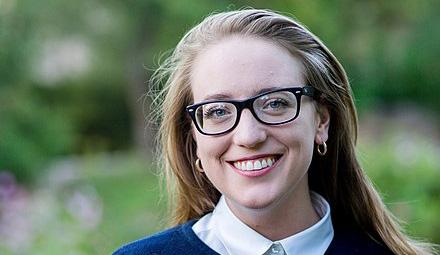
Molly Burhans ’15 Founder, GoodLands (NY)
“A fundamental way to address many of the issues we confront as a society today is to use the land and properties we already have more thoughtfully. GoodLands provides the implementation tools for the Catholic Church to leverage its landholdings to address pressing issues.”
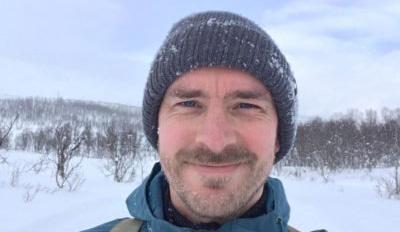
Øystein Kristiansen ’17
Design Associate, Terra Genesis (Norway)
“Our work involves developing personal and regenerative relationships to places, whether clients are companies looking for regeneratively sourced raw materials, or farmers and landowners with a more ‘hands on’ relationship to their land.”