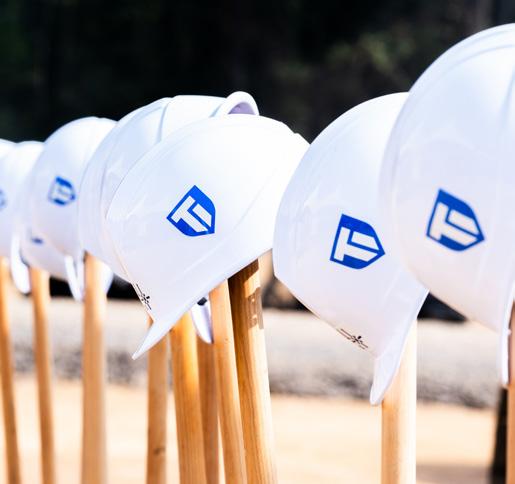
Incentives can be the distinguishing factor between two or more communities that might otherwise be extremely similar.
PAGE 8
CARTI Conway: 30 Years, One Mission
In 2026, CARTI is marking two meaningful milestones. It has been 50 years since the organization was founded in 1976, and 30 years since CARTI first established a presence in Conway in 1996. Those anniversaries are worth celebrating, and they also invite a look at what this steady presence has meant for patients, families and the community over time. In Conway, that history can be seen in the practical ways care has become easier to reach and easier to navigate.
CARTI was founded with a clear purpose: to ensure Arkansans could receive advanced cancer care without leaving the state. That commitment still guides the organization today. CARTI’s mission is to make trusted cancer care accessible for every patient it serves through compassion, innovation and purpose. In Conway, that mission has taken shape across three decades through steady growth, expanded services and a long-term investment in meeting people where they are.
When CARTI first opened in Conway in 1996, it brought radiation oncology closer to patients in Faulkner County and surrounding communities. For many families, that changed the rhythm of care in immediate ways. By reducing the need to travel long distances for scheduled treatments, it gave more time for the things that matter most. It lessened strain on
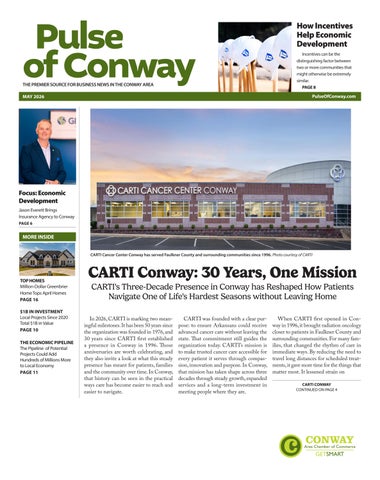
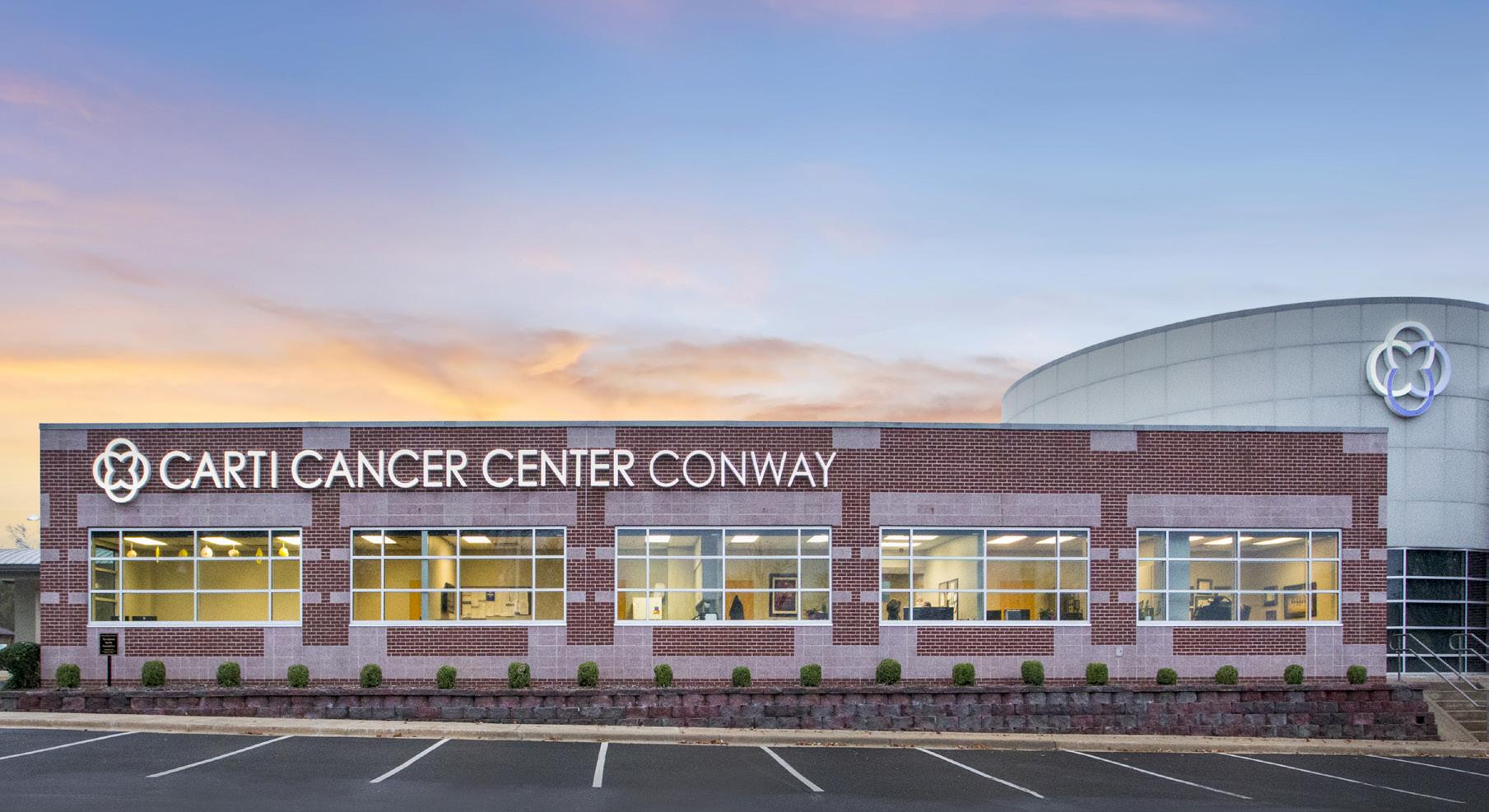
CARTI Cancer Center Conway has served Faulkner County and surrounding communities since 1996. Photo courtesy of CARTI
Jason Everett Brings Insurance Agency to Conway PAGE 6
caregivers, made work and school schedules more manageable and allowed patients to remain closer to the people and routines that give them comfort.
That understanding has continued to guide CARTI’s growth. In 2018, CARTI opened its Conway Cancer Center at 2605 College Avenue. The new center became the first CARTI Cancer Center outside of Little Rock and marked an important step in the organization’s effort to bring coordinated cancer care into communities across Arkansas. It reflected thoughtful growth shaped by what patients need during treatment and a care experience that feels more connected.
Today, CARTI Cancer Center Conway offers medical oncology, infusion services, radiation oncology, onsite diagnostic imaging and lab services in one location. That kind of coordination matters because cancer care often unfolds over time and across specialties. A patient may need imaging, physician visits, treatment planning, infusion and follow-up over the course of weeks or months. When those services are connected
within one network, the process can feel clearer and more manageable. It also helps care teams work closely together, which can make each step feel more informed for the patient.
CARTI’s investment in Conway continued in 2024 with the opening of the CARTI Clinic in Conway at 410 Denison Street, directly across from the cancer center. That location added breast surgical oncology consultations, comprehensive urology care, oncology rehabilitation, lymphedema support and Advanced Physical Therapy. It also connects patients to broader CARTI resources such as genetic counseling, nutrition and dietetics, financial advocacy and clinical trial availability. Together, the two Conway locations reflect an approach to care which continues to grow in response to the needs of the community.
This approach also extends beyond appointments and treatment plans. CARTI’s statewide network includes resources to help patients and caregivers navigate financial questions, transportation barriers, lodging needs and emotional support during care. Through The Bridge, CARTI also provides counseling, educational workshops, wellness support groups, nutrition programming and other services that support the whole person
during a difficult season of life. Those services matter because a cancer diagnosis affects more than the body. It can disrupt a household, create stress for loved ones and leave patients carrying questions that medicine alone does not answer.
For Conway, CARTI’s long presence has helped shaped both healthcare access and community life. Patients can receive advanced care in the city they call home. Families can spend less time managing distance and more time being present for one another. This is just one more reason Conway residents can feel confident the support and services they may need will be there when life changes.
As CARTI enters its 50th anniversary year, Conway stands as an important part of that story. Thirty years after CARTI first established care here, the organization continues to invest in this community with coordinated services, sustained growth and a clear commitment to access. Over time, that kind of presence becomes familiar and dependable. For many families, it becomes part of how they move through one of life’s hardest experiences with skilled care close by and a stronger sense that they do not have to face it alone.
4 Pulse of Conway
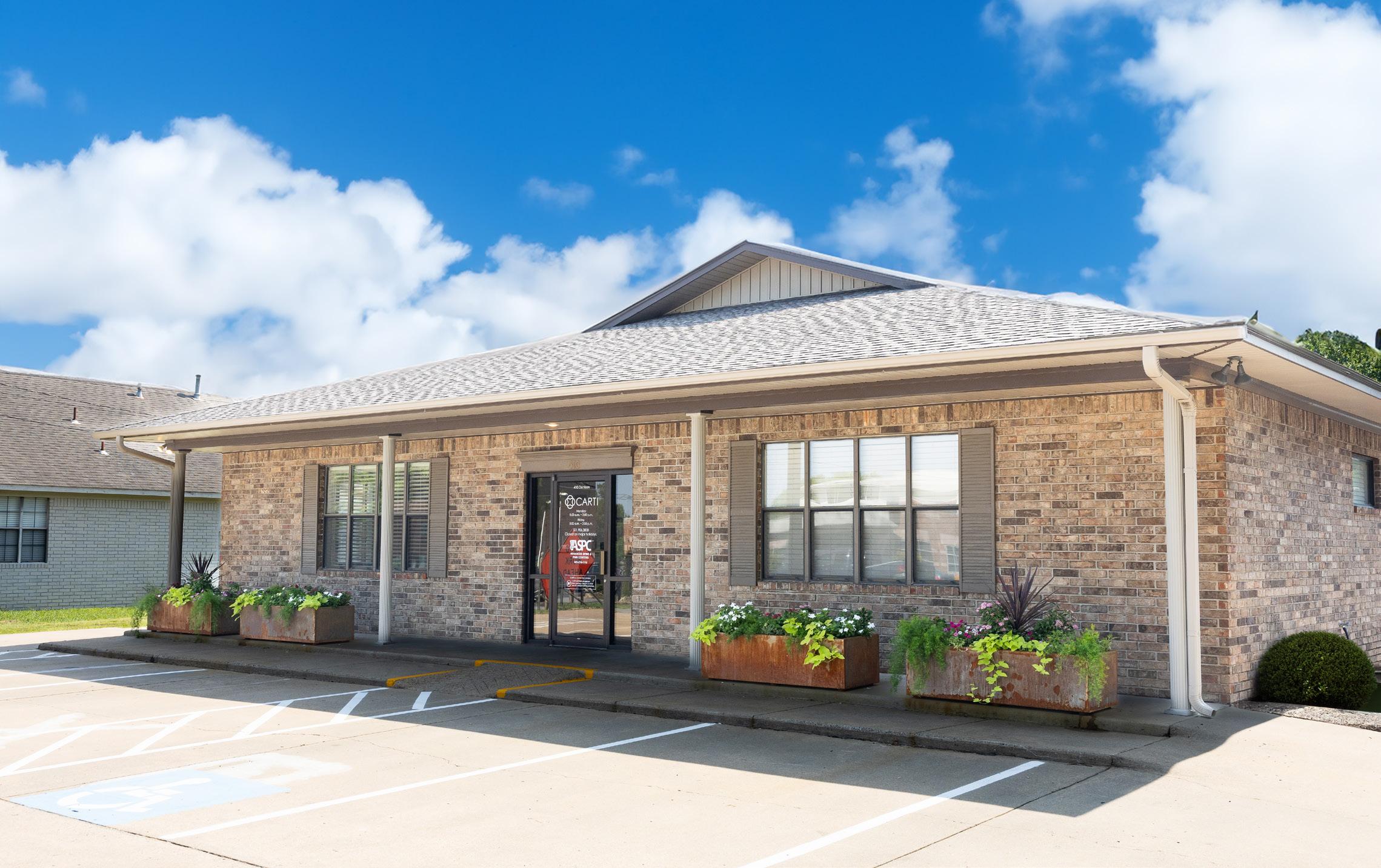
CARTI's Conway clinic, opened in 2024, offers breast surgical oncology, urology care and oncology rehabilitation. Photo courtesy of CARTI
CARTI CONWAY FROM PAGE 1
CENSUS GROWTH
Conway Among Fastest-Growing Cities in Nation in 2025
Conway Tops 72,000 Residents, Top 100 in Nation for Growth
The City of Colleges added 1,205 residents in 2025, making it the 98th fastest-growing city in the United States among cities above 50,000
Conway has added nearly 8,000 residents since 2020, and has surpassed 72,000 residents, according to the
Conway has added nearly 8,000 residents since 2020, making it the 76th fastest-growing city in the nation among cities of at least 50,000, according to new U.S. Census Bureau estimates.
The city posted a five-year growth rate of 12.38%. The cities ranked nearest to Conway were Redmond, Washington, at No. 75 with a 12.41% growth rate, and Fayetteville at No. 74 with a 12.49% rate. Bentonville ranked No. 55 with a 15% growth rate.
Between 2024 and 2025, Conway grew 1.69%, adding 1,205 residents and bringing its total population to 72,328, ranking it 98th among the fastest-growing cities in the country. Conway is now the 539th largest city in the United States, just ahead of Mount Vernon, New York, a suburb of New York City, and Commerce City, Colorado, a suburb of Denver. Other Arkansas cities in the top 100 were Fayetteville at No. 50 (2.80%), Rogers at No. 82 (1.93%), and Bentonville at No. 87 (1.85%).
Conway's growth is also fueling expansion in smaller Faulkner County communities. Last year, Greenbrier grew 4.7%, Vilonia 4.4%, and Wooster 3.4%.
Since 2020, Greenbrier has grown 13.4%, Vilonia 13.2%, and Wooster 10.7%.
Four states claimed more than half of the top 100 fastest-growing cities in the past year. Texas led with 21 cities, nearly a quarter of the list, followed by Florida and California with 11 each, and Arizona with nine. The fastest-growing city was Celina, Texas, a north Dallas suburb that registered a 24.58% growth rate, adding 12,710 residents.
Since 2020, six states have claimed 70% of the top 100 fastest-growing cities. Texas leads with 23, followed by Florida with 15, Arizona with nine, North Carolina with eight, and Tennessee and California with seven each. The fastest-growing city over that period was Fulshear, Texas, a Houston suburb that grew 276%, adding 47,445 residents.
Fastest-Growing Arkansas Cities in 2025
Fastest-Growing Arkansas Cities
Since 2020
OPEN FOR BUSINESS
Everett Agencies Plants Its Largest Office Yet in Faulkner County
Everett Agencies Brings Largest Office, Training Hub to Conway
Over more than 20 years, Jason Everett has grown an insurance agency from a single office in Northwest Arkansas to a multi-state operation reaching thousands of customers across Arkansas, Mississippi, and Texas. Now, he's bringing the agency's largest office yet to Conway, a 7,000-square-foot office that will serve as a hub for recruiting, training, and development.
The Conway office will be the agency's seventh location. Other locations include Rogers, Searcy, and Fayetteville in Arkansas; Olive Branch, Mississippi; and Texas locations in Dallas and Wake Village.
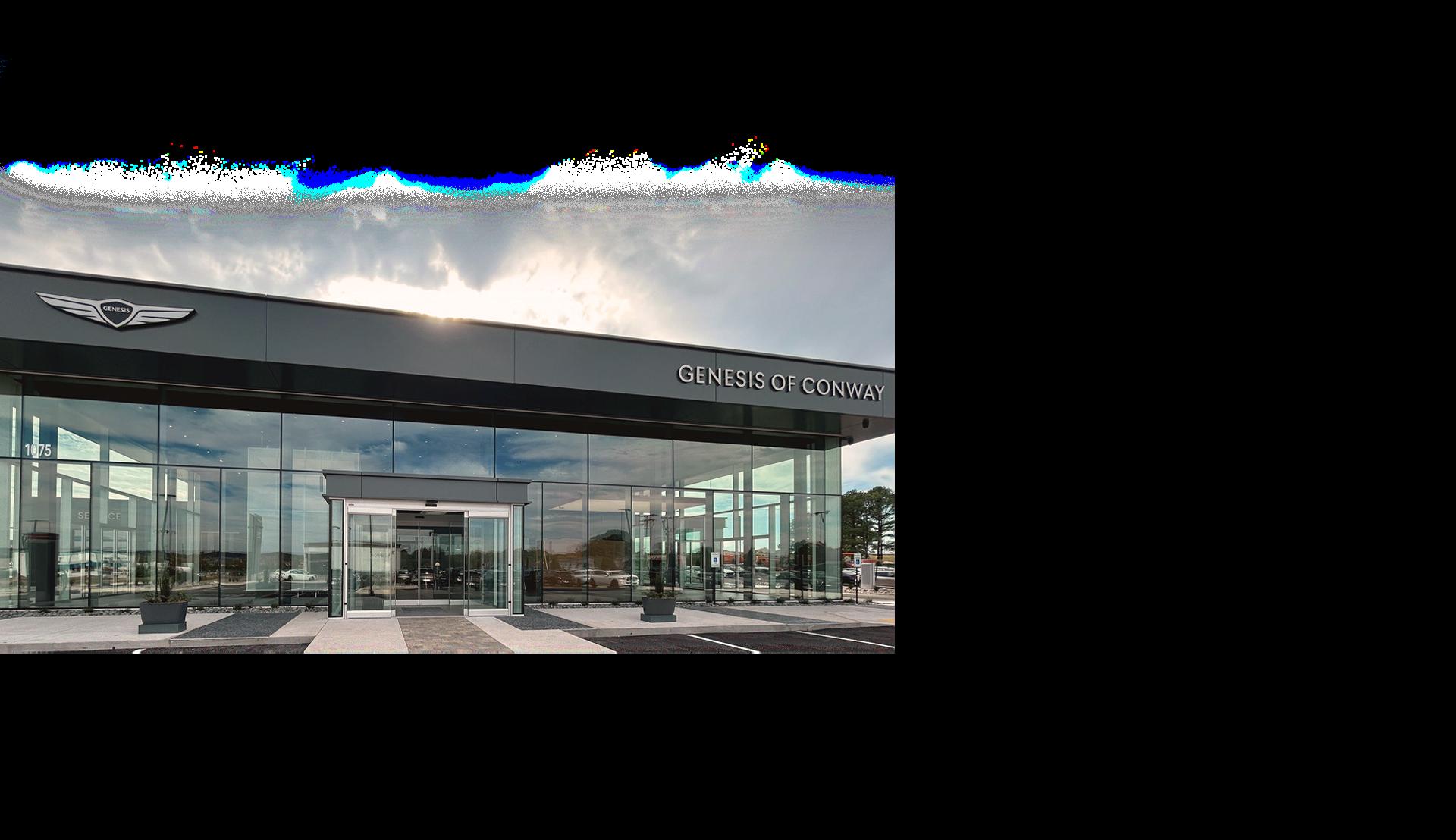
Everett, who owns and operates Globe Life Liberty National Division Everett Agencies, said the Conway location at 505 S. Amity Road will better serve central Arkansas and the surrounding areas, including Saline, Pu-
laski, Pope, and Faulkner counties.
"The Conway location will be our largest office," he said. "We will handle most of the recruiting for all of our agencies, as well as a lot of our training and development."
Everett said the location will have about 150 agents drawn from all the agency's locations in and out on a weekly basis, alongside five full-time employees.
The Conway office will anchor the agency's training and development program, Everett Academy, which takes agents through three progressive levels over the course of several months. New agents will come from all locations, in person and virtually, four days a week during the first phase of the academy, EA1. They will return about three months later for EA2, and those on a management track will be brought back twice a year for the academy's
third level, EA3.
For Everett, a Faulkner County native from Greenbrier, opening a Conway office carries significance beyond just business.
"One of the best parts is the fact that these are my stomping grounds," he said. "I'm able to be closer to my kids' school and just be a bigger part of the community. It's great to reconnect with a lot of the people we have known and done business with for years."
Everett Agencies began in the late 2000s. After spending a few years working for Globe Life in Missouri, Everett was approached by the company president to start an agency in Northwest Arkansas. Moving back to Arkansas had always been a dream, and he jumped at the opportunity.
The early days brought immediate challenges. Not long after opening, the 2008 financial
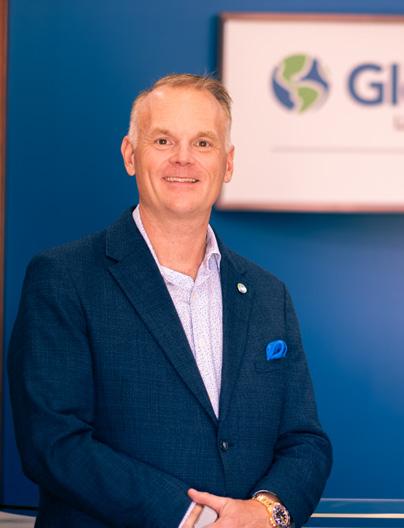
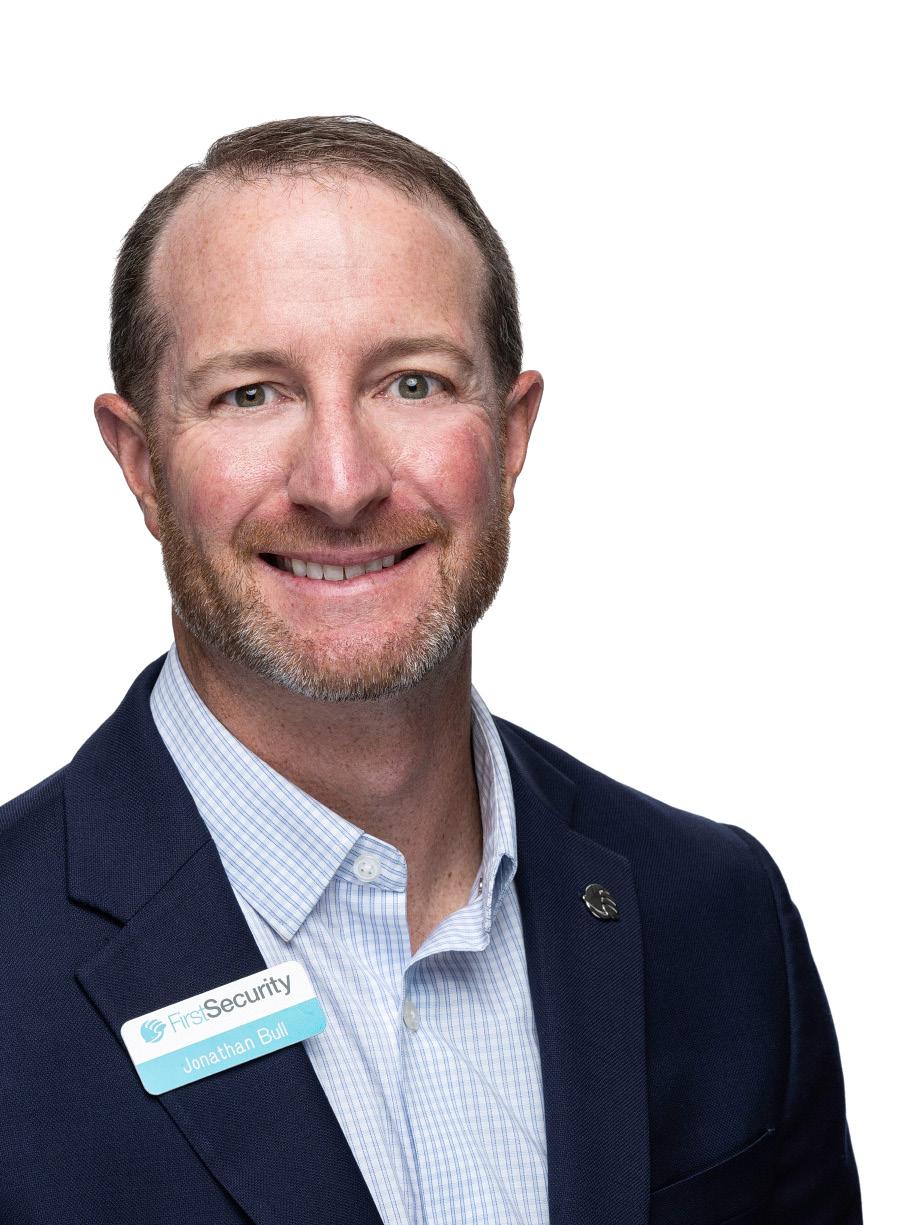
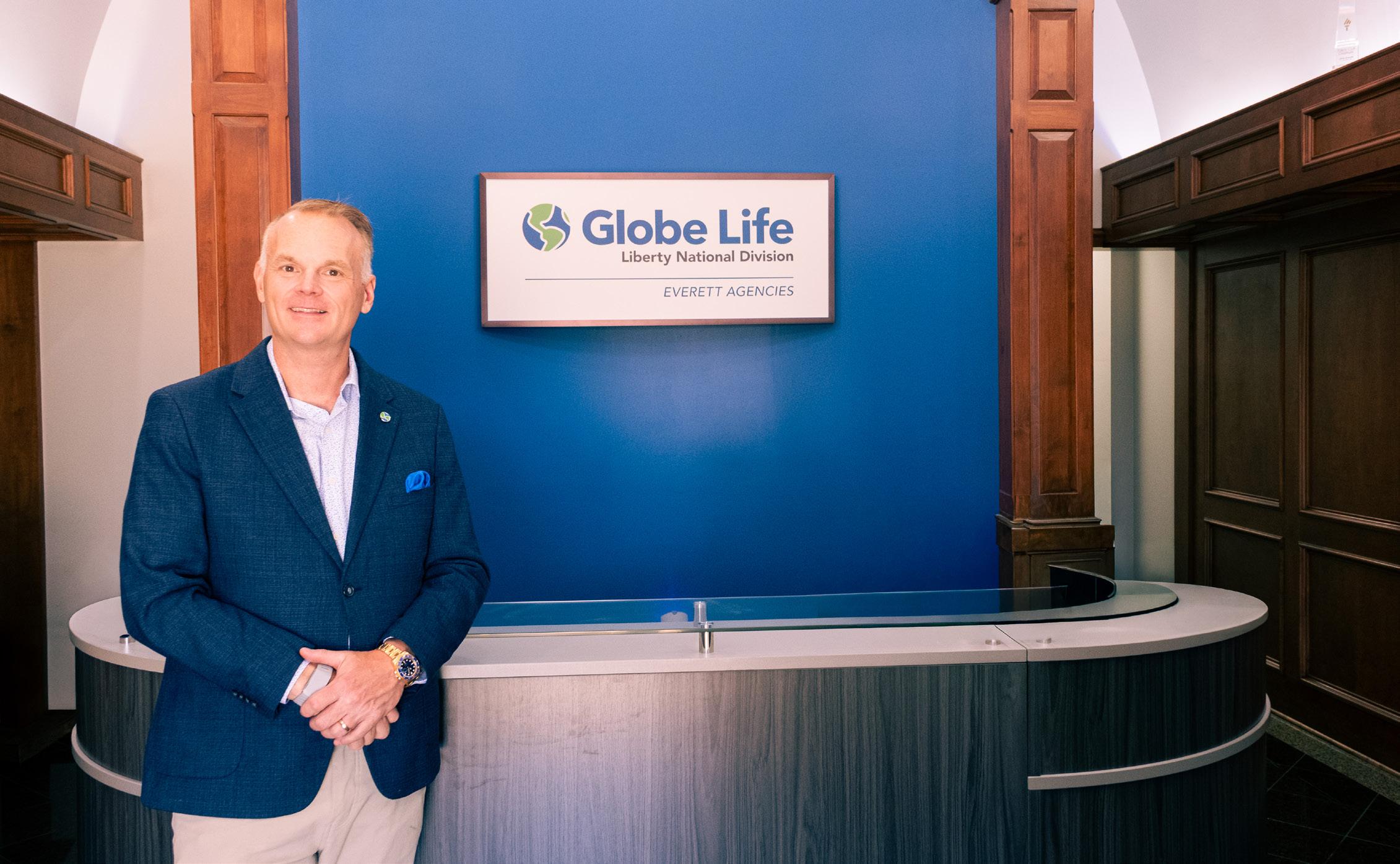
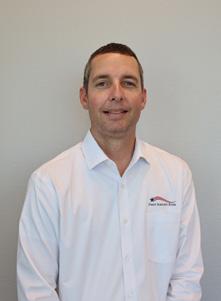
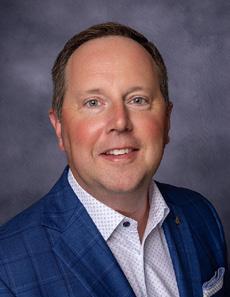
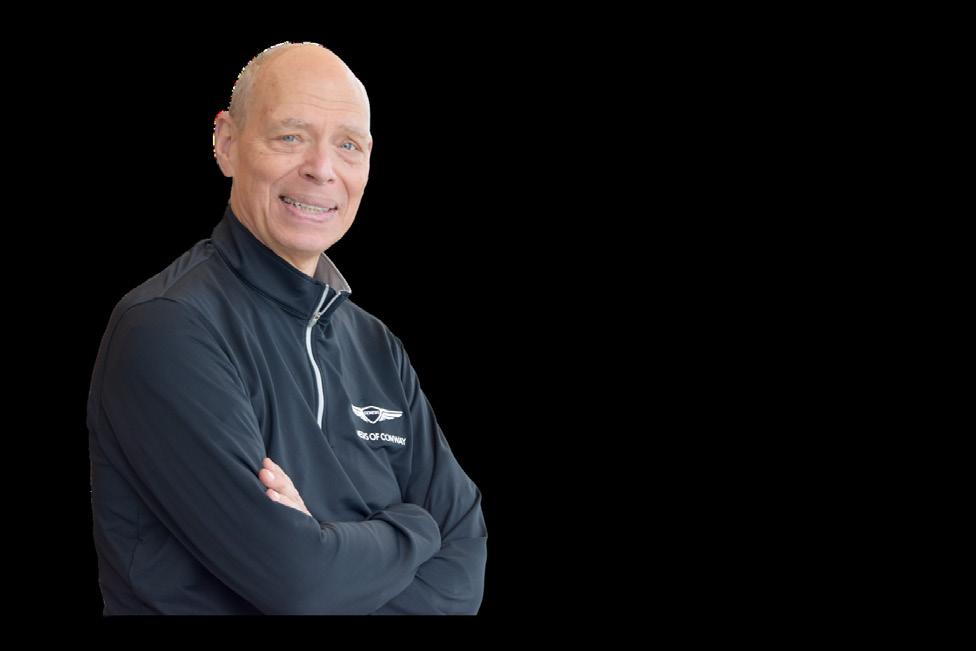
At 7,000 square feet, the new Conway office will be the largest location for Globe Life Liberty National Division Everett Agencies. Owner Jason Everett (pictured) says the office will serve as the central hub for recruiting and the home base for Everett Academy, the agency's in-house training and development program.
crisis hit.
"I remember looking out of my office one day and wondering, 'What was I thinking?'" Everett recalled. "But thankfully, I had some good people, and they worked really hard and we were able to come through that."
A few years later, the company president came calling again, this time about expanding into central Arkansas.
"Being asked to do something by the president of the company always seemed like an honor — to know that they had that much trust in me," Everett said. "But then also to be able to bring my kids back home to central Arkansas so they could be around their family, that was pretty special."
The agency and its locations continued to expand over the years, moving into new markets, including neighboring states Texas and Mississippi.
"At Liberty National, the $2 million a year mark was big for an agency, so when we crossed the $5 million mark, I knew things were heading in the right direction for us," Everett said.
Everett Agencies was the first agency in Globe Life's Liberty National Division to hit $3 million, and kept that distinction at every milestone through $10 million.
As the agency has grown, Everett and his team have made a deliberate effort to keep things connected. That's been helped by weekly Zoom meetings and leadership from its regional agency directors.
"We have really good leaders who have helped us carry out our family atmosphere, even when we're not geographically close," he said.
Through all the growth and success, Everett said he is most proud of the impact the agency has had on both its employees and its clients. Everett recalled one employee who came to the agency at one of his lowest points in life and, 13 years later, has built generational wealth for his family.
"To be able to hire people and give them an opportunity to leave something for their family is truly an honor," he said. "And to be there for our clients in times of need — for that person who was just diagnosed with cancer or that person who just lost their child. To be able to have that protection they paid for, and then to be the person who can help them through that time of need is special."
EVERETT AGENCIES
FAST FACTS
7
The Conway office will be the seventh for Everett Agencies
7,000 SF
Size of Globe Life's Conway Office
150
Number of Agents in and out each week for training
Training Hub
The Conway location will serve as a training, recruitment, and development hub for Everett Agencies
CORPORATE EMBROIDERY
FEATURING
Incentive Toolkit
How Arkansas Competes for New Business using Economic Development Incentives
Whenever the term economic development comes up, the conversation frequently turns quickly to incentives, meaning real dollars or savings specifically designed to incentivize new or additional jobs and investment. While top-ofmind, most site selection processes are first driven by available sites and infrastructure, available workforce, and geographic location. While incentives are typically the last step in the site selection process, they are often the distinguishing factor between two or more communities that might otherwise be extremely similar.
In Arkansas, the majority of economic development incentives exist at the state level and are administered by the Arkansas Economic Development Commission. These programs fall into a number of categories and silos depending on their goal: jobs versus capital investment and how they're determined: statutory versus discretionary. Finally, a frequently overlooked state-administered incentive involves real training dollars to the company. While a number of incentive programs exist, a small handful represent the bulk of incentives awarded in central Arkansas
and throughout the state.
The job creation incentive most frequently used is Create Rebate. This is a discretionary incentive that is offered after AEDC has received information about the new company or expansion and completed a cost-benefit analysis. According to the AEDC website: "Create Rebate provides annual cash payments based on a company's annual payroll for new, full-time, permanent employees. This incentive is offered at the discretion of the AEDC Executive Director.
Create Rebate requires a minimum payroll of
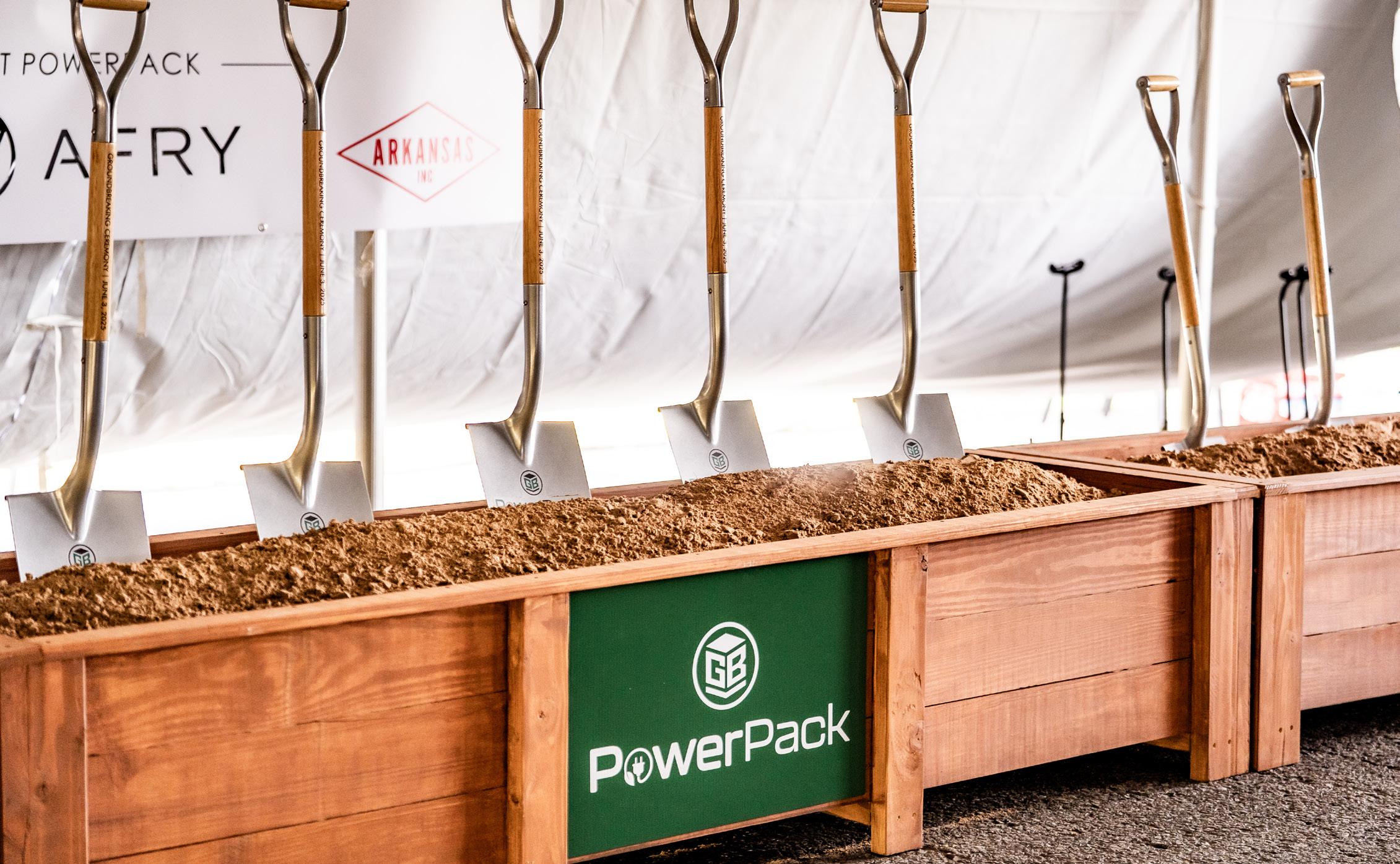
Green Bay Packaging's $1 billion Project PowerPack expansion in Morrilton qualified for five years of Create Rebate — one of the key tools Arkansas uses to stand out when competing against other states for major projects — along with sales tax exemptions and infrastructure assistance as part of its incentive package. Photo courtesy of Natural State Consulting & Strategies
new, full-time, permanent employees hired as a result of the project, depending on the tier in which the business locates. The business must reach the payroll threshold for the tier in which it is located within 24 months from the date of the signing of the financial incentive agreement."
In Faulkner County, that payroll threshold is $2 million.
Create Rebate benefits are available after the business certifies to the Arkansas Department of Finance & Administration that it has fulfilled the terms of the financial incentive agreement and the reported payroll has been verified. The percentage of the benefit depends on the tier assignment of the county where the job creation occurs. In Faulkner County, the standard rebate benefit is 3.9%.
The second incentive targeted for job creation is the Governor's Quick Action Closing Fund. As the name implies, these funds are used with a high degree of discretion where cash is required to "close" the deal. Those scenarios usually involve a lack of key infrastructure at an available site. The Quick Action Closing Fund will sometimes share the cost of project infrastructure needs by committing grants from state and federal infrastructure funds. These funds are offered at the discretion of the state. The amount of assistance committed is dependent upon the strength of the company, the number of jobs, average wage, project investment and costs associated with facility/ site improvements.
There are two commonly used investment incentives designed to incentivize the installation of new equipment and facilities construction. A large capital investment from a company can be viewed as a sort of "insurance policy" or pledge to remain active in the community. In short, it's difficult for companies to walk away from large, recent investments.
The first is a sales tax incentive known simply as Tax Back. AEDC explains Tax Back as a program that "provides sales and use tax refunds on the purchase of building materials and taxable machinery and equipment to qualified businesses investing the minimum required based on the tier in which the company locates and who either a) sign a job creation agreement under the Advantage Arkansas or Create Rebate programs within 24 months of signing the Tax Back agreement or b) have signed an Advantage Arkansas or Create Rebate agreement within the previous 48 months."
The state's Tax Back incentive is a partial rebate of state sales tax. However, cities and counties have the opportunity to follow suit if the state offers this program. Cities and counties where an approved project is proposed may pass a resolution to rebate the local portion of sales tax, providing an additional 2%-4% rebate.
The largest investment incentive available to eligible
projects is property tax abatement through the issue of Industrial Revenue Bonds. This is the one major incentive tool that resides at the local, rather than state, level. It is also one of the most confusing incentives, for both residents and prospective industries.
There is a limit to the types of business eligible for property tax abatement. Eligible firms typically include manufacturers with SIC codes 20-39, tech-based companies, corporate headquarters, and distribution centers that meet specific out-of-state sales and job creation thresholds. AEDC describes the process the following way:
"Industrial revenue bonds, commonly known as Act 9 Bonds in Arkansas, provide eligible existing companies with competitive financing options for property, plant and equipment expenses.
Under Arkansas Act 9 of 1960, cities and counties are authorized to issue industrial revenue bonds to benefit private companies. Because Act 9 bonds do not obligate cities or counties to make payment except from project income, the bonds must be underwritten on the financial strength of the company or guaranteed by the Arkansas Economic Development Commission and/or the Arkansas Development Finance Authority. Businesses that use either tax-exempt or taxable industrial revenue bond financing can negotiate with the local community for property tax relief for eligible businesses in the form of a Payment in Lieu of Tax Agreement."
Finally, the least-heralded, but one of the most impactful, incentives to many businesses is related to training. The Arkansas Office of Skills Development works closely with AEDC, local economic developers, education institutions, and employers to provide direct and flexible financial assistance for training. The state actually has a lot of latitude in what constitutes training down to paying for the time and travel of specialized instructors on industry-specific pieces of equipment. One expense that is restricted is wages for an employee while receiving training.
Incentives are far from the most important factor in attracting new or expanded investment. However, when the competition for a project may be global in scope, incentives can be a differentiator. The art and science of incentive negotiation works best when the state, local government, and the company are aligned towards a goal of economic growth that benefits Arkansans.
The Incentive Toolkit: A Summary of How They Work in Arkansas
• While infrastructure and workforce are primary site-selection drivers, state-administered incentives serve as the final deal-closer to distinguish Arkansas from competitors. In Arkansas, most of these are administered by the Arkansas Economic Development Commission.
• Job creation incentives like Create Rebate provide discretionary cash payments based on payroll, while the Governor's Quick Action Closing Fund offers flexible grants to address infrastructure gaps.
• Investment incentives like the Tax Back program offer sales tax refunds on construction and equipment. Local Industrial Revenue Bonds, commonly known as Act 9 Bonds, allow for significant property tax abatements.
• Training incentives are frequently overlooked and undervalued. The Office of Skills Development provides flexible financial assistance for specialized instructor travel and training costs, excluding trainee wages, to support industry-specific expertise.
Economic Development Announcements Since 2020 Top $1B
These recent economic development announcements, made since 2020, represent more than $1.4 billion invested in the local economy, and 1,220 new jobs for Conway and surrounding areas.
• $42 Million Investment
• 40 New Jobs
• $2 Million Annual Payroll Central Cold (New Location)
• 800 New Jobs
• $300 Million Investment
• 1 Million SF in Operating Space Westrock Coffee (New Location)
• 30 New Jobs
• Established New Office in Conway Landmark CPAs (New Location)
• 250 New Jobs
• $42 Million Investment Clayton Conway (New Location)
SOURCE: Conway Development Corporation
Turbare Manufacturing (New Location)
• $11 Million Investment
• 100 New Employees
• $24 Average Hourly Wage
• 35 New Positions Green Bay Packaging (Expansion)
• $1 Billion Investment
• 30 New Employees
• $38 Average Hourly Wage
• Downtown Conway office Acoustic (New Location)
• $2.2 Million Investment
• 74 New Employees
• $29 Average Hourly Wage FarmaKeio (New Location)
• $18 Million Investment
• 33 New Employees
• $24 Average Hourly Wage Smurfit Westrock (Expansion)
38,625 JOBS
This represents 12.6% growth since 2020, outpacing the national average
LARGEST INDUSTRIES IN CONWAY
1. Health Care
2. Retail
3. Accommodation and Food Services
4. Manufacturing
5. Construction
The
7.4%
EXPECTED JOB GROWTH RATE
Jobs in Conway are expected to continue growing through 2030, topping 41,000
FASTEST-GROWING INDUSTRIES IN CONWAY
1. Health Care
2. Accommodation and Food Services
3. Administrative/Support and Waste Management
4. Construction
5. Wholesale Trade
SOURCE: Lightcast
Current Economic Development Project Pipeline in Conway
2,100 JOBS $200 MILLION CAPITAL INVESTMENT $95,000 AVERAGE SALARY
NOTE: These figures represent potential totals SOURCE: Conway Development Corporation
THE LADDER
BANKING
Billy Henry has been named to First Service Bank's Conway advisory board. Henry will provide strategic insight and community perspective to help guide the bank's continued growth and commitment to delivering service throughout the region.
Henry is the corporate director of physician enterprise at Conway Regional Health System.
Nate Bartlett has been promoted to branch president of the south branch of First Service Bank in Conway and a senior loan officer. He has worked at First Service Bank since 2022, and has previously served as a commercial lender and business development officer.
In his new role, Bartlett will oversee loan growth, deposit growth, and overall profitability of the south branch in Conway.
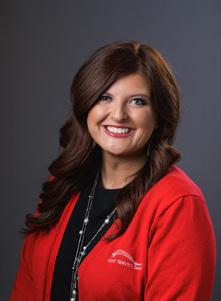
Michaela Hudson has been promoted to accounts payable specialist for First Service Bank.
She previously served as executive administrative assistant.
In her new role, she will be responsible for processing accounts payable, and handling employee reimbursements.
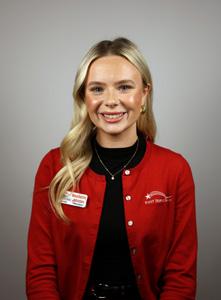
Annabelle Johnson has been promoted to mortgage loan partner at First Service Bank. She previously served as a treasury management operations specialist.
UTILITIES
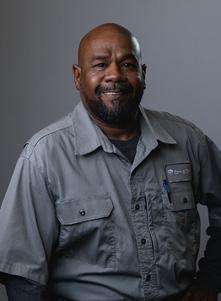
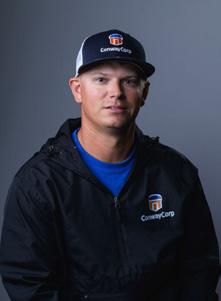
James Woolfolk recently earned his Basic Industrial Wastewater Treatment license upon passing the Arkansas Department of Environmental Quality exam. The certification strengthens Conway Corp’s industrial pre-treatment program and ensures continued compliance with Environmental Protection Agency regulations.
Woolfolk, a lab technician, started at Conway Corp in 2024.
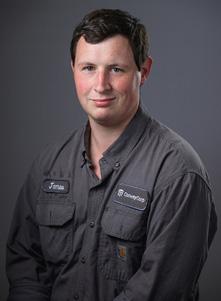
Zach Stubbs has been promoted to water systems meter technician. He will be responsible
for installing, maintaining, and repairing water meters, as well as assisting with system monitoring to ensure accurate usage tracking and reliable service for customers.
Stubbs started at Conway Corp in 2005 as a utility worker apprentice.
Scotty Hudgens has been promoted to telecom installer technician 2 after completing the Broadband Fiber Installer Certification through the Society of Cable Telecommunications Engineers.
Hudgens began his career at Conway Corp in 2023 as a telecom installer trainee.
Conway Corporation Earns Diamond Safety Award
Conway Corp earned the American Public Power Association’s Safety Award of Excellence for safe operating practices in 2025. The utility received the diamond-level designation in the category for utilities with 110,000 to 249,999 annual worker-hours. The company was recognized at the APPA Engineering & Operations conference in Huntsville last month.
“Our APPA Safety Award of Excellence is a direct reflection of the dedication our electric crews bring to the field each day, along with the strong support from every department behind them,” Conway Corp Safety & Emergency Management Director Brent Fason said. “Safety at this level takes a team effort, and this recognition belongs to all who play a role in keeping our crews and community safe.”
More than 240 utilities entered the 2025 Safety Awards. Participants are grouped by worker-hours and ranked based on incident rates and the overall strength of their safety programs and culture. Incidence rates are determined by the number of OSHA-recordable injuries or illnesses per worker-hours.
“In public power, safety excellence isn’t
achieved by chance. It’s earned through unwavering discipline, strong leadership and a culture where every team member looks out for one another,” American Public Power Association Safety Committee Chair and Electric Cities of Georgia Vice President Jon Beasley said. “These Safety Award recipients prove that commitment and consistency save lives, strengthen communities and set the standard for our industry.”
APPA has presented the Safety Awards for more than 68 years. The association represents not-for-profit, community-owned utilities that power more than 2,000 towns and cities nationwide.
Brandon Ruhl Joins Conway Corporation Board of Directors
Brandon Ruhl was recently elected to the Conway Corporation Board of Directors for a seven-year term, beginning May 8. Ruhl is an architect at Taggart Architects.
Ruhl earned a bachelor’s degree in architecture from the University of Arkansas. “I’m
honored to join the board of Conway Corporation and contribute to an organization that plays such a vital role in our community,” Ruhl said. “Conway Corp’s commitment to reliable, affordable utility and communication services, along with its reinvestment in Conway’s quality of life, is something I’ve long respected.”
Ruhl currently serves with the American Institute of Architects Arkansas Arch PAC. He has previously served on the Conway Planning Commission, including two years as chairman, as well as on the AIA Arkansas Board of Directors and the U.S. Green Building Council Arkansas Board of Directors.
The board elects one director annually to serve a seven-year term. Other board members are Scotty Bell, Kelley Erstine, Osmar Garcia, Jon Ross Henderson, Jake Nabholz, Dr. Kateryna Pitchford and John Scherrey.
Ruhl replaces Denise Perry, whose term ended May 8.
HENRY
BARTLETT
WOOLFOLK
HUDGENS
STUBBS
JOHNSON
RUHL
HUDSON
AT A GLANCE
WHAT'S THAT GONNA BE
State's First Romance Bookstore Opens in Conway
Pages & Ink Brings Arkansas Its First Romance Bookstore
The downtown Conway shop stocks romance titles from indie and local authors alongside hand-poured candles inspired by popular romantic tropes.
Pages & Ink is the first romance bookstore and candle bar to open in Arkansas and has already found a dedicated community since opening April 25 in downtown Conway.
When Madison Walters, 27, opened the store last month, the line wrapped around the sidewalk outside on Van Ronkle Street and down close to Larry’s Pizza off Markham Street.
“I expected maybe a small line to start at nine o’clock, maybe,” Walters said. “But the fact that the first person was out there at eight, and it went all the way around to Larry’s Pizza. I didn’t really expect that.”
Walters’s journey to opening the state’s first romance-focused bookstore grew out of pop-ups and local markets, including Conway’s Mirror Market. She wanted more, so about six months ago, she issued herself a public challenge on social media: Open a store or walk away for good.
“I think people were really just invested in my story,” Walters said. “But they also enjoyed my stuff. It is bright and whimsical and brings something else to the table. I had a niche that maybe wasn’t being met.”
Before Pages & Ink, Walters managed the floral shop Three Poppies, where she fell in love with the downtown Conway retail experience.
“That really showed me the downtown Conway experience and what it means to be in charge of a local business,” she said. “It’s such a hub. It’s the place to be, in my opinion.”
Her spot on Van Ronkle opened before she was necessarily ready, but it was an opportunity Walters couldn’t pass up.
“It was small enough to work for me and big enough to be the space I needed,” Walters said. “I wasn’t even technically ready to do that full jump, but I was like, ‘OK, this is a one-time opportunity. There aren’t many that pop up of this size. I need to hop on it.’”
So, she did. And Pages & Ink was born.
The shelves mix well-known titles with Indie authors, several of them local writers.
“I am a cover buyer, so if I find something that I think is really beautiful, I’ll also add that to the store, and then I also try to think about representation. I want to represent everyone, from Sapphic romance to BIPOC authors,” Walters said. “I also carry indie authors, because if I expect people to support local, I want to support local as well.”
The candles at Pages & Ink are Walters’s own creation, each one hand-poured and tied to a specific romantic trope.
“I do specifically trope-related things,” Walters said. “If I’m reading an enemies-to-lovers book, well, what does that smell like? What is that feeling? The candles connect to the books through the tropes.”
Her Enemies to Lovers candle, for example, carries a cherry woodsy scent, evoking, she said, a fantasy story with a sultry edge.
Walters offers 10 year-round scents and rotates seasonal ones. Current offerings include Cowboy Romance, Grumpy x Sunshine, Dragon’s Breath, and One More Chapter.
For Walters, the store is about more than books and candles. It’s about giving romance readers a place where they don’t have to apologize for what they enjoy.
“I feel like romance often has a little bit of a stigma around it, where it’s looked down upon as the lesser genre because it doesn’t take much brain power to read, or it’s not a classic,” Walters said. “I want to break that, and I want a woman to come in and feel like she can ask me for a recommendation on anything. Feel like she’s safe to do that and not be judged for the content she consumes.”
Walters has started a book club at the store and holds regular events with authors to help create a community.
“It’s something that I wanted, so I grew it so I could have it, and others could have it, too,” Walters said.
Pages & Ink is located at 1018 Van Ronkle St. in Conway. The store is open Tuesday through Saturday from 10 a.m. to 6 p.m.
WALDO'S CHICKEN & BEER
THINGS TO KNOW
Tuesday-Saturday 10 Only Rotating Year-Round Candle Scents Romance Bookstore in Arkansas Seasonal Candle Scents Days Open
Pages & Ink, Arkansas's first romance bookstore and candle bar, opened April 25 at 1018 Van Ronkle St. in downtown Conway. Photo courtesy of Pages & Ink
$1.075M
$907,200 Average price of the
Greenbrier Home Sells for $1.075 Million, Leads Pack in Faulkner County in April
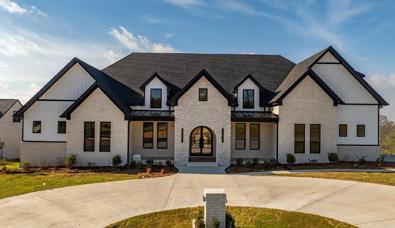
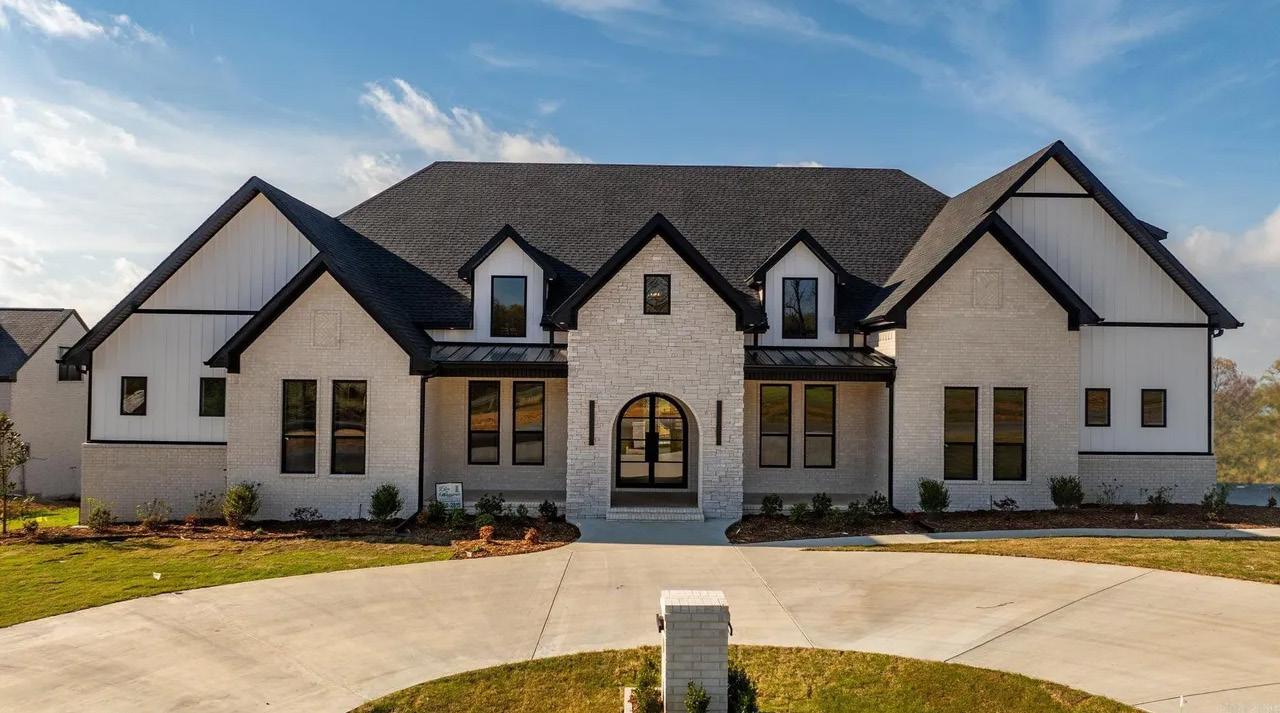
A 4,700-square-foot home in Greenbrier sold for seven figures in April and topped the Faulkner County list for the month. The Taryn Trail home sold for $1.075 million and $228.72 per square foot. The new build features 6 bedrooms and 5 bathrooms and a 0.77-acre lot.
Greenbrier had three of the top five homes in April, including the No. 2 home, sold for $925,000 and $154.68 per square foot. The Shady Oak Drive home is the largest of the top five homes at 5,980 square feet and is located on more than 5 acres.
The No. 5 home was also sold in Greenbrier, a Highland Drive home that features 5 bedrooms and 4 bathrooms and more than an acre lot. The home sold for $780,000 and $218.49 per square foot.
Conway had the Nos. 3 and 4 homes in April. The No. 3 home was sold for $915,000 and $205.43 per square foot. The 4,454-square-foot home on Juniper
Drive features 4 bedrooms and 3 bathrooms.
The No. 4 home sold for $841,000 and $238.58 per square foot. This was the highest price per square foot among the top five homes. The 3,525 square-foot home on Southwinds Drive features 5 bedrooms and 4 bathrooms.
Faulkner County Housing Report: April 2026
Most metrics for the local housing market continue to show growth over 2025 numbers.
In Faulkner County, numbers were up across the board. The number of homes sold in the county is up 14.2% to 529 homes over the first four months of the year. The value of homes sold in the county is up 21.3% to $157.175 million. The median price per square foot is up 1.5% to $152.64 per square foot, while the median home price is up 8.7% to
$259,900.
In Conway, the number of homes sold is down 6.3% from 208 homes in 2025. The value of homes sold in the city is down 9.4% to $53.678 million. The median price per square foot is up 2.3% to $154.81 per square foot, while median home prices are up 16.4% to $277,000. PRESENTED BY