Photography & Videography | Clayton Gilligan, Kirsten Jennings, Jason Ko, Andre Benedict Malabanan, Joe Mason, Simen Reinemo, Stephen Rippee, Dylan Stine & Esy White
Dr. Aaron Cole (Chair), Dr. Brad Trask (Vice Chair), Sherilynn Tounger (Secretary), Telvin Jeffries (Treasurer), Dominick Garcia (Executive Member), Dr. Mike Burnette, Dr. Sam Huddleston, Lindsay Jacobs, Cheryl Jamison, Klayton Ko, Kay Logsdon, Rich Nathan, Tom Rankin & Hal Donaldson (President)
Feedback | editor@convoyofhope.org
Website | convoyofhope.org
Instagram | @convoyofhope
Facebook | /convoyofhope
LinkedIn | /convoyofhope
Postmaster | Send address changes to: Hope Quarterly 1 Convoy Drive, Springfield, MO 65802
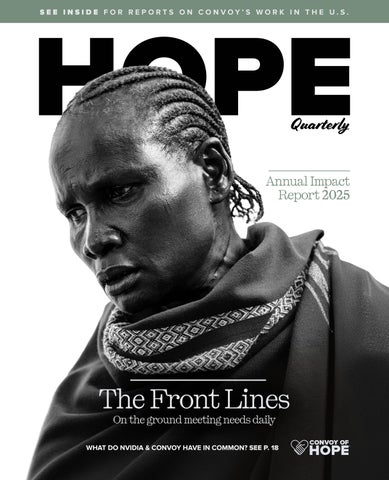
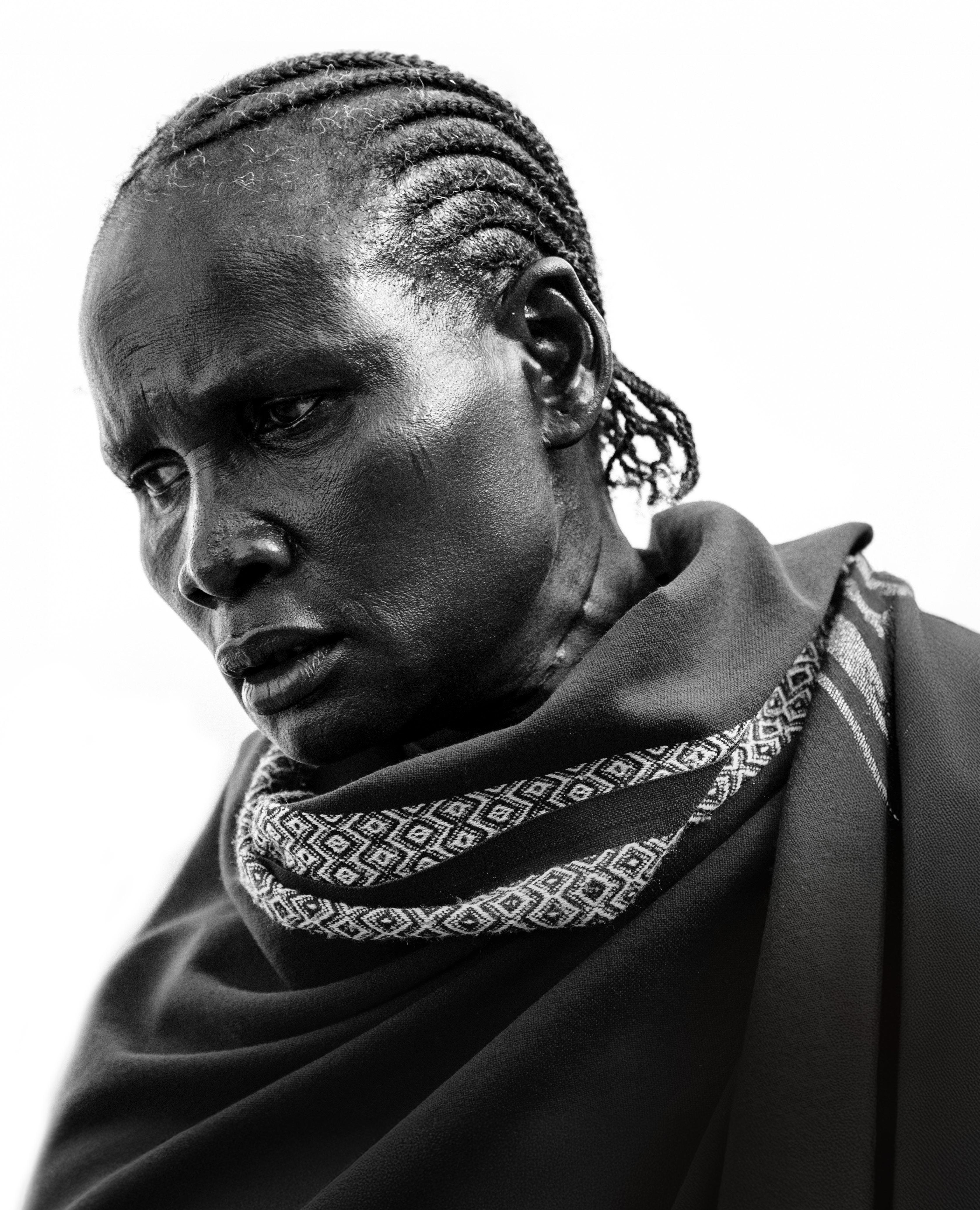
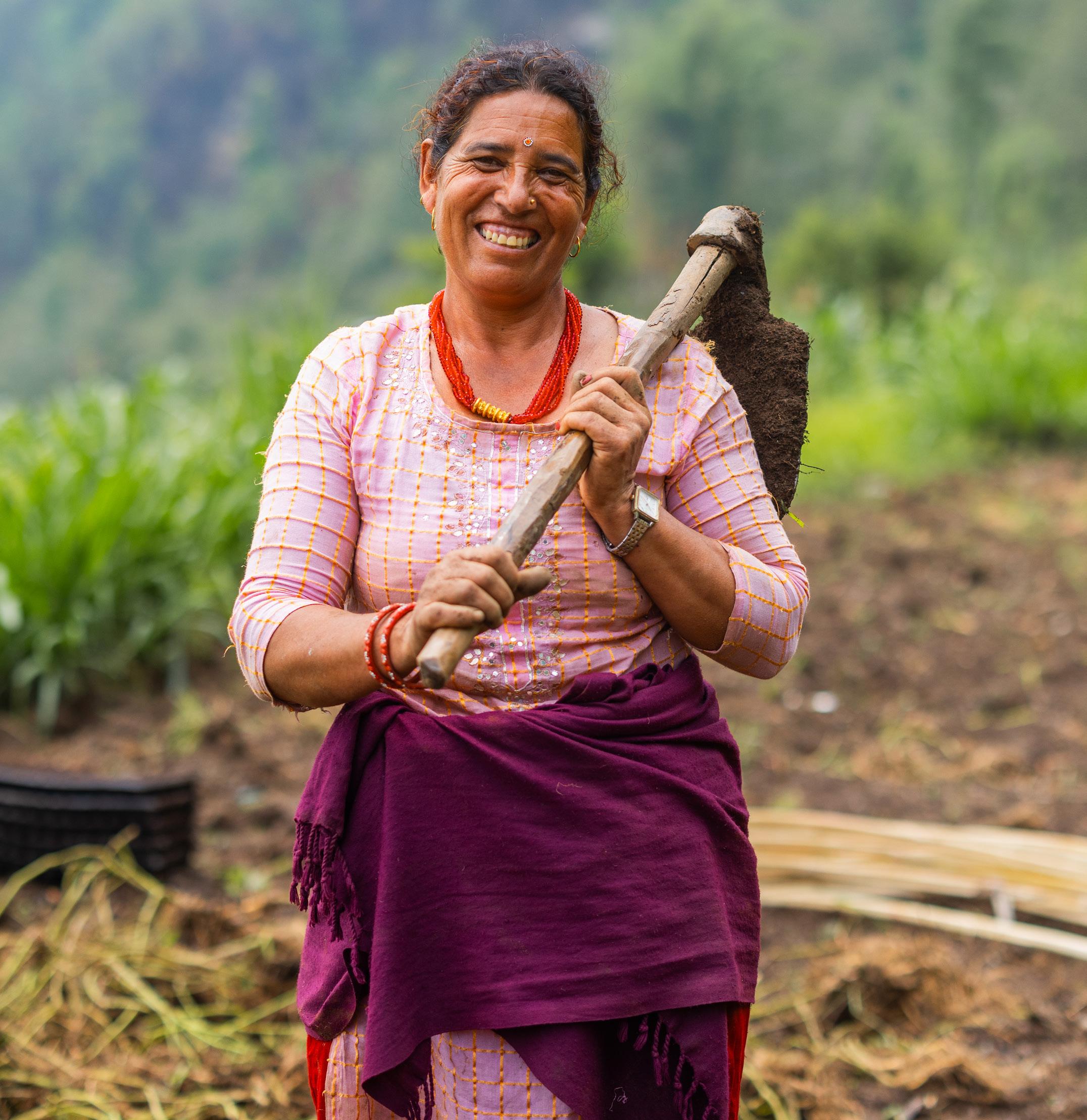
On the Cover: Statistics confirm that women — especially those in Africa — are most negatively affected by poverty. This is why Convoy of Hope empowers tens of thousands of women each year. Photographer: Jason Ko
FROM THE PRESIDENT
Hope Worth Noting
Before my family and I founded Convoy of Hope, I was a magazine journalist — always on the go, pen and reporter’s notebook in hand, chasing the next great story. On assignment, I took notes on anything that caught my attention, moved me, or raised new questions.
I still do that today — especially when I’m in the field with Convoy of Hope.
Last year was no different. In fact, I have pages of detailed notes from 2025, and they led me to four conclusions that you and so many friends made possible:
First, Convoy is a disciplined and prepared response to hopelessness and chaos.
The hero in all of this is you. Because of your generosity, Convoy can be a steady, relentless, and prepared presence in people’s lives — often during the most difficult season they will ever face.
Second, Convoy is ready, not reactive.
This has been a hallmark of our work since the beginning. Because we prepare in
advance, we can move quickly to areas of greatest need, arrive equipped to help, and stay until the need is met.
Third, Convoy is an antidote to hopelessness.
A hot plate of food, a bag of seeds, practical training, emergency supplies, and a hand up can go a long way in the midst of hunger, poverty, and suffering.
Fourth, Convoy is a careful steward of your generosity.
We take that responsibility seriously. Accountability and transparency will always be cornerstones of our partnership with you.
As you read this 2025 Annual Impact Report, please know that none of the work accomplished, milestones reached, lives transformed, or hope delivered would have been possible without you.
God bless you.
Hal Donaldson President, Convoy of Hope
TOGETHER WE ARE ON THE GROUND
MEETING NEEDS
See U.S. Program, page 16.
Since our founding in 1994, Convoy of Hope has served more than 350 million children, women, and survivors around the world.
a rural village in Madagascar, Dr. Heath Adamson sat with village elders beneath the shade of a tree.
As the men spoke, children gathered nearby — their hair, normally black, tinted orange by severe malnutrition.
“With your permission, we would like to begin an intervention program here,” Adamson said, noting the condition of the children. “We would start by feeding them nutritious food.”
The village chief leaned forward and shook his head. “We’ve had others come before,” he said. “They always promise to help — but they never come back.”
Adamson met his gaze with equal parts compassion and resolve.
“We will be back. That’s a promise,” he said. The plight of the villagers drove the thought home — We have to find a way.
Today, more than 7,000 children are being fed across Madagascar — including children from that village.
Since our founding in 1994, Convoy of Hope has served more than 350 million children, women, and survivors around the world.
“Some people mistakenly believe we are simply a funding agency,” Adamson says. “That couldn’t be further from the truth. We are on the ground every day, meeting needs.”
Read on to journey to the front lines of the work we're accomplishing together.
Disaster Services: Out of the Ashes
InLos Angeles County, with no evacuation order in place, Rand and Jessica Vance believed they and their three children were safe.
But when hurricane-force winds drove growing flames down the mountainside in Altadena, the Eaton fire arrived quickly. Drought conditions, low humidity, and excessive vegetation
combined to fuel what would become one of California's most destructive fires in state history. With no time to spare, the family fled immediately.
“We only had time to grab one change of clothes for our kids and the diaper bag for the baby,” Jessica said.
The family drove to a hotel in Rancho Cucamonga to
wait out the fires. Around 2 a.m., they received a call with devastating news: The church Jessica’s father led had burned down. “I knew right then that our house was gone too,” Jessica said. “We froze for a second, and then the tears started flowing.”
Later that morning, Rand returned to their neighborhood to confirm what they already suspected.
Los Angeles, California
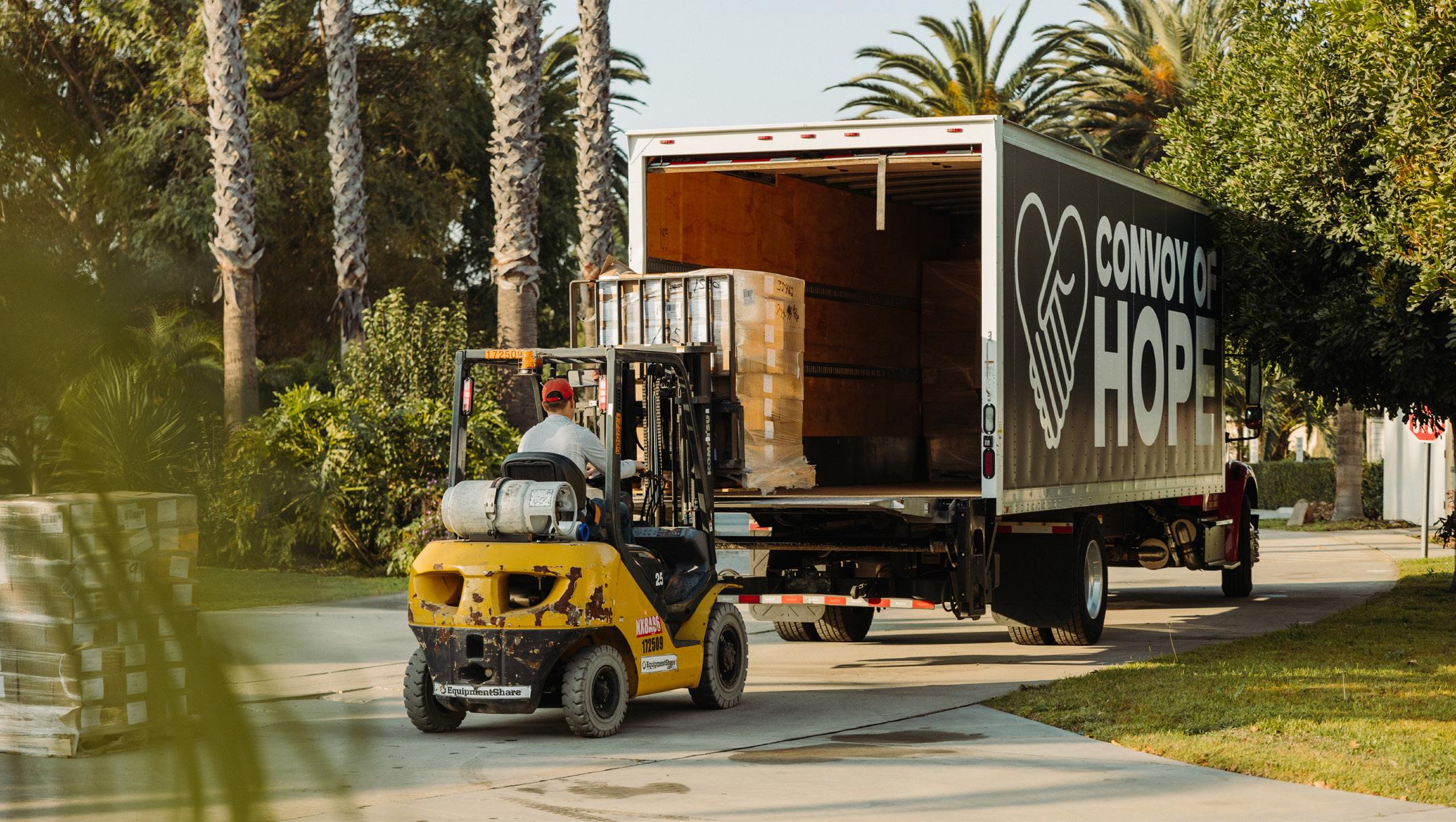
In the immediate aftermath of the fires ... Convoy of Hope provided more than 120 tractor-trailer loads of food, water, and supplies.
Their home had burned to its foundation.
“It looked like a war zone,” Rand said.
About 30 miles south, Pastor Nisan Stewart, a longtime Convoy of Hope partner, was already responding to the devastation. His church was distributing essential supplies from Convoy of Hope to families affected by the fires.
“We set up a hub for those in need,” Stewart said. “Convoy delivered a truck full of food, water, and cleaning supplies.”
Still grieving the loss of their home, Jessica attended Stewart’s church that Sunday. After the service, Stewart asked her to stay for a moment. He then provided food, water, and hygiene supplies from Convoy, along with donations collected
from the congregation, to support her family.
“I was not expecting any of that,” Jessica said. “It gave us hope. It meant that my kids had food.”
In the immediate aftermath of the fires and in the months since, Convoy of Hope has provided more than 120 tractor-trailer loads of food, water, and supplies. Convoy has also served more than 50,000 children in need through its Children’s Summer Feeding initiative in response to the fires.
Convoy of Hope is helping families affected by the fires rebuild while working with local leaders to strengthen their communities.
“Thank you. You helped get our feet under us,” Rand said tearfully.
43
Pounds of Resources Delivered Disaster Responses In the United States
49
10+ Million
20+ Million Meals Provided Disaster Responses Around the World
2.6 Million
People Served During Disaster Responses in 2025
900+ In 2025 ...
Total Responses to Date
Children’s Feeding: Protecting the Vulnerable
Malnutrition is deadly.
You already know that.
What many don’t realize is how patient a killer malnutrition can be.
It works slowly and methodically — weakening a child’s body by attacking vital organs and the
immune system, inching ever closer to a lethal tipping point. One scraped knee or missed meal can become fatal.
As you read this, nearly 193 million children worldwide (ages 5 and under) are suffering from some form of malnutrition.
That is exactly why Convoy of Hope’s Children’s
Feeding initiative matters in the 40 nations where we serve.
With your help, children receive nutritious meals and deworming treatments, as well as training in good nutrition, water sanitation, food preparation, and disease prevention.
Today, more than 677,000 children in our feeding
In 2025 ...
More Than
677,000
Children Fed Every School Day
As you read this, nearly 193 million children worldwide (ages 5 and under) are suffering from some form of malnutrition.
initiative no longer have to wonder where their next meal will come from — or whether hunger will quietly steal their future.
Shadreck knows this firsthand.
He’s currently enrolled in Convoy’s feeding initiative in Zambia. The moment he entered the program,
malnutrition lost its grip on his life.
In Zambia, malnutrition often intersects with AIDS, leaving thousands of children orphaned. By the time Shadreck was 6 years old, both his parents had died of AIDS. His only surviving relative — his grandmother — eventually abandoned him, leaving him to the
streets to beg for food. Then, what Shadreck describes as a miracle happened.
A Convoy of Hope partner invited him to live in a rescue home — where Convoy provided meals and training.
“Everything changed for the better,” Shadreck said. “I had a safe home, food to eat, and people who loved and cared for me.”
As Shadreck learned, escaping malnutrition often begins with something simple — a daily plate of nutritious food.
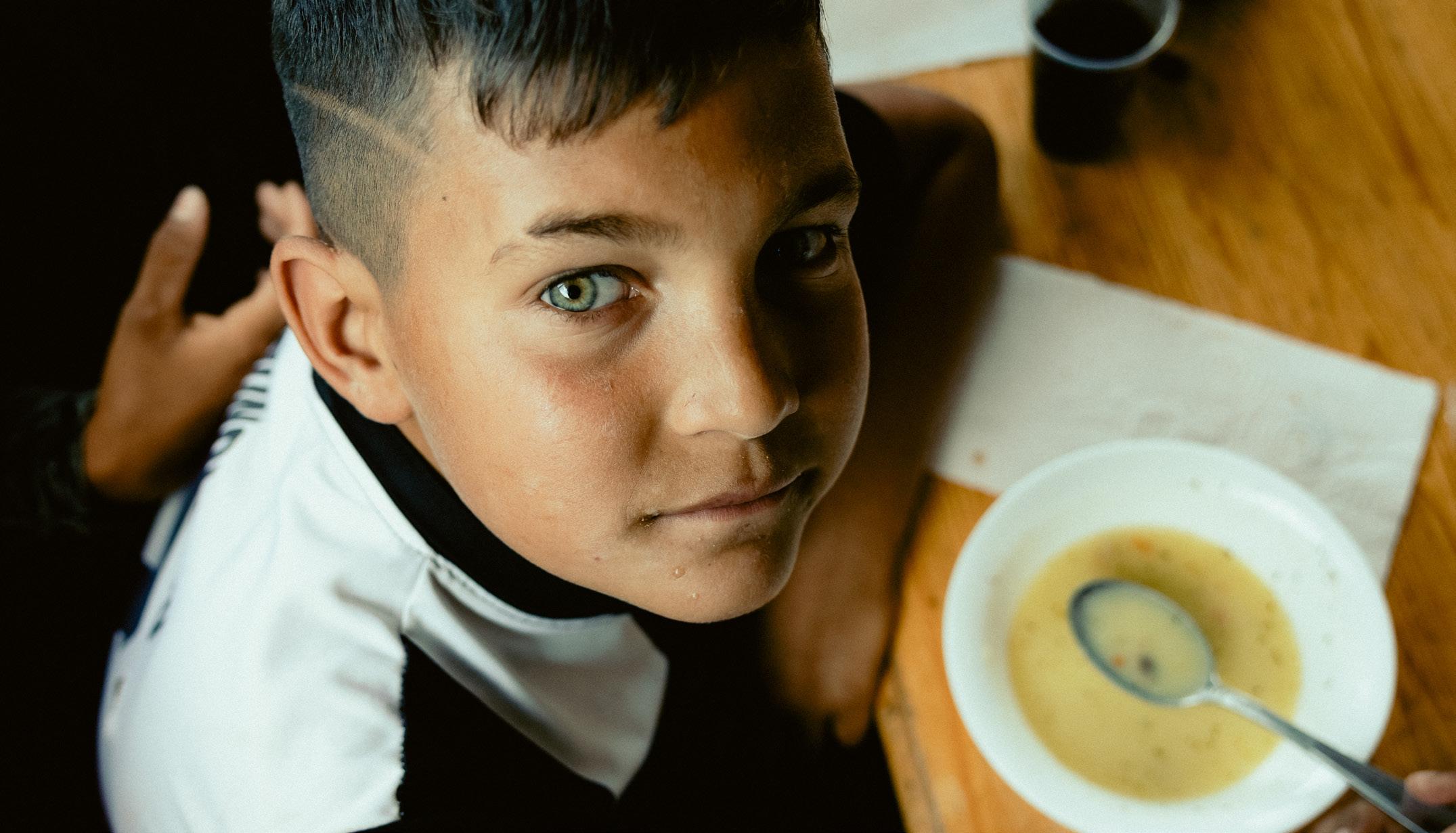
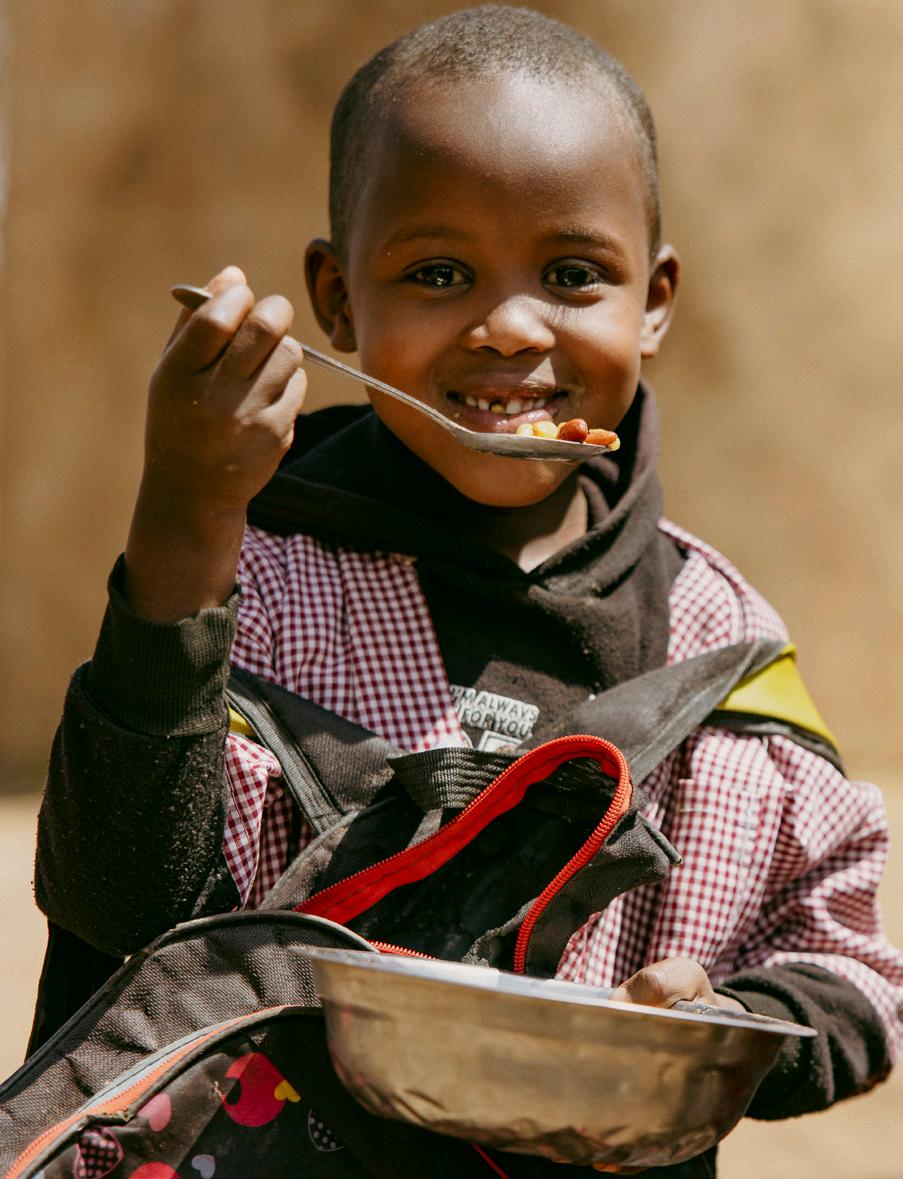
A child in Convoy of Hope’s Children’s Feeding program
Women’s Empowerment: A Transformed Business & Life
For One decision transformed her business — and her life.
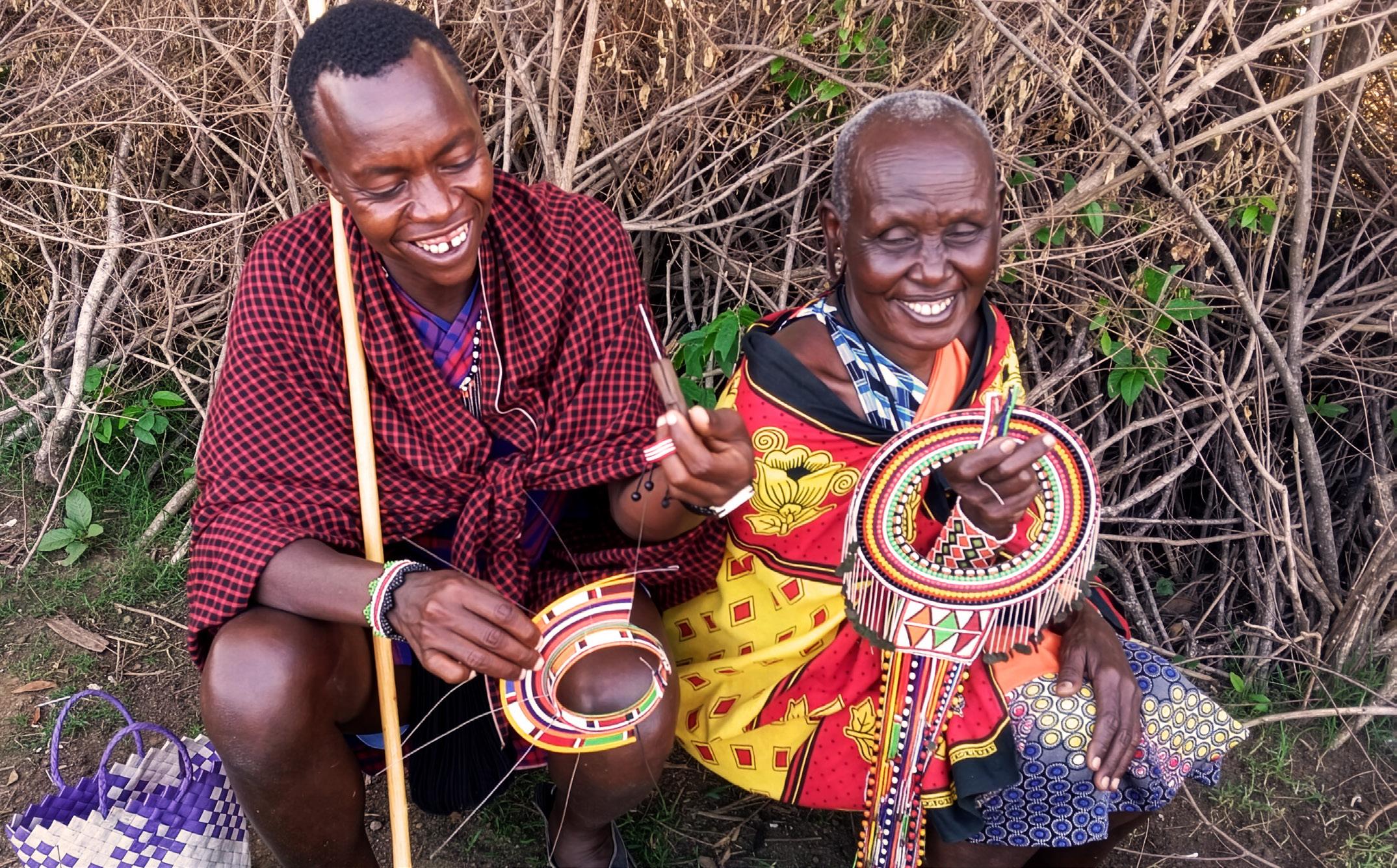
years, Tome, a Maasai woman in Kenya, spent her days creating intricate beaded jewelry.
Each bracelet and necklace reflected her community’s vibrant culture and artistry. But despite her skill and
dedication, her work brought in little to no income. Living in a remote area meant there were few buyers for her creations.
She used to give her beaded jewelry away, as she enjoyed making it and didn’t want her creations to go to waste.
Tome
Today, Tome has increased her profit by 400% by selling her colorful beadwork to tourists.
So much changed when Convoy of Hope’s Women’s Empowerment program reached her community. Tome received help from Convoy, which gave her the confidence to make a leap of faith and relocate to a tourist area near the Maasai Mara National Park, where visitors from around the world come to experience Kenya’s culture and wildlife.
That move transformed her business — and her life.
In just a few months, Tome went from earning nothing to making a profit each month. Today, she has increased her profit by 400% by selling her colorful beadwork to tourists. With her profits, she’s purchased four goats and four sheep, giving her family additional sources of food and income. “When Convoy came, they
gave me an opportunity to go out there and work,” Tome said. “I have my business, I pay school fees, and I buy food and livestock for my family. I’m grateful to Convoy for their support.”
Beyond her personal success, Tome’s story is one of community empowerment. She has trained nine other women in bead-making, sharing not only her skills but her new business knowledge.
Some of these women now work with a local organization that employs artisans across the Maasai region. Through this partnership, the women Tome trained earn a steady income to support their households.
From giving her jewelry away to building a thriving business that sustains her family and uplifts others, Tome’s journey is a story of resilience, resourcefulness, and hope.
In 2025 ...
More Than
78,000 Women & Girls
Agriculture: Sharing the Blessing
Naina
Julio
J Naina’s success meant she could feed her family and earn funds from crops sold to her community.
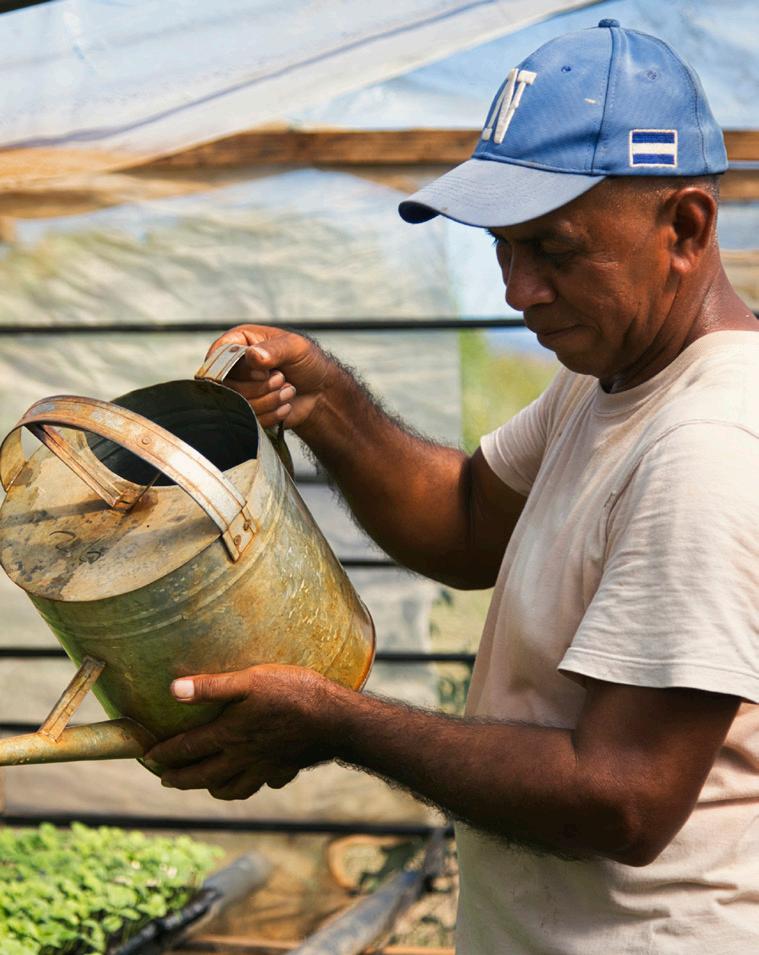
ulio and Naina live 8,000 miles apart, but they share a similar life journey — working hard on a few acres of land to push back against hunger for their families.
As pests decimated his melon patch in Nicaragua, Julio grew increasingly desperate. Across the globe in Nepal, Naina struggled to bring in a meager harvest with traditional farming methods. Food was scarce in both of their homes, and discouragement cut deep.
But Julio and Naina were not alone. In each of their
communities, Convoy of Hope agriculture specialists arrived and shared valuable insights.
“I’ve learned new techniques for fertilization, care, and nutrition of the melon crop,” Julio said.
With the knowledge and support Convoy offered, Julio expanded his field to 2.5 acres and saw his income climb with a successful harvest.
Naina studied off-season vegetable farming and other strategies. “After joining Convoy of Hope, I’m farming using modern techniques,” she said.
Her success soon meant she could feed her family and earn funds from crops sold to her community.
Both Julio and Naina saw a powerful multiplication principle come to life.
Naina partnered with five other women to put into action the strategies Convoy had taught.
Julio was quick to share his newfound expertise.
“Sharing ideas and knowledge with my fellow producers is important to me,” he said. “Collaborating with others helps us prosper together.”
In 2025 ...
More Than
49,000 Participants Trained
The Front
Lines
TOGETHER WE ARE ON THE GROUND MEETING NEEDS
U.S. Program: A United Act of Compassion
For Sandra walked for nearly two hours so her family could have a Thanksgiving meal.
the average person, walking 2 miles takes 30 to 40 minutes, a manageable distance — unless, of course, you recently had a stroke.
This was Sandra’s reality. The Macon, Georgia, resident suffered multiple strokes during 2024 and 2025 and was left in poor physical condition.
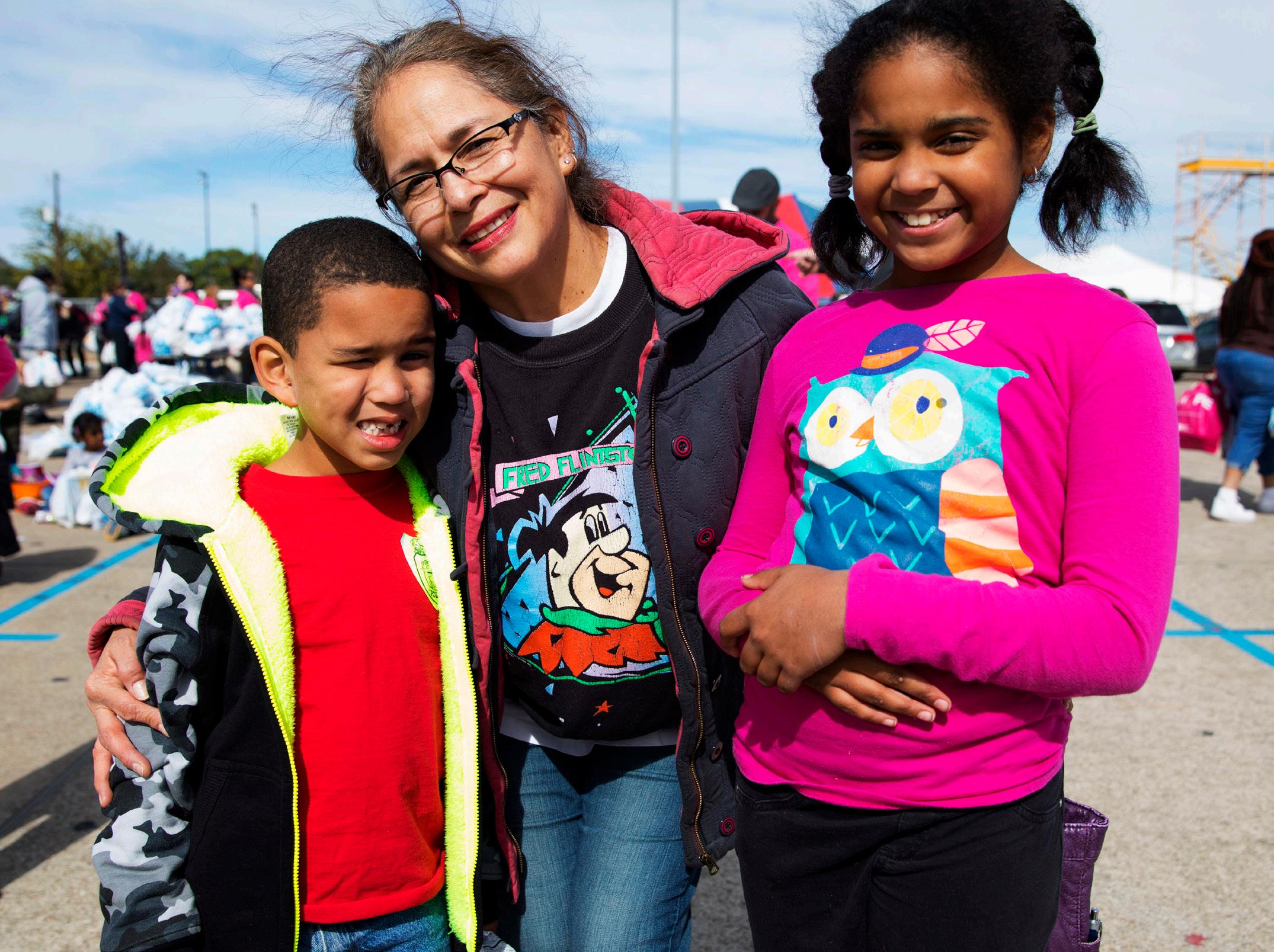
Guests of Honor gather at a Fort Worth, Texas, Convoy of Hope Community Event.
As Thanksgiving approached, Sandra was determined to give her daughter a turkey dinner with all the fixings. But she could not afford such a meal.
“When I saw the Facebook post [about a Convoy of Hope Community Event], I knew I had to [go there] for my daughter,” Sandra said.
She walked for nearly two hours to the event, hosted by local partner Fall Line Church, hoping to receive a Thanksgiving turkey, groceries, and cleaning supplies.
At the event, Sandra received the food her family needed. In addition, she was provided with a laptop for virtual doctor appointments.
Members of her community are walking alongside her in her recovery.
“When the truck pulled up, and all that [food] started coming out of it, we were just so thankful,” said Camylla Battani, executive pastor of ministries at Fall Line Church. “We were overwhelmed by the thought of how many people we could bless.”
Convoy of Hope is committed to distributing millions of meals each year to families in need across the United States, bringing help and hope to people like Sandra, for whom a 2-mile walk was not just a walk, but a lifetransforming journey.
Convoy of Hope is committed to distributing millions of meals each year to families in need across the United States.
25.5 Million
Pounds of Resources Distributed in 2025 People Served in 2025 1.9+ Million
1,900+
Total Community Events Since 1994
Q&A: Gary Hicok
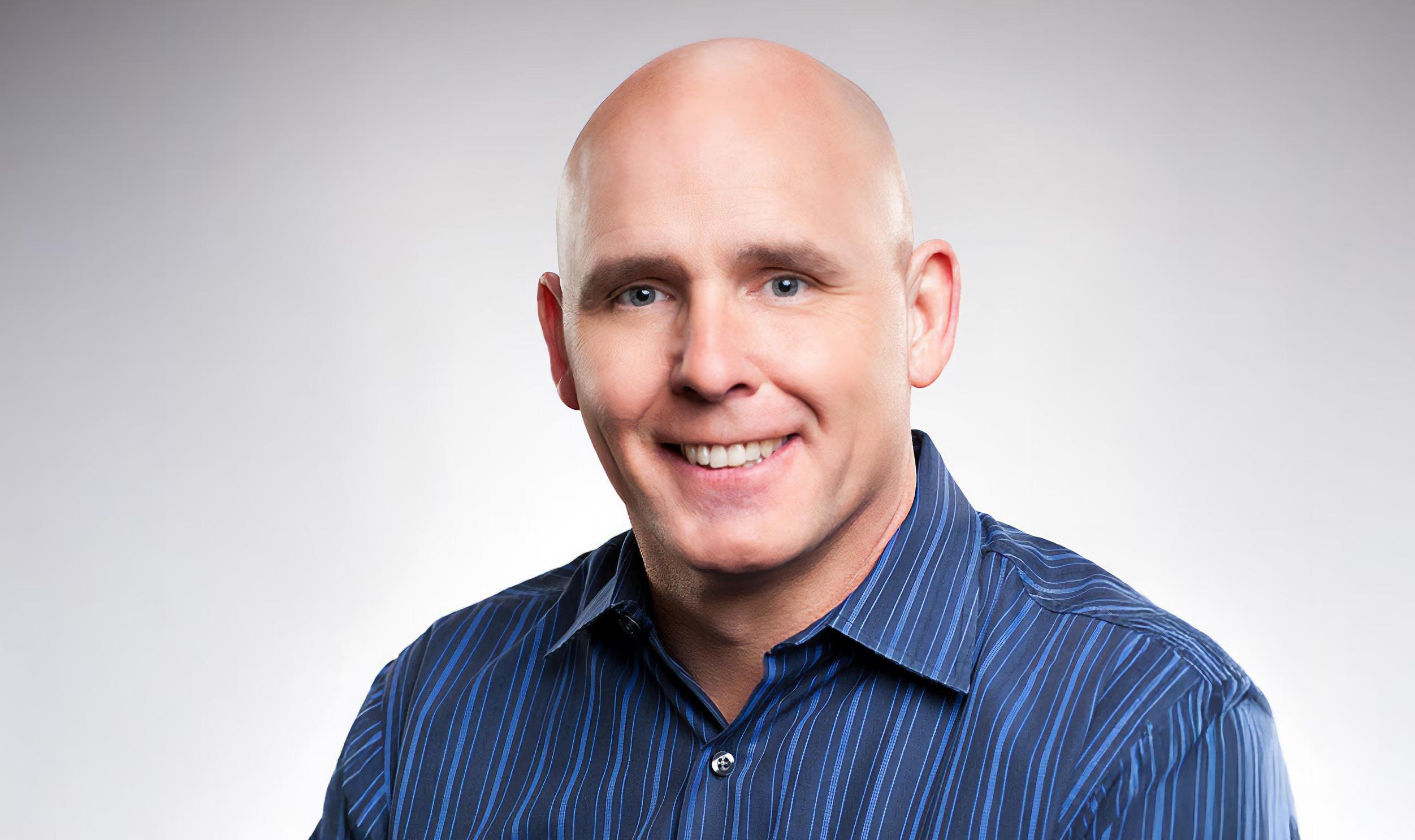
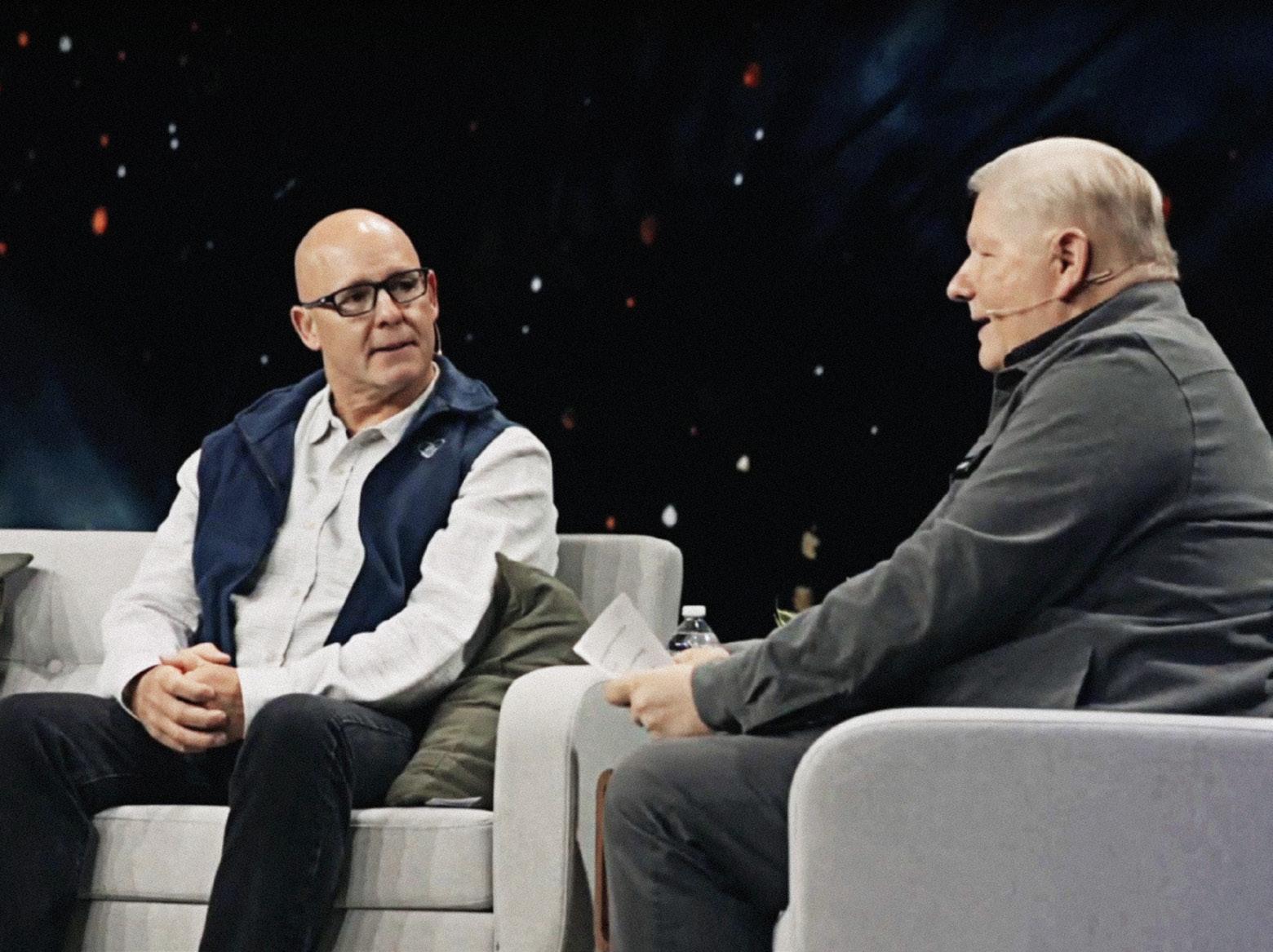
Gary Hicok served in leadership at Nvidia, one of the world's largest computer technology companies, for 25 years. He has authored 40 patents. His projects were as diverse as self-driving automotive technology, AI robotics, and the Xbox gaming platform. Gary is a longtime supporter of Convoy of Hope. Convoy President Hal Donaldson recently spoke with Gary about his life and involvement with Convoy.
HQ: What drew you to Convoy, and where did that relationship begin?
Gary: More than 20 years ago, I was helping my church set up a business administration team, and
my pastor asked me to work with Convoy on a community outreach. I ended up leading ours and visiting several others. I learned about Convoy’s efficiency and how resources are multiplied to help more people.
HQ: You’ve been involved in cuttingedge technology for years. What is coming in the future for organizations like Convoy?
Gary: People are very excited about AI, and I believe AI is just starting. We’re at a stage very similar to the early days of the internet. We’re just touching the edges of what is possible. Organizations such as Convoy are going to see their impact amplified.
This technology amplifies how we create, how we engage, how we connect. When embraced correctly, it can be an amazing amplification of the mission.
HQ: You’ve been working directly with our leadership for some years now. How are you helping Convoy use innovation to maximize our opportunities and measure our outcomes?
Gary: I was invited to help you put in place an Enterprise Resource Planning (ERP) system.
Doing so lets us put in processes and structure that should allow for less effort to carry out tasks internally and more energy to be redirected to your outside initiatives. For example, we’re working on an AI approach to disaster response that should allow us to identify what to bring and when to bring it to survivors. Whether it’s with AI, IT, or just core technology, I’ve been invited to help various teams at Convoy, but they’re doing all the work. You have great people at Convoy.
HQ: Some people talk about technology
eliminating human involvement, robots taking over key tasks.
Gary: I don’t believe that will ever be the case at Convoy. One of your core strengths is relationships. And that is fundamental to how your team connects with each other, how you connect with those you help, and how you connect with those who want to help through you. AI can never replace that, but it can take certain tasks off your shoulders that will allow you to amplify those relationships.
HQ: Convoy of Hope is so thankful for you and your help at this critical time in our history. Any final thoughts?
Gary: Convoy of Hope inspires me and my family. Every time I come to the Global Headquarters, I leave emotionally shaken. Just by seeing all the wonderful work in all the different areas. All the resources that go through you and everything that happens because of you. It is a pleasure to be a part of it.
Gary Hicok interviewed by President Hal Donaldson
Convoy of Hope
Global Headquarters
Regional Distribution Center East
Jamaica
New Distribution Center: Nearer to the Need
Convoy of Hope continues to expand its national footprint, with a second Regional Distribution Center opening last year. RDC East in Atlanta is accelerating Convoy’s response to need across the eastern United States and into the Caribbean.
Working in tandem with Convoy’s Global Headquarters in Missouri, RDC East organized and transported key portions of each 2025 response listed below, continuing into this year's winter storm.
Water
Crisis:
Apalachicola, Florida
43,423 pounds of resources serving 2,273 people
Water Crisis: Patterson, New Jersey
41,445 pounds of resources serving 2,169 people
Tornado: Lincoln, Kentucky
One of 13 communities served with a total of 743,090 pounds of resources reaching 38,888 people
Hurricane Melissa: Jamaica
1.8 million meals and other resources provided for 85,538 people
Hurricane Helene: Asheville, North Carolina
Long-term engagement following a total response of more than 5.1 million pounds of resources serving 269,073 people in 85 communities
Winter Storm 2026:
Georgia, Louisiana, Mississippi, Tennessee
Part of a total response to 35 communities involving 716,667 pounds of resources serving 37,506 people
Puerto Rico Communities Help Convoy of Hope Fight Hunger
OnSunday, November 23, churches and other nonprofits across Puerto Rico collaborated to fight world hunger. Through Convoy of Hope’s One Day to Feed the World annual campaign, families across the island pooled donations to give $154,966 to support people in need.
To put that impact into perspective — Convoy of Hope can feed a hungry child every school day for a month for just $10.
Families across the island pooled donations to give $154,966 to families in need.
Ivan de la Torre, a church network leader, generated a grassroots response to the work Convoy has done in Puerto Rico the past eight years, since it responded to the devastation of Hurricane Maria in 2017. “Gratitude arose within me,” he said, “a feeling of gratitude for what Convoy is doing now in other parts of the world to help feed
people who are going through difficult times.”
With 120 organizations participating in the drive, Ivan set up 10 hubs around the island to accept local donations. Nearly $117,000 came in through the hubs, with additional donations generated through social media and personal gifts.
Walk Across America Raises Funds for Convoy Initiatives
Philip Grele and Drew Diaz, both 20 years old, completed a 3,604-mile walk across America on September 13, 2025, raising nearly $100,000 for Convoy of Hope initiatives to combat poverty and hunger.
The two friends from San Mateo, California, had been planning the walk since high school and researched a spectrum of nonprofits before selecting Convoy of Hope as the beneficiary. They flew to Delaware on March 1, dipped their feet in the Atlantic Ocean, then crossed 12 states to end with a run into the Pacific Ocean in Half Moon Bay, California.
Walking some 20 miles a day, they eventually wore through several pairs of shoes.
Supporters who followed their progress on social media donated food, shoes, and other resources to the hikers. Some opened their homes to Philip and Drew as overnight sleeping destinations.
When visiting the Convoy of Hope Global Headquarters & Training Center, Philip and Drew emphasized their renewed belief in the kindness of strangers — and their admiration for the kindness Convoy shows to millions of people in need every year.
A 3,604-mile walk across America raised nearly $100,000 to help people in need.
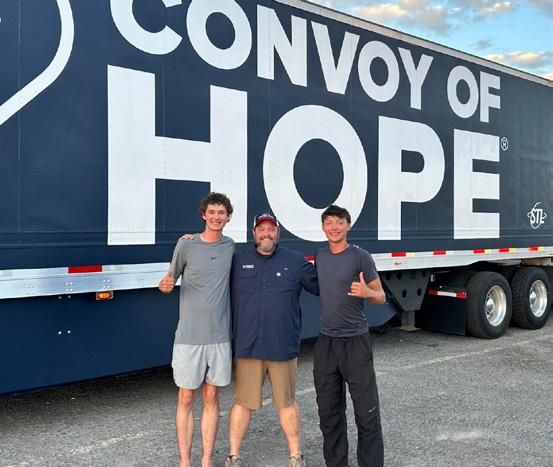
Philip, left, and Drew, right, visit with Convoy driver Joel Dense.
Philip and Drew completed their walk across America with a plunge in the Pacific Ocean.
Winter Storm Hits Multiple U.S. States
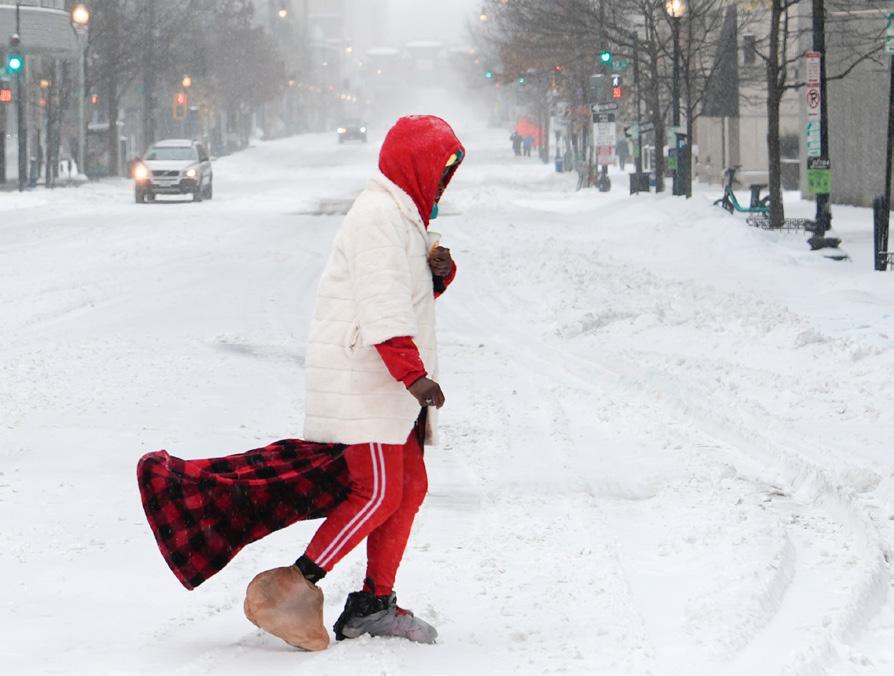
More than 20 state governors issued emergency declarations as the National Weather Service warned of a 2,000-mile system of snow and ice settling across the United States on January 24 and 25. Some regions in the South experienced record snowfall, more than 1 million people lost power, and 50 fatalities were reported.
Convoy of Hope quickly mobilized its Regional Distribution Center East in Atlanta to get needed resources into Georgia, Louisiana, Mississippi, and Tennessee. (See “On the Map” on pages 20 and 21 for more information on RDC East.)
Convoy continues to coordinate additional distributions to support communities impacted by the storm, helping families for as long as it takes to begin the path toward recovery.
Convoy Responds to Devastating Floods in Asia
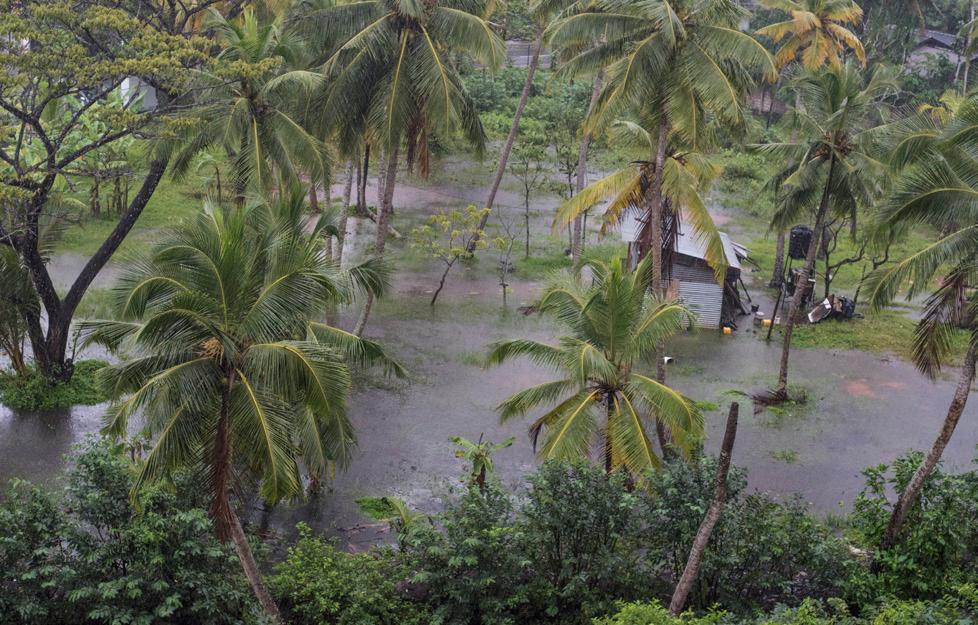
Convoy of Hope responded to December monsoon floods in Thailand and Sri Lanka — where more than 2 million people were displaced.
Days of heavy rain left thousands of people stranded, many clinging to rooftops and trees to wait for help. More than 1,200 people died across South and Southeast Asia, and hundreds more went missing.
Convoy of Hope is providing essential relief. In Sri Lanka, part of that response includes more than 4,300 emergency kits that will serve flooding survivors. In Thailand, Convoy is serving 750 flood-affected families and distributing hundreds of household kits that include bedding, rice cookers, food staples, and hygiene items, alongside food for 10 days of hot meals.
(AP Photo/Julia Demaree Nikhinson)
Children’s Feeding, Field Teams Serve Bulgarian Families
A key strategy in Convoy of Hope’s global response to poverty and hunger is to combine initiatives so that the whole becomes greater than the sum of its parts. For example, participants in Convoy’s Agriculture initiative often donate portions of their increased crops to support a local Children’s Feeding program.
In the Bulgarian village of Sredets, brothers Todor and Stefan have been enrolled in a Children’s Feeding program the past two years. Their parents struggle to provide basic necessities through temporary day
labor, and the meals Convoy provides are critically important. Their families, and many others in the area, live in homes without electricity or running water.
Convoy of Hope Field
Teams are volunteers who travel to program centers around the world for shortterm projects. A Field Team recently constructed a community bathroom with showers, adding another needed resource for the brothers and other children in the area. As programs combine, the gap between hardship and hope is bridged.
Convoy Expands Agricultural Research
At Convoy of Hope’s Global Headquarters, the team at the Center for Agriculture & Food Security (CAFS) is currently farming on 25 acres as part of its global program to train farmers in best practices. The research crops will eventually be expanded to 80 acres.
Currently, the ground is being prepared for field crops and the team is preparing the small-plot farms to mirror crop activities around the world. Many farmers use less than an acre. Research at the center’s acreage includes gardening, high tunnels, beehives, animal husbandry, and more.
John Van Loan, CAFS field manager, recently visited Guatemala and connected with the Agriculture team there.
“They go from farm to farm, away from their families for days on end, helping other farmers,” John said. “It was powerful to see what we are doing here taken around the world.”
Children in Sredets enjoy a meal Convoy provided.
Partners in Generosity
For more than 20 years, Don and Judy Coplin supported Convoy of Hope from a distance — faithful donors who believed deeply in feeding children, empowering women, and responding to disasters.
Global Headquarters. What began as volunteering one night a week with Hope Crew quickly became a way of life.
Judy also traveled to Ethiopia, where she witnessed firsthand how sustainable opportunity restores dignity.
But generosity has a way of drawing you even closer.
Three years ago, after selling their business and retiring, Don and Judy moved to Springfield, Missouri, to be near the heart of the mission and serve at Convoy of Hope’s
“That’s when our perspective on compassion really shifted,” Don says. “You see need on television, but it’s different when you’re the one packing a food bag or handing a hygiene kit to someone who has lost everything. When you physically hand a package of hope to a neighbor in need, it changes you.”
Today, they serve as lead volunteers two nights a week. Don is also heavily involved at Convoy’s Center for Agriculture & Food Security and deploys with Disaster Services to communities reeling from crisis.
For Don and Judy, the distance between donor and mission no longer exists. They aren’t just sending help. They are the help.
And they are thinking beyond today. Together, they have included Convoy of Hope as a beneficiary in their trust and are members of Hope Society — ensuring that the compassion they live out now will continue long after them.
For more information on Hope Society, please visit: convoy.org/hopesociety
2025 Total Revenue (cash and donated
*This figure includes the Convoy of Hope Foundation but is unaudited.