C NTENT
Formats in Asia: Cliff or Cliffhanger? Best Bets: Insiders on What’s Next
PLUS The Asian Shows that Drove 3 Billion+ Hours Viewed on Netflix Top 10 in 1H 2026 | BTS with Coupang Play’s Head of Content Biz on “SNL Korea”



















































We asked industry leaders involved in Asia what’s coming next. Here’s what they told us...
4
















Asia Sweeps Netflix Non-English Global Top 10, 3b+ Hours Viewed in1H 2026
Viewers around the world watched more than three billion hours of top 10 Asian titles on Netflix in the first half of this year – a fraction over 62% of all hours logged for series on the streamer’s weekly non-English TV top 10.





































































































6
“How Far Do I Need to Go?” | SNL Korea’s Charlie Moon on Comedy, Risk & Streaming Freedom

Formats Outlook: Asia






















Coupang Play’s Head of Content Business talks about giving younger producers a bigger chance, editorial judgement, and finding the “exact itch” that the audience wants scratched.




In volume alone, format adaptations in Asia have fallen off a cliff since 2020. But that’s far from the whole story, ContentAsia’s rolling formats tracker shows.
































“Teach You a Lesson”
Rashmi Bajpai
Tracy Ann Maleenont
Amrita Sindhu Avi Himatsinghani
Joyce Dröse
Daniel Vogelgesang
“The Traitors India” Season 2
“The Face Vietnam” Season 5
Karen Seah
Agnes Rozario Avi Himatsinghani
Anna Alvord Nini Yusof Haryaty Rahman
Jin Woo Hwang
Sabrina Duguet
Henry Or
Pia Laurel
Charlie Moon
Vanda Rapti
Asia: Trends & Outlook
“What we expect to see across the Asian content landscape, amid global uncertainty, is the likely resurgence of uplifting, feel-good content following years of more intense stories. Second, socially relevant stories that engage with real issues will remain important for buyers. Finally, with advertising revenues still under pressure, many broadcasters and platforms will continue leaning on acquired and cross-border content to help sustain their programming slates.”
Pia Laurel, Sales Head, OTT and Co-production, ABS-CBN Studios
“Fewer commissions and tighter budgets are driving a sharper focus on strong, proven IP that can deliver across platforms and monetisation models, and stand out in a crowded market. Collaboration is becoming even more central, from funding and production to marketing and international rollout. The Asian market continues to grow locally and internationally in ambition. Recently “The Traitors India” aired on BBC in the U.K., a testament to the strength of the local version and highlighting the power of strong partnerships.”
Sabrina Duguet, EVP Asia Pacific, All3Media International
“Mega-media consolidation seems unlikely to end any time soon. We will likely see consolidation extend to the production industry with M&A occurring at indie studios. We’ll see more format remakes and co-production between diverse territories, as many producers have become risk-averse and are looking to share the cost and rights with partners, and draw on the success of proven formats. While the use of AI in






content production has become more common than ever, the industry might start discussing protocols for its usage to avoid ambiguity and protect creatives.”
Henry Or, SVP, Strategic Partnerships, Asia, Boat Rocker Studios
“Community-led formats that facilitate realtime viewer engagement are set to be the “showstoppers” of 2026, aligning perfectly with the burgeoning trend of creator-content partnerships. Social media has evolved beyond a mere promotional tool; it is now a full-scale innovation lab offering massive monetisation potential. As the creator economy continues to thrive, we are entering the ideal window to leverage the synergy between creators and established content, allowing both to benefit from each other’s unique strengths. Lastly, we anticipate a massive resurgence in reboots. In an increasingly uncertain M&A landscape, reboots serve as a critical risk-mitigation strategy. By revitalising shows with proven track records, we can leverage existing fandoms while tapping into the powerful combination of cost efficiency and nostalgia.”
Rashmi Bajpai, EVP Asia, Banijay Rights
“Buyers are becoming more disciplined in their commissioning decisions, placing greater emphasis on content that can deliver measurable value and long-term returns. While local content remains a priority, there is an increasing focus on stories that can resonate both locally and



internationally. We are seeing growing demand for IP that can live beyond a single commission or platform. Buyers are increasingly seeking content that can be adapted, extended and monetised in multiple ways, creating deeper audience engagement and longer-term value.”
Haryaty Rahman, EVP Distribution Asia, International, Fremantle
“Emphasis on Strong Intellectual Property and Star Power: In a competitive landscape, buyers are focusing on premium IP and recognisable talent that can stand out, attract viewers, and enhance both ratings and digital engagement.
Innovative Monetisation Strategies: As pressure on ARPU persists, we anticipate a continued evolution of hybrid AVOD-SVOD models, bundled services, and performance-driven licensing agreements. Buyers are shifting their focus toward sustainable revenue generation rather than merely increasing acquisition volumes.
Internationally Influenced Genres: Asian content is evolving to be more genre-blending and globally appealing. Genres such as GL, BL, female-led dramas and high-concept romances are gaining traction internationally, bolstered by dedicated fan communities and cross-border events that enhance visibility and engagement beyond traditional viewing platforms.”
Tracy Ann Maleenont, Assistant to Group COO, BEC World PLC






























“Scripted fiction will remain the primary growth driver, led by long-form series and the rapid expansion of microdrama, which deliver strong engagement and scale effectively across platforms. Films will continue to play a key role, particularly in mass-appeal genres that perform well across theatrical and digital windows. At the same time, hybrid docu-drama formats are gaining momentum, combining factual storytelling with cinematic treatment across investigative, social, travelogue and political engagement content.”


















Nini Yusof, Chief Executive Officer, Media Prima Content & TV Networks (MPCTN)






Nini Yusof
Haryaty Rahman
Sabrina Duguet
Pia Laurel Rashmi Bajpai
Tracy Ann Maleenont Amrita Sindhu
Henry Or
“Omnichannel preschool is now the baseline. Young families move seamlessly between YouTube, AVOD, SVOD and linear, and expect trusted kids’ brands to move with them. The opportunity is to activate the same IP across open and closed ecosystems, optimised for discovery, safe profiles and long-term retention rather than treated as silos. Preschool is increasingly education-centric and co-viewing led… 360° IP ecosystems are now expected. Shorts, games, live experiences and location-based activations are core to keeping kids engaged within a platform’s universe, unlocking sponsorship and retail, and helping local services stand out from global players.”
Amrita Sindhu, Head of Distribution and Partnerships, APAC, Moonbug Entertainment
“AI adoption in workflows and operations in addition to the widely talked about contributions in content production and storytelling. Short-form vertical videos and micro dramas will proliferate rapidly, providing overwhelming choice to viewers on the move – but this will lead to renewed appetite for quality long-form storytelling that is more meaningful in a lean-back large-screen experience. Curated playlists and ease of discovery will be critical drivers for marquee content consumption. Ancillary sports content and programming will be key to maintaining and driving sports fandom and to sustaining viewer interest for live sports. Short-form social content and match highlights alongside docu-style reality elements and high-end sports documentaries will be a critical component of wholesome sports television offerings.”
Avi Himatsinghani, Chief Executive Officer, Rewind Networks
“Generative AI and hyper-personalisation will be leveraged on more platforms to tailor experiences, enabling more dynamic and responsive storytelling. This will not only enhance viewer satisfaction but also open new avenues for datadriven monetisation. Sports remains one of the genres that consistently delivers real-time audience attention but will be the focus of fewer platforms given the costs as well as expertise to deliver that best-in-class experience. We foresee a surge in on-ground experiences that are both un-piratable and monetisable
activations and extensions of big hits, e.g. Netflix’s K-pop “Demon Hunters Sing Along” in cinemas. These formats offer unique value propositions for both audiences and brands.”
Agnes Rozario, Chief Content Officer, Astro
“There are several key trends shaping Asia this year. Short-form and vertical video continue to dominate across social and mobile platforms, while local production and regional storytelling grow in importance.”
Daniel Vogelgesang, Head of Distribution Asia/Australia, Deutsche Welle
“Renewed focus on current affairs and Asia’s role in global events. Across Asia, there is a growing demand for programming that helps audiences navigate an increasingly complex global landscape, from shifting geopolitics and economic realignments to climate, technology, and security. As global events become more interconnected, broadcasters and platforms are seeking trusted factual content that provides context, clarity, and credible storytelling. Stronger demand for local stories with global appeal. Local storytelling is becoming a major driver of audience engagement across Asia. Streamers and broadcasters are increasing investment in projects that reflect local cultures and history, while resonating with audiences around the world.”
Anna Alvord, Director, International Sales, Asia, PBS Distribution
“Co-productions, co-financing, and cocommissioning are defining a new era of cooperation across Asia. Whereas past international collaborations primarily involved production partnerships, the industry is now embracing broader, more comprehensive alliances spanning development, financing, commissioning, and distribution.”

– meet-and-greet events with K-stars, concerts, and fan

Jin Woo Hwang, President/ Executive Producer, Something Special
“Crime drama will continue to be popular during 2026, particularly English-language content with well-known talent… In the entertainment formats genre, demand for gameshows and quiz shows will continue to be strong... We are also expecting a stronger market for reality TV to emerge.”
Joyce Dröse, Sales Manager (Asia, Africa, Nordics, Inflight), Seven.One Studios International
“Over the next year, Asia’s content landscape will be shaped less by individual formats and more by how projects are structured and financed. Crossborder co-productions are requiring clearer creative alignment earlier in the process, while tighter timelines and margin pressure are forcing producers to rethink scale, speed and consistency. These conditions are also accelerating more disciplined use of technology – particularly virtual production and AI – not to replace creativity, but to reduce friction and risk across production and post.”
Karen Seah, Founder & CEO, Refinery Media
“Asia’s media landscape will be shaped by accelerating cord-cutting – with tens of millions of subscribers expected to transition away from linear pay TV, alongside the rise of operator-led streaming bundles. Buyers are increasingly focused on adaptable IP, co-production opportunities, and format sales that balance risk with creative ambition. Distinctive, character-driven storytelling remains in demand, while consolidation, aggregation, and smarter deal structures will define the next phase of growth, creating new opportunities for collaboration across the region.”




Vanda Rapti, EVP Viaplay Select & Content Distribution, Viaplay Content Distribution










































Agnes Rozario
Karen Seah
Joyce Dröse
Anna Alvord
Jin Woo Hwang
Daniel Vogelgesang
Vanda Rapti
Avi Himatsinghani


Asia Sweeps Netflix Non-English Global Top 10, 3b+ Hours Viewed in1H 2026
Viewers around the world watched more than three billion hours of top 10 Asian titles on Netflix in the first half of this year – a fraction over 62% of all hours logged for series on the weekly nonEnglish TV top 10.
Our calculations, based on Netflix’s published weekly top 10 rankings from 29 Dec 2025 to 28 June 2026, show a total of 4.95 billion hours that viewers around the world spent watching nonEnglish TV titles.
Out of 260 total chart slots over the period, Asian titles filled 143 (55%) of them. 50 Asian titles appeared on the top 10 across the 26 weeks.
Asia’s 3.08 billion hours was well ahead of Europe, which ended June at 1.25 billion hours, or Latin America, which attracted 460 million hours over the first 26 weeks of 2026. African shows on the Netflix top 10 were watched for 145 million hours. The Middle East came in at 19 million hours.
*Views are calculated by dividing total hours viewed by the runtime.
Asian titles held the top spot in 16 of the 26 weeks. 11 series hit #1.
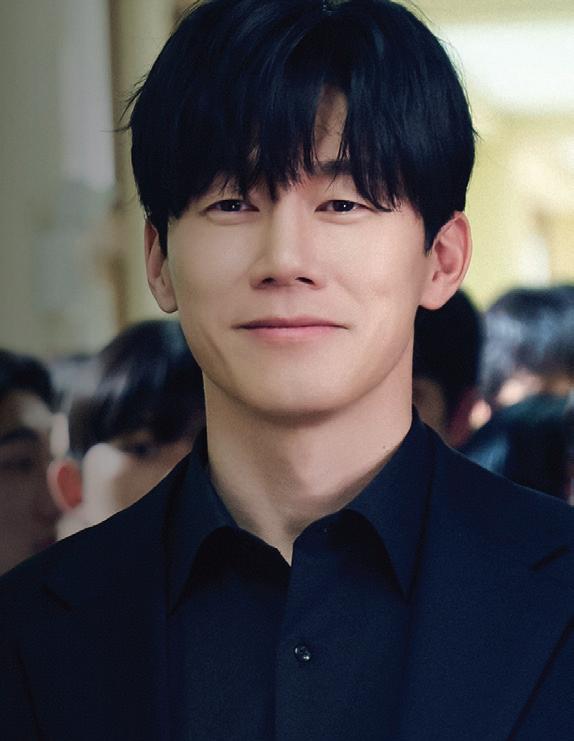
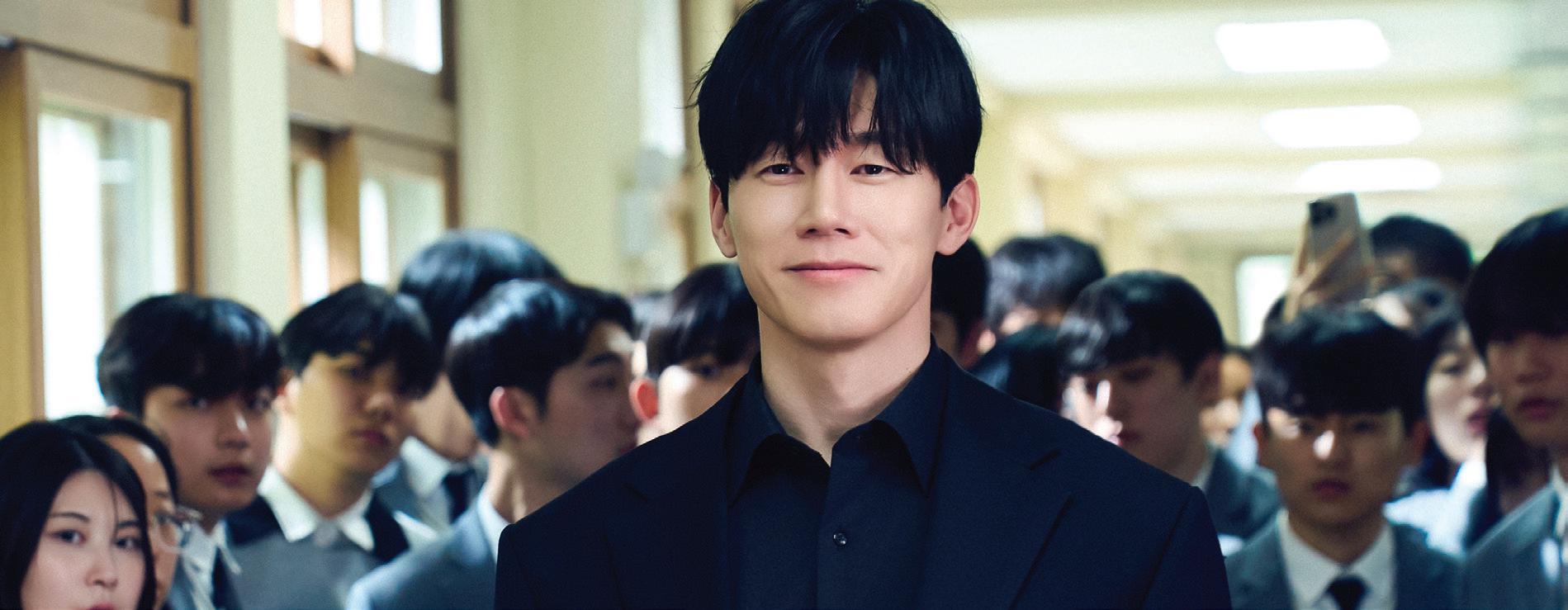
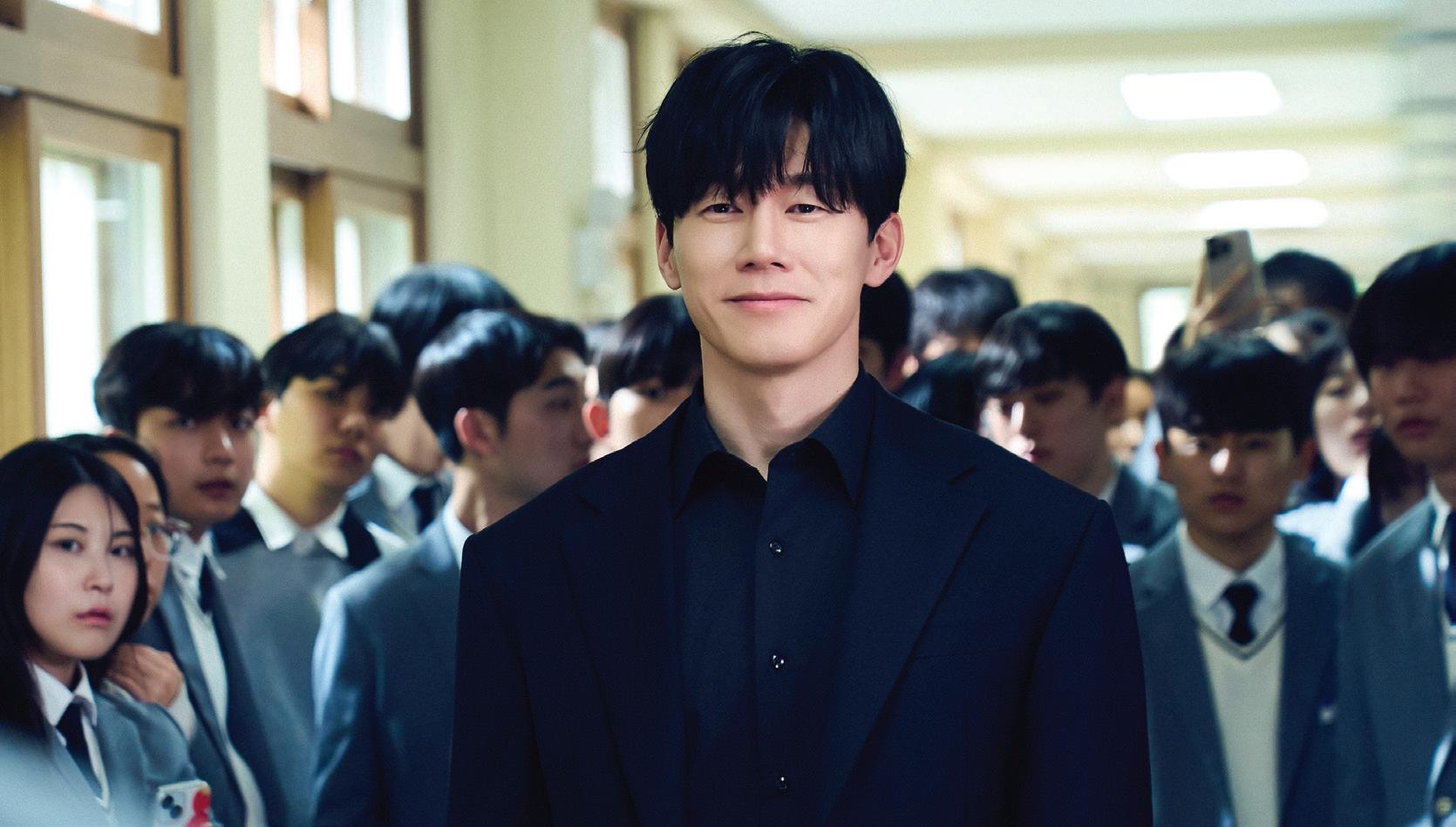
The most-watched non-English series for the first half was Korean action drama limited series, “Teach You a Lesson”, based on a webtoon about a government-sanctioned vigilante squad deployed to restore order in schools plagued by bullying, academic corruption and toxic parents.
Over its first four weeks in the top 10, “Teach You a Lesson” accumulated nearly 499 million hours viewed (46.6 million views*), making it the standout title of the first half of 2026 and a key driver of Asia’s dominant share of global non-English TV viewing hours during this period.
“Teach You a Lesson” was a hit from the get-go, debuting at #1 on the global non-English TV top 10 in its first week of release (1-7 June 2026), and holding that position for four consecutive weeks through 28 June. Viewership peaked in its second week (8-14 June), pulling 225.8 million hours viewed (21.1 million views), before easing to 126.2
million hours (11.8 million views) in week three and 78.2 million hours (7.3 million views) in week four.
The second most-viewed Asian series for the first half of 2026 (by total hours viewed) was Korean romcom, “Can This Love Be Translated?”, with 271 million hours viewed (20.6 million views) across its five weeks in the top 10.
“Can This Love Be Translated?” entered the charts at #2 in the week of 12-18 January, then climbed to #1 for two straight weeks (19 January-1 February), its strongest stretch, driven by a peak of 118 million hours viewed (9 million views) in the week of 19-25 January alone.
From there the series declined steadily, dropping to #3 (2-8 February) with 31.6 million hours viewed, and after a gap of two weeks off the chart, reappearing briefly at #9 (23 February-1 March) with 11.6 million hours viewed (900,000 views) before falling out of the top 10 for good.
The trajectory shows a classic front-loaded release pattern: a fast rise to #1 followed by a sharp,
“Teach You a Lesson”
“Straight to Hell”
“Can This Love Be Translated?”
“Taskaree: The Smuggler’s Web”

Top 10 Asian TV Series by Hours Viewed (1H2026)
1
3
4
5
6
Global, 1H 2026 (29 Dec 2025-28 June 2026). “Teach You A Lesson” added 49.9 million hours viewed in the first week of 2H 2026 (29 June-5 July), its 5th week on the charts at presstime
sustained decline, in contrast to “Teach You a Lesson”, which held #1 for four consecutive weeks after its release.
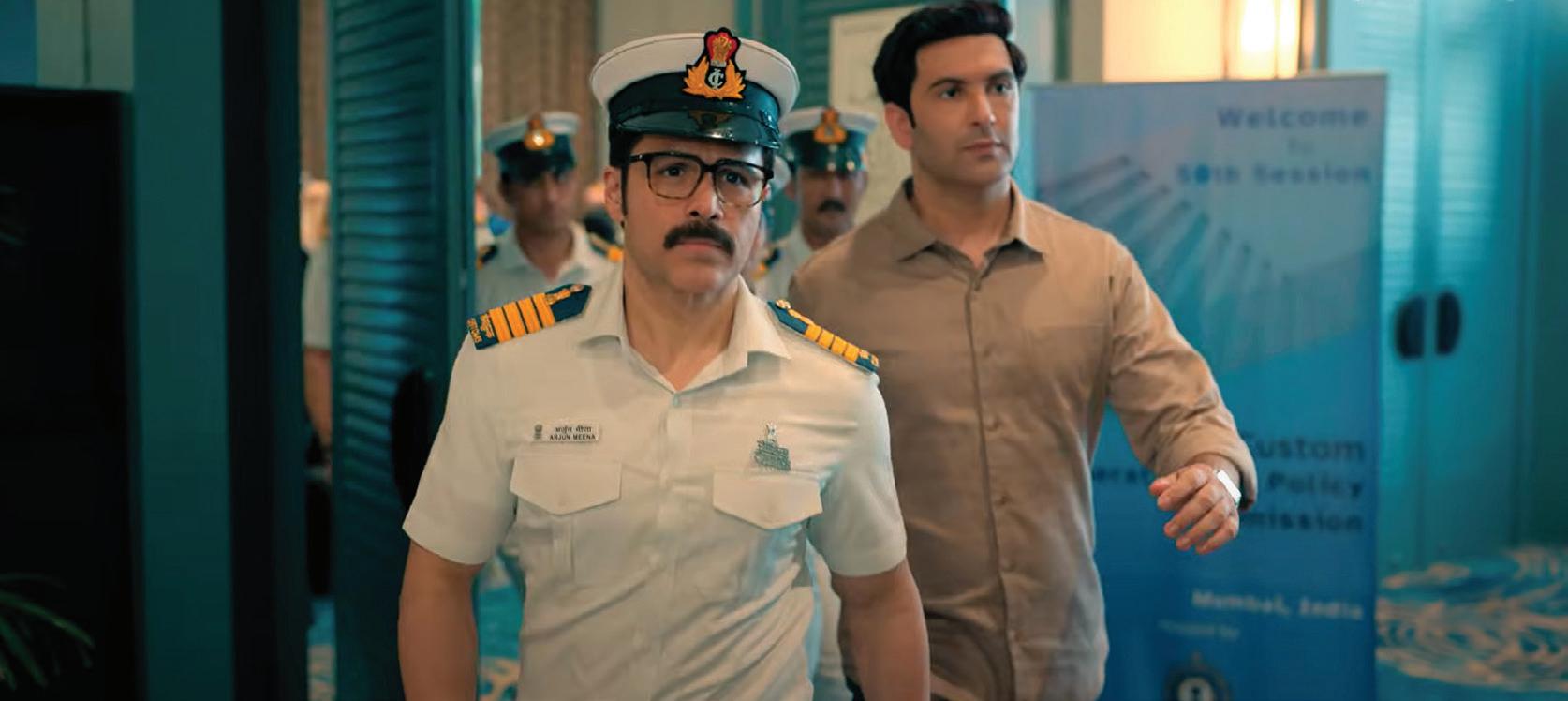
Neeraj Pandey’s Hindi-language crime thriller, “Taskaree: The Smuggler’s Web”, was the sole non-Korean Asian title to hold the #1 spot in the first half of the year. “Taskaree” ranked #15 of all Asian shows over the six months by total hours viewed; the seven-episode series ended its run on the top 10 with a total of 65.3 million hours viewed.
“Taskaree” is about a dedicated incorruptible team of customs officers at Mumbai International Airport on a mission to dismantle an international smuggling syndicate. The show was #1 for the week of 12-18 January with 29.4 million hours viewed and stayed on the top 10 for four weeks in total.
Ranked by the number of hours viewed, Korea’s dominance of the top 10 Asian series across the first half of this year was broken only by Chinese streamer iQiyi’s 40-episode period drama, “Pursuit of Jade”, which Netflix released on 6 March.
Based on the web novel, “Pursuit of Jade” is about a butcher’s daughter and a fallen nobleman hiding his identity. When their marriage of convenience blossoms into true love, they are pulled into a web of political conspiracies, warfare and ultimately a quest for justice.
28 of the 50 titles that appeared on the top 10 rankings during the 26 weeks were from Korea. Japan had 11, India five, Thailand two (legal drama “The Evil Lawyer” and “Girl From Nowhere The Reset” Season 1), China two, Taiwan one (“Agent From Above” Season 1) and Indonesia one (“Made with Love” Season 1). The first Japanese title on the list – biographical drama “Straight to Hell” Season 1 about the life of controversial Japanese fortune teller Kazuko Hosoki – is at #17. This is followed at #18 by anime series, “BAKI-DOU: The Invincible Samurai” Season 1.























“Pursuit of Jade”
“How Far Do I Need to Go?” SNL Korea’s Charlie Moon on Comedy, Risk & Streaming Freedom
Charlie Moon, Coupang Play’s Head of Content Business, talks about giving younger producers a bigger chance, editorial judgement, and finding the “exact itch” that the audience wants scratched.
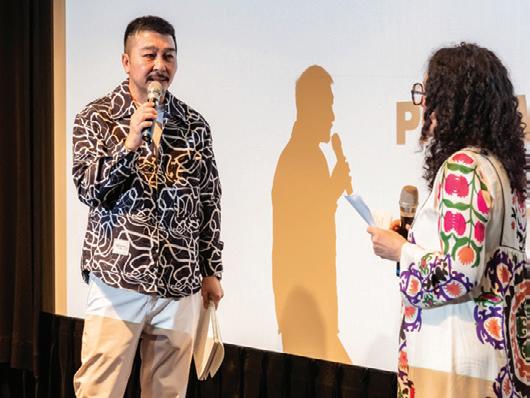
NBCUniversal’s “Saturday Night Live” adaptation for Korean streamer Coupang Play returns year after year with “one and only mission: comedy at its finest”, says production company CP Entertainment. With no one and nothing off-limits and no filter, this satirical comedy drives attention to the hottest issues every week. ContentAsia Awards’ Juries over the years have agreed, giving the show Gold for Best Comedy Programme Made in Asia in 2023, 2024 and 2025. We talked to Coupang Play’s head of content business, Charlie Moon, about the long-running adaptation.
How has the streaming environment changed editorial judgement from season one on tvN cable? When we were on a cable broadcasting to





mass audience, meaning we had to constantly navigate a wide spectrum of viewer reactions. Transitioning to Coupang Play allowed us to cater specifically to subscribers and a loyal fandom who truly understand and appreciate the unique colour of “SNL Korea”. This shift has enabled us to take much bolder creative risks. In terms of production, while we maintained the live-show format as our core framework, switching to a pre-recorded system allowed us to invest significantly more time in post-production, fine-tuning the editing and polishing the cast’s acting nuances. This process has dramatically elevated both the entertainment value and the overall quality of the show. Moreover, the online streaming environment offers substantially more freedom in terms of satire and censorship, which has empowered us to deliver much sharper social and political
effort not to present a one-sided narrative; instead, we aim to showcase multiple perspectives. By revealing that everyone ultimately has their own underlying reasons and circumstances, I believe our show is shifting toward a direction that carries a more meaningful message. At the end of the day, an editorial eye that seeks to understand human nature is what generates deeper, more resonant laughter and creates comedy with true longevity.
channel, we were a broad, unspecified commentary.




You talk about the impact of viewer
feedback...


Receiving continuous viewer feedback over the seasons has also evolved our perspective on comedy. In the past, there was a tendency to push boundaries with the mindset of “this is acceptable as long as it’s funny”. Today, our approach is focused on constantly researching and studying the exact “itch” the public wants scratched, and seamlessly melding those insights
“this is acceptable as long as it’s funny”. Today, into our satire.
What temptation is there to “repeat” what worked? Of course, there is always a strong temptation to repeat a comedic formula once it has proven successful. However, the moment comedy becomes repetitive, it ages incredibly fast. The reason “SNL Korea” has managed to sustain long-term love, not just from older demographics but also from younger generations including Gen Z viewers, is that we actively strive to create new cultural waves rather than simply riding existing ones. As a result, our starting point has shifted: instead of asking, “How can we utilise this week’s host?”, we first ask, “What societal story should we talk about this week?” and then place the host into that specific context. Making that structural pivot is what keeps the show breathing and dynamic.
What would you say is the one structural or editorial decision you made on SNL Korea that you would tell producers looking at comedy formats to take very seriously?
creative freedom – as long as the core meaning strictly to the script and are encouraged to

What’s the most common question hosts ask you before they agree to participate? The question I hear most frequently from potential hosts is, “How far do I need to go?” SNL Korea requires hosts to completely strip away their preexisting public image and step wildly out of their comfort zone, which naturally comes with a lot of pressure. To ease this, we give them immense creative freedom – as long as the core meaning of the scene is conveyed, they don’t have to stick strictly to the script and are encouraged to deliver lines their own way.







Season 6 seemed to test boundaries in a new way. What did you learn, and if you were to give yourself any advice about controversial moments, what would you say? We now make a conscious

The most critical factor for a show’s longevity is the ability to constantly view and express things through a youthful lens. After transitioning to Coupang Play, we strategically cut our episode count in half – limiting each season to around 10 episodes – so that we could hyper-focus on quality and execution. Editorially, we gave significant creative authority to younger producers and writers, while our experienced veterans stepped back to support them, allowing unique and fresh perspectives to take centre stage. A show avoids growing stale only when youthful sensibility and seasoned expertise move forward hand-in-hand. Ultimately, comedy can only survive long-term when it goes beyond simple laughter and serves as a bridge for understanding differing perspectives. That is exactly what “SNL Korea” aims to achieve by giving a voice to diverse stories and viewpoints.


In volume alone, format adaptations in Asia have fallen off a cliff since 2020. But that’s far from the whole story.
Formats Outlook: Asia


A handful of deals have lit up Asia’s formats environment this year: Refinery Media’s “SupermodelMe”, which put vertical video front and centre of the IP adaptations conversation; the return of big-brand regional formats in “MasterChef Asia”; Mongolia’s appetite for adaptations, including the first version of NBCUniversal’s “Top Chef” for NTV, Univision, DDish and Look TV; and the halo effect of “The Traitors India” and its pickup on BBC in the U.K. A Korean version is in development with Luyworks Media and Something Special.
New Asia adaptations announced since January this year also include a new season of “The Face Vietnam” in a deal with Multimedia JSC after a three-year hiatus; seasons one to four aired between 2016 and 2023. The 10-episode fifth season, which leans heavily into the attention economy, will air on Vietnamese broadcaster VTV9 this October. It’s a nice uplift for Vietnam, which saw formats on air or commissioned plunge from 19 in 2024 to 5 in 2025 (Source: ContentAsia’s Formats Outlook).


Those followed a lively December 2025, when Sony Pictures Entertainment unveiled a new version of “Who Wants to be a Millionaire” for Japan along with the first adaptation of “Shark Tank” in Taiwan. The deals signalled an extended life span for classic formats in the region, and raised hopes of an uptick in North Asia pickups. Neither region has ever rivalled the formats enthusiasm displayed in South and Southeast Asia.





“The Traitors India” Season 2
“The Face Vietnam” Season 5 Judges – supermodels Vo Hoang Yen and Anh Thu, designer Do Manh Cuong (Host), and Miss Universe 2018 finalist H'Hen Nie

26-27 AUGUST 2026,

Wednesday & Thursday, 26-27 August 2026 EMPRIVE CINECLUB






Emporium Shopping Complex, 622 Sukhumvit Road, Khlong Tan, Khlong Toei, Bangkok 10110, Thailand
https://contentasia-live.netlify.app/


Thursday, 27 August 2026






Red Carpet & Drinks: from 5.30pm Awards: 6.15pm
Cloud11
888 Sukhumvit Rd, Bang Chak, Phra Khanong, Bangkok 10260, Thailand
www.contentasiaawards.com



Format Titles by Region and Year
Source: ContentAsia’s Formats Outlook surveys of rights holders and distributors
More broadly, NBCUniversal’s “Saturday Night Live” is the gift that keeps on giving in Korea, where the show has been running as “SNL Korea” across platforms since 2011.
“SNL Korea” debuted on streaming platform Coupang Play in 2021, and its return for multiple seasons has “one and only mission: comedy at its finest”, says Coupang’s Seoul-based production company CP Entertainment (see page 8). “SNL Korea” has won multiple Gold Awards at the annual ContentAsia Awards for Best Comedy Programme Made in Asia: in 2023 (season 3), 2024 (season 4) and 2025 (seasons 5 & 6).
The stickiness of reality in the new era of vertical video is still being tested against the overwhelmingly dominant hi-drama, and the release of Refinery Media’s 17-year-old made-inSingapore modelling format, “SupermodelMe”, in a vertical format is being closely watched.
“SupermodelMe” entered Asia’s vertical video universe for the first time in March 2026 in an exclusive micro-adaptation backed by the COL Group’s FlareFlow micro-drama platform.
Executive producer and showrunner, Karen Seah, talks about vertical as “simply another screen”. This is not, she says, “a pivot away from long-form. Film and television already co-exist... [I] never doubted that mobile would become a screen that mattered. Now it has”.
“SupermodelMe: Make It or Break It” releases this year, with Thai-American model and TV personality Cindy Bishop on board as host, along with judges Ase Wang and Patricia Gouw.
A spinoff male version – “SupermodelMe: The Runway Kings” – is in the works, also by Refinery Media for FlareFlow.
The series signalled more than a revival of a classic property that debuted in the pre-streaming
INDIA: Streaming drives an expanded creative canvas
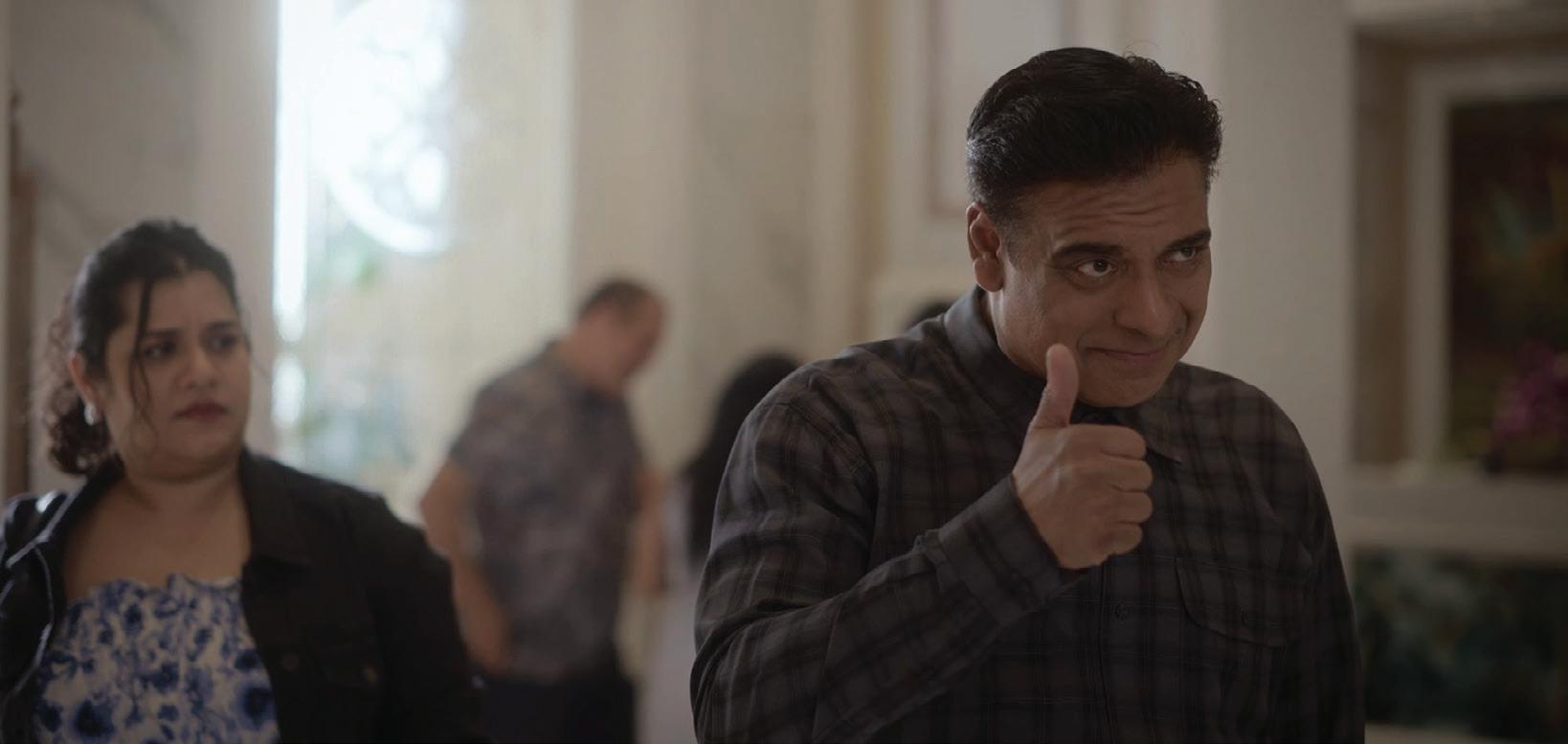
India moved into 2026 with a continued focus on adaptations, fuelled by multiple seasons of “The Traitors” on Prime Video, and higher interest than ever in social reality driven by the local version of France’s “The 50” on JioHotstar and Colors.
Prime Video renewed the Indian version of “The Traitors” for a second season on 25 June 2025, just 13 days after the first season premiered; during the announcement, All3Media and Prime Video said the series – produced by BBC Studios India – had been watched by viewers across 88% of India’s pin codes. Prime Video has also greenlit a Telugu adaptation of the hit Hindi series with Teja Sajja as host.
“Mistry”, the Indian adaptation of U.S. scripted series “Monk”
Ormax StreamView data released after “The 50” finale at the end of March amassed an unduplicated audience of 13 million across its run. Noting the show’s ability to “emerge from the shadows” cast by “Bigg Boss” (“Big Brother”), Ormax said the success “underlines the growing audience preference for the social reality sub-genre” in the reality category. “The 50” expanded an unscripted environment dominated by talent shows, with social reality benchmark set by “Bigg Boss”. Ormax attributed India’s willingness to experiment to streaming and the influencer economy, which it said expanded the creative canvas.






world of 2009 as a web series, and went on to six seasons across multiple platforms, including linear channels AXN and KIX as well as a streaming slot on Netflix in December 2022.
In a universe of plunging numbers, the potential of the new format is heartening. The sticking point is funding. Commercial terms between creators, platforms and other partners are also a work in progress. The economics of vertical video production are the chalk to traditional production’s cheese. And the gap – even with sponsor backing – seems too wide to be closed.
Into the middle of the vertical debate is the return of traditional big-brand series “MasterChef Asia” – the first regional adaptation in more than a decade.
ContentAsia broke the story in March 2026, followed a month later by confirmation from Banijay and Warner Bros Discovery of a greenlight from sponsor – the Macao Tourism Board. There’s a bit of a backstory on the genesis of the project – and not everyone was equally happy about how it went down. But after all the tears are dried, the return across multiple markets raises hopes that tourism boards elsewhere will take note and open their purses.
“MasterChef Asia” production falls under Banijay’s CreAsia Studio (a venture with Endemol Shine India). Also name-checked in the announcement were Rashmi Bajpai, EVP Asia, Banijay Rights; Lynn Ng, GVP, head of content –APAC Networks at Warner Bros Discovery; Maria Helena de Senna Fernandes, director at Macao Government Tourism Office; and Deepak Dhar, founder & group CEO of Banijay Asia & Endemol Shine India.
The 10-episode series is scheduled to air this
Top 12 Distributors in Asia (2020-2025)
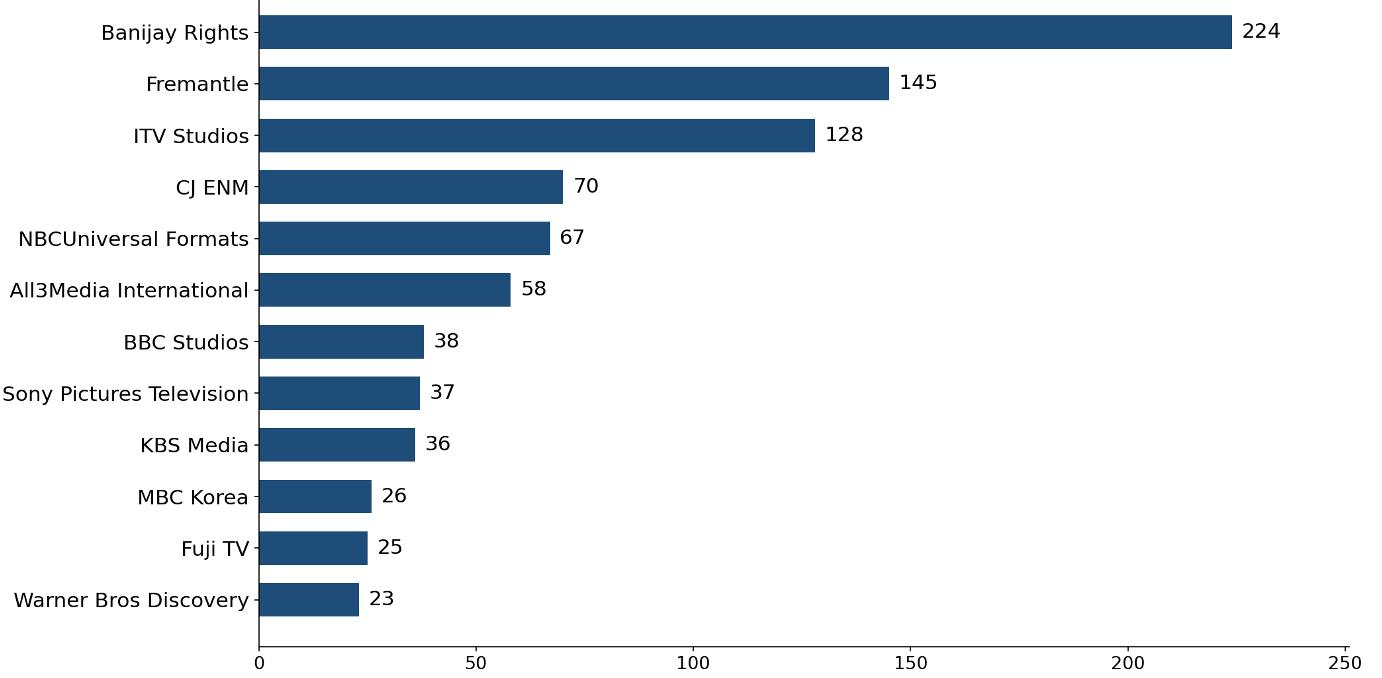
ContentAsia’s Formats Outlook tracked 57 distributors around the world (including companies that have subsequently merged) from 2020-2025. Banijay Rights leads by a long way in volume over the six years, with 224 titles total across 17 markets. Banijay’s lead in Asia will surge with the combination of its assets with those of All3Media before the end of this year, giving the new entity a market share in Asia of more than 26%. That’s nearly double the next largest player – Fremantle – in Asia.
Banijay Rights is also the most geographically spread, active in 17 of the 20 markets/regions tracked.
The top three international majors (Banijay, Fremantle, ITV Studios) account for roughly 47% of all titles listed.
Below these, the market fragments quickly: CJ ENM is the leading Korea-originated distributor (70 deals, concentrated in Southeast Asia), and several distributors (Workpoint Group, ABSCBN) operate as regional specialists active in only four markets.
At #13 is Warner Bros Discovery with 21 titles in eight countries, followed by Nippon TV with 14 in seven markets, and ABS-CBN with 14 in four markets.
For 2025 alone, Banijay was the top formats company in Asia, with 30 titles commissioned or aired/streamed.
The Philippines and Thailand both acquired/ aired five Banijay titles in 2025, including two versions of “The Face Thailand” for Channel 3 and Netflix, and multiple versions of “Big Brother” for various platforms in the Philippines.
Banijay has also sold second and third seasons of game show format “LEGO Masters” into Japan. The adaptations were greenlit by TBS (Channel 6) and affiliated channels.
The other markets in Asia adapting Banijay formats are Cambodia (“MasterChef Cambodia”

season 4 for CTN TV); China (“Puzzle Masters” seasons 8 & 9 for Jiangsu Satellite TV); Indonesia (“MasterChef Indonesia” seasons 12 and 13 for free-TV broadcaster RCTI); Mongolia (“Spelling Star Mongolia” season 3 for Edu TV & Dream TV and “Secret Life Of 5 Year Olds Mongolia” season 3 for Mongol TV); Pakistan (“MasterChef Pakistan” season 2); and Sri Lanka (“The Money Drop Sri Lanka” season 3 and 4, both for Sirasa TV, Kiki, and “MasterChef Sri Lanka” season 1 for platforms owned/operated by Independent Television Network Ltd (ITN) and Nilendra Deshapriya Productions (NDP).
According to ContentAsia’s rolling Formats Outlook research, four All3Media formats were aired or commissioned in Asia in 2025 – two in India (“The Traitors” seasons one and two for Prime Video), one in Korea (“The Traitors”) and one in Malaysia (“Step Dave” in Mandarin for Astro Malaysia).
Source: ContentAsia’s Formats Outlook surveys of rights holders and distributors. Distributors were given equal opportunity to participate in the surveys.
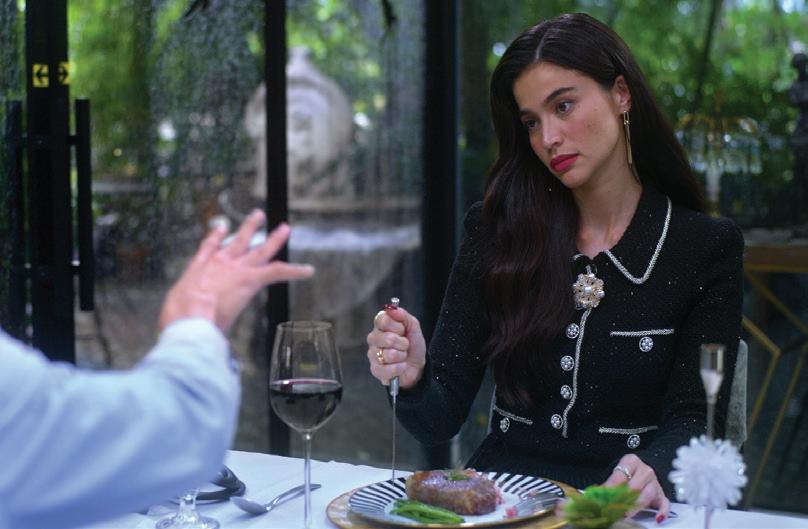
Top: “It’s ok Not to be Ok”, ABS-CBN. Below: “Shameless India”
“The Face Thailand” Season 6
year on WBD-operated channels – TLC, Discovery and the Asian Food Network across India, Southeast Asia, Greater China and Korea, as well as on Lala TV in Japan and the Fatafeat channel in the Middle East.
Meanwhile, back at our data desk, traditional format volume in the region has, for the most part, fallen off a cliff. Scattered highlights break the doom, and hope springs eternal; but the numbers aren’t lying.
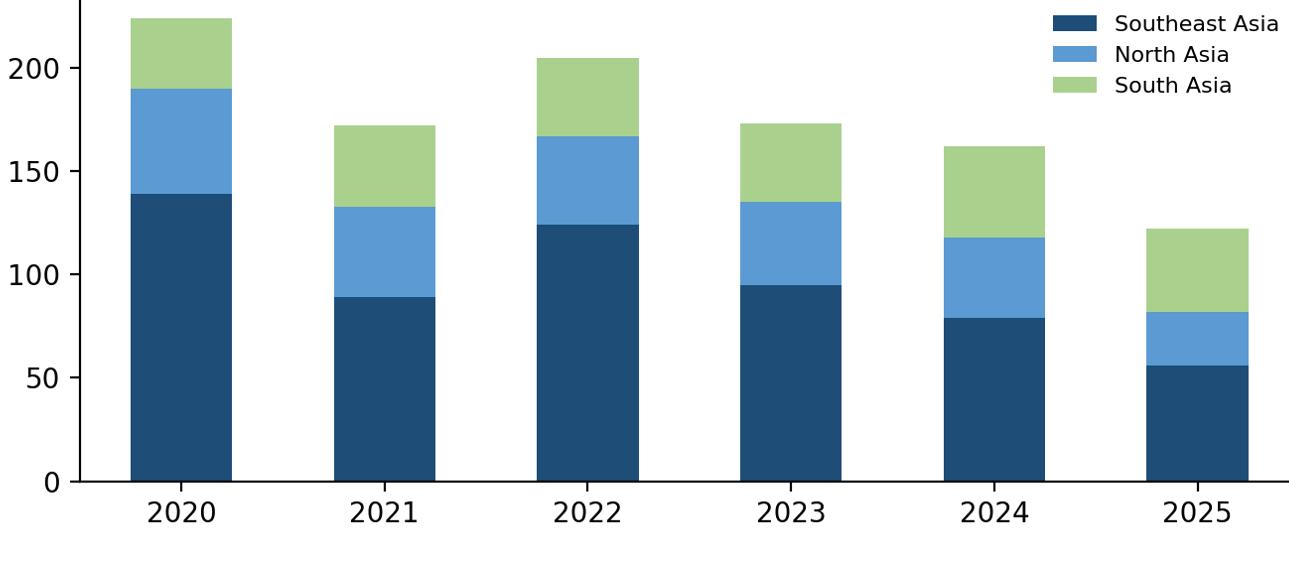
According to ContentAsia’s rolling Formats Outlook research, the decline has been steady since 2020, when 226 titles were on air or commissioned. This fell to 122 in 2025 – a drop of roughly 46% over the six-year period.
The steepest single-year fall was 2024-2025 (24.7% down), followed by 2020-2021 (-23.9%), reflecting the tail of pandemic-era production
Formats Titles by Country (2020-2025)

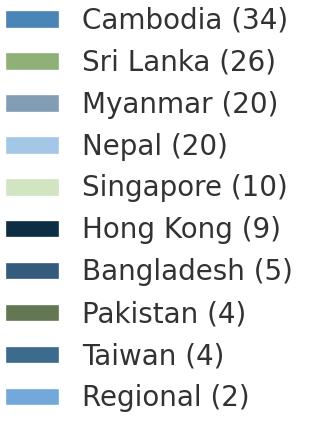
Source: ContentAsia’s Formats Outlook surveys of rights holders and distributors (2020-2025)
and commissioning disruption. Volume partially recovered in 2022 before resuming a decline through 2025.
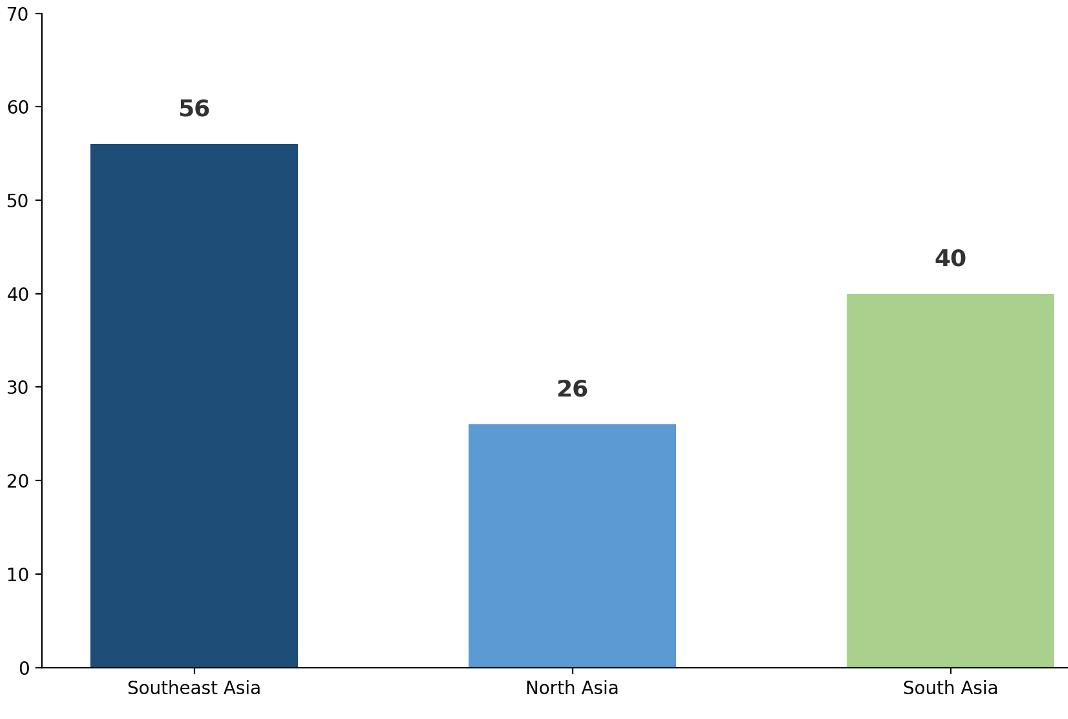
Southeast Asia is the dominant market throughout the period, accounting for between 46%62% of all titles, though it has also seen the largest absolute decline (from 139 in 2020 to 56 in 2025). South Asia is the only region to grow over the period, rising from 34 to 40. North Asia has halved, from 51 to 26.
At the title level, the market is highly fragmented; 893 of 897 distinct titles over the period appear in only one country. Returning seasons are high in Vietnam, Thailand and Indonesia, with India taking the lead in regional language versions of “Big Brother” (“Bigg Boss”). Mongolia also has lively activity around returning seasons.
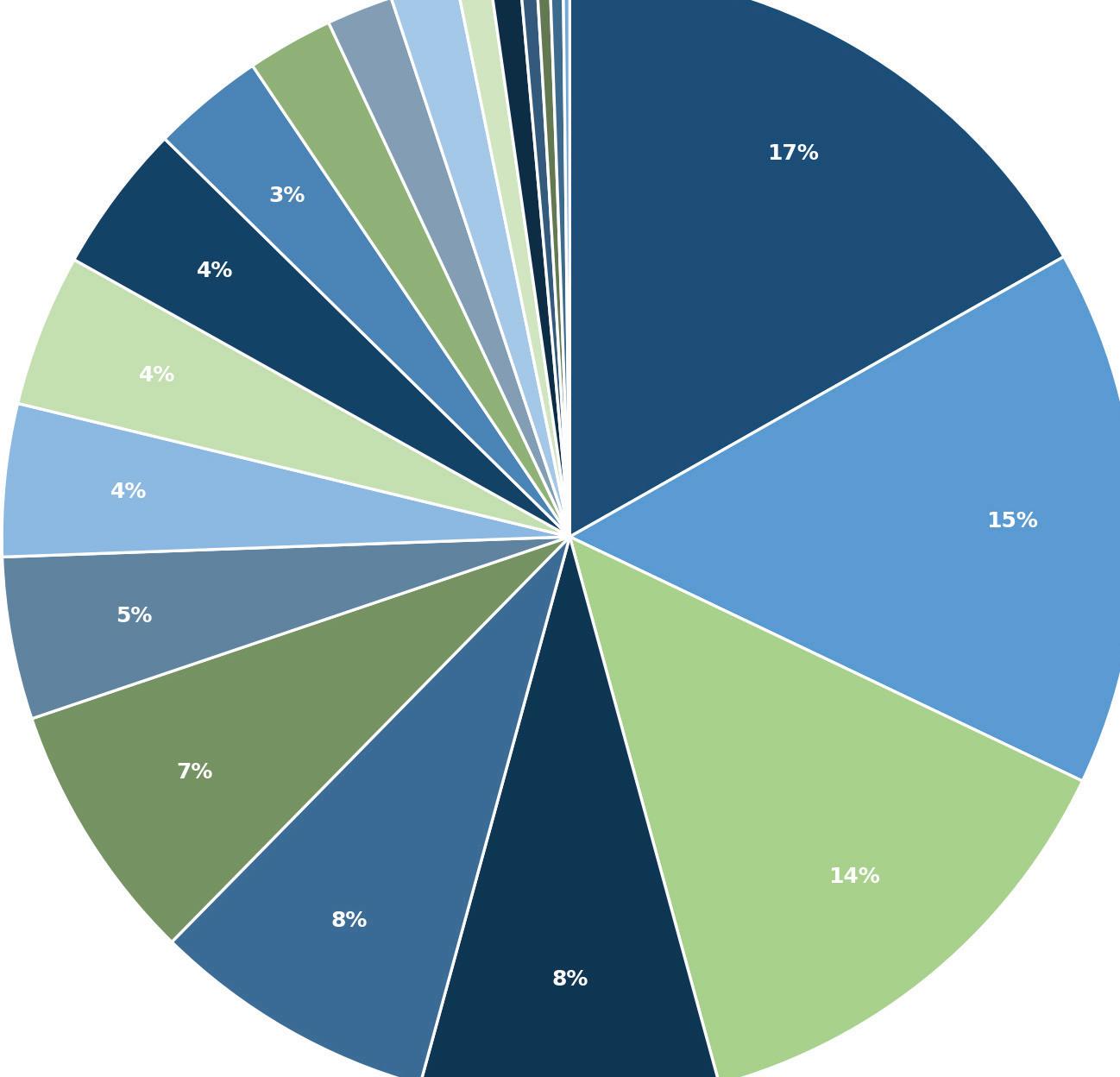
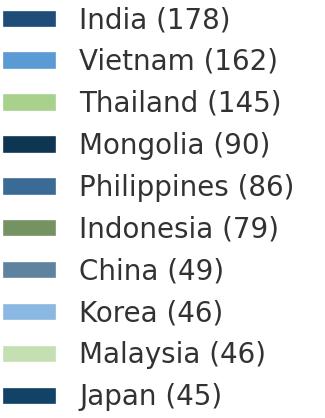
From 2020-2025, India, Vietnam, and Thailand were the three largest markets by volume, together accounting for about 46% of all titles. India ended 2025 with a total of 178 adaptations since the beginning of 2020. Vietnam reached 162 and Thailand 145.
Banijay Rights was the single largest distributor in three of the top four markets (India, Vietnam, Thailand); Fremantle took the lead in Philippines and Indonesia; ITV Studios won Mongolia and Sri Lanka; MBC Korea led in Malaysia, and WBD was ahead in Japan.
Unscripted formats dominated the dataset (820 of 1,060 deals, 77%), led by Reality (349), Game Show (283), Music (154) and Variety (33).
Scripted formats accounted for the remaining 240 deals, concentrated in a handful of markets, notably Vietnam, Thailand and the Philippines. This mix is broadly consistent with the wider Asia formats trend of unscripted content driving the bulk of cross-border format licensing, while scripted remains a smaller but meaningful share.
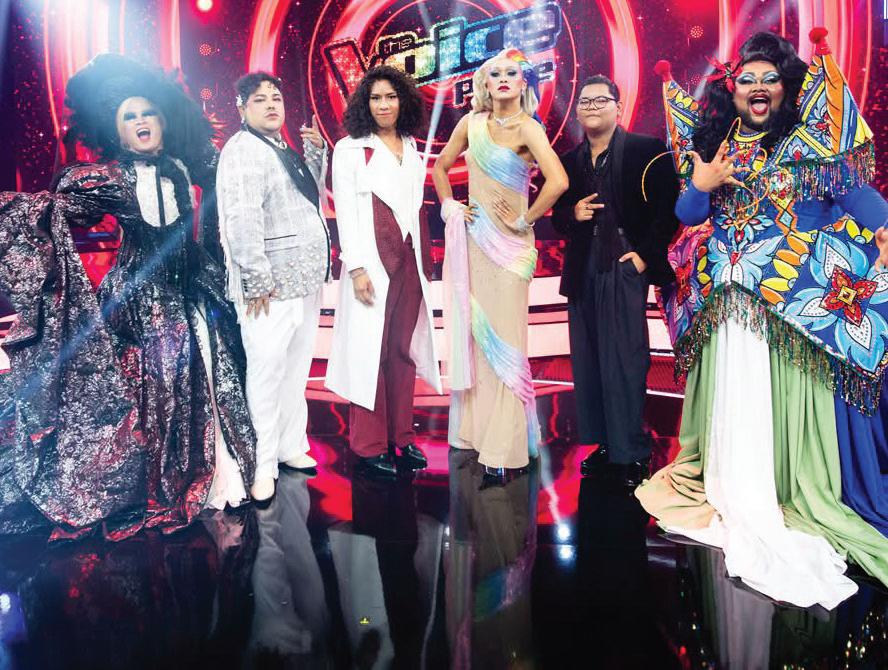
“The Voice Pride Thailand”, ITV Studios
“SNL Korea” S6/7, Coupang Play/NBCUniversal Formats




















































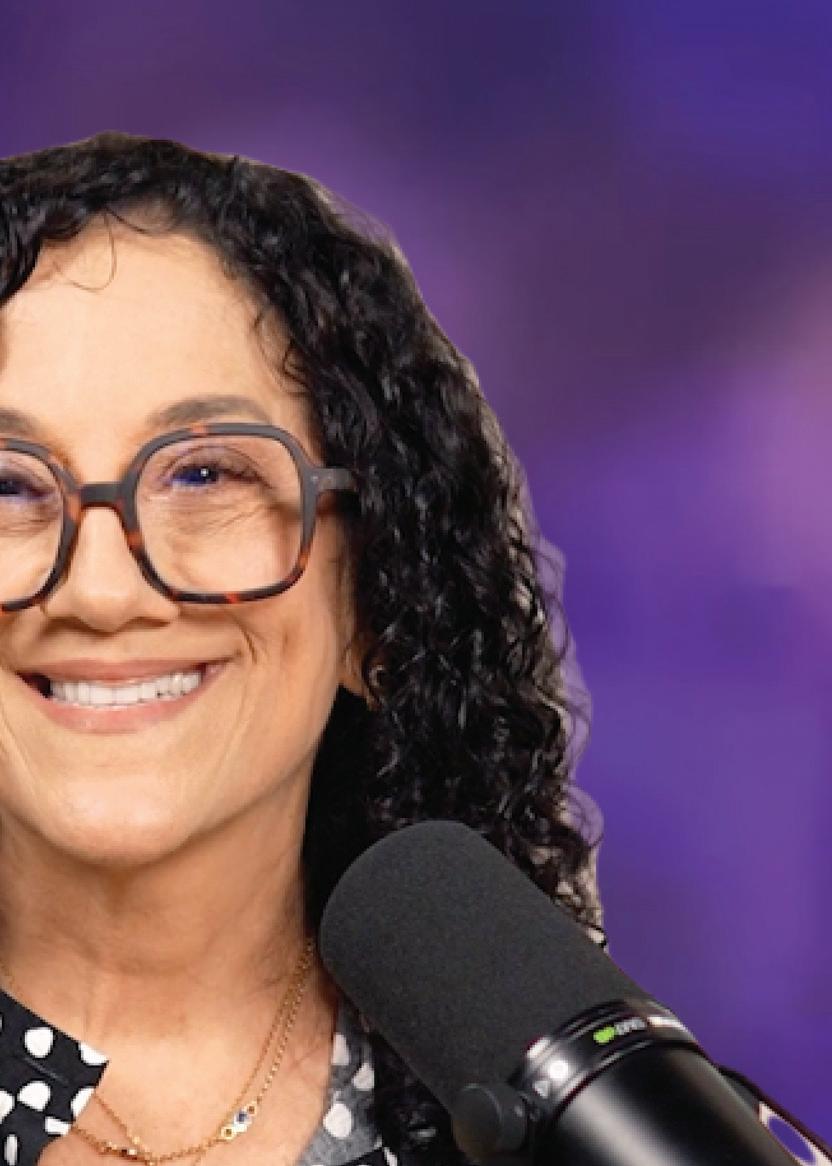




















Indra Suharjono, Onat Diaz, Quark Henares and Jin Woo Hwang
Full Year 2025
122 formats from 20 distributors were commissioned or released in 17 countries across Asia in 2025 – the lowest-volume year since ContentAsia’s Formats Outlook started tracking regional data in 2017. The peak in volume terms was 2018, when we counted 337 titles, translating to a 64% decline over seven years.
Only one title recorded more than one country deal in 2025: “Run For Money” (Fuji TV, Japan), which placed in both China and Vietnam.
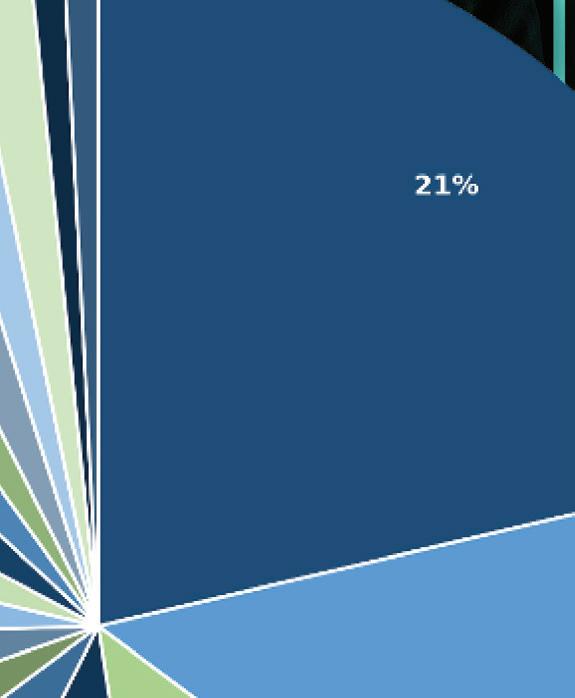
Southeast Asia remains the largest market in 2025 with 56 deals (46% of the total), followed by South Asia with 40 deals (33%) and North Asia with 26 deals (21%). Southeast Asia and North Asia have both continued their multi-year declines, while South Asia – the only region to grow over 2020-2025 – held broadly steady into 2025.
Banijay Rights was the top distributor for the year, with 30 titles or 25% of all shows, followed by Fremantle with 25 and Korea’s CJ ENM with 13. The other two distributors in the top five were ITV Studios (11) and Sony Pictures Television (7).
Together, the top three distributors accounted for roughly 56% of 2025 deal volume – a higher concentration than the 47% held by the top three across the full 2020-2025 window. This suggests that the market has consolidated further around fewer distributors in the most recent year. Banijay Rights was also the most geographically spread, active in 10 of the 17 markets tracked in 2025.







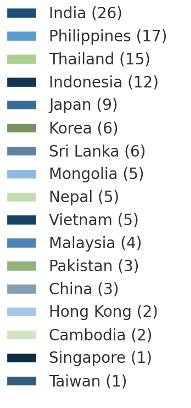
India, Philippines and Thailand were the three largest markets by volume in 2025, together accounting for roughly 48% of all shows commissioned or released. This mirrors the top-market pattern of the 2020-2025 dataset, though Philippines (17 deals) outranks Vietnam in 2025, while Vietnam falls to a fivedeal, joint mid-table position.



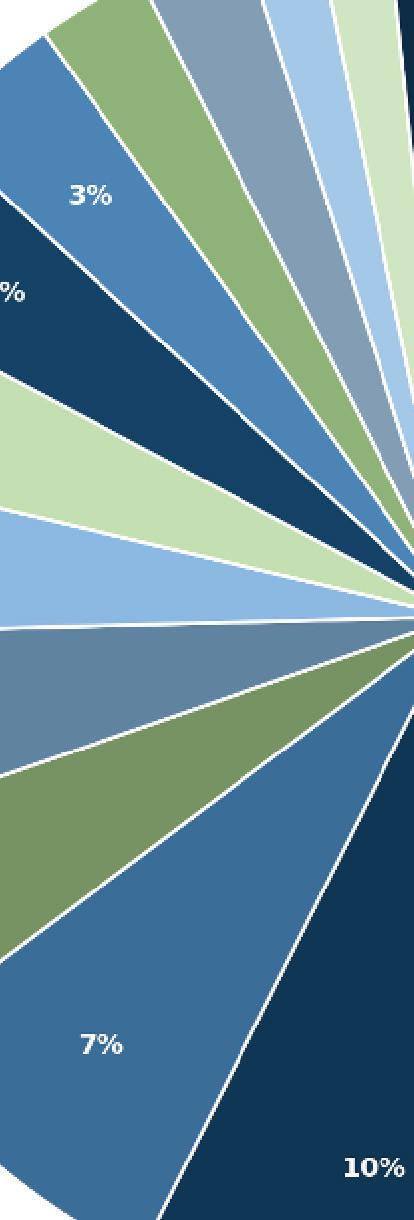

2025: Formats by Country


Unscripted formats dominate 2025 (94 of 122 deals, 77%), consistent with the wider 2020-2025 trend. Reality (57 deals, 47%) and Game Show (31 deals, 25%) are the leading genres, followed by Drama (28, 23%), with Music and Variety each contributing 3 deals (2%).
Genre mix by region shows Reality concentrated in South Asia (26 of 40 South Asia titles, 65%) and Drama more evenly split across Southeast and North Asia. Game Show is Southeast Asia’s second-largest genre (18 titles) after Reality (23).











2025: Formats by Region