WEDNESDAY, OCTOBER 8, 2025
WEDNESDAY, OCTOBER 8, 2025
By John Oliver
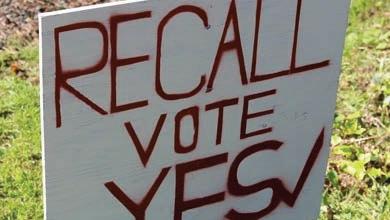
Across Oregon, the word “recall” is being used more often and with greater intensity than in years past. From Salem to Grants Pass, campaigns are underway to remove elected officials before their terms end, testing both the legal mechanics of recall and the political will of voters. While the term may be applied broadly, the recalls now in motion differ dramatically in scale, stakes, and potential consequences. The growing frequency of these campaigns raises a fundamental question: will these recalls truly reshape leadership in Oregon, or simply expose deeper political divides?
The most high-profile effort is the campaign to recall Governor Tina Kotek. Spearheaded by Oregon for the People and Chief Petitioner Bill Minnix, the movement has grown rapidly since its launch earlier this year. Organizers describe what they call “unprecedented momentum,” with volunteers stationed at parks, businesses, and community events across both urban and rural communities. They report growing voter participation, including a notable increase in activity on vote.gov as some residents update their party registrations to support the campaign.
Dissatisfaction with state leadership has emerged from multiple fronts. Critics point to Oregon’s tax structure, sanctuary policies, homelessness, crime, and what many describe as a lack of responsiveness from the governor’s office. Governor Kotek, who took office in January 2023, has faced contentious debates over
spending priorities and education funding. Her administration argues that its policies address long-standing systemic problems, while opponents contend that state government remains out of touch with residents’ daily realities.
The legal hurdles for a gubernatorial recall are significant. Petitioners must collect signatures from at least 15 percent of those who voted in the most recent governor’s race. Those signatures are then verified by the Secretary of State’s office. If the number is sufficient, a statewide recall election is triggered, giving voters the option to remove the governor before the end of her term. Minnix has already retained legal counsel to challenge what organizers describe as unclear wording on the petition cover sheet and signature validation
instructions. They argue that vague standards could result in legitimate signatures being thrown out, potentially stalling the campaign before voters ever see a ballot.
While that legal battle plays out at the state level, another recall movement is underway in Josephine County targeting Commissioners Chris Barnett and Andreas Blech. On August 26th, 2025, Jim Goodwin and the Restore Josephine County recall committee filed the necessary paperwork to launch the effort, with Eve Arce overseeing the financial reporting. Organizers must gather more than 7,500 valid signatures for each commissioner to place the recalls on the ballot. Petition tables began appearing almost immediately outside key public locations like the Grants Pass Post
Office, signaling an aggressive timeline.
The local recall petitions are built on months of controversy surrounding county leadership. Barnett and Blech, both elected in early 2025, have faced sharp criticism over transparency, governance, and financial decision-making. Barnett’s actions have drawn particular scrutiny. Petitioners cite his support for a measure that temporarily shifted authority to a single unelected commissioner, triggering lawsuits, layoffs, and sudden departmental changes. They also highlight his role in a voluntary resignation program that cost the county more than $700,000 in severance payments, which opponents describe as mismanaged.
Compounding those issues is Barnett’s business history. Earlier this year, the Oregon Supreme Court upheld a now $4.8 million judgment against him, his wife, and his company in a case involving elder financial abuse and breach of contract tied to a resort property sale. While unrelated to his county role, petitioners argue the judgment raises serious questions about his fitness for public office. He is also accused of canceling the Grants Pass Library District lease agreement, promoting material hostile to the library’s interests, and threatening citizens and members of the press.
Blech’s petition focuses on management style, alleged disrespect toward constituents, and a lack of transparency. Opponents point to the commissioners’ move to centralize control
• see RECALL, page 3
By Ellen Ward
In a significant policy clarification during the ongoing federal government shutdown, the Trump administration has stated that furloughed federal employees will not be automatically entitled to back pay once the shutdown concludes. The position, outlined by the Office of Management and Budget (OMB), raises questions about how hundreds of thousands of federal workers will recover financially after weeks without pay.
The announcement marks a shift from what has become an expectation in recent history. In previous shutdowns, Congress has typically voted to approve retroactive pay for affected federal employees. However, the administration’s budget office emphasized that back pay is not guaranteed by law and depends entirely on congressional action after the government reopens. This means that the decision to compensate workers for missed pay periods will ultimately rest with lawmakers, not the executive branch.
The issue affects a broad spectrum of federal employees, including civilian staff at various agencies, administrative personnel, law enforcement officers, park rangers,

and others whose positions are considered non-essential during a funding lapse. While some employees are required to continue working without pay due to their roles being classified as essential, many others have been furloughed entirely, receiving no compensation during the shutdown period.
The uncertainty surrounding back pay adds to the financial strain already experienced by federal workers. Many employees live paycheck to paycheck, and previous shutdowns have shown that even short delays in pay can have lasting impacts on personal finances, including difficulties covering mort-
gages, rent, utilities, and other essential expenses. If Congress decides against authorizing back pay this time, it would mark a major departure from precedent and could deepen the economic effects of the shutdown on families and communities across the country.
The OMB’s stance also carries broader implications for future shutdowns. Automatic back pay has often been seen as a mitigating factor, softening the blow for affected workers and reducing political pressure during funding stalemates. Removing that expectation introduces a new element of
uncertainty and raises the stakes for both employees and lawmakers during budget negotiations.
As the shutdown continues, pressure is mounting on Congress to pass funding legislation to reopen the government and decide whether back pay will be issued. Federal employee unions and advocacy groups are closely monitoring the situation, preparing to lobby for retroactive pay measures once legislative discussions resume.
For now, furloughed workers are left waiting for a resolution, unsure whether the pay they missed during the shutdown will ever be recovered. The Trump administration’s clarification underscores that this outcome is a political decision, not an automatic guarantee.



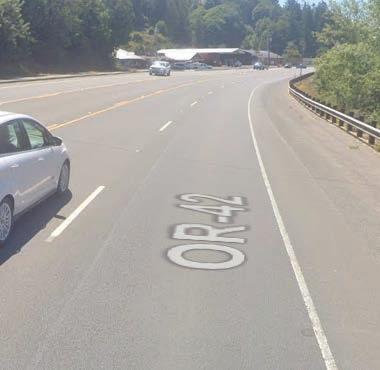
A fatal two-vehicle collision on Highway 42 in Coos County Saturday morning claimed the life of a Reedsport woman and sent two people from Grants Pass to the hospital with injuries. The crash occurred at approximately 10:44 a.m. near milepost 27, bringing traffic to a halt for nearly two hours as emergency crews responded to the scene.
According to the Oregon State Police, a Chevrolet 1500 pickup traveling eastbound lost control on the highway, spinning into the westbound lane. The truck collided head-on with a westbound Ford F-350, resulting in severe damage to both vehicles. The impact left debris scattered across both lanes and prompted a full highway closure while authorities conducted their investigation and cleared the roadway.
The driver of the Chevrolet, identified as 37-year-old Heather Renee Leach of Reedsport, was pronounced dead at the scene. Her vehicle came to rest in the westbound lane
following the collision, with the front end extensively crushed from the impact. Emergency personnel arrived quickly, but her injuries were too severe to allow for medical intervention.
The driver of the Ford, 56-year-old Nicholas Glenn Taylor of Grants Pass, and his passenger, 53-year-old Holly Helene Taylor, were injured and transported to a nearby hospital for treat-
ment. The extent of their injuries has not been publicly disclosed, but both were reportedly conscious at the scene. Their vehicle sustained significant front-end damage but remained upright following the collision.
Highway 42 was partially blocked for approximately two hours while state troopers conducted a preliminary investigation, reconstructed the crash sequence, and coordinated cleanup efforts. Traffic was rerouted around the site during this time, causing delays for motorists traveling through the area. Tow trucks and road crews worked to remove the damaged vehicles and restore normal traffic flow by early afternoon.
The Oregon State Police are continuing to investigate the cause of the crash. Early findings indicate that the Chevrolet lost control before entering the westbound lane, but it remains unclear whether road conditions, speed, or other factors played a role. The section of Highway 42 where the crash occurred is a
two-lane rural roadway that has seen several serious accidents in recent years, particularly during wet weather when surfaces can become slick.
Multiple agencies responded to assist at the scene, including the Coos County Sheriff’s Office, Myrtle Point Police Department, Coquille Police Department, Myrtle Point Fire Department, and Bridge Fire Department. Their coordinated response helped manage traffic, treat the injured, and secure the area for investigators.
This fatal collision adds to Oregon’s rising number of serious traffic accidents this year. Authorities continue to urge motorists to use caution on rural highways, especially during fall weather when sudden changes in road conditions can increase the risk of losing control.
The investigation into the crash remains active, and additional details may be released as authorities complete their work.
From page 1
over public records as an example of diminishing accountability. Recall supporters maintain their effort is not about partisan politics, but about restoring trust in local government. Together, these campaigns reflect Oregon’s evolving political landscape. The state has long been considered a Democratic stronghold, with blue majorities in statewide offices and the legislature. Yet vast portions
of rural Oregon remain deeply conservative, creating sharp contrasts between urban policy priorities and rural concerns. The question remains whether red counties can realistically “flip” blue leadership through mechanisms like recall—or whether these efforts will simply underline the existing divides.
Recall campaigns are powerful tools for voter intervention between elections, but they

are also complex, resource-intensive, and often unpredictable. A successful recall of a sitting governor would be unprecedented in Oregon’s modern history and would trigger significant political realignments. At the county level, the removal of Barnett and Blech could reshape the Board of Commissioners and potentially reset local governance—but would not address statewide issues.
As deadlines approach, both campaigns will test the ability of grassroots movements to organize effectively, navigate legal requirements, and build cross-party coalitions. Whether the outcome results in real political change or simply another chapter in Oregon’s increasingly polarized politics remains to be seen.














Advertise with The Grants Pass Tribune!
Stand with us in defending freedom of the press and the 1st Amendment! The Grants Pass Tribune is facing political persecution, with lawsuits aimed at silencing our bold investigative journalism. We remain committed to uncovering the truth and keeping our community informed like never before.
Show
By Ellen Ward
Pressure on the Department of Justice
to release more files related to federal investigations into deceased sex offender Jeffrey Epstein intensified Tuesday during a tense Senate Judiciary Committee hearing for Attorney General Pam Bondi. The session marked Bondi’s first appearance before lawmakers since July, unfolding against a backdrop of mounting scrutiny over the department’s actions and transparency.
Senators from both parties focused on the growing demands to make additional investigative materials public, particularly documents that could shed light on Epstein’s activities and possible accomplices. Federal officials have already released some records through court orders and the Freedom of Information Act, but many files remain sealed or heavily redacted. Lawmakers argued that full disclosure is essential for public trust, while the Justice Department has cited ongoing legal and security considerations as reasons for withholding certain information.
The Epstein case, which has remained a flashpoint in American political and legal discourse since his death in 2019, continues to generate national attention. Questions persist over how Epstein was able to operate for decades, his connections to influential figures, and the circumstances of his death while in federal custody. The Senate hearing underscored bipartisan frustration with the pace and
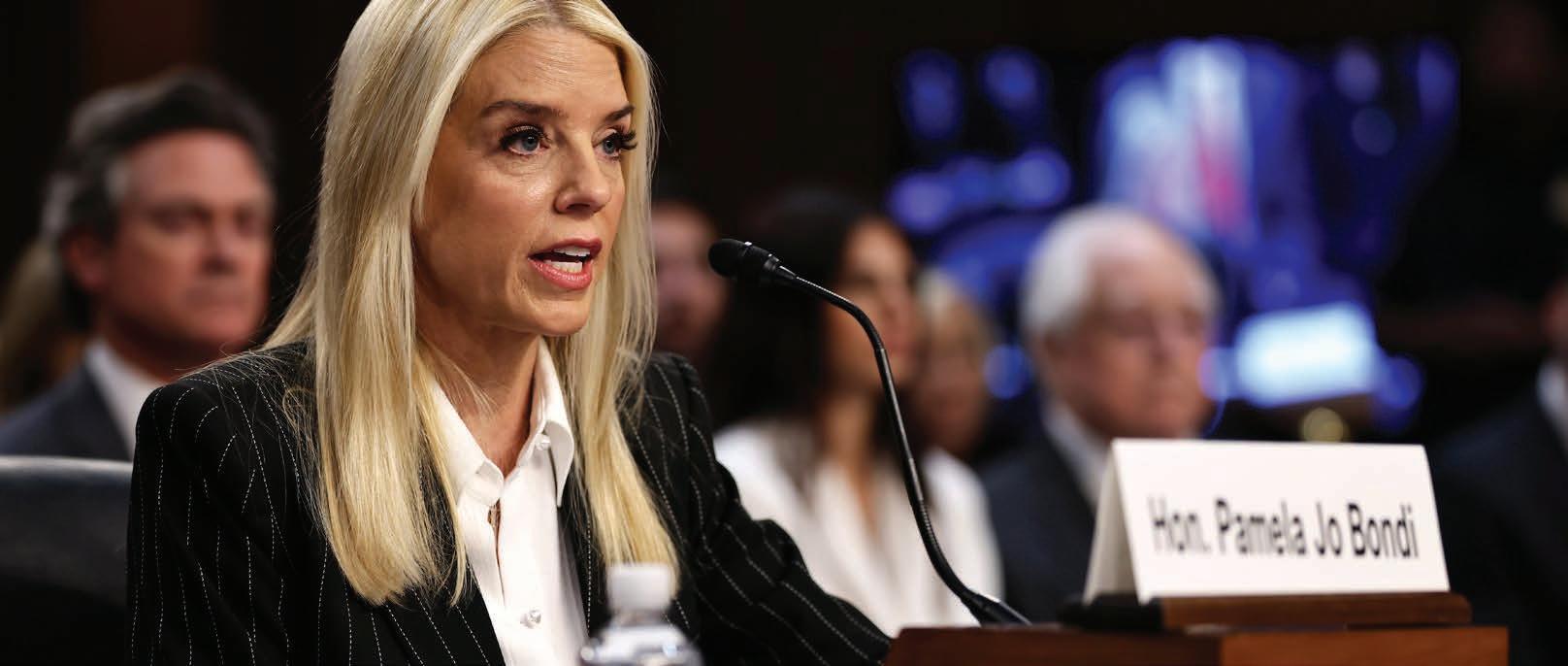
scope of information being released.
The committee’s session came after a tumultuous summer for the Justice Department. Federal law enforcement deployments to cities run by Democratic officials drew controversy, as did the announcement of several investigations involving individuals aligned with President Donald Trump’s political opponents. Critics have accused the department of politicizing its investigative priorities, while supporters argue that the actions are consistent with enforcing federal law.
Bondi, who took office earlier this year, faced extensive questioning on how the department intends to handle high-profile cases that intersect with political and


on whether additional Epstein files would be released voluntarily or if Congress would need to take legislative action to compel disclosure. Several members also raised concerns about the department’s decision-making processes, its approach to transparency, and how it intends to rebuild public confidence.
The Justice Department has previously stated that certain materials tied to the Epstein investigation remain part of broader probes, including potential co-conspirators and financial networks. However, lawmakers emphasized that the public has a right to know more about the government’s findings and its handling
of the case over the years. The hearing signaled that congressional pressure is likely to intensify, with possible legislative measures under consideration to mandate further disclosure.
The session highlighted the complex intersection of ongoing investigations, legal limitations, political dynamics, and public accountability. While no immediate policy changes were announced, the sharp tone of the questioning suggested that the Senate’s interest in the Epstein files is not waning. The Justice Department now faces heightened scrutiny over how it will balance transparency with investigative integrity in one of the most controversial cases of the past decade.




Tired of doing everything "right" and still feeling exhausted, bloated, and stuck?
At Elysian Women's Wellness, we specialize in helping women 35–55 balance their hormones, heal their metabolism, and lose stubborn weight without crash diets or two-hour workouts.
We use our Metabolic Optimization Method to help you feel like you again.
• Functional & traditional lab work
• Sustainable weight loss
• Hormone-friendly exercise & nutrition
• Expert support & accountability
By: Jay Meredith, CPA Investigative Journalist
Commissioner Chris Barnett has become infamous this year for preaching “unity in the community” while a camera is pointed at him and then posting negative hit pieces about local people on his various social media outlets. Barnett’s various owned and operated Facebook “news” pages such as Real Live News Southern Oregon, Josephine County Tribune (likely named to damage the Grants Pass Tribune), and Josephine County News have posted a significant number of what I would call negative hit pieces on a wide variety of individuals, organizations, and even a couple local businesses.
And the negative hit pieces, sometimes containing false statements, have gone into overdrive since the filing of recall petitions against Commissioners Chris Barnett and Andreas Blech on August 25th. The common thread of the targets of the hit pieces seems to be anyone or any organization that uses their constitutional right to criticize Barnett as an elected official or someone that may be exercising their constitutional right to gather signatures for a recall petition.
The negative hit pieces right alongside Commissioner Barnett’s self-promotional positive videos would be a comedic contradiction if there were not real-life negative consequences to the false statements and negativity posted all over the Barnett “news” pages. Real people are being hurt by Commissioner Barnett and Commissioner Blech and their
supporters making false statements about what individuals and organizations are actually behind the recall petitions.
The false statements, hit pieces, and intimidation by supporters of the commissioners and the commissioners themselves have turned so awful that there may be legal and law enforcement consequences. Restore Jo Co PAC, the political action committee supporting the recall petitions, reported this week that one of their volunteers who only helps on a very part-time basis in gathering signatures received close to 50 death threats between him and his family. He also claims to have lost a couple job opportunities due to anti-recall folks making false public statements about him and plastering his picture and info all over social media.
tions that have nothing to do with the recall, to make it look like this is a left-leaning political effort. In reality, the majority of the leadership of the recall committee are republicans. And the chief petitioner never even heard of the organizations being blamed for the recall until after the recall petitions were filed.
a registered voter in Josephine County as of last year (registered voter names are public information). Do an internet search for Brad Barimez and the only thing you will find are the articles supposedly written by him and posted on Barnett’s news Facebook pages. Not only will you not find someone by that name in Oregon, internet searches and AI programs can’t seem to find any real person by that name.
Recall volunteers simply spending time gathering signatures have reported many instances of people driving by yelling obscenities. Several people singled out in attacks by Barnett’s “news” pages and other social media posts by supporters of the commissioners aren’t even involved in the recall effort.
As mentioned last week, the “whitepaper” put out by Commissioners Barnett and Blech blame the recall on individuals and organiza-
Many of the hit pieces on Barnett’s news pages don’t have a listed author, but lately many of the hit pieces say authored by Brad Barimez. Brad has been busy lately, authoring no less than 10 hit pieces just in the last month. Mr. Barimez has posted hit pieces on a local radio station, the owner of the Grants Pass Tribune, individuals volunteering their time to gather recall petition signatures, and even a generic article about toxic online political rhetoric with a picture of a Nazi Swastika and telling people to report hate groups to the FBI and local authorities.
The article by Brad Barimez that included a picture of the Nazi symbol was titled “Enough is Enough: Calling Out Political Violence and Hate Groups.” The short article ended with saying, “It’s here and real.”
Except, what may not be real is Brad Barimez himself. Nobody with that last name was
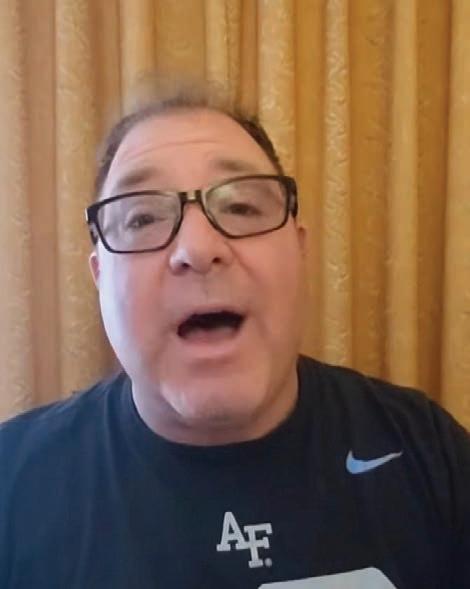
If you’re going to lie to my face, be prepared for me to know — and when my response is silence, that’s when you should worry. Some have referred to me as a human lie detector. It’s not bravado; it’s training. I’ve been through interview and interrogation courses at two different schools, and I spent decades putting that education to use. In my career, the ability to detect deception has been a powerful tool. In my personal life, it’s been a lonely one. People lie. Everyone does. Little white lies about weight, haircuts, or what time they’ll be home. But what happens when the lies aren’t harmless? What happens when the lies come from those who are supposed to lead us?
I live in Josephine County, just like you. I’ve been here long enough to recognize the shift — and I’m not talking about the weather. I’m talking about the climate of division, manipulation, and calculated deception that has taken root in this community. Over the past several years, we’ve watched as local public officials have turned truth into a commodity to be twisted and sold. They were elected to lead with honesty and integrity. Instead, too many have chosen the path of deceit, setting the worst possible example for those they represent.

Every day, residents of Josephine County are fed half-truths, omissions, and outright falsehoods by politicians who treat their positions as platforms for personal power rather than public service. These are not isolated incidents. This is a systemic pattern of behavior. And if I were
to sit idle and simply observe, knowing what I know, I could never live with myself.
This is not just my problem. It’s our problem. Through the Grants Pass Tribune, we’ve gone beyond simply reporting the news. We’ve worked with law enforcement at both the local and federal levels because what’s happening here
It's awfully strange that someone who nobody local knows is writing all kinds of articles and hit pieces about local people with a great amount of detail on these local people and local organizations. Is Brad Barimez a pen name for Commissioner Chris Barnett himself, so that he can deny writing all these negative hit pieces on his constituents?
Either way, Commissioner Barnett is the owner and operator of these “news” Facebook pages, and the buck stops with him. The fact is, one of our top County elected officials keeps calling over and over for “unity in the community” in public while consistently attacking his constituents with negativity and false information on his Facebook pages.
The next time you see Commissioner Barnett, ask him “who is Brad Barimez, and why is he writing all these negative articles on your Facebook pages?” This is a fair question to ask of a commissioner, since Brad Barimez covers local politics, covers local government issues, and Barnett’s “News” Facebook pages are the only place you can find his name.
has grown that serious. But let’s be clear: one newspaper cannot do this alone. Investigative journalism is a force, but community courage is the engine that drives real change.
To the residents reading this: you know what’s happening. Many of you have lived it firsthand. You’ve seen the retaliation. You’ve felt the intimidation. You’ve watched what happens when people speak up. But if we don’t stand together and push back against this tide of dishonesty, it will only get worse. Silence is not safety; it’s surrender.
It’s time to step forward. Share your stories. Put your names on the record. Speak the truth, and we will stand beside you to ensure those truths are heard. If you tell me what has happened to you, I will believe you — unless you lie to me. And if you do, I’ll know. But if you speak honestly, you won’t be alone.
The lies have brought us to this point. What happens next depends on whether this community chooses to accept a government built on deception or to stand united against it. Josephine County is still a community. It still has a voice. And together, we can prove that truth still matters.

By John Oliver
In a properly functioning democracy, government is not a distant authority; it is an active partner with the community it serves. Its foundation rests on civic engagement, transparent communication, and accountability to the people. Public meetings are meant to be accessible forums for residents to express concerns, contribute ideas, and hold leaders accountable. Elected officials are tasked not with ruling over citizens, but with representing them, operating as stewards of the public trust. Decisions are made openly, records are available upon request, and every action is subject to public scrutiny. In this model, government listens as much as it leads, building trust through consistent dialogue and responsiveness.
When governments operate this way, communities flourish. Problems are identified and addressed collaboratively. Public policies reflect the collective will and wisdom of the people who live under them. Law enforcement functions as a fair and impartial protector of public safety, ensuring that laws are applied evenly. Public employees serve the community rather than political factions, and leadership changes are managed through clear procedures that reflect the rule of law rather than personal alliances. This is how government is supposed to function: in the light, with and for the people.
Josephine County, Oregon, provides a stark contrast to this civic ideal. Over the past several years, the county’s government has drifted away from transparency, accountability, and cooperation, replacing those fundamental principles with insularity, political maneuvering, and in many cases, disregard for the law itself. Residents have witnessed closed-door decisions, questionable appointments, lack of oversight, and an erosion of the relationship between government and the governed. Instead of engaging its community, the county’s leadership has often chosen to shield itself from scrutiny and consolidate power, undermining public confidence in the process.
One of the clearest signs of this decline has been the lack of meaningful civic engagement. Public meetings, which should be spaces for open dialogue, have too often become scripted sessions where decisions are pre-determined and dissent is dismissed. Residents attempting to raise concerns are met with resistance, procedural hurdles, or outright hostility. Transparency in hiring and budget processes has been replaced by sudden promotions and the creation of positions without proper public notice,

competitive applications, or board approval. This breakdown of procedure not only violates the spirit of good governance but weakens the institutional checks and balances that keep power from being abused.
Equally troubling is the county’s weakening law enforcement structure. Proper governance requires not only the creation of fair rules but their consistent and impartial enforcement.
Josephine County’s chronic underfunding of its sheriff’s department, coupled with a lack of strategic planning, has left large portions of the county with minimal policing. This vacuum of law enforcement creates opportunities for both criminal activity and political misuse of power. When residents cannot rely on neutral enforcement of the law, they lose faith not only in local officials but in the entire civic structure.
Compounding the problem is the county’s strained relationship with state and federal agencies. Instead of collaborating to bring resources and oversight into the community, county leadership has often chosen to operate in defiance of outside scrutiny, framing accountability measures as political interference. This isolationist posture allows problems to fester without meaningful oversight. When state or federal investigators are reluctant to intervene, and local law enforcement is too weak or politically compromised to act, corruption finds fertile ground.
Meanwhile, political infighting and factionalism have replaced cooperative governance. Josephine County has seen repeated instances where power is wielded not for the common good but for personal or political gain. Whether through retaliatory actions against critics, manipulation of public information, or the blurring of lines between personal interests and public
duties, these patterns collectively signal a government slipping away from its civic responsibilities.
The consequences are already visible. Residents are losing trust in their institutions. Civic participation is declining as more people conclude that their voices are not heard. Economic opportunities are diminished when potential investors or partners view local government as unstable or corrupt. Public safety suffers as law enforcement remains under-resourced. In short, Josephine County is eroding the very structures that sustain healthy democratic governance.
Reversing this decline will not be easy. It requires both structural reforms and cultural change. Transparency must be restored through rigorous adherence to public records laws, open hiring practices, and genuine public consultation. Law enforcement must be rebuilt not just with funding but with a renewed commitment to impartiality and accountability. Political leaders must re-establish trust by prioritizing the community’s needs over personal or factional interests. And residents must be empowered to participate meaningfully, with assurance that their government will listen and respond.
Good government is not a luxury; it is the foundation upon which communities thrive. Josephine County stands at a crossroads. It can continue down the path of secrecy, political gamesmanship, and civic decay, or it can return to the principles of openness, engagement, and lawfulness that define true public service. The choice, ultimately, belongs to its residents — but that choice can only be exercised if government reopens the channels of communication it has allowed to collapse.









Posting October 6, 2025
By Ellen Ward
Prescription medications can improve and even save lives, but for many Southern Oregonians, the journey doesn’t end at the pharmacy counter. Alongside their intended benefits, pharmaceuticals often bring a list of side effects that can range from mildly irritating to deeply disruptive. Fatigue, digestive upset, headaches, weight changes, mood fluctuations, and sleep disturbances are just some of the common issues people experience. For those who cannot stop taking their prescribed medications—whether due to chronic conditions, post-surgical care, or mental health treatment—the challenge becomes finding ways to manage side effects without simply adding more pills to the mix.
In modern medicine, a frequent response to side effects is to prescribe an additional medication to counteract them. While this can sometimes be necessary, it often leads to what is known as “prescription stacking,” where one medication is given to offset the effects of another, leading to complex regimens and sometimes even new side effects. This cycle can become overwhelming. Increasingly, patients are seeking complementary and alternative methods to help ease the burden of these reactions while continuing their essential treatments.
Southern Oregon, with its blend of rural communities, wellness-minded residents, and access to both modern and traditional healing practices, offers multiple avenues for support. Herbal remedies, nutritional strategies, and integrative medicine approaches have become part of many residents’ toolkits. The key is to find safe, evidence-informed ways to integrate these options into a treatment plan.
One starting point is consulting a li-

censed naturopathic physician. Oregon is one of the few states where naturopathic doctors (NDs) are licensed and regulated as primary care providers. Many NDs have specialized training in botanical medicine, nutritional therapy, and lifestyle support. They can work alongside conventional doctors to identify herbs or dietary changes that may ease symptoms like nausea, digestive discomfort, or inflammation. For example, certain teas, tinctures, or supplements may soothe stomach upset caused by painkillers, while others may help regulate mood swings or improve sleep patterns disrupted by pharmaceuticals.
Herbalists—both clinical and traditional—can also play a role. Clinical herbalists often have formal education and use an evidence-based approach to match herbs to symptoms. Traditional herbalists, including those with roots in Indigenous, Chi-

nese, or European folk practices, may rely on long-standing knowledge passed down through generations. In Southern Oregon, especially in the Rogue Valley, it is not uncommon to find small apothecaries, community herbal collectives, or private practitioners offering consultations and custom formulations.
Some residents turn to more spiritual or holistic avenues, such as shamans or energy workers, to address what they perceive as the deeper imbalances underlying side effects. While these practices may not have the same clinical evidence base as conventional or naturopathic medicine, for some individuals they provide emotional grounding and stress relief, which can indirectly help the body cope with ongoing medication use. Stress reduction techniques—whether through guided meditation, breathwork, yoga, or traditional ceremony—can support
overall resilience and make physical symptoms more manageable.
Dietary adjustments are another natural strategy. Certain foods can interact with pharmaceuticals, but they can also buffer the body against some of their harsher effects. Adjusting fiber intake, hydration, or nutrient levels may reduce gastrointestinal issues. Supporting the liver with foods known for their detoxifying properties, such as leafy greens and cruciferous vegetables, may help the body process medications more efficiently. In some cases, probiotics and fermented foods can rebalance gut flora disrupted by antibiotics or other medications, lessening bloating or irregularity.
No matter the approach, safety remains paramount. Not all herbs are compatible with prescription drugs, and some can interfere with how medications are absorbed or metabolized. For this reason, collaboration between your prescribing physician and any alternative health provider is crucial. Pharmacists can also be a valuable resource; they are trained to understand interactions and can flag potential conflicts between supplements and medications.
Southern Oregon residents looking for these kinds of supports have a variety of local resources. Ashland and Grants Pass host several naturopathic clinics and herbal apothecaries, while larger medical centers often include integrative medicine departments. Community health fairs, farmers markets, and wellness events are common places to connect with practitioners and gather information about alternative therapies.
Dealing with medication side effects doesn’t have to mean endless prescriptions. By combining responsible medical oversight with natural, evidence-informed strategies, patients can often improve their quality of life without complicating their treatment plans. The balance lies in open communication, careful research, and a willingness to explore a broader spectrum of healing traditions that Southern Oregon is uniquely equipped to offer.