
WEDNESDAY, OCTOBER 22, 2025

WEDNESDAY, OCTOBER 22, 2025
By John Oliver
Unanswered questions continue to circulate across Josephine County regarding the unexplained absence of IT and Emergency Management Director Michael Sellers, who has reportedly been on paid medical leave for more than a month. Despite repeated attempts to confirm his employment status, county officials have not responded to inquiries from the Grants Pass Tribune, leaving residents uncertain about who is currently overseeing the county’s emergency preparedness operations.
According to internal discussions among local residents and county watchers, Sellers is believed to be on what is described as “protected leave,” potentially under Oregon’s Paid Leave program, which mirrors federal FMLA protections. While such leave is legally confidential under HIPAA and state privacy laws, its timing has raised concern — coinciding with an ongoing Oregon Department of Justice investigation into county personnel records, including Sellers’ recent promotion within county administration.
The promotion in question reportedly occurred without public discussion, transparency, or formal approval by the Board of County Commissioners during a public session — an appar-

ent deviation from standard county procedure. This lack of clarity has prompted speculation about whether Sellers’ sudden leave of absence is related to the Department of Justice inquiry, and if the timing of his departure could be a strategic effort to avoid administrative consequences during the investigation.
If Sellers remains on leave until December, as sources have suggested, Josephine County will have gone months without an active Emer-
gency Management Director — a key leadership role responsible for coordinating disaster response, communication systems, and emergency planning across local agencies. No interim replacement has been publicly announced, and it is unclear who is fulfilling these duties in his absence.
The absence of leadership in this department comes at a particularly sensitive time. With winter approaching, the county faces potential
flooding, storm-related infrastructure risks, and ongoing recovery coordination following a busy wildfire season. Without a designated director, questions arise about the county’s capacity to manage emergencies effectively and maintain inter-agency communication systems that depend on consistent oversight.
Efforts to reach the Josephine County Board of Commissioners for comment went unanswered.
The lack of official response has fueled further frustration among residents seeking transparency from local government. Many argue that while personnel privacy must be respected, the public still deserves assurance that essential county functions are being maintained and that taxpayer dollars are being used responsibly.
As the Department of Justice continues its review of Josephine County’s internal employment practices and documentation, the situation surrounding Michael Sellers highlights a broader issue — one of accountability, communication, and trust between county leadership and the community it serves. Until the Board provides answers, the people of Josephine County are left to wonder who is safeguarding their emergency infrastructure, and why so much remains hidden from public view.
By John Oliver
As the federal government remains deadlocked over budget negotiations, the consequences of the ongoing shutdown are rippling through Oregon; particularly in the southern counties of Josephine and Jackson, where food insecurity is already at historic heights. For the eleventh time, the U.S. Senate failed to advance a measure that would reopen the government until November 21, leaving the House still out of session and millions of Americans uncertain about access to essential services.
One of the most immediate and alarming effects is the expected suspension of Supplemental Nutrition Assistance Program (SNAP) benefits for roughly 757,000 Oregonians. The Oregon Department of Human Services has warned that, unless Congress reaches a deal soon, benefits will be halted in November — a blow that could leave tens of thousands of residents across Southern Oregon struggling to feed their families.
Local food banks, already operating under strain, are preparing for a wave of new clients. In Josephine and Jackson counties, food pantries such as the Josephine County Food Bank in Grants Pass and ACCESS in Medford have reported demand far above pre-pandemic levels. Many rely heavily on federal food allocations through the U.S. Department of Agriculture (USDA), which this month canceled more than $400 million in national support for community food banks. That cancellation included millions of pounds of food originally earmarked for Oregon. Food that will now never arrive.
For organizations like the Marion Polk Food Share, the loss has been devastating. The organization confirmed that it has lost roughly 14 percent of its food supply due to the cuts. In Southern Oregon, where small pantries depend on similar federal partnerships, the fallout could be even more severe. Some rural food banks, such as those serving Cave Junction, Rogue River, and the Applegate Valley, operate with limited refrigeration, staffing, and volunteer capacity. They now face the possibility of serving record numbers with rapidly shrinking inventories.
The Oregon Food Bank reported that as of early 2025, visits to its statewide network of food assistance sites had increased by 31 percent compared to the previous year — the highest level on record. This surge, driven by inflation, stagnant wages, and rising costs for rent and utilities, is expected to intensify if SNAP funds are withheld for any length of time. In communities like Grants Pass and Medford, where low-income residents already spend more than half their income on housing, even a brief interruption in food assistance can trigger a cascade of financial instability.
The impact of this shutdown stretches far beyond pantry shelves. Local grocers, farmers markets, and small food producers also rely on SNAP customers for consistent revenue. The absence of federal benefits would reduce consumer spending power across the region, affecting not just low-income families but the broader local economy. Restaurants and grocery stores in rural towns, already grappling with tight margins and supply chain costs — could see reduced sales, while so-

cial service providers brace for increased demand for emergency housing, transportation, and medical assistance.
For Josephine and Jackson County residents, the consequences will be deeply personal. Many families who once relied on SNAP to supplement their income now face an impossible choice between paying bills or buying groceries. Senior citizens and veterans on fixed incomes, two populations heavily concentrated in Southern Oregon, are especially vulnerable.
Local leaders have begun urging residents to donate to food pantries or volunteer their time to help distribute supplies. But as many pantry directors point out, goodwill alone cannot fill the void of lost federal aid. Without swift congressional action, Southern Oregon could experience one of its worst hunger crises in recent history, one that
underscores how fragile food security has become in a region where working families, retirees, and the unemployed are already fighting to stay afloat. The longer Washington remains gridlocked, the deeper the damage will reach, from the Senate floor to the streets of Grants Pass, Medford, and beyond, leaving Southern Oregon to confront a humanitarian challenge it did not create but must somehow endure.

Advertise with The Grants Pass Tribune!
Stand with us in defending freedom of the press and the 1st Amendment! The Grants Pass Tribune is facing political persecution, with lawsuits aimed at silencing our bold investigative journalism. We remain committed to uncovering the truth and keeping our community informed like never before.
Show
By Ellen Ward
The U.S. Supreme Court has agreed to take up a case that could reshape the intersection of gun rights and drug laws, deciding whether the federal government has the authority to prohibit individuals who use illegal drugs from possessing firearms. The decision to hear the case adds another major Second Amendment issue to the Court’s docket this term, signaling continued scrutiny of federal gun restrictions in the wake of recent landmark rulings.
The case stems from the prosecution of Ali Danial Hemani, a Texas resident and dual U.S.–Pakistani citizen who was charged under a federal statute that makes it a crime for anyone considered an “unlawful user of or addicted to any controlled substance” to own or possess a firearm. Federal agents found a handgun along with marijuana and cocaine during a search of Hemani’s home, and he admitted to regularly using both substances. His defense argues that the statute violates the Second Amendment by imposing a broad and indefinite ban on gun ownership for drug users, regardless of whether they are under the influence at the time of possession.
A panel of the U.S. Court of Appeals for the Fifth Circuit sided with Hemani, ruling that the federal law fails to meet the constitutional standards set forth by the Supreme Court’s 2022 decision in New York State Rifle & Pistol Association v. Bruen. In that

case, the Court established that firearm restrictions must be consistent with the nation’s historical tradition of gun regulation.
The Fifth Circuit found no comparable historical precedent for permanently disarming individuals merely because of illegal drug use, particularly when that use may be occasional or unrelated to firearm activity.
The Department of Justice petitioned the Supreme Court to review the case, arguing that the law targets a specific class of individuals who pose an increased risk to public safety. Federal attorneys assert that the restriction is neither permanent nor arbitrary, as individuals who stop using controlled substances can lawfully regain their gun
rights. They contend that the rule fits within a longstanding tradition of restricting firearm access for those considered dangerous or incapable of safely handling a weapon.
Opponents of the law maintain that it is too sweeping and lacks sufficient historical justification. They argue that the provision has been used to prosecute individuals for minor or infrequent drug use and that it unfairly equates substance use with a loss of constitutional rights. Advocates for reform also note that the law disproportionately affects people who use marijuana, which remains illegal at the federal level despite legalization in most U.S. states.
The Court’s decision to hear the case

the second major
on its current docket. The justices are already considering a separate case involving restrictions on carrying firearms on private property, reflecting an ongoing debate over the limits of government authority to regulate gun ownership.
Oral arguments are expected in early 2026, with a ruling likely by the end of the Court’s term in June. The outcome could have far-reaching consequences for federal gun enforcement and for thousands of Americans who use marijuana or other controlled substances while exercising what they view as their Second Amendment rights.
















Tired of doing everything "right" and still feeling exhausted, bloated, and stuck?
At Elysian Women's Wellness, we specialize in helping women 35–55 balance their hormones, heal their metabolism, and lose stubborn weight without crash diets or two-hour workouts.
We use our Metabolic Optimization Method to help you feel like you again.
• Functional & traditional lab work
• Sustainable weight loss
• Hormone-friendly exercise & nutrition
• Expert support & accountability
By John Oliver
As the holiday season arrives during an economic crunch, Southern Oregon retailers are bracing for what many in the industry view as an inevitable rise in shoplifting. Economic stress and dwindling benefits are combining to create a perfect storm— one that loss prevention experts have seen repeat itself for decades.
With the federal government poised to suspend Supplemental Nutrition Assistance Program (SNAP) benefits for thousands of Oregonians, the ripple effects are already beginning to show. For families living paycheck to paycheck, those benefits often bridge the gap between surviving and going hungry. When that safety net disappears, theft—especially of food and basic necessities—tends to spike. It’s an unfortunate but predictable cycle, seen every time the economy falters or government aid faulters.
Retail crime data nationwide mirrors this trend. During periods of high inflation and declining consumer confidence, theft rates climb sharply. Major retailers have already

reported rising shrinkage—industry shorthand for lost inventory—linked not only to organized retail crime rings but also to desperate individuals stealing to meet basic needs. Southern Oregon, with its mix of small businesses and large chains, is far from immune.
For those who’ve spent years in the field of loss prevention, the story is familiar. Whether in the 1990s, 2008 recession, or today’s inflationary period, the motiva-
Don’t call me Woodward and Bernstein. That’s not my lane. The Grants Pass Tribune was never meant to be the next basic newsroom or the polished marble of mainstream media. We’re something different, something raw, real, and unapologetically human. If you need a comparison, think more along the lines of Fletch with a dash of Eddie from Christmas Vacation and a healthy dose of Tommy Chong—laid back but never laid off, curious yet rebellious, and unafraid to rattle a few cages in the pursuit of truth. That’s my style. It’s the kind of journalism that dances on the edge of satire while still keeping both feet firmly planted in fact.
At the Tribune, we take pride in delivering factual stories, but that doesn’t mean we have to sound like a government press release. Our reporting comes with flavor, sometimes humor, and a personality that you can’t find in syndicated newsrooms or AI-generated blurbs. Maybe it’s the spirit of Hunter S. Thompson that runs through my veins, or maybe it’s just a lifetime of not caring what anyone thinks of me, but I believe that facts without passion are just ink on paper. The Grants Pass Tribune thrives on that unbiased middle ground between hard truth and the art of storytelling, where we can educate and keep your attention at the same time.

In today’s world of clickbait headlines and algorithmic nonsense, people crave something genuine. They want reporting that respects their intelligence
tions rarely change. Theft of electronics or clothing may fluctuate with market trends, but theft of food and essentials always rises when the economy weakens. People steal not for greed but for survival. Hunger doesn’t wait for the next paycheck.
Yet while compassion is necessary, so is vigilance. Retailers across Josephine, and Jackson counties are quietly boosting store security measures—adding cameras, hiring seasonal loss prevention officers,
but still makes them think, laugh or shake their heads. That’s what we aim for every day. We don’t fit the mold—and if there ever was one, we’ve probably already broken it, taped it back together, and turned it into an ashtray. I’m not trying to impress the corporate media world or win any awards from people who think journalism should come with a necktie. What matters is the reader. What matters is community. What matters is truth. Nine million people and counting have clicked, read, shared, and supported the Grants Pass Tribune. That’s not just a number; that’s validation that authenticity still wins in a world of filters and fakes. Our readers are the kind who see through the noise, who know that a story can be factual and still have attitude. They understand that honesty doesn’t have to be sterile, and that sometimes a well-placed smirk can deliver more impact than a paragraph full of political correctness.
So, if you’re looking for journalism that feels alive, welcome home. If you want to read the kind of stories that might make you laugh one minute and think the next, you’re in the right place. We’re not Woodward and Bernstein. We’re not CNN or Fox or any other label. We’re the Grants Pass Tribune, real people telling real stories with real heart. And judging by the millions who keep coming back for more, I guess I’m not alone in thinking that truth, with a touch of flair, is still the best story worth telling.
and training employees on de-escalation tactics. But for many small businesses already struggling to stay afloat, those added precautions come with their own financial burden. It’s a lose-lose situation for both sides of the checkout counter.
Law enforcement officials often face a moral dilemma during these times as well. Jailing someone for stealing bread or diapers during the holidays rarely sits well with the public or the officers themselves. Community organizations and churches frequently step up, offering food pantries, meal programs, and holiday assistance drives to fill the gaps left by federal cutbacks. Still, demand continues to outpace supply, and awareness of these programs doesn’t always reach those who need them most.
For consumers, this season serves as a reminder to approach the issue with empathy. The person pocketing a sandwich may not be a hardened criminal but a parent trying to feed a child. That doesn’t excuse theft—but it adds context to a growing crisis that’s as social as it is economic.







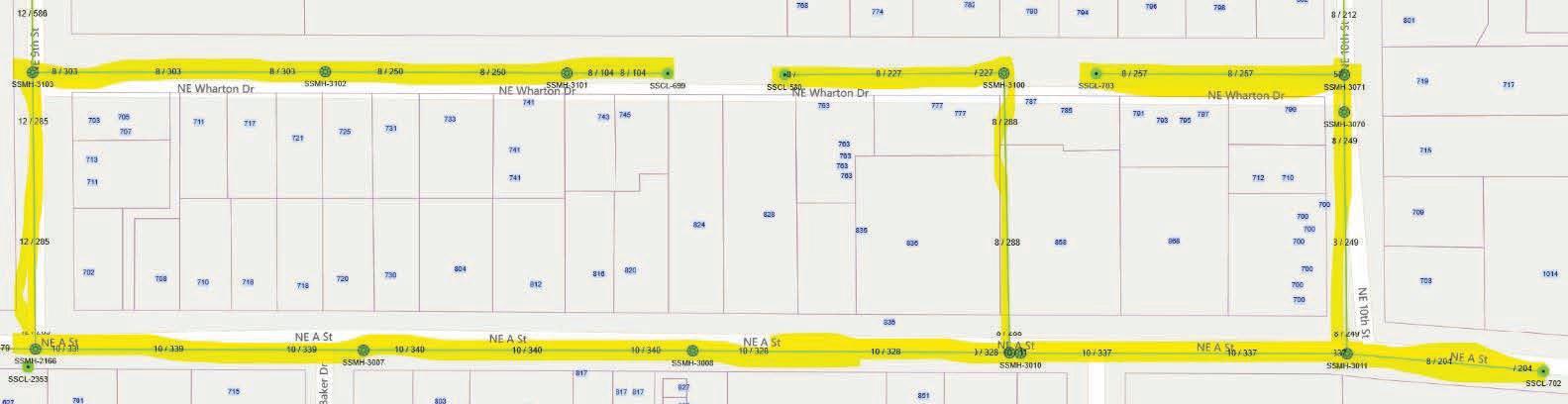
The City of Grants Pass will conduct scheduled smoke testing on Wednesday, October 22, 2025, between 7:30 a.m. and 3 p.m. along NE A Street and Wharton Street, between 9th and 10th streets. The test is part of a citywide effort to locate breaks, leaks, and illegal connections within the municipal sewer system to ensure its overall safety and efficiency.
Smoke testing is a standard diagnostic method used by public works departments across the country to detect faults in underground sewer infrastructure. The process involves introducing non-toxic, odorless smoke into the sewer lines under controlled conditions. The smoke helps identify problem areas such as cracked pipes, missing cleanout caps, and cross connections where rainwater or other materials may be entering the system.
During the scheduled testing, residents in the affected neighborhood may notice white smoke escaping from rooftop vent stacks, yard drains, or small holes in the ground. City officials emphasize that this occurrence is normal and should not be a cause for alarm. The smoke dissipates within minutes, leaves no residue, and poses no fire hazard.
Before the test begins, property owners are advised to pour water into all basement floor drains and any unused sinks. This step helps create a seal in the plumbing traps, preventing smoke from entering homes through dry drains.
If smoke does enter a residence, it likely indicates the presence of a plumbing defect or broken seal that could allow sewer gases to enter the building. In such cases, residents are advised to note the specific location of the smoke and contact the city’s inspection team
at the number provided on the notice. Ventilating the space by opening doors and windows will help quickly clear the smoke.
The city has distributed door notices to all properties within the testing area. The notices outline what to expect during the process, how to prepare, and whom to contact with questions or concerns. Officials ask residents to notify the city in advance if special accommodations are needed—particularly for households with confined pets, individuals with respiratory conditions, elderly residents, or anyone who may be alarmed or confused by the sight of smoke.
The testing is part of the city’s ongoing maintenance and infrastructure improvement program. Identifying leaks and unauthorized connections not only helps protect public health but also prevents stormwater from en-
tering the sewer system, reducing the risk of overflows and costly repairs.
City engineers note that these preventative measures are critical to maintaining compliance with environmental regulations and keeping operational costs down for the community. While the test will only affect a small section of the northeast neighborhood, officials encourage residents citywide to remain aware of the importance of maintaining proper sewer connections and plumbing integrity.
Anyone with questions or who requires special assistance during the test is encouraged to contact the City of Grants Pass Public Works Department at 541-450-6115. The city appreciates the cooperation and understanding of residents as it continues efforts to improve local infrastructure and maintain a safe, efficient sewer system for all.




By John Oliver
A growing number of Grants Pass residents are voicing opposition to a proposed homeless shelter and rehabilitation center planned for 1798 SE N Street, located near Riverside Elementary School and a nearby subdivision. The debate, which began as a local planning issue, has now expanded to the city council and the Josephine County Board of Commissioners as both entities weigh the future of the property.
At the center of the opposition is a local community member, Kevin Swiger, who launched a petition urging city and county leaders to relocate the planned homeless site. The petition, titled “Relocate the Proposed Homeless Managed Resting Site Away from Riverside Elementary,” has already gathered more than 470 verified signatures and continues to gain traction among concerned residents.
The property in question sits within approximately 500 feet of Riverside Elementary School, an open campus where students often move freely between classrooms, playgrounds, and outdoor areas throughout the day. The surrounding neighborhood includes several apartment complexes and residential homes, many occupied by families with young children. For many residents, the proximity of the proposed site to a school and family neighborhood is raising significant concerns about safety and suitability.
While few dispute the importance of addressing homelessness and providing services for those in need, the opposition argues that the chosen site poses risks and undermines community confidence in local decision-making. Swiger’s petition emphasizes that compassion and safety can coexist, but that the city must find a location that better balances both priorities.
Supporters of the petition have highlighted several key issues. First is the lack of community engagement in the decision-making process. Many residents claim they were
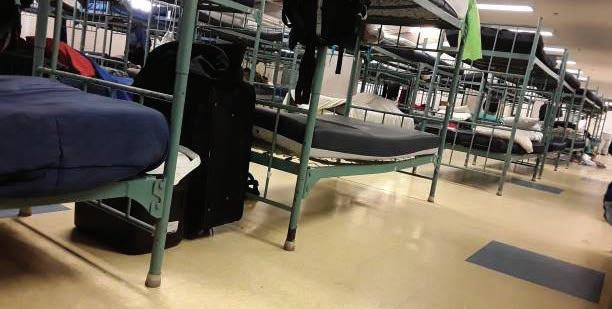
unaware of the proposal until it appeared on city and county meeting agendas. Second, they argue that placing a managed homeless site and rehabilitation center so close to an elementary school could create unnecessary anxiety among parents and educators tasked with protecting children. Finally, residents worry that the proposal, if approved, could negatively affect property values and neighborhood stability.
The proposal has moved beyond city jurisdiction and now requires action from the Josephine County Board of Commissioners, which must approve the lease or sale of the county-owned property to Pathways to Stability or another organization. The nonprofit was among the applicants seeking to establish a managed homeless facility under state and local grant funding designed to address homelessness in Southern Oregon.
For many, the issue is not about rejecting assistance for unhoused individuals but ensuring that such facilities are located in areas where they can operate effectively and safely without encroaching on sensitive community spaces. Residents have suggested exploring alternative county-owned parcels or industrial zones farther from schools and high-density residential areas.
The controversy has also brought renewed attention to the broader challenges
facing Grants Pass and Josephine County in addressing homelessness. Local officials continue to face mounting pressure to provide shelter options in compliance with state laws and federal court rulings, which limit the city’s ability to enforce camping bans without offering adequate alternatives. However, with limited resources and competing public interests, identifying appropriate sites has proven difficult.
City and county leaders have stated their intent to continue reviewing public input before making a final decision. In the meantime, residents are using platforms like the Change.org petition to amplify their voices and gather community support. The petition’s rapid growth—nearing its 500-signature milestone—suggests strong community engagement and a desire for greater transparency in local government decisions.
As the debate unfolds, the future of the N Street property remains uncertain. Whether the proposal moves forward or is redirected to a new location will depend largely on the discussions and votes expected from both the city council and county commissioners in the coming days.
Residents interested in learning more or signing the petition can find additional information online through community platforms dedicated to the issue.
















Posting Date
The BCC Weekly - Taking the “Blind” out of the BCC
By: Jay Meredith, CPA Investigative Journalist
Josephine County now has its own mini-Watergate political scandal. And like the original Watergate, the extraordinary lengths taken by those accused to cover up the alleged crimes are likely worse than the “crime” itself.
The Grants Pass Daily Courier first reported that Commissioner Andreas Blech and IT/ Emergency Management Director Michael Sellers are under investigation by the Oregon Department of Justice, after an insider in County government had no choice but to report their actions to outside law enforcement. But what you won’t read about in the Courier is that it was reporting and follow-up investigations by the Grants Pass Tribune that caused the whistleblower to come forward and report the alleged crimes.
This round of problems began when in early March 2025 Commissioners Barnett and Smith delegated their voting power on personnel matters and gave Commissioner Blech sole authority to take any personnel actions he deemed necessary to “restructure” County government. Soon after, the Public Health Director and Community Development Director were fired with termination letters signed by Michael Sellers, “Interim Director of Operations.”
The Director of Operations was a job title that didn’t even exist in approved County salary schedules at the time but appeared to operate and have responsibilities very similar to a County Manager given the directors’ termination letters were signed by this new position. In addition to his existing duties, Michael Sellers was put in charge of both the Human Resources and Finance departments given the recent resignation of the Finance/ HR Director, despite having no experience working in an HR or Finance department. But the Commissioners never publicly disclosed what all the responsibilities of this brand-new Director of Operations were supposed to be and just appointed Sellers to the new job without any kind of public decision or public announcement.
This was just the latest of many controversies involving Michael Sellers. Sellers was hired in July 2023 in what many say was a crony appointment to a new job title at the time to be director of IT and Emergency Management, despite having no boots on the ground experience working in an Emergency Management department at the time of hire. The former Josephine County HR Director has testified that former Commissioners West and Baertschiger held illegal private meetings to create a new job with a higher pay schedule for their political buddy Michael Sellers. Sellers had worked under former Commissioner Baertschiger during the eight years he served as a State Senator and was also the Vice Chair of the Josephine County Republican Party Central Committee until he resigned shortly after the first part of this scandal was made public. All three 2025 Commissioners are Josephine County Republican PCPs and therefore active with the party central committee.
And there are many other controversies related to Michael Sellers’ performance and

related actions by the Commissioners that have been well documented by the Grants Pass Tribune. For example, prior to 2025, a records request obtained by the Grants Pass Tribune showed that Michael Sellers was working full time for two State Republican Senators at the same time as he was supposed to be working full time as the Director of Josephine County IT and Emergency Management. In my opinion, it’s not possible to work two busy full-time jobs like these at the same time, so this is a blatant abuse of our state and local tax dollars. There are other examples of problems with Michael Sellers, some of which have now been reported to the State Department of Justice.
The original “crime” in this particular story was disclosed by an insider when former 2025 Budget Officer Simon Hare resigned in a blaze of public glory towards the end of April 2025 and disclosed budget documents that proved Commissioner Andreas Blech was trying to pay Michael Sellers a total compensation package including taxes and benefits of about $388,000 per year for his new role as “Director of Operations.” Hare resigned and made the public disclosure because he claimed this inappropriate action was reported to the other two commissioners and they didn’t do anything about it. This first major scandal later became one of the points listed on the current recall petition for Commissioner Blech.
Around the same time, when we at the Grants Pass Tribune learned about Michael Sellers’ secret promotion to Director of Operations, we sent in a couple public records requests for payroll information about this newly created position. One request was for all the personnel action forms approved for Michael Sellers during his term of employment with Josephine County. Any time an employee receives a promotion or changes job titles this would be documented by a personnel action form and signed by HR, Finance, and
the Commissioners. So this would be the primary source of truth as to what the promotion to Director of Operations really meant. The other public records request was for documents showing what Mr. Sellers pay and benefits were as of April last year and April this year, so we could see what both his past and current salary amounts were and where they fell on the county’s salary schedules and established step ranges for his position.
It took close to three months plus an appeal to the District Attorney just to get these two simple public records requests properly fulfilled. And as reported previously by the Grants Pass Tribune, once these records requests were received they didn’t make sense because the information was inconsistent from one record to another. It was as if some records were missing or incomplete. And according to the recent insider whistleblower, the personnel action form that originally promoted Michael Sellers to the Director of Operations position with a pay rate of $113.00 per hour and total compensation package of $388,000 per year was missing and was not included in the fulfilled public records request.
The inside whistleblower actually signed that personnel action form which was to give Michael Sellers a pay rate of $113.00 per hour. So they know the form existed. But it was not included in our fulfilled public records request. The whistleblower then brought this to the attention of all three commissioners and had a discussion with Commissioner Andreas Blech who in early August was given the authority to oversee the completion of all public records requests. According to the Daily Courier, the whistleblower had at least two discussions with Commissioner Blech about this. And Blech tried to bully the whistleblower into thinking there was no approved personnel form that promoted Sellers to the Director of Operations with a pay rate of $113 per hour. The whistleblower signed
the form, so they knew it existed. Also this matched the budget schedules disclosed by former budget officer Simon Hare earlier in the year.
When Simon Hare first blew the whistle in late April 2025, Michael Sellers himself made a special appearance on the Bill Meyer Radio show saying he was not getting paid $113 per hour as Simon Hare alleged. This was a blatant lie, because just a few weeks ago that personnel action form which promoted him to Director of Operations with this pay rate was signed and approved and entered into the budget financial system of the County. He was on the radio show to defend himself from these allegations, and according to his own words he denied that this was his rate of pay. Then, all of a sudden one business day later after his radio show appearance Mr. Sellers “voluntarily” went back to his old position of Director of IT and Emergency Management, according to an announcement by Commissioner Blech in a public meeting of the commissioners the next business day after Sellers was on the Bill Meyer radio show.
Commissioner Blech has never publicly denied that he approved the personnel action to promote Michael Sellers to Director of Operations at a pay rate of $113 per hour, he has only denied the Simon Hare allegation that he was attempting to draft a multimillion dollar employment contract with Michael Sellers and there was no employment contract. But as for the signed personnel action form which was approved and put this inappropriate action into motion, now Blech and Sellers will have to explain the missing document to the Oregon Department of Justice.
After the County insider who actually witnessed and signed this missing personnel action form read about the release of these public records requests in the Grants Pass Tribune and realized this form was missing
Continued on page 12 >>>
by Ellen Ward
As fall settles into Grants Pass, residents are reminded that open burning within city limits is strictly regulated and only permitted during designated burn windows under approved conditions. The city’s Fire Prevention Bureau oversees these controlled periods to ensure safety and air quality compliance across the region.
The City of Grants Pass has established two open burn windows each year—one in the spring and one in the fall. This year’s fall burn window is scheduled for October 25 through November 2. During these nine days, residents may burn approved yard debris such as dry leaves, branches, and brush, but only after obtaining an official burn permit. The permit process helps the city track burn activity and ensure compliance with environmental standards.
Burning is not allowed at any other time of year within city limits. Even during an open burn period, daily conditions must meet safety and air-quality thresholds before lighting any fire. The Oregon Department of Environmental Quality ventilation

index must reach 400 or higher for burning to be allowed. The Fire Marshal may suspend burning at any time due to weather conditions, air stagnation, or fire danger.
Strict safety rules also apply. Burn
piles must consist only of natural yard debris—no construction materials, household trash, plastics, or treated wood. Fires must be supervised at all times, equipped with water or extinguishing tools nearby,
and fully extinguished before sunset. Piles must be manageable in size and located safely away from structures, trees, and property lines.
Recreational fires, such as those in backyard fire pits, are allowed year-round under separate guidelines. However, these must use only dry, seasoned firewood and be contained in a non-combustible structure. Burning yard waste, leaves, or garbage in a recreational fire pit remains prohibited.
The city encourages residents to check the daily burn status before lighting any fire by visiting grantspassoregon.gov or contacting the Fire Prevention Bureau directly. Failure to comply with the city’s open burning regulations may result in fines or enforcement actions.
By following these guidelines and respecting the city’s controlled burn windows, residents can safely dispose of seasonal yard debris while protecting air quality and preventing accidental fires during Southern Oregon’s dry fall months.
in the fulfilled public records request, the insider confronted the commissioners with this concern. According to recent reports by the Daily Courier, Blech tried to intimidate her into thinking there was no form, despite her having signed the form. And the other two commissioners who knew about the approved form also did not respond to the whistleblower’s concerns. She had no choice but to report this to the County’s legal counsel and law enforcement. The destruction of public records is of course a serious concern, and since County employees can’t really investigate their fellow employees or the County Commissioners, the State Department of Justice had to get involved.
Later this year, in at least two public appearances or public meetings, Andreas Blech lied about the promotions and pay rates of Michael Sellers. And Michael Sellers himself lied about it on the Bill Meyer radio show in April of this year. Given the other evidence that exists that proves that Sellers was temporarily promoted to Director of Operations with a pay rate of $113 per hour, including both emails that were circulating around that time according to the whistleblower, the personnel form that was signed by the whistleblower, and also the budget documents disclosure by former budget officer Simon Hare, Michael Sellers and Commissioner Andreas Blech will likely have a very hard time explaining to the DOJ investigator why they lied and why that signed personnel action form went missing.
So, we now have two County insider whistleblowers that have both blown the same whistle. The first whistle was for illegally promoting Sellers to a job title and salary rate
that did not exist at the time (the $388,000 annual compensation package) and was completely improper for the job responsibilities and experience that Michael Sellers had. And the second whistle has now been blown for actions by Blech and Sellers to lie about the promotion and attempt to cover it up. And according to the recent whistleblower article by the Daily Courier, Commissioner Blech then tried to convince an insider that signed the personnel action form which promoted Sellers to this pay rate that there was no form in the first place. Instead of admitting to the mistake back in April when it was first disclosed, it appears Blech and Sellers chose the path of attempting to cover it up which in my opinion seems likely to make the coverup worse than the initial “crime.” Had they simply admitted to their initial mistake, and taken corrective actions, the initial crime likely would not have even been considered a “crime.” But the coverup will almost certainly be considered a crime, in my opinion.
We at the Grants Pass Tribune have now talked to two individuals who have participated in the Department of Justice investigation into Sellers and Blech. We’ve known for a while this was going on but the last thing we want to do is disturb a law enforcement investigation in progress, so we chose not to report on it until the investigation was made public another way. For now, we’ll just say the missing personnel action form is not the only thing under investigation by the DOJ.
One personnel action (PA) form that we did receive a couple months ago in the fulfilled public records request for the approved PA forms of Michael Sellers showed
that Commissioner Andreas Blech also approved a large retroactive raise for Michael Sellers, going all the way back to his July 2023 date of hire. The amount of the retroactive raise, and the policy they used to justify the large retro raise, could also be deemed an illegal action or at a minimum an action that violated County administrative policies. This large retro payment made earlier this year was likely in excess of $50,000 including payroll taxes and benefits such as PERS.
Making matters even worse, just a few days after recall petitions were filed against commissioners Blech and Barnett at the end of August this year, all three commissioners approved and signed a personnel action form for Michael Sellers that gave him yet another promotion and large pay raise for additional duties acting as the “Chief of Staff for the BCC Office.” There is no approved job title of “Chief of Staff” for the BCC office, therefore this was yet another inappropriate action by the County Commissioners in violation of County HR/ Administration policies and potentially in violation of budget or other laws. When disclosed in another public records request, this new PA form approved by the commissioners had big wording written across it in pink marker “Withdrawn 9-16-25,” and wasn’t even signed by the Finance Department as PA forms usually are. So, a little more than 2 weeks after all three Commissioners approved and signed this PA form and didn’t follow law and policy in doing so, it was “withdrawn.” It’s not clear which County official “withdrew” the form.
Thankfully, the new County insider whis-
tleblower recently said the County intends to do a special review of all personnel action forms approved in the last year, to see if other personnel actions may have been approved without following the laws or not done according to County administrative policies. There have been other personnel actions done in recent weeks and months that did not follow policy. As recently reported by the Grants Pass Tribune, all these legal and policy violations prompted County Legal Counsel Wally Hicks to issue a harshly worded memo on October 1st to all elected officials and County managers and warning them of the personal liability that could result from not following the proper laws and policies for personnel actions.
Nixon was facing an impeachment when he resigned from office after the Watergate scandal. Commissioner Blech is facing a likely recall vote in a few months as the recall committee has stated they are on track to gather enough signatures to bring the recalls of Commissioners Blech and Barnett to a vote. Will Blech resign from office, having been caught red handed in a cover up of inappropriate actions?
And where are Commissioners Chris Barnett and Ron Smith and why have the other two commissioners been silent and non-responsive when both county insiders reported these concerns to them privately before going public with the concerns? The other two commissioners also had a chance to do the right thing before these concerns went public and failed to do so. And now with a State DOJ investigation pending, we won’t likely get answers from County officials on these concerns anytime soon.