
WEDNESDAY, MARCH 4, 2026

WEDNESDAY, MARCH 4, 2026
By John Oliver
More than half of Oregon’s landscape is federally owned, from high desert plateaus and dense forests to nationally recognized parks and monuments. That reality places the state at the center of ongoing conversations about how public lands are managed, protected, and potentially transferred. Now, new legislation approved by the Oregon Legislature seeks to ensure that state and local governments do not assist in any federal effort to sell or transfer ownership of national parks, monuments, or other federal public lands within Oregon.
The measure, which has cleared both chambers and now heads to the governor’s desk, prohibits state agencies and local governments from cooperating with federal attempts to privatize public lands located in Oregon. Supporters say the goal is straightforward: to maintain long-standing public access and preserve lands that shape the state’s economy, identity, and way of life.
Oregon is unique in the proportion of its federally managed acreage. Approximately 53 percent of the state’s land falls under federal jurisdiction, including forests overseen by the U.S. Forest Service and lands managed by the Bureau of Land Management. These areas support timber production, grazing, recreation, wildlife habitat, and watershed protection. They also draw millions of visitors each year, fueling tourism in rural and urban communities alike.
Proponents of the legislation describe it as a proactive step designed to provide clarity about Oregon’s role should federal policy-

makers pursue land sales or transfers in the future. Representative Chotzen of southeast Portland said the measure reflects the value many residents place on public access to shared spaces. “Oregon’s natural beauty is one of our greatest assets, and SB 1590 will prevent our lands from being auctioned off,” Chotzen said, emphasizing the importance of keeping these lands accessible to everyone.
Senator Broadman of Bend characterized the bill as a balanced approach intended to give state government clear direction. “This is a proactive piece of legislation, striking a thoughtful balance to ensure the government has the tools to safeguard our sacred places,” Broadman said. “Our public lands are the greatest inheritance we can leave our children.”
The legislation does not apply to Tribal
By John Oliver
The rapidly expanding conflict in the Middle East entered a dangerous new phase Tuesday as the United States shuttered two embassy operations in the Gulf region and ordered additional diplomatic personnel to depart amid widening Iranian strikes. At the same time, Israel intensified military operations along its northern border, launching air assaults inside Lebanon in response to escalating attacks linked to Tehran.
The decision by the United States to suspend operations at embassies in Saudi Arabia and Kuwait marks one of the most significant diplomatic drawdowns in the region in recent years. U.S. officials cited mounting security
threats after Iranian drone and missile activity expanded beyond direct military targets and into diplomatic zones. Non-essential personnel and family members were instructed to leave several countries across the Gulf as precautionary measures intensified.
The closures follow days of sustained confrontation between Iran and Israel, a conflict that has steadily drawn in regional actors and heightened fears of a broader war. Iranian forces have launched multiple waves of drones and ballistic missiles aimed at U.S. installations and allied infrastructure across the Gulf. Several projectiles were intercepted, though some caused damage to facilities and triggered temporary shutdowns.
The current escalation traces back to coordinated strikes earlier in the week targeting Iranian command structures and strategic sites. Those attacks were followed by retaliatory barrages from Tehran, expanding the battlefield well beyond the initial targets. Iranian officials have characterized their actions as defensive measures, while Israeli leadership has signaled
governments. Lawmakers included language recognizing Tribal sovereignty and the unique legal status of federally recognized Tribes. By excluding Tribal governments from the restriction, the measure preserves their authority and acknowledges their longstanding role as original stewards of the land.
Across Oregon, public lands play a significant role in local economies. Outdoor recreation supports small businesses ranging from guiding services and campgrounds to restaurants and lodging providers. In Central Oregon, the Willamette Valley, Southern Oregon, and along the coast, public forests, rivers, and trails contribute to job creation and tourism revenue. In many rural counties, federally managed lands also influence decisions about wildfire mitigation, watershed protection, and land restoration.
Representative Levy of Bend noted that public lands are closely tied to environmental resilience and economic stability. “Our public lands shape our culture, sustain our wildlife, and power a recreation economy that supports small businesses across our region,” Levy said. “Protecting these lands also protects our water, our wildlife habitat, and our resilience against wildfire and drought.” While the measure does not change federal authority over land management, it clarifies that Oregon’s state and local governments will not assist in efforts to privatize those lands. Supporters argue that this provides reassurance to communities concerned about potential changes in ownership that could limit public access or alter conservation priorities. For many Oregonians, public lands are more than scenic backdrops. They are places where families camp, fish, hike, and gather. They are working landscapes that sustain ranchers and timber operators. They are habitats that support salmon runs, elk herds, and migratory birds. And they are watersheds that supply drinking water to cities and towns across the state.
By drawing a clear boundary around state and local cooperation, lawmakers say the legislation reinforces Oregon’s longstanding commitment to public access and responsible land stewardship. As debates over federal land policy continue nationwide, this measure signals how one state intends to approach the issue, with an emphasis on preserving the landscapes that define Oregon’s character and support its communities.

continued military pressure on Iranian-aligned networks throughout the region.
Along Israel’s northern frontier, airstrikes pounded positions in southern Lebanon after exchanges of fire with Hezbollah intensified. Artillery and aerial bombardments have displaced civilians in border communities on both sides. Lebanese authorities reported infrastructure damage in several towns, while Israel mobilized additional reserve units amid concerns that fighting could evolve into sustained ground operations.
The risk of a multi-front war is now central to regional security calculations. Iranian-backed
groups in Iraq and Syria have issued statements signaling readiness to confront U.S. assets if strikes continue. Gulf states, many of which host American military installations,
• see RAPIDLY., page 3

By John Oliver
Oregon school districts, as well as the state’s public colleges and universities, will soon be required to formally notify students, families, and staff when immigration enforcement agents are confirmed on campus under legislation recently approved by the state Senate.
The measure, which previously cleared the House of Representatives, establishes statewide standards for how educational institutions communicate with their communities if federal immigration authorities are present on school grounds. The bill now heads to Governor Tina Kotek for consideration.
Those that support this legislation say it is designed to promote clarity and ensure that families receive accurate information directly from school officials during potentially stressful situations. Senator Courtney Neron Misslin, a chief co-sponsor, described the proposal as a matter of transparency and trust.
“This bill is about clarity, communication, and trust. When something serious happens at our schools, families deserve timely, accurate information,” Neron Misslin said. “Transparency reduces rumors, centers student safety, and gives families the information they need to protect their loved ones.”
Under the new requirements, public school districts must adopt formal policies outlining how they will notify students, families, employees, and relevant community-based service providers if immigration enforcement officers are confirmed on school property. Districts may use their existing alert systems to send notifications. The policies must also be published

in student handbooks and posted on district websites in culturally appropriate languages to ensure accessibility for diverse communities.
Public colleges and universities will be required to implement similar notification standards for students and employees. These institutions must publish their policies online in the primary languages they use to communicate with their student populations.
The legislation comes amid changes at the federal level regarding immigration enforcement near so-called sensitive locations. Between 2011 and 2025, U.S. Immigration and Customs Enforcement maintained internal guidelines limiting enforcement activities at schools, hospitals, and places of worship. Those guidelines were revoked in January 2025 under the Trump administration, which announced expanded immigration enforcement efforts.
State lawmakers backing the Oregon mea-
From page 1
have raised alert levels and strengthened air defense systems. Civil aviation routes across portions of the Middle East have been rerouted as airspace closures ripple outward from active conflict zones.
Beyond the immediate military consequences, global markets are reacting to the instability. The strategically vital Strait of Hormuz, through which a significant portion of the world’s oil supply passes, has become a focal point of concern. Even limited disruptions in that corridor have historically produced volatility in energy prices, and traders are closely monitoring the possibility of further escalation near shipping lanes.
Humanitarian pressures are also mounting. Casualty figures are rising across multiple countries as missile exchanges and airstrikes strike urban peripheries. Emergency services in affected areas report strain on medical infrastructure, while foreign nationals scramble to secure transportation out of high-risk zones. Governments across Europe
and Asia have begun advising their citizens to reassess travel plans in the region.
Diplomatic channels remain active but strained. Regional mediators are attempting to open backdoor communications to prevent further deterioration, though the pace of military developments has so far outstripped political efforts. Analysts note that each successive exchange increases the risk of miscalculation, particularly with multiple state and non-state actors involved.
As embassies close and military operations broaden, the crisis reflects a profound shift in regional stability. What began as targeted strikes has evolved into a confrontation stretching from the Persian Gulf to the eastern Mediterranean. With diplomatic footprints shrinking and armed engagement expanding, the coming days may determine whether containment is still possible or whether the conflict will settle into a prolonged and unpredictable regional war.
sure argue that the policy shift at the federal level has heightened anxiety among some students and families. Representative Sarah Finger McDonald said the uncertainty has affected learning environments.
“For many students, academic worries are taking a back seat to the fear caused by immigration enforcement,” Finger McDonald said. “We can lift some of that fear by providing good information so our students can show up at school ready to learn.”
The new notification requirements build on earlier state law addressing emergency communication in schools. A 2023 measure requires school district boards to adopt policies for informing families and employees when schools initiate lockdowns, lockouts, shelter-inplace directives, or evacuations in response to safety threats. The latest legislation extends the concept of standardized communication to immigration enforcement activity.
For Oregon residents, the practical effect will vary depending on local circumstances. Families in districts with significant immigrant populations may see clearer communication protocols and translated materials outlining what happens if federal agents arrive on campus. School administrators will need to develop or update written procedures, train staff, and ensure alert systems are capable of delivering timely and accurate messages.
Supporters contend that the measure does not interfere with federal law enforcement authority but instead focuses on how schools communicate with their own communities. Critics have argued in past debates that immigration enforcement is a federal matter and have raised concerns about potential conflicts between state-level directives and federal operations. The legislation itself centers on notification and transparency rather than restricting enforcement actions.
The Senate approved the measure on an 18 to 10 vote, reflecting a divided chamber. If signed by the governor, Oregon schools and public higher education institutions will be required to adopt and publish the mandated policies, establishing uniform expectations across the state.
As implementation moves forward, districts and universities will face the practical task of translating the law into day-to-day procedures. For families and students, the change is intended to provide clearer information in moments that can quickly become confusing, reinforcing the role of schools as both educational institutions and community anchors.

By Bryce Robinson
Oregon’s election calendar has reached a pivotal moment as statutory filing deadlines begin to shape the field of candidates who will appear on the May 2026 primary ballot. As of March 3, elected incumbents seeking re-election to the same office are required to have submitted their candidacy paperwork, marking the first major benchmark in the state’s primary election cycle. Other prospective candidates have until March 10 to complete their filings.
The staggered deadline reflects a change in state law now in effect for the first time. Under legislation adopted during a previous session, elected officeholders who intend to run again for their current positions must file seven days earlier than non-incumbent challengers. The adjustment was designed to clarify ballot preparation timelines and ensure a more orderly candidate certification process as election officials prepare for the statewide primary.
For Oregon voters, the filing period is more than a procedural technicality. It is the formal gateway through which individuals secure a place on the ballot, and it ultimately de-

termines the choices available in the spring election. Once the March deadlines pass, election administrators at both the state and county levels will begin finalizing candidate lists, verifying eligibility requirements, and preparing ballots for distribution in accordance with Oregon’s vote-by-mail system.
The Secretary of State’s office, which oversees elections statewide, has emphasized the importance of awareness surrounding the updated filing structure. This is the first election cycle in which incumbents are subject to an earlier cutoff, and the shift carries practical consequences. An
incumbent who fails to file by the March 3 deadline is not permitted to appear on the primary ballot for re-election to the same office. Meanwhile, new candidates and those seeking offices currently held by others retain until March 10 to complete their declarations of candidacy.
The administrative framework guiding these requirements is outlined in official candidate manuals published by the Elections Division. These manuals detail eligibility standards, filing procedures, signature requirements for petition candidates, and deadlines that govern each stage of the election cycle. They also clarify distinctions among state, county, city, and district offices, each of which may involve different forms or submission processes.
For Oregon residents, understanding the filing timeline offers insight into how quickly the political landscape can solidify. While campaigns often begin months in advance with fundraising and public outreach, the act of filing transforms speculation into official candidacy. Once the deadlines pass, potential challengers who have not submitted the necessary paperwork are barred
from entering the primary contest, narrowing the field to those who have met statutory requirements.
The May 2026 primary will determine party nominees for a range of federal, statewide, legislative, and local offices. In Oregon’s closed primary system, major party voters select nominees within their registered party, while nonaffiliated voters may participate in nonpartisan races. The outcomes in May will set the stage for the November 2026 general election, where nominees compete for final office terms.
Election officials encourage voters to monitor developments as candidate lists become public following the filing period. Those lists will provide the first definitive snapshot of contested races and potential shifts in representation across the state.
With the incumbent deadline now passed and the final filing cutoff approaching on March 10, Oregon’s 2026 election cycle is transitioning from anticipation to formal structure. The coming days will determine who qualifies for the ballot and, ultimately, who seeks to shape the state’s political direction in the years ahead.
By Ellen Ward
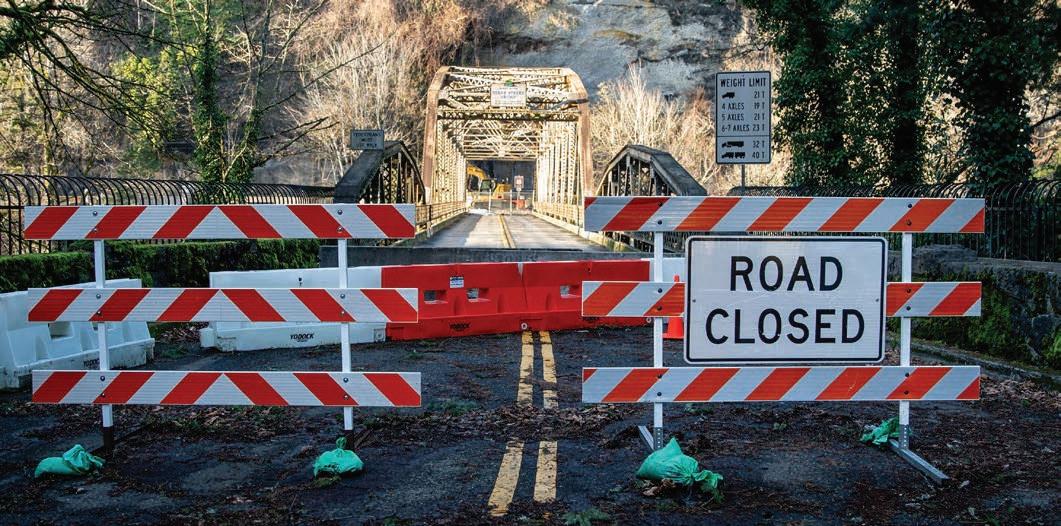
Oregon voters are on track to weigh in sooner than expected on the future of statewide transportation funding after the Oregon House of Representatives approved legislation sending the issue to the May primary ballot.
The measure advances a referral that will ask voters to decide whether to uphold revenue provisions adopted by the Legislature in 2025 to support transportation maintenance and operations across the state. By scheduling the vote for May 19, 2026, rather than waiting until the November general election, lawmakers say they are seeking clarity for state agencies and local governments that rely on transportation dollars to plan their upcoming budgets.
Supporters of the expedited timeline argue that voters have expressed a strong desire to have a direct say on transportation-related taxes and fees. Representative David Gomberg of Otis said Oregonians have made it clear they want their voices heard and that placing the matter on the May ballot ensures every eligible voter will receive a ballot and an opportunity to weigh in without further delay. He added that postponing the vote until November would not serve residents who are eager to cast their ballots, nor would it help the Oregon Department of Transportation and local governments that must begin prepar-
ing summer budgets based on anticipated revenue.
The referral centers on funding intended to cover essential transportation needs, including road and bridge maintenance, construction projects, day-to-day operations, and emergency response. These investments affect communities from urban corridors in the Willamette Valley to rural highways in Eastern and Southern Oregon. For many counties and cities, state transportation dollars are a foundational component of infrastructure planning, public safety coordination, and long-term capital improvement strategies.
Lawmakers backing the plan contend that obtaining a definitive answer in May will allow them to move forward with broader budget discussions. Transportation funding has been a recurring topic
in recent legislative sessions, as officials grapple with aging infrastructure, inflationary construction costs, and evolving fuel tax revenues. A confirmed outcome from voters, whether in support of or opposition to the revenue measures, would give policymakers direction as they address both immediate funding gaps and long-term sustainability.
Representative Susan McLain of Hillsboro said communities, counties, and cities are counting on the Legislature to establish a sustainable solution that balances the transportation agency’s budget in both the short and long term. She cautioned that continued delays in resolving the question would hinder progress and leave the state’s transportation system in uncertainty.
The accelerated timeline places ad-
ditional responsibilities on the Office of the Secretary of State, which oversees Oregon’s elections. Legislative leaders acknowledged that moving the referral to the May primary requires prompt coordination by the elections division to meet statutory deadlines for ballot preparation, voter information materials, and distribution.
House Speaker Julie Fahey of West Eugene and Veneta expressed appreciation for the work undertaken by Secretary of State Tobias Read’s office, noting that placing a referral on the ballot involves numerous procedural details and that election officials have provided clear guidance since the proposal was introduced.
For residents across Oregon, the May vote will present a straightforward question about whether to continue revenue measures dedicated to transportation. The outcome will influence how the state approaches maintenance of highways, bridges, and related infrastructure, as well as how it prepares for emergency responses tied to severe weather and other incidents that strain transportation networks.
With House approval secured, the legislation now heads to the governor’s desk for consideration. If signed into law, ballots reflecting the referral will be sent to voters statewide in advance of the May 19, 2026 primary election, setting the stage for a decision that will shape Oregon’s transportation funding landscape in the years ahead.
Ny Nik Martin, Local Food Critic
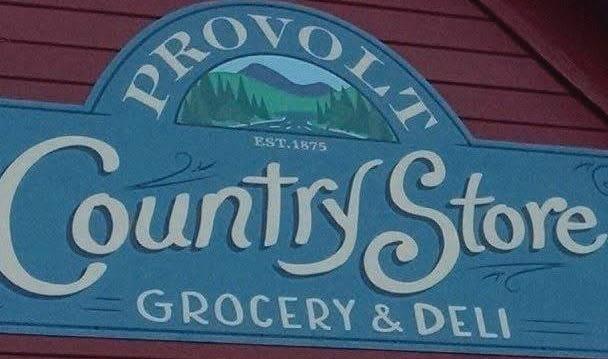
Day two of Say Cheese Month led me just outside the bustle of Grants Pass to a familiar roadside stop that many locals know well but sometimes overlook. Provolt Country Store, located at 14299 Highway 238, is the kind of place where country roads meet comfort food. This month, that comfort food carries a greater purpose. Each grilled cheese creation being served during Say Cheese Month helps support the Josephine County Food Bank, a vital community resource that provides food assistance to families across our region.
There is something special about a grilled cheese sandwich done right. It may seem simple, but simplicity leaves little room for error. Bread, butter, cheese, heat. When handled with care, those few ingredients become something far greater than the sum of their parts. Provolt Country Store understands that balance.
Their Say Cheese offering is not your stan-
dard diner-style grilled cheese. This sandwich arrives layered with spinach, artichoke, and a three-cheese blend, all pressed between slices of sourdough bread. It is a thoughtful combination that leans slightly gourmet without losing its small-town charm.
The first bite delivers texture before anything else. The sourdough is toasted to a crisp, golden finish, sturdy enough to hold the fillings without becoming tough. The exterior crunch gives way to a soft interior, where the cheese blend melts seamlessly into the spinach and artichoke. The three cheeses create a rich, creamy base with just enough depth to complement the earthiness of the greens. The spinach adds freshness, while the artichoke brings a subtle tang that keeps the sandwich from feeling heavy.
What stands out most is the balance. None of the ingredients overpower the others. Instead, they work together, each flavor stepping forward

briefly before blending back into the whole. The sourdough provides structure and a mild tang that pairs naturally with the artichoke. The cheese binds everything together, creating that familiar stretch that defines a proper grilled cheese.
To elevate the experience, I added a cup of tomato bisque for dipping. It was the right decision. The smooth, slightly sweet tomato soup complements the savory sandwich perfectly. Dipping the crisp sourdough into the warm bisque softens the crust just enough while adding another layer of flavor. The tomato’s acidity cuts through the richness of the cheese, creating a classic pairing that feels both nostalgic and refined.
Say Cheese Month is more than a culinary tour of melted creations. It is a reminder that food has the power to bring a community togeth-

er. Participating businesses throughout Grants Pass and Josephine County are crafting their own versions of this comfort classic, each sandwich helping support neighbors who rely on the Food Bank’s services. Every order contributes to a cause that directly impacts families, seniors, and children in our area.
Provolt Country Store’s contribution proves that even a humble grilled cheese can tell a bigger story. It is about local businesses stepping up. It is about community members showing up. It is about enjoying a well-made sandwich while knowing that your lunch is doing a little good beyond your plate.
There are many more sandwiches to sample this month, and if day two is any indication, Say Cheese Month is off to a strong and flavorful start. Get out, explore, and support local.













By Ellen Ward
A 25-year-old commercial fisherman who recently joined the cast of the long-running reality series Deadliest Catch has died while working aboard a crab vessel in the Bering Sea, marking another sobering reminder of the risks associated with one of America’s most dangerous professions.
Todd Meadows, identified as the newest deckhand on the crab boat Aleutian Lady*, died on February 25 during active fishing operations. The vessel was at sea and production cameras were rolling at the time of the incident. Authorities have not publicly released a detailed cause of death, and it remains unclear whether the event itself was captured on film.
Meadows had recently begun working aboard the Aleutian Lady, a boat featured on the Discovery Channel series that chronicles the high-stakes world of Alaskan crab fishing. The program, which debuted in 2005, follows crews as they navigate treacherous weather, mechanical hazards, and the intense physical demands of harvesting crab in the icy waters of the Bering Sea.
According to reports from Alaska-based media outlets and entertainment industry publications, the crew was engaged in routine fishing activity when the fatal incident occurred. Emergency procedures were initiated, but efforts to save Meadows were un-

successful. Local authorities and maritime officials are expected to review the circumstances surrounding the death, as is standard protocol in fatalities at sea.
Meadows was described by those who worked with him as a hardworking and motivated crew member who had quickly integrated into the tight-knit team aboard the vessel. As the newest deckhand, he had been learning the demanding rhythms of crab fishing, a profession known for its steep learning curve and unforgiving conditions. Commercial crab fishing consistently ranks among the most hazardous occupations in the United States due to extreme weather, heavy equipment, shifting decks, and long
hours under intense pressure.
The production company behind the series and representatives from the network confirmed the death and extended condolences to Meadows’s family. The network has not yet announced whether the current season will depict the incident or how it will address the loss in upcoming episodes. Historically, the series has incorporated real-life tragedies into its storytelling while maintaining focus on the broader realities of the fishing industry.
Over its two-decade run, the program has documented not only record hauls and fierce competition but also the toll the industry can take on those who make their living at sea.
One of the most widely known losses connected to the franchise was the 2010 death of Captain Phil Harris, who suffered a stroke while filming and later died from complications. His passing brought national attention to the physical and emotional strain experienced by commercial fishing crews.
The death of a young deckhand during production underscores that the dangers portrayed on television are not manufactured for drama but rooted in the realities of maritime labor. The Bering Sea’s volatile storms, freezing temperatures, and massive swells create a working environment where split-second decisions can carry life-ordeath consequences.
News of Meadows’s death has prompted an outpouring of support from viewers and members of the fishing community, many of whom recognize the bond formed among crews who spend weeks at sea together. Fundraising efforts have reportedly been organized to assist his family with expenses and provide support for his children.
As investigations continue, the tragedy stands as a stark reminder of the human cost behind one of television’s most enduring reality series. Beyond the ratings and dramatic footage lies an industry where young men and women accept significant personal risk in pursuit of a living, and where the sea ultimately dictates the outcome.
By Ellen Ward
Families rushing a child to the emergency room rarely have time to think about anything beyond immediate medical needs. Yet for some Oregon households, concerns about immigration enforcement have added an additional layer of anxiety to already stressful situations. A measure approved by the Legislature and now headed to the governor’s desk is intended to address those fears by reinforcing privacy protections in hospitals and health care settings across the state.
Senate Bill 1570 establishes clearer boundaries around when hospitals may share personal information, particularly details related to immigration or citizenship status. Supporters say the goal is to ensure that Oregonians can seek medical treatment without worrying that sensitive information could be disclosed to immigration authorities except in limited, legally required circumstances.
Under the legislation, hospitals and federally qualified health centers are prohibited from sharing information such as a patient’s country of birth or immigration status with law enforcement unless disclosure is required by law, mandated by a court order, or necessary to ensure continuity of care. The measure directs health care providers to treat immigration-related information with the same level of confidentiality as other protected health information.
The bill also requires hospitals to clearly

identify nonpublic areas within their facilities.
Lawmakers backing the measure say this provision is designed to prevent disruptions in sensitive treatment spaces and to help maintain orderly operations in emergency rooms and patient care units. By clarifying which areas are restricted, hospitals can better safeguard patients and staff while continuing to comply with applicable laws.
Sen. Campos of Hillsboro said the legislation reflects broader public health concerns. “When fear keeps people from care, public health suffers. When trust erodes, we all pay the price,” Campos said, adding that the Healthcare Without Fear Act is intended to protect safety, privacy, and trust for everyone seeking medical care.
Health care professionals have also weighed in on the issue. Rep. Dacia Grayber, a first re-
sponder from Southwest Portland, emphasized the importance of stability and clear roles in emergency settings. “As a first responder, I know that hospitals and emergency rooms are carefully coordinated environments where roles are clear, every second matters, and trust is essential,” Grayber said. She added that limiting access to sensitive areas and reinforcing privacy protections helps ensure that patient care is not compromised.
For parents, the implications are straightforward. Whether bringing in a toddler with a high fever or accompanying a teenager with a sports injury, families expect medical facilities to focus solely on treatment. Public health experts note that when segments of the community avoid preventive care or delay treatment due to fear, the broader community can experience increased strain on emergency services and higher health
risks overall.
The legislation also addresses workplace protections. It makes it unlawful for health care employers to retaliate against workers who share state-approved materials about immigration rights or legal services. Lawmakers say this provision is intended to support transparency and ensure that patients receive accurate information without placing staff at risk of disciplinary action.
Rep. Ruiz of Gresham framed the issue in terms of community well-being. “Every Oregonian deserves to walk into a hospital focused on healing, not fear,” Ruiz said, noting that when families avoid care due to immigration concerns, the impact extends beyond individual households.
While federal immigration enforcement policies are determined at the national level, the state measure focuses on how Oregon health care institutions handle patient information and manage their facilities. If signed into law, the changes would formalize practices intended to reassure families that medical decisions, not immigration status, guide the care they receive.
For many Oregon parents, the message is clear: when a child is sick or a loved one is injured, the hospital should be a place of treatment and recovery. Supporters of the measure say strengthening privacy protections is one way to reinforce that expectation statewide.


By John Oliver Riccio
There is a quiet satisfaction in building something that refuses to be ignored.
Running an independent newspaper is not a hobby, and it certainly is not for the thinskinned. It is a daily exercise in endurance, conviction, and stubborn belief in the value of a free press. The work begins long before sunrise and rarely ends when the edition goes live. Stories must be chased down, documents reviewed, facts verified, and decisions made that will inevitably upset someone. That is the nature of journalism when it is practiced without permission.
We often speak of commitment to truth, justice, and freedom as if those words belong only in civics textbooks. In reality, they are less glamorous and far more complicated. Truth requires persistence. Justice demands scrutiny. Freedom comes with consequences. When you choose to publish uncomfortable information, when you question powerful interests, when you decline to follow the approved narrative, you accept that criticism will follow. So will resistance. Sometimes it arrives in the form of an-
gry emails. Sometimes it arrives in court filings. Sometimes it arrives as whispers, rumors, or coordinated efforts to undermine credibility.
Yet here is the irony that never fails to amuse me.
The individuals most vocal in their disdain are often the most consistent readers. The critics who claim we should not exist refresh our homepage before their morning coffee cools. The detractors who insist they have no interest in what we publish somehow manage to know every headline, every photograph, every word. They dissect our coverage with remarkable attention to detail. They circulate our stories within their circles. They respond to what we write with an intensity that casual supporters rarely match.
There is a lesson in that.
In the modern media landscape, indifference is far more dangerous than opposition. Being ignored is the true failure. Being debated, challenged, even criticized means the work is resonating. It means the publication occupies space in the civic conversation. It means that what we produce each day matters enough to



provoke a reaction. Attention is currency in journalism, and our loudest critics invest heavily. I do not celebrate hostility. I do not wish for conflict. But I recognize reality when I see it. When those who have opposed this publication in business, in politics, or in personal matters
begin their mornings by reading it, that is not defeat. It is influence. It is relevance. It is confirmation that the work cannot be dismissed.
Owning and operating a newspaper in today’s climate requires resilience. Advertising pressures mount. Legal challenges test resolve. Economic uncertainty touches every small business. Yet the readership grows, not only among supporters but among skeptics and adversaries alike. That broad reach speaks to something deeper than loyalty. It speaks to curiosity, accountability, and the undeniable pull of information people feel they cannot afford to miss.
If you wake up thinking about what this publication will say next, then the mission is working. If you disagree with us but still read every line, then the platform has value. If you attempt to counter our reporting, then you have acknowledged its presence.
In the end, journalism is not about comfort. It is about presence. It is about occupying space in the public square and refusing to surrender it. The measure of success is not universal approval. It is impact.
By Gabriella Connors
Even with ski operations temporarily paused, one of Mt. Ashland’s most anticipated traditions is moving forward. Bavarian Night will take place Saturday, March 14, from 4:00 to 8:00 p.m., bringing alpine flair, fireworks and community celebration back to the mountain in support of the Mt. Ashland Ski Patrol.
After a challenging snow season that limited skiing and riding, organizers are leaning into the heart of what has long defined the mountain experience: tradition, togetherness and a little bit of Bavarian charm. While guests will not be clicking into skis this year, the base area will still come alive with music, food and family activities designed to capture the spirit of the annual celebration.
Bavarian Night has become synonymous with gemütlichkeit, a German word that loosely translates to warmth, friendliness and good cheer. That atmosphere will be front and center as families gather in the late afternoon to enjoy a full lineup of entertainment. A modified kids torchlight parade will offer a nod to the classic mountain spectacle that typically winds down the slopes, allowing young participants to take part in a glowing procession adapted to current conditions.
Throughout the evening, attendees can join in games and activities including bingo, creating a relaxed and welcoming environment for long-time supporters and first-

time visitors alike. Live music from The Seth Charles Band will anchor the celebration, providing an energetic backdrop that blends mountain-town vibes with festive alpine spirit.
Food and drink will reflect the night’s Bavarian theme. Gemütlichkeit Grill will serve traditional Bavarian dishes, offering hearty fare that pairs naturally with a crisp March evening at elevation. Drinks will be available from the T-Bar Lounge, giving guests a place to gather, warm up and toast to the mountain community.
As darkness settles in, fireworks will once again light up the sky over Mt. Ashland, continuing a beloved tradition that has long marked Bavarian Night as one of the season’s signature events. The display is expected to draw supporters from across the Rogue Valley, many of whom have made the annual celebration a family ritual.
Beyond the festivities, the evening carries a deeper purpose. Bavarian Night serves as the largest annual fundraiser for the Mt. Ashland Ski Patrol. Patrol members volunteer their time throughout the ski season
to provide on-mountain safety, emergency medical care and rapid response in changing weather conditions. Funds raised during the event help support essential equipment, ongoing training and operational needs that allow the patrol to continue serving the mountain community.
In addition to on-site fundraising, an online raffle is currently underway and will remain open until 10:00 p.m. on March 14.
Prizes include a Mt. Ashland season pass, a scenic Timberland helicopter ride for two, a $500 shopping spree at Rogue Ski Shop and a two-night stay at the Weisinger Family Winery vineyard cottage, along with additional donated experiences and merchandise from regional partners. The raffle provides another opportunity for community members to contribute to the Ski Patrol while potentially taking home a memorable prize.
Although snowfall totals may not have cooperated this season, Bavarian Night demonstrates that Mt. Ashland’s identity extends far beyond lift operations. The event highlights the enduring connection between the mountain and the people who support it year after year.
For many, the evening will be less about snow and more about showing up. With Bavarian food on the grill, music echoing across the base area and fireworks overhead, Mt. Ashland’s community spirit is set to shine

Advertise with The Grants Pass Tribune!
Show

WHEN YOU’RE TRYING to figure out the motives behind government actions or explain the actions of our elected officials, how often have you heard the phrase “Follow the money?” I’ve heard it more times than I can count.
It’s campaign season again in Josephine County and Southern Oregon. Josephine County appears to have just barely met the deadline to put an animal shelter operations levy renewal on the May 2026 ballot. March 10th is the deadline for County candidates to run in the primary for two of the Josephine County Commissioner positions, the County Sheriff, the County Clerk, the County Treasurer, and the County Legal Counsel. And campaigns have already started heating up among those that have already filed to run.
Inevitably certain candidates will attempt to make promises about cutting budgets, cutting taxes, or avoiding tax increases. But follow the money and where possible look at what they do, not what they say.
John West, recalled as a commissioner in a December 2024 vote of the people, is running for commissioner again. West already has ads out claiming to be able to lower your property taxes and “put more money back in your pocket.” And West is bragging about “managed to get us over $2 million in reserves.” In my opinion, these are ridiculous claims that are more of why West was recalled from office in the first place. The main reason the County’s General Fund reserves increased during West’s last year in office was because the commissioners took General Fund revenues away from law enforcement programs as compared to what the General Fund normally contributed to law enforcement in recent years before West was a Commissioner.
West is teasing lower property tax rates without stating what programs he is going to recommend to cut in order to do this. Other than General Fund amounts given to law enforcement and veterans services programs, almost all of what County General Fund discretionary revenues go to are mandated services. The County is mandated to do property assessment, tax collections, planning, building, and much more. The only way to reduce property taxes in a material way, in my opinion, is to find new revenue sources because you can’t just do away with mandated programs.
You’ll hear wild financial promises from West and others running for office, but when a track record exists make sure you follow the actual results. County property tax rates actually increased significantly during the time West spent two years as a County Commissioner before being recalled. And then there were actions that were done to save money, but they didn’t actually achieve savings. For example, West and one other commissioner voted
By Jay Meredith, CPA Investigative Journalist

to combine the Emergency Management and IT Departments to supposedly save money. Except, in the first annual budget season after West voted to combine these two departments, these two departments showed a total combined budget increase of $835,400 or an increase of 35.3% in fiscal 2025 versus the fiscal 2024 budget.
And then there are the political scare tactics used by some candidates. Former Commissioner Simon Hare, well known as a political ally of recalled commissioner John West, was on a video interview earlier this week talking about his new campaign for Josephine County Commissioner. Mr. Hare has filed to run for Commissioner Position #2, while John West has filed to run for Commissioner Position #1. In the interview Hare threw out some wild financial and economic scenarios that could lead to incredibly difficult budget situations for the County in the future. Hare claims to be an expert in financial matters and County government administration. In the interview Hare stated that the County should have put at least 10% of its cash reserves into gold and silver to combat inflation, stating that these precious metal reserves could be guarded by the Sheriff’s evidence facility. While I tend to agree with the overall concept financially, it would be highly illegal under state law to invest public funds in precious metals. State law is very restrictive on how public funds can be invested in order to protect those public funds from government officials that might want to make speculative investments.
The incredibly ironic thing here is that Josephine County actually owns hundreds of millions of dollars of gold, located “under the trees” on various county-owned properties that are within what the county considers its timber portfolio. My colleagues talked to Simon Hare many times about this during the period he was previously a county commissioner. Hare had
zero interest in hearing about this back at that time.
And then a company where I’m the CFO has been working on a County property to develop its gold reserves since the year 2020 when we were the first company to be approved for a mineral exploration permit on a county-owned timber parcel. We proved that significant gold reserves that were on this property and therefore under the County Code should have been granted a mining lease. We proposed a lease that would have led to the County earning as much as $10 million in mineral royalty revenues during the course of the project…funds that could be used to help support County law enforcement programs. But recalled Commissioner West wouldn’t even act on our lease application per the terms of the County Code. We’ve already settled the first of two related lawsuits, proving that West’s actions in preventing a decision on our lease application were illegal.
Even worse, at the end of his 2nd year in office before being recalled, John West advocated for selling all the timber properties the county owns in Josephine County in order to buy more productive timber properties closer to the coast of Oregon. And in doing so West and the current Forestry Director refused to do any kind of analysis of the minerals that might be located on these timber properties. Selling a timber property in mineral-rich Josephine County without doing any kind of analysis of the mineral potential is like selling a piece of real estate and ignoring the value of a building that is on the property. West should know this, because he owns various local mining businesses.
Other government officials or aspiring candidates try to use scare tactics or incomplete information to advocate for new taxes or higher taxes or fees. This scenario appears to be in the early stages of playing
out again with the City of Grants Pass, just like it did a couple years ago when the City was trying to find additional revenues for its police and fire programs.
For the last several years, the City’s future financial forecast has been overly conservative and in my opinion has not used realistic assumptions. For example, the average positive difference between budgeted revenues and expenses and the actual results when the year is closed has been almost 13% on average over the past ten years. Except, in future forecasts used the last time the City decided on a new utility fee for public safety, a 3% savings rate was used in the forecast. That’s a difference of almost $4 million per year for the City’s General Fund, coincidentally the amount of a budget gap that was disclosed in a City Budget Committee orientation workshop that took place on Monday of this week.
At least one member of the Grants Pass City Council remarked on the $4 million budget gap in the workshop this week, thinking that’s the actual budget gap being faced by the City’s General Fund. The truth is, when the City closes the books each year that gap is nearly eliminated by not using the “full capacity/full employment” budget as stated in the adopted budget. The budget shows how much money each program would spend if all approved staffing positions were completely filled throughout the year and if all budgets were fully used/spent throughout the year, not how much is actually spent each year on average. This also sets legal limitations on spending for each department.
The Grants Pass City Council in 2025 finally made the long overdue decision to hire a few more police officers and firefighters. But based on past experience, the City administration may be gearing up to recommend higher taxes or fees as a result. If you factor in the average budget savings seen in the City’s budget each year when the books are closed, the City has the financial flexibility to wait at least a year or two before talking about any increases to taxes and fees. But don’t be surprised if this discussion kicks off in earnest in the next few months.
As campaign season heats up again, follow the money and look for candidates that have a good financial head on their shoulders. Look for candidates that actually propose realistic financial solutions and not just campaign promises that can’t be backed up. And flee from candidates that say one thing but have proven to do the opposite in their actions.
One of the most important duties that our elected officials have at all levels of government is to exercise the power of the purse and approve realistic, prudent budgets each year. If a candidate has grand financial plan or too good to be true financial promises, press them for details and see if they can back up those promises.
By John Oliver
A proposal designed to slow the pace at which large corporate investors acquire single-family homes in Oregon cleared the state Senate this week, advancing a policy shift supporters say is intended to protect opportunities for individual homebuyers in a strained housing market.
House Bill 4128 would require certain large investment firms to wait 90 days before purchasing newly listed single-family homes in Oregon. Lawmakers backing the measure argue that the delay would give families, individual buyers, and smaller residential real estate businesses a meaningful window to compete in a market increasingly influenced by institutional capital.
The bill passed the Senate on a 26 to 2 vote, with bipartisan backing that included eight Republican senators joining Democrats in support. The measure now returns to the Oregon House of Representatives for final consideration.
At the center of the debate is the growing role of private equity firms and other large corporate entities in residential real estate. Over the past decade, institutional investors have expanded their presence in housing markets across the country, often purchasing properties in bulk and converting them into rental units. Supporters of the bill contend that such activity can intensify competition, particularly in communities already facing limited housing inventory and rising prices.
“For large investment firms managing billion-dollar portfolios, a house is simply another asset to maximize returns, not a home to

raise children or put down roots,” said Senator Courtney Neron Misslin, a Democrat representing Wilsonville, Sherwood, King City and Tigard, who championed the measure in the Senate. “This problem will only get worse unless we tell private equity that Oregon is not for sale.”
Under the proposal, the 90-day waiting period would apply to investors that own at least 2,500 single-family residences and hold $1 billion or more in net assets. During that window, qualifying corporate buyers would be prohibited from purchasing homes that are newly listed for sale, effectively reserving the initial marketing period for individuals and smaller-scale entities.
In addition to the waiting period, the legislation introduces a transparency requirement. Covered investors would be required to disclose their status to sellers through a notarized
form. Lawmakers say this provision is designed to shed light on ownership structures that can otherwise be difficult to trace, particularly when properties are acquired through layered subsidiaries or limited liability companies.
Senator Khanh Pham, chair of the Senate Housing and Development Committee, framed the bill as part of a broader effort to address housing affordability concerns. “Billionaire investors have enough advantages in the market,” Pham said. “Defending home ownership opportunities for Oregonians is our responsibility as public servants.”
Oregon, like many states, continues to grapple with a housing shortage that has driven up prices and rents. Years of underproduction, population growth in certain regions, and rising construction costs have constrained supply. While institutional investment represents only one piece of a complex housing
landscape, supporters argue that limiting the speed and scale at which large firms can acquire homes may ease competitive pressure on first-time and moderate-income buyers.
House Majority Leader Ben Bowman, who originally chief sponsored the bill in the House, emphasized the competitive imbalance he believes exists in the current market. “Oregonians should not have to compete with billion-dollar corporations to purchase a home. Families across our state already are struggling to find housing after years of underproduction,” Bowman said. “That challenge is only made worse when they’re forced into bidding wars with large private equity firms.”
Critics of similar measures in other states have raised questions about potential unintended consequences, including whether restrictions on corporate purchases could affect rental housing supply or prompt investors to redirect capital into other segments of the market. However, supporters maintain that the bill is narrowly tailored, applying only to the largest institutional actors and leaving room for smaller landlords and local investors to continue operating without additional delay.
As the measure moves back to the House for final action, it enters the broader conversation about how states can balance housing supply, affordability, and market fairness. Whether the 90-day head start proves to be a meaningful shift for Oregon families remains to be seen, but the Senate’s vote signals a clear willingness to intervene in the structure of the housing market in pursuit of expanded homeownership opportunities.


By John Oliver
A new leadership initiative in Josephine County is entering its final phase and turning its focus outward, inviting a local nonprofit or community organization to partner on a project designed to create measurable impact across the region.
The Rogue Leadership Training Experience, now completing its inaugural cohort, was formed with a clear premise: communities grow stronger when leadership development and economic development move in tandem. Organizers describe the program as an investment in people, grounded in the belief that sustainable regional growth depends on leaders who understand not only business and organizational strategy, but also civic responsibility and community engagement.
Over the past five months, 30 participants from across Josephine County have taken part in an intensive curriculum that addresses leadership on multiple levels, including personal growth, relationship building, organizational effectiveness, civic involvement, and broader community stewardship. The cohort reflects a cross-section of the local population, drawing from private-sector professionals, nonprofit representatives, and youth participants who are beginning to shape their own leadership paths.
The program is co-facilitated by Trever Yarrish of The Hivve and Ashley Crews of Weekend Beer Company, in partnership with the Grants Pass and Josephine County Chamber of Commerce. Coursework is delivered through a custom-built technology platform created specifically for the training experience. Participants engage in monthly sessions, accountability partnerships, and hands-on leadership challenges designed to bridge theory and real-world application.
Youth involvement has been supported through the Rogue Workforce Partnership’s Southern Oregon Youth Works program, helping ensure younger voices are included in conversations about the county’s future. Community sponsors, including AllCare Health, Evergreen Federal Bank, and RenTec Direct, have provided financial backing to make the program accessible and sustainable during its first year.
As the cohort enters its final three months, attention shifts to what organizers
describe as the capstone phase. Rather than launching a brand-new initiative, the group plans to serve as an accelerator for an existing nonprofit or community organization that already has a promising project underway. The idea is to provide concentrated leadership capacity, strategic planning assistance, and execution support that could help move a project from concept or early implementation into lasting impact.
The selected nonprofit partner will benefit from the collective expertise and coordinated effort of all 30 trained participants. Organizers say the goal is to produce tangible, measurable outcomes that strengthen Josephine County in a lasting way. Community organizations interested in applying for the capstone partnership are invited to submit information through the program’s online portal.
Terry Hopkins, President and Chief Executive Officer of the Grants Pass and Josephine County Chamber of Commerce, emphasized the broader vision behind the initiative.
“When we invest in leaders, we invest in the future of our businesses and our community,” Hopkins said. “This cohort represents the kind of collaboration and forward-thinking leadership that will help Josephine County continue to grow and adapt.”
The program’s structure reflects a longterm strategy to build local capacity from within, rather than relying solely on outside solutions. By bringing together individuals from business, nonprofit, and youth sectors, the Rogue Leadership Training Experience aims to strengthen connections across industries and generations.
For many participants, the capstone represents more than a final assignment. It serves as a practical test of the principles they have studied and applied over the past several months. By focusing their collective skills on a single community partner, the cohort hopes to demonstrate how coordinated leadership can translate into meaningful change.
Organizers also note that interest in future cohorts is already building. Individuals who wish to participate in upcoming leadership classes are encouraged to contact the Chamber of Commerce for additional information.
With three months remaining in its inau-
5 DAY OUTLOOK
SOURCE: WEATHER.COM


gural year, the Rogue Leadership Training Experience is positioning its first capstone project as both a culmination and a beginning. If successful, the partnership model could become a recurring feature of future cohorts, embedding leadership development directly into community progress and reinforcing the idea that when local leaders grow, the entire region benefits.






March 2, 2026
Posting March 2, 2026