WEDNESDAY, MARCH 26, 2025

WEDNESDAY, MARCH 26, 2025
Bipartisan Effort Led by Oregon Senators
By: John Oliver
A new bipartisan initiative, aimed at expanding the use of mass timber in federal and military construction projects, has been introduced by Senators Jeff Merkley and Ron Wyden of Oregon, alongside Senators James Risch and Mike Crapo of Idaho. The proposed legislation, known as the Mass Timber Federal Buildings Act, is designed to encourage the integration of mass timber products in the construction, renovation, and acquisition of public and military buildings across the United States.
Mass timber, a relatively new form of engineered wood, is becoming increasingly popular as a sustainable and environmentally friendly alternative to traditional building materials like steel and concrete. This type of wood is manufactured by bonding layers of wood together using adhesives, which results in a strong, durable, and fire-resistant material suitable for large-scale construction projects. Proponents of mass timber argue that it offers significant benefits, including reduced carbon emissions and a smaller environmental footprint compared to conventional building materials.
The Mass Timber Federal Buildings Act aims to incentivize the use of mass timber in the federal construction process by giving preference to mass timber products in federal building contracts. Under the proposed legislation, contractors using mass timber would be able to compete for projects involving the construction or renovation of federal buildings, as well as for military construction projects. By promoting the use of mass timber in these high-profile projects, the bill seeks to

drive innovation and create a larger market for this sustainable building material.
Senators Merkley and Wyden, both representing Oregon, a state known for its vast timber resources, have long been champions of mass timber. Oregon’s timber industry stands to benefit greatly from the widespread adoption of mass timber, and the legislation is seen as a step forward in supporting the state's economy and advancing environmental goals. Meanwhile, Senators Risch and Crapo of Idaho, also representing states with significant forestry resources, have joined the initiative, emphasizing the economic potential of mass timber for the broader region and its role in mitigating climate change.
The push for mass timber aligns with growing interest in sustainable building practices and green construction methods across the United States. With environmental concerns becoming an increasingly important focus in the construction industry, there has been a concerted effort to find ways to reduce the environmental impact of large-scale building projects. Mass timber, which captures carbon
during its growth and continues to sequester it even after being harvested and processed, is viewed as an effective tool in reducing the carbon footprint of the construction sector.
In addition to its environmental benefits, mass timber also offers potential cost savings. The use of mass timber in construction projects can lead to reduced transportation and labor costs due to its lighter weight and quicker installation times compared to traditional materials. As a result, the incorporation of mass timber into federal and military projects could not only contribute to sustainability goals but also provide a more efficient and cost-effective alternative to conventional building materials.
The proposed legislation is not only a response to environmental and economic challenges but also an effort to position the United States as a leader in the global push for sustainable construction materials. By creating incentives for the use of mass timber, the Mass Timber Federal Buildings Act seeks to establish the material as a mainstream option for large-scale projects. This, in turn,
could encourage further innovation in the timber industry, leading to advancements in technology and manufacturing processes that would make mass timber even more accessible and competitive.
Despite the potential benefits, the adoption of mass timber has faced challenges. Critics of the material have raised concerns about the durability and fire safety of mass timber, especially in high-rise construction. While mass timber has proven to be fire-resistant in numerous tests, there is ongoing debate about its long-term performance in large, multi-story buildings. Additionally, some industry experts have expressed concerns that the widespread use of mass timber could strain timber resources and impact biodiversity in forest ecosystems if not managed properly.
Despite these concerns, the bipartisan effort to promote mass timber reflects a growing recognition of the need for innovative solutions to meet the demands of a changing world. The Mass Timber Federal Buildings Act is part of a broader strategy to modernize federal and military construction while advancing sustainability goals. By making mass timber a more competitive option for public and military projects, the legislation could play a significant role in reshaping the future of construction in the United States.
As the bill progresses through the legislative process, it will likely continue to spark discussions about the balance between economic, environmental, and safety considerations in the construction industry. The outcome of this bipartisan effort could have lasting implications for the future of building materials and their role in shaping the nation's infrastructure.

A new bill moving through the Oregon Legislature could offer a significant shift in how tribal lands are governed in the state, particularly with regard to jurisdictional authority. Senate Bill 1011, which has recently advanced out of committee, aims to establish a formal process for tribes to request the reversal of Public Law 83-280 (PL-280), a 1953 federal law that tribal leaders have long argued undermines their sovereignty.
PL-280 is a controversial law that mandates the state of Oregon to exercise criminal and civil jurisdiction over tribal lands within its borders. This law, enacted during a period of federal policy aimed at weakening tribal sovereignty, has resulted in a complex jurisdictional landscape for tribes. It effectively grants the state concurrent authority over tribal lands in areas traditionally reserved for tribal governance. While PL-280 was intended to encour-
age the assimilation of Native Americans into mainstream society, it has been widely criticized for infringing upon tribal autonomy and complicating legal and governance matters on tribal lands.
The proposed Senate Bill 1011 seeks to simplify this situation by offering a formal process through which tribes can request the reversal of PL-280 on their lands. This process, known as retrocession, would return jurisdictional authority to the federal government, thereby removing the state’s involvement in
• see TRIBES, page 3


















By: John Oliver
Local government leaders throughout Oregon are calling on state lawmakers to initiate a process to revise voter-approved property tax laws, citing severe budget shortfalls that threaten to impact essential services. With the new fiscal year approaching this summer, cities and counties are facing multimillion-dollar deficits, largely due to limitations imposed by property tax revenue caps.
At the heart of the issue are laws that limit the amount of property tax revenue that local governments can collect, particularly the measure that caps the growth of property taxes at 3% annually. These limits, which were first enacted by voters in the 1990s, were designed to protect homeowners from steep increases in property tax bills. However, local government officials argue that, in light of rising costs and inflation, the caps are no longer sufficient to cover the growing expenses of providing services to residents.
Cities and counties across the state are struggling to balance their budgets as the cost of maintaining public infrastructure, funding schools, and supporting public safety rises. With revenue growth constrained by the property tax cap, local governments say they are increasingly finding it difficult to meet these demands without cutting vital services or raising taxes in other ways. The budget shortfalls are expected to be particularly significant for smaller cities and rural counties, which rely heavily on property taxes to fund essential services.
The ongoing budget pressures are compounded by a range of factors, including inflation, the rising cost of labor, and increased demand for public services. Local governments say that without the ability to

adjust property tax revenue more flexibly, they face the prospect of laying off workers, cutting back on public programs, or delaying infrastructure projects that are vital to their communities.
Oregon’s property tax system has long been a source of debate. While the caps were designed to provide property owners with some predictability and stability in their tax obligations, they have also limited the ability of local governments to keep pace with rising costs. The restrictions on property tax revenue have left cities and counties with few options for raising funds, often forcing them to rely on state funding or other less reliable sources of revenue.
The situation has led to calls for lawmakers to consider changes to the property tax laws, particularly as the state’s economy continues to recover from the effects of
the COVID-19 pandemic. Local government leaders argue that adjusting the caps or allowing for more flexibility in revenue growth is critical to ensuring that communities can continue to provide essential services and maintain public infrastructure.
One proposal gaining traction among local officials is to allow cities and counties to adjust the property tax cap on a local level, giving them the ability to increase revenue in response to local needs and conditions. Some are also advocating for broader changes that would allow for greater flexibility in how tax revenue is allocated, particularly to address areas of critical need such as housing, public safety, and education.
However, any attempt to revise property tax laws is likely to face significant opposition. Oregon voters have historically been resistant to changes that could lead to higher
From page 1
certain tribal matters. Retrocession has been a mechanism used by other states in the past, allowing tribes to regain control over criminal and civil affairs within their territories.
Advocates for the bill argue that it is a necessary step toward restoring tribal sovereignty and clarifying legal processes on tribal lands. Tribal leaders have long expressed frustration with PL-280, which they contend creates a jurisdictional patchwork that can lead to confusion and legal disputes. For example, crimes committed on tribal lands can sometimes involve both state and tribal law enforcement, leading to overlaps in authority and challenges in prosecution.
Oregon's tribes have been vocal in their support for efforts to reverse the effects of PL-280, viewing it as a historical obstacle to their self-determination and governance. While some tribes have been able to negotiate agreements with the state to regain certain authorities, the current system remains complex and inconsistent, with each tribe facing unique jurisdictional challenges.
Senate Bill 1011 is seen as a step toward addressing these challenges in a more uniform and streamlined manner.
If passed, the bill would create a clear, structured process for any tribe in Oregon that wishes to petition for the retrocession of jurisdiction over their lands. The process would involve consultation with the state and federal authorities, as well as a formal review of the tribe’s request. If the petition is approved, the state would relinquish its jurisdictional authority, and the federal government would assume control over criminal and civil matters, as it did prior to the enactment of PL-280.
While the bill has garnered support from many tribal leaders and sovereignty advocates, it has also raised questions about its broader implications. Some lawmakers and state officials are concerned about the potential impact on state resources and law enforcement coordination. The state’s jurisdiction over tribal lands allows for certain resources, such as state police and court
systems, to be utilized in the event of crimes on tribal lands. Opponents of the bill argue that retrocession could create gaps in law enforcement and complicate collaboration between state and tribal governments.
Despite these concerns, proponents of Senate Bill 1011 argue that the bill is a necessary step toward honoring the sovereignty of Oregon’s tribes and correcting a historical injustice. By empowering tribes to petition for retrocession, the bill offers a path toward a more equitable and functional legal system on tribal lands, one that respects the self-governance of Native American nations and clarifies jurisdictional boundaries.
As the bill continues to move through the legislative process, it is expected to spark further debate about the balance of authority between state, tribal, and federal governments. However, it represents a significant step in the ongoing efforts to restore tribal sovereignty and simplify governance on tribal lands in Oregon.
taxes, and many may be wary of proposals that could result in an increase in their own property tax bills. Additionally, some lawmakers have expressed concerns about the potential impact of changes to the property tax system on the state’s overall tax structure and its impact on the broader economy. As the new fiscal year approaches, local governments across Oregon are urging state lawmakers to act quickly to address the budget shortfalls and provide local communities with the tools they need to manage rising costs. Whether lawmakers will be willing to revisit the property tax laws remains to be seen, but the growing budget pressures faced by cities and counties have made it clear that changes may be necessary to ensure that Oregon’s local governments can continue to meet the needs of their residents.



By: John Oliver
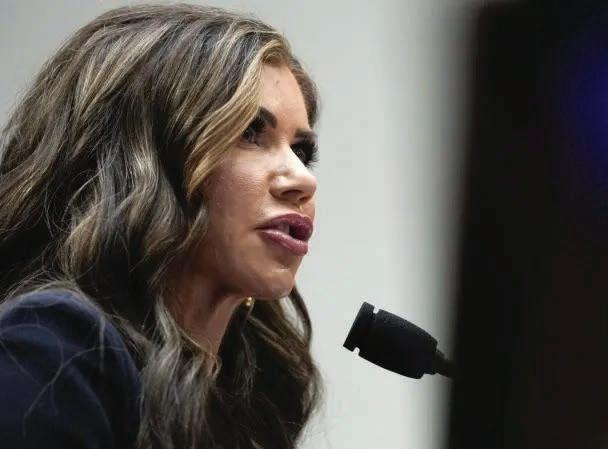
In a bold move that has garnered significant attention, Homeland Security Secretary Kristi Noem revealed during a Cabinet meeting on Monday that she plans to eliminate the Federal Emergency Management Agency (FEMA), a federal agency responsible for coordinating disaster relief and emergency response efforts across the United States. Noem’s announcement has raised questions about the future of disaster management in the country, though details regarding her proposal remain limited.
FEMA, established in 1979, has played a pivotal role in providing assistance to communities affected by natural and man-made disasters. The agency is tasked with organizing resources for disaster relief, overseeing the distribution of federal aid to state and local governments, and helping rebuild areas devastated by hurricanes, wildfires, floods, and other emergencies. It also manages the National Flood Insurance Program and coordinates with various federal, state, and local agencies to respond to crises.
Secretary Noem’s remarks during the Cabinet meeting on Monday marked the first time she has publicly stated her intention to eliminate FEMA. However, she did not provide specific details on how the dissolution of FEMA would unfold, nor did she outline what agency or structure might replace it. Noem’s office has yet to issue a formal statement explaining the rationale behind her decision or what she envisions for the future of disaster response at the federal level.
The announcement has raised concerns among experts and lawmakers who view FEMA as a critical component
of the nation’s disaster management system. In the wake of devastating hurricanes, wildfires, and other disasters in recent years, FEMA has been called upon to coordinate the federal government’s response and provide essential support to communities in need. Critics of the agency, however, have pointed to instances where its response has been criticized for inefficiency and delays, fueling ongoing debates about how to improve disaster management in the United States.
Noem’s plan to eliminate FEMA also comes at a time of heightened attention on the federal government’s role in disaster response. Following a series of natural disasters, including Hurricane Katrina in 2005 and Hurricane Maria in 2017, FEMA has faced intense scrutiny
over its preparedness and ability to swiftly provide aid to affected areas. While the agency has made strides in recent years to improve its response times and coordination, challenges remain, particularly when it comes to managing resources and ensuring that aid reaches those who need it most.
Supporters of Noem’s proposal argue that it could lead to a more streamlined and efficient approach to disaster management. They point to the possibility of decentralizing emergency response efforts and giving states and local governments more autonomy in handling disasters. Proponents also suggest that reducing the size of the federal government and cutting down on bureaucratic red tape could help improve the speed and effectiveness of disaster relief efforts.
On the other hand, critics of the plan warn that eliminating FEMA could have serious consequences for communities that rely on federal support during times of crisis. They argue that without a centralized agency like FEMA to coordinate resources and provide funding, the response to disasters could become more fragmented, leaving vulnerable populations without the help they need. Some have also expressed concern that the elimination of FEMA could further strain already overburdened state and local governments, particularly in areas that are prone to frequent disasters.
The idea of eliminating FEMA is likely to be met with significant opposition from both political leaders and disaster response professionals who view the agency as a vital part of the nation’s emergency preparedness infrastructure.
The National Emergency Management Agency, the National Governors Association, and various first responder organizations have already voiced concerns about the potential impact of Noem’s proposal.
As of now, Secretary Noem has not provided a timeline for when or how her plan to eliminate FEMA will be carried out, nor has she outlined any specific policy proposals to replace the agency. The announcement is expected to spark further debate in the coming weeks as lawmakers, emergency management experts, and the public weigh the potential implications of dismantling FEMA.
For now, the fate of FEMA remains uncertain, and Noem’s plans to overhaul disaster response in the United States will continue to draw attention as more details emerge.
GPT News Desk
Devon Archer, a former business partner of Hunter Biden, is set to receive a full pardon from President Donald Trump. Archer, who was convicted on charges related to a controversial business deal, will have his criminal record expunged as part of the executive decision. The pardon is expected to draw significant attention given the political context surrounding Archer’s past business dealings and his connections to Hunter Biden, the son of President Joe Biden. Archer's involvement in a company with Hunter Biden has long been a topic of scrutiny, particularly after Archer was convicted of participating in a scheme to defraud investors. The charges stemmed from his role in an investment firm that was accused of misleading clients and misappropriating funds. Archer was sentenced to a year in prison in 2018 but had been free pending appeals before the pardon was granted.
The decision to issue a pardon has prompted varied reactions from both political leaders
and the public. Some supporters of President Trump view the pardon as a move to right a perceived injustice, citing the belief that Archer's conviction was politically motivated. They argue that it is a necessary step to remove a cloud of suspicion from someone they believe was unfairly prosecuted due to his connections to the Biden family. Others, however, question the timing of the pardon and the implications it might have on the ongoing political discourse, particularly regarding the Bidens.
The pardon also comes amid broader discussions about the power of presidential pardons and how they are applied. Critics have raised concerns about the use of pardons to benefit individuals with political ties or connections, suggesting that such decisions could undermine the public’s trust in the justice system.
Devon Archer’s case is not the first instance of high-profile pardons, as President Trump has previously exercised his clemency powers to grant pardons to individuals with
connections to his administration or political circle. While some have defended the use of pardons as a legitimate exercise of executive power, others have called for greater transparency in how such decisions are made.
The decision to pardon Archer is likely to be viewed through a political lens, given the complexities of his connections to Hunter Biden. Hunter Biden’s business dealings, particularly in Ukraine and China, have been the subject of ongoing investigations, which have been amplified by political opponents of the Biden administration. However, there is no indication that Archer’s pardon is related to these investigations or any broader political strategy.
In addition to the political ramifications, the pardon has legal significance. Archer’s full pardon means that he will no longer face the consequences of his criminal conviction, including the associated legal penalties. This decision also allows Archer to move forward with his life without the burden of a criminal record.
As the news of the pardon spreads, politi-

cal analysts and legal experts will likely continue to debate the implications of the decision, both for Archer and for the broader landscape of presidential pardons. Whether the pardon will have any lasting effect on public opinion or legal precedent remains to be seen, but it is certain to be a point of contention in ongoing political discussions.

Advertise with The Grants Pass Tribune!
Stand with us in defending freedom of the press and the 1st Amendment! The Grants Pass Tribune is facing political persecution, with lawsuits aimed at silencing our bold investigative journalism. We remain committed to uncovering the truth and keeping our community informed like never before.
Show
By: Jay Meredith, CPA Investigative Journalist
Anyone who has had a boss or supervisor in the workplace will generally understand the chain of command. You step out of line and a good supervisor will provide timely constructive criticism. And anyone that claims to never make mistakes either has no experience or has no business being in a position of leadership because that’s simply not true of anyone. We’re all human and we all make mistakes.
Many of the greats such as Ronald Reagan have had to issue public apologies, which is the best way to go when you’ve made a mistake or been caught wrongdoing. And the American people are mostly forgiving if an apology is genuine.
But all too often, instead of apologizing, local elected officials lately seem go straight to denial or deflection rather than accepting constructive criticism. Elected officials tend to forget that their bosses are the people, and like any employee/supervisor relationship they need to be accountable to their supervisors.
Most people, me included, don’t like to criticize. But it’s our duty as supervisors and media to hold our elected officials accountable. And most of us are not out to get anyone, we just want government to run efficiently, effectively, and lawfully. The question of the day is, if our employees (local elected officials) ignore our constructive criticism, what are we to do?
The following is just a partial list of how our local elected officials in Josephine County have been ignoring constructive criticism recently (note some are facts and some are popular “performance” opinions):
1) Hiring crony political allies for jobs and consulting contracts to work for the County rather than opening up the contract or job for consideration by all qualified applicants (recently repeated again a few weeks ago by hiring former Commissioner Simon Hare to be the County’s contract budget officer this year).
2) Internal investigation finalized December 31, 2024, upheld allegations of retaliation and bullying against Public Health Director Michael Weber by former Josephine County Commissioners West and Baertschiger. The report has still not been made public as of today. An invoice was issued to the

County for the investigation work, but the County refuses in public records requests to release the report. Coincidentally, in Simon Hare’s first recent budget progress update to the Commissioners, he accused the Public Health department of operating at a significant deficit compared to the adopted budget without providing facts to back up the allegation. Mr. Hare pulled the fire alarm but then said something to the nature of “it might be an easy fix.”
3) The BCC (Board of County Commissioners) voted 2-1 to fire a BCC office staff member a couple months ago for the simple infraction of making a mistake in clocking in/out at the wrong time and without any sort of progressive discipline.
4) Prematurely cancelling the Firewise contract with the City of Grants Pass last summer (significant cut to the $ allocated to the County Firewise program) because of a mistake in analyzing how much money was available to the program (mistake confirmed by the County Finance Director). One commissioner promised a presentation on this topic to clear the air, then the presentation never happened. Commis-
sioners didn’t want to admit one of their crony employee hires made a mistake.
5) Attack the Library District yet again by prematurely cancelling the $1 per year lease in January this year “to bring the Library to the table for lease negotiations,” ignoring the County Charter requirements related to the Library. Then in the two months to follow refuse to meet with Library representatives or provide any sort of requested parameters for the new lease. One commissioner keeps saying this is a simple landlord tenant discussion but then skipped a planned meeting and instead spent the day spreading a Library hit piece on social media.
6) Ignore a lawful lease application done under provisions of County Code and attempt to implement permit fees not even part of the approved County fee schedule.
7) Give one commissioner the power to restructure staffing or department structures as needed without the approval of the other two commissioners, potentially in opposition to organizational requirements of the County Charter as well as certain administrative policies.
8) One commissioner is executing an all out attack on the Grants Pass Tribune by creating several of his own “news” outlets (some using the GP Tribune’s business names), copying articles published in the Grants Pass Tribune, ignoring cease and desist legal letters, spending much of his day on social media rather than in governance of Josephine County, and incurring a lawsuit against the County.
9) The County’s elected legal Counsel is ignoring legal concerns sent to the County by constituents and not responding by email to citizen concerns.
10) Ignoring the County’s purchasing policies in several instances such as doing a secret $31,400 audit without the BCC discussing either audit approval or audit results in a public meeting.
11) Approving a costly and unnecessary voluntary employee resignation program and dismantling various County advisory committees (terminating the membership of many committee members then asking them to consider reapplying).
12) Ignoring certain public records requests and then taking the maximum amount of legal time to respond to other public records requests. It takes 3 to 4 weeks to get a simple public records request fulfilled by the County, while similar records requests only take 1 to 2 days to process when sent to the City of Grants Pass.
13) Facing allegations of misappropriating State grant dollars.
I could go on, but so far in 2025 certain County elected officials seem to be making the same mistakes the led to former Commissioner John West being recalled from office a few months ago. The Commissioners’ bosses voted nearly 2-1 to recall West from office, therefore one would think this would be a strong warning to the other local elected officials. So back to the question of the day. If our employees (local elected officials) ignore our constructive criticism, what are we to do? We vote…and that vote will happen sooner rather than later the more severe the ignored criticisms.

March 24, 2025
Posting Date
March 24, 2025
March 24, 2025
One Eleven Theatre Company is set to bring the beloved musical “Oliver!” to the stage at the Grants Pass Performing Arts Center, running from March 28 through April 6, 2025. This production of Lionel Bart’s timeless adaptation of Charles Dickens’ Oliver Twist promises an unforgettable theatrical experience for audiences of all ages.
Based on Dickens’ classic novel, “Oliver!” follows the journey of a young orphan navigating the harsh realities of 19th-century London. In his quest for a better life, Oliver encounters a colorful cast of characters, including the cunning Fagin, the charming yet mischievous Artful Dodger, and the menacing Bill Sikes. The musical brings to life themes of poverty, survival, and resilience, all underscored by iconic songs such as “Food, Glorious Food,” “Consider Yourself,” and “Where is Love.”
One Eleven Theatre Company’s 2025 production of “Oliver!” is a large-scale musical event featuring a cast of 38 performers and a 15-piece live orchestra. Directed by Sandra Castle, with choreography by Denise Baker and musical direction by Ron Strom, the show promises to captivate audiences with dazzling dance numbers, immersive set designs, and magical special effects. Strom will also conduct the orchestra alongside Assistant Music Director Ariel Kostrna, ensuring a rich, live musical experience.
“This production brings together some of the most talented performers and musicians in the area,” said Sandra Castle, director of the production. “From the youngest cast members to our most experienced

performers, everyone has worked incredibly hard to bring this story to life with authenticity and heart.”
“Oliver!” is a show filled with energy, humor, and heartfelt moments, making it an excellent choice for families. However, as with Dickens’ original work, the story does not shy away from its darker themes, including poverty, crime, and injustice. Recognizing this, One Eleven Theatre Company has incorporated a pre-show curtain speech to introduce young audiences to the more intense moments of the performance in an age-appropriate way.
“Dickens was known for shedding light on social injustices, and we want to honor that while also making sure all audience members feel prepared for the more dramatic parts of the story,” Castle added.
The production will run for two consecutive weekends at the Grants Pass Performing Arts Center, located at 313 NE Olive St., Grants Pass, OR.






5 DAY OUTLOOK
SOURCE: WEATHER.COM
WEDNESDAY
THURSDAY FRIDAY
SHOW TIMES:
Friday, March 28th, 7:00pm (Opening Night Special Price: $10 All Ages)
Saturday, March 29th, 7:00pm
Sunday, March 30th, 2:00pm Friday, April 4th, 7:00pm
Saturday, April 5th, 2:00pm & 7:00pm
Sunday, April 6th, 2:00pm
TICKET PRICES:
Adults – $15
Students & Seniors – $12
Children (10 & under) – $10
Opening Night Special (March 28) – $10 for all seats
All seating is general admission, with tickets available for purchase online at www. OneElevenTheatreCompany.com and at the venue one hour before each performance.
With its memorable songs, talented cast, and breathtaking production design, “Oliver!” is sure to be one of the highlights of the local theatre season.
SATURDAY
Cloudy, some rain 52/38 Mostly cloudy 60/38 Partly cloudy 72/47
SUNDAY Rain 56/45
Cloudy, some rain 58/40















There’s a strange and sour rot rising from the halls of power in Josephine County—one that’s been festering quietly, politely, under the soft, leathery belly of complacency. It smells like legal inaction. It smells like fear dressed up as professionalism. It smells like betrayal.
And it begs the question: What happens in a small town when the county’s legal counsel stops doing their job?
Well, I’ll tell you. Nothing good.
When the person entrusted to protect the people from the government becomes a passenger in the Commissioner Clown Car, the brakes go out. The guardrails vanish. And suddenly, you're watching your community veer off a constitutional cliff. That’s where we’re headed, folks—and Wally Hicks is asleep at the wheel.
Let’s not sugarcoat this. Hicks has been the County Legal Counsel since 2014, and somewhere along the line, he either got too comfortable in the chair or too cozy with the power brokers pulling the strings. Maybe both. But here’s the real tragedy: while the commissioners

run amok—trampling on public input, intimidating local businesses, and turning this town into a sideshow of strongmen and sycophants—our legal counsel has remained largely silent. Detached. Passive. Or worse: complicit.
You see, the county legal counsel is not the personal attorney of the commissioners. That’s not the gig. According to the legal framework that governs this role, Hicks is supposed to represent
the county as a whole—which includes the residents of Grants Pass, the voters, the taxpayers, the very people who are suffering under the iron thumb of bad leadership and unchecked arrogance.
So why hasn’t he stepped in?
Why hasn’t he drawn a line in the sand and said, “Enough”?
Why is it that concerned citizens and small publishers must risk financial ruin and social backlash just to hold these

power-drunk officials accountable, while our legal counsel sits mute, seemingly paralyzed by the very authority he’s supposed to restrain?
Who does Wally Hicks really work for?
Is it the people of this county? Or has he become just another cog in a crooked wheel?
These are questions we shouldn’t even have to ask in a functioning democracy—but here we are, in 2025, watching our civic institutions collapse under the weight of cowardice.
Perhaps Wally has forgotten that the office he holds is elected, not inherited. Perhaps it’s time for Josephine County to consider someone new—someone with a spine, a pulse, and a clear understanding of their duty to the public, not just to the political bullies who call themselves leaders.
Because if the people’s lawyer isn’t willing to stand up for the people, then he’s just another accessory to the crime. Wake up, Wally. We’re watching.