

Questions Beyond the Paperwork
Public Seeks Answers on Oversight of Grants
Pass' $80,000 Business
Incubator Grant
By John Oliver
Questions surrounding the oversight of an $80,000 City of Grants Pass business incubator grant have moved into the public eye following a series of email exchanges between local resident Toni Webb and City Manager Aaron Cubic, opening a broader community conversation about transparency, accountability, and how publicly funded projects are verified after taxpayer dollars are awarded.
The correspondence, obtained by the Grants Pass Tribune, does not accuse anyone of wrongdoing. Instead, it highlights a question that reaches well beyond a single grant recipient: How does the public know that a project funded with taxpayer money is delivering the results it promised?
That question sits at the center of an ongoing review by the Grants Pass Tribune, which will continue examining both the City's oversight process and the progress of the grant-funded project known as The Launch Pad.
The grant, awarded to Dr. Kim Freeze to establish a business incubator supporting entrepreneurs and food-based startups, was intended to encourage economic development, expand opportunities for small businesses, and strengthen the local entrepreneurial ecosystem. Nearly nine months after the funding was approved, Webb contacted the Grants Pass City Council requesting that the status of the project be publicly discussed during the June 29 City Council workshop.
In her correspondence, Webb outlined several concerns based on her own observations. She stated that the physical location appeared vacant most of the time, while the project's website contained little evidence of an active local operation. She also noted that the online contact form was nonfunctional, payment processing features were unavailable, and the published telephone number did not connect to a working line.
Webb emphasized that these observations prompted questions about whether the project

was operating as represented when public funds were awarded.
She also questioned whether certain statements made during the original grant presentations regarding prior business experience could be independently verified through publicly available records, ultimately asking the City to provide an accounting of both project progress and grant oversight.
Among the questions presented to City officials were what reports had been submitted since grant funds were distributed, what measurable milestones had been established, whether those milestones had been achieved, and what mechanisms existed to recover public funds if contractual obligations were not fulfilled.
City Manager Aaron Cubic responded in writing, stating that the grant recipient has remained in compliance with the agreement executed between the City and Dr. Freeze.
According to Cubic, required 30-day and quarterly reports have been submitted, including first and second quarter updates, along with detailed receipts documenting eligible expenditures. He explained that the City initially advanced $40,000 of the total grant award, approximately $32,000 has been spent, and additional grant funding is reimbursed only after eligible expenses
are documented.
Cubic also stated that performance metrics are established within the grant agreement and that quarterly reports include progress updates measuring those objectives. He further noted that City staff have maintained regular communication with the grant recipient throughout the grant period and have reviewed financial documentation associated with project expenditures.
Regarding accountability provisions, Cubic wrote that the agreement requires grant-funded property to remain with the project unless otherwise approved by the City and stated that "Dr. Freeze has operated in full compliance and the City has had access to all financial documentation at every stage to date."
For Webb, however, the City's response addressed one aspect of oversight but left another unanswered.
In her follow-up correspondence, she drew a distinction between administrative compliance and independent verification.
"I want to be direct: procedural compliance and actual program delivery are not the same thing," Webb wrote. "Compliance means she filed the paperwork. It says nothing about whether the project is actually operating or delivering on its
• see PUBLIC, page 10
Oregon Creates New Judicial Public Advocate to Expand Accountability Across State Court System
By John Oliver
Oregon's judicial branch is preparing to launch one of the most significant public accountability initiatives in its recent history with the creation of the state's first Judicial Ombudsman, a new position designed to serve as an independent judicial public advocate for Oregonians navigating the court system.
The Oregon Judicial Department announced that longtime Lane County Circuit Court Judge Debra K. Vogt will step away from the bench on August 1 to assume the newly established role, becoming the first person charged with serving as a neutral resource for members of the public who have questions, concerns, or grievances about their experiences in Oregon's courts.
The position was authorized by the Oregon Legislature through House Bill 2712, reflecting a
growing emphasis on strengthening transparency, improving communication between the judiciary and the public, and identifying opportunities to improve how Oregon's courts serve the people who depend on them.
For years, Oregonians with concerns about courtroom experiences often found themselves navigating a system that offered few clear avenues for addressing issues that did not rise to the level of judicial misconduct or a legal appeal. While formal disciplinary procedures have long existed for allegations involving ethics violations, many complaints centered on communication, courtroom interactions, administrative processes, or uncertainty about court procedures had no dedicated office responsible for reviewing them from a public service perspective.
The new judicial public advocate is intended

Supreme Court Rejects Trump Birthright Citizenship Order
By Ellen Ward
One of the most closely watched constitutional disputes of President Donald Trump’s second term reached a decisive conclusion Tuesday when the U.S. Supreme Court ruled that the administration cannot limit birthright citizenship through executive action, reaffirming a legal principle that has stood for more than a century and a half.
The decision marks a significant moment in the continuing national debate over immigration policy, presidential authority and the interpretation of the U.S. Constitution. By rejecting the administration’s attempt to narrow automatic citizenship for certain children born on American soil, the Court preserved longstanding constitutional precedent while reinforcing the limits of executive power when fundamental constitutional rights are at issue.
The case centered on an executive order President Trump signed on Jan. 20, 2025, the first day of his second term in office. The order directed federal agencies to deny automatic U.S. citizenship to children born in the United States when neither parent was a U.S. citizen or lawful permanent resident. Administration officials argued that the Citizenship Clause of the Fourteenth Amendment had been interpreted too broadly for generations and maintained that children born to certain noncitizen parents were not entitled to citizenship under the Constitution.
to help bridge that gap.
Rather than serving as another level of judicial review, the office will function as an independent point of contact within the Oregon Judicial Department, receiving public comments, answering questions about court operations, evaluating concerns involving court services, and identifying recurring issues that may warrant administrative improvements throughout the state's judicial system. The office will also provide education and professional mentoring to judges when broader trends suggest opportunities to strengthen public confidence in Oregon's courts.
The position carries important responsibilities, but equally important are its limitations. The judicial public advocate will not have authority to overturn court rulings, modify sentences, reverse
•
The legal challenge quickly moved through the federal court system, drawing national attention from constitutional scholars, immigration advocates, state governments and legal organizations. Multiple lower federal courts halted enforcement of the executive order while the litigation continued, concluding that the administration was unlikely to prevail under existing constitutional precedent. Those rulings ultimately brought the dispute before the nation’s highest court.
In a 6-3 decision, the Supreme Court concluded that the executive order could not stand. Five members of the Court determined that the order conflicted with the Fourteenth Amendment itself, while Justice Brett Kavanaugh agreed the policy was unlawful because
• see TRUMP, page 3

Hollywood Director Sentenced in $11 Million Netflix Production Fraud Case
By Ellen Ward
Hollywood filmmaker Carl Erik Rinsch, once attached to one of Netflix’s ambitious science fiction projects, has been sentenced to federal prison after prosecutors said he diverted millions of dollars intended for production expenses and used the money for investments, luxury vehicles, high-end goods, and personal purchases.
Rinsch, best known for directing the 2013 film 47 Ronin, was sentenced Monday, June 29, by U.S. District Judge Jed S. Rakoff in New York to 30 months in prison, followed by three years of supervised release. The sentence came after Rinsch was convicted in a federal fraud case tied to an unfinished Netflix series that had received tens of millions of dollars in funding before the project collapsed.
The case centered on an $11 million payment that Netflix provided to Rinsch after the company had already invested heavily in the production. Prosecutors said the additional money was requested under the claim that it was needed to complete filming and post-production work on a science fiction series originally known as White Horse and later renamed Conquest. Instead, the government argued that Rinsch diverted the funds away from the production and used them for personal financial activity and luxury spending.
Federal authorities said Netflix had previously committed approximately $44 million to the series before Rinsch sought additional funding. The project, which was expected to become part of the streaming company’s growing original content library, encountered delays and financial problems. Prosecutors said Rinsch persuaded Netflix to provide another $11 million by representing that the money would be used to finish the series. After receiving the funds, however, he transferred much of the money into brokerage accounts rather than using it to pay production costs, crew expenses, or other obligations connected to completing the show.

According to evidence presented in the case, Rinsch made speculative investments, including stock options and cryptocurrency trades. Prosecutors said he lost millions through risky trading before later generating substantial gains through cryptocurrency. Rather than restoring the production budget or returning the funds, the government said Rinsch used the money for personal purchases, including luxury cars, watches, furniture, designer goods, hotel stays, and other highend expenses.
The spending described by prosecutors became a central part of the case. Federal authorities said Rinsch purchased multiple Rolls-Royce vehicles, a Ferrari, expensive watches, antique and designer furnishings, clothing, and other luxury items. The government argued that those purchases showed the Netflix funds had been diverted for personal enrichment rather than used for the purpose for which they were obtained.
Rinsch was convicted on federal charges that included wire fraud, money laundering, and unlawful monetary transactions involving criminal proceeds. The conviction followed a trial in
Manhattan, where prosecutors presented financial records and other evidence showing how the money moved after Netflix released the additional funding. The jury found that Rinsch had fraudulently obtained and misused the money.
At sentencing, Judge Rakoff ordered Rinsch to serve 30 months in prison and imposed three years of supervised release after his prison term. Rinsch was also ordered to forfeit approximately $11 million. Restitution was also part of the financial consequences connected to the case, reflecting the government’s position that Netflix had been harmed by the diversion of production funds.
The defense raised issues involving Rinsch’s mental health during the period in question, arguing that those circumstances should be considered in sentencing. The court acknowledged that mental health evidence had been presented but still imposed a prison sentence, finding that the conduct involved serious financial misconduct over an extended period. Rinsch reportedly apologized before sentencing and accepted responsibility for his actions. His legal team has
indicated that an appeal is expected.
The criminal case was not the only legal dispute between Rinsch and Netflix. Before the federal prosecution, Netflix had pursued civil arbitration over the failed production. In that proceeding, an arbitrator ruled in Netflix’s favor, finding that Rinsch owed the company millions of dollars and awarding Netflix rights to unfinished footage from the project. That civil outcome dealt with contractual and financial issues, while the federal criminal case focused on whether Rinsch obtained and used the additional production money through fraudulent conduct.
The case drew attention not only because it involved a major streaming company and a Hollywood filmmaker, but also because it exposed the financial risks behind large-scale entertainment production. Streaming platforms have spent heavily in recent years to build original libraries, often funding projects with large budgets and complex production arrangements. While many productions face delays, overruns, or creative disputes, federal prosecutors said this case went beyond a failed entertainment venture because the money was obtained for a stated production purpose and then redirected for unrelated personal use.
For Netflix, the matter became an example of how a promising original series can turn into a costly legal and financial dispute when production oversight breaks down. For federal prosecutors, it became a fraud case built around the movement of money after it left the company’s control.
Rinsch’s sentence closes a major chapter in one of the more unusual entertainment fraud cases in recent years. The unfinished series remains part of the broader dispute’s history, but the federal court’s judgment now places the focus on the financial conduct that followed Netflix’s final $11 million payment and the consequences imposed after a jury found that the money had been misused.
Trump Birthright Citizenship Order Rejected By Supreme Court, Reaffirming Constitutional Limits on Executive Authority
it violated existing federal law, although he did not join the constitutional reasoning adopted by the majority. Despite differing legal analyses, six justices agreed the executive order could not be enforced.
The ruling leaves intact one of the most established principles of American constitutional law: that nearly every individual born within the United States is automatically a citizen at birth. That understanding has guided federal and state governments for generations and has served as the foundation for citizenship determinations involving millions of Americans.
Central to the Court’s analysis was the Citizenship Clause of the Fourteenth Amendment, ratified in 1868 following the Civil War. The amendment declares that all persons born or naturalized in the United States and subject to its jurisdiction are citizens of the United States and of the state in which they reside. Although legal debates have periodically emerged over the meaning of the phrase subject to the jurisdiction thereof, the Supreme Court has consistently interpreted that language to apply broadly, with only a handful of limited exceptions, including
children born to accredited foreign diplomats or enemy forces occupying American territory.
The Court also relied upon one of the most important constitutional decisions in American history, its 1898 ruling in United States v. Wong Kim Ark. In that landmark case, the Court held that a man born in California to Chinese immigrant parents was a United States citizen by virtue of his birth on American soil, despite the fact that his parents were not eligible for naturalization under federal law at the time. That decision has remained the cornerstone of modern birthright citizenship doctrine for more than 125 years.
By reaffirming that precedent, the Supreme Court emphasized that constitutional protections cannot be redefined through executive orders alone. Instead, any effort to fundamentally alter the meaning of the Citizenship Clause would require constitutional processes beyond the authority of a president acting independently.
The ruling represents a substantial legal setback for one of the signature immigration initiatives advanced during President Trump’s second administration. Throughout his presiden-
tial campaigns and subsequent return to office, Trump argued that ending automatic birthright citizenship for certain children born in the United States would discourage unlawful immigration and address what supporters described as weaknesses in existing immigration policy. The administration maintained that the Fourteenth Amendment had been interpreted more broadly than its original intent.
Opponents of the executive order countered that birthright citizenship has long been settled constitutional law and warned that altering it through executive action would create uncertainty for families, federal agencies and state governments responsible for issuing birth certificates, passports and other official documentation.
Tuesday’s decision preserves the legal framework that federal agencies have followed for decades. The ruling means agencies including U.S. Citizenship and Immigration Services, the Department of State, the Social Security Administration and state vital records offices will continue recognizing citizenship based upon birth within the United States under existing con-
stitutional standards.
Beyond its immediate effect on immigration policy, the decision carries broader constitutional significance. The case underscores the judiciary’s continuing role in reviewing executive actions that raise constitutional questions, regardless of the political administration involved. It also illustrates the continuing influence of historical Supreme Court precedent in shaping modern constitutional interpretation, particularly when disputes involve rights that have been recognized for generations.
Although the political debate surrounding immigration policy is expected to continue in Congress and on the campaign trail, the Supreme Court’s decision establishes that the constitutional protections governing birthright citizenship remain unchanged. For now, children born in the United States continue to receive American citizenship under the same constitutional framework that has defined the nation’s citizenship laws for more than a century, reinforcing the principle that changes to fundamental constitutional rights cannot be accomplished through executive action alone.

OREGON
What Will Summer Recreation Cost in Oregon?
A
Comprehensive Guide to Fees Families, Visitors and Veterans Should Know Before Heading Outdoors
By Ellen Ward
Summer in Oregon brings millions of residents and visitors outdoors to enjoy the state's rivers, lakes, forests, campgrounds and coastline. Whether the plan is to spend the day fishing on the Rogue River, launch a kayak on a mountain lake, camp beneath towering pines or simply enjoy a picnic at a state park, many outdoor activities now come with a variety of permits, parking charges and user fees that can quickly add up.
While each individual fee may appear modest on its own, the combined cost of a weekend of recreation can surprise even longtime Oregonians. Understanding which fees apply before leaving home can help families budget their summer outings and avoid unexpected expenses.
One of the most noticeable costs this year is the expansion of Oregon State Parks' dayuse parking program. Many of Oregon's most popular parks now require visitors arriving by vehicle to purchase a parking permit. Oregon residents can purchase a daily permit for $10 or an annual permit for $60, while visitors from outside the state pay $12 for a daily permit or $75 for an annual permit. These permits are generally valid at participating Oregon State Parks throughout the day, allowing visitors to enjoy multiple parks without purchasing an additional permit. Campers staying overnight at a state park typically do not need to purchase a separate day-use parking permit for their registered vehicle.
Camping remains one of Oregon's most popular summer activities, but campground costs vary depending on location and accommodations. Tent campsites, RV sites with electrical hookups, full-service RV spaces, cabins, yurts and deluxe cabins all carry different nightly rates. Additional charges may apply for extra vehicles, additional guests, boat moorage,

dump station access and other campground amenities. Peak summer weekends often carry the highest seasonal rates due to increased demand.
Boaters should also expect several possible costs before launching onto Oregon's waterways. Nearly all motorized boats must be registered with the state, with registration fees varying according to the size and type of vessel. In addition to registration, many nonmotorized watercraft measuring 10 feet or longer—including kayaks, canoes, stand-up paddleboards, drift boats, rafts and rowboats all require an Oregon Waterway Access Permit. These permits are available for short-term, annual and multiyear periods and help fund boat ramps, parking areas, river access improvements, safety programs and maintenance of Oregon's waterways.
Many boat owners may also encounter Aquatic Invasive Species permit requirements or associated fees. These programs help fund statewide efforts to prevent invasive mussels and other aquatic species from damaging Oregon's lakes and rivers through boat inspections, decontamination stations and public education.
Fishing continues to be one of Oregon's
signature outdoor traditions, but anglers age 12 and older generally must purchase a fishing license before casting a line. License costs differ for residents, nonresidents, youth and seniors, while certain fisheries require additional endorsements or validations. Salmon, steelhead and Columbia River Basin fisheries may involve separate fees depending on where and what anglers intend to fish.
Hunters preparing for upcoming seasons may also begin purchasing hunting licenses, controlled hunt applications and tag opportunities during the summer months. While many hunting seasons begin later in the year, the licensing process often starts well before opening day.
Outdoor enthusiasts who enjoy riding all-terrain vehicles, utility terrain vehicles or off-highway motorcycles on designated public lands will generally need an Oregon ATV permit. Revenue generated through these permits supports trail maintenance, rider education, law enforcement and improvements to Oregon's off-highway vehicle recreation areas.
Visitors heading to wildlife management areas for fishing, wildlife viewing or hunting should also be aware that many Oregon De-
partment of Fish and Wildlife properties now require parking permits. Daily permits cost $10, while annual permits are available for $30 at participating locations.
Additional recreation expenses may arise depending on where Oregonians choose to spend their time outdoors. Some lakes, reservoirs, marinas, ports and local parks charge separate boat launch fees, moorage fees or parking fees. Private river access locations may also collect launching or parking fees for rafters, drift boats and other watercraft.
Those planning trips onto federal public lands should remember that Oregon State Park permits are separate from federal recreation passes. Certain national forests, recreation sites and public lands require either a Northwest Forest Pass, an America the Beautiful Pass or individual day-use fees depending on the managing agency and location.
Veterans should also understand that no single statewide exemption automatically waives every recreation-related fee in Oregon. However, some disabled veterans may qualify for reduced camping rates or other benefits through specific Oregon State Parks programs if eligibility requirements are met. Likewise, the federal America the Beautiful Military Pass provides free access to many federally managed recreation areas but does not replace Oregon State Park parking permits or other state-issued licenses.
For many Oregon families, a typical summer weekend can involve more than a single fee. A day at the lake might include a state park parking permit, fishing licenses, a boat registration, a Waterway Access Permit, a launch fee and campground reservations. Add fuel, food and equipment, and the overall cost of enjoying Oregon's outdoors can increase significantly.
Despite the growing number of permits and user fees, these programs help support the maintenance of campgrounds, trails, boat ramps, wildlife areas, park facilities and recreation infrastructure that millions of people enjoy each year. By understanding the various fees before heading out, residents and visitors alike can better plan their summer adventures while making the most of everything Oregon's diverse outdoor landscape has to offer.
New Judicial Public Advocate Created to Expand Accountability Across State Court System
judgments, intervene in pending litigation, or provide legal advice. Those responsibilities remain with Oregon's courts through established appellate procedures. Likewise, allegations of judicial misconduct will continue to fall under the jurisdiction of the independent Commission on Judicial Fitness and Disability, which retains constitutional authority to investigate ethics complaints involving members of the judiciary. Instead, the office is designed to improve the relationship between the courts and the communities they serve by ensuring that public concerns receive meaningful review, even when those concerns involve customer service, courtroom administration, communication, or the overall experience of participating in Oregon's judicial system.
Judge Vogt brings extensive experience to the position. Since joining the Lane County Circuit Court in 2007, she has presided over criminal, civil, family, juvenile, probate, and other circuit court proceedings while also serving as Lane County's Presiding Judge and Chief Criminal Judge. Her judicial career has included service on numerous statewide committees and eight years as a member of the Commission on Judicial Fitness and Disability, providing firsthand experience with Oregon's judicial accountability framework.
Before taking the bench, Vogt spent approximately a decade prosecuting felony and misdemeanor cases in the Lane County District Attorney's Office after beginning her legal career as a judicial law clerk. That combination of courtroom
experience, judicial administration, and disciplinary oversight positions her to help establish the foundation for an office unlike any previously created within Oregon's judicial branch.
The announcement also serves as an important reminder of how Oregon's judicial oversight system is structured. Although the Oregon Department of Justice plays a central role in representing state agencies, enforcing consumer protection laws, and providing legal counsel to state government, it does not oversee judges or investigate complaints regarding judicial conduct. Those responsibilities remain independent of the executive branch and are carried out through the Oregon Judicial Department and the Commission on Judicial Fitness and Disability. The new judicial public advocate will operate
within that independent judicial framework while focusing on accessibility, responsiveness, and continuous improvement.
The creation of the office reflects a broader recognition that public confidence in the courts extends beyond legal decisions alone. Accessibility, professionalism, communication, and public trust all contribute to how the judicial system is perceived by the communities it serves. As Oregon prepares to open this new office later this year, court leaders hope it will provide a clearer path for Oregonians seeking answers, encourage greater accountability throughout the court system, and help strengthen confidence in one of the state's most important public institutions without compromising the independence of the judiciary.


WHILE THE JOSEPHINE COUNTY Commissioners have only given some preliminary directions to legal counsel for the process of renewing the jail and juvenile levy, in my opinion the direction they are headed is the right one for now. This is a direction that balances the need to maintain similar levels of services for both programs with the desire to avoid tax rate increases in the short-term.
Before diving into this topic, readers should be aware that this article is part opinion and part reporting the news. And I do have a few conflicts of interest as a long-term advocate for local public safety programs. I’m currently the chair of the Grants Pass Public Safety Advisory Committee and we’ve been discussing this topic recently. I also represent a local mineral development company that has applied for a mining lease on a 76-acre County-owned forestry property in order to help the County generate more revenues for law enforcement programs from its timber lands and this lease application is pending the outcome of a lawsuit filed against the County.
Without going into the weeds on this discussion, when Josephine County lost much of its federal and timber-related revenues around 15 years ago, after reviewing and voting on several replacement alternatives, Josephine County voters first approved the $0.93 jail and juvenile justice local option property tax levy in the year 2017. Local option levies are limited to no more than 5 years in term, and so the end of the second 5-year voter-approved levy term is next year.
We’ve been at the same jail and juvenile justice levy tax rate of $0.93 per $1000 of assessed value for almost 10 years now. Since 2017, this levy has provided the vast majority of revenues needed to operate the County’s adult jail and the detention part of the County’s juvenile justice program. Sometimes juveniles commit similar crimes as adults do, and sometimes detention is needed for juveniles that pose significant risks to the general safety of the public through disruptive behaviors.
I’ve heard several law enforcement professionals discuss the importance of correctional behavior at an earlier age in order to help avoid bad behavior as an adult. The detention portion of the County Juvenile Justice building is similar to a jail cell you would see in single occupancy adult jail beds, and this often has a significant impact on youth when their behavior warrants temporary incarceration.
The entire County, including the City of Grants Pass, use the County’s adult jail and juvenile justice programs. And so, the local option levy is for all residents/voters of the County, including Cave Junction and Grants Pass residents. The Grants Pass Public Safety Advisory Committee took a tour of the Juvenile Justice shelter and detention facilities following its June monthly meeting and is planning on touring the adult jail later this month. All of these programs are critical to a fully functioning law enforcement and justice system in both the City and County.
Josephine County Commissioners make the right call on jail and juvenile justice levy renewal for the November ballot
By Jay Meredith, CPA Investigative Journalist
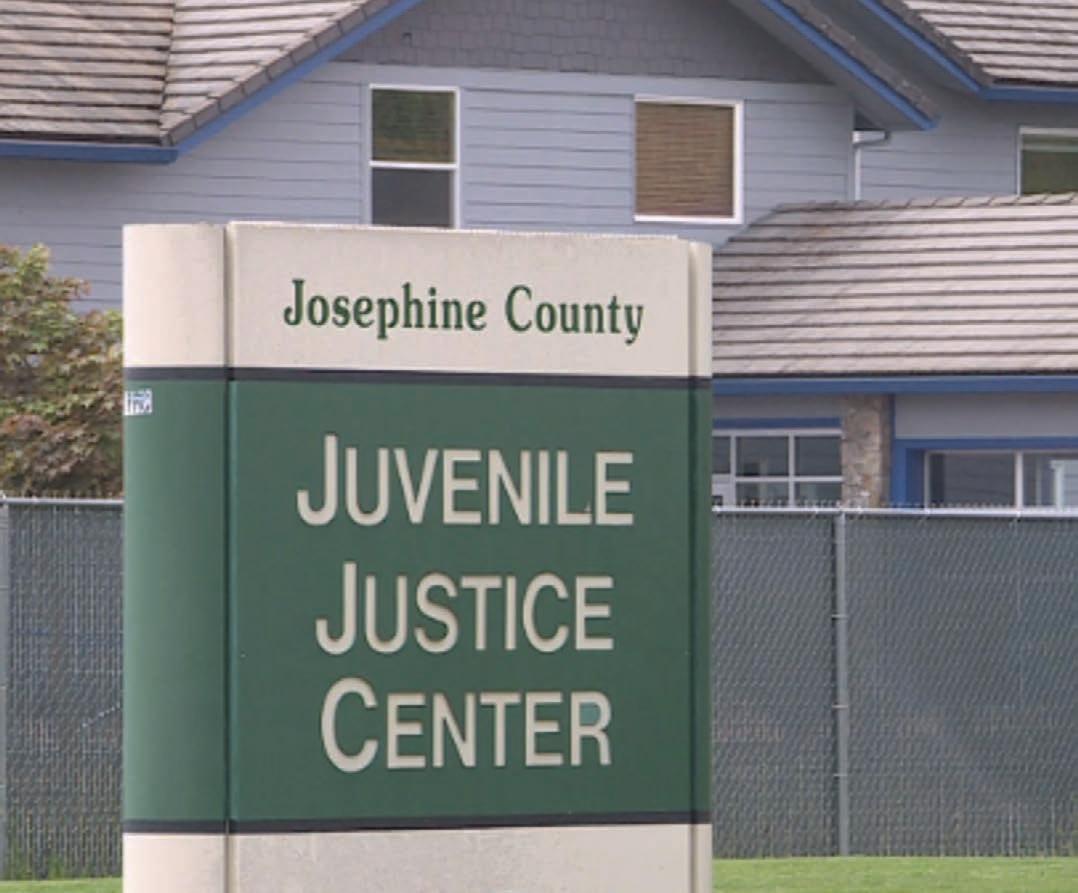
Earlier this year there were some rumors that the County was considering splitting up this levy into two ballot measures for voters to consider – one levy for the adult jail operations and one levy or tax measure for the operation of the detention part of juvenile justice. The shelter side of juvenile justice is largely self-funding, and it’s the detention side that requires operating revenues of close to $3 million per year.
Over the years, increases in costs have slightly outpaced increases in the revenues brought in by the levy, leaving a small potential shortfall if the levy stays at the same rate of $0.93 per $1000 of assessed value.
In last week’s discussion by the Josephine County Commissioners, all three commissioners had a slightly different opinion of how to move forward with the levy renewal. In the end, commissioners directed legal counsel to draw up a levy renewal ballot measure for this November’s ballot to renew the levy at the same rate of $0.93 and also directed legal counsel to begin preparing the paperwork for a new services district that would provide for Juvenile Justice detention services countywide. Ultimately, no matter what the commissioners decide, Josephine County voters have the final say and only voters can renew or approve a levy or a permanent tax rate for a district.
There was some confusion when staff cited financial projections that showed in the next term of the levy, 89 cents of the levy would have to go to adult jail operations, leaving only 4 cents of the 93-cent levy for juvenile detention operations. Staff suggested there may need to be a subsidy of $2 million or more per year from the General Fund or other sources to the juvenile detention program during the term of the next levy. Commissioner Richardson asked an appropriate question, and that is how did we go from a fairly well-balanced budget for the annual budget that was just approved to a projected $2 million or more projected shortfall in the following year? This question was answered in
part, but overall, not adequately addressed. Commissioner Richardson also suggested the County take a longer-term approach and begin drawing up the paperwork to form a services district for juvenile detention services. The Community Justice Director that oversees the juvenile justice program suggested the tax rate that would fully fund the juvenile detention program would be somewhere between 31 cents and 35 cents. The County would have to seek approval from the Grants Pass City Council and the Cave Junction City Council in order to form any new services district that would serve the entire county.
In my opinion, there are many questions that need to be answered, and a much more concrete plan drawn up before commissioners should approve or seek voter approval of a new services district for juvenile justice detention services. Commissioners can form a district without voter approval, but only voters can approve a permanent tax rate authority for the new district.
It appeared to me that the confusion surrounding the differences between the current budget and what the budget would look like during the next levy term likely relates to a variety of factors including more conservative assumptions used for the next levy term. A common mistake or rather an overly conservative assumption sometimes used in local budget forecasts is assuming these programs are fully staffed or close to fully staffed each year. Staff is by far the biggest cost in most of these programs and in most years staff turnover or temporary vacancies allow budgets to be underspent by 5-10% on average each year.
Therefore, at times it looks like there may be a budget deficit in the future but once the savings are tallied each year, the budget is well balanced. And 5-10% savings on average ends up being a relatively big potential savings number for the combined budgets for County operating programs that are funded in part by General
Fund or general discretionary revenue sources. The difference between assuming programs are fully staffed each year and what actually happens on average each year can be $3 million to $5 million per year in total for all programs that rely on discretionary revenue sources in the General Fund.
And there are several questions outstanding regarding some General Fund or law enforcement revenue sources:
1) Now that federal timber harvesting revenue sharing percentages recently increased from 50% to the O&C counties to 75% to the O&C counties, how will this impact County revenues in future years?
2) Why did the 2025 Commissioners turn down a mining lease application that the applicant stated may have led to as much as $10 million of County revenues during the projected 15-20 year life of the project, revenues that could have been used for law enforcement programs over the next 20 years? [Note this action is pending a lawsuit by the applicant]
3) Are there other County-owned “timber” properties that have the potential to general lease revenues or royalty revenues from mineral development operations?
4) Now that the County’s General Fund balance appears to have achieved a fund balance of over $21 million, how much of this significantly higher carryover balance can be used to buffer “potential” shortfalls during the term of the next jail/juvenile justice levy?
5) How much can net revenues from timber harvesting on County-owned lands sustainably contribute to the juvenile justice budget on average each year in future years?
Until these questions are answered, and a long-term sustainable plan for the provision of critical juvenile justice detention services has been developed, in my opinion Commissioners should hold off on forming a new services district, seeking the approval of Grants Pass and Cave Junction to be a part of the district, and seeking voter approval of the tax rate authority for the district. Presenting the plan to the city councils is a prime opportunity to explain the need for the juvenile justice detention system. Much more work needs to be done before rolling out the potential plan and voters need to know that revenue alternatives have been explored before considering voting for a small increase to property tax rates. For now, the only definitive direction seems to be seeking voter approval of a renewal of the jail and juvenile justice levy at the same rate of $0.93 per $1000 of assessed value for the next five years. Look for this decision to be on a Weekly Business Session agenda for the Josephine County Commissioners in the near future, and eventually on the November 2026 ballot.




COMMUNITY
Free Pickleball at Club Northwest Welcomes the Community
By Bryce Robinson
Residents looking for a fun way to stay active, meet new people, and experience one of the fastest-growing recreational sports in the country have a new weekly opportunity at Club Northwest. Every Tuesday, the local fitness club is opening its pickleball courts to the community with free play sessions designed to welcome participants of all experience levels.
Whether someone is picking up a paddle for the very first time or has spent years competing on the court, the weekly event is intended to create an inviting environment where beginners and seasoned players can enjoy the sport together. The free Tuesday sessions provide an opportunity for community members to learn the basics, improve their skills, enjoy friendly competition, and experience the social atmosphere that has helped make pickleball one of America's most popular recreational activities.
The Tuesday gatherings also offer a chance for residents to connect with others who share an interest in fitness and healthy living. Pickleball's easy-to-learn rules and fast-paced, low-impact style have attracted participants of all ages, making it a sport that families, friends, and individuals can enjoy together. By welcoming players of every skill level, Club Northwest hopes to encourage more
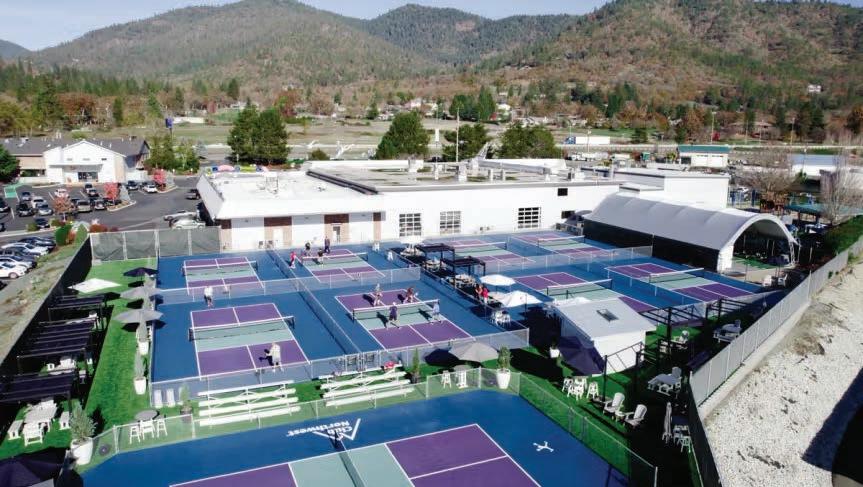
people throughout the community to discover the game and become part of its growing local following.
In addition to complimentary Tuesday play, Club Northwest is offering membership incentives throughout the promotion.
Current members who refer a friend to join the club will receive a $50 gift card after the new member completes their membership. New members who decide to join the club during the promotion will also receive a $50 gift card as part of their enrollment.
The combination of free weekly pickleball and membership rewards provides an opportunity for both longtime members and first-time visitors to experience everything the club has to offer while in-
troducing others to its fitness community.
As pickleball continues to grow in popularity across Oregon and the nation, local opportunities such as these give residents another way to stay active, build friendships, and participate in a sport that emphasizes fun, accessibility, and community involvement.
Club Northwest invites everyone to stop by on Tuesdays, bring a friend, and experience firsthand why pickleball continues to attract players of every age and ability. With free court time, a welcoming atmosphere, and incentives for new and returning members alike, Tuesday has become an ideal day to discover the excitement surrounding one of the nation's fastest-growing sports.
GRANTS PASS WEATHER
5 DAY OUTLOOK
SOURCE: WEATHER.COM
WEDNESDAY THURSDAY FRIDAY



Officials Urge Residents to Register for Free Emergency Alerts as Wildfire Season Intensifies
By Ellen Ward
As wildfire danger continues to increase across Oregon, state and federal emergency officials are reminding residents that one of the most important steps they can take before an emergency occurs is registering for their local emergency notification system.
Governor Tina Kotek recently declared a statewide emergency due to the imminent threat of wildfire, citing increasing temperatures, dry vegetation, persistent drought conditions and historically low mountain snowpack. The declaration allows state agencies to mobilize firefighting resources more quickly while also reinforcing the importance of public preparedness throughout the 2026 wildfire season.
For residents of Josephine County, Jackson County and communities across Southern Oregon, wildfire evacuations have become an increasingly familiar reality in recent years. Emergency managers say advance preparation remains one of the most effective ways to protect lives and reduce confusion when evacuation orders are issued.
One of the state’s primary recommendations is enrolling in Oregon’s free emergency alert system through OR-Alert. The website serves as a statewide portal that connects residents with their county’s official emergency notification system. After entering a county, city or ZIP code, users are directed to their local registration page where they can sign up

to receive emergency notifications by text message, email or telephone. Registration is free.
Officials emphasize that OR-Alert is not a separate statewide notification service. Instead, it helps residents locate and subscribe to the official alert system used by the county or tribal ju-
risdiction where they live. Emergency notifications may include wildfire evacuations, severe weather, hazardous materials incidents, flooding, road closures and other situations that require immediate public attention.
Emergency preparedness experts encourage residents to complete registration before an emergency develops. During a fast-moving wildfire, evacuation notices may change quickly, making timely notifications critical for residents living in threatened areas.
State agencies are also encouraging every household to develop a family evacuation plan. That plan should identify multiple evacuation routes, designate a meeting location if family members become separated, and include arrangements for pets, livestock, elderly family members and anyone with medical needs.
Preparing an emergency “go kit” is another recommendation being emphasized this wildfire season. Officials suggest keeping essential supplies together in an easily accessible location so they can be loaded into a vehicle within minutes if evacuation becomes necessary. Common items include prescription medications, identification, insurance information, important financial documents, several days of clothing, drinking water, nonperishable food, flashlights, batteries, chargers, hygiene supplies and pet necessities.
Emergency managers also encourage res-
idents to become familiar with Oregon’s three evacuation levels. A Level 1 notification advises residents to be ready and begin preparing for possible evacuation. Level 2 means conditions have become more dangerous and people should be prepared to leave at any moment. Level 3 instructs residents to leave immediately because there is an immediate threat to life and safety.
Officials also recommend keeping wireless emergency alerts enabled on mobile phones, monitoring local news outlets during periods of elevated fire danger, and remaining aware of changing weather conditions and local burn restrictions throughout the summer.
According to state officials, approximately 70 percent of Oregon’s wildfires are caused by human activity, making prevention and preparedness shared responsibilities across every community. By registering for emergency alerts, maintaining an evacuation plan and preparing a go kit before an emergency occurs, residents can place themselves in a better position to respond quickly if wildfire threatens their neighborhood.
With Oregon now entering the most active months of wildfire season, emergency management officials continue encouraging every household that has not yet registered for free emergency notifications to do so as soon as possible, ensuring they can receive timely information whenever conditions change.
COMMUNITY
Fourth of July Fireworks: What Every Josephine County Resident Needs to Know Before Lighting the Fuse
By Ellen Ward
As Independence Day approaches, fireworks stands are once again appearing across Oregon, signaling the arrival of one of the busiest holiday weekends of the year. While fireworks remain a longtime Fourth of July tradition, this year's celebration comes during an active wildfire season, prompting fire officials throughout Southern Oregon to remind residents that knowing the law is just as important as celebrating safely.
Although consumer fireworks are legal for purchase throughout much of Oregon during the holiday season, where they may be used, what types are allowed, and when they can be discharged varies depending on state law and local ordinances. In Josephine County, where dry vegetation and elevated fire danger continue to create hazardous conditions, residents are urged to understand the restrictions before lighting any fireworks.
Under Oregon law, only approved consumer fireworks may be sold to the public. These are generally limited to ground-based novelty fireworks that remain close to the ground and do not explode or launch into the air. Legal consumer fireworks include items such as fountains, ground spinners, smoke devices, flitter sparklers, illuminating torches, and similar novelty devices.
The following fireworks remain illegal for public possession or use in Oregon without a special permit:
• Bottle rockets
• Roman candles
• Mortars
• Firecrackers
• Cherry bombs
• M-80s
• Sky lanterns (Chinese lanterns)
• Missiles or rockets
• Any firework that flies into the air
• Any firework that explodes
• Any firework that travels more than 12 feet horizontally
These restrictions exist because aerial and explosive fireworks account for many of the wildfires and

injuries reported each summer across the state.
Residents should also remember that purchasing a legal firework does not necessarily mean it may be used everywhere. Fire restrictions throughout Josephine County significantly limit where fireworks are permitted.
Current fire season regulations prohibit fireworks on or within one-eighth mile of lands protected by the Oregon Department of Forestry. Fireworks are also prohibited on Bureau of Land Management properties, national forests, many public recreation areas, state parks, state beaches, and numerous other publicly managed lands where wildfire risk is elevated.
For those living inside the Grants Pass city limits, the rules are even more restrictive.
Within the city, Oregon-legal consumer fireworks may only be used on July 4 between 6:00
p.m. and 11:00 p.m. Even during those hours, fireworks remain prohibited in designated wildfire hazard areas, city parks, public school properties, and neighborhoods specifically posted as "No Fireworks Allowed." Several areas on the north and west sides of the city fall within permanent firework restriction zones because of their proximity to dry vegetation and wildfire hazards.
Fire officials also remind residents that violating fireworks laws can carry significant financial consequences. Illegal fireworks may be confiscated, criminal citations may be issued, and individuals who cause fires can be held financially responsible for firefighting costs, property damage, and injuries. Parents may also be held liable for damages caused by minors using fireworks.
With temperatures expected to remain warm and vegetation across Southern Oregon
already drying rapidly, emergency responders encourage anyone choosing to use legal fireworks to do so responsibly.
Safety recommendations include:
• Keep a charged garden hose or buckets of water nearby before lighting fireworks.
• Use fireworks only on paved or nonflammable surfaces away from dry grass and brush.
• Never allow young children to ignite fireworks.
• Light only one firework at a time.
• Never attempt to relight a malfunctioning firework.
• Keep spectators, children, and pets a safe distance away.
• Never hold fireworks in your hand after lighting them.
• Avoid using fireworks while under the influence of alcohol or drugs.
• Soak all used fireworks in water overnight before placing them in the trash.
• If a firework fails to ignite, wait at least 15 to 20 minutes before carefully soaking it in water.
• If a fire starts, call 911 immediately rather than attempting to fight a rapidly spreading vegetation fire yourself.
Fire officials also encourage residents to consider attending one of the many professionally managed public fireworks displays scheduled throughout Southern Oregon. Licensed displays are conducted by trained operators working under state permits with fire protection resources already in place, offering families a safer way to celebrate without increasing wildfire risks.
As Josephine County enters one of the driest periods of the year, officials emphasize that a single spark can quickly become a fast-moving wildfire. Understanding Oregon's fireworks laws, respecting local restrictions, and practicing safe handling can help ensure that Independence Day remains a celebration rather than the beginning of an emergency response.
Public Seeks Answers on Oversight of Business Incubator Grant
promises to the community."
Webb further noted that quarterly performance reports reportedly describe measurable accomplishments, including serving more than 30 entrepreneurs, supporting five active commercial kitchen tenants, conducting recurring workshops and technical assistance sessions, and establishing multiple formal partnerships.
Rather than questioning whether those reports had been submitted, Webb asked whether the City had independently verified the information contained within them.
Her follow-up request has sought documentation supporting the reported number of entrepreneurs served, records identifying active kitchen tenants, documentation of partnership claims, confirmation of whether City staff had conducted site visits during the grant period, and clarification regarding the categories of expenditures reflected in submitted receipts.
She concluded by writing, "I am not asking whether Dr. Freeze has filed reports, but whether the City has verified that the activity described in those reports is actually occurring. Those are two
very different standards of oversight."
The exchange raises issues that extend far beyond a single grant recipient.
Across Oregon and throughout the nation, local governments regularly distribute public funding through economic development initiatives, housing programs, nonprofit partnerships, infrastructure projects, and business assistance grants. Those investments are intended to generate measurable public benefits, but their long-term success depends not only on how funds are awarded, but also on how performance is monitored after checks are written.
Financial accountability and program accountability, while related, are not necessarily the same. One measures whether money is spent according to contractual guidelines. The other evaluates whether promised outcomes are being achieved.
Both are important components of public stewardship.
For taxpayers, transparency serves as an essential safeguard. Public grants are funded through public dollars, and residents have every right to ask how those investments are being managed, whether stated objectives are being met, and what verifi-
cation processes exist to ensure accountability.
Likewise, grant recipients also benefit from transparent oversight. Independent verification can reinforce public confidence by demonstrating that projects are producing the results they promised while protecting successful programs from speculation or misunderstanding.
The questions raised in this exchange should not be interpreted as evidence of misconduct, nor do they establish that any grant conditions have been violated. At this stage, City officials maintain that contractual reporting requirements have been satisfied and that the grant recipient remains in compliance with the agreement.
Whether additional independent verification has occurred remains one of several questions still being explored.
The Grants Pass Tribune believes conversations like this are a healthy part of local government and community engagement. Public oversight is not driven solely by elected officials or government staff. Residents play an equally important role by asking thoughtful questions, reviewing publicly available information, and encouraging transparency in the
management of taxpayer resources.
When questions are raised respectfully and supported by documentation, they become part of the public record and contribute to stronger civic accountability.
The Grants Pass Tribune appreciates residents such as Toni Webb who bring matters of public interest forward for examination. Community members should never hesitate to ask questions about the use of public funds or the administration of publicly funded programs. Responsible oversight protects not only taxpayers but also the integrity of grant programs that genuinely benefit the community.
This remains an active and developing story. The Grants Pass Tribune will continue reviewing public records, correspondence, contractual documents, and any additional responses from City officials or the grant recipient as they become available. Future reporting will focus on the City's verification process, the documented progress of The Launch Pad, and any additional information that helps provide readers with a complete and accurate understanding of how this publicly funded project is being administered.
By Ellen Ward
Music, Mountains and Main Streets: Oregon’s Festival Season Has Arrived
As June gives way to July, Oregon comes alive with the unmistakable sound of summer. From mountain towns and historic downtown districts to concert lawns, vineyards and world-renowned performance halls, the final week of June offers one of the year’s best opportunities to explore the state through live music. Whether your tastes lean toward Americana, bluegrass, classical masterpieces, folk, jazz or contemporary performers, nearly every corner of Oregon is celebrating the season with festivals and outdoor performances that showcase both nationally recognized artists and the communities that welcome them.
Leading the way this weekend is Big Ponderoo in Sisters, a festival that has rapidly become one of Oregon’s most anticipated summer traditions. Set against the breathtaking backdrop of the Cascade Mountains, the two-day event transforms the charming Central Oregon community into an outdoor celebration of music, art and small-town hospitality. Rather than gathering everyone inside a single venue, performances unfold throughout downtown Sisters, creating an experience where visitors can wander from stage to stage while enjoying local restaurants, galleries, breweries and small businesses along the way.
Big Ponderoo has earned a reputation for presenting an impressive lineup of Americana, bluegrass, folk and roots musicians while maintaining an atmosphere that feels personal and welcoming. Festival organizers have intentionally focused on preserving the intimate feel that has made Oregon’s smaller music festivals so beloved, allowing audiences to enjoy nationally touring performers without the overwhelming crowds often associated with larger commercial festivals. For many visitors, the weekend becomes just as much about discovering the town itself as it is about the music.

For travelers heading north from Southern Oregon, Eugene offers an entirely different musical experience with the internationally acclaimed Oregon Bach Festival. Now entering another remarkable season, the festival continues a tradition spanning more than five decades, bringing together celebrated conductors, orchestras, soloists and vocal ensembles from around the world. While Johann Sebastian Bach remains the inspiration behind the festival, audiences can also experience contemporary works, chamber performances, educational programs and collaborations that extend well beyond classical music’s traditional boundaries.
The Oregon Bach Festival has become one of the state’s signature cultural events, drawing visitors from across the country who appreciate both extraordinary musical performances and Eugene’s vibrant arts community. Concerts are presented in several venues throughout the city, giving guests an opportunity to experience one of Oregon’s most respected performing arts traditions while enjoying local restaurants, parks and the nearby Willamette River.
Farther north, Hillsboro combines music, culture and visual arts during La Strada dei Pastelli. Although widely recognized for its spectacular street paintings that transform downtown sidewalks into colorful works of art, the festival also features live musical performances throughout the weekend. Families can spend the day exploring artwork created by talented chalk artists while enjoying regional musicians, local food vendors and Oregon wines, making it an ideal destination for visitors seeking a relaxed and creative weekend getaway.
Those looking for larger outdoor performances will find plenty of entertainment at McMenamins Edgefield in Troutdale, where the expansive concert lawn welcomes nationally touring artists throughout the summer. While not technically a festival, Edgefield has become one of Oregon’s premier outdoor music destinations. The historic property offers visitors the opportunity to enjoy live performances in a beautiful setting surrounded by gardens, restaurants, breweries and walking paths, creating an experience that extends well beyond the concert itself.



The Portland area also begins building excitement for the annual Waterfront Blues Festival as musicians and local venues host special performances leading into one of the Northwest’s most recognizable music celebrations. Blues clubs throughout the city come alive during the final week of June, offering visitors an early taste of the energy that will soon fill Portland’s waterfront.
Meanwhile, throughout the Willamette Valley, wineries begin opening their summer concert series, pairing local wines with live performances ranging from jazz and acoustic music to country and rock. These smaller gatherings have become increasingly popular among travelers seeking a slower pace while enjoying Oregon’s celebrated wine country.
Central Oregon communities including Bend, Redmond and Sunriver also embrace the arrival of summer with outdoor concert series that fill parks, plazas and community gathering spaces nearly every evening. While these performances may not carry the title of festival, together they create an atmosphere where live music becomes part of everyday life throughout the region.
For residents of Southern Oregon looking to plan a weekend escape, the final days of June present countless opportunities to experience another side of the state. Whether it’s strolling through Sisters between stages, enjoying a world-class classical performance in Eugene, discovering art and music in Hillsboro or relaxing under the stars at an outdoor concert, Oregon once again proves that some of its greatest destinations are best explored one song at a time. As summer settles across the Pacific Northwest, the soundtrack of the season is already playing, inviting travelers to roll down the windows, hit the open road and discover the music waiting around the next bend.

BIG PONDEROO