Oregon Turns 166: A Valentine’s Birthday and Josephine County’s Remarkable History
By: Leaf Barret
This February 14th, while couples across the country are celebrating love, Oregonians have another reason to pop a bottle of locally made Pinot Noir—our great state is turning 166 years old!
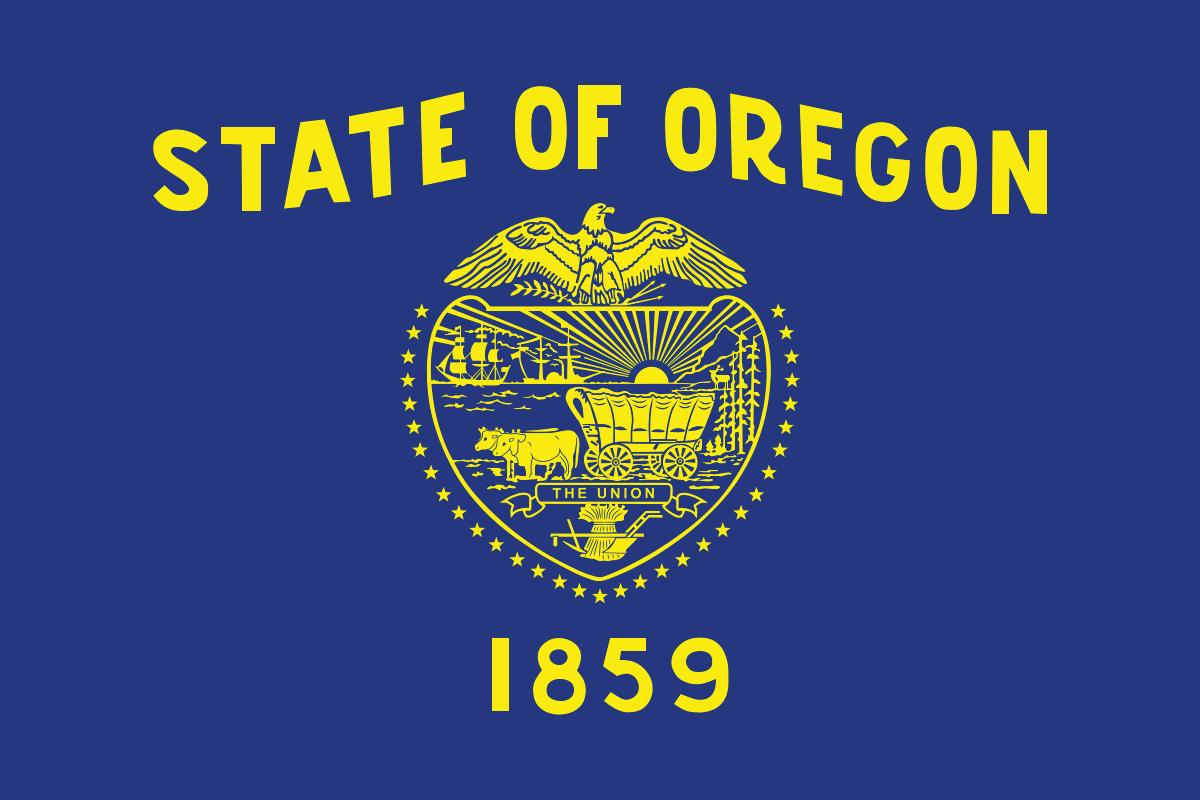
That’s right, Oregon officially became the 33rd state in the Union on February 14, 1859, earning the unique distinction of being the only U.S. state to join on Valentine’s Day. And while Oregon’s vast landscape, ranging from its misty coastline to the high desert— offer plenty of beauty, we here in Josephine County know that our little slice of heaven has some pretty amazing history of its own.
So, in honor of Oregon’s birthday, let’s take a look back at how this wild and wonderful place came to be, from its rugged frontier days to the quirks that make Josephine County stand out today.
The Birth of Oregon: A Valentine’s Day Gift to the Union
Long before Oregon became an official state, it was already making a name for itself as part of the Oregon Trail, the historic route that lured thousands of settlers westward with promises of fertile farmland and a fresh start.
Before the pioneers arrived, however, the land belonged to Native American tribes such as the Kalapuya, Chinook, Klamath, Nez Perce, Umatilla, Modoc, and many others, who lived
in harmony with Oregon’s rich natural environment for thousands of years. The influx of settlers brought immense change, with treaties, conflicts, and forced relocations reshaping the state’s cultural and political landscape.
Oregon initially became a U.S. territory in 1848, but statehood was a harder sell. It took over a decade before Congress finally admitted Oregon into the Union in 1859—right in the thick of tensions leading up to the Civil War.
Interestingly, Oregon was founded as a "free state" (meaning slavery was illegal), but
it also passed exclusion laws that barred Black Americans from settling here. It wasn’t exactly the most inclusive beginning, but thankfully, Oregon has evolved into a much more progressive and diverse place over the years.
Josephine County: The Gold Rush, Outlaws, and More
While the story of Oregon’s statehood is fascinating, we here in Josephine County have our own thrilling tales to tell. Founded just four years before Oregon became a state, in 1853,
Josephine County has long been a hotspot of history, adventure, and a little bit of mischief.
Gold Fever Hits Southern Oregon
Like much of the American West, Josephine County was shaped by the Gold Rush. Miners flooded the area in the 1850s, drawn by rumors of gold buried in the rivers and hills.
The boomtown of Sailor Diggings (later called Waldo) was one of the first settlements, and places like Grave Creek, Galice, and Althouse became known for producing impressive amounts of gold.
One particularly colorful figure from this era was Dutch Bill, a mysterious prospector who struck it rich along the Illinois River. His name and legend still linger in the region today.
The Outlaw Days: Jesse James and the Wild West
The Gold Rush brought fortune seekers, but it also attracted outlaws, gamblers, and gunfighters. Some say that members of Jesse James' gang even hid out in the backcountry of Josephine County, using the rugged terrain as a perfect escape route from law enforcement.
Additionally, the famous Wolf Creek Inn & Tavern, which still stands today, was once a favorite stop for stagecoach travelers—and possibly a few train robbers as well. The tavern, built in the 1880s, still operates and is rumored to be haunted. (A dinner and ghost tour, anyone?)
• see OREGON, page 3
Not All States Observe President's Day
Some States Skip the Federal Holiday
By: Leaf Barret
President’s Day is a widely recognized and celebrated holiday across the United States, observed on the third Monday of February each year. It is intended to honor the birthdays of George Washington, the first U.S. president, as well as Abraham Lincoln, who also was born in February. However, despite its widespread observance, not all states recognize President's Day as a public holiday. In fact, several states—including Delaware, Florida, Iowa, Kansas, Kentucky, Louisiana, North Carolina, and Rhode Island—do not observe it as a state holiday, leaving residents in those states without a day off in honor of U.S. presidents.
The reasons behind this vary, with historical, legal, and cultural factors influencing the decisions of individual states. For many, the holiday is primarily associated with a day of sales and discounts rather than a serious observance of presidential history. While the federal government mandates that federal offices and government workers observe the day, states are not required to follow suit. As a result, state governments have the freedom to either adopt or reject the observance of the holiday.
Delaware, for example, celebrates a variety of state-specific holidays, but President's Day

is not one of them. The state instead places its focus on other holidays, including Memorial Day and Labor Day, and chooses to recognize Washington’s Birthday separately, without combining it into the broader President's Day celebration. Similarly, Florida does not observe President's Day as a state holiday, instead opting to celebrate its own public holidays that are more regionally significant, such as Florida’s Admission Day.
In Iowa and Kansas, President’s Day is also not on the calendar as an official state holiday. Although the federal government recognizes the day, state workers in these two states do not receive time off, and businesses continue with their usual operating hours. Kansas, like many other states, has decided to celebrate Presidents’ Day on an unofficial level, but the day is not marked by state-sanctioned closures or events.
States such as Kentucky and Louisiana are examples of states that have chosen to leave President's Day off the list of recognized holidays for a different reason: they already observe numerous holidays throughout the year, including state-specific days such as Commonwealth Day in Kentucky. As a result, the importance of adding another holiday like President's Day is minimal in these states, where local customs and historical dates take precedence.
North Carolina and Rhode Island also do not recognize President’s Day as a formal holiday. North Carolina, for instance, celebrates Washington’s Birthday in an unofficial capacity, often combined with other holidays like Martin Luther King Jr. Day. Similarly, Rhode Island has opted not to officially observe President’s Day, continuing to recognize holidays with more direct relevance to
its local population.
In many of these states, the decision not to observe President's Day is largely due to a combination of fiscal and logistical reasons. Local governments may see no compelling reason to observe the holiday, particularly when budget constraints or pre-existing holidays already provide ample time off for employees. The lack of formal observance does not necessarily mean that residents in these states don’t acknowledge or celebrate the holiday, as many private businesses and schools still follow the federal pattern by offering sales, special promotions, or closing for the day.
Though the holiday is officially recognized by the federal government and many states, the absence of President's Day in certain states reflects the decentralized nature of holiday observances in the U.S. Despite this, President's Day remains a significant occasion for most Americans, marked by a day off for federal workers, educational activities, and discounts for consumers nationwide.




Nearly $500 Million in Food Aid at Risk as USAID Funding Remains Frozen
GPT News Desk
Nearly $500 million in food aid intended for global humanitarian relief is at risk of spoilage as it remains stranded in ports, ships, and warehouses, following a funding freeze imposed by the Trump administration. According to a Feb. 10 report from the U.S. Agency for International Development (USAID) Inspector General, the halt in funding has disrupted the safeguarding and distribution of essential food supplies.
The report further warns of potential consequences for $8.2 billion in unspent humanitarian aid, as the administration ordered a pause on nearly all USAID operations, placing most staff on administrative leave and launching a review of U.S. foreign assistance programs.
The funding pause has led to significant delays in the distribution of life-saving food aid, leaving millions of pounds of perishable goods at risk of spoilage. The Inspector General’s report highlights concerns over the storage, transportation, and security of these food supplies, which were originally designated for vulnerable populations in crisis-stricken regions worldwide.
USAID is responsible for delivering food, medical aid, and disaster relief to
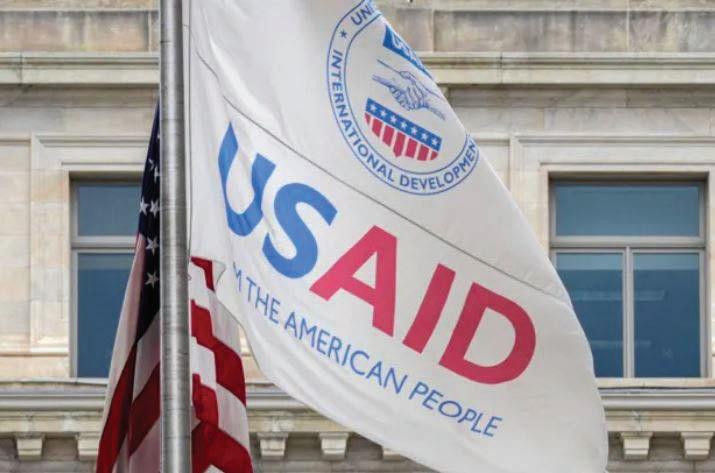
countries experiencing extreme hunger, conflict, and natural disasters. However, the recent freeze in funding has forced many humanitarian efforts to be put on hold, creating uncertainty about when or if these resources will reach their intended recipients.
The funding pause is part of a broader effort by the Trump administration to reassess U.S. foreign assistance programs, citing concerns over efficiency, account-
ability, and national interest. The administration has indicated that the review is intended to ensure American aid dollars are used effectively, but critics argue that the sudden halt has placed critical humanitarian missions in jeopardy.
Supporters of the review say that increased oversight is necessary to prevent waste and mismanagement, pointing to longstanding concerns about the effectiveness and transparency of internation-
al aid programs. However, humanitarian organizations warn that delays in funding and distribution could have dire consequences, particularly in regions where food insecurity is already severe.
The report does not specify a timeline for when the funding review will be completed or when humanitarian programs will resume at full capacity.
As the review process continues, aid organizations and partner agencies face growing challenges in managing stored food supplies. Without immediate action, the risk of food spoilage could result in significant financial losses and missed opportunities to prevent hunger and malnutrition in at-risk populations.
Advocacy groups have urged USAID and the administration to prioritize the release of perishable food aid while the broader review is underway. Others are calling for greater transparency on how and when funding decisions will be made, emphasizing the importance of balancing oversight with urgent humanitarian needs. With billions of dollars in aid still on hold, the long-term effects of the funding freeze remain uncertain. Meanwhile, food supplies continue to sit unused, raising concerns over the potential humanitarian impact of the delayed assistance.
Oregon Celebrates 166th Birthday
From page 1
Caves, Trees, and Natural Wonders
If you’re talking about Josephine County, you have to mention the Oregon Caves. This National Monument, discovered in 1874, is often called the “Marble Halls of Oregon” due to its stunning limestone formations. The caves remain one of Oregon’s most unique natural attractions, drawing visitors from all over the world.
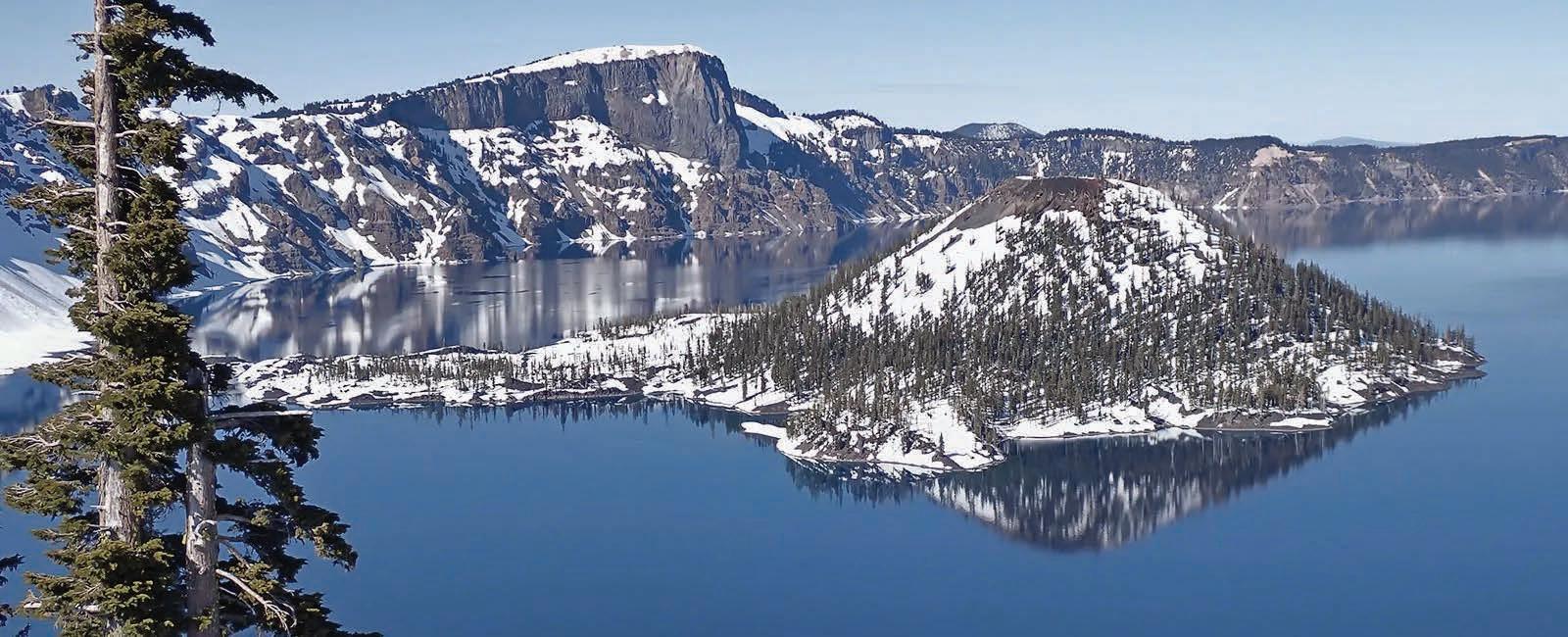
And let’s not forget about our trees—because, let’s face it, Josephine County has some of the most impressive forests in Oregon. The Illinois Valley, nestled within the Siskiyou Mountains, is home to some of the last remaining old-growth forests, a truly breathtaking sight for any nature lover.
Modern Josephine County: Small-Town Charm with Big Stories
Fast forward to today, and Josephine County still retains that rugged independence and frontier spirit that made it famous. With its mix of history, small-town charm, and thriving outdoor culture, it remains one of the most unique places in Oregon.
Here are a few fun things that set our county apart:
1. The Josephine County Courthouse That Almost Wasn’t The county seat of Grants Pass was not always a sure thing. In the late 19th century, there was fierce debate over whether Kerby or Grants Pass should be the county seat. Eventually, Grants Pass won out, largely due to its railroad access, but Kerby remains an important historic community.
2. The Infamous Bigfoot Sightings
Yes, Josephine County is prime Bigfoot territory! Over the years, there have been numerous reports of Sasquatch sightings deep in the forests of Southern Oregon. Whether you’re a believer or not, there’s no denying that our wilderness is mysterious enough
to keep the legend alive.
3. A Haven for Artists and Free Spirits
From the quirky downtown area of Grants Pass to the artistic enclaves of Cave Junction and the Illinois Valley, Josephine County has long been a magnet for artists, musicians, and independent thinkers.
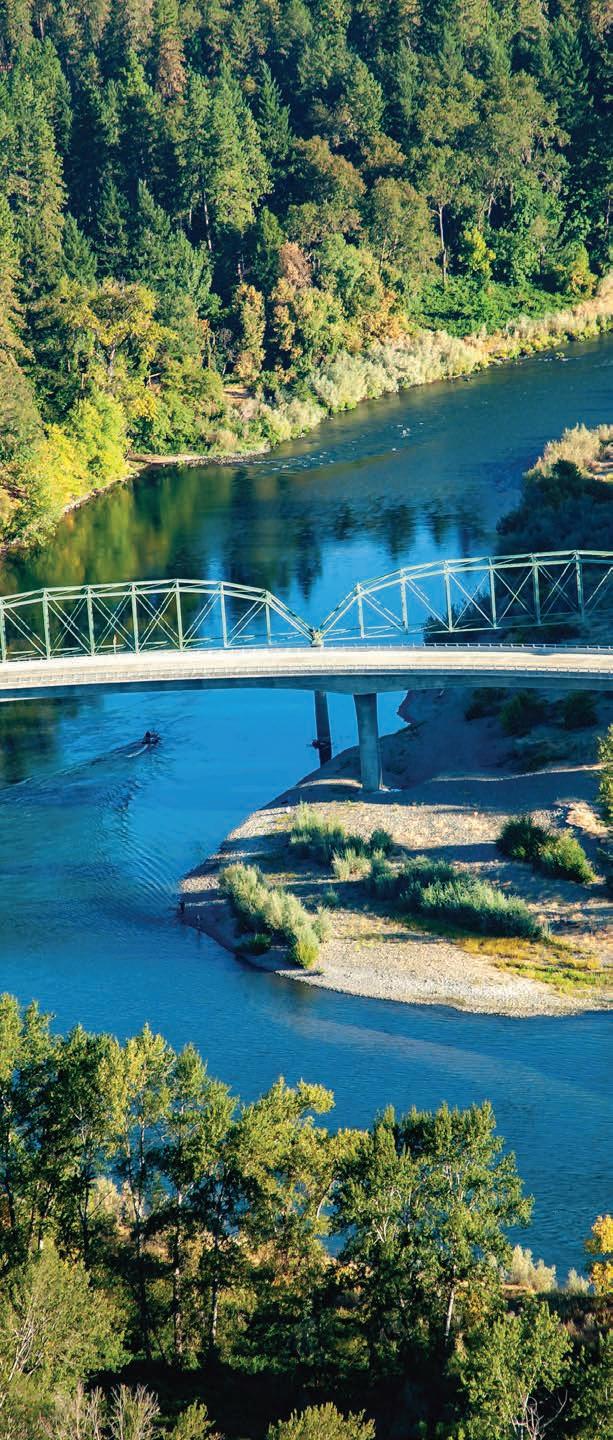
Every summer, locals and visitors alike flock to events like Boatnik, a beloved boat race and festival on the Rogue River, proving that small-town traditions are alive and well.
So, How Do We Celebrate 166 Years of Oregon?
Oregon’s statehood anniversary doesn’t get the same level of attention as, say, July 4th, but that doesn’t mean we shouldn’t celebrate! Here are a few ways to mark the occasion right here in Josephine County:
• Visit a historic site – Whether it’s the Oregon Caves, the Wolf Creek Tavern, or one of the old mining towns, take a trip back
in time.
• Raise a glass to Oregon’s birthday – Bonus points if it’s an Oregon-brewed beer or locally made wine!
• Get outside – Whether it’s a hike, a fishing trip, or just a drive through the breathtaking Illinois Valley, there’s no better way to appreciate our state’s beauty.
• Support local businesses – After all, small businesses are what keep places like Josephine County unique and thriving.
166 Years and Counting…
Oregon has come a long way since 1859, and Josephine County has been right there, witnessing history unfold. From gold miners and outlaws to Bigfoot and ghost stories, our little corner of Oregon has always had a wild and colorful past.
As we celebrate 166 years of statehood, let’s take a moment to appreciate our home, our history, and the resilient spirit that makes Oregon—especially Josephine County—one of the best places to live.

NEWS DESK
Jack Daniel’s Barrel House Collapses in Lynchburg, Tennessee
Gpt news desk
Lynchburg, TN – In the early hours of Monday, February 10, a significant structural collapse occurred at the Jack Daniel’s Distillery barrel house in Lynchburg, Tennessee. The incident, which involved the partial collapse of the facility, did not result in any injuries, as no individuals were inside at the time.
The barrel house, a critical part of the whiskey aging process, is where thousands of barrels of Jack Daniel’s whiskey are stored as they mature over several years. The cause of the collapse has not yet been determined, and officials from Jack Daniel’s, along with local emergency responders, are currently assessing the damage.
A spokesperson for Jack Daniel’s confirmed that no employees were inside the building at the time of the collapse. Additionally, there were no injuries reported among workers or members of the community.
Local fire and emergency services responded quickly to the scene to evaluate the situation. While the extent of the damage is still being determined, initial reports suggest that a portion of the structure gave way, potentially affecting a significant number of aging whiskey barrels.
The collapse of a barrel house raises concerns about both product loss and potential environmental impact. Each barrel of whiskey contains approximately 53 gallons of aging
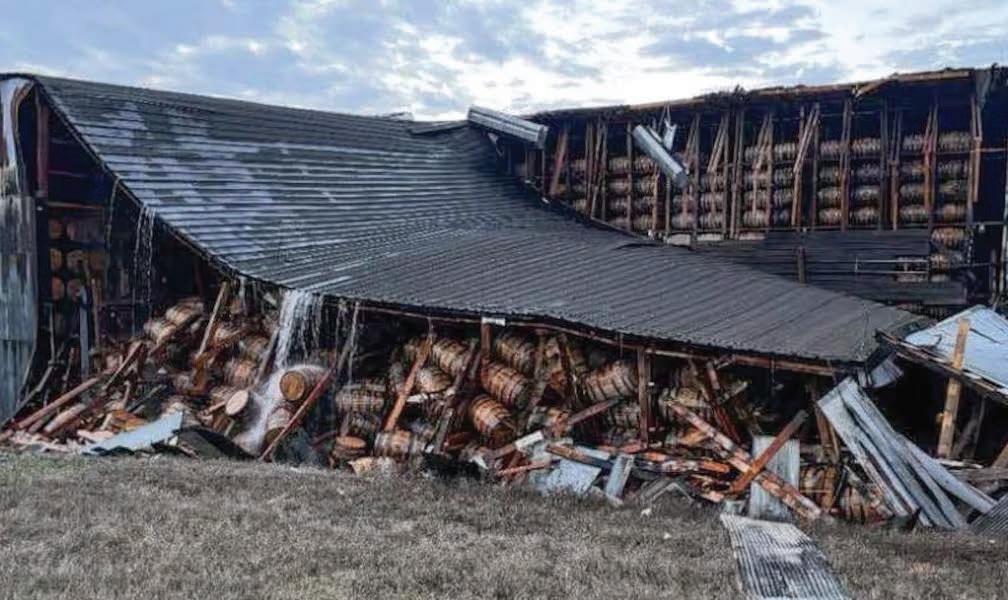
collapse could result in substantial product loss and spillage. However, it remains unclear how many barrels were affected in this incident.
In previous cases of barrel house collapses at other distilleries, whiskey leaks have led to environmental issues, particularly concerning local water sources. The Tennessee Department of Environment and Conservation (TDEC) may conduct an assessment to ensure that no whiskey has seeped into nearby streams or groundwater, which could harm local ecosystems.
Jack Daniel’s Distillery, founded in 1866, is one of the most famous whiskey brands in the world. Located in Lynchburg, a small town in Moore County, Tennessee, the facility attracts hundreds of thousands of visitors an-
cess is deeply rooted in tradition, with barrel aging playing a crucial role in developing its signature smooth taste.
This is not the first time a distillery has faced structural issues with barrel houses. Similar incidents have occurred at other major whiskey producers, often due to aging structures or external environmental factors.
For now, Jack Daniel’s is working closely with engineers, safety officials, and regulatory agencies to determine the cause of the collapse and formulate a recovery plan. The company has not yet released an official estimate of financial losses or a timeline for rebuilding the affected barrel house.
Despite this setback, the company reassured whiskey enthusiasts that its production and distribution operations remain steady.















SUPPORT FREE SPEECH
Advertise with The Grants Pass Tribune!
Stand with us in defending freedom of the press and the 1st Amendment! The Grants Pass Tribune is facing political persecution, with lawsuits aimed at silencing our bold investigative journalism. We remain committed to uncovering the truth and keeping our community informed like never before.
Show
COMMUNITY
New Age Phonograph, Myrtle Creek Band, Set to Perform at Grants Pass Museum of Art
By: John Oliver
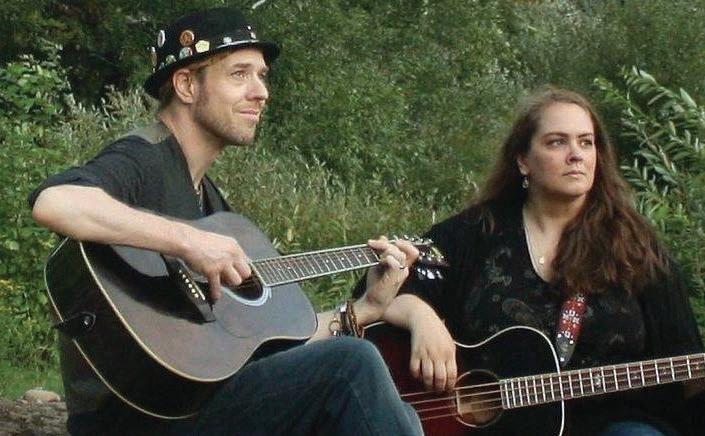
New Age Phonograph, an original music duo based in the Myrtle Creek/Roseburg area of Oregon, is gearing up to perform at the Grants Pass Museum of Art on Thursday, February 20th, 2025, as part of their upcoming tour. The band, known for its unique sound and thought-provoking lyrics, will bring its compelling live performance to Grants Pass, offering both local and visiting music lovers a chance to experience their creative talent firsthand.
Formed in 2017, New Age Phonograph consists of Matt Nolan and Randi Mueck, both of whom are passionate about crafting music that resonates deeply with their audience. Since their formation, the duo has been steadily building a following through their dedication to original music and their ongoing commitment to their craft. To date, New Age Phonograph has released two full-length albums, with their latest offering, Devil by Moonlight, available on Bandcamp. This album, along with their previous releases, showcases the band’s distinctive approach to songwriting and performance.
The upcoming performance at the Grants Pass Museum of Art will be a significant stop on their tour, allowing fans to connect with the band in an intimate setting. The Museum of Art is an ideal venue for such a performance, providing both an enriching atmosphere for art lovers and a perfect acoustical environment for music enthusiasts. Fans can expect an evening of carefully curated music, blending elements of indie rock, alternative sounds, and heartfelt storytelling.
As the band has grown since their 2017 inception, their music has continued to evolve, capturing the attention of listeners in the Southern Oregon region and beyond. They are known for their authentic sound that combines catchy melodies with meaningful lyrics, often reflecting the band's personal experiences and perspectives on life.
New Age Phonograph’s performance in Grants Pass is part of a broader tour designed to bring their music to new audiences across the region. The duo is excited to connect with fans both old and new and to continue spreading the word about their music, which they have worked tirelessly to promote on their own. As independent musicians, they are passionate about preserving the authenticity of their music and the experience of live performances, mak-
ing each show unique and personal for their audience.
For more information on New Age Phonograph and their upcoming performances, fans can visit their Bandcamp page at https:// newagephonograph.bandcamp.com/album/ devil-by-moonlight, where they can listen to their music and stay up to date on their latest projects. As the band continues to build momentum, their performance at the Grants Pass Museum of Art is sure to be a highlight of their tour.
Tickets for the performance can be purchased directly through the museum or by visiting the Grants Pass Museum of Art’s website. The event promises to be an exciting and memorable night of live music, and it is one that fans of New Age Phonograph will not want to miss.
5 DAY OUTLOOK SOURCE: WEATHER.COM



TAKE A BREAK
February 10, 2025
Posting Date
February 10, 2025
February 10, 2025
VALENTINE'S DAY

Thoughtful Valentine’s Day Gifts for New Relationships
By: Kimberly Laveau
After many years of skillfully dodging the pressures of Valentine’s Day due to life circumstances, my relationship status unexpectedly shifted, and with it came the long-forgotten question: “What am I supposed to get him for Valentine’s Day?”
Navigating the first Valentine’s Day in a new relationship can be tricky. You want to give a gift that strikes the perfect balance between thoughtful and not overwhelming. Since you're still getting to know each other, it’s important to avoid anything too personal or extravagant while still showing you care. The key is to keep things light, fun, and considerate.
One excellent option is personalized gifts. Custom items, such as a keychain with initials or a framed photo from a fun date,
Letter from the Editor
can make the day feel special without being too intense. These thoughtful gestures show you’re paying attention without diving too deep too soon. A personal gift like this keeps the mood light but still meaningful.
Another great choice is giving the gift of an experience rather than a physical item. Experience gifts, such as tickets to a concert, a cooking class, or an activity you can enjoy together, offer a unique way to bond. Shared experiences create lasting memories, which can deepen your connection and offer something to look forward to without the pressure of material gifts.
For something cozy and neutral, consider high-quality scented candles, incense, or an essential oil diffuser. A universally loved, subtle scent can transform a space, offering a thoughtful and calming
atmosphere. This type of gift is ideal because it’s not overly intimate but still shows care. It’s a perfect way to create a pleasant environment, whether you’re spending Valentine’s Day together or apart.
If you know your partner enjoys reading, books can be a great option. A book in a genre they love shows that you’ve paid attention to their interests without being overly personal. Coffee table books, especially those related to themes that resonate with your partner, can also serve as a great conversation starter and a way to showcase shared interests. It’s a personal yet low-pressure gift that can continue to be appreciated long after the holiday.
For something lighthearted and fun, cute gifts can make a great impression. Think small, quirky items like a fun mug, a
cute plant, or even a puzzle featuring a silly or memorable moment between the two of you. These playful gifts show that you’ve put thought into the gesture, and they help keep the mood light and carefree.
A box of their favorite candies or chocolate-covered treats can also be a sweet touch that shows you know their tastes. Ultimately, when gifting in a new relationship, the thought behind the gift is more important than the price or extravagance. Keeping it fun, casual, and considerate will ensure the gift is well-received and sets the tone for future dates. Whether you’re sharing an experience, offering a personal keepsake, or just gifting something small and meaningful, the goal is to show you care while respecting the dynamic of your budding relationship.
Valentine’s Day – The Hallmark Money Grab You Love to Hate
Listen up, folks. Valentine’s Day is creeping up on us like a sugar-fueled freight train, charging full steam ahead to empty your pockets and fill the coffers of corporate overlords who couldn’t care less about your "love" and everything to do with your money. Yes, that’s right. This week, on February 14th, millions of you will be stumbling over yourselves, scrambling for cards, roses, chocolates, and other trinkets, all because the calendar says so. It’s the day of obligatory gestures, romantic clichés, and your once-a-year token attempt at saying, “I love you,” because, apparently, the other 364 days just won’t do.
Valentine’s Day is nothing more than an unofficial Hallmark holiday—a carefully crafted spectacle designed to squeeze every last penny out of our collective desire to look good, feel good, and, heaven forbid, be seen as good in the eyes of our partners, lovers, or significant others. What is this, some warped version of love, stuffed into a box of overpriced chocolates wrapped in paper-thin sentimentality?
The thing is, love isn’t just about one overblown day a year where you get to pretend you give a damn. Love is supposed to be shown every single day. Sure, a nice dinner and a fancy card can make for a sweet gesture, but this farce of a holiday is like slapping a band-aid on a broken arm. If you’re the kind of person who needs a special day to remind you that you should tell someone you care about them, or—God forbid—actually show them you care, then I’m sorry, but your heart is as empty as the

pockets of the people who fall for this holiday year after year. Now, don’t get me wrong. I’m all for love. I’m just not in favor of the commercialized monster that has taken over something that should be, and could be, real. This isn’t about the people who are in genuine relationships—no, this is about the big corporations who thrive off this consumerist circus. The ones who sit back, laugh, and roll in the profits while you’re out there busting your bank account wide open just to buy a card, some flowers, and maybe a little chocolate to show your “affection.” And who benefits from this absurd ritual? Not you, my friend,
that’s for sure. It’s Hallmark, who have cornered the market on greeting cards with sappy sentiments that, frankly, shouldn’t be confined to a specific day of the year. It’s Hershey’s, who will sell you a heart-shaped box of overpriced chocolates that you could’ve bought any other time of the year for half the price. And it’s every single store with a red-and-pink color scheme, ready to cash in on your insecurities and your need to measure love by the amount of cash you’re willing to throw at it.
We’ve been trained like Pavlov’s dogs to spend money on what essentially amounts to a corporate-engineered display of affection. Forget about the real, messy, beautiful work of relationships—the late-night talks, the cooking together, the small, quiet gestures that prove your worth every single day. Valentine’s Day is just a flashy diversion, a carefully timed cash grab that forces you into the mindset of “I must buy something to prove I love you,” instead of asking, “Why don’t we just do this every day?”
In the end, if you’ve got a name like Hallmark or Hershey, you’re the real winner here. And all of you out there who fall for this commercialized love fest? Well, you’re just paying for your own guilt trip, one overpriced rose at a time.
So, let’s call it what it is: a sham. Let’s stop pretending that one day of the year makes up for all the days we ignore love’s messy, imperfect truth. Don’t buy the lie, and for god’s sake, let’s stop letting the marketing machines control how we show up for each other. Love should never come in a box.