
WEDNESDAY, APRIL 29, 2026
WEDNESDAY, APRIL 29, 2026
Investigative Report by John Oliver
Faith-based housing and mentorship programs have become an increasingly visible part of the homeownership landscape across the United States, offering alternative pathways for families seeking to enter a competitive and expensive market. In Josephine County, similar efforts are now drawing closer examination as questions emerge about how some of these programs are structured and who benefits financially from their operation.
At their core, these programs often present themselves as community-driven solutions. Churches and affiliated nonprofits connect prospective buyers with experienced homeowners or mentors who guide them through the purchasing process. The approach is built on familiarity and trust, often appealing to individuals who may feel underserved by traditional financial institutions.
In many cases nationwide, these models operate within established legal frameworks. Licensed real estate professionals handle transactions, nonprofit organizations provide education or financial assistance, and any compensation tied to a sale is disclosed through standard channels. These arrangements are generally consistent with existing regulations and are widely used to expand access to housing.
In Josephine County, however, emerging information suggests that some programs may include additional layers of financial participa-

tion that extend beyond traditional structures. Records and accounts reviewed indicate that individuals connected to certain housing developments may receive financial benefit when homes are sold within the program. These benefits appear to be connected to mentorship roles or program involvement rather than solely to licensed real estate activity.
Now, such arrangements are not automatically unlawful. Real estate transactions frequently involve commissions, referral fees, and partnership agreements. What distinguishes standard practice is the requirement that compensation be transparent, properly li-
censed where applicable, and limited to clearly defined roles.
T he structure now being examined locally appears to introduce multiple points of financial participation tied to the same transaction. This type of arrangement can resemble models used in multilevel marketing, where financial gain is connected not only to a single transaction but to the continued expansion or participation within a network.
Whether these characteristics meet the legal definition of a prohibited scheme remains undetermined. Under federal and state law,
• see HOUSING, page 7
By Ellen Ward
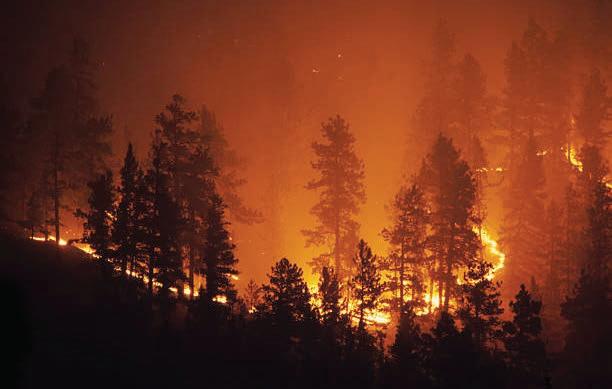
Southern Oregon is moving toward the 2026 wildfire season under conditions that are drawing increased attention from fire officials, utility providers, and local governments. A combination of reduced snowpack, early drying trends, and evolving legal and financial pressures tied to wildfire liability is shaping expectations for the months ahead. Winter snowpack levels across the Cascade Range came in below historical averages, limiting the amount of water available to sustain vegetation through late spring and early summer. Snowpack plays a critical role in slowing seasonal drying by releasing moisture gradually. When that reserve is diminished, grasses and brush lose moisture earlier, creating conditions that allow fires to ignite and spread more easily.
This earlier transition into dry conditions extends the length of fire season. In southwest Oregon, where forested areas border rural neighborhoods and transportation corridors, that shift increases the likelihood of fire activity beginning sooner and lasting longer into the fall. Land managers and fire agencies typically rely on a narrower seasonal window
for peak fire risk. In recent years, that window has expanded, placing additional demands on staffing, equipment, and coordination. At the same time, wildfire preparedness is being influenced by ongoing legal developments involving utility companies. Court rulings connected to wildfire damage claims have begun to clarify how responsibility is assigned when infrastructure is linked to fire
By John Oliver
Southern Oregon’s workforce pipeline is poised for a significant upgrade as Rogue Community College moves forward with the development of two new Transportation Technology Centers, one at its Table Rock campus in White City and the other at its Redwood campus in Grants Pass. The projects represent a targeted investment in career education tied directly to regional labor demands, particularly in automotive, diesel, and evolving transportation technologies.
The larger of the two facilities will be constructed at the Table Rock campus in White City. Plans call for a 15,500 square foot center designed to expand training capacity while reflecting the realities of modern transportation careers. The building will include dedicated automotive and diesel instruction areas, along with flexible outdoor learning bays that allow students to work on equipment in conditions similar to what they will encounter in the field. Classroom spaces are being designed to integrate directly with hands on training, reinforcing a model that blends theory with practical application.
Developers have also emphasized adaptability within the Table Rock design. As vehicle technology continues to shift toward electric and hybrid systems, the facility is expected to support instruction in these emerging areas. Infrastructure within the building will allow programs to evolve without requiring major redesign, a move intended to keep pace with industry changes over time. Student collaboration areas and accessibility features are also part of the design, reflecting a broader push to make technical education more inclusive and aligned with current workplace expectations.
At the same time, a second facility is
• see ROGUE, page 13
ignition. Cases involving companies such as PacifiCorp have drawn attention to maintenance practices, vegetation management, and operational decisions during high-risk weather events.
These legal outcomes are contributing to changes in how utilities approach wildfire prevention. Increased inspections, expanded
• see WILDFIRE, page 9

By Ellen Ward
The decision by the Organization of the Petroleum Exporting Countries to lose one of its longstanding members marks a significant moment in the evolution of global energy markets. The United Arab Emirates has confirmed it will withdraw from the group and its broader alliance, known as OPEC+, effective May 1, ending more than five decades of participation in coordinated oil production policy.
The UAE’s departure reflects mounting tension within the alliance over production limits and long-term energy strategy. OPEC has historically operated by setting output quotas among member states in an effort to regulate global supply and influence oil prices. These coordinated reductions or increases in production have been a central mechanism for stabilizing markets, particularly during periods of economic volatility or geopolitical disruption.
In recent years, the UAE has invested heavily in expanding its oil production capacity, positioning itself to increase output beyond the limits established under OPEC agreements. Those investments have placed the country at odds with the quota system, which is designed to balance collective interests rather than individual expansion. As a result, the UAE has sought greater flexibility to determine its own production levels, a position that ultimately led to its decision to exit the organization.
The move also highlights shifting dynamics among major oil-producing nations. While OPEC has long been led in practice by Saudi Arabia, differences among member states have become more visible as global demand patterns evolve and new producers gain influence. The UAE’s departure follows earlier exits by

countries such as Qatar and Angola, contributing to a gradual erosion of the group’s cohesion.
The timing of the announcement coincides with heightened instability in global energy markets. Ongoing tensions surrounding the Strait of Hormuz, a critical passageway for a significant portion of the world’s oil shipments, have added pressure to supply chains and contributed to uncertainty in pricing. Disruptions or perceived risks in that region tend to have immediate effects on global oil benchmarks, amplifying the significance of any structural change within OPEC.
Despite the UAE’s withdrawal, the immediate impact on oil prices is expected
to be moderated by existing market conditions. Supply constraints linked to geopolitical developments continue to exert upward pressure on prices, offsetting the potential effects of increased production flexibility by individual countries. However, over time, the absence of a unified production framework may introduce greater variability into the market.
OPEC and its partner countries have collectively accounted for a substantial share of global oil production, often approaching half of total output. The effectiveness of the group has depended on compliance with agreed-upon quotas and the ability to present a coordinated front. The departure of a major producer
reduces that capacity and may influence how other member states approach future agreements.
For the United States, the shift occurs at a time when domestic oil production has reached historically high levels. Increased output from U.S. producers has already altered the balance of power in global energy markets, reducing reliance on coordinated supply controls by foreign producers. At the same time, fluctuations in international oil prices continue to affect domestic fuel costs, transportation expenses, and broader inflation trends.
State-level impacts are also closely tied to these global developments. In regions such as the Pacific Northwest, where fuel prices tend to exceed national averages due to transportation and regulatory factors, changes in global supply dynamics can be reflected quickly at the consumer level. Variability in oil pricing can influence the cost of goods, logistics, and energy-related expenses across multiple sectors.
The UAE’s exit underscores a broader transition within the energy sector. As countries pursue independent strategies to maximize production and revenue, the traditional model of coordinated supply management faces increasing strain. The result is a market environment shaped by a combination of geopolitical factors, national policy decisions, and evolving demand patterns.
While OPEC remains a central institution in global energy discussions, its ability to influence outcomes is changing. The departure of the UAE represents both a continuation of recent trends and a signal of further adjustments to come, as oil-producing nations reassess their roles within a shifting global framework.


By Ellen Ward
A coordinated federal operation spanning more than 20 locations across Minneapolis and surrounding communities has intensified national attention on suspected fraud within publicly funded social service programs. Authorities confirmed that agents executed search warrants Tuesday at a range of sites, including childcare centers, healthcare-related businesses, and administrative offices connected to government aid systems.
The enforcement action was led by the U.S. Department of Justice and involved multiple agencies, including the Federal Bureau of Investigation and Homeland Security Investigations. Officials described the effort as part of a broader criminal investigation into alleged financial misconduct involving taxpayer-funded programs. Search warrants were carried out simultaneously at numerous properties, with agents collecting records and electronic data believed to be relevant to the case.
According to federal authorities, the investigation centers on suspected misuse of public funds tied to programs such as childcare assistance, healthcare reimbursements, and other forms of social support. Some of the targeted businesses are believed to have received substantial government payments through systems designed to serve low-income families and individuals with specialized needs. Investigators are examining whether funds were improperly claimed, diverted, or obtained through fraudulent enrollment practices.
The Minneapolis area has been the focus of several high-profile fraud investigations in recent years, particularly involving pandemic-era relief and nutrition assistance programs. One of

the most widely documented cases, tied to the Feeding Our Future network, involved hundreds of millions of dollars in alleged misuse of federal food aid funds. That case resulted in numerous indictments and convictions, drawing national attention to vulnerabilities in oversight mechanisms during periods of rapid funding distribution.
Authorities have also pursued separate cases involving healthcare-related fraud, including allegations tied to autism service providers accused of billing for services that were never delivered. These investigations have revealed patterns in which fraudulent operators allegedly exploited reimbursement systems by submitting inflated or fabricated claims. The current round of searches appears to build on those earlier cases, suggesting a widening scope of enforcement activity across multiple sectors.
Federal officials have indicated that the latest operation is part of a sustained effort to identify and dismantle complex fraud networks operating within public assistance programs.

While details remain limited due to the ongoing nature of the investigation, authorities have emphasized that search warrants represent an evidence-gathering phase rather than a final determination of wrongdoing. As of Tuesday, no broad set of arrests had been publicly confirmed in connection with the raids.
The scale of the operation reflects increased federal attention on safeguarding taxpayer-funded programs that expanded significantly during the COVID-19 pandemic. Rapid deployment of financial assistance during that period created opportunities for misuse, prompting calls for stronger auditing and enforcement. In response, federal agencies have expanded investigative resources and coordination with state and local partners to address potential fraud.
Public discussion surrounding the raids has included references to the ownership of some of the businesses involved, with reports noting that a number are associated with members of the Somali-American community. Federal authori-
ties have stated that the investigation is focused solely on alleged criminal activity and financial conduct, not on ethnicity or nationality. Community leaders and advocacy groups have also called for careful distinction between individual allegations and broader communities, emphasizing the importance of accurate and responsible reporting as the investigation unfolds.
State and local officials in Minnesota have faced ongoing scrutiny regarding oversight of public aid programs, particularly in the wake of earlier fraud cases. Reviews of administrative systems have pointed to gaps in monitoring, verification, and enforcement that may have allowed improper payments to occur. Efforts to strengthen controls have included increased audits, revised compliance requirements, and closer coordination with federal investigators.
The Minneapolis raids are likely to have implications beyond Minnesota, as federal agencies continue to evaluate the integrity of similar programs nationwide. Oversight of public assistance systems remains a key issue for policymakers, particularly as funding levels and program complexity have grown. The outcome of this investigation may influence future regulatory changes, enforcement strategies, and funding safeguards designed to reduce the risk of fraud.
For now, the case remains active, with investigators continuing to review evidence collected during the searches. Additional actions, including potential charges or further warrants, will depend on the findings of that review. The operation marks a significant development in ongoing efforts to address fraud within public assistance programs and underscores the continuing challenge of balancing rapid aid distribution with effective oversight.














By John Oliver
A late-night monologue has detonated into a national confrontation between the administration of Donald Trump and the entertainment arm of The Walt Disney Company, pulling ABC and its primetime host Jimmy Kimmel into a political fight that now stretches far beyond television.
The spark came from a joke aimed at First Lady Melania Trump, delivered during a routine broadcast. Within hours, the reaction moved past criticism and into coordinated pressure. Senior White House aides publicly called for Kimmel’s removal, framing the comment as harmful rhetoric rather than satire. The president echoed that demand, turning what might have been a fleeting media controversy into a sustained push directed at a private broadcaster.
The scale and tone of the response have set this episode apart. Administrations have long criticized unfavorable coverage, but direct calls for termination from federal officials mark a sharper turn. The pressure has not remained rhetorical. Reports that federal regulators could examine broadcast licenses connected to ABC affiliates have introduced a second layer of concern, shifting the story from a dispute over taste into a question about the reach of government power.
Inside the White House, the justification has been tied to broader concerns about public language and security. Officials have pointed to a recent attempted security breach in Washington as evidence that rhetoric can carry consequences, arguing that high-profile figures in media contrib-
ute to the national climate. In that framing, the Kimmel segment is treated not as an isolated joke but as part of a larger pattern that officials say deserves a response.
That argument has collided head-on with a different principle embedded in American law.
The First Amendment does not shield individuals from criticism, but it does draw a firm boundary around government interference with speech.
The distinction matters here. A president or aide condemning a television host falls within political discourse. A sustained campaign that includes calls for firing and signals of regulatory scrutiny begins to raise a more difficult question: when does criticism from power become pressure backed by authority?
ABC and Disney have not acted on the demands. Their silence has become part of the story. Any decision now carries weight beyond one host or one program. Removing Kimmel under political pressure risks setting a precedent that elected officials can influence programming decisions through public campaigns. Holding firm invites continued confrontation with a White House that has shown no sign of backing down.
Kimmel has responded by maintaining that his remarks were satirical, consistent with the long tradition of late-night commentary that has targeted presidents, lawmakers, and public figures across party lines for decades. That tradition has rarely been free from backlash, but it has seldom drawn this level of direct involvement from the executive branch.
Across the political landscape, reactions have split along familiar lines, though not entirely. Some voices have supported the administration’s position, arguing that public figures in entertainment should face consequences for remarks considered

offensive or destabilizing. Others have warned that the current approach risks crossing a line that previous administrations, regardless of party, largely avoided.
What gives this moment its edge is not the joke itself, but the mechanism of response. When the White House publicly urges a private company to terminate an employee, and when discussion of federal oversight enters the same conversation, the dynamic shifts. The concern is not simply about whether a joke went too far. It is about whether the government is stepping into territory where speech is indirectly shaped through pressure rather than law.
The constitutional question does not hinge on whether the administration has the legal authority to fire a television host. It does not. The issue is whether sustained pressure, amplified by the visibility and influence of the presidency, can produce the same effect without formal action.
From page 1
a Ponzi scheme typically involves using funds from new participants to pay earlier participants without a legitimate underlying business activity. Housing development and real estate transactions, by contrast, represent legitimate business activity. The presence of a real product, such as a home, complicates direct comparisons to traditional fraud models. Even so, regulatory concerns often arise when financial relationships are layered, insufficiently disclosed, or tied to individuals who may not hold appropriate licensing. In those circumstances, issues can extend into areas such as unlicensed brokerage activity, improper referral compensation, or misuse of nonprofit structures.
Josephine County’s housing market has tightened under the weight of limited inventory, escalating construction costs, and growing financial strain on prospective buyers. Those pressures have opened the door for alternative paths into homeownership, including programs
led by faith-based organizations that already have deep roots in the community. While those networks are well positioned to connect people with opportunity, their success ultimately hinges on whether the financial structures behind them are transparent, properly regulated, and fully understood by those taking part.
Preliminary findings suggest that some participants in local programs may not have a complete understanding of how compensation is distributed or how financial roles are defined. A lack of clarity does not in itself indicate wrongdoing, but it does raise questions about compliance with disclosure requirements and informed participation.
These issues extend beyond any single development or organization.
Faith-based housing initiatives have demonstrated measurable success in communities across the country when structured transparently and in alignment with regulatory standards. They can provide education, support, and ac-
cess that traditional systems sometimes fail to deliver.
The situation now unfolding in Josephine County centers on whether all elements of these local programs adhere to those standards. The presence of mentorship, community involvement, and nonprofit affiliation does not exempt any program from real estate, financial, or consumer protection laws.
The Grants Pass Tribune has begun a review of publicly available records, organizational filings, and development patterns connected to these programs. That review is focused on identifying how transactions are structured, how compensation is distributed, and whether those processes align with applicable regulations in the state of Oregon.
Further reporting will examine the scope of these operations within the county and assess their impact on participants and the broader housing market.
That gray area is where the current dispute sits, and it is why it has drawn attention well beyond the entertainment industry.
For now, the standoff continues. ABC has not moved, the White House has not softened its stance, and the conversation has spread into legal, political, and media circles nationwide. What began as a late-night punchline has evolved into a test case for how far political power can lean on private speech before the balance begins to tilt.
The outcome will not be measured solely by whether Kimmel keeps his job. It will be measured by how this moment reshapes expectations about the relationship between government and media. In a country built on the idea that speech, even when sharp or unwelcome, remains protected, the question now being asked is direct and unavoidable: where is the line between speaking out and stepping in?


By Ellen Ward
The window to participate in Oregon’s upcoming May 19 statewide election has officially closed, marking a firm cutoff for new voter registrations and updates that cannot be extended or reopened ahead of the vote. As of April 29, anyone who did not complete their registration or make necessary changes by the state’s deadline is no longer eligible to cast a ballot in this election cycle.
The deadline, which fell on April 28, serves as a critical checkpoint in Oregon’s election process, locking in the pool of eligible voters who will now receive ballots in the coming days. State officials had emphasized the importance of this date in the weeks leading up to it, urging residents to confirm their registration status, update party affiliations if necessary, and ensure all personal information was accurate.
For those who missed the cutoff, the consequence is straightforward. Participation in the May election is no longer an option. Oregon does not offer same day voter registration, and once the deadline passes, election officials proceed with preparing and issuing ballots based solely on the fi-

nalized registration rolls.
The timing carries additional weight due to Oregon’s closed primary structure. Voters who wished to participate in partisan primary races were required to declare or update their political party affiliation before the deadline. Without that step completed in time, even otherwise registered voters may find themselves unable to weigh in
From page 1
vegetation clearing around power lines, and adjustments to system operations during extreme conditions are becoming more common. One of the more visible changes is the use of planned power shutoffs during periods of elevated fire danger. These shutoffs are intended to reduce ignition risk but can affect households, businesses, and essential services, particularly in rural areas.
Financial impacts are also part of the broader picture. Utilities facing liability claims may seek cost recovery through rate adjustments, which can influence electricity prices for customers. In regions already managing higher costs for energy, insurance, and basic services, wildfire-related expenses are becoming an additional factor in household and business planning.
Insurance markets are responding as well. In areas considered high risk for wildfire, some property owners are seeing increased premiums, policy changes, or reduced coverage availability. These adjustments reflect the growing cost of wildfire damage across the western United States and the difficulty insurers face in managing that risk.
Public agencies at the state and federal level continue to address funding and resource allocation for wildfire response and prevention. Budget discussions and policy decisions influence the number of available firefighters, the readiness of equipment, and the scale of fuel reduction projects
such as controlled burns and forest thinning. While preparation efforts are ongoing, the increasing size and intensity of wildfires in recent years have placed additional strain on existing systems.
Locally, preparation efforts are already underway. Property owners are working to clear vegetation around structures, reduce combustible materials, and maintain access routes for emergency response. Communities are reviewing evacuation procedures and communication systems to ensure timely alerts if conditions change rapidly.
Water supply is another area being monitored closely. Lower snowpack can translate into reduced streamflow and reservoir levels later in the season, which may affect both firefighting capacity and agricultural use. Drought conditions, if they develop further, would add another layer of complexity to wildfire management.
The 2026 wildfire season in Southern Oregon is expected to reflect a combination of environmental conditions and systemic challenges. Early drying trends, legal developments affecting utilities, and ongoing adjustments in funding and preparedness efforts are all contributing to a landscape where risk is being evaluated from multiple angles. As summer approaches, agencies and residents alike are preparing for a season that may demand sustained attention and coordinated response.
on certain races that will help shape the state’s political direction.
Secretary of State Tobias Read had previously highlighted the accessibility of Oregon’s system, noting that registration could be completed online in a matter of minutes. He described the state’s vote by mail framework as a national model designed to balance access with security, while also
stressing that participation ultimately depends on individuals meeting established deadlines.
With registration now closed, attention shifts to ballot distribution. County election offices are preparing to mail ballots to eligible voters, a process that begins shortly after the deadline passes. Oregon’s vote by mail system allows voters to complete their ballots at home, but the responsibility to return them on time remains critical.
Election officials continue to encourage early ballot return, particularly in light of ongoing concerns about postal delivery timelines. While ballots can be mailed, voters who wait until closer to Election Day are advised to use official drop boxes to ensure their vote is received and counted.
The May 19 election will move forward with a fixed list of participants, reflecting those who met the requirements and acted before the deadline. For others, the missed opportunity underscores the rigid nature of election timelines, where access is broad but not indefinite.
Looking ahead, the next opportunity to register will come with future election cycles, but for this one, the door has closed.





By John Oliver
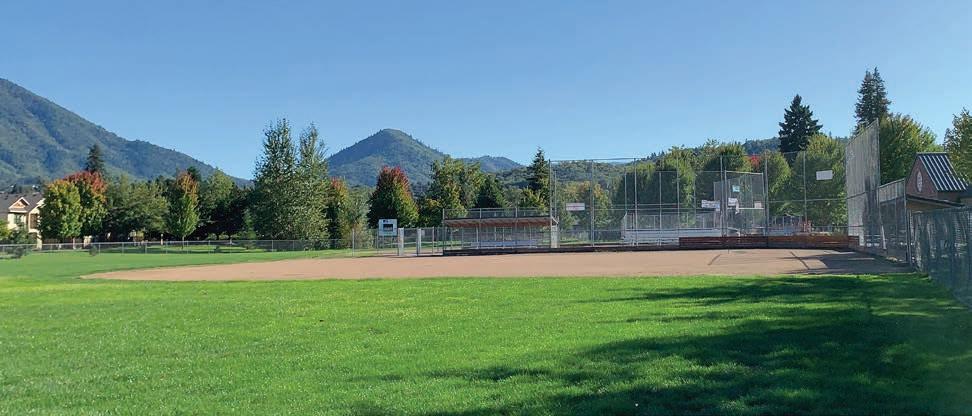
As youth baseball returns to Morrison Park, a quiet but essential effort is taking place before the first pitch is thrown. Local organizers are asking for community volunteers to step in and help prepare the fields ahead of scheduled games, ensuring a safe and welcoming environment for young athletes and their families.
Games are set to begin at 6 p.m. on multiple evenings, including April 28 and 29, May 5 and 6, and May 12 and 13. Ahead of each of these game days, volunteers are being asked to arrive at 5 p.m. to assist with basic field preparation. The work typically involves clearing debris, tidying dugouts, and making sure the playing surface is ready for use. Organizers note that the effort usually takes less than an hour, but the impact lasts throughout the evening as teams take the field.
This request highlights a broader reality for many community parks, where maintenance often depends on volunteer support rather than dedicated staffing. Morrison Park, like many public recreation spaces, serves as a hub for youth sports and community gatherings. Keeping it in playable condition requires consistent attention, particularly during the busy spring season when schedules are tight and field use is frequent.
ParkWatch, who is coordinating the effort says the goal is simple. By arriving just one hour early, volunteers can help create a clean and safe space before children and
families begin to arrive. The timing is intentional, allowing the work to be completed without disrupting scheduled activities while also ensuring that young players are greeted with a well-maintained field.
Community members of all backgrounds are encouraged to participate, regardless of prior experience. The tasks involved are straightforward and accessible, making it an opportunity for individuals, families, and even small groups to contribute together. New volunteers are welcome, and organizers are working to recognize those who step forward to help, reinforcing the value of community involvement.
The initiative also reflects a growing emphasis on shared responsibility for public spaces. While cities and local agencies provide infrastructure, day-to-day upkeep often relies on residents who are willing to invest a small amount of time for a larger community benefit. In this case, that benefit is directly tied to youth recreation, where clean and safe playing conditions are not just a matter
of appearance but of health and safety. For parents and families involved in the baseball program, the volunteer effort offers an additional way to support their children’s experience. A well-prepared field reduces potential hazards and allows games to proceed smoothly, creating a more positive environment for players, coaches, and spectators alike.
As the season unfolds, organizers pf ParkWatch hope participation will grow, making field preparation a routine and reliable part of each game day. Even modest turnout can significantly reduce the workload and ensure that no single group bears the responsibility alone.
Residents interested in helping are encouraged to arrive at Morrison Park at 5 p.m. on scheduled game days. With a short time commitment and a direct impact on local youth, the effort represents a simple but meaningful way to strengthen community ties while supporting the next generation of athletes.
5 DAY OUTLOOK
SOURCE: WEATHER.COM WEDNESDAY









By John Oliver
A familiar local gathering place is adjusting its hours, shifting away from evening service while continuing to serve the community through breakfast and lunch. The Depot Eatery has announced it will no longer offer dinner, returning instead to its original schedule of 8 a.m. to 3 p.m., seven days a week.
The change reflects a practical decision shaped by customer patterns rather than a lack of appreciation for the support the business has received. In a message shared with patrons, the restaurant expressed gratitude for those who made dinner service possible, particularly weekend regulars who consistently showed up. Still, evening traffic ultimately did not reach the level needed to sustain nighttime operations long term.
“Unfortunately, that’s not enough business to stay open at night,” the statement read, underscoring the economic realities many small, locally owned establishments continue to navigate.
While the news may come as a disappointment to those who enjoyed dinner at the Depot Eatery, the shift also signals a renewed focus on what the business does best. By concentrating efforts on breakfast and lunch service, the restaurant aims to strengthen its daytime offerings and maintain consistency for customers who rely on it as a morning and midday destination.
The updated approach will not mean a complete departure from heartier menu options typically associated with dinner. The eatery plans to incorporate select dinner-style specials into its lunch service, offering items such as grilled salmon, pot roast, and pasta dishes while supplies last. This adjustment allows customers to continue enjoying some of their favorite meals without the need for extended evening hours.
For many in the community, The Depot Eatery has become more than just a place to eat. It has served as a casual meeting spot, a reliable breakfast stop, and a welcoming environment for families, workers, and travelers alike. Maintaining those connections remains a priority as the business

adapts to changing conditions.
Local restaurants across Southern Oregon have faced similar decisions in recent years, balancing rising costs, staffing challenges, and fluctuating customer demand. Adjustments like this are often part of staying sustainable, ensuring that doors remain open rather than risking closure altogether.
In that context, the Depot Eatery’s decision represents a strategic reset rather than a setback. By refining its hours and focusing on peak times, the restaurant is positioning itself to continue serving the community in a way that is both manageable and sustainable.
Patrons are encouraged to continue supporting the eatery during its updated hours and to take advantage of the expanded lunch offerings. The message from the business remains one of appreciation and optimism, with a clear hope that customers will keep it in their regular rotation.
Though dinner service may be coming off the menu for now, The Depot Eatery’s presence in the community remains steady, grounded in the same commitment to quality food and friendly service that has defined it from the start.
planned for the Redwood campus in Grants Pass. This 8,500 square foot center will serve a similar purpose but on a slightly smaller scale, focusing on automotive and diesel training with flexible shop configurations. The design prioritizes visibility and safety within the workspace, allowing instructors to oversee multiple training areas while maintaining a structured and efficient learning environment.
The Redwood facility is also being built with long-term growth in mind. Adaptable training areas will allow the college to expand or modify programs as workforce needs shift. Sustainable construction elements are expected to meet
LEED Silver performance standards, signaling an effort to balance industrial training with environmental considerations.
Together, the two projects highlight a coordinated approach to workforce development across Southern Oregon. By expanding training capacity in both White City and Grants Pass, RCC is positioning itself to serve a broader geographic area while addressing persistent shortages in skilled trades. Automotive and diesel technicians remain in high demand across the region, and the addition of training in newer vehicle technologies reflects a shift already underway within the industry.
The development of these centers also signals a deeper alignment between education providers and regional economic needs. As transportation systems evolve and infrastructure demands grow, the ability to train a local workforce becomes increasingly critical. RCC’s investment suggests a long-term strategy focused not only on student opportunity, but on sustaining the industries that keep Southern Oregon moving.
Construction timelines and future program expansions are expected to unfold in phases, with both campuses serving as hubs for hands on technical education for years to come.
City of Grants Pass
A section of Lincoln Road in Grants Pass is temporarily closed as crews move forward with a scheduled utility installation project that is expected to impact traffic patterns for more than a week.
The closure affects Lincoln Road between G Street and the Bridge and began on April 27. Work is scheduled to continue through Wednesday, May 6, with daily activity taking place between 7:00 a.m. and 5:00 p.m. During those hours, the roadway is closed to through traffic, limiting access to local residents and nearby properties only.
Drivers traveling through the area should expect detours and are encouraged to plan alternate routes in advance to avoid delays. Traffic control measures have been implemented to redirect vehicles safely around the construction zone, though congestion in surrounding streets may increase during peak hours.
The project is focused on utility installation, a type of infrastructure work that often requires full roadway access for excavation, equipment staging, and safety considerations. Due to the nature of the work, emergency vehicles will not be permitted to pass through during active construction hours, a factor that may require adjustments in emergency response routing within the immediate vicinity.
Residents and businesses located within the closure zone will continue to have limited access, though conditions may change depending on the phase of construction underway. Motorists entering the area for local access are advised to proceed with caution and follow posted signage and instructions from on-site personnel.
City officials and contractors are urging the public to remain aware of changing traffic conditions and to allow additional travel time when navigating near the closure. Infrastructure improvements such as these are typically scheduled during daytime hours to maximize visibility and worker safety while minimizing prolonged disruption.
The work is being carried out by Scott Ward Construction. Community members seeking additional information about the project, scheduling, or access concerns can contact the contractor directly at 541-660-9084.
The closure is expected to remain in effect only during designated work hours each day, with normal traffic patterns resuming outside of those times when conditions allow.


April 27, 2026
Posting April 27, 2026