
WEDNESDAY, APRIL 22, 2026
WEDNESDAY, APRIL 22, 2026
By John Oliver
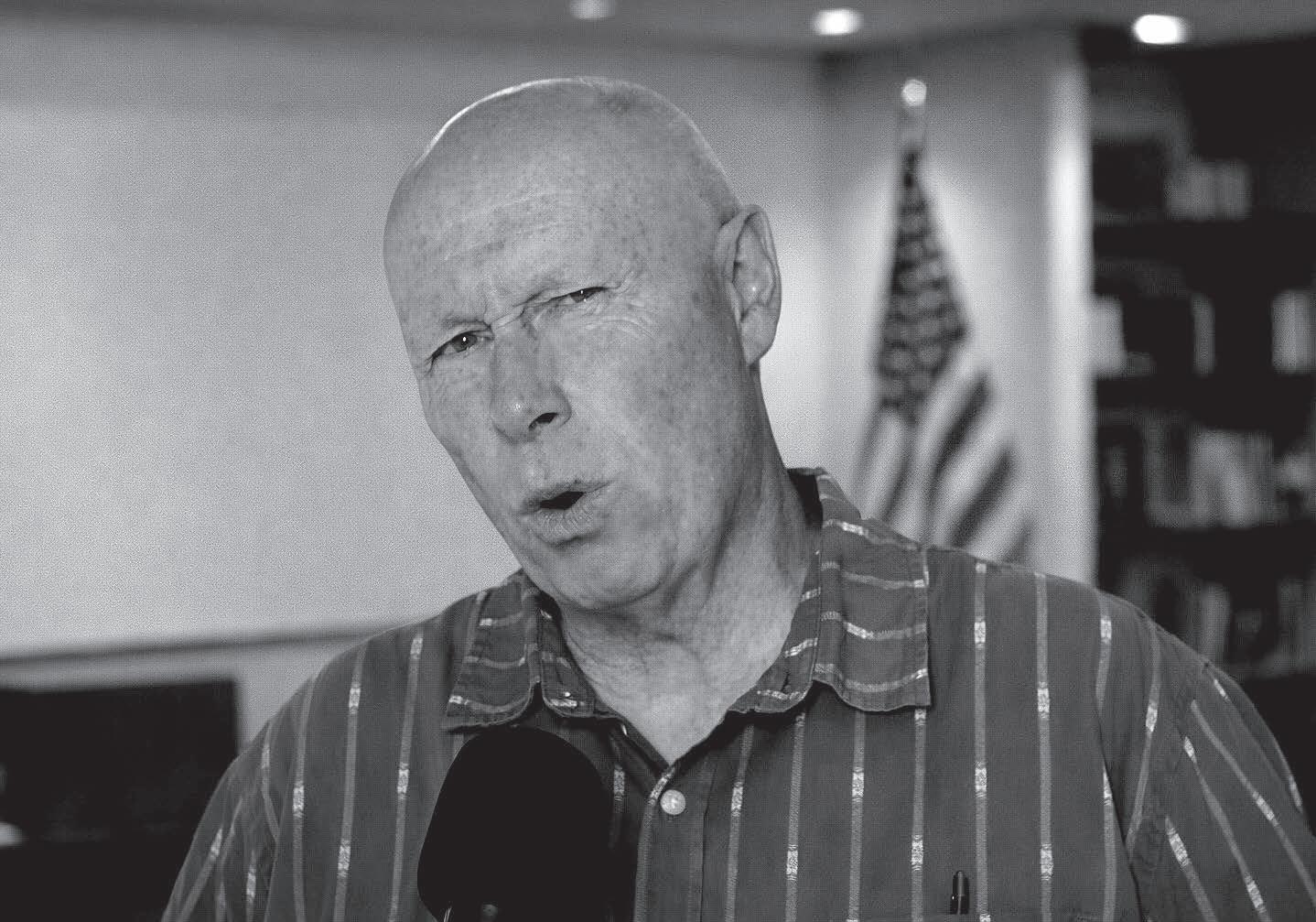
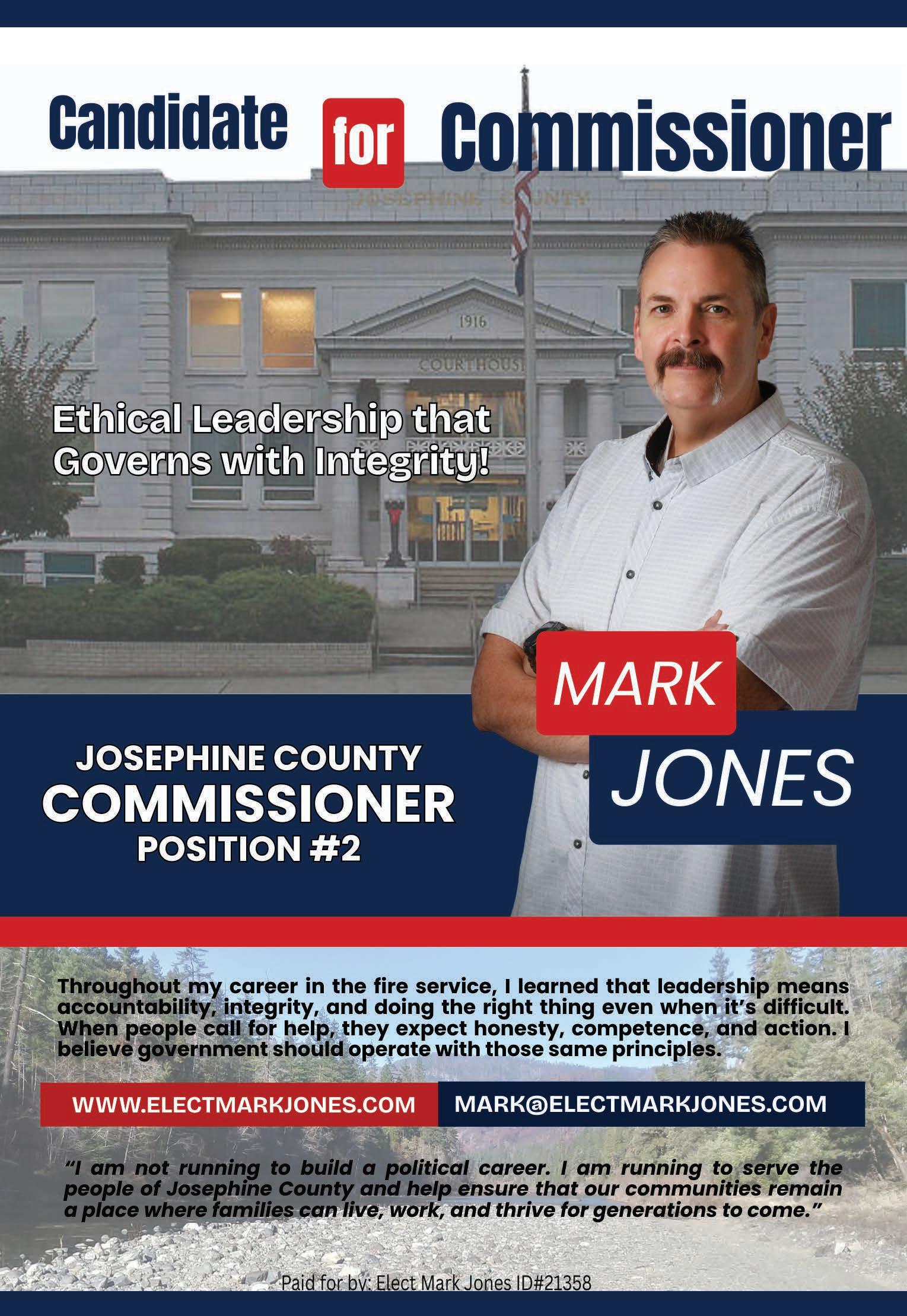
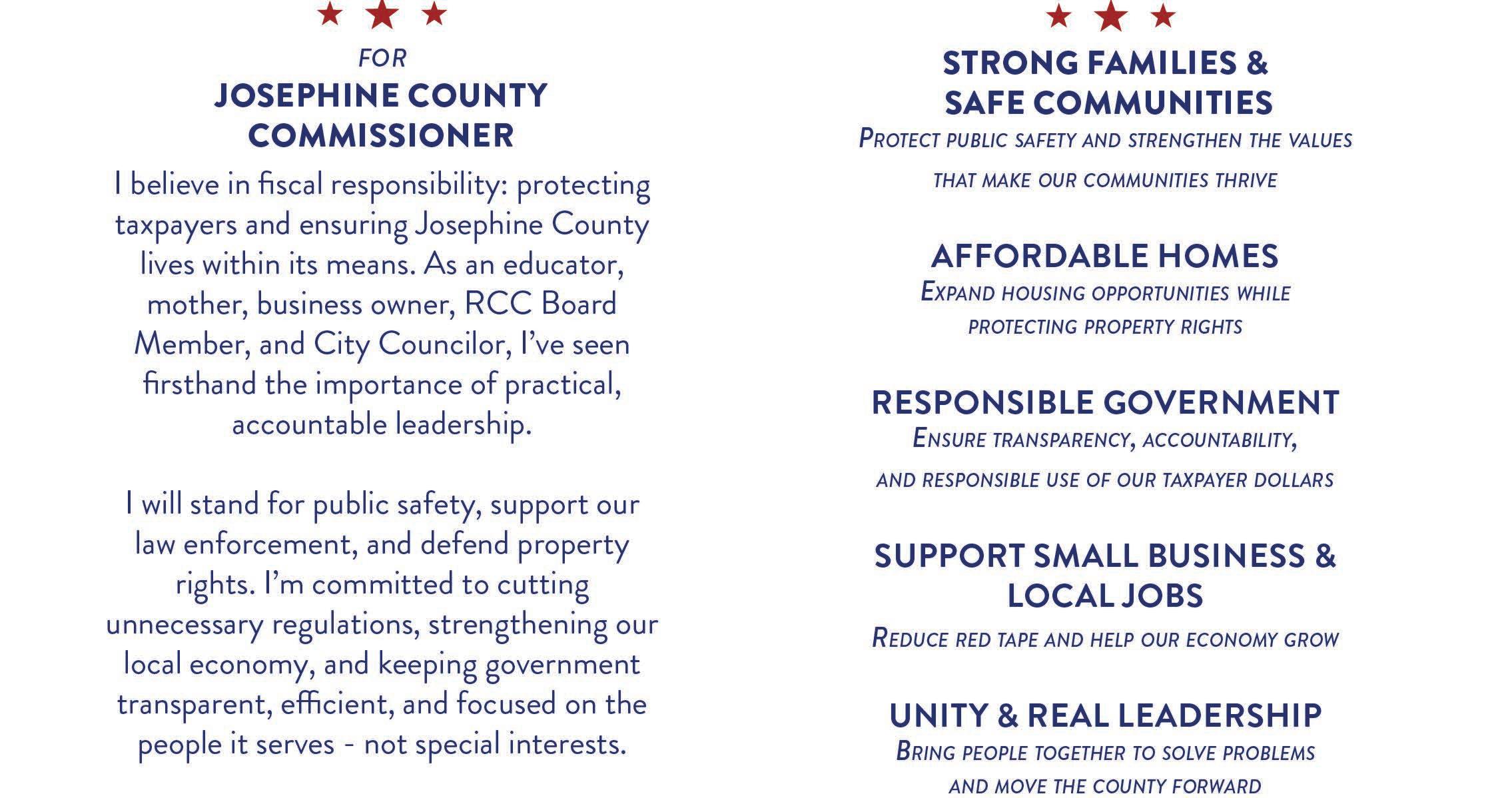
John West is asking Josephine County voters for a return to power, stepping back into the public arena after being recalled from the very position he now seeks again. His campaign voice is confident, forceful, and built around a message many residents want to hear. Taxes are too high. Government is spending too much. Working families are getting squeezed.
“Let’s cut taxes and stop taxes that effect working families and seniors on a fixed income deeply,” West wrote in a recent public post. He followed that with a warning, urging voters to reject a measure he claims would raise gas taxes, double payroll taxes, and dramatically increase DMV fees across Oregon.
It is a message designed to connect with frustration. It is also a message that demands scrutiny.
Because once the rhetoric is set aside, a basic and unavoidable question remains. Can a county commissioner actually do what John West is promising?
The answer, grounded in the structure of Oregon government, is NO!
Gas taxes are set by the state legislature. Payroll taxes tied to statewide programs are set by the state. DMV fees are set by the state. These are not policies debated or decided in Josephine County. They are not subject to a vote by county commissioners. They are not within the authority of the office West is running for.
A county commissioner cannot lower the
state gas tax. A county commissioner cannot block a statewide payroll tax. A county commissioner cannot prevent DMV fee increases. The position simply does not have that reach.
Yet West presents these issues as central to his campaign, framing them as problems he can directly confront. That disconnect between promise and power is not subtle. It is foundational.
The concern is not whether taxes are too high. Many residents believe they are. The con-
cern is whether a candidate is accurately representing what they can do about it.
When a candidate tells voters he will stop or cut taxes that are controlled entirely outside his jurisdiction, it creates an expectation that cannot be met. That is not a matter of opinion. It is a matter of structure.
West’s own words sharpen that contrast. In one post, he states, “Oregon is already among the top 12 highest gas tax states. Vote no on
• see JOHN, page 3
Labor Secretary ChavezDeRemer Departs Under Investigation
By John Oliver
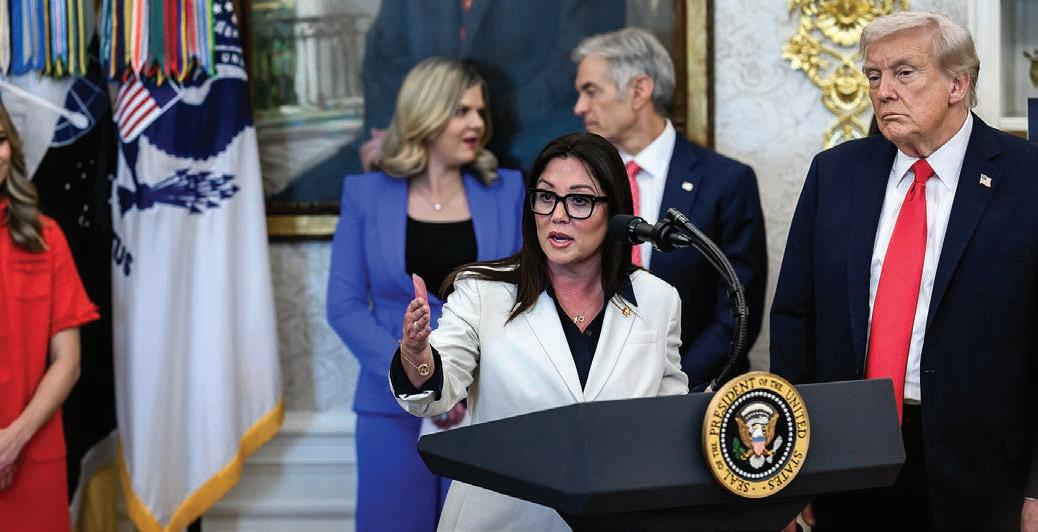
Washington moved quickly this week, but the ripple hit Oregon just as hard.
The exit of Lori Chavez-DeRemer from President Donald Trump’s Cabinet marks more than a personnel shakeup in the nation’s capital. For many across Oregon, it lands closer to home, tied to a political figure whose rise from local government to the federal stage once signaled a growing voice for the state in national leadership.
That trajectory has now been interrupted by a cluster of allegations that triggered a formal federal investigation and ultimately led to her departure as head of the U.S. Department of Labor.
According to multiple national reports, the allegations include claims of an inappropriate relationship with a subordinate, the use of alcohol during official duties, and the potential misuse of government resources for personal benefit. Additional concerns have surfaced about workplace conduct and internal management practices, prompting scrutiny not only of Chavez-DeRemer’s leadership
but of the environment within the department itself.
Federal investigators had already begun examining the situation through the Department of Labor’s Office of Inspector General before the resignation was confirmed. The inquiry remains ongoing, and no final public findings have been released, leaving key details unresolved even as the leadership transition moves forward.
The White House has installed Deputy Labor Secretary Keith Sonderling as acting head of the agency, a move intended to stabilize operations within a department responsible for enforcing wage laws, workplace safety standards, and employment protections af-

By Ellen Ward
Today is Earth Day, an annual observance recognized across the nation, focused on environmental protection, conservation, and public participation. First established in 1970, Earth Day continues to serve as a coordinated opportunity for communities to engage in activities that support cleaner air, water, and land.
From urban centers to rural valleys, Earth Day events are scheduled throughout the state, offering residents opportunities to participate in cleanup efforts, restoration projects, and educational activities. These events are designed to encourage both immediate action and long-term awareness of environmental challenges affecting air quality, water resources, and land use.
In Portland, activities are expected at Laurelhurst Park, located at 3551 SE Ankeny Street, where volunteers will gather beginning at 10 a.m. for park cleanup efforts and environmental outreach. Organizers typically coordinate litter removal, recycling education, and community engagement activities throughout the day.
Further south in Eugene, Alton Baker Park at 100 Day Island Road will host Earth Day programming starting at 9 a.m. The focus in Eugene includes habitat restoration projects along the Willamette River, along with informational booths addressing sustainability practices and conservation strategies.
fecting millions of Americans.
For Oregon, the moment carries a sharper edge. Chavez-DeRemer’s political roots run through the state, where she served as mayor of Happy Valley before being elected to Congress. Her appointment to a Cabinet-level position had been viewed by some as a notable extension of Oregon’s influence in federal policymaking, particularly in areas tied to labor, workforce development, and economic stability.
Now, that connection is being reframed through a different lens, one focused on accountability and the pressures that accompany national office. The contrast is difficult
• see LABOR, page 5
In Southern Oregon, Earth Day efforts are centered on community participation and local stewardship. In Medford, volunteers are expected to meet near Hawthorne Park, 501 East Main Street, at 9 a.m. for a coordinated cleanup along Bear Creek. The effort targets litter removal and general maintenance of one of the city’s primary waterways.
• see COMMUNITIES, page 9

By Ellen Ward
A rarely used lever of federal authority has been pulled back into the spotlight, not for tanks or vaccines, but for fuel, electricity, and the machinery that keeps both moving. President Donald Trump’s decision to invoke the Defense Production Act to support domestic energy production marks a significant shift in how the federal government is positioning the nation’s energy supply, recasting it as a matter tied directly to national defense rather than solely market economics.
The action comes through a series of presidential determinations aimed at expanding capacity across several pillars of the U.S. energy system, including coal-fired power generation, liquefied natural gas infrastructure, domestic oil production, and the physical backbone of the electric grid. Transformers, transmission components, and other critical equipment, often overlooked until shortages arise, are now part of a broader federal push to accelerate production and availability.
At its core, the move signals a change in posture. Energy is no longer being treated as a sector that simply responds to supply and demand, but as one that may require direct federal intervention when pressures mount. The administration has framed the issue in stark terms, arguing that vulnerabilities in energy supply chains and rising costs pose risks that extend beyond household budgets and into the realm of national security preparedness.
That framing has gained traction in part because of current economic conditions. Fuel prices have experienced upward pressure amid global instability, while electricity costs have climbed alongside demand and infrastructure strain. Supply chain disruptions have also played a role, particularly
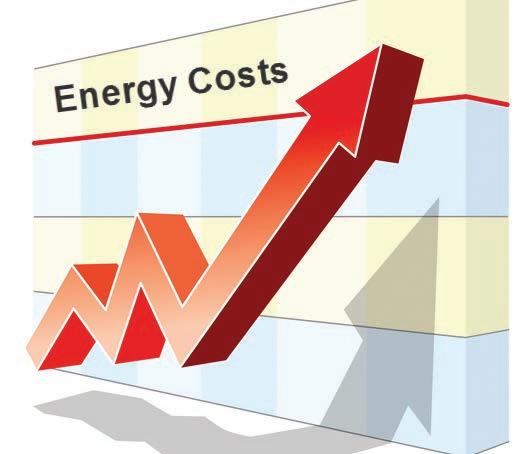
in the availability of specialized equipment needed to maintain and expand the grid. These overlapping challenges have created a situation where delays in one part of the system ripple outward, affecting everything from industrial production to residential utility bills.
The Defense Production Act provides the federal government with tools designed for moments of urgency. It allows agencies to prioritize contracts, direct private industry to focus on specific outputs, and provide financial incentives such as loans or purchase guarantees. While the law has been used in recent years for public health emergencies and semiconductor production, its application to a broad sweep of energy sectors is less common and carries
to ignore. A political ascent built on public trust has collided with allegations that question how that trust was managed at the highest level of government.
The situation has also drawn attention to broader patterns within the current administration. ChavezDeRemer’s departure adds to a growing list of Cabinet turnover, raising ongoing questions about internal oversight, vetting, and leadership stability across federal agencies. In roles where policy direction and enforcement authority carry significant weight, sudden changes at the top can create uncertainty that extends well beyond Washington.
Inside the Labor Department, that uncertainty arrives at a time when the agency is navigating complex national issues, including wage enforcement disputes, labor shortages, and evolving workplace regulations. Leadership continuity in such an environment is not a minor concern. It directly affects how policies are interpreted, implemented, and enforced across the country.
broader implications.
What distinguishes this action is not just the sectors it touches, but the scale of coordination it implies. Expanding domestic petroleum output, increasing liquefied natural gas capacity, and reinforcing grid infrastructure are not short-term undertakings. Each involves regulatory hurdles, construction timelines, and capital investment that typically stretch across years. The federal government’s involvement may accelerate certain aspects, particularly in manufacturing and procurement, but it does not erase the inherent complexity of building energy systems at scale.
Supporters of the move argue that waiting for market forces alone to correct imbalances is no longer sufficient in a
world shaped by geopolitical uncertainty. They contend that a more assertive federal role can reduce dependence on foreign energy sources, stabilize prices over time, and ensure that critical industries and defense operations are not left vulnerable to supply disruptions.
Critics, however, question whether the policy can deliver meaningful relief in the near term. They point to the long development timelines associated with energy infrastructure and warn that government intervention could distort markets by favoring certain industries over others. Environmental concerns also remain part of the debate, particularly with renewed emphasis on coal and expanded fossil fuel production.
What emerges from this moment is a broader redefinition of priorities. The administration’s use of the Defense Production Act suggests a belief that energy independence is inseparable from national resilience. It places reliability and domestic capacity at the center of policy, even as questions remain about cost, timing, and long-term impact.
For the public, the immediate effects may not be visible overnight. Utility bills and fuel prices are influenced by a web of global and domestic factors that cannot be reshaped instantly. Yet the direction is clear. Washington is signaling that when energy markets strain under pressure, the federal government is prepared to step in, not as a distant regulator, but as an active participant shaping supply itself.
The outcome of that approach will unfold over time, measured not only in barrels produced or megawatts added, but in whether the strategy succeeds in delivering stability to a system that has become increasingly difficult to predict.
Here in Oregon, the development may resonate differently depending on perspective. For some, it un-
derscores the reality that national politics can quickly overshadow local origins. For others, it raises familiar questions about transparency and ethical standards, regardless of party or position.
What remains clear is that the story is not finished. With the federal investigation still underway, the full scope of the allegations and any substantiated findings have yet to be publicly determined. Until that process concludes, the departure stands as a significant but incomplete chapter.
The takeaway is not confined to one individual or one state. It is a reminder that public office, whether held in a city council chamber or a Cabinet office in Washington, carries expectations that do not diminish with elevation. If anything, they intensify.
For Oregon readers watching from a distance that suddenly feels much closer, the message is straightforward. Representation on the national stage brings both visibility and responsibility, and when questions arise, they do not stay in Washington. They travel home. From page 1


By John Oliver
April 28 Sets Firm Deadline for Oregon Voter Registration Ahead of May Election.
Oregon residents planning to participate in the upcoming May statewide election have a fast-approaching deadline that will determine whether they receive a ballot. April 28 is the final day to register to vote or make changes to an existing voter registration for this election cycle.
Under Oregon law, voter registration must be completed at least 21 days before an election. Once that deadline passes, the voter rolls are finalized and ballots are prepared for distribution. Individuals who are not registered by that date will not receive a ballot for the May election.
The deadline applies not only to new registrations but also to updates. Voters who have recently moved, changed their name, or wish to update their political party affiliation must do so by April 28. Party affiliation can be particularly important during primary elections, as some races are limited to voters registered with a specific political party.
To be eligible to register in Oregon, a person must be a United States citizen, a resident of the state, and at least 16 years old. However, individuals must be 18 years old by Election Day in order to vote. These requirements are verified during the
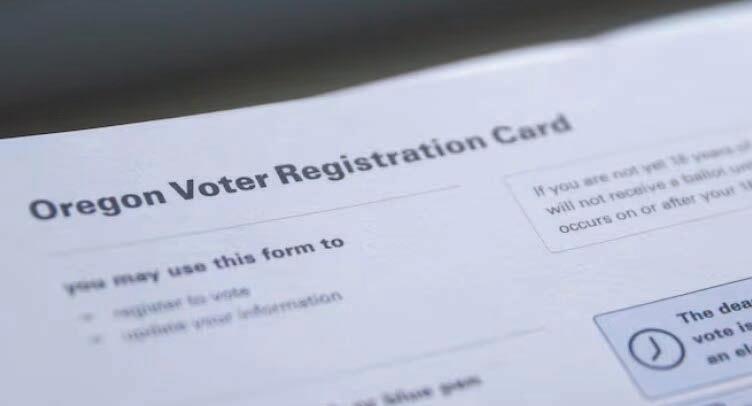
registration process.
Residents have multiple options to complete or update their registration. The most common method is through the state’s official elections website, where the process can be completed online. Voters may also register in person at their local county elections office. In Southern Oregon, county offices in Josephine and Jackson counties provide in-person assistance during regular business hours.
Online registration typically requires a valid
Oregon driver’s license or identification card. If that is not available, applicants may use the last four digits of their Social Security number. This information is used by county election officials to confirm identity and eligibility before adding a voter to the registration system.
As part of the process, applicants must affirm that the information they provide is accurate and that they meet all eligibility requirements. Providing false information on a voter registration form can carry legal consequences under state law.
Oregon conducts its elections entirely by mail. After the registration deadline passes, ballots are mailed to all eligible and registered voters. Because of this system, maintaining accurate voter information is essential. An incorrect address or outdated registration can delay or prevent a ballot from being delivered.
Election officials also encourage voters to review their registration status ahead of the deadline to ensure all information is current. This includes verifying mailing addresses and confirming party affiliation if they intend to participate in primary races where party membership is required.
In addition to registration reminders, the state has released updated voter education materials for the 2026 election cycle. These materials are designed to provide information about the voting process, important dates, and what voters can expect in both the primary and general elections.
With ballots scheduled to be mailed shortly after the April 28 deadline, the timeline for participation is already in motion. For those intending to vote in May, completing or updating voter registration before the cutoff ensures inclusion in the process. Once the deadline passes, no additional changes can be made for this election.
Measure 120.” He then lists what he describes as the consequences, including a 15 percent increase in gas taxes and a doubling of payroll wage taxes.
Even if those claims were fully accurate in their details, which requires separate verification, the central issue remains unchanged. A county commissioner does not have the authority to enact or stop those changes. At most, they can voice opposition or support. They cannot decide the outcome.
That reality does not appear anywhere in the messaging.
The pattern continues when the conversation turns to economic development. When asked what he would do to bring more jobs to the area, West responded, “Costco has tried twice to come here, and with my business experience, I believe I’m the right person to help make that happen.”
That claim does not hold up under scrutiny. Independent verification conducted for this report included direct outreach to Costco. Two separate representatives confirmed there are no current plans, no pending proposals, and no ongoing discussions regarding a Costco location in Josephine County. According to those representatives, there has been no engagement with local officials or intermediaries about placing a store in the area.
That alone undercuts the premise of the claim, but the logistical reality goes even further. Costco’s site selection process is not speculative or political. It is driven by hard metrics. Population density, regional draw, traffic patterns, distribution efficiency, and proximity to existing warehouses all play a decisive role. Josephine County sits within the established service radius of the Medford Costco, which already captures the regional demand. From
a corporate standpoint, placing another warehouse within that same corridor would create overlap, not expansion.
The numbers do not support it. The geography does not support it. The company itself does not support it.
The idea that a single county commissioner could “make that happen” collapses under both corporate confirmation and basic retail logistics.
West continues, “I want to improve our industrial park in Merlin to attract more business activity. Right now, we’re losing millions of dollars every year to places like Brookings, Glendale, Crescent City, and Central Point because people are driving there to shop at Costco.”
Here, the argument begins to touch on something real. County infrastructure, land use, and development planning are within the scope of a commissioner’s role. Investment in an industrial park is a tangible policy discussion. But even in this space, the language stretches beyond the limits of certainty.
Attracting business is not a switch that can be flipped. It is a process shaped by market conditions, regional competition, workforce availability, and long-term planning. Suggesting that one office holder can reverse economic trends through intent alone oversimplifies a complex system.
There is a consistent pattern across these statements. Real frustrations are identified. Real issues are named. Then they are paired with promises that exceed the authority of the office being sought.
Not every claim made by West falls outside his reach. In a separate statement, he criticizes proposed county spending on memberships in organizations such as O&C Counties and SOREDI, estimating a combined cost of more
than one hundred thousand dollars. He argues that those funds could be redirected to local priorities.
That is a legitimate policy position. County commissioners do control budget allocations. They do decide how discretionary funds are spent. They do have the authority to question whether certain expenditures deliver value to taxpayers.
Even there, however, the conclusion is not automatic. Organizations like SOREDI are intended to drive regional economic growth, often producing indirect benefits that are not immediately visible. Whether those memberships are worthwhile is a debate grounded in analysis, not assumption.
That contrast matters because it highlights the difference between advocacy rooted in the actual powers of the office and claims that extends far beyond it.
Josephine County voters are not being asked to evaluate a single issue. They are being asked to evaluate a pattern.
Does John West understand the limits of the position he is seeking?
If he does, why present statewide tax policy as something he can directly control?
If he does not, what does that say about his readiness to return to office?
There is no ambiguity about what a county commissioner can and cannot do. The role is defined. Its powers are established. Its limits are clear. It is not a statewide office. It is not a legislative seat in Salem. It is a local position with local authority.
Campaigns can stretch language. They can amplify concerns. They can simplify complicated systems into digestible talking points. But there is a line between simplification and misrepresentation. When that line is crossed,
voters are left with a version of reality that does not match the office on the ballot.
John West’s campaign sits directly on that line.
Some of what he says reflects real issues within his reach. Much of what he promises does not.
That leaves voters with a choice that is less about agreeing with his message and more about trusting the foundation beneath it.
Because at the end of the day, this is not just about taxes or jobs or spending. It is about whether the person asking for power understands the power they are asking for.
And if they do not, the consequences do not fall on the candidate.
They fall on the county.
At some point, voters must confront a difficult but necessary question: are the statements being made by John West the result of a fundamental misunderstanding of the facts, or are they deliberate misrepresentations intended to regain public office? Either possibility should give the public pause. This is not a matter that should be settled by assumption, rhetoric, or even by this publication alone. It demands independent verification. Voters owe it to themselves and to the integrity of their community to examine the record, compare campaign claims against established law, and ask direct, specific questions of the candidate himself. The responsibility does not end at listening; it requires scrutiny. When a candidate’s public assertions appear to diverge sharply from legal realities, that gap must be addressed openly and clearly. An informed electorate is the only safeguard against misinformation, and in this case, the contrast between what is being claimed and what is supported by law warrants careful, deliberate attention.
By John Oliver
Earth Day lands each year as a reminder, but in Oregon it is increasingly doubling as a progress report. This week, Democratic lawmakers in the state Senate are pointing to a slate of recent legislation they say is reshaping how Oregon protects its land, water, wildlife, and long-term environmental stability.
The message arriving alongside Earth Day is not subtle. Lawmakers argue that state-level action has become more urgent as federal priorities shift, placing more responsibility on Oregon to define its own environmental standards and protections. The result is a growing body of policy aimed at everything from energy production and groundwater safety to wildlife crossings and consumer waste.
Senate Majority Leader Kayse Jama framed the issue in stark terms, tying Oregon’s environmental direction to broader national policy debates. “The rich natural landscape defines our shared home as Oregonians. It’s up to us to protect it from the Trump administration’s greed,” Jama said. “Defending our environment through state law is especially urgent while our federal government moves to enrich oil and gas billionaires, gut clean water protections, and abandon climate standards.”
At the center of this year’s legislative focus is the question of public land. Senate Bill 1590, introduced in 2026, aims to block state and local governments from cooperating with any federal effort to sell off public lands within Oregon. Supporters describe the measure as a defensive line, ensuring that decisions about iconic landscapes, recreational areas, and culturally significant sites remain protected from privatization pressures.
Senator Anthony Broadman, who sponsored the bill, emphasized the long-term stakes tied to land ownership. “Our public lands are the greatest inheritance we can leave our children,” Broadman said. “We will not collaborate with federal efforts to
privatize our national parks, our monuments, our sacred places.”
Beyond land use, lawmakers have spent the past several sessions tightening policies around energy and water systems. New legislation is designed to accelerate renewable energy development while holding utilities accountable for safety and reliability. A combination of bills allows regulators to reward utilities that meet benchmarks tied to clean energy adoption, wildfire mitigation, and consistent service delivery.
Financial incentives are also expanding. Updated rebate programs are intended to make solar energy and battery storage more accessible to households and businesses, reflecting a broader push to reduce dependence on traditional energy sources. At the same time, the state has moved to modernize how it detects and responds to groundwater contamination, shifting toward earlier intervention before pollution spreads.
Chemical exposure has also entered the legislative spotlight. Lawmakers have passed measures to eliminate so-called “forever chemicals” from firefighting foam, addressing concerns about long-term environmental persistence and potential health risks tied to contaminated water sources.
Wildlife policy has followed a parallel track, blending conservation goals with practical concerns from rural communities. A newly approved funding structure permanently supports efforts to remove invasive species, protect native habitats, and reduce illegal poaching. Other measures attempt to balance ecological preservation with agricultural realities, including compensation programs for ranchers who lose livestock to wolf attacks.
Transportation safety intersects with conservation as well. The state has strengthened programs that construct wildlife crossings over and under major roadways, aiming to reduce collisions between

vehicles and animals while preserving migration patterns. Additional legislation encourages the natural role of beavers in restoring wetlands and improving water flow, reflecting a shift toward working with ecosystems rather than reshaping them.
Waste reduction policies round out the current legislative package. Lawmakers have targeted everyday consumer habits, pushing systems that require battery manufacturers to manage collection and disposal rather than leaving the burden on landfills. Oregon has also reinforced its right-torepair stance, allowing residents to fix electronic devices instead of replacing them, a move intended to cut down on electronic waste.
Plastic reduction remains part of the effort. Expanded restrictions on single-use checkout bags continue a broader campaign to limit disposable materials in circulation, a policy that has gradually reshaped retail practices across the state.
Senator Janeen Sollman, who chairs the Senate Committee on Energy and Environment, said the legislative approach reflects a balancing act

between environmental protection and daily life. “Oregonians value the precious resources of our land, water, and air and feel a deep connection to those values,” Sollman said. “Our policymaking respects that balance is key to protecting that relationship.”
For residents, the impact of these policies is not always immediate or visible, but it is increasingly woven into daily routines, from how energy is sourced to how waste is handled and how roads are designed. Earth Day, in this context, becomes less about symbolism and more about tracking the direction of those changes.
As Oregon continues to navigate competing pressures from economic demands, population growth, and environmental risk, lawmakers are signaling that the state intends to keep shaping its own path. Whether through land protections, energy incentives, or conservation programs, the policies highlighted this week suggest that Earth Day in Oregon is no longer just a date on the calendar, but a checkpoint in an ongoing policy shift.




Why Whole Milk Works for Some Bodies and Fights Others
By Bryce Robinson
There was a time when a glass of whole milk was as routine as breakfast itself, poured without a second thought and trusted as a staple of strength. For many adults today, that same glass can feel like a gamble, delivering nutrition for some while quietly disrupting others.
Whole milk remains one of the most nutrient-dense everyday foods available. It carries a natural package of protein, calcium, vitamin D, and essential fats that support bone health, muscle maintenance, and overall energy balance. For children, teenagers, and even many adults, it continues to serve as a reliable dietary cornerstone, particularly in periods of growth or recovery. Its fat content also plays a role in satiety, helping people feel fuller longer and stabilizing energy throughout the day.
Yet the human body does not remain static, and neither does its relationship with milk.
As adulthood settles in, a biological shift often takes place beneath the surface. The enzyme responsible for breaking down lactose, the natural sugar in milk, begins to decline. This change does not happen overnight, nor does it affect everyone equally, but it is widespread enough to reshape how millions of people experience dairy. The condition, known as lactose intolerance, alters digestion

in a way that can turn a simple drink into a source of discomfort.
When lactose is not fully digested in the small intestine, it moves into the colon where bacteria ferment it. That fermentation process produces gas, leading to bloating, pressure, and flatulence. For some, the symptoms are mild and occasional. For others, they are immediate and unmistakable.
Whole milk, in particular, can intensify this experience. Its higher fat content slows the digestive process, extending the time lactose remains in the gut. This delay allows more opportunity for fermentation, amplifying the very symptoms many adults are trying to avoid. What was once nourishing can be-
gin to feel heavy, even disruptive.
Beyond lactose, the evolving landscape of the adult gut plays its own role. The microbiome, a complex ecosystem of bacteria within the digestive system, changes over time. Diet, stress, medications, and aging all influence its balance. As that balance shifts, sensitivities to certain foods, including dairy, may emerge or intensify. In some cases, even individuals who are not formally lactose intolerant report discomfort after consuming whole milk.
There is also a smaller, often overlooked group of people who react not to lactose, but to milk proteins such as casein. These reactions tend to be less about gas and more
From page 1
Ashland residents are anticipated to take part in informal Earth Day activities throughout Lithia Park, located at 59 Winburn Way. While not always structured as a single organized event, the park often sees increased volunteer presence on April 22, with individuals and small groups contributing to trail and landscape cleanup.
In Grants Pass, Riverside Park at 304 East Park Street serves as a common gathering point for local volunteers. Cleanup efforts typically begin in the late morning and focus on maintaining the Rogue River’s banks and surrounding public areas. Beyond organized events, Earth Day also highlights practical steps residents can take within their own homes and neighborhoods. Recycling remains a key component of environmental efforts, though proper sorting is essential. Materials such as paper, cardboard, glass, and certain plastics can be recycled effectively when clean and free of food waste. Contaminated recycling can disrupt processing and lead to increased landfill use.
Water conservation continues to be a priority, particularly in Southern Oregon, where seasonal drought conditions can impact supply. Reducing outdoor water use, repairing leaks, and using efficient appliances are among the most common strategies recommended by local agencies.
Energy use is another area of focus. Turning off lights and electronics when not in use, switching to energy-efficient lighting, and maintaining heating and cooling systems can reduce overall consumption. These measures not only support environmental goals but can also lower household utility costs.
Landscaping choices also play a role in environmental health. Native plants are generally better suited to Oregon’s climate and require less water and maintenance. They also support pollinators such as bees and butterflies, which are essential to agricultural systems and biodiversity.
Earth Day continues to serve as a reminder of the relationship between individual actions and broader environmental outcomes. While largescale policy decisions shape long-term environmental direction, local participation and daily habits contribute to measurable change over time.
As April 22 is observed across Oregon, residents are presented with both organized opportunities and practical options to engage. Whether through participation in a local event or adjustments in daily routines, Earth Day remains focused on encouraging informed, consistent efforts to protect natural resources and maintain environmental balance across the state.
about inflammation or digestive unease, creating another layer of complexity in how milk is tolerated.
Still, it would be inaccurate to cast whole milk as a dietary villain. For many, it remains a valuable and well-tolerated source of nutrition. Athletes, individuals with higher caloric needs, and those without lactose sensitivity may benefit from its complete nutritional profile. In certain diets, especially those focused on whole, minimally processed foods, whole milk continues to hold a respected place.
The key distinction lies not in the milk itself, but in the individual consuming it.
For those who find themselves increasingly at odds with whole milk, options exist that preserve the benefits while reducing the drawbacks. Lactose-free milk offers the same nutritional value without the digestive burden. Lower-fat versions may ease heaviness, while plant-based alternatives provide entirely different pathways to similar nutrients. Even simple changes, such as consuming milk alongside other foods, can improve tolerance by slowing absorption and aiding digestion.
In the end, the story of whole milk is not one of universal good or harm. It is a reflection of how the human body evolves, adapting quietly over time. What nourished effortlessly in youth may require reconsideration in adulthood, not as a loss, but as a shift toward better understanding.
For some, milk remains a comfort. For others, it becomes a lesson in listening more closely to what the body is saying.




By John Oliver
Rain feels like the most ordinary gift in Oregon, arriving season after season with little thought about ownership or legality. Yet beneath that familiar rhythm sits a framework of water law that draws a clear line between what residents can gather freely and what remains protected as a shared public resource. In Oregon, collecting rainwater is legal, but the permission comes with a specific boundary. Homeowners are allowed to capture rain only after it has landed on a manmade structure such as a roof. Gutters, downspouts, and storage barrels transform that rainfall into a usable supply for gardens, landscaping, and other non-drinking purposes. This type of collection is widely accepted and even encouraged as a way to conserve water, particularly in regions that experience dry summers.
The distinction becomes important when rainwater is intercepted before it reaches a rooftop. Oregon’s long-standing water rights system treats nearly all natural water, including rainfall once it enters the environment, as part of a regulated public supply. That means diverting water from the ground, capturing runoff, or attempting to store flowing rainwater outside of a rooftop system crosses into territory that typically requires a formal water rights permit.
The reasoning behind this approach

is rooted in balance. Water that falls across the landscape feeds streams, replenishes groundwater, and supports ecosystems downstream. If individuals were free to intercept that water at will, even in small amounts, the cumulative impact could alter availability for agriculture, wildlife, and other users who rely on established water rights.
For residents, the practical takeaway is straightforward but important. Rain barrels connected to a roofline are not only allowed but represent a responsible way to make use of a natural resource without interfering with the broader system. On the other hand, collecting water directly from the land or redirecting its natural flow without authorization can create legal complications, even if the intent is conservation.
There is also a health consideration that often goes overlooked. Rainwater gathered
from rooftops is not automatically safe to drink. Roof materials, debris, and environmental contaminants can affect water quality, meaning treatment and filtration would be necessary before considering it for household consumption.
Oregon’s approach may seem precise, but it reflects a larger reality about water in the West. Even something as simple as rainfall carries value beyond the moment it hits the ground. By allowing rooftop collection while restricting broader diversion, the state attempts to strike a balance between individual use and shared responsibility.
For communities across Southern Oregon, where seasonal shifts can bring both heavy rain and extended dry periods, understanding that balance matters. The rain may fall freely, but how it is gathered and used is anything but random.

5 DAY OUTLOOK
SOURCE: WEATHER.COM WEDNESDAY



















Southern Oregon Fills April 24 Through April 26 With Markets, Music, and Movement
By Bryce Robinson
There are weekends that pass quietly, and then there are weekends like this one, where Southern Oregon seems to stretch awake all at once. From Friday, April 24 through Sunday, April 26, 2026, the Rogue Valley settles into a rhythm that feels less like a schedule and more like a shared pulse. It begins in the late afternoon light, carries through crowded Saturday mornings, and doesn’t fully let go until Sunday evening.
Friday evening opens the door in Grants Pass, where Schmidt Family Vineyards, located at 330 Kubli Road, sets the tone with live music from 5 p.m. to 8 p.m. on April 24. The tasting room remains open until 8 p.m., giving visitors time to settle in, listen, and ease into the weekend without pressure. It is the kind of start that does not demand attention but quietly earns it, as people gather in small groups, conversations stretch out, and the valley begins to feel like a place meant to be shared again after the workweek.
By Saturday morning, April 25, the energy shifts from slow and social to active and visible. Downtown Grants Pass fills early as the Growers Market opens at 9 a.m. at the corner of 4th and F Street, running through 1 p.m. Local farmers, bakers, and makers line the streets with fresh goods that reflect the season’s turning point. Not far away, the American Legion Post 28 at 206 NW F Street begins serving breakfast from 9 a.m. to 11 a.m., with the smell of biscuits and gravy drawing in a steady crowd. Just outside, a bake sale runs from 8 a.m. to 1 p.m., adding another layer to the morning’s movement as

people drift between tables, vendors, and familiar faces.
The center of gravity on Saturday, however, pulls toward the Josephine County Fairgrounds, where the gates open at 8 a.m. for the Gem and Mineral Show. The event runs throughout the day and continues again on Sunday, April 26, beginning at 10 a.m. Inside, the fairgrounds transform into a space where polished stone, fossils, and handcrafted pieces catch the light from every angle. It is both educational and quietly mesmerizing, a place where children stop and stare and adults rediscover curiosity they did not expect to feel.
Late Saturday morning brings another kind of gathering to the same grounds as the Grants Pass Garden Club Spring Plant Sale begins at 11 a.m. on April 25. The timing is intentional. With the growing season now fully underway, the event offers more than plants. It offers a starting point. Residents arrive looking for tomatoes, flowers, and herbs, but leave with something broader, a sense that spring is no longer approaching but already here and asking to be
taken seriously.
As Saturday moves into evening, the tone shifts again. Back at the American Legion, Music Bingo takes over from 5 p.m. to 7 p.m., turning the day’s earlier community gathering into something more playful and relaxed. Across Grants Pass, restaurants and riverfront venues continue their live music rotations into the night, creating pockets of sound and light that keep people moving long after the markets have packed up.
Beyond Grants Pass, the weekend stretches outward. In Jacksonville, the historic downtown becomes part of an interactive experience through a self paced scavenger hunt that can be started at any time from April 24 through April 26. Participants move through the streets solving clues, turning the town itself into a kind of living map. The format removes the pressure of a start time and replaces it with something more flexible, allowing visitors to shape their own pace through the experience.
Medford carries a similar energy with its own scavenger style events unfolding across the
weekend, blending competition with exploration. Teams move through designated checkpoints across the city, creating a sense of motion that stands in contrast to the slower, more grounded events happening elsewhere in the valley.
Ashland, as it often does, draws the weekend into a different kind of focus. On Friday, April 24, the Oregon Shakespeare Festival begins early in the day with a behind the scenes tour at 9:30 a.m., followed by a campus tour at 10:30 a.m., before transitioning into afternoon and evening performances that continue through the weekend. Productions such as A Midsummer Night’s Dream, Come From Away, and A Raisin in the Sun rotate through stages on April 24, April 25, and April 26, with showtimes spread across the day to create a steady flow of theatergoers moving through downtown Ashland. Nearby, Lithia Park offers a quieter alternative through a self guided scavenger experience that can be started at any time, giving families and visitors a chance to engage with the landscape at their own pace.
By Sunday, April 26, the weekend settles without slowing. The Gem and Mineral Show returns at 10 a.m. at the fairgrounds, continuing to draw visitors for one more day, while Ashland’s stages remain active and the valley itself holds onto that lingering sense of motion.
What ties the weekend together is not any single event, but the way each piece connects. A vineyard in the evening, a market in the morning, a fairgrounds full of stone and color, a theater stage carrying stories into the night. Southern Oregon does not present these moments as separate attractions. It offers them as parts of a larger experience, one that invites people out of their routines and into something shared.
For anyone looking at the calendar from April 24 through April 26, the message is simple. The region is open, active, and waiting. The only real decision is where to begin.


April 20, 2026
Posting April 20, 2026