
WEDNESDAY, APRIL 16, 2025

WEDNESDAY, APRIL 16, 2025
By: John Oliver
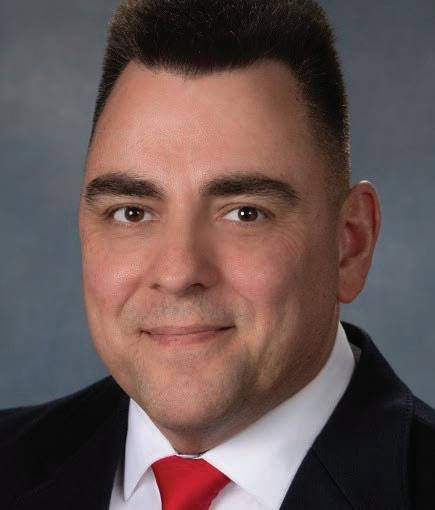
The people of Grants Pass are watching—and they’re beginning to ask hard questions. At a time when public trust in government is already on shaky ground, local residents are demanding more from their elected officials, especially those who promised transparency, reform, and a clean break from politics as usual. Among them is newly elected City Councilor Erich Schloegl, who now finds himself under increasing scrutiny for a series of actions that appear to contradict the very values he ran on.
Already under formal investigation by the Oregon Government Ethics Commission (OGEC), Councilor Schloegl’s role in the appointment of his spouse, Christina Schloegl, to the Grants Pass Budget Committee has raised red flags and serious concerns among residents and ethics officials alike. At the heart of the issue is Schloegl’s participation in the interview process of his own wife—something that interim city attorney Mark Bartholomew has already publicly acknowledged as a violation of Oregon Revised Statute (ORS) 244.177(1) (b). This statute prohibits public officials from participating in decisions that could present a conflict of interest involving family members.
The OGEC’s investigation has since expanded to include potential violations of ORS 244.277(3)(b), which relates to the appointment of a relative to a “public body.” Under Oregon law, the city budget committee qualifies as a governing body, and if found to be a second violation, it could further damage the credibility
of both Schloegl and the broader City Council that approved the appointment.
While the investigation remains pending, a new and equally troubling concern has surfaced.
On March 31, Councilor Schloegl submitted public testimony on Senate Bill 210, a piece of legislation unrelated to the ethics probe but submitted as part of his role in public office. However, in the testimony, Schloegl listed his city of residence as Rogue River—not Grants Pass, where he currently serves as a city councilor.
This inconsistency has left many citizens questioning whether Schloegl truly resides within the city limits of Grants Pass, a legal requirement for holding a seat on the council. According to publicly available records, Schloegl’s residential address appears to be listed as 221 Whispering Drive, which is within the Grants Pass city limits. However, his correspondence and certain online profiles also associate him with a Rogue River post office box. Given that his wife is employed by the Rogue River School District and their children attended school in Rogue River, some residents are asking whether this was an innocent oversight—or a sign of something more problematic.
The issue has opened a broader conversation about accountability and the responsibilities elected officials owe to the public. When a councilor already facing one ethics investigation submits official testimony to the state legislature with inaccurate or misleading information, it raises legitimate questions about judgment, transparency, and fitness for office. Even if the
discrepancy turns out to be a clerical error, constituents have a right to expect precision and honesty from those tasked with representing their interests at the local and state level.
Whether Schloegl misunderstood the distinction between a mailing address and a legal residence, or whether this points to something more serious, the optics are undeniably poor. These questions are especially unsettling when viewed against the backdrop of an active ethics investigation. Inconsistencies—whether unintentional or not—can quickly snowball into larger issues of credibility when a public official is already navigating allegations of misconduct.
For voters and taxpayers in Grants Pass, this situation is a sobering reminder that real reform requires more than campaign slogans and
promises of transparency. It demands a consistent commitment to ethical governance, legal compliance, and public trust. Public service is not merely about winning office—it’s about earning and maintaining the confidence of the community through accountability, honesty, and a willingness to lead by example.
The stakes are high, not just for Schloegl, but for the entire City Council. As these investigations and inconsistencies continue to unfold, they risk undermining the integrity of the local government as a whole. If residents begin to perceive that ethical standards are being selectively applied or conveniently overlooked, faith in democratic institutions suffers.
At a time when communities are demanding greater oversight and cleaner governance, any lapse—no matter how small it may seem— can be magnified under the public eye. In this case, the citizens of Grants Pass deserve clear answers about where their elected representative lives, why a conflicting city of residence was listed in state testimony, and whether ongoing ethical concerns are being taken seriously.
The bottom line is this: public office is a privilege, not a right. And with that privilege comes the expectation of transparency, adherence to the law, and a commitment to put the public interest above personal convenience. For Councilor Schloegl, and for all elected officials in Josephine County and beyond, the message should be clear—honesty and integrity are not optional; they are the foundation of public service.
By: Leaf Barret
As of yesterday, Tax Day 2025 is officially behind us. April 15 marked the federal deadline for filing income tax returns with the IRS. While many filed on time, countless others missed the mark or are still organizing their paperwork. If you’re one of them, don’t panic—there are still steps you can take, though they may come with financial consequences.
The IRS allows taxpayers to request an automatic extension to file, giving until October 15 to submit their return. However, this extension applies only to filing, not to paying any taxes owed. Failing to pay at least 90% of your estimated liability by April 15 may result in late payment penalties and interest charges. Addressing the issue promptly can help minimize additional costs and protect your financial standing.
Filing an extension is simple and can be done online or through a tax preparer. Still, if you owe money and haven’t paid, penalties begin accruing from the original deadline. Interest also applies until the full balance is paid. Acting quickly can reduce the burden and prevent complications later.
Even if you’ve filed an extension, it’s smart to complete your return as soon as possible.

If you’re due a refund, filing sooner means you’ll receive your money faster. Refunds typically take a few weeks to process, and delays are common during peak season. If you owe, early filing gives you time to arrange a payment plan with the IRS. Options like installment agreements can make repayment more manageable and may reduce penalties if financial hardship can be demonstrated.
For the self-employed and gig workers, tax season is especially challenging. Staying organized throughout the year—with records
of income, expenses, and estimated payments—is critical to avoid surprises. Mistakes or delays can result in penalties and underpayment issues that compound quickly. Late filing can also have ripple effects beyond just taxes. Many financial services— from loans and mortgages to student aid—require recent tax returns. Filing late may cause delays or obstacles when applying for these services.
Additionally, early filing can protect against identity theft. The IRS processes
thousands of fraudulent returns every year. Filing early reduces the risk of someone else filing in your name and stealing your refund. Now that Tax Day has passed, it’s a good time to reflect on your filing process. Did you feel rushed? Were you missing documents? Was your filing method efficient? These questions can help you improve your tax preparation next year. Using apps to track expenses, mileage, and receipts can make a big difference.
Missing the April 15 deadline isn’t ideal, but it’s not the end of the road. Filing as soon as possible, arranging a payment plan if necessary, and staying organized moving forward can ease the burden. Whether you’re finished for the year or just getting started, it’s time to take charge of your finances and prepare for a smoother tax season next year.


















By: John Oliver
Yesterday, the Josephine County Board of Commissioners held a closed-door executive session to address a formal complaint against Commissioner Ron Smith. The session, part of the regularly scheduled Legal Counsel Update, was conducted at 3:30 p.m. in the BCC Conference Room and included an update on the investigation, discussion of the complaint, and the county’s response. Though official details remain limited due to the private nature of executive sessions under Oregon law, the matter has generated considerable attention due to both the subject of the complaint and the person who brought it forward.
This is the second time in under two years that a complaint has been filed against a Josephine County commissioner, and in both cases, the complainant is reportedly former Finance and Human Resources Director Sandy Novak. The previous complaint was filed in 2023 against then-Commissioner Dan DeYoung. That complaint was never formally adjudicated in a court of law, but it led to significant internal fallout. DeYoung ultimately chose to retire from his role prior to the end of his term. Since then, rumors have circulated that DeYoung is considering legal action against the county, although no lawsuit has been publicly confirmed.
Now, Commissioner Ron Smith finds himself at the center of a similar situation. The complaint, which is believed to have been filed shortly before Novak left her position with the county, was reportedly made just ahead of her acceptance of a buyout totaling approximately $80,000. While the county has not released the specific contents of the complaint,

speculation has circulated that the allegations may relate to inappropriate conduct, including rumors of sexual harassment. These rumors have not been confirmed, and no formal charges have been made public. However, the complaint has been deemed serious enough by the Board of Commissioners to warrant a full hearing and legal review.
Although executive sessions are closed to the public to protect the confidentiality of personnel matters, the county did confirm that the meeting involved reviewing a complaint against a public official who had requested an open hearing, as well as a discussion of the investigation and resulting actions. Commissioner Ron Smith was named as the subject of the session in the official agenda released by the board.
The timing of the complaint, filed near Novak’s exit from county employment, has raised questions among political observers and members of the public. Some are questioning why the complaint was not brought forward earlier, particularly if the alleged incidents
took place months before her departure. Others have pointed to the fact that this marks the second time Novak has filed a formal complaint against a sitting commissioner. The back-to-back nature of the cases, both ending with commissioner departures or legal consequences, has led to speculation that broader political dynamics may be influencing the complaint process.
Commissioner Smith, elected relatively recently, has been viewed by some as an independent voice on the board—potentially less aligned with the current leadership's direction. This has led some to question whether the timing of the complaint and the hearing could be politically motivated, intended to create instability or pave the way for new appointments. Although there is no concrete evidence to suggest a coordinated effort, the pattern of events has left many residents suspicious of the underlying motivations.
In addition to the complaints involving DeYoung and Smith, there has been a notable uptick in legal and personnel issues emerging
from Josephine County government over the past year. A growing number of former employees have filed claims or lawsuits against the county, citing a range of grievances from hostile work environments to contract disputes and administrative mismanagement. The increasing volume of these cases has prompted broader concerns about the internal culture of the county’s administration and how personnel matters are being handled.
It remains to be seen what the outcome of the most recent complaint will be. While no public statement has been made by Commissioner Smith or county legal counsel, the Board of Commissioners indicated on the agenda that they would be reviewing the findings of an investigation and discussing the county’s response. The session did not include a public vote or action, but depending on the next steps, additional information may be released in the coming days.
For now, the public is left to watch and wait as yet another high-profile personnel issue unfolds within county government. With leadership stability, public trust, and taxpayer funds potentially on the line, the stakes are high—not just for the individuals involved, but for the reputation and future governance of Josephine County.
As questions about transparency and accountability continue to circulate, the need for clear communication from county officials has never been more pressing. Whether this complaint results in official action or becomes another chapter in a growing list of internal conflicts remains to be seen, but the continued scrutiny suggests residents are paying closer attention than ever before.



The BCC Weekly - Taking the “Blind” out of the BCC
By: Jay Meredith, CPA Investigative Journalist
Don’t call it a comeback. Many of the newly elected and appointed officials overseeing the most critical parts of Josephine County government have been here for years, so to speak.
Commissioner Andreas Blech, currently BCC Chair, had been an active participant in various committees of the county such as airports, the mining advisory committee, and even spent a ton of time with the Charter Change task force. Theoretically he knows the Charter inside out, which is interesting given that the current operating structure of the County is either bordering on the edge or has crossed over into a structure that potentially goes against certain Charter provisions.
At a minimum, the spirit of the County Charter is being violated in several ways, in my opinion. We have the equivalent of a County Manager (Operations Manager) overseeing quite a few departments, all but one he lacked significant experience in at the time he was appointed by his commissioner buddies John West and Herman Baertschiger in 2023. We have one commissioner who is making sweeping personnel changes without the other two commissioners weighing in. A couple weeks ago when he announced there had been several layoffs, the other two commissioners didn’t ask a thing about the layoffs and no details were provided.
Last week we confirmed that the entire code enforcement and solid waste staff were laid off. Since some of these staff work with the Sheriff, we asked the Sheriff for the reason for this action. The Sheriff was unaware of the reasons; therefore, this is not likely a criminal matter. On top of the firing of two department directors a few weeks ago, who were whistleblowers in the code enforce-

ment arena and a big internal investigation found that two commissioners had retaliated against them, this whole mess is very concerning.
The County did an unannounced special financial audit late last year for about $31,000 and the original invoice for another big internal investigation last year was over $40,000. We’ve seen the invoices, yet the County hasn’t said a word about this in public sessions. Given they were both completed almost 4 months ago, when is the public going to find out why Commissioners are making all these sweeping changes?
The former Finance/HR Director apparently did not want to stick around for this discussion, taking a large payout from the ill-timed employee voluntary resignation program, which was approved by Commissioners without even doing a financial analysis of potential costs of the program.
And now political ally and former commissioner Simon Hare is this year’s budget officer and was paid $25,000 upfront for this budget season service. Readers of the
Grants Pass Tribune know that Simon Hare is buddies with recalled commissioner John West, and newly elected Commissioner Chris Barnett has been John West’s real estate agent for the last 15 years. Sources tell us that after the December recall vote certification, John West spent a ton of time in the Commissioners’ offices lobbying the new 2025 Commissioners.
Recalled Commissioner John West got Simon Hare a consulting job doing some broadband grant work in late 2023 / early 2024. The County, at West’s direction, even started paying Hare before the County had a signed contract for the consulting work. And at one point last year, former commissioner West tried to propose a forestry cleanup project to the City-County Solid Waste Agency, and reportedly Simon Hare was part of that proposal cohort. And then of course there was Simon Hare’s recent appointment as Budget Officer with a very generous contract, without bothering to seek any other qualified applicants.
But that’s not all. Last week, Commis-

sioners appointed a friend and business partner of Simon Hare to one of three seats on the County Budget Committee. Chad Hansen was appointed to the Budget Committee on Friday of last week, and Chad just so happens to be a business partner of Simon Hare. According to the Oregon Secretary of State Corporation Division, a new business named Patriot Solutions LLC was registered on January 30, 2025. The two members listed under this new business filing were Simon Hare and Chad Hansen.
What’s the significance of the name Patriot Solutions, I wonder? My best guess is that it was formed to provide consulting or some sort of services to government agencies. I find it awfully coincidental that the County just laid off a whole bunch of staff members, including the entire code enforcement and solid waste staff. And now Simon Hare, who was part of an informal forestry cleanup proposal last year, is now the Budget Officer and his Patriot Solutions business partner is on the County Budget Committee.
It's all just an uncanny series of coincidences at this point. But I can’t count the number of times members of the public have accused the “good ole boys” of running the show and anyone outside the good ole boy circle can’t get a fair shake with Josephine County over the last couple years.
Don’t call it a comeback, indeed.
I sure hope the BCC will soon state their reasoning for all these employee firings and I sure hope Mr. Hare, Mr. Hansen, and our new County Manager-similar super department director allow fair competition for any government consulting service opportunities that may arise in the future. Because we now have two times in two years that Mr. Hare was given a consulting contract without County Commissioners entertaining any other proposals.




Advertise with The Grants Pass Tribune!
Stand with us in defending freedom of the press and the 1st Amendment! The Grants Pass Tribune is facing political persecution, with lawsuits aimed at silencing our bold investigative journalism. We remain committed to uncovering the truth and keeping our community informed like never before.
Show
By: Leaf Barret
Yesterday, April 15th, marked the anniversary of one of history’s most devastating maritime disasters—the sinking of the RMS Titanic. In the early morning hours of April 15, 1912, the Titanic slipped beneath the icy waters of the North Atlantic Ocean, claiming the lives of more than 1,500 passengers and crew. More than a century later, the legacy of that tragedy continues to resonate around the world, capturing imaginations and prompting reflection on human ambition, engineering, and the cost of overconfidence.
The Titanic, a marvel of its time, was designed to be the largest and most luxurious ocean liner ever built. Measuring 882 feet in length and weighing over 46,000 tons, the ship boasted stateof-the-art engineering and extravagant amenities. It carried over 2,200 people onboard—ranging from the wealthiest elite to hopeful immigrants seeking a new life in America. Built in Belfast and owned by the White Star Line, the ship embarked on its maiden voyage on April 10, 1912, departing from Southampton, England, with stops in France and Ireland before heading across the Atlantic toward New York City.
Though considered “unsinkable” by many, the Titanic’s fate was sealed late on the night of April 14th when it struck an iceberg about 370 miles south of Newfoundland. The iceberg tore through the ship’s starboard side, rupturing multiple watertight compartments. Although the ship was engineered to remain afloat with up to four compartments breached, the damage exceeded that limit, and the vessel began to sink bow-first into the frigid ocean.
In the hours that followed, confusion, fear, and disbelief gripped those onboard. Despite carrying over 2,200 passengers and crew, the Titanic had lifeboats for only about 1,100—less than half. Poor

planning, chaotic launching procedures, and a general reluctance to believe the ship was truly in danger led to many lifeboats being launched only partially full. By the time the stern of the ship rose out of the water and broke away from the bow, many people were still stranded on deck or had already jumped into the freezing waters.
Shortly after 2:20 a.m. on April 15th, the Titanic disappeared beneath the surface. Around 710 survivors were eventually rescued by the RMS Carpathia, which arrived hours later after responding to the Titanic’s distress calls. For those who remained in the icy sea, hypothermia quickly set in, and few survived more than a few minutes in the sub-zero conditions.
The aftermath of the disaster led to sweeping changes in maritime safety laws. Regulations were introduced mandating lifeboat space for all passengers, regular emergency drills, and 24-hour radio operations. International conventions, including the establishment of the International Ice Patrol, were formed to ensure a tragedy of this scale would never happen again.
The Titanic’s story has remained deeply embedded in global memory, not only as a cautionary tale of overconfidence and hubris but also for the human stories
that emerged from that night. Accounts of sacrifice, courage, and heartbreak have been passed down through generations. The tale has inspired an immense body of literature, academic research, exhibitions, and films—most notably the 1997 blockbuster that reintroduced the tragedy to a new generation.
In 1985, the wreck of the Titanic was discovered over two miles beneath the surface of the Atlantic. The haunting images of the ship’s broken hull and scattered artifacts offered a tangible connection to a moment long frozen in time. Since then, deep-sea missions have continued to document the site, preserving its historical significance and reminding the world of the lives lost.
As the calendar passed April 15th once more yesterday, the memory of the Titanic endures. It stands as a solemn reminder of how human error and nature’s might can converge in tragic fashion. The sinking was not merely a maritime failure—it was a cultural reckoning that challenged the blind faith in technology that defined the early 20th century. Each year, the anniversary invites reflection not only on the tragedy itself but on the legacy it left behind. The Titanic may rest in silence at the bottom of the sea, but its story continues to speak volumes.








GPT News Desk
Spring is in full swing, and so is the lineup of events at the Josephine County Fairgrounds & Event Center this week. From energetic dance classes to hands-on canning lessons and family-friendly flea markets, the fairgrounds will be buzzing with activity for residents and visitors alike.
The week kicks off on Monday, April 14, with two lively dance gatherings. First up is the Grants Pass Dance Club, which invites the community to come out for a daytime session from 11:30 AM to 3:30 PM. This long-standing dance group provides a fun and social atmosphere for people of all ages to move to the rhythm and stay active. Later that evening, the spotlight turns to Rikki’s Rounds, taking the floor from 5:30 PM to 9:00 PM. This dance event features round dancing—a choreographed style of ballroom dancing performed in a circular pattern— which has gained a dedicated following for its unique blend of rhythm, connection, and joy.
On Tuesday, April 15, dancing continues with a more traditional flair. The Charlie Brown Squares Dance group brings the square dancing tradition alive from 6:30 PM to 8:30 PM. Whether you’re a seasoned dancer or just want to give it a try, square dancing provides a chance to learn something new, meet new people, and enjoy a bit of nostalgia.
Midweek brings a different kind of excitement. Wednes-
day, April 16, at 4:00 PM, the Friends of the Fairgrounds BINGO event welcomes players young and old. Held in the community hall, BINGO at the fairgrounds has become a beloved tradition. It offers not only the thrill of the game and a shot at prizes, but also a way to support community-driven projects funded by the Friends of the Fairgrounds organization.
Thursday, April 17, brings another chance to join in the fun of square dancing. The Charlie Brown Squares Dance group returns to the dance floor for an extended session from 6:30 PM to 9:30 PM. For those who couldn’t attend earlier in the week or simply want more time on the floor, this second event offers another dose of foot-tapping fun.
The weekend gets rolling on Friday, April 18, with the Grants Pass Dance Club returning for another afternoon session. Running from 1:00 PM to 4:00 PM, this gathering offers an accessible and lighthearted environment for dancers to shake off the week and step into the weekend with style.
Saturday, April 19, promises to be the most action-packed day of the week. The Southern Oregon Flea Market opens its doors at 9:00 AM, offering everything from handmade crafts and antiques to rare finds and local food items. Visitors can expect a bustling marketplace filled with vendors and a chance to connect with small business owners and artisans

from around the region. Also on Saturday, starting at 10:00 AM, is the Water Bath Canning Class—a perfect event for home cooks and gardeners alike. Participants will learn safe and effective canning methods to preserve their harvests or create pantry staples like jams and pickles. The class provides essential knowledge for anyone interested in food sustainability and homemade goodness.
Closing out Saturday is Soup for the Soul, a community meal beginning at 5:00 PM. This event is centered around sharing food and fellowship, bringing together residents from all walks of life. Whether you’re coming for a warm meal, a friendly face, or a sense of
belonging, Soup for the Soul embodies the community spirit that the fairgrounds strive to foster.
Sunday, April 20, wraps up the week on a quiet note with no scheduled events, but the fairgrounds remain open to visitors who wish to explore the grounds or enjoy a peaceful spring day.
For full details on each event or to view upcoming programs, the public is encouraged to visit the official fairgrounds website at josephinecountyfairgrounds.com/ events. With a mix of fun, education, and community connection, this week’s events reflect the heart of Josephine County—active, welcoming, and full of local pride.
5 DAY OUTLOOK
SOURCE: WEATHER.COM
WEDNESDAY


79/45




Source: City of Grants Pass
A 30-year-old Grants Pass man has been arrested in connection with a homicide that occurred in early March. On Sunday, April 13, 2025, at approximately 3:00 p.m., officers and detectives with the Grants Pass Police Department located and arrested James Ross at the Robertson Bridge Boat Landing. He was lodged at the Josephine County Jail on charges of second-degree murder and unlawful use of a weapon.
The arrest stems from an incident that occurred on March 4, 2025, when emergency services responded to a call around 3:00 a.m. involving a severely injured male. The 57-yearold victim was found in the 1200 block of Rogue River Highway and was transported to Three Rivers Medical Center with critical head trauma. Despite receiving medical attention, the man later succumbed to his injuries after several weeks in the hospital.
Given the severity of the injuries and sub-
sequent death of the victim, the case was escalated to the Major Crimes Unit within the Grants Pass Police Department. Detectives began an extensive investigation, conducting numerous interviews and utilizing additional investigative resources to determine what had occurred. James Ross was identified as the primary suspect early in the inquiry, but his whereabouts remained unknown until his arrest over a month later.
Law enforcement officials say Ross was located without incident, and no further complications arose during his arrest. Authorities have not released details about the motive or whether the suspect and victim knew each other, citing the ongoing nature of the investigation.
The name of the deceased has not been released to the public, pending notification of next of kin and ongoing investigative procedures. Police have also not confirmed what type of weapon was used in the alleged as-

sault, only noting that Ross faces an additional charge for unlawful use of a weapon.
The Grants Pass Police Department is urging anyone with information about the incident to contact their offices or reach out to the Josephine County District Attorney’s Office. No additional suspects are being sought at this time, and authorities have not indicated whether any witnesses were present during the original incident.
This case marks a significant development for local law enforcement, which has been ac-
tively pursuing leads since the March incident. It remains one of the more serious violent crime cases in Grants Pass this year, drawing attention to the efforts of the Major Crimes Unit and their ability to close complex investigations through community cooperation and persistence.
Further updates are expected as the case proceeds through the legal system. Ross will remain in custody at the Josephine County Jail as he awaits arraignment and further legal proceedings.
Posting Date March 31, 2025
March 31, 2025
GPT News Desk
On Tuesday, military officials confirmed that Russian warplanes were detected off the coast of Alaska, prompting heightened concern as the planes entered a key area known as the Air Defense Identification Zone (ADIZ). Although the Russian aircraft remained in international airspace, their presence in the ADIZ has triggered an increased focus on airspace security, as this region, while not part of U.S. sovereign airspace, plays a critical role in monitoring and safeguarding national security.
The ADIZ is a designated area that extends beyond a country's territorial boundaries, allowing military authorities to track foreign aircraft that may pose a security risk. While the ADIZ is not considered part of U.S. airspace, aircraft entering the zone are expected to identify themselves, providing military officials with important information on their intent and origin. This zone serves as an early warning system, alerting defense forces to any potential threats before they can enter more sensitive airspace.
The North American Aerospace Defense Command (NORAD), which is responsible for monitoring airspace in

North America, confirmed that the Russian warplanes were not in U.S. airspace at any point. However, their incursion into the ADIZ was closely monitored by U.S. military officials. According to NORAD, the aircraft were not considered a direct threat but were subject to surveillance to ensure they did not pose a risk to national security.
The incident is part of an ongoing pattern of increased military activity in the Arctic and surrounding regions, where Russia has continued to assert its
presence. Russian warplanes have been regularly detected near U.S. borders in recent years, particularly in areas like the ADIZ, which serves as a buffer between sovereign airspace and international airspace.
Although the U.S. has not seen significant incursions into its airspace, officials remain concerned about the growing frequency of these encounters. The increased presence of Russian military aircraft in the region is seen as part of broader geopolitical tensions between
the U.S. and Russia, with the Arctic becoming an increasingly contested area due to its strategic importance.
While the incident has raised alarms, military officials stress that it is not an unusual occurrence. Surveillance of the ADIZ is a routine part of airspace security measures, and the U.S. military regularly monitors foreign aircraft that approach the region. However, these events have the potential to escalate, especially if military aircraft were to approach or enter U.S. airspace without proper identification or authorization.
In response to the growing concerns, military analysts are calling for greater coordination between U.S. and allied forces in the region to maintain security. With the Arctic’s strategic importance continuing to rise, both the U.S. and Russia are expected to increase their presence in the area, which may lead to further encounters like this one.
For now, the situation remains under control, with NORAD continuing to monitor the ADIZ closely. However, as tensions in the region persist, military officials are keeping a watchful eye on the skies to ensure that U.S. airspace remains secure.

Tired of doing everything "right" and still feeling exhausted, bloated, and stuck?
At Elysian Women's Wellness, we specialize in helping women 35–55 balance their hormones, heal their metabolism, and lose stubborn weight without crash diets or two-hour workouts.
We use our Metabolic Optimization Method to help you feel like you again.
• Functional & traditional lab work
• Sustainable weight loss
• Hormone-friendly exercise & nutrition
• Expert support & accountability