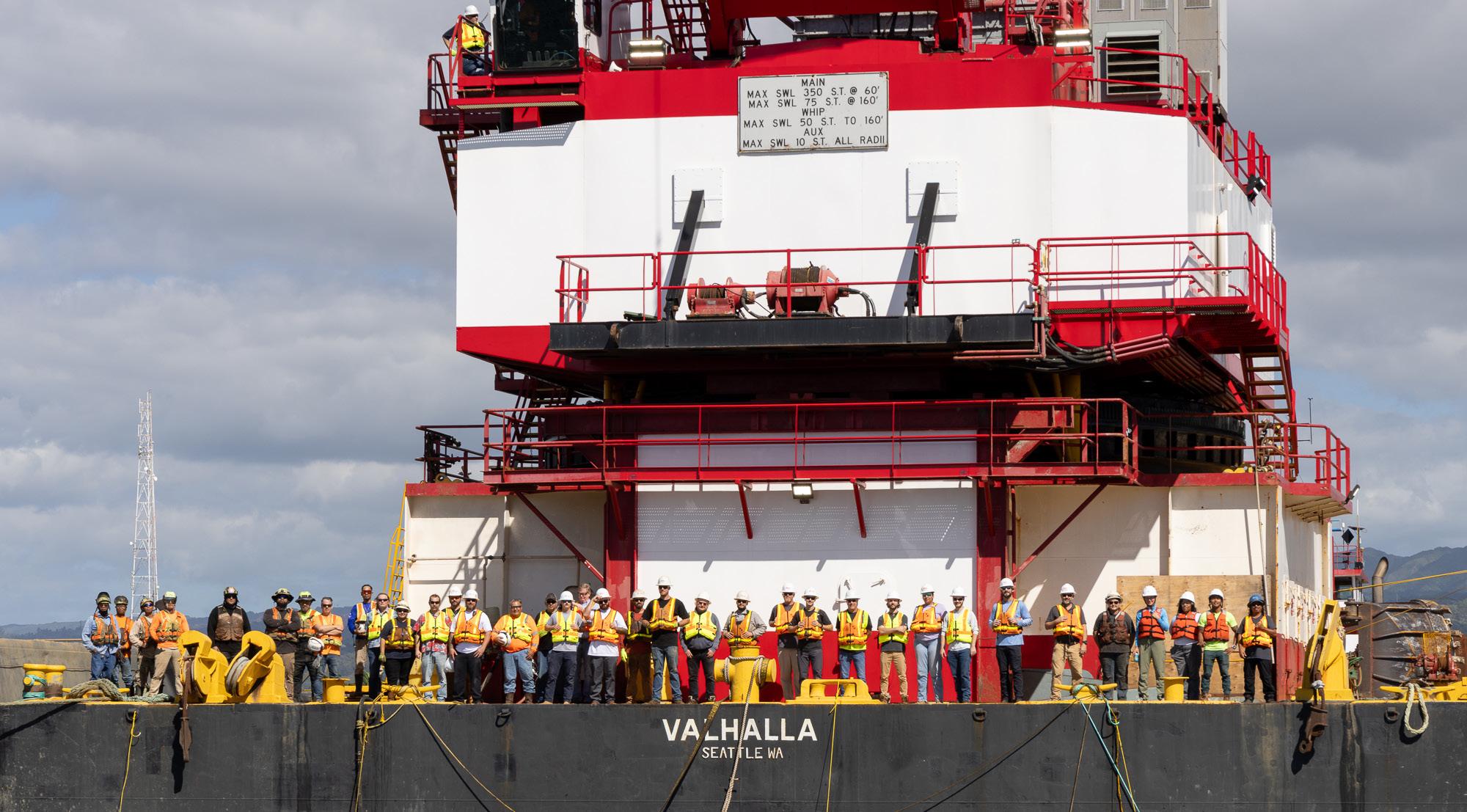
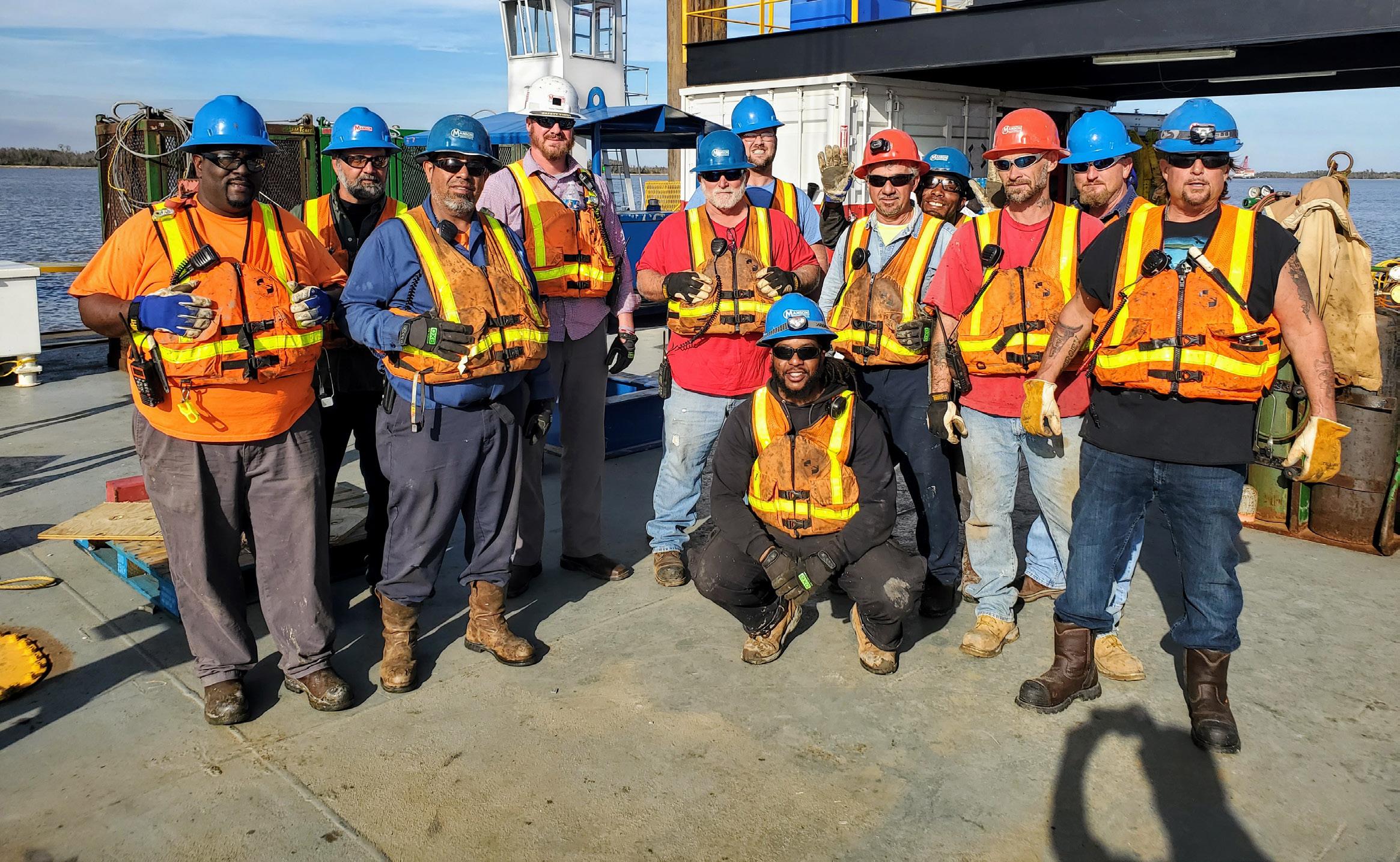
With many long-term and multigenerational workers, their depth of experience and knowledge can’t be beat
Written by Dawn Killough
These days, it’s rare for any company, let alone a construction company, to last for 120 years. Considering the unique niche Seattlebased Manson Construction operates in, the achievement is even more stunning.
What started as a small pile driving company has grown to one of the largest marine construction and dredging contractors on the West Coast. Manson has had to stay flexible to stay relevant. Former CEO and current board member John Holmes attributes the company’s legacy of success to its people, equipment, and the organization itself.
Holmes retired in March 2025, having served as a hands-on CEO since 2018. He’d spent his entire career at Manson, starting just out of high school in 1977. “I went to work for Manson
a few days after my high school graduation. I worked summers in the Seattle yard while I went to school at the University of Washington. I took civil engineering there, and when I got out of school, they offered me a full-time job,” said Holmes.
Beginning as a laborer in the yard, he scraped barnacles and built equipment. After earning his engineering degree, he secured a job as an engineer. He worked as a field engineer, then a construction engineer, and an estimator. He spent the next 19 years as chief estimator and was subsequently promoted to CEO and president.
“I think we have some of the most experienced and professional people in the industry.”
John Holmes, Director and former CEO and President
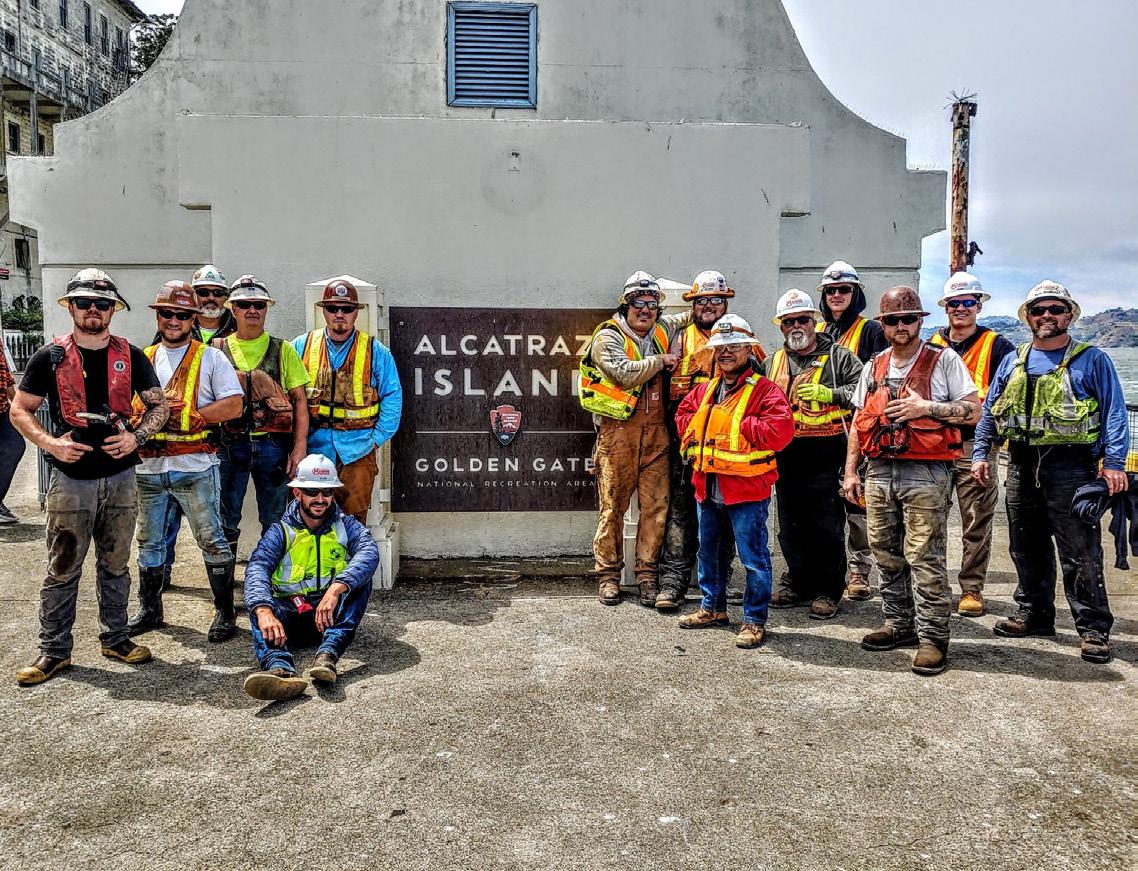
Manson has many career employees and multigenerational families that have worked there. “I think we have some of the most experienced and professional people in the industry,” Holmes said.
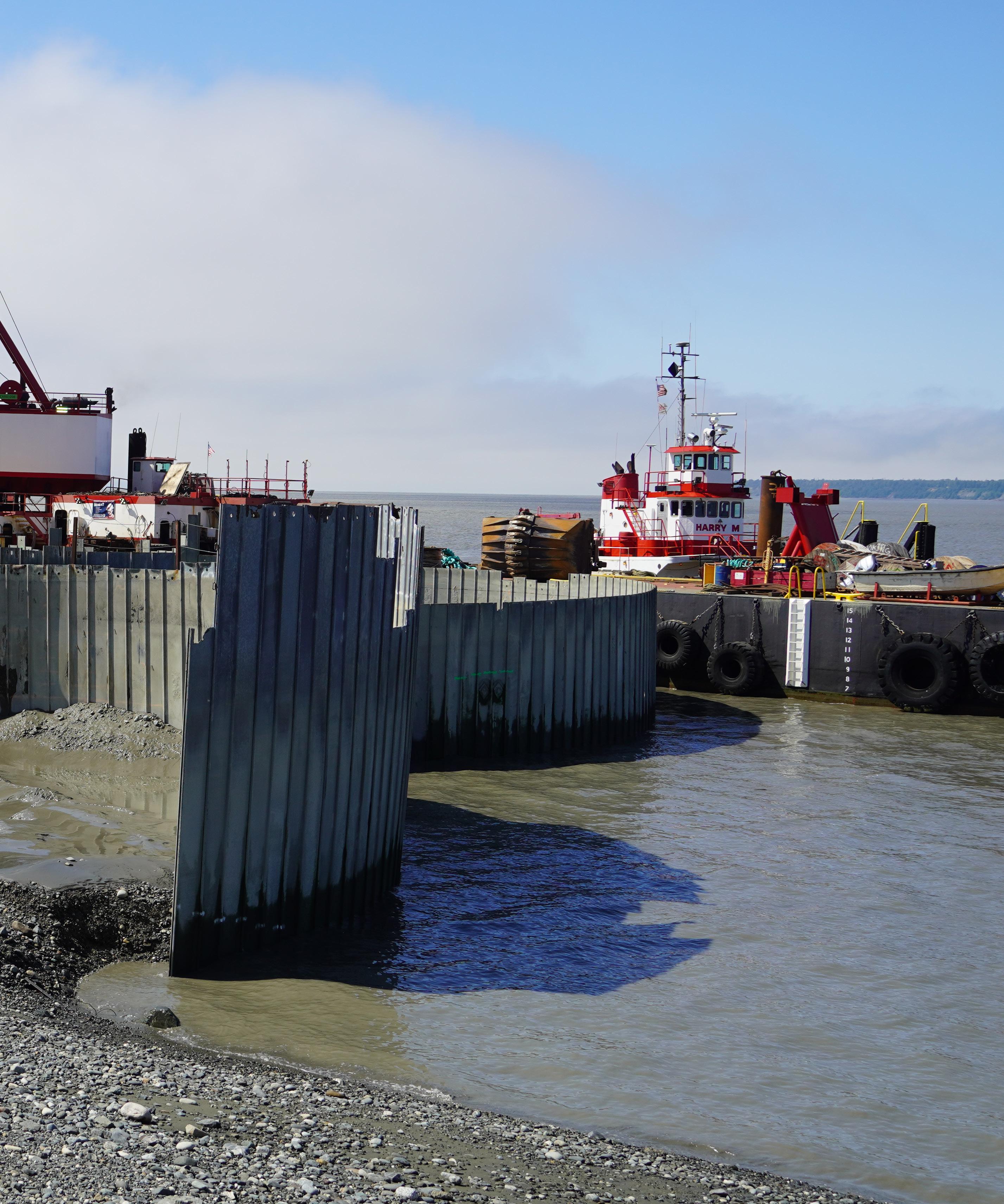
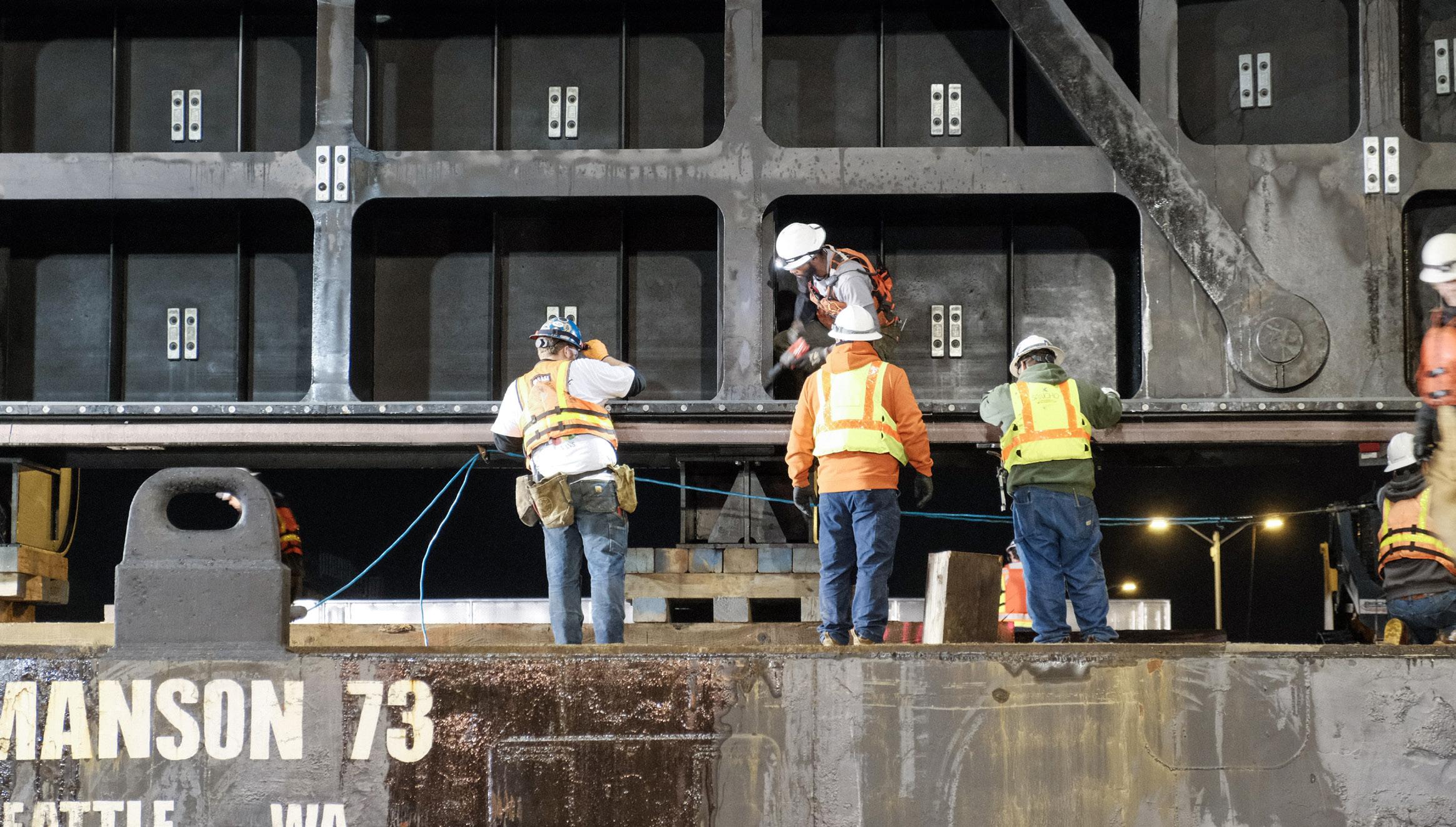
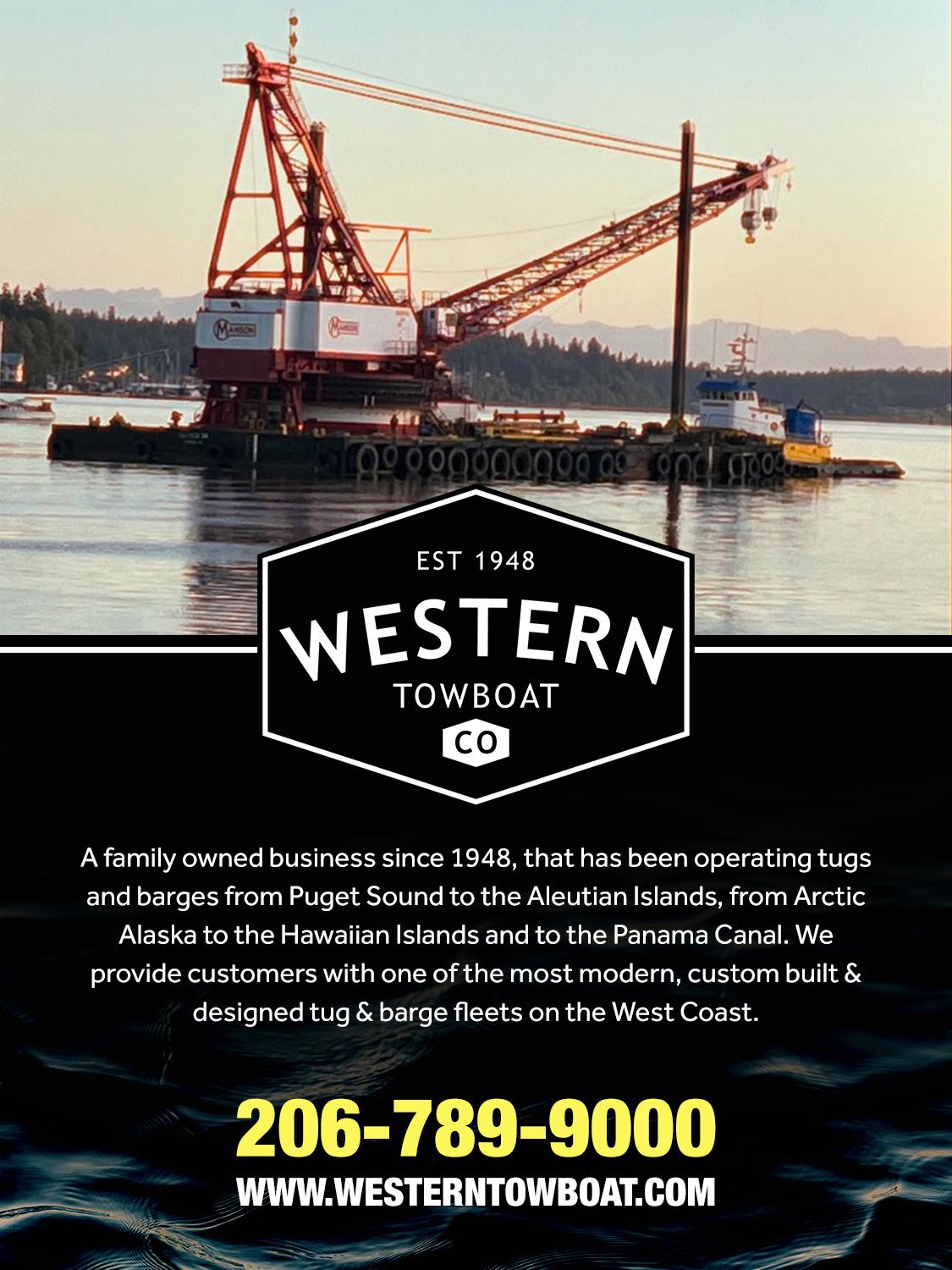
Due to the nature of the work they do, they also have a lot of specialized equipment, some of which the company itself has designed. For example, they’re constructing what will be the largest hopper dredge in the industry, which has been ten years in the making. It will have over 15,000 cubic yards of capacity, equivalent to 1,500 truckloads of material, and will fill in approximately 40 minutes. They also have a large capacity crane barge that boasts a capacity of over a thousand tons.
With 120 years of experience, the company is definitely a fixture in the industry. “We’ve had a strong history of outstanding performance. We’re evaluated on all our federal work by the Navy, the Coast Guard, and the Army Corps of Engineers, and we consistently have very high performance ratings.”
It’s that depth of experience that has made them successful. Their services include marine construction (mostly infrastructure), dredging, offshore construction, and heavy lifts. Currently, their workload is split between marine construction and dredging, with offshore work making up less than 10%. They’ve worked on projects primarily in the US, mostly along the West Coast, including Hawaii, and in the Pacific Ocean, but in recent
years have expanded into the Gulf of Mexico and the southeastern and northeastern states. Their main office is in Seattle, but they have locations in northern and southern California, Florida, Louisiana, and a business office in Texas.
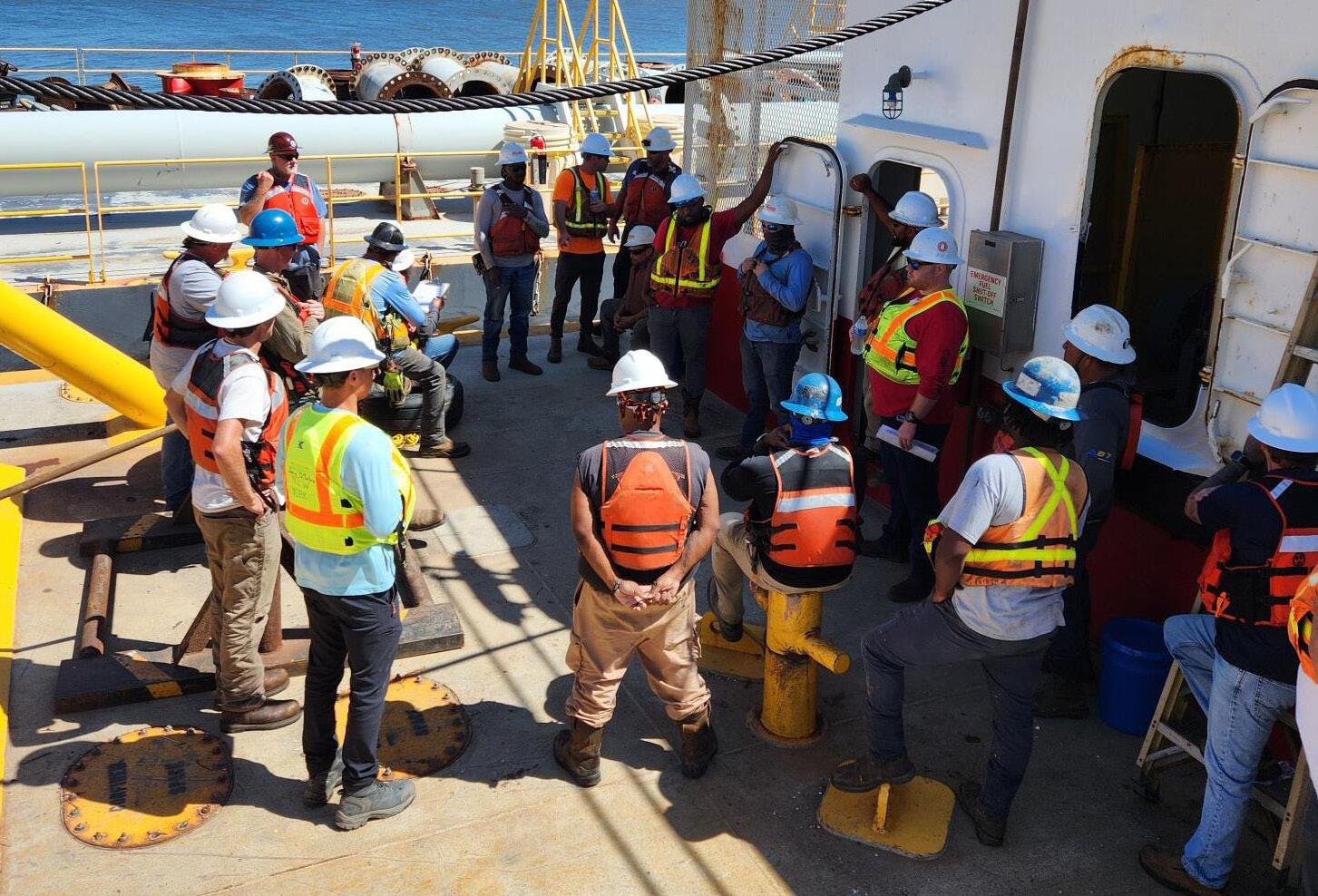
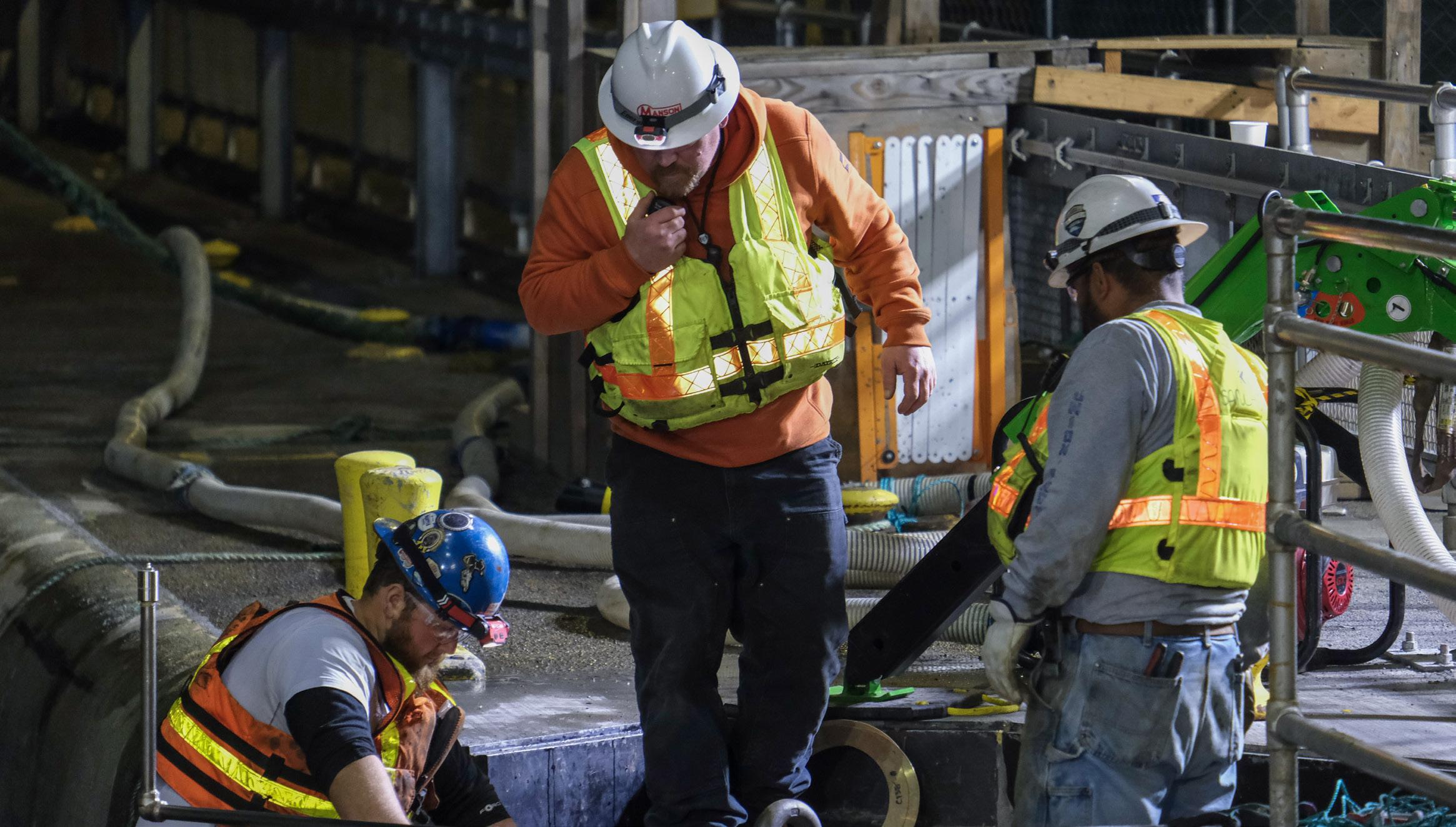
Manson has what they call an Incident and Injury-Free (IIF) safety culture that stems from a corporate mindset where no injury is acceptable and safety is not optional. The program, started in 2004, involves a concerted effort from company personnel and their industry partners to embrace the five parts of safety: planning, utilizing resources, training, employee engagement, and communication.
“We work hard on building a culture where everyone participates and is willing to speak up if they see an unsafe condition. It’s important to us that everyone feels they have the authority, but also the responsibility, to stop work if they see something unsafe.”
“We work hard on building a culture where everyone participates and is willing to speak up if they see an unsafe condition.”
John Holmes, Director and former CEO and President
The team begins their safety planning early in a project, before they’ve even won the contract. “It starts at bid time. When we start putting together a proposal, we’re evaluating risk.” If they win the project, the bid team meets with their procurement team to develop work element plans, which are then communicated to the field team after review by their safety professionals. “We get the most qualified people throughout the organization, across the whole company. These key people listen and review those plans. This is done early, so it gives us time to make sure that we get the right equipment, resources, and training in place.”
Holmes prioritizes safety in his role as CEO. “The most important thing for me is the safety and well-being of our employees. I review any incidents we’ve had and remain in close contact with our safety director. We also have meetings where we review major activities for our more complex operations. I participate in
those reviews and listen in on bid reviews. On a daily basis, I keep abreast of what’s going on.”
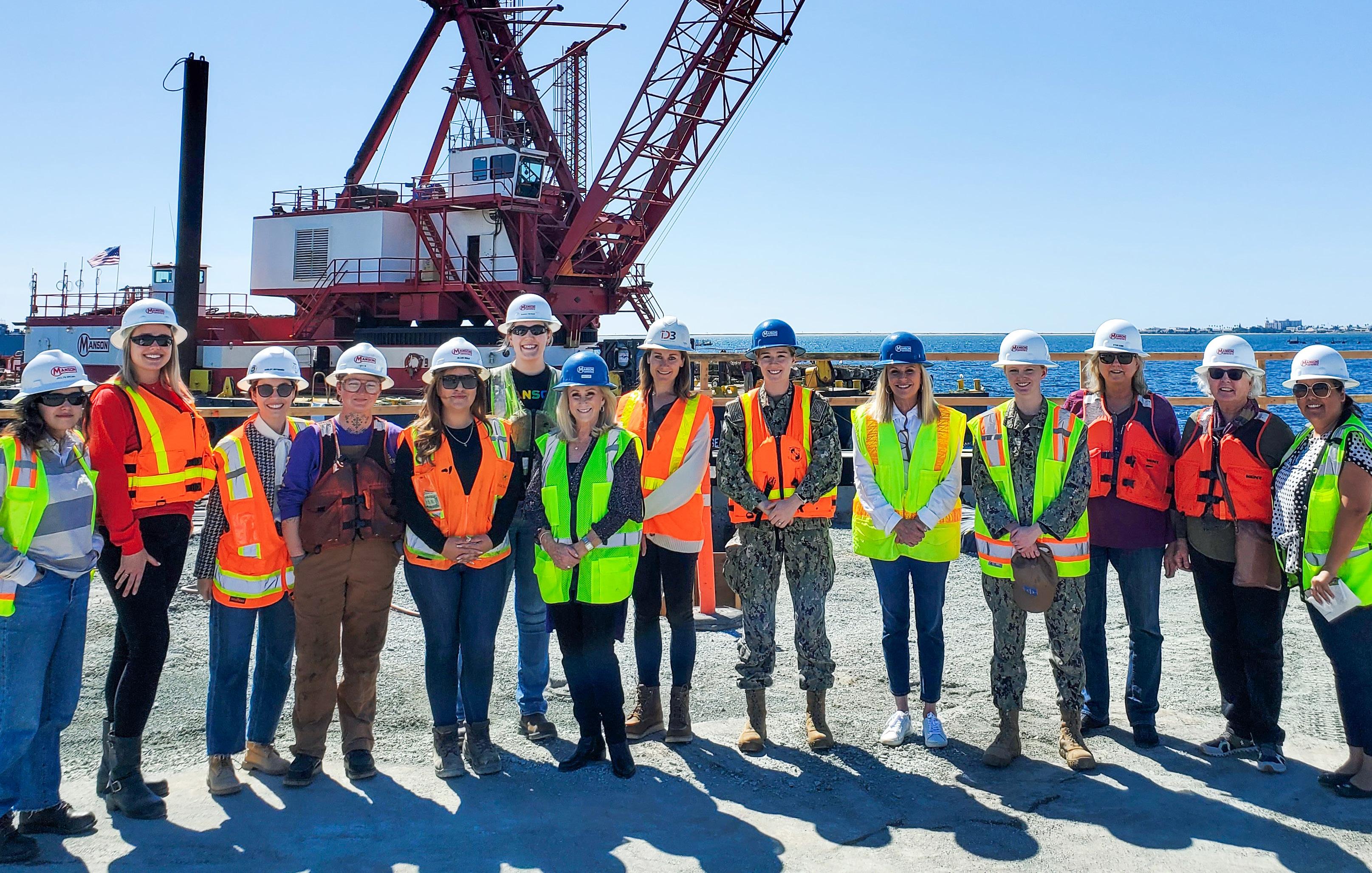
Currently, Manson is working on three projects of note. The first is a design-build pier construction project for the Navy in San Diego. It’s one of four large Navy piers that they’ve built there. It includes demolition of an old structure, construction of the pier, dredging, and shoreline stabilization.
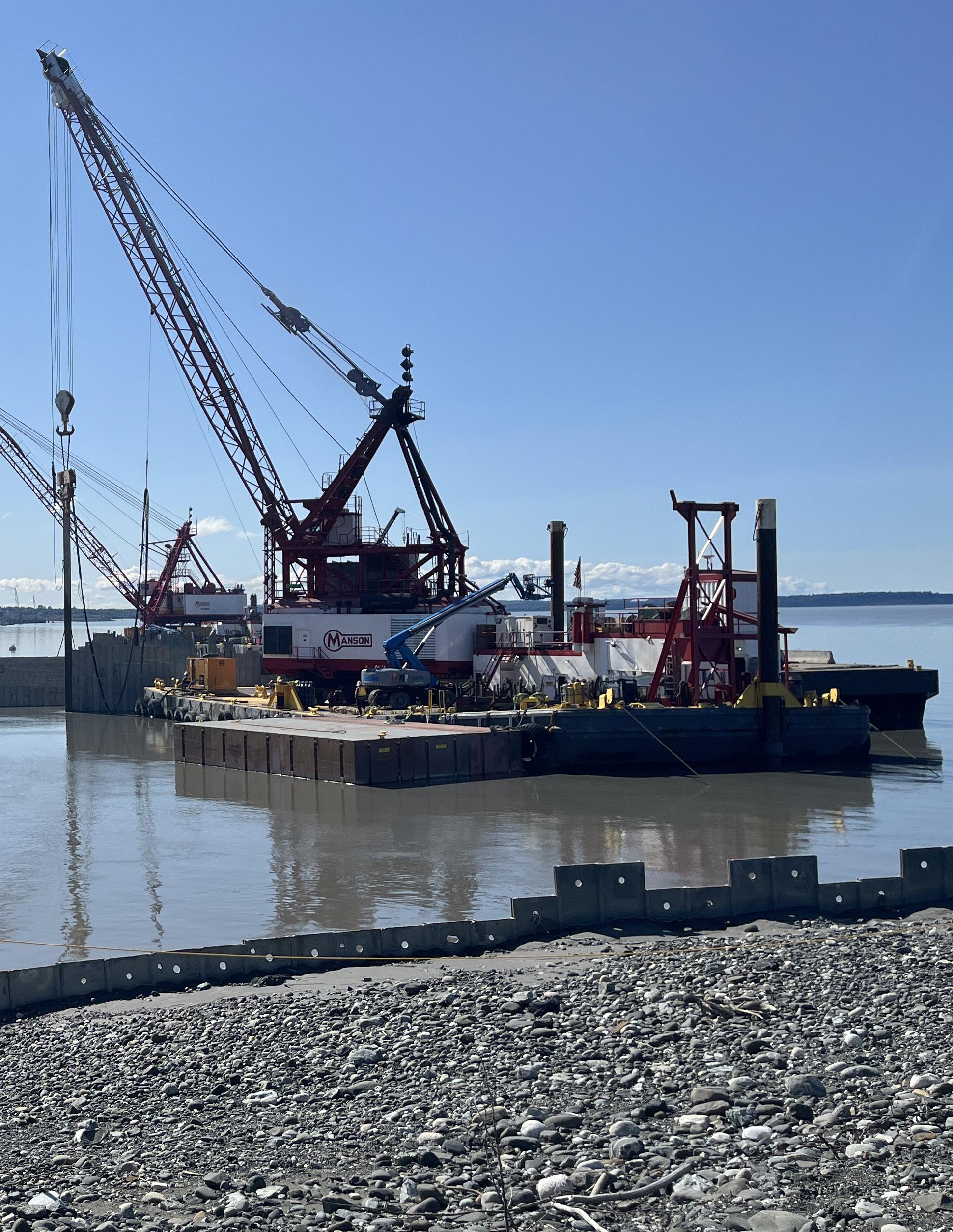
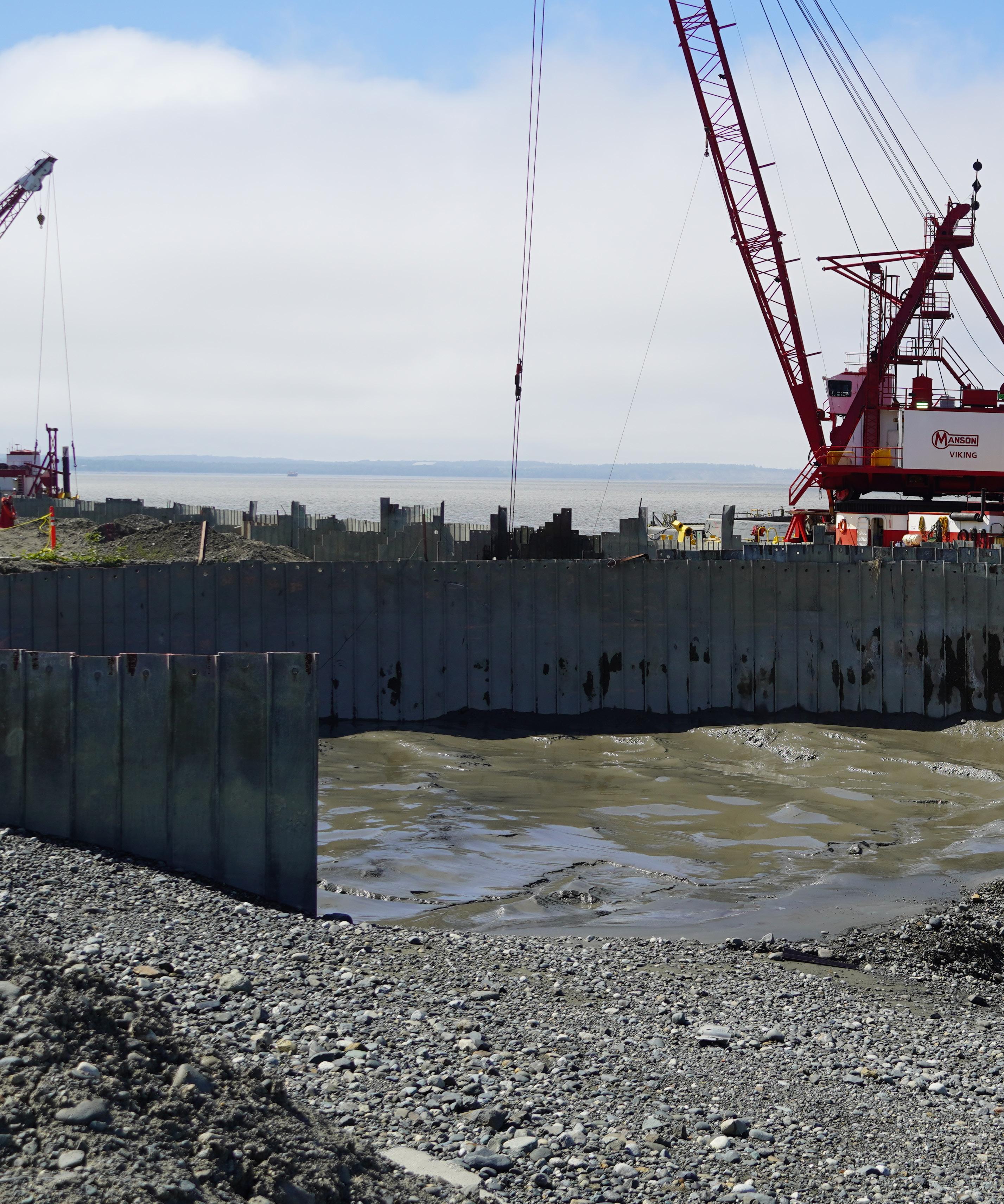
In Anchorage, at the Port of Alaska, they’re performing stabilization work. It’s a remote location, making logistics difficult, and work can only be completed during spring, summer, and fall. Additionally, they deal with large tidal cycles, up to 30-foot tides, with powerful currents.
Near New Orleans, Manson is working on an environmental marsh rehabilitation/marsh creation project with challenging logistics due to the marsh environment.
To stay competitive, Holmes said they need “the right people, the right equipment, and, depending on the size and complexity of the project, the right joint venture partners.” Manson values their business partners as they help share the risks involved. They look for companies with a similar culture when it comes to safety and work planning, and that will work to understand and mitigate potential risks early.
Manson partners with other organizations and charities to help give back to the communities they serve. They have a national “Manson Cares” board and local “Manson Cares” teams that oversee donations and sponsorships to worthy causes, such as Women In Construction Week, Inclusion Week, and Safety Week. Manson also supports the charitable trusts for the Beavers (west coast) and Moles (east coast), both of which provide scholarships for students studying engineering and construction.
“I’ve tried to pass what I’ve learned along to the next generation. Not just giving them the easy answer but trying to get them to think about how to approach a problem, how to solve it, and develop a plan on their own.”
His advice for young people is to be “willing to challenge the way that we’ve done stuff. Change drives innovation, and that’s how we get better. And if you get an opportunity, don’t turn it down just because you don’t think you’re ready for it yet. Take on the challenge and go for it. Appreciate the opportunities you’re given and the people that you get to work with.”
“Change drives innovation, and that’s how we get better.”
John Holmes, Director and former CEO and President
Company Name: Manson Construction
Country: United States
Industry: Marine construction
Est: 1905
Premier Services: Marine infrastructure, dredging, heavy lifts
CEO: Jim McNally (current)
Website: mansonconstruction.com