







When Andrew Mirkin talks about the roots of his company, Associated Building Wreckers, which he owns with his father, Zane Mirkin, he doesn’t start with excavators, high-reach booms or hydraulic processors. He starts with hands.
The business traces back to 1933, when Mirkin’s greatgrandfather — an immigrant who settled in the Springfield, Mass., area — helped launch what began as a salvage-driven wrecking operation. In the Depression-era economy, there wasn’t much “waste” in demolition. Crews dismantled buildings by hand and reclaimed anything that could be sold again: flooring, lumber, fixtures and, as Mirkin put it, even nails. The company’s early work was largely residential, with some commercial projects mixed in, and the model wasn’t simply “tear it down.” Often, they bought structures,
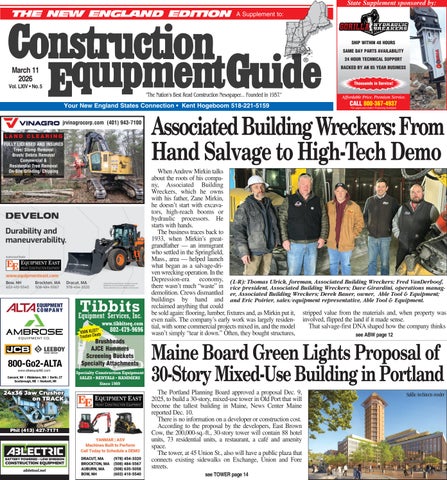
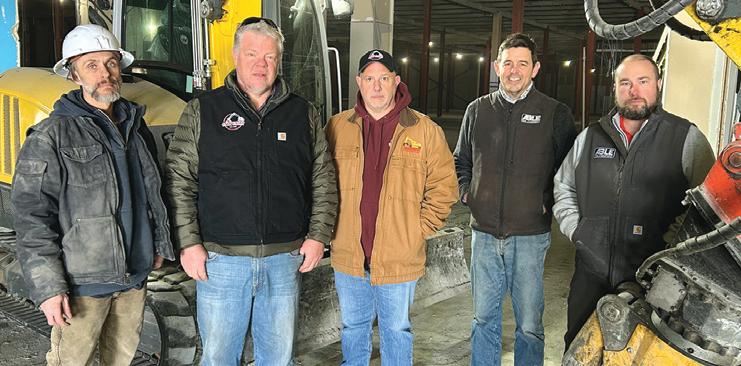
(L-R): Thomas Ulrick, foreman, Associated Building Wreckers; Fred VanDerhoof, vice president, Associated Building Wreckers; Dave Girardini, operations manager, Associated Building Wreckers; Derek Bauer, owner, Able Tool & Equipment; and Eric Poirier, sales/equipment representative, Able Tool & Equipment.
stripped value from the materials and, when property was involved, flipped the land if it made sense. That salvage-first DNA shaped how the company thinks


The Portland Planning Board approved a proposal Dec. 9, 2025, to build a 30-story, mixed-use tower in Old Port that will become the tallest building in Maine, News Center Maine reported Dec. 10.
There is no information on a developer or construction cost. According to the proposal by the developers, East Brown Cow, the 200,000-sq.-ft., 30-story tower will contain 88 hotel units, 73 residential units, a restaurant, a café and amenity space.
The tower, at 45 Union St., also will have a public plaza that connects existing sidewalks on Exchange, Union and Fore streets.










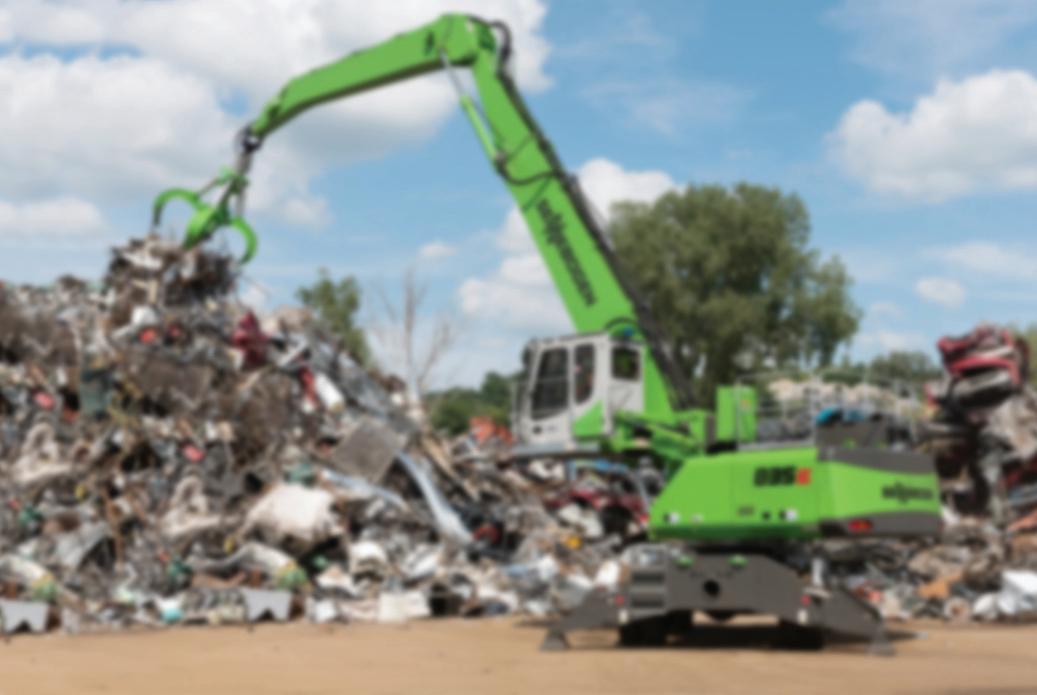
SENNEBOGEN, in kee philosophy to maxim created UPTIME Kits
eping with their mize uptime, has Whether you are a service technician i road, these kits have need for every service and PM task in one p created to save you t Managing hundreds o parts, from belts and and special tools bec single part number to n-house or on the everything you e, maintenance place. They were ime and money. of related service d nuts to O-Rings omes easy with a o order and stock
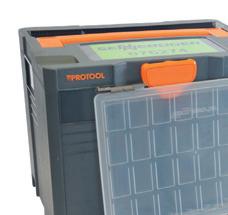
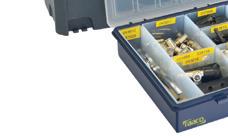
They are:















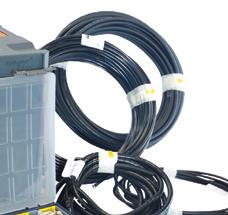



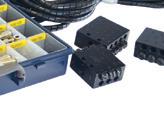
• Easy to order and ea t d t stock asy to s l
components and too
• Ideal for stocking se and trucks
Choose from the follo
• Central lubrication
• Preventive mainte
• O-Ring kits
• Electrical service k
• Hydraulic service k And the best thing is in stock and ready to built to match your m and series. Count on in-house. For more in UPTIME Kits, scan th s that these kits, go, are custommachine model SENNEBOGEN nformation on he QR code.
Hydraulic service k :kits shops ols ervice owing kits system kits nance service kits its kits





















NO North our in parts com with customers maxim commitment h about more Read ontract Demolition C st in parts repair the have virtu and I machine another in If back. to front every come t a have They echnician machine, wntim warehouse. American ready-to-ship of inventories plete for uptime izes aftersale Machine” he “Beyond our ow , Bloomfield Hills, MI or quickly. back unit the g I k they Since do no lose ally bring just [they] situation, a have I over go to month a once through wntime… ock. get theSENNEBOGEN






































Equipment East photo
Equipment East has expanded its sales team with the addition of Toby Reynolds, who recently joined the company as a territory manager serving southern New Hampshire.
Equipment East has expanded its sales team with the addition of Toby Reynolds, who recently joined the company as a territory manager serving southern New Hampshire.
In his new role, Reynolds is responsible for sales and customer support throughout Merrimack, Rockingham and Strafford counties in New Hampshire. His responsibilities include developing new customer relationships, supporting existing accounts, coordinating equipment demonstrations and helping contractors identify the right machines for their applications. He also serves as a liaison between customers and Equipment East, helping connect them with parts and service resources while keeping sales activity focused in the field.
Reynolds brings more than 30 years of sales experience to Equipment East, including more than 10 years in the construction equipment industry. He began his career in sales while still in high school and spent much of his early professional life in the powersports industry, working within a family-owned business that operated mul-
tiple franchises in Maine. He later transitioned into construction equipment sales, a move influenced by his upbringing in a construction-oriented family. Reynolds’ father spent four decades in the construction industry as an equipment operator, and Reynolds grew up around heavy machinery, making the shift into the equipment business a natural progression.
After previously working in southern Maine, Reynolds said the opportunity to take on a new territory in southern New Hampshire was a key factor in his decision to join Equipment East. He also was drawn to the company’s family-owned culture and its emphasis on relationships, customer support and accessibility throughout the organization.
Although still early in his tenure, Reynolds has been impressed with the quality of the equipment lines represented by Equipment East, particularly the DEVELON product offering. The machines’ build quality, durability, and overall fit and finish have stood out, giving him confidence as he introduces the brand to customers throughout his territory, he said.
“With a lifelong connection to construction equipment and a strong background in sales, I am focused on building long-term relationships and expanding Equipment East’s presence across southern New Hampshire,” he added.
Equipment East is a family-owned construction equipment distributor serving customers throughout Massachusetts and New Hampshire. The company operates locations in Dracut, Brockton, and Auburn, Mass., as well as Bow, N.H., providing sales, parts and service support to contractors, municipalities and owner-operators across the region. Equipment East represents a wide range of construction and compact equipment manufacturers, with its primary focus on DEVELON, offering a full lineup of excavators, wheel loaders, compact excavators, skid steers, dozers and articulated rock trucks. Additional product lines include Wacker Neuson, ASV, IMAN compact equipment, Atlas Copco, Chicago Pneumatic and a broad selection of attachments for excavators and other construction machines. CEG

National affordable housing developer
Winn Companies announced on Jan. 8, 2026, its completion of an $18.7 million rehab of the 84-unit apartment complex in Hartford, Conn., in what it describes as Hartford’s “oldest neighborhood.”
WinnDevelopment acquired the Bedford Gardens in the city’s Clay Arsenal neighborhood in June 2024, announcing plans for an overhaul of the residential buildings shortly after the acquisition.
According to the WinnDevelopment website, plans called for upgrades to the brick exteriors, new roofs, balconies, windows, HVAC systems, kitchen cabinets, appliances, bathroom fixtures and security fea-
tures, along with the addition of on-site laundry facilities and a property maintenance office. Nine of the units were converted into handicap accessible spaces.
Keith Construction of Canton, Mass., served as the general contractor with The Architectural Team of Chelsea, Mass., serving as architect. Petersen Engineering of Portsmouth, N.H., provided engineering services.
Hartford Business Journal reported that nearly $3 million in contracts were awarded to minority and women-owned business enterprises, along with $7.7 million in contracts for small businesses.
“We’re proud to be able to make long-
term capital upgrades that will benefit residents and protect the affordability of this important housing resource for decades to come,” said Adam Stein executive vice president of WinnDevelopment. “We thank the city, the various state agencies and the dedicated private funders who worked with us to get the job done.”
Apartments at the complex range from studios to four bedrooms and are affordable to households whose incomes are at or below 60 percent of area median income, according to Hartford Business Journal.
According to WinnDevelopment, 25 apartments have been subsidized by projectbased vouchers through a housing assistance
payment contract with the city of Hartford through the U.S. Department of Housing & Urban Development.
WinnDevelopment, along with the city of Hartford and consultant Public Archeology Laboratory, created the Bedford-Garden Streets historic district and secured its placement on the National Register of Historic Places maintained by the U.S. National Park Service, according to Hartford Business Journal.
The historic designation qualified the project for federal and state historic tax credits, which were allocated by the U.S. National Park Service and Connecticut State Historic Preservation Office.


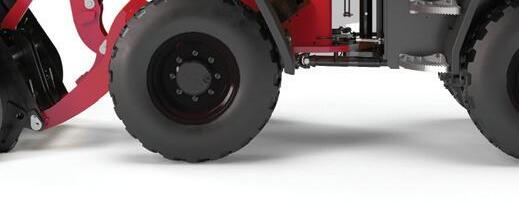


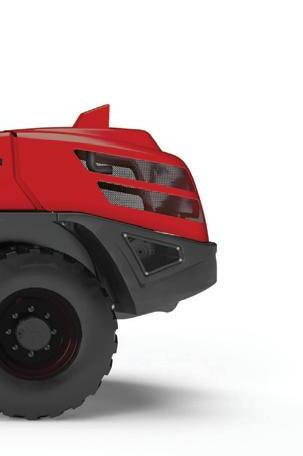
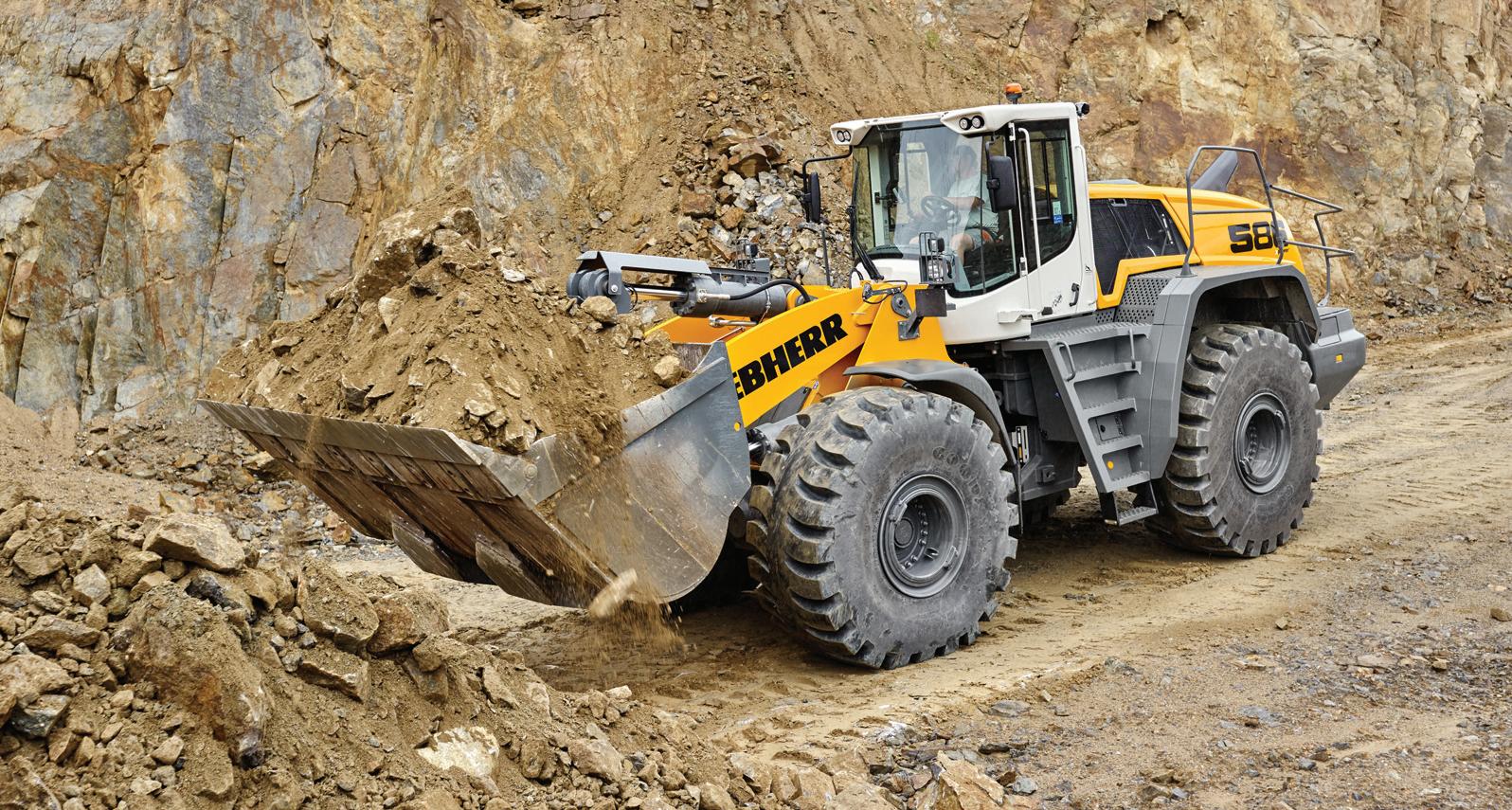
pe an XP L L erformancerobustdesignan n integrated, innovative mach Power® is the new generatio - L Powwer® 550 X o o heel L iebherr W
s large wheel loa ’s n of Liebherr Powwer® 586 X o
hine concept that sets new st
ndcomfortTheXPower®po
r. re dle more, faster wheel loaders adjusts the p , whatever the applica y,fficiency -split driveline combines r-
splitdrivelinecombines r ower y, ds in terms of r andar eliability ders. Liebherr XPower® is to the job for fuel savings of up r--Efficiency r- The Liebherr-Power ostatic with mechanical dr hydr obust design an performance, r cent - so you hand p to 30 per (LPE) System of the XPower® es maximum ef re rive and ensur nd comfort The XPower® po

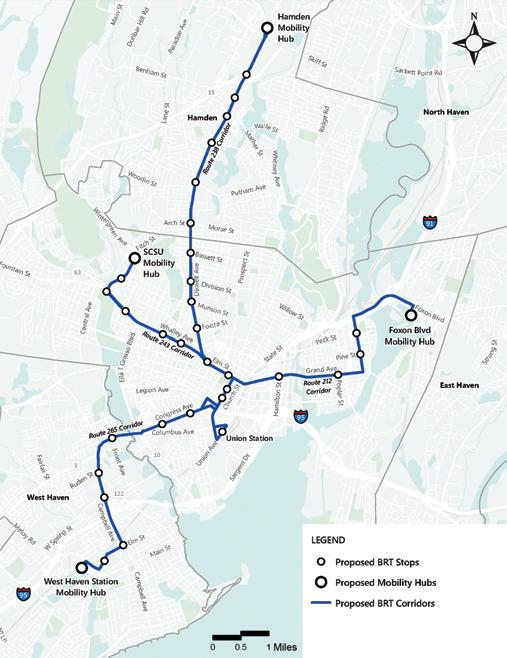
The Connecticut Department of Transportation (CTDOT) and other state officials announced plans for the MOVE BRT bus project in New Haven on Jan. 28, 2026.
According to a report from CTDOT, construction is estimated to cost $307 million and will begin in 2028 with completion scheduled for 2030. The project will be primarily state funded, with the inclusion of a $25 million RAISE federal grant.
“The Bus Rapid Transit project is part of lots of different ongoing initiatives in New Haven in order to make transportation more affordable, sustainable and easier for residents,” said Mayor Justin Elicker at the Jan. 28 public meeting. “We are really grateful for this partnership, to New Haven residents and to the town of Hamden and city of West Haven.”
According to Yale Daily News, the three hubs in New Haven will be at Union Station, Southern Connecticut State University and Foxton Boulevard, with two additional hubs in West Haven and Hamden. In addition, dedicated bus lanes will be built on Dixwell Avenue, Whalley Avenue, Elm Street, Church Street and Boston Post Road.
“The project will improve travel time and safety for highridership routes and improve connections between high-ridership areas and important destinations in the region,” said Adam Cox, principal designer of CTDOT, during the presentation.
Vanasse Hangen Brustlin Inc. (VHB) is the design consultant for the project, according to the company’s website. A contractor has not yet been named.
Steelwrist announced the expansion of operations at its North American headquarters in Newington, Conn.
The investment further strengthens the company’s long-term commitment to the United States market and positions Connecticut as a strategic hub for manufacturing and assembly within the construction equipment industry.
The expanded facility enhances Steelwrist’s machining, local assembly and product testing capabilities, enabling the company to deliver products that are assembled and tested in the United States. This development marks an important milestone in Steelwrist’s North American growth and reinforces its ability to serve customers with shorter lead times, increased flexibility and high product availability.
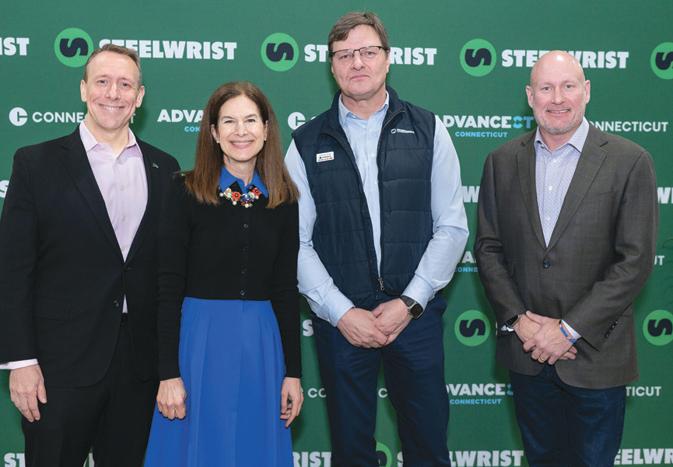
The expansion was officially inaugurated on Feb. 19, 2026, during a ceremony at the Steelwrist Newington facility. The event brought together company leadership, including CEO Stefan Stockhaus, along with representatives from the state of Connecticut and local partners to mark the milestone and celebrate the company’s continued growth in North America.
The inauguration underscored Steelwrist’s long-term commitment to Connecticut and highlighted the state’s role as a key partner in supporting advanced manufacturing investment, job creation and regional economic development.
Since entering the North American market in 2017, Steelwrist has experienced strong growth as contractors increasingly adopt tiltrotators and fully automatic quick coupler systems to improve safety, productivity and machine utilization. The Newington facility serves as the company’s North American headquarters, housing warehousing, technical support, training and now expanded machining, manufacturing and assembly operations all under one roof.
Connecticut has played a central role in this growth journey. Its strategic location in the Northeast provides access to key markets, ports and transportation infrastructure across the United States and Canada. Equally important, the state offers a highly skilled and experienced workforce, particularly within advanced manufacturing and precision assembly.
“Ten years ago, as I was travelling across various states in the U.S. looking for the future location of our North American headquarters, I was searching for strong infrastructure, a talented workforce and a collaborative business environment,” said Stefan Stockhaus, CEO of Steelwrist. “I was also asking myself where I would like to live, if I were to live in the U.S. Now, ten years later, I am really happy that we took the decision to go for Connecticut, which indeed has exceeded our expectations. With the expansion of our operations in Newington we will now be able to support our growing customer base in North America while ensuring that products are assembled and tested here in the U.S. This investment reflects both our confidence in the market and our long-term commitment to growth in the region.”
The expansion also supports job creation in Connecticut, with new roles in assembly, testing, logistics and technical support. Steelwrist reports that recruiting skilled employees for these positions has been a smooth process, reflecting the depth of manufacturing competence in the state.
“Steelwrist’s decision in 2017 to establish its North American headquarters in Connecticut — and to expand that presence today — speaks volumes about the strength of our state’s advanced manufacturing ecosystem,” said John Bourdeaux, president and CEO of AdvanceCT, Connecticut’s nonprofit business development organization. “This expansion not only reinforces Connecticut’s reputation as a premier destination for manufacturers, but also solidifies our state’s role as a hub for companies serving customers across North America and beyond. We are proud to partner with Steelwrist as they continue to invest in their operations and people here and look forward to building on this momentum together for many years to come.”
By increasing local assembly and testing capacity, Steelwrist strengthens its ability to align production with regional demand and further shorten lead-times to customers. Products assembled in Newington are tailored for North American customers and supported by local technical expertise, enhancing responsiveness and service levels across the continent.
The investment in Connecticut complements Steelwrist’s broader focus on growth in North America, which also includes an expanding dealer network and strong OEM partnerships. As adoption of tiltrotators and fully automatic quick couplers continues to accelerate across United States job sites, local production capacity becomes a critical enabler of further expansion.
With its expanded Newington operations, Steelwrist reaffirms Connecticut’s role as a key partner in its North American success story — combining its manufacturing capabilities, skilled talent and strategic location to support the next phase of growth.
For more information, visit steelwrist.com/en-us/.




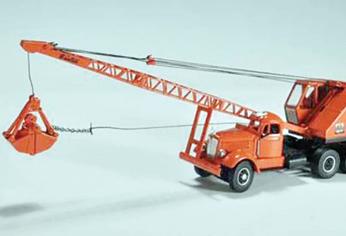
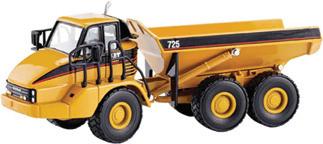
Realistic Scale Models of Construction Equipment, ideal gifts for the Holidays, Birthdays,
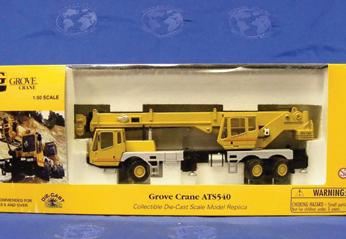
Grove ATS540 Tri-Axle Truck Crane, 1:50 scale - $215
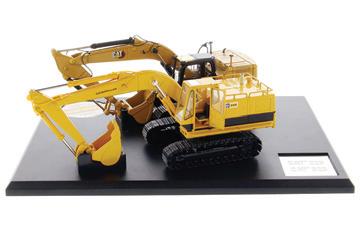
Caterpillar 225 & Caterpillar 323 Excavators Mounted on Plaque, 1:50 scale - $185
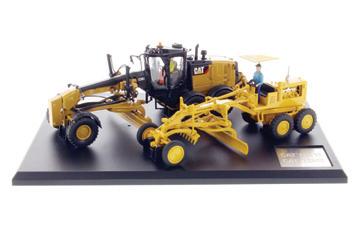

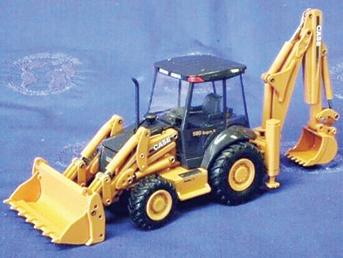
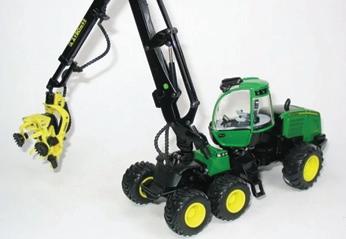


D10 Dozer,High Line Series, 1:50 scale - $175


today, even as the work has evolved far beyond hand teardown. “Recycling everything” isn’t a new slogan to this team — it’s how earlier generations survived.
As the company moved from one generation to the next, the tools changed. Mirkin noted that in the earliest days there were no excavators; demolition relied on clamshell cranes, trucks and, later, dozers as that iron became available.
The second major shift came from people and pressure: Mirkin’s grandfather entered the business at just 16, after Mirkin’s great-grandfather suffered an early heart attack. He ran work, put himself through night school and developed the kind of estimating instincts that only come from dismantling buildings piece by piece. Mirkin credited him as a key influence — a guy who could study a structure and “see” quantities because he’d learned the hard way what was inside the walls.
Then, in the mid-1980s, the industry changed again. Around 1986, asbestos regulation and awareness transformed demolition across the Northeast. For a demolition contractor, asbestos wasn’t an occasional issue — it was everywhere. Associated Building Wreckers moved into asbestos abatement because it was a natural extension of the work and unavoidable if you wanted to stay competitive. What many initially predicted would be a short-lived boom became a permanent core capability, and it helped the company concentrate its geographic footprint closer to home. Rather than traveling the entire East Coast, the team increasingly focused on Massachusetts and Connecticut — still its primary footprint today — while remaining willing to travel for larger client-driven opportunities.
In the 1990s, another pivot arrived: concrete crushing and recycling. Disposal options tightened, and it became harder (and more expensive) to send brick and concrete away. The company’s answer was to invest in recycling capacity and permitted sites, building the ability to crush and process material rather than treat it as a pure disposal problem. Today, the company can crush at its yards and, when needed, bring portable setups on site for customers.
That isn’t just an environmental story — it’s an economics story. Aggregates like gravel and fill have become significantly more expensive over the past several years. When demolition material can be processed into compactible fill or backfill that meets spec, it can reduce import needs and lower the customer’s total project cost.
Mirkin and his leadership team — including David Girardini, operations manager, and Fred Vanderhoof, vice president — described a company that now operates at scale, with approximately 75 employees across its businesses and an extensive equipment fleet. Zane Mirken continues to be a valuable asset to the company with his vast experience over the years in demolition. He also is extremely proud of the company’s employees and ties within the communities the business serves.
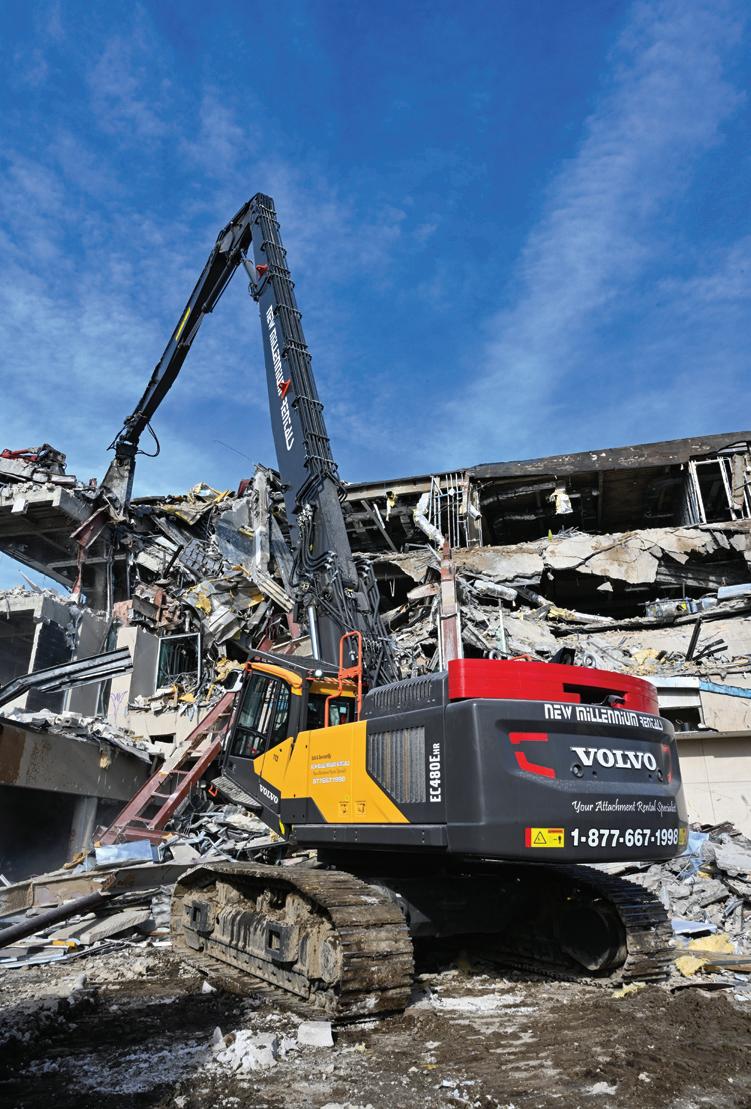
On the demolition side, the fleet includes excavators ranging from standard units to specialty machines like high-reach and straight-boom configurations. Attachments span shears, crushers, hammers, grapples, processors and multiprocessor setups that can switch from shear to concrete processing to cracking quickly. Support equipment fills in the gaps: skid steers, lifts, tractors, trailers, loaders, crushing and screening spreads and other jobsite essentials.
The company’s workload is equally broad — residential, commercial and industrial demolition — and it’s rarely “one job at a time.” The company commonly manages anywhere
from page 1 see ABW page 14
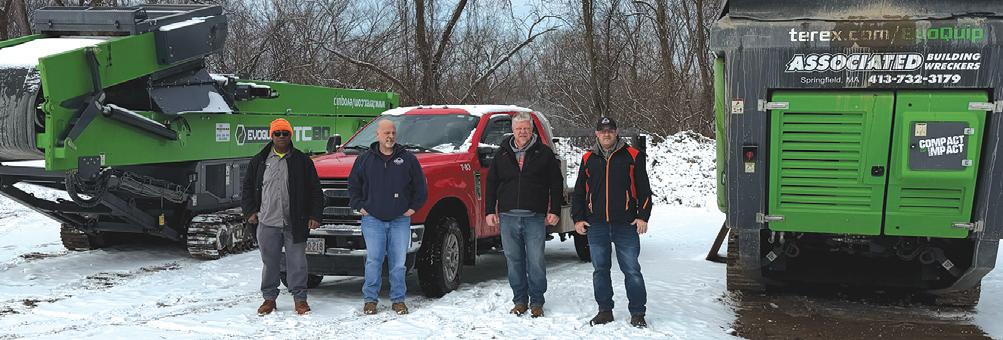
At Associated Building Wreckers’ Springfield, Mass., yard (L-R) are Rodney Hogan, 40-year employee/yard sales; David Girardini, operations management; Fred VanDerhoof, vice president; and Andrew

from five to 10 jobs in a day, and the work can range from classic building removal to interior gutting, selective demolition, recycling and site logistics.
Recent projects include:
• A sizable teardown in Burlington, Vt., involving a wellknown church with substantial copper roofing and systems.
• Landmark demolition in downtown Springfield, including the former Steigers department store — a seven-story, wood-frame structure.
• Large mill work, including Avery Dennison-related facilities.
• A major Springfield project tied to a new Tesla dealership where demolition ran approximately 20 ft. below grade — heavy concrete, big tonnage and a need for large excavators and processors to chew through it.
The company is preparing for a major project in Monson, Mass., slated to start mid-to-late March 2026: a 12-building scope that includes total demolition, abatement and underground walkable tunnels with piping that must be addressed and removed. Two buildings are expected to remain and be rehabilitated, while the rest comes down — a blended scope that demands careful sequencing.
For Mirkin’s team, the equipment conversation isn’t theoretical. It starts with job conditions and labor math.
Leadership described a more deliberate “boots on the ground” approach to evaluating a job site: walk it, understand constraints, then decide where equipment can replace labor safely and efficiently — including niche tools, compact
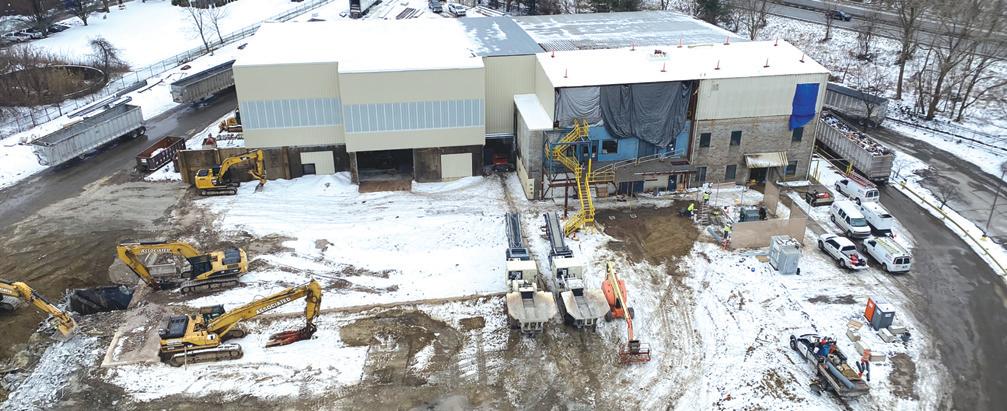
The partnership between Associated Building Wreckers and Able Tool & Equipment is on full display at the contractor’s recent project at Holyoke Mall, where a former two-story Sears building is being transformed for a new tenant — Dick’s Sporting Goods.
solutions and, increasingly, low- or zero-emissions equipment where the site demands it.
Electric machines, the company said, are gaining traction year by year, but they’re still often in the “rent-first” category. Battery life and the realities of cost-of-ownership are still factors, especially for specialized equipment that might only see short seasonal utilization.
That rental-first mindset fits the company’s broader rule of thumb: if a specialty machine will run approximately two months a year, it might be worth buying; if it’s less than that, renting often makes more sense.
That’s where Able Tool & Equipment comes in.
Associated Building Wreckers positions Able as a true problem-solving partner — a company that not only has equipment or can source it, but also shows up fast, supports the field and helps the contractor test new approaches, the contractor said.
How did it start? The group traced the connection back to local relationships and introductions— around the time Able was establishing its presence in the market. Early interactions were rooted in concrete and cutting work: saw cutting, drilling and the kinds of day-to-day tools and consumables


















from page 12
contractors either rent or buy as they build capability inhouse.
From there, the relationship broadened. The contractor noted purchases of smaller “own-it” items (like walk-behind compactors/plate compactors and saw-related gear, including blades and service), while leaning on Able for the specialty rentals that don’t justify ownership.
The strongest endorsement, though, was about response time and reliability.
Mirkin’s team cited examples where a rented electric mini-excavator developed an issue (a regeneration problem), and Able swapped in another machine quickly — “within an hour,” the company said and also emphasized that Able personnel routinely show up on active sites to keep equipment working, with outside sales representative Erick Poirier repeatedly visiting jobs to support the crew when questions or hiccups arise.
In an industry where downtime burns money by the minute, the contractor’s message was simple: Able acts like urgency is part of the rental agreement.
That partnership is on full display at the company’s recent project at Holyoke Mall, where a former two-story Sears building is being transformed for a new tenant — Dick’s Sporting Goods.
The scope of the project includes:
• A two-story slab-on-grade steel and concrete structure totaling approximately 130,000 sq. ft.
• Interior gutting and removal of finishes back to CMU walls and structural decks in the portion of the building that remains.
• Demolition of the first section of the building with the first 70 ft. of the structure being removed.
• Removal of major interior elements including escalators and elevators.
• Limited asbestos abatement (reported as minimal on this job).
• Turnover to the owner for new construction once demolition and cleanup are complete.
Like many interior rehab demolitions, a traditional approach would involve multiple workers in lifts with saws, cutting overhead systems down in sections, followed by additional equipment and labor to handle debris on the ground.
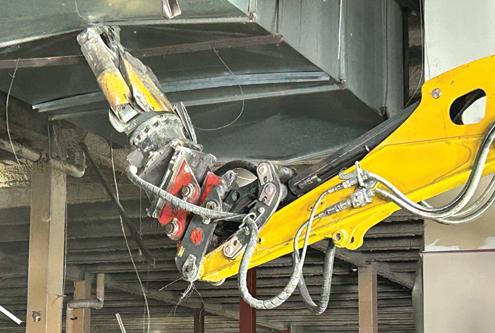
Instead, the team brought in a specialized rental package from Able Tool & Equipment: a compact excavator setup designed to work inside the building and attack overhead MEP systems — ductwork, electrical, plumbing and sprinkler lines — once ceilings were dropped and the “heart and soul” of the building was exposed.
The featured machine/attachment combination on site included:
• A Wacker Neuson ET65 compact excavator with twopiece boom, configured with additional hydraulic capability to power a rotating attachment (described as a third-circuit setup for rotation).
• A DARDA shear/crusher attachment with interchangeable heads and a pressure-boosting concept that allows high power on smaller carriers.
In practical terms, that meant one operator could cut, grab and drop overhead systems more efficiently than a lift-andsaw plan — reducing labor exposure at height while accelerating production. The team framed it as a double win: fewer people in harm’s way and fewer “touches” on material (cut it, drop it, handle it once — instead of cut it, drop it, rerig it, re-handle it). Once the mechanicals were down, Able Tool exchanged the steel cutters for concrete crushers and Associated Building Wreckers was quickly back to work at the site, demolishing the large elevator shaft. It was quick and clean work, especially considering the contractor did it all with a 6-ton mini-excavator.
The crew also pointed out why this exact setup is unlikely to be a purchase for them: small shear work inside buildings doesn’t come up often enough. The company owns large shears for exterior demolition, but interior rehab scopes like this are a “rent the niche tool” scenario — the exact lane where Able’s fleet and support matter.
Able’s owner Derek Bauer also shared why he invested in these kinds of compact-yet-powerful solutions: the goal is to
TOWER from page 1
Despite the additional housing the new construction will bring to Portland, the new building has received mixed reactions, News Center Maine reported.
reduce labor demand and offer contractors alternatives in situations where a remote-controlled machine might be overkill, too slow for production, or simply more expensive than necessary for the task. The vision is to give contractors a “right-sized” option: put a skilled operator in an excavator seat with a specialized attachment and get more done, faster, in more places — including tight access scenarios where machines must squeeze through doorways. The end result was a safer, more efficient and more profitable project.
Beyond the Holyoke Mall package, Associated Building Wreckers highlighted other rentals and “don’t-own-this” categories that it leans on Able for including:
• Electric mini-excavators and battery-powered loaders (especially for sensitive sites or client-driven zero-emission requirements).
• Ride-on floor scrapers for tile, carpet and flooring removal (where battery replacement economics make ownership unattractive). Abel Tool does provide these.
• Tracked carriers/dumpers, large and small, for accesschallenged, off-road work.
• Specialty compact or interior-focused equipment that might only be needed a few days at a time.
The common thread is the company’s utilization rule: if it won’t run enough to justify ownership and maintenance, it would rather rent from a supplier that can support the field immediately — and use those rentals as a way to test ideas before committing capital.
From hand salvage in the 1930s to interior excavatormounted shears in 2026, the methods have changed — but the company’s fundamentals haven’t.
Associated Building Wreckers still makes its living by thinking ahead of the structure: what’s inside it, how it comes apart, where value can be reclaimed and how to get the work done safely with the fewest wasted steps. It credits its people first — a team that adapts, solves problems and stays curious — and it’s selective about partners who match that mindset.
“I think it’s an eyesore. I think it transforms the Portland skyline in a way that isn’t attractive to me,” Portland resident Paul Correia said when speaking to News Center Maine.
According to the city of Portland application, the developers still must meet several requirements with how they’ll address traffic parking, bike parking and bike storage in the area, as well as utilities and stormwater drainage.
As the company heads toward major work like the 12building Monson project in March 2026 — with tunnels, abatement, demolition and rehab all in one scope — that combination of experience, fleet strength and “right-now” rental support will likely remain a competitive edge. CEG (All photos courtesy of Associated Building Wreckers and Able Tool & Equipment.)

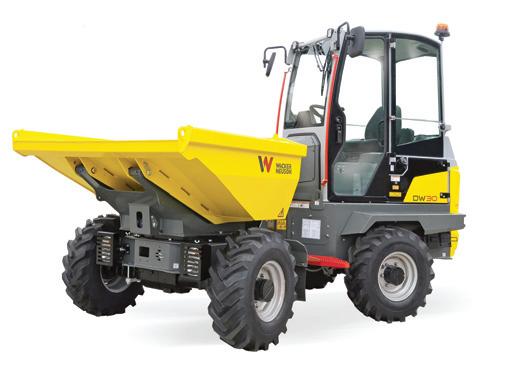
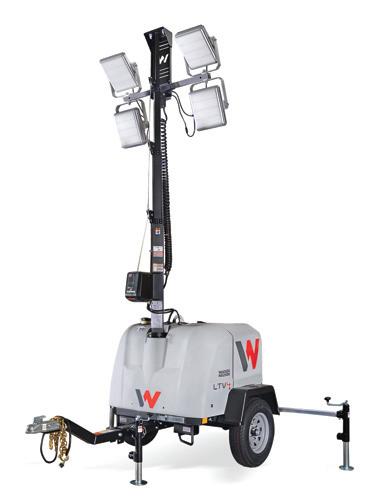

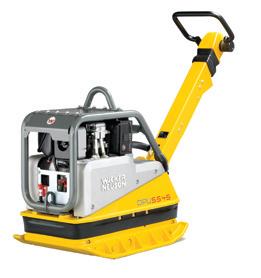
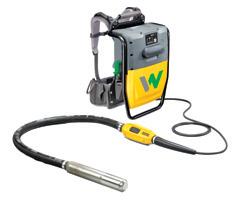
• Local Ownership with flexible approach
• Trained staff for repairs and maintenance
• Dedicated Parts personnel on site
• RTLX Trench Rollers
• Reversible Plate Compactors
• Light Towers (LED & Halide)
• Battery Equipment
• Concrete Equipment (Vibrators Internal & External, Battery Backpack Vibrator)
• Wheel Dumpers
• Focused on the Heavy Construction Industry
• Providing the BEST support equipment available
• Experienced outside sales staff

The Connecticut Department of Transportation announced Jan. 15, 2026, that its Office of Engineering is developing plans for the replacement of the Devon Rail Bridge carrying Metro-North Railroad mainline over the Housatonic River between the town of Stratford and the city of Milford.

In addition, plans also are being developed for the replacement of the Naugatuck Avenue Bridge over Metro-North Railroad in Milford and the Metro-North Railroad Bridge over East Main Street in Stratford, which will be reconstructed concurrently with the Devon Bridge replacement.
The projects will involve full replacement of the three bridges as well as the associated track work.
The present schedule indicates that the design will be completed in December 2029, with construction anticipated to start in the spring of 2030, assuming acceptance of the project, availability of funding and receipt of any required right-of-way and environmental permits. This project is anticipated to be undertaken with 80 percent federal, 14.8 percent state funds, and 5.2 percent Amtrak funding.
For more information, visit ct.gov/dot.

www.equipmenteast.com
61 Silva Lane
Dracut, MA 01826
978-454-3320

www.barryequipment.com
30 Birch Island Road
Webster, MA 01570
508-949-0005
508-949-0005 Equipment East, LLC
196 Manley Street Brockton, MA 02301
508-484-5567
1474 Route 3A Bow, NH 03304
603-410-5540
7 Harry’s Way Webster, MA 01570
508-949-0005
72 Olde Canal Way
Gorham, ME 04038
508-949-0005 1608 John Fitch Blvd South Windsor, CT 06074
860-288-4600 Rhode Island
The Massachusetts Department of Transportation announced on Feb. 11, 2026, that Massachusetts has been awarded 14 grants totaling $13,534,965 through the U.S. Department of Transportation's Safe Streets and Roads for All (SS4A) Program to develop safety plans and conduct demonstration activities addressing pressing safety issues across the Commonwealth. The 14 recipients included municipalities, counties, regional planning and government organizations, as well as the MBTA.
“Safety on our roads, sidewalks and public transportation is so important,” said Gov. Maura Healey. “Our cities and towns do incredible work every day to keep people safe, and this funding will help them build on those efforts. Congratulations to MassDOT, the T and every community and organization that is being awarded funding.”
“At MassDOT and the MBTA, safety will always be our top priority. These critical investments will help municipalities deliver improvements that reduce serious injuries and fatalities ,” said Phil Eng, interim MassDOT secretary and MBTA general manager. “We are grateful for the support of our federal delegation and the HealeyDriscoll Administration for their continued commitment to our transportation network and look forward to working with all communities across the state to advance a safer and more resilient transportation system statewide.”
The SS4A program is designed to improve roadway safety by investing in strategies that will reduce serious injuries and fatalities among pedestrians, bicyclists, transit users, motorists and truck drivers. Grant recipients are selected through a collaborative process that brings together experts from the Federal Highway Administration (FHWA), the National Highway Traffic Safety Administration (NHTSA) and the Federal Transit Administration (FTA).
The awarded projects and federal grant dollars in Massachusetts are:
• Barnstable County: Awarded $476,800
for “Planning and Demonstration Activities in Barnstable County.”
• City of Leominster: Awarded $328,000 for “City Of Leominster Vision Zero and SS4A Safety Action Plan.”
• City of Newton: Awarded $144,000 for “Waban Village Center Multimodal Improvements Demonstration”.
• Franklin Regional Council of Governments: Awarded $487,200 for “Demonstrating Crossing Safety Treatments in town centers in Greenfield and Deerfield, Mass.”
• MBTA: Awarded $2,234,325 for “Mobileye Shield+ Collision Avoidance Demonstration Project Phase 2.”
• Merrimack Valley Planning Commission: Awarded $896,640 for “Advancing Vision Zero: Route 28 and Community Safety Planning.”
• Metropolitan Area Planning Council: Awarded $5,000,000 for “Safety Forward: Accelerating Road Safety Innovation in the Boston Region.”
• Southeastern Regional Planning and Economic Development District: Awarded $2,400,000 for “Municipal Planning and Demonstration Subgrant Partnership.”
• Town of Braintree: Awarded $192,000 for “Town of Braintree Comprehensive Safety Action Plan.”
• Town of Brookline: Awarded $540,000 for “Planning and Demonstration Activities in town of Brookline.”
• Town of Dedham: Awarded $300,000 for “Planning and Demonstration Activities in town of Dedham.”
• Town of Freetown: Awarded $96,000 for “Improving Roadway Safety on Chase Road, Gurney Road and Braley Road.”
• Town of Leicester: Awarded $280,000 for “Leicester Safety Action Plan and HighInjury Network Intersection Demonstration.”
• Town of Ware: Awarded $160,000 for “Planning and Demonstration Activities in town of Ware.”
For more information, visit transportation.gov/grants/ss4a/2025-awards.