CONNECTING TRADE PROFESSIONALS WITH INDUSTRY INTELLIGENCE
From Code to Cargo
For Rob Harrison,Chief Executive Officer of Saudi Global Ports (SGP) the idea of a “Gateway to Growth” is not a tagline, it’s a blueprint for reshaping Saudi Arabia’s non-oil economy PROJECT DELIVERY
Resilience Through Integration
FROM PORTS TO PLATFORMS
Nestled by the coast of Lusail sits the splendor of in even the smallest details. Open the doors to mesmerizing hospitality and make memories in a world of sophistication.
CONNECTING TRADE PROFESSIONALS WITH INDUSTRY INTELLIGENCE
CONNECTING TRADE PROFESSIONALS WITH INDUSTRY INTELLIGENCE
CEO
Wissam Younane wissam@bncpublishing.net
Managing Director
CEO
Rabih Najm rabih@bncpublishing.net
Wissam Younane wissam@bncpublishing.net
Group Publishing Director
Director
Joaquim D’Costa jo@bncpublishing.net
Rabih Najm rabih@bncpublishing.net
Editor
Group Publishing Director
Reeba Asghar reeba@bncpublishing.net
Joaquim D'Costa jo@bncpublishing.net
Commercial Director
Editor-in-Chief
Andrea Mocay andrea@bncpublishing.net
Vibha Mehta vibha@bncpublishing.net
SUBSCRIBE subscriptions@bncpublishing.net
SUBSCRIBE subscriptions@bncpublishing.net
PO Box 502511 Dubai, United Arab Emirates P +971 4 4200 506 | F +971 4 4200 196
Creative Lead Christian Harb chriss@bncpublishing.net
Managing Editor
Kasun Illankoon kasun@bncpublishing.net
Junior Art Director
Rizaldi Febrian
Design Christian Harb
Marketing Executive
Marketing Executive
Aaron Joshua Sinanbam aj@bncpublishing.net
Aaron Joshua Sinanbam aj@bncpublishing.net
Videographer
Digital Media Producer
Eduardo Buenagua
Alexander Bungas
with permission. All images not credited courtesy Shutterstock.
For all commercial enquiries, contact jo@bncpublishing.net T +971 50 440 2706
PO Box 502511 Dubai, United Arab Emirates P +971 4 4200 506 | F +971 4 4200 196
For all commercial enquiries, contact jo@bncpublishing.net T +971 50 440 2706
Printed by United Printing and Publishing | upp.ae
Images used in Logistics News ME are credited when necessary. Attributed use of copyrighted images with permission. All images not credited courtesy Shutterstock.
In addition to our print edition, we’re bringing you all sorts of industry news on our web mediums. We’re looking forward to interacting with our readers on all of our social media and web platforms. See you on the web!
addition to our we’re bringing you all sorts of industry news on our web mediums. We’re looking forward to interacting with our readers on all of our social media and web platforms. See you on the web!
The New Logistics Order
This edition arrives at a time when the region’s logistics story is being rewritten in real time, shaped by ambition, accelerated by investment, and defined by a decisive shift towards intelligent, integrated supply chains.
As my first issue, it carries particular significance, offering a unique vantage point from which to witness an industry not simply evolving, but actively redefining its role on the global stage. It marks a moment of both personal and regional transition, where momentum is unmistakable and the direction of travel is increasingly clear.
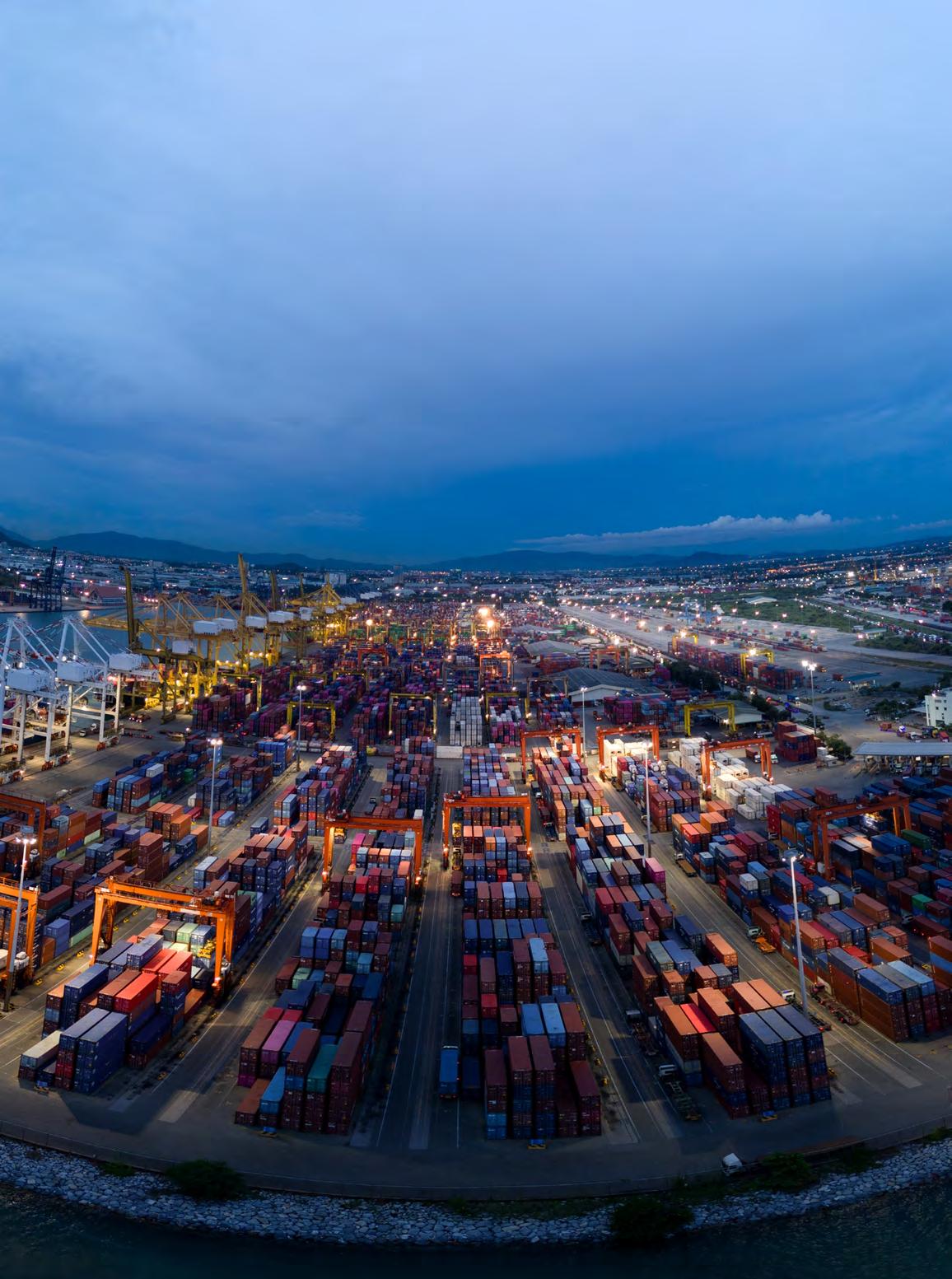
Our cover story focuses on Saudi Arabia’s global ports strategy, a cornerstone of Vision 2030. The Kingdom’s continued investment in infrastructure, digitalisation, and trade connectivity is reinforcing its position as a rising global logistics hub, with ports playing a central role in enabling long-term economic diversification.
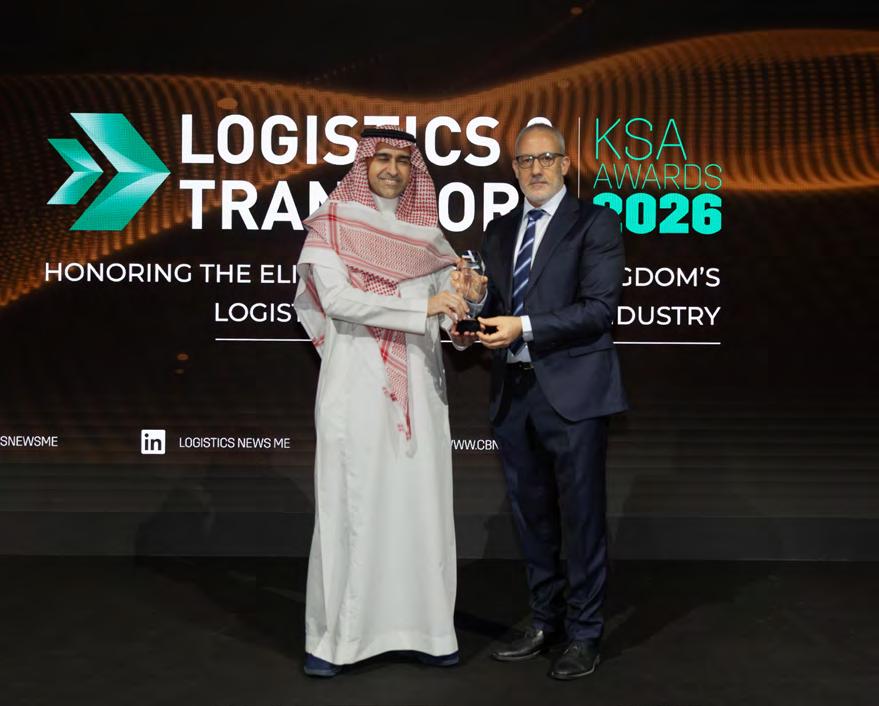
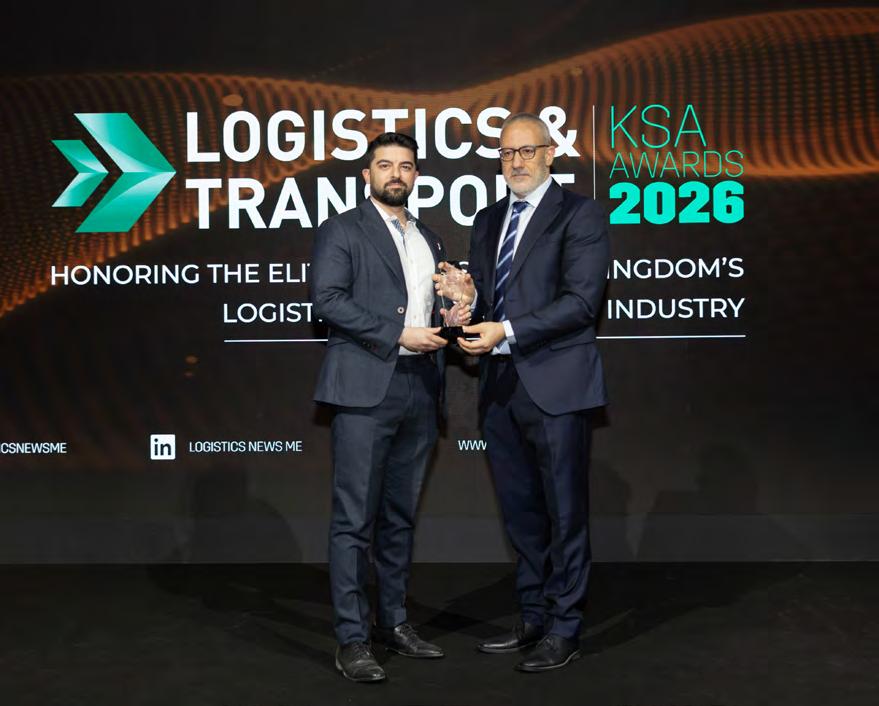
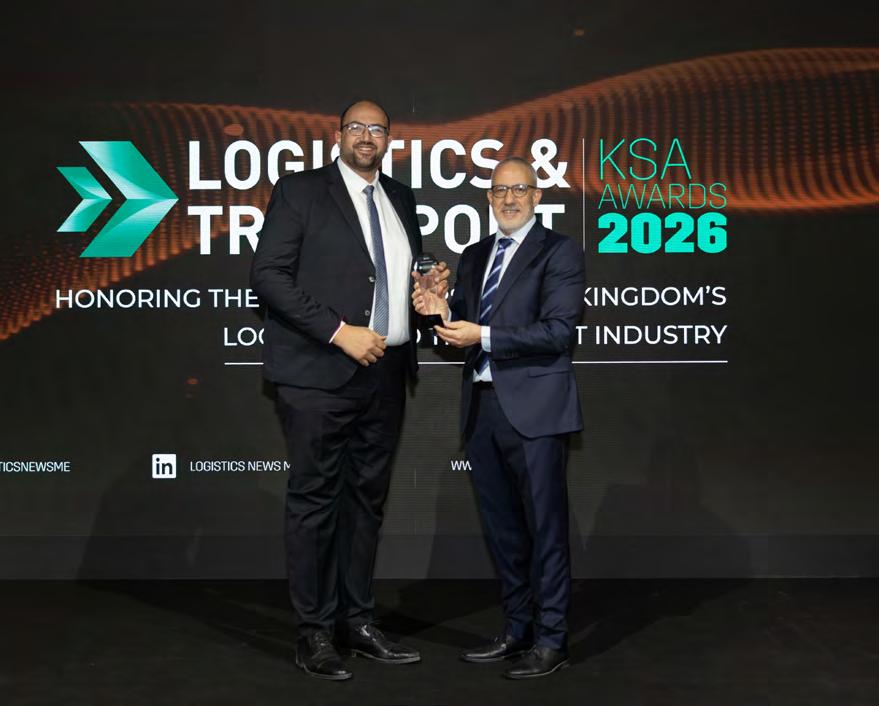
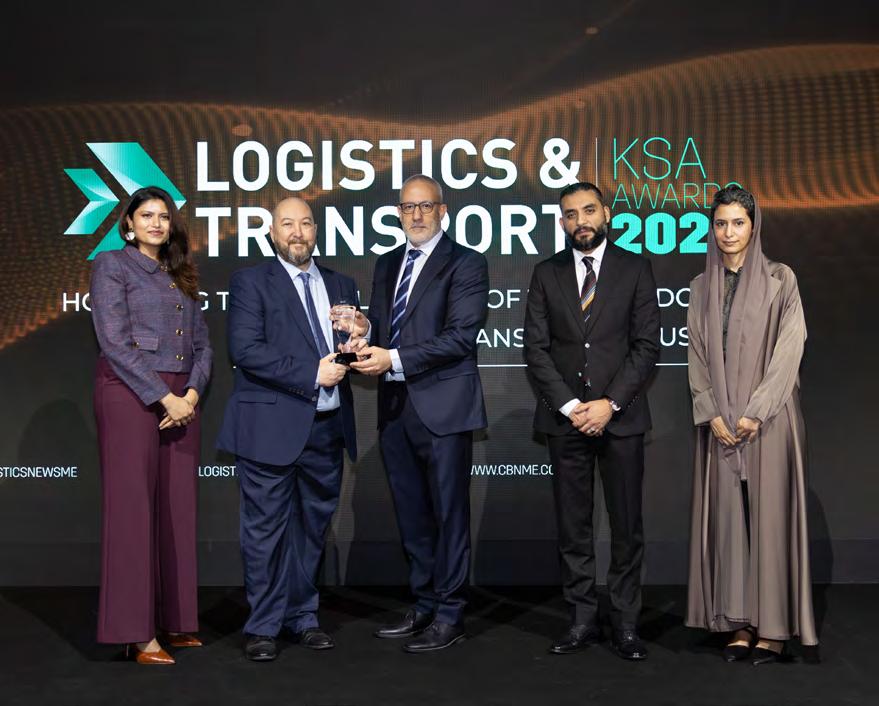
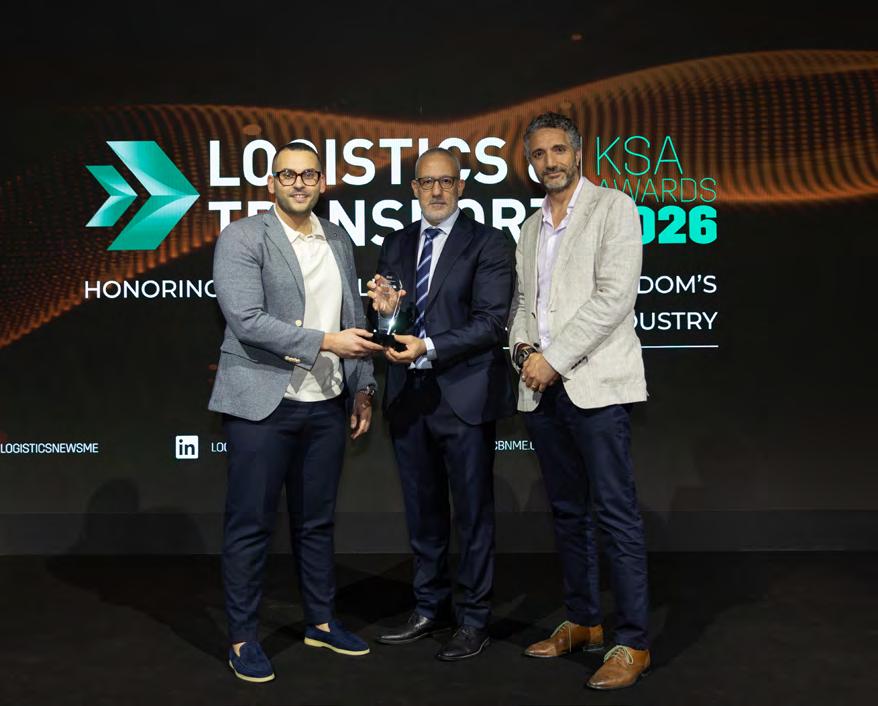
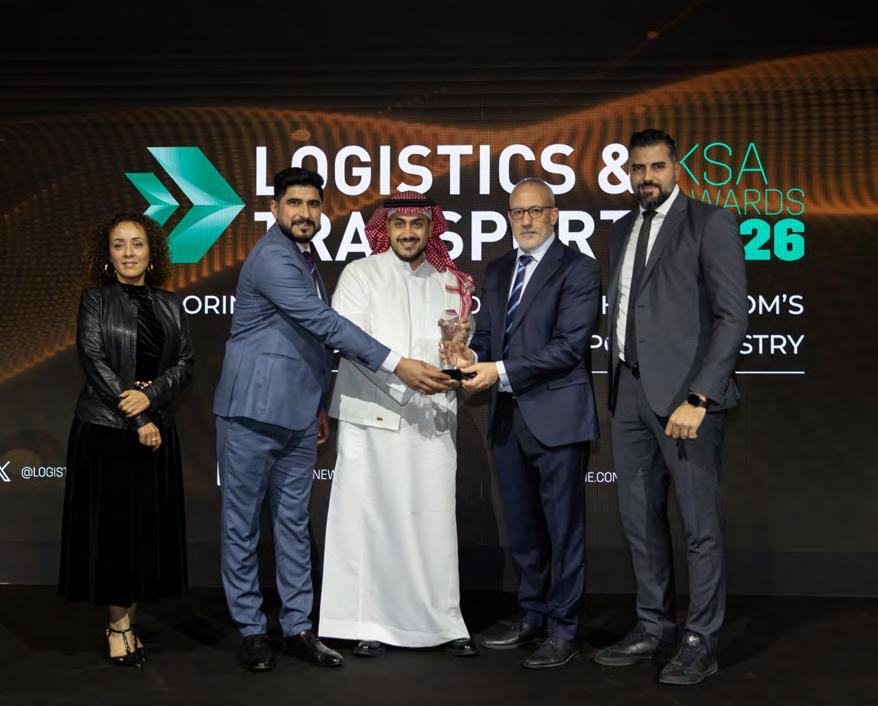
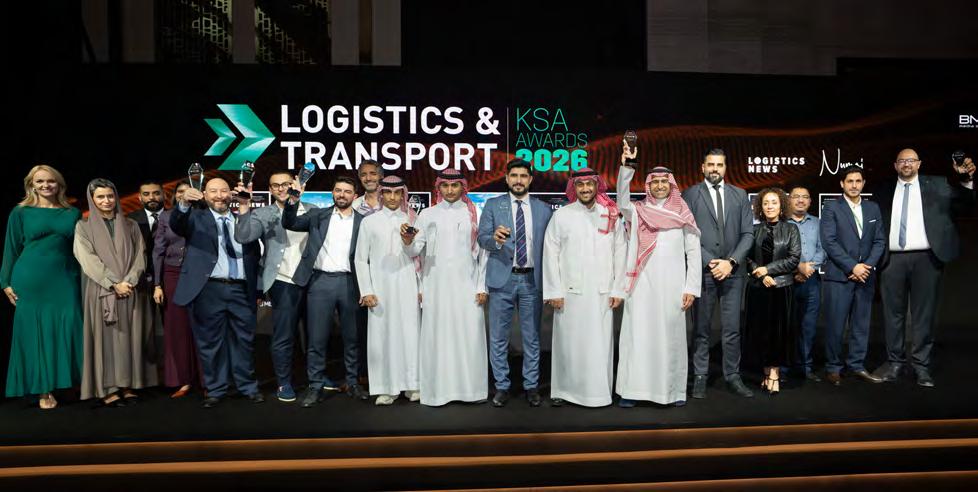
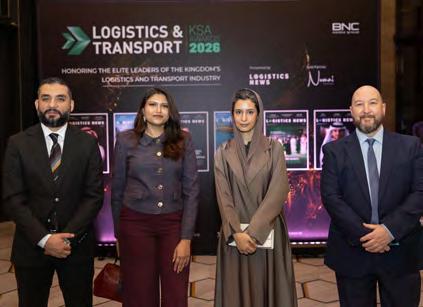
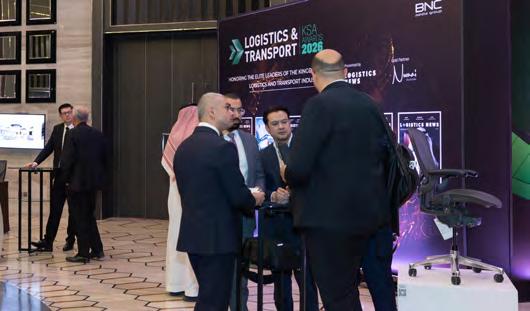
This momentum was also evident at the Logistics & Transport Awards KSA 2026, which proved a resounding success. Saudi Arabia’s logistics sector showed up in strength, confident, forwardlooking, and clearly driving a transformation of the transport and supply chain landscape across the region.
In the UAE, we feature resilience and operational continuity within a fast-moving logistics environment. Alongside this, the edition explores key themes shaping the industry, including automation, cybersecurity, and the growing importance of secure, intelligent supply chains.
This edition is a reflection of a region in motion. The Middle East is not simply responding to global logistics shifts; it is helping define them, and as the sector continues to evolve, one thing is certain, the pace of change is only accelerating. Thank you for reading.
Reeba Asghar
Editor Logistics News ME
reeba@bncpublishing.net reebaasghar
reeba.asgharx
ASYAD GROUP ACQUIRES LIGENTIA TO ACCELERATE GLOBAL GROWTH
The acquisition is Asyad Group’s second major international transaction in less than two years
Asyad Group, a global integrated logistics provider, and Ligentia, a UK-based techenabled supply chain services provider, have announced a strategic transaction that will see Ligentia join Asyad Group. The landmark acquisition marks a significant milestone for both organisations, accelerating international expansion and strengthening their commitment to end-to-end, technology-driven supply chain solutions.
The deal represents Asyad Group’s second major international acquisition in under two years, following the integration of Skybridge Freight Solutions in 2024. The combined entity will operate across 24 countries and 76 cities, significantly enhancing its global logistics footprint.
Founded in 1996, Ligentia brings nearly three decades of expertise in designing and managing complex global supply chains. Central to the partnership is its proprietary platform, Ligentix, a digital “control tower” offering realtime visibility, ERP integration, and predictive analytics, strengthening efficiency, resilience, and operational agility across the network.
The acquisition expands services for more than 6,000 global customers across key sectors including retail, automotive, healthcare, and e-commerce, enabling fully integrated fourth-party logistics (4PL) solutions from first to last mile. It also reinforces Asyad’s strong growth trajectory, having expanded turnover from $320 million in 2016 to over $2.1 billion projected in 2026, further cementing its position
Al Hatmi, Group CEO of Asyad
as a leading multimodal logistics provider.
“This acquisition marks a defining moment for Asyad Group. By integrating Ligentia’s advanced digital capabilities and global network with our world-class logistics ecosystem, we are accelerating our expansion into key international markets,” said Abdulrahman Al Hatmi, Group CEO of Asyad. “This move reinforces our commitment to delivering smart, integrated logistics solutions that create long-term value for our customers and partners worldwide, while unlocking new global opportunities across critical trade corridors.”
Dan Gill, Group CEO of Ligentia , added: “Joining Asyad marks an exciting new chapter for Ligentia. Over nearly three decades, we have built a customer-focused business combining technology and people to deliver innovative solutions. This partnership provides the scale, global reach, and strategic investment
needed to accelerate our growth, while continuing to innovate and enhance the services we deliver to our customers worldwide.”
The transaction will enable Ligentia to further develop its digital capabilities while expanding its footprint in key international markets. With access to Asyad’s broader logistics infrastructure and integrated services, Ligentia is well positioned to strengthen its end-toend 4PL offering and help customers navigate the increasing complexity of global trade. This milestone represents an important step in Ligentia’s evolution as a global supply chain partner, reinforcing its commitment to delivering innovative, technology-enabled solutions that support more resilient, agile, and sustainable supply chains.
Abdulrahman
Dan Gill, Group CEO of Ligentia
AL MASAOOD & ETIHAD RAIL DELIVER UAE’S FIRST RAIL TRANSPORT OF PASSENGER VEHICLES
This milestone signals the continued expansion of Etihad Rail Freight beyond bulk commodities
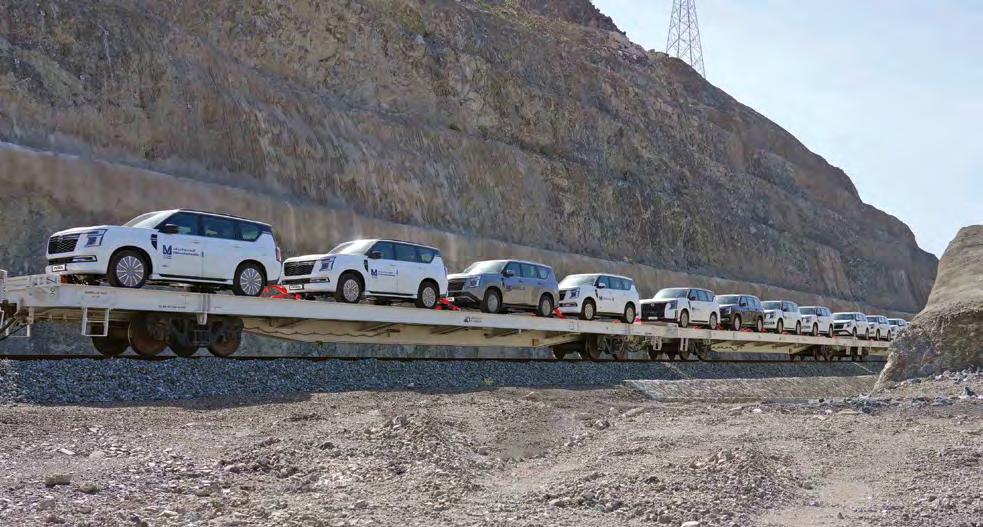
Al Masaood Automobiles and Etihad Rail Freight, a subsidiary of Etihad Rail, have successfully completed the first-ever rail transport of finished passenger vehicles for an automotive dealership in the UAE, marking a significant milestone in the evolution of the nation’s logistics sector.
The shipment of Nissan vehicles was transported from Eastern Coast ports to the dry port at the Industrial City of Abu Dhabi (ICAD), representing a new chapter in how vehicles and high-value cargo move across the country. This achievement also highlights the continued expansion of Etihad Rail Freight beyond bulk commodities into diversified, high-value goods, reinforcing the growing role of rail within integrated end-to-end supply chains.
By enabling seamless movement from port to final destination, the initiative enhances efficiency, predictability, and delivery timelines for Al Masaood Automobiles. In a sector where timing and reliability are critical, this model strengthens the customer experience by ensuring faster and more consistent vehicle delivery.
Irfan Tansel, CEO of Al Masaood Automobiles, said: “Every part of the customer journey matters, including how reliably and efficiently a vehicle reaches its owner. This initiative reflects the steps we are taking behind the scenes to strengthen that experience. We are proud to be the first automotive dealer in the UAE to work with Etihad Rail Freight
on transporting finished vehicles. It is a strong example of what can be achieved when national infrastructure and private sector capability come together with a shared focus on progress and long-term value.”
Omar Alsebeyi, CEO of Etihad Rail Freight, added: “This milestone demonstrates exactly what rail freight is designed to deliver: a reliable, predictable, and scalable solution that integrates seamlessly into existing supply chains. The UAE’s national rail network was built to strengthen the resilience and efficiency of the country’s logistics sector, and today we are seeing that ambition translate into real-world impact. We look forward to building on this partnership and enabling more businesses across the UAE to benefit from rail.”
Beyond operational efficiency, this initiative also represents a meaningful step towards more sustainable logistics. Rail transport offers a lower-emission alternative to traditional road freight, helping to reduce environmental impact across the automotive value chain. It directly supports the UAE Net Zero by 2050 Strategic Initiative and the nation’s broader commitment to decarbonising key economic sectors, providing a tangible example of how the transition to greener logistics is being implemented in practice.
More broadly, this achievement underscores the strength of the UAE’s integrated infrastructure ecosystem, where national vision and private sector capability converge to deliver practical, future-focused solutions.
MBRAH STRENGTHENS MRO CAPABILITIES WITH NEW LUFTHANSA TECHNIK FACILITY
Mohammed Bin Rashid Aerospace Hub continues to expand its aviation ecosystem with the launch of a new facility by Lufthansa Technik Middle East
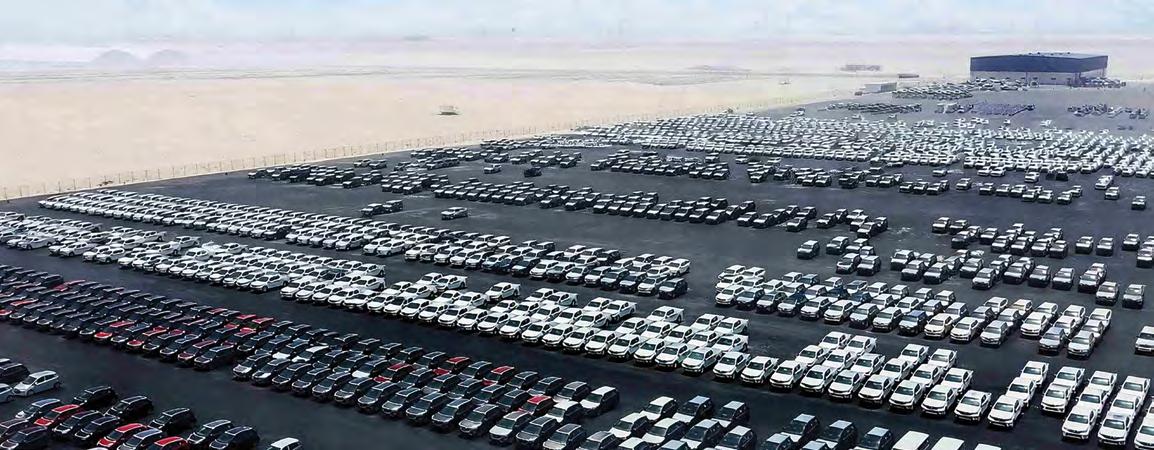
Gallega Global Logistics, a multi-sector integrated logistics service provider and a subsidiary of Ghassan Aboud Holding and EasyLease, has announced the launch of a new 1 million square foot secure Finished Vehicles Hub in Jebel Ali Free Zone (JAFZA), scheduled to go live in May 2026. The facility is designed to meet rising demand for automotive storage and strengthen supply chain resilience across the region, with capacity for up to 6,500 vehicles.
Strategically located to support regional and international trade flows, the hub provides a comprehensive end-to-end solution for vehicle logistics. It is designed to accommodate vehicles delayed at ports, in transit between cities, or requiring temporary storage prior to onward distribution.
The facility features a light pre-delivery inspection (PDI) setup, full CCTV surveillance, 24/7 on-site security, and an advanced Yard Management System (YMS) offering VIN-level inventory visibility. These capabilities enable real-time tracking, operational transparency, and optimised utilisation of yard capacity.
“Our investment in this facility reflects our commitment to growth and to building future-ready supply chain infrastructure,” said Sara Rachid, CEO of Gallega Global Logistics. “We are creating a centralised, secure, and technology-enabled environment that allows our clients to manage
their automotive inventory with confidence and flexibility.”
“Our new JAFZA hub represents a major step forward in automotive logistics for the region,” added Kareem Bahgat, General Manager - Automotive Logistics at Gallega Global Logistics. “By combining advanced technology, secure storage, and integrated value-added services, we offer clients a single, streamlined point of contact for managing vehicle flows, improving efficiency and providing greater peace of mind across the supply chain.”
In addition to storage, the hub offers value-added services including pre-dispatch inspection, maintenance support, and loading and lashing for container exports. This reduces the need for multiple touchpoints and minimises additional investment requirements for clients. The facility is also supported by Gallega’s integrated fleet of car carriers and recovery vehicles, enabling seamless inbound and outbound movement under a single operational framework.
Beyond automotive logistics, Gallega Global Logistics continues to expand its wider supply chain capabilities across multiple sectors. The company is developing alternative trade routes and cross-border solutions connecting key regional hubs including Jeddah, Sohar, Salalah, and Aqaba, strengthening its ability to move assets efficiently across markets.
DUBAI UNVEILS AED 34BN METRO ‘GOLD LINE’ EXPANSION
Dubai’s ambitious Gold Line project will strengthen connectivity
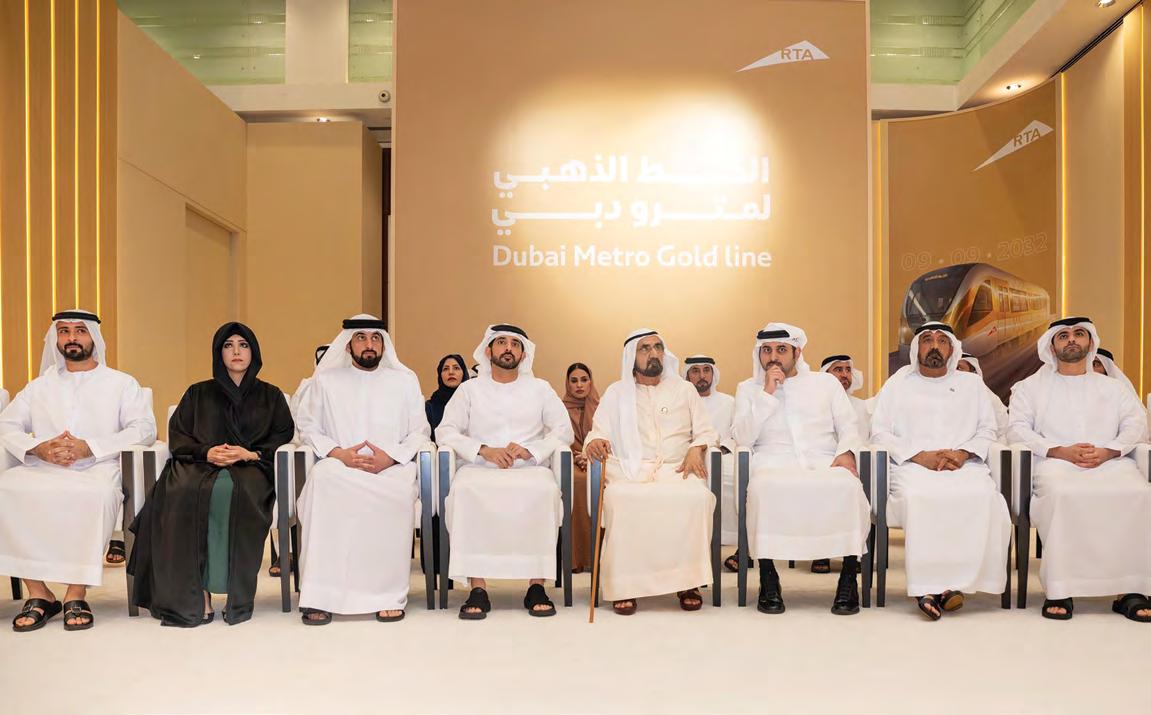
Dubai is set to deliver its most ambitious public transport expansion to date following the announcement of a new Dubai Metro “Gold Line” by Sheikh Mohammed bin Rashid Al Maktoum.
Valued at AED 34 billion, the project will expand the emirate’s metro network by approximately 25 per cent, with completion scheduled for 9 September 2032.
The fully underground line will stretch 42km, reaching depths of up to 40 metres and serving 15 key districts across Dubai. Described as the largest transport infrastructure project in the city’s history, the Gold Line is designed to significantly enhance connectivity across rapidly growing residential and commercial corridors.
Running from Al Ghubaiba to Jumeirah Golf Estates, the route will link major hubs including Bur Dubai, Satwa, Meydan, Al Barsha South, Jumeirah Village Triangle, and Production City. It will also integrate seamlessly with the existing Red and Green Lines of the Dubai Metro, with three key interchange stations at Business Bay, Al Ghubaiba, and Jumeirah Golf Estates.
Once operational, the line is expected to serve around 465,000 passengers daily by 2040, supporting population growth and more than 55 large-scale real estate developments currently underway. The project will also connect with the UAE’s national rail network, Etihad Rail, at two stations, further strengthening multimodal transport integration across the country.
Construction will utilise advanced tunnel-boring technology, effectively doubling the length of Dubai’s existing metro tunnels while minimising disruption to urban life and infrastructure.
The announcement comes amid wider ambitions for next-generation mobility in Dubai, including the proposed high-speed underground “Dubai Loop”, although its integration with the Gold Line has yet to be confirmed.
Economically, the project is expected to deliver substantial long-term returns, with projections indicating a cumulative return of up to 430 per cent over 20 years of operation, underscoring its role as a cornerstone of Dubai’s future mobility and urban development strategy.
Image credit: Government Dubai Media Office
FROM CHOKEPOINTS TO STRATEGY
Professor Edward Sweeney at Heriot-Watt University Dubai, explores how resilience must evolve from reactive response to proactive strategy
The concept of supply chain resilience is not a new one. However, recent events have resulted in a sharp focus, prompting renewed attention on what resilience means in a supply chain context and how it can be effectively embedded into global supply chain ecosystems.
At its most fundamental level, every product reaches the end consumer through a network of firms, i.e. through a supply chain. The nature of these supply chains has undergone profound transformation in recent decades. Perhaps, the most significant has been
the increasing internationalisation - and in some cases the globalisation of supply chains. This phenomenon has been facilitated by the gradual reduction of barriers to the movement of products, capital, people and information across international borders.
Despite more recent signs of economic nationalism and talk of “deglobalisation”, the global business ecosystem remains deeply interconnected. Raw materials, components and subassemblies frequently traverse multiple continents, passing through complex networks of organisations before reaching the final consumer.
One consequence of this intricate and international configurations is heightened exposure to volatility, an inherent feature of the global economic and geopolitical landscape. As I write, supply chain professionals are closely monitoring developments in Iran and the wider Middle East following the announcement of a ceasefire in the region. The situation in the Strait of Hormuz is the subject of particular scrutiny, given its critical role in the flow of petrochemical and other products from the Persian Gulf region. A notorious logistical chokepoint, its closure disrupts the supply of critical products, putting upward pressure on the prices of these products in markets globally. This is just one example, albeit a highly significant one of how geopolitical events can disrupt the supply chains of strategically important goods. In
general terms, the concept of resilience is fundamentally about how firms respond to disruptions of this kind. More broadly, disruptions have become more frequent in recent years, driven by geopolitical instability, natural disasters, extreme weather events linked to the climate crisis, and other systemic risks. In essence, resilience is about how effectively organisations respond to such disruptions
More formally, the Chartered Institute of Procurement and Supply (CIPS) defines supply chain resilience as “the ability to respond quickly to unexpected events, but to also prevent and mitigate disruptions in the supply chain”. Focusing on the keywords and phrases in this definition provides some clues about what the main elements of contemporary supply chain resilience are.
First, resilience is about responsiveness, the ability to react swiftly and effectively when disruption occurs. The term itself derives from the verb “resile”, meaning to rebound or return to a prior state. I often describe this as “bouncebackability”: the capacity to recover quickly and continue operations with minimal impact and it is a word that I often use in my own work and with my students. All of this is essentially about how supply chains respond to what CIPS refers to as “unexpected events”. However, true resilience cannot be based on effective responsiveness alone. There needs to be a concomitant dimension
which is more proactive. This is where the words “prevent” and “mitigate” are instructive. While many disruptions lie beyond the control of the organisation, others may stem from internal factors. For example, the CIPS specifically refers to disruption that may be caused by machine breakdowns or staff shortages. Such disruptions may be preventable by adopting more systematic approaches to preventative maintenance of machinery and more proactive approaches to staff recruitment and deployment. For disruptions that cannot be prevented, mitigation becomes critical. The key question then is: what actions can organisations take to reduce exposure to risk and minimise impact when disruption occurs? In this regard, the UK Department for Business and Trade provides a useful framework, identifying five key areas for building supply chain resilience.
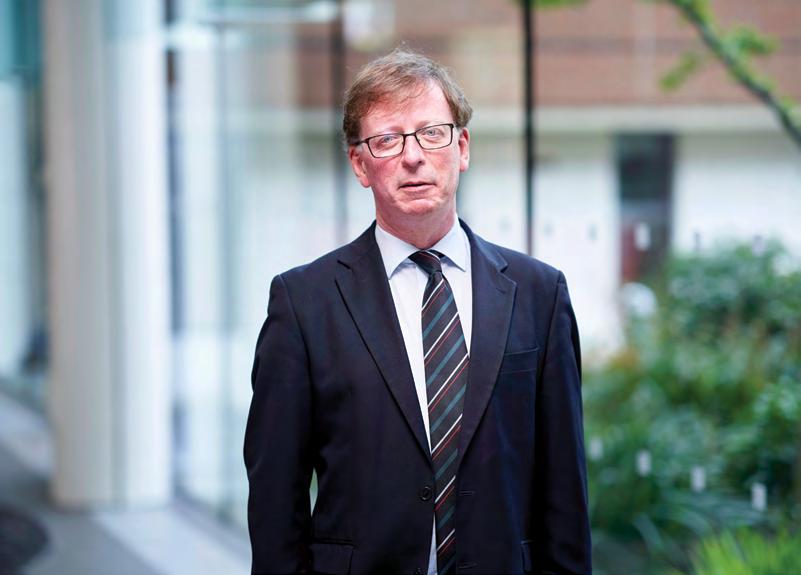
Professor Edward Sweeney, Professor of Logistics and Supply Chain Management at Heriot-Watt University Dubai
The first focal area is diversification, i.e. identifying and developing alternative sources of supply, particularly for critical inputs. The second area concerns international partnerships which emphasises “work with international partners to identify common challenges, bring down barriers to trade and strengthen the resilience of international supply chains and systems”. The third possibility is to build resilience through stockpiling and surge capacity, i.e. through additional stockholding. This is an approach which has been the subject of significant debate in supply chain circles. The conventional wisdom in many industries over several decades has been based on the just-in-time (JIT) principle of minimal or even zero inventory, with the alternative “just-in-case” approach attracting a certain derision. There is evidence to suggest that the challenges faced in many industries as a result of Covid-19 had a significant impact on changing this perspective. Many organisations now recognise the value of holding carefully calibrated levels of critical stock at key points in the supply chain. The fourth focal area is onshoring – often referred to as reshoring - which is about assessing the merits of increasing domestic capacity as a way of reducing risk. This raises important considerations for policymakers, particularly in balancing resilience with the economic advantages of global trade. In this context, last year’s OECD’s Supply Chain Resilience Review provides
a useful framework for managing risk without undermining the benefits of international integration. The fifth and final key area is demand management, the focus of which is to “identify whether it may be beneficial to manage the demand for components or goods, considering substitutes and alternatives, innovation, and circularity”.
It is also worth noting that supply chain resilience is underpinned by infrastructure resilience. While the traditional focus has been on physical transport infrastructure, this must now be complemented by a strong emphasis on digital infrastructure. As supply chains become increasingly digitised, their dependence on reliable, secure digital systems becomes critical. Ultimately, this points to a broader and more fundamental requirement: the need for a holistic approach. My experience suggests that a key underlying reason for supply chain fragility is the persistence of fragmented, siloed decision-making. Building resilience requires a more integrated perspective, one in which strategic decisions are aligned across functions, partners, and systems. In today’s complex and uncertain environment, resilience is not a single capability but a system-wide attribute. It must be designed, embedded, and continuously refined, not only to withstand disruption, but to enable supply chains to adapt, recover, and thrive in the face of it.
Returns darkness to the night
BEGA pole-top luminaires with Dark Sky technology direct the light in a highly efficient manner only where it is required. Light pollution of the night sky is avoided. bega.com/darksky
Gold Sponsor
The Industry in Motion
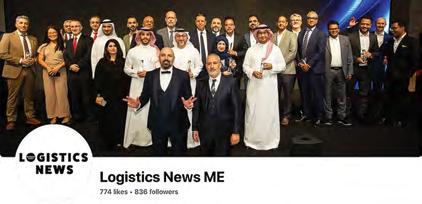
In a year defined by transformation and accelerating momentum, the Logistics & Transport Awards KSA 2026 stood as a compelling celebration of an industry at the forefront of national progress. Hosted by Logistics News ME and BNC Publishing, the event captured the spirit of a sector that is not only evolving, but actively powering Saudi Arabia’s emergence as a global logistics powerhouse.
Against the backdrop of Vision 2030, the Kingdom’s logistics landscape is undergoing a profound shift. From the expansion of worldclass ports and integrated transport corridors to the rapid development of special economic zones and smart logistics platforms, Saudi Arabia is redefining how goods move across the region and beyond. Strategic investments, regulatory reform, and digital innovation are converging to create a more agile, resilient, and globally competitive supply chain ecosystem, one that is attracting international partnerships and unlocking new trade routes linking East and West.
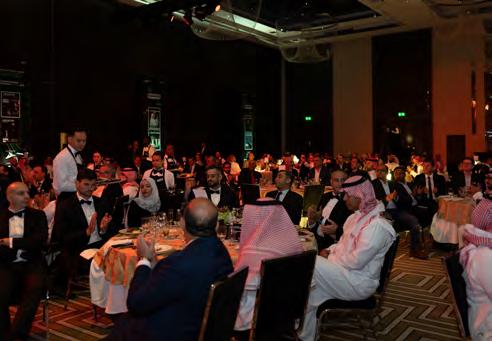
The evening brought together the sector’s most influential leaders, innovators, and decision-makers for a night that recognised excellence in all its forms. The atmosphere reflected an industry brimming with ambition and confidence - a sector that understands
both its responsibility and its opportunity in shaping the Kingdom’s future.
We extend our warmest congratulations to all the winners of the evening, whose achievements represent the best of the industry. Their leadership, ingenuity, and commitment to excellence are setting new benchmarks for performance, inspiring peers, and driving the sector forward at pace. Equally, we commend the finalists, whose contributions underscore the depth of talent and innovation across Saudi Arabia’s logistics landscape.
More than a celebration of success, the evening was a tribute to progress; to the partnerships being forged, the ideas taking shape, and the leadership guiding the sector through a period of unprecedented growth. Each accolade awarded served as a reminder of the critical role logistics plays in enabling economic diversification and supporting the Kingdom’s long-term ambitions.
Above all, the event reaffirmed a powerful truth: this is an industry in motion - dynamic, forward-looking, and full of opportunity. With its foundations strengthening and its horizons expanding, Saudi Arabia’s logistics sector stands firmly at the heart of the nation’s future, driving connectivity, competitiveness, and sustainable growth on a global stage.
Multimedia production: Joel Amparo & Eduardo Buenagua
Supply Chain Manager of the Year Ibrahim Alqasim Of Mobily
The winner exemplifies a leadership profile defined by bold transformation, disciplined execution, and measurable impact across technology, sustainability, and cost optimisation. Over the past year, he has successfully mobilised teams, vendors, and cross-functional stakeholders to modernise core capabilities while setting new benchmarks for environmental performance and energy efficiency.
Tech Implementation in Logistics Starlinks
The winner has set a new benchmark in Tech Implementation in Logistics through its AI-powered vehicle inspection system, transforming traditional manual checks into a fully automated, high-precision digital process.
Tech Implementation in Supply Chain Logsquare
The winner transformed Noon’s MEGA DC in Riyadh into a smart, scalable fulfilment engine. Delivering a fully integrated, automation-driven system, the project enables high-density storage, real-time monitoring, and seamless flow from induction to dispatch. The implementation has driven a 400% increase in operational capacity, handling up to 16,000 orders per hour.
Supply Chain Excellence of the Year
Kanoo Logistics
The winner has been recognised for its long-standing excellence in delivering integrated, end-to-end supply chain solutions across the GCC, underpinned by decades of operational expertise and a strong regional footprint. Their consistent performance, reliability, and ability to deliver at scale have firmly established them as a leader in the sector.
Last Mile Delivery Company of the Year Starlinks
The winner has demonstrated outstanding performance in redefining last-mile logistics through speed, reliability, and innovation. From peak seasonal demand to everyday e-commerce fulfilment, they have consistently delivered with precision, supported by a strong operational network and a commitment to customer experience excellence.
Logistics Company of the Year DHL Group
The winner has established itself as a transformative force in Saudi Arabia’s logistics sector, supporting the Kingdom’s ambition to become a global logistics hub connecting Asia, Europe, and Africa. Through its integrated operations across DHL Supply Chain, DHL Global Forwarding, and DHL Express, it delivers end-to-end multimodal capabilities, strong infrastructure, and deep industry expertise.
Resilience Through Integration
7X Group Chief Executive Officer, Tariq Al Wahedi points to the UAE’s integrated logistics framework as a model for maintaining continuity
The region is moving through a period of heightened uncertainty. How do you read the current moment from the UAE’s perspective?
The current environment has tested supply chains globally, but it has also underscored the strength of the UAE’s operating model. As one of the world’s
most connected trade and logistics hubs, the UAE benefits from diversified infrastructure, strong institutional coordination, and an agile regulatory environment that supports continuity even as external conditions become more complex.
What stands out in this moment is that resilience is increasingly shaped by integration. When conditions shift, the organisations and systems that can reroute, reprioritise, and coordinate across a broader network are best positioned to maintain steady movement and keep operations on track. That is where the UAE continues to demonstrate real strength.
Resilience is not the absence of disruption. It is the ability to respond
Tariq Al Wahedi , 7X Group Chief Executive Officer
with clarity, coordination, and control. That is the standard we uphold at 7X, and one the UAE’s wider logistics ecosystem has consistently maintained in recent months.
Where does 7X fit within that wider national picture?
7X contributes to the wider national landscape through an integrated model that brings together complementary capabilities across trade, transport, and logistics. That integration becomes particularly valuable when operating conditions grow more complex, as it allows us to respond through multiple channels in a coordinated manner rather than through isolated interventions.
If freight or express movement is required, EMX provides the operational
capability. If broader national reach and access are needed, NXN extends that coverage through its network. Emirates Post adds an important international dimension through its cross-border connectivity and long-standing institutional ties within the global postal system. FINTX supports the financial layer that increasingly underpins trade and transaction flows, while platforms such as Waslah and ADEED translate the Group’s wider capabilities into more accessible and actionable solutions. Together, these elements allow 7X to support different types of demand through one connected ecosystem.
Our value lies not in any single function, but in how these capabilities work together. In an environment where fragmentation can slow response
and limit visibility, integration enables greater coordination, flexibility, and continuity. This is how 7X supports the wider national system, serving as a coordination layer that connects capabilities across trade, transport, and logistics.
Business continuity has become a central concern for many organisations. What has 7X done to support that?
At 7X, we approached business continuity as an operational priority that must be built into the system, rather than addressed only when disruption occurs. This has involved strengthening coordination across the Group, clarifying roles and responsibilities, and reinforcing the internal frameworks to support faster and more consistent decision-making when conditions change.
In practical terms, this means ensuring each entity understands its role, has the ability to respond effectively, and remains connected to the wider network in real time. It has also meant investing in platforms such as ADEED, which provide a clearer and more structured route for capturing demand and directing it to the appropriate response pathway, rather than relying on ad hoc arrangements.
Continuity depends on more than capacity. It requires clear ownership, coordinated execution, and systems capable of responding at scale when demand rises across multiple sectors
simultaneously. That is the approach we have continued to strengthen across the Group, with ADEED representing one visible element of a broader effort to make support more organised, responsive, and effective.
ADEED has become an important part of this conversation. What does the platform represent?
ADEED addresses a gap that becomes particularly evident during disruption. In many cases, the challenge is not the absence of logistics capability, but the lack of a clear and structured way to access it quickly and direct it where it is needed most. When pressure rises, entities often have to navigate
a fragmented landscape of providers, processes, and solutions at speed.
Developed in collaboration with ADIO, ADEED is a national digital platform designed as a practical response to this challenge. It gives government entities, manufacturers, investors, and businesses a direct route to request supply chain and logistics support. It helps capture the requirement, structure it clearly, connect it to the right capability across the ecosystem, and follow the request through in a more accountable way.
A key strength of the platform lies in its intelligence layer. ADEED Radar provides
real-time operational visibility across vessel movements, port activity at key UAE terminals, and live disruption advisories. It also supports AI-powered scenario planning, helping operational teams assess alternatives and make better-informed decisions in rapidly changing conditions. ADEED serves as a national coordination layer for logistics resilience, a system that reduces the distance between demand and response, simplifies ecosystem activation at scale, and ensures that support is prioritised and delivered with accountability.
In detail, how do NXN, EMX, and Emirates Post each contribute to 7X’s wider role in supporting continuity across trade, transport, and logistics? Each entity contributes a distinct but complementary role within the Group’s wider model.
NXN provides national physical reach and last-mile connectivity across the country. It supports the local layer of logistics that connects the broader supply chain to businesses and communities, including the final points of delivery where continuity is often most directly tested. Its nationwide presence makes it an critical activation layer when broad, ground-level coverage is required.
EMX is the Group’s freight and express operator, with capabilities spanning domestic, regional, and international flows. Its value lies in the flexibility it brings to route planning, complex shipment handling, and operational execution when conventional channels come under pressure. That agility reflects sustained investment in building a more resilient operating model.
Emirates Post anchors the institutional dimension of this model. Its connection to the Universal Postal Union (UPU), together with the UAE’s chairmanship of the UPU Council of Administration, provides access to an established global framework for cross-border coordination across 192 member countries. When international movement becomes more complex, institutional connectivity carries real value. It reinforces the point that resilience is shaped not only by domestic capability, but also
by the strength of a country’s international connections.
Looking ahead, what is your outlook for the sector, and for 7X’s role within it?
The structural drivers remain clear. E-commerce continues to expand, global supply chains are becoming more complex, and expectations around visibility, reliability, and speed continue to rise. At the same time, automation and AI are playing an even more meaningful role in how logistics is planned, managed, and delivered. I expect the sector to keep growing, but I also expect competition to become intense and more demanding.
A key shift to watch is the transition from logistics as a purely physical service to logistics as a data- and intelligence-driven service. The operators who lead the next phase will not simply be those with the most capacity, they will be those who can sense demand before it moves, route it more efficiently, predict failures before they occur, and adapt in real time. This vision underpins our investments in platforms, data infrastructure, and autonomous logistics through AutoLogiX.
For 7X, our trajectory is focused on three clear priorities: deepening integration across the Group so that our ecosystem generates compounding value rather than parallel value; expanding the reach and intelligence of our platforms, particularly ADEED and Waslah; and continuing to build an Emirati talent and leadership pipeline to ensure long-term sustainability.
We entered 2026 from a position of stronger financial performance, with positive EBITDA and profitability achieved in 2025. The priority now is to build on that momentum through disciplined execution and sustained growth. The foundation is in place; the focus now is on delivery.
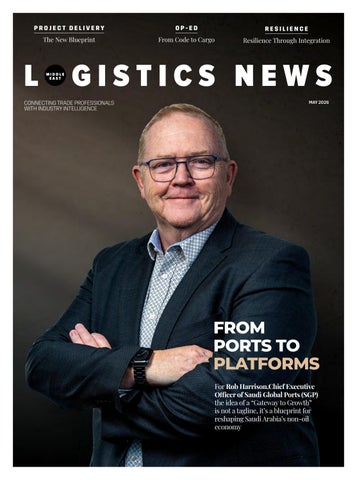
FROM PORTS TO PLATFORMS
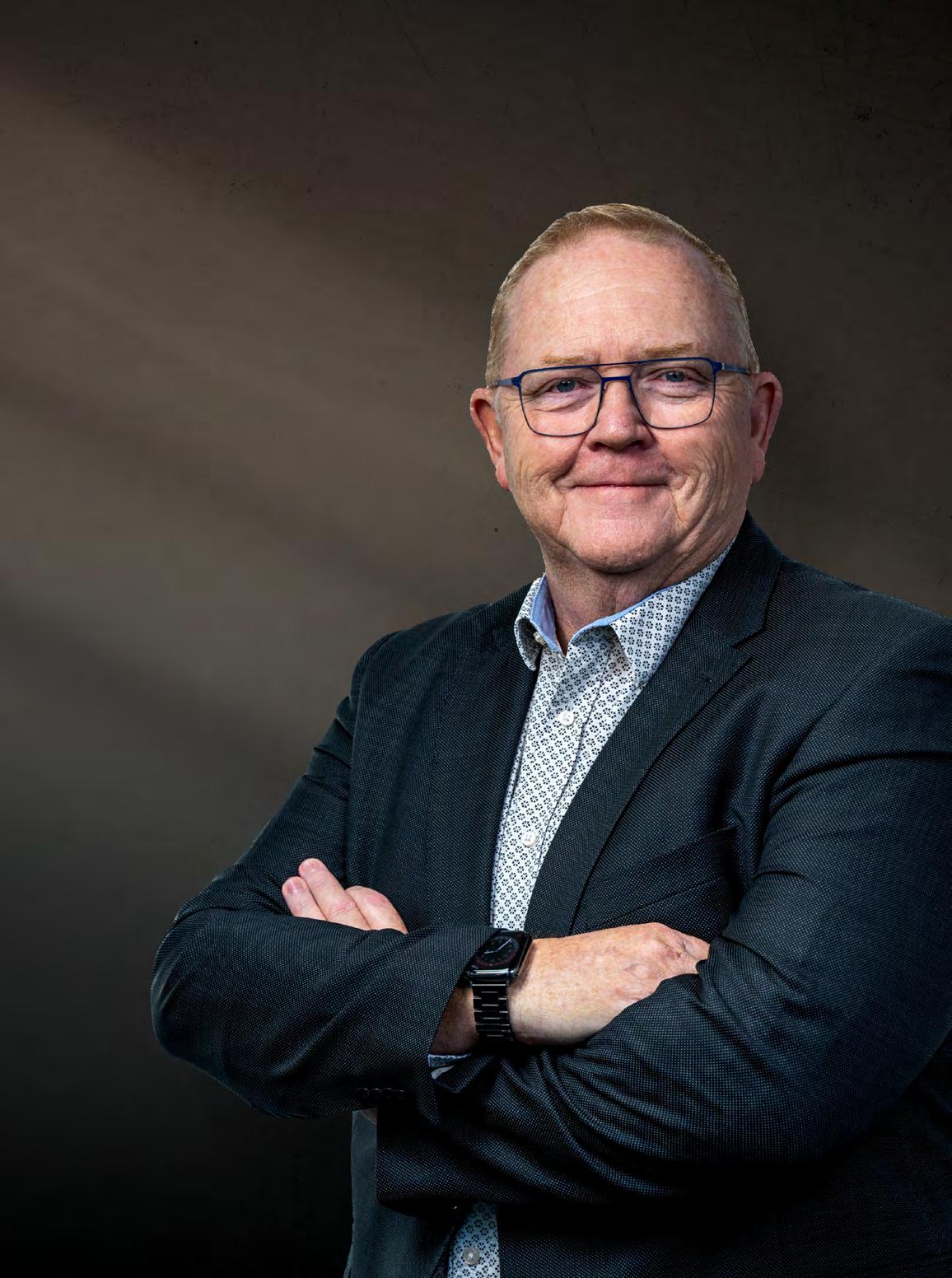
For Rob Harrison,Chief Executive Officer of Saudi Global Ports (SGP) the idea of a “Gateway to Growth” is not a tagline, it’s a blueprint for reshaping Saudi Arabia’s non-oil economy
Rob Harrison, Chief Executive Officer of Saudi Global Ports (SGP)
SGP positions itself as a “Gateway to Growth”, how do you translate that vision into measurable impact for Saudi Arabia’s nonoil economy over the next 5–10 years?
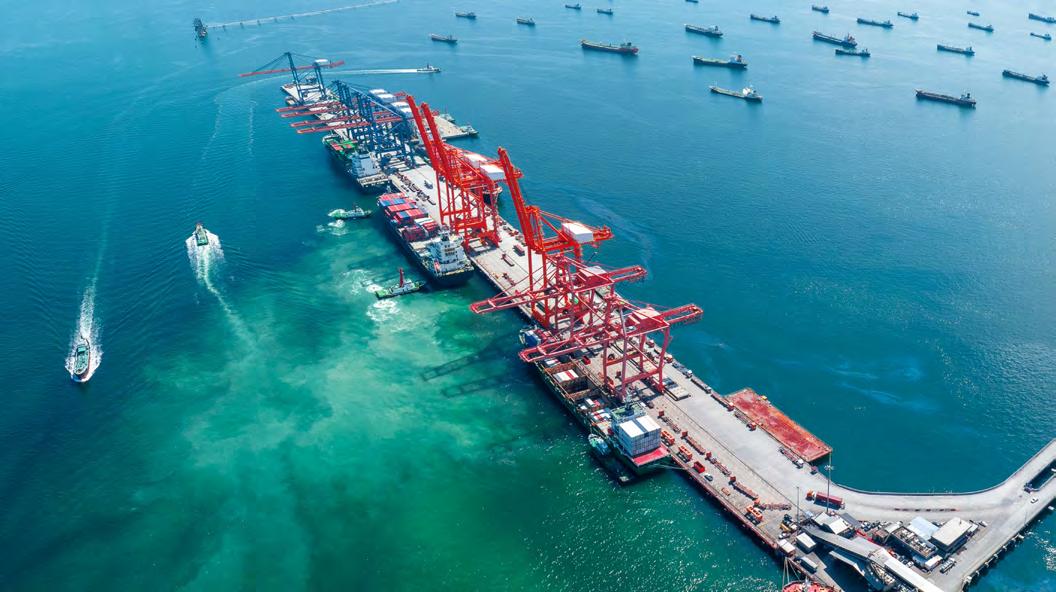
For us, Gateway to Growth is more than a slogan, it defines how we operate. We translate this vision into measurable impact by expanding capacity, enhancing connectivity, and removing delays across the supply chain, enabling Saudi businesses to move goods faster, more reliably and at greater scale. Saudi Global Ports (SGP) connects more than 40 trade routes, linking sea, rail and road across Dammam, Jubail, Ras AlKahir and Riyadh. At the same time, we are building an integrated ecosystem that includes container terminals, multipurpose terminals, intermodal assets and free zones. This is critical to the non-oil economy, as it directly supports exporters, manufacturers, project cargo, e-commerce and the industrial base that Vision 2030 is designed to grow.
Over the next decade, success will be measured through stronger throughput, higher export volumes, a rise in valueadded supply chain activity, greater use of rail, and more resilient cargo flows through the Eastern Corridor. At a national level, we see ourselves as enabling a bigger shift, from port operating in isolation to an integrated supply chain platform that helps the Kingdom capture a greater share of trade, attract investment and accelerate industrial growth.
After years of supply chain shocks, from pandemics to geopolitical tensions, what structural changes do you believe ports and supply chain networks still haven’t made but urgently need to?
The biggest shift we still need to make is to stop managing ports as standalone assets and start managing supply chains as connected ecosystems. Many networks continue to suffer from excessive handovers, limited visibility, and insufficient integration between ports, inland terminals, rail, warehousing, and customer systems. When disruption occurs, these weaknesses become immediately apparent. At SGP, we believe resilience is built on integration, optionality, and digital readiness. This means strengthening port-to-inland multimodal connectivity, improving realtime operational visibility, and enabling greater flexibility in how cargo moves across the network, supported by planned capacity aligned with demand growth. It also requires investment in people, not just infrastructure. Technology is an enabler, but it is skilled teams and disciplined operations that sustain reliability under pressure. Saudi Arabia holds a distinct advantage in this regard, with significant investment in supply chain infrastructure and digital transformation. Our role is to translate that national ambition into practical outcomes for customers, through connected infrastructure that is futureready, resilient, and commercially relevant.
Ports are under pressure to decarbonize, but margins remain tight. Where do you see the real tipping point where sustainability stops being a cost center and becomes a competitive advantage?
The tipping point comes when sustainability improves operating performance, not just reporting outcomes. In ports, this happens when lower emissions align with improved productivity, reduced energy intensity, greater asset efficiency, and stronger customer confidence.
We are already seeing this shift take shape. Rail integration can reduce congestion and support a more sustainable inland model.Smart port technologies enhance precision and visibility. Hybrid and electric equipment can reduce fuel dependency over time. Readiness for LNG-powered and next-generation vessels also strengthens long-term competitiveness.
Ultimately, sustainability becomes a competitive advantage when it enables customers to operate more reliable and efficient supply chains, while positioning port operators ahead of regulatory and market expectations. At SGP, this is not about choosing between performance and sustainability. Our focus is on aligning the two, creating long-term value for customers, the Kingdom, and future investors seeking disciplined, forward-looking infrastructure businesses.
What unique advantage does Saudi Arabia have today in global trade that most outsiders still underestimate, and how is SGP positioned to capitalize on it ahead of competitors?
Saudi Arabia is no longer simply a market; it is becoming a fully integrated supply chain and industrial platform, underpinned by scale, reform momentum, and long-term national alignment. While its geographic position at the intersection of major trade routes is important, the real advantage lies in the policy commitment, infrastructure pipeline, and investment ambition that are transforming that geography into sustained competitive strength.
Non-oil activity now accounts for more than 50 per cent of GDP, and the national supply chain strategy is focused on expanding capacity, attracting investment, and strengthening trade corridors.
SGP is well positioned to support this transformation. We combine strong local foundations with global operating expertise. We are Saudi-rooted, backed by PIF and ABHI, and supported by PSA International’s operational knowledge and global network. Our operations span the Eastern Coast, with direct connections into Riyadh through intermodal assets, and we are building a comprehensive supply chain ecosystem rather than a single-terminal operation. This positions us to support national growth in a way that is integrated, scalable, and differentiated.
With Saudi Global Ports committing SAR 2 billion into the Jubail Container Terminal (JCT), what specific operational or commercial metrics will define success over the first five years of the concession?
The first measure of success will be whether we convert investment into a step change in capability, reliability and market position. From an operational perspective, key indicators will include berth productivity, vessel turnaround times, yard efficiency, gate performance, safety outcomes, and the terminal’s readiness to handle larger vessels.
Commercially, success will be reflected in customer confidence, sustainable growth in cargo volumes, improved capacity utilisation, stronger export flows through Jubail, and an enhanced role for the terminal within the broader Eastern Coast ecosystem. We will also look closely at how well JCT integrates with our inland and coastal network, because the true value lies not only in terminal performance, but in how efficiently cargo moves across the entire system.
flexibility, inland access, staging options, and the ability to move cargo through the most efficient pathways.
That is where network value starts to outperform asset value. For Saudi Arabia, this model is particularly powerful, as it supports industrial exports, giga-project supply chains, and non-oil growth with greater resilience. For SGP, it reinforces our role as a national supply chain enabler, rather than simply a terminal operator. Our objective is for customers and stakeholders to see the Eastern Coast not as a collection of competing assets, but as a coordinated supply chain corridor, one that delivers greater efficiency, optionality, and growth for the Kingdom. Jubail’s importance lies not only in its individual performance, but in how it strengthens the wider SGP ecosystem.
Beyond these measures, success will also be defined by workforce capability, technology deployment, and service resilience. Jubail is a critical export hub for the Kingdom, and our ambition over the first five years is to make it more efficient, more connected, and more future-ready, while delivering long-term value aligned with Vision 2030. We are not simply adding capacity; we are unlocking greater connectivity, resilience, and opportunity for Saudi trade.
By integrating Jubail into SGP’s Eastern Coast ecosystem, how do you shift the competitive lens from individual ports to a coordinated supply chain network? This shift is central to our strategy. We do not view Jubail as a standalone asset, but as an integral node within a connected system across the Eastern Coast, linked to Dammam, Riyadh, and our broader supply chain developments. When viewed through this lens, the customer conversation changes. It becomes less about individual terminal tariffs or berth capacity, and more about end-to-end reliability, routing
As you upgrade Jubail to handle larger vessels and evolving trade patterns, how are you planning for future uncertainties, whether that’s changes in shipping alliances, trade routes, or cargo demand?
Planning for uncertainty is not about predicting a single outcome, but about building capabilities that remain relevant across multiple scenarios. This requires scalable infrastructure, flexible operating models, strong customer relationships, and technology that enhances visibility and responsiveness. At Jubail, our
investment is focused on strengthening long-term operational capability, including advanced equipment and readiness for larger vessels. This allows us to scale capacity in line with demand while maintaining flexibility across shipping lines and cargo flows. At the SGP Group level, we are building resilience through network integration across terminals, inland supply chain and rail-linked assets, enabling more adaptive planning as trade patterns shift. That gives us more options if trade patterns shift or demand profiles change. We are also planning with a
clear view that the market will keep evolving, whether through alliance restructuring, changing industrial demand, or new regional trade routes. Our response is to stay disciplined, build ahead of demand where it makes sense, and keep the ecosystem adaptable. The strength of SGP’s model lies in its diversity. We are not reliant on a single cargo type, route, or asset. Instead, we are building a future-ready platform designed to evolve with the market and support Saudi Arabia’s long-term trade ambitions.
Joe Labaky, Chief Operating Officer, Group AMANA
The New Blueprint
In an exclusive conversation, Reeba Asghar sits with Joe Labaky, Chief Operating Officer of Group AMANA who explains how the shift to integrated, future-ready models is reshaping the industry
robust governance, stricter cost discipline, value engineering, and more sustainable business models.
Regarding logistics, a series of major disruptions, ranging from geopolitical tensions in Qatar, the Red Sea, and the Strait of Hormuz to the global impact of the COVID-19 pandemic has fundamentally reshaped supply chains. This has accelerated the move towards localisation, the adoption of alternative sourcing strategies, and widespread digitalisation. Concurrently, mega-events such as Expo 2020 and the FIFA World Cup served to demonstrate the region’s exceptional delivery and operational capabilities.
Today, landmark initiatives such as Saudi Vision 2030 have established the GCC as a global nexus for infrastructure and logistics. There has been a clear shift from models solely focused on efficiency towards more comprehensive, resilience-driven ecosystems, ensuring that construction and logistics remain central to economic diversification and global competitiveness.
What initially drew you to the company, and what has kept you motivated as the business has grown? What initially drew me to Group Amana was my introduction to our Chairman, Mr. Chebel Bsaibes. He is someone I deeply respect and who has been a constant source of inspiration. What stood out from the beginning was his clear vision, but more importantly, his strong belief in people, developing them, empowering them, and building a culture around them. That aligned with my own values. I have always believed that sustainable success is rooted in how you treat your people, your partners, and your customers. At AMANA, there is a focus on reputation, not just in terms of delivery, but also in how the company conducts itself, with integrity and respect across all stakeholders.
From your point of view, how has the construction and logistics landscape in the region changed over the years?
Over the past two decades, the construction and logistics landscape within the GCC has undergone a significant transformation, evolving from oil-driven, cyclical growth into a series of more diversified and resilient sectors. The rapid expansion seen in the early 2000s was largely fuelled by high oil prices and expansive real estate developments; however, the 2008 financial crisis and the 2014 oil price downturn highlighted various structural weaknesses within the industry. These economic shocks necessitated a pivot towards more
What has kept me motivated over the past 14 years is that AMANA is never static. It is a company that is constantly evolving, driven by continuous improvement, growth, and positive transformation. Innovation is not just a concept; it is embedded in how we think and operate. On a personal level, I thrive on learning and being challenged. At AMANA, I have consistently found opportunities to grow, take on new responsibilities, and explore different aspects of the business. It is an environment that encourages curiosity and development.
The organisational culture also plays a pivotal role. A strong sense of care, respect, and humility permeates the group, which significantly enhances the quality of our day-to-day operations.
Reflecting upon my professional trajectory from Project Manager to Chief Operating Officer, it has been a deeply rewarding journey of lifelong learning. Each distinct phase
presented unique challenges and perspectives that have refined my strategic approach.
What excites me today is that we are working on a number of advanced strategic initiatives, whether in technology, new construction methodologies, or continued investment in our people.It feels as though we are building the next chapter of AMANA, and I am highly motivated to be part of that journey.
What are the biggest challenges of managing projects and teams across multiple markets, and how do you keep operations aligned while staying flexible locally? Managing operations across diverse markets, such as the UAE, Saudi Arabia, and Qatar, presents a unique blend of complexity and opportunity. Given that each nation possesses its own distinct regulatory framework, client expectations, supply chain dynamics, and talent landscape, a “one-size-fits-all” model is simply untenable.
At Group AMANA, we have intentionally structured our business to reflect this reality. Each territory operates as a semi-autonomous business unit, spearheaded by empowered teams who possess an intimate understanding of their respective markets. They are granted the autonomy to make critical decisions, adapt to local conditions, and respond with agility to client requirements. This culture of empowerment fosters a profound sense of accountability, speed, and ownership.
Simultaneously, cohesion is maintained at the group level. Shared services across key functions drive operational efficiency and consistency, whilst robust governance ensures that we steadfastly uphold AMANA’s exacting standards,
particularly in relation to our core culture and values.
What we find particularly gratifying is that, whilst our operating models may be tailored locally, our culture remains unwavering. Whether visiting a project in Dubai, Riyadh, or Doha, one will witness the same professional behaviours: a steadfast commitment to safety, an inherent respect for clients and partners, and a shared progressive mindset amongst our people.
To reinforce this synergy, we actively encourage the rotation of employees across our various business units. This not only facilitates the seamless transfer of knowledge and builds internal capability but also helps to embed our ethos and values consistently across every market in which we operate.
Ultimately, the goal is to strike an elegant balance: empowering our teams to flourish locally whilst remaining unified through a shared purpose, rigorous governance, and a common culture.
Logistics and supply chains have been under real pressure in recent years. How has that changed the way AMANA plans and executes large-scale projects today? Logistics and supply chains have fundamentally reshaped our project planning and execution at Group AMANA. In recent years, we have successfully navigated a complex series of external shocks, ranging from disruptions in the Red Sea corridor and evolving tensions around the Strait of Hormuz, coupled with robust demand, particularly driven by rapid growth in markets such as the UAE and Saudi Arabia. The increasing emphasis on local content has introduced a further layer of complexity to established procurement strategies. Consequently, we have adopted a deliberate and comprehensive approach to re-engineer our sourcing and procurement operating model.
First, we have strategically transitioned from a purely transactional approach to a long-term partnership model. Today, we prioritise building enduring relationships with key suppliers and partners, founded upon trust, transparency, and the creation of shared value. The objective is no longer merely to secure the lowest cost, but to guarantee reliability, quality, and certainty for the end customer.
Second, we have centralised our supply chain function across the group. This move affords enhanced control and visibility, whilst simultaneously enabling us to leverage crucial economies of scale across our diverse markets. Crucially, we
retain the necessary flexibility to adapt to local regulations and requirements, particularly concerning localisation.
Third, where appropriate, we have significantly increased our focus on direct sourcing from the origin. This practice mitigates reliance on intermediaries, enhances quality control measures, and substantially improves the predictability of project timelines, all critical factors within the current operating environment.
Ultimately, the collective aim of these strategic shifts is singular: de-risking project delivery. In a world where supply chain predictability is diminishing, our core function is to furnish certainty for our clients, which necessitates a far more proactive, integrated, and strategic approach to logistics and procurement than in previous years.
What separates companies that consistently deliver from those that don’t?
What truly distinguishes consistently high-performing companies is their inherent mindset and their unwavering priorities, particularly during challenging periods.
At Group AMANA, we adopt a long-term perspective; we do not manage the business purely for short-term gains. During periods of significant growth, such as those presently witnessed across the UAE and Saudi Arabia, we expand in a measured and responsible manner, ensuring we safeguard our reputation, maintain quality, and remain closely aligned with our customers. Conversely, in more challenging times, our focus becomes sharper: we prioritise delivering on our commitments to the highest level of customer satisfaction.
Our core priorities remain consistent throughout periods of disruption and challenge. Foremost is the safety of our people and partners. Secondly, it is about honouring our commitments, regardless of circumstances, whilst steadfastly supporting our clients and the entire supply chain ecosystem.
Consistency, however, is not synonymous with rigidity. Successful companies are those that continuously adapt
to new technologies, evolving customer expectations, and shifting regulations. At AMANA, we place a strong emphasis on learning and continuous improvement, constantly refining our methodologies and adopting superior tools.
Whilst cost and profitability are undoubtedly important, they are not the primary drivers of our decisions. We maintain that consistent delivery is fundamentally built upon long-term relationships with employees, partners, and customers, which must be grounded in trust, reliability, and doing the right thing, even when it is not the easiest option. In short, companies that deliver consistently are those prepared to think beyond the immediate contract, adapt continuously, and act with long-term responsibility.
Looking ahead, what major trends do you believe will have the biggest impact on construction logistics and operations in the Middle East over the next five to ten years?
Looking ahead, four key trends will significantly reshape construction logistics and operations in the Middle East.
First, supply chains will undergo further transformation, marked by a decisive shift towards regionalisation and local production. Governments across the region, particularly in Saudi Arabia and the UAE, are already prioritising local content, and this will only accelerate. For companies like ours, this means rethinking sourcing strategies and building more localised ecosystems.
Second, technology will play an increasingly central role. From digital procurement platforms and data-driven planning to automation and artificial intelligence, these tools will enhance visibility, predictability, and efficiency across the value chain. Organisations that embrace this shift will be better equipped to manage complexity and deliver with certainty.
Third, there will be a continued move towards off-site and modular construction, whether partially or fully industrialised. This will reshape logistics, as more of the value chain shifts into controlled manufacturing environments, improving quality, reducing site risks, and accelerating delivery timelines.
Finally, sustainability will become a defining pillar. Green construction, carbon reduction, and more efficient use of materials will increasingly influence both design and execution. This will also reshape supply chains, encouraging greener materials, shorter transport routes, and more responsible sourcing practices.
Overall, these trends point to a construction industry that is more industrialised, more digital, more localised, and more sustainable. Companies that can anticipate and adapt to these changes while maintaining strong relationships with customers and partners will be best positioned to lead and deliver.
PRECISION UNDER PRESSURE
Lee Hedges, Branch Manager at B&H Worldwide New Zealand, highlights how resilience, visibility, and integration will define the sector’s next phase
For readers less familiar with aerospace logistics, how would you describe the role it plays within the wider global supply chain?
Aerospace logistics is fundamentally about keeping aircraft operating safely and on schedule. It encompasses the highly specialised movement of parts, engines, tooling, and equipment across global networks with absolute precision. Unlike most supply chains, there is virtually no margin for error. A single missing or delayed component can ground an aircraft and trigger disruption across an entire network. As such, it is not simply about speed, but about accuracy, compliance, and reliability. A combination of technical expertise and disciplined execution is what ultimately keeps
airlines moving and the industry functioning efficiently.
What distinguishes aerospace logistics from other high-value or project cargo sectors in terms of risk, regulation, and execution?
What sets aerospace logistics apart is the intensity of risk and regulatory oversight. Shipments are often safety-critical and subject to stringent compliance requirements, leaving no room for error. A failure at any stage can have direct operational and safety implications. Compared with other high-value or project cargo sectors, the focus is less on the value of the goods themselves and more on the precision and consistency of execution. Every movement must be meticulously planned, fully compliant, and supported by robust contingency measures. Technical expertise, regulatory understanding, and operational discipline are essential at every step.
As Branch Manager in New Zealand, what unique operational or regulatory considerations shape how aerospace shipments are handled in the region?
New Zealand’s geographic position presents both challenges and opportunities. Longer transit times and more limited routing options place a premium on planning, reliability, and foresight. Shipments are subject to rigorous oversight from Customs, the Ministry for Primary Industries, and the Civil Aviation Authority. Biosecurity requirements are particularly stringent, especially for used parts and equipment.
Operationally, success depends on close coordination with airlines, airports, and airside authorities, particularly when handling timesensitive, controlled, or oversized cargo. Strong local knowledge, established relationships, and
Lee Hedges, Branch Manager at B&H Worldwide New Zealand
thorough preparation are critical to ensuring compliance while maintaining schedule integrity.
How has demand evolved in recent years for non-AOG aerospace logistics, such as planned movements, lifecycle transitions, or specialist projects?
In recent years, there has been a noticeable shift towards more planned and strategic logistics, rather than purely reactive responses to (AOG) situations.
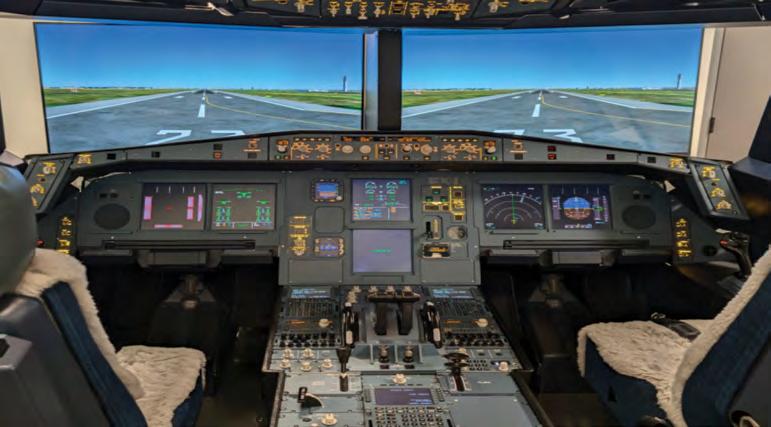
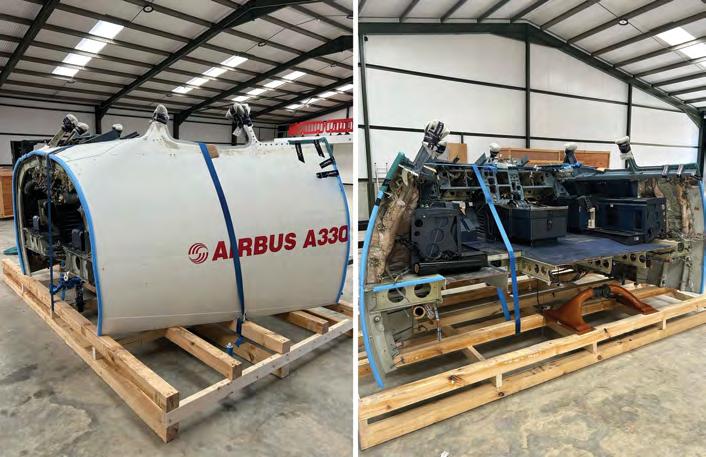
Airlines are increasingly taking a proactive approach to fleet and asset management, driving demand for services such as simulator relocations, engine programmes, aircraft teardowns, and redeployments. While these movements are not emergency-driven, they remain highly
complex, tightly coordinated, and commercially significant.
As a result, customers are seeking logistics partners who can contribute to long-term operational planning, offering not just execution
capability but also strategic insight and expertise.
What capabilities are essential for logistics providers looking to support the aviation sector beyond emergency response scenarios?
Speed alone is no longer sufficient. Providers must combine deep technical knowledge of aircraft components with strong regulatory and customs expertise, supported by teams that understand the operational realities of the aviation sector.
Key capabilities include secure handling, airside access, end-toend supply chain visibility, and robust project management. Equally important is the ability to align
logistics activities with maintenance schedules, fleet transitions, and broader operational strategies.
The most effective partners are those who can anticipate requirements, manage complexity, and deliver consistency across the entire asset lifecycle — not simply respond when issues arise.
How important is international coordination between offices, partners, and authorities when managing complex aerospace movements?
International coordination is absolutely critical. Aerospace is inherently global, and successful execution depends on seamless collaboration between offices, partners, airlines, ground handlers,
and regulatory authorities. When communication is aligned and processes are integrated, even highly complex movements can be executed smoothly. Conversely, breakdowns in coordination can quickly escalate minor issues into significant disruptions. The ability to operate cohesively across borders is therefore essential to ensuring safe, compliant, and reliable logistics outcomes.
Looking ahead, what trends do you expect to define the future of aerospace logistics, particularly in markets like New Zealand and the wider Asia-Pacific region?
Looking ahead, the sector will be shaped by greater emphasis on planning, visibility, and closer integration with airline maintenance
operations. Fleet modernisation, sustainability priorities, and increasing regional connectivity across Asia-Pacific will continue to drive demand.
Data-driven planning and more integrated logistics solutions will become increasingly important in managing complexity and improving decision-making. In markets such as New Zealand, resilience, specialist expertise, and the ability to manage disruption while meeting stringent safety and regulatory standards will be key differentiators.
Ultimately, collaboration, adaptability, and reliability will define the next phase of aerospace logistics in the region.
FROM CODE TO CARGO
Alex Yang, highlights how AI-driven cyber threats are reshaping logistics risk
Earlier this month, Anthropic unveiled Claude Mythos Preview, a model the company says has already identified thousands of zero-day vulnerabilities across major software systems and can design workable paths to exploit them. Anthropic is keeping the model in a gated preview rather than releasing it broadly, while regulators and major financial institutions race to assess what its capabilities could mean in practice. Whether Mythos ultimately proves as consequential as its most dramatic early portrayals suggest is still being tested. What is already clear, is that AI is
increasingly enabling cyber attackers across the full attack chain.
Mythos is not an isolated concern, but part of a broader shift. Microsoft’s 2025 Digital Defense Report already shows that adversaries are using AI as a multiplier for phishing, malware generation, and vulnerability discovery. This new offensive capability is arriving at precisely the moment when the digital attack surface is expanding: as firms digitise more processes, connect more assets, and integrate more partners, an increased share of the business becomes exposed to disruption. In that environment, digital resilience is no longer just an IT concern; it is the organisation’s ability to keep operating when critical digital systems are degraded, isolated, or forced offline.
No sector feels that pressure more acutely than logistics. Logistics sits at the seam between digital coordination and physical movement. A failure in one system does not remain contained for long; it becomes a missed slot, a customs delay, a routing failure, a warehouse bottleneck, or a payment disruption. ENISA found that transport accounted for 7.5 percent of all incidents it tracked in 2025, with logistics representing 20.8 percent of transport incidents. Microsoft, meanwhile, placed transportation systems among the ten global sectors most affected by threat actors in the first half of 2025.
The point is not simply that logistics is “digital.” It is that, in logistics, digital failure quickly becomes visible in the real world.
That dynamic carries particular weight in the Middle East, not because the region is uniquely vulnerable, but because its economic role depends so heavily on trusted connectivity. Microsoft reported that, in the first half of 2025, the UAE ranked ninth globally and Saudi Arabia twenty-third globally in the frequency of customers impacted by cyber activity. Earlier this year, the UAE reported that it had foiled organised cyberattacks targeting digital infrastructure and vital sectors, including ransomware, phishing, and AI-enabled offensive tools. The region has also seen how quickly digital disturbance can spill into physical operations: in June 2025, surging electronic interference around the Strait of Hormuz reportedly affected ships’ ability to transmit accurate positional data, creating operational and navigational problems in one of
the world’s most critical maritime corridors. For a region built around ports, corridors, aviation, and energy-linked trade, digital disruption can quickly become physical disruption and, just as importantly, a test of reliability and trust.
Yet the hardest question is not whether every attack can be prevented. It is what happens when the safest technical response is to shut systems down. Many firms remain underprepared even at the level of formal planning: in the UK government’s 2025 Cyber Security Breaches Survey, only 23 percent of businesses reported having a formal incident response plan, and only 32 percent had a business continuity plan that covered cyber security. The deeper weakness is not merely the absence of a plan; it is the failure to translate cyber response into business reality.
The 2025 cyber incident at Jaguar Land Rover illustrates the point. JLR said it proactively shut down its systems after the incident and that retail and production were severely disrupted. The Cyber Monitoring Centre later estimated an economic impact of £1.9 billion in the UK, affecting more than 5,000 organisations through ripple effects across suppliers and related businesses. The lesson is not that JLR necessarily made the wrong technical decision. Quite the opposite: shutting systems down may have been the prudent cyber decision. Rather, the case highlights how a technically sound decision can still generate enormous business costs when critical digital systems are not designed, governed, and rehearsed as part of a broader resilience strategy.
Alex Yang, Professor of Management Science and Operations; Chair, Management Science and Operations Faculty, London Business School
This is why a business-oriented approach to digital resilience is so important. Every business leader should be able to answer two questions. First: do I understand how the firm’s cyber response plan would affect the digital systems my team depends on, including when those systems may be shut down, isolated, or disconnected? Second: if one of those
systems becomes unavailable, what is the best degraded mode in which the business can continue to operate, and what will it cost in terms of capacity, service levels, delay, and profit? Put differently, what is the firm’s minimum viable business or minimum viable supply chain, under degraded digital conditions? What can still be done manually? What can continue in a segmented environment and what must stop immediately?
These questions should not sit buried in a technical document. They belong at the centre of management. They are not just operating decisions; they are governance decisions. The CISO cannot own shutdown decisions alone, and business leaders cannot simply assume that every system must remain continuously available. They need to co-own the metrics that matter: tolerable downtime, percentage capacity loss, service degradation, and the value of accelerated recovery.
The encouraging news is that this can be built. High-consequence sectors have long understood that resilience is not just about preventing attacks; it is about ensuring that the worst cyber event does not become the worst business outcome. The U.S. Department of Energy’s cyberinformed engineering approach makes this point, urging organisations to design against the worst- case consequences as early as possible. High-reliability organisation theory adds a complementary discipline: remain preoccupied with failure, stay sensitive to operations, and build the capacity to recover under stress. Logistics and supply chain organizations should adopt the same mindset by building degraded modes, manual fallback, and segmented operations.
AI, moreover, can also play a defensive role. Beyond protecting networks, trusted local AI deployments could map dependencies, test response playbooks, and support teams when highly connected systems go dark. In the age of AI, resilience will belong not to those who assume they can prevent every breach, but to those who can keep the business moving when digital systems inevitably fail.
THE SHIFT TO SMARTER WAREHOUSING
Rami Younes highlights how technology is reshaping how
supply chains are built and sustained
Given the current situation, how is Swisslog helping regional businesses maintain operational resilience through automation and robotics?
Operational resilience in this region now depends on how quickly a business can absorb disruption without losing throughput, visibility, or service quality. It is no longer sufficient to rely on buffer stock or manual workarounds alone. Instead, businesses require intralogistics systems that can perform consistently under pressure, with reduced dependence on labour availability and greater control over inventory and material flow.
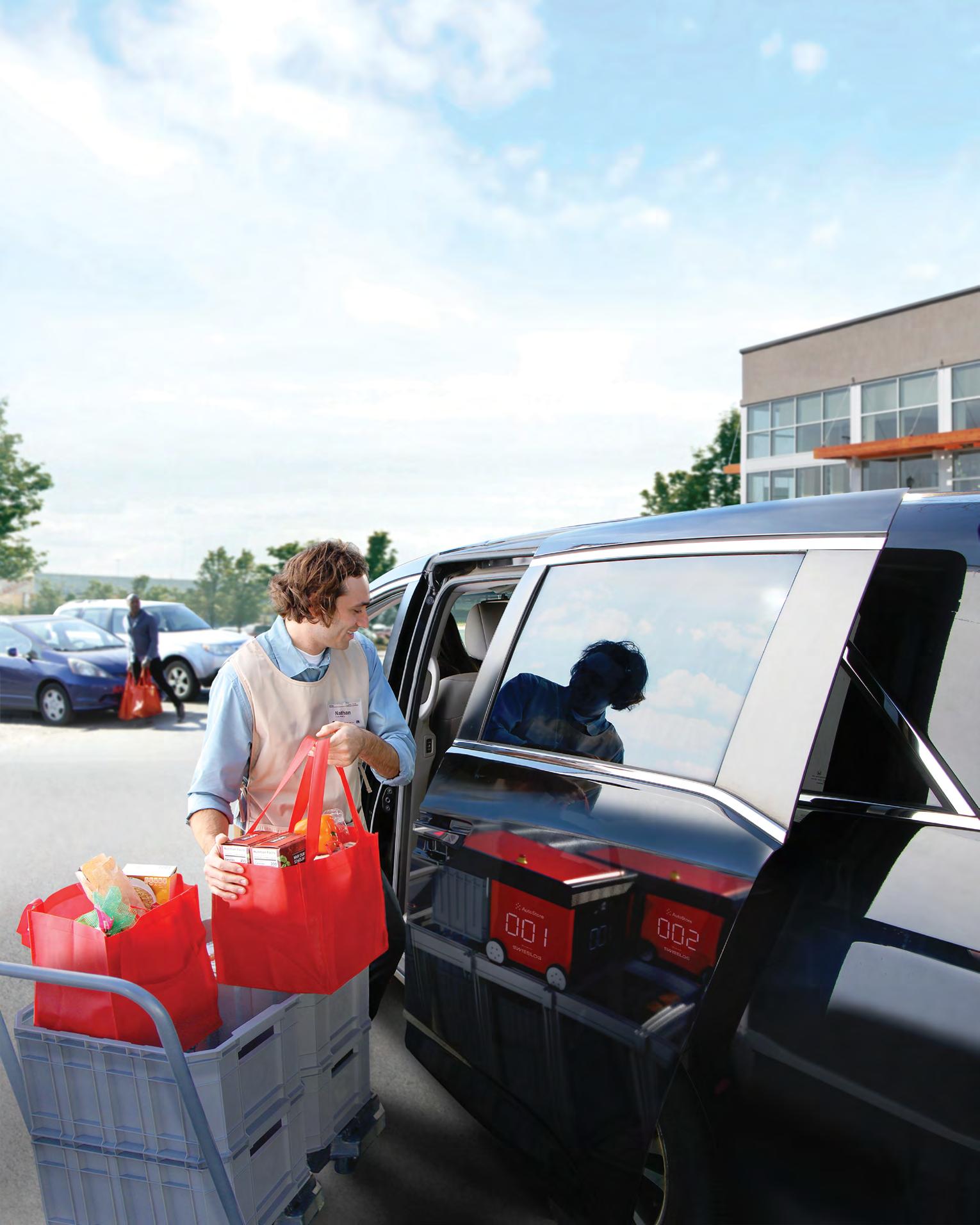
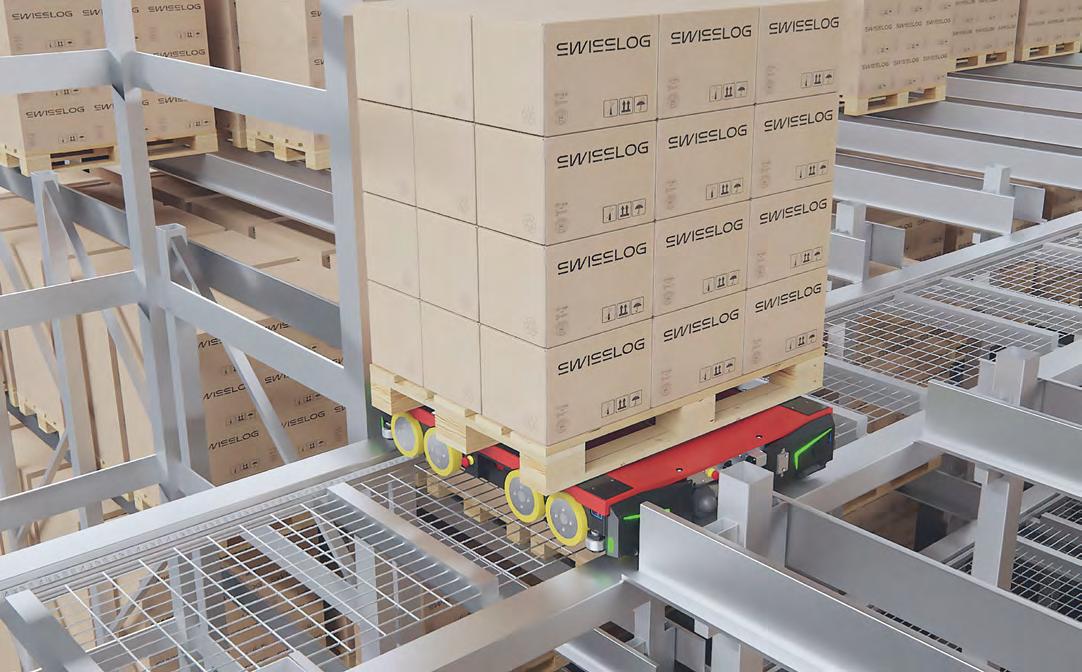
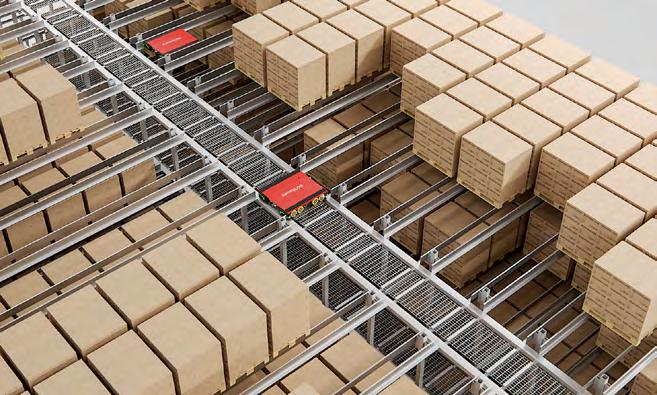
This is where automation and robotics deliver tangible value. Swisslog supports regional businesses through modular solutions such as automated storage and retrieval systems (AS/RS), robotics, pallet automation, and software-led orchestration. These technologies improve inventory accuracy to above 99% and allow operators to scale capabilities incrementally, rather than committing to a single, large-scale transformation. This phased approach is particularly valuable in uncertain conditions, as it safeguards operational continuity while steadily enhancing performance.
Software is the real stabiliser here. When automated and manual workflows are synchronised through a platform such as SynQ, businesses gain real-time control over This phased approach is particularly valuable in uncertain conditions, as it safeguards
The Shift to Smarter
Rami Younes, General Manager, Swisslog Middle East
operational continuity while steadily enhancing performance.
Many companies are re-evaluating their supply chains due to regional uncertainties. How can warehouse automation help businesses in the Middle East reduce reliance on complex cross-border logistics?
For many years, efficiency was often measured by how extensively businesses could source and distribute inventory across international borders. Today, the more strategic question is how much capability can be developed closer to demand. Warehouse automation plays a critical role in enabling this shift by making regional and local distribution models far more viable.
As storage density, throughput, and inventory control improve, companies can hold a broader and more intelligently structured range of stock within the region, without creating inefficiency. Automated storage can raise floor utilisation by up to 85%, allowing operators to manage more SKUs within existing footprints rather than relying heavily on distant replenishment routes. Automation also improves retrieval speeds by 20%,
allowing regional hubs to respond more quickly to local demand.
In my view, this is one of the most strategic benefits of automation in the Middle East. It enables businesses to simplify their logistics exposure by consolidating inventory closer to end markets, reducing unnecessary movements, and building more selfreliant distribution networks. The result is a supply chain that is less fragile, easier to manage, and better aligned with regional growth dynamics.
With the UAE–Oman Green Corridor and other regional initiatives reshaping logistics, how is Swisslog leveraging these developments to rethink intralogistics strategies?
The UAE–Oman Green Corridor is a notable development in regional logistics, streamlining sea and air cargo flows between Oman and Dubai through faster customs procedures and more controlled transit processes. Shipments can move through Omani ports under simplified protocols, remain sealed throughout transit, and enter Dubai via a more efficient clearance pathway.
However, improved trade corridors only deliver their full value when warehouse operations at either end
are equipped to handle the increased speed and predictability. At Swisslog, such developments are seen as an opportunity to rethink warehouse design, from flow and pallet handling to inventory positioning, enabling facilities to receive, buffer, sequence, and dispatch goods with far greater precision.
Regional trade initiatives should not be viewed solely through the lens of transport. They are equally about warehouse performance.
Faster cross-border movement increases the need for high-density storage, intelligent traffic management, and software-driven coordination within the facility. Businesses that align corridor efficiency with robust intralogistics design will ultimately gain the greatest advantage.
The Middle East market has unique demands in speed, flexibility, and peak-period surges. How does AgileStore address these specific regional challenges compared with traditional automation solutions? Traditional pallet automation systems perform well in stable, predictable
environments. However, many operators in the Middle East face more dynamic conditions, including seasonal demand spikes, shifting SKU profiles, multitemperature requirements, and facility constraints that do not suit rigid, aisle-based systems. This is precisely where more flexible automation solutions are required.
AgileStore addresses these challenges through a roaming fourway pallet shuttle capable of moving forwards, backwards, laterally, and vertically via integrated lift systems. This enables each shuttle to access any location within the system, allowing for highly dynamic routing and workload balancing, a significant advantage over conventional, aisle-restricted designs. The system is particularly well suited to warehouses with irregular layouts, deep-lane storage, and mixed SKU environments, where traditional automation can be limiting. It can also operate across ambient and cold storage environments down to -30°C, handle loads of up to 1,500 kg, and support a wide range of pallet formats. This level of flexibility is critical in a region where operational requirements are constantly evolving and systems must adapt without extensive structural change.
Energy costs and sustainability are increasingly important in
the region. How does Swisslog’s automation technology support more sustainable, energy-efficient warehouse operations under current market pressures?
Under current market pressure, companies want to know whether a system lowers energy use, reduces waste, and protects operating costs. In the current market environment, businesses are rightly focused on whether automation can reduce energy consumption, minimise waste, and protect operating costs. That is the right approach as sustainability must be aligned with performance to deliver real value.
Swisslog’s automation technology supports this in several ways. Lowpower robotics, for example, can operate at below 0.1 kW per hour, offering a clear pathway to reduced energy consumption without compromising output. High-density automation also reduces the overall storage footprint, which in turn lowers the energy required for lighting, cooling, and general facility operations, a significant advantage in climates where temperature control is a major cost factor.
Additional efficiencies come from regenerative systems and software-driven optimisation. Regenerative pallet cranes can feed energy back into the system, while intelligent control platforms
optimise equipment cycles, reduce unnecessary movement, and enable predictive maintenance before inefficiencies arise. Ultimately, the most sustainable warehouse is one that delivers consistent throughput while minimising energy use per order.
Looking at 2026 and beyond, which hidden sectors in the Middle East do you see as ripe for automation adoption due to evolving market pressures or geopolitical shifts?
With the UAE’s warehouse automation market alone projected to grow over 17% between 2025 and 2030, several under-recognised sectors are emerging as strong candidates for adoption. My first choice would be spare parts and industrial after-sales. These operations often carry complex SKU profiles, irregular order patterns, and high service expectations, yet still rely heavily on manual storage and retrieval. As regional manufacturing and industrial activity expand, this model will become increasingly difficult to sustain efficiently.
Government-related logistics and healthcare support operations are also likely to see accelerated adoption. These sectors prioritise traceability, reliability, and controlled storage conditions, all areas where automation delivers clear benefits by improving accuracy, reducing reliance on manual handling, and supporting compliance-intensive operations.
A third area is temperaturecontrolled logistics linked to food security.While grocery distribution is already advancing, the next phase will be driven by investment in more resilient cold chain infrastructure across the region. As geopolitical dynamics place greater emphasis on the continuity of essential goods, automation will become a critical enabler in sectors once considered too specialised to modernise at scale.
LAST MILE, LAST RISK
Dr Martin Kraemer, CISO Advisor at KnowBe4, explains how attackers are imitating trusted delivery services to manipulate users into sharing sensitive data
Parcel delivery has rapidly become an integral part of daily life across the Middle East and Africa (MEA), underpinned by the continued expansion of e-commerce and widespread digital adoption. The region’s courier, express and parcel (CEP) market generated more than $82 billion in 2025 and is forecast to grow at double-digit rates in the coming years, driven by rising online shopping activity and increasing demand for fast, reliable last-mile delivery. Yet, as reliance on these services deepens, parcel delivery platforms have also become an increasingly attractive target for cybercriminals.
As delivery notifications, tracking updates and payment requests have become
Dr Martin Kraemer, CISO Advisor at KnowBe4
routine digital touchpoints, attackers are exploiting this familiarity to launch highly convincing phishing campaigns at scale. Security analysts at Group-IB have reported a rise in such attacks targeting users of parcel delivery services, online retailers and transport applications across the MEA region. In these campaigns, fraudsters impersonate well-known delivery companies, sending text messages designed to lure victims to counterfeit websites where personal and banking information can be stolen.
While postal services have been the most affected, the threat has quickly expanded into adjacent sectors, including financial services, telecommunications, mobility and e-commerce platforms across the region.
How the Scam Unfolds
The attack typically begins with an unsolicited text message from a locally appearing phone number. Posing as a legitimate courier service, the fraudster informs the recipient that a parcel delivery has failed. After several
unsuccessful attempts, the message claims the parcel has been returned to the sender and instructs the recipient to visit a website to update their details and settle outstanding charges such as handling fees, taxes or customs duties. To create urgency and encourage immediate action, the message includes a link purportedly directing the user to the courier’s official website. In reality, it leads to a carefully disguised phishing page designed to mimic the real platform. Once there, victims are prompted to enter sensitive information, including personal details, banking credentials and credit card data.
Analysis of the campaign’s infrastructure has revealed recurring IP addresses, shared domain registrars and overlaps in hosting providers, indicating a coordinated and structured operation. Further technical investigation has uncovered embedded scripts, WebSocket connections, real-time keylogging, UUID-based session tracking and the direct exfiltration of login credentials.
How to stay protected
Users are urged to exercise caution when receiving parcel-related notifications. Crucially, SMS links or unsolicited tracking URLs should never be clicked. Instead, customers should access courier services directly by visiting official websites and manually entering tracking numbers to verify delivery status. Equally important is maintaining awareness of the evolving cybersecurity landscape. Staying informed about emerging threats and adopting basic security hygiene remains one of the most effective lines of defence for individuals. Such measures enable organisations to significantly reduce exposure to risk and empower employees to act as a critical first line of defence against cyber threats.
Looking ahead
As parcel delivery volumes continue to surge across the MEA region in line with e-commerce growth, both individuals and organisations must remain vigilant. The increasing sophistication, scale and adaptability of phishing campaigns mean that awareness is no longer optional, it is essential. In an increasingly digital economy, trust must be continuously earned, and actively protected.