From Congestion to Coordination
CONNECTING TRADE PROFESSIONALS WITH INDUSTRY INTELLIGENCE
From Congestion to Coordination
CONNECTING TRADE PROFESSIONALS WITH INDUSTRY INTELLIGENCE
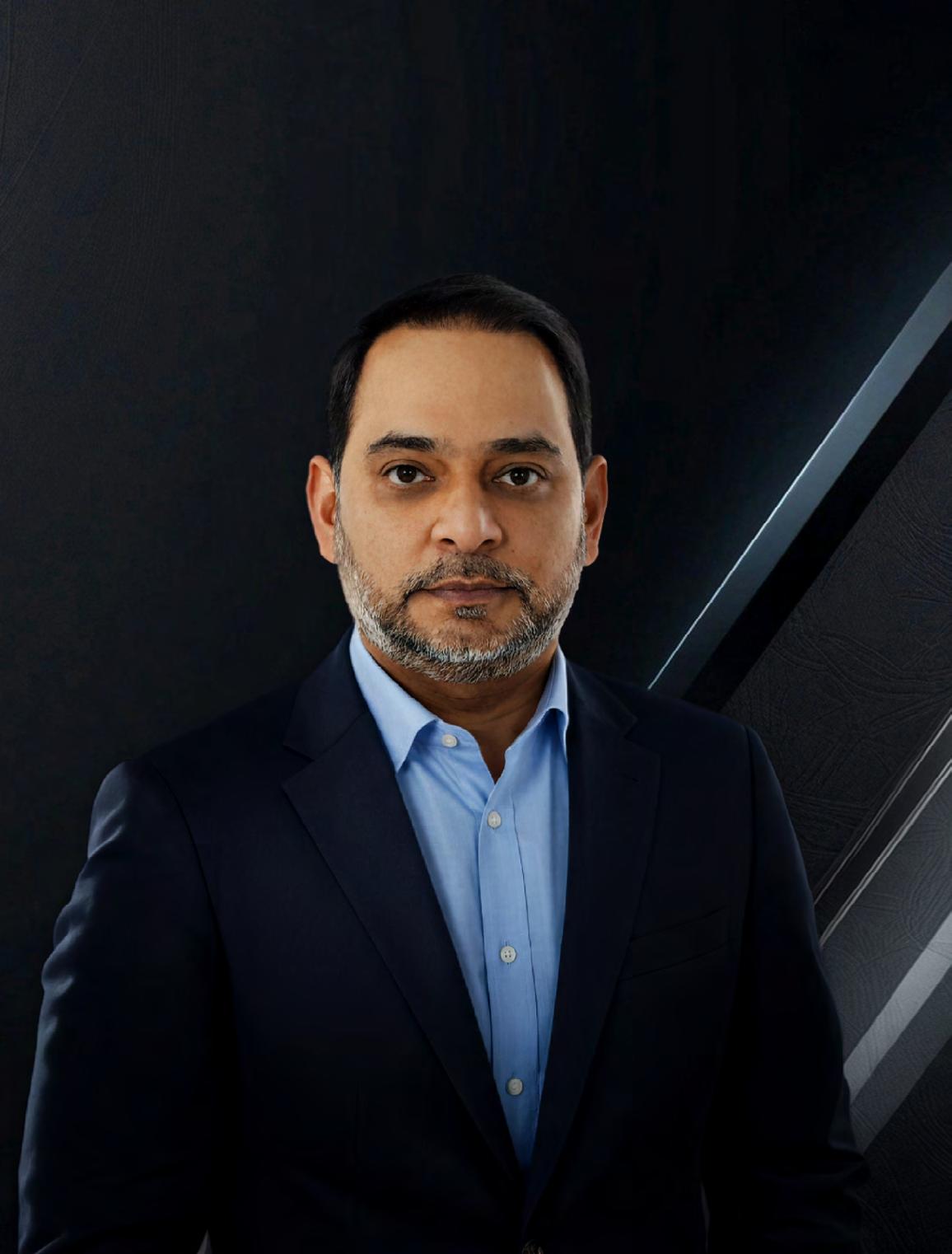
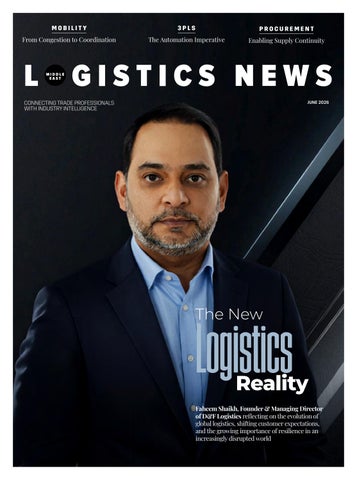
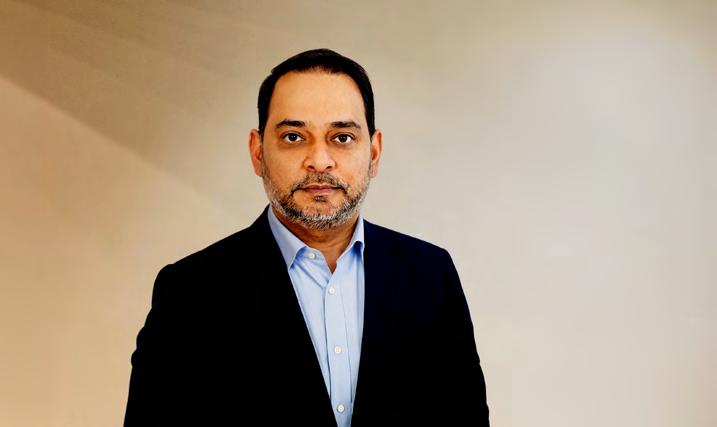
Faheem Shaikh, Founder & Managing Director of D&F Logistics reflecting on the evolution of global logistics, shifting customer expectations, and the growing importance of resilience in an increasingly disrupted world

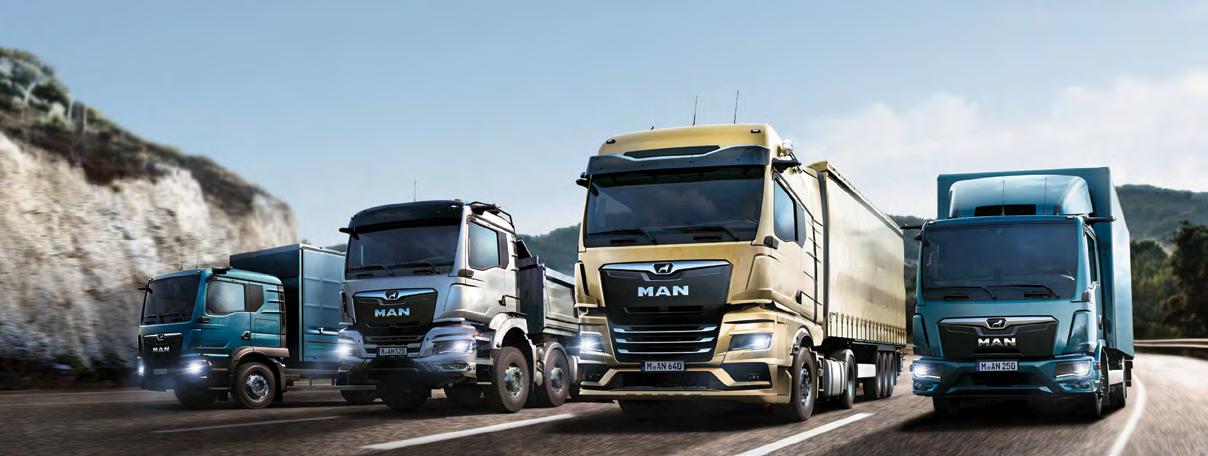
New IVECO S-Way: high technology and efficiency on all missions
A wide choice of Euro III / V diesel engines, delivering class-leading power from 360 hp to 560 hp Euro III / 570 hp Euro V and superior fuel economy. 12-speed HI-TRONIX automated transmission with the most advanced technology in its category, electronic clutch and best-in-class torque-to-weight ratio. Full range of fuel-saving devices, such as anti-idling feature, EcoSwitch, Ecoroll and Smart Alternator. Top levels of comfort and safety, with a completely redesigned and reinforced cab, featuring enhanced direct visibility and enlarged cab livability.

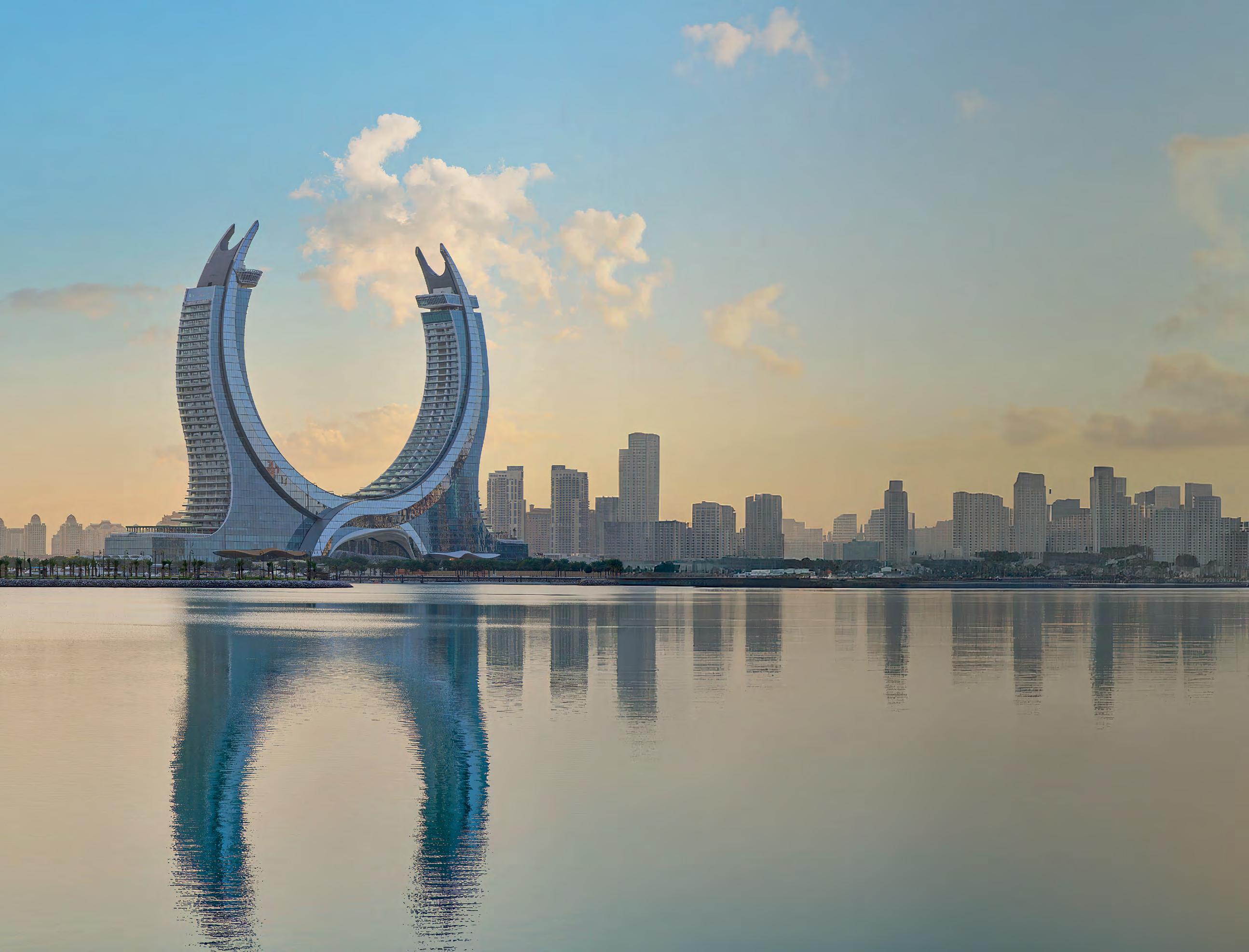
Nestled by the coast of Lusail sits the splendor of in even the smallest details. Open the doors to mesmerizing hospitality and make memories in a world of sophistication.
CONNECTING TRADE PROFESSIONALS WITH INDUSTRY INTELLIGENCE
CONNECTING TRADE PROFESSIONALS WITH INDUSTRY INTELLIGENCE
CEO
Wissam Younane wissam@bncpublishing.net
Managing Director
CEO
Rabih Najm rabih@bncpublishing.net
Wissam Younane wissam@bncpublishing.net
Group Publishing Director
Director
Joaquim D’Costa jo@bncpublishing.net
Rabih Najm rabih@bncpublishing.net
Editor
Group Publishing Director
Reeba Asghar reeba@bncpublishing.net
Joaquim D'Costa jo@bncpublishing.net
Commercial Director
Editor-in-Chief
Andrea Mocay andrea@bncpublishing.net
Vibha Mehta vibha@bncpublishing.net
SUBSCRIBE subscriptions@bncpublishing.net
SUBSCRIBE subscriptions@bncpublishing.net
PO Box 502511 Dubai, United Arab Emirates P +971 4 4200 506 | F +971 4 4200 196
Creative Lead Christian Harb chriss@bncpublishing.net
Managing Editor
Kasun Illankoon kasun@bncpublishing.net
Junior Art Director
Rizaldi Febrian
Design Christian Harb
Marketing Executive
Marketing Executive
Aaron Joshua Sinanbam aj@bncpublishing.net
Aaron Joshua Sinanbam aj@bncpublishing.net
Videographer
Digital Media Producer
Eduardo Buenagua
Alexander Bungas
with permission. All images not credited courtesy Shutterstock.
For all commercial enquiries, contact jo@bncpublishing.net T +971 50 440 2706
PO Box 502511 Dubai, United Arab Emirates P +971 4 4200 506 | F +971 4 4200 196
For all commercial enquiries, contact jo@bncpublishing.net T +971 50 440 2706
All rights reserved © 2025. Opinions expressed are solely those of the contributors. Logistics News ME and all subsidiary publications in the MENA region are officially licensed exclusively to BNC Publishing in the MENA region by Logistics News ME. No part of this magazine may be reproduced or transmitted in any form or by any means without written permission of the publisher.
Printed by United Printing and Publishing | upp.ae
All rights reserved © 2023. Opinions expressed are solely those of the contributors. Logistics News ME and all subsidiary publications in the MENA region are o cially licensed exclusively to BNC Publishing in the MENA region by Logistics News ME. No part of this magazine may be reproduced or transmitted in any form or by any means without written permission of the publisher.
Printed by United Printing and Publishing | upp.ae
Images used in Logistics News ME are credited when necessary. Attributed use of copyrighted images with permission. All images not credited courtesy Shutterstock.
In addition to our print edition, we’re bringing you all sorts of industry news on our web mediums. We’re looking forward to interacting with our readers on all of our social media and web platforms. See you on the web!
addition to our we’re bringing you all sorts of industry news on our web mediums. We’re looking forward to interacting with our readers on all of our social media and web platforms. See you on the web!

The region is back in motion.
You can feel it in the ports before you see it in the data, the steady return of rhythm across terminals, the renewed pace of trucks on arterial routes, and the quiet coordination of systems that rarely pause, even when the world does.
Logistics in the Middle East has always been more than movement. It is continuity in action. A sector that absorbs disruption, adapts in real time, and keeps trade flowing through every cycle of change.
This month’s edition follows that story across its many forms, from freight and aviation logistics to maritime trade, warehousing, last-mile delivery, and the technologies reshaping how goods move through the region. Each segment reflects the same reality: nothing here stands still for long.
At the centre of this issue is our cover story on D&F Logistics, a 30-year-old company that has grown alongside the industry itself, witnessing its transformation, weathering its pressures, and remaining a constant through decades of change.
The story continues to unfold.
Reeba Asghar Editor Logistics News ME reeba@bncpublishing.net
reebaasghar reeba.asgharx









































































Shahin is supported by a broader suite of digital solutions
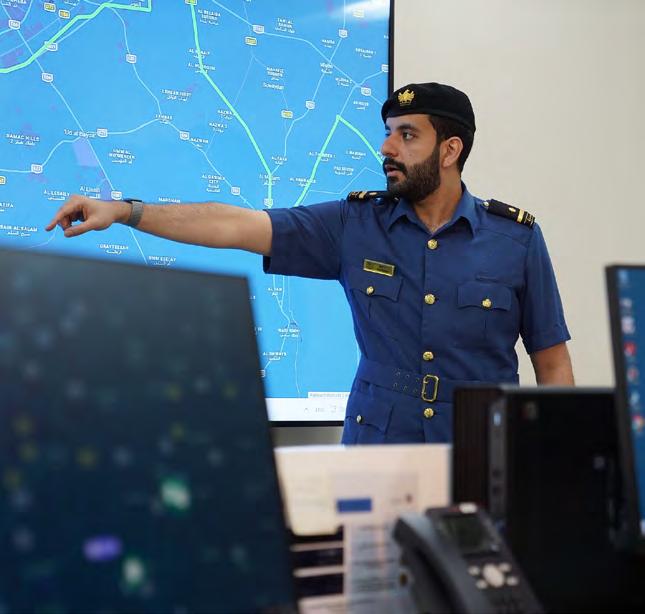
As global trade and logistics continue to evolve rapidly, Dubai Customs is advancing its innovation strategy through “Shahin”, a fully integrated smart digital system designed to strengthen economic security, ensure trade continuity, and accelerate cargo movement. The initiative enhances supply chain resilience and reinforces Dubai’s position as a leading global trade and logistics hub.
Shahin is an end-to-end truck and cargo tracking system operating across Dubai’s customs entry points using advanced satellitebased technology. It enables realtime monitoring of shipments from entry to final destination, providing full visibility, transparency and improved operational efficiency across the supply chain.
A key feature of the system is its electronic smart seal, applied to trucks after customs inspection and clearance. This enables authorities to monitor shipments through virtual customs corridors in real time, with instant alerts in the event of route deviations or irregular movements, significantly strengthening supply chain security and economic protection.
The system is supported by a wider digital ecosystem, including pre-clearance processes and reduced reliance on paperbased documentation, helping to streamline procedures, reduce waiting times and improve overall efficiency.
Shahin is further enhanced through its integration with the Green Corridor initiative, which facilitates faster cargo movement and uninterrupted clearance processes.
Together, these systems ensure the smooth flow of essential goods and support continuity across key sectors such as food, pharmaceuticals, retail and industry, strengthening market stability and business confidence in Dubai’s trade environment.
Leadership: “A Smart System Safeguarding Trade Continuity”
Mohammed Al Ghaffari, Executive Director of the Customs Inspection Division at Dubai Customs , said Shahin represents a qualitative shift in customs inspection and cargo management. “We are not just tracking shipments through Shahin, we are building a smart system that ensures
trade continuity and protects supply chain flow,” he said. He added that the platform enables real-time monitoring, faster processing times and enhanced customs control. He also highlighted that its integration with the Green Corridor has strengthened Dubai Customs’ ability to safeguard essential goods and maintain market stability.
Sara Al Suwaidi, Supply Chain Security Advisor at Dubai Customs’ Inspection Division, said “the system enables rapid detection of irregularities during truck movements and immediate response to suspicious activity or route deviations, enhancing enforcement, safety and operational efficiency.”
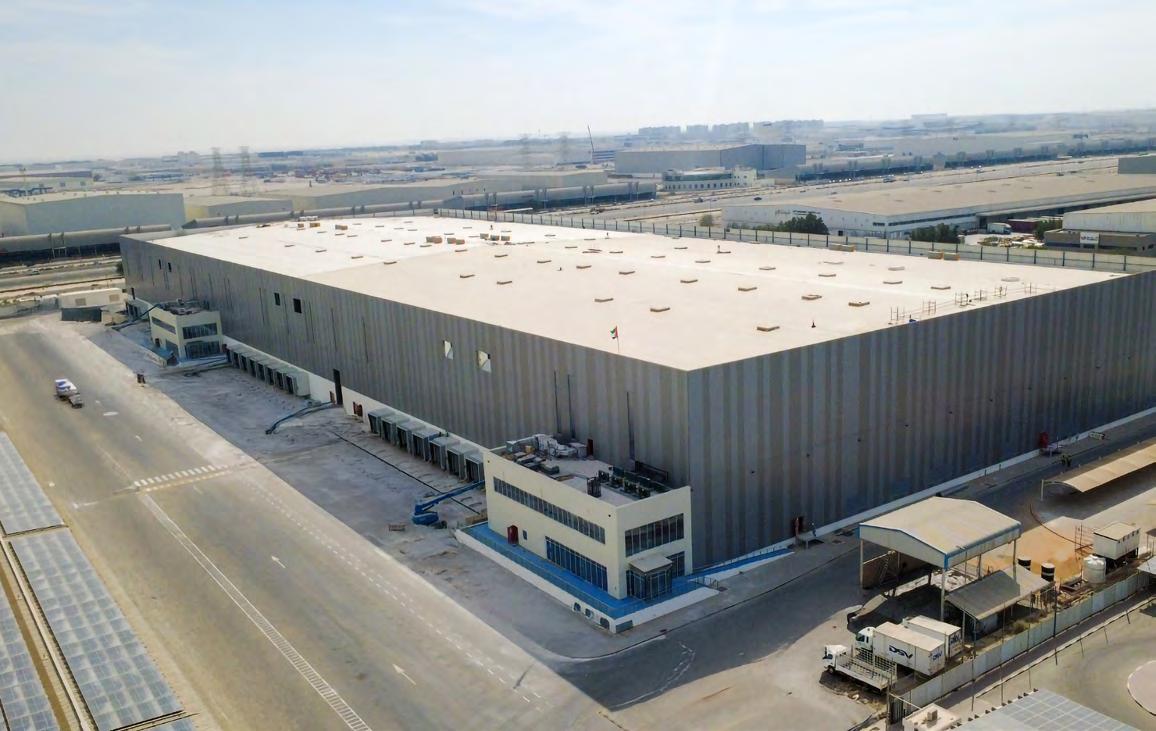
DSV is positioning customers to navigate disruption while maintaining reliable access to regional and international markets
DSV, the global transport and logistics leader, and Arcapita Group Holdings Limited, through its real estate development platform Lintara Properties, have announced the completion of a new 30,000-squaremetre build-to-suit logistics warehouse at Jebel Ali Free Zone (JAFZA) in Dubai.
The facility reflects DSV’s long-term commitment to the UAE and the wider Middle East, reinforcing its continued investment in capacity and capabilities in Dubai and confidence in the market’s role as a global trade and logistics hub. Delivered as a turnkey development, Lintara Properties oversaw the project delivery and construction, with Group AMANA acting as main contractor, utilising advanced modular and off-site construction methods to ensure efficiency and precision.
Chrys Mendonca, Managing Director of DSV Dubai, said: “I’m excited to open this state-of-the-art facility expanding our capabilities to serve both our regional and global customers. Even in a period of unrest and uncertainty in parts of the Middle East, we are expanding capacity because we trust the region’s long-term growth and the UAE’s role as a gateway for global trade.”
Isa Al Khalifa, Managing Director of MENA Real Estate at Arcapita and Chief Executive Officer of Lintara Properties, said: “This build-to-suit facility demonstrates the ability of Lintara Properties, together with Arcapita, to originate and deliver complex, high-specification logistics assets for global blue-chip tenants. Purpose-built to handle increasingly complex requirements – from pharmaceutical and temperature-controlled goods to hazardous materials –the warehouse is able to support supply chains with resilient, sustainable and best-in-class logistics solutions”.
Located within DSV’s JAFZA South Campus, the warehouse strengthens the company’s operational footprint in Dubai and enhances its ability to scale alongside evolving customer supply chains.
The Grade A facility features high-bay storage, approximately 75,000 pallet positions, extensive loading and docking bays, temperature-controlled zones, pharmaceutical areas, cold rooms, workshops, and dedicated spaces for value-added services and office operations, enabling highly efficient and flexible logistics performance. The warehouse is located within the same plot as DSV’s local headquarters, supporting seamless daily operations and close customer dialogue.
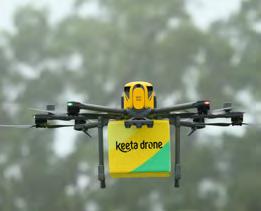
Sobha Realty becomes Keeta Drone’s first official Smart Community partner in the UAE
obha Realty, the global luxury real estate developer known for innovation and future-ready communities, has signed a Memorandum of Understanding (MoU) with Keeta Drone, the green air delivery company, to introduce next-generation air delivery ecosystems across its integrated developments.
Under the partnership, Sobha Realty becomes Keeta Drone’s first official Smart Community partner in the UAE, reinforcing its commitment to embedding advanced infrastructure and sustainable technologies within its communities. The MoU was signed in the presence of the Dubai Civil Aviation Authority (DCAA), marking a key step towards integrating smart logistics and future mobility solutions into premium residential environments.
Keeta Drone’s technology-driven ecosystem will enable faster, smarter and more sustainable last-mile deliveries, focused on operational safety and resident convenience. Operating within government-approved frameworks, the initiative aligns with Sobha Realty’s vision of creating intelligent communities powered by innovation.
Leveraging its Backwards Integrated model, Sobha Realty is uniquely positioned to support the safe and scalable deployment of air delivery networks while maintaining the highest standards of quality and operational excellence. The collaboration will be implemented in phases, with both organisations committed to safety, compliance and responsible innovation.
Mr. Francis Alfred, Managing Director, Sobha Realty, said: “At Sobha Realty, our vision of luxury extends beyond design and craftsmanship to the intelligent ecosystems that power everyday living. This partnership is not about introducing a new service; it’s about reimagining how communities function in a rapidly evolving urban landscape.
Our Backwards Integration model allows us to engineer and integrate such advanced technologies with precision, safety and long-
(L-R)Mr.Francis Alfred-MD,Sobha Realty, H.E.Mohammed Abdulla Lengawi-Director General, Dubai Civil Aviation Authority, Dr.Mao-President, Keeta Drone

term scalability. By collaborating with Keeta Drone, we are taking a decisive step towards building self-sustained, future-ready communities where innovation, sustainability, and convenience are seamlessly embedded into the resident experience. This is the next frontier of smart living, and Sobha Realty is proud to be leading it.”
Dr. Mao, President, Keeta Drone, said: “This partnership with Sobha Realty represents a defining moment for us. Our collective aim is to support communities that stand for quality, precision and longterm thinking - core values that are deeply embedded in our DNA. Together, we are not just signing an agreement; we are laying the foundation of what the future of urban living in the UAE looks like. We are proud to have Sobha Realty as our Smart Community Partner, enabling the future, and we look
forward to bringing this vision to life for their residents across 2026 and beyond.”
H.E. Mohammed Abdulla Lengawi, Director General of Dubai Civil Aviation Authority (DCAA) said: “The Dubai Civil Aviation Authority is pleased to support the responsible advancement of air deliveries by Keeta Drone within the native community of Sobha Hartland, reflecting our commitment to embracing innovation that is beneficial to the city’s future mobility ecosystem in the Emirate of Dubai.”
Both Keeta Drone and Sobha Realty have also expressed their intention to explore opportunities beyond the UAE as Keeta Drone’s deployment roadmap grows and Sobha Realty continues its international expansion.
The successful closing of this facility ensures TruKKer is well-capitalised to expand its digital network footprint
TruKKer, the Middle East’s leading digital freight network, has announced the successful closing of an inaugural trade receivables securitisation facility of up to US$300 million.
Abu Dhabi Commercial Bank PJSC (ADCB) acted as Sole Arranger and Sole Lender for the facility, which is backed by trade receivables across TruKKer’s operating markets.
a high-growth technology startup
The transaction marks one of the first multijurisdictional, asset-backed securitisations in the Middle East for a high-growth technology company, representing a significant milestone in the evolution of regional credit markets. By bridging traditional institutional banking with fast-growing technology platforms, the deal establishes a new financing model for the digital economy. Structured as a non-recourse securitisation via a murabaha facility, the deal aligns legal and regulatory frameworks across the UAE, Saudi Arabia and Turkey, providing TruKKer with access to institutional-grade capital at competitive pricing.
“This transaction is a milestone not only for TruKKer, but also for the broader regional technology ecosystem. It gives us access to working capital at benchmark pricing and marks an important step in the evolution of our capital strategy. The facility represents a key inflection point in our journey to build the ‘Uber of Trucks’ for the
region, while supporting the development of logistics as a core enabler of our economies,” said Gaurav Biswas, Founder & CEO of TruKKer. “Transitioning from traditional equity funding to structured, nonrecourse securitisation requires an institutional-grade technology and financial backbone. ADCB’s strong structuring capabilities and deep understanding of our operating model made them an ideal partner in designing a bespoke facility that can scale alongside our business.”
Global law firms White & Case LLP and Paul Hastings acted as legal counsel on the transaction, structuring the cross-border legal and regulatory framework. HSBC also played a key operational role as Facility Security Trustee and Account Bank across multiple jurisdictions, ensuring robust collateral management. Debashis Dey, Partner at White & Case LLP commented: “This transaction is an excellent example of cross-border financial optimised structuring. Harmonising a securitisation structure across originators based in the UAE, Saudi Arabia and Turkey was a complex legal challenge. We think it sets an amazing model for multi-country originators in the Middle East, proving that bespoke structured credit solutions can successfully unlock institutional capital for fast-growth tech enterprises.”
The facility positions TruKKer to expand its digital freight network, enhance its carrier ecosystem and drive further growth across the region.

Dr Fabienne Chedid, Assistant Professor in Operations Management & Logistics at HeriotWatt University Dubai
Dr Fabienne Chedid of Heriot-Watt University Dubai explores why resilience, flexibility, and visibility are becoming critical pillars of modern supply chain strategy.
The escalating geopolitical tensions across the Middle East have once again exposed the vulnerability of global supply chains to disruptions at critical maritime chokepoints. With approximately 20 per cent of the world’s oil shipments passing daily through the Strait of Hormuz, the current crisis extends far beyond an energy issue. It serves as a stark reminder of the strategic importance of supply chain resilience in modern operations and logistics management.
Geopolitical instability in key maritime corridors, whether driven by economic sanctions, regional conflict, or attacks on commercial tankers, poses significant risks to supply chain continuity, economic stability, and financial
markets worldwide. At the same time, these disruptions are intensifying concerns around the reliability of global oil transportation and containerised trade flows, exposing the highly interconnected and fragile nature of international supply networks.
The economic consequences are already becoming evident. The cost of shipping two million barrels of crude oil from the US Gulf Coast to China has surged to more than $29 million, reaching record levels. Freight rates have climbed to approximately $14.50 per barrel, dramatically increasing the overall cost of oil transportation. Meanwhile, insurance premiums continue to rise, and many shipping operators are being forced to reroute vessels along longer and more expensive alternative paths in response
to mounting geopolitical and market uncertainty.
These developments reinforce the growing importance of supply chain resilience, not merely as an operational advantage, but as a fundamental capability of modern supply networks. Organisations must therefore adopt resilient and adaptive strategies that are capable of mitigating geopolitical risks while maintaining continuity during periods of disruption.
For businesses dependent on Gulfregion logistics, whether for energy resources, manufactured goods, or critical minerals, resilience can no longer be treated as a reactive measure. It must be embedded proactively into operational strategy. In the context of increasingly volatile chokepoints, this means moving beyond a narrow focus on agility and incorporating long-term anticipation, strategic diversification, and network reconfiguration into supply chain planning.
Supply chain resilience is often treated as a corporate buzzword, yet its meaning is both clear and measurable: the ability to absorb disruption, recover rapidly, and ideally emerge stronger. Research consistently highlights four core pillars underpinning resilient supply
networks: redundancy, flexibility, visibility, and collaboration.
Among these, flexibility is especially critical in the current environment. Organisations with sourcing flexibility can pivot quickly to alternative suppliers when primary vendors are compromised. Manufacturing flexibility enables production to shift across facilities or regions, while logistics flexibility achieved through the use of multiple carriers, transport modes, and shipping routes provides essential alternatives when key corridors become unreliable.
The Gulf crisis has demonstrated precisely why such flexibility is no longer optional. Companies dependent on a single shipping lane, port, or energy source are highly exposed to cascading operational failures
the moment disruption occurs. By contrast, organisations with diversified supply networks and pre-negotiated alternatives are far better positioned to absorb shocks and sustain continuity.
Redundancy, meanwhile, often appears costly during stable periods. Maintaining buffer stock, reserve capacity, or backup suppliers may seem inefficient in the pursuit of lean operations. However, during times of crisis, redundancy acts as a form of operational insurance. Indeed, many of the companies navigating the current freight surge most effectively are those that deliberately built spare capacity and contingency measures into their systems well before tensions escalated.
Visibility across the supply network is equally vital. Many organisations still
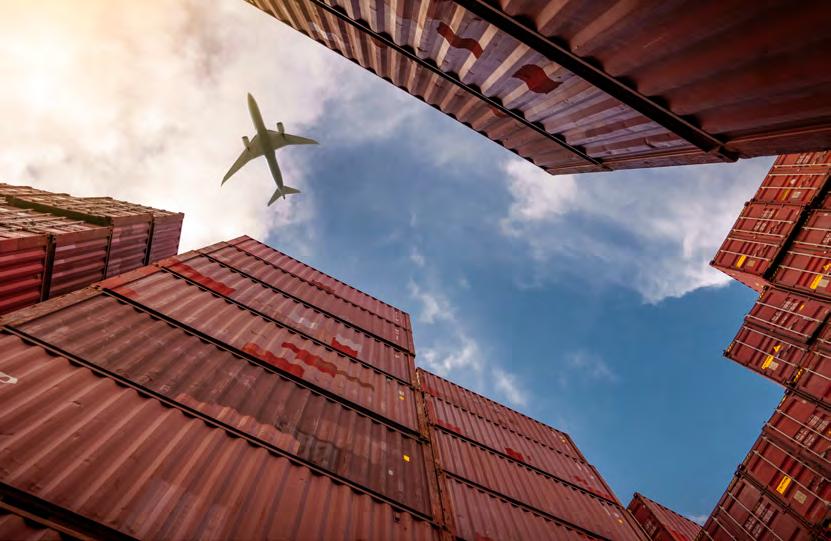
lack a comprehensive understanding of their extended supply chains, particularly at Tier 2 and Tier 3 supplier levels. Without this visibility, it becomes exceedingly difficult to identify vulnerabilities, model disruption scenarios, or respond decisively when risks materialise. The Strait of Hormuz crisis has highlighted just how limited this visibility remains for many firms with exposure to Gulf-region logistics.
Finally, collaboration has emerged as one of the most important enablers of long-term supply chain resilience. In increasingly fragmented and uncertain operating environments, organisations cannot function effectively in isolation. Meaningful collaboration with suppliers, logistics providers, distributors, and strategic partners strengthens operational visibility, enhances flexibility, and improves collective responsiveness across the wider supply chain ecosystem.
For Middle Eastern logistics hubs, particularly the UAE’s ports, which act as vital connectors between Asia, Europe, and Africa, the implications extend far beyond oil exports. Container traffic, re-export trade, and manufacturing supply chains all depend upon infrastructure now operating under the shadow of geopolitical uncertainty.
Businesses operating within, or through, the region must therefore stress-test their networks against a range of disruption scenarios, from temporary interruptions to prolonged instability.
At the national level, differing strategic responses are beginning to emerge. The United States is accelerating domestic energy production and supply chain decoupling initiatives, while China is positioning itself as a source of stability and reliability for global trading partners increasingly wary of geopolitical volatility.
For Gulf economies, the challenge lies in maintaining confidence in the reliability and resilience of their
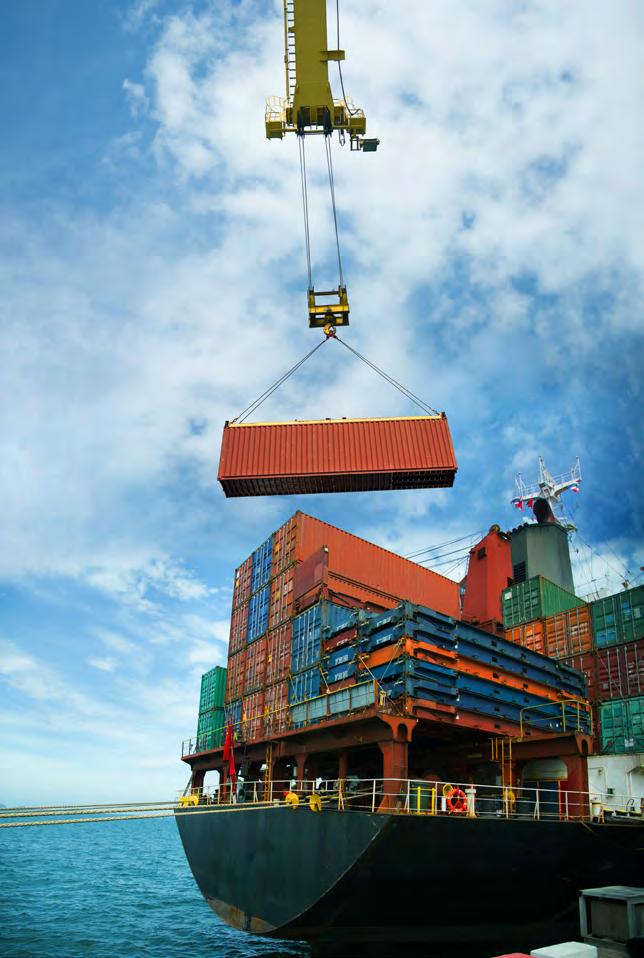
logistics infrastructure, even as shipping markets and insurers continue to price in heightened geopolitical risk.
The uncomfortable reality is that many organisations remain insufficiently prepared for large-scale supply chain disruption. Industry surveys consistently suggest that fewer than 15 per cent of firms consider their resilience initiatives to be genuinely effective.
Yet the current crisis also presents a critical opportunity. Businesses that invest in diversified sourcing strategies, agile logistics capabilities, advanced risk monitoring, and greater
end-to-end supply chain visibility will be significantly better positioned to navigate future disruptions which in today’s interconnected global economy, are no longer exceptional events, but an inevitability.
Ultimately, resilience is not about eliminating risk altogether. It is about building the capability to absorb shocks, adapt under pressure, and recover with strength and continuity.
The Strait of Hormuz is delivering that lesson in real time. The question is whether businesses are prepared to learn from it.

BEGA pole-top luminaires with Dark Sky technology direct the light in a highly efficient manner only where it is required. Light pollution of the night sky is avoided. bega.com/darksky
Islam Abdul Karim, Regional Head of Yango Group Middle East, highlights how cities are moving towards seamless, data-driven ecosystems that connect transport, logistics and everyday services


1. The UAE is rapidly becoming a global testbed for smart mobility. How is Yango Group adapting its global platform specifically for the operational, regulatory, and behavioural dynamics of the UAE market?
The UAE offers a uniquely strong environment for innovation, underpinned by a clear long-term vision and close public–private collaboration, which allows solutions to move rapidly from pilot phase to real-world deployment.
At Yango Group, our guiding principle is “go global, go local”. In practice, this means local teams lead the way. We bring global technology, but we shape it around the operational, regulatory and behavioural realities of each market.
In the UAE, this includes adapting to distinctive mobility patterns, such as peak demand around key urban hubs and climate-driven usage behaviours. From a regulatory perspective, we work closely with authorities to ensure full compliance, while
also contributing to the broader innovation agenda within the sector.
Importantly, smart mobility is only one part of a wider digital ecosystem. Through close alignment with local priorities, the Yango superapp brings together mobility, logistics, navigation and everyday services, creating a connected digital layer that supports a more efficient and integrated urban experience.
2. Do you see the company evolving into a broader “urban systems” player in cities like Dubai, and what would that future look like in practice?
Cities such as Dubai are in a constant state of evolution, and our own development reflects that pace of change. At Yango Group, we typically begin with mobility, one of the most frequently used and essential urban services, because it provides real-time insight into how people move, how demand is distributed, and how cities function in practice.
From that foundation, the platform naturally expands. In several markets today, it already integrates ride-hailing, delivery, e-commerce, payments, navigation and everyday services within a single digital environment.
This evolution has not been driven by a fixed roadmap, but by continuous feedback from users and partners. Passengers asked for more integrated services and improved navigation; drivers sought greater flexibility in earning opportunities, which led to the introduction of delivery services alongside ride-hailing. Step by step, the ecosystem has evolved in response to real needs.
What has emerged is not simply a broader product suite, but a more connected daily experience — one that increasingly becomes part of how people live, move and interact with the city. In the UAE, we have also introduced Yango Play, an entertainment platform, and Yasmina, our Arabic-language AI assistant. We are already seeing strong ecosystem engagement, with more than half of new users interacting with at least two services within their first two weeks, a trend that continues to grow over time.
Looking ahead, we see deeper collaboration between Yango Group and cities, where our

services contribute to more efficient, responsive and data-informed urban development.
3. With ongoing work around connectivity solutions, including links to rail networks like Etihad Rail, what do you see as the biggest barriers to solving first- and last-mile transport in the UAE, and where is Yango focusing its innovation?
In the UAE, the primary challenge is not the availability of transport options, but the seamless connection between them. This is where Yango Group can add value, working closely with both public and private stakeholders to bridge those gaps.
A recent example is our MoU with Etihad Rail, where we are collaborating to enhance operational coordination around rail stations. This includes clearly defined pick-up and drop-off zones, improved vehicle access flows, and peak-hour traffic management strategies, all designed to ensure smoother point-to-point journeys for passengers. In the next phase, we aim to explore deeper technical integration between our platforms, moving towards a more unified travel experience where different
modes of transport operate as part of a single, connected journey.
4. How is Yango using data and AI to optimise not just individual trips, but the wider flow of people and goods across a city? Could this eventually influence how cities themselves are planned and managed?
Data and AI are embedded at the core of Yango Group’s operating model. Our approach is not to adopt AI for its own sake, but to build systems where human expertise and machine intelligence work together and improve continuously over time.
We are constantly refining our processes. Our routing system, for example, combines machine learning models with real-time traffic data and historical journey patterns, processing multiple data streams simultaneously to calculate optimal routes in milliseconds. In 2025, Yango’s AI-powered routing helped users save more than five million hours globally, including 34,000 hours in Dubai and Abu Dhabi.
The same intelligence layer is applied to logistics. In Dubai, for instance, we have deployed autonomous delivery robots in partnership with noon, enabling safe, contactless deliveries within a two-kilometre radius, meeting growing expectations for speed, reliability and convenience.
Crucially, these improvements are interconnected. Small gains in routing, demand forecasting and fleet allocation compound over time, gradually improving how people and goods move across the city.
Looking ahead, this creates a continuous feedback loop. As we process mobility and logistics data, we gain deeper insight into how cities function, insights
that can support better planning and infrastructure decisions. In this sense, AI is not only enhancing services; it is contributing to the evolution of smarter cities, with Yango playing an active role in that transformation.
5. What makes Dubai and its transport ecosystem, particularly through the Dubai Roads and Transport Authority, an effective environment for piloting new mobility solutions compared to other global cities?
Dubai has built a transport ecosystem designed for speed of execution, where innovation can be rapidly deployed, tested and scaled. This is enabled by a combination of centralised governance, clearly defined targets, advanced infrastructure, and strong public–private collaboration.
A key role is played by the Dubai Roads and Transport Authority, which brings together strategic oversight and operational execution. This integrated structure significantly accelerates decision-making and creates an environment where new mobility solutions can be piloted efficiently.
A strong example is our collaboration with the RTA on a shared school transport service in Dubai. The programme optimises routes by grouping students from multiple schools within the same area, supported by live tracking, centralised monitoring and transparent trip management. The result is more reliable journeys, reduced congestion, and improved overall efficiency.
Dubai offers a uniquely supportive environment for innovation, and we are growing alongside the city, aligning our services with its broader development trajectory.
6. How do you see on-demand mobility services complementing a national rail network like Etihad Rail, particularly in shaping seamless door-to-door journeys across the UAE?
On-demand mobility and national rail networks such as Etihad Rail are fundamentally complementary. Rail

provides the high-capacity backbone for intercity travel, but on its own it cannot deliver a fully seamless door-to-door journey.
This is where Yango plays a critical role, ensuring the different parts of the journey are connected in practice, not just in theory.
Our partnership with Etihad Rail focuses on closing this gap. Operationally, this means improving first- and last-mile connectivity around stations. Looking ahead, the next step is deeper technical integration between our platforms, enabling better alignment with rail schedules, more precise routing, and a more consistent end-to-end experience.
The objective is to move from fragmented modes of transport towards a single continuous journey, where transitions are seamless and the overall experience is simple, predictable and intuitive.
7. If you look five years ahead, what would a fully integrated Yangoenabled mobility ecosystem in the UAE look like from ride-hailing to logistics to public transport integration, and what milestones need to be achieved to get there?
Over the next five years, Yango Group will continue to expand its mobility, delivery,
navigation and AI-driven urban services, strengthening the technological foundations for more connected and efficient cities across the UAE.
In practical terms, this means mobility becoming significantly more seamless. Users will be able to plan, book and complete end-to-end journeys across ride- hailing, public transport and logistics within a single interface, supported by unified payments and realtime coordination.
Achieving this vision will require several key milestones. First, full mobility integration to ensure seamless first- and last-mile connectivity. Second, data interoperability to enable real-time coordination across transport modes. Third, unified payments and booking systems to deliver a frictionless user experience. And finally, strong ecosystem partnerships across both public and private sectors.
While complex, this journey delivers immediate and tangible benefits, from simpler daily routines to improved efficiency for cities and businesses alike. Ultimately, it is about building more connected, resilient and opportunityrich urban environments, together with the markets we serve.

Nathan Marsh, Senior Vice President and Regional Executive EMEA
Nathan Marsh of Bentley Systems discusses why predictive, data-driven infrastructure is becoming essential to building resilient and future-ready cities.
Dubai’s public transport usage surpassing 802 million journeys, is far more than a milestone. It is a clear indicator of a rapidly growing city experiencing a profound increase in mobility demand. Across the world, transport systems are undergoing a fundamental shift, as communities increasingly move away from

private vehicle ownership towards on-demand, shared access. This transition is not merely a product of technological progress, but a reflection of deeper societal change, shaped by sustainability priorities and rising expectations for convenience, reliability, and seamless connectivity.
The global shared mobility market underscores this momentum and is anticipated to grow from USD 96 billion in 2026 to over USD 440 billion by 2034. However, scale introduces complexity, as conventional infrastructure planning is no longer adequate. With cities like Dubai rapidly expanding, the key challenge is shifting from ‘just’ building additional infrastructure to ensuring that mobility systems operate intelligently

and sustainably across existing and new infrastructure schemes, even amid geopolitical pressures.
At its core, the challenge is no longer about moving vehicles. It is about orchestrating an interconnected ecosystem of people, transport modes, and infrastructure networks. Dubai’s rising ridership reflects a decisive behavioural shift, as residents and visitors increasingly opt for the metro, buses, and shared mobility services to navigate the city more efficiently. This transition is particularly critical in a context where population growth is often outpacing the speed at which infrastructure can be delivered. The result is an urgent need to maintain fluid, uninterrupted mobility across an expanding urban landscape.
As expectations evolve, so does the definition of effective transport. Journeys are now judged not only by distance or
speed, but by seamlessness, minimal delays, realtime responsiveness, and integrated connectivity across modes. Meeting these expectations will define the next era of urban mobility, and ultimately determine which cities emerge as global leaders in smart, sustainable transport systems.
The surge in Dubai’s public transport usage highlights both the success of sustained investment and the mounting pressure that comes with rapid urban expansion. Rising demand places increasing strain on roads, transit networks, and pedestrian infrastructure, particularly during peak hours. However, mobility systems still often operate in silos, limiting their ability to function as a fully optimised network.
Globally, the cost of such inefficiencies is already well documented. In the United States, for instance, drivers lost an average of 43 hours to congestion in 2024 alone, resulting in an estimated USD 74 billion in economic losses.
While Dubai’s infrastructure is among the most advanced globally, the speed and scale of its growth make proactive, integrated planning not just beneficial, but essential. Sustainability further intensifies this challenge. As the UAE advances towards its Net Zero 2050 commitments, the transport sector is under increasing pressure to reduce emissions while simultaneously supporting continued economic expansion and urban development. The equation is clear: more mobility must be delivered, but not necessarily through more vehicles.
Addressing this complexity requires a fundamental shift in mindset, from reactive infrastructure development to predictive, data-driven planning. This is where technologies such as digital twins and mobility simulation are becoming increasingly critical. Mobility simulation uses advanced modelling, traffic analytics, and city-scale digital environments to replicate and analyse
how people, vehicles, and goods move through transport networks. It enables planners to test real-world scenarios from new road layouts and public transport expansions to EV charging deployment, construction impacts, and autonomous vehicle integration before any physical changes are implemented.
A digital twin takes this further, providing a continuously updated virtual representation of a physical city or transport system. By integrating live operational data, multimodal mobility patterns, and infrastructure constraints into a unified model, it allows decisionmakers to anticipate system behaviour and evaluate outcomes before execution. Together, these tools shift urban planning from assumption to simulation, enabling cities to design with foresight rather than reaction.
The real-world applications of mobility simulation are already transforming how transport systems are designed and managed. By forecasting the impact of infrastructure changes, whether introducing new bus routes, rerouting traffic during construction, or opening new transit hubs, planners can optimise decisions before implementation, reducing cost, disruption, and inefficiency.
These tools also enhance pedestrian flow management in high-density environments such as airports, stadiums, and major transport interchanges, improving both safety and operational performance. When combined with big data analytics, they enable more evidence-based investment decisions and more efficient allocation of public resources. Importantly, mobility simulation also provides a controlled environment to stress-test emergency scenarios, including extreme weather events, infrastructure failures, or large-scale

disruptions, ensuring cities are better prepared and more resilient in times of crisis.
International examples already demonstrate their value. In London,
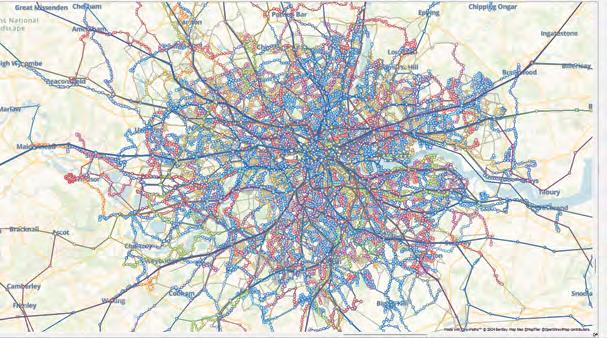
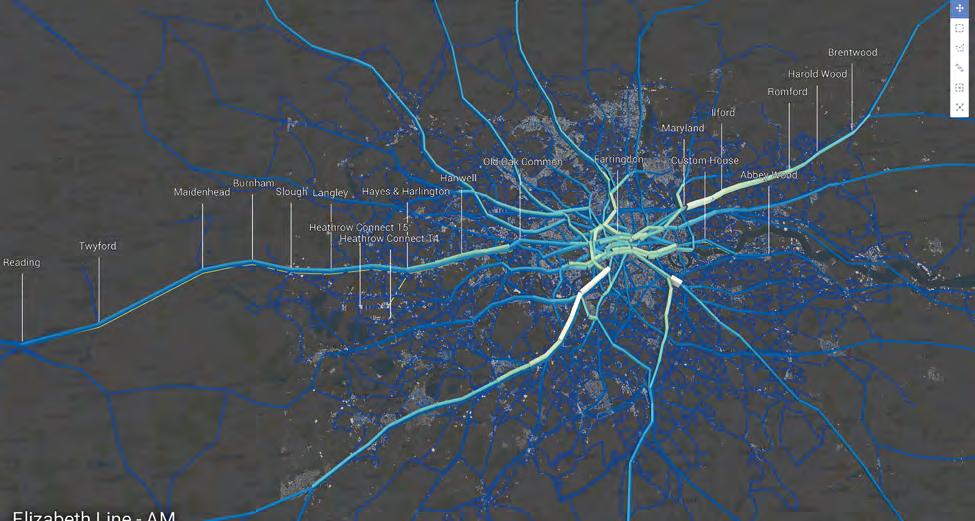
Bentley OpenPaths, a transport planning and modelling platform, played a key role in the development of the Elizabeth Line, the city’s most significant transport expansion in over half a century, enabling integration

across highly complex networks. In Edmonton, similar modelling tools have supported citywide traffic simulation, helping planners respond to rapid population growth and optimise infrastructure investment under budget constraints.
These cases underline a clear shift: predictive infrastructure is no longer optional. It is becoming essential for managing complexity, reducing inefficiency, and improving long-term urban performance.
The UAE has long positioned itself at the forefront of smart city development, underpinned by sustained investment in digital transformation, artificial intelligence, and sustainable infrastructure. Within this context, digital twins are
emerging as a foundational capability, connecting transport modes, infrastructure systems, and real-time data into a unified operational view of the city. As mobility demand continues to rise, the central question is no longer whether cities will expand their infrastructure, but how effectively that infrastructure will perform under sustained pressure. The defining leaders of the next era will not simply be those that build more, but those that can anticipate more — cities capable of simulating, optimising, and refining mobility systems before challenges emerge. In this future, success will be defined by the ability to transform complex, multi-layered data into actionable intelligence; enabling smarter, more resilient, and more sustainable urban mobility systems designed not just for growth, but for endurance.
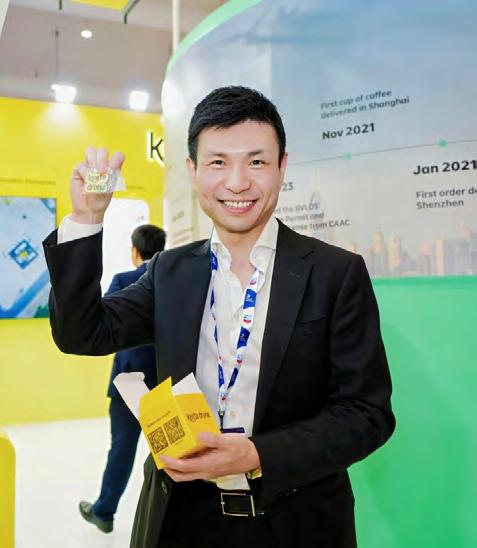
Junwei Yang, General Manager, Keeta Drone UAE, discusses the foundations required to build safe, reliable and trusted aerial delivery networks for the future
Drone delivery is approaching a defining moment. What was once viewed as a futuristic concept is rapidly becoming an operational reality, and the UAE is firmly at the forefront of this transformation. The question is no longer whether aerial delivery will become part of the urban landscape, but rather who will build it responsibly and to what standard.
The drone itself is only the most visible part of the equation. Beneath every successful flight lies a complex delivery network built on robust regulatory partnerships, rigorous safety standards, advanced engineering, and the trust of the
communities it serves. These are the foundations that determine whether aerial logistics can scale sustainably and become a lasting part of modern cities.
At Keeta Drone, this belief is grounded in experience. Having completed more than 900,000 successful deliveries across Mainland China, Hong Kong and Dubai, we understand that responsible innovation is not simply about technological capability; it is about building systems that people, businesses and regulators can trust.
We commenced licensed commercial operations in Dubai at the end of 2024 under the full oversight of the Dubai Civil Aviation Authority (DCAA). From day one, we have viewed our relationship with the authority as more than a regulatory requirement; it is a strategic partnership.

The DCAA has established one of the world’s most progressive aviation frameworks, supported by an ambitious vision to achieve 70 per cent drone delivery coverage across Dubai within the next five years. Delivering on a mandate of this scale requires close collaboration between regulators and operators. Every route we fly is approved by the DCAA. Every corridor is mapped in close coordination with the authority. Every new service area begins with regulatory alignment, which serves as the foundation for every subsequent stage of deployment. This collaborative approach is essential to ensuring that innovation progresses safely, efficiently and at scale.
At Keeta Drone, safety is not a feature; it is the principle that governs every decision we make. Our operations are powered by a sophisticated Trajectory-Based Operation System that dynamically optimises flight paths in real time, responding to changing conditions rather than relying on fixed routes. Advanced geofencing technology establishes clear boundaries around restricted airspace and sensitive infrastructure, ensuring aircraft remain within approved corridors at all times. Meanwhile, our Remote Cockpit Monitoring system provides continuous human oversight across the fleet, even as individual aircraft operate autonomously.
Before any new route is launched, it undergoes extensive simulation, rigorous testing and phased real-world validation. Only once it meets our exacting safety standards do we expand operations and increase capacity. This disciplined approach has enabled us to maintain a zero-accident record across every
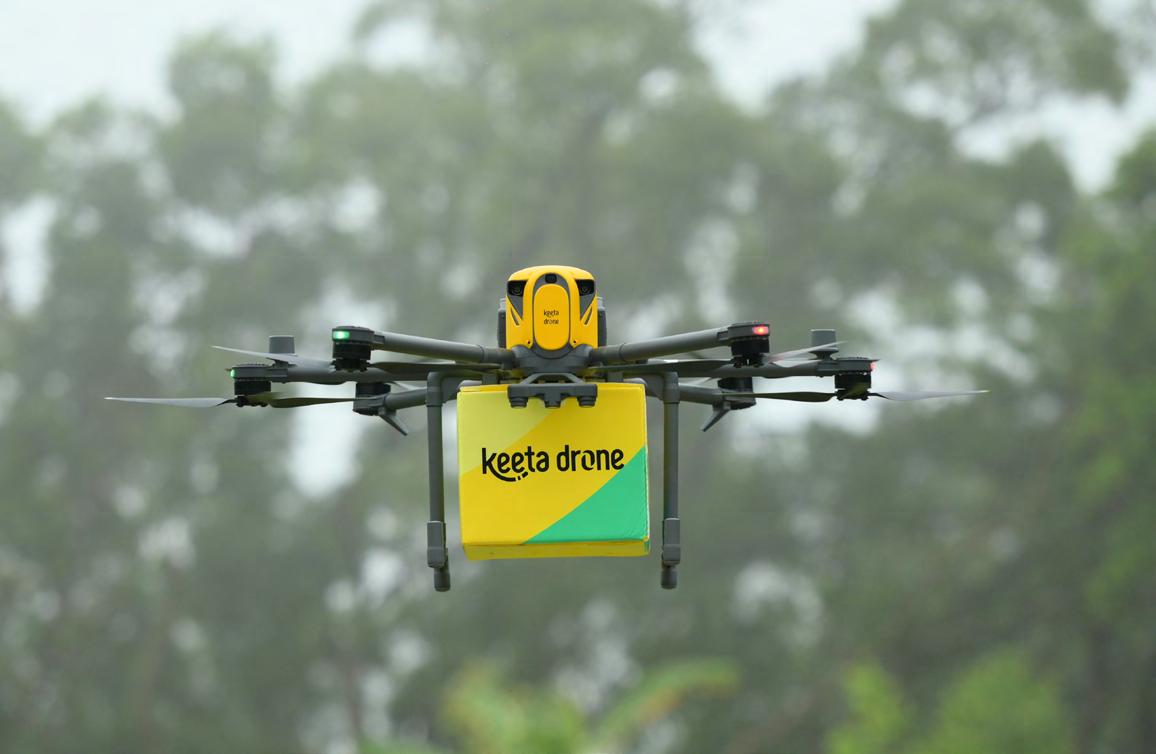
market in which we operate. For the businesses, communities and regulators we work alongside in the UAE, that consistency provides the confidence necessary for long-term adoption and growth.
Operating in the UAE presents challenges unlike those found in many other markets. High temperatures, strong winds and frequent sand exposure place significant demands on aerial delivery systems. To meet these conditions, we have invested heavily in adapting our hardware specifically for the region. Our drones are engineered to perform reliably in Dubai’s desert climate, maintaining operational stability in high winds, dusty environments and temperatures exceeding 50°C.
This level of environmental resilience is not simply an engineering achievement; it is a prerequisite for building a dependable aerial logistics network
capable of serving communities yearround.
For developers, operators and municipal authorities evaluating drone delivery as long-term infrastructure, public trust is every bit as important as technological performance.
Our partnership with Sobha Realty, which represents the UAE’s first smartcommunity drone delivery integration, demonstrates how this trust can be built in practice. Developed in close coordination with the DCAA, dedicated air corridors have been established to ensure safe and efficient operations. Residents will be able to track deliveries in real time through a seamless digital experience, designed to make aerial delivery feel intuitive, reliable and naturally integrated into everyday life. By prioritising transparency, convenience and safety, we aim to ensure that drone delivery becomes not an unfamiliar
technology, but a trusted service woven into the fabric of modern communities.
The UAE made a deliberate decision not to wait for drone delivery to mature elsewhere before embracing its potential. Instead, it has chosen to lead. That ambition places a clear responsibility on the operators entrusted to help shape this emerging ecosystem. As the world’s second-largest drone delivery operator and the only provider operating commercially at this scale within the UAE, Keeta Drone recognises the significance of that responsibility.
What is being built today, through collaboration between regulators, developers, businesses and communities, is far more than a pilot programme. It is the foundation of an aerial logistics ecosystem that has the potential to redefine urban delivery across the region for decades to come. Building that future responsibly, safely and to a standard worthy of the UAE’s ambitions remains our commitment on every route we launch and every flight we undertake.
Third-party logistics providers are accelerating investment in warehouse expansion and automation as global supply chains face mounting geopolitical and operational pressures, according to Matthieu Kulezak, Senior Analyst at Interact Analysis.

With political volatility showing little sign of easing and global supply chains remaining under sustained pressure, companies are increasingly rethinking how logistics is structured and delivered. The result is a marked shift towards third-party logistics providers (3PLs), which are rapidly expanding warehouse capacity and accelerating
investment in automation to keep pace with rising demand and operational complexity.
As supply chains become more fragmented and harder to predict, the appeal of outsourcing logistics has grown stronger. In-house networks are increasingly strained by

longer lead times, heightened risk exposure, and the growing difficulty of managing multi-market operations in an unstable environment. Against this backdrop, 3PLs are emerging not just as service providers, but as critical stabilisers within global trade flows.
This shift is clearly reflected in the Global Supply Chain Stress Index, which recorded a sharp rise in April 2025. The increase came amid renewed disruption to global trade routes, forcing companies to reroute shipments, reassess sourcing strategies, and operate in an environment defined by uncertainty rather than predictability.
Ongoing geopolitical tensions, shifting tariff regimes, and an increasingly fragmented policy landscape have added further friction. For many supply chain leaders, the result has been hesitation and in some cases delay as investment decisions become harder to justify in such an unpredictable climate. After a relatively calmer period through 2023 and early 2024,
conditions are once again becoming more volatile, with 2025 and 2026 expected to remain highly changeable.
What is emerging is a deeper structural shift: a global supply chain environment defined not by stability, but by constant adjustment. Costs are rising, lead times are stretching, and operational complexity is becoming a permanent feature rather than a temporary disruption.
The impact of this rising stress is already visible in the performance and expansion strategies of major 3PL players. Historically, spikes in supply chain disruption have closely tracked revenue growth across the sector. In 2020, when the Global Supply Chain Stress Index stood at around 0.5, combined quarterly revenues for major logistics providers such as DHL Group, Kuehne + Nagel, CEVA Logistics, and A.P. Moller – Maersk totalled approximately €32 billion. By 2022, as the index surged above 2.0, that
figure had climbed dramatically to nearly €58 billion.
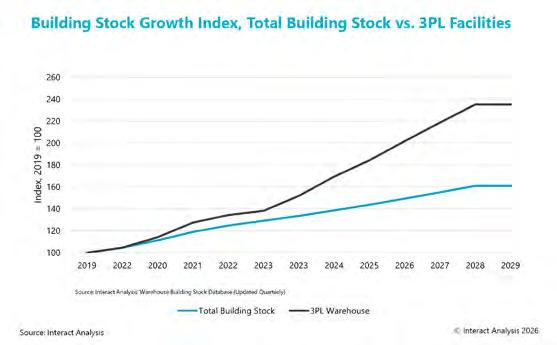
Infrastructure trends tell a similar story. While overall warehouse construction has softened with the global index falling from 107 in 2022 to 103 in 2024 and expected to remain broadly flat through 2030, the trajectory for 3PL-specific development is moving in the opposite direction. The 3PL construction index is forecast to rise from 103 to 112 between 2024 and 2026, underscoring a clear pivot towards outsourced logistics capacity.
This expansion is already materialising on the ground. CEVA Logistics is developing a major new facility in Singapore, adding significantly to its global footprint, which will reach around 4 million square feet. Meanwhile, Kuehne + Nagel has strengthened its European healthcare logistics network with a 108,000 square foot distribution centre in Germany, a clear signal of growing demand for specialised, highcomplexity supply chains.
Mobile robots provide the flexible and scalable automation 3PLs require 3PLs have always relied on a high degree of flexibility. Contracts are often shorter, SKU mixes change regularly, and facilities deal with a high volume of clients. This means 3PLs tend to prefer mobile automation that

can scale alongside demand and can be swiftly redeployed elsewhere as needed.
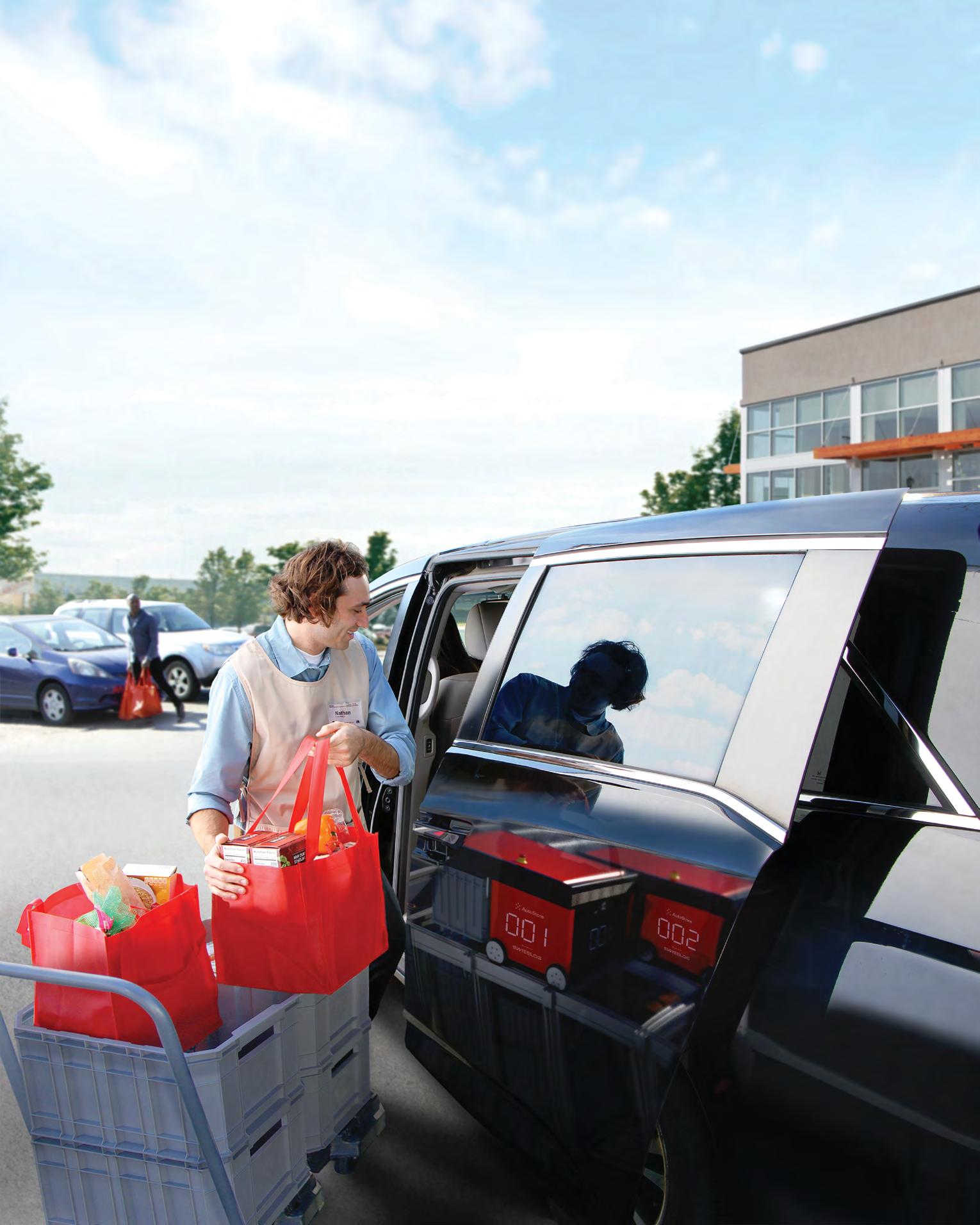
Mobile robot revenue from 3PL customers has grown at a faster rate than the rest of the market since 2023, and will continue to do so until 2030, according to our forecasts. While the total market is expected to grow by a factor of three during that time, 3PL customer growth is predicted to grow sixfold. DHL Supply Chain recently extended its deal with Locus Robotics to provide 2,000 autonomous mobile robots (AMRs) worldwide. Meanwhile, DSV plans to deploy automation across 20 fulfillment centers, including AutoStore robotic storage and retrieval systems (ASRS).
Automation becomes the new backbone of flexibility
At the heart of this transformation is automation, not as a futuristic add-on, but as a practical necessity.
3PLs have always been defined by their ability to flex. Unlike fixed internal logistics networks, they operate across multiple clients, industries, and demand cycles. Contracts shift, SKU profiles evolve, and operational requirements change with
remarkable speed. In this environment, rigidity is a liability. Flexibility is everything.
That is why mobile automation is becoming such a central investment focus. Autonomous mobile robots (AMRs), scalable warehouse systems, and modular automation solutions allow 3PLs to expand or reconfigure operations quickly, without the long lead times associated with traditional infrastructure.
The data reflects this shift. Mobile robotics adoption among 3PL customers has outpaced the broader market since 2023 and is expected to continue doing so through to 2030. While the overall market is forecast to triple in size, demand from 3PLs is projected to increase sixfold, a striking indication of where operational priorities now lie.
Major industry players are already acting at scale. DHL Supply Chain has expanded its partnership with Locus Robotics, deploying 2,000 autonomous mobile robots globally. At the same time, DSV is rolling out automation across 20 fulfilment

centres, including the implementation of AutoStore systems for high-density storage and retrieval.
As automation becomes more deeply embedded, the traditional boundaries of the industry are beginning to shift.
System integrators, once focused primarily on designing and implementing automation architectures, are expanding their role significantly. Increasingly, they are providing endto-end solutions that include software, maintenance, equipment supply, and even on-site operational support.
This evolution is creating a subtle but important convergence between 3PLs and technology providers. As logistics operators invest more
heavily in automated infrastructure to drive efficiency and differentiation, and integrators move further into operational territory, their value propositions are beginning to overlap.
In some cases, this convergence is already visible. GXO Logistics’
acquisition of Invar Group signals a move towards deeper integration of automation expertise within logistics operations, while companies such as Nimble Robotics are pushing the boundaries further still, operating fully automated fulfilment services powered by proprietary robotics systems.
Rising supply chain complexity continues to drive demand for 3PL services, while simultaneously accelerating investment in automation and infrastructure. Periods of uncertainty, rather than slowing progress, are now acting as catalysts for reinvention.
As 3PLs and system integrators move closer together, the distinction between logistics provider and technology operator is beginning to fade. In its place, a new model is emerging, one where automation, flexibility, and resilience are no longer optional advantages, but foundational requirements.
In this environment, 3PLs are becoming essential architects of global supply chain stability, offering the scale, agility, and adaptability needed to navigate a world defined not by predictability, but by perpetual change.
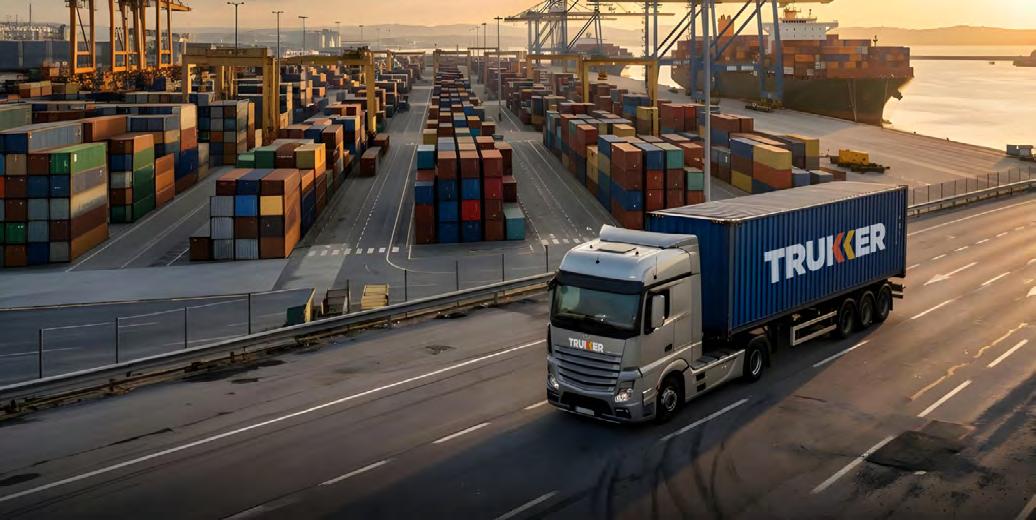
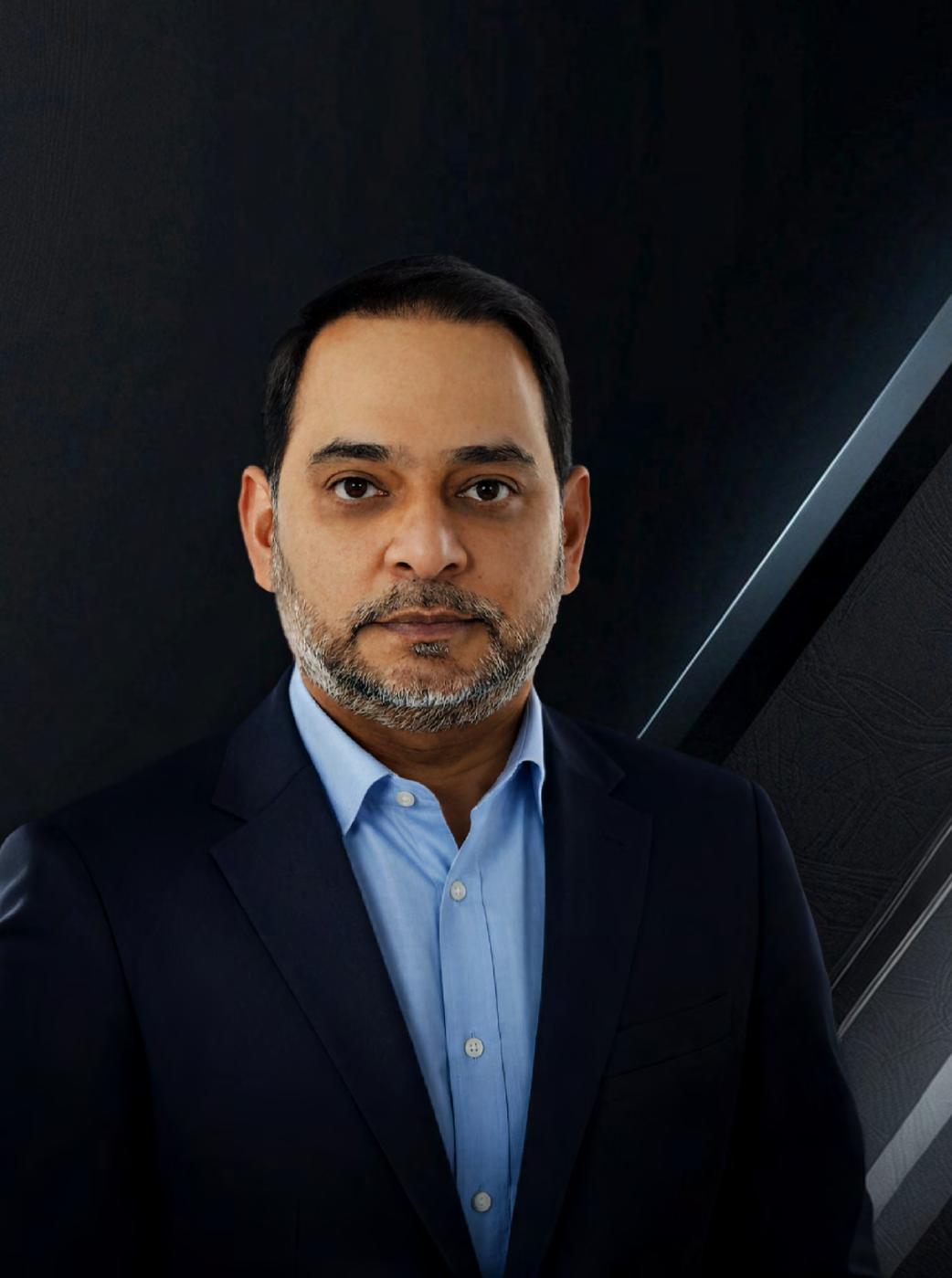
In an exclusive conversation with Reeba Asghar, Faheem Shaikh, Founder & Managing Director of D&F Logistics, says customer expectations in logistics have transformed dramatically over the past three decades

1. With ongoing geopolitical tensions and shipping disruptions affecting the region, what are the biggest operational blind spots that businesses in the GCC still underestimate when it comes to supply chain resilience?
When the crisis first unfolded, I think the biggest blind spot was simply how vulnerable we are in this region, particularly given our dependence on critical maritime routes and the Strait of Hormuz. For many businesses, stability had almost become something taken for granted, as though uninterrupted trade flows were guaranteed. Then, almost overnight, we realised how quickly a single geopolitical event could disrupt the entire ecosystem.
What became evident very early on was the lack of contingency planning, not only among shipping lines and carriers, but across the wider business community as well. For years, operations had run
smoothly, and few had seriously considered what would happen if vessels were suddenly unable to enter the Gulf.
Shipping lines themselves were caught in an unprecedented situation. Many vessels were already mid-voyage with no clear instruction on where cargo should be diverted. In line with B/L clauses, a number of carriers discharged containers at alternative ports across the region, including ports in India, Pakistan, the Red Sea, Jeddah, and even parts of North Africa such as Algiers and Djibouti because they could not leave vessels anchored indefinitely waiting for access.
That created another major challenge: thousands of containers stranded at transhipment points for weeks while shipping lines worked out how to move them onwards into the UAE. Eventually, alternative corridors emerged.

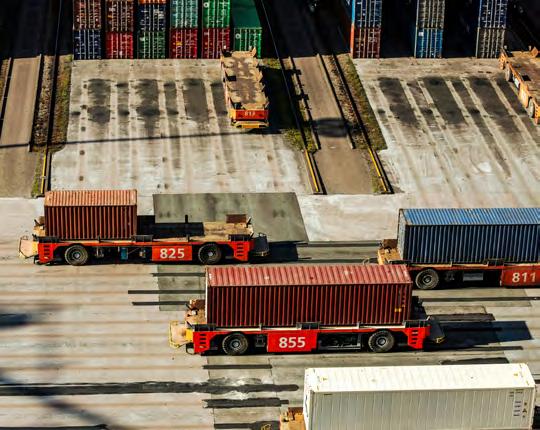
Cargo could be routed through ports such as Khorfakkan and Fujairah, which fortunately sit outside the Strait of Hormuz, before being trucked into Dubai and the wider UAE. Similarly, cargo arriving in Jeddah could be cleared under transit arrangements and moved overland into the UAE.
However, these were reactive solutions rather than pre-planned contingency measures. The crisis exposed just how important proactive resilience planning has become for the region’s logistics ecosystem.
2. We’re seeing many companies shift between sea, air, and land freight depending on cost and reliability. From your perspective, how are these modal shifts
reshaping the logistics market in the Middle East?
Air freight, in many ways, is currently functioning as a stop-gap solution. The reality is that air cargo can never fully replace the sheer scale, volume, and efficiency of sea freight.
A single container vessel carrying 10,000 forty-foot containers simply cannot be substituted by air freight capacity. Even a dedicated freighter aircraft carrying 80 tonnes of cargo would only equate to the contents of two or three shipping containers. The difference in scale is enormous.
What we are seeing now is a temporary balancing act. Businesses are using air freight for urgent or high-priority goods while relying on sea freight for larger, lower-value volumes. Transit times by sea have increased
substantially because vessels are being rerouted through alternative transhipment hubs before reaching the Gulf. Shipments that once took 20 to 30 days are now taking 50 to 60 days in some cases.
To bridge that gap and maintain stock availability, companies are increasingly turning to air freight despite the significantly higher cost. At the same time, air freight rates have risen dramatically due to higher fuel prices, aviation costs, and limited capacity. In many cases, rates have nearly doubled.
For certain high-value or timesensitive products, air freight remains commercially viable. However, for lower-value goods, the transport cost

can quickly outweigh the value of the products themselves, making it economically unsustainable.
3. After more than 30 years in logistics, how has customer expectation changed, particularly around speed, transparency, and contingency planning, compared to when you first entered the industry? When I first entered the industry, Port Rashid was the main operational port while Jebel Ali was only beginning to establish itself as a hub. At that time, the industry was almost entirely manual. There was no email, communication relied on faxes, phone calls, and face-to-face interaction.
Everything was far more personal. To clear a shipment, you physically visited customs offices, met customs officers, submitted paperwork manually, and coordinated directly with shipping lines. The entire process depended heavily on relationships and human interaction.
Three decades later, the transformation has been extraordinary. Jebel Ali has evolved into one of the world’s leading logistics hubs, while ports such as Fujairah and Khorfakkan have become strategically vital alternatives during periods of disruption. DP World has also responded efficiently by establishing road corridors that allow cargo discharged at these ports to be transported quickly into Jebel Ali and the wider UAE market.
At the same time, the industry itself has become significantly more digitised and automated. Freight forwarding today is largely managed online, from shipping line systems to customs processing and customer communication. While this has improved efficiency enormously, it has also made the industry far less personal than it once was. Customer expectations have changed just as dramatically. In the past, clients were often more understanding of delays or gaps in communication. Today, expectations revolve around realtime visibility and instant transparency. Customers can track vessels online, monitor shipment locations globally, and expect immediate updates at every stage of the journey.
Technology has fundamentally transformed both the logistics industry and customer behaviour. Transparency, speed, and responsiveness are no longer optional, they are expected as standard.
4. Cross-border logistics in the GCC can still involve regulatory and infrastructure challenges. Which markets or trade corridors currently present the biggest opportunities, and which remain the most difficult to navigate operationally?
The current disruptions have forced many businesses in the region to rethink their traditional sourcing strategies. Companies that previously depended heavily on suppliers in Europe are now increasingly diversifying towards markets such as India and China.
One of the key reasons is transit efficiency. Cargo from Europe now faces significant delays due to rerouting and shipping disruptions, often adding an extra 15 to 20 days to transit schedules. By comparison, shipments from India can arrive within eight or nine days, while cargo from China may take around 10 to 15 days. That difference has a major impact on inventory planning and supply continuity. As a result, India and China currently present some of the most significant opportunities for regional trade and supply chain restructuring.
The UAE also holds a strategic advantage because of ports such as Fujairah and Khorfakkan, which lie outside the Strait of Hormuz. This enables the country to continue functioning as a major logistics and redistribution hub for the wider GCC, particularly for countries without similar alternatives.
Operationally, however, one of the biggest challenges remains navigating customs regulations and differing compliance frameworks across multiple transhipment countries. The UAE has developed a highly efficient and automated logistics ecosystem, but not every market operates at the same level of speed and integration. That disparity can create delays and operational complexity when cargo moves through multiple jurisdictions.
5. D&F Logistics has handled humanitarian, government, and high-value project cargo. What separates successful crisis logistics operations from those that fail under pressure, especially during periods of regional instability?
Over the years, we have handled a wide range of specialised projects, from shipments for United Nations peacekeeping missions in Africa to logistics support for international cricket tournaments and even the transportation of the world’s tallest flagpole to Tajikistan. That project involved moving 60 tonnes of flagpole components across multiple countries into a landlocked destination. The cargo travelled by sea and then overland through three different countries before finally reaching Tajikistan.
Projects like these demonstrate that successful crisis logistics depends heavily on preparation, coordination, and adaptability. When cargo is moving through several jurisdictions, you must have trusted representatives on the ground, understand local customs requirements in advance, and ensure documentation is fully prepared before the shipment even departs.
The difference between success and failure in crisis logistics often comes down to three things: rapid decisionmaking, strong communication, and the ability to adapt quickly as conditions change.
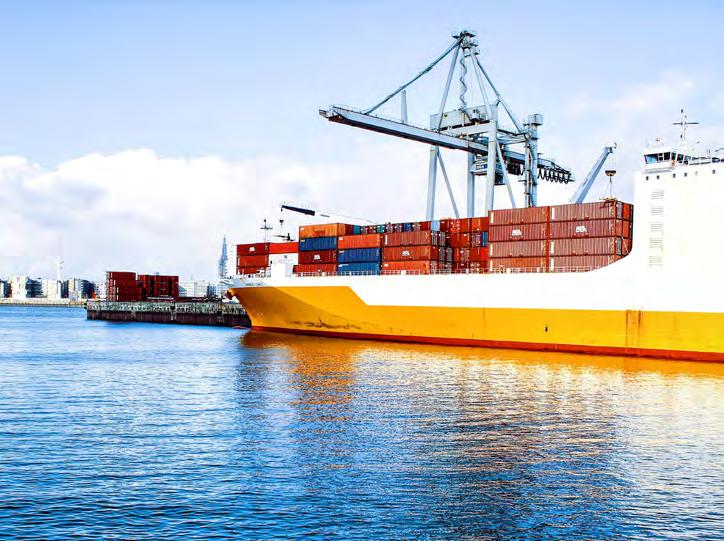
Whether during COVID-19 or other regional disruptions, we learned that resilience comes from preparing for contingencies while remaining flexible enough to respond when situations evolve unexpectedly. Challenges will always arise, but organisations that can adapt quickly are the ones that emerge stronger.
6. As D&F Logistics continues to expand its regional and international operations, what are the company’s key priorities for growth over the next few years?
For us, growth is not simply about increasing scale or volume. Our priority is capability-led growth, ensuring we have the right people, expertise, and operational strength in place to solve customer challenges effectively.
One thing I would never want to lose is
the personal connection we have with our clients. Our philosophy has always been “service with a personal touch”, and many of our customers have been with us since we first started in 1997. In a highly competitive industry where decisions are often driven purely by price, those long-standing relationships say a great deal.
Going forward, our focus will remain on resilience, adaptability, automation, and operational excellence. As a company with nearly three decades of history, we recognise the importance of embracing digitalisation and evolving with changing customer expectations.
Ultimately, we believe sustainable growth must be built on operational capability and long-term service quality, not simply on handling larger volumes.
From production floors to global strategy, Erwin Bamps, CEO of Gulf Craft Group, remains deeply involved in every layer of Gulf Craft’s evolution

Having expanded Gulf Craft into a global player during your first chapter, what is the next frontier for growth under your renewed leadership?
Our focus is firmly centred on strengthening Gulf Craft’s presence across key international markets while elevating how each of our brands is experienced globally.
Today, Gulf Craft has evolved into a house of brands, offering vessels ranging from 32 to 175 feet, each strategically positioned within clearly defined market segments. Majesty remains our flagship global brand, delivering refined semicustom yachts and superyachts, while Nomad caters to family yachting with the concept of creating a true “home on the water”. Oryx and SilverCat serve the day boating, highperformance, and sport-fishing sectors, alongside our growing
portfolio of utility vessels designed for both government and private-sector applications.
This breadth of offering is entirely intentional. Sustainable growth comes from maintaining clarity within the portfolio and ensuring every brand resonates authentically within the right markets.
A key pillar of our next phase is the continued strengthening of our dealer network. We are highly selective about who represents Gulf Craft because long-term success depends on partnerships that can deliver the right client experience and uphold the standards associated with our brands. At the same time, we are reinforcing our position within established markets such as the United States, while expanding strategically across
the Asia-Pacific region, where we see considerable long-term potential.
Ultimately, growth for us is rooted in consistency. When the product, the customer experience, and the people behind the brand are aligned, market confidence naturally follows.
How do you see the expectations of high-net-worth customers evolving, and how is Gulf Craft adapting to meet those shifts?
Today’s high-net-worth clients are no longer simply purchasing a yacht; they are investing in an experience, a lifestyle, and, above all, peace of mind.
From our perspective, three key expectations now define the market. The first is personalisation and flexibility. Owners increasingly want to be involved in the design process, tailoring layouts, selecting materials, and customising onboard features to reflect how they live, entertain, and spend time at sea.
The second is transparency and trust. Clients today are exceptionally informed and expect clear communication, responsiveness, and long-term support that extends well beyond the point of sale.
The third is immediate usability. Owners want yachts that are technologically advanced, comfortable, intuitive to operate, and ready to enjoy from day one.
We are also witnessing growing demand for significantly shorter delivery timelines. Clients are far less willing to wait several years for delivery while still expecting uncompromising levels of craftsmanship and finish. This is an area where Gulf Craft has demonstrated remarkable capability. The recent Majesty 145, for example, progressed from concept announcement to launch in just 14 months, a significant achievement within this segment of the industry.
You emphasise staying close to the production floor. In an era of AI and automation, how do you balance technological advancement
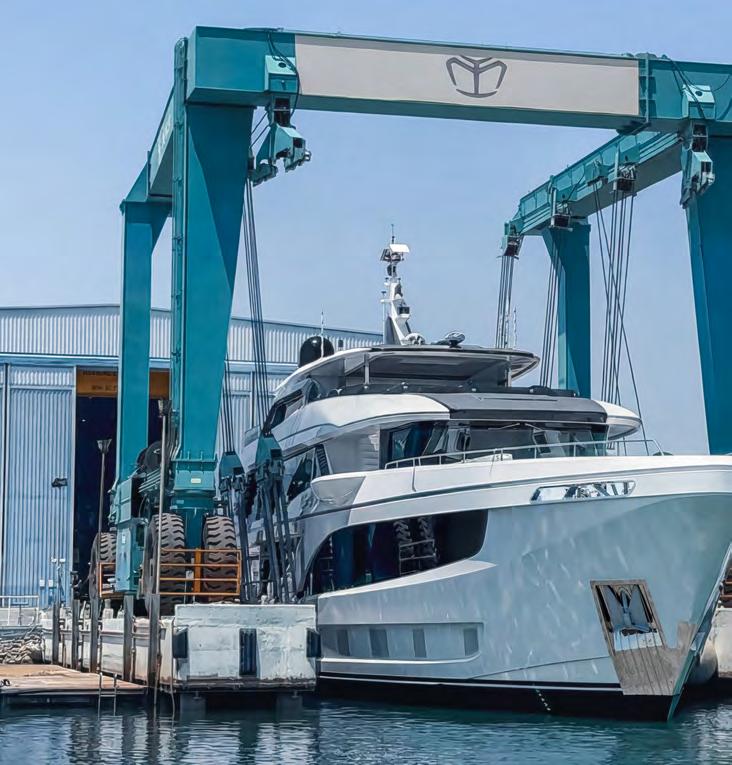
with craftsmanship and human expertise?
For us, this is not a question of balancing two opposing forces, it is about creating meaningful collaboration between them. Boat and yacht building is, and always will be, a craft. The skill, judgement, and experience of the people on our production floor are what define a Gulf Craft vessel, and that human element cannot be replicated by algorithms.
Our responsibility is to protect and enhance that craftsmanship by removing tasks that do not require human creativity or expertise. AI and automation allow us to streamline repetitive processes such as data entry, documentation, scheduling, and
planning, enabling our teams to focus on higher-value work and innovation.
We are already seeing measurable results. Processes such as cost preparation have been significantly reduced in terms of turnaround time, while production and procurement operations have become far more agile and responsive.
Across the organisation, AI now supports functions including supply chain management, production planning, and design development. The principle is straightforward: the machine prepares and recommends, while the human validates and decides. We are deliberate about where automation is applied and
careful not to replace human contribution where it adds genuine value.
On the production floor, the focus remains on safety, efficiency, and operational responsiveness. Within design, AI accelerates modelling and visualisation, enabling clients to engage more directly and interactively with the creative process. However, the creative vision and final decision-making remain firmly in the hands of our designers.
We are also exploring how intelligent technologies can enhance the onboard ownership experience by improving safety, simplifying maintenance, and supporting crew operations, without altering the essential character of the yacht itself. Remaining closely connected to the production floor ensures that every technological advancement introduced addresses real operational and customer needs. Our objective is simple: to use AI to strengthen what we already do exceptionally well, not to replace it.
With your exposure to markets across Asia, Europe, and North America, what key differences in consumer behaviour or market maturity have most influenced your global strategy? The most significant difference lies in the maturity of ownership markets.
In Europe and North America, clients are highly informed and focused on longterm ownership considerations, including aftersales service, resale value, and overall lifecycle performance. In contrast, Asian markets are evolving rapidly, with growing demand driven by design, innovation, and lifestyle-oriented purchasing decisions. Across the Middle East, there remains a strong emphasis on hospitality, customisation, and social onboard experiences.
Rather than adopting a one-size-fits-all approach, we maintain a consistent product philosophy while adapting how we position, present, and support our brands within each market. That flexibility has become essential to our global strategy.
What remains consistent across every region is the expectation of reliability and a product that genuinely reflects how owners intend to use their yachts.
Looking ahead, what role do sustainability and innovation play in shaping the future of yacht
building, and how is Gulf Craft positioning itself to lead in this space?
For sustainability to be meaningful, it must first be practical. Our approach begins with efficiency, lightweight composite construction, optimised hull design, and advanced systems that reduce fuel consumption while simultaneously improving performance. These are areas where we can create tangible impact today.
We are also integrating hybrid technologies and advanced energy-management systems where they offer measurable operational benefits, particularly on larger yachts. Alongside this, we continue exploring longer-term solutions, including alternative fuels through strategic partnerships and collaborative development initiatives.
For Gulf Craft, innovation is never about introducing technology for the sake of novelty. It is about building smarter, more efficient yachts that remain relevant and desirable for the next generation of owners.
Which emerging markets do you believe will define the next decade for yacht and boat manufacturing, and why?
Our recent participation at the Singapore Yachting Festival further reinforced how rapidly Southeast Asia is emerging as a significant global yachting hub.
The region offers year-round cruising opportunities, increasingly sophisticated marine infrastructure, and a lifestyle that aligns perfectly with how modern clients wish to use their yachts; flexible, experience-driven, and adaptable across multiple destinations within a single journey.
At the same time, we see strong long-term potential across parts of Africa, particularly within coastal regions where tourism, marine infrastructure, and private investment are developing simultaneously. Markets along the East African coastline and island destinations are becoming increasingly relevant, not only for leisure yachting but also for practical marine applications.
Closer to home, the GCC continues to evolve at remarkable speed. Large-scale waterfront developments along the Red Sea, combined with substantial investments in marinas, tourism destinations, and supporting infrastructure, are transforming the regional yachting landscape and creating new opportunities for both leisure and commercial vessels.
More broadly, a clear global shift is underway. Yacht ownership is becoming less about status alone and far more about experience, functionality, and lifestyle integration. That transition aligns closely with how we design, engineer, and position our portfolio, and where we see the strongest opportunities for sustained future growth.

Sam Achampong, Regional Director for Asia, Australasia, Middle East and Africa at Chartered Institute of Procurement & Supply, believes procurement is undergoing a major transformation
You have described the concept of “cash-flow circularity” as a way to strengthen supply ecosystems during uncertainty. How are procurement teams practically implementing this model, and why is it becoming increasingly important today?
In times of crisis, organisations are often forced to adopt extraordinary measures, alternative routes, and new operating practices. However, cash-flow circularity is not merely a crisis response mechanism, it is an essential part of sustainable business operations, regardless of market conditions.
What makes the current environment particularly significant is the disparity between large global suppliers and smaller local suppliers in terms of their ability to absorb liquidity pressures. Larger
suppliers, with diversified exposure across multiple regions and markets, are generally better equipped to withstand cash-flow challenges than smaller SMEs operating within more localised ecosystems.
From a client perspective, this creates an opportunity to strategically manage liquidity across the supply chain. Procurement teams can negotiate extended payment terms with larger suppliers that are better positioned to accommodate delayed cash cycles. At the same time, they can offer shorter payment cycles, or even payment on delivery or in advance to smaller local suppliers in order to keep liquidity moving through the ecosystem.
Local suppliers are often able to step in quickly to support manufacturing, fulfilment, and deliveries, particularly when larger international supply chains face disruption. However, by nature, these smaller businesses are more vulnerable to liquidity constraints. What organisations are effectively doing, therefore, is leveraging the resilience of larger suppliers to provide financial flexibility to smaller ones, ensuring the wider supply ecosystem continues to function effectively.
Traditionally, procurement has focused heavily on cost reduction. Are we now seeing a broader shift towards supplier sustainability and ecosystem resilience as equally important priorities? There is a longstanding perception that procurement has been primarily focused on cost-cutting. While that may appear true externally, the reality is that procurement has always been centred on value creation rather than cost reduction alone.
What has changed is that organisations are now recognising this more explicitly. The value procurement brings extends far beyond short-term savings within a


single financial year. Increasingly, businesses are taking a broader view of total cost of ownership and overall organisational value.
This includes sustainability and ESG considerations. Organisations are paying closer attention to the entire lifecycle of products and projects, from sourcing and operational impact through to disposal and environmental consequences. Businesses must also consider the social and human cost associated with products and services, as these factors directly influence reputation, resilience, and ultimately long-term profitability. As a result, supplier sustainability and ecosystem resilience are no longer secondary considerations; they are becoming central components of procurement strategy.
As procurement teams push for improved liquidity, how do organisations ensure they are not increasing operational risk or fragility within transport and logistics ecosystems? Efforts to improve liquidity and mitigate supply chain risk inevitably require organisations to adopt practices that may not have been considered necessary in the past.
If we look back at COVID-19 as a defining milestone, it marked a major shift away from highly globalised, lean supply chains and strict “Just-in-Time” fulfilment models. Since then, organisations have recalibrated their thinking towards a more resilient “Justin-Case” approach.
This means maintaining more appropriate stock levels, introducing supply buffers, and ensuring contingency measures are in place should disruption occur. There is now broad recognition that supply chain shocks, whether geopolitical, economic, or operational are inevitable. The priority is therefore not avoiding disruption entirely, but ensuring businesses are prepared to withstand and recover from it effectively.
For procurement and supply chain leaders, resilience has become the overriding priority. Their responsibility is to ensure organisations are equipped to absorb shocks through adequate
stock planning, supplier diversification, and robust disaster recovery strategies.
Do you believe working capital optimisation is becoming as strategically important as physical supply chain efficiency in decision-making?
Absolutely. The two are fundamentally interconnected and always have been. However, the strategic importance of working capital management is becoming far more prominent in boardroom decision-making today.
Effective utilisation of working capital directly supports supply chain efficiency, and one cannot truly operate without the other. When organisations successfully optimise both, they become more efficient, resilient, profitable, and sustainable over the long term.
What role are digital procurement platforms and supply chain finance tools playing in enabling real-time visibility and execution of cash-flow circularity in complex global networks?
As digitalisation, artificial intelligence, and other solutions continue to proliferate across organisations, they are adding a significant new layer of operational efficiency.
These technologies enable businesses to operate at greater scale and speed, allowing procurement teams to identify suppliers more efficiently, conduct complex evaluations, and assess risks with far greater precision than before. Their value extends beyond commercial analysis.
AI and digital procurement tools allow organisations to model risk scenarios, analyse pricing fluctuations, evaluate logistics routes, and assess supplier resilience across increasingly complex global networks. This gives businesses the ability to make faster, more informed decisions while also improving readiness for potential disruptions.
Ultimately, these technologies are making efficient organisations even more effective, while also helping less mature organisations improve their operational capabilities and overall resilience.
Do you see supplier financing in logistics evolving into a fully integrated part of supply chain operations, where finance, procurement, and logistics decisions are effectively made as one system?
Yes, particularly for mid-tier organisations, supplier financing is increasingly becoming an embedded operational function rather than a standalone financial exercise.
In many ways, this evolution mirrors the rise of third-party logistics (3PL) providers, which have become fully integrated into standard business operations over time. Increasingly, finance, procurement, and logistics decisions are converging into a more unified operating model, enabling organisations to make faster, more coordinated, and strategically aligned decisions across the supply chain.
In a market where fleet operators are under growing pressure to balance cost, reliability and performance, the Tata Agile Bus has emerged as a standout performer

Tata Agile Bus: Driving Efficiency, Value and Versatility in High-Demand Transport
In an environment where operational efficiency, cost control and reliability are paramount, the Tata Agile Bus has established itself as a dependable and high-performing transport solution for the UAE’s construction, contracting and workforce mobility sectors.
Recognised as Labour Bus of the Year at the Construction Innovation Awards, the model has quickly earned a strong reputation among fleet operators and industry leaders for its robust performance, operational efficiency and versatility. Its growing adoption by major contractors, government entities, real estate developers and private enterprises, including several fleet orders exceeding 100 units,reflects its increasing credibility and relevance in the market.
A key factor behind this success is United Diesel, the authorised distributor
of Tata Motors commercial vehicles across Dubai and the Northern Emirates. With decades of experience serving the UAE’s transport, construction and logistics sectors, United Diesel has built long-standing relationships with leading contractors, staff transport operators, government organisations and school transport providers. This close engagement enables the company to understand evolving customer requirements and deliver tailored transport solutions supported by comprehensive after-sales services.
Further strengthening the platform’s position is the global heritage of Tata Motors. As India’s largest commercial vehicle manufacturer and one of the world’s leading producers of commercial vehicles, Tata Motors operates in more than 40 countries worldwide. This combination of international engineering expertise and strong local support provides customers with a
One of the Tata Agile Bus’s key strengths is its ability to combine affordability with long-term operational value. For fleet operators in construction, contract transport and public-sector services, total cost of ownership remains a critical consideration. The bus delivers excellent fuel efficiency, advanced safety features and straightforward maintenance requirements, helping to reduce operating costs and minimise downtime. Supported by a strong aftermarket network, it offers predictable running costs and dependable performance, making it particularly attractive for large-scale fleet deployments where continuity of service is essential.
United Diesel further enhances this proposition through its extensive aftersales infrastructure, which includes major service and parts centres in

Dubai, Sharjah and Fujairah, complemented by strategically located parts outlets across the UAE. Customers benefit from high parts availability, dedicated bus support teams, mobile service units, 24/7 roadside assistance and rapid-response capabilities, ensuring vehicles remain operational even under demanding conditions. For operators whose productivity and profitability depend on vehicle availability, downtime is not an option. United Diesel’s dedicated support ecosystem is designed with this reality in mind, providing customers with confidence that expert assistance is always within reach.
Designed for Diverse Transport Applications
With seating capacities of up to 70 passengers, the Tata Agile Bus is engineered to meet a wide range of high-volume transport requirements across multiple sectors, including:
• Labour transport – efficient and cost-effective movement of large workforces
• Staff and corporate shuttle services – reliable and comfortable commuting solutions
• Government and institutional transport –dependable performance across varying duty cycles
• School and community transport – combining safety, comfort and capacity
Across these applications, operators benefit from dependable uptime, scalable fleet deployment and predictable operating costs. The Tata Agile Bus delivers more than passenger capacity; it offers a strong return on investment supported by one of the region’s most comprehensive commercial vehicle support networks.
Purpose-Built for Operational Efficiency
Beyond passenger comfort, considerable attention has been given to the driver experience, recognising the important role driver wellbeing plays in safety, productivity and operational performance.
The Tata Agile Bus features an ergonomically designed driver’s cabin with intuitive controls, enhanced visibility and a premium pneumatic driver’s seat, providing greater comfort during extended operating hours.
Improved manoeuvrability, a tighter turning radius and responsive handling further enhance safety and ease of operation, whether navigating construction sites, urban roads or confined working environments.
In today’s procurement landscape, fleet operators place increasing emphasis on durability, fuel efficiency,
serviceability and overall lifecycle value. The Tata Agile Bus consistently meets these expectations through:
• Strong structural build quality at a competitive price point
• Reliable driveline and suspension systems designed for demanding operations
• Low maintenance requirements and simplified servicing procedures
• Best-in-class warranty coverage within its segment
• High parts availability and dedicated after-sales support
• Excellent fuel efficiency and operational consistency
• Enhanced safety features and manoeuvrability
• A driver-focused cabin with pneumatic seating
• Suitability across labour, staff, institutional, school and government transport applications
These attributes make it a practical and commercially attractive solution for high-utilisation transport operations.
The market’s response to the Tata Agile Bus has been equally impressive. Its widespread adoption by leading contractors, staff transportation companies, government organisations, educational institutions and private fleet operators highlights its ability to perform in demanding real-world environments. Multiple large-scale fleet deployments further demonstrate customer confidence in the vehicle’s reliability, efficiency and long-term value.
Industry recognition has reinforced this position. The Tata Agile Bus was named Labour Bus of the Year at the Construction Innovation Awards 2025, reflecting its growing reputation as one of the region’s most trusted workforce transportation solutions. The award serves as an endorsement from the industry itself, recognising the vehicle’s ability to meet evolving fleet requirements while consistently delivering safety, efficiency, passenger comfort and operational reliability.
As the UAE continues to advance its ambitious infrastructure, construction and urban development agenda, demand for dependable and cost-effective workforce mobility solutions is expected to grow.
Backed by Tata Motors’ global expertise, United Diesel’s extensive after-sales network across Dubai and the Northern Emirates, and a platform specifically engineered for highutilisation environments, the Tata Agile Bus is well positioned to support the nation’s evolving mobility needs for many years to come.
As disruptions across global shipping continue to rise, maritime agencies are adopting smarter, more connected operating models to improve efficiency and service delivery, says Sharang Gupta, Partner, Technology Consulting, PwC Middle East.
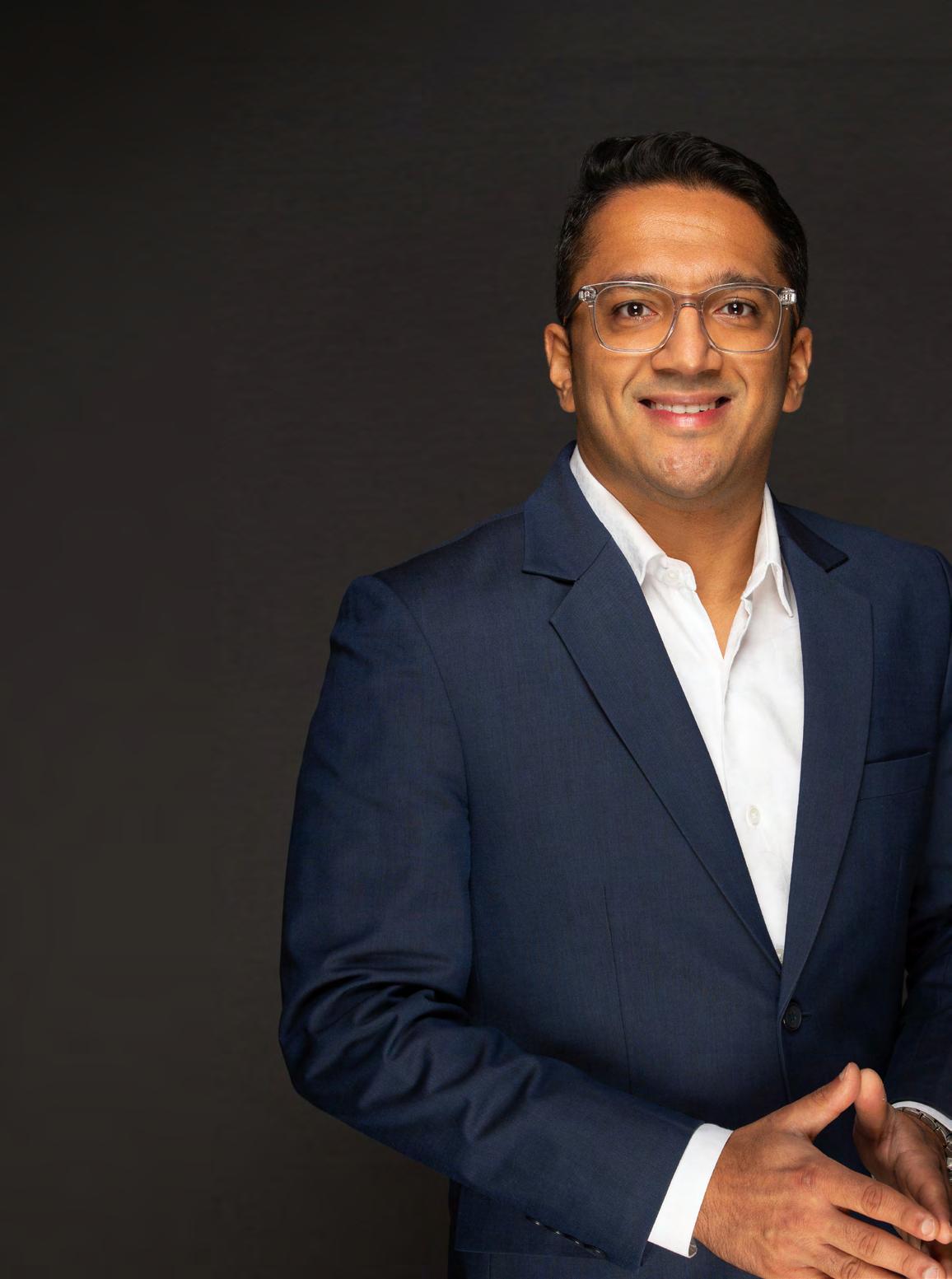
1. What’s the hardest cultural or organisational barrier maritime agencies face when trying to move from reactive execution to proactive orchestration, and how can they realistically overcome it? Maritime agencies have traditionally operated through strong local teams, relying heavily on relationships, experience and manual coordination across ports. That model has served the industry well for decades and remains one of its core strengths. However, as operations become increasingly interconnected and disruptions more frequent, coordinating multiple functions in real time has become significantly more challenging. In many cases, teams still depend on calls, emails and informal workarounds to stay aligned, which can slow response times during critical operational moments.
What we are seeing now is not a complete reset, but a gradual evolution. Many agencies are beginning to adopt more structured coordination models by creating
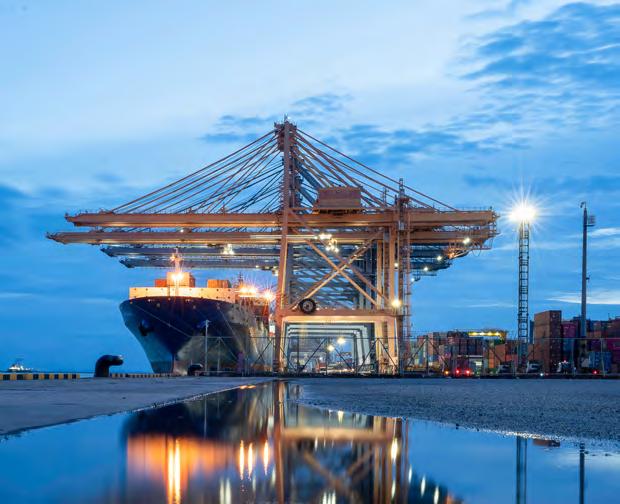
shared visibility across vessel calls and aligning workflows between departments.
In practice, transformation often starts small. A single dashboard or a shared operational view across a few key activities can already have a meaningful impact, helping teams anticipate issues earlier and respond in a far more coordinated manner.
2. Many agencies already struggle with fragmented legacy systems. How can they centralize intelligence in real time without completely overhauling their existing tech stack or disrupting ongoing operations?
A full-scale system overhaul is rarely practical, particularly for agencies managing live operations across multiple ports. A more effective and realistic approach is to build a
coordination layer over the systems already in place.
Typically, this begins by connecting a few critical data sources, such as port updates, terminal systems or vessel information into a shared real-time operational view. Even a relatively simple dashboard focused on one workflow or location can significantly improve visibility and reduce the constant back-and-forth communication that often slows decision-making. From there, agencies can establish a lightweight technology blueprint that defines core systems, data flows and API-based integration points.
The emphasis should be on improving coordination incrementally rather than replacing entire systems at once. Over time, this enables agencies to centralise intelligence progressively and transition from fragmented tools towards a more unified, responsive and data-driven operating environment.
3. What are some practical, highimpact AI use cases maritime agencies can deploy today that go beyond dashboards and genuinely improve decision-making on the ground?
The most valuable AI applications are those that directly support faster, more informed decision-making across the port call lifecycle. Predictive arrival and delay models are one of the strongest starting points. These allow teams to anticipate disruptions earlier and adjust plans across berth allocation, documentation, crew movements and logistics before issues escalate.
AI-driven risk scoring is another highimpact application. By assessing factors such as congestion, compliance requirements, weather conditions and crew constraints, agencies can identify
which vessel calls require closer attention and prioritise resources accordingly.
The focus should remain on targeted, scalable use cases rather than broad, overly ambitious deployments. Starting with two or three high-impact applications, such as delay prediction or crew planning can help agencies move from reactive issue management towards a far more predictive and intelligenceled operational model.
4. With rising costs across fuel, port handling and delays, how can maritime agencies use data and AI to better manage cost-to-serve for each vessel call while maintaining service quality?
Managing cost-to-serve effectively often comes down to improving visibility and coordination across the entire port call lifecycle. In many situations, inefficiencies are not caused by a single major issue, but rather by a series of smaller gaps between teams, delayed documentation, misaligned handovers and missed operational windows.
By creating clearer visibility across activities, responsibilities and timelines, agencies can begin to reduce these inefficiencies significantly.
AI can further support this process by identifying potential disruptions earlier and highlighting operational risks before they impact costs or service levels. However, the greatest gains often come from stronger alignment between teams and more consistent execution across operations. The outcome is a more controlled, predictable and efficient operation where service quality is maintained while operational friction and unnecessary costs are reduced.
5. What structural changes are needed to truly integrate commercial and operations teams, rather than simply sharing data between them?
Meaningful integration begins with aligning how services are defined, priced and delivered. One effective approach is to create clearer links between commercial offerings, pricing models and operational workflows so that both teams operate from a shared understanding of commitments, costs and delivery expectations.
At the same time, agencies need to connect chartering, quoting and operational systems so commercial and operations teams are working from the same live data environment. This ensures customer commitments are realistic, operationally achievable and consistently delivered.
The goal is not simply better communication, but operational alignment where commercial promises
and operational execution function as part of a single coordinated process.
6. Looking ahead three to five years, what will separate the agencies that successfully evolve into “intelligent orchestrators” from those that do not? What are the early signals of success or failure to watch for?
The defining difference will be the ability to move from fragmented execution to integrated orchestration.
Agencies that succeed will operate through more unified platforms, with connected data across functions, AI-enabled workflows and increasingly predictive planning capabilities.
Their operating model will begin to resemble a real-time command centre, an orchestration hub that enables faster decision-making, stronger coordination and end-to-end visibility across the entire port call lifecycle.
Early indicators of success will include faster response times, more consistent operational execution and a smoother, more connected experience for clients and stakeholders.
Conversely, agencies that continue to rely on disconnected systems, manual workflows and reactive coordination are likely to face growing inefficiencies, including delays, excessive email chains and missed operational windows. Over time, that gap will widen further as the wider maritime ecosystem becomes increasingly digitised, integrated and data-driven.
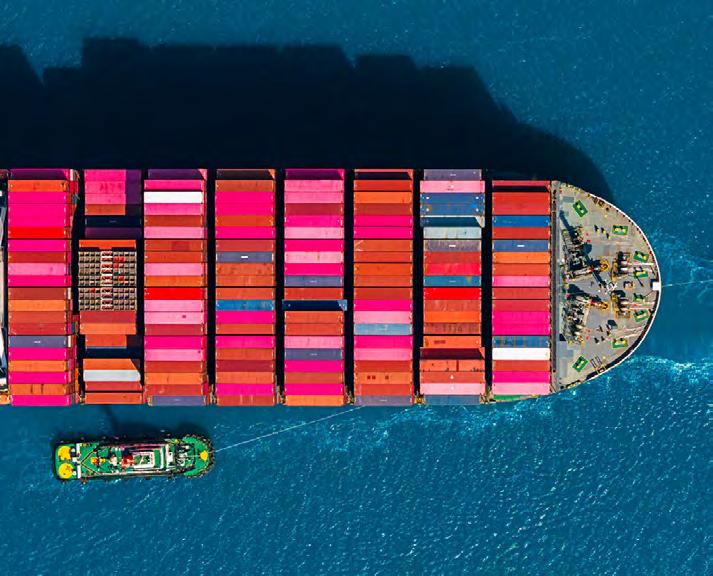

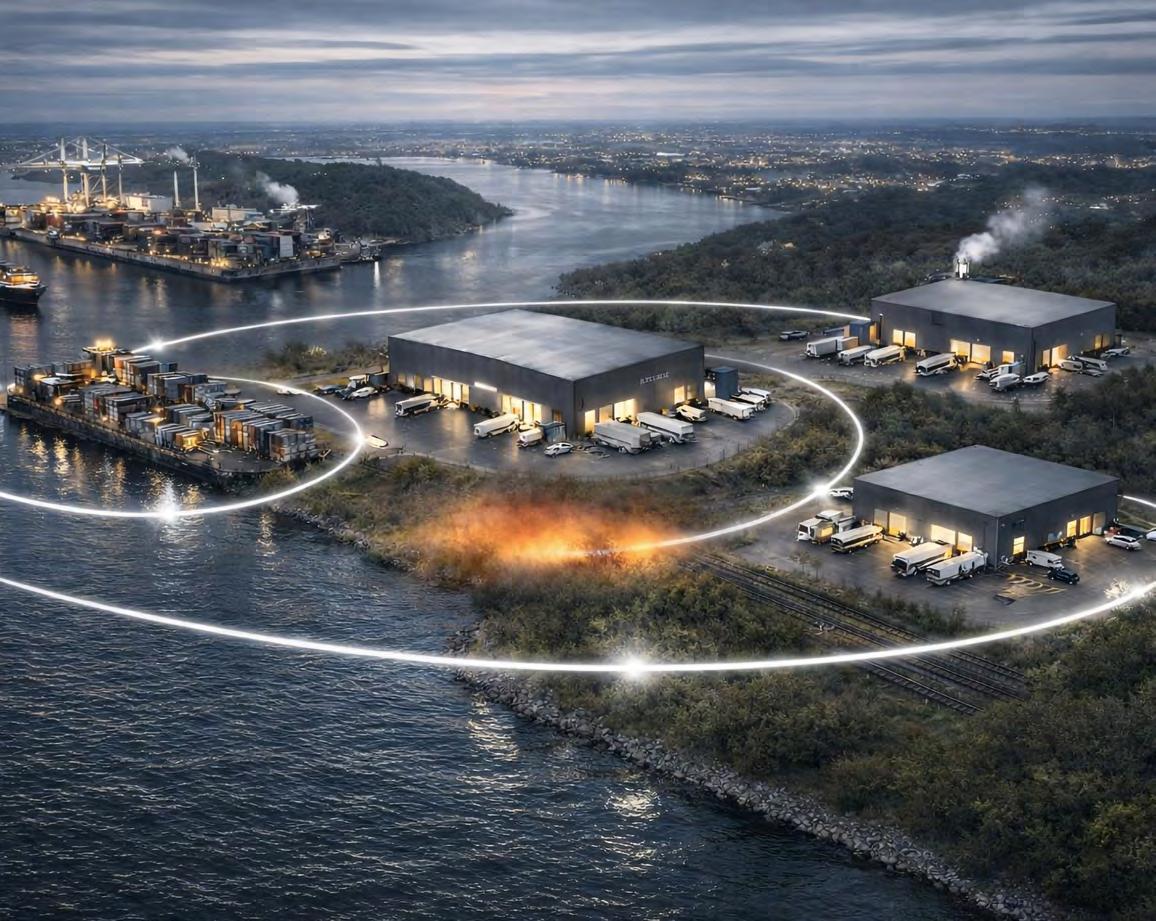
Mark Hopkins, Associate at Middlebank Consulting Group, discusses the blind spots that continue to undermine performance and the practical steps businesses can take to build more resilient, responsive supply chains

Mark Hopkins Associate, Middlebank Consulting Group
1. What is the single biggest blind spot companies have in their supply chain planning processes today?
The biggest blind spot is the assumption that a plan will remain aligned with reality for far longer than it actually does. Most organisations continue to build plans using historical patterns and relatively stable assumptions around demand, supplier performance and internal execution. In reality, that stability is often shortlived.
What typically happens is a gradual drift at first, followed by a sudden disconnect. Demand changes, supplier performance fluctuates, and internal constraints emerge. None of
these developments is unusual in isolation, but together they create a widening gap between the plan and what is happening on the ground.
The challenge is rarely a lack of planning effort. Rather, it is that the plan stops reflecting the true behaviour of the operation. Once that occurs, teams begin working around the plan rather than through it, and planning discipline gradually erodes.
Over time, this creates a second-order problem. As confidence in systemgenerated outputs declines, informal planning behaviours begin to emerge. These parallel processes are often invisible to
senior leadership, yet they gradually become the organisation’s real operating model.
2. In multi-echelon inventory environments, how do you determine where inventory should sit across the network to balance service levels, working capital and resilience? The starting point is recognising that inventory positioning is as much a risk-management decision as it is an efficiency exercise.
Where demand is predictable and supply is reliable, centralising inventory generally delivers strong results. It minimises working capital requirements and avoids unnecessary duplication across the network. However, that approach only works while conditions remain relatively stable.
As soon as volatility enters the equation, the logic changes. In more uncertain environments, positioning stock closer to demand points often becomes the better choice, even if it appears less efficient on paper. The trade-off is justified by faster recovery times and stronger service protection.
One factor that is frequently overlooked is product criticality. Not all items deserve the same inventory strategy. Certain products carry far greater operational significance than others, and applying a uniform policy across an entire portfolio often creates inefficiencies somewhere in the network.
The most effective approaches combine inventory segmentation with network design. Rather than applying the same service targets, lead-time assumptions and buffering rules universally, organisations should tailor them to the actual behaviour and strategic importance of different product groups.
3. You have worked extensively on forecasting and product categorisation. How important is segmentation in improving forecast accuracy, and what mistakes do companies commonly make?
Segmentation is fundamental to forecasting performance, yet it is rarely treated as something that should evolve over time.
Products behave in different ways. Some exhibit stable demand patterns, others are highly volatile, and many move between those states throughout their lifecycle. Ignoring those differences turns forecasting into little more than an
averaging exercise rather than a meaningful decision-support tool.
The strongest organisations ensure that segmentation drives forecasting methodology, not the other way around. It is this alignment that improves both forecast accuracy and planning priorities.
Where organisations often go wrong is allowing segmentation frameworks to become static. Categories are established once and then left unchanged, even as market conditions and product behaviour evolve.
At the other extreme, some companies over-engineer the process. Segmentation structures become so detailed and complex that they are difficult to maintain and deliver little practical value.
Ultimately, the objective is not sophistication for its own sake but usability. In practice, the most effective segmentation frameworks are often those that planners consistently apply and trust, even if they are less complex. Adoption matters far more than theoretical precision.
4. During ERP transitions or business integrations, which supply chain processes do organisations most commonly underestimate the risk of disrupting?
The obvious pressure points are planning, procurement, inventory management, warehousing and fulfilment. These

functions are tightly interconnected, so disruption in one area can quickly ripple through the rest of the operation.
The first challenge is data. Even small inconsistencies between legacy systems and the new ERP can create knock on effects that show up later in planning or execution. That is often where issues surface first.
Data is usually the first challenge. Even relatively minor inconsistencies between legacy systems and a new ERP platform can create downstream issues that only become visible later in planning or execution. That is often where the first warning signs emerge.
However, the most consistently underestimated factor is behavioural rather than technical.
Even when systems are functioning correctly, trust does not appear overnight. People need time to develop confidence in new processes and outputs. Without that confidence, they often revert to spreadsheets, manual workarounds and parallel planning processes.
As a result, organisations face two distinct risks during a transition: system readiness and user adoption. In many cases, it is the latter that ultimately determines whether the transformation succeeds.
The period immediately following go-live is particularly critical. Even well-designed processes can struggle if exception-management procedures, data ownership responsibilities and escalation pathways have not been clearly established before the transition takes place.
5. In industries characterised by highly volatile demand, what practical approaches have you found most effective for managing uncertainty without overstocking?
The first shift is mindset. Volatility is not something organisations can eliminate; it is something they must learn to manage.
Scenario planning remains one of the most valuable tools available because it encourages decision-making across a range of possible outcomes rather than relying on a single forecast. It creates preparedness without fostering a false sense of precision.
Demand shaping can also be highly effective, particularly in industries where pricing, promotions or commercial levers influence customer behaviour. When available, these mechanisms often smooth demand fluctuations more effectively than simply increasing inventory levels.
On the supply side, optionality is equally important. Heavy reliance on a single supplier inevitably creates vulnerability, regardless of how accurate the forecast may be.
What tends to be less effective is treating inventory as the primary control mechanism. While higher stock
levels may provide short-term reassurance, they often mask underlying variability rather than addressing its root causes.
The organisations that manage volatility most successfully combine forecast ranges with rapid decision-making cycles. Rather than attempting to predict the future perfectly, they focus on adjusting quickly as conditions evolve.
6. Supply chain visibility is frequently cited as a strategic priority. In practice, what level of visibility genuinely improves decision-making, and when does additional data stop adding value?
Most organisations already possess more data than they can effectively utilise. The constraint is rarely visibility, it is interpretation.
Once real-time information is available across the supply chain, the challenge shifts from gaining visibility to understanding what actually matters. At that point, success depends less on data collection and more on the ability to identify signals that require action.
Additional visibility ceases to be valuable when it no longer influences a decision. If a piece of information does not improve the speed, quality or effectiveness of a response, it simply becomes background noise.
This is precisely why exception-based management models are so effective. They reduce cognitive overload and focus attention on issues that require intervention. Ultimately, the value of visibility is not measured by how much an organisation can see. It is measured by how quickly and effectively it can act on what it sees.
The strongest organisations combine visibility with clear decision ownership. Insights are not merely observed; they are routed directly to accountable individuals and teams who have both the authority and responsibility to respond without delay.