CARGO
Designing the Integrated Cargo Economy
CONNECTING TRADE PROFESSIONALS WITH INDUSTRY INTELLIGENCE
INTERVIEW
The Growth Mandate
FLEET & TRANSPORT From Diesel to Data
CARGO
Designing the Integrated Cargo Economy
CONNECTING TRADE PROFESSIONALS WITH INDUSTRY INTELLIGENCE
INTERVIEW
The Growth Mandate
FLEET & TRANSPORT From Diesel to Data
Rafael Vicens of Maersk on navigating project logistics in the Middle East
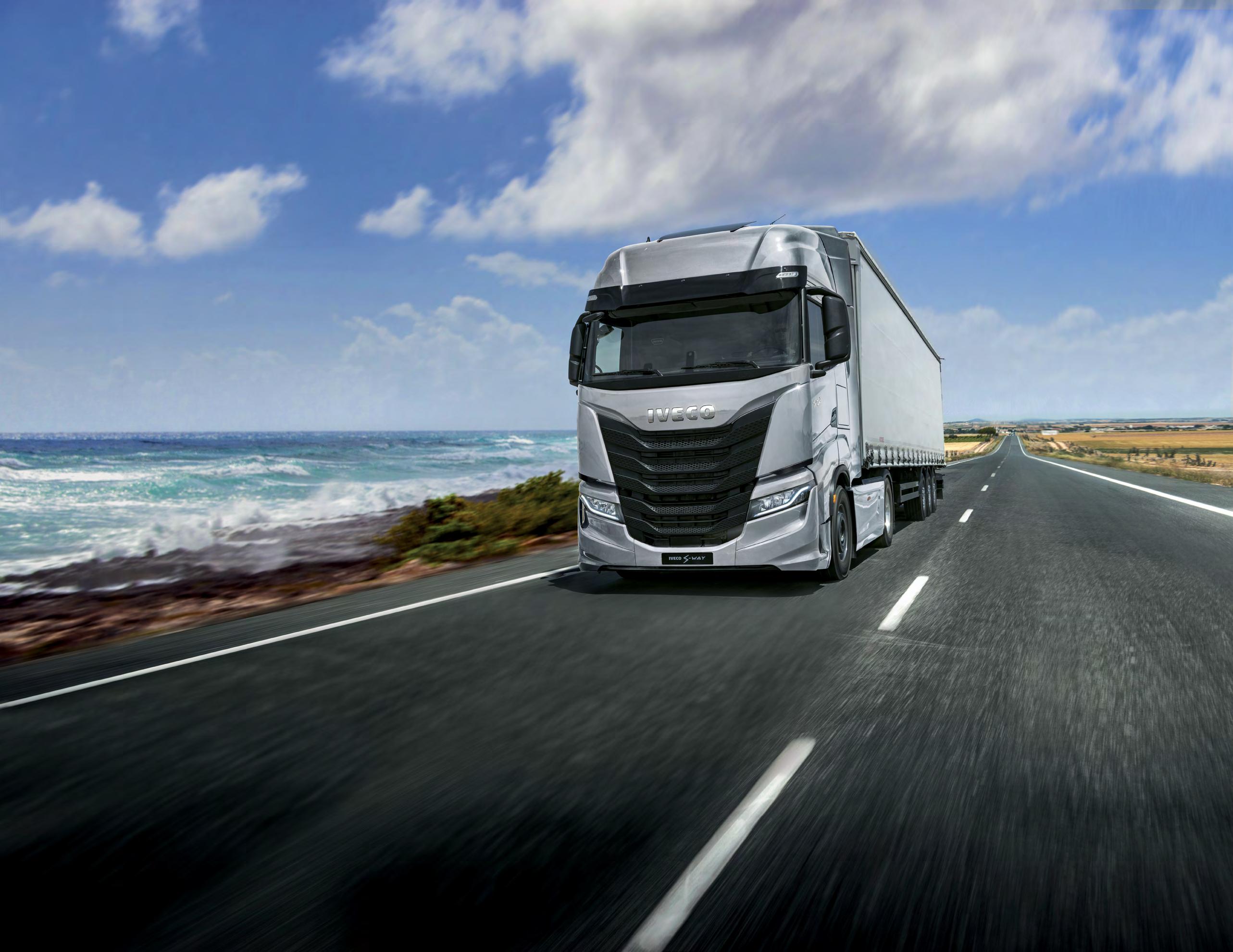
New IVECO S-Way: high technology and efficiency on all missions
A wide choice of Euro III / V diesel engines, delivering class-leading power from 360 hp to 560 hp Euro III / 570 hp Euro V and superior fuel economy. 12-speed HI-TRONIX automated transmission with the most advanced technology in its category, electronic clutch and best-in-class torque-to-weight ratio. Full range of fuel-saving devices, such as anti-idling feature, EcoSwitch, Ecoroll and Smart Alternator. Top levels of comfort and safety, with a completely redesigned and reinforced cab, featuring enhanced direct visibility and enlarged cab livability.

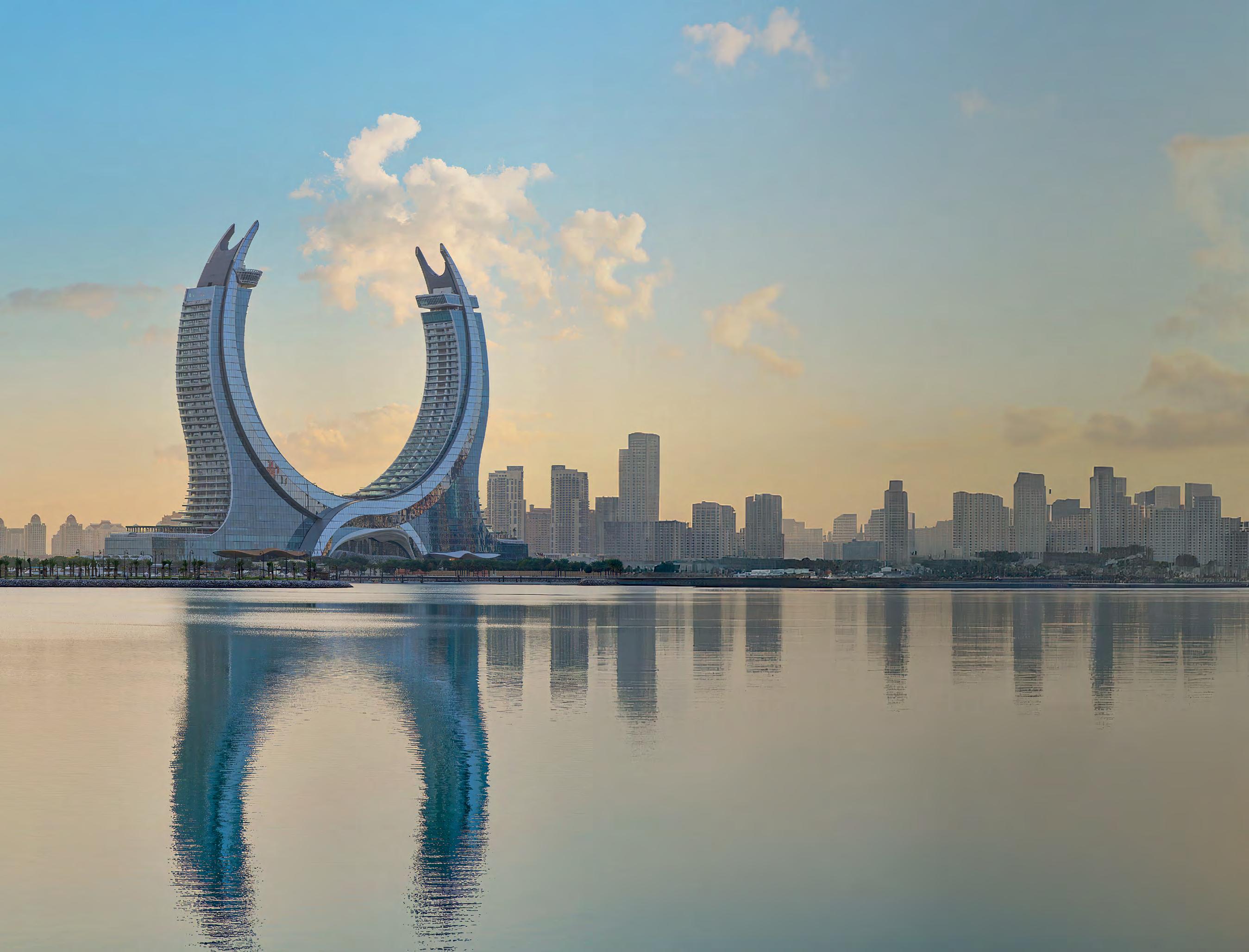
Nestled by the coast of Lusail sits the splendor of in even the smallest details. Open the doors to mesmerizing hospitality and make memories in a world of sophistication.
WITH INDUSTRY INTELLIGENCE
CEO
Wissam Younane wissam@bncpublishing.net
Managing Director
CEO
Rabih Najm rabih@bncpublishing.net
Wissam Younane wissam@bncpublishing.net
Group Publishing Director
Director
Joaquim D’Costa jo@bncpublishing.net
Rabih Najm rabih@bncpublishing.net
Editor
Group Publishing Director
Aya Zhang aya@bncpublishing.net
Joaquim D'Costa jo@bncpublishing.net
Commercial Director
Editor-in-Chief
Andrea Mocay andrea@bncpublishing.net
Vibha Mehta vibha@bncpublishing.net
Digital Reporter
SUBSCRIBE
subscriptions@bncpublishing.net
subscriptions@bncpublishing.net
PO Box 502511 Dubai, United Arab Emirates P +971 4 4200 506 | F +971 4 4200 196
Managing Editor Kasun Illankoon kasun@bncpublishing.net
Reeba Asghar reeba@bncpublishing.net
Creative Lead
Christian Harb chriss@bncpublishing.net
Design Christian Harb
Junior Art Director
Marketing Executive
Rizaldi Febrian
Aaron Joshua Sinanbam aj@bncpublishing.net
Marketing Executive
Digital Media Producer
Aaron Joshua Sinanbam aj@bncpublishing.net
Alexander Bungas
Videographer
Eduardo Buenagua
For all commercial enquiries, contact jo@bncpublishing.net T +971 50 440 2706
PO Box 502511 Dubai, United Arab Emirates P +971 4 4200 506 | F +971 4 4200 196
All rights reserved © 2025. Opinions expressed are solely those of the contributors. Logistics News ME and all subsidiary publications in the MENA region are officially licensed exclusively to BNC Publishing in the MENA region by Logistics News ME. No part of this magazine may be reproduced or transmitted in any form or by any means without written permission of the publisher.
For all commercial enquiries, contact jo@bncpublishing.net T +971 50 440 2706 All rights reserved © 2023. Opinions expressed are solely those of the contributors. Logistics News ME and all subsidiary publications in the MENA region are o cially licensed exclusively to BNC Publishing in the MENA region by Logistics News ME.
Printed by United Printing and Publishing | upp.ae
No part of this magazine may be reproduced or transmitted in any form or by any means without written permission of the publisher.
Printed by United Printing and Publishing | upp.ae
Images used in Logistics News ME are credited when necessary. Attributed use of copyrighted images with permission. All images not credited courtesy Shutterstock.
In addition to our print edition, we’re bringing you all sorts of industry news on our web mediums. We’re looking forward to interacting with our readers on all of our social media and web platforms. See you on the web!

There is something interesting about this moment in logistics. From the outside, it does not look dramatic. There is no single headline that defines 2026. No obvious rupture and no grand reinvention.
And yet, when you sit in conversations with the people leading this industry, you realise the intensity sits beneath the surface. Whether it is the pressure to move faster, the expectation to absorb risk, or the need to make the right decisions in the right markets.
Perhaps that is what this issue captures best, an industry that rarely boasts about its turning points while it is living them. In this sector, strategy might not always look strategic in real time. It might look like discipline.
As 2026 unfolds, the changes are not obvious. They do not arrive as spectacle. They move quietly, imperceptibly, and by the time they are visible, they have already shaped the landscape.
Aya Zhang Editor aya@bncpublishing.net
Xiaoyue (Aya) Zhang xiaoyuezhangg









































































Gulf Warehousing Company Q.P.S.C (GWC), one of the leading logistics providers in the region, has announced its financial results for the year ended 31 December 2025. The company reported total annual revenues of QR 1.38 billion, operating profits of QR 232 million, and a net profit of QR 120 million, while earnings per share stood at QR 0.205 for the year ended on 31 December 2025. The company’s Board of Directors recommended a 10% cash dividend, at QR 0.10 per share.
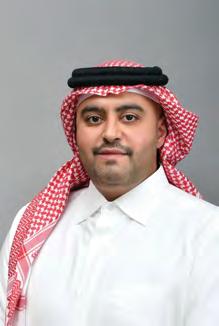
Sheikh Mohammad Bin Hamad Bin Jassim Bin Jaber Al Thani, GWC chairman, said: “Our focus is on strengthening GWC’s leadership by integrating our portfolio of logistics assets and capabilities into a unified offering that serves regional and global markets, while maintaining a disciplined approach to risk and capital allocation and pursuing measured expansion into new operational sectors that enhances our competitive capabilities. This approach supports strong cash generation and financial resilience, enabling the Company to selectively introduce new services that build on existing infrastructure and expertise.”
He added: “We will continue to strengthen our leading position in the logistics sector. By aligning growth with the objectives of the Third National Development Strategy and Qatar National Vision 2030, GWC continues to support national economic diversification while optimizing value creation and expanding market share in a disciplined manner.”
Sheikh Abdulla Bin Fahad Bin Jassim bin Jaber Al-Thani, GWC Managing Director, said: “The Company is implementing a
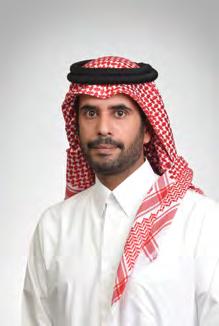
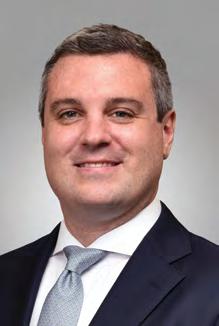
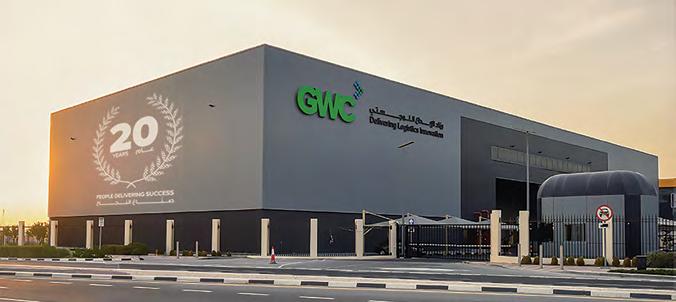
strategy focused on diversifying its investment portfolio, creating added value for shareholders, facilitating trade across regional and international markets, and delivering innovative logistics solutions that support sustainable profitability. Through this approach, we serve the needs of large enterprise customers while empowering small and medium-sized enterprises to scale efficiently.”
In October 2025, GWC acquired a strategic, non-controlling stake in European technology and logistics scale-up Quivo. The investment expands GWC’s footprint across three continents and more than 15 cities, enabling homegrown Qatari and GCC brands to gain fast access into major European and US marketplaces and major e-commerce platforms through integrated logistics capabilities that seamlessly connect regional infrastructure with global markets.
Matthew Kearns, GWC’s Acting Group CEO, said: “Our priority is to scale the business by transforming our assets into an integrated logistics platform that connects physical infrastructure with digital capability, allowing us to manage growth more effectively and optimize operations as we scale.”
GWC has announced, in partnership with QC+, the development of the largest fine art logistics facility in the region, scheduled to be established in the Ras Bufontas Free Zone. The facility will provide museum grade preservation, secure storage, and professional care for artworks and cultural assets, supported by a conservation laboratory, private and shared storage spaces, viewing rooms, and custom bonded areas for art logistics and handling. It will also include learning and collaboration zones designed to advance local expertise in art preservation and management.
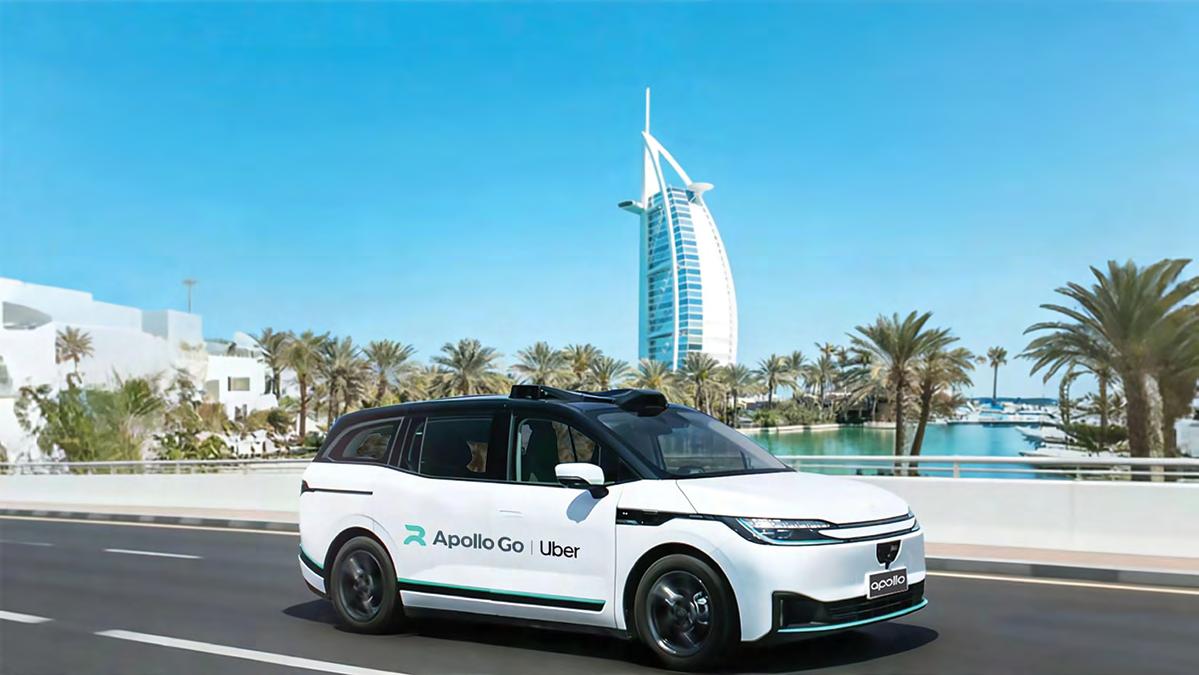
Baidu, Inc. and Uber Technologies, Inc. (NYSE: UBER), in partnership with Dubai’s Roads and Transport Authority (RTA), today announced the next phase of their global partnership, bringing the Apollo Go autonomous ride-hailing service to the Uber platform in Dubai.
Expected to launch in the coming month, the fully autonomous vehicles will be available via the Uber app across select locations within the Jumeirah area, and the deployment will expand based on operational learnings and regulatory approvals across the city.
This collaboration also aligns directly with Dubai’s ambitious goal of having 25% of all transportation trips be autonomous by 2030.
For trips within the service area, passengers will have the opportunity to be matched with an Apollo Go vehicle when booking an Uber
Comfort or UberX, or by selecting the “Autonomous” option in the Uber app. Fleet management will be handled by third-party operator New Horizon.
“Bringing Apollo Go to Dubai via the Uber platform marks a pivotal step in our mission to provide safe, efficient, and accessible autonomous mobility worldwide,” said Nan Yang, Vice President of Baidu and General Manager of Overseas Business Unit, Intelligent Driving Group. “As a key deliverable of the strategic partnership between Apollo Go and Uber announced last July, this deployment officially brings our autonomous ride-hailing service to Dubai, utilising Uber’s vast network to turn our shared vision into reality.”
“We’re excited to partner with Baidu as we continue to grow our autonomous footprint across Dubai. Just as we helped millions of people try out EVs for the first time, we will expand consumer access to autonomous technology in major cities around the world,” said Sarfraz Maredia, Global Head of
Autonomous at Uber. “With more than 20 AV partners already completing millions of autonomous trips annually, Uber is the global platform where the autonomous vehicle industry can launch at scale.”
This announcement comes on the heels of another market expansion last December, when the parties announced plans to bring the autonomous ridehailing service to London, a righthand drive market, as well as the inauguration of Apollo Go Park in Dubai in January, its first overseas operations and management hub.
As a leading autonomous ride-hailing service provider globally, Apollo Go has logged more than 240 million autonomous kilometers, of which over 140 million kilometers were completed in fully driverless mode. With a global footprint across 22 cities, Apollo Go’s weekly ride count has recently surpassed 250,000, and the service has completed more than 17 million cumulative rides as of October 31, 2025.
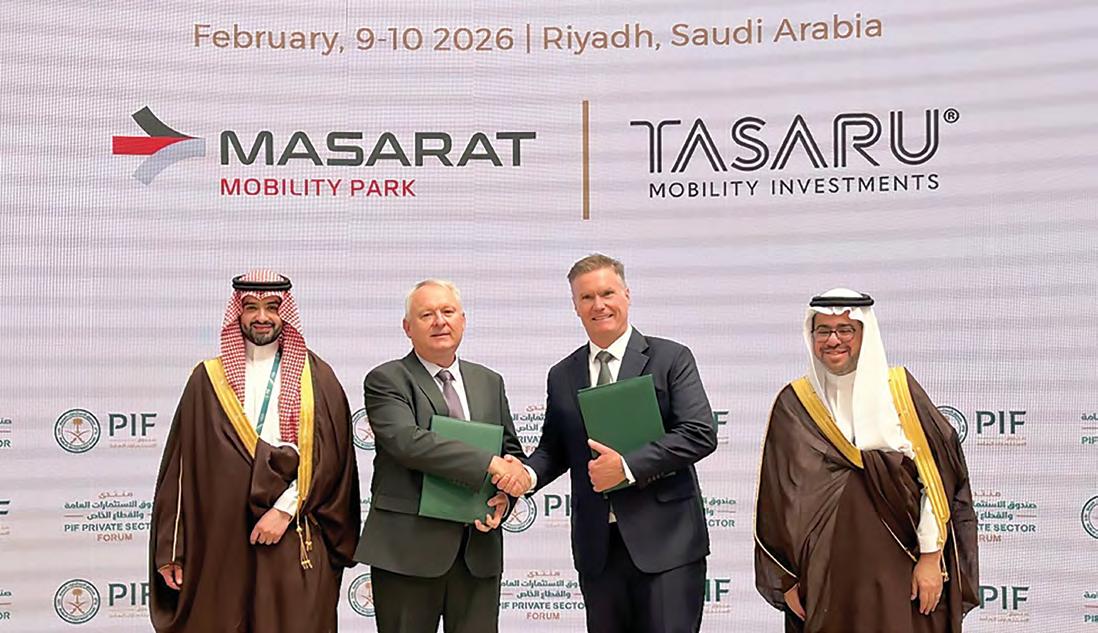
MASARAT Mobility Park, Saudi Arabia’s premier destination for automotive and mobility industries, has entered into development lease agreements with TASARU Supplier Hub, a strategic initiative by TASARU Mobility Investments (a PIF company) This partnership underpins long-term industrial localisation, reinforces the national automotive supply chain, and significantly enhances the Park’s value proposition for Original Equipment Manufacturers (OEMs) and suppliers.
As announced at the 4th edition of PIF Private Sector Forum 2026, these agreements enable TASARU Supplier Hub to develop manufacturing facilities at MASARAT Mobility Park to host global Tier-1 automotive suppliers serving OEMs, such as Ceer, the first Saudi electric vehicle brand, and Lucid Motors. Located within King Salman Automotive Cluster in the Special Economic Zone (SEZ) at King Abdullah Economic City (KAEC), this initiative represents a strategic step toward accelerating the Kingdom’s ambition to build a world-class automotive and mobility ecosystem in line with Saudi Vision 2030.
Through this collaboration, MASARAT Mobility Park will provide an integrated, investment-ready industrial environment designed to support advanced manufacturing operations, streamline supplier setup, and enable efficient logistics and operational connectivity, strengthening the Park’s role as a key enabler of automotive supply chain localisation. Supported by proximity to OEMs within the King Salman Automotive Cluster, the Park strengthens its role as a key enabler of automotive supply chain localization.
“These agreements represent a strategic step in advancing MASARAT Mobility Park as a purpose-built platform for automotive manufacturing. Partnering with TASARU Supplier Hub accelerates the localisation of critical suppliers, strengthens supply-chain readiness and supports the growth of a competitive automotive ecosystem within KAEC. This development aligns with the objectives of the Saudi Vision 2030 to build a resilient, globally competitive automotive and mobility sector.”
Abdulaziz Almutairi, CEO of TASARU Supplier Hub, added: “TASARU Supplier Hub is designed to translate industrial ambition into execution. By onboarding Tier-1 global suppliers within an investment-ready platform, we advance local content, enable faster time-to-production, and deepen private-sector participation, directly supporting Vision 2030’s objectives for a competitive, export-capable automotive supply chain.”
This milestone reinforces MASARAT Mobility Park’s role as a strategic industrial platform within the King Salman Automotive Cluster, attracting international automotive players and integrating manufacturers, suppliers, and service providers into a single ecosystem. The agreement supports the localisation of manufacturing capabilities, advances economic diversification, creates high-value jobs, and strengthens Saudi Arabia’s position as a regional and global hub for the automotive and mobility industries.
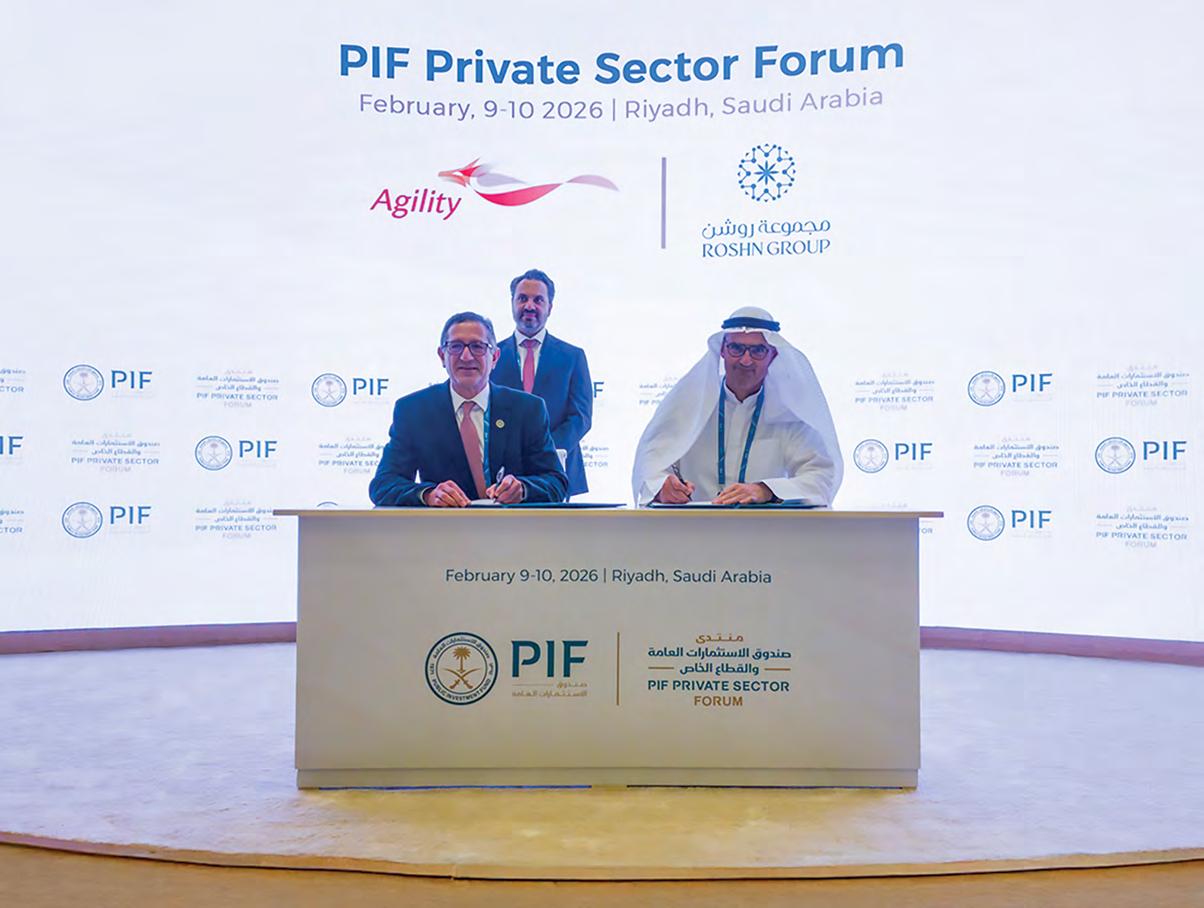
ROSHN Group, Saudi Arabia’s leading multiasset class real estate developer and a Public Investment Fund (PIF) company, and Agility Logistics Parks (ALP), a global leader in industrial real estate, today announced the signing of heads of terms to structure a joint venture to develop a large-scale Grade A logistics park.
The agreement was signed on the sidelines of the PIF Private Sector Forum in Riyadh by Sabah Barakat, AGCEO of ROSHN Group, and Tarek Sultan, Chairman of Agility.
The proposed joint venture is envisioned to develop the project on approximately 1-1.5 million square meters of land in a strategic location offering access to one of the Kingdom’s most important gateways and national logistics corridors.
Sabah Barakat, AGCEO of ROSHN Group, said: “The collaboration with Agility underscores ROSHN Group’s role as a partner of choice for foreign direct investment and its growing impact across Saudi Arabia’s real estate and infrastructure landscape. Through the development of strategic, integrated assets that connect public and private sector capabilities, ROSHN Group continues to support economic diversification and long-term value creation.”
Tarek Sultan, Chairman of Agility, said: “This future partnership with ROSHN Group underscores Agility’s longterm commitment to Saudi Arabia and our strategy to scale world-class logistics infrastructure that connects local and international businesses to global markets from the Kingdom. Located at the crossroads of major intercontinental trade routes, the contemplated joint venture reflects our confidence in the long-term fundamentals of Saudi Arabia’s logistics sector. The development will strengthen the Kingdom’s role as a global trade gateway, supporting industrial growth, trade efficiency, and supply-chain resilience.”
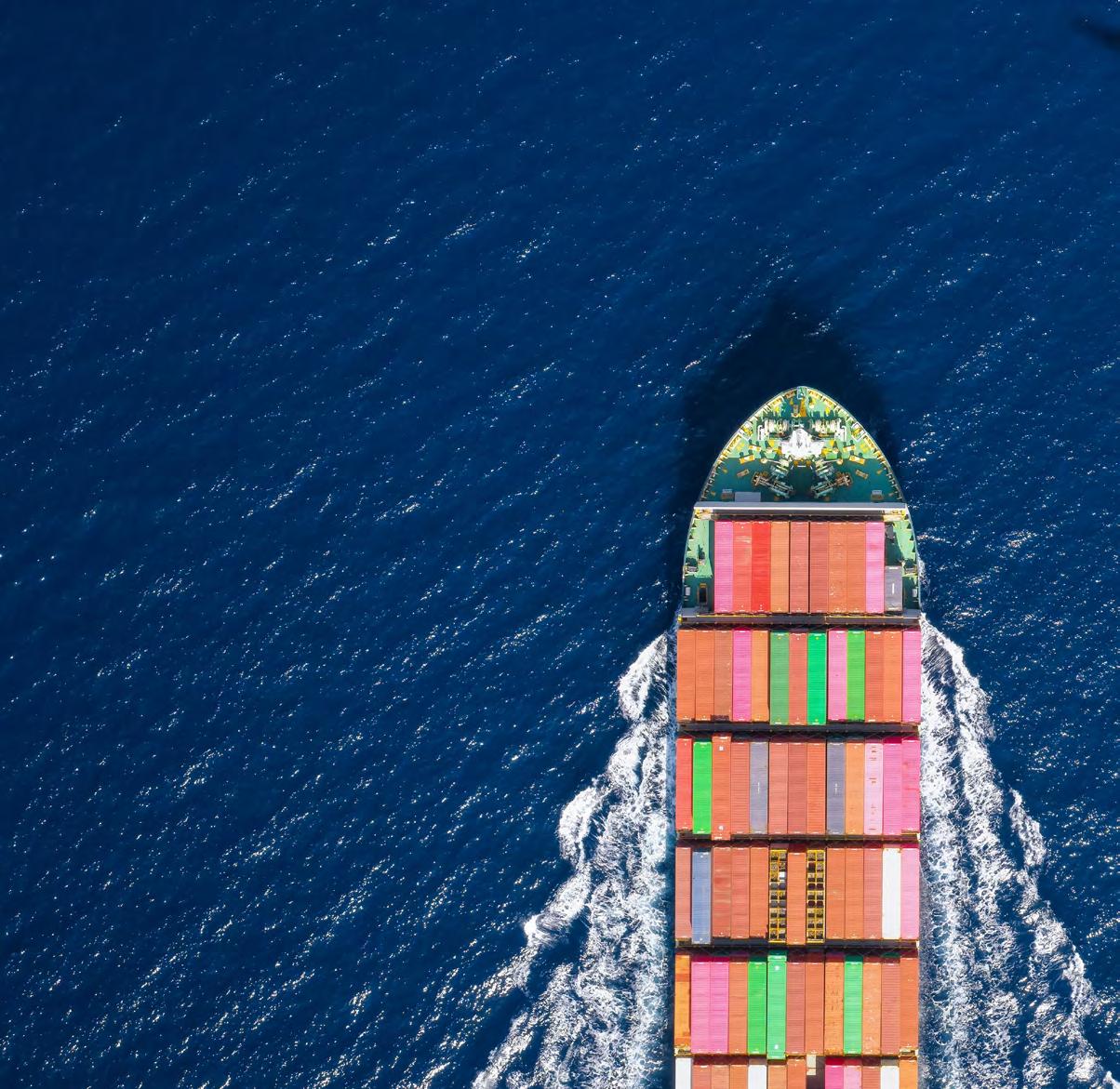
In an era of accelerating consolidation, logistics leaders are discovering that the real value of M&A is unlocked not through assets or networks, but through people, culture, and purposeful integration.
By Dr. Shereen Nassar and Hala El Bitar
The global logistics industry is in a state of dynamic evolution. Between fluctuating ocean freight rates, shifting geopolitical alliances, and the urgent need to create sustainable supply chains, change has become the new normal. In response, the industry is embracing consolidation as a path to growth and stability. Major players are looking to expand their reach and
enhance their services through mergers and acquisitions (M&A) and joint ventures (JVs).
Despite the intrinsic challenges of M&A, the logistics industry benefits greatly in terms of overall efficiency compared to a highly fragmented landscape of smaller companies. M&A fosters an environment where larger players can start competing at a true tier-one

level, elevating industry standards and customer service across the board.
This trend is accelerating worldwide. The ongoing integration of industry giants is a clear example of the race to build comprehensive global networks. For example, CEVA Logistics has embraced a similar path of strategic growth. Through high-profile acquisitions
like Bolloré Logistics and Ingram Micro’s CLS division, CEVA Logistics has significantly expanded its global footprint. Regionally, the company has strengthened its capabilities through targeted moves, such as acquiring Stellar Value Chain Solutions in India, Spedag Interfreight in East Africa, and forming a strategic joint venture with the Almajdouie Group in Saudi Arabia to leverage local expertise.
While these moves create headlines about market share and economies of scale, their true success is rooted in a more fundamental asset: the human element. These integrations are not just about combining
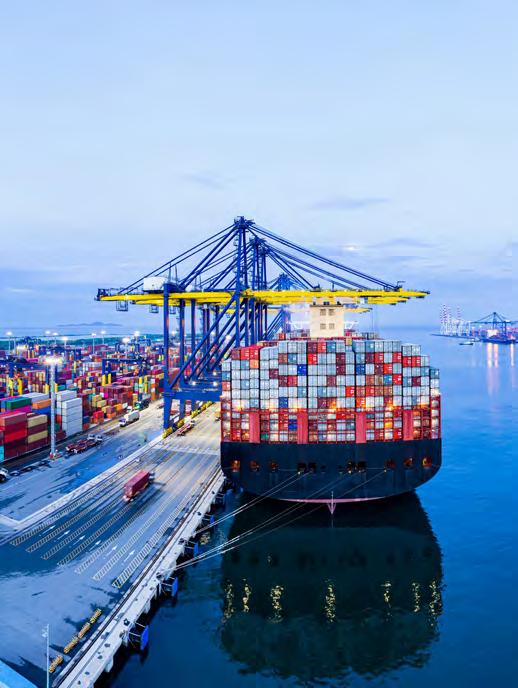
companies; they are about bringing people together to build something stronger.
When two organisations join forces, the focus is on creating a unified, more powerful entity. A larger global network means better, more efficient ways to serve customers and opens up a world of possibilities for employees. The integration process is an opportunity to combine the best talent from both organisations, fostering a shared vision for success.
For employees, this consolidation can be a catalyst for immense professional growth. For many M&A situations where a global company procures a smaller, localised logistics player, it opens endless opportunities for its people to engage effectively with the global network and also become a part of it through corporate talent programs. This philosophy highlights that growth isn’t just about the company’s bottom line; it’s about the upward mobility and development of its people.
Mergers and acquisitions in logistics do more than expand global networks; they create a powerful cultural fusion. As companies join forces, they bring together talented teams from different corners of the globe, each with unique work habits and communication styles. The true art of integration lies in blending these diverse cultures into a single, highly functional unit.
The challenges become particularly clear when a large, multinational corporation acquires a smaller,
local business. Employees from the smaller firm find themselves part of a new, expansive corporate structure. While adjusting to new software and processes is part of the journey, the real opportunity lies in adapting to a new, global way of working. A manager might be in a different time zone, and expectations may evolve, but this shift provides a unique chance for seasoned employees to share their deep local knowledge while learning from a broader international perspective.
A major opportunity in integration lies in aligning roles across the new organisation. For example, functions such as procurement or marketing, once viewed as administrative, may become strategic decision-making roles. This shift opens new career pathways and enables employees to drive long-term organisational success.
In the dynamic environment of an integration, retaining and nurturing top talent is paramount. High performers are the engine of any successful organisation, and their contributions are especially vital during periods of change.
The key is direct engagement and transparency. Leadership must connect with individuals to outline their future career paths and the exciting opportunities ahead. Direct communication with top talent during integration, recognising their valuable contribution to the future of the business, is vital. This requires a clear retention strategy with clear career progression paths and involvement in high-profile integration projects. This strengthens the sense of belonging among the high performers, making them feel they are shaping the future of the company, rather than just navigating a change. As a result, their engagement soars.
A key feature of modern integration is generational synergy in technology adoption. While younger, digitalnative employees quickly adapt to new systems and often emerge as change champions, experienced leaders bring deep institutional knowledge and strategic insight. Successful integration depends on pairing technical agility with seasoned wisdom.
The logistics industry will continue to consolidate. The pressures of sustainability and global volatility leave companies with little choice but to scale up or step aside. However, the companies that emerge strongest from this wave of M&A will not be those with the most assets, but those with the most resilient and engaged cultures.
Harnessing the human side of integration, uniting diverse teams, cultivating critical talent, and bridging the gap between digital natives and experienced leaders is the defining opportunity of modern logistics leadership.
BEGA pole-top luminaires with BugSaver® technology protect nocturnal fauna by reducing the color temperature from 3000 Kelvin to an amber color around 1800 Kelvin, which reduces the light attractive effect. The color temperature and output can be controlled dynamically. bega.com/bugsaver

Das gute Licht.

Kate Midttun, Founder and CEO of Acorn Strategy, explores why transport, despite rapid advances in technology and automation, remains fundamentally human.

Transport is often discussed in terms of scale, systems, and speed. This sector is where efficiency is paramount, and yet, with the ever-present influence of tech and automation, the role of human psychology is often overlooked. Despite automation’s takeover, transport is still a human industry. From decision-making, risk perception, to team dynamics, the role of humans within the transport sector becomes more important than ever. Among the seemingly never-ending whirlwind of tech and automation, where do humans come in, and would we ever see the human side of transport?
Demystifying a Complex Industry
Logistics and transport are complex by necessity. They sit at the intersection of infrastructure, regulation, technology, and national priorities. Yet that very complexity often creates distance between the industry and the people trying to understand it. We’ve seen this first-hand: organisations with world-class operations are sometimes perceived as opaque, transactional, or purely functional, not because the work lacks impact, but because the story hasn’t been translated clearly. When complexity isn’t demystified, progress becomes invisible. And when progress is invisible, the people behind it are overlooked.
Automation Is Changing the Work, Not Replacing the Worker
AI and automation are transforming how transport operates where planning is more predictive, systems more efficient, and decisions increasingly data-led. But in every logistics project we’ve worked on, one thing remains constant: technology supports decisions, it doesn’t replace accountability.
People still make the calls when conditions change, manage exceptions, and be responsible for safety, trust, and continuity. When things don’t go as planned, judgment, experience, and leadership matter most.
Communication Is Central
Experience in the logistics sector has made it clear that humanity is an inseparable part of it. While tech will continue to evolve the industry forward, the need to communicate with clarity will only grow. When organisations are able to deliver
Kate Midttun, Founder & CEO, Acorn Strategy

the human impact consistently, trust builds over time. In an industry built on movement, this will ultimately drive progress and inspire action.
Multifaceted communication is essential here: it protects reputations and builds public confidence while sustaining forward movement through trust. The human side of transport may be quieter, but it’s still a determining factor. Ultimately, progress becomes meaningful when communication is crafted to make people feel understood, improving public perception and inspiring action.
Hakan Ikizoglu, Founder and Chairman, CargoCrew is building a logistics platform that integrates air cargo, e-commerce, and cross-border operations into a seamless, technology-led ecosystem.
By Reeba Asghar

Dubai as a Global Transit and Control Hub
Unlike any other city Dubai combines three critical factors: global connectivity, regulatory openness, and operational speed. Despite strong infrastructure, we observed gaps in the airline
capacity, forwarder demand, and true end-to-end integration which allowed us to come up with a solution for the industry here in Dubai.
Most players are strong either in sales (GSSA), handling, or forwarding but very few connect everything
strategically. Dubai is not just an origin or destination market; it is a global transit and control hub. This is where new models emerge: sea-air, e-commerce transit, Africa–Asia–Europe triangles, and special-cargo hubs.
For CargoCrew, Dubai is not simply another market. It is the command center where we
design, control, and scale a globally integrated GSSA and logistics platform.
Why
At CargoCrew, differentiation isn’t about offering more services, it’s about integrating all the ones we have and making them work as one. For us airline representation, capacity
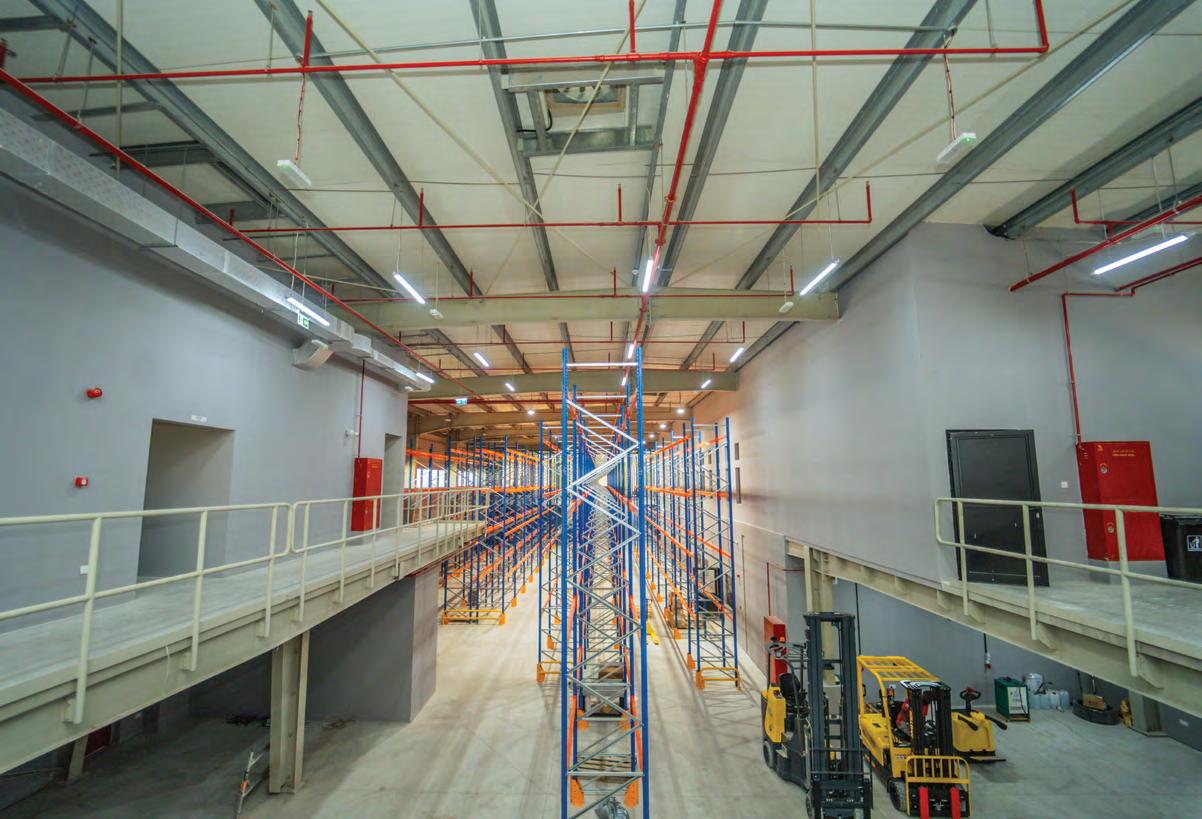
management, warehousing, fulfillment, and forwarding are fully connected, operating on a shared data, KPI, and decision framework rather than in silos.
For airlines, this means we don’t just sell space; we actively manage yield, network strategy, and customer mix. For our esteemed customers, it goes beyond transport; they gain predictable supply-chain performance, backed by clear SLAs and accountability.
In a region like Dubai that is filled with large but
often fragmented players, CargoCrew stands out as a fast, integrated operator combining deep local execution with a globally scalable architecture.
We use Dubai as a strategic hub to open and scale new trade corridors with Africa, Asia flows, secondary GCC markets, and high-potential regions such as India, Central Asia, East Africa, and the Levant.
While our fellow competitors compete aggressively in
the same primary lanes, we focus on markets that are operationally complex yet strategically underserved. These are the markets where fragmentation creates risk and inefficiency. In such environments, an integrated model like ours matters even more.
Based on our experience and expertise in the trade, customers don’t want five disconnected providers, they want one accountable partner who can manage complexity
end to end. That is where CargoCrew delivers its strongest value.
The most critical impact over the next two to three years will be driven by three interconnected areas:
Smart warehousing: Warehouses are evolving beyond static storage facilities into intelligent, multi-purpose logistics hubs. These centres will seamlessly support air cargo, e-commerce fulfilment, cold-chain logistics, and cross-docking enabled by automation, real-time inventory visibility, and data-driven throughput optimisation.
Last-mile partnerships: Strong, technology-led lastmile ecosystems will become essential, particularly for e-commerce, pharmaceuticals, and high-value cargo. Success will depend on strategic partnerships supported by digital interfaces that provide real-time tracking, compliance visibility, and service-level transparency from hub to final delivery.
System integration: The true competitive advantage will lie not in individual tools, but in how effectively systems are connected. Integrating WMS, ERP platforms, airline systems, pricing engines, and customer portals into a single, interoperable ecosystem will enable faster
decision-making, pricing agility, operational efficiency, and a superior customer experience.
Our digital focus is firmly on tools that improve daily operations and efficiencies. We are building real-time dashboards that give full visibility into capacity, bookings, and yield, enabling faster and more informed decisions.
We are also introducing transparent pricing logic for both customers and airlines, removing ambiguity and establishing trust. Digital booking and quotation flows are designed with clear response times, so customers know exactly what to expect.
Behind the scenes, data-driven tools support network planning and capacity allocation, ensuring resources are deployed where they create the most value.
The goal is simple: fewer decisions based on intuition, and more control driven by data for airlines and shippers alike.
Where CargoCrew has Transformed the Market CargoCrew has truly transformed the market not when revenue or tonnage grows alone, but when the role we play fundamentally changes.
Transformation is evident when airlines rely on CargoCrew as a strategic network partner rather than just a sales agent, and when customers view us as a supply-chain architect, not merely a transporter.
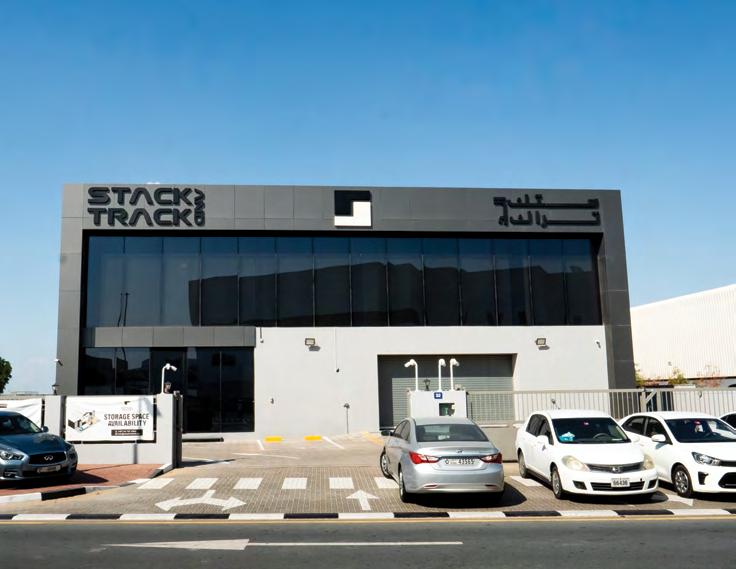
It is proven when processes become measurably faster, more transparent, and more stable than the market average—creating reliability that customers and airlines can consistently trust.
The strongest validation comes when our operating model is adopted in other regions because it is recognised as a new industry standard.
That is the point at which CargoCrew has not simply participated in the market but a player that has changed the rules by which it operates.
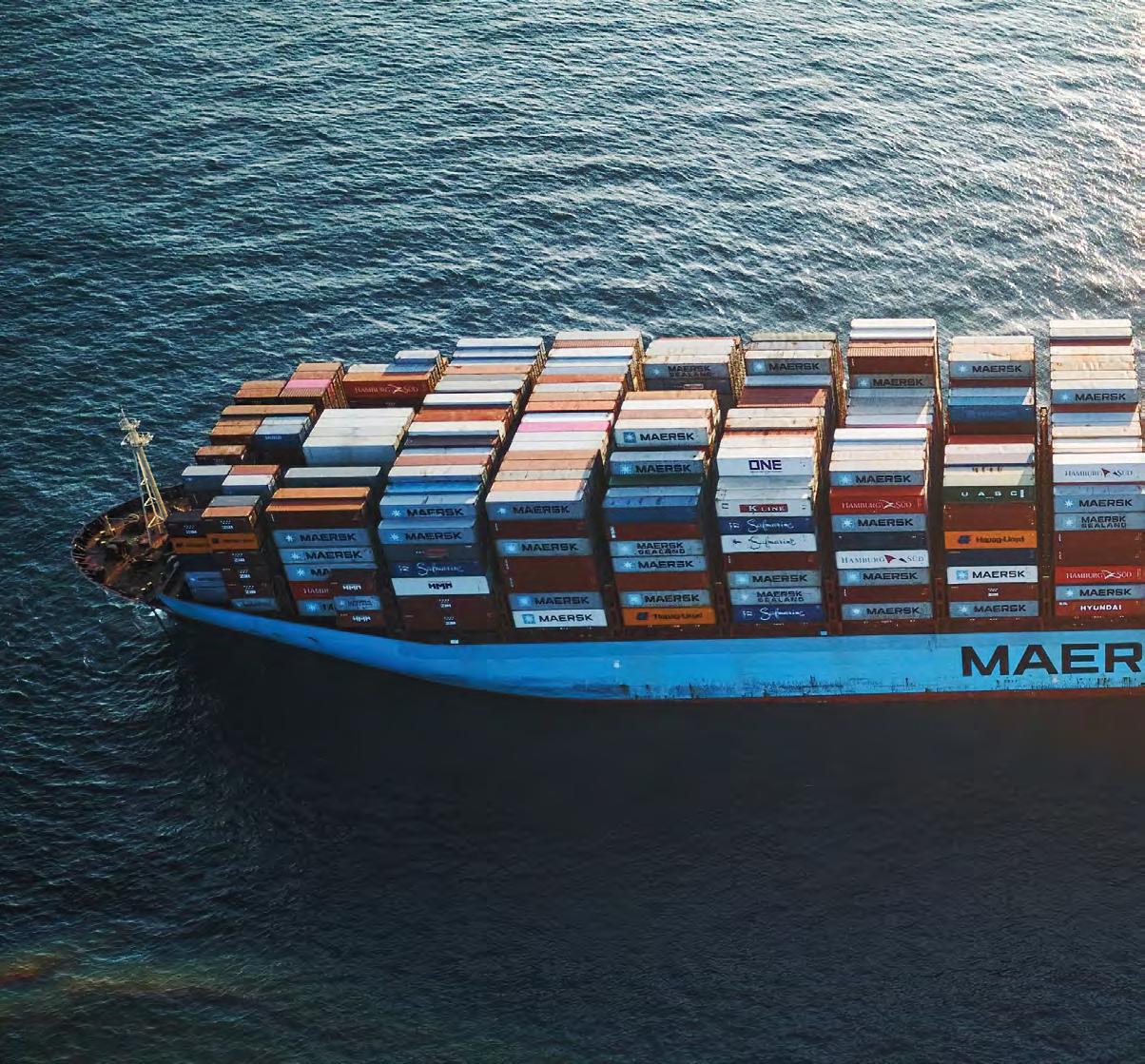
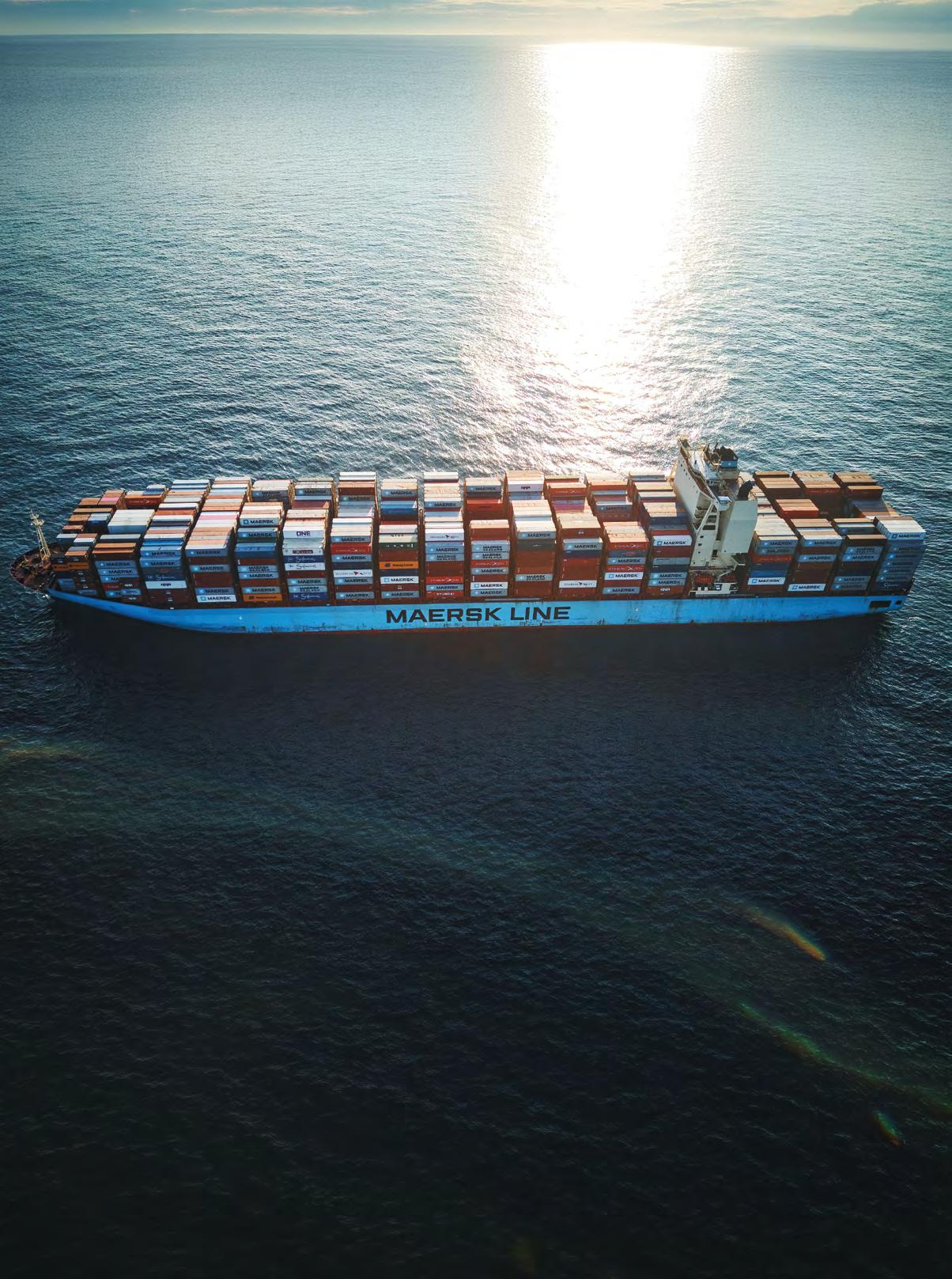
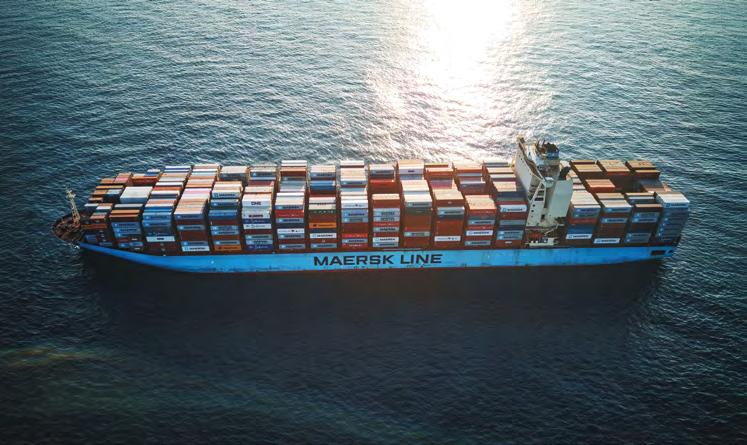
Rafael Vicens of Maersk on navigating project logistics in the Middle East.

By Aya Zhang
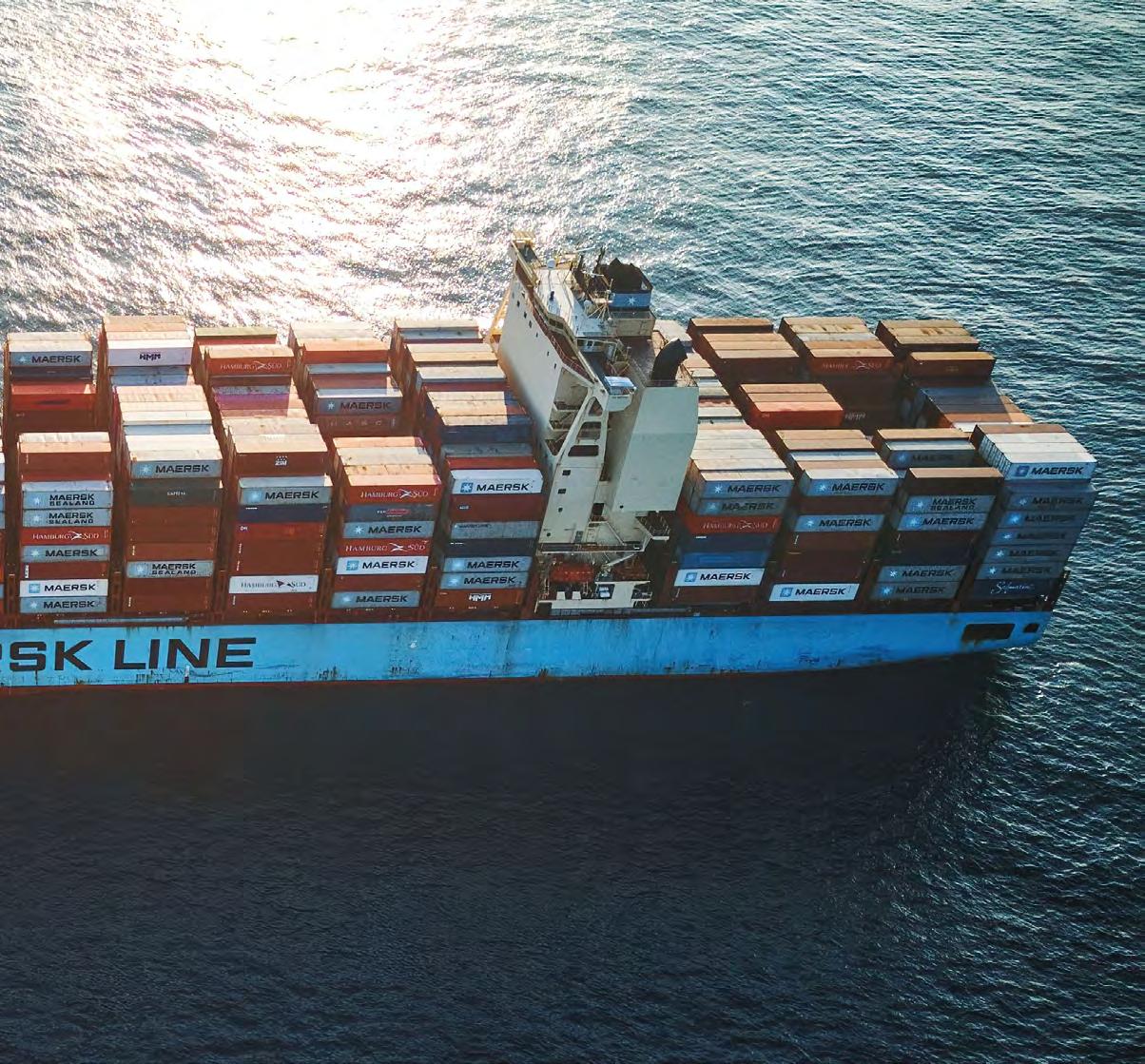
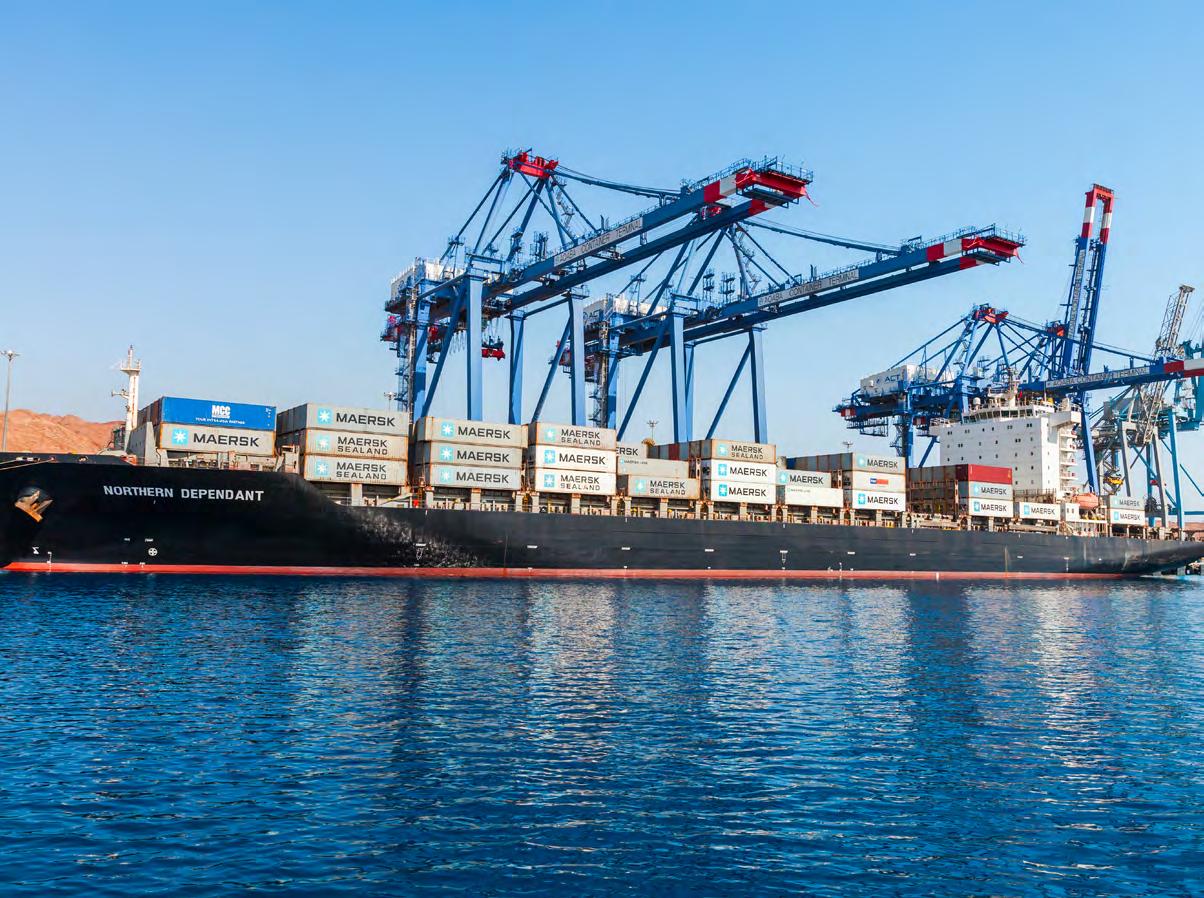
Moving large, complex cargo across continents is never straightforward. In the Middle East, where oil and gas, mining, and energy transition projects intersect with geopolitical uncertainty and ambitious growth targets, the challenges multiply. Rafael Vicens, Vice President of IMEA Project Logistics at Maersk, has spent over 15 years navigating this demanding landscape.
Originally from Spain and a civil engineer by training, Vicens combines technical expertise

with commercial acumen, offering a unique perspective on the region’s project logistics sector. Since joining Maersk recently, he has been focused on integrating shipping and logistics services to deliver seamless, end-to-end solutions that manage risk, optimise efficiency, and adapt to a rapidly evolving market.
We spoke to him to explore the current state of the market, the growing complexity of projects, and what success in the Middle East might look like over the coming years.
“The region has everything it needs to succeed… There is no ceiling here.”
Rafael, tell us more about yourself and your role in Maersk.
Thank you for having me in the interview. I have worked for different freight forwarding companies before joining Maersk, and before that, I worked in heavy lift asset companies. I am very excited about this opportunity because it allows me to bring all my experience together within Maersk.
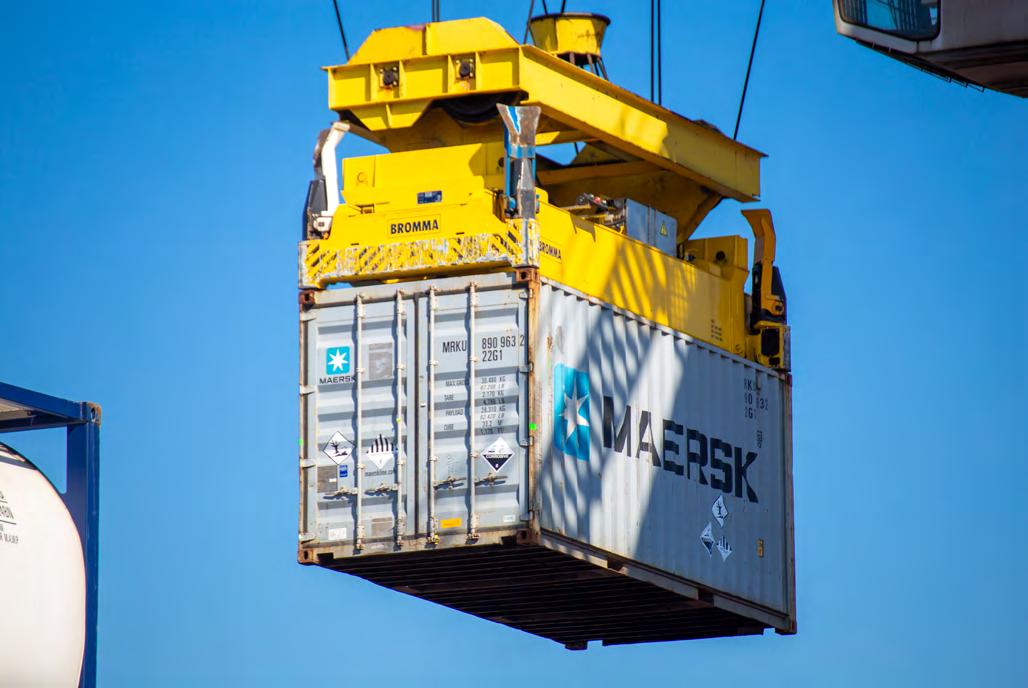
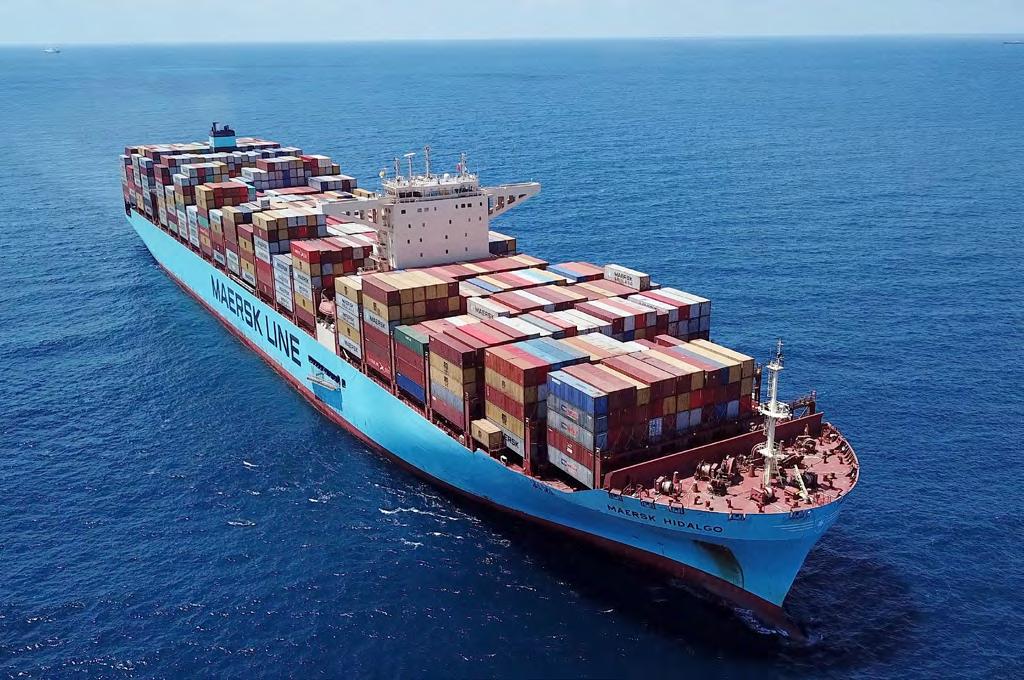
Within Maersk, there is the group itself and then two divisions. There is Maersk Shipping, which is the vessels, and then there are the terminals. This allows us to provide integrated logistics solutions. My division, Maersk Logistics, is fully independent. That means I can work with Maersk Shipping, or I can work with other shipping companies. Competitors can be sure that we do not share any sensitive information because it is strictly against our policy. If
we did, we would face serious consequences. It is very straightforward.
What tells you whether the market is confident or cautious this year in 2026?
I can tell you that 2026 is not the peak yet. Project cargo works in cycles. You have up and down periods. There are external factors, like geopolitical tensions, that influence these cycles, but overall, we are on an upward trend since 2020. My expectation is that we will reach the peak around 2030, and then the market will adjust.
The Drewry Index, which we use as project forwarders to track cargo movements and vessel utilisation, predicts a five to ten percent increase in project cargo
for 2026. So, it is shaping up to be a very positive year, despite ongoing geopolitical challenges.
From your seat in the region, what kind of projects are dominating conversations right now?
For sectors, oil and gas is still dominant. This region is fundamentally oil and gas, even as we pursue energy transition initiatives. I have moderated several panels on energy transition over the past few years. It is important to have these discussions, but the reality is that oil and gas will remain central for many years.
These projects range from upstream exploration to midstream pipelines, and downstream refining and petrochemicals plants. It is a very large portion of regional activity.
Mining is also important, but it is concentrated in specific regions. You see it mostly in West Africa and East Africa, less so in North Africa or the Middle East. Renewables
are emerging, but they do not replace fossil fuels. They support infrastructure growth, electricity consumption, and complement oil and gas. In this region, renewables focus on energy storage, batteries, solar, wind, and carbon capture and storage technologies. These three sectors dominate regional conversations right now.
Many might say that projects are becoming increasingly complex. From your experience, what has changed over the past five or ten years?
Projects are definitely more complex now because everyone is trying to optimise cost efficiency. Previously, end users would give the whole package to a single project forwarder, allowing scaling and synergy. You might make less on general cargo, but more on project cargo or heavy lift.
Now, because of cost pressures, clients often split the cargo. They issue separate tenders for general cargo, project cargo, or customs clearance. That makes projects
more complicated because no single party controls the entire shipment. Multiple project forwarders or freight forwarders have a piece of the cargo, which creates more potential for disruption.
On the engineering side, plants and refineries are being designed to be bigger and more efficient. Power plants, for example, have grown from 900 megawatts to five gigawatts. Bigger plants create more
challenges in construction, logistics, commissioning, and operations. All of this increases the complexity of project execution.
Focusing on the human side, what are project owners most anxious about when planning a major move?
Geopolitical tensions are a major source of anxiety because they immediately increase costs. For example, when the Suez Canal was closed, which lasted two
or three years in effect, logistics costs surged.
Projects are often quoted and awarded two years in advance at a fixed price.
Unexpected global events, like geopolitical instability, create cost pressures that were impossible to predict. Project owners worry about these instabilities and how they impact schedules and budgets.
Because of globalisation, disruptions in one region
“Logistics has become central, not just a small division. A strong logistics plan can make or break a project.”
affect trade worldwide. COVID-19 is a perfect example. It started in China, which affected trade lines to the Middle East. Six months later, there were no empty containers in the US because they were stuck in China. Logistics has become central, not just a small division. A strong logistics plan can make or break a project.
Looking ahead, what does success in the region look like to you?
The region has everything it needs to succeed. Ports like Jebel Ali and Salalah are on par with mature ports in Europe, Singapore, or the US in terms of technology. The difference is process maturity and discipline.
Success will come with government stability, foreign investors willing to invest safely, and access to skilled professionals. There is no ceiling here. I also see opportunity in Africa, where we already have a presence in many countries. Expanding there is straightforward, almost plug and play.
For me, the key factors for regional success are disciplined processes, operational maturity, and stability. With these in place, the Middle East can continue to grow as a global project logistics hub.
Thank you so much for your time, Rafael. Thank you for having me. It has been a pleasure.
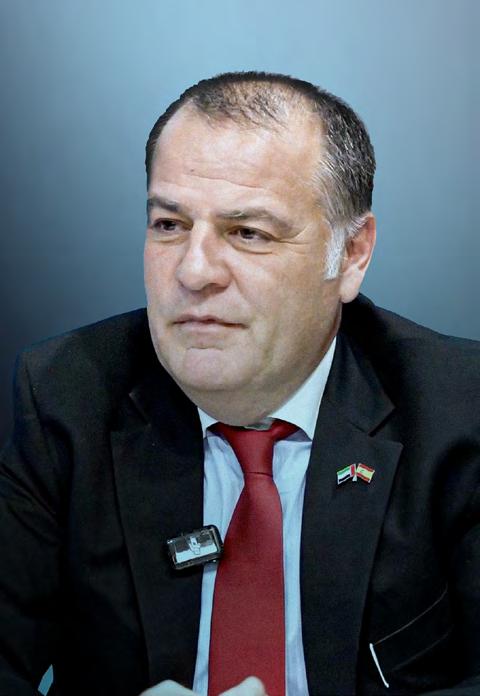
Rafael Vicens , Vice President of IMEA Project Logistics at Maersk
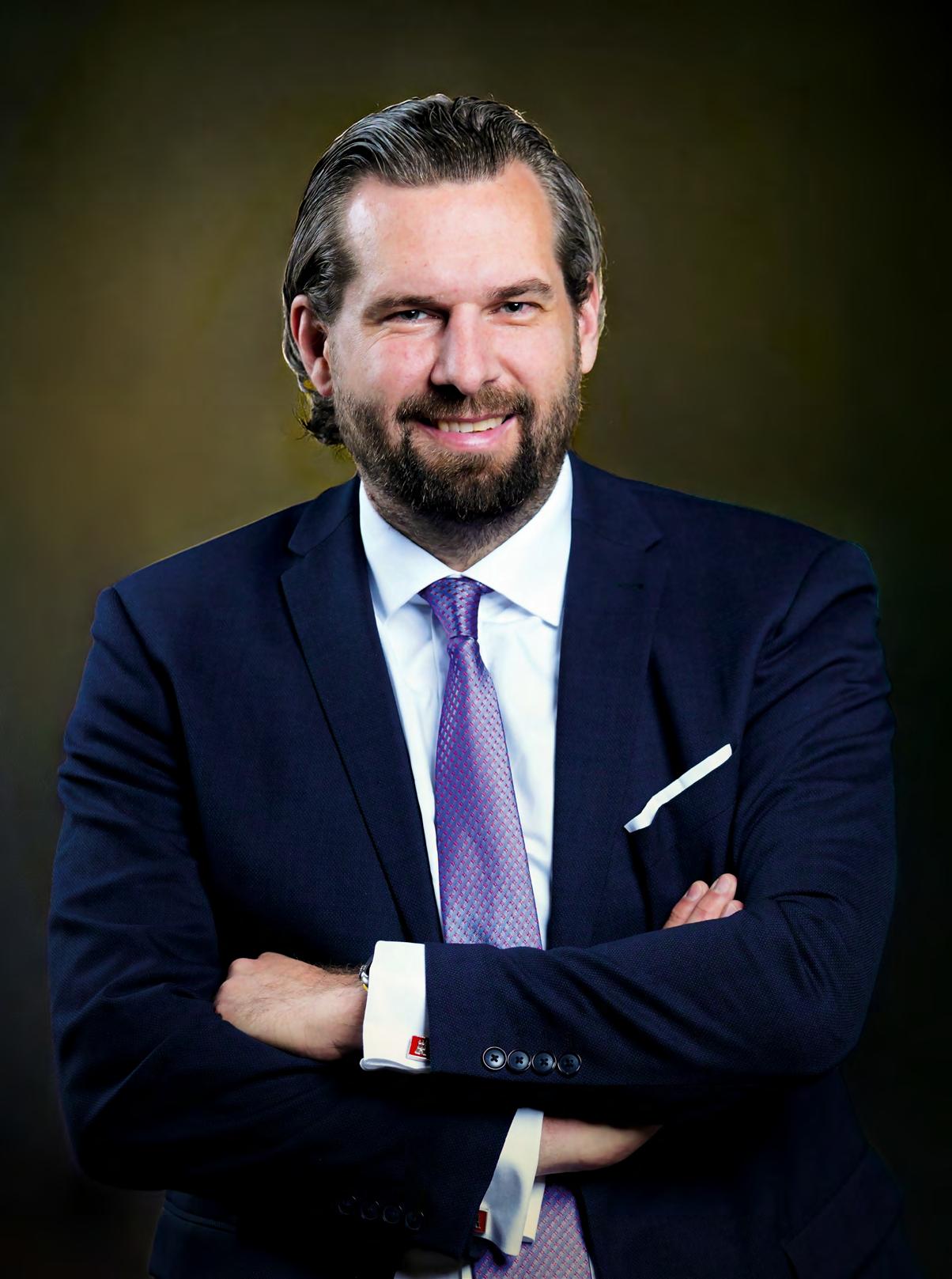
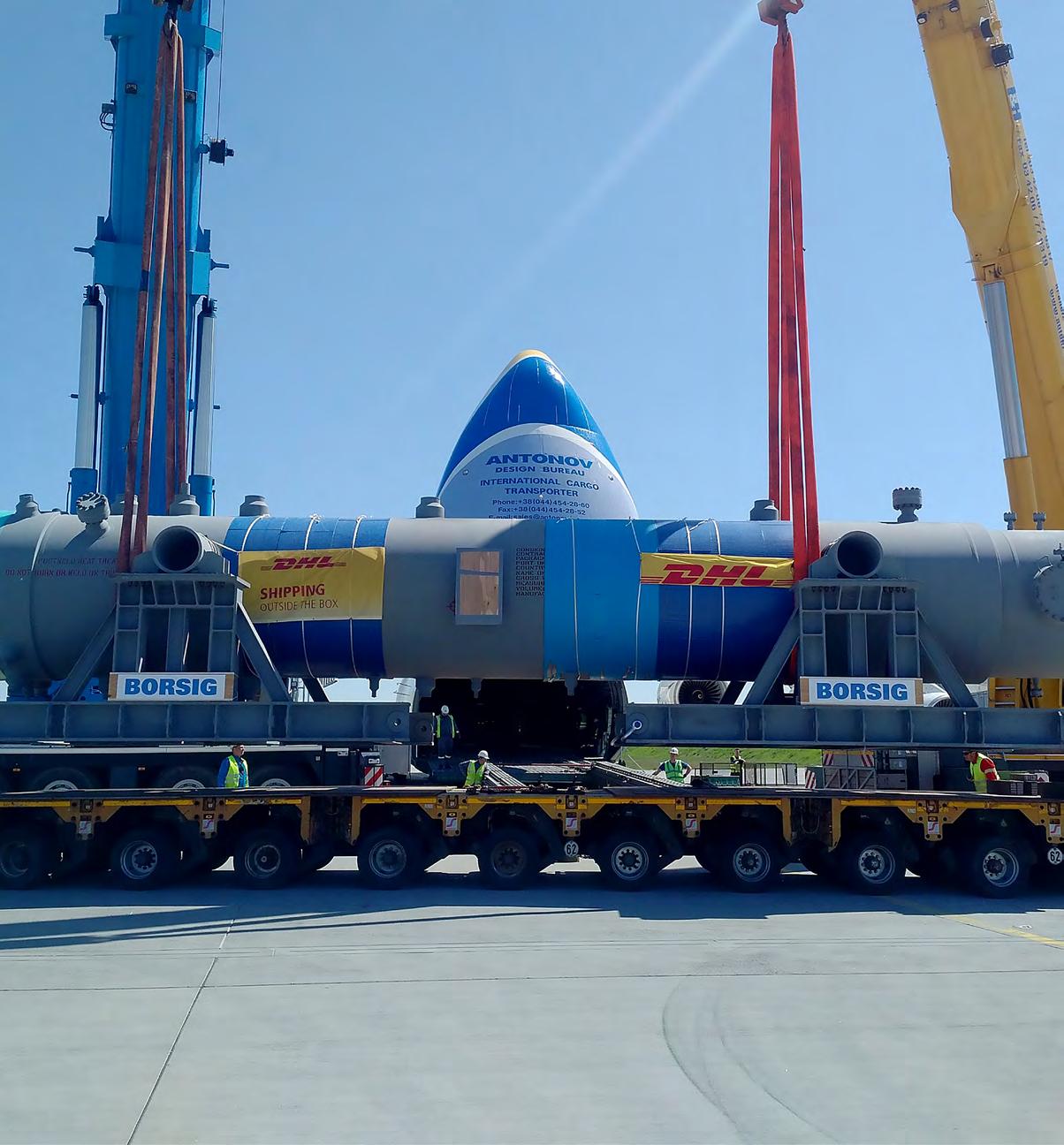
The office may be the same, but the vantage point has changed. Tobias Maier of DHL Global Forwarding Middle East and Africa steps into the CEO role with a sharper outward focus, navigating energy shifts, digital infrastructure demands and a region recalibrating its place in global trade.
By Aya Zhang
Tobias, could you share how your transition from CFO to CEO of DHL Global Forwarding Middle East and Africa has been, and what this new role has meant for your focus?
The past three months have been intense. On one hand, it is familiar – the same colleagues, same team, same region, even the same office. On the other hand, the expectations are different, as is the focus. Whereas before I was ensuring the house was kept clean, now my focus is on employees, customers, and growing the business.
Many tasks I used to handle are now in the capable hands of my colleague Jessica, who oversees finance. This allows me to spend more time travelling, meeting
customers, and engaging directly with employees.
As CEO of DHL Global Forwarding Middle East and Africa, what are your key priorities for the business in 2026?
We are entirely focused on growth. We are in a unique position in the Middle East and Africa, with a presence in 26 countries, complemented by our agent and express networks. This gives us unmatched reach in the region. Now it is about leveraging that presence and growing further.
There are a few sectors where we see significant growth. One is new energy, which includes renewable sources such as solar and wind, but also hydrogen, ammonia, and traditional gas energy production.
The second is data centres, which are crucial for AI technology coming to
the region. They require specialised logistics solutions for equipment transport and, of course, significant energy infrastructure, which ties back into new energy projects.
The third is life sciences and healthcare. As more people come to the region, there is a need for reliable healthcare systems and worldclass medical treatments. We are investing in secure and dependable solutions for life sciences and healthcare logistics to meet that demand.
From your perspective, what is shaping trade and freight flows in the region?
One major trend is increasing in-country value, with more manufacturing moving to the GCC. North Africa, particularly Egypt and Morocco, is also attracting automotive production. This creates new jobs and prosperity
“Customers now expect the same level of transparency and tracking for B2B shipments as they do for their personal deliveries.”
while balancing trade flows. Traditionally, the region exported oil, gas, or perishables and imported manufactured goods. Manufacturing locally improves network efficiency and supply chain balance, benefiting all parties involved.
How are customer expectations evolving when it comes to reliability and visibility in forwarding services?
Expectations keep rising. Nobody is content with the status quo, and everyone wants better service. AI is helping us predict and plan more effectively. Customers now expect the same level of transparency and tracking for B2B shipments as they do for their personal deliveries.
We are meeting those expectations through technology and innovation. Earlier this year, we
opened a dedicated innovation centre in Dubai to showcase solutions and demonstrate what is possible in our industry.
On the topic of innovation, how is DHL Global Forwarding integrating AI and technology?
We are implementing AI in practical ways. For example, we now use AI-driven robots to contact SME customers about payment reminders, replacing manual calls by collection clerks.
We also leverage technology to plan routes efficiently, consolidate cargo, and reduce carbon emissions. Using a calculator to model emissions, we can advise customers on whether to ship by truck, sea, or air, optimising both cost and environmental impact. We were also the first to introduce electric
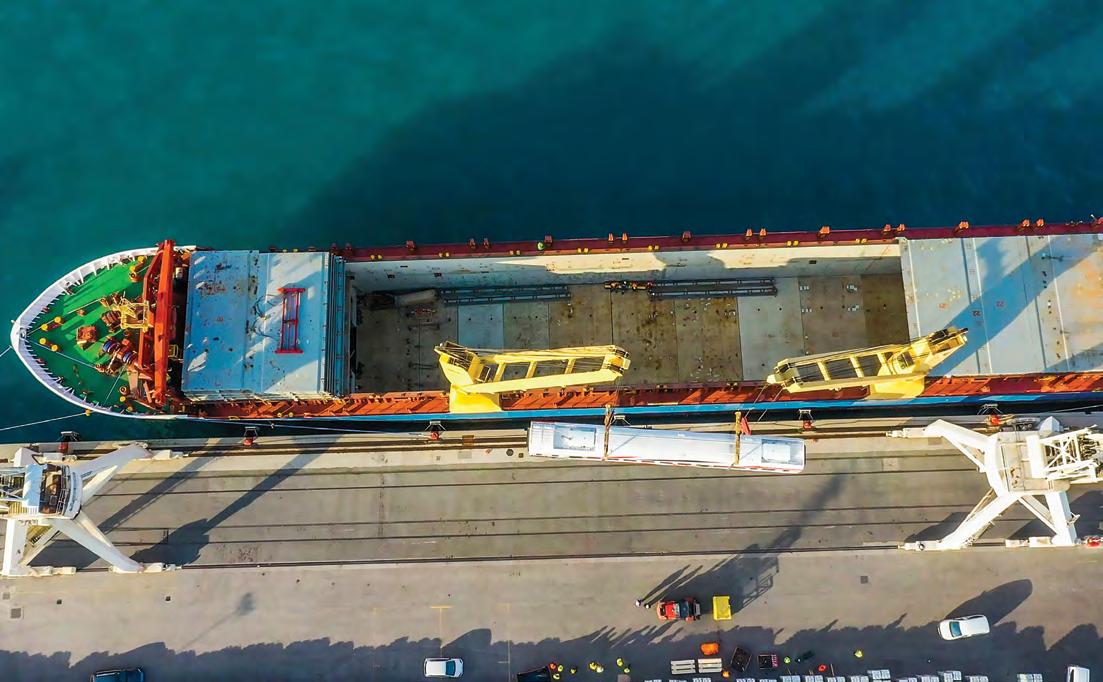
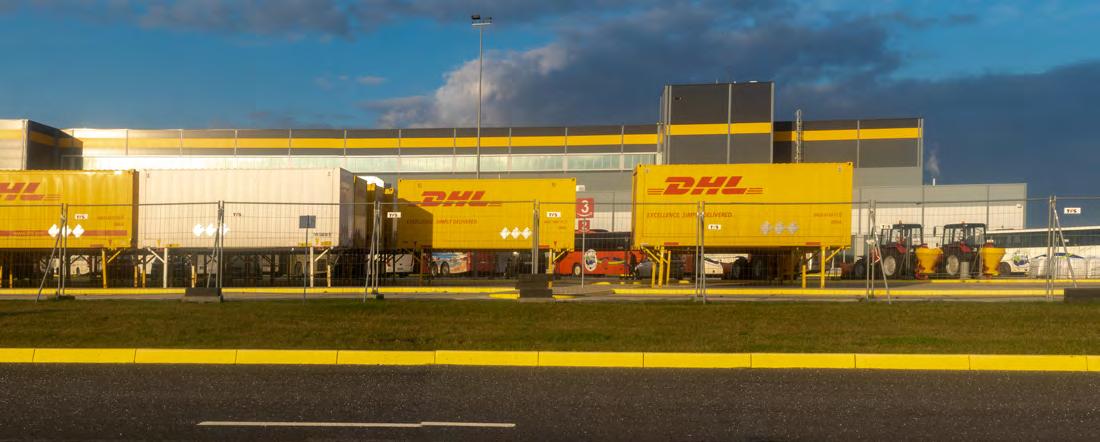
tractor heads in the UAE, which are operating successfully.
Our goal is to lead the industry in innovation, adapting solutions to local markets and customer needs.
Would you say 2026 is a year of challenges or opportunities?
It is absolutely a year of opportunities and growth.
What is your long-term ambition for DHL Global Forwarding in the Middle East and Africa?
Success for us is clear. Number one, we grow rapidly. We grow faster than the competition. We are targeting double-digit growth, and that is a key ambition.
Secondly, we continue to innovate. We want to use this region as an innovation hub where we can deploy and test solutions. Traditionally, this would happen in the US or Europe, but we want to bring that here.
Most importantly, it is about our people. The core of our industry is having the best people, elevating them and upskilling them. The big projects should not just leave assets behind, they should leave skills and knowledge behind, ready for the future. We talk a lot about future-ready employees. If we deliver on
our growth ambitions, we must also give back to our communities.
We support initiatives such as Operation Smile in Ghana and our Salaam programme, encouraging our people to help those around them. Our purpose is connecting people and improving lives, and that is something everybody in this region feels very strongly about.
“The core of our industry is having the best people, elevating them and upskilling them… the big projects should not just leave assets behind, they should leave skills and knowledge behind, ready for the future.”


AYA ZHANG +971 50 784 4794 aya@bncpublishing.net
Joaquim D’Costa +971 50 440
Saudi Arabia’s maritime giant capped 2025 with historic earnings, driven by disciplined fleet expansion, operational precision, and strategic partnerships.
For Saudi Arabia’s maritime giant Bahri, 2025 was more than a strong year, it was a milestone. With a record net profit of $2.43 billion and revenue surpassing $10 billion, the Kingdom’s leading shipping and logistics company demonstrated that disciplined growth, fleet expansion, and operational precision can turn market opportunities into historic results.
The year began with a clear strategic vision, according to CEO Eng. Ahmed Ali Al Subaey. “2025 was a defining year for Bahri. We executed with discipline to deliver recordbreaking revenue and earnings, while navigating a dynamic global operating environment,” he said.
Central to Bahri’s success was fleet expansion. The company added 12 modern vessels, including 10 Very Large Crude Carriers (VLCCs), enhancing its capacity to capitalise on favorable conditions in crude oil transportation, particularly in the second half of the year. By the end of 2025, Bahri’s fleet exceeded 100 vessels, and plans are already in place for 10 newbuild vessels to be delivered over the next four years.
Beyond scale, Bahri focused on commercial agility and operational precision. In Chemicals and Dry Bulk, the company emphasised higher-margin owned tonnage, while Marine Services advanced with the full commercialisation of mobile desalination barges and new offshore support vessels. These moves position Bahri to expand into last-mile logistics for offshore clients and diversify its revenue streams.
Operational excellence remained a core priority. The company maintained a zero fatality and zero oil spill record, improved its Lost Time Injury Frequency Rate to 0.18 injuries per million work hours, and achieved a Port State Control deficiency rate well below global
benchmarks. Al Subaey highlights that safety, reliability, and efficiency across an expanding asset base were instrumental in sustaining margins and performance.
Financial Highlights:
• Q4 2025 revenue reached $3.26 billion, up 47% year-on-year, with EBITDA climbing 50% to $1.68 billion. Net profit for the quarter more than doubled to $978 million.
• Full-year revenue totaled $10.35 billion, an increase of 9% compared to 2024, with EBITDA of $5.23 billion and record net profit of $2.43 billion.
• Operational cash flow reached $3.26 billion, while capital expenditures of $4.25 billion supported fleet investments, including final payments for second-hand vessels and initial instalments for newbuilds.
Strategic partnerships also played a key role in securing long-term growth. Bahri renewed a 10-year crude oil Contract of Affreightment with S-Oil, signed its first COA with Luberef, expanded commercial operations in Asia with a Singapore office, and partnered with Liv Golf and IMI to introduce Saudi-built ocean-going vessels.
“Bahri today is larger, more diversified, and more resilient,” said Al Subaey. “As we enter 2026, we remain focused on growing our core businesses, diversifying revenue streams, and optimising operations to deliver sustainable value for our shareholders.”
With a combination of fleet scale, operational discipline, and strategic foresight, Bahri’s 2025 performance underscores its role as a cornerstone of the Kingdom’s maritime and logistics sector, advancing Vision 2030 while setting a new benchmark for regional shipping and logistics excellence.
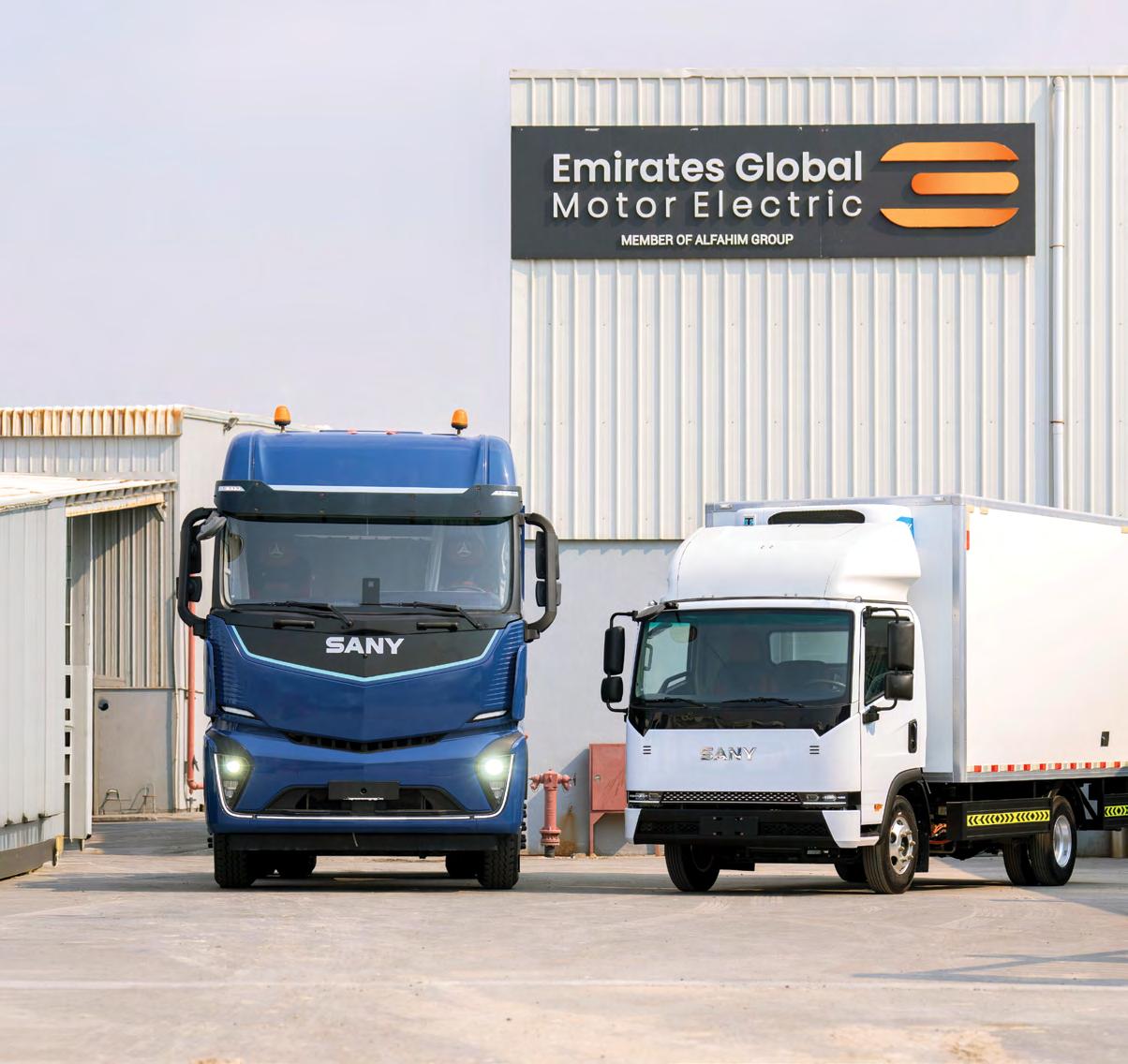
Hany G. Tawfik, General Manager of EGME and a member of the Al Fahim Group, explains how collaboration between fleet operators, infrastructure partners, and public stakeholders is enabling scalable deployment of zeroemission commercial vehicles.
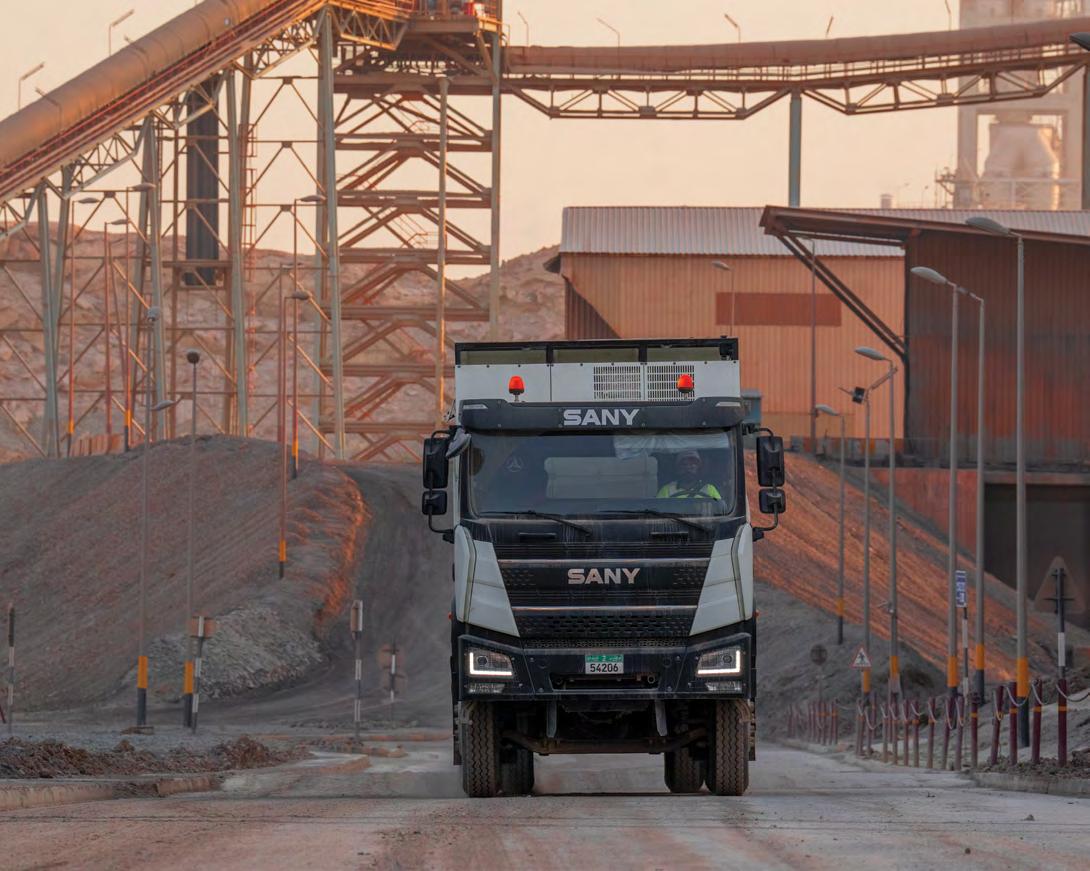
The transition from diesel to electric commercial vehicles is no longer hypothetical; it is happening now as operators face both market pressure and regulatory expectations. One of the biggest challenges is shifting the mindset from capital expenditure alone to total cost of ownership, where electric vehicles can deliver real value. In certain operations, we are seeing diesel consumption reductions of up to 60%, translating to substantial monthly cost savings for fleet operators.
We also recently launched our 8x4 tipper truck, which can complete multiple shifts without the need to recharge. This is due to energy being regenerated while descending slopes under load. Such operating conditions make a compelling case for the use of electric vehicles.
Another practical hurdle is infrastructure readiness and operational planning. However, this also creates opportunity. Electric commercial vehicles offer lower maintenance costs, zero tailpipe emissions, and strong alignment with the UAE’s sustainability goals. With EGME’s end-to-end solutions — from vehicles to charging infrastructure and fleet support, we are helping operators make the transition with confidence and reduced risk.
operations, especially in controlled environments and predictable route segments. When combined with connected fleet technologies, this can improve operational consistency and reliability — outcomes that matter to fleet operators. The use of connected systems and automation technologies enables near-real-time operational insights and improved uptime.
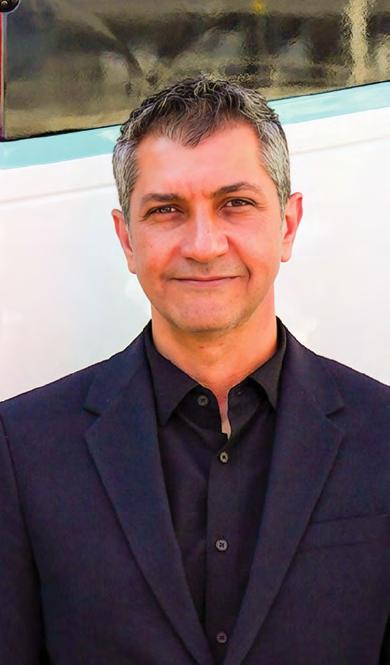
Hany G Tawfik, General Manager, Emirates Global Motor Electric (EGME), and member of Al Fahim Group
Adoption is happening fastest in sectors with defined routes and predictable duty cycles. For heavy trucks, this includes first-mile and last-mile operations such as container transport, aggregate movement, and material transport, as well as specific segments such as Quarry and crusher site operations. In the light-duty segment, food and beverage distribution, cold chain logistics, and municipal operations are leading adoption within cities.
These applications typically involve high idling times, which makes electric commercial vehicles particularly efficient, as energy consumption during idling is minimal. These are practical use cases where electric vehicles are not just viable, but often more efficient than traditional diesel fleets.
Autonomy is moving from concept to implementation. In logistics and urban mobility, autonomous commercial vehicles will not replace human drivers overnight, but they will augment
A vehicle alone is only part of the solution. Fleet operators require an integrated approach that includes charging infrastructure, fleet connectivity, financing options, and operational support. A holistic offering lowers the barriers to adoption, and this is what operators are responding to.
At EGME, we also offer leasing solutions, allowing operators to avoid high upfront investment.
Instead, they can opt for a monthly payment that includes both the vehicle and the charger. As confidence in the product grows, ownership can then be considered.
Public stakeholders and government initiatives are critical enablers. The UAE’s supportive regulatory environment and continued investment in EV infrastructure provide operators with the confidence to invest. When infrastructure partners and fleet operators collaborate, we see scalable deployment rather than isolated pilot projects.
This ecosystem-level alignment is enabling some fleets to achieve near-zero CO₂ emissions on specific routes, making a
measurable contribution to the UAE’s national sustainability objectives.
Balancing Electric, Hydrogen, and Autonomous
Our strategy is practical and application-led. For urban and last-mile operations, electric vehicles deliver strong efficiency and lower operating costs. At present, hydrogen technology is still under development and not yet market-ready due to limitations around refuelling infrastructure and availability.
That said, we are actively working with key industry stakeholders to be prepared as the ecosystem matures. In parallel, we are preparing for autonomous integration where it delivers clear operational value. By aligning these technologies with real-world fleet requirements and sustainability objectives, we ensure solutions that are cost-effective, dependable, and aligned with broader industry trends.
Under CEO Mohammad Jaber, Combi Lift turns data into action and massive lifts into precision feats. In a region where scale meets sustainability, Jaber’s team is always ahead of the curve.
Project logistics across the Middle East and Africa is entering a more exacting phase. Demand remains strong, but the nature of that demand is changing. Energy projects are becoming cleaner and more technologically complex. Infrastructure pipelines are expanding in parallel with
sustainability commitments. Clients are asking not only for scale, but for precision.
For Mohammad Jaber, CEO of Combi Lift Project Logistics MEA, this shift is evident in the details.
“The market today has different requirements from before,” he says. “Now we need power
with less emissions. The industry is looking for higher sustainability standards.”
Over the past several years, the GCC in particular has continued to accelerate investment across oil and gas, renewable energy, rail networks, ports and civil infrastructure. The UAE and Saudi Arabia remain central to this activity, functioning as both project sponsors and logistics hubs connecting Asia, Europe and Africa.
Large announcements, particularly in Saudi Arabia, have occasionally triggered debate around pace and execution. Yet Jaber does not see a slowdown in underlying activity.
“People get a little bit hesitant due to the changes in some of the mega projects,” he says. “But actually, the Saudi market did not impact that much, because there is a massive number of projects ongoing.”
He points to sustained demand across transport modes, from containers and air freight to breakbulk, heavy lift and marine services. Service providers are investing to keep up with this momentum, and capacity across sectors remains under pressure.
“The economy here is growing,” he says. “Our projections for high demand remain strong.”
Combi Lift enters this environment as an established global brand that is still relatively new to the region. The
company, with more than 30 years of history, has opted not to replicate existing market models. Jaber describes the approach in direct terms.
“We decided to be different. We are disruptive. We are not competing with anyone. We are inventing our own destiny.”
In practice, that differentiation is centred on operational structure rather than positioning. Profitability, he argues, must come from internal efficiency rather than client pricing.
“We still need to make a lot of money,” he says. “But not from the client’s pocket.”
The emphasis, therefore, is on optimisation. Artificial intelligence and digital systems are embedded within operations, not as standalone tools but as part of asset utilisation and project planning. At group level, Combi Lift showcases vessels such as the Orca class, equipped with twin 800-ton electric cranes capable of operating fully electrically when connected to shore power. Reduced emissions and lower fuel consumption are part of the calculation, but so too are speed and operational flexibility.
On land, the company operates one of the largest cranes globally, with a lifting capacity of 14,000 tons and integrated AI support. The intention is not solely
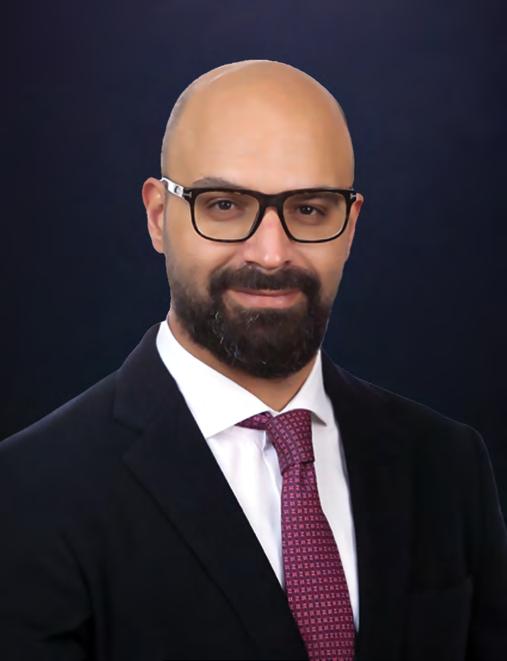
Mohammad Jaber, CEO of Combi Lift
lifting capability, but greater precision and safety in execution.
“It is not about defeating competition,” Jaber says. “We are trying to lead the change, not chasing it.”
Data analytics forms another layer of that strategy. A drone platform equipped with multiple sensors collects site data, which is analysed through in-house design engines. The objective is to identify risk before it materialises.
“We are in the preventive mode, not in the curing mode,” he explains. “I do not want the data to tell me I have a problem. I want to use the data to prevent the problem.”
As projects become more capital-intensive and timelines tighten, the cost of delay increases.
Anticipation, rather than reaction, is becoming a competitive requirement.
Technology alone, however, is not the differentiator Jaber emphasises most strongly. Around half of Combi Lift’s workforce consists of fresh graduates. In a sector traditionally associated with experience and tenure, that proportion stands out.
“This new generation comes with the best that technology has produced,” he says. “They can research every mistake that happened in the world, how it was solved, and we can learn from it.”
He contrasts that with his own early exposure to computing, highlighting how dramatically tools have evolved. Younger professionals, in his view, bring agility and digital fluency that complement industry experience.
“We embrace failure,” he says. “They come back with ideas. We coach them. They enrich our business with agility and precision.”
At the same time, Jaber speaks respectfully of established competitors. Many have built significant footprints in the region and shaped project logistics standards over decades. His approach, he says, is to learn from that history while avoiding repeated mistakes.
“We try to be outstanding, not excellent only.”
Partnership is another recurring theme. Combi Lift’s slogan is straightforward: “You name it, we move it.” Delivering on that, Jaber argues, depends on readiness across the supply chain.
“To truly experience how it sounds, you have to be ready,” he says. “Today the world is looking for readiness.”
That readiness, in his description, is collaborative. Clients are business partners rather than
transactional counterparts. Subcontractors are part of the same chain. Even competitors, in certain circumstances, can become collaborators if the result is lower risk, reduced emissions or improved efficiency.
“If I am not ready, maybe my competitor is ready,” he says. “What stops us from collaborating is our illusions.”
In a region where cross-border projects and multinational partnerships are increasingly common, that openness reflects broader industry realities. Chinese, Indian, American and European stakeholders are already working side by side on major programmes across the Middle East and Africa.
For Jaber, the objective is straightforward. “You name it, we move it” is not intended as a marketing line, but as an
operational commitment. To sustain that commitment requires assets, digital tools, forecasting capability and alignment across partners.
As infrastructure ambitions across the region continue to expand, project logistics providers face rising expectations around sustainability, transparency and execution. In that environment, the companies that combine scale with anticipation may hold the advantage.
For Combi Lift Project Logistics MEA, the focus is less on market share rhetoric and more on readiness. In a sector defined by complexity, that may prove to be the more durable strategy.
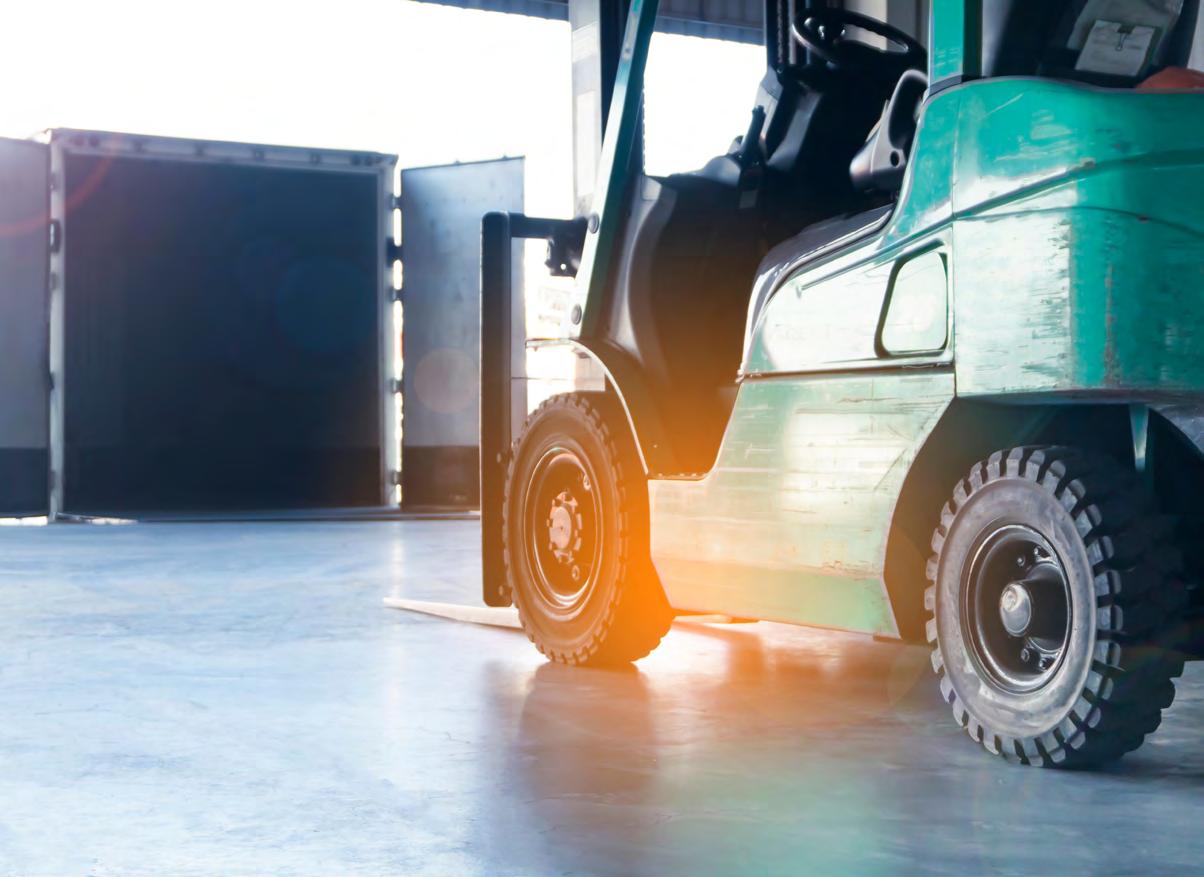
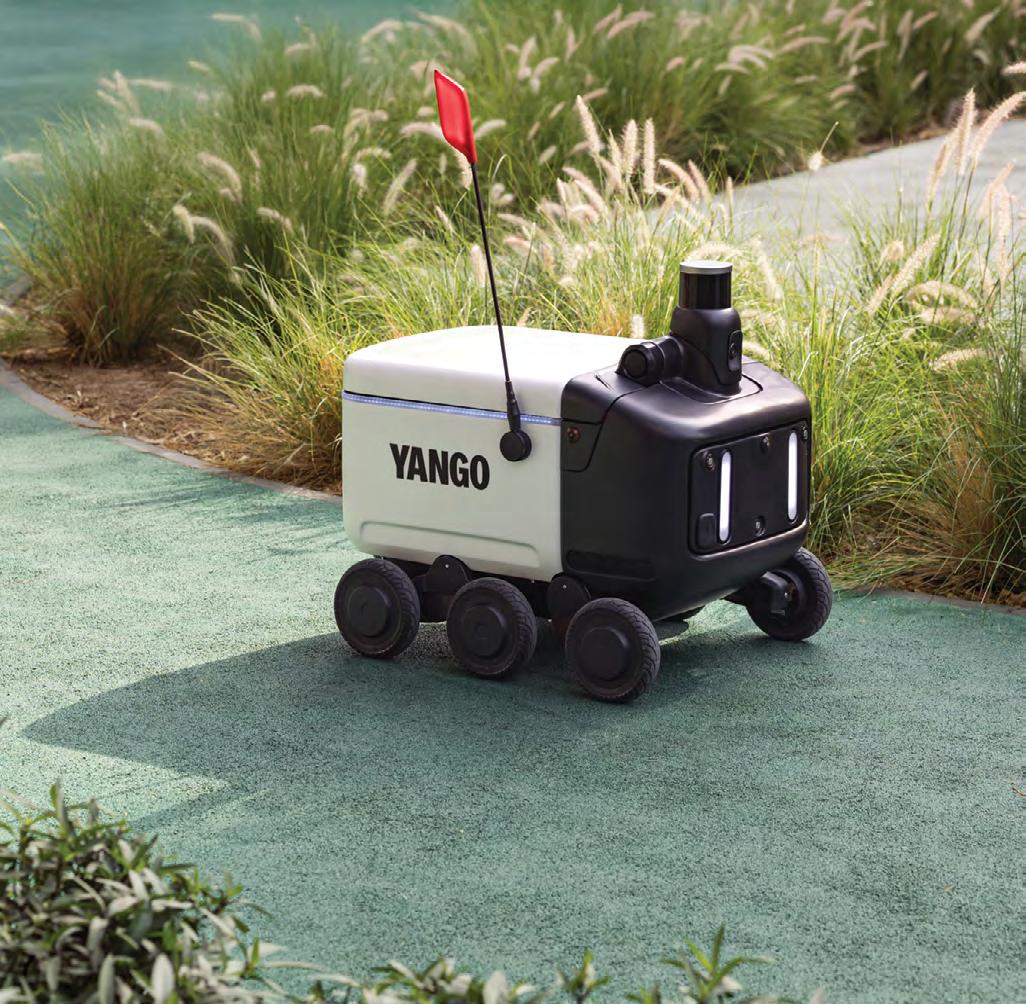
Yango Tech is bringing AI-powered autonomous delivery to Dubai’s residential communities, redefining last-mile logistics while keeping convenience and safety at the heart of the experience
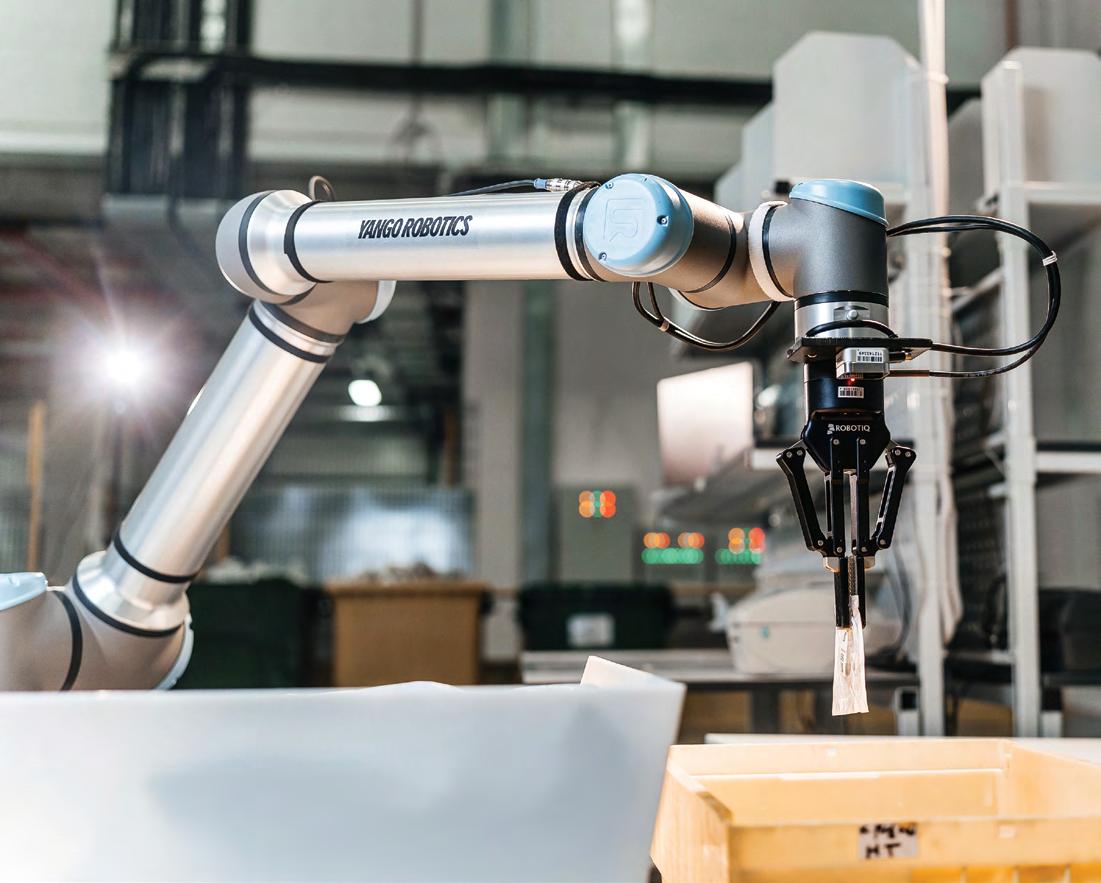
Autonomous delivery is no longer a distant dream. In Dubai, Yango Tech is making it a reality. With a growing network of AI-powered robots, the company is reshaping how groceries and food reach residents in gated communities, villas, and townhouses. Nikita Gavrilov, Regional Head of Yango
Tech Autonomy, shared insights into the technology, its current deployments, and the broader vision for the region.
The company has a track record in piloting autonomous solutions. The most significant news from Yango Tech in recent months has been its partnership with Noon Minutes, announced in December last year. The collaboration
marked a major step in operationalising autonomous delivery in the UAE. Today, robots are actively serving one area in Dubai, a first glimpse of what is planned to become a broader network across multiple stores.
These robots are purpose-built for grocery and food delivery. They operate autonomously within defined residential zones, where their efficiency and convenience can be fully leveraged. Integration with Noon Minutes was no small feat. While it relies on API integration, Nikita notes that it required multiple teams working in coordination to ensure a seamless experience for customers.
AI plays a crucial role in the robots’ operations. They must localise themselves within communities, plan efficient routes, and navigate around obstacles. “AI helps them understand the environment around us better,” Nikita explains. In practice, this means that robots can operate reliably even in complex urban landscapes, adjusting in real time to changing conditions.
see new zones come online, including additional residential communities in Dubai.
For residents, the impact is tangible. By starting in areas where the service is viable, such as villas and gated communities, Yango Tech is able to provide reliable, convenient deliveries while refining operations for future growth. It is an approach that balances technological ambition with practical results, ensuring that automation enhances rather than disrupts daily life.
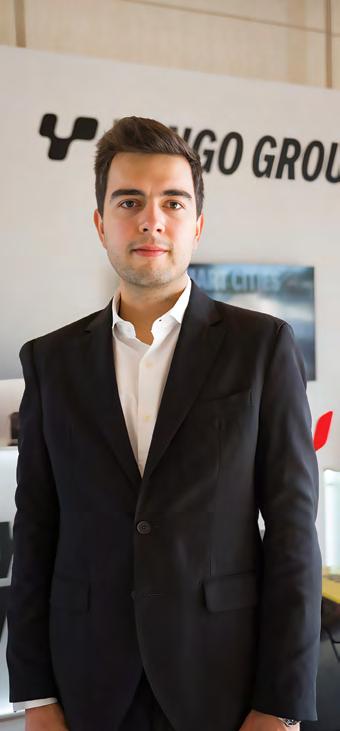
Nikita Gavrilov, Regional Head of Yango Tech Autonomy
The company is approaching expansion deliberately. Autonomous delivery at scale requires careful planning and responsible deployment. Nikita outlines a phased strategy, analysing which areas are most suitable to ensure efficiency while maintaining a high-quality customer experience. The coming months will
Autonomous delivery also offers broader implications for the logistics industry in the Middle East. Lastmile challenges, a perennial pain point for urban logistics, can be significantly reduced. Faster, more predictable deliveries help optimise supply chains and complement existing delivery networks. In a region where urban density, traffic congestion, and rising customer expectations are constant pressures, this technology could redefine efficiency standards.
Yet for Nikita, technology is only part of the equation. A human-centric approach remains at the heart of Yango Tech’s strategy. Residents need to feel comfortable with the service, and convenience is paramount. “It is very important
that the robots enhance the customer experience rather than replace it. Residents benefit from reliable delivery, while our teams focus on efficiency and safety,” he says.
Looking ahead, the vision is ambitious. Yango Tech plans to expand steadily, covering more communities, stores, and service areas in Dubai. The ultimate goal is to normalise autonomous delivery, making it a seamless part of daily life. The Middle East, with its growing urban populations and appetite for technological innovation, provides a fertile ground for such transformation.
Nikita is optimistic about the future. Autonomous robots are not only a tool for delivery; they are part
of a broader evolution in logistics that prioritises efficiency, reliability, and sustainability. By deploying them thoughtfully and at scale, Yango Tech hopes to demonstrate that robotics can enhance, rather than complicate, the last-mile experience.
As Dubai continues to position itself as a hub for innovation, Yango Tech’s initiatives provide a glimpse of what the future might hold. The robots on the move are more than a technological showcase; they are the next step in redefining how goods travel from stores to doorsteps, quietly transforming the logistics landscape one autonomous delivery at a time.

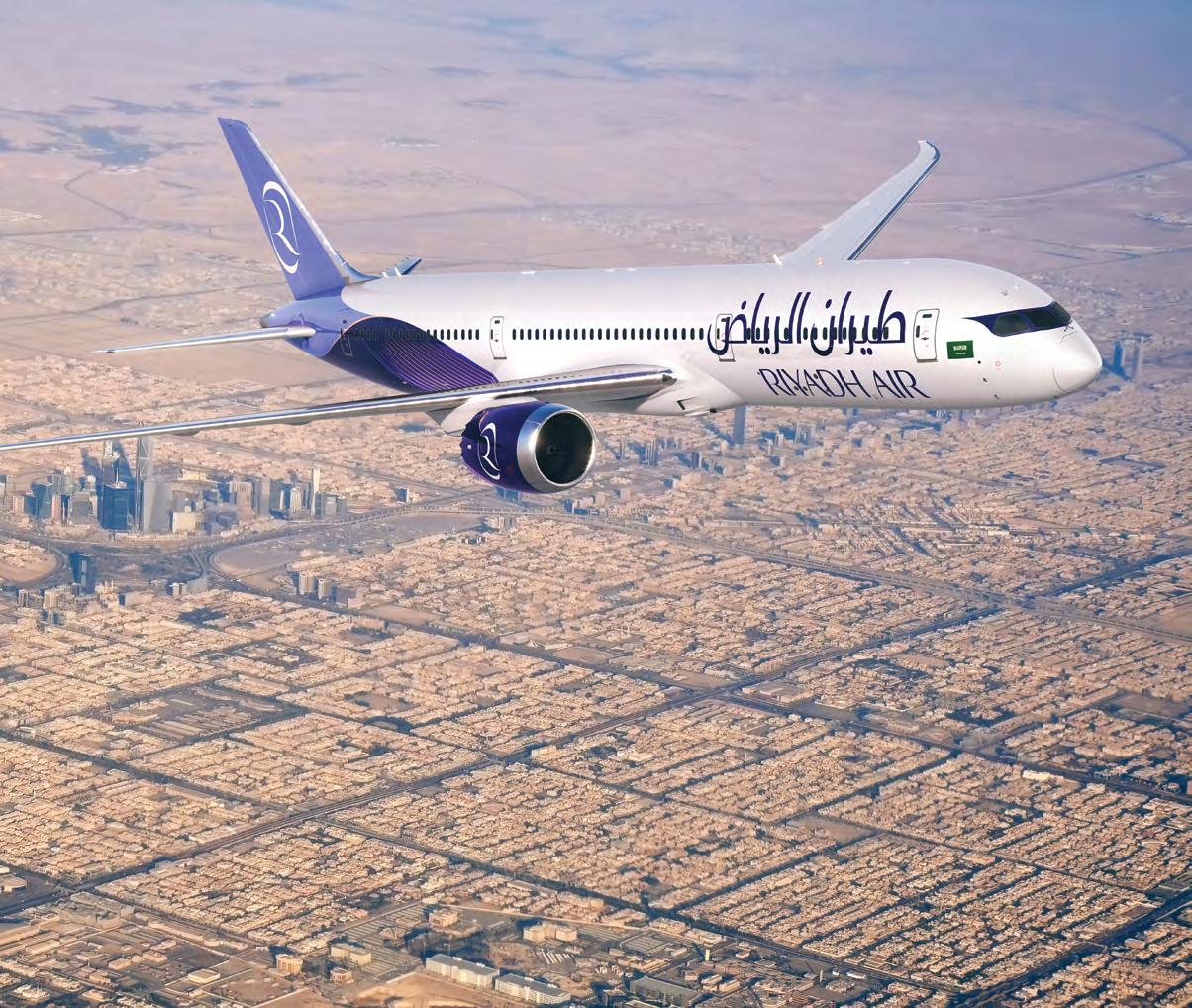
With 182 aircraft on order and ambitions to serve more than 100 destinations by 2030, Riyadh Air’s new cargo arm signals a decisive move to strengthen trade connectivity and drive non-oil economic growth.
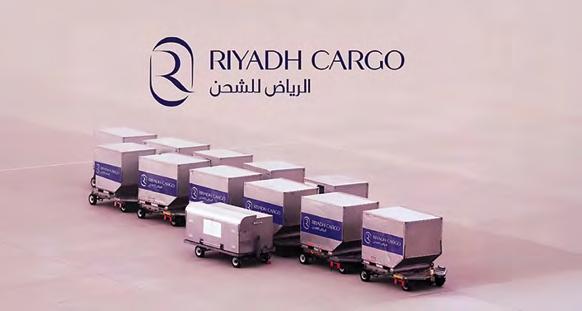
Riyadh Air has taken its first formal step into the international air freight market, launching its dedicated cargo division under the name Riyadh Cargo. The move activates belly-hold capacity across the airline’s aircraft, opening new channels for the steady and efficient movement of goods between Saudi Arabia and key global markets.
Rather than positioning cargo as an afterthought to passenger growth, the airline is embedding freight into its long-term expansion strategy from the outset. Riyadh Cargo will be supported by a widebody fleet of more than
120 aircraft currently on order, forming the backbone of a phased plan to build a fully integrated and scalable cargo operation centred on Riyadh, the carrier’s main hub. The launch aligns with the airline’s wider operational build-up, which has included a series of trial flights under its ‘Pathway to Perfect’ programme, including services between King Khalid International Airport and London Heathrow.
Early performance indicators suggest encouraging momentum. On the Riyadh to London route, the cargo division has already handled sizable volumes across a broad commodity mix, ranging from textiles and fresh flowers to seafood, tea and coffee. The diversity of shipments reflects both the Kingdom’s trade profile and the operational demands of modern air freight, particularly the need to manage time-sensitive consignments, perishable goods and high-value products with consistency.
For Pravin Singh, Riyadh Air’s global head of cargo, the launch represents more than the addition of freight capacity. He describes the division as being built around operational discipline, dependable service delivery and measured, sustainable growth. Operating in a live commercial environment, he notes, allows the team to test systems, gather operational insight and refine processes while delivering immediate value to customers. In his view, Riyadh Cargo is a foundational element in a wider cargo ecosystem that will expand in step with the airline’s network and contribute to Saudi Arabia’s broader logistics ambitions.
Technology sits at the centre of that model. Riyadh Cargo has introduced advanced systems to centralise the management of air waybills and enhance data transparency across operations. The objective is straightforward: faster decision-making, improved
efficiency and consistent service standards as volumes increase. As part of this digital framework, the airline has partnered with CHAMPS to deploy the Cargospot neo platform, supporting both cargo management and terminal activities. The system is designed to provide greater operational oversight, clearer data visibility and improved responsiveness as shipment complexity grows.
Resilience has also been factored into the build-out. Investments in unit load devices developed with Unilode introduce tracking capabilities that enable real-time shipment monitoring and tighter inventory control. Such measures are increasingly viewed as essential in a global logistics environment where disruption, whether geopolitical, climatic or operational, can quickly ripple across supply chains.
On the ground, Riyadh Cargo’s operations are supported through collaboration with SATS SA at Saudi Arabia’s three main aviation gateways: King Khalid International Airport in Riyadh, King Abdulaziz International Airport in Jeddah and King Fahd International Airport in Dammam. Each location benefits from modern infrastructure and dedicated cargo handling facilities, providing continuity and oversight across the handling process and strengthening connectivity throughout the logistics chain.
The broader context is difficult to ignore. Saudi Arabia has set out an ambitious agenda to position itself as a global aviation and logistics hub, reducing reliance on oil revenues and expanding its role in international trade. Within that framework, Riyadh Cargo is positioned as a long-term growth engine. With 182 aircraft on order and plans for Riyadh Air to connect to more than 100 destinations by 2030, the airline is projected to contribute approximately $20 billion to non-oil GDP and generate more than 200,000 jobs worldwide.
For now, the launch of Riyadh Cargo marks the operational starting point. Its evolution will depend not only on fleet growth and route expansion, but on how effectively it integrates technology, infrastructure and partnerships into a cohesive cargo platform capable of competing on the global stage.
With three decades of global maritime leadership, Christensen takes the helm as RSGT accelerates its rise as a leading force in global trade.
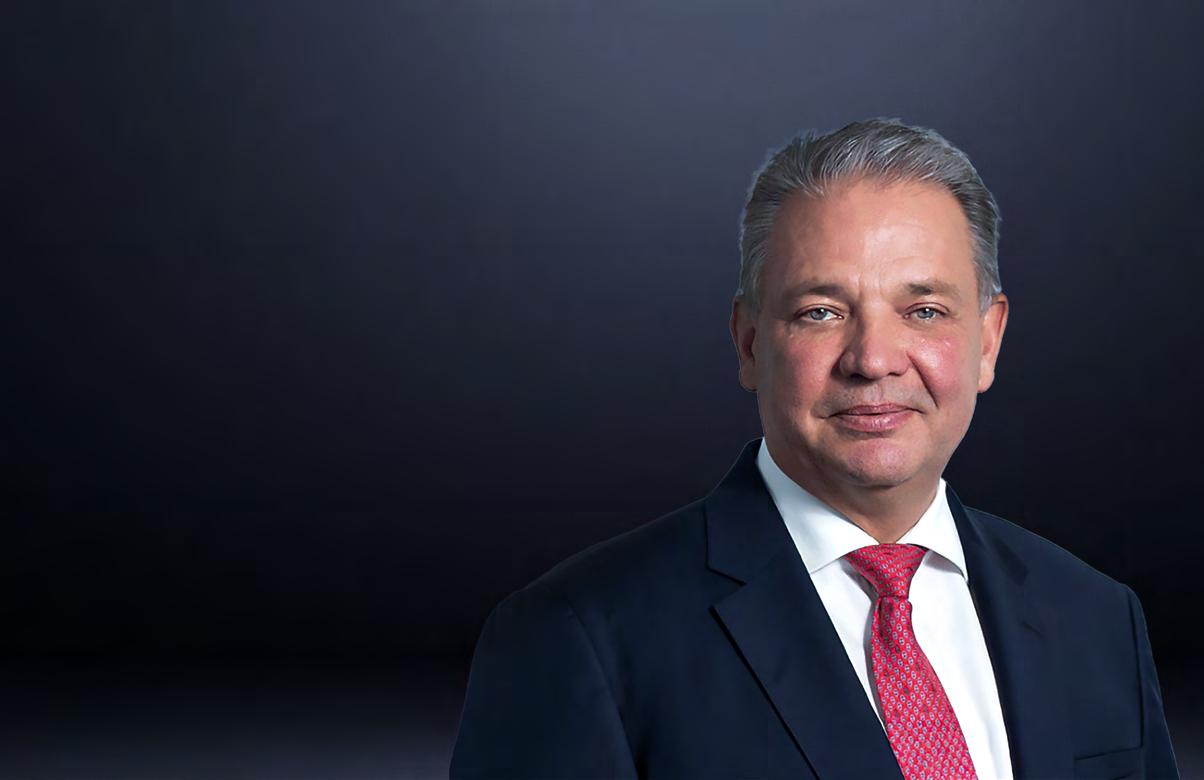
Red Sea Gateway Terminal (RSGT), one of the Middle East’s fastest-growing port operators and a key enabler of regional and global logistics, has announced the appointment of Mr Lars Vang Christensen as Group Chief Executive Officer, effective 1 March. He succeeds Mr Jens O. Floe, who has led RSGT since 2016, overseeing a period of remarkable expansion, operational transformation, and international growth, including the addition of six terminals. Jens will continue his association with RSGT as a Non-Executive Director, representing shareholders on various boards.
Lars brings over 30 years of global leadership experience across the maritime, port, and logistics sectors, having held multiple CEO and senior executive roles within major international terminal and shipping companies. Most recently, he served as Regional Head of Joint Ventures and Strategic Partnerships at APM Terminals, overseeing strategic engagement across a diversified global portfolio.
In his new role, Lars Vang Christensen will lead RSGT into its next phase of growth, accelerating strategic expansion, strengthening international partnerships, and advancing the company’s continued commitment to operational excellence and innovation.
His career includes executive leadership positions at Suez Canal Container Terminal (Egypt), APM Terminals
Callao (Peru), Epic Gas Ltd., and Herning Shipping A/S, alongside senior industry roles such as Deputy Vice President of the International Chamber of Shipping and Chairman of Danish Shipping. A graduate of Harvard Business School’s Executive Education program, Lars has lived and led operations across Europe, Asia, Africa, and the Americas, bringing deep operational expertise, strong commercial acumen, and a proven track record in transforming and scaling port businesses globally.
“It is an honor to join RSGT at such an important stage in its journey,” said Lars Vang Christensen. “We will build on the strong foundation established by Jens, further enhance customer value, and continue expanding RSGT’s reach as a leading player in global trade and a key contributor to strengthening Saudi Arabia’s position as a competitive logistics hub.”
“On behalf of the Board, I am pleased to welcome Lars Vang Christensen to RSGT,” said Aamer Alireza, Chairman of the Board. “His proven track record in scaling complex terminal operations and building highvalue partnerships will support the acceleration of our growth agenda and further strengthen RSGT’s position as a leading global terminal operator. We are equally grateful to Jens O. Floe for his leadership through a transformative period for RSGT, and we look forward to building on this momentum under Lars’s stewardship.”