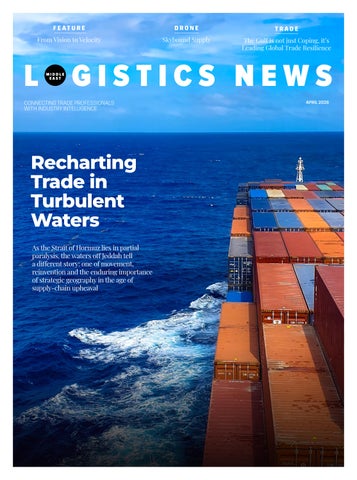
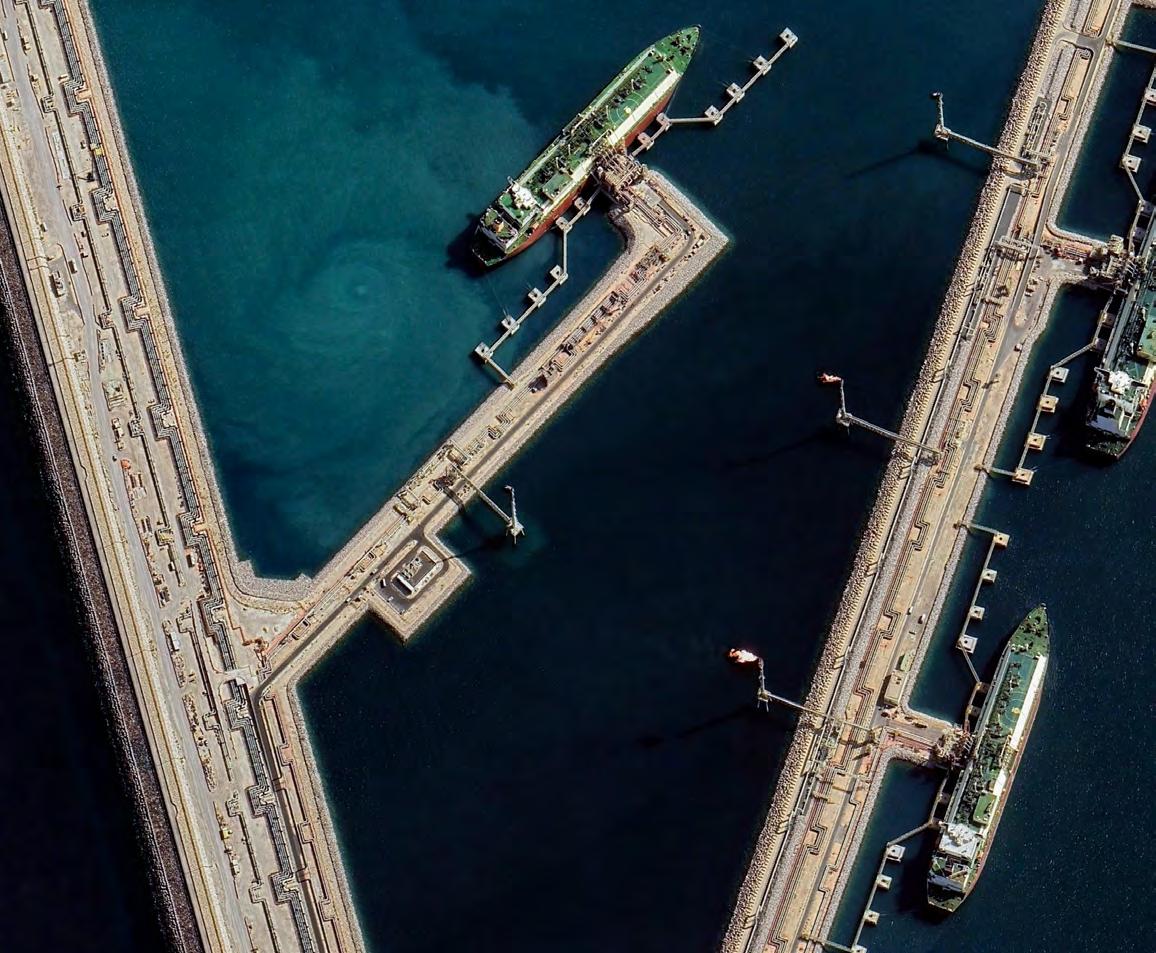
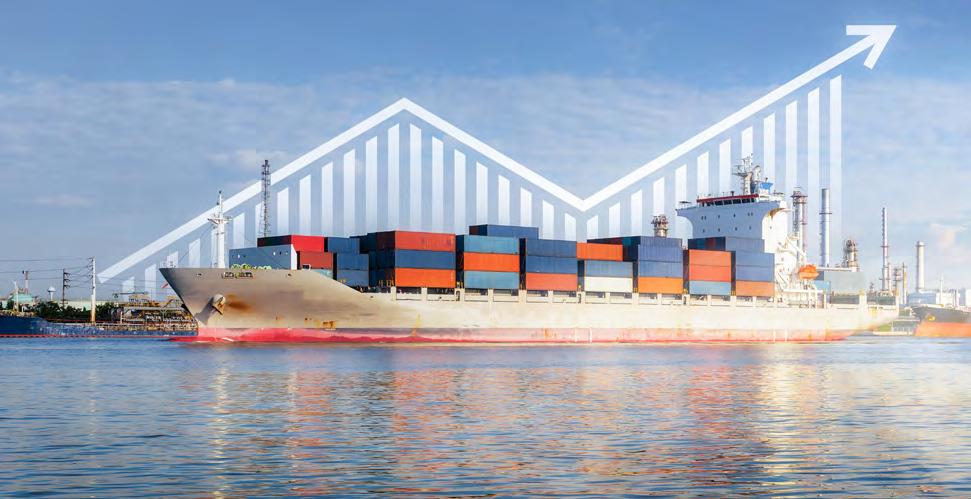
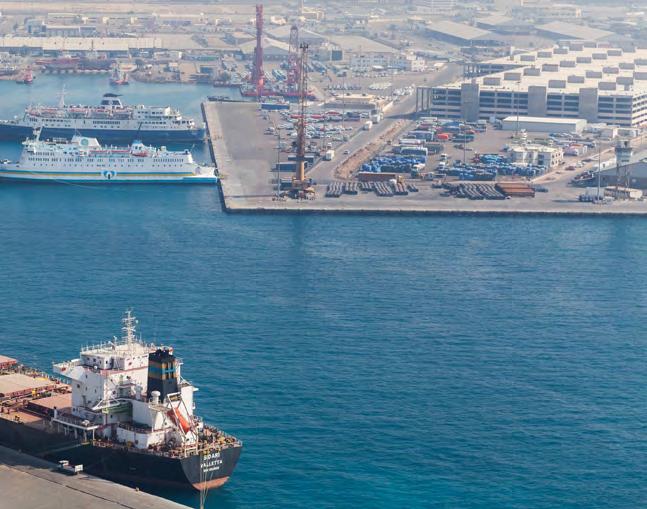
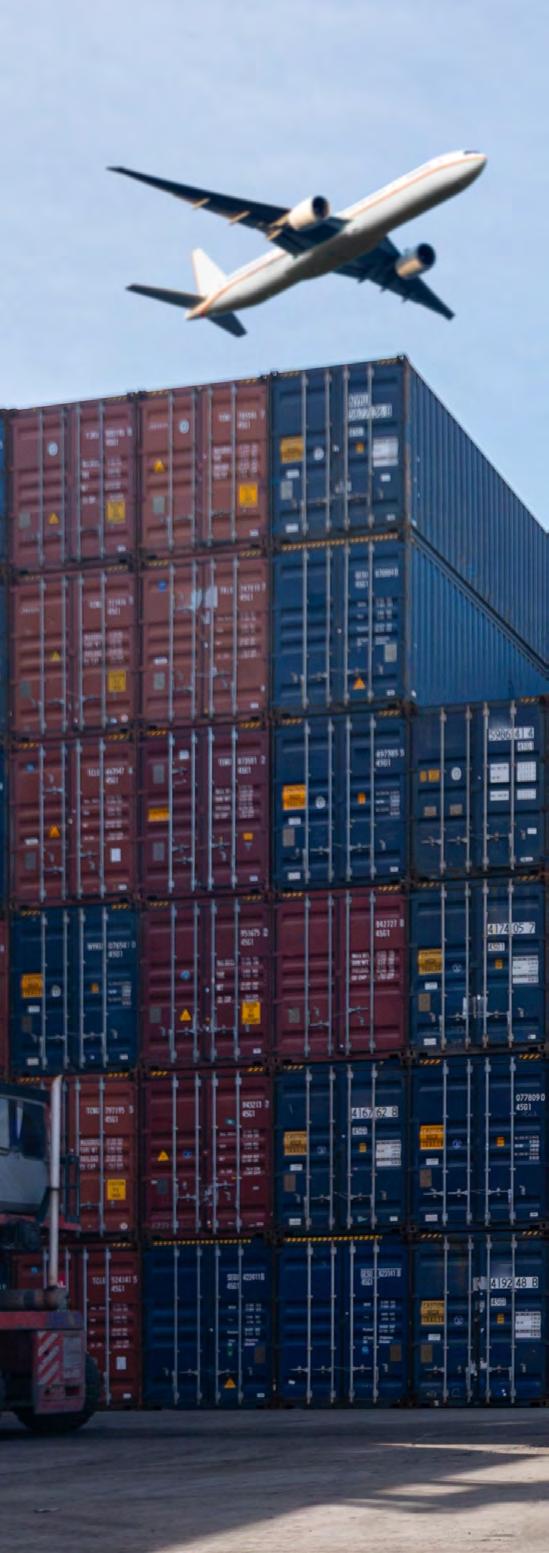
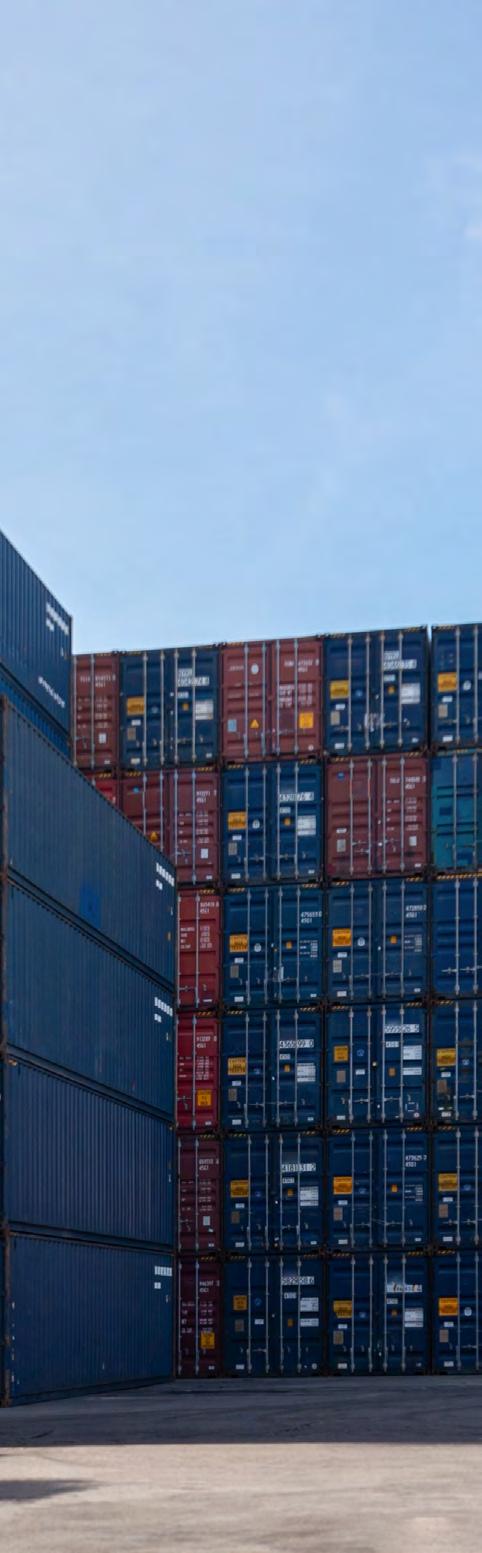
As the Strait of Hormuz lies in partial paralysis, the waters off Jeddah tell a different story: one of movement, reinvention and the enduring importance of strategic geography in the age of supply‑chain upheaval
Skybound Supply
The Gulf is not just Coping, it’s Leading Global Trade Resilience
Drive the new way.
New IVECO S-Way: high technology and efficiency on all missions
A wide choice of Euro III / V diesel engines, delivering class-leading power from 360 hp to 560 hp Euro III / 570 hp Euro V and superior fuel economy. 12-speed HI-TRONIX automated transmission with the most advanced technology in its category, electronic clutch and best-in-class torque-to-weight ratio. Full range of fuel-saving devices, such as anti-idling feature, EcoSwitch, Ecoroll and Smart Alternator. Top levels of comfort and safety, with a completely redesigned and reinforced cab, featuring enhanced direct visibility and enlarged cab livability.
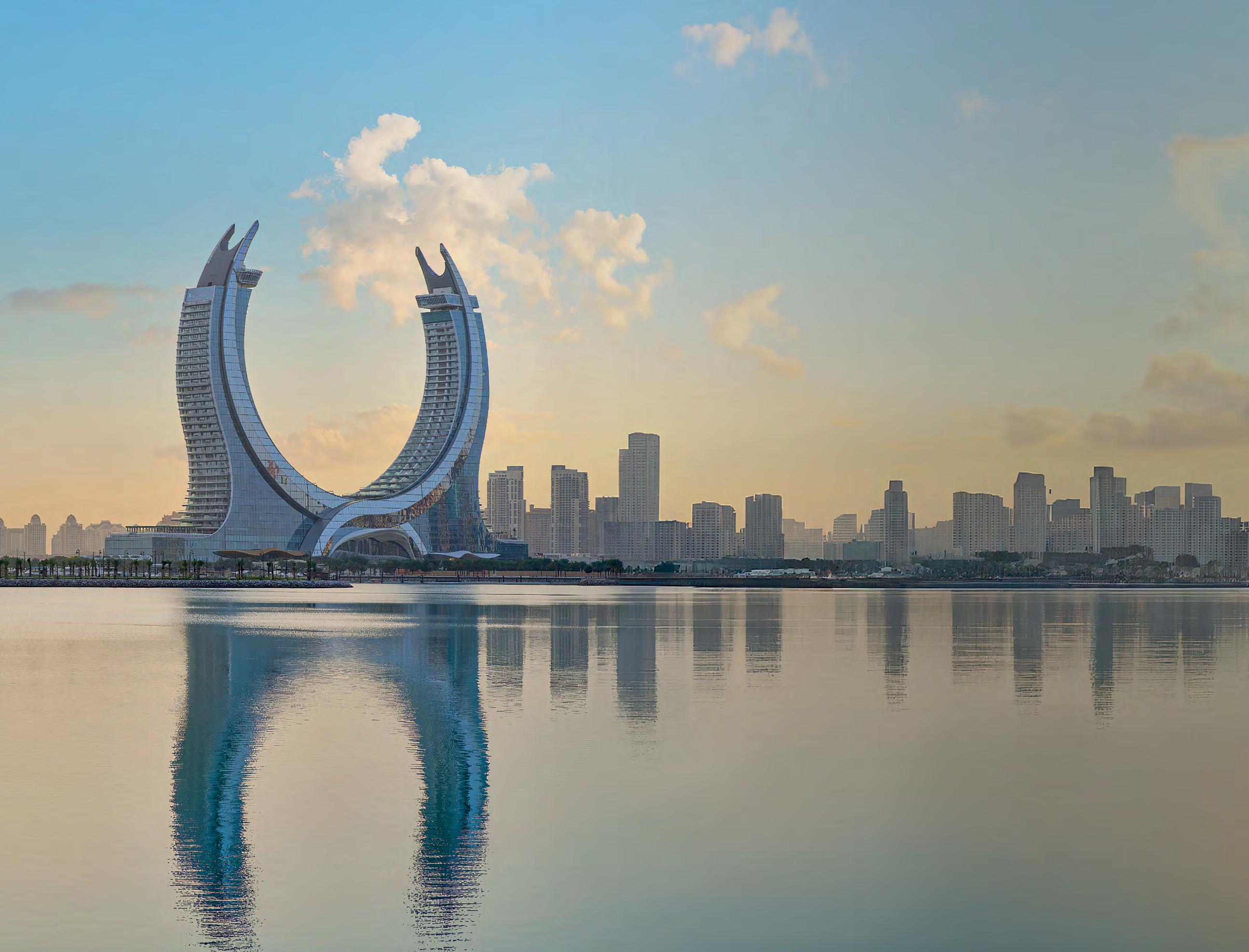
Nestled by the coast of Lusail sits the splendor of in even the smallest details. Open the doors to mesmerizing hospitality and make memories in a world of sophistication.
CONNECTING TRADE PROFESSIONALS
WITH INDUSTRY INTELLIGENCE
CEO
Wissam Younane wissam@bncpublishing.net
Managing Director
CEO
Rabih Najm rabih@bncpublishing.net
Wissam Younane wissam@bncpublishing.net
Group Publishing Director
Director
Joaquim D’Costa jo@bncpublishing.net
Rabih Najm rabih@bncpublishing.net
Editor
Group Publishing Director
Aya Zhang aya@bncpublishing.net
Joaquim D'Costa jo@bncpublishing.net
Commercial Director
Editor-in-Chief
Andrea Mocay andrea@bncpublishing.net
Vibha Mehta vibha@bncpublishing.net
Digital Reporter
SUBSCRIBE
subscriptions@bncpublishing.net
SUBSCRIBE
subscriptions@bncpublishing.net
PO Box 502511 Dubai, United Arab Emirates P +971 4 4200 506 | F +971 4 4200 196
Printed by United Printing and Publishing | upp.ae
No part of this magazine may be reproduced or transmitted in any form or by any means without written permission of the publisher.
Printed by United Printing and Publishing | upp.ae
Images used in Logistics News ME are credited when necessary. Attributed use of copyrighted images with permission. All images not credited courtesy Shutterstock.
In addition to our print edition, we’re bringing you all sorts of industry news on our web mediums. We’re looking forward to interacting with our readers on all of our social media and web platforms. See you on the web!
Some things just keep moving
There is something about this industry that I find quietly remarkable. No matter what is going on in the world outside, this sector has a way of absorbing the uncertainty and carrying on. The people in it rarely stop to take a bow, and that steadiness is what keeps the rest of the world standing.
This issue is a little nod to all of that. We have a strong lineup this time around, including a look at some of the Saudi companies doing genuinely impressive things in this space
right now. Beyond that, we have stories from across the region and the world that remind us just how alive and evolving this industry continues to be.
If you are reading this on a plane, between meetings, or over a rushed coffee at your desk, I hope this issue gives you a moment to feel good about the world you work in. It is not perfect. But it is full of people who care, and that counts for a lot.
Thank you, as always, for reading. Now let's get into it.
Aya Zhang Editor
aya@bncpublishing.net
Xiaoyue (Aya) Zhang xiaoyuezhangg
MAWANI AND GULFTAINER OPEN SAUDI–SHARJAH TRADE CORRIDOR TO BOOST RESILIENCE
Saudi Ports Authority (Mawani) has partnered with Gulftainer to launch a new corridor linking Saudi ports with Sharjah
The Saudi Ports Authority (Mawani), in collaboration with Gulftainer, has introduced a new integrated trade corridor linking Dammam and Sharjah. Combining maritime and land transport, the initiative is designed to streamline cargo movement, reduce transit times, and enhance overall logistics efficiency across the Gulf.
This strategic development reflects a growing focus on building more agile and resilient supply chains, as regional economies deepen trade ties and modernise logistics infrastructure.
New Corridor Strengthens Regional Trade Resilience
The newly announced corridor directly connects Dammam with Sharjah, offering an integrated logistics route combining maritime and land transport. It is designed to improve crossborder shipping efficiency, cut transit times, and enhance coordination between ports and inland logistics hubs.
This move underscores deepening economic cooperation between Saudi Arabia and United Arab Emirates, the region’s two largest economies, as they respond to ongoing disruptions and broader global supply chain challenges.
A key feature of the corridor is its integration of strategic infrastructure, including the Khorfakkan Commercial Terminal on the UAE’s east coast. This enables cargo to bypass the Strait of Hormuz, which remains effectively closed, ensuring continuity in trade flows.
The corridor also incorporates inland logistics assets such
as the Sajaa Dry Port, improving the distribution of goods across regional markets and strengthening last-mile connectivity.
By integrating ports and logistics hubs across both countries, the project enhances operational coordination and streamlines cargo handling. Industry stakeholders expect the corridor to deliver tangible benefits, including faster shipment times, improved reliability of transport services, and increased efficiency in goods distribution.
The initiative is also seen as a critical step in reinforcing supply chain resilience and
sustainability in the face of rapidly evolving geopolitical and economic pressures.
With traditional maritime routes under strain, the Saudi–UAE corridor represents a proactive effort to diversify logistics pathways and mitigate risk. Analysts note that such multimodal solutions will play a growing role in ensuring trade continuity across the Middle East.
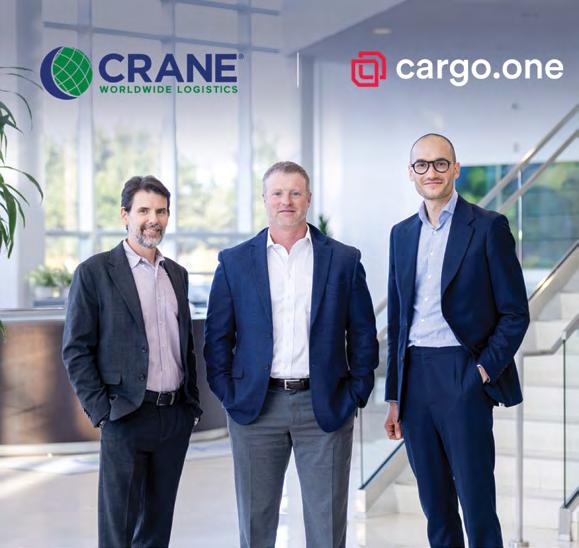
CRANE WORLDWIDE LOGISTICS PARTNERS WITH CARGO. ONE TO MODERNISE GLOBAL PROCUREMENT
Cargo.one delivers Crane both a wider choice of market rates and better utilization of its own data
Crane Worldwide Logistics has partnered with cargo. one to establish a unified data and automation foundation across its global operations, marking a significant step forward in its digital transformation journey. By consolidating buy and sell rates within a single platform, the collaboration enhances visibility, consistency, and efficiency across Crane’s worldwide gateway network.
A Unified Platform for Smarter Quoting and Procurement
At the heart of the partnership is a purpose-built quoting interface that integrates seamlessly with Crane’s WiseTechpowered transport management system (TMS). This enables teams to benefit from specialised digital tools while maintaining operational continuity.
Cargo.one’s platform centralises rate management, replacing fragmented data sources with a single, reliable interface. Through solutions such as cargo.one pro, Live Rates, Static Rates, Live Estimates, Rate Engine, Quotes API, AI-powered Quoting, and Tender Feeder, Crane now operates with a unified source of data, empowering teams to make faster, more informed decisions.
Cargo.one delivers Crane both a wider choice of market rates and better utilization of its own data, such as contract and consol rates, within quoting flows in all branches. Crane’s
gateway teams can now instantly access every relevant rate with ease. This scalable digital infrastructure enables large scale forwarders like Crane to achieve accuracy and consistency in every sell rate, without the overhead and cost of hiring more quoting teams. Cargo.one solutions are fully integrated with Crane’s WiseTech-powered TMS platform. With cargo.one’s Quotes API, Crane can deliver faster and more precise quotes and requests for information (RFIs), ensuring a smoother and more responsive customer experience. The integration also streamlines booking workflows, creating a more seamless end-to-end process for shippers.
By centralising buy rates, internal product rates, and sell rates within the Rate Engine, Crane strengthens its ability to provide reliable, competitive pricing while maintaining high standards of data quality and availability.
Brannon Kuykendall, CIO, Crane Worldwide Logistics, commented, “Strong partnerships create real leverage. cargo.one unlocks quoting advantages by providing access to a broad portfolio of live, static, contract, and promotional airline rates in a single platform. As we continue to build AI-driven capabilities, solution providers that act as true partners, offer modern integration methods, and give us the ability to stream data and events in real time, enable our teams to focus on real, tangible innovation for our clients instead of data plumbing.”
In addition to cargo.one’s AI-powered quoting and AI agents now being available to its teams, cargo.one supports Crane’s wider AI strategy as a highly flexible and integrated AI-native digital backend to power its proprietary AI developments moving forward.
Moritz Claussen, Founder & Co-CEO of cargo.one, added, “We are proud to deliver Crane the optimal data foundation and infrastructure that its global operations can fully rely upon. Our collaboration with Crane reflects what we’re seeing across the industry: forwarders need comprehensive data, intelligent automation, and a partner who understands the nuances of their specific business needs.”
Raising the Standard for Digital Freight Operations
By working closely with cargo.one, Crane continues to align with the highest industry standards for rate reliability, data quality, and operational performance. Together, the two companies are focused on continuously enhancing the value delivered to shippers through more efficient, datadriven digital forwarding processes.
As supply chains become more dynamic and dataintensive, this partnership positions Crane to remain agile, competitive, and firmly at the forefront of next-generation logistics innovation.
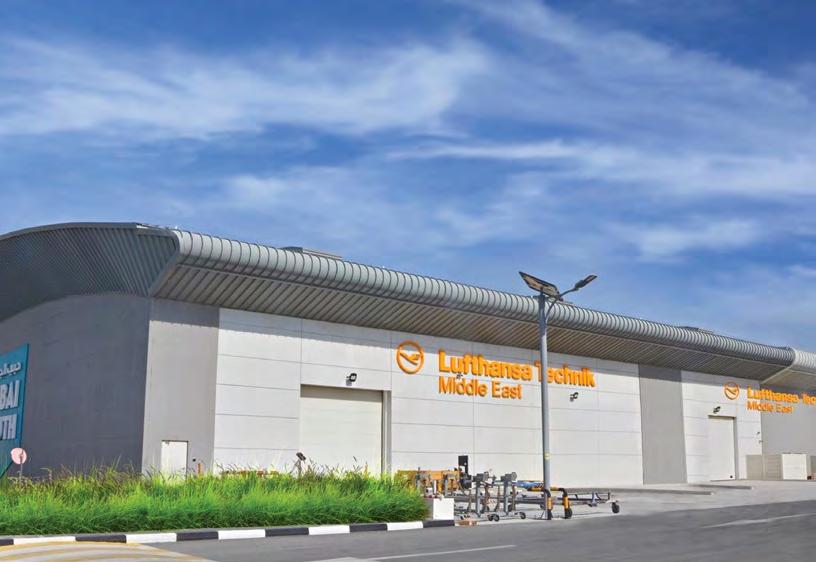
MBRAH STRENGTHENS MRO CAPABILITIES WITH NEW LUFTHANSA TECHNIK FACILITY
Mohammed Bin Rashid Aerospace Hub continues to expand its aviation ecosystem with the launch of a new facility by Lufthansa Technik Middle East
The Mohammed Bin Rashid Aerospace Hub (MBRAH) at Dubai South has marked another significant milestone in its growth journey with the official inauguration of a state-of-the-art Painting & Grinding Centre, developed by Lufthansa Technik Middle East. The new facility underscores the company’s commitment to expanding its regional footprint while reinforcing MBRAH’s position as a leading global aviation hub for advanced services and MRO capabilities.
Purpose-built to support component painting and grinding processes used in structural and composite repairs, the centre is set to enhance operational efficiency by enabling faster curing and drying times. This, in turn, will reduce turnaround times and improve service delivery for customers across the Middle East and beyond.
The inauguration ceremony was attended by Tahnoon Saif, CEO of the Mohammed Bin Rashid Aerospace Hub, and Ziad Al Hazmi, CEO of Lufthansa Technik Middle East, along with senior executives from both entities.
In his comments, Tahnoon Saif said: “The inauguration of Lufthansa Technik Middle East’s new Painting & Grinding Center marks another important milestone in strengthening the aviation ecosystem at MBRAH. We continue to attract leading global aviation players establishing advanced capabilities to support the
growing demand for aviation services in the region. This is part of our mandate to reinforce Dubai’s position as the aviation capital of the world, in alignment with our wise leadership’s vision for the emirate.”
Ziad Al Hazmi said: “This new facility marks a major step in strengthening our operational capabilities in the region. By introducing enhanced component painting and grinding capabilities, we are improving efficiency and enabling faster turnaround times for our customers. Our continued expansion at MBRAH reflects our long-standing partnership with Dubai South and our
commitment to supporting the aviation industry in the Middle East with reliable, high-quality technical expertise.”
Lufthansa Technik Middle East plays a vital role in delivering specialised airframe and component MRO services for modern commercial aircraft. Based in Dubai, the company supports airline operators across the region with component services, structural and composite repairs, and maintenance solutions for both Airbus and Boeing aircraft. Its capabilities are further strengthened by access to Lufthansa Technik’s global network, enabling seamless material
management, logistics, and spare parts supply, alongside rapid technical support worldwide.
MBRAH is home to major airlines, private jet operators, and MRO providers, as well as a growing network of associated industries. It also hosts maintenance centres and specialised training and education campuses.
MBRAH is steadily advancing its ambition to strengthen the engineering ecosystem and position Dubai at the forefront of global aviation innovation, transforming vision into tangible, highimpact infrastructure.
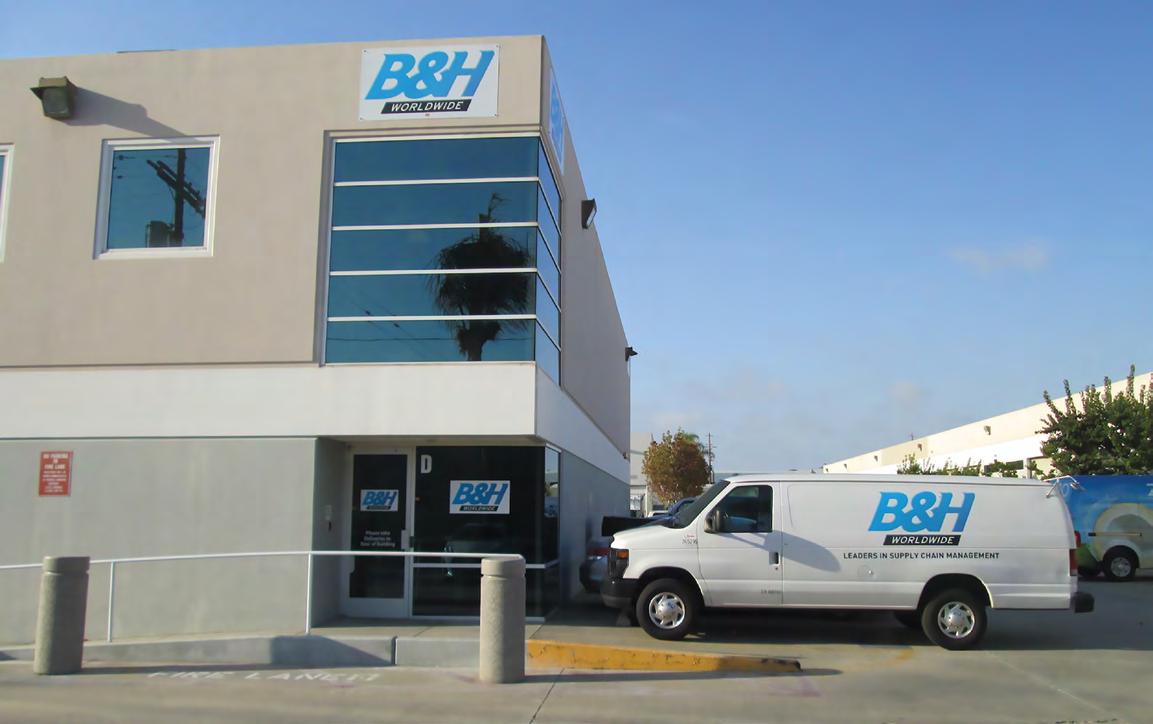
SUN EUROPEAN INVESTS IN B&H WORLDWIDE
Sun European Partners expands its buy-and-build portfolio
Sun European Partners LLP (“Sun European”), a leading private investment firm specialising in lower midmarket businesses, has announced that its affiliate has completed an investment in B&H Worldwide Ltd (“B&H” or “the Company”), further expanding its buy-and-build portfolio.
Founded in 1988, B&H provides comprehensive logistics solutions for the management of aviation and aerospace components of all sizes and types, anywhere in the
world. Headquartered at London Heathrow, the company operates globally through strategically located hubs, supported by highly specialised Aircraft on Ground (AOG) centres. These facilities enable B&H to deliver critical, timesensitive support 24 hours a day, 365 days a year.
“B&H has established itself as a trusted global logistics partner to the aerospace and aviation sector. We look forward to partnering with Stuart Allen and his team to execute on an M&A strategy within aviation logistics as well as across other
specialist logistics verticals” said Gabriel Danielachvili, Principal at Sun European Partners.
“This is an exciting milestone for our company. With the support of Sun European Partners, we will be able to continue investing in our team, our capabilities, and the services we provide to our customers. We’re proud of what we’ve built and look forward to the opportunities ahead.” said Stuart Allen, CEO and Shareholder at B&H, who will remain actively involved and invested in the business going forward.
Gulf Logistics at a Crossroads
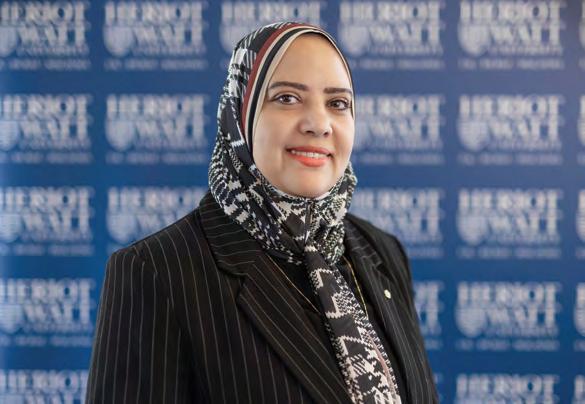
Dr Shereen Nassar, Global Director of Logistics Studies at Heriot-Watt University Dubai, explores how innovation, policy reform, and regional cooperation are redefining supply chain resilience across the Gulf.
The Gulf region has long served as a global trading and logistics hub, owing to its strategic location at the crossroads of Europe, Asia and Africa. This trajectory is set to continue, with industry forecasts projecting growth in the region’s logistics market from USD 89.32 billion in 2026 to USD 120.21 billion by 2031, representing a compound annual growth rate (CAGR) of 6.12%. However, events over the past decade
have exposed critical vulnerabilities within the sector.
From geopolitical tensions to natural disasters and global health crises, supply chains have become increasingly susceptible to disruption. Notable examples include the COVID-19 pandemic, the Red Sea crisis in 2023, Suez Canal disruptions in 2024, and ongoing geopolitical instability. These events have had far-reaching consequences across industries worldwide. The recent escalation of conflict in the Middle East has further
underscored the Gulf’s importance as a global logistics hub, particularly given its influence on fuel supply and trade flows. Approximately 11% of global freight passes through the Persian Gulf, alongside a third of seaborne oil and fertiliser supplies, 44% of sulphur exports, and 18% of ammonia, both critical inputs for semiconductor production. In this context, resilient supply chains are no longer a policy aspiration but an economic imperative.
Fortunately, there has already been some progress in this regard by governments and organisations across the world.Establishing national frameworks for supply chain resilience provides essential direction and coordination.
While the ongoing conflict has directly affected the Gulf countries, their response reflects agility and resilience, drawing on lessons learned from past disruptions. They demonstrated agility by implementing effective contingency measures to secure supply, stabilise markets and control prices. Notably, there has been a shift from isolated national responses to coordinated regional collaboration, building on existing frameworks of cooperation.
Understanding supply chain resilience requires a multi-layered perspective encompassing sourcing, production and distribution. In the face of ‘black swan’ events, government intervention is often the first line of response. Across the Gulf, resilience has been reinforced through structural collaboration and coordinated strategy.
In response to disruptions, structural flexibility refers to the ability of supply chain partners to adapt
and reconfigure their operations, processes, and relationships.
Gulf countries have mitigated disruptions by rerouting cargo across alternative maritime, land and air corridors, prioritising essential goods and strengthening regional coordination. Key strategies include utilising ports in Saudi Arabia and Oman as alternative gateways, alongside expanded cross-border trucking to create land bridges that bypass restricted maritime routes. In the energy sector, increased use of pipelines allows oil and LNG shipments to avoid the Strait of Hormuz.
While these measures have sustained trade flows, they have also led to higher freight costs due to war-risk premiums, congestion at alternative ports and the limited capacity of road transport compared with maritime shipping. Looking ahead, enhanced scenario planning and continued investment in infrastructure will be critical. Additionally, investing in physical infrastructure beyond immediate needs can provide countries with alternative pathways in times of conflict. For example, the Khorfakkan Container Terminal by DP World on the Indian Ocean coast provides vital container-handling capacity outside the Strait of Hormuz corridor, offering alternative routes for East-West connectivity. Expanding pipeline networks and bypass routes will further reduce long-term vulnerability.
Cooperative Regulatory & Policy
Levers
Governments across the Gulf have introduced regulatory measures to facilitate the rapid movement of goods, including easing transit rules and prioritising essential cargo such as food and pharmaceuticals. The cooperation enabled new border
crossings, such as the Al Rawdah crossing between the UAE and Oman, which are being opened to accommodate the increased truck traffic. Additionally, logistics companies are adopting “Last Voyage” policies for vessels entering the Gulf, allowing them to discharge cargo at safe intermediate points, such as Salalah, before they become trapped. Increased Gulf regional cooperation on maritime security, energy infrastructure protection, and trade logistics would enhance resilience against future disruptions.
To further enhance the Gulf regional supply chain resilience as a strategic priority, governments in the region are enhancing transparency and efficiency in customs procedures. Saudi Arabia’s National Transport and Logistics Services Strategy has streamlined governance by establishing clear criteria for investment. Similarly, the UAE recently held the first meeting of its Logistics Integration Council, which brings together all entities related to the logistics sector, including ports, roads, transportation, customs, and railways, to implement crossfunctional policies and strategies. These initiatives reflect a broader effort to unify vision and strengthen institutional coordination among relevant entities.
To enhance supply chain resilience in the Gulf countries, it is essential to diversify the supply base and identify alternative sources locally, regionally, and globally. This diversification will create flexibility, serving as a crucial strategy for mitigating risks during disruptions. Additionally, for critical and essential products, it is important to identify where it may be beneficial to hold stocks or strategic reserves of components or goods which are vulnerable or at-risk, including critical medicines and essential food products. Furthermore, demand management strategies, including the use of substitutes and innovation, can help alleviate pressure on supply chains. On the other hand, continued investment in non-hydrocarbon sectors remains vital to reduce exposure to commodity and transit shocks.
Digitalisation, Data & Visibility
Technological advancement is transforming the logistics landscape in the region. National platforms such as the UAE’s Advanced Trade and Logistics Platform, Saudi Arabia’s Zakat, Tax and Customs Authority systems, and Qatar’s Mwani Mobile App help improve, manage, and automate logistical processes by unifying information exchange and connecting the country’s transport and logistics chains. Beyond these, the development of AI, IoT, and Blockchain has made the industry more organised, efficient, and responsive to internal and external factors. These technologies improve data analysis, demand forecasting, and inventory management, which help mitigate risk in an unpredictable market. They are the basis for organisations to anticipate disruptions,
Dr Shereen Nassar, Global Director of Logistics Studies at Heriot-Watt University Dubai
respond swiftly, and maintain control over the supply chain, even during crises.
Onshoring - Local Manufacturing and Food Security
Building supply chain resilience in the Gulf region requires identifying whether increasing or expanding domestic capacity could help reduce risks during disruptions.
Encouraging local manufacturing and agriculture, particularly for essential goods such as food and pharmaceuticals, supports national stability. While the Middle East is historically known for its oil and gas production, it has significantly increased its economic diversification and domestic capabilities. Initiatives such as Saudi Arabia’s National Industrial Development and Logistics Programme, under Vision 2030, and the UAE’s AgriTech programmes are driving this shift, helping to localise critical industries and reduce dependency on external supply chains.
From ensuring the availability of essential goods to supporting emergency response and safeguarding maritime trade, a coordinated and forward-looking approach offers significant advantages. To remain competitive, the Gulf’s logistics sector must continue to evolve; strengthening policy frameworks, investing in infrastructure and embracing digital innovation to ensure flexibility, visibility and longterm resilience in an increasingly uncertain world.
Returns darkness to the night
BEGA pole-top luminaires with Dark Sky technology direct the light in a highly efficient manner only where it is required. Light pollution of the night sky is avoided. bega.com/darksky
to
From Vision Velocity
Words by Reeba Asghar
In a world where speed, resilience and connectivity define economic success, Saudi Arabia is emerging as one of the most dynamic logistics hubs on the global stage. At the heart of this transformation are the companies and leaders who are redefining how goods move across borders, industries and continents.
The Kingdom’s logistics sector is undergoing a profound evolution, fuelled by the ambitions of Vision 2030 and its strategic position at the crossroads of East and West. From global giants to regional powerhouses, and from established players to innovative newcomers, the industry is being reshaped by scale, ingenuity and bold ambition. Each of these organisations are contributing to a rapidly diversifying, increasingly sophisticated ecosystem.
These companies are doing far more than transporting products, they are reimagining supply chains. They are investing in state-ofthe-art infrastructure, harnessing advanced digital technologies, and building resilient networks capable of adapting to shifting global dynamics. Automation, AI-driven
logistics, and real-time visibility are no longer aspirational; they are the new standard, enabling faster, more efficient, and more reliable services to meet the demands of a growing and diverse customer base.
The Kingdom’s Logistics Elite 2026 celebrates the organisations and individuals at the forefront of this transformation, those who not only navigate complex global supply chains but actively redefine them. Through strategic investment, technological innovation, and a commitment to sustainable practices, these leaders are setting new benchmarks for operational excellence and visionary thinking.
As global trade continues to evolve, and as supply chain complexity increases, the Kingdom’s logistics champions are stepping up to the challenge. They are not only meeting the demands of today’s markets but are anticipating the needs of tomorrow, positioning Saudi Arabia as a central gateway for global commerce and a model for logistics excellence in the region and beyond.
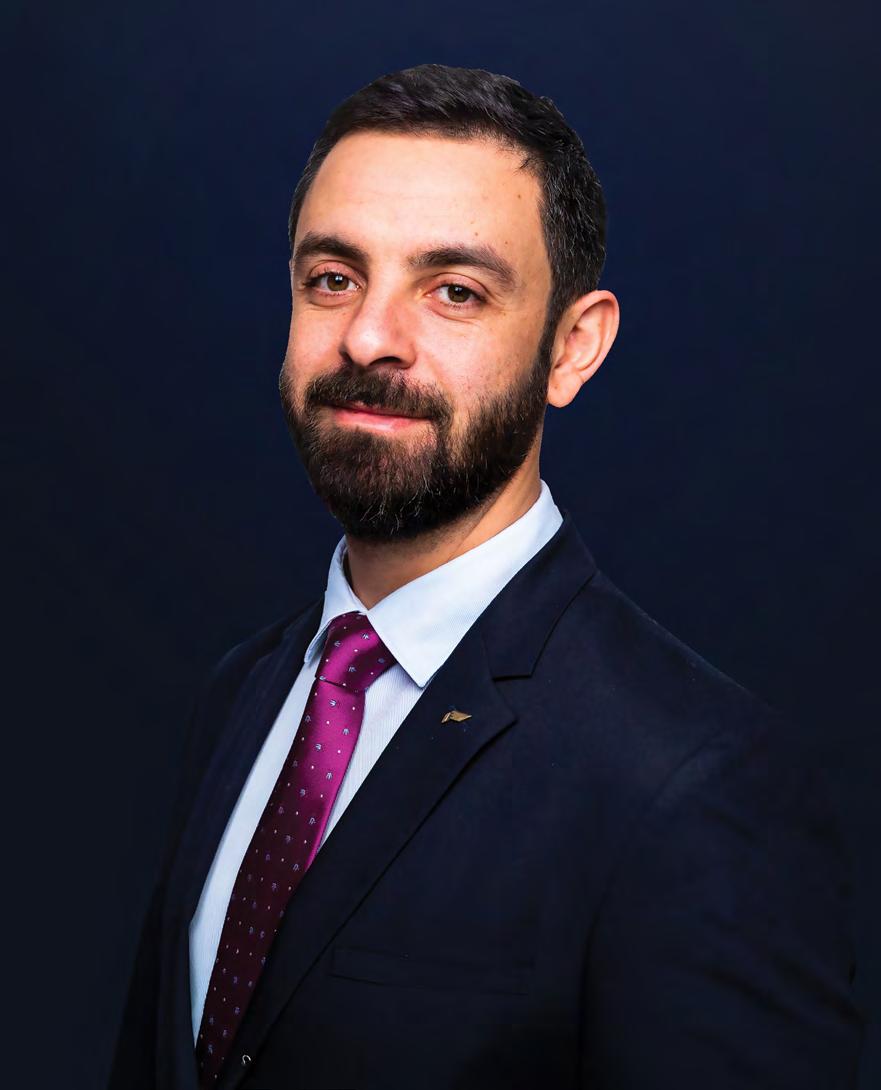
Fadi Azzi
Senior Director, Global Logistics, Aramex
“Saudi Arabia is building a globally competitive supply chain ecosystem. The future belongs to operators who combine scale, technology, agility, and customer centric design to create smarter and more resilient contract logistics solutions.”
As Senior Director of Global Logistics at Aramex, Fadi Azzi plays a pivotal role in shaping the company’s global contract logistics strategy, with a clear and deliberate focus on Saudi Arabia as a key regional growth engine. His remit spans operational excellence, scalable infrastructure development, and the deployment of future-ready logistics platforms to support customers across retail, e-commerce, industrial and emerging specialised sectors.
Under his leadership, Aramex Logistics has been repositioned as a core driver of profitability and growth within the Group. In 2025, the division delivered double-digit year-on-year revenue growth, while gross profit doubled, significantly expanding margins. This performance was driven by increased revenue per square metre, disciplined contract management, and tighter cost control across key facilities; all critical enablers for scaling contract logistics profitably in high-growth markets such as Saudi Arabia.
Today, Aramex operates a global logistics platform encompassing approximately 800,000 square metres of warehousing capacity, handling nearly four billion inbound and outbound items annually through integrated warehousing and fulfilment operations. Core logistics hubs in the UAE, Saudi Arabia and Egypt operated at near-full capacity in 2025, supported by long-term, high-quality contract logistics agreements that improved volume visibility and strengthened customer retention. Within this network, Saudi Arabia stands out as a strategic hub, benefiting from targeted customer onboarding, strategic repricing initiatives, and focused productivity improvements that have enhanced service reliability and throughput.
A defining pillar of Azzi’s strategy is large-scale digital and operational transformation. In 2025, Aramex launched its most extensive Warehouse Management System (WMS) migration to date, forming part of a broader overhaul of its digital and IT infrastructure. The
new platform is designed to deliver greater scalability, support advanced automation, and enable multiregion operations. It is already improving inventory accuracy, standardising processes across facilities, enhancing billing precision, and increasing asset utilisation; creating a more resilient and future-ready contract logistics backbone for Saudi Arabia and beyond.
Beyond technology, Azzi has led continuous improvements in network performance and operational consistency. Throughout 2025, Aramex strengthened core warehousing processes, optimised facility layouts, standardised operating procedures, and achieved industry-leading levels of inventory accuracy. These measures have enabled faster processing cycles, more predictable service levels, and a robust operational foundation to support ongoing expansion and system modernisation.
Looking ahead, Saudi Arabia remains central to Aramex’s next phase of growth. The company’s 2026 priorities include accelerating the WMS rollout across major hubs, completing planned facility expansions in the Kingdom, expanding into specialised sectors such as healthcare, chemicals and industrials, and enhancing digital integration and real-time visibility for customers. This capability-led approach reflects Azzi’s view that modern contract logistics must extend beyond storage and transportation, enabling customers to enter new markets more quickly, operate with lower upfront capital investment, and scale with confidence through technology-enabled supply chain platforms.
As the Kingdom advances its Vision 2030 and National Transport and Logistics Strategy ambitions, Azzi’s leadership demonstrates how disciplined execution, operational scale and digital innovation can position logistics as a cornerstone of national competitiveness, and reinforce Saudi Arabia’s emergence as a leading global logistics hub.
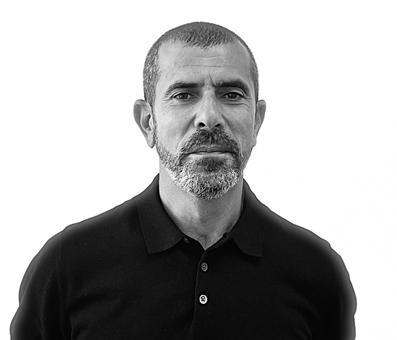
Rami Younes
General Manager & Head of Sales, Swisslog Middle East
Rami Younes is the General Manager and Head of Sales for Swisslog Middle East, where he leads the company’s regional strategy in robotic intralogistics and advanced warehouse automation. In this role, he oversees operations across the Middle East, delivering scalable, data-driven solutions designed to enhance throughput, accuracy, and operational resilience across a range of sectors, including food and beverage, grocery, fashion retail, spare parts, and third-party logistics.
With more than 25 years of experience in logistics and industrial automation, Rami brings extensive operational and commercial expertise to the region’s rapidly evolving supply chain landscape. Prior to joining Swisslog, he served as Chief Operating Officer at ALS Logistic Solutions, where he
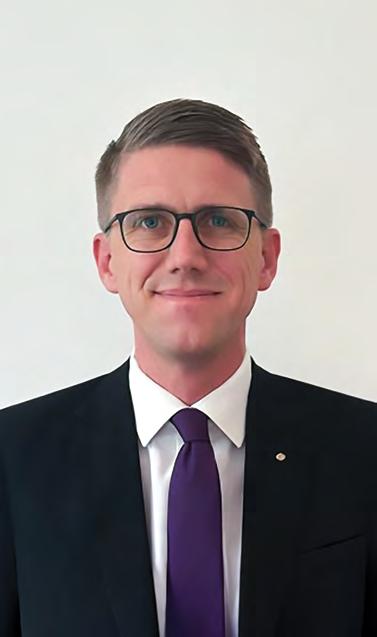
Klaus Holmager
Managing Director, GAC Saudi Arabia
GAC Saudi Arabia is a leading provider of integrated shipping, logistics and marine services, playing a central role in supporting the Kingdom’s trade, energy and industrial sectors.
Established in 1958, the company has evolved from a single office in Ras Tanura into a nationwide network, with operations spanning all major ports, including Dammam, Jeddah, Jubail, Yanbu and Jizan, in addition to the inland dry port in Riyadh.
With a presence across the Kingdom’s key maritime gateways, GAC Saudi Arabia manages substantial volumes of shipping and logistics activity each year, contributing to the efficiency and reliability of the country’s import, export and offshore industries. Its marine division further underpins
offshore exploration and production through a fleet of specialised vessels and a comprehensive suite of support services.
As part of the global GAC Group, comprising more than 300 offices in over 50 countries and a workforce exceeding 7,500 - GAC Saudi Arabia combines international reach with deep local expertise. In alignment with Saudi Arabia’s Vision 2030, the company continues to invest in digitalisation, data-driven logistics and sustainable practices, enhancing supply chain transparency, operational efficiency and long-term resilience. Through these efforts, GAC Saudi Arabia is actively contributing to the Kingdom’s ambition to become a world-class logistics hub by strengthening multimodal capabilities and expanding its portfolio of value-added services.
played a key role in supporting the growth of a Saudi-based 4PL start-up.
Over the past year, Swisslog has secured projects valued at more than US$60 million across Saudi Arabia and the UAE. Among its most notable achievements is the automation of Chalhoub Group’s flagship logistics hub in Riyadh’s SILZ Free Trade Zone, featuring a 67,000-bin AutoStore system powered by SynQ. The company has also expanded its portfolio to include autonomous mobile robots (AMRs) and multitemperature AutoStore solutions, in line with Saudi Arabia’s Vision 2030 and the UAE’s ‘We the UAE 2031’ vision. These milestones further reinforce Swisslog’s position as a leader in intelligent, human-centric intralogistics.
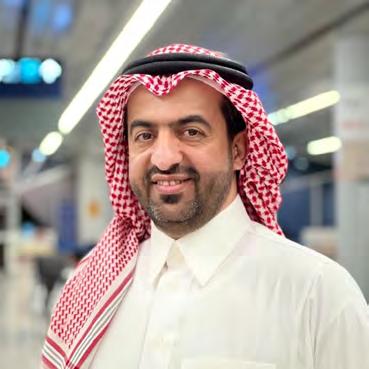
Ibrahim Bindajim
Executive Managing Director,Naqleen Company
Osama Al Azraq
Chief Commercial Officer (CCO)Wared Logistics, Zahid Group
Founded in 1958, Naqleen Company Limited is one of Saudi Arabia’s longstanding logistics and transportation providers, with more than six decades of operational excellence across the Kingdom. Built on a reputation for reliability and professionalism, the company delivers integrated logistics solutions for oil, containerised cargo, and complex project shipments, serving both domestic and international clients.
With a workforce that includes over 800 professional drivers and a dedicated support team, Naqleen manages approximately 84,000 loads annually, reflecting both its scale and operational consistency in a highly demanding market.
The company’s capabilities extend across local and long-distance transportation, warehousing, and
Wared Logistics is a leading thirdparty logistics (3PL) provider in the Kingdom of Saudi Arabia, delivering fully integrated supply chain solutions across transportation, warehousing, and distribution. Headquartered in Jeddah, the company is part of the Zahid Group ecosystem and benefits from decades of combined industry expertise through its founding partners.
Wared operates a comprehensive logistics platform encompassing fullservice transport networks, container importation and brokerage, and a network of strategically located logistics hubs across Saudi Arabia and the wider MENA region. These facilities include advanced warehousing, container yards, and fleet infrastructure, all supported by modern supply
specialised handling services, supported by a robust fleet, strategically located facilities, and a nationwide network covering key logistics hubs such as Riyadh, Dammam, Jeddah and southern regions.
Naqleen actively participates in key industry platforms such as Breakbulk Middle East, engages with cross-border trade initiatives, and benefits from the Kingdom’s new multimodal corridors and GCC integration projects. These developments, aligned with Saudi Vision 2030, enhance Naqleen’s ability to support complex supply chains and project logistics.
Today, Naqleen stands as a trusted logistics partner in Saudi Arabia, combining heritage, capability, and strategic engagement in emerging initiatives.
chain technologies and best-inclass operational processes.
Today, Wared Logistics employs more than 1,500 professionals, serving over 500 customers and delivering upwards of 17,000 projects. This scale is underpinned by more than 40 years of cumulative industry experience, enabling the company to provide reliable, efficient, and scalable logistics solutions across a diverse range of sectors.
With deep local market knowledge, robust infrastructure, and an unwavering commitment to operational excellence, Wared Logistics continues to strengthen its position as a trusted partner and a key enabler of supply chain efficiency across Saudi Arabia and the wider region.
Tarek Sultan Gary Blythe
Chairman of Agility Managing Director, Starlinks
Tarek Sultan Chairman of Agility is a diversified owneroperator and long-term investor with approximately 68,000 employees across six continents, listed on the Abu Dhabi Securities Exchange. Over the past three decades, he has steered Agility’s global expansion, leading more than 40 acquisitions.
He serves on a number of international, governmental, and commercial boards, including DSV A/S, the world’s largest logistics company, National Real Estate Company, Gulf Air, and the Abu Dhabi Chamber of Commerce. Tarek is a member of the World Trade Organization Business Advisory Group and advises several World Economic Forum communities, including the International Business Council, the Stewardship Board for Shaping the Future of Mobility, and the Supply Chain and Transport Governors.
Previously, he advised the Singapore Economic Development Board and served on the International Advisory Council of the Wharton School. For nearly three decades, he was Vice Chairman of Makhazen (formerly Agility Public Warehousing Company KSCP). His past board roles include Kuwait’s Silk City and Boubyan Island Development Project, Gulf Bank, and Burgan Bank.
Tarek holds an MBA from the Wharton School of the University of Pennsylvania and a Bachelor of Economics from Williams College.
Gary Blythe serves as Managing Director of Starlinks, where he leads the company’s strategy, growth, and operational performance across Saudi Arabia and the wider GCC. With extensive experience in logistics and supply chain leadership, Gary has played a pivotal role in positioning Starlinks as a customer-centric logistics partner supporting a diverse range of industries.
Under his leadership, Starlinks has developed an integrated logistics model that brings together fulfilment, transportation, and customer experience within a unified operating ecosystem. The company adopts a vertical-led approach, delivering specialised solutions tailored to the operational requirements of sectors such as CPG, quick commerce, automotive, and lifestyle retail.
Recent developments include the expansion of advanced warehousing infrastructure, the enhancement of digital visibility platforms, and the launch of Starlinks Solutions, delivered through a Design-Build-Operate-Transfer (DBOT) model. This approach enables customers to scale their logistics capabilities rapidly while retaining operational control and long-term flexibility.
Looking ahead, Gary remains focused on strengthening Starlinks’ role in supporting the Kingdom’s logistics transformation. This includes expanding regional capabilities, advancing supply chain technologies, and delivering scalable, future-ready solutions that enable businesses to grow with confidence across Saudi Arabia and the broader GCC.
Orkun Saruhanoglu
CEO, DHL Supply Chain MEA
DHL Supply Chain, a global leader in contract logistics, is supporting Saudi Arabia’s transformation into a major logistics hub. Combining its local knowledge and global best practices, the company provides end-to-end contract logistics solutions across retail, life sciences and healthcare, technology, automotive, consumer, and e-commerce sectors.
A key step in this journey is DHL Supply Chain’s investment in the Special Integrated Logistics Zone (SILZ) in Riyadh. The company is investing EUR 130 million in a 78,000 square metre site that includes a 53,000 square metre multi-user warehouse near King Khalid International Airport
to enhance speed and regional connectivity.
DHL Supply Chain’s joint venture with Aramco – ASMO – supports the demand for sustainable procurement supply chain services in the energy, chemical and industrial sectors.
ASMO’s partnership with Arcapita to develop a 1.4 million square metre logistics facility at SPARK marks another milestone in advancing the Kingdom’s industrial network.
These initiatives help shape a more agile, integrated, and competitive logistics landscape that aligns with Saudi Arabia’s national growth priorities and the evolving needs of global supply chains.
Poul Hestbaek
CEO, Folk Maritime
Poul is a seasoned leader in the maritime industry, bringing decades of international experience. He joined Folk Maritime following a successful tenure at Hamburg Süd, where he most recently served as Chief Executive Officer. In that role, he oversaw business operations across Europe, Latin America, and the Asia-Pacific region, navigating complex markets and driving strategic growth.
With a comprehensive maritime background, Poul began his career at sea and qualified as a Master Mariner, providing him with firsthand operational insight into the industry. He later enhanced his commercial and strategic expertise by earning a Master’s Degree in Shipping, Trade and Finance from Cass Business School in London.
By combining deep seafaring knowledge with executive leadership experience, Poul brings a unique perspective that bridges operations and business strategy. His global outlook and proven track record position him to guide Folk Maritime into its next phase of growth and innovation.
Yasser Zahreddine
Managing Director, Eastern Gulf, SMSA Express
SMSA Express is a leading Saudi logistics and courier company, established in 1994 and headquartered in Riyadh, providing integrated express, freight, logistics and e-commerce solutions across the Kingdom and internationally.
With a network of more than 450 service centres across Saudi Arabia
Sohail Choudhry
Chief Executive, Naqel Express and Group Commercial Adviser at Saudi Post Logistics (SPL)
Naqel Express is a leading Saudi logistics and supply‑chain solutions provider, widely recognised for operating one of the Kingdom’s most extensive and integrated delivery networks. Established in 1993 as Hala Express, the company rebranded following a joint venture with Saudi Post in 2005 and became fully owned by Saudi Post (SPL) in 2022, aligning its growth with Saudi Vision 2030 and the National Industry Development and Logistics Program.
Headquartered in Riyadh, Naqel Express operates an expansive network spanning 16 countries, serving markets across the Middle East, Europe, the United States and China. The company employs over
5,000 logistics professionals and manages a fleet exceeding 4,000 vehicles, handling more than 20 million shipments annually.
Its comprehensive omnichannel capabilities and extensive domestic coverage, including remote towns and villages, have established Naqel Express as a pivotal enabler of modern, efficient supply chains throughout Saudi Arabia.
For the fourth consecutive year, Naqel Express managed the transportation of 82 elite international race horses participating in the Saudi Cup
and connectivity to over 230 countries worldwide, SMSA enables seamless cross-border logistics and efficient last-mile delivery. Its comprehensive portfolio spans express delivery, freight forwarding, warehousing and distribution, e-commerce logistics, cold chain services and specialised handling, supporting a diverse range of sectors including healthcare, retail, energy, aviation and financial services.
The launch of SMSA’s pioneering microfulfilment network transformed more than 150 locations into decentralised fulfilment
hubs. This forward-looking model allows businesses to position inventory closer to end customers, enabling same-day and even within-hours delivery, while significantly enhancing operational efficiency and the overall customer experience within Saudi Arabia’s fast-growing e-commerce sector.
Through continued investment in digitalisation, infrastructure and customer-centric solutions, SMSA Express remains at the forefront of logistics innovation, consistently enhancing speed, performance and reliability across the region.
2026 from 11 countries with charter flights and bespoke logistics handling.
Aligned with national priorities, the company continues to expand its capabilities, strengthen its global network, and invest in innovative solutions.
Mohammed Ali Almajdouie
CEO, Al Majdouie Logistics
Al Majdouie Logistics is one of Saudi Arabia’s leading integrated supply‑chain and logistics providers, with over 55 years of experience across the Middle East. As a core business of the Almajdouie Group, the company began in 1965 as a land transport operator and has since grown into a comprehensive logistics powerhouse.
Headquartered in Dammam, Al Majdouie Logistics operates an
extensive infrastructure, including 1.2 million sqm of terminals and warehousing facilities, supported by a large and modern fleet of vehicles and trailers. Its workforce of around 4,000 professionals delivers reliable, high‑quality services throughout the Kingdom and the wider MENA region, underpinned by a strong commitment to safety, operational excellence and customer satisfaction.
In line with Saudi Vision 2030, Al Majdouie Logistics continues to
invest in digital transformation and sustainable practices, implementing measures to reduce carbon emissions and improve operational efficiency. From deploying fuel‑efficient transport solutions to engaging in key logistics industry forums, the company remains dedicated to providing resilient, future ready supply‑chain solutions that support the Kingdom’s ambitions to become a global logistics hub.
Yasser Zahreddine | Sohail Choudhry | Mohammed Ali Almajdouie
Abdulrahman Al-Mubarak
Managing Director - FedEx Middle East & Indian Subcontinent & Africa
FedEx is a globally recognised leader in express transportation and logistics, with a longstanding track record of connecting businesses and communities across more than 220 countries and
Saeed Sultan Al Qahtani
Chief Executive Officer (CEO), Sultan Logistics
Sultan Logistics also known as also Sultan Transport Company is a leading Saudi Arabian company specializing in customs clearance, transportation, storage, de-stuffing and safe handling of break bulk, containers, tanks and LCL shipments. Since 1973, the skilled and experienced staff have delivered these shipments safely to valued customers’ sites and warehouses across Saudi Arabia via Dammam,
territories. Within this global network, FedEx has significantly expanded its operations in the Kingdom of Saudi Arabia, enhancing the nation’s connectivity with key international
markets and supporting the objectives of Saudi Vision 2030.
In 2025, FedEx completed a major transition to a direct‑serve model in Saudi Arabia, enabling the company to oversee end to end operations including pickup, delivery and customs clearance through its own infrastructure comprising four gateways and four stations.
In addition to air connectivity, FedEx has introduced FedEx Logistics services in the Kingdom, offering comprehensive freight forwarding solutions across air, ocean and road, as well as customs brokerage and transit cargo support.
Aligned with its long term sustainability ambitions, FedEx is advancing environmental stewardship through the Priority Earth initiative, which aims for carbon neutral operations by 2040 while reducing emissions and waste across its worldwide network.
Through these strategic investments and expanded capabilities, FedEx continues to drive economic diversification and facilitate trade growth in the Kingdom.
Riyadh, Jeddah, Rabigh, and Neom Port. Sultan Logistics differentiates itself with its own fleet of 1,000 vehicles, including 50 extendable 24-meter trailers, to meet customer demand. The company also owns cranes capable of loading up to 50 tons each, forklifts with capacities ranging from 3 to 50 tons and over 700,000 square meters of asphalted open storage area ready for use in Dammam, Riyadh, Jeddah and Rabigh.
Omar Talal Hariri
Chief Executive Officer, SAL Saudi Logistics Services
SAL Saudi Logistics Services stands as a leading integrated logistics and supply chain solutions provider in the Kingdom of Saudi Arabia, strategically positioned to advance the nation’s ambition to become a leading global logistics hub. With a heritage spanning more than 70 years, tracing its origins to Saudia Cargo, SAL has evolved into the Kingdom’s national logistics champion, delivering world-class services across air, land, and sea.
Operating across key airports, seaports, and logistics nodes throughout the Kingdom, SAL offers a comprehensive portfolio of services, including cargo handling, customs clearance, multimodal transport, warehouse management, fulfilment, and end-to-end door-to-door solutions. Its integrated model ensures the seamless flow of goods from origin to destination, enhanced by cutting-edge digital systems such as its Warehouse Management System (WMS), which provides real-time tracking and operational visibility for clients and partners alike.
SAL’s commitment to excellence extends to safety and quality, underpinned by globally recognised standards and certifications. These include the IATA ISAGO accreditation, alongside adherence to rigorous EU and industry benchmarks for cargo security, handling, and workforce training.
In recent years, SAL has significantly expanded its operational footprint and strategic alliances, aligning with Saudi Vision 2030 to bolster logistics capacity and efficiency. Key initiatives include partnerships with regional authorities to develop air cargo infrastructure at Riyadh and Medina airports, collaborations to enhance connectivity in the Hail region, and technology-driven projects aimed at digital transformation and elevating customer experience.
In 2025, the company further reinforced its market leadership through a strategic collaboration with the Special Integrated Logistics Zone Company (SILZ), enabling tenants within the Riyadh Integrated Zone to access SAL’s comprehensive logistics solutions and advanced operational capabilities, cementing its role as a cornerstone of the Kingdom’s logistics ecosystem.
Today, SAL continues to drive growth and connectivity across the Kingdom’s logistics network.
RECHARTING TRADE TURBULENT WATERS IN
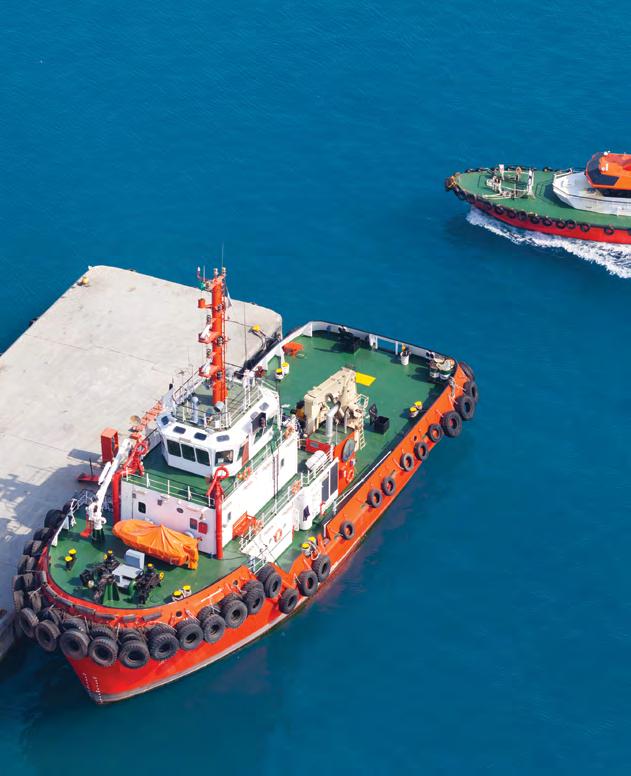
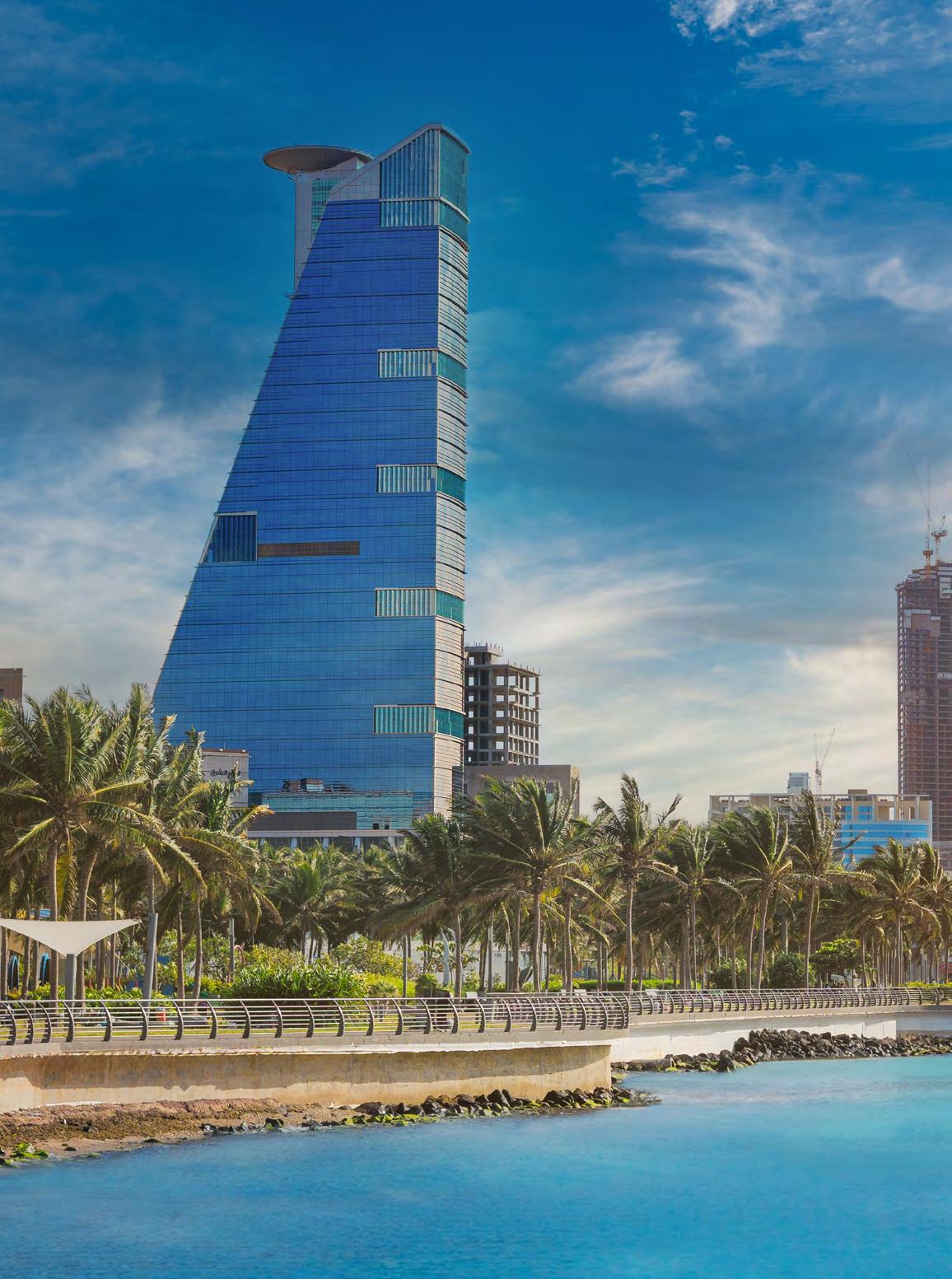
As the Strait of Hormuz lies in partial paralysis, the waters off Jeddah tell a different story: one of movement, reinvention and the enduring importance of strategic geography in the age of supply‑chain upheaval
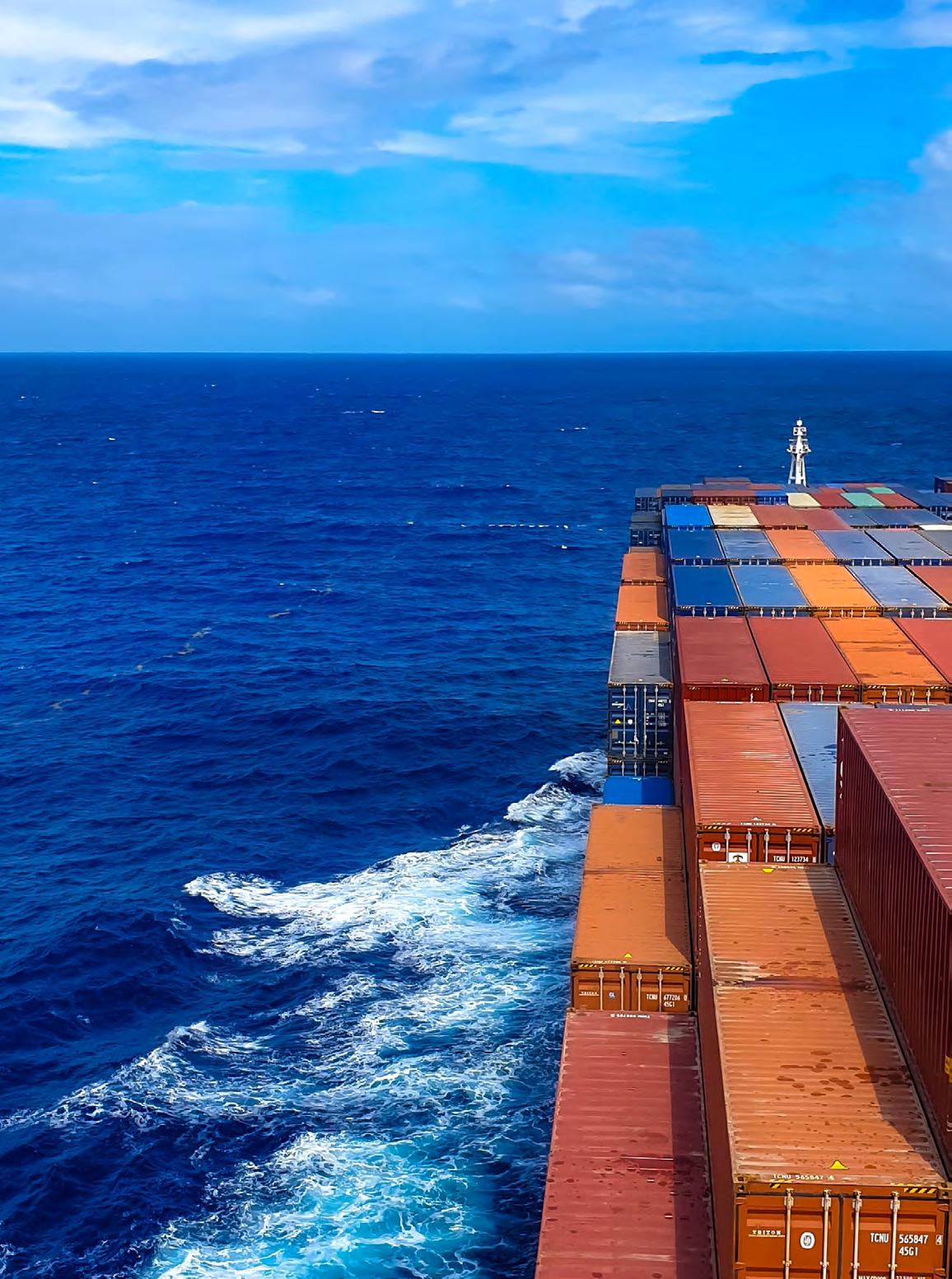
In the early months of 2026, the global shipping world witnessed something few analysts had expected so soon. The Strait of Hormuz, long the pivotal gateway through which roughly one‑fifth of the world’s oil and energy shipments passed, has become largely inaccessible to commercial traffic due to rising geopolitical tensions and the withdrawal of war‑risk insurance for vessels. The result has been a dramatic reconfiguration of maritime trade routes, forcing a rethink of how goods move between East and West, North and South.
The effect on shipping economics has been palpable. Ocean freight spot rates linked to Middle East trade lanes have risen sharply since late February, with some routes seeing cost increases of 30 per cent or more. Global freight markets, deeply interconnected though far from the conflict zone, have felt the impact as carriers adjust schedules, replan capacity, and factor in longer transit distances.
Out of this rupture in long‑established corridors has emerged an alternative: Jeddah Islamic Port, Saudi Arabia’s largest seaport and a cornerstone of Vision 2030’s economic diversification strategy. The port has been steadily gliding into this role for years. Its position on the Red Sea places it at the crossroads of east‑west trade. Through the Suez Canal, goods from Asia reach European markets; southwards, connections extend into Africa and the Indian Ocean. Investments in infrastructure, deep‑water berths, modern cargo handling systems, and digital customs processing have steadily increased capacity and efficiency. Its rise is not sudden, but it has accelerated, fuelled by necessity.
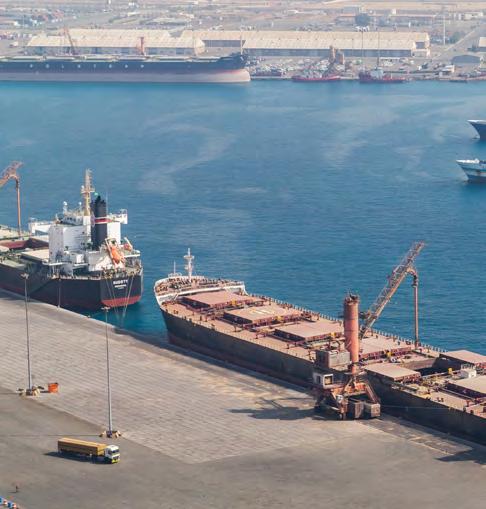
Recent port statistics tell a story of rapid change. Within weeks of transport insurers withdrawing cover for Gulf transits, shipping lines began directing container volumes, bulk cargoes, and general freight through Jeddah. The port has handled significant volumes of cargo rerouted from the Gulf, including around 100,000 trucks and more than 90,000 containers in a matter of weeks, as vessels and freight seek safe and efficient alternatives. Meanwhile, companies such as Folk Maritime are deliberately redirecting services towards the Red Sea, signalling how industry actors are adapting their logistics footprints in real time. Trade routes are being permanently reconfigured, with upwards of 34,000 maritime diversions recorded
globally as container lines, tankers, and bulk carriers seek viable alternatives across the Indian Ocean and Red Sea corridors.
The port’s deep‑water berths and improved cargo handling facilities have allowed it to absorb much of this influx without the bottlenecks that typically plague ports under sudden strain.
A quieter revolution digital transformation has played an enabling role. Ports that invested early in electronic data interchange (EDI), scanning and automation have been far better equipped to handle rapid surges in volumes while maintaining security and regulatory compliance. UNCTAD’s Review of Maritime Transport finds that digitally enabled ports saw turnaround times fall by up to 30% in high‑stress conditions, compared with manual systems.
Now, the disruption of the Gulf corridor has turned strategic potential into immediate relevance. With traditional maritime routes closed, Jeddah
has become a critical lifeline for trade, not only for Saudi Arabia, which imports most of its food and consumer goods by sea, but also for neighbouring economies seeking secure alternatives.
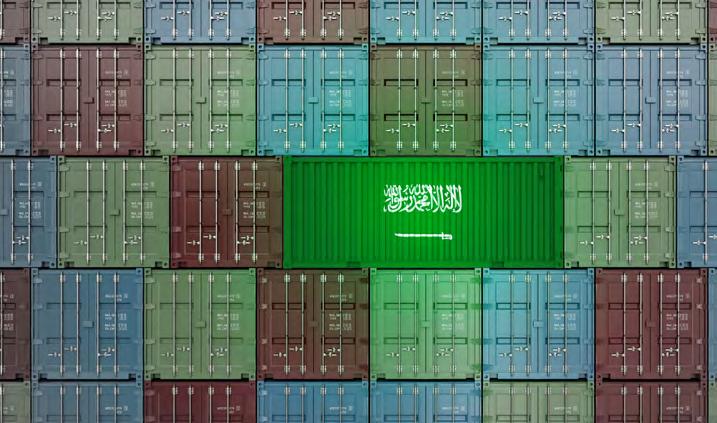
This shift carries wide‑ranging implications. For Saudi Arabia, the port’s burgeoning role reinforces broader ambitions to become a linchpin of global trade, not merely a supplier of energy. The Kingdom’s concerted investments in state‑of‑the‑art logistics infrastructure, digital customs processes, and expanded hinterland connectivity mean Jeddah is better suited than many regional competitors to handle high volumes of international cargo with speed and reliability.
From an industry perspective, the rerouting of supply chains is reshaping the economics of shipping. Routes that once hugged the Gulf are now diverting through the Red Sea corridor, with consequences for freight rates, transit times, and operational planning. While alternatives such as the Cape of Good Hope still add days to global voyages, Jeddah stands out for its geographical efficiency and the growing
number of direct services connecting it to major ports in Asia and Europe.
Beyond conventional shipping, another layer of transformation has emerged: supply‑chain diversification. Global firms with highly integrated logistics networks, from consumer goods to electronics are now assessing the risks of heavy dependence on single chokepoints, spurring investments in multiple regional hubs. A 2025 McKinsey study on supply‑chain resilience emphasised that diversification across transport corridors and geographic nodes is now a priority for multinationals, especially in volatile regions.
Environmental and sustainability considerations add yet another dimension. Rerouted traffic that avoids longer detours around Africa can help reduce fuel consumption and carbon emissions, an increasingly important factor for carriers under pressure to meet
International Maritime Organization decarbonisation targets.
The implications extend to energy logistics, too. With traditional oil exports from the Gulf constrained, Saudi Arabia and others are prioritising export infrastructure on the Red Sea, such as bypass pipelines carrying crude to western terminals, enhancing export throughput outside Hormuz.
The port’s increasing prominence is also reflected in broader commercial behaviour. Carriers such as Maersk and MSC have expanded calls to Jeddah, repositioning the port in global schedules that once prioritised the Gulf. Meanwhile, Saudi authorities are incentivising logistics and distribution firms to establish regional hubs in and around Jeddah, strengthening an ecosystem that extends far beyond simple cargo handling.
Yet challenges persist. Traffic through the Red Sea remains exposed to the security risks of the Bab al‑Mandab Strait, and some carriers still hesitate to commit to long‑term reroutes until geopolitical stability returns. But where obstacles exist, opportunities follow. Ports that can offer reliability, capacity, and connectivity become not just alternatives, but essential nodes in a redefined global network.
In the shifting tides of 2026, Jeddah Islamic Port is emerging from the shadow of a disrupted chokepoint to take its place on the world stage. Its evolution reflects not merely a tactical response to crisis, but a deeper transformation in how global trade is organised one driven by resilience, foresight, and strategic investment.
RedefiningResilience
Gowthami Kodanda Naidu, Head of Logistics at Alpha Nero highlights that in today’s volatile landscape, proactive and integrated logistics strategies are no longer optional
Gowthami Kodanda Naidu, Head of Logistics at Alpha Nero
The Middle East has stood at the crossroads of global trade for centuries. It has been a vital bridge between East and West, where some of the world’s most significant shipping routes converge. Today, that position remains as critical as ever, but it is increasingly shaped by a new and more complex reality. Geopolitical tensions, shifting alliances, and evolving trade patterns are redefining how logistics is planned, executed, and sustained across the region.
What was once a relatively predictable system is now marked by disruption. Extended transit times, rising costs, and heightened operational risks are no longer exceptions but part of the everyday landscape.
Capacity constraints and congestion along alternative routes are further compounding the issue, creating a more complex and less predictable operating
environment. In my view, this moment represents an important inflection point for the logistics sector.
In sectors such as luxury retail fit-out, where Alpha Nero is a market leader, these considerations are particularly critical. Projects in this sector often involve bespoke, high-value elements, from finely crafted joinery to custombuilt fixtures, each requiring meticulous handling, controlled transportation, and flawless coordination. Even the slightest disruption can trigger a ripple effect, delaying store openings and ultimately impacting brand performance.
At Alpha Nero, logistics is fully integrated into our end-to-end operational model. Where some companies outsource their logistics operations, our dedicated team manages inbound material sourcing, global outbound transport, and installation coordination, ensuring consistency, control, and reliability at every stage. By maintaining direct control across the supply chain, particularly in today’s volatile
environment, we can respond more quickly, enabling consistent handling standards and maintaining full visibility from origin to installation. This approach has allowed us to successfully deliver complex luxury projects across more than 45 countries, without compromising on quality or execution.
A key pillar supporting this model is its 120,000 square foot manufacturing facility in Dubai. By localising production, the company has reduced its reliance on international supply chains, an especially critical advantage for projects across the GCC and wider MENA region. Bringing the process in-house allows for tighter control over timelines, quality, and risk, while also enhancing overall responsiveness.
Yet integration alone is not enough. The modern logistics landscape demands a seamless alignment between planning, visibility, and execution. This is reflected in the careful coordination between specialised packaging solutions and on-site installation teams, ensuring that fragile, high-value components
arrive safely and precisely when needed.
Procurement, manufacturing, and delivery are synchronised to operate as a single, cohesive system, capable of executing even the most complex, multi-market projects with consistency.
We are also placing greater emphasis on route flexibility, using a combination of sea, air and land transport solutions to adapt to changing conditions. While such adaptability requires rigorous planning and cost management, it provides a critical safeguard against disruption, protecting both timelines and service standards.
The recently announced UAE–Oman Green Corridor, for instance, represents a significant step towards streamlining trade flows and enhancing connectivity. By enabling more efficient movement between Omani ports and Dubai, it offers logistics providers an opportunity to improve reliability while reducing bottlenecks.
Alongside these operational considerations, sustainability is increasingly shaping decisionmaking across the supply chain. As networks grow more complex, so does the challenge of maintaining environmental performance. Greater visibility is essential, not only to measure impact, but to make informed, smarter, and more responsible choices.
Through our proprietary Leaf platform, we can do what none of our competitors can: real-time carbon tracking across logistics. Our software analyses all variables before the project begins. This analysis is then used to determine the optimum route a shipment will take, whether by air, land, or sea; it can even provide recommendations for packing materials. After the project concludes, we can provide clients, brands,
and stakeholders with a GHG-compliant report detailing carbon emissions and potential offsets across scopes 1, 2 & 3, allowing them to make decisions based on their sustainability objectives.
These measures, backed by a 37% increase in contracts and expanded operational capacity, are enabling us to maintain reliable, damage-free delivery across luxury projects in more than 45 countries,
even amid ongoing volatility, reflecting the strength of our logistics model and the importance of building systems designed to withstand disruption.
Ultimately, the logistics sector is entering a new era, one defined by proactive design. Visibility, control, and adaptability are no longer differentiators; they are essentials. Integrated logistics models built to
anticipate disruption rather than merely respond to it, are setting a new benchmark for resilience.
As the Middle East continues to play a central role in global trade, the challenge and opportunity lies in ensuring that the supply chains supporting it are equally dynamic, responsive, and future-ready.
James Elliot-Square, Commercial Director – Middle East at Sovereign PPG
The Gulf is not just Coping, it’s
The Gulf is not just Coping, it’s Leading Global Trade Resilience
James Elliot-Square, Commercial Director – Middle East at Sovereign PPG, highlights how the GCC is quietly setting a new benchmark for resilience— keeping goods moving, markets stable, and confidence intact
Over the past few weeks, the Gulf has not merely absorbed disruption – it has demonstrated that trade resilience has become a core competitive strength. Amid heightened geopolitical uncertainty and ongoing disruption across global supply chains, governments and businesses across the GCC have focused less on rhetoric and more on continuity. The priority has been clear: to keep goods moving, maintain confidence, and ensure that essential supply lines remain intact.
A steady stream of announcements across the region has reinforced this
approach. Retailers and supermarkets have moved swiftly to reassure residents that shelves remain stocked and supply chains secure. In conversations with colleagues in Europe and the UK, a contrast has become evident. In some markets, stock levels and delivery timelines are under greater strain than those currently experienced on the ground in the Gulf. This disparity is not a matter of chance, but of preparation.
The GCC has long operated in an environment where geopolitical risk is a constant rather than an exception. As a result, contingency planning, diversification of trade routes, and sustained infrastructure investment have been embedded within regional strategy for years. Recent
developments underscore this reality. New and enhanced trade corridors between the UAE and Saudi Arabia, alongside initiatives such as the Dubai–Oman green corridor, signal a deliberate effort to strengthen cross-border connectivity. Cargo is being redirected, ports rebalanced, and alternative routes activated to ensure continuity rather than disruption.
This adaptability has been underpinned by strong coordination between the public and private sectors. Governments have acted decisively, while logistics providers have responded with operational flexibility. Where international operators face capacity constraints or service interruptions, regional logistics businesses have stepped
in, leveraging local expertise and established networks to bridge the gaps. For many, this period has accelerated a shift that was already underway: moving from standardised routes to dynamic, multi-jurisdictional solutions that prioritise resilience over efficiency alone.
From a commercial perspective, this shift is evident in the types of enquiries and engagements observed over the past two months. These include aviation fuel and logistics operators establishing parallel operations in the UAE and Oman; senior executives within freight forwarding groups seeking long-term residency solutions in Saudi Arabia; and international logistics providers setting up holding structures in Dubai to manage regional expansion. There has also been notable interest from India and Singapore-headquartered logistics firms exploring restructuring,
consolidation, and technology-led growth models anchored in the GCC.
Alongside these core logistics activities, adjacent sectors are also gaining momentum. Maintenance, Repair and Overhaul (MRO) businesses within aviation, offshore special purpose vehicles, and mainland operating companies are all appearing consistently across the UAE, Saudi Arabia, and Oman. While it would be inaccurate to suggest that these decisions are being directly attributed to specific trade corridor announcements, the pattern is telling. Logistics-related enquiries have remained steady throughout the first quarter and align closely with the same cross-border routes and jurisdictions central to current resilience initiatives.
What this indicates is not a reactive surge, but the continuation of a longerterm trend. Businesses operating in and
through the Gulf are building structures that assume disruption will occur and are designed accordingly. Cross-border licensing, regional holding companies, diversified ports of entry, and flexible residency and staffing strategies are becoming standard practice.
The lesson from the past few weeks is clear: trade resilience is not created in moments of crisis; rather, those moments reveal it. The GCC’s ability to sustain trade flows reflects years of deliberate investment and coordination across borders. More importantly, however, is what comes next. As supply chains are reshaped by uncertainty, the focus will shift from efficiency to adaptability, and from fixed routes to flexible networks. In that environment, the GCC is not simply responding to disruption – it is helping to define the model that others will follow.
LEVERAGING LIQUIDITY IN THE GULF
Florin Vasvari, London Business School
Professor
of Accounting and Executive
Dean
East),
of Executive
Education (Middle
highlights how liquidity is no longer just a safety net.
Periods of uncertainty such as the COVID-19 crisis or the ongoing conflict in the Middle East tend to amplify market volatility, disrupt trade flows, and slow decision-making across industries worldwide. For businesses operating in, or connected to, the Gulf, such dynamics create immediate and tangible pressures that put financial resilience to the test. Much like during the pandemic, liquidity management has shifted from the periphery of financial planning to its very core.
Liquidity is often seen as a defensive safeguard, a cushion to weather short-term shocks. While this is not incorrect, it
is incomplete. In reality, liquidity should be treated as a strategic asset. Firms with strong cash reserves and reliable access to committed lines of credit are not merely protecting themselves; they are preserving optionality. When competitors are forced into retrenchment, delaying investments, scaling back operations, or struggling to meet obligations, liquid firms can act decisively. They can stabilise operations quickly, retain key talent, negotiate from a position of strength with suppliers, and even pursue opportunistic investments that typically emerge in a dislocated market.
The airline industry during COVID-19 provides a clear example. Airlines
with robust liquidity buffers were better able to continue operating amid an unprecedented collapse in passenger demand, process customer refunds, and manage the crisis from a position of relative strength rather than distress. Today, that same financial flexibility helps airlines navigate the sharp rise in jet fuel costs triggered by the ongoing conflict.
The distinction between reactive and proactive financial behaviour becomes even more critical when higher energy prices and supply chain disruption are triggered by events such as a blockage in the Strait of Hormuz. In such conditions, input costs can rise sharply, delivery schedules may become unreliable, and working capital pressures can intensify rapidly. Businesses with weak liquidity may be forced into shortterm decisions, cutting essential investment, delaying payments, or accepting unfavourable commercial terms that preserve cash today but erode longterm value. By contrast, firms with strong liquidity buffers
are better positioned to absorb higher costs, manage operational disruption, and protect strategic priorities even as geopolitical shocks ripple through energy and trade markets.
Capital allocation becomes particularly crucial in these circumstances. Periods of uncertainty compel leaders to reconsider where and how capital should be deployed. The instinctive response is often to preserve cash by cutting or postponing important investments. While such caution may be understandable, an overly defensive approach can prove counterproductive. The challenge is to strike the right balance between maintaining liquidity and continuing to invest in areas that sustain long-term competitiveness, such as digital transformation, operational efficiency, and human capital. Firms that achieve this balance are more likely to emerge stronger once conditions stabilise.
Middle Eastern businesses have several options to strengthen
Florin Vasvari, London Business School Professor of Accounting and Executive Dean of Executive Education (Middle East)
their position in the current environment, provided they act early and decisively. Refinancing existing debt on more favourable terms, extending maturities to reduce near-term repayment pressure, and optimising capital structures to lower leverage are all practical and effective steps. Companies can also create valuable breathing space by renegotiating terms with suppliers and lenders, particularly at a time when many stakeholders recognise that the pressures created by geopolitical shocks are systemic rather than company-specific. This is especially important in sectors such as aviation, logistics, and manufacturing, where higher fuel costs, shipping disruption, and working capital strain can rapidly squeeze cash flow.
Such measures should be undertaken before liquidity pressures become acute. Waiting until constraints are binding significantly reduces the range of available options and weakens negotiating positions. Proactive financial management, by contrast, preserves both flexibility and credibility.
Underpinning these efforts is the need for rigorous scenario planning. In uncertain environments, linear forecasts are no longer sufficient. Businesses need to
stress-test their financial positions regularly against a range of scenarios, from short-term disruption to prolonged instability. This includes assessing implications for cash flow, working capital needs, and covenant compliance under different assumptions. Scenario planning is not about predicting the future with precision; it is about preparing for a spectrum of possible outcomes. Done well, it allows management teams to identify vulnerabilities, design response strategies in advance, and establish clear triggers for action.
Ultimately, the lesson is clear: in periods of instability, liquidity should not be viewed merely as a survival tool, but as a source of strategic clarity and control. Firms that treat liquidity as a dynamic, strategic resource rather than a passive balance sheet cushion are far better placed to withstand volatility and act decisively as new risks and opportunities emerge. In the face of the Gulf’s current challenges, this mindset is not merely desirable; it is a hallmark of resilient, forward-looking organisations. Liquidity is “essential to buy time,” and in times of uncertainty, time is often the asset that matters most.
Shalini Taneja, Deputy Director – Human Resources Department at
Keolis MHI Highlights Growing Female Workforce on International Women’s Day
Women now represent approximately 28% of employees at Keolis MHI
In conjunction with International Women’s Day, Keolis MHI has reaffirmed the growing presence of female talent across various disciplines within the company. Women now represent approximately 28% of the total workforce, holding 22% of senior leadership positions and 6% of technical and engineering roles-a clear indicator of expanding female participation in the vital transport sector.
This progress highlights the company’s ongoing efforts to enhance diversity and equal opportunity. These efforts were notably recognized by Keolis MHI’s achievement of the Gender Equality European & International Standard (GEEIS) certification, reflecting its commitment to global best practices in professional equality.
This strategic direction also aligns with the UAE’s declaration of 2026 as the “Year of the Family.” Keolis MHI emphasizes that empowering women is a fundamental pillar for promoting community stability and supporting sustainable economic growth.
Vikas Sardana, Acting Managing Director of Keolis MHI
stated: “International Women’s Day is an opportunity for us to reaffirm our dedication to empowering female talent and expanding their representation across all sectors of the transportation industry. We are committed to fostering an inspiring workplace that nurtures innovation and supports women in both leadership positions and specialized technical roles. This commitment aligns closely with the UAE’s vision to elevate the role of women in key sectors and strengthen the nation’s progress toward sustainable development
He further noted that investing in the professional development of female employees is a core axis of the company’s strategy, delivered through specialized training programs designed to hone leadership and technical capabilities.
Female Presence in Operations and Advanced Technology
At Keolis MHI, women play diverse and critical roles in operational management, monitoring schedules within control centers, and coordinating field operations teams to ensure the efficiency of the transport system.
Female engineers and specialists are instrumental in implementing the highest standards of safety, quality, and
operational risk management, ensuring service reliability for all passengers. Furthermore, in the fields of digital transformation and smart maintenance, female professionals contribute significantly to data analysis and the development of technical solutions that optimize operational performance.
A Workplace Built on Diversity and Equal Opportunity
Shalini Taneja, Deputy Director – Human Resources Department at Keolis MHI , commented: “Diversity and inclusion are fundamental pillars of our strategy at Keolis MHI. We are dedicated to providing a supportive work environment that offers equal professional growth opportunities for all employees. By continuing to invest in training and development programs that enhance the skills of our female talent, we strengthen our institutional performance and solidify a culture of innovation.”
She added that maintaining the GEEIS certification since 2022 reflects the company’s sustained dedication to international equality standards. Furthermore, she highlighted that supporting women’s participation in the labor market contributes to a more sustainable economy and a more cohesive society, mirroring the UAE’s vision for empowerment across all sectors.
Keolis MHI
Careem’s mission has always been to improve and simplify the lives of those in the region
Careem has reported key customer trends across its Everything App during the Holy Month of Ramadan 2026, a period that coincided with heightened regional uncertainty felt across communities throughout the UAE. During this time, Careem worked closely with local authorities to prioritise Captain safety above all else, while ensuring customers continued to access essential everyday services. The UAE’s resilient infrastructure enabled the company to maintain business continuity and support its Captains, partners, customers and colleagues.
Seeds for Gaza
essential role Careem’s Captains and supply chain play in keeping people connected to the things they need.
This Ramadan, Careem transformed the Arabic dot in its logo into watermelon seeds as part of Seeds for Gaza, a humanitarian initiative directing customers to support relief efforts.The campaign brought together 4,840 customers, alongside numerous partners and Careem colleagues, raising over AED 2.1 million in donations.
Across the Food vertical alone, 47,500 orders from 429 merchants and 110 brands were linked to the campaign, highlighting strong customer engagement through everyday app usage.
Careem Food
Careem Food saw robust demand throughout the month, particularly during Suhoor hours. Fast food dominated ordering trends, while popular Iftar items included lentil soup, burgers and hummus.Zaatar w Zeit emerged as a popular choice among those breaking their fast. The largest single order in Dubai was placed with Sushi Buzz, while Abu Dhabi’s biggest order came from Pizza Di Rocco, both during Iftar.
Careem Quik
Careem Quik recorded a notable shift in shopping behaviour. Orders around Iftar (5–6pm) increased by more than 33%, while Suhoor orders at 4am surged by 81% compared to the week prior to Ramadan. Bananas, bottled water and cucumbers were the most frequently ordered grocery items.
The largest grocery order in Dubai included 82 unique items, while Abu Dhabi’s largest reached 30 items. The fastest delivery of the month, a single packet of Doritos, was completed in under two minutes.
Like many businesses operating across the region this Ramadan, Careem Quik felt the impact of the broader regional environment during March. Order volumes reflected the uncertainty that affected communities and commerce alike, underscoring the
Careem Pay
Careem Pay recorded strong growth in international transfers during Ramadan. India remained the top corridor by volume, while Bangladesh emerged as the fastest-growing corridor. As uncertainty increased during March, remittance activity continued to rise, underlining the importance of cross-border transfers for families in the region. One customer completed 70 transfers to the Philippines over 21 days, while the fastest transfer to India was completed in just 12 seconds on 28 February.
Careem Plus
Careem Plus continued to deliver strong value, with members in the UAE saving over AED 300 million. The most active subscriber saved AED 17,847, with Food, Hala and Quik ranking as the most frequently used services.
Careem Bike
Careem Bike saw strong engagement throughout Ramadan. The earliest rides began at 5am, while three cyclists completed a ride every day of the month, primarily in JLT. The longest journey recorded was 39.66km, from Kite Beach to Ras Al Khor Wildlife Sanctuary.
Captains and Customer Generosity
The spirit of giving extended beyond donations, supported by Careem’s tip-matching campaign.
The most generous customer in Dubai tipped AED 950 across nine journeys, averaging nearly AED 107 per trip. Two other customers, tipping across ten and seven rides respectively, contributed a further AED 885 in total.
Careem’s mission has always been to improve and simplify the lives of those in our region. In times of uncertainty, that mission carries even greater weight.
YANGO TECH INTRODUCES AI AGENTS TO POWER THE NEXT WAVE OF DIGITAL TRANSFORMATION
Yango Tech is positioning itself at the forefront of the region’s AI growth with a new autonomous agent offering
Yango Tech, a B2B technology firm under Yango Group, has launched a new business unit focused on developing and deploying autonomous industrial AI agents. Designed to perform real operational tasks across customer service, analytics, compliance and decision-making, these agents serve sectors including fintech, medtech, e-commerce, logistics, smart cities and the public sector. The company offers both ready-to-deploy solutions and a customisable platform, enabling organisations to build tailored AI systems. This move responds to growing demand in the Middle East for scalable AI solutions, as the region moves towards a projected $320 billion AI economy by 2030.
AI Agents as Digital Employees
Yango Tech’s AI agents integrate directly with enterprise applications and data sources, including CRM, HR, and finance systems. Functioning as digital employees, they combine memory, execution capabilities and built-in security. Deployed across functions including customer support, sales, recruitment and debt recovery, they deliver up to 95% firstcontact resolution, faster hiring processes and operational savings of up to $100,000 per month.
Powering Smarter Cities and Urban Intelligence
The company’s smart city solutions enable digital twins, emergency navigation, mobility optimisation and real-time urban analytics, supporting faster decision-making while improving traffic flow and reducing energy use and costs.
In healthcare, Yango Tech’s solutions help reduce administrative workloads for physicians through appointment transcription,
intelligent search across electronic medical records, imaging analysis, and integrated AI and BI command centres. By automating documentation and surfacing unified patient data within seconds, these tools enhance diagnostic accuracy and enable clinicians to treat a greater number of patients more effectively. In financial services, Yango Tech supports front-, middle- and back-office transformation through chatbots, intelligent search, credit scoring, anti-fraud analytics and workflow automation, helping institutions improve efficiency, accuracy and compliance.
Vladimir Razuvaev, Chief Executive at Yango Tech, said: “Enterprises today are under pressure to turn AI into practical outcomes. Our AI Agents were built to help organizations deploy autonomous digital employees that integrate securely into existing systems and deliver measurable productivity gains. With around 84% of GCC organisations adopting AI, the opportunity now lies in execution. Our vision is to help healthcare providers, banks, private firms and cities scale AI responsibly while strengthening performance, transparency and service quality.”
This launch reinforces Yango Tech’s alignment with the UAE’s national innovation agenda and wider regional ambitions for AI-led economic growth, smart infrastructure and digital governance. By enabling sovereign deployments, local data control and enterprise-grade security, the platform supports the country’s vision for future-ready public services and a knowledge-based economy, while helping organisations move more efficiently from strategy to execution.
SKYBOUND SUPPLY
Autonomous drones are hovering between warehouses and homes, signalling a new era for Middle Eastern logistics
Written by Reeba Asghar
In the heart of the Gulf, where blistering sun and steel‑and‑glass skylines meet, a new choreography is unfolding in the skies above the region’s cities. For decades, the logistics industry in the Middle East was defined by deep‑water ports, sprawling container yards and long‑hauls over desert highways. But in 2026, a different kind of motion is taking centre stage: the whirr of drone rotors breaking through the heat‑shimmered air, carrying parcels, medicines and essentials with a precision that would have seemed like science fiction only a few years ago.
This aerial evolution isn’t happening in isolation. Governments, startups and global logistics giants alike are converging on a simple yet profound idea, that the future of “last‑mile delivery” lies not on congested roads, but in the open vertical dimension above them.
Skybound Logistics Takes Flight
In the UAE, this vision has moved rapidly from pilot to practical. In recent months, noon.com and its partners have begun shifting autonomous drone delivery from experimental demonstrations to day‑to‑day operations, edging closer to 15‑minute drop‑off windows in select urban zones. This isn’t the distant promise of tomorrow, it’s happening now in cities where consumers expect speed, convenience and reliability.
Abu Dhabi Investment Office (ADIO) signed 29 commercial agreements aimed at rolling autonomous mobility technologies, including drones, into commercial deployment across multiple sectors, from e‑commerce and food delivery to medical logistics and public services.
DHL Express has embraced this trend. In February 2026 an agreement was signed to trial UAE‑built delivery drones developed by LODD Autonomous in its networks, exploring how locally manufactured unmanned aircraft might help cut delivery times and lower carbon footprints.
These initiatives are not just experiments but responses to structural pressures reshaping global supply chains. With consumers increasingly demanding rapid fulfilment and e‑commerce booming across the GCC, the traditional road‑based approach to last‑mile logistics, often slow, costly and carbon‑intensive, is reaching its limits. Integrating drones and autonomous aerial systems is emerging as a practical, scalable alternative
Innovation in the Air and on the Ground
At the Dubai Airshow and in corporate boardrooms alike, firms such as Keeta Drone are vocal about their role in this transformation, positioning drone delivery as central to the UAE’s smart city ambitions and sustainable logistics blueprint. Their leadership sees an aerial network as an urban ecosystem in its own right, one that reduces
congestion on roads while accelerating delivery speeds across densely populated corridors.
There’s also momentum in hybrid approaches. Collaborations between carriers like Aramex and innovators such as LODD Autonomous are testing hybrid VTOL (vertical take‑off and landing) aircraft for middle‑mile logistics, the segment between distribution centres and local hubs, blending aerial agility with broader network efficiency
From Novelty to Necessity
This tectonic shift in delivery dynamics is not happening in a vacuum. The global autonomous last‑mile delivery market, comprising drones, robots and unmanned vehicles is rapidly expanding, projected to surge significantly in value over the coming decade as logistics networks evolve.
For Middle Eastern cities eager to lead the next era of smart infrastructure, the stakes are clear: integrating autonomous delivery is not merely a technological flourish; it is a strategic response to rising urban demands, workforce constraints and environmental imperatives. The Gulf’s urban planners and logistics executives, from free zones in Dubai to innovation districts in Abu
Dhabi see aerial delivery networks as part of an interconnected future that is faster, greener and more resilient.
The Road Ahead
There remain challenges still persist. Regulations around airspace, safety and privacy must mature alongside technology. Battery range, payload limitations and integration with ground infrastructure still need refinement. Yet, even as these hurdles are addressed,
the picture growing ever clearer is one in which everyday logistics transcends the street and begins to unfold in the invisible lanes above it.
In a region where centuries of caravan trade once relied on wind and camel paths across desert plains, the next chapter of logistics history may very well be written in the skies, where drones, not lorries, deliver the goods.