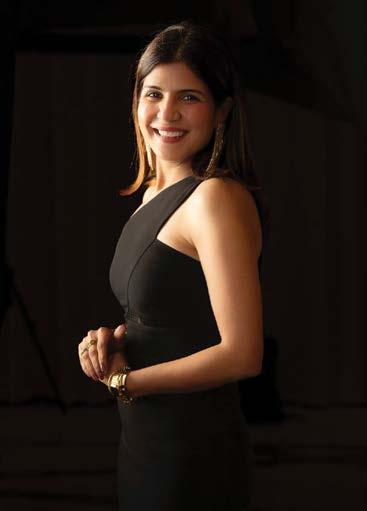
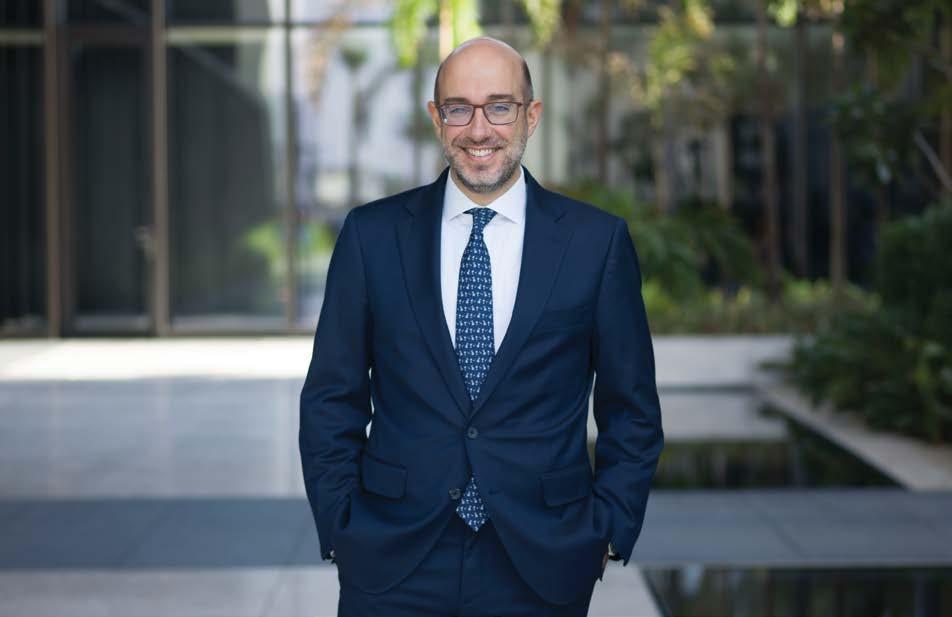
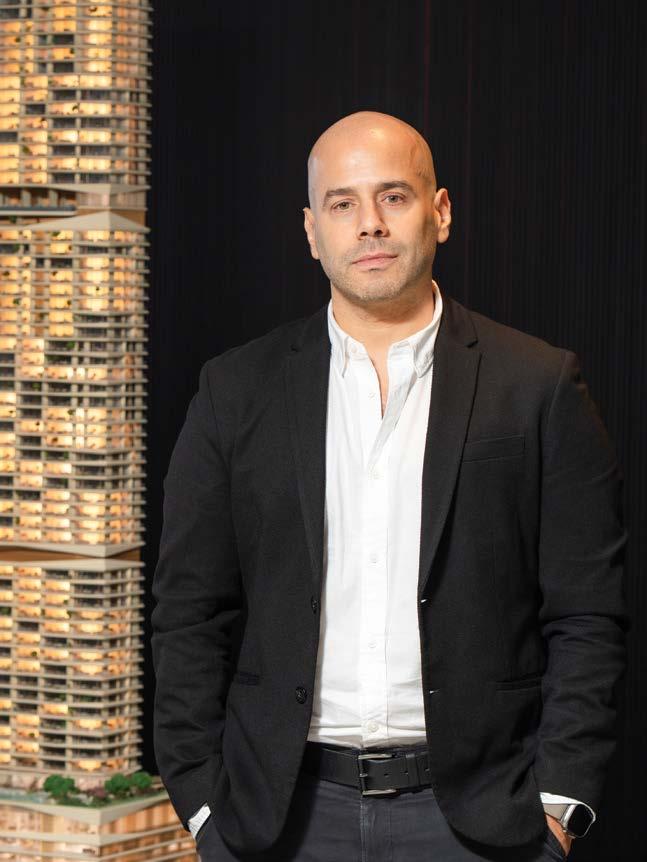
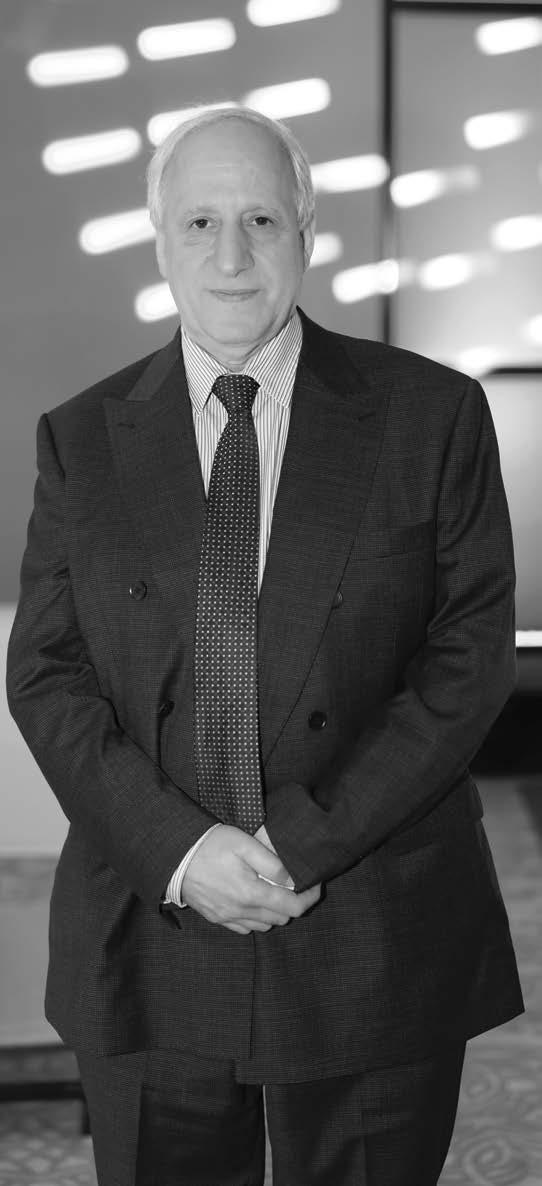
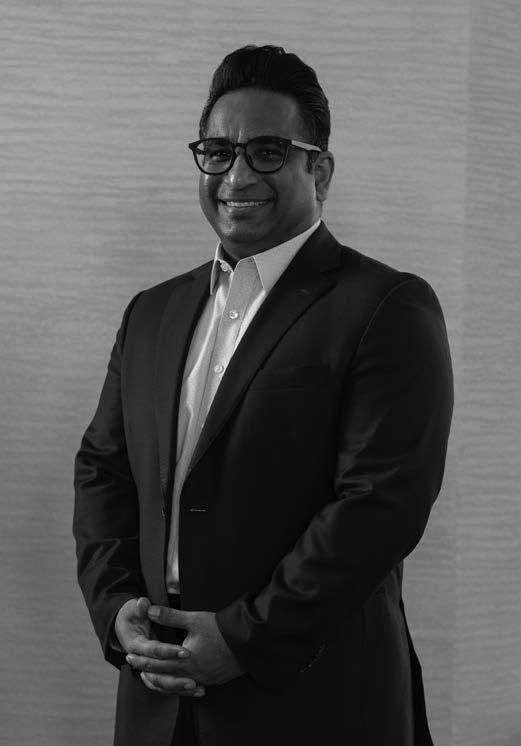
In conversation wiith Hamad Alhomiedan, Arts and Creative Industries Director at the Royal Commission for AlUla
EXPLORING/EDEN HOUSE ZA’ABEEL
H&H CEO Miltos Bosinis on the project’s timeless design
NEW FACES OF 2026
SPOTLIGHTING EMERGING TALENT, KEY HIRES, AND LEADERSHIP MOVES SHAPING THE INDUSTRY’S FUTURE IN 2026 AND BEYOND.
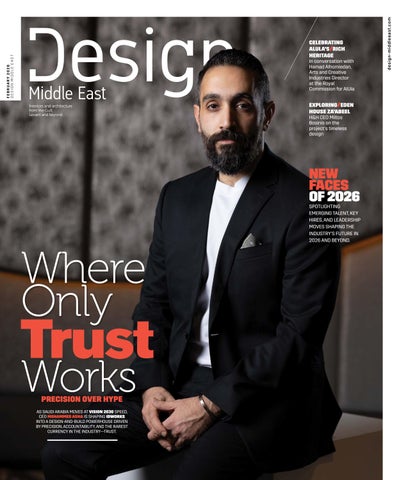
Trust Where Only Works
PRECISION OVER HYPE
AS SAUDI ARABIA MOVES AT VISION 2030 SPEED, CEO MOHAMMED ASHA IS SHAPING IDWORKS INTO A DESIGN-AND-BUILD POWERHOUSE DRIVEN BY PRECISION, ACCOUNTABILITY, AND THE RAREST CURRENCY IN THE INDUSTRY—TRUST.
Interiors and architecture from the Gulf, Levant and beyond
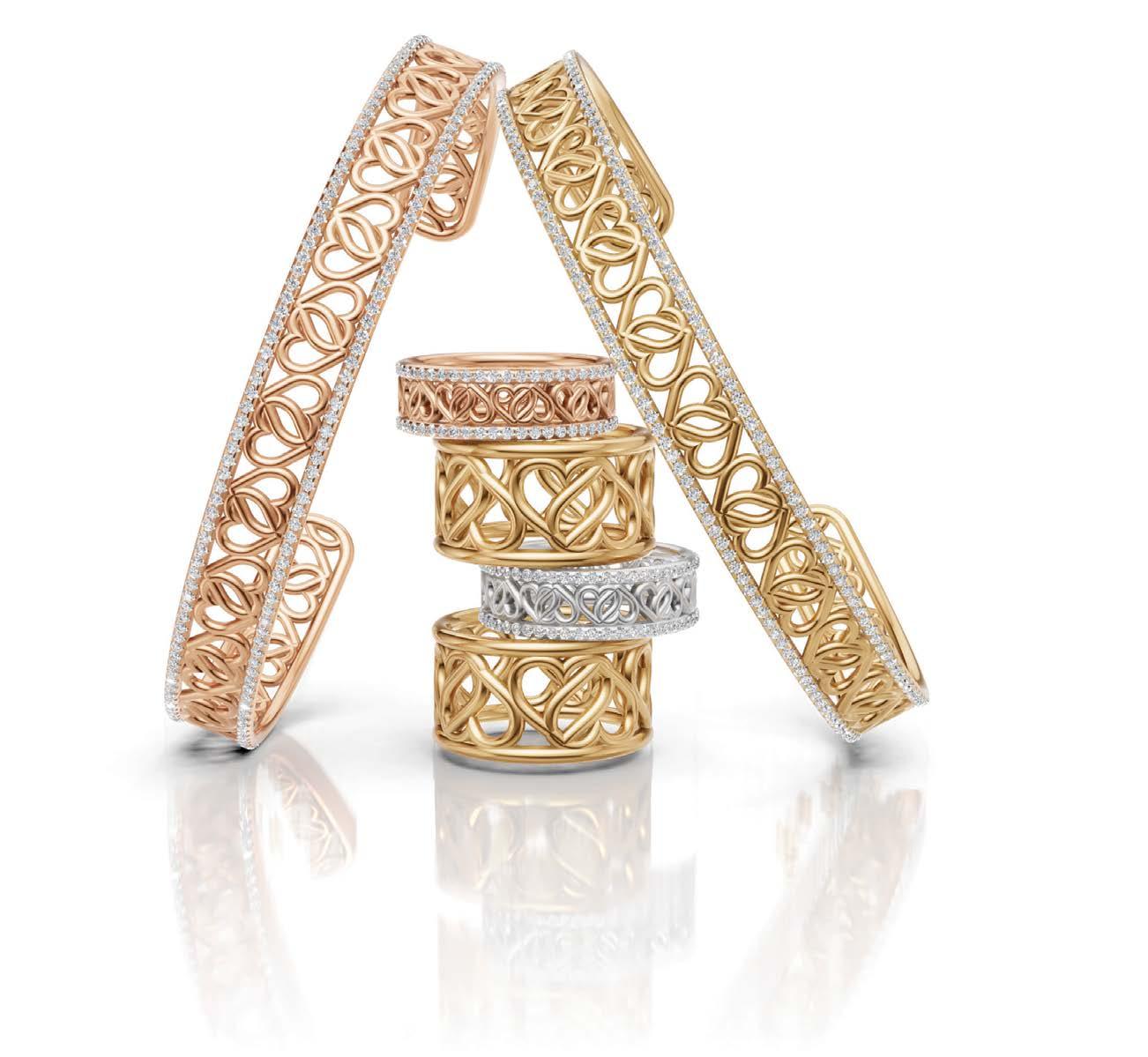
Enlighten Your Eternal Beauty, Inside and Out!
@muarjewels www.muarjewels.com
info@muarjewels.com
WHERE TRUST Works as the Foundation
Building idworks on credibility, precision, and consistent delivery, CEO Mohammed Asha re-flects on shaping a future-ready design-andbuild powerhouse aligned with Saudi Arabia’s Vision 2030—where trust isn’t promised, but proven.
16 OP-ED
Biophilic Design Trends to Watch in 2026
By DR. BELMA (ALIK) ELSAEJ, Assistant
Professor of Interior Architecture, HeriotWatt University Dubai, explores how biophilic design in 2026 moves beyond greenery to embrace multisensory, regenerative, and culturally rooted interiors, with the kitchen emerging as a key space for everyday well-being.
18 INTERVIEW
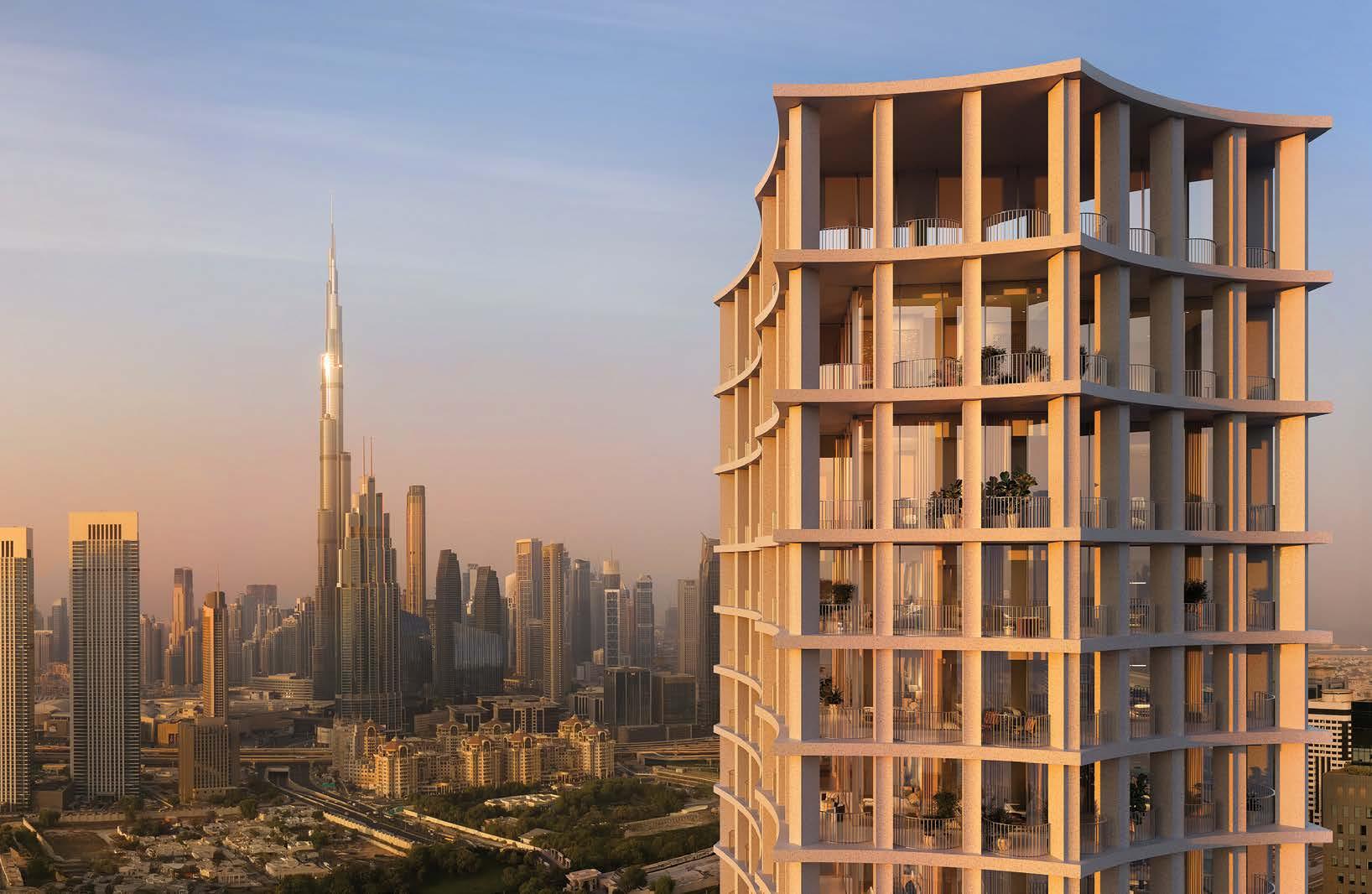
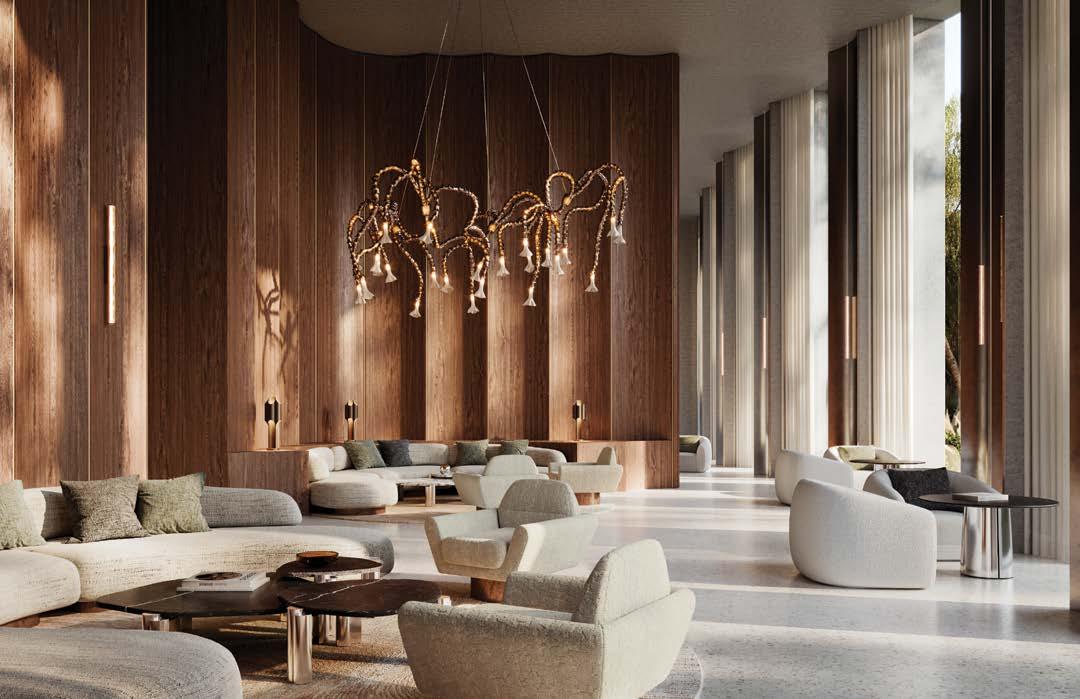
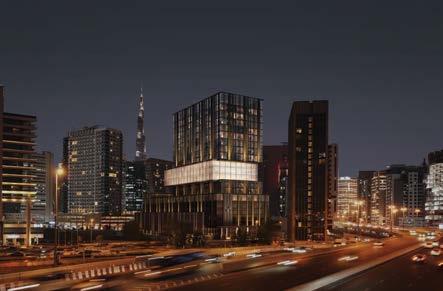
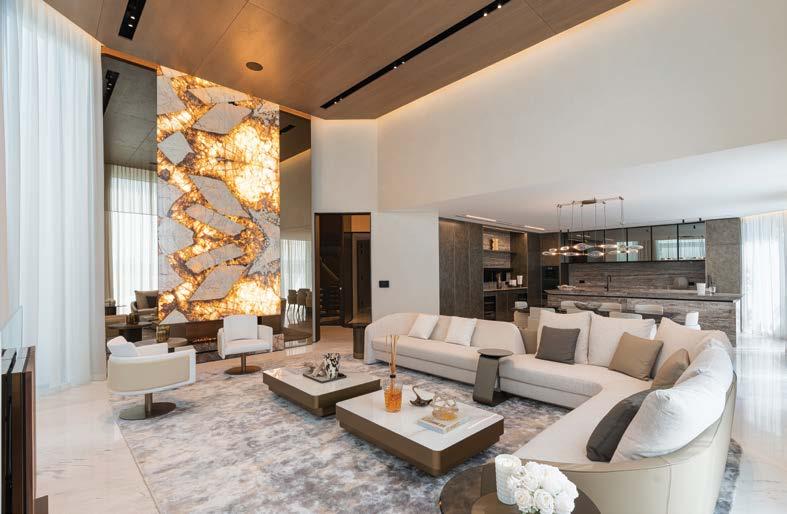
Eden House Za’abeel: Built for Life, Not Trends
H&H CEO MILTOS BOSINIS shares how Eden House Za’abeel blends timeless design, wellness-led planning, and lasting value between DIFC and old Dubai.
28 FEATURE New Faces 2026
Spotlighting the emerging talents, strategic new hires, and leadership shifts shaping the industry. It showcases designers, architects, project managers,
retail experts, contractors, and suppliers as they step into influential new roles that will define the direction of the industry in 2026 and beyond.
42 CULTURE & LANDSCAPE
When the Land Speaks
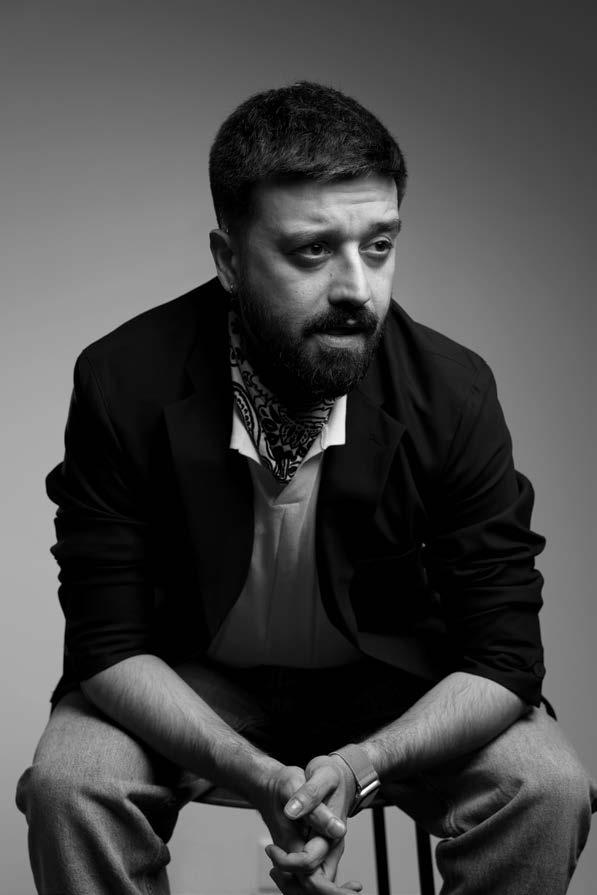
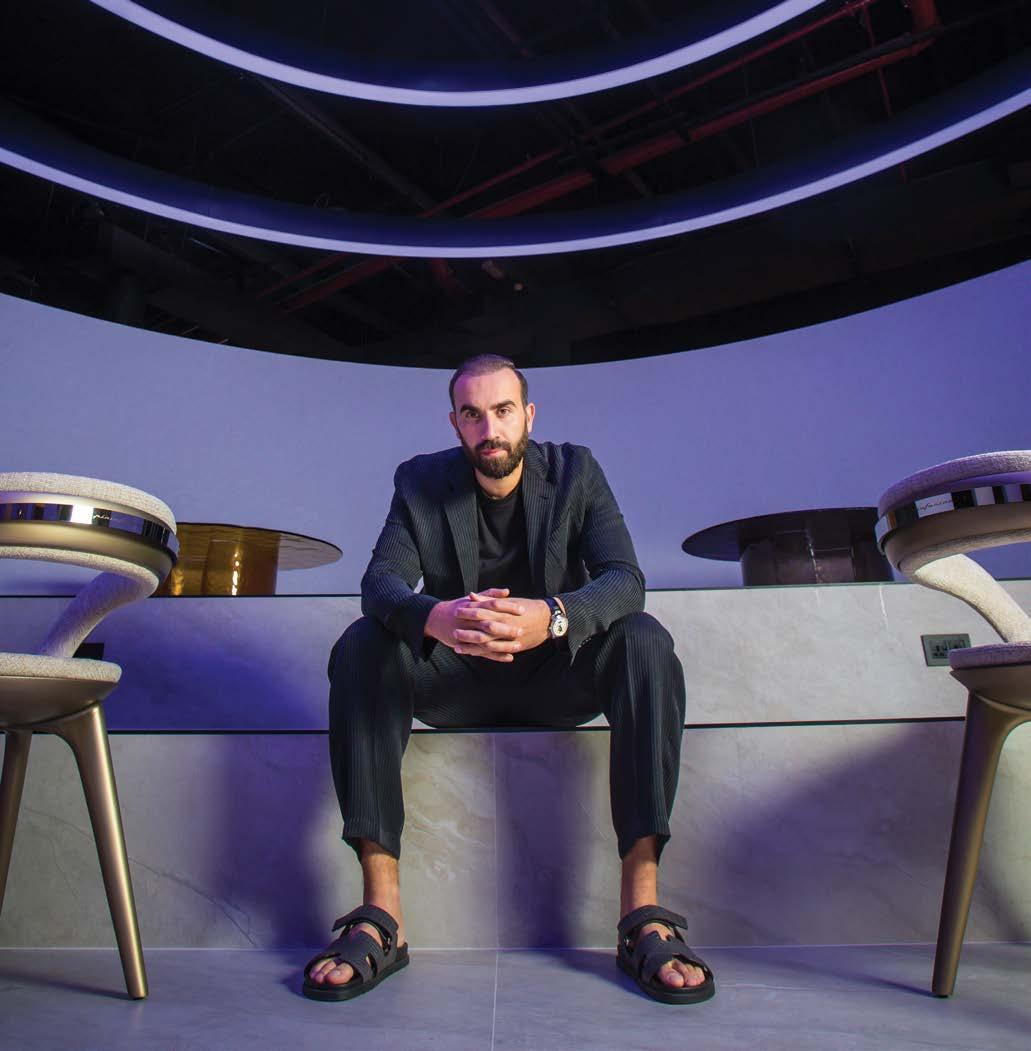
HAMAD ALHOMIEDAN, Arts and Creative Industries Director at the Royal Commission for AlUla, is shaping the region’s transformation with deliberate restraint. In AlUla, every road, building, and artwork is shaped by a single question: does it truly belong here?
46 REVIEW
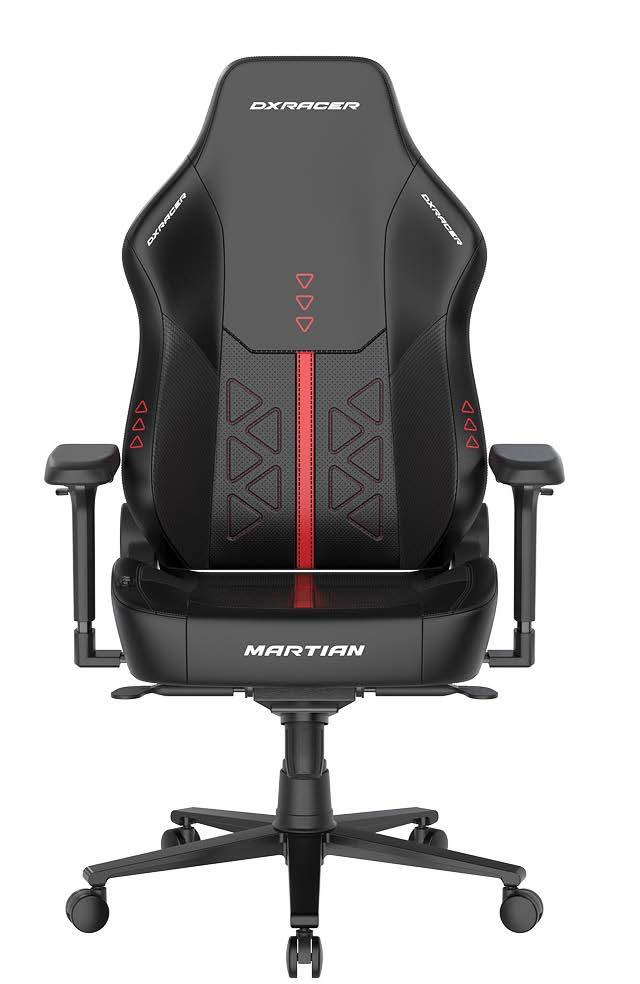
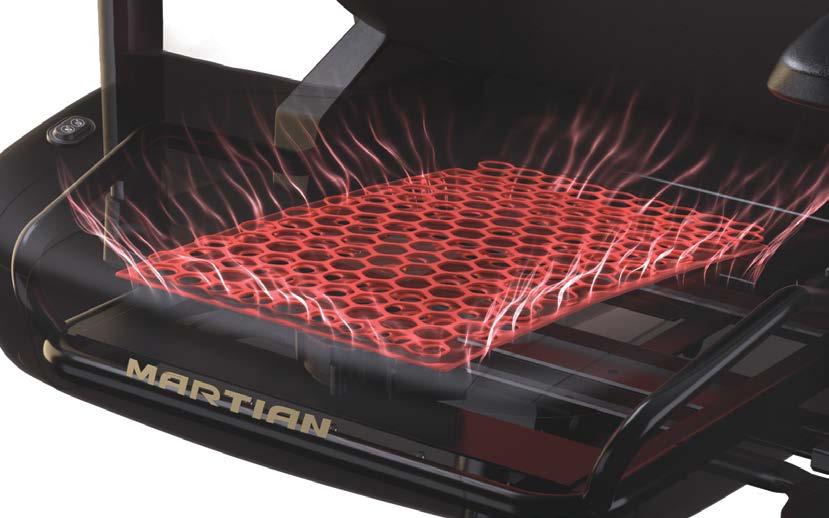
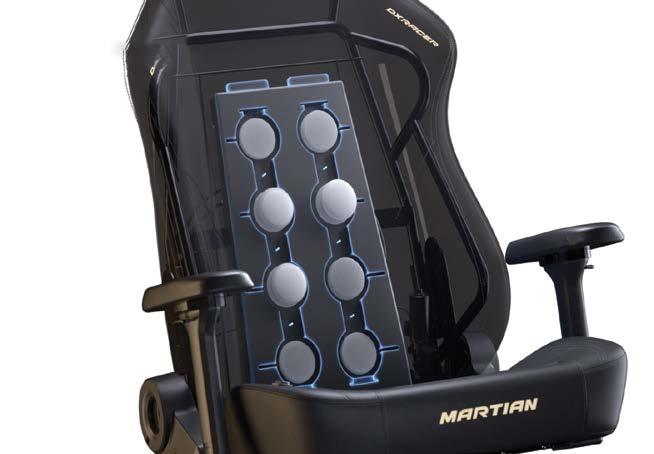
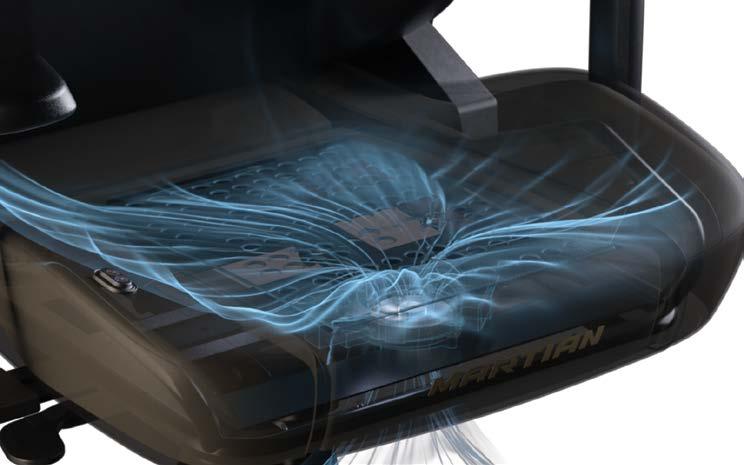
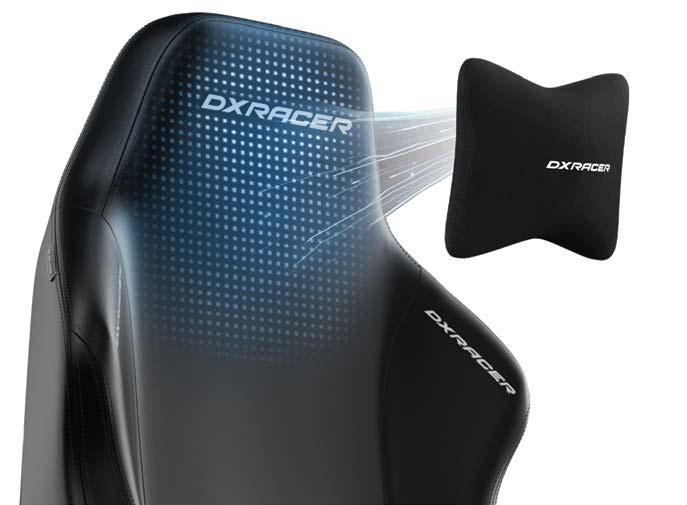
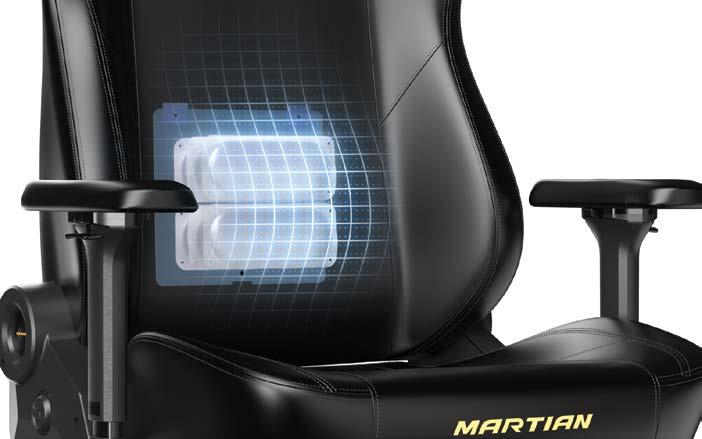
DXRacer Martian Redefines Gaming Comfort
Engineered for long hours at the desk, the DXRACER MARTIAN balances performance, comfort, and control.
50 PROJECT
Legacy Woven Concrete
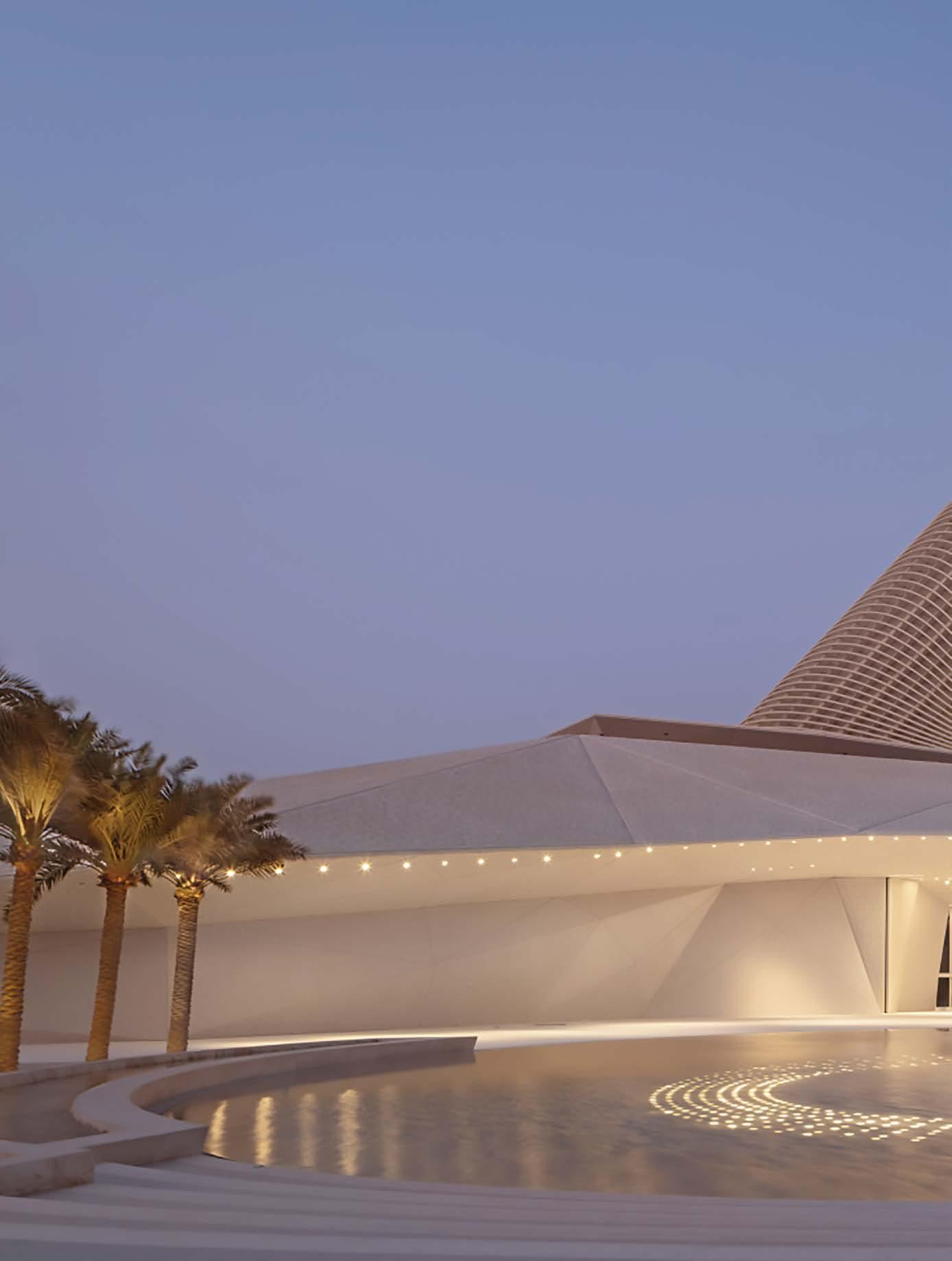
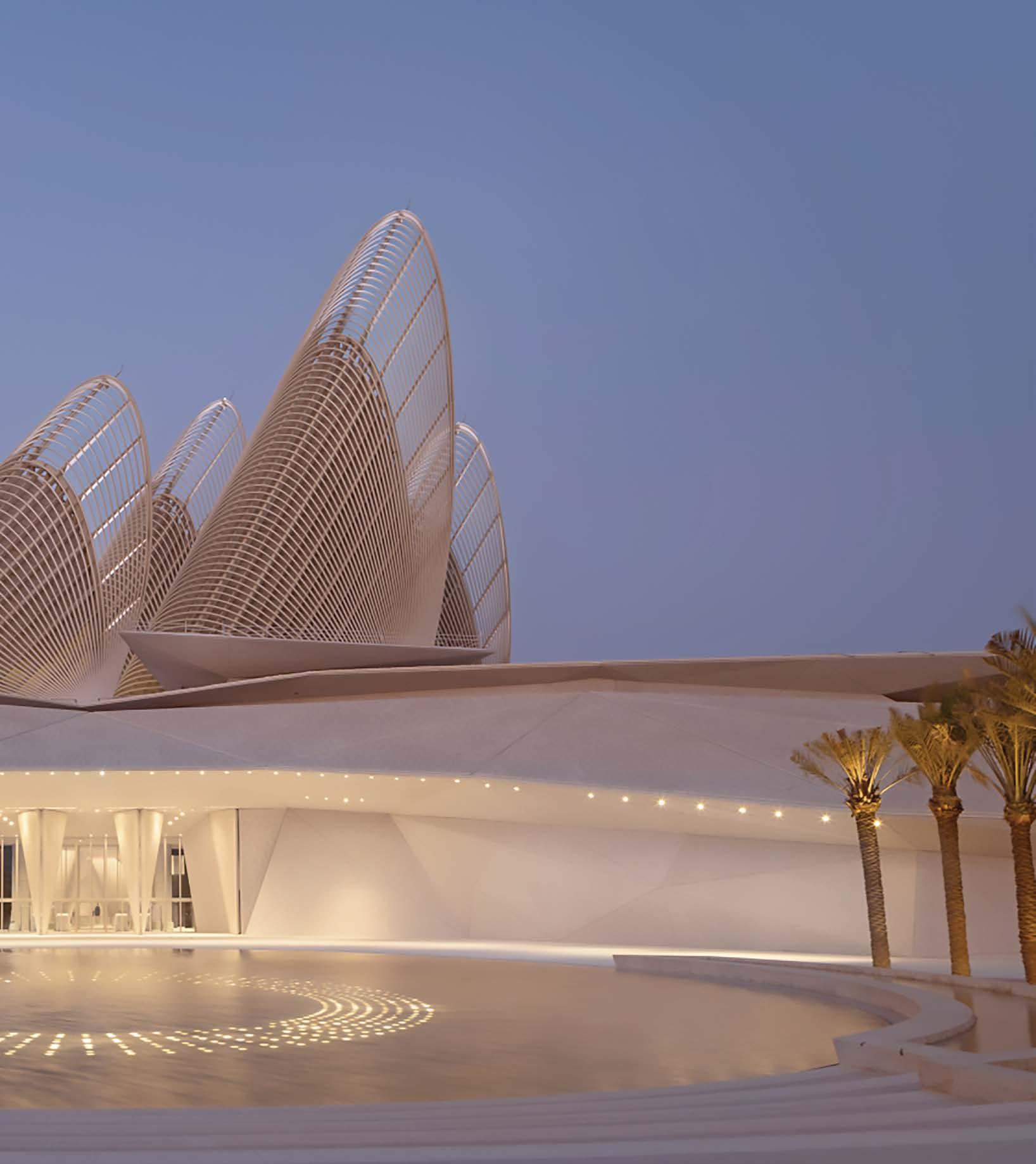
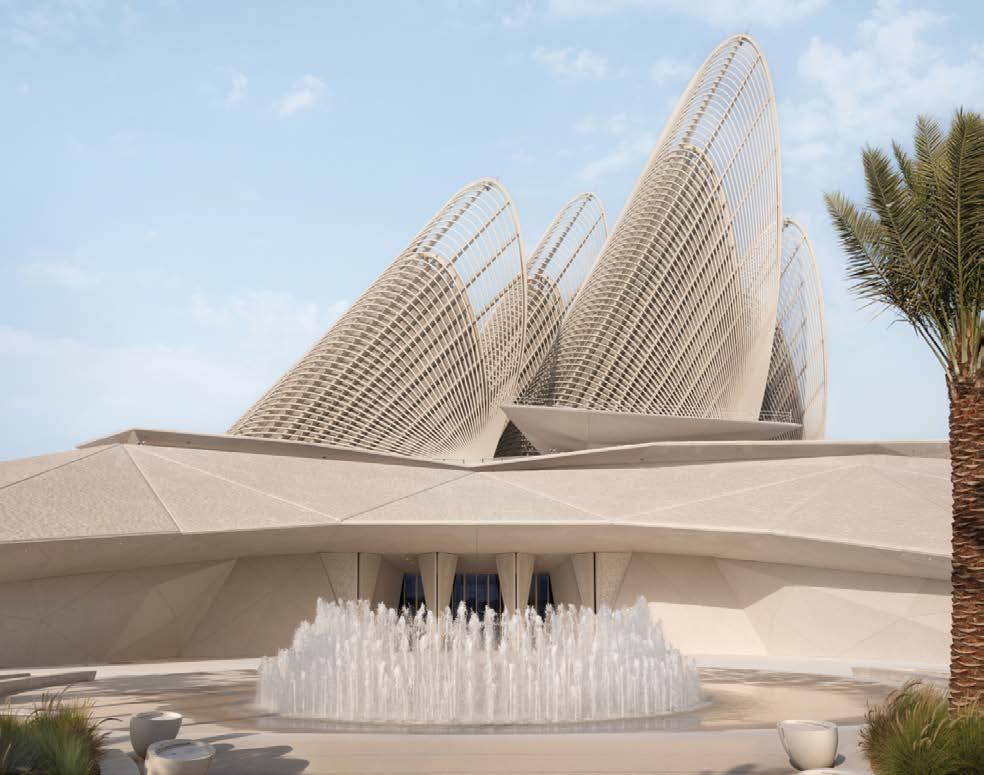
SAMER TAMIMI, Senior Vice President at Hill International Inc., lifts the curtain on the intricate project management story behind the Zayed National Museum, the cultural heart of Saadiyat Island. From coordinating
specialist systems to honouring a nation’s heritage, he explains how Hill is helping to deliver a landmark worthy of the UAE’s founding father
56 TALKING POINT
Echoes of Diriyah
A conversation with KIRAN HASLAM reveals the emotion, heritage and quiet ambition shaping the rebirth of Diriyah
62 INTERVIEW
Where Heritage Lands
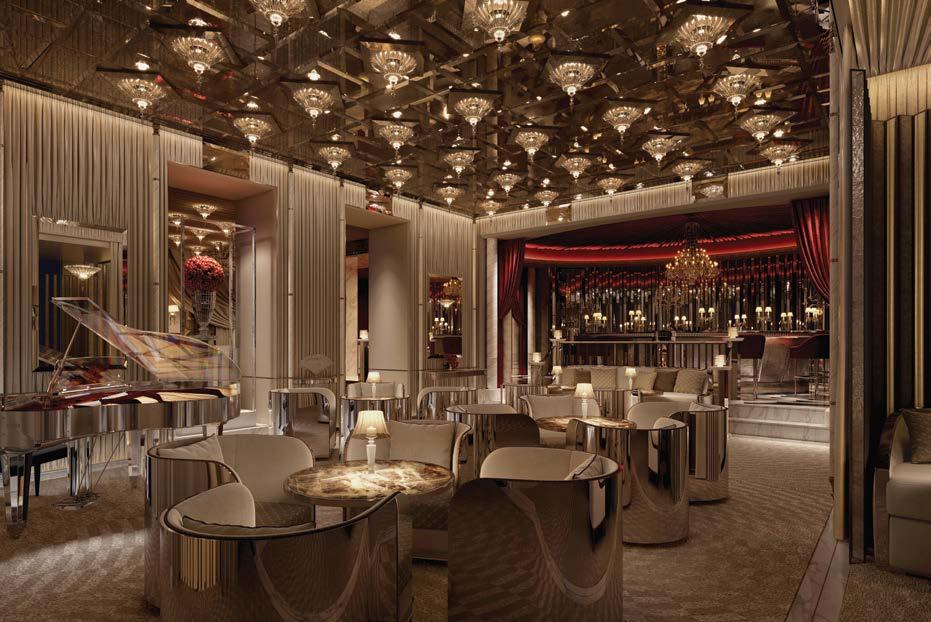
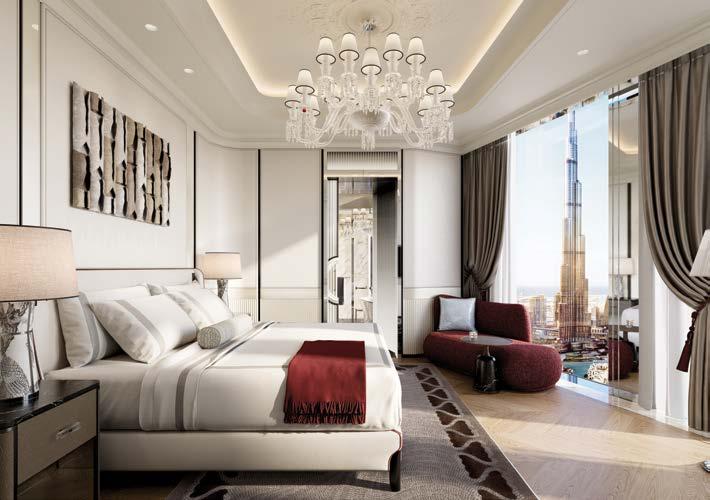
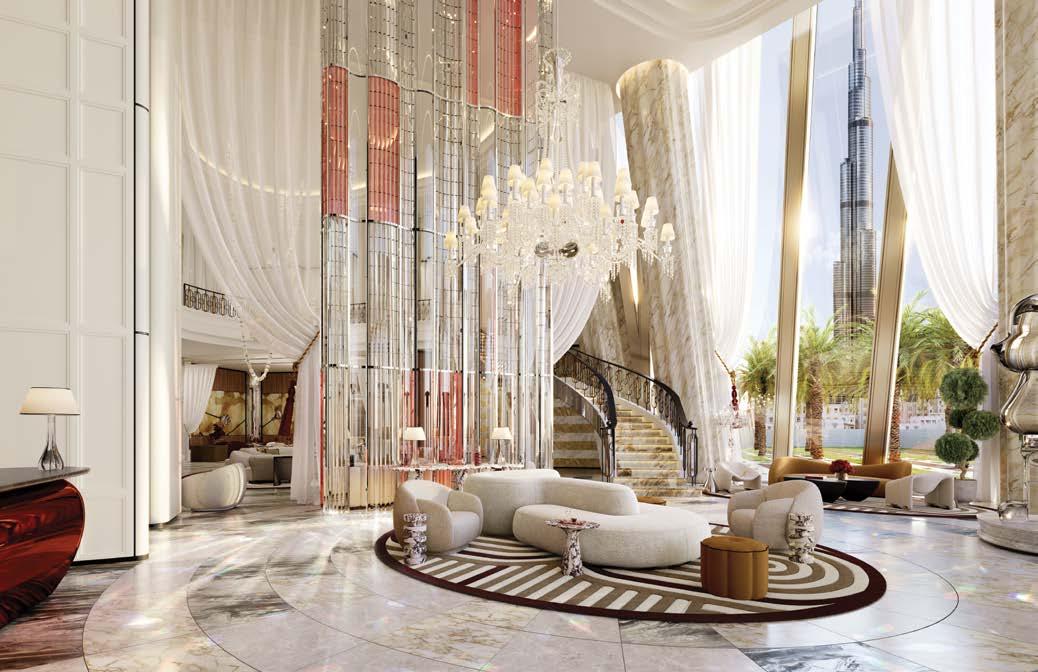
Baccarat Hotel & Residences
Dubai
SUDHIN SIVA, Chief Asset Management Officer at Shamal Holding, and Toni Stoeckl, Chief Marketing Officer at Starwood Hotels, reflect on a partnership that’s shaping something truly exceptional—an address poised to turn global eyes to Dubai, and a new property designed to make the city’s next chapter unmistakably felt
68 PICK OF THE MONTH
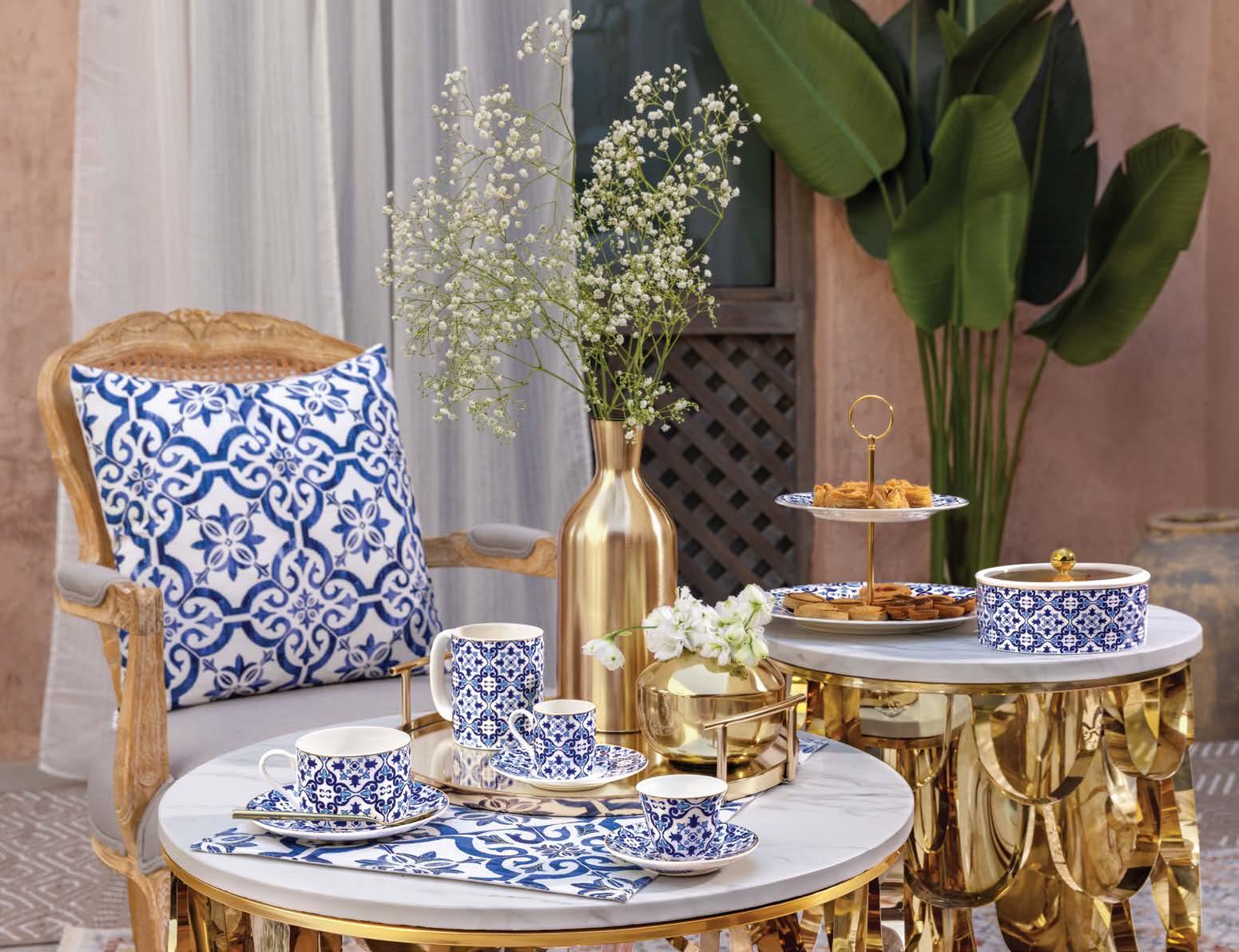
Refresh Your Home for Ramadan
Lifestyle at CENTREPOINT has launched its latest Ramadan home décor and home fragrance collections, thoughtfully curated to elevate living spaces throughout the holy month.
SUITE TREAT
Step into a world of opulence when you book a Suite at Raffles Doha.
Experience the added luxury of QAR 750 credit to spend on dining in the hotel, and QAR 500 towards any Spa treatment.
Children aged 12 and below are welcome to indulge in the enchantment of complimentary dining.
Rates starting from QAR 3,500 per night
For reservations, please call +974 4030 7100 or email reservations.doha@raffles.com
EXTRAORDINARY
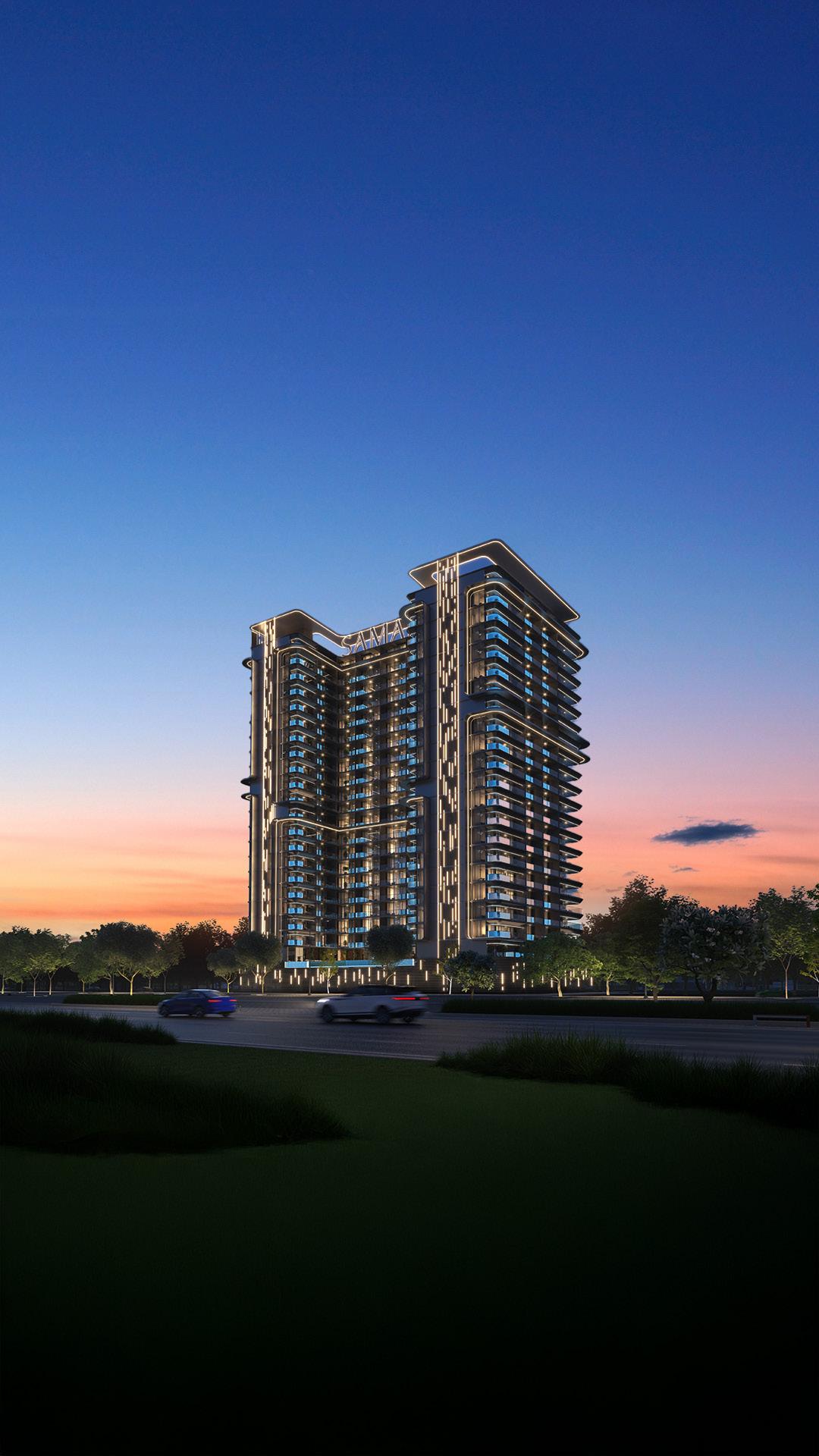
Escape to a home where urban sophistication meets resort tranquility. PRIVATE POOLS | 30+
Rediscover Inspiration at Le Méridien Dubai Hotel & Conference Centre
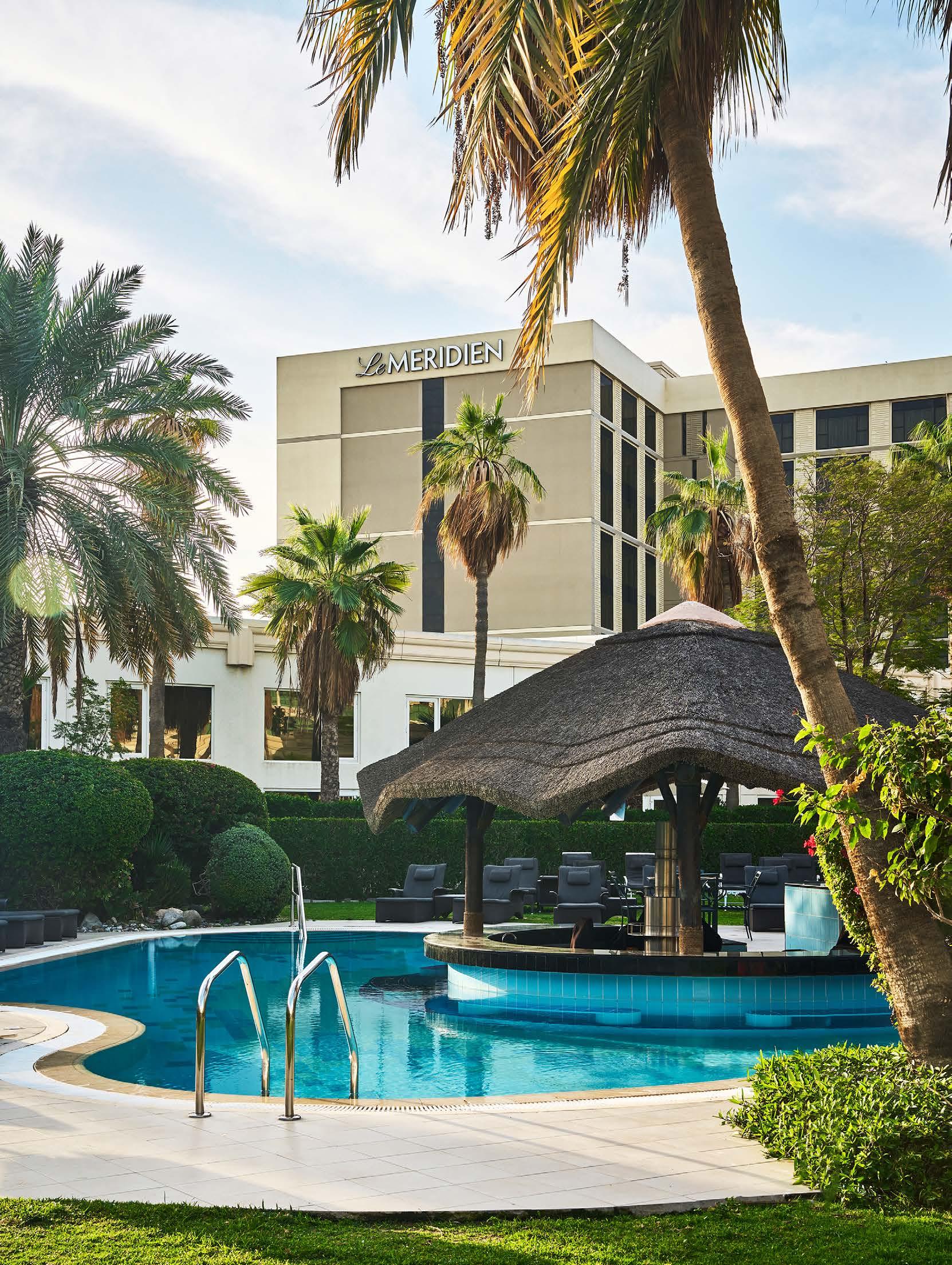
A serene sanctuary at the heart of the city’s dynamic landscape, Le Méridien Dubai Hotel & Conference Centre redefines the art of urban hospitality. Set across 15 acres of immaculately landscaped gardens, the hotel o ers an elegant retreat just moments from Dubai International Airport, placing guests within e ortless reach of the city’s most iconic districts, from Dubai Mall and Burj Khalifa to the storied charm of the Gold Souk and Dubai Creek.
With 580 beautifully appointed rooms and suites, the property invites travellers into a world where contemporary design meets the timeless sophistication of the Le Méridien brand. The distinguished 196 rooms in the Le Royal Club wing elevate the experience with spacious, light-filled rooms, and refined club privileges, while select ground-floor accommodations in the main building open directly onto lush gardens and tranquil pools, o ering a resort-like ambience rarely found in the city.
Well-being is woven into the hotel’s DNA. Guests may indulge in five swimming pools, unwind in serene outdoor enclaves, or train at one of Dubai’s most expansive and advanced fitness facilities, sta ed by expert coaches and equipped with cutting-edge technology to nourish mind, body, and spirit.
At the heart of the property lies an extraordinary culinary journey. Housing 18 acclaimed restaurants and bars, Le Méridien Dubai is home to some of the city’s most storied dining institutions. From the ever-legendary Seafood Market, celebrated for its market-style freshness, to Casa Mia, Dubai’s pioneering Italian restaurant, each venue reflects a passion for authenticity, craftsmanship, and memorable dining artistry.
A beacon for global meetings and events, the hotel features more than 44,000 sq. ft. of versatile event spaces, comprising 24 impeccably designed venues outfitted with modern audiovisual capabilities. Whether orchestrating a grand celebration for 1,750 guests, hosting an international exhibition, or curating an intimate executive gathering, the hotel’s specialist events team and award-winning culinary experts bring each vision to life with impeccable precision and creative flair.
From inspired dining to world-class event facilities, and from resort-style relaxation to unmatched convenience, Le Méridien Dubai Hotel & Conference Centre stands as a destination where cosmopolitan energy and cultivated luxury converge, inviting every guest to unlock a stay that is truly memorable.
“Good things happen when you keep showing up.”
Can you believe we’ve already sailed through the first month of 2026? It feels like the year only just began, and suddenly we’re already deep into new plans, new deadlines, and new momentum. Time really does fly when you’re busy building, creating, and chasing what’s next. But if there’s one thing this pace reminds me of, it’s that consistency is underrated—and showing up, every single time, is what truly creates progress.
That’s the same mindset we carry at Design Middle East. Our commitment is simple: to keep showing up for our readers and clients with stories that matter, features that feel fresh, and insights that go beyond the obvious. We believe the industry deserves more than repetition—it deserves perspective, discovery, and that extra effort that turns good content into something memorable. So we keep searching, listening, and digging deeper for the stories that deserve a bigger platform.
This month’s cover story is exactly that. Mohammed Asha, CEO of idworks, is quietly building one of the region’s most trusted design-and-build firms across Saudi Arabia, the UAE, and Jordan. What makes him stand out isn’t noise or hype—it’s precision, accountability, and consistent delivery. In an industry where credibility is everything, Asha represents a leadership style rooted in discipline and long-term thinking. He proves that trust isn’t something you market—it’s something you earn, project after project.
Moving on, we’re excited to present our special feature, New Faces of 2026, spotlighting emerging talent, key hires, and leadership moves shaping the industry’s future. Often, we focus on the familiar names—this one is dedicated to the rising stars and fresh journeys that deserve attention.
Alongside our regular mix of projects, interviews, op-eds, and global news, we also step into the Ramadan season with our Pick of the Month—perfect for anyone looking to refresh their home with thoughtful pieces and beautiful arrangements. Until next month—keep showing up.
Roma Arora Editor roma@bncpublishing.net
@romaarora_
CEO WISSAM YOUNANE wissam@bncpublishing.net
MANAGING DIRECTOR RABIH NAJM rabih@bncpublishing.net
GROUP PUBLISHING DIRECTOR JOAQUIM D’COSTA jo@bncpublishing.net +971 50 440 2706
COMMERCIAL DIRECTOR ANDREA MOCAY andrea@bncpublishing.net
DIGITAL REPORTER REEBA ASGHAR reeba@bncpublishing.net
DIGITAL MEDIA PRODUCER EDUARDO BUENAGUA Eduardo@bncpublishing.net
SUBSCRIBE subscriptions@bncpublishing.net
PO Box 502511 Dubai, United Arab Emirates T +971 4 420 0506 | F +971 4 420 0196
For all commercial enquiries related to Design Middle East, contact our Group Publishing Director JOAQUIM D’COSTA jo@bncpublishing.net | T +971 504402706
Design Middle East is exclusively licensed to BNC Publishing. No part of this magazine may be reproduced or transmitted in any form or by any means without written permission of the publisher. Images used in Design Middle East are credited when necessary. Attributed use of copyrighted images with permission.
Printed by UPP
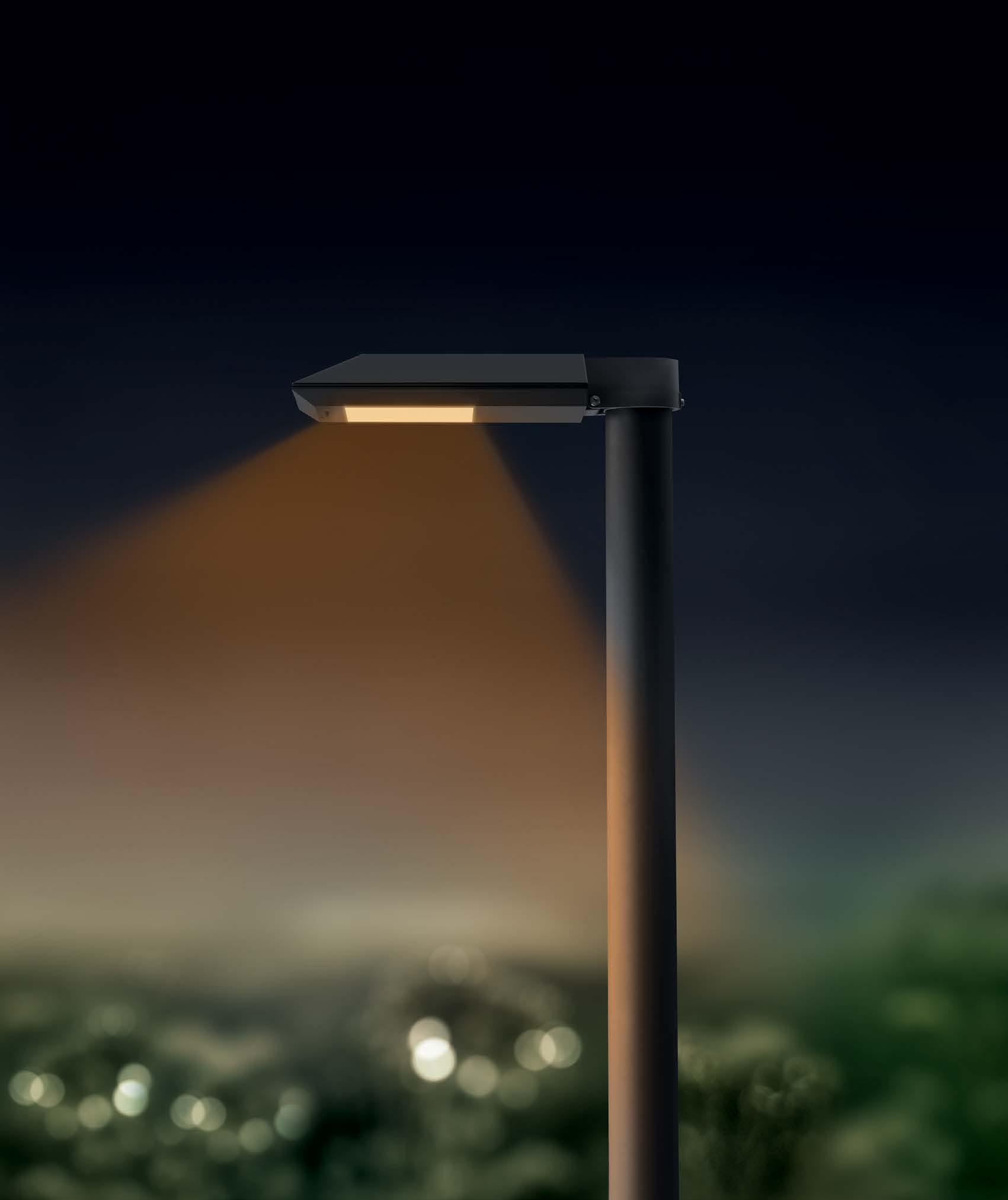
Protecting the night sky
BEGA pole-top luminaires with BugSaver® technology protect nocturnal fauna by reducing the color temperature from 3000 Kelvin to an amber color around 1800 Kelvin, which reduces the light attractive effect. The color temperature and output can be controlled dynamically. bega.com/bugsaver
A Disciplined Vision Of Power And Exchange By Kart Group
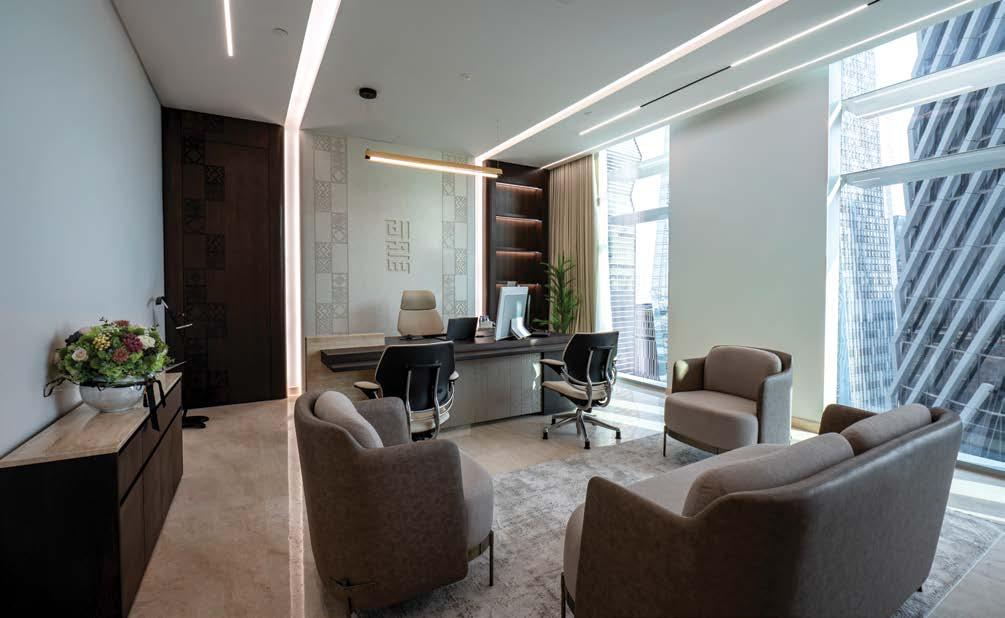
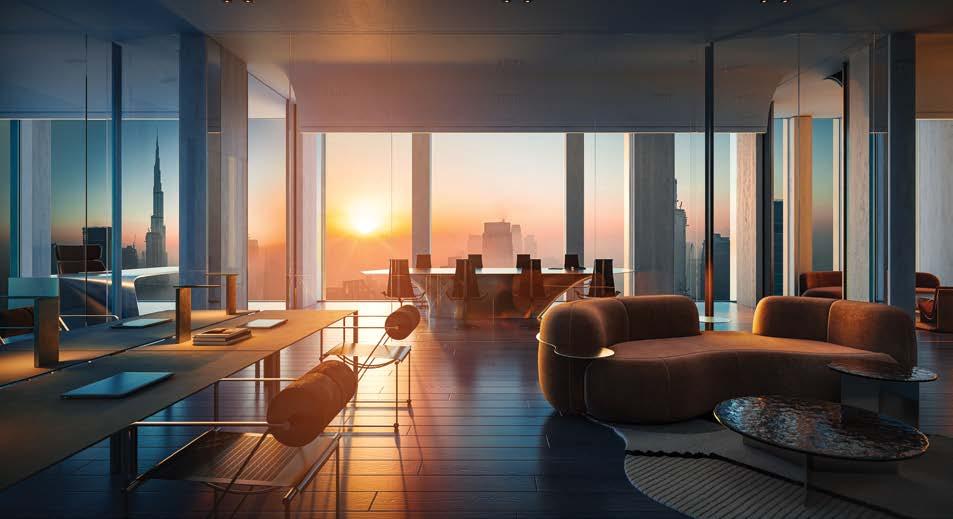
The Government Experience Exchange Office by Kart Group offers a refined interpretation of the modern executive environment, where architecture is guided by discipline, precision, and material integrity. Under the direction of founder and principal architect Mustafa Khamash, the project explores how spatial continuity and crafted detail can support leadership and meaningful exchange.
Situated on Level 36 of Emirates Towers, the 1,105-square-metre office unfolds as a continuous sequence of spaces rather than a collection of rooms.
A bespoke 3D wall installation presents the word ن ن in 55 different languages, reflecting
the ethos of Dubai and its leadership of unity, inclusivity, and tolerance. By integrating this installation into the workspace, the design transforms a simple gesture of language into a powerful reminder of shared purpose, reinforcing the office’s role as a space where perspectives converge. Materiality anchors the design narrative, with luxurious marbles such as Opal Blue, Fusion Wow, and Patagonia employed not as surface embellishments, but as architectural elements in their own right, shaping the space with depth, permanence, and quiet grandeur. Carved, engraved, and articulated through threedimensional geometries, these stones add depth and tactility while remaining intentionally understated. The dialogue between
marble, warm wood cladding, and refined metal detailing establishes a balance between gravitas and warmth.
Throughout the office, crafted details carry quiet luxury. Metal inlays inspired by wheat spikes are embedded within the woodwork, subtly referencing growth, evolution, and continuity. At reception, a geometric marble wall becomes a focal point, abstractly expressing the idea of exchange through rhythm, repetition, and movement, a spatial metaphor for the flow of ideas and dialogue that defines the entity. The colour palette is composed of layered earthy neutrals that promote focus and calm. Accents of royal blue and amber appear sparingly, adding moments of visual emphasis while reinforcing the space’s executive character. Light is treated as a material in itself, carefully diffused to enhance texture, soften surfaces, and elevate the overall spatial experience.
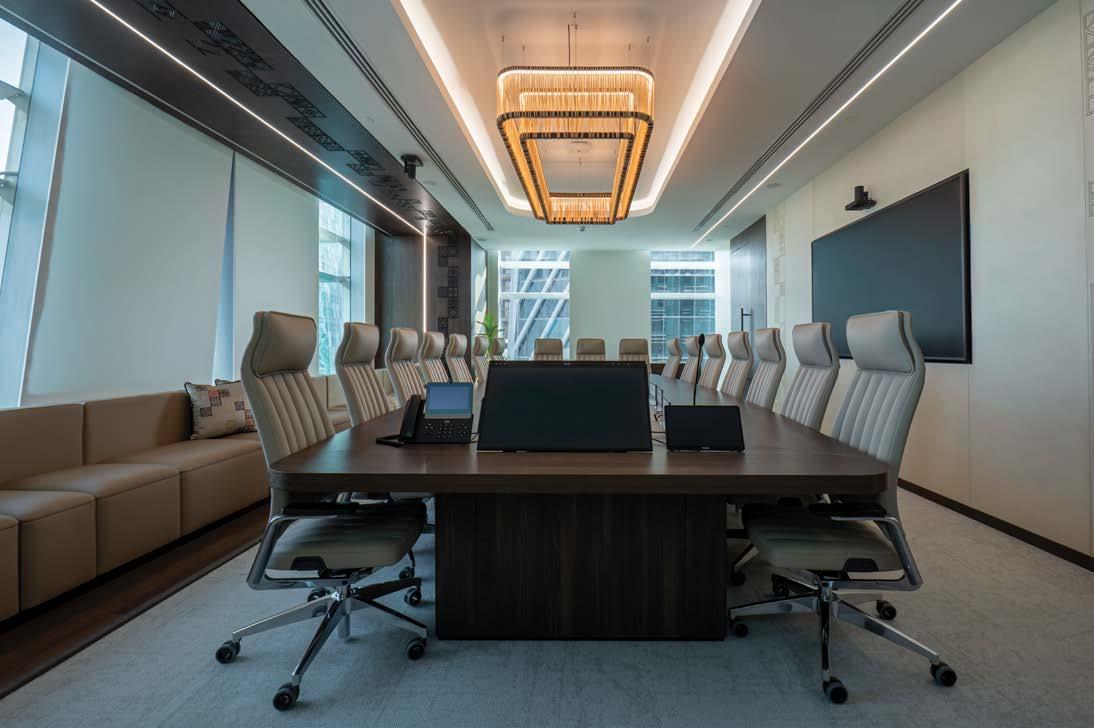
In the boardroom, a sculptural ceiling treatment inspired by sunburst formations radiates outward, cascading gently onto the walls and echoed in the hand-tufted carpet below.
The Government Experience Exchange Office stands as a refined expression of contemporary institutional design, an interior shaped not by excess but by thoughtful composition, craftsmanship, and enduring elegance.
The Government Experience Exchange Office stands as a refined expression of contemporary institutional design.
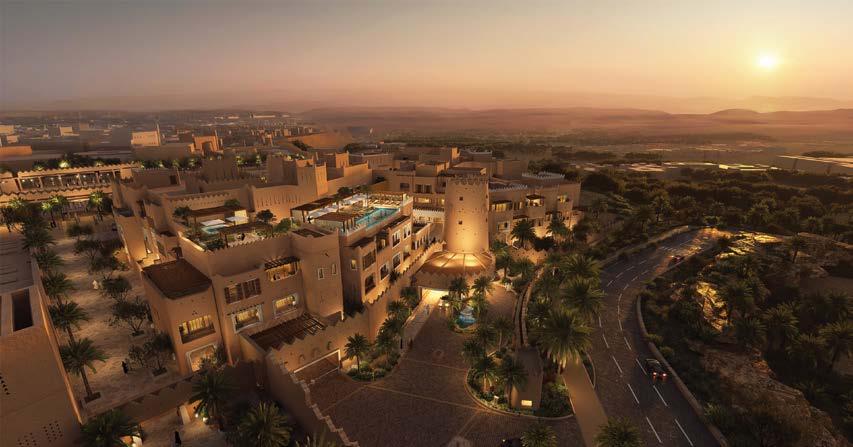
Aedas Drives Diriyah’s Transformation Into A Global Luxury Destination
Aedas is delivering a portfolio of landmark hospitality projects
in collaboration with Diriyah Company, shaping one of the world’s most culturally significant developments. Through four major assets, The Oberoi Wadi Safar, Four Seasons Hotel Diriyah, Capella Diriyah, and Orient Express Diriyah, Aedas is contributing to the transformation of Diriyah into a global luxury, heritage, and lifestyle destination. Diriyah, known as “The City of Earth” for its heritage and deep connection to the landscape, is home to the UNESCO World Heritage Site of At-Turaif. It is being developed into a world-class cultural capital that merges historic Najdi identity with contemporary hospitality and urban vibrancy. Aedas’ architectural work reflects this vision, drawing from the region’s landscapes, traditions, and cultural memory while delivering refined, modern design. Across all projects, Aedas integrates key elements of Najdi identity, including the falaj, the courtyard, the wall, and the sikkas, timeless architectural features and materiality that shape the character
and rhythm of Diriyah’s built environment. These elements inform planning, massing, circulation, and the experiential layers of each project, curating exclusive, one-of-a-kind experiences for guests and travelers.
A Portfolio of Experiences Rooted in Place
The Oberoi Wadi Safar
The Oberoi Wadi Safar is envisioned as an ultra-luxury sanctuary embedded within the natural landscape of Wadi Safar. Immersed in the agricultural heritage of Najdi date farms, the design incorporates palm groves, falaj systems, and a series of private courtyards and gardens that establish a serene, retreat-like environment.
Four Seasons Hotel
Diriyah
The Four Seasons Diriyah offers a refined urban resort experience.
The 150-key hotel is organized across a series of traditional houses (Al Bayt), clustered to create the sense of a village and stepped along the landscape to maximize views, while courtyards, shaded terraces and interconnected pathways establish a fluid relationship between interior spaces and the surrounding Wadi.
Capella Diriyah
Capella Diriyah is a 100key luxury hotel rooted in an interpretation of the
defensive fortress typology (Al Hisan), with references to Diriyah’s historic urban fabric anchoring the project in its cultural context.
Orient Express Diriyah
The first Orient Express hotel in the region occupies a prominent frontage along Diriyah’s luxury retail street, with views of idyllic locations in the Diriyah masterplan. The 86-key hotel recalls the rhythm and intimacy of traditional Najdi settlements.
Capella Diriyah is a 100-key luxury hotel rooted in an interpretation of the defensive fortress typology (Al Hisan)
The first Orient Express hotel in the region occupies a prominent frontage along Diriyah’s luxury retail street
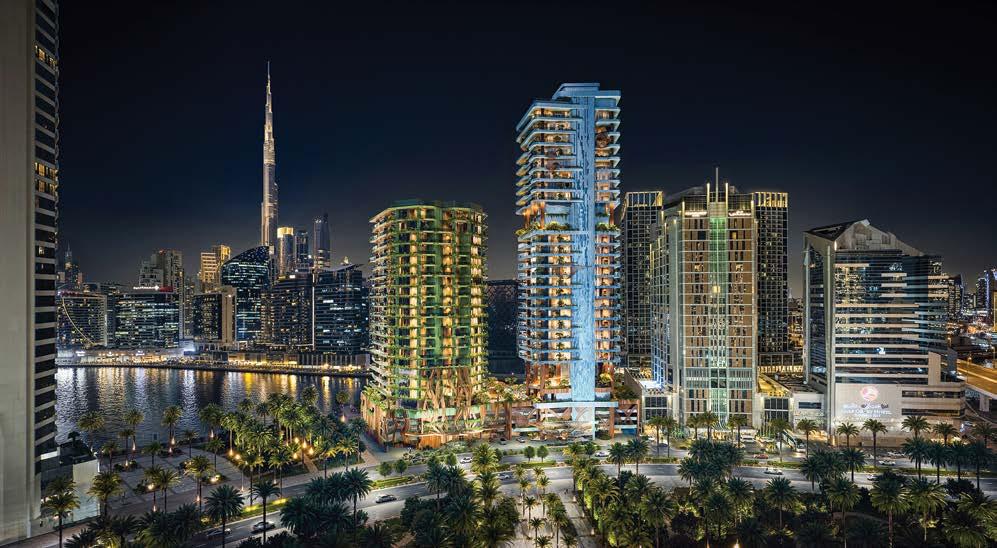
R.Evolution Unveils Eywa Way of Water
R.Evolution reveals the architectural concept for Eywa Way of Water, the second chapter in the Eywa Collection, the World’s First Regenerative Civilization Platform, and a bold evolution of luxury living in Dubai. Rising along the Dubai Water Canal.
Inspired by the intelligence, beauty, and rhythm of the ocean, Eywa Way of Water transcends conventional real estate. Every element has been purposefully designed to support health, balance, and longevity, positioning the project among the most wellnessdriven, regenerative, and environmentally intelligent residential developments globally.
Shaped by Flow and Intention
Eywa Way of Water comprises an exclusive collection of 65 private residences. Designed by Zane Tetere of OAD Architects, the building’s sculptural form draws from the fluid elegance of water. A façade of glazed sustainable ceramic panels and marine-inspired bas reliefs of stingrays, sea urchins, and organic forms establishes a deep visual and symbolic connection to nature.
Inside, residences unfold as calm, light-filled sanctuaries. Flowing layouts mirror the movement of water, complemented by cascading terraces and private outdoor spaces overlooking the
Every element has been purposefully designed to support health, balance and longevity
canal. EMF shielded bedrooms and grounded sockets promote deep, regenerative rest, seamlessly integrating ancient Vedic energy principles with contemporary architectural refinement. Advanced home automation and WiredScore Platinum connectivity enable effortless modern living, where technology quietly supports well-being.
A Sanctuary for Longevity and Renewal
A full level of the building is devoted to longevity, wellness, and
rejuvenation, offering more than 45 curated experiences designed to restore balance across body, mind, and spirit. Residents can access a holistic spa journey that encompasses 6 swimming pools, including a 25-meter infinity pool and an indoor pool, Himalayan salt, infrared and herbal saunas, cryotherapy, Ayurvedic and Japanese therapy suites, and a traditional hammam. At the heart of the community, the Eywa Clubhouse serves as a hub of culture and connection, featuring a
curated library of 2,500 volumes, private dining salons, a cinema and music terrace, and an intimate cigar lounge.
A New Global Benchmark
Each residence benefits from air purification with MERV14+ filtration and ionisation, and Sound Vibration Harmonised Living Water systems, ensuring exceptional purity throughout. The project is on track to achieve LEED Platinum and WELL Platinum certification and has already received WiredScore Platinum pre-certification.
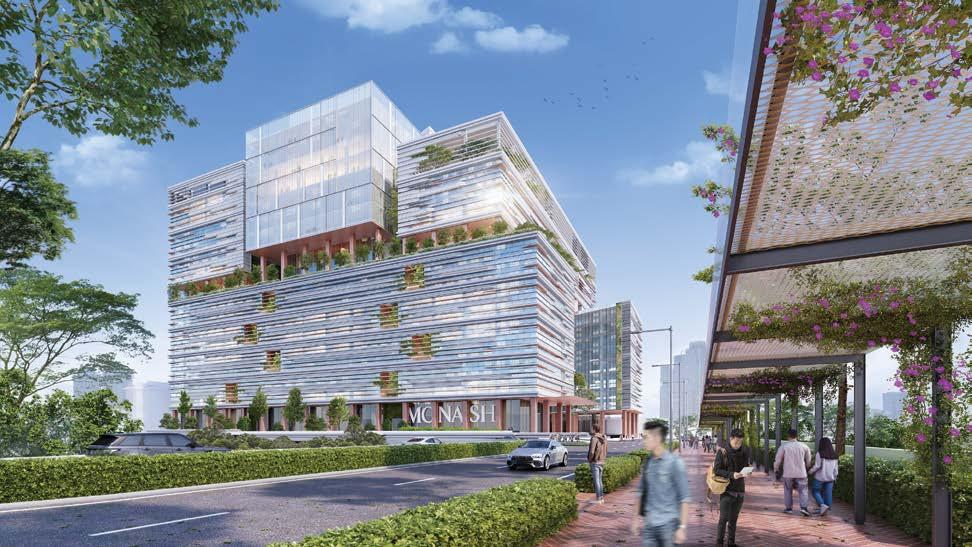
Monash University Malaysia To Establish New Campus At Kuala Lumpur’s TRX
Monash University Malaysia has announced its partnership with TRX City Sdn Bhd, the master developer of Tun Razak Exchange, to establish a campus for the university in the heart of Kuala Lumpur. The new campus, designed by Grimshaw and GDP, will be one of the university’s largest international education commitments and forms a key part of Malaysia’s International Financial Centre.
Located in the TRX Urban Quarter, the vertical campus concept for the 1.5million ft2 development is shaped by its dense city context and the university’s ambition to create a world class sustainable, interactive eco-system
for education. Ultimately accommodating 22,000 students when it opens in 2032, the design works in direct relationship with the evolved pedagogy of the university where learning is active and collaborative, enabling exchange between departments and disciplines and the advancement of knowledge.
The campus is conceived as a series of blocks that are stacked and rotated over a common podium, each capped with landscaped terraces and student amenities. This 22-storey development forms itself around a vibrant quadrant, with vertical circulation zones rising from the ground level. Teaching and learning spaces sit at the lower levels, with the upper levels programmed for more complex research and workplace accommodation. The quadrant will become the hub of student life – an open space for informal and formal gatherings, outdoor learning, graduations, events, and conventions.
With an ambition to deliver a highly sustainable, healthy campus, deeply connected to its tropical climate and landscape, almost every space will offer students and staff visual or physical access to indigenous greenery, improved air quality, and views across the city and to the mountains. Passive environmental design strategies weave comfort, cooled and naturally ventilated spaces between air-conditioned rooms, to minimise energy consumption. The project is targeting LEED Gold and GBI Platinum certification, towards the university’s net-zero targets. A slender student accommodation tower to the south-eastern corner of the site will complete the campus masterplan. This new campus will complement and sit as a key part of the wider Tun Razak Exchange masterplan, including the Lifestyle Quarter, which was master planned by Grimshaw for the Lendlease and TRX City Joint Venture in 2015.
The campus is conceived as a series of blocks that are stacked and rotated over a common podium.
Biophilic Design Trends to Watch in 2026
By DR. BELMA (ALIK)
ELSAEJ,
Assistant
Professor of Interior Architecture, Heriot-Watt University Dubai, explores how biophilic design in 2026 moves beyond greenery to embrace multisensory, regenerative, and culturally rooted interiors, with the kitchen emerging as a key space for everyday wellbeing.
As urban density increases and daily life becomes ever more digital, the need to reconnect with nature inside our buildings continues to grow. By 2026, biophilic design will have evolved well beyond decorative greenery. It is now understood as an integrated design approach, one that supports human health, environmental responsibility, and sensory well-being.
Rather than focusing solely on visual references to nature, biophilic interiors are becoming more immersive, regenerative, and context-driven. These shifts are influencing all interior typologies, with the kitchen emerging as one of the most significant spaces for biophilic application.
KEY BIOPHILIC DESIGN TRENDS FOR 2026
1. Multisensory Design Takes Centre Stage
One of the most defining trends for 2026 is the move from visually driven biophilia to multisensory environments. Designers are increasingly considering how spaces sound, feel, and even smell, alongside how they look. Natural textures, improved acoustics, and softer lighting strategies are used to create spaces that feel calmer and more intuitive. This approach recognises that well-being is shaped by the full sensory experience, not just aesthetics.
2.Regenerative and Circular Material Thinking
Sustainability in 2026 is no longer limited to reducing
impact. Biophilic design is increasingly aligned with regenerative and circular principles, prioritising materials that contribute positively to environmental systems. Recycled stone composites, bio-based materials, and rapidly renewable timber alternatives are becoming more common. Visible grain, natural variation, and material ageing are embraced, reinforcing a sense of authenticity and longevity.
3. Biophilic Minimalism
A quieter, more intentional form of biophilia is emerging. Rather than filling spaces with plants or decorative references, designers are using fewer natural elements with greater impact. This biophilic minimalism prioritises calm, clarity, and emotional comfort, responding to growing awareness of sensory overload in contemporary living.
4.Light Aligned with Natural Rhythms
Lighting remains central to biophilic design, with circadian-responsive systems becoming more accessible and refined. These systems support natural biological rhythms by adjusting light intensity and colour temperature throughout the day. Alongside artificial lighting, greater attention is given to maximising daylight while managing glare and heat, particularly important in warmer climates.
5. Cultural and Regional Expression
Biophilic design in 2026 is increasingly shaped by place. In the Middle East, climate-responsive strategies such as filtered daylight, shading devices, earthy material palettes, and locally sourced materials are reinterpreted in contemporary interiors. This approach strengthens connections not only to nature but also to cultural identity.
THE BIOPHILIC KITCHEN: A CENTRAL SPACE FOR WELL-BEING
While these trends influence interiors broadly, their impact is especially evident in the kitchen. Once a purely functional space, the kitchen has become the social and emotional heart of the home. In 2026, biophilic design is redefining kitchen interiors as environments that support nourishment, connection, and everyday well-being.
Sensory-Rich Kitchen Environments
Biophilic kitchens are designed to engage the senses
in a more deliberate way. Textured materials such as stone, timber, and plaster introduce warmth and tactility, while quieter appliances and sound-absorbing finishes reduce noise. Natural ventilation and herb planting contribute subtle sensory cues, creating kitchens that feel calm and inviting rather than overstimulating.
Material Honesty and Regeneration
As one of the most material-intensive spaces in the home, the kitchen plays a key role in regenerative design. In 2026, worktops, cabinetry, and wall finishes which increasingly feature recycled or bio-based materials. Natural stone and timber are favoured for their durability and ability to age gracefully, reinforcing long-term value over short-lived trends.
Lighting that Adapts Throughout the Day
Kitchen lighting in 2026 supports both activity and relaxation. Brighter, cooler light enhances visibility for food preparation during the day, while warmer tones in the evening create a softer atmosphere for dining and socialising. When combined with good access to daylight, this layered lighting approach helps maintain healthy daily rhythms.
Biophilic Minimalism in Practice
Rather than overcrowding kitchens with greenery, designers are becoming more selective. A single sculptural plant, a continuous timber surface, or a textured stone backsplash can provide a strong biophilic presence without visual clutter. This restrained approach supports calm and longevity, allowing the kitchen to remain both functional and emotionally grounding.
Stronger Connections to Nature
Kitchens are increasingly designed to connect visually or physically with outdoor spaces. Where possible, they open onto gardens, balconies, or terraces. In high-rise apartments, window-side preparation zones, planter-integrated islands, and internal greenery help bring nature into daily routines. Growing herbs within the kitchen strengthens the relationship between food, nature, and well-being.
LOOKING AHEAD
By 2026, biophilic design is firmly established as a design responsibility rather than a passing trend. As research continues to highlight the relationship between environment and well-being, interiors, particularly kitchens, are being reimagined as spaces that actively support healthier, more balanced ways of living.
The biophilic kitchen exemplifies this shift: a space where nature, culture, and everyday life come together seamlessly. For designers, it represents an opportunity to create interiors that are not only visually refined but deeply connected to how people live, gather, and care for themselves in an increasingly urban world.
Dr. Belma (Alik) Elsaej, Assistant Professor of Interior Architecture, Heriot-Watt University Dubai
BUILT FOR LIFE, NOT TRENDS
H&H CEO MILTOS BOSINIS SHARES HOW EDEN HOUSE ZA’ABEEL BLENDS TIMELESS DESIGN, WELLNESS-LED PLANNING, AND LASTING VALUE BETWEEN DIFC AND OLD DUBAI.
What was the original vision behind Eden House Za’abeel, and how does it reflect H&H’s approach to development?
Eden House Za’abeel was conceived as a residential response to a unique urban condition, where the proximity of DIFC meets the established character of Za’abeel. The objective was never to create a landmark, but to deliver a restrained, well-built development designed for long-term living.
This approach reflects H&H’s philosophy—focusing on proportion, material quality, scale, and service planning. Eden House Za’abeel is designed to perform over time, both as a place to live and as a long-term asset.
Za’abeel connects Dubai’s heritage and modern districts, offering easy access to DIFC and Downtown without the rush.
Za’abeel sits between old Dubai, DIFC, and the newer districts. Why do you believe this neighbourhood is emerging as a prime residential address now?
Za’abeel occupies a strategic position within Dubai’s urban fabric. It connects heritage areas with the city’s primary cosmopolitan district and newer residential districts, offering proximity to DIFC and Downtown without the intensity of core business zones. As Dubai matures, residents are prioritising balance, accessibility, and long-term suitability over novelty.
What sets Za’abeel apart is its planning discipline: low density and established green spaces. Positioned between the major financial district and the upcoming DIFC Phase 2, it is emerging as a stable residential enclave rather than a trend-driven location.
How does Eden House Za’abeel balance the tranquillity of Za’abeel with the cosmopolitan energy of DIFC in its planning and lifestyle offering?
This balance was a core consideration from the early planning stages. Architecturally, the building is designed to provide a degree of separation from the surrounding urban pace through its form, orientation, and spatial sequencing, while maintaining visual and physical connectivity to DIFC.
Direct access from 17th Street avoids major traffic flows, allowing residents to move easily between city life and a more residential environment. The result is flexibility: residents can engage with the city when they choose, without compromising privacy or daily comfort.
Interview
Positioned between DIFC and Dubai’s heritage districts, Eden House Za’abeel captures the balance of urban connectivity and residential tranquillity in one of the city’s most mature neighbourhoods.
Can you walk us through the design collaboration with dxb lab and Tristan Auer, and what makes the architecture and interiors stand out in today’s market?
The collaboration with dxb lab and Tristan Auer was based on a shared commitment to timeless, human-centred design.
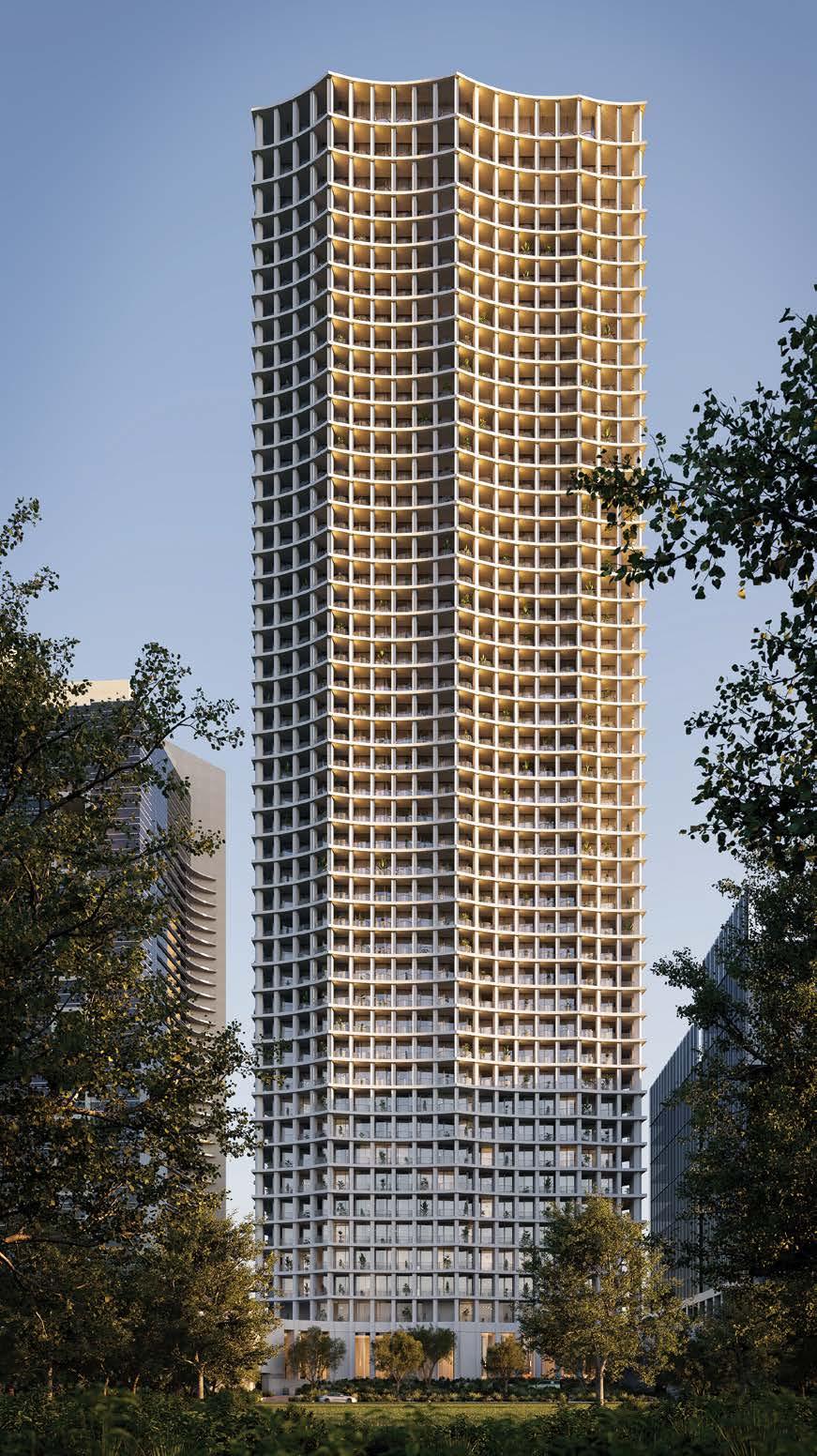
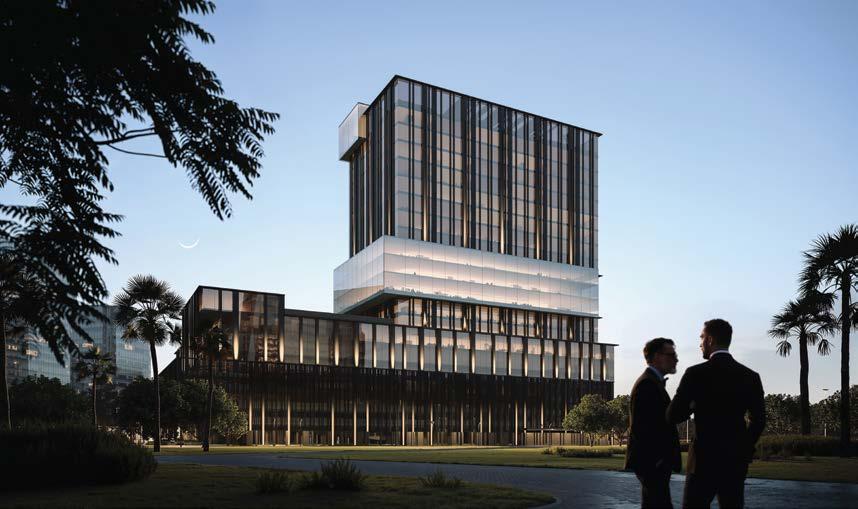
dxb lab’s architectural approach responds directly to the site. The curvilinear concept of the building acts as a transition between the “glass and stone” commercial character of DIFC and Za’abeel’s greenery.
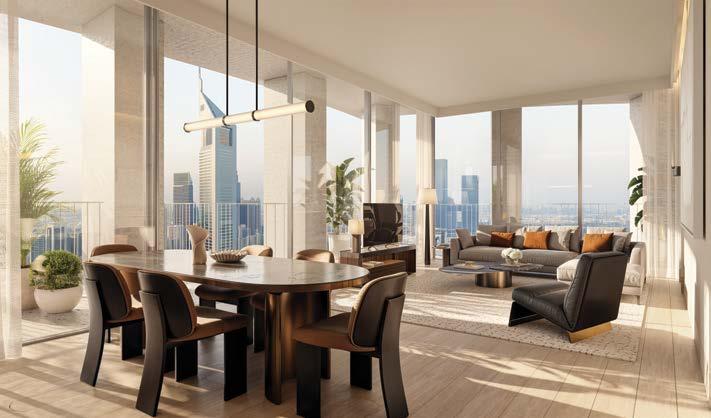
The interiors by Tristan Auer continue this logic, prioritising material quality, proportion, and usability over decorative trends. What sets Eden House Za’abeel apart is this alignment between architecture and interiors, where every decision is deliberately focused on timeless design, durability, quality, comfort, and coherence rather than visual impact alone.
What kind of residents do you see Eden House Za’abeel attracting, and how are their expectations different from buyers in more established districts?
Eden House Za’abeel attracts residents who are deliberate about how they live. They value proximity to key business and lifestyle centres, reduced commute times, and a livework-play environment that supports efficiency and balance.
Many are globally mobile but increasingly committed to Dubai as a long-term base. Their expectations are shaped by mature international cities, where quality, discretion, thoughtful planning, and consistent service matter more than scale or visibility.
Wellness is a strong theme in new residential concepts. How have you integrated wellness and liveability into the amenities and spatial planning of Eden House Za’abeel?
Wellness is embedded into the planning rather than treated as an add-on. Spatial design prioritises natural light, airflow, greenery, and access to outdoor areas, supporting both physical comfort and daily routines.
Amenities are designed to support long-term living, including wellness suites with sauna, steam, and cold plunge facilities, movement studios, spa
spaces, and indoor and outdoor pools. Equally important are less visible factors such as privacy and operational efficiency, which define liveability over time.
From an investment perspective, how does Eden House Za’abeel position itself in terms of value, long-term appreciation, and rental demand in Za’abeel?
Eden House Za’abeel is positioned as a long-term residential asset. Its low-density setting, central location, and proximity to the city’s major financial district provide a strong foundation for sustained value appreciation
as Za’abeel continues to mature. From a rental perspective, the demand for well-managed, serviced, design-led residences close to DIFC remains consistently strong, particularly among senior professionals and long-term residents. The combination of timeless design, architectural integrity, hospitality-led service, and lifestyle-driven amenities ensures resilience across market cycles, making Eden House Za’abeel attractive to both end-users and long-term investors.
Looking ahead, how do you see Za’abeel evolving over the next five to ten years, and what role do you expect Eden House Za’abeel to play in that story?
Over the next decade, Za’abeel will increasingly be recognised as Dubai’s mature urban core. Its proximity to DIFC positions it as a long-term residential district. Eden House Za’abeel will play a foundational role in shaping that identity. It demonstrates how residential developments in Za’abeel can engage with the context, prioritising human scale, and delivering lifetime value.
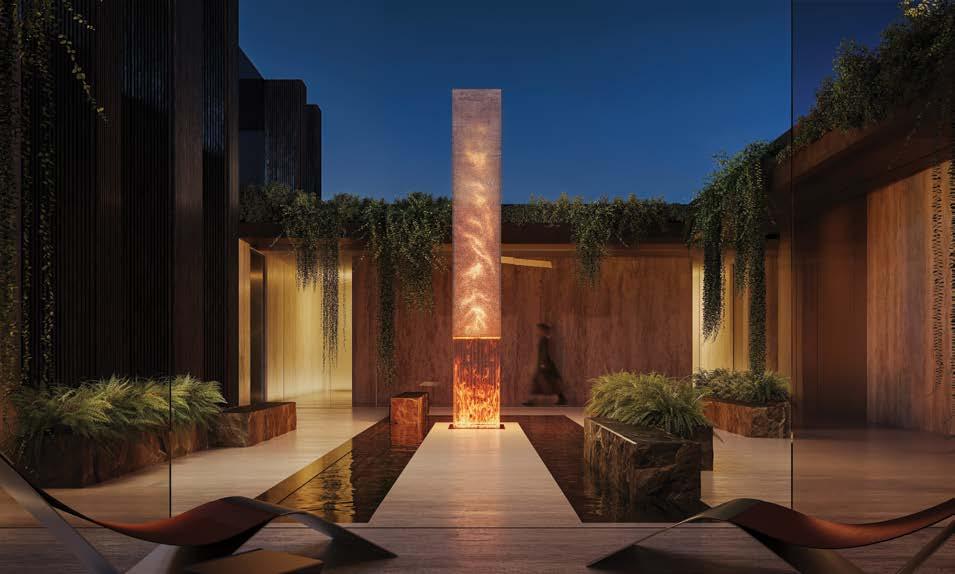
Blending architectural restraint with a wellness-led lifestyle, Eden House Za’abeel offers curated amenities including spa facilities, movement studios, and indoor–outdoor pools.
LEFT PAGE
Eden House Za’abeel by H&H is designed as a refined, low-density residential offering that prioritises longevity, comfort, and timeless appeal.
WHERE TRUST Works as the Foundation
Building idworks on credibility, precision, and consistent delivery, CEO Mohammed Asha reflects on shaping a future-ready design-and-build powerhouse aligned with Saudi Arabia’s Vision 2030—where trust isn’t promised, but proven.
|
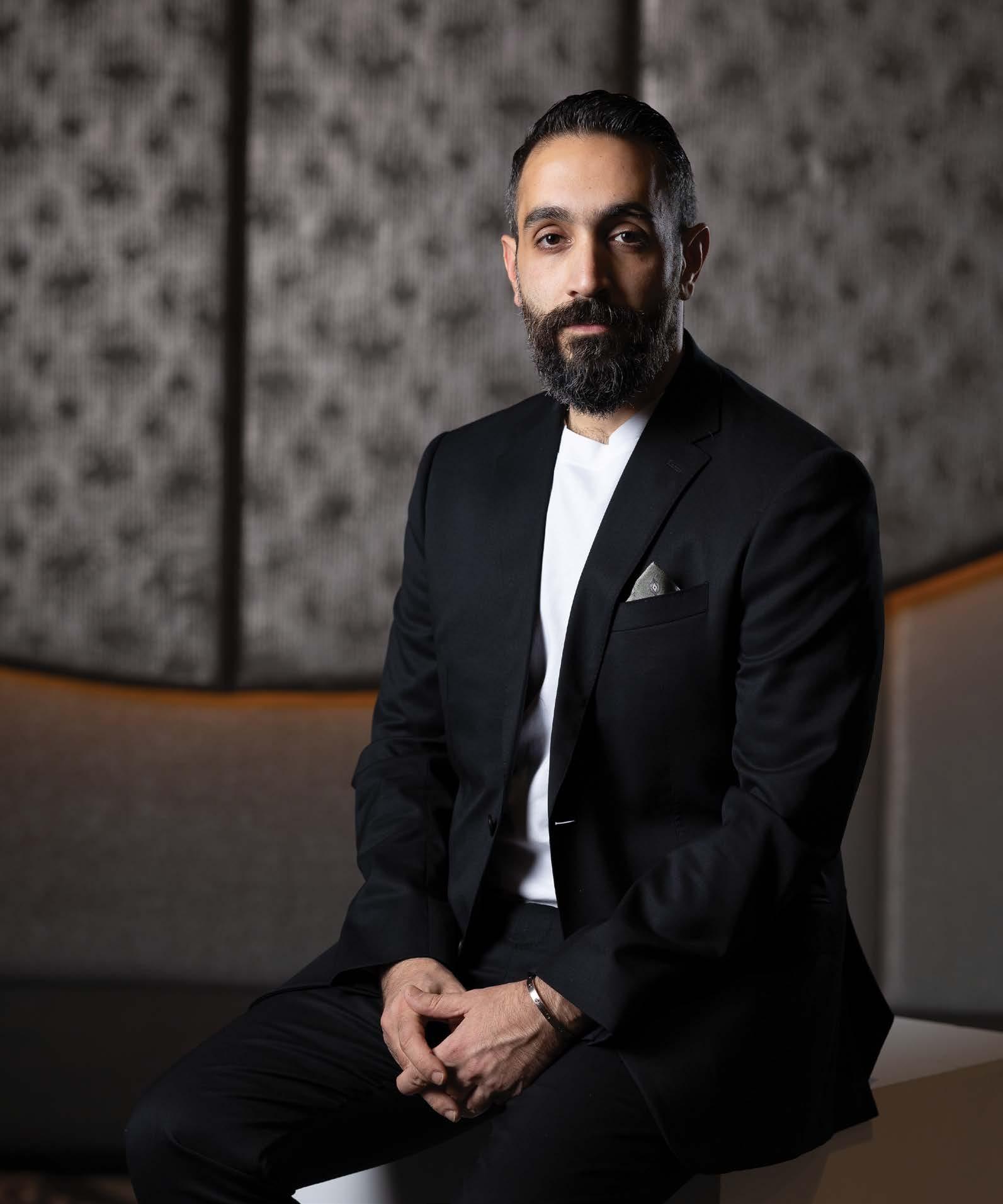
Young, dynamic, and relentlessly ideas-driven, Mohammed Asha is quietly shaping one of the region’s most trusted design-andbuild firms—one built on the same foundation the industry values most: trust.
As Chief Executive Officer of idworks, he leads an expanding operation across Saudi Arabia, the UAE, and Jordan, guided not by noise or short-term wins, but by precision, accountability, and human-centered design.
“I became aware of the powerful impact design has on people’s behaviour and productivity — and that insight became the foundation of my journey. I understood that spaces don’t just support people, they shape how they perform, interact, and feel within a space,” he says.
That awareness has evolved into a leadership philosophy that blends creativity with execution, vision with discipline, and ambition with long-term thinking. In a region defined by rapid transformation, Asha’s approach feels both timely and enduring—rooted in credibility, driven by delivery, and grounded in the belief that trust is earned through consistency.
Formative Years Where Mindset Takes Shape
Long before idworks became associated with high-profile projects and complex delivery, Asha’s mindset was shaped by values instilled early in life—values that continue to define how he leads today.
“I grew up in an environment that emphasised hard work, adaptability, and responsibility, which shaped my mindset early on. That kind of upbringing teaches you discipline, and it teaches you that results are earned through effort and consistency,” he says.
Education played a defining role in sharpening both sides of his thinking, strengthening his ability to balance logic with creativity.
“My education strengthened both my analytical and creative abilities, and I was always drawn to how spaces are designed and built. I was interested in understanding the thinking behind design and how spaces are formed, not just how they look,” he adds.
But it was his early exposure to different environments and cultures that gave him a deeper understanding of how the built environment influences people at a fundamental level. For Asha, design was never just visual—it was behavioural, emotional, and deeply human.
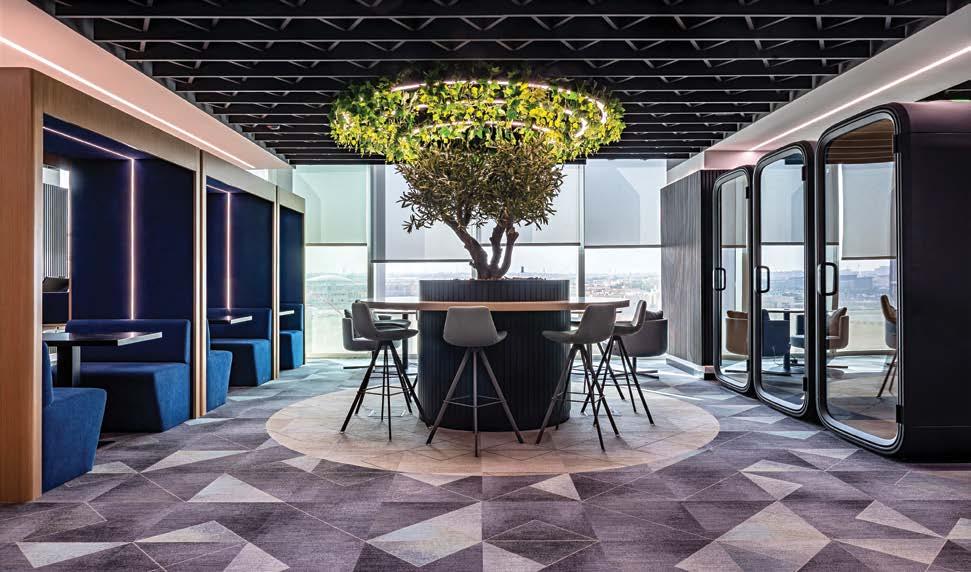
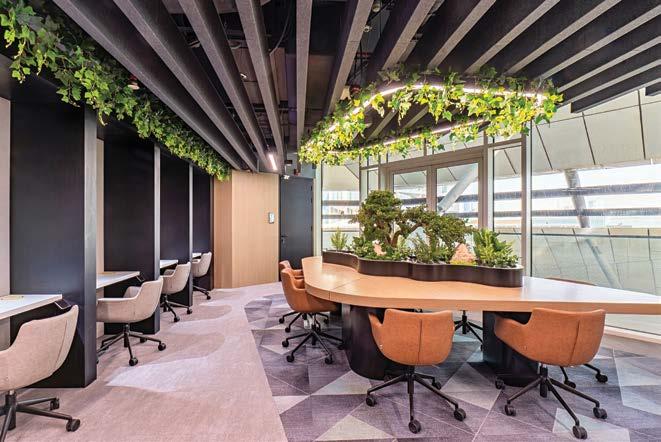
NEOM TONOMUS HQ by idworks redefines futuristic workplace design through precision, innovation, and immersive spatial storytelling.
“Early exposure to different cultures and environments made me aware of the powerful impact design has on people’s behavior and productivity. It made me realise that design affects how people interact, how they work, and how they feel in their daily environment,” Mohammed says.
That insight didn’t fade. It became the foundation of his career, his ambition, and eventually, his business.
Finding Design Through Instinct Not Intention
Unlike many leaders who follow a rigid blueprint, Asha’s journey into design unfolded organically. It was not a strategic decision—it was instinctive.
“My passion for interior design came naturally. I found myself always wanting to enhance the spaces I was in — to improve how they looked, felt, and functioned. Over time, I realised this wasn’t just an interest, but something I genuinely loved doing,” he says.
It was a mindset rooted in curiosity and observation—one that sees a space not as a finished product, but as something that can always be elevated, refined, and improved.
The design-and-build industry offered the perfect alignment between imagination and execution, between creativity and responsibility.
“The design-build industry became the
perfect path for me, as it allows me to turn that passion into real, built environments that people experience every day. It’s not only about ideas—it’s about bringing those ideas to life and ensuring they deliver impact,” he adds.
For Asha, the attraction was always in the full process: concept, planning, execution, and delivery. It was the challenge of turning vision into something real, functional, and lasting.
The Leap of Faith That Built idworks
Every founder’s journey begins with risk, and for Asha, founding idworks was a leap of faith driven by clarity. He didn’t start the company to simply participate in the industry—he started it to raise expectations within it.
“Starting idworks was a leap of faith driven by a clear vision.
I saw a gap in the market for a design-build firm that could truly bridge creativity with execution — delivering spaces that were not only well-designed, but also built with precision and accountability,” he says.
At the time, fragmentation was common. Design and execution often operated in silos, creating gaps in responsibility and inconsistency in outcomes. Asha saw the opportunity to build something different—an end-to-end partner that clients could trust.
“The opportunity was to create a company that clients could trust from concept to completion, without compromising on
quality, detail, or experience. That was always the goal—to create confidence and reliability, not just deliver projects,” he explains.
But early growth came with pressure. The first years were defined not by scale, but by proving credibility—and it is something that mattered then, and still matters most to Asha today.
“In the early days, the main challenge was building trust and credibility. Every project was an opportunity to prove our standards under pressure and high expectations. You are judged by how you deliver, and the market only believes you when you perform consistently,” Asha says.
Those challenges shaped the leader he is today. “Those experiences shaped my leadership to be hands-on, disciplined, and accountable — focused on long-term relationships, not quick wins. In this industry, success is built on trust, and trust is built on delivery,” he adds.
Growth That Reflects Maturity Not Just Scale
Fast forward to today, and idworks stands as a trusted partner on some of the Saudi’s most prestigious and demanding developments. Over the past year, the company has strengthened its position with PIF entities and semi-government clients, expanded its portfolio, and recorded consistent growth.
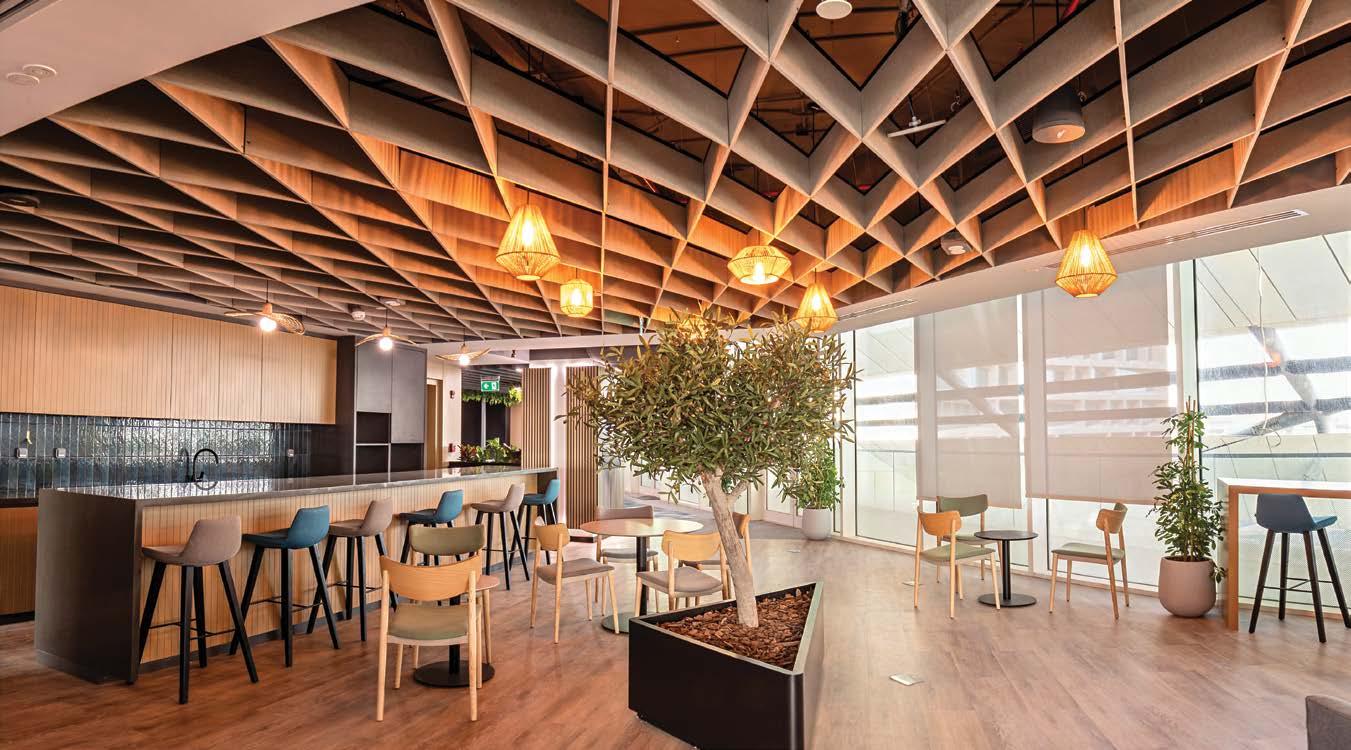
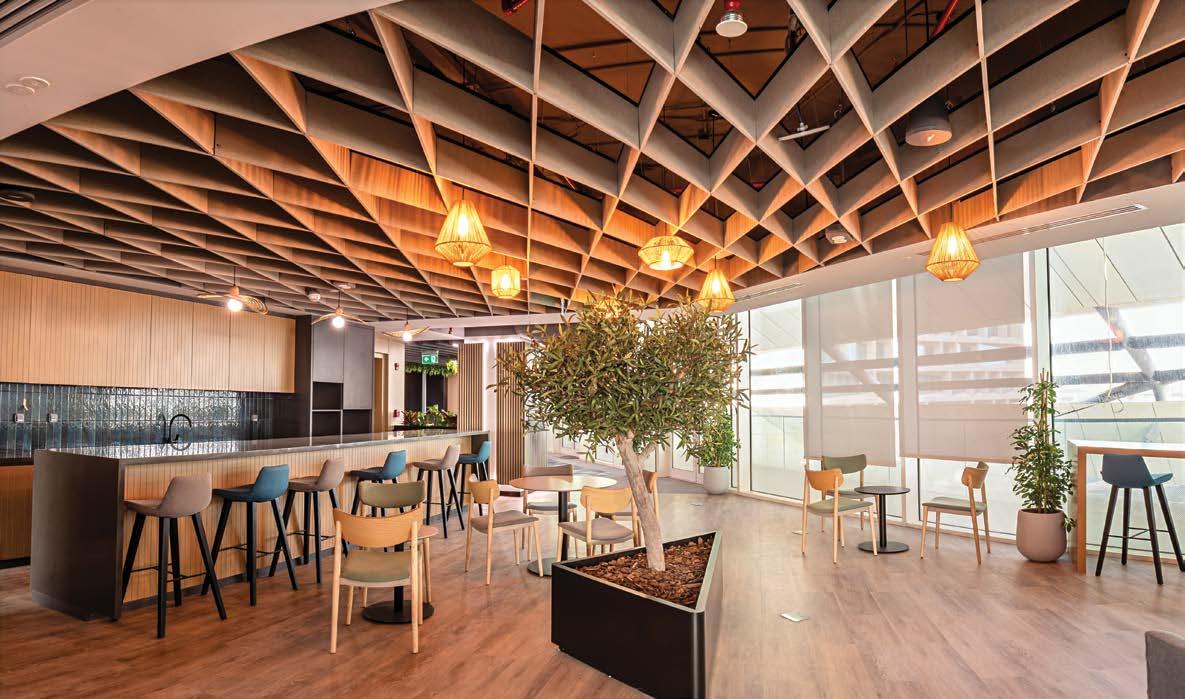
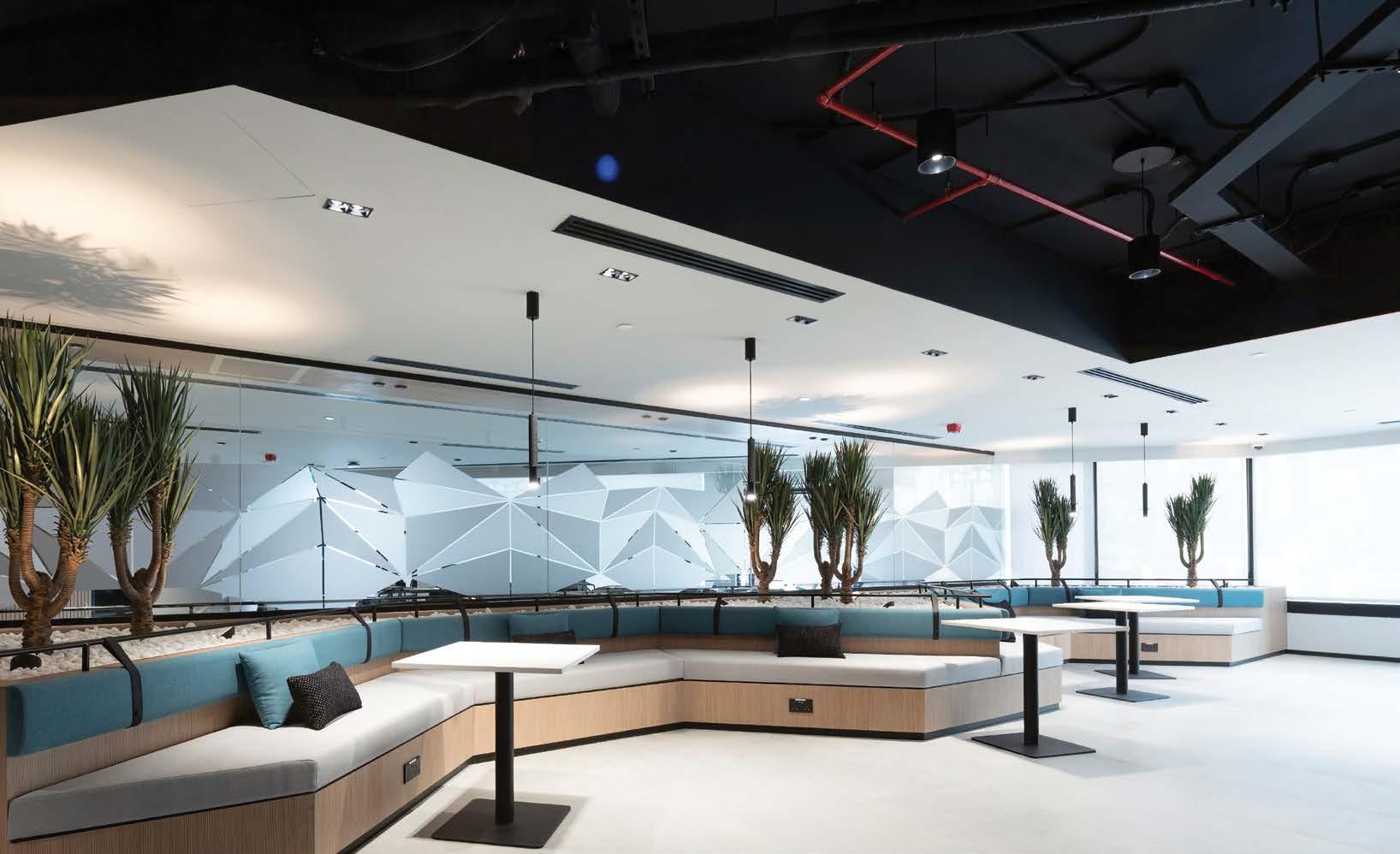
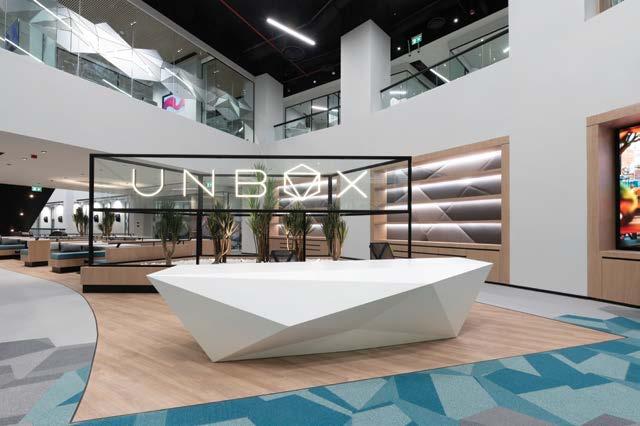
Unbox co-working space, an Al Akaria project, blends flexibility, creativity, and modern design for dynamic professionals..
“Over the past year, idworks has strengthened its position as a trusted partner on some of the Kingdom’s most prestigious projects, particularly with PIF entities and semi-government clients.
We’ve seen consistent growth in revenue, expanded our portfolio, and deepened long-term client relationships,” Asha says. For him, these milestones reflect something deeper than commercial success.
“These milestones reflect not just growth in scale, but maturity — in how we deliver, collaborate, and lead complex projects at the highest level. It shows the evolution of our systems, our teams, and our capability to operate at a different level,” he adds.
The company’s transformation journey became a defining chapter of that evolution. It wasn’t triggered by internal ambition alone—it was driven by the pace of Saudi Arabia itself.
“The transformation was driven by the pace and ambition of Saudi Arabia’s Vision 2030. As national projects grew in scale and impact, it became clear that idworks needed to evolve to meet these aspirations,” he says.
So idworks strengthened its foundation from within.
“So far, we have strengthened our organisational structure, upgraded our systems, and aligned our capabilities with the demands of Vision 2030 — positioning idworks as a future-ready partner for the Kingdom’s next phase of development,” he explains.
Technology, Talent, and Execution
Innovation at idworks is not treated as a trend. It is treated as infrastructure—built into the company’s strategy, delivery model, and long-term competitiveness.
“Our focus has been on building the right foundation. We invested in top talent, advanced systems, and integrated capabilities — and we also established specialised companies to lead the integration of technology into our work,” Asha says. That investment is designed to create a business that can scale without losing control of quality.
“This approach allows us to deliver smarter, more efficient solutions and positions idworks among the first in the market to embed technology as a core part of the design-and-build process, not an add-on,” he adds.
The results are evident in the types of
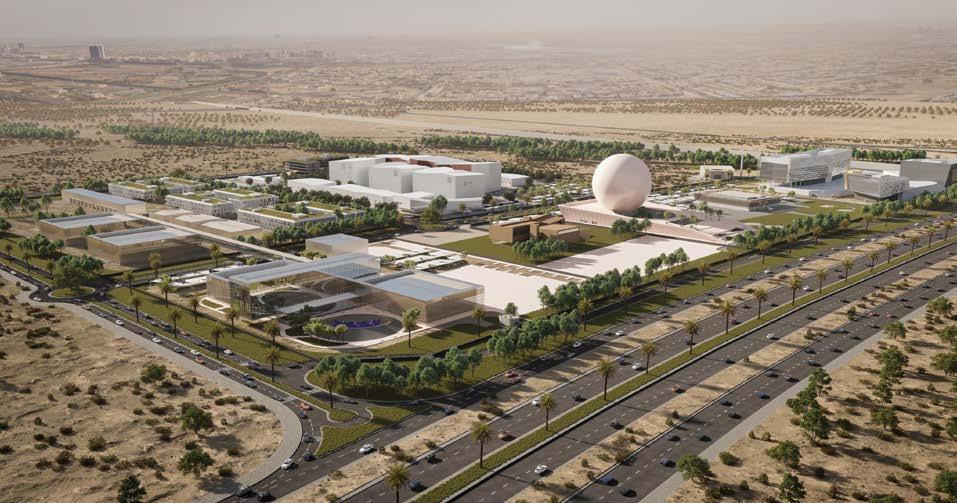
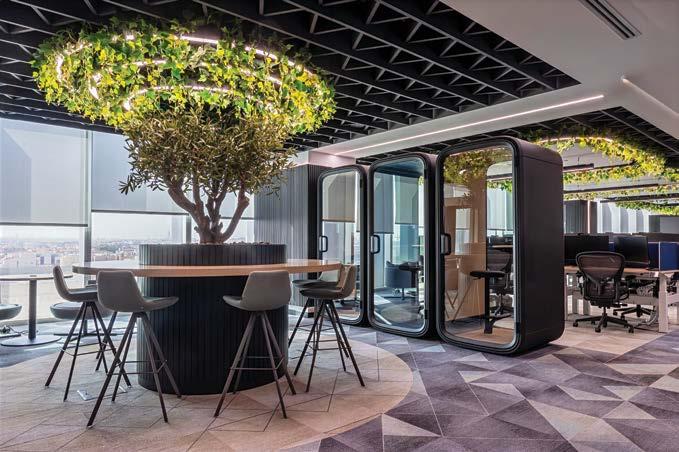
SALWAN TOURISM & DEVELOPMENT CO. HQ showcases modern corporate design with refined functionality and elegance.
projects idworks is trusted to deliver. Developments such as Savvy Games Group and NEOM Executive Offices reflect the company’s evolution into a high-performance operator capable of delivering complexity at the highest level.
“Recent projects such as Savvy Games Group and NEOM Executive Offices clearly reflect how far idworks has evolved in scale, complexity, and ambition. These projects required a high level of coordination, innovation, and precision — and they demonstrate our ability to deliver at the highest standards,” Asha says with pride.
Preserving Values While Moving at Vision 2030 Speed
As idworks scales, its internal culture remains a
priority. For Asha, growth means nothing if values are compromised.
“As we scale, our core values remain non-negotiable. We’ve focused on building a strong people-first culture where accountability, collaboration, and ownership are lived daily — not just written values,” he says.
Speed is essential in a market defined by transformation, but precision remains the company’s differentiator. The key lies in idworks’ integrated model.
“Our design-build model is the key advantage. It allows us to work with a clear, methodical approach where design, execution, and commercial strategy move as one,” Asha explains.
That structure gives the company clarity on where
to push and where to protect quality.
“We know exactly where to apply precision, where to optimise, and how to deliver the highest quality in the shortest time — while maintaining competitive value. This integrated approach ensures projects remain design-led, efficient, and commercially sound,” he adds.
The Future Asha Is Building
Looking ahead, Asha’s vision extends beyond individual projects. He sees idworks as part of a wider ecosystem—one designed to deliver long-term relevance and regional impact.
“Looking ahead, my vision is for idworks to continue evolving as a flagship within Asha Holding — supported by an integrated ecosystem that brings to-
gether design, technology, execution, and innovation under one strategic vision,” he says.
The future is not simply about expansion. It is about meaning, legacy, and influence.
“The next phase is about building a lasting legacy: creating platforms, nurturing talent, and shaping environments that endure beyond projects. For us, growth is not measured by size alone, but by the impact we leave on people, places, and the future of the region,” Asha says.
For him, success is not about how loud a company becomes—it is about how trusted it becomes. And in a region racing toward the future, Mohammed Asha is building with intention, discipline, and a vision rooted in delivery—one space at a time.
new faces of 20 26
SPOTLIGHTING THE EMERGING TALENTS, STRATEGIC NEW HIRES, AND LEADERSHIP SHIFTS SHAPING THE INDUSTRY. IT SHOWCASES DESIGNERS, ARCHITECTS, PROJECT MANAGERS, RETAIL EXPERTS, CONTRACTORS, AND SUPPLIERS AS THEY STEP INTO INFLUENTIAL NEW ROLES THAT WILL DEFINE THE DIRECTION OF THE INDUSTRY IN 2026 AND BEYOND.
CARLOS BAREA
LEAD DESIGN ARCHITECT, IRTH GROUP
Newly appointed as Lead Design Architect at IRTH Group, Carlos Barea brings a narrative-led approach that connects brand, architecture, and experience—shaping projects defined by emotional intelligence, material honesty, and long-term cultural relevance.
Change
I Want to Make and How?
“I WOULD LIKE TO FOCUS ON ARCHITECTURE THAT IS NOT PURELY FUNCTIONAL, BUT DEEPLY FELT AND HUMAN-CENTRIC. I WANT TO CREATE SPACES THAT CARRY MEANING, BUILD IDENTITY, AND LEAVE
A LASTING EMOTIONAL LEGACY. BY ALIGNING NARRATIVE, DESIGN, AND EXPERIENCE, THE AIM IS TO SHAPE PLACES THAT PEOPLE DON’T JUST USE, BUT REMEMBER.”
CAREER SPARK
My journey into design, architecture, and building didn’t start as a career choice. It started as a way of life. I grew up in Lebanon in a home where creativity was constant. My father was an airbrush artist and calligrapher, my mother a couture tailor. I grew up watching things being made by hand, slowly and with intention. From a young age, I learned that creation carries emotion, discipline, and care.
I started designing clothes as a child, but what stayed with me was never the object itself. It was the feeling it created. During university, losing my father changed everything. Design stopped being visual and became deeply personal. My senior project explored architecture as a healing space, and that moment shaped how I see design to this day, as a language that can hold memory, grief, and meaning.
My early professional years grounded me through discipline and hardship. Later, working across hospitality, residential, and large scale developments taught me that spaces matter most when they are honest, human, and emotionally intentional.
MAKING AN IMPACT
At IRTH Group, my role goes beyond delivering buildings; it is about shaping a long-term design vision that aligns with the organisation’s ambitions and values.
As Lead Design Architect, I work at the intersection of strategy, brand, and architecture, ensuring that each project contributes to a coherent identity rather than existing in isolation. My focus is on embedding design thinking early, where decisions around massing, experience, and
materiality can have the greatest impact. My aim is to design buildings that turn developments into destinations with emotional and cultural resonance. This approach strengthens IRTH’s positioning in the market, differentiating its portfolio through depth, intention, and authenticity. Ultimately, my work supports the organisation’s future by building not only assets, but legacy—projects that remain relevant and meaningful over time.
INNOVATING & OVERCOMING
One of the key ideas I bring is a narrative-led approach to real estate, where brand, architecture, and experience are conceived as a single, integrated story. Rather than designing projects first and adding meaning later, I prefer thinking about positioning from the start. This approach helps create developments with identity, emotional clarity, and longterm cultural relevance. The challenge often lies in shifting mindsets—aligning multiple stakeholders around an intangible concept such as narrative or experience, while still meeting commercial and operational objectives. It requires the skill of turning abstract ideas into clear design decisions that add measurable value. When narrative is supported by strong execution, the result is a project with the level of design finesse seen in our newly launched Haus of Tenet.
INDUSTRY TRENDS
What excites me most in 2026 is the growing maturity of human-centred design. We are shifting away from spectacle towards spaces that are intuitive, emotionally intelligent, and deeply responsive to how people live and feel. Wellness is no longer an amenity; it is becoming a design foundation, influencing light, material choices, and spatial sequencing. I am also drawn to material intelligence: the thoughtful use of tactile, honest materials that age well and connect occupants to craft and place. Flexible and adaptive spaces are another key element, as we design for the evolving scenarios of contemporary life and work. I look forward to working with a responsible, grounded design philosophy—one where architecture prioritises longevity, adaptability, and human experience over short-term visual impact.
DESIGNED WITH FLEXIBLE FLOORPLATES, THE PROJECT INTRODUCES A REFINED CLUSTER CONCEPT, CATERING TO BUSINESSES THAT VALUE FLEXIBILITY, PRIVACY, AND LONG-TERM GROWTH.
LOOKING AHEAD
I see my role evolving into that of a cultural shaper, working at the intersection of design, strategy, and experience. While architecture remains my foundation, my contribution is increasingly about curation—bringing together art, craft, landscape, and spatial storytelling to create environments with depth and identity. As IRTH Group grows, the aim is to
shape projects that align with long-term business plans while also contributing to the cultural fabric of their context. This includes refining design frameworks and ensuring that each project reflects a clear idea. Ultimately, I see my work extending beyond designing buildings, towards creating meaningful ecosystems— places that work emotionally, perform commercially, and endure culturally.
THE TOWER COMPRISES UP TO 225 SHELL-AND-CORE OFFICE UNITS ACROSS 87 CLUSTERS, SPREAD ACROSS 15 OFFICE FLOORS, WITH A GROSS FLOOR AREA OF 324,000SQFT.
EDWARD Cassidy
DIRECTOR
OF DESIGN AT STUDIOI
Edward Cassidy, Director of Design at STUDIOI, brings global perspective and human-centered thinking to architecture shaped by culture, clarity, and commercial intelligence.
Change I Want to Make and How?
“THE CHANGE I WANT TO MAKE IS TO HELP THE MIDDLE EAST REDEFINE WHAT ‘ICONIC’ MEANS. NOT BUILDINGS THAT BREAK RECORDS, BUT PLACES THAT BUILD COMMUNITY – CLIMATERESILIENT, HUMANCENTERED ENVIRONMENTS THAT PRIORITIZE PUBLIC LIFE, CONNECTION, AND WELLBEING. THE NEXT GLOBAL BENCHMARK WON’T BE HEIGHT, BUT LIVABILITY, LEGACY, AND SOUL.”
CAREER SPARK
From an early age, my parents encouraged my artistic abilities, and an architect uncle sparked a curiosity that ultimately led me to pursue a career in architecture.
After completing my professional training as an intern architect in the UK and graduating in the late 1990s, I set out to better understand how architecture shapes cities and everyday life.
That journey took me to the Far East, where I spent the next twenty-five years living and working in Dubai, Hong Kong, and Shanghai. During this time, I practiced across 13 countries, contributing to large-scale
masterplans, high-density high-rise developments, and complex commercial mixed-use projects. These experiences were defined by exploration, cultural exchange, and continuous learning, deeply influencing my design approach.
I first arrived in Dubai in 1998 and returned in mid-2024 to a profoundly transformed city. Dubai’s evolution – driven by diversity, ambition, and experimentation – continues to inspire my work. I remain committed to creating architecture that prioritises human experience, natural light, sustainability, and resilient urban futures.
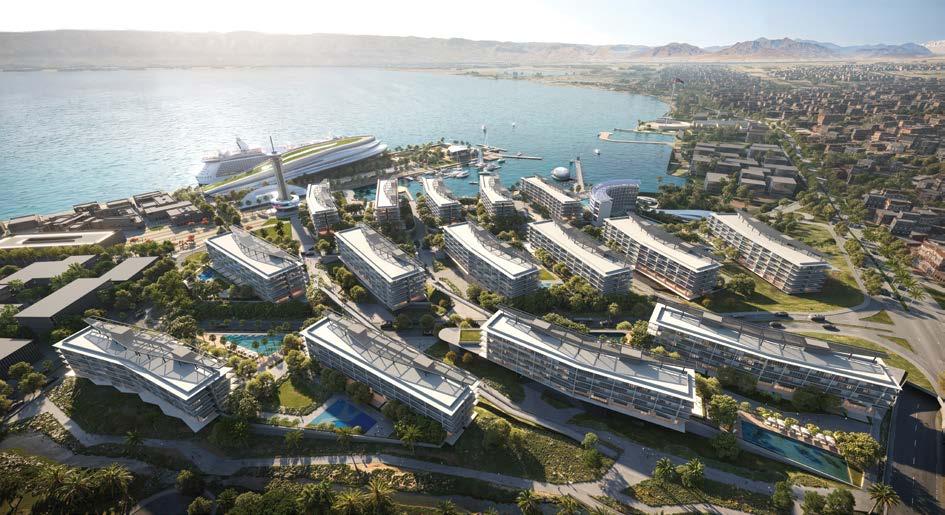
STUDIOI TRANSFORMS AQABA’S COASTLINE, REVITALISING THE RED SEA WATERFRONT WITH A NEW CRUISE TERMINAL AND MIXED-USE DESTINATION..
MAKING AN IMPACT
STUDIOI’s core aim is to deliver clear, consistent, commercially smart design that maximises ROI and creates lasting built value. My role is to ensure design excellence is predictable, protected, and scalable, so the practice is defined by the highest-quality work across every sector and scale.
Exemplary design goes beyond commercial outcomes—it creates identity, enhances daily life, and enriches environments through culture, place, and bold reinvention. Architecture is inherently collaborative, shaped by legislative, technical, commercial, and stakeholder forces. It is a team sport—
INNOVATING & OVERCOMING
often led by non-architects. My responsibility is to build the culture, systems, and leadership structures that embed shared ownership and accountability— making design excellence a consistent and defining standard of the organisation.
Innovation and resilience have been central to my role as an architectural design leader during STUDIOI’s evolution into the commercial and cultural sectors. I have helped shape a design approach that delivers distinctive, high-quality architecture while meeting the performance, viability, and long-term value expectations of developer clients. This requires raising design ambition, strengthening creative leadership, and embedding systems that ensure consistency and excellence across multiple sectors and scales. Since its founding in 2014, STUDIOI has grown rapidly. One of the greatest challenges of that growth has been guiding change within a large, multidisciplinary organisation –aligning diverse teams, protecting design integrity under delivery pressures, and building confidence in new typologies and client expectations. Overcoming these challenges has meant fostering a culture of critique, collaboration, and shared ownership, ensuring our work remains both visionary and commercially successful, and positioning the practice for lasting cultural and market relevance.
INDUSTRY TRENDS
Two industry trends particularly excite me. The first is the continued shift toward human-centered urban planning – walkable, mixeduse neighborhoods based on the “15-minute city” model, prioritising well-being, access to green space, and public realm quality. These principles align strongly with Dubai’s long-term livability ambitions and signal a maturation of the city’s urban identity. The second trend is more revolutionary and less certain: the convergence of artificial intelligence, advanced fabrication, 3D printing, and robotics. AI is enabling more intelligent, sustainable, and responsive buildings, accelerating the journey from concept to construction while lowering cost and environmental impact. While I remain optimistic about this future, “ink to think” remains fundamental. Sketching establishes intent and meaning; AI refines and tests it. Ultimately, what makes architecture unique is its response to culture and place – human emotion remains the irreplaceable ingredient.
LOOKING AHEAD
As the Director of Design for STUDIOI, I see my role evolving alongside the continued growth of the office, expanding from project leadership into a more strategic and studio-shaping position. The firm has enjoyed a meteoric rise since its founding in 2014 and as we continue to grow and expand our footprint internationally, my focus will shift toward guiding the long-term design vision, ensuring consistency and excellence across all projects while fostering innovation that reflects Dubai’s dynamic architectural context. I anticipate taking on greater responsibility in mentoring and developing emerging designers, strengthening collaboration, and establishing clear design standards and processes that allow the firm to scale without losing creativity or quality while futureproofing the business by growing with the technology in a world of rapid transformation brought on by AI. In addition, I see myself playing a key role in helping to secure larger and more complex projects, particularly in specialised commercial and hospitality sectors, while expanding our reach and recognition across the region and beyond. Ultimately, my goal is to support STUDIOI’s continued success by shaping its identity, culture, and impact through strong design leadership.
SHARJAH MEDIA CITY IS DESTINED TO BECOME A MAJOR REGIONAL HUB FOR FILM AND BROADCASTING. SHAMS CREATIVE OASIS IS A CENTRE FOR PERFORMANCE, EDUCATION, AND COMMUNITY ENGAGEMENT. ITS SIGNATURE FEATURE – A 800-SEAT LANDMARK THEATRE – EMERGES AS THE NEW ICON OF SHARJAH MEDIA CITY.
SALWA Alsayyed
SENIOR LEAD DESIGNER, IDWORKS DUBAI
MAKING AN IMPACT
Salwa Alsayyed, Senior Lead Designer at idworks Dubai, focusses on thoughtful, human-centred design, translating ideas into refined spaces that resonate beyond the visual.
CAREER SPARK
Design found me through curiosity rather than a clear plan. I was always attentive to spaces, how light shifted through a room, how people naturally gathered, how certain places stayed with you long after you left. Over time, that awareness grew into a desire to shape environments rather than simply observe them. What drew me to design was its ability to balance emotion and intention. A well-designed space can feel effortless, yet every decision behind it is deliberate. I became fascinated by how ideas move from imagination to reality, and how design can quietly influence the way people experience everyday life. For me, design is not about making statements, it’s about creating atmospheres. That ongoing exploration, and the opportunity to keep learning through each project, continues to inspire my journey.
I contribute by championing thoughtful design and a clear creative vision. My approach is rooted in listening, understanding the intent behind an idea, and helping shape it into something cohesive and meaningful. I aim to create work that feels intentional, refined, and aligned with the organisation’s evolving identity. By encouraging collaboration and open exchange, I help foster a culture where ideas are explored rather than rushed. This way of working supports long-term growth, allowing creativity to remain central as the organisation moves forward. I believe consistency in design thinking is just as important as innovation, and my role is to help maintain that balance. Through careful attention to narrative and experience, my work helps strengthen the organisation’s presence and ensures that each project contributes to a broader, more enduring design language.
Change I Want to Make and How?
“I WANT TO SEE DESIGN BECOME MORE REFLECTIVE AND HUMAN, LESS ABOUT TRENDS, MORE ABOUT FEELING. BY DESIGNING WITH CURIOSITY AND INTENTION, I HOPE TO CREATE SPACES THAT RESONATE EMOTIONALLY AND QUIETLY ENRICH EVERYDAY EXPERIENCES.”
INDUSTRY TRENDS
INNOVATING & OVERCOMING
I’m interested in design that feels intuitive and emotionally resonant, spaces that don’t try too hard, yet leave a lasting impression. I focus on exploring how subtle choices can transform a space, allowing it to feel calm, layered, and purposeful. One of the ongoing challenges in design is navigating uncertainty, changing directions, evolving ideas, and differing perspectives. Rather than resisting that, I’ve learned to embrace it as part of the creative process. Those moments of ambiguity often lead to the most meaningful outcomes. Each challenge has shaped my confidence and helped me trust my instincts more deeply. Innovation, to me, isn’t about novelty for its own sake; it’s about refining ideas, questioning assumptions, and allowing space for discovery. That mindset continues to shape how I approach my work.
What excites me about 2026 is a collective shift toward more honest and human design. There’s a growing desire for spaces that feel warm, tactile, and emotionally grounded. Designers are moving away from overly rigid aesthetics and embracing imperfection, softness, and individuality. Sustainability is becoming more intuitive, less about labels and more about thoughtful choices that feel natural within a space. I’m also inspired by how design is increasingly influenced by art, culture, and personal narrative, blurring traditional boundaries. Spaces are becoming more expressive, reflective of the people who inhabit them rather than trends alone. This direction feels refreshing and deeply relevant, and it opens the door for design to be more meaningful, inclusive, and enduring.
LOOKING AHEAD
Looking ahead, I see my role as one of continuous learning and exploration. I want to keep discovering new perspectives, materials, and ways of thinking that expand how I approach design. Growth, for me, is about refining my voice while remaining open to change and influence. I’m excited by the idea of evolving through diverse projects and collaborations that
challenge my assumptions and inspire new ideas. Over time, I hope to play a role in shaping spaces that feel timeless yet personal, places that invite people to pause, connect, and feel something. Ultimately, I see my journey as an ongoing conversation with design itself, one driven by curiosity, intuition, and a desire to create work that resonates beyond the visual.
NEOM TONOMUS HEADQUARTERS DESIGNED BY IDWORKS FOR A FUTURE-FOCUSSED WORKPLACE VISION.
UNBOX CO-WORKING SPACES, AN AL AKARIA PROJECT BY IDWORKS, SUPPORT FLEXIBLE AND MODERN WORKSTYLES.
IBRAHIM EL Sharif
CREATIVE DIRECTOR, IRTH GROUP
CAREER SPARK
My journey into design, architecture, and building didn’t start as a career choice. It started as a way of life. I grew up in Lebanon in a home where creativity was constant. My father was an airbrush artist and calligrapher, my mother a couture tailor. I grew up watching things being made by hand, slowly and with intention. From a young age, I learned that creation carries emotion, discipline, and care.
I started designing clothes as a child, but what stayed with me was never the object itself. It was the feeling it created. During university, losing my father changed everything. Design stopped being visual and became deeply personal. My senior project explored architecture as a healing space, and that moment shaped how I see design to this day, as a language that can hold memory, grief, and meaning.
My early professional years grounded me through discipline and hardship. Later, working across hospitality, residential, and large scale developments taught me that spaces matter most when they are honest, human, and emotionally intentional.
Newly appointed as Creative Director at IRTH Group, Ibrahim El Sharif brings an emotion-led, art-driven approach that blends architecture, interiors, and storytelling—shaping spaces defined by authenticity, craft, and human experience.
Change I Want to Make and How?
“I WANT TO STRIP DESIGN OF EGO AND NOISE AND BRING IT BACK TO FEELING. I DESIGN TO SLOW PEOPLE DOWN, TO MAKE THEM BREATHE, THINK, AND TO FEEL SOMETHING REAL. SPACES SHOULD HOLD EMOTION, MEMORY, AND HONESTY. IF A PLACE DOESN’T MOVE YOU, THEN IT HAS NOTHING TO SAY.”
MAKING AN IMPACT
My work shapes the organisation by anchoring it in meaning, not just output. I focus on building a clear creative language where architecture and interiors are driven by emotion, narrative, and human experience, not trends or surface aesthetics. Every project is approached as an experience, something people live with and remember, rather than just a product or asset. By embedding storytelling, craft, and emotional intention into the design process, I help shape a future where the organisation stands for authenticity, depth, and long term value. My role is to protect that creative integrity while translating it into spaces that are commercially sound and culturally relevant. In doing so, the organisation grows not only in scale, but in character, clarity, and purpose.
INNOVATING & OVERCOMING
I bring an emotion-led, art-driven way of thinking where design decisions start with the human experience, not with trends or typologies. I push for cross-disciplinary thinking, blending architecture, interiors, branding, fashion sensibility, and cinematic storytelling into one cohesive language. For me, a project only works when all these layers speak to each other and serve one clear intention.
The biggest challenge has been protecting depth in fast-paced, commercially driven environments. Speed and efficiency often compete with meaning, and it takes discipline to slow things down enough to design with purpose. Balancing emotional integrity with real constraints has been demanding, but it has also sharpened my clarity as a creative leader. It taught me how to make thoughtful decisions without losing soul.
INDUSTRY TRENDS
What excites me most in 2026 is the shift toward human-centered and emotionally intelligent spaces. There is a growing awareness that architecture and interiors need to support how people feel, not just how they function. Wellness is no longer a feature, it is becoming a foundation. Spaces are being designed with more attention to light, silence, proportion, and sensory balance, creating environments that calm rather than overwhelm.
I am also drawn to material intelligence, using materials honestly and intentionally, allowing texture, imperfection, and aging to become part of the story rather than something to hide. This brings depth and authenticity back into design.
Hybrid and adaptive spaces are another exciting direction, especially as hospitality thinking continues to influence residential and workplace environments. Spaces are becoming more fluid, warmer, and more personal, designed to evolve with the people who inhabit them. For me, the future of design is quieter, more thoughtful, and deeply human.
LOOKING AHEAD
I see my role evolving beyond traditional design leadership into shaping culture, not just projects. As the business grows, I want my contribution to sit at the intersection of design, strategy, and experience, helping define not only what we build, but what we stand for. My focus is on creating a strong creative framework that guides upcoming projects with clarity and intention, ensuring consistency while allowing each development to have its own soul. I see myself increasingly working as a
curator, bringing together architects, designers, artists, craftpeople, and storytellers to come together and collaborate to create environments that feel meaningful and lived in. spaces that remind me of home, and what that feeling brings, This approach aligns with longterm ambitions that value depth, experiential quality, and emotional connection. Ultimately, I want my role to be about building legacy. Not in scale alone, but in the way spaces shape memory, culture, and how people feel over time.
POSITIONED AS A FIRST-OF-ITS-KIND, ART-LED OFFICE DESTINATION, HAUS OF TENET BRINGS TOGETHER WORKSPACE DESIGN, CULTURE, AND CURATED ART TO CREATE LONG-TERM CULTURAL AND COMMERCIAL VALUE.
FADY FRIBERG
CEO &FOUNDER OF IF HUB
Making a mark with his new venture IF Hub, Fady Friberg, CEO & Founder is redefining how design, sourcing, and collaboration come together.refined spaces that resonate beyond the visual.
CAREER
SPARK
What truly interested me was how environments shape the way people think, work, and live. Traveling across the world made me aware of how spaces quietly reflect values; how precision, craftsmanship, and long-term thinking translate into the physical world. And Italy always had a strong influence on me early on. Italian design isn’t just about aesthetics but it’s also about how something is made, how it performs, and how it stands the test of time. That philosophy stayed with me and continues to guide how I think about design today. What ultimately led me to start IF HUB was seeing how disconnected the industry often is. Architects, suppliers, and end users frequently operate in silos. IF HUB was created to bridge those gaps. It came from a simple belief: design works best when it is approached as a system, not as a collection of isolated decisions.
Change I Want to Make and How?
“I WANT TO SHIFT THE INDUSTRY AWAY FROM FRAGMENTED DECISIONMAKING AND TOWARD INTEGRATED THINKING. BY BUILDING IF HUB AS AN ECOSYSTEM AND NOT JUST A SHOWROOM; WE ENABLE DESIGNERS, ARCHITECTS, AND CLIENTS TO COLLABORATE EARLIER, THINK MORE STRATEGICALLY, AND EXECUTE WITH GREATER CONFIDENCE.”
MAKING AN IMPACT
The ambition is for IF HUB to be seen not only as a sourcing destination, but as a strategic partner in the thinking, planning, and execution of projects. That is where I believe lasting impact is created. Every brand we introduce and every partnership we form is guided by long-term value, not short-term transactions. With a portfolio of over 70 European brands, we offer a depth that allows designers and developers to think holistically, rather than navigating multiple disconnected suppliers.
INNOVATING & OVERCOMING
When teams spend less time managing disconnected suppliers, they can focus more on what really matters: refining concepts, improving technical detailing, and strengthening the overall design intent. By curating kitchens, wardrobes, lighting, surfaces, automation, and furnishings within a single ecosystem, we simplify coordination and reduce fragmentation. This ultimately saves time which is one of the most valuable resources on any project. There’s a very real human challenge: designers are naturally loyal to the brands they’ve trusted for years. That loyalty makes sense as it reduces risk and creates familiarity. Encouraging teams to explore new brands, even when they may offer more value or better long-term solutions, requires building genuine confidence and trust. It takes time for people to move away from what’s familiar. But when designers experience firsthand how new solutions can simplify their work, improve project outcomes, and add meaningful value for their clients, that’s when perspectives begin to shift. That moment, when trust replaces habit, is where true transformation really begins.
INDUSTRY TRENDS
What I find particularly exciting is how home automation and smart systems are becoming more deeply integrated into the fabric of design. Rather than being treated as add-ons, technology is increasingly being considered from the earliest design stages influencing layouts, lighting strategies, climate control, acoustics, and even material choices. This leads to homes and hospitality spaces that are more responsive, more efficient, and more personalised.
At the same time, there is a clear expectation that technology should feel invisible. The most successful projects in 2026 will not showcase technology for its own sake. They will use it to create spaces that feel intuitive, calm, and effortless where performance, comfort, and atmosphere are seamlessly designed into the experience. That balance between high-tech capability and humancentric design is one of the most compelling trends shaping the future of the industry.
LOOKING AHEAD
I increasingly see myself as a connector between international brands and regional realities, between designers and manufacturers, and between creative ideas and practical execution. There is a strong opportunity to help global brands better understand this market, while also
giving local designers access to deeper levels of innovation and support. Ultimately, my focus is on building structures that allow others to do their best work. If IF Hub becomes a place where people come not only to source, but to think, collaborate, and grow, then we are achieving something meaningful.
DESIGNED TO SURPRISE, INVITE COMFORT, AND ENDURE, MYFACE FURNITURE DEFINES NATURE-LED, TIMELESS LIVING AT A MIAMI BEACHFRONT HOTEL.
BORN FROM THE BELIEF THAT OUTDOOR LIFE DESERVES MORE, MYFACE BRINGS THE COMFORT, ELEGANCE, AND SOPHISTICATION OF INDOOR LIVING TO PREMIUM OUTDOOR SPACES.
CAN Buyukcelen
CEO OLSEN & PARTNERS
Newly appointed CEO at Olsen & Partners, Can Buyukcelen brings a multi-generational architectural legacy and a disciplined design-andbuild mindset focused on clarity, accountability, and long-term performance.
CAREER SPARK
Design and build are part of my family history. I am a thirdgeneration architect, with my grandfather and parents both working in the profession, which makes me the fourth architect in my family. Architecture was never abstract to me. It was something I grew up around, discussed at the table, and observed in the real world.
My academic path reinforced this foundation. I hold two master’s degrees, one focused on architectural history and philosophy and the other on perception in interior design. These studies sharpened my understanding of how people experience space and how ideas translate into built form. What inspired me most was the responsibility that comes with building. Every decision shapes cities, communities, and daily life. That understanding led me toward an integrated design and build approach where strong thinking is supported by disciplined execution and longterm accountability.
“TO BUILD THE BEST ORGANISATION, YOU NEED THE BEST PEOPLE INVOLVED. BY COMBINING STRONG LEADERSHIP, INTELLIGENT TECHNOLOGY, AND GENUINE HUMAN CONNECTION, WE RAISE STANDARDS, IMPROVE OUTCOMES, AND CREATE LONG TERM VALUE FOR OUR CLIENTS AND TEAMS.”
MAKING AN IMPACT
At Olsen & Partners, my role is to help shape the organisation’s direction and long-term resilience. This starts with clarity. Clear leadership, clear responsibility, and clear decision making create the conditions for consistent performance.
I focus on aligning teams across design, technical, commercial, and delivery functions so that projects are approached holistically rather than in isolation. When teams share the same objectives and understand how their work connects, outcomes improve naturally.
People remain central to this approach. An organisation can only grow as far as its people are supported to grow. By encouraging accountability, ownership, and higher standards of thinking, we strengthen Olsen & Partners from within and position it as a recognisable brand built on trust, capability, and collaboration.
INNOVATING & OVERCOMING
I focus on improving systems and ways of working rather than chasing trends. This includes better integration between disciplines, smarter use of data, and clearer governance across projects. High end outcomes require strong structure behind the scenes.
Technology and AI have been valuable tools in improving and optimising performance, planning, and decision making. I am open to embracing them where they genuinely improve outcomes. At the same time, judgement, experience, and human connection remain essential. Technology should support people, not replace them. One of the main challenges is managing change without losing trust. Growth demands adaptation, and adaptation requires transparency, consistency, and leadership by example. Progress happens when people feel involved and respected.
INDUSTRY TRENDS
What excites me most in 2026 is the industry’s more mature relationship with technology. PropTech, AI, and data driven tools are becoming embedded in how buildings and cities are planned, delivered, and operated. This shift supports better sustainability, efficiency, and long-term performance. There is also a stronger focus on urban responsibility. Buildings are increasingly viewed as part of a wider ecosystem rather than standalone assets. This mindset encourages smarter planning and more adaptable environments. Most importantly, the industry is recognising that technology must serve people. Successful projects balance innovation with human understanding, ensuring that progress enhances how people live, work, and connect.
LOOKING AHEAD
Looking ahead, my role will continue to evolve toward shaping vision, mentoring leaders, and strengthening the organisation’s identity. My focus is on building a business that performs consistently, adapts intelligently, and earns long term trust. Leadership, to me, is about responsibility and example. Creating
an environment where people are encouraged to think critically, take ownership, and improve continuously. By combining clear leadership, intelligent use of technology, and strong human connection, I see Olsen and Partners growing into a recognisable brand known not just for what it delivers, but for how it delivers it.
D133, PALM JUMEIRAH BY OLSEN & PARTNERS SHOWCASES REFINED ARCHITECTURE AND CAREFULLY CONSIDERED SPATIAL DESIGN.
THE LUXURIOUS INTERIORS OF THE MEYDAN D1 PRIVATE VILLA, JUMEIRAH BAY.
WHEN THE LAND SPEAKS
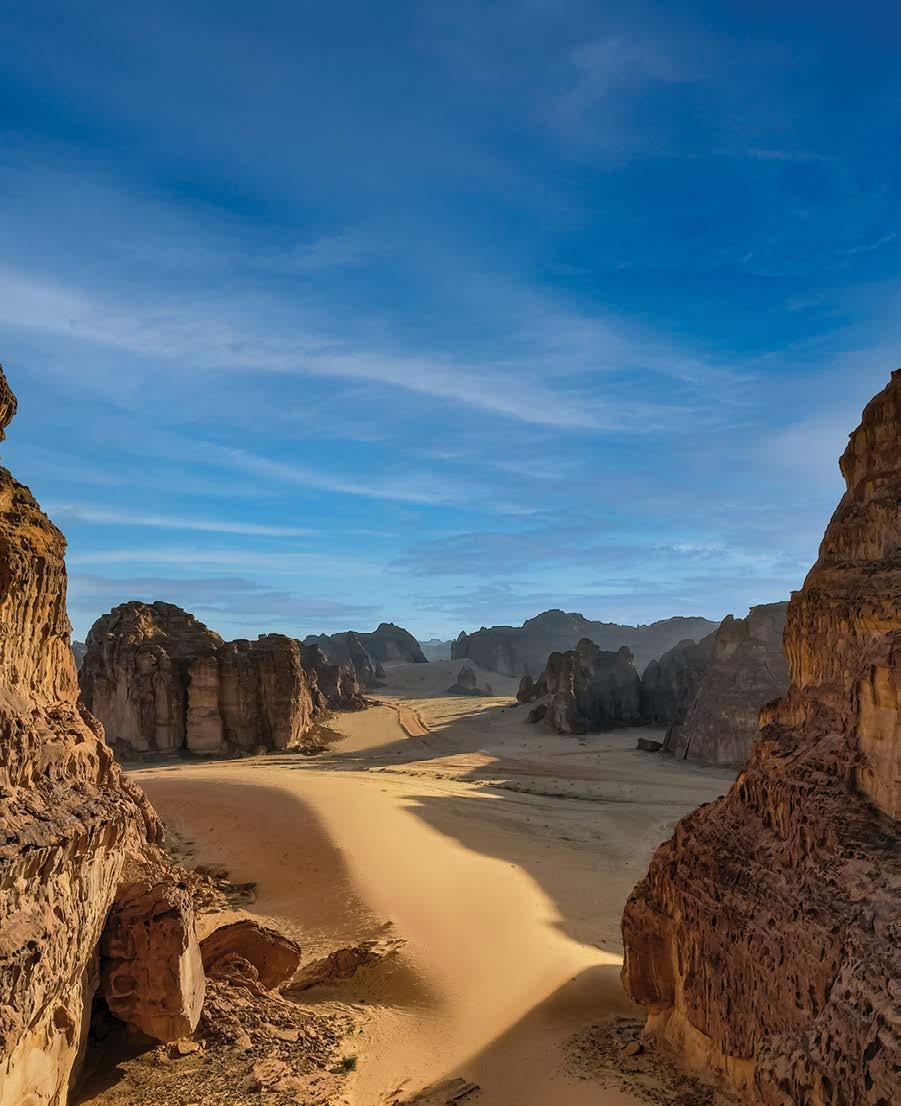
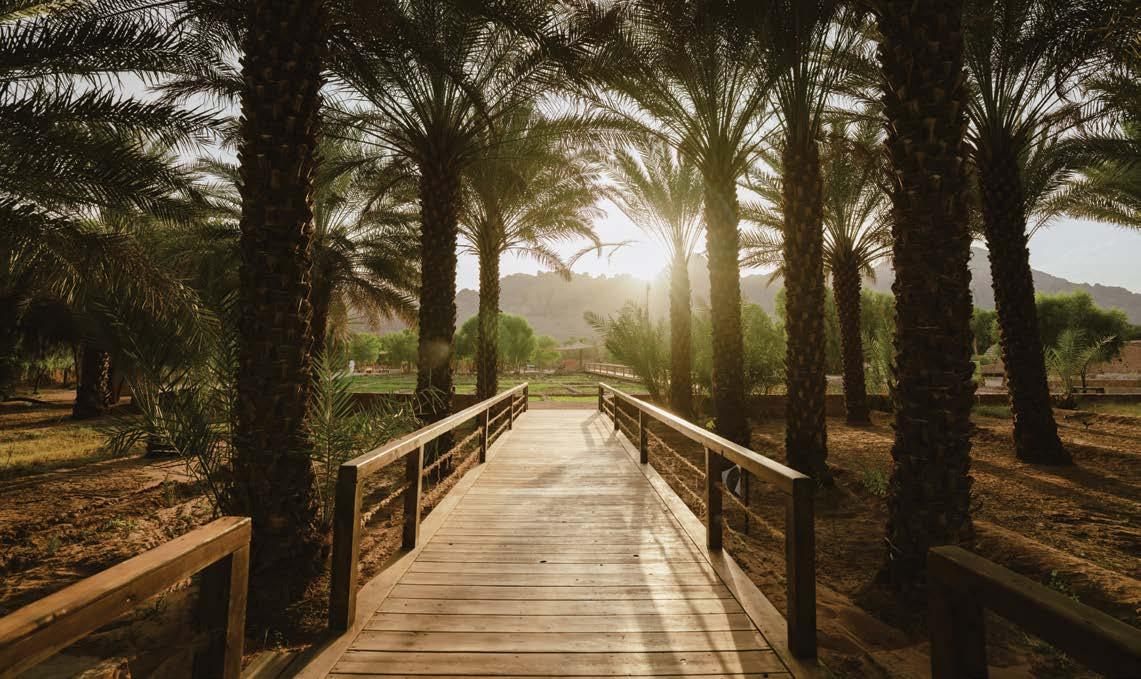
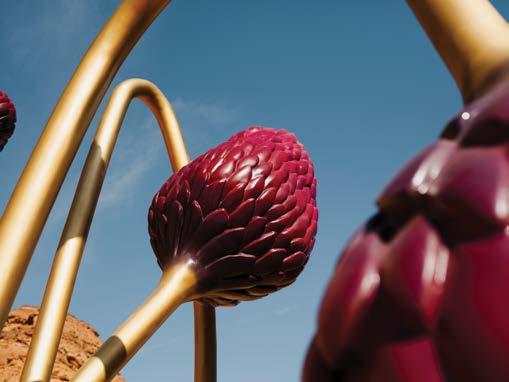
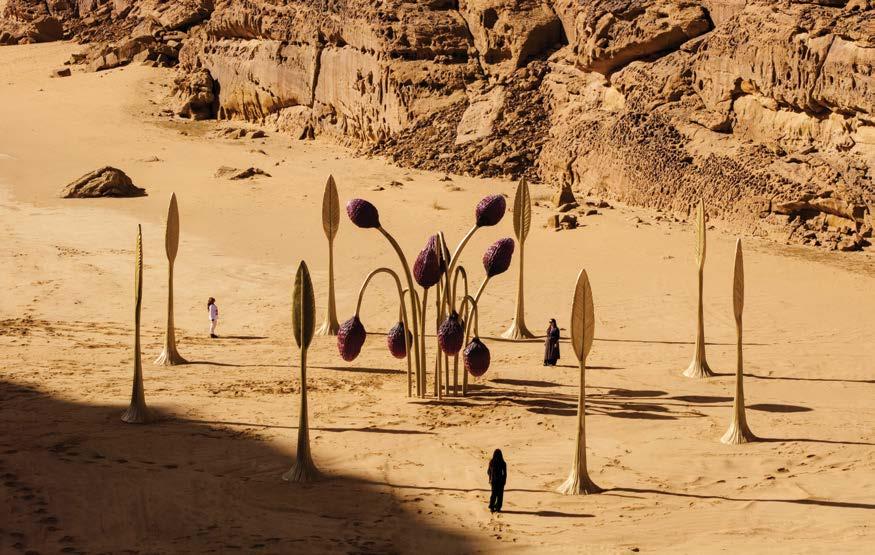
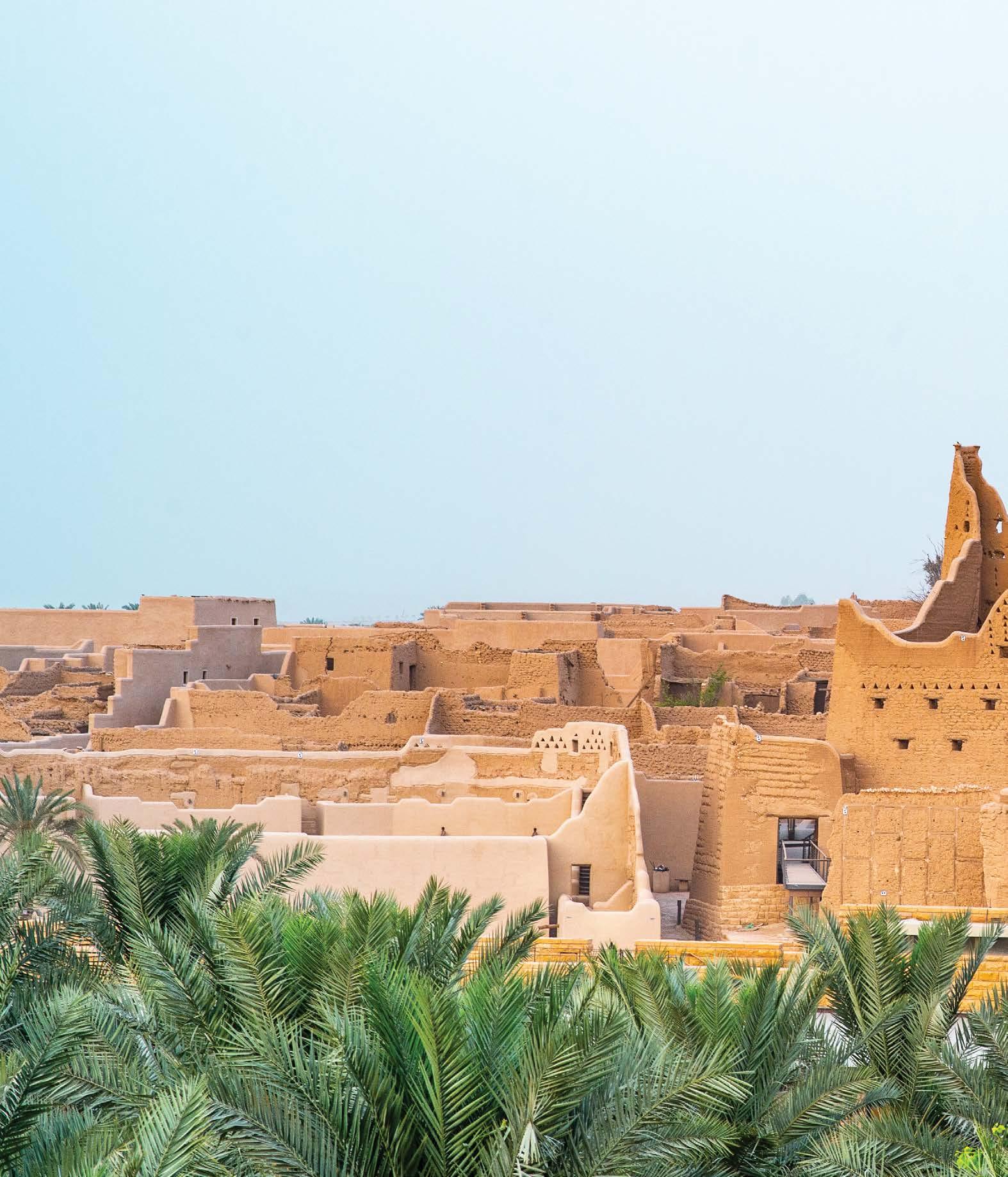
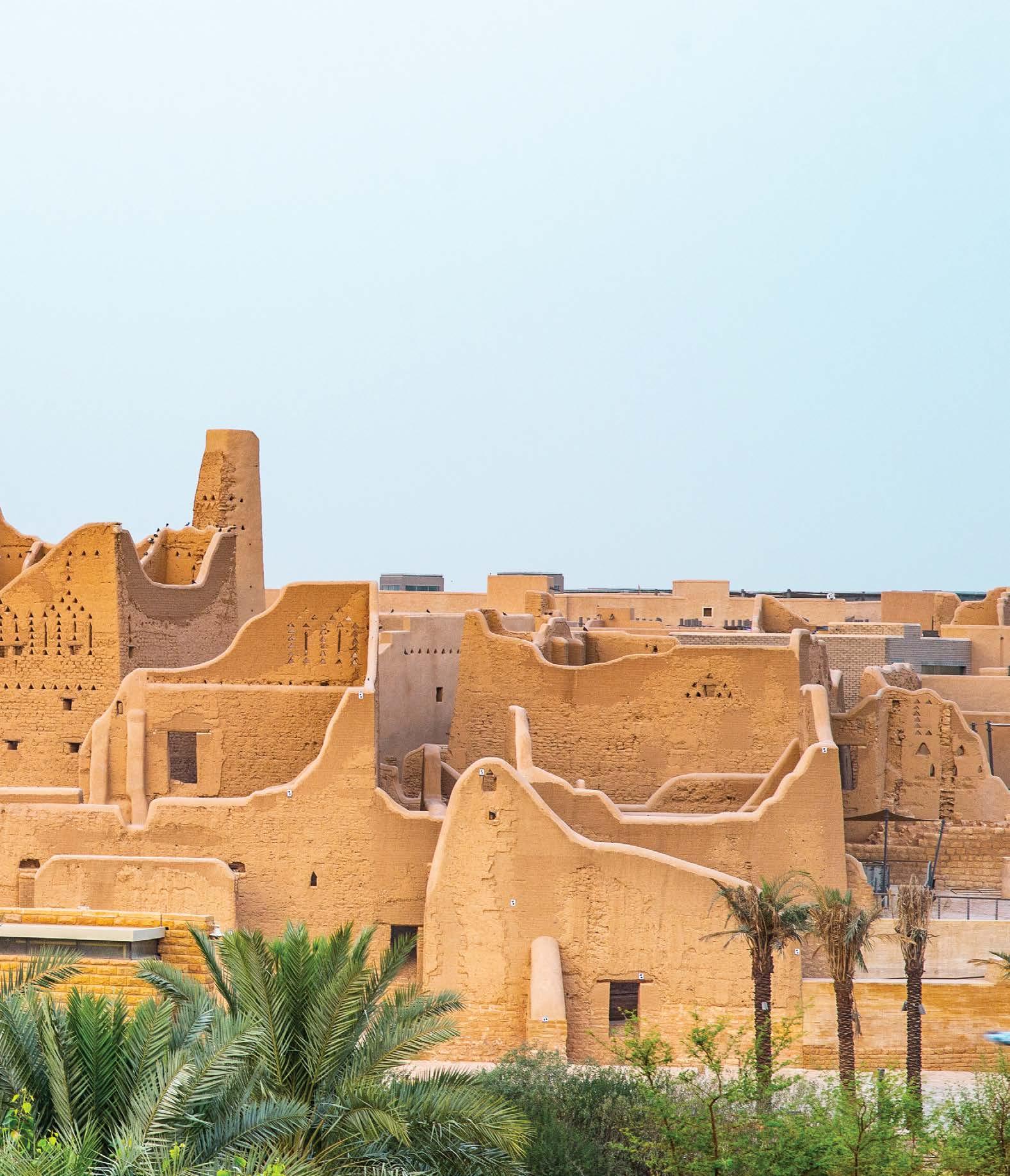
From a unique setting within the ancient Oasis to the compass-like canyons radiating North, South, East and West, artworks are presented across AlUla's extraordinary landscapes.
"Development here needs to be careful, needs to be curated, needs to be done right."
HAMAD ALHOMIEDAN
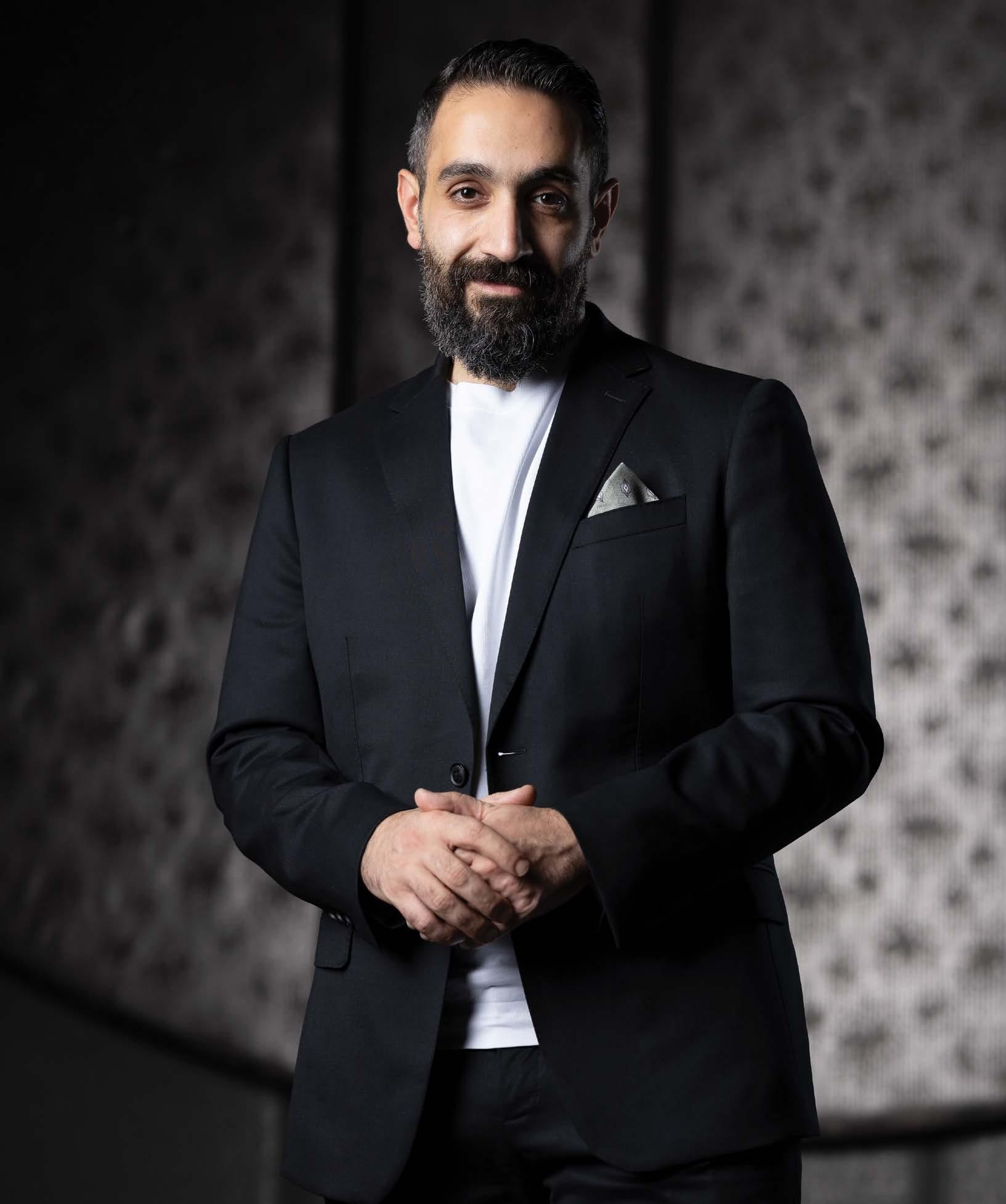
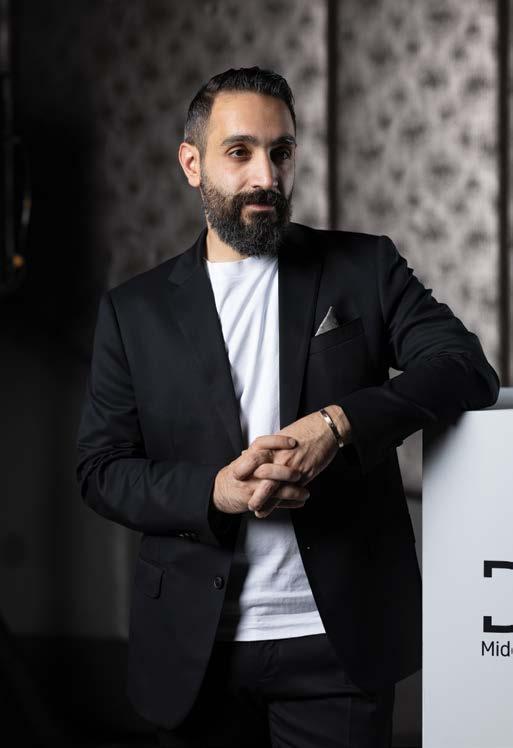
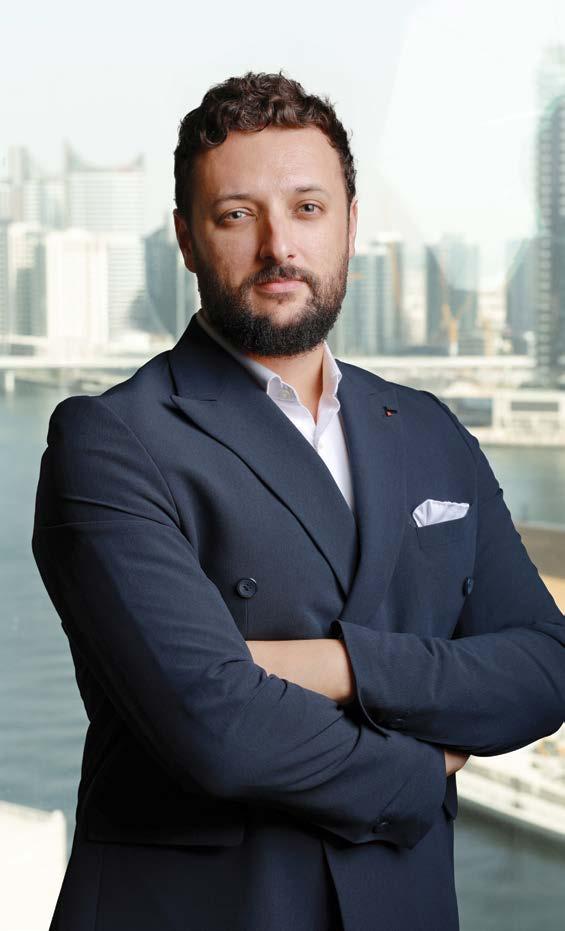
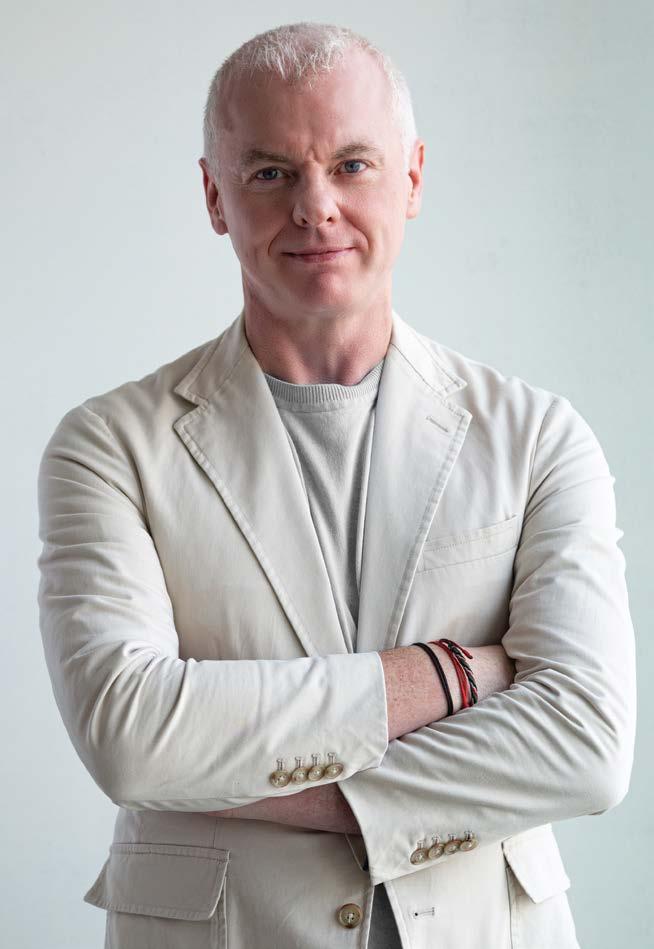
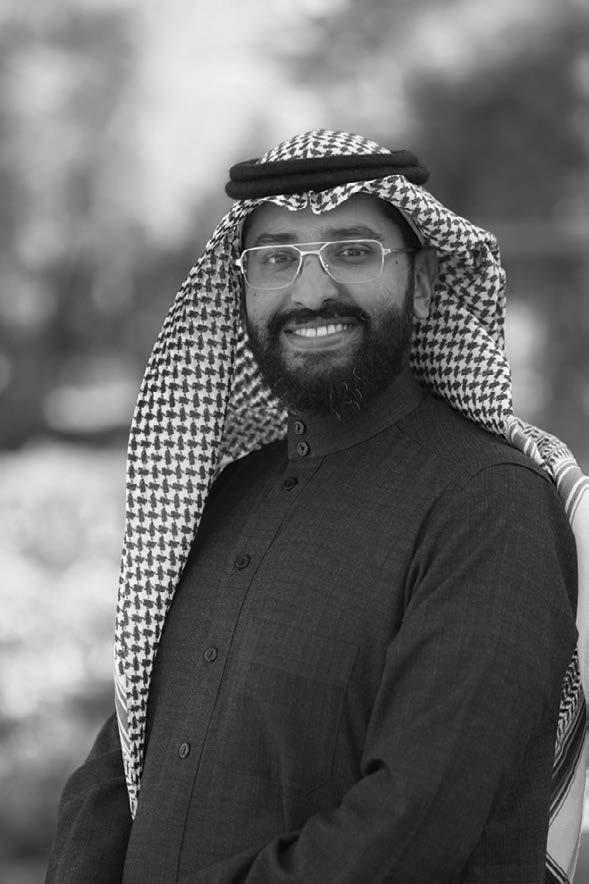
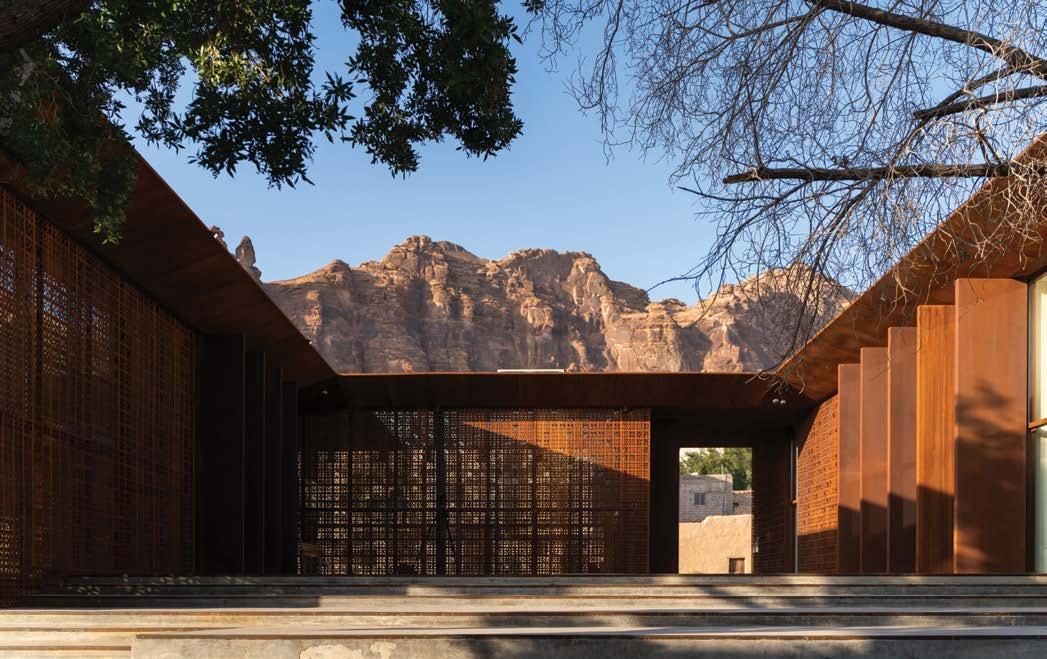
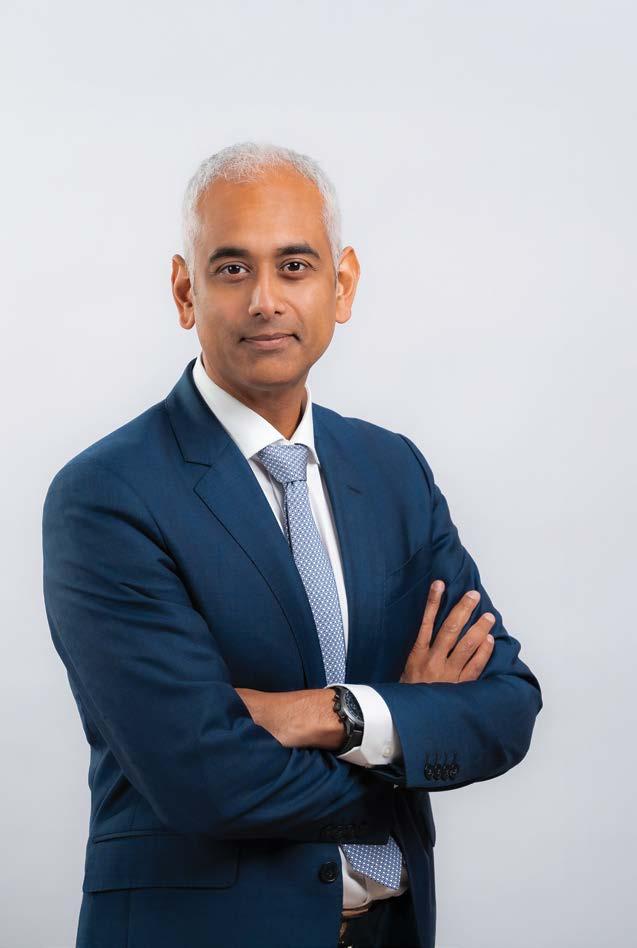
Hamad Alhomiedan, Arts and Creative Industries Director at the Royal Commission for AlUla, is shaping the region’s transformation with deliberate restraint. In AlUla, every road, building, and artwork is shaped by a single question: does it truly belong here?
BY AYA ZHANG
As you spend time in AlUla, you begin to notice that the place does not boast about its scale, but about how carefully it holds back. The sandstone formations dominate the horizon unapologetically, while the built environment seems to step back. Roads curve gently around rock faces and buildings sit low, melting into sightlines that have existed for centuries. It is an approach that runs counter to much of what modern development has come to represent. Elsewhere, progress is measured in how tall buildings rise. In AlUla, it is measured in how little is disturbed.
This philosophy was not immediate or absolute. It evolved through years of questioning what development should mean in a place where landscape, archaeology, and living communities exist side by side. Since 2017, the Royal Commission for AlUla has worked within this tension, balancing global access with the responsibility of preservation. At the centre of that process is a belief that culture is not an overlay, but a foundation. Art, design, and creative practice are not treated as finishing touches, but as tools that guide decision-making, from materials and building heights to how people experience the land itself. It is
a model that requires patience, and a willingness to accept limits.
Speaking at the fifth edition of the AlUla Arts Festival 2026, Hamad Alhomiedan reflects on a journey shaped not by expansion, but by careful calibration. As Arts and Creative Industries Director at the Royal Commission for AlUla, his work sits at the meeting point of heritage and ambition, anchored by one constant question: does it belong here?
When Alhomiedan speaks about development, the conversation moves away from numbers and scale. It shifts instead toward intent, responsibility, and
Located a short distance from AlUla Old Town, Daimumah is a picturesque farm, blending nature, art and heritage into a slow, sensory-driven experience.
Culture & Landscape
long-term consequence. What does development actually mean in a place like AlUla? And who gets to define progress when preservation is part of the brief?
Globally, the word development tends to conjure familiar images: towers rising quickly, density increasing, infrastructure expanding at speed. In AlUla, that definition feels out of place. Development here is quieter, deliberate. It listens to what
is already there rather than imposing itself. It is measured not by scale, but by sensitivity. By how carefully progress can exist without erasing the land, its history, or the communities rooted within it.
From the outset, the challenge was never just how to build, but how to pay attention. The landscape of AlUla is not a backdrop; it is a presence, shaping every decision from the curve of a road to the height of a building.
Here, design is not decoration. Walking through AlUla, the echoes of ancient craftsmanship are impossible to ignore. The tombs of Hegra, carved from sandstone more than two thousand years ago, still stand with a precision that feels strikingly
contemporary. Their endurance is a quiet benchmark, a reminder that quality is not a modern invention.
For Alhomiedan, that lineage matters. If work created millennia ago can still command attention, today’s interventions must meet the same standard. Doing things carefully and well is a responsibility.
This philosophy extends beyond aesthetics where practical choices reflect the same care. For example, building heights are restricted so the landscape remains visible. Footprints are reduced rather than expanded. Existing structures are sometimes removed to restore balance. Mountains, palms and open sky dominate the experience, not human construction because the aim is to let people experience the beauty of the landscape and feel it.
Materials do tell a similar story. Local resources are prioritised, not for novelty but because they belong. Initiatives such as the design residency and exhibitions like Material Witness invite designers to explore what the land itself provides—palm fibres, slag, and other overlooked materials— reimagining them as furniture or construction elements.
When the conversation turns to ambition, Alhomiedan is clear that AlUla’s future is outward-looking. The region is shaping itself as a cultural and creative hub with a tangible economic role. Creative industries, he notes, are resilient by nature: they generate value while preserving identity.
Within Saudi Vision 2030, AlUla contributes to economic diversification and sustainability, welcoming visitors without compromising its integrity.
Held in collaboration with Desert X, this landmark edition brings together 11 artists whose diverse and monumental works reflect a wide spectrum of ideas, materials, and traditions.
From monumental kinetic sculpture to sound-based explorations above and below ground, each commission is deeply rooted in relationships to AlUla’s dynamic and distinctive environment
Design Space AlUla is hosting the AlUla Design Exhibition (16 January to 28 February), highlighting AlUla’s growing role as a hub for creativity and cultural innovation.
et he resists scripting the visitor’s experience. AlUla is not a place that can be summarised. Photographs capture only fragments. The full impression emerges through walking the oasis, smelling ripening dates, touching the soil, listening to birdsong, or standing beneath a night sky untouched by light pollution. It is an experience that must be felt, not explained.
That careful openness extends to how the future is planned. Large swathes of AlUla remain untouched, protected as natural reserves. Development is guided by clear rules: environmental policies that safeguard the night sky, archaeological assessments that honour the layers of human history embedded in the land.
Art is central to this approach. At sites such as Wadi AlFann, artists engage directly with the landscape, choosing their own sites and responding to the land rather than reshaping it. The works vary in form and scale, but they all share one principle: they must speak AlUla’s language. When asked what connects him most deeply to
the region, Alhomiedan does not hesitate. It is the community. Their presence, openness, and willingness to participate form the backbone of every project in AlUla. Rather than being positioned as observers of change, local voices are embedded within it, shaping outcomes and anchoring progress in lived experience.
Looking ahead, immediate focus is placed on cultural programming that spans art, design, and contemporary practice, strengthening AlUla’s role as a living cultural landscape rather than a static destination. These initiatives form the foundation for what follows: the careful realisation of long-term assets, including districts, institutions, and purpose-built spaces designed to anchor the region’s creative identity for generations to come. Throughout the conversation, one idea returns with quiet consistency. In a landscape that has endured for hundreds of thousands of years, development is not about competition or visibility. It is about restraint. About knowing when to intervene, and just as importantly, when to step back.
DXRacer Martian Redefines Gaming Comfort F
Engineered for long hours at the desk, the DXRACER MARTIAN balances performance, comfort, and control.
or all the gaming lovers, this one is for you. The DXRacer Martian gaming chair is designed for those who take their time at the desk seriously. Whether it’s competitive gaming, long streaming sessions, or extended work hours that blend seamlessly into play, the Martian positions itself as a high-performance seating solution rather than just another gaming accessory. It is a chair built around endurance, adjustability, and long-term comfort — and it shows in every detail.
From the first interaction, the Martian communicates solidity. Its structure is anchored by a reinforced steel frame engineered to deliver stability and durability over years of use. Unlike lighter chairs that rely on minimal framing, the Martian feels grounded and substantial, offering a sense of confidence the moment one sits down. This is not a chair that shifts or flexes under movement; it is designed to stay firm, even during high-intensity gaming sessions.
DESIGNED FOR LASTING COMFORT
At the heart of the Martian’s comfort is its cold-cure foam construction. This high-density foam is moulded to retain its shape over time, resisting the sagging and compression common in lower-quality seating. The result is a seat that balances firmness and cushioning — supportive enough to maintain posture, yet comfortable enough for extended use. This type of foam also plays a crucial role in weight distribution. By spreading pressure evenly across the seat and backrest, it reduces pressure points that often lead to discomfort during prolonged sitting. Over long sessions, this translates into less fatigue and a more consistent seating experience, even hours into gameplay.
The ergonomic structure is complemented by DXRacer’s smart lumbar support system, which replaces traditional fixed cushions with an adaptive airbag mechanism. Designed to follow the natural curve of the spine, the lumbar support adjusts to provide consistent lower-back contact, reducing strain during long periods of sitting. Rather than forcing the body into
A reinforced steel frame and refined ergonomics position the DXRacer Martian as a serious performance seating solution.
Engineered for endurance, the DXRacer Martian delivers stability and comfort across extended gaming sessions.
From adaptive lumbar support to electric recline, every detail of the Martian is designed to support long hours at the desk.
position, it works with the user’s posture, helping maintain alignment without conscious effort.
The magnetic memory-foam headrest continues this approach to comfort. Easily adjustable and securely positioned, it supports the neck and upper spine without pushing the head forward. The absence of straps or loose fittings keeps the design clean while ensuring the pillow stays in place throughout use.
POWER-ASSISTED ADJUSTABILITY
One of the defining features of the DXRacer Martian is its electric backrest adjustment. Controlled via an integrated system powered by a built-in rechargeable battery, the backrest moves smoothly between upright and reclined positions. This allows users to transition seamlessly between focused gaming posture and a more relaxed recline, without manual levers or abrupt movements.
The electric recline is not simply a novelty; it adds a layer of refinement to everyday use. Subtle changes in posture can be made during gameplay or breaks, encouraging movement and reducing stiffness over time. The battery offers long-lasting performance, ensuring the chair remains functional without frequent charging interruptions.
This level of control supports healthier sitting habits by encouraging micro-adjustments throughout the day. Instead of remaining locked in a single posture, users can adapt their seating to match different activities — intense gameplay, casual browsing, or moments of rest.
PRECISION IN EVERY ADJUSTMENT
The Martian is equipped with fully adjustable 4D armrests, allowing movement in height, width, depth, and rotation. This level of adjustability ensures proper alignment of the arms and wrists with desks and peripherals, reducing tension during extended mouse and keyboard use. Once set, the armrests remain firmly in place, contributing to the chair’s overall stability.
Additional features such as seat height adjustment, tilt lock, and a smooth rocking mechanism allow users to fine-tune their seating experience. These adjustments support natural movement throughout the day, preventing the static posture that often leads to stiffness and reduced circulation.
An extendable footrest adds another layer of versatility. Designed for moments of relaxation between matches or during casual gaming and media consumption, it integrates seamlessly into the chair without compromising its structure or aesthetics. It transforms the Martian from a task chair into a more relaxed lounge position when required.
Balancing premium design with functional innovation, the Martian adapts effortlessly to gaming, work, and downtime.
DESIGNED FOR ENDURANCE
Extended gaming sessions place unique demands on seating, and the Martian is built with this reality in mind. Its wide seat base, reinforced components, and Class 4 gas lift support a broad range of body types while maintaining smooth, controlled movement. The chair’s PU-coated casters glide quietly across surfaces, offering mobility without disruption.
Over time, the Martian maintains its form and responsiveness. The materials resist wear, the foam retains its density, and the structural elements continue to perform consistently — qualities that distinguish longterm investments from short-lived purchases. This consistency is especially important for users who rely on their chair daily, rather than occasionally.
A REFINED AESTHETIC
Visually, the DXRacer Martian adopts a restrained, premium aesthetic. Its design avoids excessive graphics or exaggerated shapes, favouring clean lines, refined stitching, and a balanced silhouette. This allows the chair to integrate seamlessly into both dedicated gaming spaces and modern home offices.
Subtle lighting accents, where included, add a futuristic character without overpowering the overall look. The finish and material choices reinforce the chair’s positioning as a premium product designed to complement contemporary interiors rather than dominate them.
PERFORMANCE MEETS EVERYDAY USE
While clearly engineered with gamers in mind, the Martian’s versatility extends beyond gaming. Its ergonomic support, adjustability, and build quality make it equally suitable for long workdays, content creation, and hybrid work-play setups. The chair adapts to the user’s needs rather than dictating how it should be used.
This adaptability reflects the changing nature of modern desk use, where professional tasks, entertainment, and gaming often overlap. The Martian responds with a design that supports all three without compromise.
FINAL ASSESSMENT
The DXRacer Martian gaming chair represents a thoughtful approach to performance seating. It combines advanced ergonomic features, power-assisted adjustability, and durable construction in a package that feels refined and purposeful. Rather than relying on gimmicks, it focuses on what matters most: sustained comfort, structural integrity, and user control.
For those who spend significant time at their desk and demand more from their seating, the Martian stands out as a well-considered investment. It is a chair designed not just to impress initially, but to perform consistently over time — quietly supporting focus, comfort, and endurance. And in the world of serious gaming chairs, that level of reliability makes all the difference.
LEGACY WOVEN CONCRETE
Samer Tamimi, Senior Vice President at HILL INTERNATIONAL INC., lifts the curtain on the intricate project management story behind the Zayed National Museum, the cultural heart of Saadiyat Island. From coordinating specialist systems to honouring a nation’s heritage, he explains how Hill is helping to deliver a landmark worthy of the UAE’s founding father
BY VIBHA MEHTA
When Samer Tamimi speaks about the Zayed National Museum, he sounds less like a consultant ticking off milestones and more like a custodian safeguarding a legacy. With decades of experience on complex schemes, he understands that this project is not just another line on a portfolio, it is a national narrative written in steel, stone and light. “Our responsibility is to protect the client’s vision at every step,” he says, “so that what eventually opens to the public feels worthy of Sheikh Zayed’s name.”
As a Project Management Consultant, Hill International sits at the centre of the project’s moving parts, safeguarding cost, schedule, quality and risk while keeping the client’s objectives in clear focus. The team oversees contractor performance, manages interfaces between designers, specialists and authorities, and supports the client through testing, commissioning, handover and operational readiness. Samer describes Hill’s role as “the central coordination point that holds the line, so this landmark is delivered to the standard a nation expects.”
Broadway Interiors gives a fresh transformation to MAKE UP FOR EVER'S workplace in Dubai Design District.
The challenges are as layered as the building itself. The museum’s distinctive façade of wings, its highly integrated building management systems and the sensitivities of world-class exhibition spaces demand extraordinary precision. “This is a mega project in every sense,” he notes. “The architecture is expressive, the systems are complex, and the stakeholder list is long. Coordination is not a task; it is a discipline we live with
every day.” Through strengthened reporting, coordinated oversight and accelerated rectification plans, Hill has worked to keep momentum while bringing the project to completion.
To maintain alignment, the consultancy has built a disciplined framework that keeps conversations structured and decisions visible.
This includes:
→ Weekly executive-level and technical coordination meetings
→ Daily site coordination between PMC discipline engineers and contractor teams
→ Strict document and correspondence management through ACONEX
→ Rapid issue resolution through focused task forces for critical systems
→ Ongoing alignment with the client on priorities, risk mitigation and readiness targets.
“Transparency is non-negotiable,” Samer explains. “When everyone can see the same information, it becomes much easier to move together rather than pull apart.”
Heritage and national identity sit at the core of Hill’s approach. The team drew on experience from cultural projects such as the Egyptian National Museum in Cairo, but knew that Zayed National Museum required its own language. From the earliest stages, they studied the museological narrative, coordinated tirelessly with curators, conservators and Abu Dhabi stakeholders and treated every gallery as a vessel for memory.
The museum’s significance shapes daily decisions in very practical ways:
→ Respect for storytelling, ensuring that every architectural, functional and experiential detail supports the museum’s role as the national home of history and culture
→ Care for quality and longevity, viewing the project as an institution for generations rather than a building for the present
→ Protection of exhibit integrity, working closely with curatorial teams so that spaces meet stringent conservation and environmental standards
→ Responsiveness to national expectations, aligning programmes, opening readiness and handover strategies with the museum’s importance to the UAE public and leadership
“We are not just erecting a structure,” Samer reflects. “We are helping to frame how future generations will encounter the story of their country.”
Sustainability and long-term performance are stitched into the delivery strategy rather than added on at the end. Hill’s brief extends beyond construction oversight into safeguarding lifecycle value.
From a regional perspective, the project has generated lessons that will echo across future landmarks. Early planning for specialist systems, robust communication protocols, proactive testing and commissioning and early engagement with authorities all emerge as critical themes. Operational readiness, Samer emphasises, must be a priority from the outset for any public-facing cultural
The museum’s winged façade, integrated building management systems, and world-class exhibition spaces demand extraordinary precision.
“The architecture is expressive, the systems are complex, and the stakeholder list is long. Coordination is not a task; it is a discipline we live with project everyday.”
institution. “The closer you get to opening, the more every hour counts,” he says. “You need the courage to make decisions quickly without compromising the integrity of the vision.”
Looking beyond Saadiyat, Hill International is deepening its role across the Middle East. The company is positioning itself as a preferred project management and consultancy partner for extensive infrastructure, aviation and mixed-use programmes, managing multiple mega schemes in parallel. The ambition is not simply to deliver individual projects, but to help shape the UAE’s and the wider region’s physical and cultural landscapes.
As more complex, multi-stakeholder cultural and infrastructure projects come to market, Samer expects Hill’s value to lie increasingly in early engagement, risk allocation and governance modelling.
By entering at the strategic and pre-development stages, Hill aims to design frameworks that prevent those issues before they appear on site.
In a region defined by ambitious skylines and fast-moving programmes, Zayed National Museum stands apart as a
project where schedule and symbolism carry equal weight. It is, in Samer’s words, “a privilege and a responsibility”. Through disciplined management, cultural sensitivity, and an unwavering respect for the story the building must tell, Hill International is helping ensure that, when the doors finally open, they open onto a museum that feels as enduring as the legacy it honours.
Key elements include:
→ Ensuring systems meet the required sustainability standards and operational efficiency
→ Supporting commissioning and fine-tuning of complex systems such as BMUs, GRUs, BMS, façade systems and environmental controls
→ Ensuring that as-built records and O and M manuals are accurate and complete to support future asset management
→ Working with the client on training programmes so the operations team can run the facility efficiently from day one
→ Preparing the building for long-term maintainability by ensuring access, safety systems and performance criteria are fully addressed
of Echoes DIRIYAH
A CONVERSATION WITH KIRAN HASLAM REVEALS THE EMOTION, HERITAGE AND QUIET AMBITION SHAPING THE REBIRTH OF DIRIYAH
WORDS BY: VIBHA MEHTA
There are interviews you remember for the information, and there are interviews you remember for how they made you feel. Speaking with Kiran Haslam, Chief Marketing Officer of Diriyah Company, belonged firmly to the second kind.
The Diriyah stand at Cityscape felt like a city in miniature. Towering screens played sweeping views of Wadi Hanifah and adobe façades washed in golden light. A vast masterplan model stretched out under glass, dotted with tiny palm trees, courtyards and streets; visitors leaned over it, tracing future boulevards with their fingertips, pointing out hotels, museums and neighbourhoods yet to open. The air buzzed with overlapping conversations – brokers negotiating, delegations being hosted, cameras flashing as teams posed in front of the model.
In the middle of this movement, Kiran felt like a steady centre of gravity. His smile was easy, his greeting warm in a way that cut through the noise. He spoke in a calm, measured tone that did not compete with the background, yet somehow rose above it. There was a quiet attentiveness in the way he listened, a sense that, for those few minutes, the rush of Cityscape could wait.
Before we touched on square kilometres and contract values, he had already created a pocket of stillness between us. It became clear that this conversation would not simply catalogue milestones. It would explore memory, identity and the emotional architecture of a place that carries the origins of a nation.
Then came the sentence that held everything together. “To be Diriyah, this is the greatest project I can think of, that I have seen, read about, or heard of existing on planet Earth today.”
Diriyah has evolved from a bold vision into a destination that feels intimate, authentic, and deeply rooted in heritage.
Sustainability is treated with intention, not obligation—25% preserved as public realm, with native planting grown in purposebuilt nurseries.
Another feature that stands out is the dramatic appearance of the ceiling.
He said it gently. No drama. No performance. Just a truth he carried with conviction. In that moment, Diriyah transformed from a visionary development into something intimate and deeply rooted. A place felt rather than described.
A Land That Remembers
As Kiran spoke of Diriyah’s origins, his expressions changed almost imperceptibly. His voice softened. His gaze warmed. His hands moved with the tenderness of someone uncovering a cherished story. He explained that storytelling in Diriyah is not a marketing exercise. It is an act of stewardship. “Storytelling just for the sake of it is boring,” he said quietly. “For us, authentic storytelling is who we are. It is the only way to explain what makes Diriyah, Diriyah.”
He unfolded the history with reverence. The Banu Hanifa tribe settled along Wadi Hanifa sixteen centuries ago. The First Saudi State
“Diriyah is not being built; it is being remembered. It is a return to origins, shaped with modern hands but ancient memory."
emerged in 1727 under Imam Mohammad Bin Saud. The land became the ancestral home of the Al Saud family. These are not dates to him. They are living layers of identity. This truth, he shared, guides the entire architectural language. Adobe-inspired structures. Earthtoned facades. Courtyards that breathe. Walkways that invite pauses rather than rush.
It became clear to me then. Diriyah is not being built; it is being remembered. It is a return to origins, shaped with modern hands but ancient memory.
Leadership That Moves With Purpose
When the discussion shifted to leadership, there was emotion in his tone. Genuine emotion. He spoke of his colleagues with admiration that felt personal, not professional.
He described the immense gratitude he feels to be part of this moment in history. It was not the language of corporate pride. It was the language of someone who feels chosen by the work, not hired for it. Jerry Inzerillo, the visionary Group CEO of Diriyah Company, embodies this commitment. Decisions are not transactional. They are custodial. They ask not what can be built, but what should be honoured.
Sustainability, too, is approached with intention rather than obligation. A quarter of the land is protected as a public realm. Every plant is native. Nurseries were built from scratch to grow species that no commercial supplier carried. He smiled when he spoke of it. “You cannot buy indigenous shrubs in nurseries,” he said. “So we built our own. That level of detail requires passion, and we have it.”
When Progress Finds Its Rhythm
There was a spark in his voice when he reflected on the past twelve months. “I will simplify it. What is not happening? It feels like everything is happening.” And Kiran meant it.
Diriyah opened its first luxury hotel, Bab Samhan, which reached full occupancy for nearly three weeks straight. Global hospitality icons have joined the landscape: Raffles, Aman, Oberoi, Armani and more. Manazel Al Hadawi, their first unbranded residential community, opened Diriyah to families who had only admired it from afar. He outlined the scale almost as if he was still absorbing it himself.
• Eighteen thousand five hundred homes.
• T hirty-four hotels.
• One point six million square metres of office space.
• Over half a million square metres of retail and dining.
Then there is the beauty. Zallal, the new dining district beside the Diriyah Art Futures Museum. The fully grassed Greg Norman golf course, sculpted with precision. The pedestrian network slowly stitches together heritage, lifestyle and community in a way that feels effortless and inevitable. he said with quiet pride. “The pedestrian journey is now truly
coming alive,” Making a point that Diriyah is not progressing. It is blooming, layer by layer.
Looking Ahead to 2026
When he spoke of the future, his tone held anticipation but not urgency. “Two thousand twenty-six is acceleration,” he said. “Head down, deliver as much as possible.”
More than $27 billion in contracts has been awarded so far. Five billion in the past six months alone. Yet he spoke of it without boasting, as though the numbers were merely shadows of a much greater momentum.
By the end of next year, the transformation will be remarkable.
• The Ritz-Carlton branded residences will welcome their first residents.
• The Oberoi-branded residences will rise.
• Capella Hotel will open.
• The Ritz-Carlton Hotel and Residences will welcome guests.
• The Royal Equestrian and Polo facilities will take shape.
He shared all of this with the same calm that carried us from the beginning. Then he smiled and invited us to visit one of the openings before it was unveiled to the world.
A Legacy Carried Forward
Diriyah is not shaped solely by ambition. It is shaped by memory. By gratitude. By intention. It is a place where the past is not frozen but allowed to breathe into the present. It is a reminder that cities can be built with tenderness, not just efficiency. With
reverence, not just capital.
As our conversation came to an end, Kiran paused. His voice lowered, as though offering a truth he did not want diluted. “We are not just developing land,” he said. “We are shaping a place that carries the memory of a nation.”
There was a stillness after he spoke. A moment where the magnitude of that responsibility settled between us. Diriyah is not rising quickly or loudly. It is rising with respect. With calm confidence.
With the quiet dignity of a place that knows exactly who it is.
And perhaps that is what makes Diriyah unforgettable. It is a future growing from the roots of a past that refuses to be forgotten. A city built not simply to impress but to endure. A place that breathes.
Source smarter
Mart® is a contract furniture platform for architects, designers, and procurement teams. We bring clarity to complex specification, connecting access to world-leading brands with AI-supported tools that quietly accelerate decisions. Backed by 30 years of regional experience, and delivered end to end from design and specification to installation and responsible recycling. kpsmart.com
Where Heritage Lands
BACCARAT HOTEL & RESIDENCES DUBAI
SUDHIN SIVA, CHIEF ASSET MANAGEMENT OFFICER AT SHAMAL HOLDING, AND TONI STOECKL, CHIEF MARKETING OFFICER AT STARWOOD HOTELS, REFLECT ON A PARTNERSHIP THAT’S SHAPING SOMETHING TRULY EXCEPTIONAL—AN ADDRESS POISED TO TURN GLOBAL EYES TO DUBAI, AND A NEW PROPERTY DESIGNED TO MAKE THE CITY’S NEXT CHAPTER UNMISTAKABLY FELT
BY VIBHA MEHTA
The lift doors open with a soft chime and a cool wash of citrus-clean air.
On the 117th floor, Dubai feels composed: daylight fading, towers turning to silhouette, city lights flickering on, and the sea holding a last band of gold.
Inside, the office is quietly premium—carpet that swallows footsteps, warm stone-and-timber tones, and a low table set with coffee, water and untouched dates. Minimal, controlled, and ready for the conversation.
Sudhin Siva arrives first, measured and composed, sleeves sitting clean at the wrist. When he speaks, his hands open slowly, as if placing each point carefully on the table. Toni Stoeckl follows with easy energy and direct eye contact, leaning forward when something matters, punctuating ideas with small, precise gestures. Different temperaments, same focus. The topic is Baccarat Hotel & Residences Dubai and what it signals for a market that has no shortage of luxury, yet still rewards depth.
Beyond the Label
The phrase ‘branded residences’ is often thrown around as if it simply means a famous name on a façade. In this room, both men push back on that shorthand. For them, brand is only meaningful when it travels beyond a logo and becomes behaviour, consistency, and lived experience. Sudhin frames it as a test of substance. He speaks about branded living as a translation exercise: taking a brand’s culture and turning it into daily standards, service rhythms, and a level of
finish that holds up long after launch season. “It’s not just the identity of a brand on a building,” he says. “It’s the philosophy, the service levels, and how that experience is delivered.”
Toni, equally firm, brings it back to immersion. He describes it as a lifestyle you can feel, not a label you can point at. “It’s not just the name,” he says. “It’s about creating an emotional connection, making people feel something when they’re at home.”
Shamal’s Long Lens
In a market quick to label every real estate player a ‘developer,’ Sudhin is keen to clarify how Shamal positions itself and why that matters for a project at this scale. He describes a holding company that thinks in asset life cycles rather than handover moments, where the responsibility doesn’t end when the
keys are delivered.
Shamal’s approach, he explains, starts with understanding the resident and stays close through the full journey, because reputation is built after completion, not during the sales campaign.
“We’re in it through that whole journey,” he says, “understanding the end user and ensuring the longevity we promised remains.”
Toni nods at the idea of selectivity, suggesting that the strongest partnerships aren’t formed by chasing volume, but by aligning standards. “You need that connectivity from the start,” he says. “That organic way of doing business results in a better product.”
The Misconception Problem
Branded residences, Toni insists, are still widely misunderstood. Too often, the assumption is that the “brand” is a
quick premium lever rather than a long-term operating commitment. He rejects the idea that this is about short-term uplift.
“The misconception is that it’s just a logo on the building,” he says, before turning it into a simple reality check. Baccarat has lasted for centuries because it has repeatedly stayed relevant, not because it has stayed static. In his telling, heritage is not nostalgia. It is a standard that must remain present in everyday life,
through ordinary mornings as much as celebratory evenings.
“A brand doesn’t last 260 years if it’s superficial,” he says. “It lasts because it finds ways to stay present in people’s lives.”
Sudhin backs that thinking with an operational angle: a brand only earns its place when it shows up in the experience, in the invisible details residents feel but rarely articulate. “It has to come through in the living experience,” he says, “not just in the look of it.”
LEFT
Sudhin Siva, Chief Asset Management Officer at Shamal Holding
RIGHT
Toni Stoeckl, Chief Marketing Officer at Starwood Hotels
In his telling, Baccarat Hotel & Residences Dubai is built on the right combination of stakeholders, design discipline, and operations, because what matters is not only what is delivered, but what remains true after handover. “
Chemistry Without the Friction
Partnerships in branded living usually come with pressure points: the moment brand standards meet procurement, programme, or on-site realities.
With Baccarat Hotel & Residences Dubai, both men describe a relationship where alignment did the heavy lifting early, long before anyone started debating finishing schedules or sample boards.
Sudhin describes the collaboration as unusually coherent, driven by shared instincts rather than constant negotiation. “The collaboration is exceptional,” he says. “The thinking was always aligned.” His view is simple: when both sides care about the same things, decisions become faster, not harder. That alignment, he adds, is anchored in craftsmanship, in the discipline of doing small things properly and repeatedly.
Toni agrees, describing the partnership as something you can feel immediately. “From the moment we signed, you have an instant connection,” he says. For him, that connection matters because a project like Baccarat only works when the people behind it move as one. “That organic way of doing business will result in a better product,” he adds, returning the idea to outcome, not sentiment.
Luxury’s New Currency
Dubai has mastered premium product. The next contest, they suggest, is about how the product performs as a daily experience. What lasts isn’t the marketing language. It’s the comfort, ease, and consistency residents live with. Sudhin calls it out plainly.
“The true differentiator is going to be experiences,” In a city packed with beautiful buildings, the edge comes from what you cannot capture in a render: how a space feels at night, how service anticipates needs, how standards remain intact over time.
Toni widens the view to global behaviour, noting a broader shift in what high-end consumers value. “We’re seeing a shift from products to experiences,” he says, underlining why branded residences are accelerating. In his view, luxury is becoming more personal and more emotional, less about accumulation and more about immersion.
French, Not Theatrical
Baccarat’s heritage could easily become a styling exercise in Dubai, but Toni insists it has to be delivered as culture rather than costume. He speaks about authenticity as something built through repetition: sensory cues, service manners, and a precise understanding of atmosphere.
“It has to have the French heritage,” he says, “especially in how we deliver the service.” He moves quickly from big concepts to tangible details: fragrance in the ambience, music, sound levels, and the specific mood each
The Hotel Bar showcasing luxury interiors and an elevated guest experience.
space is meant to hold. For him, the brand is a full sensory identity, not a decorative layer. Sudhin reinforces the point by pulling it back to lived reality. Heritage only matters, he suggests, if it remains believable when the building is occupied and the days become normal. “It’s about how the philosophy comes to life,” he says, “in the way people live, not just in the way it looks.”
Value That Doesn’t Fade
When the conversation turns to long-term value, Sudhin speaks like someone already thinking ten years beyond the ribbon cutting. The core idea is continuity: residents buy into a standard that must hold, not a moment that will pass.
“It’s not just the launch and delivery,” he says. “It’s how we ensure that value remains for years to come.” Toni echoes the same point through emotion rather than infrastructure. “It’s not just the logo,” he says. “It’s the emotion at the end of the day.” He suggests the strongest branded residences are the ones people want to keep, not flip, because the experience becomes part of their identity and daily rhythm.
The Bar Moves Up Projects like this don’t only raise expectations for residents. They raise the expectations for delivery itself: the finishing discipline, the detailing, and the consistency across the full chain from design intent to operations.
Sudhin is clear that the work is not about assembling a luxury product, but refining it. “We’re refining the product with the experience in mind,” he says, describing a level of attention where every decision is tested against resident experience, not just visual impact. Dubai can deliver complex projects, he acknowledges, but the differencehere is the intensity of focus on why each decision exists. Toni frames the industry takeaway as a market correction. “It’s not just a name on top of a building,” he says again, returning to the misconception he wants to dismantle. In his view, branded living will increasingly be judged by standard, not badge: by how convincingly design and operations meet, and whether the
promise remains intact long after the launch noise fades.
By the time the conversation ends, Dubai outside has shifted fully into dusk. The city looks cleaner from this height, the lights sharper, the sea darker, the horizon more deliberate. Coffee is finally lifted. A date is offered. Jackets are adjusted almost in sync, a small moment of rhythm between two different personalities who have been speaking the same language all evening. What lingers is not a sales pitch. It is a signal.
In the next chapter of Dubai’s high-end residential market, prestige will not be won by whoever speaks loudest about luxury. It will be won by whoever can deliver it consistently, quietly, and for the long haul.
A refined lobby experience where craftsmanship and design take centre stage.
DESIGN, BUILD, FURNISH
THE 11th INTERNATIONAL INTERIOR, EXTERIOR, FURNISHING & FIT-OUT EXHIBITION
EGYPT’S INTERNATIONAL EXHIBITION CENTER, NEW CAIRO - EGYPT 14 - 16 MAY 2026
Refresh Your Home for Ramadan
Centrepoint has launched its latest Ramadan home décor and home fragrance collections, thoughtfully curated to elevate living spaces throughout the holy month. Designed to bring warmth and create a Ramadan-ready home, the collections are now available in-store and online.
Inspired by regional culture, heritage, and nature, the home décor range includes a curated selection of serveware, glassware, tea and cutlery sets, table linens, lanterns, cushions, accent furniture, vases, candle holders, incense burners, and more—ideal for hosting family and friends during the season of togetherness.
T he collection is presented through four distinctive stories: Nakhla, inspired by the palm and pomegranate; Azzure, featuring geometric artistry in vibrant blue and gold; Noor, reflecting moonlit serenity with soft textures and metallic accents; and Journey Across the Dunes, capturing desert-inspired hues and Arabian heritage.
T he home fragrance collection complements the décor range with a selection of electric and reed diffusers, candles, oil burners, and premium gift sets, making it ideal for creating an inviting ambience and gifting loved ones this Ramadan.
Availability: The collections are now available in-store and online at centrepointstores.com.