CHRISTOPH KOSTER, CEO OF RUYA ON DIGITAL BANKING, ISLAMIC FINANCE, AND WHAT IT REALLY TAKES TO BUILD SOMETHING THAT LASTS IN THE UAE
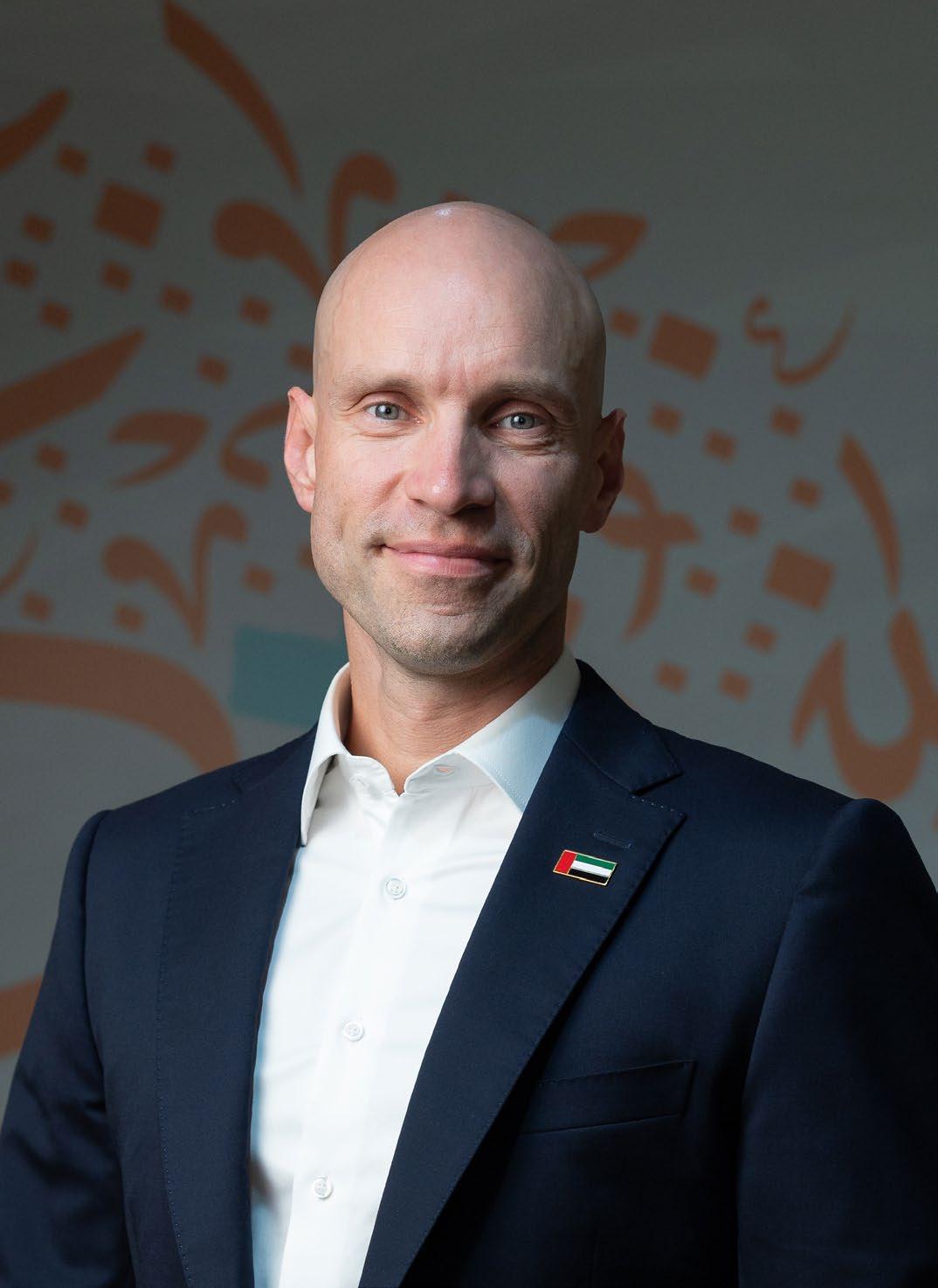

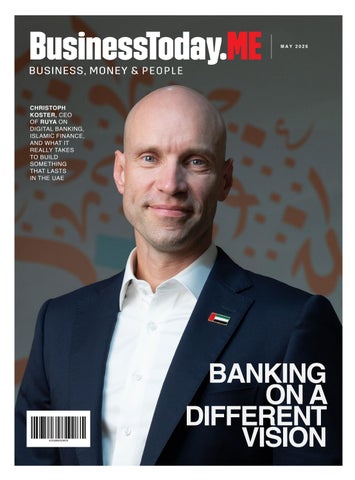
CHRISTOPH KOSTER, CEO OF RUYA ON DIGITAL BANKING, ISLAMIC FINANCE, AND WHAT IT REALLY TAKES TO BUILD SOMETHING THAT LASTS IN THE UAE
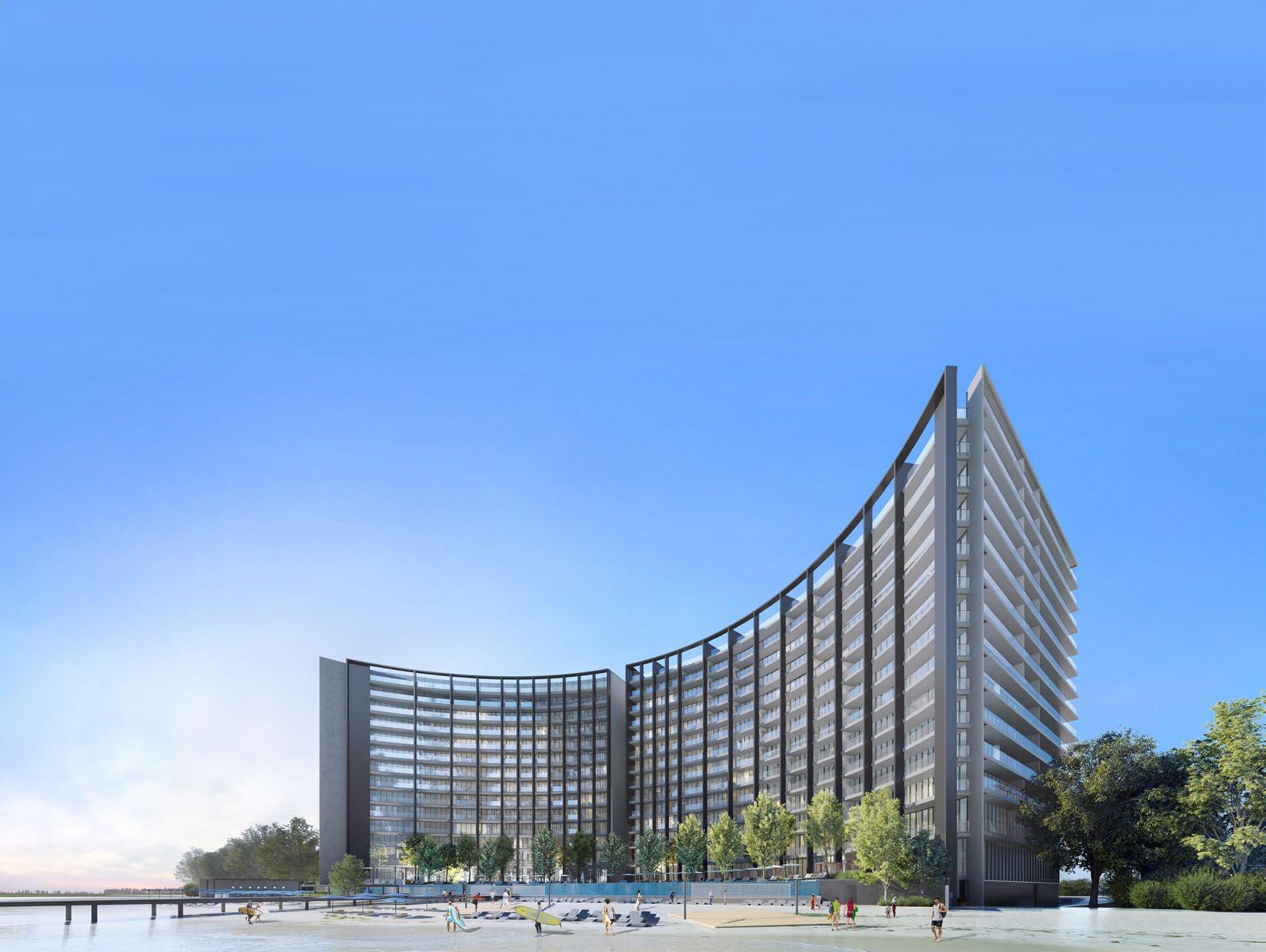
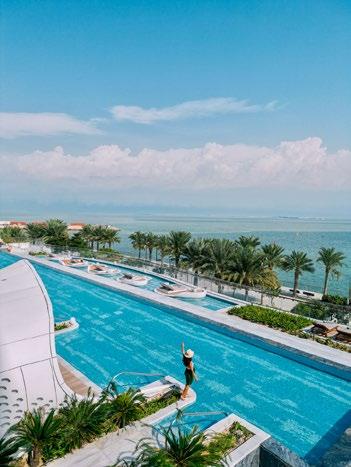
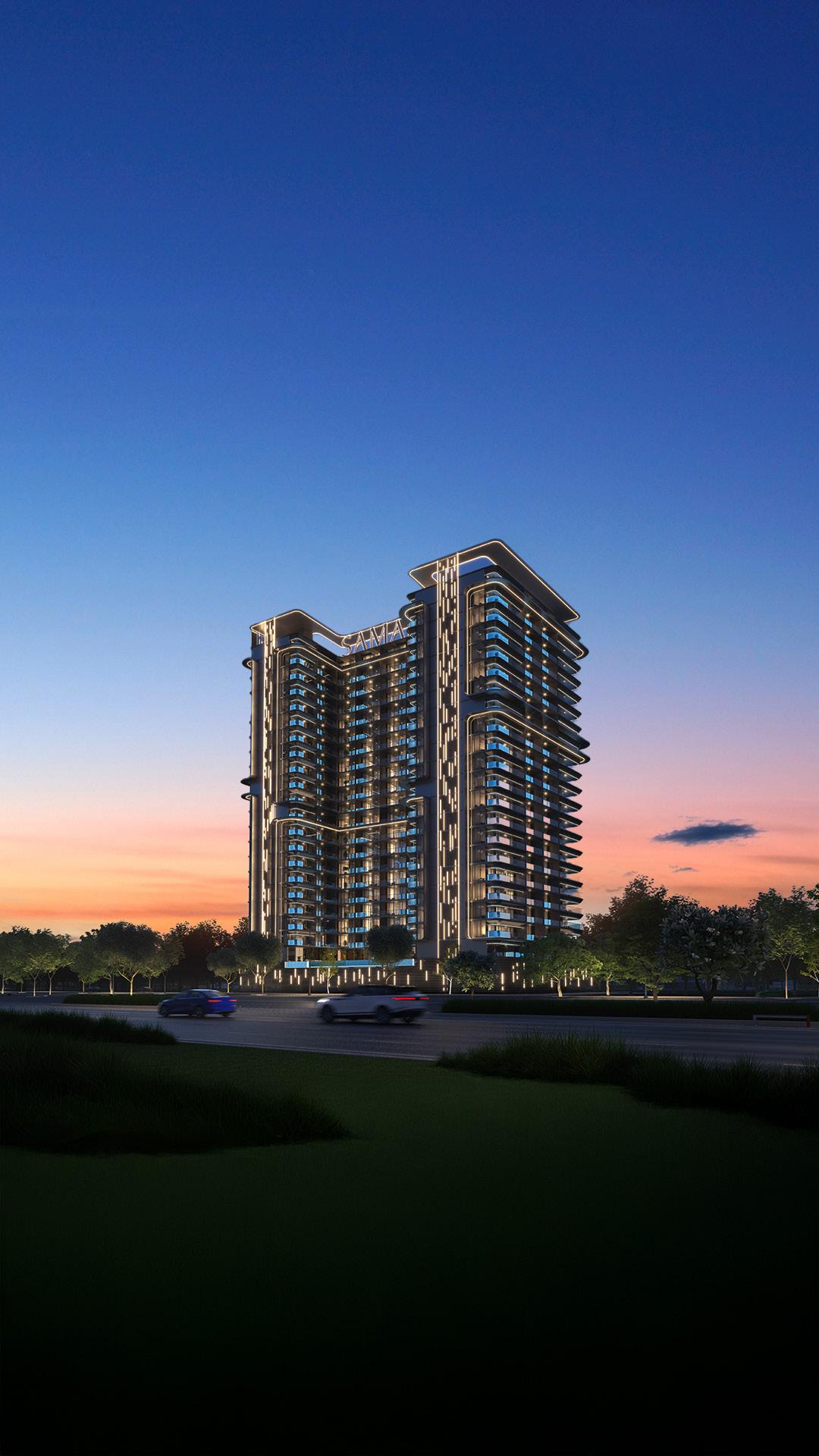
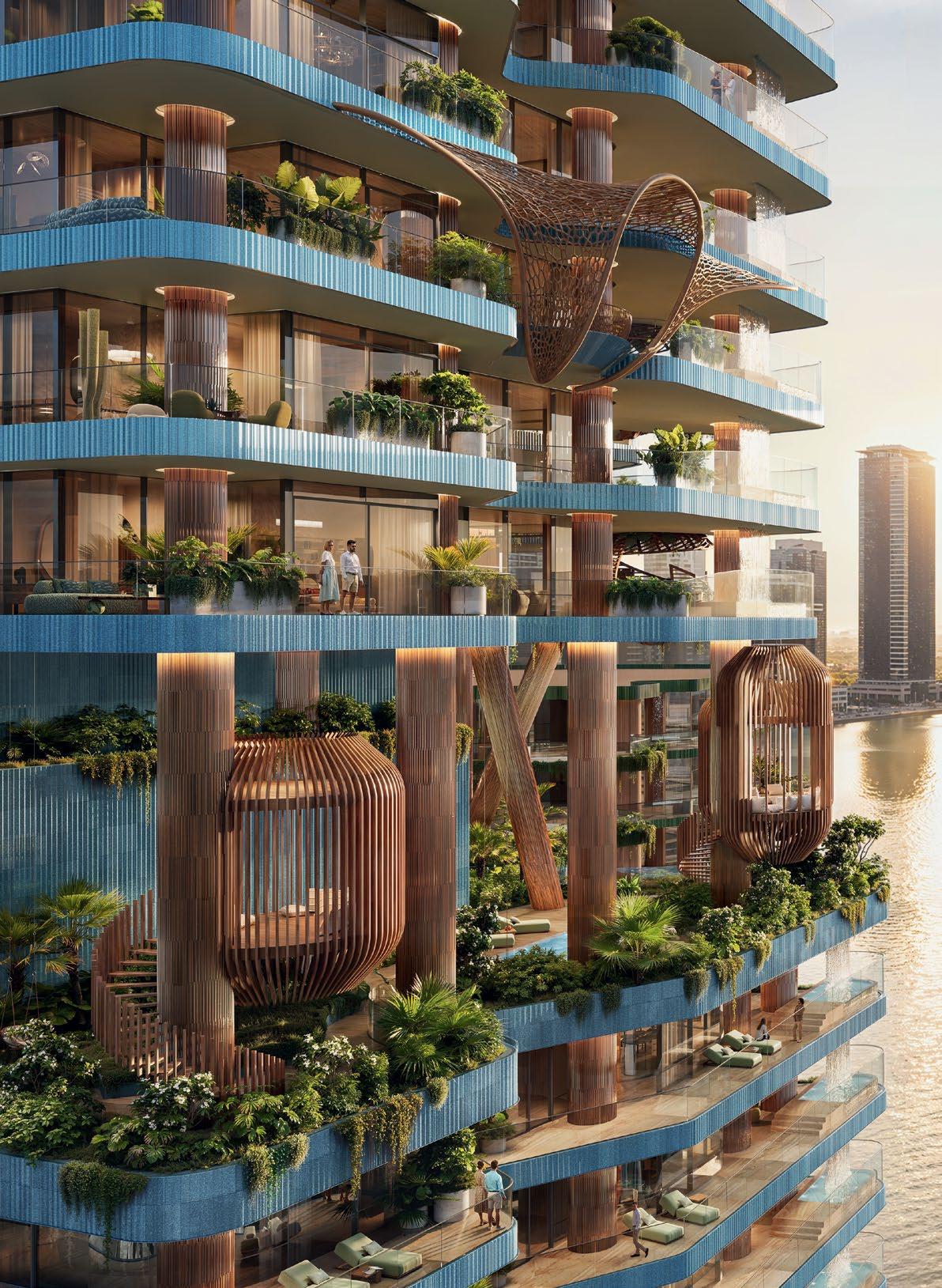
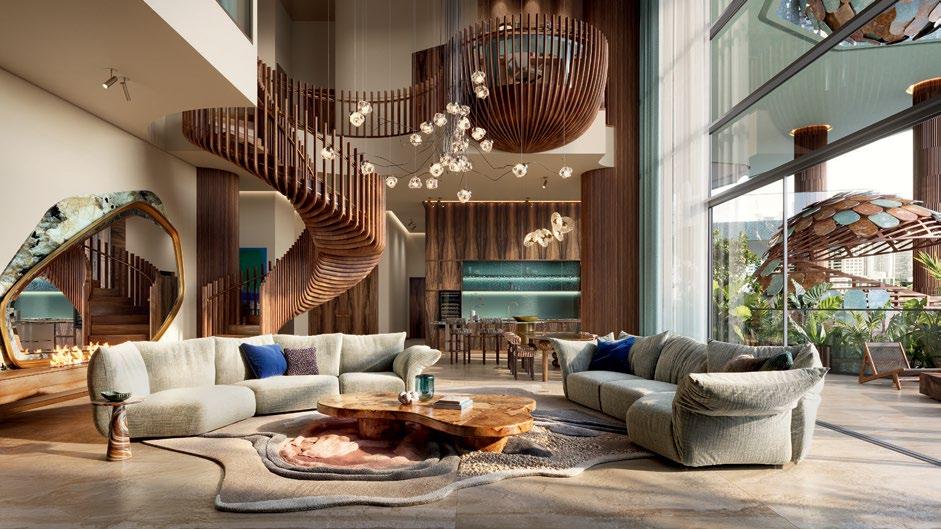
Bringing luxury seaside living to Sharjah for the first time, owners at the Anantara Sharjah Residences enjoy access to the Anantara Sharjah Resort’s world-class amenities, including an infinity pool, five distinctive restaurants, an Anantara Spa and a state-of-the-art gym.
As an investment, owners can enjoy the benefits of a rental management scheme operated by Anantara Hotels, Resorts & Spas, allowing them to maximize their returns when they are not resident in the property.
To register your interest, visit arada.com
LIFE IS A JOURNEY.





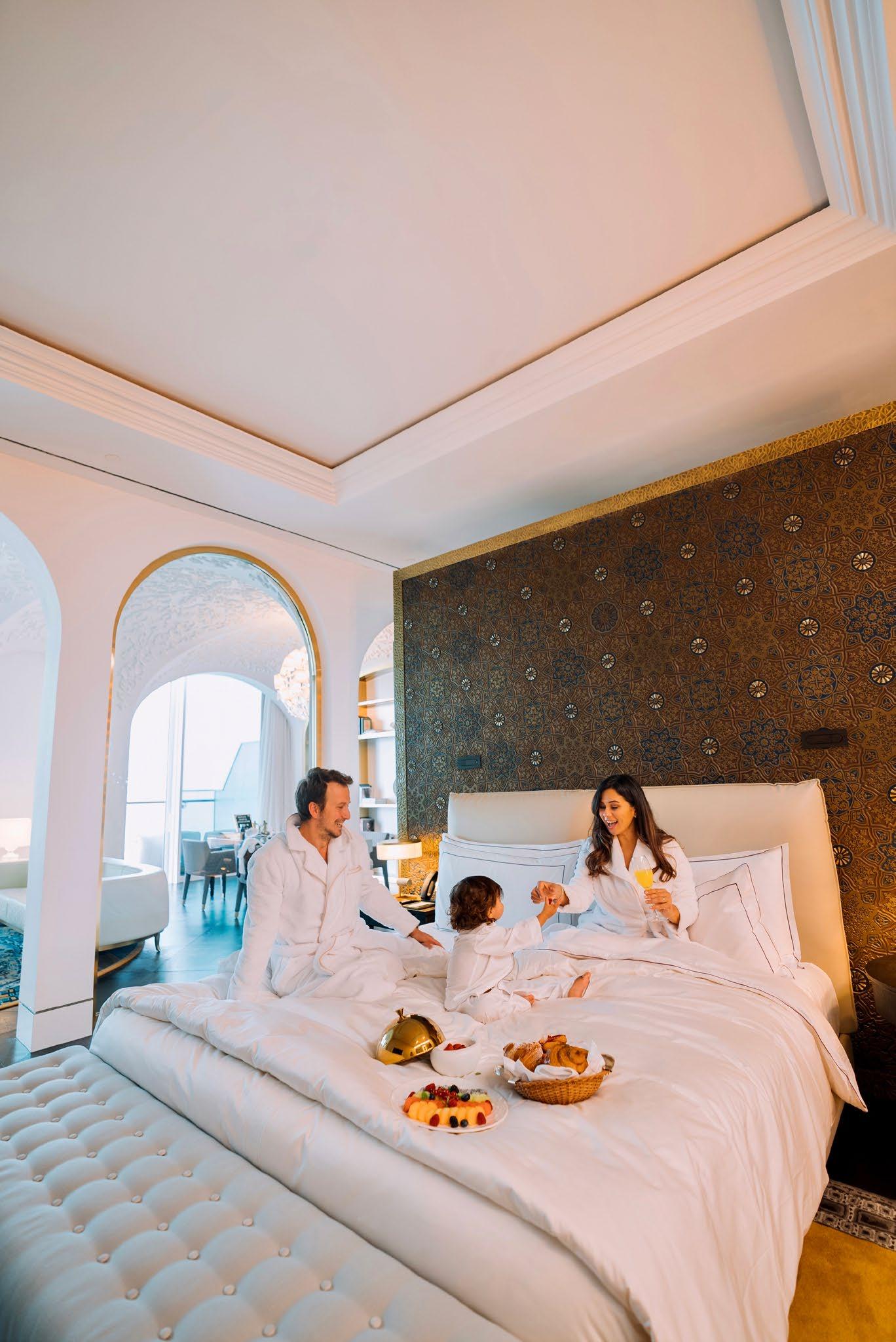
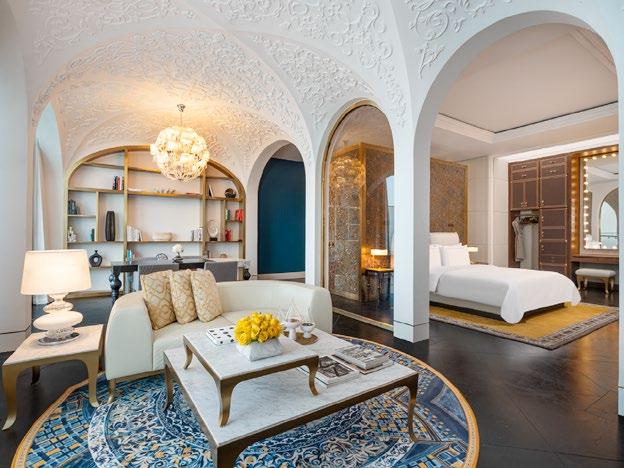
Step into a world of opulence when you book a Suite at Raffles Doha.
Experience the added luxury of QAR 750 credit to spend on dining in the hotel, and QAR 500 towards any Spa treatment.
Children aged 12 and below are welcome to indulge in the enchantment of complimentary dining.
Rates starting from QAR 3,500 per night
For reservations, please call +974 4030 7100 or email reservations.doha@raffles.com


CEO WISSAM YOUNANE | wissam@bncpublishing.net
Managing Director RABIH NAJM | rabih@bncpublishing.net
Group Publishing Director JOAQUIM D'COSTA | jo@bncpublishing.net
Editor AYA ZHANG | aya@bncpublishing.net
Digital Reporter REEBA ASGHAR | reeba@bncpublishing.net
Business Development Director ANDY SOULAHIAN | andy.soulahian@bncpublishing.net
Commercial Director ANDREA MOCAY | andrea@bncpublishing.net
Creative Lead CHRISTIAN HARB | chriss@bncpublishing.net
Junior Art Director IKA WAHYUNI
Marketing Executive AARON JOSHUA SINANBAM | aj@bncpublishing.net
Videographer EDUARDO BUENAGUA HARTON OTLANG JOEL AMPARO
Contributors
DR. RAYMOND KHOURY ZAID ABOOBAKER
subscriptions@bncpublishing.net
PO Box 502511 Dubai, United Arab Emirates P +971 4 4200 506 | F +971 4 4200 196
For all commercial enquiries, contact jo@bncpublishing.net T +971 50 440 2706
All rights reserved © 2025. The opinions expressed are solely those of the contributors. Business Today Middle East and its affiliated publications in the MENA region are exclusively licensed to BNC Publishing. No part of this magazine may be copied, reproduced, or transmitted in any form or by any means without prior written consent from the publisher. Printed by United Printing and Publishing | upp.ae Images used in Business Today Middle East are credited when necessary. Attributed use of copyrighted images with permission. All images not credited courtesy Shutterstock.
BIZTODAYME
@BIZTODAYME
BUSINESS TODAY MIDDLE EAST
BIZTODAYME
BIZTODAYME
BUSINESSTODAY.ME

The Dark Sky luminaire head for the modular system bollard luminaires protects the night sky and nocturnal wildlife. Optionally available with BEGA BugSaver® technology to switch the colour temperature to an amber tone. Bollard tubes optionally available in sustainable Accoya® wood. bega.com/systembollards
Good businesses are built by good leaders. That sounds obvious, but I think it is worth saying properly, because the word leadership gets used so loosely these days that it has almost lost its meaning.
There are positions, and there is execution. Both matter. But neither of them, on their own, is leadership.
True leadership, from my own perspective, comes down to something much simpler and much harder at the same time. It is about genuinely caring for the people around you, the ones who show up every day and make everything work. Listening to them, not just hearing them. Being
present enough to notice what they need, and humble enough to let that shape the decisions you make.
What I have always found is that intentions, good or bad, have a way of surfacing. People are smart, and they sense very quickly whether the person leading them truly cares or is simply going through the motions. You cannot really hide that, no matter how polished the presentation.
And when the care is genuine, something shifts. People give more than is asked of them, not because they have to, but because they want to.
This issue is full of people who lead that way. I hope their stories resonate with you as much as they did with me.

Aya Zhang Editor aya@bncpublishing.net
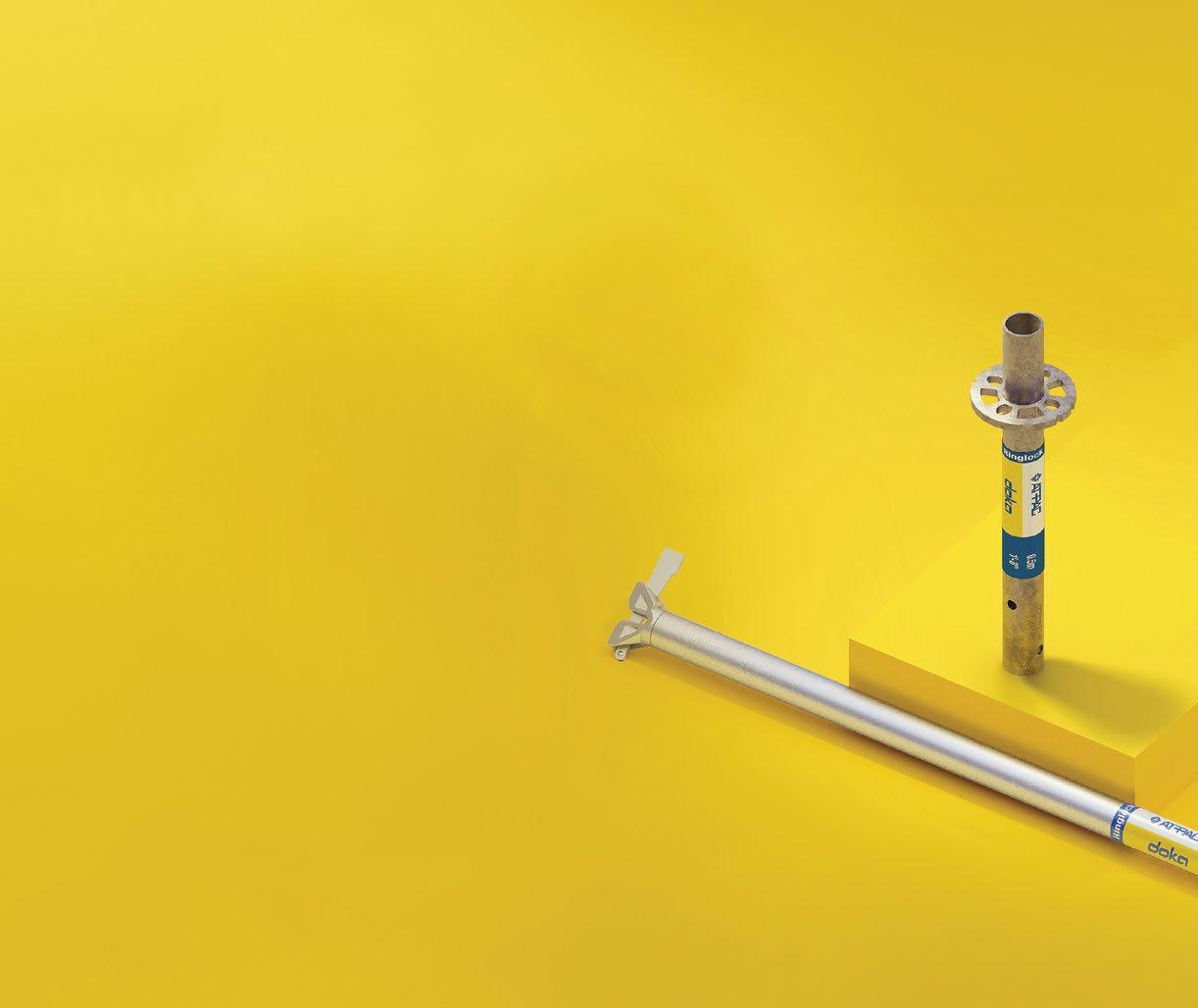

Require formwork and scaffolding? Check out Doka’s extensive list of products and systems, which now includes scaffolding for a variety of applications. At Doka, our philosophy is to provide a broad range of services under one umbrella based on a growing demand for single-source solutions that adhere to the highest standards.
/DokaMEA /company/doka-middle-east-africa /doka_mea
meaapmarketing@doka.com | www.doka-me.com

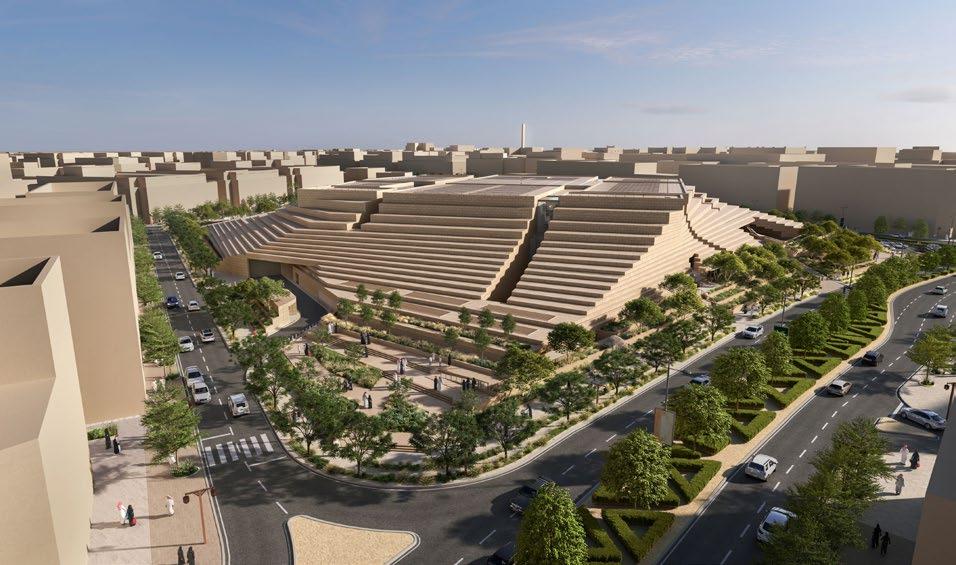
$490 MILLION CONTRACT AWARDED TO BUILD SAUDI ARABIA’S MUSEUM OF CONTEMPORARY ART
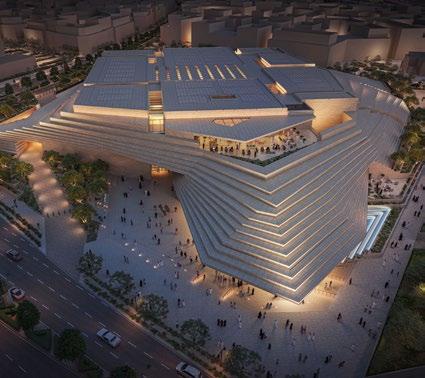
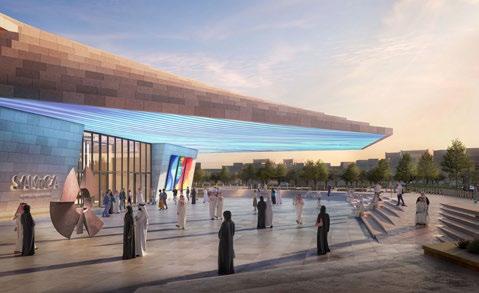
Hassan Allam Holding and AlBawani Holding Company have announced their joint venture has been awarded a $490 million (SAR 1.84 billion) contract to construct the Saudi Arabia Museum of Contemporary Art (SAMoCA) in Diriyah, for Diriyah Company.
The museum will have a total gross floor area of 45,252 sqm and a built-up area of 77,428 sqm, located in the heart of Diriyah, one of the Kingdom’s most prominent historical sites. The project forms part of broader efforts to develop Diriyah as a global cultural and tourism destination in line with Saudi Vision 2030.
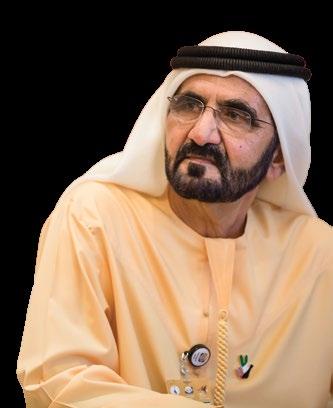
His Highness Sheikh Mohammed bin Rashid Al Maktoum has approved renaming the Ministerial Development Council as the Ministerial Council for Artificial Intelligence and Development. The Council will be chaired by His Highness Sheikh Mansour bin Zayed Al Nahyan.
The move is part of a new federal operating model that aims to transition 50% of government sectors, services and processes
to Agentic AI systems within two years, enabling more autonomous decision-making and execution. The Council will oversee federal performance, review policies and legislation submitted by federal entities, and provide recommendations to the Cabinet. It will also drive AI integration across key sectors including healthcare, education, housing, infrastructure, transport, energy and telecommunications.
The UAE’s tourism sector recorded its highest ever annual performance in 2025, with hotel establishments welcoming 32.34 million guests, up 5.2% from 30.75 million in 2024, according to Minister of Economy and Tourism Abdulla bin Touq Al Marri.
Total hotel nights exceeded 110.62 million, growing 5.9% year-on-year, while hotel revenues rose 9.7% to AED 49.21 billion. Hotel occupancy reached 79.3%, with the total number of hotel rooms standing at 217,000 by year-end.
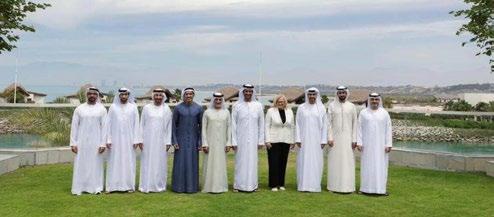
The figures were shared at the second meeting of the Emirates Tourism Council 2026, held in Ras Al Khaimah, where new action plans were reviewed to support the sector’s continued growth amid current regional developments.
e& posted consolidated revenue of AED 19.4 billion in the first quarter of 2026, up 15.1% year-on-year, while net profit rose 3.9% to AED 2.9 billion. EBITDA increased 16.5% to AED 8.6 billion.
The Group’s total subscriber base grew 30.8% year-on-year to 248 million. In the UAE, subscribers reached 16.6 million, driven by demand for next-generation connectivity and AI-powered services.
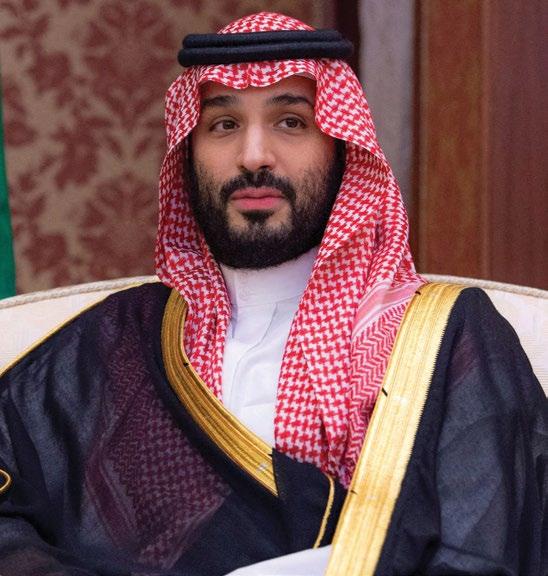
Crown Prince His Royal Highness Prince Mohammed bin Salman has confirmed that Saudi Vision 2030 will enter its third and final phase in 2026, running through to 2030, with a focus on sustaining progress and strengthening the Kingdom’s global standing. To date, 93% of performance indicators have met or nearly met their targets, while 90% of initiatives are complete or on track. Over the past decade, more than 1,000 reforms and 1,200 regulatory measures have been implemented.
Key achievements include growth in non-oil GDP, expansion of renewable energy capacity, tourism reaching 123 million visitors, homeownership rising to 66%, and unemployment falling to 7.2%. Women’s workforce participation has also increased significantly.
The third phase will focus on accelerating delivery, maximising economic impact and ensuring sustainability, while major giga-projects including the Red Sea, Diriyah and Qiddiya continue to advance.
Apple reported stronger-thanexpected second-quarter results, with revenue of $111.18 billion and earnings of $2.01 per share, ahead of analyst estimates of $109.66 billion and $1.95 per share respectively. Shares rose more than 3% following the announcement.
The company forecast revenue growth of 14% to 17% for the current fiscal third quarter, well above Wall Street’s estimate of 9.5%. iPhone sales reached $56.99 billion, while Mac sales came in at $8.4 billion, iPad revenue at $6.91 billion, and wearables at $7.9 billion. Sales in Greater China totalled $20.5 billion, also ahead of estimates.
Apple cautioned that chip supply constraints will continue, and announced an additional $100 billion share buyback authorisation.

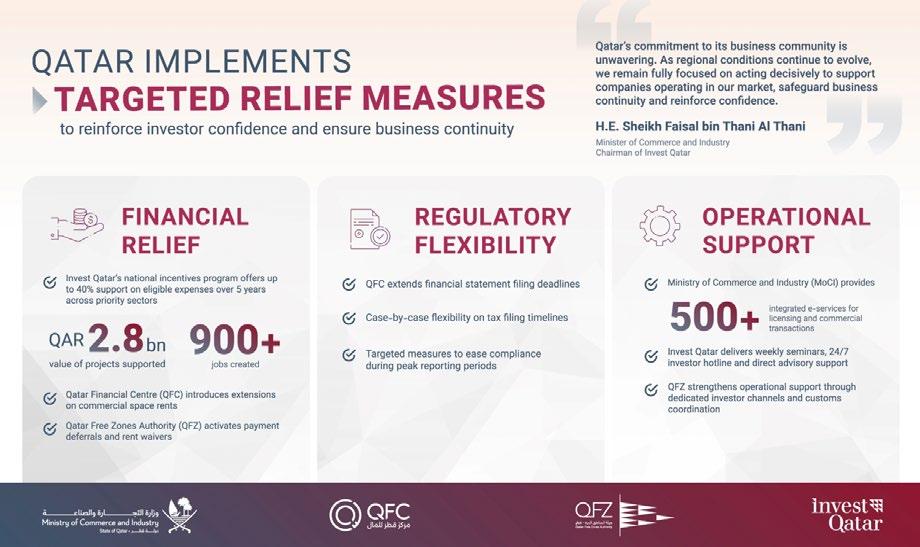
Qatar has launched a series of measures to maintain market stability and investor confidence, delivered through its foreign direct investment ecosystem across three key areas:
Invest Qatar is offering up to 40% support on eligible local expenses through the National Incentives Programme, having already backed QAR 2.8 billion in investment projects and created over 900 jobs. The Qatar Financial Centre (QFC) and Qatar Free Zones Authority have also activated rent waivers, payment deferrals and lease extensions for affected tenants.
The QFC has introduced time-bound extensions for filing audited financial statements and case-by-case adjustments to tax filing timelines.
The Ministry of Commerce and Industry is maintaining business continuity through 500+ digital e-services; Invest Qatar is providing advisory support, weekly seminars and a 24/7 hotline; and QFZ is facilitating logistics and crisis preparedness across free zones.
The measures are currently active and will be reviewed on an ongoing basis. Qatar’s economy is backed by strong sovereign reserves and the Third National Development Strategy, with the IMF forecasting it will be among the GCC’s fastestgrowing economies from 2027.
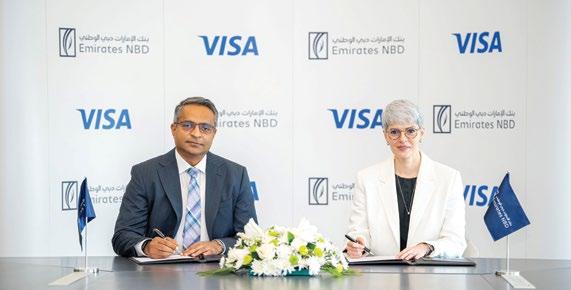
Visa has appointed Emirates NBD as its official National Net Settlement Service (NNSS) Agent in the UAE, enabling Visa’s domestic card transactions to be settled locally in UAE Dirhams (AED) rather than through international settlement.
The partnership streamlines domestic payment settlements, reduces processing time and minimises dependencies on international networks. It also creates cost efficiencies and gives Visa clients greater flexibility to manage local settlement obligations.
The appointment supports the UAE government’s drive towards a cashless economy and strengthens the country’s broader digital payments infrastructure.
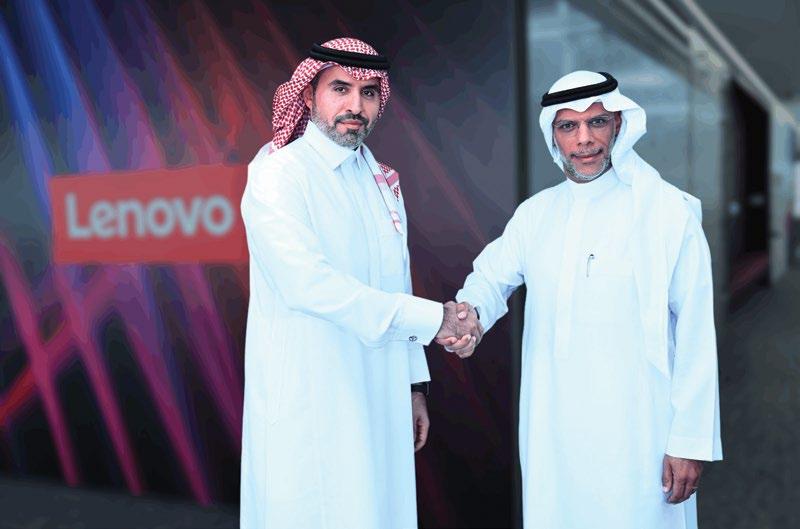
LENOVO APPOINTS SALMAN FAQEEH AS VP AND GENERAL MANAGER FOR SAUDI ARABIA
Lenovo has appointed Salman Abdulghani Faqeeh as Vice President and General Manager for Saudi Arabia, reporting to Tareq Al Angari, President and SVP for Middle East, Türkiye and Africa.
Faqeeh brings over two decades of experience in managing multinational technology organisations in the Kingdom, with a track record spanning networking, cloud,
cybersecurity, collaboration and smart infrastructure. He will oversee market strategy, customer engagement, partner ecosystem development and operational execution.
The appointment reinforces Lenovo’s commitment to Saudi Arabia as a strategic priority market, with a focus on supporting Vision 2030 and accelerating digital transformation across public and private sectors
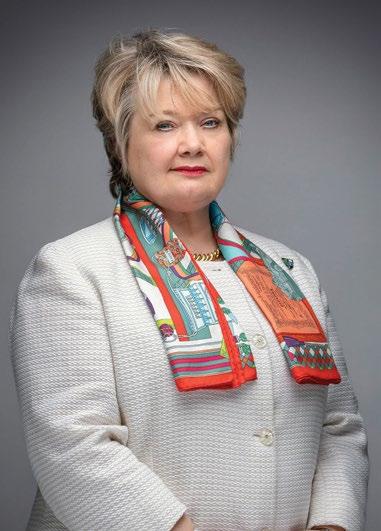
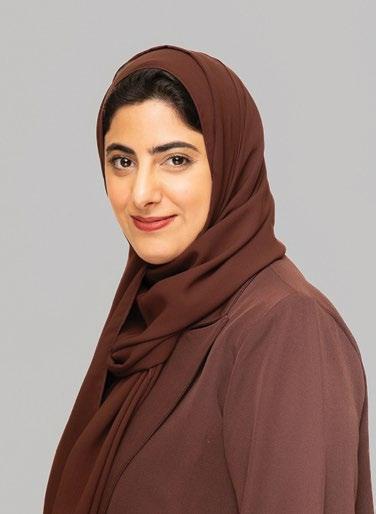
Women now hold 7% of board positions across GCC publicly listed companies, up from 6.9% in 2025, according to the GCC Board Gender Index Report 2026, published by Heriot-Watt University Dubai and Aurora50.
The report, now in its third edition, covers 759 publicly listed companies across the region.
A total of 341 women hold 403 board positions across 5,755 seats. The UAE leads the region for the third consecutive year, with women occupying 15% of board seats, up from 3.5% in 2020. Bahrain ranks second at 10.5%, followed by Oman at 7%, Kuwait at 5.6%, Qatar at 3.2%, and Saudi Arabia at 2.9%.
The financial sector accounts for the highest number of female board seats across the GCC, followed by the industrial sector. The UAE and Saudi Arabia are the only countries where women hold board positions across every sector.
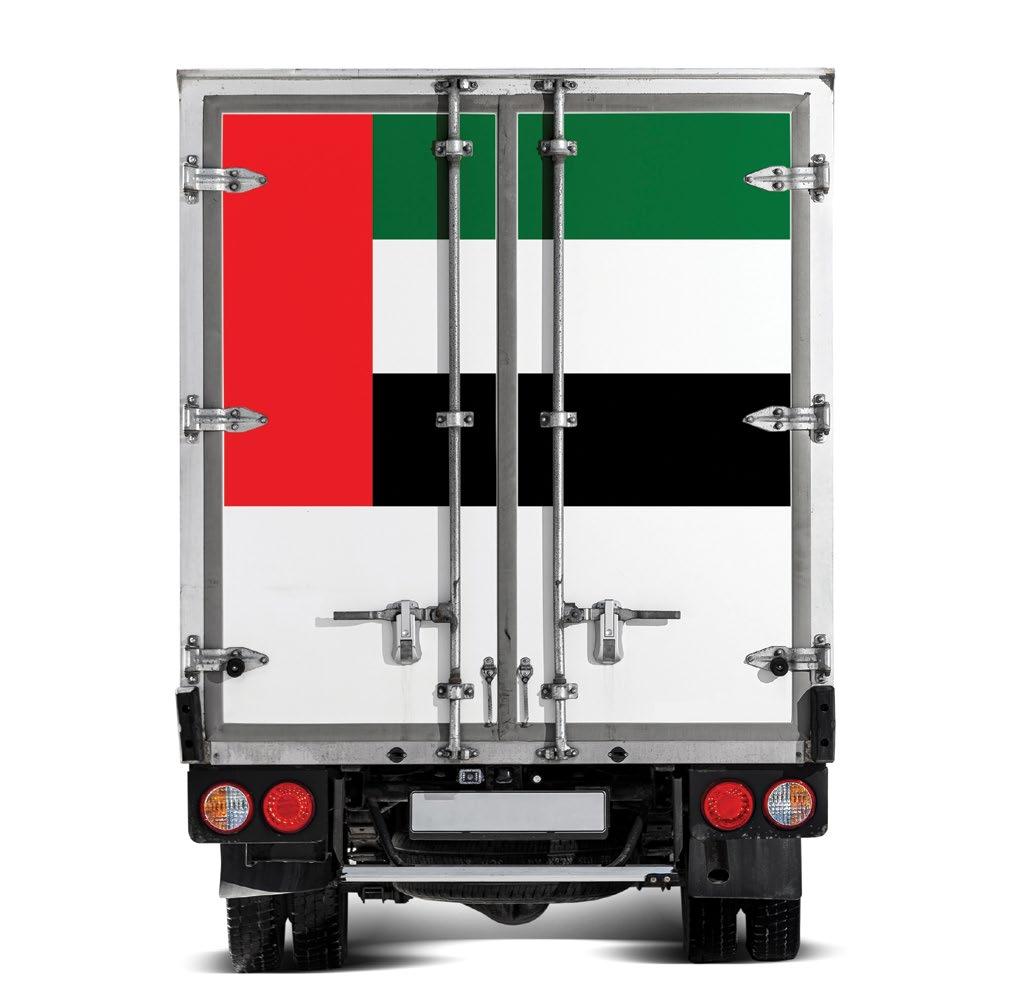
From regional transit hub to global trade powerhouse, the UAE’s rise into the world’s top ten exporters is no accident. It is the result of decades of deliberate strategy, financial strength, and an unwavering ability to turn uncertainty into opportunity.
BY DR. RAYMOND KHOURY
The UAE’s entry into the world’s top ten exporters signals a structural shift in its position as a pivotal hub in global trade. In just a few decades, the nation evolved from a regional transit center to a main artery in international commerce guided by a sharp economic diversification agenda. Clear leadership direction and strong execution capability were supported by the UAE’s financial might, targeted local and overseas investments and its committed labour force. A sustained future focus on frontier innovation - combined with a track record of resilience in the face of adversity - will be critical to strengthening its global standing.
The UAE’s rapid climb reflects a coordinated national agenda over several decades, broadening its export mix from a mostly hydrocarbons base to include refined fuels, aluminium, gold, machinery, and advanced electronics. Today, we see the UAE in the top-10 exporters in the world per WTO statistics. Nonoil trade alone surpassed the AED 1 trillion (USD 273 billion) 2030 target in 2025, a clear reflection of a futureproof economy.
The nation’s financial might serves as the primary engine for its export agenda, transforming capital into a strategic instrument of market access. With its massive sovereign wealth, UAE provides the necessary liquidity for businesses involved in exports. The stability of the UAE Dirham, pegged to the US Dollar and backed by deep foreign exchange reserves, offers international traders a sense of predictability, making the UAE a lowrisk partner in an often volatile global trade environment.
Equally important is the UAE’s outward-looking trade strategy. The country has deepened ties with emerging markets across Asia
and Africa through Comprehensive Economic Partnership Agreements (CEPAs), while investing heavily in global logistics infrastructure. By acquiring and developing ports, warehouses, and supply chain assets in partner countries, the UAE has built an integrated, end-to-end trade ecosystem. This approach not only ensures efficient movement of goods but also extends UAE’s economic influence well beyond its borders.
Another sometimes underrated differentiator is the UAE’s ability to attract and retain a highly capable global labour force. By creating an environment where world-class talent is not only welcomed but eager to reside long-term, the UAE has secured the intellectual and operational power needed to run complex global systems. Whether driven by its highly attractive Golden Visa program or its openness to diverse cultures, the UAE has rapidly and seamlessly positioned itself as a regional benchmark for belonging and liveability.
The next frontier of UAE’s growth will be defined by its digital capabilities underpinned by sound governance. We expect the current first-mover positioning to stimulate the next wave of economic growth in the UAE through productivity-led growth. Government-affiliated entities at the federal and local levels have already
collectively pledged an unprecedented USD 100+billion investment in AI to propel economic activities and UAE’s resulting global influence.
To date, stability has become one of the nation’s most valuable exports. In a region often defined by uncertainty, the UAE is viewed as a dependable trade corridor. Its regulatory clarity and infrastructure have made it a magnet for capital and a rerouting point for global commerce. With that, it has shown a unique mastery of “crisis-to-opportunity” transitions. We saw this during the COVID19 pandemic, where a safe, early reopening bolstered its status as a global crossroads. More recently, amid geopolitical tensions and risks to key shipping routes such as the Strait of Hormuz, the UAE has continued to serve as a stable intermediary for global trade.
As we look towards future disruptions, be they geopolitical or technological, the question will not be “if” but “how” UAE will turn the next challenge into a strategic opportunity once again.
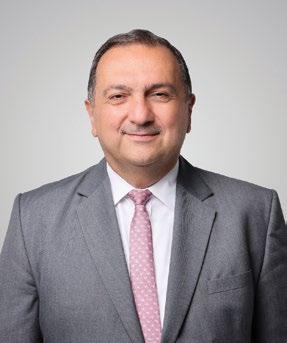

Fifty-five per cent of large UAE organisations are betting on rich messaging as their number one investment channel. Zero per cent are betting on SMS. A landmark BCG and Meta study explains why the rules of customer engagement have changed for good.
BY FARES AKKAD
The way businesses communicate with their customers is undergoing a fundamental transformation, and the UAE is leading the charge. A landmark new study by Boston Consulting Group and Meta reveals that rich messaging, powered by artificial intelligence, has emerged as the UAE’s most important digital engagement channel, surpassing every other platform and signalling a decisive shift in how the country’s most forward-thinking
enterprises are building customer relationships.
The findings are striking. More than half of large UAE organisations — 55% — say that rich messaging platforms such as WhatsApp will be their primary investment channel over the next five years, dwarfing email and eCommerce platforms, each of which attracted just 13%. Perhaps most telling of all, not a single organisation surveyed expects to rely on SMS going forward, marking the effective end of legacy messaging as a serious business tool in this market.
The numbers behind this shift are equally compelling. Companies that have embraced rich messaging across multiple customer touchpoints are reporting up to double the customer lifetime value and a 50% reduction in customer acquisition costs. WhatsApp alone is delivering open rates twice as high as email, return on ad spend three times better than SMS, and up to 12% higher success rates on onetime password authentication.
“The UAE continues to set the standard for digital excellence, and this study shows just how quickly customer expectations are evolving toward seamless, conversational experiences. Rich messaging and AI are reshaping how people interact with businesses, and the organisations that integrate these channels end-to-end will define the next era of customer engagement. We’re proud to support this transformation alongside partners across the UAE,” said Fares Akkad, Regional Director of MEA at Meta.
The commercial evidence is already there. LuLu Hypermarket’s experience offers a compelling realworld illustration of what full adoption looks like in practice. After shifting key customer touchpoints to WhatsApp, the retailer recorded engagement ten times higher than social media, SMS, and paid advertising combined, achieved a 79% read rate, and attributed over four million loyalty programme sign-ups directly to the platform — all within the first 15 months. The move also saved millions
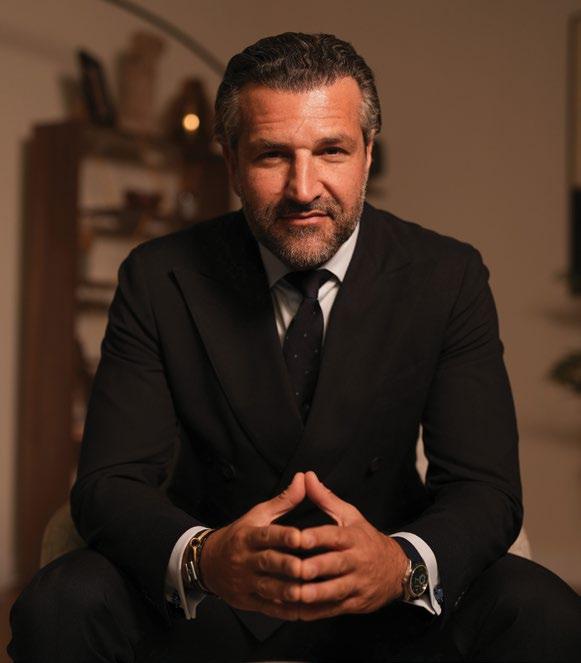
Fares Akkad, Regional Director of MEA at Meta
of dollars previously spent on physical print circulars.
Yet despite this momentum, the BCG and Meta study identifies a significant gap between ambition and execution. Many UAE organisations are still deploying messaging in isolated pockets — using it for marketing in one corner, customer support in another, and authentication somewhere else entirely — without connecting these interactions into a coherent, end-to-end experience. The result is a fragmented journey that forces customers to repeat themselves, switch channels, and navigate interactions that feel disconnected and impersonal.
“While the UAE is already an advanced adopter of business messaging, this study points to clear opportunities across consumer sectors, with the evidence of driving strong service, lower acquisition costs and cost-to-serve and growth in customer lifetime value from fully adopting AIpowered business messaging,” said Andy Veitch, Managing Director and
Partner at BCG Middle East, co-author of the report.
BCG’s analysis highlights that deeper adoption of AI-powered messaging can unlock measurable value across UAE consumer sectors, with the opportunity lying not just in adoption but in integration — connecting messaging across the full customer lifecycle to unlock the next wave of growth and efficiency.
The study’s conclusion is unambiguous. The UAE organisations that will lead this next chapter are those building AI-ready data foundations, adopting unified operating models, and treating messaging not as a campaign tool to be deployed occasionally, but as a continuous, intelligent interface that accompanies the customer at every stage of their journey.
In a market that has already set the global benchmark for digital government services, the private sector is now being called to match that standard. The message, it seems, could not be clearer.
A landmark new study by Bain & Company reveals that the world’s most senior finance leaders are no longer dabbling in artificial intelligence. They are committing to it — with serious capital, serious urgency, and serious expectations.

The era of AI experimentation in finance is drawing to a close. That is the clear message from Bain & Company’s latest research, which surveyed more than 100 CFOs globally and found an unmistakable acceleration in both capital commitment and strategic ambition around artificial intelligence.
The headline figure is striking. Eighty-three per cent of CFOs
surveyed plan to increase enterprisewide AI spending by more than 15% over the next two years. But it is the intensity of that commitment that truly tells the story — 42% of respondents expect to boost their AI budgets by 30% or more within that same period. This is not an incremental investment. This is a structural shift in how finance leaders are allocating resources and thinking about the future of their function.
The momentum is already visible in the near term. More than half of the CFOs surveyed are raising their AI budgets by over 15% this year alone, with nearly 21% anticipating an increase of over 30% in the next twelve months. The largest share of that near-term investment is being directed towards financial planning, analysis, and reporting — the core activities that define a finance function’s value to the business.

“CFOs are entering a decisive moment,” said Michael Heric, Partner at Bain & Company and global leader of Corporate Support and Service Operations solutions in Bain’s Performance Improvement practice. “AI is no longer a side experiment sitting outside the core of finance departments. Real capital commitment in AI is now a must for finance leaders to drive productivity, govern risk, and shape organisational performance.”
that finance leaders identify as their biggest win in practice. In an environment defined by macroeconomic uncertainty and supply chain disruption, the ability to quickly identify risk, reforecast scenarios, and reallocate capital is proving to be a decisive competitive advantage. AI, it turns out, is as much about agility as it is about automation.
And yet, despite the growing ambition and the clear evidence of returns, most organisations remain stuck. Bain’s research finds that only 15% to 25% of CFOs have successfully scaled AI across their finance functions. The vast majority are still operating in experimentation mode, running pilots that never quite reach the scale needed to deliver transformational results.
The scale of the organisations represented in Bain’s research adds significant weight to these findings. Half of the CFOs surveyed lead companies with revenues of five billion US dollars or higher, with 26 representing organisations generating over ten billion dollars annually. These are not small bets being placed by cautious operators. These are strategic commitments being made at the very top of global business.
The research also sheds important light on what separates the finance functions that are genuinely benefiting from AI from those that are still waiting for results. Among CFOs deploying AI at scale — whether through machine learning, generative AI, or agentic systems — more than 40% report being highly satisfied with their AI outcomes. At companies still in the piloting phase, that satisfaction rate drops to just 25%. At firms in the top quartile of AI maturity, satisfaction exceeds 60%. Overall, just 31% of CFOs say they are satisfied with their AI results today, suggesting that the gap between leaders and laggards is widening rapidly.
Perhaps the most revealing finding concerns what CFOs actually value most once AI is deployed. While cost and efficiency gains are the primary motivators for investment, it is speed
To bridge this gap, Bain identifies four imperatives for CFOs serious about converting AI investment into a structural performance advantage. First, treat speed as a strategic outcome rather than a byproduct. Second, build a scaling engine rather than a portfolio of pilots that never graduate. Third, pay down what Bain calls “workflow debt” — the legacy processes and fragmented systems that prevent AI agents from operating effectively — before deploying them at scale. And fourth, refuse to let the limitations of yesterday’s pilots define the ambitions of tomorrow.
The message from Bain’s research is unambiguous. The CFOs who will define the next era of finance are not those who invested in AI first. They are those who scaled it fastest, governed it most effectively, and refused to mistake activity for progress.
For finance leaders in the Middle East, where digital transformation agendas are moving at pace and the pressure to deliver more with greater efficiency has never been higher, the findings could not be more timely. The question is no longer whether to invest in AI. It is whether the investment will be bold enough — and structured well enough — to actually change the game.
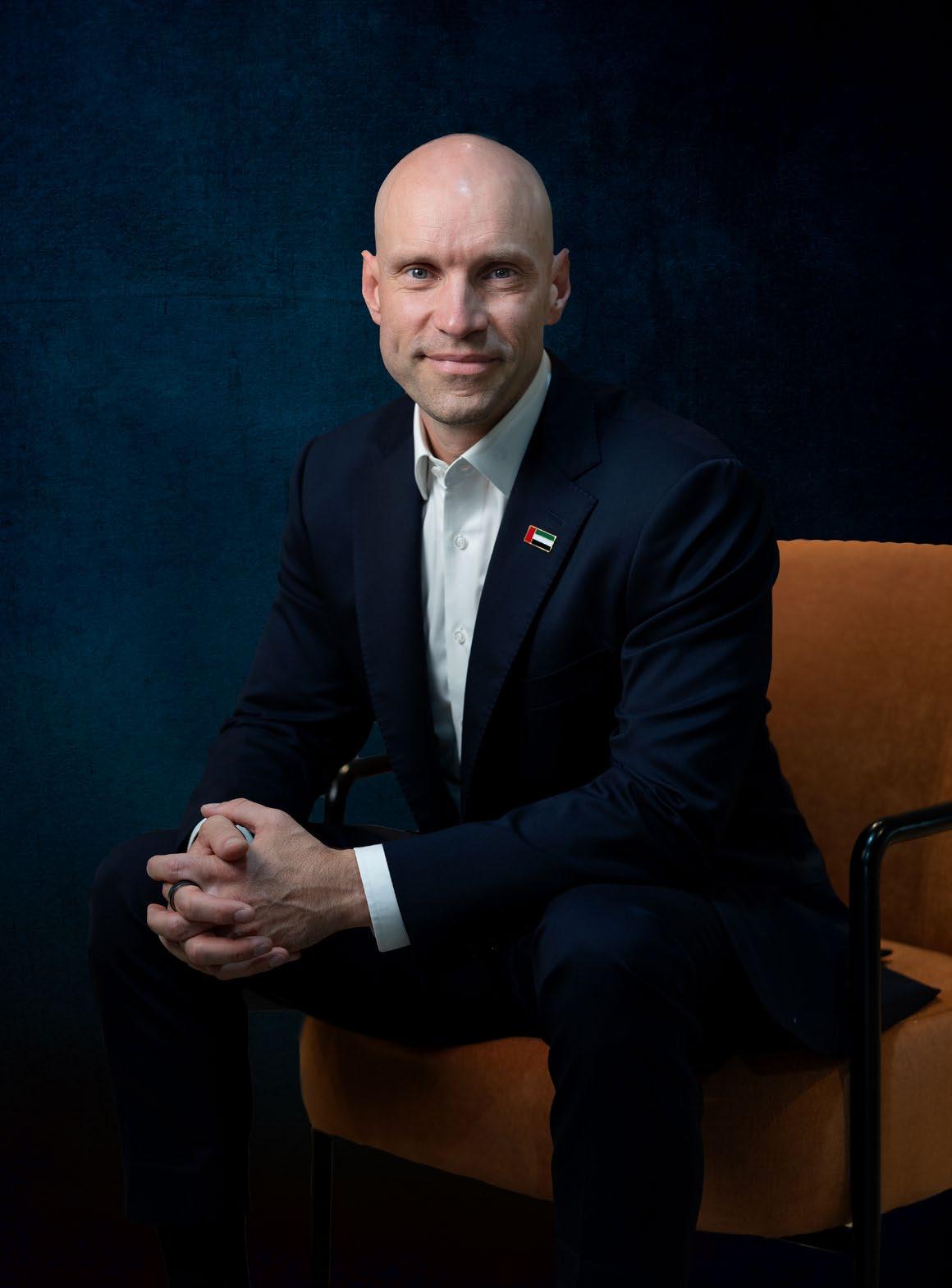
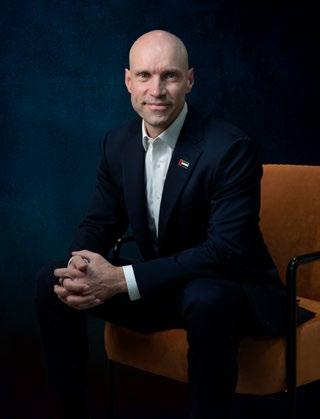
Christoph Koster, CEO of ruya, the UAE’s digitalfirst Islamic community bank, on building for the next 50 years, why banks need to stop thinking like banks, and what it really means to put community at the heart of finance.
BY AYA ZHANG
Christoph Koster will be the first to tell you he is not a banker. It is, perhaps, the most revealing thing about him. After two decades moving through some of the most respected institutions in global and regional finance — Roland Berger, Emirates NBD, the Abu Dhabi Investment Office, G42 — he has arrived at the helm of ruya, the UAE’s digitalfirst Islamic community bank, with a conviction that the industry’s biggest problem is that it has always thought about itself the wrong way around. For Christoph, the answer is disarmingly simple. Start with the customer. Build everything else from there.
The career path that led Christoph to ruya is anything but conventional. It began at Roland Berger, where he worked through the rubble of the 2008 global financial crisis, helping banks and financial institutions across Europe navigate restructuring and transformation. That experience, he says, shaped everything that followed.
“I think the red thread that runs through all of this is always building something new or fundamentally transforming something,” he reflects. “Starting out with Roland Berger through the 2008 crisis really got me
into banking and into restructuring and transformation.”
His move to the Middle East in 2010 marked the beginning of a new chapter. First in Bahrain, then in the UAE, where he has been based for the past 15 years. At Emirates NBD, he helped build out the bank’s private banking business from scratch, growing it into what he describes as the leading private wealth management franchise in the region. At the Abu Dhabi Investment Office, he built out their corporate venture capital arm and sovereign wealth management platform. At G42, he did something similar — building a corporate venture capital fund and an M&A programme before eventually finding his way to ruya.
“It was always a diverse journey through financial services and private investment platforms that culminated into ruya as a digital Islamic bank today,” he says. And the lesson running through all of it? That the best financial institutions are not built from the inside out. They are built from the outside in.


When Christoph and his team sat down to build ruya, they made a deliberate choice to look at banking through a completely different lens. Not the regulatory lens. Not the product lens. The customer lens.
“What you will find in banks is they always come from this is the regulation and this is the policy and this is the form you have to fill,” he says. “Whereas we take an approach of our customer has a need, our customer has a problem that we can solve.”
The distinction sounds simple. In practice, it changes everything. A family does not think about setting up an investment portfolio — they think about sending their children to university. A customer does not think about home finance — they think about putting a roof over their family’s head. “There is this fundamental shift of thinking from a customer-first perspective and then looking at it from the outside in rather than from the inside out,” he explains.
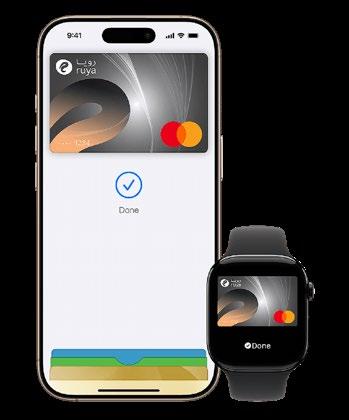
This philosophy is embedded in every aspect of how ruya operates. The onboarding journey takes less
than three minutes through UAE Pass, entirely on a mobile app with no paperwork. Every product in the range — from bank accounts and investment deposits to personal finance and credit cards — is designed to be navigated independently, intuitively, and entirely on the customer’s terms.
But ruya is not purely digital. It has physical community centres — currently in Ajman, with another in Abu Dhabi due to open by early 2027 — that are deliberately unlike anything you would find in a traditional bank branch. “It looks more like an Apple store,” Christoph says with a smile, “where people are roaming around freely to ask questions, to learn, to experience, and to get help with more complex investment decisions.”
The results speak for themselves.
A 4.5 rating on Google reviews. A Net Promoter Score of 52, which Christoph describes as industry leading. A customer satisfaction score consistently above nine. “In the context of banks not having the greatest reputation in the market,” he says, “we put a lot of value and effort into building that trust with our customers.”
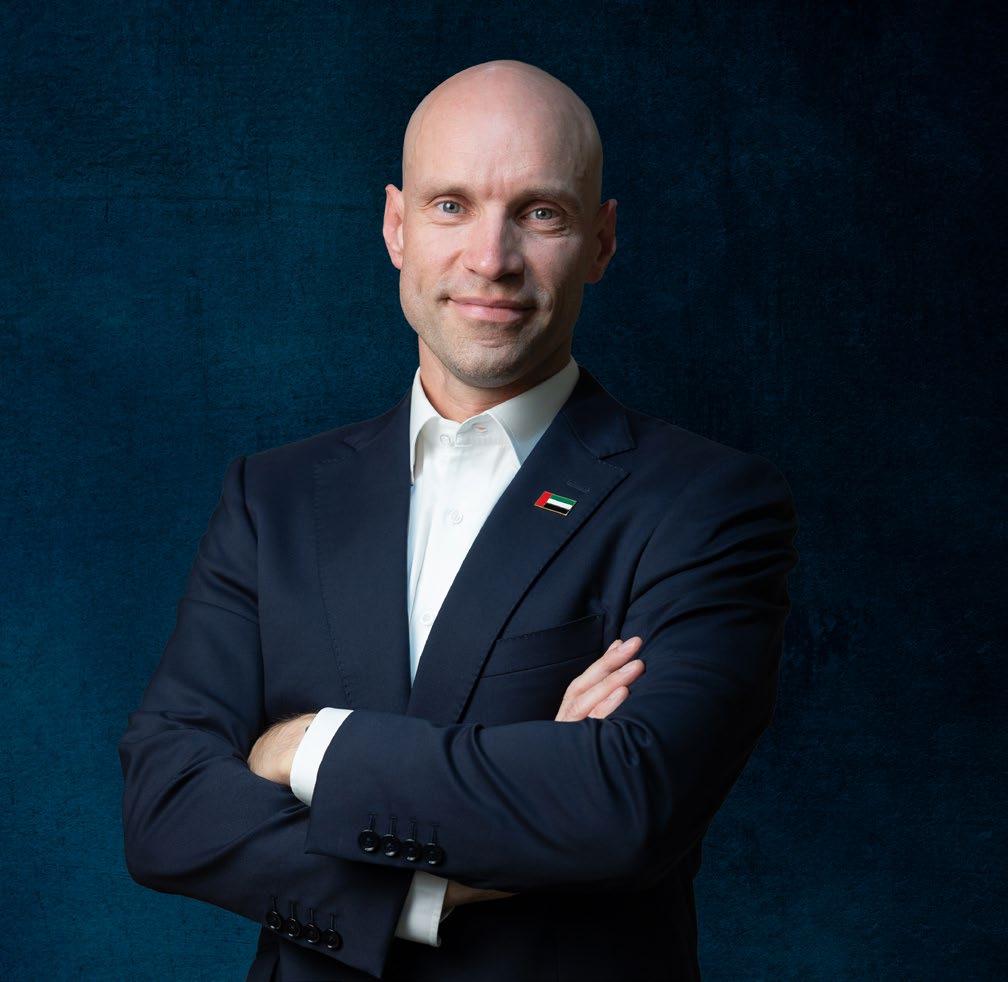
THE TIMES ARE OVER WHERE INTERNATIONAL COMPANIES HAVE COME TO THE UAE TO PROVIDE THEIR SERVICES HERE. IT IS NOW ABOUT UAE HOMEGROWN COMPANIES TAKING THEIR SERVICES AND THEIR MISSION OUTSIDE THE REGION AND INTO THE WORLD.
THIS IS SOMETHING WE ARE BUILDING FOR THE NEXT 50 YEARS, NOT THE NEXT FIVE
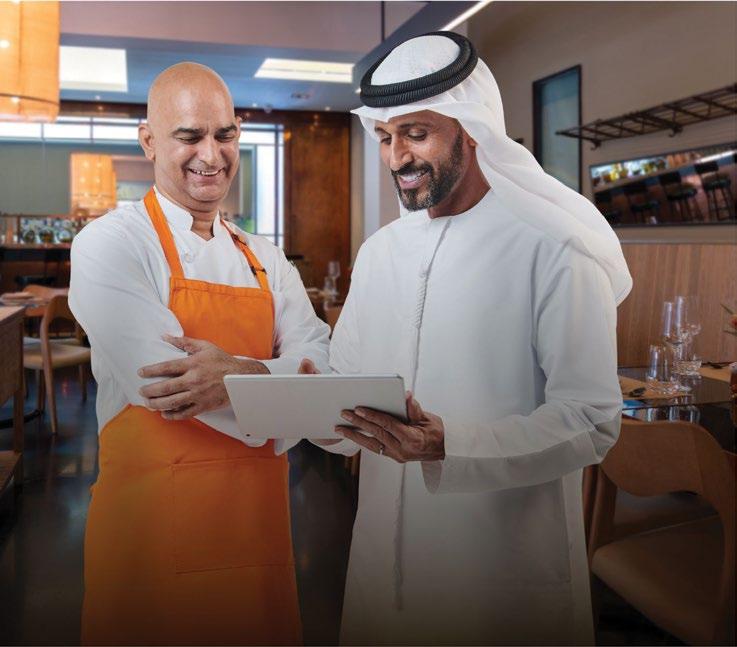
At the heart of ruya’s proposition is something that Christoph is deeply serious about. Every product and service the bank offers is built from the ground up on Islamic finance principles — profit and loss sharing, fairness, transparency, and a genuine partnership between the bank and its customers.
“Our customers have the confidence that any product they take from us has Sharia compliance built into it and is built in a way that treats the customer alongside us as a true partner,” he says. “With transparency and fairness, rather than just forcing it down their throats.”
But ruya is not content to stay within the boundaries of traditional Islamic banking. In a move that has attracted significant attention, it became the first Islamic bank in the world to bring Bitcoin investment to its platform — after an extensive assessment by its Sharia board and the Higher Sharia Authority in the UAE, both of which concluded that Bitcoin is Sharia compliant in the way ruya offers it.
“We have given our customers the opportunity to participate in the digital economy and invest in Bitcoin through our platform, with the confidence that they can do it with the values of Islamic finance built in,” Christoph explains. “We pride ourselves on bridging the gap between traditional finance and digital assets.”
One of the most intriguing aspects of ruya’s strategy is what Christoph describes as its role in supporting the broader fintech and virtual asset ecosystem in the UAE. Having built its own technology foundation over the past two years, ruya is now making that infrastructure available to fintech companies, non-bank financial
institutions, and virtual asset providers — enabling them to offer ruya’s Islamic banking products directly on their own platforms.
The scale of the ecosystem ruya is plugging into is striking. Dubai’s Virtual Asset Regulatory Authority reported a transaction volume of 2.5 trillion dirhams from crypto companies in just the first nine months of 2025. “That shows you that the ecosystem is maturing and attracting serious capital, not just from UAE citizens and residents but from outside the country too,” Christoph says.
The vision is one of embedded banking — where a customer using a corporate expense management platform like Alan can open a ruya bank account, access cards, and eventually apply for SME financing without ever visiting the bank directly. “We have become a partner to the fintech and virtual asset ecosystem to enable them to complement their own value proposition by bringing good old banking products onto their platform,” he explains.

Perhaps what is most distinctive about the way Christoph thinks about ruya is the timeframe he operates within. In an industry often driven by quarterly earnings and short-term targets, he is building something he intends to last half a century.
“Unlike in many Western capitalist societies, leadership in the UAE has not taken a quarterly view,” he says. “Our shareholders are taking a very long-term view to ruya’s
development. This is something we are building for the next 50 years, not the next five.”
That long-term thinking extends to his vision for community — which ruya takes seriously in both the physical and digital sense.
The bank actively participates in entrepreneurship communities across the Northern Emirates, Abu Dhabi, and Dubai, showing up in co-working spaces, startup centres, universities, and schools. “We make it a point to be there with our communities where they are,” Christoph says. “We do not just ask the community to come to us.”
When asked about his vision for ruya over the next five years, Christoph does not hesitate. “Conquering the world,” he says, before breaking into a laugh. “But seriously, we still have a lot of way to go.”
The immediate focus is completing ruya’s product roadmap — personal finance and credit cards are already live, with SME term finance now entering the market. After that, the goal is straightforward: become the most trusted financial partner for individuals, families, SMEs, and the fintech ecosystem in the UAE, and then grow beyond.
“The times are over where international companies have come to the UAE to provide their services here,” Christoph says. “It is now about UAE homegrown companies taking their services and their mission outside the region and into the world. And eventually, we will be there with them to support that growth.”
For a man who insists he is not a banker, he is building something that could redefine what banking in this region looks and feels like for a very long time.
Many UAE SMEs are growing fast but running into cash trouble just as quickly. Zaid Aboobaker explains why.
BY ZAID ABOOBAKER
Statistics reveal that more than 80% of SME failures are linked to cash flow problems, not to flawed offers or weak markets. That number underlines what I see happen, repeatedly, to ambitious UAE businesses that grow fast and run into trouble, which could be prevented by employing better financial visibility.
The local market has never been more compelling. SMEs make up 95% of registered businesses in the UAE, employ 86% of the private sector workforce, and contribute over 63% of non-oil GDP. The government’s target of one million SMEs by 2030 reflects real ambition. But ambition without financial discipline will simply increase the failure rate.
Here are the blind spots in SME operations I see most often, and what to do about each one.
This is the most seductive trap in business. The top line grows, headcount grows, the company feels like it is working. But revenue without

profit is a quick way to failure. I have worked with businesses billing AED 15 million a year that were generating almost no free cash. Each new client added complexity. Each new hire added payroll costs. Unmanaged complexity kills profitability, and by the time the damage shows up, it is expensive to reverse.
The fix is straightforward but disciplined. Every SME needs a monthly view of gross margin broken down by service line, project type or client segment. Without that, every major decision is made on instinct.
Payment cycles in the GCC can be brutal. Ninety days is common, and one hundred and twenty is

Most SMEs have monthly reporting. But the problem here is almost always the same: it arrives two or three weeks after month-end, describes what already happened, and offers no guidance on what to do next. By the time the numbers land, the decisions they should inform have already been made on habit or instinct.
This is where the gap between traditional finance support and modern, technology-enabled finance is widest.
The GCC SME financing gap stands at an estimated $250 billion. A meaningful share of that exists not because funding is unavailable, but because businesses cannot present their financials clearly enough to access it. The cost of that gap, measured in growth not achieved and equity unnecessarily diluted, dwarfs the cost of the support that would have prevented it.
The model has changed. SMEs can now access CFO-level expertise on a fractional basis, paired with the reporting technology that used to sit only inside large finance teams.
If you want to remain competitive in our lively market, and get serious about finance, it’s time to step up your technology and consider utilising a fractional CFO.
not unusual. Yet more than 60% of GCC SMEs still manage cash reactively, checking the bank balance when payment is due, rather than maintaining a rolling forward view.
That approach was already risky. In 2026 it is no longer viable. Corporate tax on profits above AED 375,000 is firmly in its enforcement phase. E-invoicing becomes mandatory by the end of 2027. VAT requirements continue to tighten. A missed corporate tax filing costs AED 500 a month in penalties.
And for a business already stretched on working capital, that is material and entirely avoidable.
A rolling 13-week cash flow forecast isn’t a finance team luxury, it’s now the minimum operational standard for any business carrying receivables.
With a properly structured chart of accounts, clean data and the right tools, reporting that used to take days can be delivered in hours. Power BI dashboards update automatically. Forecasts become living documents. Cost isn’t the barrier, it’s that most financial support in this market still relies on manual processes that belong to a different era.
The costs of this blind spot are hidden, which is why it is the most underappreciated. Founders delay senior financial capability because a full-time CFO feels expensive. So businesses rely on bookkeepers to make strategic calls, on founders with no formal training in working capital management, or on part-time support that handles compliance and never touches strategy.
The UAE ranked first globally in the Global Entrepreneurship Monitor for the fourth consecutive year in 2025. The fundamentals here are strong: world-class infrastructure, exceptional appetite for business, a credible institutional response when conditions get harder.
But the window between early revenue success and sustainable performance has always been narrow. With corporate tax enforcement maturing, compliance rising and the external environment demanding more agility, businesses that build something lasting will not necessarily be the most ambitious. They will be the most financially disciplined.
Blind spots are not a sign of failure. Rather, they are a sign of a business that moves faster than its systems. Every successful founder reaches that point. The only question is how long you are willing to leave it unaddressed. The cost of clarity is always lower than the cost of confusion.
MortimerDavies , CEO of Choithrams
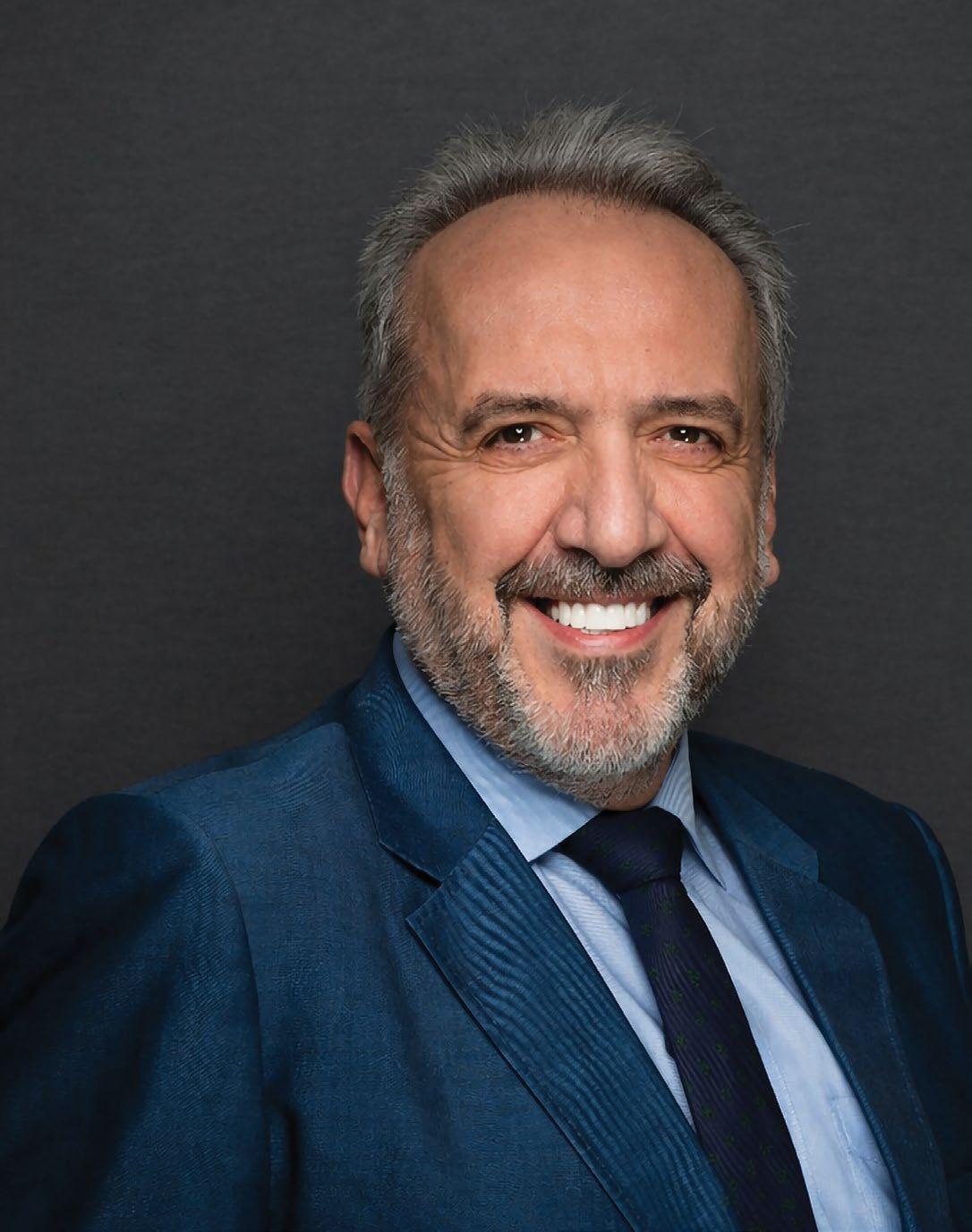

Mark Mortimer-Davies has led businesses across banking, telecoms, and hospitality. Now, at the helm of Choithrams, he is applying the most important lesson from all of them — that everything, ultimately, comes down to people.
BY AYA ZHANG
With over five decades of history behind it and one of the most recognisable names in UAE grocery retail, Choithrams could easily have chosen the comfort of its legacy. Instead, it chose evolution.
Mark Mortimer-Davies, the brand’s CEO, brings a career spanning banking, telecoms, and hospitality to one of the region’s most beloved retail institutions — and his perspective on leadership, transformation, and what customers truly value is as refreshing as it is grounded. We sat down with him to find out what it really takes to lead a legacy brand forward.
YOU HAVE BUILT YOUR CAREER ACROSS BANKING, TELECOMS, HOSPITALITY, AND NOW GROCERY RETAIL. WHAT DOES THAT CROSS-INDUSTRY BACKGROUND GIVE YOU THAT A CAREER RETAILER MIGHT NOT HAVE?
I think it definitely gives me a wider lens on what customers actually value, because I’ve seen that from a few very different angles. In banking, you learn the importance of trust. In telecoms, it’s about convenience and responsiveness. In hospitality, it’s all about service and experience. Bringing those perspectives into grocery retail helps you look beyond the store itself and think more broadly about the overall customer journey.
Customers do not judge us only against other retailers anymore. They compare every experience to the best ones they have had elsewhere. And that is only natural.
Leading a brand like Choithrams really comes down to seeing things through the eyes of the customer, and that’s exactly what my journey has taught me.
CHOITHRAMS HAS BEEN OPERATING IN THE UAE FOR OVER 50 YEARS. WHAT DOES LEADING A BRAND WITH THAT KIND OF LEGACY ACTUALLY FEEL LIKE, AND HOW DO YOU BALANCE PRESERVING ITS IDENTITY WHILE PUSHING IT FORWARD?
Leading a brand like Choithrams comes with a real sense of responsibility. There is a lot of trust built into that legacy, and you do not take that lightly. But that responsibility is also rewarding. It is rewarding because legacy does not have to be a reason to stand still. The balance is in knowing what should always stay true to the brand; our quality and reliability, while also being honest about where you need to evolve. So, we are constantly trying new things and working together to take the brand forward. That is what makes it exciting — being part of a brand that chooses to keep evolving.
The aim is not to change for theake of change, but to keep moving in a way that stays relevant to customers.
LEGACY DOES NOT HAVE TO BE A REASON TO STAND STILL.
THE GULF RETAIL LANDSCAPE HAS BEEN COMPLETELY DISRUPTED BY QUICK COMMERCE AND DELIVERY PLATFORMS. HOW ARE YOU THINKING ABOUT THE ROLE OF THE PHYSICAL STORE IN THAT ENVIRONMENT?
Quick commerce has definitely raised the bar on speed and convenience, but it has not reduced the importance of the physical store. If anything, it has made its role even clearer. Today, stores are part of a wider ecosystem: they support fulfillment, build loyalty, and create meaningful customer touchpoints.
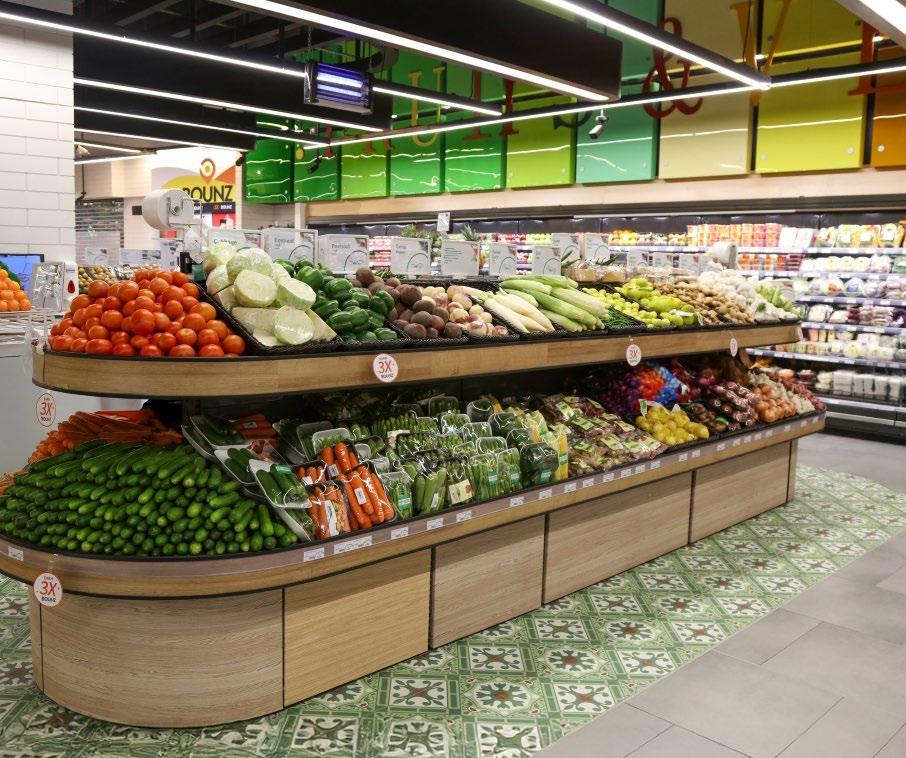
Shopping is also, at its core, a sensory experience. People still want to see, touch, and choose the products they buy, especially when it comes to things like fresh produce. That tangible experience remains a vital part of the customer journey, and it’s truly irreplaceable.
At Choithrams, we put a lot into the in-store experience, and we hope customers leave feeling that sense of satisfaction and fulfilment.
WHAT IS THE HARDEST PART OF DRIVING GENUINE TRANSFORMATION INSIDE A BUSINESS WITH DEEP-ROOTED CULTURE AND ESTABLISHED WAYS OF WORKING?
Change is not always a bad thing. In businesses with deep-rooted cultures and established ways of working, people often feel a strong connection to what has worked in the past — and rightly so.
That is why clear communication is vital. There must be an understanding of why change matters, what it improves, and what stays true to the business. I also think listening is just as important as communicating, because transformation works best when the humans powering your brand feel like they’re part of the journey.
And then, of course, small wins matter. When teams can see real progress early on, change starts to feel much more practical.
AS A LEADER, WHAT IS THE ONE QUALITY YOU THINK IS MOST UNDERRATED IN THE EXECUTIVES YOU SEE OPERATING ACROSS THIS REGION?
Empathy.
Business environments move swiftly, so it becomes easy to focus only on execution, performance, and outcomes. But if you do not understand people — whether that is your customers or your teams — you miss a huge part of what drives the business.
For me, empathy is what helps you listen better, spot friction earlier, and make decisions that are grounded in real needs. It also builds trust, and that becomes even more important when you are asking people to adapt, grow and move through change together.
LOOKING AHEAD, WHAT IS THE VISION FOR CHOITHRAMS OVER THE PERIOD, AND WHAT DO YOU WANT THE BRAND TO STAND FOR IN THE LIVES OF THE PEOPLE IT SERVES?
Looking ahead, our focus is quite simple, even if the work behind it is not. We want Choithrams to be a retailer that
TRANSFORMATION
YOUR BRAND FEEL LIKE THEY’RE PART OF THE JOURNEY.
customers genuinely choose, not just out of habit, but because we consistently meet their expectations on price, quality and experience.
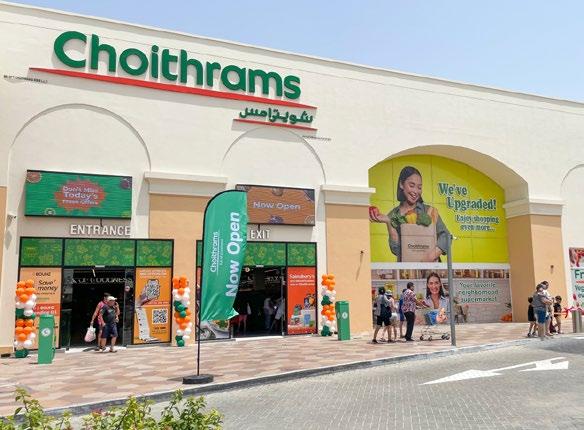
Over the next period, a big part of that will be resetting how customers perceive our value. We have already started that journey by reducing prices on a significant number of everyday products, and we will continue to build on that. It is important that customers feel they can shop with us confidently, knowing they are getting fair, competitive pricing without having to think twice.
We will further develop our private label offering. Not only for premium quality products, but for a value range of products
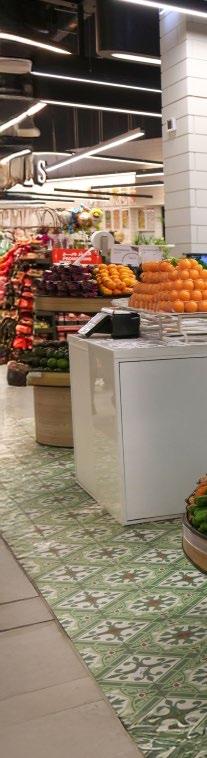

targeted towards the growing base of cost-conscious shoppers in the UAE.
At the same time, we will keep investing in the areas that have always defined us. Fresh food, a strong and relevant product range, and a shopping experience that reflects the communities we serve. That includes our physical stores, which remain central, but also how we show up digitally and through delivery platforms.
You will also see us expand into more convenient formats, such as our upcoming stores across the Dubai Metro network, making Choithrams part of customers’ daily routines in a more natural way.
Ultimately, we want the brand to stand for trust, value and consistency. A place where customers feel comfortable, where they know what to expect, and where we continue to evolve in a way that makes their everyday lives a little easier.
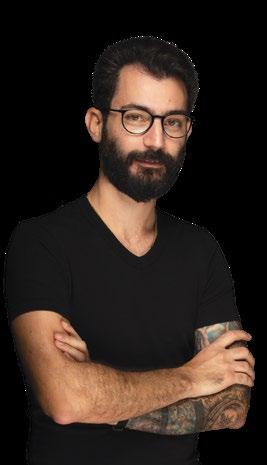
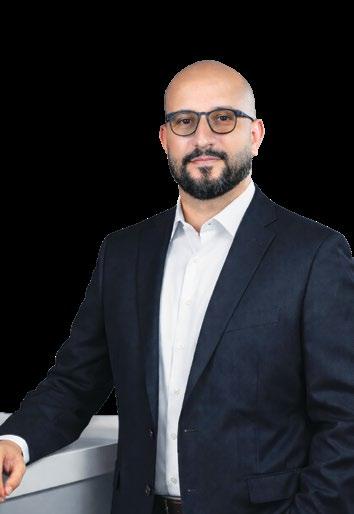

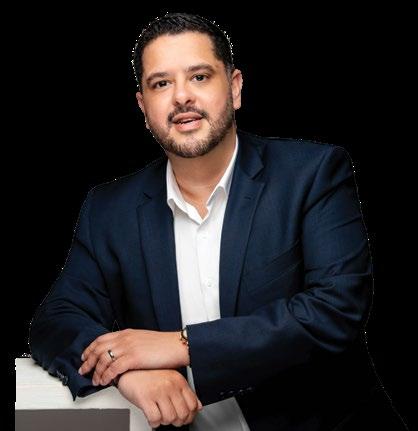

Founders and executives across fintech, architecture, engineering, and technology share why the Emirates remains the region’s most compelling place to build a business for the long term.
The UAE has spent years building its reputation as one of the region’s most dependable business environments. Recent months have tested that reputation in real time, yet the country has continued to project the qualities executives return to like stability, responsiveness, strong regulation, and an ability to keep economic activity moving even when the wider region is under pressure. Business leaders in Dubai have recently pointed to coordinated institutions, sector diversification, and continued investor confidence as reasons the economy has held steady, while the UAE’s financial authorities have also stressed the resilience and normal functioning of the banking system.
For founders and executives based here, that resilience is visible in how the country enables businesses to plan long-term, move quickly, and scale beyond their initial market. Across sectors, the UAE offers both a stable operating base and a platform for wider
regional and international growth.
For Alfred Manasseh, co-founder and COO of Shaffra, the UAE’s appeal lies in its stability with forwardlooking ambition. He sees the country as a market that has consistently absorbed disruption, adapted quickly, and emerged stronger, which in turn gives founders confidence to build for the future rather than for the next quarter. For Shaffra, that makes the UAE an effective base from which to build, test, and scale advanced technology. He also points to the progressive leadership, strong regulation, and a clear national commitment to innovation.
Manasseh also highlights the UAE’s operating culture where execution carries real weight, and where ideas gain traction when they can be implemented and scaled with discipline. That environment gives companies stronger conditions to move beyond ideas and build solutions that can scale across sectors and borders.
That emphasis on execution also runs through the fintech sector. Armin Moradi, CEO and founder of Qashio, says the UAE stood out as both a launchpad and a testing ground to build a financial technology company. He points to Dubai’s rise as a fintech hub, supported by regulation, access to capital, and a business climate that welcomes digital transformation. The country’s push toward a cashless economy has also created a natural runway for companies focused on modernising how businesses spend, track, and manage money.
The UAE’s ecosystem value, he suggests, lies not only in local demand but in the concentration of talent, enterprise customers, and strategic partners. That density allows companies to refine products quickly and move from early adoption to wider market acceptance with unusual speed. Professionally, he says, the UAE pushes founders to think bigger and act faster, while personally, it broadens leadership by exposing them to a highly international environment. This has strengthened their ability to adapt and scale further across the GCC and into Europe, including reaching over AED 1 billion in transaction volume within a short span.
In architecture and design, the UAE’s appeal is closely tied to the seriousness of its clients and the sophistication of its real estate market. The nation and Dubai, in particular, are hotbeds for luxury real estate and high-net-worth individuals. Oleksandr Melnyk, co-founder and CEO of NKEY Architects, says the country offered the right conditions for the kind of practice his firm wanted to build - one that values ambition, quality, speed, and international thinking at the same time. Dubai, he says, gives the company access to a
strong real estate ecosystem and a client base that understands design as part of long-term value creation. Since making Dubai its global HQ, NKEY has expanded its regional footprint significantly and used the city as a coordination point for projects across the GCC and multiple international markets. Melnyk says the UAE changes the way leaders operate because it raises expectations on every front.
Timelines are tighter, clients are more engaged, and design has to respond to both local context and global benchmarks. In that sense, the UAE imposes discipline on growth.
From the engineering and project management side of the market. Mohamed Salah Seguen, CEO of Access Consult, says the firm’s establishment in Dubai in 1998 was driven by the UAE’s conviction to become a global centre for trade, infrastructure, and urban development. Nearly three decades later, he sees that early conviction as validated by the country’s ability to sustain momentum through changing market cycles. The country’s construction sector contributes approximately nine per cent to the UAE’s GDP, underlining its central role in economic development.
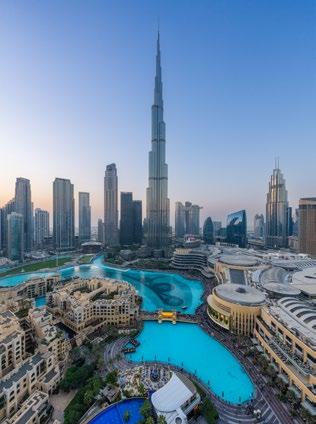
For the firm, the UAE’s strength lies in its regulatory clarity, ease of doing business, access to international talent, and the country’s physical and economic connectivity, as reasons it remains the company’s strategic hub. He also argues that operating here has sharpened the firm’s capabilities. The complexity and ambition of projects in the UAE have forced consultants to become more agile, more integrated, and more open to digital tools that improve delivery and coordination.
Resilience is not only seen in boardrooms and balance sheets, but also in how quickly everyday routines recover. Christiana Maxion, founder and CEO of MAXION, points to recent uncertainty that has led many to stay in, cancel plans, and rely more heavily on digital interaction, with the impact felt most strongly by those already navigating life alone. As stability returned, so did the willingness to meet, speak openly, and reconnect in person. That has informed MAXION’s next phase, including the relaunch of its dating marketplace, designed to shift users away from passive browsing and towards real-life interaction.
Taken together, these views suggest that the UAE’s resilience is not being measured only by macroeconomic indicators but by people making decisions every day on where to place headquarters, where to hire, where to invest, and where to build for the next stage of growth.
For these business leaders, the UAE offers a rare combination. It is stable without being static, ambitious without being chaotic, and globally connected without losing sight of execution on the ground. That combination helps explain why companies choose to build from here and utilise the UAE as the base from which defines their next chapter.
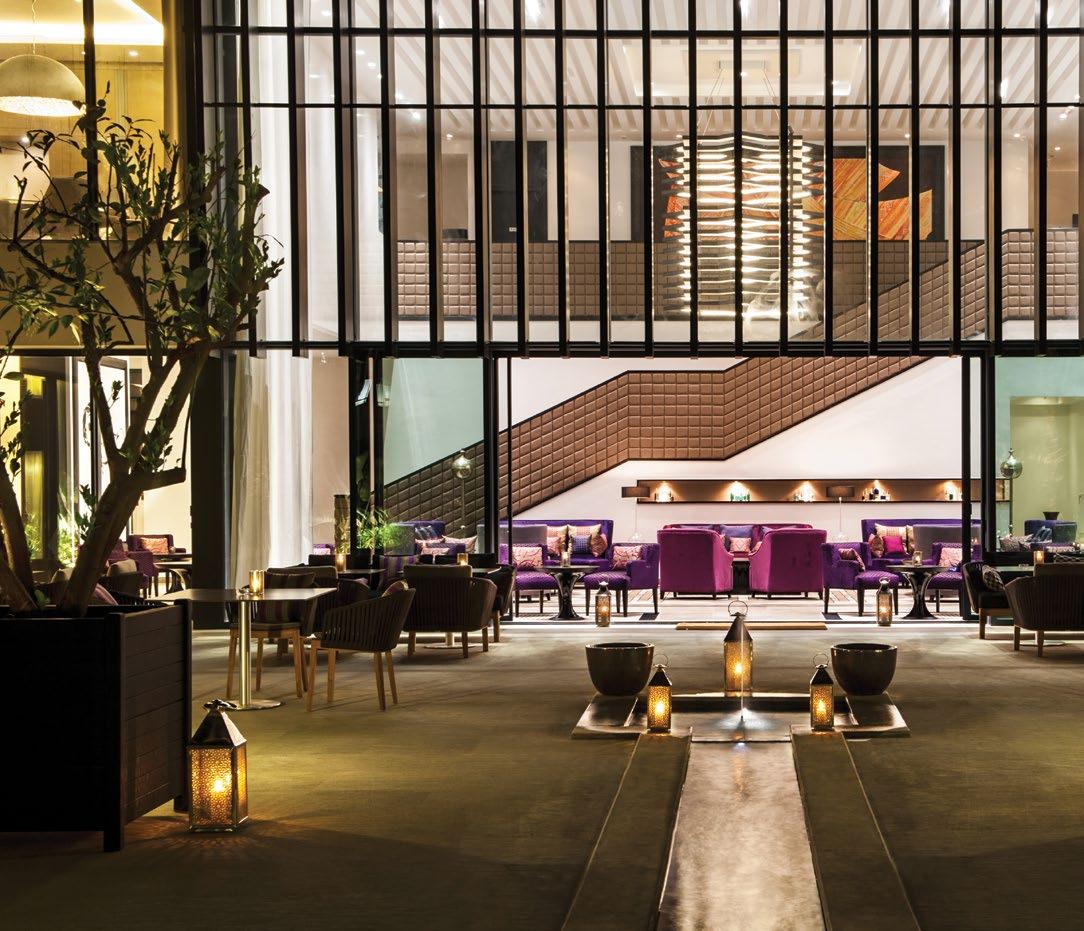
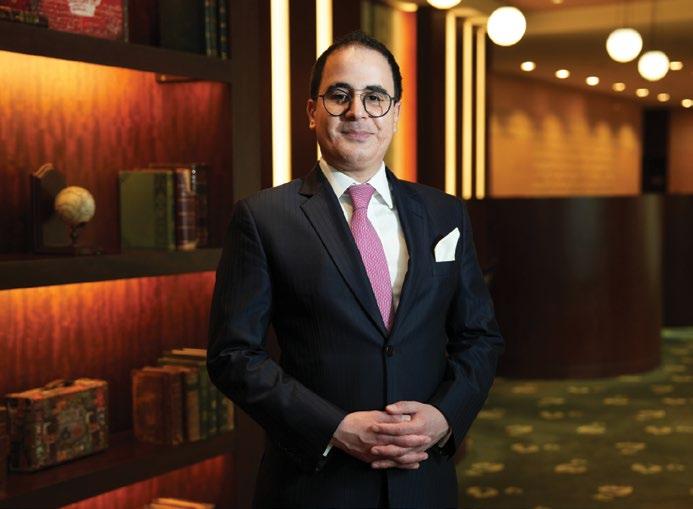
Victor
Abou-Ghanem, CEO of STORY Hospitality,
on why identity is the most powerful competitive advantage in the Middle East’s most crowded hospitality market.
BY AYA ZHANG
THE UAE HOSPITALITY MARKET IS BECOMING INCREASINGLY SATURATED. WHAT DOES TRUE DIFFERENTIATION LOOK LIKE TODAY, BEYOND THE TRADITIONAL LUXURY OFFERING?
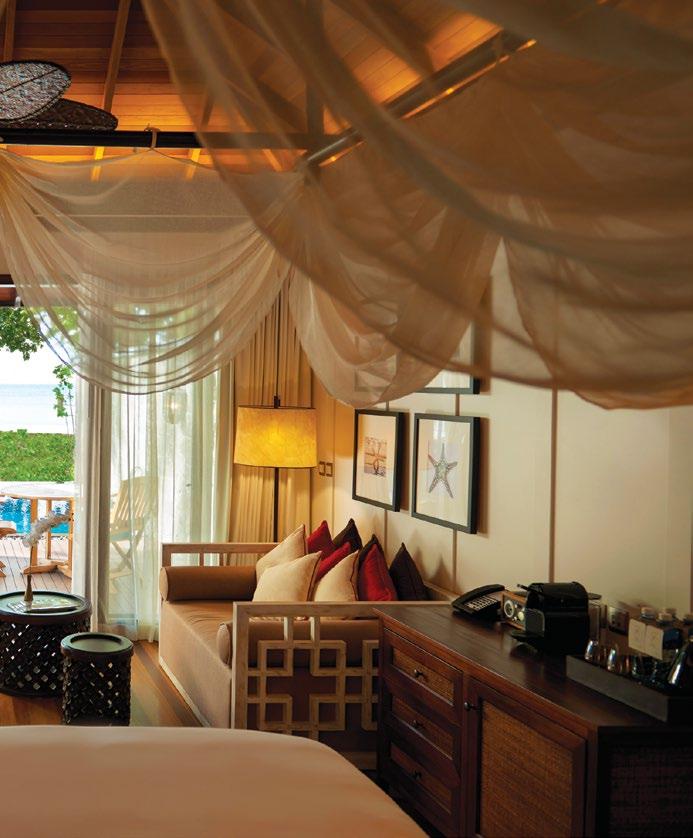
True differentiation today is not about adding more marble, more labels, or more headline amenities. In a market like the UAE, luxury is already the entry point. The real question is whether a hotel gives guests a reason to remember it, return to it, and choose it over abundant alternatives. For us, that means creating a property with a
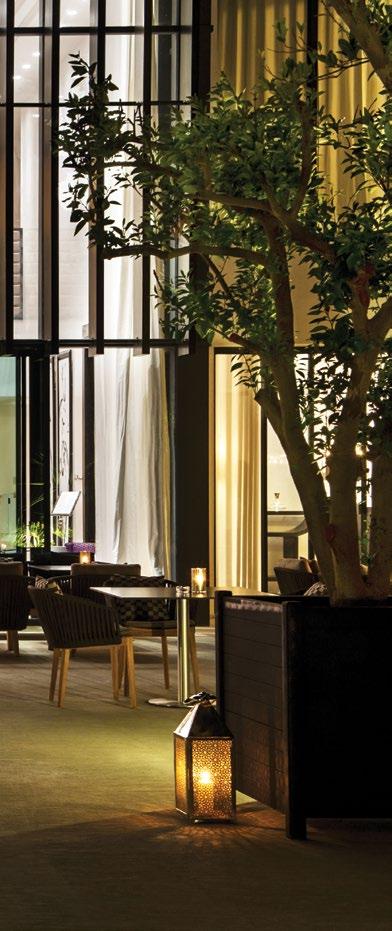
clear identity, rooted in its location, with a strong point of view across design, food and beverage, wellness, most importantly - personal attentive service that guests will remember forever. STORY Hospitality has always believed that a parity offering is not enough; the hotel itself must add something meaningful to the travel experience. It also means being commercially intelligent. Experience is not separate from performance; it protects rate. When culinary, culture, and community are treated as real demand drivers rather than supporting features, a hotel becomes relevant to
both travellers and local residents. In the UAE, where Dubai welcomed 18.72 million international overnight visitors in 2024 and Abu Dhabi reported 5.9 million hotel guests, the opportunity is significant, but so is the competitive pressure. Differentiation has to be felt by the guest and visible in the P&L.
STORY
EXPANDS INTO NEW MARKETS, HOW DO YOU BALANCE RAPID GROWTH WITH MAINTAINING A CONSISTENT AND DISTINCTIVE BRAND IDENTITY?
We do not believe growth should come at the expense of identity. In fact, disciplined growth is what protects identity. At STORY Hospitality, we look first at brand fit, owner alignment, destination strength, and the ability of a project to deliver both guest relevance and long-term returns. Our stated priority markets have been the GCC, North Africa, Europe, and the Indian Ocean, but we are selective because not every opportunity deserves the brand. The balance comes from being consistent in principle and flexible in
A PARITY OFFERING IS NOT ENOUGH; THE HOTEL ITSELF MUST ADD
expression. Our standards around service, governance, brand tone, and commercial discipline must travel with us. But the way each property comes to life should be local. That is central to our philosophy. Every hotel should have its own story, shaped by its environment and community, while still delivering the same level of trust for guests and owners. That is why we describe ourselves as aiming to be an owner-trusted and guest-loved independent hospitality platform.
Guest loyalty today is no longer defined only by points or transaction frequency. In a market where choice is abundant, loyalty has to be built around recognition, relevance, and consistency. Guests want to feel understood across every touchpoint, from booking and arrival to dining, wellness, and post-stay communication. That means using technology intelligently to remove friction, personalise the experience, and make every interaction feel more seamless and more valuable.
At the same time, scale matters. Being part of a strong international loyalty ecosystem is becoming increasingly important, because today’s traveller expects both individuality at property level and meaningful access at network level.
We also see loyalty in a broader sense now. It is not just about repeat room nights. It is about building an ongoing relationship with the guest through memorable experiences, relevant communication, and a brand identity that remains distinctive wherever they engage with us. The brands that will win long-term are the ones that combine emotional connection with practical value.
THE WINNERS WILL NOT BE THE LOUDEST BRANDS. THEY WILL BE THE ONES THAT COMBINE CLARITY OF CONCEPT, OPERATIONAL PRECISION, AND THE ABILITY TO CREATE EXPERIENCES PEOPLE GENUINELY VALUE.
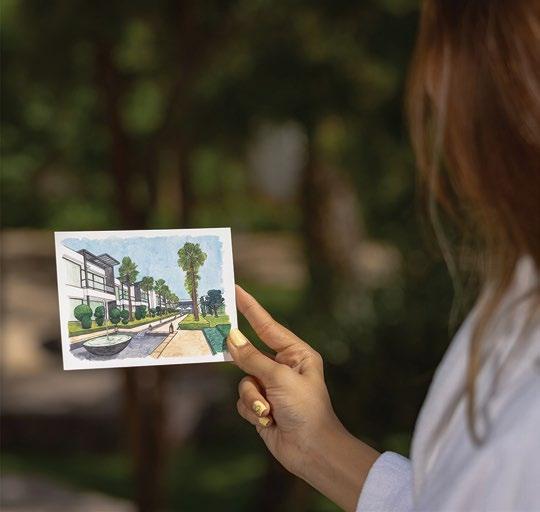
WITH RISING COMPETITION AND CONTINUOUS HOTEL DEVELOPMENT ACROSS THE REGION, WHAT STRATEGIES ARE MOST CRITICAL TO MAINTAINING PROFITABILITY AND LONGTERM COMPETITIVENESS?
Profitability in hospitality is always a function of both revenues and costs, so the focus has to be on optimising both sides of the equation. On the revenue side, that means disciplined pricing, the right business mix, lower dependency on high-cost channels, and a stronger ability to drive total guest spend across rooms, food and beverage, wellness, and events.
On the cost side, the priority should not be blunt cost cutting that compromises the guest experience or weakens the product. There should be smarter cost optimisation: improving productivity, using technology more effectively, planning labour well, controlling procurement intelligently, and removing waste without touching the service standards that define the brand.
That distinction is very important in competitive markets. Guests may be price aware, but they are still highly sensitive to quality, consistency, and experience. If an operator protects margin by eroding service, that becomes visible very quickly in reviews, repeat business, and rate performance. The stronger approach is to build leaner, more agile operations that preserve quality while improving efficiency.
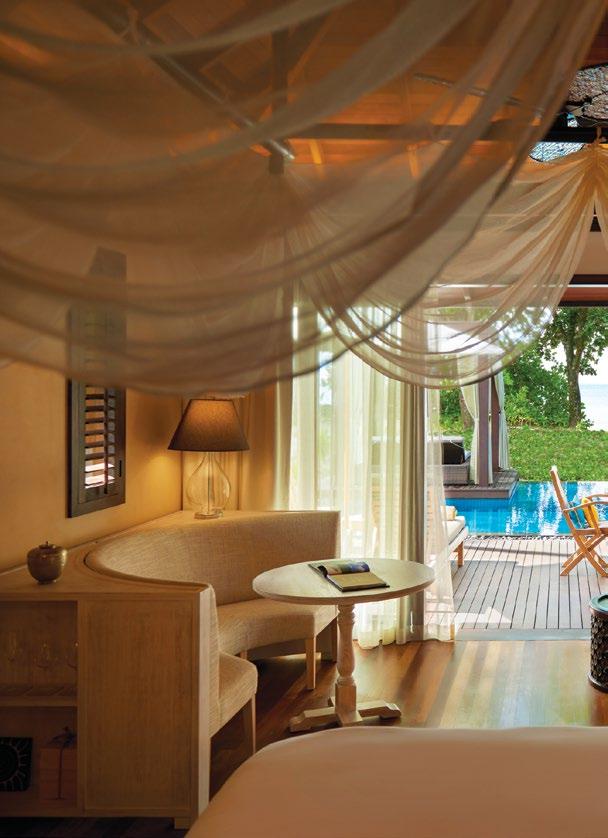
We also believe long-term competitiveness comes from treating ancillary revenue seriously and maintaining strong owner discipline. Food and beverage, wellness, events, and mixeduse synergies can no longer be seen as supporting functions; in the right asset, they are major drivers of profitability and differentiation. The winners will be the operators who can grow revenue, optimise costs, and still deliver a guest experience that justifies their positioning.
WHAT FUNDAMENTAL SHIFTS DO YOU EXPECT WILL RESHAPE THE HOSPITALITY INDUSTRY OVER THE NEXT FIVE YEARS, AND HOW IS STORY HOSPITALITY POSITIONING ITSELF TO STAY AHEAD OF THEM?
I see five major shifts. The first is the continued move from standardised luxury to meaningful experience. Guests want identity, not sameness. The second is direct-first commerce, where data, CRM, and brand channels become more important to profitability. The third is AI-assisted operations, especially in pricing, forecasting, guest messaging, scheduling, and maintenance. The fourth is the closer integration of hospitality with wider real estate ecosystems, from mixed-use assets to branded residences. The fifth is sustainability moving from a compliance topic to a performance topic.
Our positioning is straightforward: stay owner-minded, stay guest-centric, and grow with discipline. We are investing in technology that removes friction but keeps the human touch, in brands with clear identities, and in projects where local culture and commercial logic reinforce each other. The region’s fundamentals remain compelling: Dubai continued to grow in 2025, and Abu Dhabi’s Tourism Strategy 2030 is targeting more than 39 million visitors by 2030. But the winners will not be the loudest brands. They will be the ones that combine clarity of concept, operational precision, and the ability to create experiences people genuinely value.
Dr. Marwan Alzarouni, CEO of AI at Dubai’s Department of Economy and Tourism, on why Dubai is no longer just a hub for innovation. It is becoming the place where the world’s best ideas come to life.
BY AYA ZHANG
Dr. Marwan Alzarouni cuts a distinctive figure in Dubai’s technology landscape. As CEO of AI at the Department of Economy and Tourism and CEO of the Dubai Blockchain Centre, he holds dual mandates that sit at the intersection of government strategy and frontier technology. With more than two decades in information security, digital forensics, blockchain and AI, he was named one of the top 100 most influential figures in blockchain by CoinTelegraph in 2022 and has served on the World Economic Forum’s Global Future Council on Cryptocurrencies. He was a founding member of both the Dubai Electronic Security Center and the Artificial Intelligence Ethical Committee, and his appointment at DET forms part of Dubai’s Universal
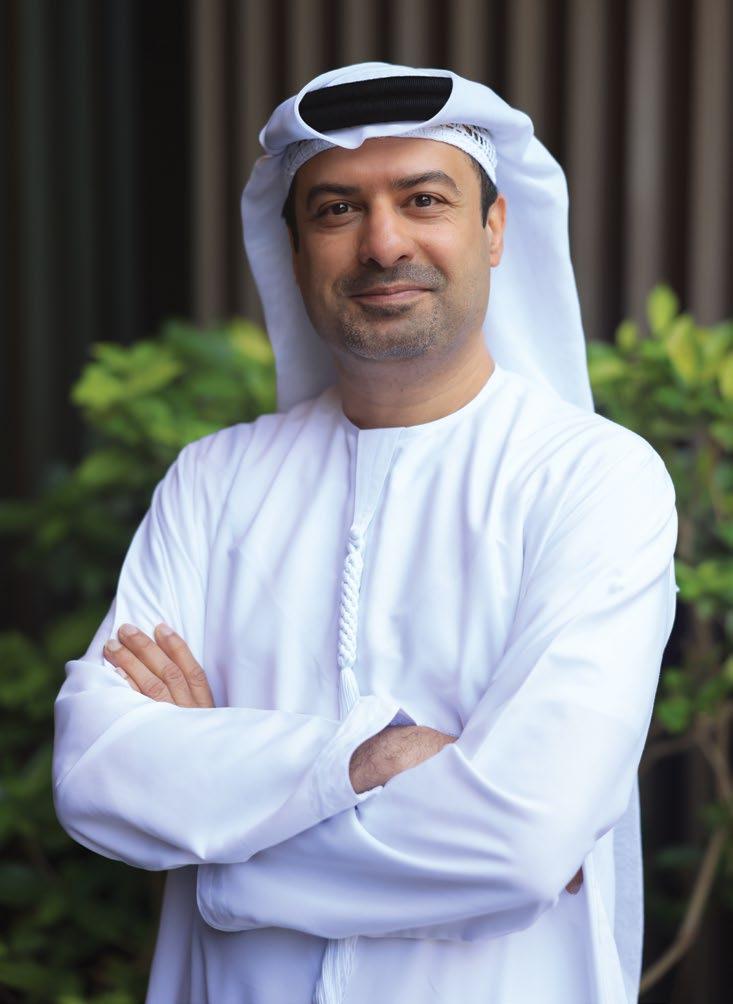
Dr. Marwan Alzarouni, CEO of AI, Dubai Department of Economy and Tourism (DET)
Blueprint for Artificial Intelligence, the city’s strategic framework for becoming a global leader in AI implementation.
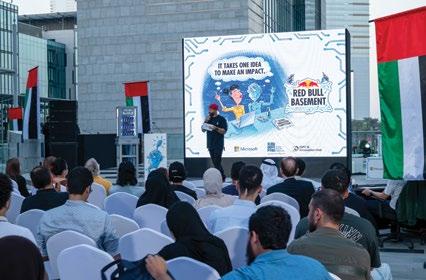
We spoke with Dr. Alzarouni at the Red Bull Basement UAE National Final, held at The Gate,
DIFC, where he sat on the judging panel alongside Lana Sawiris of MONIIFY, Ahmad AlMheiri of Dubai SME, and Mohammad Alblooshi of DIFC Innovation Hub. The global programme, delivered in partnership with DET, DIFC Innovation Hub, Microsoft and AMD, invites students and first-time founders to develop early-stage ideas with the prospect of representing the UAE at the Red Bull Basement World Final in Silicon Valley, competing against teams from more than 40 countries for global exposure and up to USD 100,000 in equity-free funding. This year’s UAE winners, Dev Bhoda and Joshua Koshy, will carry the nation’s flag to that global stage.
THE UAE HAS BECOME A GLOBAL HUB FOR BLOCKCHAIN AND DIGITAL INNOVATION. HOW ARE INITIATIVES LIKE RED BULL BASEMENT HELPING TO IDENTIFY AND SUPPORT THE NEXT GENERATION OF TECH TALENT?
Initiatives like Red Bull Basement play a crucial role in shaping Dubai’s thriving innovation ecosystem. These competitions are essentially structured market intelligence platforms that allow us to see in real time, where innovation is emerging, and how founder priorities are evolving. Through these programmes, we gain a clear view of who is building what, which sectors are gaining traction, and how community interests are shifting across AI, blockchain, sustainability and digital infrastructure.
Dubai is rich with talent, but talent does not scale in isolation. Hackathons, pitch platforms and accelerator programmes create a consolidated arena where founders meet investors, corporates and policymakers under one roof. This
cross - pollination strengthens the entire ecosystem and raises the quality threshold for everyone involved.
One of the biggest challenges earlystage founders face is articulating their vision clearly. When you have just three minutes to pitch your vision, you are forced to distil your concept into its most compelling form. These competitions instill that discipline, helping founders refine their messaging and strengthen their value proposition, sharpen go - to - market thinking, and prepare them for real investor scrutiny.
Beyond individual growth, these initiatives lend credibility to our local infrastructure and ecosystem. For example, take Dubai Founders HQ, which has become a central hub for entrepreneurial activity. When international competitions like Red Bull Basement take place here in Dubai, they validate what we’re building and give local startups visibility and access to global exposure they might not otherwise have. The international validation that comes from participating in a recognised platform like this materially improves their ability to raise capital and form strategic partnerships.
All of this aligns directly with the Dubai Economic Agenda, D33, which aims to double the size of the economy by 2033 and increase economic productivity by 50% through innovation and digital adoption. This will help us attract top talent from around the world and nurture the innovation that will further define Dubai’s future digital economy.
WHAT QUALITIES IN EARLYSTAGE FOUNDERS SUGGEST THEY CAN SCALE THEIR IDEAS SUCCESSFULLY IN THE UAE AND INTERNATIONALLY?
There’s rarely such a thing as a bad idea. What differentiates successful founders is execution, discipline and adaptability. The most telling indicator of a founder’s potential is the clarity of their go-to-market strategy. Who are they targeting? Are they bootstrapping with limited resources, or have they secured early funding? Regardless of their situation, Dubai offers a unique environment to start from, with infrastructure and support systems that can accommodate various pathways to growth.
We’re particularly focused on founders working in sectors aligned with the D33 Agenda: health, sustainability, logistics, clean energy, proptech, and fintech. These are areas where we’ve seen strong traction, though I should note that healthcare remains an area where we are actively seeking greater innovation and deeper startup participation. Perhaps the most critical quality I look for is the ability to pivot intelligently. The startup journey is rarely linear. Many of the world’s most successful companies started as something completely different before finding their true product-market fit, Uber being a prime example.
Conversely, we’ve seen startups that tried to diversify too quickly and lost focus, only to find success when they doubled down on their core strengths. What excites me most is working with founders who see Dubai not just as a regional hub, but as a genuine springboard to international markets. The city’s geographic position between East and West, connectivity, world-class regulatory frameworks, and cosmopolitan nature, with close to 200 nationalities represented, make it ideal for testing solutions that can scale globally.
BLOCKCHAIN AND AI ARE RAPIDLY EVOLVING. HOW DOES THE UAE ECOSYSTEM ENSURE THESE TECHNOLOGIES ARE APPLIED IN PRACTICAL, SCALABLE WAYS RATHER THAN REMAINING EXPERIMENTAL?
Dubai’s approach has always been application-led rather than speculation-led, and this is why it
stands apart from many other regions. In many parts of the world, blockchain conversations began with cryptocurrency. In Dubai, the focus from 2016 onwards was on practical use cases.
Between 2016 and 2020, we focused on three valuedriven applications for blockchain: secure record keeping and notarisation, instant settlement, and automation through smart contracts. Processes that previously required 30 to 45 days were redesigned to operate in near real time. Dubai Now became one of the first live implementations of blockchain-enabled government services, while UAE Pass established secure digital identity infrastructure across sectors.
dementia. In parallel, researchers are advancing smart molecular imaging and cancer-related diagnostic tools, demonstrating how AI is being embedded into preventive care, early detection, and medical research at scale.
THE MOST TELLING INDICATOR OF A FOUNDER’S POTENTIAL IS THE CLARITY OF THEIR GO-TO-MARKET
Automation through smart contracts has been particularly powerful. Smart contracts enable companies to programme actions for payments and other processes automatically. I’ve seen businesses that couldn’t effectively monetise their delivery projects suddenly gain that capability through blockchainenabled automation.
AI follows a similar pattern of deployment across the value chain. In healthcare, we are already seeing AI move from research environments into practical clinical and scientific applications across the UAE. Recent work led by researchers at Mohamed bin Zayed University of Artificial Intelligence and New York University in Abu Dhabi includes AI systems capable of predicting Alzheimer’s disease up to 20 years before symptoms appear, alongside noninvasive retinal imaging tools that can detect early signs of diabetes, cardiovascular disease, and
But it’s not all about high-level scientific research. For the everyday person, AI is improving last-mile delivery efficiency. Dubai-based logistics company DP World is using AI for optimal container placement, revolutionising logistics operations. These real-world applications demonstrate how we’re embedding these technologies into the fabric of Dubai’s economy.
Dubai’s approach to regulation has been equally pragmatic. Take the Virtual Assets Regulatory Authority (VARA) as an example. Through deep engagement with industry, we identified that regulating activities rather than assets themselves would be more effective. This made Dubai the first jurisdiction worldwide with a dedicated virtual asset regulator, and it has fundamentally changed how the industry thinks about compliance and governance.
This philosophy, starting with practical applications, engaging deeply with industry, and creating enabling regulatory frameworks, means we’re building an ecosystem where innovation translates into tangible economic value and improved quality of life.

ONE LEAP AWAY
From 31 Aug - 3 Sept 2026 Riyadh Exhibition and Convention Center - Malham, Saudi Arabia
SECURE YOUR PASS NOW

7X Group Chief Executive Officer, Tariq Al Wahedi points to the UAE’s integrated logistics framework as a model for maintaining continuity.
BY REEBA ASGHAR
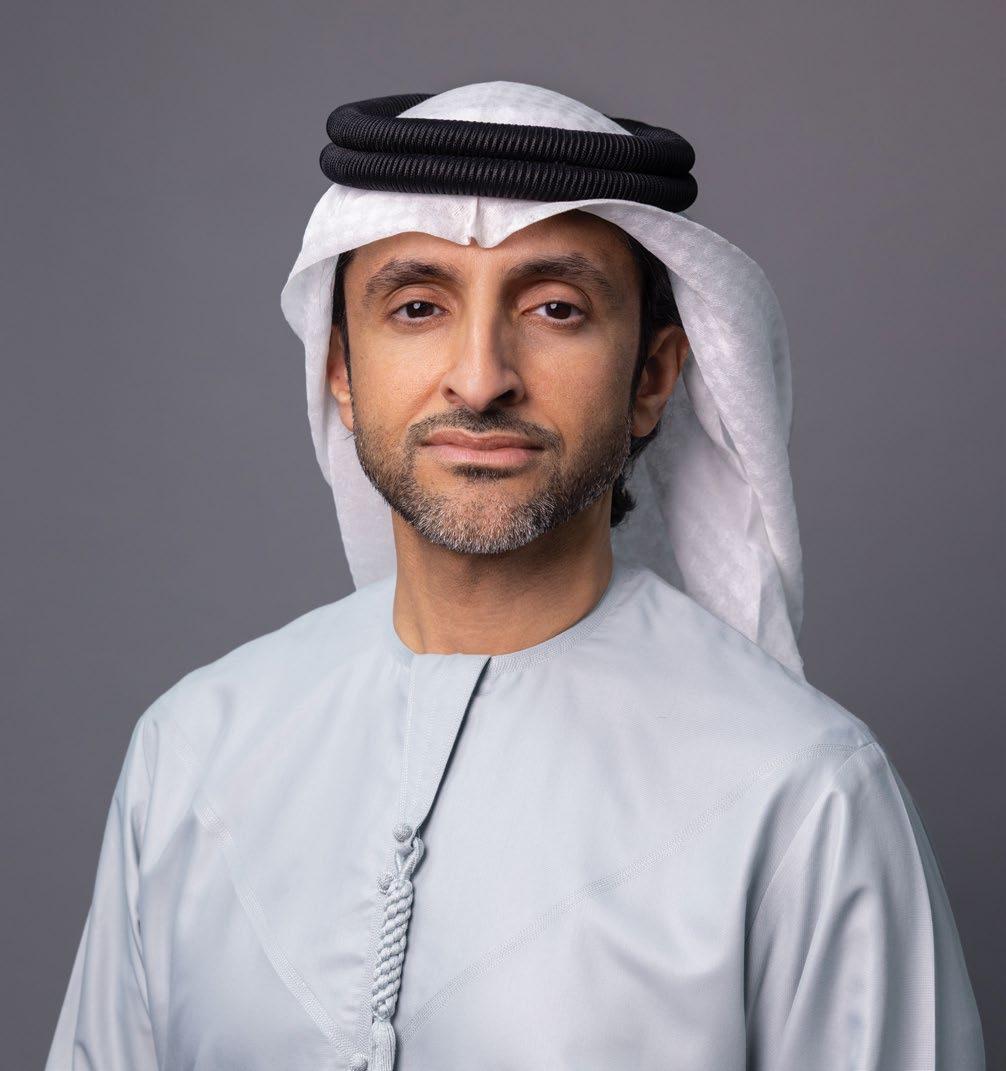
THE REGION IS MOVING THROUGH A PERIOD OF HEIGHTENED UNCERTAINTY. HOW DO YOU READ THE CURRENT MOMENT FROM THE UAE’S PERSPECTIVE?
The current environment has tested supply chains globally, but it has also underscored the strength of the UAE’s operating model. As one of the world’s most connected trade and logistics hubs, the UAE benefits from diversified infrastructure, strong institutional coordination, and an agile regulatory environment that supports continuity even as external conditions become more complex.
What stands out in this moment is that resilience is increasingly shaped by integration. When conditions shift, the organisations and systems that can reroute, reprioritise, and coordinate across a broader network are best positioned to maintain steady movement and keep operations on track. That is where the UAE continues to demonstrate real strength.
Resilience is not the absence of disruption. It is the ability to respond with clarity, coordination, and control. That is the standard we uphold at 7X, and one the UAE’s wider logistics ecosystem has consistently maintained in recent months.
WHERE DOES 7X FIT WITHIN THAT WIDER NATIONAL PICTURE?
7X contributes to the wider national landscape through an integrated model that brings together complementary capabilities across trade, transport, and logistics. That integration becomes particularly valuable when operating conditions grow more complex, as it allows us to respond through multiple channels in a coordinated manner rather than through isolated interventions.
If freight or express movement is required, EMX provides the operational
capability. If broader national reach and access are needed, NXN extends that coverage through its network. Emirates Post adds an important international dimension through its cross-border connectivity and longstanding institutional ties within the global postal system. FINTX supports the financial layer that increasingly underpins trade and transaction flows, while platforms such as Waslah and ADEED translate the Group’s wider capabilities into more accessible and actionable solutions. Together, these elements allow 7X to support different types of demand through one connected ecosystem.
Our value lies not in any single function, but in how these capabilities work together. In an environment where fragmentation can slow response and limit visibility, integration enables greater coordination, flexibility, and continuity. This is how 7X supports the wider national system, serving as a coordination layer that connects capabilities across trade, transport, and logistics.
BUSINESS CONTINUITY HAS BECOME A CENTRAL CONCERN FOR MANY ORGANISATIONS. WHAT HAS 7X DONE TO SUPPORT THAT?
At 7X, we approached business continuity as an operational priority that must be built into the system, rather than addressed only when disruption occurs. This has involved strengthening coordination across the Group, clarifying roles and responsibilities, and reinforcing the internal frameworks to support faster and more consistent decision-making when conditions change.
In practical terms, this means ensuring each entity understands its role, has the ability to respond effectively, and remains connected to the wider network in real time. It has also meant investing in platforms such as ADEED, which provide a
clearer and more structured route for capturing demand and directing it to the appropriate response pathway, rather than relying on ad hoc arrangements.
Continuity depends on more than capacity. It requires clear ownership, coordinated execution, and systems capable of responding at scale when demand rises across multiple sectors simultaneously. That is the approach we have continued to strengthen across the Group, with ADEED representing one visible element of a broader effort to make support more organised, responsive, and effective.
ADEED HAS BECOME AN IMPORTANT PART OF THIS CONVERSATION. WHAT DOES THE PLATFORM REPRESENT?
ADEED addresses a gap that becomes particularly evident during disruption. In many cases, the challenge is not the absence of logistics capability, but the lack of a clear and structured way to access it quickly and direct it where it is needed most. When pressure rises, entities often have to navigate a fragmented landscape of providers, processes, and solutions at speed.
Developed in collaboration with ADIO, ADEED is a national digital platform designed as a practical response to this challenge. It gives government entities, manufacturers, investors, and businesses a direct route to request supply chain and logistics support. It helps capture the requirement, structure it clearly, connect it to the right capability across the ecosystem, and follow the request through in a more accountable way.
A key strength of the platform lies in its intelligence layer. ADEED Radar provides real-time operational visibility across vessel movements, port activity at key UAE terminals, and live disruption advisories. It also supports AI-powered scenario planning, helping operational teams assess alternatives
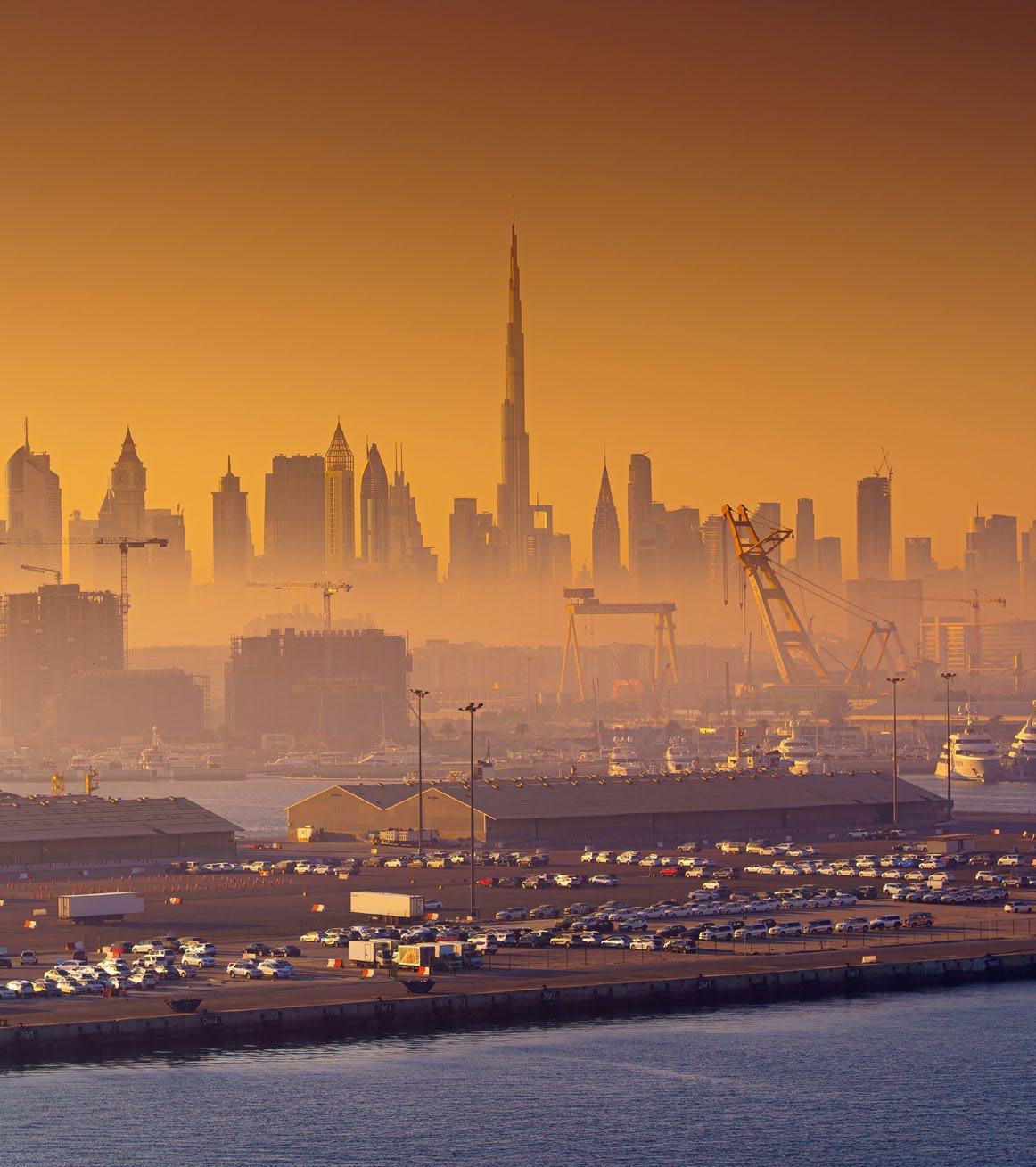

and make better-informed decisions in rapidly changing conditions. ADEED serves as a national coordination layer for logistics resilience, a system that reduces the distance between demand and response, simplifies ecosystem activation at scale, and ensures that support is prioritised and delivered with accountability.
DETAIL, HOW DO NXN, EMX, AND EMIRATES POST EACH CONTRIBUTE TO 7X’S WIDER ROLE IN SUPPORTING CONTINUITY ACROSS TRADE, TRANSPORT, AND LOGISTICS?
Each entity contributes a distinct but complementary role within the Group’s wider model.
NXN provides national physical reach and last-mile connectivity across the country. It supports the local layer of logistics that connects the broader supply chain to businesses and communities, including the final points of delivery where continuity is often most directly tested. Its nationwide presence makes it an critical activation layer when broad, ground-level coverage is required.
EMX is the Group’s freight and express operator, with capabilities spanning domestic, regional, and international flows. Its value lies in the flexibility it brings to route planning, complex shipment handling, and operational execution when conventional channels come under pressure. That agility reflects sustained investment in building a more resilient operating model.
Emirates Post anchors the institutional dimension of this model. Its connection to the Universal Postal Union (UPU), together with the UAE’s chairmanship of the UPU Council of Administration, provides access to an established global framework for cross-border coordination across 192 member countries. When international movement becomes more complex, institutional connectivity carries real value. It reinforces the
point that resilience is shaped not only by domestic capability, but also by the strength of a country’s international connections.
The structural drivers remain clear. E-commerce continues to expand, global supply chains are becoming more complex, and expectations around visibility, reliability, and speed continue to rise. At the same time, automation and AI are playing an even more meaningful role in how logistics is planned, managed, and delivered. I expect the sector to keep growing, but I also expect competition to become intense and more demanding.
A key shift to watch is the transition from logistics as a purely physical service to logistics as a data- and intelligence-driven service. The operators who lead the next phase will not simply be those with the most capacity, they will be those who can sense demand before it moves, route it more efficiently, predict failures before they occur, and adapt in real time. This vision underpins our investments in platforms, data infrastructure, and autonomous logistics through AutoLogiX.
For 7X, our trajectory is focused on three clear priorities: deepening integration across the Group so that our ecosystem generates compounding value rather than parallel value; expanding the reach and intelligence of our platforms, particularly ADEED and Waslah; and continuing to build an Emirati talent and leadership pipeline to ensure long-term sustainability.
We entered 2026 from a position of stronger financial performance, with positive EBITDA and profitability achieved in 2025. The priority now is to build on that momentum through disciplined execution and sustained growth. The foundation is in place; the focus now is on delivery.
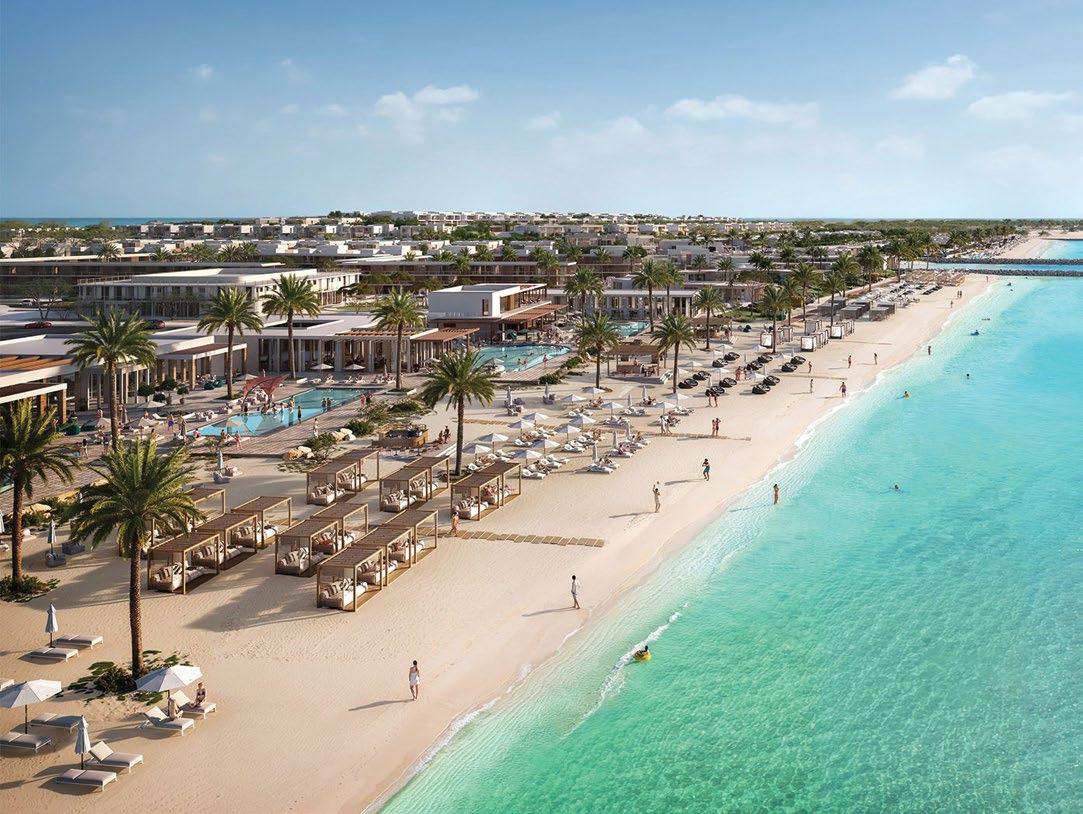
With a fresh land acquisition that doubles its footprint in Ghantoot and a total project investment set to reach AED 30 billion, ORA Developers is sending a clear message about where it sees the future of UAE real estate.
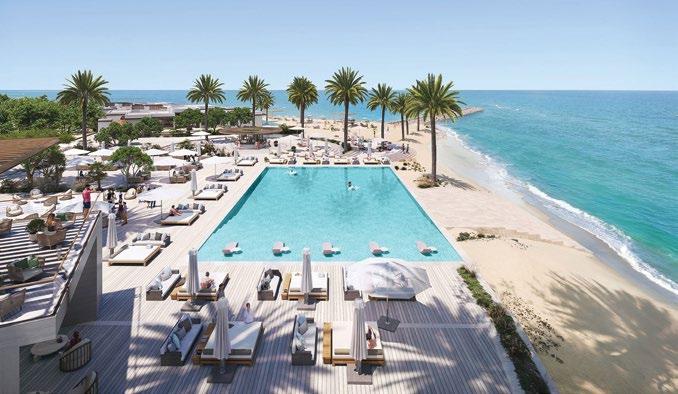

There are investments that signal intent, and then there are investments that define it. ORA Developers’ latest move in the UAE falls firmly into the second category.
The global real estate developer has acquired an additional 4.8 million square metres of land from Modon Holding in Ghantoot, doubling its UAE land bank to 9.6 million square metres and setting the stage for a total project investment of AED 30 billion upon full development. It is a bold and deliberate statement of confidence
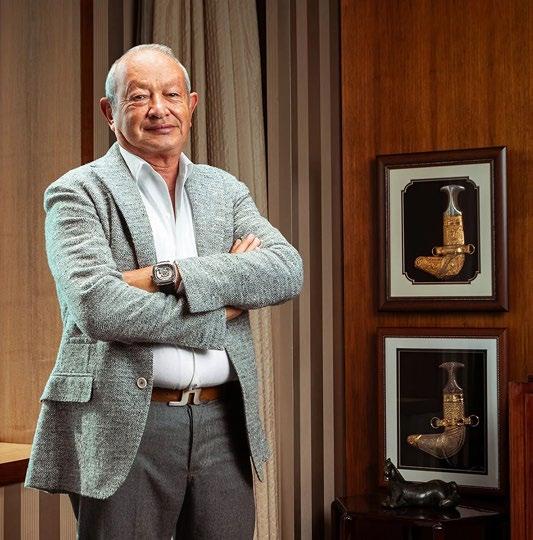
in a market that has continued to attract serious capital even as global uncertainty has tested investor appetite elsewhere.
Strategically positioned between Dubai and Abu Dhabi, the Ghantoot site enjoys direct access to Sheikh Maktoum Bin Rashid Road and sits approximately 25 minutes from Al Maktoum International Airport — a location that places it at the heart of one of the UAE’s most significant growth corridors. For ORA, it is not just a plot of land. It is the next chapter of BAYN, its flagship masterplan development that has already established itself as one of Abu Dhabi’s most compelling new destinations.
BAYN was conceived as what ORA describes as “a community without compromise” — a fully integrated mixed-use destination that brings together city energy and coastal serenity in equal measure. The project recorded AED 2.7 billion in residential sales in 2025 alone and was ranked among the Top 10 projects in the Abu
Dhabi Real Estate Market Report by ADREC, which also placed ORA third among Abu Dhabi’s Top 10 Developers for the year. The numbers suggest the vision is resonating.
For Naguib Sawiris, Chairman of ORA Developers, the expansion is an expression of something deeper than commercial opportunity. “This move further reinforces our commitment to the UAE and our intention to continue our efforts in the country,” he said. “It demonstrates our trust in the resilience of the UAE real estate market, as well as our belief in the nation’s long-term vision for sustainable growth.”
He added that the growth of ORA’s footprint in the UAE marks an important milestone in the company’s continued vision to elevate refined living and create world-class destinations — shaped by a long-term aspiration to build vibrant communities that seamlessly blend lifestyle, hospitality, retail, and residential offerings.
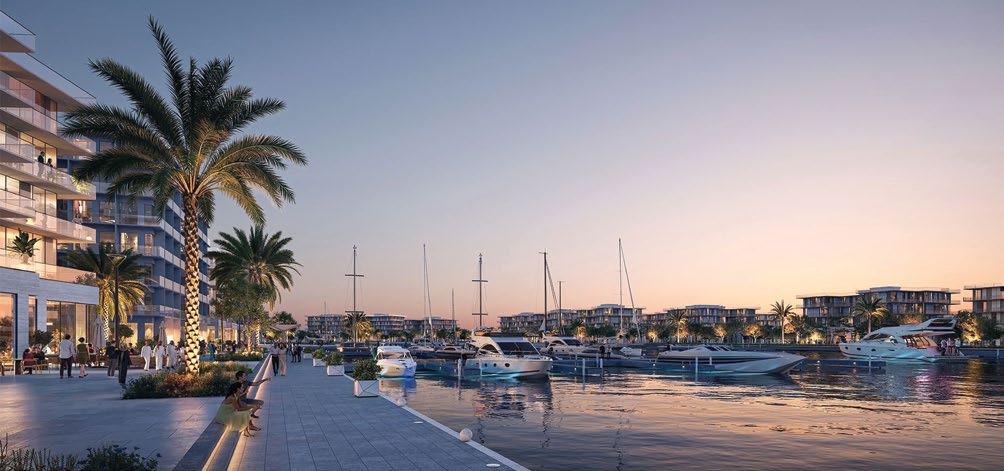
The partnership with Modon Holding, which supplied the land for both the original BAYN development and this latest acquisition, has been central to ORA’s UAE story. Bill O’Regan, Group CEO of Modon Holding, was equally bullish about what comes next. “With ORA, we have identified a partner that understands the unique value of Ghantoot and is committed to shaping a destination that is true to its location and enriches the lives of its residents,” he said. “BAYN has already attracted strong demand since its launch last year, and we are confident that the expansion will continue that success.”
The timing of the investment is not incidental. The UAE’s record AED 92.4 billion federal budget for 2026, combined with continued investment in key transport corridors including Sheikh Maktoum Bin Rashid Road, is creating the conditions for sustained long-term value along the Dubai to Abu Dhabi passage. For developers willing to take a long view, the fundamentals remain compelling.
ORA brings to this market a track record that speaks for itself. Founded
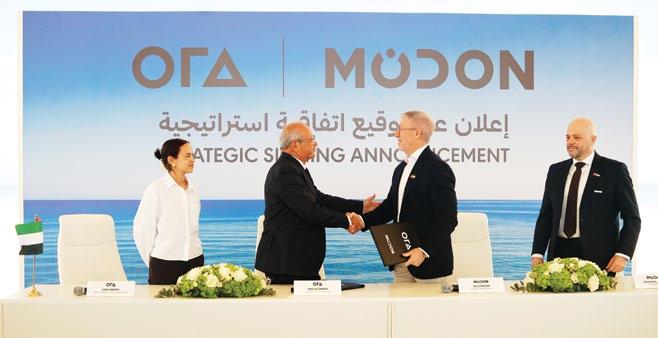
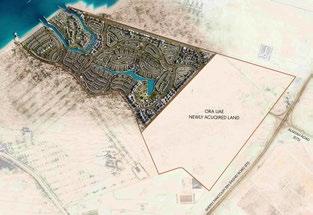
in 2016, the group holds around four billion US dollars in consolidated assets and has achieved a proven sales value exceeding 61 billion US dollars across Egypt, Greece, Cyprus, Grenada, and Pakistan.
Projects such as Ayia Napa Marina in Cyprus and Eighteen in Pakistan have established ORA’s reputation for integrated communities that blend thoughtfully with their local context. The UAE, it seems, is where that reputation meets its most ambitious expression yet.
With 9.6 million square metres of land now secured in one of the country’s most strategically significant locations, and a development vision anchored in lifestyle, community, and long-term value creation, ORA is not just expanding its footprint. It is shaping what the next generation of UAE living could look like.
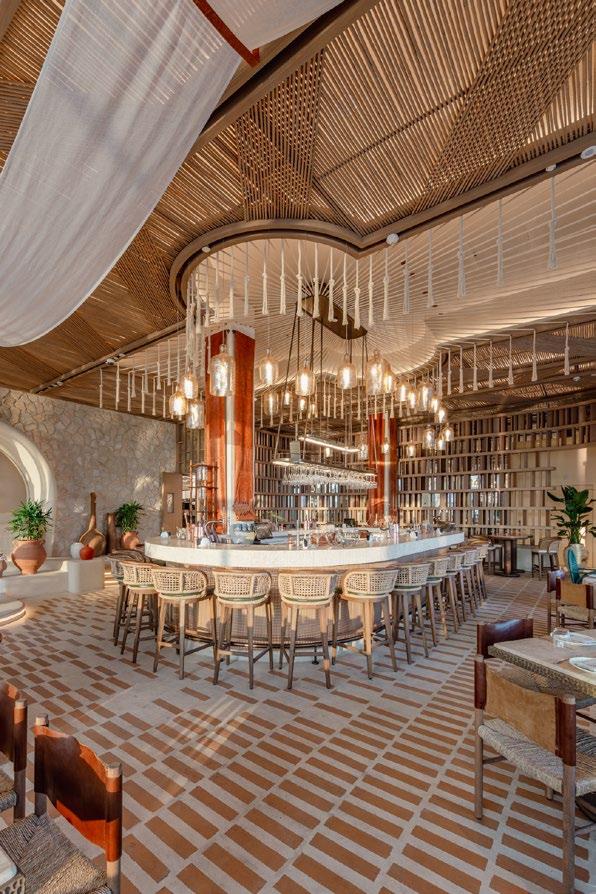
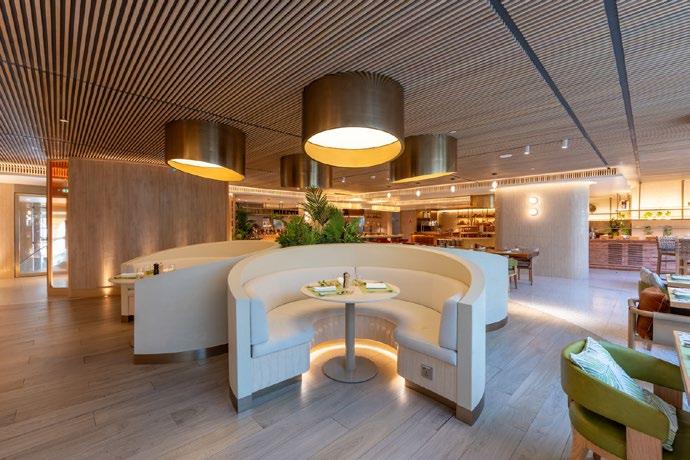
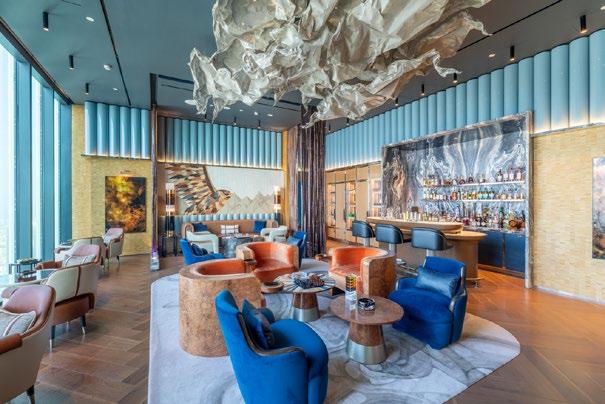
Mick Satsangi, Chief Executive Officer of Dulsco Environment, on legacy, leadership, and why true sustainability is delivered at 4am.
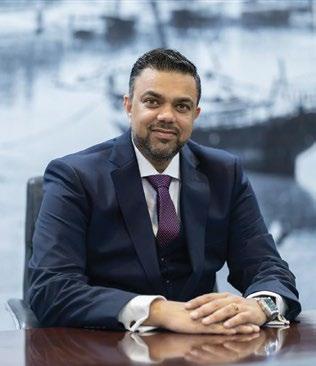
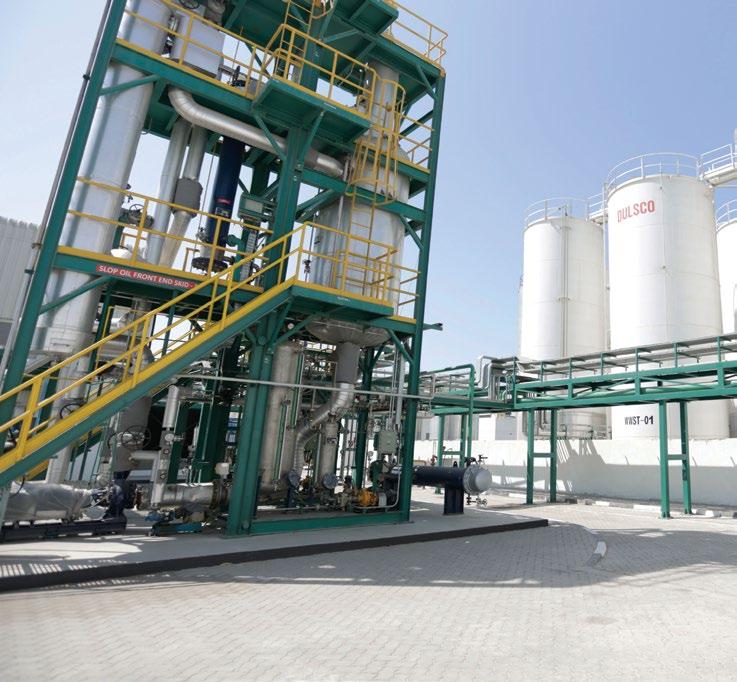
Mick Satsangi has seen what it takes to build environmental systems from the ground up in some of the world’s most demanding markets. From Australia to New Zealand, Saudi Arabia and now the UAE, he has spent decades doing the kind of work that rarely makes headlines but shapes everything — designing the infrastructure that decides what happens to the things we throw away. Now, as the newly appointed CEO of Dulsco Environment, he is channelling all of that experience into one of the UAE’s most enduring business institutions, and into one of the region’s most urgent challenges.
Having led operations across multiple continents before arriving in the UAE, Mick brings a genuinely rare comparative lens to the region’s approach to waste management and the circular economy.
“In my experience leading operations, I’ve seen that regulatory maturity in markets like Australia took decades to build — frameworks developed through sustained policy investment, community behaviour change, and significant infrastructure spending,” he reflects. “The UAE, a nation not yet 60 years old, has compressed what took others generations into a single decade.
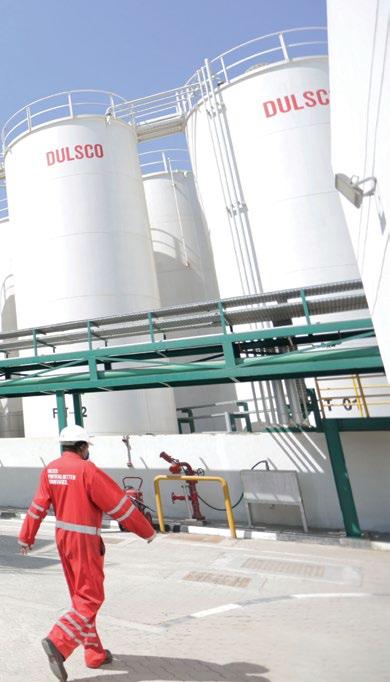
That is genuinely remarkable, and it speaks to the agility and ambition that defines this country.”
For Mick, that ambition is underpinned by serious policy architecture. The UAE Circular Economy Policy and the UAE Net Zero 2050 Strategy are not aspirational documents gathering dust on a shelf. They are working blueprints actively reshaping how businesses and communities relate to waste.
But he is equally clear-eyed about where the work remains. “The next frontier is source segregation at scale, building a stronger domestic market for recycled commodities, and deepening awareness and participation from both the corporate sector and our community,” he says. “The opportunity is not to simply catch up with mature markets. It is to leapfrog them by building a truly integrated circular ecoverse where everyone is genuinely aligned, and the result is a better future for our children.”
SUSTAINABILITY ISN’T DELIVERED IN A BOARDROOM. IT’S DELIVERED AT 4AM DURING TOOLBOX TALKS BEFORE OUR DRIVERS HIT THE ROADS.
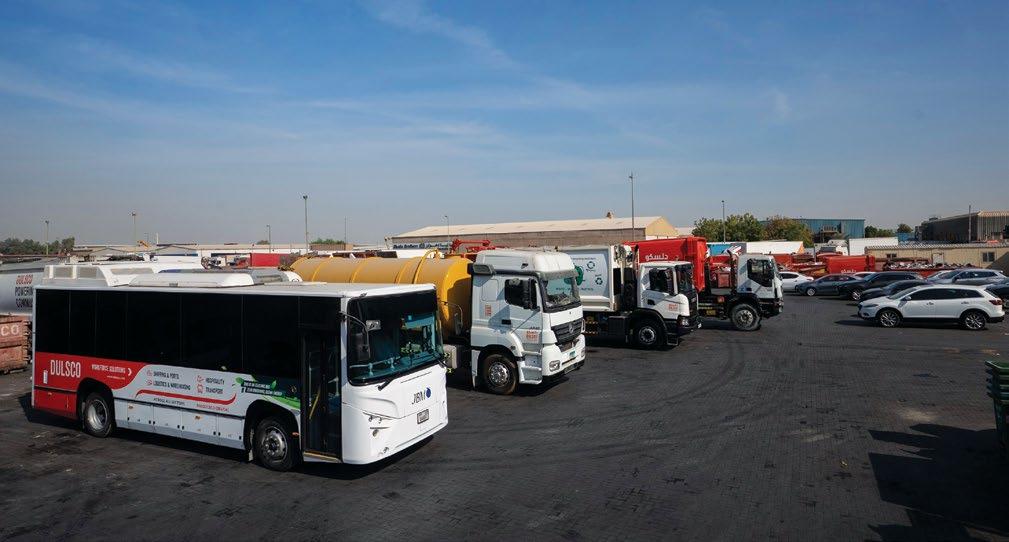
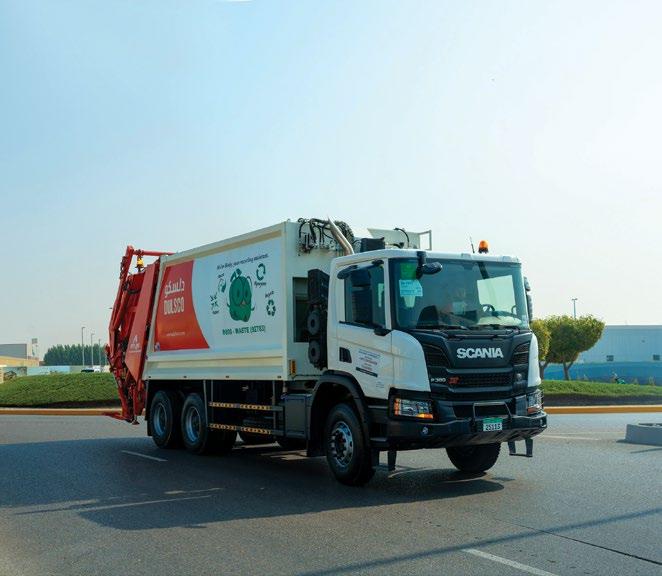
Joining Dulsco Environment at what the company itself describes as a pivotal moment in its growth journey, Mick is focused less on reinvention and more on elevation. “Dulsco Group has a 91-year legacy in the UAE, and that matters because trust, resilience, and strong client relationships are not built overnight,” he says. “My role is to build on that foundation in a way that is relevant to where the market and country are going.”
His immediate priorities are clear and deliberate. Strengthen operational discipline, invest in the right innovation and recovery capabilities, and deepen Dulsco Environment’s role as a trusted partner to clients who are under growing pressure to deliver measurable ESG performance. “The next phase of growth in this sector is not just about doing more work,” he adds. “It is about doing more meaningful work with better systems,
stronger partnerships, and clearer outcomes. It is the journey from Good to Best.”
Honouring a 91-year Emirati heritage while driving transformation is a balance Mick takes seriously. “You don’t survive 91 years in business by standing still,” he says. “We honour Dulsco Group’s incredible Emirati heritage not by holding onto old ways of working, but by taking that deep foundation of trust and using it to drive the advanced environmental innovations the UAE needs today.”
Drawing on his experience designing environmental infrastructure for a giga-project from scratch, Mick is refreshingly candid about the tensions that come with building at scale. “The biggest lesson you learn is how to manage ambition with reality,” he says. “Circularity must be baked into the design from day one, but innovation only works if it
can be commercially scaled. There is always a temptation to chase the shiniest green technologies, but if an environmental system is not affordable for the market to actually operate, it ultimately fails. True sustainability has to make economic sense.”
That philosophy is directly shaping how Dulsco Environment approaches its client relationships today. “We are focused on designing resource recovery systems that do not just look impressive on a blueprint, but are genuinely scalable, affordable, and deliver real ESG outcomes on the ground,” he explains.
On the question of whether businesses across the GCC are genuinely transforming their environmental
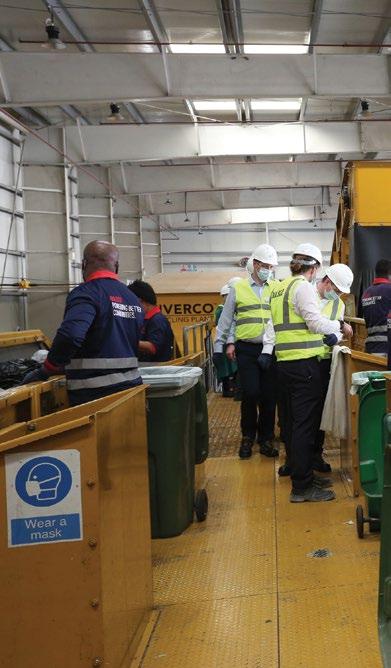
practices or simply paying lip service to sustainability, Mick is honest. “There is still a gap regionally,” he acknowledges, “but from what I see on the ground, that gap rarely comes from a lack of intent. It comes from the reality that execution is hard or misunderstood and people seek genuine assistance.”
The conversation is changing rapidly though. “It used to be that clients thought of us just as a waste transporter. Today, they are bringing us to the table early to figure out how to recover resources and build circularity into their business. They know the old way of doing things will not cut it anymore.”
That shift is precisely where Dulsco Environment’s dedicated ESG team steps in, sitting down with clients,
examining their commercial realities, and building practical, affordable roadmaps that move sustainability out of strategy documents and into core operations.
Waste diversion from landfill remains one of the region’s most pressing environmental challenges, and Mick does not shy away from the scale of what needs to be done. “World-class diversion is not just about stopping waste from going into a hole in the ground. It is about creating a genuine commercial market for what you recover,” he says.
Leading markets achieve diversion rates of over 80 to 90 per cent, supported by wellestablished infrastructure and strong
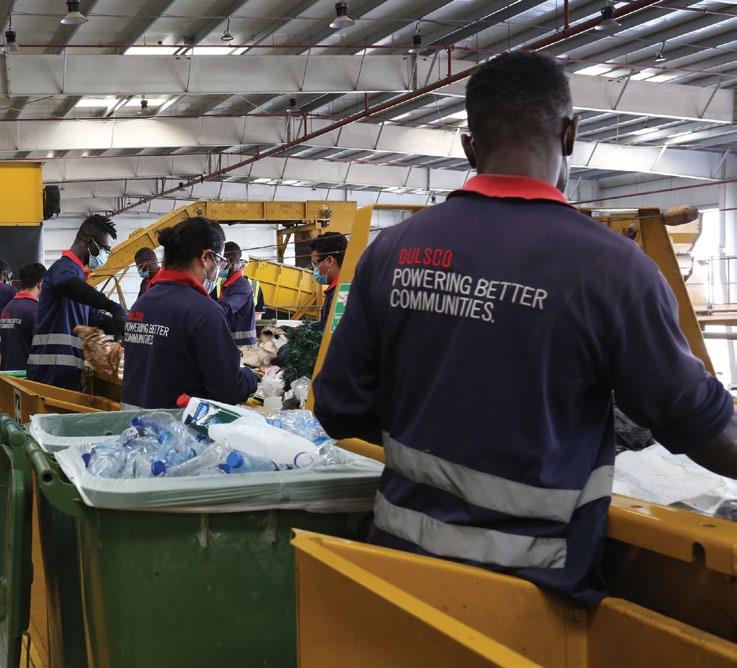
policy frameworks. The UAE’s announcement of landfill closures by 2027 is, in Mick’s view, a bold and meaningful commitment. “It shows that the UAE is ready to change the way waste is disposed, collected, and repurposed,” he says. “And within that challenge lies the opportunity to convert discarded materials into resources that can be recovered, reused, and reintroduced back into the economy.”
Perhaps the most striking thing about Mick Satsangi is his conviction that the circular economy is ultimately a people story, not a technology story.
“Sustainability is not delivered in a boardroom,” he says. “It is delivered at 4am during toolbox talks before our drivers hit the roads, out in the depots listening to our people, and on the recovery lines worked by our frontline teams. You can write the best circular economy strategy in the world, but if the people executing it do not feel safe, supported, and empowered, it falls apart.”
Two decades of leading complex, multicultural operations have taught him that safety and welfare are not just moral imperatives. They are the foundation of operational excellence.
“When people know you have their back, they take ownership of their environment,” he says. “When a driver or a facility operator knows how their daily decisions directly impact the future of our children, it changes the game. They realise they are not just driving a truck. They are a voice that will travel as a legacy for change, actively improving our community.”
It is a philosophy as grounded as it is genuinely moving. And for a company with 91 years of history and an entire nation’s sustainability future to help shape, it feels like exactly the right one.
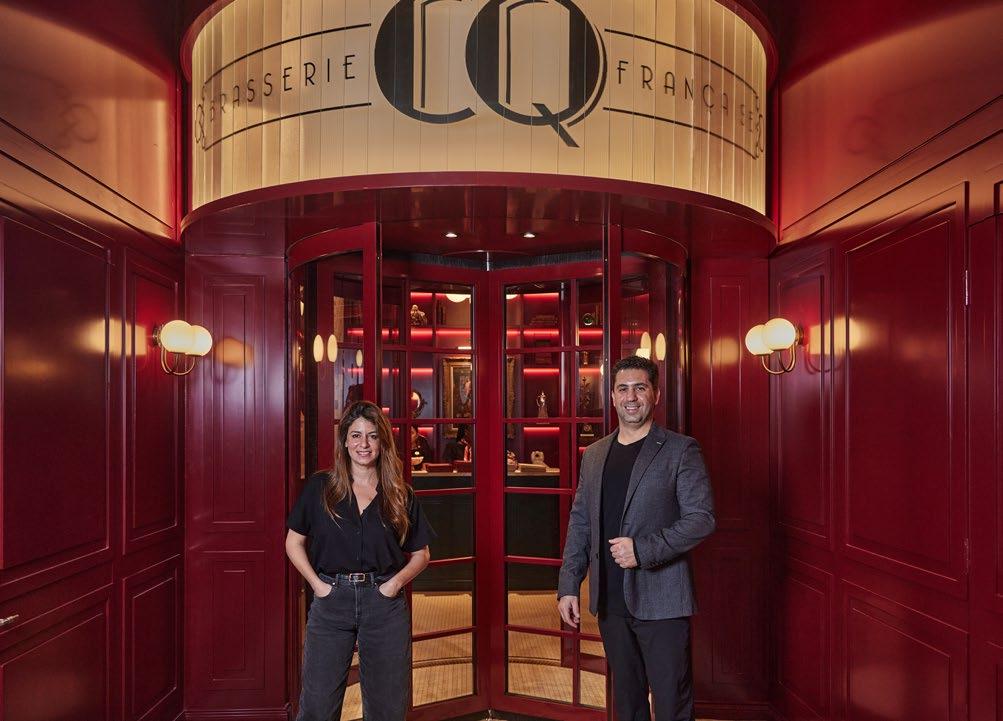
Ziad and Rowan Kamel, the founders behind Rosy Hospitality, on why CQ French Brasserie is not just a restaurant but a feeling.
BY AYA ZHANG
CQ FRENCH BRASSERIE INTRODUCES A MODERN TAKE ON FRENCH DINING. WHAT INSPIRED THE CONCEPT, AND HOW DID YOU SHAPE IT FOR A SPACE LIKE TIME OUT MARKET DUBAI?
ROWAN: CQ was born from a simple idea, to bring back the kind of French dining that feels lived in, generous, and human. Not intimidating, not overly polished, but something you want to come back to every week. We’ve always believed French food should feel like comfort.
At Time Out Market, that idea became even sharper. You’re


surrounded by some of the best concepts in the city, so clarity matters. We leaned into what we do best, Steak Frites, escargots, proper French classics, done with consistency and warmth. It allowed us to translate the full brasserie experience into something more focused, without losing its soul.
ZIAD: The inspiration behind CQ has always been about accessibility. French cuisine has a reputation for being formal, but at its core, it’s one of the most comforting and shareable cuisines in the world. We wanted to strip away the intimidation while keeping the integrity.

Time Out Market was the perfect environment to express that. It’s a curated space that brings together strong, homegrown brands, so we focused on delivering a clear, high quality offer that represents CQ in its purest form. It also allowed us to bring value into the equation, offering a premium casual French experience in a setting like Downtown Dubai in Souk Al Bahar overlooking the Dubai Fountains.
THE BROADER VISION OF ROSY HOSPITALITY, AND WHERE DOES IT SIT WITHIN YOUR GROWTH PLANS FOR THE REGION?
ROWAN: At Rosy Hospitality, everything we build is rooted in how we want people to feel. CQ is our first expression of that. It’s familiar, it’s warm, it’s the kind of place where you’re remembered and where different generations can sit at the same table.
Within our growth plans, CQ plays a foundational role. It’s a concept that travels well because it’s built
on emotion and consistency rather than trend. Whether it’s a standalone restaurant or a format like Time Out Market, it holds its identity while adapting to its environment.
ZIAD: CQ represents our philosophy of building “feel great restaurants.” It’s not just about the food or the design, it’s about consistency, hospitality, and creating a place that feels like a constant celebration that people can return to regularly.
From a growth perspective, being present in communities and neighborhoods is important for us. We will continue to connect with the areas surrounding our restaurants, and being in Time Out Market allows us to engage with a much wider community that includes not only locals but also tourists who consider Time Out Market a must-visit destination when traveling to Dubai.

HAS NO SHORTAGE OF HIGH QUALITY DINING CONCEPTS. WHAT DO YOU BELIEVE MAKES CQ FRENCH BRASSERIE STAND OUT TO TODAY’S DINERS?
ROWAN: Consistency, quality and personalised warmth service. At CQ, we’ve built something that people trust, they know what they’re going to get, but they also feel something when they’re with us.
We don’t try to reinvent French food. We respect it, and then we make it approachable. That balance, paired with genuine hospitality, is what brings people back multiple times a month, not just once.
ZIAD: In a market like Dubai, quality is expected, and what differentiates brands today is clarity and execution. At CQ French Brasserie, even our name reflects our philosophy, CQ stands for Consistent Quality. We are very clear in what we offer, classic French dishes done properly at a price point that makes them accessible and relevant to today’s diner.
Being part of Time Out Market reinforces that positioning, as guests are choosing from some of the best concepts in the city, so standing out comes down to delivering consistently in product, value, and experience. Our Steak Frites, for example, is served at AED 93 at Time Out Market with the same portions and presentation as in our full service restaurant, as it is important to us that the guest experience is never diluted regardless of the format.
WHEN BUILDING A BRAND LIKE CQ FRENCH BRASSERIE, HOW IMPORTANT IS IT TO CREATE A STRONG IDENTITY THAT GOES BEYOND THE FOOD ITSELF?
ROWAN: It’s everything. Food gets people through the door once, but identity is what brings them back. For us, that identity is rooted in warmth, familiarity, and a certain kind of effortless charm. It’s hard to pinpoint exactly what it is as it’s a multitude of different activations, and intentional decisions that are done with only one thing in mind: “our beloved guest”.
From the way we write, to the way our team speaks to guests, to even the small rituals on the table, it all builds a feeling. From the space we design, the way we write the menu, and how we engage with our guests on social media, we go full circle and every little detail matters. That’s what people connect to, and that’s what makes a restaurant part of their life, not just somewhere they eat.
At Time Out Market, we wanted a little piece of our energy to fall on the plates and trays of CQ goers, so we decided to offer our bread and butter on the house with every order, which has become something guests look forward to when they sit at our tables in the restaurant. Also, for the foodie enthusiasts who love to try new things, we are including a mini tutorial on how to eat escargot with traditional French tongs to avoid any Julia Roberts Pretty Woman moments!
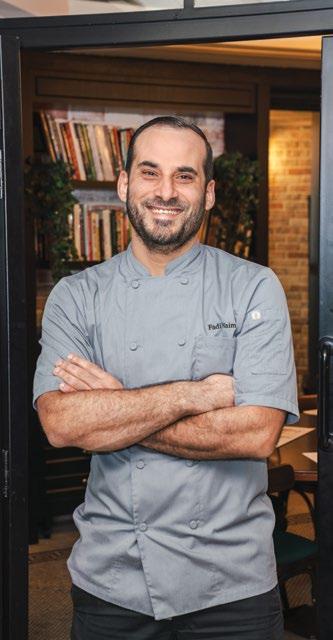
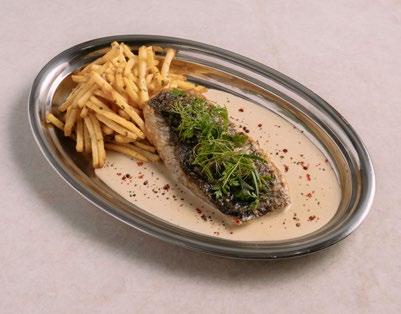


ZIAD: A strong identity creates clarity, both internally and externally. It guides decision making, from menu development to service style, and it ensures consistency across different locations and formats.
At Time Out Market, this becomes even more important. You’re operating in a high energy, multi brand environment, so your identity needs to be immediately recognisable and easy to understand.
WHAT HAVE BEEN SOME OF THE KEY INSIGHTS OR CHALLENGES OF LAUNCHING WITHIN A CURATED ENVIRONMENT LIKE TIME OUT MARKET?
ROWAN: One of the biggest learnings is how important it is to distill your concept without diluting it. You don’t have the same space or time as a full service restaurant, so every element has to work harder.
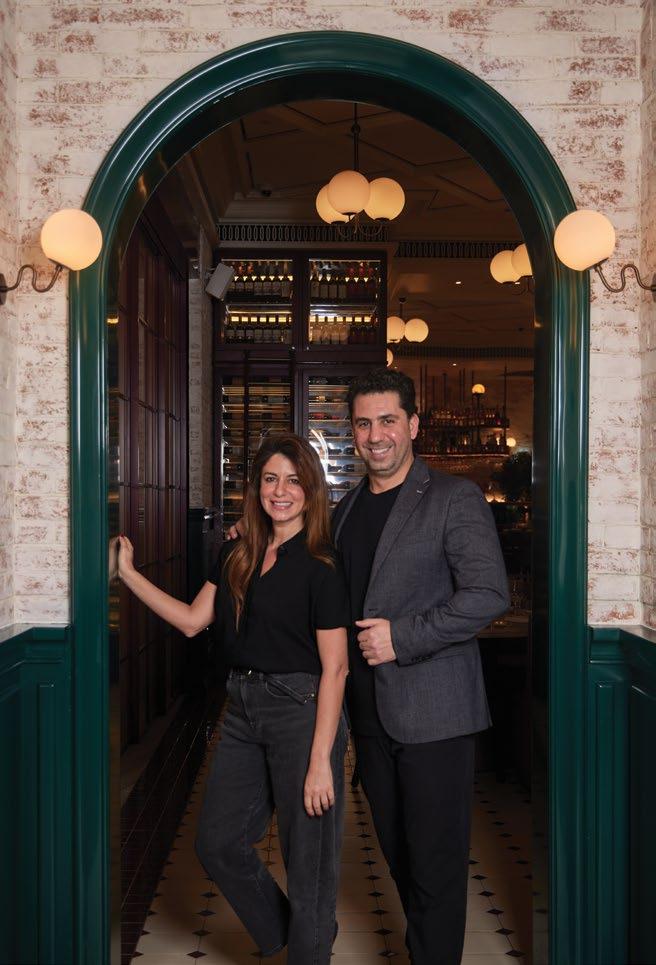
At the same time, it’s incredibly rewarding. You’re part of a larger story, and there’s a certain energy that comes from being surrounded by other strong brands and being part of a global institution like Time Out Market that we have long respected and loved in our own personal lives visiting it in Lisbon, Porto, Barcelona and Dubai. It pushes you to be sharper, faster, and more intentional.
ZIAD: The main challenge is operational discipline. High footfall, fast decision making from guests, and a shared environment require a very streamlined approach.
At the same time, the opportunity is significant. Time Out Market brings together a highly engaged audience that is actively looking to discover quality concepts. It’s a strong platform to showcase the brand and introduce it to new guests.
LOOKING AHEAD, HOW DO YOU SEE DINING HABITS IN THE UAE EVOLVING, AND HOW WILL THAT SHAPE YOUR FUTURE CONCEPTS OR EXPANSION PLANS?
ROWAN: People are dining out more often, but they’re choosing more carefully. It’s less about occasion and more about habit. That’s why places that feel reliable, warm, and easy to return to are becoming more important.
For us, that means continuing to build on our own restaurant concepts that people can live with. Not just visit, but actually integrate into their routine. CQ is a big part of that thinking, and so is how we evolve it across different formats.
ZIAD: Looking ahead, dining habits in Dubai are becoming more valuedriven and experience-focused, with a clear rise of premium-casual restaurants forming the foundation of how people eat out. Guests increasingly expect the food and service quality of fine dining, but without the heavy social contract or high price point traditionally associated with it. At the same time, there is a growing shift toward community-based dining, where strong restaurant brands move closer into residential areas rather than relying on guests to travel across the city.
Alongside this, flexibility continues to matter, with demand spanning dine-in, delivery, and formats that adapt to different occasions. For us, this shapes a very deliberate approach to growth. We focus on opening restaurants that are operationally disciplined, financially sustainable, and capable of performing across multiple environments, from full service restaurants to curated platforms like Time Out Market, while ensuring that every new location strengthens the brand and delivers the same consistent quality our guests expect.

Al-Futtaim Toyota’s Managing Director
Jacques Brent explains how the world’s original compact SUV continues to set the standard and why the 2026 model is its boldest statement yet.
Few vehicles in automotive history have shaped an entire segment the way the RAV4 has. When it was introduced in 1994, it was a genuinely radical proposition. This was a vehicle that brought the versatility and all-wheeldrive capability of an SUV together with the everyday comfort and driving dynamics of a passenger car.
That combination had never been done as a mass-production vehicle before, and it resonated immediately with a generation of drivers who wanted more from their vehicle without the bulk of a traditional off-roader.
Though not the first ‘compact SUV’ in the world, upon its launch, the RAV4 blazed a trail for the segment worldwide and remains the best-selling model to date.
What has sustained the RAV4’s relevance across six generations and more than three decades is a relentless commitment to evolving with its customers. Every generation of the RAV4 has been a product of its time, responsive to the way people were living, working, and travelling.
When customers wanted more technology, it gave them more technology. When sustainability became a priority, the RAV4 became the first SUV in the world to introduce hybrid technology as early as 2016.
In the UAE, the RAV4 has been a mainstay since 1996, earning a level of trust with customers here that is truly hard-won. The all-new 2026 model, the sixth generation, honours that legacy in the most meaningful way by raising the bar on everything our customers have come to rely on.
From the striking new exterior design and the fully reimagined interior to the most advanced hybrid powertrain ever offered in this segment and a suite of safety technologies that is a first for Toyota in the UAE, this is a RAV4 that is very much of its time.
Legacy nameplates are not a barrier to innovation; they serve as a catalyst. When a vehicle has gained the trust of customers over decades and across markets as diverse as the UAE, it possesses something that no amount of marketing can simply create – genuine, hard-earned trust. Our duty is to honour that trust by continuing to advance, not to rest on it.
At Al-Futtaim Toyota, our approach is based on the belief that genuine innovation must be meaningful. It must address real issues faced by real people and make a noticeable difference to the ownership experience. With the 2026 RAV4, every major improvement we have made, including the 12.9inch display audio system with four times faster processing, Toyota Safety
Sense 4, Intelligent Parking Assist, and shift-by-wire technology, has been motivated by that principle. These are not features that were added just to meet specifications, they are features our customers will use every day.
RAV4 also plays a strategic role in shaping how we position Al-Futtaim Toyota for the next phase of growth in this market. As the UAE’s automotive landscape shifts towards electrification and intelligent mobility, the RAV4 sits at the crossroads of our past and future. It is both our most established nameplate and one of our most forward-looking products. That combination is rare, and we plan to make the most of it.
More broadly, the RAV4 establishes the standard for how we approach every vehicle in our range. When we get a model of this significance right, it raises expectations for our team, for our partners, and for our customers. That is exactly the kind of constructive pressure we welcome.
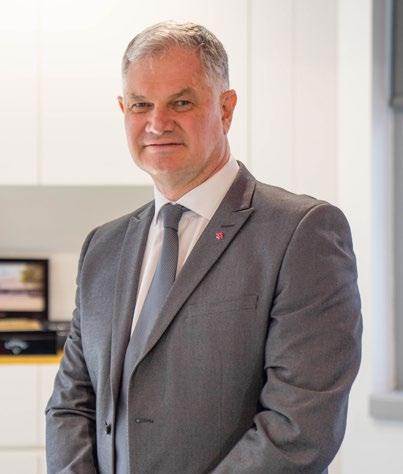
Jacques Brent, Managing Director Toyota UAE
The UAE’s ambitions in the sustainability sector are clear and are gaining momentum. The Net Zero by 2050 Strategic Initiative, increased investment in clean transport infrastructure, and the national dialogue on responsible mobility all indicate that this market is progressing with genuine intent. At Al-Futtaim Toyota, we have been part of that journey since 2008, and the 2026 RAV4 stands out as one of our most significant contributions yet.
The fifth-generation hybrid system in the new RAV4 achieves 24.8 kilometres per litre, an 11.7% improvement compared to the previous
generation. This is not just a small upgrade; it is a significant leap in realworld efficiency that directly benefits our customers in the UAE through lower running costs and reduced emissions. For a market where vehicles often travel considerable daily distances, this improvement truly makes a difference.
And for customers ready to advance in their electrification journey, we will introduce a plug-in hybrid version of the RAV4, a first for Toyota in the UAE, later this year. This enables fully electric driving for shorter city trips while maintaining the flexibility of the hybrid system for longer journeys, without demanding a significant change in behaviour or infrastructure from the customer. That is precisely the kind of accessible, practical electrification we believe will encourage genuine adoption in this market.
Toyota’s multi-pathway approach, which encompasses hybrid, plug-in hybrid, battery electric, and hydrogen fuel cell vehicles, is tailored for this kind of market, which is rapidly shifting towards cleaner mobility, but where different customers have varying needs, driving patterns, and levels of readiness. We are not asking our customers to take a leap of faith; we are meeting them where they are and guiding them forward.
The 2026 RAV4 was designed around a simple yet impactful idea: Life is an Adventure. This notion clearly reflects what we see in the UAE market, that today’s drivers do not separate their weekday routines from their weekend ambitions. They want a vehicle that can handle both, and looks and feels outstanding while doing so.
In design, the sixth generation takes a more confident, contemporary approach. The exterior features stronger, more assertive proportions
while maintaining the SUV character that RAV4 customers have always appreciated. The range of trims, from the refined EX and GXR variants to the more rugged Adventure model with its distinctive bumpers and bridge-type roof rails, and the sport-oriented VXR with its 20-inch black alloy wheels and two-tone finish, ensures that the design spectrum is broad enough to appeal to genuinely different customers with diverse lifestyles.
Inside, we have made what I would describe as a transformative change. The interior has been reimagined around what we call unified intelligence - a philosophy of bringing technology, design, and function together seamlessly rather than bolting on features as an afterthought. The 12.9-inch display audio system is the largest ever fitted to a Toyota in the UAE, with four times faster processing than its predecessor and built-in navigation. It is complemented by a 12.3-inch multi-information display, shift-by-wire technology, a panoramic view monitor, and integrated Apple CarPlay. These are not specifications on a sheet; they are the things our customers interact with every time they get behind the wheel, and we have ensured the experience is exceptional.
In terms of performance, the 236-horsepower hybrid system offers a truly engaging drive — responsive, refined, and efficient in equal measure. Available with both front-wheel-drive and all-wheel-drive options, the RAV4 allows customers the freedom to define their own adventure, whether navigating Dubai’s urban landscape or exploring further afield.
The Middle East is heading towards electrified mobility, and this change is speeding up. What is equally evident, and where I believe the discussion sometimes misses nuance, is that the route to that goal will differ across markets, customer groups, and stages of infrastructure development. A one-size-fits-all solution for electrification is not suitable for a region as varied as the Middle East, nor is it the approach Toyota has ever adopted.
Hybrid SUVs will remain a central and increasing part of this transition, and I believe that is the right outcome for this market in the near- to medium-term. They provide real, immediate reductions in emissions and fuel consumption – the RAV4 hybrid’s 24.8 km/l is a clear example of that – without placing any new demands on charging infrastructure or changing the fundamental ownership experience that our customers have built their lives around. For most drivers in the UAE today, a hybrid SUV is the most practical, accessible, and impactful step they can take towards more sustainable mobility.
As infrastructure develops and customer confidence in full electrification grows, we will be ready for that next chapter too. The introduction of the plug-in hybrid RAV4 is a deliberate step in that direction — it gives customers who are ready a pathway to electric driving today, while remaining accessible to those who are not yet there.
Toyota’s multi-pathway electrification strategy is not merely a hedge; it is a deliberate response to the real complexity of the global and regional transition. We are committed to partnering with the UAE on this journey, not only as a vehicle manufacturer but as an organisation that has been part of this market for over six decades and has a deep stake in its future. The 2026 RAV4 exemplifies this commitment: a vehicle designed not only for where the UAE is today but also for its future direction.


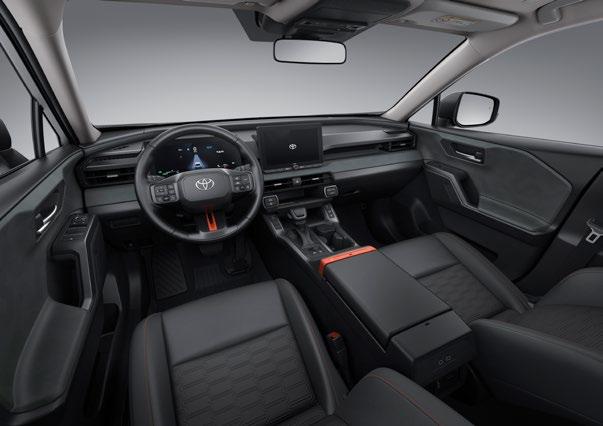

Vacheron Constantin unveils five exceptional new timepieces at Watches & Wonders 2026, each a testament to the Maison’s enduring commitment to craftsmanship, precision and artistry.



Vacheron Constantin, the Swiss watchmaking Maison, continues its legacy of precision, artistry and innovation, blending tradition with forward-looking creativity. At Watches & Wonders 2026, it unveils five new timepieces that reflect its enduring commitment to craftsmanship and excellence.
Vacheron Constantin unveils the Overseas Self-Winding Ultra-Thin, a refined new addition to the collection presented in a 39.5 mm 950 platinum case – the first of its kind for the Overseas line. With a sleek 7.35 mm profile, it is the thinnest model in the collection, featuring a salmonlacquered sunburst satin-finished dial with a velvet-finished minute track.
This limited edition of 255 individually numbered pieces is finished to Haute Horlogerie standards, bears the Hallmark of Geneva, and is available exclusively in Vacheron Constantin boutiques.
A pink mother-of-pearl dial and handpainted calfskin strap capture the beauty of spring blossom, marking Vacheron Constantin’s first use of miniature painting on a strap. Limited to 100 pieces, the watch reflects the Maison’s feminine aesthetic inspired by Haute Couture and includes two extra interchangeable straps with pink gold buckles, plus a dedicated pouch and strap case.
Vacheron Constantin introduces the Overseas Dual Time Cardinal Points, featuring four dial colours inspired by the compass. Housed in a 41 mm titanium case with integrated bracelet, the timepieces display two time zones, AM/PM, and the date. Designed for adventure, the collection combines technical performance with refined finishes and is available exclusively through Vacheron Constantin boutiques worldwide.
Vacheron Constantin expands its Roaring Twenties icon with two Historiques American 1921 models in 36.5 mm and 40 mm 18K pink gold cases. They feature a grained silver dial, blue accents, a patinated dark blue strap, and the manual-winding Calibre 4400 AS with a 65-hour power reserve and Hallmark of Geneva certification.
Vacheron Constantin presents the Les Cabinotiers Minute Repeater Tourbillon Skeleton, a single-piece edition revealing the aesthetic and technical beauty of the emblematic Calibre 2755 TMR SQ. Developed over one year, this skeletonised creation showcases the Maison’s mastery of grand complications through a refined, contemporary design.
Housed in a 45 mm 18-carat gold case with a transparent sapphire dial, it offers an unobstructed view of the tourbillon and openworked architecture, enhanced by meticulous Haute Horlogerie finishing.


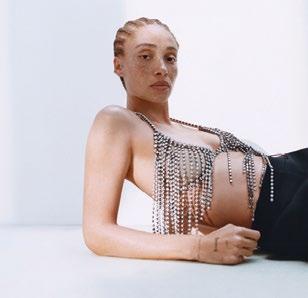




Twenty years after their first collaboration, Stella McCartney and H&M bottle twenty-five years of fashion history into one quietly iconic collection.







H&M is proud to reveal the complete lineup of the highly anticipated Stella McCartney x H&M collection, launching on 7 May in selected stores across the UAE (Dubai Mall and Mall of the Emirates), Kuwait (The Avenues Mall Phase 3), Qatar (Doha Festival City), Saudi Arabia (Red Sea Mall and Riyadh Park Mall), and online.
The launch arrives some twenty years after the pair’s first collaboration — H&M’s second ever designer partnership — which debuted in November 2005. This new collection builds on that storied legacy, marking Stella McCartney’s 25-year history as a house by distilling her pioneering, rule-breaking vision into a range of apparel and accessories that unites past and present.
Beloved current signatures sit alongside playful archive icons: expect oversized shirting, sweeping trenches and sharp tailoring alongside bejewelled prints and slogan tops drawn from McCartney’s early years. As the designer herself puts it: “I see this collection as a journey through my fashion history. It is a true mix of current classics and some of my old favourites that showcase my first forays into fashion and the development of my signatures. It’s playful, strong, sparkling, joyful, refined.”
Standout pieces include rib-knitted dresses and tops finished with McCartney’s signature Falabella chain at the neck, and a long white gown with a cape-like sleeve that loops into the hem, creating the effect of a sweeping circle of fabric. Also in the mix: sparkling partywear, separates and denims, mesh dresses and tops in a bold archival cherry print, and a white mini tee embellished with studs that reads ‘Rock Royalty’ — a nod to nostalgia that needs no explanation.
The accessories offering is equally strong. Six bag styles range from small branded shoulder bags and oversized totes to a timeless chocolate-toned bag with a chain-detail strap. The Falabella chain runs throughout — appearing on necklaces and earrings crafted in recycled mixed-tone metals, as well as on the front of the collection’s chaindetailed loafers.
Underpinning everything is a considered approach to materials: recycled content, organic cottons, RWScertified wool and innovative feedstocks for coated materials — including industrial corn and recycled vegetable oil — reflect McCartney’s long-standing commitment to responsible fashion.
The collection’s campaign, shot in London by photographer Sam Rock, stars Renée Rapp, Angelina Kendall and Adwoa Aboah, and strikes a mood that is as playful as the collection itself.
Effortless, nostalgic yet forwardthinking. Across the campaign, &Stella becomes the tagline for this special collaboration. Reinterpreted in myriad forms&Here &Now &Me &You - it becomes a message about connection, care, and a way of being that speaks both this moment, and to the past, present, and future.
STELLA HAS ALWAYS HAD A BOLD VISION FOR FASHION, AND THIS COLLECTION TRACKS HER JOURNEY FROM A YOUNG, RULE-BREAKING VOICE TO A MASTER OF TIMELESS DESIGN. EVERY SINGLE PIECE IN THE COLLECTION IS DESIRABLE AND TELLS A UNIQUE AND BOLD STORY. - Ann- Sofie Johansson
Ajmal Dubai carries its heritage of Arabian perfumery to Shanghai, opening a new chapter in the global story of luxury fragrance.
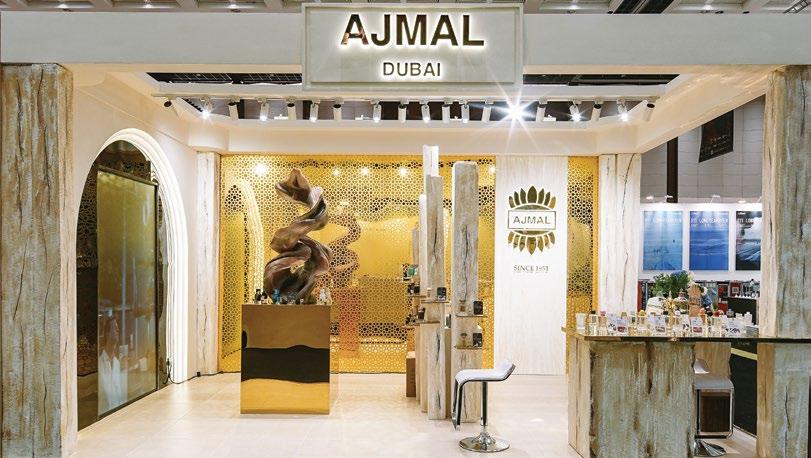

jmal Dubai, a globally renowned fragrance house from Dubai, has officially marked its entry into the Chinese market through its participation at the prestigious Notes Shanghai exhibition, a premier international platform for the fragrance industry. At the event, the brand introduced a curated selection of its signature collections, reflecting the richness of Middle Eastern perfumery blended with contemporary olfactory artistry.
As one of Asia’s leading exhibitions dedicated to niche fragrances, Notes Shanghai provided Ajmal Dubai with a unique opportunity to engage with perfume enthusiasts, industry professionals, distributors, and retailers within China’s rapidly growing luxury fragrance landscape.
Among the highlights of the showcase were several of Ajmal’s exquisite fragrance collections — Signature Series, Aurum, and Boudoir, the creations under these collections includes Eau D Oud, Amber Wood, Musk series, Aurum Summer, Rose Organza, Whispering Love, Musk Sensuel, Long Island Sunset, and Crimson Santal.
The Musk series under the signature collection, one of the core pillars of Ajmal’s perfumery expertise, attracted significant attention at the exhibition. Featuring variants such as Cashmere Musk, Violet Musk, and Amber Musk, the collection presents unique interpretations of musk, ranging from soft floral nuances to warm, amber-infused depth.
In addition, Ajmal presented other signature fragrances that
demonstrate the brand’s ability to blend traditional Arabian ingredients with evolving global preferences, highlighting its craftsmanship and versatility in fragrance creation.
Commenting on the brand’s participation, Abdulla Ajmal, CEO of Ajmal Dubai, said, “Our presence at Notes Shanghai marks an important milestone in our global journey. China is a vibrant and dynamic market for niche fragrances, and we are proud to introduce the rich heritage of Arabian perfumery to this discerning audience. Through our diverse portfolio, we aim to showcase our legacy in the art of fragrance creation while building meaningful connections with fragrance lovers and partners in the region.”


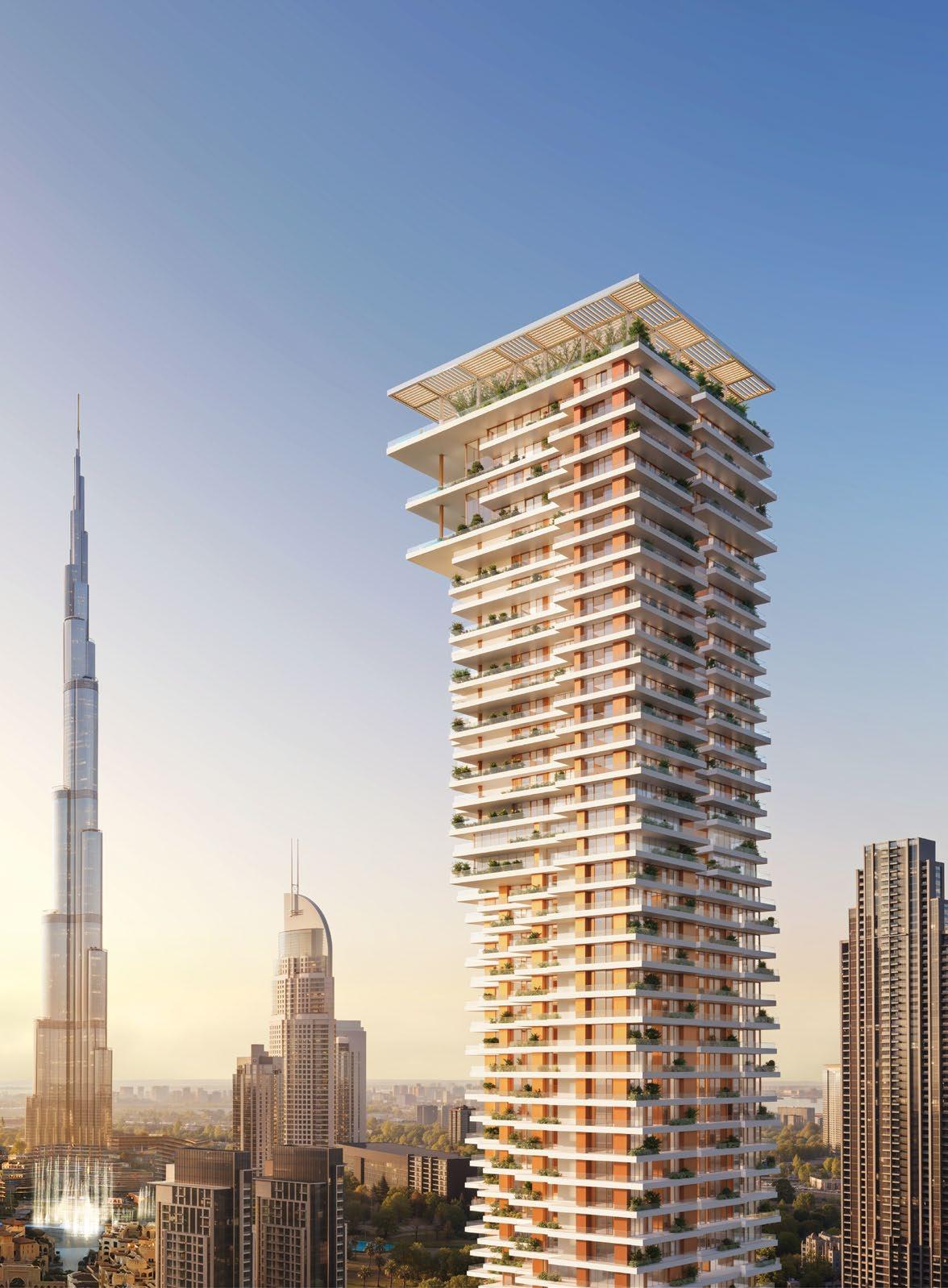



The Mirra 2 Chair just keeps getting better. How? We updated the chair so it’s 30 percent lighter than the original Mirra - and the chair’s nylon base and spine are now 100 percent recycled content. We also gave it a fresh, inspired colour palette so it can look professional, casual, or sporty. One thing that hasn’t changed is the flexible yet supportive design that allows your body to move naturally and freely - the way it was meant to move.