Foothills
CELEBRATING NORTHEAST ALABAMA
FALL 2025

Tongues are wagging about Ohatchee’s luxury hunting resort




Seasonal Stroll
How to turn a yard into a haven for feathered friends 6 11 14 18 23
Places to sip and shop this fall
Everything Bagels
The dough rises early at Music City Bagels in Oxford
Toast to Fall Autumnal drinks from Sinclair Social, Called Coffee and Southern Girl Coffee
The View From Up Here
A penthouse apartment in Anniston is filled with antiques
For The Birds
Otter Creek Farmstead has grown from hunting destination to event venue
The Mill Witch Workers at the old Profile Cotton Mill told tales of a tall, silver-haired woman
Great Pumpkins
A fourth-generation farm finds a way to grow memories
Helping Memaw and Papaw clear out 40 years of memories All Aboard
A new museum celebrates the history of Piedmont
Welcome to “Foothills!” I’m Lisa Davis. I am probably better known as a humor columnist for The Anniston Star, but today (no joke) I’m here to introduce you to a new magazine that celebrates the best of Calhoun County and northeast Alabama.
I’ve always loved magazines, ever since I flipped through my first copy of Highlights as a kid. (I was Team Goofus.) I worked on my college magazine while getting my journalism degree, and my first jobs were for home and design magazines.
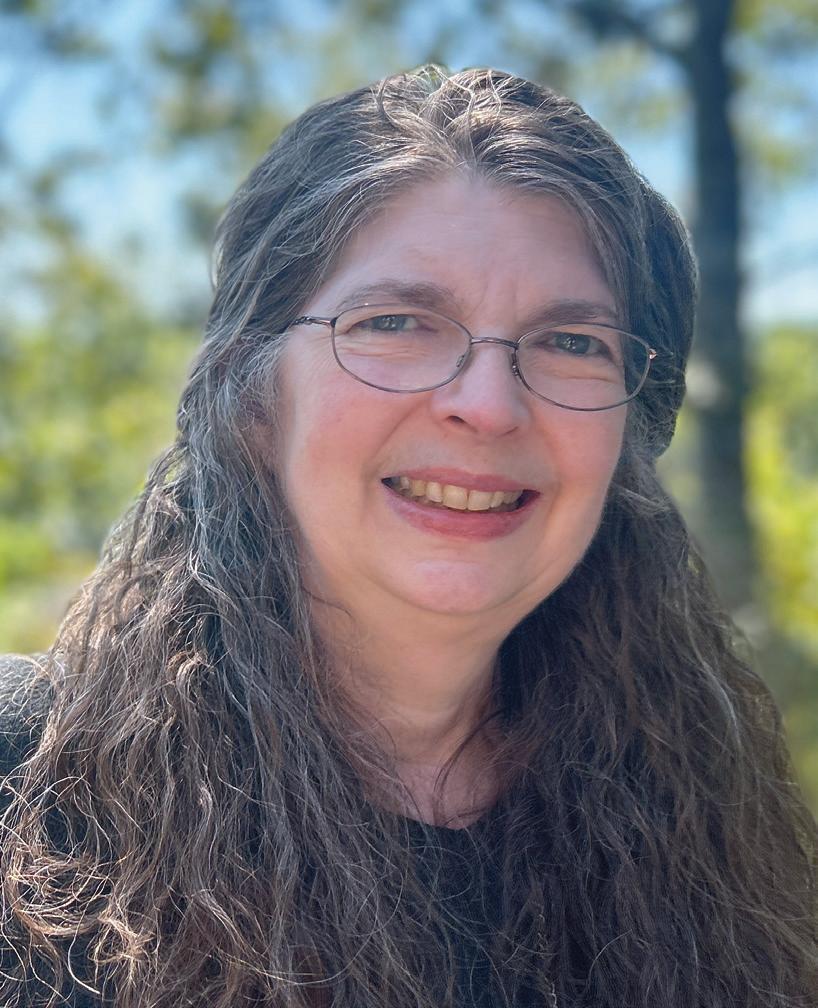
And now I’m fortunate enough to be the editor of this magazine, bringing you stories about the place that I love, in a format that can show off gorgeous photos and well-told stories. There’s just something about these glossy pages.
The magazine is called “Foothills” because that’s where we live: the foothills of the Appalachian Mountains. My hope is that the magazine reflects the beauty, history, culture and downright quirkiness of this place — along with the people who give it meaning.
In these pages you can meet a bagel chef who had a dream … a fourth-generation farmer who pivoted to pumpkins … and a retired protocol officer who lives in a penthouse apartment in Anniston.
Our cover story is about a hidden gem in Ohatchee: Otter Creek Farmstead and Distillery, a nationally known luxury hunting resort and event venue.
Oh, and did you know there was a Mill Witch at the old cotton mill in Jacksonville? Don’t worry. She’s friendly. We think.
In our “Seasonal Stroll” column, Misti Hayes takes you to some of her favorite places to sip and shop.
In our “Modern Homestead” column, Rachel Webb writes of life on the family farm in Talladega County.
And “The Southern Gardener,” a.k.a. Sherry Blanton, gives advice on how to turn your yard into a haven for birds.
Be sure not to miss the last page of the magazine, which showcases the work of photographer Bill Wilson. He has traversed the back roads and forgotten places of Alabama for decades, and he will be sharing some of his favorite scenes with you, our “Foothills” readers.
You can read stories from the Summer issue of “Foothills” online at AlabamaFoothills.com. Stay tuned for our Holiday issue in November.
If you have questions, comments, or ideas for what we should write about, email Foothills@AnnistonStar.com.
Thanks for joining us on this new adventure.
CELEBRATING NORTHEAST ALABAMA VOLUME 1, NO. 2
EDITOR
Lisa Davis
foothills@annistonstar.com
DESIGNER
Angela Reid Williams
CONTRIBUTING EDITORS
Donna Barton
Bill Edwards
WRITERS
Misti Hayes
Faith Dorn
Sherry Blanton
Loyd McIntosh
Bill Wilson
Rachel Webb
PHOTOGRAPHERS
Misti Hayes
Tucker Webb
Sherry Blanton
Bob Crisp
Bill Wilson
Ellen Bass
Hervey Folsom
ADVERTISING SALES
Kim Jenkins
kjenkins@annistonstar.com (256) 282-8101
Brandon Mann
bmann@annistonstar.com (205) 200-5991
Blucher Ehringhaus, President and Publisher John Fry, Vice President and Publisher
Ginna Gray, Director of Operations
Foothills is a product of The Anniston Star, 1118 Noble Street, Anniston, AL 36201
Copyright 2025. Consolidated Publishing Co. All Rights Reserved.
‘Shop Local’ gift guide
Festive food & drink
Favorite traditions
Calendar of holiday events





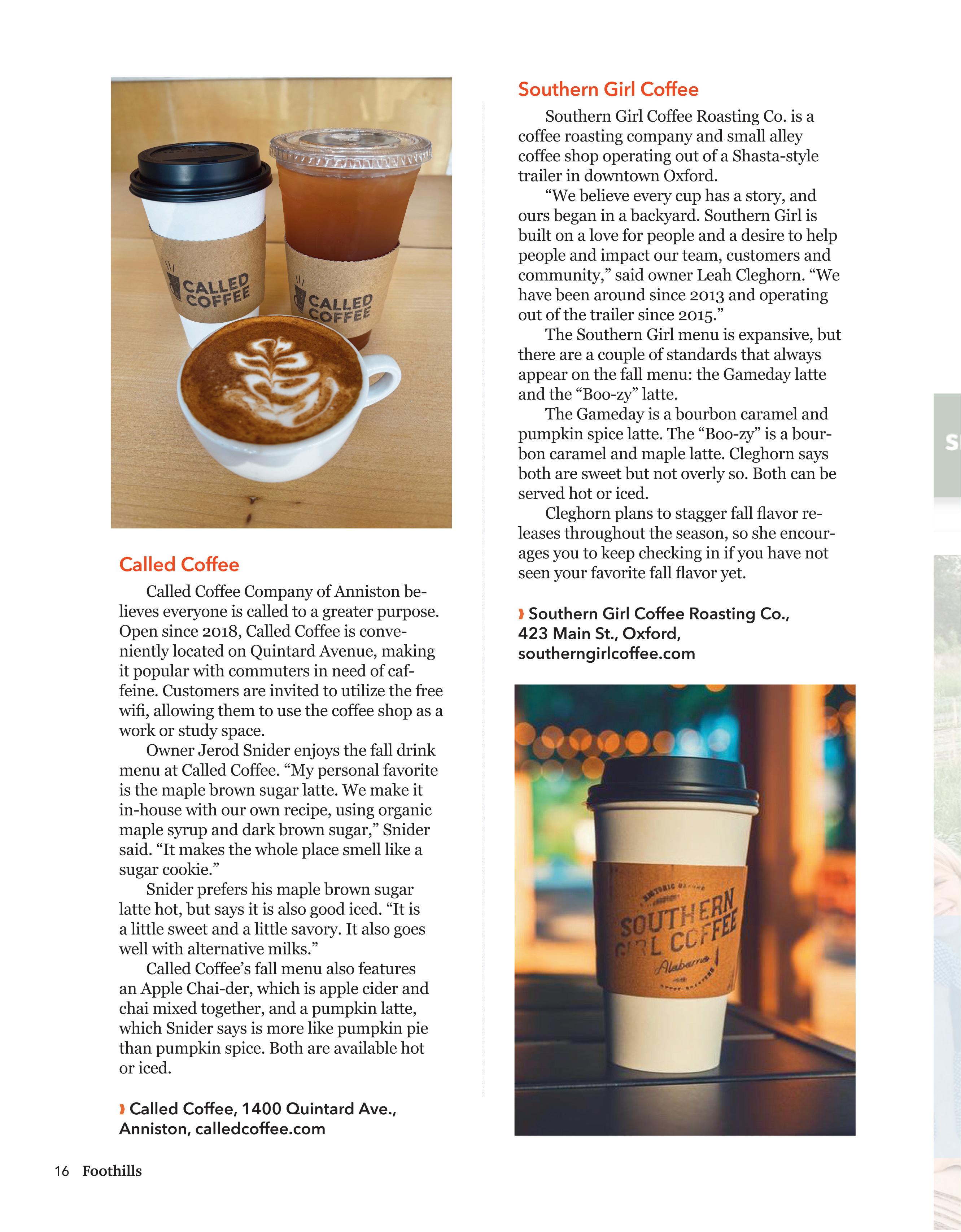
Story and photographs by Misti Hayes
From the first sip of coffee to the last rays of the sunset, each of these stops offers a reason to slow down and savor the beauty of life in the Foothills.
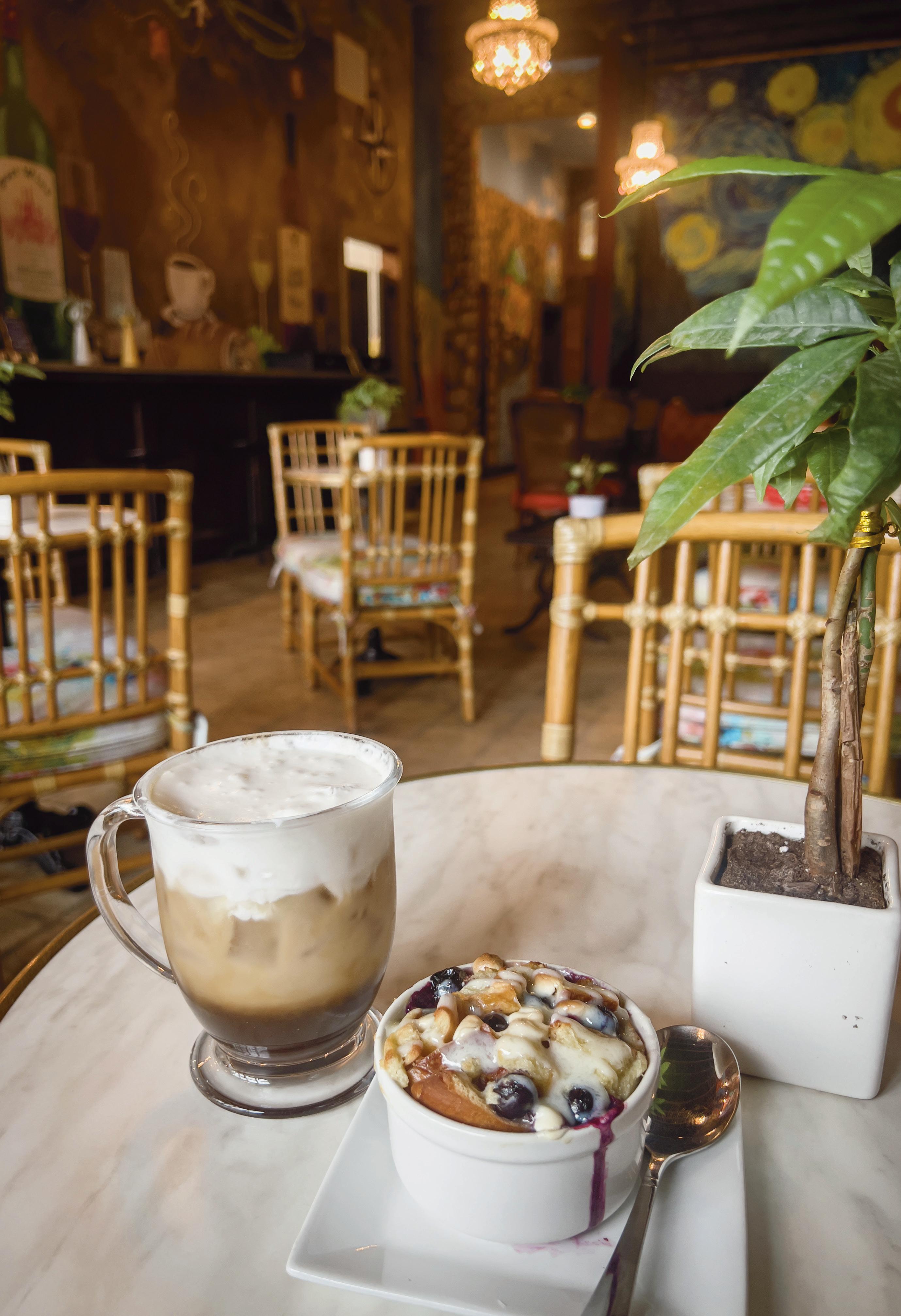
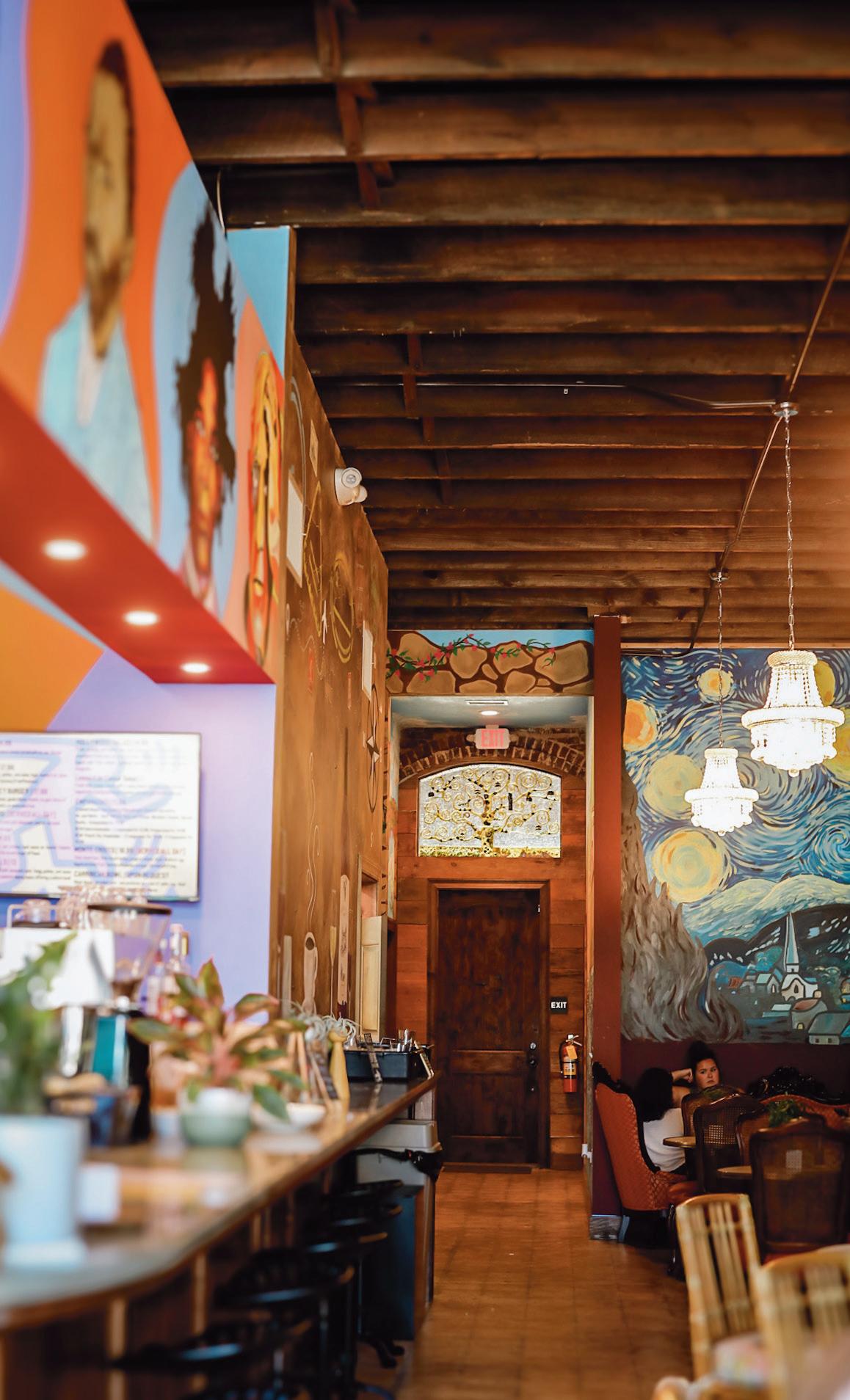
This corner bistro in historic downtown Oxford marries art with appetite. With a revolving menu of specials and an eclectic atmosphere, it’s the perfect spot to settle in with rich coffee at breakfast or a thoughtfully crafted lunch while lingering in the hum of inspiration. An array of art and murals make you feel as if you’re sipping a cocktail (or mocktail) in an art gallery, and the locally sourced, custom stained glass window is breathtaking. Rendezvous on Thursday evenings from 6-9 p.m. with friends, or sit back solo and relish the classical and jazz music on a velvet sofa. Don’t miss the French dip sandwich and white chocolate-blueberry bread pudding — they’re both must-haves, and available for online orders.
❱ 12 Choccolocco Street, Oxford, 256-403-6451
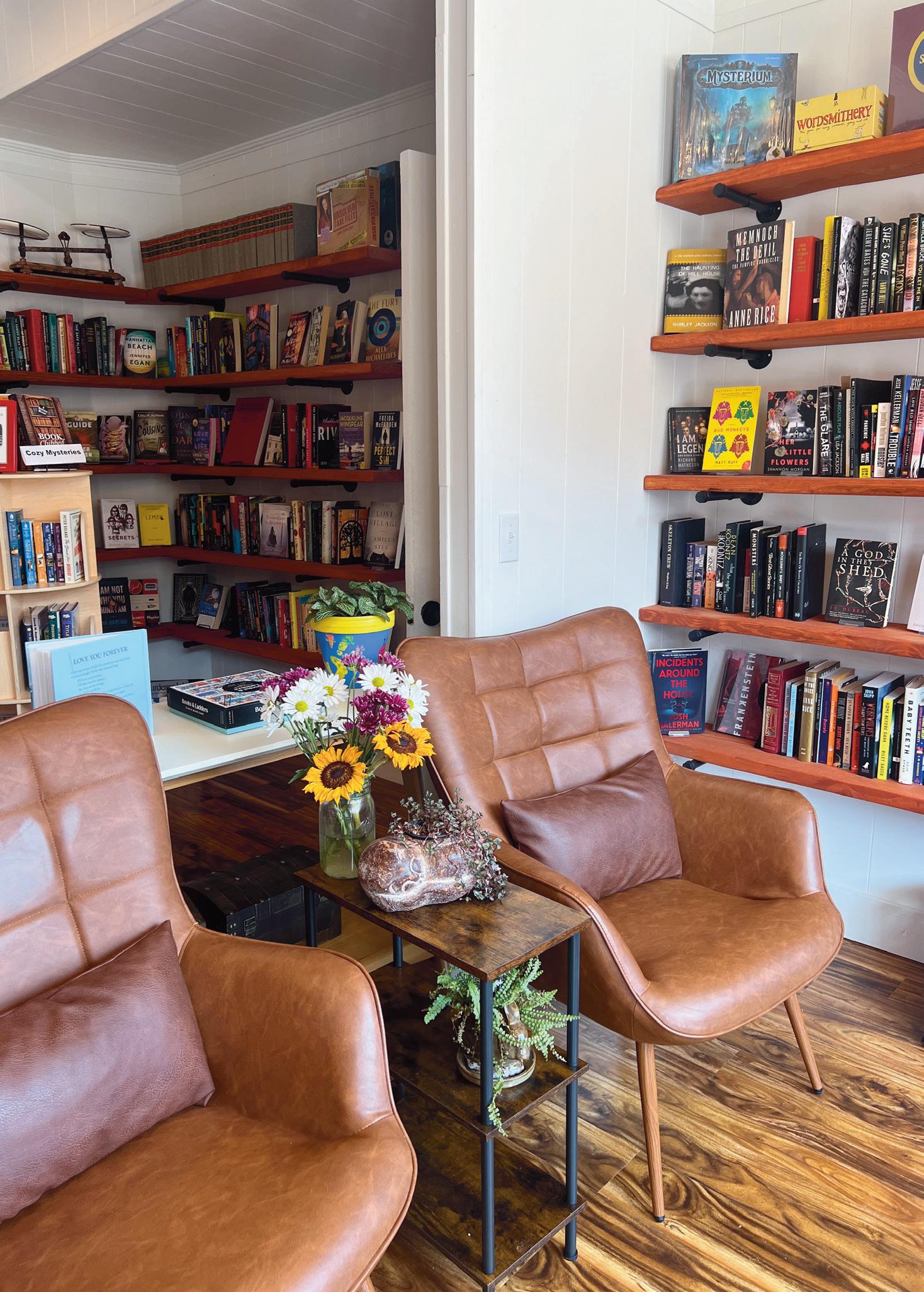
Just a leisurely stroll from Le Coin, Longleaf Bookshop on Choccolocco Street offers a homespun vibe that delights both old and young readers. It’s a passion project for owner Cathy Simpson and her daughter Sarah Waggoner; this mother-daughter team shares their vision of local voices and bestselling authors. Cozy reading spots abound — from a bean bag and rocking chair in the children’s section (guarded by a medieval knight) to tucked-away nooks for adults. A highlight? The handmade journals and custom bookbinding services. Whether you’re repairing a treasured classic or creating a family recipe book, the art of binding keeps stories alive in both paper and memory.
❱ 30 East Choccolocco Street, Oxford
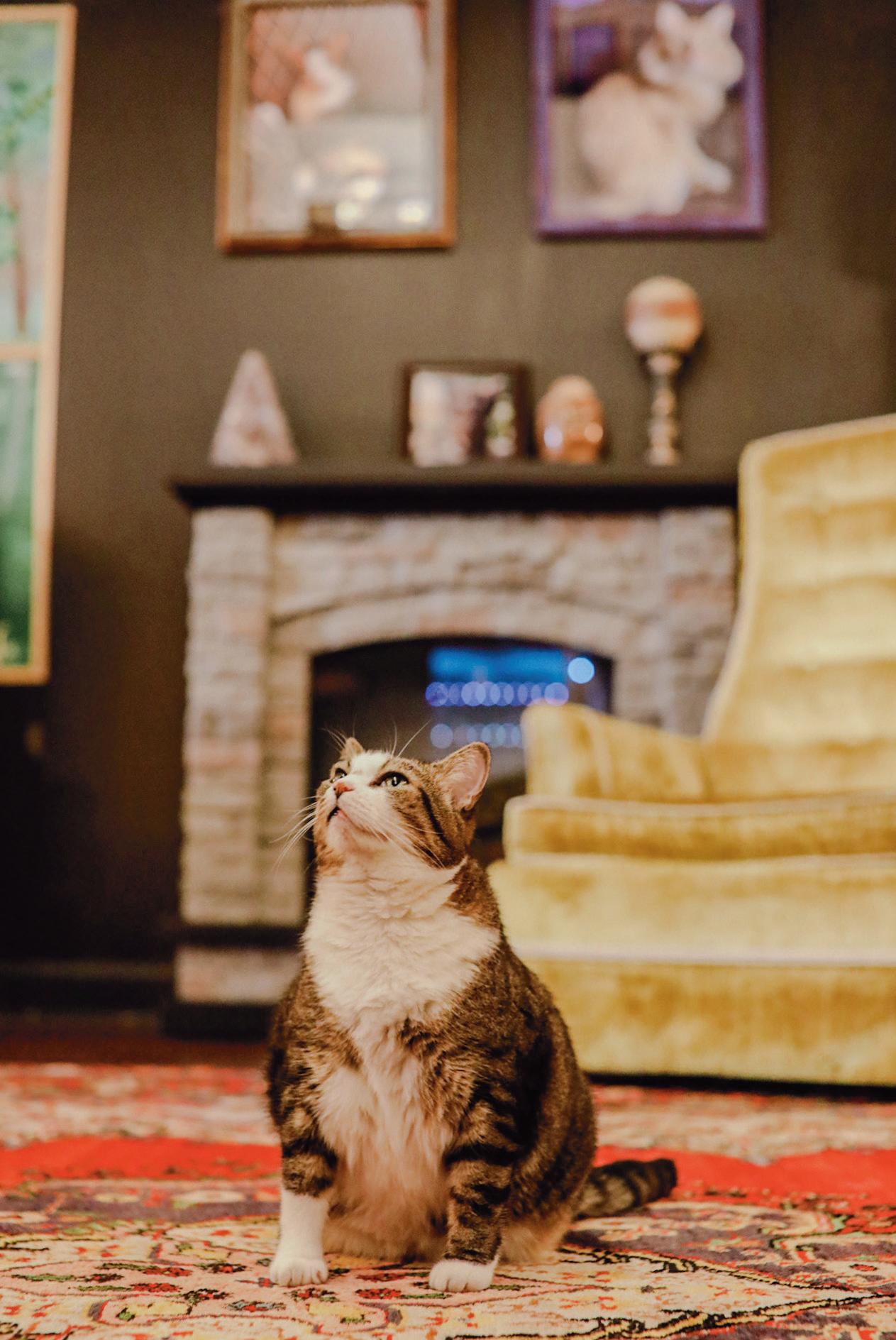
Just a ten-minute drive away on Noble Street in downtown Anniston, our next stop at Romarin et Corbeaux welcomes visitors into its cozy blend of metaphysical shop and community hub. The first to greet you isn’t always owner Aubrey but rather Von D, the shop’s beloved feline “manager,” who demands belly rubs before letting you browse. Inside, upholstered chairs gather near the fireplace, shelves overflow with crystals and candles, and books brim with regional lore and history (a frequent request from local customers). Schedule a massage or sign up for one of the many classes offered each month. Don’t leave without a Baker’s Bars soap or Vellum Street tallow lotion — and be sure to give a nod to Hades, Von D’s junior partner, on your way out.
❱ 1020 Noble Street, Anniston
4Old Noble
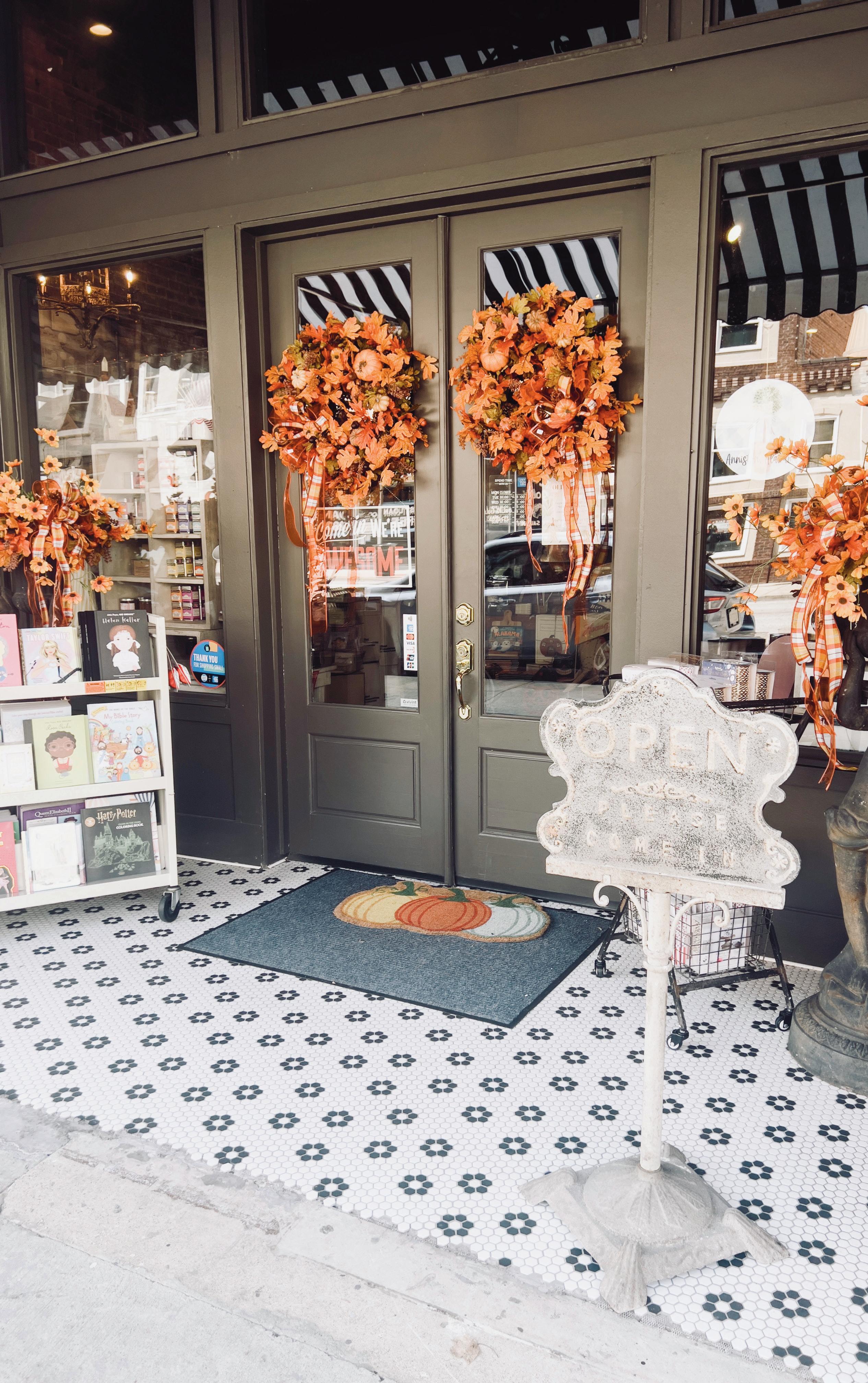
Step further down Noble Street to discover Old Noble, a charming shop opened by Justin Hall. Its carefully styled window displays are as inviting as what lies inside: a trove of gourmet foods, seasonal décor, and gift-able treasures. Pair their mimosa jam with one of their trays and tea towels, add Romarin’s soaps and a book from Longleaf, and you’ve created the perfect hostess bundle or holiday gift. Justin’s eye for detail and warm customer care make Old Noble a shop you’ll return to again and again.
❱ 1028 Noble Street, Anniston, 256-274-3208
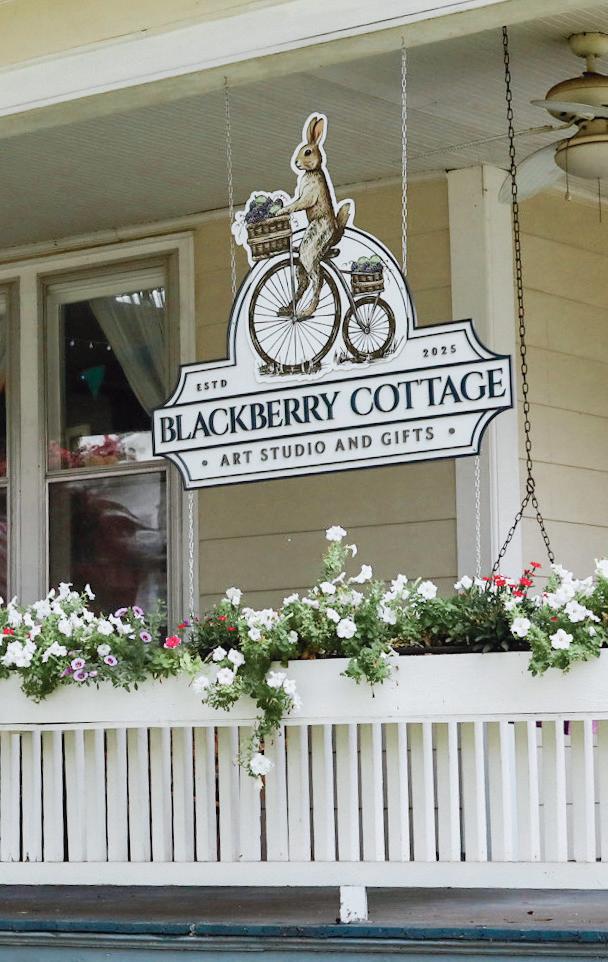
As a lover of all things rabbit, I was instantly charmed by the whimsical sign of a bunny pedaling a bicycle — it felt like an invitation to joy before I even stepped inside Blackberry Cottage. When I met the three owners — Angela, Lacy, and Julie — I wanted nothing more than to sit down over a cup of tea and watch their craft come alive. Pottery here is more than clay and glaze; it speaks to our youth, to the humbleness of handmade things, and to the delight of creating with our own hands. Visitors gather around, chatting as clay turns to art, and art becomes memory. In just a few hours, you leave with more than pottery — you leave with stories, laughter, and maybe even new friends.
I walked away with a sweet little glazed pumpkin perfect for fall, and yes … I couldn’t resist a shirt with their logo. After all, bunnies on bicycles are everything.
❱ 2115 Leighton Avenue, Anniston, 256-860-0192



Story by Faith Dorn | Photographs by Tucker Webb
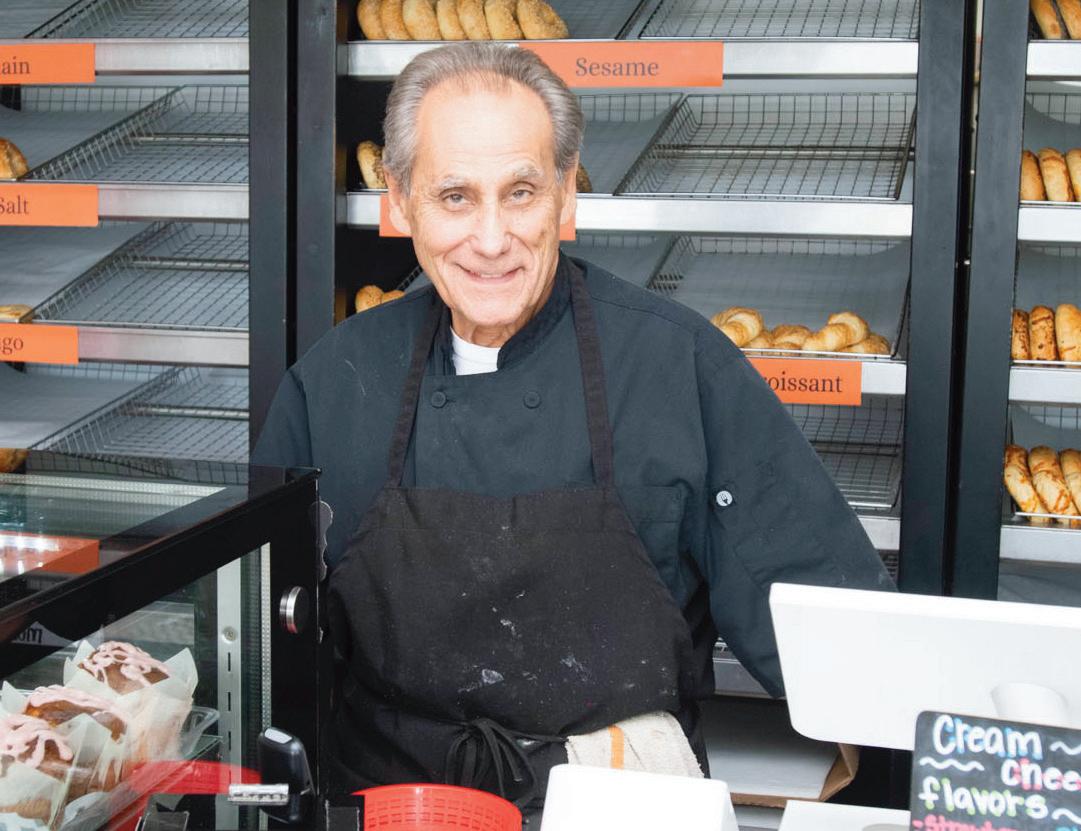
Aldo Stassi had a dream. Literally. Stassi’s dream revealed the name of what would become his booming bagel business.
Stassi grew up in New York City after arriving from Palermo, Sicily, in October of 1950, at the age of 5.
“We landed here in New York, and there were all these bakeries and smells that were not in Italy,” Stassi said.
As he got older, Stassi worked in a butcher shop, learning the trade. While at work, he decided he wanted to shift careers to the airline business.
“I worked in the airlines for 35 years.
“Biscuits is the culture here in the South, so I’m trying to convert the biscuits to bagels.” — Aldo Stassi

I started at the bottom and retired as a director of marketing. They put me in different locations like Argentina and London,” Stassi said.
His favorite location was Buenos Aires.
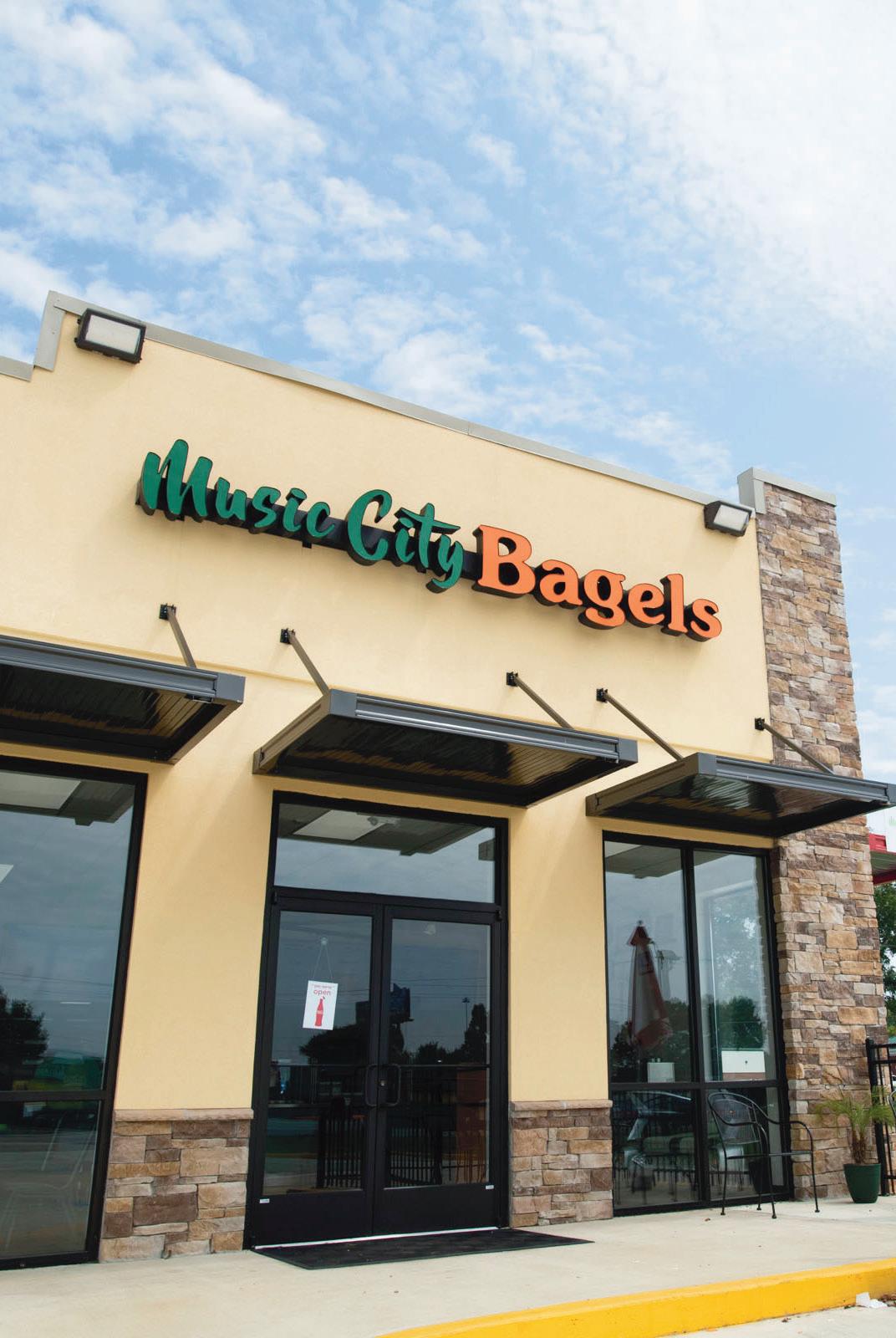
Music City Bagels is at 101 Hamric Drive E. in Oxford, (256) 403-1487. Search for the store’s app in your smartphone app store, or visit musiccitybagels.com.
“That is an interesting place. There are a lot of Italians there, and the culture and the food are fantastic,” said Stassi.
Although his career was in the airline business, Stassi, who says food has always been in his blood, continued to be involved in the food business.
“My wife, who is gone now — passed away — was a flight attendant. We always worried that if we both lost our jobs, we were in trouble. So, as I was getting promoted in different cities, I would buy a deli in whatever city we were in,”
Stassi said. “I would buy a bad one or dirty one, clean it up, redo it, get promoted and sell it.”
After retiring from his airline job, Stassi became restless.
“When I retired, I couldn’t stand it. This concept was born in my head,” he said. He was living in Nashville at the time, and that was where he was going to open his business.
The name “Music City Bagels” came to him in a dream, and it was available. So he bought the website and created it from there. Before he could open in Nashville, he moved to Anniston, which instead became the home of Music City Bagels.
After outgrowing his space in Anniston, Stassi moved the bagel shop to Oxford, and now he has the drive-through he always wanted.
“Biscuits is the culture here in the South, so I’m trying to convert the biscuits to bagels,” Stassi said with a laugh. Music City Bagels sells 18-20 varieties of bagels: four sweet, the rest savory.
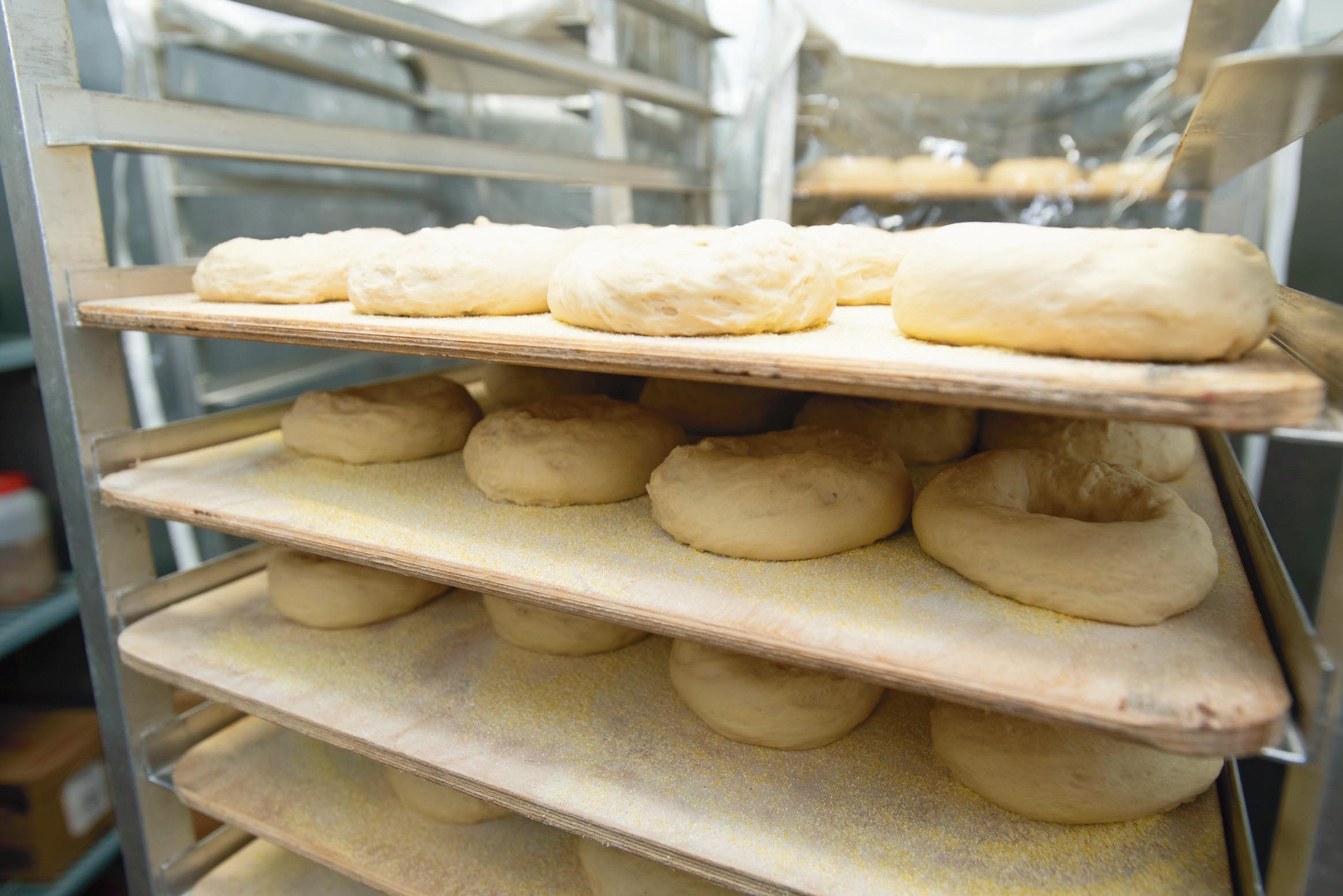
Music City Bagels employees’ days begin at 3 a.m. “We bake everything fresh. The first thing we do is turn on the oven and take out the bagels we have prepped. We ‘wake up’ the bagels and proof them,” Stassi explained. “Then we start cooking and get the store ready for opening. We make the coffee and make sure the tables are ready and the cream cheese is filled and ready to go.”
The original way of making bagels is to boil them in a kettle. Music City Bagels uses the same concept in a high-tech version.
Asked what makes his bagels stand out, Stassi credits the quality and the freshness. “When people taste it, it just stands out. It’s not something you buy that’s frozen or in a grocery store,” Stassi said. “We never freeze anything.”
Music City Bagels will take any bagels left over from the day before and repurpose them into bagel chips.
In addition to bagels, Music City Bagels sells muffins, cookies, cannoli, croissants and sandwiches. Fountain drinks, bottled drinks, coffees, iced coffees and seasonal smoothies are also available.
Club sandwiches and BLTs are new to the menu. “We bake our own bread. I make hamburger buns and buns for barbecue for wholesale accounts. They’ll come in every couple of weeks and get 65-70 dozen. The public can buy bread, too,” Stassi said.
The shop is decorated with music-themed art and autographed items, and crisp audio plays from a beautiful restored jukebox in the corner. “The music theme came from the name,” Stassi said. “I was trying to accomplish ‘the old days’, like a ‘Cheers’ without the booze. You can sit and unwind. You can be yourself and be comfortable.” ‹

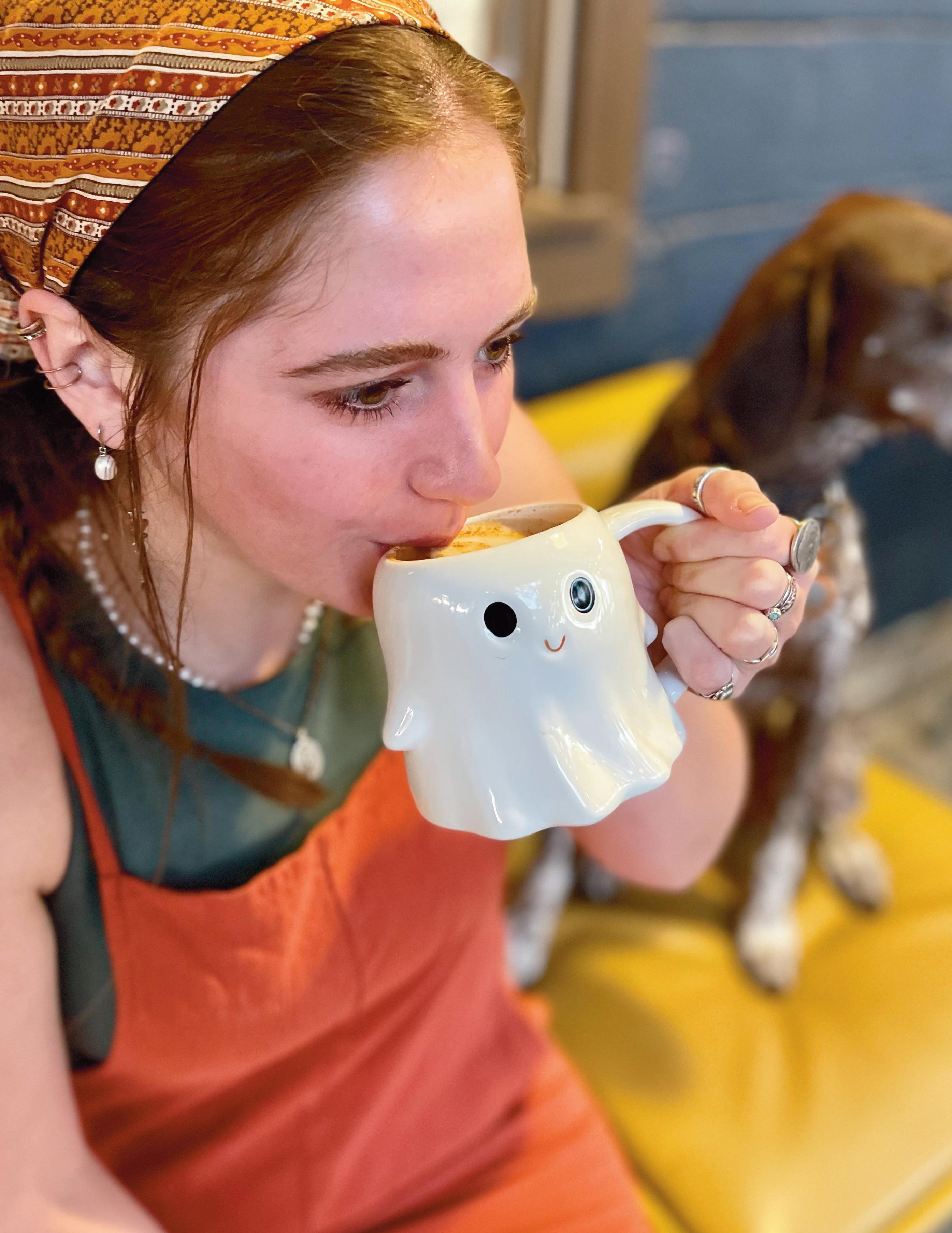
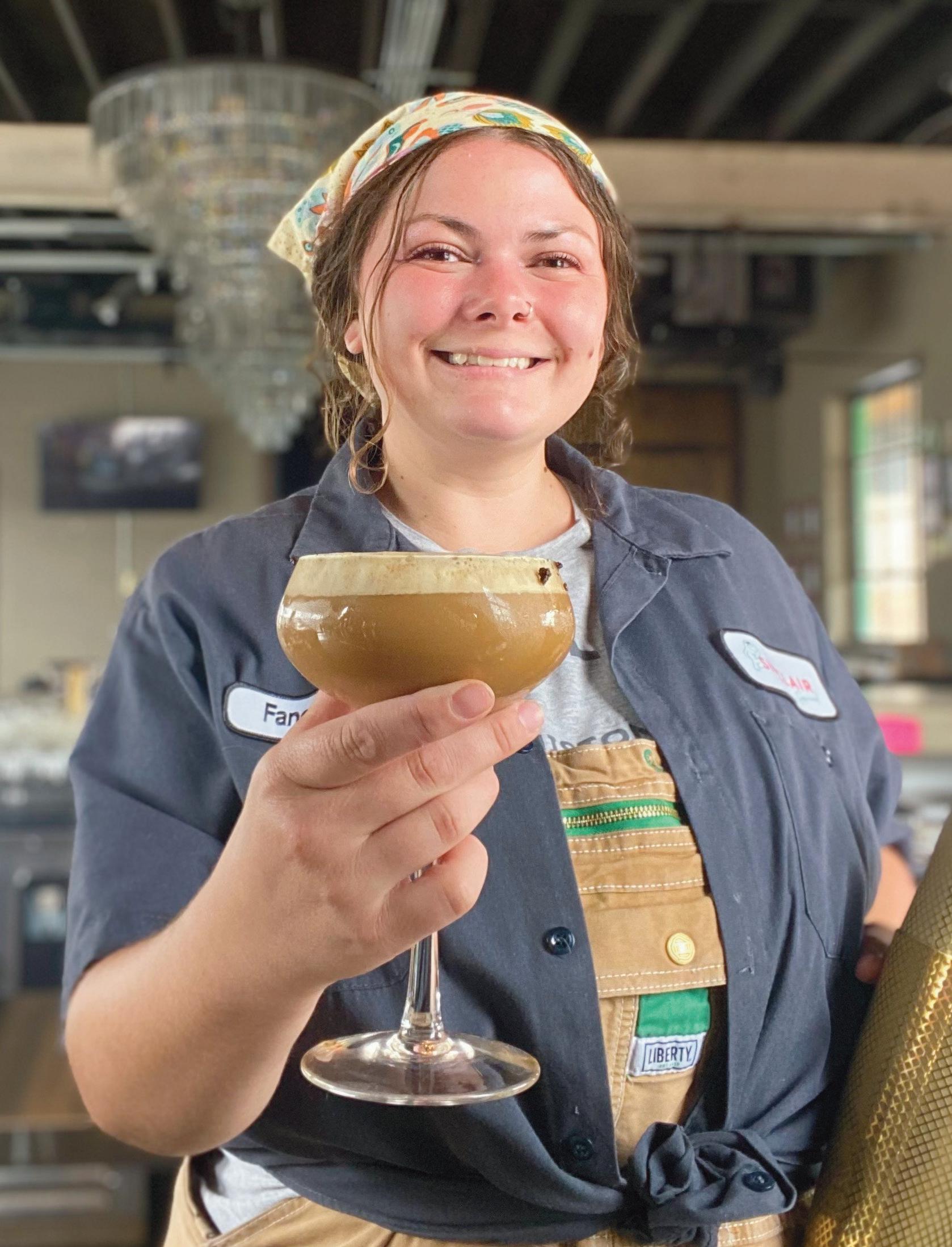
Sinclair Social in downtown Anniston is a family-friendly food truck park and music venue. “Visually, Sinclair Social reminds me of Avondale in Birmingham,” said manager and bartender Fancy Steele, who has been with Sinclair Social since it opened in March of 2024.
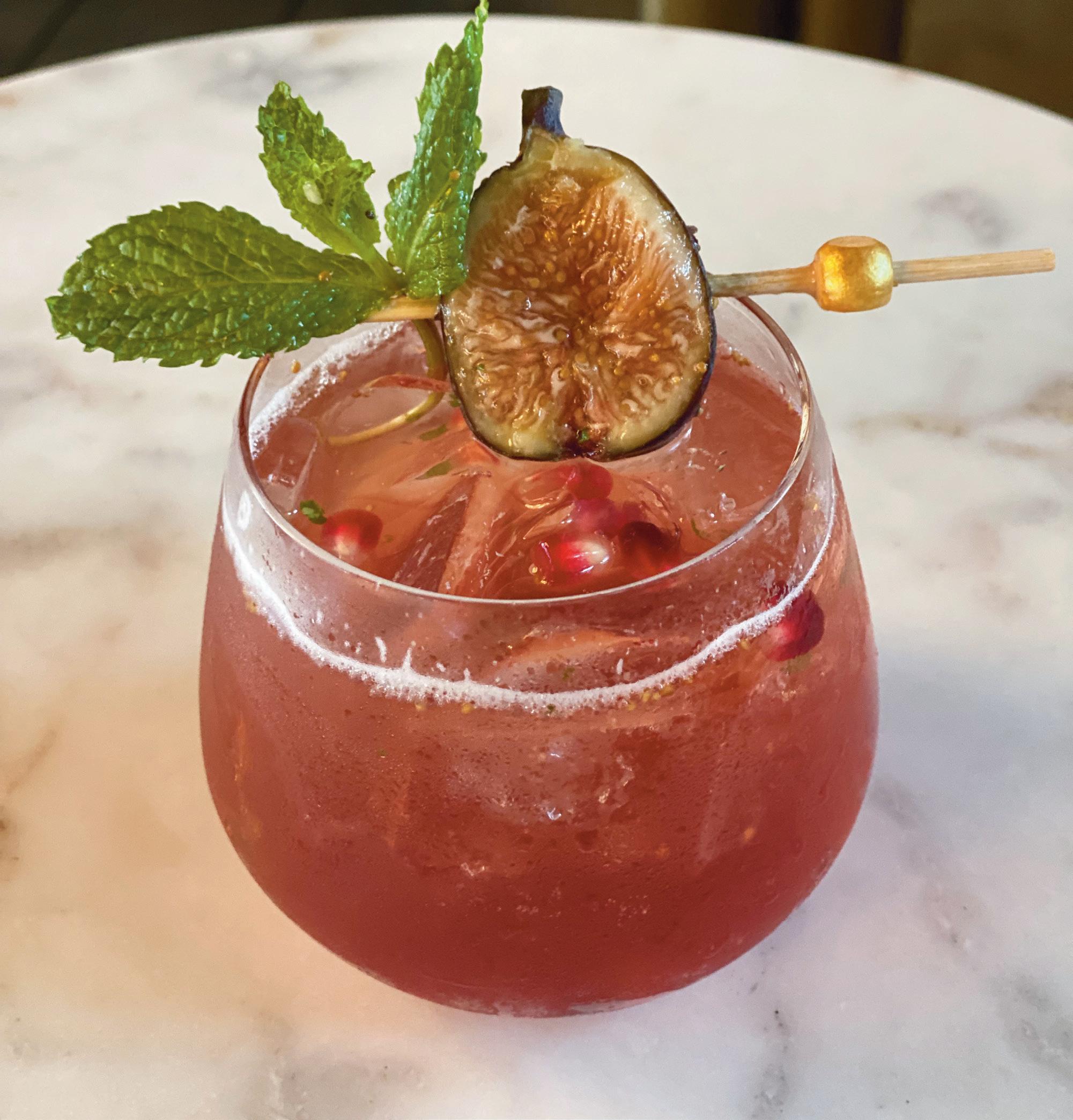
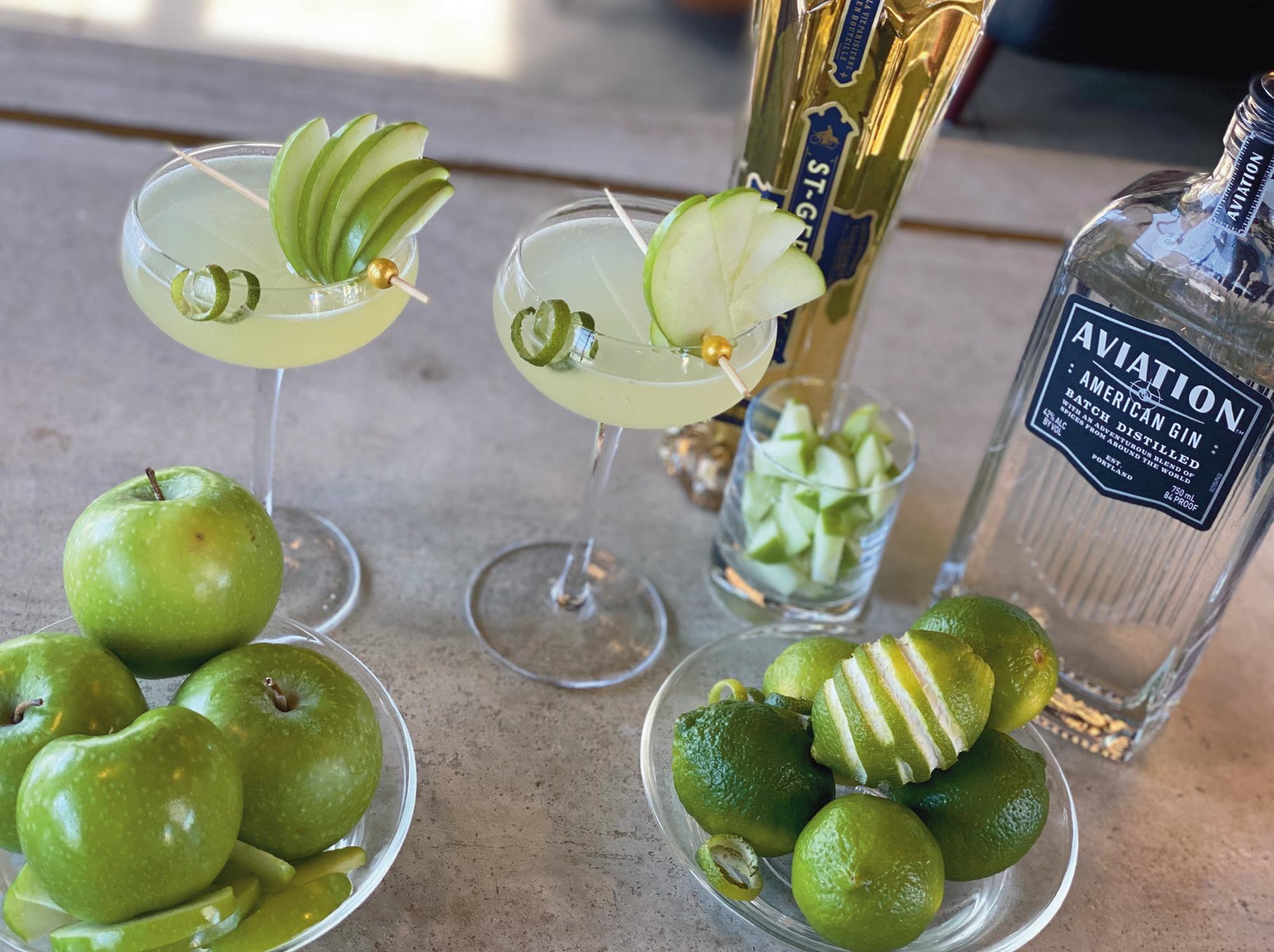
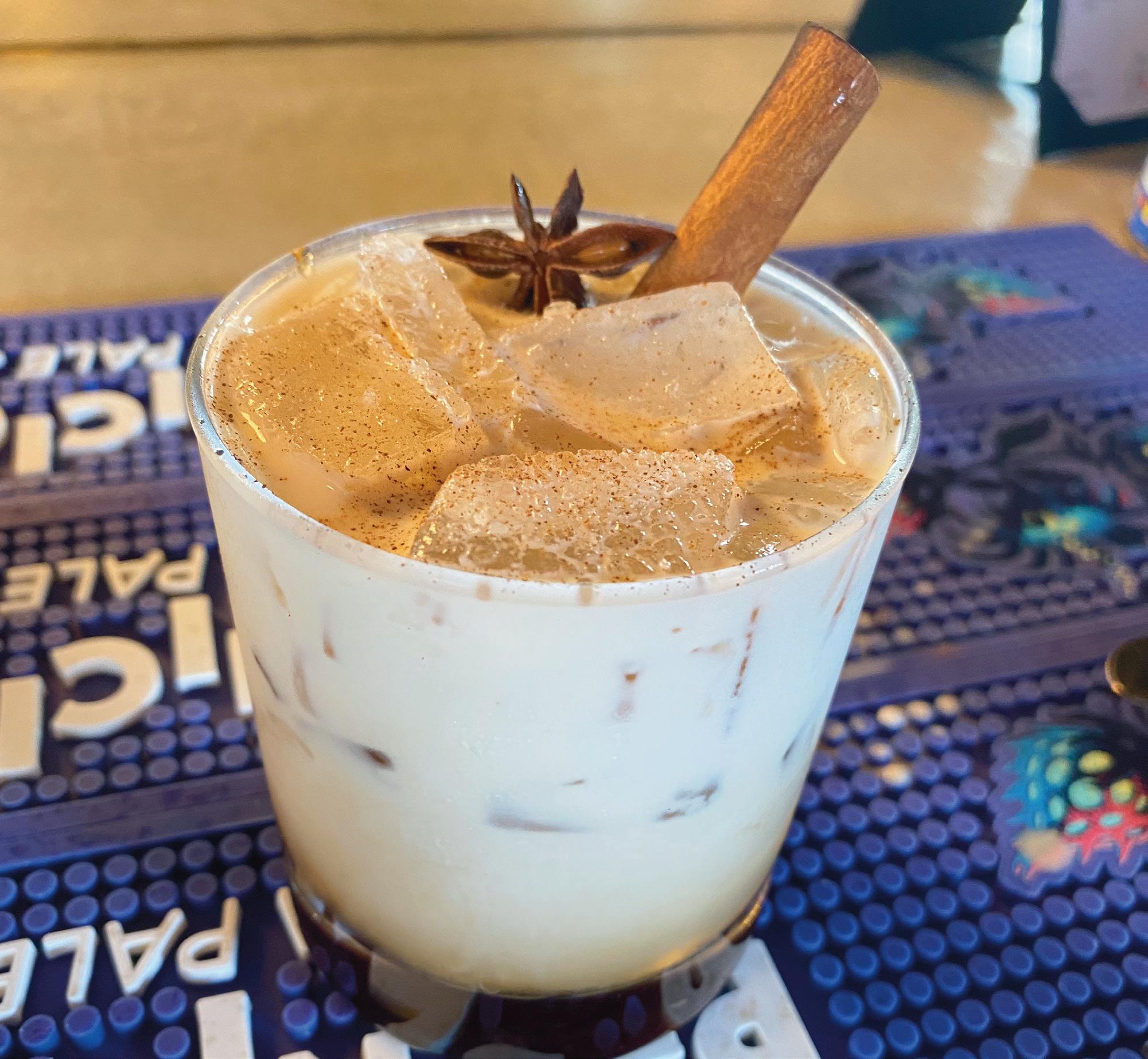
Employees make all cocktails from scratch, incorporating seasonal fruits and juicing them fresh. “When the seasons change, I make a seasonal cocktail for each type of liquor,” Steele said. For example: an Appletini, a Chai White Russian or a Pomegranate and Fig Spritz.
Her favorite drink this fall is the Fig and Thyme Bee’s Knees. “It has fresh thyme from our herb garden and fresh figs from Mathew’s Meat Market muddled in honey with lemon juice. It is shaken together with gin and garnished with dehydrated thyme and a fresh fig,” Steele said.
“The fig and thyme are more forward and, with the honey and lemon, balance the gin. You don’t have to be a big gin fan to like this drink. It is not overly sweet at all.”
❱ Sinclair Social, 33 W. 10th Street in Anniston, thesinclairsocial.com

Story by Lisa Davis | Photographs by Tucker Webb
On the top floor of Lagarde Towers in Anniston are two penthouse apartments — the only penthouses in town. Ronnie Skinner has lived in both of them. Skinner, a native of Anniston, moved back home 11 years ago, after retiring as a director of protocol executive services for the U.S. Army. For nine years, he lived in the smaller penthouse apartment down the hall, before moving into this one two years ago. Skinner has filled his spacious apartment
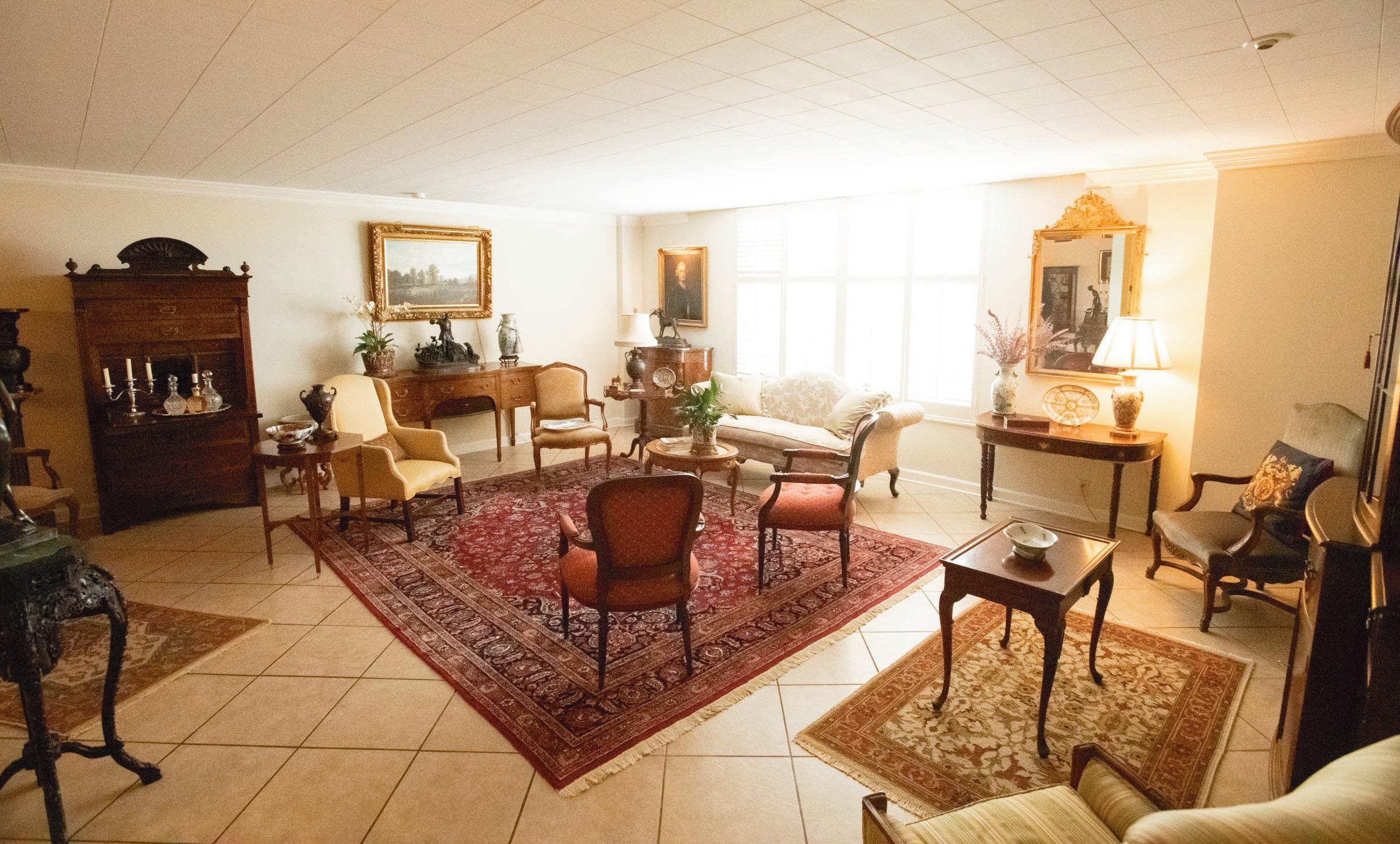
with antiques and artwork. It’s beautiful and exquisitely tasteful, but also comfortable and inviting — the sort of thing you might expect from a retired protocol expert whose job included tending to VIPs.
The apartment has two bedrooms, three baths, a living room, dining room, study and galley kitchen. Visitors are always surprised by how much space there is.
The view out the windows is also expansive: mountain ridges cloaked in green are visible
past the rooftops of neighboring houses.
The six-floor building was built in 1964, designed by architect James Hoffman on the principle of “form follows function.”
It is one of three buildings in a historic apartment complex; the other two were built in 1942 and 1946. The complex was built by John B. Lagarde, who owned a concrete company and used his company’s product to build these solid, modernist buildings.
(Lagarde, who died in 1999 at age 95, was also an avid big-game hunter, and was instrumental in the growth of the Anniston Museum of Natural History.)
Skinner’s apartment reflects his love of antique bronze sculpture — there’s one or more in practically every room. The statues include hunting dogs, graceful musicians and Western scenes by Remington.
“I started collecting bronzes because I got tired of polishing silver and brass,” Skinner said with a laugh. “Bronzes, you just have to dust them.”
He also collects colorful Chinese porcelain and paintings in a variety of styles. He buys from antiques stores, but he really enjoys shopping at estate sales, which offer the thrill of the hunt — and the chance for a bargain if
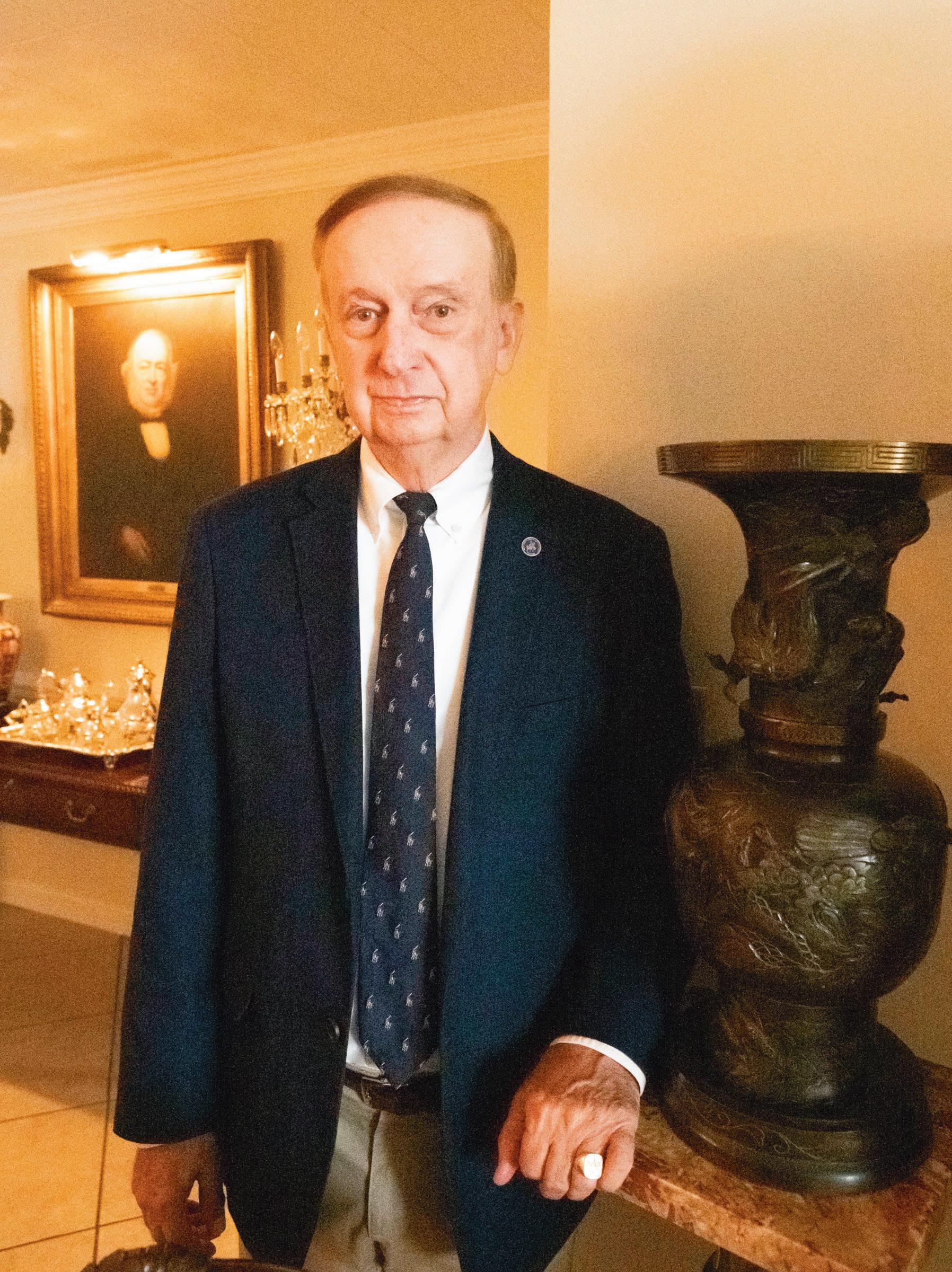
a seller doesn’t know the value of what they have. (He’s particularly proud of a pair of Imari vases that he managed to get for 50 percent off.)
Skinner takes day trips to estate sales in Birmingham, Georgia or Tennessee. He’ll go online to scout out items he might be interested in, but he warns that you can’t go by the photos. “You never know until you get there.” You also have to be fast to beat the antiques dealers. “If you see something you’re interested in, 90 percent of the time, it’s gone. The dealers line up at the crack of dawn.”
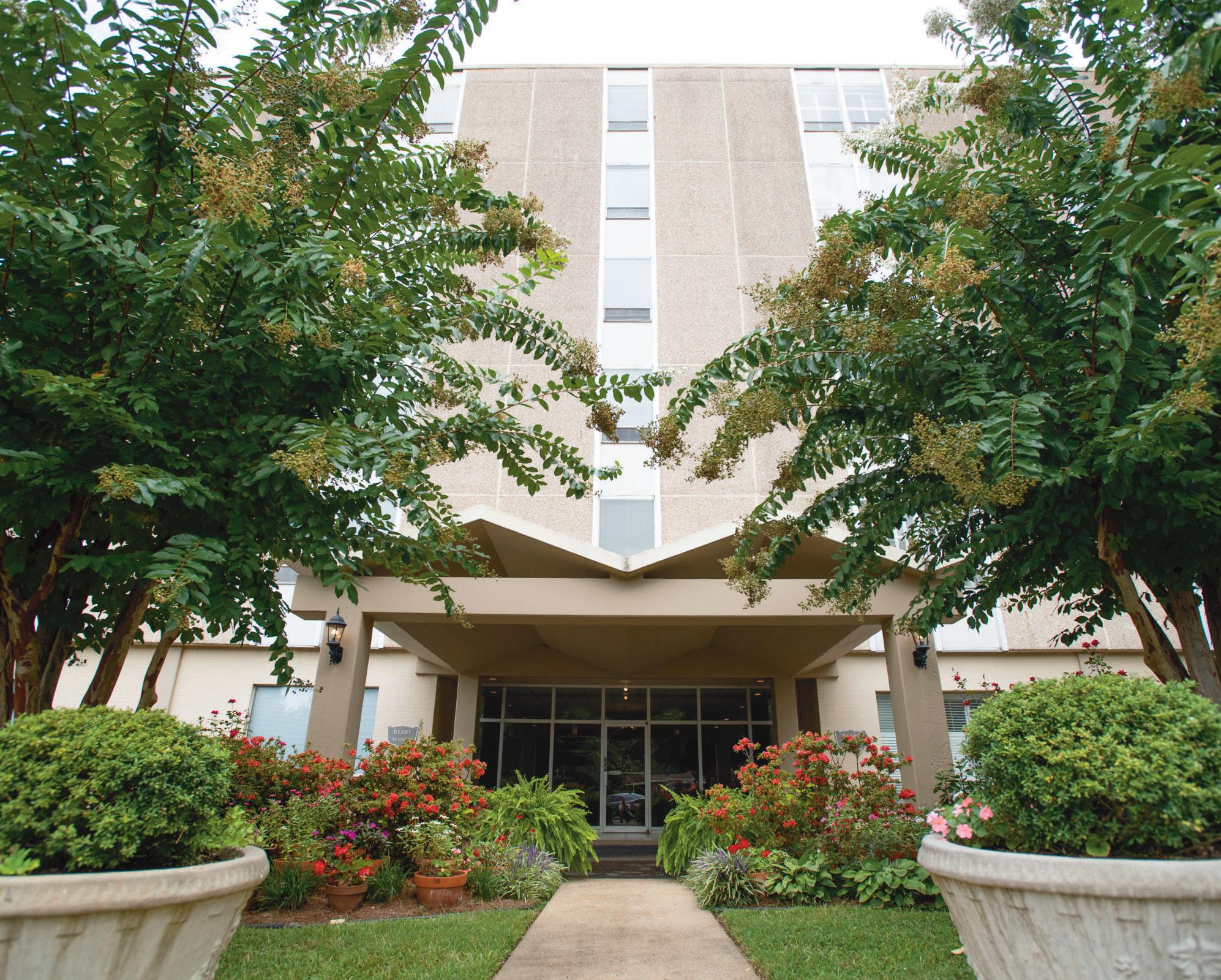
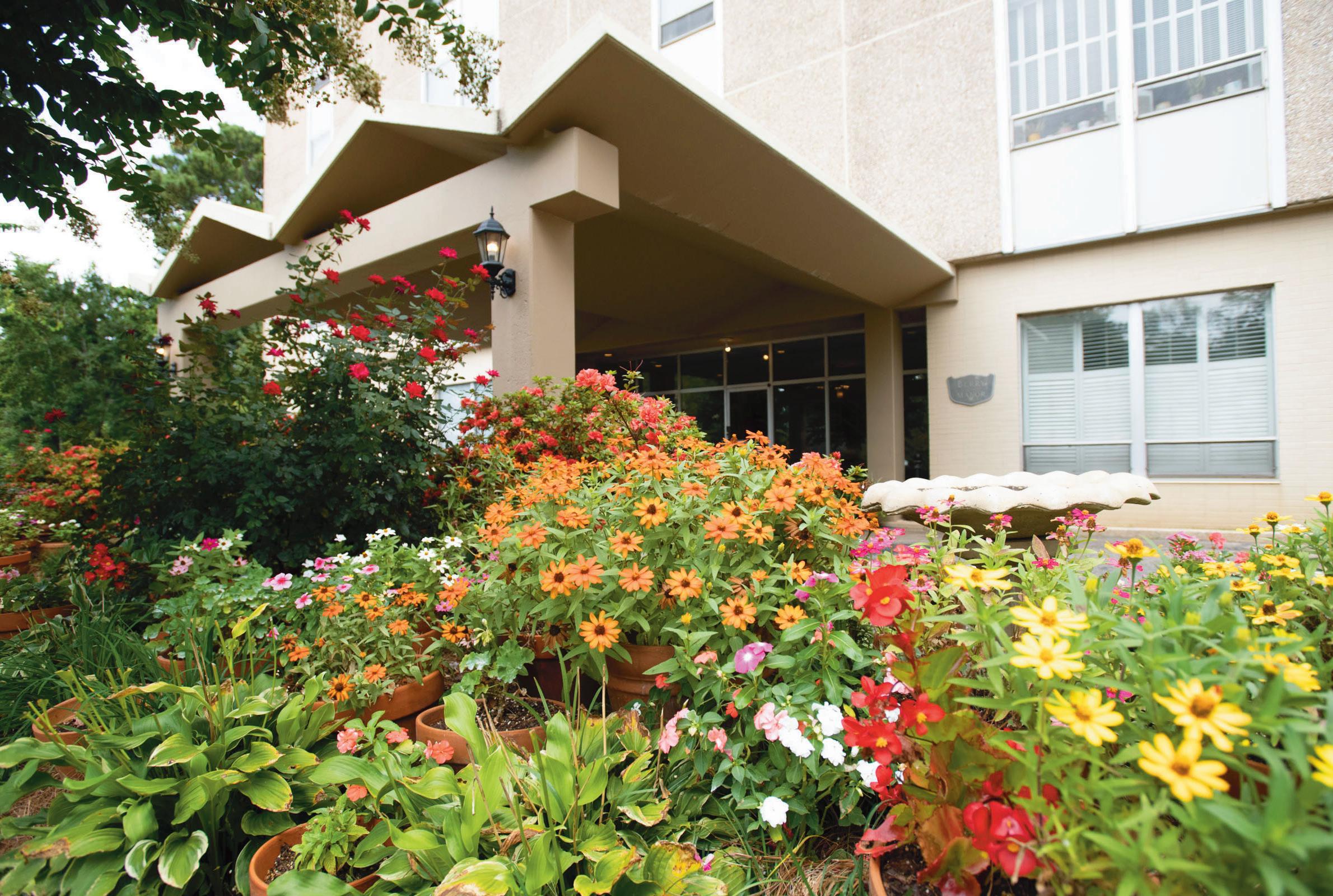
Skinner has also decorated the ground floor of his apartment building, in a manner of speaking. He volunteers to keep a garden blooming outside the front entrance. A small strip of land between the parking lot and the patio is filled with flowers in pots. As the seasons change, Skinner swaps out plants.
“I enjoy gardening,” he said. “It’s good therapy.”
Skinner has made the best of both worlds: all the benefits of apartment living, and he still gets to go out and work in the yard. ‹
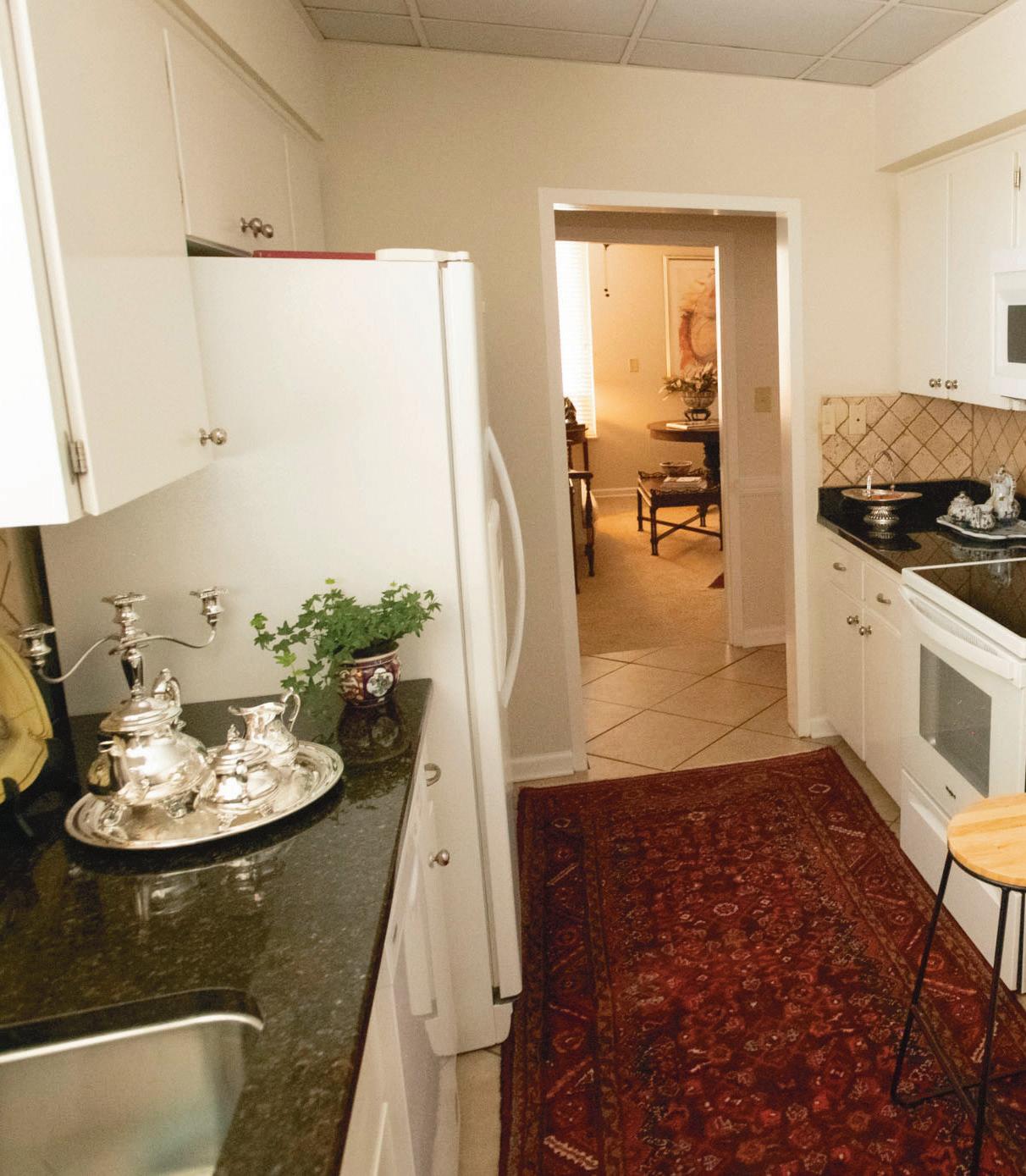
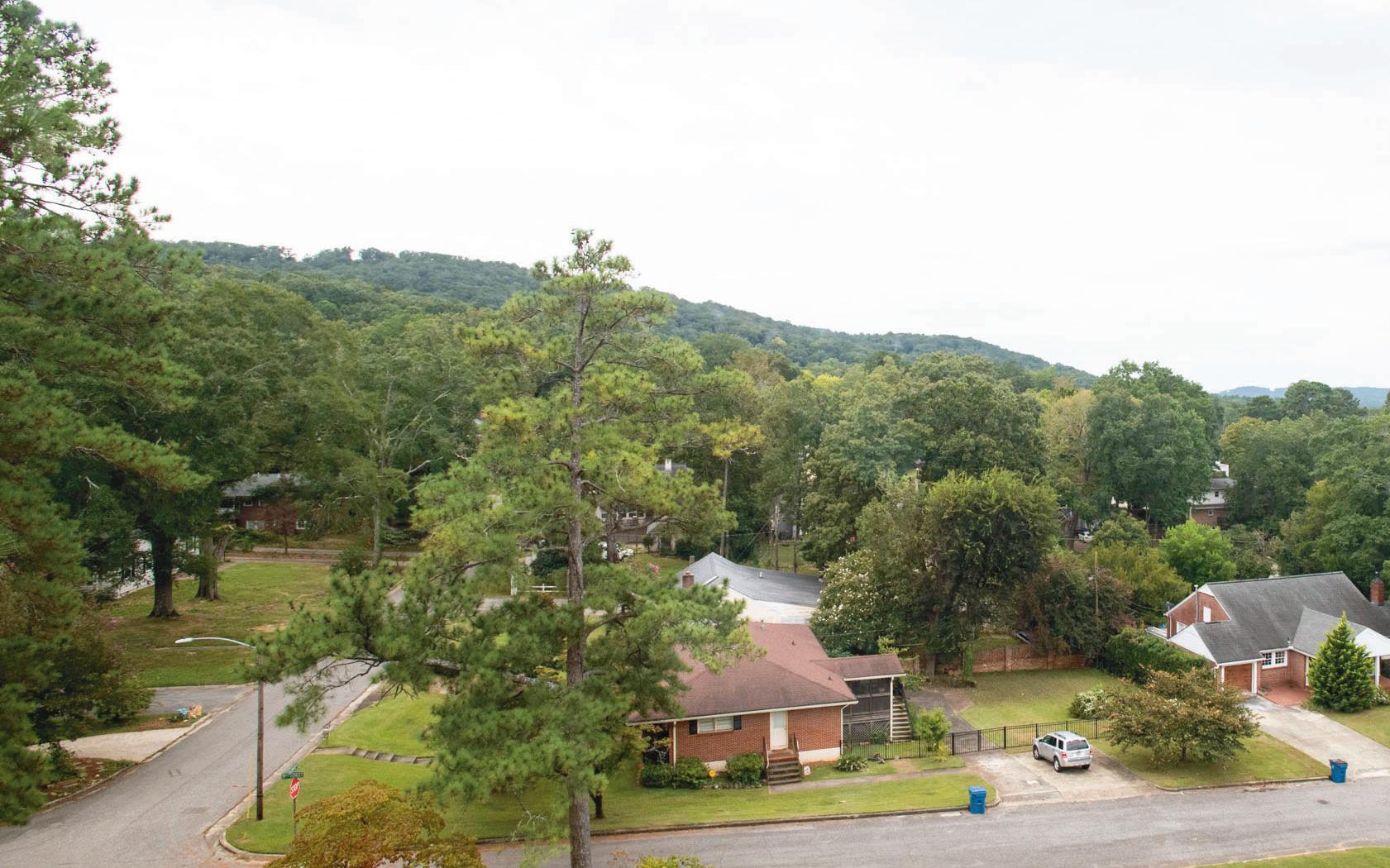

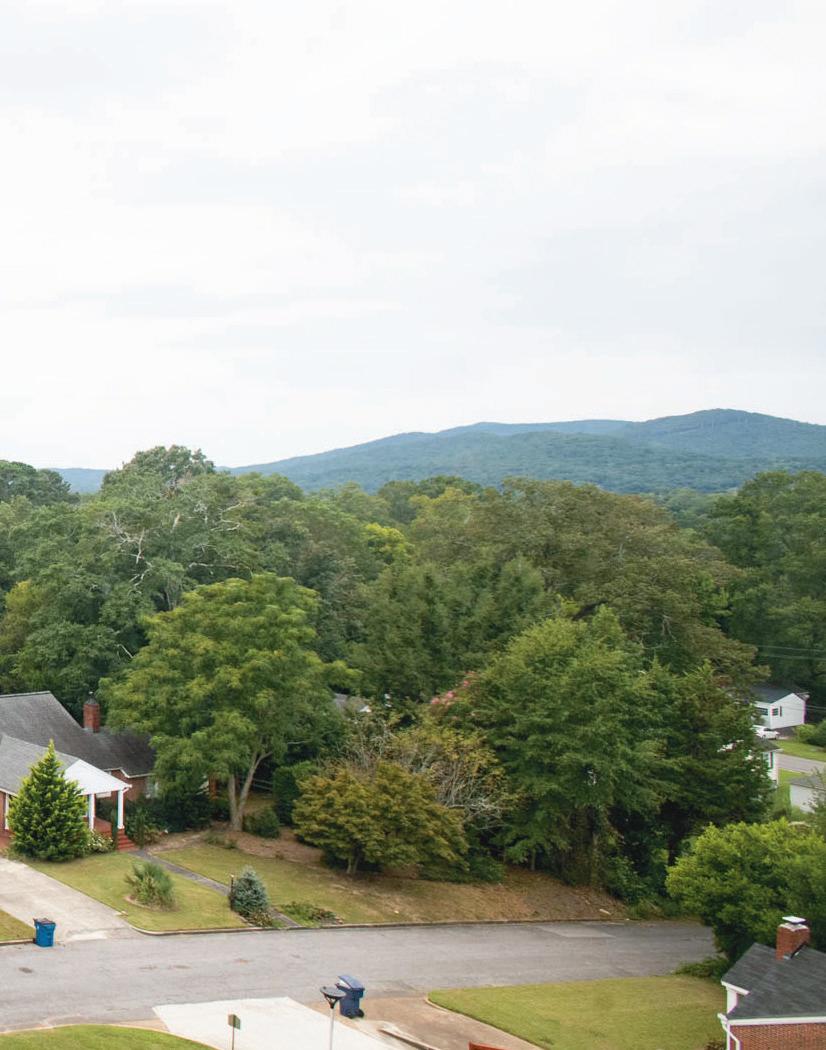
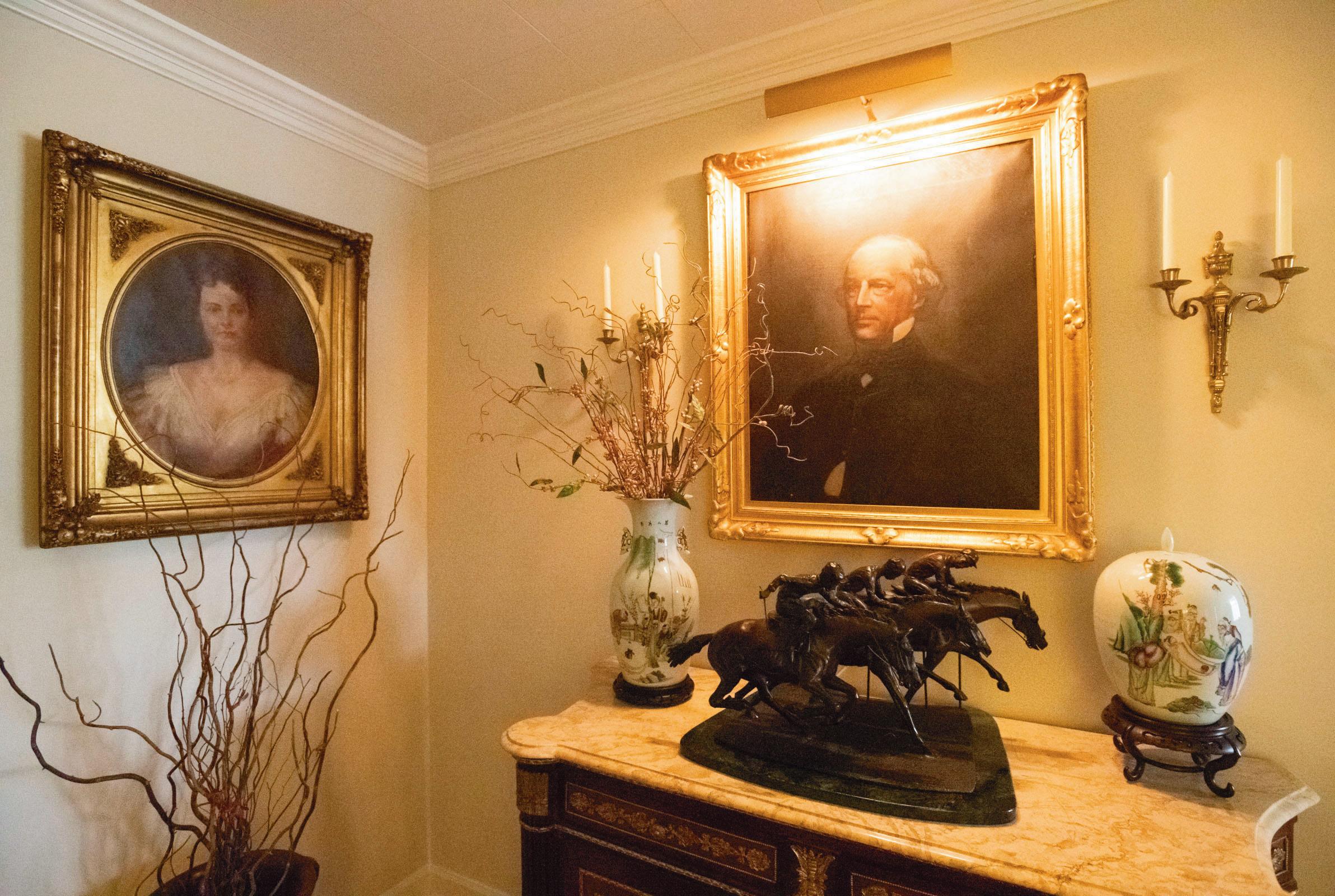
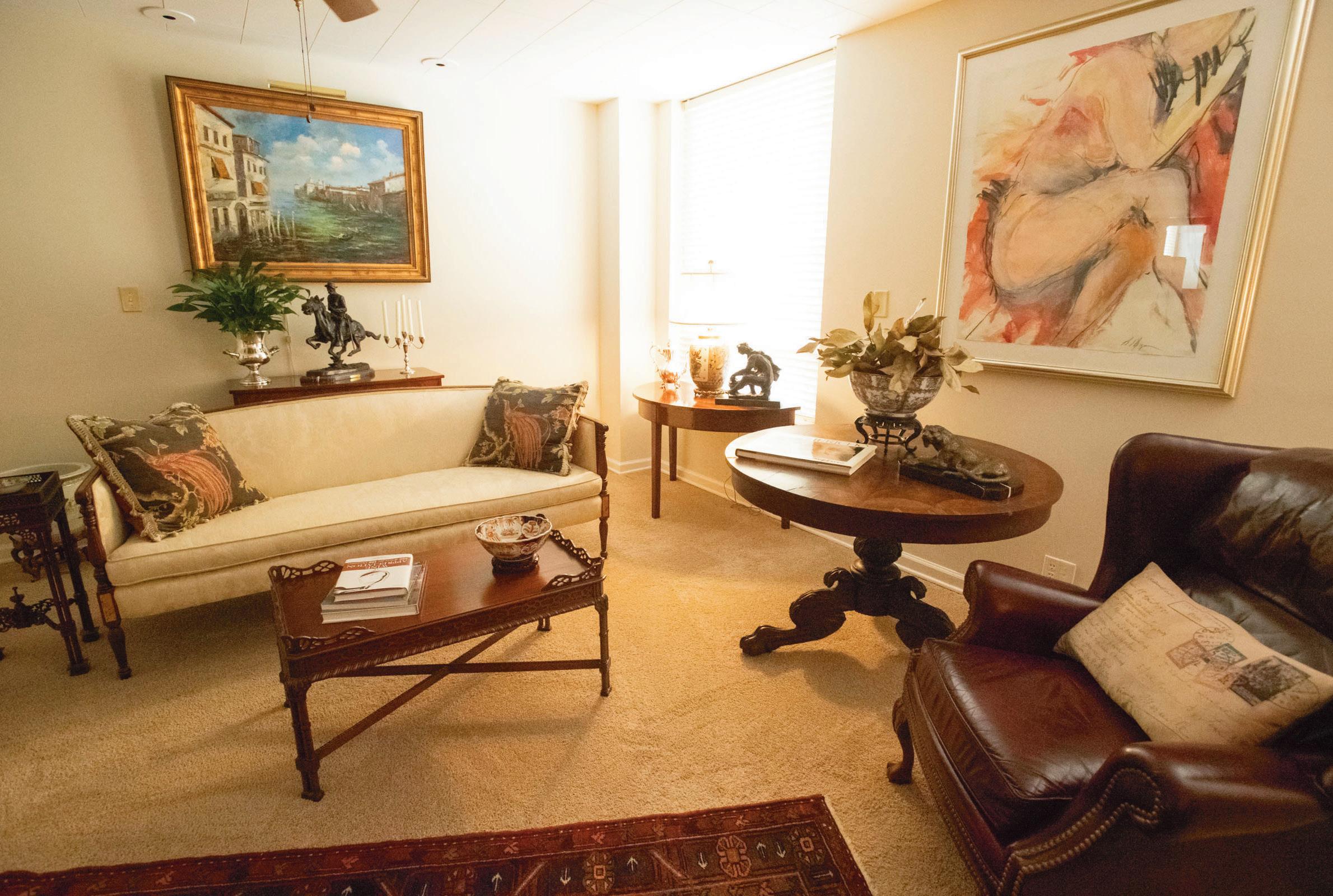
1. The penthouse apartment is a showcase for collections of bronzes, Chinese porcelain and antique paintings.
2. Ronnie Skinner volunteers to keep the potted garden outside the front entrance of the apartment building.
3. A painting in the master bedroom by Alabama-based artist Barbara Morgan is one of the few modern works in Skinner’s collection.


How to turn a yard into a haven for our feathered friends
Iam an enthusiastic gardener who enjoys spending hours outside in the company of local wildlife who also appreciate my flowers. I admit some of the wildlife are pests: the deer who gobble the flowers, the squirrels who dig up the flowers, the armadillos who tunnel through the flowers, the raccoons who empty out the bird feeder.
I, however, am genuinely fond of the birds and the pollinators who have chosen my garden as their home. And so I try to do as many things as I can to create a safe, welcoming habitat.
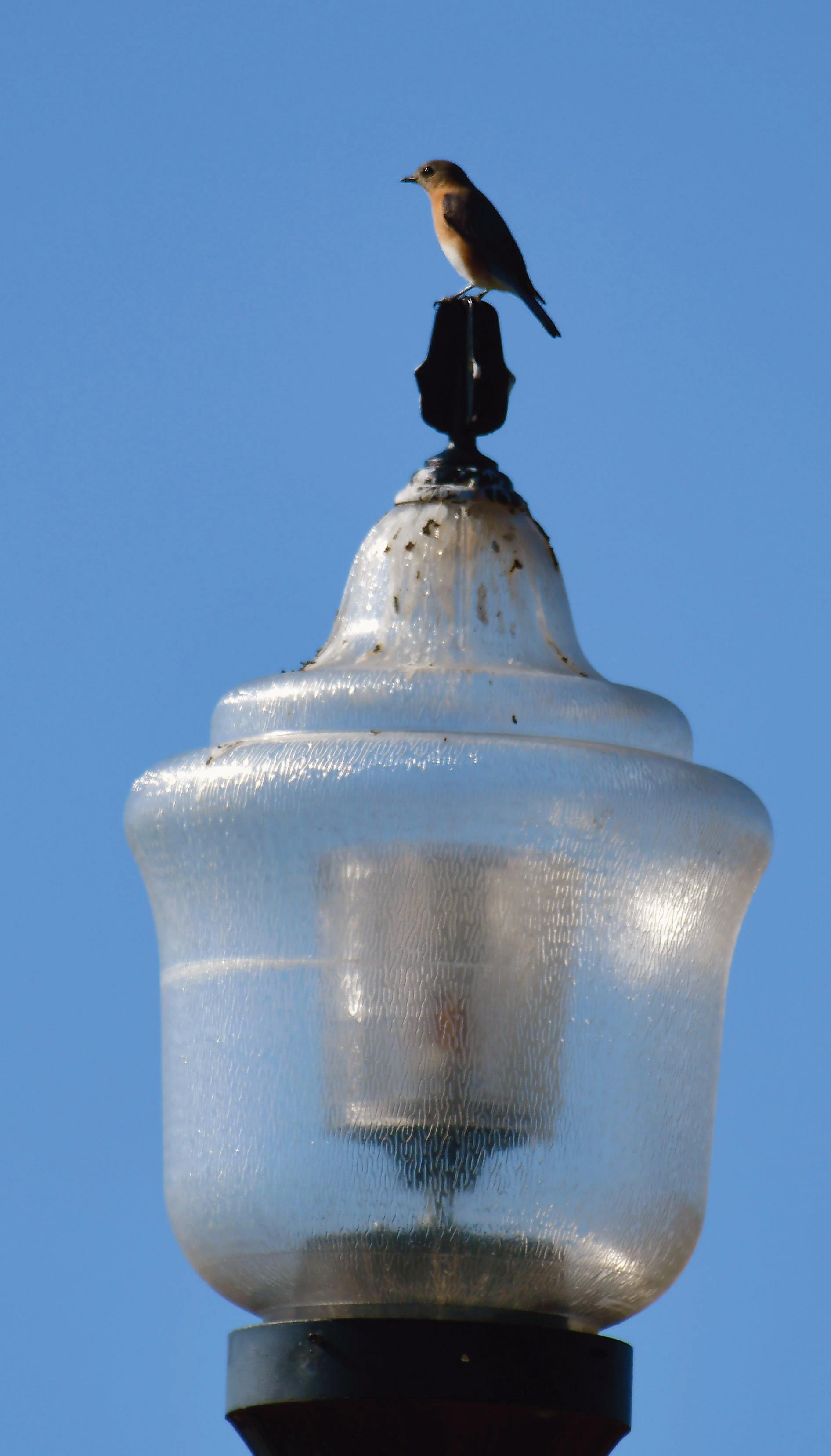
Watching the bluebirds build a nest each spring to raise their babies is a delight. My neighborhood can be quiet except for the sound of the birds chirping. There are nests in most of my trees. My bird feeder is usually full with birds picking up the seeds. There are many things we can do to encourage the birds to choose our gardens instead of having them fly past.
Create a bird habitat
• Study your space before beginning in order to plant the right plant in the right place. Consider sunny or shady spaces, wet or dry, and soil conditions. Plant habitat layers for different birds.
• Large canopy trees can provide nuts, nesting cavities, and places to roost. Oak trees support 934 species of caterpillars.
• Shrubs and small trees provide fruit as well as nesting sites for songbirds.
• Perennials, annuals, and ground covers provide seeds for birds and a welcoming spot for pollinators.
• Decaying leaves and soil are the base of your habitat, and home to the bugs and worms that birds eat and feed their babies.
• Think less lawn, more wildlife places for birds to thrive.
• Plants clustered in groups are attractive to us and to pollinators, some of whom have caterpillars as one stage in their life cycle.
• Water features, especially moving water, provide water year-round for birds to drink and bathe in.
Grow a bird buffet
• Plant a variety of foods for nesting, migrating and wintering birds. Use native plants wherever possible, as they are better adapted to our temperatures and soil.
• Bugs: Include native trees such as oaks, birches, and maples. Goldenrod, milkweed, and sunflowers host caterpillars, which provide the protein many birds need.
• Fruit: Plant shrubs and small trees with berries that ripen at different times. Dogwood trees bring a crowd. Beautyberry has striking magenta-purple berries in the fall.
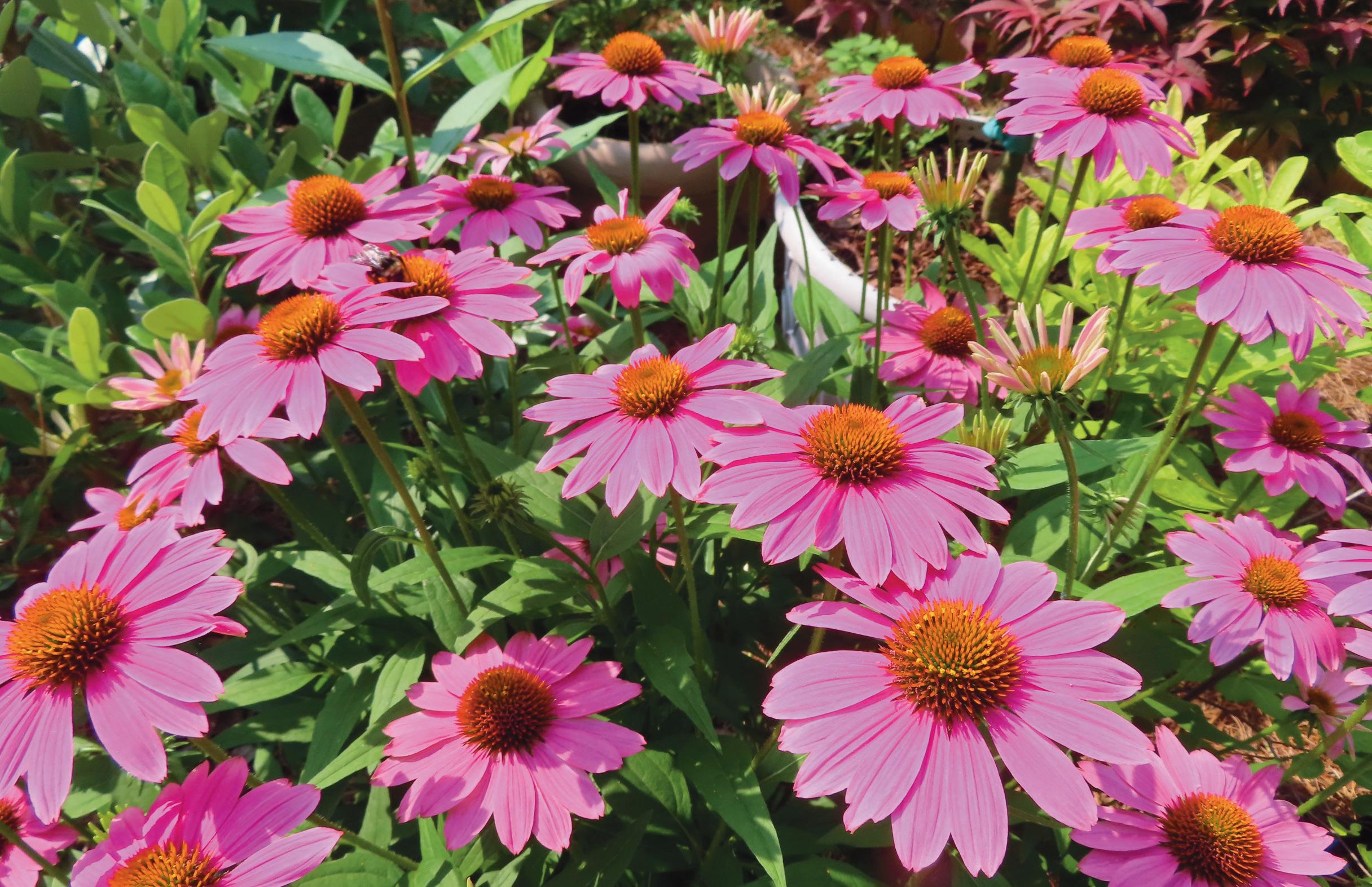
• Nuts and seeds: Plant trees such as oaks, hickories and walnuts to provide fat and protein-rich food that birds can hide for the winter. Coneflower seeds (from the seed heads after the petals drop off) are a beloved treat for finches.
Skip the pesticides
• An insect-friendly garden is a bird-friendly garden.
• Native plants need fewer harmful chemicals, another reason to plant them.
Provide nesting boxes
• Check what size and shape of boxes various species prefer. Bluebirds are particular about the size and placement of the entrances to their houses.
• Birds prefer boxes to be in places where they can safely escape, if necessary.
• Regularly clean bird feeders used to supplement a bird’s diet. Remove stale or moldy food
• Be consistent when using feeders if birds are depending on them.
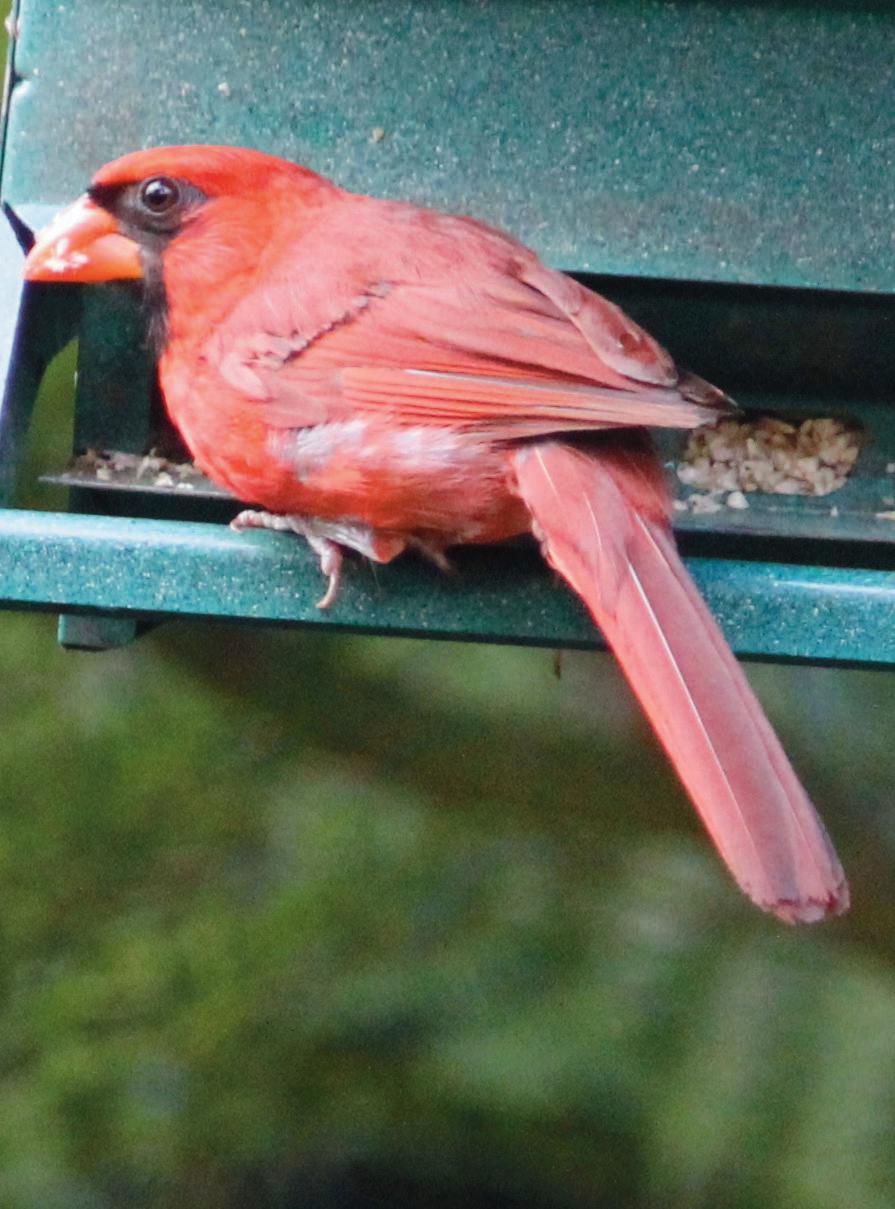
• Provide black oil sunflower seeds, as these are popular with most birds.
• Place the feeder close to shelter/safety. Birds may need a quick escape.
• Keep bird baths full of water and clean year-round. If it looks gross to you, it is bad for the birds.
• If the water freezes, consider a heated bird bath.
• Place bird baths close to safety. Provide suitable nesting materials
• Twigs, dried leaves, and lawn clippings make good nests.
• Human hair is a poor choice as it may contain harmful chemicals from shampoo and other products.
• Long thread is also a poor choice, as it can tangle and tighten around a bird.
• Outside cats and dogs have a profound impact on bird populations. Research has found that cats are more of a threat to birds’ survival than pesticides. I have actually seen cats trying to leap into a bird feeder.
• My indoor cats loved safely watching the “bird channel” through a glass door.
Avoid window collisions
• Collisions kill more than 1 billion birds in the U.S. Collisions happen because birds see the reflection of their habitat in the glass.
• To help prevent collisions, add special decals to glass doors and windows, allowing birds to see them.
It is OK to start small. Even a small bird habitat can make a difference, bringing the birds back every year.
This may seem to be a lot of effort for a creature weighing less than two ounces. Birds, however, are vital to a healthy environment. They eat insects and other small animals harmful to crops and human health. Birds eat around 400-500 million tons of bugs each year. Sparrows eat aphids, swallows eat mosquitoes, and robins eat grasshoppers (except for lubber grasshoppers, which taste terrible).
Birds are important pollinators for many types of plants. They also spread seeds when they eat them and through droppings.
Bird-watching and bird-tourism generate dollars for local treasuries.
Birds also add to our lives by their unique behaviors, their colorful feathers, and their charming songs. Our lives are so much better for them.





Got your copy? Sit back and relax! Scan to view
A few of our gardening columnist’s favorite things
EStory and photographs by
Sherry Blanton
ach month, like hundreds of other gardeners, I receive a charming e-mail from Dr. Allan Armitage titled, “I Simply Remember These Favorite Things with Dr. A.”
Armitage is an internationally known horticulturist. He is retired from the University of Georgia, where he produced introductions for the ornamental market. He is the author of beautiful and educational books on perennials, including “Armitage’s Manual of Annuals, Biennials

and Half-Hardy Perennials.” He is a sought-after speaker. He has a wry sense of humor. He knows plants, and his ability to educate others about plants is outstanding. He also has a garden podcast.
In a recent email, he invited other gardeners to write about their favorite things: a favorite plant, a favorite place, a favorite garden, and a favorite book. I said to myself, “I can do that.”
Here is “I Simply Remember These Favorite Things with the Southern Gardener (Fall 2025).” I hope others may follow suit.

Perennial Hibiscus (mallow) (Malavaceae)
The showiest plant in my garden. Its brightly colored blooms can be as large as a dinner plate. It is an easy plant and may bloom from late spring until frost. It prefers a site in full sun in well-drained soil. Although some literature suggests fertilizing the hibiscus, I have not done so. I do clean up the spent blossoms.
It is a perennial in our climate zone. It is not one-and-done. It dies back with the frost, but reappears when temperatures warm. I mulch mine.
It is native to the southern United States. Thus, it checks the box suggesting we concentrate on native plants.
The special blooms attract the pollinators.
The Japanese beetles like to snack on the flowers. I watch for them and pick them off.
The biggest enemy for this gorgeous bloomer is the hibiscus sawfly. This black flylike insect inserts its eggs into the leaf tissue on the underside of the leaf. The eggs hatch into tiny green caterpillar-like creatures. They spend their lifetime chewing on the leaves, creating unsightly holes in the foliage. They can be shooed off with blasts from the hose. These annoying insects produce six generations per year; they can do considerable cosmetic damage.
Although most of my plants have bright green leaves, I do have one with dark leaves.
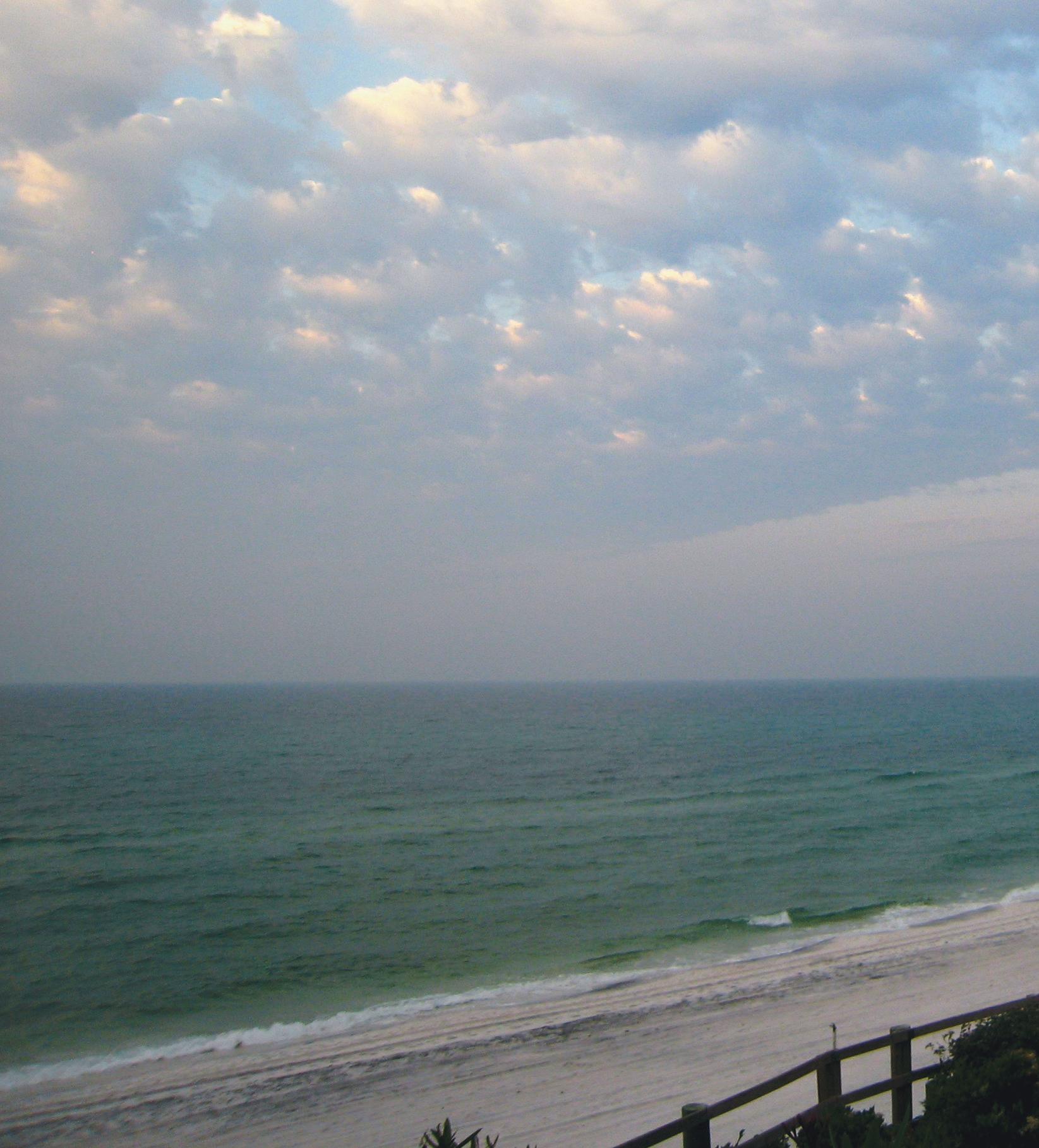
Blue Mountain Beach, Santa Rosa Beach, Florida
The beaches along the Emerald Coast are some of the most beautiful ones to me. Brilliant white sand and bluegreen water can bring tears to my eyes. I have walked that beach so many times I have lost count. As I walked, I spotted dolphins frisking in the calm waters.
We found the best times to visit were late October and early May. Families were involved with school for the kids and “the coast was clear.” We spent many a peaceful Thanksgiving holiday there. No turkey, just the beach and a meal on paper plates. I was usually the solitary walker.
As Jimmy Buffett expressed it in his beautiful ballad, “When the Coast is Clear:”
That’s when it always happens
Same time every year
I come down to talk to me
When the coast is clear.
From the house we rented, the highest point in Blue Mountain, I could see for miles. I watched the shrimp boats on the horizon.
I sat for hours on the deck mesmerized by the breaking waves and the sparkling sand. Sunrise and sundown were magical. Blue Mountain Beach continues to be part of my life even when I am not actually there.
To quote Jimmy Buffett again: “The Gulf is in my soul.”
The Rosalynn Carter Butterfly Trail, worldwide
Rosalynn Carter, the late first lady, loved plants and was especially interested in pollinators for the garden. She, along with others, established private and public gardens to promote pollinators, especially the monarch butterfly.
This is not a trail but a “multitude of gardens, throughout the country and elsewhere.” I visited the website recently and there were over 3,000 places on the list.
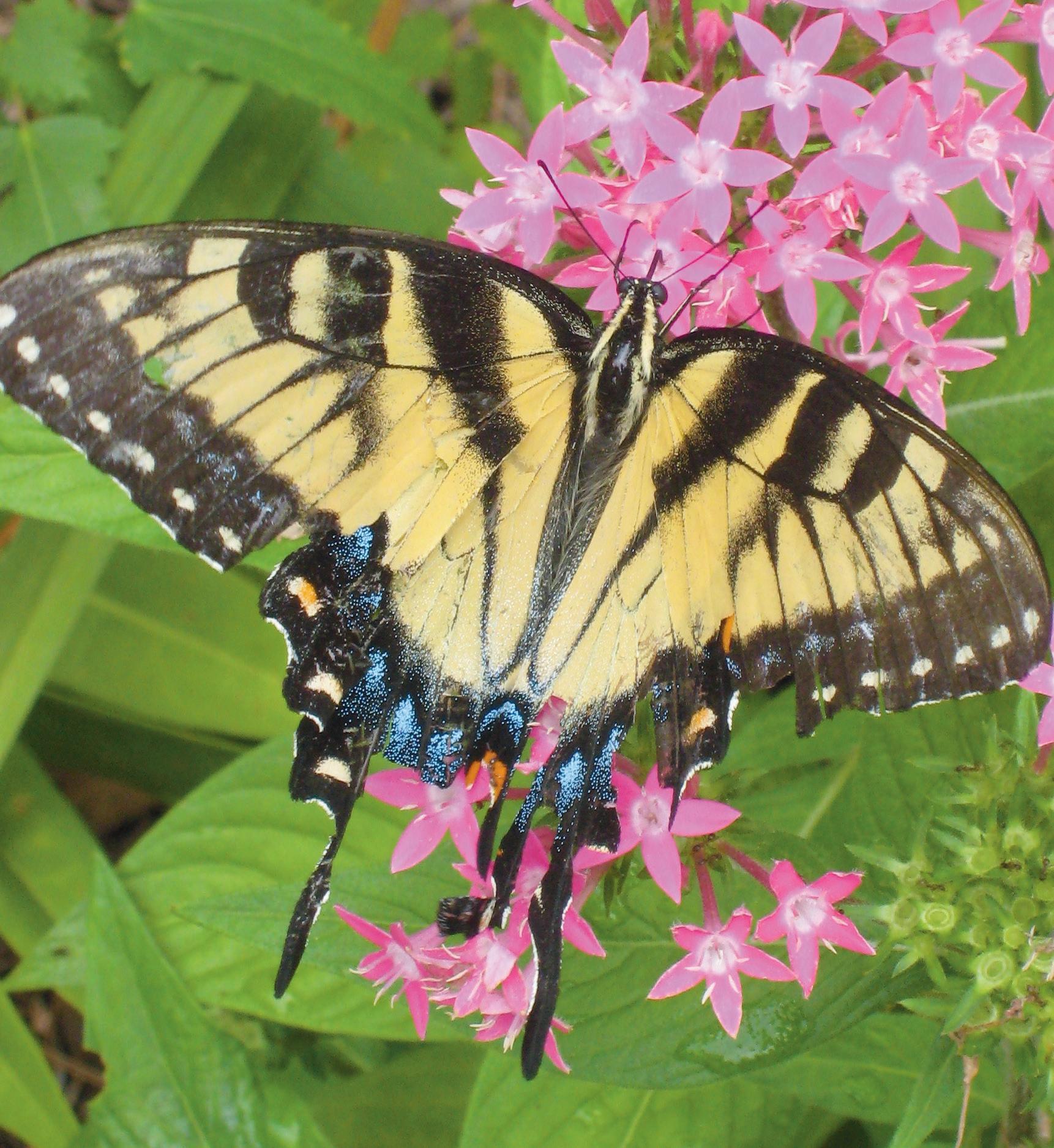
The website for the gardens (www.rosalynncarterbutterflytrail.org) has all the important information to create a habitat for the monarch butterfly and the swallowtail butterfly. Visitors can also suggest gardens to be added to the trail, both public and private. It is fascinating to see how this idea has spread. I plan to add my personal garden and the Jacksonville Pocket Park garden.
Rosalynn Carter’s desire to build safe havens for the butterflies is encouraging people everywhere to become involved in the lives of our precious pollinators.

“Japanese Maples” by J.D. Vertrees, third edition, revised and expanded by Peter Gregory
Admirers, including growers and gardeners of Japanese maples, regard this book as the standard for these dramatic trees. When I bought my first Japanese maple many years ago, the owner of the shop suggested we look up the tree in Vertrees’ book.
Since then, the name “Vertrees” has been mentioned to me many times.
The third edition contains 313 color photographs and detailed descriptions of more than 400 cultivars. The author gives the history of the Japanese maple, as well as an in-depth look at the “culture” of maples in the garden, including care and maintenance, pruning, diseases, and use in the landscape.
I just purchased the fourth edition, as more than 150 cultivars have been added since the third edition was published in 2001. It took two hands to hold it!
Japanese maples have gained in popularity. They are now specimen plants in containers and in the ground, in small and large gardens. New cultivars appear on the market almost monthly. Each time a buyer wants to learn about a new tree, the name “Vertrees” is given.

Over the years, I have looked at my copy of this handsome book more times than I have bought trees. Even if I am not researching a particular tree, I enjoy reading the text and admiring the photographs.
As a collector now with about 100 maples in my garden, Vertrees remains my bible on their care.
If you do not have a Japanese maple in your garden, this book might inspire you to buy one (or more).
Sherry Blanton, “The Southern Gardener,” writes about gardening in Northeast Alabama. Follow her on Facebook at Southern Gardener-Anniston Star.
Otter Creek Farmstead has grown from hunting destination to premier event venue
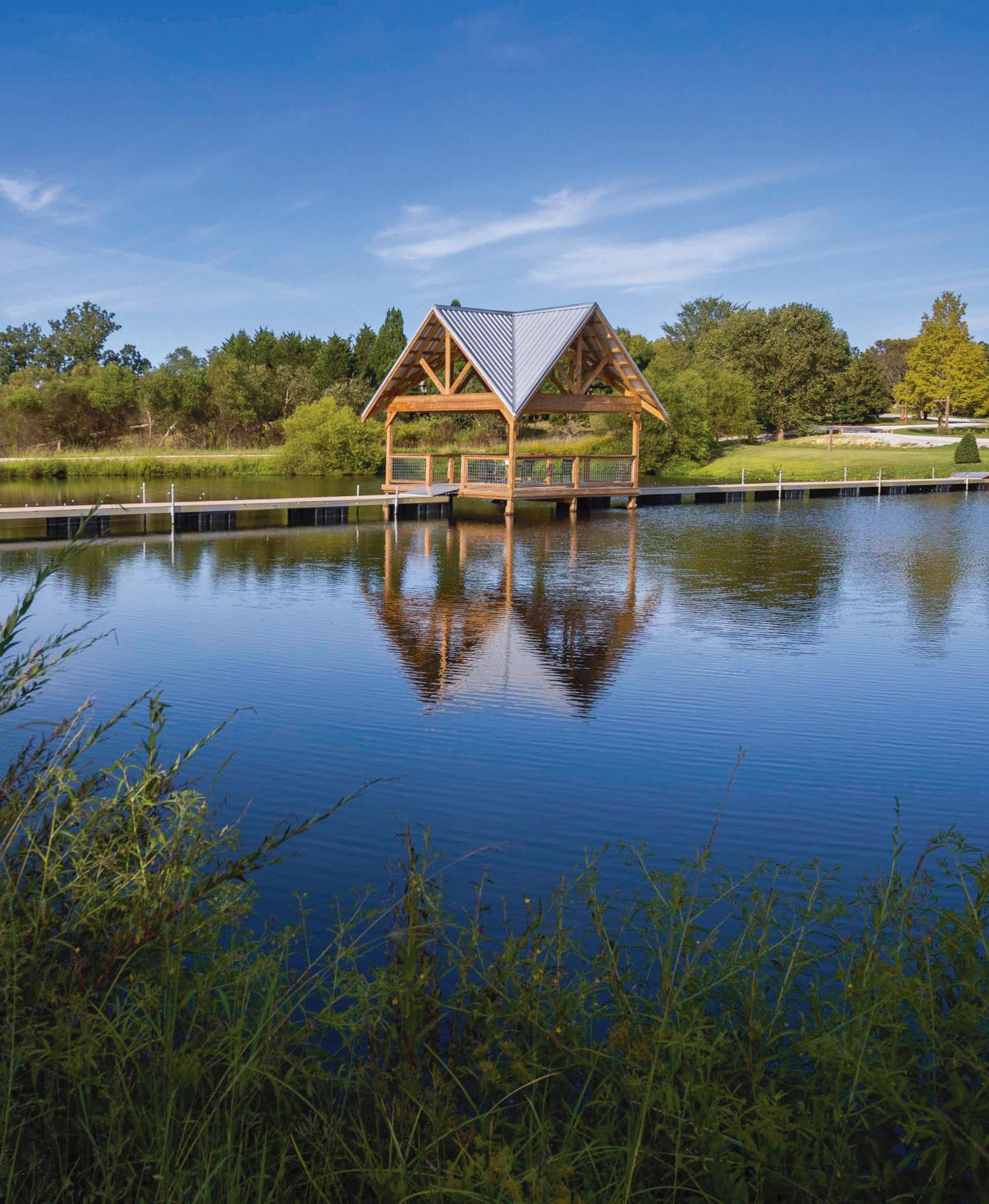

Frank Brown is driving around Otter Creek Farmstead and Distillery in Ohatchee on a golf cart. It’s late in the afternoon in early August, more than two months away from the start of quail hunting season — the most anticipated date on the calendar.
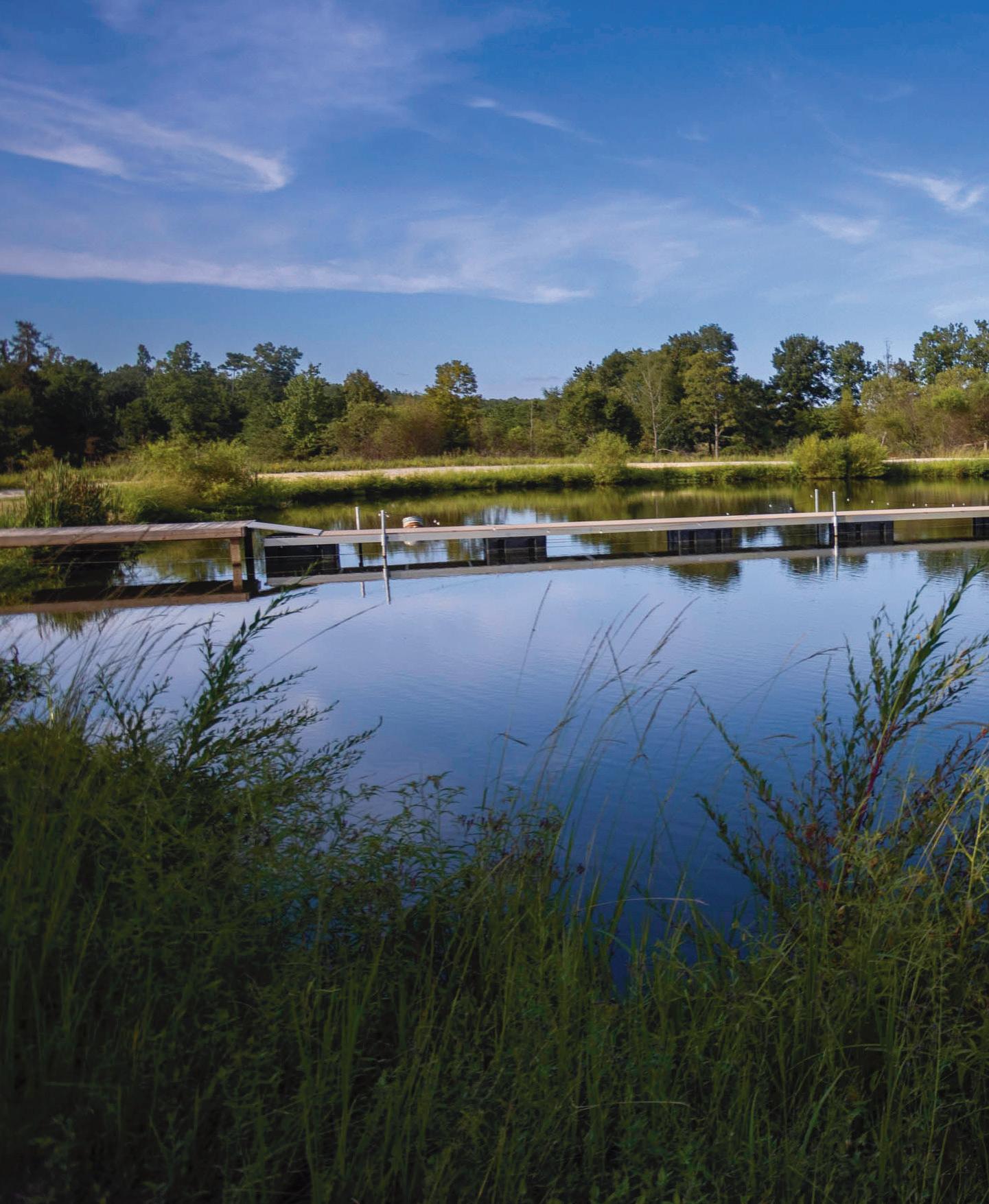
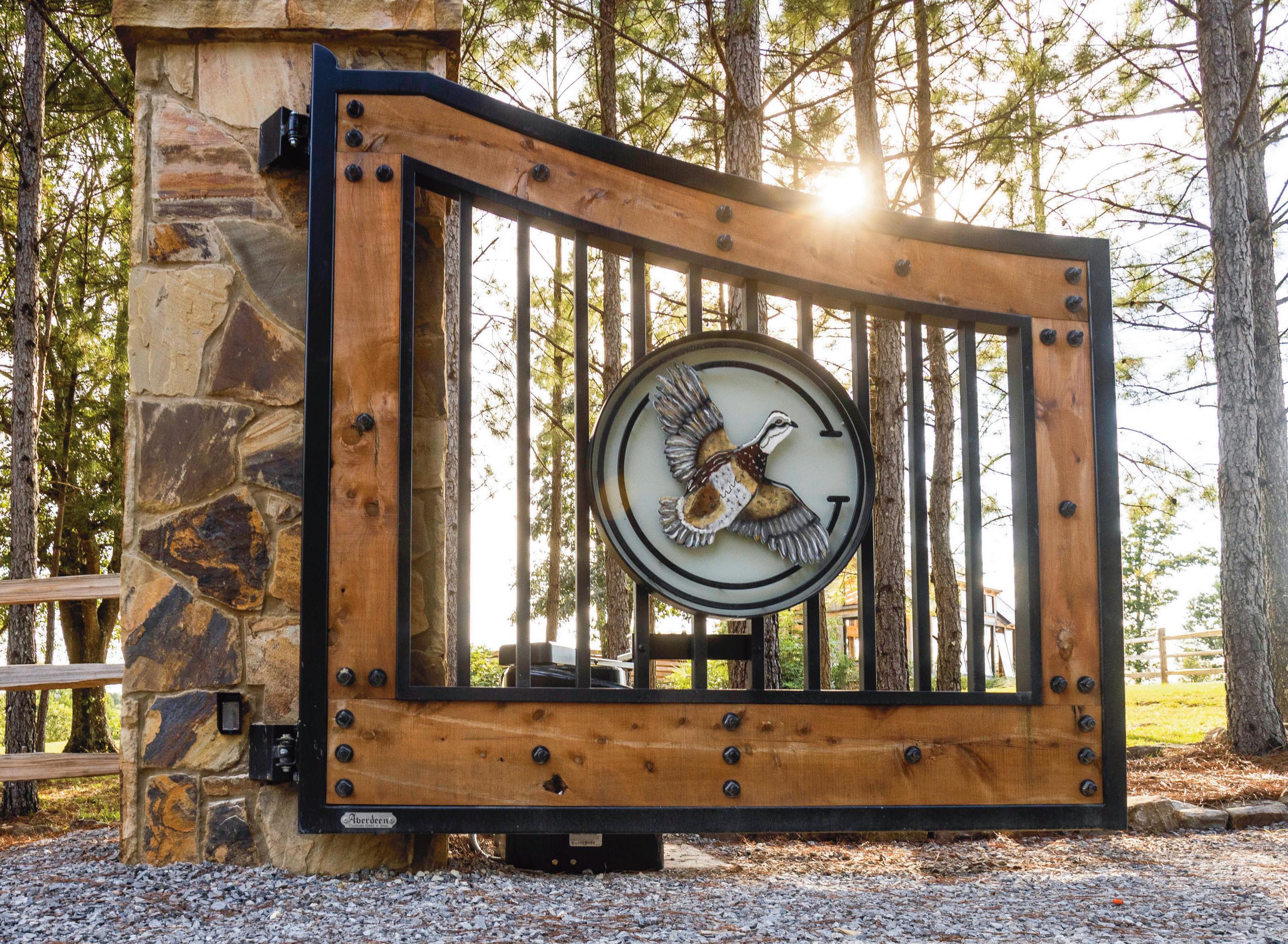
Around every bend, over every hill, and through every thicket, it’s clear why Otter Creek is one of the nation’s premier wing shooting and special event venues. Nestled in the foothills of the Appalachians, the property has been meticulously prepared by Brown for the upcoming season, even as the weather has been less than cooperative this summer.
“It’s been very difficult to get the grounds looking right with all the rain we’ve had,” Brown says. “Keeping up with the weeds has been unbelievable.”
Looking out over the rolling hills with the sun starting to set, one wonders what could possibly be done to make Otter Creek’s 1,200 acres look more presentable than it already is to this outside observer. But that’s the
magic and appeal of Otter Creek. Every second of the experience is planned and executed to the smallest detail.
As we continue to tour, Brown points out several new amenities, including one currently under construction: an outdoor dining experience that he is excited to debut during the 2025 hunting season. “This is what we call ‘Table by the Lake.’ We’re building an outdoor kitchen that will have a commercial oven, a really nice grill, and a griddle, and we’ll be able to do private dinners by the lake.”
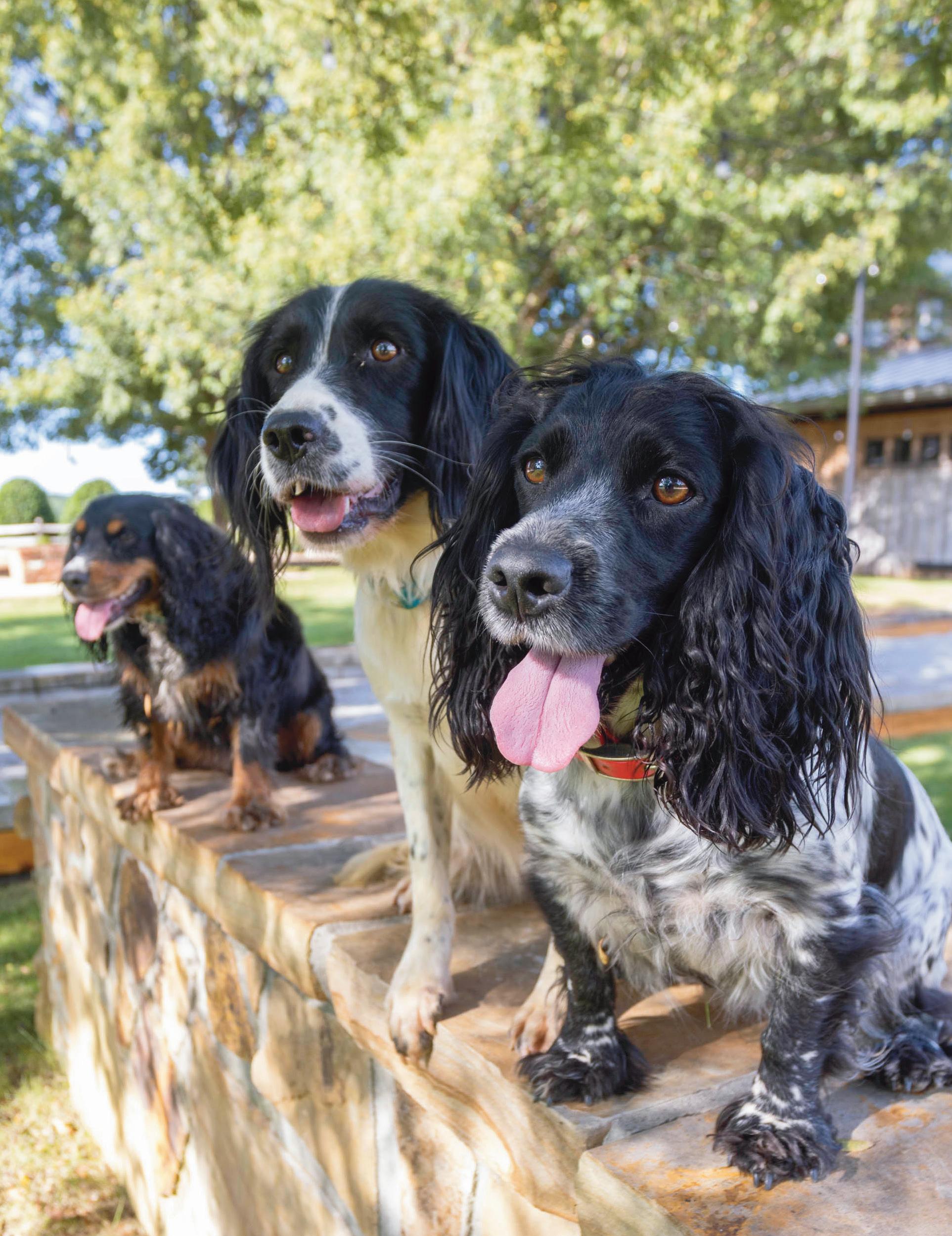
Otter Creek’s beginnings can be traced to 80 acres of land in Ohatchee owned by Frank and Jane Brown. Frank, a well-respected and successful entrepreneur and Gadsden native, discovered a love for wing shooting after acquiring an English cocker spaniel named Merlin from a breeder in North Dakota.
The Browns built a house on the land, which was mostly used as a weekend getaway. Then, on April 27, 2011, a tornado destroyed more than 2,000 hardwoods on the property. While surveying the damage with his trusty companion, Merlin, Brown recognized that the tornado’s path created an ideal habitat for quail. Add in a short-lived retirement after selling his tax consultation company — which darn near drove his wife, Jane, bonkers — and the idea for an upscale hunting and adventure lodge was born.
“It just kind of grew,” Brown says. “I sold my company and after about two months, my wife looked at me and said, ‘Hey, I married you for better or for worse — but not for lunch at home every day.’ So I figured I’d better find something to do.”
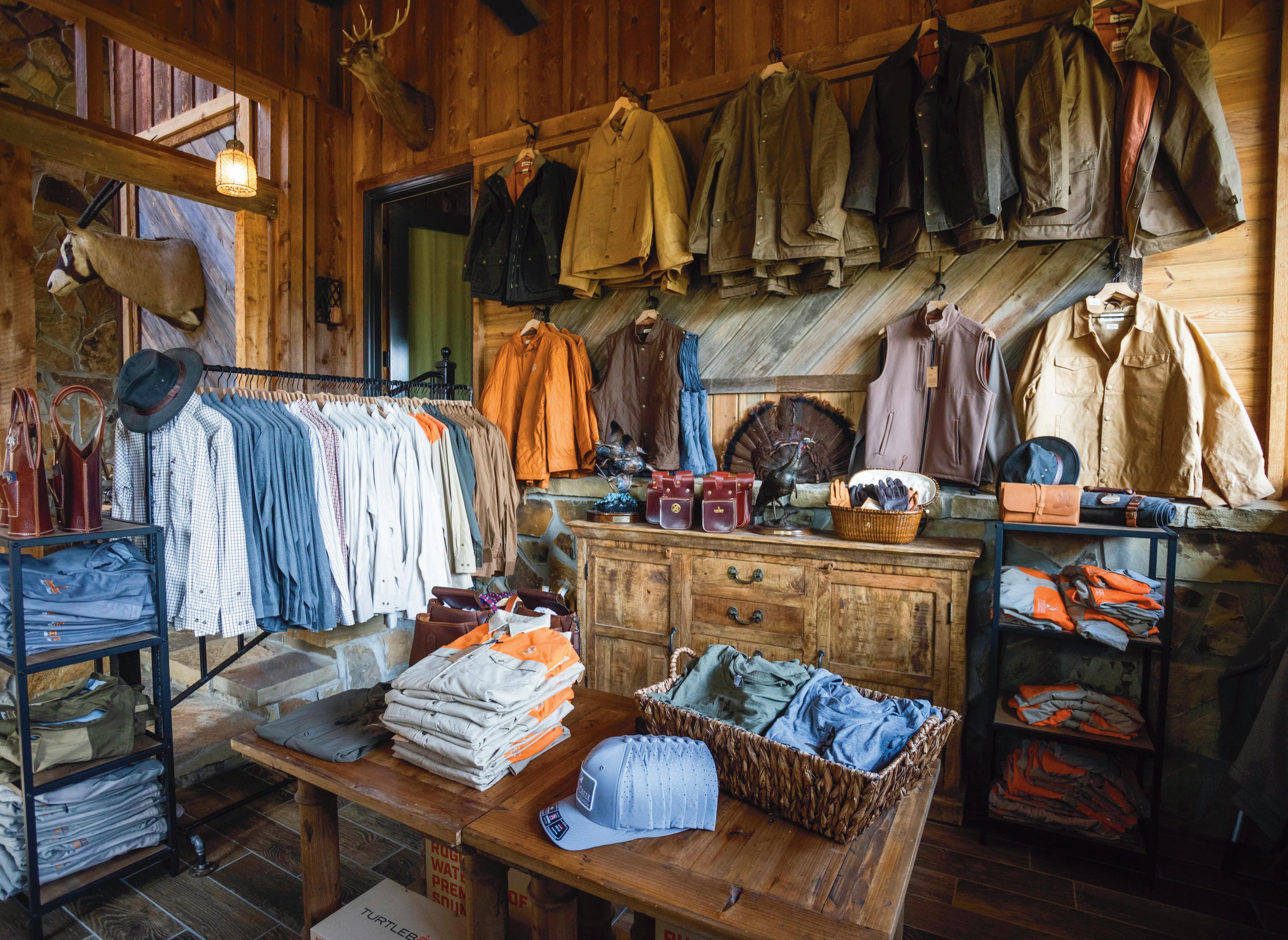
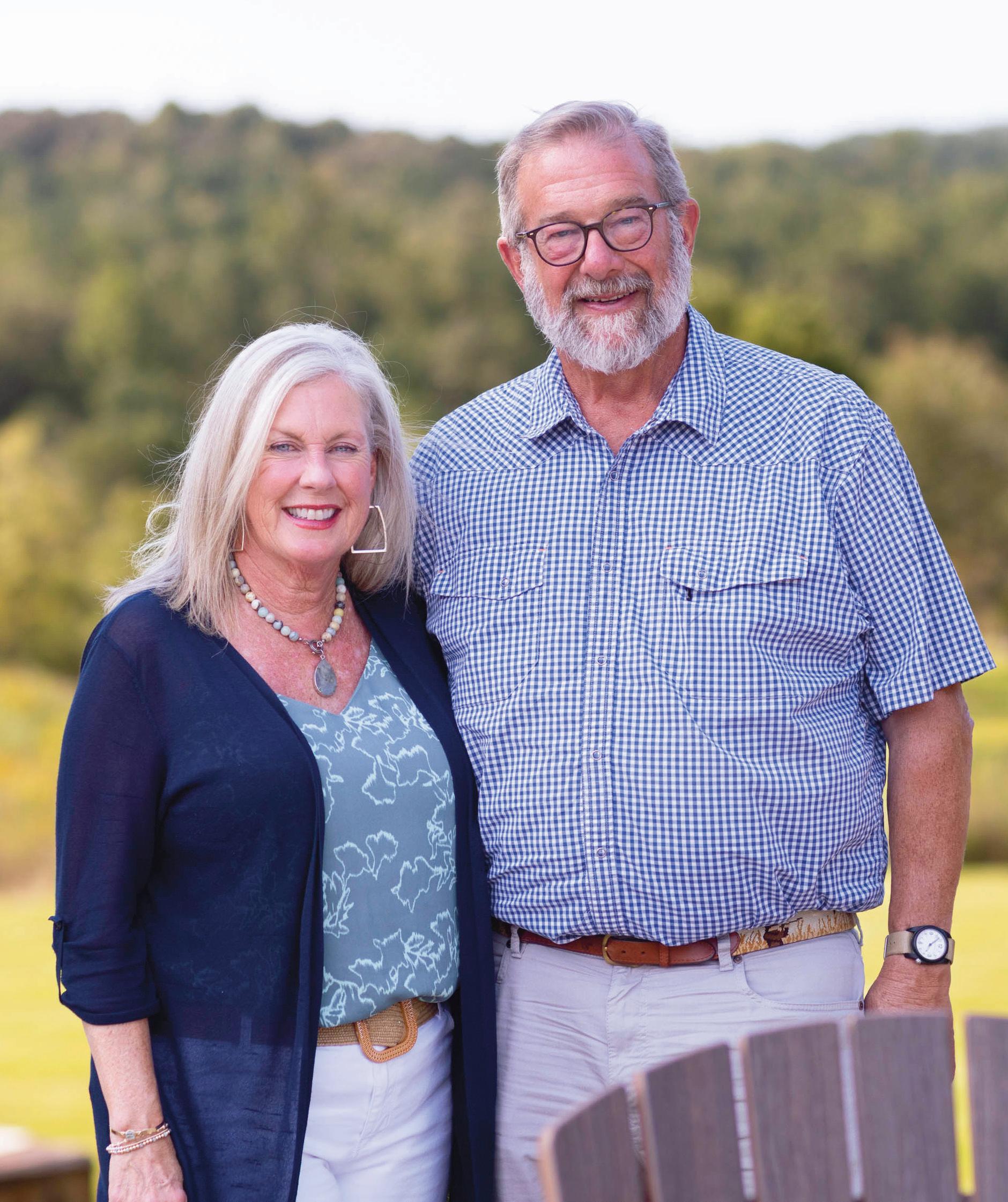
Brown’s first step was converting approximately 200 acres of the property for quail hunting. “At first, Jane and I were doing everything out of our house,” Brown says. But word of Otter Creek quickly spread, and Brown began to expand Otter Creek’s amenities. The property now offers a destination wedding venue, culinary experiences including wine dinners, a bed-and-breakfast with an infinity pool, a hunting dog breeding program led by kennel and
“I sold my company and after about two months, my wife looked at me and said, ‘Hey, I married you for better or for worse — but not for lunch at home every day.” — Frank Brown
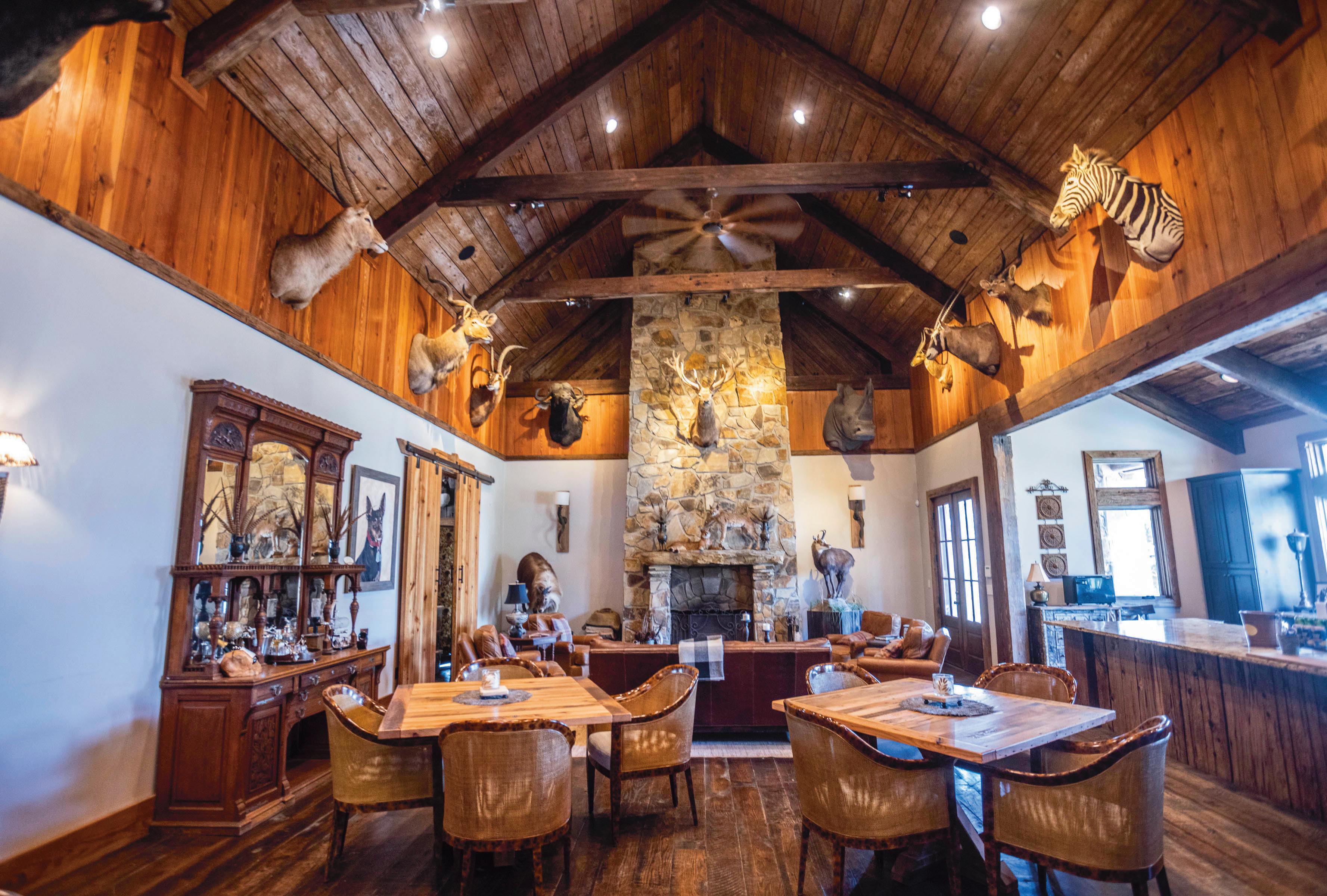
training director Brittany Formby, and five distinct venues for corporate events. Among them is Big Oak Lodge, the former home of Brodie and Kelly Croyle, a gift from the Big Oak Ranch.
Otter Creek’s architecture and landscaping blend perfectly with the surroundings, with natural stone paths and an array of outdoor seating to take in the spectacular views. Inside every building is the earthy, sweet scent of wood, which can instantly transport you from the realities of everyday life to the wonders of nature, even if you’re surrounded by opulent leather sofas and 3,500 bottles of some of the world’s finest wines.
Otter Creek’s amenities are luxurious and ever-expanding, but the real draw is the wing shooting. The lodge’s reputation caught the attention of Donald Trump Jr., who visited Otter Creek in October 2017.
“He’s a very good hunter,” Brown says emphatically.
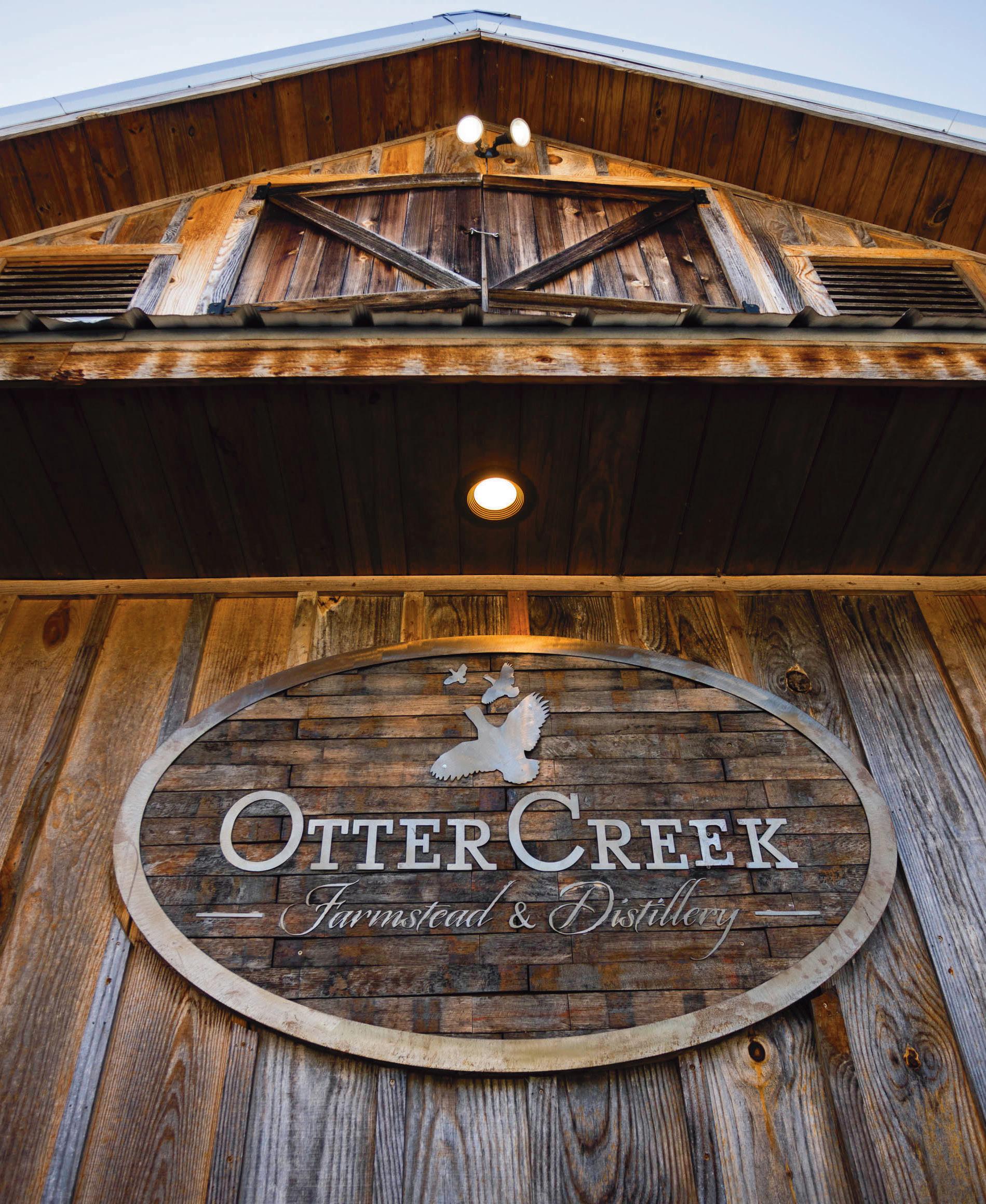
Otter Creek has recently added to its name. It is now Otter Creek Farmstead and Distillery. A Scotch drinker and a wine aficionado — especially for the wines of California’s Napa Valley — Brown has taken the plunge into distilling.
He has put the distillery in the hands of James Snell, the son of a neighboring landowner who sold his property to help expand the farmstead. Snell brings with him a bit of unconventional, shall we say, off-the-grid experience in whiskey-making.
Snell, whose Southern drawl is as smooth as the whiskey aging in the distillery’s oak barrels, got his start by brewing his own beer and wine as a hobby. He learned the ins and outs of distilling from a character among his group of fishing buddies known only as “Uncle.” Snell says Uncle was known to bring a mason jar of some new concoction to an annual fishing trip each fall.
“He would have a wine that didn’t quite turn out right, and he’d distill it off and make a distilled liquor of some sort,” Snell explains. “You never knew what he was bringing.” Snell

finally asked Uncle to show him his technique and, before he knew it, he was in a redneck Twilight Zone.
“We’re in town, next to a school, in the backyard with a homemade fish cooker and a pressure-cooking pot, and I’m thinking ‘I’m going to jail,’” admits Snell.
To learn more about Otter Creek Farmstead and Distillery, visit ottercreekfarmstead.com
Over the years, Snell experimented — ahem, allegedly experimented — with his own lunar sparkle, including a bourbon-style whiskey he aged in oak barrels. After sharing a batch with Brown, the pair decided it was time to go legit.
The process to become fully licensed took seven years; the distillery is now up and running, filling barrels with approximately 30 gallons of whiskey every week. Made of 100 percent corn, Otter Creek whiskey is aging in smaller five-gal-
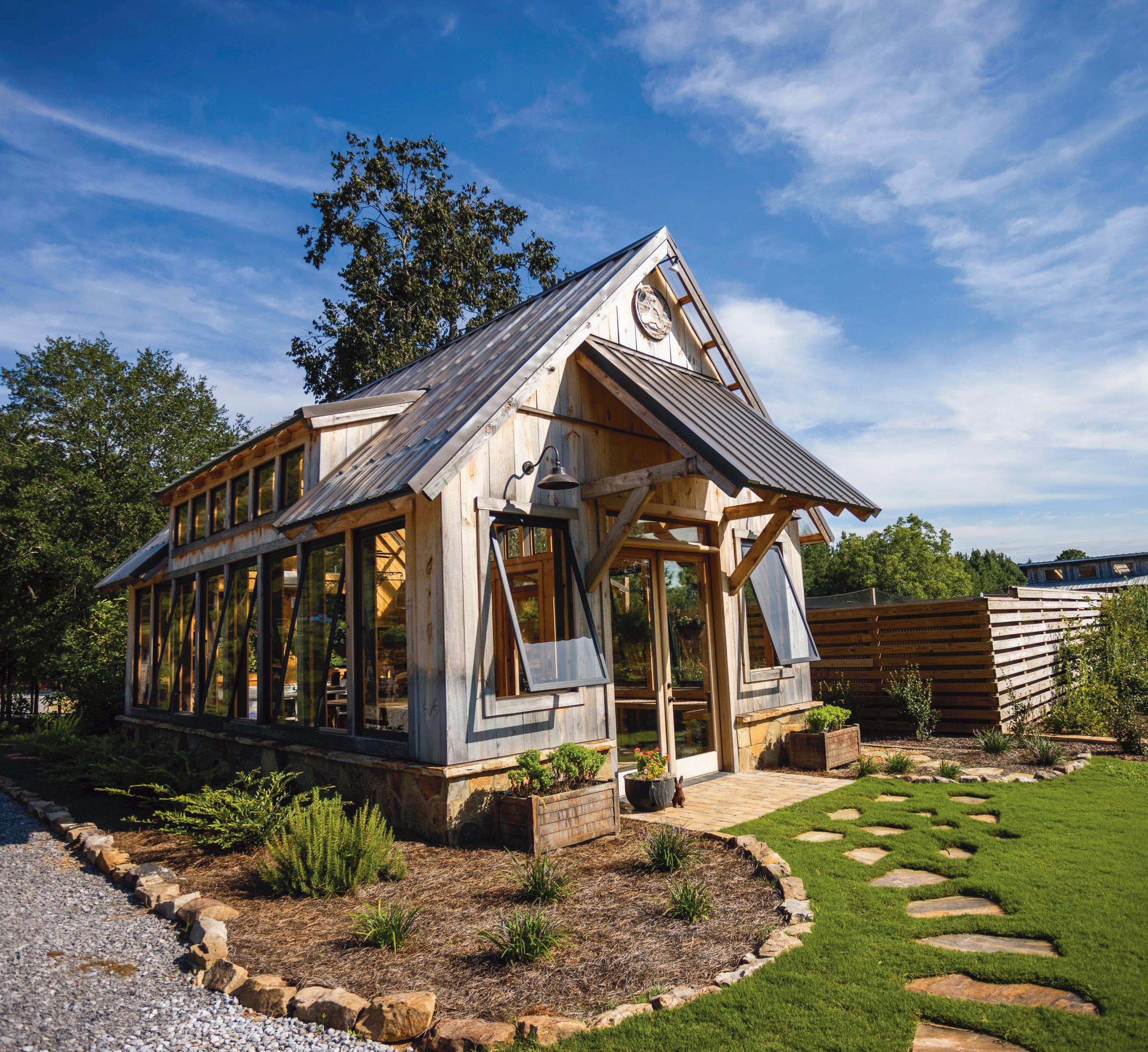
The Green House offers space for smaller events.
lon barrels (a typical whiskey barrel is 53 gallons), with additional oak spirals inserted into the barrels. This process creates more wood contact with the whiskey and, therefore, more flavor.
Otter Creek whiskey doesn’t follow the strict guidelines to be officially labeled as bourbon. Choosing the moniker “Alabama whiskey,” Snell says the final product will be a bourbon-style whiskey with an oaky profile similar to Woodford Reserve Double Oaked bourbon.
While the distribution plan is still being finalized, the bulk of Otter Creek whiskey will be offered to guests of the lodge, who can purchase a five-gallon barrel that will be filled and aged for one year. After aging, the whiskey will be bottled for guests to retrieve upon further visits. ‹
Spooky Places
Workers at the old Profile Cotton Mill told tales of a tall, silver-haired woman
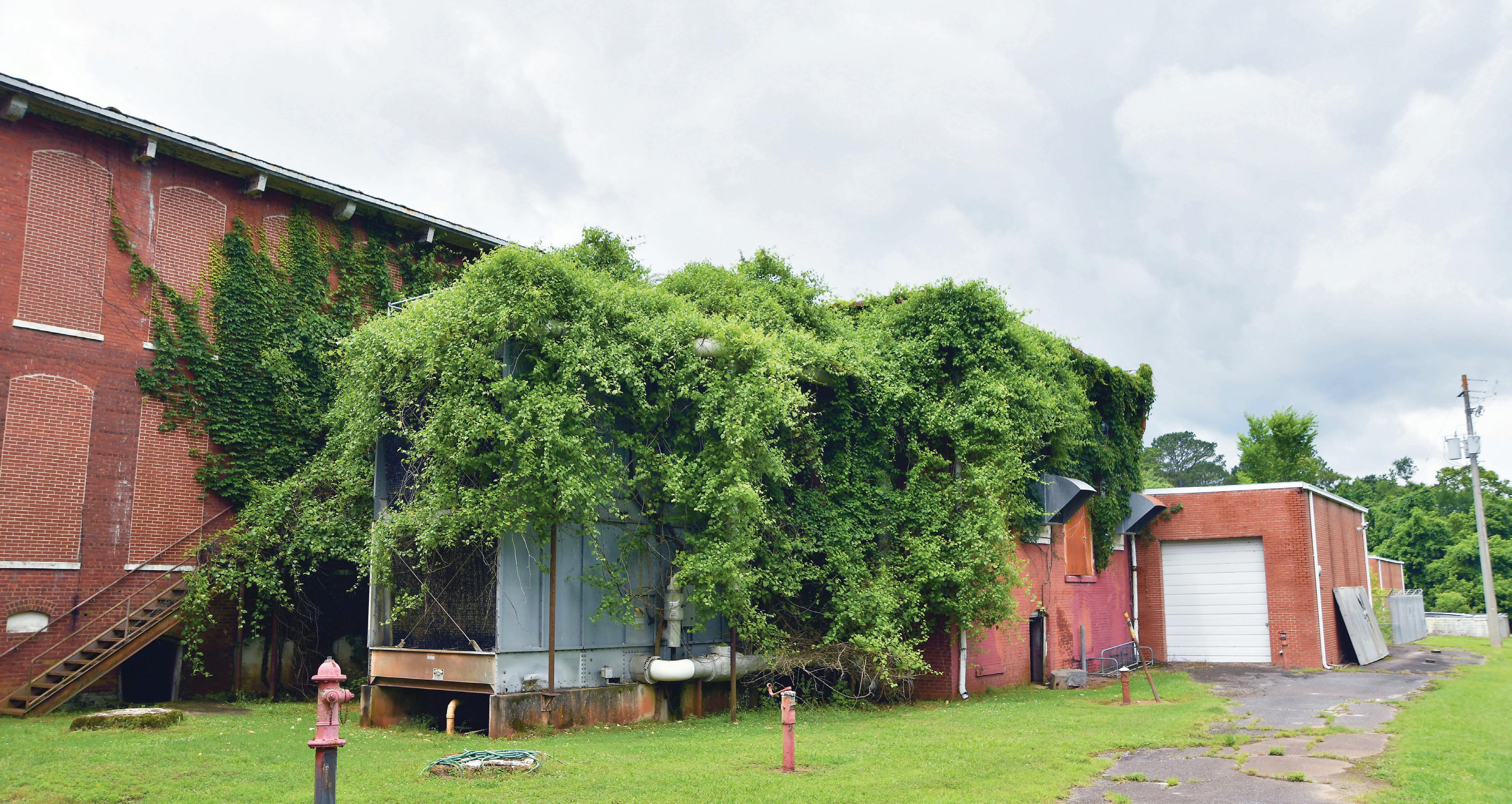
The historic Profile Cotton Mill in Jacksonville — now overgrown with vines, surrounded by a barbed-wire fence and dotted with broken windows — will soon be dismantled, and remnants of the 120-year-old building will be carted off.
Once the backbone of Jacksonville’s working-class economy, the red-brick mill complex on Alexandria Road has been unused for decades. The city purchased the property in 2003 for $300,000 but struggled to find a buyer or sustainable redevelopment plan. Over the years, various proposals — from city offices to apartment complexes — failed to materialize. In May, the Jacksonville City Council voted to sell the long-vacant building to K&D Adventures LLC and Kevin Steward for demolition.
Once the mill is gone, only memories and plenty of stories will remain, according to author Rick Bragg, whose many books include two about the fabled red-brick building and adjacent mill village. In a recent interview, Bragg talked about one of those stories: the legend of the Mill Witch. However, to be honest, she wasn’t a real witch at all, and he refuses to refer to her as a witch.
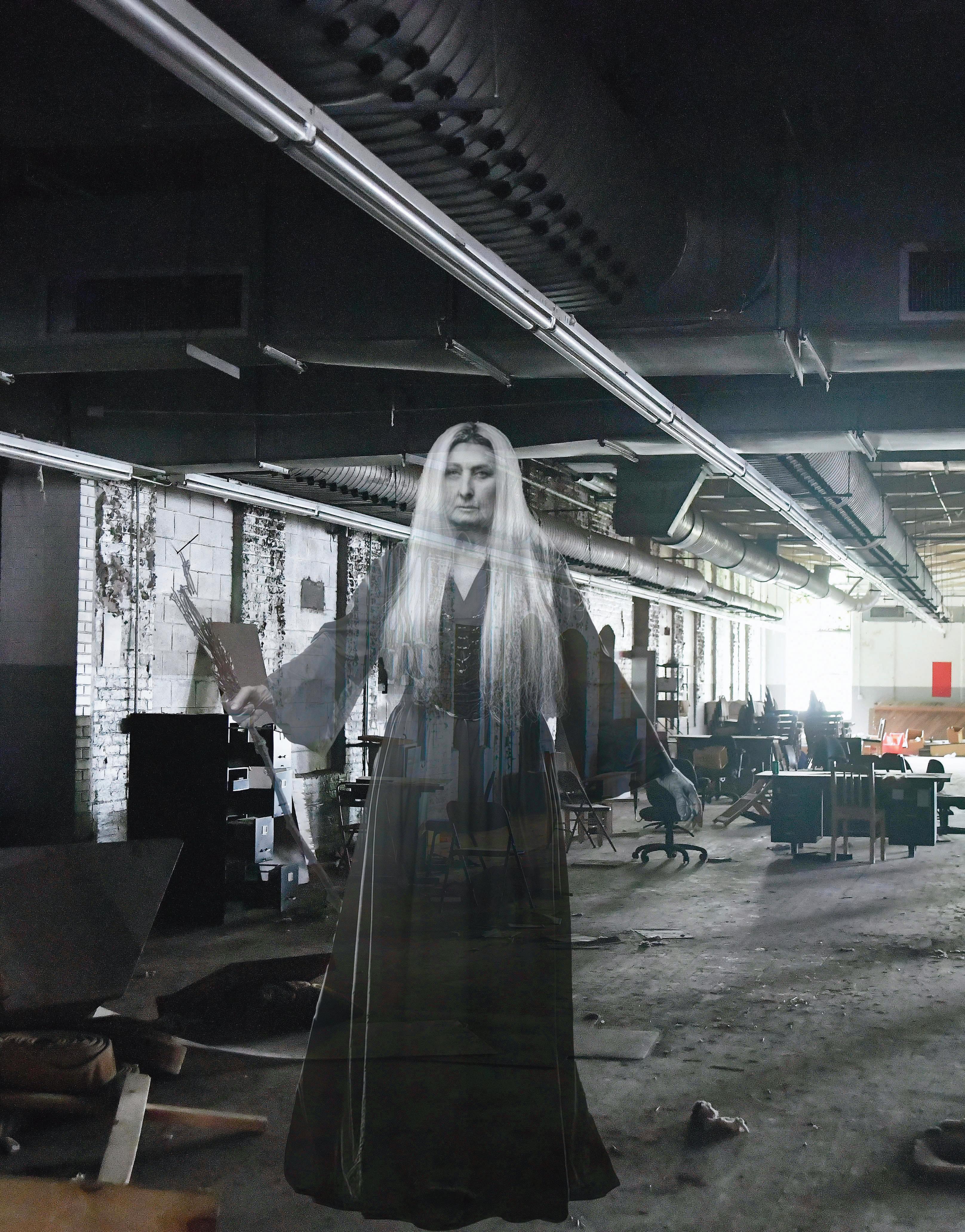
The Mill Witch story is so prevalent that the Alabama Folklife Association and the William C. Pomeroy Foundation erected a marker along Alexandria-Jacksonville Highway, across the street from the mill village, that reads: “Old Mill Witch: Amber-eyed, silver-haired ghost of healer who protected mill workers with remedies and charms still walks village streets.”
Adjacent to that marker is another marker that includes an excerpt from a Southern Living magazine essay that Bragg penned back in 2015 that eloquently tells the story of the generous soul: “She came, like everyone in the village, from the mountains, among the starved-out hillbillies who took their stations at the machines.”
According to the Pomeroy Foundation, the Mill Witch stories portray her as both mystical and benevolent. She had the ability to speak with the spirits of deceased mill workers, transform unruly kids into insects, and even influence the downfall of a mean mill boss. But for the most part, she is remembered as a protector and healer of the mill workers, not a witch.
Does the Mill Witch still walk village streets at night? Well, apparently not, according to mill village residents who were recently asked about her presence. “We don’t do witches around here,” one resident adamantly exclaimed when asked about her. Others said they have never even heard of the silver-haired, amber-eyed healer.
Bragg learned about the Mill Witch from his friend Homer Barnwell, whom he calls a “great old gentleman.”
“A lot of people call Homer an unofficial historian because he didn’t have a Ph.D., but he’s as much of an official historian as I know on this planet. He passed away several years ago, but he was the living, breathing history of the mill,” Bragg said, adding that Barnwell’s mother and father worked at the mill during the time of mill owner Ivan Greenleaf.
Barnwell told Bragg there was a lady at the mill that some called the Mill Witch. “For God’s sake, don’t call her that while I’m alive,” Barnwell said.
“He was too respectful to say that,” Bragg said. “The Cajuns would have called her a ‘treater.’”
Bragg recollected Barnwell’s description: “She knew how to use natural medicine to help people. If you say things like ‘mixed potions,’ that’s not really it. She mixed treatments for sour stomach and treatments for problem pregnan-
cies, like morning sickness,” Bragg said. “Barnwell was very, very respectful of her.” She was basically an early form of urgent care for the mill workers.
But it was her appearance that earned her the name of Mill Witch. “She was apparently very tall and very severe, and it was easy to see how the kids in the mill village would make the leap to call her the Mill Witch. I can’t even remember her name now, but Homer was one of those kids. When I talked to Homer, he was 90, so that would have been at the beginning of the last century,” Bragg said.
As Bragg gets older, he’s less inclined to entertain otherworldly phenomena. “I’m not brave enough to wonder what will happen to her spirit when the mill is torn down. The older I get, the less brave I am about dabbling in that other world, that other realm.”
Bragg said he’s more afraid of tangible things, like a 19-year-old kid with an AK-47. “All my writing life, the threat was bombers and shooters and more real things — riots where you get hit in the head with a chunk of concrete,” Bragg said. “But now that I’m older, I might be afraid of everything — ghosts and everything else, including the mill village lady that Homer told me about. Notice I was careful not to say witch.” ‹
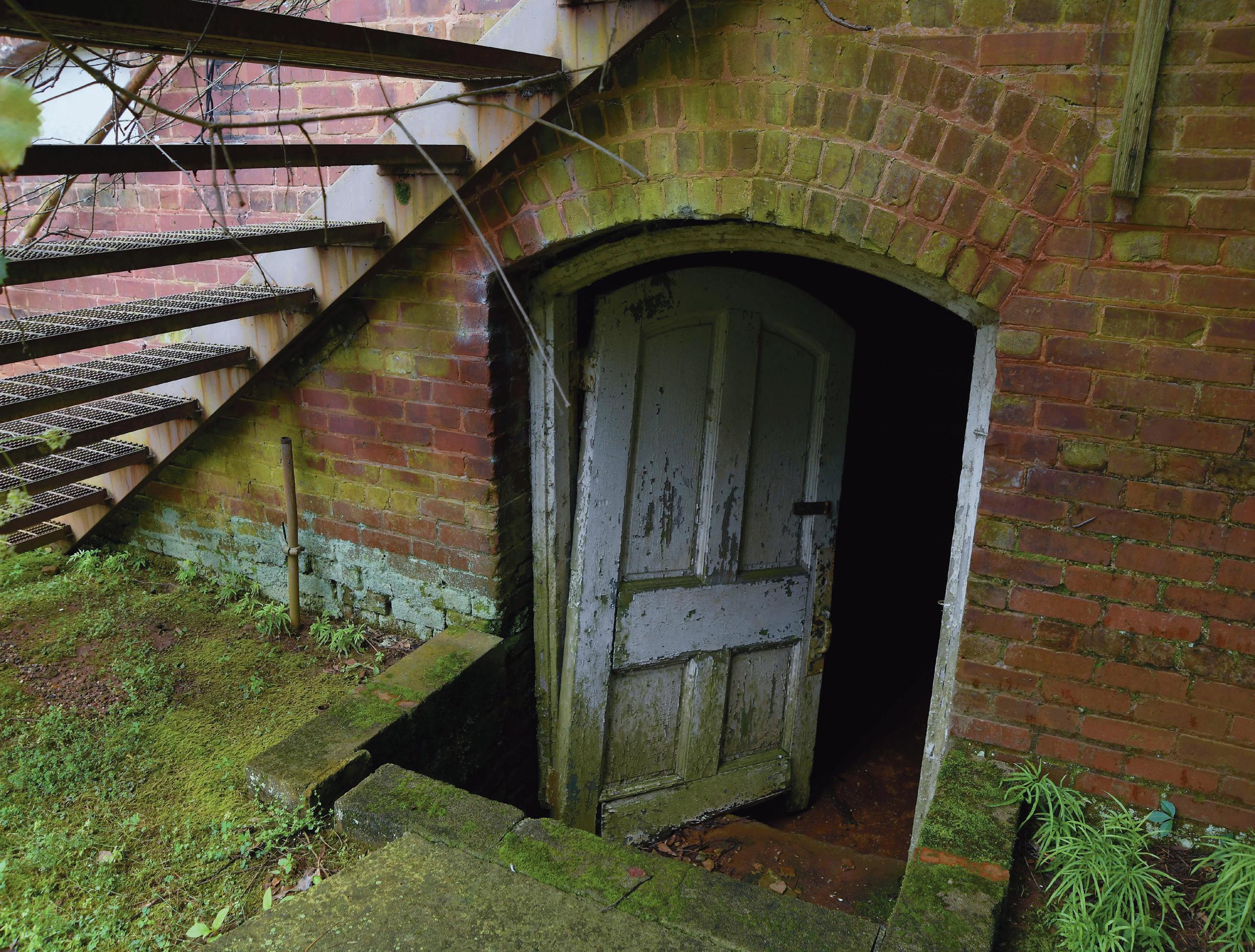
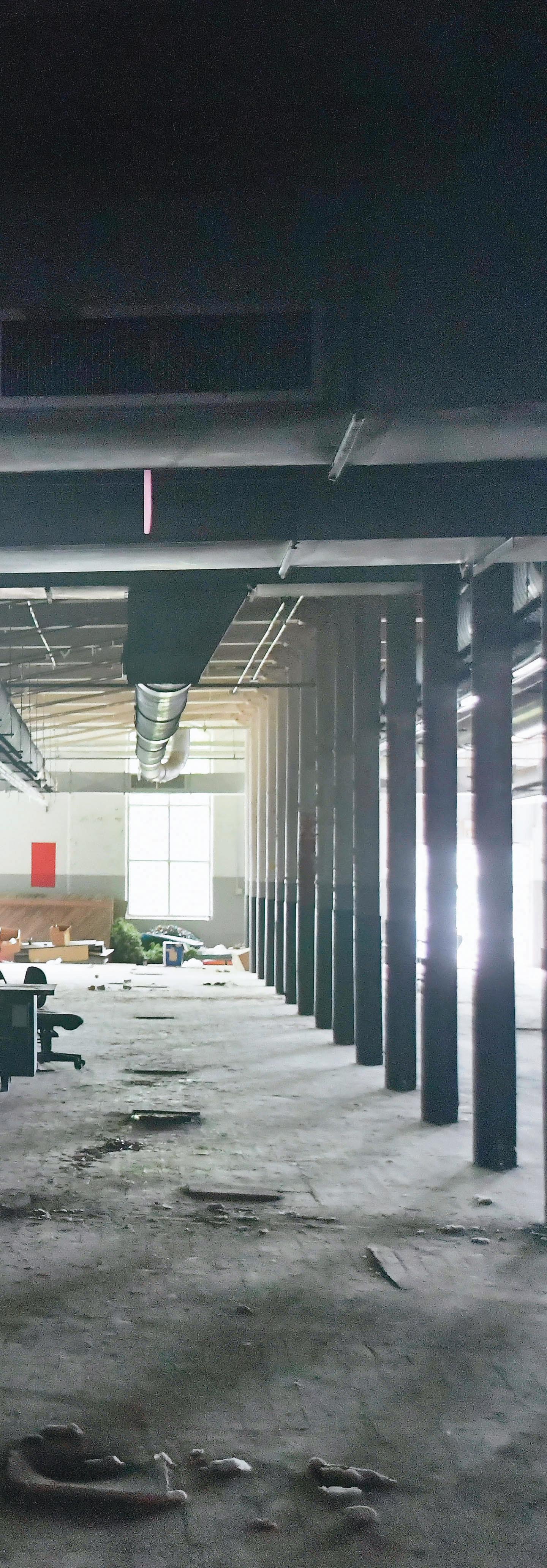
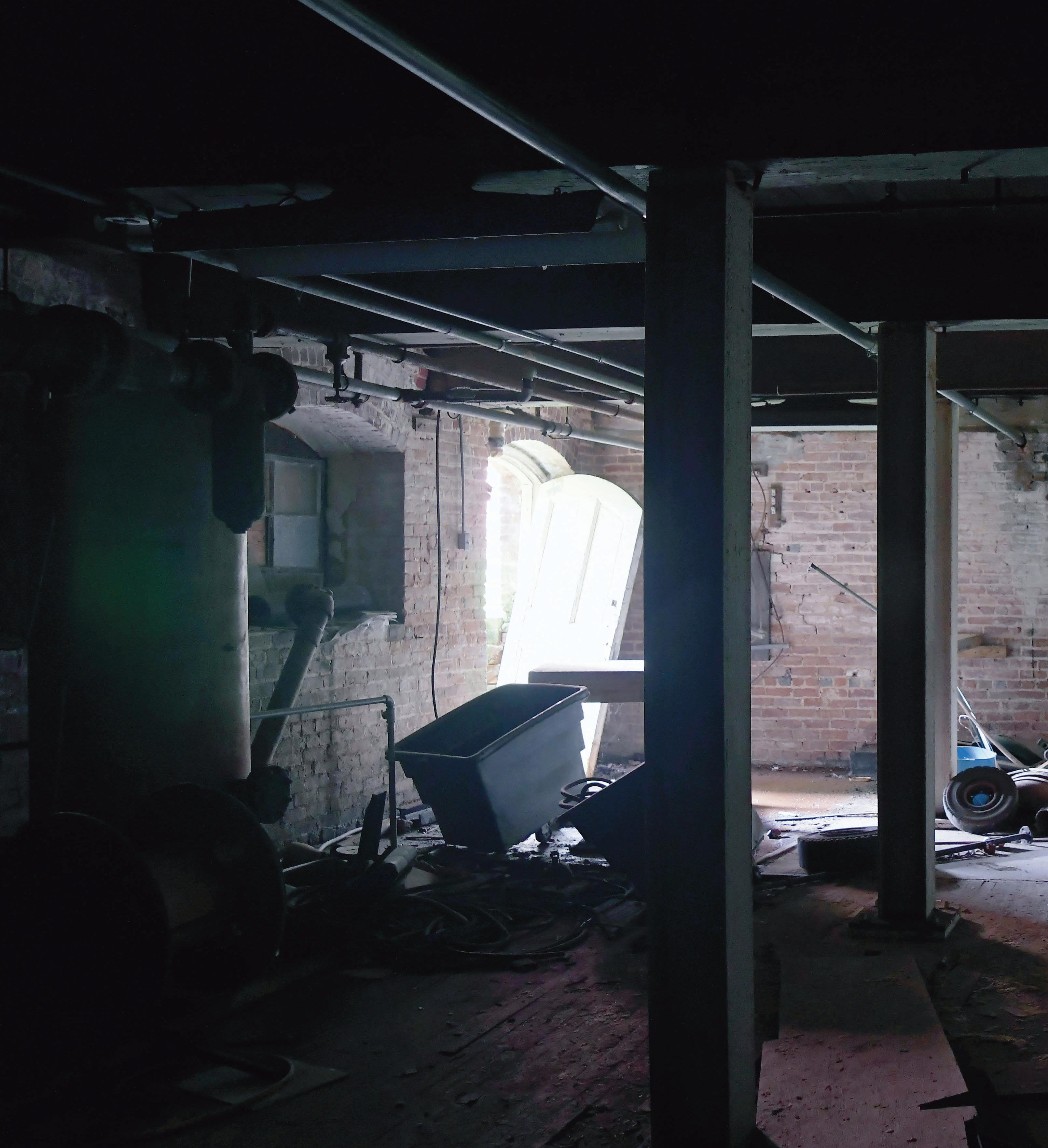
Back in May, after the City Council voted to sell the old Profile Cotton Mill, Ben Nunnally, public information officer for the City of Jacksonville, gave media tours of the shuttered building while the city still owned the historic structure. Entering the old mill was like going from daylight to twilight in an instant.
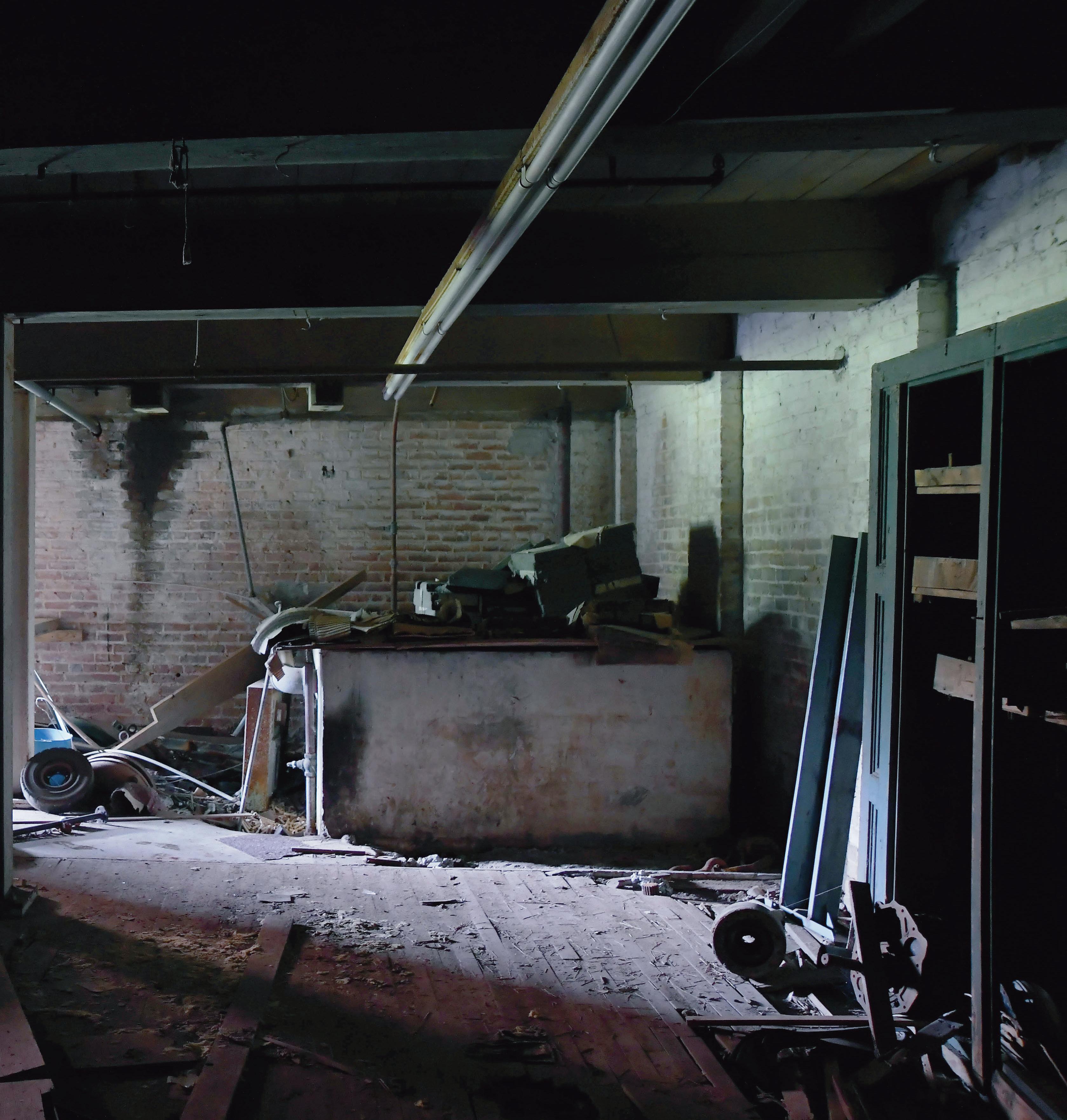
The labyrinth of large, dark halls where cotton workers toiled and loud machines whirred and popped could almost be discerned as Nunnally cautioned where not to step. Time has taken its toll. Some of the hardwood floors have buckled and snapped as water has seeped in, and years of humidity have given the place an odor of another time and place.
“There were 100,000 wrong places to step, everywhere you went. It felt like you were taking your chances of bumping into something sharp in the dark or putting your foot through a hole in the floor,” Nunnally said.
“When you first come in, it is kind of an unsettling environment, and it has that smell of, you know, antique-store times a million, where you can smell how old it is in there and how unmoved the air has been,” Nunnally said.
Light spilled in from the few windows, creating a shadow play of weaving light. You could almost sense someone or something watching as Nunnally’s voice echoed off the brick walls while he explained the history of the place.
Some old structures still remain. One could best be described as a bed of nails, along with vacant offices locked in time. Nunnally described a creepy doll he discovered on another tour. Most of her face was missing. The doll’s hair was long and silver—just like the Mill Witch.
Soon, the wrecking ball will have its way and the demolition crew will salvage the skeleton of the mill — the heartwood beams will survive to see another day — but remaining forever will be the multitude of stories and memories. As Rick Bragg said, once the mill is gone, the stories will live on, including those of the workers who were the real heart and soul that kept the place going.
A fourth-generation farm finds a way to grow memories
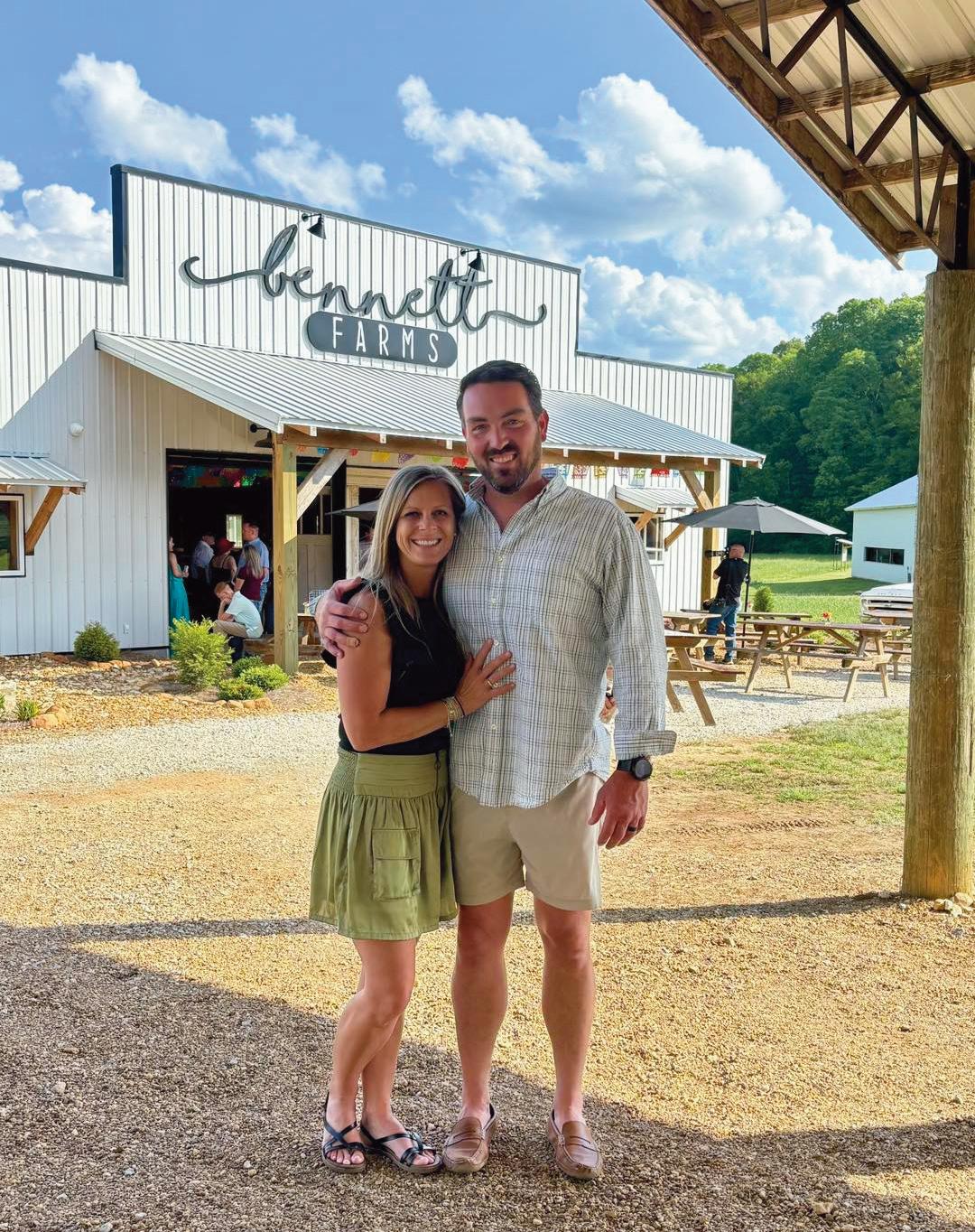
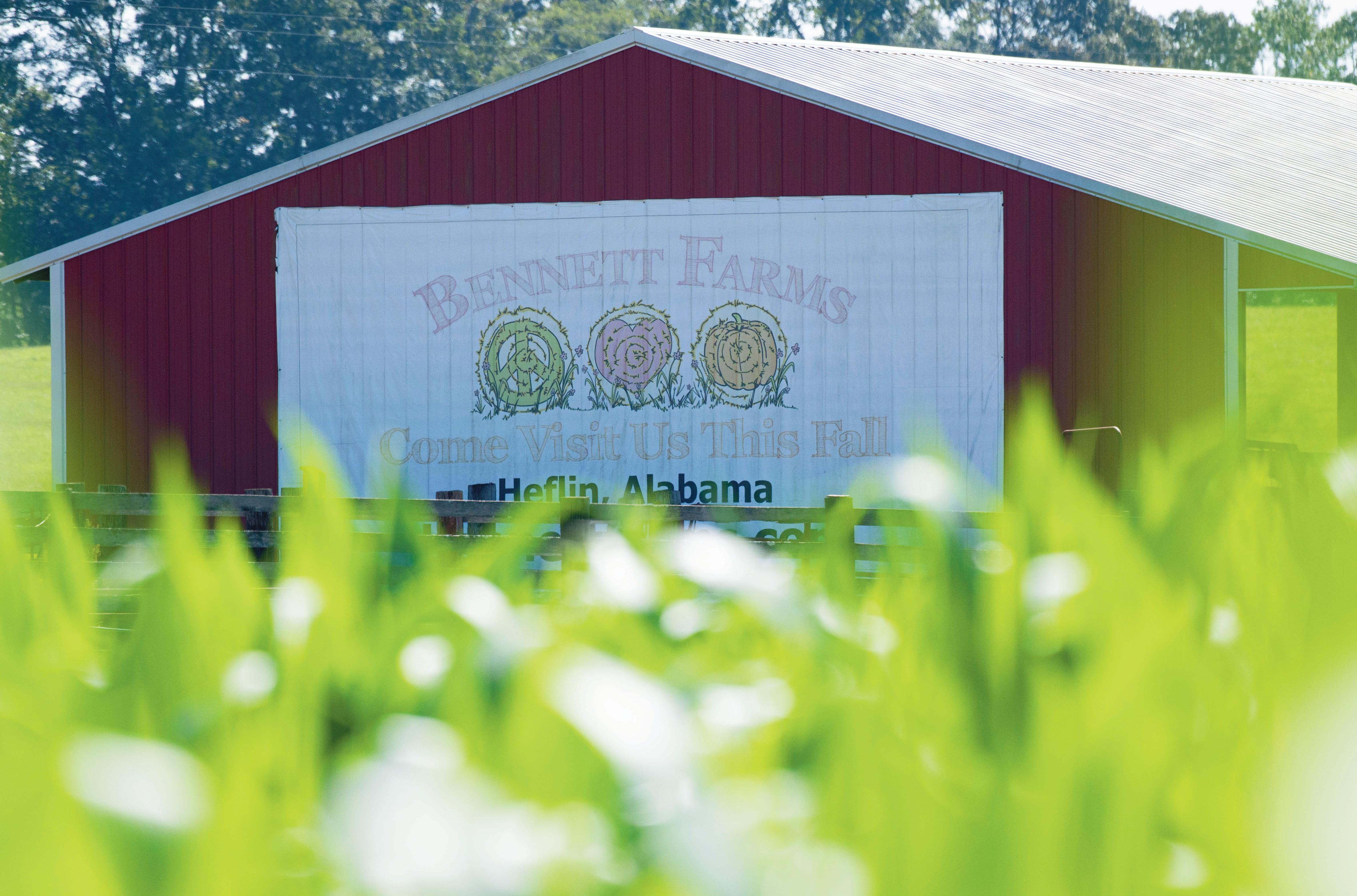
Bennett Farms in Heflin is a fourth-generation traditional farm operation and seasonal pumpkin patch operated by Jim Bennett and his wife, Lexi. Their two children, daughter Avery, 17, and son Ty, 15, also contribute to the farm. The Bennetts acquired the farm about 16 years ago.
“We run cattle, timber and hay, and we also primarily grow crops for the pumpkin patch season,” Jim Bennett said. “For the most part, this farm has been doing the same thing since my great-grandad acquired it.”
It was Jim’s idea to add the pumpkin patch, with pipe slides, a petting zoo, hayrides, and, of course, pumpkins.
“My wife and I had moved back home from Charlotte with our daughter, who was about 2 years old at the time. I had a dream about taking her to a pumpkin patch. I woke up and told my wife that I was going to grow pumpkins and start a pumpkin patch, and she said, ‘You’re crazy!’”
Maybe not so crazy. Bennett Farms expects to see 25,000 visitors this year.
The pumpkin patch, which is only open for the month of October, has grown each year as Bennett has added new entertainment and more food. “Lexi’s and my favorite thing is getting to see the people coming. We have seen their kids grow, and we might not see them but once a year. There are also new people always coming. We love watching them enjoy it and make memories. It is a fun experience and an opportunity to showcase our hometown,” Bennett said.
The Bennetts’ children help out substantially more each year. Both help on the farm, and Avery also helps with social media.
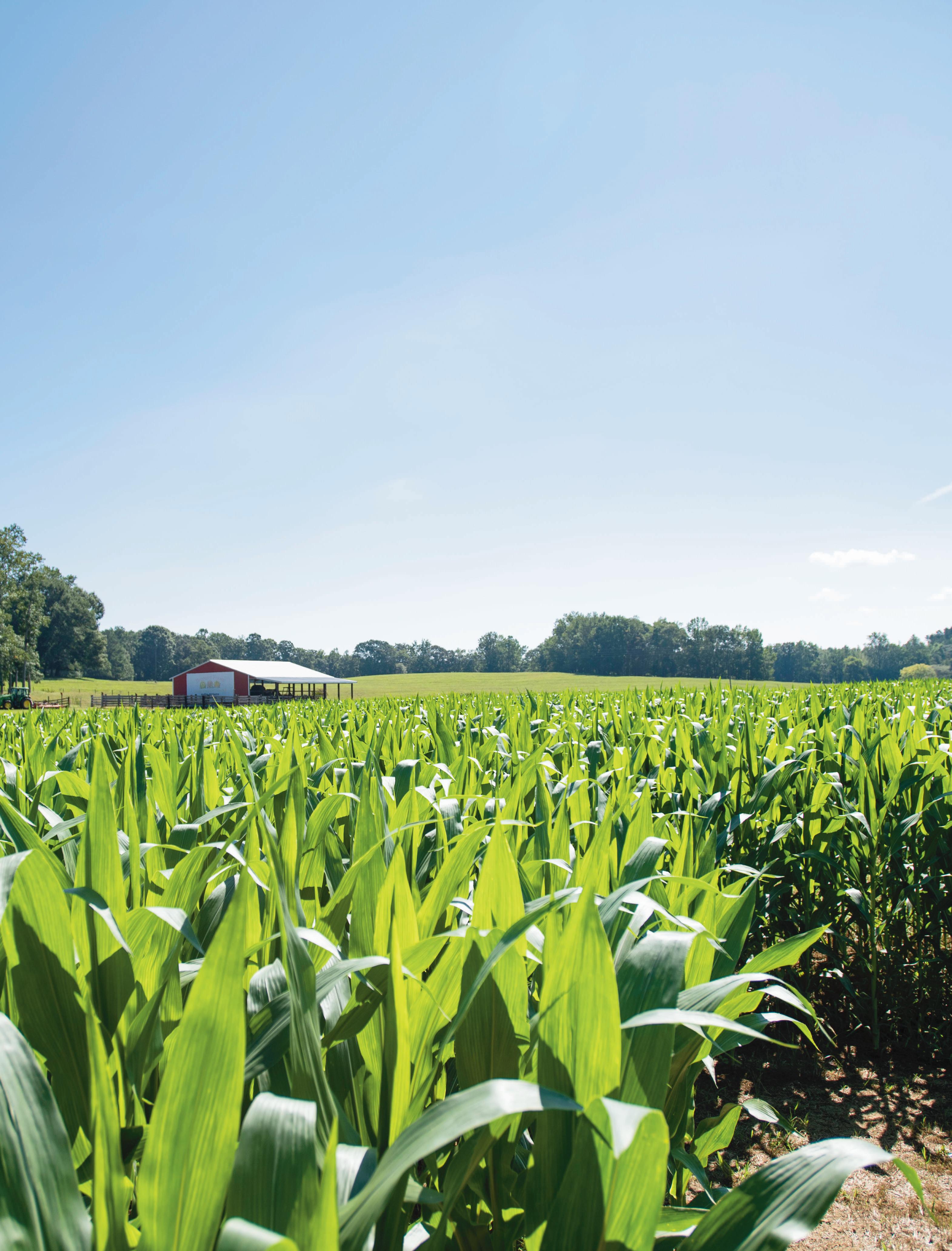
Four years ago, Bennett began to grow corn mazes. Each year, the design of the maze changes. This year’s maze will feature the logo of Sweet Grown Alabama, a non-profit that helps farmers.
“When I first started, we would grid plant the field, so it was thick. After it was a foot or two high, we would go through with a GPS. My brother, Ellis, is an engineer, and he helped me for a few years,” Bennett said. “Now, we are
working with MazePlay, a corn maze designer and installer. They’ve got a planter that will plant the whole field.”
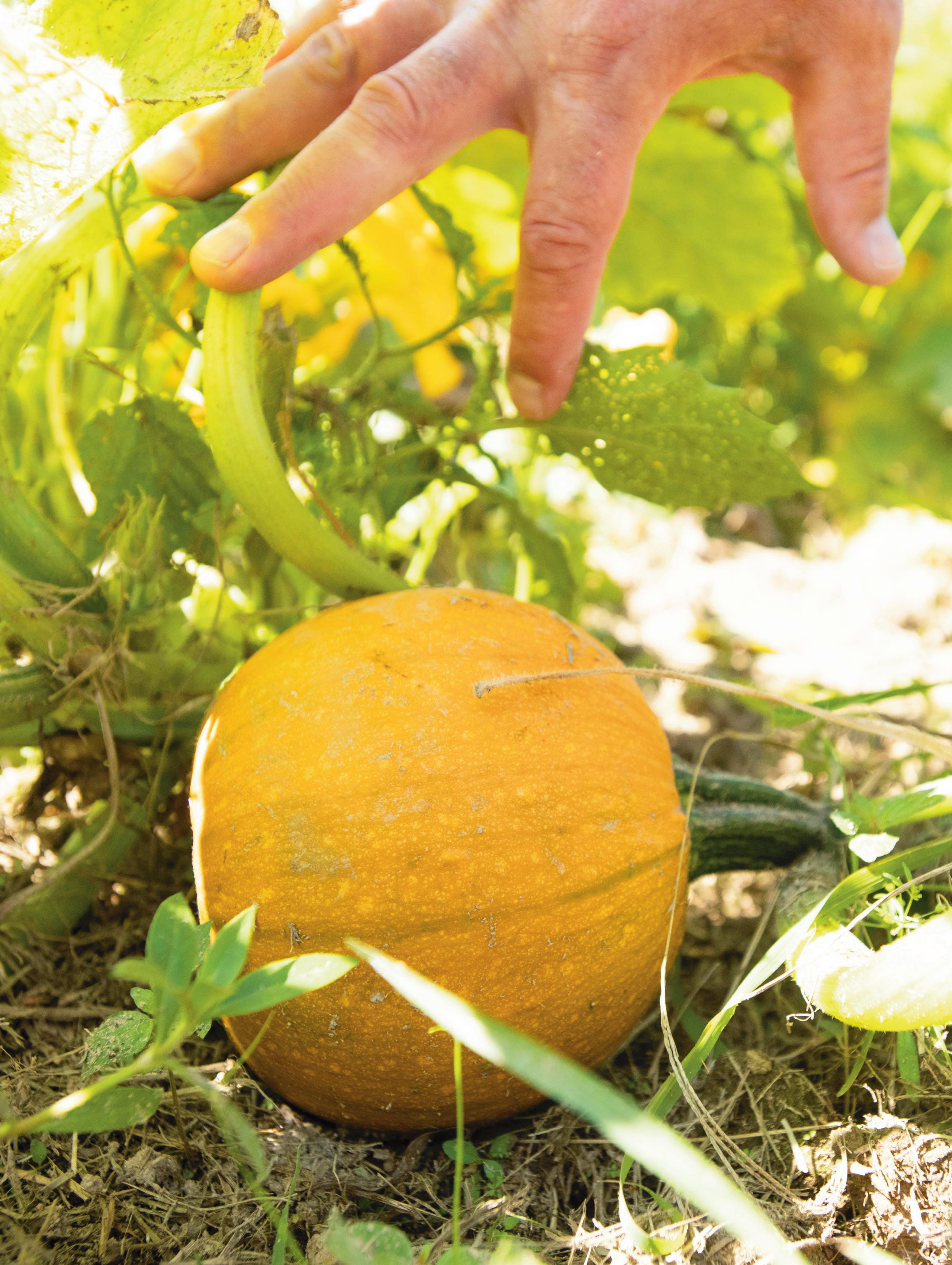
For the first four or five years of the pumpkin patch, the pumpkins were planted by hand. “I have a planter now that we utilize. There is still a lot of work around cultivating pumpkin plants. Planting by hand would take typically half a day, but now, with the planter, we can plant within a couple of hours,” Bennett said.
As soon as the pumpkin patch closes, the Bennetts will begin setting up for The Market at Bennett Farms, which features vendors selling handmade items. The Market will be held on Saturday, November 22, from 9 a.m.-4 p.m.
“I grew up spending time on this farm and working with my dad and granddad. I got to explain to my granddad what I was going to do with the pumpkin patch before he passed, and he was very excited,” Bennett said. “He was a big proponent of letting others experience the farm.”
❱ Bennett Farms, 1073 County Road 13, Heflin, bennettfarms.com




Story by Rachel Webb | Photographs by Tucker
Something my mom has always been good at is seeing a whole when all that’s in front of her is a bunch of parts.
When she moved to the family farm this past summer and rejoined the commune, she quickly pointed out that we were a pretty crappy commune. My family, my aunt and uncle, and my grandparents have all shared eggs and cups of sugar forever, but we were failing to see how much more we could be strategically sharing, specifically where groceries and food were concerned.
We had a lot of important parts: vacuum packers, canners and jars, deep freezers, bountiful gardens, storage sheds, etc., but we were still spending a ton of money every week at multiple grocery stores.
Mom bound us together in a new way by showing up at all our houses one Saturday morning and Regina George-ing us (“Get in loser, we’re going shopping”) to the grocery store. We were able to work together to plan a week’s worth of food for nine people, and we bought a lot in bulk. I was able to fill a lot of fresh produce
gaps in our menus by offering up corn, field peas, eggplant, bell peppers, and okra from my garden. (“What? You have field peas? Why haven’t I gotten any?” “I didn’t know you wanted field peas!” “I didn’t know you had field peas!”)
When we got home, my aunt and I portioned and froze meat and distributed labeled, vacuum-sealed chicken thighs, pork chops, and produce among the family’s deep freezers.
We now share bakery bread, pastries, fresh fruit, proteins, paper products, dog food, canned drinks, and anything else we can all agree to purchase. We still shop independently, but at least once a week we make a family trip and buy the priciest items together, in bulk, to share.
This cohesive approach to feeding ourselves has saved us all money and given us more time to spend together, working towards a common goal. It just took someone to see all the pieces and bring them together.
Something else Mom is very good at is seeing what is no longer beneficial. This gives her a clear vision of what can be eliminated, and wow does that lady love getting rid of things.
To my chagrin, she is much less sentimental than I am, and has cheerfully rid herself and her space of items that held meaning or memory for me. She sold a huge, old, cumbersome antique armoire one time and it took me years to get over it.
When something becomes too much of a chore to maintain or handle, or when her physical or mental relationship to it becomes too tedious, its days in her custody are numbered. But her lack of emotional attachment to most “things” is also a fascinating study in the fluidity of ownership, the weight of necessity and nostalgia, the freedom that comes from needing and using less, and the personal benefits of letting all sorts of things go. I agonize over the loss of sentimental items. She charges on, savoring memory and lack of encumberment all at once.
She likes to move house every few years, and she usually divests herself of at least half of her furniture every time. She’s currently downsizing from the space she’s lived in for quite a while (by her standards), and she is giving me, my aunt, my cousins, her cousins (I guess they’re all the same cousins), and other people in her life the chance to claim what we want before she sells what’s left. I got a book of blue sticky notes and tagged everything I wanted with them, and they’re slowly being returned to me attached to
Through this process, I am aware that Mom is also teaching me how she wants her own legacy to be handled. Hers is a legacy of actions, abilities, and personality.
the sides of tables and artworks and lamps.
While Mom may not have an emotional attachment to a “thing,” she understands (after years of me losing my mind that she sold stuff) that other people may, and she is giving us the opportunity to claim those tangible memories before she sends them on to a new life with new people. Mom says she sees herself as a “temporary caretaker” of things. She spent many years in the museum industry, and she deeply enjoys it when “things” are preserved, loved, and find their next chapter through her.
As she’s settled into her new space on the farm, she’s turned this talent towards benefit-
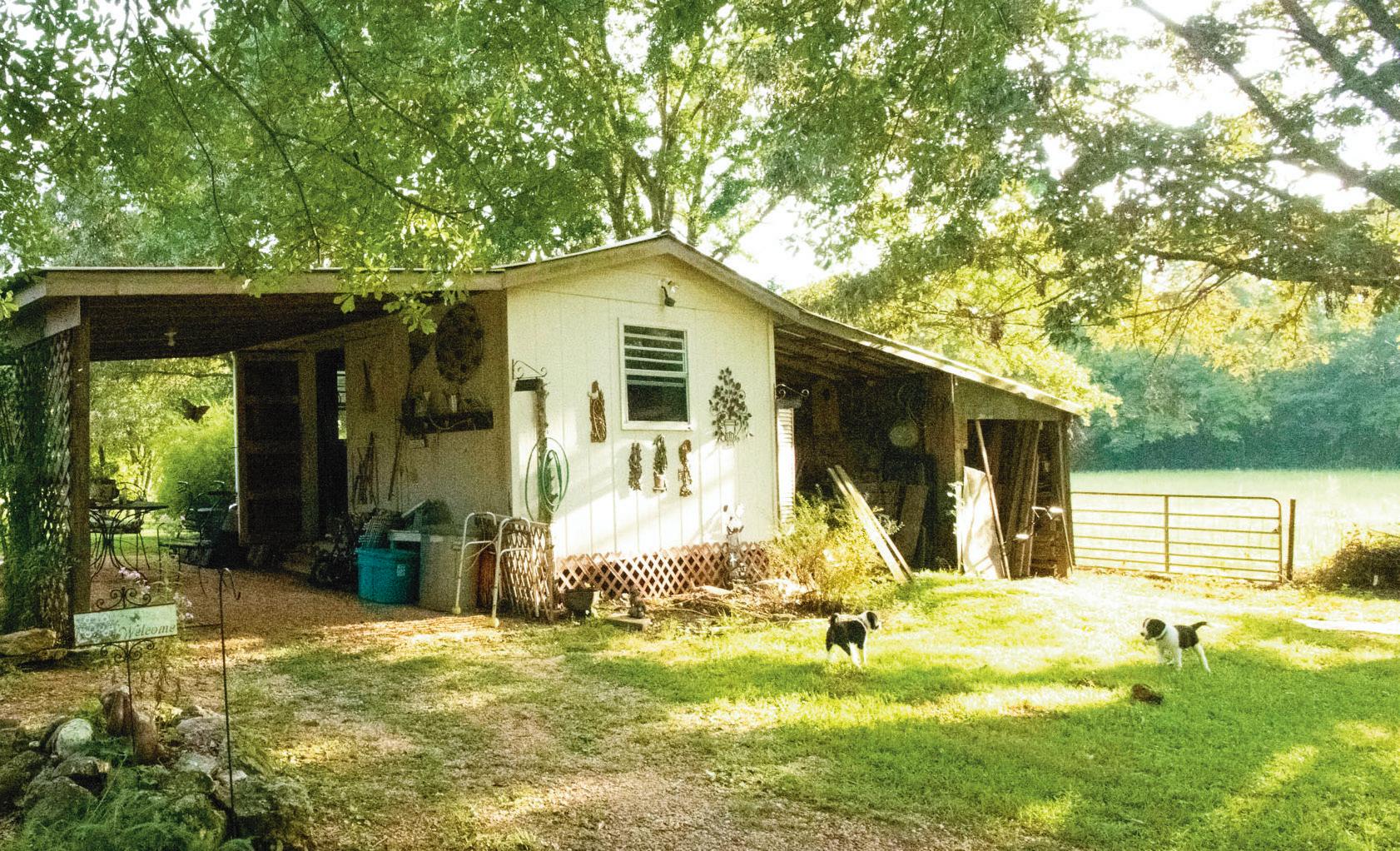
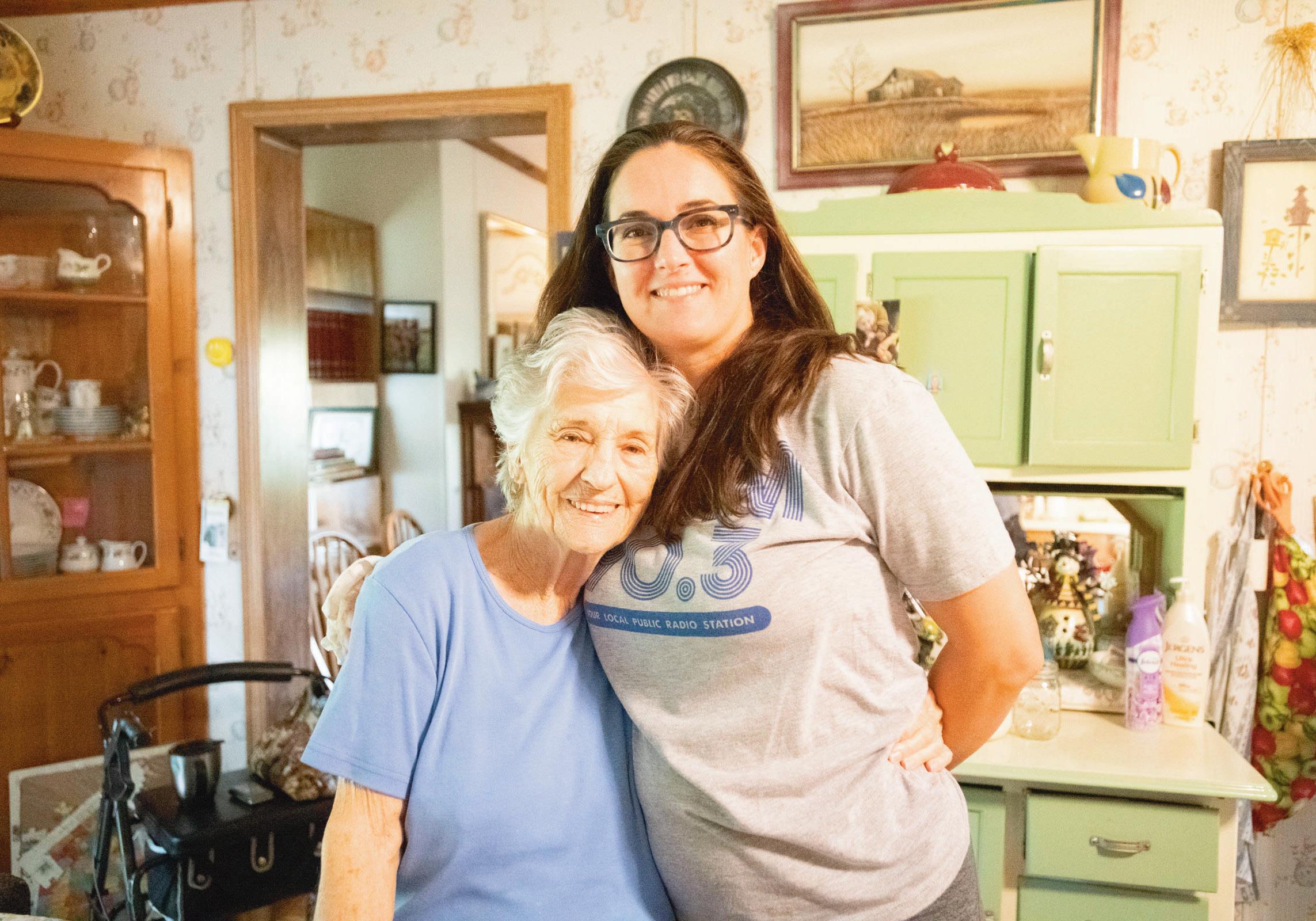
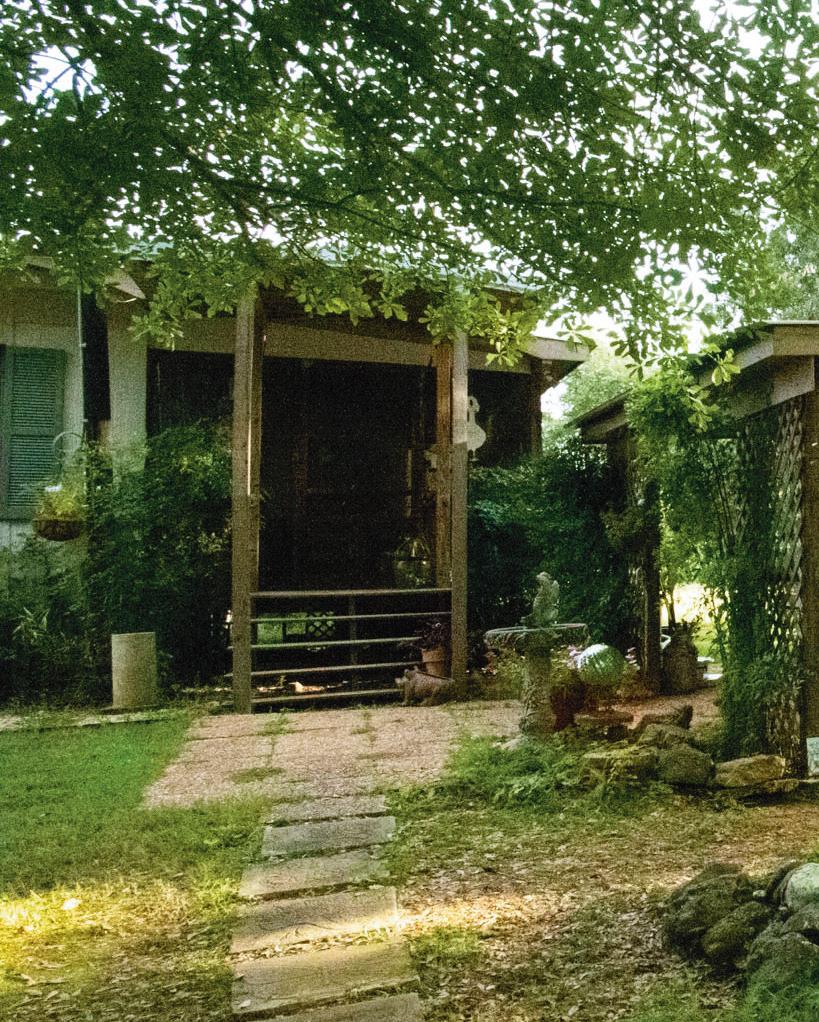
ting the family property. She and I have begun clearing out the six (or seven, depending on how you count them) storage rooms, outbuildings, and barns that Memaw and Papaw have filled with mountains of stuff over the last 40 years.
Mom’s sense of reduction is merciless. Her tactics are aggressive and precise. I am in awe of her ruthless ability to cut, edit, omit, and shed. She’s limited only by her own imagination and whether or not she can lift (or reach) the thing she’s trying to move, and even this is a temporary setback, because she just gets me to do it.
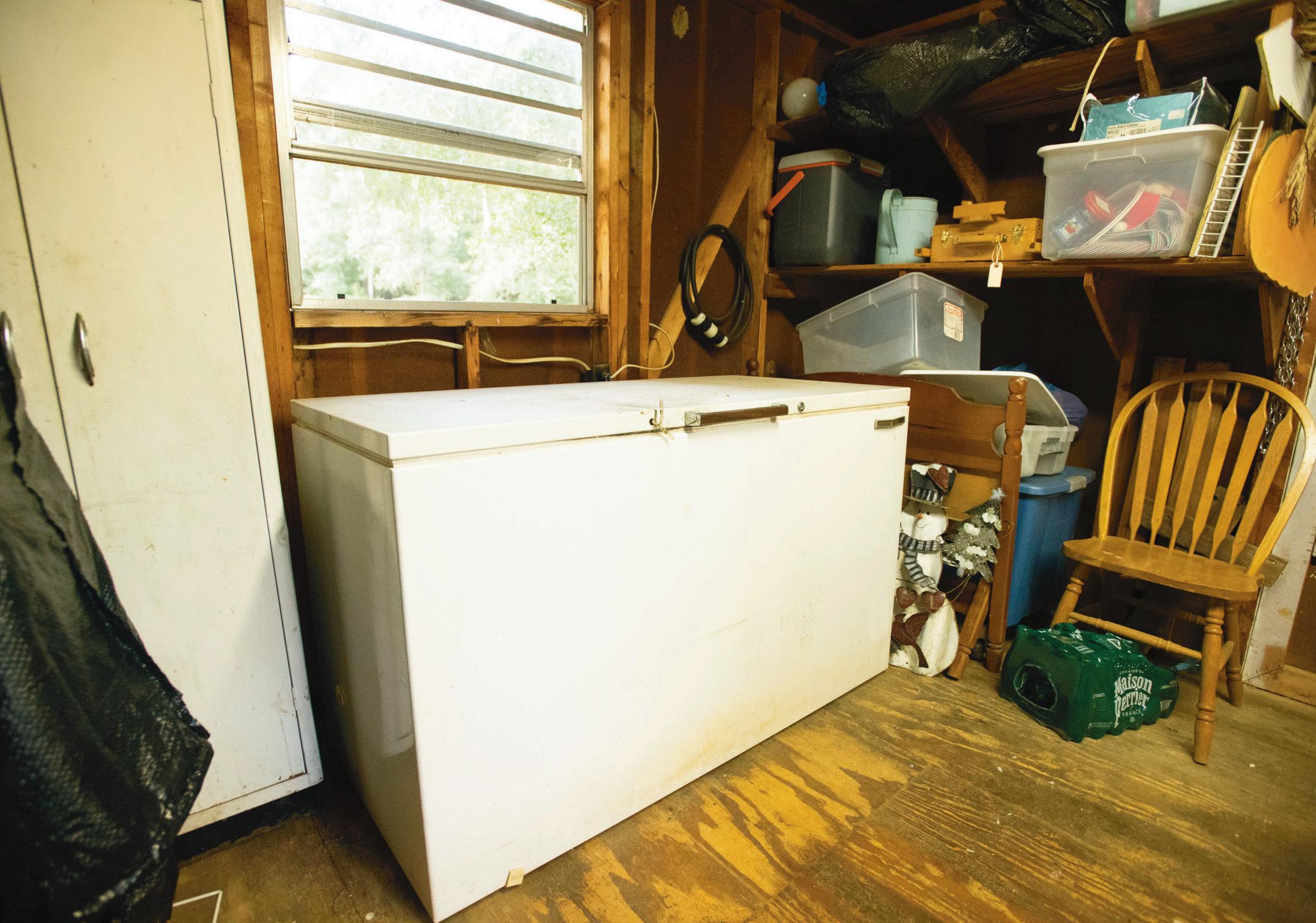
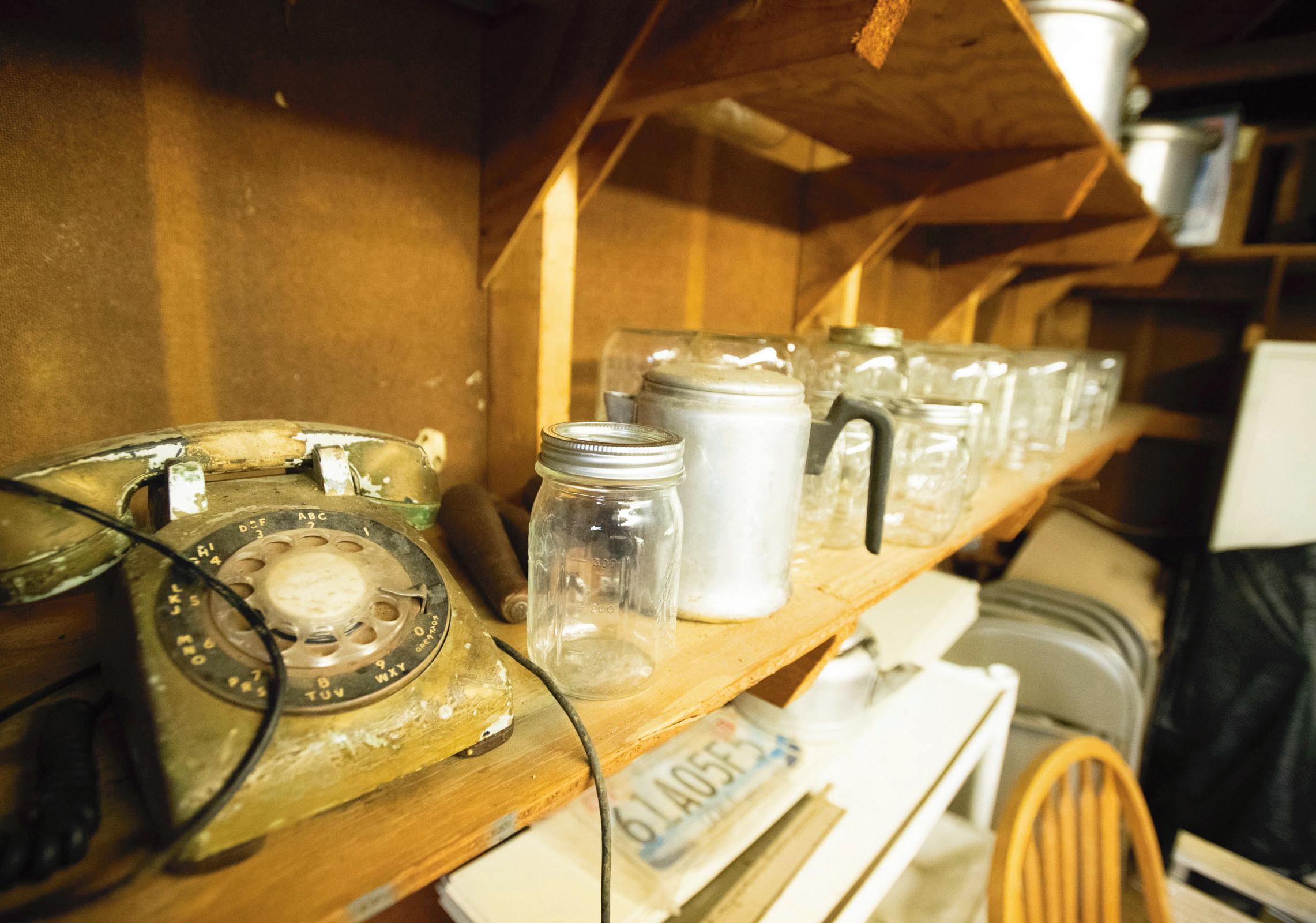
To keep the family dynamic interesting, my grandparents feel deep anxiety about getting rid of anything at all, whether or not it is useful. Ancient bits of warped trim, blocks of scrap wood, twinkle lights that no longer twinkle, damaged junction boxes, broken walking sticks, the plugends to a dozen extension cords (no cords, just the plugs), cans of dried-up latex paint, mayo jars of rusty nails, cracked gazing globes, ten thousand flower pots, every plastic milk jug Memaw has ever bought … all of these items have been cleared out of Storage Shed #1, unceremoniously chucked into the bed of Papaw’s truck, and driven to the dumpster.
Papaw and my uncle raised a few modest
complaints about us clearing out shed #1, but generally they relented. We have learned, however, to tread lightly inside the actual house.
My Memaw loves her things. She’s collected things for years. Her early life was lived with a lot of family and plenty of love, but not much money. “We were country folks,” she says. She has told me that she compensated for that as an adult by buying “things.” Standing in her spare bedroom (“junk room”), one could believe that she still has most of those things.
In Memaw’s world, there is a clear hierarchy of storage. Proximity to her person is key. Inside the house, she has the “junk room,” the hall closet, and the back bedroom and closet. On the screened-in porch, she has the Outside Storage Room. In the yard is Storage Shed #1, which is flanked by Sheds #2 and #3. The Garden Shed is farther out, then there’s the Little Red Barn by the woods, and the Big Barn across the pasture.
All of these spaces are filled with stuff. The rooms inside the house hold the most precious items, such as family photos, ceramic figurines of birds, years of Good Housekeeping magazines, a sizable collection of fabric, a couple of sewing machines, tablecloths and corresponding placemats, Papaw’s hunting jackets, easily five hundred picture frames, and her prized collection of Christmas snowmen.
The Outside Storage Room is where things like slow cookers and extra large flower vases live. Useful, and used, but less sentimental and therefore needing less guarding.
Storage Shed #1 in the yard is now Mom’s domain. It used to be the canning shed, but it’s now Mom’s personal grocery store. Memaw had only the foggiest idea of what was in there, but that doesn’t stop her from blaming me and Mom whenever she can’t find something, because it was clearly in Storage Shed #1 and we clearly threw it out.
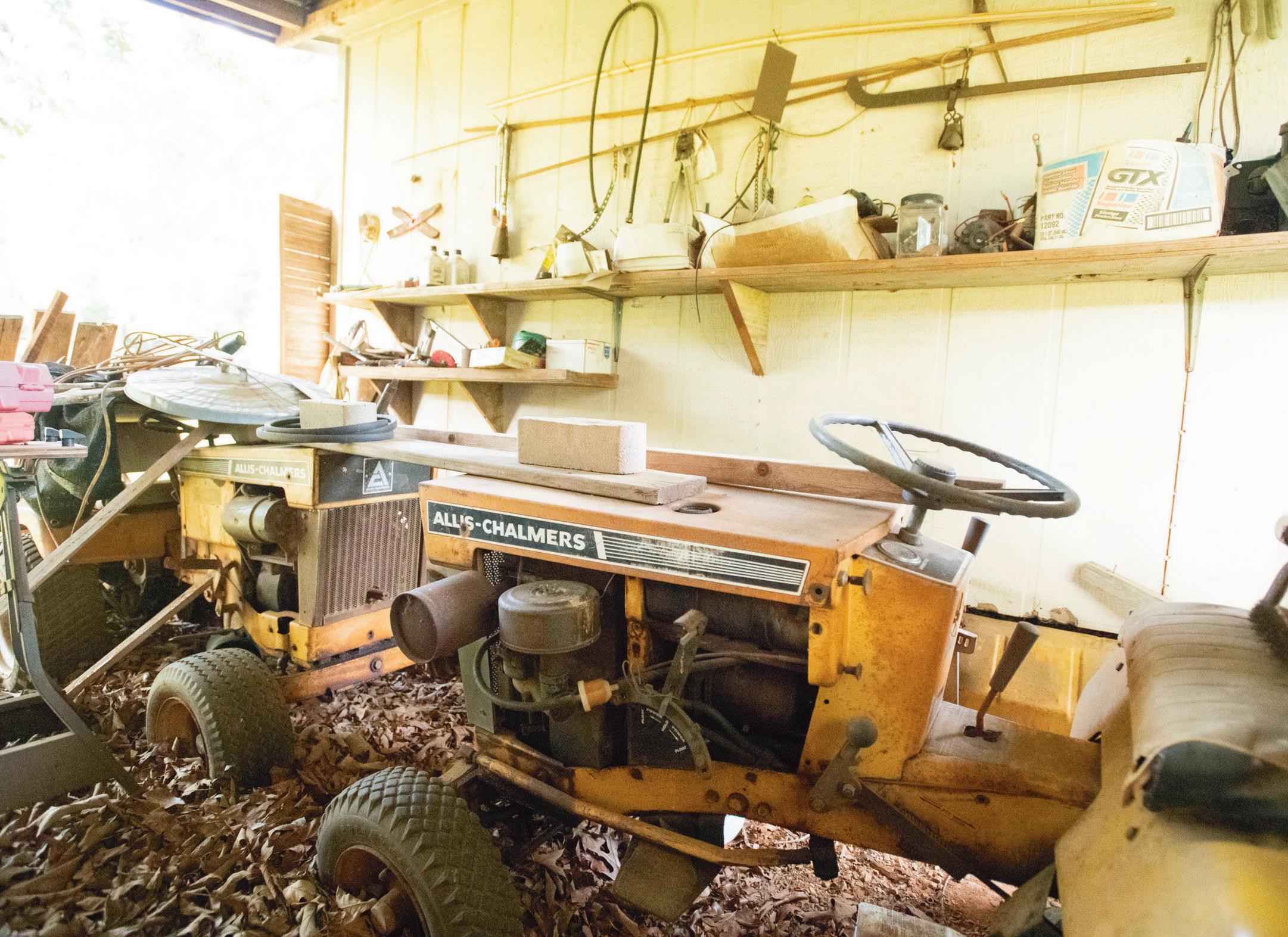
The Garden Shed houses the yard tractor, another ten thousand flower pots, and a particularly vicious red wasp colony.
The Little Red Barn and the Big Barn might as well be the moon to Memaw. She has no clue what’s in there (and what’s not), and my husband and I have battled snakes, hornets, poison oak, rusty nails, extreme heat, and grumpy uncles to clear out those barns and make them useful again.
Memaw’s things hold memory, and memory is something she has precious little of these days. Objects often take her back to specific points in time. Because of this, she is even more attached to her stuff.
In the past few years, however, she has admitted that the “things” are becoming too much. She is physically unable to go through all her closets and sheds and barns any more, and if she could, she can no longer make decisions about what to do with things. She has asked us for help, and we’re glad to oblige. We walk a fine line between helping her and stressing her, though, so we try hard to move with intentionality and respect, and keep her involved in what we are doing.
In my 37-plus years of knowing my Memaw, I, too, have developed attachments to some of her things. I have a set of Corelle flour and sugar canisters that, even though they’re in storage and not currently used, I could never part with. They sat on Memaw’s counter all through my childhood. I got in trouble for stealing pinches of sugar out of that jar with the blue heart on the side. I also have the wooden chairs that sat around her kitchen table, the ones that she painted the exact same shade of blue as the hearts on those canisters. I have the matching blue curtains that she made hanging over my kitchen window. I have her heavy cast iron skillet that she fried okra in before her arthritis made it impossible for her to handle it. I have her photo collection. I have the massive record player that Papaw gave her on her 33rd birthday, in 1968. They gave it to me on my 33rd birthday and we put on Chubby Checker and danced to “The Twist” in my living room.
I am my grandmother’s grandchild, after all, and I inherited her love of “things.” Many of the physical items in her vast collections are sentimental to me, but I am also my mother’s child, and, to be honest, a huge majority of them are not sentimental to me at all. They hold meaning for Memaw, and I respect that, but two dozen ceramic robins, cardinals, and redwinged blackbirds perched artfully on blooming tree branches just isn’t my thing. (It’s my cousin Andrea’s thing. She inherited the love of knickknacks, and she’ll also inherit the knickknacks themselves.)
Through this process, I am aware that Mom is also teaching me how she wants her own
legacy to be handled. Hers is a legacy of actions, abilities, and personality. She is teaching me how to, when the generations rotate again, connect her memory to something more permanent than objects.
As Mom and I move through the spaces and memories on our farm, I am keeping in mind that while the responsibility is ours to maintain the property and buildings and keep the “stuff” from taking over, we are not the sole owners of Memaw and Papaw’s legacy, and in their minds, a lot of this “stuff” is their legacy.
Memaw told me one time, while we were digging through her photo collection, that the way she and her sisters used to keep family photographs safe “from house fires and tornadoes” was by getting together every couple of years with all their photo collections and sharing them around. Among six sisters and two sisters-inlaw, it was an effective method of not only sharing a communal asset, but also keeping it safe. I want us all to share around Memaw and Papaw’s legacy, to keep it safe. I want them to know, while they are still alive, that their legacy is treasured, and being shared around, and being actively kept safe. I want to clear out storage buildings and back rooms and make space to grow, space for change, space for the future. I
want my Mom to be here, with us, binding us all together with grocery runs and arguments over what’s being chucked and what’s being kept. I want my kids to know their great-grandparents and understand all the gifts they’ve given our family.
I want to keep my grandparents forever, but that is impossible. As they get older, I am more and more aware of how precious the time we spend together is. I know their things are just things, just objects. My mom often sees “stuff” like that, as just objects. But I think it’s the “who” of the objects that makes them special. I never would have bought those Corelle canisters on my own, but Memaw did, and she infused them with years of memories, and designed a whole kitchen around them, and the “Memaw” of them makes them more than just a thing. It makes them a tangible memory, something I can try to keep forever.
Rachel Webb is a mom, wife, daughter, granddaughter, niece, cousin, and friend. She and her husband have been married for nine years and have two sons. They live on her family’s multi-generational farm in Talladega County. Her favorite pastimes are gardening, cooking, reading, and drinking margaritas.
By Faith Dorn
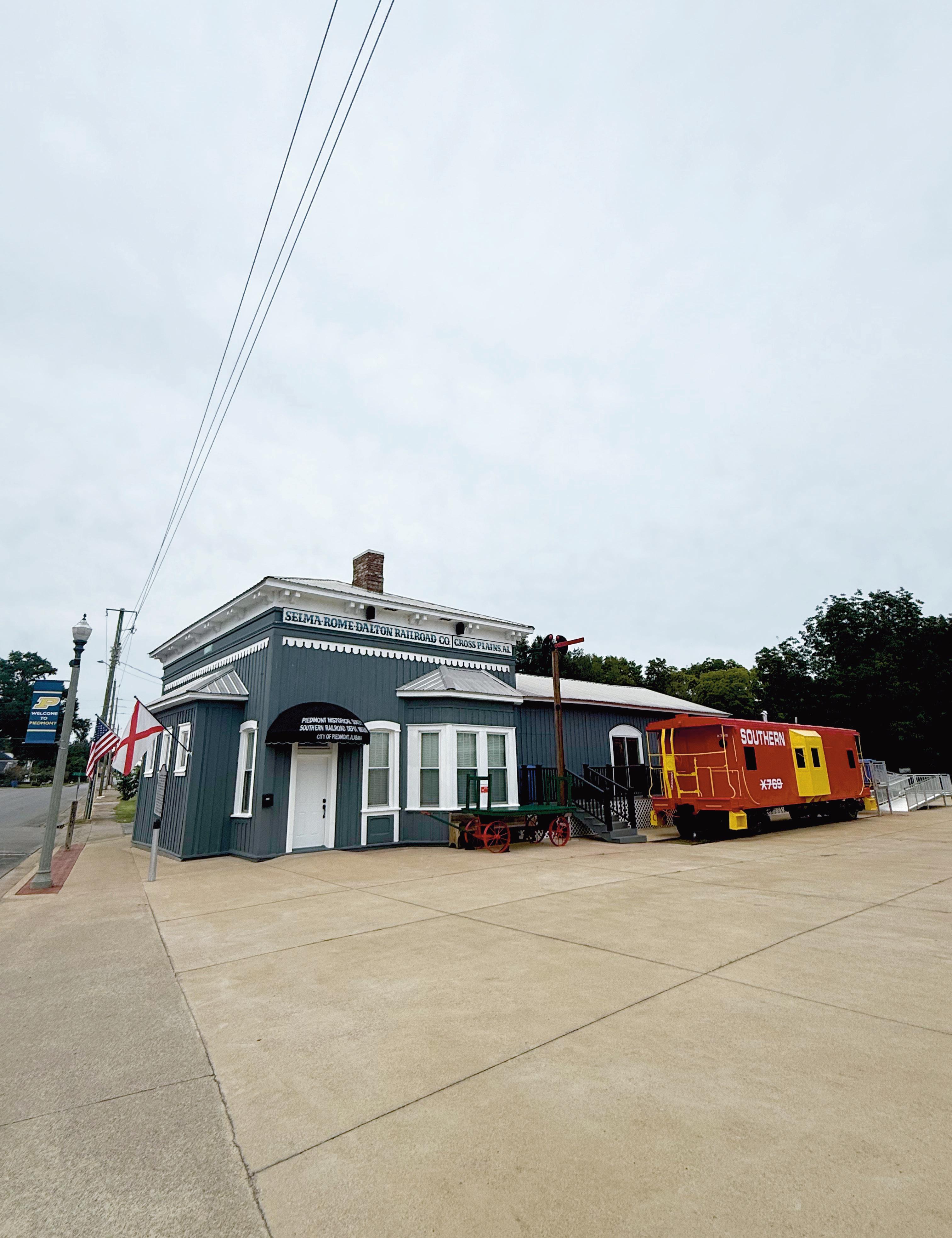
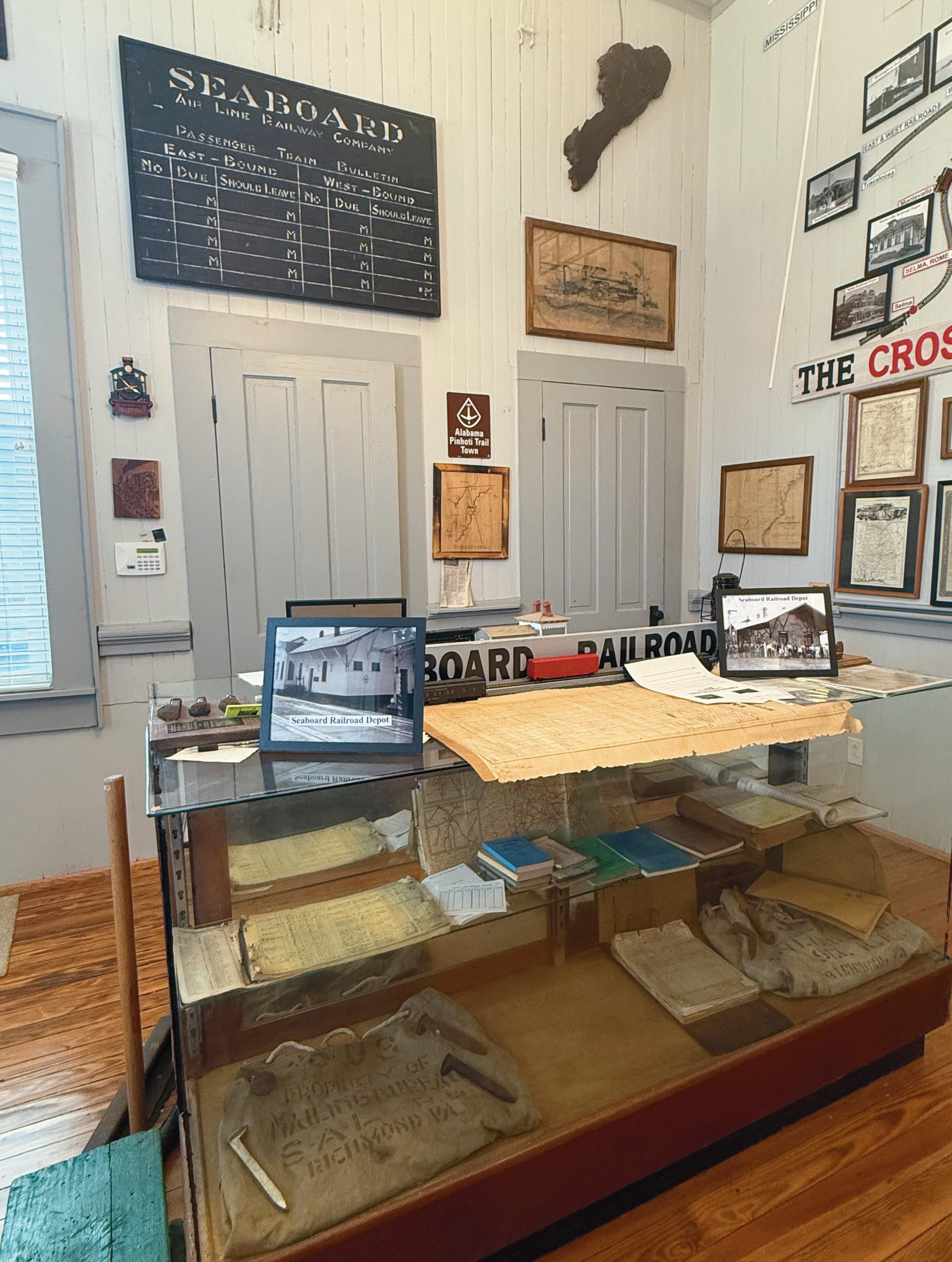
The Southern Railroad Depot Museum in Piedmont — a dream almost 50 years in the making — celebrated its grand opening in September. The new museum was spearheaded by the Piedmont Historical Society.
The museum is housed in the historic Piedmont Depot, which was built in 1868 after the Southern Railroad came to town. The museum showcases the role of the railroad in shaping local industry, community life, and regional growth. It tells the history of Piedmont through art, exhibits and historic documents and artifacts — as well as high-tech interactive exhibits, including a large digital topographical map of Alabama that
highlights historic sites.
Outside the museum sits a bright red Southern Railroad caboose from the 1960s.
The museum hopes to attract tourists from throughout the South as well as Alabama fourth-graders who are studying state history.
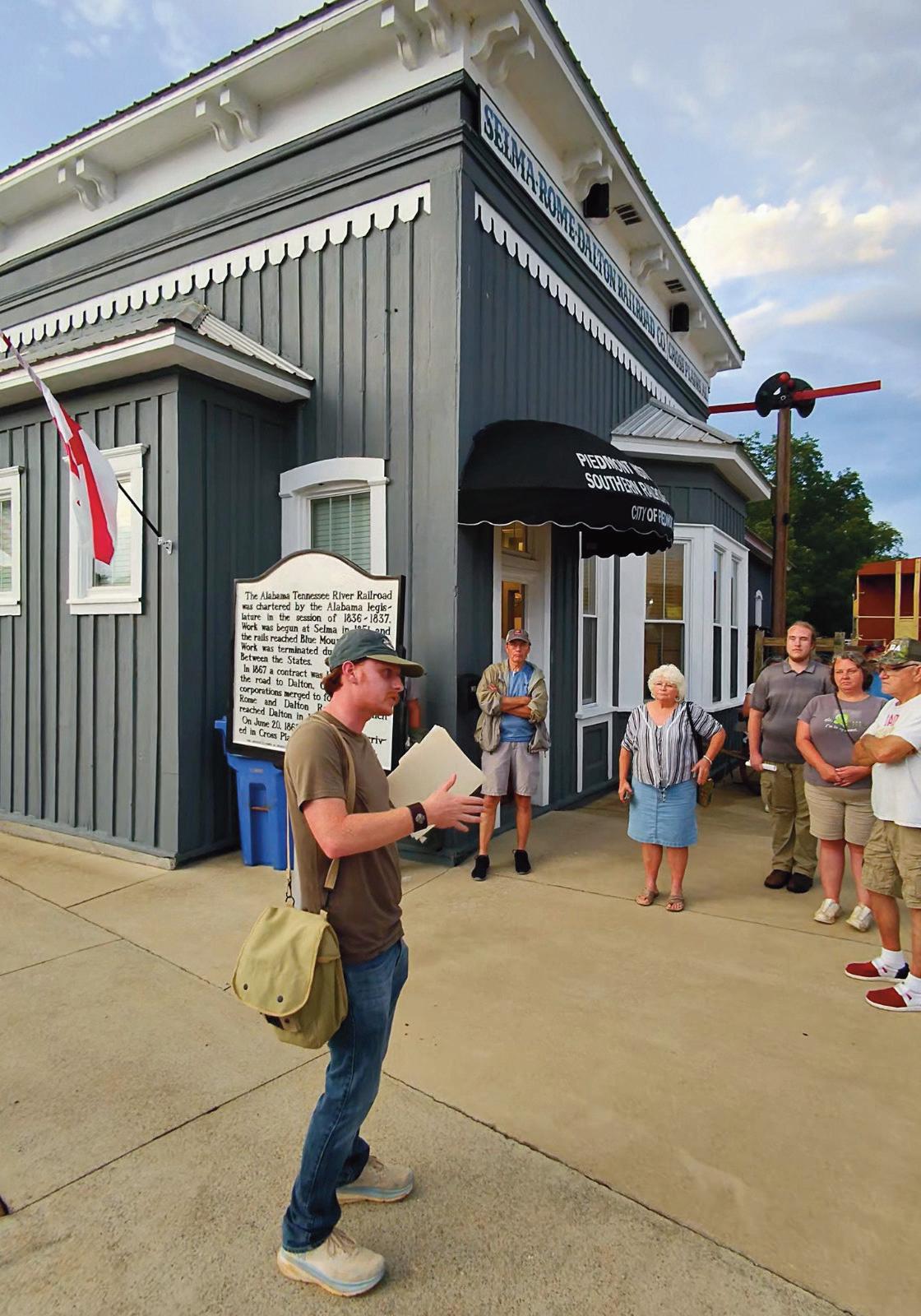
The Piedmont Historical Society regularly hosts special events at the museum. Earlier this year, the society held a walking tour marking the 155th anniversary of one of the darkest moments in local history.
The story begins with racial tensions in the era of Reconstruction, a train whistle and a runaway mule, and ends in an unfair hearing and the lynching of five men — ultimately leading to prospective investors in the town withdrawing their money and heading elsewhere.
About 40 people took part in the walking tour, which was led by Quinton Kirk, vice president of the Piedmont Historical Society. Kirk learned a lot about the story from Gene Howard, author of a book about the lynching called “Death at Cross Plains: An Alabama Reconstruction Tragedy.”
The walking tour began at the Southern Railroad Depot Museum, a key location in the story.
Back in 1870, Piedmont was named Cross Plains. The small village, population around 350, was home to scattered general stores, one drugstore, two barrooms, one buggy and wagon shop, two cotton gins, a blacksmith shop and a few other buildings.
“To better explain the tragedy at Cross Plains, we have to look at the overall picture of Reconstruction—a difficult time to reunify the country following the American Civil War and the newly established freedoms of African Americans,” Kirk said. “This was a time of social, political and economic changes that most Southern whites were not in favor of.”
Northern investors had come to the area in May 1870, interested in the iron ore in the region. Others had come to the area to educate the freedmen — one of whom was William Luke, a white Methodist minister who was preparing men for an education at Talladega College so that, upon graduation, the men would be able to work for the railroad company.

Around 6 p.m. on July 10, 1870, a 17-yearold white man named Patrick Craig was drinking on the platform at the railroad depot. He had handed a freeman named Green Little the lead to his mule and told him to hold onto it.
A train soon approached the station, and the conductor blew the whistle. The whistle startled Craig’s mule, which ran off. Craig, now agitated and intoxicated, and other white men attacked Little for losing the mule. Black railroad workers saw what was happening and began hopping off the train to assist Little. The fight was eventually broken up, but tensions continued to run high.
About two hours later, a dozen freedmen came into Cross Plains armed with pistols to settle the fight. As word spread, Craig and three other white men took up arms and began looking for the group.
“I don’t know who fired first for sure,” Kirk said. Churchgoers returning home from the Methodist church were caught in the crossfire.
The shootout spread fear throughout the town that the freedmen were starting an insurrection against white residents.
A Black woman from Tobetown, a village of freedmen north of Cross Plains, gave the names of the freedmen she believed to be involved in the shootout.
The men of Cross Plains assembled a posse. It was led by Andrew Bailey, principal of the Cross Plains Institute and former Confederate soldier.
The morning after the shooting, Bailey went to the nearby town of Patona to arrest the men before they could escape by train. The posse found Caesar Fredrick wounded from the night before. They took him back into town and met with the magistrate of the area, who deputized Bailey to act out search warrants and bring in the other men.
Asked about the crime the men would have been charged with, Kirk said he believed it would have been listed as attempted murder.
“To note, none of the white people were wounded except a Mrs. Farmer being hit by wadding, which did not break the skin,” Kirk said.
A hearing began later that day, but before it
could resume the next morning, William Luke and freedmen Toney Cliff, Caesar Fredrick, William Hall and Berry Harris were abducted by the KKK.
Bailey later claimed in his testimony that he tried to stop the Klansmen from taking the prisoners so as to let the justice system work, but that it was a standoff between 10 lawmen and more than 50 masked men armed with pistols and shotguns.
The Klansmen took the five men to an oak tree where Gadsden Road is now. They only had enough rope to make three nooses. Luke and two freedmen were hanged, and the other two freedmen were shot.
Another freedman had been murdered

prior to the events of July 10, and Green Little would be hanged a few weeks after this lynching.
Federal soldiers occupied Cross Plains for several months following the lynching. They held an inquiry to determine the identities of the masked men, but their efforts failed because no one came forward with any detailed information.
The victims’ names have never really been cleared, Kirk said. “That’s why I wanted to give a truthful account of the tragedy.”
❱ The Southern Railroad Depot Museum, 130 North Center Ave., Piedmont, piedmontalabamamuseum.com.
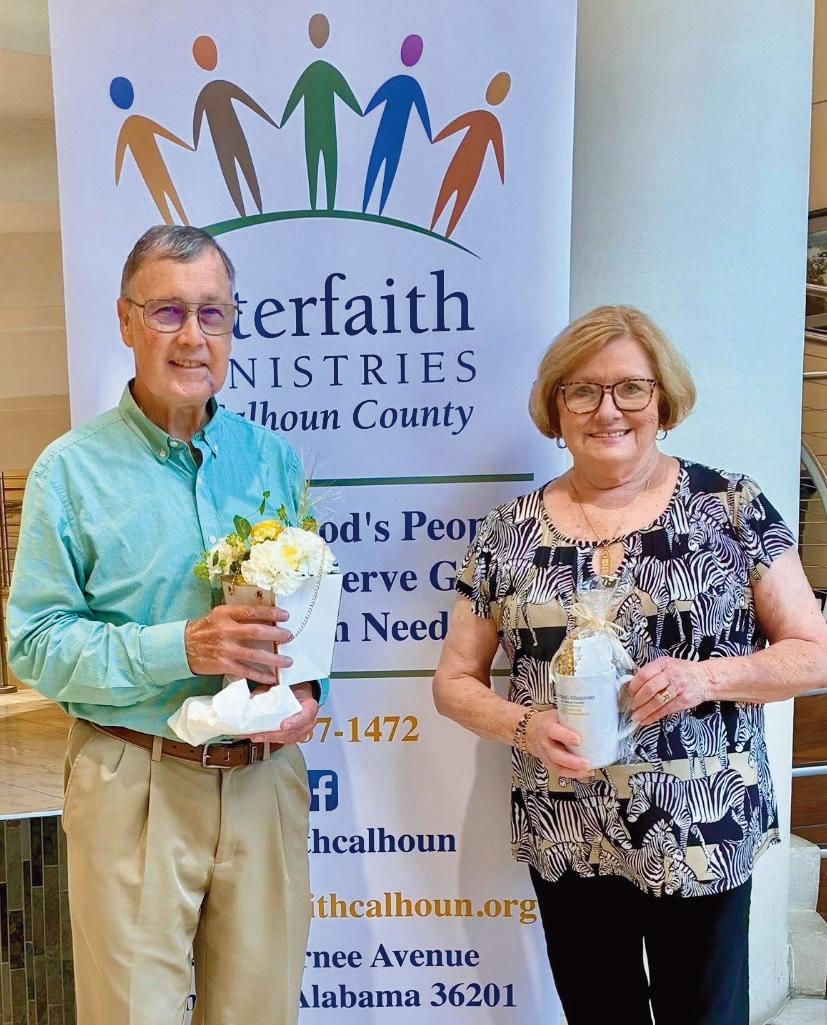
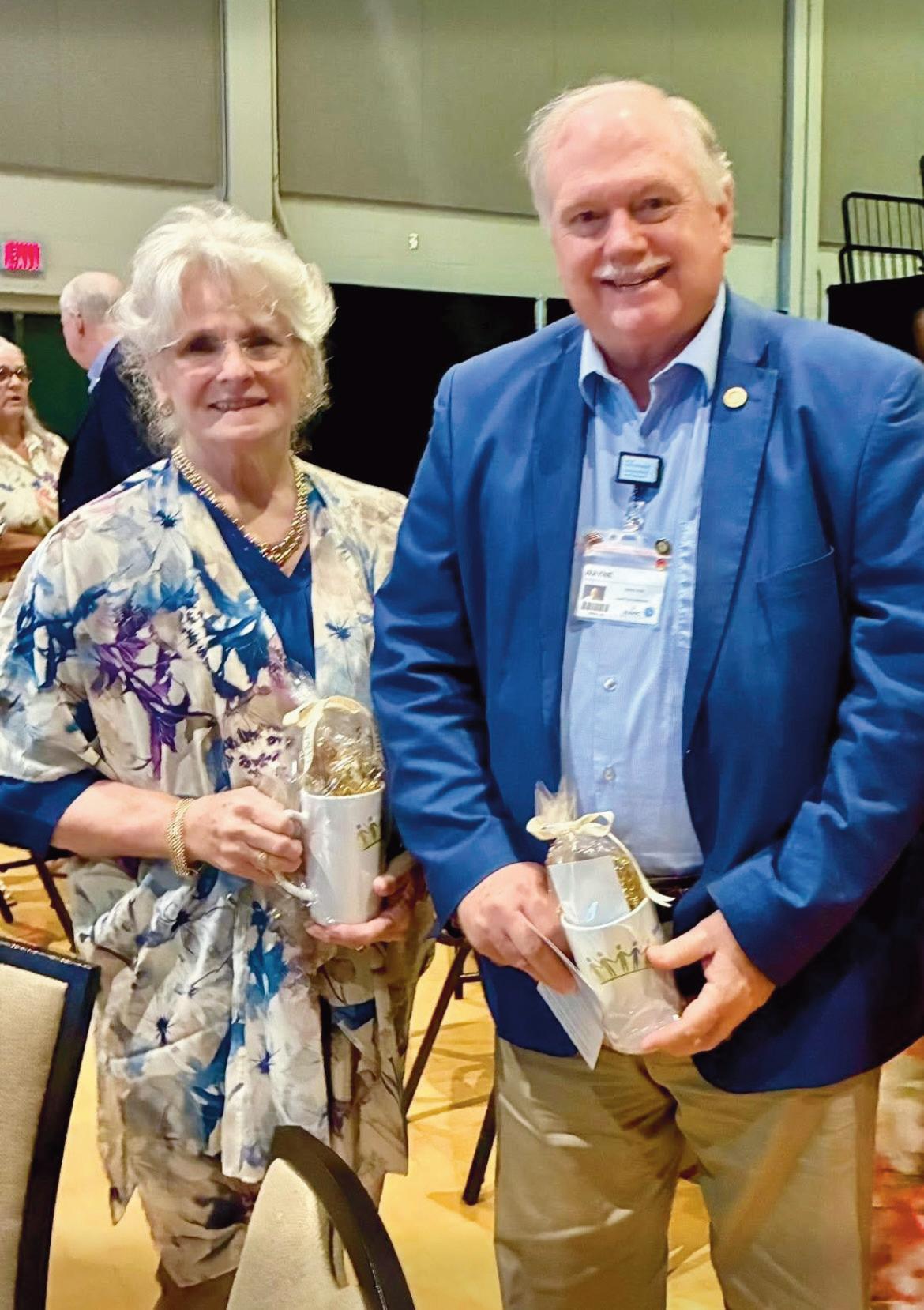
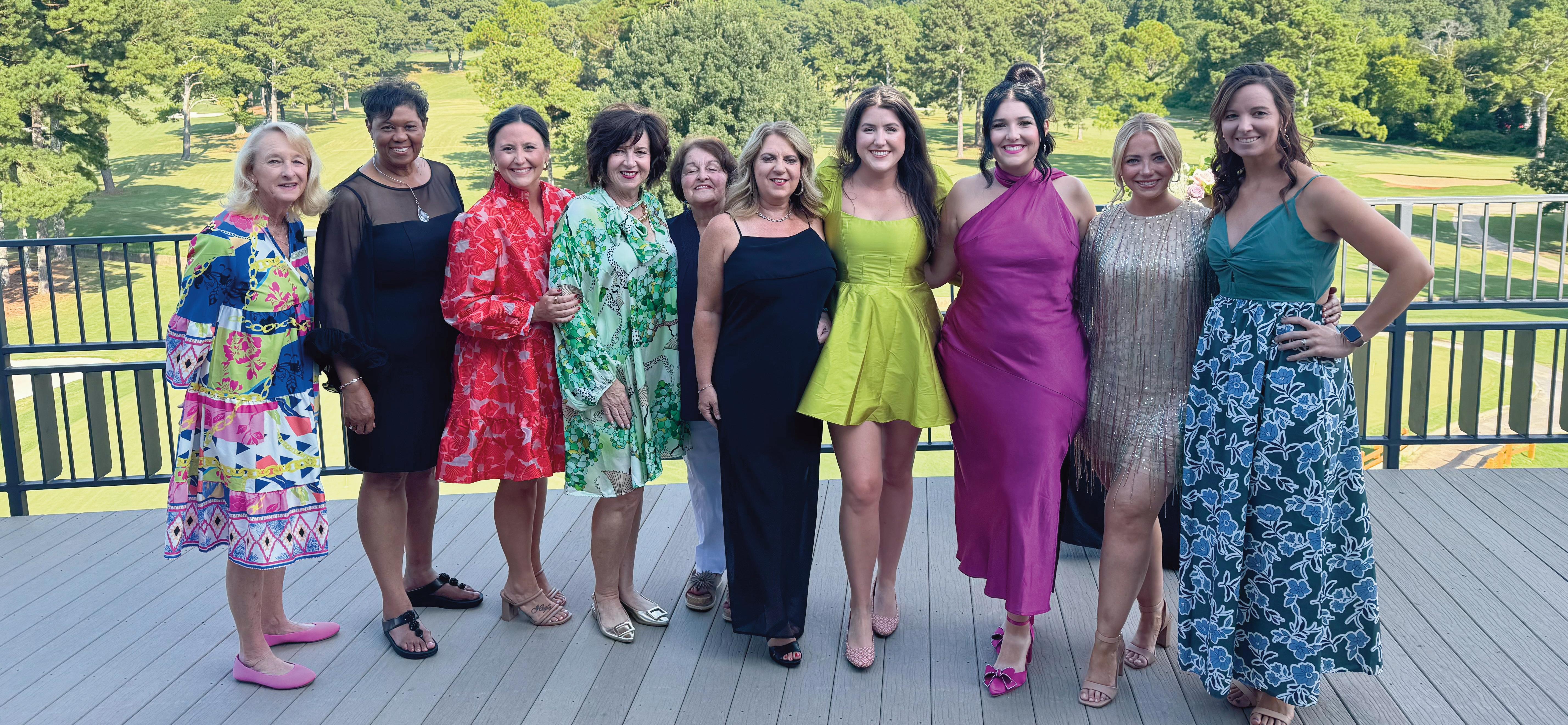
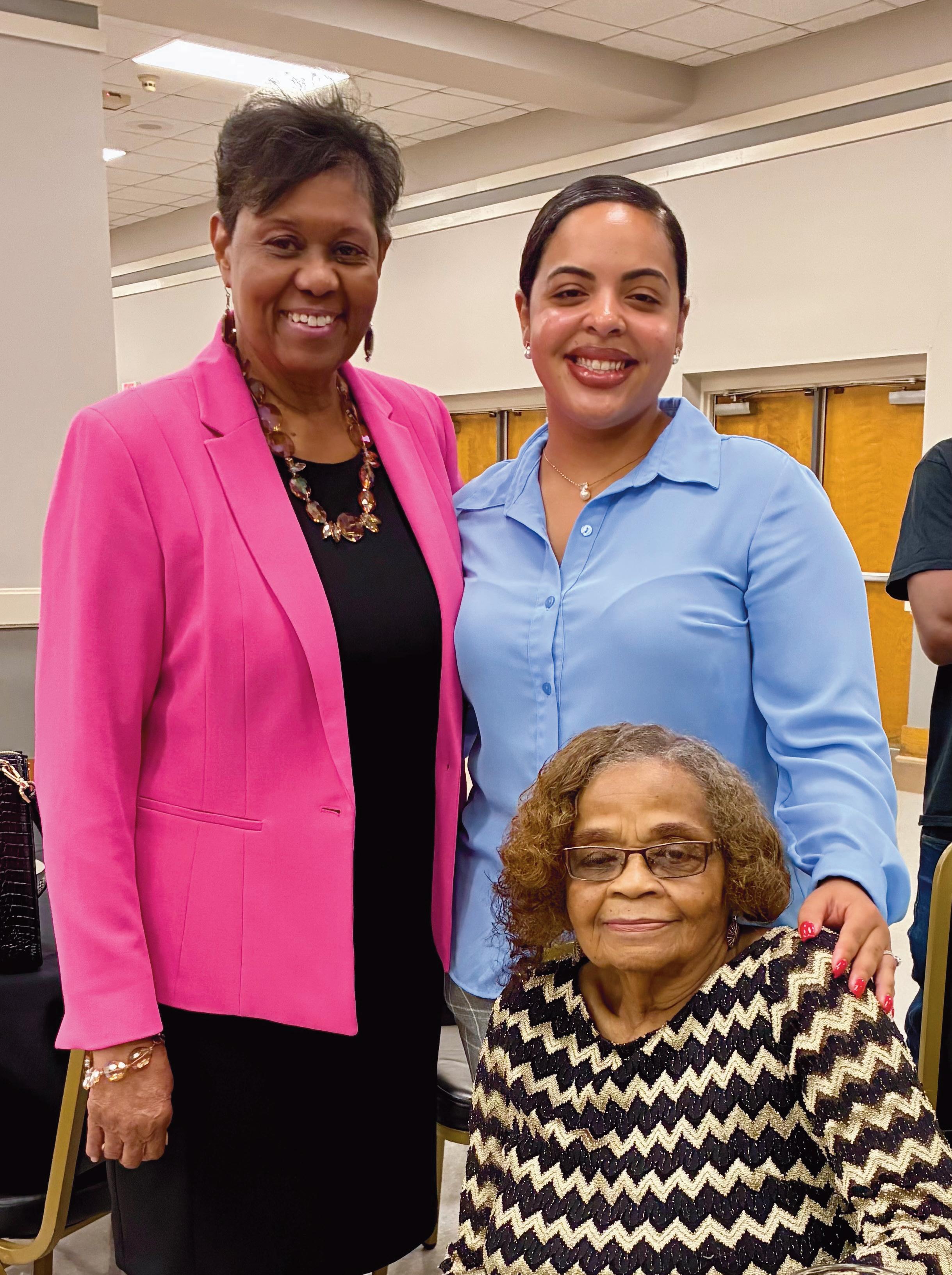
❱ Interfaith Ministries 50th Anniversary
Interfaith Ministries of Calhoun County celebrated 50 years of “bringing God’s people together to help God’s people in need” with a luncheon featuring speaker Lauren Sisler of ESPN.
— Photos by Ellen Bass
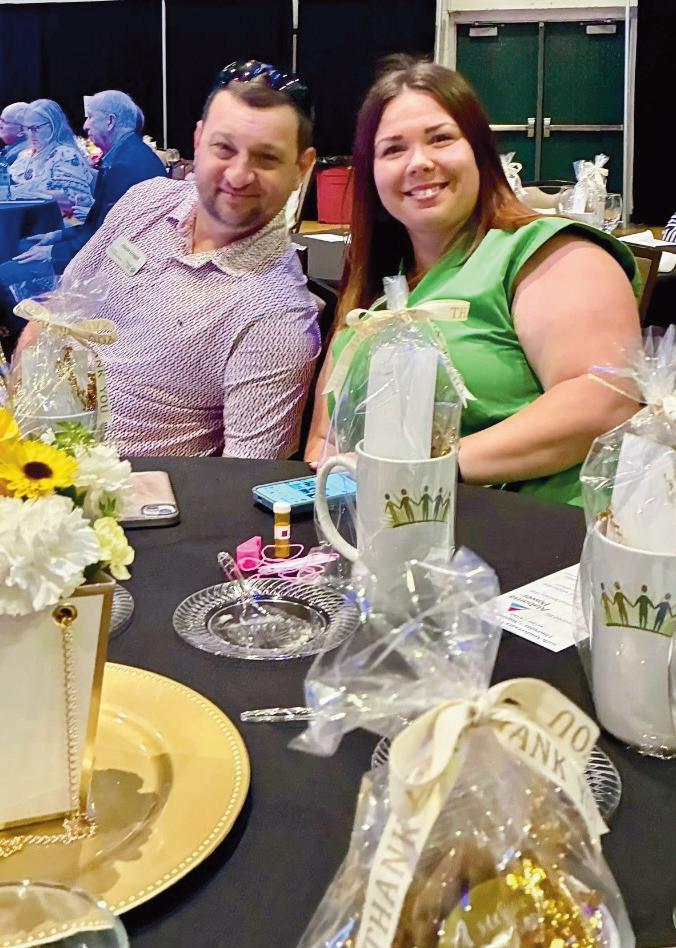

❱ A Night in New Orleans
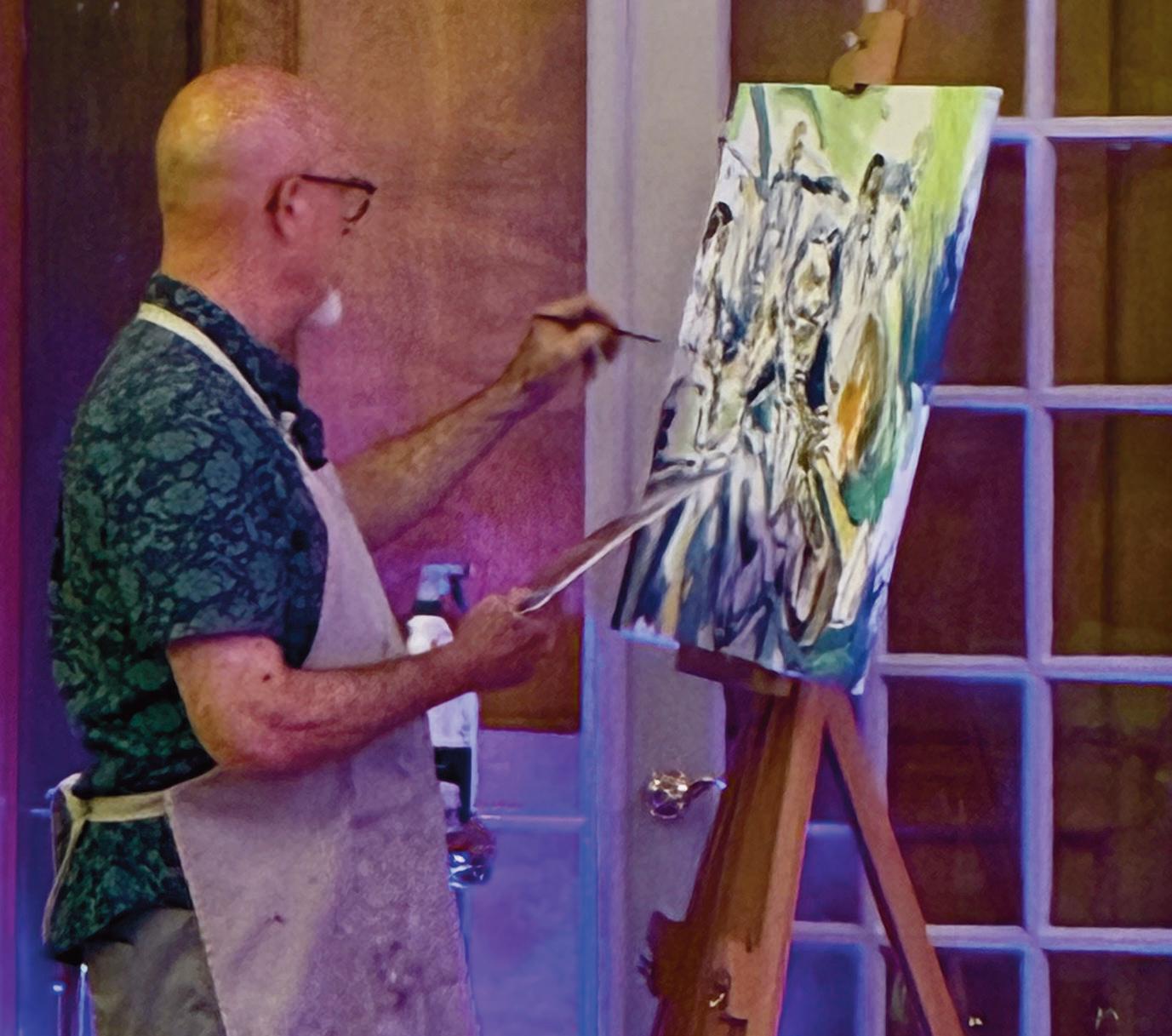
Jazz, Cajun foods and a live painting were part of a gala benefit for The Right Place of Anniston, which offers housing and support for those in need.
— Photos by Ellen Bass
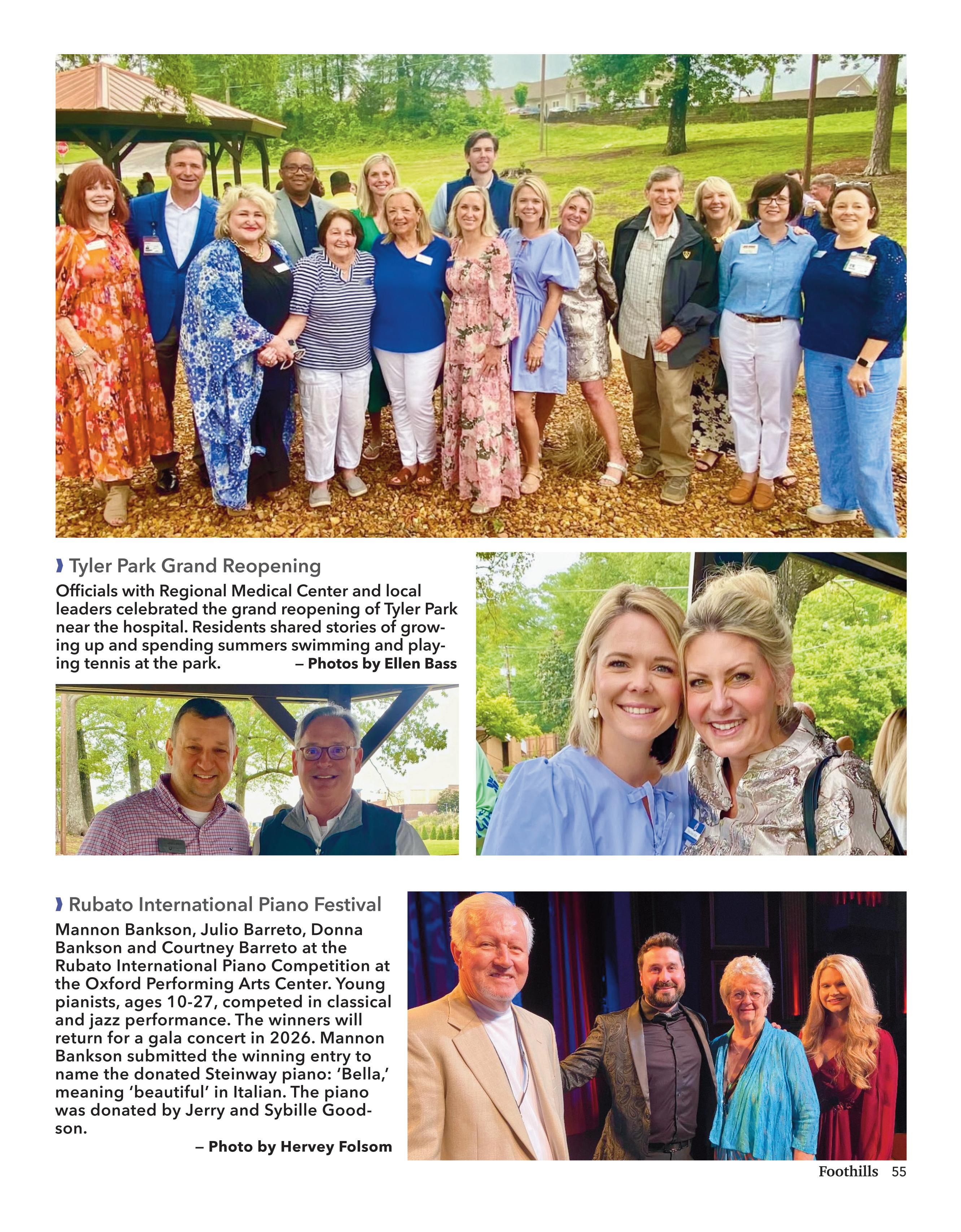
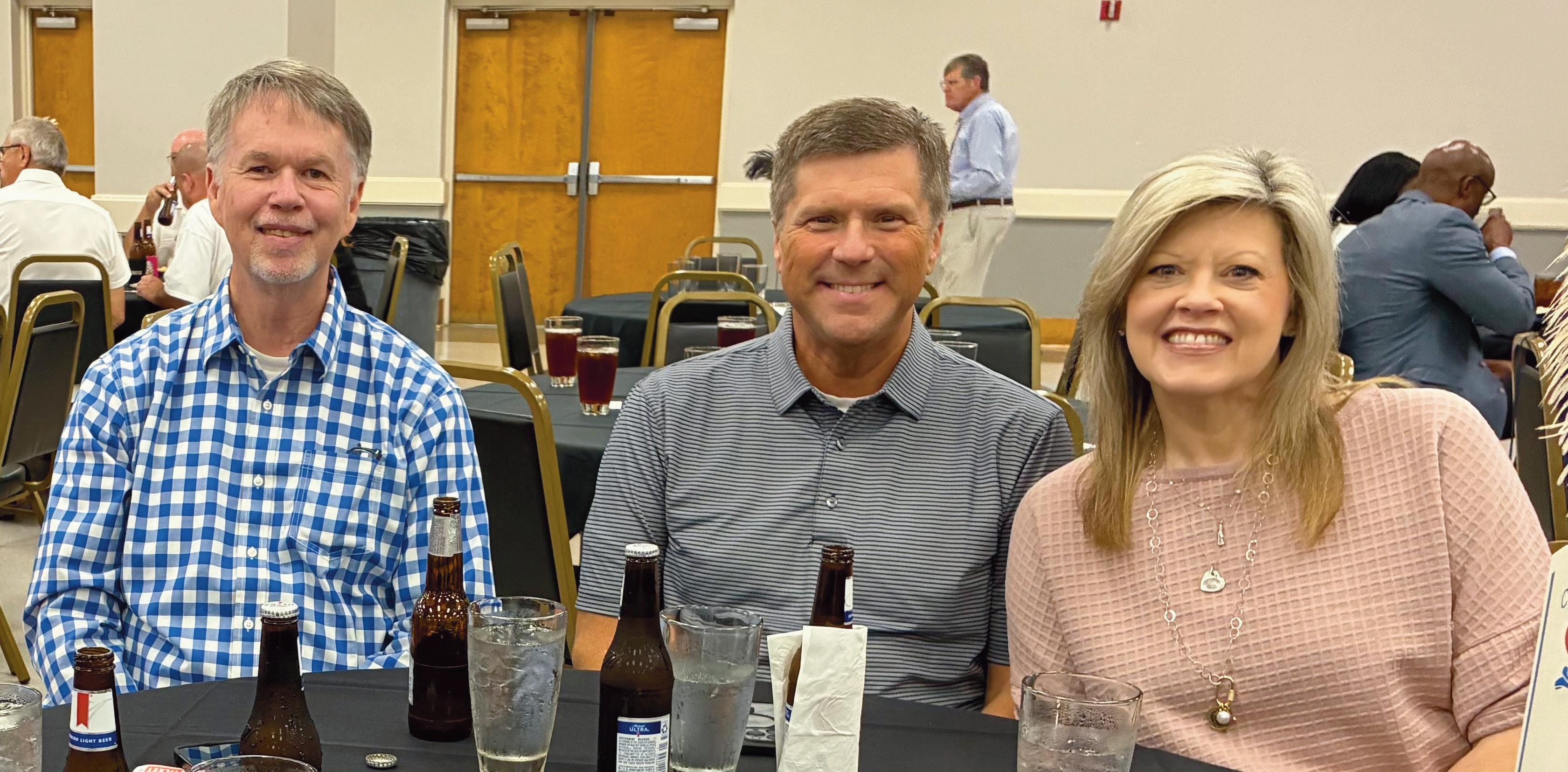
In June, the Community Enabler foundation hosted a fundraiser at the Anniston City Meeting Center. Community Enabler assists local families with food, clothing, school supplies and other needs.
— Photos by Ellen Bass

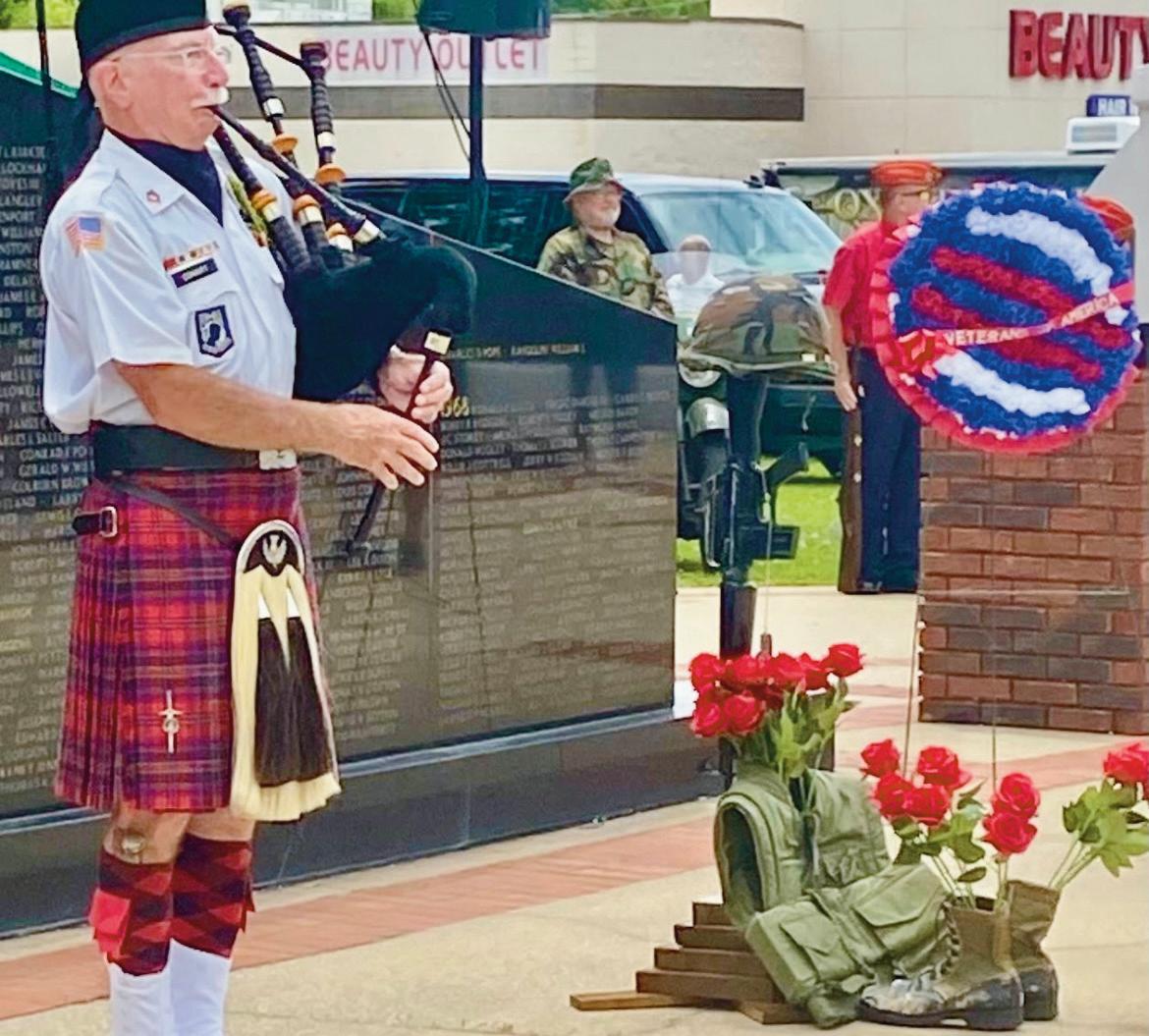
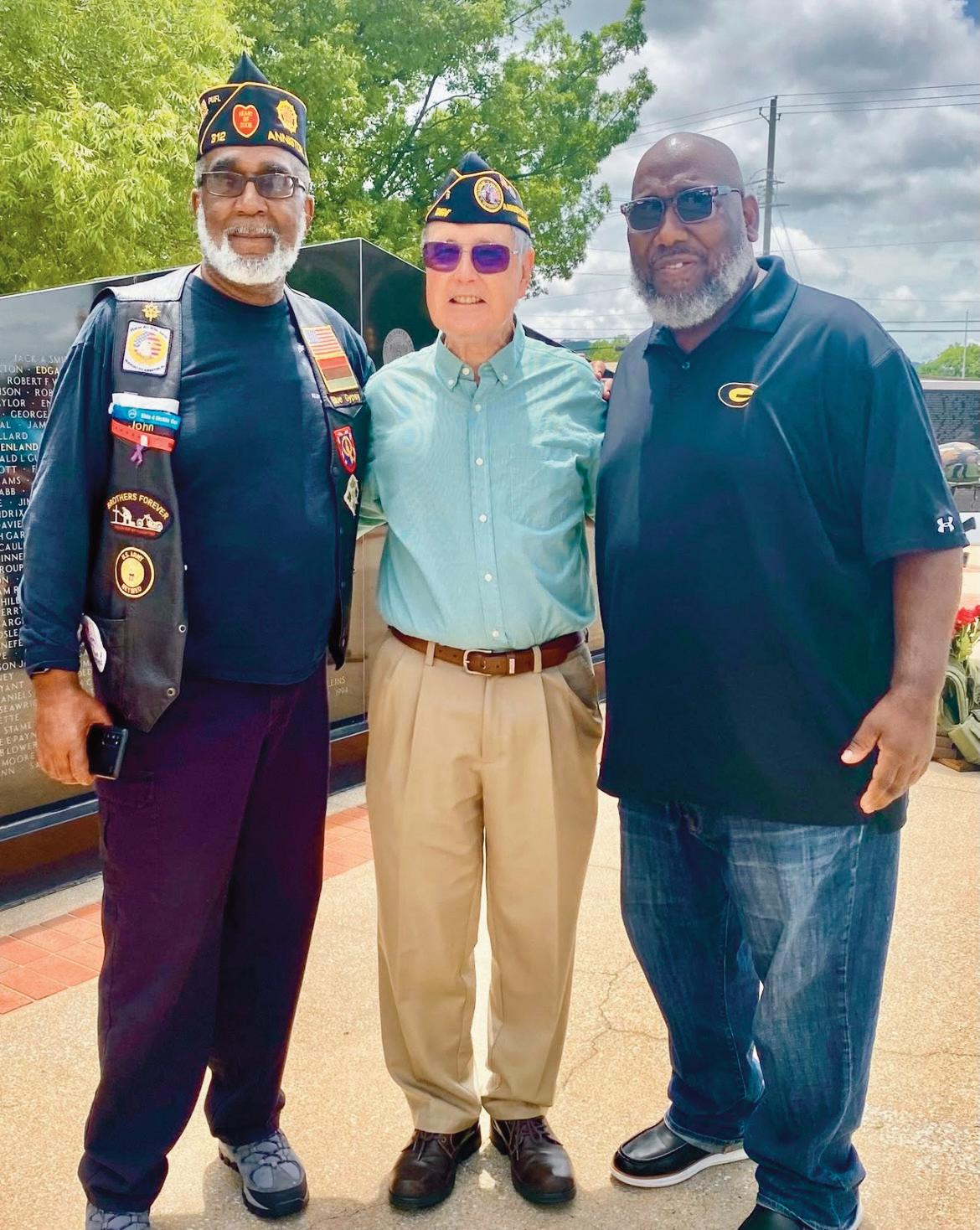
The City of Anniston hosted an annual Memorial Day ceremony at Centennial Park in May. The solemn event remembered those who have served in the U.S. military.
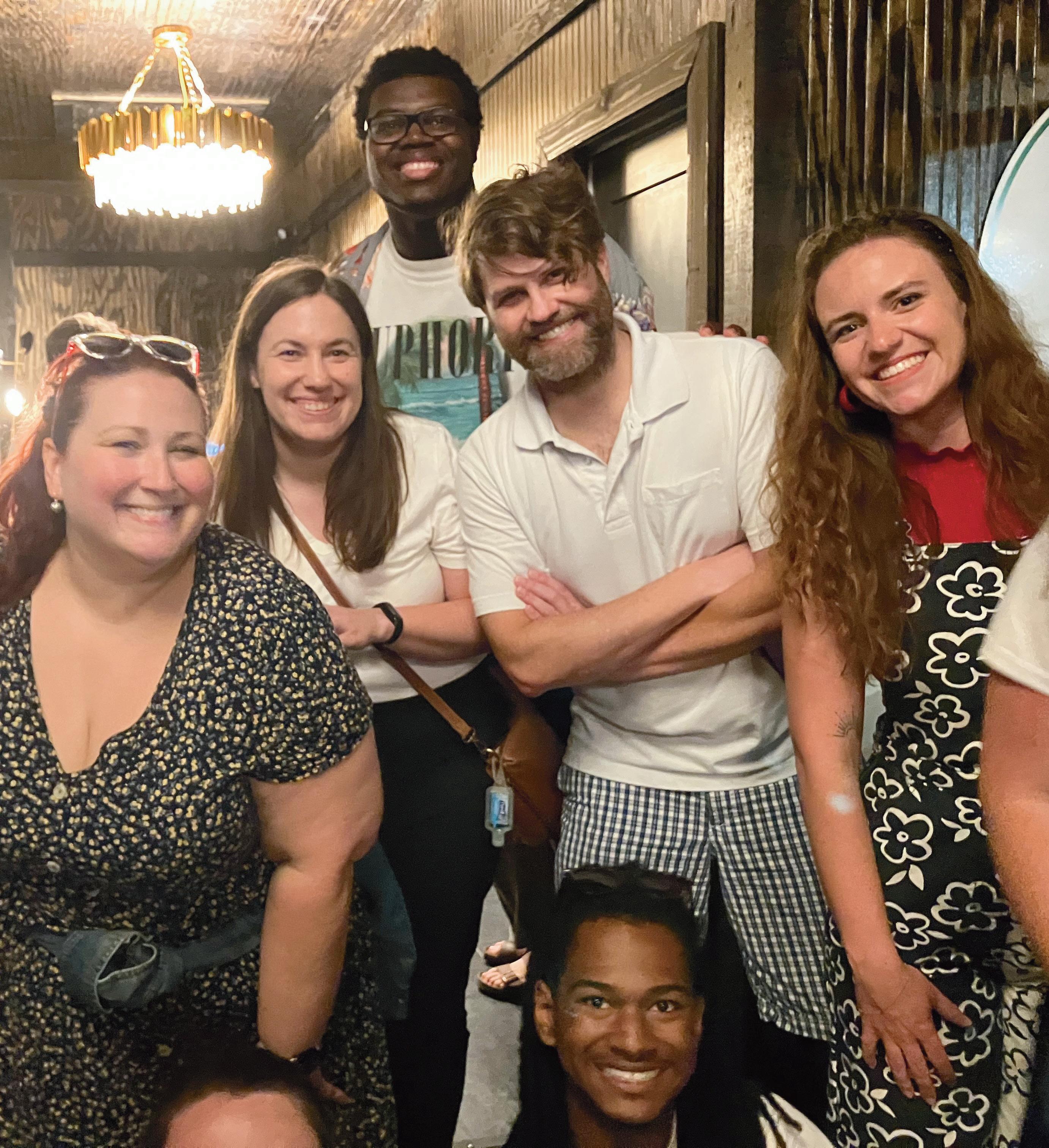
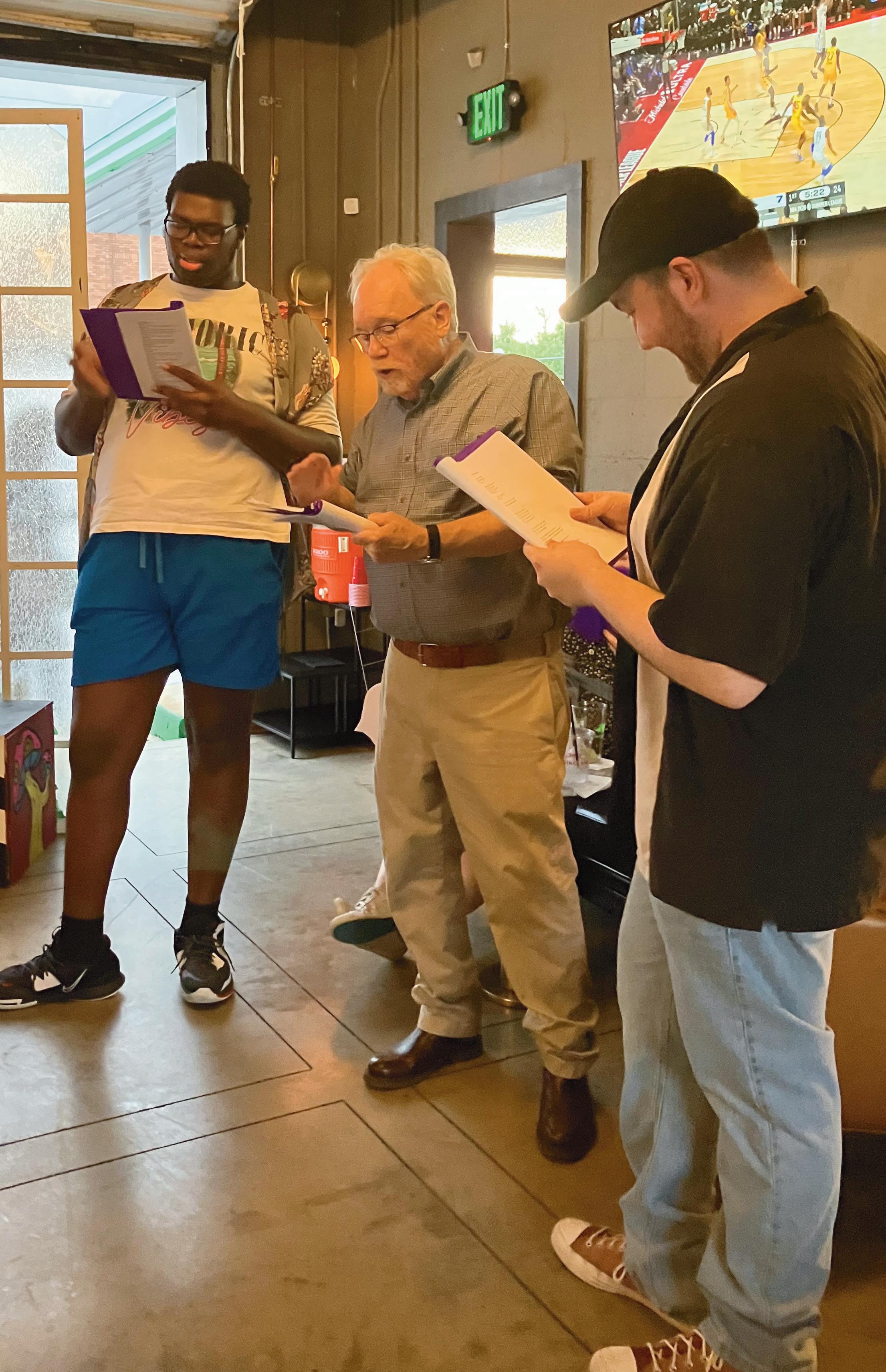
❱ Shakespeare at Sinclair Social “Much Ado About ... Everything!” This title would have fit the casual staged reading of Shakespeare’s play by actors from The Shakespeare Project and CAST Theatre. With the Bard’s complicated, surprising and adventurous plots, anything and everything can happen. The actors proved that Shakespeare’s “Much Ado About Nothing” is fun.
— Photos by Hervey Folsom
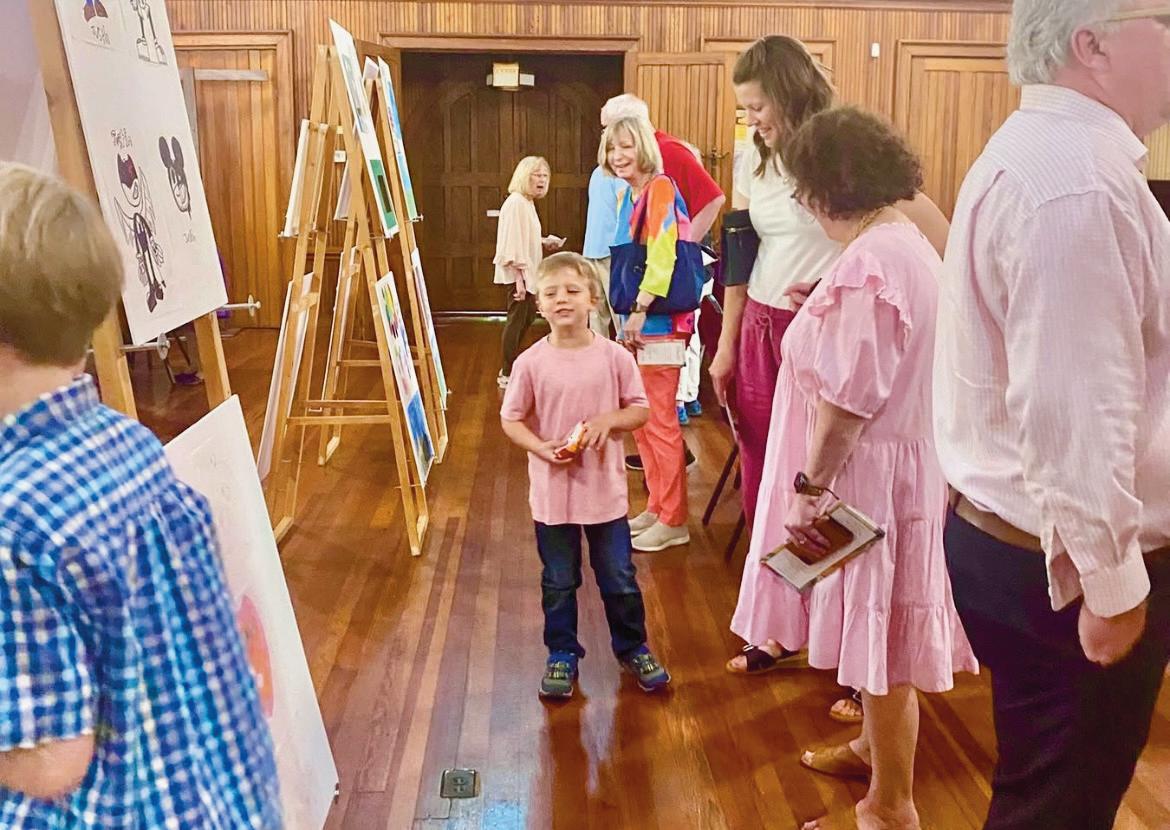
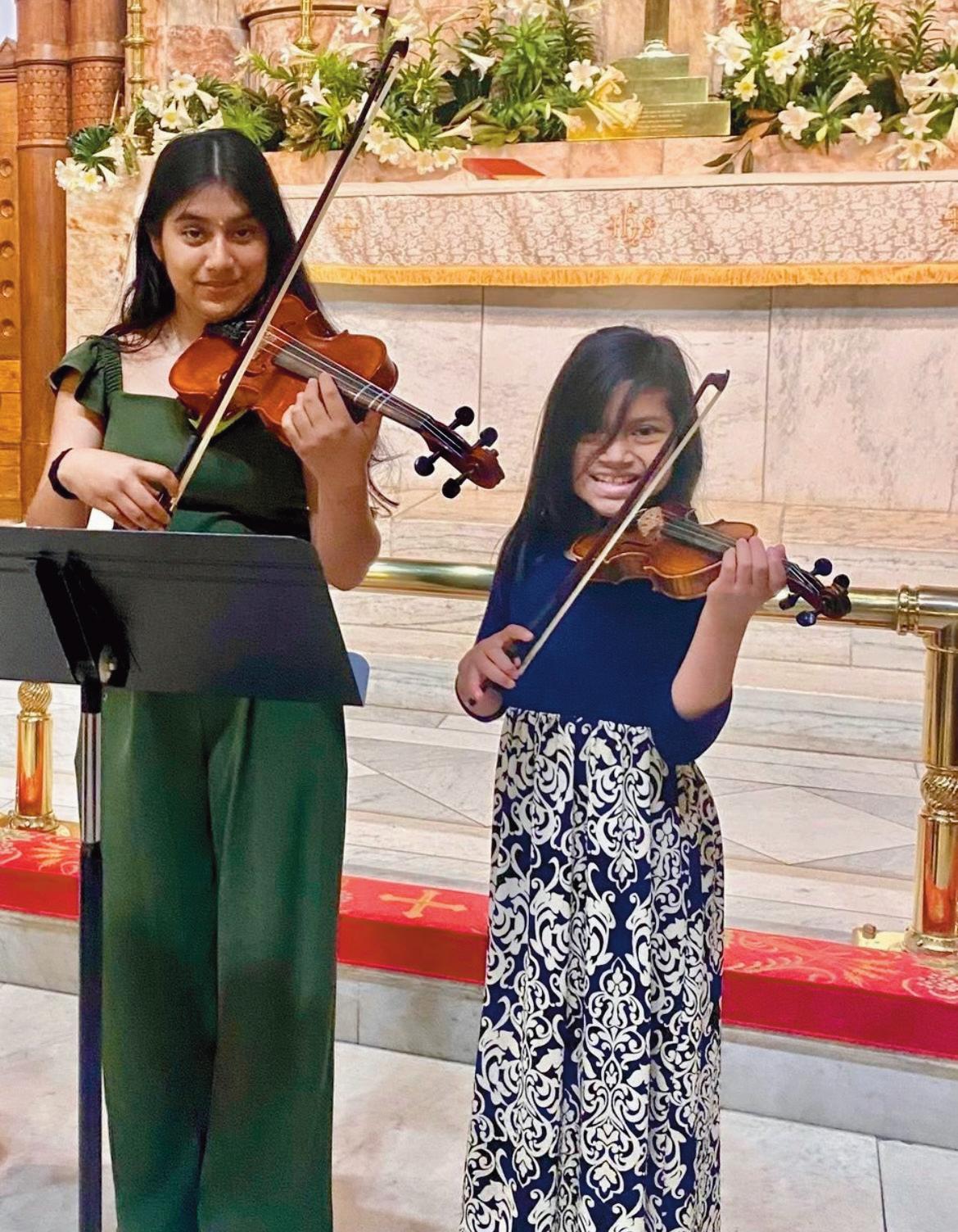
❱ Cheaha Creative Arts Recital
Cheaha Creative Arts hosted an afternoon of fine arts at the Church of St. Michael and All Angels, including an art show and musical performances by the students.
— Photos by Ellen Bass






Tongues are wagging about Ohatchee’s luxury hunting resort