International Partnerships admin@highereducationdigest.com
Americas Europe Middle East & Africa Asia-Pacific Follow Us On www.linkedin.com/company/ highereducationdigest www.facebook.com/HigherEducationDigest
Higher Education Digest www.highereducationdigest.com is a global knowledge sharing digital platform published by Connecta Innovation Private Limited. All rights reserved. The opinions expressed in the content and pictures provided are those of the authors. They do not purport to reflect the opinions or views of Connecta Innovation Private Limited or any of its members and we do not assume any responsibility. The publisher does not assume any responsibility for the advertisements, its content, pictures, and all representation of warranties made in such advertisements are those of the advertisers and not of the publisher. Higher Education Digest www.highereducationdigest.com is a Free Subscription and Free-to-read digital platform strictly not for sale and has to be strictly for internal private use only. Publisher does not assume any responsibility arising out of anyone modifying content and pictures, printing a copy of this digital platform in any format and in any country and all matters related to that.
When Purpose Becomes the Real Degree
There was a time when a university’s success was measured by placements, rankings, and the weight of its degrees. That time is quietly slipping away. Today, the real question is harder and far more important: What kind of impact are we creating? I’ve found myself thinking about this more often in recent months, especially while speaking with educators who admit, candidly, that students are no longer satisfied with credentials alone. They want meaning. They want relevance. And they want to know that what they learn will matter beyond a job description.
The numbers echo this shift. Studies continue to show that younger generations increasingly prioritize purpose over paychecks, and institutions that fail to respond are beginning to feel the strain, including declining engagement, outdated curricula, and a widening gap between academia and the real world. Higher education is being called to rethink not just what it teaches, but why it exists.
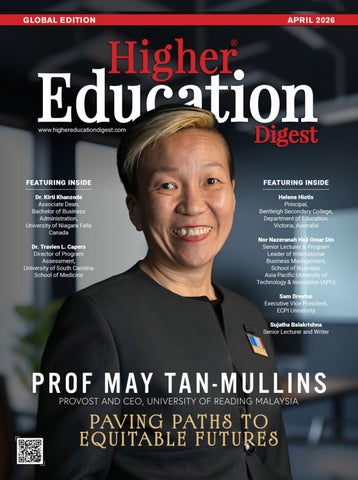
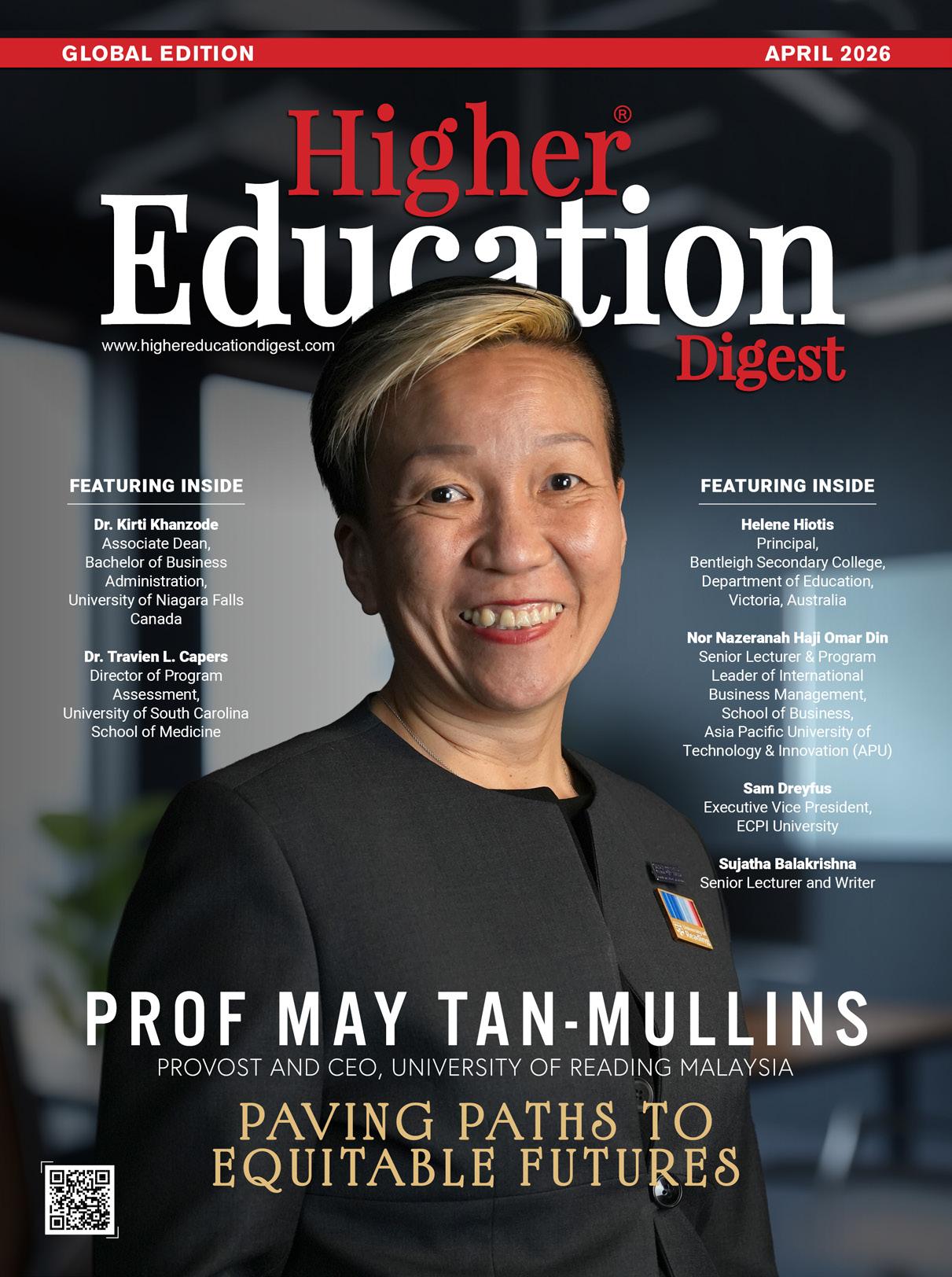
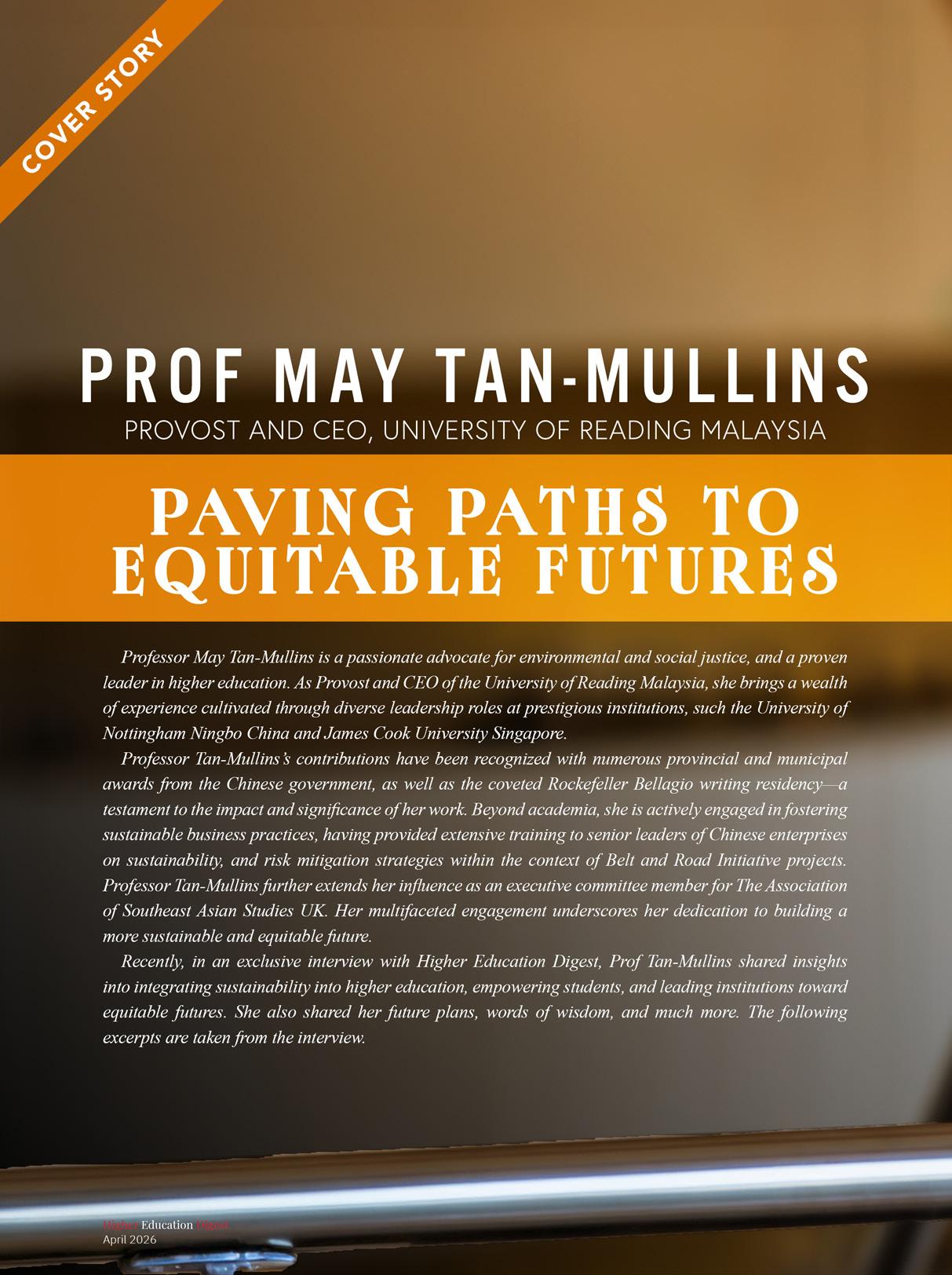
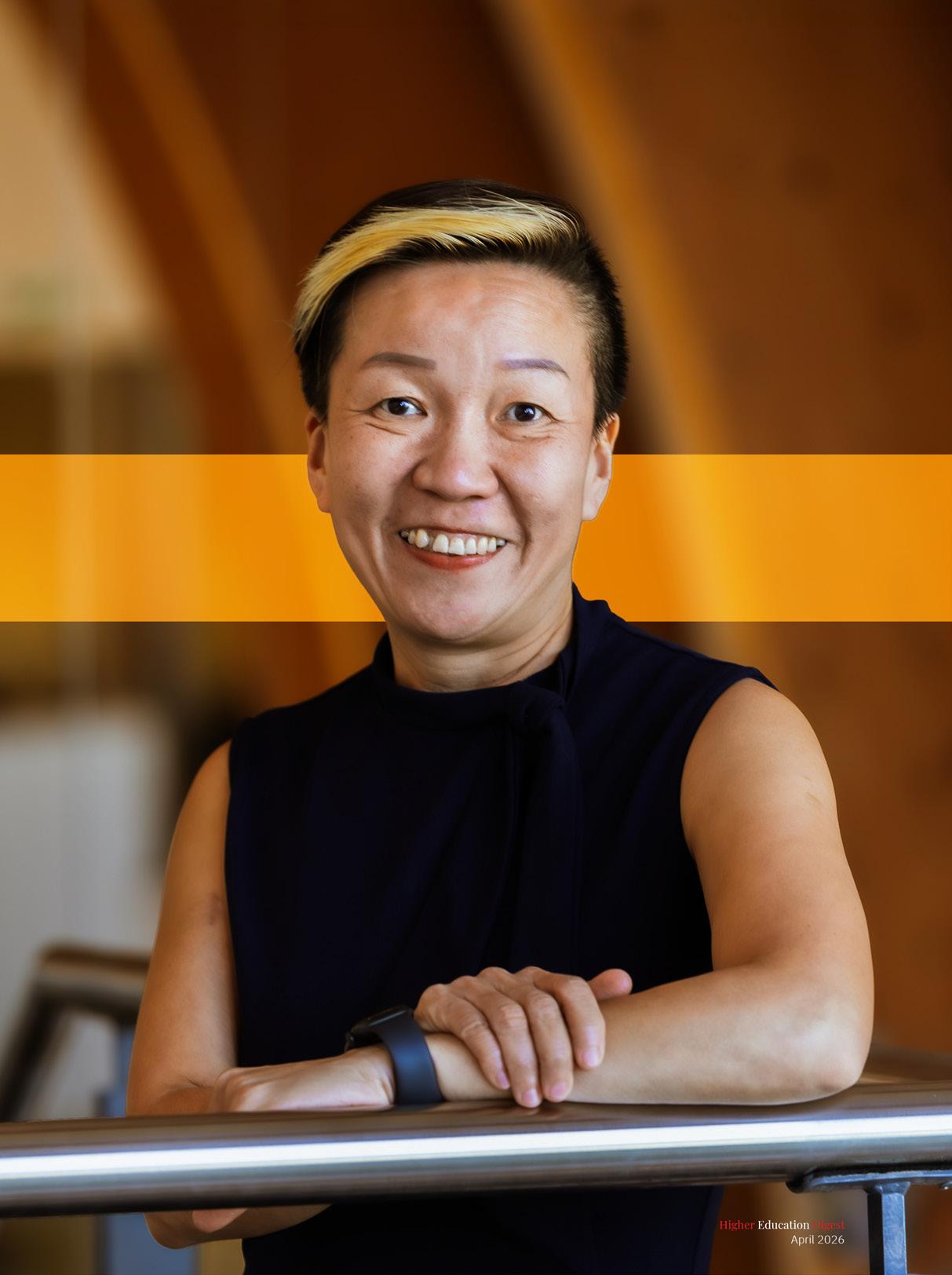
This is precisely what makes our cover story so timely. In our conversation with Prof May
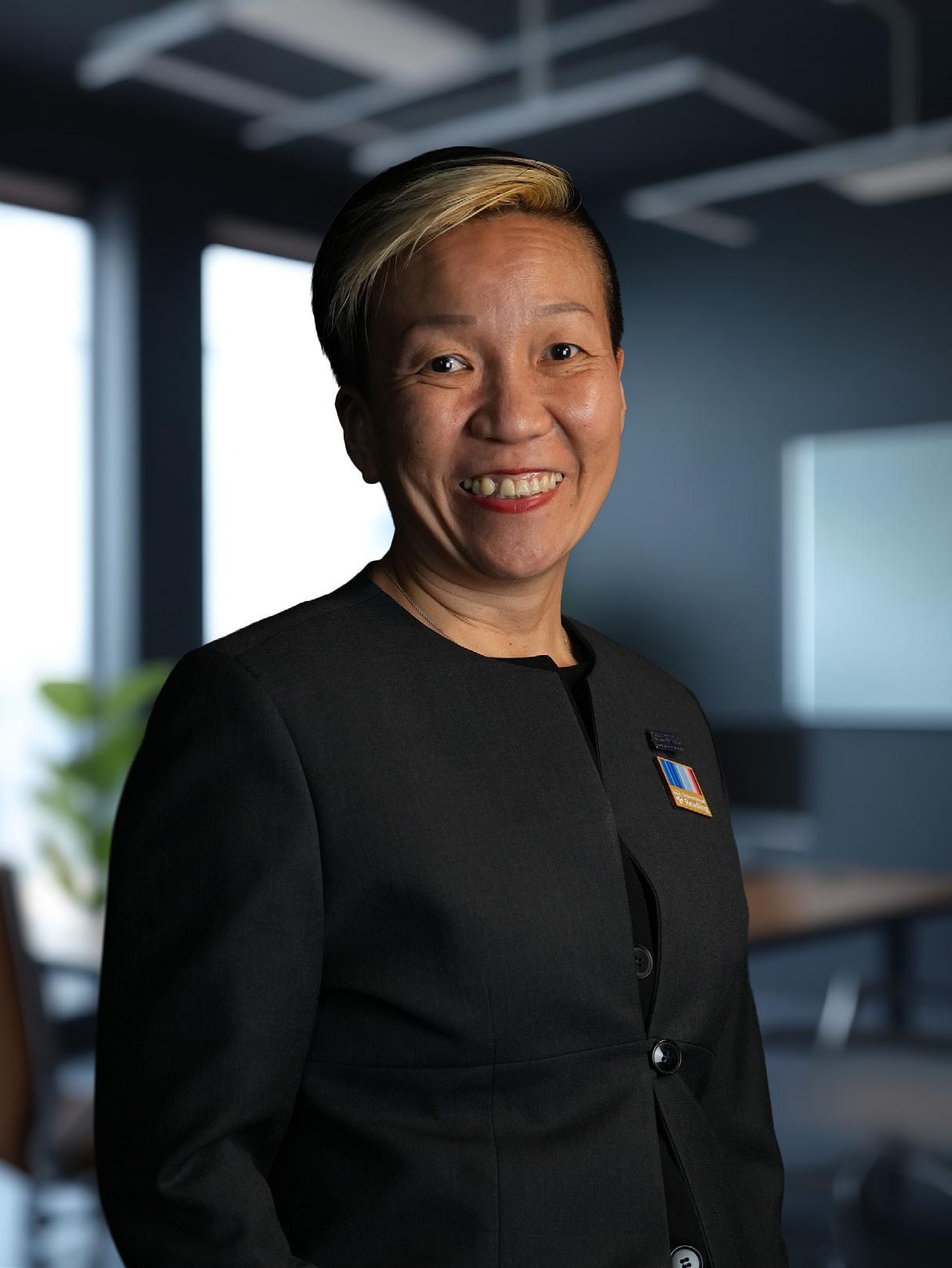
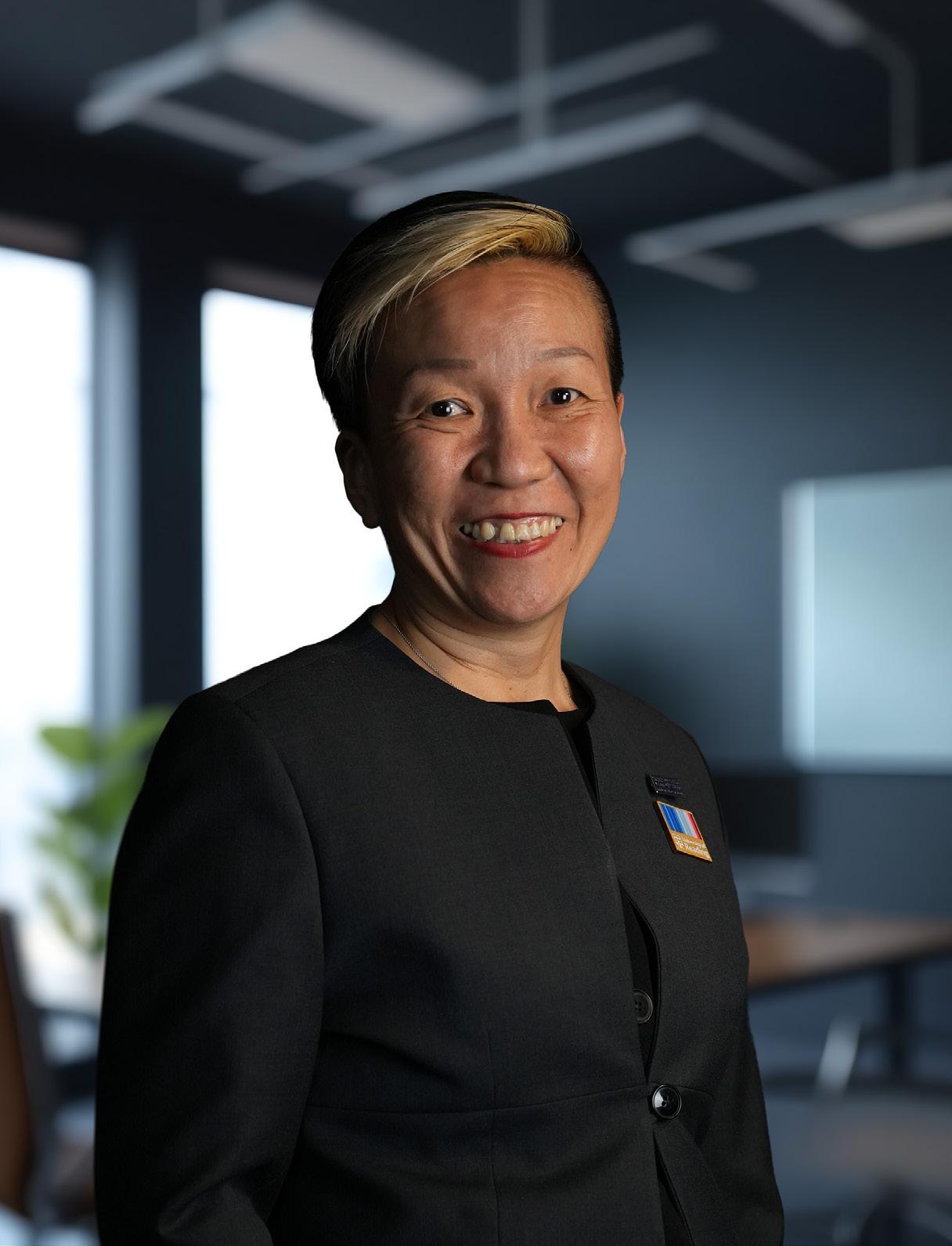
Tan-Mullins, Provost and CEO of University of Reading Malaysia, we see a leader who understands that purpose is not a slogan. It is a strategy. Drawing from her experience at institutions like University of Nottingham Ningbo China and James Cook University Singapore, she speaks with clarity about embedding sustainability into the fabric of education, empowering students to think beyond themselves, and building institutions that serve society as much as they serve careers. It’s a conversation that does not just inform. It challenges.
Beyond the cover story, this issue brings together a range of perspectives from leaders, educators, and thinkers who are grappling with similar questions. From evolving leadership models to the future of learning, each piece adds another layer to this ongoing transformation.
If there is one takeaway I hope stays with you, it is this: the institutions that will endure are not the ones that adapt the fastest, but the ones that stand for something meaningful. As you turn these pages, I invite you to reflect on where that purpose lies for your institution, your work, and perhaps even yourself.
Enjoy Reading.
Sarath Shyam
INDUSTRY PERSPECTIVE
RETHINKING HIGHER EDUCATION FOR STUDENT SUCCESS
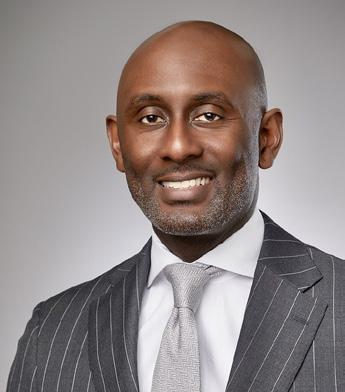
Sam Dreyfus, Executive Vice President, ECPI University
ACADEMIC VIEW
EMPOWERING ACADEMIC EXCELLENCE THROUGH ASSESSMENT
Dr. Travien L. Capers, Director of Program Assessment, University of South Carolina School of Medicine
16
EMPOWERING TOMORROW’S LEADERS VIA STEM EXCELLENCE
Helene Hiotis, Principal, Bentleigh Secondary College, Department of Education, Victoria, Australia
ACADEMIC VIEW
THE NARCISSISM EPIDEMIC IN ACADEMIA
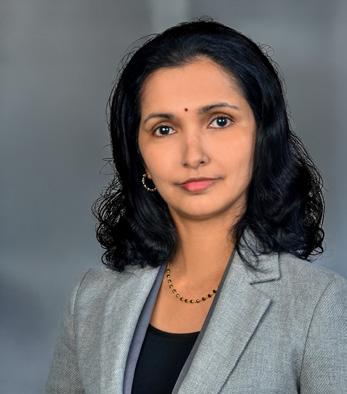
Sujatha Balakrishna, Senior Lecturer and Writer
REIMAGINING BUSINESS EDUCATION: A NEW PEDAGOGICAL MODEL FOR TODAY’S LEARNERS
Dr. Kirti Khanzode, Associate Dean, Bachelor of Business Administration, University of Niagara Falls Canada
TECH-SAVVY RESILIENCE: ACADEMICIANS
DRIVE INNOVATION IN VIRTUAL LEARNING ENVIRONMENTS IN HIGHER EDUCATION
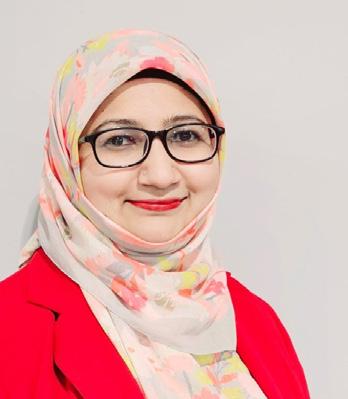
Ms. Nor Nazeranah Haji Omar Din, Senior Lecturer & Program Leader of International Business Management, School of Business, Asia Pacific University of Technology & Innovation (APU)
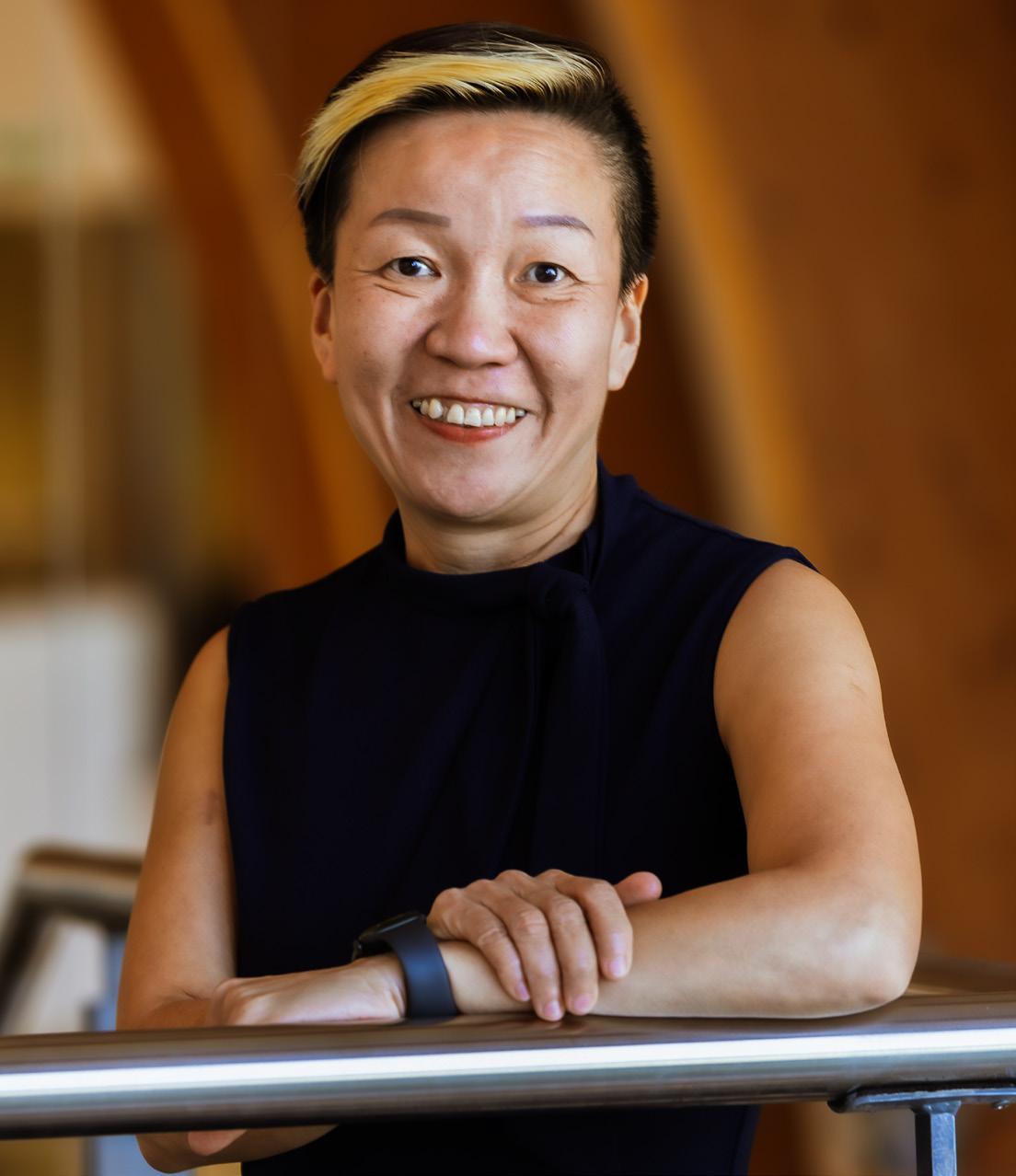
Hi Prof Tan-Mullins. Can you walk us through your career journey and what led you to become a leader in sustainability and higher education?
My career journey has been shaped by a longstanding interest in the relationship between environmental change, social justice, and governance. Trained as a political ecologist, I began my academic career focused on understanding how environmental challenges affect communities differently and how policy and institutions can either mitigate or deepen inequality.
Over time, as I moved into leadership roles across international higher education institutions in Asia, my focus expanded from research to institutional impact. Holding senior roles at institutions such as the University of Nottingham Ningbo China, James Cook University Singapore, and now the University of Reading Malaysia allowed me to see firsthand the powerful role universities play in shaping societies. This naturally led me toward leadership positions where I could integrate sustainability into teaching, research, operations, and community engagement-ensuring universities
are not only centres of knowledge, but active contributors to sustainable and resilient futures.
What do you love the most about your current role?
What I value most about my current role is the opportunity to make a meaningful and lasting difference in students’ lives. Leading the University of Reading Malaysia allows me to work closely with colleagues to ensure our graduates leave not only with strong academic foundations, but also with the confidence, adaptability, and resilience required to navigate an increasingly complex and fast-changing world.
Watching students grow into thoughtful, capable professionals -and seeing our programmes recognised for graduate employability - reinforces the importance of aligning education with real-world needs. What makes this work especially rewarding is helping to shape an institution that recognises and nurtures diverse talents, supports individual success pathways, and places student wellbeing and positive societal contribution at the heart of everything we do.
Ultimately, technology should serve human and environmental wellbeing, rather than drive education in isolation from social purpose
What role do you think technology will play in shaping the future of sustainability and higher education?
Technology plays an important enabling role, particularly in expanding access to education, supporting collaboration across borders, and improving how we understand and respond to sustainability challenges. In higher education, it allows institutions to reach more diverse learners and to support flexible learning pathways that suit different student needs and life circumstances.
From a sustainability perspective, technology supports better monitoring, planning, and evidence-based decision-making. However, its real value lies in how it is used—to support inclusion, enhance learning, and build student capacity to adapt to uncertainty. Ultimately, technology should serve human and environmental wellbeing, rather than drive education in isolation from social purpose.
How do you think sustainability can be integrated into the curriculum of universities, and what benefits do you see for students?
Sustainability is most effective when it is embedded across the curriculum rather than treated as a standalone topic. This means integrating sustainability thinking into disciplines ranging from business and law to science, education, and the humanities.
When students engage with sustainability in this way, they develop systems thinking, ethical awareness, and problem-solving skills. Importantly, it also helps build resiliencestudents learn to navigate complexity, respond to uncertainty, and consider long-term consequences. These capabilities prepare graduates not just for employment, but for leadership and responsible
citizenship in a world facing climate, social, and economic pressures.
What’s a book or resource that has had a significant impact on your thinking recently?
I continue to draw inspiration from work in political ecology and sustainability scholarship that explores power, equity, and justice. Classic works such as Small Is Beautiful by E.F. Schumacher remind us that economic and environmental decisions must be grounded in human scale, care for communities, and ecological responsibility. These perspectives are especially relevant today, as environmental challenges increasingly intersect with social vulnerability, food security, and energy access. Such work reinforces my belief that sustainability education must remain rooted in human experience and social responsibility. Universities have a crucial role in helping students understand both the causes of global challenges and their capacity to shape meaningful solutions, equipping them with the knowledge, empathy, and resilience to act responsibly in a complex world.
How do you prioritize your time and energy as a leader, and what tools or habits help you stay on track?
For me, leadership begins with clarity of purpose - asking, “Why am I here?” I focus on initiatives that strengthen institutional resilience, empower staff, and help students thrive, always with a view toward long-term goals. I value trust, collaboration, and shared ownership, delegating thoughtfully and working alongside talented leadership teams to ensure decisions are both effective and inclusive.
What energises me most is staying connected to the heartbeat of the university: the classrooms, labs, and student journeys. I love a campus buzzing with activity and curiosity. Seeing students grow, engaging with their challenges, and understanding faculty perspectives keeps my leadership grounded. It ensures that every decision is not only strategic but also humancentred, responsive, and oriented toward real impact. In essence, leadership is about being agile and creating environments where people - and the institution itself - can adapt, flourish, and contribute meaningfully to society.
If you could travel anywhere in the world, where would you go and why?
If I could travel anywhere, I would go to a place that feels like home - and it’s the people who make it so. I’m drawn to communities that are curious, resilient, and collaborative, because being around them is inspiring. For me, travel is about connecting, learning, and being inspired by the people who give a place its life.
What is your biggest goal? Where do you see yourself in 5 years from now?
My biggest goal is to ensure that higher education continues to be a force for resilience, opportunity, and inclusive development. Over the next five years, I hope to see the University of Reading Malaysia firmly established as a leading international campus—one that combines the University of Reading’s global academic reputation with deep local impact, shaping lives and communities alike.
For me, true success is seeing students grow into confident, adaptable, and socially responsible individuals, ready to make a positive difference in the world. I want every student to
feel that their time at UoRM has mattered—that it has opened doors, nurtured their potential, and inspired them to contribute back to society. I hope they carry a sense of pride in being part of this community and a lifelong connection to the university that shaped them.
What advice would you give to someone just starting out in their career in sustainability and higher education?
Build a strong disciplinary foundation, but remain open to interdisciplinary learning and collaboration. Sustainability challenges are complex and require both technical expertise and human understanding. Seek out institutions and mentors that value impact, integrity, and long-term thinking. Most importantly, stay values-driven - higher education has a critical role in developing resilient, thoughtful graduates who can lead positive change, and that responsibility should guide your career choices.
ACADEMIC VIEW
Empowering Academic Excellence through Assessment
Dr. Travien L. Capers,
Director of Program Assessment, University of
South Carolina School of Medicine
Dr. Travien L. Capers, a native of Varnville, South Carolina, serves as Director of Program Assessment at the University of South Carolina School of Medicine, where he has advanced academic quality for four years. With more than 15 years of higher education experience across four institutions, he brings strategic expertise in assessment, accreditation, and institutional effectiveness. A graduate of the University of South Carolina’s Emerging Leaders Program, Dr. Capers has been recognized by the South Carolina House of Representatives and serves on community boards.
Recently, in an exclusive interview with Higher Education Digest, Travien shared insights into his passion for academic excellence, his approach to assessment and accreditation, and his vision for the future of higher education. He also shared his personal hobbies and interests, future plans, words of wisdom, and much more. The following excerpts are taken from the interview.
Hi Travien. As a leader in program assessment, what sparked your passion for ensuring academic excellence and driving continuous improvement, and how did you develop your expertise in this area?
I have worked in higher education for approximately 15 years. My passion for
academic excellence stems from a simple desire to live in a smarter, more thoughtful world. I began my career teaching as an adjunct faculty member and steadily worked my way through the ranks at several institutions, eventually moving into leadership roles. My expertise in assessment developed through immersion in the work itself. I learned a great deal from my
While there are clear limitations to what AI can and should do in clinical settings, it has become an invaluable tool for interpreting complex data and supporting decision making
predecessor here at Carolina, and I continue to learn from colleagues at other institutions. I believe in continually improving and refining my craft. I want to always get better at getting better.
What do you love the most about your current role?
What I enjoy most about my current role is that assessment provides a unique lens into every academic function within the institution. Through assessment, we gain insight into strategic planning, curriculum mapping, standardized testing, and clerkship training. Ultimately, we measure our effectiveness by what students show us through their performance and the feedback they provide. Their outcomes tell the story of how well we are fulfilling our mission.
As program assessment continues to evolve, what trends do you see shaping the future of higher education, and how can institutions prepare?
The most significant trend I see right now is the development of artificial intelligence. Academic communities are approaching it with appropriate caution, yet I find its applications in medicine especially compelling. While there are clear limitations to what AI can and should do in clinical settings, it has become an invaluable tool for interpreting complex data and supporting decision making.
What are the key skills program assessment professionals need to develop to lead in a rapidly changing landscape?
More than anything, this role has sharpened my attention to detail. Assessment methods
may evolve depending on institutional needs, but the foundation remains the same: accuracy, clarity, and meaningful information. A disciplined mindset toward data and continuous improvement is essential.
Are there any particular books, articles, or resources that have significantly influenced your thinking or approach?
Our university is well connected internally, and the resources provided by our Office of Institutional Research and Assessment are broadly beneficial. Resource sharing through the AAMC has also been incredibly helpful in shaping my approach to our work. Professionally and personally, my thinking has been influenced most by a book that has little to do directly with my role at the School of Medicine: the Book of Proverbs. Its emphasis on wisdom, discipline, and integrity has shaped how I approach both leadership and life.
What’s a favorite quote or mantra that guides you in your work, and how do you apply it in your daily life?
I often say, “Every bird has its own tweet.” We all learn differently and bring unique experiences and perspectives. Those differences strengthen both our learning environments and our broader communities.
Many congratulations on being recognized as one of the Top 50 Voices in Higher Education 2026. Our readers would love to know the secret mantra behind your success. There is no real esoteric secret to success. I believe in working hard and committing to continuous improvement in your craft. I value
Assessment methods may evolve depending on institutional needs, but the foundation remains the same: accuracy, clarity, and meaningful information
healthy professional relationships and ongoing development. Consistency, humility, and a willingness to learn go a long way. I am also grateful to Vevox for this recognition and sincerely appreciate the acknowledgement. It is encouraging to know that the work we do is seen and valued.
What are some of your passions outside of work? What do you like to do in your time off?
Outside of work, I most enjoy spending time with my family. I also love being outdoors, whether fishing or hunting, and I enjoy trying new restaurants and exploring new experiences.
What is your biggest goal? Where do you see yourself in 5 years from now?
My biggest professional goal is to serve as president of a small, private college. I still have ground to cover to be fully prepared for that role, but I have developed a professional
plan to advance my career and have made steady progress. There are additional training, development, and credentialing ahead, yet I feel I am well on my way. I am not certain where I will be in five years. Every time I have tried to predict it, I have been wrong. While I may not know exactly what the future holds, I do know who holds my future.
What advice would you give to professionals looking to make an impact in program assessment, and how can they get started?
The best advice I can offer is to “go break some eggs.” Get involved in learning communities. The world of academics and assessment is more connected than ever. Take the lessons you learn from feedback and actively integrate them into your practice. Closing the gap is the most important part of the continuous quality improvement cycle. It demonstrates to students, instructors, and stakeholders that improvement is not only possible, but achievable.
ACADEMIC VIEW
Empowering Tomorrow’s Leaders via STEM Excellence
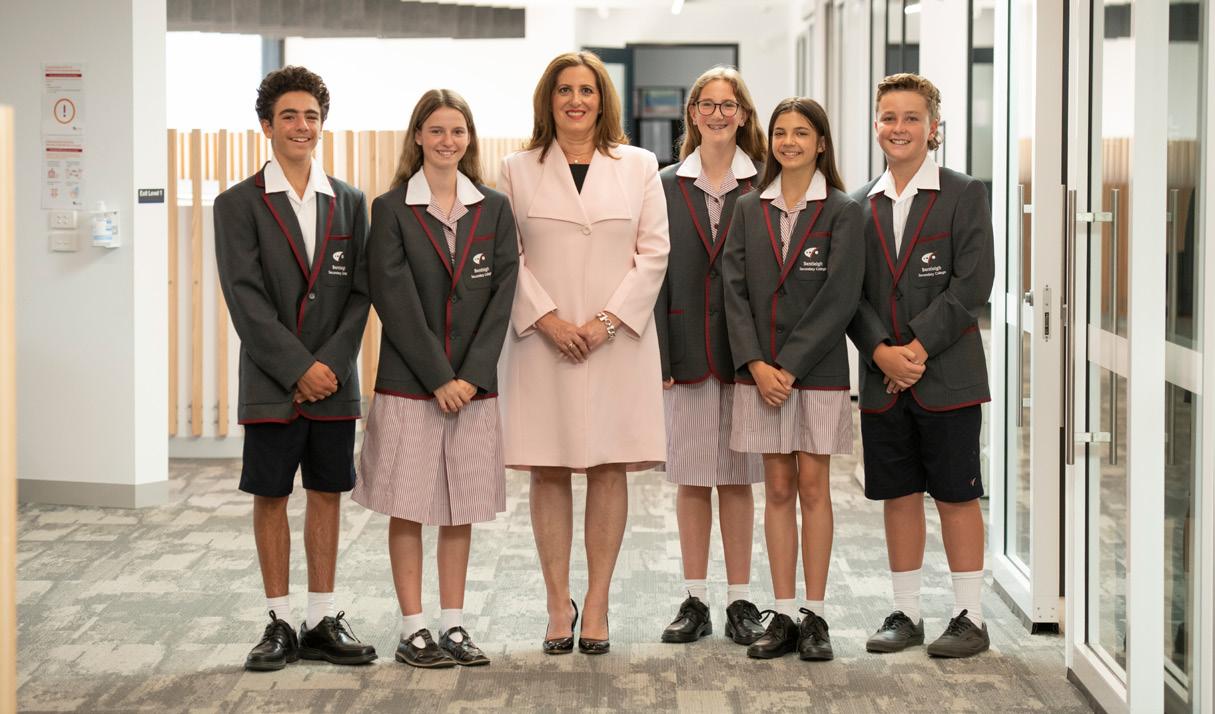
Helene Hiotis, Principal, Bentleigh Secondary College, Department of Education, Victoria, Australia
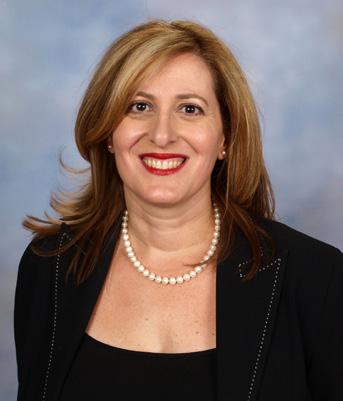
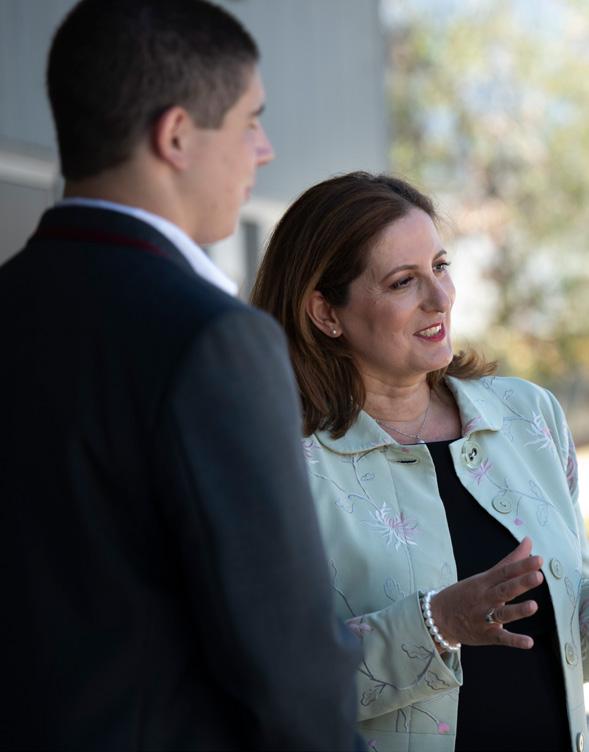
Helene Hiotis has over 30 years of experience in education, beginning her teaching career in 1989. She is currently Principal of Bentleigh Secondary College, a vibrant government school known for innovation and excellence. Helene is passionate about developing effective educators who lead with creativity. Holding multiple qualifications including a Master’s in Educational Leadership, she actively contributes to educational boards and conferences. A lifelong learner and advocate for public education, Helene believes every teacher is a leader and strives to foster a supportive, inspiring environment where students and staff thrive.
Recently, in an exclusive interview with Higher Education Digest, Helene shared insights into her journey from teaching to leadership, emphasizing walking through unpredictability like “walking in the rain.” She blends creativity with STEM, advocates hands-on science paired with AI, and lives by the mantra of keeping “the child at the centre” of every decision. She also shared her personal hobbies and interests, future plans, words of wisdom, and much more. The following excerpts are taken from the interview.
Hi Helene. What led you to transition from teaching to school leadership?
My transition from teaching to school leadership grew out of the same mindset I recently described in Walking in the Rain: A principal’s reflection published in School News Term 4 2025: Every day begins with intention yet rarely goes to plan. A parent arrives early,
anxious. A teacher needs five minutes that turn into twenty. A student’s silence in the hallway says more than their words ever could. And still, the bell rings, and the day begins. Students enter with their individual strengths and magic and staff connect instinctively to create a safe, inclusive learning space. Like walking through the rain, every drop is different yet together
I love seeing growth unfold in others: a teacher finding confidence in their practice, a middle leader stepping into their voice, a student reconnecting with learning because they feel seen and supported
they form something whole and alive that is school culture. As a teacher, I learned early that education is rarely predictable. Rather than stepping around that unpredictability, I felt drawn to walk through it.
Leadership offered me the opportunity to extend that presence beyond my own classroom. I wanted to help create the conditions where teachers felt supported to navigate complexity, where relationships sat at the centre of practice and where school culture was shaped intentionally rather than reactively. Much like choosing to walk in the rain rather than rush for cover, moving into leadership was a conscious decision to remain present in the difficult moments. to listen and support others when things did not go to plan.
In my role as principal, I see leadership as collective and relational. It is about mentoring others, building trust and responding thoughtfully to the everyday unpredictability of school life. At times we get it wrong and learn from it. The rain never stops, but when we walk through it together, it becomes the very thing that shapes resilience and connection. That belief is what led me from teaching into leadership, and it continues to guide how I lead each day.
What do you love the most about your current role?
What I love most about my role is the privilege of being present in moments that matter. No two days are the same, and within that unpredictability lies the real work of leadership listening and walking alongside students and staff as they navigate both challenges and successes.
I love seeing growth unfold in others: a teacher finding confidence in their practice,
a middle leader stepping into their voice, a student reconnecting with learning because they feel seen and supported. Being able to help shape a culture where relationships come first, where high expectations are paired with care, and where people feel safe to learn from mistakes is deeply rewarding.
At its heart, my role allows me to influence not just outcomes, but how we arrive at them. It is about building collective efficacy, nurturing trust, and modelling what it means to show up—even on the hard days. Like walking in the rain, it is not always comfortable, but it is meaningful. And that sense of shared purpose and presence is what I love most
Will AI replace hands-on science experiments in schools by 2030?
Hands-on science is fundamentally about curiosity and discovery. When students mix chemicals, build circuits, or observe reactions in real time, they are not just learning scientific concepts; they are experiencing science as something alive and sometimes unpredictable. That physical engagement sparks curiosity in a way no AI simulation alone ever could.
Hands-on experiments invite students to ask questions, make mistakes and problemsolve in the moment. They develop fine motor skills, collaboration and a deeper understanding of cause and effect. The excitement of “What will happen if…?” is at the heart of scientific thinking, and it is often those moments that ignite a lifelong love of learning.
AI, however, has an important complementary role. It can enhance hands-on learning by helping students model complex systems, analyse real-time data, simulate scenarios that are unsafe or impractical in a school lab. Used
well, AI expands curiosity rather than replacing it allowing students to test ideas before, during, and after physical experiments.
The future of science education is not a choice between AI and hands-on learning, but possibly a powerful partnership between the two. Hands-on experimentation grounds students in real-world experience, while AI extends their thinking and opens new possibilities. By keeping learning tactile, relational and inquiry-
driven, schools can ensure curiosity remains at the centre of science education no matter how advanced technology becomes.
In your opinion, how should schools blend creativity with STEM education? Schools should blend creativity with STEM by treating imagination as essential, not optional. Creativity is what turns knowledge into innovation. When students are encouraged to
By keeping learning tactile, relational and inquiry-driven, schools can ensure curiosity remains at the centre of science education no matter how advanced
technology becomes
design, question, experiment and reflect, STEM moves beyond formulas and facts and becomes a way of thinking about the world.
This blend is most powerful when paired with problem-based learning. When students tackle real-world challenges, design sustainable solutions, build prototypes, code with purpose, or analyse meaningful data they are encouraged to think both creatively and scientifically. Failure becomes part of the process, not something to avoid, and curiosity is actively rewarded.
Creativity flourishes when students are given voice and choice. Allowing multiple pathways to demonstrate understanding through models, digital tools, visual design or storytelling, recognises that innovation rarely looks the same for every learner. Collaboration across disciplines, particularly between STEM and the arts, strengthens this connection, showing that creativity and logic are partners, not opposites.
In my role as Science–Drama Coordinator for Science Teachers’ Association of Victoria (STAV), a program I initiated in 1993 and led for twenty years, I have seen firsthand how creativity deepens scientific understanding. Students don’t just learn abstract concepts; they perform them. One memorable example was a science–drama production exploring chemical bonding through a playful retelling of Romeo and Juliet, reimagined as the love story of sodium (Na) and chlorine (Cl). By turning ionic bonding into a narrative, students brought science to life. They understood attraction, electron transfer, and stability; not because they memorised definitions, but because they experienced the concept through movement and performance. This approach demonstrates that creativity is not an add-on to STEM; it is a vehicle for understanding. When students are encouraged
Whether in a laboratory, classroom or on a stage, learning is most powerful when students are invited to think and create
to explain scientific ideas through drama, design or storytelling they develop confidence, communication skills, and conceptual depth. Science becomes not just about right answers but about making sense of the world in meaningful ways.
Blending creativity with STEM prepares students for a future that values innovation, and adaptability. Whether in a laboratory, classroom or on a stage, learning is most powerful when students are invited to think and create. In my view STEM is truly STEAM, with the Arts fully integrated.
Are there any particular books, articles, or resources that have significantly influenced your thinking or approach?
Leonardo da Vinci’s Seven Principles of Thinking (often called the Da Vincian Principles) are habits of mind drawn from his
life and work. They are commonly used in education and leadership contexts.
The Seven da Vincian Principles were articulated and popularised by Michael J. Gelb. They come from his book: How to Think Like Leonardo da Vinci: Seven Steps to Genius Every Day (1998).
Leonardo da Vinci himself did not formally list these principles; Gelb distilled them from Leonardo’s notebooks, life, and working methods.
The 7 da Vincian Principles
• Curiosità (Curiosity)
An insatiable curiosity about life and a commitment to lifelong learning.
• Dimostrazione (Demonstration)
A commitment to test knowledge through experience, persistence and learning from mistakes. Learn by doing and reflecting.
• Sensazione (Sensation)
The continual refinement of the senses, especially sight, as a means to enhance experience and understanding.
• Sfumato (Embracing Uncertainty)
A willingness to embrace ambiguity, paradox, and uncertainty; and be comfortable not having all the answers.
• Arte/Scienza (Art & Science Balance)
The balance between logic and imagination, science and art. Think holistically by blending creativity with analytical thinking.
• Corporalità (Embodiment)
The cultivation of physical health, grace, and balance as essential to clear thinking.
• Connessione (Connection)
Recognition of the interconnectedness of all things and systems thinking where you are able to see patterns, relationships, and the bigger picture.
By staying focused on the child, even in the most complex situations, I ensure that every choice supports their growth, curiosity, and potential
I found this one particularly compelling because it captures the imagination and curiosity that Leonardo da Vinci exemplified throughout his life.
As a teacher and leader, you need to be curious, test evidence-based practices, seek to understand and embrace uncertainty, balance logic with imagination, and value both good health and the interconnectedness of school culture. Dancing in the Rain, reflects this.
Do you have a personal mantra you live by?
My personal mantra is always to keep the child at the centre of every decision. In every policy, conversation, or strategy, I ask myself: how does this impact the student’s learning, well-being, and sense of belonging? By staying focused on the child, even in the most complex situations, I ensure that every choice supports their growth, curiosity, and potential
What are some of your passions outside of work? What do you like to do in your time off?
Outside of work, I love activities that allow me to be creative and expressive. I enjoy painting,
which gives me space to slow down, reflect, and explore ideas in a personal, tactile way. I also love dancing salsa. It’s energetic and a wonderful way to connect with music and movement. Both painting and dancing help me recharge and bring balance to my life outside of school
What is your biggest goal? Where do you see yourself in 5 years from now?
My biggest goal is to continue fostering a school culture where curiosity, creativity, and relationships are at the heart of learning and where every student and teacher feels supported to reach their full potential. Over the next five years, I see myself continuing to grow as a leader who inspires and mentors others, particularly in embedding innovative, student-centred practices across the school.
What’s your advice for young teachers starting out?
Laugh a lot, breathe deeply and celebrate the small wins. Learn from every challenge, keep your sense of humor and remember: loving the work doesn’t mean it’s always easy. Take care of yourself, enjoy the chaos and let teaching remind you why you chose this path.
Wa n t t o S e l l o r fi n d
I nve s t o rs f o r yo u r
B u s i n e s s ?
ACADEMIC VIEW
Reimagining Business Education: A New Pedagogical Model for Today’s Learners
Dr. Kirti Khanzode, Associate Dean, Bachelor of Business Administration, University of Niagara Falls Canada
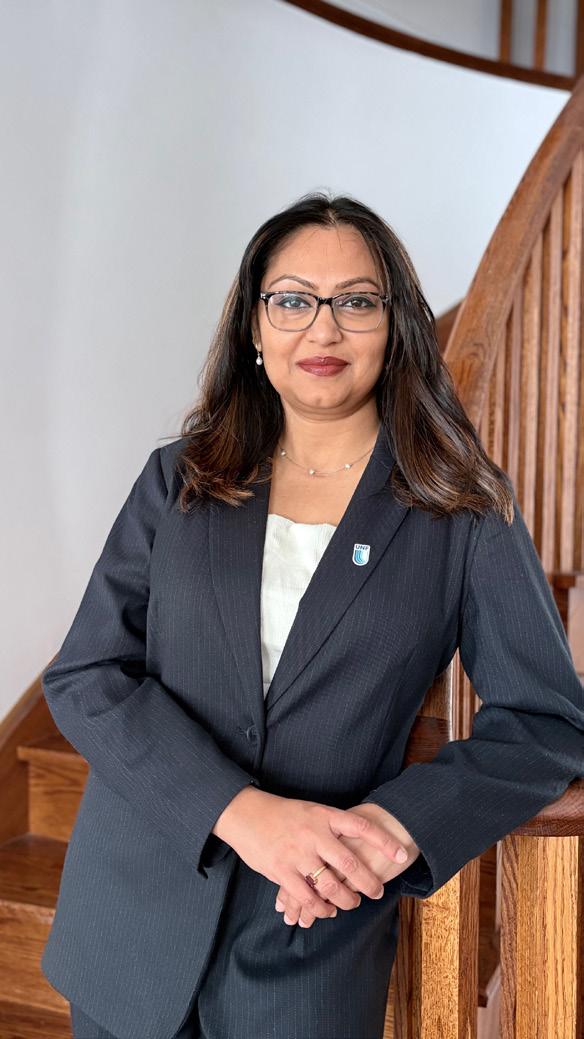
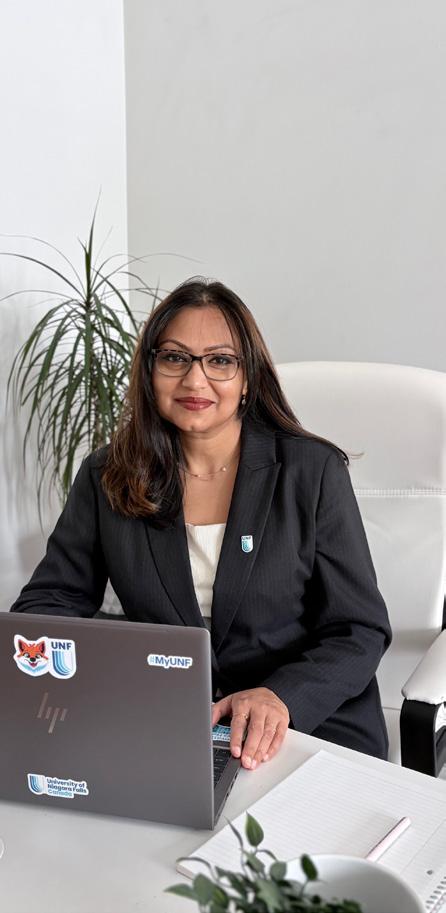
Dr. Kirti Khanzode is an Associate Dean and academic leader with more than 20 years of experience in post-secondary education across three countries. Her work spans program leadership, curriculum design, faculty development, and the launchofnewacademicinitiatives.AtthenewlyestablishedUniversityofNiagara Falls Canada, she leads the Honours Bachelor of Business Administration program, where her focus is on innovation in teaching, learner-centred pedagogy, and building academic programs aligned with contemporary business needs. Her background includes extensive work in management education, academic administration, and developing learning models that respond to evolving student expectations and industry realities.
Founding an academic program at a newly launched university offers a rare leadership opportunity to rethink pedagogy by starting from the fundamentals. While regulatory requirements shape program design, the absence of entrenched expectations and reputational pressures in more mature institutions allows
leaders to question long-standing assumptions about how learning is structured and delivered. By fundamentals, I mean returning to essential questions: what do we want students to be able to do, how they engage with learning, and how limited classroom time can support deeper understanding rather than content coverage.
These were precisely the questions that
Post-pandemic, remote and hybrid work have become prominent features of the business environment, requiring graduates to operate effectively across physical and virtual settings
guided my thinking when I was appointed founding Associate Dean and tasked with launching the Honours Bachelor of Business Administration (HBBA) program at the newly opened University of Niagara Falls Canada. Rather than defaulting to lecture-centric approaches or inherited conventions, I chose to design a pedagogical model that aligned with how today’s learners engage, apply knowledge, and develop business judgment. Once that decision was made, the next challenge was to structure weekly classroom time intentionally to support those learning outcomes while also responding to the rapidly evolving business landscape.
Post-pandemic, remote and hybrid work have become prominent features of the business environment, requiring graduates to operate effectively across physical and virtual settings. This shift shapes not only the skills students need, but also how they learn. As I reflected on these demands, three realities of today’s learners became impossible to ignore:
First, the accessibility of information has fundamentally altered students’ relationship with content. Resources once requiring library access or faculty mediation are now available instantly. This prompted a reimagining of classroom time, blending guided instruction with active learning and selective elements of the flipped classroom, where pre-class engagement with content frees class time for discussion and application, while recognizing that a fully flipped model may be too ambitious for undergraduates.
Second, generative AI has reshaped learning. Students can research, draft, and analyze work almost instantly, intensifying questions about
how learning occurs during instructional time. Faculty can no longer rely on explanation alone; teaching methods must actively engage students in sense-making, critical thinking, and application, cultivating understanding that cannot be automated.
Third, the broader digital ecosystem competes for students’ attention. Notifications, social media, and short-form content such as TikTok and Reels have shortened focus spans, influencing how classroom time should be
For institutions willing to rethink not just what they teach but how learning is designed and supported, pedagogical innovation offers a powerful lever for preparing graduates for an increasingly complex and uncertain business world
structured to sustain engagement and manage cognitive load.
Taken together, these realities, the ubiquity of information, AI, and digital stimulation demonstrate that today’s learners engage with knowledge differently than previous generations. Responding requires not only curricular updates but deliberate rethinking of how learning time is designed to capture attention, sustain engagement, and support meaningful application.
To address these intertwined learner realities and business demands, we developed what we informally call the 1+2+1 pedagogical model, a structured approach to using four weekly instructional hours per course more intentionally. Each segment of the model is designed to align with the learner realities identified above.
The first hour is devoted to self-paced engagement with course materials on the learning management system, allowing students to work independently with foundational content prior to class. Unlike the traditional practice of assigning textbook chapters as pre-readings, these materials are intentionally curated by
faculty as subject-matter experts and developed in collaboration with instructional designers to align with Universal Design for Learning (UDL) principles. The focus is on accessibility, engagement, and interactivity, ensuring the content is appropriate for self-directed learning and prepares students meaningfully for in-class engagement. Embedded knowledge checks enable students to assess their understanding of key concepts, while also allowing faculty to monitor engagement and completion through the learning management system. This approach was designed to reduce the cognitive burden of lengthy textbook readings and replace it with targeted, accessible preparation that directly supports deeper discussion, application, and sense-making during the subsequent two hours of classroom instruction.
The next two hours of in-class time are intentionally structured to build on students’ prior preparation rather than repeat it. Faculty use this time for targeted instruction that addresses misconceptions, deepens understanding of complex ideas, and connects theory to practice, followed by structured activities such as casebased discussion, problem-solving tasks,
Institutional culture proved critical: readiness for change depended less on resources than on creating space for experimentation, aligning support units with academic priorities, and anchoring change in a clear educational purpose
and guided analysis. Drawing on a modified flipped classroom approach, the emphasis shifts from content delivery to sense-making, with classroom time reserved for interpretation, application, and higher-order reasoning rather than simple transmission of information.
The final hour is dedicated to applied tutorials that function as a distinct learning phase rather than an extension of the lecture.
Working in small teams, students apply concepts to realistic business scenarios, make decisions under constraints, and reflect on outcomes with structured feedback from instructors. This segment prioritizes practice, transfer of learning, and reflection, reinforcing conceptual understanding while simulating the collaborative and judgment-driven environments students are likely to encounter in professional business contexts.
Importantly, the 1+2+1 approach is not a collection of teaching techniques or a rebranding of familiar active-learning practices. It is a program-level pedagogical system in which each instructional hour is intentionally sequenced and structurally differentiated to serve a distinct learning purpose. The model shifts pedagogy from being instructor-dependent to institutionally designed, ensuring coherence across courses while allowing disciplinary flexibility. Learning is intentionally scaffolded rather than fragmented, with instructional time allocated to support how students engage with concepts, exercise judgment, and demonstrate understanding. The result is a coherent progression from independent preparation to collaborative sense-making and applied practice, one that minimizes passive content consumption and reinforces learning through deliberate use of time.
For institutions willing to rethink not just what they teach but how learning is designed and supported, pedagogical innovation offers a powerful lever for preparing graduates for an increasingly complex and uncertain business world.
Turning pedagogical innovation into tangible impact requires more than individual vision; it
demands early engagement with stakeholders, openness to challenge, and alignment around a shared purpose. Rethinking pedagogy required collective ownership rather than top-down direction.
Early conversations with key stakeholders, particularly the Center for Teaching Excellence, ensured faculty received support aligned with the university’s vision and standards. Instructional designers translated pedagogical intent into practical course design, particularly for the self-paced learning components. Faculty involvement from the ideation stage fostered buy-in and constructive challenge, strengthening the approach through diverse perspectives and disciplinary insights. Innovation was framed not as a fixed blueprint but as dialogue, iteration, and shared problemsolving.
Institutional culture proved critical: readiness for change depended less on resources than on creating space for experimentation, aligning support units with academic priorities, and anchoring change in a clear educational purpose. The 1+2+1 model continues to be refined through ongoing feedback with faculty, students, and the Center for Teaching Excellence, assessing alignment with learning outcomes and adapting to emerging needs.
This experience reinforced a core lesson: meaningful change depends less on perfect solutions and more on clarity of vision, willingness to listen, and the ability to set aside preconceived notions in service of shared goals. Early engagement, openness to challenge, and iterative refinement can produce innovations that are practical, enduring, and scalable.
INDUSTRY PERSPECTIVE
Rethinking Higher Education for Student Success
SamDreyfus, Executive Vice President, ECPI University
What originally drew you to a career in higher education, and what has kept you in the field?
This wasn’t something I planned to do. I grew up around the institution but didn’t fully understand its scope until I began working here. What I initially thought would be a short-term role turned into a long-term commitment for two reasons.
First, the work itself is meaningful. There are many jobs that feel transactional; this one feels consequential. I believe in our programs, our culture, and the way we approach education.
Second, this is where I can make my greatest contribution. ECPI represents the continuation and compounding of a vision started by my
grandfather and carried forward by my father. Being able to build on that legacy, while adapting it to modern workforce and student needs, is deeply motivating.
What do you find most energizing or rewarding about your current role at ECPI?
What energizes me most is the opportunity to improve education at the scale we operate. We take a nontraditional, outcomes-driven approach to higher education, and we were early on the career-aligned education path. That model isn’t for everyone, but it matters when students are making significant financial and life decisions in an effort to change their circumstances.
Strong partnerships require ongoing dialogue, shared expectations, and a recognition that education exists within a broader workforce ecosystem
As Executive Vice President of ECPI University, Sam Dreyfus helps lead a mission to rethink what higher education can look like when it is built for real life, not just tradition. ECPI focuses on accelerated, career-driven programs that prepare students for high-demand fields such as healthcare, technology, and engineering. Sam is dedicated to serving veterans, adult learners, and working parents—students who need flexible, hands-on models that lead to meaningful careers, faster. He champions innovation in career-focused higher education and works alongside faculty, students, and employers to close the gap between classrooms and careers.
Recently, in an exclusive interview with Higher Education Digest, Sam shared insights into his journey and perspectives on higher education. Sam emphasized the importance of strong partnerships with employers and community organizations, treating them as core stakeholders to align education with workforce demands. He also shared his favorite quote, words of wisdom, and much more. The following excerpts are taken from the interview.
I spend a lot of time in the weeds of studentfacing processes and interactions, focused on how we can elevate educational delivery. That includes trying new things, particularly around technology, AI, automation, and new instructional models. Because our philosophy is so strongly student- and outcome-driven, it’s usually very clear where to focus. When the goal is to do the right thing for students, prioritization becomes much easier.
From your perspective, how can colleges and universities build stronger partnerships with employers and community organizations to better align education with workforce needs?
The simplest answer is to ask and listen. Employers should be treated as core stakeholders alongside students and the communities institutions serve.
At ECPI, we’ve relied on employer advisory boards for years to understand evolving skill needs and ensure our curriculum remains aligned with workforce demand. Strong partnerships require ongoing dialogue, shared expectations, and a recognition that education exists within a broader workforce ecosystem. When institutions view employers as collaborators rather than downstream recipients, alignment happens more naturally.
ECPI has been a pioneer in embedding apprenticeship opportunities within traditional degree and certificate pathways. What early successes have you seen from this model, and what lessons or advice would you share with institutions looking to replicate it?
Successful apprenticeship models depend heavily on alignment. Institutions must find the
right employer partners, ensure expectations are clear, and recognize that apprenticeships vary significantly by state and industry.
There is no substitute for real, on-the-job experience, but it takes time before students can meaningfully contribute in a workplace setting. When both the institution and employer understand that investment timeline and share a commitment to student development, apprenticeships become incredibly powerful pathways.
You’ve been a strong advocate for student and consumer transparency. How can clearer data on earnings, career outcomes, and return on investment help rebuild public trust in the value of higher education?
Value in higher education is subjective. Some students prioritize intellectual enrichment, others career outcomes, and many want both. But in a system that involves significant public investment and student borrowing, transparency is essential.
Clear, program-level data—graduation rates, time to completion, employment outcomes, and earnings—helps students make informed decisions based on what matters to them. Institutions can either respond to regulation or provide consumers with meaningful information. Transparency empowers students and, over time, rewards institutions that consistently deliver strong outcomes.
What’s the role of online learning in future education?
Online learning is often misunderstood. Many people assume it’s easier, when in reality it requires a high degree of discipline and
With advances in AI and adaptive learning, online education is entering a period of reinvention that could improve outcomes and reduce costs
motivation. That’s reflected in historically lower completion rates.
That said, online education works exceptionally well for certain populations, particularly working adults and learners with family responsibilities. With advances in AI and adaptive learning, online education is entering a period of reinvention that could improve outcomes and reduce costs.
Importantly, this evolution doesn’t diminish the value of on-campus learning. Applied learning remains central across both online and ground-based programs, with AI-enabled simulation, simulated work environments, and hands-on instruction continuing to play a critical role as workforce demands evolve.
How do you stay updated on best practices in higher education?
I learn first by listening to students. We also track and analyze a significant amount of internal data, allowing us to iterate quickly based on what’s working.
Beyond that, I stay engaged with faculty, employers, community partners, policymakers, peer institutions, and industry associations. I’ve
also been fortunate to have strong mentorship, particularly from my father, which has shaped how I think about leadership and long-term impact.
What is your favorite quote?
“Those who have a why to live can bear almost any how.” — Viktor Frankl
That idea resonates deeply with how I think about education, purpose, and resilience, both for institutions and for students navigating significant life change.
What advice would you give to someone just starting out in their career in higher education?
Higher education can feel bureaucratic at times, but it’s also one of the most important and change-ready sectors in the country. If you’re curious, mission-driven, and willing to challenge assumptions, you can make a real impact.
Education, healthcare, and housing are areas where innovation matters enormously. We need talented, motivated people who want to improve systems that shape lives at scale. If that motivates you, higher education is worth pursuing.
ACADEMIC VIEW
The Narcissism Epidemic in Academia
SujathaBalakrishna, Senior Lecturer and Writer
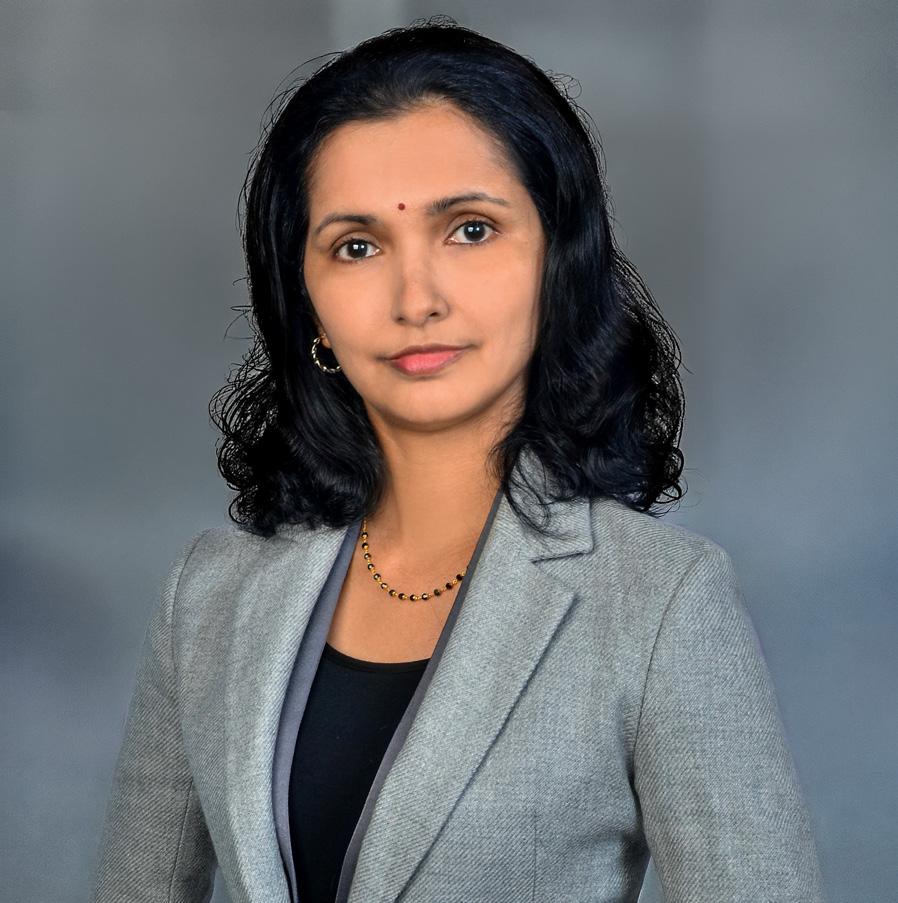
Ms. Sujatha Balakrishna is a senior lecturer, program coordinator, writer, reviewer, online module leader and current PhD in Management student. Sujatha holds an MBA from Universiti Malaya (2007) and a BA (Hons) degree from Nilai College and Oxford Brookes University (2001). She has more than 17 years of teaching experience in higher education. She has vast experience in teaching in the areas like organizational behaviour, interpersonal skills, professional development, management, and business ethics. Sujatha has also supervised more than 20 international postgraduate and undergraduate student’s project papers. She has around 10 research publications. Sujatha is also serving various other roles such as reviewer, advisory member, session chair, jury member etc. She is also a writer who writes for various international educational magazines and news sites on topics such as Gen Z, higher education, sustainable education, child depression and mental health. She has given key note speech and guest lecture on various topics internationally. She was awarded with Global Faculty Award, the Most Exemplary Educator and Researcher Award 2023 and Distinguished Teacher Award: Management in 2024.
Education sector is becoming more competitive than ever with the emergence of more and more narcissists in the industry. Narcissism can be defined personal characteristics that are driven by personal superiority and expectation of a preferential treatment. (Grapsas et al.,2020) People with this personality will always lodge
for extreme praise, acknowledgement and seek for continuous attention. They would prefer to stand out among the crowd and would do anything for it. There are many literatures that often associates narcissism with Narcissistic Personality Disorder (NPD). Melinda (2019) highlighted that narcissistic personality disorder involves a pattern of self-centered, arrogant
In academia, narcissism takes tolls in many different forms. Especially in the higher education sector, we could see the academicians who are very much into popularity seeking behavior
thinking and behavior, a lack of empathy and consideration for other people, and an excessive need for admiration. Narcissistic personality disorder is usually diagnosed through clinical evaluation. (Rhodewalt, 2019)
We would probably think about people who keep talking about their career out of insecurity, or could be more precisely called as having high sense of hunger for appreciation or admiration, a desire to be the center of attention, never realizing that they are narcissist. Narcissist main focus would be to be the best among rest regardless of place and time. Psychology Today (2019) also reports that “narcissist” is commonly used to describe individuals who seem excessively self-absorbed. This is more widely evident in the newer generations. According to Saxena (2021), a narcissist who has a huge need to be admired and constant thoughts about being better than others, often does not realize the negative impact of their actions or words on other people.
In academia, narcissism takes tolls in many different forms. Especially in the higher education sector, we could see the academicians who are very much into popularity seeking behavior. They tend to assume that academic field is a race which demands for their credibility to be constantly proven. Many academicians would agree that they are engaging in a scholarly race to prove their efficiency in publication. This can be related to the act of marginalizing teaching and students as a result of over attention given to research. Narcissistic educators often prioritize their self-image and personal satisfaction over fostering a supportive and constructive learning environment (Our Mental Health,2024) It would be appropriate to say that academically, narcissism is taught as a
The presence of narcissism can be curbed by creating a healthy culture, developing good relationships and promoting unity. However, the personality trait is not easily erasable
negative personality trait. Wallace et al. (2022) have highlighted in their research findings that there are elements of narcissism in academics who are active in scholarly excellence. Their main findings indicate that narcissism does not present if professors are viewed as teachers, helpers or as introverted bookworms.
Sharon (2016) also stressed that narcissists are more expected to experience satisfaction with jobs that they believe to represent high status and opportunities for self-development. Narcissism may turn into a positive trait when an academician shows their interest in exerting more power in an organization, work hard to raise the glory of the organization, strive for praise and continuously looks for opportunities to prove their skills. Most of the symptoms can be associated with grandiose narcissism. A university lecturer who seeks for self-importance and admiration, believes that he/she is special and should be associated
with high status people, exploitative, lack of empathy and often envious of others are among the symptoms that can be related to the narcissistic behaviors due to the obsession towards scholarly excellence. This is often referred to grandiose narcissism.
Çimşir & Tümlü (2021) have found in their research that workaholism and narcissism can be linked. They have also mentioned that academicians are often seen as more workaholics than non-academic workers. According to them, the opportunities and advancements, recognition received through publications, citations, peers and students do make the academic jobs more attractive to those who have high narcissism traits. Some academicians are trapped in the culture of publishing or perish in the higher education. Lecturers take part in the publishing race to prove themselves and for some, this is a matter of survival. Some authors referred this scenario as “publish or perish ‘’. Publish or perish is a culture of forcing lecturers to publish papers to meet KPIs and eligible for rewards or else have to risk being overlooked. This particular situation in academia is what is feared to create a sense of narcissism in the lecturers. Elements of narcissism can be detected among professors who prioritize scholarly productivity over teaching excellence. They are more focused on developing themselves to achieve the career success that they are aiming or even forced to achieve. This situation can make the university lecturers to be more self-centered, looking for recognition and approval. One should always know that a noble profession like teaching must always put the duty to others or students to be more précised, first before any other duties. The act of marginalizing teaching for research
and publication is certainly an act of selfimportance without thinking about the impact it creates on students.
It is evident that nowadays higher education itself has become are becoming a racing track with academicians seeking attention in terms of publications, evaluations, awards and recognition, positions and titles, speaking engagements and etc. We cannot deny that even classrooms are becoming a racing platform where lecturers are seeking student’s attention and admiration. As Buasu (2025) stated, “Narcissistic teachers don’t teach. They perform. They crave admiration, not connection”. This is also creating a competitive environment in the universities. Seeing fellow colleagues as competitors will create the tendency to outshine one another. According to Blessing (2025), academia is becoming highly competitive which creates an environment which forces individuals to outperform their peers. On the positive viewpoint, competition may drive progress. But on the dark side, it can also encourage narcissistic traits. One should always know that a noble profession like teaching must always put the duty to others or students to be more précised, first before any other duties.
The presence of narcissism can be curbed by creating a healthy culture, developing good relationships and promoting unity. However, the personality trait is not easily erasable. It may change over time after the sense of admiration and attention has been fulfilled. Many people out there are still not aware that they narcissist. While, it is said that everyone will have some narcissism traits in them, some may have a higher dosage of it and eventually makes it an epidemic.
Tech-Savvy Resilience: Academicians Drive Innovation in Virtual Learning Environments in Higher Education
Ms.NorNazeranahHajiOmarDin, Senior Lecturer & Program Leader of International Business Management, School of Business, Asia Pacific University of Technology & Innovation (APU)
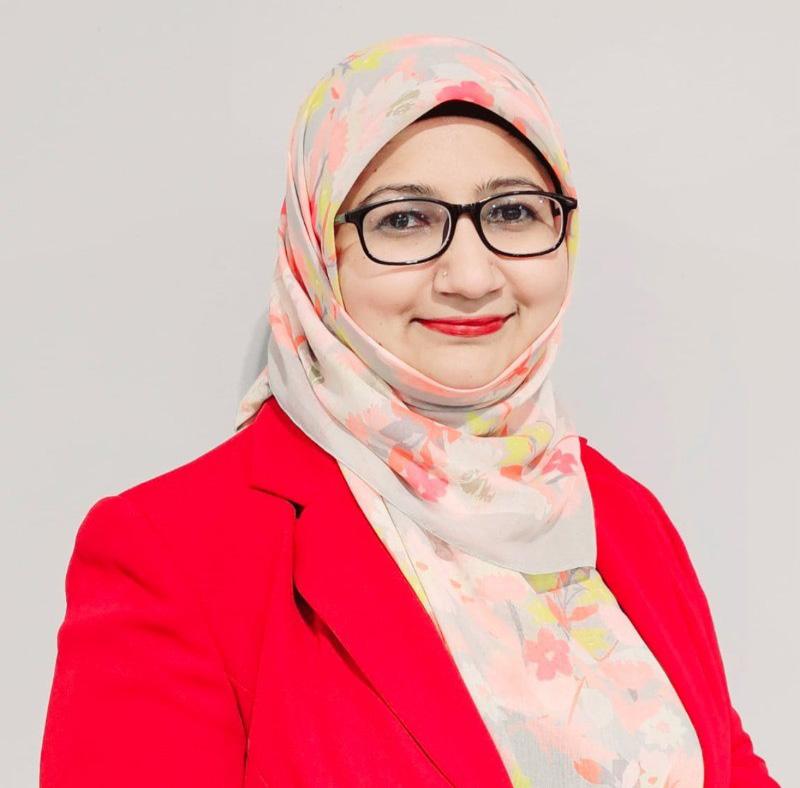
Ms. Nor Nazeranah Haji Omar Din is a Senior Lecturer and Programme Leader of International Business Management at Asia Pacific University of Technology & Innovation, Kuala Lumpur. An academic professional, HRD Corp Accredited Trainer, MQA Panel Assessor, and PhD scholar, she has contributed to Malaysian higher education since 2006 through curriculum design, programme leadership,andacademicmoderation.Herteachingexcellencehasearnedglobalrecognition,including the Global Teacher Award 2024 and Teacher Gratitude Award 2024. A committed sustainability advocate, she received the Iconic Sustainability Award 2024 and a Bronze Medal at the Sustainability Promoters and Collaborators Awards 2025. She also serves as a journal reviewer, editorial board member, and international keynote speaker.
The increasing reliance on virtual higher education environments has reshaped the nature of academic work. Digital platforms such as learning management systems, video conferencing tools, collaborative applications, and data-driven educational technologies have expanded instructional possibilities and enabled pedagogical innovation. However, these advancements have simultaneously
intensified digital stressors that affect academicians’ psychological well-being and work performance.
Within virtual higher education environments, academicians are expected not only to deliver content but also to design digital learning experiences, manage continuous online communication, and adapt to rapidly evolving technologies. These demands raise important questions about how academicians sustain
Within virtual higher education environments, academicians are expected not only to deliver content but also to design digital learning experiences, manage continuous online communication, and adapt to rapidly evolving technologies
From the Job Demands–Resources framework, technology self-efficacy acts as a personal resource that offsets stress and sustains innovation
innovative work behaviour under increasing digital pressure. Technology self-efficacy also plays a vital role as a key psychological resource that buffers the adverse effects of digital stressors specifically technostress, tele pressure, and role stress on academicians’ innovative work behaviour.
Digital Stressors in Virtual Higher
Education Environments
Technostress
Technostress refers to the strain experienced when individuals struggle to cope with technological demands such as complexity, constant updates, and information overload (Tarafdar, Cooper, & Stich, 2019; La Torre et al., 2019). In virtual learning environments in
higher education, academicians often engage with multiple platforms simultaneously, manage digital assessments, and respond to frequent system changes.
In Malaysia, academicians reported difficulties juggling multiple platforms (Zoom, Moodle, WhatsApp) and frequent updates, which reduced their cognitive flexibility and limited creative teaching approaches (Hussin, 2018).
In Saudi Arabia, academicians reported high technostress during the pandemic due to constant shifts between Blackboard, Zoom, and other platforms (Al-Fudail & Mellar, 2008).
In Pakistan, unstable internet and frequent updates led to emotional exhaustion and reduced innovation (Iqbal et al., 2021).
In Europe, adapting to multiple tools simultaneously hindered experimentation with new methods (La Torre et al., 2019).
Tele pressure
Tele pressure reflects the internalized pressure to respond rapidly to digital communications (Barber & Santuzzi, 2015).
In Malaysia, academicians often felt compelled to reply instantly to student messages on WhatsApp and email, blurring personal boundaries and limiting time for reflection on innovative teaching (Hussin, 2018).
In China, faculty reported similar pressures on WeChat (Zhang & Zhu, 2020).
In Turkey, constant ICT connectivity reduced recovery time (Grawitch et al., 2018).
In Macau, tele pressure undermined deep thinking and course redesign (Chan, 2021).
Role Stress
Role stress arises when job expectations are unclear, conflicting, or excessive (Eatough et al., 2011).
In Malaysia, academicians experienced role overload, balancing teaching, research, and digital facilitation, while also acting as IT troubleshooters for students unfamiliar with online platforms (Hussin, 2018).
In Australia, role ambiguity emerged when faculty were expected to act as teachers and instructional designers simultaneously (Panisoara et al., 2020).
In India, unclear digital expectations reduced discretionary effort for innovation (Kumar & Dwivedi, 2021).
In the United States, role overload during COVID-19 restricted creative practices (Misra & McKean, 2000).
Innovative Work Behaviour in Virtual Learning Environment in Higher Education
Innovative work behaviour involves the generation, promotion, and implementation of new ideas that improve work processes, teaching effectiveness, or educational outcomes (De Jong & Den Hartog, 2010; Messmann & Mulder, 2012).
In Malaysia, academicians redesigned assessments, integrated emerging technologies, and experimented with flexible distance learning models to sustain innovation (Hussin, 2018).
In Indonesia, lecturers explored gamified pedagogy and collaborative online knowledgesharing (Suharti & Sulistyo, 2020).
In Europe, academicians redesigned courses with institutional support for experimentation (Messmann & Mulder, 2012).
Technology Self-Efficacy as a Buffering Mechanism
Technology self-efficacy refers to individuals’ beliefs in their capability to effectively use technology to accomplish work tasks (Compeau & Higgins, 1995; Bandura, 1997).
In Malaysia, academicians with strong technology self-efficacy adapted quickly to new platforms, maintained student engagement, and proactively integrated tools like Kahoot and Padlet into teaching (Hussin, 2018).
In Peru, higher digital competence enhanced resilience against technostress (Rojas-Méndez, 2021).
In Australia, self-efficacy supported creative online methods (Tams et al., 2018).
In Spain, academicians embraced selfdirected digital learning and tool integration (Cabero-Almenara & Llorente-Cejudo, 2020).
By fostering digital confidence and supportive practices, higher education institutions can cultivate environments where resilience and innovation thrive
From the Job Demands–Resources framework, technology self-efficacy acts as a personal resource that offsets stress and sustains innovation.
Implications for Virtual Learning Environment in Higher Education Practice
The buffering role of technology self-efficacy underscores the need for higher education institutions to move beyond a purely technologycentric approach to digital transformation. Strengthening academicians’ confidence in digital tools is just as important as providing the tools themselves.
Malaysia’s initiatives in flexible learning and digital training programs demonstrate how targeted professional development can
help academicians sustain innovation under pressure. By embedding digital competence modules into faculty development, Malaysian universities have shown that resilience grows when academicians feel capable of navigating multiple platforms.
Peru’s digital competence programs highlight the value of structured training that enhances resilience against technostress.
Indonesia’s peer mentoring initiatives illustrate how collaborative knowledge-sharing builds confidence and sparks innovation.
Australia’s recognition of role stress emphasizes the importance of clarifying academic boundaries, ensuring that academicians are not overloaded with conflicting responsibilities.
China’s tele pressure findings point to the need for communication policies that protect academicians’ well-being, such as setting expectations for response times and respecting personal boundaries.
By combining these strategies, institutions can reduce technostress and tele pressure while creating conditions that encourage experimentation, innovation, and resilience.
Conclusion
As virtual learning environment in higher education evolves, academicians exemplify how resilience and tech-savviness sustain innovation under digital pressure. Technology self-efficacy emerges as a critical buffer against technostress, tele pressure, and role stress, enabling academicians to remain creative and engaged. By fostering digital confidence and supportive practices, higher education institutions can cultivate environments where resilience and innovation thrive.