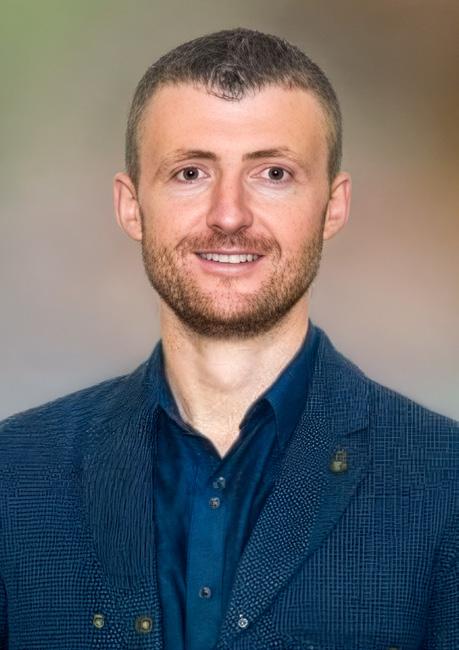
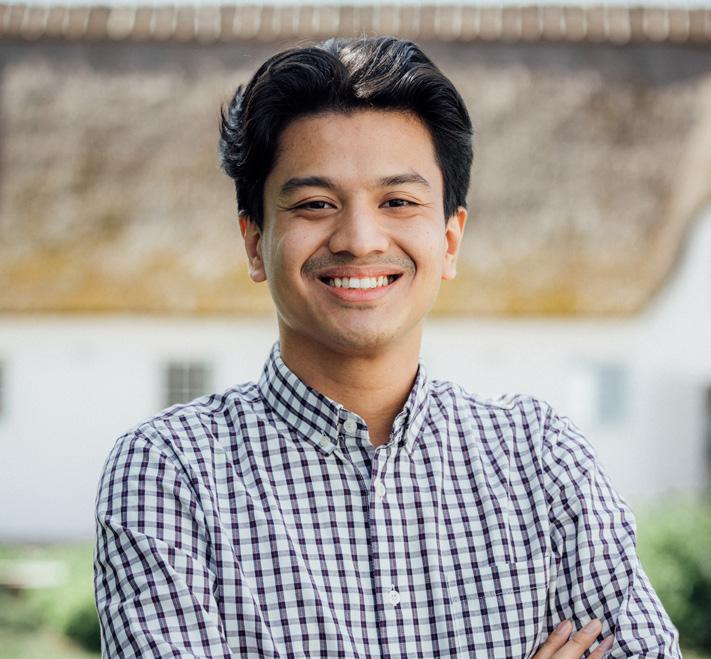
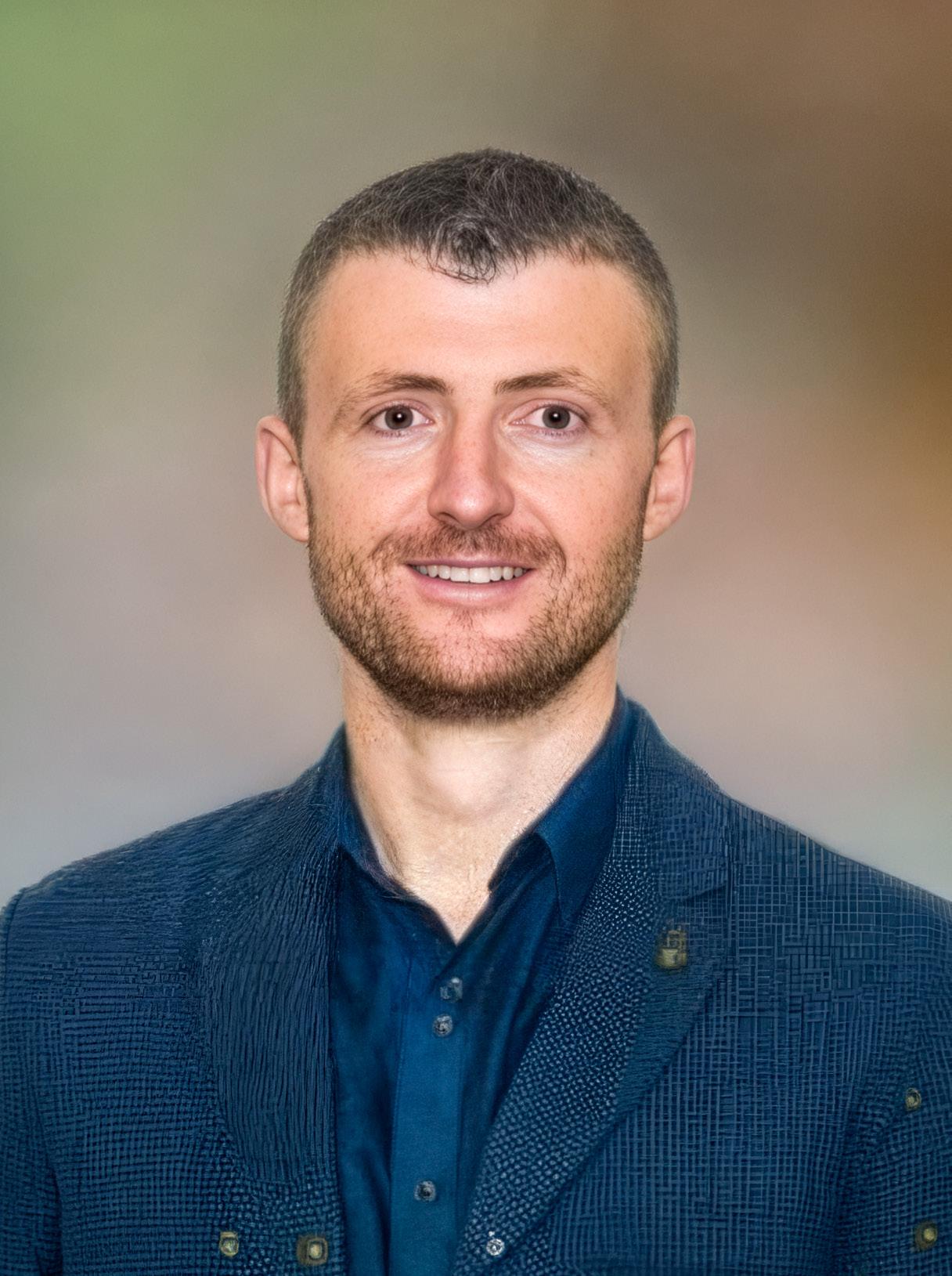
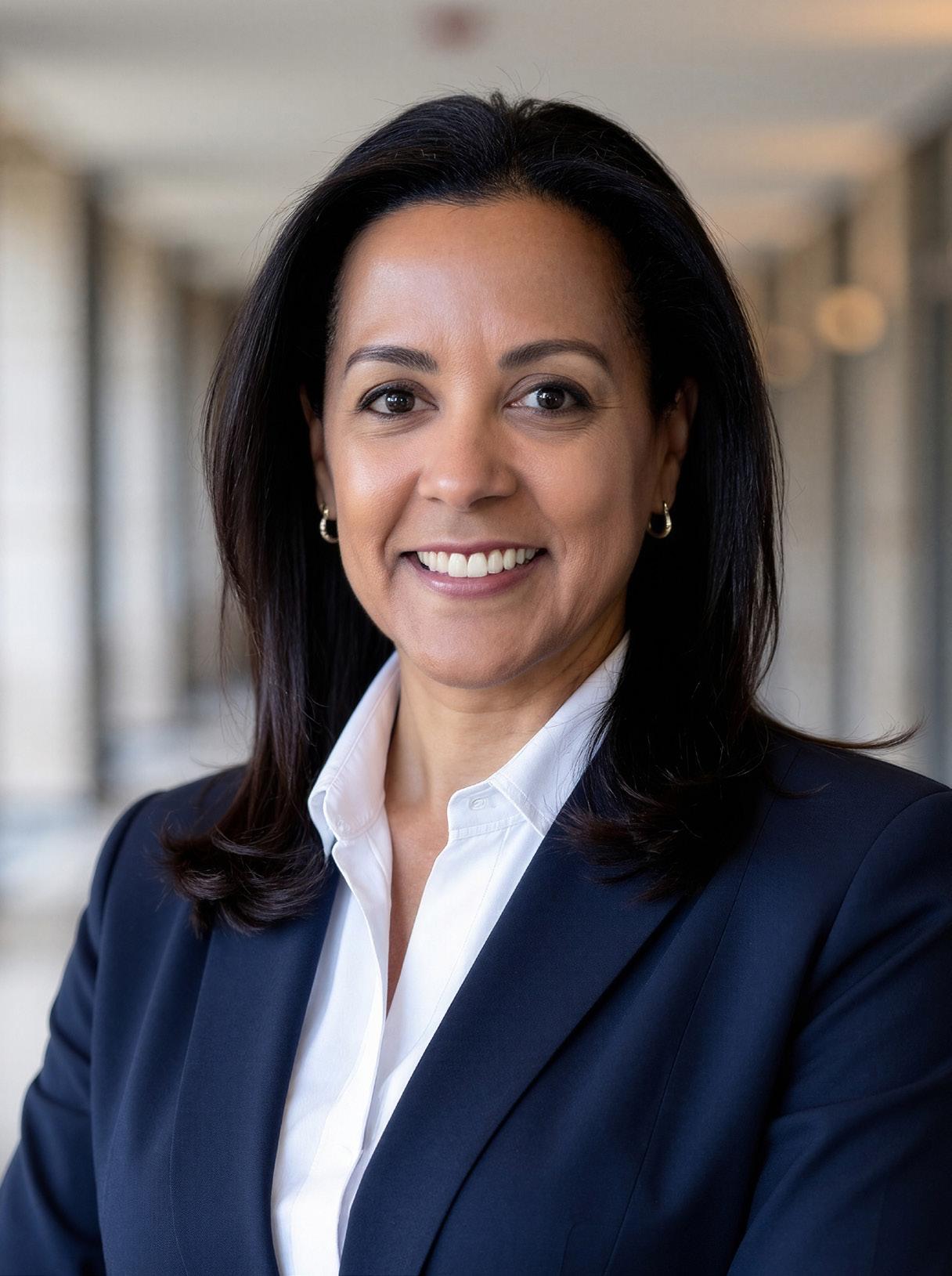
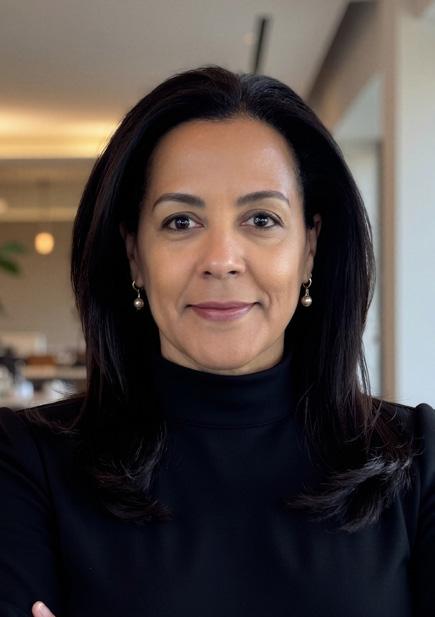
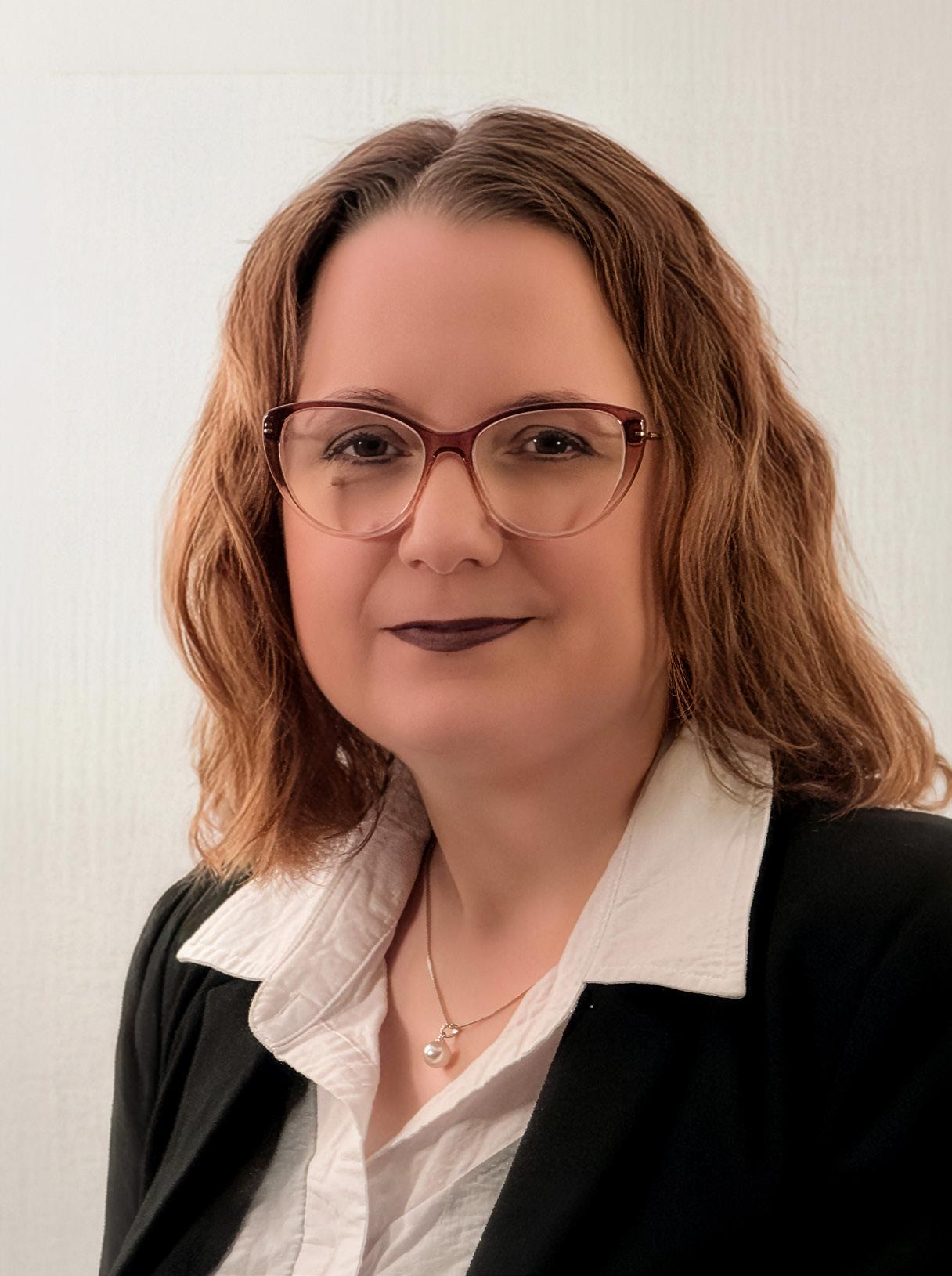
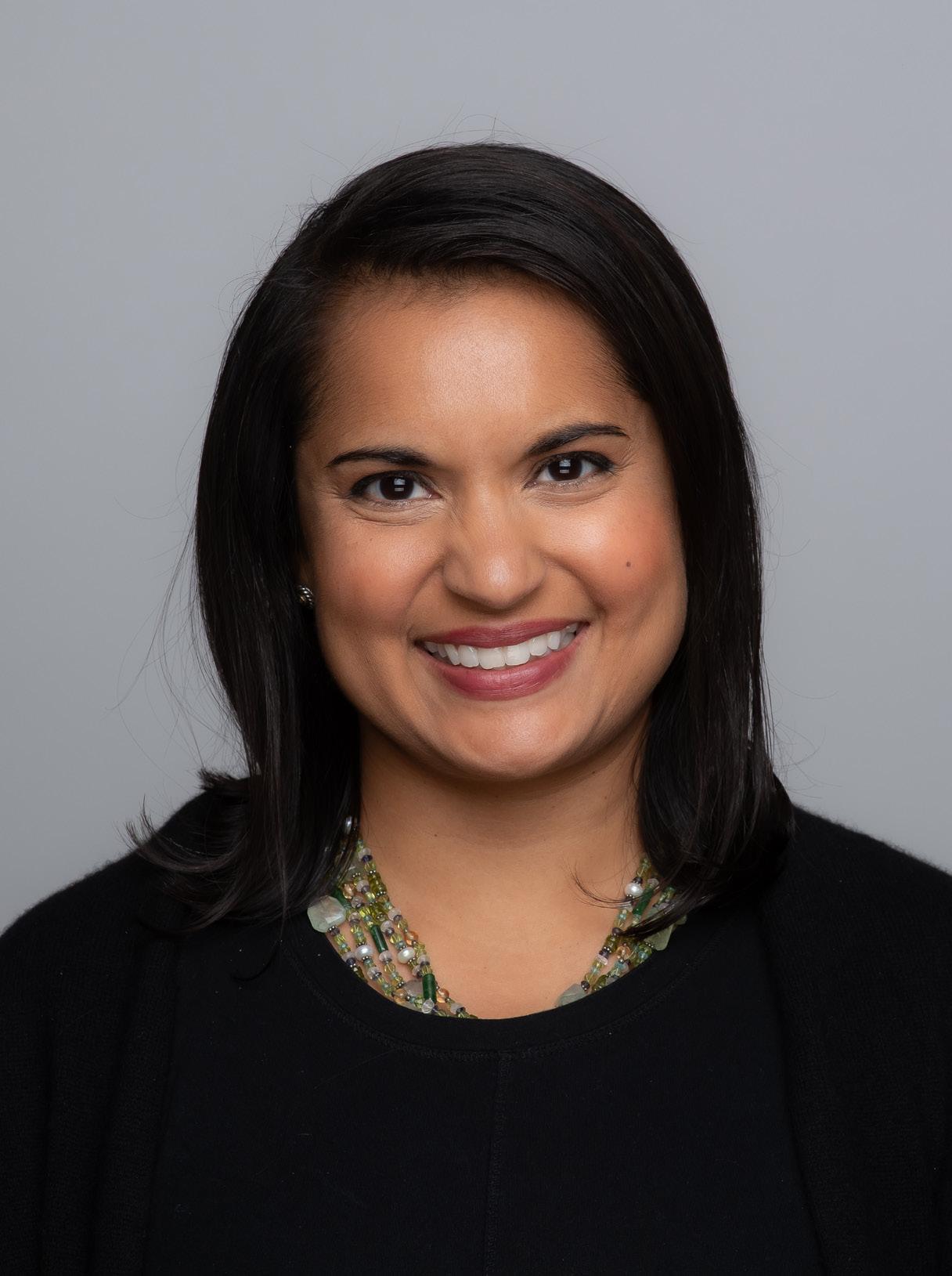
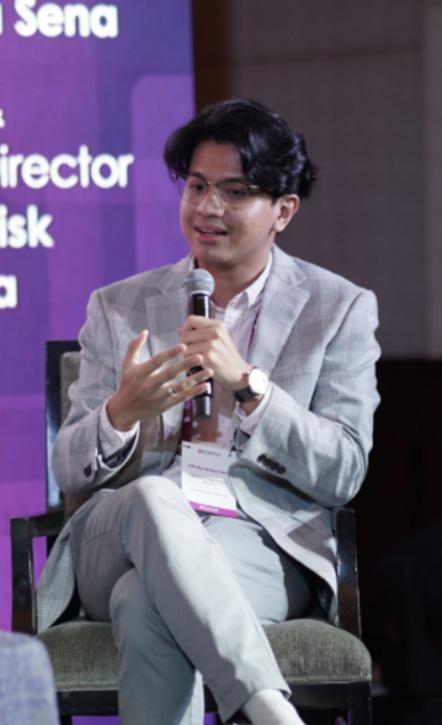
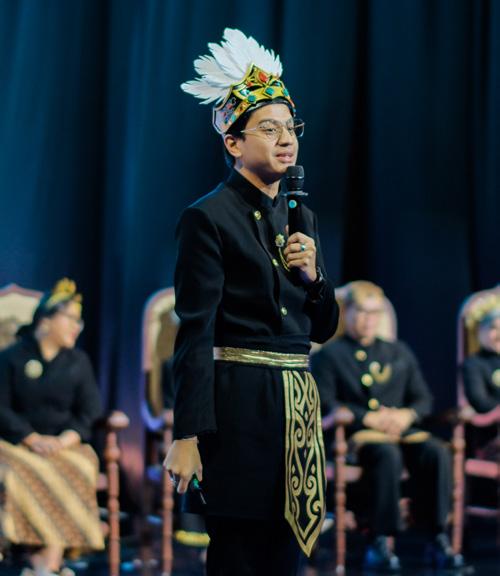
Adhika Widya Sena People & Organisation Director, Novo Nordisk Indonesia
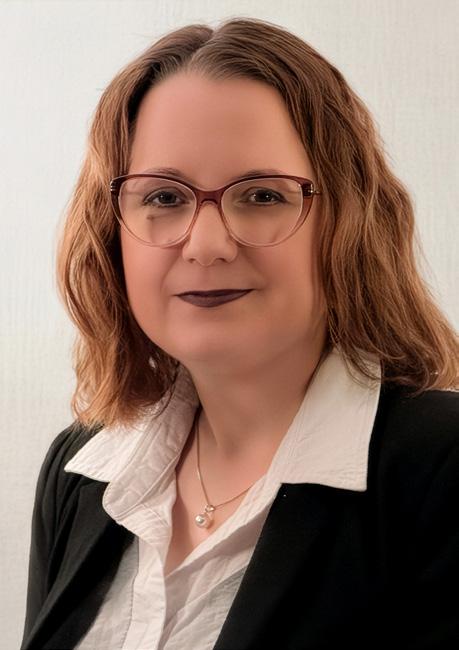
Evin Conway Customer Experience Leader, CSG
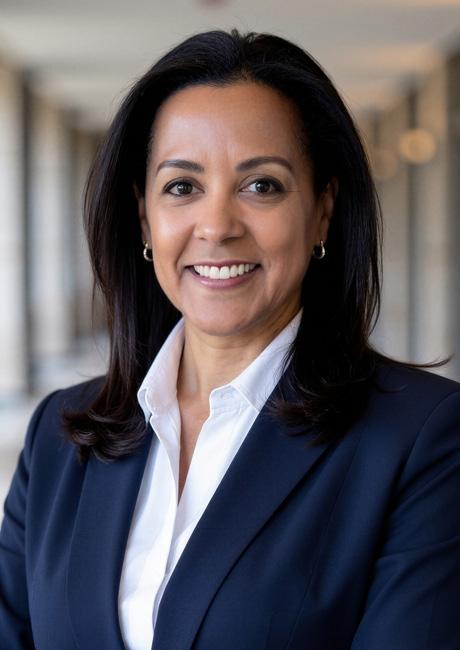
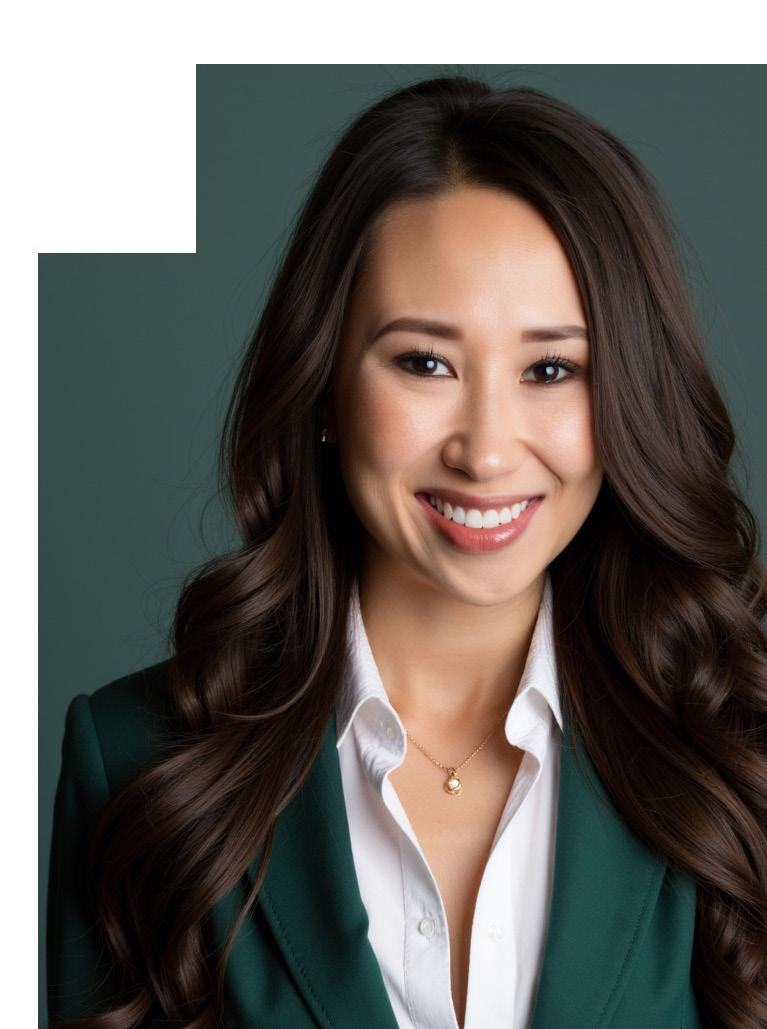
Kelly Timpane Global HR Executive
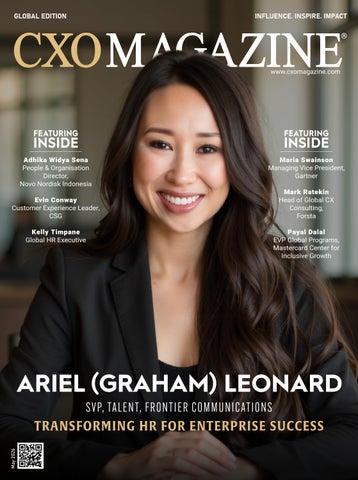
FEATURING INSIDE
Maria Swainson Managing Vice President, Gartner
Mark Ratekin Head of Global CX Consulting, Forsta
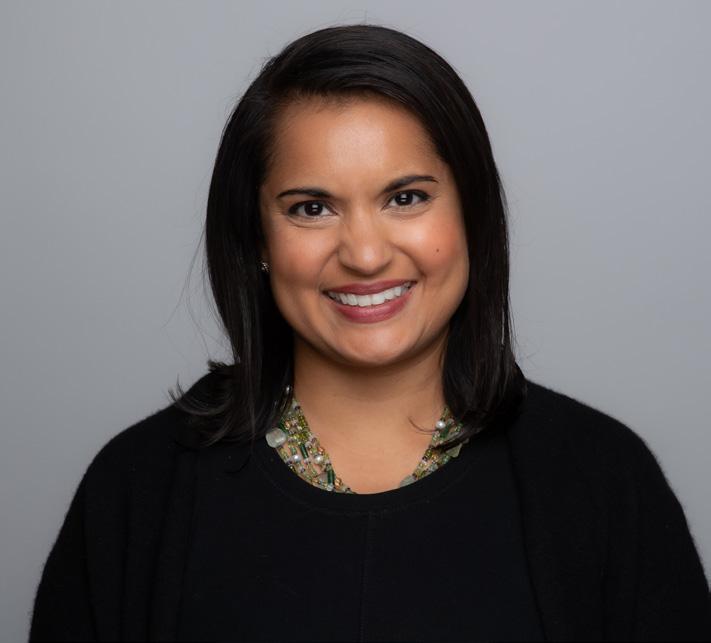
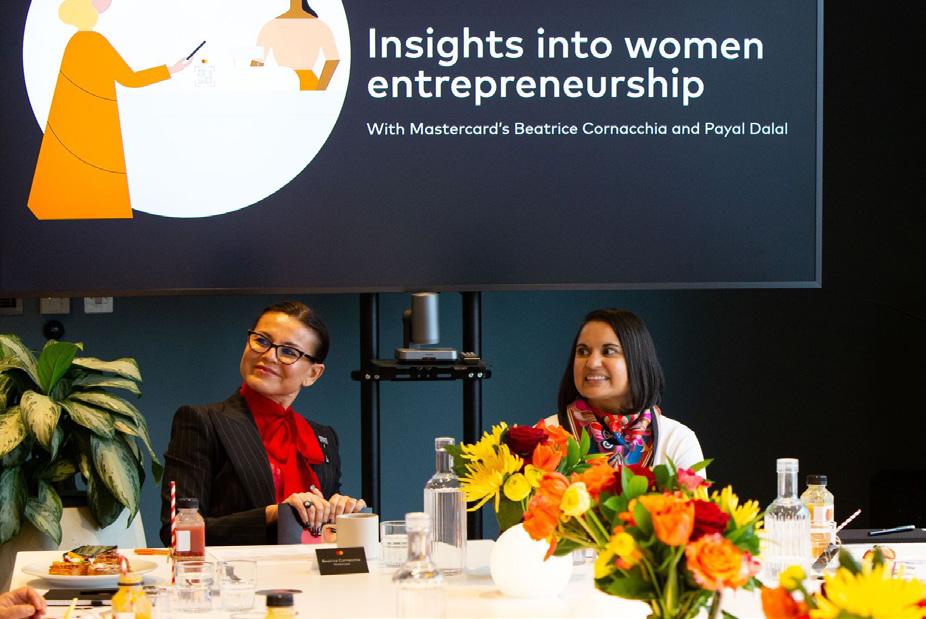
Payal Dalal EVP Global Programs, Mastercard Center for Inclusive Growth
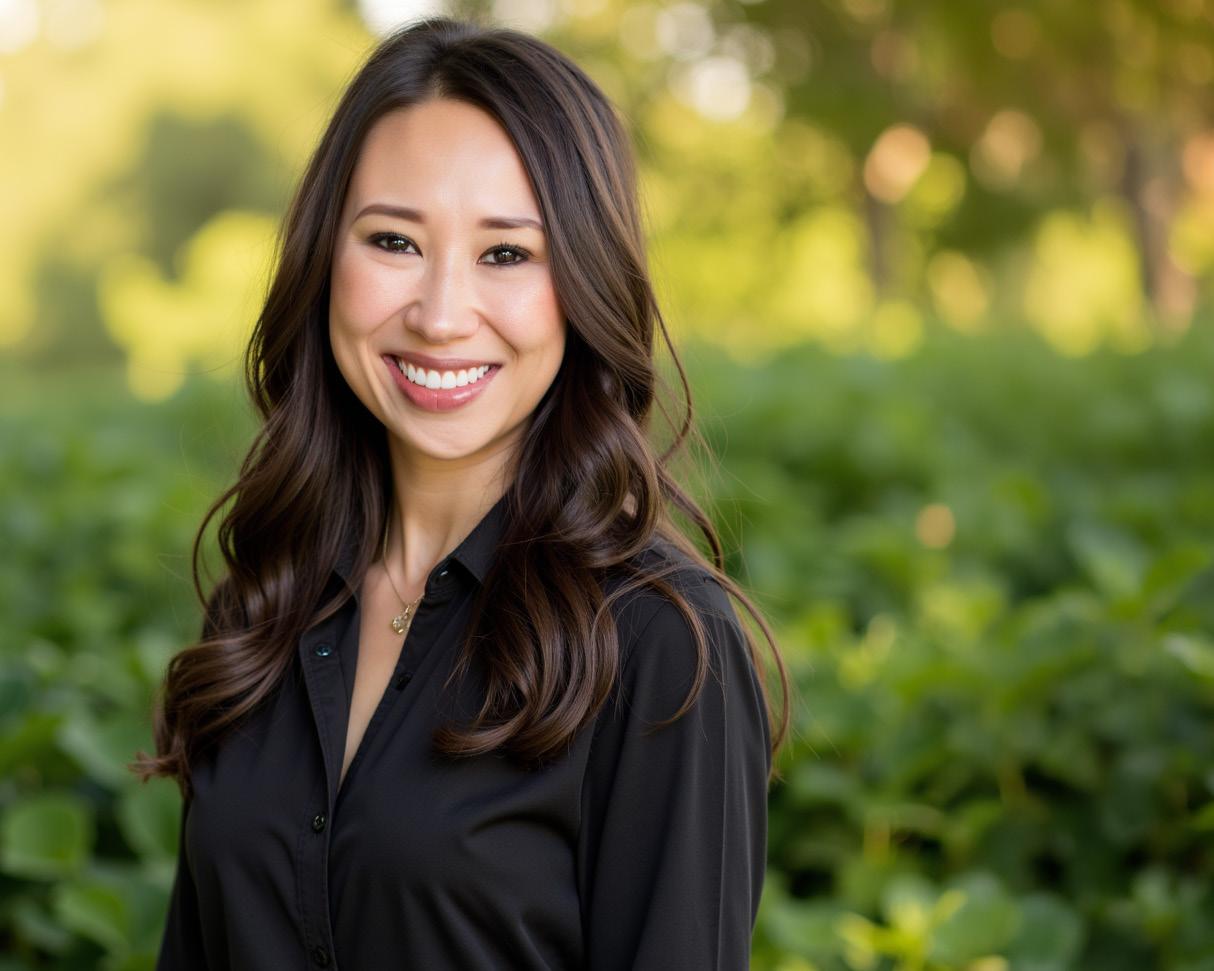
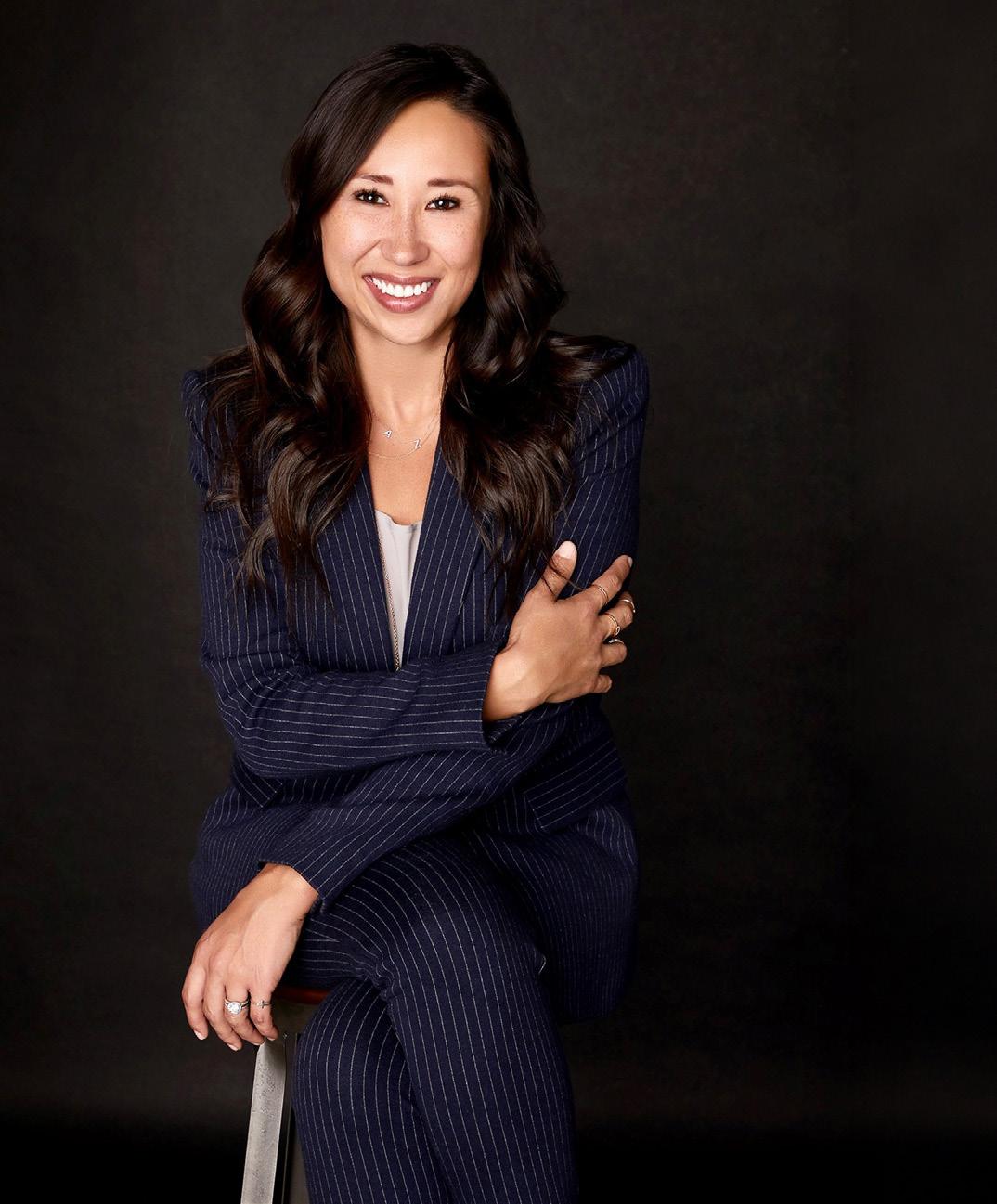
ARIEL (GRAHAM) LEONARD
SVP, TALENT, FRONTIER COMMUNICATIONS
TRANSFORMING HR FOR ENTERPRISE SUCCESS
SUBSCRIBE FREE
Managing Editor Consultant Editors
Sarath
Free Subscription www.cxomagazine.com
Art & Design
Charlie
Louis
Branding & Marketing Partnership
Jennifer
Monica
Rachel
WHEN TALENT STOPS LOOKING BACK
Not long ago, workforce planning was largely about looking in the rearview mirror. Organizations studied last quarter’s numbers, reviewed hiring gaps, and reacted to problems as they appeared. Today, that approach is beginning to feel outdated. The conversation inside boardrooms is changing rapidly. Leaders are no longer asking only what happened. They are asking what comes next.
Artificial intelligence and predictive analytics are reshaping how organizations think about talent, leadership, and growth. According to recent global studies, a growing number of executives now view workforce intelligence as a core business priority rather than an HR function alone. Yet, despite access to more data than ever before, many companies still struggle to connect people strategy with long-term business outcomes. The challenge is no longer collecting information. It is learning how to interpret signals before they become problems.
This shift forms the heart of this month’s issue of CXO Magazine. Our cover story features Ariel (Graham) Leonard, SVP, Talent at Frontier Communications, whose work sits at the intersection of people, technology, and enterprise transformation. Ariel brings a refreshing perspective to modern leadership. She speaks about talent not as a support function, but as a business engine capable of shaping competitive advantage. Her insights into AI-enabled workforce ecosystems and predictive enterprise modeling offer an important glimpse into the future of leadership itself. What makes her perspective especially compelling is the balance she maintains between innovation and human connection. In a time increasingly shaped by intelligent systems, that balance matters more than ever.
Beyond the cover story, this issue brings together a range of conversations, perspectives, and ideas from leaders and experts across industries. From transformation and innovation to leadership and learning, the pages ahead reflect the evolving realities of modern business and work.
The future of leadership may be driven by technology, but it will still depend on people who can think ahead, adapt wisely, and lead with clarity. As always, we hope this issue sparks new ideas, meaningful reflection, and conversations worth continuing long after the final page.
Happy Reading!
Sarath Shyam
16 Evin Conway, Customer Experience Leader, CSG
Empowering Seamless Customer Experiences
30 Kelly Timpane, Global HR Executive
Building Resilient Workplaces through HR
INTERVIEW
22 Maria Swainson, Managing Vice President, Gartner
Unlocking Revenue Acceleration through AI-Enabled Innovation
36 Mark Ratekin, Head of Global CX Consulting, Forsta Nurturing the Next Generation of CX Professionals
42 Payal Dalal, EVP Global Programs, Mastercard Center for Inclusive Growth
Shaping a More Inclusive Digital Future
INTERVIEW
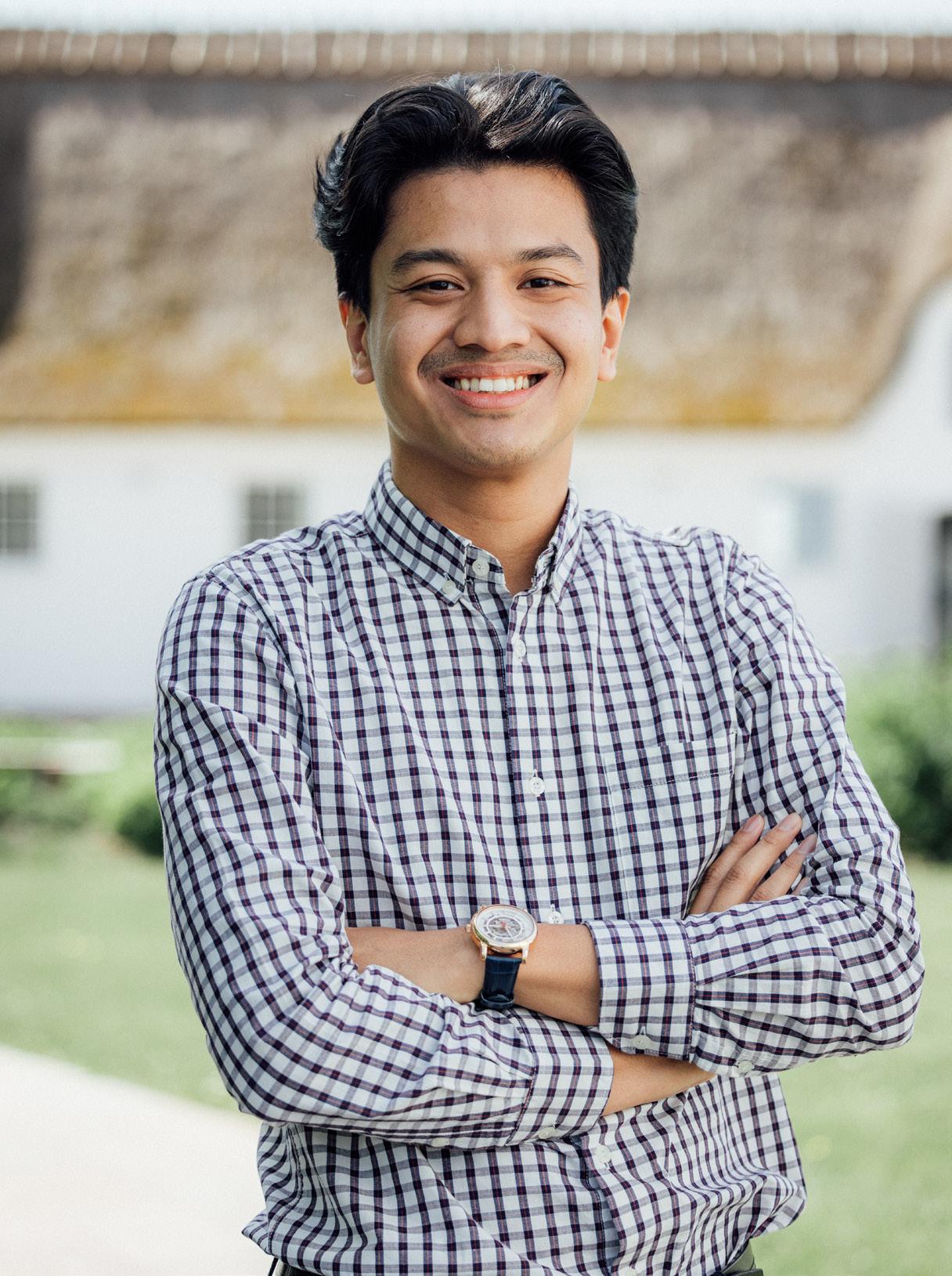
50 Adhika Widya Sena, People & Organisation Director, Novo Nordisk Indonesia
Empowering People, Driving Change
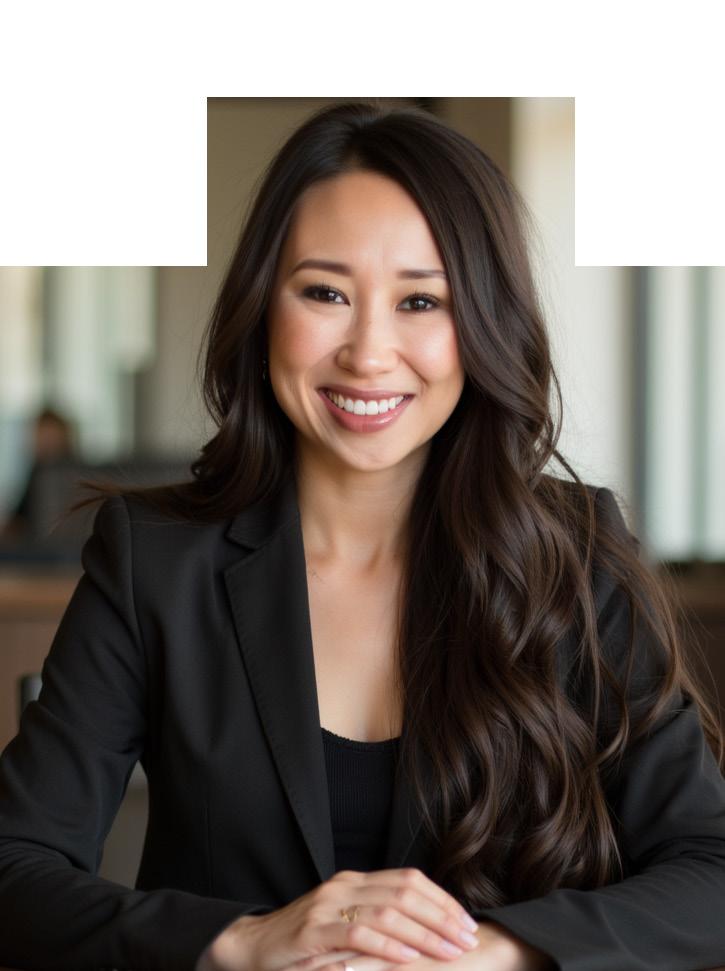
ARIEL (GRAHAM) LEONARD
SVP, TALENT, FRONTIER COMMUNICATIONS
TRANSFORMING HR FOR ENTERPRISE SUCCESS
Ariel Leonard is an enterprise HR executive who architects talent strategy to drive measurable business performance. She specializes in large-scale transformation, leadership development, AI-enabled workforce ecosystems, and building integrated talent systems that scale. Known for aligning talent strategy with financial outcomes, Ariel operates at the intersection of people, operations, and enterprise value creation. She is a frequent speaker on transformation and talent innovation and is dedicated to developing enterprise-ready leaders who create sustainable competitive advantage.
Recently, in an exclusive interview with CXO Magazine, Ariel shared insights into her passion for talent management and HR leadership. Looking ahead, Ariel sees AI and technology transforming talent management, shifting HR from reactive reporting to predictive enterprise modeling. She also shared her personal hobbies and interests, future plans, words of wisdom, and much more. The following excerpts are taken from the interview.
Hi Ariel. What sparked your interest in talent management and HR leadership?
My interest in talent management began when I realized that strategy lives or dies in execution, and execution lives or dies in people. Organizations don’t transform, but people do. I was drawn to the idea that talent is not a support function, but an operating system for the business. Very early on, I saw organizations invest heavily in strategy while underinvesting in leadership depth, succession readiness, and workforce capability. That misalignment fascinated me and I wanted to sit at the table where capital allocation, growth strategy, and talent strategy should intersect. For me, HR leadership has never been about policies. It has always been about enterprise performance. HR leadership, when done well, shapes culture, builds capability, drives accountability, and unlocks growth. When talent is architected intentionally, it becomes your strongest competitive advantage.
What do you love the most about your current role?
What I love most is operating in moments of consequence. Transformation, mergers, integration, and constrained resources are not abstract concepts. They require disciplined choices about where to invest, which leaders to elevate, and how to rewire systems at scale while always thinking about future talent. I enjoy building integrated talent ecosystems that link workforce planning, performance management, succession, AI enablement, and leadership development into one coherent strategy. When those systems align, business results follow. The most rewarding part is building high-performing
Business leaders prefer HR professionals who speak their language and can help them decide how to transform the business through people
leadership teams and Centers of Excellence that outlast any one initiative. Watching leaders grow into enterprise-ready roles and seeing measurable business outcomes, whether cost savings, capability uplift, or improved internal mobility, reminds me why this work matters. The impact is tangible and lasting.
How do you see AI and technology transforming talent management and HR in the next 5 years?
AI will fundamentally shift HR from reactive reporting to predictive enterprise modeling.
Workforce planning will become dynamic rather than annual, and skills will become the primary currency of work. Talent marketplaces will fluidly match capability to priority initiatives in real time. However, the most significant shift will be in decision quality. AI will augment leadership judgment, surfacing risks in succession, engagement, retention, and capability gaps before they materialize financially.
However, the real transformation will not be technological – it will be cultural. Organizations that succeed will use AI to enhance human
In five years, I see myself serving as a CHRO or broader enterprise executive influencing not only talent systems but capital allocation and business direction
capability, not replace it. The leaders who succeed will not simply deploy AI tools; they will integrate AI into governance, equity, and capital strategy. Meanwhile, HR leaders must ensure AI drives equity, transparency, and opportunity rather than bias or opacity. The future of talent management is both more analytical and more human and those who balance both will win.
What are the key skills HR leaders need to develop to drive business impact?
First, financial fluency. HR leaders must develop deep business acumen. Understanding financial drivers, operational tradeoffs, and strategic priorities is essential to shaping talent decisions that create measurable value, and talent investments must be defensible in economic terms.
Second, systems thinking. HR leaders must think like architects, building interconnected systems that align incentives, performance, and capability, not just programs. Enterprise impact comes from integrating performance management, leadership development, succession, workforce planning, and culture into one coherent ecosystem.
Third, executive presence and courage. Influence at the highest level requires clarity, decisiveness, and the willingness to challenge the status quo. HR must move from consensusseeking to value-creating.
Finally, operational discipline. Strategy is only meaningful if it translates into measurable results. Business leaders prefer HR professionals who speak their language and can help them decide how to transform the business through people.
Can you share a book, podcast, or resource that has inspired you recently?
One resource that continues to influence me is the work of FranklinCovey, particularly around disciplined execution and leadership accountability. Their framework on narrowing focus to wildly important goals and building accountability rhythms has reinforced my belief that strategy without execution is merely aspiration.
I also find myself regularly returning to Harvard Business Review for research-backed insights on leadership and transformation. In rapidly evolving environments, grounded thinking becomes even more valuable.
How do you mentor and support emerging leaders in HR and talent management?
I mentor emerging leaders by helping them expand their scope of thinking. Many HR professionals are strong technically but have not
yet been challenged to think at enterprise scale. I encourage them to ask different questions: How does this initiative drive revenue, reduce cost, or mitigate risk? How does it scale? How does it integrate with other systems? Most importantly, does the business even care about the initiative?
I also prioritize exposure. Stretch assignments, cross-functional projects, and visibility with executive stakeholders accelerate growth while teaching enterprise credibility is built through shared accountability. My goal is to help them move from functional excellence to enterprise leadership.
What's a favorite quote or mantra that guides you?
“People first.”
What are some of your passions outside of work? What do you like to do in your time off?
Outside of work, my family is my greatest priority. I am intentional about investing
The most effective HR leaders combine deep care for people with high standards of performance and accountability
time in experiences that create resilience, independence, confidence and gratitude in my children, whether that’s travel, learning opportunities, or simply being present. Leadership at home matters as much as leadership at work.
What is your biggest goal? Where do you see yourself in 5 years from now?
My long-term goal is to operate at the intersection of talent, operations, and enterprise strategy. In five years, I see myself serving as a CHRO or broader enterprise executive influencing not only talent systems but capital allocation and business direction.
I am particularly drawn to complex environments – organizations undergoing transformation, integration, or reinvention. Those moments demand disciplined talent architecture and bold leadership. I want to be in roles where building leadership depth and workforce agility directly shapes financial performance and long-term enterprise value.
What advice would you give to professionals looking to make an impact in HR and talent leadership?
Stop thinking of HR as a function and start thinking like an operator. Study the business model. Understand how value is created and where it is lost. Learn to quantify the impact of talent decisions. Ask how your work drives measurable business outcomes.
Seek complexity rather than comfort. Volunteer for transformation work. Aim to build systems that outlast you. Sustainable impact is the true measure of leadership.
Develop both empathy and rigor. The most effective HR leaders combine deep care for people with high standards of performance and accountability. That balance is what elevates the function from supportive to strategic. History has repeatedly proven it is not the strongest, fastest, or even smartest who wins, but those that are most adaptable.
Empowering Seamless Customer Experiences
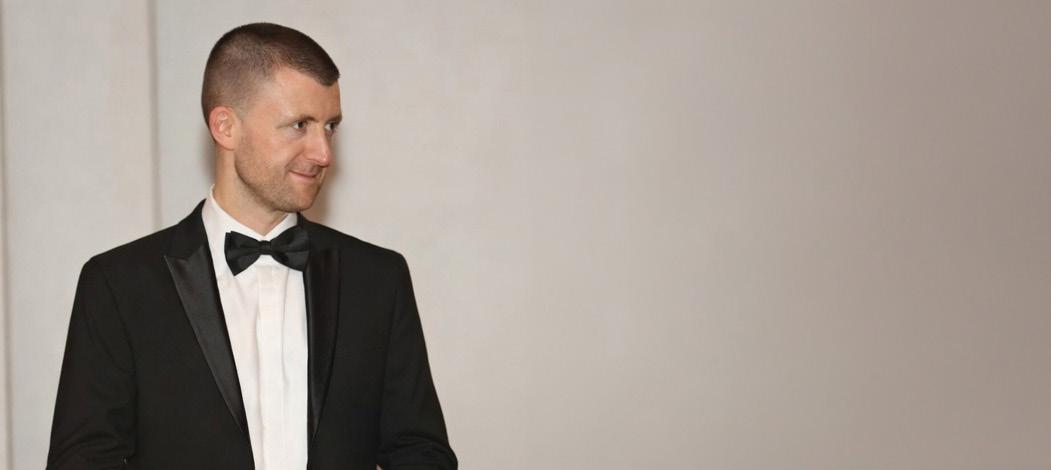
Evin Conway is a high achieving Customer Experience (CX) leader and Board Director with a 25 year track record of driving strategic transformation. Currently leading Customer Experience strategies with CSGI, Evin has built world class CX functions from the ground up for organizations across the global technology and non profit sectors. Evin is a judge with the International and UK Customer Experience awards, and a recipient of the CX B2B award in 2024 and the CXM Stars award in 2026. He is a recognized advisor in governance and operational excellence serving on the Board of Directors for several organisations in the financial, health and arts sectors. Evin blends his background in data driven insights with an interest in human centric leadership, specializing in governance, enterprise program management and innovative, empathy led growth strategies for global brands. He is dedicated to helping organizations navigate complex digital landscapes by focusing on trust and the seamless integration of technology and experience.
Customer Experience Leader, CSG
Evin Conway
Hi Evin. With over two decades of experience in driving strategic transformation, what sparked your passion for governance, customer experience, and enterprise-wide program management, and how did you develop your expertise in these areas? My interest was sparked by observing the gap between technical delivery and reaching successful outcomes. Early in my career I realized that many large scale initiatives fail because the executive buy in and human experience hadn’t been considered as a core component rather than the technology being flawed. I became interested in the idea that the most successful organizations build sophisticated, governed systems that prevent friction points from occurring in the first place and solve problems as they arise.
I developed my expertise by intentionally moving between technical roles in the real
estate banking industry, the fast paced high growth technology environments, strategic leadership roles across different sectors, to complex non profits board roles. This taught me that governance serves as the foundation for a seamless, reliable journey. It’s important to focus on the unseen work behind the scenes like the proactive, operational steps that ensure a user encounters an effortless experience. I learned that trust is built through an ongoing journey of consistent actions and developing this expertise requires a blend of technical aptitude, natural curiosity and a commitment to understanding the end user to ensure that every experience is understanding and effortless.
What do you love the most about your current role?
There is a challenge in taking high level business outcomes and objectives and acting as a strategic advisor to help organisations translate them into
Leadership today is about knowing when to stay quiet and when to lean in with exactly what the customer needs. Those are the moments that matter
operational realities that improve the day to day experience that actually makes someone’s life easier. The collaborative nature of that work requires aligning diverse, cross functional teams toward a single, unified vision of success. Or in moving a relationship from simple transactions toward the model of long term partnership.
When you reach a point where strategic oversight helps a partner scale their own operations or improve their own service delivery, you realize the exponential impact of good leadership. Pushing to ensure the voice of the customer is actively integrated into the innovation and product cycle, it can become the heartbeat of the business and not just a metric on a dashboard. It is that connection of human feedback and strategic execution to drive change and company innovation that makes these roles so rewarding.
What are some of the most significant challenges facing leaders in the industry today, and how can they be addressed?
We’ve all felt that experience today with the sheer volume of noise in our day to day lives from the digital landscape. We live in an age of hyper connectivity where organizations can mistake more communications for more or better quality of engagement. It’s that frustration we have all experienced of getting too many notifications but not a real connection which can actually damage trust. Most people are looking for context and value instead of that constant outreach.
The challenge for leaders today is to be able to step back and assess. We need to move away from being always on and focus on being there at the right time. It’s a cultural shift to value
the quality of an interaction and relevance of insights over the volume of touchpoints. We need to empower teams to stop hitting outreach targets and start focusing on meaningful moments to build trust. Leadership today is about knowing when to stay quiet and when to lean in with exactly what the customer needs. Those are the moments that matter.
As the industry continues to evolve, what do you believe are the most significant trends shaping the future of customer experience and success?
We are quickly entering the era of experiences. In the past companies wanted the customer to notice how hard we were working for them and how well they were being treated. In the future the gold standard will be service that is so seamless and effortless that the customer doesn’t even have to think about it. It just works.The experience becomes an extension of business operations.
Of course AI is the hot topic over the last few years but the real trend and ongoing challenge I see is the effective use of it. The temptation is to automate everything but the brands that will win are those that use AI to handle routine tasks so their people are free to handle the more complex human interactions. We should use technology to support us and make us more human instead of using it to replace the human element. I’m looking at a future where technology takes care of the transaction but people still take care of the relationship. The trend is toward a hybrid model where the efficiency of AI and the empathy of human leadership work together with people still taking care of the relationship and orchestration.
Can you share a book, podcast, or resource that has inspired you recently?
I’m currently revisiting three books that are good reading for any leader navigating customer experience and customer success today or really anyone who cares about people and performance. The Customer Catalyst by Adlard and Bausor looks at the belief that CX is a growth engine. It challenges the idea that having a customer focus is a soft metric and states it is a strategic imperative for the C suite.
The Trusted Advisor Fieldbook by Green and Howe is a blueprint for board roles and teaches you how to move from it being a transactional relationship to a trusted partner. Governance is about reliability and intent and this book provides guidance for maintaining trust at scale. Lastly the book Leading Impactful Teams by Louttit is a reference point where strategic transformation happens when you have a high performing, aligned culture. Combining a seamless human experience with the best technology in the world for your teams to drive empowerment and impact.
All three of these reinforce the ideas that the best leadership is about making excellence look easy for the people you serve. A leader’s most valuable impact is building a foundation so stable and proactive and reliable that it becomes a driver of long term loyalty.
How do you stay up-to-date with industry trends and developments, and what resources do you recommend to others?
Always be curious and learning! Look outside your own bubble. It’s important to look across different industries to understand the newest
I would like to be known as a leader who helped organizations move past the hype cycle of technologies like AI and into a phase where they are actually using it effectively
trends and find solutions to complex problems. Look at how the financial or pharma sectors build and maintain trust through rigorous governance as it gives some lessons for the software and technology industry. Or how retail manages the transition from physical to digital touchpoints is a blueprint for creating better user journeys in any field.
I try to learn from the best by participating in global networks and keeping my education fresh in things like executive leadership, user experience design and AI governance. For new leaders I would recommend don’t get stuck in a silo or hamster wheel of training in one particular niche area. You need to think differently to competitors as some of the most innovative breakthroughs often come from taking a successful strategy from a completely
different environment like the finance, the arts or the non profit sector and adapting it to your own. Curiosity is your most valuable asset.
What are some of your passions outside of work? What do you like to do in your time off?
I enjoy giving back through board of directors and advisory roles across the finance, arts and sports sectors. I’ve found that working with those organizations gives me a different perspective on leadership that is highly applicable to the corporate boardroom. You learn about experiences in a different way and those lessons in empathy and engagement are transferable to the way we treat customers across any industry. They are a reminder that leadership is about people. The same principles of support, advocacy and communication apply whether you are leading a global transformation project or supporting more locally. I like to stay active and enjoy sports and participating in adventure races over the last few years for the challenge. Golf and tennis when I have the time. When I really need to unplug I enjoy travel to soak up the culture and some live events like music gigs or a live sports match
What is your biggest goal? Where do you see yourself in 5 years from now?
My biggest goal is to help shape how organizations integrate technology with human centric strategy at the board level. I believe there is an opportunity to elevate the conversation around experience from a metric to a core component of corporate governance. In five years, I hope to be leading organizational transformations that prioritize sustainable growth and the adoption of technology.
Right now I’m enjoying the journey I’m on and it’s hard to predict where it will go after the previous 10 to 15 years experience. I would like to be known as a leader who helped organizations move past the hype cycle of technologies like AI and into a phase where they are actually using it effectively. I am interested in how we can use the current digital evolution to build more inclusive and accessible organizations. I see myself continuing to spend time on mentoring to help the next generation of leaders develop and build organizations that are both operationally excellent and deeply empathetic.
What advice would you give to emerging leaders looking to make a similar impact in their organizations?
My advice would be to master the fundamentals and boring stuff first as it’s tempting to chase the newest, shiniest technology or the most visible initiative. Long term success is built on the quiet work that goes on unseen. Make sure things run smoothly and predictably behind the scenes as trust is built when nothing is going wrong.
Be patient as it’s the small incremental changes that will make the most impact over time. Big changes take time and a well planned rollout will always beat a rushed one. Be skeptical and use critical thinking and self reflection on your own ideas can help with direction. Before adopting a new tool or strategy assess if it truly solves a problem for the person on the other end or does it just make the internal process easier.
If you focus on the end goal first and provide genuine value at the right moment, people will notice and the impact will be felt far more than if you simply follow the loudest trend. Stay curious and remember that your reputation is built on the consistency of your delivery.
Unlocking Revenue Acceleration through AIEnabled Innovation
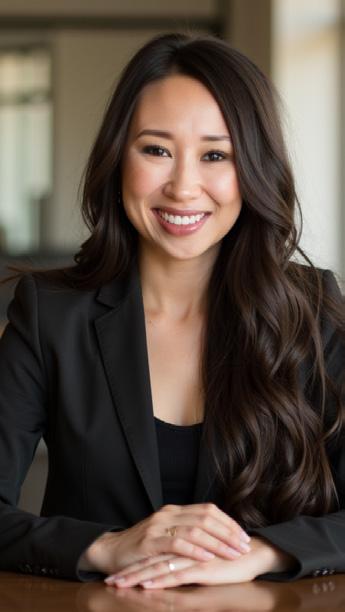
With 15+ years driving revenue acceleration for Global 2000 enterprises, Maria Swainson delivers double-digit growth through go-to-market execution, AI-enabled innovation, and large-scale transformation. She has built SaaS businesses, led complex M&A integrations, and navigated C-suite leaders through high-stakes digital transformation — owning the P&L, building the teams, and delivering results. What sets her apart: commercial instincts, ability to bridge technology and people across AI, cloud, and enterprise security (CISM), and the leadership depth to build cultures that sustain competitive advantage. Maria turns complexity into clarity — and clarity into growth.
Recently, in an exclusive interview with CXO Magazine, Maria shared insights into her passion for driving revenue acceleration and operational excellence and emphasized the importance of what it takes to build cultures where high standards and honest dialogue aren’t in tension, but inseparable. She discussed the emerging trend of AI meeting organizational willpower, stressing the need for leaders to redesign operating models and build change architecture. She also shared her commitment to mentoring emerging leaders and highlighted her passions for skiing, cycling, and Formula 1, which help her stay sharp and focused. The following excerpts are taken from the interview.
Maria Swainson
Managing Vice President, Gartner
Hi Maria. What sparked your passion for driving revenue acceleration and operational excellence?
Early in my career, I had a front-row seat to something that changed how I think about business performance: the moment when strategy, technology, and operations stop working in silos and start working as one system. When that alignment happens, the results aren’t incremental — they’re transformational.
One experience that crystallized this for me was leading a complete redesign of a client technical onboarding process. What had been a lengthy, friction-filled cycle was rebuilt from the ground up — integrating the right data, digital platforms, and process redesign to reduce onboarding time by 90%. But the number alone doesn’t tell the full story. The real breakthrough came from how I got the teams there. I brought the teams doing the work into the transformation itself, using structured team building to create genuine ownership of the new processes and outcomes. People weren’t just trained on a new system — they helped shape it. That’s what made it stick.
That experience lit something in me. I saw firsthand that operational excellence isn’t about squeezing efficiency out of people — it’s about designing systems where people and technology bring out the best in each other. And when you get that right, you don’t just improve operations, you unlock revenue streams and performance gains that weren’t visible before.
What do you love the most about your current role?
It’s the moment when the light goes on. There’s a specific point in every engagement — somewhere between the strategy deck and
the first real results — where an executive team stops seeing a new technology as a threat or a mystery and starts seeing it as their competitive advantage. That shift, from skepticism to ownership, is what I get up for.
What I love most is being the person who makes that shift possible. I work at the intersection of innovation and execution — helping organizations modernize their operating models, capture value from emerging technologies, and turn growth initiatives into outcomes that show up in the numbers: customer experience, operational efficiency, revenue, and long-term competitiveness.
But the results are only half of it. The other half is what happens to teams in the process. When people align around a shared vision and take genuine ownership of where they’re headed, something changes in how they work. That’s not a soft outcome — that’s the foundation every sustainable result is built on.
That combination — measurable impact and human transformation happening at the same time — is what energizes me most.
As technology continues to evolve, what emerging trend excites you most, and why?
The trend that excites me most isn’t AI itself — it’s what happens when AI meets organizational willpower. The technology is largely here; Agentic systems, intelligent automation, realtime data platforms — these aren’t roadmap items anymore. What’s rare is the leadership capable of rewiring how an enterprise operates around them. Some organizations will adopt AI as a layer on top of current processes and call it transformation. The ones that win will redesign the operating model entirely — how decisions
get made, how work flows, how talent is deployed. That’s the opportunity I’m energized by, being the leader who closes that gap. Not just deploying tools but building the change architecture that makes AI compounding — where every workflow improvement feeds the next. That requires technical fluency, but more importantly it requires the courage to challenge legacy structures and bring people through disruption without losing them.
The companies that get this right in the next three years won’t just be more efficient; they’ll be operating in a different category than their competitors.
You’ve worked with high-performing teams to drive business outcomeswhat’s the key to building and leading effective teams?
Accountability without safety creates silence.
Safety without accountability creates comfort. The intersection is where performance lives
The most important thing I’ve learned about high-performing teams is that clarity is necessary but not sufficient. Most leaders stop there — they set the mission, define the metrics, and wonder why the team still isn’t firing. Accountability without safety creates silence. Safety without accountability creates comfort. The intersection is where performance lives. Not one or the other — both, simultaneously. People need to know exactly what winning looks like and feel safe enough to tell you when the plan is wrong. When you get that combination right, you don’t just get execution — you get a team that self-corrects, challenges each other, and raises the bar without being told to. My job as a leader isn’t to be the smartest person at the table. It’s to build a table where the best idea wins — regardless of where it comes from — and then get out of the way.
What skills will be most critical for business leaders and technologists in the next decade?
Here’s the uncomfortable truth: most of the skills we’ve spent careers building have a shrinking half-life. Technical certifications, domain expertise, even strategic frameworks — AI is compressing the value of static knowledge faster than most leaders want to admit.
The leaders who create lasting transformation are the ones who’ve invested in those relationships long before they’re asking anyone to do something uncomfortable
The foundational skill for the next decade isn’t AI fluency or data literacy, as critical as those are. It’s learning velocity— the ability to unlearn outdated assumptions and rebuild faster than the environment changes around you. Everything else sits on top of that.
For leaders specifically, AI fluency is table stakes within three years — not coding, but the ability to govern, deploy, and extract real business value from AI systems. Paired with that is human-centered leadership, because as
automation scales, the last true differentiator is how well you develop and retain people, that machines can’t replace. And underneath both is systems thinking — the ability to see how decisions ripple across organizations, markets, and technologies.
For technologists, the shift is equally profound. Pure technical depth gets commoditized by AI itself. What becomes rare and valuable is cross-domain translation — the ability to turn technical capability into business
outcomes — and ethical reasoning, because the systems being built now will make consequential decisions at scale. Quantum literacy is the longer horizon, but the preparation window is now.
The leaders who thrive won’t be the ones who know the most. They’ll be the ones who are never done learning — and who build organizations with that same restlessness wired into the culture.
You’ve been recently recognized as one of The Top 50 Women Leaders of Washington, DC for 2026 - what does this achievement mean to you, and how will you continue to inspire others?
My first reaction was gratitude — and then responsibility.
Recognition like this has a way of making you look backward and forward at the same time. Looking back, I see every sponsor who told me the hard truth when I needed it, and every team that made me look far better than I could have alone. This isn’t mine — it’s a reflection of them.
Looking forward, I feel the weight of visibility. There are women early in their careers watching to see whether they will get recognized, get promoted, get taken seriously at the highest levels. This recognition says yes — and I don’t take that lightly.
I also see this as an opportunity to continue mentoring emerging leaders and the next generation of innovators
Can you share a book, podcast, or resource that has inspired you recently?
I’ve been revisiting The 15 Commitments of Conscious Leadership — and what strikes me
is how prescient it is for this exact moment in technology.
Most AI transformation conversations are dominated by architecture decisions, vendor selections, and ROI models. What gets underestimated — consistently — is the human operating system underneath all of it. How leaders show up, how they handle uncertainty, how they model the “candid culture” required for teams to experiment and fail and learn. That’s what conscious leadership addresses, and it maps almost precisely onto what I’d call the human-centered change strategy that successful AI adoption requires.
The organizations that will lead the next decade aren’t the ones with the best models. They’re the ones with the most self-aware leaders — people who understand their own triggers and build trust deliberately. That’s not soft. That’s the hardest and most leveraged work a leader can do right now. So yes — it’s not the latest blockbuster, but some frameworks don’t age. They just wait for the right moment to become urgent.
What are some of your passions outside of work? What do you like to do in your time off?
I’m someone who recharges through motion and curiosity — and I’ve noticed those two things also happen to make me better at my work.
Skiing and cycling keep me sharp in ways that are hard to explain until you’ve experienced them. There’s something about navigating a fast-moving, unpredictable environment — reading conditions, making split-second decisions, committing fully — that maps directly onto how I approach high-
stakes business challenges. You can’t hesitate on a slope any more than you can in a board meeting.
I’m also a passionate Formula 1 fan, which people sometimes find surprising until they understand what F1 is: a masterclass in strategy, precision engineering, real-time decisionmaking under pressure, and the relentless pursuit of marginal gains. Every race is a case study in how elite teams win — and lose.
Travel and time with family and friends ground me. They remind me what the work is ultimately for, and they keep me connected to perspectives far outside my own industry bubble — which is exactly where some of my best strategic thinking comes from.
I believe the richest leaders are the ones who bring their complete self to the table.
What is your biggest goal? Where do you see yourself in 5 years from now? We are at an inflection point. AI is here, and most organizations are making irreversible strategic decisions about it right now, sometimes without the right people in the room. My goal is to be one of those people in the room. Over the next five years, I see myself in executive leadership and board roles where I can do what I do best: translate the complexity of emerging technology into governance structures, business strategy, and measurable outcomes that leaders and executive managers can act on. Too many organizations are either paralyzed by the pace of change or racing ahead without guardrails. I’ve spent my career sitting at that intersection — and that’s exactly where the highest-stakes decisions are being made. Beyond the boardroom, I’m deeply committed to making sure the next generation of builders gets there too. Through
my work supporting early-stage startups and transformative technology initiatives, I’m investing in founders who are solving hard problems — because the companies being built right now will define the next decade of industry. Five years from now, I want to look back at organizations that scaled responsibly, leaders who gained the confidence to govern technology they once feared, and a pipeline of founders who had someone in their corner early. That’s the throughline. That’s the work.
What advice would you give to emerging leaders who want to drive change in their organizations?
The hardest thing about driving change isn’t the technology or the strategy — it’s the people who built their careers on the assumptions the change will disrupt. I’ve watched well-resourced initiatives stall not because the vision was wrong, but because no one addressed that dynamic early enough. My first piece of advice: build your cross-functional relationships before you need them. Change doesn’t move through org charts — it moves through trust. The leaders who create lasting transformation are the ones who’ve invested in those relationships long before they’re asking anyone to do something uncomfortable.
Second, translate vision into outcomes people can measure and act on. Inspiration gets you in the room; execution keeps you there. And finally — be ruthless about what you’re willing to unlearn. The leaders who struggle most in fast-moving environments aren’t the ones who lack knowledge. They’re the ones who can’t let go of the frameworks that made them successful in a world that no longer exists. In an AI-driven landscape, the ability to unlearn is not a soft skill. It’s a survival skill.
I nve s t o rs f o r yo u r Wa n t t o S e l l o r fi n d
B u s i n e s s ?
Building Resilient Workplaces through HR
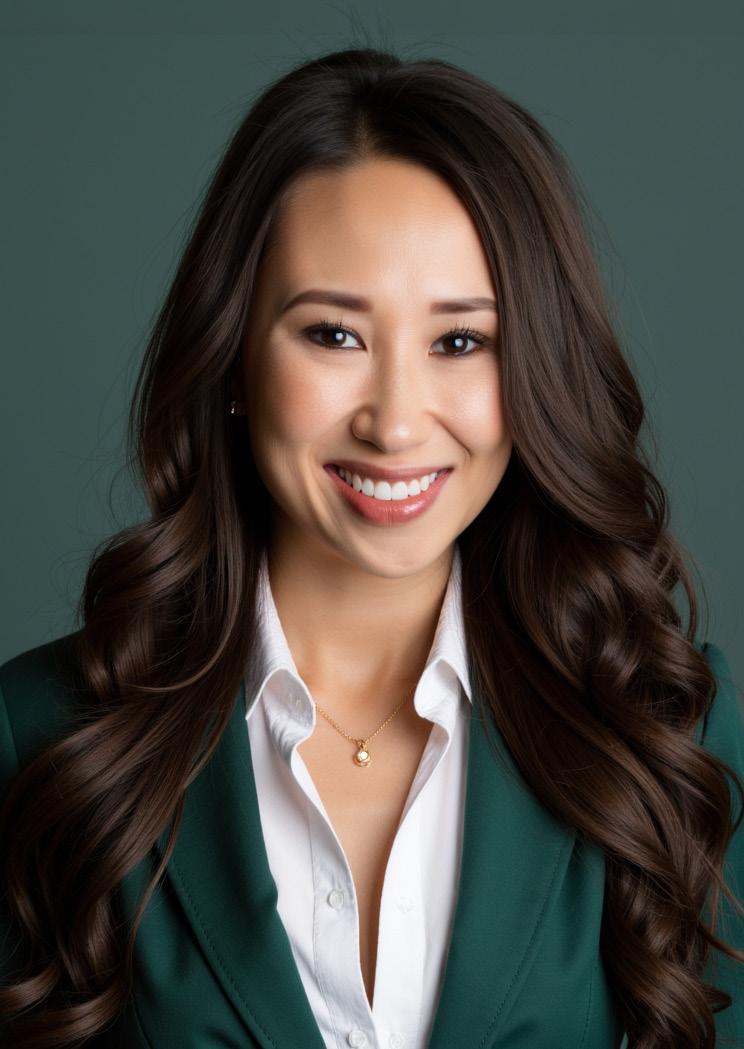
Kelly Timpane is a global People and HR Operations executive with over 20 years of experience building, leading, and scaling People teams across high-growth technology and life sciences/biotech organizations. Known for turning workforce strategy into measurable financial, operational, and cultural outcomes, she specializes in operational excellence, people analytics, and AI-enabled HR transformation. Kelly has led 30+ acquisitions and divestitures, including major private equity investments, and excels in complex, highly regulated environments. She is a recognized thought leader and frequent speaker at HR conferences and industry podcasts.
Recently, in an exclusive interview with CXO Magazine, Kelly shared insights into her unexpected journey into HR, her passion for operational excellence and people analytics, and her vision for the future of HR. She emphasized the importance of empathy, curiosity, and courage in leadership, and highlighted the need for HR to be a strategic driver of business impact. Kelly also discussed the impact of AI and technology on HR, the importance of flexibility and personalization in HR strategy, and her approach to mentoring and inspiring HR teams. The following excerpts are taken from the interview.
Kelly Timpane
Global HR Executive
Hi Kelly. What sparked your interest in HR, and how did you build your expertise in the field?
“I didn’t set out to be in HR”. That’s a phrase I’ve heard from many colleagues, and it was true for me as well.
While pursuing my Bachelor’s at the University of Mary Washington, at twenty years old, no one was more surprised than me that I was getting A’s in business courses when most of the other students struggled. I found myself drawn to not just the “people” aspects of business, which came naturally to me, but also the law, math, statistics, and problem solving. When we covered Human Resources in class, it all came together:
I recognized that HR sits at the intersection of people, process, and systems.
A mentor encouraged me to start as an HR Generalist to gain exposure across the entire function, and again, even in those first years, things that others struggled to grasp seemed like common sense to me: Follow the law, remain ethical, and if you CAN help, you probably SHOULD.
This is not to say I didn’t continue my love of learning. Almost immediately, I earned my Professional in Human Resources (PHR) and later my Senior Professional in Human Resources (SPHR) certifications, which gave me a strong foundation to build on. I pursued my Masters in HR Management, followed shortly by an MBA, which broadened my perspective and strengthened my appreciation for the business as a whole. Between that and my growing experience, by the time I moved into corporate HR leadership roles, I had developed a deep understanding of how strategic HR drives organizational outcomes.
During my first fifteen years, I worked across nearly every area of HR: Business Partnering, Talent Acquisition, Employee Development, Total Rewards, HR Technology and HR Operations. Even while leading HR holistically, I consistently found myself drawn to operations, technology, data, and continuous process improvement. That focus led me to earn a Lean Six Sigma Yellow Belt certification and ultimately transition into HR Operations –what I lovingly refer to as the “techie, nerdy side of HR”.
I became known as a go-to business diagnostician and problem solver, and I leaned into that niche. From there, I went on to lead Total Rewards and Global People Operations, partnering closely with the C-suite on HR strategy and execution while driving operational excellence.
While I didn’t originally plan a career in HR, I wouldn’t say I fell into it either. I followed the problems no one else wanted to own – and that’s how I found HR Operations.
What do you love the most about HR?
What I love most about HR today is the ability to help both organizations and individuals become their best selves. HR creates the conditions for people to learn, grow, and do work that matters — while also enabling organizations to balance performance, long-term sustainability, and their duty of care to employees.
If people are the lifeblood of a company, People Data is its DNA. It tells the story of how work actually happens: where teams thrive, where they struggle, and where the system itself creates friction instead of value.
But data only works when it’s paired with listening. You can’t start with an answer and
force the numbers to support it. Real insight comes from engaging with people across the business, understanding lived experiences and pain points, diagnosing root causes, and then use People Data to connect the dots and inform decisions that are both strategic and human.
Looking ahead, how do you see AI and technology shaping the future of HR?
There is tremendous excitement around AI today, but also a great deal of fear. Frankly, until just a few years ago, I shared that uncertainty. Then, one afternoon, my boss, our corporate CHRO, gave me a simple directive: “Figure out AI for HR”. When I asked what that meant, she replied, “Go figure it out. If anyone can, it’s you”. I appreciated the confidence, even though I didn’t yet know where to begin.
Around that time, the Society for Human Resource Management was hosting a conference on AI in HR, which gave me my first real exposure to how the technology could be used in our field. The more I learned, the more my perspective shifted, and the more possibilities I saw for AI in HR. I spent the next year immersing myself in AI education, earning SHRM’s AI+HI (Artificial Intelligence + Human Intelligence) certification as part of its inaugural cohort, completing an AI Expert certification with deep technical focus, and later pursuing a Mini-Masters in Practical AI through Hacking HR.
That journey fundamentally changed how I think about AI’s role in the future of work –and it’s not what I originally expected. I once assumed AI would primarily replace workers. While that may be true for some tasks or roles, the bigger shift is that many workers will be replaced by workers who know how to use AI effectively.
HR creates the conditions for people to learn, grow, and do work that matters — while also enabling organizations to balance performance, long-term sustainability, and their duty of care to employees
I also initially viewed AI as a high-speed information engine – excellent at accessing data and crunching numbers faster than any human could. While that’s true, it only scratches the surface. AI can act as a true thought partner: conducting research, brainstorming ideas, challenging assumptions, and helping leaders sharpen their thinking. Beyond automating tactical work, AI can help us decide what to automate, where to focus, and which priorities will drive the greatest impact.
I see applications of AI across the entire employee lifecycle: Talent Acquisition (sourcing, writing job ads, screening candidates); Talent Management (skills assessment, gap analysis, personalized learning recommendations); Total Rewards (evaluating internal and external pay
equity and generating unbiased insights); HR Technology (workflow automation and process optimization); and day-to-day employee support (providing Tier 1 and Tier 2 answers to common questions and policy interpretation).
Beyond that, AI has the potential to partner directly with HR Business Partners and leaders - proactively flagging emerging business issues, helping formulate strategies, generating datainformed recommendations, and supporting more effective execution.
What’s the impact of changing workforce demographics on HR strategy?
Changing workforce demographics shouldn’t force a shift in HR strategy, because effective HR strategy should already be designed for human diversity. In an ideal world, HR strategy would already recognize that every worker is unique – shaped by different motivations, priorities, and life circumstances.
That said, we don’t operate in an ideal world. Too often, HR strategies are built around what
worked at a particular moment in time. “If it isn’t broken, why fix it?” But just because something appears to work, doesn’t mean it works for everyone.
As HR leaders, we have to acknowledge that the generations entering the workforce today bring different expectations. They communicate differently, consume information differently, and define engagement differently. Our responsibility is to meet people where they are – not force them into systems and structures that were never designed with them in mind.
These generations grew up immersed in technology, accustomed to constant stimulation and immediate access to information. Many also spent formative years learning and working remotely during a global pandemic. It’s unrealistic to expect these workers to naturally default to in-office environments, hunt for information on a static company intranet, or remain productive in rigid, one-size-fits-all work models.
Does this mean we should completely overhaul everything? No. We still need to support
AI has the potential to partner directly with HR Business Partners and leaders - proactively flagging emerging business issues, helping formulate strategies, generating data-informed recommendations, and supporting more effective execution
the existing workforce. But modern HR strategy must prioritize flexibility, personalization, and choice. Hybrid or remote options? Yes. Flexible hours? Absolutely. Gamification of learning and development? Increasingly important. Respecting that we all come from different backgrounds and worldviews? That’s a no-brainer. Communication reinforced across multiple channels? Essential. Lifestyle benefits that allow employees to choose between childcare support, retirement contributions, wellness programs, or technology reimbursements? Critical.
The organizations that embrace flexibility and customization won’t just accommodate a changing workforce – they’ll be the ones that attract, engage, and retain it.
Can you share a book, podcast, or resource that has inspired you recently?
One resource that has truly inspired me is Hacking HR. It’s a global learning community that brings together HR and business leaders, practitioners, technologists, and innovators who are actively shaping the future of work.
What resonates most with me is their focus on the intersection of future of work, technology, people, transformation and organizational design – and their belief better HR leads to better workplaces, better outcomes for employees, and ultimately a better world. That philosophy aligns with how I view the role of HR today: not as a support function, but as a strategic driver of meaningful change.
Through Hacking HR, I’ve participated in multiple virtual summits, including serving as a panelist in the last two, and I’m currently pursuing a Mini-Masters in Practical AI with
an anticipated completion in May 2026. The community offers accessible, forward-thinking learning opportunities – many at no cost – as well as deeper, more advanced programs for those who want to continue building their expertise.
More than any single book or podcast, Hacking HR has challenged how I think, expanded my perspective, and connected me with a global network of leaders who are committed to reimagining what HR can – and should – be.
How do you stay updated on the latest trends and technologies in HR?
I stay current by remaining deeply engaged in the HR and business community and treating learning as a continuous, two-way process. I’m active in multiple HR organizations and professional groups, subscribe to industry newsletters, and regularly participate in courses, webinars, and seminars focused on emerging trends and technologies.
I also stay closely connected to the ecosystem around HR – maintaining relationships with former vendors to understand how their platforms are evolving, and regularly exchanging insights with former colleagues and peers. Speaking on panels with other thought leaders has been especially valuable, as it exposes me to a diverse perspective and real-world applications I may not encounter otherwise.
Most importantly, I invest in relationships. I actively network with HR and business leaders –whether through formal programs, shared professional communities, mutual connections, or even an article or post that sparks a conversation. Many of the most valuable insights come not from a single source,
Nurturing the Next Generation of CX Professionals
Mark Ratekin is a seasoned executive with more than 30 years of experience in customer strategy consulting, operations management, finance, and analytics. As both a CX consultant and software executive, he translates complex business challenges into research frameworks that deliver clear, action-oriented results. Passionate about data, Mark ensures insights resonate with the business by clearly articulating the financial impact of customerand employee-centric cultures. He has partnered with leading global brands including Lenovo, Cisco, Dun & Bradstreet, NCR, IHS, and Blackbaud to drive data-driven CX strategies that reduce risk and fuel profitable growth. Mark is a former CXPA board member and co-author of The CX Book of Knowledge.
Recently, in an exclusive interview with CXO Magazine, Mark Ratekin shared insights into his passion for driving business impact through customer insight, sparked by his early days as a market researcher. He emphasized the importance of empathy and action in creating successful customer experiences, highlighting the need for companies to cultivate a culture of empathetic, customer-focused action. Mark also discussed the evolving customer experience landscape, citing AI as a significant trend shaping the industry, and stressed the importance of lifelong learning and diverse perspectives in staying ahead of the curve. He advised professionals to develop skills in data analytics, finance, and business to drive meaningful impact. The following excerpts are taken from the interview.
Mark Ratekin
Head of Global CX Consulting, Forsta
Hi Mark. With your expertise in customer experience and analytics, what sparked your passion for driving business impact through customer insight?
It’s been an interesting journey – I started as a market researcher out of undergrad, doing research designed to help radio stations increase their share of market. During that process, we looked – every month – at how the ratings changed; this was meaningful, because we could calculate the financial impact of a one-point change in ratings to ad revenues. In other words, we were laserfocused on the linkage between what listeners were telling us and the business impact to the radio station.
When I got into CX (called customer satisfaction measurement at the time), the focus was more on the trends in ratings vs. the financial outcomes. Why was this? Well, the discipline was in its nascent stages; additionally, technology like CRM systems and data warehouses were in their infancy – so the ability to create a holistic picture from disparate data sources was highly constrained. As a result, companies pursued customer listening programs because it intuitively felt like the right thing to do – how could we not do better financially if we listened to customers?
This started to change in the late 1990’s/early 2000’s – the technology was advancing to a point that enabled more analytic capabilities; this also hit during the dot-com bubble burst. That was a point when companies (and, in particular, investors), were more skeptical about buying based on hype, conjecture or faith – we had to start proving it. I was fortunate at the time to be working for a consultancy working with a lot of clients on this topic, so I had many opportunities to do analysis and counsel clients on this front.
The responsible use of AI will likely help us to eliminate the many timeconsuming tasks that we generally don’t like doing
What do you love the most about your current role?
There are a few things – first, while I focus on customer experience, I am a generalist from an industry perspective. I get to work with clients in a variety of industries, so that keeps things interesting; it also allows me to add value to client discussions by bringing a perspective (perhaps from another industry) that they may not have thought of. So, the variety means I never get bored.
Secondly, I am privileged to work with some of the world’s best companies on their CX programs. Part of the reason these companies are successful is that they have very bright people on their teams – so, I get to continuously learn, and the clients push me and my team to keep building our knowledge.
Finally, I have been fortunate throughout my career to have very smart, hardworking coworkers and mentors that I enjoy being with and that I trust. The people make all the difference in the world.
As the customer experience landscape continues to evolve, what do you believe are the most significant trends shaping the industry?
Well, we cannot have a discussion on this topic without mentioning the role that AI is playing – it is the most significant shift since the emergence of the internet. There is a lot of handwringing about AI in the CX space (actually, in most spaces) - will it take my job? Will I become obsolete?
I tend to think of this in a different way –the responsible use of AI will likely help us to eliminate the many time-consuming tasks that
we generally don’t like doing. This effectively creates capacity for us to have the time to do more value-added activities; for example, serving as an advisor to our businesses to illustrate how customer-focused action (and what those actions should be) will lead to better financial outcomes. This means, of course, that CX professionals need to continue to build their skillsets – being well-versed in topics that, traditionally, have not seemed to be in the realm of CX (think things like finance, strategy, change management) will be what the CX leaders of the future will need to have a mastery of to remain relevant and valuable to their organizations.
What role do you believe empathy plays in creating successful customer experiences, and how can companies cultivate it?
Empathy is important, but empathy without action rings a bit hollow. Empathy means you can relate to the emotions that another person is feeling; compassion takes that to the next level, in that it prompts you to act in response to these feelings. We’ve all had an experience where someone says “I understand how you feel” - which is the essence of empathy – yet is not able to act to assist. I would argue that empathy without action can be destructive to building successful experiences.
The companies that succeed are those who can empower their employees to act on behalf of customers (within certain guardrails, of course) while simultaneously monitoring the customer journeys to understand where friction exists. One approach to help in cultivating this kind of culture is to engage employees in the friction resolution process – we often find that frontline
team members know where the pain points are; more importantly, they often have great ideas about how to fix them. Engaging them in this process builds the company culture toward one of empathetic, customer-focused action.
What is most interesting here, to me, is the evolution of our thinking – when I started in CX, we looked at the world through a quantitative lens that assumed that humans are rational, and that feelings do not enter the equation. This was particularly true in B2B CX. Over time, we have learned that these elements are critical in terms of predicting how customers will behave. This is a core essence of what we at Forsta refer to as the “Human Experience”.
Can you share a book, podcast, or resource that has inspired you recently?
I’m a huge fan of the book Freakonomics (and its subsequent books and associated podcast). I love the way in which Steven Levitt looks at the world through an analytic (and incentivesdriven) lens, and Stephen Dubner does a masterful job in communicating what could be very complex topics in terms that are easy to understand.
As a Certified Customer Experience Executive, how do you stay ahead of the curve in terms of industry trends and innovations?
When I talk to people new to the CX space, I give a couple of pieces of advice. First of all, remain endlessly curious. Always be asking the next question to get to the root cause or a deeper understanding of an issue. This requires us to be lifelong learners – invest the time to keep
abreast of the economic and political climate and absorb everything you can; at the same time, maintain a sceptical edge and don’t take things at face value.
I also encourage people to build the capacity to develop and leverage strong relationships. Surround yourself with people who have different skill sets and backgrounds. This diversity will allow you to see things through a multidimensional lens.
Finally, I encourage people to be well-versed in many different disciplines. I’m a product of a liberal arts education, which means we seek to understand a little bit about a lot of different subjects. This not only provides a diverse perspective to understanding, but it also makes you a bit of a more interesting – and empathetic – person.
What are some of your passions outside of work? What do you like to do in your time off?
I’m a husband and a dad to three boys, so that can keep me busy! Beyond that, I have a keen interest in magic – and there is an interesting parallel here to CX. To be a good magician, you have to understand what the spectator sees and feels when you are doing an effect. This is often markedly different from what is actually occurring behind the scenes. The best magic effects are those that start with the effect – that is, what you want someone to see and feel – and then building the method – the “how it’s done.” Too often, companies constrain themselves by saying “this is how we’ve always done it,” or “that won’t work here” – limiting ourselves in seeking solutions (or embracing only what we currently know) can lead to suboptimal
Starting with the outcome you have in mind and building the strategies and tactics to support that is very similar to a wellconstructed magic effect
outcomes. Starting with the outcome you have in mind and building the strategies and tactics to support that is very similar to a well-constructed magic effect.
What is your biggest goal? Where do you see yourself in 5 years from now?
I suspect in five years, I will still be learning new skills and adapting to the inevitable changes in the market. In terms of my goals, at this stage of my career, I am very interested in helping to shape the next generation of CX professionals. When it is time to move on, I want to leave the environment in a better condition than it was in when I joined it, and the best way to do that is to continue to learn while nurturing new talent.
Your work focuses on using analytics to drive customer insight - what advice would you give to professionals looking to develop similar skills?
The most important piece of advice is to continue to learn – technology changes quickly, and what we once thought was impossible is now a reality. Never be complacent! Also, don’t limit yourself. Understanding data analytics is important, but it loses a lot of value if you can’t put the analytics into context. Understanding concepts of finance and business allows you to synthesize data and analysis into insight that has tangible value.
Shaping a More Inclusive Digital Future
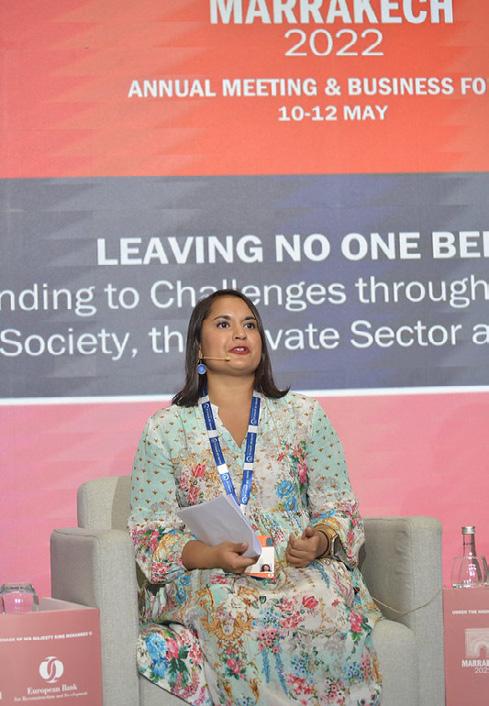
Payal Dalal is the Executive Vice President of Global Programs at the Mastercard Center for Inclusive Growth. In her role, she spearheads the Center’s global philanthropic initiatives, guiding investments that span Africa, Asia, Europe, Latin America, the Middle East, and the United States. Payal leads a dynamic team dedicated to program delivery, directs cutting-edge thought leadership and drives the Center’s data, AI and tech for good efforts. Previously, she was Global Head of Community Programs for Standard Chartered Bank. In this capacity, she designed the Bank’s new community investment strategy and oversaw all programs related to education, girls’ empowerment, global health, emergency response, employee volunteerism and disaster relief.
Recently, in an exclusive interview with CXO Magazine, Payal shared insights into her passion for driving impact at the intersection of growth, policy, and inclusive economic development, sparked by her experiences traveling to emerging markets. Looking ahead, Payal sees trends like AI, outcomes-oriented impact, and trust-building shaping the future of financial health and small business resilience. She also shared her personal hobbies and interests, future plans, words of wisdom, and much more. The following excerpts are taken from the interview.
Hi Payal. As a global executive, what sparked your passion for driving impact at the intersection of growth, policy, and inclusive economic development, and how did you develop your expertise in this area?
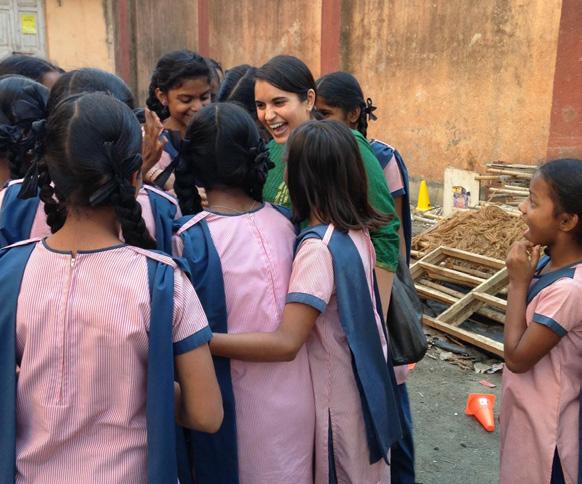
From a very young age, I had the opportunity to travel to many emerging markets with my family. Being in places like Kenya, Thailand and India brought home how dynamic and vast the world is, but it also opened my eyes to the stark inequalities faced by so many people, particularly women and girls. It sparked both an anger and a determination to try to lessen the gap and ensure everyone had economic agency and opportunity.
I’ve spent most of my career focused on doing this. As I gained more experience, I realized that inclusive economic growth cannot be achieved by any single sector alone. It demands a collaborative, multi-stakeholder approach that unites governments, businesses, NGOs and communities themselves. That’s why I chose to
build my career at the intersection of growth, policy and inclusive economic development, where I can forge the most catalytic impact.
What do you love the most about your current role?
What I love most about my current role is the opportunity to drive meaningful impact by leveraging the strengths of a world-leading company. Beyond philanthropic resources, Mastercard also leverages human talent, technology and global networks to promote financial health and inclusive economic growth. I am constantly inspired by the people and communities we work with, and I thrive on building innovative partnerships and collaborations that advance our mission alongside other visionaries. Witnessing the tangible difference our efforts make reminds me that our hard work and investment are truly transforming lives and systems. That sense of real-world change is what keeps me and my team motivated to continue the work that we do.
As the global economy continues to evolve, what trends do you see shaping the future of financial health and small business resilience?
The trend everyone is talking about right now is AI, particularly agentic AI, which holds significant promise for strengthening the resilience, opportunity and growth of people and small businesses. However, it is crucial that AI is democratized so that everyone can benefit from the transition to a digital- and data-driven economy. This isn’t simply a matter of enhancing skills; it’s also about fostering trust, ensuring access and guaranteeing representation.
Another exciting development is the increasing emphasis on outcomesoriented impact. For years, the international development sector has focused on access – financial inclusion efforts, for example, have centered on ensuring that everyone has a bank account. While this is an essential foundation, we’re now asking ourselves how access translates into actual impact for users of
financial services – whether access to credit or financial accounts can help people and small businesses withstand economic volatility, manage everyday expenses and achieve their future goals.
The last trend I’d signpost to is around the need to build and maintain trust in a world where scams and fraud are becoming more prevalent. To do this, we must go back to basics: foster and build trust among each other; ensure that communities not only have access to accurate information, skills and opportunities, but have a seat at the table to design and influence; and empower people with genuine agency to make informed decisions and participate fully.
When we look at these trends holistically, we see an opportunity for Mastercard to continue leading around financial inclusion and health. That is why we’re committing to connecting and protecting 500 million individuals and small businesses on their pathway to financial health. Without trust and safety, there is no inclusive economic growth.
While the pace of automation and technological change is exciting, we need to make sure that everyone can access and use AI effectively
What’s the future of work and skills development in the context of inclusive economic development?
The future of work and skills development needs to be understood in the context of our rapidly evolving, AI-driven world. While the pace of automation and technological change is exciting, we need to make sure that everyone can access and use AI effectively. This means ensuring that the data underpinning our LLMs is truly representative and managed with accountability and transparency.
Preparing for the future of work goes beyond acquiring new technical skills. It is about fostering access and building trust within our communities. The opportunities ahead are immense, but we must be deliberate in designing inclusive, supportive frameworks to guarantee that no one is left behind. It is our shared responsibility to ensure that the benefits of the digital economy are accessible, turning the promise of inclusive economic growth into a lived reality for all.
What’s a favorite quote or mantra that guides you in your work and personal life?
I don’t know if I have a mantra, so this question is potentially motivating me to find one.
Can you share a book, podcast, or resource that has inspired you recently?
I’ll approach this question a bit differently. Over the past year, I’ve been writing a novel that celebrates remarkable women in history whose stories are often overlooked. These women have been a constant source of inspiration for me. From visionaries who have built education systems, to scientists who democratized knowledge, to spies who helped ensure victory for the right side. I’m continually awed by their heroism, innovation and pioneering spirit, their courage to challenge entrenched systems and persevere against the odds. My hope is that this novel will inspire others who are also navigating difficult circumstances and striving to do what is right. If their stories can encourage even one person to keep pushing forward, the novel will have done its job.
How do you mentor and support emerging leaders in this space?
In my role, I spend a great deal of time engaging with emerging leaders in the international development sector – whether that’s through meetings, panels, phone calls or presentations. My core advice remains consistent: approach the world with a spirit of intellectual curiosity. Don’t be afraid to ask questions or admit you don’t know something and take time to design your work with the communities and people you want to serve.
The future of international development will be shaped by cross-sector partnership and collaboration. This means putting ego aside and prioritizing collective impact. This work demands humility, innovation and regular introspection and reflection.
What are some of your passions outside of work? What do you like to do in your time off?
Writing my novel is taking up most of my free time! Beyond that, you can usually find me looking for a beach or a patch of sunshine. I also love hosting dinner parties.
What is your biggest goal? Where do you see yourself in 5 years from now?
My greatest ambition is to inspire the next generation of change leaders. This work is demanding and requires a special kind of commitment. I want to ensure that a strong
pipeline of passionate individuals is ready to carry this mission forward.
Looking ahead to the next five years, I believe that impact can take many forms. I hope I’m still working in inclusive economic growth and that I’m able to motivate others to help shape a digital economy that serves everyone, everywhere. And of course, I hope that my novel is a resounding success – lifting up stories of heroes from the past, present and future to inspire others, as their stories have inspired me.
What advice would you give to leaders looking to drive positive change in economic development and growth?
Be curious. Never stop learning, listening and asking questions. Approach each challenge with boldness and humility. In these times, more than ever, we need leaders committed to driving positive change by leading with intention and courage.
but from ongoing dialogue with others who are navigating similar challenges.
For me, staying up to date isn’t about chasing trends – it’s about staying curious, connected, and grounded in how technology and strategy actually show up in organizations.
What are some of your passions outside of work? What do you like to do in your time off?
Outside of work, my greatest priority is my family. I have a wonderful husband and two amazing kids. Some of our favorite family activities include watching movies – especially in the sci fi, fantasy, and superhero genres, playing classic ‘80s arcade games, and riding rollercoasters.
My husband, Justin, and I also co-own an independent film company, Endlight Entertainment. I manage the business side of the operation (and occasionally make an onscreen appearance), while Justin leads the creative work, writing screenplays and serving as director, editor, and producer.
To date, Endlight has produced five featurelength films and one short. Many have received film festival recognition, and four have secured distribution. There’s nothing quite like watching an idea move from initial concept to finished film.
How do you mentor and inspire HR teams to drive business impact?
From the very beginning, I set clear expectations with my teams around customer service and business impact. I’m explicit about who our customers are: organizational leaders, line managers, employees, fellow HR partners, investors and financial stakeholders, and
ultimately the clients our organization serves. What HR does matters.
I don’t want HR to be seen as the department that manages “resources that happen to be human”. I want it to be viewed as a true resource for the humans in the organization. That means thinking and acting like business diagnosticians and problem solvers – grounded in data, insight, and service.
When I join a new organization, one of my first priorities is to assess my team’s strengths, interests, and potential. I work intentionally to align people’s passions and skill sets with the work at hand, while also stretching them into new areas. I involve team members in meaningful projects, walk them through my decision-making after the fact, and coach them on how to think – not just what to do.
A core principle I share comes from Dave Ulrich, who reminds us that HR is not about HR – it’s about the business. To drive business impact, he challenges leaders to ask three questions: Who are my customers? How much value do I create? And how do I create more?
That lens is critical when we talk about HR metrics. Improvements in employee engagement, for example, are not inherently valuable unless they translate into business outcomes. Did engagement gains reduce turnover? Improve utilization? Decrease lost billable hours from open roles or ramp-up time? HR data cannot exist in a vacuum — it must be integrated with business data to demonstrate real impact.
Driving that impact starts with deeply understanding the business. I spend time with executives to understand vision and strategy, with leaders to learn how their functions operate, and with managers and employees to hear what
Leadership isn’t defined by a title or pay grade; it’s defined by influence. People follow true leaders because they want to, not because they have to
works, what doesn’t, and where friction exists in daily work. Once we understand where the business is today and where it’s trying to go, HR can help design and execute the path forward.
The two most meaningful compliments I’ve received from business leaders are: “Kelly really understands my business,” and “I know I can count on her to help solve this problem.” That’s the standard I aim to instill in every HR team I lead.
What is your biggest goal? Where do you see yourself in 5 years from now?
When I join an organization, my goal is to become a trusted, go-to leader – someone who meaningfully improves the day-to-day experience of employees, strengthens the efficiency and profitability of the business, and sets a clear standard for excellence, fairness, and integrity at every level, from the frontline teams through the CEO. If I can look back and say I’ve done that consistently across the organizations I’ve served, I’ll know I’ve achieved my ultimate goal.
As for where I see myself in five years, I expect to be helping define what modern HR
leadership looks like in the age of AI. I’m often described as a trend-setter, and I intend to continue earning that reputation – by shaping how organizations use data, technology, and human insight to build high-performing, ethical, and resilient workplaces. Ideally, there will be companies that can point to their HR transformation and say of me, “That’s where it started.”
What advice would you give to HR professionals looking to make a mark in the industry?
You don’t need permission to lead – but you do need courage. Leadership isn’t defined by a title or pay grade; it’s defined by influence. People follow true leaders because they want to, not because they have to.
Real leaders set the example. They encourage others, acknowledge hard truths, celebrate wins, and step forward to solve problems. If you see a problem clearly, it’s already your responsibility.
If you want to make a mark in the industry, start by making a mark on the people around you – because lasting influence always begins there.
Empowering People, Driving Change
Adhika Widya Sena is an experienced leader in HR and Communications with background in multi-national Pharmaceutical, Consumer Goods, Consulting and Teaching. He is now serving as People & Organisation Director for Novo Nordisk Indonesia. Previously, he served as HR Director for P&G Indonesia. Adhika was awarded Gold Award as HR Manager of the Year in HR Excellence Awards 2021. During his time, Adhika has played an instrumental role in Novo Nordisk Indonesia becoming the #1 as Best Place to Work (5 consecutive years) and Best Place to Work for Women for the 2nd time. Adhika is actively building Indonesian future leaders through PMSM Indonesia, HRStories, and various lectures, mentoring, coaching, workshops, and conferences.
Recently, in an exclusive interview with CXO Magazine, Adhika shared insights into his passion for HR and people strategy, sparked by his early experiences in teaching and coaching. Looking ahead, Adhika sees the future of work evolving to focus more on impact and contribution, with AI and predictive analytics transforming the way we work. He also shared his future plans, words of wisdom, and much more. The following excerpts are taken from the interview.
Adhika Widya Sena
People & Organisation Director, Novo Nordisk Indonesia
Hi Adhika. What sparked your interest in HR, and how did you develop your approach to people strategy?
My journey into HR began with teaching. As a freshman, I took part in various teaching opportunities, which eventually led to several coaching roles. Early on, I started collaborating with companies and organizations, and I became intrigued by the diverse and dynamic nature of these environments. Over the years, I’ve focused on finding ways to support, empower, and grow alongside such vibrant organizations.
Growing up, I was taught to believe that HR is a business leader with deep expertise in people—and uniquely, it’s the only function with “human” or “people” in its name. This role carries the responsibility to not only propel the organization and business forward but also advocate the growth of those who build it. As I continue learning, I’ve been thankful for mentors who generously share their wisdoms, helping me understand the distinctive position HR occupies and how it can shape both the present and future of organizations in our everchanging world.
My vision is to lead a dynamic team focused on enhancing culture and performance within a diverse organization, always maintaining a purpose centred on improving the lives of many individuals
What do you love the most about your current role?
One of the things I appreciate most is the chance to connect and collaborate with people at every level of Novo Nordisk Indonesia, from frontlines to business leaders. Together we unite behind a clear purpose: to drive lasting, positive change for our patients and the communities we serve.
I also value the chance to make a positive impact every day. Whether I’m helping colleagues navigate our corporate processes so they can reach their goals, or removing barriers so my team can better support the organization.
All these interactions reflect Novo Nordisk Indonesia’s commitment to care, collaboration, and excellence. They remind me that our work contributes directly to the health and well-being of people in Indonesia, especially in combatting obesity and diabetes, and ultimately reinforcing our reputation as a values-driven employer and partner in the community.
How do you see the future of work evolving in the next 5 years?
In the future, work will focus much more on impact rather than strictly defined KPIs. We’ll need to rethink our roles and, most importantly, how we contribute—regardless of past practices. As AI and predictive analytics become as common as spreadsheets and slides were 15 years ago, our ways of working will change dramatically. This shift will also require a completely new mindset for talent to thrive.
What’s the importance of employee well-being and mental health in the workplace?
It provides essential motivation for the organization’s operations. At Novo Nordisk Indonesia, employee well-being and mental health are fundamental to deliver on its purpose. When our people feel energized and supported, they become more motivated, resilient, and productive — and at turns, that directly benefits the patients, customers, and communities we serve. But this isn’t about adding perks alone; it’s about creating a culture where high performance and well-being can go hand in hand. Think of it like playing a sport—you get energized and inspired, avoid injuries, and, as a result, keep growing and improving at your work.
As a seasoned leader in people strategy, you’ve been recognized as one of the top 10 leaders driving real impact. Your unique ability to balance global HR leadership with local community engagement has earned you a reputation for building trust, driving adaptation, and fuelling growth in a rapidly changing world. How do you make this happen, and what drives your approach to connecting enterprise HR with community building and workplace practices?
My perspective is that my work extends beyond merely fulfilling office deliverables; it represents an ongoing commitment to generating meaningful impact. The organizational innovations developed alongside my colleagues have the potential to benefit various groups outside the immediate Company environment. Ultimately, as local communities advance and grow, all stakeholders—including the Company—experience mutual improvement.
I am of the opinion that most challenges faced globally are not entirely novel or complex. Solutions effective in Marketing or Sales may also be relevant in HR, and strategies successful within a company can often be adapted for use in community settings. Furthermore, crossindustry learning is widely practiced, illustrating substantial opportunities for professionals to collaborate and maximize their influence beyond conventional corporate boundaries.
How do you mentor and develop future HR leaders?
I frequently speak at conferences, lead workshops and classes, and provide group or one-on-one mentoring and coaching. As
conversations deepen, I focus on listening to others’ situations, which helps me gain insights into how things evolve in different parts of the world. I enjoy partnering with people, helping them explore their dilemmas and ideas—many promising future leaders only need a sounding board. By combining our experiences, we can work toward meaningful and actionable next steps.
Can you share a book, podcast, or resource that has inspired you recently?
I was deeply moved by Language and the Pursuit of Happiness by Chalmers Brothers. It made me realise that conversations—whether within an organisation (a lot of it), in meetings, during one-on-ones, or even in our own minds—have tremendous potential to shape our world and determine the choices available to us. This insight encouraged me to pause, observe, and notice myself, which felt like a luxurious experience.
Additionally, Mastery by George Leonard reminded me that life’s purpose and growth are
not about simply reaching one goal and moving on to another; rather, it is a journey. The journey itself, and our ability to persevere through it, help us develop greater skills and value, enabling us to make a more meaningful impact.
What is your biggest goal? Where do you see yourself in 5 years from now?
I aim to find fulfilment in my work and make a significant impact by reaching a larger audience with greater depth. My vision is to lead a dynamic team focused on enhancing culture and performance within a diverse organization, always maintaining a purpose centred on improving the lives of many individuals.
What advice would you give to other HR leaders looking to make a similar impact?
You will never know if you never try. There are no inherently negative roles—our value in any position is determined by our own approach and the impact we choose to make. The one who usually tells us “you cannot” first is ourselves. Take time to pause, notice, and remain present.