Serving Truckee, Lake Tahoe, and Carson Valley Spring 2026
TAHOE
publisher: harryJONES
editors: allisonJONES
MelanieCano
layout design: aaronJONES
Contributing Writer: MarkMclaughlin
Northwoods Tahoe is distributed FREE in locations in Truckee and Tahoe, also on www.northwoods.news and www. Issuu.com. When you visit our advertisers, please mention that you saw their ad in Northwoods Tahoe. Thank you for your support.
Disclaimer: Articles, if printed, become the exclusive property of Community Media LLC. We reserve the right to edit, or choose not to print submissions. The views and opinions expressed in the content of Northwoods Tahoe are not necessarily shared by the Publisher, Editor, Community Media LLC or anyone else.
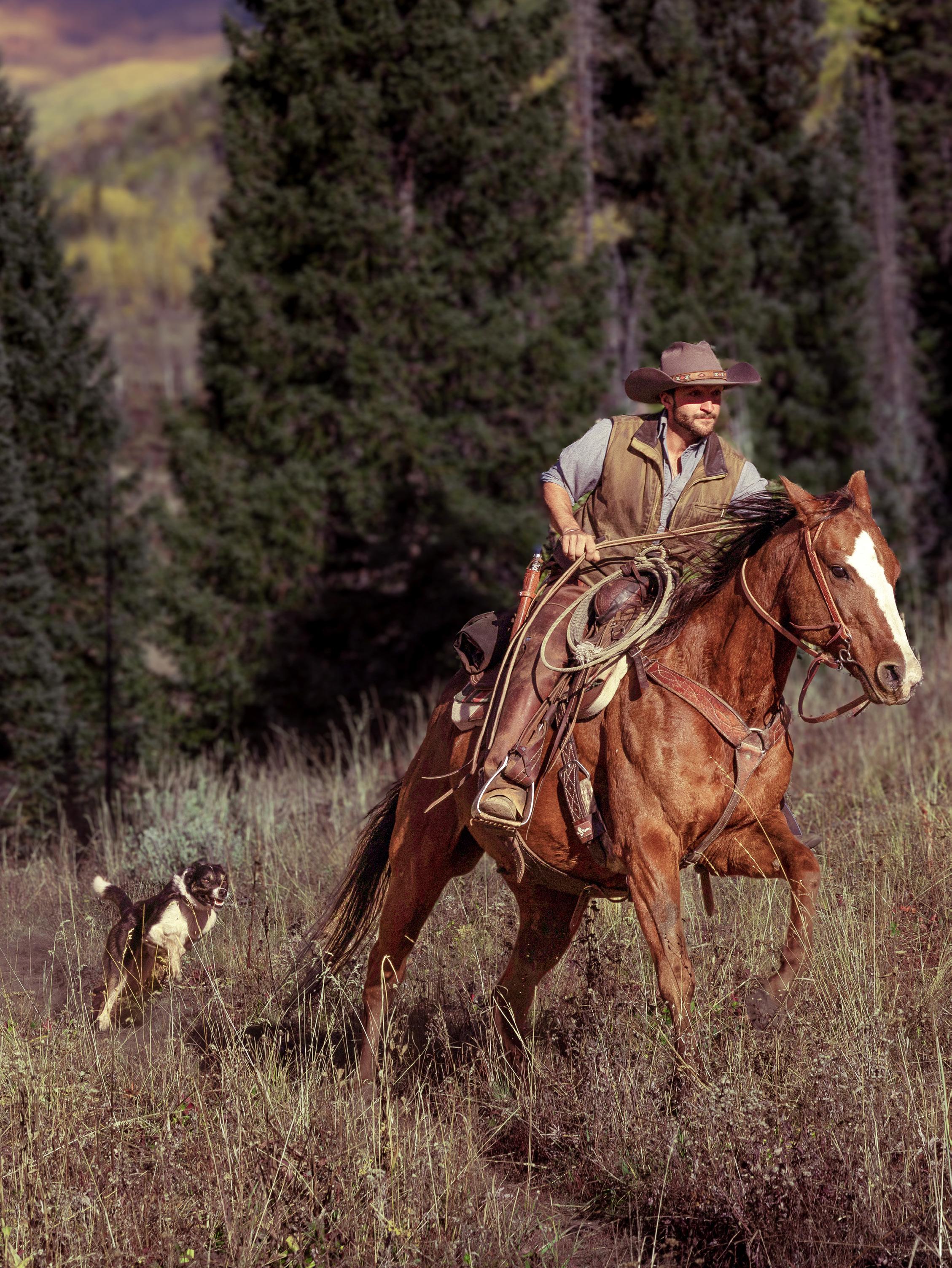
Many explorers, trappers, and frontiersmen have etched their legends into the annals of western history, but few have equaled the incredible exploits of the mountain man James Clyman.
Born in Virginia in 1792 on land owned by George Washington, Clyman charged through a life filled with adventure. On his family’s farm near the Blue Ridge Mountains, young James learned to hunt. When he was 15, the family moved to Ohio, a region where Indian attacks were quite common. During the War of 1812 Clyman joined the Amy, where he learned land surveying. At 31, he joined up with Jedediah Smith, an intrepid trapper and Western trailblazer. Lessons in survival came fast and furious for the early frontiersmen. When Smith nearly died after a grizzly bear attack, Clyman recorded the event in his diary: “While passing through a brushy canyon, a large grizzly came down the valley, we being in single file on foot leading pack horses. Captain Smith being in advance ran to the open ground and as he emerged from a thicket he and the bear met face to face. Grizzly did not hesitate a moment but sprung on the captain taking him by the head first.”
The attack was brief but vicious and Smith suffered serious injuries to his head and face. After stitching all the other wounds as best he could, Clyman told Smith that there was nothing he could do for his severed ear. But Smith insisted Clyman sew the ear back on and Clyman did as ordered: “I put my needle through and through and over and over, laying the lacerated parts together as nice as I could with my hands.” Shortly after, the hardy Smith remounted his horse and led his men on to camp. Clyman wrote in his journal “This gave us a lesson on the character of the grizzly bear which we did not forget.”
The spring of 1846 found James Clyman traveling with a small group of families heading back East after wintering in California’s Central Valley. Outfitted with wagons and pack animals loaded with provisions, they made their way up and over the Sierra Nevada via Truckee’s Pass. Captain John Sutter had hired Clyman to convince Oregon-bound emigrants to take the newly-established California Trail instead of the Oregon Trail. Sutter needed settlers and was paying Clyman for his efforts to divert them to the fertile Sacramento Valley, rather than Oregon’s better known Willamette Valley. The veteran mountain man knew the West and with a clear conscious could advise families that the California Trail was difficult but safe.
Among the people traveling east that spring was Lansford Hastings, an ambitious attorney from Ohio who had written a popular book titled The Emigrants Guide to Oregon and California. Hastings had led a small group of American emigrants to Oregon in 1842, and now considered himself an expert on the overland routes to
continued on page 4
California and Oregon. In his book Hastings wrote of a shortcut to California that would save weeks of traveling time and countless miles of rugged trail. But Hastings had never seen the suggested cut-off through the Wasatch Mountains near the Great Salt Lake, let alone used it. No matter, he was heading east to show emigrants the way. Clyman knew how desolate and harsh the Great Salt Lake region was, so he travelled with Hastings to see this “new” route. After an arduous twoweek trek across the Utah Desert, Clyman and Hastings reached the Salt Lake by the first of June. They traversed the forbidding Wasatch Mountains through rugged Weber Canyon, reaching Fort Bridger eleven days later. The others in their group, who had taken the tried-and-true California Trail, arrived at Bridger’s fort less than a week later, proving that the Hastings’ Cut-off saved a little time, but was considerably more difficult and maybe impossible for families with loaded wagons.
When Clyman and Hastings reached the main overland trail and the oncoming westbound wagon trains, Hastings told everyone that he would lead anyone interested through his new short-cut. Clyman, however, warned that the new route was dangerous and not much shorter. He advised the emigrants to stay on the California Trail all the way to Sutter’s Fort. Clyman continued east, telling all who would listen to avoid Hastings’ cut-off.
One day Clyman walked into the campsite of George Donner and James Reed, leading members of the Donner Party. Reed jumped to his feet when he spotted the buckskin-clad Clyman because the two men knew each other. In fact, they had mustered together in the Black Hawk Indian War in northwest Illinois 14 years earlier. Among the volunteers in that regiment were James Clyman, James Reed, and a
tall, country lawyer named Abraham Lincoln. Clyman strongly advised Reed to avoid Hastings’ short-cut, but the stubborn Reed stated, “If there is a nigher route, we will take it.” That decision ended up costing the Donner Party weeks of traveling time and ultimately trapped them in the deep snows around Donner Lake and Alder Creek, where many of those unfortunate emigrants starved to death during the terrible winter of 1847.
James Clyman was unusual among the early trappers because he kept a journal in which he chronicled his incredible adventures. He was well-educated for the time; his literary tastes included Shakespeare, Byron and, of course, the Bible. Many frontiersmen were unkempt runaways from society, but Clyman carried himself with bearing and dignity. Clyman was independent and self-supporting. He wore a fringed buckskin suit and carried a powder horn, shot pouch, tomahawk, knife, sometimes a pistol and always a muzzle-loading rifle. Besides buckskin pants and shirt, trappers often wore an overcoat made from a thick Hudson’s Bay blanket. No
matter the season, Clyman needed nothing that he couldn’t obtain using only the equipment on his back. Clyman was stingy with words and not easy to know, but when the chips were down, he was the man to have at your side.
In 1824, Clyman was leading a group of trappers when they were attacked by hostile Indians near presentday Casper, Wyoming. During the ensuing fight, the men became separated and Clyman lost his horse and all of his supplies except for his knife, powder, rifle and less than a dozen bullets. He was 600 miles from Fort Atkinson on the Missouri River, the closest settlement. There was nothing to do but start walking, avoiding the Indians along the way. Clyman mentioned in his journal “If I turned back to find the men, I might find them, but I might run out of bullets and be in a worse fix. Or the rest of the party may have been wiped out by Indians.”
Clyman waited 11 days, but none of his comrades showed up, so he set out for the Missouri River. Although Clyman’s narrative minimizes this
continued on page 11
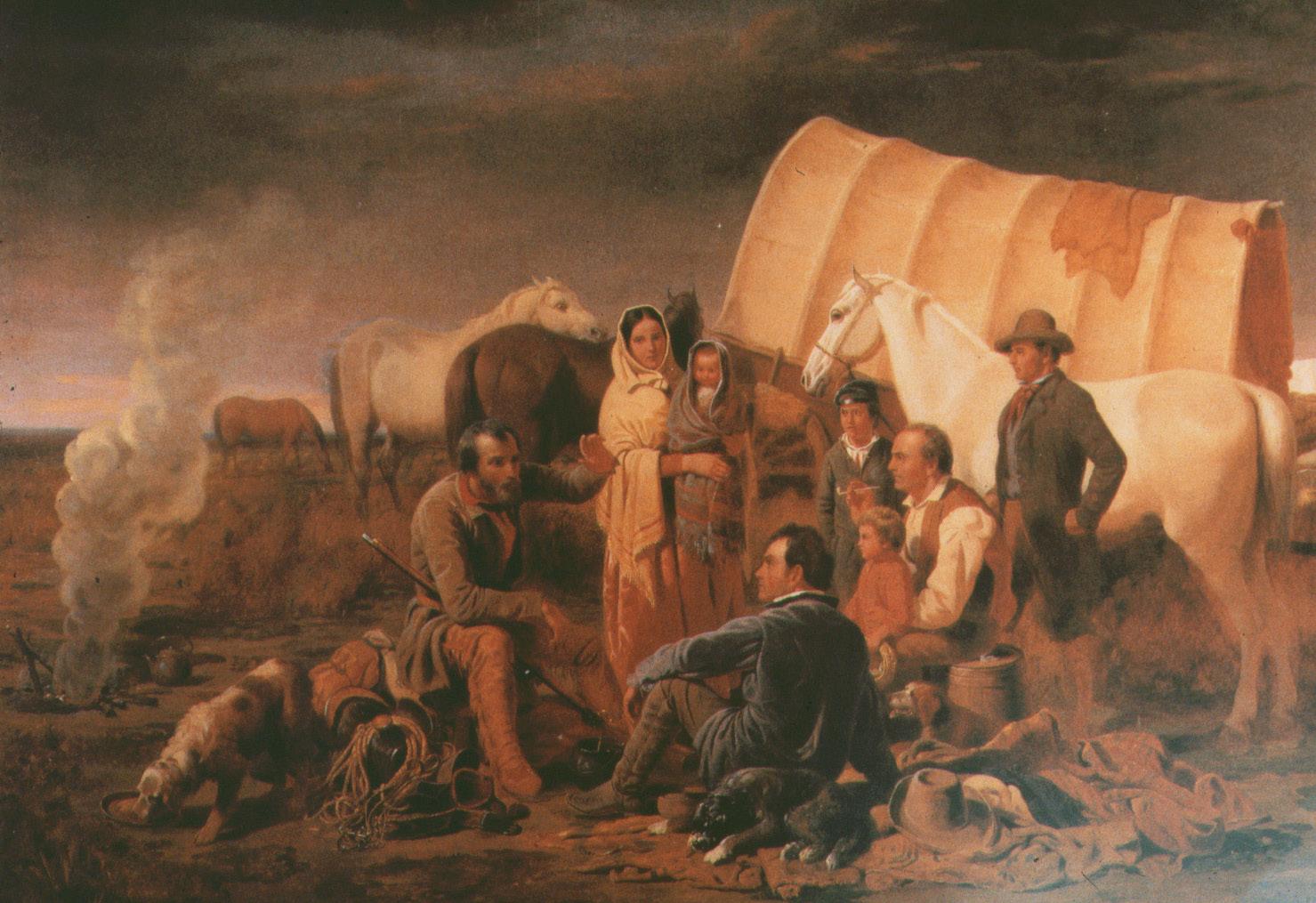
1853 William Tyler Ranney painting “Advice on the Prairie.” Courtesy of the Buffalo Bill Historical Center.
Seasonal Maintenance Checklist: SPRING EDITION
Spring in the Tahoe area brings longer days, melting snow, and a critical window for homeowners to assess winter’s impact. Even after a lighter-than-average season, the combination of snow load, freezethaw cycles, and local wildlife can leave behind hidden issues. A spring maintenance routine is essential to protect your home and prepare for the months ahead.
below average, repeated freezing and thawing can weaken materials. Early repairs prevent larger structural issues and ensure safety heading into outdoor season.
Check Gutters & Drainage
Clear gutters and downspouts of pine needles, leaves, and debris. Proper drainage is especially important during Tahoe’s rapid spring melt, which can overwhelm clogged systems and lead to foundation issues or erosion around your home.
Inspect Roofs for Snow & Ice Damage
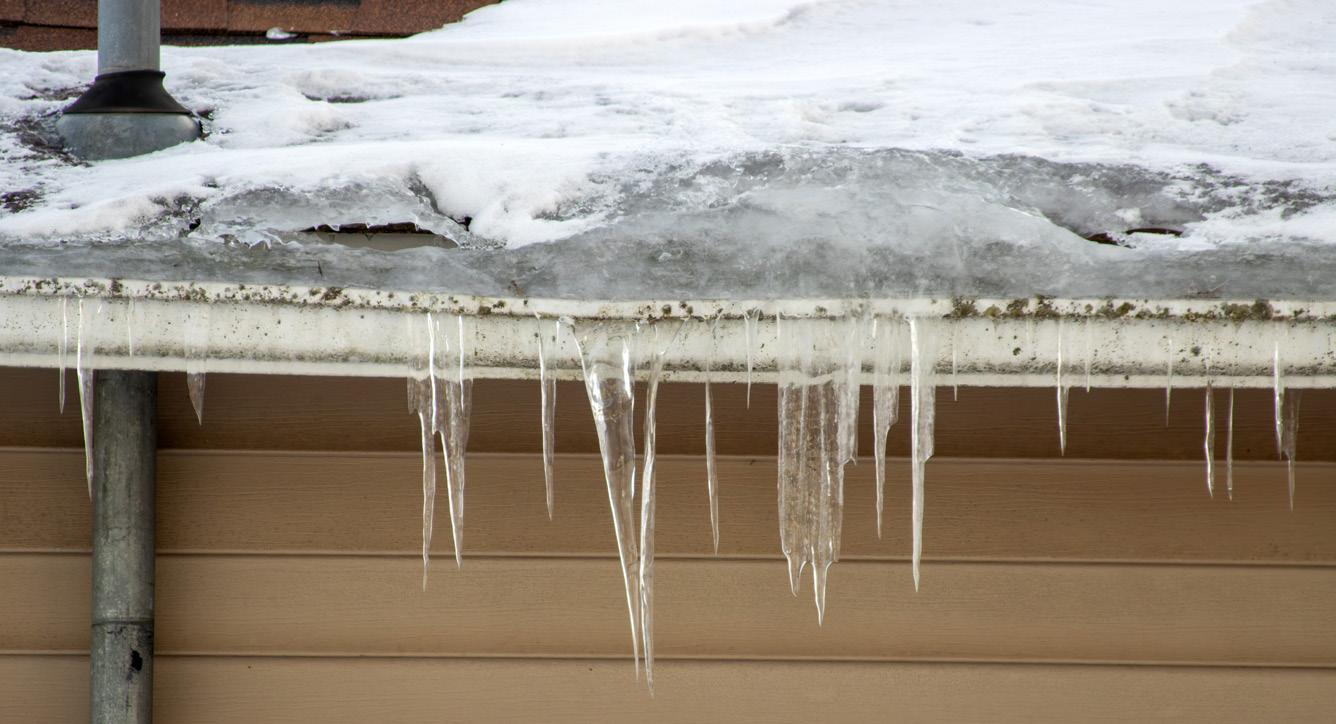
Tahoe winters—mild or not—can stress roofing systems. Check for warped, cracked, or missing shingles caused by snow load. Pay close attention to areas where ice dams may have formed along roof edges. These can force water under shingles, leading to leaks and insulation damage. Look inside attics for signs of moisture, staining, or mold.
Examine Decks & Structural Elements
Decks often take a beating under snow weight. Inspect for sagging, loose fasteners, cracked boards, or rot—especially around posts and joists. Even if the snowpack was
Look for Animal Activity
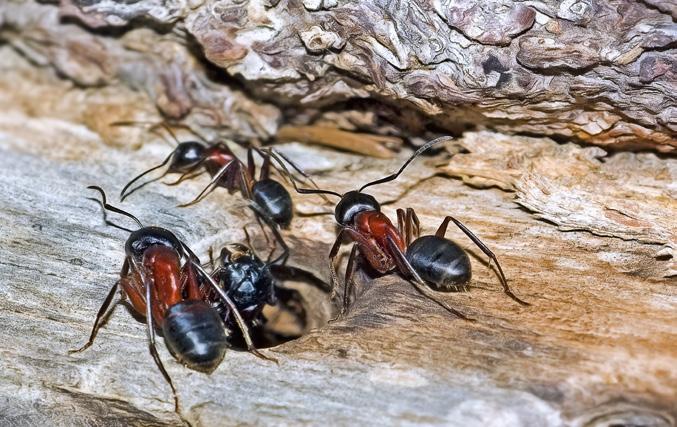
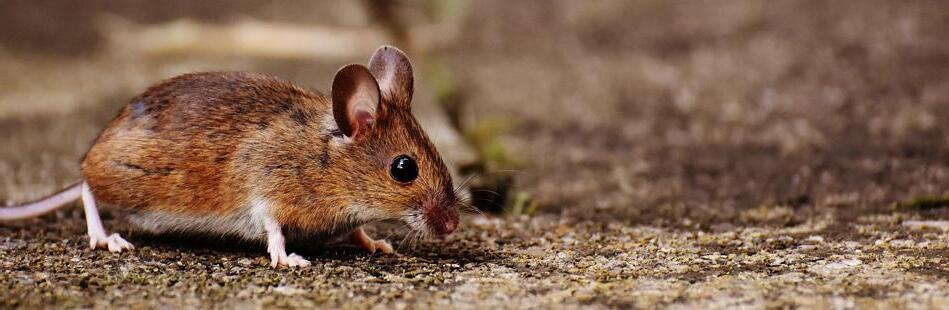
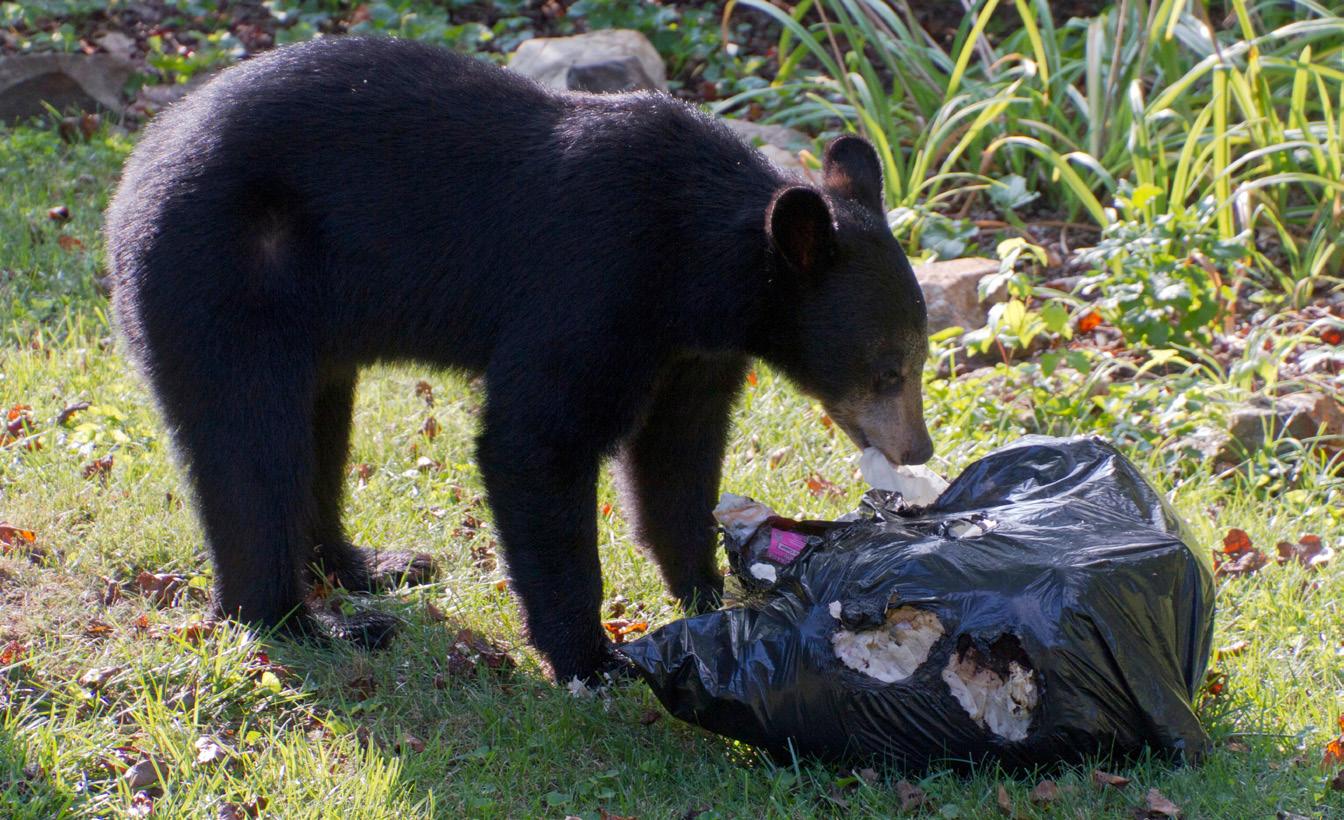
As snow recedes, wildlife becomes more active—and sometimes more invasive. Inspect crawl spaces, attics, and under decks for signs of squirrel, raccoon, or even American black bear activity. Look for droppings, chewed wood, torn insulation, or entry points. Securing these areas early can prevent costly damage and dangerous encounters.
Inspect Exterior & Siding
Check siding, trim, and foundations for cracks or moisture damage caused by snow buildup. Repaint or reseal exposed areas to protect against spring moisture and upcoming summer sun exposure.
Service HVAC & Ventilation Systems
Before warmer weather arrives, replace filters and service your HVAC system. In mountain environments like Tahoe, ensuring proper ventilation is key—not just for comfort, but for preventing moisture buildup after winter.
Check Windows and Doors
Inspect seals and weather stripping for damage caused by cold temperatures. Proper sealing helps maintain energy efficiency and keeps spring winds and pollen outside.
Prepare for Defensible Space Season
Spring is the time to begin clearing debris and trimming vegetation around your home. While peak wildfire season comes later, early preparation improves safety and aligns with local guidelines.
Test Safety Systems
Replace batteries in smoke and carbon monoxide detectors and check fire extinguishers. With seasonal transitions, it’s a good time to ensure everything is functioning properly.
In a mountain environment like Lake Tahoe, seasonal maintenance isn’t just routine—it’s essential!
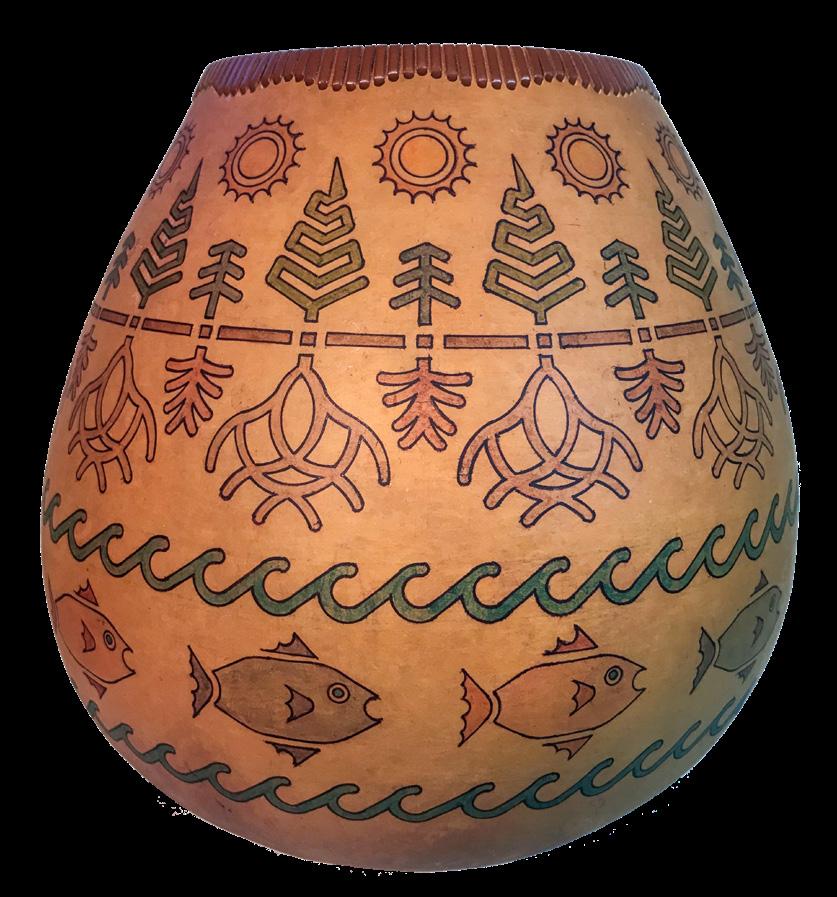
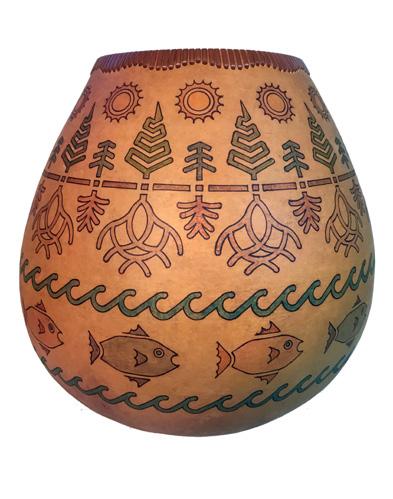
Gourd with Leather and Pen
by artist: Allen Graybill
A narrative and symbol-driven composition revealing how Allen translates natural observation into a structured visual language:
The form itself—a rounded, almost vessel-like body with a subtly tapered rim, wrapped in leather—serves as an ideal canvas for horizontal storytelling. Graybill divides the surface into distinct bands, each carrying its own symbolic vocabulary, yet all working together as a unified rhythm. This banding recalls both architectural friezes and traditional vessel decoration, reinforcing his sensitivity to structure and continuity.
The upper register, with its repeated sun-like motifs, immediately establishes a celestial rhythm. These forms are evenly spaced and radiate outward, suggesting cycles—of time, light, or season. Beneath them, the tree figures introduce a grounded counterpoint. Their geometric stylization simplifies them into almost archetypal symbols rather than literal trees, evoking growth, rootedness, and the quiet persistence of the natural world.
What is especially effective is the way these vertical elements connect to the
lower imagery through a horizontal axis, creating a visual hinge across the piece. From this line, the imagery transitions into more fluid, organic forms—suggestive of roots before resolving into the lowest band of fish and wave patterns. This progression—from sun to tree to water—reads as a complete ecological cycle, a compressed landscape wrapped around the gourd’s surface.
The fish themselves are rendered with a charming directness. Their simplified shapes and repeated orientation create motion through rhythm rather than realism. Paired with the undulating wave motif, they animate the lower portion of the form, giving it a sense of quiet movement that contrasts with the more emblematic upper bands.
Technically, the precision of the penned line work is notable. The incised and inked lines are clean and confident, allowing the design to remain legible even as it wraps around a curved, irregular surface. The restrained use of color—primarily the natural warm tone of the gourd accented with dark line and subtle green—keeps the focus on form and pattern rather than surface embellishment.
Perhaps most compelling is the balance between order and life. The composition is highly controlled, almost architectural in its symmetry and repetition, yet it never feels rigid. The slight variations inherent in the handdrawn line and the organic form of the gourd prevent the piece from becoming static. Instead, it feels lived-in, as though it carries both human intention and natural history.
In this work, Graybill succeeds in turning a simple object into a cyclical narrative—one that speaks to interconnected systems of sky, land, and water—while maintaining a quiet, contemplative presence.
Gourd Design Process
1. Harvesting
Gourds are left on the vine until their outer skin hardens. They’re typically harvested once the stems dry and turn brown.
2. Drying (Curing)
After harvesting, gourds are air-dried for several weeks to months. Moisture inside evaporates, seeds loosen, and the outer skin may develop mold—this is normal and part of the curing process.
3. Cleaning the Surface
Once fully dried, the outer skin is scrubbed with water (sometimes with a mild bleach solution) to remove mold, dirt, and the thin outer layer, revealing a smooth, woody surface beneath.
4. Cutting & Hollowing
If the design requires it, the gourd is cut open. The dried seeds and inner pulp are scraped out, leaving a clean, hollow form.
5. Surface Preparation
The exterior is sanded to refine the surface. At this stage, the artist evaluates the shape and begins planning how the design will interact with the natural form.
6. Design Application
Patterns are either drawn directly onto the gourd or transferred from paper. Artists use burning tools, carving tools, or inks to create detailed designs. Additional elements—such as carving, etching, dyeing, painting, or adding materials like leather or beads— are incorporated to enhance texture and visual interest.
7. Sealing & Finishing
A protective finish (wax, oil, or sealant) is applied to preserve the artwork, deepen color, and give the gourd a subtle sheen.
SPRING AWAKENING
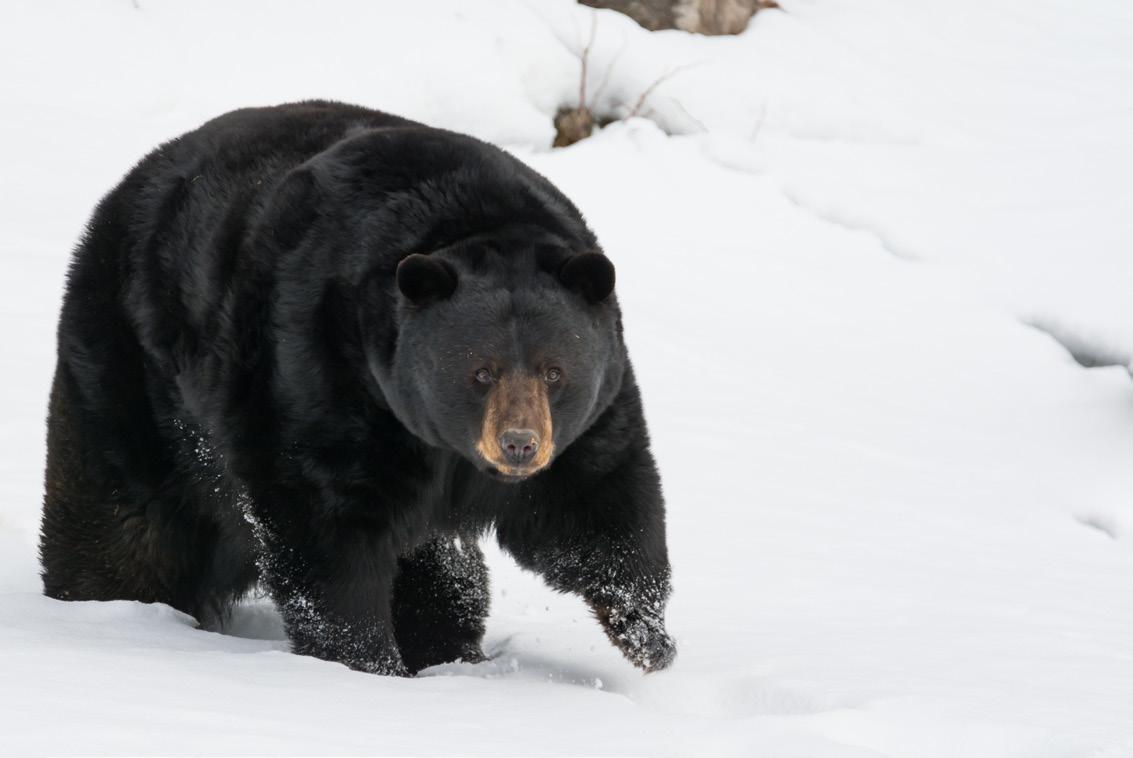
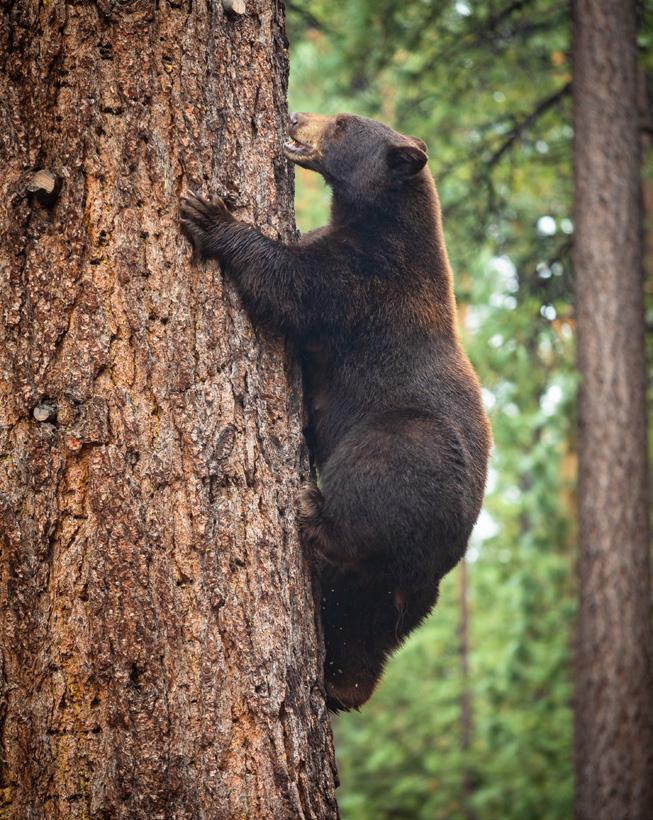
As winter loosens its grip on the Sierra Nevada, the forests surrounding Lake Tahoe begin to stir. Snow recedes from lower elevations, wild grasses emerge, and one of the region’s most iconic residents—the American black bear—returns to the landscape in visible and often dramatic ways. April and May mark a transitional season in the Tahoe Basin, when bear activity rapidly increases and human–wildlife interactions become more common.
Emerging from Winter
Black bears in the Tahoe region typically begin emerging from their winter dens in mid-April, although timing varies with snowpack and temperature.[1] Wildlife biologists with the California Department of Fish and Wildlife have noted that in low-snow years, some bears appear weeks earlier, occasionally surprising residents who assume winter is still in effect.
One Incline Village homeowner recounted opening their crawl space in early April only to discover a bear stirring awake beneath the house— an increasingly common denning choice in developed areas. The bear, sluggish but alert, eventually wandered off toward the tree line by afternoon. Stories like this underscore how closely human structures overlap with bear habitat during the denning season.
After months of reduced metabolism, bears emerge extremely hungry. Spring is a period of intense foraging, as they work to regain as much as 30% of their lost body weight.[2]
A Season of Cubs
Spring is also a time of new life. Cubs
are born during winter denning, and by April or May, females emerge with their young—often two or three tiny cubs navigating the world for the first time.[3]
In a well-documented case near South Lake Tahoe, a local resident watched a mother bear carefully usher her cubs across a quiet residential street at dusk. Each cub hesitated at the curb, climbing awkwardly over snowbanks while the mother scanned the surroundings. When a passing car slowed, she stood briefly on her hind legs—not aggressive, but clearly assessing the situation before moving her cubs along.
Such encounters illustrate an important point: mothers with cubs are especially protective. While attacks are exceedingly rare, defensive behavior is more likely if a person or dog gets too close.[4]
Following the Food
In early spring, natural food sources are limited. Bears first seek out south-facing slopes where snow melts fastest, feeding on grasses, roots, and early vegetation.[5] But these sources are often not enough to meet their caloric needs.
A longtime resident of Tahoe City described setting out trash just after sunrise in late April—only to hear the bin topple moments later. Looking outside, they found a bear already rummaging through it, despite the daylight hour. “It didn’t even seem startled,” they said. “It just looked at me like I was interrupting breakfast.”
With a sense of smell many times stronger than a bloodhound’s, bears are incredibly efficient at locating food.[6] Unsecured garbage, pet food, bird feeders, and even barbecue grills can draw them into neighborhoods. April and May often see a spike in these encounters as bears prioritize calories over caution.
Changing Behavior in a Human Landscape
The Tahoe Basin supports one of the densest populations of black bears in California.[7] Over time, some bears have adapted to human presence in ways that blur the line between wild and urban behavior.
Locals often share stories of specific bears—recognizable individuals that return year after year. One such bear, known informally among residents in the Kings Beach area, became known for opening car doors. The bear learned to pull handles and would methodically check vehicles left unlocked overnight. Wildlife officials eventually intervened after repeated incidents, but the story reflects a broader pattern: bears are highly intelligent and capable of learning complex behaviors when rewarded with food.
These “food-conditioned” bears may become more nocturnal or increasingly bold, leading to more frequent sightings in spring as activity ramps up.[8]
Timing and Movement
Spring bear activity tends to peak during dawn and dusk, though bears can be active at any time.[9] As snow continues to melt through May, they gradually move to higher elevations, following the progression of new plant growth.
Hikers in the Desolation Wilderness often report early-season sightings along lower trails, particularly in April. One hiker described rounding a bend near Eagle Lake and encountering a bear grazing quietly on fresh shoots. The bear glanced up briefly before returning to feeding—seemingly unconcerned, but fully aware.
Such moments highlight a key reality: most bears prefer to avoid humans. Conflicts typically arise not from aggression, but from opportunity.
Living with Bears
Spring in Lake Tahoe is a time of renewal—but also a time of responsibility. As bears re-enter the landscape, small human actions can have large consequences.
Wildlife agencies consistently emphasize simple but critical practices: secure trash in bear-resistant containers, remove outdoor food sources, and never approach or feed wildlife.[10]
A resident in South Lake Tahoe shared how, after installing a bear-resistant trash enclosure, nightly visits from a local bear abruptly stopped. “It moved on,” they said. “It was that simple.”
Ultimately, April and May offer a powerful reminder: in the Tahoe Basin, humans are part of a shared ecosystem. The stories—whether surprising, amusing, or cautionary— reflect a deeper truth about coexistence with a species that is both resilient and remarkably adaptable.
Footnotes
[1] California Department of Fish and Wildlife. Black Bear Seasonal Behavior in the Sierra Nevada.
[2] Nevada Department of Wildlife. Black Bear Biology and Spring Emergence Patterns.
[3] Lake Tahoe Basin Bear League. Bear Life Cycle and Cub Development.
[4] California Department of Fish and Wildlife. Living with Black Bears.
[5] Nevada Department of Wildlife. Spring Diet of Sierra Nevada Black Bears.
[6] BearWise Organization. Bear Senses and Behavior.
[7] California Department of Fish and Wildlife. Tahoe Basin Bear Population Estimates.
[8] Lake Tahoe Basin Bear League. Human–Bear Conflict and Food Conditioning.
[9] Nevada Department of Wildlife. Daily Activity Patterns of Black Bears.
[10] BearWise & CDFW. Bear-Resistant Practices for Mountain Communities.
continued from page 4
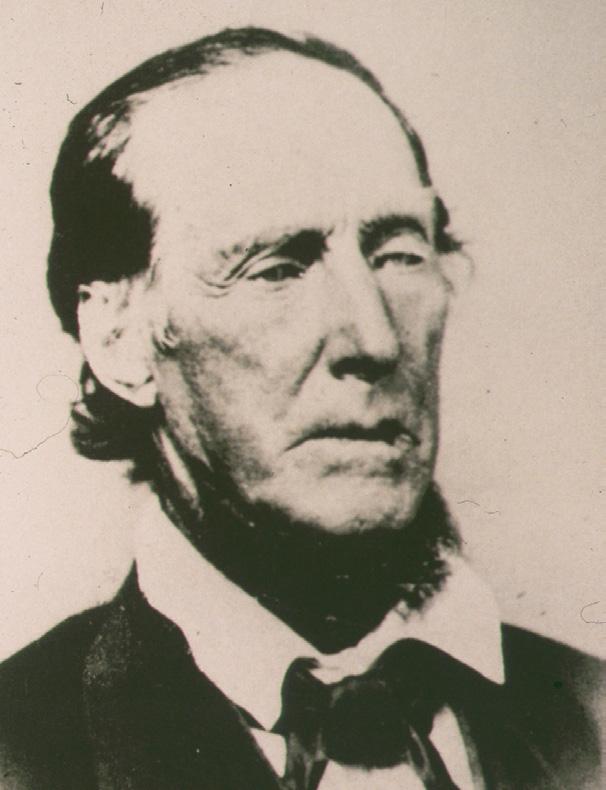
Portrait of James Clyman in 1881, shortly before he died at age 89. Photo courtesy of the Bancroft Library.
epic trek, his friend John Hustis later described Clyman’s long walk: “He was cut off from his party & he was obliged to turn his face eastward. Avoiding rivers as dangerous [Indians] he with his rifle and 11 bullets began his journey. Shooting such buffalo as was necessary for his subsistence he occasionally would rest & dry his meat. Once he killed a badger for the skin to cover his feet as his moccasins had given out & it cost him one bullet which were now becoming precious. Clyman killed in succession three buffaloes with one bullet which he successfully cut from the animals & rounded again with his teeth. After 80 days wandering he had three remaining bullets & a small amount of powder. Once he saw the American flag flying at Council Bluffs & some men making hay nearby, he fainted away.”
Effective Ways to Support Veterans
For the approximately 18 million veterans in the United States –roughly 6% of U.S. adults ages 18 and older, according to the U.S. Census Bureau – the return to civilian life can present challenges.
Because many veterans need assistance as a result of their military service, consider these impactful and meaningful ways to support veterans and ensure their sacrifices are honored and needs are met.
Engage in Community Outreach Programs
By participating in community events, you can help bridge the gap between veterans and civilians, fostering a sense of understanding and appreciation. Events such as parades, public ceremonies and educational forums can be organized to highlight the contributions of veterans. Additionally, volunteer opportunities within your community can also provide support to veterans, such as helping with home repairs, providing transportation to medical appointments or simply spending time with veterans who may feel isolated.
Provide Employment and Career Support
Gaining employment is an issue for many veterans transitioning back to civilian life. To help ease the transition, community members can support veterans by offering resume writing workshops, interview coaching and career fairs specifically targeted at veterans. Employers can also actively seek and hire veterans to leverage their unique skills and
experiences. Veteran-friendly hiring practices and mentorship programs can also be beneficial toward ensuring veterans find the financial stability and purpose they need to thrive.
Contribute to Veteran-Focused Charities
Donating to veteran-focused charities can help provide essential services such as housing, health care and educational assistance. In addition to monetary donations, consider volunteering your time or skills. Many charities need volunteers to help with various tasks, from organizing events to providing administrative support.
Advocate for Veteran Health Care Initiatives
Many veterans require specialized medical care due to their service. Advocating for better health care policies and initiatives can help ensure they receive quality care. This includes supporting legislation that
improves access to medical and mental health services for veterans. You can also work with local health care providers to develop programs specifically designed for veterans.
Promote Mental Health Awareness and Resources
Mental health is a critical aspect of overall well-being, and many veterans face unique mental health challenges, including post-traumatic stress disorder and depression. Promoting mental health awareness and providing resources can help veterans cope with these issues. This includes organizing mental health awareness campaigns, providing information on available resources and reducing the stigma associated with seeking help.
Find more ideas for supporting veterans in your community at eLivingtoday.com.
A Healthier, Greener Home
Keeping your home clean doesn’t have to mean filling your cabinets with harsh chemicals or single-use cleaning products. In fact, some of the most effective solutions may already be in your pantry.
By swapping a few everyday products for simple, eco-friendly solutions, you can clean effectively, save money and make your home a little greener. If you’re looking to reduce waste, cut back on toxins and simplify your cleaning routine, natural ingredients like vinegar, baking soda and lemon can deliver results while also being safer for your home – and the environment.
Make Your Own All-Purpose Cleaner
Instead of buying multiple cleaners for different surfaces, try a DIY solution that works in many areas of the home. In a spray bottle, combine 1 cup white vinegar, 1 cup water and 10 drops of the essential oil of your choice – such as lemon, lavender or tea tree – then use it on countertops, sinks, glass and other surfaces to curb grease and grime. Avoid using vinegar-based cleaners on natural stone like granite or marble, however, as its acidity can cause damage.
Let Baking Soda Do the Scrubbing
One of the most versatile ecofriendly cleaners around, baking soda acts as a gentle abrasive that helps lift stains without scratching surfaces. Simply sprinkle baking soda onto sinks, bathtubs, cookware, stovetops or tile grout then scrub with a damp sponge or cloth for a sparkling clean finish.
Freshen Carpets Naturally
Carpets and rugs can trap odors, but a DIY deodorizer made of 1 cup baking soda and 10-15 drops of the essential oil of your choice can replace chemical sprays and keep floor surfaces smelling fresh. Just sprinkle across the carpet, let sit for 15-20 minutes then vacuum.
Use Lemon to Cut Grease and Stains
Lemon juice is a powerful natural cleaner due to its acidity and antibacterial properties. It can leave behind a fresh scent when used to clean cutting boards, remove soap
scum and water spots or deodorize garbage disposals. For stubborn grime, mix lemon juice with baking soda to create a paste that can tackle tough surface stains.
Naturally Deodorize Drains
If your kitchen sink smells unpleasant, skip the harsh chemical drain cleaners. Pour 1/2 cup baking soda down the drain then add 1/2 cup white vinegar. Let the mixture fizz a few minutes then flush with hot water to help loosen buildup while neutralizing odors.
Polish Stainless Steel with Pantry Staples
Remove grimy fingerprints and give stainless steel appliances a streakfree shine with a simple mixture of 1 tablespoon white vinegar and 1 tablespoon olive oil.
Find more DIY, eco-friendly cleaning tips and tricks at eLivingtoday.com