Broward Center for Nonprofit Excellence Learn. Collaborate. Excel.
Broward Center for Nonprofit Excellence Learn. Collaborate. Excel.
The Community Foundation of Broward has long served as a go-to resource to help sustain and strengthen local nonprofits. Through the years, our training programs and professional development initiatives have helped nonprofits improve their fundraising, broaden their leadership ranks and expand community services that touch lives across our community.
Back in 2021, we launched a strategic planning process that started with a community listening tour – meeting with neighborhood representatives, nonprofits, business leaders and other stakeholders to learn more about the leadership roles we could play in the years ahead. Two of the crucial needs that emerged were providing more support for nonprofit capacity building and creating more accessibility to Community Foundation grants and resources.
So, in 2022 we established the Broward Center for Nonprofit Excellence to better help local nonprofits sustain and grow their ability to serve our community. Based at the Community Foundation, our “Nonprofit Center” provides training and critical resources to help nonprofit professionals and volunteers build skills and gain tools to amplify their organizations’ impact.
An early $5 million matching grant commitment from the Frederick A. DeLuca Foundation jump-started fundraising and helped us launch operations. Less than three years later, the Community Foundation secured $5 million
in additional support to create a $10 million endowment – ensuring permanent sustainable support that enables the Nonprofit Center to adapt and respond to the changing needs of Broward’s nonprofit community.
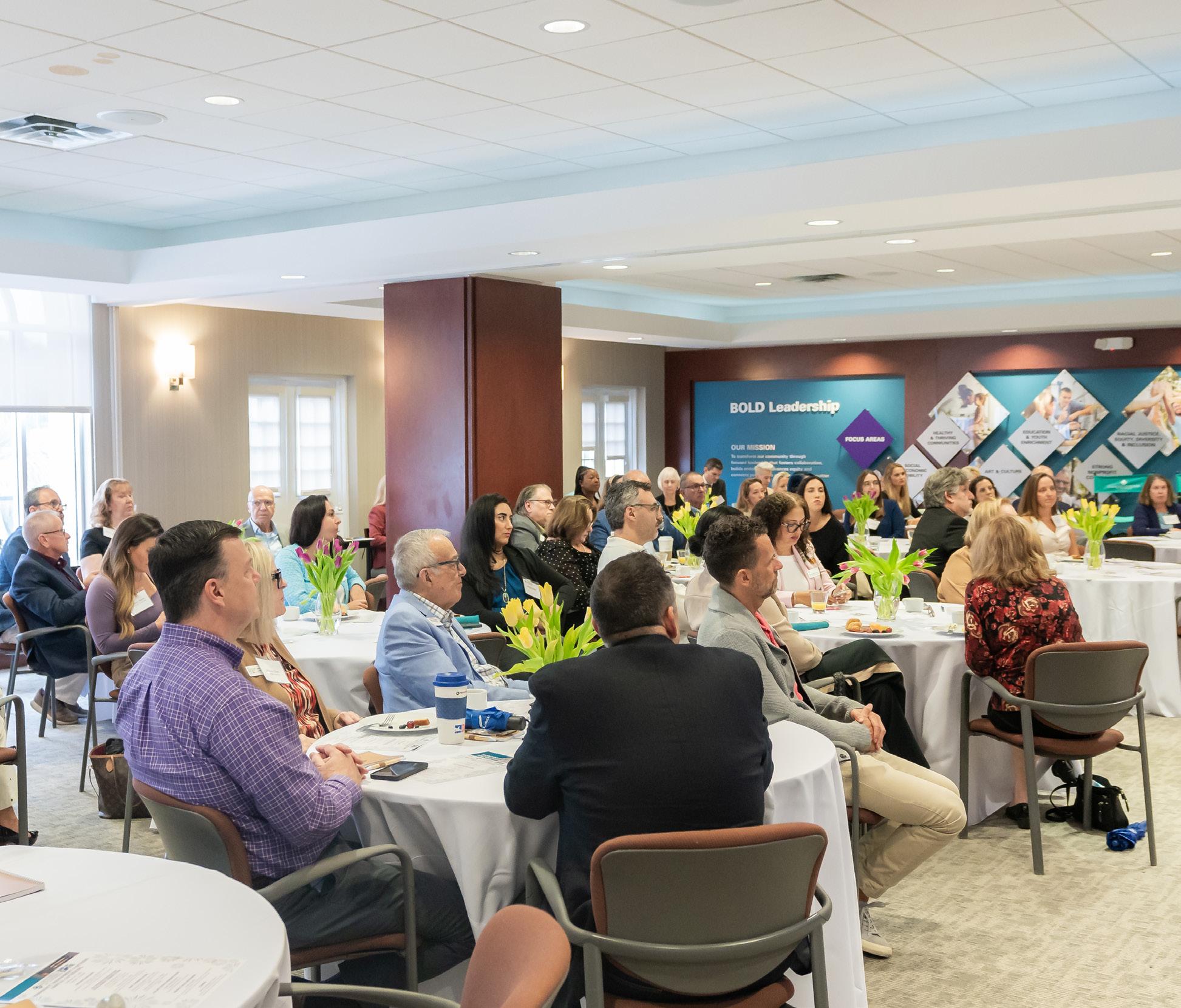
Today, the Nonprofit Center provides in-person and online training sessions to help nonprofit leaders grow their skills. Our website features easy-to-use online tools, such as a resource library, nonprofit directory, consultant registry and more. Also, we have boosted outreach by holding more nonprofit convenings, bolstering our social media presence and producing an e-newsletter that features helpful information about nonprofit trends, issues and upcoming programs.
Moving forward, we remain committed to helping nonprofits navigate challenges such as the uncertainty of budget cuts, nonprofit leadership transitions, the growing needs of residents and more. As this report shows, our team at the Nonprofit Center is working hard to help nonprofits sustain and grow their critical work to make life better in the community we love.
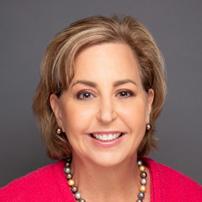
Jennifer O’Flannery Anderson Community Foundation of Broward President/CEO
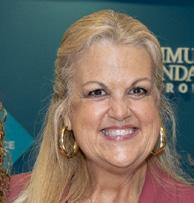
Cathy Brown Broward Center of Nonprofit Excellence Director
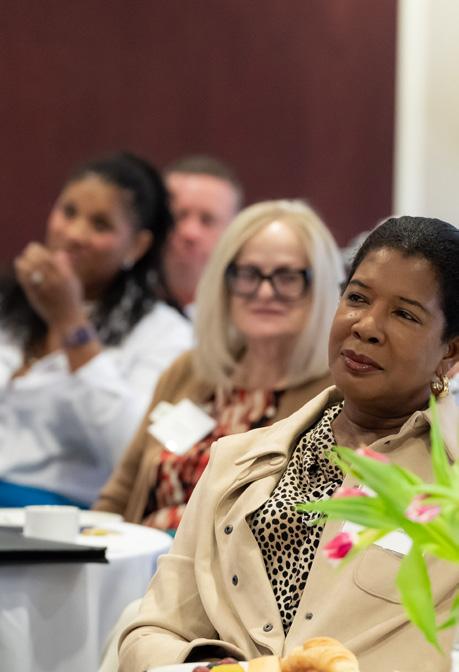
Our purpose is to nurture and strengthen the people and organizations who do the work for the causes that matter through access to resources, funds, and ongoing support.
We envision a vibrant, thriving, and collaborative nonprofit community contributing to meeting the needs of all in Broward. Broward Center for Nonprofit Excellence serves as a dynamic, accessible resource for information, tools, and support to advance leadership and make an impact on critical issues.
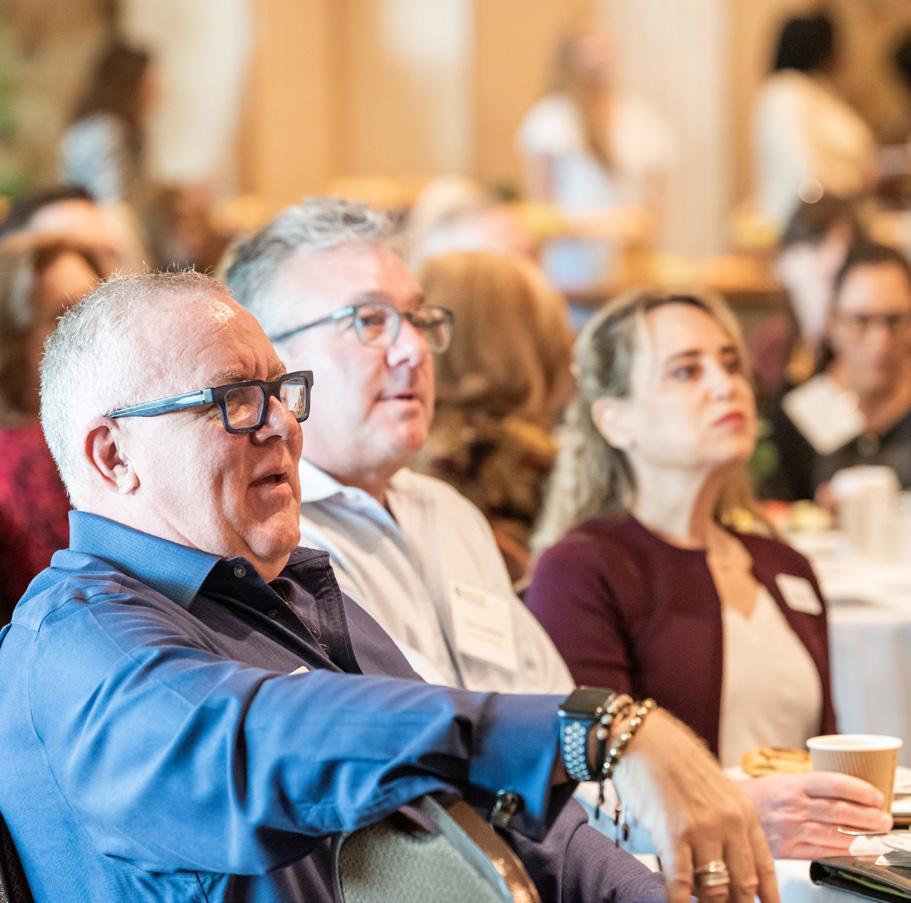
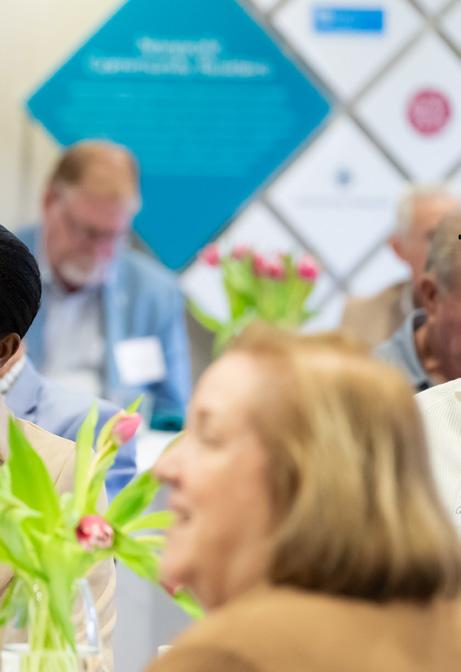
Stronger and more resilient organizations with leaders equipped to effect change on critical issues
COMMUNITY FOUNDATION of BROWARD
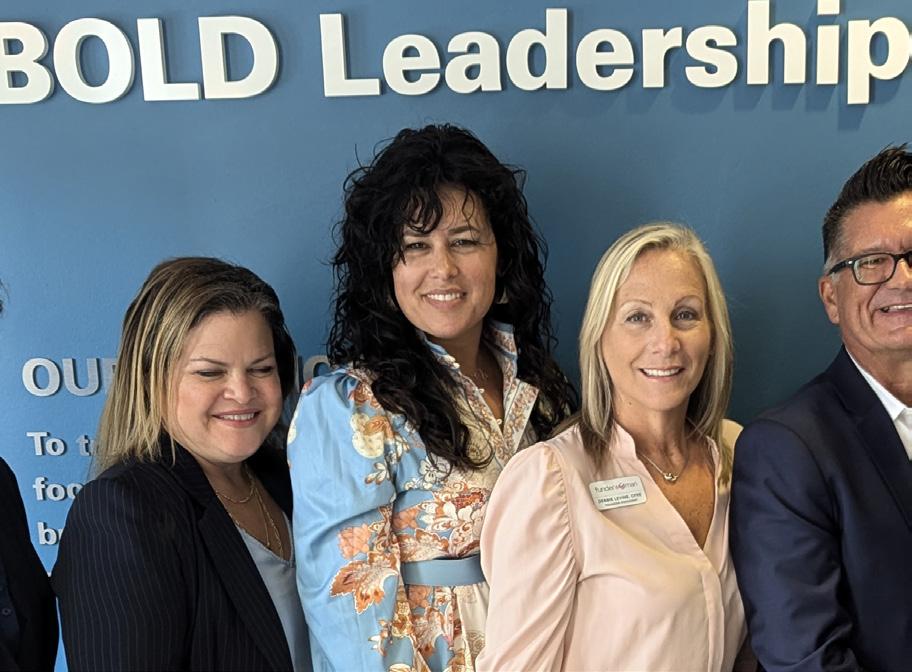
To kick off the Nonprofit Center’s programming, an initial survey went out to nonprofits to discern the most important needs and identify areas for training. The resulting scorecard identified key areas of need within the core business development framework of strategy, execution, resources, and people:
• Growth and Planning
• Marketing
• Fundraising
• Board Engagement and Performance
Armed with this knowledge, a series of Learning Lab courses were designed, partnerships and collaborations were formed, Communities of Practice were convened, and the Nonprofit Center was underway.
The timing of the Nonprofit Center’s launch was particularly impactful for nonprofits still emerging from the effects of the pandemic –providing guidance and resources to help local organizations overcome fundraising challenges and respond to community needs.
Early programming in partnership with the Indiana University Lilly Family School of Philanthropy’s The Fund Raising School brought internationally recognized credentials to local fundraisers interested in learning the principles and techniques of professional, ethical fundraising. Small nonprofits were invited to participate in a Grants 101 series to train participants in the art and science of grant writing and management.
A variety of workshops, including Video Storytelling, AI and Nonprofits, Marketing 101, and Attitude of Gratitude helped develop the marketing skills of participants. Highly renowned BoardSource was brought in to guide board engagement and development, while Spectrum Nonprofit Services provided a Nonprofit Financial Bootcamp that included a special session just for nonprofit board members.
The Business of Strategic Planning, Nonprofit Insurance 101, Operational Discipline, Cybersecurity Basics, and many other sessions helped participants lean into the growth and planning aspects of their nonprofit work.
All the while, we were building out our website, filled with resources, directories, templates, tools, and a community training page. It continues to grow with new tools and helpful information for nonprofit staff, volunteers, board members, and donors. Demand for services required an expansion of staffing and the implementation of some structural systems to help learners manage their professional development.
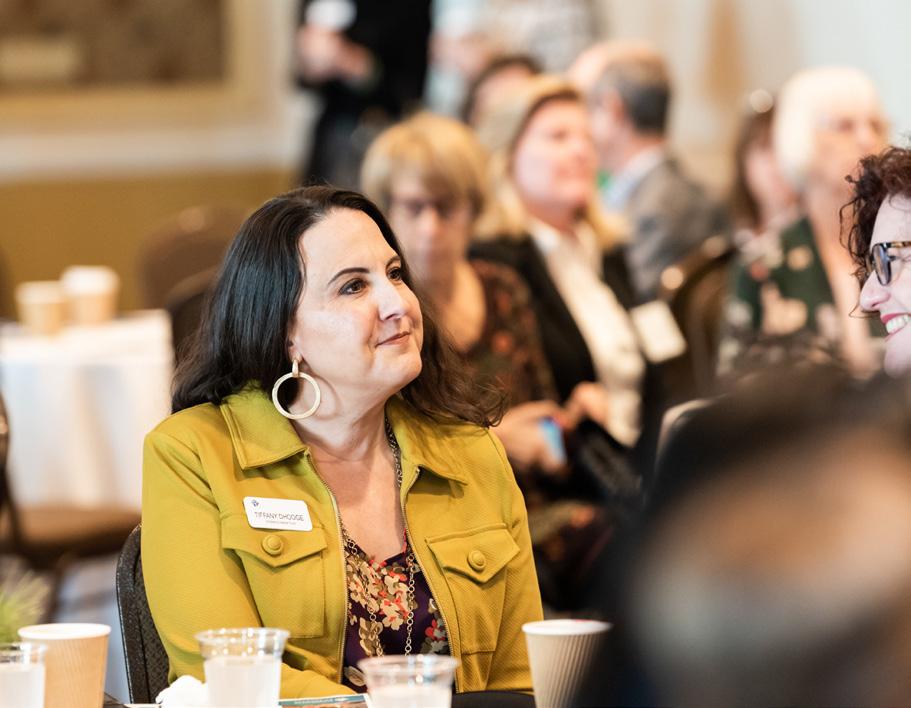
We look at impact in three ways: the people, the numbers and the change. We’ve met hundreds of people and learned their stories, explored their needs, equipped them with knowledge and resources to grow and celebrated successes.
We tracked the numbers. During the first three years, we served more than 7,000 people with in-person services such as training courses, workshops, one-onone coaching, community convenings, offsite presentations and more.
In addition, more than 26,000 visitors to the Nonprofit Center website have benefited from web-based training as well as our online resource library, vendor directory, nonprofits directory, consultant directory and other easy-to-access tools.
Combined, that’s more than 1,100 nonprofits who have benefited from the Nonprofit Center’s many resources.
We have hosted 118 classes and learning opportunities since our launch. Class surveys show that 51% are returning participants, while 49% of training participants are likely new to the Nonprofit Center. Overall, 96% of participants rated the value and applicability of their training as “high or extremely high.”
“Thank you to the Frederick A. DeLuca Foundation and all the visionary donors investing their support in this opportunity to strengthen local nonprofits through innovative training, capacity building and other resources,” said Community Foundation President/CEO Jennifer O’Flannery Anderson, Ph. D. “With an endowment to guarantee sustainable, permanent support, the Nonprofit Center will always be here to help nonprofits transform lives and enrich our community.”
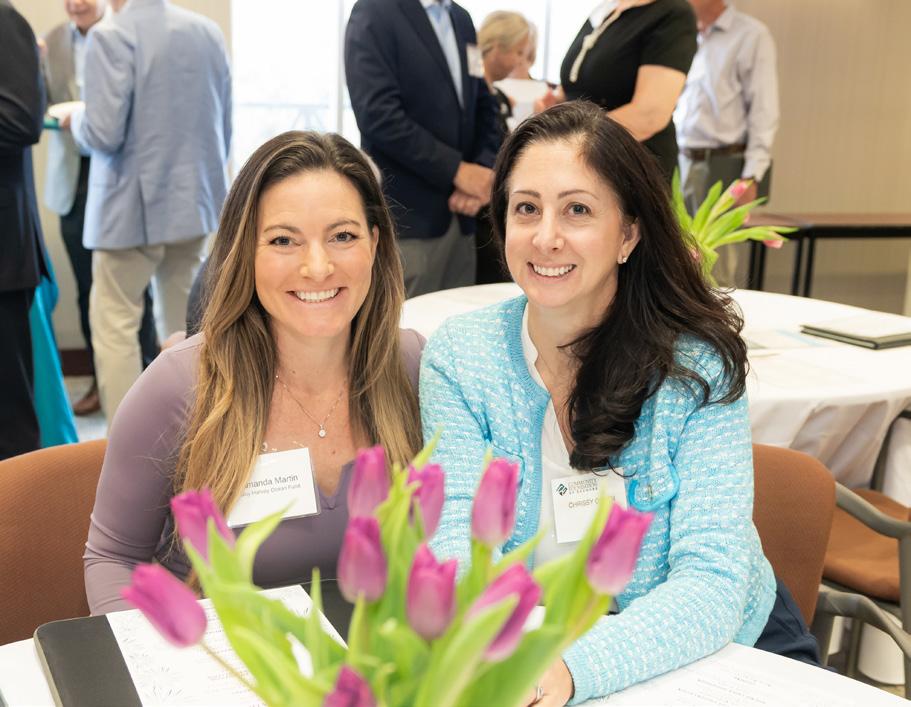
To understand the deeper impact of who we were serving and how the Nonprofit Center’s programming was changing nonprofits, we contracted DataMax to complete a thirdparty impact assessment. We also enlisted Collectively to conduct stakeholder interviews and began a strategic planning process to direct the next phase of the Nonprofit Center.
Survey respondents represented a diverse array of nonprofit professionals, primarily leadership teams and staff. Organizations spanned a range of budget sizes, with mid-to-large organizations reporting the most consistent engagement and benefit from the Nonprofit Center.
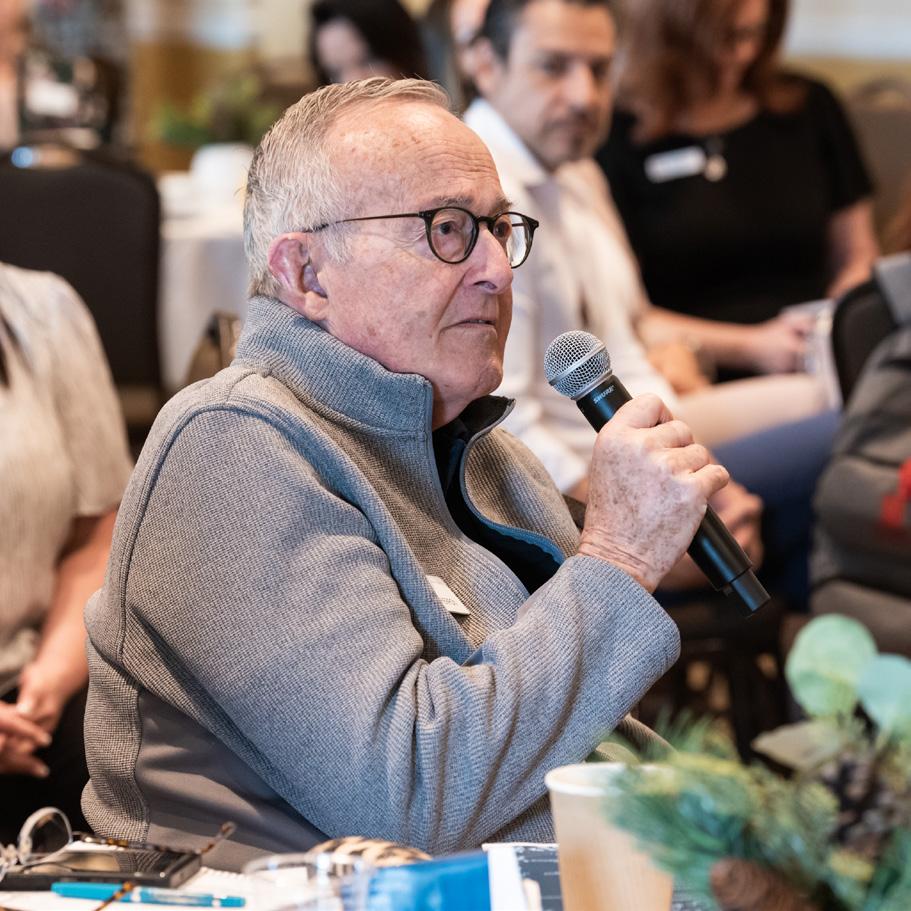
The biggest takeaway has been that the Nonprofit Center continues to serve as a vital resource. In-person workshops and grant information sessions were the most utilized programs across all roles.
Overall, the Nonprofit Center’s initiatives show strong influence across organizational performance, community engagement and sustainability. Stronger partnerships, improved organizational performance and increased confidence in applying skills learned are among the top organizational benefits from Nonprofit Center offerings.
Ongoing needs for training and support were also identified, with the top priorities in fundraising and resource development, grant preparation/writing/management, leadership development and board governance. The most reported barriers to participation were lack of time and inconvenient timing of sessions, especially among executive directors and leadership teams.
“It’s helping us continue to move forward and make sure that we are not behind the game,” Denise Athis, of the Jack & Jill Center, said about training and peer-to-peer learning activities available at the Nonprofit Center. “I would like to applaud the Community Foundation for providing this platform for us.”
48% Executive Directors
25% Leadership Team
14% Staff
7% Board Members
6% Other
ORGANIZATION CATEGORY
31% Human Services/Public Society Benefit
17% Arts & Culture
16% Education
14% Other
8% Health
6% Environment & Animals
4% Faith-based
3% Foundation
1% Government Agency
ORGANIZATION SIZE
31% Small (1-5 Employees)
21% Large (21-99 Employees)
19% Medium (16-20 Employees) (100+ Employees) (0 Employees)
(Multiple responses allowed)
69% In person classes/Workshops
65% Grant Information Sessions
55% Live Virtual Classes/Workshops
45% Website Resources
37% Community Partners
15% Video Classes/Workshops
15% 1:1 Coaching
6% None
ORGANIZATIONAL IMPACTS FROM NONPROFIT CENTER PARTICIPATION
(Multiple responses allowed)
52% Increased collaborations or partnerships
43% Improved organizational leadership
41% Increased access to use of community resources
39% Stronger, more skilled staff
More funds raised
More clients served
Stronger, better-equiped Board of Directors
Improved marketing
No impact 3% Lower staff turnover
(Multiple responses allowed)
85% Increased knowledge
65% Grant Information Sessions
52% Improved or upgraded skills
45% Website Resources
40% Increase in confidence
14% Increase in job satisfaction
5% Change in salary or compensation
(Multiple responses allowed)
44% Too busy, don’t have the time
33% Timing of classes
27% None have been barriers
13% Programs or topics are not relevant
13% Travel time
8% Traffic
5% Cost of parking
ONGOING SUPPORT NEEDED
(Multiple responses allowed)
57% Fundraising/Resource Development
54% Grant Preparation, Writing, and Management
49% Leadership topics
29% Board Governance
28% Nonprofit Operations/IT
23% Marketing/Public Relations/Communications
18% Financial Management
8% None
Taking this data and stakeholder feedback into account, the key pillars on which the Nonprofit Center should build upon are:
• Leadership Development, focusing on nonprofit and board leaders
• Capacity Development, including operational and funding
• Nonprofit Sector Trends and Issues, including research and national, state and local trends/influences
• Special Audience Needs, with initial audiences identified as donors, religious/ faith-based capacity development and family philanthropy
Six priority areas of training and support were identified, and will drive the programming and focus of the Nonprofit Center’s work.
• Funding & Financial Sustainability
• Training & Capacity Building
• Leadership & Succession Planning
• Technology & AI Adoption
• Collaboration & Collective Action
• Building Community Trust
The Nonprofit Center Advisory Council reviewed all of the findings and recommended strategies to address each of the priority areas. The resulting Strategic Action Plan was developed, vetted out to additional stakeholder groups, and will drive programming for the next 3 years.
“We saw from the survey how important the programming through the Nonprofit Center is to the success of nonprofits in obtaining funding from the Community Foundation and other funders. The support from the Community Foundation’s Community Impact Team members and the training and tech support from the Nonprofit Center are clearly helping our nonprofits achieve their programmatic goals.”
- Sheri Brown Grosvenor, Community Foundation Vice President, Community Impact
STRATEGY 1
Create opportunities to look at philanthropy differently
ACTIVITY/INTERVENTION
1. Offer opportunities for nonprofit organizations to showcase their programs and needs to investors
2. Support nonprofits in understanding revenue diversification through training initiatives
3. Explore ways to help nonprofits build community awareness AREA OF FOCUS:
STRATEGY 2
Support diversification of funding through social enterprise
ACTIVITY/INTERVENTION
1. Explore opportunities for social enterprise training
2. Identify and mentor organizations ready for social enterprise
3. Evaluate the impact.
STRATEGY 3
Explore equitable compensation for nonprofit professionals.
ACTIVITY/INTERVENTION
1. Commission a Broward nonprofit salary study
2. Form a work group to review findings and propose compensation strategies
STRATEGY 1
Expand “Business of Nonprofits” training across organizational levels
ACTIVITY/INTERVENTION
1. Develop tailored curricula for executives, managers and staff
2. Include gap analysis training to identify missing skill sets and resources
STRATEGY 2
Launch executive leadership cohorts
ACTIVITY/INTERVENTION
1. Pilot and evaluate a CEO-level cohort for peer learning and leadership growth
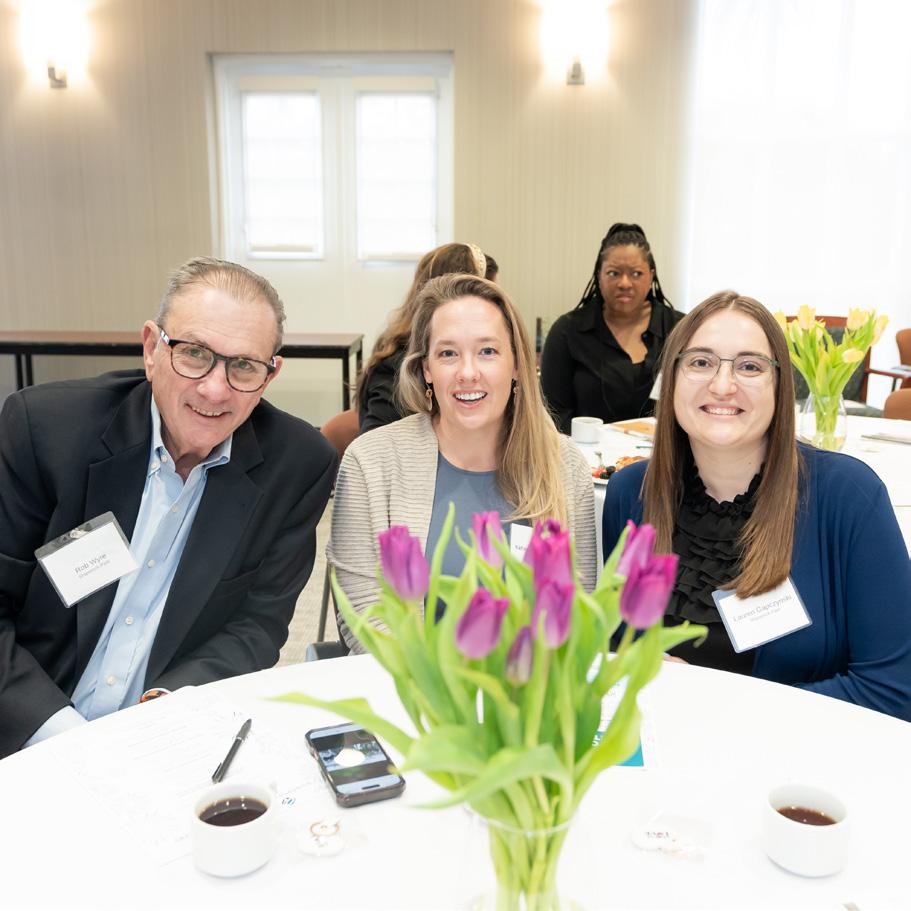
“You are making a profound difference in the lives of those we serve,” said Felipe Pinzon, President/CEO of Hispanic Unity of Florida.
STRATEGY 3
Continue data-driven training initiatives
ACTIVITY/INTERVENTION
1. Use needs assessments to shape an annual training calendar
2. Evaluate participation and outcomes
STRATEGY 1
Pilot cohorts for organizations anticipating leadership transitions within 3–5 years
ACTIVITY/INTERVENTION
1. Provide curriculum, coaching and evaluation support
STRATEGY 2
Create middle-management leadership training
ACTIVITY/INTERVENTION
1. Partner with local programs to build future leadership pipelines
STRATEGY 3
Develop or identify a comprehensive Board Leadership Academy
ACTIVITY/INTERVENTION
1. Offer cohort-based training for boards to support continuity planning, strengthen governance and accountability, provide training for CEO oversight and succession planning
STRATEGY 1
Connect nonprofits with local AI experts to improve operational efficiency
ACTIVITY/INTERVENTION
1. Host introductory sessions for executive directors
STRATEGY 2
Create an AI Academy for nonprofit leadership
ACTIVITY/INTERVENTION
1. Develop role-specific training for AI integration
2. Provide support for AI tool adoption
STRATEGY 3
Support digital storytelling and marketing capacity
ACTIVITY/INTERVENTION
1. Deliver a three-part series on marketing, CRM and virtual storytelling
STRATEGY 1
Assess the feasibility of an Administrative Services Organization (ASO)
ACTIVITY/INTERVENTION
1. Survey nonprofits to determine need and potential utilization
STRATEGY 2
Facilitate collaborations and mergers
ACTIVITY/INTERVENTION
1. Assess areas of overlapping services offered by Broward County Nonprofits
2. Survey nonprofits to identify possible consolidation opportunities for challenged or struggling organizations.
3. Develop toolkits and training for organizations exploring integration.
STRATEGY 3
Standardize outcomes measurement using ResultsBased Accountability (RBA)
ACTIVITY/INTERVENTION
1. Engage local funders to explore RBA alignment and collective impact frameworks
STRATEGY 1
Provide continued support for nonprofit organizations to work with all community members
1. Partner with grassroots and small organizations to meet community needs
2. Identify and secure funding for targeted training and partnership opportunities
3. Engage providers serving special populations to tailor support and resources
“We
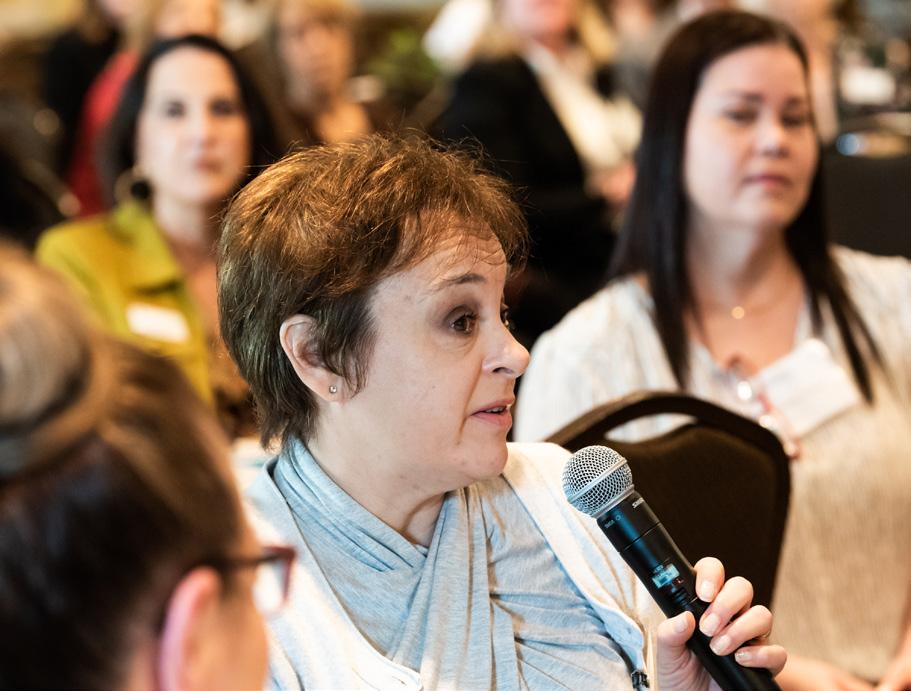
are empowering local nonprofits – big and small – to build skills and broaden their capacity to help make life better in Broward,” Nonprofit Center Director Cathy Brown said. “It’s so gratifying to see local philanthropists embrace this opportunity to ensure the Nonprofit Center’s impact never ends.”
FUNDING AND FINANCIAL STABILITY
Strategy 1
Strategy 2
Strategy 3
TRAINING AND CAPACITY BUILDING
Strategy 1
Strategy 2
Strategy 3
LEADERSHIP AND SUCCESSION PLANNING
Strategy 1
Strategy 2
Strategy 3
TECHNOLOGY AND AI ADOPTION
Strategy 1
Strategy 2 Strategy 3
COLLABORATION AND COLLECTIVE ACTION
Strategy 1
Strategy 2
Strategy 3
BUILDING COMMUNITY TRUST
Strategy 1
Helping nonprofits succeed has always been central to the Community Foundation’s mission. To build on the early success of the Nonprofit Center, we plan to expand the reach and impact of its resources.
A new CEO/Executive Director certification program, collaborations to help nonprofits attract diverse and engaged board members, and expanded in-person and online training
sessions are among the future plans to champion the success of Broward’s nonprofits.
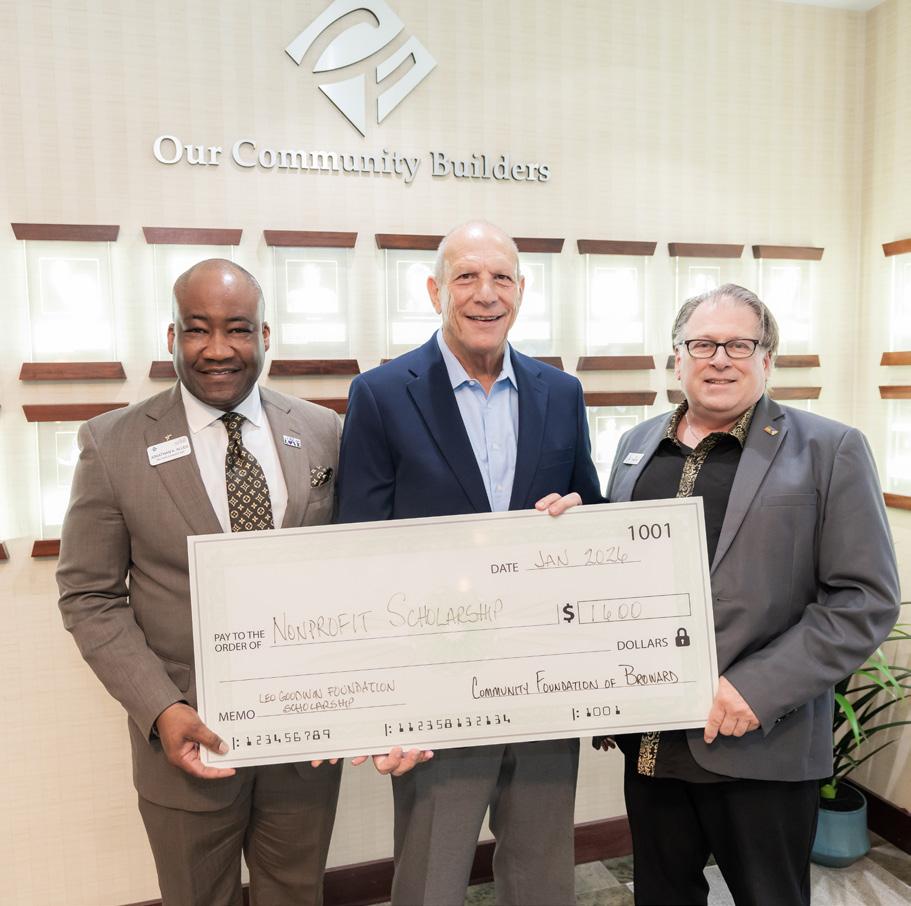
It’s all made possible by the support of dedicated philanthropists who recognize the value of bolstering the work of nonprofits providing critical community services that touch lives across Broward County.
Audra Berg, Jewish Federation of Broward
Loreen Chant, Health Foundation
Amanda Covach, Broward County Cultural Division
Randy Cross, Nova Southeastern University
Geula Ferguson, Florida Philanthropic Network
Judith Fletcher, Frederick A DeLuca Foundation
Kimberly Adams Goulbourne, Children’s Services Council
Maria Hernandez, United Way of Broward County
David Jobin, Our Fund Foundation
Ken Kappner, Community Foundation of Broward Board of Directors
Lois Marino, BBX Capital
Katy Meagher, Neighbors4Neighbors
Shedly Casseus Parnther, Scholarship Plug
Sabeen Perwaiz, Florida Nonprofit Alliance
Tom Ruthardt, Broward Partnership
Sandra Veszi Einhorn, Nonprofit Executive Alliance
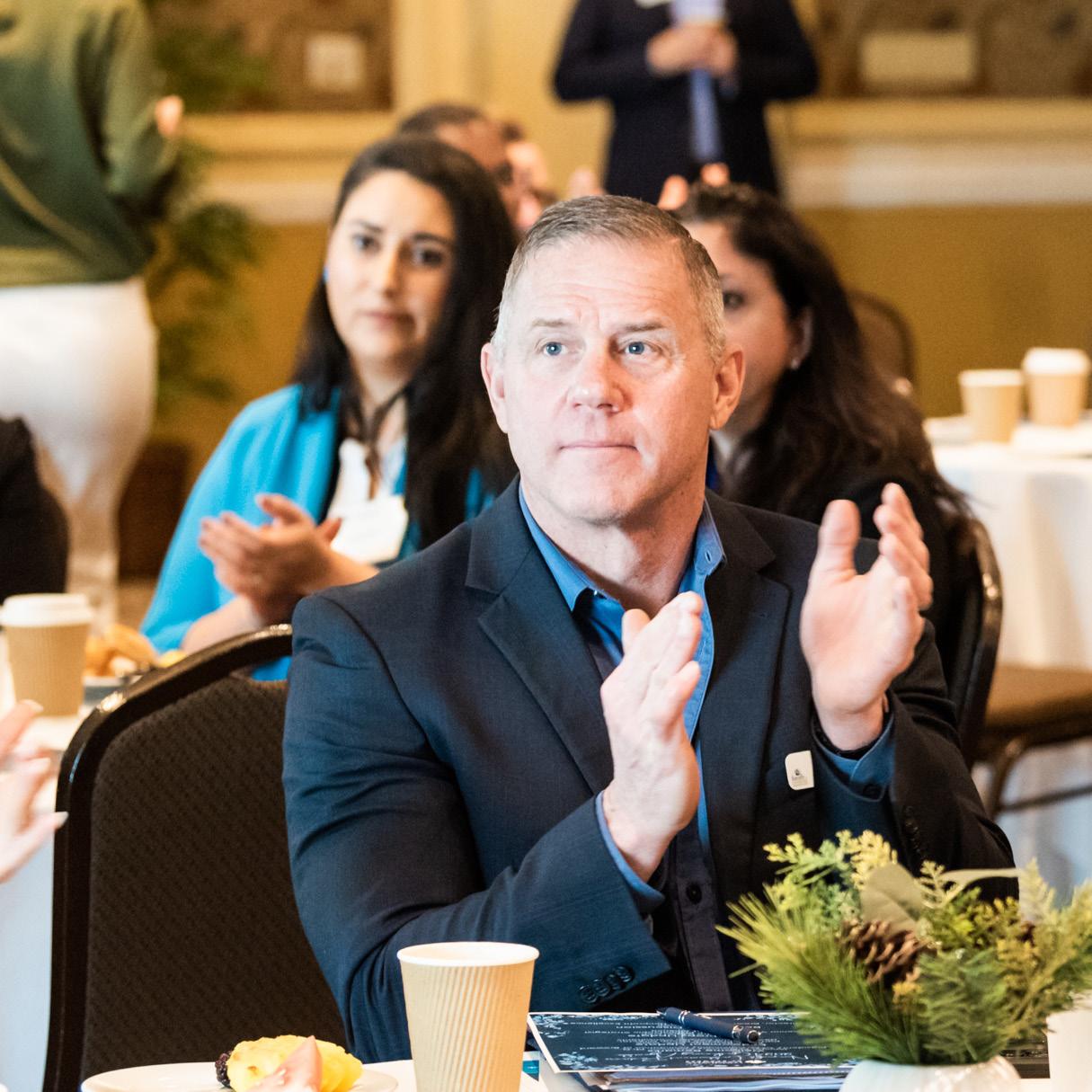
LEAD CONTRIBUTOR - $5,000,000+ Gifts
Frederick A. DeLuca Foundation
LEADERSHIP BUILDER $1,000,000+ Gifts
Patricia and Don Collins Fund
ADVOCATE $250,000+ Gifts
Rose Miniaci Family Fund
Hudson Family Foundation
James C. Acheson Fund
PATRON - $100,000+ Gifts
UKG
Annette H. Beshar
Nancy Bryant and Jerry Taylor
BENEFACTOR - $25,000+ Gifts
Mona Pittenger
Mabel Kathleen Ladin
Sally and Frank Atlass
FRIEND - Gifts up to $25,000
Paul Corban and Maria Menendez
Comcast Community Affairs
Indiana University Lilly Family School
James I. Coddington Fund
Oakpoint Charitable Foundation
Gary C. Wendt
Judith Linnell Foundation Fund
Leo Goodwin Foundation
NextEra Energy Foundation/FPL
JM Family Enterprises
Nancy and Bill Thies
John Gordon Bull Fund
Catherine Muth of Philanthropy
Barr Foundation
Ana and Luis Mola
The Peck Foundation
Cathy and Brian Brown
Tom and Jean Giordano
Dale and Mark Kotler
Planned Giving Council
Michael Kelly and Scott Colton
Camber Collective
Bank of America Foundation
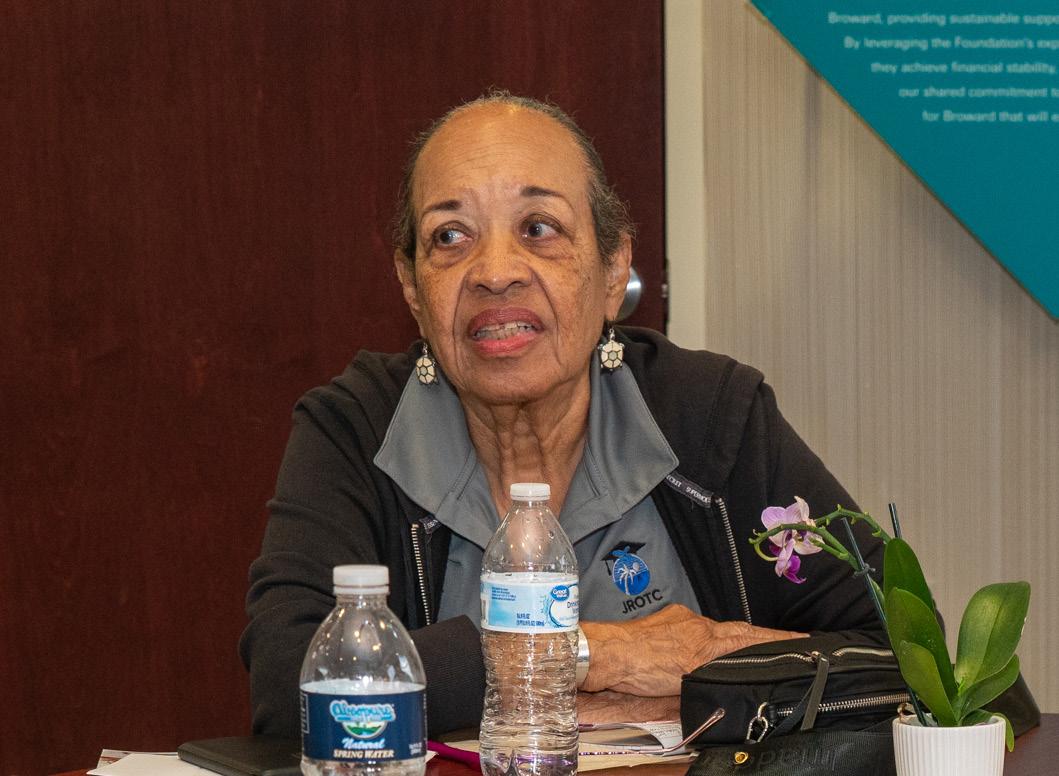
1. Be a CHAMPION of the Nonprofit Center
• Share resources with your network
• Invite your favorite nonprofits to participate in our programs
2. Keep us informed on trends and issues.
• Share feedback, ideas, suggestions with us at NonprofitCenter@cfbroward.org
3. Sign up for our newsletter to stay informed
• Follow Community Foundation of Broward on Facebook, Instagram and LinkedIn, and reshare posts with your network
4. Support the Nonprofit Center. Sponsor a program, provide scholarships to nonprofits, invest in the Nonprofit Center’s mission, contact Community Foundation Vice President Kelly Marmol at kmarmol@cfbroward.org or 954-761-9503. Current fundholders can reach out to your fund manager.
• You can also scan the QR code to donate online to the Broward Center for Nonprofit Excellence Operating Fund.
Your support can help sustain and expand the Nonprofit Center’s work to empower local nonprofits to achieve their important missions.

910 East Las Olas Boulevard, Suite 200 | Fort Lauderdale, Florida 33301 954-761-9503 | cfbroward.org