Advancing global health.
For over 80 years, we have advanced global health –generating evidence, strengthening capacity, and creating solutions that reach millions.
From malaria and tuberculosis to cancer and climate-driven health risks, we tackle the challenges that define our time.
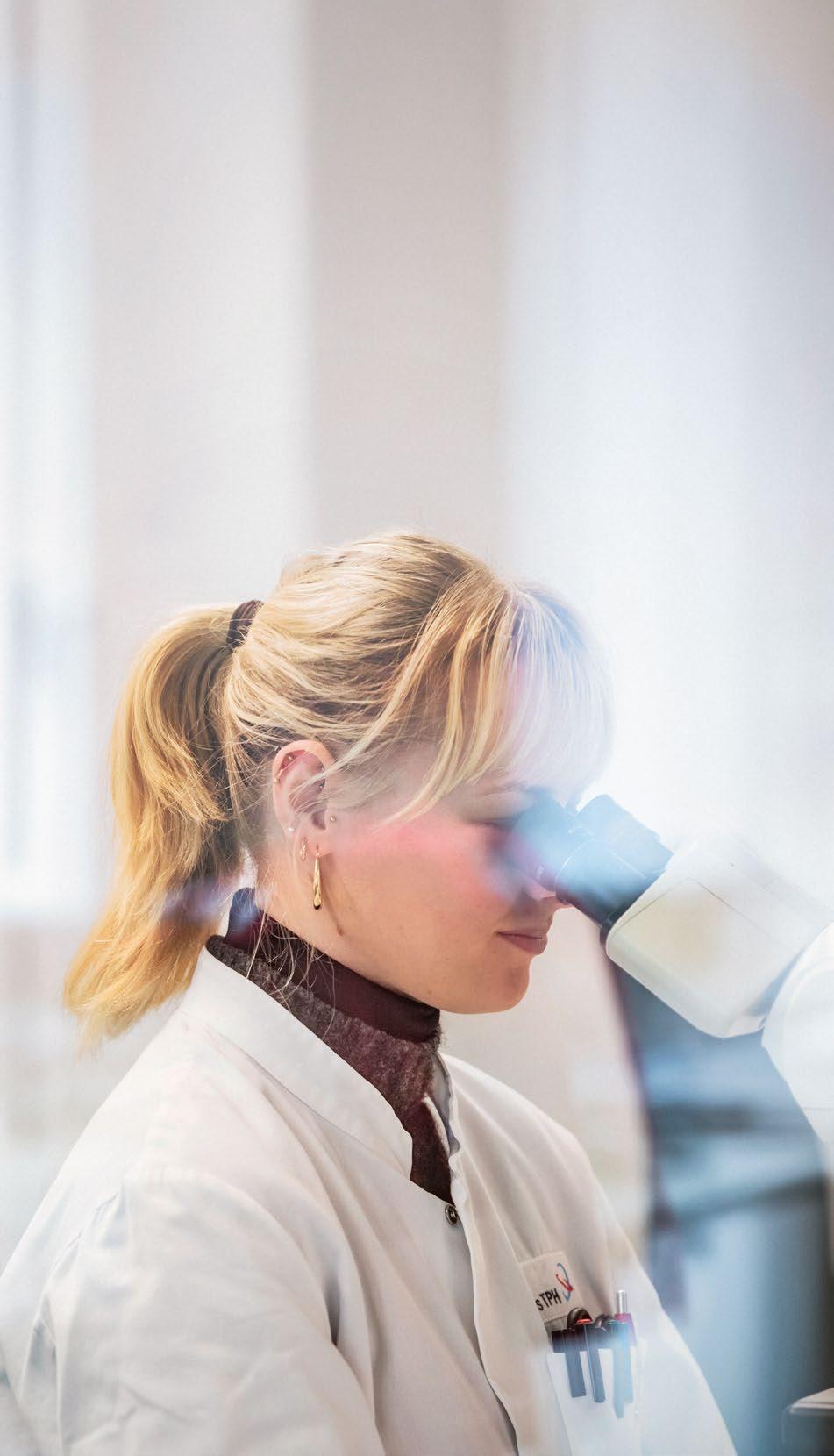
At Swiss TPH, 950 people from 90 nations drive research, education and impact, working together for a healthier world.
What sets us apart is how we work – from discovery to action. Our work moves in partnership across disciplines, sectors and borders.
Discovery
We develop new diagnostics, drugs and vaccines, advancing our understanding of how diseases emerge, spread, and can be stopped.
Evidence
We generate scientific evidence through controlled studies in real-world settings, proving what works and why.
Action
We work alongside policymakers, practitioners and communities to ensure our findings shape decisions and innovations reach the people who need them.
Research, education and impact are deeply intertwined. Together, they drive how we improve people’s health in Switzerland and worldwide.
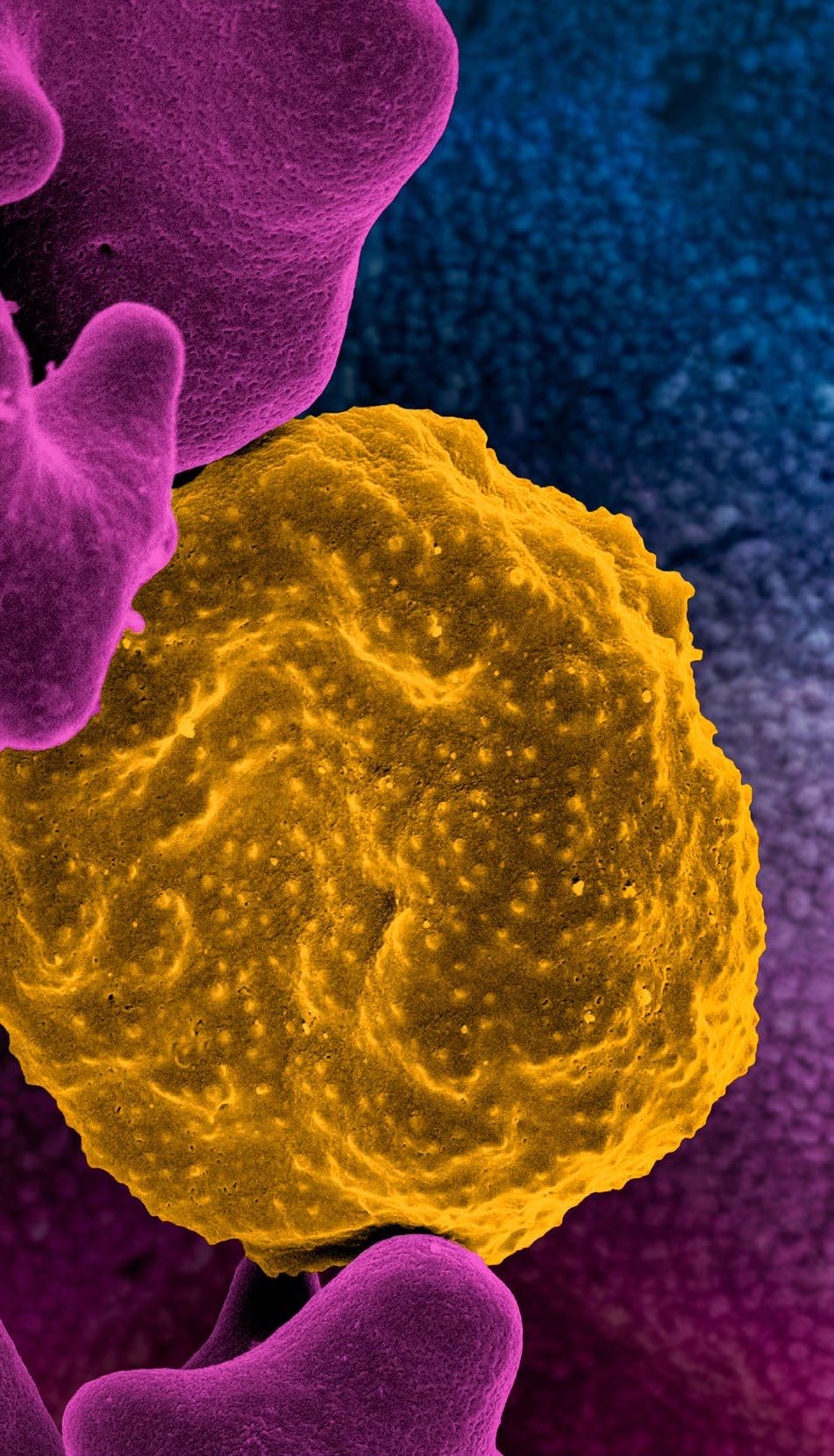
year, most of them children.
a red blood cell.
Malaria claims over half a million lives every
Coloured micrograph of Plasmodium parasites infecting
Research
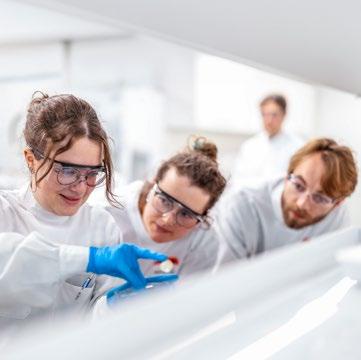
From unravelling disease mechanisms to strengthening health systems, we investigate infectious and noncommunicable diseases across every scale – from pathogens to populations – bringing together expertise in basic science, epidemiology and implementation science to translate discoveries into action.
Drug and vaccine innovation
From compound identification in our laboratories to clinical trials in low-resource settings, we advance the science behind new treatments for malaria, tuberculosis and neglected tropical diseases.
High-risk pathogen research
We operate a BSL-3 laboratory studying tuberculosis, Chagas disease and Buruli ulcer, tackling drug resistance and host-pathogen interactions to accelerate the development of diagnostics, vaccines and treatments.
Climate and environmental health
Our long-term cohort studies span air pollution, pesticide exposure and traffic noise, and examine how climate change is affecting health. They reveal how environmental exposures drive disease, generating evidence that shapes public health policy.
New treatment for young children
As part of a public-private partnership, we contributed to the successful development of a new treatment against schistosomiasis in young children, expanding access for the most vulnerable.
Education
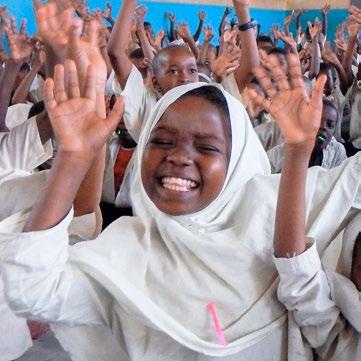
We train the next generation of global health leaders through degree programmes, professional training and capacity strengthening. Students and professionals tackle real challenges alongside experts redefining the field. They leave equipped to lead – and many already do.
Learning in practice
Across our BSc, MSc, PhD and postgraduate programmes, students apply knowledge to complex health challenges, leaving equipped with both expertise and experience.
Capacity strengthening
From Ukraine to Tanzania, we strengthen research and medical education capacity within partner institutions so that expertise is embedded locally and continues long after our collaboration ends.
Interdisciplinary perspective
Our programmes span from epidemiology and infection biology to international health and management. Students from over 80 nations bring together diverse expertise, creating a culture of mutual learning.
Leadership impact
Graduates go on to lead national health ministries, WHO programmes and international organisations –influencing the decisions that shape health systems worldwide.
Impact
Impact is our measure. Malaria treatments reach newborns. Evidence shapes national guidelines. Emerging health risks are detected earlier. Our discoveries, innovations and insights translate into action, improving health where it counts.
WHO Collaborating Centres
Swiss TPH hosts three WHO Collaborating Centres that generate evidence for international policy and guidelines – shaping how diseases are monitored, controlled and prevented worldwide.
Surveillance and disease modelling
Our surveillance and pathogen monitoring platforms enable early detection of emerging threats, including Asian tiger mosquitoes spreading across Europe. With disease modelling, we help countries anticipate outbreak patterns and respond faster.
Digital systems for health
We develop and strengthen digital systems, from clinical decision support tools guiding frontline health workers, to health management information systems that strengthen care, coverage and policy decisions.
Switzerland’s hub for tropical and travel health
Our Centre for Tropical and Travel Medicine provides 16,000 consultations annually and acts as Switzerland’s National Reference Centre for Malaria, together with our Diagnostic Centre.
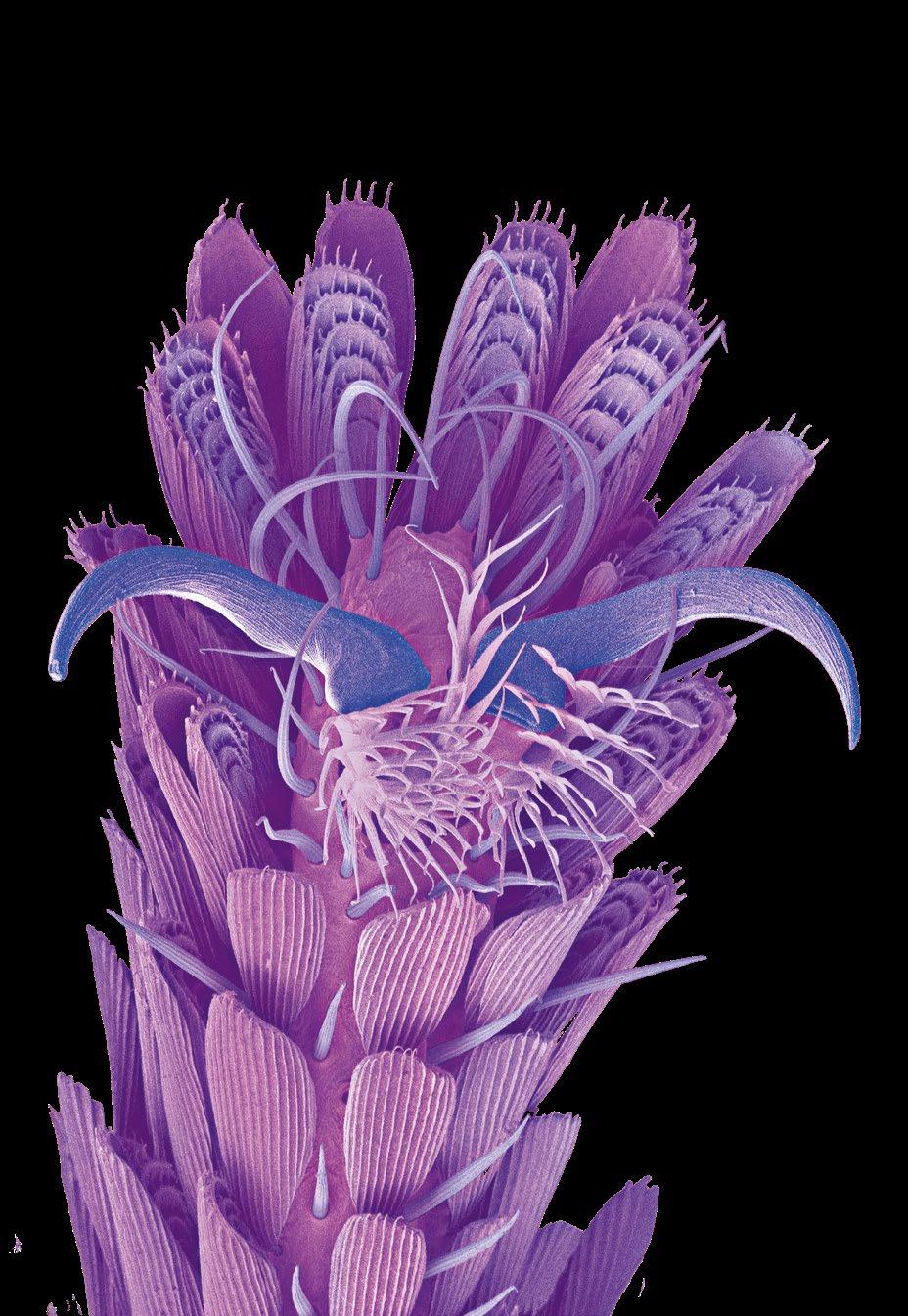
The deadliest animal in the world: the mosquito. Coloured micrograph of a mosquito foot.

Together with our partners, we work on over 400 projects in around 120 countries.
950 staff and students at Swiss TPH
90 nations represented at Swiss TPH
500 peer-reviewed publications per year
Swiss TPH offices worldwide
Europe
Switzerland (headquarters)
Albania
Kosovo
Moldova
Ukraine
Swiss TPH offices
Long-term partnerships
Africa
Benin
Burkina Faso
Burundi
Cameroon
Chad
Democratic
Republic of the Congo
Côte d’Ivoire
Guinea
Liberia
Mali
Niger
Rwanda
Senegal
Tanzania
The Gambia
Swiss TPH has long-term partnerships with research institutes in Chad, Côte d’Ivoire, Laos, Papua New Guinea, Peru and Tanzania.
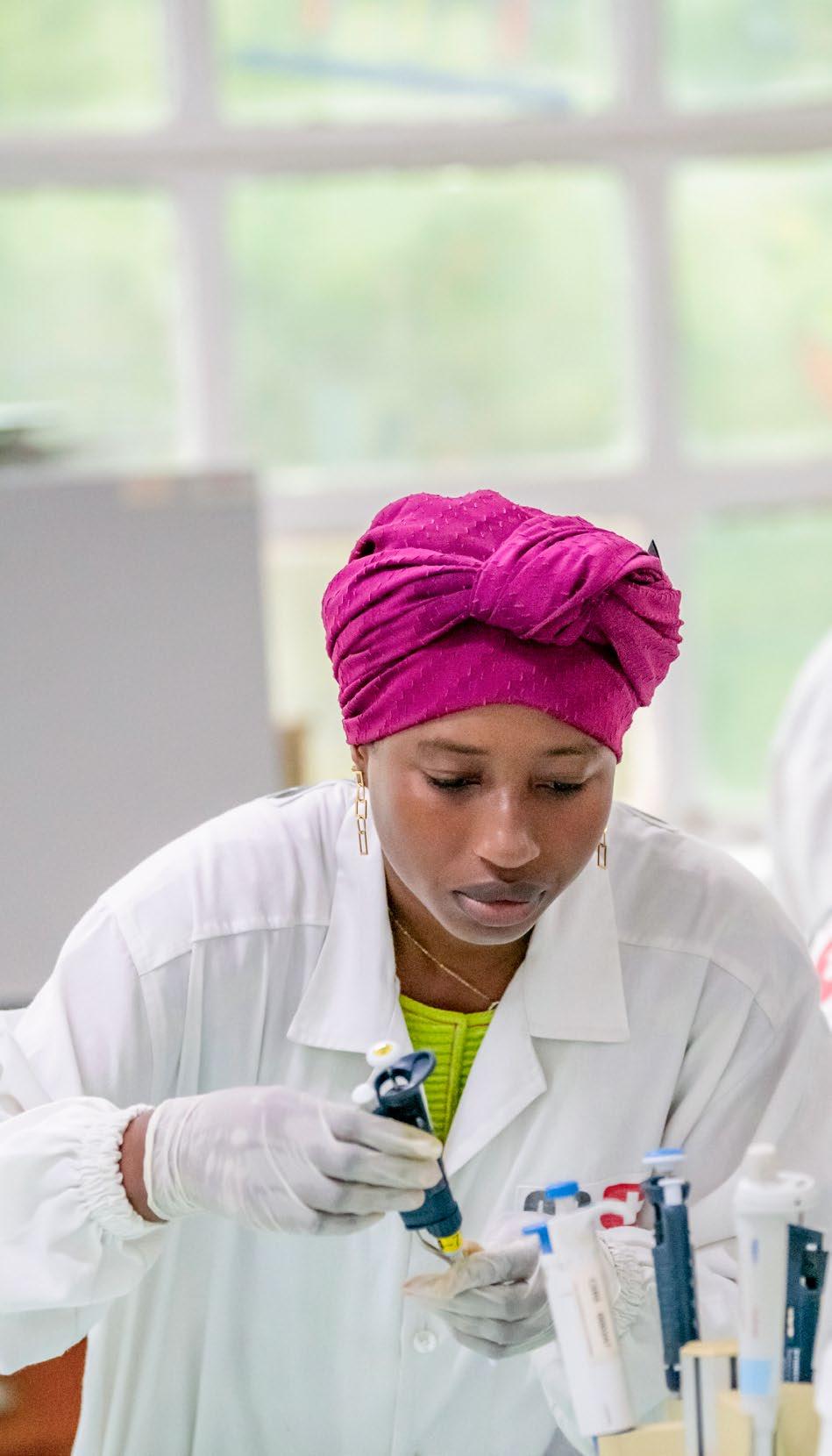
Partnership is at the heart of everything we do. We work alongside research institutes, governments, the private sector and communities – relationships built on trust and sustained over decades.
Associated with the University of Basel and anchored in Switzerland’s education, research and innovation landscape, we take science to impact in Switzerland and worldwide.
Selected Partners & Funders
• European Commission
• European and Developing Countries Clinical Trials Partnership
• Foundations (e.g. Gates Foundation, Wellcome Trust)
• Gavi, the Vaccine Alliance
• Global Fund
• Pharmaceutical industry (e.g. Bayer, Merck, Novartis, Roche)
• Swiss Agency for Development and Cooperation
• Swiss National Science Foundation
• UN Agencies (e.g. UNICEF, Unitaid, WHO)
A total income of approximately CHF 100 million comes from competitively acquired funding from public and private funders, and core funding from the Cantons of Basel-Stadt and Basel-Landschaft, the Swiss Government (State Secretariat for Education, Research and Innovation), and the University of Basel.