Preliminary Findings Report - 2025 CAA Survey of Architecture Students & Graduates
2025 Survey of Architecture Students, Graduates & Early-Career Professionals in the Commonwealth
Preliminary Findings Report
Version II
Hugo Chan, Youth Representative
Acknowledgment of Country
We gratefully acknowledge the Traditional Owners and their custodianship of the lands on which this project originated, the country known as Australia, where Aboriginal people have lived and practiced their culture for many thousands of years.
We pay our respects to their Ancestors and their descendants, who continue cultural and spiritual connections to Country. We recognise their valuable contributions to Australian and global society.
A Message of Thanks
I am personally grateful to the CAA Council and Committees for their support of this pioneering project. I also want to particularly acknowledge all the students, graduates and early-career architects who contributed their time and effort in submitting to this survey. Your contribution and your reflections will be invaluable in helping to shape the future of architectural education and practice across the Commonwealth.
Thank you for your support.
- Hugo Chan, CAA Youth Representative (2024-2026) Sydney, Australia
A. Survey context and research design
Principal Research Objective
Survey Structure & Key Focus Areas
Research Integrity & Design
Survey Dissemination & Distribution
B. Interim Summary of Findings
Part I: Demographic Profile
Part II: Organisation Visibility & Social Media
Part III: Perceptions of the Architectural Profession
Part IV: Experiences of Architectural Education
Part V: Experiences of Continuing Development Programmes
Part VI: Perceptions of Education & Professional Support
Part VII: Understanding of the United Nations Sustainable Development Goals
C. Preliminary Response to Findings & Action Items
Short Term Outcomes (Current CAA Term)
Medium Term Outcomes (CAA 2026 - 2028 Term)
Long Term Outcomes (Beyond 2028)
Survey Context & Research Design
Principal Research Objective:
Facilitating real and lasting intergenerational change through an evidence-based approach to advancing policy, education and practice standards for students, graduates and early-career architects across the Commonwealth.
Survey Structure & Key Focus Areas
The principal project objective comprises five secondary research aims which informed the data collection and survey scope:
1. Obtain data to facilitate alignment of youth-oriented policies with the CAA’s stated 2024-2030 strategy focusing on advocacy, capacity building and climate action.
2. Understand the key concerns, key perceptions and key aspirations of architecture students and early-career architects.
3. Identify existing knowledge gaps particularly in relation to climate resilience, circular economy and the Sustainable Development Goals to enhance the CAA CPD program for architecture students and early-career professionals.
4. Contribute to the CAA data platform at a Commonwealth, Regional and National level by providing in-depth information on the perceptions of architecture, education and training by 18–35-year-olds to assist in policy making at a regional and individual nation level.
5. Identify opportunities for CAA social media enhancement and outreach by understanding key platforms being used by Commonwealth youth.
Survey Structure & Key Focus Areas
The survey was targeted at architecture students, graduates and early-career professionals generally within the age group of 18 - 35. A total of 65 questions formed the survey, divided into 8 key areas for analysis:
• Demographics
• Social Media Usage & Organisation Visibility
• Perceived Value of Architecture
• Experiences of Architectural Education
• Experiences of Continuing Professional Development Programmes
• Perceptions of Profession Support
• Understanding of the United Nations Sustainable Development Goals
Research Integrity & Design
In order to ensure the integrity and effectiveness of the survey, the following measures were undertaken as part of the research design prior to the project’s public dissemination.
• Literature review undertaken with reference to surveys conducted by other organisations including the International Union of Architects (UIA) and the Architect’s Council of Europe (ACE), analysing the opportunities and limitations of previous surveys done.
• Literature review undertaken by other professional fields to seek comparable survey information including the medical and legal professions. Graduate outcomes surveys, profession surveys and other similar research was reviewed as part of this process.
• Internal review by CAA Council, with request for amendments, suggestions to wording and other key changes.
• A ‘beta-test’ involving an invited cohort of 20 individuals comprising a mini-cross-section of the proposed target audience.
• Feedback from the ‘beta-test’ was integrated into an updated digital survey prior to public dissemination.
Research Integrity & Design
The design structure of the survey as well as the integrity of data collection was considered as part of the development of this project.
• In preparing this survey proposal and as part of the proposed structure, the following
• standard academic references have been used to guide the methodology, research design and questions for the survey, namely: Fink, Arlene. The Survey Handbook , London, United Kingdom: 2003, SAGE Publications.; Fink, Arlene. How to Design Survey Studies, London, United Kingdom: 2003, SAGE
• Publications.; and Fink, Arlene. How to Ask Survey Questions, London, United Kingdom: 2003, SAGE Publications.
• The research for this study has been conducted in accordance with ethical guidelines set forth by the United Kingdom Data Service regarding research data management, as well as the Good Research Practice Governance Policy outlined by the United Kingdom Research Institute. The research questions and data privacy policies for this survey have been developed in line with the Market Research Society’s Code of Conduct (2023 Edition).
Research Integrity & Design
In addition to the literature review, internal review and beta-testing of the survey, the analysis of data, results and publication of this report were informed by the process outlined here.
• All collected data has been de-identified and no personal identification data such as emails, names or phone numbers were collected as part of this survey.
• All surveys were completed on a voluntary basis and respondents were asked to provide express consent prior to commencing this survey. A full disclaimer statement was supplied and will be published as part of the final report.
• GenerativeAI (Claude Sonnet 4.5) has been used in some qualitative analysis to aid in summary and editorial work in this report.
• It is acknowledged that this section is not a full research design and integrity statement. More comprehensive research design information, including the survey questions, data collection and dissemination strategies will be published in the full report.
Survey Dissemination
& Distribution
• Through CAA Council and various media organisations, the survey was disseminated for the period between February 2025July 2025.
• Publication through CAA website, associated social media and newsletter.
• Distribution via CAA Council members to various institutes.
• Distribution directly to Institutes of Architecture via email.
• Dissemination via Commonwealth and Architectural media publications including but not limited to Your Commonwealth, ArchDaily, InDeisgn Live etc...
Interim Summary of Findings
Part I: Demographic Profile
Demographics - Voluntary Consent to Participate
Participation in the survey was voluntary and only individuals who expressly consented were able to proceed to the detailed survey questions.
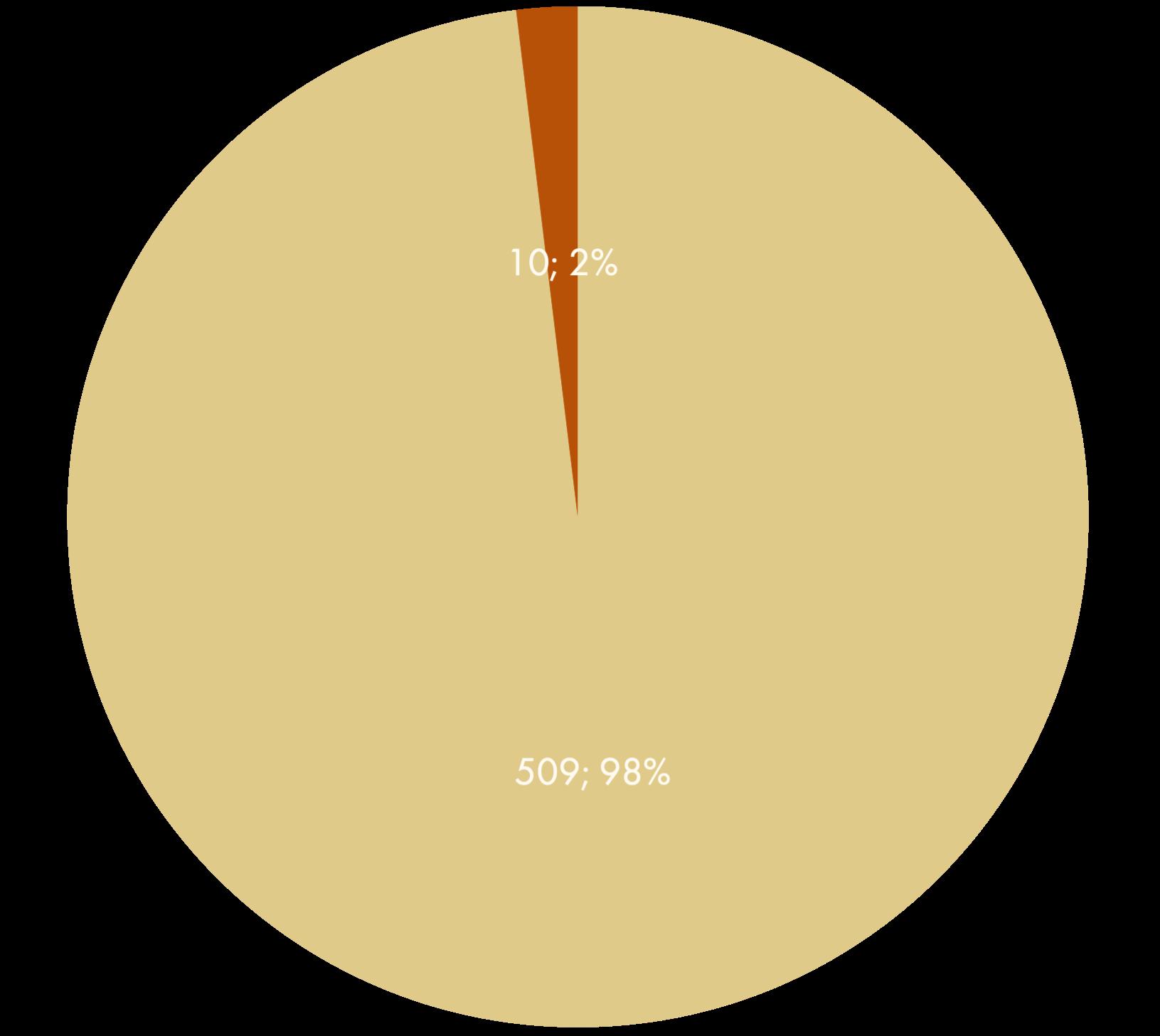
1.01 - Acceptance to Voluntarily Participate in Survey - 98% (509 Responses) stating ‘Yes’ and 2% (10 Responses) stating ‘No.’
Fig.
Demographics - Regional Distribution
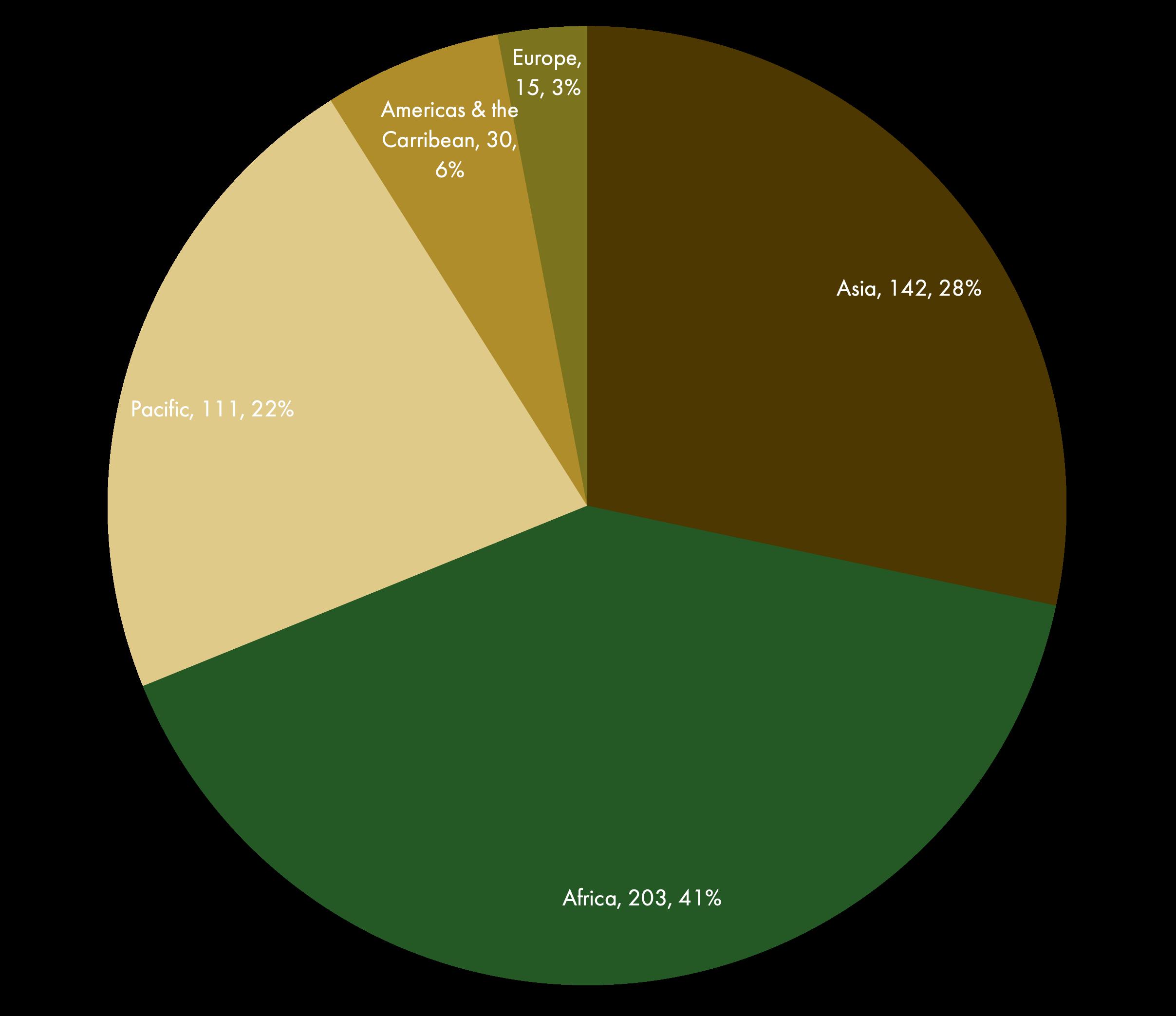
Participation in the survey was principally from the African Region (41%), followed by the Asia Region (28%) and the Pacific Region (22%). These made up the overwhelming majority of responses for this survey.
Fig. 1.02 - Participants (n=501) based on Commonwealth Region (Self-Identification) - Responses outside the Commonwealth (n=9) were excluded.
Demographics - National Distribution
At least one valid response to the survey was received from the following Commonwealth Countries (n=26), organised alphabetically by region and nation:
Africa (n=9)
• Botswana
• Cameroon
• Kenya
• Lesotho
• Nigeria
• Rwanda
• South Africa
• Uganda
• Zambia
Americas & the Caribbean (n=5)
• Barbados
• Canada
• Jamaica
• St Kitts & Nevis
• Trinidad & Tobago
Asia (n=6)
Europe (n=2)
Pacific (n=4)
• Bangladesh
• Hong Kong
• India
• Malaysia
• Pakistan
• Sri Lanka
• Malta
• United Kingdom
• Australia
• Fiji
• Kiribati
• New Zealand
Demographics - Age Distribution
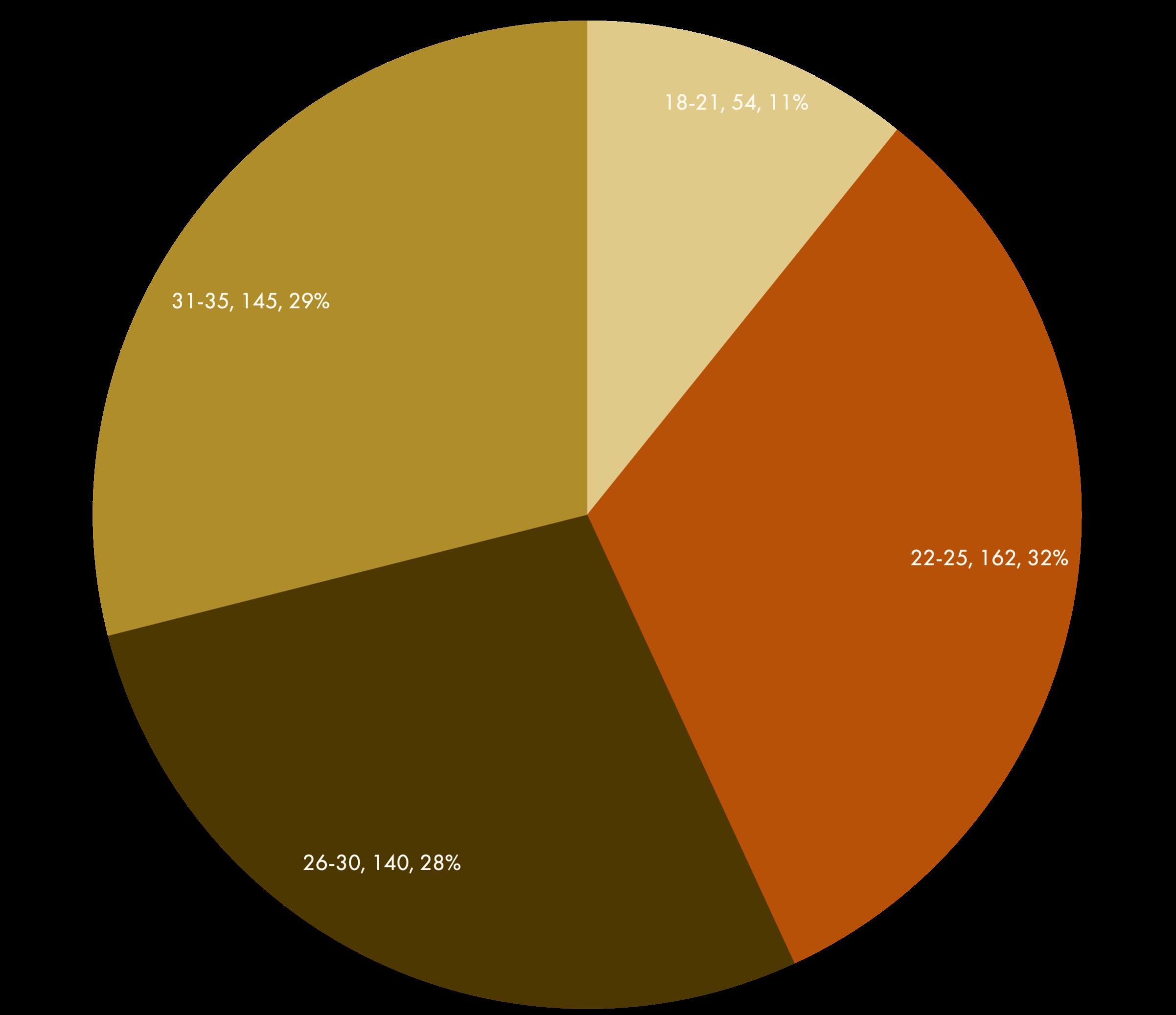
The age cohort of participants was broadly subdivided into four groups: 18-21, 22-25, 26-30, 31-35. This was based on groupings in education and career progression - first degree, second degree, graduate of architecture, and early-career registration.
Fig. 1.03 - Participant Age Cohort
Demographics - Gender Distribution
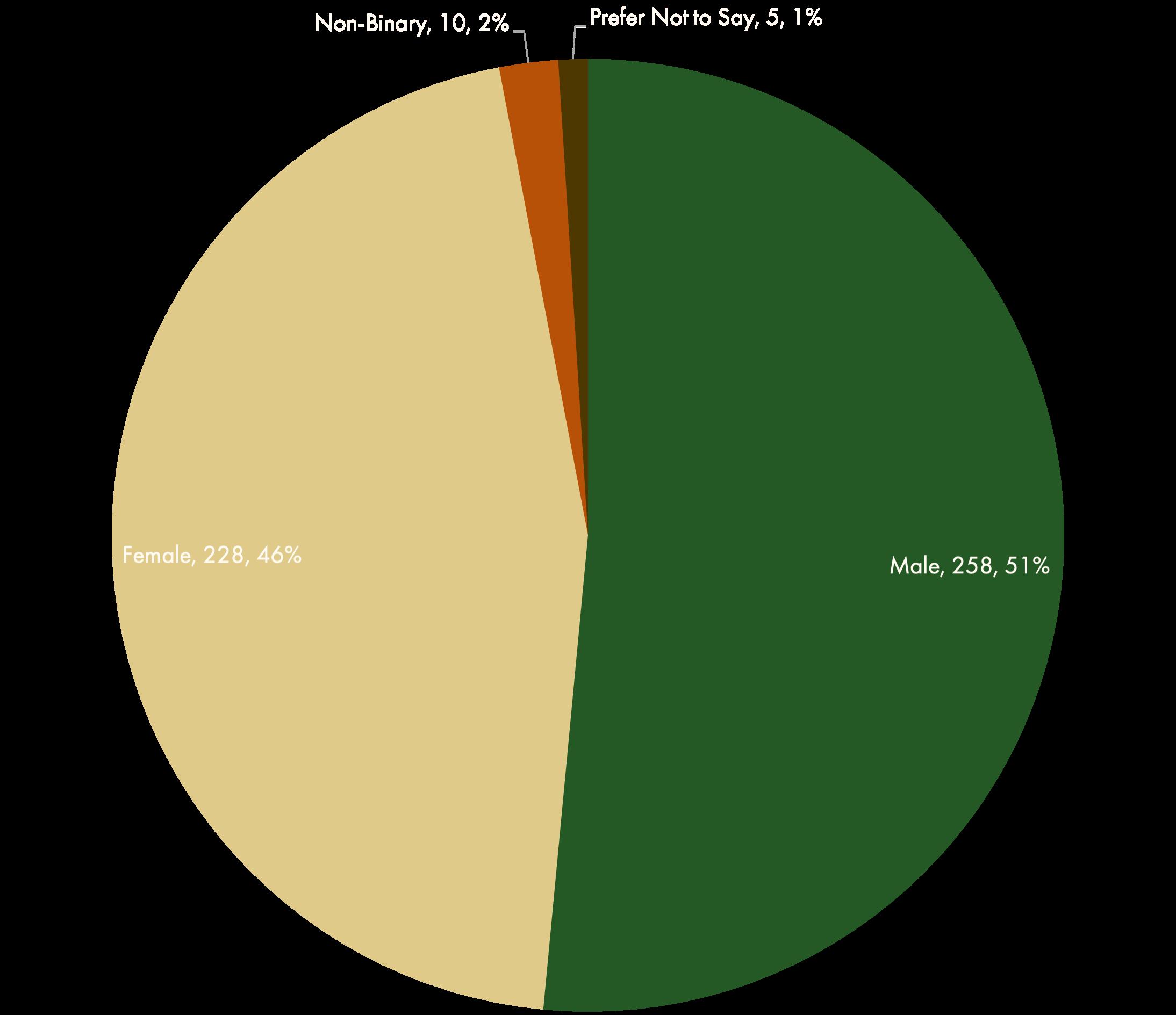
The gender identity of participants was broadly broken into male (51%), female (46%) and non-binary persons (2%), with the remaining 1% of participants preferring not to identify their gender for this survey.
Fig. 1.04 - Participant Gender Identity
Demographics - Education & Professional Qualifications
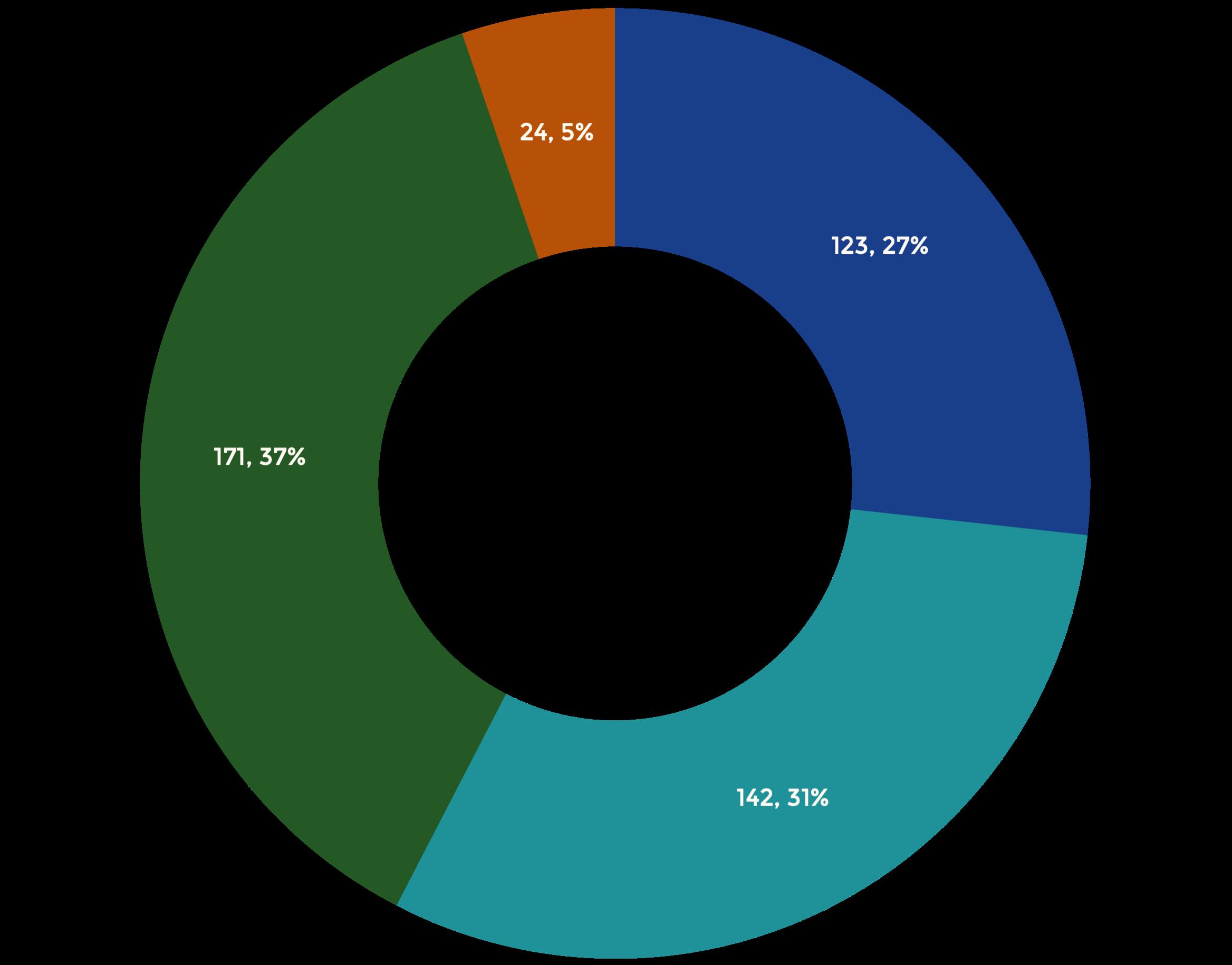
The demographic profile for survey respondents in terms of education and professional qualifications comprised registered architects (37%), followed be architectural practitioners (31%) alongside architecture students (27%). A small minority (5%) were hybrid practitioners and students.
Fig. 1.05 - Distribution of Education and Professional Qualifications of Survey Respondents (n=501)
Demographics - Education & Employment Status
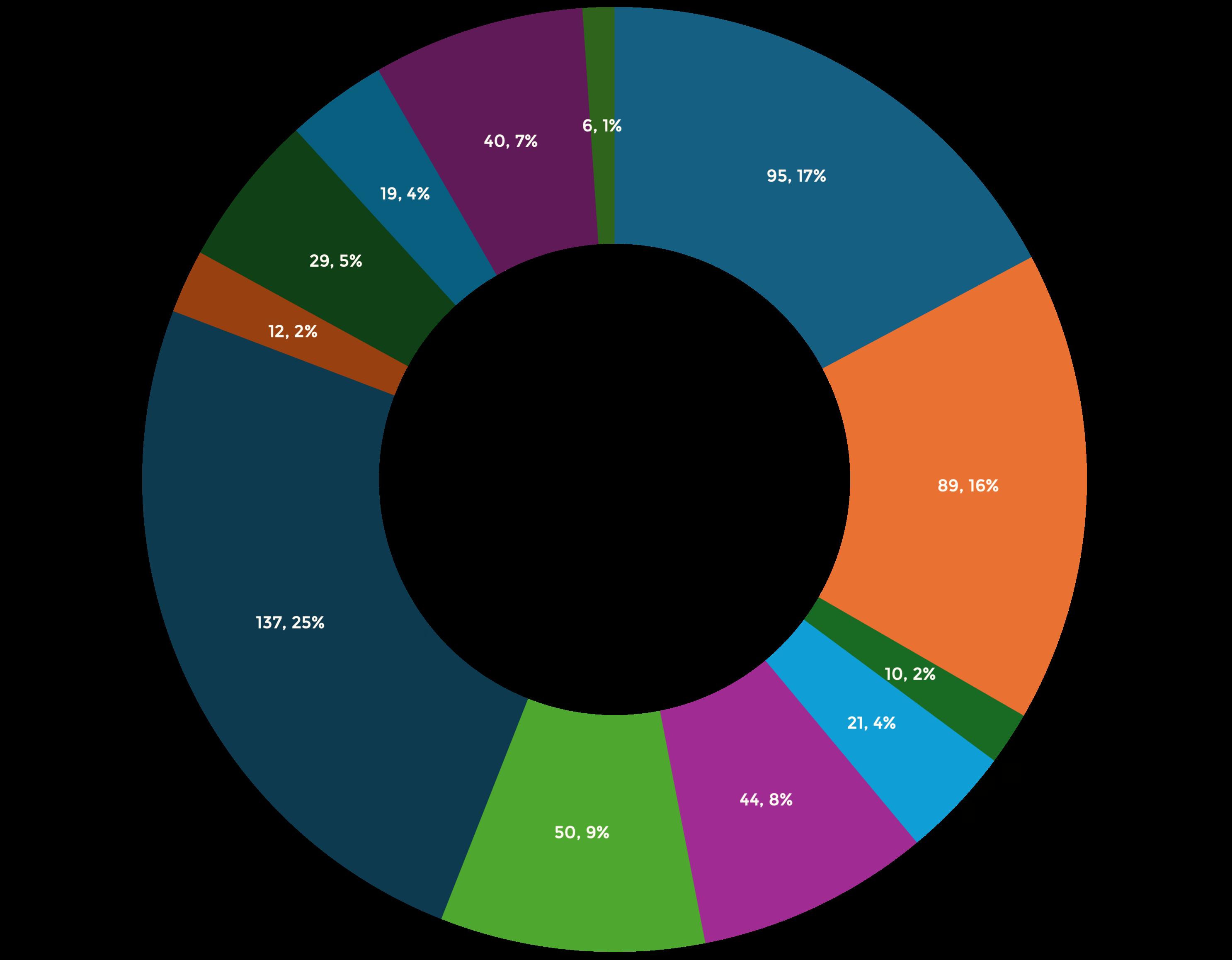
Breakdown of respondents by education and employment status, with the three largest cohorts being architecture students - full time (25%), full-time employed - registered architects (17%) and full-time employed - architectural practitioners (16%).
Fig. 1.06 - Distribution of Employment and/or Education Status of Survey Respondents (n=552)
Demographics - Employment Practice Size
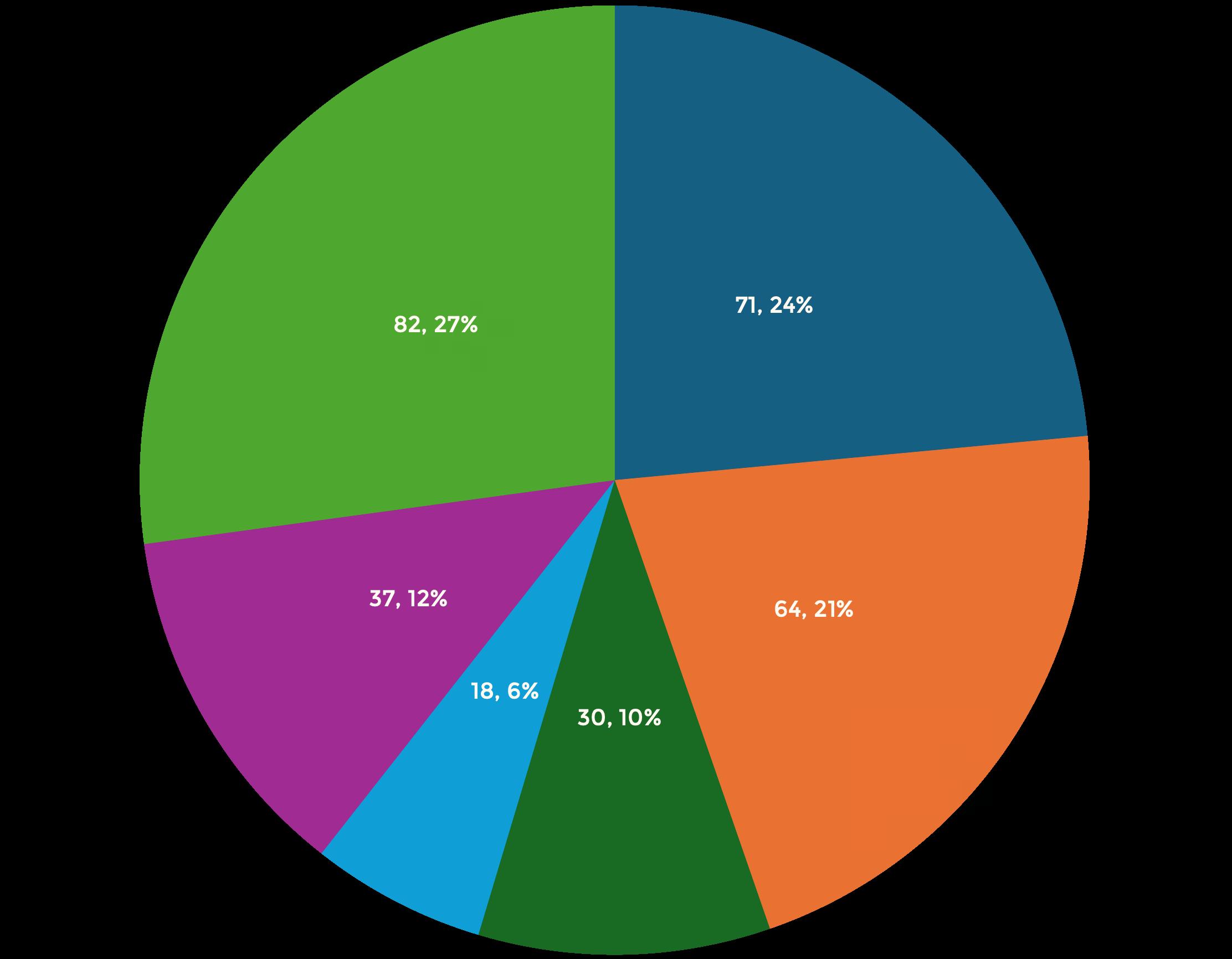
Breakdown of employment practice size and type, noting that the majority of respondents were either sole practitioners (27%) or worked in practices of 15 persons or fewer (45%).
Fig. 1.06 - Employer Size & Type (n=302)
Part II: Organisation Visibility & Social Media
Organisation Visibility
- Membership of Institute
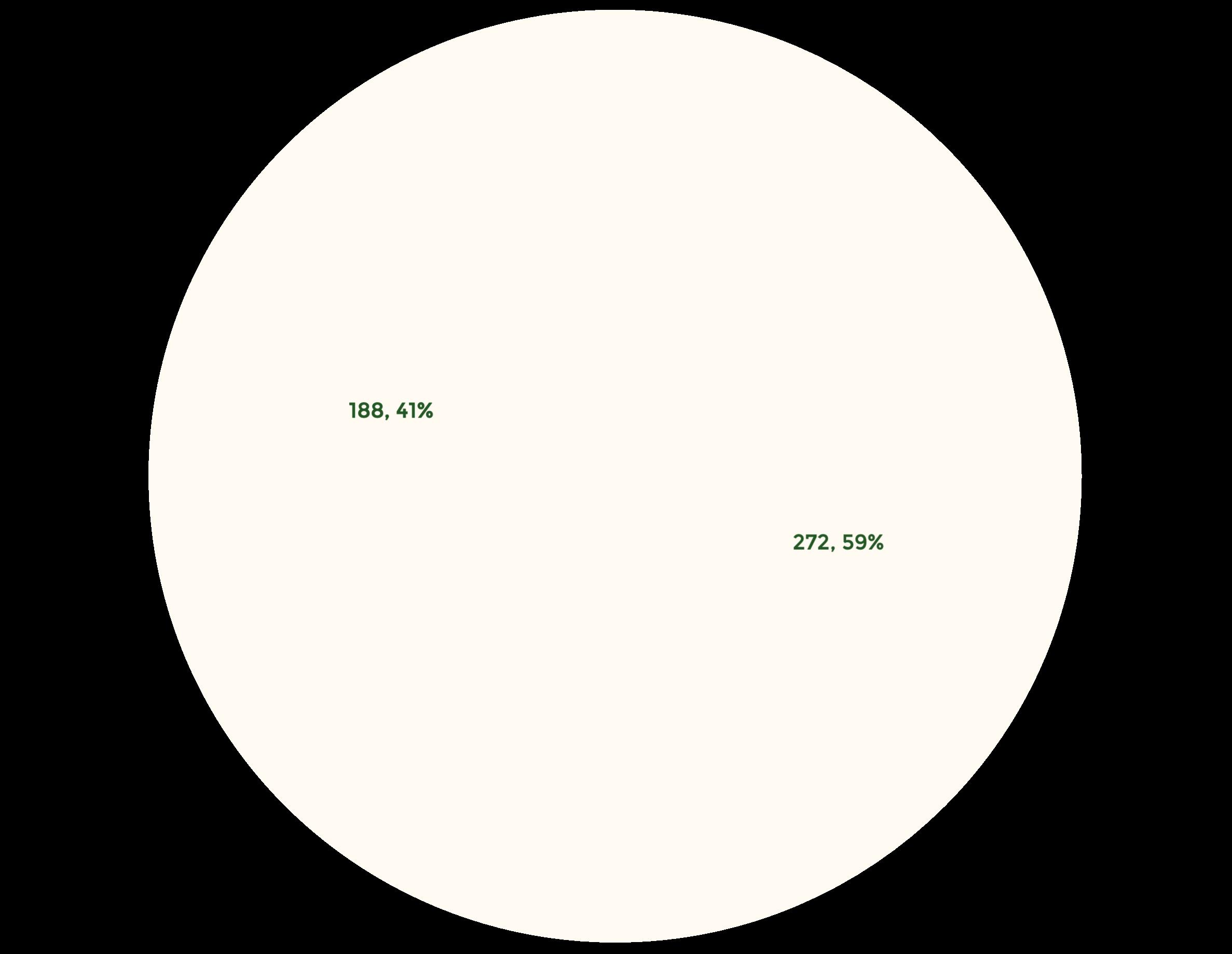
• Organisational visibility in terms of membership of respondents’ National Architectural Institute was high (59%) but it was noted that a substantial part of the surveyed community (41%) remained outside professional bodies.
Fig. 2.01
Organisational Visibility - Current Membership of a National Architectural Institute (n=460)
Organisation Visibility - Reasons for Not Joining an Institute
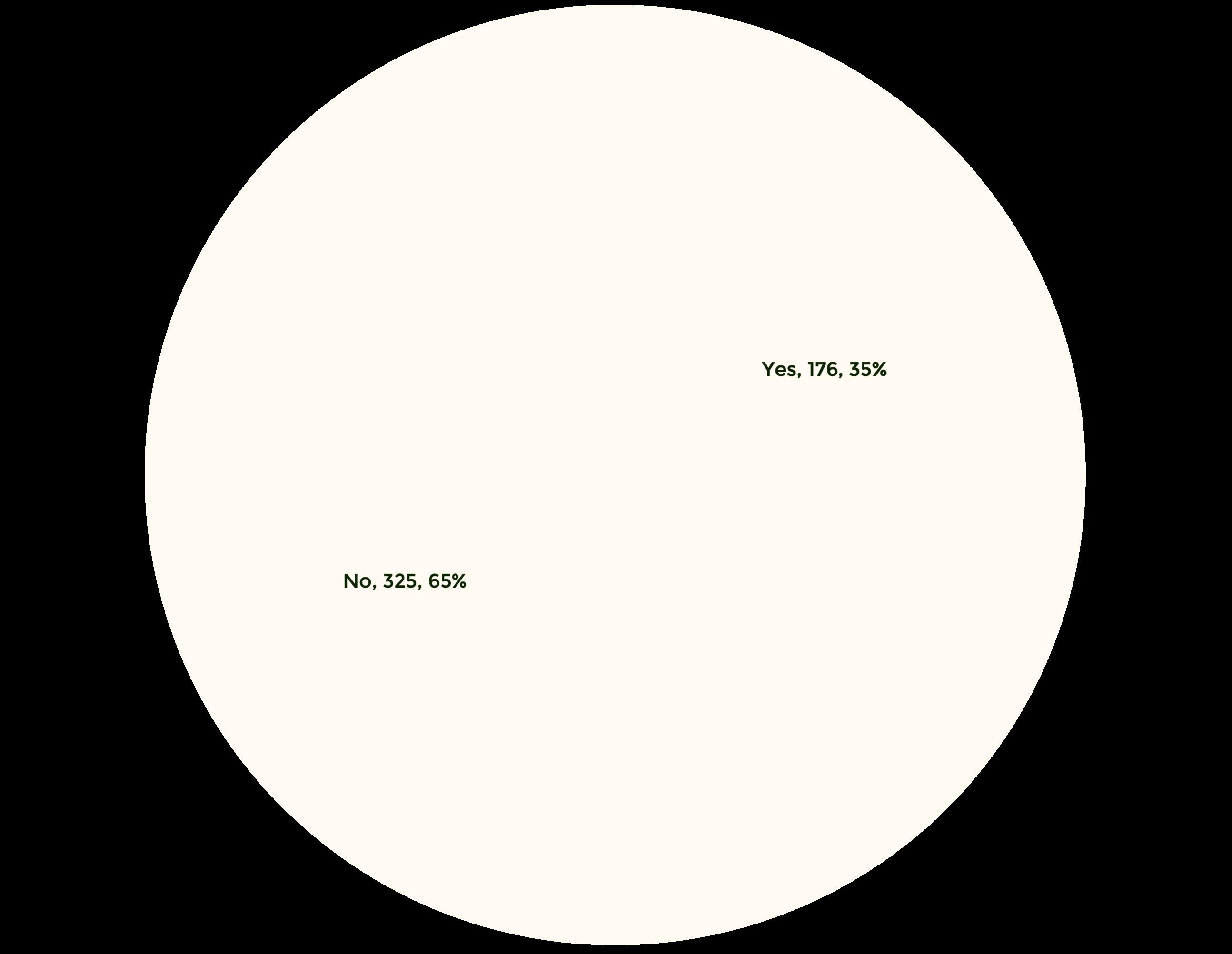
A further qualitative response was requested from participants who responded ‘no’ to being a member of a National Institute of Architecture. A total of 176 written responses were received, with key findings being grouped broadly into six themes.
35-40%
Student status
- no student status or considered a post-graduation pursuit only. Financial barriers to membership. Fees are high for early-career professionals.
Qualification requirements to membership. Some institutes are postgraduate only. 20-25% 15%
8-10%
Lack of clarity in regions around qualification recognition. Lack of Quality Assurance in Education.
Bureaucracy of seeking registration and accreditation. Benefits of membership are unclear. Limitations of regional -v- metro participation. 10% 8-10%
- The CAA
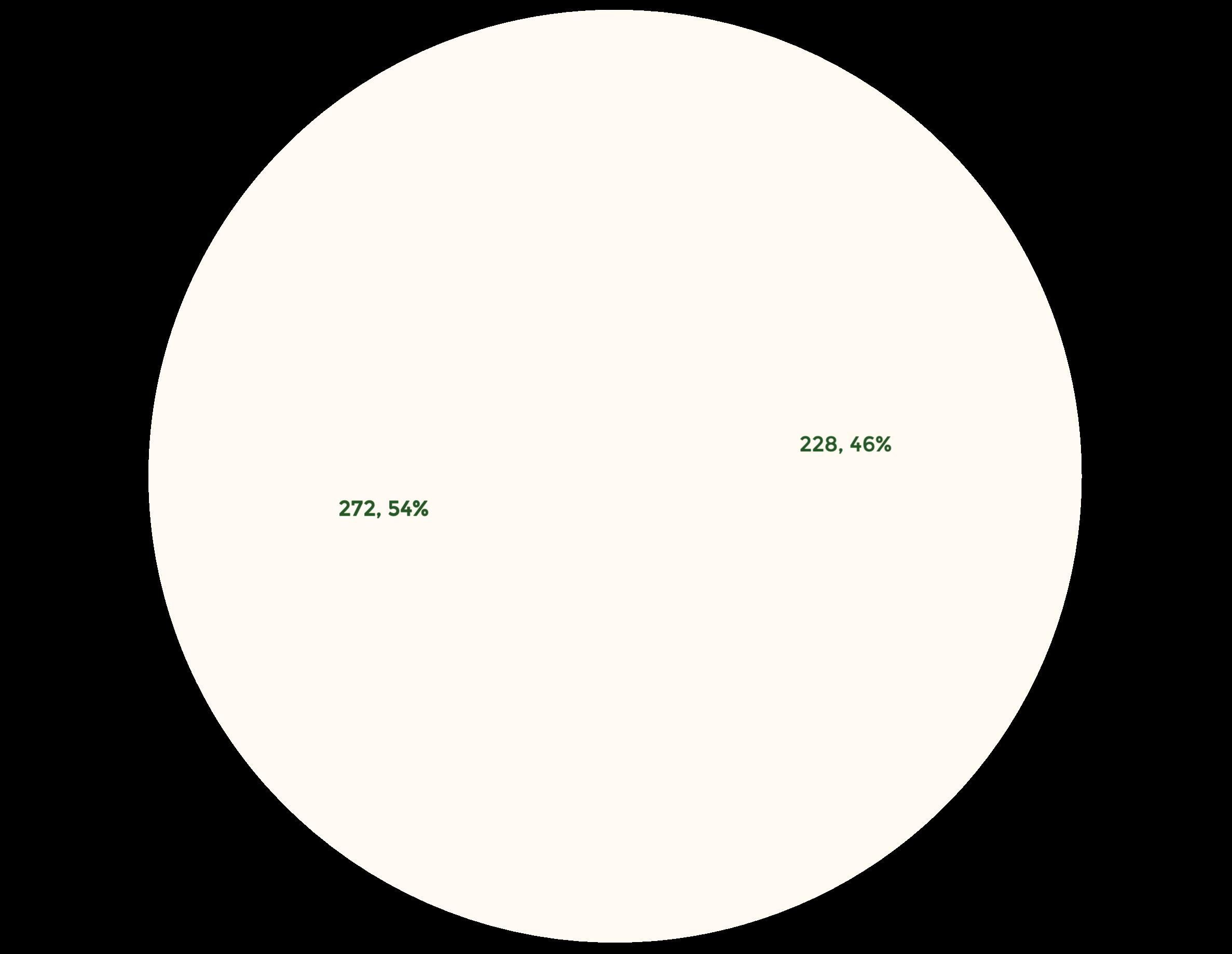
• The Commonwealth Association of Architects remains an arguably ‘invisible’ organisation to the wider architectural community, with over half (54%) of respondents stating that until they received the survey, they had never heard of the CAA before.
Fig. 2.02 - Organisational Visibility - Awarness of the CAA prior
Organisation Visibility
- The CAA
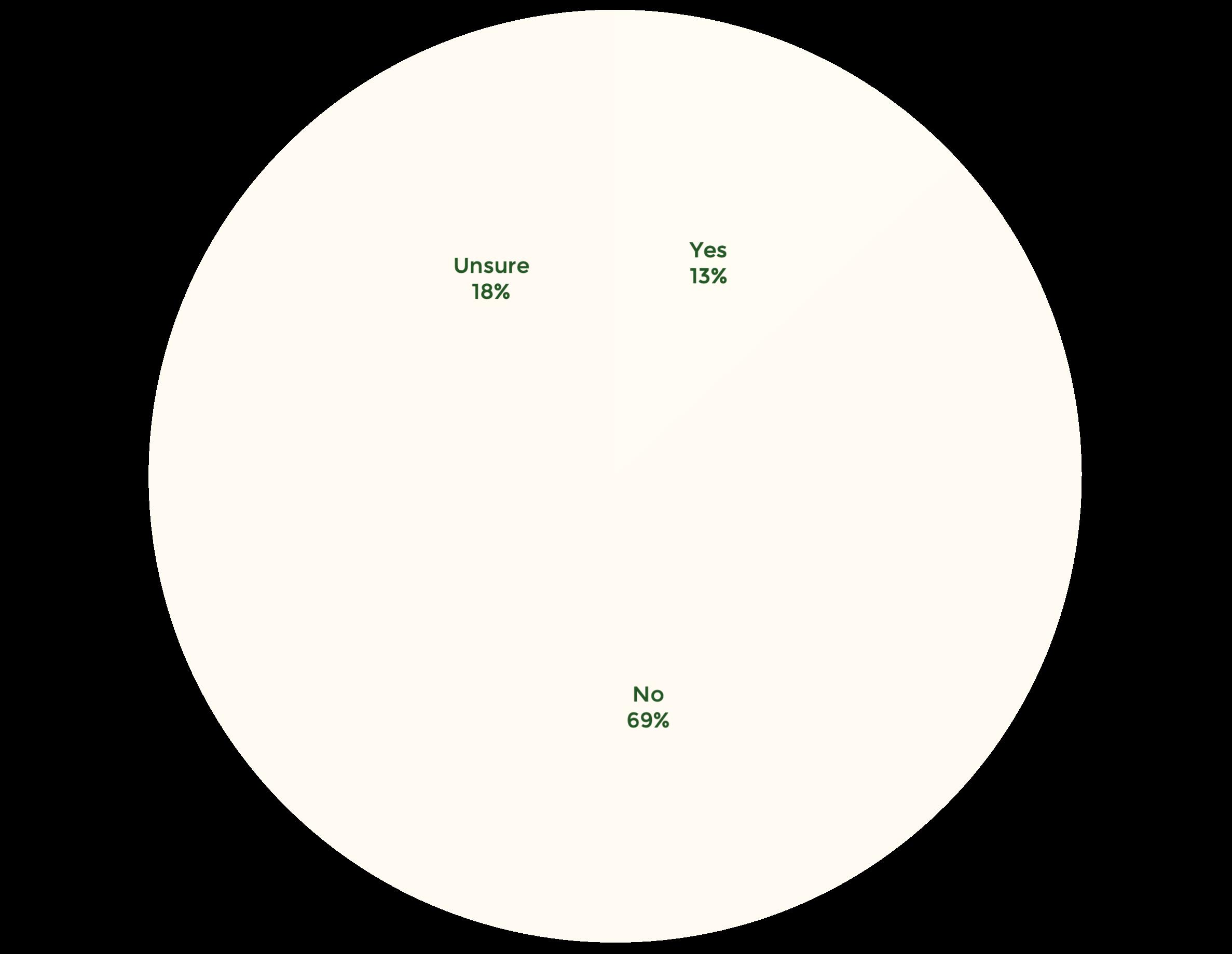
• The organisational ‘invisibility’ of the CAA is also reflected in its social media awareness, with over two-thirds (69%) of responses noting they had not seen a post or item from the CAA within the past six months.
• Only a small portion (13%) of respondents could confirm interaction with CAA media.
• These statistics indicate that a targeted social media calendar and regular information dissemination is critical to building and growing our outreach and audience.
Fig. 2.03
Organisational Visibility - Interaction with CAA
Organisation Visibility
- The CAA
• The organisational ‘invisibility’ of the CAA is reflected on scale, with an overwhelming majority of responses showing that people were either not at all familiar, or only slightly familiar with the organisation (90%).
• This presents a critical need to further communicate the work of the CAA to a broader audience across the Commonwealth.
Fig. 2.04 - Familiarity with CAA (n=500)
Organisation Visibility
- The CAA
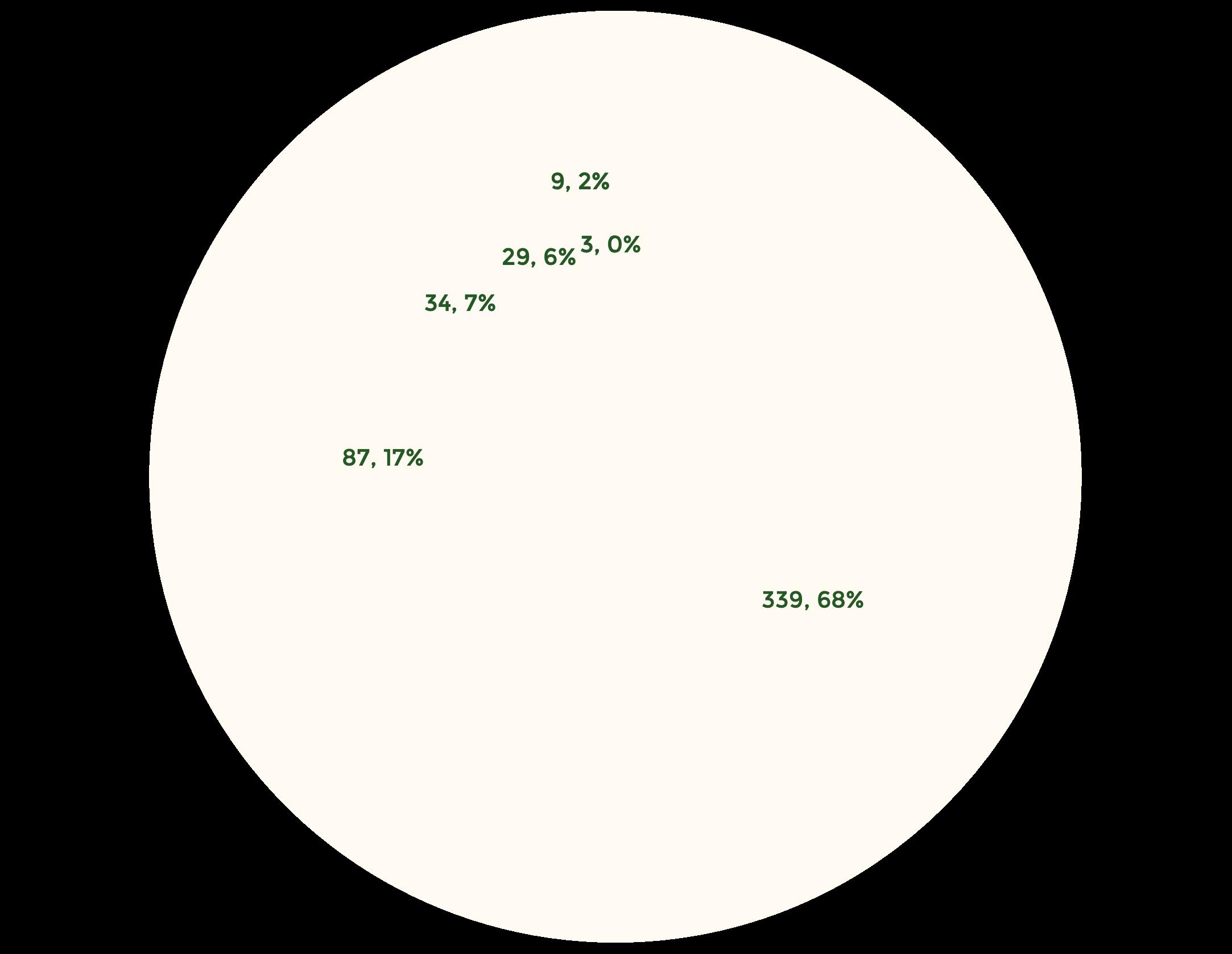
• Familiarity with the CAA’s stated mission, objectives and key initatives was very low, with twothirds of respondents identifying they did not know at all (68%), and only 10% claiming to be general or very familiar with the CAA’s work.
• This is a critical gap which must be addressed to ensure that the work of the CAA is appropriately disseminated and knowledge is effectively and broadly shared across the Commonwealth Community at large.
Fig. 2.05 - Familiarity with CAA Objective, Mission and Purpose (n=501)
Social Media Usage
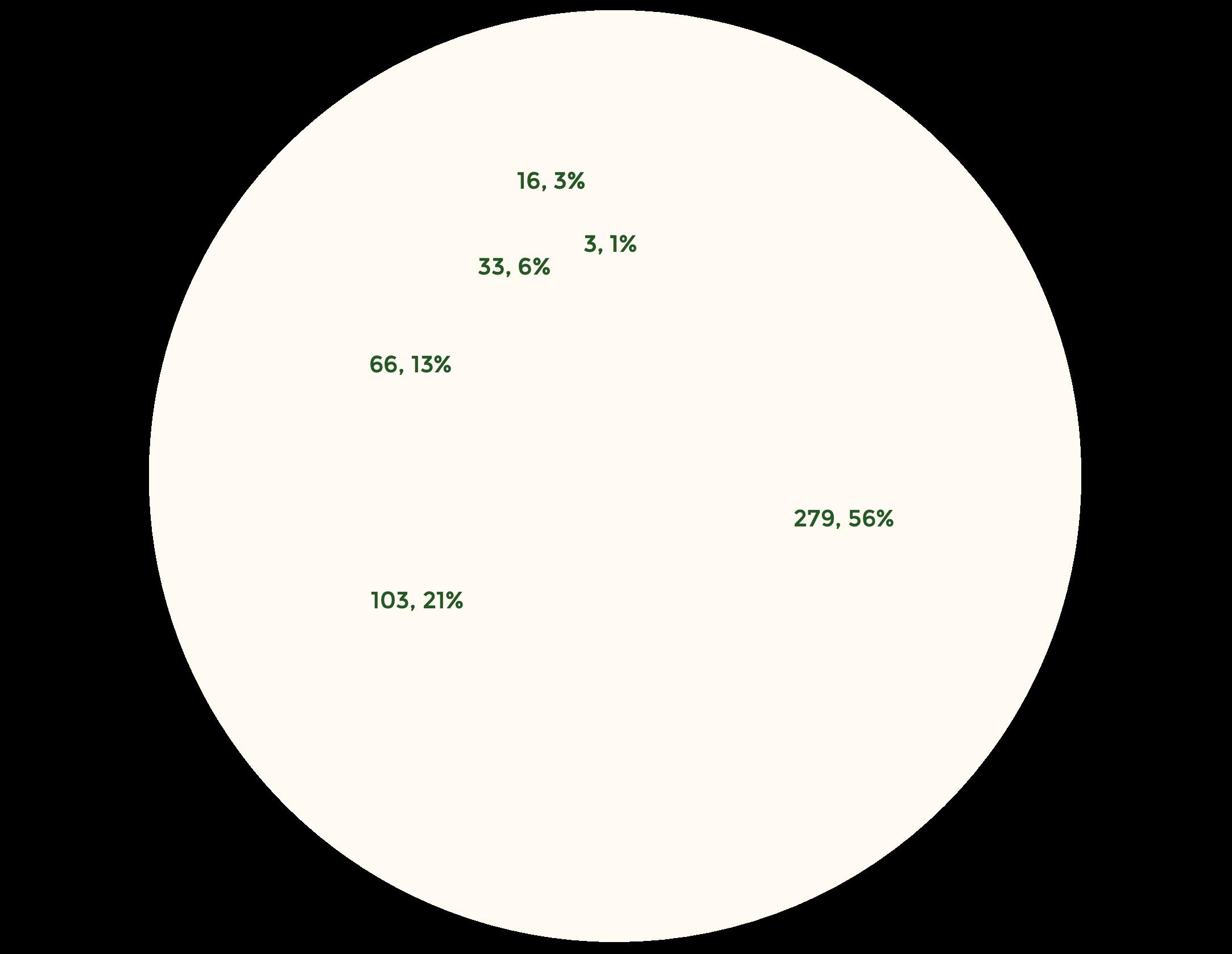
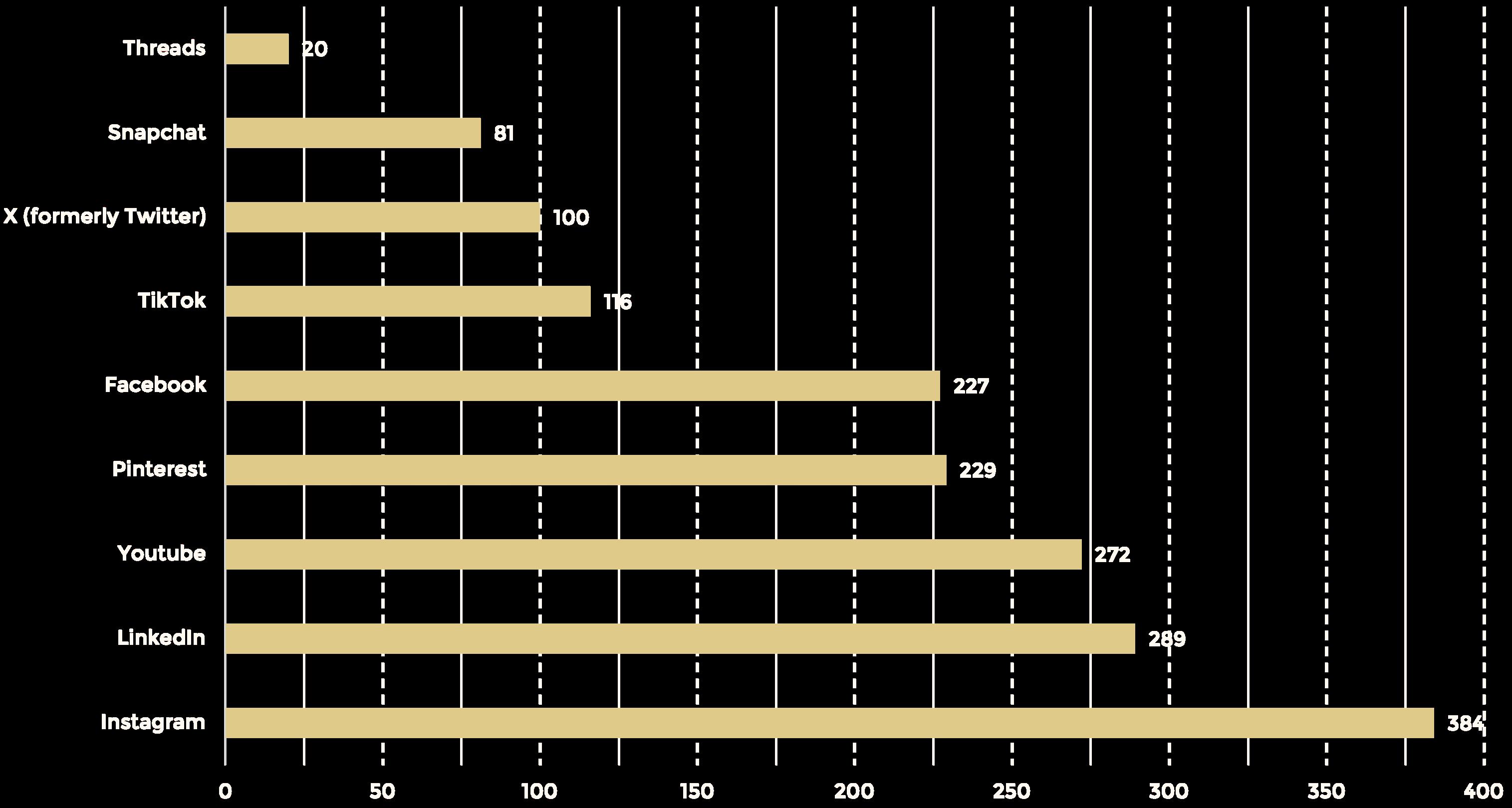
• Instagram proved to be the most popular social media source (384 persons), followed by LinkedIn (289 persons) and Youtube (272 persons).
• The social media usage of these sources indicates continued targeting via these mediums are critical for engagement with the broader profession.
Fig. 2.06 - Social Media Usage of Respondents (n=1718)
Social Media Usage
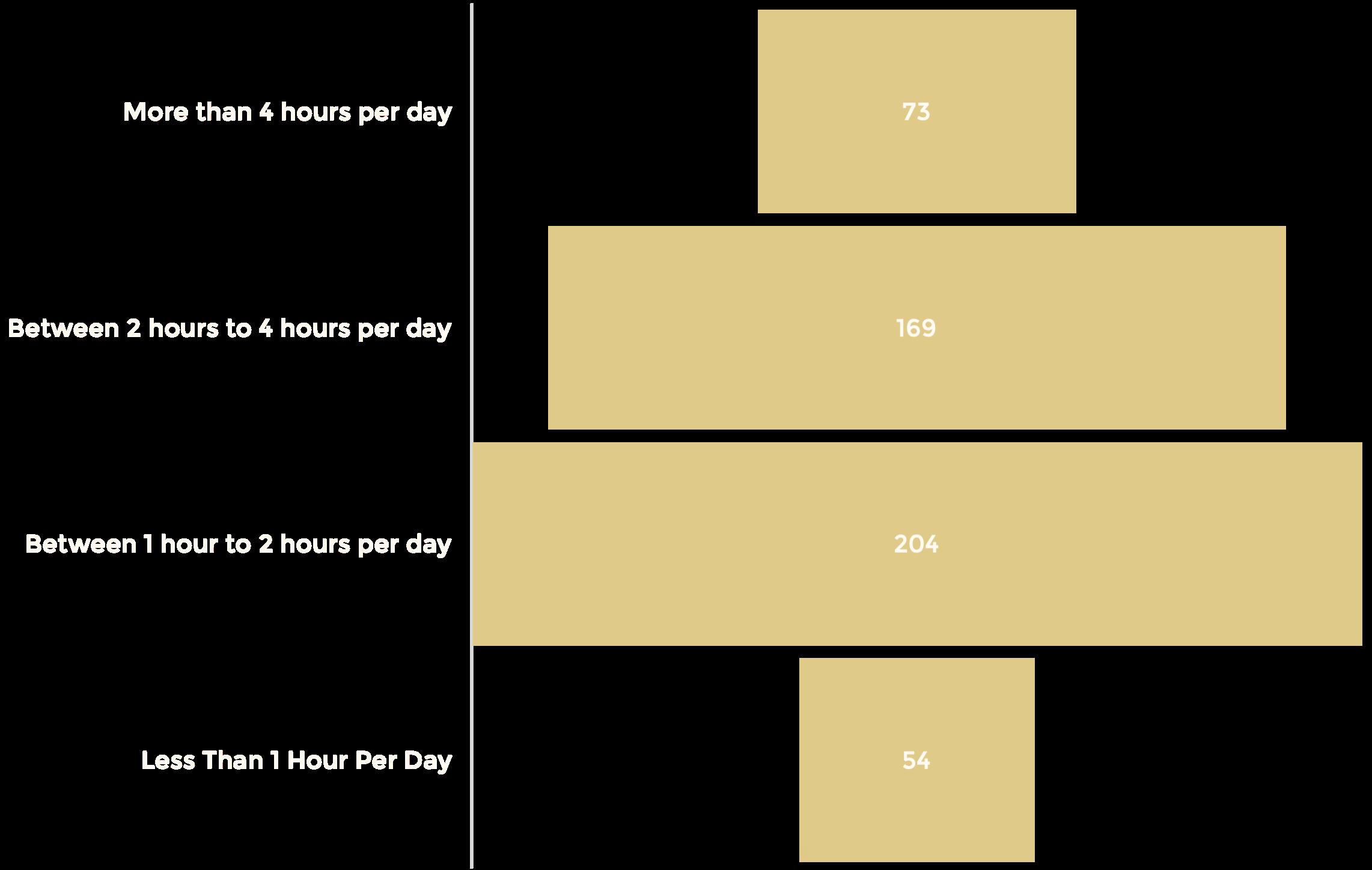
• It was noted in the social media study that the vast majority of respondents spent between 1 to 4 hours per day (74.6%) on one or more forms of social media.
• This is broadly reflected in society at large, and indicates that continued development of social media campaigns and strategies to reach potential CAA audiences is critical to ensuring that our work and the opportunities we share are reached by the broader public.
Fig. 2.07
Social Media Usage in terms of Time Spent (n=500)
Part III: Perceptions of the Architectural Profession
Perceptions of Architecture
• Responses were generally optimistic when the value of architecture and its contribution to the future and to sustainability was considered.
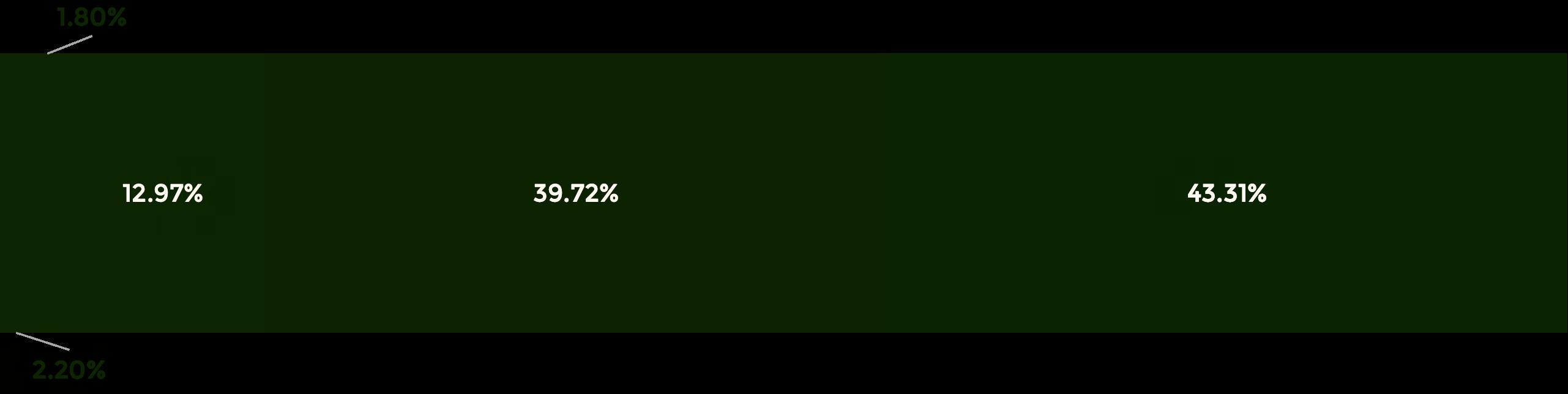
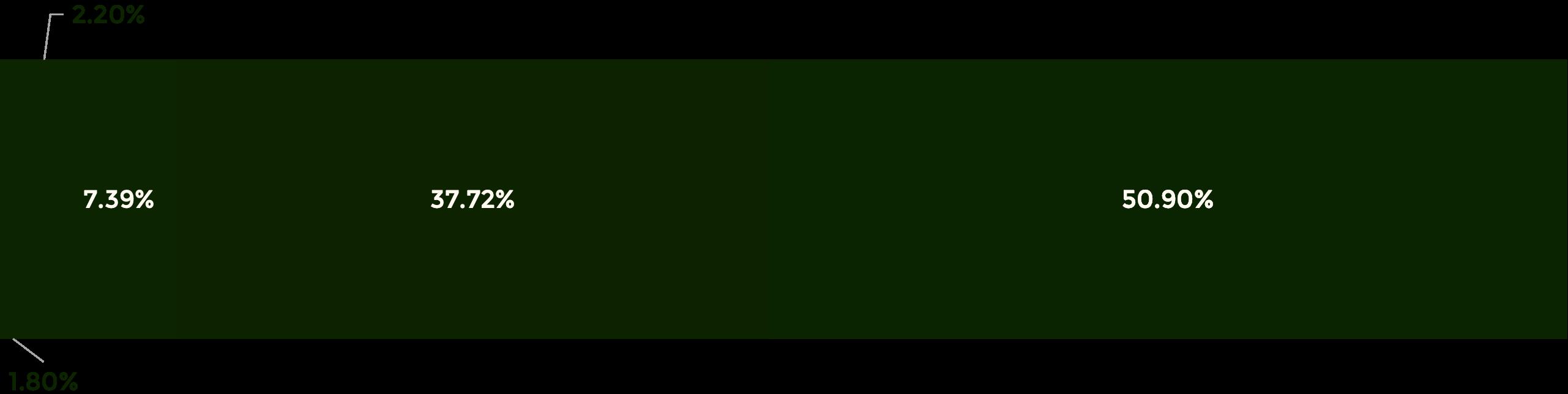
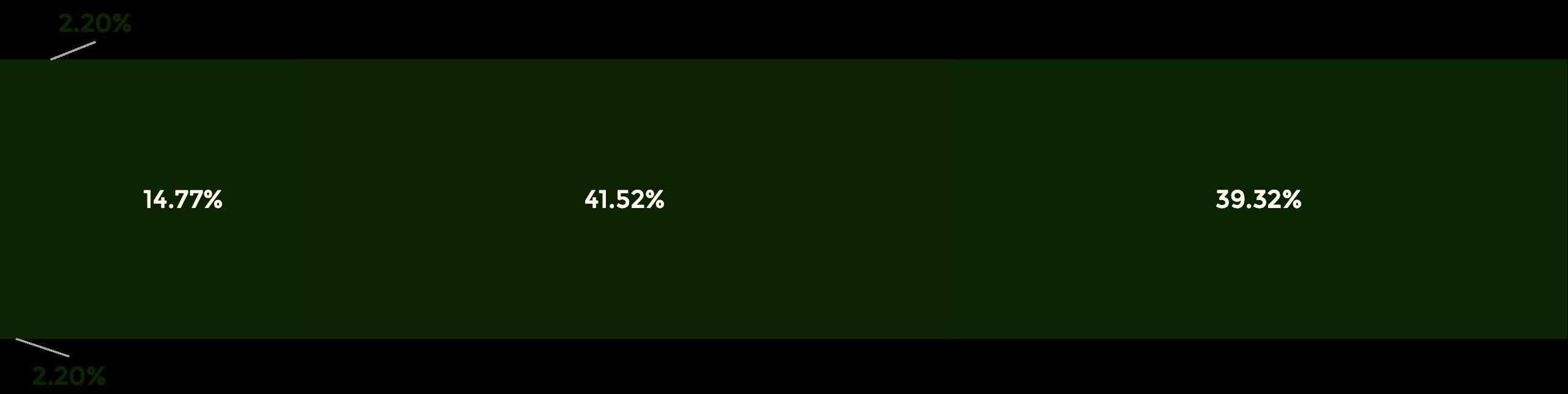
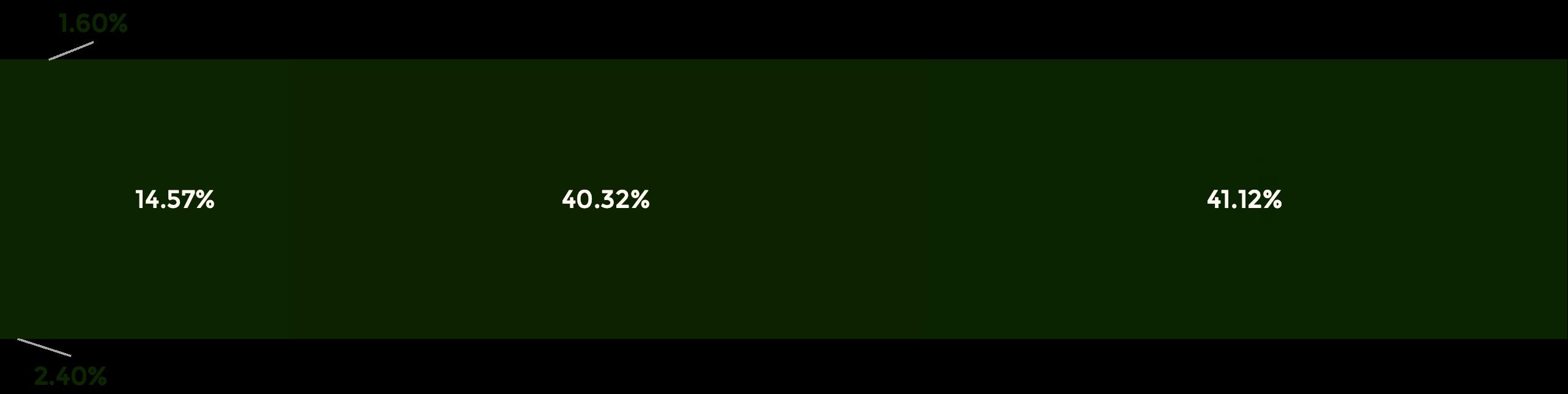
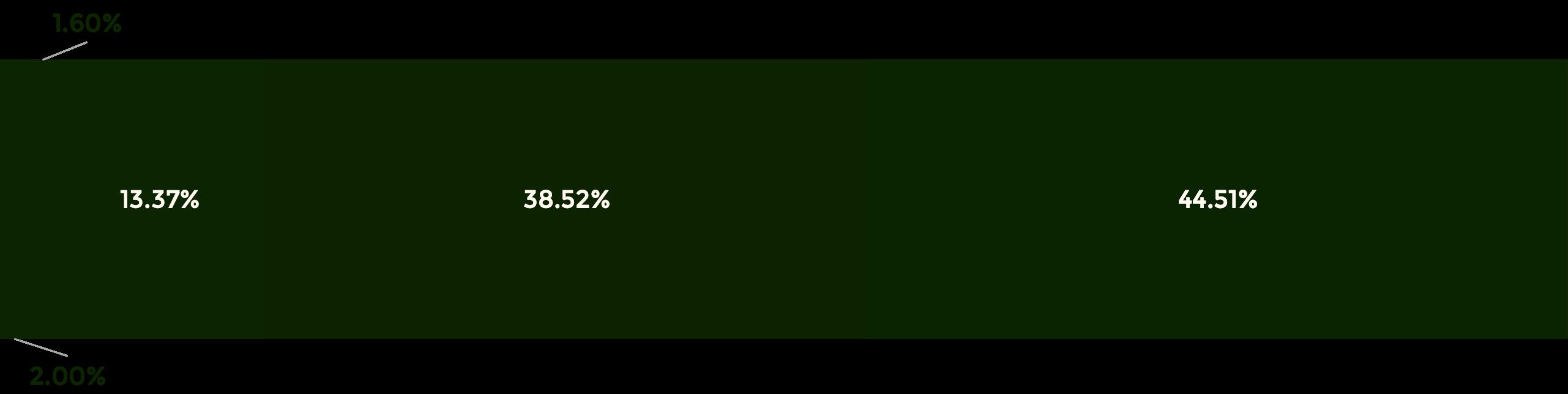
• A substantial portion of respondents (23.75%) did not believe architecture was valued in their country.
• A fair portion of respondents (16.97%) did not feel architecture was playing a sufficiently significant role in the shaping the future of the built environment.
• A fair portion of respondents (20.36%) did not feel architecture was playing a sufficiently significant role in addressing the challenges of climate change and sustainable development.
Perception of the Importance of Architecture’s Role in Addressing Climate Change & Sustainable Development (n=501)
Perception of Importance of the Architecture Profession in Shaping the Future of the Built Environment (n=501)
Perception of Whether Architecture Considered an Important and Valued Profession in Respondent’s Country (n=501)
Perceptions of Architecture
• There was a broadly high level of optimism and sense of preparedness in relation to whether architects felt they could address the issue of climate adaptation and that their work was capable of making positive contributions to the wellbeing of society.
• There was a slightly higher proportion of responses (22.16%) which either disagreed or strongly disagreed with the statement that they were optimistic about the future of the architecture profession.
Fig.
Positive Perception that Architecture can Contribute to the Wellbeing of Society (n=501)
Optimism About the Future of Architecture Profession in Country of Residence (n=501)
Perception of Preparedness to Work on Climate Adaptation and Resilience in Architecture (n=501)
Perceptions of Architecture
• An overwhelming majority of respondents, despite reservations on other topics remained committed that architecture was the ‘right profession’ or career choice for them (74.25%)
• A fairly substantial portion of the same respondents however, did not feel prepared to recommend architecture as a career for the next generation (24.35%).
Fig. 3.07 / 3.08
Perceptions of Architecture
Recommendation to Pursue Architecture as a Professional Career to the Next Generation (n=501)
Perception that Decision to Pursue Architecture as a Career was the ‘Right Choice’ (n=501)
Qualitative Responses - Negative Perceptions of Architecture
In addition to the data analysed previously, a further 181 written responses for this section on the Perception of the Architectural Profession was received, noting there were broadly six interrelated themes:
1. Undervaluation as a Profession and Low Compensation - 65% of Responses
2. Lack of Public Recognition and Professional Status - 55% of Responses
3. Limited Professional Influence and Agency50% of Responses
4. Toxic Work Culture and Poor Working Conditions - 45% of Responses
5. Perceived Disconnect between Education and Practice - 35% of Responses
6. Inadequate Climate Change Preparation30% of Responses
Further information and detail on the reasons, positions of different respondents on the six themes above will be published as part of the final report for this study.
Perceptions of Architecture
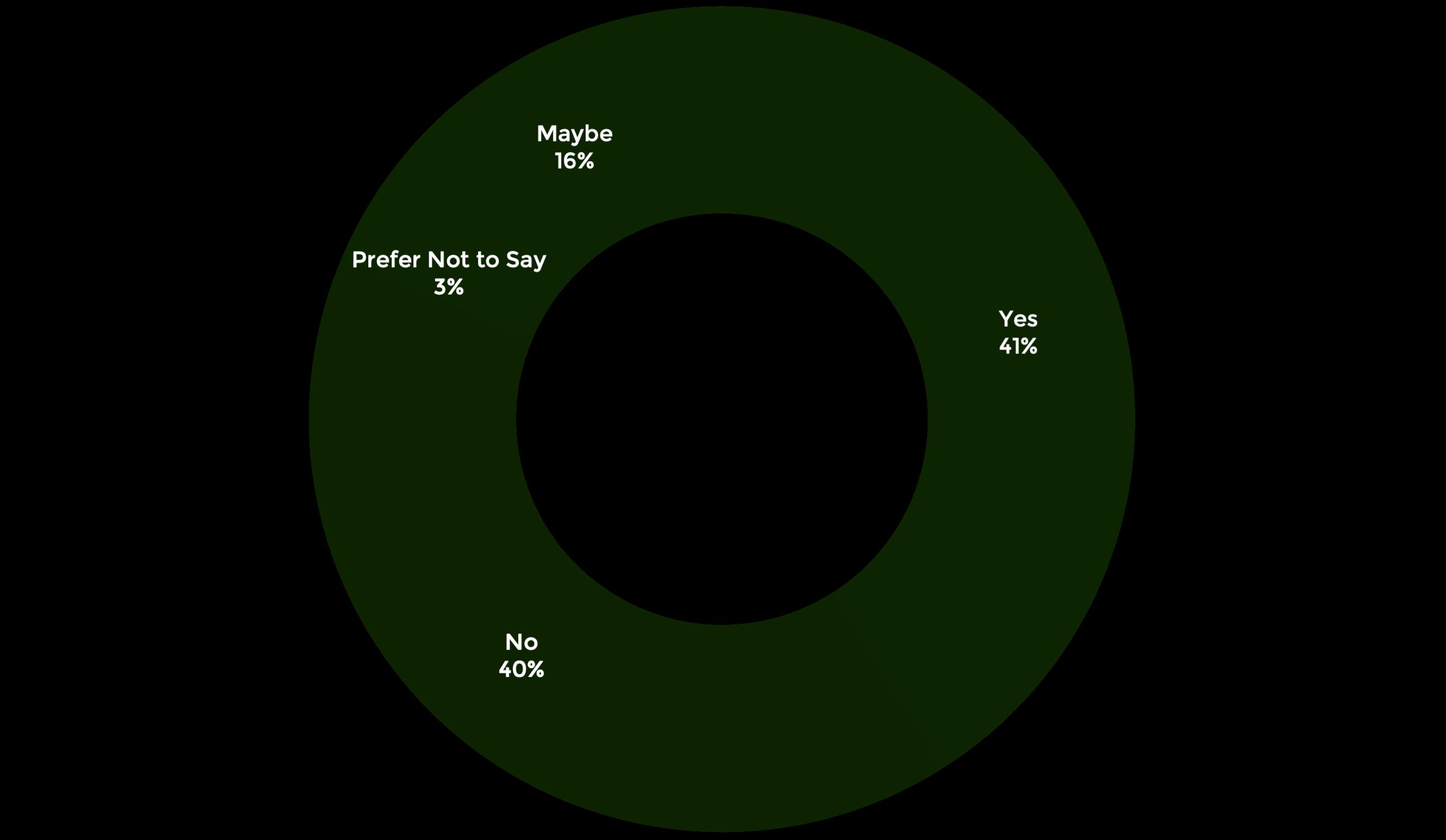
• A substantial majority, nearly twothirds of respondents responded ‘Yes’ or ‘Maybe’ when asked whether they had ever considered leaving the architecture profession (57%).
• This response, despite the optimism and the perception that architecture was the ‘right career’ in other sections of the survey indicates that there may be inherent structural issues within both education and early-career practice which is giving rise to an adverse or pessimistic view of the profession.
Fig. 3.09
Qualitative Responses - Reasons for Reconsidering
Architecture
A total of 261 written responses on why a respondent reconsidered architecture was received in the survey, with the overwhelming majority of respondents citing a core tension: architecture demands extraordinary investment in time, effort and energy, but, fails to deliver commensurate financial reward, professional recognition, or sustainable working conditions. This imbalance, compounded by systemic issues is pushing practitioners away from or out of the field.
~75% ~55% ~45%
Inadequate pay
Low compensation relative to education, hours & responsibility
Workload & Stress
Excessive hours, burnout, mental health impacts
Lack of Opportunity
Limited jobs, especially for graduates & regional practitioners ~40% ~30% ~25%
Education–Practice Gap
Disconnect between what is taught and what practice requires
Registration Barriers
Long, costly, confusing pathways to becoming registered
Inequity & Bias
Sexism, racism, elitism and lack of mentorship in the field
Qualitative Analysis - Motivations for Pursuing Architecture
In response to questions for pursuing a career in architecture, a total of 420 responses were received. These responses demonstrated seven key themes, reveal a profession driven primarily by idealism, creativity, and a desire for social impact, with recurring themes of sustainability, community wellbeing, and the transformative power of the built environment:
1. Creative Passion & Opportunities for Design Expression (Approx. 35%)
2. Social Impact & Community Wellbeing (Approx. 30%)
3. Ability to Combat Climate Change and Tackle Challenge of Resilience (Approx. 20%)
4. Childhood Dream & Early Fascination with Building (Approx. 15%)
5. Pursued as a Result of Competencies in Technical Skills and Drawing (Approx. 12%)
6. Family Influences Including Multi-Generation Architects and Family Construction Businesses (Approx. 8%)
7. Opportunities for Cultural Enrichment of Space and Placemaking (Approx. 8%)
Further information and detail on the reasons, positions of different respondents on the six themes above will be published as part of the final report for this study.
Qualitative Analysis - The Future of Architecture
A total of 409 written responses were received in relation to perceptions on future challenges of the architecture profession by 2050. Six major themes emerged from the analysis and are outlined as follows.
Artificial Intelligence
Most frequently cited concern. Dear AI will enable nonarchitects to produce ‘architecture’ which will erode services. Concern also raised around cultural sustainability.
Climate Change & Sustainability
Raised across all regions. Range of responses from climateresilience to reducing carbon footprints. Frustration that government policy is not effective.
Professional Value & Relevance
A number of responses highlighted concerns around lack of public understanding or value of the architect.
Salaries, Access & Wellbeing
Low pay relative to education investment seen as deterring diversity of entrants, making architecture structurally inaccessible as a profession.
Urbanisation & Housing Crisis
Raised particularly in Asia and Africa, where rapid urbanisation and population growth is placing increased demands on affordable, innovative and dignified housing solutions.
Unregulated Practice & Professionalism
Raised by responses in Asia and Africa where concerns around lack of regulation results in unqualified practitioners undermining public confidence.
Part IV: Experiences of Architectural Education
Architectural Education
• There was generally positive perceptions on architectural education, noting that about one-third of surveyed respondents found their institution gave them necessary support and a majority (56.48%) felt prepared when entering the workforce and prepared to address climate change (59.08%).
• It is worth noting that about one-third of respondents still felt that they were not adequately supported during their education (36.13%)
Reflections on Architectural Education
Reflection that Architectural Education enabled preparedness to address Climate Change and Disaster Resilience (n=501)
Reflection that Architectural Education enabled preparedness to enter the professional workforce (n=501)
Reflection that Education Institution provided necessary support in terms of resources and support (n=501)
Architectural Education
• There was an overall positive experience of architectural experience from surveyed respondents (64.27%).
• It is worth noting that about one-quarter of respondents felt that there were insufficient opportunities for internship, mentorship or other forms of professional excahnge (28.15%).
• It is also worth noting that one-fifth of interviewees would not recommend their education institution to the next generation of potential students (20.56%)
Reflection on Education Opportunities - Internships, Mentorships, External Exchanges (n=501)
Reflection on Whether Survey Respondent would Recommend Architectural Institution to Next Generation (n=501)
Reflection on Overall Experience of Architectural Education as Being a Positive Experience (n=501)
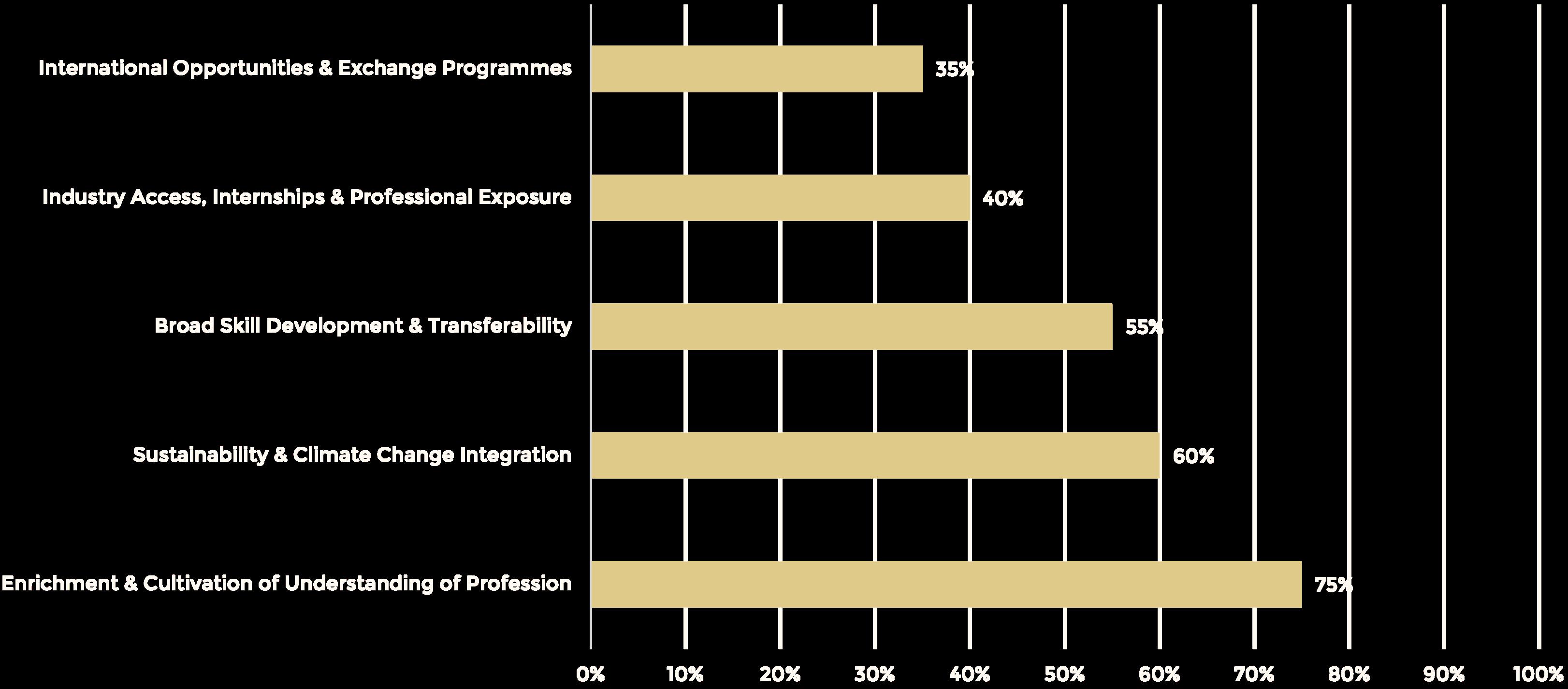
• Analysis from 218 written experiences reflecting on positive experiences of architectural education can be broken up into five key areas where it appears institutions are doing well.
• Particular credit was given to opportunities for knowledge enrichment and cultivating an understanding of the architectural discipline (75%), followed by a general understanding of sustainability and climate change integration into the curriculum (60%).
Fig. 4.07 - Summary of Emerging Trends in Positive Experiences of Architectural Education (n=218)
Qualitative Responses - Positive Experiences of Education
This analysis examines responses from architecture students and professionals who reported positive educational experiences, revealing what aspects of architectural education are most valued and effective in preparing practitioners for their careers.
Key Findings
• Studio culture and hands-on learning emerge as most valued aspects (≈25-30%)
• Development of critical thinking and design skills highly appreciated (≈20-25%)
• Mentorship, supportive faculty, and peer collaboration crucial (≈20%)
• Real-world exposure through internships and site visits essential (≈15-18%)
• Sustainability and social responsibility increasingly important (≈12-15%)
• Personal transformation and skill development beyond architecture valued (≈15%)
Notable Observations
• Positive experiences often coexist with acknowledgment of challenges (intensity, stress, toxic culture)
• Community and peer support networks frequently mentioned as critical success factors
• Balance between creative freedom and practical/technical training appreciated
• International exposure and diverse perspectives highly valued
Challenges faced in Architectural Education
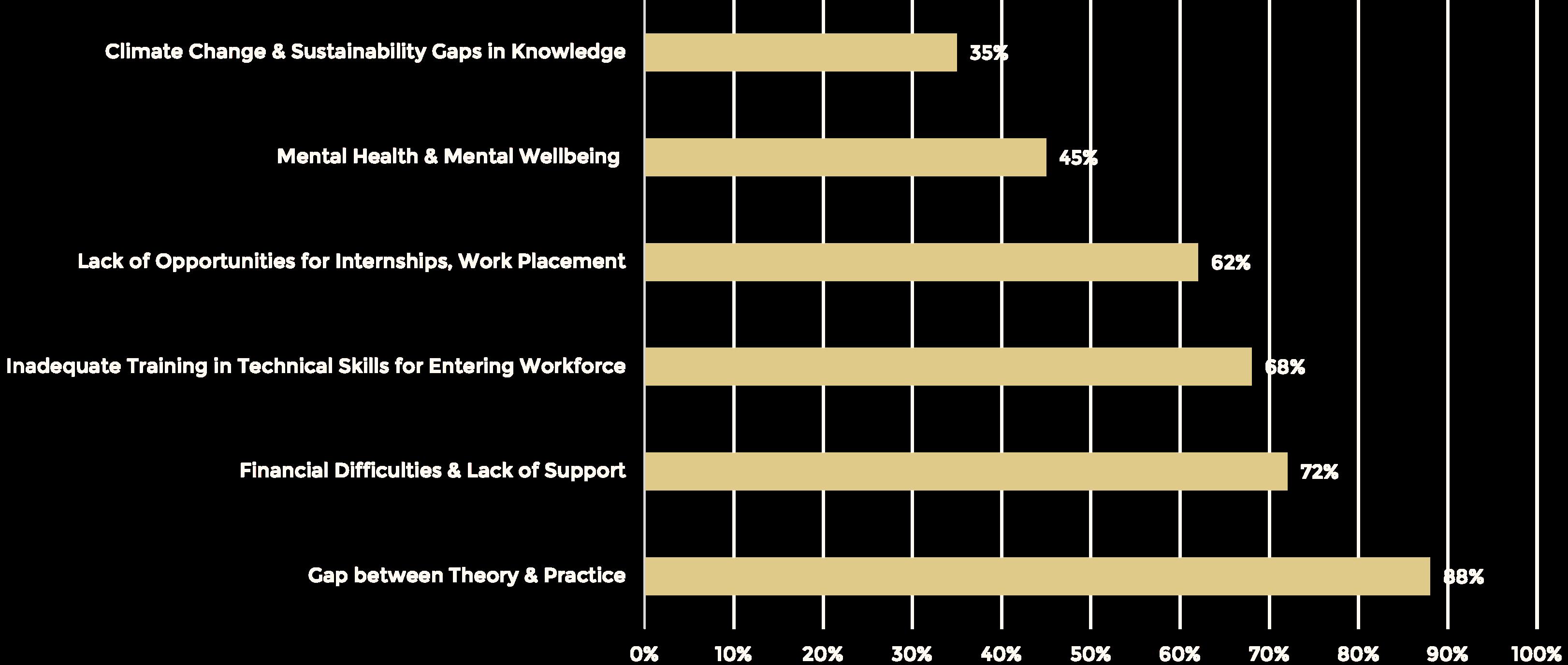
• Analysis from 189 written responses demonstrated six emerging principal themes.
• The most consistent emerging challenge appears to be a percieved gap between theory and practice, i.e. that the knowledge acquired at university was not necessary reflective of industry practice (88%).
• This was closely followed by financial difficulties and a percieved lack of support (72%), as well as inadequate technical training (68%).
Fig. 4.08 - Summary of Emerging Themes and Challenges in Architectural Education
Part V: Experiences of Continuing Professional Development Programmes
CPD - Types of Events
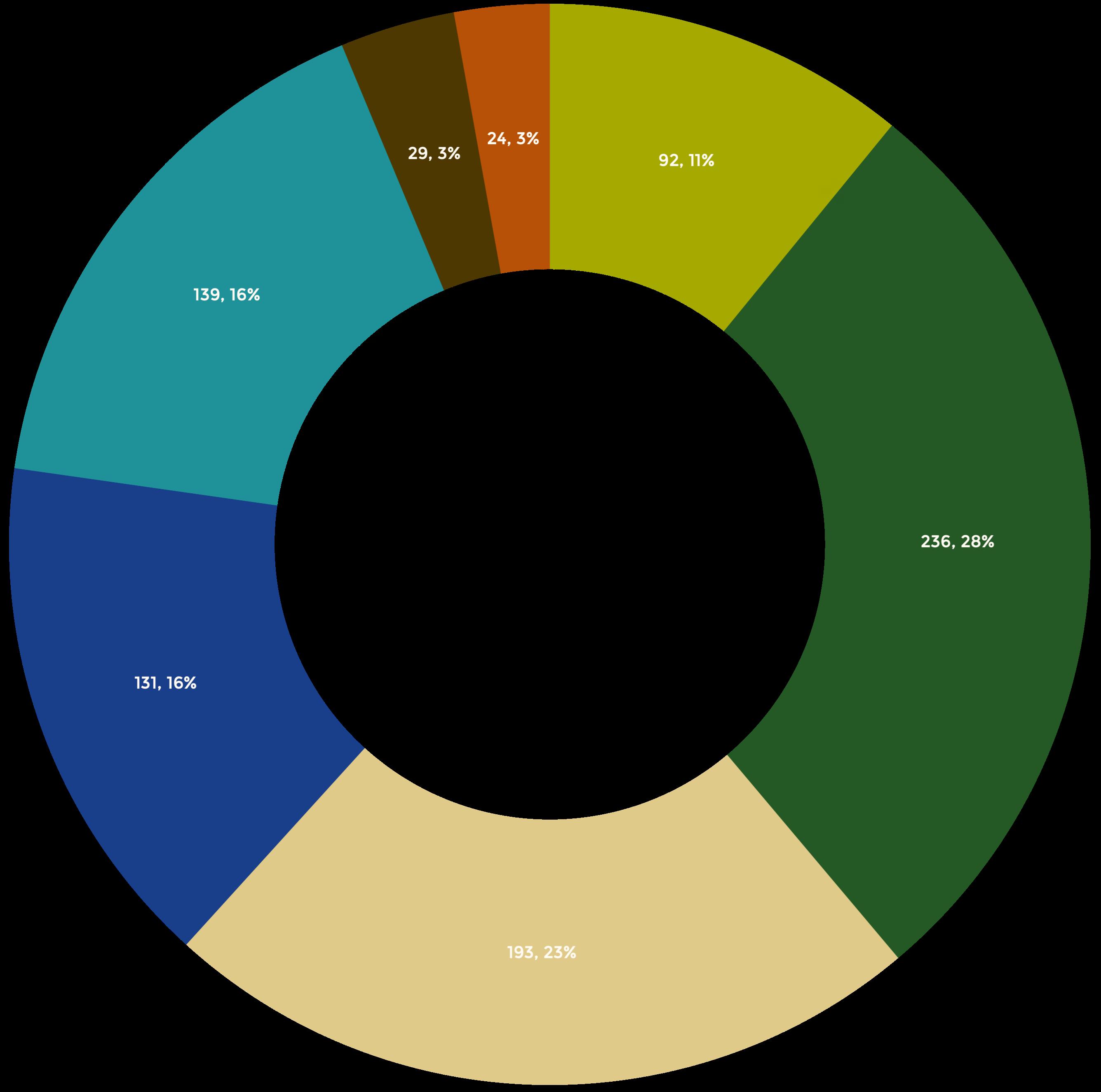
Undertaken
• The breakdown of CPD illustrates that a majority of respondents rely upon self-directed learning (28%) and learning ‘on the job’ via practical experience (23%) as a means of acquring knowledge. Whilst commendable, such training is often unstructured and fragmented, leading to potential knowledge gaps and incomplete continuing development.
• It was also noted as a point of concern that a small minority (3%) identified that their national institute or registration body does not currently require CPD to be undertaken.
Fig. 5.01
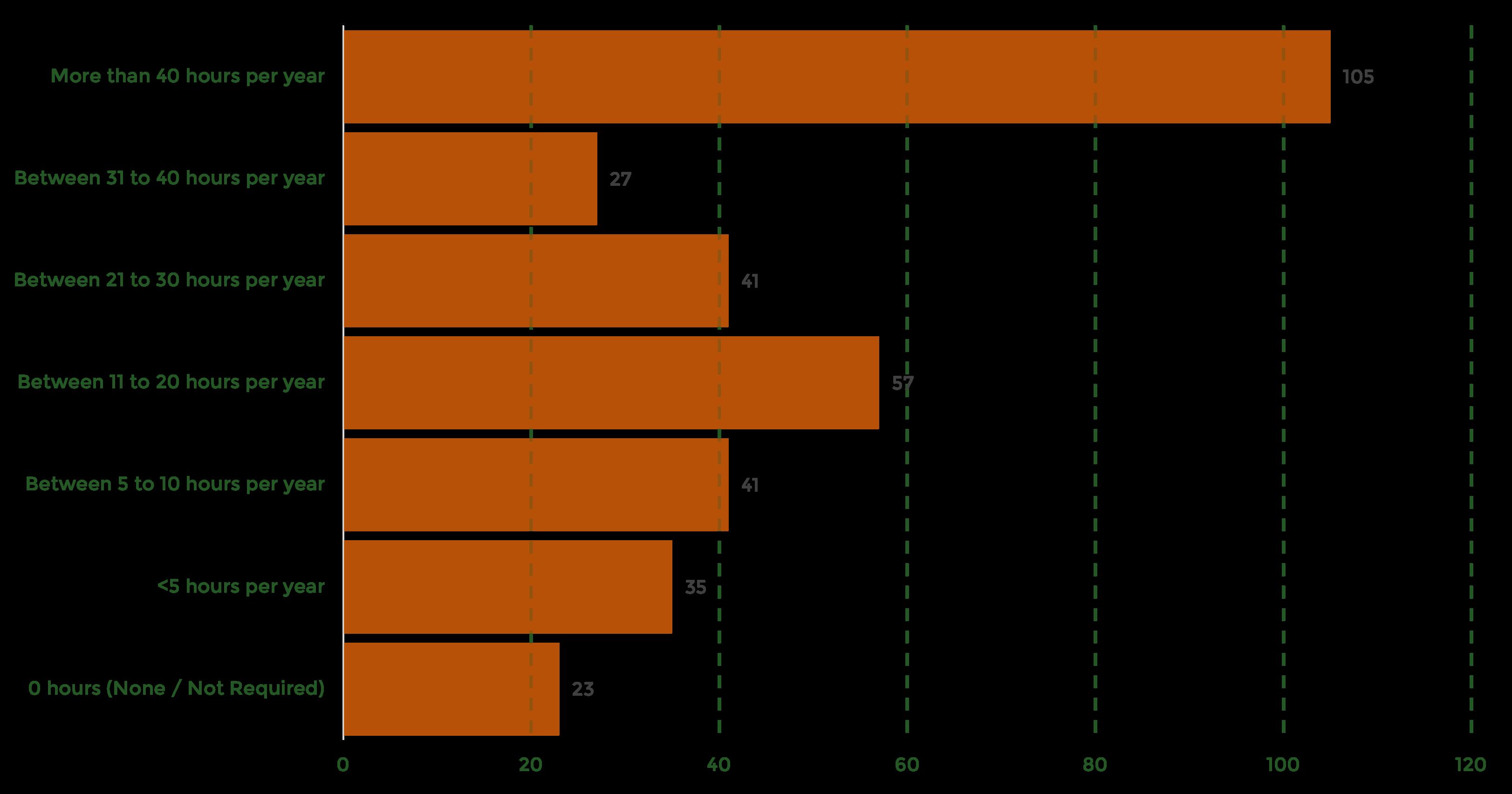
Hours of CPD
Undertaken on an Average Year
• The majority of respondents indicated that they were regularly completing continuing professional development throughout an average year.
• It was noted however that there was a portion of respondents who completed fewer than five hours (n=35) or completed no CPD at all (n=23).
• These results are suggestive of an opportunity to encourage and highlight the value of CPD and its importance in maintaining professional standards, irrespective of individual national compulsory requirements.
Fig. 5.02 - Hours of Reported Continuing Professional Development Undertaken (n=329)
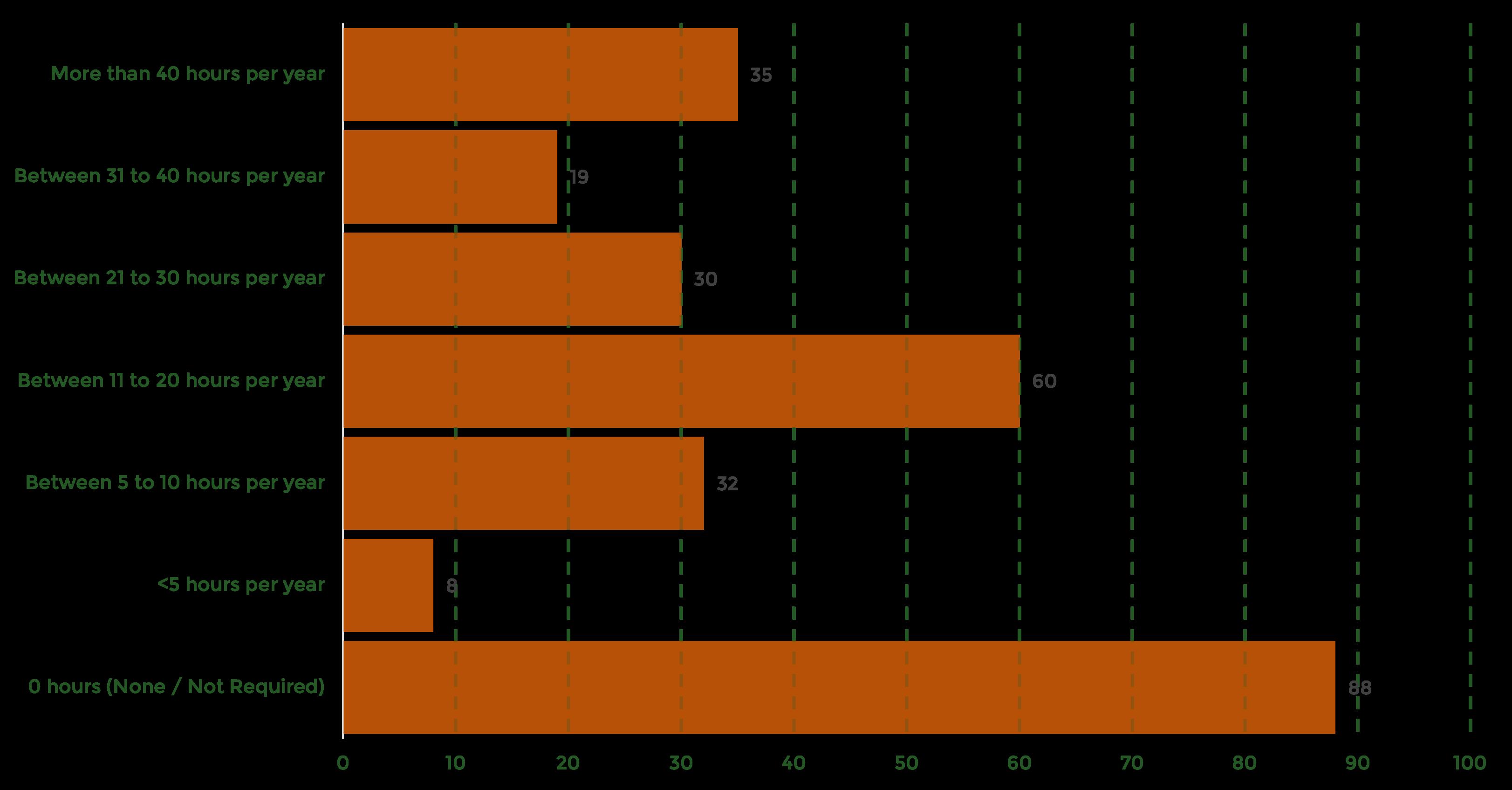
Hours of CPD
Required to be Undertaken
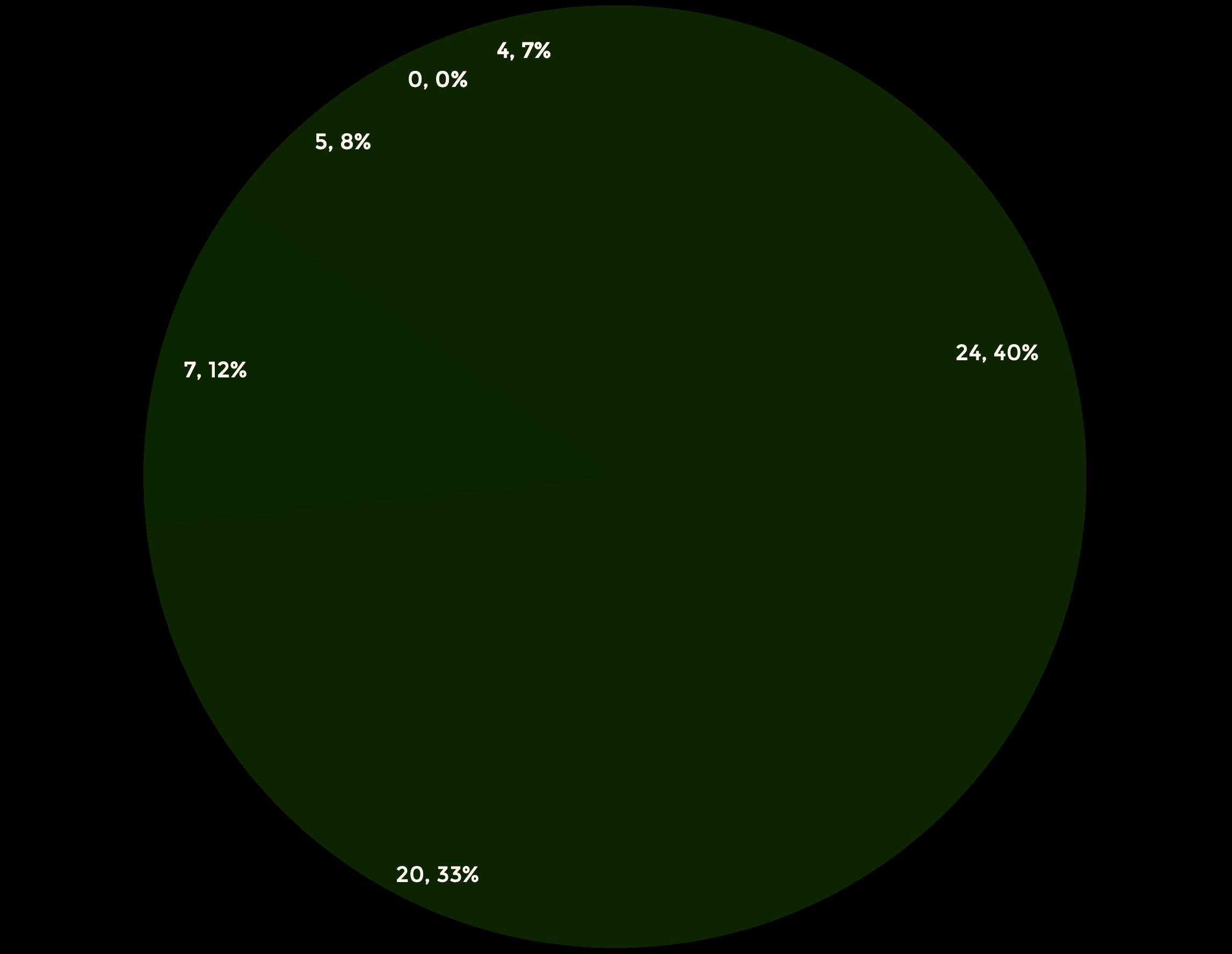
• A large portion of practitioners reported that zero hours of continuing professional development was required or undertaken (n=88).
• This is indicative of a concerning lack of governance around CPD and may suggest potential impacts around professional standards in the broader architectural profession.
• There is therefore an opportunity to highlight the importance and value of CPD to architectural professionals, in order to encourage greater voluntary participation in maintaining standards (where no mandatory requirement exists).
Fig. 5.03
Awareness of CPD Delivery by Architecture Institutes
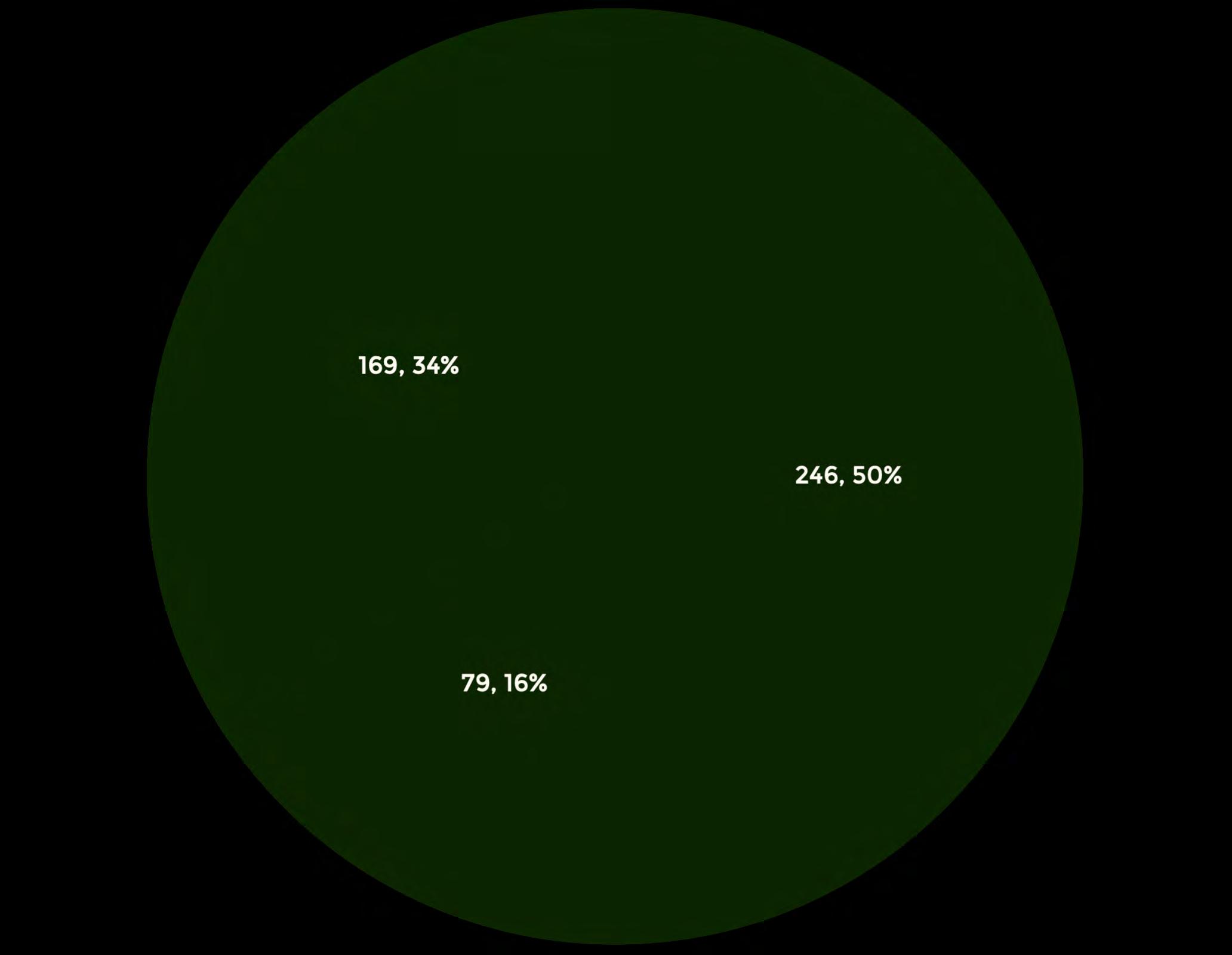
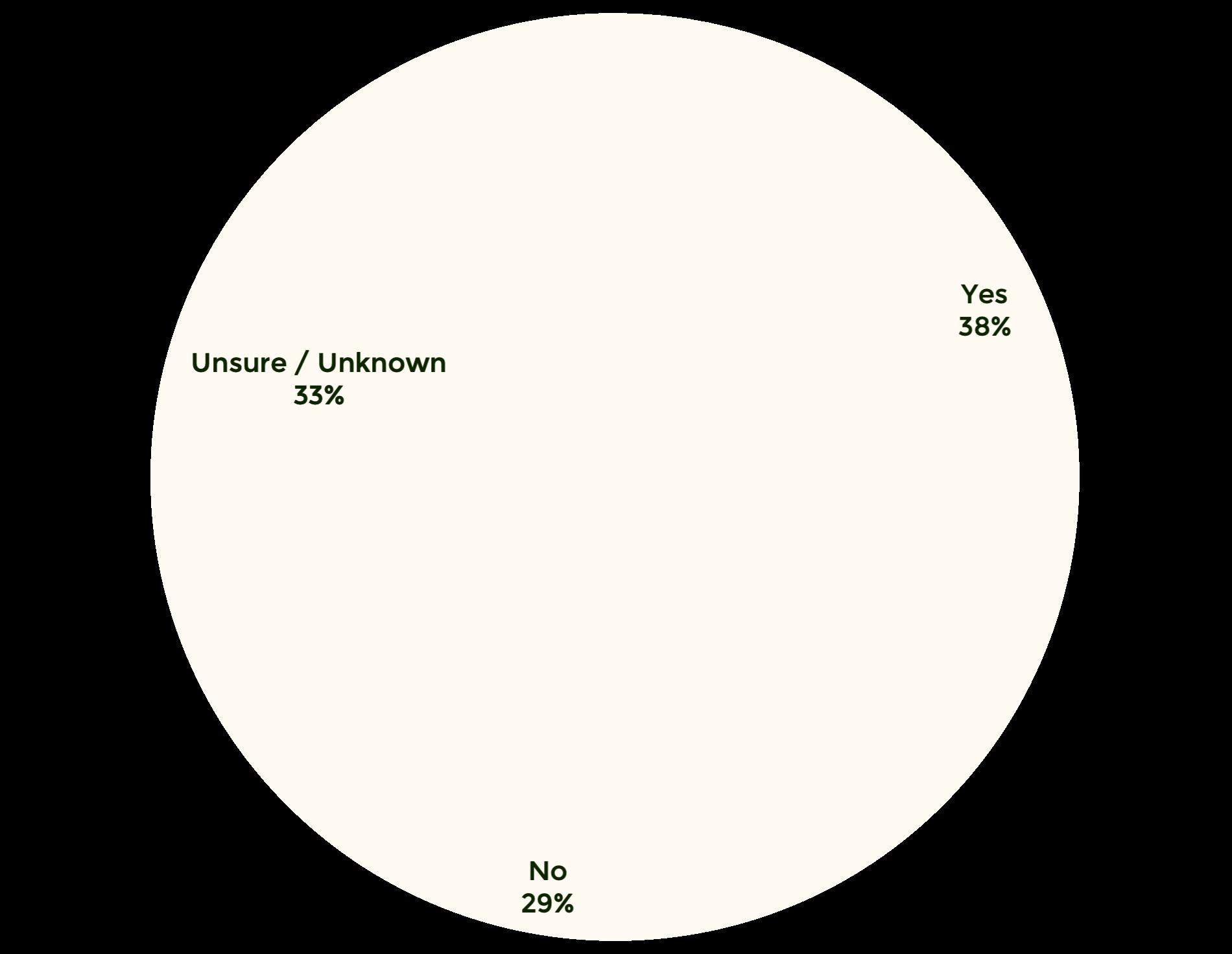
• When asked about whether CPD programmes are available to respondents by their own national architectural institutes, only a minority one-third (34%) respondent ‘Yes.’
• The majority of respondents either replied ‘No’ (50%) or were ‘Unsure’ (16%).
• This result is indicative that much more work around continuing professional development at both a national and Commonwealth level is necessary to ensure architectural education and professional standards are maintained after graduation and for working professionals.
Fig. 5.04
Types of CPD Programmes Undertaken
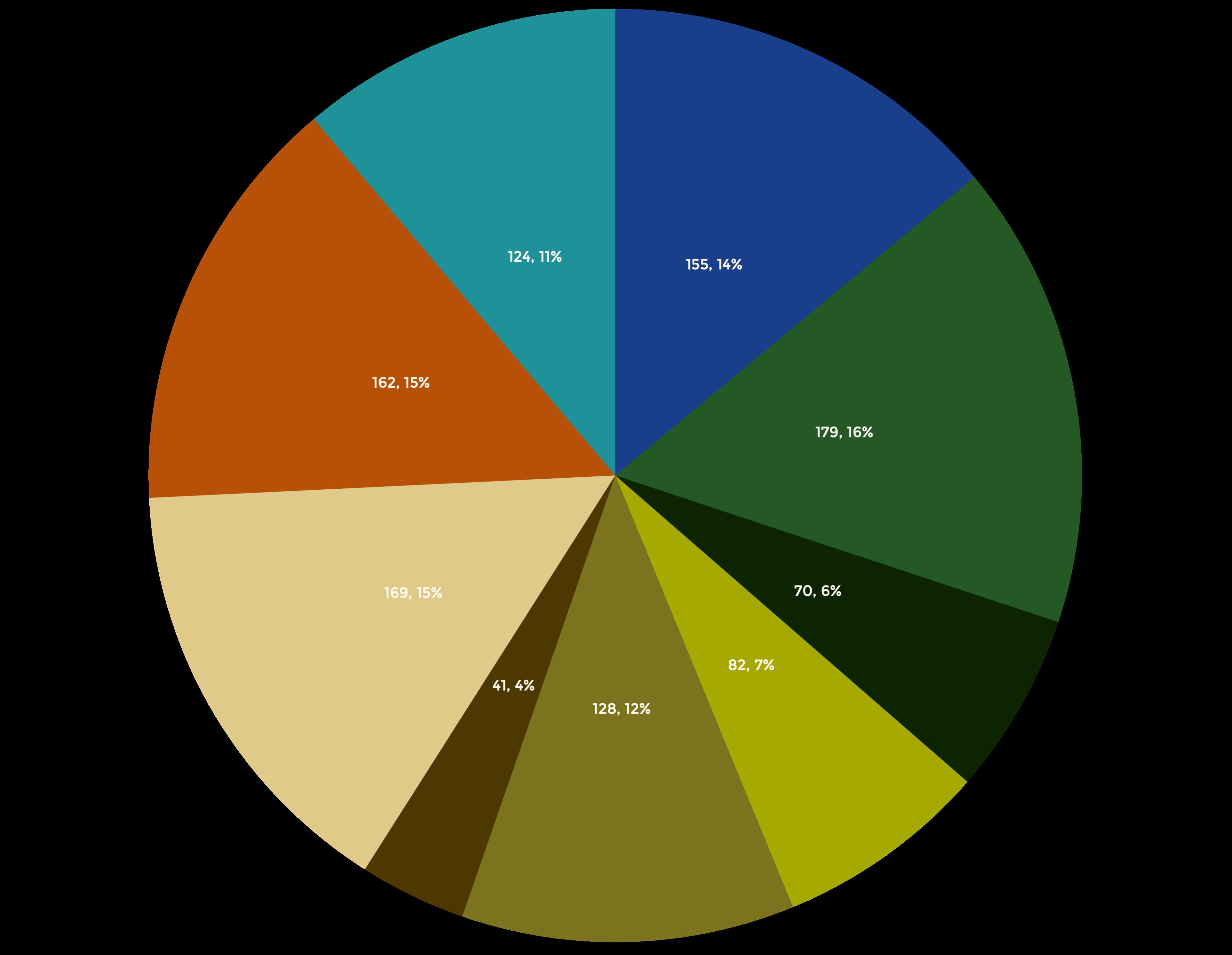
• A number of both face-to-face and online forms of professional development were recorded by respondents, indicating a good level of diversity in knowledge acquisition nad learning.
• In particular, it was noted that face-to-face related learning made up a healthy majority of event types (60%).
• Online learning comprises a smaller but nevertheless significant portion of CPD access (34%) and the remainder (6%) relied upon reference materials for self-directed learning.
Fig. 5.05 - Types of CPD Prorgrammes Undertaken (n=1110)
Webinars (Live Stream Online) Workshops
Preference
Distribution of CPD Topics
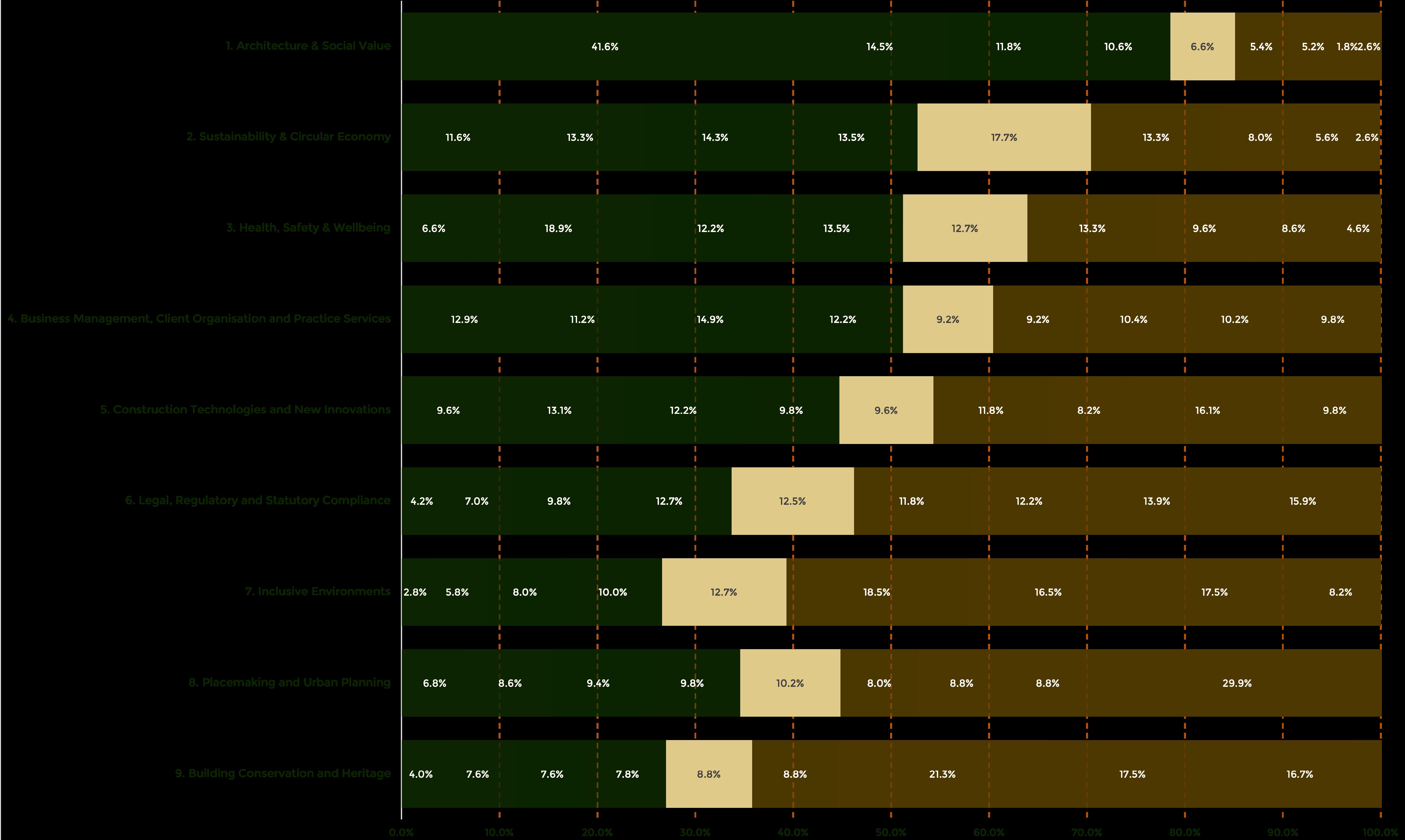
• Respondents were asked to rank by order of preference from 1 - 9 a number of core curriculum CPD topics.
• ‘Architecture and Social Value’ was by far the most popular first preference learning choice (41.6%).
• This was followed by ‘Sustainability & Circular Economy’ and ‘Health, Safety and Wellbeing’ as second and third preference overall topics.
Fig. 5.06
Awareness of CAA’s
Free Online CPD Programme
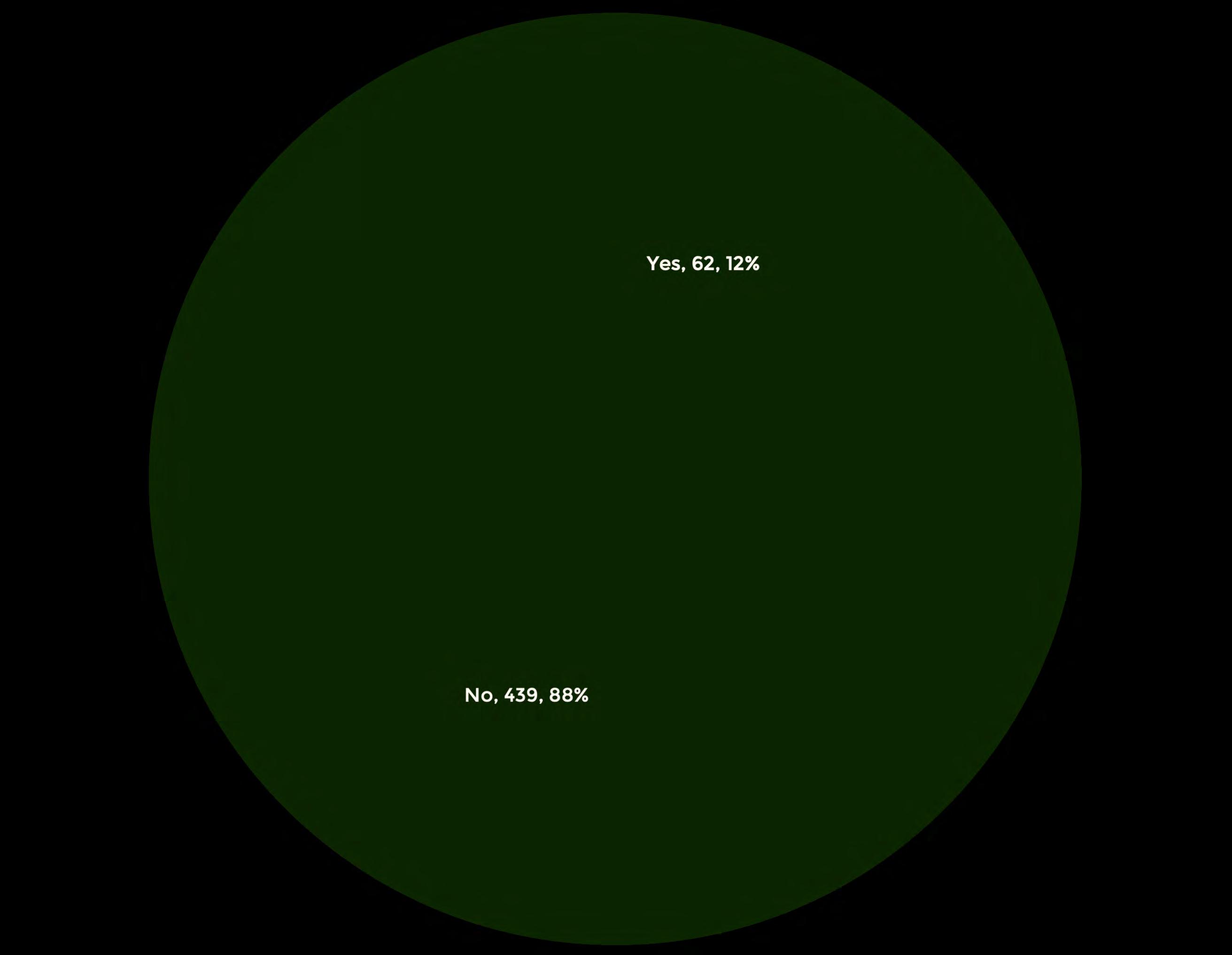
• An overwhelming majority of respondents (88%) were not aware that the CAA currently hosts regular live CPD events which are also made available for access freely online.
• This critical lack of awareness demonstrates that much more work is required in terms of information dissemination and promotion to help improve viewership and promote access to architectural practitioners across the Commonwealth.
5.07 - Awareness of the CAA’s freely accessible online CPD programme. (n=501)
Fig.
Attendance at CAA
CPD Events
• Approximately two-thirds of responses have shown attendance in at least one CAA CPD event held within the past few years (60%).
• A proportion of respondents (40%) nevertheless indicated that whilst they were aware of CAA’s CPD programme, they have not attended one at all.
• These figures indicate that further work to provide events which are of interest and relevance to our audience remains critical to increasing attendance to facilitate sustainable education and knowledge acquisition.
Fig. 5.08
Interest in CAA’s Free Online CPD Programme
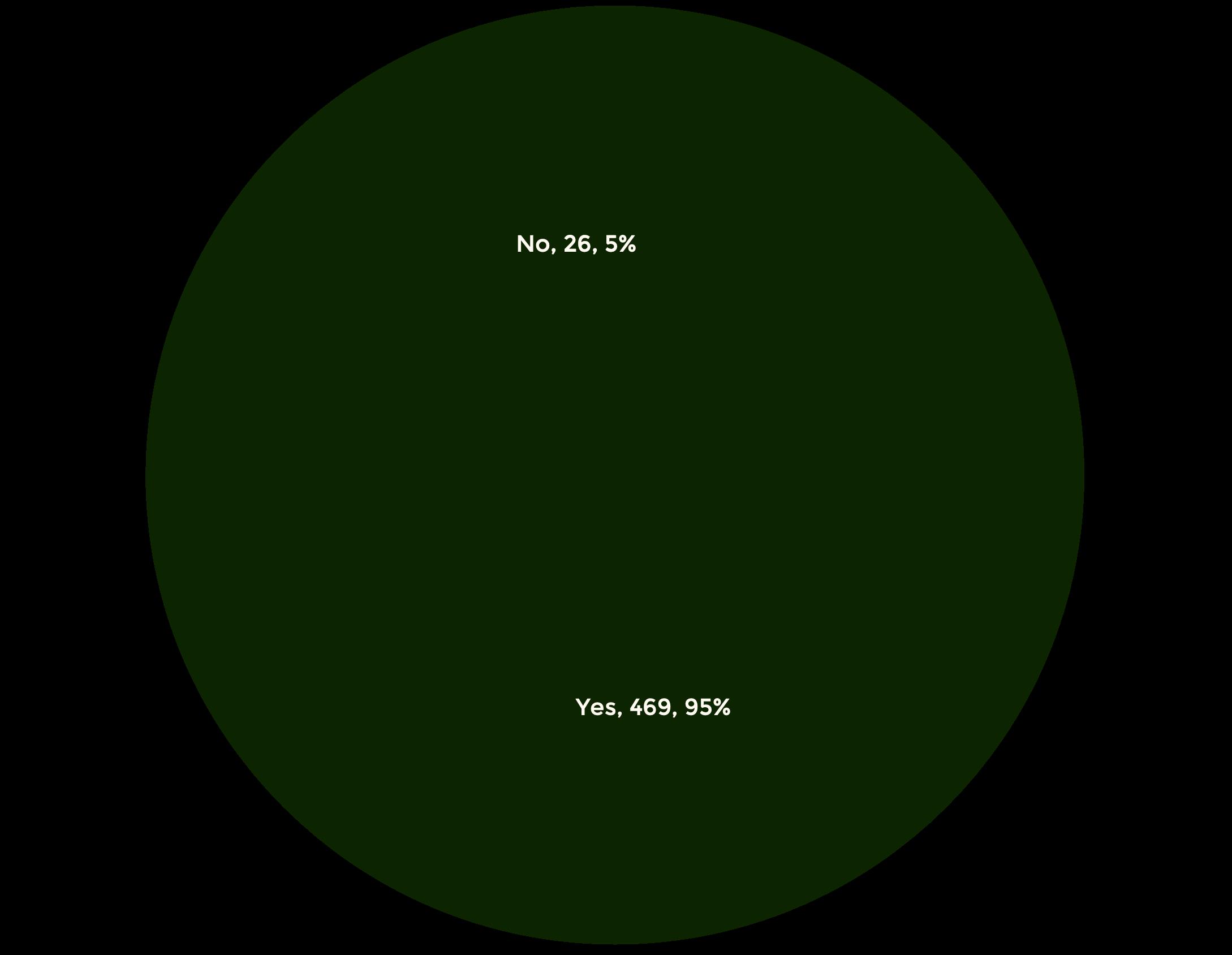
• Whilst awareness of the CPD programme as previously discussed was low, respondents showed great enthusiasm in potential attendance at future events, with an overwhelming 95% of responses indicating ‘yes’ to wishing to attend.
• This indicates that there is a genuine and strong interest in continued development of the CAA CPD programme, with a key issue being one of visibility and dissemination to encourage greater participation.
Fig.
Interest in CPD Events
which focus on the UN SDGs
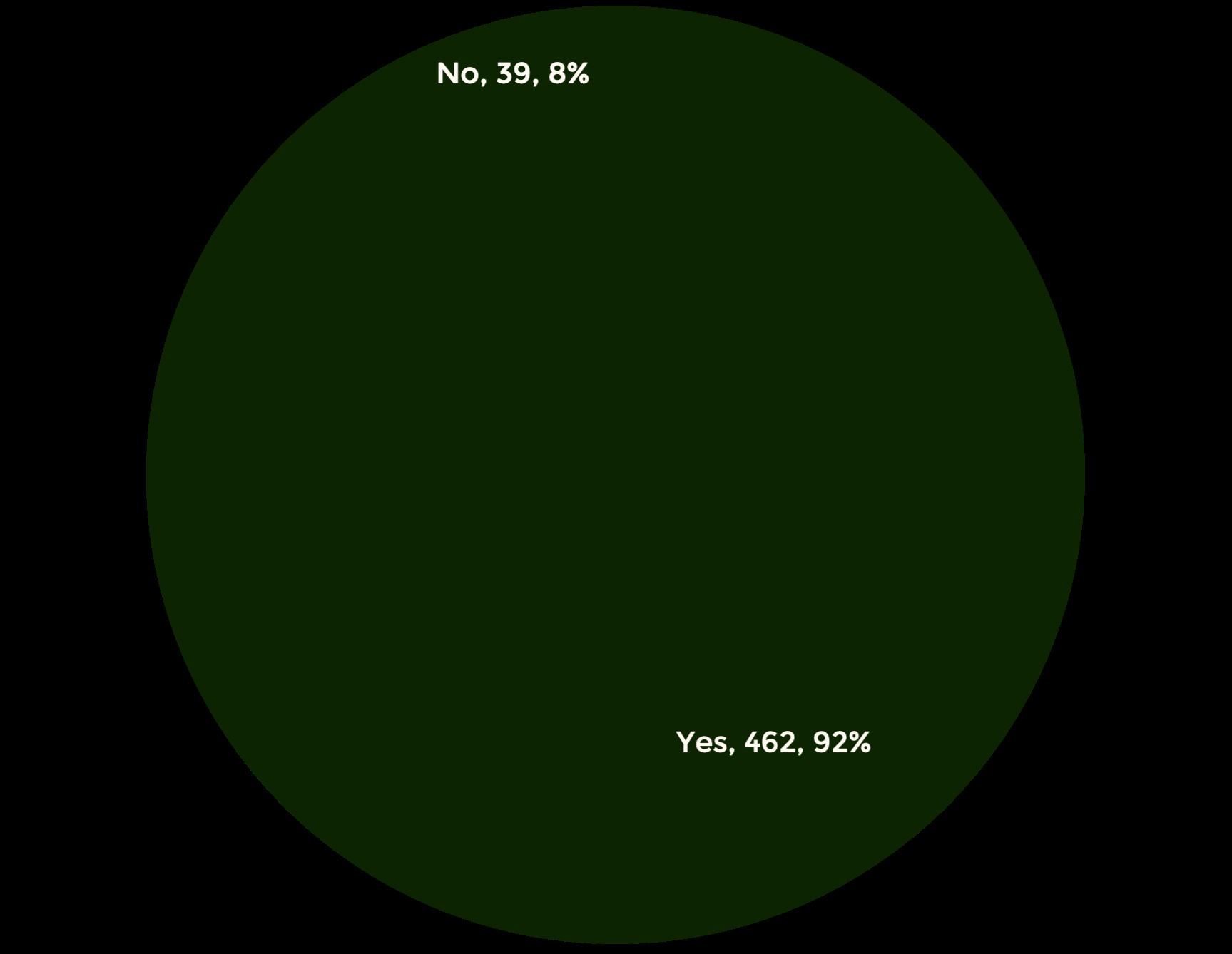
• An overwhelming majority of respondents indicated interest in CPD events which would focus on alignment of architecture with the United Nations Sustainable Development Goals (92%).
• This data indicates that continued focus by the CAA on events which are centred on the SDGs and which have learning outcomes directly aligned with the SDGs is positive and will continue to support professional skills and knowledge.
5.11 - Interest in CPD events focused on Alignment with the Sustainable Development Goals (n=501)
Fig.
Part VI: Perceptions of Education & Professional Support
Perception of Mental Wellbeing in Architecture
• There was a general sense that mental health and wellbeing was not well considered in architectural education or within the profession.
• There was a strong perception (53.67%) that architecture as a degree was more stressful than other disciplines.
• Over half (52.22%) of respondents indicated that they did not feel they had adequate support for their mental wellbeing in education or in practice.
Perception that there was insufficient support for mental wellbeing in architectural education or in practice (n=496)
Perception of Architectural Education being more Stressful than other professions (n=490)
Perception that individual Mental Wellbeing would be better if respondent did not pursue architecture (n=498)
Perception that Mental Wellbeing was Negatively Impacted by Architectural Education or in Practice (n=499)
Adequate Representation Received as Architecture Student
• There was a general sense that mental health and wellbeing was not well considered in architectural education or within the profession.
• There was a strong perception (53.67%) that architecture as a degree was more stressful than other disciplines.
• Over half (52.22%) of respondents indicated that they did not feel they had adequate support for their mental wellbeing in education or in practice.
6.05 - Response to Adequacy of Student Representation in Architectural Education
Fig.
Adequate Institution
Support Received as Architecture Student
• There was a general sense that mental health and wellbeing was not well considered in architectural education or within the profession.
• There was a strong perception (53.67%) that architecture as a degree was more stressful than other disciplines.
• Over half (52.22%) of respondents indicated that they did not feel they had adequate support for their mental wellbeing in education or in practice.
6.06 - Response to Adequacy of Support for Architecture
Fig.
Adequate Institution Support Received to for Architect Registration
• Just over one-third (38%) of respondents felt that they were being given adequate support from their National Architectural Institute in relation to obtaining registration as a qualified architect.
• Two-thirds (62%) of respondents however were either unsure or did not feel that there was adequate institution support.
• The qualitative assessment provides further detail on what aspects respondents feel they require greater support for.
Fig. 6.07 - Provision of Adequate Resources by National Architectural Institution to Support Registration as Architect
Positive Experiences of Architectural Institute Support
Extracted from 85 written responses, this section highlights the top five areas of positive experiences of support from their National Architecture Institute, revealing what aspects are effective and what initiatives are proving successful.
~ 65% Conferences & WorkshopsDual value of these events — both for knowledge acquisition and for crosspollination of ideas
Competitions & ExhibitionsFostering skill development and providing exposure to senior practitioners and industry peers
Events Opportunities to connect were consistently valued. Students build early career industry connections. ~ 45% ~ 40%
Networking
Mentorship Programmes
Structured mentorship for students directly linked to career development outcomes. ~ 35%
~ 30%
Student Membership
Free or heavily subsidised student membership was highlighted as an important access mechanism.
Critical Support Gaps & Areas for Improvement (Students)
499 written responses were received in relation to critical support gaps and areas where survey respondents felt there was a need for improvement in terms of access to resources from education providers and national architectural institutes. The top five issues are highlighted.
~ 45%
Mental Health and Wellbeing
Allegations of systematically produced stuctures that normalize extreme workloads, sleep deprivation, and relentless pressure
~ 40% ~ 25%
Financial Burden
Cost of architectural education leading towards inequity and exclusion. Ancillary costs mentioned in particular.
Preparation for Practice
Gaps between practice and education leaves graduates feeling unprepared for reality of being an architect.
~ 20%
Toxic Pedagogical Culture Cruelty as pedagogy— harshness is deliberate strategy supposedly creating “strong architects,” but actually undermines.
Technology & Software Gaps
Lack of education around software, construction documentation and on-site experience was noted consistently. ~ 15%
Critical Support Gaps & Areas for Improvement (Graduates)
261 written responses from graduates highlighted early career challenges accompanied by suggestions for how they might be better supported by their national architecture institution. The top five issues are highlighted here.
Preparing for License Registration
Preparing for registration was noted as the single most significant barrier, characterized by complexity, expense, ambiguity, and lack of guidance.
Financial Compensation
Lack of Mentorship Opportunities
Employment Inexperience Cycle
Business & Professional Skills
This remains a pervasive concern, with graduates earning below minimum wage despite extensive education and long working hours.
Lack of access to experienced architects leaves early practitioners navigating professional practice largely through selfdirected learning.
A catch-22 scenario where experience is required but opportunities to gain experience are limited.
Graduates identified that there was a marked lack of knowledge or education around the realities of operating a firm or construction business.
Part VII: Understanding of the United Nations Sustainable Development Goals
Awareness of the Sustainable Development Goals
• Overall, there was a broadly strong awareness of the United Nations Sustainable Development Goals, with respondents also able to name at least one SDG.
• There remains however approximately one-fifth of respondents who are not familiar with the UNSDGs, indicating opportunities for further education and professional practice integration.
Have Heard of the United Nations Sustainable Development Goals (n=501)
Familiar with the UNSDGs and Ability to Name at Least one SDG. (n=501)
Fig. 7.01 / 7.02
- Awareness of the United Nations Sustainable Developmnt Goals
SDGs in Architectural Education
• Whilst there was general concensus that integration of the SDGs into architectural education was considered important (83%), only about two-fifths of respondents felt that the SDGs were actually a part of their education and/or training (42.91%).
• This indicates that there is still room for improvement in ensuring that architectural education curriculums are consistent and/or integrated within the broader SDG framework.
Belief that Integration of SDGs into Architectural Education is Important and/or Valuable. (n=501)
SDGs formed part of architectural education and/or training. (n=501)
Fig. 7.03 / 7.04
The Sustainable Development Goals in Architectural Education
SDGs in Architectural Education & CPD
• There was a very strong belief that education around climate change and climate resilience was critical to architectural training (88.62%).
• However, only about two-fifths of respondents indicated that they had regular engagement with the SDGs as part of their education or their CPD requirements (41.92%).
• Once again, this data indicates that there is more work to be done to ensure that the SDGs become an integral part of both architectural training early on, and is followed through within CPD and post-graduation training programmes.
Regular Engagement with the UNSDGs as part of ongoing education and/or Continuing Professional Development. (n=501)
Belief that Climate Change & Climate Resilience Education are an Important Part of Architectural Training. (n=501)
Fig. 7.05 / 7.06 - UNSDGs in Architectural Education and Continuing Professional Development
Perceptions of the Sustainable Development Goals
• The perception of the SDGs as being both relevant and important to be integrated into architectural education and practice were shown by overwhelming majority of respondents.
7.07 / 7.08 - Perceptions around Relevance and Integration of SDGs in Architectural Education & Training
Perception that Integration of SDGs into Architecture is Important in Home Country (n=501).
Perception that the SDGs are Relevant to Architectural Education and Practice (n=501).
Fig.
Perceptions of the Sustainable Development Goals
• The perception of the SDGs as being beneficial to the built environment if integrated into the architecture profession was overwhelmingly agreed.
Fig. 7.09
Perception that SDG Integration into Architectural Profession will be Beneficial for the Built Environment (n=501)
Preliminary Response to Findings & Action Items
Short
Term
Outcomes
(April - September 2026 | Current CAA Term)
Short Term Outcomes
1. Interim Findings Report (this document)Publication in April 2026.
2. Findings Dissemination via Social MediaPublication of key data as visual infographics as part of a public social media campaign. (May - August 2026).
3. Commonwealth Roundtable PublicationJuly 2026 The following are key short term outcomes arising from the 2025 survey, with the aim of disseminating the findings to the architecture community at large over the coming months leading to the release of the full report in September 2026.
4. YourCommonwealth Youth Newsletter Publication - July 2026
5. Full Report Publication - Tabling at the CAA General Assembly in September 2026.
6. Commencement of the 60 Years, 60 Voices Initiative to bridge intergenerational learning and practice gaps.
Medium Term Outcomes
(2026 - 2028 | Forthcoming CAA Term)
Medium Term Outcomes
The following are strategic medium term outcomes arising from continued review and analysis of survey findings proposed to be developed between 2026 - 2028 as part of the next CAA Council term which will commence in September 2026 after elections are held.
1. Completion of the 60 Years, 60 Voices Digital Media Project , encompassing 60 interviews from leading Commonwealth architects to support education and knowledge for the next generation.
2. Development of the Emerging Architects Toolkit publication, with the aim of addressing knowledge gaps and providing a vital support resource for graduates and early-career professionals.
3. Establishment of the Emerging Architects Resources Page on the CAA website, providing a comprehensive online forum for accessing materials, downloadable materials and other resources to aid students and graduates.
Long Term Goals (Beyond 2028)
Long Term Goals (Aspirations)
The following are suggested long term goals beyond 2028 which aims to keep the objective and intention of this survey as a permanent component of the CAA’s research initiatives.
1. Ongoing interview project - ‘ Voices of Commonwealth Architects’ to help foster knowledge sharing across the regions.
2. Regular review of the Emerging Architect’s Toolkit , with potential for future region specific components based on integration of different student and graduate organisation views.
3. Possible future review or regularisation of this survey in five year cycles to assess long term trends and improvements in education and practice standards across the Commonwealth.