THE INVESTITURE OF
AS THE ELEVENTH PRESIDENT OF COLUMBIA COLLEGE CHICAGO
MARCH 5, 2026
MARCH 5, 2026

On behalf of the Columbia College Chicago Board of Trustees, it is a great pleasure to welcome you to the Investiture of President Shantay N. Bolton, Ph.D. Events such as this one are highly meaningful moments in the life of the college. Only ten other individuals have held Columbia's presidency on a permanent basis in the more than 135 years of its history, and hence every Investiture marks a time of promise, excitement, and renewal for the institution. Today, my fellow trustees and I are delighted to celebrate President Bolton's leadership, to formally affirm the significant charge that we have asked her to fulfill, and to symbolically express our confidence in her ability to do so.
To our guest speakers, the delegates representing higher education institutions, other dignitaries, and in particular President Bolton's family members, friends, and former colleagues, a special welcome to you. We look forward to hearing the wisdom and insight that our speakers will share with the assembled audience. Delegates, your presence underscores Columbia's engagement with the higher education community across our nation. For those of you with a personal connection to President Bolton, we are honored to mark this next stage in her professional and life journey with you.
We invite everyone in attendance today, and particularly our visitors, to spend time among us after the ceremony. Enjoy conversation and refreshments at the reception outside of the event hall, greet and congratulate President Bolton, and explore the student activations that are set up on the other floors of the Student Center. The activations in particular are a wonderful way to experience the creative spirit and imagination that shape the college's degree programs and student culture. Just as importantly, they exemplify the sense of momentum that together we are carrying into Columbia's future.
Sincerely,

John M. Holmes, M.B.A. Chair, Board of Trustees
Columbia College Chicago is an undergraduate and graduate institution whose principal commitment is to provide a comprehensive educational opportunity in the arts, communications, and public information within a context of enlightened liberal arts education. Columbia’s intent is to educate students who will communicate creatively and shape the public’s perceptions of issues and events, and who will author the culture of their times. Columbia is an urban institution whose students reflect the economic, racial, cultural, and educational diversity of contemporary America. Columbia conducts education in close relationship to a vital urban reality and serves an important civic purpose by active engagement in the life and culture of the city of Chicago.
Columbia’s purpose is:
• to educate students for creative occupations in diverse fields of the arts and media and to encourage awareness of their aesthetic relationship and the opportunity of professional choice among them;
• to extend educational opportunity by admitting unreservedly (at the undergraduate level) a student population with creative ability in, or inclination to, the subjects of Columbia’s interest;
• to provide a college climate that offers students an opportunity to try themselves out, to explore, and to discover what they can and want to do;
• to give educational emphasis to the work of a subject by providing a practical setting, professional facilities, and the example and guidance of an inventive faculty who work professionally at the subjects they teach;
• to teach students to do expertly the work they like, to master the crafts of their intended occupations, and to discover alternative opportunities to employ their talents in settings other than customary marketplaces;
• to help students to find out who they are and to discover their own voices, respect their own individuality, and improve their self-esteem and self-confidence;
• to offer specialized graduate programs which combine a strong conceptual emphasis with practical professional education, preparing students with mature interests to be both competent artists and successful professionals.








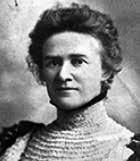
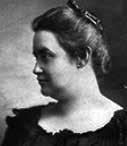
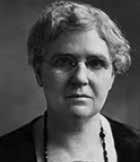
Columbia College Chicago was founded in 1890 as the Columbia School of Oratory by Mary A. Blood and Ida Morey Riley, both graduates of the Monroe Conservatory of Oratory, (now Emerson College in Boston, Massachusetts). Throughout the years, Columbia has evolved while staying true to its mission.
In 1904, the school changed its name to the Columbia College of Expression and in 1927, the college became a sister institution with the Pestalozzi-Froebel Teachers College.
The school left its partnership with the Pestalozzi-Froebel Teachers College in 1944 with a revised name, Columbia College, and with Norman Alexandroff serving as its president.
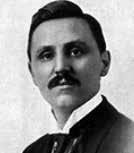
In 1961, Mirron (Mike) Alexandroff became president and created a liberal arts college with a progressive social agenda. For the next 30 years, he built Columbia into an urban institution that offered coursework taught by some of the most creative professionals in Chicago.
Columbia was awarded full accreditation in 1974 by the North Central Association of Colleges and Schools and purchased its first building in the South Loop at 600 S. Michigan Ave. In 1984, Columbia received full accreditation for its graduate programs.
In 1992, Dr. John B. Duff was named president and during his tenure, the school changed its name to Columbia College Chicago, expanded its educational programs, and added to its physical campus in the South Loop.
In 2000, Dr. Warrick L. Carter served as president and ushered in new studentbased initiatives such as Manifest and Shop Columbia, partnered with local universities to construct the University Center of Chicago, purchased new campus buildings, added new curricula, and built Columbia’s first newly constructed building, the Media Production Center.
In July 2013, Dr. Kwang-Wu Kim became Columbia College Chicago’s tenth president. During his tenure, he oversaw a revision of the college’s Core Curriculum, the establishment of the Career Center, a modernization of the college’s information technology infrastructure, the renovation of the Getz Theatre, and the construction of the Student Center.
In July 2025, Dr. Shantay N. Bolton became the eleventh president and CEO. Dr. Bolton is the first woman in nearly 90 years and the first woman of color to lead the institution. She will lead the institution in its mission to provide a comprehensive education in media arts, technology, and business within a context of enlightened liberal education.
Building on its heritage of creativity, innovation, and strength, Columbia College Chicago continues to challenge its students to realize their abilities according to the school’s motto, “esse quam videri” (to be rather than to seem), and encourages its students to author the culture of their times.
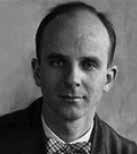
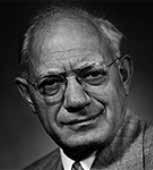
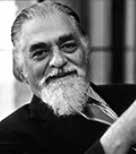
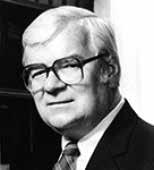
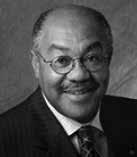
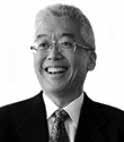
“Mike”
B.
Kwang-Wu
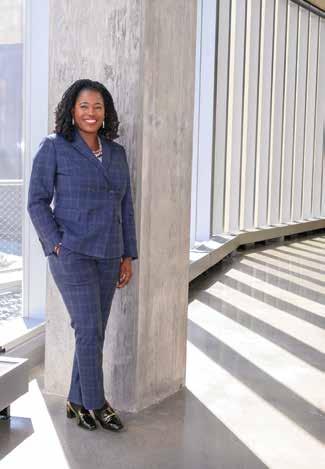
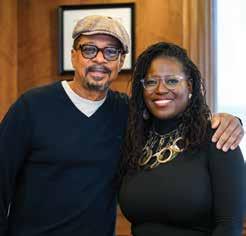
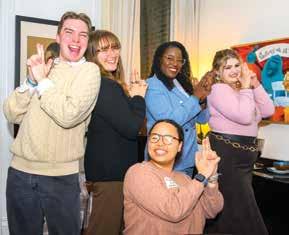
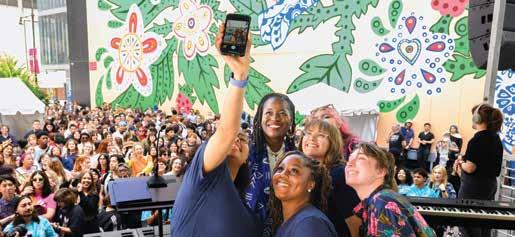
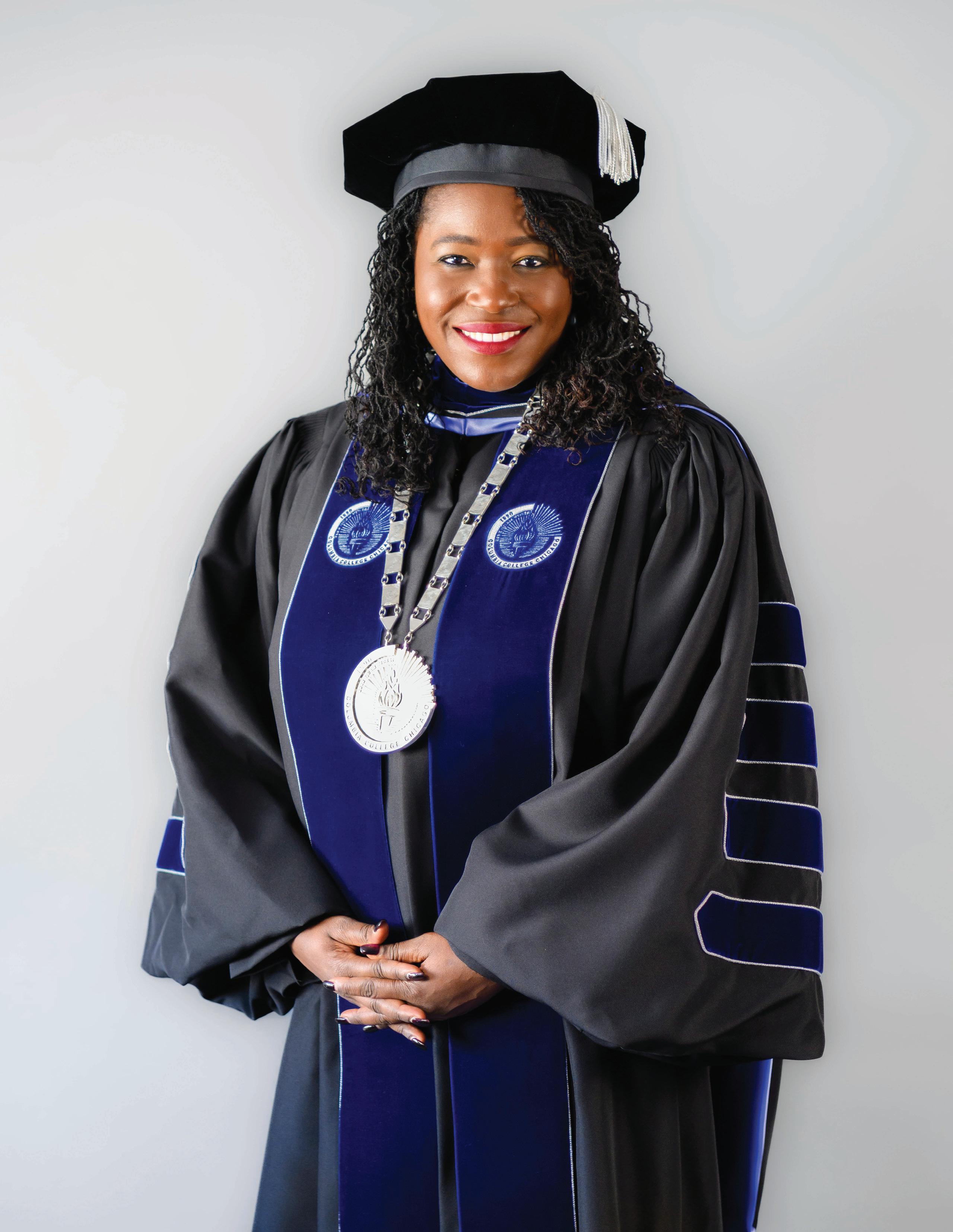
Dr. Shantay N. Bolton is a transformational executive and nationally recognized higher education leader serving as the eleventh president and chief executive officer of Columbia College Chicago. With more than two decades of senior-level leadership across complex public and private institutions, she is widely regarded for her fiscal stewardship, inclusive leadership, and ability to guide institutions through moments of renewal and possibility.
Appointed in July 2025, Dr. Bolton became the first woman of color—and the first woman in nearly 90 years—to lead Columbia College Chicago. She launched Renaissance Rising: Shaping Tomorrow Together, a comprehensive transformation agenda aligning academic, financial, operational, and enrollment priorities to position the College for long-term vitality and impact. Under her leadership, Columbia is strengthening its financial foundation, rebuilding trust and shared governance, reimagining enrollment and student success, while advancing a bold vision for creative careers at the intersection of art, technology, and industry.
A recognized voice on the future of the creative economy and the responsible integration of artificial intelligence in higher education, Dr. Bolton is elevating Columbia’s national profile through thought leadership, strategic partnerships, and signature initiatives that center innovation, access, and workforce relevance.
Prior to joining Columbia, Dr. Bolton served as executive vice president for administration and finance and chief business officer at the Georgia Institute of Technology, where she oversaw a multi-billion dollar enterprise and advanced major capital projects, administrative modernization, and organizational effectiveness initiatives. She previously served as executive vice chancellor for administration and chief administrative officer at Washington University in St. Louis and as vice president and deputy chief operating officer at Tulane University, where she founded the Tulane University Leadership Institute. Dr. Bolton began her career in higher education in senior executive leadership at Tuskegee University, contributing to institutional transformation and talent development.
Dr. Bolton was recently named a 2026 Daniel Burnham Fellow with Leadership Greater Chicago. Her honors also include “Crain’s Chicago Business’” Who’s Who in Education, the W.E.B. Du Bois Higher Education Leadership Award, Titan 100 (St. Louis and Georgia), and recognition as a Top 25 Chief Business Officer by Women We Admire. She is a fellow of the Chicago Leadership Circle, a joint initiative of “Crain’s Chicago Business” and the University of Chicago Graham School, and an active member of the Economic Club of Chicago.
Dr. Bolton holds a Ph.D. in Organizational Psychology from Walden University, an M.B.A. from Florida International University, and both a B.S. and M.S. in Psychology from Alabama A&M University. A passionate educator and advocate, she has taught at multiple institutions, including the Federal Executive Institute.
Her civic and global engagement includes longstanding service as an educational missionary in Haiti and the Dominican Republic; leadership as international director of Zeta Organizational Leadership (ZOL) with Zeta Phi Beta Sorority, Inc.; involvement with national higher education organizations; and mayoral-appointed service in New Orleans and St. Louis advancing workforce development and community impact. She advocates in support of autism research, Easterseals, and March of Dimes.
Dr. Bolton is the proud mother of her son, Brandon.

Briyanna Manzanares ’27
(BMus candidate, Contemporary, Jazz, and Popular Music)
Craig T. Robinson, Jr. Senior Pastor, St. James AME Church, Chicago, Illinois
John M. Holmes, M.B.A.
Chairman, President, and CEO, AAR Corp. Chair, Board of Trustees
Karla Rae Fuller, Ph.D.
Professor, Film and Television President, Faculty Senate
Diana Vallera
Adjunct Professor of Instruction, Photography President, Columbia College Chicago Faculty Union
Rachel Horton M.F.A.’08, Ed.D. Director of Student Persistence
Michael Wojcik ’96, M.S.
Senior Director of Development, American Red Cross-National Headquarters Former President, National Alumni Association, and Former Member, Board of Trustees
Jenna Davis ’26 (BFA candidate, Fine Arts)
President, Student Government Association, 2025 Student Lincoln Laureate
PRE-CEREMONY CONCERT
The award-winning Columbia College Chicago Fusion Ensemble performs contemporary jazz and original music. The group has performed with world-renowned jazz artists such as Tia Fuller, Donny McCaslin, and Stefon Harris at the Jazz Showcase in Chicago. The group combines elements of jazz, R&B, and rock to create an exciting, dynamic, and compelling sound.
Directed by Daryl Brooks, with music direction by Jonny Martinez and choreography by Kailey Rockwell, the Columbia College Chicago production of “Grease” brings 1950s Rydell High to life. Featuring spirited student performances of Rock & Roll hits and high-energy dance numbers, the musical follows a group of teenagers navigating love, friendship, and identity.
Brian L. Johnson, Ph.D.
CONFERRAL OF SYMBOLS OF OFFICE
John M. Holmes, M.B.A.
Suzanne McBride, M.S.J.
Interim Senior Vice President and Provost
MACE PRESENTATION
Karla Rae Fuller, Ph.D.
Introduction of the President Brandon G. Phillips
Shantay N. Bolton, Ph.D.
President and Chief Executive Officer
Following the ceremony, those in attendance are invited to a reception in the fifth-floor exhibition space of the Student Center. Greet President Bolton and explore activations of student creative work that will be set up on all five floors of the building.
BRIAN L. JOHNSON, PH.D.
Dr. Brian L. Johnson served as the eighth President of Warner Pacific University in Portland, Oregon, from 2020-2025. Previously, he served as Vice President of Mercy College and President of its Manhattan campus in New York City (2018-2020), and as the seventh President of Tuskegee University (2014-2017). President Johnson was named a 2024 Council of Independent Colleges “Pioneering President,” an initiative funded by the Andrew W. Mellon Foundation. Dr. Johnson was the first post-doctoral Mellon Fellow to become a president of a Historically Black College and University, and shared insights for this initiative about the experiences of presidents from unique backgrounds in transformational institutional environments. Dr. Johnson is also the author/editor of seven academic books, including two on W.E.B. Du Bois, and is a frequent commentator on the life and writings of Booker T. Washington.
The customs governing the wearing of regalia at academic convocations such as today’s Presidential Investiture have their origins in the patterns of dress of Roman Catholic clergy-scholars in the universities of 12th- and 13th-century Western Europe. As with all such “invented traditions,” which appear fixed and unchanging when they are anything but, they have evolved over time and within cultures, resulting in a range of national and institutional variants and adaptations. The standard protocol for academic dress at U.S. higher education institutions is set out in the American Council on Education’s Academic Costume Code (1986).
What follows is a summary of the more prominent elements of the regalia that will be worn at today’s ceremony by individuals who march in the academic procession. Through color schemes and other design features, the three garments that make up the regalia—the robe or gown, the hood worn around the neck, and the cap or tam—visually represent the highest degree earned by the wearer, the institution that conferred it, and the academic discipline in which it was granted.
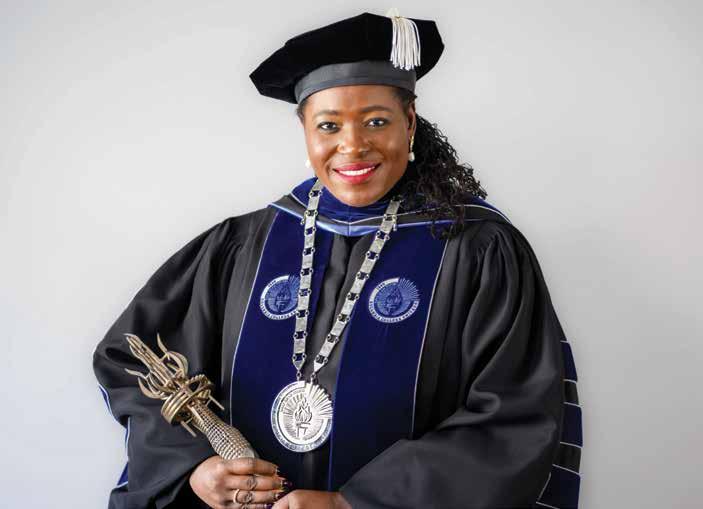
The core garment is black and lined in satin in the color(s) of the institution that conferred the degree and edged in velvet in the color designated for the academic discipline in which the degree was granted. The width of the edging and the length of the hood indicate the type of degree conferred; the longer the hood and the wider the edging, the more advanced the degree.
Academic gowns customarily are black, although some U.S. institutions have created their own doctoral robes with more colorful designs. The gowns of bachelor’s and master’s degree holders are untrimmed. The gowns of doctoral degree holders have velvet trimming down the front and three large velvet bars across both sleeves. The velvet features ordinarily are black but may be in the color designated for the academic discipline in which the degree was conferred.
The most familiar type of academic headgear is the square mortarboard or cap; some doctoral degree holders wear a soft tam instead. All headgear comes with a tassel, usually black.

The college mace, which will be carried into the Investiture ceremony by the chief faculty marshal, represents the collective authority of the college’s faculty. The ceremony does not officially begin until the mace is placed in its stand on the stage. Columbia’s mace is a threedimensional representation of the college seal; the design symbolically depicts light breaking out into the world.
The medallion worn by the president, which incorporates the college seal, represents the authority vested in the president by the Board of Trustees. The medallion’s custom-designed chain is imprinted with the thumbprints of individual students, faculty, and staff, thereby symbolically honoring the standing of those constituencies within the college community.
The college mace and the presidential medallion were designed and created by sculptor and Adjunct Professor of Instruction Miklos P. Simon.
John M. Holmes, M.B.A. Chair Chair, Executive Committee Chairman, President, and CEO AAR Corp.
Hugh C. Williams, M.B.A. Vice Chair Chair, Governance Committee President and CEO, Continental Painting and Decorating, Inc.
Barry M. Sabloff, M.B.A. Secretary Chair, Finance Committee Director, Marquette National Corporation/ Marquette Bank
Paul Broucek ’74, HDR ’18 Chair, Academic Affairs Committee President, Music, Warner Bros. Pictures
Paul Garnes ’96, HDR ’16 Chair, Student Affairs Committee President, Array Filmworks
Imad I. Qasim, J.D.
Chair, Investment Committee Retired Partner, Sidley Austin LLP
William E. Wolf, M.B.A. Chair, Audit Committee Managing Partner, Method Capital LLC
Len Amato ’75, HDR ’15 Independent Film and Television Producer, Crash&Salvage
Shantay N. Bolton, Ph.D., ex officio President and CEO, Columbia College Chicago
Robert J. Buford, J.D. President and CEO, Planned Realty Group, Inc.
Melissa Dalrymple, M.B.A. Former Partner, McKinsey & Company, Inc.
Amy Dordek Dolinsky Partner and Director of Business Development, Lucas James Talent Partners
Staci R. Collins Jackson MAM ’06 CEO, The Collins Jackson Agency
Karen Jones ’86, J.D., ex officio Executive Director, Global and Graduate Programs, University of Houston Law Center
Averill Leviton
Liaison, Consular Corps, Office of the Secretary of State
Rich Nanda
Principal and Chief Strategy Officer, Deloitte Consulting LLP
Peter Pace Jr.
Managing Director, Goldman, Sachs & Co.
Richard Poulton, M.B.A. CEO, R2P Advisors
Michael Swanson
Senior Vice President, Production, NBCUniversal Media, LLC
Andreas Waldburg-Wolfegg, M.A. Investment Manager
Robert A. Wislow
Chairman and CEO, Parkside Realty, Inc.
Trustees Emeriti
Helena Chapellín Wilson ’76
Honorary Members
Bill Kurtis, J.D.
Allen M. Turner, J.D., HDR ’13
Shantay N. Bolton, Ph.D. President and Chief Executive Officer
Jeffrey Bethke, M.B.A. Interim Chief Financial Officer
Adriel A. Hilton, Ph.D.
Vice President of Institutional Strategy and Chief of Staff
Emmanuel Lalande, Ed.D.
Senior Vice President of Enrollment Strategy and Student Success
Suzanne McBride, M.S.J.
Interim Senior Vice President and Provost
Laurent Pernot, M.A.
Vice President of Strategic Partnerships and Civic Engagement
Jerry Tarrer, M.B.A.
Senior Vice President and Chief Operating Officer
Adam Weiss, J.D.
Interim Vice President of Legal Affairs and General Counsel
Aubrie J. Willaert
Vice President for Development and Alumni Engagement
Suzanne McBride, M.S.J.
Interim Senior Vice President and Provost
Greg Foster-Rice, Ph.D.
Associate Provost, Student Retention Initiatives; Associate Professor of Photography
Brian Marth, M.A.
Associate Vice President of Student Success
Nate Bakkum, Ph.D.
Senior Associate Provost; Associate Professor of Music
Pegeen Quinn, M.F.A.
Associate Provost for Academic Personnel
Deans
Steven Corey, Ph.D. Dean of Academic Programming
Doug Eck, Ph.D. Dean of Students
Jeanne Petrolle, Ph.D.
Acting Dean of Faculty Affairs
Directors
Gerardo “Jerry” Brindisi, M.A.
Interim Director, School of Business and Entrepreneurship
Elizabeth Davis-Berg, Ph.D.
Interim Co-Director, School of Design
Thomas Dowd, M.A.
Interim Co-Director, School of Design
Ames Hawkins, Ph.D.
Interim Director, School of Communication and Culture
Duncan MacKenzie
Interim Director, School of Visual Arts
Jimmy Noriega, Ph.D.
Allen and Lynn Turner Director, School of Theatre and Dance
Colbey Reid, Ph.D.
Director, School of Fashion
Eric Scholl, M.F.A.
Interim Co-Director, School of Film and Television
Ben Sutherland, Ph.D.
Director, School of Audio and Music
Wenhwa Ts’ao, M.F.A.
Interim Co-Director, School of Film and Television
Karla Rae Fuller, Ph.D. President Professor, School of Film and Television
Dawn Larsen, J.D. Vice President Associate Professor, School of Business and Entrepreneurship
Ted Hardin, M.F.A.
Secretary Associate Professor, School of Film and Television
Keith Kostecka, D.A.
Parliamentarian Associate Professor, School of Design
David Castellanos
Assistant Professor of Instruction, School of Theatre and Dance
Cheri Charlton, M.F.A.
Assistant Professor, School of Visual Arts
Robert Edgecomb, M.F.A. Assistant Professor, School of Film and Television
Betsy Edgerton, M.A. Associate Professor, School of Communication and Culture
Ron Fleischer Associate Professor, School of Design
David Gerding, M.B.A.
Associate Professor, School of Design
Visda Goudarzi, Ph.D.
Associate Professor, School of Audio and Music
Julie Granata-Hunicutt, M.F.A.
Assistant Professor of Instruction, School of Theatre and Dance
Jason Hopkins, M.F.A.
Assistant Professor, School of Design
Elio Leturia, M.S.
Associate Professor, School of Communication and Culture
Frances Maggio, M.F.A.
Associate Professor, School of Theatre and Dance
Teerath Majumder, Ph.D.
Assistant Professor, School of Audio and Music
Peg Murphy, M.A.
Associate Professor, School of Business and Entrepreneurship
Brendan Riley, Ph.D.
Associate Professor, School of Communication and Culture
Lee Sanders, M.M.
Assistant Professor, School of Audio and Music
K. Crom Saunders, M.A.
Associate Professor, School of Communication and Culture
Jackie Spinner, M.S.
Professor, School of Communication and Culture
Kendra Thulin, M.F.A.
Associate Professor, School of Theatre and Dance
Ayo Walker, Ph.D.
Associate Professor, School of Theatre and Dance
Ric Walker, M.F.A.
Associate Professor, School of Theatre and Dance
Loren Wells, J.D.
Associate Professor of Instruction, School of Business and Entrepreneurship
David Woolley
Professor of Instruction, School of Theatre and Dance
Goli Young, M.F.A.
Assistant Professor of Instruction, School of Fashion
Diana Vallera
President
Adjunct Professor of Instruction, School of Visual Arts
Lisa Formosa-Parmigiano, M.F.A.
Vice President
Adjunct Professor of Instruction, School of Film and Television
Deb Doetzer
Secretary
Adjunct Professor of Instruction, School of Communication and Culture
Susan Van Veen, M.S.
Treasurer
Adjunct Professor of Instruction, School of Business and Entrepreneurship
Magica Bottari
Membership Chair
Adjunct Professor of Instruction, School of Theatre and Dance
Delia Pless, M.F.A.
Publications Chair
Adjunct Professor of Instruction, School of Communication and Culture
Allison Geller
President
Operations Manager, Enrollment Management
Matthew Eiler-Rillie
Vice President and Grievance Co-Chair
Coordinator of Education and Community Development, Student Diversity and Inclusion
Mara Kovacevic
Treasurer
Lab Manager and Safety Officer, School of Design
Hannah Jensvold, M.S.Ed.
Grievance Co-Chair
Academic Advisor, College Advising Center
Jesus Monroy, M.S.W.
Communications Chair
Transfer Specialist, Enrollment Management
Elise Nenia
Membership Chair
Facilities Manager for Film Row Cinema, School of Film and Television
Danielle Alexander
Regional Representative
Assistant Director, Student Persistence
Columbia College Chicago would like to thank the following institutions of higher learning that sent representatives to today’s Investiture ceremony.
University of Georgia 1785
Franklin & Marshall College 1787
McCormick Theological Seminary 1829
Saint Xavier University 1846
Northwestern University 1851
Washington University in St. Louis 1853
Morehouse College 1867
The Johns Hopkins University 1876
Spelman College 1881
Shorter College 1886
University of Wisconsin-Stevens Point 1894
Dominican
Seton Hill University
Lewis
Roosevelt University
Purdue University Northwest
Tacoma Community College
Governors State University
Olive-Harvey College, City Colleges of Chicago
The Evergreen State College
The following institutions offer congratulatory remarks:
Abilene Christian University
Abraham Baldwin Agricultural College
A.T. Still University
Aurora University
Benedict College
Berrie College
Caldwell University
Carroll College
Clark University
Cleveland State University
College of the Ozarks
Connecticut College
Converse University
Dalton State College
Dominican University
Drury University
Earlham College
Eastern Mennonite University
Florida Gulf Coast University
Franklin & Marshall College
Hampden-Sydney College
Harvard Graduate School
Heidelberg University
King’s College
Loyola University Chicago
Miami University
Milligan University
Mississippi University for Women
Mount St. Mary’s University
National Alliance of Black School Educators (NABSE)
Ohio Dominican University
Olivet Nazarene University
Randolph College
Saint Mary’s University of Minnesota
Southeastern Louisiana University
St. John’s College
St. Louis University
St. Norbert College
St. Thomas Aquinas College
St. Mary’s University
Thomas More University
Union University
University of Illinois Chicago
University of Louisiana at Lafayette
University of Minnesota Duluth
University of Nebraska at Omaha
University of North Alabama
University of Saint Joseph Connecticut
University of Southern Indiana
University of West Alabama
University of Wisconsin-Madison
University of Wisconsin-Whitewater
University of Wisconsin-Stout
Valdosta State University
Washington College
Western Illinois University
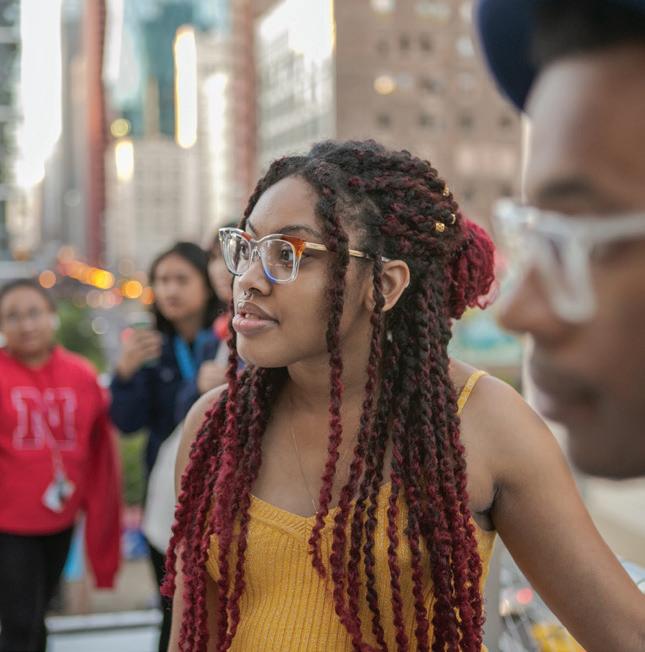
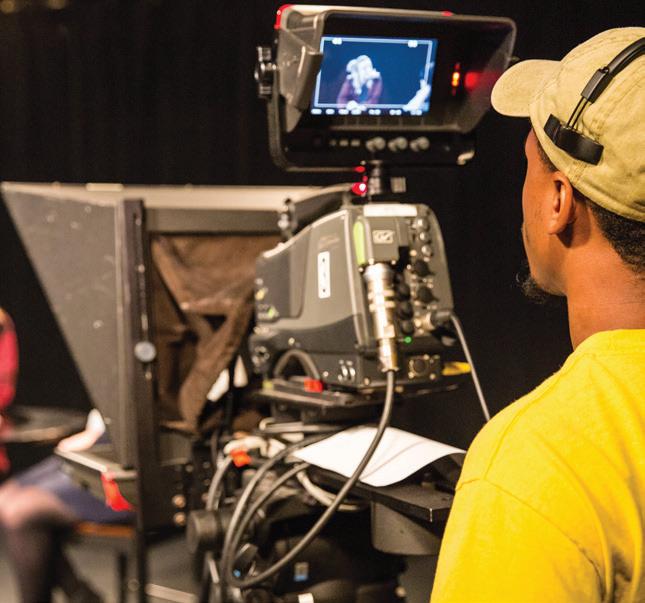



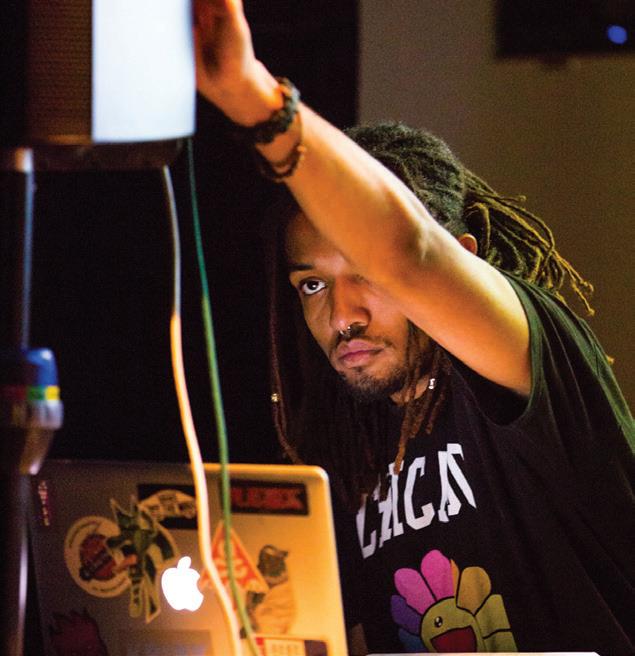
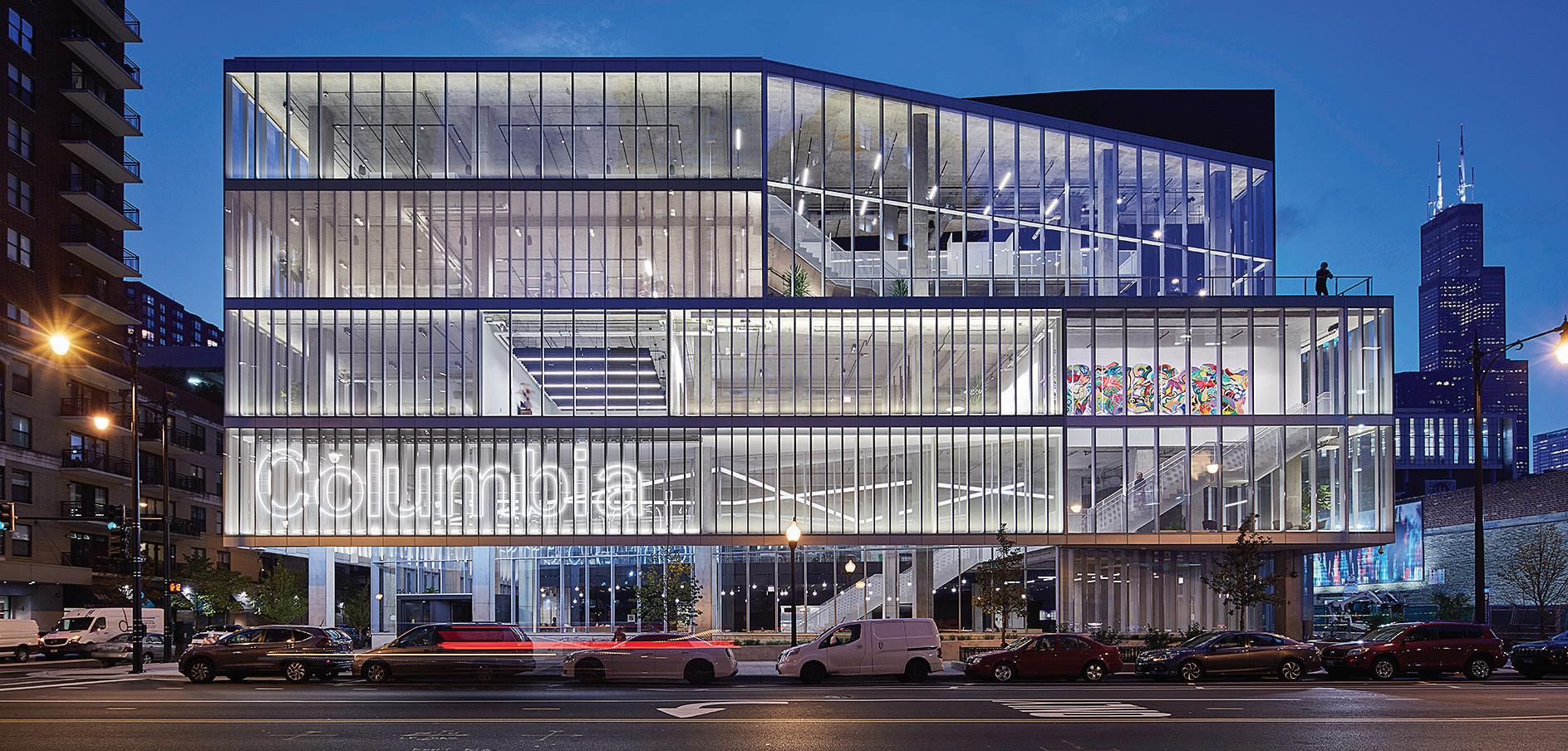
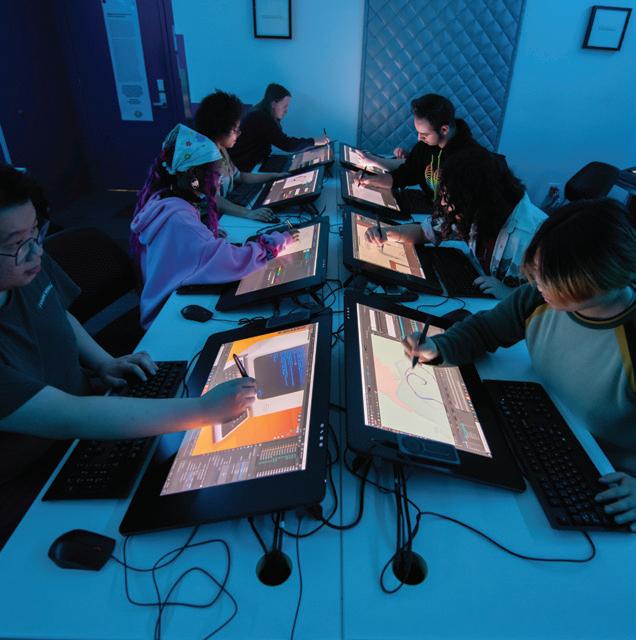

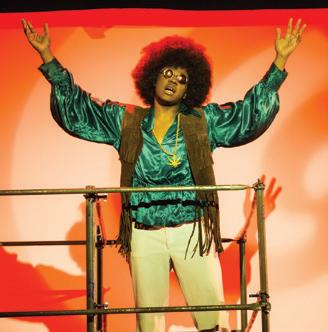
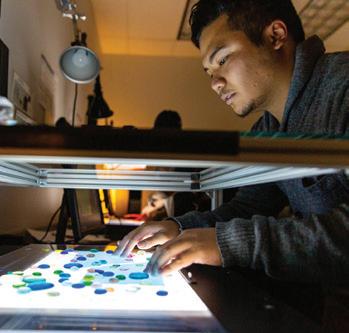

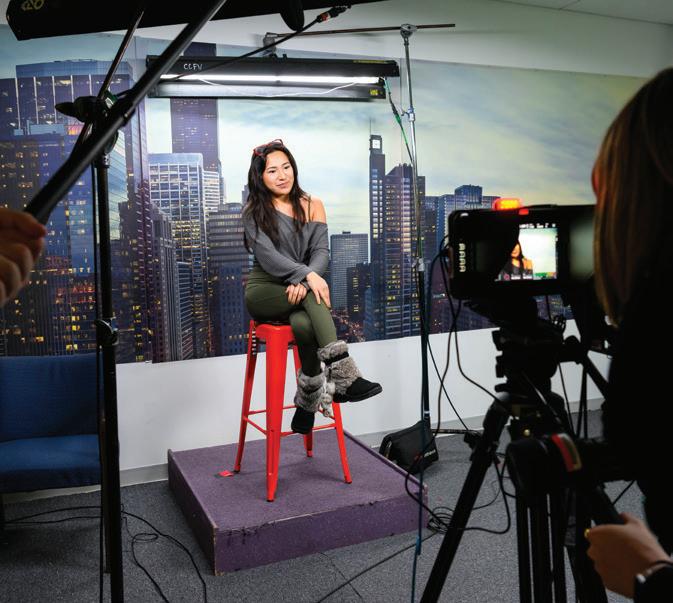
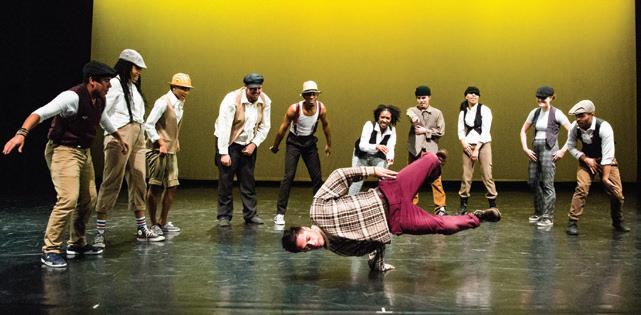

At Columbia College Chicago, student success is at the heart of everything we do and creating pathways to achieve that success is our top priority. To that end, the Renaissance Innovation for Student Excellence Fund (RISE) provides direct support for the areas that impact our students most. From tuition scholarships and career-defining internship opportunities to mental health support and emergency needs, the RISE fund ensures that our students remain focused on education, discovery, and innovation.
Join us in preparing our students for the creative careers of today and tomorrow. Scan this QR code or visit www.colum.edu/risefund to make an impact today.