diseAse identiFiCAtiOn Jeff Miller jeff@millerresearch.com
MArKet rePOrt Ben eborn napmn@napmn.com
POtAtO GrOwers OF wAshinGtOn dale Lathim dale@pgw.net
editOriAL inFOrMAtiOn
Potato Country is interested in newsworthy material related to potato production and marketing. Contributions from all segments of the industry are welcome. Submit news releases, new product submissions, stories and photos via email to: editor@ColumbiaMediaGroup.com.
AdvertisinG sALes
For information about advertising rates, mechanics, deadlines, etc., call (208) 520-6461 or email dave@PotatoCountry.com.
sUBsCriPtiOns
U.S. $50 per year / Foreign $120 per year
Subscriptions can be entered online at: potatocountry.com/subscribe or call (503) 724-3581.
Email address changes/corrections to: brian@ColumbiaMediaGroup.com or send to Potato Country, PO Box 333, Roberts, ID 83444. Potato Country magazine (ISSN 0886-4780), is published eight times per year and mailed under a standard rate mailing permit at Idaho Falls, Idaho and at additional mailing offices. It is produced by: Columbia Media Group, PO Box 333, Roberts, ID 83444 Copyright 2026. All rights reserved. No part of this publication may be reproduced or transmitted in any form or by any means, electronic or mechanical, for any purpose without the express written permission of Columbia Media Group.
$500 per Acre: the real Costs of Potato nematodes
By Philip Watson, Professor of Agricultural Economics, University of Idaho, PAPAS Project Co-Director
Potato production for the United States is estimated at 412 million cwt (or 41.2 billion pounds) with a farm-gate value of $4.9 billion (USDA NASS, 2025). Because potato nematodes can cause significant economic losses for U.S. potato growers, our industry depends on effective management to maintain its global competitiveness and sustain farmer livelihoods.
The PAPAS project was created to minimize potato crop losses and protect grower profitability by supporting nematode management decisions with science-backed data and developing new, sustainable management solutions, including durable nematode-
resistant potato varieties and new biological nematicides.
Economic activity in the potato industry could increase if our research is successful in resolving quarantines, reducing potato shipment rejections and providing necessary strategies for effective nematode control. Potato growers rely on solid economic data when making nematode management decisions. Our team researches the financial impact of nematode management methods through predictive modeling and profitability estimates that reflect the majority of U.S. potato production systems.
Potato Production Costs
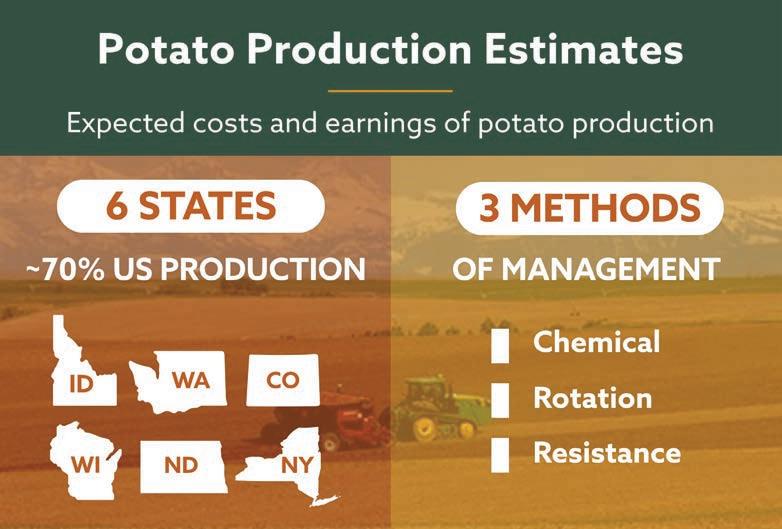
Using economic models, we generated standardized enterprise budgets for six states that represent more than 70% of total U.S. potato production (Idaho, Washington, Colorado, Wisconsin, North Dakota and New York).
These budgets track the expected costs and earnings of producing potatoes with three different nematode management methods: chemical, rotation and resistant varieties.
Utilizing these state potato production enterprise budgets, we calculated the economic impacts of potato nematode outbreaks and their associated management costs. The results show significant losses to both farmers and the broader economy.
Potato nematode Management Costs
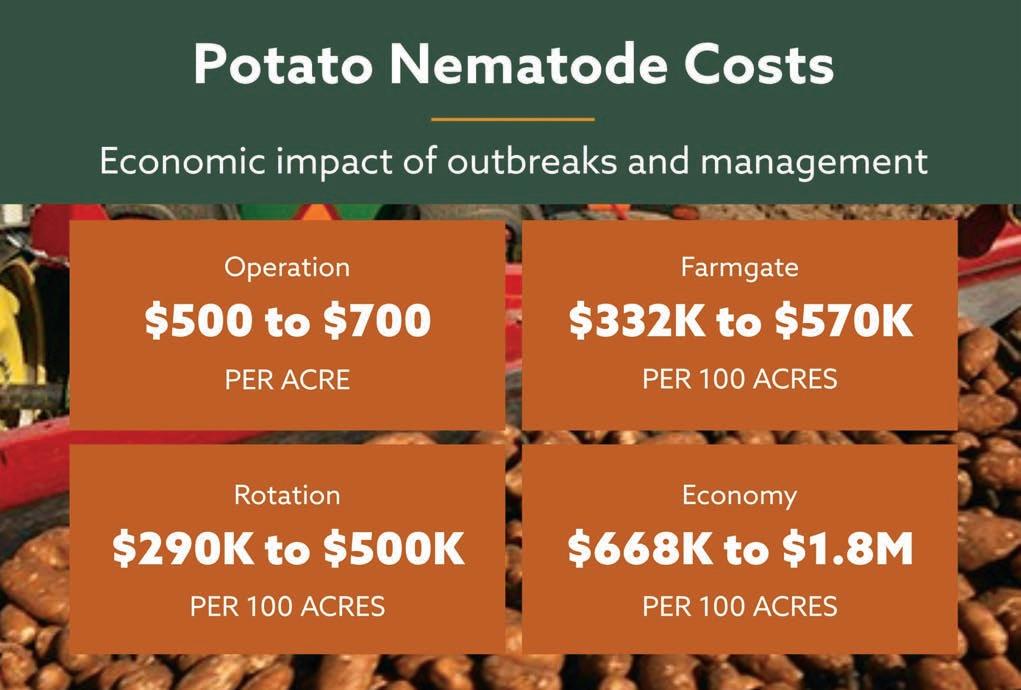
On average, nematode control costs a farmer in the U.S. about $500 per acre – but up to $700 per acre. That breaks down to about $400 in additional chemical costs and another $50 to $100 in increased harvest, storage, application and operating costs.
Nematodes reduce farm-gate revenues by $332,000 to $570,000 per 100 acres.
In several states, fumigation reduces the break-even price needed to cover total production costs, with yield gains that partially offset higher input expenditures. However, the margin remains thin in highcost regions, underscoring the importance of site-specific decisions.
Net losses for rotational crops are between $290,000 and $500,000 per 100 acres. When a nematode infestation forces acres out of potato production, growers can plant an alternative crop to partially offset the loss, but returns from a cereal or grain crop will always fall short of what potatoes would have generated.
broader economy between $668,000 and $1.8 million per 100 acres. These numbers include not only direct farm-gate losses in potato output, but also impacts throughout the supply chain and farm household income. When potatoes get taken out of production, the whole supply chain gets disrupted. That hurts all the way down to foodservice workers who make less income.
n v
project is to accelerate the development of commercial potato varieties with nematode resistance.
resistance against pale cyst nematode or root-knot nematodes, and only two minor varieties have resistance against golden nematode pathotype Ro2. In contrast, dozens of U.S. varieties are resistant to golden nematode pathotype Ro1, which have been key to controlling the pest in New York for the past several decades.
costs and availability of new varieties, nematode-resistant potatoes make the
most economic sense for potato growers by reducing pesticide costs and boosting yields. In the long run, these benefits also reach consumers with a larger, safer and more affordable supply of high-quality potatoes.
Visit potatonematodes.org for the latest nematode management resources, economic decision tools and research findings.
direct tuber testing
By Aritra Roy Choudhury, Montana Seed Potato Certification
Seed potato certification is built on trust – trust in the system, trust in the data and, ultimately, trust in the seed. As new technologies emerge, it is our responsibility not just to adopt them, but to evaluate where they fit and how they strengthen that trust. Direct tuber testing (DTT) is one such technology that is gaining momentum across the United States, and while it holds tremendous promise, it must be viewed in the right context.
Across certification programs, there is growing interest in integrating DTT into routine testing workflows. The certification agencies across the states are working collaboratively to standardize protocols, validate results, and ensure that data generated in one program is meaningful and comparable across others. This level of coordination is encouraging and necessary as we move toward a more unified national framework.
However, as we adopt new tools, it is equally important to remain grounded in what has consistently worked.
Certification Is a Three-Legged Stool
Seed potato certification is not defined by a single test or a single season. It is a
system that relies on multiple layers of evaluation to provide a complete picture of seed health. In my view, certification is a three-legged stool: summer field inspections, winter grow-out and direct tuber testing. Each of these components plays a significant and non-redundant role in making informed decisions.
Remove one leg, and the system becomes unstable.
Summer inspections provide the first line of defense, allowing us to evaluate disease expression, varietal purity and overall field conditions during the growing season. The winter growout in Hawaii has long served as the cornerstone of post-harvest evaluation. At present, DTT is entering the picture as a powerful diagnostic tool.
What DTT Does Well and What It Does Not
Direct tuber testing brings precision and sensitivity, particularly in detecting Potato virus Y (PVY). Its ability to identify infections directly from dormant tubers using molecular methods provides an advantage in detecting latent or lowlevel infections that may not be visually apparent.
But we must be clear about its current limitations.
At present, DTT programs are largely focused on PVY detection. While that is critically important, it represents only one part of the seed health equation. DTT does not capture varietal mixtures. It does not reveal chemical or physiological damage. It does not provide insight into field performance. And it does not adequately address other pathogens of concern, such as soft rot bacteria like Pectobacterium and Dickeya, which continue to challenge production systems.
The winter grow-out, on the other hand, provides a much broader lens. It allows us to see how plants emerge, how symptoms develop and how a seed lot behaves under field conditions. These observations are not easily replaced by molecular diagnostics.
A Coordinated National Effort
One of the most positive aspects of DTT adoption is the level of collaboration among states. The certification agencies are not working in silos but are actively coordinating sampling strategies, testing protocols and validation studies. This is exactly how new technology should be introduced: carefully, collectively and with a commitment to scientific rigor.
Multi-state validation trials, where seed lots are subjected to both DTT and winter grow-outs, help us understand how these systems align and where gaps remain. These efforts are critical, not only for validating DTT but also for defining how it should be used within certification standards. Encouragingly, most programs are not rushing to replace existing methods. Instead, they are building a hybrid system that leverages the strengths of each approach.
High-Throughput Testing: Opportunity and Reality
There is also a strong push toward high-throughput testing platforms to accommodate the growing demand for DTT. Automation, real-time PCR systems and expanded laboratory capacity are all part of this transition.
However, we must acknowledge a practical reality: increased demand is already testing the limits of current infrastructure.
Growers are submitting more samples than ever before, and while this reflects confidence in the system, it is also leading to longer turnaround times. In some cases, the expected speed advantage of DTT is being diminished by the sheer volume of samples being processed.
Direct tuber testing is here to stay, and it will play an increasingly important role in seed potato certification. But as we embrace this new technology, we must do so with clarity and caution. Certification is not about speed alone. It is about confidence. And confidence comes from using the right tools, in the right way, at the right time.
diseAse identiFiCAtiOn QUiz
Dr. Jeff Miller, a plant pathologist, is the president and CEO of Miller Research, Rupert, Idaho. He can be contacted by phone: (208) 531-5124; cell: (208) 431-4420; jeff@millerresearch.com
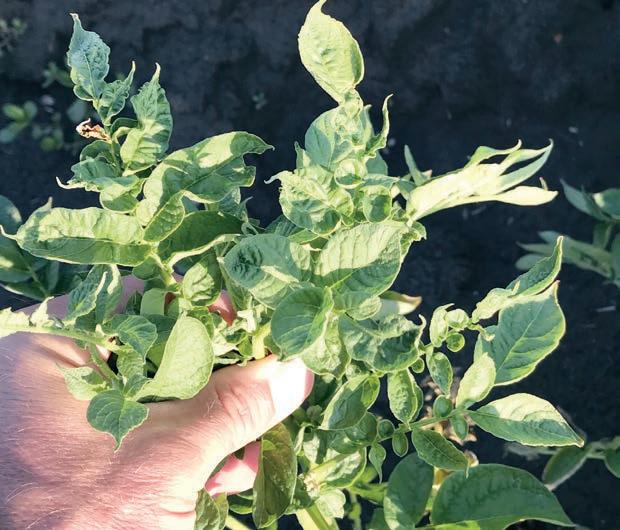
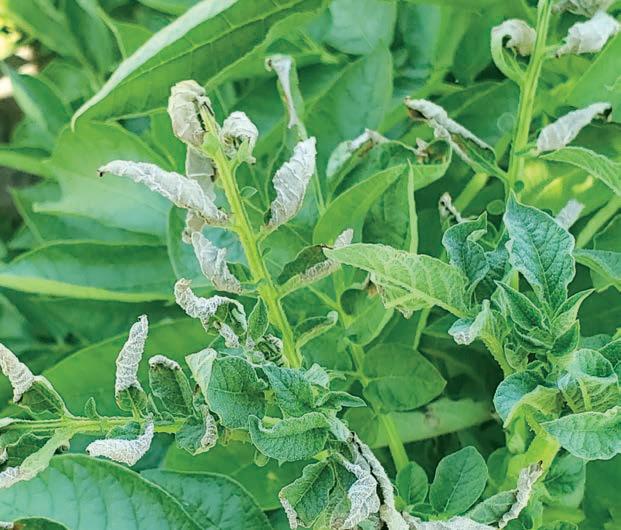
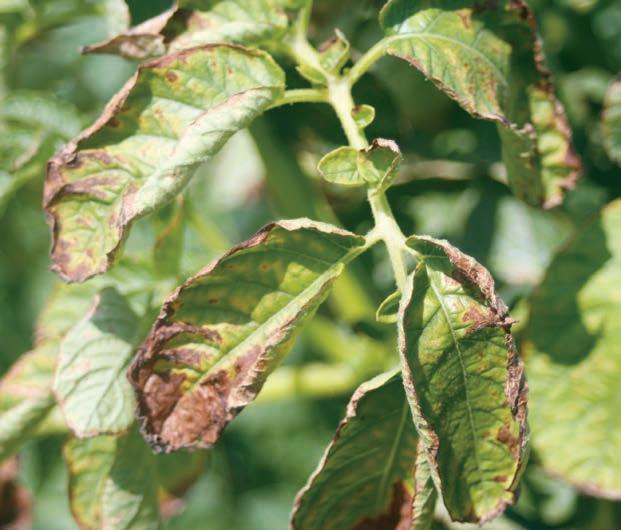
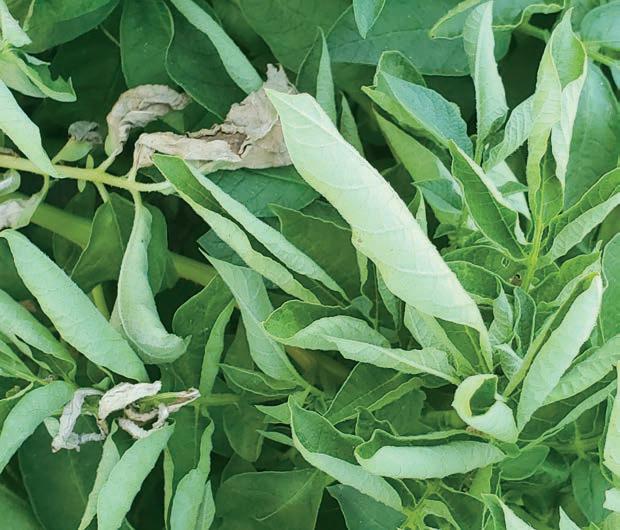
Your potatoes are off and growing for another great year. However, as you walk your fields, you see some leaves that don’t look right.
What is causing the problems shown in these photos? Did herbicide drift affect your field? Is there a soil-borne disease affecting these plants?
Photos courtesy Carrie Wohleb and Tim Waters, Washington State University
researchers study Cover Crop strategies
By John O'Connell, University of Idaho
ArecentUniversity of Idaho-led study conducted in collaboration with regional dryland wheat farmers provides guidance on when to terminate a springplanted cover crop.
Cover crops, which are grown primarily to benefit soil health and fertility rather than for commercial sale, are becoming increasingly common on northern Idaho and eastern Washington farms. However, little research has explored how they perform in local growing conditions and cropping systems.
Producers and researchers involved in U of I’s three-year study called the Pacific Northwest Cover Crop Decision Aid System (PaNDAS) evaluated how cover crops with varying species diversity affected soil moisture, as well as nitrogen and carbon levels, when killed at three different growth stages.
The farmers and scientists agreed that terminating cover crops in early to midbloom stages – which generally occur from late June through the first week of July depending on water availability – struck the right balance between
maximizing soil health benefits and minimizing water consumption.
The early-season termination date in low-precipitation areas, which occurred in early June, provided insufficient time for cover crops to make an impact. The late-season date, which occurred when seed pods started filling, around midJuly, used too much water to justify the additional cover crop growth in the study’s driest growing areas.
In growing areas with heavier precipitation totals, the ideal termination date was closer to full bloom. By the late-season termination date, farmers in wetter growing areas were concerned that some cover crop seeds had reached maturity and posed a threat of emerging as volunteers in subsequent commercial crops.
“It’s a tremendous amount of new information we obtained in partnership with eight producers, who were co-principal investigators,” said Sanford Eigenbrode, a distinguished professor emeritus in the Department of Entomology, Plant Pathology and
Nematology, who was part of the PaNDAS research team. “All of our producers want to keep going with this research. They want to learn more because they really enjoyed this experiment, they enjoyed the experience of collaborating with us, and they learned things.”
trial design
Farmers operating in three different rainfall zones in Genesee and Troy in Idaho, as well as Cloverland, St. John, Uniontown and Palouse in Washington – receiving annual precipitation of 10-12 inches, 14-18 inches or 18-22 inches –devoted 6 acres each toward replicated cover crop trials.
Trials, which were conducted in 2023 and 2024, compared a low-diversity mix containing a brassica, a grass and a legume against a high-diversity mix with three species from each genus. They also compared cover crop performance when terminating them in the early, mid and late season.
“We measured how much biomass cover crops produced and how much
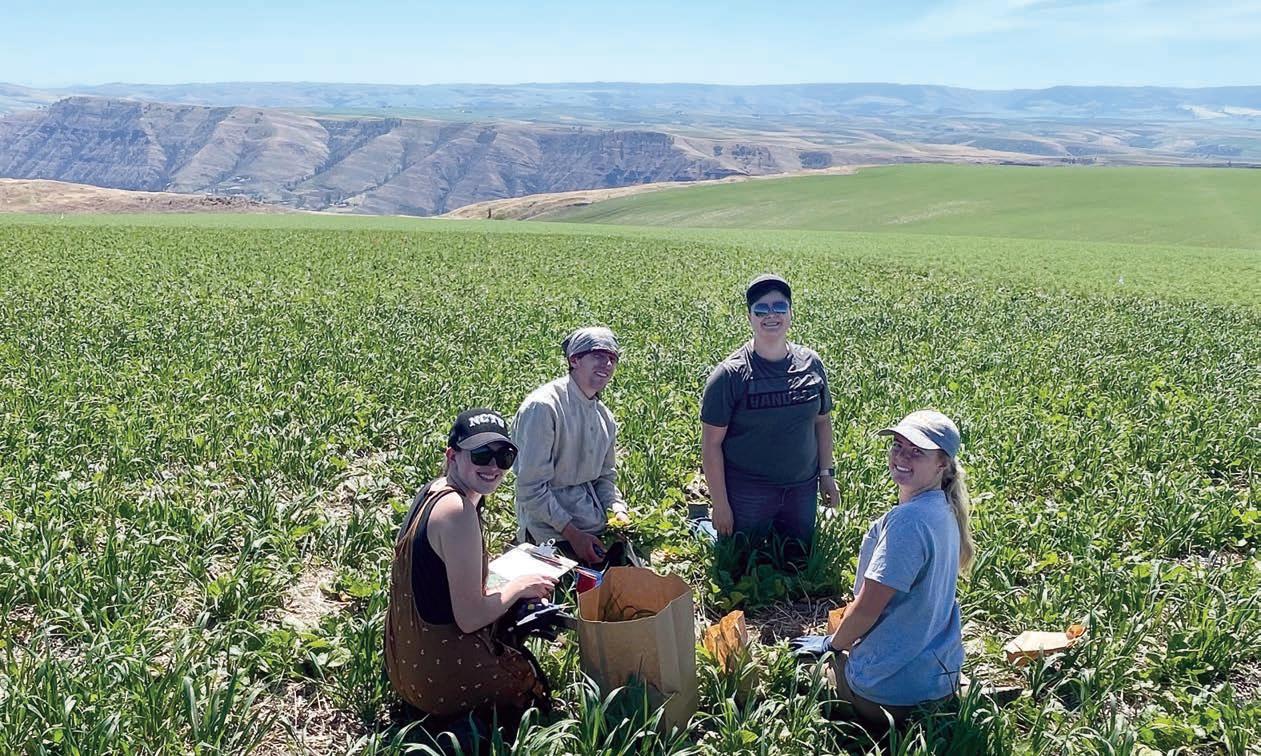
University of Idaho staff, undergraduate and graduate researchers involved in a cover crop research project collect cover crop biomass samples from research trials on a commercial field in Genesee, Idaho.
nitrogen and carbon were stored in that plant material,” said Kendall Kahl, a PaNDAS team member who is an assistant professor in the Department of Soil and Water Systems. “We also measured soil nitrogen during the cover crop year and then again every six months for the next year and a half to see if we could measure some of that nitrogen from cover crops in the soil.”
Cover crops replaced garbanzo beans in the crop rotation on farms in the wetter regions and were planted in place of summer fallow in the dry areas. Farmers planted winter wheat following cover crops.
research Findings
The researchers found cover crops in all scenarios were effective at recapturing nitrogen that would have otherwise leached from fields, bringing it to the surface to slowly decompose over six months to two years, depending on conditions, and eventually become available for use by commercial crops.
“In our high-rainfall areas, those cover crops are holding about 70 pounds of
Colorado
Certified
nitrogen per acre in plant material that will become available at some point,” Kahl said. “In our drier areas, we are seeing 45 to 50 pounds per acre of nitrogen in that cover crop biomass. The question is when will it break down and show up in the soil?”
The second termination date also resulted in the ideal carbon-to-nitrogen balance in the cover crop biomass for soil microbes to convert organic nitrogen from cover crop foliage into inorganic forms accessible by commercial crops.
Species diversity seemed to have no effect on nutrient cycling and soil water availability, though high-diversity mixes attracted a much greater diversity of insects.
“If you’re concerned about the cost of doing cover crops, I think this research shows that choosing a simple, less expensive mix will still give you a similar benefit in terms of nitrogen,” Kahl said.
The researchers saw no yield gains following cover crops in any of their management approaches, but they believe that winter wheat yields could increase with a longer study.
Potato Growers Association
“Quality as High as our Mountains”
RUSSET VARIETIES:
Russet Norkotah S3
Russet Norkotah S8
Rocky Mountain Russet
Silverton Russet
Rio Grande Russet
Canela Russet
Mesa Russet
Mercury Russet
Fortress Russet
Crimson King
COLORED VARIETIES:
Columbine Gold
Colorado Rose
Rio Colorado
Red Luna
Purple Majesty
Masquerade
Mountain Rose
Vista Gold
“The cover crops use a little bit more water than what you are going to lose in fallow, but you get a significant amount of carbon and nitrogen and potentially other soil benefits from growing the cover crop,” Kahl said. “We hope to continue this study to look more closely at how our cover crop management strategies impact soil health – in particular our soil arthropod and microbial populations, which the growers we’re partnering with are interested to learn more about.”
Author’s note: PaNDAS was funded with a three-year, $350,000 grant from U.S. Department of Agriculture Western Sustainable Agriculture Research and Education, of which 100% was the federal share, under award number SW22-940.
Seed Growers:
inseCt BiOLOGY QUiz
This material is provided courtesy of Josephine Antwi, Ph.D., Assistant Professor of Irrigated Crop Entomology at the Oregon State University Hermiston Agricultural Research & Extension Center. She can be reached at josephine.antwi@oregonstate.edu.
During the growing season, potato fields become a playground to a wide range of arthropods. Several ecological and agronomic factors make potato fields attractive to arthropods. Some of these arthropods are potato pests that are attracted to the field due to strong visual (dense green canopy) and chemical (plant volatiles) cues from the plant. You may have come across some of these insects in your potato field but probably haven’t seen them this close.
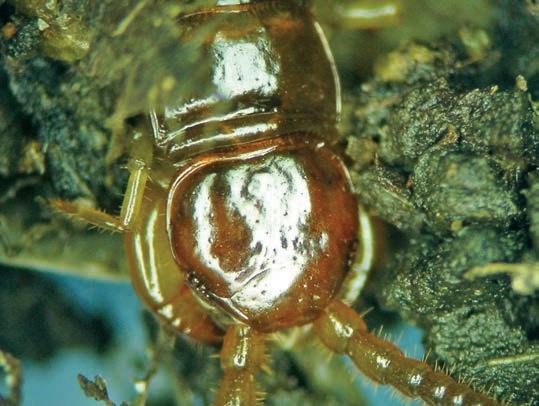
Can you guess which arthropod is in Photo 1?
True or false: The arthropod in Photo 1 consumes potato roots, which can damage the plant.
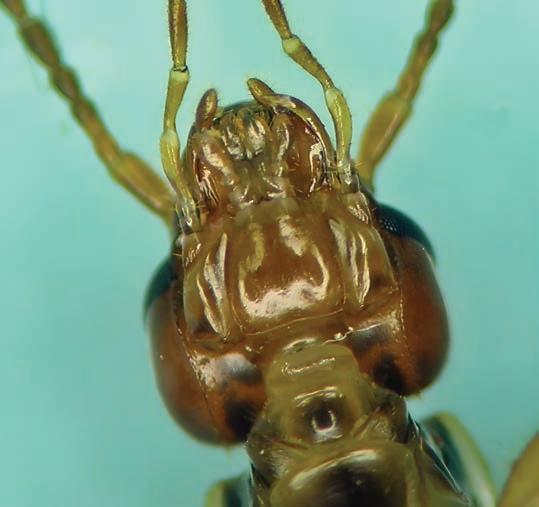
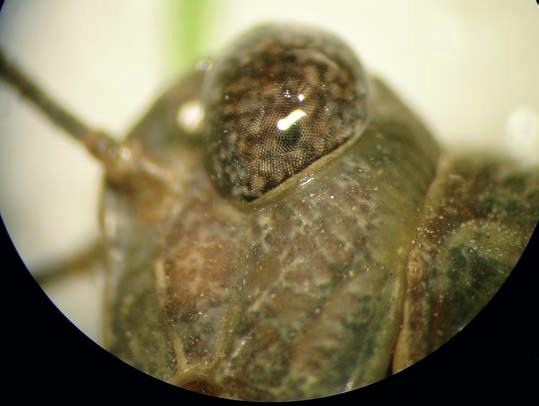
Can you guess which arthropod is in Photo 3?
True or false: Much like the arthropod in Photo 1, this arthropod can cause extensive damage to potato roots.
Can you guess which arthropod is in Photo 2?
True or false: The arthropod in Photo 2 is a predator that consumes most insects including potato pests.
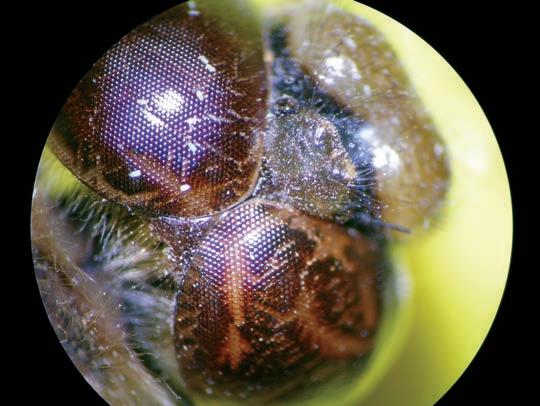
Can you guess which arthropod is in Photo 4?
True or false: This arthropod can defoliate potato leaves.
4
1 2 3
Photos courtesy Andy Jensen
redox Adds to research team
Redox Bio-Nutrients has welcomed formulation scientist Karthik Mani to the research team at the company’s Burley, Idaho, headquarters. His primary focus areas will be integrating bioactive components from diverse biostimulant sources and advancing their impact in modern cropping systems.
Lockwood Announces Alberta dealer
Mani has a Ph.D. in chemistry and brings more than 13 years of experience in organic chemistry, biomaterials and nano-enabled formulation technologies. He joins Redox following a postdoctoral appointment at North Carolina State University.
PGS Equipment is the new Lockwood potato equipment dealer for whole goods, parts and service for Alberta, Canada, and the surrounding area. Located in Taber, Alberta, PGS focuses on the sales and service of new and used agricultural machinery, specializing in row crop and potato equipment.
PGS Equipment is backed with a healthy parts supply and topnotch service team to guarantee the best post-sales service possible for customers, according to Lockwood.
Ecorobotix’s ARA Ultra High Precision Sprayer is now being assembled for the U.S. market in Lyons, Kansas, by KMW. The Kansas-based manufacturer specializes in precision fabrication, engineering and assembly services for agricultural equipment manufacturers. The partnership will allow Ecorobotix to strengthen its U.S. supply chain and better adapt its technology for U.S. production regions and specialty crop growers, according to the company.
Ecorobotix is also building partnerships with universities across the U.S. to better understand regional agronomic conditions and develop new crop algorithms tailored to American farming systems.
Antone Christensen • Wess Gibson • Cody McCoy • Kevin Victor
This was somewhat of a trick question. None of these photos represent true “disease” symptoms. Instead, these are photos of disorders that result from abiotic (non-living) causes. These photos all show symptoms related to heat stress in one way or another. The information provided here was published in WSU Potato Alerts authored by Carrie Wohleb.
Photo A: It is true that the leaves in this photo appear to be affected by herbicide drift. However, this symptom is known as heat crinkle and results from extremely high temperatures. Under high temperatures, new leaf growth can be cupped, distorted or crinkled. Leaves may also turn yellow or light green from chlorophyll degradation.
Photo B: The symptom in this photo is tipburn or windburn. Under hot, dry conditions, wind can cause leaves to dry and become necrotic and brittle. Symptoms usually begin at the margins and may not cover the entire leaf.
Photo C: This photo is tricky because multiple causes can lead to this symptom. In this case, this plant is affected by toxic seed piece syndrome (TSPS). It is believed that under high temperatures, as the seed piece breaks down, some of the breakdown products are transported to the upper portions of the plant, causing bronzing between the leaf veins. The vascular system is discolored, and the seed piece has a gelatinous brown, translucent appearance. There is no rotten odor, and the condition does not spread to neighboring plants.
Photo D: High temperatures can cause leaf rolling symptoms as shown here. Leaf margins curl upward in the shape of a taco in an effort to reduce exposure to solar radiation. These leaves may also become thick because translocation of carbohydrates from leaves to tubers is reduced.
Vive Crop Protection has launched Averland SM, a new in-season nematicide designed to provide growers with a more flexible and effective approach to managing nematodes in potatoes, onions and other high-value crops.
Enabling the active ingredient, abamectin, to move deeper into the soil profile, Averland SM builds a larger zone of protection where nematodes are actively feeding. This approach helps deliver more consistent control compared to traditional surface-focused applications, according to Vive. Field trials have demonstrated that Averland SM provides strong and consistent nematode control, performing comparably to industry standards while offering a more costeffective alternative, according to the company. In potato trials, Averland SM reduced nematode pressure and improved marketable yield when incorporated into existing programs.
Greg Esco
Bret Mize
KnOw YOUr diseAse Answers (FROM PAGE 9)
investing in the next Generation: the evolution of Potato Leadership
By Mike Wenkel, Potato LEAF
Thepotato industry thrives on a longterm vision that extends well past the next harvest. Families manage their land and water resources today so they can pass down strong, sustainable operations to the next generation. The Potato Leadership, Education, and Advancement Foundation, or Potato LEAF, adopts this same mindset by investing in the most valuable part of any farming business: its people.
This January marked six years of cultivating fresh leadership for the U.S. potato industry. Our core mission stands firm even as we refine our strategies to help growers navigate the shifting landscape of modern agriculture. As an evolving organization, we take pride in expanding our hands-on learning programs and sharpening our curriculum to better serve the needs of our farmers.
Leadership institute Capstone Project
For 24 years, the Leadership Institute has provided an intensive 10-day immersion into the potato value chain. Participants receive professional development training that ranges from touring production facilities to engaging on policy priorities on Capitol Hill during the NPC Washington Summit.
We recognized that the true value of this leadership training comes through direct application, which led us to create the Capstone Project as a formal part of the institute in 2025.
This new initiative challenges class members to take the skills they acquire in media relations and policy analysis and use them for high-impact projects within their own operations. By integrating this capstone experience, we ensure that the lessons learned in Washington, D.C., result in practical benefits back home on the farm.
Leadership in the Field
While the Leadership Institute focuses on industry advocacy, our Leadership in the Field program emphasizes personal development through unique historical perspectives. The now annual program takes place at the Gettysburg National Military Park in Pennsylvania and utilizes the resources of that revered battlefield to facilitate experiential teaching. We believe that the stories of ordinary people doing extraordinary things at Gettysburg offer profound lessons for modern agriculture.
The curriculum focuses on essential traits such as character, communication and strategic thinking under immense pressure. Growers also learn about humility, flexibility, resilience and accountability, which are all qualities required to manage a successful farming operation. Past participants have described the experience as the most relatable training they have ever received because it combines historical knowledge with practical leadership growth.
Academic scholarship
Beyond the field and the future generations leading potato
organizations, we also invest in those who may discover the next great breakthroughs for our industry. Each year, Potato LEAF presents a $10,000 academic scholarship to a graduate student whose research promises to benefit U.S. potato production. We select winners through an evaluation of academic excellence, leadership skills and the commercial potential of their studies. By supporting these talented individuals, we ensure that science and innovation continue to drive our industry forward.
The success of these educational programs depends entirely on the continued support of our industry partners. From the annual live auction at Potato Expo to our recurring individual and business contributors, the funds we raise help us build a foundation for a stronger, more connected U.S. potato industry.
As we look toward the next year of training under the guidance of newly elected Grower Leader Anthony Hart, we remain committed to providing the professional development necessary to stand up for potatoes. Leadership development secures the future of the farm just as surely as healthy soil produces a crop, and we invite everyone in the industry to join us in this vital mission.
Learn more and get involved at pleaf.org.
Kerian Sizer
BAGGinG & PACKinG
BUYers' GUide
All American Poly allamericanpoly.com
Custom Engineered Polyethylene Films
For over 40 years, All American Poly has combined the values of a small, personalized, familial organization with the manufacturing scope and scale of a large company. The company is a leader in innovation and sustainability and keeps customers at the forefront of leading-edge technology, processes and products that provide competitive advantage and help grow market share and earnings.
All American Poly’s SQF food-grade film is primarily an LDPE- or LLDPE-based material with proprietary enhancements designed for specific Form, Fill and Seal (FFS) packaged food product applications, including fresh and frozen potatoes. The film is available in 1-mil to 4-mil gauge and rolls or bags in rolls from 12 to 60 inches.
Chinook equipment, inc. chinookequipment.com
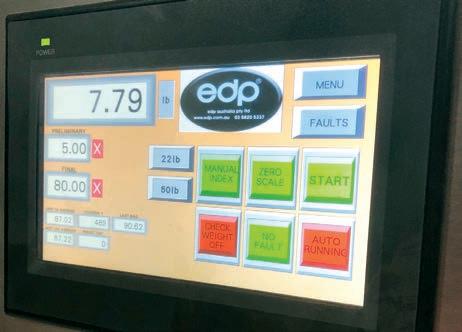
edp Potato Bagger
The newest potato bagger from edp, model EB-2218-DF, is the most accurate and highest capacity bagger built by edp Australia. This machine will accommodate most any open-mouth bag on the standard 9-inch bag holder. Most customers in the U.S. use this machine for a range of bags from 20 pounds to 50 pounds. Also available is the ability to fill cartons or crates with the optional carton-filling attachments. Speed control of both feed belts, pneumatic bag clamps, batch counters and monitoring of weight averages are among the standard features on the EB-2218-DF.
ellips ellips.com
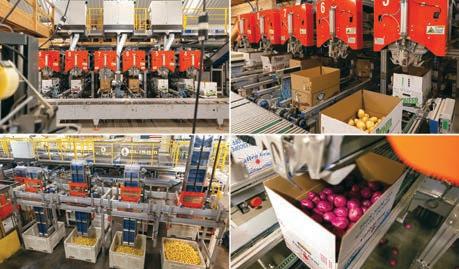
Elisam-Ellips AI Potato Grader
The Elisam-Ellips AI potato grader helps maintain consistent, high-quality results regardless of crop variability, while increasing capacity and reducing manual labor.
With singulation, rotating cups and advanced cameras, the Ellips system captures a 360-degree view to accurately grade size, shape, color, weight and external quality, while internal quality technology reveals what lies beneath the surface. AI grading catches even the most challenging defects with pinpoint accuracy, ensuring consistent quality – batch after batch, season after season.
The Elisam AI grader boosts throughput, allowing users to meet every deadline without manual sorting. And with the integrated carton filling solution, users can optimize their packing process, reducing labor and ensuring faster, more efficient order fulfillment. Users can spend less time managing a workforce and more time growing the business.
haines equipment inc. hainesequipment.com
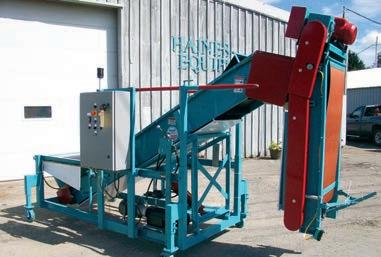
Bag & Box Filler
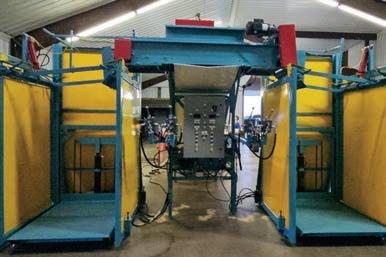
Keep packing lines moving while slashing manual labor costs. The Haines One Ton Bulk Bag & Box Filler is specifically built for potatoes, onions, and other bulk produce or commodities. Auto lowering platforms reduce product drop. The reversing cross conveyor instantly switches sides the moment the target weight is reached, with continuous operation.
The Haines Single Station is ideal for lowervolume operations requiring a compact footprint, while the Dual Station allows higher output.
Kerian Machines kerian.com
Kerian Sizer
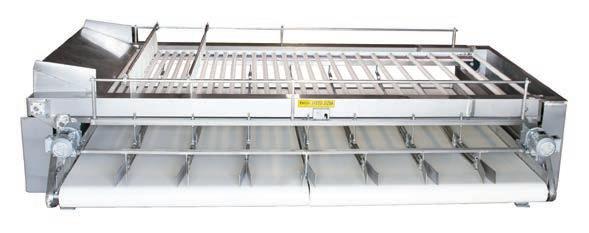
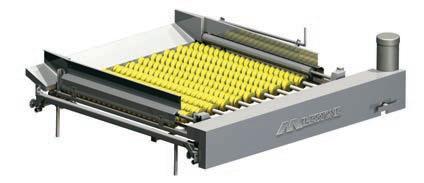
The Kerian Sizer is an ideal machine to gently, accurately and quickly sort potatoes by size. The Kerian Sizer is rugged, low maintenance and reliable, and it has been proven in use for reds, yellows, whites, russets, mini tubers, seed potatoes and more. Kerian’s customized takeaway conveyors will feed each size directly to the appropriate bagger/sacker/box/tote, saving customers labor costs on both grading and packing.
Kerian Machines takes pride in providing high-quality, made in the USA machines at an affordable price so that
BAGGinG & PACKinG essentiALs BUYers' GUide
Lockwood Manufacturing lockwoodmfg.com
GD-7 Sizer
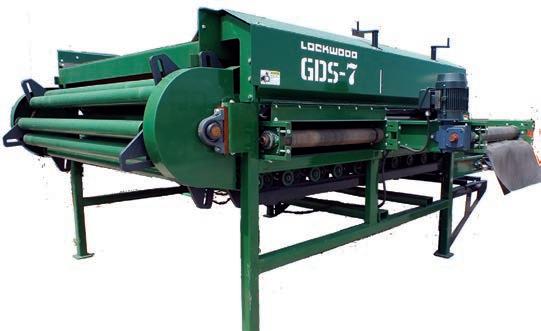
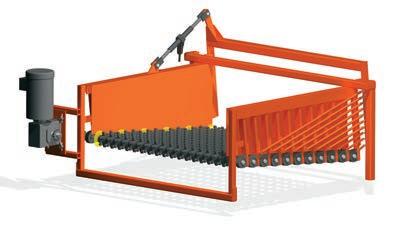
Lockwood’s GD-7 Sizer allows growers to control the size up to three ranges at a time with near 100 percent accuracy. The VFD controls the speed and production flow needed. The unit includes fingertip controls for ease of operation with minimal greasing points and moving parts for less maintenance. Adjustable legs allow equipment to be stable on uneven ground. The GD-7 includes an 84-inch-wide sizing table, and varieties are sized by diameter, not length. It is easily adjustable. The moving roller design reduces bruising and skimming to help provide the best product possible.
Milestone
milestone-equipment.com
Inline Sizer, AccuSizer
Milestone’s inline sizers and AccuSizers offer gentle and accurate sizing in a compact package. Standard inline sizers are available in numerous configurations and can incorporate the company’s proprietary quick adjust and sizing star for increased sizing accuracy. The AccuSizer has been many growers’ go-to for washed or peeled potatoes for over 30 years. The tried-and-true design, along with robust construction, has earned the AccuSizer a reputation of precise and low-maintenance operation.
symach
bwflexiblesystems.com/products/symach-palletizers
Palletizers
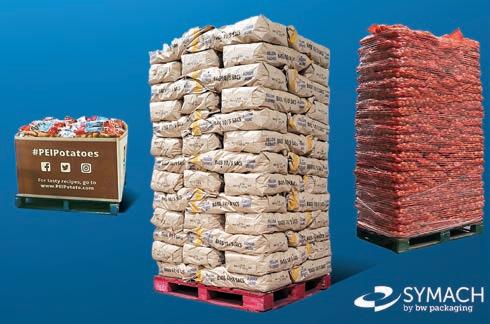
Potato growers across North America count on Symach palletizers to deliver perfectly stacked, damage-free pallets every time. Designed for speed and gentle handling, they help reduce bruising, minimize rejections and keep packing lines running smoothly.
With nearly 50 years of experience – and roots in potato farming – Symach understands what it takes to get crops to market in top condition. Symach’s Mach Series and 3500S palletizers are built for a wide range of packaging styles, from octabins and display bins to RPCs and overlapping bags. Compact, low-maintenance and built to grow with an operation, Symach palletizers offer add-ons like pallet wrappers and slip sheet dispensers to meet csutomers’ evolving needs.
volm Companies volmcompanies.com
Bag-to-Bin System
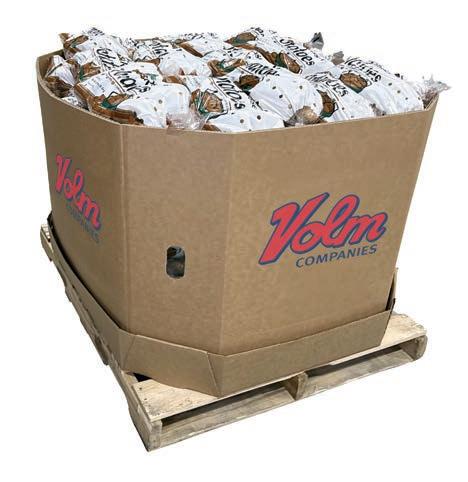
Volm Companies is a proud supplier of robotic palletizing solutions, including a customizable bag-to-bin system. This high-performance solution is easy to integrate and creates attractive, display-ready formats. Beyond a compact design, Volm’s bin filler includes a sleek end-of-arm tool, greater efficiency, minimal components, less maintenance and enhanced overall performance. Best of all, it does all the heavy lifting – so customers don’t have to.
Pilers
2020 Spudnik 780 42” BC 230v 3ph remote
2000 Wemco 36” all belt 230 volt 3ph remote all hydraulic
1999 Double L 831 36” BC Elev/49’ boom 3ph HYD Drive & Remote
1989 Spudnik 550 30” BC Elev. 48’ Boom 3ph VFD’s 230 Volt Remote
1982 Spudnik 450 36” BC Elev. 45’ Boom 220 volt single phase
1985 Double L 813 30” x 49’ 230 volt 3phase, remote Reconditioned
1986 Spudnik 1200 30” x 50’ 1ph conveyors - straigHt
1994 Spudnik 1225 Scale Conv 30”x16’ 1ph
1998 DL 809 30”/38’ 3ph
Milestone 30” x 30’ 3ph
Reconditioned Spudnik 42” x 40’ x3
sHreDDers
2014 Newhouse 8 row Pull type Model 2530 36” w/Tire Rollers
Newhouse 4 row 3-point w/tire rollers 36”
wareHouse & misc.
2019 Tri Steel PBF18 single tote bag filler 3ph
2011 Daumar PA 25D CB67 Wicketed bagger
2016 Tri Steel SS Grading/rolling table 3ph motor 24” wide rollers x 15ft long
Tri Steel Bag Conveyor 36” x 19’H-Adjust
Thermo Fisher Scientific Versa Flex
Checkweigher System Model 40-060
Kwik Locs
Neu Tech 9 lane weigher Ag Pak bagger 2 Kwik Locs
Grain Treater USC LP2000 with seed wheel
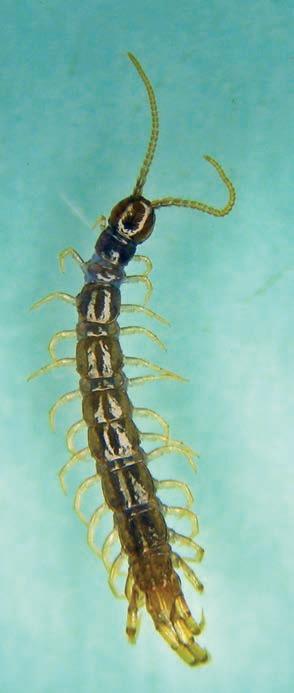
Photo 1 shows the head of a centipede, and Photo 5 shows the full image of a centipede. Centipedes are beneficial predators rather than pests. They are active hunters in the soil and at the soil–plant interface, feeding on other arthropods (e.g., insect larvae, small soil dwelling insects, mites and springtails). This means they help suppress populations of potential potato pests rather than attacking the crop itself.
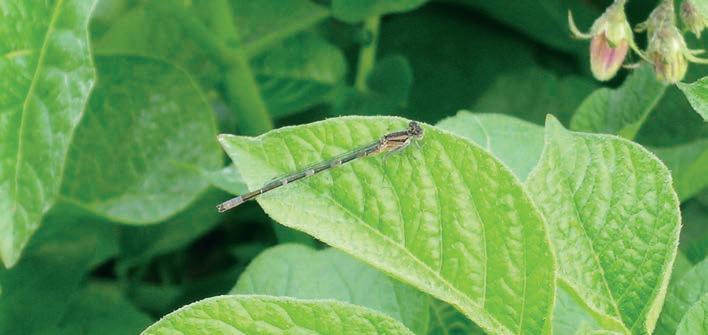
Photo 2 shows the eyes of a dragonfly. Photo 6 is an image of a damselfly, a cousin of dragonflies. In potato fields, both dragonflies and damselflies act as predators and are also considered beneficial insects. Because their larvae (naiads) are aquatic, the adults you see in potato fields are usually commuting from nearby water bodies. Maintaining these habitats in the landscape can help sustain dragonfly and damselfly populations that forage over crop fields.
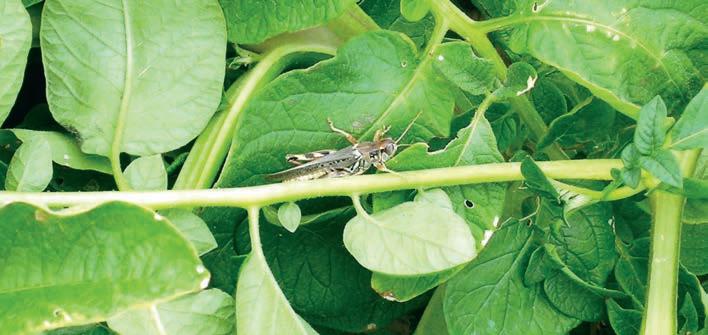
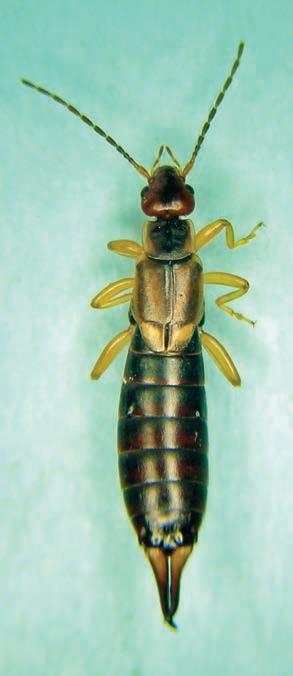
Photo 3 shows the head of an earwig, and Photo 7 shows the entire insect. Earwigs are not potato pests of economic importance. In potato, they chew irregular holes and ragged edges in leaves, especially on young plants and tender new growth. This can thin the canopy if pressure is high, but established plants usually tolerate moderate foliar feeding. In mixed vegetable systems, earwigs also consume aphids and other small soft bodied insects, so low to moderate populations can be neutral or even slightly beneficial. They become true pests when their numbers are high enough that foliage damage is frequent and obvious. Photo 4 shows an eye of a grasshopper, and Photo 8 shows a grasshopper in a potato field. Grasshoppers in potato fields are occasional defoliators. Nymphs and adults chew holes and notches in leaves and can strip leaf tissue along margins and between veins, especially on field edges where they move in from adjacent rangeland or weedy areas. In most potato systems, they are only sporadic pests; fields often tolerate low to moderate feeding once a full canopy has developed.
5 7 6 8
what 2025 Potato retail data tell Us
By Nick Bartelme, Global Retail Development Manager, Potatoes USA
Ifyou want a snapshot of potato demand in 2025, here it is: $19.9 billion in total retail sales for the calendar year and 15.3 billion pounds sold across all store segments (fresh weight equivalent), according to data compiled by Circana (IRI). Category performance remained stable overall, with volume essentially flat (-0.5%), and dollar sales edged down 0.7% from the prior year, driven largely by a 1% decrease in average consumer price per pound.
The numbers tell the story of a vegetable that remains a staple for Americans, but there are shifts in consumer behavior worth understanding – and new tools to help retailers capitalize on that knowledge.
Fresh Potatoes
Fresh potatoes were one of two categories to post volume growth in 2025, up 1% for the year. The story within fresh is largely one of specialty potatoes gaining ground. Yellow, medley, petite and purple potatoes each grew more than 6% in volume sales, offsetting declines in russets (-0.5%), reds (-6.6%) and whites (-9.4%).
In dollar terms, that specialty variety momentum was even more pronounced. Medley potatoes led all fresh types with an 8.8% increase in dollar sales, followed by purple (+8.1%) and yellow (+6.6%). Dollar sales of white potatoes fell 10% and reds declined 9.2%. Overall, fresh potato dollar sales declined a modest 0.3%, with the average price per pound for fresh potatoes falling 1.4% to $0.89. Pack size trends are equally notable. Smaller packs posted strong gains: 2–4 pound pack sizes grew 8.4% in volume, followed by 1–2 pound packs (+6.3%) and 8-pound packs (+5.8%). In contrast, larger formats decreased, including 5-pound packs (-0.8%), 10-pound packs (-1%) and packs greater than 10 pounds (-40.7%). Fresh potatoes sold in bags,
single-wrapped and tray formats all increased in volume.
This shift toward smaller pack sizes appears to reflect changing consumer behavior, including smaller households and heightened attention to budget and food waste. Retail data show that potato purchase trips are increasing even as spending per trip declines, indicating that potatoes are being bought more often, in smaller baskets.
Chips, Frozen, Other Segments
Chips remain the largest potato category by fresh weight equivalent volume, though volume and dollar sales both declined 1.5%. Frozen potato volume held steady (-0.1%). Instant and refrigerated potatoes each declined 2.6% in volume, though refrigerated potato dollar sales bucked the trend with a 0.4% increase. Deli-prepared potato sides represent a small share of total category volume (0.9%) but showed steady growth in both volume (+0.9%) and dollar sales (+2.8%).
On pricing, the total potato category averaged $2.31 per pound in 2025, down 1% year over year. Prices per pound fell for frozen (-1.9%), fresh (-1.4%), instant (-0.2%) and chips (-0.01%), while growing for refrigerated (+3.1%) and deliprepared sides (+1.9%).
A New Resource for Retailers
Potatoes remain one of the most purchased items in the produce aisle, and grocery carts with potatoes create more value for retailers than those without. Building on that advantage is why Potatoes USA provides a robust Retailer Resource Center at PotatoRetailer. com. It’s designed to make it easier for retailers and the industry professionals who supply them to find everything they need to drive even greater sales.
The hub provides access to tools, data and support, including:
• Retail sales reports, like the Circana data summarized here, tracking how potatoes are performing across categories, pack sizes and variety types
• Basket data analyses that identify which products consumers frequently purchase alongside potatoes, revealing buying patterns that retailers can use to make smarter decisions about product placement, promotions and personalized recommendations
• Merchandising best practices to help retailers optimize how potatoes are displayed and promoted in store
• Shopper profiles with consumer data relevant to the fresh potato buying experience
• Regional retail reports with marketspecific insights
• Case studies highlighting retailers who have successfully grown potato sales in their stores
• Toolkits with ready-to-use materials for in-store promotion and engagement
Potatoes USA’s Retailer Resource Center provides retailers with data-driven insights, merchandising strategies and ready-to-use tools designed to grow potato category sales, increase shopper engagement and enhance in-store performance across all potato types. Central to that effort is the concept of “The Power of One Extra Potato Purchase,” which aims to drive at least one additional purchase of fresh potatoes per year in half of all current potatobuying U.S. households, unlocking an estimated 245 million additional pounds of potatoes sold annually.
For growers and others in the supply chain who work with retailers, directing your retail partners to PotatoRetailer. com is an easy way to connect them with category-level support and to show that the broader potato industry is invested in their success.
Author’s note: Retail sales data cited is sourced from Circana (IRI), which compiles figures by working directly with retailers. Potatoes USA accepts no liability for the content of these reports or the consequences of any actions taken based on any information contained here. Questions can be directed to media@potatoesusa.com.
Finding Balance in the Potato industry
By Dale Lathim, Potato Growers of Washington
Assummer arrives across North America’s potato-growing regions, growers are once again preparing for a season filled with both opportunity and uncertainty. After three consecutive bumper crops in the major potato-producing areas, many in the industry are hopeful that acreage adjustments have finally brought production closer to equilibrium – creating a realistic opportunity to market and process the crop within the traditional 13-month cycle without forcing quality potatoes into lower-value outlets such as livestock feed.
While abundant harvests are generally celebrated throughout agriculture, potatoes present a unique challenge. For fresh-market growers and those with uncontracted production, bumper crops often translate directly into lower prices. Processing growers face a different but equally difficult reality. Most contracts include volume caps that limit the number of potatoes processors will purchase at the full contract price. Any production beyond those contracted volumes becomes the grower’s responsibility to store, market or sell at discounted values.
The result is a familiar paradox: exceptional yields can ultimately reduce profitability. In an ideal scenario, growers
would achieve higher yields on fewer acres, creating enough demand for surplus production to command average – or even above-average – market prices. Unfortunately, that is rarely how agricultural markets operate.
The market conditions experienced over the past several years did not develop solely because Mother Nature delivered excellent crops. In fact, the story began with the opposite situation. The 2022 potato crop was one of the shortest in modern history, leading to unprecedented prices for fresh and openmarket potatoes. In response, growers and buyers alike increased acreage in 2023 to ensure adequate supplies and avoid a repeat of the shortages and price spikes that defined 2022. When nearly every growing region then achieved normal to exceptional yields, the industry quickly shifted from one of the shortest crops on record to one of the longest.
The same pattern continued into 2024. Concerns about supply remained fresh in the minds of processors and buyers, making it difficult to reduce acreage enough to restore balance. Even as inventories grew, the memory of paying historic prices in 2022 continued to influence planting and procurement decisions.
By 2025, planted acreage appeared much closer to where it needed to be. However, another season of excellent yields and strong quality still resulted in a
surplus – albeit a much smaller one than the previous two years. The industry made progress, but true balance remained just out of reach.
Today, there is reason for optimism. Many industry participants believe production and demand may finally be aligning more closely. Achieving that balance is critical because the potato industry operates through one of the most interconnected business relationships in agriculture. Processors invest hundreds of millions of dollars in facilities designed exclusively to process potatoes. Growers invest tens of millions in specialized equipment, storage infrastructure and production systems that are economically viable only for potato production. Neither side can succeed without the other.
That interdependence extends directly to pricing. Processors must periodically increase prices to offset rising operating costs while also supporting the inflationary pressures growers face each season. Yet meaningful price improvements are difficult to achieve when either potatoes or processing capacity are in surplus. The past three years have challenged both sides of the equation. Processor margins have tightened, while growers have watched many of the contract-price gains achieved during the 2021 and 2022 negotiations gradually disappear. Looking ahead, meaningful improvements in grower returns will likely depend on restoring and maintaining balance between production and processing capacity.
As we move deeper into the growing season, one thing is clear: the long-term health of the potato industry depends on balance. Balance between supply and demand. Balance between processor and grower profitability. And balance between innovation and stewardship. If the lessons of the past several years have taught us anything, it is that sustainable success comes not from extremes, but from finding the middle ground where every segment of the industry can thrive.
TELONE™ II by Teleos soil fumigant is the gold standard for defense against destructive plant parasitic nematodes, including root-knot, root-lesion, and stubby-root. Prepping the soil with TELONE™ before planting supports healthier roots, higher yields, and improved quality. A custom blend of TELONE™ (to combat nematodes) and chloropicrin (to target soil-borne diseases like fusarium wilt and scab) is an effective one-two punch.