


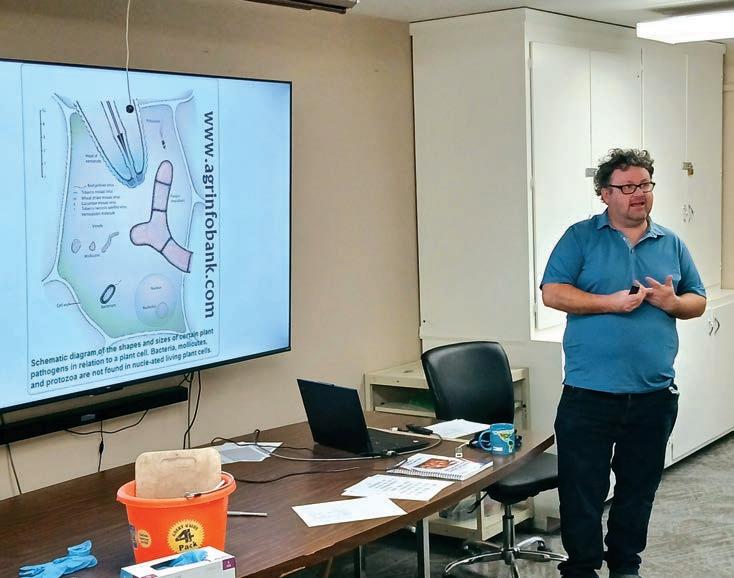
Pictured from left are Onion School presenters Uday Sekaran with OSU, Stuart Reitz with OSU, Hunter Doyle with Malheur County Extension and James Woodhall with University of Idaho. Not pictured is OSU’s Bill Buhrig. Read more about the Treasure Valley Onion School on page 20.
Seed
and
onions in our latest Buyers’ Guide. Find some brand
and some
on pages 4-13.
PO Box 333
Roberts, Idaho 83444
Telephone: (208) 520-6461
Circulation: (503) 724-3581
OnionWorld.net
OniOn WOrld COntaCts
Editor Denise Keller editor@ColumbiaMediaGroup.com
Publisher / advertising Manager
Dave Alexander dave@ColumbiaMediaGroup.com
director of Operations
Brian Feist brian@ColumbiaMediaGroup.com
EditOrial
Onion World is interested in newsworthy material related to onion production and marketing. Contributions from all segments of the industry are welcome. Submit news releases, new product submissions, stories and photos via email to: editor@ColumbiaMediaGroup.com.
adVErtisinG salEs
For information on rates, mechanics, deadlines, list rental, direct mail, inserts or other information, call (208) 520-6461 or email: dave@onionworld.net
sUBsCriPtiOns
U.S. $50 per year
Foreign $120 per year
subscribe online at: www.OnionWorld.net/subscribe or call (503) 724-3581.
Email address changes/corrections to brian@ColumbiaMediaGroup.com or mail to:
Onion World PO Box 333 Roberts, ID 83444
Onion World magazine (ISSN 0892-578X), is published eight times a year and mailed under a standard rate mailing permit at Idaho Falls, Idaho and at additional mailing offices. Produced by Columbia Media Group PO Box 333, roberts, id, 83444. Copyright 2026. all rights reserved.
No part of this publication may be reproduced or transmitted in any form or by any means, electronic or mechanical, for any purpose without the express written permission of Columbia Media Group. For information on reprints call (208) 520-6461.


301 Natividad Rd.
Salinas, CA 93906
Phone: (831) 443-4901
www.takii.com
info@takii.com
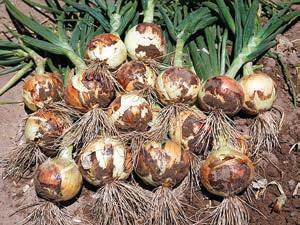
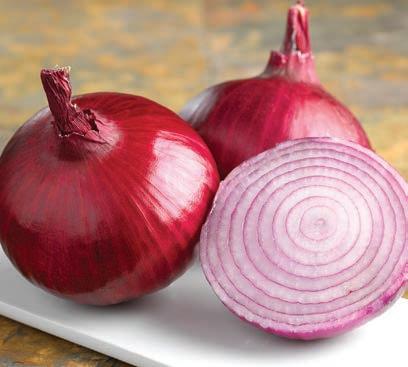
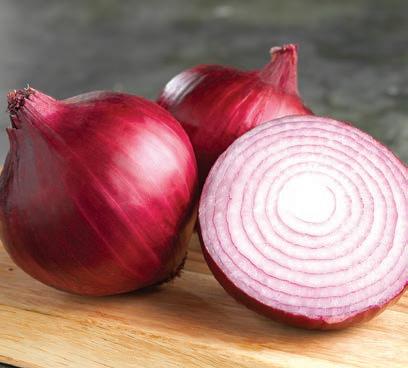
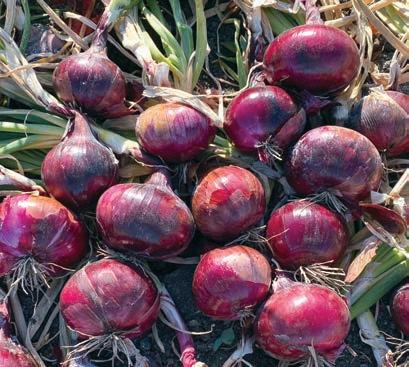
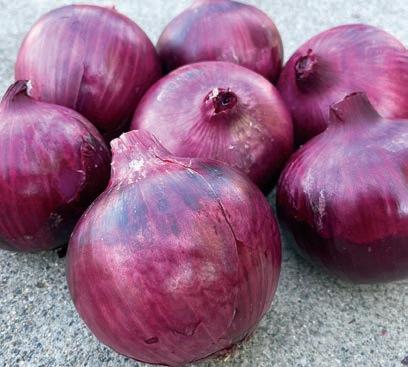
Marsella is a short-day red onion that has medium-early maturity. It features uniform shape, firmness, and excellent color inside and out. Other outstanding traits include strong tops with thin necks and high yield potential. The variety is suited to a wide range of growing conditions.
Rio Rojo is a short-day red onion with mild pungency and medium-early maturity. Plants have an upright habit and thin necks. Bulbs have great color internally and externally. The variety is suited to a wide range of growing conditions, stores for two to three months and is best for the fresh market.
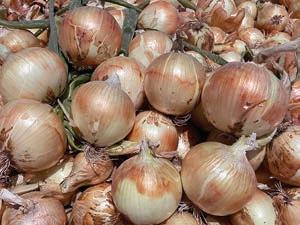
Rio Dulce is a mid-early, short-day onion with low pungency. It has strong roots, a high tolerance to pink root and good single centers. Bulbs are firm, have a globe shape with good skin retention and are mostly jumbo and colossal.
Hi-Keeper is an intermediate, overwintering-type onion with medium maturity. It has a globe shape and is jumbo sized, averaging 11 ounces. Growing vigorously with good long-term storage ability, Hi-Keeper is best suited for storage markets.
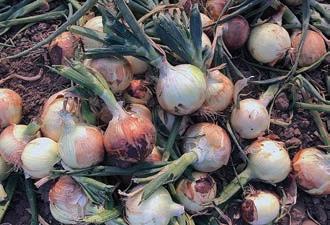
Katem is an overwintering, intermediate onion with strong vigor and exceptional cold weather and bolting tolerance. It produces high yields of attractive, firm, globe-shaped bulbs that are mostly large mediums.
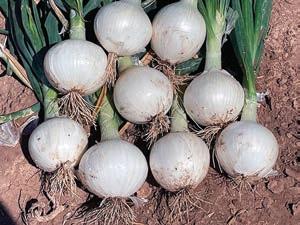
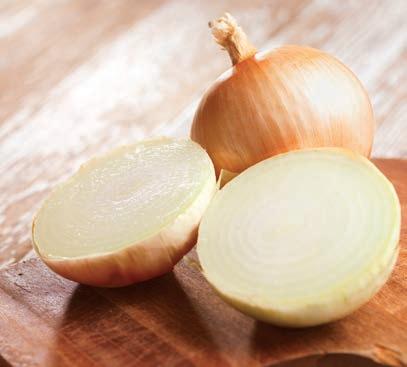
Blanca Grande is a medium-earlymaturing short-day white onion and has a high percentage of single centers with strong bolting tolerance. Uniform globe-shaped bulbs have thin necks, sizing in the medium to large range with good interior white color.
1200 Anderson Corner Rd.
Parma, ID 83660
Phone: (800) 733-9505 www.nunhemsusa.com nunhems.customerservice.us@basf.com
Information provided is based on experience with tests, trials or practices, as well as general observations over multiple years.
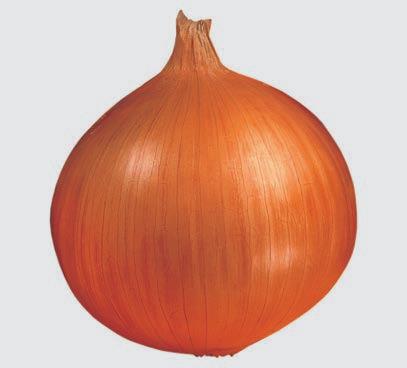
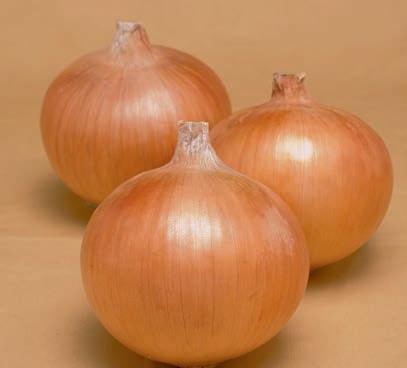
Adhora is a sweet short-day yellow onion with a maturity of 155-160 days. This variety produces a deep Granex-shaped bulb, a sweet flavor profile and a golden straw color. It has excellent bolting tolerance and a high percentage of single centers. This addition complements Nunhems’ current yellow portfolio, expanding the range of maturity while maintaining size, color, quality and yield potential.
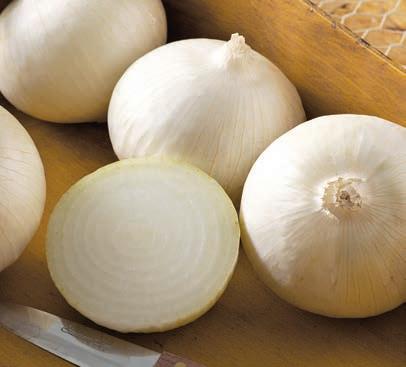
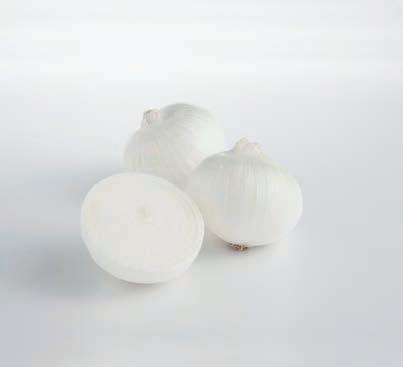
Isidea is a short-day white variety that thrives during the early to main season, maturing in 150-155 days. This variety boasts a uniform, round Grano-shaped bulb with a bright color. It has high bolting tolerance, and its tops are notably strong and healthy. It has high tolerance
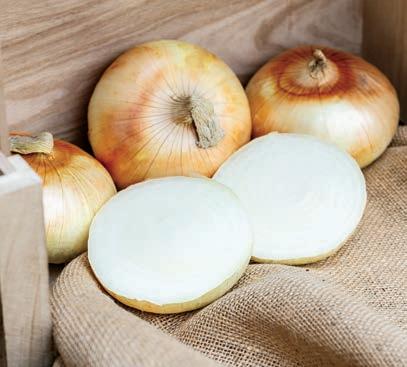
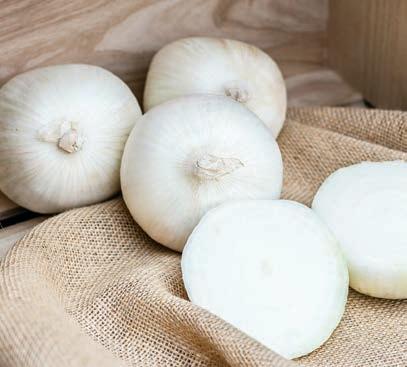

to greening. This addition complements Nunhems’ current white portfolio, expanding the range of maturity while maintaining excellent foliar and root disease resistance.
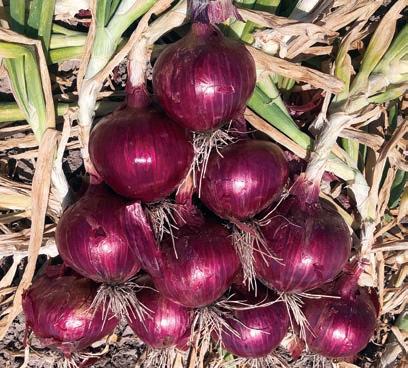
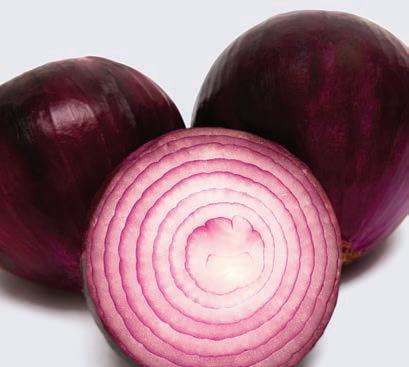
Rosefire is an early main-season, shortday red onion with a maturity of 165-170 days. This variety produces rounded globe-shaped bulbs with a dark red external color and high bolting tolerance. This addition complements Nunhems’ current red portfolio, expanding the range of maturity while maintaining excellent foliar and root disease resistance.
Amadea is a short-day white variety that thrives during the early to main season, maturing in 155-160 days. This variety
boasts a uniform, round Grano-shaped bulb with a bright color. Amadea has good bolting tolerance, and its tops are notably strong and healthy.
Sofire is Nunhems’ earliest short-day red onion with a maturity of 145-155 days. This variety produces a uniform, round Grano-shaped bulb, good internal and external color, and strong and healthy tops. Sofire has excellent bolting tolerance, moderate pink root resistance, and a strong, vigorous root system.
Vidora is a flat, yellow short-day onion with a maturity of 150 days. This variety produces a rounded Granex-shaped bulb, a sweet flavor profile and a golden straw color. Vidora has excellent bolting tolerance and a high percentage of single centers.
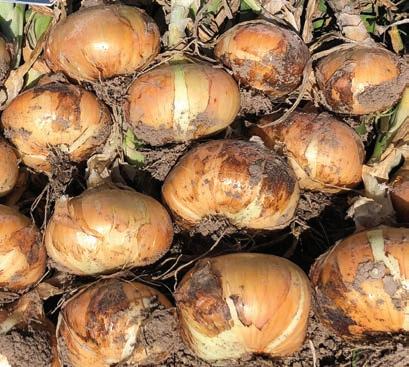

Naranco is an early-maturing Japanese variety with excellent yield potential. With deep, flat bulbs, this yellow onion is a standout short-day variety in the Southeast.
Revolution is an attractive, mainseason, short-day yellow onion. Featuring a round shape and firm skin, the variety is well adapted to West Coast growing conditions and suitable for mechanical harvest.
1972 Silver Spur Place
Oceano, CA 93445
Phone: (805) 473-2199
info@bejoseeds.com
Red Marvel is a main-season red Granex with excellent tops and great flavor. Red coloring throughout makes this onion great for the fresh market or processing.
Red Angel is a medium/large intermediate onion with exceptional color and improved bulb shape. The variety is adaptable to a range of planting dates.





Our proven accurate seed placement is why growers have continued to purchase our planters over these many years.
Special inner and outer singulators removes doubles to insure placement of individual seeds.
All planters are assembled and tested at our plant in Chino, California, to insure accuracy.
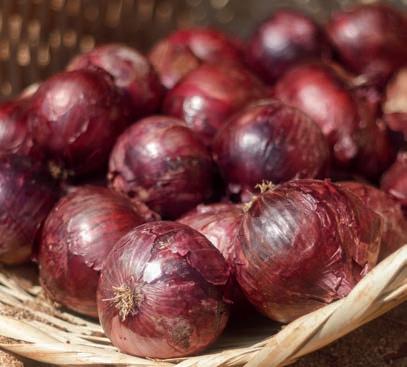
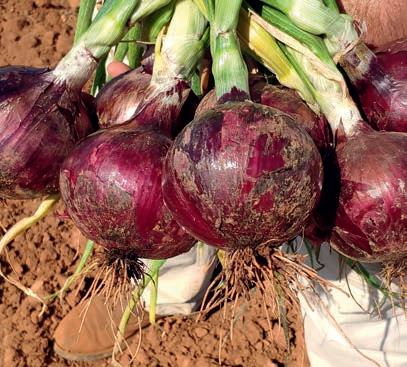
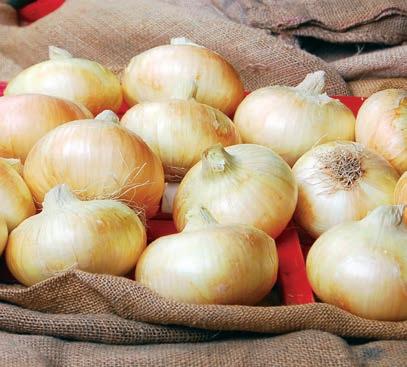
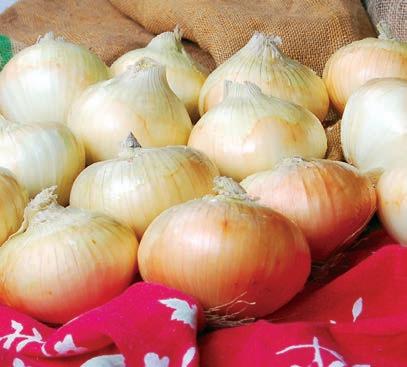
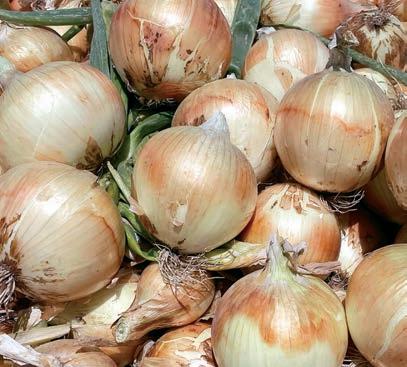
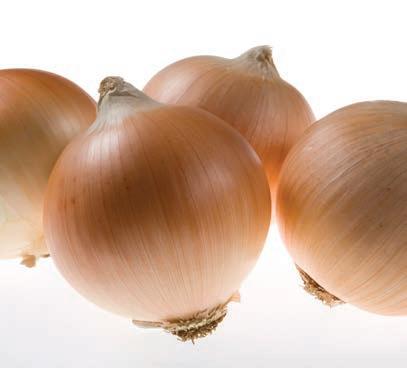

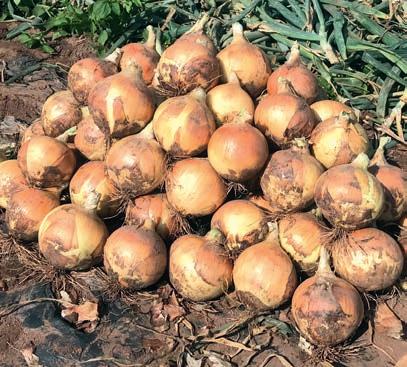
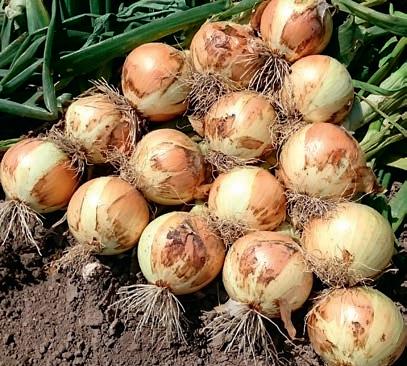
Augusta (4022) is a traditional flat Vidalia onion. It is distinguished by a strong top and strong root system. It is this hearty plant structure that makes the hybrid a good fit for pivot irrigation. It has also proven to be dependable in stressful growing seasons. The bulbs are consistent in size and appearance with a great flavor profile. The variety has high tolerance to pink root, Fusarium and bolting.
Athens (OSYF10-4021) is a flat yellow onion that matures at the beginning of Vidalia harvest. It is characterized by a deeper bulb shape that can deliver higher yield and return to the grower. OSYF10-4021 has good resistance to bolting, a vigorous root system and healthy foliage throughout the growing season, which make it a grower-friendly variety for the early season. It also has high tolerance to pink root and Fusarium.
P.O. Box 520
Caldwell, ID 83605
Phone: (208) 459-7451
ccoinfo@crookham.com www.crookham.com
intermediate- and short-day: Rob Gobleck
Phone: (575) 644-5712
robg@crookham.com
long- and intermediate-day for U.s and international: Lyndon Johnson
Phone: (208) 369-3390
lyndonj@crookham.com
Vanguard is a productive main-season intermediate yellow variety. Vanguard produces jumbo- to colossal-sized, bronze-colored, uniform bulbs that make it an option for processing or for fresh market. It has high tolerance to pink root, Fusarium and bolting.
Salute is a great early- to main-season intermediate variety that displays a nice golden brown scale and cuts a high percentage of single centers. This intermediate Spanish onion is a consistent yielder and a uniform producer of jumbo and colossal bulbs. Salute has shown strong tolerance to pink root, Fusarium and bolting.


345 Nutmeg Road South Suite B
South Windsor, CT 06074
Phone: (959) 250-1178
www.dpseeds.com info@dpseeds.com
Sapelo Sweet F1 is a large Granex onion with colossal size. This onion has light bronze skin, and its interior rings are firm and wide. It has moderate tolerance to pink root. Sapelo Sweet F1 is a hybrid, short-day onion of mid-maturity. This onion seed variety produces bulbs of 2:1 ratio with a high percentage of jumbo size, making it one of DP Seeds’ highest yielding onions. Tops are dark green with seven to eight leaves, and with two skins, Sapelo Sweet F1 is good for California storage.
Timon F1 is a large-sized onion with a rounded Grano shape. This onion variety displays a deep bronze skin with firm, large ringed flesh that exhibits a mild taste. It has medium tolerance to pink root. Timon F1 is a hybrid, short-day yellow onion with extreme uniformity and high yields. An “all American onion,” Timon F1 is one of DP Seeds’ strongest onion varieties. Over years of commercial use, this onion is confirmed as a consistent top producer in many shortday onion producing regions.
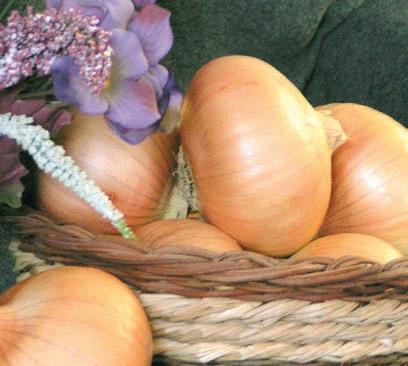
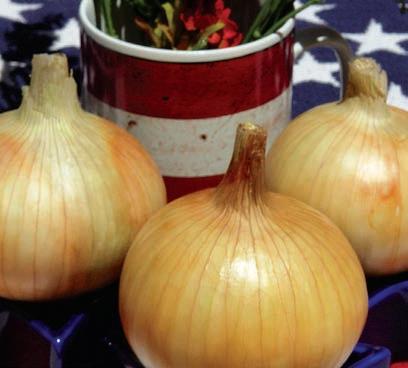
Lucille F1 is a hybrid, short-day, Granex red onion. It can be directly sown or transplanted and will store for four to five months. It has pink root resistance, brilliant dark red flesh and mid-early maturity.
Early Sweet F1 hybrid is a short-day, early, Grano-shaped variety with yellow skin. It is a week to two weeks later maturing than DP Sweet 1407, and it sizes ups nicely to more than 300 grams. It is a very good variety to be cultivated out of season as onion sets or Cambray.
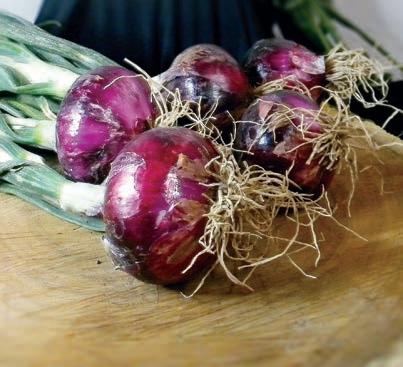
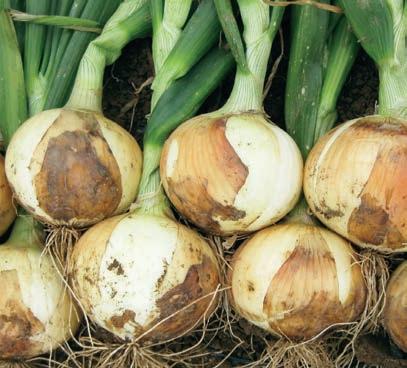
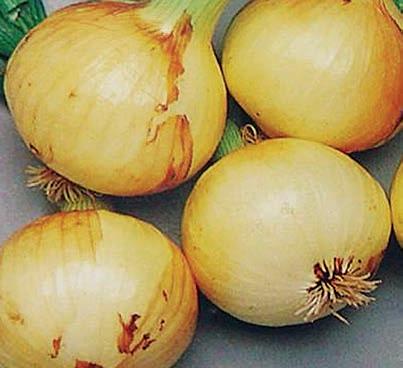
DP Sweet 1407 features a round shape with a small neck and firm bulb weighing 250-300 grams. It is a very early variety with good flavor and is resistant to downy mildew and bolting.

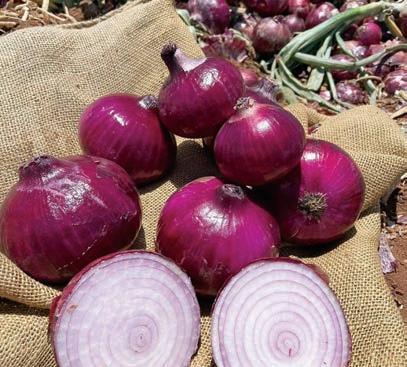
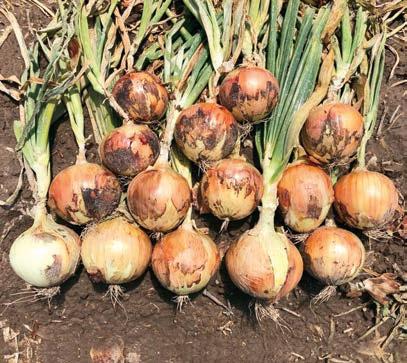
Zinfandel is a mid- to late-maturing shortday onion. With a strong root system, globe-shaped bulbs, and an intense internal and external red color, Zinfandel provides growers a solid, high yielding option in its maturity class.
Elsye is a mid-maturing intermediate yellow onion with excellent sizing potential. Strong vigor and bolting tolerances make Elsye a prime choice for growers looking for an excellent yielding, processor-friendly onion that works well in the fresh market. As a bonus, Elsye’s mild flavor profile would allow it to be packed as a sweet onion, adding to its marketing flexibility.
www.enzazaden.com/us
Rene-Didier Emch, Sales Representative & Product Developer r.emch@enzazaden.com
Monastrell is an intermediate-day onion that boasts high quality, single-centered bulbs. Bulbs are uniform and resistant to sunscald in the field. With bulbs averaging 3.5-4 inches, the variety is recommended for the fresh market.
With a vigorous plant habit, Cabernet produces uniform, globe-shaped bulbs of outstanding holding ability and high quality. Typical harvest is July through August, offering earliness and firmness.
Bonarda is a main-season intermediateday onion with improved bulb qualities. It produces firm, uniform, globe-shaped bulbs with multiple, tough, deep red skins and good scale retention. Bonarda can also provide growers with an earlier maturing option in northern long-day areas with moderate storage potential.
Citrine is an early intermediate day yellow onion with a uniform globed shape, medium dark scales and excellent yield potential. Citrine tends to have a higher percentage of single centers.
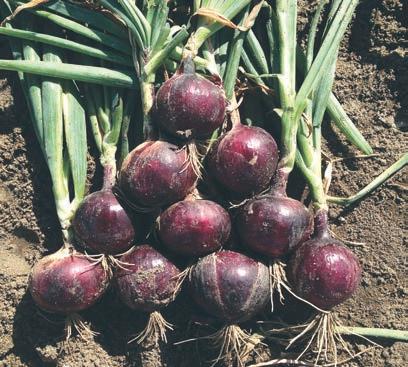
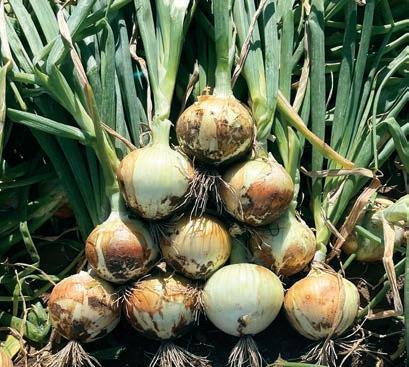
Veronica is a hybrid yellow mainseason onion in the short-day maturity class. Bulbs are globe shaped with excellent skin, firmness and uniformity. Highly tolerant to foliar diseases and pink root, this variety is widely adapted to short-day production regions in the U.S. and Mexico.

P.O. Box 190
Chualar, CA 93925
Phone: (831) 679-1900
www.gowanseed.com info@gowanseed.com
Miss Annabelle is a hybrid yellow onion in the short-day maturity class. The variety features a uniform, thick, flat shape with a delicious, mild, sweet flavor profile. Bulbs have straw brown skin, great firmness and uniform size.
Nyala is a hybrid yellow late-season onion in the short-day maturity class. Tops are vigorous and upright with strong field tolerance to foliar diseases and strong pink root tolerance. The variety is widely adapted to all U.S. short-day district climates and latitudes. Bulbs are globe shaped with bronze skin, very firm, highly single centered, and jumbo to colossal in size.
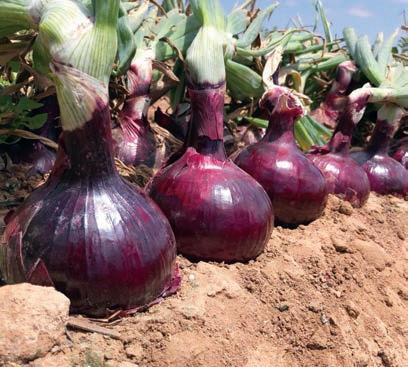
This red hybrid is a late-season onion in the intermediate-day maturity class. Bulbs are deep globe shaped with great size and impressive color.
This hybrid white mid-maturing onion is in the short-day maturity class. Betty has strong tops for shading late in the season and a root structure to allow it to grow through stressful conditions. Bulbs have excellent shape and uniformity, and size to mostly jumbo. The variety is highly resistant to Fusarium and pink root.
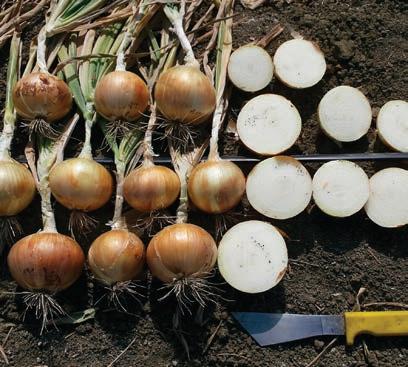
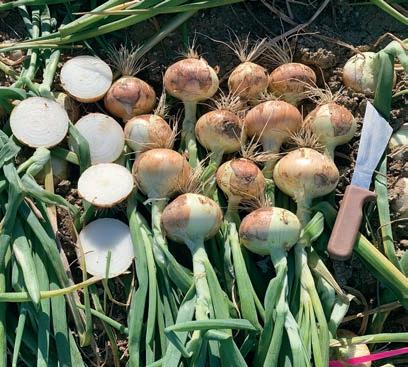
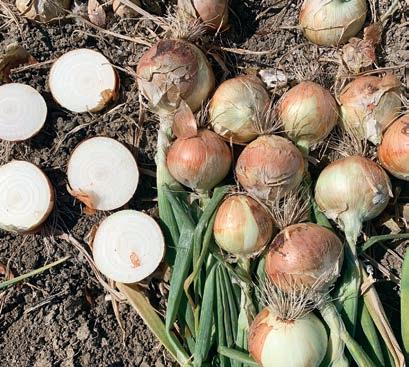
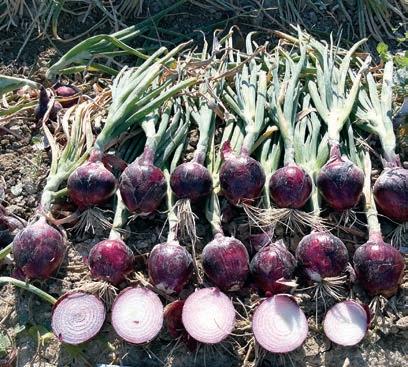
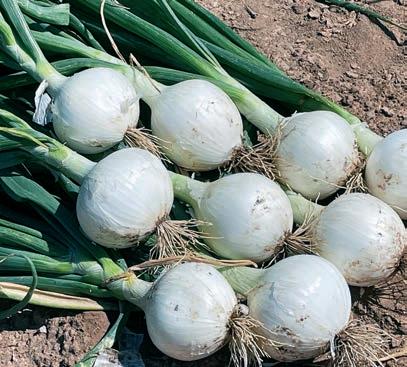
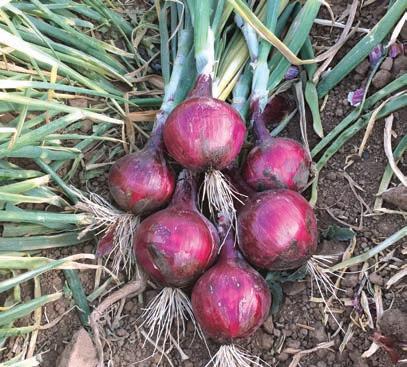
Toro Rosso is a short-day red onion with a semi-flat globe shape. Toro Rosso is a very productive variety for early-main season production and provides excellent internal coloration.
3155 SW 10th Street, Suite L
Deerfield Beach, FL 33442
Phone: (954) 429-9445
www.hazera.us.com info@hazera.us.com


Tom Brian
Phone: (530) 650-5657
tbrian@sakata.com
SON115Y is a short-day onion that is colossal to jumbo in size with a soft tan color at maturity and a nice white interior color. With a slight Grano taper in shape, SON115Y gives consistent yields with a strong plant and root system that makes it a great adaptable crop. This onion has good bolt resistance as well as pink root tolerance.
SON570W is an intermediate white onion with great yield and a strong plant and root system, making it very adaptable in the field. This mid-late-maturing onion has good pink root tolerance and bolt resistance.
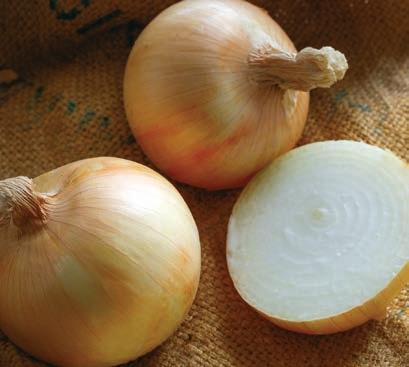
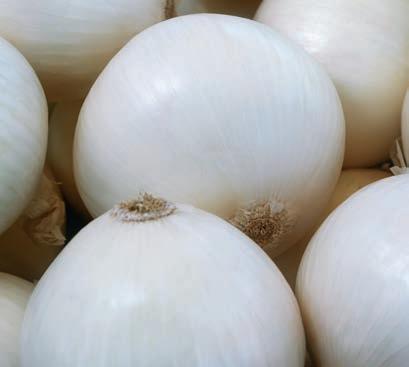
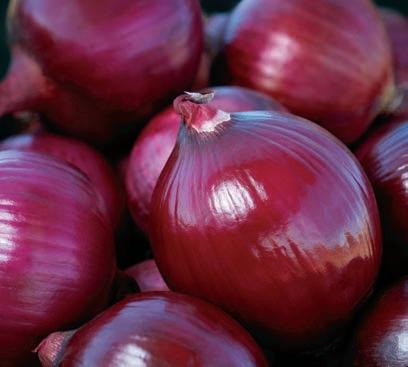
Red Sapphire is a vibrant red onion with strong plant growth and a sturdy root system. This globe-shaped variety has deep cherry red skin and ranges in size from jumbo to large. Red Sapphire is an overwinter short-day onion with good pink root tolerance.
Red Ruby has a deep ruby color, with great uniformity and size. It is a mid-late-season short-day onion with excellent internal and external color that consistently maintains quality, even at large to jumbo sizes. Red Ruby has intermediate resistance to pink root.
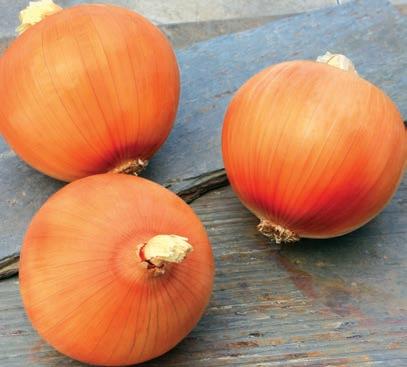
Yosemite is an intermediate-day onion that has several layers of skin with good retention. This globe-shaped variety has vibrant brown skin and ranges in size from colossal to jumbo, with firmness and good single centers. This grower-friendly onion offers excellent uniformity and is suited for export.
Lassen is a mid-late-maturing intermediate onion with good bolting tolerance and adaptability to various growing practices. It has high yield potential with excellent uniformity. This variety is also grower friendly, with the potential to be used for both fresh and processing markets, featuring good size, firmness and nice, vibrant brown skins.

Richard Navarrete, Technical Sales Representative
Phone: (208) 317-6451
richard.navarrete@bayer.com vegetables.bayer.com
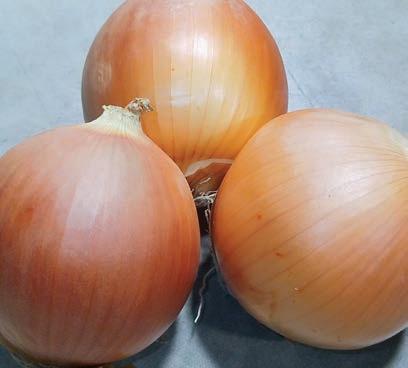
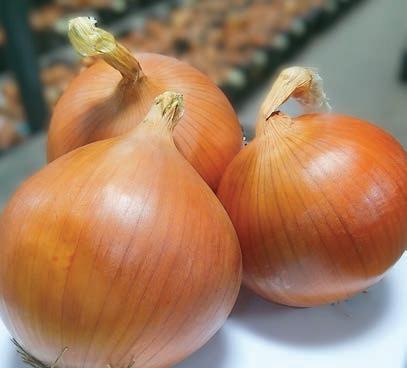
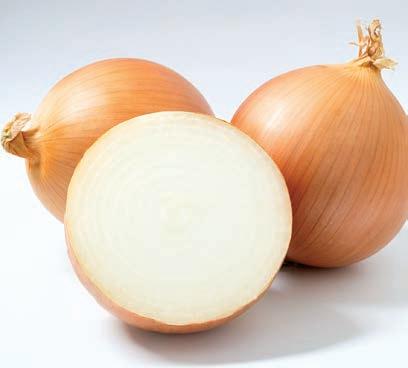
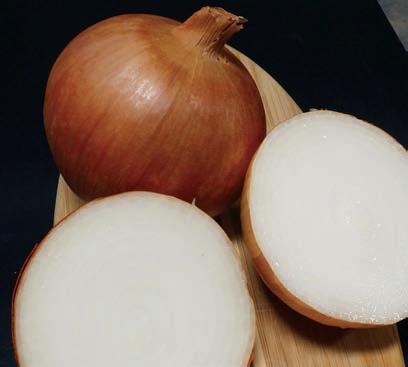
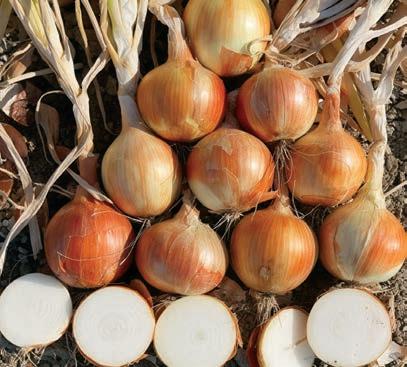
2468 is a variety growers will appreciate for the early segment. This newly launched variety is ideal for both fresh and processing markets, offering high quality in both single centers and uniform, globe-shaped bulbs with attractive scales. It has high pack-out potential and offers flexibility for harvest and storage due to its earliness. The strong tops hold up well to herbicide programs and are suitable for both overhead and drip irrigation, with excellent resistance to bolting.
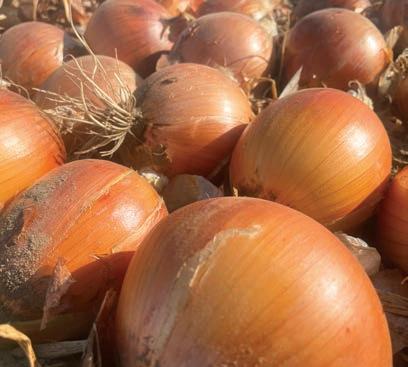
Formerly trialed under the name SVNW1672, this variety provides high yields of uniform globeshaped bulbs with excellent scale coverage, color and retention. The scale quality, combined with a very firm bulb, provides long-term storage potential. Nice, erect tops are suitable for both overhead and drip irrigation systems.
Hatchet is a full-season yellow onion that produces high percentages of single centers with a classic globe shape. It has vigorous agronomics with high yield potential.
Crusher is a main-season yellow onion that delivers high yield potential with quality scale and single centers. It has great agronomics for everyday packer and processor needs.
SVNV2464 is a pre-commercial variety. It is a full-season Recas onion with excellent skin retention and is highly single centered. It can be used for both retail and processing markets.
By Udayakumar Sekaran, Oregon State University
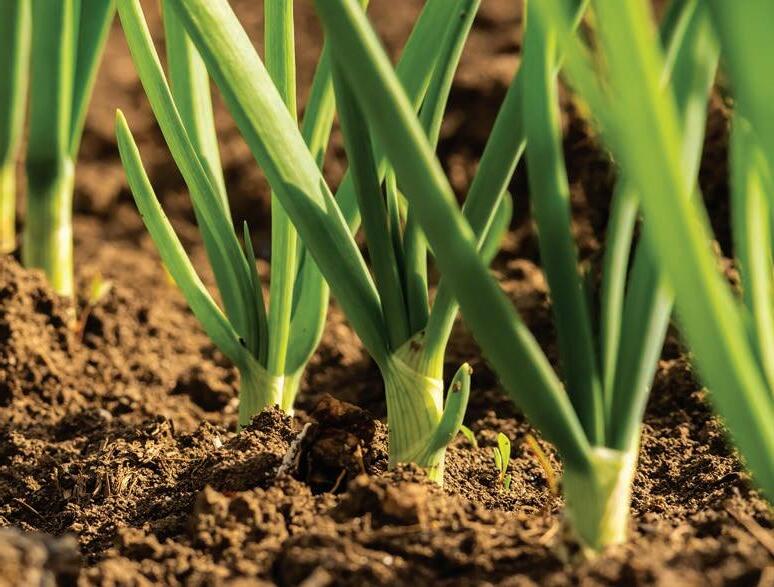
Atwo-year Oregon State University research project (2024 and 2025) examined what happens when onion irrigation is stretched in July, exactly the kind of squeeze growers can face when water gets limited mid-season. The research focused on July, when onions are actively forming bulbs and are highly sensitive to water shortages. Results showed that even a short break in irrigation during early July (July 1–15) can significantly reduce bulb size and overall marketable yield. In contrast, similar irrigation stress later in July had much less impact, suggesting that timing is more important than duration when managing limited water supplies.
Weather conditions during the study clearly explain why this mid-season period is so challenging. In eastern Oregon, both the 2024 and 2025 seasons had very low rainfall, often close to zero during peak summer months,
combined with high temperatures and rising evapotranspiration (ET) rates. As temperatures peaked in July (average high of 96 degrees Fahrenheit, with a record of 105 degrees Fahrenheit on July 10), crop water demand increased sharply while soil moisture declined rapidly due to high ET and low relative humidity. These conditions create what growers commonly call a “July drought,” in which crops depend almost entirely on irrigation. Historical data also show that drought conditions frequently occur in July in Malheur County, Oregon, making irrigation management even more critical for sustaining yields.
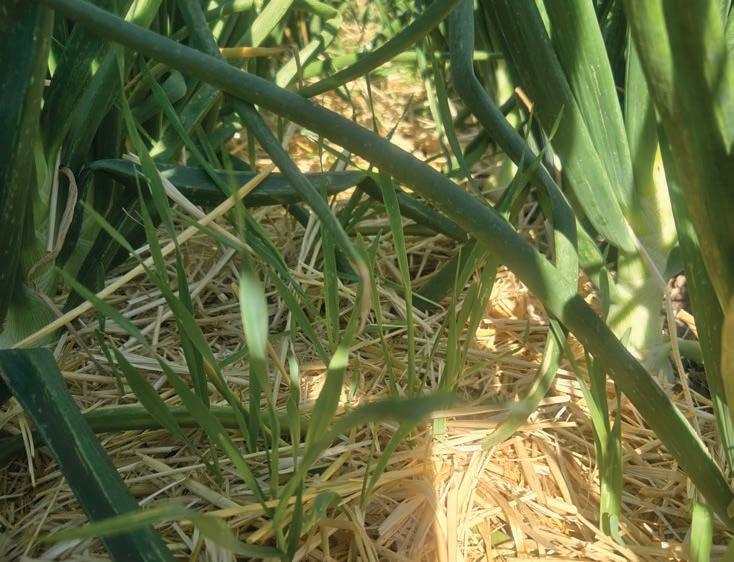
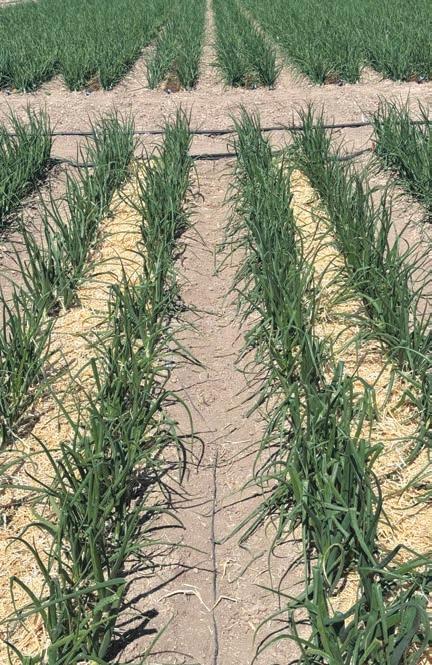
The study also found that simple practices such as wheat straw mulching can help mitigate the effects of water stress by conserving soil moisture and supporting higher yields under deficit irrigation. Overall, the findings highlight a clear message for growers: maintaining adequate irrigation in early July is essential for producing large, marketable onion bulbs, while carefully managed reductions in irrigation later in the month may help conserve water without major yield losses. The practical message is simple: if you have to divert water, try not to do it in the first half of July.

An Oregon State University research project evaluated how the timing of irrigation stress affects onion bulb size and marketable yield.



UNITED STATES
UNITED STATES


MEXICO
MEXICO
California (661) 699-0055
Lancaster & San Joaquin Valley (661) 978-5342
Irapuato
+52 (462) 220-0453
Torreón, Coahuila (461) 117-3878
Desert Southwest (928) 446-7737
California, New Mexico (661) 300-9109
Colorado & New Mexico (970) 396-9728
Southern California, Arizona (760) 791-0325
Idaho, East Oregon, Utah & Nevada (208) 941-1421
Colorado (208) 550-7733
Idaho, Eastern Oregon, Utah, Nevada, North Dakota (208) 941-1421 (208) 550-7733
Skagit Valley, Washington (360) 941-7503
Rio Grande Valley & West Texas (956) 618-5574
Washington, Western Oregon (509) 820-9887
Texas (956) 618-5574
Torreon +52 (461) 117-3878
Colima, Col. (461) 104-0134
San Luis Potosi (461) 140-9452
Chihuahua +52 (648) 109-1597
Chihuahua (461) 171-9401
San Luis Potosi +52 (449) 196-1848
Tamaulipas (461) 134-2421
Tamaulipas +52 (461) 346-1531
Irapuato, Gto. (461) 546-5792
Colima
+52 (461) 104-0134

By Brian A. Nault, Professor, Department of Entomology, Cornell AgriTech, Cornell University
Onion thrips (Thrips tabaci) management in onion is dependent on insecticide use. If onion thrips infestations are not kept in check, their feeding can severely damage the onion crop (Fig. 1a and 1b). Onion thrips also can transmit serious pathogens, such as iris yellow spot virus, which causes iris yellow spot disease that can destroy onion fields and ultimately result in complete crop loss (Fig. 1c). To add insult to injury, onion thrips populations routinely develop resistance to insecticides.
Over the past several years, onion thrips populations have been particularly challenging to manage in onion fields throughout the Great Lakes region. One reason contributing to this problem is that one of the best onion thrips control products of all time, spinetoram (Radiant SC), has become less effective. Although not confirmed, we suspect that onion thrips populations have developed resistance to Radiant SC in these areas.
Effective onion thrips management relies on protection of the crop for as long as two months, and this requires multiple insecticide applications. Because the threat of insecticide resistance is high, insecticide use recommendations are designed to minimize the risk of resistance development. A key element of this resistance mitigation strategy is to use a seasonlong sequence of insecticides belonging to different classes of chemistry and modes of action. Moreover, the use of any single insecticide should be limited. In fact, many insecticides registered on onion for thrips control are restricted to two successive applications per season. Therefore, a total of three to five insecticides are typically used to protect the crop from thrips over the course of a season.
Radiant SC was positioned in a season-long sequence during the latter half of the season when onion thrips populations were at their highest. When an infestation seemed to be on the verge of becoming uncontrollable, Radiant SC was used as “the hammer” to bring it back down. As Radiant SC becomes less reliable to combat high onion thrips infestations, a new hammer must be identified. The frontrunners are cyantraniliprole (Exirel) and the newcomer, isocycloseram (Vertento). Exirel was first registered on onion for thrips management in 2014. Exirel belongs to the anthranilic diamide class (IRAC 28), which includes insecticides that target the insect’s ryanodine receptors, causing muscle paralysis, feeding cessation and death. Vertento was first registered on onion for thrips control in December 2025. Vertento belongs to the isoxazoline class (IRAC 30), which includes insecticides that target the insect’s nervous system by binding to GABA


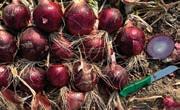
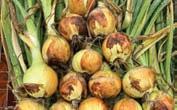
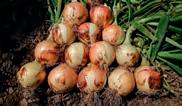
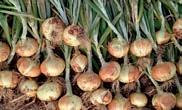

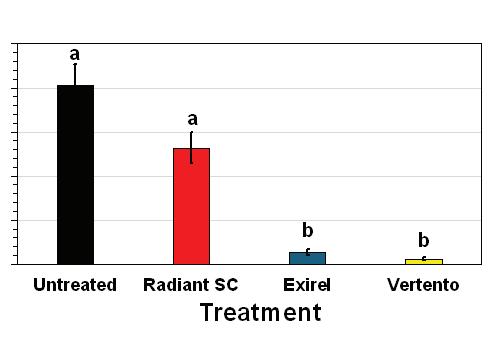
Figure 2. Onion thrips densities in an insecticide evaluation trial conducted in a commercial onion field near Elba, New York, in 2023. Means followed by the same letters are not statistically different from each other (data analyzed using a generalized linear mixed model and means compared using a Tukey’s Studentized Range (HSD) Test at P < 0.05; n = 4).


receptors, causing hyperexcitation of neurons and eventually death.
In western New York’s Elba Muck, we evaluated the ability of Radiant SC, Exirel and Vertento to control a high infestation of onion thrips. Insecticides were initially applied when thrips densities reached 11.6 per leaf. For context, the action threshold for making an insecticide application to manage onion thrips in New York onion fields is one thrips per leaf. A second application was made one week later. The rates of Radiant SC, Exirel and Vertento were 10 fl oz per acre, 20.5 fl oz per acre and 3.1 fl oz per acre, respectively, and all included the surfactant Dyne-Amic at a rate of 0.25% v:v. One week after the second application, numbers of onion thrips larvae were recorded and the mean number of thrips per leaf was compared. Results indicated that Radiant SC failed to significantly reduce the population of thrips, while both Exirel and Vertento brought the infestation down to a non-economically damaging level (Fig. 2). Exirel provided a 93% reduction and Vertento a 97% reduction in thrips densities relative to the untreated control. We have our answer: both Exirel and Vertento could be used as a hammer to manage very high infestations of onion thrips.
Exirel continues to be effective at rates of 13.5 to 16 fl oz per acre under low to moderate thrips pressure (up to two thrips per leaf), whereas a rate of 16 to 20.5 fl oz per acre is better at higher densities. Vertento is highly effective at a rate of 3.1 fl oz per acre, but the maximum labeled rate is 4.1 fl oz per acre. For both products, a non-ionic surfactant is needed to improve efficacy. In a recent study in New York, co-applications of these products with fungicides, including chlorothalonil (Bravo WeatherStik), have not compromised levels of onion thrips control.
Based on experience evaluating many different products for onion thrips control over the years, Exirel and Vertento should be used during the middle of the season when onion thrips infestations are typically most challenging to manage and when the crop is vulnerable to bulb reduction from feeding damage. Because there are many different season-long sequences of insecticides that could be used to manage onion thrips, consult me or your regional extension vegetable entomologist for details. Similar research has evaluated Exirel and Vertento for thrips control in the Pacific Northwest, so contact Stuart Reitz (Oregon State University) and Tim Waters (Washington State University) for the most current guidelines.
University of Idaho Extension is gearing up for another season of Ag Talk Tuesday, an online series offering growers, crop consultants and ag professionals updates and expert insights throughout the growing season. The series is slated for the first and third Tuesdays of the month May through August.
Each session follows a two-part format. The program opens with an overview of current conditions for crops including onions. These “roundtable” briefings help participants stay ahead of emerging issues from pest pressures to weather-driven challenges. In the second half of the session, guest experts take a deeper dive into featured topics from crop protection and soil health to irrigation technology, sustainable practices and region-specific agronomic challenges.
Registration is free and required. For more information, visit uidaho. edu/extension/events/ag-talk.
Lockwood Manufacturing is now importing directly from Struik, a Netherlands-based equipment manufacturer. Lockwood touts Struik as having a global reputation for precision engineering, durability and performance. The company is known for its rotary cultivators and potato hilling equipment in the U.S. Lockwood and Struik have partnered for more than 25 years. The new direct import agreement will help reduce freight costs and save customers money, according to Lockwood.

By Casey Crookham
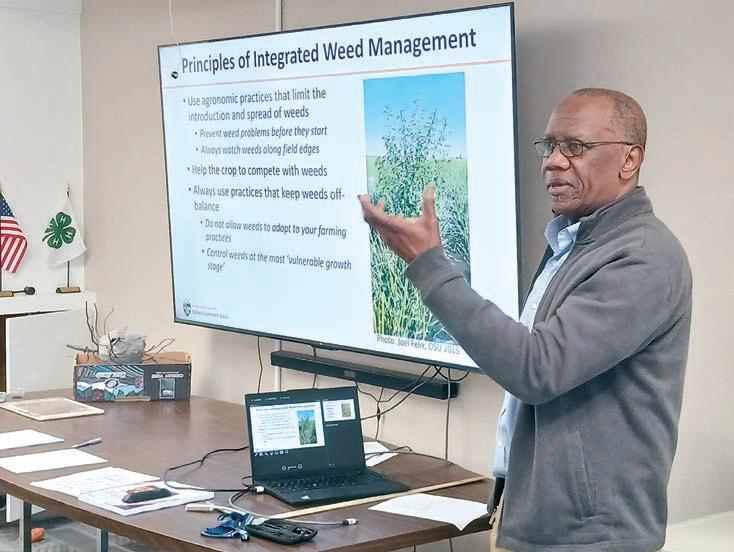
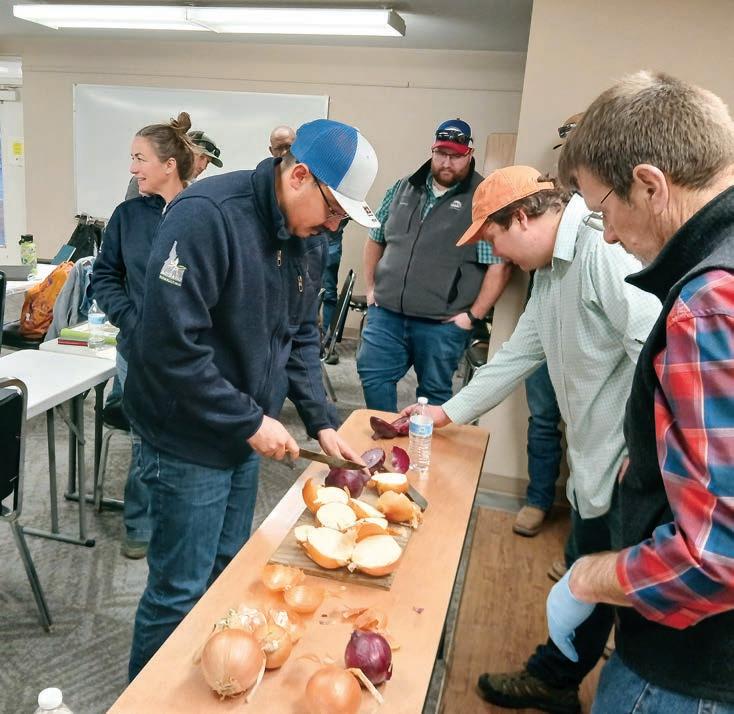
It was Onion Production 101 at the Treasure Valley Onion School 2026. Hunter Doyle, extension agronomist for the Oregon State University Malheur Extension Service, hosted the event on Feb. 24 in Ontario, Oregon, for growers, crop advisors and others interested in an overview of onion production management issues in the area. While some of the content was geared toward those new to working with onion crops in the area, a great deal of time was spent drilling down to specific issues such as identifying different pathogens and pests that cause similar symptoms.
Doyle kicked things off with an introduction to onion and fertility basics. Attendees also heard about onion diseases and diagnosis strategy from James Woodhall with the University of Idaho, as well as irrigation management from Uday Sekaran with OSU. Bill Buhrig, also with OSU, shared guidance on
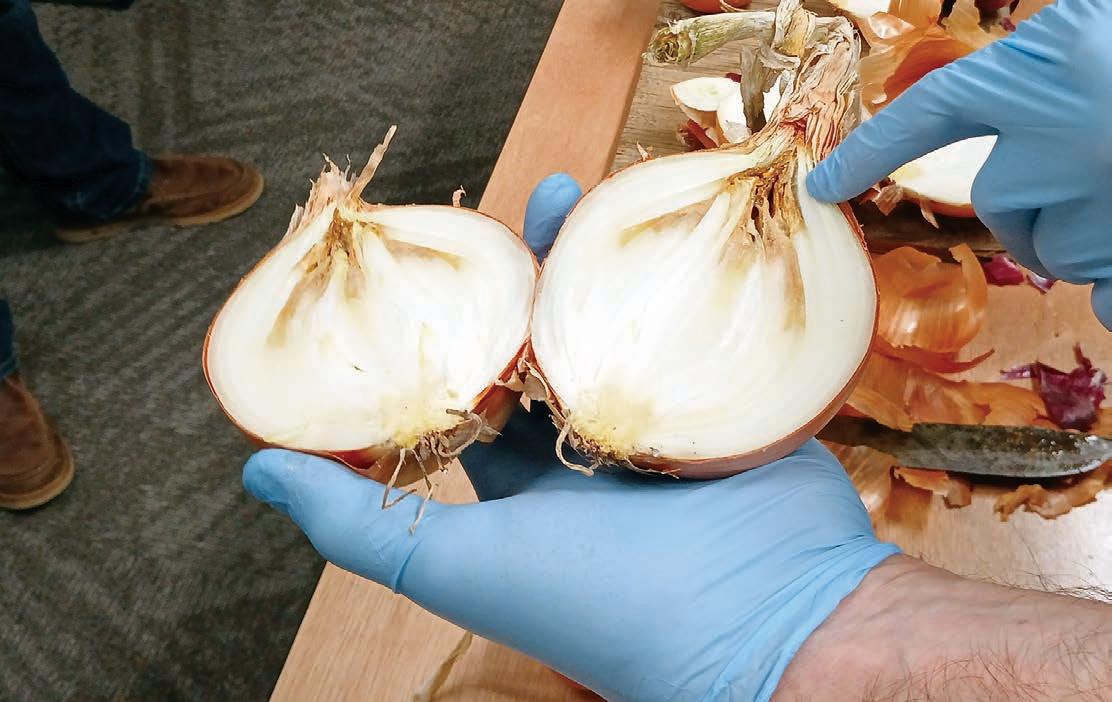
identifying the last date for fertilization and irrigation for a healthy storage crop.
OSU’s Stuart Reitz reminded attendees about the importance of being in the field, methods of field scouting, and the need to begin spraying for thrips before populations spike and not stopping too soon. He also shared information on managing wireworms, onion maggots and seedcorn maggots. A presentation on weed control in onion from Joel Felix with OSU included recommendations for controlling yellow nutsedge in each of the other crops in an onion rotation.
Plans are underway for the 2027 session of the Onion School to take place next February. Doyle says he’s considering also holding an in-field session this summer for real-time identification of weeds, diseases and pests.

By René Hardwick, National Onion Association Director of Public and Industry Relations
In agriculture, we all know relationships matter. But for onion growers, the right connections can make a difference far beyond the field. The National Onion Association gives growers opportunities to connect with suppliers, researchers and industry peers, while also serving as a direct link to policymakers in Washington, D.C., whose decisions influence farms across the country. Representing growers in Washington is a responsibility the NOA takes seriously. Federal policies involving water access, labor, trade and food safety have both immediate and long-term impacts on onion production. The association works throughout the year to ensure lawmakers and federal agencies understand the realities of growing onions and the challenges facing American producers.
Recently, the NOA brought 21
members of the onion industry to Washington, D.C., for a series of meetings with congressional offices, administration officials and agricultural policy leaders. During these discussions, growers addressed several issues affecting the industry, including strengthening food safety systems, shaping the next Farm Bill, addressing international trade challenges and promoting fair market conditions for U.S. onion producers. These meetings allow growers to share firsthand experiences from their farms and reinforce the importance of policies that support domestic agriculture.
As with every trip to Washington, the group included both experienced advocates and first-time participants interested in learning how growers can help shape policy that affects their livelihoods. This year’s first-time attendees included Trent Weber of Weber Family Farms in Idaho and Will Beckwith of Beckwith Produce in Texas.
For Weber, the trip offered a chance to see how industry advocacy works in practice.
“I felt like it was a good opportunity to see the NOA at work,” Weber said. “Doing something is better than doing nothing. Just getting out there and expressing the concerns that we have as an industry is beneficial. I felt like there was a clear, unified message that everyone supported, and that was
important. Would I go again? Yes.”
Annual advocacy visits like this help ensure the onion industry remains visible and engaged in national policy discussions. They also strengthen relationships between growers and their elected representatives, making it easier for policymakers to understand how legislation and regulations affect farming communities. By maintaining a consistent presence in Washington, the NOA works to protect the interests of American onion growers and support policies that allow farms to remain productive for future generations.
Alongside its advocacy efforts, the NOA also serves as a hub for knowledge and collaboration within the industry. Through conventions, meetings and member engagement, growers gain access to new research, emerging technology and practical insights that can improve operations in the field.
For onion growers, membership in the NOA represents more than participation in an organization. It offers access to industry expertise, stronger connections with partners and policymakers, and a unified voice on the issues that matter most. By focusing on networking, research and advocacy, the National Onion Association helps growers address today’s challenges while supporting the long-term strength of the American onion industry.
Half of the group meets with the House Ag Committee. During the trip, members divide and conquer, meeting with state representatives and other policymakers; sometimes schedules conflict and not everyone can meet at the same time.

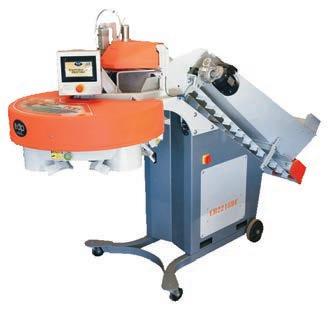
We supply and install a full range of equipment for the US market, including turnkey grading lines and bin handling solutions for onion and potato packing sheds.
We also design and deliver tailored grading and packing lines to suit specific customer needs.

The new edp Gantry Bin Tipper is designed to tip field bins / MacroBins automatically into a grading or packing line at high speeds.
• For use with Plastic Bins 1165mm x 1165mm x780mm or customized variations.
• Bin weights of up to 600kg.
• Tipping Speeds of up 63 Bin/hr –depending on Gantry length and
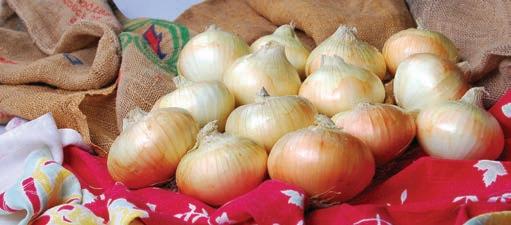
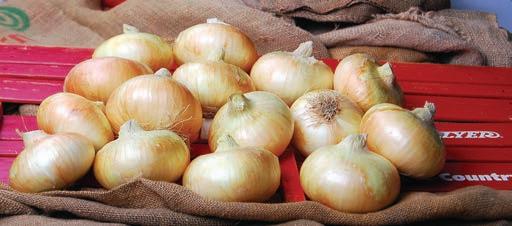
When it comes to protecting your onions from damaging thrips, you need TORAC ® Insecticide. TORAC works quickly to control immature and adult stages of onion thrips and Western flower thrips. And because TORAC has rapid stop-feeding activity, it helps reduce the transmission of Iris Yellow Spot Virus (IYSV). In addition, the unique mode of action of TORAC makes it an ideal rotational chemistry for resistance management. Also, TORAC can be applied by air, ground, or pivot, allowing application flexibility. So add a powerful tool to your onion spray program this season. Get TORAC Insecticide. To learn more, contact your distributor or local Nichino sales representative.