

Vol. 34, No. 2
Vol. 34, No. 2
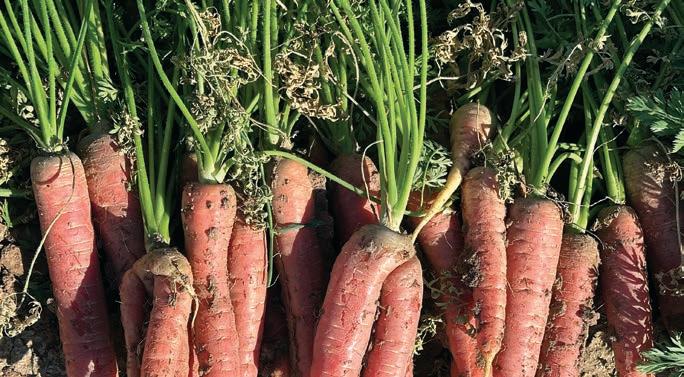
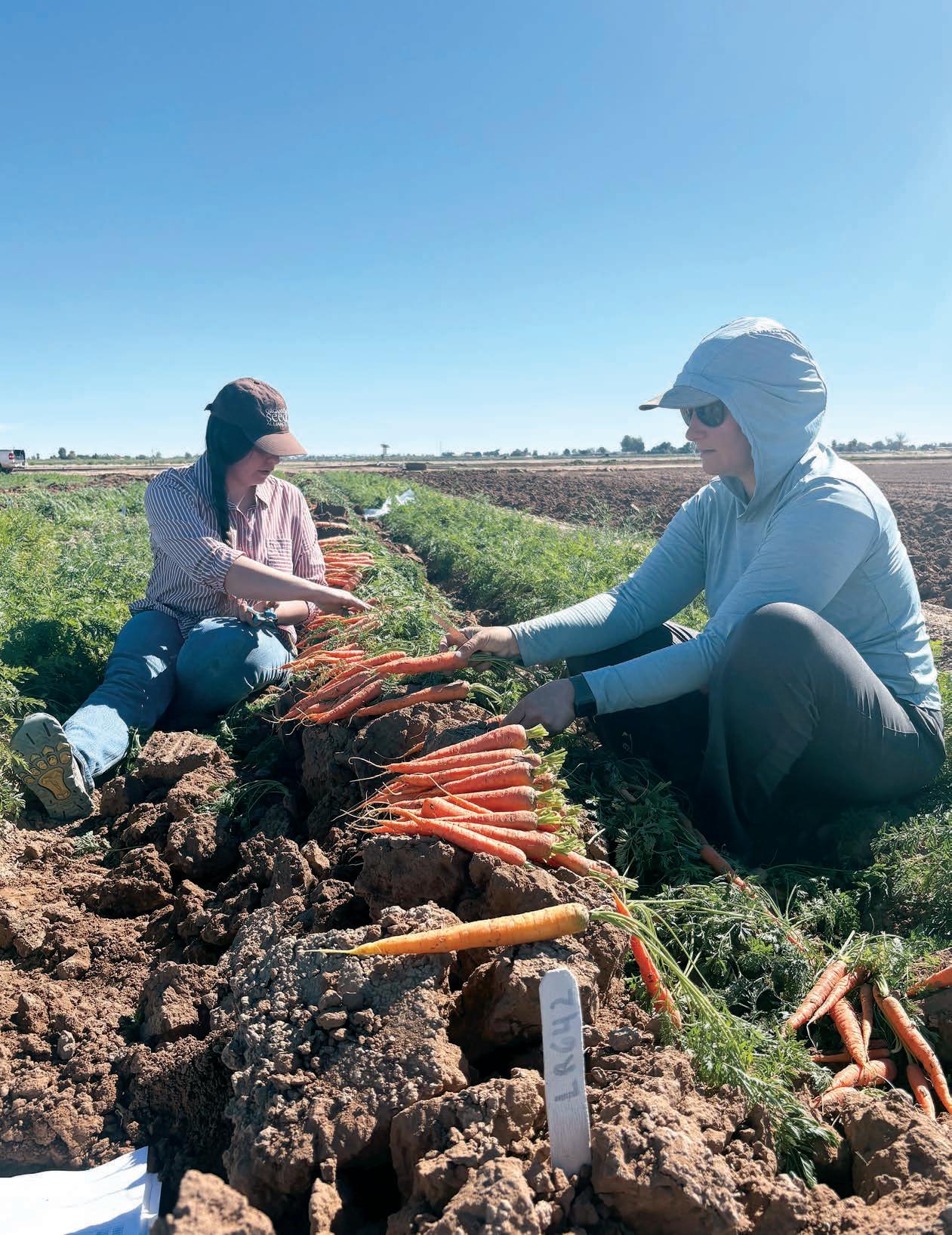
Kayla Ierlan and Katie Jager with the Organic Seed Alliance select an orange Nantes variety to be released this year. Read about efforts to breed new varieties for organic agriculture through the Carrot Improvement for Organic Agriculture project on pages 8-9.
Photo courtesy Organic Seed Alliance
Telephone: (208) 520-6461
Circulation: (503) 724-3581 CarrotCountry.com
CARROT COUNTRY CONTACTs
Editor Denise Keller editor@ColumbiaMediaGroup.com
Publisher / Advertising Manager Dave Alexander dave@ColumbiaMediaGroup.com
director of operations
Brian Feist brian@ColumbiaMediaGroup.com
editorial inForMation
Carrot Country is interested in newsworthy material related to carrot production and marketing. Contributions from all segments of the industry are welcome. Submit news releases, new product submissions, stories and photos via email to: editor@ColumbiaMediaGroup.com.
advertising sales
For information on rates, mechanics, deadlines, list rental, direct mail, inserts or other information, call (208) 520-6461 or email: dave@carrotcountry.net
sUBsCRIPTIONs
U.S. $40 per year
Foreign $60 per year
subscribe online at: www.CarrotCountry.com/subscribe or call (503) 724-3581
Email address changes/corrections to brian@ColumbiaMediaGroup.com or mail to: Carrot Country PO Box 333 Roberts, ID 83444
Carrot Country magazine (ISSN 1071-6653), is published four times a year and mailed under a standard rate mailing permit at Idaho Falls, Idaho and at additional mailing offices. Produced by columbia Media group Po box 333, roberts, id, 83444
Copyright 2026. All rights reserved. No part of this publication may be reproduced or transmitted in any form or by any means, electronic or mechanical, for any purpose without the express written permission of Columbia Media Group.
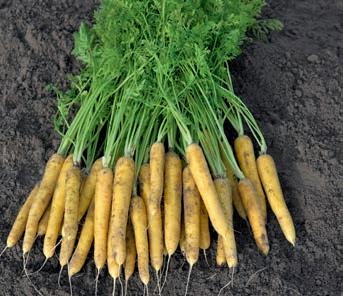
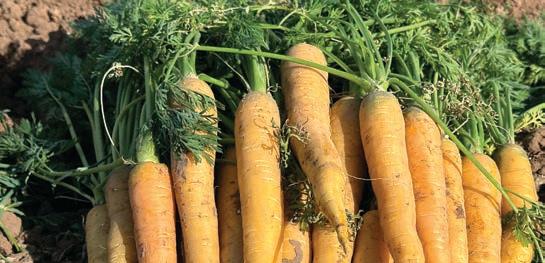
NANTES / IMPERATOR
A beautiful, bright-toned yellow carrot with vigorous, upright tops and reduced green shoulder. Suitable for bunching or mechanical harvest with 6-7” long roots.
IR: Ad / Ar/ Cc/ Ps,Pv
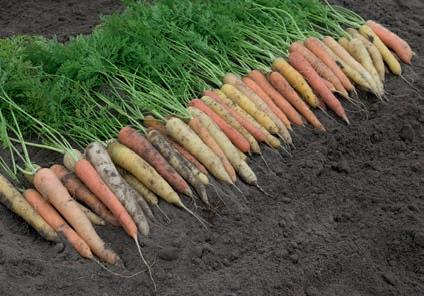
NANTES / IMPERATOR
Unique hybrid with white, yellow, orange, and coral roots. Rainbow is a single variety with very attractive 7-9” roots. Color variability matures uniformly unlike other colored carrot mixes.
IR: Ad / Cc
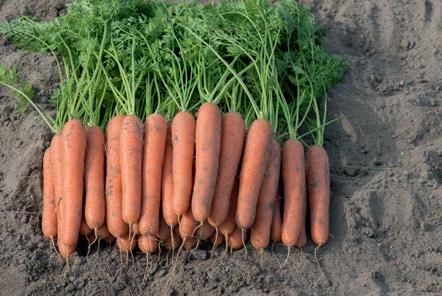
EARLY NANTES
Narvik is an easy growing mid-early nantes type with a nice flavor and texture. The roots are uniform and cylindrical with strong, healthy, and erect tops. Holds well in storage and is adaptable to standard or high density spacing.
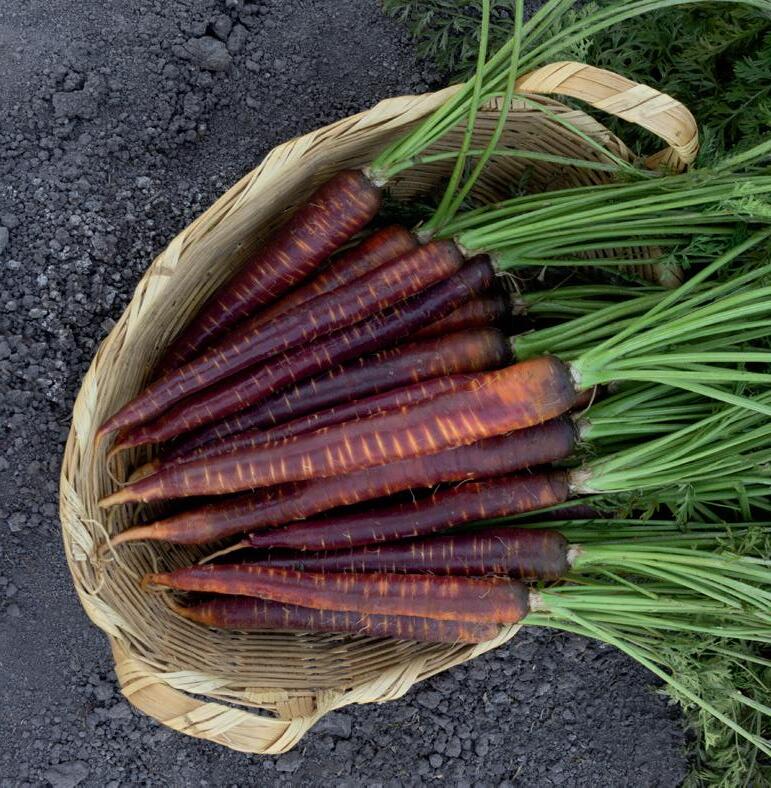
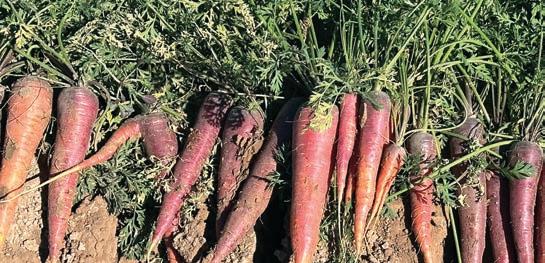
IMPERATOR
All-America Selections
Winner! Excellent flavor, both raw or cooked. Medium-short tops with 7–8” tapered roots. Skin is dark purple with a bright orange interior.
IR: Ps/ Pv
IR: Ar / Cc / Ps, Pv

By Kevin Vander Kooi, Geoff Farintosh, Ifesinachi Ezeh and Mary Ruth McDonald, University of Guelph
Agriculture is undergoing rapid change as new technologies are adopted to help farmers address labor shortages, increasing production costs and the demand for more precise crop management. Vegetable production, particularly carrots, involves frequent field operations such as cultivation, spraying and hand weeding, which are both time consuming and labor intensive. Interest in autonomous machinery has grown in recent years. Robotic field equipment has the potential to carry out routine tasks while maintaining a high level of precision and consistency. These technologies may enable
growers to reduce labor needs, increase efficiency and apply crop inputs more accurately.
One emerging technology is the Naïo Orio, an autonomous tool-carrier robot from France designed to perform several field operations in vegetable crops (Fig. 1). Research at the University of Guelph evaluated the performance of the Orio in vegetable crops on different soil types in the Holland Marsh of Ontario, Canada, to determine how well it could perform typical weed management operations compared with a conventional tractor.
The Naïo Orio is designed to operate autonomously using GPS guidance and onboard sensors to ensure safe operation. The robot functions as a tool carrier, meaning that different implements can be attached depending on the operation required. The Orio was used for weed management in carrot on both high organic (muck) soils (organic matter 40-80%) and mineral soils (organic matter 2.4%).
The robot performed many of the same tasks as a tractor, including
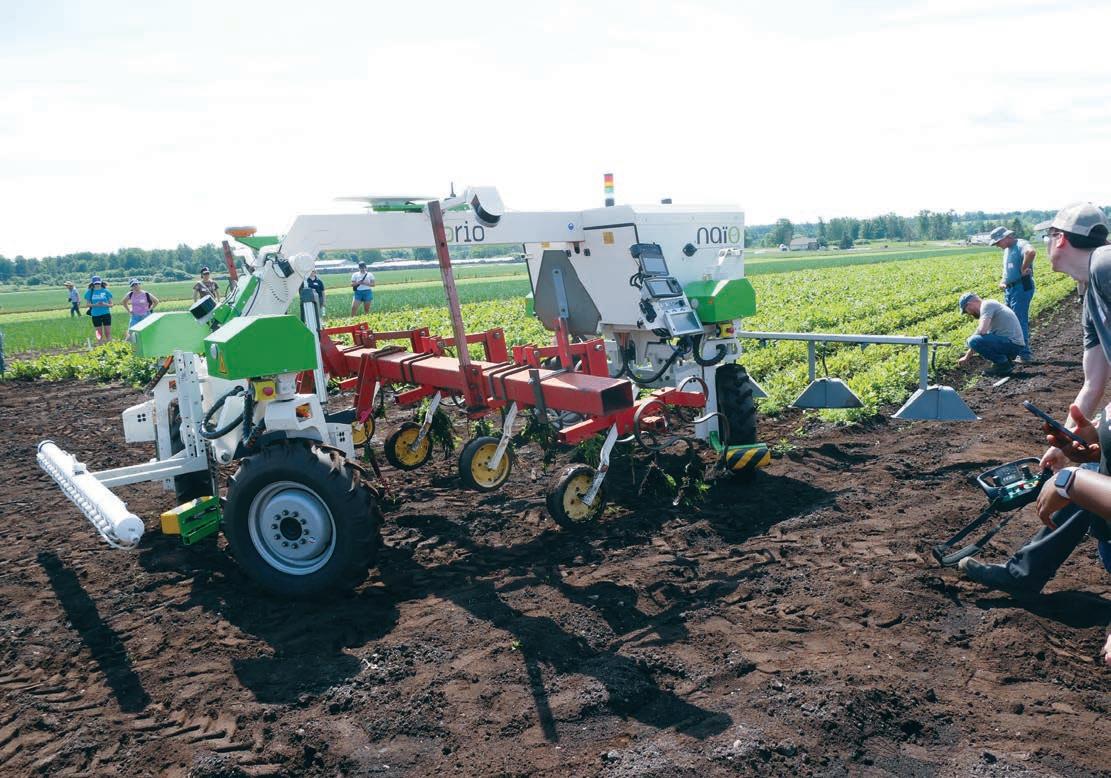
mechanical cultivation and herbicide application between crop rows. The Orio was also used for field preparation tasks such as mapping field boundaries, creating straight lines for seeding, and preparing beds. Mapping was conducted early in the season and required several hours to establish field boundaries and operational paths for both the robot and the tractor; however, once field layouts are stored, this step may not be required every year.
The Orio needs to be trailered between charging and the field, which adds time to the robot operations, but one person can supervise several robots once operating. A sprayer was designed and built by research station staff for use with the Orio. In Ontario carrot production, herbicides are typically applied in bands both over the crop row and between rows. The system was equipped with a Raven CR-7 field computer to control application parameters, including flow rate and field boundaries.
Field trials in the holland Marsh
Trials were conducted at four field sites. Two were located on high organic matter soils; two additional fields were located on nearby mineral soils. Carrots were grown on raised beds, and the robot’s performance was compared with conventional tractor operations carrying out the same weed management tasks. The robot performed inter row cultivation and herbicide application. The trials were randomized with long rows so the activities could be performed at speeds similar to conventional equipment for certain tasks. Cultivation was performed at 5 to 5.5 km/h, while spraying was conducted at 2 km/h.
Over the season, the robot accumulated 36 hours of active field work and 32 hours of downtime. Most downtime was associated with battery charging, mostly overnight, and troubleshooting issues with the GPS or sensor connections. Overall, slightly more than half of the robot’s total operational time was spent carrying out field activities, including mapping, cultivation and spraying.
Weed control results varied depending on crop type and soil conditions. On muck soils, however, weed density and biomass declined over time in both robot and tractor treatments. By early July, weed pressure had dropped to low levels in both treatments, and the robot was able to provide comparable weed management later in the season. In mineral soil, weed density was generally similar between the two systems, although robot-treated plots sometimes had higher weed density (Fig. 2, Fig. 3).
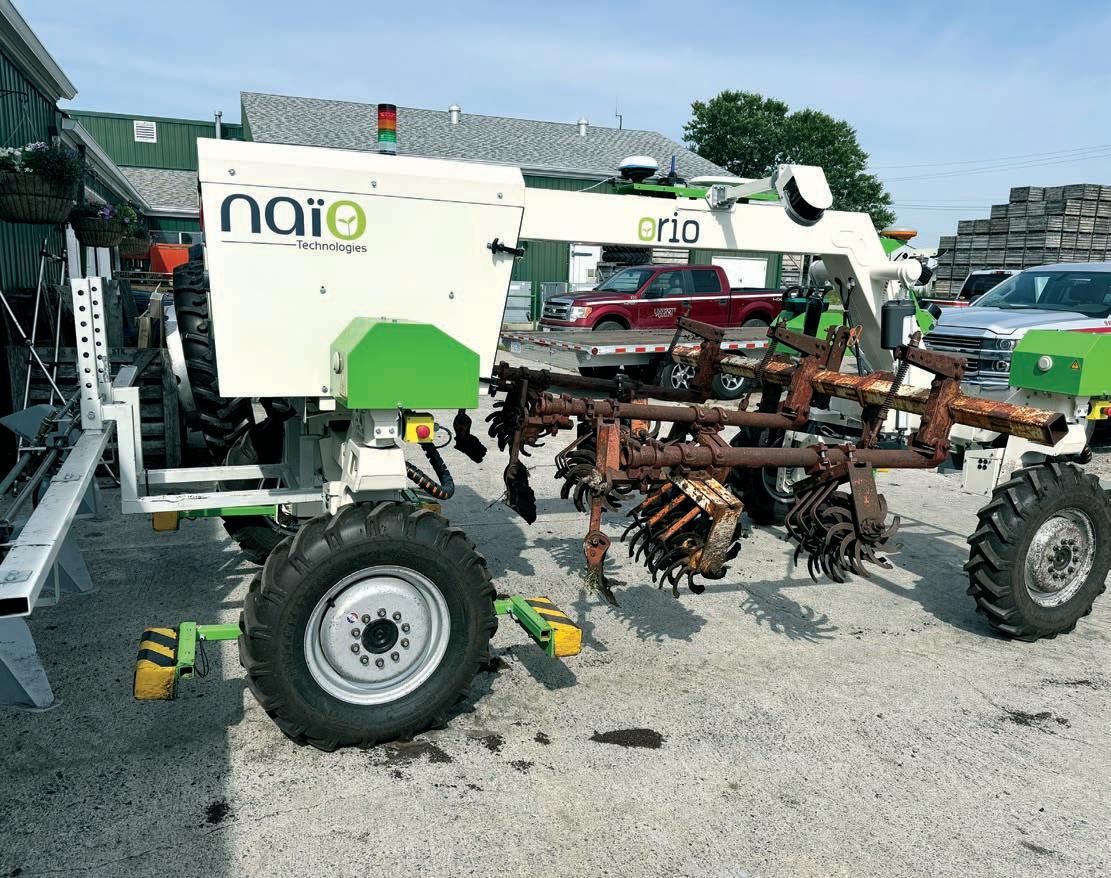
Several weeding cultivators were evaluated during the trials. An S-tine cultivator was initially used; however, it did not control weeds close to the crop row. The cultivator was replaced with a Lilliston-type rolling cultivator (Fig.4),
which provided improved weed control closer to the crop. Field conditions and crop type may influence the effectiveness of different weed management strategies.
Crop yields were also influenced by soil type. In carrots, yields were similar between robot and tractor treatments within the same soil type. Carrot yield was generally higher on muck soils compared with mineral soils regardless of the equipment used. The Orio had similar yields comparable to the conventional tractor.
Autonomous agricultural robots such as the Naïo Orio are still in the early
stages of development. However, the trials demonstrate that these systems can successfully perform several important field operations. This was the first study to run side-by-side comparisons of the Orio and a tractor.
Challenges remain for robotic start-up companies, and the Orio is currently no longer in production by Naïo. Additional limitations include battery charging time and technical reliability. Despite ongoing issues, the continued improvements in software, mapping systems and hardware are expected to enhance the reliability and practicality of autonomous robots in the future. As these technologies advance, autonomous field robots could become valuable tools for vegetable growers by reducing labor requirements and improving precision and efficiency.

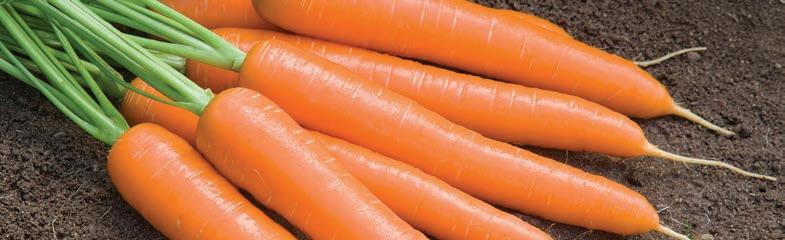

Two consistent varieties that perform across seasons and markets
JERADA RZ
• Early Nantes hybrid with smooth skin
• Early high yielding variety
• High uniformity in roots
• Strong, mid-dark green and upright foliage
• Excellent for bunching and fresh markets
www.rijkzwaanusa.com
neW ProdUcts
YMER RZ
• Berlicum/Nantes hybrid
• Cylindrical shape and smooth skin
• High uniformity in length and diameter
• Intense orange color and strong green foliage
• Good for fresh market and long-term cold storage
engineers design dozer to clean storage air ducts
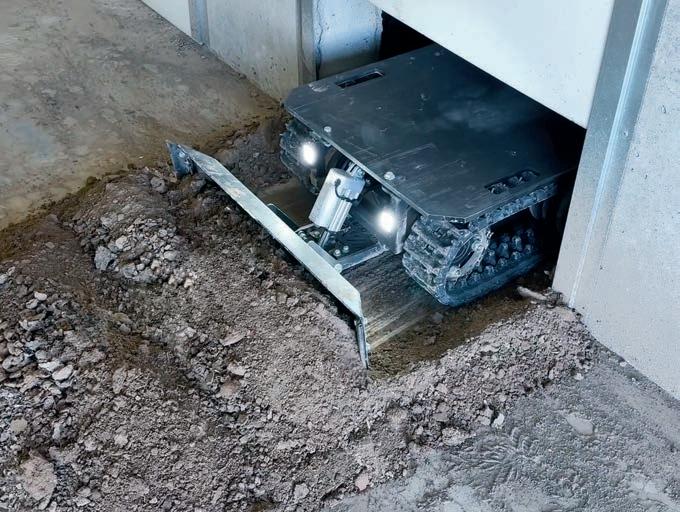
The TreadX Dozer was designed to clear dirt and debris from air ducts underneath air floor storages. It saves time and labor during the cleaning process. Operated by remote control, it features tank-style steering and an actuated blade. Powered by swappable lithium-ion batteries, it can run all day without downtime. Its heavyduty steel frame, powerful electric motors, and track drive system offer exceptional traction and pushing power, according to the developers. Standard or custom units are available.
Visit treadxdozer.com.
By Micaela Colley, Organic Seed Alliance and Washington State University
Photos courtesy Organic Seed Alliance
Organic growers are required to use organic seed when available and rely on varieties that meet the challenges of organic systems to maximize production. Plant breeders and seed companies are striving to meet the needs of organic carrot producers through variety selection and improvement. All carrot growers – organic and conventional – may benefit from improved carrot cultivars with priority traits such as flavor, nutrition, and disease and pest resistance. The prioritization of traits, however, may differ between production systems. For example, weed competitiveness, particularly during crop establishment, is a crucial trait for organic producers who operate without the use of chemical herbicides. Plant breeders often operate with limited capacity
and resources when breeding for both organic and conventional markets. For this reason, it is important to determine when testing and selection under organic conditions is advantageous to develop varieties optimized for organic systems and when selection under conventional conditions will also result in genetic crop improvement for organic systems.
The Carrot Improvement for Organic Agriculture (CIOA) project set out to help inform these questions through a study of the environmental versus genetic influences on carrot performance. The researchers conducted paired, replicated trials of 36 breeding lines and commercial cultivars under organic and conventional systems across four years and two locations to aid plant breeders striving to optimize field and lab-based
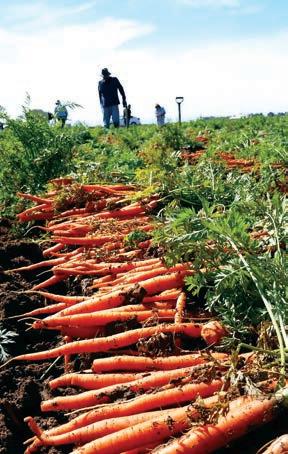
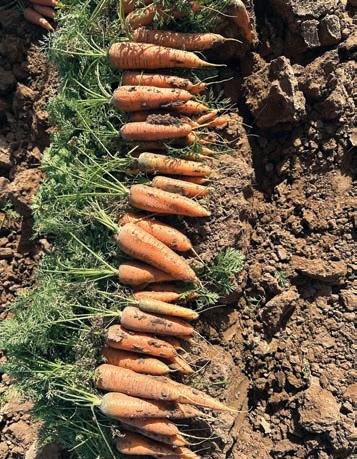
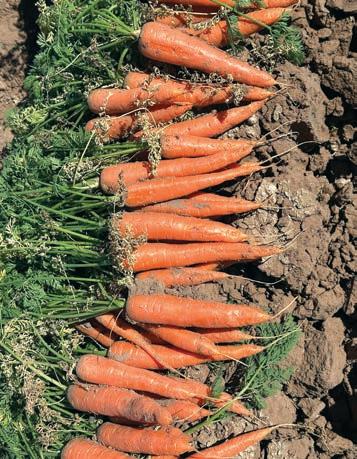
Each winter, the USDA-ARS carrot breeding program harvests more than 2,000 plots of carrot breeding lines at the University of California Desert Research Station in El Centro, Calif. The winter root evaluation provides an opportunity to advance breeding lines on an annual cycle.
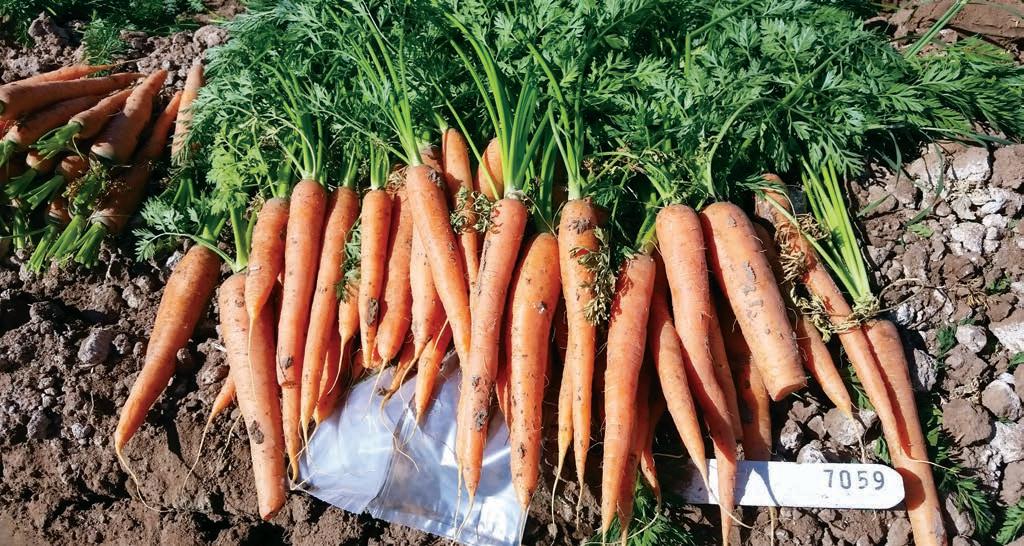
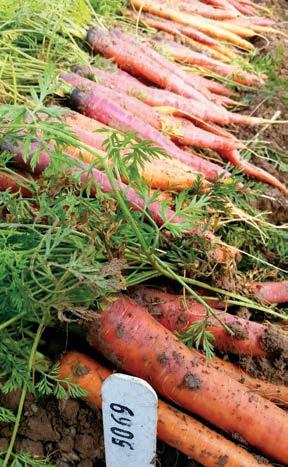
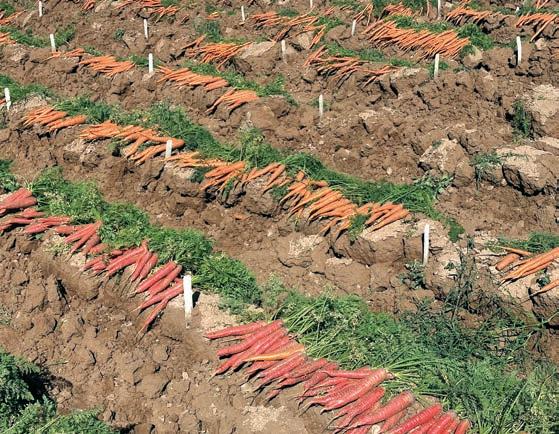
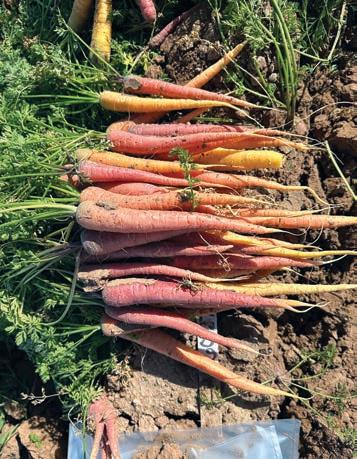
Segregating red-orange carrots are displayed in a field plot at the USDA winter nursery. The USDA carrot breeding program researches novelcolored carrots for nutrition, flavor and agronomic qualities.
breeding and testing strategies.
The article “Influence of Organic and Conventional Management Systems on Carrot Performance and Implications for Organic Crop Breeding” focused on carrot yield and top growth traits as a broad indicator of response, and results are presented in the Journal of the American Society of Horticultural Science (https://journals.ashs.org/view/journals/ jashs/150/2/article-p65.xml).
Results varied by trait and between open pollinated, hybrid and breeding lines, but provided insights into differences in the stability of variety performance under the two systems. In addition to this study, multidisciplinary researchers partnering in the CIOA project, led by Phil Simon, USDA-ARS, are collaborating to achieve the broader goals of delivering carrot cultivars with improved disease and nematode resistance, improved nutrient acquisition, seedling vigor and weed competitive traits, increased marketable yield, superior nutritional value, flavor and other culinary qualities, and storage quality for organic production. Project researchers and graduate students are additionally investigating the role of soil microbiome in carrot performance and delivering education and outreach to growers, graduate students and the broader carrot industry.
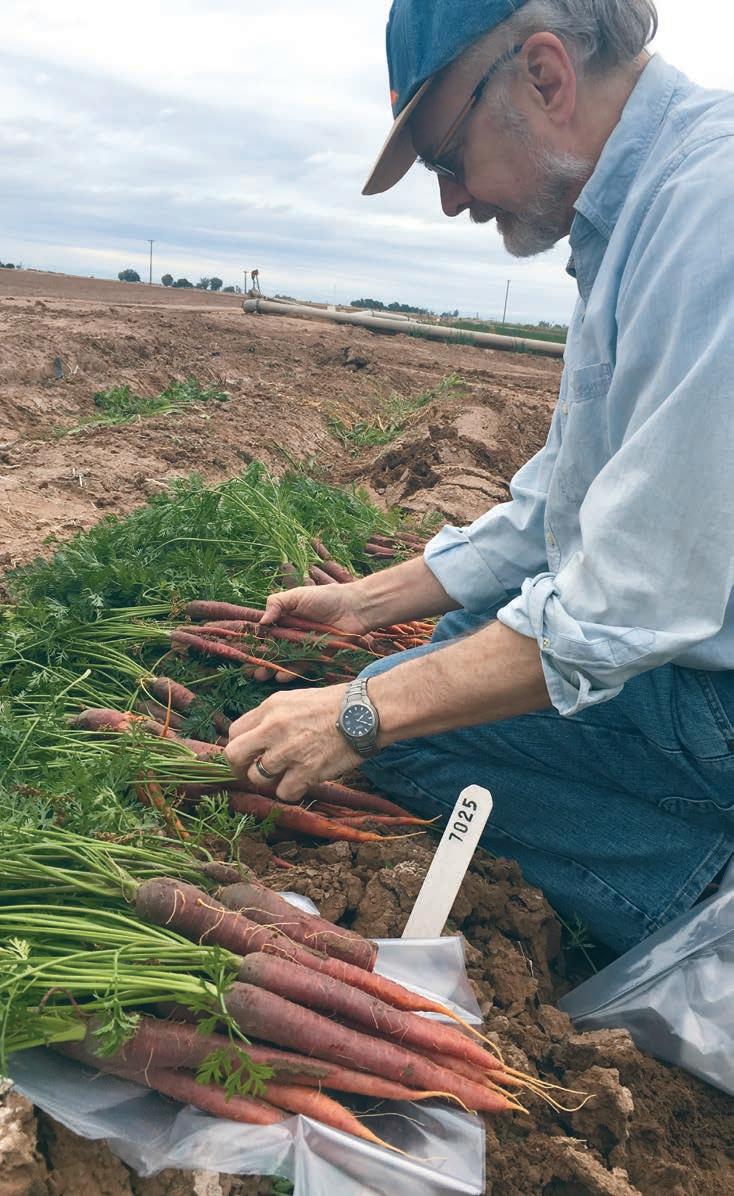
Simon,
Several new variety releases, including novel sources of resistance to nematodes, Alternaria and cavity spot, as well as novel-colored carrots are already released, with numerous additional releases planned for the coming year. Input on performance from carrot
growers in participatory trials associated with the research trials of this project has provided critical input in identifying new carrot germplasm to strengthen and expand the role of carrots in their farming operations.
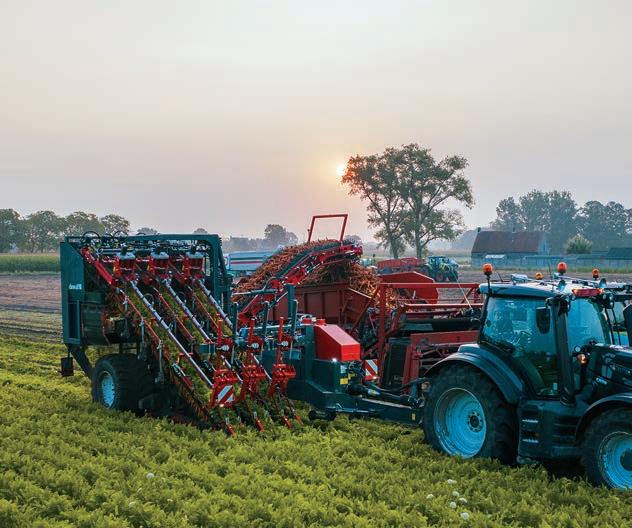
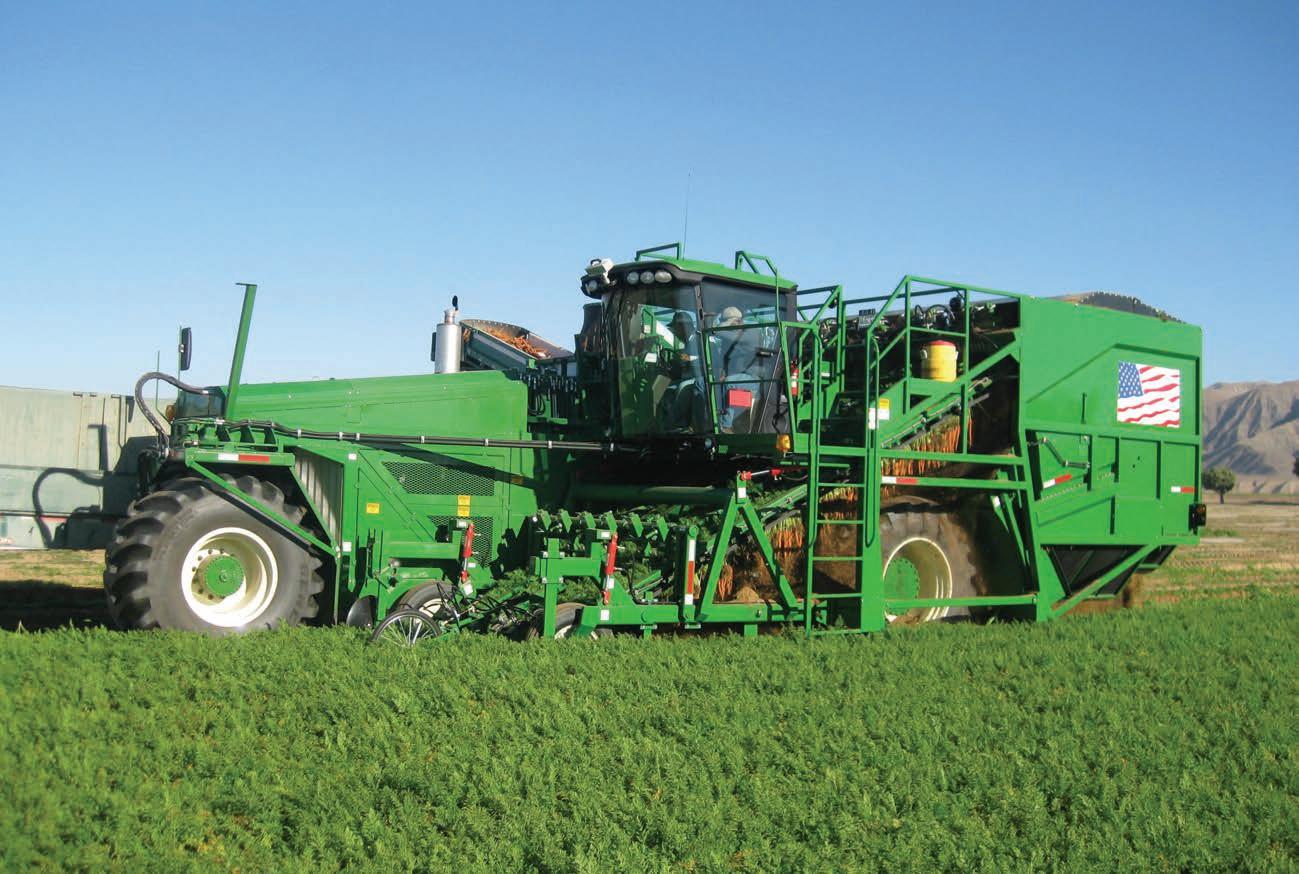
The Dewulf GK3 is a compact, trailed three-row top-lifting harvester designed to maximize efficiency and capacity in modern harvesting operations. With a transport width of 3 meters, it does not require EU-type approval, making road transport simple and flexible.
Despite its compact size, the GK3 delivers 50% more capacity than a traditional two-row machine. Its triple auto-steering system (DAS) allows operators to harvest seamlessly in any sewing plan, ensuring optimal performance across varying field setups.
The machine combines high capacity with gentle crop handling, helping growers maintain quality while increasing daily output. For carrot growers facing shorter harvest windows and labor constraints, the GK3 offers a reliable, highperformance solution.
kerian.com
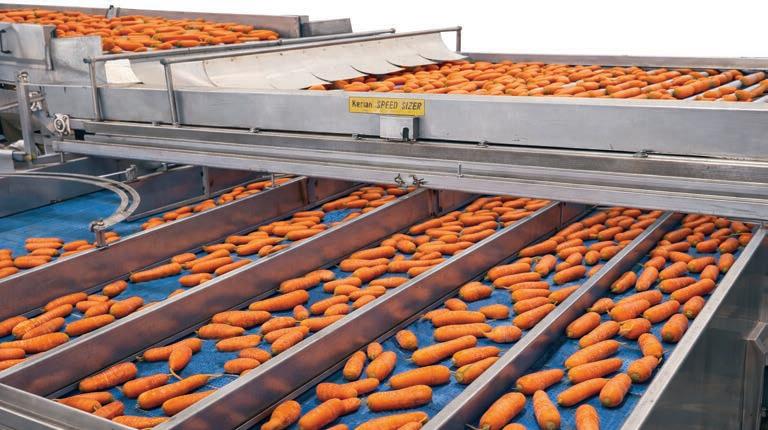
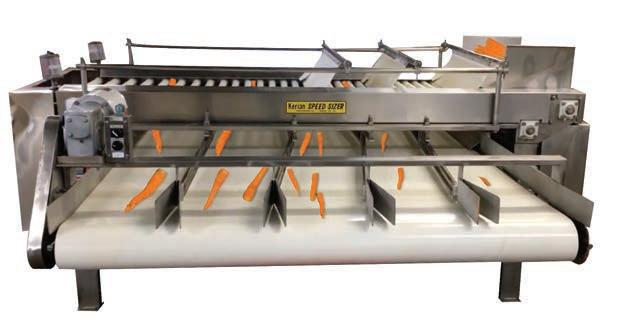
The Kerian Speed Sizer sorts carrots by size accurately and consistently. The constantly rotating rollers help the turning flaps align the carrots with the rollers so that the carrots (with or without tops) are consistently sorted by diameter. The sizer is proven in use for fresh carrots, baby carrots and processing lines.
Vogel Engineering Inc.
Custom-Built Harvesting Equipment
vogel-engineering.com
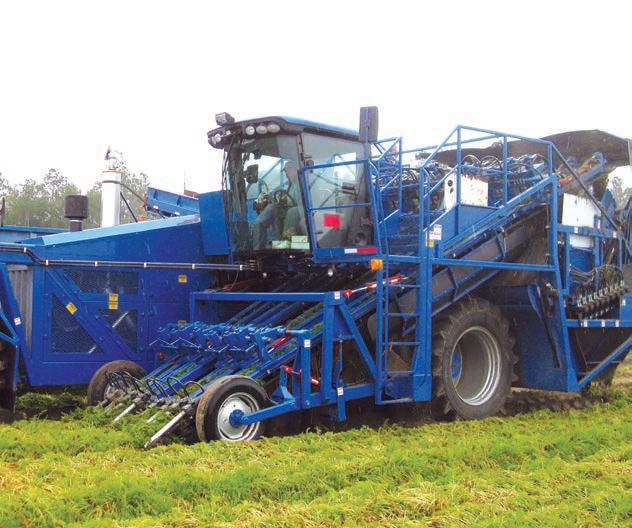
Made in the U.S., Vogel Engineering harvesters offer features such as a precision computer-controlled planting population system and individual row head height adjustability. Plus, the company offers a new Extreme Super Cleaning System. Harvesters are available in two-, three-, four-, six- and eight-row configurations. Other available options include conventional roller bars or high-speed crowning.
Volm Companies Hydro Cooler for Loose Produce volmcompanies.com
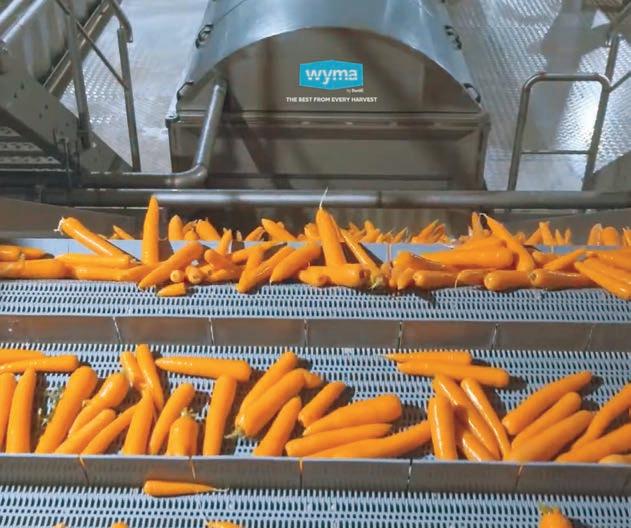
When you cool fast, you waste less. That’s why Volm Companies offers the Hydro Cooler for Loose Produce. Available through Volm’s exclusive partnership with Wyma, the Hydro Cooler quickly reduces the core temperature of fresh produce, preserving flavor, freshness and appearance. This enables carrots to have a longer shelf life, reducing unnecessary waste and providing retailers with a more reliable product. With its strong and accessible stainless steel tank, the Hydro Cooler is easy to maintain. An optional rotary unit filters large particles so that water can be reused without causing blockages.
Ozel, University of Wisconsin
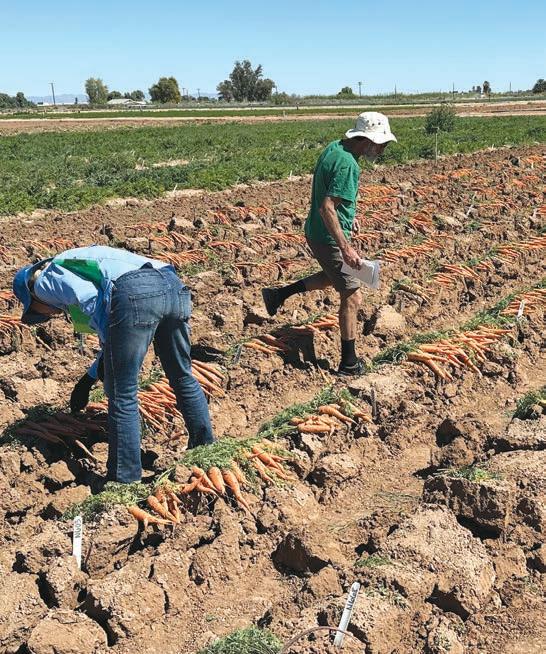
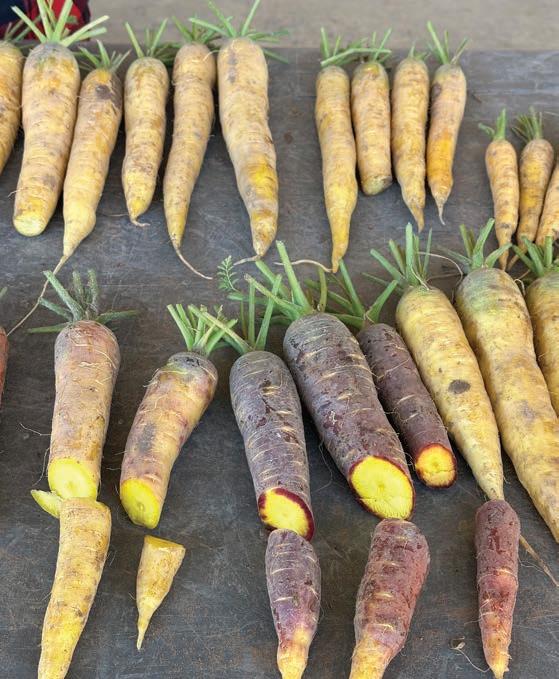
Philipp Simon with the USDA Vegetable Crops Research Unit hosted the annual Carrot Hybrids Field Trial and Showcase at the University of California Desert Research and Extension Center in El Centro, California, March 2-4. The trial consisted of 220 plots. Individuals from the global carrot community including growers as well as representatives from the seed industry, non-profit organizations and universities were invited to send seeds of their “cello,” “baby” and “novel” carrot varieties to be evaluated for horticultural quality. The trial also included hybrid and inbred carrot lines developed in Simon’s breeding program, including those that will soon be publicly available for seed requests.
The carrot community was then invited to the trial showcase to evaluate their lines and rate the plots based on horticultural desirability. Approximately 50 representatives from across the global carrot community participated. Overall, the trial showcased impressive, colorful and horticulturally appealing baby, novel and cello type carrots, which reflected the efforts in carrot breeding.
Velox, a biostimulant product from Redox Bio-Nutrients, has received a certification from The Fertilizer Institute (TFI) indicating that the product meets industry recognized standards for efficacy, safety and composition. Velox, which is the new name for V-55, is formulated with phosphorus and micronutrients to improve general nutrient uptake for retention of flowers and fruit.
Redox’s Mainstay Calcium 2.0 and Mainstay Si also have Certified Biostimulant labels from TFI. According to Redox, it is the first biostimulant company to have three products with these certifications.
Lockwood Manufacturing is now importing directly from Struik, a Netherlands-based equipment manufacturer. Lockwood touts Struik as having a global reputation for precision engineering, durability and performance. The company is known for its rotary cultivators and potato hilling equipment in the U.S. Lockwood and Struik have partnered for more than 25 years. The new direct import agreement will help reduce freight costs and save customers money, according to Lockwood.
Vive Crop Protection has hired Bret Mize as national account manager for the U.S. Mize brings experience in key account and regional sales management, along with expertise in agronomy and crop protection, having worked for companies including Gowan and Bayer Crop Science.


Vive has also promoted Greg Esco to vice president of sales.
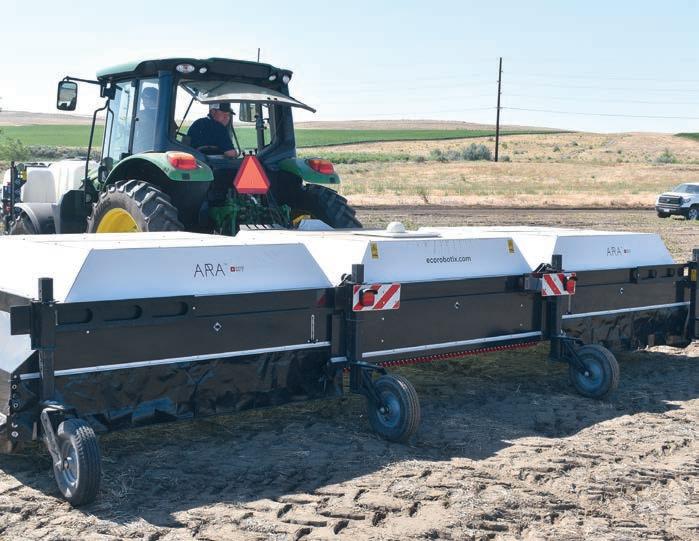
Ecorobotix’s ARA Ultra High Precision Sprayer is now being assembled for the U.S. market in Lyons, Kansas, by KMW. The Kansas-based manufacturer specializes in precision fabrication, engineering and assembly services for agricultural equipment manufacturers. The partnership will allow Ecorobotix to strengthen its U.S. supply chain and better adapt its technology for U.S. production regions and specialty crop growers, according to the company.
Ecorobotix is also building partnerships with universities across the U.S. to better understand regional agronomic conditions and develop new crop algorithms tailored to American farming systems.
June 2-3
International Carrot Conference
The Hotel Bakersfield Marriott at the
Bakersfield, Calif.
Jaspreet Sidhu, jaksidhu@ucanr.edu
nov. 18-19
Center
Pacific Northwest Vegetable Association Conference and Trade Show
Three Rivers Convention Center Kennewick, Wash.
Sheri Nolan, (509) 585-5460 or www.pnva.org
dec. 8-10
Great Lakes Fruit, Vegetable and Farm Market Expo
DeVos Place Conference Center Grand Rapids, Mich. www.glexpo.com
Editor’s note: To have your event listed, please email Denise Keller at editor@columbiamediagroup.com. Please send your information 90 days in advance.
From size, shape, color, disease resistance and
Visit nunhems.com for more information.