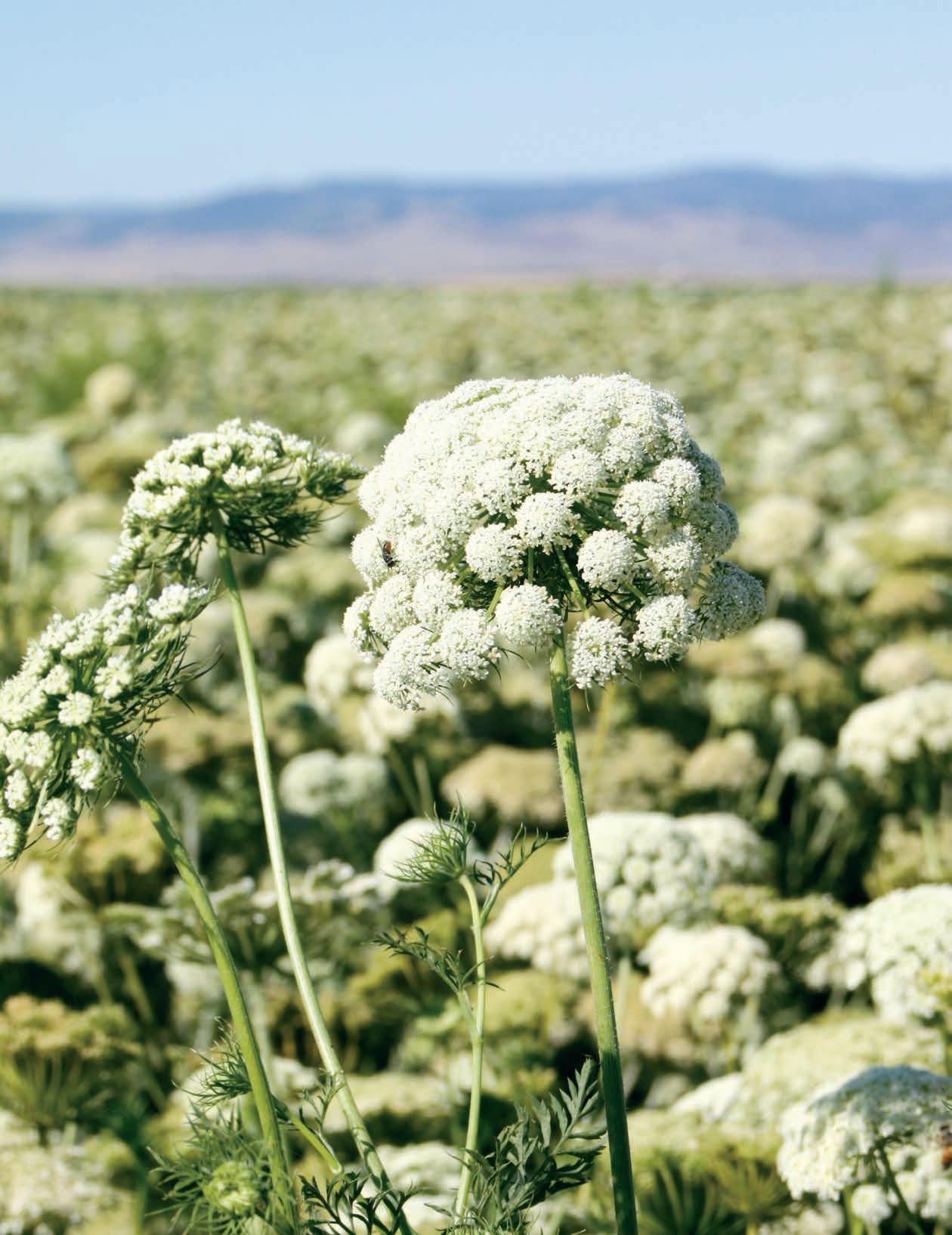




Researchers at Oregon State University have been studying how and when bacterial blight is spread. Read about their findings and what this means for growers and the seed industry on page 14.
Telephone: (208)
Circulation: (503) 724-3581
CARROT COUNTRY CONTACTS
Editor
Denise Keller editor@ColumbiaMediaGroup.com
publisher / advertising manager
Dave Alexander dave@ColumbiaMediaGroup.com
director of operations
Brian Feist brian@ColumbiaMediaGroup.com
EdItorIal InFormatIon
Carrot Country is interested in newsworthy material related to carrot production and marketing. Contributions from all segments of the industry are welcome. Submit news releases, new product submissions, stories and photos via email to: editor@ColumbiaMediaGroup.com.
advErtIsInG salEs
For information on rates, mechanics, deadlines, list rental, direct mail, inserts or other information, call (208) 520-6461 or email: dave@carrotcountry.net
SUBSCRIPTIONS
U.S. $40 per year
Foreign $60 per year
Subscribe online at: www.CarrotCountry.com/subscribe or call (503) 724-3581
Email address changes/corrections to brian@ColumbiaMediaGroup.com or mail to: Carrot Country PO Box 333 Roberts, ID 83444
Carrot Country magazine (ISSN 1071-6653), is published four times a year and mailed under a standard rate mailing permit at Idaho Falls, Idaho and at additional mailing offices. produced by Columbia media Group po Box 333, roberts, Id, 83444
Copyright 2026. All rights reserved. No part of this publication may be reproduced or transmitted in any form or by any means, electronic or mechanical, for any purpose without the express written permission of Columbia Media Group.
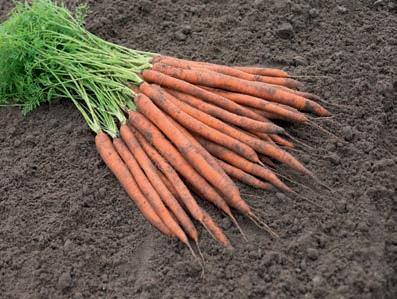
PITTSBURG F1
IMPERATOR
A good yielder that is well-suited for the ‘cut and peel’ industry. Adaptable to different areas, with decent tops and uniformity in shape. A harvest friendly variety with fairly smooth, 12”-13” smooth roots.
IR: Ar / Cc

Vigorous Berlicum with erect, dark green foliage, and cylindrical long roots. Good uniformity. Produces crack tolerant carrots with an excellent external and internal color.
IR: Ad / Ar / Cc


CHANTENAY
Narvik is an easy growing mid-early nantes type with a nice flavor and texture. The roots are uniform and cylindrical, tops are strong, healthy, and erect. Overall Narvik holds well in storage. Adaptable to standard or high density spacing.
IR: Ar / Cc / Ps, Pv
A very productive early chantenay carrot with improved tops and long storage. Excellent color and root length, with high tonnage potential.
IR: Ad / Ar / Cc
Bejo USA & Canada | 1972 Silver Spur Pl. Oceano, CA 93445 | T (805) 473-2199 | E info@bejoseeds.com | W bejoseeds.com

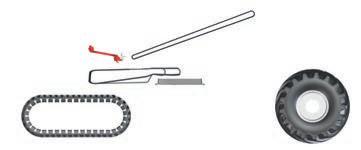
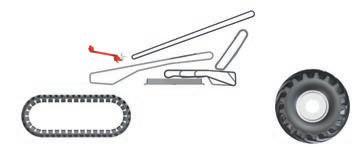
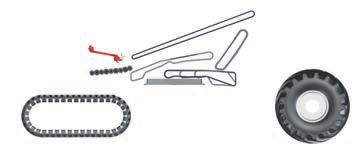
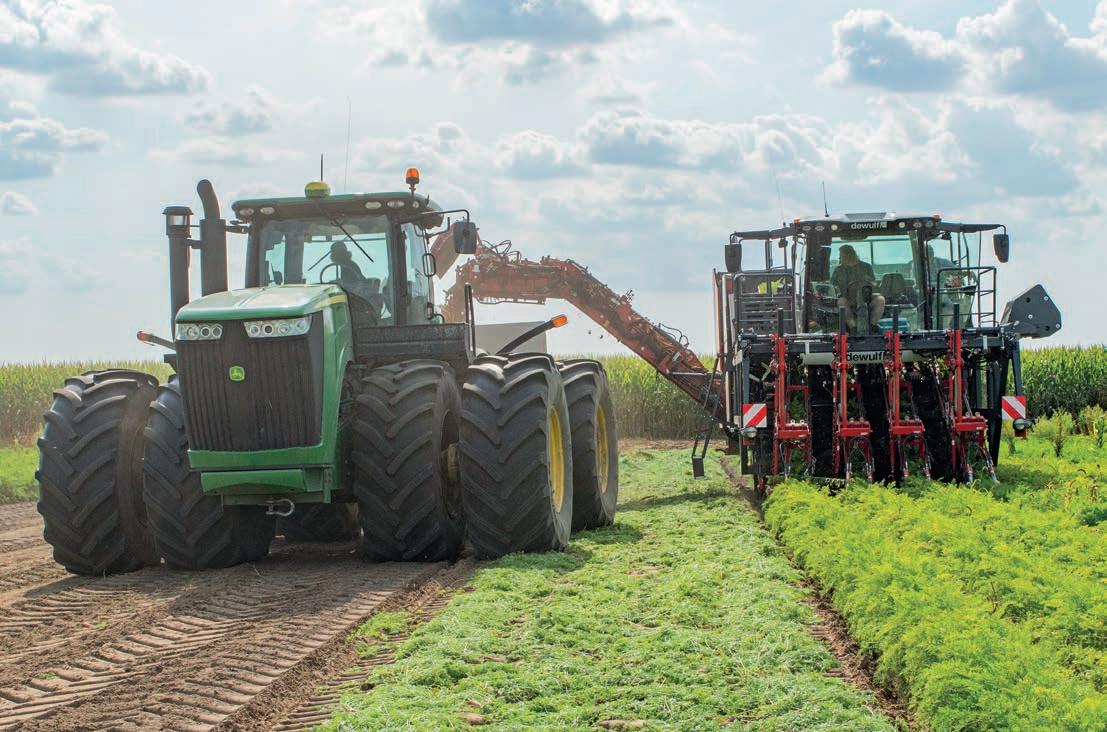
The driving force for your carrot harvest
MINIMAL CLEANING - no cleaning unit/hedgehog belt








By Ching-Ting Feng, Ph.D., Plant Products Division Manager, JH Biotech, Inc.
Beneficial fungi of the genus Trichoderma are now widely recognized as valuable allies in sustainable agriculture. They promote crop growth, suppress harmful diseases, improve fertilizer efficiency and cooperate with other beneficial microbes in the soil. Instead of being a singlefunction inoculant, Trichoderma acts like a multi-tool that strengthens both plants and soil ecosystems.
One of the most visible advantages of Trichoderma is its ability to stimulate plant growth. These fungi release compounds that mimic natural plant hormones such as auxins and gibberellins, encouraging stronger root development and more efficient nutrient absorption. They also help plants regulate stress hormones, which allows
Arrows point to hyphae of Trichoderma harzianum entwining and parasitizing the hyphae of Fusarium oxysporum F3 strain.
crops to better tolerate drought or other challenging conditions. Because roots colonized by Trichoderma can explore soil more effectively, fertilizer inputs are used more efficiently. Farmers often find that with Trichoderma inoculation, crops maintain good performance even when chemical fertilizer rates are reduced. This makes it a practical tool for lowering costs and minimizing nutrient losses to the environment.
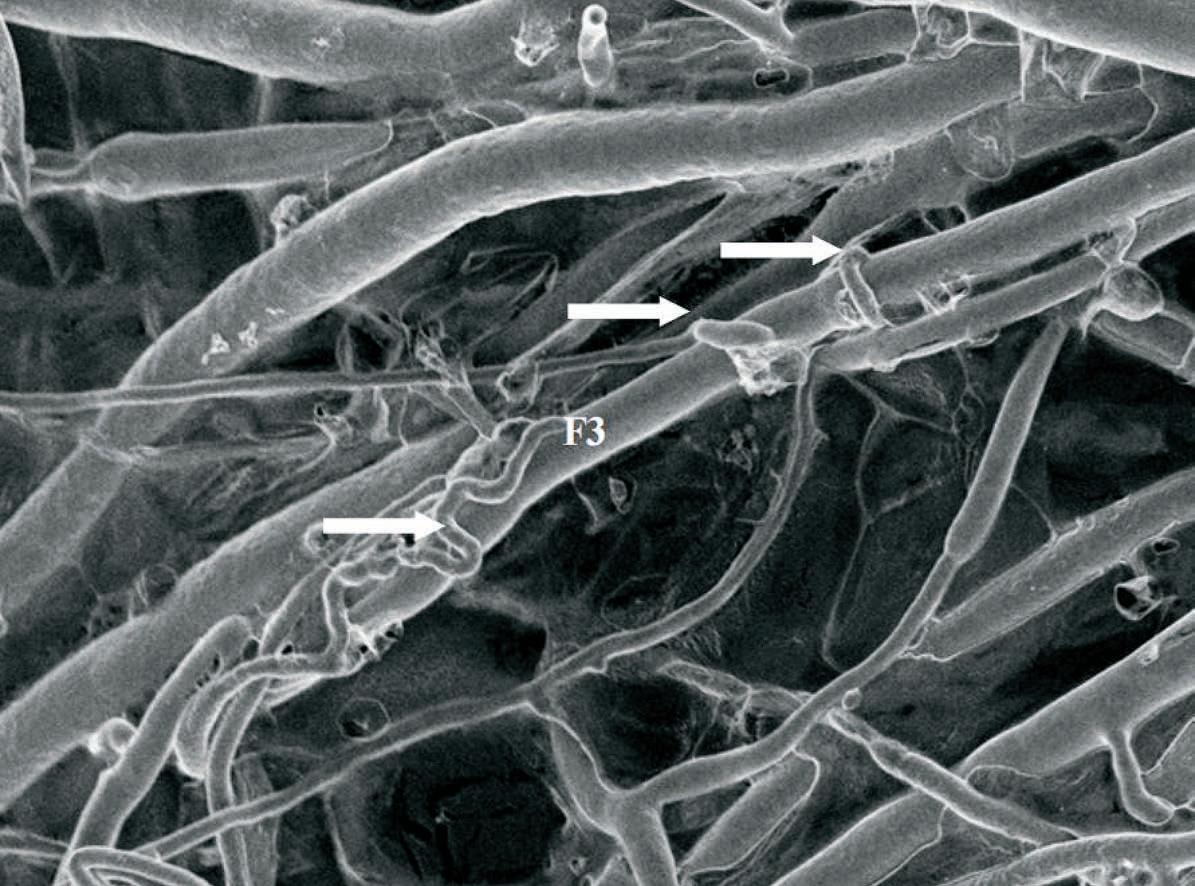
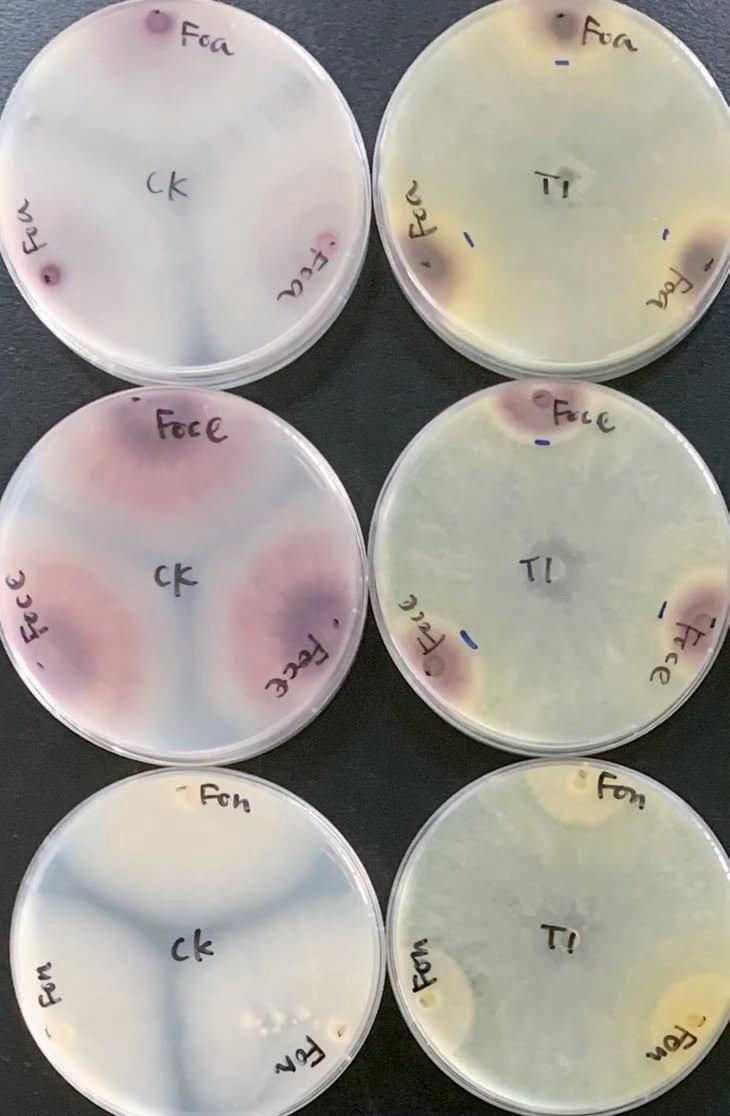
disease suppression and efense is best known for its disease control abilities. It directly attacks harmful fungi by competing for space, producing antifungal enzymes and, in some cases, even parasitizing pathogens. At the same time, it stimulates a plant’s natural immune system, preparing crops to defend themselves more effectively. When combined with other beneficial microbes, such as arbuscular mycorrhizal fungi (AMF), disease protection is even stronger. Together, they can reduce the severity of root diseases like Fusarium wilt and root-knot nematodes while boosting plant vigor. This integrated protection reduces the need for chemical fungicides, supporting safer and more sustainable crop management.
often works in harmony with AMF and other beneficial soil organisms. These partnerships improve nutrient exchange between plants and microbes, increase root colonization and strengthen tolerance to stress. In vegetable crops such as melons, onions and tomatoes, the combination of with AMF has been shown to increase yields, enhance nutrient uptake and suppress soil-borne pests.
This synergy demonstrates that the future of soil health lies not in using one organism alone, but in designing microbial communities that cooperate to benefit the crop.
Beyond pathogens, Trichoderma helps crops withstand environmental stresses such as drought, salinity and heat. It does this by regulating antioxidant systems within plants, stabilizing cell metabolism and reducing the damage caused by excess reactive oxygen molecules. In practice, this means plants stay healthier for longer under stressful conditions, making the best use of limited water and nutrients.
Because Trichoderma can solubilize nutrients like phosphorus and release them into plant-available forms, it plays a direct role in nutrient cycling. It also keeps roots healthier by preventing disease, which ensures plants can take up fertilizers consistently. Studies show that even with lower fertilizer application, crops treated with Trichoderma maintain strong growth and nutrient balance. This makes it a promising tool for farmers aiming to cut costs, meet environmental regulations, or move toward organic and regenerative practices.
Another benefit of Trichoderma is its ability to shape the broader soil community. By interacting with other microbes, it encourages the growth of beneficial bacteria and fungi that further support plant health. In some cases, it acts as a “microbiome modulator,” building a more resilient network of organisms that help crops thrive. This not only improves current yields but also contributes to long- term soil fertility and stability.
Trichoderma offers a wide spectrum of benefits: promoting plant growth, improving nutrient efficiency, suppressing diseases, supporting stress tolerance and fostering positive microbial partnerships.
Its versatility makes it an essential tool in modern sustainable agriculture. When paired with good fertilizer management and other beneficial inoculants like AMF, Trichoderma helps farmers reduce chemical inputs, stabilize yields under stress and protect soil health for the future. By harnessing the power of this fungus, growers can move closer to a
resilient and environmentally friendly farming system.

Author’s note: To learn more about the effects and application programs of Trichoderma products, please visit jhbiotech.com or contact our technical team at info@jhbiotech.com.
The 42nd International Carrot Conference will be held at the Marriot Convention Center in Bakersfield, California, on June 2-3, 2026. The conference will be hosted by the University of California Cooperative Extension and the California carrot industry. California is a major carrot production region and the home of two of the world’s largest carrot producers. Bakersfield is located in the heart of carrot production for the United States.
The International Carrot Conference is a biennial meeting held every 18 to 24 months with the purpose of bringing together anyone interested in carrots. Attendees include growers, packers, shippers, seed producers, breeders, pathologists, sellers, marketers, university and government researchers, Extension specialists, and students. The conference is set up to allow people to exchange ideas and concerns in all aspects of carrot production. Topics such as breeding, production challenges, economics and pest management are discussed in oral presentations and poster sessions on the first day of the conference, followed by a field tour on the second day. The field day will showcase a variety trial, Alternaria screening trial and mechanical harvest of carrots in a field. There will also be opportunities to interact with others in social gatherings.
In addition to carrots, vegetable crops such as processing tomatoes, potatoes, garlic, onions, melons and many winter vegetables are grown in Kern County. Almonds, grapes and citrus are the largest crops grown in Kern County. Meeting organizers hope to make time during the conference for attendees to see many of the crops in the region. Bakersfield is also centrally located in California. Beaches are a couple of hours away, as are Los Angeles, the Sierra Nevada mountain range and the Mojave Desert.
To register for the conference, visit internationalcarrots.org.

JH Biotech, Inc.’s new soluble seaweed extract, Kelp Star, is a natural plant biostimulant designed to promote healthy plant growth, improve soil health and maximize crop yields. Derived from Ascophyllum nodosum kelp, Kelp Star provides a concentrated source of essential nutrients, minerals and natural growth factors. When applied, the product is said to enhance the plant’s ability to absorb and utilize nutrients, leading to increased vitality and improved resistance to environmental stressors such as drought or temperature fluctuations. Visit jhbiotech.com.
BASF has launched a new carrot variety under the Nunhems brand. The Percyst variety features intermediate resistance to southern root-knot nematodes, a trait designed to help growers reduce reliance on chemical fumigation.
Beyond resistance, Percyst carrots are described as delivering excellent flavor, color, texture, shape, quality and foliage. The variety also offers dual-purpose versatility for fresh market cellos and processing into baby carrots. Seed will be available this planting season. Visit nunhemsusa.com.

By Tim Delbridge, Oregon State University
There are many state and federal regulations that agricultural producers must navigate to get a crop from the field to the market. Worker safety laws, pesticide application and recordkeeping rules, and environmental regulations all contribute to a complex regulatory environment for farms across the country. However, it is often the case that neither policymakers nor farmers have a clear understanding of how much it actually costs farms to comply with the regulations they face.
Over the past year, researchers at Oregon State University have published studies on the cost of regulatory compliance in the Oregon tree fruit industry and the impact of agricultural overtime laws on Oregon dairy, nursery and cherry producers. Here, we share
with you the findings of these studies, as well as what lessons vegetable growers can learn from the results.
Following similar studies focused on the lettuce industry in California’s Salinas Valley, we conducted a series of detailed interviews with cherry and pear producers in Oregon to identify their annual per-acre regulatory compliance costs. We included both cash expenses (for example, payroll costs associated with mandatory worker safety training) and non-cash costs such as the owner’s time spent on paperwork and other compliance steps.
Total regulatory costs ranged from roughly $250 per acre for a 2,500-acre cherry operation to $700 per acre for
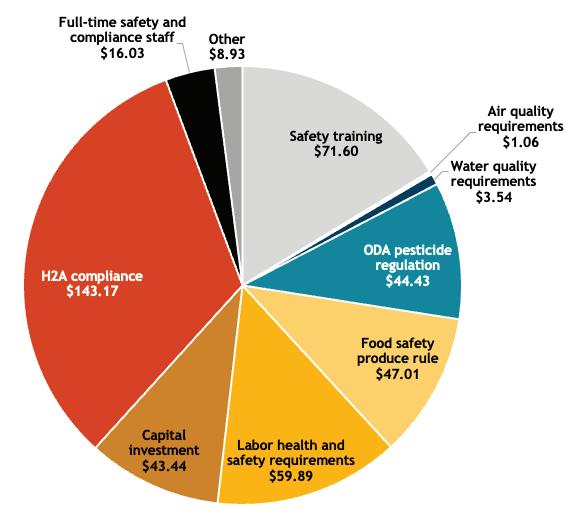
a 50-acre pear grower. Labor-related regulations were the most costly set of policies, and include safety training, health-related requirements and H-2A rules. Pear growers tended to have higher per-acre costs, in part because of their greater reliance on the H-2A program. Larger farms tended to observe some economies of scale because they employed office staff that were focused on regulatory compliance, saving the time of other managers.
The phase-in of agricultural overtime in Oregon has been a topic of concern for many farms in the state. Starting on Jan. 1, 2023, farmworkers were entitled to 1.5x pay on hours above 55 in a week. This threshold dropped to 48 hours per week on Jan. 1, 2025, and will drop to 40 hours per week in 2027. This follows similar laws in California and Washington, which are now both fully phased in.
Our study used actual payroll data from 10 Oregon farms to estimate the increase in payroll costs that farms would face under each overtime threshold level. Data included the wage rate and number of hours worked by each employee in each week from 2022 to the end of 2024. These farms included dairy, nursery and tree-fruit producers. Results showed that if farmers didn’t reduce the hours that their employees worked, payroll costs under the 40-hour threshold would go up by 4% on nursery operations, 12% on dairies and 6% on the cherry farms included in the study. Given the small profit margins on most farms, an increase in payroll costs of this magnitude could have a much larger impact on net income.
We also explored the impact of the new overtime policy on individual workers. We found that some workers earned less in 2023 after the 55-hour
overtime threshold was adopted than they earned in 2022 without the overtime law in place. In particular, one dairy farm had five full-time employees that averaged more than 55 hours of work in 2022. These workers all saw decreases in total income in 2023 because they worked fewer total hours. Some workers are likely to be better off with overtime pay, but many workers are likely to see hours and total wages fall, which matches research on ag overtime from other states and anecdotal evidence from farm owners and hourly workers in the Pacific Northwest.
These studies focus on the experience of tree fruit, nursery and dairy producers in Oregon. Their production systems and labor needs are obviously different than those of vegetable crop producers in other areas, but there are still some lessons to take away from these results. First, we’ve found that many growers are surprised by their own overtime costs and the amount of time and money spent on regulatory compliance once they are tallied up. In some cases, the growers have identified costly compliance steps that could be made more efficient without violating regulations. It is important for all producers to understand these components of their cost of production so that they may respond to policy changes as effectively as possible. Another important theme that emerges from both regulatory compliance and ag overtime studies is that larger farms may have an advantage in navigating these headwinds. Either because of their greater operational flexibility or because many compliance steps take no more time for 1,000 acres than they do for 500, large farms may face smaller increases in production costs on a per-acre basis. If so, the additional pressure on smaller farms will contribute to the other consolidating forces that have reshaped the agricultural landscape over the past 80 years.
Author’s note: Please reach out to tim. delbridge@oregonstate.edu with questions or for links to the full publications.


65-70 days, Very smooth root with a blunt tip. Ideal for waste reduction in processing. Widely adapted, good results in mineral soils and mucks.

65-70 days. Long, smooth, uniform roots with high yield potential. Resistant to early bolting with vigorous and healthy foliage. Can be used for fresh market or slicer segments.
Jumbo berlicum type carrot, cylindrical and smooth. Excellent performance in mineral soil as well as black earth. Use for fresh market and processing.

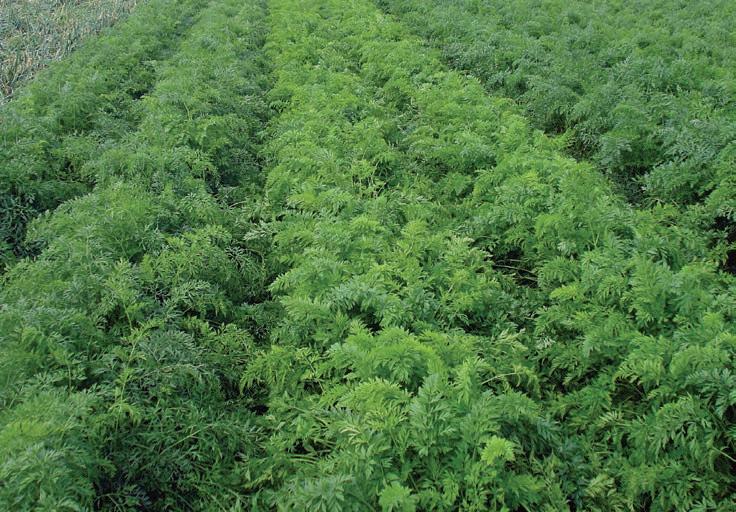
Early maturity. Cylindrical with a slight taper and blunt tip. Attractive skin coloration. Use for fresh market and processing.
As part of a new partnership, Modern Produce Equipment now represents Stanhay, a precision seed drill designer and manufacturer, across the Great Lakes region. The partnership is expected to give growers in the Great Lakes region better access to equipment, parts and service.
Founded in 2015, Modern Produce Equipment provides vegetable handling and processing equipment for carrot, onion and potato producers.
Stanhay is headquartered in the U.K. and has an international dealer network.

Sakata Seed America’s former CEO has returned to the helm after an executive leadership transition at the company. Dave Armstrong is once again serving as president and CEO, titles he held for 15 years before stepping into the role of executive chairman last year.
Former president and CEO Eduardo Flores has left the company. Flores joined Sakata as chief operating officer in 2021 and had been serving as CEO since early 2025.
Meanwhile, Justin Davis, a 20-year veteran of Sakata, has been promoted to chief operating officer. In his new role, he will integrate research and development, supply chain, and vegetable seed sales and marketing.
Mainstay Si, a biostimulant product from Redox Bio-Nutrients, has received a certification from The Fertilizer Institute (TFI) indicating that the product meets industry recognized standards for efficacy, safety and composition. Mainstay Si is a combination of calcium and silicon nutrition designed to increase cell wall strength in the plant, improve crop quality and bolster stress defense.
Redox’s Mainstay Calcium 2.0 also has a Certified Biostimulant label from TFI. According to Redox, it is the first biostimulant company to have two products with these certifications.



Vive Crop Protection started the new year with two new additions to its commercial team. Russ Gibson joins the commercial sales team as the Great Lakes territory sales manager, and Marie Yeager joins the product management team as senior product manager.
Gibson has more than 10 years of industry experience in sales and marketing, including roles at Amvac, UPL, CHS Agronomy and Valent U.S.A. He has a bachelor’s degree in agricultural engineering and a master’s degree in finance.
Yeager brings expertise in product management, marketing, sales and supply chain management. Most recently, she managed the diamide and indoxacarb portfolio at FMC, where she is credited with growing the business despite intense competitive pressure.


June 2-3
International Carrot Conference
The Hotel Bakersfield Marriott at the Convention Center Bakersfield, Calif.
Jaspreet Sidhu, jaksidhu@ucanr.edu



Since 1962, beginning as a crop consultancy, Gowan Company has been rooted in agriculture, providing trusted expertise and innovative solutions for growers. This family-owned, American business works to understand growers’ challenges and is committed to delivering products and services that maximize yield and quality. Gowan provides solutions for the unique needs of carrot producers. Gowan USA’s dedicated sales representatives and development teams regularly work with carrot growers and researchers to ensure that each product performs optimally in the field.
Gowan offers Reason and Badge SC fungicides, as well as Eptam 7E, Treflan HFP and Treflan TR-10 herbicides. The product lineup also includes OMRI-Listed products EcoSwing, Aza-Direct, Badge X2 and Captiva Prime.
JH Biotech Biomin
jhbiotech.com/chelation-and-mineral-nutrition
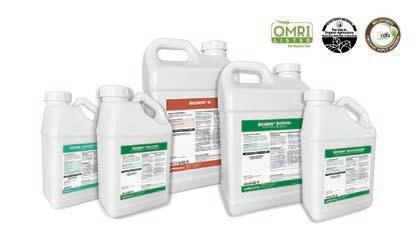
Biomin is a line of fully chelated plant nutrients resulting from the chelation of mineral nutrients with amino acids. These chelates protect the nutrient from combining with other elements or losing nutrient value for absorption. JH Biotech’s Biomin chelated line is OMRI, CDFA and WSDA organic certified and is compatible with humic and fulvic acid products. Without using harsh chemicals, it provides plants with stable nutrients, balancing mineral deficiencies more quickly than conventional inorganic nutrients. It can be used for soil and foliar applications without compromising environmental quality and safety. Biomin may be applied to all crops and turf. It reduces the effects of saline soils, water deficiency and weather conditions while encouraging increased yield, homogeneous ripening, more flavored and high quality fruit, and greater nutrient absorption.
Combat pests such as mites and mildew and ensure a thriving carrot crop with Rango, a triple-action biopesticide with multiple modes of action, including insect growth regulation, anti-feedant properties, molting disruption and repellency. Rango is an ideal tank-mix and rotation partner for resistance management. A zero-day pre-harvest interval, a four-hour re-entry and application flexibility make Rango a go-to choice for effective pest management.
What sets Rango apart is its versatility, offering comprehensive disease, insect and mite control in one jug. It’s a proven solution for fungal diseases and managing both sucking and chewing insects across various lifecycle stages. Rango is EPA registered and OMRI approved and is formulated in the U.S.
Lorox
tessenderlokerley.com/lorox
As the veggie known for supporting healthier vision, carrots deserve to be seen. To get more carrots in the field, and on dinner plates, managing weeds is essential. Lorox supports carrot growers by managing more than 20 broadleaf weeds and grasses. It can be applied pre or post emergence and brings a valuable alternative mode of action (Group 5) to integrated pest management programs. With proven, reliable chemistry trusted for generations, Lorox remains a foundational tool for better fields.


Vive Crop Protection offers a wide range of crop protection products.
AZteroid FC 3.3 fungicide delivers early-season disease protection. An at-plant application maximizes yield potential and farming efficiency to get crops off to a strong start.
For growers looking to improve standability, maximize vigor and maintain greener plants, AZterknot fungicide provides excellent disease control of major foliar and soil diseases while boosting plant performance under stressful conditions to increase crop quality and yield potential.
Viloprid 4 provides an easy-to-handle imidacloprid solution. The insecticide is compatible with liquid fertilizers and other crop inputs and stays in suspension longer compared to other leading imidacloprid brands.


Two consistent varieties that perform across seasons and markets
JERADA RZ
• Early Nantes hybrid with smooth skin
• Early high yielding variety
• High uniformity in roots
• Strong, mid-dark green and upright foliage
• Excellent for bunching and fresh markets
YMER RZ
• Berlicum/Nantes hybrid
• Cylindrical shape and smooth skin
• High uniformity in length and diameter
• Intense orange color and strong green foliage
• Good for fresh market and long-term cold storage
By Oregon State University Extension Service
In the high desert of Central Oregon, farmers produce some of the world’s most valuable hybrid carrot seed. But their fields face a persistent and costly threat: a plant disease called bacterial blight, caused by the bacterium Xanthomonas hortorum pv. carotae (Xhc). This pathogen can cause blighted leaves, damaged flowers and infested seeds – ultimately reducing seed quality and yields.
While previous research showed that Xhc can become airborne during harvest and travel up to a mile, there was a critical knowledge gap: when else, and how often, is the bacterium airborne throughout the year? Without knowing when the pathogen spreads, farmers and researchers couldn’t effectively time disease management strategies.
To find out, Oregon State University scientists Jeness Scott and Jeremiah Dung at the OSU Central Oregon Agricultural Research and Extension Center in Madras, Oregon, launched a yearlong study in two commercial carrot seed fields in Central Oregon. They installed specialized air
samplers that ran continuously for over 13 months (excluding winter) to capture airborne particles. Scott and Dung then used sensitive DNA testing to estimate the number of Xhc genomes present in the air samples.
What they found changed how we understand this disease. It takes over one year to produce carrot seed. Even before the annual fall harvest of carrot seed begins, the young seedlings intended to produce next year’s crop are already growing in the field. It turns out that activities such as combining that routinely occur during the carrot seed harvest are not the only mechanism for Xhc to become airborne.
The study found that Xhc was airborne more than 80% of the time during the growing season in both fields. The pathogen showed up in the air as early as September, shortly after both planting and the harvesting of the previous year’s seed and reappeared during spring, summer and the autumn harvest months. This indicates that the plants are likely exposed to airborne Xhc not only
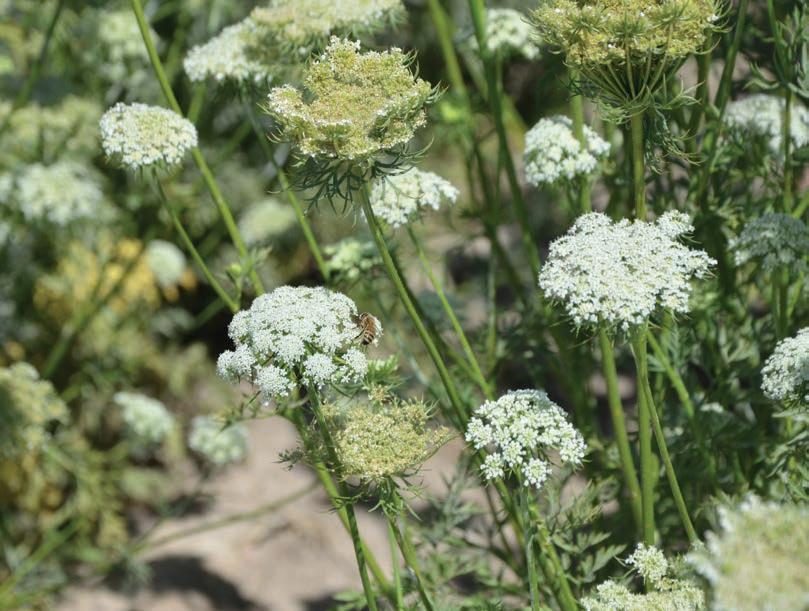
during harvest but throughout the entire growing season.
The study, published in the journal “Plant Disease,” also confirmed that the bacterium was present on carrot leaves before winter and in early spring, meaning it can establish early and survive cold months. In one field, leaf samples during spring and summer had extremely high bacterial levels, consistent with those known to cause disease symptoms.
These results suggest that diseasecausing bacteria in the air, along with the overlapping timing of nearby carrot seed fields, help the bacteria survive from one growing season to the next – a process known as the “green bridge” –but also that the host plants are exposed to airborne bacteria throughout most of the year. This in part explains why bacterial blight has become a recurring and endemic issue in many carrot root and seed production regions.
Thanks to this study, researchers now have a much clearer picture of how and when Xhc spreads. For farmers and the seed industry, this means they can start exploring new disease management practices that span the full growing season – not just during harvest. These might include the application of treatments to the carrot plants to slow the establishment of Xhc on the leaf surfaces, more precise field sanitation and timing of fieldwork to reduce bacterial dispersal.
By identifying the hidden windows of pathogen activity, this research offers a path forward to protect one of Oregon’s most valuable specialty crops and ensure its long-term sustainability.
This study was supported by funding from the U.S. Department of Agriculture National Institute of Food and Agriculture, Specialty Crop Research Initiative project no. 2020-5118132154, the Western Integrated Pest Management Center project ID 1616 and the Agricultural Research Foundation.