MODERN CAD/CAM COMPOSITE MATERIALS: MATERIAL PROPERTIES AND LUTING STRATEGIES
22-03-2016 Dr. Ralf Böhner
First publication in ZMK (32) 3/2016, 112118, Spitta Verlag, Germany
BRILLIANT Crios
Composite-based CAD/CAM materials have been marketed as „composite ceramics or hybrid ceramics“ to underscore their longevity. The latest generation of reinforced composite blocs demonstrates excellent material properties, which are in part even superior to the properties of ceramics. Comparative studies have provided interesting insights into the flexural strength and abrasion resistance of these innovative restoration materials.
Digital production is becoming increasingly popular in the fabrication of dental restorations. In this process, the restorations are ground to their final shape using digital data sets. Numerous computer-guided modelling systems are commercially available that can generate the shape of the restoration via a direct digital impression taken in the mouth or by digitalising of an impression or a tooth model. The important pioneers of this technology were Duret and Mörmann/Brandestini [1], among others. Whereas Duret favoured materials made of fibre-reinforced composite, Mörmann preferred ceramic materials. Mörmann‘s CAD/CAM system prevailed on the market as „Cerec“. Over time, the CAD/CAM ceramic blocks were optimised and today are divided into two material categories: 1) feldspar or leucite ceramics which do not necessarily have to be fired after the grinding process of the restoration, and 2) lithium disilicate or zirconium oxide ceramics which must be subjected to a firing process after grinding [2]. Although these ceramic materials have good aesthetics and resist abrasion, they also have drawbacks that include a relatively high modulus of elasticity, a tendency to chip, and abrasion of the antagonist. Modifying or repairing ceramics intraorally is also quite an elaborate procedure. Therefore, there is a need for composite materials for use with the CAD/CAM method in addition to light-curing composites for permanent restorations. In contrast to light-curing composites, CAD/ CAM composite materials can be manufactured on an industrial scale with excellent mechanical properties achieved. One of the first products in this category was marketed by the 3M Espe company under
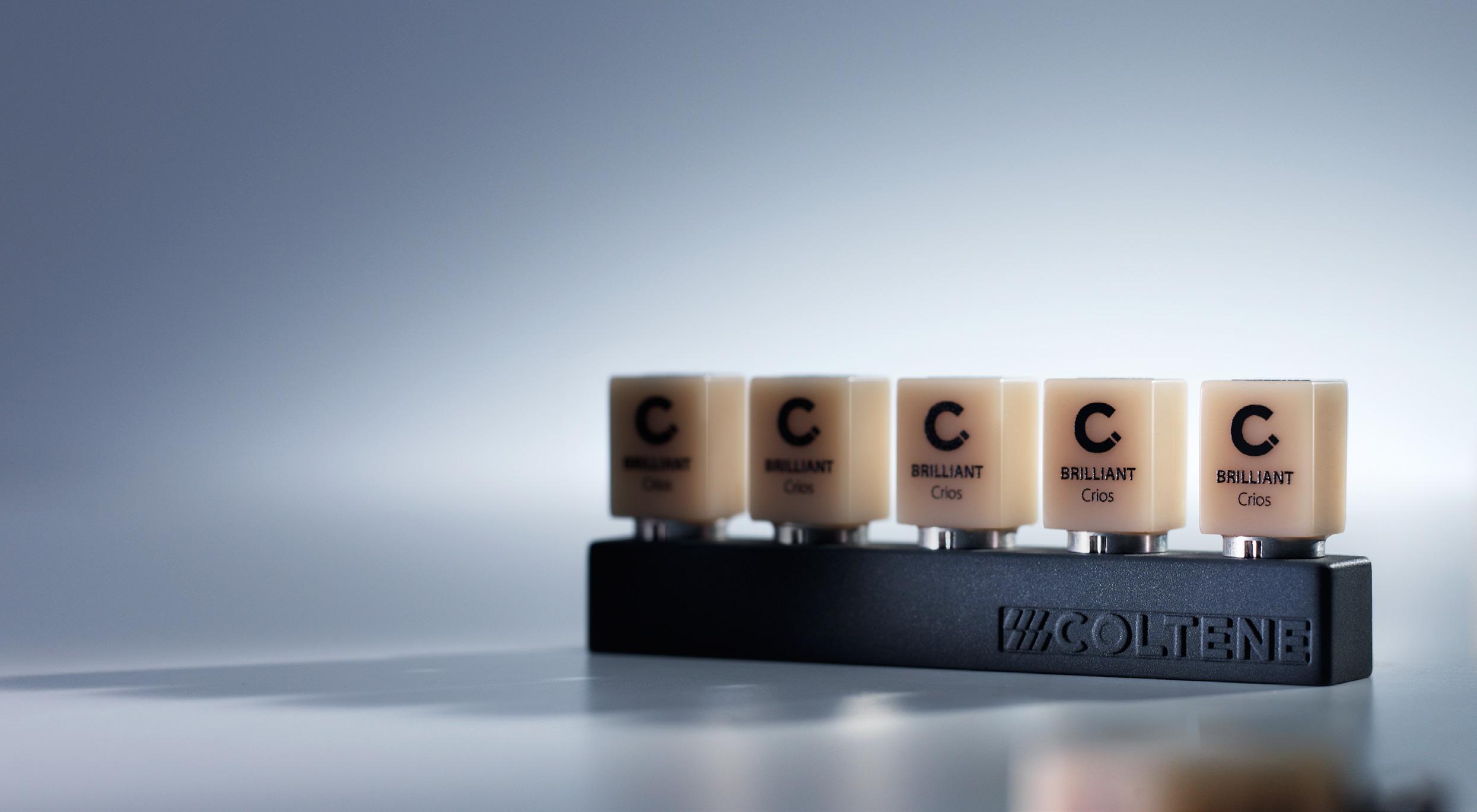
the name Paradigm, and this was followed by Lava Ultimate, Cerasmart (GC) and Shofu Block HC (Shofu). COLTENE, the Swiss dental specialist, is currently introducing BRILLIANT Crios, a novel and versatile CAD/CAM composite material with high performance.
COMPOSITE OR HYBRID CERAMIC?
A composite is generally described as a material consisting of two or more different components that are bonded to each other. CAD/CAM composites consist of a matrix of polymerised methacrylates, which, depending on the product, contain different fillers (glass or ceramic). Although this is a composite in terms of material design, some companies market their products as hybrid ceramics due to the use of ceramic fillers. These products include the following:
• Composite ceramic based on nano-ceramic technology (Lava Ultimate) [3]
• CAD/CAM bloc made of hybrid ceramic (Cerasmart) [4]
• Highly aesthetic ceramic-based material (Shofu Block HC) [5]
Another CAD/CAM block material, Vita Enamic (Vita Zahnfabrik), differs from both ceramic materials and composites, as it is a polymer-infiltrated porous ceramic. This material is suitable for minimally invasive reconstructions, posterior crowns for teeth [7], and other uses. According to the manufacturer, Lava Ultimate is indicated for inlays, onlays and veneers [3]. The CAD/CAM composite bloc materials BRILLIANT Crios, Cerasmart and Shofu Block HC are also approved for single crowns [4–6].
Composites must not be confused with purely ceramic CAD/CAM materials or treated as such. For example, as composite materials should not be fired, their processing procedure is considerably easier. In addition, adhesive luting is adapted to the composite. Similar to light-curing filling materials, composite-based CAD/CAM materials are easy to modify and polish. Furthermore, their repairs can be performed intraorally. In general, the luting strategy of CAD/CAM fabricated restorations is crucial for the success of treatment.
www.coltene.com
The latest generation of Reinforced Composite Blocs.
MATERIAL PROPERTIES
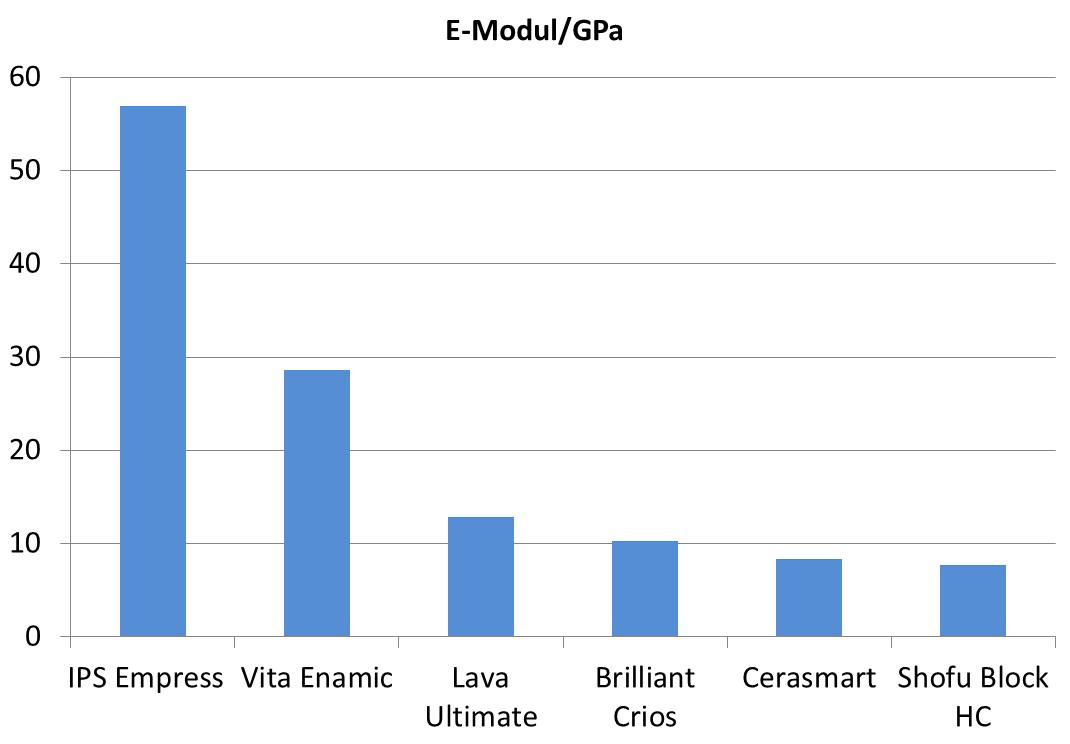
Compared with ceramics, CAD/CAM composite materials have a relatively low modulus of elasticity that is very similar to that of dentine. A very high modulus of elasticity is often quoted for tooth enamel, which is, however, anisotropic as it is constructed of enamel prisms [9–11]. Anisotropy is responsible for the exceptional resistance of healthy tooth enamel. The modulus of elasticity is very high in the longitudinal direction of the enamel prisms, and this feature is generated by the filler material in the case of composites. In the vertical direction, the e-modulus of the prisms is comparatively low which thus prevents the enamel prisms from breaking under deformation. In the case of composites, this property is generated by the polymerised methacrylate matrix (Fig. 1).
INCREASED FILLER RATIO
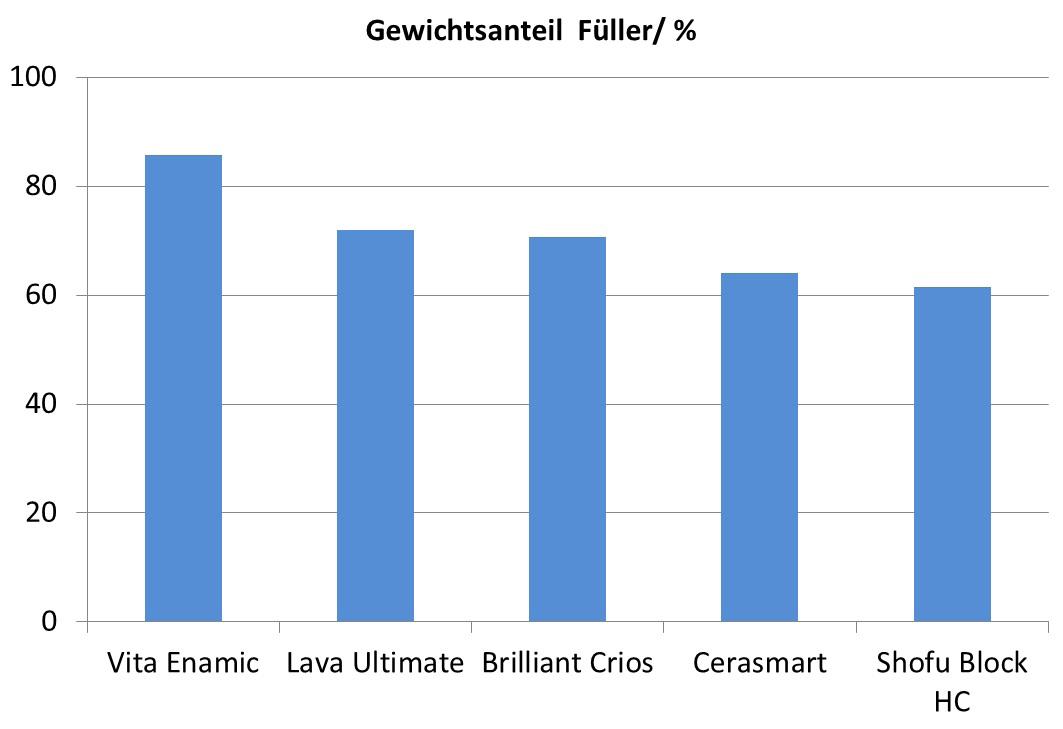
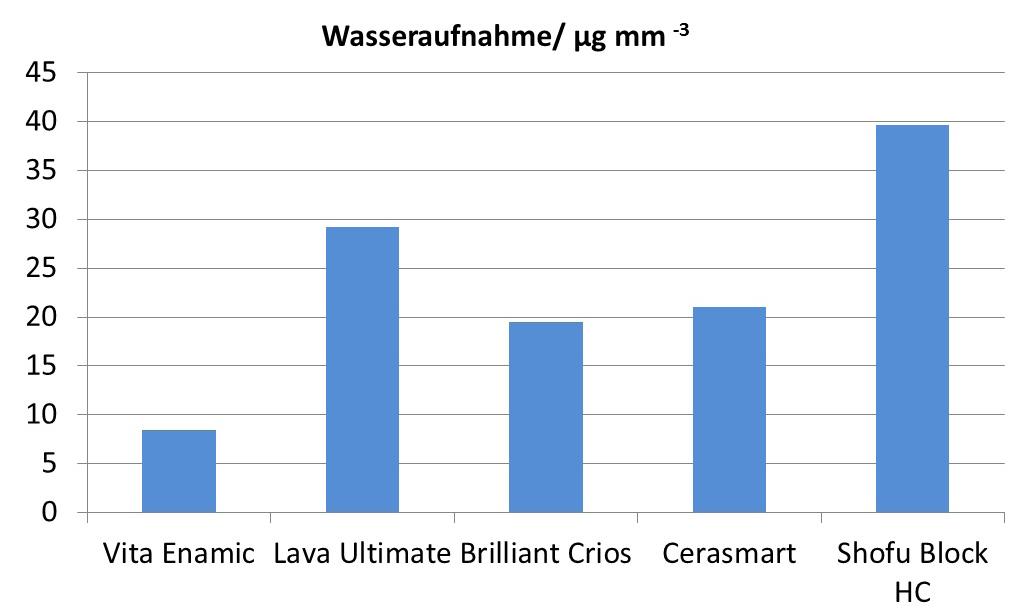
Compared to temporary CAD/CAM resin materials, CAD/CAM composites used for permanent restorations have a higher filler ratio, and this ratio is mainly responsible for the improved abrasion resistance over that with low or non-filled CAD/CAM materials used for temporary restorations (Fig. 3). If an appropriate abrasion-resistant filler is selected, then abrasion of the restoration can be reduced significantly. Conversely, a lower filler ratio implies a high polymer ratio (polymer matrix resin), which in turn is largely responsible for water absorption. The water absorption of BRILLIANT Crios and Cerasmart is comparable to that of a modern light-curing filler material, at 15 to 20 μg mm-3. The polymer ratio of the composite is responsible for water absorption; thus, Vita Enamic with its higher ceramic ratio demonstrates less water absorption (Fig. 4).
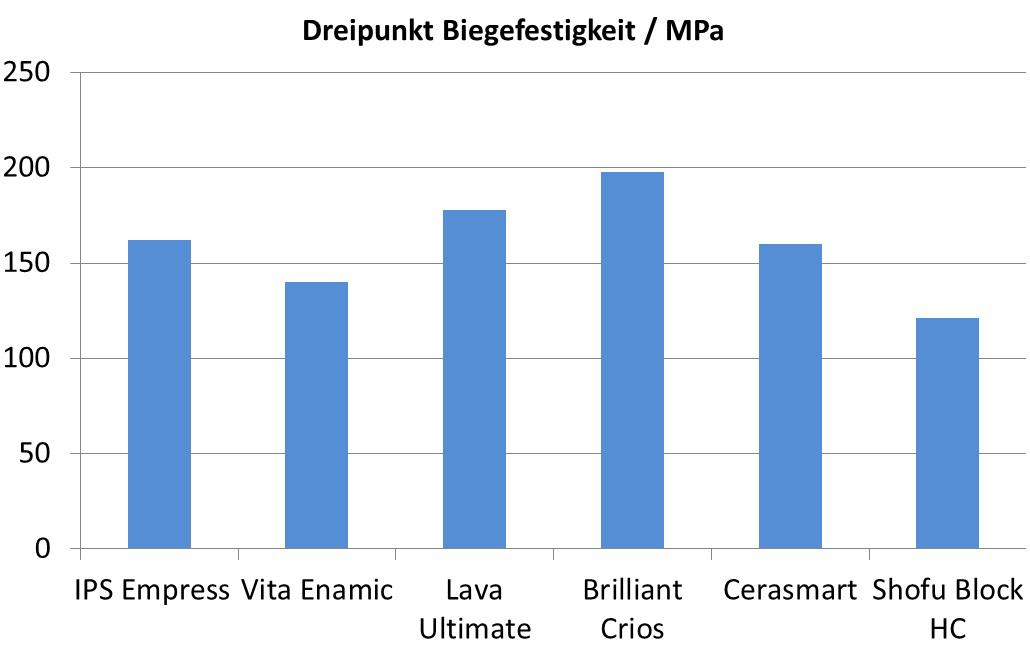
Compared with ceramics and polymer-infiltrated ceramics, composites have a lower modulus of elasticity and therefore they dampen chewing forces far better. Patients often perceive a composite restoration as being less hard than a ceramic one, so it is less likely to be experienced as a foreign body and promotes „chewing comfort“. Physical studies have confirmed that CAD/CAM composite materials offer excellent mechanical properties. Compared with a tested ceramic material (IPS Empress CAD) that does not need to be fired after the grinding process, both Lava Ultimate and BRILLIANT Crios demonstrate higher flexural strength (Fig. 2).
www.coltene.com
Figure 1: Modulus of elasticity determined in flexural strength test.
Figure 2: Three-point flexural strength.
Figure 3: Inorganic filler content determined via pyrolysis.
Figure 4: Water absorption limit value according to ISO 4049 for light-curing filler materials at 40 μg mm3.
PERFORMANCE IN THE MOUTH
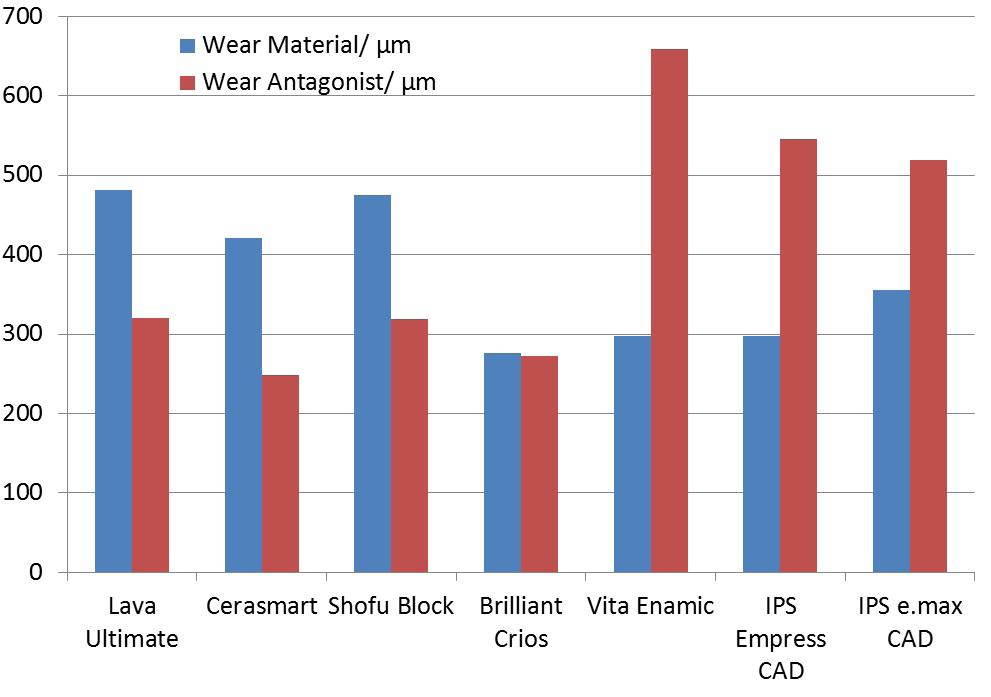
The material properties, such as flexural strength, modulus of elasticity, solids content and water absorption, only provide a theoretical indication of how the restoration will perform in the mouth. Of greater interest is how these CAD/CAM composite materials behave under a chewing load. It is known that ceramic materials can lead to increased abrasion of the antagonist during chewing as compared with dental enamel. Due to their lower modulus of elasticity and their composition, composite materials should cause less abrasion of the antagonist [12]. Interesting results on this issue were obtained in a study [13] of the abrasion of CAD/CAM materials versus a dental enamel antagonist (Fig. 5). The CAD/CAM composite materials demonstrated less abrasion of the enamel antagonist compared to the tested ceramic materials and the polymer-infiltrated Vita Enamic hybrid ceramic. BRILLIANT Crios is gentle on antagonists, as is usual for composite materials, and yet it results in low abrasion, similar to ceramics.
LUTING STRATEGY
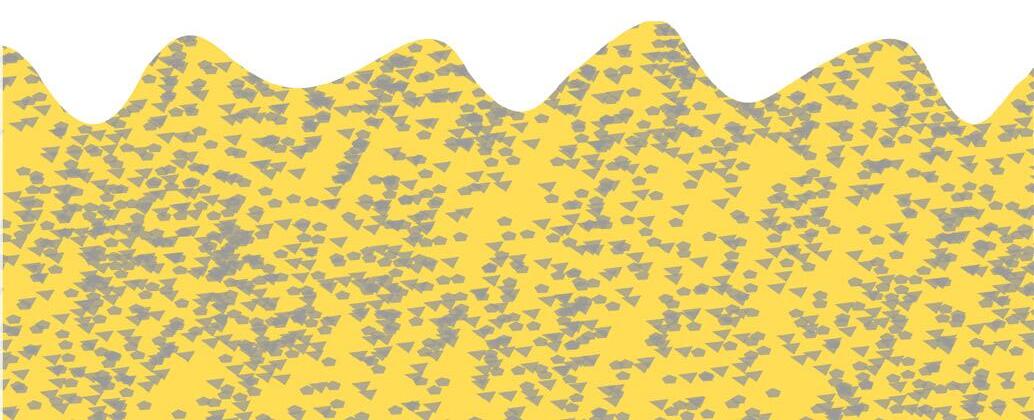
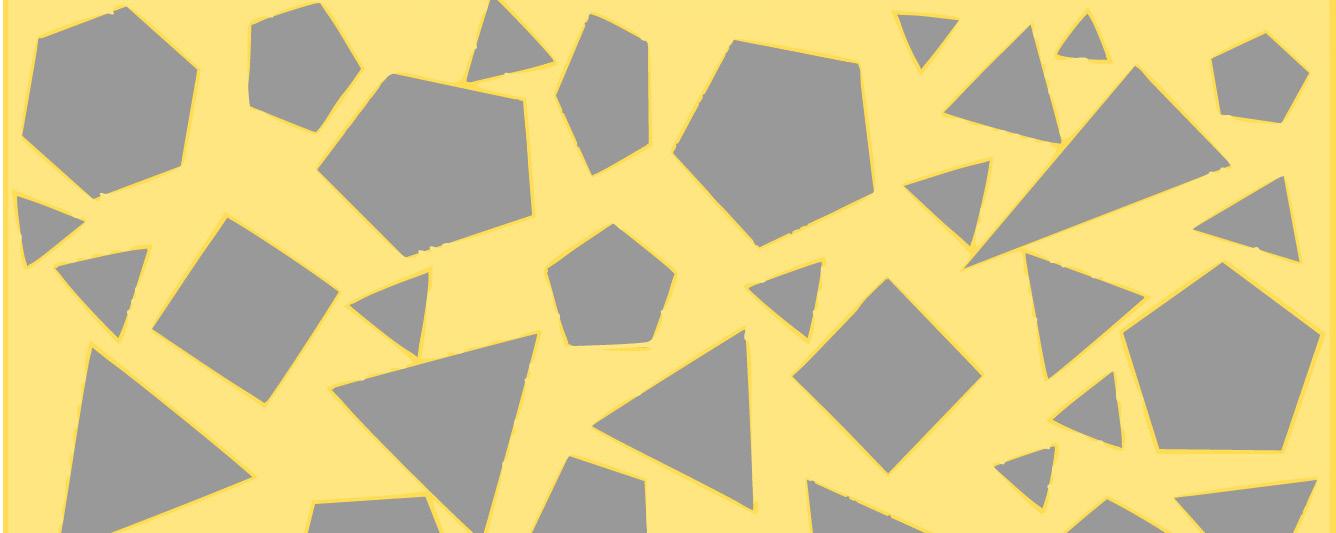
As mentioned above, a crucial factor for the long-term success of a restoration made of a CAD/CAM composite is the luting strategy. In contrast to pure ceramic materials, CAD/CAM composites must always be luted adhesively [14–22]. This implies that an adhesive bond is needed both between the composite restoration and the luting material as well as between the luting material and the tooth substance. The exact procedure differs for every CAD/CAM composite. The following explains the luting strategy in general as well as specifically for BRILLIANT Crios. In this case, the composite is made of a dental glass and a matrix of polymerised resin (methacrylate), and the resin matrix also contains as yet non-polymerised methacrylate double bonds (Fig. 6). After the restoration is fabricated, the surface to be bonded is sandblasted to enlarge the surface and to create mechanical retention. This surface now contains particles of dental glass as well as the polymerised resin matrix. As sandblasting is a very abrasive process, care should be exercised so not too much substance is removed. Corundum (25–50 μm aluminium oxide at 1.5 bar) is used as sandblasting media, as other sandblasting media such as sodium bicarbonate and glycine powder are not suitable [15]. The effect of the sandblasting procedure is comparable to a pre-treatment through corundum sandblasting for zirconia or etching with hydrofluoric acid for silicate ceramics. In all cases, the result is an enlargement of the surface and the formation of mechanical retentions (Fig. 7).
BRILLIANT Crios
OPTIMAL ADHESION TO CAD/CAM COMPOSITE
CAD/CAM composites are composed of approximately 50% filler materials and 50% resin matrix based on volume. To ensure an optimal bond, bonding/adhesion is required to both substrates. After blasting with corundum, the filler material and resin matrix are present at the same ratio on the surface of the CAD/CAM composite restoration.
ADHESION TO THE FILLER MATERIALS
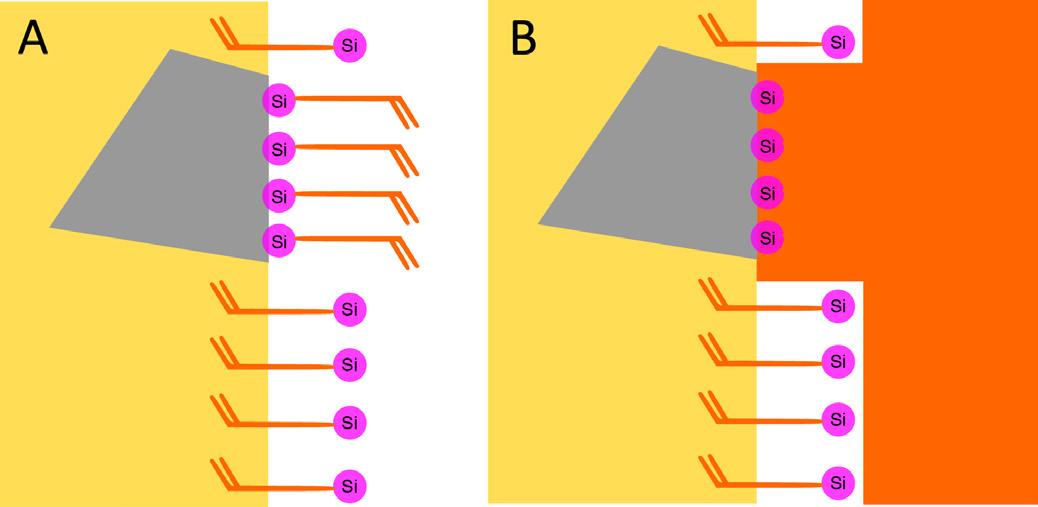
Filler materials may include glass, glass ceramics or oxide ceramics. A silane (Si-OH and polymerisable double bonding in a molecule) is often applied to provide adhesion to these fillers. Etching the filler material with hydrofluoric acid (HF) is often recommended prior to the silanisation stage in order to create further retentions on its surface. However, hydrofluoric acid is not suitable for small quantities of oxide ceramic filler materials, since that may lead to the complete dissolution of the glass-based filler materials on the surface. However, it has been shown that using silane does not result in optimal bonding across the entire surface in the case of BRILLIANT Crios (Fig. 8).
Figure 8: Problems may arise when using silane exclusively (Si-OH and polymerisable double bonds). (A) Silane creates a good bond to the filler, (B) but it can weaken the bond to the luting material due to its properties. Si-OH groups align to the luting material.
www.coltene.com
Figure 5: Abrasion of antagonist and restoration material after 1.2 million chewing cycles.
Figure 6: Schematic representation BRILLIANT Crios. The resin matrix is shown in yellow and the filler in grey.
Figure 7: Enlargement of the restoration surface through blasting with corundum.
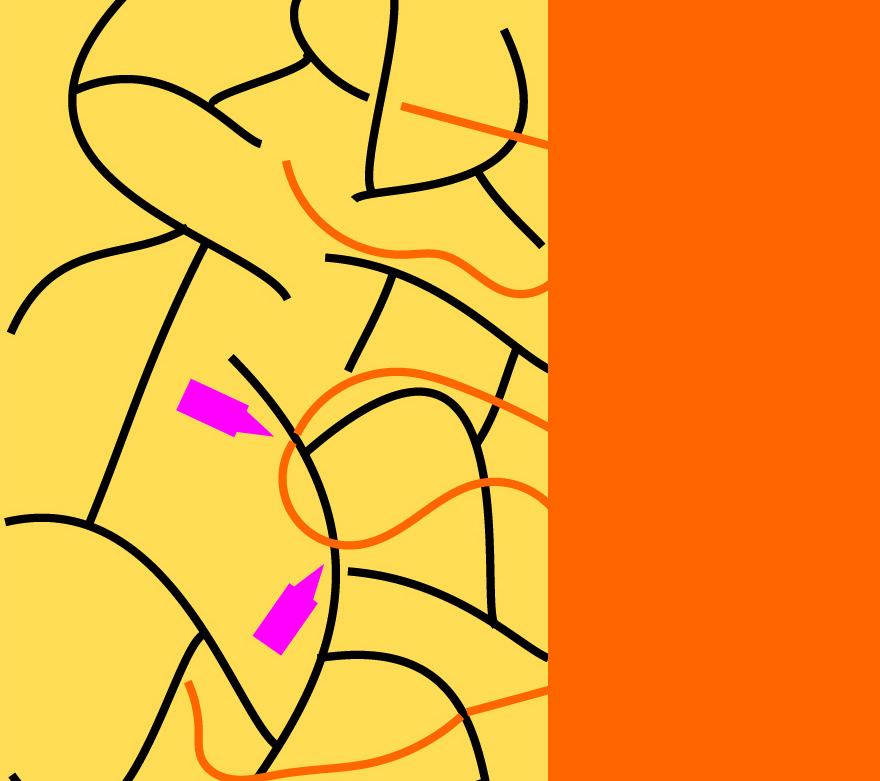
Figure 10: Monomers of the adhesive penetrate into the polymerised resin matrix of the CAD/CAM composite restoration. Polymer chains are formed during polymerisation of the penetrated monomers and these are anchored in the resin matrix. Ideally, entanglements also form between the chains of the resin matrix of the restoration and the chains of the adhesive (pink-coloured arrows).
It is possible to use ionic interactions generated by the acidic groups to create an adhesive bond to the fillers. Compounds that contain carboxylic acid, for example, are polyacrylic acid derivatives as used in glass ionomer cements, or 4-MET. These are often found in bonding materials. MDP, a phosphoric acid derivative commonly used in bondings, is particularly well suited for improving the bonding to oxide-ceramic fillers such as zirconium oxide. It is also suitable for glass-based filler materials. Combining these with a bifunctional monomer in a material can result in good adhesive bonding (Fig. 9).
ADHESION TO POLYMERISED RESIN MATRIX
Adhesion to the polymer matrix of the restoration can be categorized into three types: hydrogen bonds, entanglements, and chemical bonds.
• Hydrogen bonds
The resin matrix of the CAD/CAM composite contains NH or OH groups. If the adhesive/bonding also contains NH- or OH- groups, then hydrogen bonds can form between the resin matrix and adhesive. This leads to an improved bond between the CAD/CAM restoration and the adhesive. A good example for this is water itself. Water would be gaseous at room temperature, but is liquid due to the hydrogen bonds.
• Entanglements
Another option for improving the adhesive bond is the creation of so-called entanglements („interloops“). Here, the monomers of the adhesion agent penetrate the polymerised resin matrix of the CAD/ CAM restoration material. If the penetrated monomers of the adhesive are polymerised, this leads to the formation of chains within the resin matrix of the restoration material, which then ideally leads to „interlooping“. The result is a mechanical connection that can best be compared to a knitting process (Fig. 10).
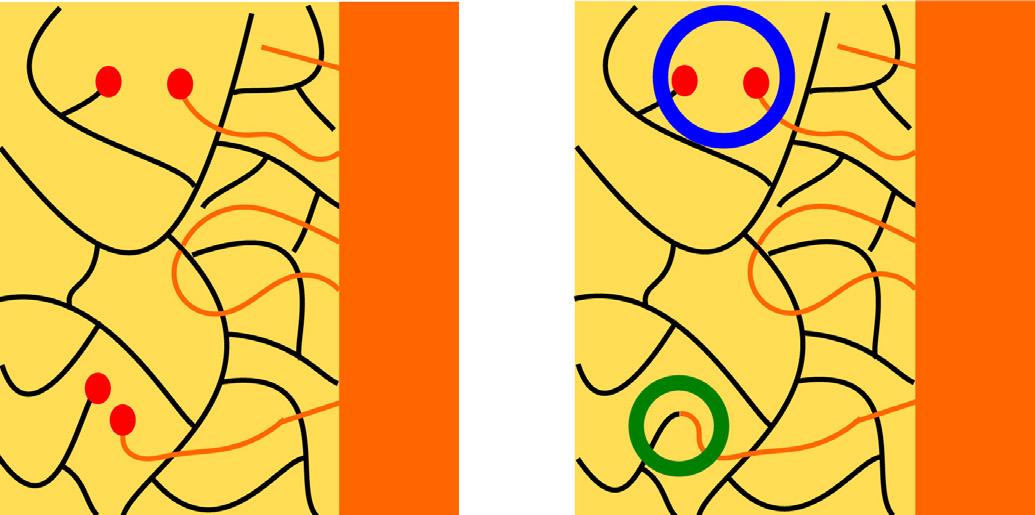
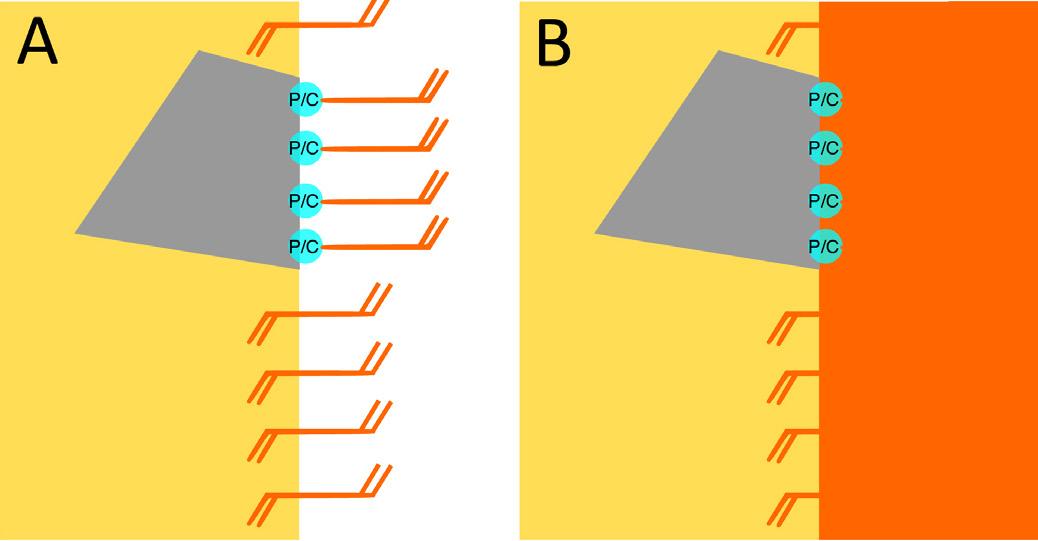
Figure 11: Formation of a chemical bond. Methacrylate groups of the adhesive‘s monomers (red dots) come into close proximity to the still existing methacrylate groups (red dots) of the polymerised resin matrix. If radicals are created, for example during final polymerisation, these can enter into a chemical bond (green circle) depending on their distance to each other, or they may not react with each other if the distance is too great (blue circle).
•
Chemical bonds
If non-polymerised double bonds still prevail in the polymerised resin matrix, as in BRILLIANT Crios, ideally these can chemically bond with the double bonds of an adhesive during polymerisation of the adhesive. However, in this case, the adhesive must - as with the formation of entanglements - be in a position to penetrate slightly into the surface of the CAD/CAM restoration to the still prevailing non-polymerised double bonds. Such a chemical bond is very stable and is the best option for generating an adhesive bond (Fig. 11). To achieve a chemical bond, the restoration material and the adhesive must be matched, as occurs with BRILLIANT Crios and ONE COAT 7 UNIVERSAL.
www.coltene.com
Figure 9: Schematic representation showing the creation of an adhesive bond to the filler material by employing acid derivative monomers (P/C with a polymerisable methacrylate group) in combination with bifunctional monomers (two polymerisable methacrylate groups per molecule). This example uses BRILLIANT Crios with ONE COAT 7 UNIVERSAL.
IMPROVEMENT OF THE ADHESIVE BOND
The strategy for achieving a perfect adhesive bond varies, depending on the composition of the CAD/CAM composite material. The process should be as simple as possible to avoid potential errors in application that may negatively affect the adhesive bond. In general, the following rules apply:
• Maintain an enlarged surface for bonding and creating mechanical retentions.
• Bond to the filler materials
• Bond to the polymerised resin matrix
In the case of BRILLIANT Crios (a glass filler in a polymer matrix with non-polymerised double bonds), the following process has been demonstrated to be best:
• Use corundum blasting of the bonding surfaces.
• Apply ONE COAT 7 UNIVERSAL
ONE COAT 7 UNIVERSAL contains carboxylic acid derivatives (polymethacrylated polyacrylic acid) and MDP to improve the adhesive bond to the glass filler. The OH- and NH-groups in ONE COAT 7 UNIVERSAL can form hydrogen bonds with the NH- and OH-groups of the polymerised resin matrix of the BRILLIANT-Crios restoration. The double bonds of the methacrylate-based monomers in ONE COAT 7 UNIVERSAL chemically bond with the non-polymerised double bonds of BRILLIANT Crios during polymerisation. As the combination of BRILLIANT Crios and ONE COAT 7 UNIVERSAL is a matched system, the manufacturer stipulates the use of this bond to ensure reliable bonding to BRILLIANT Crios.
LUTING MATERIAL
Only resin-based luting materials should be used for the adhesive luting of a CAD/CAM composite restoration to guarantee an adhesive bond. Different resin-based luting materials are recommended depending on the manufacturers of the CAD/CAM composites. The expression cement is often used in conjunction with the luting materials of CAD/CAM composites. However, cements here can also include materials such as zinc phosphate and (resin-reinforced) glass ionomer cements. Unfortunately, these cements are unsuitable for creating a permanent bond to a CAD/CAM composite restoration. Light-curing stackable or flowing composites can be used as resin-based luting materials. During the final curing process, care is needed to ensure that sufficient light penetrates through the restoration to provide curing. For example, in the case of BRILLIANT Crios the layer thickness of the CAD/CAM restoration must not exceed 3 mm when light-curing luting materials are used. With thicker restoration layers, dual-curing, resin-based products, referred to as adhesive luting materials, are used. Here, the maximum layer thickness of BRILLIANT Crios CAD/CAM restorations is 5 mm.
A special case is the luting of CAD/CAM composites on a titanium or ceramic abutment. Here, self-adhesive luting materials (e.g. SoloCem) can be used that offer excellent bonding to metal and ceramic. Although these luting materials are self-adhesive, the bond to the CAD/ CAM restoration must be generated via an additional adhesive step, as mentioned earlier.
ADHESION TO TOOTH SUBSTANCE
Suitable bonding is needed to ensure adhesion to the tooth substance. In the case of light-curing bonds, similar to the case with conventional filling therapy, the light-cure should follow the instructions for use after application to the tooth substance. Furthermore, the luting material used should not be too opaque. Otherwise, not enough light may penetrate the restoration to reach the uncured inhibition layer of the bond during final light-curing. In such cases, dual-curing or chemically curing bonds are indicated. If the restoration is placed in situ, then light-curing must be performed through BRILLIANT Crios to ensure polymerisation of all materials used. To achieve an optimal result, one should comply with the manufacturers‘ recommended curing times and light intensity. The future will tell if the strategy of final light-curing will prevail for all CAD/CAM composite materials.
As mentioned above, different luting strategies for CAD/CAM composite materials could lead to differing clinical long-term outcomes. In conclusion, these are the most salient points for luting CAD/CAM composite materials:
• Corundum blasting should be used on the restoration‘s luting surfaces.
BRILLIANT Crios
• An adhesive bond should be created between the CAD/CAM composite material and the luting material (to filler and resin matrix).
• Resin-based luting materials should be used exclusively.
• There must be an adhesive bond to the tooth substance (or core build-up and abutment). In the case of light-curing bondings, always cure after application.
• After final placement of the CAD/CAM composite restoration, cure according to instructions.
Studies demonstrating bonds to composite materials are often concerned with the application of hydrofluoric acid/silane or silane only after blasting with corundum [16,22]. This is the classical procedure for ceramic restorations. The use of bondings/adhesives specifically matched for composites are rarely mentioned. The author’s experiences with polymer chemistry and, in particular, with BRILLIANT Crios, suggest that the use of bondings/adhesives to create a bond to the CAD/CAM composite restorations delivers the best results. Further studies in this direction will show whether this strategy is correct.
CONCLUSION
Composite-based CAD/CAM materials are very similar to light-curing filling materials in terms of their design; thus, they are just as easy to modify and polish after the grinding process. Colour shade adaptations or modifications—for example, to create a contact point—are easy to realize with the appropriate adhesive technique and composite. Compared to light-curing composites, CAD/CAM composite materials are fabricated extraorally under perfect industrial conditions; therefore, they demonstrate improved mechanical properties. They are gentle on the antagonist and, in the case of BRILLIANT Crios, comparable to ceramics in terms of abrasion of the restoration. It is important to mount CAD/CAM composite materials correctly in terms of adhesion, e.g., there must be adhesion to both the CAD/CAM restoration and the tooth substance or the core build-up or abutment.
Photo credits for all images: COLTENE
More information on the author of this scientific paper: Dr. Ralf Böhner
www.coltene.com 003011
