Annual Report with Sustainability statement 2025/26
Annual
Report 2025/26 with Sustainability statement
Halle, 12 June 2026
FINANCIAL YEAR 2025/26
Annual report presented by the Board of Directors to the Ordinary General Meeting of Shareholders of 30 September 2026 and Independent auditor’s report
The Dutch annual report in the European Single Electronic Format (ESEF) is the only official version.
Dit jaarverslag is ook verkrijgbaar in het Nederlands. Ce rapport annuel est également disponible en français.
Financial year 2025/26 covers the period from 1 April 2025 to 31 March 2026.
This annual report is also available on colruytgroup.com/en/annualreport.
Our corporate website also includes all press releases, extra stories and background information.
Word from the Chairman
The world around us is rapidly changing. Geopolitical tensions and demonstrations of power are increasingly shaping the international landscape. At the same time, we are in the midst of an unprecedented digital transformation, the impact of which on the economy, employment and society is still difficult to fully grasp. Already now, we can feel how new uncertainties are created, but also how a new social fabric is gradually forming. In that context, I have been able to see, as chair of the Board of Directors, how Colruyt Group has maintained its path over the last financial year by continuing to chart a targeted and focused course ahead.
Resilience is crucial in this respect. Daring to question yourself, continuing to learn, innovating and sometimes making tough choices. That is entrepreneurial spirit. It calls for trust. And it calls for the willingness to let go of whatever no longer contributes to the future you want to build, while being grateful for the role played.
One such difficult decision was saying farewell to our colleagues at Colruyt Prix Qualité in France. The decision was not made because of a lack of commitment, effort or quality of the people involved –quite the contrary. It was because taking responsibility sometimes means you have to have the courage to put the sustainable future of the greater good first. I am truly grateful to all colleagues who have been helping to build this for many years.
I am pleased to see the consistency with which a long-term vision has been maintained. As a family business, we think and act in generations. Even when the going gets tough, we consciously opt for not deviating from our basic tenets. We keep investing in our employees, in efficiency and in innovation. We keep focusing on
sustainability in the way in which we do our job and on sustainable growth based on relevance for our customers.
At the same time, it is clear that the next few years will bring about sweeping changes. Technology, and artificial intelligence in particular, will have a radical effect on our lives, our organisations and the way in which we work. New skills will become more important and organisations will have to adjust to a reality that is evolving faster than ever before. Businesses therefore have to dare to innovate. We owe that to ourselves, to our employees and to future generations. But it also demands something from us, as people.
Our focus on healthy living has not wavered either. To stay balanced as human beings in the future, we will need to live our lives not only based on our intuitive nature but also in contact with nature. As a retailer, we believe we can contribute towards this.
In a world which is becoming increasingly digital, it is all the more important to appeal to our Natural Intelligence. To remain connected to our essence, on the basis of which we make informed choices, take responsibility and see fresh opportunities, as an individual, as a company and as society. Technology can offer us a lot, but it is ultimately people who make the difference. By giving it meaning, choosing which direction in which to head and building a future together.
In a context in which little is evident, it is essential to foster optimism as a starting point and collaboration based on trust. For that very reason, I believe in the importance of strong local anchoring Our local businesses play a crucial role, not only in economic terms but also in terms of society. That is how we maintain jobs, innovative strength and prosperity in our own country. Colruyt Group intends to consciously continue pursuing this role. As a food retailer, we are a key economic actor in Belgium, as a company, an employer and a partner to thousands of suppliers. The 30.000 employees of Colruyt Group together generate € 2.430 million in added value each year, 46,3% or € 1.125,8 million of which flows back to society and the government. We can be really proud of this.
But just as our company has to continuously adjust to a changing world, our social systems will also have to keep developing so that they continue functioning in a sustainable and forwardlooking way. And this presents a significant challenge for our federal government. Courageous decisions will also be needed to get the Belgian budget sustainably back on track. Efficiency, effectiveness and a well-thought-out use of resources are not only important within companies, they also form a key prerequisite for a healthy and competitive economy.
We see today how geopolitical tensions have a direct impact on energy and raw material prices, which then swiftly have implications for wage costs in Belgium. When costs rise more quickly than our ability to be more productive and innovative, the competitiveness of our businesses comes under strain. As I see it, one of the most important challenges over the next few years is therefore how we sustainably reconcile our prosperity, our social model and our competitiveness.
Energy-independence remains essential in this respect. Renewable energy can play a key role here. For our part, we continue to invest and innovate, not least to achieve our goal of evolving to zero-emission transport by 2030. Such transitions do not just require commitment from businesses, they also need government to help create the right basic conditions.
While remaining realistic about the challenges that lie ahead, we nevertheless opt to consciously keep moving. As chairman of the Board of Directors, I would like to express my faith in the management team and in all employees of Colruyt Group. Their entrepreneurial spirit, creativity and commitment give me confidence that, together, we can keep building a strong, sustainable and forward-looking Colruyt Group even in a world full of change. In the service of our customers, of society and of the generations to come.
Jef Colruyt
Word from the CEO
Challenging! That is the best way I can describe the past financial year. Competitive pressure remained high and the retail landscape was often out of balance.
And yet I look back with satisfaction at what we, as Colruyt Group, achieved together in this context. Thanks to a clear direction with clear choices and, above all, the daily commitment of all employees, we continued to advance and grow.
Financially, too, we held up well: our comparative consolidated revenue remained on target, operating profit remained robust and we were able to continue our investments with a longterm focus.
One difficult but necessary decision in this past financial year was to part with our Colruyt Prix Qualité activities in France. We did everything in our power to find a new future for the vast majority of our colleagues in France through acquisitions by strong local players. I want to thank all Colruyt Prix Qualité employees expressly for their years of commitment and wish them all the best at their new or future employers.
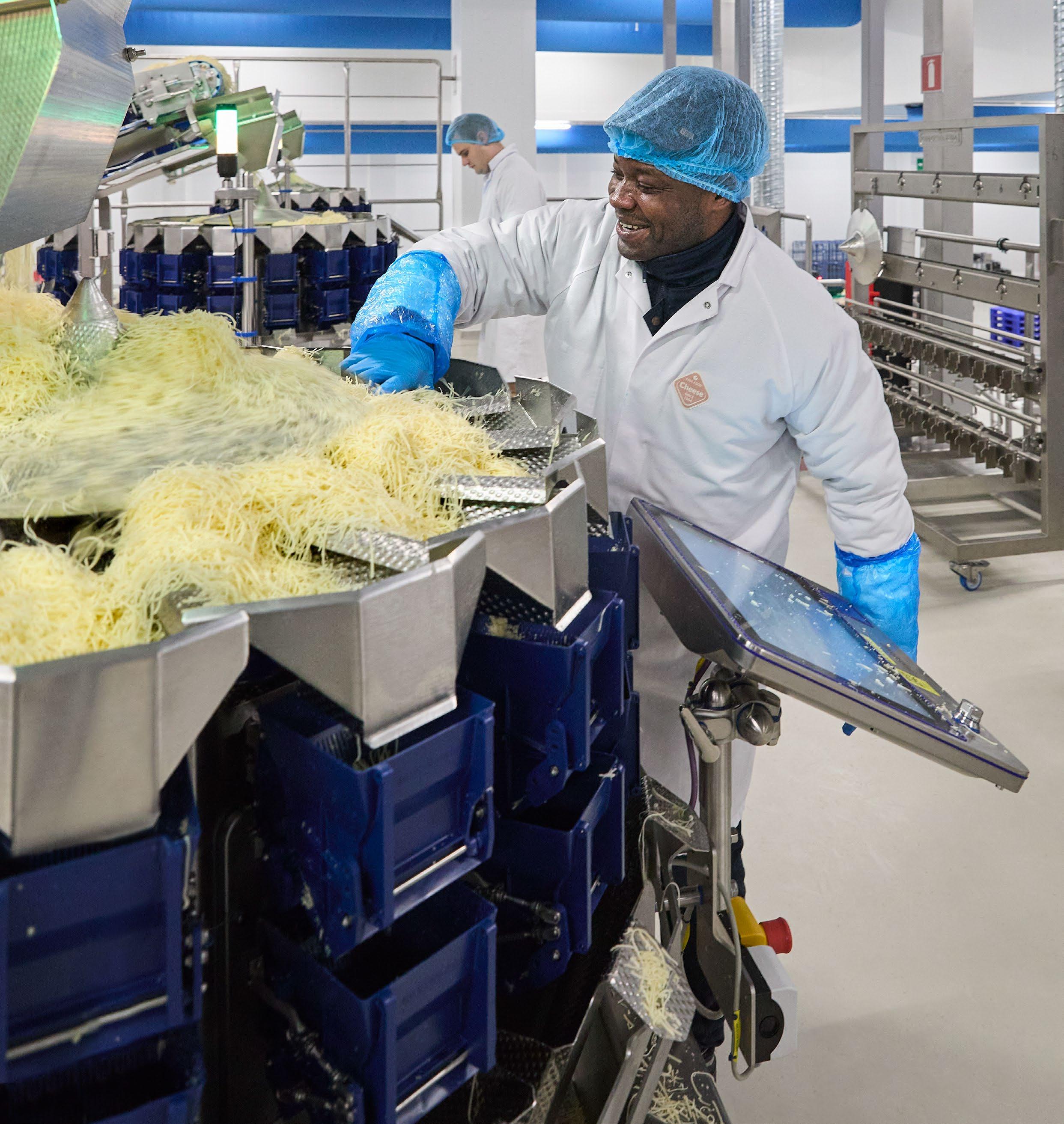
Colruyt Group is deeply rooted in Belgium. Our decision-making centre, our logistics and most of our activities are located here. In a sector that is increasingly internationalising, this cannot be taken for granted. More and more parts of the food chain and of the economic added value are shifting abroad. As a Belgian player, we consciously choose to continue to invest in local activities, infrastructure and employment. In the past year, we opened, among other facilities, the new Fine Food Cheese factory and the non-food distribution centre in Ollignies,
providing hundreds of jobs. Together with some 10.000 Belgian suppliers, including 6.000 local farmers, we are building a sustainable food chain and also continue to develop new Belgian products.
I am convinced that a competitive Belgian food chain is essential for prosperity, employment and affordability. That requires commitment from companies, but also supportive, forward-looking policies, with a level playing field in Belgium and abroad that facilitates entrepreneurship and supports companies in sustainable growth. I look forward to concrete initiatives and the courage to take decisions from our policymakers in this regard.
We do not deviate from our planned course and focus on growth based on the needs of our customers. We therefore continue to invest in accessibility and adapted services: (re)opening new stores and increasing our urban presence, for example via Okay City. We have extended our opening hours at Colruyt and will from now on open all our Okay stores on Sunday mornings. E-commerce is and will remain an important service pillar: Foodbag was fully integrated, the 250th Collect&Go collection point opened its doors, and home delivery was expanded further. With Colruyt Professionals and Solucious, our services are becoming increasingly more relevant for professional customers. Here, too, we recorded excellent growth and have ambitious plans for future expansion.
In addition, we took important steps in the area of healthcare, especially on the basis of strong alliances with professional partners. For Jims, for example, this covers hospitals and physiotherapists. We are an active member of BASO, the Belgian Association for the Study of Obesity, and opened the first Yoboo lifestyle pharmacy.
With brands such as Bio-Planet, Foodbag, Newpharma, Jims, Colruyt Group Academy and Xtra, we are continuing to build an integrated healthcare offering in which prevention takes centre-stage.
At the same time, we remain loyal to our core promise of the lowest prices at Colruyt, with well-considered choices in terms of range, category development and unburdening in terms of budget. Our distinctive capabilities relate not only to scale or price, but also to how we look at sustainability, innovation and data. From Green-score and packaging prevention to investments in electric and hydrogenpowered transport, ‘easy checkout’ and AI: people and technology always go hand in hand at Colruyt Group.
Because, above all, people remain essential in our food retail profession. Our more than 30.000 employees make a difference every day. Their commitment, craftsmanship and entrepreneurship form the basis of everything we do. I want to offer them my sincerest thanks! Also a thank you to our customers, our suppliers and partners, for the trust they give us. Even – and especially – in challenging times, we continue to build a strong and forward-looking Colruyt Group together.
Stefan Goethaert
Who we are
A family business
with a distinct approach to entrepreneurship
Colruyt Group is a Belgian family business that, over three generations, has grown from a simple bakery into an international retail group with over 30.000 employees and more than 30 complementary business formats in the food, health and non-food sectors in Belgium and abroad. We have grown by remaining true to our values, our unique approach and our authentic perspective on people and entrepreneurship.
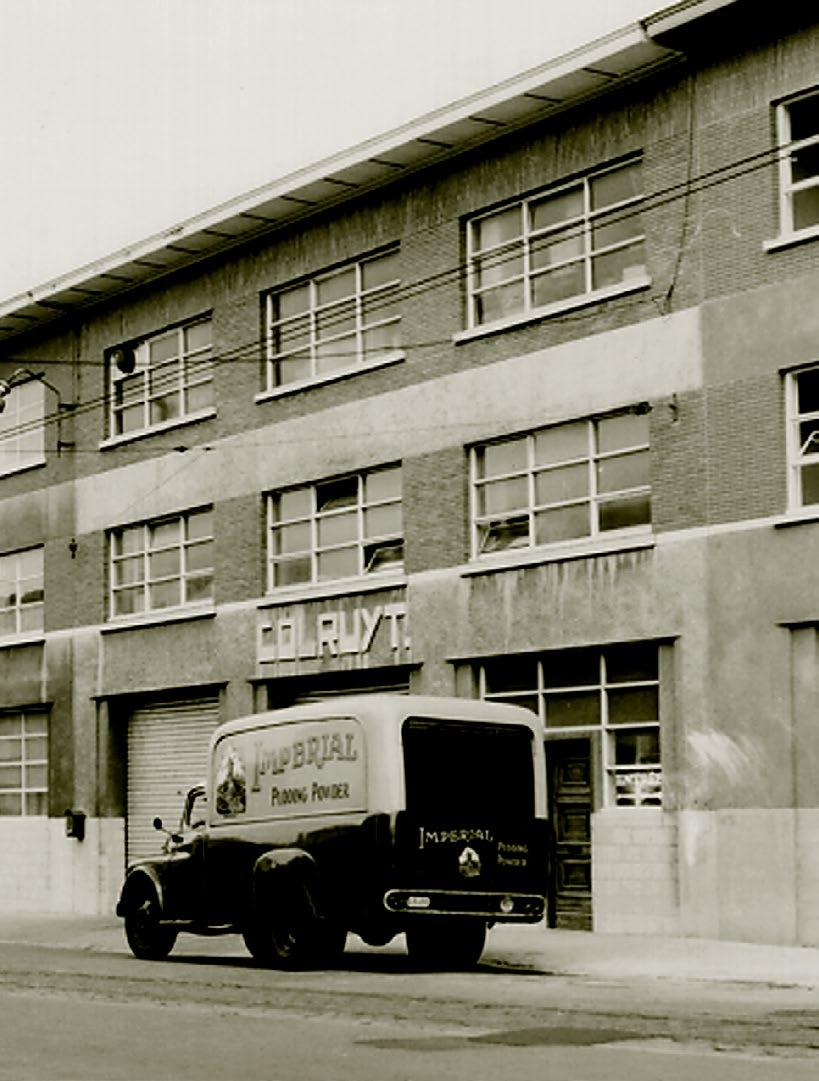
The story of Colruyt Group begins with a simple but commercially minded baker’s son from Lembeek. Franz Colruyt used his handcart to deliver not just bread but also coffee and spices to bulk consumers in the region. In 1928, he set up a wholesale business dealing in colonial goods, which he later expanded to include his own production operations. In the 1960s, his son Jo translated that enterprise into the unique Colruyt supermarket formula. He was able to consistently offer his customers the lowest prices by systematically simplifying the work, boosting productivity and giving staff the freedom to improve their own performance. That was no coincidence, but a conscious choice: job satisfaction became the driving force behind the company. Work had to be organised to give people a sense of ownership and ensure they were fully engaged.
Under the leadership of Jo’s son Jef, Colruyt Group grew to four times its size to become the diversified retail group we know today. With a continuing focus on sustainability and value-driven business practices, the company expanded its operations to include, amongst other things, non-food products, renewable energy and preventive healthcare.
For more than fifty years now, our Colruyt supermarkets have been delivering on their promise of the lowest prices every day. Food retail, both in-store and online (including Okay, Bio Planet and Collect&Go), is still our core business and accounts for around 80% of our revenue. In addition, we are also active in the wholesale and franchise sectors (including Spar and Delitraiteur) and in food service (Solucious, Délidis etc.). The most recent growth area is health and well-being (including Newpharma, Jims and Yoboo). Our renewable-energy operations have recently been transferred to Virya Energy, to which Colruyt Group remains a committed partner.
People make the difference
Doing business based on trust and craftsmanship
Our approach to business is rooted in the firm belief that people make the difference. After all, our company grows as our people grow. That is why we have long been committed to investing significantly in the professional and personal development of our employees. We are creating an environment in which people can be themselves, have the courage to take responsibility, and can reach their full potential.
We have faith in people’s creative power to spot opportunities, take initiative and create a world we want to live in. That optimism is not naivety but a conscious choice. Especially in uncertain times.
As a family business, we always think and act with an eye to the next generation. We want to create added value without wasting energy. Not people’s, not the environment’s and not the planet’s. Efficiency, our no nonsense culture and sustainability go hand in hand. More than that, they reinforce each other.
Conscious and healthy consumption
Creating value for customers and society
As a Belgian retailer with local roots, we are a beacon of trust for our customers and partners. We do what we say, and we say what we do. By making it simple, we help customers to make informed choices in their daily lives, together with us.
We put this ambition into practice through our efforts in areas such as vertical integration and our own production. What we offer stands out for its transparency, affordability and quality. Managing or orchestrating stages of the supply chain ourselves — from sustainable sourcing and innovative farming to our own local production — enables us to build sustainable and efficient supply chains.
(Preventive) health and food go hand in hand. That is why we are working hard to build a new chapter in health and well-being In addition to healthy food, we are also focusing on areas such as mindful movement, natural supplements and mental well-being. We inspire and support customers in making healthy choices every day. For example, not only are we making our food supply chains more sustainable, we also work with our customers and partners to promote a healthier lifestyle.
Values as our compass
One united group, one shared goal
So much entrepreneurship, so much diversity, and yet a single, united group. All our companies are united behind a single shared mission:
Together, we create sustainable added value through valuedriven craftsmanship in retail.
Our nine group values constitute the roots of our organisation. They keep us grounded and determine how securely we stand in stormy times. They feed our actions, give direction to our choices and help us to stay on course, even in complex circumstances.
We have respect for every individual. That is the starting point for all our interactions. Every person is equal, regardless of differences in appearance, culture, origin, skills, knowledge or interests. Based on our togetherness, we build on strong teams. We realise that we depend on each other in order to deliver good work.
We love to serve others. This readiness to serve means that we deliver quality day in and day out. In doing so, we aim for simplicity by reducing things to their essence. This helps us work efficiently and effectively.
To be able to produce good work, we also need several other things. Starting with our faith in people’s positive intentions. From there comes trust. Our hope makes us prepared to invest time and resources, to be clear in our expectations and in due time to let go while being open to the results that follow.
Here we deliberately allow ourselves the space to pause, take a step back and remain sharp to what we are doing. As soon as this attention wanes and our head is too full, we lose that awareness and we are on the back foot.
Finally, we display the courage needed for doing business. With a positive attitude and a fresh, creative look, constantly working hard and mastering our craft, step by step. This is where our strength lies, where we draw satisfaction and fulfilment in our job.
Ready for the
future
Value that lasts for generations
Actively, positively and creatively making a difference every day. On the basis of trust, simplicity and an open-minded approach. This is how we build further on our family business. Supported by four generations of entrepreneurship and with the lasting active involvement of our family shareholders. With respect for what is and an ambition to help Colruyt Group continue to grow towards a sustainable and valuable future.
Our vision on sustainability
Together, step by step, for tomorrow’s generation
For more than 50 years now, sustainability has been at the heart of how we do business at Colruyt Group. What we do today shapes tomorrow. As a family business, we make choices with a long-term focus and take into consideration what we want to pass on to future generations. We therefore always think and act with respect for people, the environment and society, drawing guidance from the five Ps of sustainable business: people, planet, prosperity, peace and partnership.
We want our customers to be able to enjoy an accessible, sustainable and healthy range of products, at any time. This is how we make conscious consumption an easy thing to achieve. For this reason, we are taking action with the necessary pragmatism and realism. Since the very beginning, our vision of sustainability has been based on simplicity and efficiency – in other words, handling energy and resources with care. We want to set an example in what we do, always acting and communicating transparently, openly and with the necessary nuance. We think ahead. For us, sustainability forms the basis for real growth.
While striving for sustainability ourselves, we want to set a broader positive movement in motion. After all, we cannot achieve this on our own. Together with our employees – across all our brands – we continue to learn every day. But we also need our customers and business partners. That is why we are encouraging them to make sustainable and healthy choices together with us, each and every day. With each other and for each other. Whether big or small, each step brings us closer to a healthier society. Together, we can really make a difference.
Our sustainability objectives
Our work on sustainability at Colruyt Group is guided by three drivers. Our aim is to make our products and services, our infrastructure and the way in which we interact with customers, employees and society more sustainable. We have set ourselves objectives for each driver:
OUR PRODUCTS
Our products and services form the core of our activity as a retailer. We are very aware of the fact that our products and services have an impact on people and the environment. As a major player, we want to assume our responsibility in this respect and make responsible choices.
Focus on circularity We handle valuable raw materials with care, minimise waste and maximise reuse.
Reduce the environmental impact of our products We lower our greenhouse gas emissions, protect ecosystems and reduce the water footprint of our products.
Purchase in a socially responsible way We monitor fair pay, healthy working conditions and respect for human rights in our supply chains.
INFRASTRUCTURE
We are also increasing the sustainability of the infrastructure we use to bring our products and services to our customers. We reduce the environmental impact of our own activities by consuming less energy, cutting our direct greenhouse gas emissions, adopting circular building practices and reducing waste to a minimum.
PEOPLE
As a people-oriented organisation, it is essential for us to adopt a strong social driver. We actively focus on:
Making it easier for our customers to consume more consciously by including more plant-based products in our range and providing clear information, such as the Greenscore, Nutri-Score and clarifications from our employees. What is more, our sustainable savings programme helps customers support sustainable projects in an easily accessible way.
We obviously cannot address all these challenges at the same time. That is why, in the last financial year, we opted to focus on 13 objectives and set a specific, measurable and ambitious target for each of them. Examples of these include:
• Our Scope 1 and Scope 2 greenhouse gas emissions fell by 31,5% compared to base year 2021.
• We purchase 43,2% of our products from suppliers who have ambitious climate plans of their own.
• 99,8% of the packaging for our private-label products is recyclable or reusable.
• As a result of effective sorting, we can recycle 87,5% of our waste.
• We improved our human rights due diligence process by establishing a complaints mechanism and carrying out landscape assessments for higher-risk products.
We set high standards for ourselves, and as a result of this there were, ultimately, a few targets where we fell short. For example, in terms of food waste, we had set a target of selling 97,4% of our fresh produce, but a number of innovations in our product range caused us to fall just short of this and end up at 97%. We have
Supporting target groups in a vulnerable context by making balanced and sustainable nutrition available to all, creating opportunities and ensuring that each customer feels welcome and respected.
Providing workable and meaningful jobs for our employees in an environment in which they feel valued for their input and where everyone can be themselves.
been able to incorporate the lessons learned into our processes, putting us on track to take another important step forward next year.
To find out more about how we measure and monitor our objectives and the exact results, please see our sustainability report (see the ‘Corporate sustainability’ section), which we have again published this year in accordance with the European regulations set out in the Corporate Sustainability Reporting Directive.
Because sustainability is deeply embedded in our values, we expect each employee to go about their daily work with sustainability consciously in mind and make the corresponding choices. After all, it is only with the joint commitment and focus of each and every one of us in the group that we can continue to make progress in achieving our objectives. For this reason, we have once again linked the achievement of our objectives to employees’ variable remuneration this year (see the Corporate Governance section).
With our corporate foundation Colruyt Group Foundation, we work on positive change for people and the planet, both in Belgium and abroad. Our Foundation supports people-oriented projects of partner organisations with similar values and ambitions. The focus is on three topics: personal and professional development of young people, broad access to healthy food and a healthy planet through sustainable agriculture and biodiversity.
The Foundation continues to build on more than 20 years of expertise and is with a portfolio of 36 projects one of the largest corporate foundations in the country. Donations and tax certificates are managed by the King Baudouin Foundation.
International and Belgian collaboration
• The Foundation selects projects that create added value for the development of young people, accessible and healthy food or a healthier planet. These three topics fit in seamlessly with Colruyt Group’s strategy.
• The Foundation develops new training projects in regions abroad, where Colruyt Group has established a sustainable chain cooperation and from which we can commercialise any revenue, such as quinoa, dates or cashew nuts. The training is focused on strengthening local entrepreneurship, income diversification and sustainable agriculture.
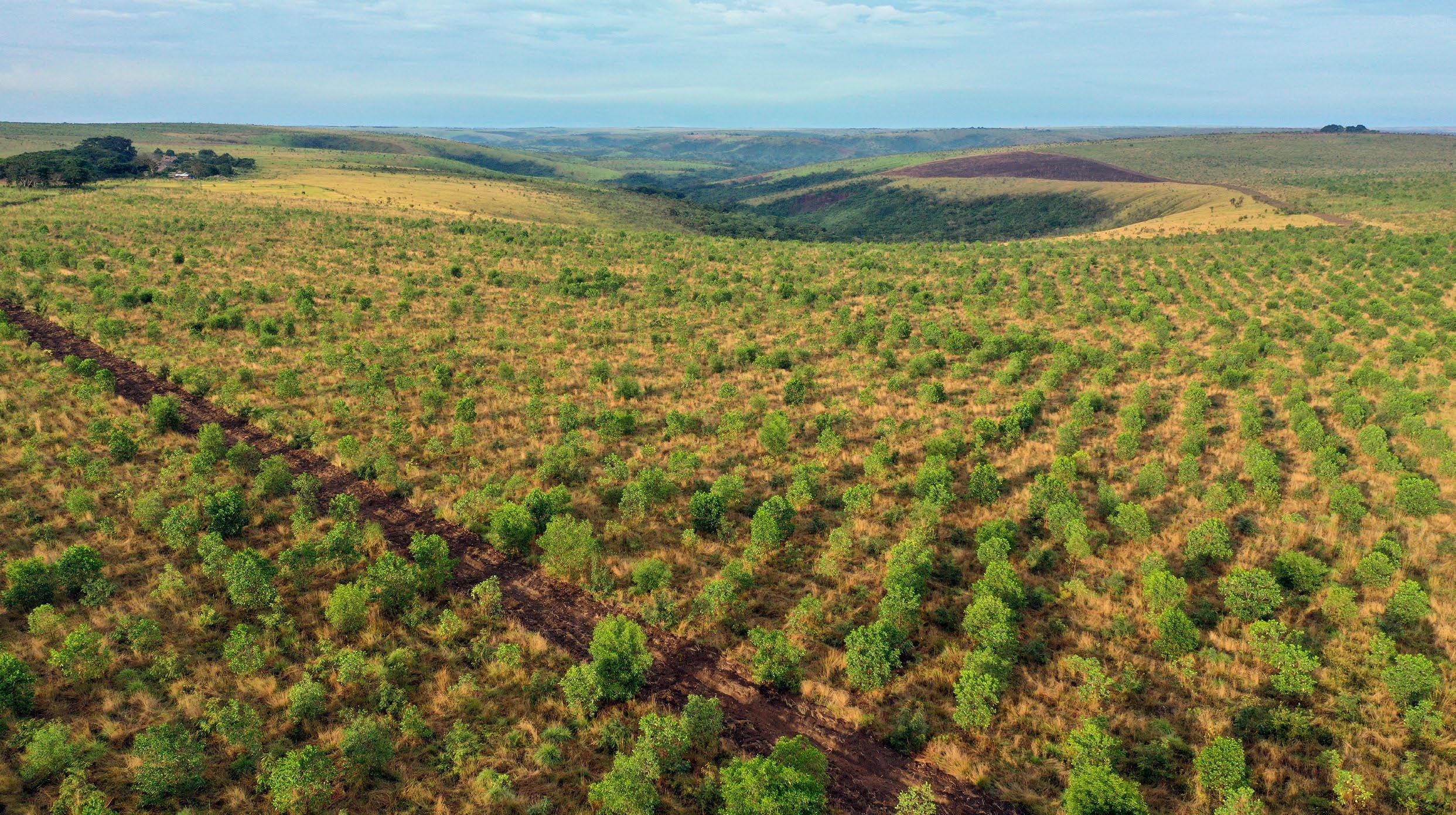
• In the Congo as well, the Foundation, together with a local non-profit partner, provides support for the construction and running of a school and healthcare centres. Like this, we create additional education opportunities and basic provisions that are necessary to sustainably develop the group’s afforestation project.
• Nine new Belgian projects were added to the portfolio in 2025, taking the total to 36, of which 26 are in Belgium. In addition to focusing on the development of young people, the Belgian projects also focus on healthy food for families in vulnerable situations, biodiversity and ecofriendly agriculture.
• We involve our customers as well. Via the savings programme in the Xtra app, they have the opportunity to contribute to the Foundation’s Belgian projects.
Connecting and inspiring
Part of the mission of our corporate foundation is to strengthen, connect and inspire all the parties involved. This enables them to learn from each other and creates an enriching exchange. The annual meetings of the partner organisations (Future Forward Day) and the beneficiaries (Tomorrow’s Voices) have become a tradition. The Foundation also focuses strongly on involving Colruyt Group employees. In addition to ‘Hackathons for Good’, at which for two days Colruyt Group employees brainstorm a specific challenge of a partner organisation, employees also get the opportunity to get involved in other ways.
20 years of commitment in Indonesia
The Foundation built a new school in the Indonesian city of Semarang, which was festively inaugurated and opened its doors at the beginning of 2026.
Some 330 young Indonesians aged between 15 and 18 will receive secondary education there, which is double the amount of the previous school.
Over a period of 20 years, our Foundation has awarded bursaries for secondary study to more than 4.000 young Indonesians. The school was built in a sustainable manner and will also place sustainability at the heart of its curriculum.
EUR 3,2 million support to 36 active projects in 2025
132.000 young people supported
65.500 times customers supported projects with Xtra saving points
160 employees participated in activities
With its own Academy, Colruyt Group Academy inspires people to live a more consumer-conscious and healthy life. With our workshops, lectures, webinars and experience activities, as well as walks, children’s parties and day camps, we focus on inspiring, learning, connecting and enjoying. Experience experts share knowledge, insights and practical tips to help people make small steps towards a healthy life every day. They can access a wealth of interesting information and gain inspiration from the Academy’s online presence and the professionally produced magazine, Stay Inspired.
The Academy has 10 learning centres spread across the country, which are also available for team activities and for meetings of Colruyt Group and external organisations.
From preparing delicious meals to helping people stop worrying
• The Academy continues to offer a wide range of cooking workshops, with a focus not only on enjoyment and discovery, but also on balanced and healthy eating. The health aspects may not always be explicitly mentioned, but participants use, for example, more healthy ingredients and sample more non-alcoholic beverages.
• The physical lectures and interactive webinars offer a lot of inspiration for a healthy lifestyle and well-being in general, with sessions on topics such as parenting, mental resilience and physical fitness. For example, the webinar on worrying was particularly successful and the parent-child topics also went down well. Socially relevant and pedagogically sound, while always including practical insights and attainable steps.
• The physical lectures attract an average of around 75 participants and are excellent ways to connect and interact. The digital sessions are, in turn, ideal for reaching a large number (500 to 2.000) of people at the same time.
• From meditation and healthy sleeping, to fermenting, intuitive eating and ice baths: this very diverse range of lectures and workshops was offered at the two Experience Days on Healthy Living, in cooperation with partners including Newpharma, Jims and Foodbag. The sell-out events attracted more than 500 participants, were positively received and led to an influx of new customers. They will be continued at three locations in autumn 2026.
Consumers and co-workers
• The learning centres are not just used to run workshops and lectures for consumers and groups. Each year, around 18.000 Colruyt Group workers gather there for meetings and training.
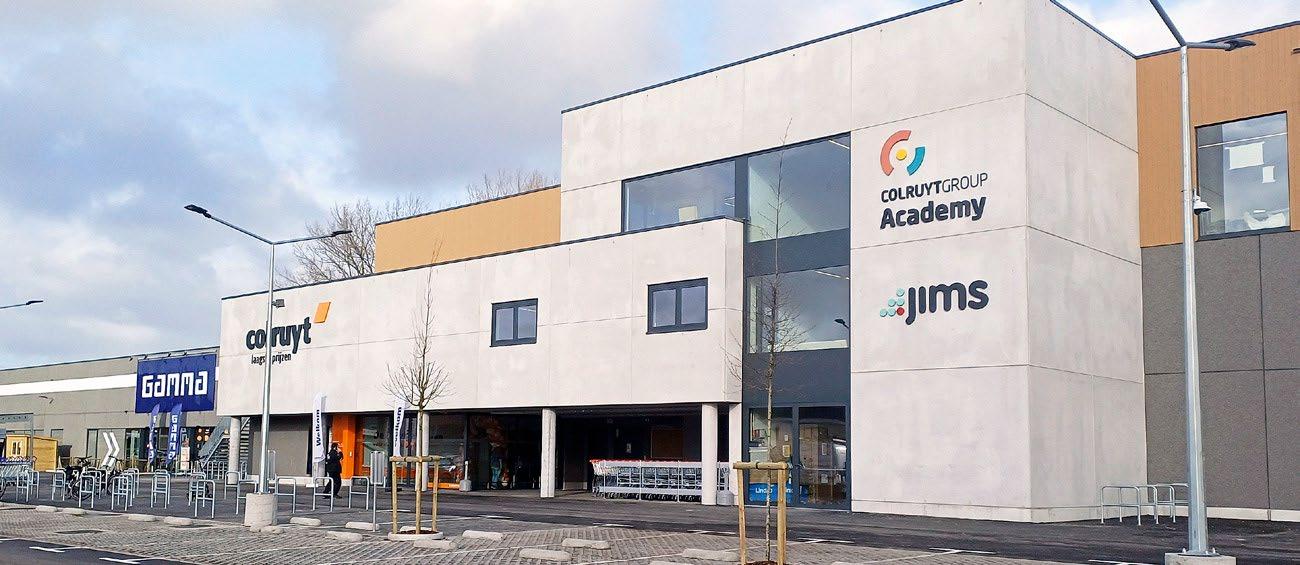
• The Academy at the office in Halle has been fully renovated and now boasts two professionally equipped kitchens and four connectable meeting rooms. In April, a brand-new Academy opened in Oostkamp, at a multi-site together with Colruyt and Jims.
B2B initiatives drawing in 10.000 staff
The Academy seeks to further attract external customers for meetings and team activities, offering them a great way of enhancing the well-being of their staff. This is an investment with a twofold benefit, as each participant is also a potential customer for consumer products and services. An added benefit for national organisations is that they can decentralise the organisation of their team activities at 10 sites spread across the country.
In 2025, around 270 team-building events with over 5.000 participants were held – they were mainly cooking workshops, with an Italian ‘murder mystery’ dinner being the absolute highlight. Renting out the room and kitchen space to companies and associations accounted for a further 5.000 guests.
Number of participants in
Physical workshops: +30.700
Physical lectures: +1.100
Digital sessions: +28.000
Our strategy
Our business strategy forms the basis for being relevant today and continuing to grow sustainably tomorrow with our various store formats and services. That plan is the starting point for what we do and how we cooperate. For a number of years, we have opted specifically to develop and grow further as a Belgian food and health retailer. This is our response to our customers’ and society’s needs, such as demand for easy meal solutions (convenience) or the desire to feel good about oneself. In this growth process, we furthermore want to make a difference by focusing on digital innovation, local entrepreneurship, simplification, leadership and sustainability.
We remain focused on our long-term objectives and continue to invest with a view to further consolidating our position as a Belgian retailer.
Stefan Goethaert, CEO Colruyt Group
Growth in food retail
We continue to expand our store network, in terms of both the number of retail outlets and retail floor space. Our retail activity is also increasing as a result of our efforts to serve our customers even better and respond to their changing needs. We are therefore extending opening hours, aligning our ranges even more closely with demand and offering increasingly greater convenience.
MORE STORES
We continue to invest in expanding our retail network, which comprises 678 integrated food stores. As a result of measures such as renovations and enlargements, the retail floor space measures 759.000 m². This means that, through our different formats, all our customers can literally find us in their neighbourhood.
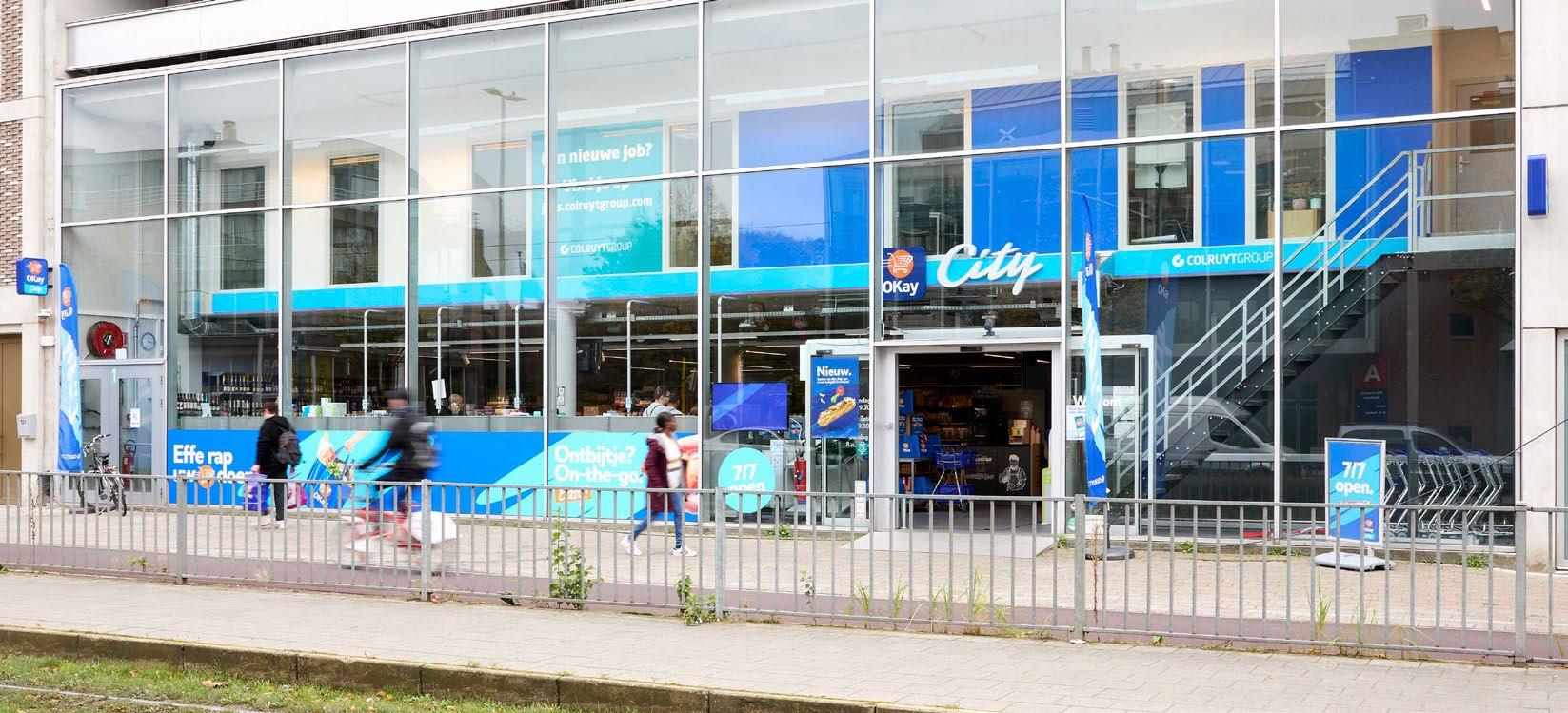
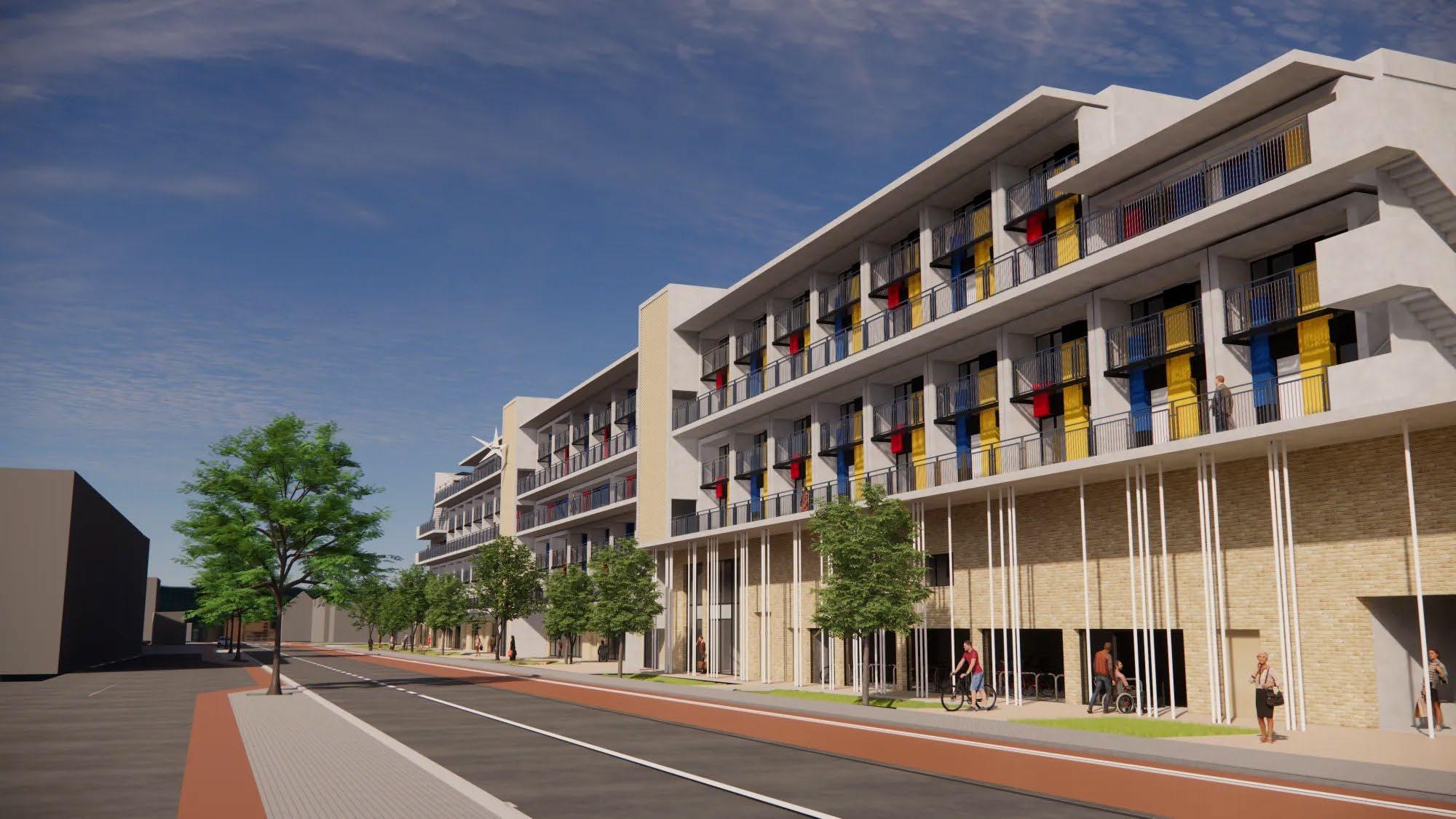
We are strengthening our presence in urban areas Okay City, the ideal city format, already has 24 stores, including ten in Brussels, and continues to expand. Together with our real estate department, we are developing mixed city projects, combining retail with residential space.
We have increased our stake in the lunchtime eatery chain BON, which is planning to double the number of branches from the current 16 by 2030, especially in busy locations such as railway stations and shopping centres. Finally, we have finalised the full acquisition of Delitraiteur. The 40 ready-meal stores offer high-quality, convenient and healthy meals in urban settings.
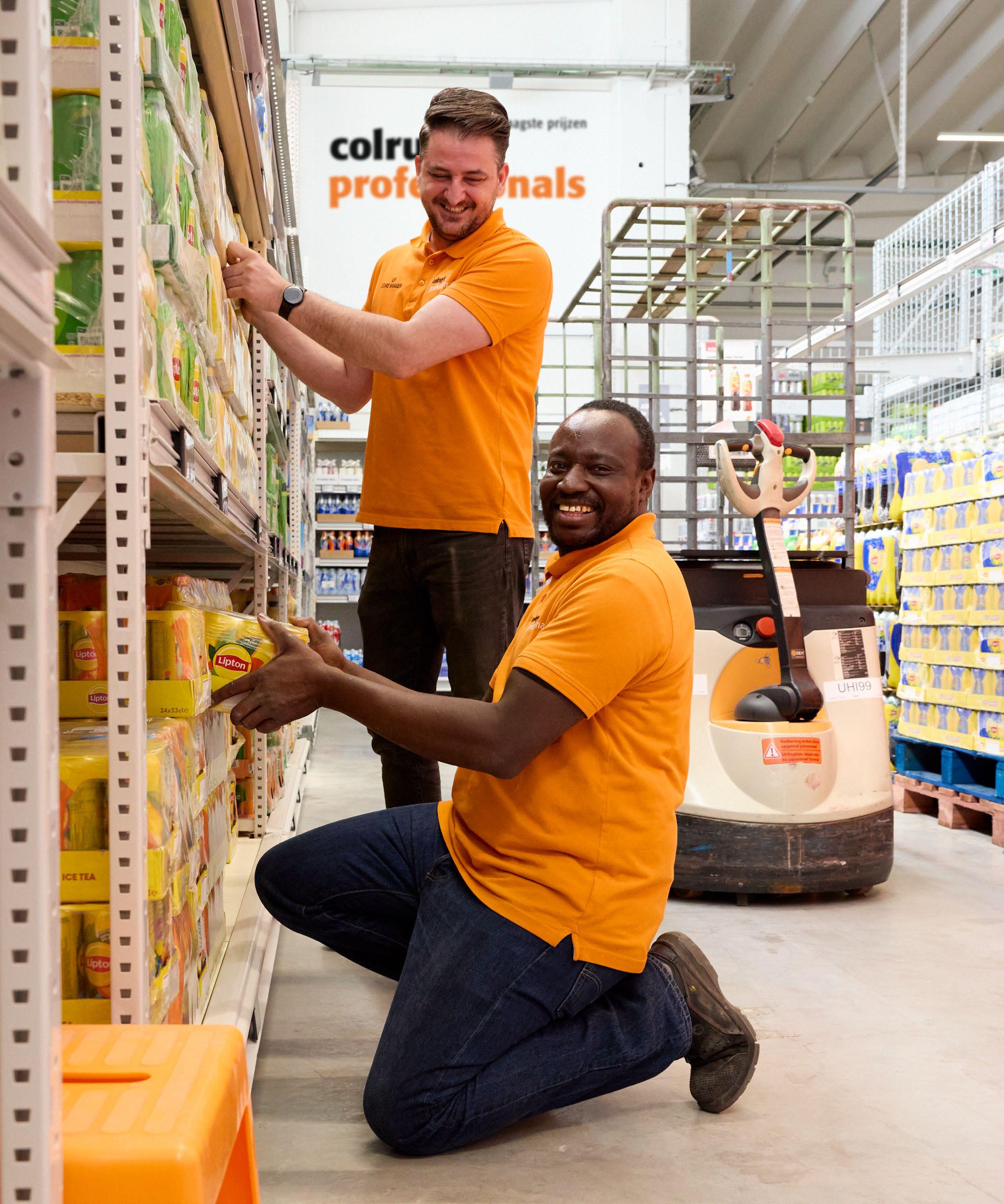
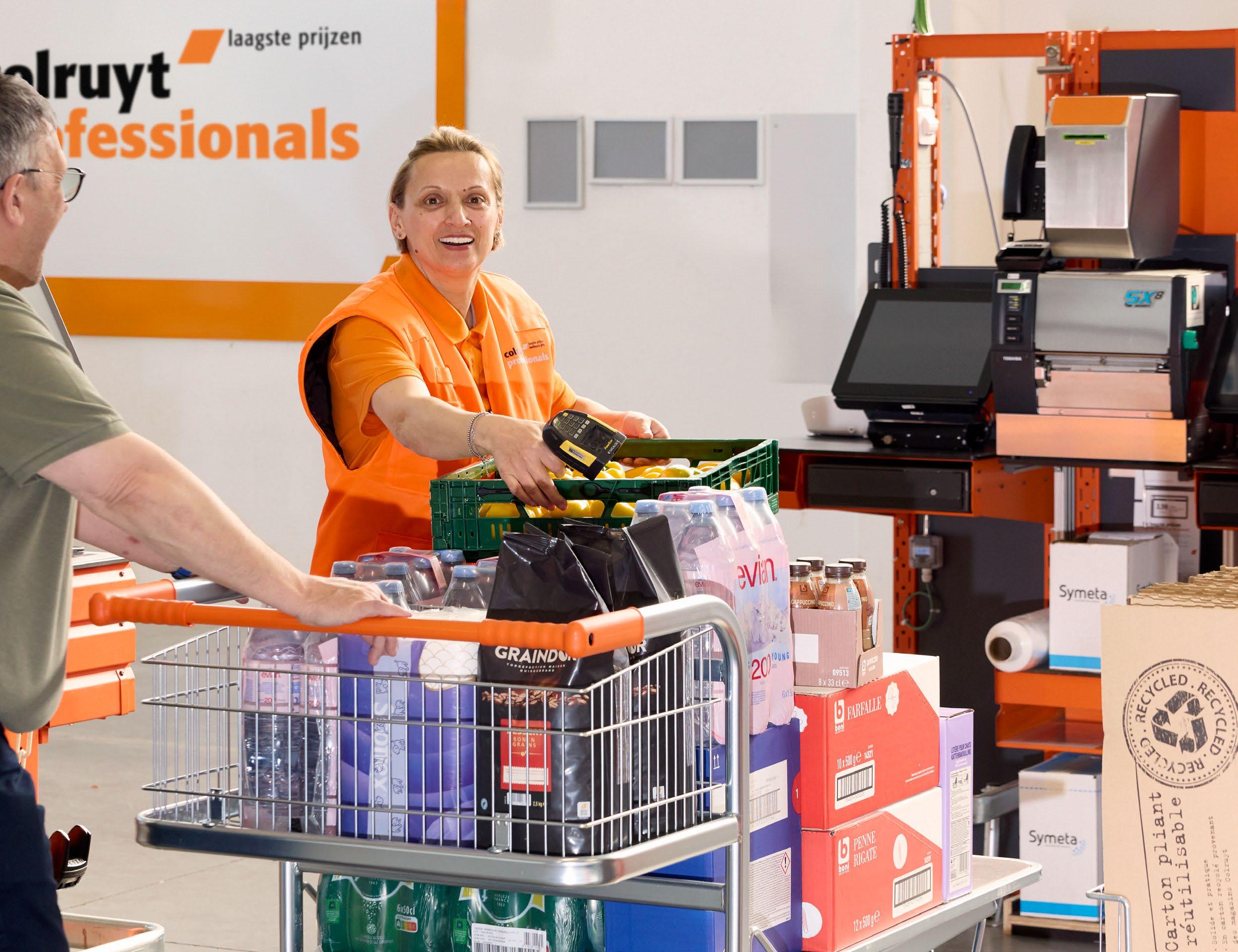
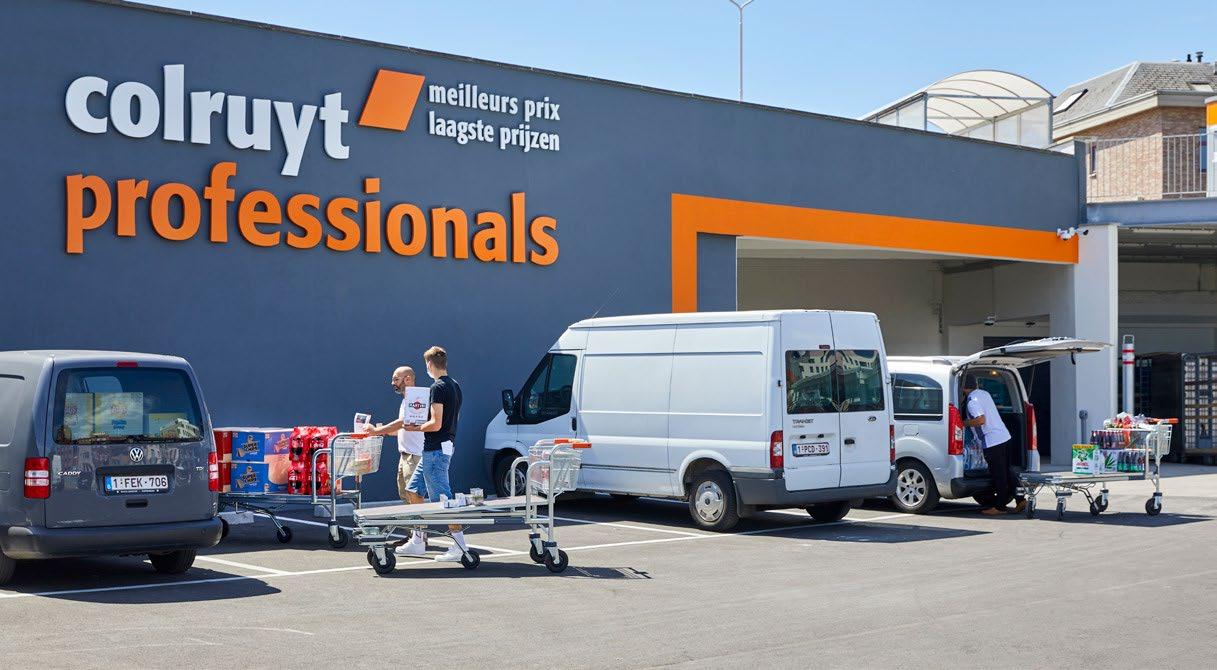
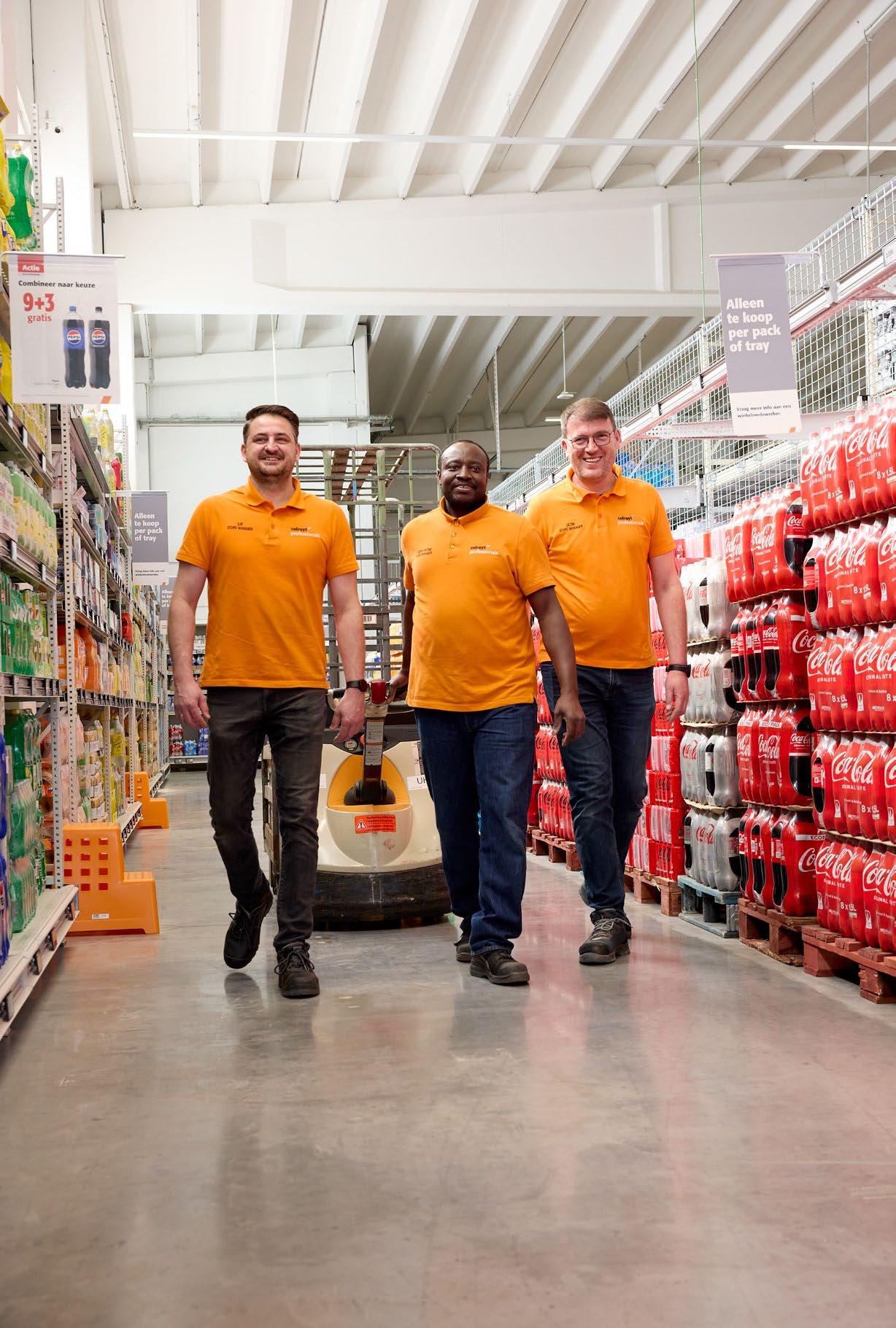
It is also our ambition to expand in the B2B market, including through Colruyt Professionals. We already have seven cash and carry outlets, and the more than 250 regular Colruyt stores also welcome many professional customers. Solucious, our food service specialist has grown in strength in recent years by acquiring similar businesses in the sector: Culinoa, Valfrais and Délidis. The company sees a lot of potential for growth, for example in the catering and leisure sectors, among public authorities and in the healthcare sector.
LONGER OPENING HOURS
Colruyt stores and Collect&Go collection points open as early as at 8 a.m., half an hour earlier than before.
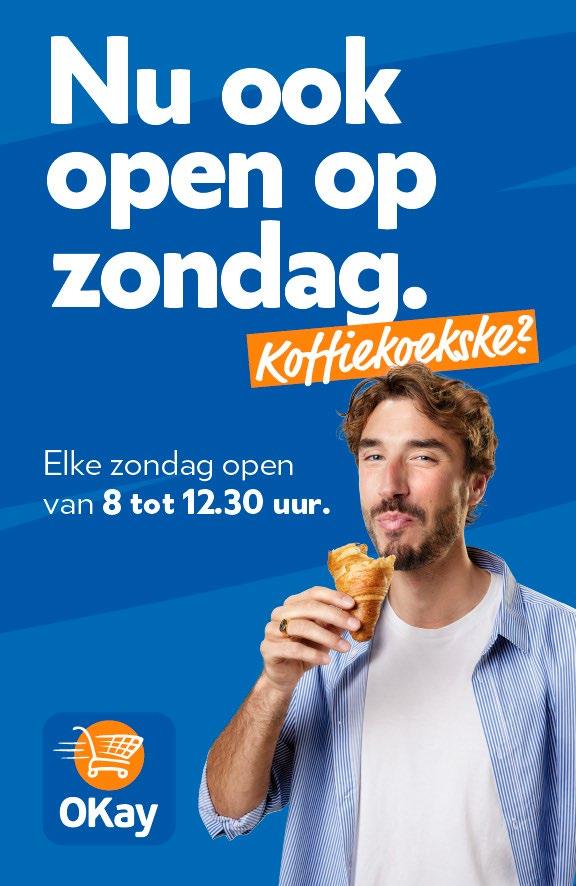
Since the beginning of 2026, Okay has been Belgium’s first integrated supermarket to open its doors on Sunday mornings. And a dozen Okay City format stores are now open all day. The independent Spar stores have been a regular port of call on Sundays, with seven out of ten open in the morning and two out of ten all day, the same as our Cru markets. And finally, the Delitraiteur ready-meal store is open 7 days a week from 7.00 a.m. to 10 p.m.
Joint initiative for affordable prices in store
We cooperate internationally with other retailers to negotiate better purchasing conditions. To this end, Colruyt Group has joined three alliances:
• Agecore: for better international terms on A-brands.
• EMD: for better terms on private-label products.
• Vasco: Colruyt Group, together with the Dutch Superunie and the Swiss Coop Group, aims to boost the purchasing power and negotiating position with international A-brand suppliers.
MORE CHOICE
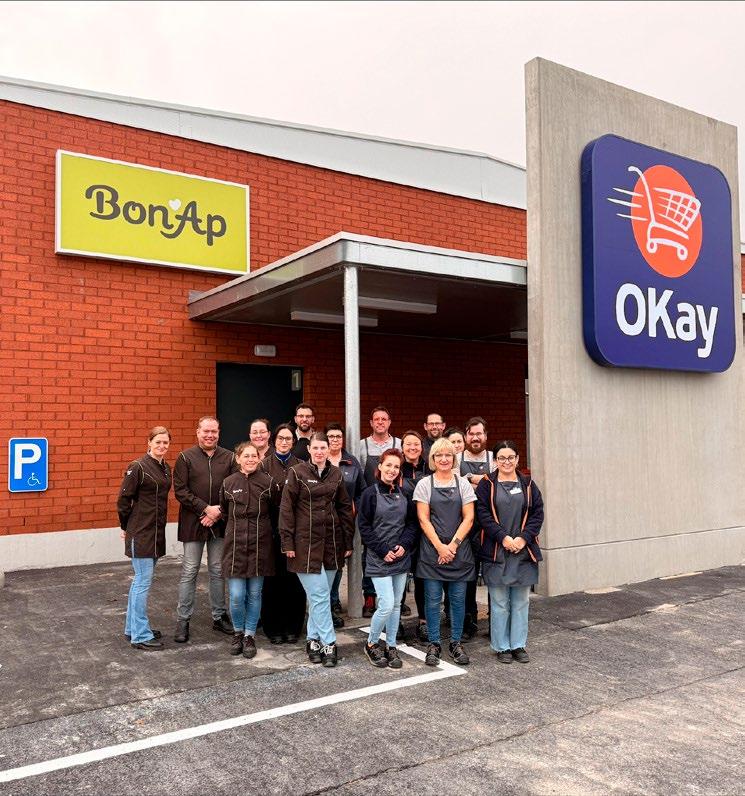
Okay has opened new stores with an integrated Bon’Ap butcher’s section, a strong combination that benefits both formats. With the additional range from our subsidiary BON, Okay is in an even better position to meet demand for convenience products.
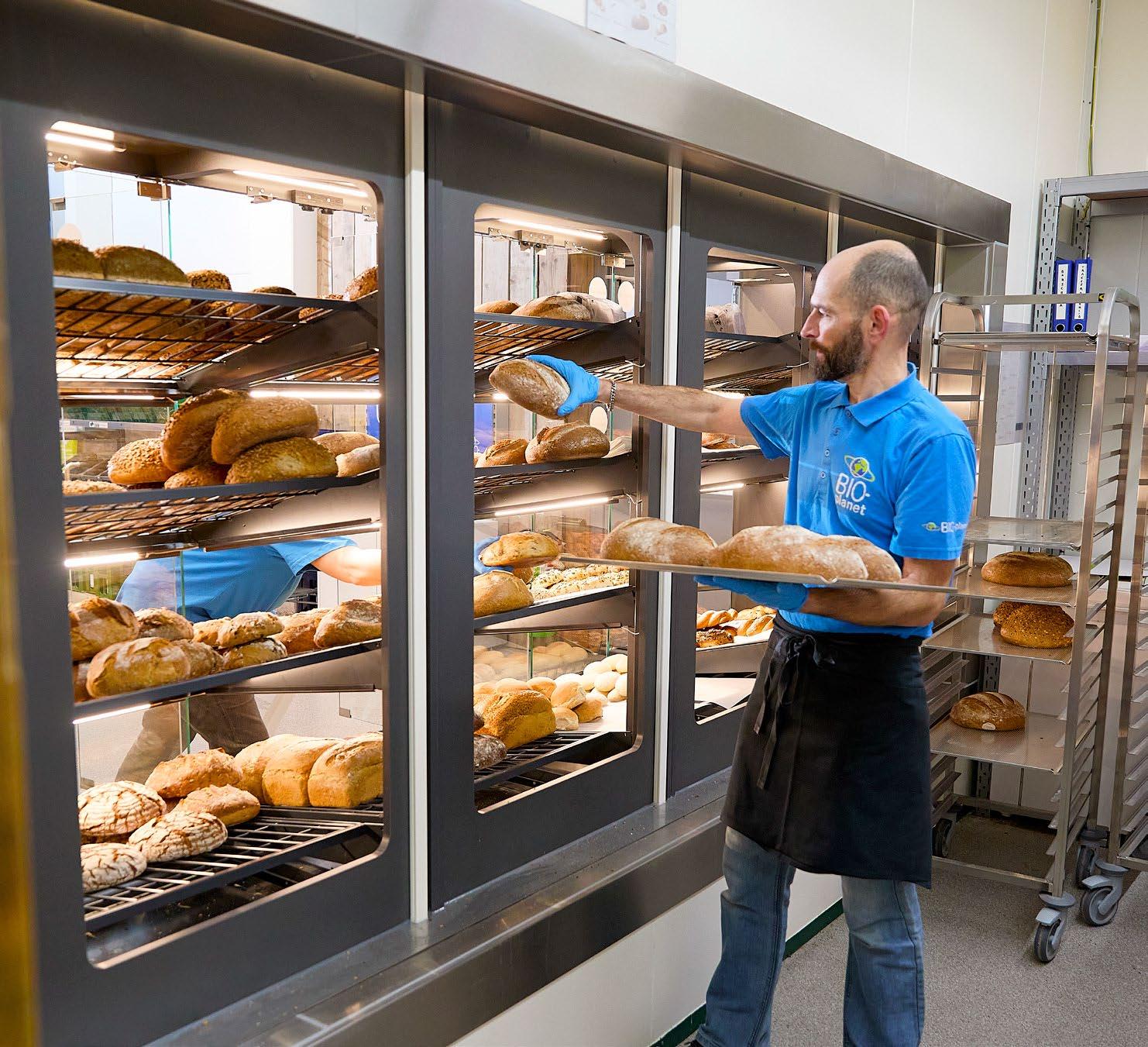
Colruyt is testing the presence of an instore bakery performing the final bake of thirty or so lines of bread, rolls, chocolate viennoiserie etc. Okay has operated instore bakeries for a while and now spoils its customers by offering rolls and pastries, freshly baked on-site on Sunday mornings.
The group remains Belgium’s largest provider of organic products, while Bio-Planet is the leader in the specialised organic market. The store has added natural teas and herbs from the Pit&Pit webshop to its range as part of a promising collaborative model.
GREATER CONVENIENCE
We respond to demand for solutions offering greater convenience with innovative products and services. Solutions that give customers peace of mind, when they shop, compile shopping lists and menus or prepare meals. Our online shopping service Collect&Go often takes the lead here.
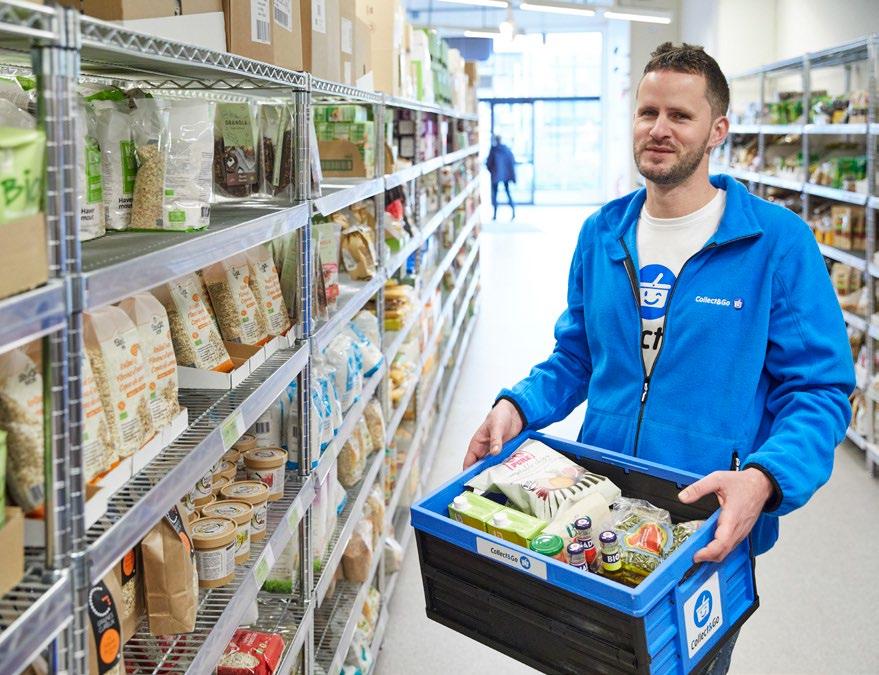
• Customers can fill their store baskets with products from both Colruyt and Bio-Planet. Perfect for those who do not have a Bio-Planet branch in the neighbourhood and an inspiration for Colruyt customers to choose organic products more often. Collect&Go also offers meal boxes from Foodbag and drinks from the webshop Boir.
• The slots for home delivery and the delivery radius have been expanded. The service can now serve around four out of five Belgian households.
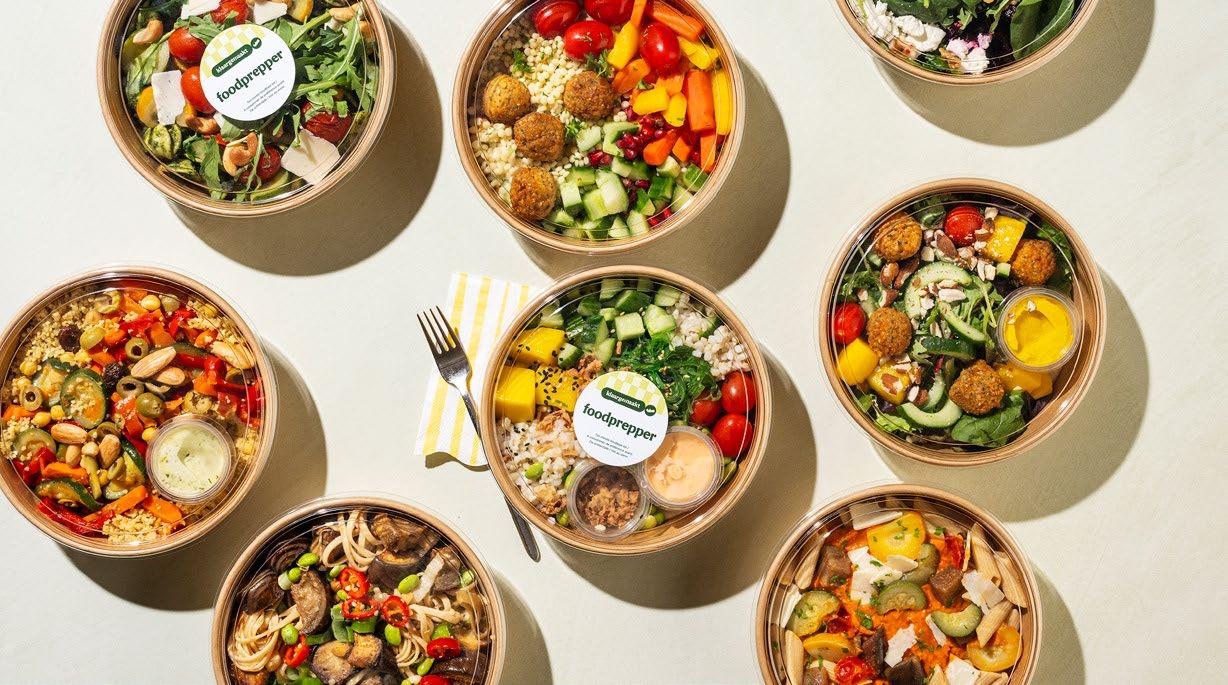
• With Bon, Delitraiteur, Foodbag and Foodprepper, we are expanding our range of convenient meal solutions, for on-the-go, reheating or preparing at home.
Growing in Health & Well-being
Health is not a new topic for Colruyt Group. It has been embedded in our sustainability approach and people-oriented culture for years. Today, we are taking the next step and working towards our goal of an integrated food and health group.
This path has not been chosen by chance. We are living longer but spending less of this time in good health. This is partly why the health system is under pressure and people are looking for support: accessible, affordable and reliable ways of living more healthily. As a retailer reaching millions of customers a day, we are close to the choices being made. And that is precisely where we can make a difference by making healthy choices easier and more attainable.
That is why we focus on health as a strategic project and we are playing our social role. Not as a replacement for healthcare, but as a means of helping to strengthen preventive health. After all, prevention is better – and more affordable – than cure.
Our goal is clear: to make health accessible for everyone, via food, movement and personal well-being. Food remains our biggest entry point, but it is no longer the only one. Over the last few years, we have been expanding towards exercise (Jims) and personal care (Newpharma), and reinforcing education via Colruyt Group Academy.
For example, we now already have an ecosystem of brands and expertise making health tangible. The next step is to connect and enrich this ecosystem more intensively, placing greater emphasis on advice and coaching, for instance via Yoboo
The strength of our approach lies in TOGETHERNESS. Within Colruyt Group, we enhance and interconnect our expertise across formats. Our internal experts (such as dieticians, pharmacists and other specialists) actively build knowledge and improve quality.
At the same time, we work across sectors together with partners, such as care providers, hospitals, health organisations and governments. This collaboration boosts our impact, while ensuring the solid scientific foundation and credibility of our initiatives.
In this way, we are gradually building an ecosystem combining products, services, advice and guidance and genuinely supporting people in their daily choices.
A HEALTHY RANGE
• Customers can find a nice selection of fresh products in our food stores, enabling them to enjoy a nutritious, delicious and balanced diet.
• Various retail formats pay special attention to health when composing their product ranges and recipes. Bio-Planet offers a wealth of inspiration for a balanced lifestyle, while Foodbag excels in balanced recipes.
• We are continuing to improve the nutritional composition of our privatelabel products, for example by opting for more fibre, less fat and less salt.
• We have a wide range of healthsupporting products, both in the online pharmacy Newpharma and on the parapharmacy shelves in our food stores.
FROM FITNESS TO ‘HEALTHNESS’
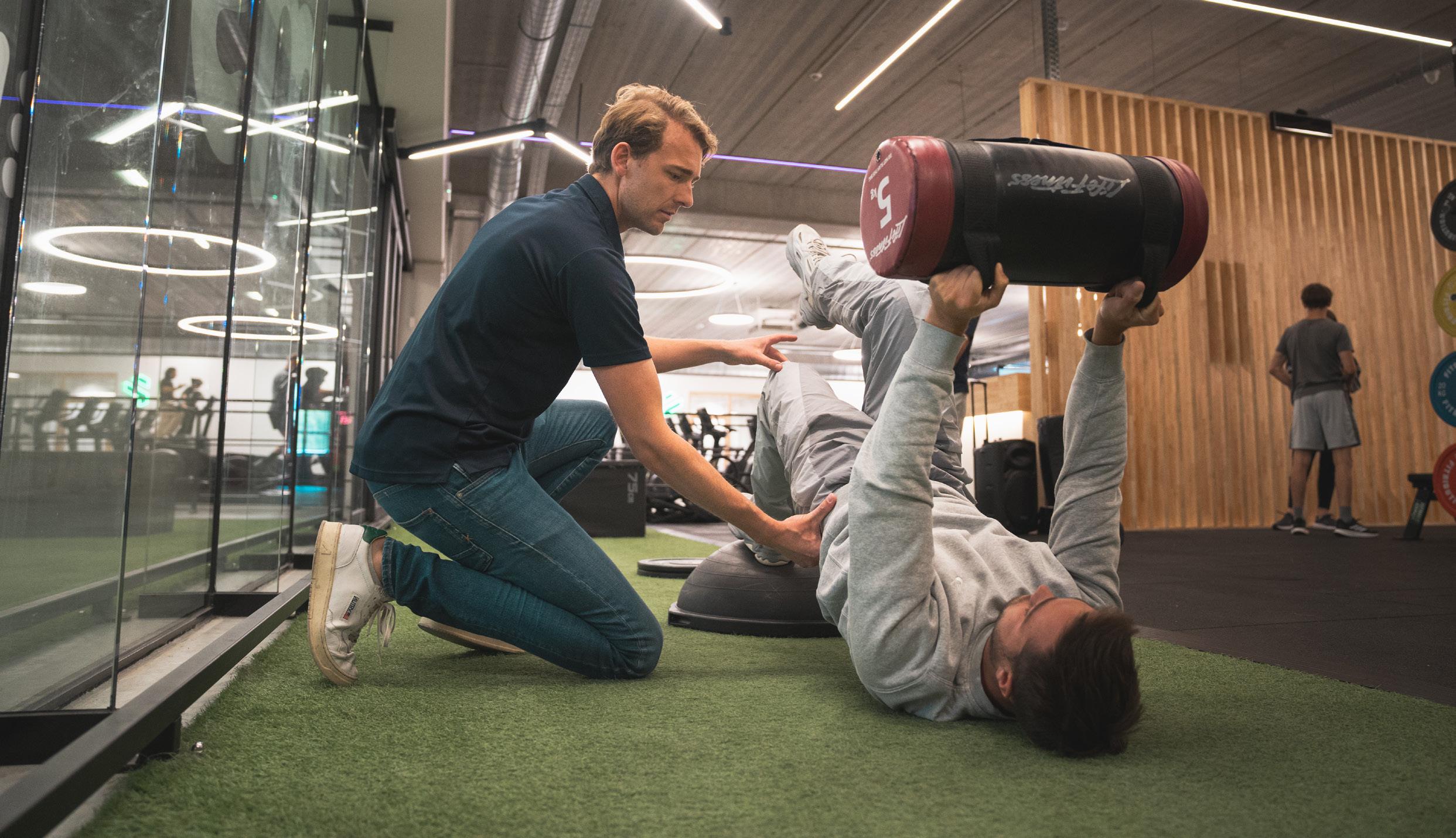
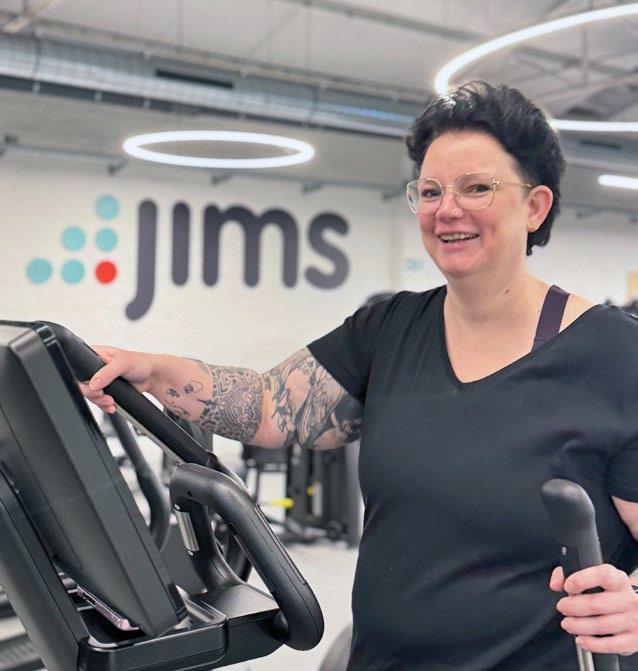
Our chain of fitness clubs, Jims, aims to be an accessible and affordable way to help people to lead an active, healthy lifestyle. Jims is also gradually building the bridge between fitness and healthcare. In cooperation with hospitals, it has therefore developed recovery and aftercare programmes targeted for example at overweight and obese patients and patients with heart and vascular diseases. In ten or so clubs, athletes and people in rehabilitation can call on physiotherapists from leading practices. In this way, fitness clubs are evolving into health hubs, where prevention, rehabilitation and sport go hand in hand.
24-HOUR PHARMACY WITH PERSONAL ADVICE
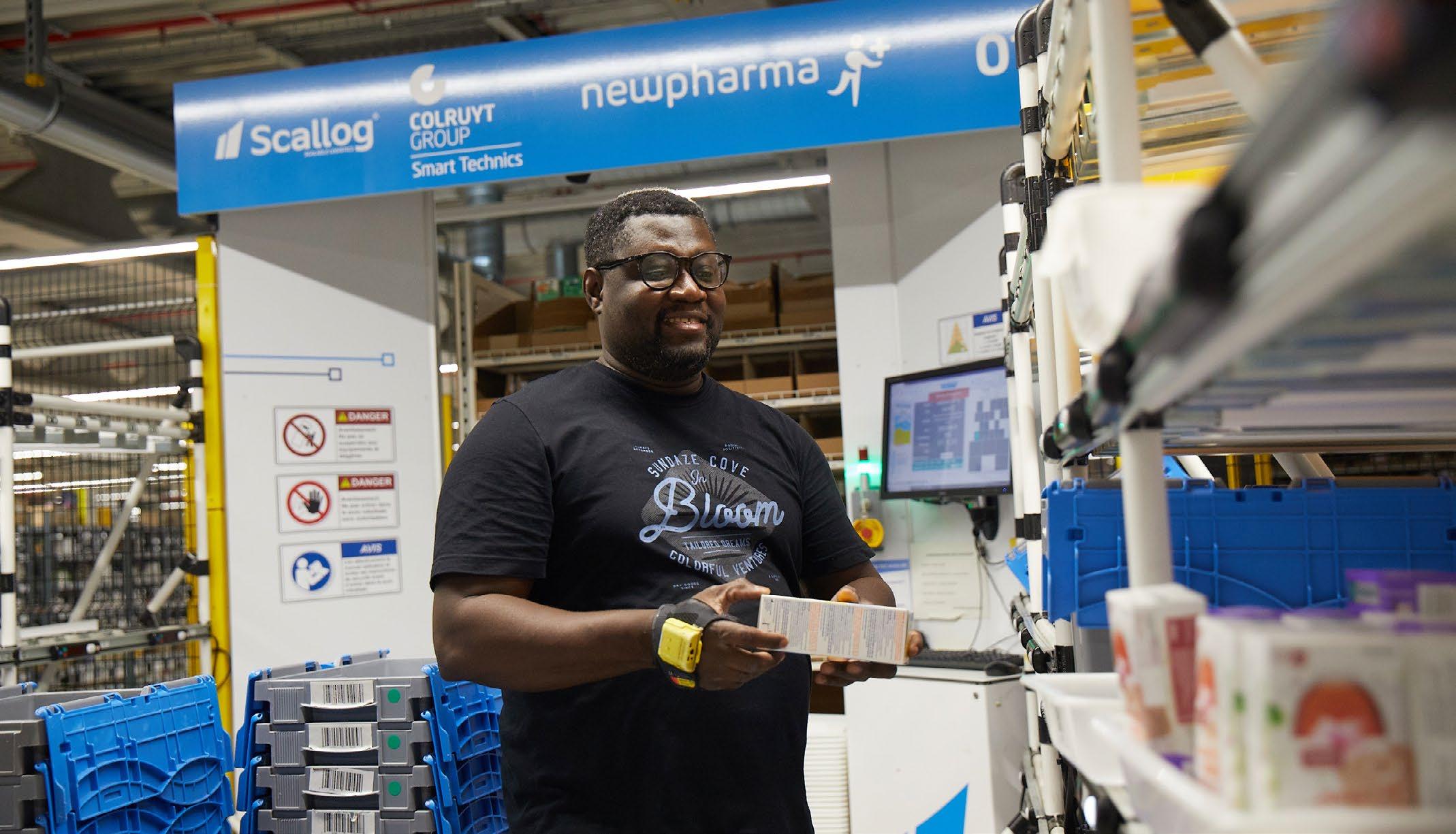
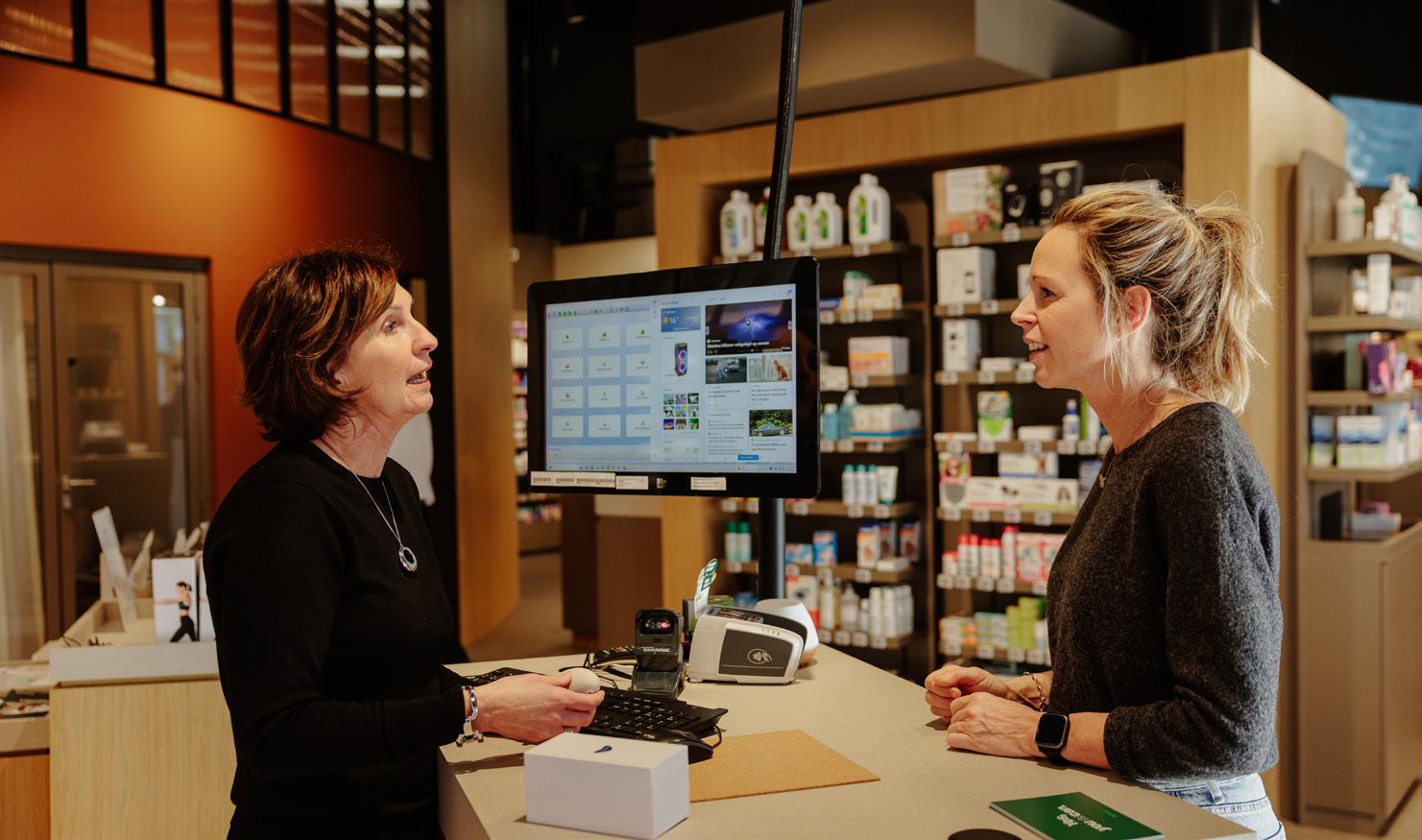
Newpharma, Belgium’s largest online pharmacy, offers more than 45.000 over-the-counter products at affordable prices. Through a number of brick-and-mortar pharmacies under its own management, Newpharma stays in touch with pharmacy practice and customers. In addition, the central team of pharmacists gives customers personal advice free of charge in Pharma Consult video calls.
SUPPORT IN THE APP AND THE LIFESTYLE PHARMACY
Our digital platform Yoboo stimulates people to work on their health with a focus on prevention, by giving attention to nutrition, exercise, sleep, stress etc. It supports independent pharmacies with training, methodologies and (digital) tools to coach people towards a healthier lifestyle. Yoboo also develops programmes for companies and their employees and gives lifestyle advice to individuals, which they can access in the app as well as in the brand new Yoboo lifestyle pharmacy, which combines traditional service provision with coaching and prevention.
INSPIRATION FOR A HEALTHY LIFESTYLE
The Colruyt Group Academy learning platform inspires people to live a more conscious and healthier life, by offering accessible workshops, lectures, webinars, experience activities, etc. Specialists and experience experts share knowledge, insights and practical tips to help participants to get involved. Together with internal partners, the Academy organises successful experience days centred on health.
Local entrepreneurship
As a Belgian family business, we want to make a positive contribution to society. Our operations are close to the consumer, we ensure sustainable employment and invest in local agriculture, production and innovation. In this context, we make a conscious commitment to keeping the economic value added we create in our own country.
• As one of Belgium’s largest private-sector employers, we invest in the personal growth and craftsmanship of more than 30.000 employees. With sustainable jobs and by safeguarding knowledge and expertise, we contribute to the country’s socioeconomic development.
• Together, our physical and online store formats reach a third of Belgium’s population, accounting for more than 4,5 million customers. They can count on an offering that is accessible in terms of budget, quality, convenience and sustainability.
• We buy produce from 6.000 Belgian farmers and cooperate extensively with around 600 of them on initiatives such as sustainability projects, new breeds and healthier soils. In this way, we contribute to anchoring agricultural production in our own country.
• We invest in our own production chains, which we manage from beginning to end. Our Belgian mussels and wine fit perfectly into the regional gastronomy and respond to demand for local and sustainable products.
• Our production departments have decades of experience in the development, production and packaging of meat, salads, cheese, wine, coffee and bread. More than 1.100 employees produce over 30% of our private-label products. We thus keep the associated expertise and employment in our own country.
• With annual donations of some 10.000 tonnes of surplus food, we are the strongest partner of social organisations such as food banks.
• Our Colruyt Group Foundation supports 26 Belgian projects involving young people in challenging contexts, healthy food and sustainable farming techniques.
Digital innovation
As a ‘phygital’ retailer, we look for solutions where the physical and the digital reinforce each other.
• We have a strategy to create the maximum sustainable added value from data, analytics and AI. With all our digital data and processes, our craftsmanship and the right mindset, we are honing Colruyt Group into a data-driven business.
• We employ AI and GenAI in order to optimise or automate our processes further. The technology takes over repetitive tasks, allowing co-workers to focus on more complex tasks. GenAI also supports the creation of (marketing) communication.
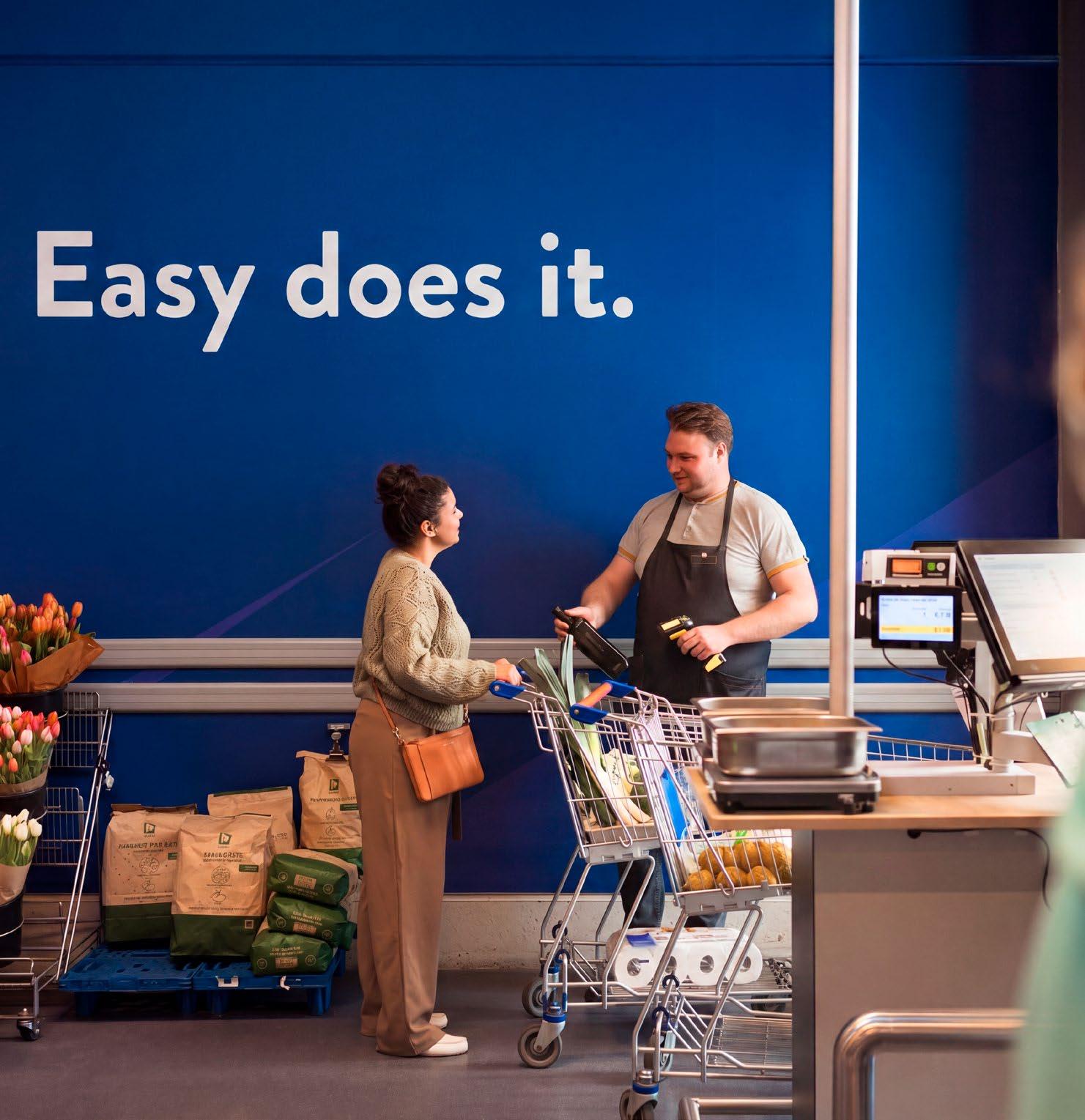
• Our stores make intelligent use of data, computer vision, the Internet of Things and robotics to improve the customer experience and support co-workers. As part of this process, self-scan checkouts at Okay, the smart shopping cart and the easy checkout at Colruyt are being rolled out comprehensively.
• Our shopping assistant Xtra allows customers to enjoy maximum benefits and to get relevant information from our store formats.
From card to app
In the past financial year, the number of Xtra customers increased by more than 4%. The number of app users rose by almost 19%, while the number of customers with a physical Xtra card declined by 6%. Among new customers, the app is by far the most popular mode, and the number of applications for a physical card went down by almost 80%. The app has been further optimised in many areas:
• Navigation in the Colruyt, Collect&Go and Okay areas has been improved in response to user feedback. Products from Colruyt and Bio-Planet can now be combined into a single Collect&Go order.
• Recipes have been given a more prominent position in the main navigation and have been enhanced by adding new search and filter options. The weekly planner allows users to create a weekly menu, with average nutritional values, cooking instructions and ingredients; it is easy to attach to shopping lists or the Collect&Go store basket. The new AI assistant thinks ahead for the user and translates personal preferences – from cooking times to intolerances – into suitable recipes.
• In the future, the Xtra app will be able to carry out a wider range of tasks. In addition, we want to make the Xtra benefits more visible and optimise the login and payment process.
Xtra is the common digital assistant for various stores and webshops of Colruyt Group in Belgium. The app, which also includes the sustainable savings programme, was supplemented in the past year by adding a weekly planner and an AI assistant. In addition, Okay was given its own area and the app now has an English language version.
4,5 million Xtra customers
2,3 million registered app users
Up to 6 million transactions per month
Appropriate data profile for every customer
An important milestone was the introduction of the data profile. Since November, Xtra has asked users explicitly which data they want to share for personalised communication (in line with European legislation). Four clear data profiles allow users to determine themselves the extent to which service provision will be tailored to their preferences. Transparency and control are key in this respect. By now, the vast majority of customers have a data profile that allows them to receive more targeted and more relevant messages
Group principles as guidance
Our Group principles provide direction in a rapidly changing world. Not in the sense of a rulebook, but as guidance for making a positive difference together. They are based on our many years of experience and inspire us to do business in our own individual, meaningful way.
Within the scope of our strategic plan, we have sharpened our focus on some of our Group principles, which will act as a guide over the next few years. They bring us back to the essence of how we want to work and what will be necessary to put our strategy into practice. They complement and reinforce each other, and can be summarised in four lines of approach.
Our DNA
We have grown by adopting a creative approach to constraints and resources. We do not see simplicity and cost awareness as goals in themselves, but as a way of working which stimulates entrepreneurial spirit and increases productivity. Or, as we would say: mastery is proven only in limitation
People make the difference
Our company grows as our people grow. Our starting point is trust and creating a context in which people can take initiative and assume responsibility.
That is enshrined in principles as: Responsibility is there for the taking. As well as: You don’t need to pull a plant to make it grow
Leadership in action
Leadership means channelling energy in the right direction. It is about making choices, providing guidance and mobilising energy. That requires clarity, courage and consistent action, even in an uncertain climate. We dare to make choices, so that we can learn from them.
Customers are at the heart of everything
Our customers can opt for us each and every day, as stated in one of our Group principles. Or not, obviously. That is precisely what keeps us sharp and impels us to remain relevant. Our aim is to create sustainable added value for customers, employees and the company.
Management report
Headlines financial year 2025/26 (1) (2)
As a retailer in food and health and as the market leader in Belgium, Colruyt Group continues to actively fulfil its role in society by ensuring that customers can rely on an accessible, qualitative and affordable offering, delivered in the most sustainable way possible, both in our physical stores and online. This is a commitment we consciously uphold every day, together with our more than 31.000 colleagues.
“Revenue grows 3,1% Operating result in line with prior year”
The financial year 2025/26 was marked by multiple challenges in the Belgian retail market, which is becoming ever more competitive, mainly as a result of Sunday openings, extended opening hours and the abolition of the mandatory weekly closing day. These structural changes in opening hours are disrupting competitive dynamics. Despite this disruption, Colruyt Group’s revenue increased by 3,1% to EUR 10,6 billion in 2025/26, while the gross profit margin remained stable at 30,5% compared with the previous financial year.
The combined market share of Colruyt, Okay, Spar and Comarkt/ Comarché in Belgium decreased to 28,5%.
Operating expenses increased primarily due to changes in scope(2), as well as higher employee benefit expenses, mainly driven by Belgium’s automatic wage indexation system.
As a result, the operating cash flow (EBITDA) increases by 2,9% (stable at 8,3% of revenue) while the operating result (EBIT) remains broadly stable at EUR 465 million (4,4% of revenue). The net result from continuing operations decreases by 4,3% to EUR 337 million (3,2% of revenue), mainly due to a lower net financial result and a lower result of investments accounted for using the equity method. The group succeeded in counterbalancing the decline in operating result recorded in the first half of the year during the second half, supported by a further normalisation of the gap between sales price inflation and purchase price inflation, productivity gains and targeted initiatives (such as the extension of opening hours at Colruyt, Okay, Spar and Collect&Go, and commercial initiatives).
In line with disciplined cash management, investments were even more tightly targeted in 2025/26: EUR 472 million or 4,4% of revenue.
The disposal and discontinuation of the French integrated retail activities was completed in the final quarter of 2025/26. The search for potential buyers for the real estate assets of stores for which no buyer has been found, as well as for the warehouses, is ongoing.
Notwithstanding a decline in operating result in the first half of the year, we delivered on our ambition to achieve a stable operating result for the full financial year. Given the many challenges in the Belgian retail market, which is becoming ever more competitive as a result of a series of structural and disruptive changes, including Sunday openings and the abolition of the mandatory weekly closing day, we are satisfied with this result. We owe this to collective achievements, the hard work of our co-workers and to our customers and our partners, I would like to express my sincere gratitude to them all. The challenges, combined with the disparities in wage schemes across the various joint committees create an uneven playing field in the Belgian retail market. We therefore reiterate that a reform of the wage schemes is essential to guaranteeing fair competition. Also, we are satisfied to once again have delivered strong performance against our ambitious sustainability objectives.
In the new financial year ahead, we will continue to consistently implement our strategy and to invest in the long term. Our focus is on driving growth in food and health, alongside further productivity gains. At the same time, we are more committed than ever to systematically lowering our cost base, enabling us to continue purposefully shaping a healthy and sustainable future. In doing so, we as a group continue to create broad societal and economic value in Belgium. This added value extends beyond the store network and encompasses, among other things, distribution centres, support activities and an ecosystem of over 10.000 Belgian suppliers. In doing so, the group contributes to employment and local anchoring in Belgium at various levels, thus ensuring that this value remains within Belgium.
CEO Stefan Goethaert
(1) The headlines have been formulated based on the consolidated income statement in which the French integrated retail activities are presented as discontinued operations in both the current and the previous financial year.
(2) The results reflect the impact of a series of acquisitions completed in the second half of 2024/25 (Délidis since October 2024 and NRG since January 2025) and in the first half of 2025/26 (Foodbag since April 2025 and Delitraiteur since June 2025) (hereinafter ‘the acquisitions’). They were further impacted by the change in financial year at The Fashion Society (which in 2024/25 was exceptionally included for a period of ten months, compared with twelve months in 2025/26). Further down this press release, these impacts are collectively referred to as ‘changes in scope’. Any disclosures provided are inclusive of these impacts, unless explicitly indicated otherwise.
(3) In the consolidated income statement, the French integrated retail activities are presented as discontinued operations in both financial years, as is Dreambaby in the previous financial year (for a period of two months). (4) The weighted average number of outstanding shares totalled 120.065.015 in 2025/26 and 123.489.687 in 2024/25.
Consolidated income statement
Colruyt Group’s revenue rose by 3,1% to nearly EUR 10,6 billion in 2025/26. Revenue performance was primarily impacted by disruptions to competitive dynamics and ongoing price and promotional pressure in the Belgian retail market. The full consolidation of Délidis, Foodbag, Delitraiteur and NRG had a positive impact on revenue evolution, as did the change in financial year at The Fashion Society (which in 2024/25 was exceptionally included for a period of ten months, compared with twelve months in 2025/26). Excluding the changes in scope, revenue grew with 1,2%.
The market share of Colruyt Group in Belgium (Colruyt, Okay, Spar and Comarkt/Comarché) declined to 28,5% in 2025/26 (29,0% in 2024/25).
Thanks to the changes in scope, the gross profit margin remained stable at 30,5%. The decrease of the gross profit margin excluding changes in scope reflects high price and promotional pressure and a more intense competitive landscape in the Belgian retail market. As a retailer and as the market leader, Colruyt Group continues to fulfil its role in society, with customers able to count on the group to help them stay on top of their household budgets. The gross profit margin improved in the second half of the financial year (30,9%) compared with the first half (30,1%). This was driven in part by a further normalisation of the gap between sales price inflation and cost price inflation.
Net operating expenses increased by EUR 75 million and amounted to 22,2% of revenue. The increase in operating expenses was entirely attributable to the changes in scope. The group succeeded in keeping net operating expenses excluding changes in scope stable in the financial year 2025/26, despite higher employee benefit expenses driven by Belgium’s automatic wage indexation system. This was achieved through a range of measures, including productivity enhancement initiatives implemented in the second half of the financial year, supported by process simplification and the increased use of technology and automation. In the new financial year and in the years ahead, Colruyt Group will continue to drive organisational simplification and improve overall productivity. In this context, a particular focus is directed towards support services, where efforts to enable a smarter deployment of technological capabilities are being accelerated. As in previous years, profit sharing forms part of employee remuneration. For many years, Colruyt Group has operated a profit-sharing scheme under which Belgian employees directly share in the results achieved. This distribution underlines the commitment of our employees to the group’s collective success and constitutes an important pillar of our operations. The number of full-time equivalents as at 31 March 2025 amounted to 32.418, including the integrated retail activities in France. Excluding these activities, the number of full-time equivalents stood at 30.191 and 29.956 as at 31 March 2026,
representing a decrease of 235 full-time equivalents. Last year, more than 3.100 new employees were hired. Colruyt Group remains an organisation in motion, driven, among other things, by targeted acquisitions and integrations, organisational simplifications, as well as inflow, outflow and internal job mobility. The group continues to focus on a customer-oriented and efficient organisation, while giving priority to talent development and internal mobility.
Operating cash flow (EBITDA) increased by 2,9% and amounted to EUR 879 million or 8,3% of revenue (stable versus 2024/25).
Depreciation, amortisation and impairment charges increased by EUR 29 million. Depreciation and amortisation charges rose by EUR 19 million, mainly due to the changes in scope. The residual increase is largely attributable to continuous investments in stores, distribution and production centres, automation, innovation and digital transformation programmes. Impairments rose by EUR 10 million to EUR 12 million and relate to a number of smaller impairments, primarily affecting property, plant and equipment.
Operating profit (EBIT) remained roughly stable at EUR 465 million or 4,4% of revenue in 2025/26 (versus EUR 469 million or 4,6% in 2024/25).
The net financial result decreased by EUR 20 million to a net financial expense of EUR 19 million. This is mainly due to a decrease in finance income, partly resulting from a reduction in cash and cash equivalents during the financial year.
The share in the result of investments accounted for using the equity method amounted to EUR -5 million in 2025/26. The decrease reflects a negative result at Virya Energy (inter alia as a result of a number of impairments) and various other investments, partly offset by a one-off positive effect of EUR 12 million arising from a change in consolidation method
Segment information
1. Food
The revenue of Food rose by 2,4% to 10,0 billion in 2025/26. Excluding Délidis, Foodbag and Delitraiteur, revenue rose by 1,0%. Food activities accounted for 94,2% of the consolidated revenue in 2025/26.
Colruyt Group’s revised five-year strategic plan centres on food and on health, with both areas pursuing growth and further differentiation. Within the food segment, we aim to achieve that growth through three avenues. First, by driving further growth in the existing stores (like-for-like growth) through an enhanced offering tailored to our customers’ needs and through continued category development. In line with this approach, a number of stores have been piloting the in-store bake-off of a selected bread and bakery range since autumn 2025. Second, by expanding our B2B operations, both through the opening of additional Colruyt Professionals stores and through growth in our wholesale and food service activities. Finally, by targeting growth in urban areas, with tailored formats such as Okay City.
(Foodbag has been fully consolidated since the 2025/26 financial year, having previously been accounted for using the equity method). The negative result at Virya Energy is in line with Virya Energy’s ongoing development and growth agenda, supporting its long-term ambitions in the energy transition. This reflects a wellconsidered and disciplined growth strategy, offering clear visibility on future value creation as projects are gradually completed and enter the operational phase, thereby contributing to revenues and earnings over the medium to long term.
The effective tax rate on the profit before tax, excluding the share in the result of investments, amounted to 23,4% in 2025/26.
The profit for the financial year from continuing operations amounted to EUR 337 million (3,2% of revenue) compared with EUR 352 million (3,4% of revenue) in 2024/25. This comes down to a 4,3% decrease.
In 2025/26, the result for the financial year from discontinued operations included the French integrated retail activities. The loss amounted to EUR 33 million and comprised both the operating result and various one-off effects related to the disposal and discontinuation of the operations (restructuring charges, gains and losses etc.).
In 2024/25, the result for the financial year from discontinued operations included a one-off positive effect of EUR 3 million and a net result of EUR -17 million related to the French integrated retail activities.
The above developments resulted in a profit for the financial year of EUR 304 million or 2,9% of revenue (versus EUR 337 million or 3,3% of revenue in 2024/25).
1.1. Food retail
Alongside high price and promotional pressure, competitiveness has been further heightened by several developments in the Belgian retail landscape in recent years, such as the Sunday openings and the abolition of the mandatory weekly closing day. In this context, food retail revenue increased by 1,7%. Excluding Foodbag, food retail revenue rose by 0,8%.
Revenue of Colruyt in Belgium and Luxembourg, including the revenue of Comarkt/Comarché, showed a limited increase (+0,7%). The Colruyt stores continue to consistently deliver on their commitment to guarantee the lowest prices to their customers. This was highlighted over the past financial year through targeted initiatives including the deferred discount ahead of certain public holidays and the matching of highly aggressive competitor promotions. Since February 2026, all Colruyt stores and Collect&Go collection points have been opening half an hour earlier (from 8 a.m.), making Colruyt the first discounter to open at such an early hour.
Colruyt Group revenue (in million EUR)
(1) Revenue including DATS 24 NV, the disposal of which was completed in early June 2023.
(2) Revenue excluding DATS 24 NV, Dreamland NV and Dreambaby NV, the disposals of which were completed in early June 2023, early October 2023 and late May 2024, respectively.
(3) Revenue excluding Dreambaby NV, the disposal of which was completed in late May 2024.
(4) Revenue excluding the French integrated retail activities, the disposal and discontinuation of which were completed in late February 2026.
94,2% FOOD
0,2% OTHER ACTIVITIES REVENUE
5,5% HEALTH & WELL-BEING AND NON-FOOD
In 2025/26, thirteen renovated stores reopened and the store network expanded with seven new Colruyt stores and one new Colruyt Professionals store. Since the beginning of the 2026/27 financial year, two additional Colruyt Professionals stores have opened, bringing the total to seven.
The Colruyt stores once again secured the first place in the YouGov (5) summer and winter 2025 reports (formerly GfK).
At 31 March 2026, Comarkt (in Flemish-speaking Belgium)/ Comarché (in French-speaking Belgium) - a Colruyt Group format that is used temporarily until the stores have been converted to their final store concept - had twelve stores left (compared with 35 stores as at 31 March 2025; in the meantime, six have opened as Spar stores, four as Okay stores, two as Colruyt stores, one as a Colruyt for Professionals store and the remaining ten are temporarily closed for conversion). In the course of 2026 and 2027, the remaining Comarkt/Comarché stores will be converted to their final brand.
Okay, Bio-Planet and Cru reported an aggregate revenue growth of 2,1% in 2025/26.
As a neighbourhood discounter, Okay aims to make customers’
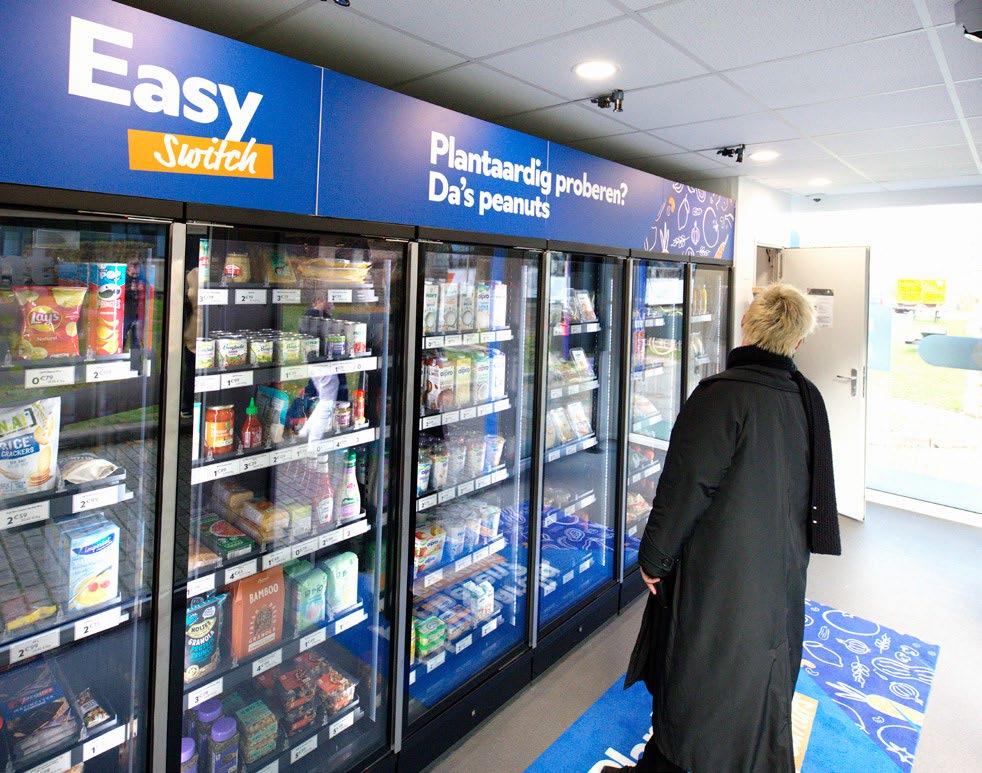
lives easier by offering a wide range of fresh products and ready meals, at the lowest prices in the neighbourhood and with respect for the environment, society, health and animal welfare. Okay’s revenue evolution was adversely affected by legislative changes prohibiting the sale of tobacco products to private individuals in food stores larger than 400 m², and positively impacted by the Sunday openings in the final quarter. The store network of Okay, Okay City and Okay Direct expanded by seven Okay stores and two Okay City stores, reaching a total of 179 stores. Seven stores were renovated in 2025/26. Since the beginning of 2026, the Okay stores have extended their opening hours to include Sundays. Okay City stores are fully tailored to the needs of urban customers: easily accessible, offering a carefully selected product range, budget-friendly and open seven days a week. Okay’s logistics capacity was expanded with the addition of a new 10.000 m² distribution centre. The group aims to expand its market share in urban areas, in part by leveraging the Okay format.
In the YouGov (5) summer and winter 2025 reports (formerly GfK), Okay ranked third and second, respectively.
Bio-Planet recorded revenue growth and remains a pioneer in sustainability, offering an extensive range of organic, eco-friendly
(1) EBIT and profit for the financial year, including DATS 24 NV, the disposal of which was completed in early June 2023.
(2) EBIT excluding DATS 24 NV, Dreamland NV and Dreambaby NV, the disposals of which were completed in early June 2023, early October 2023 and late May 2024, respectively. The profit for the financial year comprises the total results from both continuing and discontinued operations and includes one-off effects.
(3) EBIT excluding the French integrated retail activities, the store disposals and discontinuation of which were completed in late February 2026. The profit for the financial year comprises the total results from both continuing and discontinued operations and includes one-off effects.
Colruyt Group results (in million EUR) 2% HEALTH & WELL-BEING AND NON-FOOD
FOOD 2% GROUP ACTIVITIES, REAL ESTATE AND ENERGY
and local products, as well as healthy food options. Thanks to Bio-Planet and the group’s other retail chains offering organic products, Colruyt Group is Belgium’s leading organic retailer. As at the end of March, Bio-Planet operated 39 stores in Belgium and one in Luxembourg.
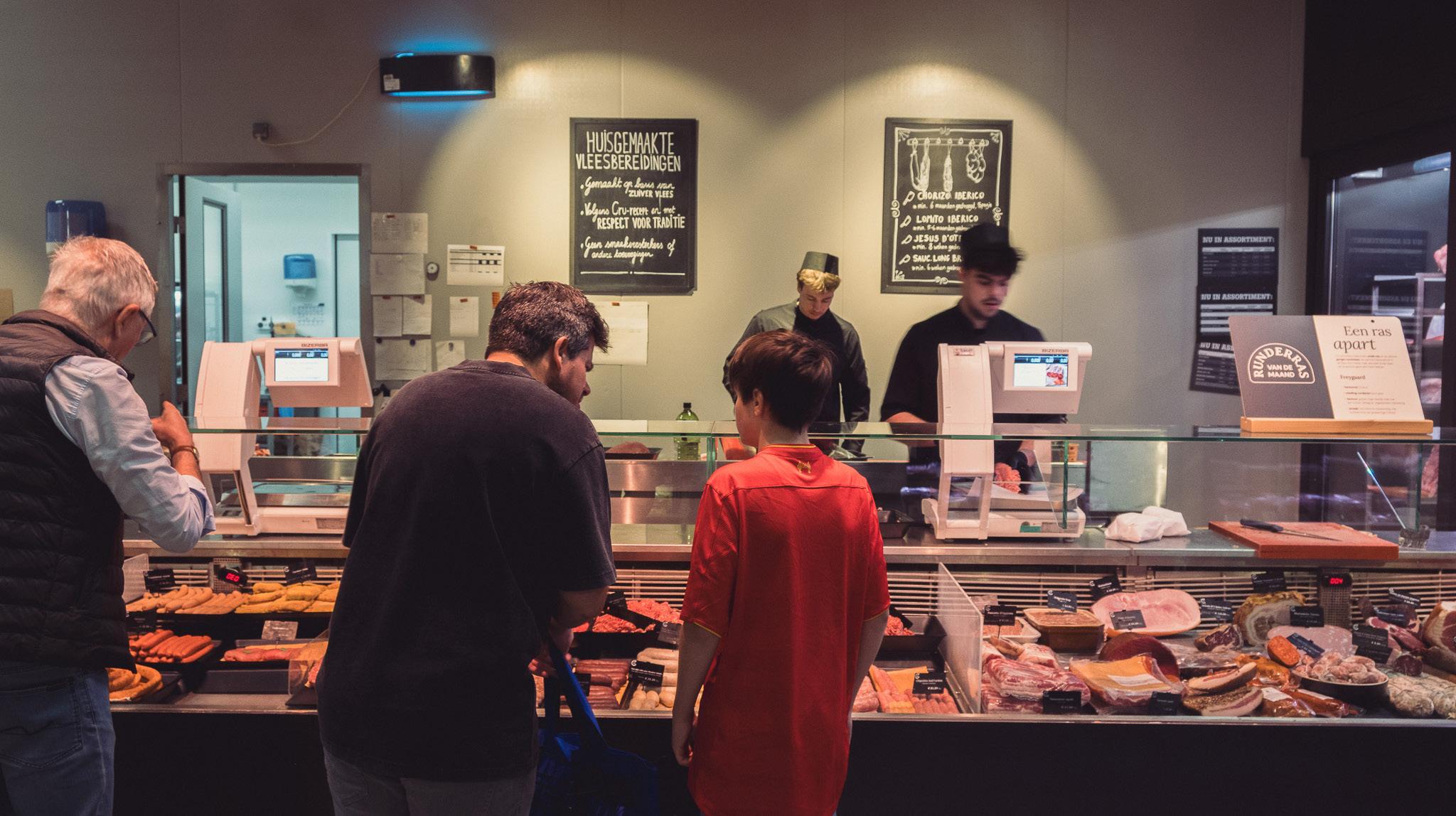
Cru has four markets. A passion for tasty artisan products and customer experience combined with pure mastery remain at the forefront for the Cru multi-experience markets. In recent years, priorities have been further refined to drive revenue growth and enhance operational efficiency. This trend is continuing into the current financial year, fuelled by a combination of revenue growth and productivity gains.
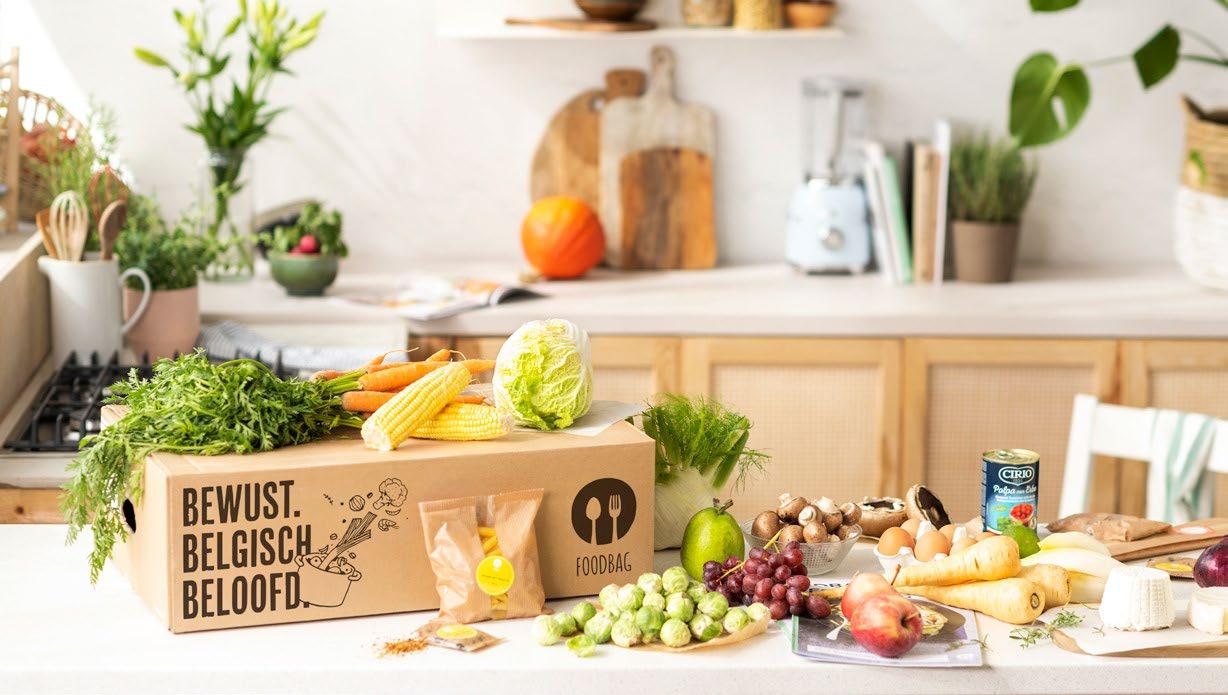
Revenue from other activities within food retail revenue mainly comprises Foodbag and amounts to EUR 72 million. Foodbag specialises in the composition and delivery of meal boxes and has been fully consolidated since April 2025. Through Foodbag Colruyt Group aims to further expand and strengthen its position in the online food market, while responding to evolving customer needs such as the growing need for combined convenience and time efficiency and, the right offering at the right moment.
Foodbag demonstrates strong profitability and has delivered further revenue growth over the past financial year, while strengthening its market share. Foodbag’s offering was further enriched with Foodprepper, which provides fresh, healthy and ready-to-eat meal solutions for every moment of the day, catering to the needs of families and people with busy schedules.
1.2. Wholesale and Food service
Wholesale revenue increased by 5,2%. Excluding Delitraiteur revenue rose by 0,6%. Wholesale revenue in France and Belgium increased, partly offset by a decline in revenue from Colex’s export activities. In Belgium, revenue evolution was impacted by a change in legislation prohibiting the sale of tobacco products to private individuals in food stores larger than 400 m².
Colruyt Group continues to focus on building a close, long-term collaboration with the independent entrepreneurs and aims to further expand its efficient independent store network in Belgium and France over the coming years.
Delitraiteur has been fully consolidated since June 2025 and
operates 40 stores in Belgium and one in Luxembourg, all but three of which are run by independent entrepreneurs. Through this acquisition, Colruyt Group aims to continue its growth trajectory while placing greater focus on delivering convenience to its customers.
Excluding Délidis, revenue from the food service activities rose by 6,1%. The revenue is generated by Solucious, which delivers food service and retail products to professional customers across Belgium, including hospitals, SMEs and the hospitality industry. Solucious continues to gain appreciation from customers for its convenience, wide product range, smooth and reliable deliveries, and fair and consistent pricing.
The acquisitions of both Delitraiteur and Délidis fit within Colruyt Group’s renewed strategic plan, which fully commits to driving B2B growth by expanding existing activities, entering new customer segments and pursuing acquisitions.
1.3. Food production
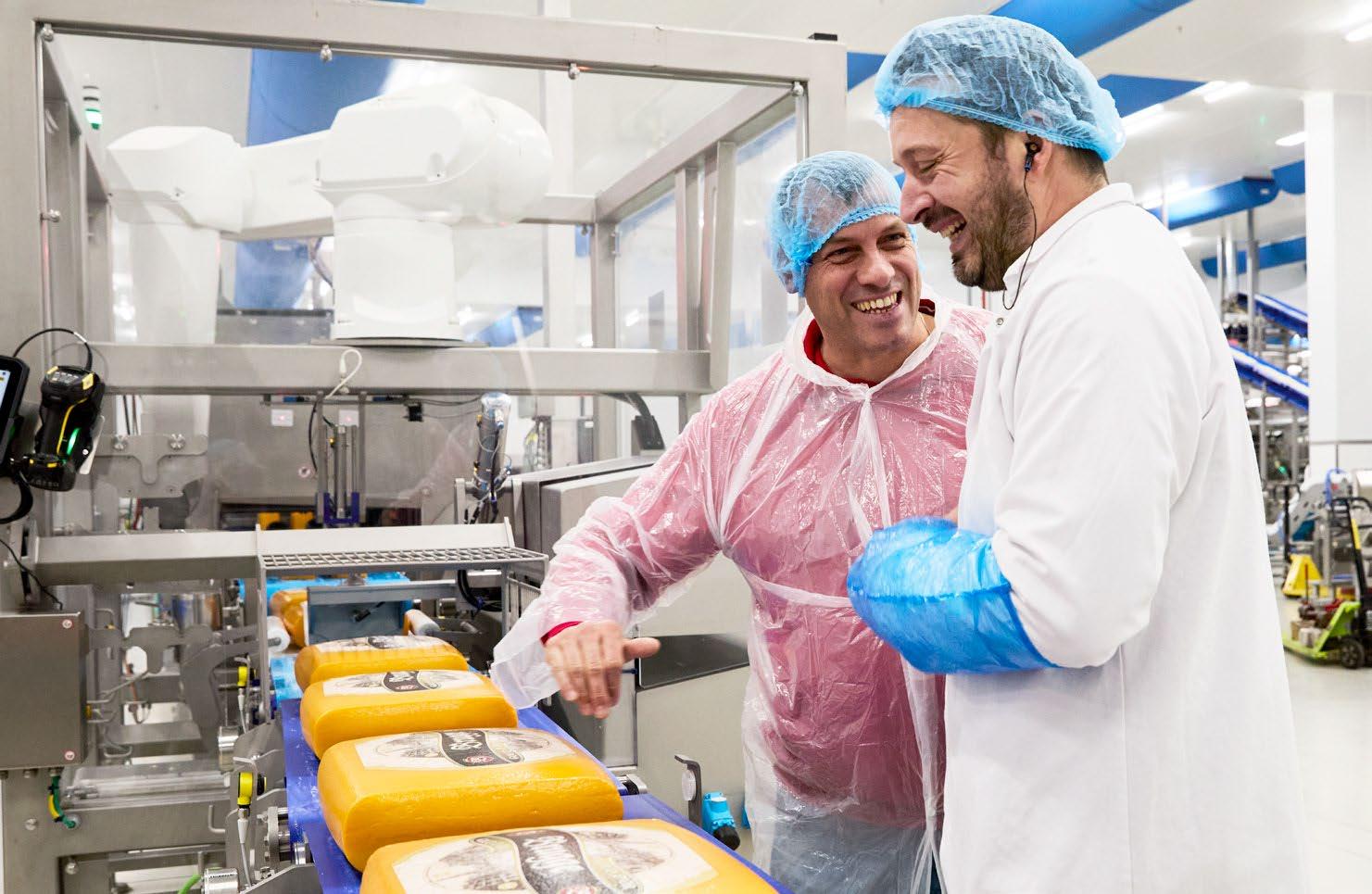
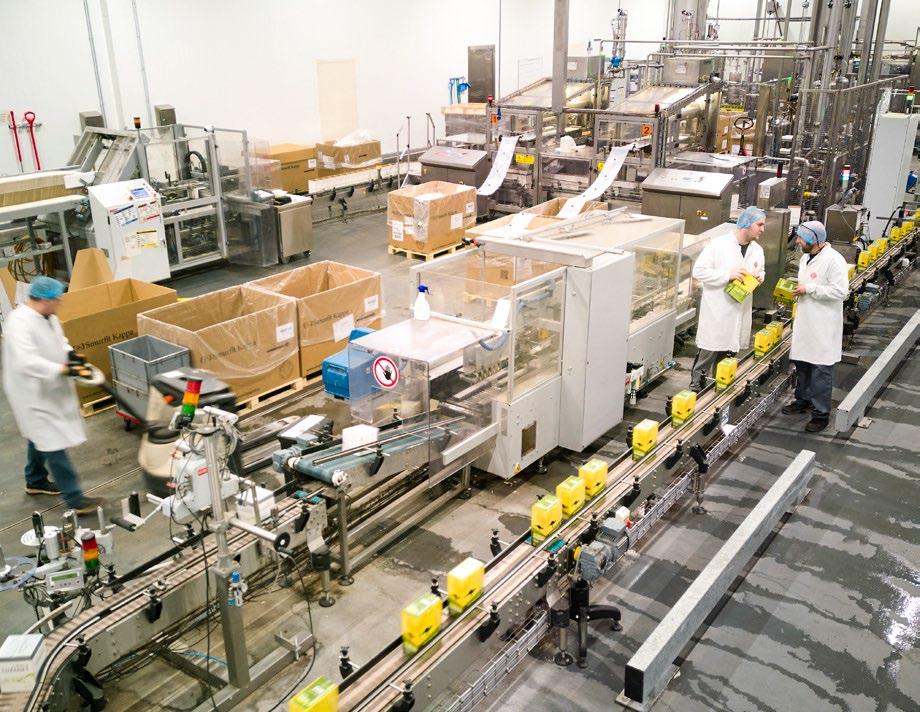
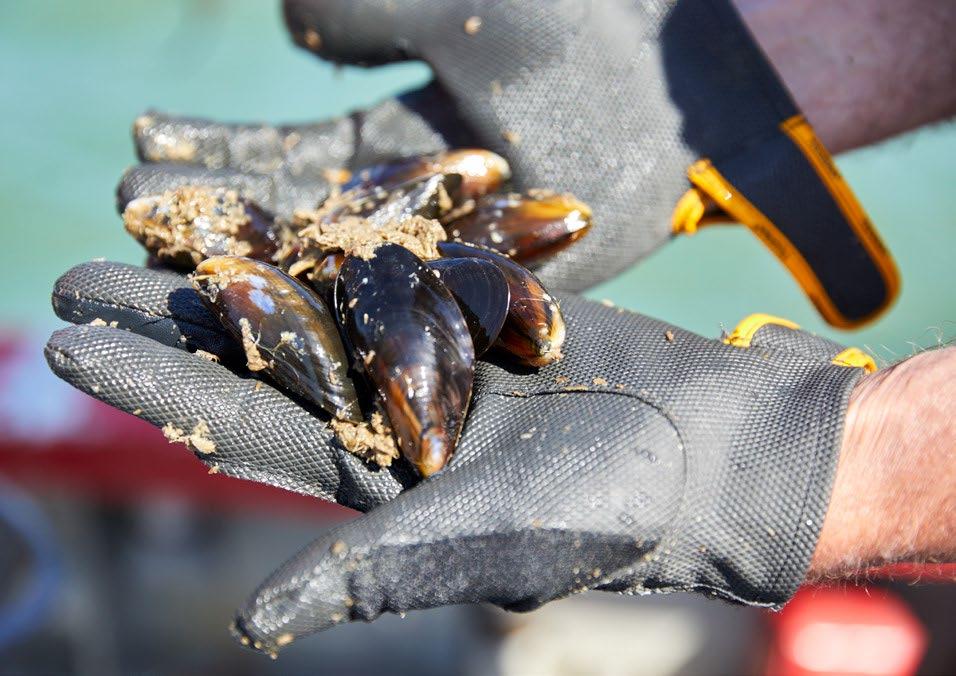
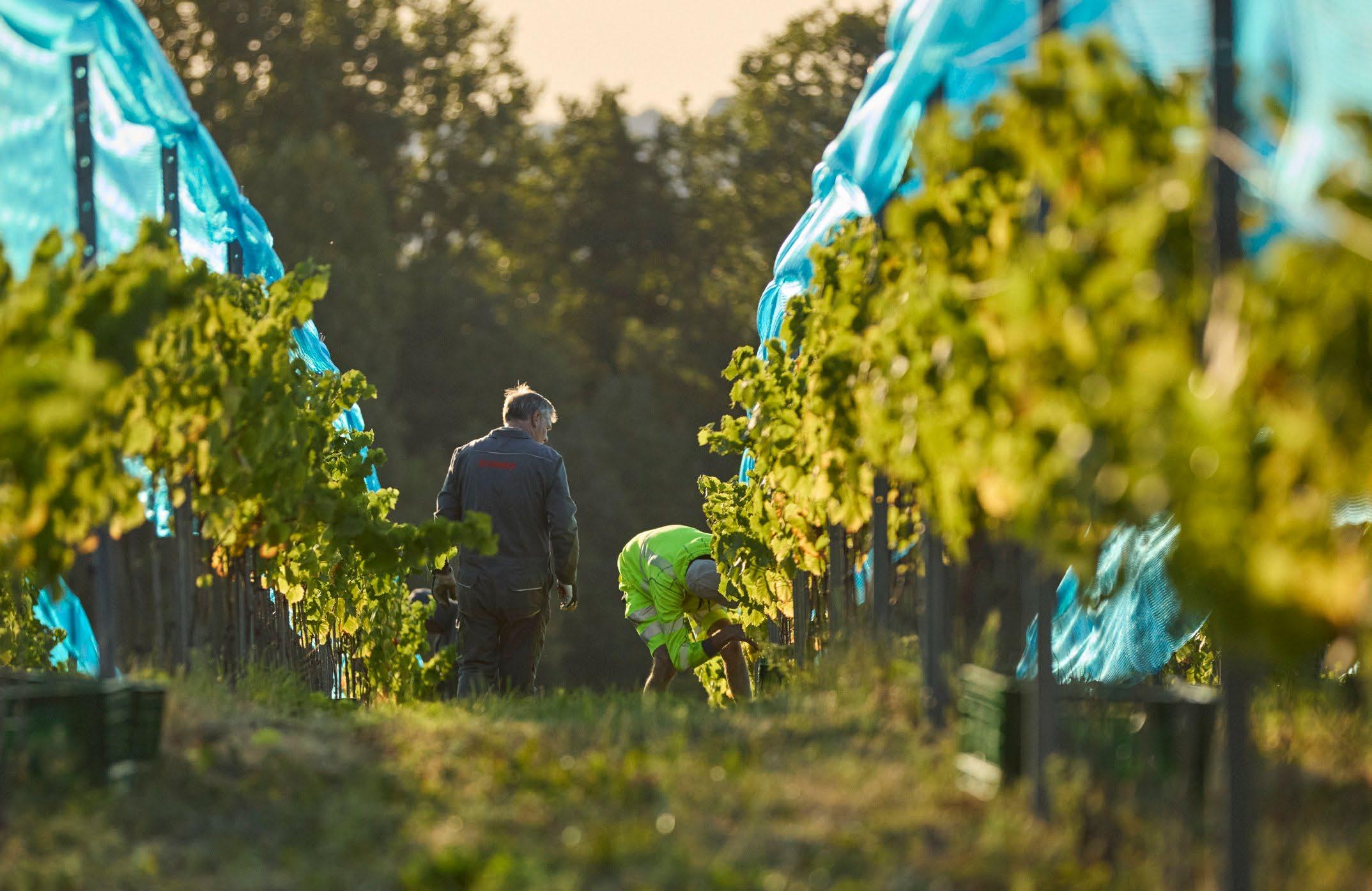
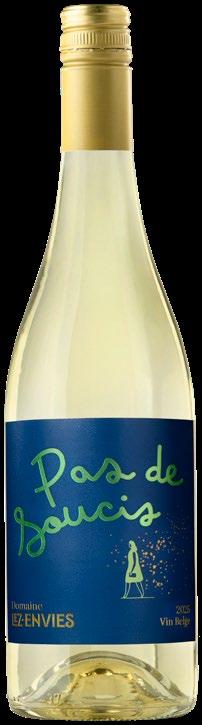
Food production primarily comprises Colruyt Group’s industrialscale production departments, grouped under Fine Food. Fine Food’s activities include meat processing, the production of spreads, cheese cutting and packaging, bag-in-box wine filling, coffee roasting and bread baking. Fine Food mainly generates revenue within the group and the products are subsequently sold under private labels in Colruyt Group’s stores. A smaller proportion of revenue is generated externally, more specifically by the industrial bakery Roelandt Group. The external revenue from food production amounted to EUR 26 million. The group continues to promote the sustainability of its privatelabel products and to strengthen its vertical integration, in which agriculture plays an important role. In September, the first harvest at the group’s vineyard proved successful. The first homemade white wine, Pas de Soucis, has been available at Cru, Boir and Foodbag since April 2026. For the third year in a row, mussels were harvested from the company’s own sea farm in the summer of 2025. The group’s agricultural land, in turn, is used to support sustainable agricultural practices and innovative crop cultivation.
2. Health & Well-being and Non-food
These activities accounted for 5,5% of the group revenue in 2025/26.
Revenue from Health & Well-being increased by 18,0%. Excluding the acquisition of NRG, revenue grew by 11,2%.
Revenue from Jims increased by 73,2%. This is partly explained by the acquisition of NRG. Excluding NRG, revenue rose by 29,3% as a result of expansion and organic growth. Including the acquired NRG clubs, Jims’s network comprises 90 fitness centres, of which 83 are located in Belgium and seven in Luxembourg. Jims strengthens its offering through professional physiotherapy services at ten locations and, via its ‘Move for Health’ programme, further invests in a sustainable collaboration with healthcare institutions with a particular focus on prevention and rehabilitation.
Newpharma’s revenue rose by 8,6%. Revenue increased in all core countries in which Newpharma operates. Newpharma is pursuing further growth with the ambition of establishing itself as a European player.
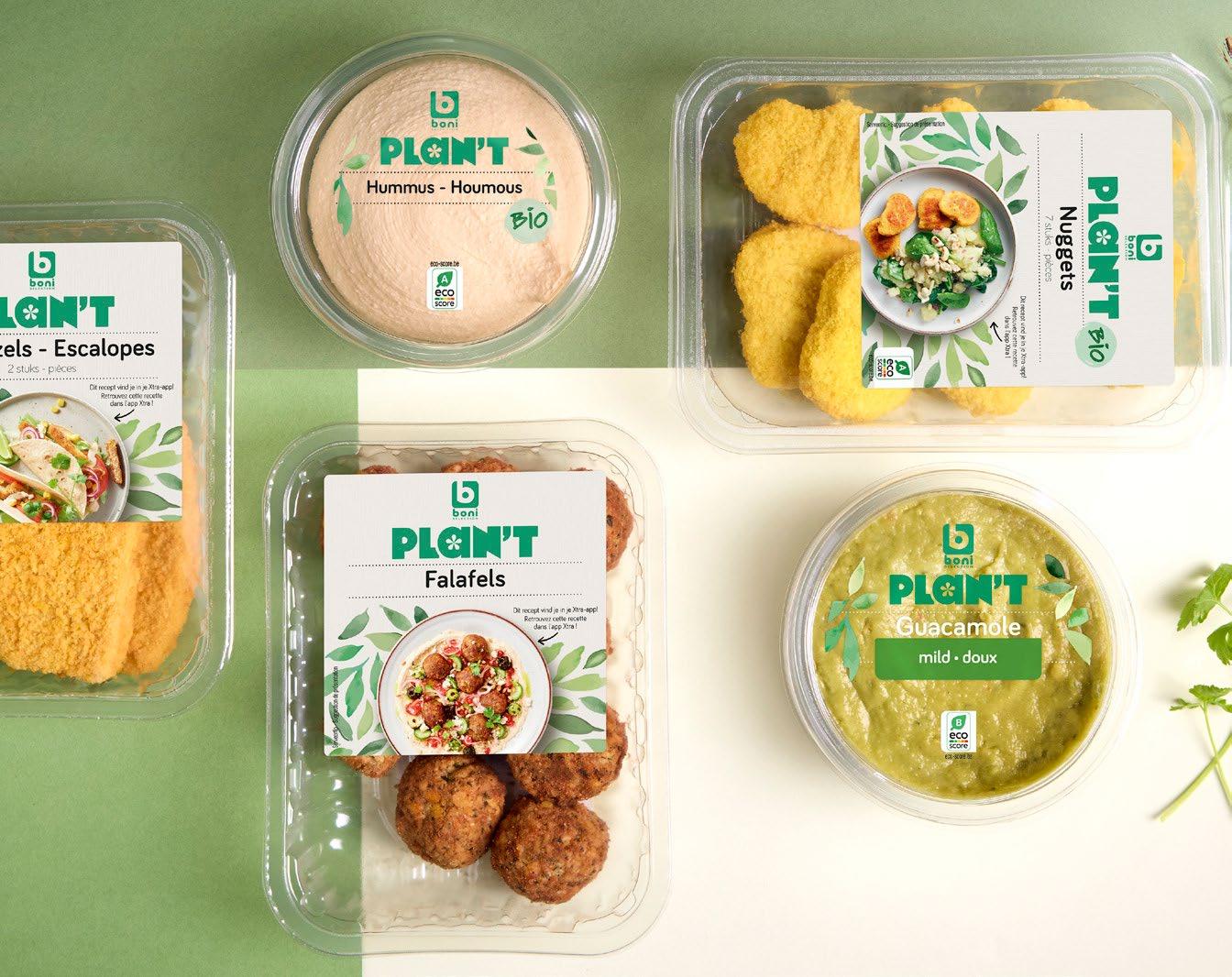
Alongside food, health is a core element of our renewed strategic plan. As a group, we continue to intensify our efforts in the area of health and will further expand our activities in this domain: through Newpharma and Jims but also through our range of products (such as Boni Plan’t), the offering of Colruyt Group Academy, and other initiatives.
Revenue from Non-food, which includes the revenue from The Fashion Society and Bike Republic, increased by 16,4%. On a comparable basis, revenue grew by roughly 3%.
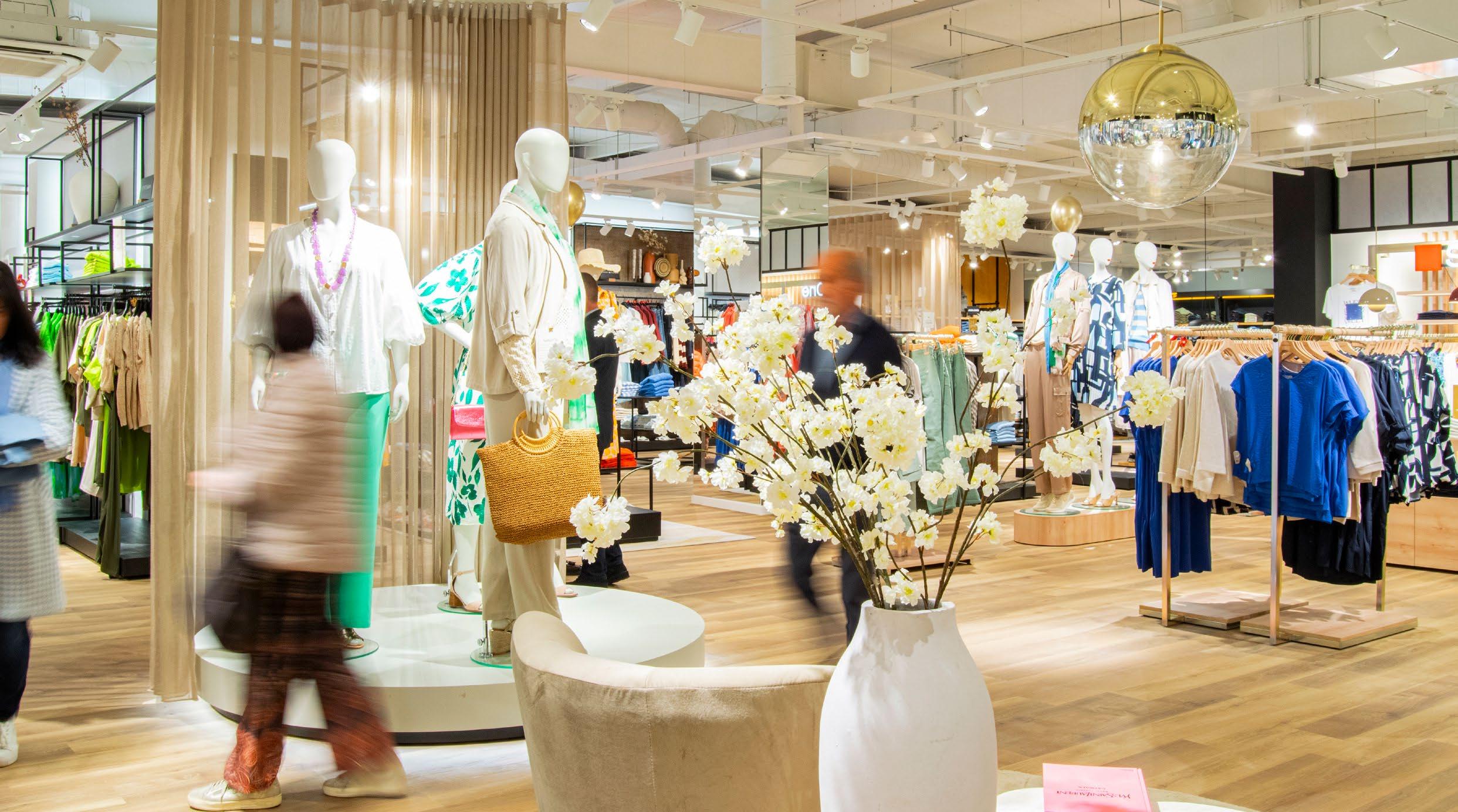
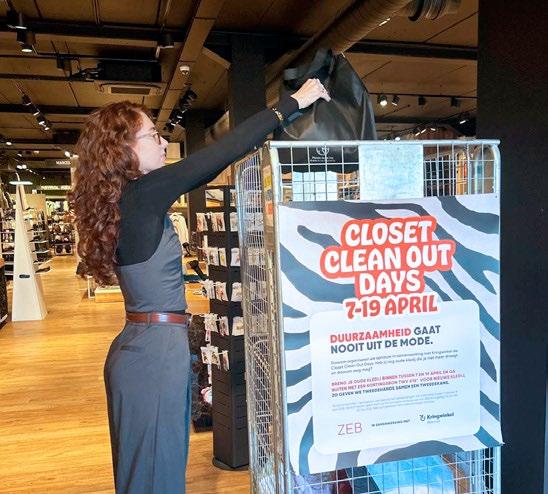
The increase in revenue from The Fashion Society - the holding company comprising the fashion retail chains Zeb, PointCarré and The Fashion Store - amounted to 18,6%, primarily reflecting the change in financial year. On a comparable basis, revenue grew by approximately 2,5%. Today, the network comprises 134 stores, four of which are located in France.
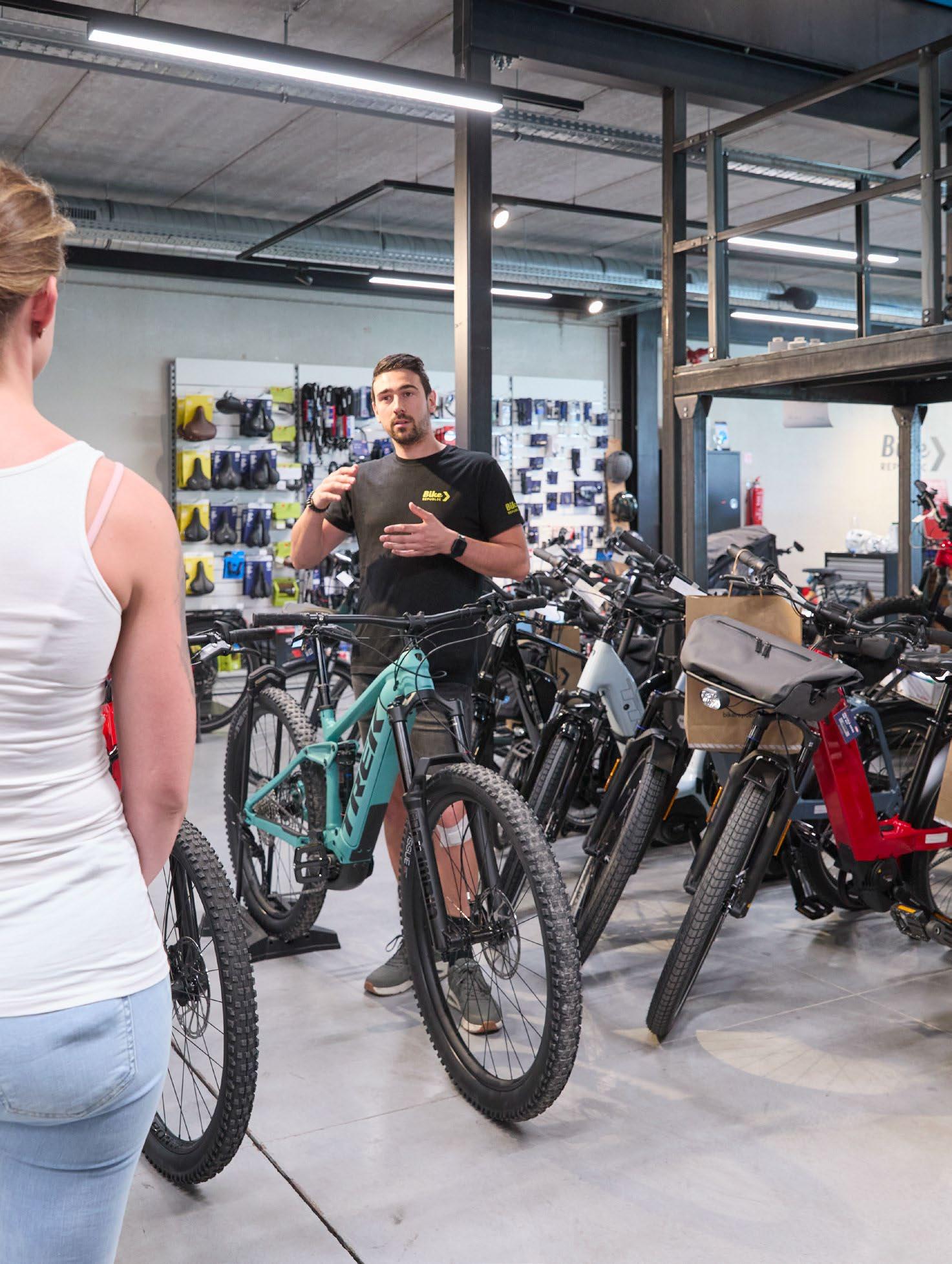
Bike Republic’s revenue increased by 9,0%. In a market under pressure, Bike Republic remains a leading player. Bike Republic operates 29 stores and three service points. In a consolidating market, Bike Republic aims to further its growth.
3. Group activities, Real Estate and Energy
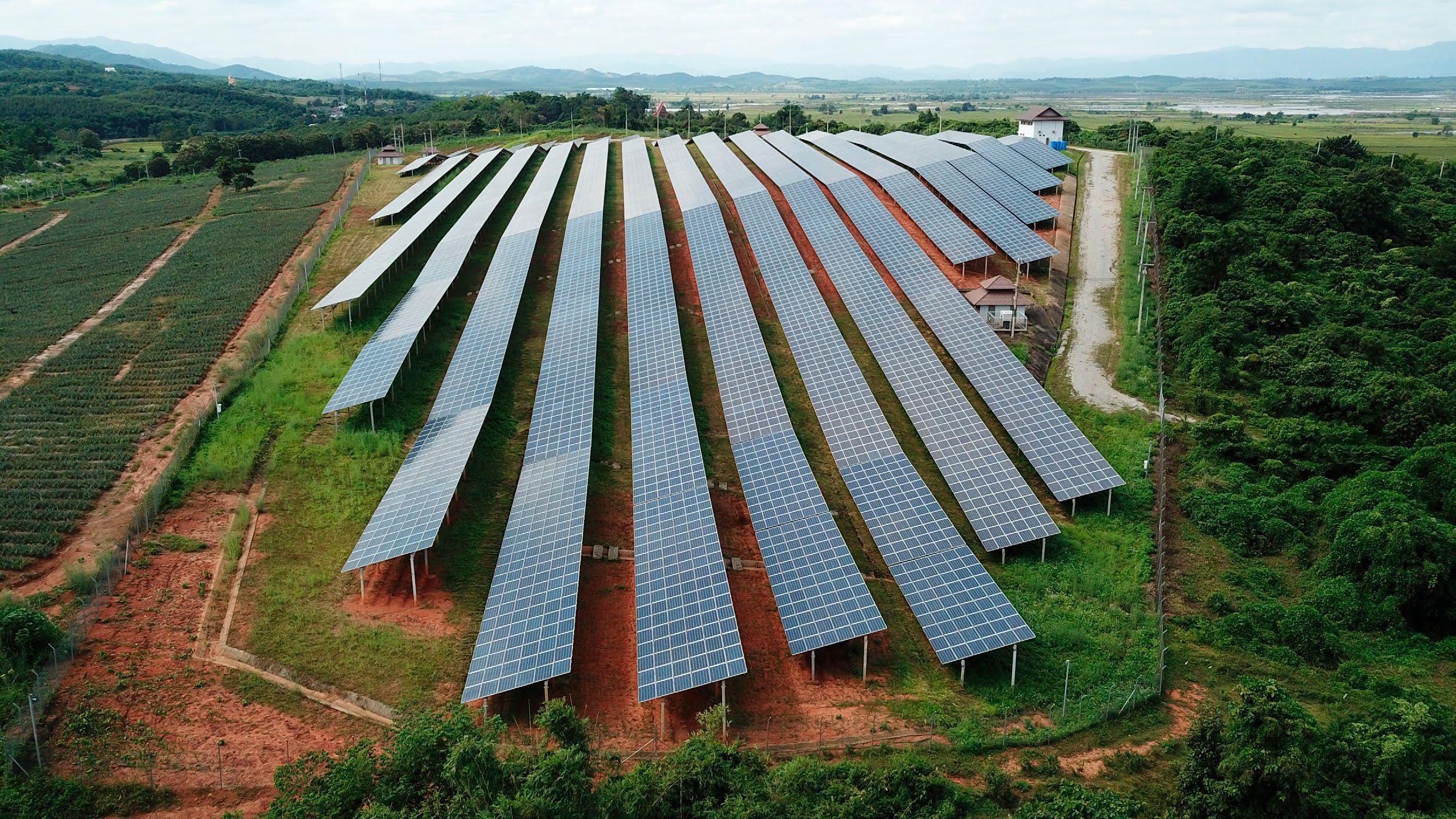
Colruyt Group is a co-shareholder of Virya Energy and holds a 30% stake. Virya Energy owns and operates a diversified portfolio of renewable energy assets across Europe and Asia, representing approximately 800 MW of gross installed capacity in onshore wind and solar power. Furthermore, the group is expanding into complementary energy solutions, including hydrogen and electric vehicle charging infrastructure, strengthening its position across the integrated energy value chain.
The group has set a clear growth ambition, targeting approximately 4,3 GW of gross operating capacity by 2035. To achieve this, Virya Energy is actively developing a strong and diversified pipeline of projects across its core markets, supporting sustainable value creation. A recent example is the investment, alongside a number of partners, in solar parks across three sites in Poland, which are expected to deliver a combined production capacity of 722 MW.
Given the multi-year development cycle of renewable energy projects, projects in development phase require significant upfront investments before entering commercial operation phase and generating revenues. As a consequence, Virya Energy is currently in an intensive investment phase, characterised by substantial capital deployment and limited operating revenues. This, however, reflects a well-considered and disciplined growth strategy, with clear visibility on value creation as projects progressively reach completion and transition into their operational phase.
In support of this, capital increases were carried out by Virya Energy in May 2025 and February 2026, to which Colruyt Group contributed EUR 45 million in total. In May 2026, Colruyt Group made a further contribution of EUR 23 million.
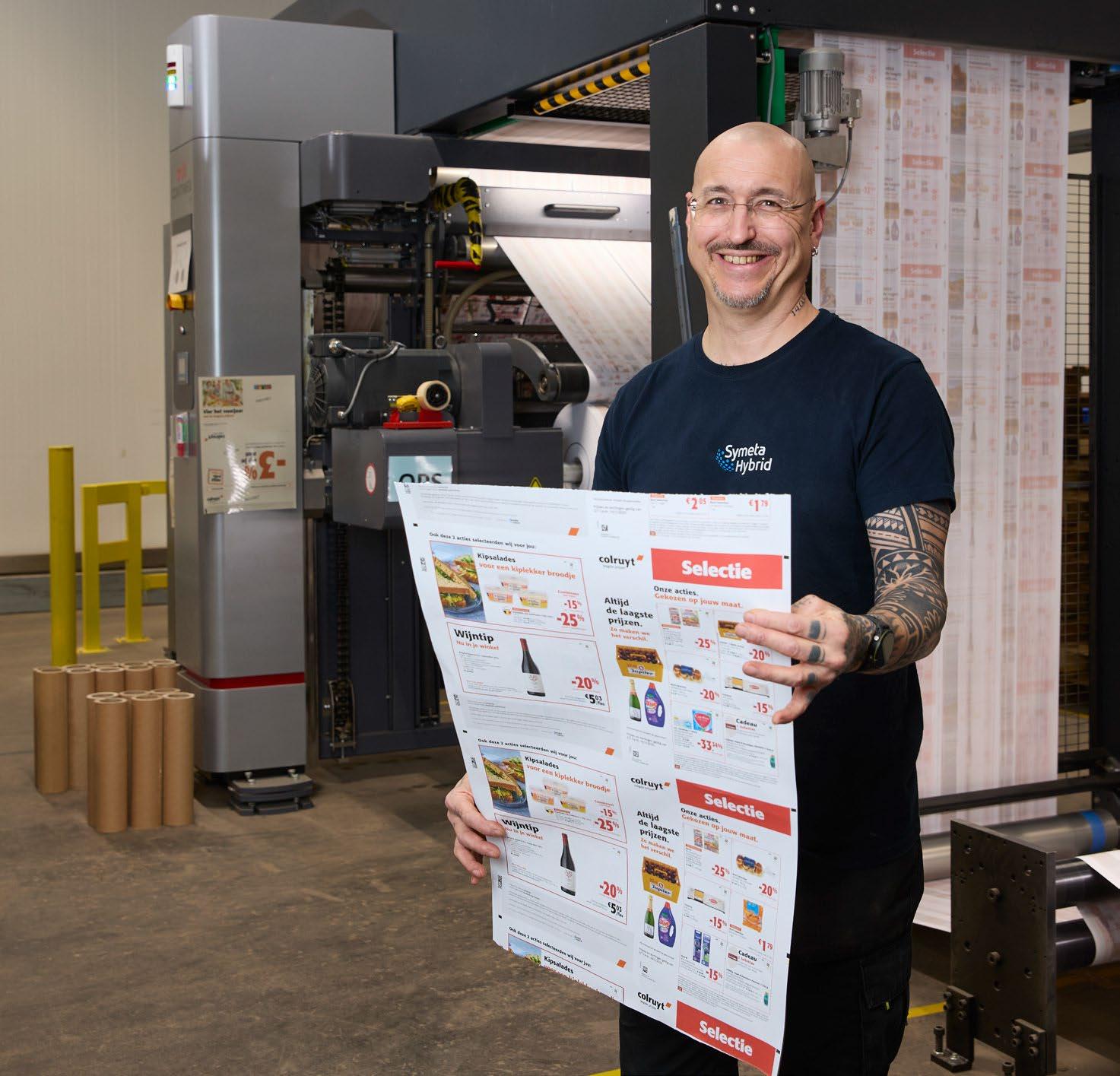
External revenue from the remaining segment amounted to EUR 23 million and primarily concerned the external revenue from Symeta Hybrid, active in printing and document management solutions. Symeta Hybrid is the Belgian market leader in the distribution of personalised marketing and transactional communications, combining cutting-edge print technology with a high-performance data platform that offers maximum security.
(1) Excluding the French integrated retail activities, the store disposals and discontinuation of which were completed in late February 2026.
(2) Including the revenue from Comarkt/ Comarché.
(3) Mainly includes the revenue from Foodbag as from April 2025.
(4) Also includes the revenue from Delitraiteur as from June 2025.
Digital, innovative and sustainable initiatives
Colruyt Group continues to purposefully invest in and innovate its online store concepts and digital applications
Colruyt Group’s online sales are expanding and accounted for more than 9% of retail revenue(6) in 2025/26. Colruyt Group’s online revenue is primarily generated by Collect&Go, the market leader in the Belgian online food market, by Foodbag and by Newpharma.
Collect&Go continues to evolve into a grocery e-commerce platform, also offering Foodbag meal boxes and premium beverages from the Boir web shop, and partnering with Newpharma, Jims and culinary websites that enable customers to add recipes directly to their shopping list. Over the past year, Collect&Go has significantly expanded its home delivery service, enabling it to serve 85% of Belgian households. This expansion represents a strong lever to reach new customers. Leveraging its wide-spread network of collection points (250 across Belgium and Luxembourg) and its home delivery capabilities, Collect&Go offers customers maximum flexibility in how they choose to shop. Colruyt Group’s Xtra app continues to evolve as an increasing number of applications and services are being integrated to further enhance customer convenience and to foster synergies between the group’s various formats. Both app usage and the number of app functionalities used continue to grow.
The group also continues to invest in retail media. Brands and advertisers are able to communicate across Colruyt Group’s entire network - in-store, online and on the go - precisely at points where purchase decisions are made. Retail Media is evolving into an additional, incremental revenue stream, complementary to existing partnerships with our business partners. Today, the offering is fully operational and continues to be expanded, both through the extension of the network of advertising touchpoints and through new commercial opportunities such as self-service
solutions for advertisers. With this activity, Colruyt Group is capitalising on the strong growth of retail media as an advertising channel and leveraging the group’s unique combination of physical and digital reach, proprietary data and a broad brand portfolio as a further driver of value creation.
Colruyt Group remains a pioneer in the retail sector, setting the pace in the areas of innovation and sustainability Colruyt Group is actively deploying artificial intelligence and smart technologies to transform both the shopping experience and logistics, as well as its support services. This approach builds on Colruyt Group’s long-standing track record of using technology as a lever for efficiency and innovation. For instance, generative AI is being deployed in IT processes, including software development and testing, contributing to faster and more efficient development trajectories. New applications are also being developed to facilitate interactions with both customers and employees, including conversational AI solutions within the Xtra environment and experiments with AI-supported tools for employees. In this context, the pilot project with the Smart Cart, Belgium’s first self-scanning shopping cart, has been expanded from one to three stores. This smart trolley uses AI, cameras and sensors to automatically register and settle purchases, thus creating a smoother and more sustainable shopping experience. In the distribution centres of Lot (Laekebeek) and Ollignies, 18 Self-Driving Vehicles (SDVs) are already in operation - innovative autonomous pallet trucks that assist employees in their work and make their daily tasks easier. Colruyt Group intends to expand their use to one or two additional sites. The Easy Check-Out, the AI-powered checkout technology that uses smart cameras to automatically scan products, will be rolled out in all Colruyt stores by the end of the year.
These initiatives underscore that the group is not only pursuing efficiency gains, but also purposefully developing new sources of value creation, leveraging technology as a structural enabler.
Colruyt Group is a reference point for sustainable entrepreneurship and a source of inspiration for conscious consumption. The group’s substantial efforts towards sustainability are guided by three drivers: product, infrastructure and people. Each driver is underpinned by core objectives, in turn supported by a series of sub-objectives.
• In terms of infrastructure, the group will further strengthen its leadership position in the years ahead in making its real estate patrimony and transport more sustainable in various areas such as energy efficiency and greenhouse gas emission reduction. The group aims to reduce its greenhouse gas emissions from freight transport to zero by transitioning to fully emission-free freight transport. Colruyt Group reaffirms its ambition to make its own freight transport entirely emission-free by 2030 and, to support this transition, is working closely with Virya Energy (for charging and hydrogen infrastructure).
• As part of the people driver, we actively focus on making conscious consumption easier for our customers. One example is the Green Score (formerly known as the Eco-Score), which since 2021 has informed customers and raised their awareness about the environmental impact of the products they buy. With this score, Colruyt Group strongly promotes behavioural change by linking it to a sustainable savings programme in the Xtra app. We also contribute to the protein shift. Since September 2025, the Colruyt and Okay stores have been offering a range of plant-enriched meat. The aim is to offer 60% proteins from plant sources and 40% proteins from animal sources by 2028.
• Under the product pillar, one of our objectives is to shift to exclusively recyclable or reusable packaging in our stores by 2030. Since March 2026, this has already been the case for virtually all packaging of our private-label products.
Consolidated statement of financial
position (7)
The net carrying amount of goodwill and tangible and intangible assets decreased by EUR 10 million to EUR 3.986 million. The decrease is primarily the net effect of new investments (EUR 472 million), the full consolidation of Foodbag, Delitraiteur and other smaller entities (EUR 148 million), IFRS 16 impacts (EUR 58 million), depreciation, amortisation and impairment charges (EUR 436 million) and the disposal of French property, plant and equipment and reclassification of the remaining property, plant and equipment relating to the French integrated retail activities (EUR 251 million).
Colruyt Group continues to make targeted investments in its distribution channels, logistics and production departments, renewable energy, automation and innovation, and digital transformation programmes.
Investments accounted for using the equity method rose by EUR 9 million to EUR 278 million. The increase mainly reflects capital increases at Virya Energy, partly offset by a decrease due to the change in consolidation method at Foodbag, which since April 2025 is no longer accounted for using the equity method but has been fully consolidated.
Cash and cash equivalents totalled EUR 586 million at 31 March 2026.
The total net financial debt (including IFRS 16) amounted to EUR 271 million as at 31 March 2026 (EUR 297 million as at 31 March 2025). Excluding IFRS 16, net cash position stands at EUR 108 million (versus a net cash position of EUR 78 million as at 31 March 2025).
Colruyt Group’s equity totalled EUR 3.261 million at 31 March 2026, accounting for 50,2% of the balance sheet total.
Treasury shares
In 2025/26, 1.699.154 treasury shares were purchased for an amount of EUR 60,7 million.
4.000.000 treasury shares were cancelled in December 2025.
After year-end, 373.837 treasury shares were purchased for an amount of EUR 12,3 million.
On 12 June 2026, Colruyt Group held 1.691.162 treasury shares, which represented 1,40% of the total number of issued shares.
In addition, the Board of Directors has decided to initiate a new discretionary mandate with a term of one year on 19 June, to be executed by an independent financial institution and allowing for the repurchase of treasury shares up to a maximum amount of EUR 100 million. As the mandate is subject to legal conditions and a series of contractual terms and conditions, it cannot be guaranteed that the full amount will be utilised. With this decision, the Board of Directors reaffirms its confidence in the strategic plan and the long-term objectives of Colruyt Group.
Events after the balance sheet date
As announced in the press release of 31 March 2026, Colruyt Group intended to dispose of its 30% stake in GEOxyz to a newly incorporated entity in which Korys would hold a shareholding. This sale was completed in May 2026. The requisite measures were taken in the context of the conflict of interest rules. We refer to the above press release for the public announcement in accordance with article 7:97, §4/1 of the Belgian Companies and Associations Code. This transaction will have the following effects for Colruyt Group in the financial year 2026/27:
• a one-off positive effect in Colruyt Group’s consolidated income statement (on the line ‘Share in the result of investments accounted for using the equity method’) estimated between EUR 25 million and EUR 30 million; • cash proceeds amounting to EUR 51 million.
Other
There were no further significant events after the balance sheet date.
(7) In the consolidated statement of financial position as per 31 March 2026, the French integrated retail activities were presented as ‘Assets from discontinued operations’ and ‘Liabilities from discontinued operations’.
GEOxyz
Outlook
In a dynamic and rapidly evolving environment, Colruyt Group encounters both challenges and clear opportunities. Within a macroeconomic context marked, inter alia, by international uncertainty, strained public finances in Belgium, structural labour market challenges and sluggish economic growth, Colruyt Group remains determined to maintain its course and capitalise on opportunities. The Belgian retail market is also undergoing fundamental changes – notably the Sunday openings, extended opening hours and the abolition of the mandatory weekly closing day – triggering a disruption to competitive dynamics. As a result, the market share of Colruyt, Comarkt/Comarché, Okay and Spar remains under pressure in the new financial year. These developments are prompting Colruyt Group to further sharpen its positioning and enhance its distinctive capabilities. Against this backdrop, Colruyt Group continues to actively and ambitiously strengthen its position in the retail market, with a clear focus on sustainable value creation. In doing so, we as a group continue to create broad societal and economic value in Belgium. This added value extends beyond the store network and encompasses, among other things, distribution centres, support activities and an ecosystem of over 10.000 Belgian suppliers. In this way, the group contributes to employment and local anchoring in Belgium at various levels, thus ensuring that this value remains within Belgium.
The group continues to focus on driving growth across all activities (inter alia through expansion, through the integration of earlier acquisitions, and through targeted opportunities). In addition, Colruyt Group continues to improve overall productivity and drive organisational simplification. Acceleration will be most
pronounced in the support services, where artificial intelligence and smart technologies will serve as key enablers for greater internal process efficiency and stronger commercial capabilities. This development will be reflected in a more selective approach to filling vacancies, a lower replacement ratio and a more critical assessment of new hires in support roles.
For the financial year 2026/27, Colruyt Group aims to achieve at least the same level of operating result, both in absolute value and in margin. As a result of the disposal of the stake in GEOxyz, a one-off positive effect estimated between EUR 25 million and EUR 30 million will be recognised on the line ‘Share in the result of investments accounted for using the equity method’. Colruyt Group will present its full-year 2026/27 guidance at the General Meeting of Shareholders on 30 September 2026.
Meanwhile, Colruyt Lowest Prices will continue to fulfil its role in society and to consistently deliver on its lowest-price promise. An ongoing focus on efficiency and operating cost management enables Colruyt Lowest Prices to consistently live up to its promise to its customers.
Dividend
The Board of Directors will propose an ordinary gross dividend of EUR 1,38 per share to the General Meeting of Shareholders on 30 September 2026.
(1) Excluding
Key figures
The investments in 2025/26 mainly related to:
• new stores and the renovation of existing stores (including the transformation costs for the acquired Match and Smatch stores) and fitness clubs (new openings as well as renovation of existing clubs);
• the expansion of logistics capacity in Belgium (such as the further development of the new distribution centre of Okay and Bio-Planet);
• the production capacity in Belgium, with a focus on vertical integration;
• automation and innovation (such as automated machinery and installations in the distribution centres and innovations in the stores);
• innovative change programmes and digital transition;
• renewable energy (such as solar panels and charging stations) and energy efficiency (for example, the sustainable renovation of buildings and making the vehicle fleet more sustainable).
Excluding any acquisitions or stakes, Colruyt Group expects to carry out an investment programme amounting to between 4,0% and 4,5% of revenue in financial year 2026/27.
The group will continue to invest in new stores and the renovation of existing stores and fitness clubs; the expansion of logistics capacity in Belgium (such as the development of a new distribution centre and additional hubs for Solucious); the production capacity in Belgium, with a focus on vertical integration; automation and innovation; innovative change programmes and digital transition; renewable energy and energy
Production and distribution centres and offices
The square metres for production and distribution centres relate to building surfaces and therefore do not take into account multiple storeys. The total available surface is approximately 920.000 m².
The freehold percentage (based on m²) of production and distribution centres in Belgium, Luxembourg and France combined amounts to approximately 85%.
The freehold percentage (based on m²) of offices in Belgium, Luxembourg and France combined amounts to almost 100%.
The square metres for the French integrated retail activities are no longer included in the table. They relate to three distribution centres (Dole Wilson, Dole Choisey and Rochefort-sur-Nenon) and one office (Rochefort-surNenon), which are for sale, as well as one distribution centre (Gondreville Fontenoy), for which efforts are under way to find someone to take over the lease. The properties measure around 65.000 m² in total.
Integrated stores of Colruyt Group
BELGIUM AND LUXEMBOURG
(2) The Fashion Society includes the clothing chains Zeb, The Fashion Store and PointCarré. In addition to the integrated stores, there
stores
Belgium that are operated by franchisees.
of independent entrepreneurs in Belgium, affiliated stores in France (excluding independent retailers) and franchisees of the multi-brand chain
(1) Excluding the French integrated retail activities; the sale of the stores and the discontinuation were finalised at the end of February 2026. Net profit includes the total result of continued as well as discontinued business operations and includes one-off effects.
(2) Excluding DATS 24 NV, Dreamland NV and Dreambaby NV, the sale of which was finalised at the beginning of June 2023, the beginning of October 2023 and the end of May 2024, respectively. Net profit includes the total result of continued as well as discontinued business operations and includes one-off effects.
(3) Including DATS 24 NV, the sale of which was finalised at the beginning of June 2023.
(4) The operating segments were revised in financial year 2024/25. As a result, the relevant comparative figures for financial year 2023/24 were also revised.
(5) Excluding acquisitions through business combinations, right-of-use assets and changes in consolidation method.
(7) Including the result from discontinued business operations and one-off effects.
(8) In 2023/24, the gross dividend per share consists of an interim dividend of EUR 1,00 related to the one-off realised added value on the sale of Parkwind by Virya Energy, and an ordinary gross dividend of EUR 1,38.
(9) The dividend yield based on the ordinary gross dividend, and therefore excluding the interim dividend in financial year 2023/24 relating to the one-off realised added value on the sale of Parkwind by Virya Energy, is 3,22%.
(10) Excluding employees of DATS 24 NV, Dreamland NV and Dreambaby NV from 2023/24 and excluding employees of the French integrated retail activities from 2025/26.
(11) The definition of the number of employees (in FTE) was refined in financial year 2023/24. The number of employees (in FTE) on 31/03/2023 was also revised on this basis.
(6) In financial year 2021/22, corrections were made for the acquisitions of Culinoa, Jims and Roelandt Group, in financial year 2022/23 for the acquisition of Newpharma, in financial year 2023/24 for the acquisition of the Match and Smatch stores and the divestment of DATS 24, Dreamland and Dreambaby, in financial year 2024/25 for the acquisition of Délidis and NRG and the divestment of Dreambaby, and in financial year 2025/26 for the divestment of the French integrated retail activities.
(12) Excluding Dreamland (Belgium), Dreambaby (Belgium) and Colruyt Prix Qualité (France).
Contributions paid
to
the
Belgian treasury
in proportion to the added value
In the past financial year, all Belgian companies of Colruyt Group together paid EUR 1.125,8 million in social, fiscal and product-related taxes to the Belgian treasury. In addition, the net VAT payment (difference between payable and deductible VAT) to the tax authorities amounted to EUR 319,6 million.
1.125,8 million EUR paid to the Belgian treasury
Distribution of the net added value generated by Colruyt Group in Belgium
All these taxes are the result of the creation of added value by the group. The net added value (1) generated by Colruyt Group in Belgium amounts to EUR 2,43 billion. Of this, 46,3% goes as taxes to the various local and federal governments and 41,2% is paid to our staff for services rendered. 6,2% is paid to shareholders (2) and the remaining 6,3% is invested back into the group to finance future projects.
(1)
Investing in our employees
Colruyt Group includes 109 nationalities
Inclusive workplace
At Colruyt Group, respect and inclusivity are fundamental pillars of our culture. We want to be an inclusive organisation where everyone is welcome, feels heard and can be themselves. Respect for everyone forms the basis upon which diversity can grow.
We believe that every individual contributes a unique mix of characteristics, talents and experiences. By valuing and using this diversity, together we create added value. As an organisation, we strive to remove barriers and to support each other, without distinction or discrimination.
An important step in our policy is the update, enabling store employees to wear religious symbols, as long as safety continues to be guaranteed. This contributes to the visibility and recognition of the diversity within our teams. In this way, we are building an organisation in which everyone feels at home and can participate fully.
Colruyt Group continues to invest in diversity, equality and inclusion. Step by step, we are moving forward in this process so that we as an organisation continue to build on a strong, inclusive future.
Learning and developing together
As a consciously development-oriented organisation, we encourage lifelong learning and development, both professional and personal, for everyone. We continuously optimise our range of employee training to boost the quality and meet current learning needs. In addition to professional training, we invest in training focused on our staff’s personal, mental, emotional, physical and spiritual development. Equipped with a good knowledge of themselves and their stressors, employees boost their own resilience and that of their colleagues.
In financial year 2025/26, we invested EUR 47,79 million in formal and informal training and development of employees. This corresponds to 3,03% of the total wage mass.
Profit-sharing
Every year since the 1990s, Colruyt Group has let all its employees in Belgium share in the profits – insofar as financial results have allowed – as a token of appreciation for their efforts. A separate system operated for employees in France, in line with French legislation. For the 2025/26 financial year – subject to approval by the General Meeting – the total profit-sharing amounts to EUR 26,38 million, divided as follows: a payment of EUR 2,74 million profit participation in cash as determined pursuant to the Act of 22 May 2001 concerning employee participation in the capital of entities and the establishment of a profit bonus for employees, as well as a payment of EUR 23,64 million pursuant to collective labour agreements 90 and 90bis regarding non-recurring results-related benefits. Since financial year 2001/02, Colruyt Group has shared more than EUR 530 million of profits with its own employees.
Financial year 2025/26
• Profit participation (in million EUR): 2,74
• Results bonus (in million EUR): 23,64
• Total amount profit-sharing (in million EUR): 26,38
• Number of eligible employees: 25.540
The stated remuneration amounts are gross amounts from which the following deductions are made when paying out to employees:
• Profit participation: 13,07% solidarity contribution and 7% participation tax.
• Results bonus (CLA 90): 13,07% employee social security contribution. Employer social security contributions of EUR 7,80 million are also due on the results bonus (CLA 90).
On top of this, we pay out annual incentives and bonuses to middle and senior management based on the group’s profits. For financial year 2025/26, these profit incentives and bonuses amount to gross EUR 18,38 million.
The total employer cost of all variable remunerations in Belgium amounts to just over EUR 50 million or 11% of the group’s EBIT.
Safe and healthy workplace
• We aim for zero occupational accidents by prioritising risk analysis and prevention.
• The Connection assists employees who have personal or family problems. While not directly providing psychological support, this neutral service does offer a listening ear and can refer employees to external professional help if necessary. In the past financial year, the Connection recorded more than 10.000 contacts with the long-term sick and with staff experiencing personal or family problems.
• 60,33% of our employees have voluntarily joined our Solidarity Fund, which intervenes in cases of (high) medical costs. In the past year, the fund disbursed 964.584 euros.
More than just remuneration
Our employees can count on a competitive salary package. In addition, we want them to benefit financially from the company’s growth. Under an annual capital increase system that has been in operation since 1987, our employees can subscribe to shares in Colruyt Group NV on attractive terms. These capital increases are proposed by the Board of Directors and approved by an Extraordinary General Meeting. The shares remain blocked for five years. In 2025, 957 employees subscribed to 93.544 shares, resulting in a capital contribution of EUR 2,8 million.
Evolution of employees’ capital contribution
p57
p63
p67
Revenue distribution
Revenue per specialist area
Geographic segmentation of revenue
The operational activities of Colruyt Group are divided into several specialist areas. All specialist areas can count on supporting or corporate services, such as IT, Technics, HR, etc.
Food includes all our activities in food retail and food wholesale, as well as in food service.
Health & Well-being includes the activities of Newpharma and Jims.
Non-food mainly includes the activities of Bike Republic and The Fashion Society.
Other includes the external revenue of Symeta Hybrid and Food production.
Food retail Food
Colruyt Group makes approx. four fifths of its revenue in food retail, mainly via physical stores in Belgium and in Luxembourg. In Belgium, the group is also the market leader in the online food retail sector.
Colruyt Lowest Prices is primarily aimed at families who do their weekly shopping in a price-conscious way. It is also the ideal format for professionals, associations and households doing big shopping in an efficient way. Colruyt has a wide range, a considerably expanded butcher’s section and fresh food department.
Day after day, the store chain guarantees its customers the lowest prices for national brands as well as the Boni Selection and Everyday private labels. If a product is cheaper elsewhere nearby, then Colruyt immediately lowers its price. On top of this, the format offers its own promotions and responds to all competitors’ promotions, both nationally and regionally. Colruyt prioritises simplicity, efficiency and readiness to serve.
Revenue and margins under pressure
In a moderately rising market, primarily as a result of inflation, Colruyt had a challenging financial year. Revenue was impacted by the ban on tobacco sales to individuals, which came into effect in early April 2025. Furthermore, from the summer onwards, more and more stores were staying open on Sundays, and the weekly closing day was no longer generally applicable, even before the change in law entered into force. As a result, competitors were, in effect, open 24/7, which negatively impacted revenue, particularly on Mondays and Tuesdays. Average basket size went down, but moderate growth was recorded in the number of customers and store frequency.
Margins remained under pressure as well, partly on account of ongoing high promotion pressure in the retail market. A number of discounters frequently responded to the growing number of Sunday openings with promotion campaigns on meat and fresh products. Colruyt consistently continued to stick to its promise and guarantee the lowest prices – for any product, at any time.
1976
EUR 6.994 million revenue (+0,7%) (incl. revenue from the Comarkt stores)
278 stores (272 in Belgium and 6 in the Grand Duchy of Luxembourg)
1.700 m2 average store area
10.500 food and 7.500 non-food items
More than 15.300 employees in FTE
Lowest prices colruyt.be / colruyt.lu
New stores in Bouwel, Oostkamp, Saint-Servais, Herent, Vorst, Mechelen, Stockel Square and (Colruyt Professionals) in Anderlecht, Couvin and Eghezée
Since February 2026, all Colruyt stores and Collect&Go collection points have opened at 8 a.m., half an hour earlier than before. Colruyt was therefore the first discounter to open that early. The aim is to offer greater convenience to families with children, professional customers and resellers, now that they can do their shopping before the start of the working day.
Colruyt Professionals steps up expansion
Colruyt remains focused on attracting professional customers, such as hospitality sector businesses, self-employed professionals, grocery stores, night stores and associations with a VAT number. The restyled Professionals brochure includes fewer but more tailored promotions, which are better displayed on the shelves.
• In the regular Colruyt stores, professional customers can find a large selection of bulk packs and can access further discounts off the lowest prices using their Professionals Plus card.
• In November 2025, a fifth Colruyt Professionals store opened in Anderlecht, with over 120 products specially for chip shops, kebab shops and sandwich bars. After the end of the financial year, the first two stores opened in Flanders (Machelen and Ghent), bringing the total to seven. The goal remains to keep growing to around ten stores.
• The growth of Colruyt Professionals stores also benefits individual customers, as they take some of the bulk buying footfall away from the regular Colruyt stores.
Colruyt Professionals = cash&carry
Only accessible to professional customers, completely tailored to their needs, facilitating fast and efficient shopping.
• Products in larger packs, in bulk and on pallets, including a hospitality sector product range from our food service specialist Solucious.
• Separate area for tobacco and vaping products for registered resellers
• Open from 6.30 a.m. to 6 p.m.
• Wide aisles suitable for large carts
• Large carpark suitable for vans
• Loading platform for pallet purchases
Strong end of year
At the end of the year, Colruyt attracted a record number of new customers, thanks in part to its high-profile ‘Tips and deals for stress-free festivities’ campaign, with the aim of reducing stress in the run-up to the festive period, so that everyone can get to enjoy it.
• It was the most stimulating campaign ever: half the customers who saw it were persuaded to visit a store or make a purchase.
• It started two weeks earlier than usual, with the first TV ads and in-store tastings starting in early November, plus strong promotions on festive products.
• For the first time, customers were able to create their own festive menu online and receive a discount based on the number of people.
Bakery warmly welcomed
Since autumn 2025, six stores have been testing the presence of an in-store bakery performing the final bake of thirty or so items of bread, baguettes, rolls, chocolate Danish pastries, sausage rolls and doughnuts. After all, as traditional bakeries continue to decline, a wide and high-quality range of bread products is a deciding factor when choosing which store to shop in.
The aim of these tests is to gain practical experience in various baking processes (with and without proving), quality, presentation, customer expectations, impact on store planning, location in the store, etc. The results are encouraging: almost 30% of customers regularly purchase one or more products from the bakery.
Phygital – the perfect blend of physical and digital
Colruyt still firmly believes in its unique checkout system, which offers benefits in terms of readiness to serve and contact with the customer. In parallel, it is investing in complementary technology to enhance efficiency and ergonomics, in line with the group’s innovation and digitalisation strategy.
1. Faster checkout process
As planned, the innovative checkout system, Easy Checkout, will be rolled out by the end of 2026 in all Colruyt stores, after reaching the milestone of 100 stores in February 2026. A camera over the cash desk scans the products as workers transfer them from one cart to the other. The camera recognises up to 85% of the products and enables workers to work with both hands free. The only items that still need manual scanning are loose fruit and vegetables, and products at the very bottom of a cart.
• Ergonomics: reduced physical strain in the neck, shoulders, back and wrists, and easier handling of heavy items.
• Efficiency: products can be scanned up to 20% more quickly, ensuring a faster checkout experience. Less time spent at the cash desk means more time can be spent helping customers and performing other tasks.
• Innovation: the development by Colruyt Group’s innovation team paves the way for evolving to product recognition via AI in the future.
2. Self-scanning shopping cart
At the end of the financial year, customers could already use Smart Carts at three stores. The smart shopping cart, equipped with a tablet, allows customers to self-scan and pay for their shopping.
It is the first of its kind in Belgium and provides customers with a totally different, intuitive shopping experience, enabling them to shop even more efficiently, keep control of their budget and check out faster – all aspects rated positively by customers. The Smart Cart is beneficial for Colruyt in terms of productivity and profitability, because expenditure is generally higher than average, among other reasons.
• In the first test store, use of the Smart Cart soon caught on. All 13 carts were in almost constant use and after a few months accounted for 10% of weekly shopping trips.
• After scaling up to two extra stores and more carts per store, Colruyt is testing acceptance among a broader target group, including the use of an AI-driven help function
Your ally at busy times
Altijd alles in huis, samen met Colruyt.
The branding campaign under the slogan ‘Together with Colruyt’ was launched in early 2026. Colruyt presents itself as being an ally wanting to make life easier for its customers (especially parents with children) as far as possible, with the assurance of the lowest prices, a wide product range and workers who are ready to serve. At the same time, the new positioning reinforces the emotional and lasting bond with customers, so that they keep opting for Colruyt. The shift from its previous functional communication to a more recognisable narrative resonated strongly with the target group.
New digital screens enhance visibility
By November 2026, all stores will be equipped with 15 to 20 new digital screens, which are significantly larger and better positioned than previously. There is now also one on the front of the store, so that as customers arrive at the store, they can immediately see the main deals. The screens are not only used for own communication purposes, but also for retail media, an attractive communication channel for external advertisers.
The screen in the wine section is a digital wine assistant which not only helps customers choose which wine to buy, but also assists workers in advising customers.
Innovations in product range
All departments refresh their product ranges in response to changing consumer demand.
• Optimisation of the non-food department, with a smaller product range and a shift towards more health and beauty, pet food and parapharmacy items.
• Contribution to the protein transition by the butcher’s section, by trialling a new cabinet of items such as fish, meat enriched with plant-based ingredients and vegetarian products.
• The ‘Freshly prepared’ label is to ensure that freshly prepared products in the butcher’s section are highlighted more.
• Introduction of the Sushi Corner, a refrigerated cabinet of fresh dishes, such as sushi, poké bowls, pad thai, etc. Already rolled out to around fifty stores by the end of the financial year, with further rollout to 150 stores planned.
• Other examples: acclaimed launch of basic food packs, successful introduction of Cara Energy, etc.
Awards
Customer satisfaction
• Ranked first in the 2025 summer report and winter report of YouGov (formerly GfK).
• Mollie Retailer of the Year Belgium 20252026.
“ These awards are the result of the hard work put in each day by our teams in Sales and Central services – and, of course, the trust customers keep placing in our stores.”
Director general Jo Willemyns
Marketing
• Four BOA and BOCA marketing awards for the BBQ alarm campaign. Customers were automatically notified when ‘barbecuefriendly’ weather was imminent, which then boosted sales of barbecue products.
Technology
• Smart Cart: awarded a RETA Award 2026 in the Checkout – Smart Store category.
• Easy Checkout: awarded a Henry van de Velde Award 2026 in the Business Innovation category.
Comarkt/Comarché is Colruyt Group’s temporary signboard for acquired stores, in anticipation of conversion to their definitive store format. The stores offer a wide range of high-quality products at affordable prices. Customers receive a weekly brochure and also enjoy automatic access to all ongoing promotions via Xtra.
Integration completed
The integration programme launched after the acquisition of 54 Match & Smatch stores in April 2024 was completed in March 2026. An intensive programme, which took two and a half years, was run in several overlapping phases.
• Following the acquisition, 40 stores were repurposed within a few weeks and reopened under the temporary Comarkt or Comarché flag. The other stores were either transferred to independent Spar retailers or closed for an extended period for full conversion to their definitive format.
• The Comarkt/Comarché stores were immediately converted to the group’s own systems for restocking, IT, pricing, checkouts etc.
• On the basis of the insights gained, we chose the final format for each store separately; this process was finalised for all 40 stores by April 2025.
• The 12 remaining Comarkt/Comarché stores are managed as an integral part by their final store format and will also be physically converted in the course of the 2026/27 financial year.
Added value on various fronts
The largest acquisition to date is a perfect fit for the group’s growth strategy and provides added value on several fronts.
• We have expanded our presence in urban areas, in Brussels and in Wallonia
• We have reached thousands of new customers and familiarised ourselves with them and their needs in stages, using tools such as the Xtra app.
• We welcomed a thousand new colleagues and gave them extensive support, from the time of acquisition all the way until transfer to their final format.
• We have created a new partnership with Meat&More, which runs a Bon’Ap butcher’s section in four Okay stores, delivering strong results for both brands.
• We became the owner of a production department for artisanal patisserie in Wallonia. This operation is being expanded further by Fine Food Bread: with its regional range, it offers excellent commercial opportunities for various store formats in the area.
Collect&Go has been the market leader in the Belgian online food market for 25 years. Customers reserve their groceries online or via the Xtra app and can choose from over 10.000 products from Colruyt and Bio-Planet.
More than two thirds of the orders are prepared in the stores, and one third in the distribution centres at Londerzeel and Erpe-Mere. Customers who order before midnight can collect their shopping the next day from 250 collection points.
Collect&Go also delivers to the door and can therefore already reach 85% of the Belgian population. The shopping service stands for quality, reliability, expertise and personal service.
Increase in revenue generated from rise in home deliveries
In a growing e-commerce market, Collect&Go also recorded an increase in revenue and saw growth in number of customers as well as store frequency and average store basket. The home delivery channel (by private delivery drivers), in particular, is a means of attracting new customers, especially in regions in which the webshop has historically been less present.
Colruyt and Bio-Planet in one basket
Since the end of 2025, customers have been able to combine their online shopping from Colruyt and Bio-Planet in one store basket, only having to pay a single service fee.
249 collection points (245 in Belgium and 4 in Luxembourg)
More than 550 employees in FTE
• The service is aimed at customers who do not have a local Bio-Planet, and also hopes to tempt existing customers to explore a broader organic range of a thousand or so items.
• The single shop was an immediate success, persuading around two thousand new customers in the first three months to place a combined order. It marks the next step in Collect&Go’s mission to make life easier for its customers in all their online shopping.
• Collect&Go will gradually increase the number of its collection points and further highlight the organic product line.
Driverless vehicles delivering to homes
In the summer of 2026, Collect&Go will deliver orders to homes using an autonomous electric delivery vehicle, in a three-month trial –the first initiative of its kind in Belgium. The remote-controlled vehicle will be deployed in Leuven’s city centre without a fixed route. This is a clean, quiet and safe solution which – over time – can make last-mile deliveries in an urban context more effective and efficient. With the same aim in mind, private delivery personnel in Ghent can make free use of electric cargo bikes.
Continued growth of home delivery via Drivers
The home delivery of shopping via private delivery drivers (Drivers) further expanded, in Flanders as well as in Brussels and Wallonia. As a result, Collect&Go has been able to deliver to the homes of four fifths of all Belgian households since February 2026.
Extended delivery windows. Since early 2026, customers have been able to have their shopping delivered on weekdays from 10 a.m. and on Saturdays between 10 a.m. and 2 p.m.
Secure and easy. The ItsMe digital key is now integrated in the Drivers app, making it secure and easy for delivery drivers to confirm their identity.
Further automation in logistics
The Londerzeel distribution centre has invested in further goods-to-man automation, which will be fully operational from September 2026. In the first year, Collect&Go intends to increase volume by a quarter, so that it can supply an additional 15 or so collection points. Over the coming years, the aim is to achieve further volume growth in the same amount of floor space and record significant gains in efficiency. This will not only benefit profitability but also help create a healthier balance between orders prepared centrally and in the stores.
For business customers too
Since mid-2025, business customers have also been able to use Collect&Go for their work-related shopping. The service is aimed at smaller professionals whose buying behaviour is very similar to private individuals, but who require an invoice, alongside the target groups of our dedicated B2B specialists, Solucious and Colruyt Professionals.
The Boir webshop has been offering a unique selection of a thousand or so refined wines, beers, aperitifs, digestifs and non-alcoholic beverages since 2024. The online orders are delivered either to a Collect&Go collection point or directly to the customer’s home. With its contemporary offering and image, Boir is building on the former First-class Wines catalogue and 80 years of wine expertise within the group.
In 2025, Boir recorded moderate growth, although it certainly felt the impact of the decline in wine consumption. It further adapted its range to the new market trends and improved its online ordering process. The beverage specialist invested in an upgraded data platform and uses AI to communicate more directly and personally
In October 2025, Boir published its second catalogue, held three tasting events and, for the first time, organised an exclusive wine dinner at Auberge du Pêcheur (Sint-MartensLatem). A hundred guests had the opportunity to sample around twenty exceptional Bordeaux wines, together with the winemakers.
The webshop is exploring possible synergies within the group and has also been buying drinks for the Cru markets since early 2026. The larger purchase volumes benefit both the business and consumers alike. Boir also offers the wine produced by Colruyt Group itself in the province of Hainaut.
Smartmat NV has the Foodbag and Foodprepper brands in its portfolio.
Foodbag delivers fresh, balanced meal boxes to homes throughout Belgium, with a choice of forty meals in five different culinary styles. Foodbag opts for sustainability and seasonal products from more than 100 Belgian suppliers. Customers can put together their personal box with at least three meals, in portions from one to six persons. They can place once-off orders or take out a weekly/ biweekly subscription, which they can easily pause. More than 350 enthusiastic drivers deliver the chilled boxes to homes from Fridays to Tuesdays. On Mondays and Tuesdays, Foodbag is also available at a hundred Collect&Go collection points.
Shareholding since 2022, fully consolidated since April 2025 www.foodbag.be
Strong growth continues
Foodbag has been Belgium’s fastest-growing meal box for a number of years and again increased its revenue by a quarter in 2025. More than ever, the brand delivers on its promise, ‘Conscious. Belgian. Guaranteed.’, with high-quality local ingredients, balanced recipes in the right proportion, carefully packaged and delivered on time – with a smile.
• Production capacity has been greatly scaled up to meet the strong growth in demand. Foodbag continues to focus on further expansion, with special emphasis on Wallonia in 2026.
• The festive à la carte menu for the end of the year contributed to a 35% increase in revenue in the last week of 2025. Campaigns around events such as the new school year and a dedicated cookbook helped achieve record weeks with over 20.000 orders.
• Alongside cardboard boxes, customers throughout Belgium can also choose reusable plastic crates, developed with the support of the Flemish ‘Green Deal Anders Verpakt’. Over 10% of orders are already delivered in these types of crates.
• Foodbag has won several prizes, including a Mollie Webshop Award Belgium, an accolade for the marketing team and a Golden Effie for the ‘Dishing up with Foodbag’ campaign.
Foodprepper is a response to the demand for fresh, healthy ready-to-eat breakfasts, full meals and snacks. The innovative meal box is aimed at families and people who have little time but do want to eat healthy, tasty food. The focus is therefore on speed and convenience: the dinners are easy to heat up or can be finished in a few steps within 15 minutes. Foodprepper operates in Flanders and Brussels and has its boxes delivered to homes on Sundays and Mondays by the Foodbag delivery staff.
New: the fastest meal box, fresh for every occasion
Foodprepper has operated since 2020 and has, since its acquisition by Smartmat in October 2025, been strengthened with a new strategy and branding. The brand got off to a flying start and is ready to scale up strongly. To this end, Foodprepper can call on Foodbag’s expertise in technology, purchasing, range, production, marketing, etc.
For more than 25 years, Okay has been the handy neighbourhood supermarket where people can shop quickly, inexpensively and conveniently, including on Sunday mornings. The easily accessible, well laid-out stores offer a complete range of daily shopping products within a limited space. Okay is strong in high-quality fresh products, especially fruit and vegetables, meat, ready-to-eat meals and bread baked on site. Customers can count on a warm welcome and lots of inspiration for simple, easy meals.
Okay City is the city supermarket, with a complete range on less than 400 m², open 7/7 and easily accessible on foot or by bicycle.
Okay Direct is the unmanned 24/7 store where customers shop completely autonomously.
Sunday openings compensate for challenging financial year
Okay had a challenging financial year and, in the second half of 2025, suffered the negative impact of increased Sunday openings and the failure to apply the weekly rest day at a number of direct competitors, which were therefore in effect open 7 days a week.
Year-end sales were good and the situation improved further from the beginning of 2026 onwards. Since then, all Okay stores have also been open on Sunday mornings and a dozen city stores all day. There was a further increase in footfall and revenue in Okay stores in the last quarter of the financial year.
Okay will continue its expansion and is planning nine new Okay and five Okay City stores in the 2026/27 financial year. In Ghent, Okay City will form part of a new city concept, together with four other group formats.
1998
EUR 1.192 million combined revenue for Okay, Bio-Planet and Cru (+2,1%)
179 stores, (of which 152 Okay, 24 Okay City and 3 Okay Direct)
400-650 m2
average store area
+ 4.700 items, + 3.000 in Okay City
More than 2.700 employees in FTE
Easy does it. okay.be
Thanks to the additional retail floor space and Sunday openings, the format expects strong growth in the next financial year. By the autumn of 2026, all stores will be equipped with at least two self-scan checkouts, allowing customers to shop even faster.
New stores
7 Okay (of which 4 former Comarkt)
2 Okay City
Logistics capacity expanded
At the beginning of 2026, Colruyt Group Real Estate handed over the keys to a new hall in the Laekebeek distribution centre to Okay (and Bio-Planet). The new 10.000 m² hall, which has non-refrigerated and refrigerated zones at two different temperatures, increases logistics capacity. Specifically, it makes space for Okay City’s range and, in the long term, for automating fruit and vegetable distribution.
1 + 1 = 3 partnership with Bon’Ap
• At the end of 2025, Okay opened four new stores with an integrated Bon’Ap butcher’s section. They were former Smatch stores, which Colruyt Group had operated under the Comarkt brand for a while after the takeover. When the stores were eventually switched to the Okay format, the butcher’s sections reopened under the Bon’Ap flag, a brand of Meat&More.
• At Bon’Ap, customers can find an extensive range of sandwiches, charcuterie, fresh meat and prepared meals, and they can pay for all their purchases together at the Okay checkout.
• In combination, the two strong brands under one roof complement each other; the shop-in-shop format attracts significantly more customers for both and generates more revenue for Okay.
• We will open another four Okay stores with Bon’Ap shop-in-shops in the course of the 2026/27 financial year.
Okay now open on Sundays as well
Okay is Belgium’s first integrated supermarket to open its doors from 8 a.m. to 12.30 p.m. on Sundays. The accompanying campaign highlighted Sunday morning favourites such as bread rolls and pastries, freshly baked on site.
The Sunday openings were an immediate success: the stores attracted new customers and also saw their loyal customers visit. Meanwhile, it is not just fresh rolls and pastries that appeal to customers. A great many customers equally do all their shopping on a Sunday, and the average store basket has remained virtually stable as a result.
The Okay City format stores had already been open on Sunday mornings for a while, six of them also on Sunday afternoons. In March 2026, another seven stores were added in the tourist hotspots of Ghent, Antwerp and Liège. As a result, more than a dozen City stores are now open until 7.30 p.m., including on public holidays. Since March 2026, all City stores have incidentally also been open on Monday mornings.
The BON gourmet bar serves city customers in the centre of Brussels, Antwerp, Liège and Mons with high-quality breakfasts and lunches, to eat in or take away. The regularly changing menu includes freshly squeezed juices, smoothies, salads, sandwiches, hot meals, desserts and on-trend products, such as matcha. Each day, freshly made meals are delivered from its central kitchen to the 16 integrated stores. BON also delivers to customers’ offices and homes, and supplies a range of juices, salads and pasta dishes to Okay City city stores and 50 Okay neighbourhood supermarkets.
Since September 2024
Stake: 55,66%
Number of stores: 16
New website and Xtra mini app
Starting in September 2025, Okay’s website has been expanded with a complete range at store level, including prices and promotions. A mini app has also been added to the Xtra app, which features not only the range, but also strong promotions, inspiring recipes and a sequential shopping list that follows the layout of the store. In doing so, Okay has taken further steps in digitalising the customer experience.
Switch easily to plant-based food
Okay has been committed to the Green Deal protein shift for some time now, and is further expanding its range of plantbased foods. In 2025, the Easy Switch pop-up shop arrived on various student campuses; this is an 18 m² container with 150 exclusively plant-based items. The aim was mainly to make a younger public aware of how easy it is to switch to eating more plant-based foods. The unmanned sales points used the technology of the Okay Direct self-service stores. This allows customers to shop completely autonomously using their bank card. The shops are stocked from nearby Okay stores.
Focus on expansion
Since the end of 2025, four new stores have opened in Brussels, which are all performing well: Brussels-North station, Stockel Square, Blue Tower (Av. Louise) and Brussels-Central station.
By 2030, BON aims to grow to around thirty points of sale, partly via franchise contracts. To this end, the chain is looking for busy premium locations, such as train stations, shopping centres and major high streets. It also intends to expand its cooperation with department store chain INNO.
To support this expansion, the central kitchen in the Brussels Periphery is extending its space to 1.500 m² in September 2026. New contracts with large B2B customers further contribute to its profitability.
Colruyt Group increased its stake from 45,65% to 55,66%. With the expansion of BON, the group is increasing its presence in the city and we are gaining further insight into the needs of city customers. What is more, with BON products at Okay and Okay City, we are better responding to the greater demand for healthy and easy meal solutions.
For 25 years, Bio-Planet has been a sustainable, organic supermarket, where customers can find all they need for a healthy and balanced lifestyle, with a wide range of tasty and original products.
All products are chosen with care and are guaranteed to be made from natural, pure ingredients, with respect for people and the planet. The wide range of natural care products and cosmetics is 100% ecological, with no hormone disruptors or other harmful substances.
Bio-Planet is for anyone who wants to live a more balanced life, is curious and wants to discover how to consume differently.
Bio-Planet is for foodies, everyone who wants to feel healthy, energetic and alive.
Bio-Planet is also for people with specific needs, such as diabetes or a gluten or lactose intolerance.
Market leader in organic products reaps benefits of past efforts
In an organic market that has started to grow again, Bio-Planet recorded a moderate increase in volumes and revenue. The stores opened most recently gained in maturity and saw their sales expand at a steady pace, while the city store in Saint-Gilles attracted the highest footfall. In Luxembourg, Bio-Planet operates one store in Gasperich and offers a selection of products in two Colruyt stores.
The chain has retained the market leadership in Belgium’s specialised organic market, which is trending towards consolidation and integration. Fresh products generate more than half of revenue, and Bio-Planet intends to increase this share further by baking off its own bread instore in the long term. Including the revenue at Colruyt, Okay and Spar, Colruyt Group remains the largest retailer of organic products in Belgium.
Bio-Planet is reaping the benefits of its many efforts of recent years to improve its profitability and continues to keep this in focus. For example, the percentage of waste was greatly reduced with initiatives such as fast sale with a 30% discount on products approaching the best-before date.
The plans for 2026 include a second city store in Brussels and new stores in Herent, Waremme and Woluwe. Bio-Planet has identified potential in Belgium for twenty additional stores, half of them in major city locations.
2001
EUR 1.192 million combined revenue Okay, Bio-Planet and Cru (+2,1%)
40 stores of which 1 in Luxembourg
650 m2 average store area
5.500 items
More than 450 employees in FTE
Healthy starts here bioplanet.be
Shared store basket
Since the end of 2025, Collect&Go customers have been able to combine their online shopping from Bio-Planet and Colruyt in a single order. The first phase enabled a selection of 500 organic products to be picked up from some 100 collection points or to be delivered to the home. The additional service was an immediate success and increases accessibility for those who do not have a Bio-Planet store in the neighbourhood.
Widely accessible
Bio-Planet wants to be widely accessible, including at the level of price. For example, the recognisable Boni Bio private label offers a wide, competitively priced entry-level range with 300 items. Moreover, the prices of 500 standard products that customers can also find elsewhere are deliberately lower than the market price. And biweekly strong promotions give price-conscious customers the opportunity to make considerable savings.
The product as differentiator
The products (and the stories behind them) are crucial for Bio-Planet to set itself apart. The chain wants to be a leader in the (organic) market, and this translates into product innovation, continuous range renewal and the training of employees.
• Introduction of ready-to-use tofu, spelt flakes and freshly baked gluten-free breads.
• New range of plants in fully compostable cultivation pots.
• Natural teas and herbs from the Pit & Pit webshop, a collaborative model that may be followed by other partners.
• Exclusive: Virunga Chocolate Gorilla, created by top chocolatier Dominique Persoone to benefit the National Park in the Democratic Republic of the Congo.
• New employee framework for every position at Bio-Planet with minimum knowledge requirements about range, market, target groups and health, as well as the relevant training
SHAKE IT.
Inspiration for healthy living
Bio-Planet wants to inspire people to make conscious choices and to adopt a more balanced, nutritious and tasty lifestyle. Within the group, the healthy and sustainable supermarket is taking the lead in building the bridge from retail to health, in food as well as care.
• Four major campaigns a year centred on health, with good discounts and brimming with inspiration. As from 2026, the store decorations also have a greater health focus.
• Screening of the assortment: less healthy products are being replaced or adapted in cooperation with the supplier. Health criteria have been included in the product charter.
• Participation in events with a health focus hosted, for example, by Colruyt Group Academy, the health insurance fund Helan and the magazine Libelle.
• For a week, independent dieticians in 25 stores gave free accessible advice on issues such as labels and healthy choices.
Cru is the fresh food market for everyone who loves pure and tasty food. For connoisseurs who love authentic highquality products, are curious to explore extraordinary flavours and respect pure craftsmanship. Here, they will always find really good sourdough bread, seasonal fruit and vegetables, meat of the very best quality, fresh fish, unique cheeses and much more.
The staff in the four Cru markets proudly inspire and advise customers on their craft, with their know-how and their pure passion for the products. Customers can savour their purchases while in the market.
Revenue and profitability remain on an upwards trajectory
Cru recorded a rise in revenue in the past year, thanks in particular to continued customer activation efforts and innovations in its range. The markets were able to reduce costs further and optimise a number of crucial work processes, resulting in a productivity gain of more than 10%.
The Cuit eatery in the Ghent market was taken over by an independent entity and discussions are ongoing for the other eateries.
Cru has found that people continue to spoil themselves with good food at home even in difficult times, just as they did during the COVID-19 crisis.
2014
EUR 1.192 million combined revenue for Okay, Bio-Planet and Cru (+2,1%)
4 markets: Ghent (Kouter), Antwerp (Groenplaats), Overijse and Dilbeek
650 m2 average store area
1.300 to 1.400 items
More than 100 employees in FTE
The taste of authenticity cru.be
More customers, higher footfall
Cru successfully registered almost 17.000 new customers and increased the footfall from existing customers. The rate of customer churn fell sharply while more occasional shoppers visited the stores.
• New loyalty programme to attract customers to the market more frequently as well as monthly Offers of the moment and inspiration to buy fresh produce provided by the ‘Cru tip’.
• Revival of the media campaign around ‘The Taste of Authenticity’ in the spring and at the end of the year.
• Communication plan tailored to each market, with greater reach for a lower budget.
• Continued focus on experience, with tastings and major tasting weekends in cooperation with Cru partners.
• Activations ramped up inside markets to register customers as a way to get them to enjoy the offers.
Smaak steekt de kop op
Good end of year
A strong activation plan, a relevant festive range and the commitment of employees resulted in an excellent December, with receipts up 6%, orders up 12% and revenue up 9% in the last two weeks. In the satisfaction survey, product quality and the ease of ordering were given good scores.
5 festive weekends around a variety of themes brought atmosphere and experience to the markets from as early as mid-November. The media campaign entitled ‘The taste of feasting’ created high visibility on the streets around markets and online. In addition, the collaboration with the Belgian design duo Muller Van Severen on a limited edition of unique cutting boards was picked up in various magazines.
Innovative and inspiring range
Cru introduced around three hundred new items that generated more revenue, with highlights in the bakery, the deli counter and the butcher’s section.
For special events, there was an extensive and changing array of aperitifs, more desserts and confectionary as well as products that cater to trends such as non-alcoholic drinks and kimchi.
For good everyday food, more convenience options were introduced, including pizza, lunch bowls, carpaccio, fresh readymade dishes and basic products such as washed lettuce mixes.
The introduction of an additional price level made categories such as fresh fish and flowers more affordable
Until the beginning of 2026, Colruyt Prix Qualité was a clearly laid-out neighbourhood supermarket for daily and weekly shopping, offering the best value in the neighbourhood for a similar shopping cart. Almost all the stores had Collect&Go collection points. In addition, there were 45 DATS 24 filling stations whose contribution was included in the store revenue.
Sale completed
The sale of 100 stores of Colruyt Prix Qualité and of all 45 DATS 24 filling stations in France was completed on 28 February 2026.
• Ten months earlier, Colruyt Group had announced that various strategic options, including a recovery plan or divestment, were being investigated for the integrated retail activities. Given the fiercely competitive retail market, a lot of work had been done for a while to improve profitability, but without achieving the intended results.
• In June 2025, the group announced plans to divest its integrated retail activities in France. Several put option agreements were entered into for the stores in the second half of the year, including the automatic transfer of employees.
• During the last six months, Colruyt focused on continuity, which meant that the stores continued to operate normally until the end of 2025, even suffering a loss of revenue of barely 5% in December.
• At the beginning of 2026, it started to sell down existing stocks and to transfer the stores to the new owners. All stores were closed down between the end of January and the end of February.
• Ultimately, 81 stores and 44 filling stations were acquired by Groupement Mousquetaires; 19 stores and 1 filling station were bought by Mouvement E. Leclerc, Coopérative U and Carrefour Proximité France.
• The properties of the three remaining stores and the warehouses in Dole Choisey, Dole Wilson and Rochefortsur-Nenon are for sale. Efforts are also under way to find someone to take over the lease of the warehouse in Gondreville-Fontenoy.
Comprehensive social plan
• Almost all staff in the acquired stores remained employed there, meaning around two thirds of the more than 2.000 employees. In central services and in logistics, just over 700 people unfortunately lost their jobs, effective from the second half of March 2026.
• The group had been engaged in constructive negotiations with the social partners on a support plan for the affected co-workers since mid-2025. In November, a social agreement was signed that provides for (supra-legal) financial compensation and maximum support in the search for alternative employment. The execution of that agreement led to estimated restructuring costs in a range between EUR 55 million and EUR 65 million, recognised in the 2025/26 financial year and to be disbursed mainly in the 2026/27 financial year.
• A team that is gradually being phased out will help ensure a smooth discontinuation process and handle aspects such as maintenance and security until no later than the end of 2026.
Thank you!
Senior management would like to thank all employees for their commitment in recent years and specifically during the last months of Colruyt Prix Qualité. In both sales and logistics and support services, each of them continued to put the customer at the centre.
Senior management is pleased that the negotiations with the social partners were conducted calmly and without work stoppages. Thank you also to the many customers who remained loyal to the store format right until the end.
We hope that customers and co-workers will quickly become accustomed to a different store format and wish the new owners success with their business.
Robi Professional installs high-quality drinking water taps at companies, schools, catering establishments, sports clubs, and public events of every kind. More than 40 models of taps deliver freshly filtered tap water, chilled or at room temperature, still or sparkling. The more sustainable and cheaper alternative to bottled water results in significant savings on transport and plastic waste. There is also a Robi water filter for the home, available at Colruyt, Collect&Go and Bio-Planet.
Customer portfolio growth of 15%
In the past financial year, Robi Professional persuaded some 15% more B2B customers to install drinking water taps, including Bike Republic, the Winter Circus in Ghent, Cegeka and Ekopak Group. The company supplied tap water at 30 Belgian music festivals and at a great number of major sporting events, such as the Antwerp 10 Miles, as the exclusive drinking water supplier of the organiser Golazo.
Companies, organisations and institutions (education, public transport, ports etc.) typically enter into framework contracts for long-term rental. The social spaces at Colruyt and Okay are in turn equipped with purchased drinking water taps. Investments in drinking water taps connected to the water mains are eligible for an increased federal tax deduction. The all-in service, including maintenance and repairs, guarantees customers complete peace of mind.
To increase its presence at events further, Robi Professional has generated leads at local authorities responsible for youth, sports and culture. To boost the sale of drinking water filters for the home, it is looking into potential partnerships, for example with kitchen fitters who integrate the system directly into a new kitchen.
Aera was established in 2016 as a joint venture of Norway’s largest two retailers, NorgesGruppen and Coop Norge, joined in 2023 by Colruyt Group and the Belgian credit insurer Credendo. The pioneer in payment and identification solutions for retail has operations in 13 European countries and, through efforts such as active prospection, is generating strong growth in Benelux. In 2025, Aera processed around 1 billion payment transactions and roughly the same number of identity verifications.
Payment transactions as a lever for growth
• Aera helps retail companies to keep the payment chain and payment transaction costs under control. It facilitates innovative payment solutions, such as a built-in digital wallet and automatic customer recognition, which offer customers greater convenience, optimise the check-out process and generate data and customer insights. They can be used to personalise customer contact or to launch loyalty campaigns.
• Aera has supplied the new payment terminals in our canteens, which allow payment using the Colruyt Group Xtra app. The equipment will also be rolled out to all the group’s food stores in the 2026/27 financial year.
Wholesale Food
Colruyt Group makes more than 12% of its revenue in wholesale business. This comes mainly from deliveries to independent food stores in Belgium (mainly Spar franchisees) and in France, as well as exports to Africa.
Retail Partners Colruyt Group is a licensee for the Spar format in Belgium. Besides supply and assortment management, RPCG also takes care of commercial policy for the affiliated independent Spar stores, from promotion and marketing to sales support.
Together with its independent entrepreneurs, RPCG helps shape the store style, assortment and commercial focus, as well as the future of Spar Colruyt Group.
RPCG also supplies fresh products and grocery items to independent storekeepers of Alvo and to independent retailers.
Good financial year with delayed growth
Retail Partners Colruyt Group is looking back at a good year in which it managed to keep its costs under control. Despite lower volumes, revenue went up slightly, thanks especially to additional retail floor space as a result of opening five new Spar stores and partly because the affiliated Alvo stores have also bought frozen products since 2025.
RPCG did, however, experience a delay in growth. Firstly, the new Spar stores in Wallonia did not come on stream as quickly as expected. These fairly large stores were acquired from Match/Smatch in 2023 and then temporarily operated under the Comarché flag, a transitional phase during which fewer customers visited the stores. Fortunately, these stores retained most of their expertise in specialities, partly by getting supplies of the right products from RPCG and from local suppliers, including the Fine Food bakery in Jumet in Wallonia. Secondly, a lot of independent stores felt the impact of increasing Sunday openings at competing store formats. Their revenue was also weighed down by the ban on the sale of tobacco products to individuals in food stores larger than 400 m². RPCG encouraged retailers to generate additional footfall with offers in, for example, the bakery and ultra-fresh products.
A
‘sweet franchise’ that inspires
Ambition to be the best retailer
2003 Spar Retail, in 2014 renamed Retail Partners Colruyt Group 220 Spar stores
Mini Markets
More than 900 employees in FTE
Doing business together is to grow retailpartnerscolruytgroup.be
RPCG stands by its ambition and promise to be the best FMCG retailer for independent entrepreneurs. The objective is that whoever wants to start up a supermarket thinks of RPCG first and that all existing partners want to continue working with the organisation, no matter whether they are Spar and Alvo entrepreneurs or independent retailers.
RPCG sees its partnership with the operators of Spar as a ‘sweet franchise’ that inspires, supports and empowers.
• Inspire: through the spring and autumn trade fair, the study trip etc.
• Support: through training, financing, assistance for the installation of a parcel locker or charging station etc.
• Empower: by letting the entrepreneurs take their own decisions on Sunday opening or by allowing them to get some of their stock from local suppliers and in this way maintain an ideal mix for their point of sale.
Spar Colruyt Group is the trusted neighbourhood supermarket for all daily shopping, with a strong range of fresh products and a focus on taste, quality and enjoyment. With their specialities, skills and personal service, the independent entrepreneurs set their own accents in their stores. Spar inspires via various channels, including the free KOOK magazine. Most stores are also open on Sunday (mornings).
Investing in expansion and cooperation
Spar Retail continued to focus on upgrading its store fleet. Ten stores were redesigned and now enjoy the strong ‘Spar Colruyt Group’ feel. At five sites that previously housed other supermarkets, new stores have opened, all with room for the specialities of the entrepreneur, such as bread, cheese, meat or fresh fish.
Alongside detailed shelf plans and assortment support, the entrepreneurs can also count on assistance with developing commercial dynamics on their shop floors on the basis of an individual store passport.
Spar Retail continues to invest in cooperation with its entrepreneurs, through training programmes on customer friendliness, among other initiatives. The two annual inspirational fairs remain important in bringing independent entrepreneurs, their teams and suppliers together around assortment, innovation and commercial opportunities. At the spring trade fair of 2026, the entrepreneurs had their first opportunity to close deals on attractive terms, formulated together with around 40 suppliers.
Making the most of Sundays
The new Sunday Deals are strong promotional campaigns to stimulate customers to (keep) choosing Spar on Sundays. Most Spar stores have been a regular port of call for their customers on Sundays, with seven out of ten open in the morning and two out of ten all day. The relative advantage is, however, being diluted as more supermarkets open on Sundays.
Spar is committed to the environment
The campaign featuring inspiring images of fish dishes in the KOOK magazine won the Benelux Award from the MSC, the benchmark for sustainable fishing.
Spar Retail provides support
• The organisation entered into a framework contract with Bpost for entrepreneurs wanting to install a bbox parcel locker at their stores. More than 120 Spar and Alvo stores will be fitted with such a locker by the end of 2026.
The organisation has also facilitated the installation of DATS 24 charging stations near the stores.
• The new baseline ‘That’s what pleasure tastes like’ was communicated further to entrepreneurs and consumers. The new brand identity focuses fully on experience, taste and sensory pleasure – recognisably Spar Colruyt Group, but more intense.
Tasty & Convenient
Delitraiteur was set up in 1990 and has been an integral part of Colruyt Group since the end of May 2025. The acquisition is part of our ambition to increase growth in urban settings and in convenience foods, with easy and healthy meals, ready-to-eat or ready-to-heat.
Customers can purchase more than 200 freshly prepared meals and a large range of salads and sandwiches, to consume on the premises or to take away. In addition, there is a wide range of vegetables, fruit, bread, soup, roast chicken, cheese, wine and gift items. Delitraiteur is also an exclusive distributor of Nespresso coffee capsules. Every store has its own kitchen and is open 7 days a week from 7 a.m. to 10 p.m.
• Today, there are 40 stores in Belgium and 1 in Luxembourg, located in high-traffic locations; most of them run by independent operators. Candidates interested in operating a store are always welcome!
• Delitraiteur held up in a difficult context and saw its sales decline especially on Sundays, due to additional Sunday openings of nearby stores.
• Since the takeover by Colruyt Group, purchasing synergies have already been realised and the stores now open half an hour earlier.
For more than 55 years, Codifrance has been a key player in distribution to convenience stores spread across three quarters of France. Codifrance delivers dried goods, as well as fresh and frozen products to over 800 affiliated stores, in its own formats Panier Sympa, Épi Service and VivEco and the Coccinelle and Coccimarket licences. In addition, Codifrance supplies almost 2.200 other independent retailers. The complete range combines major national brands with private labels (Belle France) and a large selection of organic and ecological products.
Growing store network, ready for even further expansion
The French wholesale business is satisfied with the increase in revenue last financial year, mainly due to the addition of about sixty affiliated stores, building on the expansion of the previous financial year. As a result, Codifrance has reached the milestone of 800 affiliated stores for the first time, so further economies of scale are gradually starting to be generated. The business worked on harmonising articles and systems within Degrenne Distribution, acquired at the end of 2023, and on vacating the Villers-Bocage distribution centre, which will be sold.
2004: acquisition of Panier Sympa and licence holder of Coccinelle and Coccimarket
2023: acquisition of Degrenne Distribution, including the brands Épi Service and VivÉco
810 affiliated stores
264 Coccimarket
182 Panier Sympa
174 VivÉco
116 Épi Service
74 Coccinelle
60 to 750 m² store area
Approx. 8.500 items in the three temperatures
More than 350 employees in FTE
55 years’ experience of food distribution in convenience stores
codifrance.fr
As a result of the termination of the Colruyt Prix Qualité retail format, Codifrance was no longer able to make use of shared IT licences and joint services, such as technical and real estate services. The business is currently organising itself to recruit the necessary skills so that it can function autonomously.
New distribution centre up and running
In April 2026, Codifrance relocated the activities of its distribution centre in VillersBocage to a new leased 25.000 m² site in Carpiquet, near Caen. With the extra 9.000 m² of space, it will be possible to increase the product range, handle future volume growth and further optimise logistics flows. The distribution centre performs well in terms of sustainability and also exemplifies the dynamic within Codifrance and its commitment to offer customers even better service
Affiliation rather than franchise
Codifrance prides itself on its partnership model which grants the independent operators a certain degree of freedom, including the option to get some of their stock from other suppliers. And the format is growing in popularity: in the first quarter of 2026, Codifrance was again in negotiation with potential operators for around 45 affiliation contracts. Over forty business advisers are responsible for support in the areas of feasibility, administration, layout, product range, pricing, marketing, etc.
Colex (Colruyt export) supplies retail and food service products to distributors, wholesalers and supermarkets all over the world, with a focus on the African continent and French and Dutch Overseas Territories. The export department does especially well in Central and Western Africa, with the Democratic Republic of the Congo as its largest sales market.
Colex offers a wide range of food and non-food items, from grocery wares and frozen goods through household products to baby and personal care articles. The focus is on Colruyt Group’s private labels (Everyday, Boni Selection and Culino), supplemented with a peripheral range of A-brands, including extended shelf-life products specifically for export.
The export company does not have its own stores but works closely with local partners, using their distribution networks. Colex stands out with its unique all-in export service and for the support it gives its customers in marketing the products.
Strong position in Congo
The Democratic Republic of the Congo is still the main sales market, followed by Rwanda. Colex had a difficult year in Congo given the geopolitical context, but retained a significant market share with Everyday, Boni Selection and the export exclusive mayonnaise Culino. Everyday will remain the preferred brand, which has evolved historically, and will be further rationalised over the coming years.
To further reinforce brand awareness and reach new consumers, targeted marketing campaigns were implemented in the last financial year, including outdoor campaigns, social media posts and tastings.
And finally, Colex has also been exploring potential sales markets in East Africa and the Middle East.
Everyday remains the preferred brand in Congo
First venture into Morocco
Colex concluded a new partnership with LabelVie in Morocco – with over 400 stores, it is the second biggest distributor in the country. In an initial phase, it is buying around 60 Boni products and a few Everyday ones. Entry into the Moroccan market called for careful preparation in view of the strict import requirements and specific market context.
Straightforward marketing material
Colex is the only player in its markets to offer a digital platform enabling its customers to create their own straightforward marketing material, such as social media posts, advertising brochures and product catalogues for wholesalers. With its set templates and a central image base, MyColexStudio also maintains brand consistency, helping to ensure an efficient and uniform market approach.
Food service Food
The food service activities of Colruyt Group in Belgium consist of supplying food items to the hospitality industry, businesses, schools, hospitals and care institutions, as well as supporting industrial kitchens. These activities account for 3,5% of the group revenue.
The food service company Solucious supplies foodstuffs to professional clients all over Belgium, mainly in the hotel and catering industry, social catering (e.g. schools, hospitals, care institutions etc.) and company catering.
They offer dried, fresh and frozen products, in both small and large packs. The food professionals select from national brands, private food service labels for professional chefs (Culino and Econom) and the retail brands (Boni Selection and Everyday). The company stands out for its ease of use, fair and consistent pricing with bulk discounts and reliable customer service. 2013. Acquisition of Culinoa in 2021, Valfrais and Délidis in 2024
Growth in a difficult market
The food service activities continued to grow in a consolidating market, although the pace of growth slowed moderately, especially as a result of decreasing orders in the hotel and catering industry. The sector saw a decline in visitor frequencies, driven by persistently weak consumer confidence. Solucious also applies strict debtor management, with payment on delivery.
Culinoa took a major step forward with its new, extremely user-friendly user app. It continued on a strong growth path in residential care homes in Wallonia and also increased its presence in Brussels and Flanders.
Délidis was completely separated from its previous owner, Groep Peeters-Goovers, in April 2025. It continues to focus on regional strengthening and on ensuring that processes are sustainable. The integration with Solucious has already provided concrete synergies in purchasing.
Valfrais focused on optimising its margins, for example by reorganising its customers, agreeing new prices with suppliers and reducing external services. The integration of Valfrais into Solucious has been accelerated; Solucious will use the site in Bastogne as an additional hub for deliveries to the south of the country.
Foundations for further growth
Solucious has identified a lot of potential for further growth in Belgium, in the hotel and catering industry, for example, in integrated restaurant chains and leisure companies such as amusement parks.
The food service player also has a great many strengths in the public and healthcare sectors
As a Belgian company with the required certificates, it offers a large and flexible range in the three temperatures, reliability and convenience, and is familiar with public tender processes. Finally, as B2B partner within the group, Solucious offers an increasing array of ingredients for the catering departments of the independent Spar stores.
By investing in efficiency and reliability, service, sustainability and assortment, Solucious has laid the foundations for further growth as a professional and engaged partner that gives its customers maximum peace of mind.
Reliability first
Solucious has launched various logistics projects to increase reliability and guarantee on-time, correct deliveries.
• New warehouse management system in the warehouse in Bornem to improve inventory management and ensure more accurate order processing.
• New logistics partner for the frozen range
• The new hub in Machelen ensures more efficient volume distribution.
Fresh momentum for Culino
The Culino private food label, exclusive to Solucious, has been refreshed and positions itself as the reliable staple for every professional kitchen. The range is gradually being expanded from 280 to more than 400 items. The Culino RecuPuree won an Innovation Award at the Horecatel trade fair. The product is a fresh puree made of potatoes that have been withdrawn from standard distribution, a combination of sustainability and quality.
Greater convenience and flexibility
To offer its customers even greater convenience and flexibility, Solucious continued to invest heavily in raising its levels of service.
• The new app and website make it even easier and faster for users to place orders.
• At the first edition of the customer event Garden of Taste, the central themes were experience, product innovation and encounters. After the event, the customers who had attended found their way to the varied Solucious range even more easily.
• For the third year in a row, Solucious was awarded the IFS Wholesale certificate, a valuable recognition of the quality awareness and commitment of all employees.
Sustainable business
• In 2025, around 17% of deliveries in the big cities were emission-free. The 7 electric chilled lorries made a total of 9.770 deliveries.
• With the new charging infrastructure in Bornem, Solucious now has two sites, where six electric lorries can be charged simultaneously at any time.
• The private-label packaging is more than 99,5% recyclable
• Over 90% of the suppliers of private labels have signed the Letter of Commitment on human rights and working conditions.
• The sustainability efforts were awarded a silver EcoVadis medal, after bronze in the previous year. This takes Solucious into the top 15% of all companies assessed worldwide, with a better score than the average for the food service sector.
Culinoa is the expert in the management of industrial kitchens in care institutions; it gives peace of mind by combining menu planning with a strong central purchasing point, innovative software and strategic advice. This allows kitchen teams to focus on preparing high-quality meals, and management can rely on strict food cost control.
This Belgian food service company has ample experience in the supply of food products to the hotel and catering industry and industrial kitchens in Wallonia and Luxembourg. From the distribution centre in Bastogne, customers receive daily deliveries of fresh, ultra-fresh, dry and frozen products, including a large number of regional specialities.
The Délidis family business from Gierle has had fresh produce wholesale operations since 1947, with a wide range of fruit and vegetables, fresh meat, meat preparations, prepared meals and meal components. Délidis targets various sectors, such as the hotel and catering industry, industrial kitchens, retail and healthcare. It is known for its professionalism and customisation, including advising, portioning, cutting, packaging, prepping and ripening. Délidis also supplies fruit and vegetables to our Cru markets.
Food production Food
Colruyt Group is the only Belgian food retailer with industrial production departments and decades of experience in development, production and packaging of foods. Colruyt Group Fine Food has ten production sites and more than 1.300 employees actively working in the production and packaging of meat, salads, cheese, wine, coffee and bread. In-house production enables us to work cost-effectively, guarantee constant quality and create added value. The products are marketed under our private labels such as Colruyt Beenhouwerij, Boni, Everyday and Spar.
Together with the group’s farming activities, Fine Food falls under the management of Food Production, given the strategic importance of the two and the many ways they interact.
Fine Food
Moderate decline in volumes
New cheese factory
In September 2025, a new cheese factory was opened in Halle; it has two floors and covers a surface area of just over 4.000 m², with nine high-tech production lines for grated cheese, bite-sized cheese cubes, slices, wedges and blocks. Fine Food Cheese cuts and packages more than 200 items for all store formats, food service, export and the meatprocessing operation. The cube-cutting line generates 30% less waste, making it one of the best in Europe. The production site also gets very good scores for ergonomics, logistics and maintenance efficiency and sustainability. It was completed on time and on budget and guarantees high service levels for stores.
60 tonnes of cheese a day
1 million packages a week
Most production departments saw a slight to moderate decrease in volumes, partly due to the moderate contraction of the group’s market share and partly due to a change in consumer behaviour, such as a reduction in alcohol and meat consumption.
• Beef production in particular came under pressure from dramatic price increases, which were partially offset by growing volumes of poultry and delicatessen counter meals. Fine Food Meat sees a lot of potential in a convenience range and will therefore further improve classics like carbonnade flamande (Belgian beef and onion stew) and vol-au-vent, and also develop new products.
Mixed mince with 60% beef and 40% broad bean flour was launched in 2025, and more meat products enriched with plant-based ingredients will follow in 2026.
• The production and consumption of spreads for Boni and Everyday were in line with the previous year.
• The bread department won a few good international contracts for frozen buns. It has also supplied par-baked bread rolls to our Okay convenience stores on Sunday mornings since the beginning of 2026. The bread department sees potential in Colruyt stores experimenting with extended bread shelves as well as at Comarkt and independent Spar stores. The bakery department in Jumet already supplies artisanal products specifically for the Walloon market to a number of Spar stores in Wallonia.
• Cheese production was more or less stable, thanks among other factors to additional opportunities arising from the new factory. Finally, the coffee roasting facility saw an increase in volumes in 2025, despite price rises for beans on the raw materials market.
Investing in the future
Fine Food has an unwavering commitment to invest in its future as a firmly anchored, sustainable production business focused on product quality, cost efficiency and delivery reliability.
• 2025 saw the addition of ultra-modern production lines for coffee pads and lardons.
• A new ERP system (focused on standardising processes, increasing productivity and efficiency gains) was implemented successfully in cheese processing. The coffee and wine departments will follow in the autumn of
2026, and all production sites will run on the same software by 2028.
• A new action plan supports employees in the many changes in the production workshops, and aims for a strong organisation with the right people, a safe and healthy working environment, strong leadership, clear objectives and respect for agreements. A reduction in the number of sick days and a spectacular decline in lost-time incidents were already recorded at the beginning of 2026.
Good-bye glass, focus on boxed wines
Fine Food Wine discontinued bottling wine in glass containers completely. A difficult decision because of our tradition in wines that goes back to 1937, but the activity could no longer be financially justified for reasons such as insufficient differentiation opportunities, decreasing wine consumption and demand for more sophisticated bottles.
• The production site in Ghislenghien filled some 30.000 bottles a day, or 4,5 million litres of (European) wine a year. The activity has been outsourced to an external bottling plant, which means that customers can still find their familiar wines in store.
• The site continues to package (especially overseas) wines in boxes of 3 and 5 litres, the equivalent of an annual production of almost 15 million litres. Boxes remain distinctive products for the stores, popular because of their price, environmental footprint, quality and shelf life.
Agriculture
‘Locally grown, locally loved’
As the only Belgian food retailer, we are doing our bit to anchor agricultural production in our own country in order to achieve long-term food security, affordability and employment. At the same time, we also take advantage of opportunities, together with partners, to make agricultural activities and food production more sustainable. Ultimately, we are meeting consumer demand for healthy, locally produced and sustainable products.
Maximum sourcing in Belgium
Our stores offer products from 6.000 agricultural enterprises. Almost 100% of produce such as fresh meat, milk and eggs comes from Belgium.
Structural cooperation
For produce such as chicken, beef, pork and milk we cooperate directly with 600 family farms. These partnerships offer them a long-term sales guarantee as well as supply security for our stores and customers. Together, we also make the production chains more cost-efficient and take steps towards sustainability.
Smart use of our own land
We use some of our agricultural land for innovative, sustainable crops and are also developing new production chains, such as Boni Plan’t falafel based on locally grown yellow peas. Unique Belgian baking wheat is used to bake delicious bread for Bio-Planet and Okay.
Own production
We have set up a few integrated production chains that we manage entirely ourselves – from cultivation, processing and packaging to sales. Under the banner of ‘Local craftsmanship with heart’, we create new products that fit perfectly into the Belgian tradition of regional produce, such as mussels and wine.
Third harvest of Belgian mussels
In the summer of 2025, we commercialised the third complete harvest of suspended culture mussels from our marine farm in the North Sea. Because of less favourable weather, the harvest was limited to 75 tonnes gross, or 30 tonnes of marketable produce. The mussels were offered in the Cru fresh food markets and, via our food service company Solucious, also in 40 catering businesses. We estimate the 2026 gross harvest at 90 to 160 tonnes. Our own two ships are used alternately, depending on the nature of the work (harvest or maintenance) and conditions at sea.
Agriculture
First own wine for sale
In April 2026, Colruyt Group launched its first own wine, grown in the vineyard in Hainaut. In this way, we are meeting the growing demand for Belgian (organic) wine and are strengthening our image as a wine specialist.
• The 8.000 bottles of premium-quality white wine are for sale in Cru markets, the drinks webshop BOIR, the Foodbag meal box and in a number of restaurants through our food service company Solucious.
• An external partner took care of wine making and bottling, and from the middle of 2026 onwards, we have our own winery
• The vineyard is in conversion to organic farming and certification.
Towards a more sustainable beef and dairy sector
Colruyt Group is a partner of the B-Wise Beef practice innovation project, which aims to develop the specification requirements for sustainability and animal welfare of the Belgian Blue breed by 2027. The project is part of a European Innovation Partnership (EIP); it is being implemented jointly with, among others, the Flanders Research Institute for Agriculture, Fisheries and Food (ILVO) and our trusted partner Vlaams Hoeverund. Together with the producer organisation, we undertook to request the project subsidy.
Together with the Walloon producer organisations Les saveurs d’Ardennes/En direct de mon élévage, we are also working towards making the Belgian Blue breed sustainable. Finally, in April 2025, we renewed our partnership with the Inex dairy company for a period of three years. The focus now is on sustainability, with more sustainable Boni milk as the ultimate goal.
Health and Well-being
Colruyt Group is active in Belgium in the specialist area of Health and Well-being, with the physical fitness clubs Jims and the online health platform Yoboo. The online pharmacy Newpharma serves customers in Belgium and six other European countries. These activities account for 2,6% of group revenue.
Jims operates 90 fitness clubs in Belgium and Luxembourg. In a modern, motivating environment, members take part in condition and strength training as well as group classes led by professional coaches. The fitness chain aims to be an accessible and affordable way to help as many people as possible to lead an active, healthy lifestyle. It also offers business formats, ranging from subscriptions and team events to complete tailored wellness packages.
Jims has launched a number of initiatives to help change fitness into ‘healthness’. For example, it has developed specific mobility programmes in cooperation with hospitals, and various clubs also provide physiotherapy, fully in line with the group’s ambition to make (preventive) health widely accessible.
Revenue more than doubled
• Jims more than doubled its revenue, firstly by opening seven new clubs and secondly by acquiring 40 former NRG clubs at the end of 2024. Cost and revenue synergies have resulted in a higher contribution to the group.
• All acquired clubs were sporting the Jims look by April 2025, and about half of them had been thoroughly remodelled in the previous financial year. The integration of aspects such as IT, communication, security and training has also been completed.
• With a total of 90 clubs, Jims remains the country’s second largest fitness chain; it is planning to open six clubs in the 2026/27 financial year. At the same time, the chain remains on the lookout for opportunities to fill gaps in coverage, where possible on sites shared with other group brands. In the meantime, the focus is on further embedding the clubs in their environment, including the pool of employees, as well as on quality and service.
• The new subscription structure combines strengths of Jims (access to group classes and option to pause the subscription for 8 weeks) with advantages of NRG (tailored coaching programme with six-weekly follow-ups).
• At the end of the financial year, patient support agreements were already in place with fifteen hospitals and there were ongoing discussions with seven others. At the same time, Jims is focusing on closer cooperation with hospital rehabilitation services.
Winning customers
Jims continues to invest in attracting new customers and has seen a significant increase in its brand awareness.
• Adjustments to the commercial strategy for new clubs allows new members to be recruited even before the opening. They in turn introduce members, and this considerably accelerates the maturity process of new clubs.
• Jims has organised successful recruitment campaigns, for example with tickets to Arnold Schwarzenegger’s speech at the SuperNova festival in Antwerp.
• Work is being done on formats to strengthen the links with the group via de Xtra app or through collaborations with food stores.
• In the area of B2B, there is a growing number of deals with companies, organisations and professional sports clubs as well as a partnership with the international sports subscription platform EGYM Wellpass.
• All clubs will have infrared saunas installed by the autumn of 2026.
Largest network of physiotherapists in the country
In 10 Jims clubs, sports enthusiasts and people in rehabilitation can already call on physiotherapists from leading practices such as PRIME physio | Wezenbeek (East Flanders) and SPRS (West Flanders). Their patients can rehabilitate using state-of-the-art equipment and materials, while athletes can simply contact the physiotherapist at Jims for advice and support. In this way, clubs are evolving into health hubs, where prevention, rehabilitation and sport go hand in hand.
Building bridges between care and fitness
Commitment to supporting obesity patients
Jims was the country’s first fitness club to join forces with the Belgian Association for the Study of Obesity (BASO). Together, they have formulated guidelines and actions to make sports clubs more accessible, more inclusive and more attractive for overweight and obese individuals. In this cross-sector collaboration, BASO acts as a sounding board that checks the proposals against the relevant scientific insights.
Jims is increasingly intensifying its cooperation with the care sector through recovery and aftercare programmes under the banner of Move for Health. They integrate physical exercise into the (after)care programme and thus bridge the gap between care and fitness, with a focus on prevention and rehabilitation.
• Jims offers programmes for overweight and obese patients, patients with heart and vascular diseases, back and neck sufferers and cancer patients. They work in small groups in a club close to home, during or after treatment in hospital. After an initial trial class, they can subscribe with a special discount.
• The programmes can enhance the effect of the treatment, prevent relapse and help patients to develop healthy routines. They also play a role in reducing the workload of doctors and specialists in follow-ups in the area of exercise.
• The science-based training schedules are validated by doctors. In return, Jims employees receive training in hospital, where they meet the treating care specialists. This exchange ensures that the programmes are more widely accepted in clubs and hospitals.
• Jims is satisfied that, twelve months after joining, the majority of participants are still active in the club.
Newpharma is Belgium’s largest online pharmacy, with more than 45.000 products from 1.700 brands at reasonable prices. The pharmacy is accessible via its website and app, either separately or as part of the Xtra app. Two thirds of the orders are delivered to the customer’s home within 24 hours and one third to one of the 3.500 pickup points.
Newpharma Group also delivers to ten countries, six of which are supplied with specific product ranges: France, Switzerland, the Netherlands, Germany, Austria and Romania. Newpharma also operates five physical pharmacies, in Antwerp, Liège and Halle, and supports the Colruyt and Okay food formats by providing advice on categories and brands.
Growth continues and competitive position strengthened
• Newpharma maintained its growth of recent years, realising a 10% increase in revenue, with highlights in the facial care and veterinary pharmaceutical categories.
• The online pharmacy still generates around half of its total revenue in Belgium. Although the market volume declined, Newpharma attracted new customers, increased its market share and strengthened its competitive position. The abolition of ‘recommended retail prices’ for over-the-counter products in 2025 led to somewhat more aggressive pricing in the Belgian market.
• In the other core countries, such as France, the Netherlands and Switzerland, the pharmacy recorded revenue increases of between 15 and 20%.
In France, Newpharma is consolidating its position as the largest online pharmacy; it is known to one in four residents. The active customer base there exceeded that of Belgium for the first time.
• Sales in Switzerland have been stimulated by the opening of Newpharma’s own pharmacy in Lausanne, which is also responsible for shipping.
• In Romania, the pharmacy reached the milestone of one thousand orders a month one year after start-up and expanded its range to 12.000 items.
• Newpharma is pleased that it was able to combine volume growth with another rise in customer satisfaction in its main markets. Among other criteria, quality, price, delivery performance and ease of handling in general achieved high scores.
• As a priority, the online pharmacy is planning to consolidate its position in Belgium, with specific focus on Flanders. At the same time, it wants to invest heavily in the huge French market as its most important driver of growth. Finally, Newpharma aims to generate further organic growth in the promising markets of Switzerland and the Netherlands, partly by including more local brands in its range.
• Newpharma has already achieved ISO 27001 certification for its activities in Romania and will, after Belgium, work towards certification in the other countries as well.
The French market is the most important driver of growth
Growth potential
Newpharma sees enormous potential in its online business model.
• Around six in ten Belgians already purchase pharmacy products online. Among the younger, active population, online purchases are even the primary channel, certainly for categories such as facial care and beauty.
• Similar to food retailers, online pharmacies can expect an average customer lifetime of 30 to 50 years. In addition, Belgian customers are fairly loyal to their (physical and online) pharmacy.The webshop has been adapted to achieve optimum performance in AI-driven search engines
Efficiency gains in logistics
• Further automation in the warehouse in Liège allowed 7.000 additional orders to be handled a day, equivalent to an improvement in operational productivity of 5%. All countries, with the exception of Switzerland, are supplied from Liège.
• In the run-up to Black Friday in 2025, the warehouse started a night shift staffed by 2 co-workers. It has operated 24/7 since then, cutting delivery times and certainly making it interesting for urgent orders.
Successful private label
In the first three months after its launch, the Newpharma brand generated over 100.000 euros in revenue. This strong start has established the pharmacy as a trusted name. The private label includes 13 nutritional supplements, with magnesium and vitamin D and C being best sellers.
Physical and online connections
• Newpharma Group has five physical pharmacies under its own management. They benefit not only the credibility of the online player, but also allow it to stay in touch with pharmacy practice.
• The central team of pharmacists conducts a few teleconsultations every day, gathering valuable experience in case the pharmaceutical market is ever liberalised and prescribed medication can be delivered online.
Yoboo stimulates people to work on their health with a focus on prevention. It does so firstly by supporting independent pharmacies with training, methodologies and (digital) tools to coach people towards a healthier lifestyle. Secondly, it develops custom health programmes for companies and their employees.
Yoboo contributes to the group’s ambition as a food and health retailer to make (preventive) healthcare widely accessible. In this process, the brand also establishes the link to partners such as Collect&Go or Bio-Planet (for nutrition), Jims (exercise) and Colruyt Group Academy (stress, sleep, etc.).
Gathering pace in the B2B segment
Yoboo has boosted its offering for companies and organisations and successfully convinced more customers to develop a lifestyle roadmap. More than a thousand employees have already been reached in this way, and they are generally very satisfied with this token of appreciation.
A roadmap usually starts with a general explanation for the employees. After that, an average of 7 out of 10 individuals take part in a health scan, which includes physical tests and questionnaires. The employer receives a report with findings and recommendations and, if it so chooses, can have a custom programme compiled with one-on-one or group coaching. The employees receive a personal report and support in compiling and implementing their own personal action plan, with a focus on nutrition, exercise or rest.
Once the roadmap has been completed, they can continue to work on their own initiative in areas such as knowledge (deepening), motivation (with Yoboo coaches) or solutions (based on tests and products). Thus, Yoboo also attracts individuals as customers through the B2B channel.
Network of 55 affiliated pharmacies
• At the end of the financial year, 50 independent pharmacies were affiliated to Yoboo. A hundred pharmacists had completed the training for lifestyle coaching and together already reached more than 2.000 patients.
• The affiliated pharmacies enter into a one-year licence agreement. As Yoboo partners, they have access to all the tools to act as lifestyle coaches, such as measuring equipment, the app, an online dashboard and an innovative assortment of parapharmacy products, supplements and self-test kits.
• The pharmacists encourage their existing customers to choose lifestyle coaching, but may also be contacted by anyone who, after the free lifestyle test, wants to engage further with a local healthcare professional.
• In March 2026, the first full-blown Yoboo lifestyle pharmacy opened in Antwerp, fully set up and tailored to lifestyle coaching, in addition to the familiar pharmacy service. In this way, the brick-
and-mortar pharmacy can continue to distinguish itself in a market with strong online competition and intense price pressure. The establishment of close customer relationships ultimately also stimulates sales.
Holistic and achievable
Yoboo looks at health holistically and during a scan maps the most important parameters around physical activity, intestinal flora, sleep, glucose levels, stress and intoxication. During a consultation or in the app, customers get advice on how to introduce small habits that contribute to a healthier lifestyle. In many cases, a personal action plan aims to achieve greater energy, something that most people are open to. To keep it achievable, the plan is based on the individual’s available time, motivation and priorities.
Stake as at 31 March 2026: 100%
Yoboo.be
Nonfood
Colruyt Group is active in Belgium in the non-food retail sector with the bicycle shop Bike Republic and the fashion chains Zeb, The Fashion Store and Pointcarré. Zeb also has several stores in France. These activities account for 2,9% of the group revenue. The group also has a stake in the toy shop Dreamland.
FS
The Fashion Society groups three multi-brand fashion chains, operating mainly in Belgium, but also in Luxembourg and France. These are out-of-town destination stores, with a focus on shopping experience and customer satisfaction. The three brands target broad but clearly distinct groups, covering a large portion of the fashion market. Zeb is for self-aware, younger customers who are looking for inspiration and a bargain. Family stores PointCarré and The Fashion Store target multi-generational trend followers and excel on personal advice and a personal touch.
Stake in 2014, fully consolidated since 2020
EUR 309 million combined revenue Non-food retail (1) (+16,4% or approx. +3,5% on a comparable basis)
134 stores, of which 4 in France (2)
1.000 m² average store area
Average of 39.000 items on an annual basis
More than 900 employees in FTE zeb.be thefashionstore.be Pointcarre.be
Better than average
The Fashion Society looks back at a good financial year, without any major peaks or troughs in either the summer or the winter season. Yet the fashion market remained volatile, with a strong month in November 2025, for example, and an unseasonably warm and therefore weak December. Thanks to steps such as inventory, price and discount monitoring, the fashion company was able to complete the January sales with limited remaining stock. Over 2025 as a whole, The Fashion Society performed a lot better than average in the fashion market, although the store fleet was virtually stable.
• The shift to fewer but more targeted promotions had a favourable impact on revenue and margins.
• From 2026 onwards, the company plans to boost its online revenue (and double it in the long term), by taking steps such as switching to the Shopify e-commerce platform.
• Substantial costs were saved by making use of AI in marketing communications. Zeb’s yearend festive brochure was produced entirely with AI.
Sustainability
The Fashion Society deliberately chooses materials such as organic cotton and recycled polyester, while suppliers sign codes of conduct for, among other aspects, production processes, working conditions, animal welfare, etc. Moreover, the year 2025 was all about reuse and recycling.
• Collection campaigns at Zeb and The Fashion Store, conducted for the benefit of Kringwinkel second-hand stores, generated 35 tonnes of used clothing, of which over 70% was suitable for resale.
• The Fashion Store offers a permanent repair service and rents out the collection of Terre Bleue via the Dressr platform.
• 85 stores, of which 4 in France
• Potential for more than 100 stores in Belgium, of which 70 in Flanders
• Since they opened in 2024, the four French stores have performed at an average level, although they remain promising for the future. It takes time to attract new customers and to switch employees to the Zeb service model.
• Zeb staged a colourful year with a few successful collaborations and special collections for occasions such as the fiftieth anniversary of the Rock Werchter festival, including a shop on the festival grounds themselves.
• Under the motto ‘Zeb for everyone’, the brand continues to present itself as diverse and inclusive. During the new Reborn campaign, five individuals who had undergone a radical body transformation were given a tailor-made new look with which they can be completely themselves. The campaign was spearheaded by the Flemish TV personality and familiar Zeb ambassador James Cook. The popular influencer Silent Jill was recruited as ambassador for Wallonia.
• 23 stores
• New: Hasselt and Lier
• Potential for 50 stores in Flanders
• The Fashion Store in Aarschot was the second store to don the new brand identity to an enthusiastic reception by customers. The store breathes timeless class, with inspiration provided by mannequins and digital screens.
• Since its launch in the spring of 2025, the exclusive collections of Ellen Callebout have been an immediate success and invariably sell out completely.
• After the acquisition of the Terre Bleue brand, the number of successful collections presented has risen to three.
• 26 stores, of which 23 under own management and 3 under franchise
• Potential for 30 stores in Wallonia
• PointCarré has discontinued the collaboration with the three franchise stores and plans only to operate stores under its own management in the long term in order to implement even more coherent and targeted policies.
• The family stores are often located close to a Zeb store and enjoy wide brand awareness in Wallonia.
• PointCarré has worked hard on its rebranding and expects a lot from the new store concept, which will be unveiled in September 2026.
Bike Republic is a leading player in sales and maintenance of brand-name bicycles and e-bikes, cycling clothing and accessories. As a reliable compagnon de route, the bike specialist sets out to help any bike-rider at any time by providing rapid repairs at one of its Service Points or giving expert advice on the purchase of a new bike or accessories. The brand is aimed at literally anyone from 2 to 102, from children and recreational cyclists, to commuters and sports enthusiasts, to cyclists with disabilities.
Bike Republic excels in accessibility, with its strong network of stores and Service Points, its flexible opening hours and excellent service. Business customers can purchase or lease bicycles and have bicycle plans tailor-made for them. Leasing currently represents about a third of Bike Republic’s revenue.
Turnaround observed in moderately growing market
After a few lean years, Bike Republic managed to reap the benefits of its clear strategic choices and profitability efforts. In a market again showing moderate growth, the bike specialist saw an above-average increase in its sales and even greater growth in its service activities.
309
29 stores and 5 Service Points
500 to 1.200 m² average store area
More than 150 employees in FTE We help any bike-rider bikerepublic.be
• Bike Republic cleared its overstock – an issue affecting the entire bicycle sector since the coronavirus crisis. The number of showroom bikes and the brand portfolio were streamlined, while improvements were made in a number of crucial buying and stock management processes.
• The organisation moved from mainly central control to more local management and initiative at store level. Stores were given greater scope and responsibility to gear their product ranges and stocks to the local context, given the significant differences in terms of location or sales history.
• Bike Republic remains focused on expansion in Flanders and on further valorising service as the most frequent contact point with its customers, for example by creating more Service Points, offering longer opening hours and ensuring better trained employees. Within one year, the number of contacts for maintenance and repair rose by a quarter, to about 2.000 a week.
2019 : acquisition of Fiets! by Colruyt Group, renamed Bike Republic in 2021
Service as the most frequent contact point
Investing in training
Over a two-year period, Bike Republic saw its customer satisfaction increase by more than 15%. To raise service levels further still, the number of training hours in 2025 was doubled, often involving digital e-learning courses which sales and technical staff can attend at their place of work. They can also call upon a number of brand ambassadors who share expertise and news among colleagues, and have access to training sessions run by the bike brands themselves.
Product range for 2 to 102 year-olds
Bike Republic helps any bike-rider at any stage of life, whatever their needs, from children’s bikes, to commuting or racing bikes, to adaptive bikes. E-bikes continue to drive sales and revenue. A slightly higher number of accessible starter models were included in the range, serving to further stimulate sales. With a view to ensuring simplicity and transparency, Bike Republic adjusted its pricing and promotions policy.
Accessible service making life easier for customers
The Service Points launched at the end of 2024 make maintenance and repair even more accessible. They are usually set up at busy city locations, offer longer opening hours (8 a.m. to 6 p.m.) and complement a larger store on the periphery of the city.
• The Service Points form a profitable activity attracting new customers. Bike Republic intends to open a further seven new ones in 2026.
• A Service Point covers an area of 150 to 200 m² and works on the basis of no appointments. There are also larger premium versions with a small and accessible range of bikes on display.
• Bicycle lockers are currently being trialled next to the store in Boechout. Customers can safely leave their bikes there outside opening hours and then pick them up again once the maintenance or repair work has been completed.
Rebranding and expansion
Colruyt Group has a 25% stake in its formerly consolidated Dreamland operation; in October 2023, the remaining 75% was sold to ToyChamp Holding NV, the largest toy retailer in Benelux. Dreamland has since then been completely separated from Colruyt Group’s systems, but does use the Xtra loyalty platform as an external partner.
Under the umbrella of the strong partner ToyChamp, Dreamland has evolved into a healthy and profitable company with 70 branches in Belgium. At the beginning of 2026, four new stores opened their doors on sites of former Cora hypermarkets; another three will follow later.
Building on name recognition and the strong brand image, ToyChamp has renamed all its stores, at almost 100 sites in total, in Belgium and the Netherlands into Dreamland. This went hand-in-hand with a new logo and complete rebranding of communications and stores.
Energy
Virya Energy is a Belgian pioneer in sustainable energy solutions, the result of a strategic partnership between Colruyt Group and Korys, the investment holding company of the Colruyt family. The company’s activities span the entire sustainable energy value chain, from development and construction to operation and distribution. It thus contributes substantially to the development of innovative technologies and to accelerating the energy transition.
The portfolio of Virya Energy encompasses strategic investments in onshore wind and solar energy, the development of sustainable hydrogen, energy distribution and specialised services for the energy sector. The company has more than 700 employees and operates in over 15 countries in Europe and Asia.
On course to further growth
Virya Energy has a well-considered growth strategy, with the ambition to maintain strong growth and supply fitfor-purpose energy in 15 countries. Since the development phase of renewableenergy projects takes several years, these types of projects require substantial start-up investment before they reach the commercial operational phase and start to generate income. As a result, Virya Energy is currently in an intensive investment phase, with substantial capital deployment, limited operating income and a negative contribution. At the same time, the company has clear prospects for added value and profitability in the long term as projects are gradually completed and enter their operational phase.
At the end of the financial year, Virya Energy managed 0,7 GW of installed production capacity, mainly in wind farms. It is planning to grow this to 4,3 GW of operational capacity worldwide by 2034, equivalent to four nuclear power stations. Solar installations are to cover three quarters of future capacity, with wind farms making up the remaining quarter.
To facilitate further growth, Virya Energy has implemented a new organisational structure, aligned with the respective markets:
1. Grid solutions
2. Commercial and industrial solutions
3. Hydrogen
4. Retail
1. Grid solutions – ‘in front of the meter’
Virya Energy has 30 years of expertise in the development, construction and operation of large-scale energy farms that supply green power to public grids. It manages more than 30 onshore wind farms in Belgium, France, Poland, Spain, Portugal and Greece. There is also a focus at present on repowering older wind farms: extending their lifespans with new parts or replacing the old turbines with fewer but larger versions.
At the same time, Virya Energy is aiming for rapid expansion all over Europe and in Asia, with wind and solar projects of at least 20 MW in Malaysia, Vietnam, Japan and Thailand.
New flagship in Poland
Virya Energy, together with the European Bank for Reconstruction and Development (EBRD), established the Virya Renewables Poland platform, which acquired all renewable-energy assets from the Polish player Optima Wind and will develop them
further. The platform, which combines its own local expertise with the financial power of the EBRD, will focus on the development, construction and operation of large-scale energy projects all over Poland.
• The flagship is a gigantic solar farm of 722 MWp spread across three sites and connected by 97 km of cables, fully licensed and ready for construction starting in mid2026. The country’s largest solar farm will be the first to be connected directly to the high-voltage grid.
• The Polish platform is expected to cover the annual power consumption of 400.000 Polish households and avoid almost 500.000 tonnes of CO₂ emissions. It aims to reach a capacity of more than 1 GW within five years and has identified the potential to double that in the long term.
2. Commercial & Industrial – ‘behind the meter’
Virya Energy develops, finances, builds and operates energy solutions tailored to medium-sized industrial customers. They usually relate to solar installations with a capacity from 1 to 10 MWp in parking lots or on rooftops, connected to batteries, charging infrastructure and a smart energy management system. An integrated solution of this kind reduces customers’ energy costs and increases their energy autonomy. Virya Energy takes on the investment, the customer subsequently makes repayments through a portion of the power revenue.
Prospection and expansion have taken place in South East Asia since the middle of 2023 via Constant Energy, now a wholly owned subsidiary. At present, there are projects under development in countries such as Vietnam, Thailand, Malaysia and Japan. In Europe, projects are being developed in, among other countries, Belgium, Poland and France, where Sunopée, a company acquired at the end of 2024, has been fully integrated.
Smart energy hub in Belgium
In Belgium, Virya Energy has realised a project for a major brewery, with potential for expansion. The smart energy hub comprises
solar installations for 2 MWp spread across three sites, a 1,6 MWh battery and a charging plaza with 600 KW chargers for heavy goods vehicles. The energy management system optimises the returns on the installation, taking account of real-time data on car consumption, load on the distribution grid, market prices etc. This project is a good illustration of how Virya Energy assists companies in their transition to renewable energy, while focusing on both green ambitions and cost awareness, as well as increasingly greater energy independence.
Expansion in Japan
By acquiring the BayWa r.e. platform, Virya Energy has strengthened its position in Japan, one of the biggest renewableenergy markets in Asia. The platform’s activities relate mainly to corporate power purchase agreements (PPAs) or the delivery of reliable solutions for industrial customers. The acquisition comprises a portfolio of solar farms of more than 60 MW, some of which are operational and some under development. The core team of ten highly qualified staff will remain on board and thus embeds continuity and local expertise.
3. Sustainable hydrogen
Since 2007, Virya Energy has been a pioneer in the production, storage, distribution and use of green hydrogen, made from water and renewable power. The company is involved in developing, financing and building hydrogen plants on an industrial scale. The hydrogen is currently used primarily for greening (heavy goods) transport and as a storage facility for surplus green power.
• Virya Energy supports Colruyt Group’s ambition to make its goods transport completely emission-free by 2030. For example, through its DATS 24 offshoot, Virya Energy already operates six hydrogen filling stations, while Colruyt Group is testing two hydrogen-powered heavy goods vehicles in day-today operations.
• Virya Energy is cooperating on various international projects to expand the hydrogen infrastructure and to promote the use of hydrogen in heavy goods transport, such as H2Benelux, WaterstofNet and H2Haul.
• Hyoffwind in Zeebrugge is the first industrial plant specifically geared to the production of green hydrogen in Belgium. The installation, with a starting capacity of 25 MW, was built by a consortium of Virya Energy, Messer and Hyoffgreen. Following tests which started in the spring of 2026, it will be fully operational in the second half of 2027 and play its part in the energy transition.
• Vallhyège is a hydrogen project in Liège, with a production capacity of 15 MW and three hydrogen filling stations for freight transport and inland navigation. The project is being handled by a consortium consisting of 9 Belgian partners and has to be operational by the beginning of 2028.
• Via the DHYVE platform, Virya Energy has partnered with a green hydrogen developer, with projects in the Netherlands and Germany.
4. Energy retail via DATS 24
DATS 24 offers consumers and companies in Belgium and Luxembourg both traditional and alternative fuels and sources of energy. Via Colruyt Group’s Xtra loyalty platform, customers can enjoy additional benefits.
• Via its network of 150 filling stations, DATS 24 distributes petrol, diesel, AdBlue, natural gas (CNG) and HVO biodiesel for lorries. Both sales volumes and margins have held up well. The shift from diesel to petrol has continued.
• DATS 24, one of the largest providers of electric charging infrastructure in Belgium with 100% green power, is continuing its expansion. Almost all the group’s own stores are equipped with at least two charging points, and more than 70 Colruyt stores already have a charging plaza for 10 vehicles.
• DATS 24 also supplies green power and natural gas for the home and at work, in both Flanders and Wallonia.
Support services
From IT and technology to print & document management: the group has a wealth of in-house expertise to offer internal partners, employees and customers. Myreas and Symeta Hybrid also serve external customers.
People & Organisation
People & Organisation coordinates and supports Colruyt Group’s HR policies.
More than 350 employees (in FTE) are active in payroll processing, recruitment, prevention, medical services, legal advice, social relations, work simplification and the management of all training and education. The HR knowledge centre works on topics such as personal and team development, remuneration, personal growth, leadership, well-being and craftsmanship. P&O is increasingly focusing on data and digitalisation, for example with self-service applications that give employees greater autonomy to work at their own pace.
Job satisfaction and commitment
People make the difference. This is why we create a context in which they can develop fully and experience job satisfaction. That aspect is regularly discussed with line managers and also followed up structurally with a new tool, enabling employees to be surveyed more frequently and to obtain deeper insights. This gives the business units and teams the opportunity to work towards further increasing job satisfaction. This in turn benefits the commitment of employees to their work as well as productivity. We also use the tool to survey new employees and people leaving the company. At group level, the tool allows strategic objectives to be made more measurable.
Linguistic diversity and integration
To us, it is important that anyone can work for us and feels at home. For this reason, we maintain a structural focus on inclusion and diversity, for example by investing in the language skills of (new) employees. Language is a crucial lever for integration into the team, which promotes cultural diversity at the same time and ultimately makes the company stronger.
• Alongside the regular offering of group and individual language classes, we also have specific training with buddy working, for people who do not have (good) command of any of the working languages. More than 900 language courses were launched in total in the 2025/26 financial year, representing an investment of 850.000 euros.
• The group has joined the Integration Alliance, a new cooperative initiative between the Flemish government and 12 major companies. The Alliance is committed to language and integration in the workspace as a way to build more inclusive work environments.
• We have made additional efforts for linguistic diversity in our offices. For example, at meetings or when answering e-mails, people are invited to choose freely from the three working languages (Dutch, French and English).
• We have updated our diversity dashboard and continue to cooperate with
specialised organisations that coach disadvantaged people into the labour market.
Continuous learning and development
In the past financial year, the group invested 47 million euros in training and development. In this way, we offer our employees a great deal of possibilities and opportunities for further development, at a personal and professional level. As a specific initiative to strengthen the craftsmanship of all colleagues who are professionally involved in training and development, we have established The Learning Circle. This community has more than 300 professional members who inspire and reinforce each other, both substantively and at the level of learning formats and didactics.
Recruitment on the decline
The HR department created significantly fewer vacancies in the past financial year, in part as a result of further digitalisation and productivity gains, which have been realised in a number of simplification projects. The department was involved in supervising the discontinuation of the French retail operations Colruyt Prix Qualité (with 700 job losses) as well as the resulting changes at the headquarters in Belgium.
Colruyt Group IT supports the group in the area of IT and process optimisation, takes care of all the technological aspects in business projects and handles the implementation of solid and secure technology.
The organisation offers allin services: from building and implementing bespoke IT solutions to managing, supporting, maintaining and updating them. It closely follows technological developments and innovations, and translates them into the needs of the partners. Colruyt
Colruyt Group IT employs more 1.800 employees (in fulltime equivalent), including more than 750 co-workers in Colruyt Group India.
Thanks to the Data & Analysis department, which has been part of IT since October 2025, IT offers the business a single point of contact for reporting, analysis and applications.
Sustainability all around
In line with the group’s sustainability ambitions, IT is also working towards reducing the ecological footprint.
• Designed and built internally, the data centres stand out in terms of energy efficiency, with a good power usage effectiveness (PUE) ratio of 1,35. They run entirely on locally generated green power and require active cooling only on the hottest days. During the winter, the heat from the servers is used for office heating.
• In stores, local data storage via edge computing ensures energy-efficient operation of checkouts and systems.
• We focus on reducing greenhouse gas emissions and have established a good balance between edge, cloud and data centres.
• What is more: sustainable, energy-efficient servers; screening of suppliers for sustainability criteria; reuse, repair or recycling of hardware; use of technology and data to make business processes more sustainable; digital solutions that enable customers and employees to make more sustainable choices.
From in-house development to standard packages
• The company has decades of expertise in the development of software tailored to the unique nature of the business. But because of increased complexity and rapid technological evolution, it is no longer viable to develop everything internally.
• For this reason, all ordinary business processes are being switched to standard packages, a process that is currently in full swing. Packages have recently been brought into use for, among other purposes, staff planning, diary management and collaboration, as well as an ERP system for the production departments.
• As a result, the role of IT is shifting from software developer to package integrator. Inhouse applications are used only for distinctive processes such as pricing or logistics and store staff planning.
AI simplifies business processes
India guarantees continuity Colruyt Group India is responsible, among other things, for hardware and software maintenance, thereby guaranteeing the continuity of crucial systems and applications. India also ensures support services and, for example, provides some of the staff for the IT helpdesk. The departments in Belgium and in India focus on global teams with shared competences and profiles, thus improving availability and flexibility. The presence in India remains a major benefit in making up for the shortfall of IT staff in Belgium.
Full integration of AI
• AI makes many IT processes faster, leading for example to significant time savings in software development and testing.
• AI simplifies business processes, such as the processing of quality complaints or the preparation of sales reports.
• Full use is made of AI in practical store applications, such as the smart shopping cart and the easy checkout in Colruyt stores or the smart refrigerators in Okay Direct selfservice stores.
The best of three worlds
Myreas was established in 2020 as a spin-off within Colruyt Group and given the mission to further expand the craftsmanship in enterprise architecture and programme management. Since then, Myreas has supported the group’s strategic transformation programmes, a number of which have now reached the maturity phase.
Since 2024, Myreas has also worked for external customers, including public authorities, hospitals, ports and companies in the energy and banking sectors. With 80 (senior) employees, it is one of Belgium’s largest niche players in strategic consulting, enterprise architecture and transformation management, achieving exceptional customer satisfaction scores.
Myreas generates around a quarter of its revenue outside the group and intends to grow this to half with 100 employees within three years. To this end, it is looking for partnerships with other consulting specialists in order to offer customers a comprehensive approach.
Since 2020 Stake: 85%
Real Estate
Colruyt Group’s real estate specialist is active in project development and the construction of store premises, offices, logistics sites and car parks for its own activities.
Around 800 employees look for suitable sites, ensure the necessary permits, write specifications and take care of all the required steps for the delivery of a wind and watertight building, including sustainable technologies such as solar panels and heat recovery, furniture, indigenous green spaces etc. The department is also responsible for the (energetic) renovation of the group’s store fleet, which will be completed by 2030.
In addition, Real Estate develops property solutions for solvent retail companies and rents property to private and corporate customers. It wants to give its growing portfolio of external customers peace of mind by offering them complete solutions for affordable and sustainable property in the right location in Belgium. The multidisciplinary teams are familiar with capital-intensive, complex projects and the increasingly strict legislation for obtaining permits.
Redevelopment of Makro sites in full swing
At the beginning of 2025, Real Estate in conjunction with the Belgian project developer LCV Real Estate acquired eleven store sites from Metro/Makro. Five of them were resold and the remaining six are in different phases of redevelopment. The aim is to develop these sites in a high-quality and sustainable manner and to make them profitable by leasing or selling them to different target groups (retail, SMEs, office, residential etc.).
• In Machelen near Vilvoorde, a new branch of Colruyt Professionals opened its doors at the end of the financial year.
• In Alleur in the province of Liège, another new Colruyt Professionals will open in the second half of the year. The site will also offer space for SMEs, offices and retail.
• The other four sites have temporarily been leased to third parties, including retailers, while awaiting definitive renovation or new construction.
Under one roof
Real Estate has developed various combi sites where several group brands are represented, in some cases supplemented with an external tenant.
• The Oostkamp site opened in April 2026, with Colruyt, Collect&Go, Jims, Colruyt Group Academy as well as a DIY store.
• In Halle, a new building is being constructed with a Jims fitness club on the upper floor and a DIY store on the ground floor.
• Eight former Match stores have been or are being converted into Okay neighbourhood supermarkets with a Bon’Ap ready meal store (four as shop-in-shops and four adjacent).
Energy infrastructure
Real Estate manages the construction of energy infrastructure, often in cooperation with the energy holding company Virya Energy.
• At the headquarters in Halle, a battery with a capacity of more than 2.000 kWh is being installed. It will be able to store surplus green power, release it for use in offices or in the charging plaza, or to stabilise the grid.
• By the end of 2026, all Colruyt, Okay and Bio-Planet stores will have a charging plaza available to customers and local residents. The latest generation has six fast and four slow charging points.
• Our logistics sites in Halle and Ollignies will each get a new hydrogen filling station and a charging plaza where heavy goods vehicles can get a full charge in barely fifteen minutes.
Expertise in urban development
• Real Estate plays a key role in the group’s growth strategy in urban settings. A number of projects have been completed in recent years, both standalone stores and mixed projects.
• A mixed project, with apartments above the store for example, may help to obtain the required permits and also generates additional income for the group.
• Our urban projects often also contribute to the upliftment of the wider neighbourhood. For example, following acquisition by Colruyt Group, a great many outdated Match stores were thoroughly remodelled in accordance with market standards.
• In the autumn of 2026, a combi site, with Okay City and including a Bio-Planet department, Jims and luxury apartments, will open in Ghent Hoogpoort to replace an outdated supermarket.
• Finally, there will be social added value, such as at the planned project in Haren, which will combine a large Colruyt store with six neighbourhood stores, three production departments and 88 apartments for sale on behalf of the Brussels-based development company Citydev.
Technics
Colruyt Group Technics is responsible in Belgium and Luxembourg for fleet, for automations and for industrial installations such as the coffee roasting facility, the cheese and meat processing facility and the crate washing facility.
In addition, Technics houses support services for the entire group, such as Facility Management, Security and Theft Prevention. More than 850 employees in FTE offer a complete service, from research and design, through purchasing, building and installation to maintenance.
With innovative solutions and sustainable technologies, Technics meticulously follows environmental management rules, often above and beyond the statutory requirements.
Award-winning innovations
Technics has developed several ground-breaking innovations, which are now being fully tested or rolled out in practice.
• The Smart Cart has a tablet that customers can use to scan and check out their own purchases. This is the first of its kind in Belgium: it delivers a completely different shopping experience and brings greater efficiency to the shopping process. Tested in three Colruyt stores in the middle of 2026 and winner in the Checkout – Smart Store category of the RETA Awards 2026.
• The Easy check-out is fitted with AI and a camera above the check-out, which registers the products, cutting up to one fifth off the time it takes to complete the scanning process. It ensures a faster check-out experience, makes working more ergonomic and requires fewer check-out hours. The system won a RETA Award in 2024 and a silver Henry van de Velde Award in 2026; it will be installed in more than 270 Colruyt stores by the end of 2026.
High visibility at STEM events
In view of the persistent shortage of technical profiles, Technics invests in greater visibility by taking part in popular events around science and technology (STEM). Objective: to position Technics more strongly as an attractive company for technical talent.
• Regular partnership with the four-day Nerdland Festival for science and technology, which attracted 25.000 visitors in 2025. Technics was invited with the same stand to the I Love Science Festival in Brussels and the Scienceville film festival in Leuven.
• Regular partnership with the Solar Olympiad, a national competition in which 600 students in 150 teams design, build and present a solar car or solar gadget. The finale in May 2026 was again held at the headquarters in Halle.
Emission-free transport by 2030
Technics is fully committed to further electrifying the company car fleet and to transitioning to fully emission-free freight transport with its own vehicles by 2030. The group also has the ambition to make transport by external companies completely emission-free by 2035.
• Company cars, service vehicles and delivery vans are being electrified at a rapid rate.
• More than 20 battery-electric lorries are in operation and four 44-tonne tractors are on order.
• 2 hydrogen-electric trucks are in operation, while 4 additional hydrogen vehicles are on order.
• The remaining diesel trucks switched to HVO100, a fossil-free alternative to diesel with lower CO2 emissions, in the middle of 2025.
Bridge between education and workplace
The Technical School offers permanent employees opportunities to top up their training and also trains new entrants with little to no technical background. Candidates follow a one-year curriculum centred around technical knowledge, safety, co-operation and bilingualism. An external partner provides free practice-based language coaching so that the participants improve their language skills, become more independent and are able to function safely in the workspace.
Since the beginning of 2026, Community Education (GO!) has developed digital learning modules at the Technical School. The e-learning courses in disciplines such as pneumatics, electric motors and robotics have been found substantively and pedagogically so powerful by the educational experts that they are now available in all technical GO! schools in Flanders. Technics is proud to contribute to stronger STEM education and actively build the bridge between education and the workplace.
Symeta Hybrid is Belgium’s leading specialist in the creation and sending of personalised communications of both a commercial and transactional nature. The company uses the latest printing technology and a highperformance data platform, with the highest possible level of security. A key asset for continuity and data security are also the two physical sites in Sint-Pieters-Leeuw and Leuven, which act as back-up services for each other.
Symeta Hybrid serves both internal and external clients(1) in diverse sectors such as HR, finance, healthcare, telecoms, government and industry. The company holds ISO certificates 14001 (environment), 9001 (production) and 27001 (information security).
(1) The external revenue is included under ‘Group activities, Real Estate and Energy’
Less revenue, improved profitability
Symeta Hybrid recorded a moderate decline in revenue, primarily as a result of decreasing volumes of commercial printing for internal partners. For example, Colruyt reduced the number of copies and the number of pages of its biweekly brochures, in line with the evolution towards more targeted marketing communications. The disappearance of the brochure of the (sold) toy shop Dreamland was partially offset by additional printing for the internal partner Comarkt.
In transactional communications, revenue was more or less stable and a number of federal government services extended their contracts.
The company was able to boost its profitability, for example by working hard on productivity and entering into new partnerships with industrial players in the sector. By pulling in additional production volumes, it has been possible to optimise the use of production capacity. This relates to swap agreements, but also to emergencies, for example. As a result, Symeta Hybrid temporarily took over part of the production from a competitor following a fire – a good illustration of the capacity, credibility and flexibility it has in-house.
Symeta Hybrid will redouble its efforts to increase its focus on the external market and create a higher profile as a one-stop shop for (digital) communications. The aim is to let the revenue distribution evolve from 50/50 to a ratio of 40 internal and 60 external.
From Print 1st to Digital 1st
Faced with the continuous decline in the market for printed documents, Symeta Hybrid has proactively developed its ‘Print 1st’ model into ‘Digital 1st’. In this process, the company is positioning itself as an orchestrator of communication channels, thus responding to the expectations of its business customers to maintain a more digital relation with their end customers.
To this end, Symeta Hybrid has a cloud platform that automates the entire communication cycle, from data input and document creation to distribution, archiving and reporting. The platform supports all formats and channels, including e-mail, SMS, print, Doccle and Peppol, and processes more than 3,5 million documents a month.
Corporate governance
This chapter contains information about the governance, operation and internal controls of Colruyt Group and about all aspects of corporate governance. We have divided the ‘Corporate Governance’ section into three main sections. One about governance, supervision and management, another about sustainable corporate governance and a third about share ownership.
Governance, supervision and management
1. Board of Directors (article
3:6, §2, 5° WVV)
1.1. Composition of the Board of Directors - 2025/26 financial year
Position Name
Executive director
Representatives of the principal shareholders, non-executive directors
• Stefan Goethaert BV, permanently represented by: Stefan Goethaert
• Kriya One BV, permanently represented by: Jef Colruyt (Chairman)
• Korys Business Services I NV, permanently represented by: Senne Hermans
• Korys Business Services II NV, permanently represented by: Hilde Cerstelotte
• Korys Business Services III NV, permanently represented by: Wim Colruyt
• Korys Management NV, permanently represented by: Lisa Colruyt X
• 7 Capital SRL, permanently represented by: Chantal De Vrieze X 2027
Independent directors
Secretary
• Fast Forward Services BV, permanently represented by: Rika Coppens X 2029
• Rudann BV, permanently represented by: Rudi Peeters X 2029
• Kris Castelein
In addition to their appointments as directors of Colruyt Group companies, Messrs Jef Colruyt, Wim Colruyt and Rudi Peeters, as well as Ms Griet Aerts, Ms Chantal De Vrieze and Ms Rika Coppens also hold other external directorships. However, in accordance with the recommendations of the 2020 Belgian Code on Corporate Governance (“2020 Code”), the above-mentioned directors do not exceed the maximum number of five directorships in listed companies.
1.2. Statutory auditor
ERNST&YOUNG BEDRIJFSREVISOREN BV (B00160), indirectly represented by Eef Naessens (A02481), was re-appointed at the 2025 General Meeting for a period of three years. The statutory auditor’s mandate will expire after the 2028 General Meeting.
1.3. Reappointment and appointment of directors at the General Meeting of 30 September 2026
The following directors’ terms of office will expire at the General Meeting of 30 September 2026: Kriya One BV, permanently represented by Mr Jef Colruyt; Korys Business Services III NV, permanently represented by Mr Wim Colruyt; and Korys Management NV, permanently represented by Ms Lisa Colruyt. The aforementioned persons are eligible and standing for re-election. Based on a positive evaluation and the need for continuity, the Board of Directors proposes to extend their term of office by four years until the 2030 General Meeting.
Subject to approval by the General Meeting of 30 September 2026, the composition of the Board of Directors will then be as follows:
Executive director
Representatives of the principal shareholders, non-executive directors
• Stefan Goethaert BV, permanently represented by: Stefan Goethaert
• Kriya One BV, permanently represented by: Jef Colruyt (Chairman)
2.1. Changes to Senior Management in the reporting period
The following manager or deputy manager appointments and changes were made in the past financial year:
• Virginie VANDENPERRE Commercial Manager RPCG as of 01/06/2025
• An MARTEL Manager of Okay as of 01/03/2026
Members of management who have ended their positions as managers in the group and whom we would like to thank for their commitment and valued contribution to the sustainable growth of Colruyt Group:
• Antonio LOPEZ GUTIERREZ Deputy Sales Manager Colruyt Prix Qualité France (integrated stores) (until 01/09/2025)
• Jo WILLEMYNS COO Food Retail and General Manager Colruyt Lowest Prices
• Stefaan VANDAMME CFO
• Peter VANBELLINGEN COO Group Services and Food Production
• Christophe DEHANDSCHUTTER General Manager of Okay, Bio-Planet and Cru
• Johan VERMEIRE General Manager Retail Partners Colruyt Group (RPCG) and Food service
• Tom DE PRATER Manager of Collect&Go and Digital Services
• Liesbeth SABBE Manager of People & Organisation
• Koen BAETENS Real Estate Manager
2.3. Future Board – at 01/04/2026
In addition to the above-mentioned Management Committee members, the following managers and deputy managers are also members of the Colruyt Group Future Board:
• Gunther UYTTENHOVE Colruyt Group Fine Food Manager
• Ruben MISSINNE Data and Analytics (DAO) Manager
• Wim MERTENS Deputy Manager Social Relations People & Organisation
• Christophe GARCIA General Manager France
• Anthony MEILLER Deputy Manager Codifrance (affiliated stores)
Sustainable corporate governance
Colruyt Group operates a corporate governance model based on transparency, accountability and sustainable value creation. The group aims to foster a corporate culture in which long-term vision, risk management and social responsibility are closely linked.
1. Sustainable corporate governance statement
(article 3:6, §2, 1–2° WVV)
The statement has been prepared in accordance with the legal requirements of the Belgian Code on Companies and Associations (“WVV”) and the 2020 Code, and relates to financial year 2025/26. The corporate governance charter, the internal regulations of the various committees and the 2020 Code are available on the Colruyt Group website and form the basis of this statement.
1.1 Reference code
As a Belgian listed company (Euronext Brussels – COLR), Colruyt Group adheres to the 2020 Code as the mandatory framework within the meaning of Article 3:6, §2 WVV. The relevant provisions of European Directives, including the directives on long-term shareholder engagement, Taxonomy and Corporate Sustainability Reporting (‘CSRD’), are incorporated into the current governance policy.
Where it does not (fully) comply with certain principles or provisions of the 2020 Code, Colruyt Group applies the comply or explain principle. Each deviation is justified on the basis of a variety of valid reasons, such as the Colruyt family’s strong position in the share capital as the reference shareholder, and the stability, sustainable value creation and long-term vision that result from this. Colruyt Group’s Board of Directors hereby reports on the deviations for the past financial year 2025/26 (in accordance with article 3:6, §2, 2° WVV):
(i) Notwithstanding provision 2.19 of the 2020 Code, the CEO (and therefore not the Board of Directors) determines the powers of the members of the Management Committee. These members carry out their duties under the leadership of the CEO, to whom the Board of Directors has delegated day-to-day management and specific other powers. Given this role as managing director, it stands to reason that the CEO should determine the responsibilities of the members of the Management Committee.
(ii) Notwithstanding provision 3.9 of the 2020 Code, no individual attendance figures for directors are provided because the Board of Directors operates as a collegial body and therefore strives for joint deliberation and decisions reached by consensus. With this in mind, only the overall attendance rates of the Board of Directors and the committees are provided.
(iii) Notwithstanding provision 4.19 of the 2020 Code, the Board of Directors has not established a nomination committee. Given the limited number of directors and the current professional procedure for appointing directors and managers, the Board of Directors takes the view that no such additional committee is necessary. Prospective directors are proposed to the General Meeting by the entire Board of Directors. Appointments of managers are made on the proposal of the Chairman of the Management Committee, discussed in Remuneration Committee meetings and approved by the Board of Directors by consensus. When (new) appointments are made, sufficient attention is paid to talent development and promoting diversity in leadership.
(iv) Notwithstanding the respective provisions 7.6 and 7.9 of the 2020 Code, the Board of Directors has decided not to award any share-based remuneration to directors (whether executive, non-executive or independent or not) or management. Consequently, non-executive directors do not receive remuneration in the form of shares and executives are not required to hold a specific minimum number of Colruyt Group shares. The rationale behind this deviation is to avoid conflicts of interest (in the case of non-executive directors) and to safeguard independence (for executives, who are already sufficiently focused on sustainable long-term value creation).
(v) Notwithstanding provision 7.12 of the 2020 Code, the Board of Directors has decided not to include any provisions that would enable the Company to recover variable remuneration paid to the CEO or the executive management, or to withhold such payment. Under current Belgian law, there is still considerable legal uncertainty as to the validity and enforceability of clauses governing such recoveries or withholding of variable remuneration.
(vi) Notwithstanding provision 8.7 of the 2020 Code, the Board of Directors considers that it is not in the Company’s interests to enter into a relationship agreement with any significant or controlling shareholder because there is already a close relationship between the Colruyt family and the Company.
(vii) Notwithstanding provision 9.1 of the 2020 Code, the Board of Directors does not conduct a formal evaluation process but has opted to assess its own performance and that of the executive management on an ongoing basis. The Board of Directors has made this decision in the belief that it will contribute to its efficient and effective operation and its decisive approach.
These deviations are periodically reviewed and monitored and, where necessary, adjusted in line with changes in legislation, best practices and changed circumstances or market conditions.
1.2 Corporate Governance Charter
The Corporate Governance Charter has been updated and clarified to ensure compliance with the 2020 Code, the provisions of the WVV and other applicable legislation, and is available on the Company’s website (www.colruytgroup.com/en/investor-relations/ stakeholder-information/good-corporate-governance). The Charter includes an overview of the governance structure, the functioning of the general meetings, the governing bodies and its / their committees as well as information on remuneration policy and the shareholder structure.
1.2.1
Annual General Meeting
(article 3:6, §2, 7° WVV)
In accordance with article 26 of the Company’s articles of association, the Annual General Meeting is held on the last Wednesday of the month of September at 16h00 at the Company’s registered office. In past years, holders of more than 75% of the outstanding shares were present or represented. For a summary of the votes taken at the General Meetings, please refer to the reports on the Company’s website (www.colruytgroup.com/ en/investor-relations/stakeholder-information).
The rules and procedures applicable to shareholder meetings are described in the Corporate Governance Charter, which can be found on the Company’s website (www.colruytgroup.com/en/ investor-relations/stakeholder information).
1.2.2
Board of Directors
(article 3:6, §2, 5° and 7° WVV)
With the introduction of the 2020 Code, the Board of Directors chose to operate under a one-tier governance model in which it assumes the dual role of supporting entrepreneurship on the one hand and ensuring effective supervision and control on the other. The Board is empowered to take all actions relevant to the Company’s object with the exception of those assigned by the WVV to the General Meeting. In addition, within the Board of Directors the chair applies the rule of a unanimous vote for every decision or investment with material consequences for the future of Colruyt Group.
COMPOSITION
The composition of the Board of Directors reflects the Company’s shareholder structure, in which the Colruyt family is the reference shareholder. As past experience has shown, this reference shareholder ensures the stability and continuity of the Company and, in so doing, protects the interests of all shareholders. They choose to propose a limited number of representatives with diverse backgrounds, extensive experience and sound knowledge of the company as directors. The directors form a small team with the necessary flexibility and efficiency to be able to adapt constantly to market events and opportunities.
There are no rules in the articles of association regarding the appointment of the directors or any renewal of their terms of office. However, the Board of Directors has decided to nominate candidates for terms of no more than four years (with the option to extend the term of office). The General Meeting has the exclusive right to appoint, reappoint and dismiss directors by a simple majority. Any directorship may be terminated at will, in which case the General Meeting may decide to grant severance pay or a notice period.
Since March 2019, three independent directors have been active on the Board of Directors. The Board of Directors believes that an increase in the number of members should be accompanied by an enrichment in skills and experience supporting the development of Colruyt Group. At the end of the 2025/26 financial year, the Board of Directors consisted of ten directors, of whom one was an executive director and nine were non-executive directors (including three independent directors (30%)). The Board of Directors is chaired by the non-executive director Kriya One BV, with Jef Colruyt as its permanent representative. He ensures that genuine interaction takes place between the Board of Directors and the executive management. The Board has made agreements among its members to appoint a replacement chairperson to chair the meetings in the chairman’s absence.
There is no employee representation on the Board of Directors. Employees are represented in the works council organised in accordance with the Act of 20 September 1948 on the organisation of economic life and the Code on Companies and Associations (WVV).
COMMITTEES WITHIN THE BOARD OF DIRECTORS
The Company has two standing committees: the Audit Committee (since 2006) and the Remuneration Committee (since 2011). Both fulfil their roles in accordance with internal regulations, which can be found on the Company’s website. For details of the composition and functioning of both committees, please refer to the Corporate Governance Charter. Given the limited number of members on the Board of Directors, there is no nomination committee at present – in deviation from clause 4.19 of the 2020 Code.
REMUNERATION
The remuneration of the directors and CEO (individually) and the other members of the Management Committee (collectively) is published in the remuneration report under item 2.5.
1.2.3 Day-to-day management (article 7:121 WVV)
The day-to-day management of the Company is in the hands of CEO Stefan Goethaert. He acts as the permanent representative of the company Stefan Goethaert BV, to which the Board of Directors has delegated the powers for the daily management of the Company, and which in turn delegates a number of powers internally. In the execution of this mandate, he has the requisite autonomy to manage the whole group’s operations. Following the appointment of Stefan Goethaert BV, permanently represented by Stefan Goethaert, as director of the Company at the General Meeting of 25 September 2024, the Board of Directors subsequently resolved to appoint him as managing director of Colruyt Group NV.
Under the chairmanship of CEO Stefan Goethaert, the Management Committee consists of the general managers of the various commercial activities of the group and the managers of the production facilities and support services. The Colruyt Group Management Committee determines overall strategy and policy options at group level and ensures coordination between the group’s various operating activities and support services.
In addition, the Company has also established a general Future Board, comprising all senior Colruyt Group managers. As a consultation and contact platform, it focuses primarily on the group’s long-term development and consults on its common vision and objectives. For topics not reserved to the managers, all business unit managers and division managers are also invited to this Colruyt Group Future Board in order to provide relevant information and insights relating to their areas of responsibility. The Management Committee and Future Board hold regular meetings, at four-week and eight-week intervals, respectively. Both meetings are chaired by the chair of the Management Committee.
Sustainability is integrated into Colruyt Group’s strategy and decision-making. The Board of Directors sets the sustainability strategy, which is then implemented by it in conjunction with the Management Committee. Both are supported in this by a central sustainability team (Sustainability Service Centre), led by the Colruyt Group sustainability officer. This team has a wide network of both internal and external experts on sustainability within the retail sector and is also responsible for internal and external sustainability reporting. This is all done in close cooperation with Colruyt Group’s statutory auditor who audits the reporting for the sustainability report. In other words, at Colruyt Group, sustainability is teamwork.
The current governance model regarding sustainability is based on the following principles:
(i) Steering groups for each material sustainability area: for each sustainability topic, a steering group that is responsible for the implementation, monitoring, progress and effectiveness of the (interim) sustainability targets and the related indicators meets twice a month. Such steering groups are composed of members of the management of the relevant departments and/or the Management Committee and are chaired by a business lead. The Sustainability Service Centre supports these working groups by preparing these meetings.
(ii) Annual updates to the double materiality assessment: in accordance with the CSRD, sustainability issues are identified from two perspectives. Firstly, the organisation’s impact on people and the environment (impact materiality). Secondly, the financial risks and opportunities associated with sustainability for the organisation (financial materiality). These sustainability issues are updated (at least slightly) each year and, where necessary, the strategy and the previously defined roadmaps are adjusted accordingly.
(iii) Regular reporting to the Board of Directors and the Management Committee, in which progress on specific sustainability issues is monitored. During the past financial year, we continued to focus on the topics of the environmental impact of our own activities and products, the circular economy, socially responsible procurement, conscious consumption and workable work. In addition to the six objectives initiated in the 2024/25 financial year for the 2025/26 financial year, six further objectives were selected in relation to these issues, on which we aim to make measurable progress.
(iv) Central sustainability team: within the Sustainability Service Centre, a number of people are actively working to pool expertise on sustainability and, as part of this, prepare reports and support both internal and external sustainability audits. The Sustainability Service Centre employs in-house specialists (e.g. in ‘Technics’, ‘Architecture’, ‘Packaging’, ‘Energy’, etc.) and also regularly calls upon external sustainability experts.
Members of the Management Committee and Board of Directors have the skills and expertise to oversee our material sustainability matters. This is based on, among other things, their extensive individual experience and the long time that Colruyt Group has been active in the field of sustainable entrepreneurship. A number of members of the Board of Directors also have expertise and experience in sustainability on the basis of their professional activities outside Colruyt Group (see section 1.2.5.).
The sustainability reporting’s thematic chapters provide more information on how Colruyt Group is organised for a specific topic (e.g. the highest level within the organisation responsible for implementing a specific policy).
1.2.5 Diversity policy (article 3:6, §2, 6° WVV)
In accordance with Article 3:6, §2, 6° WVV, Colruyt Group’s annual report includes a description of the diversity policy pursued. Colruyt Group operates a diversity policy that is in line with the group’s DNA and is based on the equality principle and its core value of ‘respect’: every employee is selected, coached throughout their career and assessed on the basis of competence, talent and skills. At Colruyt Group, we are convinced that diversity of employees (including in terms of age, gender, cultural background and professional experience) is an absolute asset for a fresh, agile and growing company. A company which also operates in a society characterised by diversity. We explicitly recognise the importance of diversity within all levels of the organisation. We endeavour to display this throughout the organisation, including in the management teams. Aiming for teams that are as diverse as possible at all levels of management raises the quality of leadership, promotes balanced decision-making and therefore inherently contributes to the realisation of the group’s strategy.
At the end of the 2025/26 financial year, the Company’s Board of Directors was composed of representatives with sufficient diversity in backgrounds, competences and experience to support the development of Colruyt Group. In this way, the board members representing the reference shareholder can present a thorough knowledge of the company. Director Jef Colruyt has held several roles in the company since 1984, becoming Chairman of the Board of Directors at the end of 1994. Director Wim Colruyt has an IT-technical background and is well versed in business architecture. Directors Hilde Cerstelotte and Senne Hermans are experts in work simplification in a retail context, and director Lisa Colruyt is well versed in strategic marketing. Director Griet Aerts previously played an active role within the group as head of the Colruyt Group Academy. She is currently the CFO of the family holding company Korys. Stefan Goethaert, permanent representative of Stefan Goethaert BV, was appointed executive director by the General Meeting of 25 September 2024, after which the Board of Directors also appointed him managing director of the company. Within the group, he gained experience in logistics, production and business & group services to take over as CEO of the group in mid-2023. Before that, he had held various international management positions in other sectors. The independent directors can also present solid credentials. Chantal De Vrieze is Chair of the Board of Directors (and former CEO) of a company operating in the IT sector and is therefore well versed in general management. Rika Coppens also has CEO experience both in retail and in HR services, and also brings comprehensive financial expertise. And Rudi Peeters, in addition to his rich management experience, has extensive knowledge of the deployment of digital services in the business world.
For more detailed information on diversity in Colruyt Group and the non-financial information required to be included, please refer to the Corporate Governance Charter on the Company’s website and the chapters ‘Who we are’ and ‘Sustainability statement’ in this annual report.
In summary, the diversity of the Board of Directors in terms of background, competences and experience can be represented as follows:
• Core industry expertise
• Strategy development
• Business leadership
• Operational excellence
• Financing and risk
• Sustainability
Moreover, the three independent directors on the Board of Directors meet the independence criteria of article 7:87 WVV and the 2020 Code.
The Board of Directors also scores well in terms of gender diversity. At the end of the 2025/26 financial year, the Board of Directors had five female directors (50%): (i) Griet Aerts, permanent representative of Korys NV, (ii) Lisa Colruyt, permanent representative of Korys Management NV, (iii) Hilde Cerstelotte, permanent representative of Korys Business Services II NV, (iv) independent director Chantal De Vrieze, permanent representative of 7 Capital SRL and (v) independent director Rika Coppens, permanent representative of Fast Forward Services BV. The Board thus complies with article 7:86 WVV, which stipulates that, from 2017 onwards, at least one third of the members of the Boards of Directors of listed companies must be of a different gender than that of the other members.
The diversity of the Board of Directors in terms of age and years in office as a director of the Company can be summarised as follows:
• Age group (years of age)
• Length of time in office (years)
The members of the Management Committee also have a diverse range of backgrounds, competences and experience. The members of the Management Committee are all group managers and chosen in such a way that there is solid representation from all sections of the group, especially general management, the most important commercial brands (CLP, Okay, Bio-Planet, Cru, CoMarkt, RPCG, B2B and the equity investments), e-commerce, digital services and the Finance, IT, P&O, Production, Real Estate and Technics support services. Additional aspects of diversity at the level of the Management Committee level are summarised below. In its succession management, the Board of Directors ensures that diversity remains an important factor, and recommendations for future composition take due account of this.
• Gender
• Age group (years of age)
• Member of the Management Committee (years)
1.2.6 Shareholders
TRANSPARENCY NOTIFICATION
Every shareholder holding at least 5% of the voting rights must comply with the Act of 2 May 2007 on the disclosure of significant holdings, the Royal Decree of 14 February 2008 and the WVV. The same notification requirement applies to each subsequent threshold crossed, which thresholds are in 5% increments (i.e. 10%, 15%, 20% and so on). To this end, those concerned must send a notification to the Financial Services and Markets Authority (FSMA) and to the Company. The latest transparency notification received before the close of the 2025/26 financial year is always published in the Company’s annual report and on Colruyt Group’s website (colruytgroup.com/en/investor-relations/stakeholderinformation).
INSIDE INFORMATION – MEASURES TO PREVENT MARKET ABUSE AND THE USE OF INSIDE INFORMATION
Colruyt Group NV updated its existing Dealing Code during the 2025/26 financial year. The Dealing Code, in accordance with the Market Abuse Regulation (MAR) dated 03/07/2017, comprises an
explanation of the specific measures taken to prevent market abuse and the use of inside information. A brief description of this is included in the Corporate Governance Charter, which is available on the Company’s website.
1.2.7 Information for shareholders
All useful information for shareholders is published on our website at colruytgroup.com/en/investor-relations/stakeholderinformation. Any interested persons may register with the Company to be informed automatically by email alerts whenever the website is updated or when new financial information is published on the website.
2. Activity report of the Board of Directors and committees in the 2025/26 financial year
2.1 Audit Committee
The Audit Committee was formed in September 2006. Since the end of September 2020, the Audit Committee has been chaired by independent director Rika Coppens, permanent representative of Fast Forward Services BV. Non-executive directors Griet Aerts, permanent representative of Korys NV, and Wim Colruyt, permanent representative of Korys Business Services III NV, are the other permanent members of the committee. All members of the Audit Committee have the necessary independence and expertise in accordance with article 3:6, §1, 9° WVV, and the chair has acquired appropriate experience in auditing activities.
The Audit Committee’s internal regulations are available on the Company’s website (colruytgroup.com/en/investor-relations/ stakeholder-information).
Chaired by Rika Coppens, the Audit Committee met on 6 June 2025, 12 September 2025, 5 December 2025 and 23 March 2026. All committee members were present at each meeting.
On each occasion, the financial figures in the working document for the meeting of the Board of Directors were analysed in detail and explained by the finance department. The statutory auditor is invited to attend all meetings and also presents its audit approach and findings from the audit of the halfyearly and annual results. The ‘Legal and Compliance’ unit and the ‘Risk & Internal Audit’ unit at Colruyt Group also prepare a quarterly report for the Audit Committee. Members of the ‘Accounting and Consolidation’ departments are also present to explain the accounting treatment of stakes and new companies in the consolidation scope, as well as the application of new IFRS standards and the legal obligations with respect to sustainability reporting. During the 2025/26 financial year, the committee once again discussed the statutory audit of the sustainability
reporting (CSRD) with the statutory auditor. The findings and recommendations of the Audit Committee are a fixed item on the agenda of Board meetings, with validation of what has been discussed if necessary.
2.2 Remuneration Committee
The Remuneration Committee was formed in September 2011. Independent director Chantal De Vrieze, permanent representative of 7 Capital SRL, has chaired the committee since the end of September 2021. Non-executive director Lisa Colruyt, permanent representative of Korys Management NV, and independent director Rudi Peeters, permanent representative of RUDANN BV, joined her as permanent members of the Remuneration Committee.
The Remuneration Committee’s internal regulations are available on the Company’s website (colruytgroup.com/en/investorrelations/stakeholder-information). The remuneration policy, which will undergo a number of changes from the 2026/27 financial year onwards, will need to be re-approved at the Annual General Meeting of 30 September 2026 for a period of four years.
Chaired by Chantal De Vrieze, the Remuneration Committee held its regular meetings on 6 June 2025, 12 September 2025, 5 December 2025 and 20 March 2026. The attendance rate at each meeting was 100%. All meetings could also be followed via video conference if necessary. The meetings’ objectives included applying the group’s general remuneration policy and exploring how variable remuneration could be linked to financial and sustainability indicators and how to evaluate them. The fixed and variable remuneration components of CEO Stefan Goethaert and the entire Management Committee were evaluated. Furthermore, the committee discussed strategic HR issues, appointments and
proposals relating to managers’ retirement benefit schemes and also exchanged views on succession management in the group. All the proposed resolutions of the Committee are submitted for approval to the Board of Directors.
The result of all this work is also recorded in a Remuneration Report that is published in full under item 2.5. The final version of this report was finalised during the Remuneration Committee meeting of 5 June 2026. The ‘Compensation & Benefits’ unit of the ‘People & Organisation’ department assisted the Committee at each meeting.
2.3 Meetings of the Board of Directors
The Board of Directors held its four ordinary quarterly meetings in this financial year on 12 and 13 June 2025, 18 and 19 September 2025, 11 and 12 December 2025 and 26 and 27 March 2026. The main discussion points at the meetings were the evolution of the performance of the group’s various store formats and the group’s other commercial activities. Board meetings generally took place at the Halle headquarters and could also be followed by video conference if necessary. The June 2025 meeting was preceded by half a day of information on the half-yearly results and the December 2025 meeting by half a day of information on the annual results, in each case presented by the finance department. The average attendance rate of directors at the aforementioned ordinary quarterly meetings can be summarised as follows: 100% in June 2025, December 2025 and March 2026, and 90% in September 2025.
The Board of Directors also held additional sessions on:
• 6 June 2025 and 16 June 2025 to discuss the strategic options and future prospects for the French retail business CPQ. All directors were present.
• 9 July 2025 as part of the compulsory training on the NIS2 legislation. The attendance rate for the initial session was 70%. The absent directors had already completed the training in a different way.
• 3 February 2026 and 31 March 2026: unanimous written resolutions to approve the joint merger proposal by Codevco XVIII and SmartWithFood NV with Colruyt Group NV, as well as the transfer of a business division of Colruyt Group NV to Nirmana Immo NV. The decision was recorded in a notarial deed dated 31/03/2026.
Finally, in light of the mission and values of the group, at all meetings, the Board of Directors evaluated the internal cooperation but also the interactions with the Audit and Remuneration Committees on a permanent basis.
2.3.1 Transactions with application of the conflict of interest rules (articles 7:96 and 7:97 WVV)
In accordance with articles 7:96 and 7:97 WVV, each member of the Board of Directors is required to inform the Board of Directors of any item on the agenda that gives rise to a direct or indirect conflict of interest of a financial nature. The director(s) concerned shall not participate in the deliberation and vote on this agenda item. In financial year 2025/26, this procedure was applied on one occasion, specifically in relation to the proposed sale by Colruyt Group NV of its shares in Geoxyz (VR@Sea NV) to a company in which Korys is also a shareholder.
Extract from the minutes of the Board of Directors’ meeting of 31 March 2026, containing the decision of the committee of three independent directors – application of article 7:97 of the Belgian Code on Companies and Associations
INTRODUCTION:
(A) In accordance with article 7:95, paragraph 2 of the Belgian Code on Companies and Associations (the “WVV”) and article 18 of the Company’s articles of association (the “Articles of Association”), resolutions of the Company’s Board of Directors (the “Board of Directors”) may be adopted by unanimous written resolution.
(B) As described in more detail below, certain directors of the Company have a direct or indirect conflict of interest of a financial nature within the meaning of article 7:96 WVV in relation to the resolutions adopted by the Board of Directors by way of these unanimous written resolutions. In accordance with article 7:96 WVV, the undersigned directors confirm that they are the only directors involved in the approval of these unanimous written resolutions of the Board of Directors and that none of them has any such conflict of interest.
WHEREAS:
Proposed transaction
(1) The Company is considering the sale of the stake it holds (indirectly) in VR@Sea NV (“VR@Sea”), the parent company of GEO. XYZ BV (“Geo”), which corresponds to 30% of the shares in VR@Sea, to a company in which Korys Investments NV (“Korys”) will be a shareholder (the “Purchaser”) for a total purchase price of EUR 50.652.896,70 (the “Transaction”). Korys is a wholly-owned subsidiary of Korys NV, which controls the Company within the meaning of article 1:14 WVV. At present, the Company holds its stake in VR@Sea indirectly through Virya Energy NV (“Virya”). Following the Transaction, the Company would no longer be either a direct or an indirect shareholder of VR@Sea.
(2) The strategic rationale behind the sale of its stake in VR@Sea relates to Virya’s future plans: Virya’s strategy, which is supported by the Company and aligns with the Company’s own strategy, is aimed at increasing investment in infrastructure and reducing its exposure to services.
(3) In connection with the Transaction, a share purchase agreement (“SPA”) will be entered into, pursuant to which the Company will sell the shares in VR@Sea to the Purchaser. The SPA is expected to be signed in the second quarter of 2026.
(4) A committee of independent directors (the “Committee”) has been established in accordance with article 7:97 WVV. The Committee has reviewed the Transaction and the SPA and has issued an opinion (the “Opinion”) to the Board of Directors, in accordance with article 7:97 WVV. The undersigned directors therefore confirm that the procedure laid down in article 7:97 WVV has been complied with.
(5) The undersigned directors note the Committee’s Opinion and recommendation, which reads as follows:
“In light of the above considerations, the Committee is of the opinion that the Transaction is not knowingly unlawful in nature and that it is unlikely that the Transaction would lead to disadvantages for the Company that are not offset by benefits gained by the Company from the Transaction. The Committee therefore advises in favour of the Transaction and recommends that the Board of Directors:
(i) Approve the Transaction; and (ii) Approve the terms and conditions of the SPA.”
(6) The undersigned directors take note of the report drawn up by the statutory auditor in accordance with article 7:97 WVV, which reads as follows:
“Based on our assessment, conducted in accordance with the International Standard on Review Engagements 2410 ‘Review of Interim Financial Information Performed by the Independent Auditor of the entity’, nothing has come to our attention that causes us to believe that the accounting and financial data included in the resolutions of the Board of Directors of 31 March 2026 and in the advice of the independent directors of 25 March 2026, both prepared in accordance with the requirements of article 7:97 of the Code on Companies and Associations, might contain material inconsistencies compared to the information available to us in the course of our engagement. We do not express an opinion on the suitability or expediency of the transaction, nor on whether the transaction is lawful and fair (‘no fairness opinion’).”
(7) The undersigned directors note the draft public announcement of the resolutions adopted by this unanimous written resolution in accordance with article 7:97, §4/1 WVV.
Conflict of interests
(8) The undersigned directors acknowledge that (i) Korys NV (with Griet Aerts as its permanent representative), (ii) Griet Aerts, (iii) Jef Colruyt, (iv) Lisa Colruyt, (v) Senne Hermans, (vi) Hilde Cerstelotte and (vii) Wim Colruyt are each (indirect) shareholders in Korys. Consequently, (a) Korys NV, in its capacity as a director, and (b) Griet Aerts, Jef Colruyt, Lisa Colruyt, Senne Hermans, Hilde Cerstelotte and Wim Colruyt, in their capacity as permanent representatives of directors Korys NV, Kriya One BV, Korys Management NV, Korys Business Services I NV, Korys Business Services II NV and Korys Business Services III NV, respectively, have an interest of a financial nature that conflicts with the interest of the Company within the meaning of article 7:96 WVV. Korys NV, Griet Aerts, Jef Colruyt, Lisa Colruyt, Senne Hermans, Hilde Cerstelotte and Wim Colruyt have therefore each declared that they will not participate in the approval of these unanimous written resolutions.
(9) The undersigned directors have determined that they are able to validly deliberate and take decisions on all matters covered by these unanimous written resolutions, as provided for in article 18 of the Articles of Association.
IN VIEW OF THE ABOVE, THE UNDERSIGNED DIRECTORS UNANIMOUSLY RESOLVE:
Proposed transaction
(1) to acknowledge and adopt the Opinion;
(2) to acknowledge the assessment submitted by the statutory auditor in accordance with section 7:97 WVV;
(3) to approve and authorise the Transaction and to approve, authorise and ratify all acts performed or to be performed by or on behalf of the Company in connection therewith, including the negotiation and signing of the SPA by the Company;
(4) to approve and authorise the publication of the draft public announcement to be published by the Company in accordance with article 7:97, §4/1 WVV;
Delegation of powers
(5) to delegate all powers to Stefaan Vandamme and Kim Saerens, each with the authority to act alone and to subdelegate, to act in the name and on behalf of the Company, (a) to perform all acts and (b) to finalise, amend, approve and sign all notices of meeting, declarations, letters, notifications, filings, certificates, agreements, notarial deeds or other documents that are necessary or useful in connection with the Transaction or for the implementation of these resolutions.
These resolutions are dated as of the date of the last signature and were validly signed electronically. Once signed, these resolutions will be communicated for information to those directors who had an interest of a financial nature that conflicts with the Company’s interest within the meaning of article 7:96 WVV in connection with the Transaction.
Pursuant to article 7:97, §4 of the Code on Companies and Associations, we also refer to the press release published on 25 March 2026, which can be viewed on our website: colruytgroup. com/en/invest/financial-press-releases.
2.4 Remuneration policy
INTRODUCTION
ROLE OF THE REMUNERATION COMMITTEE
The Remuneration Committee also makes recommendations regarding the level of the remuneration of directors, including the Chairman of the Board of Directors, as reported in the remuneration report. The Remuneration Committee also submits recommendations to the Board of Directors for approval regarding the remuneration of the CEO, the CFO and the COOs and, on the recommendation of the CEO, with regard to the other members of the Management Committee.
These recommendations are subject to approval by the entire Board of Directors and subsequently by the General Meeting. The policy was approved for the first time by the General Meeting of 29 September 2021 and, following material amendments, re-approved by the General Meeting of 25 September 2024, for a period of four years, subject to further material amendments.
The Board of Directors slightly amended the text of the remuneration policy in 2025 to improve its readability. This did not involve any substantive changes to the remuneration policy.
PROPOSED CHANGES TO THE REMUNERATION POLICY
The policy, which applies to the members of the Board of Directors and the Management Committee, will undergo a change as of the 2026/27 financial year. Following an assessment by the Remuneration Committee and a discussion by the Board of Directors, it was decided to recalibrate the weighting of the individual targets within the variable remuneration package. The split between individual and sustainability targets is changing from 50/50 to 70% for individual targets and 30% for sustainability targets. This change reflects, firstly, the successful embedding of sustainability within the organisation and, secondly, the need to place sufficient emphasis on other performance criteria in a challenging market environment.
As shown in the sustainability reporting, the strong focus on individual sustainability targets over the past two financial years has enabled Colruyt Group to make significant progress towards achieving its sustainability objectives. Furthermore, this focus has allowed the pursuit of sustainability to be embedded in day-today operations, which was a key objective of the remuneration policy.
Given that this objective has been achieved and in view of the challenging market conditions, it is considered appropriate to recalibrate the weighting in order to place sufficient emphasis on other performance criteria as well.
This amendment to the remuneration policy will be submitted to the General Meeting of 30 September 2026 for approval and will apply for the next four years, up to and including the end of the 2029/30 financial year (subject to material amendments).
For the record, it should be emphasised that Colruyt Group remains fully committed to its sustainability objectives, as demonstrated in its sustainability reporting.
In addition, 10% of the collective performance criteria for variable remuneration will continue to be based on collective sustainability targets in the future. In this context, the 27 sustainability objectives were reviewed in order to sharpen their focus. They were reduced to 17 objectives.
From these 17 objectives, a smaller number will then be selected each year as collective sustainability targets for determining variable remuneration, as was the case in previous financial years. The selection process will focus primarily on identifying which objectives can be influenced by a large group of employees.
INFORMATION ON THE GENERAL PRINCIPLES OF THE REMUNERATION POLICY
GENERAL PRINCIPLES OF THE COLRUYT GROUP REMUNERATION POLICY
Colruyt Group has various activities in retail food and non-food, health and energy in Belgium and abroad. At the same time, these different activities share a single common identity and culture which is translated into our mission statement and nine core values. With the Colruyt Group remuneration policy, we are therefore committed to maximally stimulating the group’s interests and achieving our strategic objectives. For this reason, the Colruyt Group remuneration policy is based on the following principles:
1. One policy for the whole group
The remuneration policy applies to the members of the Board of Directors and the Management Committee. However, the principles applied in the policy are extended to all employees, with no requirement here for approval by the General Meeting. This ensures that all activities are governed by the same principles.
2. Variable pay linked to the group’s collective results
We consider it important to link employees’ variable remuneration to the group’s collective results because working together is an essential part of our culture and we also want to encourage this through the remuneration policy.
3. Fair remuneration for all employees
At Colruyt Group, we strive for a fair salary for every employee linked to their responsibilities and work context. We compare each remuneration package with both the internal and external market to arrive at a fair remuneration.
4. Individual performance and growth potential are valued
We want to honour visible individual performance and growth potential. That is why we focus on various remuneration elements (both financial and nonfinancial).
5. Remuneration is more than just salary
At Colruyt Group, opportunities for growth and development, a sustainable context, and a work-life balance, in addition to remuneration, are essential parts of the total remuneration package. We strive to stimulate internal job mobility as much as possible.
With its remuneration policy, Colruyt Group strives to contribute to its business strategy, to the realisation of both short- and longterm objectives, to promoting sustainable value creation and to safeguarding the group’s ability to recruit and retain employees and motivate them on a daily basis.
COMPOSITION OF THE REMUNERATION PACKAGE FOR THE MANAGEMENT COMMITTEE
The total remuneration package of the members of the Management Committee consists of the following components:
1. Gross annual salary
2. Benefits
3. Development opportunities
4. Sustainable context
The remuneration framework is presented in greater detail below.
Sustainable context in how we organise ourselves, collaborate and interact with each other.
Development-oriented organisation
Investing in craftsmanship, personal growth, orientation and a strong learning culture.
Benefits with financial added value on top of the gross salary, such as insurances, mobility and net allowances.
Gross annual allowance
Consists of a basic salary, holiday pay, 13th salary, variable pay and any additional bonuses.
Gross annual salary consists of two main elements:
• Basic remuneration and
• Variable remuneration.
To guarantee fair remuneration for Management Committee members, the gross annual salary is compared with that of senior managers on the general Belgian market. For this, we rely on market data provided by a specialised external partner. The companies whose remuneration practices are consulted include large Belgian companies and foreign companies with significant operations in Belgium, which are sufficiently comparable to Colruyt Group in terms of size and complexity. The market comparison is intended to align the gross annual salary, consisting of the basic remuneration and the target level of the variable remuneration, with the median of the market so as to achieve a remuneration package that is sustainable in the long term.
The remuneration package also includes a market-based package of benefits, namely:
• Group insurance;
• Disability insurance;
• Hospitalisation insurance;
• Company car or mobility budget;
• Flat-rate expense allowance.
At Colruyt Group, we believe that people make the difference and that they are intrinsically motivated to become better at what they do, to learn and to develop themselves, both professionally and personally. Colruyt Group provides an extensive collective training offering. We also offer individual coaching and orientation programmes.
Finally, we also consider it crucial to offer our people a sustainable context where a pleasant working atmosphere, room for initiative and a healthy work-life balance are paramount.
VARIABLE REMUNERATION
In order to establish a direct link between remuneration and performance of both employee and organisation, a significant part of the remuneration package consists of a variable remuneration.
• TARGET LEVEL
For the variable remuneration of Management Committee members, we start out with a total target variable that divides into two components:
• Collective variable remuneration
• Individual variable remuneration.
Other Management Committee members
(1) This represents a percentage of the basic remuneration, which for the sake of clarity excludes the payment made to partially compensate for certain benefits. Category
(C)
(I)
(62,5% x 70%) = 43,75%
Of which 39,375% is linked to EBIT and 4,375% is linked to sustainability
(62,5% x 70%) = 43,75%
Of which 39,375% is linked to EBIT and 4,375% is linked to sustainability
(50% x 70%) = 35%
Of which 31,50% is linked to EBIT and 3,50% is linked to sustainability
Individual target variable remuneration (as % of basic remuneration)
(62,5% x 30%) = 18,75%
Of which 9,375% is linked to general ind. performance criteria and 9,375% is linked to ind. sustainability targets
(62,5% x 30%) = 18,75%
Of which 9,375% is linked to general ind. performance criteria and 9,375% is linked to ind. sustainability targets
(50% x 30%) = 15%
Of which 7,50% is linked to general ind. performance criteria and 7,50% is linked to ind. sustainability targets
Up to and including the 2025/26 financial year, 50% of the individual variable pay is determined by general individual performance criteria and 50% by individual sustainability targets. From the 2026/27 financial year onwards, this ratio will change to 70% for general criteria and 30% for sustainability.
• PERFORMANCE CRITERIA INCLUDING SUSTAINABILITY OBJECTIVES
70% of the annual variable remuneration of the CEO and the other Management Committee members is determined by collective criteria and 30% by individual criteria.
The collective criteria, which account for 70%, are broken down as follows:
• 90% is based on Colruyt Group’s operating profit. The Board of Directors determines what level of operating profit (EBIT) we set as the target level, taking into account performance compared with other retail companies. Operating profit as the financial performance criterion reflects Colruyt Group’s ambition to create added value in a sustainable way.
• 10% is based on collective sustainability objectives proposed by the Remuneration Committee and validated by the Board of Directors. These are selected annually from the 17 sustainability objectives adopted in the context of Colruyt Group’s sustainability policy.
In the 2024/25 financial year, the sustainability targets concerned direct greenhouse gas emissions, the protein shift, climate, packaging, deforestation, human rights and due diligence.
In financial year 2025/26, we continued to focus on these objectives, and we selected six additional objectives with which we aim to make measurable progress: reducing food loss, minimising waste, optimising water consumption, reducing energy consumption, sourcing sustainably and ensuring equal opportunities.
The Board of Directors will, on the proposal of the Remuneration Committee, take a final decision at the end of each financial year on whether and to what extent the collective remuneration will be awarded based on the proposed targets for that financial year.
The remaining 30% is determined by individual objectives as follows:
• From the 2026/27 financial year onwards, 70% (previously 50%) of these will be based on the following individual general objectives:
- Assisting in defining Colruyt Group’s ambition & strategy, with a focus on sustainability and value creation
- Translating the group’s mission and making the vision, ambition, strategy and clear goals explicit in one’s own management area and/or operating unit
- Creating a sense of shared purpose centred on mission, ambition and strategy
- Continuous attention to the sustainable creation and development of human potential, including the manager’s succession
- Mentoring and coaching employees
- Creating commitment and promoting Colruyt Group’s values and culture
• From the 2026/27 financial year, 30% of these (previously 50%) will be linked to individual sustainability objectives proposed by the Remuneration Committee and validated and assessed by the Board of Directors. These objectives will again be selected from the 17 sustainability policy objectives.
• LOWER AND UPPER LIMIT & EVALUATION
However, if the group’s EBIT for the relevant financial year falls below a certain threshold, no collective or individual variable remuneration will be paid at all, with the exception of the additional envelope described on the next page.
Depending on the collective results achieved in the areas of EBIT and sustainability, a multiplier is applied to the collective variable remuneration at target level. It can therefore be higher or lower than 1 but at most 1,75.
Individual performance plays a role in determining individual variable remuneration. It is determined based on the achievement of the general objectives and sustainability objectives agreed. A multiplier is applied to the individual variable remuneration at target level. It cannot be higher than 1.
The table below contains a visual representation:
< EBIT lower limit
Collective variable remuneration
No variable remuneration (multiplier variable remuneration = 0)
Target x multiplier variable remuneration between 0 and 1,75
Collective variable remuneration
Target x 1,75
Target x multiplier depending on achievement of individual objectives (between 0 and 1). Maximum = 1
Discretionary envelope
> EBIT upper limit
Individual variable remuneration
Target x multiplier depending on achievement of individual objectives (between 0 and 1). Maximum = 1
Discretionary envelope
The amount of the variable remuneration of each Management Committee member is determined as follows, depending on their individual evaluation:
The CEO and Management Committee members are evaluated annually, in the first few months following the end of the financial year. For the CEO, COOs and CFO, performance is assessed by the Board of Directors based on proposals by the Remuneration Committee. For the other Management Committee members, their performance, on the basis of recommendations from the CEO, is assessed by the Remuneration Committee and validated by the Board of Directors.
• ADDITIONAL ENVELOPE
The Remuneration Committee may also propose that the Board of Directors apply an additional envelope for the CEO or for the other members of the Management Committee on top of the abovementioned variable remuneration. This envelope can amount to up to 10% of the fixed basic remuneration.
Management Committee members can earn this additional variable remuneration by achieving predetermined individual performance criteria or for exceptional performances. These are linked to qualitative business KPIs at the level of the management area and/or operating unit being managed. These KPIs, where relevant, are linked to sustainability.
The individual performance criteria and KPIs are determined annually for each individual and embody the various levers identified from the strategic objectives. For the CEO, COOs and CFO, these individual performance criteria are proposed by the Remuneration Committee and validated by the Board of Directors. For the other Management Committee members, they are proposed by the Remuneration Committee based on recommendations from the CEO and validated by the Board of Directors.
OTHER PROVISIONS
The Extraordinary General Meeting of 13 October 2011 decided to make use of the authorisation provided by article 7:91 of the Code on Companies and Associations (formerly article 520ter of the Companies Code) and expressly decided not to apply the provision regarding the permanent acquisition of shares and share options or the provision regarding the staged payment of the variable remuneration to all persons covered by these provisions. Article 13 of the articles of association was amended accordingly. The company will therefore not be bound by the restrictions stipulated by article 7:91 of the Code on Companies and Associations regarding the staged payment of the variable remuneration to the executive management.
In Belgian law, there is still considerable uncertainty as to the legal validity and enforceability of a right of recovery, in favour of the Company, of variable remuneration. For this reason, in deviation from article 7.12 of the 2020 Belgian Code on Corporate Governance, Colruyt Group has opted to refrain for the time being from regulating on a right of recovery of the variable remuneration.
The variable remuneration of the members of the Management Committee does not include any share-related remuneration. The long-term focus is part and parcel of our day-to-day operations, in part because of our focus on sustainability. The CEO, COO Retail and CFO were offered the opportunity to participate in a longterm investment plan. In this context, Colruyt Group sold treasury shares to a subsidiary CGMI BV in the financial year 2023/24 in the context of a long-term investment plan in which the CEO, COO Retail and CFO participated.
DIRECTORS
The directors are remunerated with a fixed remuneration (emolument), regardless of the number of meetings of the Board of Directors or one of its committees. This reflects the fact that the directors are expected to spend a significant amount of time (20–25 days for most directors) in the exercise of their mandates. We believe that structuring the Board and its committees with a single clear and transparent remuneration for the efforts of the directors is more desirable for corporate governance in a listed company. The Board of Directors has a collective responsibility, and we also want to approach the remuneration of the directors from this perspective.
In line with previous years, non-executive directors at Colruyt Group did not receive any share-based remuneration. This deviation from the recommendations of the 2020 Belgian Code on Corporate Governance is in our view justified, since the Board of Directors has a dual role in our one-tier board model, which is to support entrepreneurship on the one hand and to ensure effective supervision and control on the other. To avoid the possibility that granting shares to non-executive directors would increase the likelihood of a conflict of interest, they do not receive performance-related remuneration or share-related compensation.
By way of deviation from article 7.9 of the 2020 Belgian Code on Corporate Governance, the Board of Directors has decided not to apply a minimum share ownership threshold for the CEO and the other Management Committee members. In this context, account was taken of the fact that Management Committee members can, as the case may be, participate in capital increases for the benefit of staff that take place on a regular basis and/or the long-term investment plan.
MAIN FEATURES OF THE AGREEMENTS WITH THE MEMBERS OF THE BOARD OF DIRECTORS AND THE MANAGEMENT COMMITTEE
• GENERAL FEATURES
All members of the Board of Directors and the CEO fulfil their directors’ roles as self-employed persons (or, as the case may be, as permanent representatives of companies functioning as directors).
All Management Committee members have employee status, with the exception of the CEO.
• AGREEMENTS WITH RESPECT TO THE MANDATES OF THE MEMBERS OF THE BOARD OF DIRECTORS
Mandates in the Board of Directors last for 2 to 4 years. Mandates may be renewed upon expiry, to a maximum of 12 years for independent directors.
Members of the Board of Directors have no contractual right to any severance payment upon termination of their mandates.
• AGREEMENT WITH RESPECT TO THE CEO MANDATE
The CEO mandate has been held by Stefan Goethaert BV since 1 September 2024, with Mr Stefan Goethaert as its permanent representative.
As approved by the General Meeting, the CEO is contractually entitled to a severance payment if its permanent representative reaches the then current age limits applied for membership
of the Colruyt Group Management Committee. In that case, the CEO will be entitled to a termination payment equal to: (i) 15 months of the fixed remuneration applicable at that time; and (ii) 15 months of variable remuneration, calculated based on the average monthly variable remuneration over the last three reference periods. However, the Board of Directors may, upon the unanimous advice of the Remuneration Committee, increase this remuneration to 18 months of the fixed and variable remuneration as described above.
• AGREEMENT WITH REGARD TO THE MANDATES OF THE OTHER MANAGEMENT COMMITTEE MEMBERS
Management Committee members other than the CEO do not have an individual contractual agreement with Colruyt Group regarding any severance payment.
DEVIATIONS
FROM THE REMUNERATION
POLICY
In exceptional circumstances, the Board of Directors can decide to deviate from the remuneration policy, when this is deemed necessary to serve the interests and sustainability of Colruyt Group in the long term. Such a deviation will be discussed in the Remuneration Committee, which will make a substantiated recommendation to the Board of Directors. Any deviation from the remuneration policy will be described and explained in Colruyt Group’s annual remuneration report.
SHAREHOLDERS’ VOTES AND POSITIONS
Below we explain how, in the context of the changes made to the remuneration policy, shareholders’ votes and positions on the remuneration policy and remuneration reports are taken into account.
The current remuneration policy was last approved in 2024 – by more than 97% of the shareholders present or represented by proxy. The remuneration reports, for the period since 2021, have always been approved by a very large majority of the shareholders present (e.g. by approximately 94% of the shareholders present and represented by proxy for the remuneration report for the financial year 2024/25).
The amended remuneration policy takes into account the request from various shareholders to link Management Committee members’ variable remuneration to sustainability criteria. The necessary transparency will also be provided about the selected sustainability objectives and their assessment in the remuneration report.
2.5. Remuneration report for the financial year 2025/26 (article 3:6, §3 WVV)
INTRODUCTION
A general overview of the Company’s performance and the main environmental factors, relevant events, developments and decisions that have influenced this can be found in the management report in section 1.
GENERAL APPLICATION OF MANAGEMENT’S VARIABLE SALARY IN FINANCIAL YEAR 2025/26 (based on results for the financial year 2024/25)
Individual target x result of individual objectives
REMUNERATION OF THE CEO (CHAIRMAN OF THE MANAGEMENT COMMITTEE)
The remuneration paid directly or indirectly to the CEO in the financial year 2025/26 consists of:
(1) As of 1 September 2024, the CEO has independent director status.
(2) The variable remuneration was calculated on the basis of the results of financial year 2024–2025 and paid out in financial year 2025–2026.
REMUNERATION OF THE OTHER MEMBERS OF THE MANAGEMENT COMMITTEE
We list the changes in composition and responsibilities of the Management Committee that occurred during the financial year 2025/26:
• Tom De Prater joined the Management Committee on 1 April 2025 as the manager of Collect&Go and Digital Services;
• Pascal Pauwels joined the Management Committee as the IT manager on 1 April 2025 (and left Colruyt Group after the end of the fiscal year).
(3) The ‘Other components’ heading consists solely of a flat-rate expense allowance. The members of the Management Committee are also entitled to other benefits, such as disability insurance, hospitalisation insurance and a company car. These are not included in the above chart. The pay ratio is 21,4 and is the ratio of the CEO’s contractual base hourly pay to the median contractual base hourly pay among permanent employees (excluding students). For more information, please see the sustainability reporting. 73,28%
The remuneration paid directly or indirectly to the other members of the Management Committee in the financial year 2025/26 comprised overall:
32,43% Variable
9,59% Group insurance
(1) The variable remuneration was calculated on the basis of the results of financial year 2024–2025 and paid out in financial year 2025–2026.
(2) The members of the Management Committee benefit from a supplementary pension plan. This supplementary pension plan is a defined contribution plan, with Colruyt Group paying an annual contribution of 18% of the monthly salary x 13,92. This amount includes additional individual pension commitments.
(1)
Colruyt Group performance
FY 2020/21 compared to FY 2019/20
FY 2021/22 compared to FY 2020/21
FY 2022/23 compared to FY 2021/22
FY 2023/24 compared to FY 2022/23
FY 2024/25 compared to FY 2023/24
FTE Colruyt Group (2)
(1) For the calculation of total remuneration and variable remuneration, we use the accumulated salary.
This means that we always take into account the variable remuneration paid in year X+1, which was accumulated in year X.
This approach simplifies comparison between the group’s results and the remuneration paid.
This means that the total remuneration for the financial year, as stated above, consists of:
• Remuneration received in the previous financial year 2024/25:
- The fixed remuneration,
- Group insurance contributions and
- Other components
• Supplemented with the variable remuneration calculated using the results of financial year 2024/25 and received in the subsequent financial year 2025/26.
NB: Jef Colruyt’s full remuneration as CEO is still included for the 2022/23 financial year.
(2) This is based on the total remuneration as stated in the consolidated annual report divided by the total number of FTEs.
EBIT fell between financial years 2023/24 and 2024/25, which means that the variable remuneration paid to the CEO and the members of the Management Committee in financial year 2025/26 has, on average, also fallen. However, the table shows an increase in variable remuneration for the management. This increase is entirely attributable to a rise in the number of members of the Management Committee between 2024/25 and 2025/26.
Colruyt Group, as always, remains strongly committed to the creation of social added value and sustainability. Please refer to the key figures in the introduction and the Corporate Sustainability section for further explanation of the social added value achieved and the sustainability objectives.
REMUNERATION OF MEMBERS OF THE BOARD OF DIRECTORS
EMOLUMENTS
All directors of the group receive emoluments as payment for their mandates. On the advice of the Remuneration Committee, the Board of Directors decided not to adapt directors’ individual emoluments for the financial year 2025/26.
Thus, in the financial year 2025/26, the members of the Board of Directors received the following emoluments:
(2) Directorship ended after the General Meeting of 24 September 2025.
(3) Directorship commenced after the General Meeting of 24 September 2025.
(4) Since 6 June 2024, Kriya One BV, permanently represented by Jef Colruyt, has assumed the chairmanship of the Board of Directors.
OPINION OF THE SHAREHOLDERS
EUR 97.000
1.164.500
In accordance with article 7:149 of the Code on Companies and Associations, we inform you that the previous remuneration report as part of the annual report for the financial year 2024/25 was presented at the General Meeting of Shareholders of 24 September 2025 and was approved by 94,08% of those present and shareholders represented by proxies. The amended remuneration policy was approved with slightly more than 97% of the votes at the General Meeting of 25 September 2024.
3. Risk management and internal controls
(article 3:6, §2, 3° WVV)
3.1 Introduction
As entrepreneurship is inextricably linked with taking risks, Colruyt Group operates a policy in which risks are taken in a considered manner and supported by responsible and effective supervision. This protects its reputation, financial stability, sustainability objectives, health & safety standards and strategic ambitions. This proactive approach not only mitigates potential threats but also opens up new opportunities for growth and success.
3.2. Risk philosophy
Colruyt Group has a policy of sustainable entrepreneurship. In practice, this policy is converted into the strategic, tactical and operational objectives of Colruyt Group. Colruyt Group’s activities are exposed to a number of internal and external risks, or uncertainty factors that may affect Colruyt Group’s ability to achieve these objectives.
Colruyt Group’s risk management plays an important role in facilitating resilient, sustainable and opportunity-driven growth. It ensures that risks and opportunities are proactively identified and managed in support of long-term objectives, with risk management forming an integral part of the organisation’s culture. Employees are encouraged to recognise and deal with risks with the necessary transparency. Colruyt Group maintains a rather low to medium risk appetite.
Controlling these key risks is a core task of each member of the Management Committee, within their responsibilities. The aim of Colruyt Group’s risk management is to help the organisation deal with uncertainties in a systematic and integrated manner, so that it can achieve its objectives and safeguard its resilience, at least in the following areas:
• Compliance with corporate governance principles, applicable legislation and sustainability standards;
• Realisation of strategic objectives within the predefined risk appetite;
• Protecting the health and safety of customers and staff;
• Safeguarding the reputation of Colruyt Group and its brands;
• Continuity and efficiency of the business processes;
• Reliability of financial reporting;
• Management of potential financial impacts;
• Monitoring the impact of Colruyt Group on its environment.
3.3. Components of the risk management system and internal control systems
3.3.1. Governance
Effective risk management within Colruyt Group is supported by a robust governance framework that clearly defines functions and roles, whilst risk management practices are embedded at all levels of the organisation. This structure ensures accountability, fosters a risk-aware culture and aligns risk management with the group’s strategic objectives.
The Board of Directors monitors the risks and the maintenance of a robust risk management and internal control system, and ensures that the organisation operates within Colruyt Group’s risk appetite as approved by the Board of Directors. The Audit Committee supports the Board of Directors in risk management and assesses the effectiveness of risk management and internal control processes throughout the year. For this, the Audit Committee makes use of information provided by the external auditors and of interaction with the Risk Management, Internal Audit, Legal & Compliance and Finance departments. The Audit Committee reports back to the Board of Directors on a regular basis, providing quarterly reports on the work carried out and the results achieved.
The members of the Management Committee have ultimate responsibility for day-to-day risk management within their respective operating units and ensure that risk management is fully and consistently integrated into all of the organisation’s processes and activities. At group level, this principle is applied in a similar manner to ensure consistent and uniform risk management across the entire organisation. In addition, the Management Committee focuses on evaluating proposed risk management strategies, as well as the design, implementation and evaluation of internal control.
The Risk Management department coordinates and facilitates the risk process by providing methodologies and guidelines, supporting risk analyses and ensuring a structured approach to identifying, assessing and managing risks. In addition, it ensures the consolidation of risks identified within the group, operating units, domains and group programmes and provides these insights to the Management Committee and the Audit Committee.
Both external audit and the Risk Management, Internal Audit and Legal & Compliance departments assess the design and operation of the internal controls embedded in processes and systems, each from their own perspective. For external audit, this concerns the certification of the consolidated financial statements and the separate statutory financial statements, for the Risk Management department the emphasis is on managing relevant group risks, for the Internal Audit department it is on the effectiveness of the control mechanisms implemented within Colruyt Group, and for the Legal & Compliance department it is on monitoring compliance with applicable internal policies and legislation in all our processes.
3.3.2. Risk management process
A. BACKGROUND AND OBJECTIVE
Colruyt Group has developed a group-wide risk management system based on the principles of the COSO and ISO reference frameworks. The main objectives are to increase the risk awareness in the organisation and to draw up an inventory of the risks to which Colruyt Group and its subsidiaries are exposed, with a view to controlling them.
“Everybody is an entrepreneur” is a principle that is fundamental to Colruyt Group. We wish to encourage our employees to take calculated risks, because entrepreneurship is based on a conscious approach to risk. All Colruyt Group operating units and also its overarching domains (where relevant), group programmes and major projects have gone through the process described below, and update this on a regular basis.
B. RISK CULTURE
Colruyt Group applies an integrated risk management approach based on the ‘three lines of defence’ model. This model determines how specific responsibilities can be assigned within the organisation to achieve Colruyt Group’s objectives and manage the associated risks. This approach contributes to strengthening the risk culture, taking responsibility for the management of risks and internal control, and further optimising and integrating independent control functions (risk management function, compliance function and internal audit).
First line – ownership and management of risks and their control: the operating units and domains are responsible for identifying and managing risks as part of their day-to-day activities. Their focus is on identifying risks, implementing controls and achieving their business objectives. They establish clear processes and control measures to ensure that every step in the process is effectively managed.
Second line – ongoing monitoring of risks and controls: this second line of defence encompasses domains and departments such as Risk, Legal, Compliance and Sustainability. They provide expertise, support and monitoring to ensure that risks are managed in accordance with established policies and within the defined risk appetite. The second line also develops frameworks, policies and procedures to ensure consistent risk management practices across the organisation.
Third line – provision of an independent control system: Internal Audit operates independently of day-to-day operating activities. It provides objective insights and strategic advice on control measures, which enhances the effectiveness of corporate governance, risk and opportunity management, and internal controls within Colruyt Group.
Through this independent review, Internal Audit provides an assessment to the Audit Committee on the operational effectiveness of the first- and second-line risk management and internal control processes. In addition, the risk management function is evaluated annually by our Statutory Auditor (with a focus on financial reporting), with any remarks presented to the Audit Committee and/or the Board of Directors.
C. PROCESS AND METHODOLOGY
This risk management process enables Colruyt Group to identify risks, assess their likelihood and impact, plan appropriate responses, mitigate threats through strategies it implements and continuously monitor and evaluate the effectiveness of its risk management efforts. By following this process, the organisation ensures consistency, agility and continuous improvement in all risk-related activities.
A risk coordinator has been appointed for each operating unit. The risk coordinator is responsible for initiating and facilitating the various stages of the risk process within their organisation, in line with the group-wide risk management methodology. The risk coordinator monitors the identified risk owners throughout the various stages and provides the necessary support. We also go through this process in our group programmes and major projects.
1. Risk identification
Risk identification is carried out proactively and on a regular basis, for example in preparation for an operating unit’s new strategic plans. In addition, an annual review is conducted to assess the development of previously identified risks and any new risks arising within the organisation or as a result of changes in the outside world. To this end, a structured classification system is used, enabling a common language to be used across operating units. This taxonomy of risks thus also ensures completeness.
2. Risk assessment
Following each risk identification process, the risks are assessed and given a risk score. This assessment involves mapping out the causes and consequences of a risk. Taking into account the effectiveness of the control measures introduced, the risks are scaled according to likelihood and impact.
The probability of an event occurring is estimated based on a five-year time horizon and rated according to a five-category scale: from ‘Rare’, where the event is expected to occur only in exceptional cases, to ‘Almost certain’, where the event is almost guaranteed to occur.
In order to assess the scale of the impact, four impact criteria are used: financial impact, reputational impact, the impact on the health and safety of both customers and employees and environmental impact. Reputation is interpreted very broadly here as the response of all possible stakeholders, whether customers, employees, shareholders or suppliers, local residents or interest groups.
3. Planning
Planning involves identifying and implementing the most appropriate measures to manage the assessed risks, in line with the organisation’s risk appetite.
Depending on the risk appetite,
• Critical risks must always be avoided; if this is not possible, mitigation plans must be put in place immediately;
• High and possibly also medium risks must be addressed with an action plan;
• Low risks are preferably accepted; quick wins may be implemented.
All risks are recorded in the risk log of the operating unit concerned and subsequently integrated into a consolidated risk log by the Risk Management department.
4. Risk monitoring
To deliver effective risk management, it is important to continuously monitor the risk landscape and the effectiveness of management measures, so that changes in exposure can be addressed in good time. A risk owner, who is responsible for monitoring the mitigating controls and action plans across the entire organisation or within their operating unit, has been appointed for each risk. The Risk Management department maintains an overview by regularly updating a summary that documents emerging risks, the progress of mitigation actions and the status of control measures. These can be supported by quantitative or qualitative indicators that provide early warning signs of potential risk incidents.
5.
Internal & external risk reporting
Reporting is essential for transparency and informed decisionmaking. It ensures that relevant risk information flows throughout the organisation and to stakeholders, so that risks are managed in line with the organisation’s objectives, risk appetite and corporate governance requirements.
The Risk Management department undertakes to provide regular risk reports to the Board of Directors via the Audit Committee, setting out emerging risks and any changes to the overall risk profile. Colruyt Group aims to provide accurate, timely and accessible risk information to the relevant stakeholders.
The most relevant Colruyt Group risks are documented annually in the annual report. This contains an overview of the risk factors specific and important to Colruyt Group with their description and a brief overview of the management measures already in place to mitigate these risks.
3.3.3. Main risks and management measures of Colruyt Group
The main risks relating to Colruyt Group’s operations are reflected in a risk universe divided into eight categories:
• Strategic: such as strategy and business model, market dynamics, supplier relationships and mergers & acquisitions;
• Financial: such as the risks associated with financial markets (interest rates, currencies, commodities), liquidity and credit, capital structure, accounting and financial reporting;
• Operational: such as supply chain, crisis management and asset management risks;
• Environment: such as risks related to climate change, biodiversity and resource use and circular economy;
• Social: such as risks related to talent management, human rights, health and safety;
• Governance: including corporate governance and ethics risks;
• Information & technology: such as risks related to data management, cybersecurity, innovation and digitalisation;
• Markets & commercial: including risks related to pricing, market relevance and digital strategy.
Corporate Sustainability Reporting (CSRD) also involves identifying sustainability-related risks and discussing measures to manage risks and opportunities. Some of the risks described below are therefore addressed further and in more detail in our sustainability reporting.
We also monitor how the mitigation of these key risks contributes to the achievement of the Colruyt Group’s 2025–2030 strategic plan. Each of the risks described below contributes to one or more of our strategic objectives:
Further information on Colruyt Group’s strategy can be found in the ‘Introduction’ section.
Supplier relations & bargaining power
2 4
1 4 5
STRATEGIC RISKS
Effective supplier relationships are essential to Colruyt Group’s operational success and sustainability objectives, and the Group remains exposed to risks such as supply-chain disruptions, inconsistencies in product quality and potential non-compliance with ethical or environmental standards through these. Reliance on a small number of suppliers or international suppliers may increase exposure to operational disruptions and affect the continuity and flexibility of the supply chain. Furthermore, increasing international competition and further supplier consolidation could weaken Colruyt Group’s bargaining power and put pressure on its position as the Belgian market leader. In addition, sourcing activities — including supplier management, contract terms and pricing, product quality, logistics and compliance — involve inherent exposure to risks that could lead to higher costs, supply shortages, legal risks or reputational damage if safe and reliable goods cannot be guaranteed.
FINANCIAL RISKS
Colruyt Group maintains its long-term focus and will continue to invest in a targeted manner in sustainability and efficiency, digital transformation and innovation, its employees and its products and services. Colruyt Group must therefore maintain sufficient liquidity to support both its day-to-day operations and its strategic investments.
External factors such as interest-rate and inflation trends, changing investor expectations and limited access to debt and capital markets, as well as disappointing financial performance, can make it more difficult to secure new financing. If Colruyt Group is unable to attract new funding, it runs the risk of not having sufficient funds to invest and thus to implement its long-term strategy.
We are members of several procurement organisations (EMD and Agecore) and also recently created a new retail alliance, ‘Vasco’. These collaborations enable us to strengthen our negotiating positions and obtain better terms from suppliers. This also enables us to establish bilateral collaborations with new partners. Such collaborations benefit our customers, as they are necessary to keep retail prices manageable and stable, as well as for continuing to guarantee the lowest prices at Colruyt Lowest Prices, and they also make it possible to continue investing in innovation.
In addition, we maintain an ongoing dialogue with our suppliers to build long-term partnerships, make progress together on our sustainability objectives and strive for value-driven collaborations wherever possible. This is how we take steps towards more sustainable transport and ensure compliance with ethical and environmental standards.
Colruyt Group had a net cash position on 31 March 2026. Besides working cost-effectively, there is also a continued focus on improving working capital.
Moreover, in addition to various guaranteed bilateral credit lines, Colruyt Group also has a syndicated credit facility of EUR 670 million, which was undrawn on 31 March 2026.
In addition, Colruyt Group makes limited use of credit insurance and hedging arrangements to mitigate the most significant credit and other financial risks within the group.
OPERATIONAL RISKS
Colruyt Group’s product availability relies on an extensive network of suppliers and distribution channels, which means it remains vulnerable to disruptions in the supply chain. Transport issues, raw material shortages, geopolitical developments and reliance on specific or international suppliers may lead to higher costs and put pressure on the pricing strategy. Internal disruptions in logistics, IT or business facilities, as well as external factors such as third-party actions, social unrest or health crises, may also affect business continuity and product availability, with a potential impact on Colruyt Group’s commercial operations and reputation.
COMMERCIAL RISKS
Colruyt Group operates in a market with fierce international competition and increasing consolidation among suppliers, which could put pressure on its strategic position. The pricing environment remains extremely competitive, with frequent price adjustments and a market in which promotions and private-label products are playing an increasingly dominant role, further intensifying competitive pressure. Rapidly changing consumer preferences and a volatile macroeconomic and geopolitical environment mean constant monitoring and innovation are needed in the areas of products, branding and market strategies. Factors such as inflation, economic growth, geopolitical tensions or trade tariffs can put pressure on operating costs and profit margins. If Colruyt Group does not adapt to this in time, it could lead to declining demand, loss of market share, and additional pressure on margins.
We have established a clear business continuity policy, supported by several business continuity plans and substantial investments in our supply chain and logistics. In addition, we are (partially) insured to mitigate any remaining residual risks.
Diversifying our supply chain, in both the area of procurement and of operational organisation, allows us to respond to the constraints of local production and better manage risks such as climate change and geopolitical instability.
We continue to constantly scan market dynamics and consumer spending, while closely monitoring the macroeconomic and geopolitical situation so that we can respond quickly and efficiently. In addition, the focus remains on operational excellence and continuous cost control, principles that Colruyt Group systematically applies successfully.
Talent management and leadership 2 3
COMMERCIAL RISKS
Ensuring high-quality products and strict compliance with safety standards are essential to protect Colruyt Group’s reputation and reduce the risk of product recalls, customer dissatisfaction and legal disputes. Colruyt Group is exposed to product liability risks at every stage of production, packaging, transport and sale, including product contamination, spoilage and logistics disruptions. Any deviation from established quality and safety standards may lead to product recalls, liability claims or reputational damage, even if the reports turn out to be unfounded.
Our Quality Management System ensures our range’s food and product safety through continuous monitoring, analysis and improvement. We maintain strict quality standards, certifications, norms and controls to ensure a high level of quality.
In addition, we continue to actively invest in product defence, product fraud and food safety culture to protect the integrity and safety of our products. We also work closely with suppliers to monitor quality in a systematic and permanent way. Colruyt Group also has insurance against the risks of product liability and recalls.
ENVIRONMENTAL RISKS
Climate change poses significant risks to Colruyt Group, including extreme weather conditions, loss of biodiversity and resource scarcity. These factors can disrupt supply chains, damage infrastructure and threaten the availability of goods and raw materials, which can lead to higher operating costs and product shortages. Global climate trends, such as rising sea levels, frequent and more intense weather events, and disruptions to ecosystems, are exacerbating these challenges. Droughts, floods and storms can lead to crop failures and supply chain disruptions, with a direct impact on critical operational processes and product availability within Colruyt Group.
In early 2025, we carried out an in-depth risk analysis relating to physical climate risks in the upstream value chain. We scored the selected product groups within the category of fruit and vegetables on dependency risks, country risks and crop risks, based on primary data and independent, scientific knowledge. We also included the impact on our organisation and on consumers.
Then we developed a sourcing strategy for the highest-risk varieties of fruit and vegetables. The use of this risk analysis method will continue to be scaled up over the next few years for private-label products and, in combination with our impact analysis (due diligence process), will lead to sourcing strategies for the highest-risk and highest-impact product categories.
SOCIAL RISKS
Colruyt Group’s success largely depends on attracting, developing and retaining qualified talent in a competitive labour market. High staff turnover or difficulties filling key positions can impede strategic implementation and operational efficiency. Furthermore, inadequate leadership development and succession planning may undermine continuity in critical roles and weaken the organisation’s ability to achieve its strategic objectives in the long term.
Colruyt Group is exposed to health and safety risks for both its employees and its customers in its retail, logistics and distribution activities. Risks relating to workplace accidents, ergonomic strain and mental health challenges require a daily focus on safe working practices and a healthy working environment. Employee welfare programmes and a daily focus on safety, inherent in all tasks and activities, are essential to ensuring a safe and healthy environment for customers and employees.
GOVERNANCE RISKS
Non-compliance with regulations Compliance with health, safety and environmental standards remains essential to avoid fines, operational disruptions and reputational damage. Colruyt Group operates in an increasingly complex and stringent regulatory landscape that requires significant resources and attention. This complexity increases the risk of inadvertent noncompliance, which can lead to fines, operational disruptions and reputational damage. Non-compliance may also limit Colruyt Group’s ability to expand and invest in strategic initiatives such as sustainability and innovation initiatives.
Colruyt Group invests heavily in attracting, developing and retaining qualified talent through job days, direct recruitment, internal job rotation and training. We apply the principle ‘staffing is more than hiring’ by organising our own training courses for hard-to-find profiles and focusing extra effort on retraining. We also optimise our services through automation, outsourcing and offshoring. Internal mobility is strongly encouraged through talent pools and development programmes. Finally, the focus is on creating a pleasant working environment in line with our values.
Colruyt Group ensures a safe and motivating working environment through an integrated “Health & Safety Environment” management system that systematically identifies, manages and improves health and safety risks. To this end, the organisation invests in clear safety procedures, ergonomic workstations, protective equipment, regular risk assessments and incident follow-up, supplemented by targeted training to enhance safety awareness. Psychosocial well-being is also addressed through coaching and support initiatives, whilst absence management and reintegration contribute to a healthy and resilient organisation.
Colruyt Group carefully tracks developments in legislation and regulations and continuously assesses the impact on our operations. This continuous monitoring allows us to react quickly to changes, make well-considered decisions and take proactive measures to minimise risks and ensure compliance.
1 2 4 5
RISKS RELATED TO INFORMATION & TECHNOLOGY
Good data protection involves accurate, consistent and secure data processing. This remains essential to ensuring operational integrity and compliance with laws and regulations. Inaccuracies in data processing can undermine the quality of reporting and compliance with privacy requirements, whilst the careless handling of personal data increases the risk of GDPR breaches. In addition, the group is exposed to data security risks such as data breaches, unauthorised access and inadequate security measures, with potential financial and reputational consequences. In an increasingly digital environment, paying ongoing attention to both data protection and data security remains essential to ensure the confidentiality, integrity and availability of critical information.
Colruyt Group is vulnerable to cyber threats, such as phishing, ransomware and DDoS attacks, which could compromise sensitive data and disrupt operational systems. Incidents of this nature can result in financial loss and reputational damage. These risks arise from both internal vulnerabilities and external threat actors.
To remain competitive, Colruyt Group must respond promptly to innovation and digital transformation. Slow adoption of new solutions, resistance to digital transformation or the failure of innovation projects may weaken our competitive position, undermine operational efficiency and negatively impact the customer experience. These risks highlight the importance of an agile and forward-looking approach within the organisation.
Colruyt Group strives to use data responsibly and transparently in all its business activities, collecting only the data that is strictly necessary. Processing personal data in a lawful and transparent manner and implementing robust technical and organisational security measures, such as access controls, encryption and continuous monitoring, protects data against misuse, loss or unauthorised access, in line with GDPR and data-security requirements.
When processing customer data, Colruyt Group applies the principle of data minimisation: only data that is necessary for the provision of services is collected and processed, and customer data is never sold to third parties.
With more than 30.000 employees and numerous online channels and applications, Colruyt Group is exposed to numerous threats. This leads us to invest heavily in cybersecurity and in a long-term security strategy with appropriate prevention and detection measures. Apart from that, we continuously focus on raising the awareness of and training our employees.
We are firmly committed to pioneering ways to simplify, speed up or automate our (logistics and retail) processes. Efficiency is one of Colruyt Group’s core values, which is why there is a continuous focus on technological innovation within the various departments. For example, in February 2025, we received an award for introducing pallet automation in shops. As an organisation, we continuously ask ourselves what our strategic needs are in terms of digitalisation and continue to invest in the training of our employees, further digitalisation and the use of artificial intelligence (AI).
3.3.4. Information and communication
In order to enable employees at different hierarchical levels of Colruyt Group to perform their jobs properly and to assume their responsibilities, Colruyt Group has extensive and intensive information and communication flows. This ranges from transactional data used to support the completion of individual transactions, to operational and financial information with regard to the performance of processes and activities, from department to group level. The general principle that applies here is that all employees receive the timely, correct and accurate information they need to perform their work and make changes to the areas on which they have an impact. The main control information concerns cockpit reporting on performance versus expectation for the main financial and operational KPIs:
• operational reporting includes detailed reporting on revenue, gross profit, wage costs, store contribution, store productivity;
• financial scorecards include revenue, gross profit, wage costs, other direct and indirect costs and depreciation, EBIT and EBITDA;
• project or programme reporting for project and programme follow-up.
3.4. Risk management and internal controls regarding the financial reporting process
Late or incorrect reporting of financial figures can have a considerable impact on Colruyt Group’s reputation. In order to ensure the quality and timeliness of the financial figures produced and reported, Colruyt Group has introduced the following management measures and internal controls.
3.4.1. Closing process
While the accounts are closed on a monthly basis, mainly for management reporting, Colruyt Group financial figures are consolidated four times per year based on a formalised closing process. This process specifies the various steps with their respective timelines, the figures and other information to be supplied, as well as the roles and responsibilities of and the interaction between the different parties in the process. At the end of each closure, the process is evaluated and adjusted if necessary. During the half-yearly and annual closure, the process also provides for coordination with external auditors at regular points in time.
To support the closing process, a reporting manual has been prepared and introduced and an IFRS competence cell was set up, among other things.
3.4.2.
Monitoring of the quality of the figures supplied
The closing process passes through different roles such as Accounting, Financial Controlling, Consolidation and Investor Relations, the purpose of the last two being to provide information to the Board of Directors. Each department performs quality control as part of the segregation of functions. These quality controls mainly concern links (for example with the various ledgers), reconciliations (for example of accounts), alignment of financial reporting with management and operational reporting, variance analyses and validation rules (for example of consolidation flows and consolidated figures).
At the end of the closing process, the consolidated figures are analysed with respect to previous periods, and fluctuations must be substantiated. The financial results achieved are also compared with the expectations set in advance. Lastly, there is a final check for validation by the financial management.
3.4.3.
Communication of financial reporting
In order to communicate and publish information as transparently as possible, Colruyt Group publishes financial press releases on pre-agreed dates. The communication efforts of management also find expression via roadshows and regular telephone contacts, as well as actual visits by and with investors and analysts.
Share ownershipColruyt shares and bonds
1. Calendar for shareholders
16/09/2026
Record date for depositing shares for participation in the annual General Meeting of Shareholders
30/09/2026 (16h00) General Meeting of Shareholders for the 2025/26 financial year
Dividend for financial year 2025/26 (coupon no. 17)
01/10/2026 Cum dividend date (last trading day on which the stock including dividends is traded)
02/10/2026 Ex-date (posting of coupons)
05/10/2026 Record date (centralisation of coupons)
06/10/2026 Payability
16/10/2026 Certificates relating to exemption from or reduction of withholding tax on dividends must be in our possession
08/10/2026 Extraordinary General Meeting on Capital Increase at Colruyt Group NV reserved for Colruyt Group employees (art. 7:204 of the Code on Companies and Associations)
15/12/2026 Publication of consolidated half-yearly information for financial year 2026/27
16/12/2026 Information meeting for financial analysts
15/06/2027 Publication of consolidated annual information for financial year 2026/27
16/06/2027 Information meeting for financial analysts
30/07/2027 Publication of the annual report for financial year 2026/27
29/09/2027 General Meeting of Shareholders for the 2026/27 financial year
2. Dividend for financial year 2025/26 (1)
At the proposal of the Board of Directors, the General Meeting may decide to allocate the distributable profit entirely or partially to a free reserve or to carry it forward to the following financial year.
The Board of Directors endeavours to ensure that the annual dividend per share changes in line with the changes in group profit. Although this is not a fixed rule, and subject to the company posting a positive result, at least one third of the economic group profit is paid out annually.
The Board of Directors will propose to the General Meeting of Shareholders on 30 September 2026 that a gross dividend of EUR 1,38 be paid on the shares of Colruyt Group NV that participate in the profit for the financial year 2025/26. Of this gross dividend of EUR 1,38, shareholders will receive a net amount of EUR 0,966 after deduction of 30% withholding tax.
The ordinary gross dividend for financial year 2025/26 will be made payable as of 30 September 2026, against electronic submission of coupon no. 17 via the financial institutions.
BNP Paribas Fortis Bank will act as the Principal Paying Agent for the dividends.
Since 1 January 2017, 30% withholding tax has been due on income from movable assets such as dividends and interest. Since 1 January 2018, Belgian taxpayers who are natural persons can annually recover the withholding tax withheld on certain dividends from their Belgian and foreign shares up to a limited amount via the personal income tax return (for the 2025 income year, a maximum of EUR 249,90 in withholding tax on dividends can be recovered, equivalent to gross dividends of EUR 833). The amount of the net dividend for foreign shareholders may vary, depending on the double taxation treaties applying between Belgium and the various countries. The necessary certificates must be in our possession by 16 October 2026 at the latest.
(1) Subject to the approval of the General Meeting of Shareholders of 30 September 2026.
Since the stock market flotation in 1976, the Colruyt share has been split a number of times. The most recent split dates from 15 October 2010, when the share was divided by five. Since 15 October 2010, only shares with ISIN code BE0974256852 have been listed on Euronext Brussels. Referring to the Act of 14 December 2005 abolishing bearer securities, as amended by the Act of 21 December 2013, Colruyt sold its remaining bearer shares (in total 28.395 shares) on the regulated market of Euronext Brussels on 24 March 2015. Persons who were still in possession of old paper Colruyt shares and who could demonstrate their capacity as shareholders of these documents, had the option, from 1 January 2016 to 31 December 2024, to obtain the exchange value in cash, within the legal limits, from the Deposit and Consignment Office. Since 1 January 2025, these paper securities have been worthless.
(1) Subject to the approval of the General Meeting of Shareholders of 30 September 2026. (2) Based on the net result from continuing operations and thus excluding the result related to the French integrated retail activities and related one-off effects, the pay-out ratio amounted to 49,2%.
(3) Including the interim dividend already paid of EUR 1,00 per share following the one-off realised gain on the sale of Parkwind by Virya Energy. Excluding the one-off net positive effect related to Virya Energy and excluding the interim dividend, the dividend yield was 3,22% and the payout ratio was 50,2%.
Colruyt share information
Market listing
Euronext Brussels (since 1976) Member of the Bel Mid index since 20/03/2023
Share ticker COLR ISIN code BE0974256852
Change in Colruyt share price over the previous financial year
Change in Colruyt share price over the last five financial years
Source: www.euronext.com
3. Overview of Colruyt Group NV share structure
(article 3:6, §2, 7° WVV)
At 31 March 2026, the Company’s capital amounted to EUR 387.537.870,25, fully paid up and represented by 120.591.402 shares without par value, which may be registered or dematerialised.
By notarial deed dated 18 December 2025, 93.544 new shares were issued following a capital increase reserved for Colruyt Group employees. At the same time, 4.000.000 treasury shares were also cancelled.
With the exception of the treasury shares held by the Company itself, the voting rights of which are suspended pursuant to article 7:217, §1 paragraph 2 of the Code on Companies and Associations, there are no restrictions on the exercise of the voting rights attached to the shares of the Company. (1) Situation on 05/06/2026 and 06/06/2025, respectively.
Creation of new shares following the capital increase reserved for employees on 18/12/2025 + 93.544
Cancellation of purchased treasury shares on 18/12/2025
4. Bonds
(article 3:6, §2, 7° WVV)
On 8 February 2023, Colruyt Group announced an issue of fixed-rate green retail bonds in the name of Colruyt Group NV in a total amount of EUR 250 million. The bonds are listed on the regulated market of Euronext Brussels over a five-year period until 21 February 2028. The bonds were issued in denominations of EUR 1.000 at an issue price of 101,875%. The market price on 31 March 2026 was EUR 1.021,50 per denomination.
Supported by the internally developed Sustainable Financing Framework, which governs sustainability in financing, the issue of this green retail bond allows Colruyt Group to continue its long-term investments, in particular those in sustainability, in a targeted manner, as well as to set up a diversified financing mix by optimally handling all possible interest and liquidity risks. Colruyt Group has been able to allocate the full EUR 250 million of the green retail bond to green investment projects. In line with the evolution of expenditure on these green investment projects, reports on their allocation were published in February 2024 and February 2025. Both reports, together with the prospectus and the statutory auditor’s report, are available on the Company’s website at www.colruytgroup.com/en/investor-relations/debt-financing.
Allocation of green retail bonds by eligible category of green investment projects
development of Colruyt Group NV green retail bond – ISIN code
Issuer Colruyt Group NV
Market Euronext Brussels
Issue date 21 February 2023 Maturity date 21 February 2028
Source: www.euronext.com
5. Purchase and disposal of treasury shares
(article 3:6, §2, 7° WVV)
For the past several years, the Extraordinary General Meeting of Shareholders has authorised the Board of Directors of Colruyt Group NV to acquire treasury shares. These acquisitions of shares take place in accordance with articles 7:215 to 7:218 of the Code on Companies and Associations and in accordance with articles 8:3 and 8:6 of the Royal Decree of 29 April 2019 by way of implementation of the Code on Companies and Associations.
Purchases of treasury shares are carried out by an independent intermediary under a discretionary mandate, making it possible to purchase shares during both open and closed periods.
The Extraordinary General Meeting of Shareholders of 8 October 2024 decided to renew the aforementioned authorisation of the Board of Directors for a period of five years. In accordance with article 8:4 of the Royal Decree of 29 April 2019, information on executed purchasing transactions is reported to the Financial Services and Markets Authority (FSMA), at the latest on the seventh trading day following the date of the transaction, and is published by the Company simultaneously through a press release on our website www.colruytgroup.com.
Within the mandate granted by the Extraordinary General Meeting of 8 October 2024, Colruyt Group has repurchased a total of 1.699.154 treasury shares on the stock exchange over the period from 1 April 2025 to 31 March 2026.
During the 2025/26 financial year, Colruyt Group cancelled a total of 4.000.000 treasury shares by notarial deed dated 18 December 2025.
As a result of the above-mentioned transactions, the Company directly or indirectly owned a total of 1.317.325 treasury shares on 31 March 2026. These represent 1,09% of the total number of issued shares (120.591.402) at the end of the reporting period.
In accordance with article 7:217, §1 of the Code on Companies and Associations, the Board of Directors decides that the dividend rights attached to the shares or units held directly by Colruyt Group NV are permanently suspended and expire for the period in which they are held. Consequently, no dividends are paid and the voting rights attached to these shares are also suspended.
Overview of treasury share purchases
During the reporting period 2025/26
Total treasury shares held at the start of the reporting period (01/04/2025) 3.618.171
Purchase of treasury shares in the period from 01/04/2026 to 05/06/2026
373.837 Total treasury shares, directly or indirectly in our possession on 05/06/2026 (1)
Total treasury shares held, directly or indirectly, at the end of the reporting period (31/03/2026) (1) 1.317.325 After the reporting period 2026/27 Total treasury shares held at the start of the reporting period (01/04/2026) 1.317.325
(1) Including the 212.673 treasury shares held by the subsidiary CGMI BV.
6. Structure of share ownership
(article 3:6, §2, 4° WVV)
The Company has the Colruyt family (structured through their investment company Korys) and relatives as reference shareholder. The Board does not consider it necessary for relationship agreements to be concluded between the reference shareholder and the Company since the reference shareholder is strongly represented in the Board of Directors, and furthermore, Colruyt Group is a family business, as a result of which a very close bond already exists between the Company and the family shareholders.
In the 2025/26 financial year, the only notice published was the one below, which provides an update on the changes in the Company’s shareholding structure.
6.1 Notice of an agreement to act in concert (art. 74 of the Act of 1 April 2007 on public takeover bids) (article 3:6, §2, 7° WVV)
On 22 August 2025, Korys NV, in the name of the parties acting in concert (Korys NV, the Colruyt family and relatives, and Colruyt Group), communicated an update of holdings in the Company to the Financial Services and Markets Authority (FSMA). On that date, the aforementioned parties had an agreement to act in concert pursuant to art. 74, §7, paragraph 3 of the Act of 1 April 2007 on public takeover bids.
Under the same law, an update of the holdings concerned must be communicated once per year at the end of August. The full letter can be found on our website colruytgroup.com/en/investor-relations.
Shareholding structure based on the latest update following the notification of acting in concert, published on 26/08/2025
As of 26 August 2025, the number of shares involved represented 77,86% of the total number of Colruyt shares.
6.2 Updating of share ownership at the end of financial year 2025/26
Based on the shareholding structure following the above-mentioned notice of agreement to act in concert, as well as the treasury shares held by the Company and subsidiaries on 31 March 2026 and the amended denominator following the capital increase for employees and cancellation of treasury shares at 18 December 2025, the breakdown of the total number of shares and equivalent financial instruments at the end of the 2025/26 financial year is:
At 31 March 2026, the shareholders acting in concert held approximately 78% of the Company’s shares. The remaining shares (free float of 22%) are held by institutional or individual shareholders who, individually or in concert, do not exceed the statutory threshold of 5% for making a transparency notification.
Sustainability statement
This chapter contains Colruyt Group’s sustainability statement according to the requirements of the ‘Corporate Sustainability Reporting Directive’. The report is divided into four major sections, namely: General Information, Environment, Social and Governance.
The auditor’s report is also included at the back of this chapter.
Table of Contents Sustainability statement
GENERAL INFORMATION
Basis for preparation of information
1. Consolidation and the value chain
2. Disclosures in relation to specific circumstances
Governance
1. Statement on due diligence
2. Risk management and internal controls over sustainability reporting
Strategy
1. Strategy, business model and value chain
2. Interests and views of stakeholders
3. Material sustainability matters in our value chain
Impact, risk and opportunity management
1. Our material impacts, risks and opportunities
2. Our double materiality assessment
ENVIRONMENT
Climate change
1. Impacts, risks and opportunities
2. Climate change mitigation
3. Climate change adaptation
4. Indicators
Water and marine resources
1. Impacts, risks and opportunities
2. Water footprint of products in the supply chain
Biodiversity and ecosystems
1. Impacts, risks and opportunities
2. Biodiversity in the supply chain
Circular economy
1. Impacts, risks and opportunities
2. Packaging
3. Food loss and food waste
4. Food and packaging waste: recycling
5. Resource use for merchandise
EU Taxonomy
1. EU Taxonomy reporting Colruyt Group
2. Overview of financial KPIs
SOCIAL
Own workforce
1. Characteristics of our employees and non-employees
2. Employment and working conditions
3. Equal treatment and opportunities
4. Training and development
5. Processes for employee involvement
Workers in the value chain
1. Human rights
Consumers and end-users
1. Privacy and data security
GOVERNANCE
Business conduct
1. Impacts, risks and opportunities
2. Business ethics
3. Management of supplier relations
Overview ESRS disclosure requirements
Datapoints from other EU legislation
GENERAL INFORMATION
Basis for preparation of information
1. Consolidation and the
value chain
Colruyt Group’s sustainability reporting was drawn up in accordance with the European Sustainability Reporting Standards (hereinafter ‘ESRS’) and the European Taxonomy Regulation (hereinafter ‘EU Taxonomy’). It covers the reporting period 2025/26 (01/04/2025 –31/03/2026) and has been prepared on a consolidated basis. This means that we use the same principles as for financial reporting. Reporting includes all fully consolidated subsidiaries unless otherwise specified. A significant change compared to last year is the sale of the Colruyt Prix Qualité stores and DATS 24 fuel stations which took place in the past financial year. Since the sale was completed towards the end of the reporting period, the decision was taken – in consultation with our auditor – to not incorporate the structural change until the 2026/27 financial year. However, we would like to point out that the change nevertheless already has an impact on indicators in the ‘Own workforce’ chapter. The ‘Financial report’ chapter includes an overview of Colruyt Group’s consolidated companies (see Note 34. List of consolidated entities in the ‘Financial report’
chapter). In addition, the reporting also covers Colruyt Group’s upstream and downstream value chain. The double materiality assessment (hereinafter ‘DMA’) takes the entire value chain into account and determines the scope of this sustainability reporting’s content. We further clarify the scope where necessary for specific policies – but also for specific actions or goals.
We do not use the option to omit specific pieces of information corresponding to intellectual property, know-how or the results of innovation. In addition, we also have not made use of the option of omitting impending developments or matters in the course of negotiation from reporting, as provided in Articles 19bis(3) and 29bis(3) of Directive 2013/34/EU.
Finally, we report in line with the 2024/25 sustainability reporting and implemented no major changes as a result of the afore-mentioned ‘Quick fix’ regulation.
2. Disclosures in relation to specific circumstances
Our sustainability reporting uses the time intervals defined in the ESRS unless otherwise indicated. Thus, in principle, ‘short-term’ refers to the reporting period for the financial reporting, ‘medium-term’ refers to up to five years and ‘long-term’ refers to more than five years.
When calculating specific indicators, there is obviously some degree of uncertainty, and estimates and assumptions are used. This applies in particular to matters relating to the upstream and/or downstream value chain and, more specifically, to reporting o n Scope 3 greenhouse gas emissions and resource use. We provide more information on this in the sustainability reporting where necessary, alongside the relevant indicators. For example, in particular the reporting principles in the reporting on our greenho use gas emissions in the ‘Climate change’ thematic chapter (see ‘4.2 Greenhouse gas emissions’) offer more explanation. We believe the estimates and assumptions are reasonable in nature. They are based on experience, input by experts, available data, etc. We closely monitor the estimates and assumptions with a view to further improving our reporting in the future.
As prescribed by the ESRS, we use the Greenhouse Gas Protocol when calculating our greenhouse gas emissions. In line with this latter standard and for the sake of comparability, we provide more information in the thematic chapter ‘Climate change’ regarding various
revisions we have made to the reporting on the Scope 3 emissions (see ‘2. Climate change mitigation’). This is due mainly to the reporting on FLAG emissions, an update of the emission factors and the further optimisation of our calculation method. For the reporting on the Scope 1 and Scope 2 emissions, the revisions have been limited to the reporting on FLAG emissions and the gross Scope 1 emissions with marketbased approach for biofuels. Regarding the other thematic chapters, we provide explanati on on a revision in the reporting on the average gender pay gap in the ‘Own workforce’ chapter.
We include little information in the sustainability reporting by way of reference to other parts of the annual report. This mainly happens in the ‘General information’ section. We state this explicitly in each case. In addition, for those reporting requirements for which we use a reference, this is also mentioned in each case in the ‘Overview of ESRS reporting requirements’ at the end of this sustainability reporting.
The information included in the sustainability reporting has only been validated by our auditor and not by any other external bodies.
Governance
Please refer to the ‘Corporate governance’ chapter for more information on Colruyt Group’s governance and internal control, and more specifically corporate governance with regard to sustainability. The same applies to the integration of sustainability into remuneration (see ‘Activity report of the Board of Directors and committees in financial year 2025/26’ in the ‘Corporate governance’ chapter). The sustainability
reporting’s thematic chapters provide more information on how we organise for a specific topic, e.g. the highest level within the organisation responsible for implementing specific policies. Below, we elaborate on the statement on due diligence, risk management and internal controls for sustainability reporting.
1. Statement on due diligence
Colruyt Group wants to comply with due diligence requirements or its ‘duty of care’. More specifically, this involves detecting adverse impacts on people and the environment relating to our own activities or those of actors in our value chain, and taking action to address them. The necessary processes should allow these impacts to be prevented, mitigated or ceased as far as possible.
processes
Our due diligence process is based on the United Nations’ Guiding Principles on Business and Human Rights (UNGP) and the Organisation for Economic Cooperation and Development’s (OECD) Due Diligence
Guidance for Responsible Business Conduct. The upcoming European legislation regarding due diligence also refers to this guidance. The due diligence process is a continuous process. We want to improve our insights and measures on adverse impacts on people and the environment step by step.
The table below summarises where more information on the various features of our approach to due diligence relating to people and the environment can be found in the sustainability reporting.
Core elements of due diligence Page
a) Embedding due diligence in governance, strategy and business model
b) Engaging with affected stakeholders in all key steps of due diligence
p. 100, 107-112, 134, 140-148, 152-153, 197, 209-210, 212-213
p. 100, 134, 137-139, 154-156, 172-174, 176, 180, 207-210, 213-218
c) Identifying and assessing adverse impacts p. 140-148, 152-153, 172-173, 176, 197, 209-210, 214
d) Taking actions to address those adverse impacts
e) Tracking the effectiveness of these efforts and communicating p. 152-156, 160-162, 164-172, 175, 179, 181-187, 197-206, 211-212, 214, 217
2. Risk management and internal controls over sustainability reporting
At Colruyt Group, we organise risk management and internal controls for consolidated sustainability reporting to the extent possible on the same basis as the financial reporting. Robust internal processes with effective control mechanisms should ensure the quality of our reporting. We also carefully consider the applicable audit requirements here. This is particularly important for reporting the quantitative data points related to the material sustainability matters pursuant to the DMA.
Partly in response to the entry into force of the Corporate Sustainability Reporting Directive (CSRD hereinafter), we have updated the process for internal and external reporting of sustainability information. The process is adapted to Colruyt Group’s size and structure, and allows our sustainability reporting efforts to be centrally defined, monitored and approved. At the same time, the validated sustainability information can be
made available by the responsible departments within the organisation for subsequent consolidation. Finally, the Audit Committee monitors the annual sustainability reporting overall, again on the same basis as the financial reporting.
When updating the process, we considered risks related to sustainability reporting and the severity and likelihood of their occurrence. Above all, the necessary control mechanisms are designed to ensure that we report relevant sustainability information co mpletely, consistently, accurately and transparently. The key factors here include good governance based on a clear process and comprehensive quality control of the delivered figures in various steps and forms. Examples of the quality controls incorporated in the process include validation rules, variance analyses, etc.
Strategy
1. Strategy, business model and value chain
Colruyt Group is a Belgian family business and retail group with more than 30.000 employees. We have a diverse brand portfolio in varied yet complementary areas. Nevertheless, we always remain true to retail, which accounts for most of our revenue. Today, we operate with a variety of business formats in the fields of Food, Health and Well-being, and Non-food, with both physical outlets and online shops in Belgium, Luxembourg and France. We are also active in wholesale, including as a partner for the independent Spar stores and through the Solucious food service. Finally, as a committed partner, C olruyt Group also continues to believe strongly in the renewable energy activities, which come together within Virya Energy. For the sake of clarity, the activities of Virya Energy do not fall within the scope of this report.
Sustainability has been a common thread through our activities for more than 50 years. We put our ambition into concrete terms with seven sustainability objectives and 27 sub-objectives (see ‘Our vision on sustainability
in the ‘Intro’ chapter for more information). These objectives are part of Colruyt Group’s overarching strategy and address our main sustainability challenges. They were shaped by and relate to our own corporate activities and the wider value chain.
For more information about Colruyt Group’s strategy, business model and value chain, please refer to the general explanation of our strategy and activities in this annual report (see ‘Our strategy’ in the ‘Intro’ chapter and the ‘Activities’ chapter) and the visualisation with the overview of our material sustainability matters in the value chain (see ‘3. Material sustainability matters in our value chain’ in this ‘General information’ chapter ) Colruyt Group’s consolidated revenue can be found in the consolidated income statement in the financial report (see ‘Consolidated income statement’ in the ‘Financial report’ chapter). We report the number of employees per geographical area in the thematic chapter ‘Own workforce’ (see ‘2. Employment and working conditions’).
) ). conditions’
2. Interests and views of stakeholders
At Colruyt Group, we want to make a positive difference in everything we do. We are part of society and take our social role seriously in order to serve our customers to the best of our ability, both now and in the future. As a retailer, we are at the heart of society. Moreover, our unique position in the value chain – from producer to retailer, right up to the consumer – puts us in direct contact with various players and gives us a unique perspective on their needs and expectations.
We work hard every day to create sustainable added value together. Not only for us as a company, but also for our stakeholders. We believe in the power of collaboration and sustainable relationships, because many of our objectives can only be achieved together. This is why we actively pursue stakeholder engagement. By truly listening and maintaining an open dialogue with our stakeholders, we are able to:
• remain relevant and create added value together;
• sharpen our strategic focus;
• build sustainable value and long-term relationships;
• strengthen our reputation and credibility.
We define stakeholders as individuals, groups or organisations that may directly or indirectly influence, or be influenced by, our operations and the achievement of our objectives. At Colruyt Group, we distinguish between:
• business stakeholders: customers, employees, business partners and shareholders with whom we have a direct, transactional relationship;
• public stakeholders: public authorities, civil society organisations, sector federations, knowledge institutions, trade unions, financial analysts and media with whom we have an indirect relationship.
In every interaction with our stakeholders, we act in line with our values, with respect as our guiding principle. We base our approach on transparency and mutual trust. Even when interests differ, we look for connection and shared progress. We maintain an open, constructive dialogue with our stakeholders, tailored to their role, needs and level of involvement. The following tables provide an overview of our most important stakeholder groups and how we actively engage with them.
2.1 Business stakeholders
Stakeholder group What they mean to us
• Customers are at the heart of everything we do: they are the reason we exist.
How we actively engage with them
• Direct contact through store, website, social media and customer service
• Customer satisfaction surveys, studies and focus groups
Customers
Employees
Suppliers
Shareholders, investors
• We actively listen to their expectations and needs so that we can best serve our customers.
• We also transparently communicate to them about our choices.
• Our employees are the driving force behind our success. They provide the added value for our customers.
• We continuously invest in their craftsmanship, commitment, well -being and professional growth, with a strong focus on development and job satisfaction.
• Our suppliers are an important sounding board for us. Their insights are essential for the dynamics and innovation in our product range and services.
• We work closely together to achieve our objectives. In this way, we can also strengthen each other.
• We are building a stable relationship of trust with our shareholders through transparent communication and regular dialogue.
• We aim for sustainable long-term value creation, making responsible choices that safeguard both their interests and the future of our company.
• Communication and awareness campaigns
• Test groups for private-label products
• Events, workshops and webinars (Colruyt Group Academy)
• Double materiality assessment consultations
• Manager as first-line HR manager
• The Connection: providing in-house social support
• ‘Shocking events’ support team
• Cultural circles, value workshops
• Training programmes, learning paths and growth paths
• Initiatives around mental, physical and social health
• Employee surveys
• Communication through the intranet, newsletters and consultations
• Double materiality assessment consultations
• Structural and informal consultations, feedback and evaluations
• Market research, benchmarks and reputation measurement
• Newsletters and online communication
• Partnerships, international supply chain projects and direct collaborations
• Double materiality assessment consultations
• General Meeting and quarterly reporting: financial and non-financial presentations by the Board of Directors, Remuneration Committee, Audit Committee and Management Committee
• Roadshows and strategic presentations
• Individual and collective consultations
• Double materiality assessment consultations
2.2 Public stakeholders
In addition to our business stakeholders, we also maintain a proactive and constructive dialogue with our public stakeholders. After all, they play a crucial role in the social and economic context in which we operate. This ongoing collaboration is essential in order to find solutions to societal challenges, remain agile and
Stakeholder group
National governments and local authorities, policymakers
Civil society organisations and NGOs
Associations, federations and networks
Knowledge institution/research institution
Trade unions
Press/media
respond promptly to changes in regulations, societal trends, consumer expectations and market dynamics. This enables us to continue growing sustainably, take responsibility and meet the ever-increasing demands from customers and society.
How we actively engage with them
• Group and individual meetings, written communication and direct contact
• Participation in conferences and public meetings
• Collaborative initiatives
• Sector consultations and industry associations
• Double materiality assessment consultations
• Group and individual meetings, written communication and direct contact
• Partnerships and collaborative initiatives (Colruyt Group Foundation)
• Site visits and dialogue sessions
• Sponsorships and donations
• Participation in sector-wide initiatives, networks
• Double materiality assessment consultations
• Group and individual meetings, written communication and direct contact
• Chairmanship roles
• Partnerships, membership of federations, associations and networks
• Exchanging information and best practices within industry associations
• Newsletters, dialogue sessions
• Collaborative initiatives
• Double materiality assessment consultations
• Partnerships with research centres and universities
• Internships, practical lessons, guest lectures, workshops, dual learning programmes, in-service training programmes and guided tours
• Collaborative initiatives
• Structural consultation through works councils, union committees and delegations
• Ad hoc and regular working groups
• Participation in sector and other consultative bodies
• Direct communication by press office
• Press releases, news via website and social media
• Organisation of press meetings and events
Stakeholder engagement is not a one-time effort for us, but a dynamic and continuous process. We systematically incorporate insights and, where relevant, translate them into concrete adjustments in our strategy and operations. We combine stakeholder insights with other analyses to monitor fundamental developments in the market, society, at competitors and within the value chain. This information is then taken into account when preparing new business initiatives or reviewing existing operations, and provides an indispensable basis for
determining our course and shaping our future plans. It therefore goes without saying that our governance bodies receive targeted stakeholder insights on a regular basis so that they can make informed decisions. We also provide clear and transparent feedback on our strategy and the insights gained to our stakeholders through the dialogue mentioned, the annual report and other channels.
3. Material sustainability matters in our value chain
Impacts, risks and opportunities (hereinafter ‘IROs’) are found along our entire value chain, from the mining of raw materials or farming to the sale of our products. We want to take a more concrete approach to this with our sustainability strategy. The DMA has identified material IROs across 15 sustainability matters that can also be traced back to the topics and (sub-)sub-topics in the ESRS. Of these, eight material matters can be found within the environmental standards, five within the social standards and two within the governance standards. For the overview of the material IROs of Colruyt Group, we refer to the tables in this chapter under ‘Impact, risk and opportunity management’
The visualisation further on provides an overview of our material sustainability matters identified in the DMA. The figure places the matters within our broader value chain, thus providing insight into how they interact with our strategy and our business model. We explain the effects of material IROs on our operations and corresponding approach in more detail in the
description of the DMA and the thematic chapters of the sustainability reporting.
In addition, for risk and opportunity management, we would also like to draw your attention to the group-wide management system that we developed internally based on the principles of Enterprise Risk Management (ERM). Within our organisation, risk and oppo rtunity management is generally a continuous process integrated into our operational and strategic planning (see ‘Risk management and internal controls’ in the ‘Corporate governance’ chapter). We want to bridge the gap as much as possible between the DMA process and the overarching approach to risk and opportunity management within the company. This also applies to our due diligence processes. The above elements ensure that we are convinced of the resilience of Colruyt Group’s strategy and business model in light of the material IROs.
). p
Impact, risk and opportunity management
In spring 2024, we conducted a double materiality assessment. This was done in preparation for reporting in accordance with the requirements of the CSRD, but mainly to continue honing our own sustainability strategy. We were able to use the results of a previous materiality assessment from 2022 as input for the new DMA.
In principle, we conduct a thorough redo of the DMA every three years. In addition, we revise the DMA on a yearly basis, taking into account any changes in the organisation’s scope or activities and other factors that
may affect the material IROs. The revision for the current financial year did not include any changes to the material impacts, risks and opportunities compared to the previous reporting period.
We start with an overview of the material impacts, risks and opportunities. We then take a closer look at the methodology and process of the DMA, as well as the update for the 2025/26 financial year. Here too, we confirm that no changes were made compared to the previous year.
1. Our material impacts, risks and opportunities
The following tables – broken down by thematic standard (ESRS) – provide an overview of the material IROs we identified and investigated as a result of our DMA. In addition to the description of the IRO, we also specify in which part of the value chain each material IRO manifests itself (OO = own operations, U/D = upstream or downstream) and whether it is a positive or
negative impact. The IRO is actual unless we explicitly state that it is potential in nature. The tables also provide more insight on how th e IRO ties in with our strategy and when it will happen. Finally, we link the IRO to the United Nations Sustainable Development Goals (SDGs).
E1 Climate change
Climate change mitigation
● Negative impact (U) Fertilisers and pesticides in agricultural activities
● Negative impact (U)
Livestock farming for meat and dairy
● Negative impact (U) Production of plastics
● Negative impact (U/OO/D) Fossil fuels for freight transport
● Negative impact (OO/D) Fossil fuels for customer transport
● Negative impact (D) Fossil fuels for heating and industrial processes
● Negative impact (D) Product use at the consumer’s
Climate change adaptation
● Risk (U) Supply problems as a result of extreme weather conditions
● Opportunity (U) Own trading company
Energy
● Opportunity (OO) Independence from municipal grid
● Opportunity (OO) Energy efficiency
Impact of the production and use of fertilisers and pesticides in agricultural activities on the product footprint and greenhouse gas emissions. Food; Non-food textiles Short-term
Impact of livestock farming (including animal feed) for meat and dairy on greenhouse gas emissions. Food Short-term
Impact of the production of plastics for non-food, near-food and packaging on greenhouse gas emissions. Food Short-term
Impact of the use of fossil fuels for freight transport on greenhouse gas emissions. General Short-term
Impact of the use of fossil fuels for customer transport on greenhouse gas emissions.
Impact of the use of fossil fuels for heating and industrial processes.
Impact of the use phase of products sold by Colruyt Group (fossil fuels, electronics, charcoal) on climate change.
Risk of disruption to business continuity and loss of revenue through interruptions in the supply chain as a result of failed harvests due to extreme weather conditions.
Long-term
Food Short-term
Food Short- & long-term
Opportunity for our own trading company (Colimpo) to provide back-up options in case of disruptions in the supply chain caused by climate change. General Short-term
Opportunity to become less dependent on the municipal grid by generating more of our own energy. General Short-term
Opportunity for energy efficiency in both processes and the energy consumption of buildings. Real Estate Short-term
E3 Water and Marine Resources
Material
Water footprint of products in the supply chain
● Negative impact (U)
Water consumption in water-sensitive regions
E4 Biodiversity and ecosystems
Material
Biodiversity in the supply chain
● Negative impact (U)
Land conversion for agriculture
● Negative impact (U)
Use of fertilisers and pesticides
Impact of water consumption for the production of products on water availability if sourced in water-sensitive regions.
Impact of land conversion for agriculture on vulnerable nature and forestry
Impact of the use of fertilisers and pesticides on natural cycles (including nitrogen and phosphorus), soil health and biodiversity.
E5 Resource use and circular economy
Material
Packaging
● Risk (OO)
● Negative impact (U/OO)
(Outer) packaging and packaging with high environmental impact
Design and choice of material in primary packaging
● Negative impact (U/OO)
● Negative impact (U/OO)
Design and choice of material in secondary and tertiary packaging
Outer packaging and ‘per’ packaging
Food loss and food waste
● Opportunity (OO/D)
● Negative impact (U)
Food waste and inventory management
Food waste in the value chain as a result of farming
Reputational risk if Colruyt Group does not shift (fast enough) to less (outer) packaging and packaging with lower environmental impact.
Impact of design and choice of material (fossil, mineral, metal, renewable, recycled, recyclable, etc. raw materials) in primary packaging on the material footprint of packaging (and ultimately on people and the environment).
Impact of design and choice of material (fossil, mineral, metal, renewable, recycled, recyclable, etc. raw materials) of secondary and tertiary packaging on the material footprint of packaging.
Impact of outer packaging/’per’ packaging on the material footprint of packaging.
Opportunity to reduce food waste by means of the range of goods on sale and inventory management.
Impact of farming on food waste in the value chain (oversupply, ‘ugly fruit and vegetables’, etc.).
E5 Resource use and circular economy
● Negative impact (U)
● Negative impact (OO)
● Negative impact (OO/D)
Food waste and sourcing from distant countries
Impact of the distance of the sourcing country on transport, packaging and ultimately food waste.
Food waste as a result of logistics activities and transport Impact of food transport and logistics activities on food waste.
Portion sizes and food waste at the consumer
● Negative impact (D)
Food waste and broad range in stores
● Positive impact (U/OO)
Food waste and our promotions
● Positive impact (U/OO)
Food waste and the use of residual food streams
● Negative impact (D)
Food waste at the consumer’s
Material use for merchandise
● Negative impact (U)
Product design and choice of material
● Negative impact (OO)
Food product design in our own production
Impact of the portion sizes of food sold by Colruyt Group on food waste at the consumer.
Impact of the breadth of our range (to meet consumer expectations) on food waste in stores.
Impact of our promotions on food waste at the producer.
Impact of reusing residual food streams on the amount of food waste (e.g. using leftover bread to grow mushrooms or processing bruised apples into apple juice).
Impact of the way food is used at the consumer on food waste.
Impact of product design and choice of material (type of material, material efficiency, modularity, etc.) on the material footprint of merchandise (clothing, bikes, non-food items on sale).
Impact of food product design (ingredients, efficiency in raw materials, etc.) in our own production activities on the material footprint of merchandise (e.g. coffee, beef, etc.).
Labour shortage and new employees who are non-native speakers
Unwanted transgressive behaviour
Inclusive selection procedures
Diversity in our management teams
S2 Workers in the value chain
Human rights
● Negative impact (U)
Health and safety: working conditions
● Negative impact (U) Pay
● Negative impact (U)
Health and safety: working time
Risk at the level of business continuity as a result of a shortage of (qualified) employees in the labour market (for all activities).
Risk at the level of business continuity as a result of employees leaving Colruyt Group shortly after having been recruited and onboarded.
Opportunity to counter labour shortages by offering language support and practice-based training to new employees who are nonnative speakers.
Impact of unwanted transgressive behaviour at work, leading to impaired employee wellbeing and safety of employees.
Impact of (inclusive) selection procedures on equal opportunities and diversity among our own employees.
General Short-term
General Short-term
Short-term
General Short-term
General Short-term
Impact of less diversity in the governing bodies of Colruyt Group on balanced and inclusive decisions. General Short-term
Impact of unsafe working conditions in factories (unclear instructions, no protective clothing, unsafe building, etc.) on the health and safety of workers in the value chain. Food; Non-food textiles; Non-food bikes Short-term
Impact of insufficient, non-timely and/or conditional pay on the living conditions of workers in the value chain, including in agriculture (e.g. making applicants pay to be recruited).
Impact of overtime and insufficient rest time on the health and safety of workers in the value chain (e.g. in the fruit and vegetables sector, in chains using many family farmers, such as coffee and cocoa growers, in the construction sector, etc.).
Short-term
General Short-term
S2 Workers in the value chain
Human rights
● Negative impact (U)
● Negative impact (U)
● Negative impact (U)
Transparency in cost structure and cost composition
Health and safety: use of pesticides
Safety in mines
● Negative impact (U)
Child well-being and safety
● Negative impact (U)
Forced labour
● Positive potential impact (U) Pay
S4 Consumers and end-users
Privacy and data security
● Risk (OO)
● Risk (OO)
Data security
Cybersecurity
Impact of a lack of transparency in the cost structure and composition of our suppliers and in the various links of the chain on adequate pay for workers in the value chain.
Impact of the use of pesticides on the health and safety of workers in the value chain.
Impact of unsafe working conditions in mines on the well-being of employees (batteries, IT materials, solar panels, etc.).
Impact of child labour on human rights, the well-being and safety of children in the value chain (greatest in agriculture, mining and the production of overseas commodities).
Impact of forced labour on the human rights of workers in the value chain (greater in chains with many subcontracted suppliers, e.g. fruit and vegetables, coffee, cocoa, textiles; as well as specifically in Thailand and China).
Impact of paying decent wages and buying sufficient quantities on decent incomes for workers and their families.
Food Short-term
Food Short-term
General; Non-food bikes Short-term
Food; Non-food textiles Short-term
Food; Non-food textiles Short-term
Food Short-term
Financial and reputational risk caused by a data leak.
Risk of cyberattacks on the continuity of our organisational governance.
G1 Business conduct
Business ethics
● Opportunity (OO)
Corporate culture
● Opportunity (OO) Business ethics
Management of supplier relations
● Opportunity (U)
Cooperation in the chain
● Risk (OO)
Continuity in the supply chain
● Risk (U) Transparency in terms of origin and chain structure
● Positive impact (U)
● Negative potential impact (U)
Cooperation with suppliers
Procurement practices
● Negative impact (U) Contracting with suppliers
● Positive impact (U)
Cooperation with smaller Belgian suppliers
● Negative impact (U) Sustainability training for employees
● Positive impact (U) Local and regional anchoring
Opportunity of a strong corporate culture for the success of takeovers and partnerships.
Financial opportunity of strong business ethics when banks assess a loan application.
General Short-term
General Short-term
Opportunity for close cooperation in the chain (including future-proofing smaller suppliers) for product supply security and thus resilience of Colruyt Group.
Risk of disruption to processes in the supply chain as a result of actions taken by partners in the chain trying to create visibility around an issue (e.g. because of dissatisfaction with costs being passed down the value chain or policy decisions).
Risk of stock shortages or high costs because we do not know the origin and chain structure of important ingredients or products and are therefore unable to anticipate climate disasters, structural changes of producing regions or geopolitical events.
Impact of annual negotiations on the quality and duration of cooperation with suppliers (of predominantly national brands), with an effect on workers in the value chain.
Impact of procurement practices (e.g. pricing and pricing practices, interpretation practices, quality requirements, etc.) on our relations with suppliers, with an effect on workers in the value chain.
Impact of short-term and flexible contracts on cooperation with suppliers (of predominantly private labels) and transport partners, with an effect on workers in the value chain.
Impact of substantive and financial cooperation around sustainability matters with smaller Belgian suppliers on mutual relations and the environmental impact of the suppliers.
Impact of a lack of sustainability training for employees interacting with suppliers on the involvement of suppliers in environmental and social topics.
Impact of local and regional procurement practices on the survival of smaller and Belgian suppliers.
Food Short-term
General Short-term
General Mediumterm
Food Short-term
Food Short-term
Food Short-term
General Mediumterm
General Short-term
General Short-term
2. Our double materiality assessment
In accordance with the ESRS, the implementation guidance (IG 1) of the European Financial Reporting Advisory Group (EFRAG) and existing market practices, we developed our methodology and the process steps to be followed for the DMA.
2.1 Methodology
2.1.1 Scope
We conduct the DMA for Colruyt Group’s consolidated scope. In doing so, we assign characteristics to each entity, such as the type of activity and link with Colruyt Group’s strategy. Thus, the above IRO tables make the link to our specialist fields that comprise clusters of activities and are linked to our group strategy. In addition, we also include the geographical dimension and the position of the activities in the value chain in the analysis. For the latter, please see the visualisation of our value chain earlier in this chapter (see ‘3. Material sustainability matters in our value chain’). Although some very specific activities (e.g. Jims) fit less well in this general value chain, those activities are naturally also part of the materiality assessment.
The impact analysis maps both positive and negative impacts. The financial analysis identifies risks and opportunities that could have a positive or negative impact on the organisation. In each case, the analysis takes into account not only our own corporate activities but also the upstream and downstream value chain. While at a more generic level, it is already possible to include some input in the analysis, it is not yet always possible to include the entire geographic dimension beyond our own corporate activities in detail each time. This is one of the areas where we will be able to further refine our analysis in the coming years, thanks in part to the planned steps regarding our due diligence processes and insights from them.
2.1.2 Stakeholder engagement
Stakeholders are central to the DMA. Engaging with a diverse group of internal and external stakeholders ensures that we get a full picture of the IROs. We compile a comprehensive stakeholder plan with a format following the guidelines of ‘ESRS 1 General requirements’ and based on an existing internal stakeholder register.
To begin with, we carefully identify our internal stakeholders. We ensure sufficient representation by mapping stakeholders to the topics and activities. In addition, in the context of financial materiality, we put together a representative group of financ ial experts.
External stakeholders are identified in close cooperation with, among others, the Public Affairs department. Here, we supplement the categories from ESRS 1 with some sector- and entity-specific stakeholder groups, taking into account the unique nature of Colruyt Group. We also take our value chain into account to ensure that key stakeholders from the upstream and downstream value chain are represented.
After identification, we use two different methods for consulting stakeholders: workshops (internal stakeholders) and interviews (internal and external stakeholders).
2.1.3 Scoring
IMPACTS
We base the format of the scoring scale for impacts as much as possible on the requirements of ESRS 1 and EFRAG’s supporting documentation. We score impacts by scale, scope, irremediable character (for negative impacts) and likelihood (for potential impacts) and apply this as follows:
• The scale reflects the depth of impact on people and the environment, ranging from negligible to catastrophic.
• The scope refers to the extent of the impact and ranges from limited to widespread.
• The irremediable character indicates how easy/difficult, cheap/expensive it is to partially or fully reverse an impact.
• Likelihood can be scored from rare to certain.
RISKS AND OPPORTUNITIES
To score the sustainability-related risks, we use a scale based on current materiality measures for financial reporting and on percentages of the operating result (EBIT) (based on the three -year average). The scale ranges from non-significant to major/important and, for financial impacts, is supplemented by a specific scale for reputational risk assessment in line with the internal risk and opportunity management system according to ERM principles. As mentioned earlier, this framework is used internally to manage risks and opportunities in general (see ‘Risk management and internal controls’ in the ‘Corporate governance’ chapter). In the coming years, we want to further bridge the gap between this general management system and the DMA. Like with impacts, to score risks and opportunities, we also take likelihood into account using the same definition.
THRESHOLDS
We define thresholds to enable us to identify Colruyt Group’s material IROs. We do this based partly on existing processes for general risk and opportunity management (cf. Enterprise Risk Management) and using methodological recommendations from a neutral expert. The scales for impact materiality and financial materiality have a score from 1 to 5. For impact materiality, we follow the applicable regulations of, among other things, the EFRAG implementation guidance (IG 1) and set the threshold at 3,5/5. For financial materiality, we base ourselves on percentages of the EBIT (three-year average) and set the threshold at 2/5. The thresholds have a thorough underpinning and are approved by the Management Committee.
2.2 Process
A brief description of the DMA process is presented below. Within this process, we set up appropriate governance, build in the necessary control mechanisms and involve not only an external partner but also our auditor. We do this to ensure the process runs smoothly and meets applicable audit requirements.
2.2.1
Preparation and contextualisation
In a preliminary stage, we definitively set out the methodology (see previous explanation of scope, stakeholder engagement and scoring), and compile the list of potentially material sustainability matters using various sources. For the latter, we use the m atters from the ESRS as a basis and add sector- and entity-specific matters, where necessary.
2.2.2 Identification of the IROs
We then identify the IROs using input from the source research and interviews with both internal and external stakeholders. For each impact, we determine whether it is a positive or negative impact. For the risks and opportunities, the focus is on the matters that most affect our financial performance and on reputational risks and opportunities. We also examine whether potential risks and opportunities arise from the impacts identified. An example of this can be that a reputational risk is associated with a negative impact.
We also check whether the various IROs are current or potential IROs and where exactly they fit with our business, strategy and value chain. Finally, we link time horizons to each IRO, as defined in ESRS 1.
2.2.3 Evaluation of IROs
We group the IROs on the basis of the sustainability matters and conduct workshops with internal content experts for the evaluation of impacts. We evaluate the risks and opportunities at a separate workshop with financial experts. We test the identified IROs among the participants and then score them using our scoring methodology. Afterwards, relevant information from existing datasets is also taken into account, such as the WWF Risk Filter and the ENCORE tool of the ‘UN Environment Programme’. The WWF Risk Filter determines based on an organisation’s locations to what degree risks occur in terms of water and biodiversity. The ENCORE tool on the other hand is based on an organisation’s activities for more insight in the impacts in terms of climate, pollution, water, biodiversity, waste and the communities.
is
We discuss the outcome of this with external experts during some 20 structured interviews.
2.2.4 Validation
The validation of the outcome of the materiality analysis follows a carefully designed process. Ultimately, the Management Committee and the Board of Directors validate the conclusions.
2.3 Double materiality update for the 2025/26 financial year
The material IROs remained unchanged in the DMA update for the current financial year compared to the previous reporting period. The central sustainability team performed this update in cooperation with other experts within the organisation. The CEO and Bo ard of Directors validated the conclusions.
As part of the annual update, all IROs are re-examined and re-assessed. To begin with, this is done in light of structural changes. Apart from the sale of our activities in France, which will not be taken into account until next year for the sustainability reporting, there are no changes with a significant impact. Although the structural changes form a major part of the update, the re-assessment is not confined to this alone. The sustainability team is responsible for translating the material sustainability matters into strategy and for orchestrating their implementation within Colruyt Group. From this standpoint, the team is well placed to take a further holistic view of the IROs. They have an overview of the applicable governance structure, legislative developments, and challenges in terms of implementation and in relation to suppliers or customers, etc., so they can include these aspects in the update. In addition, the sustainability team also consults with other experts within the organisation. These experts are then, in turn, well aware of incidents and changes in the concrete implementation of our corporate activities.
2.4 Identification and assessment of IROs related to pollution
The IROs in terms of pollution were found to be not material in the DMA. This did not change further to the review for the current financial year. In other words, the proposed thresholds are not met. To some extent, this is in line with the fact that our activities are less polluting compared to certain other sectors. It is true that certain IROs related to pollution are included in other themes –for example, the use of fertilisers and pesticides under biodiversity and ecosystems. For the general DMA process, please refer to the previous explanation. We would like to additionally mention that the identification and evaluation of IROs for our own operations include identifying the types of environmental permits. These provide relevant insights into environment-related IROs. In addition, we conduct a screening of our private labels and consumer products containing substances of (very high) concern. For the wider value chain, we draw insights from Colruyt Group’s Organisational Environmental Footprint, in which we apply a life cycle analysis (LCA) approach.
ENVIRONMENT
Climate change
Climate change is one of the major challenges of our time. We therefore assume our responsibility as a large company, by contributing to global efforts to reduce greenhouse gas emissions. We started forging this path many years ago to address emissions und er our direct control. In our upstream and downstream value chains as well, we will play an active role to promote sustainable practices. At the same time, we see and recognise the huge potential impact that a changing climate can have on our supply chains. Building resilient chains will therefore be a focus of our attention more than ever over the next few years.
This chapter covers the material subtopics of climate change mitigation, energy and climate change adaptation. It is divided into four sections, with climate change mitigation and energy being handled together, given the close correlation between the two. We start by mapping our climate-related impacts, risks and opportunities. The second section explains our climate
change mitigation policy, including our approach with respect to energy, making a distinction between emissions under our direct control (Scope 1 and 2) and emissions in the value chain (Scope 3). For each scope, we describe our strategic choices, the prioritised decarbonisation levers and the corresponding actions. We then explain our targets for climate change mitigation and the progress we are making. The third section covers our policy and strategic orientation for climate adaptation, with a focus on the resilience of our supply chain. And lastly, we report our indicators and explain the reporting principles adopted.
Altogether, this chapter describes our climate transition plan and our path to be followed to achieve climateneutral business operations, with greenhouse gas emissions as close to zero as possible. The first markers towards 2030 have already been set, and we are now working step by step towards an integrated plan towards 2050.
1. Impacts, risks and opportunities
A general explanation of the double materiality assessment is provided in the ‘General information’ chapter (see ‘Impact, risk and opportunity management’). The identification and assessment of climate-related IROs naturally follow the same process under the same methodology.
1.1
Climate-related impacts
The inventory of Colruyt Group’s Scope 1, Scope 2 and Scope 3 greenhouse gas emissions was analysed specifically for impacts linked to climate mitigation, enabling us to assess actual or potential impacts of our total greenhouse gas emissions. This invento ry provides us with an insight into where our direct and indirect impacts on climate change are situated in the value chain (see also the visualisation of our value chain under ‘3. Material sustainability themes in our value chain’ in the ‘General information’ chapter ). This will be explained in more detail under ‘Indicators’.
1.2 Climate-related risks
In 2024, we carried out an analysis across the whole value chain, based on TCFD guidelines (Task Force on Climate-related Financial Disclosures), to assess our climate-related transition risks and high-level physical risks. We have not yet carried out a general-scenario analysis, but have done so for specific risks, namely for our own assets and the supply chain of products which are currently the most vulnerable (fruit and vegetables). We intend to further expand on this in the future. In 2023, we carried out an analysis of physical climate risks specifically for our own activities and physical assets.
The relevant climate risks were selected based on the Climate Delegated Act (Annex I) of the EU Taxonomy, differentiating between acute and chronic hazards. Any missing climate risks were added. The following factors played a role in the selection process: geographical location, possible adverse effects for the execution of operations, mitigation measures by a third party and
own mitigation measures. The following acute and chronic risk categories were selected:
Water-related risks: flooding and precipitation, drought
Soil-related risks: landslide
Chronic
Water-related risks: saline intrusion
Soil-related risks: soil degradation and erosion
For operations with an expected life of less than 10 years, an exposure analysis was carried out in relation to current risks. For operations with an expected life of over 10 years, exposure to current as well as future risks was analysed (10-30 years). Time horizons 2030 and 2050 were included, based on two scenarios of the Intergovernmental Panel on Climate Change (IPCC), i.e. the RCP 2.6 scenario and the RCP 8.5 scenario, with RCP meaning Representative Concentration Pathway. The RCP 2.6 scenario aligns with the Paris Agreement (limiting global warming to 1,5°C above pre-industrial levels). The RCP 8.5 scenario and time horizon 2050 were chosen because this represents the worst-case scenario, offers the most conservative approach, is well established and is widely applied in scientific research and policy-making. Each year, the new assets are analysed to map out possible new risks.
In early 2025, we carried out an in-depth risk analysis relating to physical climate risks in the upstream value chain. We used the following three climate scenarios for this analysis: an increase in temperature of 1,5°C (moderate scenario), an increase of 3°C (base scenario) and 5°C (extreme scenario). We selected the time horizons of 2030 and 2040. We scored the selected product groups within the category of fruit and vegetables on dependency risks, country risks and crop risks, based on primary data and independent, scientific knowledge. We also included the impact on our organisation and on consumers. We then drew up a procurement plan for the highest-risk types of fruit and vegetables. Application of this risk analysis method will continue to be scaled up for private-label products over the next few years, which – in combination with our impact analysis (due diligence process) – will lead to procurement plans for the highest-risk and highestimpact product categories.
1.3 Resilience analysis
We identified heat waves, flooding and heavy rainfall as acute physical climate risks within our own operations. Heat waves can have consequences for freight transport services (delays), for the health and productivity of workers and for the quality of specific product categories. During hot weather periods, energy consumption in the refrigerated distribution centres will be significantly higher. Flooding and heavy rainfall can cause damage to infrastructure, equipment and material s, and may disrupt the operations of essential utilities. However, these risks do not exceed the financial threshold in the DMA. Potential effects of climaterelated risks are included in our risk management, but this has not revealed any factors having a material effect on the life and value of Colruyt Group’s assets.
Within our upstream and downstream value chain, the risk of disruption to business continuity and potential loss of revenue through interruptions in the supply chain as a result of failed harvests due to extreme weather conditions exceeded the financial threshold. Colruyt Group’s business strategy offers a degree of resilience against this physical risk. Our strategic choices to mitigate this risk are described in more detail further on (see ‘3. Climate adaptation’).
1.4 Transition risks due to locked-in emissions
We identified and investigated our key assets which are a source of potential locked-in emissions in Scope 1 and Scope 2, including the expected expansion of assets with significant emissions. This concerns a number of industrial installations which use fo ssil fuels, packaging systems with fumigation in a protective atmosphere, furnaces in central buildings and gas boilers in stores. Emissions from these assets do not jeopardise our target to reduce Scope 1 and Scope 2 emissions by 2030, but we are nevertheless giving high priority to investigating the potential to reduce them.
Our locked-in Scope 3 emissions are limited, because we sell hardly any products which generate emissions over a life of several years, such as electronic devices. However, products of particular significance in the ‘use of sold products’ category are primarily fuels and specific product groups, such as charcoal. The divestment of our own fuel stations in France increases the feasibility of the targets in the transition plan, particularly the target to reduce emissions from the use phase of our sold products by 42% by 2030, compared to base year 2021.
2. Climate change mitigation
2.1 Our approach
Our climate change mitigation policy applies to all consolidated operations of Colruyt Group in Belgium, Luxembourg and France. Each operation follows the principles set out in this policy, but has the flexibility to set its own accents in line with its ow n strategy. Our policy explains our strategic choices and targets providing a group-wide response to our material impacts, risks and opportunities, linked to the topics of climate change mitigation and energy. Colruyt Group is not excluded from the EU Paris-aligned Benchmarks.
Our climate change mitigation policy aims to restrict and mitigate climate change by reducing our Scope 1, Scope 2 and Scope 3 emissions, in line with our ‘net zero’ aspiration by 2050 and with the targets we have
set to achieve this aspiration (see further under ‘2.3 Targets’). We do not apply any internal carbon pricing. By covering all emission scopes, the policy encompasses emissions from our own operations (Scope 1 and Scope 2), as well as our upstream and downstream value chain (Scope 3).
The Real Estate Manager heads the climate change mitigation policy for Scope 1 and Scope 2. The chief operating officer Food Retail (hereinafter ‘COO Food Retail’) heads it for Scope 3. The chief purchasing officer is responsible for the policy on sustaina ble sourcing and the impact of products in the value chain. They assume final responsibility for implementation of the policy and corresponding targets, and determine the requisite changes and actions.
2.1.1 Scope 1 and Scope 2
Our mitigation policy for Scope 1 and Scope 2 focuses on energy efficiency, renewable energy and carbon removal. It incorporates six strategic choices leading to five decarbonisation levers (see further under ‘2.2 Actions’). Decisions are guided by principles such as maximum impact per invested euro and active monitoring. We also keep a close eye on legislative initiatives, sector-specific trends and developments, and possible (pre-competitive) collaborations.
WE ARE PIONEERS IN ZERO-EMISSION FREIGHT TRANSPORT AND CIRCULAR BUILDING WITHIN THE BUSINESS WORLD
For zero-emission freight transport, we are again playing a pioneering role with the introduction of electric and hydrogen-electric trucks, just as we did in the past with Compressed Natural Gas (CNG) as a transition fuel. To further reduce our emissions, we seek solutions in the area of circular building, embodied carbon and building materials with a low carbon footprint. We do this via active collaborations with construction companies, suppliers and building material recycling companies. For other areas, we opt to wait for (profitable) solutions involving market-ready technologies.
WE FOCUS ON ENERGY EFFICIENCY: THE MOST SUSTAINABLE ENERGY IS THE ENERGY WE DO NOT CONSUME
Completely in line with our ongoing commitment to simplicity and efficiency, we continue to focus on energy conservation. Energy efficiency, energy recovery and energy control form integral components of energy conservation, helping to shape our day-to-day decisions in our business processes and buildings. We are aware that energy efficiency does not always go hand in hand with lower costs. However, if it is shown to have a sufficiently positive impact, we are nevertheless willing to invest in it.
WE USE RENEWABLE ENERGY AS FAR AS POSSIBLE AND KEEP INVESTING IN IT
In addition to using renewable energy sources, such as solar and wind, as well as green hydrogen and biofuels for specific applications, we optimise our use of renewable energy by ensuring maximum simultaneity between energy production and consumption. We generate electricity ourselves using solar installations at our store sites and logistics sites. While continuing to invest in renewable energy – as we have been doing for decades now –, we are increasing our expertise in the production of green hydrogen with pioneering projects.
WE INVEST IN CLIMATE-NEUTRAL BUILDINGS
We continue to invest in making our buildings emissionfree throughout their use phase. What is more, we want to reduce emissions from our buildings to zero throughout their entire life. However, this will necessarily involve a longer journey, depending partly on external factors.
We have, nevertheless, already completed demonstrable steps and will continue along this road over the coming years. We research and test new materials and processes with lower CO₂ emissions, which also involves experimenting with biomass, urban mining and reuse of materials to close the loop.
WE TAKE INVESTMENT DECISIONS WITH DUE REGARD FOR THE OVERALL ENVIRONMENTAL IMPACT
When taking investment decisions, we look not only at the impact on climate change, but also at the overall environmental impact. We do this based on the consultation of experts and impact analyses, among other things. We only make informed choices. In thi s way, we limit any negative effects on other key environmental matters as a result of focusing too onesidedly on climate change mitigation.
WE INVEST IN AFFORESTATION TO OFFSET OUR RESIDUAL SCOPE 1 AND SCOPE 2 EMISSIONS
We continue to systematically reduce our emissions, including beyond 2030, with the necessary ambition, while opting for a complementary solution. After thoroughly analysing the various alternatives, we opted for CO₂ removal via forest planting in the Demo cratic Republic of the Congo. By means of this afforestation project, we want to offset at least the equivalent of our residual Scope 1 and Scope 2 emissions (see further under ‘4.3 Carbon removal and storage’).
2.1.2 Scope 3
Two major stakeholder groups play a key role in our climate change mitigation policy for Scope 3: our customers and our business partners.
We want to encourage our customers to change their behaviour through the products we offer. By doing business sustainably, we want to facilitate conscious consumption. To achieve this, we are steering customer behaviour towards low(er)-carbon products, while making the corresponding adjustments to our own way of working. That is reflected in the following strategic choices:
WE ARE COMMITTED TO THE PROTEIN TRANSITION FOR A MORE SUSTAINABLE AND BALANCED DIET
We are guiding customers towards a more balanced and sustainable diet, while leaving the ultimate choice up to them in line with their lifestyle. To increase sales of plant-based protein, we offer products that are accessible in terms of price, taste and visibility. We increase the presence of alternatives to animal protein in physical and digital stores, as well as in marketing communication.
WE ENCOURAGE MORE SUSTAINABLE CHOICES WITH OUR GREEN-SCORE SYSTEM AND OUR SUSTAINABLE SAVINGS PROGRAMME
We position our Green-score code not only as an achievable, affordable and scalable means of informing consumers or raising their awareness, but above all as a
means of bringing about an effective change in behaviour. This is also why we link it to our sustainable savings programme, via which we explicitly reward customers for purchasing products with a lower environmental impact. Customers can use their saved points to support a charitable cause in Belgium, attend a Colruyt Group Academy webinar or select a free product with an A+ or A Green-score.
We work together with our business partners to encourage more sustainable purchasing and minimise the impact of the products in our stores. That is reflected in the following strategic choices:
WE ADOPT TRANSPARENT CLIMATE CRITERIA FOR OUR PRODUCTS AND THE COMPOSITION OF OUR RANGE
We determine product criteria per product category, for our private labels as well as national brands, with the aim of minimising the footprint of our products in the stores. We want to develop a transparent set of climate criteria which we will consistent ly apply to our products and the composition of our range. In doing so, we want to make it as straightforward as possible for our customers to make more sustainable choices.
WE ARE WORKING ON A SECTOR-WIDE APPROACH AND ROLLOUT IN THE AREA OF CLIMATE CHANGE MITIGATION FOCUSING ON HIGH-IMPACT FOOD COMMODITIES
To reduce the climate impact of food commodities in our products with high emissions – such as dairy, meat or chocolate –, we preferably adopt a raw-material-based approach, working in cooperation with the sector. We enter into pre-competitive collaboratio ns to create an even playing field and actively participate in multistakeholder initiatives and sector organisations, based on our role as a retailer as well as a producer. Moreover, our experience in international chain projects and Belgian farming projects helps in the process of mapping product criteria and rolling them out in phases.
WE TAKE A HOLISTIC VIEW OF ENVIRONMENTAL IMPACT
A measure that may appear positive in the light of climate change mitigation might have negative effects, for example on animal welfare or nitrogen pollution. It can also work the other way around: social matters, such as an adequate income, are sometimes a lever or even a condition for achieving climate targets.
WE FOCUS ON REDUCING OUR ENVIRONMENTAL IMPACT WITH OUR BONI PRIVATE LABEL
Alongside the strategic choices we have made, we are preparing a specific CO₂ reduction plan for our Boni private label. For our other private labels, we follow market trends per brand layer.
WE CLEARLY STATE OUR EXPECTATIONS AND COLLABORATE ON TARGETED ASPECTS WITH OUR BUSINESS PARTNERS FOR NATIONAL BRANDS
The national brands are responsible for the majority of our Scope 3 emissions. We are therefore initiating discussions with them, with a long-term focus on climate change mitigation and CO₂ reduction. We now request that they all set climate targets based on the methodology of the Science Based Targets initiative (hereinafter ‘SBTi’), but our aim is to further expand our expectations into targets, ambition level, reduction paths and reporting of product emissions. In addition, we want to identify promising projects and opportunities for high-impact products and product groups with the right business partner so that together we can achieve reductions in our shared value chains. Such collaborations will enable us to deepen and enhance the relationships we have with our business partners.
WE SUPPORT BELGIAN PRODUCERS
As a Belgian retailer, we fill our shelves with as many Belgian products as possible. As part of our climate efforts too, we want to specifically support our Belgian producers and suppliers so that together the necessary progress can be made in reducing CO₂. This can be done in different ways, depending on the needs.
WE PROACTIVELY SEEK PARTNERSHIPS AND INNOVATIONS GEARED TO DECARBONISATION
We are aware that CO₂ reduction calls for efforts and investment in the short term from the whole sector. We are proactively looking for smart partnerships and innovations in creative ways, which could lead to a win win situation for ourselves, our business partners and our customers.
2.2 Actions
2.2.1
Scope 1 and Scope 2
Within Scope 1 and Scope 2 of the Greenhouse Gas Protocol Corporate Standard, we are reducing our emissions by phasing out the existing emission sources, where this is technologically and economically possible. This applies to our installations and vehicles which generate emissions (Scope 1), as well as the energy we purchase and use (Scope 2). This (Scope 1 and Scope 2) action plan is monitored and managed by our internal ‘direct greenhouse gas emissions’ steering committee. The steering committee has designated a different person to be responsible for each decarbonisation lever identified. They then ensure the specific implementation of the action plan. We have identified the following four decarbonisation levers contributing to our reduction target and focus first on Scope 1 today (in order of size):
ZERO-EMISSION PASSENGER TRANSPORT
Colruyt Group’s existing fleet of company vehicles comprises vehicles powered by CNG, diesel, petrol, hydrogen and electricity. The share of electric company vehicles will increase to nearly 100% by 2030.
NATURAL REFRIGERANTS
Our aim is to replace all our cooling systems running on synthetic refrigerants or to modify them in line with the new regulations. This means that we are installing new cooling systems running on natural refrigerants and modifying existing systems to comply with the lower Global Warming Potential (GWP) requirements under the EU F Gas Regulation. This is being or will be implemented for all systems in the branches of BioPlanet, Colruyt Lowest Prices, Okay and Comarkt.
REDUCTION IN FOSSIL FUELS FOR HEATING
A preliminary key action under this decarbonisation lever is to use residual heat from the cooling systems in the branches of Bio Planet, Colruyt Lowest Prices, Okay and Comarkt. When installing the new cooling systems running on natural refrigerants, a further system will be installed enabling the residual heat from the cooling plant to be used to heat the store buildings. In many cases, this residual heat will be sufficient to cover the majority or even the entirety of store heat demand.
A second key action under this lever is to add further insulation to (the roofs of) the store buildings which we own. This is being implemented in the branches of Bio Planet, Colruyt Lowest Prices, Okay and Comarkt. For renovation work, we are looking into whether it is possible to add additional insulation to lower the heat demand of the buildings and reduce the need for external heating as far as possible. The optimum degree of insulation will be determined, ensuring that the amount of emissions released in the production phase of the insulation material does not exceed the amount of emissions avoided in the use phase of the building thanks to the additional insulation.
ZERO-EMISSION FREIGHT TRANSPORT
We want to reduce our greenhouse gas emissions in the area of freight transport to zero by 2030 by means of zero-emission freight transport. This target is applicable to our own fleet, in other words all freight vehicles involved in Davytrans, Solucious, Northlandt (Belgium) and Codifrance (France) operations. We will switch our trucks to electric vehicles (Battery Electric Vehicle or Fuel Cell Electric Vehicle) and, since this financial year, we have been deploying biofuel HVO100 as a (temporary) transitional measure. Lastly, we are working on the electrification of our refrigerated trucks and terminal tractors.
REDUCTION IN LIQUID CO2
We mostly use refrigerated carts injected with liquid ice as a refrigerant when transporting cooled and frozen products to our stores. This innovation enabled us to achieve significant emission reductions between 2016 and 2021. The original refrigerated carts and cooling installation with liquid CO2 are still used in a few specific processes and as a back-up system. We intend to reduce the remaining use of liquid CO2 as much as possible. We are therefore working on, among other things, a new system for supplying small (city) stores and the redundancy of the liquid ice installation.
tCO2eq)
Disclosure principles
These projections are based on the planned investments within our group. They obviously do not take into account any possible acquisitions or divestments in the future. What is more, the forecast is subject to methodological restrictions, such as updates to emission factors or to the Greenhouse Gas Protocol Corporate Accounting and Reporting Standard (hereinafter ‘GHG Protocol’). The feasibility of the target and calculations per lever are based on the following assumptions:
• The reduction in fossil fuels for heating depends on the speed of renovation achieved in our store buildings.
• The feasibility of zero-emission freight transport is closely tied to the challenges faced in aspects such as charging infrastructure, technological solutions and availability of renewable energy.
• In this forecast, we have assumed that we can continue to purchase renewable electricity on a large scale, so that market-based Scope 2 emissions can be kept as close as possible to zero. At the same time, we know that electricity consumption will keep rising, due to the increasing electrification of transport and heating among other reasons, as well as due to organic growth.
• Our Belgian stores will only use natural refrigerants as of 2030, whereas in France (temporary) use may also be made of refrigerants with a lower GWP.
• Organic growth is proactively factored in by applying an annual percentage increase of the emissions.
2.2.2 Scope 3
To implement our strategic choices (see ‘2.1 Our approach') and targets (see ‘2.3 Targets’), we selected five decarbonisation levers which should allow us to mitigate our impact on climate change. In the 2026/27 financial year, we want to define additional measurable measures for a number of product groups and then quantify, refine and substantiate them in an action plan. We will then be in a position to report more specifically on progress in the transition plan. However, the availability of qualitative and standardised chain data and product carbon footprints remains a prerequisite for establishing a thorough reporting system.
GREEN-SCORE AND SUSTAINABLE SAVINGS PROGRAMME
We want to actively influence the behaviour of our customers and encourage them to consume more sustainably. That is why we link the Green-score to a savings programme. Customers earn extra points when they purchase products with an A+ and A Green-score, such as plant-based alternatives or fresh vegetables and fruit. In addition, we want to further consolidate this system by involving more suppliers and seeking its possible establishment in law.
PROTEIN SHIFT
We endeavour to reduce the ecological footprint of food by encouraging our customers to gradually consume less animal protein and opt more often for plant-based alternatives. In addition to the conventional marketing approach, we take advantage of pivotal moments when people are open to change, such as via Colruyt Group Academy, our taste tests and other customer contacts. Lastly, we are increasing the presence and visibility of plant-based products in our stores and marketing channels, at a rate matching that of our customers. By steadily introducing hybrid meat preparations into our range, we intend to make the shift towards more plantbased proteins even easier.
ADJUSTMENT OF THE PRODUCT RANGE
We are exploring ways in which we can accommodate climate impact in our management of product ranges and selection of the product mix and of how we can set this lever out in concrete terms in an action plan. With our Boni Plan’t sub-label launched in early 2025 and by revamping our existing Boni Eco sub-label, we want to offer a more climate-friendly alternative to carbonintensive products in our private labels. By focusing on various parameters (such as distribution level, promointensity and marketing communication) together with our store formats, we want to persuade even more customers to buy these products.
SUSTAINABLE SOURCING AND PURCHASING
As a retailer, we are – to a significant extent – dependent on our value chain partners. To begin with, we therefore ask all our direct suppliers to set climate targets approved by the SBTi or equivalent. Our purchasing department is now actively putting this requirement (for science-based climate plans from existing and new business partners) on the agenda. We are exploring additional expectations to be asked of our suppliers, such as emissions monitoring, reporting on progress in the targets and action plans plus data exchange at product level. A really important factor in this respect is to achieve standardisation across the sector in terms of methodology adopted and platform used. In the coming financial year, we will further scale up our approach in this respect.
In addition, we intend to actively help lower the climate impact of our sales products by defining and introducing sustainability criteria per identified product group, within the broader context of our due diligence process. Direct measures could include certification or sustainable energy requirements for production. When needed, we will enter into collaborations with suppliers and other external parties to identify feasible reduction measures – preferably at pre-competitive level to encourage a broad sectoral approach. We will translate the knowledge gained into our purchasing policy. We are currently working on concrete tracks for meat, dairy and deforestation-sensitive raw materials, such as cocoa.
ZERO-EMISSION FREIGHT TRANSPORT
By 2035, all transportation to and from our distribution centres, stores and customers must be completely emission-free. Some of our outgoing transportation activities are performed by independent transport partners. Our transport department is currently working closely together with transport partners and suppliers to bring about additional zero -emission routes and runs in the short term. We are learning valuable lessons from the electric transport flows already established, enabling us to also bring future projects and collaborations up to speed. We support this transition not only by providing the requisite infrastructure and fixed delivery windows, but also through sharing know-how and producing custom business cases and tailored solutions. In cooperation with Virya Energy, we are also building ecosystems for the production and off-take of sustainable energy.
2.3.1 Scope 1 and Scope 2
Colruyt Group defines one target linked to Scope 1 and Scope 2 climate change mitigation.
BY 2030, WE WILL REDUCE OUR SCOPE 1 AND SCOPE 2 GREENHOUSE GAS EMISSIONS BY 42% COMPARED TO 2021 (MARKET-BASED).
This target describes our intended reduction of greenhouse gas emission between base year 2021 and target year 2030. The target applies to all the group’s consolidated subsidiaries. Measures contributing to the reduction of greenhouse gas emissions are calculated in absolute values (tCO2eq) and projected against the total greenhouse gas emissions of Colruyt Group in base year 2021.
The target was created in 2022 in accordance with the methodology of the SBTi and then successfully validated by this organisation. This means that the ambition level
of our target is compatible with reducing global warming to 1,5°C, in line with the Paris Agreement. The retail and distribution sector is not a sector that was assigned an individually plotted reduction path by the SBTi. Colruyt Group therefore opted for the ‘cross-sector pathway’ to elaborate science-based targets.
In the last financial year, we managed to further reduce emissions from all emission sources, hence the strong result for this target. Thanks to the careful monitoring of cooling systems, we can present a lower leakage percentage. The ongoing conversion of stores to cooling systems running on natural refrigerants continued unabated, with each store also having a residual heat recovery system, so that little to no more fossil fuels are required to meet the building’s heat requirements. In addition, we started using biofuels for our trucks, as a means of temporarily speeding up the transition to zeroemission freight transport. The result of our investments in electric vehicles is becoming increasingly apparent in our greenhouse gas inventory, particularly for passenger vehicles and vans. More than half of our total energy consumption is now renewable.
(in tCO2eq)
By 2030, we will reduce our Scope 1 and Scope 2 greenhouse gas emissions by 42% compared to 2021 (market based).
Evolution
Base year 2021 2025/26 Variance Target 2030
Disclosure principles
This target applies to all Colruyt Group’s consolidated subsidiaries, in accordance with the principle of financial control. For the sake of comparability and in line with the provisions of the Greenhouse Gas Protocol, the base year is recalculated, where necessary, to reflect structural and methodological changes.
We have adjusted the figure for base year 2021, so that the status of the target is correctly reflected. This recalculation is due to the takeover of Jims Expansion NV. The corresponding impact is very low: 0,2% compared to last year’s reported figure.
As of the 25/26 reporting year, ‘Energy & Industry’ (E&I) and FLAG (Forest, Land and Agriculture) emissions are reported separately in Scope 1. The above target only covers the E&I emissions in Scope 1. The aim is to formulate a target in time for FLAG emissions in Scope 1 as well, in line with SBTi.
We calculate progress towards this target in line with the Greenhouse Gas Protocol guidelines, using the indicators ‘Gross Scope 1 emissions with market-based approach for biofuels’ and ‘Gross market-based Scope 2 emissions’. For more information on the ca lculation method used, see further under ‘4.2 Greenhouse gas emissions’. Base year 2021 against which the variance is measured is representative in terms of operations and emission sources, as well as the influence of external factors, such as unforeseen weather conditions or economic shocks.
2.3.2 Scope 3
Colruyt Group has defined two targets linked to climate change mitigation in Scope 3. It goes without saying that targets for other topics (e.g. packaging and
deforestation) also contribute indirectly to the reduction of greenhouse gas emissions in the supply chain.
Colruyt Group falls under the SBTi FLAG guidance: given that, as a food retailer, we have significant Scope 3 emissions within the FLAG sectors (Forest, Land and Agriculture), we drew up a separate inventory this financial year, for the first time, for FLAG emissions specifically within the category of ‘Purchased goods and services’. Until last year, we reported this as one figure. In line with SBTi guidance, we will define separate reduction targets for our FLAG emissions.
BY 2027, WE WILL PURCHASE 77% OF OUR PURCHASE FIGURE IN THE CATEGORY ‘PURCHASED GOODS AND SERVICES’ FROM SUPPLIERS WITH SCIENCE-BASED CLIMATE TARGETS
This target was also created and validated in accordance with the methodology of the SBTi. This is the target for supplier engagement, which means that we will prompt our business partners to set their own science-based climate change mitigation targets and develop action plans. We consider this to be an essential interim step to enable us to move towards an absolute reduction target. An integrated Scope 3 cockpit to which more primary data from our business partners is gradually added will prepare us for the corresponding monitoring.
In the last financial year, we stepped up our contact with suppliers to motivate them to prepare science-based climate targets and plans. We also focused on the specific target group of SMEs and the interim measures they can take in preparation for a formal reduction plan. Rather than being a check-the-box criterion, our main aim is for the climate maturity of suppliers in our portfolio to increase year on year, so that we can work together with them specifically to achieve demonstrable reductions in Scope 3.
By 2027, we will purchase 77% of our purchase figure in the category ‘Purchased goods and services’ from suppliers with science-based climate targets.
Disclosure principles
We calculate progress towards this target by linking the purchase figure per supplier to their status in the SBTi dashboard. Only the ‘Targets set’ status counts towards meeting the target. A percentage is then calculated by dividing the purchase figure ge nerated from suppliers with science-based climate targets by the total purchase figure.
This target applies to the overall purchase figure of Colruyt Group’s consolidated subsidiaries, within the ‘Purchased goods and services’ category of the Greenhouse Gas Protocol. To comply with this definition and avoid double counting, we are not including any purchase figure linked to different Scope 3 categories or to Scope 1 and Scope 2.
BY 2030, WE WILL REDUCE SCOPE 3 EMISSIONS IN THE USE PHASE OF OUR PRODUCTS SOLD BY 42% COMPARED TO 2021
As with the other two climate targets, this target was created and validated in accordance with the methodology of the SBTi. It relates specifically to emissions linked to products with direct emissions in the use phase, such as fossil fuels, electronic devices or specific products, such as charcoal. Products with indirect emissions in the use phase are not included in
(in tCO2eq)
this target – in line with the rules of the Greenhouse Gas Protocol and the SBTi.
The largest share of emissions under this target is linked to the sale of fossil fuels at our DATS 24 fuel stations in France. The focus and content of this target will shift as of the 2026/27 financial year, as this emission source will disappear from the greenhouse gas inventory further to the sale of the Colruyt Retail France entity. Until then, we will continue to transparently report on how it evolves.
By 2030, we will reduce Scope 3 emissions in the use phase of our products sold by 42% compared to 2021.
Disclosure principles
The target applies to all Colruyt Group’s consolidated subsidiaries, for the greenhouse gas emissions reported in the ‘Direct use-phase emissions’ category in Scope 3 of the Greenhouse Gas Protocol.
We calculate progress towards this target via the ‘Gross Scope 3 emissions (E&I) from use of sold products’ indicator. For more information on the calculation method used, see further under ‘ 4.2 Greenhouse gas emissions’. Base year 2021 (calendar year 2021) against which the variance is measured is representative in terms of operations and emission sources, as well as the
influence of external factors, such as seasonal effects or economic shocks.
We have adjusted the figure for base year 2021, so that the status of the target is more accurately reflected. This recalculation is mainly due to the further optimisation of our computation process and higher data quality, thanks to measures such as improved accuracy in assigning emission factors and updated emission factors for nonfood products.
2.4 Alignment with business model and financial planning
Sustainability has always been important to Colruyt Group. We defined it in concrete terms in seven sustainability objectives and 27 sub-objectives (see ‘Our vision on sustainability’ in the ‘Intro’ chapter for more information). The reduction target for Scope 1 and Scope 2 as well as for Scope 3 form part of this. Our strategic policy choices (see ‘2.1 Our approach’) support the objectives, such as energy reduction, protein transition, Green-score and sustainable savings programme. These objectives are also set and validated by the Management Committee. The actual objectives as well as their progress are placed on the agenda by the CEO and discussed by the Board of Directors. The transition plan, together with the corresponding policy and actions to realise it, is approved by the Management Committee under the direction of the CEO.
To achieve our objectives, and to implement the corresponding requisite actions in the organisation, the entities involved assign the necessary priority to releasing people and resources via their roadmaps. We ensure the CapEx investments required to achieve the objectives in the financial planning are amply integrated. In this way it is possible to transparently assess sustainable investments and then validate them (or not).
The investments associated with the climate transition plan form an integral part of Colruyt Group’s regular investment cycle and are included in the existing investment and reporting process. It does not involve a separate investment programme but systematic, multiyear investments which are incorporated in the financial planning within the current strategy. As a result, the implementation of the climate transition plan is financially integrated into the general business operations.
If the planned investments are financed externally, this will be done as far as possible via green or sustainable instruments. Our sustainability-linked revolving credit facility forms a key component of our financing strategy. So our reduction target for Scope 1 and Scope 2 and our supplier engagement target for Scope 3 are linked to the interest rate at which we can borrow. If green or sustainable instruments are issued on the public market, this will be done in accordance with the principles set out in our Sustainable financing framework, available on our website.
2.5 Alignment with the EU Taxonomy Regulation
We strive to ensure maximum integration between our climate transition plan and the requirements of the EU Taxonomy. To align with the EU Taxonomy, we report in particular on activities relating to the first environmental objective, which is: climate change mitigation. We do not currently report any activities for the objective of climate change adaptation.
For more information, particularly on the KPIs of the eligible CapEx aligned with the EU Taxonomy for the 2025/26 financial year, please refer to the ‘EU Taxonomy’ chapter. Our aim is to further increase the aligned CapEx over the coming years. To do so, we are working to produce a positive assessment of the technical criteria for CCM 7.2 activity ‘Renovation of existing buildings’. In addition, a number of investments within the scope of our climate transition plan, which fall under the activities of the E U Taxonomy (e.g. CCM 7.6 ‘Installation, maintenance and repair of renewable energy technologies’) are expected to have a positive effect on the KPIs of the aligned CapEx.
3. Climate change adaptation
3.1 Our approach
The effects of climate change also affect Colruyt Group. We are fully aware of the challenges facing us and are already implementing actions accordingly. We see our existing policy as a basis on which to establish a more formal policy responding even more specifically to our material risks and opportunities based on strategic choices.
The results of the double materiality assessment clearly point towards the upstream value chain and, in particular, the food product supply chain. Over the coming years, the due diligence process and further risk analyses will continue to give direction to our policy to be adopted and its corresponding scope. In geographical terms, the scope really depends on the various product groups and sourcing choices made, with focus primarily lying on the producing regions which are currently the hardest hit by climate change
Our policy also contains a number of strategic choices based on current practices. For instance, we proactively ensure extra stocks if we believe there is a credible risk of disruption in the supply chain due to events such as climate disasters or failed harvests. We also prepare phased plans for all relevant product groups of our private labels. These plans deliberately cover a broader scope than climate risks alone. Lastly, we opt for a local presence in East Asia (Colimpo, our own trading company), enabling us to shift gear more quickly.
Responsibility for this policy lies with the CEO as owner of the climate adaptation risk area within the enterprise risk management of Colruyt Group.
We are currently busy preparing and implementing procurement plans for the relevant types of fruit and vegetables, including bananas, avocados and blueberries. In each case, the plan is based on a specific risk profile, ultimately resulting in concrete miti gation measures. In the 2026/27 financial year, we will continue to scale up these activities for fruit and vegetables, and start on the rest of our private-label products. Implemented and planned measures include spreading to other origins, exploring new varieties, seeking sustainable certification and adopting innovative cultivation and post-harvest techniques. Long-term collaborations with our suppliers remain an essential component of this process.
We have not linked any measurable targets to our material risks and opportunities relating to climate change adaptation in the upstream value chain.
4. Indicators
4.1 Energy
Disclosure principles
The total energy consumption for our own operations includes fuel consumption at the sites under our control (stores, distribution centres, offices, etc.), fuel consumption of own and leased vehicles and the consumption of purchased and self-generated electricity. Purchased energy which is resold is not included in the energy consumption figures.
To convert fuel consumption figures into energy consumption figures, we use data from the grid operator and reliable literature values, such as the JEC Tank-toWheel report (v5) and guidelines from the Carbon Disclosure Project (CDP). In accordance with ESRS provisions, we use the lowest combustion value for this conversion, as standard.
When purchasing grey electricity, the residual mix is split between electricity from fossil, nuclear or renewable sources, based on the residual mix for EU countries (AIB data) and the electricity production mix for non-EU countries (data by International Energy Agency, hereinafter ‘IEA’).
Disclosure principles
This indicator is calculated by dividing the energy consumption of legal entities active in high climate impact sectors by the net revenue from this same selection of legal entities. The numerator and denominator incorporate the same legal entities and follow the same reporting period. For Colruyt Group, this mainly concerns activities within NACE sectors A
(agriculture), C (industry), G (retail) and H (transport and storage). Not all Colruyt Group’s activities are considered to be high climate impact sectors, but this indicator nevertheless comprises the majority of the group’s energy consumption and revenue.
The reported financial figures of this indicator are compatible with our financial reporting.
Disclosure principles
The production of non-renewable energy comes almost exclusively from our combined heat and power installations running on natural gas. The production of renewable energy comes from photovoltaic installations
4.2 Greenhouse gas emissions
subject to financial control. Both production figures are monitored using measuring devices on the actual installations.
(1) We are reporting scope 1 FLAG emissions for the first time this financial year and are also applying this retroactively f or FY2024/25. In addition, for the sake of consistency, we now report the biomethane purchased for the Colruyt Retail France entity under scope 1 emissions with a market-based approach for biofuels. Finally, the entity Jims Expansion NV was added to the consolidation scope after the acquisition. We also apply this in the 2024/25 figures. This has an effect of +2% on the indicator.
(2) The entity Jims Expansion NV has been added to the scope of consolidation. We also apply this in the 2024/25 figures. For location-based emissions, the effect is + 1.0%, for market -based emissions + 20.1%.
(3) For the first time this financial year, we are reporting scope 3 FLAG emissions separately from E&I emissions. We are als o applying this retroactively for the 2024/25 financial year, in order to promote comparability.
(4) Thanks to further automation, the emission factors are assigned more correctly to our range and the emission factors for the non-food products have been updated, resulting in higher data quality. We also apply this for the 2024/25 financial year to promote comparability. The cumulative difference for categories 1, 4, 11 and 12 is - 4.1%.
(5) Due to an update of emission factors, we are also adjusting the figures for the financial year 2024/25 to promote comparability. The cumulative difference for categories 2, 5, 6 and 14 is - 37.8%.
(6) Well-to-tank emissions for green electricity w ere unduly not reported in FY2024/25. This increases the indicator by 55.7%.
(7) The e-commerce transport flows are now included in category 4, in line with the GHG Protocol. This reduces category 9 by 6.6%.
Disclosure principles
We report on our Scope 1, Scope 2 and Scope 3 greenhouse gas emissions in accordance with the principles of the GHG Protocol. The greenhouse gas inventory contains a calculated CO2 equivalent, defined as actual CO2 emitted plus equivalent emissions of other relevant greenhouse gases, as defined by the GHG Protocol.
To calculate the greenhouse gas inventory, we adopt the audit approach: we take into account 100% of the greenhouse gas emissions from activities over which we have financial control. The definition of operational control is the same as that of financial control: based on voting rights in the Board of Directors of an entity. Therefore, the calculation of emissions follows the consolidation scope. Colruyt Group does not have control over its joint ventures and associates. All emissions from these activities are therefore included in category 15 of Scope 3 (‘Investments’), in line with the GHG Protocol.
We apply the following approach for Scope 1 and Scope 2 emission factors:
• To calculate the combustion emissions from fuels, we use the ADEME Carbon Base V23.9.
• To determine the fossil and biogenic combustion emissions from biofuels, we apply the DEFRA emission factors (2025).
• For non-CO2 gases – such as leakage losses from synthetic refrigerants –, we always use the most recent GWP values published by the IPCC (AR6) based on a time horizon of a hundred years.
• For the location-based emission factors for electricity, we use datasets from the IEA (2024 edition). For the market-based emission factors (residual mix), we use the values published by AIB (2025) where available. Otherwise, the IEA factors are again appl ied.
• To determine the emissions from land conversion, originating from the conversion of grassland to cultivated surface for newbuild projects, we use emission factors from the ADEME Carbon Base V23.9.
• To estimate the emissions from land use for our own agricultural land, we combine the various harvest
volumes with the applicable food category from Agribalyse V3.2 for the agricultural phase.
This year, we are also reporting a market-based figure, in addition to the familiar ‘Gross Scope 1 emissions’ indicator, to value the purchase of biofuels. We appeal to a number of certificates comparable to Guarantees of Origin. First, the Colruyt Retail France entity contractually purchases biomethane. Second, we purchase certificates for the biofuel HVO100. And third, we reimburse our transport partners the additional costs to fill up with this biofuel instead of fossil diesel and thus acquire the right to use the corresponding reduction in our greenhouse gas inventory. In each of these cases, we acquire solid evidence for this. For want of practical instructions in the GHG Protocol and pending the updated standard, we opt to report these Scope 1 emissions in accordance with the market-based approach. Our choice therefore anticipates possible future guidance. Specifically, under gross Scope 1 E&I emissions, we report the fossil fuels physically consumed (in line with the location-based approach in Scope 2) , and, after factoring in the certificates, we obtain the gross Scope 1 emissions with a market-based approach for biofuels
Colruyt Group makes use of Guarantees of Origin and Power Purchase Agreements (PPAs) to purchase renewable electricity. The share of market-based Scope 2 emissions covered by contractual instruments is therefore equal to the sum of the share covered by Guarantees of Origin and the share covered by power purchasing agreements. This share is calculated each time on the basis of activity data for Scope 2, so it is in kWh instead of tCO2eq. Because Colruyt Group only purchases electricity in Scope 2, the electricity consumption covered by contractual instruments is divided by the total electricity consumption.
Our greenhouse gas inventory for Scope 3 contains 12 of the 15 categories defined by the GHG Protocol. We mainly adopt average data and spend-based methods from the GHG Protocol. We decide on the appropriate method for each Scope 3 category. We invest our time and resources in the most significant categories, linked to our sales products. We do not report on Scope 3 categories ‘Upstream leased assets’, ‘Downstream leased assets’ and ‘Processing of sold products’, as these activities are either not applicabl e or not significant for Colruyt Group.
The calculation for Scope 3 is far more complex than for Scope 1 and Scope 2. There is therefore a higher degree of uncertainty in the reported data points. Of the total Scope 3 emissions, less than 1% is calculated using primary supplier data or information from specific activities in the upstream or downstream value chain. This mainly concerns data linked to upstream and downstream transport. We are working towards integrating more primary supplier data to increase the quality of our calculations.
We adopt the following approach based on the individual category:
• Purchased goods and services: in this category, we make a distinction in the approach we adopt for purchased trade goods and purchased consumer goods and services. Trade goods make up the key part of our Scope 3 inventory. We adopt a weight-based approach for these goods: for each sales activity, we obtain the weights of the sold products, adjusted by the waste figures. All products are then matched to a corresponding category in Agribalyse V3.2 (for food products) or LCA models based on data from ‘ecoinvent V3.11’ (for non-food products). The emission factors based on Agribalyse 3.2 draw on the Product Environmental Footprint (PEF) methodology of the European Commission. However, the modelling of land conversion under the PEF does not fully conform to the requirements of the GHG Protocol. Pending the planned update of Agribalyse (2026), which will provide FLAG-compliant emission factors, the reported emissions have therefore been slightly underestimated for the FLAG emissions. However, this effect is not material (0,16% for the gross Scope 3 emissions). For purchased consumer goods and services, we apply the spend-based method, using emission factors from Carbon Base V23.9.
• For capital goods: this category is calculated based on the spend-based method, using emission factors from Carbon Base V23.9.
• Fuel and energy-related activities: this category is calculated by combining the activity data from Scope 1 and Scope 2 with the well-to-tank emission factors for fossil fuels from Carbon Base V23.9 (for fossil fuels) and from DEFRA (2025) (for biofuels) and the lifecycle upstream emission factors for electricity from the IEA (2024 edition).
• Upstream transportation and distribution: in this category, we make a distinction between the kilometres driven by our tier-1 suppliers and our own buildings, the kilometres driven on our behalf between our own buildings by independent transport partners (outbound logistics). The first calculation is the same as the weight-based approach for trade goods in the ‘Purchased goods and services’ category. We use the same LCA databases and the relevant transport component is isolated. The second calculation is distance-based per type of transport: the number of kilometres driven is multiplied by a well-towheel emission factor from Carbon Base V23.9. This category also includes well-to-wheel emissions from transportation between our own sites and the customer, where this is organised and paid for by Colruyt Group, for example, transportation between distribution centres and independent operators of Retail Partners Colruyt Group.
• For waste generated in own operations: this category is calculated based on the average data method, using emission factors from Carbon Base V23.9. The waste volumes per processing method are derived from the registers of our waste collection and processing firms.
• For business travel: this category is calculated based on the spend-based method, using emission factors from Carbon Base V23.9.
• For employee commuting: this category is calculated using the distance-based method. Distances per means of transport and per employee are provided by the central payroll department and extrapolated to all subsidiaries. Emission factors (well-to-wheel) come from Carbon Base V23.9.
• Downstream transportation and distribution: this category is made up of the emissions from distribution in B2B sales, especially in the case of independent retailers purchasing their goods from our wholesale operations Retail Partners Colruyt Group and Codifrance. We apply the same method as for franchises: the Scope 1 and Sco pe 2 emissions per m² of the stores under our own management are extrapolated according to the average store size of the independent retailers.
• Use of sold products: this category only includes direct emissions in the use phase of specific trade goods, for example fuels or electronic devices and charcoal, as prescribed by the GHG Protocol. For fuels, the sold volume is linked to the relevant emission factor for combustion in Carbon Base V23.4. For other products, we use data from LCA models based on ‘ecoinvent V3.11’.
• End-of-life processing of sold products: in this category, we calculate the emissions linked to the waste processing of the sold trade goods (non-edible part of food products, the non-food products and packaging of the products). This information is likewise based on Agribalyse V3.2 (for food products) or LCA models based on data from ‘ecoinvent V3.11’ (for nonfood products).
• Franchises: this category is calculated by extrapolating the Scope 1 and Scope 2 emissions per m² of the stores under our own management according to the store size of our franchises. A distinction is made here between food stores and non-food stores.
• Investments: this category is calculated using the average data method, according to which we link the revenue and participation percentage to the average greenhouse gas intensity of comparable companies.
To calculate the greenhouse gas intensity, we divide the gross Scope 1, Scope 2 and Scope 3 emissions by the total net revenue of Colruyt Group. This is done for both the location-based and market-based method.
Numerator and denominator have the same reporting period but differ in terms of scope. For the denominator, we use the consolidated revenue, which is compatible with the financial reporting.
Biogenic emissions
Biogenic Scope 1 emissions from combustion or bio -degradation of biomass (tCO2eq)
Biogenic Scope 1 emissions from combustion or bio -degradation of biomass (tCO2eq) - with a market-based aproach for bio fuels
Biogenic Scope 2 emissions from combustion or bio -degradation of biomass (tCO2eq)
Biogenic Scope 3 emissions from combustion or bio -degradation of biomass (tCO2eq)
(1)
(1)
(1) For the sake of consistency, we will report purchased biomethane for the Colruyt Retail France entity under Biogenic Scop e 1 emissions from now on, with a market -based approach for bio fuels.
Disclosure principles
Biogenic Scope 1 emissions include the gross CO2 emissions from the combustion of biofuels and the bio fractions in traditional fossil fuels. The emission factors for this calculation come from DEFRA (2025 version).
In line with the market-based approach for biofuels in the gross Scope 1 emissions indicator, we also opt to report biogenic Scope 1 emissions via a market-based approach for biofuels. Specifically, under ‘Biogenic Scope 1 emissions from combustion or biodegradation of biomass’, we only report the fossil fuels physically consumed, and, after factoring in the certificates, we obtain
the biogenic Scope 1 emissions with a market-based approach for biofuels
Because the requisite information on the biogenic energy mix is not available in the existing sets of emission factors, it is not possible to calculate the (possible) biogenic Scope 2 emissions from combustion or bio degradation of biomass – either for the marketbased method or the location-based method. We therefore do not report any figures for this indicator.
Colruyt Group currently does not have sufficient reliable value chain information to accurately determine its biogenic Scope 3 emissions. For this reason, these emissions are not currently reported.
4.3 Carbon removal and storage
We do not make any neutrality claim in this reporting period. However, by 2030 we want to be emissionneutral (Scope 1 and Scope 2) in our business operations. This is separate from our climate change mitigation targets (see ’2.3 Targets’). The management of climate change mitigation targets is integrated into decision-making bodies at management level which, for the most part, differ from the decision-making bodies for the neutrality claim. The (future) neutrality claim will also be monitored separately. The ambition level for the climate change mitigation targets is not in any way influenced by the existence of a neutrality claim.
To achieve emission neutrality, we have launched the afforestation project ‘N’situ Pelende’ in the Democratic Republic of the Congo. We are afforesting former savannah grasslands with the aim of optimising carbon storage and boosting biodiversity. The afforestation strategy, carbon storage projections, modelling, monitoring and reporting are in line with the technical screening criteria of the EU Taxonomy and the Gold Standard quality criteria. The project complies with the definition of a nature-based solution
In early 2025, the project acquired the status of Gold Standard Certified Design for its project area of 7.023 hectares. This status means that we can acquire certified carbon credits after regular monitoring. What is more, the project and calculation of greenhouse gas removal will be audited and verified at least once every ten years, in line with the requirements of the EU Taxonomy. The aim is to ultimately afforest 10.000 hectares.
Disclosure principles
The greenhouse gases included in this calculation are the removal of CO2 through tree growth (primary effect), the initial CO2 emissions as a result of removing the existing vegetation and the N2O emissions as a result of using fertilisers (secondary effect).
It is expected that we will report net-positive carbon removals as of the 2029/30 financial year.
Water and marine resources
Water is essential in the production of our sales items. It is required to grow food commodities and raw materials for the textiles we sell. The effects of climate change and population growth place stress on the supply of water throughout the world, especially in specific high-risk
river catchment areas. This section discusses how we address the impact of water consumption on water availability in water-sensitive regions when sourcing our products.
1. Impacts, risks and opportunities
A general explanation of the double materiality assessment is provided in the ‘General information’ chapter (see ‘Impact, risk and opportunity management’). The identification and assessment of IROs relating to water and marine resources naturally follows the same process with the same methodology.
Specifically for the IROs relating to water and marine resources, we can additionally rely on existing internal monitoring systems for our own activities, which means that we have data available in-house on water consumption, such as the percentage of water consumption from rainwater or wastewater and our biggest known water consumers. As mentioned earlier in the general explanation of the double materiality analysis, we also use the WWF Risk Filter to assess the financial materiality (risks and opportunities). We upload a list of Colruyt Group locations – buildings as well as agricultural land – to this tool, which then enables us to identify potential IROs. We also use the ENCORE tool of the UN Environment Programme to assist our scoring of
impact materiality within our own activities and the wider value chain. This tool is based on the activities of an organisation to determine the extent of the impact of the activity on water, as well as on factors such as the climate and biodiversity.
Lastly, for the upstream and downstream value chain, we also refer to the Organisational Environmental Footprint of Colruyt Group, as well as the consolidated report of Sustainable Initiative Fruit and Vegetables (SIFAV) with respect to the sourcing of veg etables and fruit in high-water-risk countries. The latter is part of a sector initiative in which Colruyt Group participates. In the upstream value chain, our due diligence process continues to map high-risk food commodities and their corresponding sourcing areas so that we can determine actual and potential impacts, risks and opportunities relating to water and marine resources in a more targeted way. Affected communities will also be included in this, in addition to the stakeholders we currently already consult.
2. Water footprint of products in the supply chain
2.1 Our approach
At present, we do not yet report any specific policy, actions, targets or indicators for our impact arising from the water footprint of our products. We first want to gain better insight into our impacts and levers by applying our due diligence processes. To do so, we use the transitional provision for information on the value chain.
Since 2021, Colruyt Group has been a member of SIFAV, an initiative striving for sustainable water consumption in supply chains for fresh fruit and vegetables. As part of this initiative, we therefore already map the water risk involved in our volumes of fruit and vegetables. Within the scope of our due diligence approach, we are going to expand this mapping process to all our water-intensive products and identify their origins.
Biodiversity and ecosystems
The disappearance of ecosystems has a negative impact on climate change and, in turn, on the availability of products from specific regions. What is more, our food supply directly depends on ecosystem services (pollination, soil, water, genetic diversity).
One of the biggest causes of loss of biodiversity is land use change, namely, natural areas being converted
into agricultural land. Another key impact stems from the use of fertilisers and pesticides.
This section describes our policies, targets and actions to mitigate our impact on biodiversity, focusing in particular on the prevention of deforestation – our most material impact.
1. Impacts, risks and opportunities
A general explanation of the double materiality assessment is provided in the ‘General information’ chapter (see ‘Impact, risk and opportunity management’). The identification and assessment of IROs relating to biodiversity and ecosystems naturally follow the same process and methodology.
With respect to our own activities, we also analyse the various operations and their specific location so that we can map their impact on biodiversity and ecosystems as well as the dependencies of biodiversity and ecosystems on our own sites. This also involves looking at the ecosystem services. Only 10% of Colruyt Group’s locations lie within 500 metres of biodiversity-sensitive areas. Given the nature of the retail activities at these locations, the biodiversity-sensitive areas do not lie within the sphere of influence of these activities. There is therefore no material impact from these locations on the biodiversity-sensitive areas. Moreover, each time we apply for an environmental permit, we map potential environmental impacts or risks that our own activities may have on biodiversity and ecosystems in a specific project zone or location. Based on the conditions for obtaining the permit, we adopt – where necessary –mitigation measures or a strict monitoring programme. Environmental permits also involve co nsulting with the affected communities and providing them with information enabling them to identify possible negative impacts on biodiversity and ecosystems.
As mentioned earlier in the general explanation of the double materiality assessment, we also use the WWF Risk Filter to assess the financial materiality (risks
and opportunities). We upload a list of Colruyt Group locations – buildings as well as agricultural land – to this tool, which then enables us to identify potential IROs. We also use the ENCORE tool of the UN Environment Programme to assist our scoring of impact materiality within our own activities and the wider value chain. This tool is based on the activities of an organisation to determine how great the impact of the activity is on water, as well as on factors such as the climate and biodiversity.
Lastly, we also take the Organisational Environmental Footprint of Colruyt Group into account with respect to the upstream and downstream value chain. We supplement this information with a literature review relating to key causes of loss of biodiversity wo rldwide and the corresponding impact on our upstream value chain. In the upstream value chain, our due diligence process continues to map high-risk food commodities and their corresponding sourcing areas so that we can determine biodiversity and ecosystem dependencies as well as actual and potential impacts on biodiversity and ecosystems in the supply chain in a more targeted way. Affected communities will also be included in this, in addition to the stakeholders we currently already consult.
We have investigated system risks, transition risks, physical risks and opportunities, but did not identify any material risks and opportunities with respect to biodiversity and ecosystems.
2. Biodiversity in the supply chain
2.1 Our approach
We want to guarantee our customers that our sales products are not wholly or partially produced on land deforested after 2020. Our commitment to protecting ecosystems helps reduce our environmental impact, thus aligning with our general sustainability policy. Moreover, we want to comply with European regulations on deforestation – the EU Deforestation Regulation (hereinafter ‘EUDR’ or ‘Deforestation Regulation’) once it enters into effect. Our policy sets out how we intend to achieve this. Our policy is sha ped by three strategic choices:
WE GUARANTEE THAT OUR PRODUCTS ARE DEFORESTATION-FREE AS PART OF THE PROCESS TO MAKE THE VALUE CHAIN OF OUR SALES PRODUCTS MORE SUSTAINABLE
When developing our product criteria, we take a holistic look at the environmental impact to avoid secondary negative effects on key matters, such as health, human rights and local anchoring. We are further guided by our policy on due diligence and sustainable sourcing, as well as our relationships with business partners.
WE SEEK SMART PARTNERSHIPS WITH OUR BUSINESS PARTNERS
To do so, we adopt a cross-sector approach with various stakeholders, such as purchasing alliances, knowledge institutions, multi-stakeholder platforms, etc. Economies of scale ensure a win-win situation for ourselves, our business partners and our customers alike.
WE PUT A MIX OF MEASURES IN PLACE
At Colruyt Group, we put a number of different types of measures in place to mitigate negative environmental and/or social impacts in our supply chains: measures at product level, measures relating to our business partners and also measures concerning commercial practices or offering for customers. Over the next few years, we will be developing and combining these measures according to the type of business partner, supply chain, negative impact and size of risk. We adopt a phased, action-oriented approach w ith the primary objective of mitigating the key negative impacts in our value chain.
In this phase, we only focus on products within the scope of the EUDR: soya, palm oil, wood (including paper), cocoa, coffee, rubber, beef products (including leather) and their derivative products. This embraces all activities of Colruyt Group in Belgium, Luxembourg and France which sell products within this scope and their upstream value chains.
The policy applies to national brands as well as our private labels. The chief purchasing officer is responsible for implementing the policy on deforestation, sustainable sources and the impact of products in the value chain.
At present, we do not yet report any specific policy, actions, targets or indicators for our impact arising from the use of fertilisers and pesticides in the value chain. We first want to gain better insight into our impacts and levers by applying our due diligence processes. To do so, we use the transitional provision for information on the value chain.
2.2 Actions
To deliver the above policy and associated targets, we implement the following due diligence process steps:
• collect data and information relating to products and business partners;
• conduct overarching impact analyses;
• plan and implement mitigating actions;
• create, manage and review EUDR-specific due diligence statements;
• adjust the selected products and business partners;
• set up a monitoring system to track and report on progress.
Colruyt Group has launched an overarching project to implement the EUDR. Impact analyses were carried out in the 2024/25 financial year. Since the 2025/26 financial year, we have been focusing on a projectbased approach as we continue to implement the EUDR.
2.2.1 Actions at product level
For our private-label products containing palm oil, soya, coffee, cocoa or wood fibres, we already opt for sustainability certificates focused on ecological and social aspects. These are certification programmes to address and minimise deforestation and land conversion. If certified material is not available, we purchase credits to directly support farmers producing certified soya. We are looking into relevant sustainability certificates being developed for rubber and beef products (including leather).
2.2.2 Actions at the level of cooperation with our business partners
Within the scope of the EUDR, we question relevant suppliers on their approach and position vis-à-vis the Deforestation Regulation and explore ways of efficiently exchanging the requisite information. In the wider context of due diligence, we explore (pre-competitive) collaborations that would lead to a win win situation for our group and its business partners, with focus placed on the exchange of information, standards, methodologies and results, as well as support for efforts in the area of supply chain mapping.
2.3 Target
BY 2030, WE WILL ELIMINATE DEFORESTATION AND LAND USE CONVERSION FOR PRODUCTS FROM HIGHRISK
CHAINS
In an initial phase towards achieving our target, we will focus on products containing food commodities within the scope of the EUDR. In a second phase, we will identify and define other high-risk food commodities. By preventing land conversion, we are preventing negative impacts on biodiversity – the preferred approach in the mitigation hierarchy. We do not deploy any offsets to achieve this target.
To measure our progress, we take stock of our products falling under the EUDR and their suppliers. We then examine which indicators at product and supplier level are relevant for tracking our progress more specifically.
Circular economy
A considerable volume of raw materials and resources are required to exercise our activities as a retailer, but these materials and resources are at risk of becoming increasingly scarce. So we want to be efficient in our handling of the raw materials we use throughout the chain. Our objective is twofold: to maintain stability in the availability of these raw materials and to reduce the negative impact of their extraction and use on people and the environment. To achieve this, we are increasingly adopting circular economy principles,
especially for our key entity-specific flows: food (loss) and packaging.
In this chapter, we start by discussing our policy and targets for designing our packaging more sustainably. We then set out our policy and targets for preventing and reducing food loss and food waste. We go on to explain what happens to unavoidable flows of food and packaging waste in our activities. Finally, we provide a further overview of the volume of incoming goods at Colruyt Group.
1. Impacts, risks and opportunities
A general explanation of the double materiality assessment is provided in the ‘General information’ chapter (see ‘Impact, risk and opportunity management’). The identification and assessment of IROs relating to the circular economy naturally follow the same process with the same methodology.
More specifically, IROs relating to the circular economy are identified using input from the Operational Environmental Footprint, waste figures from previous years, the recycling rate of waste (sales-related) and data on food loss. In the process of identifying the IROs, we also relied on internal and external expertise on the
2. Packaging
2.1
Our approach
it
Good packaging is important and sometimes it is necessary or even mandatory. It protects products, allows food to be kept for longer and provides useful and legally required information. At Colruyt Group, we want to reduce the environmental impact of our products, including their packaging. In this section, we will describe our strategic choices to keep making our product and packaging combinations more sustainable.
use and availability of (packaging) materials (including data analyses from Fost Plus and relevant literature).
Existing applications of circular economy principles –for example, for packaging and construction methods –were included in the analysis. No direct consultations with affected communities were arranged, but organisations such as ‘Bond Beter Leefmilieu’ a nd ‘Recycling Network’ were interviewed so that insights from actors such as households (packaging waste and other household waste) could be included in the analysis.
EACH SUSTAINABILITY INITIATIVE TAKES INTO CONSIDERATION THE VARIOUS PACKAGING FUNCTIONS THROUGHOUT THE VALUE CHAIN
Packaging is selected on the basis of the product. Together they embark on quite a journey from production to the customer’s home. The sustainability of product and packaging together is also analysed so that a sustainable product-packaging combination can be achieved.
The following figure shows our approach in this respect.
FOR
SHORT SHELF-LIFE PRODUCTS, WE OPT FOR PACKAGING THAT EXTENDS SHELF LIFE
For products with a short shelf life, we first opt for packaging that extends shelf life and reduces potential food loss. As a second option, we reduce the impact of the actual packaging via eco-design, as food loss is
having a growing influence on the environmental impact of a food product.
The following figure illustrates our approach in this respect.
WE OPT FOR ECO-DESIGN FOR THE PACKAGING OF LONG SHELF-LIFE PRODUCTS AND TRANSPORTATION
For products with a long shelf life and for outer and transport packaging, focus is directly placed on applying eco-design principles when designing the packaging. This means that we (1) avoid, reduce or reuse packaging, (2) use sustainable materials and (3) focus on reuse and recycling. Avoiding packaging or making it reusable requires different business models, changes to logistics processes, adjustments in the stores and information to customers so that they are aware of the changes.
Our policy applies to our private labels and to any type of packaging (sales packaging, outer packaging, transport packaging and packaging for e-commerce).
The COO Food Retail is responsible for implementing the policy on packaging.
2.2 Actions
Colruyt Group has launched various initiatives to enhance the sustainability of packaging, in line with the policy and principles of eco-design.
TRANSITION TO RECYCLABLE PACKAGING FOR OUR PRIVATE LABELS
We optimise the use of materials to facilitate the recycling process. Our aim is to recover the greatest possible amount of clean and high-quality materials during the end-of-life phase of the packaging. We then use these materials again in the production of new packaging. We can maintain the cleanliness of materials by ensuring correct sorting processes and opting for transparent packaging and packaging composed of as few different materials as possible.
ensuring
Our analyses show that we already introduce a high percentage of recyclable packaging onto the market. To further increase this percentage to 100%, we continued to work in 2025 on converting the remaining volume of non-recyclable material to a recyclable alternative. This process encompassed projects within our own production facilities and at our suppliers’ sites. In addition, we are paving the way for more stringent standards by 2030, by working closely together with Fost Plus.
We also endeavour to reduce the weight of packaging, make optimum use of recycled material and ask suppliers for FSC/PEFC (Forest Stewardship Council / Programme for the Endorsement of Forest Certification Schemes) certification if they use non-recycled fi bres in packaging made of paper or cardboard.
PREVENTION OF PACKAGING WASTE
Colruyt Group commits to reuse and innovation within packaging through various projects and collaborations. These include refill stations in stores, refill packaging, research into reusable logistics packaging and collaboration with other retailers within the Reusable Packaging Coalition. This collaboration includes a first pilot project focusing on standardised reusable packaging for fresh vegetables and fruit. Together we are looking into the impact this would have on customers and our own work processes.
TRANSPOSITION OF THE LEGISLATIVE FRAMEWORK
A project is currently under way to ensure that Colruyt Group will meet all requirements of the Packaging and Packaging Waste Regulation (PPWR). In the 2024/25 financial year, we conducted impact analyses and produced an initial version of the roadmap. In the 2025/26 financial year, we refined the roadmap and the first actions were prepared.
2.3 Target
BY 2030, ALL PACKAGING IN OUR STORES WILL BE RECYCLABLE OR REUSABLE. FOR OUR PRIVATE LABELS, WE WANT TO REACH THIS TARGET BY AS EARLY AS 31 DECEMBER 2025
European legislation requires all packaging in our stores to be recyclable or reusable by 2030. At Colruyt Group,
we wanted to voluntarily bring this deadline forward to the end of 2025 for our private labels.
Breakdown of packaging materials)
Glass
Plastic
Cardboard and paper
Metal
Beverage cartons
Other (0.04%)
By 2025, all packaging of our private labels will be recyclable or reusable
(1) This historical data is available, but was no longer explicitly audited
The result is due to our action plan ‘Transition to recyclable packaging for our private labels’ which has been running for years now.
We have set this target at 99,8%, as 100% is not realistic. In a negligible proportion of cases, no recyclable alternative is yet available (confirmed by Fost Plus).
Disclosure principles
We calculate our progress via the percentage (weight) of the packaging of our sold private-label products that is recyclable or reusable.
Fost Plus, the packaging waste management body, provides the tool (MyFost) for submitting the mandatory legal declarations by calendar year. Using the data in this tool, we can calculate and monitor the recyclability of our private-label packaging. The declaration submitted to Fost Plus is specifically applicable to Belgium, which means that our non-Belgian activities are not included in the percentage.
We understand ‘weight of packaging’ to be the total weight of all components of the primary packaging (or household multipacks) of a product, multiplied by the sold amount per product. This is included in the declaration to Fost Plus and validated by them.
We understand ‘primary packaging’ to be the first layer of protection in direct contact with the product. Primary packaging is used to preserve, protect and present the product to the consumer.
For ‘sold products’, we only include our private-label products from the declaration to Fost Plus, which were sold at Colruyt Lowest Prices, Collect&Go, Okay, Bio Planet, Retail Partners Colruyt Group and Comarkt.
For ‘recyclable or reusable’, we follow the definitions provided by Fost Plus.
2.4 Indicators
The figures relating to packaging inflow form an integral part of the figures for merchandise inflow, in accordance with CSRD definitions (see ‘5.2 Indicators’).
The figures relating to packaging waste from our own activities form an integral part of the general waste figures, in accordance with the waste registers to be maintained by law (see ‘3.4 Indicators’).
3. Food loss and food waste
3.1 Our approach
At Colruyt Group, we want to reduce the environmental impact of our products. Therefore, focus on reducing food loss and food waste is a key lever to achieving this. By doing so, we also reduce negative impacts on climate and biodiversity resulting from the loss of all land, time, energy, raw materials and costs that were required to produce, transport, cool and/or prepare the food. Our policy describes how we prevent and restrict food loss and food waste at Colruyt Group.
WE MINIMISE ECONOMIC FOOD LOSS IN OUR OWN ACTIVITIES
Products not getting sold (in time) cannot be avoided in our retail activities. Each item of merchandise that we fail to sell – for whatever reason – means an economic loss for the company, irrespective of whether it is still eaten by humans or animals. We primarily try to ensure that as little food as possible remains on our shelves. We gear the fresh produce on sale in our stores – in other words, our supply – to the expected demand.
WE MAXIMISE THE USE OF UNSOLD FOOD BY REDIRECTING IT FOR HUMAN (OR ANIMAL) CONSUMPTION
Food products that can no longer be sold are often still perfectly edible. They have already been produced, processed, packaged and transported, using up precious raw materials and energy. That is why we opt to re allocate this unsold but still edible food for human (or animal) consumption. As a result, we prevent food waste and reduce the corresponding negative impacts on the environment and society. By prioritising donations to social organisations and thus making food accessible to vulnerable target groups, we are also creating a positive social impact – a win-win situation reflecting our holistic view of the sustainability of our product value chains.
WE VALORISE, TO THE HIGHEST DEGREE POSSIBLE, ANY FOOD SURPLUS THAT IS NO LONGER SUITABLE FOR HUMAN OR ANIMAL CONSUMPTION
To achieve this, we aim as far up Moerman’s ladder as possible. This is a cascading value retention model, showing how unsold food can be used to generate as much value as possible. Preventing waste is the most desirable situation and – if that is not possible – food can be processed into new raw materials for animal feed or high-value materials. Food recycling, composting or incineration are the least desirable options.
WE COLLABORATE WITH SUPPLIERS, PRODUCERS, CONSUMERS AND AUTHORITIES TO REDUCE FOOD LOSS THROUGHOUT THE CHAIN
The greatest amount of food loss happens before and after us in the chain. It is therefore very relevant to take action there too.
All our food activities (production and sales) and our own distribution centres fall within the scope of this policy. All food products, whether they have a short or long shelf life, lie within the scope. We focus more on short shelf-life products because that is where the biggest levers to reduce food loss and waste lie.
The COO Food Retail is responsible for implementing the policy on food loss.
3.2 Actions
We have a long history of actions and projects to reduce food loss and food waste within our food retail activities. We will continue our efforts and expand them to include future iterations of PDCA cycles (Plan, Do, Check, Act).
We detect and analyse hotspots and focus on expanding, adjusting and optimising the following:
• a range tailored to each store and the customers who shop there (preventing);
• the variables of forecasts for automated stocking processes (preventing);
• the cold chain from supplier’s site to distribution centres to stores (reducing);
• innovative storage technologies extending shelf life (reducing);
• monitoring, managing and allocating food a few days before its use-by date (optimising and contributing to circular economy);
• collaboration with social organisations (optimising);
• pilot projects to identify potential to upgrade residual food streams into new products (contributing to circular economy).
use ).
We prioritise measures which contribute to meeting our targets (see ‘3.3 Targets’). Most of our attention is directed towards our own activities of our biggest B2C food retail formats in Belgium. Monitoring is therefore performed by tracking the indicators for the targets accordingly.
3.3 Targets
Colruyt Group defines two targets linked to the prevention and reduction of (economic) food loss and food waste. The targets are voluntarily set and do not entail any legal obligation.
Every year we sell at least 97,4% of our fresh produce.
Our first target focuses on the reduction of (economic) food loss.
EVERY
YEAR, WE SELL AT LEAST 97,4% OF OUR FRESH PRODUCE
(1) These figures were historically calculated by calendar year and not by financial year
In the last eight years, we have only met this target twice. A benchmark carried out by the Dutch initiative ‘Samen tegen voedselverspilling’ (‘Together against food waste’) shows that it is an ambitious target.
In the past financial year, we sold 97,0% of our fresh food products in Belgium. Despite continued efforts, the percentage of fresh produce sold has slightly gone down over the last few years. It is proving more difficult than before to meet the target. That is partly due to trends towards more ultra-fresh convenience in store formats and product range, more waste in relatively more expensive items and the impact of climate change on the quality and shelf-life of fresh fruit. We are launching initiatives to turn the downward trend round again to achieve better results over the next few years.
Disclosure principles
The share of sales of fresh products is calculated by dividing the total revenue (excluding VAT) from fresh food sold by the total value of all fresh food (calculated as the sum of revenue (excluding VAT) from sold fresh food and unsold fresh food at purchase value). These figures have been consistently monitored since 2009 and are therefore the best indicator for tracking trends in performance. The Belgian stores of Colruyt Lowest Prices, Okay and Bio Planet are included in the percentage. These activities generate more than 90% of our food retail revenue. The target therefore reflects a substantial share of our food retail activities.
Fresh food products are a segment of foods with a short shelf life, which makes them most susceptible to loss, such as fresh vegetables, fruit and dairy.
Our second target aims to ensure that unsold food is not wasted, but can still be consumed by humans or animals.
BY 2030, AT LEAST 50% OF OUR UNSOLD PRODUCTS THAT ARE STILL EDIBLE WILL SERVE FOR HUMAN OR ANIMAL CONSUMPTION
%)
By 2030, at least 50% of our unsold products that are still edible will serve for human or animal consumption
(1) This historical data is available by calendar year, but was no longer explicitly audited
We have continued to focus on increasing donations to charitable organisations (food banks and other charities) by working on three levers: increasing the donation percentage per store, extending the network of donating stores and expanding the range of products that can be donated. As a result, the volume of donated food to charitable organisations (food banks and other charities) rose to a new record of 10.749 tonnes.
That has, in turn, increased our share of unsold but still edible products for human consumption or animal feed to 48,3%. The share of food surpluses going to human consumption increased to 25,8%. We thus made good progress in our efforts to circularise surplus food.
Food donated (tonnes)
Disclosure principles
The share of ‘unsold but still edible products for human or animal consumption’ is calculated by dividing the total weight of our food bank donations and commercial food loss routed to animal consumption by the total weight of food loss in our residual flows. This takes into account the loss of food in the stores and distribution centres of our Belgian retail activities. These activities generate more than 90% of our food retail revenue. The target therefore reflects a substantial share of our food retail activities.
The calculation is based on a number of standard assumptions to exclude the share of packaging in the written-off flows, along with the share of non-edible components in food products, such as peel, pips and bones. In addition, for our mixed residual flow, we apply a percentage to identify the share of food waste, based on a composition analysis of this waste flow.
3.4 Indicators
The figures relating to food product inflow form an integral part of the figures for merchandise inflow, in accordance with CSRD definitions (see ‘ 5.2 Indicators’).
The following table shows our figures relating to food loss and food waste:
Disclosure principles
The figures relating to food loss and food waste include all our active operations in the area of food production and sales. The figures partly reflect our efforts to prevent food from going to waste as far as possible, with Colruyt Group also demonstrating its social engagement via donations of food which is still edible to social organisations. Apart from the food bank donations, efforts to prevent food waste also include unsold food being processed into animal feed via external partners.
The amount of food loss and food waste is based on the main waste flows composed of (what used to be) food,
such as bread, meat, residual and organic waste. In terms of methodology, we apply the Food Loss and Waste Protocol (FLW), with our figures not including the share of packaging and non-edible parts – such as peel, pips and bones. The weight of packaging and non-edible parts was therefore subtracted from the underlying waste flows to ascertain the weight of food loss. To exclude these two components, we work partly on the basis of sector agreements, with the share of food in residual waste also being based on a previous composition analysis.
4. Food and packaging waste: recycling
4.1 Our approach
We believe it is also our responsibility to ensure that whatever is recyclable at the time of the inflow is indeed recycled in the outflow, and consider this to be a necessary contribution to the circular economy. We therefore focus significantly on the recycling of materials and raw materials. In our stores as well as our return centres, we have structured work instructions to ensure
the
the materials are effectively sorted. In this way, it is possible to optimally reuse, recycle or valorise each waste flow. We therefore go further than the legislation: we sort more flows than is mandatorily required.
4.2 Target
OUR AIM IS A MINIMUM RECYCLING RATE OF 85%
Our aim is a minimum recycling rate of 85%.
(1) This historical data is available, but was no longer explicitly audited (2) These figures were historically calculated by calendar year and not by financial year
At 87,5%, we again achieved our highest recycling rate ever thanks to the continued efforts of all employees to sort correctly at the stores, distribution centres, etc. This means the proportion of residual waste continues to go down steadily.
Disclosure principles
The recycling rate is calculated by dividing the total weight of our waste flows routed to recycling (including the total weight of donations to social organisations) by the total weight of the waste flows. The percentage includes the waste flows from the stores, distribution centres and other commercial activities in Belgium, as well as the waste from offices collected via our return centres.
Because food sales form the main activity of the activities included in the scope, we can say with a high degree of certainty that the material flows of packaging and food make up the significantly largest share of the reported figures.
The recycling rate differs from the share of non-recycled waste specified under ‘4.3 Indicators’ because the target covers a narrower organisational scope with respect to the recycling rate.
Breakdown of waste by material type (%)
Donations to food banks
Organic waste (incl. meat and bread)
Paper / cardboard
Plastic
Residual waste
Other flows
4.3 Indicators
Disclosure principles
The waste flows taken into consideration are those of the retail and food production activities of Colruyt Group. The waste flows therefore primarily comprise packaging-related materials and (what used to be) food. The generated waste flows specifically include the following waste materials: paper and cardboard, organic waste, meat, bread, food bank donations, plastic film, hard plastics, PMD, glass, metal, wood, textiles and mixed residual waste.
Because waste has to be separated by type of material for collection (PMD, paper and cardboard, plastic film, etc.), irrespective of the previous functional application of the material that has become waste – in other words, whether or not the material was used as packaging or had a different application – there is a possibility that the reported waste flows of packaging also include materials having a different previous application. A composition analysis was previously carried out for Colruyt Lowest Prices, Okay and Bio-Planet only covering mixed residual waste, which by definition comprises
more than one type of material, with the aim of identifying the food share in terms of our target to route as much material as possible from food waste to human and animal consumption.
The figures are mainly taken from waste registers maintained on the basis of data provided by external partners, with maximum focus placed on the recycling of waste flows. Where there are no established external partners for collecting and processing waste, assumptions were made based partly on municipal waste thresholds and, in exceptional cases, on more general waste statistics.
The term ‘reuse’ also includes our food donations to social organisations – such as the food banks. The category ‘waste routed to other types of recovery’ includes waste flows incinerated with energy recovery, with the main flow being mixed residual waste for which no recycling is possible.
Under non-recycled waste we include all waste flows apart from the flows that are (re)used or recycled. The high share of non-recycled waste is in line with expectations and reflects our prioritisation of high -value processing of residual flows. This share differs from our target relating to the recycling rate, because the scope
of the target is more limited, as explained in more detail in ‘4.2 Target’
Given that the main waste flows within the scope of these figures come from packaging and food, there is no hazardous waste or radioactive waste to be reported.
5. Resource use for merchandise
5.1 Our approach
We take a holistic view of the sustainability of the value chain of the products we sell. Our policy, actions and
5.2 Indicators
targets relating to resource use for merchandise are included in the policy, actions and targets of the individual matters (packaging, food loss, climate, biodiversity, water, etc.).
Total weight of used products and materials (tonnes)
Total weight of secondary reused and recycled materials (tonnes) - -
Share of secondary reused and recycled materials compared to total inflow (tonnes) - -
Disclosure principles
The total weight of used products and biological materials is based on purchases of raw materials and products (including packaging) for commercial purposes, which are either directly resold to customers or are processed into private labels which are then resold to customers. Purchases of operational materials, such as office supplies, have been excluded from the figures based on the materiality analysis.
Because only the products and raw materials for commercial purposes were found to be material, the scope of this indicator is geared to our activities within food and non-food retail and our food production activities. The figures are based on weights and volumes of food and non-food products, raw materials purchased for food production, including primary and secondary packaging. A number of standard assumptions are made to ascertain the weight of the primary and secondary packaging. Where no weights of individual products are available, assumptions are also made based on similarity of products.
For the percentage of sustainably purchased organic materials, the weight of sustainably purchased organic materials within our private labels is divided by the total weight of purchased products.
Our private labels containing the following raw materials (which are known to entail significant sustainabilityrelated risks and for which the sustainability certificates specified hereafter are provided) are included under ‘sustainably purchased organic materials’:
• Chocolate and products containing cocoa: Bio, Fairtrade and Rainforest Alliance
• Wood and paper: PEFC, FSC and Der Blaue Engel (for paper only)
• Cotton: GOTS (Global Organic Textile Standard)
• Coffee: Bio, Fairtrade and Rainforest Alliance
• Palm oil and palm kernel oil: RSPO (Roundtable on Sustainable Palm Oil)
• Soya: Bio, ProTerra and RTRS certification (Round Table on Responsible Soy Association), plus compensation via RTRS credits
• Farmed fish, shellfish and crustaceans: ASC (Aquaculture Stewardship Council) and Bio
• Wild-caught fish, shellfish and crustaceans: MSC (Marine Stewardship Council) and a positive assessment from the ILVO (Flanders Research Institute for Agriculture, Fisheries and Food) or from the ISSF (International Seafood Sustainability Foundation) for canned tuna
The reported percentage is an underestimate of the actual situation, because the numerator only includes private labels containing one of the above raw materials as an ingredient, whereas the denominator includes the total weight of the purchases of all products. This is due to a lack of structural information on the sustainability certification of national brands, among other factors.
In terms of the methodology applied, the reported percentage is subject to restrictions due to the lack of systematic information on the share of raw materials in products, conditions concerning external reporting and certificate-specific requirements.
If the scope only covers private labels containing these raw materials, the percentages of certified products are significantly higher.
Percentage of certified private-label products
Lastly, we do not report on the share of secondary reused and recycled materials, because the largest share of Colruyt Group’s purchases comprises food products,
for which reuse and recycling are not taken into consideration in the purchase.
EU Taxonomy
1. EU Taxonomy reporting Colruyt Group
1.1 Classification system for sustainable activities
The aim of the EU Taxonomy is to redirect capital flows towards sustainable economic activities with a view to achieving the goals stated in the European Green Deal. The EU Taxonomy is essentially a classification system to determine whether an economic ac tivity can be considered sustainable. It thus helps companies, as well as investors or policymakers, to identify sustainable economic activities. Moreover, the regulation includes a financial reporting requirement.
The EU Taxonomy requires companies to report on their economic activities that contribute to six environmental objectives:
1. Climate change mitigation (CCM)
2. Climate change adaptation (CCA)
3. Sustainable use and protection of water and marine resources (WTR)
4. Transition to a circular economy (CE)
5. Pollution prevention and control (PPC)
6. Protection and restoration of biodiversity and ecosystems (BIO)
The legislation and market practices regarding EU Taxonomy reporting are still evolving. We are closely monitoring these evolutions, organising ourselves as best as possible for this reporting requirement. The European Commission’s Omnibus package allows us to make a number of simplifications as of this financial year. The simplified activities tables and addition of a summary table make the report clearer and more accessible.
1.2 Reporting year and scope of application
For the 2025/26 reporting year, we specify which of our economic activities fall within the scope of the EU Taxonomy (‘eligible activities’). Each year, we test these activities against the technical screening criteria and also assess the minimum safeguards to ascertain which activities are also environmentally sustainable according to the EU Taxonomy (‘aligned activities’). For financial year 2025/26, we report the share of our turnover and capital expenditures (CapEx) from these eligible and aligned economic activities.
The scope of our EU Taxonomy reporting covers the economic activities of all our fully consolidated companies.
1.3 Eligible activities under the
EU Taxonomy
The EU Taxonomy focuses on economic activities able to make the most relevant contribution to the six environmental objectives. Colruyt Group is mainly active in food retail, wholesale and food service. These economic activities do not fall under the EU Taxonomy, so our main activities lie outside its scope. One exception is the activities of our bicycle chain, Bike Republic. In addition, within Colruyt Group we perform several important group support activities that do qualify for EU Taxonomy reporting.
We identify the eligible activities for all six environmental objectives. The following table provides an overview of the eligible activities for reporting year 2025/26. The table makes it clear that our activities contribute primarily to the first environmental objective: climate change mitigation.
1.4 EU Taxonomy-aligned activities
We determine whether our eligible activities are aligned with the EU Taxonomy, by thoroughly analysing them and testing them against the technical screening criteria. On the one hand, these criteria identify, for each environmental objective, whether an ac tivity makes a substantial contribution to one of the six environmental objectives (‘substantial contribution’), and, on the other, whether any significant harm is done to the five other
environmental objectives as a result (‘do no significant harm’ or 'DNSH’).
The following table summarises the activities meeting or not meeting the technical screening criteria (substantial contribution as well as DNSH), while also briefly explaining the assessment of the criteria at activity level. For the requirements listed in Appendix A of the Delegated Climate Regulation, we conducted a comprehensive risk assessment exercise on the physical impact of climate change on our corporate activities and their corresponding assets. In this, we considered climate projections until 2050 and evaluated both existing and additional adaptation measures. Our analysis confirms that we have this risk under control and that the existing adaptation solutions are effective. For more information on the risk assessment, see the thematic chapter ‘Climate change’ (see ‘1. Impacts, risks and opportunities’).
We have noticed a significant difference in the degree of alignment for activity CCM 6.5. Transport by motorbikes, passenger cars and light commercial vehicles. Our efforts to continue focusing on the electrification of our vehicle fleet are not reflected because of the tyres used. The active screening of tyres for each vehicle entails a rather complex and administratively demanding process. Because of this complexity, in addition to the rapidly changing tyre market, various tyre types no longer belong to the ‘highest populated class’ this year and therefore no longer meet the DNSH criterion.
CCM
Climate change mitigation and adaptation
1.1. Afforestation Forest planting in the Democratic Republic of the Congo
CCM
3.6. Manufacture of other low-carbon technologies
CCM
4.9. Transmission and distribution of electricity
CCM
4.10. Storage of electricity
CCM
6.4. Operation of personal mobility devices, cycle logistics
Liquid ice container: selfdeveloped refrigerated cart based on a frozen but liquid mixture (‘liquid ice’)
High- and mediumvoltage cabinets
Battery for storing renewable energy
• Activities of our bike chain Bike Republic
• Making purchased bikes available to employees within the ‘Bike to work’ programme and leasing bikes through a ‘flex budget’
CCM
6.5. Transport by motorbikes, passenger cars and light commercial vehicles
CCM
6.6. Freight transport services by road
CCM
7.1. Construction of new buildings
Company-operated vehicles, in particular company cars
We rated the technical screening criteria positively, thanks in part to a well-supported afforestation plan and associated documentation. Furthermore, climate benefits are being analysed, while its permanent nature is ensured. We also had a third-party audit conducted. The project is also achieving a demonstrable improvement in terms of water resources and biodiversity, while pollution is being avoided. Aligned
The contribution to the reduction of greenhouse gas emissions is substantial, as confirmed in an externally verified, quantitative LCA analysis. In addition, the principles of the circular economy are met, while the use of hazardous materials is avoided. F inally, an EIA (environmental impact assessment) screening was conducted.
We rated the technical screening criteria positively. It thus constitutes an activity as described in the substantial contribution criteria, while the DNSH criteria are also met.
For the battery project eligible for this activity, we can positively rate the substantial contribution and DNSH criteria.
The activities of our bicycle chain Bike Republic meet the technical screening criteria, primarily because of the nature of the activities (cf. substantial contribution). This includes cycling programmes for our employees. As part of these activities, we are taking measures in accordance with the principles of the circular economy, both by properly maintaining the bikes and by reusing the bikes themselves, parts or materials.
Aligned
Company heavy goods vehicles
Newbuild projects including the sale of part of the buildings
The electric cars, plug-in hybrids and hydrogenpowered cars in our fleet meet the substantial contribution criteria through their low CO 2 emissions. For each vehicle, we also assessed the DNSH criteria, such as those of the circular economy (e.g. % recyclable) and pollution (e.g. Euronorm requirements or rolling noise emissions). These criteria were positively rated for a number of the vehicles.
The technical screening criteria have a similar structure to Activity CCM 6.5. We purchased electric trucks that meet the substantial contribution criteria, but not the DNSH criteria applicable to the vehicle’s tyres. Thus, the activity is not aligned.
A positive assessment of alignment with all technical screening criteria for the construction of our buildings, especially the DNSH criteria, cannot yet be given.
Aligned
Aligned
Aligned
Not aligned
Not aligned
CCM
7.2. Renovation of existing buildings
CCM
7.3. Installation, maintenance and repair of energy efficiency equipment
CCM
7.4. Installation, maintenance and repair of charging stations for electric vehicles in buildings (and parking spaces attached to buildings)
CCM
7.6. Installation, maintenance and repair of renewable energy technologies
CCM
7.7. Acquisition and ownership of buildings
Renovations with energy measures
LED lighting
Charging stations for electric vehicles
A positive assessment of alignment with all technical screening criteria for the renovation of our existing buildings cannot yet be given. We are currently analysing the requirements, checking how we can meet them over time. Not
The technical screening criteria have been met for LED lighting. This refers to the individual measure ‘Installation and replacement of energy-efficient light sources’. In addition to Appendix A for climate adaptation, compliance with Appendix C was also confirmed for the DNSH criteria. Aligned
The technical screening criteria were met for this activity, mainly because of the nature of the activities. According to the substantial contribution criteria, these must be charging stations for electric vehicles. Except for Appendix A for climate adaptation, no other DNSH criteria apply. Aligned
• Solar panels • Heat recovery
CE 3.2. Renovation of existing buildings
• Acquisition of properties and exercising the ownership thereof (excluding the rights of use of buildings recognised in our balance sheet pursuant to IFRS 16)
• Newbuild projects for own use
In relation to solar panels and heat recovery, our activity meets the technical screening criteria, again mainly because of the nature of the activities. Except for Appendix A for climate adaptation, no other DNSH criteria apply. Where installation occurred as part of newbuild projects aligned with activity CCM 7.7., we include it under that activity.
The activity is aligned with the technical screening criteria for newbuild projects conducted in the reporting year. Those buildings are intended for own use and not for sale. The main focus when assessing alignment with the criteria is on the energy performance of the buildings. Furthermore, the DNSH criteria for climate adaptation in Appendix A apply.
Water, circular economy, pollution and biodiversity
Renovations without energy measures
A positive assessment of alignment with all technical screening criteria for the renovation of our existing buildings cannot yet be given. We are currently analysing the requirements, checking how we can meet them over time.
Aligned
Aligned
1.5 Minimum safeguards
In addition to the technical screening criteria, the EU Taxonomy’s minimum safeguards must also be met. These relate to human rights, anti-corruption, taxation and fair competition. The minimum safeguards require organisations to establish processes in alignment with the OECD Guidelines for Multinational Enterprises and the UN Guiding Principles on Business and Human Rights.
Colruyt Group’s commitment to the minimum safeguards of the EU Taxonomy is resolutely in line with these guidelines. We assess minimum safeguards at group level, including taking account of the report of the Platform on Sustainable Finance (cf. Final Report on Minimum Safeguards). This complements the EU Taxonomy. In so doing, we also conduct an analysis linking the relevant activities to the main risk materials.
See the ‘Corporate Governance’ chapter for more information on corporate/sustainable governance at Colruyt Group. We also refer to the ‘Social’ chapter in the sustainability reporting (see, in particular, the thematic chapter ‘Employees in the value chain’) and especially the following policy texts on our website: Due Diligence Policy, Human Rights Policy, Anti-Bribery and Corruption Policy and Tax Policy.
1.6 EU Taxonomy key performance indicators (KPIs)
The EU Taxonomy legislation mainly includes a financial reporting requirement, according to which we explain which parts of our financial flows are allocated to eligible and aligned activities. In this section, we provide more details on the share of turnover and capital expenditures (CapEx) we report on. Since last year, we have no longer been reporting the share of operating expenses (OpEx) because the OpEx eligible and aligned to the EU Taxonomy is not material. The reason for this is that Colruyt Group's main activities do not come under the scope of the EU Taxonomy. This also affects the calculation of the other two financial KPIs we continue to report on (turnover and CapEx). Despite the low Taxonomy relevance of our core activities, we continue to pursue the ambition of being a point of reference for sustainable business and an inspiration for conscious consumption, throughout the value chain.
To avoid double counting, we have always followed our financial reporting processes, eliminating intra-group transactions at the consolidated level. The complete overview of all financial information for our eligible and EU Taxonomy-aligned activities is available further in this chapter (see ‘2. Overview of Financial KPIs’).
1.6.1 Turnover
Turnover in terms of the EU Taxonomy definition corresponds to the consolidated revenue of Colruyt Group, to be found in the consolidated income statement in the financial report (see ‘Consolidated income statement’ in the ‘Financial report’ chapter). Our valuation rules can be found in Note 1. Significant accounting policies in the ‘Financial report’ chapter. In compliance with the valuation rules and IFRS standards, revenue from discontinued operations (activities relating to the French integrated retail activities) was not included.
For reporting year 2025/26 (like the previous year), eligible turnover relates to the operations of our bike chain Bike Republic. This accounts for 0,4% of our total consolidated turnover compared to 0,4% last year. Since the activities of our bike chain passed the test against the technical screening criteria, the aligned turnover also corresponds to 0,4%
1.6.2 CapEx
The CapEx reported under the EU Taxonomy includes capital expenditure and investments resulting from business combinations for tangible and intangible assets, including capitalised development costs and right-of-use assets, and excluding goodwill. The investments in the French integrated retail activities that meet the CapEx definition have been taken into account until the date of the classification as terminated business activities.
Reported CapEx as part of the EU Taxonomy may differ from other investments listed in the annual report. Colruyt Group also uses further alternative performance measures to provide insight into its investments.
The total CapEx for calculating the financial KPIs can be reconciled directly with the items reported in Note 10. Intangible assets and 11. Property, plant and equipment (in the ‘Financial report’ chapter) and is composed as follows:
For reporting year 2025/26, total CapEx for the EU Taxonomy was EUR 549,9 million. Total eligible CapEx ended up at 49,6%, of which 13,8% was aligned CapEx.
This compares with last year’s eligible CapEx of 46,8%, of which 14,8% was aligned CapEx.
CapEx on Taxonomy-aligned activities: 13,8%
CapEx on Taxonomy-eligible but not on Taxonomy-aligned activities: 35,7%
CapEx on Taxonomy non-eligible activities: 50,4%
2. Overview of financial KPIs
3.
The undertaking carries out, funds or has exposures to research, development, demonstration and deployment of innovative electricity generation facilities that produce energy from nuclear processes with minimal waste from the fuel cycle.
The undertaking carries out, funds or has exposures to construction and safe operation of new nuclear installations to produce electricity or process heat, including for the purposes of district heating or industrial processes such as hydrogen production, as well as their safety upgrades, using best available technologies.
The undertaking undertakes, finances or has exposures to the safe operation of existing nuclear installations producing electricity or process heat, including for district heating or industrial processes such as the production of hydrogen from nuclear energy, as well as improving their safety.
4. The undertaking carries out, funds or has exposures to construction or operation of electricity generation facilities that produce electricity using fossil gaseous fuels.
5. The undertaking carries out, funds or has exposures to construction, refurbishment, and operation of combined heat/cool and power generation facilities using fossil gaseous fuels.
The undertaking carries out, funds or has exposures to construction, refurbishment and operation of heat generation facilities that produce heat/cool using fossil gaseous fuels.
SOCIAL
Own workforce
At Colruyt Group, doing business starts with the passion and drive of people who are willing to put their weight behind achieving our common goal. Our success is largely due to the efforts made by our employees, each and every day. They are our true capital. Our aim is to have over 30.000 proud, committed and satisfied employees. That is why we do everything in our power to provide them with decent, workable and meaningful jobs. We also invest significantly in their health and development.
We would like to elaborate here on how we do this. We will cover the following three material matters:
employment and working conditions, equal treatment and opportunities, and, lastly, training and development. For each of these matters, we will describe our policy, actions and a number of indicators. These are in line with applicable standards. In view of Colruyt Group’s longstanding focus on these themes, the actions we take are largely embedded in our operational HR processes and are ongoing, unless explicitly stated otherwise. An explanation will also be given of the processes we adopt to consult with our employees and ascertain any concerns they may have.
1. Characteristics of our employees and nonemployees
As at 31 March 2026, the number of employees at Colruyt Group stood at 31.415 permanent employees (compared to 33.468 permanent employees as at 31 March 2025) and 2.393 non-employees (compared to 2.670 as at 31 March 2025). Although the sale of Colruyt Retail France will only be accounted for completely in our reporting of next financial year, it already has its effect on the number of employees. This explains for example the decrease compared to last year.
Regular employees are employees who are employed under a standard (legal) employment contract, with the aim of fulfilling a specific role, whether on a permanent or fixed-term basis.
Non-employees are individuals who perform work for one of Colruyt Group’s legal entities under a commercial agreement with a temporary employment agency, on a self-employed basis or via an independent party – either
as interim personnel or internal consultants – and who are important for daily business operations.
All figures on employees are reported in absolute numbers. By purposefully choosing to report in absolute numbers, we only take student workers into consideration where relevant – otherwise this would result in a distorted view for more than one indicator if we included student workers in the figures. For the indicators with students in scope, this is mentioned specifically.
In principle, the IROs encompass all regular employees, including student workers. Non-employees also fall within the scope of these policies where legally or contractually applicable to them. Where more specific target groups are taken into consideration, we will point this out in the description of the IROs and our approach.
2. Employment and working conditions
2.1 Our approach
At Colruyt Group, we consciously opt for sustainable employment and decent work. By creating a healthy, safe work context where everyone can be the best version of themselves, we strive to build a long-term relationship with each and every employee. We invest in a healthy work-life balance and career development on an ongoing basis. Recruiting and retaining suitable employees – especially in a difficult labour market – is a major challenge which we take up by focusing broadly on training and a smart division of labour, while taking steps to enhance retention.
The policy adopted for employment and working conditions is applicable throughout Colruyt Group. Each entity implements the policy principles within its own operation, with space for adding their own accents based on strategy, context and growth phase.
We invest in sustainable employment focusing on the following five strategic choices. These choices are key levers in terms of recruiting new employees as well as optimally exploiting our internal potential.
FAIR REMUNERATION
Colruyt Group’s remuneration policy is based on fair remuneration for each employee, ensuring that the variable pay of employees is linked to the collective result of the group, and individual performance and growth potential are valued.
Remuneration is more than just a wage. At Colruyt Group, opportunities for growth and development, a sustainable context, and a healthy worklife balance, alongside remuneration, are essential parts of the total remuneration package.
SUSTAINABLE CAREERS IN THE LONG TERM
Sustainable careers are a priority for Colruyt Group. We offer over 1,500 roles in different areas of expertise spread across the group’s various entities. We select candidates in an objective and professional way with a mindset towards growth and consideration for growth potential. We actively encourage career development.
TRAINING AND DEVELOPMENT OPPORTUNITIES
Our training and development programme offers a wide range of training and workshops providing employees and managers with the necessary specialist knowledge and skills to perform their current or future job. A wealth of training courses is also available to support personal growth.
A HEALTHY WORK-LIFE BALANCE
We facilitate flexible working for our employees and make clear arrangements for such work. 85% of our employees’ work is time- and place-dependent (stores,
logistics and production). They work within a set shift or working-time system in which overtime can be recovered.
For our office workers in central services, we start from the principle of working together in a flexible and output-oriented way, with flexible working time and the option to work from home, work in the office and work locally. We do not expect employees to be available and/or accessible outside their normal working hours –and this has been embedded in our corporate culture for many years now.
A SAFE AND HEALTHY WORKING ENVIRONMENT IN PHYSICAL, MENTAL AND SOCIAL TERMS
We create a safe and healthy work environment with attention to physical, mental and social well-being.
We also undertake to ensure the following to attract new employees:
CONSISTENTLY BUILDING OUR EMPLOYER BRANDING
Colruyt Group is a place where employees can be themselves, feel safe and at home in a close-knit team, and work together in a spirit of complementarity. Employees are given every opportunity to develop their talents via training and learning, in turn creating a sustainable career within Colruyt Group. Through numerous sustainable and innovative projects, we offer employees the chance to do business and build the future together with us.
GEARING OUR RECRUITMENT AND SELECTION PROCESSES TO THE TARGET GROUP
We are constantly on the lookout for a match with our Colruyt Group culture, the necessary skills and a healthy dose of motivation. We recruit on the basis of growth potential and growth mindset, focusing on developable talent. We select in a targeted way, using our inflow as efficiently and effectively as possible to fulfil our organisational needs. We offer each candidate development-oriented feedback, irrespective of whether they are actually recruited or not.
2.2 Actions
To implement our policy, we actively focus on the following levers:
FAIR REMUNERATION
Paying each employee correctly and on time, and submitting the necessary returns to the various external bodies are obviously the most important core tasks. In the 2025/26 financial year, we continued to work on greening our vehicle fleet. Since 2025, the range of company cars has exclusively comprised electric vehicles for the first time. A significant number of employees have since opted to waive their right to a company car
and get on board with the federal mobility budget, giving them greater flexibility to tailor their commute to their individual situation. In the 2026/27 financial year, we will continue deploying workable and sustainable mobility solutions. We promote alternatives to the company car and support employees via a new elearning course, ‘Mobility and company cars at Colruyt Group’. Furthermore, we are increasing awareness of energy consumption and charging behaviour by means of dashboards and targeted awareness campaigns.
SUSTAINABLE CAREERS IN THE LONG TERM
Our managers also assume the role of first-line HR officer. They provide employees with information on and support with their career and personal development in an easily accessible way. To perform this role, our managers are given training and support from HR partners on a wide range of social, legal and work organisation aspects. Colruyt Group is committed to ensuring personal consultation between employees and managers, devoting the necessary time and attention to discussions such as the employee’s career and ambitions.
In the 2025/26 financial year, we made further use of data to ensure that the right person could get to the right place at the right time and we adopted measures to prolong our employees’ working life through employment plans (CLA 104). In 2026/27, services within the scope of career orientation will be further optimised and extended, the reintegration process will be further streamlined and employment plans will be revised.
INVESTING IN A HEALTHY WORK-LIFE BALANCE
We will continue to work on ‘hybrid collaboration’ in all entities of the group – in other words, establishing a healthy mix of working at the office and working from home. In the 2025/26 financial year, we facilitated more options for part-time working within our logistics departments.
A SAFE AND HEALTHY WORKING ENVIRONMENT IN PHYSICAL, MENTAL AND SOCIAL TERMS
We manage health and safety risks at the workplace, focusing on work safety, ergonomics, health (physical, mental and social) and work hygiene. We pay special attention to training managers in these matters, assisting employees in the process of reintegration, conducting health campaigns and raising awareness of psychosocial welfare, and we provide the necessary support for employees and managers alike.
In collaboration with Yoboo, we revised the range of health programmes for employees in the 2025/26 financial year, focusing on low-threshold action for a wider audience. We have started work on setting up a communication site providing access to all material concerning health. In the coming financial year, we will continue with the work we started last financial year – in other words, inspiring, motivating and prompting our employees by focusing on simple actions that are practical to implement at work and outside work. For
example, we envisage a walking event, the month of ergonomics, and information on practical apps relating to health, and we are experimenting with warm-up exercises for office employees.
CONSISTENTLY BUILDING OUR EMPLOYER BRANDING
By setting up recruitment and employer-branding campaigns, we want to position Colruyt Group as an attractive employer in the market, tailored to specific target groups.
GEARING OUR RECRUITMENT AND SELECTION PROCESSES TO THE TARGET GROUP
We put significant effort into the selection of new employees. Selection is done via vacancies on our jobsite and via cooperation with temporary employment agencies, recruitment agencies and non-profit organisations specifically geared to assisting disadvantaged groups. In the 2025/26 financial year, we intensified our collaborations with external partners such as VDAB and Forem. In addition, we will also implement a new recruitment system in the 2026/27 financial year so that we can recruit with greater quality, efficiency and effectiveness, and make optimum use of the internal and external labour market.
At present, we have not yet linked any measurable targets to our material impacts and risks relating to employment and working conditions. In the coming year, we will look at the steps we can take – where relevant –in accordance with the implementation of our strategy.
(*) Gender as specified by employees themselves
Disclosure principles
In the breakdown of number of employees by contract type, we disclose regular employees on a permanent or fixed-term basis and non-guaranteed hours employees. We apply the principle of equivalent contract types for all countries. Non-guaranteed hours workers are workers with an employment contract without any guaranteed minimum or fixed number of working hours. For the majority of our workforce, non-guaranteed hours employees are deployed via temporary employment agencies and are therefore categorised as no nemployees, so they are not included in this section. Any limited discrepancies in the number of employees mentioned elsewhere in the annual report are possible, the reason being mainly that the sale of Colruyt Retail France was processed differently for the sustainability reporting, in consultation with the statutory auditor, and we use assumptions for smaller entities
EMPLOYEES BY COUNTRY
Disclosure principles
The breakdown by number of regular employees per country is based on the location where the company is legally established. In addition to the countries in which Colruyt Group has over 50 employees representing at least 10% of our total number of employees, we opt to also provide information on France and Luxembourg, as in the previous years.
OUTGOING TURNOVER
In the 2025/26 financial year, 5.386 of our permanent regular employees left the company (in the 2024/25 financial year, the figure was 4.535). This concerns 16,4% of our average number of permanent regular employees. In the 2024/25 financial year, this was 13,7% of our average number of permanent regular employees.
The effect of the sale of the Colruyt Retail France entity is evident here. If we do not include the permanent regular employees who left the company as a result of this sale, we see more of a decrease in the outgoing turnover. Without the Colruyt Retail France entity, the figure would be 3.705, 12,1% of our average number of permanent regular employees).
Disclosure principles
This indicator comprises the number of permanent regular employees who have left the company. Employees who joined a company not under the central management of Colruyt Group over the course of the financial year are also included in the outgoing turnover figure.
The figure covers all outgoing staff, irrespective of the reason for their departure. The percentage of outgoing turnover is calculated by comparing the number of outgoing staff against the average number of permanent regular employees.
ADEQUATE WAGES
No Colruyt Group employee receives a wage below the legal minimum wage of the country where the relevant entity is established.
Colruyt
3. Equal treatment and opportunities
3.1 Our approach
Colruyt Group has a people-oriented culture at the heart of which lie respect and togetherness. We are strong believers in the power of diversity, equality and inclusion. Everyone should be given the chance to fully develop and contribute in a way correspo nding to their talents. This is not a new vision of ours – inclusion has formed an essential component of our culture and values for years now. The first documents referring to it date back to the 1990s. In 2023, we translated this vision into a concrete policy and strategic choices, so that inclusion will become even more of a reality within our organisation. We recognise and value each person’s unique contribution and actively focus on creating a working environment in which everyone feels welcome and is given the same opportunities. We are always on the lookout for new initiatives that support and encourage inclusion and equality in a context of diversity. We are committed to all aspects of diversity, with a focus on gender diversity, age diversity, cultural diversity and linguistic diversity.
To make progress in these matters, we have formulated three overarching strategic choices:
WE WANT TO ENSURE EQUAL OPPORTUNITIES
Inclusion is made possible by removing barriers together so that everyone can participate. This calls for inclusive co-worker processes, practices and targeted actions to increase the diversity of our employees and management. We look at diversity from a broad perspective and know that different people have different needs. So a tailored approach is required, respecting and reinforcing the individuality of each entity.
WE WANT TO INCREASE OPPORTUNITIES
Colruyt Group wants to ensure that, as an organisation, we do not exclude anyone. We want to make society and the labour market more inclusive – also for vulnerable target groups. In other words, people who have difficulty in connecting with the labour market due to societal inequalities (such as people living in poverty or people with disabilities). We also invest in the continuous development of our employees and actively encourage them to evolve vertically and horizontally. We provide training for all employees in the areas of professional and personal growth.
WE ARE AGAINST DISCRIMINATION
There is no place for discrimination at Colruyt Group. We believe in a working environment in which everyone is treated with respect and enjoys equal opportunities. Based on each person’s unique identity, we strive to achieve inclusive and neutral interaction with each other. We emphatically condemn discrimination and
unequal treatment, in how we work together as well as in our wider role in society.
Our policy on equal treatment applies throughout Colruyt Group, in all countries in which we are active and for all our employees. Each entity implements the principles of this policy within its own operation, with the option of adding its own accents base d on its specific strategy and context. For newly affiliated entities within the group, we endeavour to achieve a phased implementation of the policy, in accordance with their growth phase and integration process. Responsibility for this policy and for monitoring its implementation lies with the People & Organisation Manager.
3.2 Actions
We carry out many actions to implement our policy:
IN TERMS OF EQUAL OPPORTUNITIES
Inclusion is a top priority at Colruyt Group, in all phases of our people’s careers – from their recruitment to subsequent promotion. We ensure this by making informed choices in our recruitment process, career options and leadership development.
Linguistic diversity among office employees is our primary focus at present. We strive to increase the proportion of French- and English-speaking office employees. Our aim, in this respect, is to reinforce our culture of diversity and inclusion, attract and retain talents, and respond more effectively to the needs of our diverse customer base. We also see linguistic diversity as a lever for stimulating broader diversity, for example in the context of attracting young people and employees with different ethnic and cultural backgrounds. To achieve this ambition, a steering committee has been set up which is tasked with defining strategic orientation, supported by a working group responsible for collating data and material. Each entity with office employees formulates its own actions, tailored to the context, and integrates them into the business plans. These actions can, for example, relate to recruitment, selection, onboarding, collaboration, communication, learning and development.
Alongside this focus, we are also taking other actions. For example, we carefully draw up our vacancies in accessible and inclusive language, so that everyone feels included and is encouraged to apply. We make it explicitly clear that anyone is welcome, irrespective of their personal characteristics or background. In the selection process, we are experimenting with alternative selection methods, such as blind hiring, to minimise any unconscious bias, thus guaranteeing a more objective selection process. We are also investing in training for managers involved in recruitment and selection managers, so that they are aware of possible biases and
have the right tools to make inclusive decisions. We analyse growth data based on various diversity axes –such as gender, language, age and nationality – to gain insight into opportunities and barriers and, in turn, create awareness so that we achieve representative mobility of people through the company. We are working on an optimised diversity dashboard and, in so doing, ensure that reporting improves.
Developing talent is of the essence: we encourage opportunities for employees from a range of different backgrounds to grow, both vertically along the path to management and horizontally towards other roles within the group, with a view to ensuring sustainable careers. New employees are assigned a mentor or buddy, while young people can join the Young Grads community. We also offer language classes and courses for new as well as existing employees. As a Silver Partner of the Women on Board association, we a ctively focus on gender diversity within our Board of Directors.
other companies, we share experience to enhance language and integration at work and, in turn, promote equal opportunities.
IN
TERMS OF DISCRIMINATION
We adopt a proactive policy against discrimination, with a focus on analysing and preventing risks, and raising awareness. At least once every five years, we carry out a risk analysis to identify and reduce psychosocial risks in the work environment. Based on the findings of this analysis, we take targeted measures to ensure a safe and inclusive workplace.
IN TERMS OF INCREASING OPPORTUNITIES
We are committed to lowering thresholds to the labour market and creating equal opportunities for everyone, paying special attention to people in a vulnerable context. We invest in targeted language and practical training for new as well as existing employees. Those who do not yet fully speak the requisite language but have the necessary skills are given the opportunity to grow further via intensive language courses and on-thejob coaching. This not only fosters professional development, it also enhances integration at the workplace. We work together with various external partners, non-profit organisations and civil society organisations. These collaborations help to lower thresholds for people who are distanced from the labour market. As of the 2025/26 financial year, we have also been participating in the Integration Alliance, a pilot project of the Flemish Agency for Integration and Civic Integration. Together with the Flemish government and
INCREASING development, the
If incidents or conflicts arise, we adopt a rapid and mediating approach centred around mutual understanding. Employees can approach their managers, HR, our in-house social service or confidential counsellors for support and follow-up. We are also bolstering the managers’ role by providing them with specific training and practical tools to recognise, prevent and tackle unwanted transgressive behaviour. Awareness is also raised amongst employees through workshops, so that they can better identify and discuss boundaries. This is further supported with targeted communication campaigns to increase awareness and encourage a change in behaviour.
At present, we have not yet linked any measurable targets to our material impacts relating to equal treatment and opportunities. In the coming year, we will look at the steps we can take – where relevant – to grow further in this area in accordance with the implementation of our strategy. In doing so, our priority will be on linguistic diversity amongst office employees, with various entities undertaking to implement a specific action plan. In addition, we will continue to work on the quality of our data and reporting, so that, in the long term, we can evolve towards quantitative targets.
3.3 Indicators
3.3.1 Diversity
AGE DISTRIBUTION
GENDER DIVERSITY IN TOP MANAGEMENT
Disclosure principles
Employees within Colruyt Group form part of top management if they share responsibility for developing and implementing strategy, if they ensure management of the organisation so that the objectives are reached and if they have other employees reporting to them. These figures also include the non-employee top managers.
GENDERVERDELING
Disclosure principles
Gender diversity is reported on the basis of voluntary disclosures made by our regular employees. Students are not included in this.
‘Other’ is used to indicate employees who do not identify as a woman or man. If the diversity characteristic of gender is not known in our source systems, the biological sex (woman/man) is used.
3.3.2 Pay
(1) Because of a correction made to the average gross hourly pay level at 1 of our entities, the average gender pay gap for the 2024/25 financial year is slightly higher than reported last year. In the 2024/25 financial year, it was 4,3% instead of 4,2%
Disclosure principles
We express the average gender pay gap at Colruyt Group as the average difference in basic contractual hourly pay level between permanent male and female employees, expressed as a percentage of the basic contractual hourly pay level of permanent male employees. In this, we apply a weight according to the number of employees per entity.
The total annual pay ratio is the ratio between the basic contractual hourly pay level of the highest paid person (CEO) at group level and the median basic contractual hourly pay level amongst regular employees (excluding student workers). The indicator is measured as a ratio and reflects the situation on the last day of the relevant financial year. The basis for calculating this ratio is the basic contractual hourly pay level for each regular employee. Please refer to the ‘Corporate governance’ chapter for more information on our remuneration policy (see ‘Activity report of the Board of Directors and committees in financial year 2025/26’).
3.3.3 Incidents, complaints and severe impacts in the area of discrimination 2025/26 2024/25
Number of discrimination incidents 229 165
Number of complaints 3 3
Total amount in euro of fines, financial penalties and compensation for damages 0 0
Disclosure principles
We disclose the number of work-related discrimination incidents and requests that are reported with respect to our own workforce (including student workers). These incidents/requests may pertain to potential discrimination arising in the form of harassment, aggression, unwanted sexual conduct and other forms. The increase in the number of incidents can be explained by an increased awareness as a result of targeted information campaigns.
We also disclose the number of formal work-related discrimination complaints lodged in accordance with the internal procedures of Colruyt Group companies and those submitted to the National Contact Point. They were recorded based on the time at which they were notified or lodged during the 2025/26 financial year. If a formal complaint was lodged via the internal procedures as well as with the National Contact Point, this is only counted once.
Incidents/requests and complaints always relate to discrimination on the grounds of gender, racial or ethnic origin, nationality, religion or belief, disability, age or sexual orientation.
Complaints and incidents relating to non-employees are not included here.
4. Training and development
4.1 Our approach
Colruyt Group consciously opts to be a developmentoriented organisation. We endeavour to embed learning and development opportunities and encourage selfdevelopment in everything we do. We want our investment in learning and development to be advantageous for the organisation and employees alike. Our aim is for employees to grow stronger and feel good about themselves so that they are happy to continue working at Colruyt Group and, based on their strength, to fully contribute to their work. Our learning an d development policy is based on five clear principles.
AS PEOPLE GROW, THE COMPANY GROWS
The importance of learning and development is deeply embedded in the DNA of Colruyt Group, with the underlying point being that the process of achieving human potential and that of achieving organisational potential need not be on opposite sides of the spectrum. Quite the reverse – we firmly believe that the development of people and the organisation goes hand in hand. To the extent the employees grow, so does the company.
OUR STARTING POINT IS A POSITIVE VIEW OF PEOPLE
We are convinced that employees make the difference and that developing them is essential for the business to succeed. After all, as they grow, so will their selfconfidence, self-reliance, independence and entrepreneurial spirit, among other qualities. Development stems from believing in each person and is one of the reasons why we have chosen to be a consciously development-oriented organisation. We believe that each and every person is inherently motivated, so they are naturally driven to keep learning and developing.
HARMONIOUS BALANCE BETWEEN EMPLOYEE AND ORGANISATION
Employee and organisation are interconnected. As a result, when determining learning and development objectives, we deliberately take into consideration the talents, motivation and wishes of the employee as well as the needs of the role, team and organisation. On the one hand, we continue to build on the employee’s strengths, successes and known talents, while on the other, we also invite them to step out of their comfort zone. We decide which learning and development objectives are the most valuable and make sure this is always done in dialogue between the employee and organisation.
A LEARNING ORGANISATION IS AN AGILE ORGANISATION
As long as employees and teams keep reinventing themselves, the organisation will keep learning. Learning means change and change means learning. Our
behaviour changes through greater knowledge and skills and by looking at ourselves and the world around us in a different way. That is how we remain agile as an organisation, are able to adapt to new influences and stay relevant in a rapidly evolving world.
WE INVEST IN LEARNING AND DEVELOPMENT
At Colruyt Group, we invest in developing the specialist as well as the person. This involves not only investing in specific know-how, attitudes and concrete skills (learning), but also in an increasing level of maturity and personal growth (development).
Our policy on learning and development applies throughout Colruyt Group, in all countries in which we are active and is applicable for all our employees. Each entity implements the principles of this policy within its own operation, with the option of adding its own accents based on its specific strategy and context. For newly affiliated entities within the group, the goal is to achieve phased implementation of the policy, in accordance with their growth phase and integration process. Responsibility for thi s policy and for monitoring its implementation lies with the People & Organisation Manager.
4.2 Actions
To implement our policy, we focus on three key levers: 1) an extensive range of high-quality learning material open to all our entities, 2) a network of training professionals and 3) the role of our managers in employee development.
RELEVANT AND HIGH-QUALITY LEARNING MATERIAL
Building on the central, optimised reporting we elaborated last financial year, we systematically monitor the indicators for learning and development. In the coming financial year, we will put the focus on reaching employees with an executive profile and employees with seniority based on length of time in a particular function. In this respect, we focus on:
• better mapping all our training initiatives, for example by recording learning on the job more comprehensively, so that we can expand the range of training in specific areas where necessary;
• extending the digital learning materials in our logistic contexts;
• reinforcing digital inclusion and digital expertise with transparent learning materials on basic digital skills and various initiatives to encourage the use of specific in-house apps.
A NETWORK OF LEARNING PROFESSIONALS
We continuously improve the expertise of our various Learning Professionals via:
• our Learning Community which connects Learning Professionals from various contexts to identify synergies to the maximum extent possible and utilise them across our operating units;
• new training plans for the four key roles within ‘Learning & Development’ (Learning Coordinator, Learning Designer, Trainer and Learning Administrator);
• targeted themed workshops for the more experienced Learning Professionals to further intensify their expertise.
We improve expertise on AI by providing guidelines on the use of AI in Learning & Development and support in basic AI skills. We then set up test cases together, enabling us to share our experiences and learn from each other.
ROLE OF THE MANAGER
Our managers are the first point of contact for employees and play a key role in their development. An important component of their toolbox is the personal talk. This is a dialogue to discuss the craftsmanship as well as development of the employee. We record these dialogues via a talent management system, so that the
employee can continue to grow throughout their career at Colruyt Group, building on their previous experience gained and dialogues. Each manager is given extensive training on their role as a developer and, where necessary, can access assistance from a Leadership & Development partner for coaching on the job.
We consolidate the already extensive range of material, training and active support for managers, with renewed focus on a number of aspects:
• simplifying the template used for personal talks, so that more targeted action can be taken;
• updating training plans for new managers, with due regard for the fact that not only is the manager the first HR point of contact, but they also assume the role of developer;
• establishing a leadership programme for senior management, which will also cover their role in conveying our learning and development culture.
The aim is to align our non-integrated entities and stakes with our leadership programmes. For example, in the coming financial year, the club managers of Jims will follow a leadership programme based on Colruyt Group’s programme.
At present, we have not yet linked any measurable targets to our material impacts relating to training and expertise. In the coming year, we will look at the steps we can take – where relevant – in accordance with the implementation of our strategy.
5. Processes for employee involvement
5.1 Our approach
CONSULTATION WITH OUR OWN WORKFORCE AND WORKERS’ REPRESENTATIVES ON IMPACTS
At Colruyt Group, we focus on creating an open and safe working environment group-wide, with employees being actively involved in decisions that affect them. This is embedded in our values and contributes to the management of material risks, such as psycho social safety and inclusive decision-making. We believe in dialogue, transparent communication and equality.
The People & Organisation Manager has final responsibility for the overall engagement processes and monitors consistency and alignment with our values. Direct employee involvement is essential in this process. Personal contact between managers and employees is key: managers are the first point of contact within HR and ensure that signals from the work context are picked up and – where necessary – escalated. To support them in this work, they are given training, at a work-related as well as personal level, on how to enter into dialogue with their employees.
Colruyt Group has two internal services which provide support in personal issues affecting employees. The Connection, our social service, offers employees assistance with personal or family problems, in complete confidentiality. The ‘shocking events’ suppo rt team – a team specifically trained in this area – offers assistance for employees coping with a shocking event, such as the death of a colleague, a serious traffic accident or a holdup. This team provides support from the time of initial contact and through the processing period, and helps find specialist help.
Trade unions play an important role at Colruyt Group. Structured consultation takes place through works councils, the CPBW (Committee for Prevention and Protection at Work), union committees and sector bodies, supplemented with ad-hoc working groups.
What is more, we organise dialogue sessions, culture circles and value workshops to facilitate the discussion of identity and values. We regularly conduct surveys to gauge the experiences and needs of employees:
• psychosocial risk analysis: every four to five years per department;
• integration and exit surveys: when an employee starts and ends their career with the group;
• commitment surveys: frequency varies per activity.
The results are analysed per department and fed back to managers. Where necessary, People & Organisation provides support in setting up targeted improvement actions. Our goal is to continuously improve and increase commitment. KPIs such as degree of
participation and monitoring of action plans are monitored internally.
PROCESSES TO REMEDIATE NEGATIVE IMPACTS
We are committed to preventing and remedying material negative impacts on our employees, paying particular attention to psychosocial risks and unwanted transgressive behaviour and obstacles to inclusive decision-making. If transgressive behaviour is nevertheless identified (for example, via a risk analysis of psychosocial aspects), we immediately intervene via existing procedures. The relevant entity is given advice on what action to take and monitored in the process, for example through training and awareness campaigns.
If an employee is directly facing psychosocial problems –such as conflict, stress or unwanted behaviour – that person can contact a confidential counsellor or the prevention adviser on psychosocial aspects. There are two possible procedures depending on the situation: we either follow an informal procedure or a formal one. A further channel is The Connection, our in-house social service, where employees can obtain assistance with personal or family problems in all confidentiality. We regularly keep our employees informed of the available channels for confidential contact and reporting, and encourage them to speak out. Depending on the situation, we either follow an informal procedure or a formal one. We monitor and evaluate these processes to ensure a safe and inclusive working environment.
PROCESSES AND CHANNELS FOR OWN WORKERS TO RAISE CONCERNS
As a people-oriented organisation, we strive to achieve a safe and open working environment in which each employee can report any concerns or complaints they may have in an accessible and low-threshold way. To this end, we offer a range of support channels, depending on the nature of the issue. The manager is the first point of contact for work-related issues, career advice or other needs an employee may have. Managers are trained as the first-line HR contact – they help find solutions or refer the employee to the right place. For anyone not wishing to turn to their manager directly, alternative channels are available, such as the in-house employee platform, the social service (The Connection), confidential counsellors and prevention advisers.
Finally, we have a whistle-blowers’ scheme, an independent and autonomous channel for reporting serious abuses, such as fraud, corruption or other irresponsible conduct within Colruyt Group. This system can be accessed via the intranet. It guarantees anonymity and protection for the whistle-blower and those close to them against any negative consequences as a result of their report.
The existence of this system is regularly brought to the attention of all employees.
By offering this wide range of support channels, we ensure that each and every employee feels heard and supported.
Workers in the value chain
The ‘Business conduct’ chapter goes into greater detail about the importance of maintaining a good relationship with our suppliers so that quality products and services can be offered each and every day (see ‘3. Management of supplier relationships’ under ‘Governance’). We also look closely at the conditions of workers in the many supply chains. There is a very large number of local and international, simple and complex chains, in turn involving a huge number of workers. An effective approach is therefore required to address issues such as human rights abuses in the value chain, given the
1. Human rights
1.1 Our approach
Our policy applies to workers in the supply chains associated with Colruyt Group’s operations. This concerns upstream chains of the products and services that:
• we sell or offer to our commercial outlets (direct purchasing), for our private labels as well as for national brands;
• we need as a company in terms of conducting our activities (e.g. within the scope of our infrastructure and daily operations).
These chains may be within Belgium or located internationally. Generally speaking, we do not distinguish between the type of workers, either in terms of the various sectors in which they work or in terms of the type of role they perform or type of employment relationship they have.
We do, of course, recognise specific vulnerable groups, such as children, women, migrant workers, ethnic minorities and indigenous peoples, including local farmers, who run an increased risk of exploitation, discrimination and unjust working conditions in the global supply chains. They merit specific attention in the process of checking and overseeing their human rights. Systemic problems such as child labour, slavery and forced labour are most widespread within the foodrelated industries, calling for extra attention and targeted measures.
The chief purchasing officer heads our human rights policy and is responsible for its implementation. The chief purchasing officer is the one who identifies the necessary changes and actions to meet the set objectives.
systemic nature of such abuses. Taking all this into account, we firmly believe in the need for cooperation throughout the chain. Only in this way can we create a more positive impact and achieve more stable, inclusive and sustainable product chains.
This section will provide information on how we intend to facilitate humane working and living conditions across the value chain and reduce possible violations.
EUROPEAN AND INTERNATIONAL STANDARDS
The engagement enshrined in our policy is in line with key human rights treaties and standards:
• The International Bill of Human Rights;
• The OECD Guidelines for Multinational Enterprises;
• The ILO Declaration on Fundamental Principles and Rights at Work;
• The UN Guiding Principles on Business and Human Rights (UNGP);
• The UN Sustainable Development Goals;
• The UN Convention on the Rights of the Child (UNCRC);
• The UN Women’s Empowerment Principles;
• The European Convention on Human Rights;
• The EU Regulation on prohibiting products made with forced labour on the Union market.
We expect our suppliers of our private labels to also recognise and comply with these standards by (mandatorily) signing a Letter of Commitment (see further under ‘1.2 Actions’).
We subscribe to five strategic choices in our Human Rights Policy:
WE FOCUS ON A STRATEGIC NUMBER OF SUBSTANTIVE MATTERS WITH A VIEW TO MITIGATING THE MAIN NEGATIVE IMPACTS
These matters are determined on the basis of results from our social audits and are linked to our sourcing regions and specific sectors in which we are active. They concern:
• reasonable working hours: these must comply with local legislation and international standards;
• healthy and safe working environment: we ensure regular risk assessments, appropriate safety measures and training in safety procedures in our supply chains;
• right of association and collective bargaining: workers must be able to form trade unions and join them without fear of reprisals or discrimination. We encourage constructive negotiations with worker representatives throughout the supply chain;
• forced labour, slavery and human trafficking: we identify and remedy any forms of forced labour, slavery and human trafficking in our supply chains;
• child labour: we aim to prevent child labour by setting up stringent control mechanisms, cooperating with local and international communities and carrying out training.
If violations are identified, we enter into constructive dialogue with the relevant suppliers, with a view to rectifying the violation(s) to the maximum extent possible in the long term. However, a zero -tolerance policy is adopted in cases of unethical practices and the most serious violations.(1) If no tangible remedies are applied in the short term, the contractual cooperation with the relevant supplier may be discontinued with immediate effect.
violations.
WE FIRST FOCUS ON OUR PRIVATE LABELS IN FOOD RETAIL
We adopt various collaboration mechanisms to ensure a broad and effective approach thanks to their complementarity. These mechanisms are:
founder
• As a co-founder of the amfori BSCI initiative, we collaborate internationally in the area of social audits.
• We commit to organisations responsible for productrelated certification.
• We participate in sector initiatives for high-risk products, both nationally and internationally.
• We work intensively together with chain actors within the scope of cooperation in the chain.
We prioritise our private labels in the interests of the higher degree of control and responsibility we have, as well as greater flexibility and deeper cooperation relationships. And, of course, there is also an obligation to ensure accountability. As a secondary factor, we focus on the supply chains of national brands in terms of our own activities.
WE PAY SPECIFIC ATTENTION TO IDENTIFYING AND HANDLING COMPLAINTS WHEN COMPLETING DUE
DILIGENCE PROCESSES
In addition to identifying and mitigating negative impacts, we want to proactively identify and remedy human rights abuses. To this end, we are incorporating an effective complaints mechanism within our due diligence process.
FOR OUR KEY PRIVATE-LABEL CHAINS, WE ESTABLISH CHAIN COLLABORATION IN THE LONG TERM
In a limited number of end-to-end product chains, we adopt the principles of inclusive business practices. These principles are aimed at ensuring long-term collaboration and added value for all chain actors in the food commodity value chains. We also look closely at the added value for local communities and the environment in which they live, as well as at the commercial return and financial stability of each chain actor involved.
long p
These chain collaborations are a key aspect of our due diligence policy, with the aim of creating maximum transparency and mitigating negative impacts. They may be set up as an own initiative or at sector level for the key food commodities, such as milk, meat, coffee, cocoa and fruit. In each collaboration, we underline the importance of representation and association for smallscale, vulnerable suppliers. Via Colruyt Group Foundation, we support farmers in the process of adopting more sustainable farming practices, for Belgian as well as international product chains.
WE RECOGNISE ADEQUATE WAGES AND INCOME AS A BASIC PRINCIPLE IN OUR STRATEGY RELATING TO HIGHRISK FOOD COMMODITIES
HIGH our
We place adequate wages and income on the agenda –and where possible make them a reality – in the chain collaborations in which we have a direct influence, especially for risk food commodities within our private labels. Where possible, we scale up within our various brand layers.
(1) The most serious violations are determined via our internal LOC/COC agreements, subject to the profile of the parties involved and the context.
1.2 Actions
1.2.1 Current
measures
LETTER OF COMMITMENT AND AMFORI CODE OF CONDUCT
For each new collaboration and/or introduction of private labels, a new socially responsible business engagement is initiated. A Letter of Commitment (LOC) is produced in which private-label suppliers undertake to comply with our standards and the international guidelines. In addition, they commit to sharing information on their value chain down to production level, so that we can check compliance up to this level.
We also make it mandatory for all suppliers of our private labels to sign the ‘amfori Code of Conduct (COC)’. This applies as standard for respecting working conditions and human rights within the supply chains.
TARGETED CHECKS
We take additional measures for products from high-risk countries – as identified by the Worldwide Governance Indicators (WGI). We regularly carry out audits to check working conditions via our partners, amfori and Sedex. We also work with third-party certifications at product and raw-material level to mitigate specific risks.
Checks are targeted at the supply chains associated with private labels, mainly made up of food production chains.
We step up our checks in the event of specific risks per type of product, origin or systemic abuses. This may include:
• participating in sector initiatives – including our active role in Beyond Chocolate – within the scope of combating child labour and deforestation, and promoting adequate wages;
• setting up specific product or raw-material chains, in which we cooperate closely with chain actors based on maximum positive impact and transparency (see strategic choice 4);
• carrying out additional checks in product and rawmaterial chains requiring greater focus. For these reasons, we carefully monitor the cocoa and coffee chains through collaborations with partners, while seeking improvements in tomato concentrate chains from Italy and Xinjiang via targeted actions and stricter monitoring.
1.2.2
Short-term
We thoroughly investigate the five main impacts in the area of human rights for private-label food commodities
identified in the due diligence analysis. We continue to build on the results we obtain from our ‘Human Rights Landscape Assessments (HRLA)’ for coffee and chocolate. We assess how and when we can best incorporate ‘Human Right Impact Assessments (HRIA)’ and/or HRLA further in the process of achieving greater transparency.
We are implementing the results of a pilot project geared to developing and integrating a complaints mechanism process, inspired by the amfori Speak for Change programme. The voice of workers in the value chain will play a central role in this project. We adopt the complaints mechanism alongside other methods of identifying possible abuses and carefully coordinate these methods. In this way, we obtain a good overview of abuses that arise and how we can mitigate them. To achieve this, we work closely together with experts, partners and human rights organisations.
We inform and inspire our colleagues – both internally and externally – via training sessions and visionary sessions, especially those colleagues involved in the performance of due diligence processes and objectives, such as purchasing officers, quality service providers and business partners.
1.2.3 Medium-term
We are expanding our focus to include the complete value chains of our local and international private labels. This involves working together with numerous (chain) actors, organisations and federations. Armed with this expertise, we are entering into dialogue with suppliers of national brands, so that we can together monitor possible risks and violations.
We are further elaborating our ambition relating to adequate wages and income for high-risk raw materials. We believe that this is a key lever in creating positive impact for employees and communities linked to our product chains.
We are elaborating the following objectives and defining a corresponding action plan. In this way, we will make these objectives concrete and measurable.
BY 2030, WE WILL INTEGRATE THE PRINCIPLES OF INCLUSIVE BUSINESS PRACTICES IN THE KEY PRIVATELABEL CHAINS
BY 2030, WE WILL CLOSE THE GAP IN ADEQUATE WAGES AND INCOME FOR OUR TOP FIVE RISK COMMODITIES
Consumers and end-users
In the course of conducting its activities, Colruyt Group processes a large amount of personal data. We always take the greatest of care in doing so. After all, infringements of privacy and personal data affect people’s rights and integrity and can lead to high fines, reputational damage and loss of trust from our customers. By customers and end -users, we mean all customers who make purchases or buy services from our retail formats. They may exist in B2C, B2B or B2B2C relationships. Where more specific target groups are taken into consideration, we will point this out in the description of the IROs and our approach.
Ensuring the right to privacy and protection of personal data is a key pillar of our human rights policy, especially as far as our customers and end-users are concerned. Not only does that translate into clear and transparent communication with and support for customers when it
1. Privacy and data security
1.1 Our approach
1.1.1 Privacy
To prevent infringements in the area of privacy to the greatest extent possible, we focus on adopting a straightforward and coherent privacy policy compliant with the applicable legislation, in particular the General Data Protection Regulation, the ‘Camerawet’ (Belgian Surveillance Camera Act) and the ePrivacy Directive. We also pay special attention to, among others, the Belgian Pledge and related marketing legislation, the ‘Alcoholconvenant’ (Belgian Alcohol Advertising Covenant) and the ‘Mededingingswet’ (Belgian Competition Act). We carefully monitor these regulations and provide the necessary guidance in the context of applying them.
Customers and end-users can always consult our privacy declaration when visiting our various websites or using our applications, such as the Xtra app. Each website and app states how personal data is collected, stored and used and how users can access and edit their personal data. Since 3 November 2025, we have been explicitly asking our customers for consent to use their data. They can choose from four data profiles to specify how we may use their data. They also have the option of indicating the Xtra partners from whom they would be willing to receive personalised marketing.
comes to managing and using their personal data, but it also involves ensuring easy access (in terms of reporting complaints or possible infringements) and respectful and efficient guidance.
Our human rights policy is in line with internationally recognised human rights treaties and standards, such as the Universal Declaration of Human Rights. Moreover, Colruyt Group monitors any changes to data protection provisions under European Union or Member State law and, where necessary, updates its own policy accordingly.
This section will cover how we handle privacy and data security. We do not report any measurable targets in this respect, with our primary aim being to reduce any infringements to the maximum extent possible.
Our privacy declaration relates to online as well as offline data collected via our websites, applications (such as the Xtra app) and points of sale, etc.
1.1.2 Information
The internal policy on information provides our employees with clear guidance on how they are to handle data and information. The guidance takes account of external standards, such as ISO 27001 quality standards, the NIS2 Cybersecurity standards and the Data Management Body of Knowledge. These are each further elaborated into internal guidelines on the encryption of information, physical security of information, information transfer, information compliance, crisis situations in terms of information and the handling of information incidents.
ta
Although it is not required by law for each legal entity within Colruyt Group, we consciously opt to attain NIS2 level ‘important’ across the group based on the Network and Information Systems Directive 2 (NIS2) of the European Union. This level of securit y best matches the choices we have defined on our security roadmap.
1.1.3 Artificial intelligence
We have given special consideration to the use and impact of artificial intelligence (AI). All data used in developing and operating AI systems must comply with the General Data Protection Regulation (GDPR) and rights of customers and end-users. The data i s securely processed in accordance with Colruyt Group’s Data Protection Policy and the relevant legislation on data protection.
If we apply AI – whether it is used internally or externally – it has to have a clear added value for us, our customers and our end-users. Any use of AI must align with our group mission, values and focal areas.
A central monitoring system for governance, risk management and compliance ensures that we remain compliant with our internal policy, while mitigating risks and complying with legal requirements.
1.1.4
Governance
Given the importance we attach to ensuring privacy and data security, we have set up a clear governance framework. The internal Data Privacy & Security Board defines and controls responsible practices in the use of data at Colruyt Group. This use of data encompasses AI, robotisation, data sharing under competition law, data trading, etc. It is important to ensure coordination with corporate culture and identity, comply with legal provisions and reduce risks. This body validates the policies, monitors that they are complied with, reports incidents and verifies assessments of high risks and risk mitigation measures. The Data Privacy & Security Board is composed of the CEO, COOs, People & Organisation Manager, information security officer, data & analytics officer, data protection officer and head of Legal & Compliance.
The ‘General information’ chapter provides explanatory information on our stakeholder engagement policy (see ‘2. Interests and views of stakeholders’).
1.2 Actions
1.2.1
Privacy
On a preventive basis, the data protection officer together with the DPO (Data Protection Office) team provides the necessary knowledge and expertise to prevent any infringements to the maximum extent possible. They are responsible for passing information on to employees and raising their awareness. This is done in onboarding sessions for all new employees as well as for employees who handle the personal data of customers and end-users in particular. They always keep abreast of any changes in the legal landscape, provide support when analyses are carried out and give advice where necessary.
The DPO team conducts independent audits and acts as the contact point for the customers involved as well as the authorities in the event of an infringement.
1.2.2 Information
We keep our employees informed of risks and security mechanisms present in the use of IT. In doing so, we also stress how important cybersecurity is. We provide training and install additional security measures in daily activities and processes.
An action plan is also drawn up in compliance with the NIS2 Directive.
1.2.3 Artificial intelligence
We offer employees guidelines and supporting documentation so that they can gauge the risks of using AI and, as a result, use it responsibly. We also carry out regular checks to ensure that the policy on AI is complied with. Customers and end-users must be clearly and transparently notified whenever they come into contact with an AI application, such as a chatbox.
We integrate AI into the organisation’s existing processes and ensure effective oversight via a monitoring system.
We are also going to set up a process for audits to assess compliance with ethical guidelines and identify areas for improvement. Further information about our policy on the use of artificial intelligence can be found on our website www.colruytgroup.com.
GOVERNANCE
Business conduct
Colruyt Group is a value-driven company. Our corporate culture is therefore key in how we approach business conduct. By actively conveying our values, we want to encourage each employee to connect with parties within the organisation as well as with external partners, including our suppliers, with sincerity and integrity. At the same time, we have clear guidelines and policies which help to prevent the risk of corruption and bribery to the maximum extent possible. We also have robust
mechanisms to investigate and mitigate any violations.
This section will cover how we handle business ethics and manage supplier relations. For more information on governance, please refer to the ‘Corporate governance’ chapter (in particular, see ‘1.2.4 Sustainable corporate governance’)
1. Impacts, risks and opportunities
A general explanation of the double materiality assessment is provided in the ‘General information’ chapter (see ‘Impact, risk and opportunity management’). The identification and assessment of IROs relating to business ethics and the management of
2. Business ethics
2.1 Our approach
2.1.1 Corporate culture
At Colruyt Group, we want to make a positive difference in everything we do. Our group mission, values, focal areas and group principles provide crucial guidance in this respect. Our nine core values – readiness to serve, simplicity, respect, togetherness, faith, hope, space, courage and strength – form an essential part of the overall identity and culture of Colruyt Group. They lie at the heart of who we are and how we present ourselves in the world. We integrate these values into our daily work by allocating an interpretation (we refer to them as ‘focal areas’) to each one of them. For instance, ‘efficiency’ is the focal area for ‘simplicity’, and ‘quality’ is a way of interpreting ‘readiness to serve’. Focal areas enable us to readily reflect on our intentions and behaviour and provide a means of discussing them with each other. This is how we intend to grow, step by step, as individuals, as a team and as a company.
supplier relations follow the same process under the same methodology.
Group principles help us in the process of visualising our values and focal areas and breathing life into the valuedriven craftsmanship that makes us stand out as an organisation. For instance, principles such as: ‘to the extent the people grow, so does t he company’, ‘the most sustainable energy is the energy we don’t consume’ or ‘there are no sirs here, sir’. These tenets are firmly embedded in the organisation and have been guiding each employee for decades.
LIVING BY AND APPLYING CORPORATE CULTURE INSIDE OUR ORGANISATION
A whole range of instruments and training courses exists within our organisation for individual employees and teams to keep our culture and identity alive. There has long been a self-developed leadership model in the group, reflecting the various aspects of leadership. A key component of that model is the aspect of a ‘cultural anchor’, in that each manager consciously focuses on fostering a stimulating context and working environment. Employees then have the space to be themselves in such an environment – this helps them further develop and greatly boosts entrepreneurship
and initiative. We believe that this contributes to personal satisfaction and pride.
Managers are also regularly invited to take part in culture circles. These events are intended to provide a time for reflection as well as an opportunity to exchange experiences and breathe life into our business operations. Members of the Board of Directo rs have their own familiarisation programme for our mission, values and group principles.
LIVING BY AND APPLYING CORPORATE CULTURE OUTSIDE OUR ORGANISATION
Based on our values, focal areas and group principles, we have also formulated nine collaboration principles setting out how we want to interact with external partners and stakeholders. Examples of these principles include transparency, trust and respect for each person’s individuality. The principles provide guidance for all departments which initiate and maintain such collaborations, such as Purchasing, Farming, Innovation and Infrastructure.
A second way in which we instil our culture is the identity and culture scan. This scan is a valuable step for each strategically important task, and makes us consciously reflect on who we are and how strategic business decisions could have an impact on our activities. Specifically in the area of takeovers, we are developing a scan to help screen other organisations in terms of their corporate culture, with a view to their possible integration into the group. This culture scan is being thoroughly tested and will be incorporated into the due diligence process for takeovers.
DEVELOPING AND PROMOTING CORPORATE CULTURE
The mission, values, focal areas and group principles are available for all employees of Colruyt Group. They are all integrated into the onboarding process and (mandatory) training for new employees. In addition, we also incorporate them into specific proc esses and principles for departments such as Finance, Public Affairs, Purchasing and Sales, in which employees are in regular contact with customers, suppliers, authorities, pressure groups, investors and financial institutions. Instruments such as value barometers (all employees), culture circles and a culture compass (top tier of management) are always available for employees and are used specifically in team assessment sessions or coordination meetings with senior management. Finally, all employees are encouraged to follow corporate culture training courses on a regular basis. There are various formats for corporate culture training tailored to target group, experience and leadership level. Each new employee receives half a day’s training on value perception, while a full day of training is provided for high-potential employees and future managers (culture immersion). Each year, members of the senior management team attend culture circles, with some explicitly undertaking to act as identity and culture amb assadors. For any team within the organisation, training is available on request to reflect on collaboration and group dynamics based on the values, and there are also numerous customised and
ad-hoc training interventions available to choose from. For more information on our policy and actions regarding training and development, we refer to the thematic chapter ‘Own workforce’ (see ‘ 4. Training and development’).
MONITORING AND ASSESSING CORPORATE CULTURE
The highest level with responsibility for implementation of the policy is the CEO. The way it typically works at Colruyt Group is that the Board of Directors also keeps a close eye on culture and identity. Within the organisation – with the CEO assuming final responsibility – we have a large number of bodies who play a role in the area of corporate culture. They make sure it remains healthy and contribute to the process of implementing the corresponding policy. An expertise and service team works on this matter on a daily basis. It is involved in strategic processes, facilitates workshops on the matter, etc. The team is operationally responsible for implementing the policy and forms part of the Identity, Brand and Marketing division. The division manager sit s on the Identity, Culture & Brand board which generally monitors and strategically develops the corporate culture of Colruyt Group. This board is composed of the CEO, the COOs, the chair of the Board of Directors, the Identity, Brand and Marketing division manager, and the Colruyt Group brand manager.
2.1.2 Anti-corruption and anti-bribery
One of our group principles of particular relevance in this area is ‘We organise ourselves on the basis of trust’. At Colruyt Group, we want to create an organisation built on the foundations of trust. We firmly believe that as we give trust, we also receive it. We therefore base ourselves on the belief that each employee is motivated to perform honest and good work for which they take responsibility.
As a value-driven company, Colruyt Group attaches great importance to doing business with integrity, both in terms of our own employees and our partners, helping us to create sustainable added value each and every day. The anti-bribery and anti-corruption policy – which aligns with the UN Convention against Corruption – sets out specific guidelines applicable to all of Colruyt Group and is published on our website. Furthermore, board members representing Colruyt Group in non-integrated entities and stakes also convey the values of these policies.
Managing and preventing conflicts of interest or potential cases of corruption or bribery ties in closely with our outlook on transparency, ethical business management and sustainability, which are essential for Colruyt Group in the long term. Each employe e assumes clear responsibility in this respect, not only for acting in a manner always in the best interest of Colruyt Group and its stakeholders, but also for reporting (potential) incidents concerning themselves as well as colleagues.
The policy is based on the underlying position that the group will not tolerate any form of fraud or corruption.
Under no circumstances may Board members, members of the Management Committee or employees of Colruyt Group commit or accept, either directly or indirectly, an act of corruption or bribery. Failure to uphold this position may lead to disciplinary and other measures, possibly resulting in the termination of employment or – in the case of external parties –termination of commercial relations.
We encourage our employees to report indecent behaviour and all potential cases of anti-corruption and bribery internally. If in any doubt or if there is a conflict, the possible conflict must always be reported to the compliance team. This team handles such issues in accordance with the highest ethical standards, offers support in preventing conflicts of interest and, where necessary, carries out an independent investigation. Reports regarding bribery or corruption can also be directed to an employee’s immediate supervisor (or their manager), the head of HR, the confidential contact person or, if they prefer to be anonymous, via the Colruyt Group reporting channel for whistle-blowers, which can also be accessed by external stakeholders. The Compliance department tracks these reports without delay, independently and objectively, and –where necessary – orders further investigation. Internal or external audit services carry out independent investigations into potential fraud, suspicions or reports. In this context, we also refer to the policy to protect whistle-blowers on our website.
We also request the management of the companies to confirm each year that the policies relating to conflicts of interest, and anti-bribery and anti-corruption are being observed and all potential incidents – if there were any – are reported. An overview of the reports made and investigations launched – if there were any –is reported to the Audit Committee. The report of the Audit Committee is subsequently reported to the Board of Directors.
We actively inform employees and make them aware of the responsibilities of their role. This also applies to directors and members of the Board of Directors. As soon as their employment commences, they commit to the values and principles of our group and h ow they can use these in the execution of their role. Particular focus is given to the specific target group of employees with a high-risk position, to increase their awareness and know-how of anti-bribery and anti-corruption. The following functions are considered as risk functions within Colruyt Group regarding bribery and corruption: customer-oriented functions (B2B sales), supplieroriented functions (purchasing) and members of the Future Board. The probability and impact of exposure to corruption and bribery risks are therefore examined for these functions. B2B buyers and sellers are both considered as high risk, in that they secure contracts with a potentially large commercial impact. It is therefore really important that they are clearly informed of the rules to be complied with.
Members of the Future Board receive an annual survey in which they are asked specific questions about antibribery, anti-corruption, but also on conflict of interest based on our corporate culture. Buyers sign an ethical charter that includes important principles of cooperation with external partners, including anti-corruption and anti-bribery. The buyers and employees of B2B sales are required to complete an e-learning course on anticorruption, anti-bribery and conflicts of interest each year, which hones in on focal areas specific to their function. This training course can only be completed once all questions have been correctly answered. This is also monitored by the Compliance department based on a list of persons who have attended the e-learning and on an assessment of the training.
We already provide information on a number of guidelines and agreements under our anti-corruption and anti-bribery policy, which is applicable to all employees of Colruyt Group.
GIFTS AND PERSONAL BENEFITS
All employees act in the interest of the group and not in their own interest. Any gifts and personal benefits should always be refused. Only in exceptional cases may this principle be deviated from, in consultation with the employee’s direct manager. For i nstance, attending events or business lunches within the scope of the employee’s function.
ATTITUDE TO COMPETITION
Each employee undertakes to ensure fair competition and adheres to the laws governing fair competition. They may only share confidential information where strictly necessary within the scope of a professional relationship and subject to the corresponding conditions.
POLITICAL CONTRIBUTIONS AND GOVERNMENT BODIES
Employees may not use any company assets to support political parties, government bodies, movements, committees, political organisations and trade unions, or for representatives and candidates.
CHARITY AND GOOD CAUSES
Our organisation runs many initiatives supporting good causes or charities. These initiatives may involve financial contributions as well as services, such as offering space, personal time or know-how. Any contribution must meet the following conditions: the good cause is known and legitimate, it involves a ‘reasonable’ donation, the contribution is in line with the group’s corporate social responsibility and must not entail any unauthorised benefit, either for us or for third parties.
2.2 Indicators
Business ethics 2025/26 2024/25
Amount of fines for violation of anti-bribery and anti-corruption laws (EUR) 0 0
Number of convictions for violation of anti-bribery and anticorruption laws 0 0
Percentage risicofuncties dat de anti-omkopings- en anticorruptietraining heeft voltooid (%)
DISCLOSURE PRINCIPLES
The number of convictions and amount of fines for violation of anti-bribery and anti-corruption laws is monitored via the general monitoring file for disputes, managed by Legal & Compliance.
Employees in risk functions are identified based on reference roles which are linked to specific training activities. Each year, members of the Future Board complete a survey on anti-bribery, anti-corruption and conflicts of interest. Buyers sign an ethical charter with guidelines for working together with external partners, including anti-corruption and anti-bribery. Each year, buyers and B2B sales staff complete a function-specific e-learning course on anti-corruption, anti-bribery and conflicts of interest.
3. Management of supplier relations
3.1 Our approach
For Colruyt Group, our supplier relations and their correct management are essential for our daily retail activities to run effectively and smoothly, not only in terms of the products we sell, but also the services we offer. Each supplier relationship is unique with its own type of supply chain, ranging from close by to far away and from straightforward to complex, with the corresponding risks and impact. All these elements affect how the relationship with each type of supplier is established and maintained. A continuous, open dialogue and clear principles on how we work with suppliers are important conditions for relations to run smoothly. We are continuing work on an overarching supplier policy in the area of sustainability. In the meantime, we can provide an overview of a number of key points showing our approach with respect to the identified IROs.
WE BELIEVE IN THE POWER OF COOPERATION
We have clear guidelines and collaboration principles based on our decades of experience. They provide useful guidance for the daily running of our supplier relations, whether they involve short- or long-term collaborations. Here are three of them: a win-win-win for each partner, the importance of a long-term relationship and clear agreements about information exchange and resources.
There always has to be a clear win-win-win for each party involved – for our suppliers, ourselves and our customers. We take a broad view of the win-win-win, with due regard for the social and ecological impacts our suppliers and their employees may encounter. We want to screen and – where necessary – mitigate these social and environmental impacts as part of our due diligence processes.
We build long-term relationships with our suppliers, an important aspect of which is continuous, open dialogue
with space for feedback. If the context suddenly changes or if one of the partners is disadvantaged in the short term, we want to keep backing the shared objective together, with the long-term view taking precedence.
We make clear agreements about what information and which resources are required from each party and document them. More specifically, this may concern sustainability information required as part of the due diligence processes, information and training required to comply with these processes, or specific investment costs associated with sustainability. Since the end of 2025, our corporate website has incorporated a single central portal for prospective suppliers, where the most recent versions of our conditions and guidelines can always be accessed.
WE CONSOLIDATE COLLABORATIONS IN THE BELGIAN AGRI-FOOD CHAINS
For decades now, we have been a key partner in the Belgian farming sector. We work closely together with farmers or groups of farmers, such as cooperatives, producer organisations and sector organisations. Strategic food products include meat, dairy, vegetables and fruit.
Where expedient, we dare to go one step further. We set up (innovation) projects together with Belgian growers, especially for foodstuffs such as (conventionally and organically grown) potatoes, vegetables, fruit and meat. This may be in line with a broade r Belgian offering, bigger volumes and/or the (re)introduction of new products. We are also endeavouring to extend the Belgian season, where possible. We therefore opt for varieties that thrive in Belgium and yield quality harvests for longer periods. In this way, we are able to source locally for longer and we do not need to switch over to imports so quickly.
WE RESPECT PROTECTIVE MEASURES FOR SUPPLIERS
Specifically for the farming and food supply chains, we have implemented additional rules in the area of unfair trading practices. These rules are designed to reduce the disparity between strong and weak players in the market. We are committed to strictly observing these rules, focusing in particular on protecting small-scale suppliers and producers from unreasonable contract conditions. Respecting the statutory payment terms of 30 days supports small-scale suppliers and producers in accommodating their liquidity needs. We also champion temporary protective mechanisms for farmers’ income, where this is necessary to support their activities involved in switching over to sustainable farming.
WE DEFINE SOCIAL AND ECOLOGICAL CRITERIA
At present, we have only set social and ecological criteria for our private labels. With international chains, these criteria are often linked to certification, such as RSPO, Rainforest Alliance, FSC and Fairtrade. Typical product chains include coffee and chocolate which are 100% certified. In addition, we make it mandatory for all our private-label suppliers to sign the amfori Code of Conduct. This forms the standard for respecting working conditions and human rights within the supply chains. A Letter of Commitment is required, committing suppliers to sharing information on their entire value chain down to production level, so that we can check compliance with these standards.
For product chains in which we cooperate throughout the chain, additional social and/or ecological criteria may be required. This may involve sector initiatives, such as SIFAV or Beyond Chocolate or the specific chain collaborations which we ourselves set up with suppliers and facilitating partners, such as NGOs.
OVERVIEW ESRS DISCLOSURE REQUIREMENTS
ESRS 2 General disclosures
Page of annual report
BP-1 General basis for preparation of the sustainability statements p. 132
BP-2 Disclosures in relation to specific circumstances p. 133
GOV-1 The role of the administrative, supervisory and management bodies p. 101-103, 134
GOV-2 Information provided to and sustainability matters addressed by the undertaking's administrative, management and supervisory bodies p. 101, 134
GOV-3 Integration of sustainability-related performance in incentive schemes p. 107-112
GOV-4 Statement on due diligence p. 134
GOV-5 Risk management and internal controls over sustainability reporting p. 135
SBM-1 Strategy, business model and value chain p. 14-20, 37-94, 136, 140-141
SBM-2 Interests and views of stakeholders p. 137-139
SBM-3 Material impacts, risks and opportunities and their interaction with strategy and business model p. 140-148
IRO-1 Description of the processes to identify and assess material impacts, risks and opportunities p. 149-151
IRO-2 Disclosure requirements in ESRS covered by the undertaking's sustainability statement p. 219-222
ESRS E1 Climate change Page of annual report
GOV-3 (ESRS 2) Integration of sustainability-related performance in incentive schemes p. 107-112
E1-1 Transition plan for climate change mitigation p. 152-163
SBM-3 (ESRS 2) Material impacts, risks and opportunities and their interaction with strategy and business model p. 152-153
IRO-1 (ESRS 2) Description of the processes to identify and assess material climate-related impacts, risks and opportunities p. 152-153
E1-2 Policies related to climate change mitigation and adaptation p. 154-156, 164
E1-3 Actions and resources in relation to climate change policies p. 157-159, 164
E1-4 Targets related to climate change mitigation and adaptation p. 160-162, 164
E1-5 Energy consumption and mix p. 165-166
E1-6 Gross Scopes 1, 2, 3 emissions and total GHG emissions p. 166-170
E1-7 GHG removals and GHG mitigation projects financed through carbon credits p. 171
E1-8 Internal carbon pricing p. 154-156
E1-9 Anticipated financial effects from material physical and transition risks and potential climate-related opportunities Transitional provision
ESRS E3 Water and marine resources
IRO-1 (ESRS 2)
Page of annual report
Description of the processes to identify and assess material water and marine resources-related impacts, risks and opportunities p. 172
E3-1 Policies related to water and marine resources p. 172
E3-2 Actions and resources related to water and marine resources p. 172
E3-3 Targets related to water and marine resources p. 172
E3-4 Water consumption Not material
E3-5 Anticipated financial effects from water and marine resources-related material impacts, risks and opportunities Not material
ESRS E4 Biodiversity and ecosystems
Page of annual report
E4-1 Transition plan and consideration of biodiversity and ecosystems in strategy and business model p. 140-141
SBM-3 (ESRS 2) Material impacts, risks and opportunities and their interaction with strategy and business model Not material
IRO-1 (ESRS 2) Description of processes to identify and assess material biodiversity and ecosystemsrelated impacts, risks, dependencies and opportunities p. 173
E4-2 Policies related to biodiversity and ecosystems p. 174
E4-3 Actions and resources related to biodiversity and ecosystems p. 174-175
E4-4 Targets related to biodiversity and ecosystems p. 175
E4-5 Impact metrics related to biodiversity and ecosystems change Transitional provision
E4-6 Anticipated financial effects from material biodiversity and ecosystems-related risks and opportunities Not material
ESRS E5 Resource use and circular economy
IRO-1 (ESRS 2)
Page of annual report
Description of the processes to identify and assess material resource use and circular economy-related impacts, risks and opportunities p. 176
E5-1 Policies related to resource use and circular economy p. 176-177, 180, 184, 186
E5-2 Actions and resources related to resource use and circular economy p. 178, 180, 184, 186
E5-3 Targets related to resource use and circular economy p. 179, 181-182, 184, 186
E5-4 Resource inflows p. 179, 183, 186-187
E5-5 Resource outflows p. 179, 183, 185
E5-6 Anticipated financial effects from resource use and circular economy -related material risks and opportunities Transitional provision
ESRS S1 Own workforce
Page of annual report
SBM-2 (ESRS 2) Interests and views of stakeholders p. 137-139
SBM-3 (ESRS 2)
Material impacts, risks and opportunities and their interaction with strategy and business model p. 197
S1-1 Policies related to own workforce p. 198, 201, 205
S1-2 Processes for engaging with own workforce and workers' representatives about impacts p. 207-208
S1-3 Processes to remediate negative impacts and channels for own workforce to raise concerns p. 207-208
S1-4
Taking action on material impacts on own workforce, and approaches to managing material risks and pursuing material opportunities related to own workforce, and effectiveness of those actions p. 198-199, 201-202, 205-206
S1-5 Targets related to managing material negative impacts, advancing positive impacts, and managing material risks and opportunities p. 198-199, 201-202, 205-206
S1-6 Characteristics of the undertaking's employees p. 197, 200
S1-7 Characteristics of non-employees in the undertaking's own workforce p. 197
S1-8 Collective bargaining coverage and social dialogue Not material
S1-9 Diversity Metrics p. 203
S1-10 Adequate wages p. 200
S1-11 Social protection
S1-12 Persons with disabilities
S1-13 Training and skills development metrics
Transitional provision
Transitional provision
Transitional provision
S1-14 Health and safety metrics Not material
S1-15 Work-life balance metrics
Transitional provision
S1-16 Remuneration metrics (pay gap and total remuneration) p. 204
S1-17 Incidents, complaints and severe human rights impacts p. 204
ESRS S2 Workers in the value chain
Page of annual report
SBM-2 (ESRS 2) Interests and views of stakeholders p. 137-139
SBM-3 (ESRS 2) Material impacts, risks and opportunities and their interaction with strategy and business model p. 209-210
S2-1 Policies related to value chain workers p. 209-210
S2-2 Processes for engaging with value chain workers about impacts p. 209-211
S2-3 Processes to remediate negative impacts and channels for value chain workers to raise concerns p. 209-211
S2-4
Taking action on material impacts on value chain workers, and approaches to managing material risks and pursuing material opportunities to value chain workers, and effectiveness of those actions p. 211
S2-5 Targets related to managing material negative impacts, advancing positive impacts, and managing material risks and opportunities p. 211
ESRS S4 Consumers and end-users
Page of annual report
SBM-2 (ESRS 2) Interests and views of stakeholders p. 137-139
SBM-3 (ESRS 2) Material impacts, risks and opportunities and their interaction with strategy and business model p. 212
S4-1 Policies related to consumers and end-users p. 212-213
S4-2 Processes for engaging with consumers and end-users about impacts Not material
S4-3 Processes to remediate negative impacts and channels for consumers and end-users to raise concerns Not material
S4-4
Taking action on material impacts on consumers and end-users, and approaches to managing material risks and pursuing material opportunities related to consumers and end-users, and effectiveness of those actions p. 213
S4-5 Targets related to managing material negative impacts, advancing positive impacts, and managing material risks and opportunities p. 212
ESRS G1 Business conduct
Page of annual report
GOV-1 (ESRS 2) The role of the administrative, supervisory and management bodies p. 101-103, 134, 214
IRO-1 (ESRS 2) Description of the processes to identify and assess material impacts, risks and opportunities p. 214
G1-1 Business conduct policies and corporate culture p. 214-218
-
G1-2 Management of relationships with suppliers p. 217-218
G1-3 Prevention and detection of corruption and bribery p. 215-216
G1-4 Incidents of corruption or bribery p. 217
G1-5 Political influence and lobbying activities Not material
G1-6 Payment Practices Not material
DATAPOINTS FROM OTHER EU LEGISLATION
Disclosure Requirement and related datapoint
ESRS 2 GOV-1 Board's gender diversity paragraph 21 (d) X X p. 102-103
ESRS 2 GOV-1 Percentage of board members who are independent paragraph 21 (e) X p. 102-103
ESRS 2 GOV-4 Statement on due diligence paragraph 30 X p. 134
ESRS 2 SBM-1 Involvement in activities related to fossil fuel activities paragraph 40 (d) i X X X Not relevant
ESRS 2 SBM-1 Involvement in activities related to chemical production paragraph 40(d) ii X X Not relevant
ESRS 2 SBM-1 Involvement in activities related to controversial weapons paragraph 40(d) iii X X Not relevant
ESRS 2 SBM-1 Involvement in activities related to cultivation and production of tobacco paragraph 40(d) iv X Not relevant
ESRS E1-1 Transition plan to reach climate neutrality by 2050 paragraph 14 X p. 152-163
ESRS E1-1 Undertakings excluded from Paris-aligned Benchmarks paragraph 16(g) X X p. 154
ESRS E1-4 GHG emission reduction targets paragraph 34 X X X p. 160-162
ESRS E1-5 Energy consumption from fossil sources disaggregated by sources (only high climate impact sectors) paragraph 38 X p. 165-166
ESRS E1-5 Energy consumption and mix paragraph 37 X p. 165-166
ESRS E1-5 Energy intensity associated with activities in high climate impact sectors paragraphs 40 to 43 X p. 165-166
ESRS E1-6 Gross scope 1, 2, 3 and Total GHG emissions paragraph 44 X X X p. 166-170
ESRS E1-6 Gross GHG emissions intensity paragraphs 53 to 55 X X X p. 166-170
ESRS E1-7 GHG removals and carbon credits paragraph 56 X p. 171
ESRS E1-9 Exposure of the benchmark portfolio to climate-related physical risks paragraph 66 X Transitional provision
ESRS E1-9 Disaggregation of monetary amounts by acute and chronic physical risk paragraph 66 (a) ESRS E1-9 Location of significant assets at material physical risk paragraph 66 (c) X Transitional provision
ESRS E1-9 Breakdown of the carrying value of its real estate assets by energy -efficiency classes paragraph 67(c) X Transitional provision
ESRS E1-9 Degree of exposure of the portfolio to climate-related opportunities paragraph 69 X Transitional provision
ESRS E2-4 Amount of each pollutant listed in Annex II of the EPRTR Regulation (European Pollutant Release and Transfer Register) emitted to air, water and soil, paragraph 28 X Nonmaterial
ESRS E3-1 Water and marine resources paragraph 9 X p. 172
Disclosure Requirement and related datapoint
ESRS E3-1 Dedicated policy paragraph 13 X Not relevant
ESRS E3-1 Sustainable oceans and seas paragraph 14 X Not material
ESRS E3-4 Total water recycled and reused paragraph 28(c)
ESRS E3-4 Total water consumption in m3 per net revenue on own operations paragraph 29
ESRS 2 SBM-3 E4 paragraph 16 (a) i
ESRS 2 SBM 3 E4 paragraph 16 (b)
ESRS 2 SBM 3 E4 paragraph 16 (c)
Not material
Not material
Not material
ESRS E4-2 Sustainable land / agriculture practices or policies paragraph 24 (b) X p. 173
ESRS E4-2 Sustainable oceans / seas practices or policies paragraph 24 (c)
Not material
ESRS E4-2 Policies to address deforestation paragraph 24(d) X p. 173
ESRS E5-5 Non-recycled waste paragraph 37(d)
ESRS E5-5 Hazardous waste and radioactive waste paragraph 39
ESRS 2 – SBM3 – S1 Risk of incidents of forced labour paragraph 14(f) X Not material
ESRS 2 – SBM3 – S1 Risk of incidents of child labour paragraph 14(g)
ESRS S1-1 Human rights policy commitments paragraph 20
Not material
Not material
ESRS S1-1 Due diligence policies on issues addressed by the fundamental International Labor Organisation Conventions 1 to 8, paragraph 21 X p. 197
ESRS S1-1 Processes and measures for preventing trafficking in human beings paragraph 22
Not material
ESRS S1-1 Workplace accident prevention policy or management system paragraph 23 X Not material
ESRS S1-3 Grievance/complaints handling mechanisms paragraph 32 (c) X p. 207-208
ESRS S1-14 Number of fatalities and number and rate of work-related accidents paragraph 88 (b) and (c)
ESRS S1-14 Number of days lost to injuries, accidents, fatalities or illness paragraph 88 (e)
ESRS S1-16 Unadjusted gender pay gap paragraph 97(a)
Not material
Not material
X p. 204
ESRS S1-16 Excessive CEO pay ratio paragraph 97 (b) X p. 204
ESRS S1-17 Incidents of discrimination paragraph 103 (a)
S1 respect
ESRS S1-17 Non-respect of UNGPs on Business and Human Rights and OECD Guidelines paragraph 104 (a)
ESA S2 – SBM3 – S2 Significant risk of child labour or forced labour in the value chain paragraph 11 (b)
ESRS S2-1 Human rights policy commitments paragraph 17
ESRS S2-1 Policies related to value chain workers paragraph 18
ESRS S2-1 Non-respect of UNGPs on Business and Human Rights principles and OECD guidelines paragraph 19
p. 204
Not material
p. 209-211
p. 209-210
p. 209-210
X Transitional provision
Disclosure Requirement and related datapoint
ESRS S2-1 Due diligence policies on issues addressed by the fundamental International Labor Organisation Conventions 1 to 8, paragraph 19
ESRS S2-4 Human rights issues and incidents connected to its upstream and downstream value chain paragraph 36
ESRS S3-1 Human rights policy commitments paragraph 16
ESRS S3-1 Non-respect of UNGPs on Business and Human Rights, ILO principles or OECD guidelines paragraph 17
Transitional provision
Not material
X Not material
ESRS S3-4 Human rights issues and incidents paragraph 36 X Not material
ESRS S4-1 Policies related to consumers and end-users paragraph 16
ESRS S4-1 Non-respect of UNGPs on Business and Human Rights and OECD guidelines paragraph 17
ESRS S4-4 Human rights issues and incidents paragraph 35
ESRS G1-1 United Nations Convention against Corruption paragraph 10 (b)
ESRS G1-1 Protection of whistle-blowers paragraph 10 (d)
p. 212-213
X Not material
Not material
Not material
Not material
ESRS G1-4 Fines for violation of anti-corruption and anti-bribery laws paragraph 24 (a) X X p. 217
ESRS G1-4 Standards of anticorruption and antibribery paragraph 24 (b) X p. 217
(1) Regulation (EU) 2019/2088 of the European Parliament and of the Council of 27 November 2019 on sustainabilityrelated disclosures in the financial services sector (Sustainable Finance Disclosure Regulation) (OJ L 317, 9.12.2019, p. 1).
(2) Regulation (EU) No 575/2013 of the European Parliament and of the Council of 26 June 2013 on prudential requirements for credit institutions and investment firms and amending Regulation (EU) No 648/2012 (Capital Requirements Regulation - 'CRR') (OJ L 176, 27.6.2013, p. 1).
(3) Regulation (EU) 2016/1011 of the European Parliament and of the Council of 8 June 2016 on indices used as benchmarks in financial instruments and financial contracts or to measure the performance of investment funds and amending Directives 2008/48/EC and 2014/17/EU and Regulation (EU) No 596/2014 (OJ L 171, 29.6.2016, p. 1).
(4) Regulation (EU) 2021/1119 of the European Parliament and of the Council of 30 June 2021 establishing the framework for achieving climate neutrality, and amending Regulations (EC) No 401/2009 and (EU) 2018/1999 ('European Climate Law') (OJ L 243, 9.7.2021, p. 1).
Statutory Auditor’s limited assurance report on the consolidated Sustainability Statements of Colruyt Group for the year ended 31 March 2026
To the General Shareholders’ meeting of the Company
As part of the limited assurance engagement on the consolidated Sustainability Statements of Colruyt Group NV (the “Company” or the “Group”), we are providing you with our report on this engagement.
We were appointed by the General Meeting of 24 September 2025, in accordance with the proposal of the Board of Directors following the recommendation of the Audit Committee and based on the recommendation of the Workers’ Council of Colruyt Group NV, to carry out a limited assurance engagement on the Group's sustainability information, included in the Sustainability statement of the annual report as of 31 March 2026 and for the year then ended (the "Sustainability Statements").
Our mandate expires on the date of the general meeting approving the financial statements for the year ending 31 March 2028. We have carried out our assurance engagement on the Sustainability Statements of Colruyt Group NV for 2 consecutive financial years.
Limited assurance conclusion
We have conducted a limited assurance engagement on the Sustainability Statements of Colruyt Group NV.
Based on the procedures we have performed and the evidence we have obtained, nothing has come to our attention that causes us to believe that the Sustainability Statements, in all material respects:
• are not prepared in accordance with the requirements referred to in Article 3:32/2 of the Belgian Code of Companies and Associations, including compliance with applicable European sustainability information standards (the European Sustainability Reporting Standards (“ESRSs”))
• are not compliant with the process carried out by the Group (“the Process”) to identify the information included in the Sustainability Statements in accordance with the ESRSs as set out in note ESRS 2 IRO-1 ”Impact, risk and opportunity management”; and
• are not compliant with the requirements of Article 8 of EU Regulation 2020/852 (the “Taxonomy Regulation”) as disclosed in note “EU Taxonomy” of the annual report.
Basis for conclusion
We conducted our limited assurance engagement in accordance with International Standard on Assurance Engagements (ISAE) 3000 (Revised), Assurance engagements other than audits or reviews of historical financial information (“ISAE 3000 (Revised)”), applicable in Belgium.
Our responsibilities under this standard are further described in the section “Statutory Auditor’s responsibilities in relation with the limited assurance engagement on the Sustainability Statements”. We have complied with all ethical requirements relevant to the assurance of sustainability engagements in Belgium, including those relating to independence.
The firm applies International Standard on Quality Management 1 (“ISQM 1”), which requires the firm to design, implement and operate a system of quality management including policies or procedures regarding compliance with ethical requirements, professional standards and applicable legal and regulatory requirements.
We have obtained from the Group's Board of Directors and its appointees the explanations and information necessary for our limited assurance engagement.
Statutory Auditor’s limited assurance report on the consolidated Sustainability Statements of Colruyt Group for the year ended 31 March 2026 (continued)
We believe that the evidence we have obtained is sufficient and appropriate to provide a basis for our conclusion.
Responsibilities of the Board of Directors in relation with the preparation of the Sustainability Statements
The Board of Directors of the Group is responsible for designing and implementing a process to identify the information reported in the Sustainability Statements in accordance with the ESRS and for disclosing this Process in note ESRS 2 IRO-1 ”Impact, risk and opportunity management” of the sustainability statement. This responsibility includes:
• understanding the context in which the Group’s activities and business relationships take place and developing an understanding of its affected stakeholders;
• the identification of the actual and potential impacts (both negative and positive) related to sustainability matters, as well as risks and opportunities that affect, or could reasonably be expected to affect, the Group’s financial position, financial performance, cash flows, access to finance or cost of capital over the short-, medium-, or long-term;
• the assessment of the materiality of the identified impacts, risks and opportunities related to sustainability matters by selecting and applying appropriate thresholds; and
• making assumptions and estimations that are reasonable in the circumstances.
The Board of Directors of the Group is further responsible for the preparation of the Sustainability Statements, which contain the sustainability information as determined in the Process:
• in accordance with the requirements referred to in Article 3:32/2 of the Belgian Code of Companies and Associations, including compliance with applicable ESRSs;
• in compliance with the requirement provided by Article 8 of EU Regulation 2020/852 (the “Taxonomy Regulation”) as described in the disclosures in note “EU Taxonomy” of the annual report.
This responsibility includes:
• designing, implementing and maintaining such internal control that the Board of Directors determines is necessary to enable the preparation of the Sustainability Statements
that are free from material misstatement, whether due to fraud or error; and
• the selection and application of appropriate sustainability reporting methods and making assumptions and estimates that are reasonable in the circumstances.
The Board of Directors is responsible for overseeing the Group’s sustainability reporting process.
Inherent limitations in preparing the Sustainability Statements
In reporting forward-looking information in accordance with the ESRSs, the Board of Directors of the Group is required to prepare the forwardlooking information on the basis of disclosed assumptions about events that may occur in the future and possible future actions by the Group. Actual outcomes are likely to be different since anticipated events frequently do not occur as expected. Actual results are likely to differ from projections because the future events will not generally occur as expected, and such differences could be material.
Statutory Auditor’s responsibilities in relation with the limited assurance engagement on the Sustainability Statements
Our responsibility is to plan and perform the assurance engagement to obtain limited assurance about whether the Sustainability Statements are free from material misstatement, whether due to fraud or error, and to issue a limited assurance report that includes our conclusion. Misstatements can arise from fraud or error and are considered material if, individually or in the aggregate, they could reasonably be expected to influence decisions of users taken on the basis of the Sustainability Statements as a whole.
As part of a limited assurance engagement in accordance with ISAE 3000 (Revised), as applicable in Belgium, we exercise professional judgment and maintain professional skepticism throughout the engagement. The work performed in an engagement with a view to obtaining limited assurance is less extensive than in the case of an engagement with a view to obtaining reasonable assurance. The procedures performed in a limited assurance engagement, for which we refer to the section ‘Summary of the work performed’, differ in nature and timing and are less extensive compared to a reasonable assurance engagement. We therefore do not express a reasonable audit opinion in the context of this engagement.
Statutory Auditor’s limited assurance report on the consolidated Sustainability Statements of Colruyt Group for the year ended 31 March 2026 (continued)
As the forward-looking information included in the Sustainability Statements, and the assumptions on which it is based, relate to the future, they may be affected by events that may occur and/or by actions taken by the Group. Actual results are likely to differ from the assumptions made, as the events assumed will not necessarily occur as expected, and such differences could be material. Accordingly, our conclusion does not guarantee that the actual results reported will correspond to those contained in the forward-looking sustainability information.
Our responsibilities in respect of the Sustainability Statements, in relation to the Process, include:
• understanding the Process but not for the purpose of providing a conclusion on the effectiveness of the Process, including the outcome of the Process; and
• designing and performing procedures to evaluate whether the Process is consistent with the Group’s description of its Process, as disclosed in note ESRS 2 IRO-1 ”Impact, risk and opportunity management”;
Our other responsibilities in respect of the Sustainability Statements include:
• To understand the Group's control environment and the processes and information systems relevant to the preparation of sustainable information, but without evaluating the design of specific control activities, obtaining substantive information on their implementation or testing the effectiveness of the internal control measures in place;
• Identify areas where material misstatements of sustainability information are likely to occur, whether due to fraud or error; and
• Designing and performing procedures responsive to where material misstatements are likely to arise in the Sustainability Statements. The risk of not detecting a material misstatement resulting from fraud is higher than for one resulting from error, as fraud may involve collusion, forgery, intentional omissions, misrepresentations, or the override of internal control.
Summary of the work performed
A limited assurance engagement involves performing procedures to obtain evidence about the Sustainability Statements. The procedures in a limited assurance engagement vary in nature andtiming from and are less extensive than a reasonable assurance engagement. Consequently,
the level of assurance obtained in a limited assurance engagement is substantially lower than the assurance that would have been obtained had a reasonable assurance engagement been performed.
The nature, timing and extent of procedures selected depend on professional judgement, including the identification of disclosures where material misstatements are likely to arise in the Sustainability Statements, whether due to fraud or error.
In conducting our limited assurance engagement, with respect to the Process, we:
• Obtained an understanding of the Process through:
• Requesting information to understand the sources of the information used by management (e.g., stakeholder engagement, business plans and strategy documents); and
• Assessing the Group’s internal documentation of its Process.
• Evaluated whether the evidence obtained from our procedures with respect to the Process implemented by the Group was consistent with the description of the Process set out in note ESRS 2 IRO-1 ”Impact, risk and opportunity management”.
In conducting our limited assurance engagement, with respect to the Sustainability Statements, we:
• Obtained an understanding of the Group’s reporting processes relevant to the preparation of its Sustainability Statements by:
• interviewing management and relevant staff responsible for consolidating and implementing internal control measures related to sustainability information, and
• when deemed appropriate, obtaining supporting documentation for the relevant reporting processes
• Evaluated whether the information identified by the Process is included in the Sustainability Statements;
• Evaluated the compliance of the structure and the preparation of sustainability information with ESRS standards;
Statutory Auditor’s limited assurance report on the consolidated Sustainability Statements of Colruyt Group for the year ended 31 March 2026 (continued)
• Performed inquiries of relevant personnel and analytical procedures on selected information in the Sustainability Statements;
• Performed substantive assurance procedures, based on a sample, on selected information in the Sustainability Statements;
• For a number of locations contributing to the quantitative information included in the Sustainability Statements, we have carried out limited detailed testing of the data collection and calculation processes, as well as validation procedures related to the quantitative information in question, either on site or through remote connection, based on professional judgement and on a sample basis;
• Evaluated assurance information on the methods for developing estimates and forwardlooking information as described in the section “Statutory Auditor’s responsibilities in relation with the limited assurance engagement on the Sustainability Statements”;
• Obtained an understanding of the Group’s process to identify taxonomy-eligible and taxonomy-aligned economic activities and the corresponding disclosures in the Sustainability Statements;
• On a sample basis, reconciling the economic activities with supporting documentation that substantiates the substantial contribution, the do not significant harm contribution, and the minimum safeguard requirements;
• Reconciling inputs to revenue, capital expenditure, and operating expenses, with underlying financial information of the Group.
Statements regarding independence
Our audit firm and our network have not performed any engagements that are incompatible with the limited assurance engagement, and our audit firm has remained independent of the Group during our term of office.
Diegem, 29 July 2026
EY Bedrijfsrevisoren BV
Statutory auditor represented by Eef Naessens* Partner
* Acting on behalf of a BV
26EN0157
Financial report
FINANCIAL REPORT
19.2 Current trade and
liabilities related to employee benefits
Defined contribution plans with a legally guaranteed minimum return
24.2 Other post-employment benefits
25. Interest-bearing liabilities
25.1 Terms and repayment schedule
25.2 Repayment schedule for lease liabilities
25.3 Repayment schedule for bank borrowings and others
25.4 Changes in liabilities arising from financing activities
26. Trade payables, liabilities related to employee benefits and other liabilities
27. Risk management
27.1 General operational risks
27.2 Risks related to financial instruments
28. Off-balance sheet rights and commitments
29. Contingent liabilities and contingent assets
30. Dividends paid and proposed
31. Related parties
31.1 Related party transactions excluding key management personnel compensation
31.2 Key management personnel compensation
32. Events after the reporting date
33. Independent auditor’s remuneration
34. List of consolidated companies
34.1 Company
34.2 Subsidiaries
34.3 Joint ventures
34.4 Associates
34.5 Changes in consolidation scope
35. Condensed (non-consolidated) financial statements of Colruyt Group NV, in accordance with Belgian accounting standards DEFINITIONS
Consolidated income statement
(1) As adjusted due to discontinued operations. See note 16 for more information on the restatement of comparative informatio n.
Consolidated statement of comprehensive income
Consolidated statement of financial position
Consolidated statement of cash flows
The amounts shown below include both continuing and discontinued operations.
Consolidated statement of changes in equity
Management responsibility statement
Stefan Goethaert, CEO, and Stefaan Vandamme, CFO, declare in the name and on behalf of the company that, to the best of their knowledge:
• the consolidated financial statements for the financial years 2025/26 and 2024/25, prepared in accordance with IFRS Accounting Standards as adopted by the European Union up until 31 March 2026, give a true and fair view of the net assets, the financial position and the results of the company, Colruyt Group NV, and of the entities included in the consolidation scope ;
tandards
• the annual report related to the consolidated financial statements gives a true and fair view of the development and the resu lts of Colruyt Group’s activities, as well as of the position of the company and the entities that are included in the consolidat ion scope, together with a description of the main risks and uncertainties that Colruyt Group faces.
• the annual report related to sustainability information and the EU Taxonomy information has been prepared in accordance with the applicable regulations (ESRS and EU Taxonomy Regulation).
Stefan Goethaert
Stefaan Vandamme CEO CFO
Notes to the consolidated financial statements
1. Significant accounting policies
Colruyt Group NV (hereinafter referred to as the ‘Company’) is domiciled in Halle, Belgium and is publicly traded on NYSE Eur onext Brussels under the code COLR. The consolidated financial statements for the 202 5/26 financial year, which closed on 31 March 2026, cover the Company, its subsidiaries and its interests in associates and joint ventures (hereinafter referred to collectively as ‘Colruyt Group’).
Colruyt Group is a family business which, over three generations, has grown into a retail group with a diverse portfolio of f ood and nonfood formats, in Belgium and abroad. Its main activity is the operation of supermarkets under the brand name ‘Colruyt Lowest Prices’. Colruyt Group operates in the retail sector and has many different store formats, both physical and online, each with i ts own brand promise, mainly in Belgium, Luxembourg and France, while also maint aining a presence on the African continent Colruyt is also active in food services and the food wholesale trade, and has an expanding portfolio of health and well -being activities, including fitness c entres and the distribution of medical and related products. It also operates as a retailer of clothing and bicycles. Finally, certa in aspects of technology, IT and communications are handled by Colruyt Group itself, as is the case with the processing and/or pa ckaging of meat, bread, coffee, cheese and wine.
The consolidated financial statements and the annual report of the Board of Directors prepared in accordance with article 3:3 2 of the Belgian Code on Companies and Associations and included under the ‘Corporate governance’ chapter for the financial year 2025/26, were authorised for issue by the Board of Directors on 1 2 June 2026, subject to the approval of the statutory non-consolidated financial statements by the shareholders during the Annual General Meeting of Shareholders, which will be held on 30 September 2026. In accordance with Belgian law, the consolidated financial statements will be presented for information purposes to the sharehol ders of Colruyt Group during that same meeting. The consolidated financial statements are not subject to changes, unless decis ions of the shareholders regarding the statutory non-consolidated financial statements impact the consolidated financial statements.
1.1 Basis of presentation
The consolidated financial statements are expressed in millions of EUR rounded to one decimal place. As a result of rounding, the totals of certain figures in the tables may differ from those in the main statements or between disclosure notes. The consolid ated financial statements include comparative figures from the previous financial year.
The consolidated financial statements describe the financial position as of 31 March and are prepared using the historical co st method, with the exception of certain line items, including derivative financial instruments, financial assets at fair value thr ough other comprehensive income and financial assets at fair value through profit or loss, which are measured at fair value. Net liabili ties related to Belgian defined contribution plans with a legally guaranteed minimum return, which are accounted for as defined benefit plans, are not measured at historical cost either but are measured using the projected unit credit method. Colruyt Group has prepared the co nsolidated financial statements on the assumption that it will continue its operations as a going co ncern, as there are no material uncertainties and there are sufficient resources to continue operations.
The consolidated financial statements are prepared before any distribution of profits of the Company as proposed to the Annua l General Meeting of Shareholders.
The significant accounting policies listed below have been applied consistently for all the periods presented in these consol idated financial statements
1.2 Significant accounting estimates and assumptions
Preparing the consolidated financial statements requires Colruyt Group’s management to make judgements, estimates and assumpt ions. In most cases, estimates and related assumptions are based on past experience and various other factors that are believed to be reasonable given the circumstances. Actual results may differ from these estimates. The estimates and underlying assumptions are assessed and adjusted annually. Revisions to accounting estimates are recognised in the period in which the estimate is revi sed if the revision affects only that period, or in the period of the revision and future period(s) if the revision affects both current and future period(s).
Key sources of estimation uncertainty incurring a risk of material adjustments in the next financial year are :
Impairment of assets
Each year, and also whenever there are indications that their net carrying amount may exceed their recoverable amount, (group s of) cash-generating units to which goodwill or intangible assets with indefinite useful lives are assigned are tested for impairm ent. This analysis requires management to calculate the recoverable amount. The recoverable amount is the higher of the fair value less costs to sell and the value in use. The value in use is the present value of estimated future cash flows using a relevan t discount rate (WACC) and terminal growth rate. For more information on the assumptions used and the sensitivity of the carrying amounts to the assumpt ions, please see note 9. Goodwill
Recognition and measurement of internally developed intangible assets
Colruyt Group invests in internally developed innovative change programmes and IT. An important condition for the recognition of intangible assets related to this is the future economic benefits of these programmes. These future economic benefits are bas ed on estimates by management and programme managers, which are validated and discussed on a regular basis. For more information on the carrying amount of these programmes, see note 10. Intangible assets
Income tax and deferred taxes
Deferred tax assets are recognised only to the extent that it is probable that future profits will be available against which the tax losses carried forward and any unused tax credits able to be carried forward can be offset. Colruyt Group sets a time hori zon of five years for these estimates. The carrying amount of deferred tax assets is reviewed at each reporting date, based on estimates of future profits. For more information on unrecognised deferred tax assets (or liabilities), see note 17. Deferred tax assets and liabilities.
Employee benefits – IAS 19
Each year, the defined contribution plan liabilities and annual costs are determined on the basis of actuarial assumptions. D iscount rates and inflation rates are set at group level by management. The other assumptions (such as expected future wage increas es and the chances of employees leaving) are determined at local level. All employee benefit plans are reviewed annually by independent actuaries. For additional information regarding the assumptions and the sensitivity of the carrying amount of the liabil ities to the assumptions, see note 24. Non-current liabilities related to employee benefits
Key sources of assumptions in the next financial year are:
Calculating the present value of lease payments and determining the lease term of contracts with renewal options
Determining the lease term requires a certain degree of judgement. Factors considered relate to the probability that early te rmination options or renewal options will be exercised. All facts and circumstances relevant to assessing the lease terms are consi dered. Lease terms are determined with the help of the departments with relevant knowledge thereof. Based on past experience and the fact that it is commercially important to be present in a location for a longer period of time, the lease term is typically set at nine years.
Colruyt Group cannot readily determine the interest rate implicit in the leases. As a result, the incremental borrowing rate (IBR) is used to measure lease liabilities. The IBR is the interest rate that Colruyt Group would have to pay to borrow over a simi lar term, and with a similar security, the funds necessary to obtain an asset of a similar value to the right -of-use asset. Colruyt Group estimates the IBR using observable data (such as market interest rates) and certain entity -specific parameters
Consolidation principles
Determining whether Colruyt Group has control, joint control or significant influence is based on the specific facts and circ umstances. These conclusions can differ from judgements purely based on the ownership percentage held by Colruyt Group
1.3 Statement of compliance
Colruyt Group’s consolidated financial statements are prepared in accordance with the IFRS Accounting Standards, as issued by the International Accounting Standards Board (IASB) and adopted by the European Union
A. New standards and interpretations effective in 2025/26
Since 1 April 2025, the following amended standard has been applicable to Colruyt Group, without having a significant effect on Colruyt Group’s consolidated financial statements:
• IAS 21 (Amendment), ‘The Effects of Changes in Foreign Exchange Rates – Lack of Exchangeability’
B. Standards and interpretations published but not yet applicable in 2025/26
Colruyt Group did not early adopt the following published (amended) standards, interpretations and improvements relevant to t he group and effective only after 31 March 2026. Colruyt Group intends to apply these standards when they become effective. The requirements of IFRS 18 are described below. The other amended or new standards or improvements will have no significant effect on Colruyt Group’s consolidated financial statements:
• Annual improvements to IFRS Accounting Standards - Volume 11 (effective date for Colruyt Group 1 April 2026).
• IFRS 18 (new standard), ‘Presentation and Disclosure in Financial Statements ’ (effective date for Colruyt Group 1 April 2027). IFRS 18 replaces IAS 1, – ‘Presentation of Financial Statements’. The new standard aims to enhance the transparency and comparability of financial reporting by introducing additional presentation and disclosure requirements. IFRS 18 introduces, among other things:
o clearly defined categories in the income statement (operating, investing and financing activities, income taxes and result for the financial year from discontinued operations);
o new mandatory subtotals, including result before financing and income taxes, and operating result;
o additional disclosures relating to management-defined performance measures, i.e. profit or loss performance measures that are reported outside an entity's financial statements and are used by management to assess the group's financial performance; and
o enhanced principles of aggregation and disaggregation of information.
The standard will not affect the recognition and measurement of line items in the financial statements, but will impact the presentation and classification of line items within the primary financial statements, in particular the income statement and , to a lesser extent, the statement of cash flows. Under the statement of cash flows, interest and dividends received will be presented within investing activities. The impact of IFRS 18 is currently being analysed in more detail.
• Amendments to IFRS 9 and IFRS 7, ‘Contracts Referencing Nature-dependent Electricity’ (effective date for Colruyt Group 1 April 2026).
• Amendments to IFRS 9, ‘Financial Instruments – Classification and Measurement Requirements’ and ’IFRS 7, ‘Financial Instruments – Disclosures’ (effective date for Colruyt Group 1 April 2026).
There are no other (amended) standards, interpretations or improvements which are not yet effective for Colruyt Group and whi ch are expected to have a significant impact on the consolidated financial statements of Colruyt Group
1.4 Consolidation principles
Colruyt Group’s consolidated financial statements include the financial statements of the Company, its subsidiaries after eli mination of intragroup transactions and balances and Colruyt Group’s interest s in associates and joint ventures
A. Consolidation methods
Subsidiaries are those entities over which Colruyt Group has control. Joint ventures are those entities in which Colruyt Grou p has joint control and where such control is established by a contractual arrangement, conferring upon Colruyt Group rights to the net assets of the arrangement, but no rights to the assets of the arrangement and no obligations arising for the liabilities, relating to the a rrangement. Associates are those entities in which Colruyt Group has significant influence on the financial and operational policies but which it does not control or jointly control.
Determining whether Colruyt Group has control, joint control or significant influence is based on the specific facts and circ umstances. These conclusions can differ from judgements purely based on the ownership percentage held by Colruyt Group. Since the g roup often holds 100% of the shares, this assessment is clear-cut in most cases. The main assessment takes place when deciding on the consolidation method for joint ventures and associates.
Joint ventures and associates are recognised using the equity method where Colruyt Group recognises its share of the joint ve nture’s or associate’s profit or loss through the income statement. When the joint venture or associate has a different accounting period than Colruyt Group, they are either restated to Colruyt Group’s financial year for reporting purposes to the group, or a maximum d ifference of three months is allowed, e.g. in the case of Virya Energy NV, where the result is adjusted for material tr ansactions between December and March for reporting purposes to the group.
Based on the materiality concept, Colruyt Group did not include companies of no significant size in the consolidation scope. These are recognised at historical cost and tested annually for impairment. In total, these non -consolidated companies have an immaterial impact on Colruyt Group’s consolidated financial statements
B. Transactions eliminated on co nsolidation
Intragroup balances and transactions, including unrealised profit or loss on intragroup transactions, are eliminated when pre paring the consolidated financial statements.
When a subsidiary is sold to a joint venture or associate, Colruyt Group recognises the full result, not eliminating it in pr oportion to Colruyt Group’s interest in the associate or joint venture.
Colruyt Group recognises changes within the equity of its joint ventures and associates related to transactions with their no n-controlling interests as changes in the group’s consolidated equity
C. Financial statements of foreign companies in foreign c urrencies
To consolidate Colruyt Group and each of its subsidiaries, the financial statements of the individual subsidiaries are transl ated into euro, the functional currency of the Company and the presentation currency of the group. The translation is performed as follows:
• assets and liabilities, including goodwill and fair value adjustments arising from acquisitions, at the closing exchange rate of the European Central Bank at the reporting date ;
• income, expenses and cash flows at the average exchange rate of the European Central Bank for the financial year (which approximates the exchange rate at the date of the transaction);
• equity items at the historical exchange rate.
The resulting currency translation adjustments are recognised in other comprehensive income and accumulated in a separate com ponent of equity (cumulative translation adjustments).
1.5 Other significant accounting policies
A. Goodwill
For company-specific valuation rules relating to goodwill and impairments, if any, see note 1.2. Significant accounting estimates and assumptions and note 9. Goodwill.
B. Intangible assets
With regard to intangible assets, Colruyt Group distinguishes between internally developed intangible assets, externally purc hased software, licences and similar rights, acquired customer lists and customer relationships, and intangible assets under develo pment. Intangible assets under development (mainly change programmes) are reclassified to other categories when they are available f or use.
Research and development
Colruyt Group invests in internally developed innovative change programmes and IT. An important condition for the recognition of intangible assets related to this is the future economic benefits of these programmes. For the administrative follow -up of the development costs to be capitalised, Colruyt Group distinguishes between substantial change programmes and IT investments, th e socalled group programmes, and smaller change programmes. For the smaller change programmes, a fixed allocation key is used to determine the costs to be capitalised
Expenditure related to development activities where the results are used for a plan or design intended for the production of new or substantially improved products or processes are capitalised if the following conditions are met :
• the technical and commercial feasibility of the product or process has been demonstrated and the product or process will be commercialised or will be used internally;
• the product or process will generate future economic benefits;
• Colruyt Group has the necessary technical, financial and other resources to complete and use or sell the development ; and
• the product or process has been carefully described and the expenses can be separately identified and can be measured reliably
Amortisation
Intangible assets with a finite useful life are subject to straight-line amortisation over their estimated useful lives. Amortisation of intangible assets only begins when assets are available for intended use.
Intangible assets that are not yet ready for their intended use and intangible assets with an indefinite useful life are test ed for impairment at least annually. For internally developed intangible assets, this evaluation is made at least twice a year.
Different useful lives are applied for each type of intangible asset :
• internally developed intangible assets: 3, 5, 7 or 10 years;
• externally purchased software, licences and similar rights: contractually defined period;
• customer lists arising from the acquisition of points of sale: indefinite useful life;
• customer relations: 5 to 20 years;
• other intangible assets: 3, 5 or 10 years.
The amortisation method and useful life are reviewed annually and amended if necessary .
C. Property, plant and e quipment
With regard to property, plant and equipment, Colruyt Group distinguishes between land and buildings, plant, machinery and equipment, furniture and vehicles, right-of-use assets, other tangible assets and assets under construction. Assets under construction (mainly buildings) are reclassified to other categories when they are available for use.
Property, plant and equipment are recognised at cost less accumulated depreciation and impairments. The cost of self -constructed assets includes direct labour costs in addition to the direct cost of material and a reasonable proportion of indirect manufact uring costs which are necessary to bring the asset into its location and condition that are required for the asset to function in the intended way. Colruyt Group does not consider residual value when calculating depreciation.
Colruyt Group has opted to recognise capital grants as a deduction from the cost of property, plant and equipment. Grants are recognised when there is reasonable assurance that the grants will be received and that the group will comply with the conditions attached to them. These grants are taken into profit or loss over the useful life of the asset by reducing the depreciation charge
Depreciation
Property, plant and equipment are subject to straight -line depreciation in profit or loss based on the estimated useful life of each component. Property, plant and equipment with an indefinite useful life are not depreciated but tested for impairment annua lly.
The estimated useful lives are defined as follows:
• land: indefinite;
• buildings: 20 to 30 years;
• fixtures: 9 to 15 years;
• plant, machinery and equipment, furniture and vehicles: 3 to 20 years;
• IT equipment: 3 to 5 years;
• right-of-use assets: useful life of the asset or, if shorter, the lease term
D. Leases
For all leases with a lease term of more than twelve months, a right-of-use asset and a corresponding lease liability are recognised on the date on which the leased asset is made available for use.
Payments made for short-term leases or leases of low-value assets are recognised in profit or loss on a straight-line basis over the term of the lease.
A limited number of premises that Colruyt Group leases are subleased to third parties (the so -called ‘sublease agreements’). When the right of use of these assets is not fully transferred to the sublessee (which is the case, amongst others, when the rental period of the sublease is significantly shorter than the one of the head lease), these ‘sublease agreements’ are classified as operating su blease agreements and the rental income is recognised in profit or loss under ‘Other operating income’, on a straigh t- line basis over the lease term.
Rental income under a financial sublease is treated in accordance with IFRS 16, whereby a lease receivable is recognised in t he consolidated statement of financial position. Lease receivables are presented in the consolidated statement of financial posi tion under ‘Other receivables’. Any differences between the right -of-use asset and the lease receivable are accounted for in profit or loss at initial recognition
E. Financial assets
Classification
Colruyt Group classifies its financial assets at initial recognition in different categories.
The classification of a financial asset determines the measurement of this financial asset and whether the income and costs a re recognised in profit or loss, or directly in equity. The financial assets are classified as follows :
• financial assets at amortised cost;
• financial assets at fair value through other comprehensive income (‘FVOCI’); Colruyt Group irrevocably chooses to measure equity instruments, which are currently not intended for sale in the short term, at fair value through other comprehensive income;
• financial assets at fair value through profit or loss (‘FVTPL’ ).
Expected credit losses
Financial assets are recognised according to the generally applicable measurement methods. At the end of each reporting perio d, Colruyt Group assesses whether a provision for expected credit losses needs to be recognised for financial assets at amortised c ost.
Colruyt Group has identified two categories of financial assets to which the requirements of expected credit losses apply: tr ade receivables and other receivables. Expected credit losses are calculated using a model based on expected losses which represe nts the weighted average of credit losses with the respective default risks as weighting factors.
To determine the expected credit losses Colruyt Group applies the simplified approach based on a provision matrix, and the ge neral approach, under which credit losses are determined at the level of the individual receivable. The choice depends on the type of asset and the associated risk characteristics.
The simplified approach always applies to trade receivables. These do not generally contain a significant financing component . Under the simplified approach, credit losses are estimated over the full lifetime of receivables. The calculation of percentages for historical credit losses is done by categories of debtors with similar risk characteristics. In addition to historical credit losses, the provi sion matrix used takes into account forward-looking and macroeconomic factors.
The general approach applies to other receivables, i.e. to a category of receivables of limited materiality, where credit los ses are determined at the level of the individual receivable. See note 27.2.D Credit risk for more information on how expected credit losses are calculated at the level of other receivables
F. Impairment
Goodwill, property, plant and equipment and intangible assets with indefinite useful lives and property, plant and equipment and intangible assets not available for use are tested for impairment at least annually (irrespective of whether indications of i mpairment exist or not). For internally developed intangible assets, this review is completed at least twice a year.
For company-specific valuation rules relating to goodwill and impairments, if any, see note 1.2. Significant accounting estimates and assumptions and note 9. Goodwill Colruyt Group defines a ‘cash-generating unit’ as the operating unit to which the asset can unequivocally be allocated
G. Inventories
Inventories are measured at the lower of cost and net realisable value. The cost of inventories is based on the ‘first in, fi rst out’ (FIFO) principle and includes all direct and indirect costs that are required to bring the goods to their condition at the reporting date, less discounts and compensations received from suppliers. The indirect costs are made up of distribution costs, i.e. handling cost s at the distribution centre and transport costs, and shelving costs, i.e. the costs for store employees to f ill the shelves with the goods. These respective costs are updated on a periodic basis.
Rebates and incentives that Colruyt Group receives from its suppliers, mainly for promotions in stores, joint publicity, intr oductions of new products and volume incentives, are included in the inventory cost and are recognised in profit or loss as and whe n the product is sold, except when it relates to a repayment of specific, additional and identifiable costs which Colruyt Group incurred in or der to sell the supplier’s product. In that case the rebates and incentives are immediately recognised as a decrea se of the respective costs incurred. Estimating such supplier rebates is predominantly based on the actual revenue figures of the related period, but in certain c ases requires the use of assumptions and estimations regarding specific purchasing or sales le vels
H. Employee benefit expenses
Post-employment benefit expenses
There are different types of post-employment benefit expenses within Colruyt Group:
• Defined contribution plans with a legally guaranteed minimum return
In Belgium, the Law regarding supplementary pensions (‘WAP’) requires employers to guarantee a minimum return on defined contribution plans over the course of the career. For contributions until 31 December 2015, this minimum return was 3,25% on employer contributions and 3,75% on employee contributions. As a result of a law change in December 2015, the interest rate to be guara nteed is variable starting from 1 January 2016, based on a mechanism linked to the return of the Belgian OLO bond with a minimum of 1,75% and a maximum of 3,75%.
Given these legal changes, the clear stance taken by the regulatory authorities in 2016 and the ability to make reliable esti mates for these retirement benefit plans, the Belgian defined contribution plans have been considered as defined benefit plans since the financial year 2016/17. They are measured in accordance with IAS 19 based on the ‘projected unit credit’ method.
We refer to note 24. Non-current liabilities related to employee benefit expenses for more detail on the actuarial assumption used by Colruyt Group
• Other
ontributions current employment
Other post-employment benefits include departure benefits as a result of retirement or as a result of the application of the ’Unemployment regime with company supplement’ (Belgian entities) and statutory benefits (French and Indian entities). These b enefits are also treated as defined benefit plans.
The liabilities arising from these systems and the related costs are determined using the ‘projected unit credit’ method, bas ed on actuarial calculations that are executed at the end of each financial year. A comprehensive adjustment of demographic paramet ers based on updated personnel information is carried out at least every three years. These parameters are used for three years for the annual actuarial valuation. Certain financial parameters, such as the discount rate, are adjusted annually. These liabil ities, recognised in the consolidated statement of financial position, are calculated as the present value of estimated future cash outflows, based on a discount rate at the reporting date which corresponds to the market yield of high quality corporate bon ds with a remaining maturity that approximates the maturity of these liabilities, decreased with the fair value of the plan assets. The liabilities related to the unemployment regime with company supplement are recognised for the population of employees fo r which can be reliably assumed that it will join the unemployment regime with company supplement. The liabilities for the defined contribution plans with a legally guaranteed min imum return are recognised for all Colruyt Group employees entitled thereto
Profit participation
In accordance with the Law of 22 May 2001 concerning employee participation in the share capital of entities and the establis hment of a profit bonus for employees, Colruyt Group offers its personnel based in Belgium a share in the profits in the form of a profit participation, paid in cash. The profit participation is recognised in the financial year in which the profit is realised
Discounts on share capital increases
In accordance with article 7:204 of the Code on Companies and Associations, Colruyt Group offers a discount on its yearly sha re capital increase which is reserved for its employees. This discount is recognised as an employee benefit expense in the period of the share capital increase.
I. Financial liabilities
Financial liabilities are classified as follows:
• financial liabilities at amortised cost; and
• financial liabilities at fair value through profit or loss
Financial liabilities at amortised cost
Financial liabilities of Colruyt Group measured at amortised cost include interest -bearing liabilities, trade payables and other liabilities. Financial liabilities are initially measured at fair value, net of transaction costs. After initial recognition, t hese financial liabilities are measured at amortised cost using the effective interest method, with interest expense recognised using the effective interest rate
Financial liabilities at fair value through profit or loss
Financial liabilities of Colruyt Group at fair value through profit or loss include derivative financial instruments entered into by Colruyt Group to hedge its exposure to foreign exchange risks arising from its operating activities. Colruyt Group does not carry out speculative transactions.
These financial liabilities are initially recognised at fair value including any transaction costs directly attributable to t hese financial liabilities. After initial recognition, these financial liabilities are measured at fair value with fair value chang es through profit or loss
J. Derivative financial instruments
Derivative financial instruments are initially recognised at fair value. After initial recognition these derivative financial instruments are remeasured at fair value at the end of every reporting period. Derivative financial instruments can be subdivided into cash flow hedges, fair value hedges and hedges of net investments. Colruyt Group designates its derivative financial instruments as cash flow h edges.
At the inception of the transaction and upon effective hedging, Colruyt Group documents the relationship between the hedging instrument and the hedged instrument, as well as the risk management objectives and strategy for undertaking the hedge. Deriv ative financial instruments are presented according to their non-current or current nature.
The effective portion of the changes in fair value of derivative financial instruments designated as cash flow hedges is incl uded as a separate component in equity, under ‘Cash flow hedge reserves’.
The gain or loss in respect of the ineffective portion or ineffective hedges is immediately recognised in profit or loss unde r ‘Finance income’ or ‘Finance costs’
Revenue in Colruyt Group is broken down into the following segments:
Revenue in ‘Food’ segment
The sale of goods in the retail sales channels, at the cash desk or online, is limited to one single transaction, i.e. the sa le of goods at the cash desk or online. There is only one performance obligation within this context and revenue is recognised when control over the goods is transferred to the customer. The transaction price is affected by a number of rebate mechanisms, which are recognised as v ariable considerations and are included in profit or loss at the time of the sale of the goods. Online sale s are not defined as a separate sales channel, as the mode of revenue recognition is in line with that used for retail activities.
Revenue from the sale of goods through wholesale and production is recognised upon delivery to, or pick -up by the customer. To determine the transaction price Colruyt Group uses collaboration arrangements. Any rebates granted to the customer are deduct ed from the sales price.
For certain products or services, such as phone cards and tickets for amusement parks, Colruyt Group acts as an agent. Theref ore, only the commission is included in the revenue.
Revenue from the sale of gift cards and gift certificates is recognised when the gift card or gift certificate is redeemed by the customer
Revenue in the ‘Health & Well-being and Non -food’ segment
The sale of goods in the ‘Retail’ segment sales channels, at the cash desk or online, is limited to one single transaction, i .e. the sale of goods at the cash desk or online. There is only one performance obligation within this context and revenue is recog nised when control over the goods is transferred to the customer. The transaction price is affected by a number of rebate mechanisms, which are recognised as variable considerations and are included in profit or loss at the time of the sale of the goods. O nline sales are not defined as a separate sales channel, as the mode of revenue recognition is in line with that used for retail activities.
Revenue from the sale of goods through ‘Wholesale’ is recognised upon delivery to, or pick -up by the customer. To determine the transaction price Colruyt Group uses collaboration arrangements. Any rebates granted to the customer are deducted from the sa les price.
Revenue from the sale of subscriptions is recognised monthly during the term of the subscription
Revenue in the ‘Group activities, Real Estate and Energy’ segment
Revenue in this segment mainly relates to revenue from the provision of printing and document management solutions and traini ng, but does not represent a significant share of Colruyt Group’s revenue
L. Other operating income
Rental and rental-related income
Rental income generated by ordinary leases or by operating subleases are recognised in ‘Other operating income’ on a straight -line basis over the term of the lease
Other operating income from remuneration received
Colruyt Group does not consider income from renewable energy, services rendered to third parties and income from waste recycl ing as part of its ordinary operating activities. This item relates mainly to income from the cleaning of transport containers and from sales of waste products (mainly plastic and cardboard).
M. Expenses
Incentives from suppliers
Incentives from suppliers are recognised net of expenses.
If such incentives are specifically received for the reimbursement of specific advertising expenses incurred, the reimburseme nts are deducted from those specific expenses. In all other cases the reimbursements are recognised as a deduction from cost of goo ds sold
Rental payments
Payments made for short-term leases or leases of low-value assets are recognised in profit or loss on a straight-line basis over the term of the lease
Employee benefit expenses and compensatory amounts
Employee benefit expenses are presented free of compensatory amounts. Compensatory amounts relate mainly to employee costs capitalised in the context of non-current assets produced internally by Colruyt Group
N. Income tax expense and deferred taxes
Income tax for the financial year comprises current and deferred taxes and is presented in accordance with IAS 12, ‘Income Taxes’. Taxes are presented in profit or loss, except for taxes that relate to transactions not recognised in the consolidated income state ment or that relate to a business combination.
Deferred taxes are calculated using the ‘balance sheet liability method’, providing for temporary differences between the tax base of the assets and liabilities and the carrying amount of assets and liabilities in the consolidated statement of financial po sition. A deferred tax asset is recognised only to the extent that it is probable that future profit will be available against which the tax losses carried forward and unused tax credits able to be carried forward can be offset. Colruyt Group sets a time h orizon of five years for these estimates.
For an explanation of how Colruyt Group applies the ‘Pillar Two’ rules, see note 17. Deferred tax assets and liabilities
2. Segment information
Colruyt Group reports its operating segments based on the nature of its activities. In addition to the information on the ope rating segments, Colruyt Group also provides geographical information on the regions in which it operates.
2.1 Operating segments
In accordance with IFRS 8, Colruyt Group’s reportable operating segments are determined on the basis of the management approa ch. The CEO, in his capacity of Chief Operating Decision Maker (CODM), assesses the performance of the segments on the basis of int ernally reported information.
Colruyt Group distinguishes three operating segments, aligned with the four strategic pillars of its long-term strategy: Food, Health & Wellbeing, Non-food and Energy. The parent company, Colruyt Group NV, provides support across all these areas of expertise, connecting them to create and leverage synergies, ensuring smooth and efficient manageme nt and helping to achieve the group’s long-term objectives.
The following operating segments have been identified:
• The ‘Food’ segment offers a diverse range of food brands and sells directly to bulk and other consumers through its own store s and online channels (Food retail). In addition, it supplies independent entrepreneurs, professional customers, wholesalers and other businesses (including Wholesale, Food service and Food production operations).
• The ‘Health & Well-being and Non-food’ segment comprises the areas of expertise ‘Health & Well -being’ and ‘Non-food’ and includes the operations of Newpharma, Jims, The Fashion Society and Bike Republic.
• The final segment, ‘Group activities, Real Estate and Energy’ comprises the ‘Energy’ area of expertise along with a range of support services (including IT, technical services, digital services etc.), corporate services and real estate services. These serv ices primarily support the other areas of expertise.
Segment performance is measured based on the operating profit (EBIT) calculated in accordance with the accounting policies ap plied for financial reporting. The net financial result, income tax expense, and the share in the results of investments accounted for using the equity method are not monitored at segment level. Assets and liabilities are not reported to the CODM on a per -segment basis. Transactions between legal entities are conducted at arm’s length.
Colruyt Group's revenue is subject to seasonal variations and differs in line with the unique attributes of each segment. For the 'Food' segment, this typically results in increased revenue in the days leading up to Christmas and Easter
food’ food’
The areas of expertise ‘Health & Well-being’ and ‘Non-food’ have been combined under the ‘Health & Well -being and Non-food’ segment as individually they fail to meet the quantitative thresholds or exhibit similar economic attributes. Both areas of expertis e include retail activities and operate primarily in Belgium.
The operating profit of the group support services is allocated to the other segments based on the services consumed. The ‘Gr oup activities, Real Estate and Energy’ segment reports the investments made and the amortisation and depreciation expenses for the investments made to support services provided to the other segments. The ‘Energy’ area of expertise only comprises the investment in Virya Energy (which is accounted for using the equity method). This area of expertise does not meet the criteria to qualif y as an operating segment and is incorporated within the ‘Group activities, Real Estate and Energy’ segment as a share in the result of investments accounted for using the equity method.
Given the nature of its activities, Colruyt Group does not rely on a limited number of major customers.
(1) As adjusted due to discontinued operations. See note 16 for more information on the restatement of comparative informatio n. (2) The 2024/25 financial year includes the figures for The Fashion Society for 10 months. The results of the NRG fitness centres are included as from January 2025. (3) Operating expenses include both cost of goods sold and operating expenses.
Acquisition of property, plant and equipment and intangible assets does not include acquisitions through business combina tions, right-of-use assets and changes in consolidation method.
2.2 Geographical information
As customers are mostly serviced in their own geographical areas, the geographical information is based on the location of th e Company and its subsidiaries. The geographical information presents the contribution to Colruyt Group of the countries in which t he entities are domiciled.
The main geographical locations are Belgium (location of the Company and many of its subsidiaries), France and other countrie s. See note 34. List of consolidated entities for the locations of entities.
(1) As adjusted due to discontinued operations. See note 16 for more information on the restatement of comparative informatio n.
(2) Non-current assets consist of property, plant and equipment and intangible assets.
3. Revenue and gross profit
Colruyt Group’s revenue rose by 3,1% to nearly EUR 10,6 billion in 2025/26. Revenue performance was mainly influenced by the disruption of competitive dynamics and ongoing price and promotion pressure in the Belgian retail market.
The full consolidation of Délidis, Foodbag, Delitraiteur and NRG had a positive impact on revenue performance, as did the cha nge in financial year at The Fashion Society (which in 2024/25 was exceptionally included for a period of ten months, compared with twelve months in 2025/26). Adjusted for these impacts, revenue went up by 1,2% .
breaks down as follows:
4. Other operating income and expenses
Remuneration received includes, amongst others, income from services rendered to third parties and income from waste recyclin g. This item relates mainly to income from the cleaning of transport containers and to the sales of waste products (mainly plastic and cardboard).
5. Services and miscellaneous goods
6. Employee benefit expenses
Capital increase reserved for employees
Colruyt Group offers its employees the opportunity to subscribe to an annual capital increase of the parent company Colruyt G roup NV. The discount granted on this capital increase complies with article 7:204 of the Code on Companies and Associations. During the most recent capital increase, 957 employees subscribed to 93.544 shares, corresponding to a capital contribution of EUR 2,8 million. The discount granted on this transaction was EUR 0,5 million and is accounted for as an employee benefit.
Other personnel costs
Other personnel costs consist mainly of employee insurance and commuting allowances.
Compensatory amounts
Employee benefit expenses are presented free of compensatory amounts. Compensatory amounts relate mainly to employee costs capitalised in the context of non-current assets produced internally by Colruyt Group.
Number of employees in FTE at reporting date
The number of employees in full-time equivalents (FTE) includes only employees on permanent employment contracts. As a result, the members of the Board of Directors, interim personnel, consultants and students working under specific student conditions are not included in these full-time equivalents.
7. Net financial result
8. Income tax expense
8.1 Income taxes recognised in profit or loss
(1) As adjusted due to discontinued operations. See note 16 for more information on the restatement of comparative informatio n.
The applicable tax rate is the weighted average tax rate for the Company and all its consolidated subsidiaries in different j urisdictions.
The ‘Impact of tax deductions’ line item comprises, amongst others, the effects of the deduction of dividends received, the deduction for tax losses, the deduction for innovation and the application of the increased deduction for investments.
8.2 Tax impacts recognised in other comprehensive income
Certain tax effects have not been recognised in the income statement, but are included in the statement of comprehensive income for the financial year. (in
9. Goodwill
The recognised goodwill relates to goodwill arising from the acquisition of complete business entities.
As described in the policies, goodwill is not amortised but tested annually for impairment at the level of the cash -generating unit (CGU) in line with the provisions of IAS 36. Colruyt Group considers the stores to be CGUs for its retail activities and the business segments or business entities to be CGUs for the other activities. In monitoring and testing goodwill, the retail CGUs are grouped in the same way in which the areas of expertise manage their operations. Management monitors goodwill at the level of these groups of CGUs. Furthermore, these groups must not be larger than the operating segments and comprise only activities within a single operati ng segment. The impairment test of goodwill consists of comparing the recoverable amount of each of these groups of CGUs with its carrying amount, including goodwill, with an impairment loss recognised if the carrying amount is higher than the recoverable amount. Recoverable amounts are based on value in use. The latter is equal to the present value of the fo recast cash flows of each CGU or group of CGUs and is determined using the following data:
• cash flows based on the latest forecasts, including detailed planning for revenue, EBITDA and investment planning through capital expenditure or leasing. When preparing cash flow forecasts, Colruyt Group uses estimated growth rates and expected future margins derived from the actual figures of the most recent financial year and from forecasts;
• a residual value determined from an extrapolation of the cash flow of the last year of the forecast, influenced by a long -term growth rate. To determine the residual value using the discounted cash flow method, the ‘Gordon growth model’ was used;
• discounting expected cash flows at a rate determined using the weighted average cost of capital (WACC) formula. To determine the discount rate, Colruyt Group uses the ‘Capital Asset Pricing Model’. For its impairment testing, Colruyt Group uses a minimum WACC of 8,0% or, if higher, a WACC calculated on the basis of the ‘Capital Asset Pricing Model’.
Given the importance of these assumptions for calculating value in use, a) they are monitored closely at a central level thro ugh alignment and validation processes, and b) external sources of information are used to arrive at these parameters. The principa l assumptions for calculating value in use for the CGUs or groups of CGUs with material goodwill are shown in the following table:
The same WACC was calculated for all CGUs or groups of CGUs based on the ‘Capital Asset Pricing Model’. The WACC increases to 6,6% (compared to 4,2% in the previous year) as a result of a higher risk -free rate and an increasing equity-to-capital ratio for Colruyt Group (mainly due to a higher market risk premium).
When determining the long-term growth rate, Colruyt Group takes into account internal sources of information, long -term inflation and developments in and expectations of the market in which the CGU (or group of CGUs) operates.
The impairment tests were performed in February 2026. As a result of the tests performed, no impairments were identified for the material CGUs and there was sufficient headroom for these CGUs. Colruyt Group is of the opinion that the above -described assumptions used for calculating the value in use provide the best estimation of future evolutions.
Various sensitivity analyses indicate that a reasonably possible change in these assumptions would not result in impairment.
Goodwill by group of CGUs can be presented as follows:
The acquisitions at Food retail Belgium & Luxembourg mainly concern the business combination relating to Smartmat NV (see not e 15. Business combinations).
The changes in ‘Goodwill’ can be detailed as follows:
10. Intangible assets
The externally purchased software, licences and similar rights totalling EUR 20,2 million (previous financial year: EUR 14,0 million) consist mainly of purchased IT security software. The internally generated software still under development (mainly transformation pr ogrammes) at the end of the financial year under review totals EUR 103,1 million (compared to EUR 111,5 million for the previous financial year). During the financial year under review, the group acquired intangible assets for an amount of EUR 67,8 million (compared to EUR 76,6 million during the previous financial year), of which EUR 52,0 million were developed internally (compared to EUR 69,6 million during the previous financial year).
Non-capitalised costs related to research and development amount to EUR 25,3 million (previous financial year: EUR 32,7 million). These costs consist of externally purchased goods and services as well as internal transactions and cost allocations.
Impairment losses of EUR 16,5 million (EUR 0,9 million in the previous reporting period) were recognised on intangible assets , mainly relating to the discontinuation of the French integrated retail activities. See note 16. Assets held for sale, disposal of subsidiaries and discontinued operations for more information.
11. Property, plant and equipment
(1) Includes amendments to existing lease arrangements. (2) As adjusted due to discontinued operations. See note 16 for more information on the restatement of comparative information
During the financial year 2025/26, Colruyt Group acquired property, plant and equipment and intangible assets (excluding right -of-use assets) totalling EUR 471,7 million (EUR 478,7 million in the financial year 2024/25). These investments relate to acquisitions of property, plant and equipment amounting to EUR 403,9 million (EUR 402,1 million in the financial year 2024/25) and to acquisitions of intangible assets amounting to EUR 67,8 million (EUR 76,6 million in the financial year 2024/25). Colruyt Group’s investments relate primarily to new stores and the modernisation of existing stores, the expansion of production capacity with a focus on vertical integratio n and the expansion of logistics capacity in Belgium, to automation, innovation and digital transformation programmes as well as to energy efficiency.
The net carrying amount of the ‘Right-of-use assets’ line item for the financial year under review amounts to EUR 369,1 million (compared to EUR 369,8 million for the previous reporting period) and consists of leases for buildings (EUR 337,3 million) and vehicles, machinery, ICT equipment and other property, plant and equipment (EUR 31,8 million).
The CapEx reported by the Company in accordance with Commission Delegated Regulation (EU) 2021/2178 amounts to EUR 549,9 mill ion for the financial year 2025/26; it consisted of acquisitions of property, plant and equipment of EUR 442,4 million and acquisitions of intangible assets of EUR 67,8 million, plus EUR 27,5 million for acquisitions of property, plant and equipment through business combinations and EUR 12,3 million for acquisitions of intangible assets through business combinations.
The grants received are included in the net carrying amount of the property, plant and equipment item concerned. These grants amount (net) to:
The grants recognised in profit or loss amount to EUR 0,7 million (EUR 0,7 million in the previous financial reporting period ), consisting mainly of the grant awarded for the construction of the logistics sites in Ath/Lessines and in Ollignies.
12. Investments in associates
The investments in associates for the financial year 2025/26 relate to the non-quoted entities AgeCore SA (20,00%), Scallog SAS (23,76%), The Seaweed Company BV (84,05%), Nomet BV (49,00%), Dreamland NV (25,00%) and Virya Energy NV (30,00%). These investme nts are considered as associates and are accounted for using the equity method given that Colruyt Group has a significant influence b ased on indicators as defined under paragraph 6 of IAS 28, ‘ Investments in Associates and Joint Ventures ’.
On 23 May 2025, a deed implementing a capital increase at Virya Energy NV in a total amount of EUR 75,0 million was executed. That led to a cash outflow of EUR 22,5 million for Colruyt Group in the first half of the financial year.
On 17 February 2026, a deed implementing a capital increase at Virya Energy NV in a total amount of EUR 150,0 million was executed. Colruyt Group has a share of EUR 45,0 million in this transaction, of which 50% was paid, resulting in a cash outflow of EUR 22,5 million in the second half of the financial year.
In April 2025, Colruyt Group increased its investment in Smartmat NV, a company specialising in meal boxes under the Foodbag brand, from 41,36% to 100%. This transaction involved the acquisition of the remaining shares held by Korys Investments NV and the remaining founders. Up until the financial year 2024/25, Smartmat NV was accounted for in Colruyt Group’s consolidated figures using th e equity method. The investment in Smartmat NV has been fully consolidated as a subsidiary since 1 April 2025. This chang e in consolidation method is included in this note under the ‘Disposals’ line item.
At the time of the initial transaction in February 2022, in which Colruyt Group acquired 41,36% of the shares of Smartmat NV, the requisite measures had been taken in the context of the conflict of interest rules. As part of the transaction, call and put options were structured, which were exercised in April 2025.
In accordance with IFRS 3, the fair value of the investment of 41,36% held previously was measured at EUR 41,6 million as at the acquisition date. That resulted in a gain of EUR 11,8 million, presented as ‘Share in the result of investments accounted for using the equity method’.
For more information on the transactions relating to Smartmat NV, see note 15. Business combinations.
shareholder.
Colruyt Group has a material interest in Virya Energy NV and values its role as a co -shareholder. On the one hand, it wants to actively contribute to Virya Energy’s growth story, while on the other, it seeks cooperation to develop expertise and knowledge i n the green energy transition and energy supply.
Virya Energy NV held the shares of GEOxyz (VR@Sea NV) on 31 March 2026. For more information on GEOxyz, see note 32. Events after the reporting date
13. Investments in joint ventures
The investments in joint ventures for the financial year 2025/26 consist of investments in the non-quoted entities Superellipse BV (24,80%), Bon Group NV (55,66%), De Leiding BV (99,50%), Olda NV (50,00%), Vasco International Trading BV (33,33%), WREB Redevelopment BV (33,33%), Apopharma SA (65,0 0%) and Aera Payment & Identification AS (21,55%). As Colruyt Group shares control over these entities with other parties, these joint ventures are included in the consolidated financial statements using the equity method.
On 31 October 2025, Colruyt Group made an additional capital contribution of EUR 3,0 million to Aera Payment & Identification AS. The ownership percentage remained unchanged as all shareholders implemented a proportionate capital increase.
On 28 November 2025, Colruyt Group increased its investment in Intake BV from 94,16% to 98,85% by making an additional cash contribution. On 30 March 2026, Colruyt Group acquired the remaining shares and Colruyt Group’s investment in Intake BV incre ased from 98,85% to 100%. This investment in Intake BV has since then been fully consolidated as a subsidiary. This change in consol idation method is included in this note under ‘Disposals’ line item
On 23 December 2025, Colruyt Group reduced its investment in WREB Redevelopment BV from 50,00% to 33,33% as a result of a new shareholder joining the arrangement. On 30 January 2026, Colruyt Group made an additional capital contribution to WREB Redevelopment BV. The ownership percentage remained unchanged at 33,33%.
On 30 April 2025, Colruyt Group increased its investment in Bon Group NV from 45,65% to 55,66%.
The main activities of these companies take place in Belgium, Norway (Aera Payment & Identification AS) and Switzerland (Apop harma SA).
In both the 2025/26 financial year under review and the previous 2024/25 financial year, there were no material joint venture s.
14. Financial assets
The financial assets presented under non-current assets changed as follows during the financial year:
The financial assets at fair value through other comprehensive income consist mainly of the investments in North Sea Wind CV (7,28%) and in the investment funds Good Harvest Belgium I SRL (4,61%) and Astanor Ventures Belgium II SRL (5,50%). The investments in the various companies are measured at fair value, calculated as the share of Colruyt Group in the equity of these companies, corr ected, in the case of the investment funds, for the fair value of their own investment portfolios.
The financial assets at fair value through profit or loss consist mainly of the investments in First Retail International 2 N V (4,73%), pi Ventures Fund II (3,13%) and Vendis Capital NV (13,45%).
14.2 Current assets
The financial assets presented under current assets changed as follows during the financial year:
The equity instruments at fair value through profit or loss relate mainly to investments in money market funds investing prim arily in short-term, highly liquid and low-risk financial instruments (EUR 14,1 million compared to EUR 43,8 million in the financial year 2024/25). Fixed-income securities at fair value through profit or loss relate to assets held by the Luxembourg reinsurance company Locré SA ( EUR 13,0 million). The equity instruments and fixed-income securities are measured at their closing rates on 31 March 2026. Fair value adjustments to current assets as at 31 March 2026 had a negative impact of EUR 0,5 million on the result of the financial year under review (compared to a positive impact of EUR 1,3 million on the result of the financial year 2024/25).
The financial assets at amortised cost relate to short-term deposits in the amount of EUR 63,1 million.
The cash flow hedging instruments are measured at their fair value at 31 March 2026. Fair value adjustments are accounted for through other comprehensive income owing to the classification as hedge accounting.
For more information on Colruyt Group’s risk management approach to investments, see note 27. Risk management.
15. Business combinations
In April 2025, Colruyt Group increased its stake in Smartmat NV, a company specialising in meal boxes under the Foodbag brand, from 41,36% to 100%. This transaction involved the acquisition of the remaining shares held by Korys Investments NV and the remain ing founders. Up until the financial year 2024/25, Smartmat NV was accounted for in Colruyt Group’s consolidated figures using the equity method. Since 1 April 2025, the stake held in Smartmat NV is fully consolidated as a subsidiary
million
In accordance with IFRS 3, the fair value of the investment of 41,36% held previously was measured at EUR 41,6 million as at the acquisition date. This resulted in a capital gain of EUR 11,8 million, presented as ‘Share in the result of investments accounted for using the equity method’
As part of the Purchase Price Allocation (PPA), EUR 10,2 million of the acquisition price, which had been paid in cash, was allocated to amortisable identifiable intangible assets. This transaction resulted in unallocated goodwill totalling EUR 86,4 million . The remaining goodwill is underpinned by future synergies to be generated by the integration of Smartmat NV into Colruyt Group. These synergies will arise, among other things, from new business opportunities and cost efficiencies Moreover, driven by significant growth in recent yearsin terms of both customer base and the number of orders per customer - Foodbag has outpaced the market and established itself as a leading player in Belgian fresh food e-commerce, with substantial growth potential ahead.
At the time of the initial transaction in February 2022, in which Colruyt Group acquired 41,36% of the shares of Smartmat NV, the requisite measures had been taken in the context of the conflict of interest rules. As part of the transaction, call and put options were structured, which were exercised in April 2025.
exercised
The post Purchase Price Allocation (PPA) acquisition balance sheet can be summarised as follows :
There were no other material business combinations in the financial year 2025/26
16. Assets held for sale, disposal of subsidiaries and discontinued operations
16.1 Assets held for sale
For information on the remaining items in the statement of financial position relating to the discontinuation of the French i ntegrated retail activities, as reported in the ‘Assets from discontinued operations’ and ‘Liabilities from discontinued operations ’ line items, see note 16.3. ‘Discontinued operations’
At the end of the financial year 2024/25, there were no activities classified as ‘Assets or liabilities from discontinued operations’.
16.2 Disposal of subsidiaries
No subsidiaries were sold in the financial year 2025/26. As part of the discontinuation of the French integrated retail activities, 100 stores and 45 DATS 24 filling stations were sold. See note 16.3. ‘Discontinued operations’.
, . operations’
At the end of March 2024, Colruyt Group reached an agreement with the management of Supra Bazar for the sale of 100% of the s hares in Dreambaby NV. The transaction was finalised at the end of May 2024. As of 1 June 2024, Dreambaby is no longer fully consol idated. For the first two months of the 2024/25 financial year, the result of Dreambaby NV is presented as a 'Result from discontinue d operations'
16.3 Discontinued operations
On June 16, 2025, Colruyt Group entered into a put option agreement (promesse unilatérale d’achat , under French law) with Groupement Mousquetaires for the proposed sale of 81 stores and 44 DATS 24 fuel stations forming part of its integrated retai l activities in France. Groupement Mousquetaires was also granted the right to appoint one of its affiliat es (independent retailers, adhérents) as its designee to take over each of the sites. Concurrently, and as a result of the proposed transaction, a plan to cease the opera tion all of integrated activities of Colruyt Group in France was initiated. Subsequent ly, additional put option agreements were entered into with Mouvement E. Leclerc and Coopérative U (which benefit from the same right as Groupement Mousquetaires to appoint one of their affiliates (adhérents or coopérateurs) to take over the sites), as wel l as Carrefour Proximité France, for a total of 19 shops and one DATS 24 fuel station, for the sale of both the business operations (including the automatic transfer of employees) and real estate assets (where applicable). In accordance with IFRS 5, the assets and liabilities related to the French integrated retail operations have, as from 1 July 2025, been classified as assets and liabilities from discontinued operations
Following the conclusion of the investigation by the French competition authorities, Colruyt Group finalised the sale of the business operations (including the automatic transfer of employees) and the real estate assets (where applicable) of 100 stores and 45 DATS 24 fuel stations on 28 February 2026. This transaction generated cash proceeds of EUR 231,1 million and resulted in a gain amoun ting to EUR 53,3 million
Following the discontinuation of the French integrated retail operations, impairment losses of EUR 60,6 million were recognis ed in the 2025/26 financial year. These impairment losses primarily relate to the remaining stores, the warehouses in Dole Choisey, Dole Wilson and Rochefort-sur-Nenon and the lease agreement for the warehouse in Gondreville -Fontenoy, for which disposal processes are still ongoing
Following these impairment losses, the remaining assets, as outlined above, amount to EUR 28,5 million, while the remaining l iabilities amount to EUR 5,2 million, all of which relate to lease liabilities. The balance sheet amount of the above -mentioned assets is measured at the lower of carrying value and fair value less costs to sell, in accordance with IFRS 5. This valuation was determined on th e basis of valuation reports, indicative offers and market analysis.
As part of the disposal of the French integrated retail operations, the employee representative bodies of Colruyt Retail Fran ce SAS have been informed and consulted on the proposed transactions. Concurrently, a job protection plan (plan de sauvegarde de l’ emploi) was negotiated with the relevant employee representatives, leading to the signature of a majority collective agreement at the beg inning of November, validated by the French employment authorities on 11 December 2025. The implementation of this majo rity collective agreement has resulted in a restructuring charge of EUR 64,6 million. Colruyt Group's statement of cash flows will be mainly impacted during the 2026/27 financial year
Consolidated income statement of discontinued operations
The results relating to these operations are presented separately as ‘Result for the financial year from discontinued operati ons’ in the income statement:
Consolidated cash flows from discontinued operations
The cash flow statement for the periods ended on 31 March 2026 and 31 March 2025 is presented on a consolidated basis:
The above net cash flow does not include the payment received for the sale of the stores described above, since this cash flo w was recognised within continuing operations.
17. Deferred tax assets and liabilities
Deferred tax assets and liabilities can be detailed as follows:
17.1 Net carrying amount
forwards,
On 31 March 2026, Colruyt Group had unrecognised deferred tax assets and liabilities amounting to EUR 76,3 million (EUR 81,7 million on 31 March 2025). These temporary differences, tax losses and unused tax assets carried forward totalled EUR 308,7 million (EUR 327,0 million for the 2024/25 financial year). The amount of EUR 308,7 million can be broken down as follows: Belgium EUR 181,0 million, France EUR 45,7 million and Luxembourg EUR 81,9 million. This amount mainly relates to tax losses and unused tax assets carried forward. Except for EUR 43,5 million, which can be carried forward for a maximum of 17 years, these losses can be carried forward indefinitely.
Colruyt Group only recognises deferred tax assets to the extent that it is probable that future taxable profit will be availa ble against which the unused tax losses and other unused tax credits can be utilised. Colruyt Group sets a time horizon of five yea rs for these estimates.
Pillar Two
The aim of the Pillar Two model rules is to test the tax incurred by large multinational corporations against a minimum tax r ate of 15% on a jurisdictional basis and to retain this rate as the minimum tax. As a multinational company with revenue exceeding EUR 750 million, Colruyt Group is within scope of the Pillar Two legislation.
This minimum tax legislation has been adopted in Belgium and several other jurisdictions in which Colruyt Group operates. The legislation is applicable to Colruyt Group as from the financial year 2024/25.
Colruyt Group has assessed the potential exposure to Pillar Two top -up tax in the relevant jurisdictions and does not expect any material exposure.
The application of the transitional ‘safe harbour’ rules (de minimis, simplified effective tax rate, substance -based income exclusion) was assessed as at 31 March 2026 and further assessments were made where necessary. On the basis of these assessments and current legislation and guidance, Colruyt Group found that no additional income tax provision has to be recognised.
Colruyt Group will continue to monitor and refine this assessment as further legislation and guidance become available.
Colruyt Group applies the mandatory temporary exception for the recognition and disclosure of information on deferred tax ass ets and liabilities arising from the Pillar Two model rules.
17.2 Change in net carrying amount
18. Inventories
Inventories decreased by EUR 44,2 million compared to the previous financial year. This decline is mainly attributable to the discontinuation of the French integrated retail activities. At 31 March 2025, the remaining inventories relating to these act ivities amounted to EUR 58,6 million.
The accumulated impairment losses on inventories of trade goods amounted to EUR 29,8 million in the financial year under review, compared to EUR 28,0 million in the previous financial year. The cost of inventories recognised in the 2025/26 income statement totals EUR 7.346,4 million and is reported under ‘Cost of goods sold’. In the previous year, this expense was EUR 7.125,4 million.
19. Trade and other receivables
19.1 Other non-current receivables
The lease receivables (EUR 25,3 million) relate to finance subleases for buildings.
Guarantees were received for the total outstanding lease receivables (current and non -current), which are sufficient for covering expected credit losses.
Other non-current receivables are presented net of any impairment. Impairment losses recognised for expected credit losses on the total of other non-current receivables amount to EUR 0,3 million (comparative reporting period: EUR 0,3 million). To calculate the impairment losses, the general approach under IFRS 9 was used, under which assets are assessed on an individual basis, with any impairme nt recognised on the basis of expected credit losses; the credit risk assessment for loans to associates and joint ventures is linked to the analysis of impairment indicators. The result of this analysis is that there are no expected credit losses for loans to assoc iates and joint ventures. See also note 1.5.E Financial assets - Expected credit losses
19.2 Current trade and other receivables
Trade receivables
Trade receivables are presented net of impairment. These impairment losses amounted to EUR 13,5 million at 31 March 2026 (com pared to EUR 11,2 million at 31 March 2025).
Trade receivables also include accrued compensations from suppliers.
The simplified approach always applies to trade receivables, see also note 1.5.E Financial assets – Expected credit losses
Colruyt Group classifies debtors and the related receivables in different categories based on common risk characteristics and the age of outstanding receivables. For all receivables not past due, Colruyt Group applies a percentage between 0,0% and 0,5%, (d ependent on the category), while for receivables less than six months overdue, Colruyt Group applies percentages between 1,0% and 20,0%, depe ndent on the category. For receivables older than six months, Colruyt Group applies a percentage of 25,0% to 100,0% , again dependent on the category.
For the Belgian wholesale activities, bank guarantees were received for EUR 35,6 million and credit insurance was also taken out. These credit insurance policies cover 6,5% of the nominal value of outstanding trade receivables (compared to 5,8% at 31 March 2025).
).
Other receivables
‘Prepaid expenses’ relate mainly to IT contracts.
‘Other receivables’ consist mainly of claims for damages and miscellaneous advances.
Other receivables are presented net of impairment. These impairment losses amounted to EUR 0,4 million at 31 March 2026 (comp ared to EUR 0,7 million at 31 March 2025).
To calculate the impairment losses, the general approach under IFRS 9 was used, under which assets are assessed on an individ ual basis, with any impairment recognised on the basis of expected credit losses. This methodology is in line with the guidance for other noncurrent receivables, as listed in note 19.1. Other non-current receivables
Guarantees were received for the total outstanding lease receivables (current and non -current), which are sufficient for covering expected credit losses.
As at 31 March 2026, the ageing analysis of trade receivables was as follows:
The movements in impairment losses on trade and other receivables were as follows:
20. Cash and cash equivalents
Cash at banks and cash equivalents also include term deposits of EUR 258,6 million (EUR 285,0 million in the financial year 2024/25) and cash in transit of EUR 59,0 million (EUR 63,7 million in the financial year 2024/25).
Term deposits are convertible into cash within a period of less than three months.
Cash intended for reinsurance activities amounted to EUR 7,6 million in the financial year 2025/26 (none in the financial year 2024/25), relating primarily to term deposits that are convertible into cash within a period of less than three months.
21. Equity
21.1 Capital management
Colruyt Group’s aim in managing its equity is to maintain a healthy financial structure with a minimal dependency on external financing as well as to create value for shareholders. The Board of Directors aims to allow the dividend per share to evolve in pr oportion to group profit on an annual basis. The pay-out ratio for the financial year under review was 49,2%, based on the result from continuing operations (54,6% based on the result including discontinued operations). For more information, see note 21.4. Dividends. According to the articles of association, at least 90% of the distributable profits are reserved for shareholders and a maximum of 10% can be reserved for the directors. Furthermore, Colruyt Group seeks to increase shareholder value by purchasing treasury shares. The Board of Directo rs was authorised by the Extraordinary General Meeting of 8 October 2024 to acquire up to 25.469.778 of the company’s treasury shares. Th is authorisation is valid for a period of five years. As employee commitment to the group’s growth is also one of Colruyt Group’s priorities, an annual capital increase reserved for employees has been organised since 1987.
21.2 Share capital
Following the decision of the Extraordinary General Meeting of 9 October 2025, the capital was increased by 93.544 shares on 18 December 2025; this corresponds to a capital contribution of EUR 2,8 million.
The Company’s share capital on 31 March 2026 amounted to EUR 387,5 million, divided into 120.591.402 fully paid up ordinary s hares without par value. All shares, except treasury shares, participate in the profits.
The Board of Directors is authorised to increase the share capital in one or more instalments by a total amount of EUR 379,0 million, within the limits of the authorised capital.
Capital increases implemented under this authorisation may be by contribution in cash or kind, conversion of any reserves or issue of convertible bonds, and can be organised in any way compliant with legal provisions. The conditions of the capital increase s implemented under this authorisation, and the rights and obligations attached to the new shares, are determined by the Board of Directors , taking legal provisions into account.
This authorisation is valid for a period of three years starting from the day of the publication of the authorisation granted by the Extraordinary General Meeting of Shareholders in the Annexes to the Belgian Official Gazette. This authorisation can be ext ended once or multiple times, each time for a maximum period of five years, by means of a decision of the General Meeting of Shareholders, deliberating according to the guidelines that apply to amendments to the articles of association. The current authori sation will end in October 2027.
21.3 Treasury shares
Treasury shares are recognised at the cost of the treasury shares purchased. At 31 March 2026, Colruyt Group held 1.317.325 t reasury shares; this represents 1,09% of the shares issued at the reporting date. During the financial year, 1.699.154 treasury sha res were repurchased for an amount of EUR 60,7 million. Please refer to the Corporate governance chapter for more details on the purchase of treasury shares.
By notarial deed dated 18 December 2025, the Board of Directors of Colruyt Group NV cancelled 4.000.000 of the treasury share s purchased.
21.4 Dividends
On 12 June 2026, a gross dividend of EUR 164,4 million or EUR 1,38 per share was proposed by the Board of Directors. In the p revious financial year, it had totalled EUR 165,4 million or EUR 1,38 per share. The gross dividend takes into account the number of treasury shares held on 12 June 2026. The dividend was not included in the consolidated financial statements for the financial year 2025/26.
21.5 Shareholder structure
Based on the most recent notification of an agreement to act in concert of 22 August 2025 and taking into account the treasury shares held by the Company at 31 March 2026, the shareholder structure of Colruyt Group is as follows:
The remainder of the total shares issued (120.591.402 shares at 31 March 2026), i.e . 26 749 260 shares or 22,18%, are held by the general public. Please refer to the Corporate governance chapter for more details.
22. Earnings per share
(1) As adjusted due to discontinued operations. See note 16 for more information on the restatement of comparative informatio n.
23. Provisions
The provision for environmental risks primarily relates to site remediation costs. Following the discontinuation of the French integrated retail activities, a restructuring provision of EUR 64,6 million was recognised. For more information, see note 16. Assets held for sale, disposal of subsidiaries and discontinued operations . The other provisions consist mainly of provisions for vacant properties and reinsurance.
24. Non-current liabilities related to employee benefits
Colruyt Group offers various types of post-employment benefits. These include retirement benefit plans and other arrangements in respect of post-employment benefits. In accordance with IAS 19, ‘Employee Benefits’, the post-employment benefits are subdivided into either defined contribution plans or defined benefit plans.
24.1 Defined contribution plans with a legally guaranteed minimum return
The amount resulting from the group’s liabilities related to its defined contribution plans with a legally guaranteed minimum return, as recorded in the consolidated statement of financial position, is as follows:
The changes in present value of the gross liabilities under the defined contribution plans with a legally
can be summarised as follows:
Plan assets (EUR 234,7 million) are held with a third-party insurance company and consist of reserves accumulated by employer and employee contributions. They consist entirely of insured contracts with guaranteed returns.
The fair values of plan assets changed as follows:
In the next financial year, employer contributions of EUR 23,5 million are expected to be made to the defined contribution pl ans with a legally guaranteed minimum return.
The average term of the liabilities for defined contribution plans with a legally guaranteed minimum return is 15,7 years com pared to 16,4 years in the previous financial year.
The amounts relative to these defined contribution plans with a legally guaranteed minimum return that are recognised in the consolidated income statement and in the consolidated statement of comprehensive income can be summarised as follows:
The main actuarial assumptions that were used in the calculation of the liabilities related to the defined contribution plans with a legally guaranteed minimum return can be summarised as follows:
• discount rate: 4,15% vs 3,65% in the previous financial year;
• price inflation: 2,00% (same as in the previous financial year);
• salary inflation: 2,50% (same as in the previous financial year);
• expected future minimum WAP return: 3,35% vs 2,90% in previous financial year.
Application of the formula for calculating the WAP return consistently led to a rate below the minimum rate between 2016 and 2024. Since January 2022, the 10-year OLO rate has increased from 0,29% to 3,62% at 31 March 2026. Since 1 January 2025, the guaran teed WAP return has risen to 2,50%. Based on OLO rates at longer maturities, the minimum legal return is estimated to be 3,35%.
Description of the main risks
Colruyt Group is exposed by its defined benefit plans to a number of risks, of which the most important ones are explained below:
Volatility of plan assets – investment risk
The retirement benefit liabilities are calculated using a discount rate determined by prime company returns. In the event the plan assets do not reach this level of return, the defined benefit liabilities attributable to Colruyt Group may increase. Colruyt Group reduces the investment risk by investing in insurance contracts instead of equity instruments.
Interest rate risk
A decrease in returns will increase the retirement benefit liabilities, although this will be partly compensated for by an in crease in the value of bonds held by the retirement benefit plans.
Salary expectancy
The fair value of retirement benefit liabilities is calculated based on the current and estimated future salary of the partic ipants in the retirement benefit plans. As a result, an increase in salary of the participants in the retirement benefit plan will lead to an increase in the retirement benefit liabilities.
24.2 Other post-employment benefits
benefits include benefits under the ’Unemployment regime with company supplement’ and
-service benefits (Belgian entities) and statutory benefits (French and Indian entities).
Colruyt Group regularly reviews the long-term assumptions in respect of liabilities arising from the ‘Unemployment regime with company supplement’. For this financial year, the following assumptions were used:
• discount rate: 3,35% vs 3,80% in the previous financial year;
• salary inflation: 2,50% (same as in the previous financial year).
For the long-service benefits (Belgian entities), Colruyt Group uses the following assumptions:
• discount rate: 4,10% vs 3,80% in the previous financial year;
• salary inflation: 2,50% (same as in the previous financial year).
For the statutory benefits, the following assumptions are used:
French entities:
• discount rate: 4,00% vs 3,80% in the previous financial year;
• salary inflation: 2,00% (same as in the previous financial year).
Indian entities:
• discount rate: 7,30% vs 6,80% in the previous financial year;
• salary inflation: 10,00% (same as in the previous financial year).
Changes to the main assumptions impact on the group’s liabilities for employee benefits as follows:
The above changes are purely hypothetical changes in individual assumptions, with all other assumptions held constant: econom ic factors and their changes will often affect multiple assumptions simultaneously, and the impact of changes in assumptions is not linear. As a result, the information above does not necessarily provide a reasonable reflection of future results.
25. Interest-bearing liabilities
25.1
Interest-bearing liabilities consist of lease liabilities, bank borrowings (including factoring), the fixed -rate green retail bond and others.
Repayment of the green retail bond is scheduled in February 2028. Interest coupons worth EUR 10,6 million are due annually.
25.2 Repayment schedule for lease liabilities
25.3 Repayment schedule for bank borrowings and others
25.4 Changes in liabilities arising from financing activities
26. Trade payables, liabilities related to employee benefits and other liabilities
27. Risk management
27.1 General operational risks
A. Financial consequences of the macroeconomic environment
The macroeconomic environment remains a source of uncertainty for Colruyt Group and may directly or indirectly affect its fin ancial statements:
• Inflation is a key parameter for every retailer and has a significant impact on gross margin development due to the interacti on between sales price and purchase price inflation. As Colruyt Group operates almost exclusively in Belgium, inflation is even more significant due to Belgium’s automatic wage indexation system under which employee costs change automatically in line with inflation. Colruyt Group periodically assesses whether it is appropriate to hedge inflation risk using derivative financial instruments. This is discussed further in note 27.2.C Wage indexation risk. The expected wage indexation also has an impact on pension provisions and future cash flows. Colruyt Group closely monitors this development and adjusts provisions if necessary .
• Interest rates affect the discount rates used in impairment testing and non-current liabilities related to employee benefit expenses. Discount rates are calculated periodically and adjusted to reflect changes in interest rates
For a detailed description of how we manage these risks, see the Corporate governance chapter, section 3. Risk management and internal controls
B. Geopolitical risks and uncertainties
The group faces geopolitical uncertainties, including international conflicts and changes in trade flows, which can lead to p rice fluctuations, supply chain disruptions and additional pressure on logistics operations. This may have an impact on margins an d operating performance.
The group continues to focus on strengthening the resilience of its operations, for example by investing in renewable energy, diversifying the supply chain and implementing robust business continuity management in order to help ensure the continuity of ope rations and product availability. These risks are closely linked to the risks related to the supply chain and business continuity, which are described in more detail in the Corporate governance chapter
C. Climate risks and sustainability
Colruyt Group takes into account climate-related risks such as extreme weather events and supply chain disruptions, which may have an impact on product availability and operating costs. To manage these risks, the group performs targeted risk analyses on criti cal product categories and takes mitigation measures, including adjusted sourcing strategies and the integration of climate criteria in decisionmaking.
Sustainability ambitions and associated action plans are monitored and reported on a regular basis, with due consideration gi ven to the lifespan and adaptability of investments. For more information, see the Corporate governance and the Sustainability statement chapters. For more information on the CapEx reported by the Company in accordance with Commission Delegated Regulation (EU) 2021/2178, see note 11. Property, plant and equipment.
D. Other risks
Colruyt Group is further exposed to various other risks, such as data privacy and security risks. Although these risks did not have a material impact on the measurement of assets and liabilities as at the reporting date, they may influence Colruyt Group’s financial position and operating performance in the future.
For a detailed description of these risks and our approach, see section 3. Risk management and internal controls of the annual report.
27.2 Risks related to financial instruments
A. Currency risk
The functional currency of the Company is the euro, which is also the presentation currency of the consolidated group. Most of the group’s entities are located in the eurozone and trade with partners around the world, as a result of which they are exposed to various currency risks.
Exchange rate risk
Currency translation differences of foreign subsidiaries and operations not reporting in euros are not hedged and are recogni sed in other components of comprehensive income. This impact is not material for the group.
Transactional currency risk
Although the transactional positions in foreign currency are limited and are not considered material, the group closely monitors its currency risk exposure. The group is exposed primarly to transactional currency risk arising from purchases denominated in foreign currencies and uses derivative financial instruments to a limited extent to mitigate this exposure without speculative purposes.
Exposure to exchange rate fluctuations is determined based on open foreign currency positions at the reporting date. These po sitions include the group’s most significant monetary assets and liabilities, including current trade receivables and payables, cas h and cash equivalents. Net foreign currency positions are determined before the elimination of intragroup transactions :
A positive amount implies that entities of Colruyt Group have a net receivable in the first currency. The second currency of the currency pair is the functional currency of the respective Colruyt Group entity
B. Interest rate risk
. , for , of case term
Colruyt Group assesses on a case -by-case basis whether it is appropriate to hedge its exposure to interest rate risk on existing (or future) borrowings. This can be done either by taking out longer -term loans with a fixed interest rate or by entering into a derivative financial instrument.
At 31 March 2026, the total amount of bank and other borrowings as well as the fixed -rate green retail bond was EUR 449,9 million (noncurrent and current combined) (EUR 553,7 million at 31 March 2025) or 6,9% of total assets and 76,7% of net cash and cash equivalents.
At 31 March 2026, Colruyt Group had no outstanding debt at variable interest rates, which means that it is not directly exposed to fluctuations in market interest rates on existing financing.
Since bank and other borrowings amounting to EUR 125,4 million will mature within twelve months, refinancing may be arranged at interest rates that differ from current contract conditions, depending on market conditions at the time of refinancing. Inter est rate risk mainly resides in the risk that future financing or refinancing will be arranged at interest rates that differ from current rates
Colruyt Group’s lease liabilities total EUR 401,9 million in the financial year under review, as against EUR 401,3 million in the previous financial year. Lease liabilities are concluded under IFRS 16 with a fixed interest rate so that a change in the market inter est rate cannot impact the future cash flows of Colruyt Group’s current lease liabilities or the results to be realised.
Changes in interest rates may have an impact on Colruyt Group’s realised results and future cash flows, in particular when arranging new financing or when refinancing existing debt.
C. Wage indexation risk
Employee benefit expenses represent 16,6% of revenue. As a result, changes in employee benefit expenses may have a significant impact on Colruyt Group’s result. As far as possible, Colruyt Group seeks to offset inflationary effects on employee benefit expenses through productivity gains. Use is also made to a limited extent of financial instruments (inflation swaps) to manage the effect of i nflation on employee costs.
Inflation in Belgium closely follows European trends within the eurozone, where the European Central Bank aims to achieve pri ce stability by setting an inflation target of 2% and using instruments such as interest rate adjustments and asset purchases. Infl ation is influenced by European factors such as energy prices, supply chain disruptions and EU policy.
Wage indexation is determined at sector level (through the relevant joint committees) and is applied either when the pivot in dex is exceeded, or annually in January. Colruyt Group only hedges for employees subject to January wage indexation, as the associated risk is more manageable and can be estimated, calculated and monitored more efficiently The inflation swaps referred to above have been entered into solely for hedging purposes. Under this mechanism, variable inflation is converted into a fixed rate b ased on the eurozone’s HICPX (Harmonised Index of Consumer Prices). Historically, the European and Belgian indices have had a strong correlation and Colruyt Group monitors them closely to ensure long-term effectiveness.
Hedging relationships are rarely perfect and ineffectiveness may therefore arise. No hedge ineffectiveness was recognised in the consolidated income statement in the financial year 2025/26.
As from January 2026, for a monthly notional amount of EUR 19,5 million, the inflation rate has been fixed at an average rate of 1,92% for a period of five years.
The effect of this hedging instrument on the financial statements at 31 March 2026 is as follows
The notional amount in the above table reflects a period of three months (January to March 2026). From the financial year 202 6/27, an annual notional amount of EUR 234 million will be hedged
Cash flow hedges (in million EUR)
Cash flow hedge reserves as at 31/03/2026
Net change in fair value recognised through other comprehensive income, before tax, 2025/26
Reclassification from equity to profit or loss when the hedged cash flows occur Consolidated income statement line item
An amount of EUR 2,4 million was recycled from equity to the consolidated income statement, relating to an inflation swap that had already been terminated and for which the cash flows occurred in the financial year 2025/26. The last cash flows related to t his swap will occur in December 2026
D. Credit risk
Colruyt Group is subject to credit risk in its operating activities, its liquidity management and, to a more limited extent, in other financial activities.
For its liquidity management (including term deposits, cash and cash equivalents, and bank guarantees), the group mitigates t his risk by spreading transactions over several financial institutions with a high credit rating. In addition, the credit rating of these counterparties is continuously monitored and the liquidity management strategy is adjusted where necessary.
There is limited credit risk in relation to trade receivables since most of Colruyt Group’s customers pay cash. Outstanding r eceivables are mostly attributable to the ‘Food’ segment, for which the payment terms customary in the industry are applied. The risks are mitigated as far as possible by regularly monitoring the creditworthiness of debtors, applying credit limits, and, where appropriate, obta ining bank guarantees or taking out credit insurance policies. The credit risk is spread over a large number o f debtors.
The credit risk relating to other financial assets, including current and non -current receivables, is limited, given their relatively small volume compared to the group’s financial position. These receivables consist mainly of loans to customers, associate s and joint ventures as well as receivables arising from sublease agreements. The credit risk relating to the sublease receivables is further miti gated by bank guarantees received and collateral on the leased building. Loans to customers, associates and jo int ventures are monitored and managed on an individual basis; additional information is available for monitoring the credit risk relating to loans to associates and joint ventures because of their status of related parties.
Colruyt Group’s maximum credit risk corresponds to the exposure to defaulting counterparties and is equal to the net carrying amount of the assets concerned. For the net carrying amounts of the various assets exposed to credit risk, see 27.2.G Financial assets and liabilities by category and class Bank guarantees received or credit insurance policies are not taken into account when determining the creditworthiness of counterparties, in line with the provisions under IFRS 9, ‘Financial Instruments’
Colruyt Group considers a financial asset in default when internal or external information indicates that it is unlikely that the outstanding contractual amounts will be received in full, without taking any credit protection into account.
Impairment losses are determined using the model of ‘expected credit losses’ in accordance with IFRS 9, ‘ Financial Instruments’, taking the impact of macroeconomic factors into account. For trade receivables, Colruyt Group applies the simplified approach based on a provision matrix. The general approach is applied to all other financial assets, with credit losses assessed on an individual basis . For receivables from associates or joint ventures, an assessment is made as to whether there are indications tha t the carrying amount of an investment accounted for using the equity method may be impaired. See also note 1.5.E Financial assets - Expected credit losses.
E. Liquidity risk
Colruyt Group centralises its liquidity management via Colruyt Group NV and Finco France SARL. A cash pooling system is appli ed within the group, under which surplus cash and cash equivalents of group companies are used to finance cash deficits at other en tities. Colruyt Group NV is also responsible for investing Colruyt Group’s cash and cash equivalents, and continuously monitors Colruyt Group ’s liquidity position on the basis of cash flow forecasts.
Colruyt Group seeks to maintain sufficient sources of financing, such as committed credit lines and access to capital market instruments (including commercial paper) available as back-up to mitigate the group’s liquidity risk. In this context, the group has a sustainability-linked revolving credit facility for EUR 670 million with a bank syndicate. At 31 March 2026, no credit had been drawn on this credit facility. In addition, Colruyt Group has access to various bilateral credit lines, wh ich can be used
as an additional liquidity buffer. Furthermore, a green retail bond totalling EUR 250 million was issued in February 2023. The 4,25% green retail bond (ISIN BE0002920016) matures on 21 February 2028 and listed on the regulated market of Euronext Brussels
Colruyt Group will make maximum use of green or sustainable financ ing instruments to meet its liquidity needs. For more information, see the Corporate governance and Sustainability statement chapters.
F. Other market risks
Colruyt Group’s current financial assets totalled EUR 107,7 million at 31 March 2026 (EUR 65,3 million at 31 March 2025). This increase is mainly driven by an increase in short-term deposits (rising to EUR 62,1 million at 31 March 2026 compared to EUR 2,0 million at 31 March 2025), which was partially offset by an exit from money market funds (EUR 31,4 million at 31 March 2025).
Colruyt Group’s reinsurance company, Locré SA, manages a portfolio of fixed -income securities and money market funds. This is held to cover the reinsurance risk and includes current financial assets of EUR 28,1 million (EUR 31,0 million at 31 March 2025).
Fluctuations in market parameters, such as interest rates and credit spreads, can have an impact on Colruyt Group’s financial result, mainly through the measurement of these financial assets. Remeasurement resulted in a total net gain of EUR 0,4 million in the year under review (previous reporting period: net remeasurement gain of EUR 1,5 million), which was fully recognised through profi t or loss.
The ratio of the current investment portfolio to net cash and cash equivalents of Colruyt Group amounts to 18,4% (10,4% for t he previous reporting period).
G. Financial assets and liabilities by category and class
In accordance with IFRS 7, ‘Financial Instruments: Disclosures’ and IFRS 13, ‘Fair Value Measurement’, financial instruments measured at fair value are classified using a fair value hierarchy.
The fair value hierarchy is based on the inputs used to measure financial assets and liabilities at the measurement date. The following three levels are distinguished:
• Level 1: inputs used for measurement of fair value are officially quoted prices (unadjusted) in active markets for identical assets or liabilities.
• Level 2: the fair value of financial instruments not traded on an active market is determined using valuation techniques. The se techniques use inputs of observable market prices, if available, as much as possible and avoid reliance on entity -specific estimations.
• Level 3: financial instruments for which fair value is determined with valuation techniques using certain parameters not base d on observable market data.
The carrying amounts of current financial assets and liabilities measured at amortised cost are estimated to reasonably appro ximate their fair values due to their short maturity.
The fair values of non-current bank borrowings and other liabilities are considered equal to the nominal value of the borrowings as there is no material difference between the two. Colruyt Group does not apply complex models to determine their fair value.
For the amounts recognised at ‘Amortised cost’, we can conclude that the carrying amount equals the fair value in most cases due to the nature of the instrument or due to the short-term character. Cases where amortised cost deviates from fair value are not material.
For the determination of the fair values of amounts included under ‘Measurement at fair value’ and the statement of changes i n financial assets classified under Level 3, see note 14 Financial assets
The financial assets, classified under Level 3, include among others the investments in the investment funds Good Harvest Bel gium I SRL and Astanor Ventures Belgium II SRL, in the real estate company First Retail International 2 NV, in Vendis Capital NV an d in the cooperative company North Sea Wind CV, over which Colruyt Group has no significant influence.
28. Off-balance sheet rights and commitments
Colruyt Group has a number of commitments that are not recognised in the statement of financial position. These are mainly co ntractual commitments related to future acquisitions of property, plant and equipment and future purchases of goods and services.
The amounts due in respect of these commitments are as follows:
(1) Leases outside the scope of IFRS 16.
The commitments relating to the acquisition of property, plant and equipment totalling EUR 105,2 million (EUR 131,1 million in the previous reporting period) consist mainly of contractual commitments for the acquisition of land and buildings.
The commitments relating to purchases of goods for an amount of EUR 160,2 million (EUR 174,0 million in the previous reporting period) are the result of forward contracts concluded with suppliers in order for Colruyt Group to ensure the sufficient supply of ce rtain trade goods, including fashion collections, and raw materials for production.
The ‘Other commitments’ line item mainly relates to commitments arising from various non -cancellable forward contracts for ICT services (mainly for software maintenance and development) in an amount of EUR 63,5 million (EUR 43,1 million in the previous rep orting period).
In addition to these commitments, Colruyt Group also has certain rights that are not recognised in the statement of financial position. Colruyt Group leases certain properties under lease arrangements.
The amounts to be received in relation to these rights are classified as follows:
The off-balance sheet rights under lease arrangements amount to EUR 57,0 million (EUR 45,2 million at 31 March 2025) and mainly relate to operating lease arrangements as lessor of subleased assets.
The rights resulting from non-cancellable agreements in respect of movables are not material.
29. Contingent liabilities and contingent assets
Contingent liabilities and contingent assets are all those items in relation to third parties that are not recognised in the statement of financial position, in accordance with IAS 37, ‘Provisions, Contingent Liabilities and Contingent Assets’
The table below gives an overview of all contingent liabilities of Colruyt Group.
At the reporting date, there were a limited number of legal actions outstanding against Colruyt Group which, although dispute d, constitute a contingent liability of EUR 11,0 million (EUR 12,8 million in the previous reporting period). The pending cases primarily concern commercial law claims. As was the case in the previous reporting period, there are no contingent liabilities for pend ing cases in respect of tax disputes, common law or labour law.
When acquiring investments and measuring goodwill, any contingent consideration is taken into account, with the most accurate estimate possible of the amount being determined at the end of the measurement period.
Colruyt Group expects no significant financial disadvantages to arise from these liabilities.
There are no material contingent assets to be reported.
30. Dividends paid and proposed
On 30 September 2025, a gross dividend of EUR 1,38 per share was paid to the shareholders.
For the financial year 2025/26, the Board of Directors has proposed a gross dividend of EUR 1,38 per share, which will be declared payable from 6 October 2026. As the decision to distribute a dividend is to be considered an event after the reporting date t hat is not to be included in the statement of financial position, this dividend, which is still to be approved at the Annual General Meetin g of Shareholders on 30 September 2026, is not recognised as a liability in the statement of financial position.
Taking into account that the distribution proposed by the Board of Directors relates to 119.112.913 shares (after deduction o f treasury shares), as determined on 12 June 2026, the amount of proposed dividends totals EUR 164,4 million.
31. Related parties
An overview of related party transactions is given below. In this note, only the transactions that were not eliminated in the consolidated financial statements are presented.
In accordance with IAS 24, 'Related Party Disclosures' , Colruyt Group identifies different categories of related parties:
• natural persons who are key managers of Colruyt Group or its parent company, their close relatives, and the entities over which they exercise at least significant influence. This also includes entities that provide key management services. Key managemen t of Colruyt Group is made up of the members of the Board of Directors and the Management Committee (see Corporate governance chapter);
• entities that control Colruyt Group, including Korys NV, controlled by Stichting Administratiekantoor Cozin (see Corporate governance chapter), including their subsidiaries, joint ventures and associates;
),
• associates and their subsidiaries (see note 12. Investments in associates); and
• joint ventures and their subsidiaries (see note 13. Investments in joint ventures).
31.1 Related party transactions excluding key management personnel compensation
The amounts disclosed above result from transactions made on terms equivalent to those that prevail in arm’s length transacti ons between independent parties.
The costs arising from transactions with various related parties amount to EUR 6 2,9 million and mainly relate to the purchase of energyrelated products (EUR 56,7 million).
In April 2025, Colruyt Group acquired the remaining 58,64% of the shares of Smartmat NV from Korys Investments NV and the remaining founders. For more information, see note 15. Business combinations
In the reporting period under review, there were capital increases at Virya Energy NV, with Colruyt Group contributing a tota l of EUR 45 million For more information, see note 12. Investments in associates
31.2 Key management personnel compensation
The compensation awarded to key management personnel is summarised below. All amounts are gross amounts before taxes. Social security contributions were paid on these amounts.
More information regarding the different components of key management personnel compensation can be found in the remuneration report (see Corporate governance chapter) as prepared by the Remuneration Committee.
32. Events after the reporting date
A. GEOxyz
As announced in the press release of 31 March 2026, Colruyt Group intended to dispose of its 30% stake in GEOxyz to a newly incorporated entity in which Korys would hold a shareholding. The sale was completed in May 2026. The requisite measures were taken in the context of the conflict of interest rules. We refer to the above press release for the public announcement in accordan ce with article 7:97, §4/1 of the Belgian Companies and Associations Code
This transaction will lead to the following effects for Colruyt Group in the financial year 2026/27 :
off
• a one-off positive effect in Colruyt Group's consolidated income statement (on the line 'Share in the result of investments accounted for using the equity method') estimated between EUR 25 million and EUR 30 million ;
• cash proceeds amounting to EUR 51 million
B. Treasury shares
In 2025/26, 1.699.154 treasury shares were purchased for an amount of EUR 60,7 million. 4.000.000 treasury shares were cancel led in December 2025.
After year-end, 373.837 treasury shares were purchased for an amount of EUR 12,3 million.
At 12 June 2026, Colruyt Group held 1.691.162 treasury shares, which represented 1,40% of the number of shares issued
C. Other
There were no further significant events after the reporting date.
33. Independent auditor’s remuneration
The table below provides an overview of remuneration paid to the independent auditor and its associated parties for services rendered to Colruyt Group.
The consideration paid for audit services was EUR 1,5 million, of which EUR 0,1 million was recognised at the level of the Company and EUR 1,4 million was recognised at the level of its subsidiaries.
The other assignments, such as other audit assignments and tax advice assignments, amounted to EUR 0,3 million.
Bio-Planet Luxembourg SA Rue F.W. Raiffeisen 5 2411 Luxembourg, Grand Duchy
Bottles NV
Buurtwinkels OKay NV Victor Demesmaekerstraat 167
Cavrilo NV⁽¹⁾
Cedox NV Menenstraat 268 8560 Wevelgem,
Chanteloup SCI Boulevard du 13 Juin 1944, 21 14310 Villers-Bocage, France
Codevco II RDC SASU Av. Pierre Mulele 17, bureau 203, Infinity Center, Commune de Gombe Kinshasa, Democratic Republic of the Congo
Codevco X NV
Codevco XVII NV Edingensesteenweg 196
Codevco XXIII NV
196
Codifrance SAS Zone Industrielle, Rue de Saint Barthélémy 66 45110 Châteauneuf-sur-Loire, France 824
Colim NV
Colimpo NV
Colimpo Private Limited Unit 08-09, 13th floor, New Mandarin Plaza, Tower A 14, Science Museum Road, Tsimshatsui East Kowloon, Hong Kong
Colruyt Afrique SAS Sacre Coeur III VDN, Villa numéro 10684, Boîte Postal 4579 Dakar, Senegal
Colruyt Cash and Carry NV Edingensesteenweg 196
Colruyt Food Retail NV Edingensesteenweg 196
Colruyt Gestion SA Rue F.W. Raiffeisen 5 2411 Luxembourg, Grand Duchy of Luxembourg B137485
Colruyt Group India Private Limited Building N°21, Mindspace, Raheja IT Park, Survey nr 64 (Part) HITEC City Madhapur, Hyderabad, Telangana State, India - 500081 U72300TG2007 PTC053130
Colruyt Luxembourg SA Z.I. Um Woeller 6 4410 Sanem, Grand Duchy of Luxembourg B124296
Colruyt Retail France SAS Zone Industrielle, Rue des Entrepôts 4 39700 Rochefort-sur-Nenon, France 789 139 789
CoMarkt NV Edingensesteenweg 196
Cycles IMP BV
Daltix NV
Daltix Unipessoal LDA
Tramstraat 63
Ottergemsesteenweg
Ottergemsesteenweg-Zuid 808, bus B160
Avenida Antonio Augusto Aguiar 130 Piso 1 1050-020 Lisbon, Portugal
Darzana NV Edingensesteenweg 196
Davytrans NV
196
De Prins Retail BV Mechelsesteenweg 207
Délidis NV Kloosterstraat 58
Delitraiteur SA Chaussée de Namur 59
Disfrais NV
196
Do Invest Lux SA Rue de Beggen 233-241
Do Invest NV Edingensesteenweg 196
E-Logistics NV
EW 738/740 BV
196
Fashion For Stars BV⁽¹⁾ Brusselsesteenweg 185 1785
6
Finco France SARL Zone Industrielle, Rue des Entrepôts 4
Fleetco NV
Foodprepper BV Dok-Noord 6
196
France Marmoutier SASU⁽¹⁾ Rue de la Gare 3087 59299
FS France Schweighouse SASU⁽¹⁾ Rue de la Gare 3087 59299 Boeschepe, France
(1) For these companies, the results included are for the period from 1 February 2025 to 31 January 2026.
34.3 Joint ventures
Bon Group NV⁽¹⁾⁽²⁾ Arianelaan 25
Associates
(2) This company closes its financial year on 30 June and is included in the consolidated financial statements based on interim financial statements at 31 March.
(3) These companies are sub-consolidations.
A. New investments
On 1 April and 22 April 2025, Colruyt Group acquired 100% of the shares of Smartmat NV. The remaining shares held by Korys Investments NV (41,36%) and the founders (17,28%) were acquired. Smartmat NV specialises in meal boxes under the Foodbag bran d; it has been fully consolidated as a subsidiary since the acquisition date.
On 14 May 2025, Colruyt Group acquired 100% of the shares of Rivan NV.
On 31 May 2025, Colruyt Group acquired 100% of the shares of Delitraiteur SA.
On 19 June 2025, Colruyt Group acquired 100% of the shares of Visieble BV.
On 31 October 2025, Colruyt Group acquired 100% of the shares of Disfrais NV.
On 1 December 2025, Colruyt Group acquired 100% of the shares of Holding De Prins BV, which in turn holds 100% of the shares of De Prins Retail BV.
On 31 March 2026, an agreement was entered into under which Colruyt Group acquired 49% of the shares of Nomet BV, while the founders retain 51%.
B. Mergers
On 31 January 2025, the deeds of merger of Point Carré Franchise BV (acquired company) with Florin’Store BV (acquiring company), Point Carré NV (acquired company) with The Fashion Society NV (acquiring company), Wamo BV (acquired company) with The Fashion Society NV (acquiring company) and Alegre IT NV (acquired company) with The Fashion Society NV (acquiring company) were executed. The se mergers entered into legal force on 1 February 2025.
On 31 March 2025, the deed of merger of Roecol NV (acquired company) with Roelandt NV (acquiring company) was executed. This merger entered into legal force on 1 April 2025.
On 28 October 2025, the silent merger between Colim NV (acquiring company) and Delden BV (acquired company) was completed, entering into legal force on 1 November 2025 and backdated to 1 April 2025 for accounting purposes.
On the same date, the silent merger between J ims Expansion NV and Fitness New Generation BV was completed; it entered into legal force on 1 November 2025.
Likewise on 28 October 2025, the silent merger between Newpharma Group NV and Smartvalue NV was realised, entering into legal force on 31 October 2025 and backdated to 1 April 2025 for accounting purposes.
On 31 March 2026, silent parent-subsidiary mergers were completed, with Colruyt Group NV acquiring the companies SmartWithFood NV and Codevco XVIII NV; the mergers entered into legal force on 1 April 2026.
C. Newly established companies
On 8 May 2025, WITEB 6 BV was established, followed by WITEB 7 BV, WITEB 8 BV, WITEB 9 BV and WITEB 10 BV on 30 September 202 5.
On 5 December 2025, Codevco XX NV, Codevco XXI NV, Codevco XXII NV and Codevco XXIII NV were established in connection with f uture projects.
On 26 January 2026, WITEB 11 BV up to and including WITEB 14 BV were established, followed by WITEB 15 BV up to and including WITEB 17 BV on 24 March 2026.
D. Other changes
On 30 April 2025, Colruyt Group NV increased its investment in Bon Group NV by 10%. This investment remains a joint venture accounted for using the equity method.
In accordance with an agreement of 6 June 2025, Colruyt Group acquired the remaining 20% of the shares of Zeeboerderij Westdi ep BV and consequently became its sole shareholder.
On 3 and 31 July 2025 respectively, the deeds of dissolution of X -Fashion SA and Xgo SA were executed.
Likewise on 31 July 2025, the deed of dissolution of Point Carré International SA was executed.
On 1 September 2025, Achilles Dott BV was renamed Superellipse BV.
On 18 December 2025, Colruyt Group sold part of its investment in Myreas BV, thereby reducing its interest to 85%.
On 23 December 2025, a new shareholder joined WREB Redevelopment BV, resulting in Colruyt Group’s interest decreasing from 50,00% to 33,33%.
At Scallog SAS, a capital decrease as a result of the purchase of treasury shares led to a moderate increase in the percentag e held by Colruyt Group NV from 23,73% to approximately 23,76%. This investment remains an associate.
On 28 November 2025 and 30 March 2026, changes were made to the share ownership of Intake BV, with Sukhino NV increasing its investment to (ultimately) 100%.
On 1 April 2026, the following name changes were made: Codevco XX NV, Codevco XXI NV, and Codevco XIX NV were changed to Nirmana Immo NV, Nirmana NV, and Nirmana Real Estate NV, respectively.
35. Condensed (non-consolidated) financial statements of Colruyt Group NV, in accordance with Belgian accounting standards
The financial statements of Colruyt Group NV are presented below in condensed form.
For the individual financial statements of Colruyt Group NV, an unqualified audit opinion was delivered by the auditor. The s tatutory auditor’s report confirms that the individual financial statements of Colruyt Group NV, prepared in accordance with Belgian accounting standards, for the year ended 31 March 2026, give a true and fair view of the financial position of Colruyt Group NV in accordance with all legal and regulatory requirements. In the report, no attention was drawn to any matter in particular.
,
The annual report, the financial statements of Colruyt Group NV and the independent auditor’s report are filed with the National Bank of Belgium, in accordance with article 3:10 and article 3:12 of the Code on Companies and Associations. A copy of these documents can be obtained there on request.
These documents can also be obtained on request at the Company’s registered office: Colruyt Group NV – Edingensesteenweg 196, 1500 Halle, Belgium
Tel.: +32 2 363 55 45
Website: www.colruytgroup.com
Email: contact@colruytgroup.com
Condensed statement of financial position of Colruyt Group NV
Condensed income statement of Colruyt Group NV
Profit appropriation of Colruyt Group NV
For the 2025/26 financial year, the Board of Directors will propose the following profit distribution to the General Meeting of Shareholders on 30 September 2026:
Definitions
CapEx (capital expenditures)
The Company reports in accordance with Commission Delegated Regulation (EU) 2021/2178. Includes acquisitions of property, plant and equipment and intangible assets (excluding goodwill), right -of-use assets and business combinations. These expenses are recognised until date of classification to discontinued operations.
Capital employed
The value of the assets and liabilities that contribute to generating income
Dividend pay-out ratio
Gross dividend per share divided by the profit for the financial year (group share) per share.
Dividend yield
Gross dividend per share divided by the share price at reporting date.
EBIT margin
EBIT divided by revenue.
EBITDA
Earnings before interest, taxes, depreciation and amortisation, or operating profit (EBIT) plus depreciation, amortisation an d impairments.
EBITDA margin
EBITDA divided by revenue.
Free cash flow
Free cash flow is defined as the sum of the cash flow from operating activities and the cash flow from investing activities.
FTE
Full-time equivalent; unit of account with which the number of personnel is expressed by dividing the contractual working time by full-time working time.
Gross added value
The realisable value of the manufactured goods less the value of the raw materials and the auxiliary materials used in the production process and the procured services.
Gross margin
Gross profit divided by revenue.
Gross profit
Revenue less cost of goods sold.
Investments in/acquisitions of property, plant and equipment and intangible assets
Acquisitions of property, plant and equipment and intangible assets are exclusive of acquisitions through business combinatio ns, contributions by third parties and right-of-use assets.
Market capitalisation
Closing price multiplied by the number of shares on issue at the reporting date.
Net added value
Consists of the gross added value less depreciation, amortisation, impairments on non -current assets, provisions and impairments on current assets.
Net margin
Net profit divided by revenue.
Net profit
Profit for the financial year (after tax).
Operating profit (EBIT or earnings before interest and taxes)
The operating income less all operating costs (cost of goods sold, services and miscellaneous goods, employee benefit expense s, depreciation, amortisation, impairments and other operating expenses).
Revenue
Revenue comprises the sale of goods and services provided to our own customers, affiliated customers and wholesale customers, after the deduction of discounts and commissions allocated to these customers.
ROIC
Return on invested capital, or operating profit (EBIT) after tax in relation to invested capital.
Share of the group
Interest that can be attributed to the owners of the parent company.
SPPI (solely payments of principal and interest)
customers,
The SPPI test requires that the contractual terms of the financial asset give rise to cash flows that only include principal and interest payments on the principal amount outstanding.
Weighted average number of outstanding shares
The number of outstanding shares at the beginning of the period, adjusted for the number of shares cancelled, treasury shares purchased or shares issued during the period multiplied by a time-correcting factor.
Independent auditor’s report to the general meeting of Colruyt Group NV for the year ended 31 March 2026
In the context of the statutory audit of the Consolidated Financial Statements of Colruyt Group NV (the “Company”) and its subsidiaries (together the “Group”), we report to you as statutory auditor. This report includes our opinion on the consolidated statement of financial position as at 31 March 2026, the consolidated income statement, the consolidated statement of comprehensive income, the consolidated statement of changes in equity and the consolidated statement of cash flows for the year ended 31 March 2026 and the disclosures including material accounting policies (all elements together the “Consolidated Financial Statements”) as well as our report on other legal and regulatory requirements. These two reports are considered one report and are inseparable.
We have been appointed as statutory auditor by the shareholders’ meeting of 24 September 2025, in accordance with the proposition by the Board of Directors following recommendation of the Audit Committee and following recommendation of the workers’ council. Our mandate expires at the shareholders’ meeting that will deliberate on the Consolidated Financial Statements for the year ending 31 March 2028. We performed the audit of the Consolidated Financial Statements of the Group during 10 consecutive years.
Report on the audit of the Consolidated Financial Statements
Unqualified opinion
We have audited the Consolidated Financial Statements of Colruyt Group NV, that comprise of the consolidated statement of financial position on 31 March 2026, the consolidated income statement, the consolidated statement of comprehensive income, the consolidated statement of changes in equity and the consolidated statement of cash flows and the disclosures including the material accounting policies, which show a consolidated balance sheet total of € 6.491,7 million and of which the consolidated income statement shows a profit for the year of € 303,7 million.
In our opinion, the Consolidated Financial Statements give a true and fair view of the consolidated net equity and financial position as at 31 March 2026, and of its consolidated results for the year then ended, prepared in accordance with the IFRS Accounting Standards as adopted by the European Union and with applicable legal and regulatory requirements in Belgium.
Basis for the unqualified opinion
We conducted our audit in accordance with International Standards on Auditing (“ISA’s”) applicable in Belgium.
In addition, we have applied the ISA’s approved by the International Auditing and Assurance Standards Board (“IAASB”) that apply at the current year-end date and have not yet been approved at national level. Our responsibilities under those standards are further described in the “Our responsibilities for the audit of the Consolidated Financial Statements” section of our report.
We have complied with all ethical requirements that are relevant to our audit of the Consolidated Financial Statements in Belgium, including those with respect to independence.
We have obtained from the Board of Directors and the officials of the Company the explanations and information necessary for the performance of our audit and we believe that the audit evidence we have obtained is sufficient and appropriate to provide a basis for our opinion.
Audit report dated 29 July 2026 on the Consolidated Financial Statements of Colruyt Group NV as of and for the year ended 31 March 2026 (continued)
Key audit matters
Key audit matters are those matters that, in our professional judgment, were of most significance in our audit of the Consolidated Financial Statements of the current reporting period. These matters were addressed in the context of our audit of the Consolidated Financial Statements as a whole and in forming our opinion thereon, and consequently we do not provide a separate opinion on these matters.
Compensations received from suppliers
Description of the key audit matter
The Group receives significant amounts of discounts and compensations from its suppliers, mainly for promotions in the stores, joint publicity, introduction of new products, and volumebased incentives. The determination of such supplier discounts is mainly based on the actual supplier purchases of the related period, which are confirmed by the Group with the concerned suppliers. To determine these discounts accurately and completely, management needs to have a detailed insight in the contractual arrangements and the extent to which the conditions of these promotional programs are fulfilled. A change in these contracts and/or conditions could have a material impact on the Consolidated Financial Statements. For these reasons, and because of the magnitude of the related amounts, the recognition of the compensations from suppliers is a key audit matter. We refer to note 1 of the Consolidated Financial Statements for the valuation rules in this respect.
Summary of the procedures performed
• We gained an insight in the company’s internal processes around supplier interventions;
• We performed substantive procedures on settled compensations from suppliers. These procedures consist of a reconciliation, on a sample basis, to supplier contracts and/or equivalent supporting documentation such as invoices, credit notes, receipts or supplier confirmations of the received compensations from suppliers;
• We performed substantive procedures regarding the correctness and completeness of the outstanding compensations from suppliers. These procedures include the evaluation of the appropriateness of applied purchase or sales volumes, as well as the discount rates applied by reconciling these, on a sample basis, to the Group’s underlying supplier agreements and accounting records;
• We evaluated the presentation of the compensations from suppliers in accordance with the valuation rules included in note 1 of the Consolidated Financial Statements.
Impairment of goodwill and property, plant and equipment
Description of the key audit matter
During the year, the Group operated stores in Belgium, France and Luxembourg. The carrying amount of the property, plant and equipment mainly relates to the stores and related assets, as detailed in note 11 of the Consolidated Financial Statements. The total net book value amounts to € 3.010,6 million per 31 March 2026. Besides that, the Group recorded a goodwill with a net book value of € 557,9 million per 31 March 2026 following various acquisitions in the past. The valuation of goodwill is described in note 9 of the Consolidated Financial Statements, the valuation of property, plant and equipment in note 11. In accordance with IAS36 ‘Impairment of assets’, management reviews these assets at least once a year for indications of impairment. This review is heavily influenced by the future expectations of management regarding the expected future growth, in particular the turnover and the operating result, as well as other assumptions, such as the discount rate and longterm growth rate. A change in these assumptions, or the use of inappropriate future expectations could have a material impact on the Consolidated Financial Statements. For these reasons, the impairment of goodwill and property, plant and equipment are a key audit matter.
Summary of the procedures performed
• We gained an insight in the company’s internal processes around the goodwill impairment exercise, more specifically management’s review process of the discounted cashflow model;
• Evaluation of the mathematical accuracy and conformity with IAS 36 of the valuation model used by the Group, with the support of a valuation specialist from our firm
• Evaluation of the most important assumptions used (long-term growth rate and discount rate), with the support of a valuation specialist from our firm;
• Evaluation of the reasonableness of the projected cash flows, as well as the estimated future revenue growth and growth of the operating result by comparing with, and an evaluation of, the budget approved by the Board of Directors,
Audit report dated 29 July 2026 on the Consolidated Financial Statements of Colruyt Group NV as of and for the year ended 31 March 2026 (continued)
and an assessment of the Group’s historical forecasting accuracy;
• Verification of the existence of any additional impairment indicators, through reading the minutes of the Board of Directors, through an independent evaluation of publicly available market data, and through regular discussions with management;
• Evaluation of the adequacy and completeness of notes 9 and 11 of the Consolidated Financial Statements.
Responsibilities
of the Board of Directors for the preparation of the Consolidated Financial Statements
The Board of Directors is responsible for the preparation of the Consolidated Financial Statements that give a true and fair view in accordance with the IFRS Accounting Standards and with applicable legal and regulatory requirements in Belgium and for such internal controls relevant to the preparation of the Consolidated Financial Statements that are free from material misstatement, whether due to fraud or error.
As part of the preparation of Consolidated Financial Statements, the Board of Directors is responsible for assessing the Company’s ability to continue as a going concern, and provide, if applicable, information on matters impacting going concern, The Board of Directors should prepare the financial statements using the going concern basis of accounting, unless the Board of Directors either intends to liquidate the Company or to cease business operations, or has no realistic alternative but to do so.
Our responsibilities for the audit of the Consolidated Financial Statements
Our objectives are to obtain reasonable assurance whether the Consolidated Financial Statements are free from material misstatement, whether due to fraud or error, and to express an opinion on these Consolidated Financial Statements based on our audit. Reasonable assurance is a high level of assurance, but not a guarantee that an audit conducted in accordance with the ISA’s will always detect a material misstatement when it exists. Misstatements can arise from fraud or error and considered material if, individually or in the aggregate, they could reasonably be expected to influence the economic decisions of users taken on the basis of these Consolidated Financial Statements.
In performing our audit, we comply with the legal, regulatory and normative framework that applies to the audit of the Consolidated Financial Statements in Belgium. However, a statutory audit does not provide assurance about the future viability of the Company and the Group, nor about the efficiency or effectiveness with which the board of directors has taken or will undertake the Company’s and the Group’s business operations. Our responsibilities with regards to the going concern assumption used by the board of directors are described below.
As part of an audit in accordance with ISA’s, we exercise professional judgment and we maintain professional skepticism throughout the audit. We also perform the following tasks:
• identification and assessment of the risks of material misstatement of the Consolidated Financial Statements, whether due to fraud or error, the planning and execution of audit procedures to respond to these risks and obtain audit evidence which is sufficient and appropriate to provide a basis for our opinion. The risk of not detecting material misstatements resulting from fraud is higher than when such misstatements result from errors, since fraud may involve collusion, forgery, intentional omissions, misrepresentations, or the override of internal control;
• obtaining insight in the system of internal controls that are relevant for the audit and with the objective to design audit procedures that are appropriate in the circumstances, but not for the purpose of expressing an opinion on the effectiveness of the Company’s or Group’s internal control;
• evaluating the selected and applied accounting policies, and evaluating the reasonability of the accounting estimates and related disclosures made by the Board of Directors as well as the underlying information given by the Board of Directors;
• conclude on the appropriateness of the Board of Directors’ use of the going-concern basis of accounting, and based on the audit evidence obtained, whether or not a material uncertainty exists related to events or conditions that may cast significant doubt on the Company’s or Group’s ability to continue as a going concern. If we conclude that a material uncertainty exists, we are required to draw attention in our auditor’s report to the related disclosures in the Consolidated Financial Statements or, if such disclosures are inadequate, to modify our
Audit report dated 29 July 2026 on the Consolidated Financial Statements of Colruyt Group NV as of and for the year ended 31 March 2026 (continued)
opinion. Our conclusions are based on audit evidence obtained up to the date of the auditor’s report. However, future events or conditions may cause the Company to cease to continue as a going-concern;
• evaluating the overall presentation, structure and content of the Consolidated Financial Statements, and evaluating whether the Consolidated Financial Statements reflect a true and fair view of the underlying transactions and events. We communicate with the Audit Committee within the Board of Directors regarding, among other matters, the planned scope and timing of the audit and significant audit findings, including any significant deficiencies in internal control that we identify during our audit.
Because we are ultimately responsible for the opinion, we are also responsible for directing, supervising and performing the audits of the
subsidiaries. In this respect we have determined the nature and extent of the audit procedures to be carried out for group entities.
We provide the Audit Committee within the Board of Directors with a statement that we have complied with relevant ethical requirements regarding independence, and to communicate with them all relationships and other matters that may reasonably be thought to bear on our independence, and where applicable, related safeguards.
From the matters communicated with the Audit Committee within the Board of Directors, we determine those matters that were of most significance in the audit of the Consolidated Financial Statements of the current period and are therefore the key audit matters. We describe these matters in our report, unless the law or regulations prohibit this.
Report on other legal and regulatory requirements
Responsibilities of the Board of Directors
The Board of Directors is responsible for the preparation and the content of the Board of Directors’ report on the Consolidated Financial Statements and other information included in the annual report.
Responsibilities of the auditor
In the context of our mandate and in accordance with the additional standard to the ISA’s applicable in Belgium, it is our responsibility to verify, in all material respects, the Board of Directors’ report on the Consolidated Financial Statements, and other information included in the annual report, as well as to report on these matters.
Aspects
relating to Board of Directors’ report and other information included in the annual report
The Board of Directors’ report on the Consolidated Financial Statements contains the consolidated sustainability information that is subject to our separate limited assurance report. This section does not cover the assurance on the consolidated sustainability information included in the annual report.
In our opinion, after carrying out specific procedures on the Board of Directors’ report, the Board of Directors’ report is consistent with the Consolidated Financial Statements and has been
prepared in accordance with article 3:32 of the Code of companies and associations.
In the context of our audit of the Consolidated Financial Statements, we are also responsible to consider whether, based on the information that we became aware of during the performance of our audit, the Board of Directors’ report and other information included in the annual report, being:
• Key figures
• Condensed (non-consolidated) financial statements of Colruyt Group NV, in accordance with the Belgian accounting standards contain any material inconsistencies or contains information that is inaccurate or otherwise misleading. In light of the work performed, there are no material inconsistencies to be reported.
Independence matters
Our audit firm and our network have not performed any services that are not compatible with the audit of the Consolidated Financial Statements and have remained independent of the Company and the Group during the course of our mandate.
The fees related to additional services which are compatible with the audit of the Consolidated Financial Statements as referred to in article 3:65 of the Code of companies and associations were duly itemized and valued in the notes to the Consolidated Financial Statements.
Audit report dated 29 July 2026 on the Consolidated Financial Statements of Colruyt Group NV as of and for the year ended 31 March 2026 (continued)
European single electronic format (“ESEF”)
In accordance with the standard on the audit of the conformity of the financial statements with the European single electronic format (hereinafter “ESEF”), we have carried out the audit of the compliance of the ESEF format with the regulatory technical standards set by the European Delegated Regulation No 2019/815 of 17 December 2018 (hereinafter: “Delegated Regulation”).
The Board of Directors is responsible for the preparation, in accordance with the ESEF requirements, of the consolidated financial statements in the form of an electronic file in ESEF format (hereinafter ‘the digital consolidated financial statements’) included in the annual financial report available on the portal of the FSMA (https://www.fsma.be/en/stori).
It is our responsibility to obtain sufficient and appropriate supporting evidence to conclude that the format and markup language of the digital consolidated financial statements comply in all material respects with the ESEF requirements under the Delegated Regulation.
Based on the work performed by us, we conclude that the format and tagging of information in the digital consolidated financial statements of the Company as per 31 March 2026 included in the annual financial report available on the portal of the FSMA (https://www.fsma.be/en/stori) are, in all material respects, in accordance with the ESEF requirements under the Delegated Regulation.
Other communications.
• This report is consistent with our supplementary declaration to the Audit Committee as specified in article 11 of the regulation (EU) nr. 537/2014.
Diegem, 29 July 2026
EY Bedrijfsrevisoren BV
Statutory auditor
Represented by
Eef Naessens * Partner
*Acting on behalf of a BV/SRL
26EN0158
Contact
Limited liability company Colruyt Group Headquarters: Wilgenveld Edingensesteenweg 196 B-1500 HALLE
Statements by Colruyt Group included in this publication, along with references to this publication in other written or verbal statements of the group which refer to future expectations with regard to activities, events and strategic developments of Colruyt Group, are predictions and as such contain risks and uncertainties. The information communicated relates to information available at the present time, which can differ from the final results. Factors that can generate a variation between expectation and reality are: changes in the micro- or macroeconomic context, changing mar-ket situations, changing competitive climate, unfavourable decisions with regard to the building and/or extension of new or existing stores, procurement problems with suppliers, as well as all other factors that can impact the group’s result. Colruyt Group does not make any commitments with respect to future reporting that might have an influence on the group’s result or which could bring about a deviation from the forecasts in-cluded in this publication or in other group communication, whether written or oral.