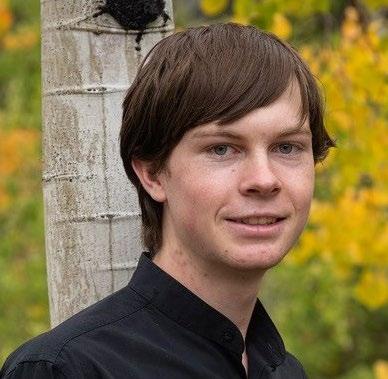
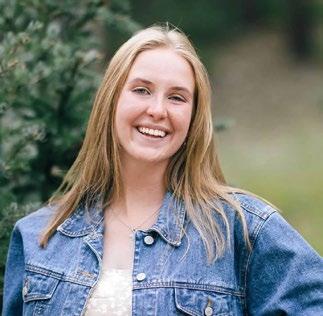
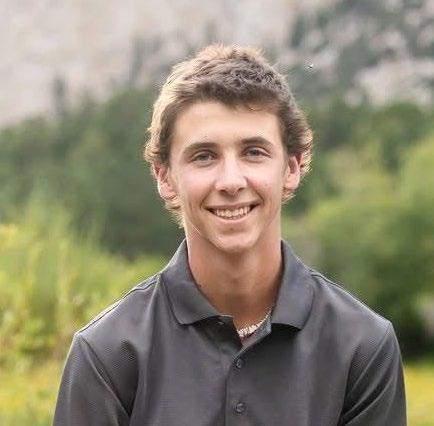
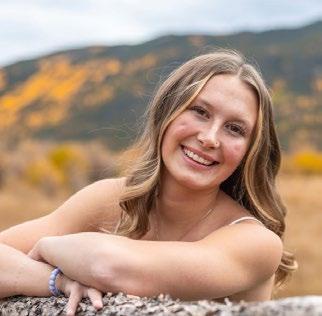
Editorial Assistant Melinda Taylor mtaylor@coloradocountrylife.org
EDITORIAL
CORPORATE OFFICE
455 S. Pierce St., Lakewood, CO 80226 info@coloradocountrylife.org, 303-455-4111
Editorial opinions published in Colorado Country Life magazine shall pertain to issues affecting rural electric cooperatives, rural communities, and citizens. The opinion of CREA is not necessarily that of any particular cooperative or individual.
POSTMASTER Send address changes to Colorado Country Life at 455 S. Pierce St., Lakewood, CO 80226.
SUBSCRIBERS Report change of address to your local cooperative. Do not send change of address to Colorado Country Life. Cost of subscription for members of participating electric cooperatives is 30 cents per month, paid from equity accruing to the member. For nonmembers, a subscription is $16 per year in state/$21 out of state.
National advertising representative: American MainStreet Publications 611 S. Congress St., Suite 504 Austin, TX 78704 | 800-626-1181
ADVERTISING STANDARDS Publication of an advertisement in Colorado Country Life does not imply endorsement by any Colorado rural electric cooperative or the Colorado Rural Electric Association. Call for reprint rights. View advertising and editorial policy terms and conditions online at coloradocountrylife.coop.
At the Table –or on the Menu
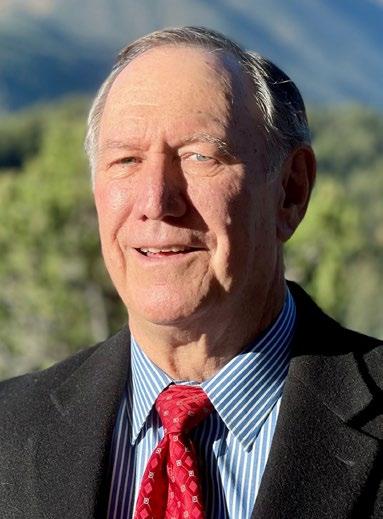
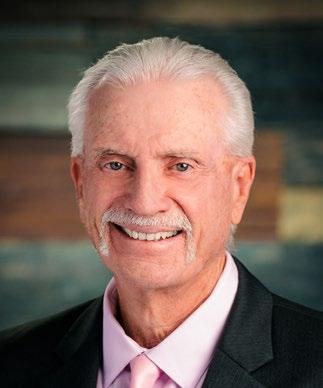
By Tom Walch CREA Executive Director
The electric industry is the place setting for some of the most important legislative and policy decisions impacting consumers here in Colorado and across the country. Those decisions directly impact the cost of power and the reliability of the grid — issues near and dear to co-op consumers. To protect the communities electric cooperatives serve, we must be at the table when those decisions are made. If we’re not at the table, as the axiom goes, we will be on the menu.
For decades, electric cooperatives have used political action committees (PACs) as one tool in their tool kit to ensure their voices are heard. These efforts have always been focused on supporting candidates who understand the unique role of co-ops, not those who are focused solely on partisan politics. In recent years, however, PACs at both the state and national levels have become less effective. Being effective matters, specifically because the stakes are so high. Policy decisions can have real impacts on your monthly bill, the pace of infrastructure investment, and even how your cooperative responds to challenges like wildfire risk.
In December 2025, cooperative leaders from across Colorado came together to discuss strategies for addressing the most significant policy issues facing Colorado’s electric co-ops, including wildfire liability reform. That discussion raised important questions about the effectiveness of the PAC formed by and for Colorado’s electric co-ops — Colorado Advocates for Rural Electrification, also known as CARE.
In response, CARE’s governing board commissioned a task force of cooperative leaders to take a
hard look at how the CARE PAC operates and how we can show up better for each co-op member we represent. The group reviewed how CARE raises and invests resources and identified opportunities to improve its impact.
With that direction, CARE is adopting more focused strategies. This includes supporting candidates who understand electric co-ops and who are in positions to shape policy decisions. This also means concentrating on specific issues, like wildfire liability reform, rather than focusing on ideology or partisan politics.
At the same time, CARE will launch a coordinated engagement campaign focused on improving communication, transparency, and participation across the cooperative network. The goal is to ensure co-op members like you have clear and straightforward information about how CARE works and how this PAC supports policies and policymakers that have your best interests in mind.
No one can say with any certainty whether or not this approach will work. But it is a safe bet to say that if co-ops are not effectively engaged in the process, our influence on decisions that impact the affordability and reliability of electric service will not be as great.
A stronger, more strategic CARE means a stronger voice for you and your co-op. It can give us a seat at the table before decisions are made — and keep us off the menu.
Tom Walch is the executive director of the Colorado Rural Electric Association, the statewide organization supporting 21 electric distribution cooperatives and one generation and transmission cooperative.
Photo by
Analog Appreciation
By Kylee Coleman Editor
Well, we did it — we made it through another winter. Although it was a mild one for most of Colorado, I am quite grateful for the warmer temps, more hours of daylight, blooming trees, and the general “vibe” that comes along with a Colorado spring. By this point, summer is right around the corner, and maybe you are planning for some local travel over the next few months.
On page 12, Ron Bolton writes about taking his kids on road trips before there were cellphones. I remember road trips that were “analog.” The 8-hour drive to my parents’ hometown in Kansas each summer felt dayslong when I was a little kid in the ’80s. We passed time by reading books, playing the license plate game, singing songs, watching miles of corn rows blur by, and listening to any radio signals our yellow station wagon’s antenna could pick up along the way. Boring as they were, those long rides in the backseat were also full of anticipation and a sense of adventure.
If you are looking for new-to-you adventures this summer, be sure to read our Getaway section each month. You will find unexpected Colorado destinations and fun things to explore. Turn to page 22 to learn about the neat things you can do in Sterling, and maybe you’ll add it to your road trip plans.
In the meantime, I hope you get to spend time outside digging in the dirt, soaking up some sunshine, and simply enjoying spring.
Monthly Giveaway
This month, CCL is giving one lucky winner two pairs of Lavley socks. Find more about this Colorado company and other sock makers on page 28.
To enter, visit coloradocountrylife.coop and navigate to the Monthly Giveaway page.
Need a different way to enter our contests? Send a postcard to 455 S. Pierce St., Lakewood, CO 80226. Include your name, phone number, mailing address, and the name of your electric cooperative. Contest ends May 20.
Your Energy, Your Control
By Jon Beyer CEO
We know that many of our members are facing challenging times, and no one wants to see rising electricity bills. As a not-for-profit, member-run cooperative, we have a responsibility to focus on safety, reliability, and affordability. Amid widespread cost increases across the industry and in our everyday lives, the focus on affordability is becoming a greater challenge.
Later this summer, we will move from a two-part rate structure to a three-part rate structure to more accurately reflect Sangre de Cristo Electric Association’s costs and to give you the opportunity to reduce your bill. Under the two-part rate structure, your bills only track energy use and access fees. Thus, the only way to influence your bill is to use less energy. With the three-part rate structure, the cost of energy use will decrease, and the bill will also reflect a service availability charge and a peak demand charge. This structure gives our members more options to control their bill.
What is peak demand? One easy way to visualize peak demand is to imagine a freeway. Now compare how that freeway looks most of the day versus how it looks at rush hour. Although the freeway doesn’t always have traffic, it needs to be ready to handle rush hour at all times. Energy is the same. Many households use several of their appliances at the same time, which means SDCEA’s system needs to be ready at all times to handle that demand. With the three-part rate structure, your energy use rate — measured in kilowatt-hours — decreases, and we will charge a demand rate for the maximum peak of energy you use in a month. This helps us better align what you’re paying for with how energy is being used.
The new billing structure will balance the reduction in energy rates from $0.14370 per kWh to $0.13026 per kWh, with the addition of a $2.50 per-kilowatt demand charge. This structure doesn’t increase or decrease overall revenue for the cooperative but helps to ensure a more equitable bill for all SDCEA members.
This change is designed to help you better manage your electric bills by giving you more control over how and when you use energy. At the same time, it helps the cooperative manage the costs of meeting peak energy demand, helping to ensure a fair and efficient system for everyone.
The rate structure will give you options to influence your bills. This doesn’t mean changing your lifestyle; small changes can make a difference. You can shift your energy use by running your dishwasher when you go to bed instead of right after dinner, which is like waiting until rush hour is over to get on the road. You can stagger your use by running your major appliances at different times to decrease your peak demand. That means simply not running the dryer, oven, washing machine, and EV charger all at the same time. You can save on your bill by using appliance delay-start features or taking advantage of SDCEA’s programs, one-on-one energy consultations, and home and business energy audits.
With our new online Member Rate Education Hub at myelectric.coop/education-hub, we’re making it easy to navigate the rate change. There you will find tools, including a rate calculator, that help you understand how the three-part rate structure will impact your bill and allow you to test scenarios and options for managing it.
This change will go into effect in July, but starting with your April bill, you will see your specific peak demand reading, so you can begin to understand how your bill may change and how you can avoid the energy freeway at peak time rush hour.
You don’t have to navigate the rate change alone. Alongside simple online tools, SDCEA also offers customized support to help you walk through your individual bill. Call member services at 844-395-2412 any time, 8 a.m. to 4:30 p.m. Monday-Thursday, to find out how the rate change may impact your bill.
TO ACCESS SDCEA’S RATE EDUCATION HUB DIRECTLY, SCAN HERE.
Sangre de Cristo Electric Association to Host 86th Annual Meeting
Sangre de Cristo Electric Association, Inc. announces its 86th Annual Meeting, scheduled for Wednesday, June 24 in Westcliffe. This event will take place at SDCEA’s warehouse, located at 56495 Hwy 69, Westcliffe, Colorado 81252.
KEY DETAILS
Registration: Opens at 9 a.m. Meeting: 10 a.m.
The Annual Meeting is a cornerstone event for SDCEA members, offering a unique opportunity to:
• Celebrate the cooperative’s achievements over the past year.
• Hear updates and insights from SDCEA leadership.
• Engage in meaningful discussions about the cooperative’s goals, ongoing projects, and vision for the future.
• Touch a Truck will be new this year in a children’s activity area. Several of our vehicles and equipment will be accessible to view up close and other children’s activities will be available on site prior to the meeting’s start.
Attendees can look forward to informative presentations, engaging speakers, interactive demonstrations, and a chance to connect with fellow members. A light lunch will also be served.
We encourage all SDCEA members to attend. For more information or inquiries, please visit our website at myelectric.coop or contact the SDCEA office tollfree at 844-395-2412.
We look forward to seeing you there!
WHO — Open to all members of SDCEA
WHEN — June 24
9 a.m. Registration, displays, and children’s activities
10 a.m. Meeting begins
WHERE — SDCEA Warehouse, 56495 Hwy 69, Westcliffe, CO
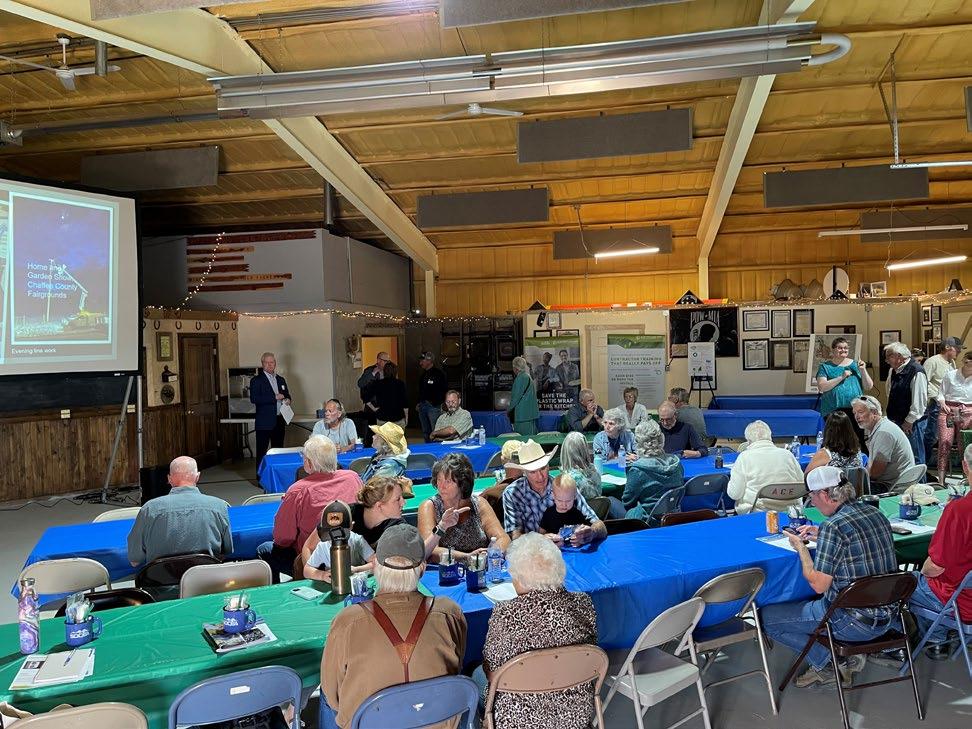
Members hear presentations at a previous annual meeting held in Westcliffe.
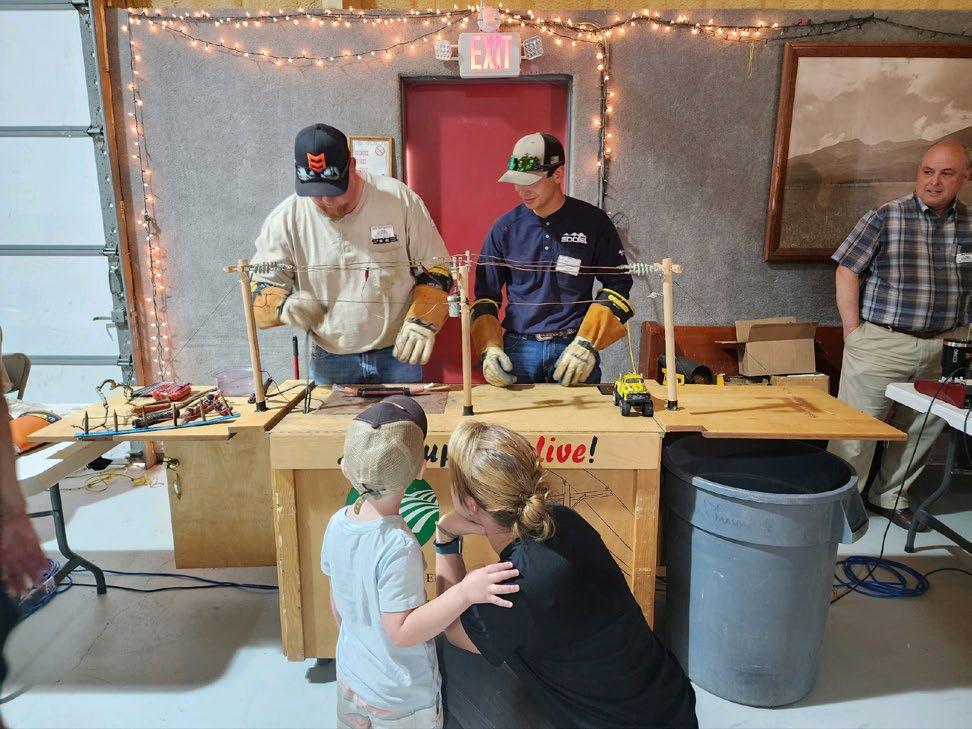
A safety demonstration at the annual meeting is a popular stop for children and adults alike.
No June Election
Board positions uncontested
Sangre de Cristo Electric Association has announced that there will be no election for its board of directors this June. The three board positions up for election remained uncontested as of the March 13 filing deadline.
In accordance with SDCEA’s bylaws, uncontested elections do not require a public vote. As a result, the incumbent board members will automatically retain their seats.
The following board members will remain in their roles:
• Blake Bennetts – Representing the town of Buena Vista
The reappointment of these board members will be formally recognized at SDCEA’s 86th Annual Meeting on June 24 in Westcliffe.
• Michael Robinson – At-large representative
• Mark Boyle – Representing rural Chaffee/ Lake counties
For more information, please visit myelectric.coop or contact the SDCEA office toll-free at 844-395-2412.
AVOID UTILITY SCAMS: TIP OF THE MONTH
If you receive a call from someone stating you have overpaid your energy bill and you should provide your banking information or a credit card number to receive a refund, hang up because it’s likely a scam. If you overpay your bill, your utility will not call and request your banking information to issue the refund.
Starting with the SDCEA bill you receive this month for your April electricity use, you’ll notice a new addition: your specific peak demand reading. This information is being provided to help you better understand how your bill may change under our proposed rate restructure, which is planned to take effect in July.
The peak demand reading reflects your highest electricity use during the hours of 5 p.m.9 p.m., excluding Sundays.
We’re sharing this information now to give you time to look at our online calculator next month to review, understand, and be informed about how changes in your energy usage patterns can help you save money on future bills. For more details about the proposed rate restructure, please refer to CEO Jon Beyer’s column on page 7 of this magazine or visit our website at myelectric.coop.
Thank you for your attention to this update as we work to provide transparent and helpful information about your energy use.
Blake Bennetts Michael Robinson Mark Boyle
2026 Scholarships
Proudly supporting area youth in post-high school education, Sangre de Cristo Electric Association invests in the future of our region by awarding scholarships each year, subject to the board of director’s approval. Typically, the scholarship program includes one four-year scholarship valued at $2,000 per year, specifically for graduating high school seniors, as well as additional $2,000 one-time scholarships. Industry associates may also contribute to funding other scholarships, further expanding opportunities for students.
These scholarships can be used by any full-time student enrolled in an accredited two-year or fouryear college, university, or vocational/technical school, and at any stage of their educational journey.
Previous scholarship recipients and applicants are welcome to apply again.
Funding for SDCEA’s scholarship and community giving programs does not come from regular electricity payments and the general fund. Funding depends on the parameters of each program and may come from one or several sources: grants from business partners, unclaimed or donated capital credits, and voluntary member contributions through the Power of Change program, which rounds bills to the nearest dollar.
HOW TO APPLY
For those eager to take advantage of this opportunity for next year, visit SDCEA’s website at myelectric. coop/youth-programs. Applications will be available this fall.
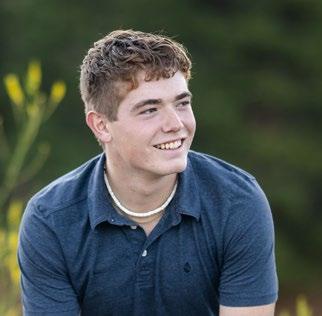
Lyle Sesto
4-year $2,000/year SDCEA Award
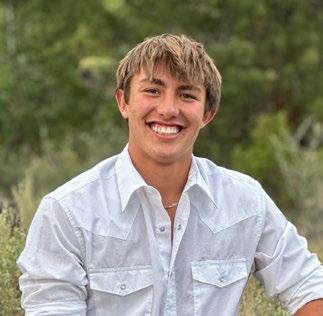
Mae Blazer Total Award: $2,000 SDCEA Award
Payton Crites Total Award: $2,000 SDCEA Award
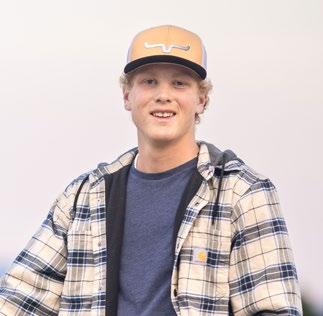
Cora DeWalt Total Award: $2,000 SDCEA Award
Daniel DeWalt Total Award: $2,000 SDCEA Award
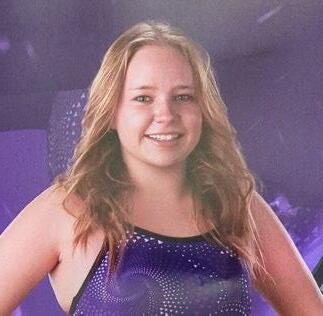
Mindy Griggs Total Award: $2,000 SDCEA Award
Jonathan Pierce Total Award: $2,000 SDCEA Award
Autumn Wingo Total Award: $2,000
Award
Hannah Wingo Total Award: $2,000
Award
Hudson Wingo Total Award: $2,000
Award
Tucker Montoya Total Award: $1,000 Basin Electric Power Cooperative
Logan Scott Total Award: $1,000 Tri-State/SDCEA ($500 each)
Josey Kaiser
Total Award: $2,000 SDCEA Award
Violet Jacoby Total Award: $2,000 SDCEA Award
Orion Baxter Total Award: $2,000 SDCEA Award
Melissa Lang Total Award: $2,000 SDCEA Award
Olivia Guymon Total Award: $1,000 Tri-State/SDCEA ($500 each)
Buena Vista Cotopaxi Salida
Planning a Kitchen Upgrade?
Start with 5 key questions
By Mary Peck
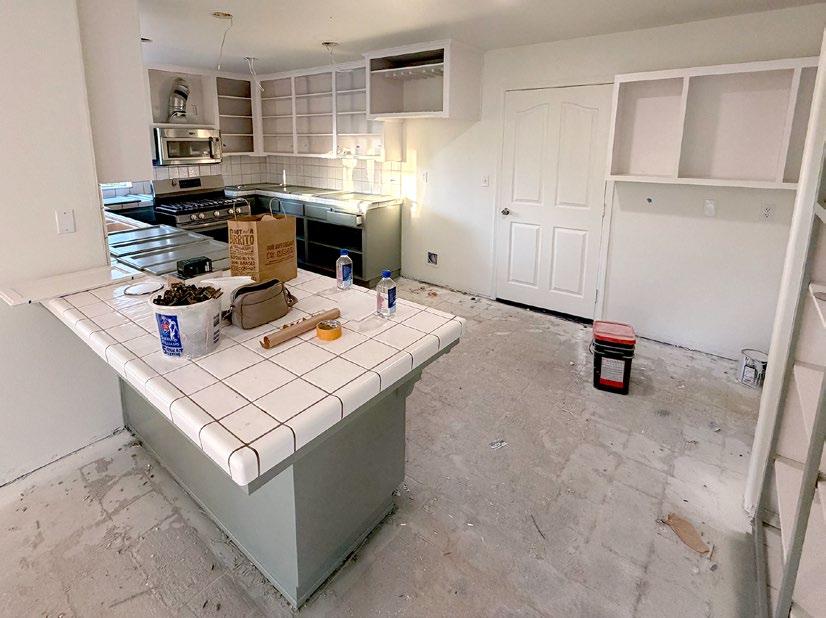
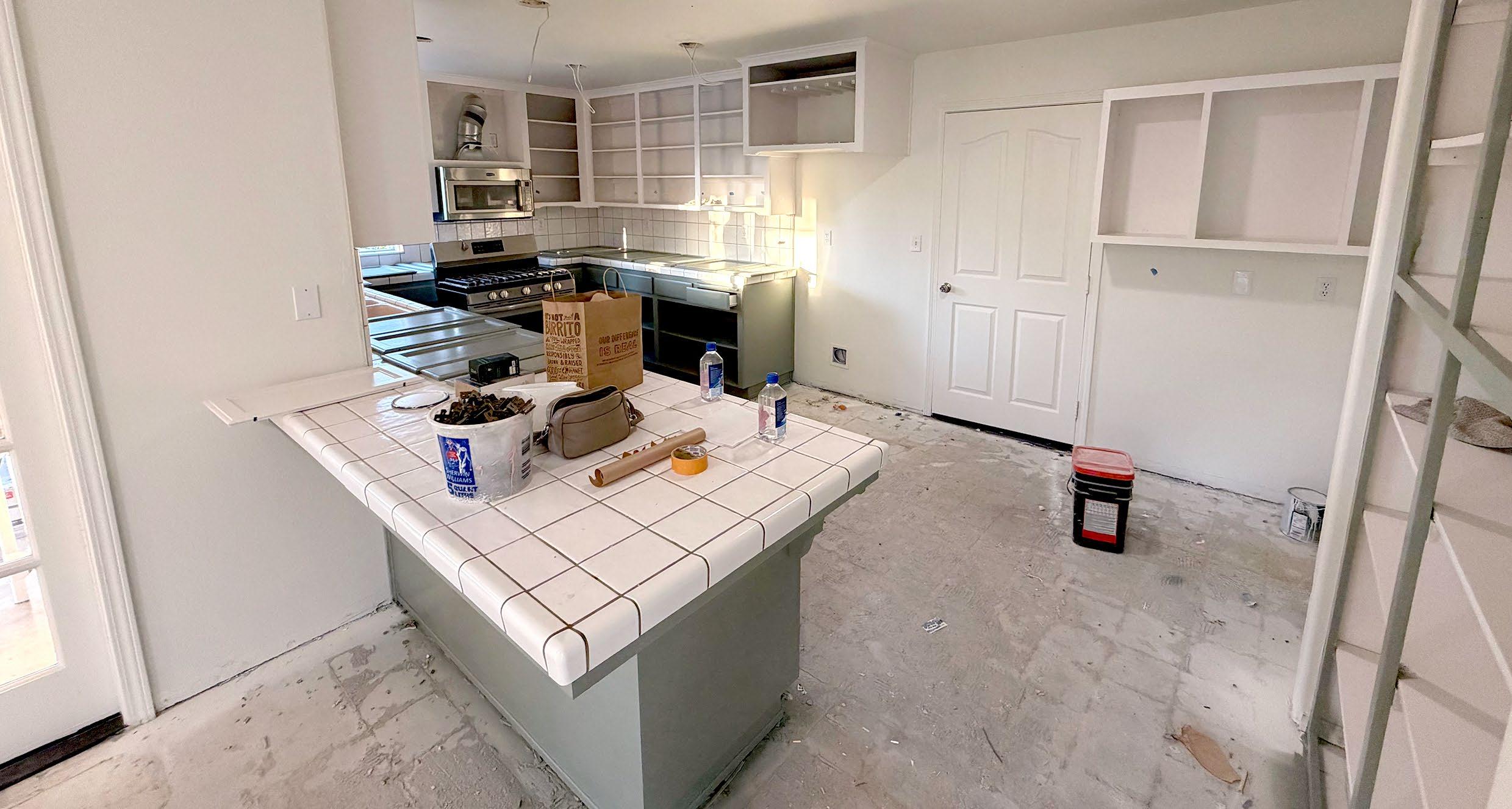
Dreaming of a new kitchen? It’s easily the most popular, hardest-working room in the house and consistently tops the list of favorite home remodeling projects. A kitchen renovation is a major investment of time, money, and energy, and if you’re considering an upgrade of any size, five practical questions can help set you up for success.
1. HOW DO I USE MY KITCHEN?
For some, the kitchen is a main space for entertaining. For others, it might double as a home office. Are most of your meals eaten in the kitchen? Maybe you need ample surface areas for large baking projects or perhaps storage space should be a priority. Determining what kitchen functions are most important to you will help ensure your enjoyment of the final product.
2. WHAT’S MY HOME’S STYLE?
Balancing your personal design preferences with the overall style of your home helps protect the longterm value of your investment. In a major renovation, professional design guidance can be worthwhile. Along with being functional and attractive, your kitchen should feel cohesive with the rest of the home’s architecture and interior design.
3. WHAT CAN I SAVE OR RECYCLE?
Renovation projects can generate significant waste, typically around 6 pounds per square foot. Cabinets, appliances, and fixtures being replaced can sometimes
be sold, donated, or recycled rather than ending up in a landfill. Careful foresight not only reduces waste but can also help stretch your remodeling budget.
4. WHAT’S TRENDING … OR NOT?
Renovating a kitchen is a major investment, so it pays to choose elements that will stand the test of time. You don’t want your new kitchen to feel dated in a few short years. The good news is that kitchen trends are shifting to features that never run out of style: functionality, natural materials such as wood cabinetry, efficient/smart appliances, and layouts designed for long-term usability.
5. WHAT’S MY BUDGET?
Obviously this is the biggest question and will help bring the size and scope of your project into focus. With a return on investment that can reach as high as 85%, industry experts recommend spending roughly 5%-20% of your home’s value on a kitchen renovation. Project costs vary widely based on kitchen size, materials, and structural changes. Remember to factor in labor costs, permits, and building code requirements.
Thoughtful pre-project planning is an important investment in kitchen remodeling and one that will pay dividends in wise spending and a space you’ll love for years to come.
Mary Peck connects Coloradans with practical tips, ideas, and information to help them prosper.
Family Bond Building on the Trail
By Ron Bolton
My generation learned a good way to get their teenagers to talk: a road trip where there were no distractions. That was before earbuds and cellphones. Now what? How do we get quality time, without distractions, to build family bonds? A hiking trail is fertile ground. Walking in nature for hours to reach a peak or camp makes room for talking about everything — from the silly to deeper topics such as relationships and faith.
As a young man, I became semi-obsessed with hiking 14ers. And when our kids became old enough, I started taking them on those adventures. Now, I am blessed to be on those trails with my grandkids. Our relationships are built on tasty snacks and silly conversations. These topics flow naturally into more important ones: “Tell me about your best friend,” and “Do you worry about safety at school?”
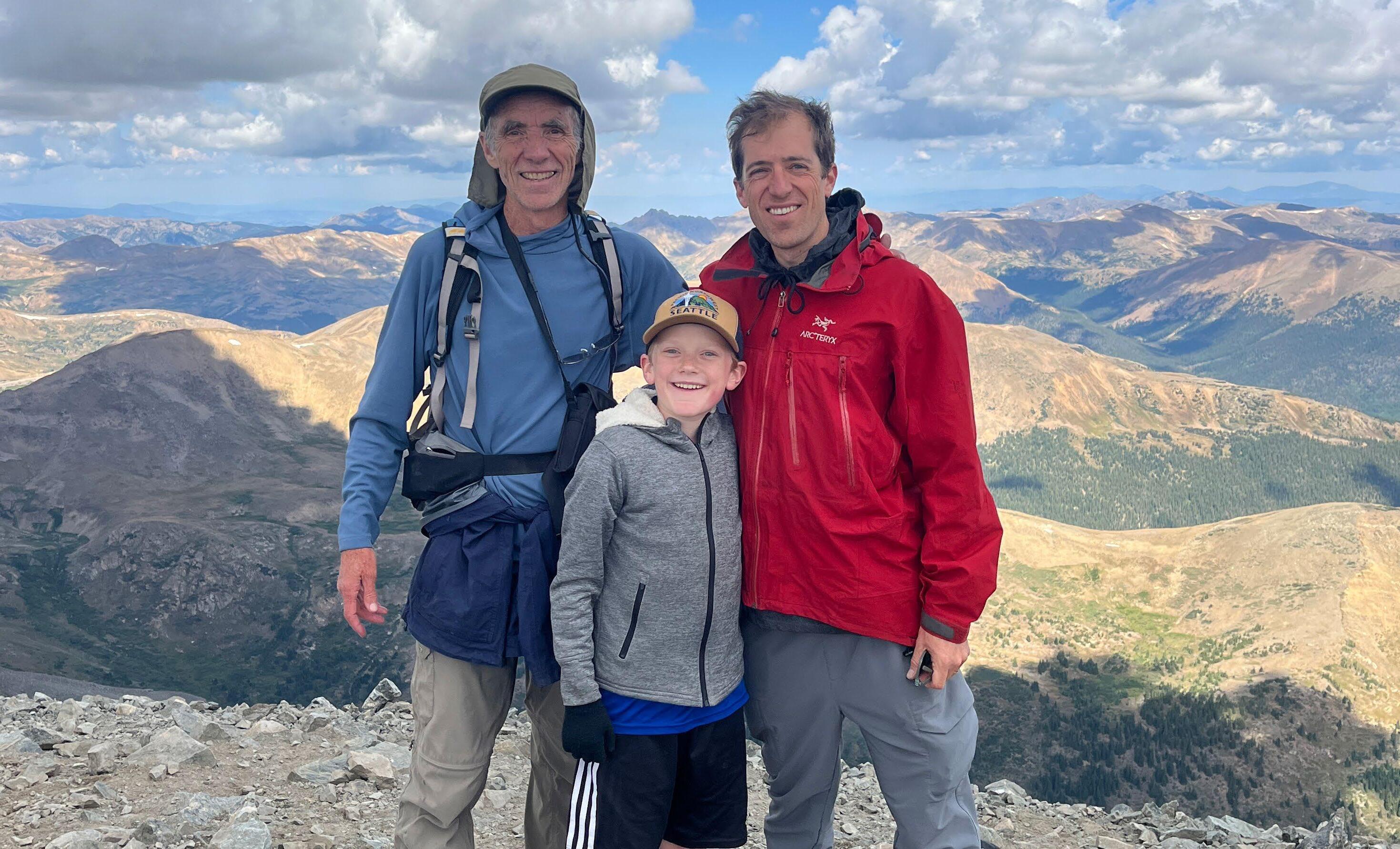
More than 40 years ago, I hiked Grays and Torreys peaks. We were expecting our first child, Daniel. Last summer, that child — now a father of three — invited me to join him on the same peaks with his 10-yearold son Theo.
After a night at camp, we started the long haul of 8 miles and a 3,600-foot elevation climb. Daniel, a physics teacher at the University of Colorado, told us of the pleas he receives from students to change a grade or for a retest. Then Daniel asked Theo, “Is it sometimes good for teachers to be tough?” Theo
replied “Yes.” Asking your child an opinion, in the safe space of a hike, is a brilliant way to build trust.
On the descent of any grueling hike, our family tradition includes discussing the best junk food. After we summited the peaks, Theo started the bidding: “You know what food I think about on a long hike?” He paused and answered his own question: “Chicken salad.” Well, Theo knows the only acceptable food groups for this topic are ice cream, fried foods, and, well … ice cream. When he said “chicken salad,” I stopped in my tracks, turned, and gave a look of disdain and disbelief. He started laughing. He had planned this knowing I would freak out. Theo had broken into the age of banter, and our bond was deepened that day. On our way down the mountain, we debated the merits of nachos versus cheese fries and the best flavors of malted milkshakes.
Having time with no distractions to be silly and serious on the trail is a way we establish our family bonds. My son and grandson will remember the chicken salad moment on the 14er long after I am gone. But I took the opportunity to teach Theo loving retribution — for his 11th birthday gift, he received chicken salad.
Ron Bolton writes about hiking and nature for the Berthoud Weekly Surveyor and is a member of Poudre Valley REA.
Left to right: Author Ron Bolton, Theo, and Daniel. Photo courtesy of Ron Bolton
Safety Program Protects Electric Co-op Employees
By Jim Hight
Electric linework is inherently dangerous. On any given day across Colorado, electric cooperative linecrews work around live electrical conductors that carry thousands of volts. It’s work that keeps communities running — and it’s also work where a single mistake can have life-altering consequences. “You don’t get a second chance,” said Curt Graham, director of safety for the Colorado Rural Electric Association. “This stuff is unforgiving.”
HIGH-STAKES WORK
Distribution lines common across co-op service areas typically carry 7,200-14,400 volts. That’s far below high-voltage transmission lines but still more than enough to cause catastrophic injury or death. “If you contact one, you’re going to face a severe burn, possible loss of your limbs or your life,” Graham said. Graham knows firsthand. Before moving into safety leadership, he spent nearly 40 years as a lineman. While working at an eastern Colorado co-op, he saw the consequences of one devastating accident.
“We had a young man who contacted 14,400 volts and wound up losing part of his leg,” he recalled. “The rehab, the grafting, the surgeries — it doesn’t just
affect that person. It affects their coworkers, their family, everyone they know.”
The hazards aren’t always obvious. Electricity can behave in surprising ways. Even a line that appears de-energized can carry dangerous voltage through induction — energy transferred from nearby highvoltage lines or even environmental factors such as wind. That’s why lineworkers follow strict procedures: Isolate the line, test it, and ground it before work begins. Skipping any step can be fatal.
FACILITATING SUCCESS
That reality is why Colorado’s electric cooperatives participate in the Rural Electric Safety Achievement Program. RESAP is a peer-driven, continuous improvement program that helps co-ops strengthen safety practices, identify risks, and protect the people who keep the lights on.
Each Colorado co-op participates in a RESAP review approximately every three years. A team led by CREA brings together four to five volunteers from other electric co-ops — line supervisors, safety professionals, and operations leaders — to conduct the review. Over the span of two days, they inspect facilities and vehicles, observe field work, and review documentation ranging from training records to equipment maintenance logs.
By the end, the co-op under review receives a detailed report, a presentation for its leadership, and hundreds of photos documenting both strengths and opportunities for improvement. “Everything is left with the co-op so they can decide how to move forward,” Graham said.
THE POWER OF PEER-TO-PEER LEARNING
One of RESAP’s greatest strengths is its peer-driven approach. “What’s amazing is it isn’t just safety directors — it’s also linecrew supervisors, your peers looking at peers and questioning procedures,” said John Stoeber, chief operations officer at Gunnison County Electric Association.
Stoeber, who has spent 31 years in the trade after starting his career as an apprentice lineworker, values RESAP for the program’s ability to bring consistency
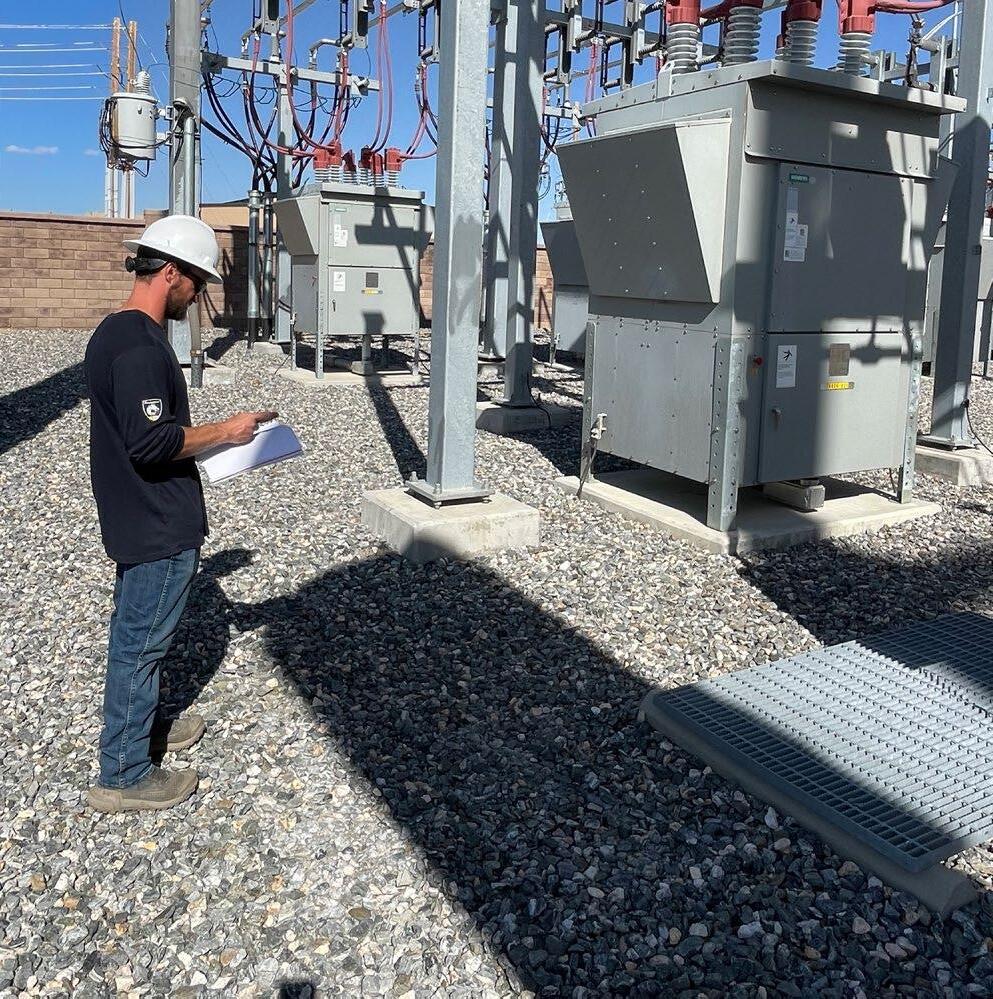
Jace Rhodes from Highline Electric Association evaluates a United Power substation as part of a RESAP review.
Photo by Curt Graham
Our biggest fear is these guys getting hurt. I feel it’s my job to do everything I can to get the message across to keep them safe.”
— Curt Graham, director of safety for the Colorado Rural Electric Association
across an organization. “Whether it’s tagging underground lines, approaching a hot-sticking job, or rubber gloving, RESAP helps us make sure we’re doing all the key tasks and procedures consistently and correctly.”
Stoeber underscores the collaborative nature and constructive tone of the reviews. “Everyone’s there to help educate and share wisdom,” Stoeber says. “That’s a huge benefit.”
The exchange goes both ways. When co-op employees serve on RESAP teams, they often bring back practical ideas. Stoeber recalls visiting a co-op where a forklift was equipped with a magnet to pick up nails in the yard — preventing flat tires on service vehicles. “It was brilliant,” he says. “Simple things like that — you see them, and you bring them home.”
REINFORCING WHAT MATTERS MOST
For John Parker, safety and compliance coordinator at Southeast Colorado Power Association, RESAP provides critical reinforcement of the safety training and oversight he provides to co-op staff. “It’s a second entity coming in and checking,” he said. “They’re inspecting everything — vehicles, yards, warehouses, shops — making sure it’s up to code and beyond.”
In many cases, RESAP standards exceed regulatory minimums. For example, while federal rules may require periodic testing of rubber protective gloves, RESAP calls for more frequent checks. “They want to make sure those gloves are safe,” Parker said.
That kind of diligence matters in the field where conditions can push workers to their limits. On hot days, for example, wearing heavy protective gear can be exhausting. The temptation to cut corners is real. “When you’re in those sleeves, you come out looking
like you just took a shower,” Graham said. “Linework is tough. You’ve got to take care of your body, stay hydrated, and watch your coworkers.”
RESAP reinforces those habits not just through policies but through conversations. “The biggest benefit is them coming in and reinforcing to the guys that what we’re pushing is good,” Parker said.
FROM “GOTCHA” TO SHARED GROWTH
Programs like RESAP weren’t always universally embraced by lineworkers. Decades ago, safety inspections could feel punitive. “In the ’70s, this used to be a gotcha program — ‘What are we going to find?’” Graham said.
That mindset has changed. RESAP has evolved into a collaborative effort focused on improvement, not blame. “Over the last six or seven years, we’ve gone from ‘what can we find wrong’ to ‘how can we help you improve,’” Graham said.
That shift mirrors a broader transformation in safety culture across Colorado’s electric cooperatives. “You could walk into any of them, any time of day, and they’d do well on a RESAP inspection,” Graham said. “That’s a culture change over the years.”
SAVING LIVES
Perhaps the most important message RESAP reinforces is one that runs counter to the urgency lineworkers feel, especially during outages. “Everybody talks about the rush,” Graham said. “We’re all Type A personalities; we want to get it done. But you’ll never hear management say ‘Hurry.’ The message is always: ‘Take your time, do it right.’”
Because in this line of work, speed is never worth the risk. “That extra hour you might gain is not worth it,” he said.
Beyond inspections, RESAP strengthens the entire cooperative network. It creates opportunities for leadership development, knowledge sharing, and continuous improvement across the state. For co-op members, the benefits may not always be visible, but they are real.
Every time a lineworker returns home safely at the end of a shift, every time an outage is restored without harm to lineworkers, and every time a hazard is identified before it causes harm, RESAP is part of that story.
“Our biggest fear is these guys getting hurt,” Graham said. “I feel it’s my job to do everything I can to get the message across to keep them safe.” And through RESAP, that message is shared — not just from the top down but from peer to peer, co-op to co-op, across Colorado.
Jim Hight is a writer, research analyst, and consultant based in
Buena Vista, Colorado, where he is a member of Sangre de Cristo Electric Association.
Reveling in Reverberations
The Tank Center for Sonic Arts ages with acoustical grace
By Eugene Buchanan
Its resonance just enhances any voice or instrument ... I’ve seen groups of strangers moved to tears inside just by singing and suddenly sounding like a heavenly choir.”
— James Paul, Friends of The Tank executive director
Thank the Tank. That’s the song being sung by the town of Rangely, Colorado, about its odd but acoustically awesome recording studio and performance venue, which celebrated its 10th official season last year after first being discovered 50 years ago.
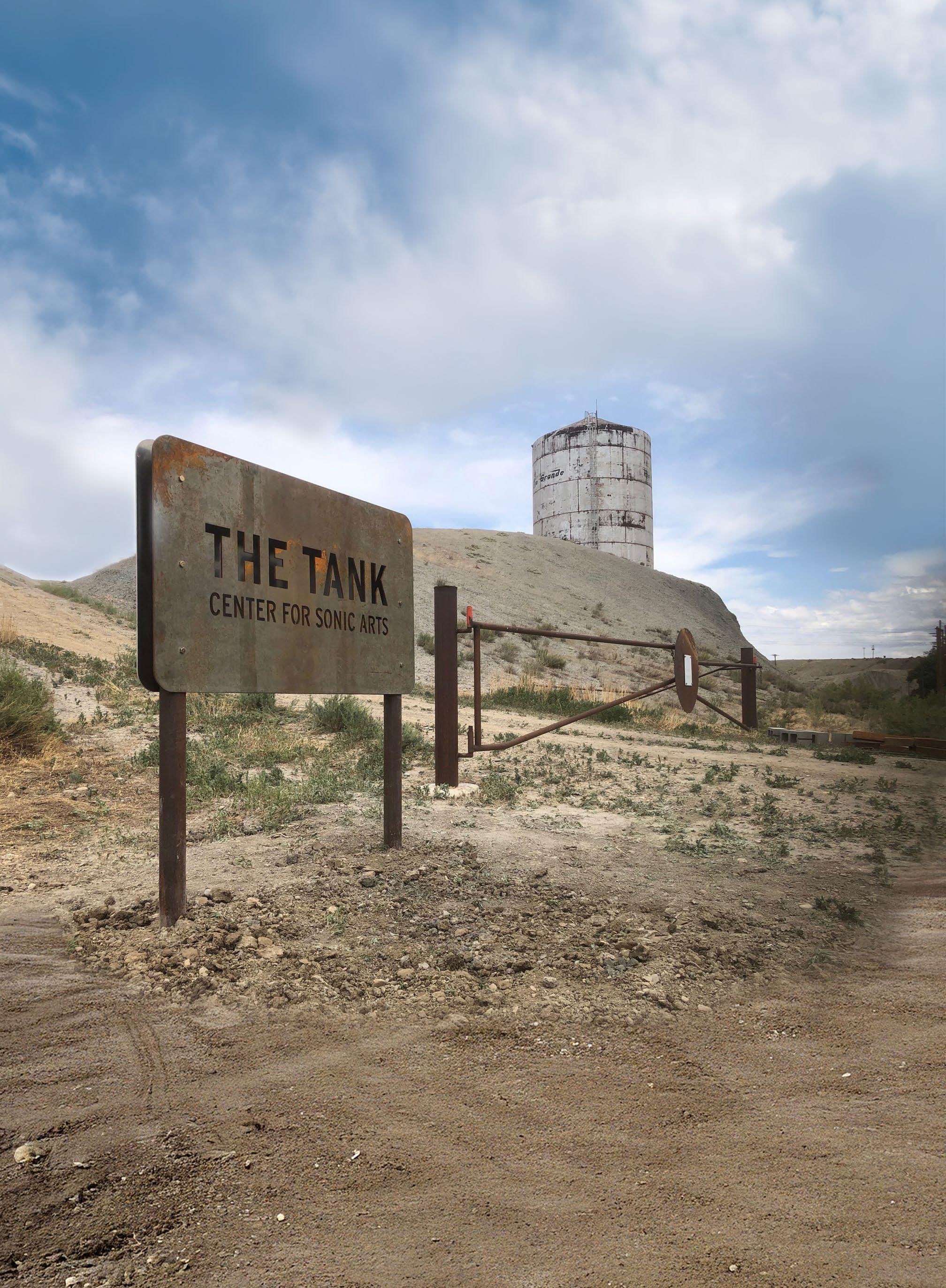
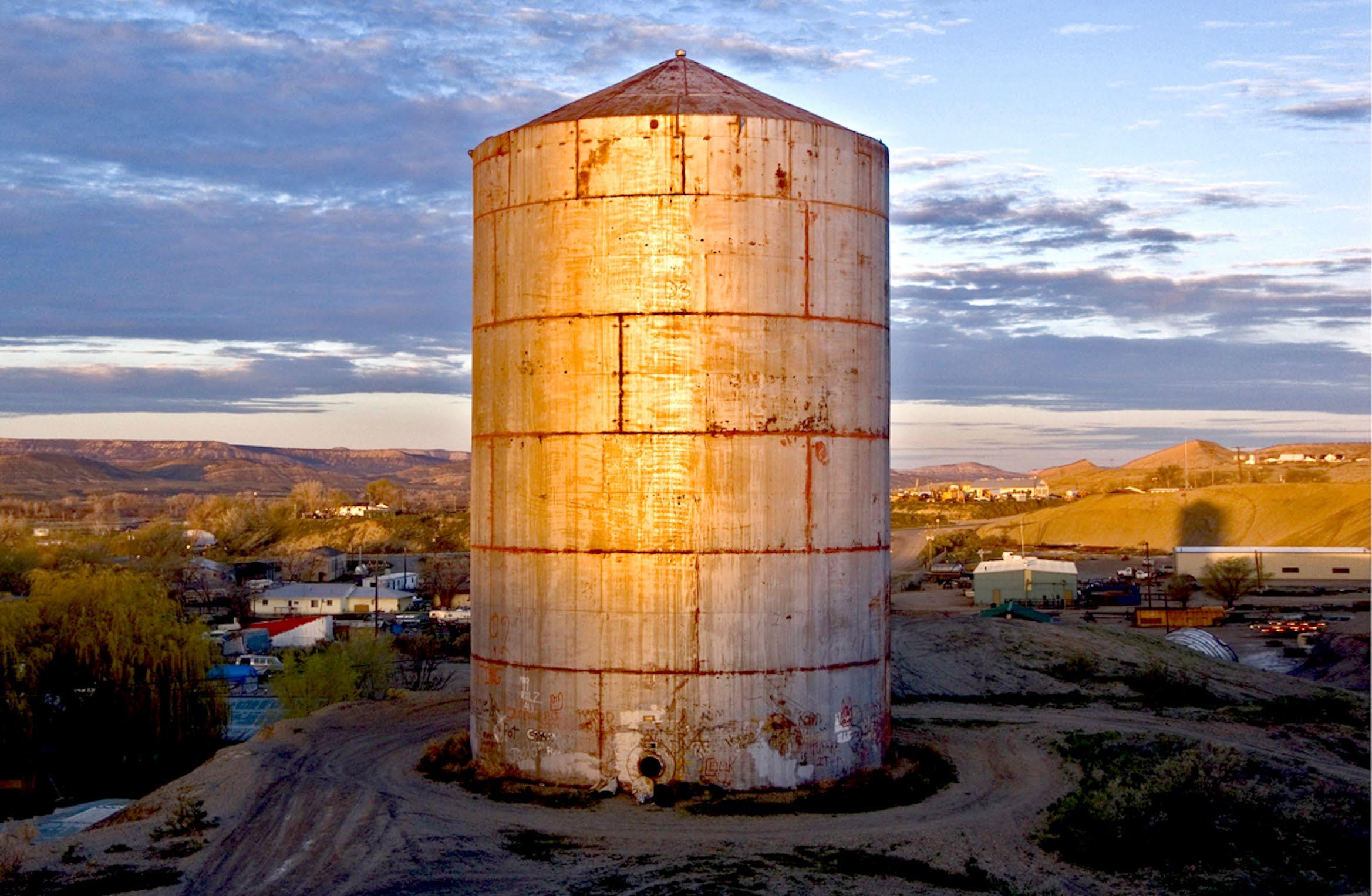
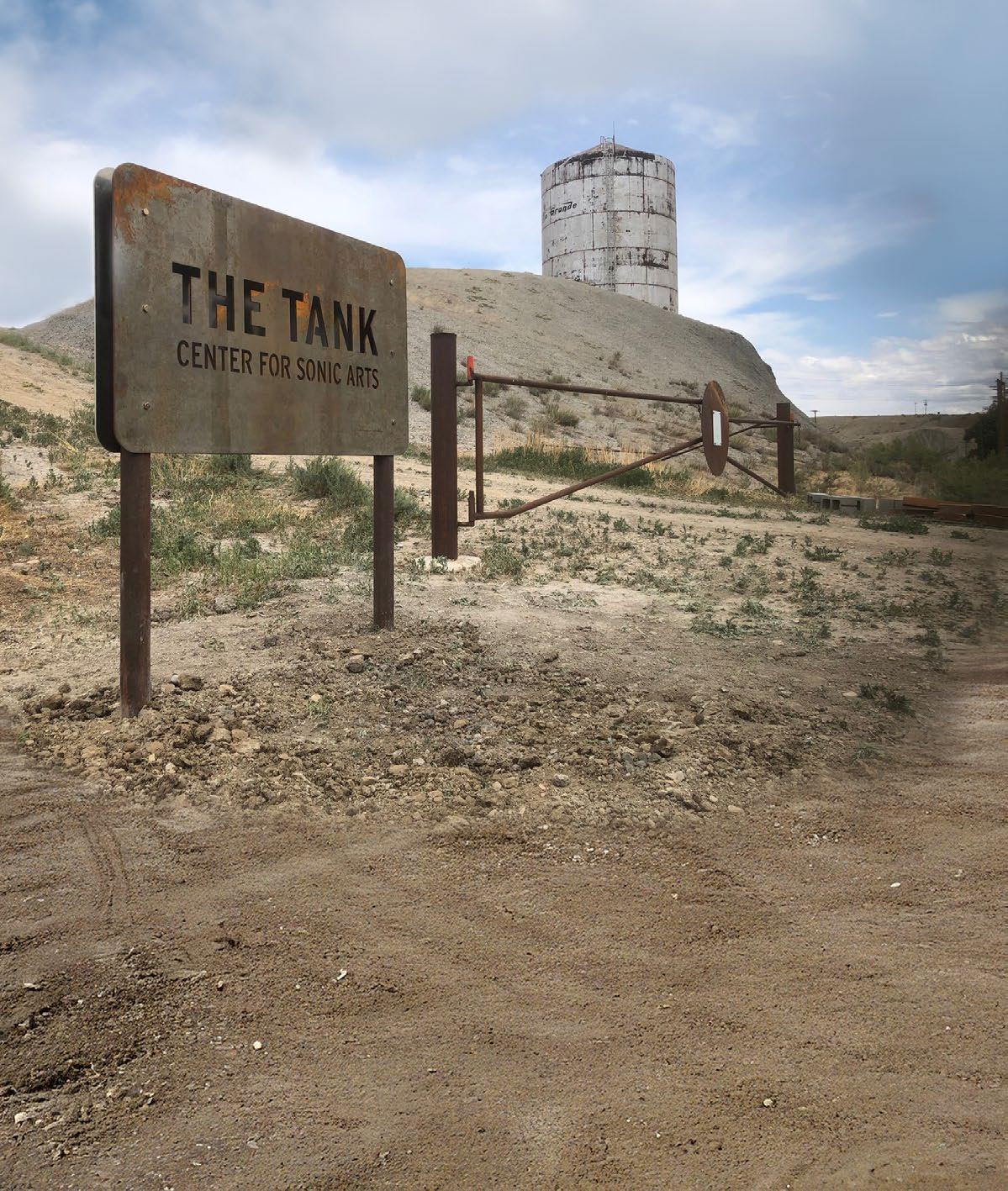
Drive by the aptly named giant steel cylinder, and it looks like any other empty, seven-story water tank in rural Colorado, surrounded by sagebrush and low-lying hills. But closer inspection reveals an acoustic anomaly. Built in 1940 as a water-processing tank for the Rio Grande Railroad’s steam engines, the Corten steel cylinder was moved to Rangely in the 1960s as a fire-suppression system for the local utility company. That idea failed when the underlying shale proved to be a poor foundation, so the cylinder languished empty for years.
But then something magical happened.
That same unsupportive foundation bowed the cylinder’s floor into a gentle parabola, which, combined with its 65-foot convex roof and steel walls, gives it amazing acoustical resonance. Indeed, some reverberations inside can last up to 40 seconds. “The Tank is a weird industrial acoustical accident,” said Friends of The Tank Executive Director James Paul. “Its installation produced a swirling, sustained, worldclass reverberation.”
Those reverberations began making more than sound waves when composer and sound artist Bruce Odland stumbled upon them in 1976. Odland was touring Colorado, creating a sonic collage when, while recording ambient sounds outside of Rangely, two locals took him to the Tank. Odland recognized its uniqueness right away. “I’d never heard anything like it,” he said at the time. “I’d never heard a sound last that long, with these dizzyingly beautiful reverberation effects.”
Photos at left:
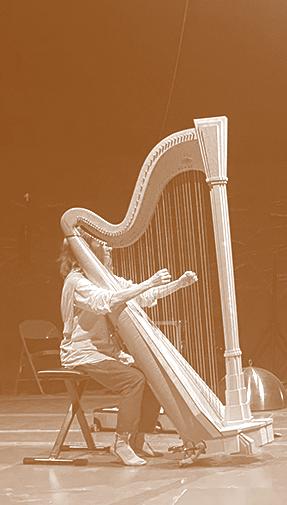
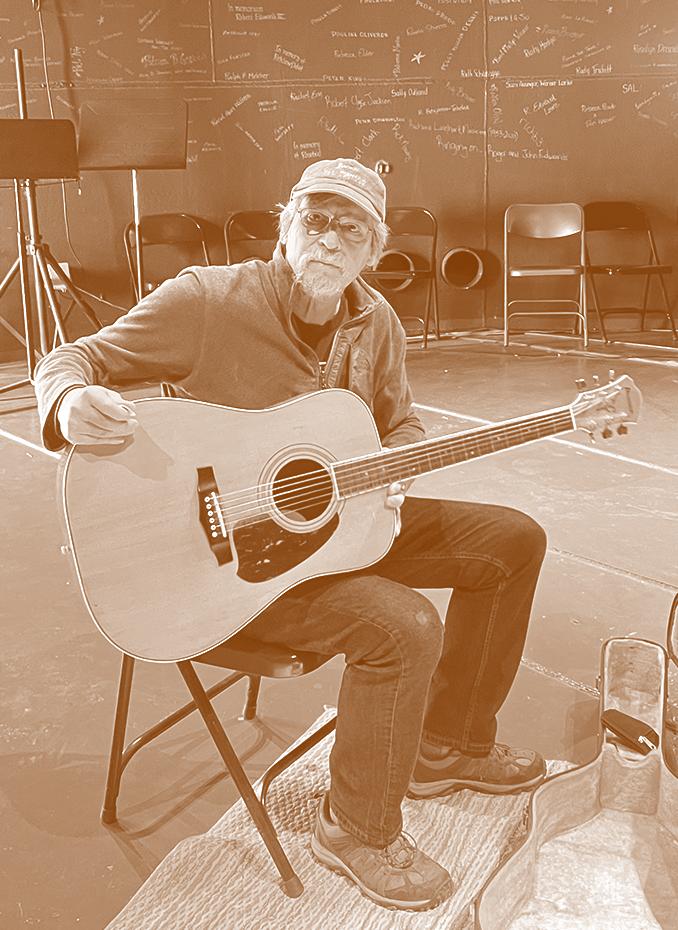
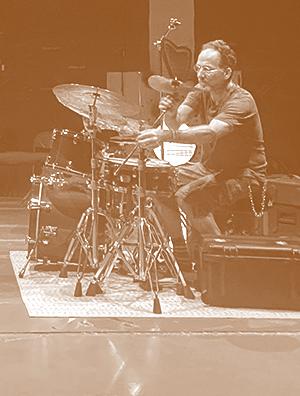
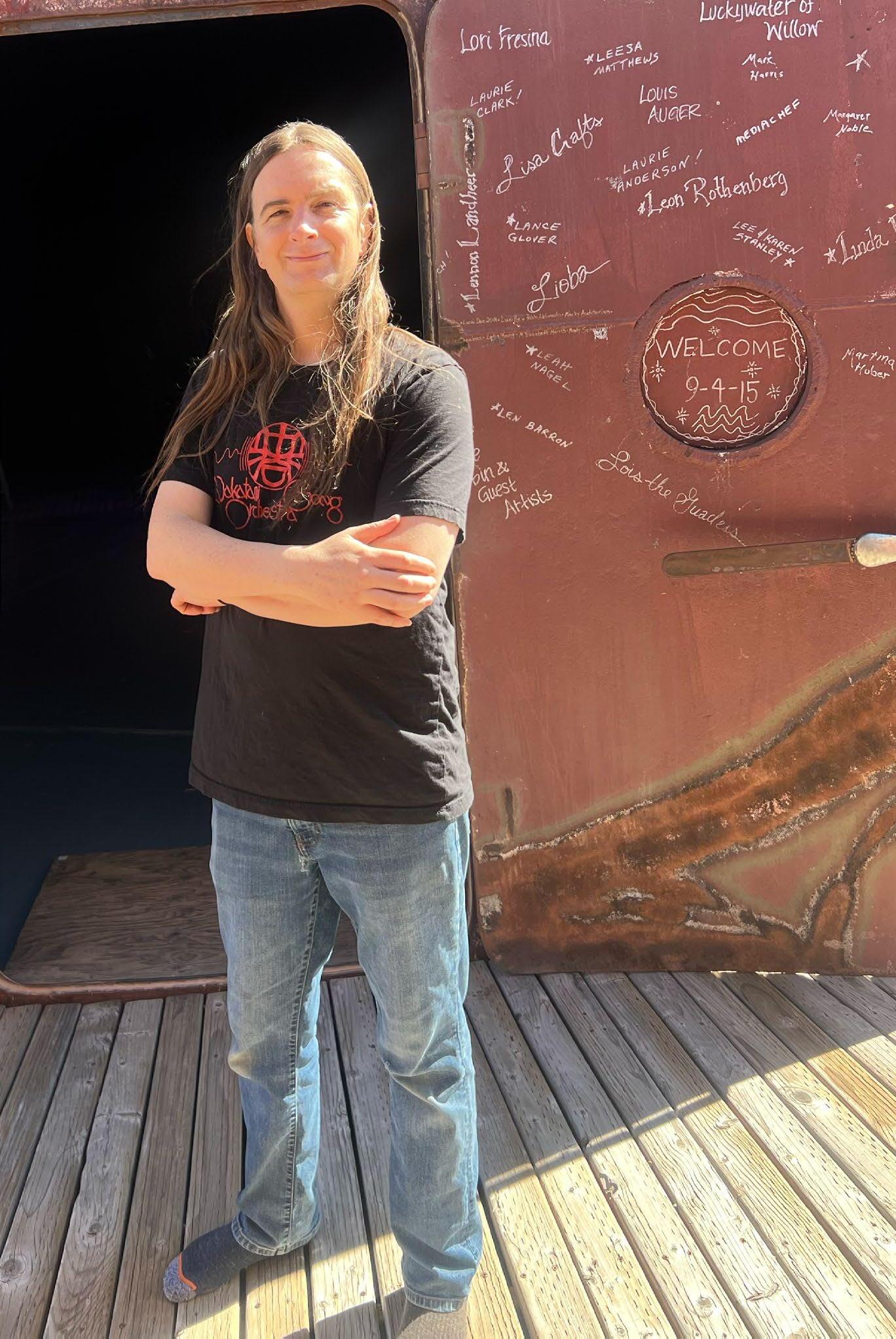
Main shot: The Tank sits on its sage-covered hills outside Rangely. Harpist Zena Parkins strums in the Tank. Drummer Scott Amendola plays in the Tank. Photos courtesy of John Paul Alaskan guitarist Nino Muniz takes advantage of the Tank’s reverberations to strum Pink Floyd’s song “Brain Damage.”
Photo by Eugene Buchanan
If its sounds echoed, word of the venue also quickly reverberated around the music community. Odland began inviting sound artists and musicians there to perform and record, and the Tank’s reputation quickly grew. The informal gatherings and recording sessions lasted until 2013, when the Tank’s owner put it up for sale as scrap. Wanting to preserve its unique sound and recording characteristics, a group of musicians, community members, government officials, local businesses, and other volunteers banded together to form nonprofit Friends of The Tank to try and save it.
Kickstarter campaigns and other donations helped them secure the Tank and its land; install electrical service, ventilation, and lighting, and even a fiberoptic network for livestreaming; build an access road and parking lot; cut a full-size door to provide legally required access and to accommodate large instruments; and seal and paint the floor and walls, build a deck, install safety fencing, and add sanitary facilities. The group also petitioned for a change-ofuse permit from storage facility to public assembly hall, eventually receiving a certificate of occupancy, and later funded an executive director position and other staff. A grant from the Boettcher Foundation helped them purchase a state-of-the-art recording studio, housed in an adjacent shipping container, and the Tank Center for Sonic Arts opened in 2015 as an official recording and performance venue.
As more and more musicians came to see what all the hoopla was about, word got out about the Tank as a performance venue. It even garnered reviews from the New Yorker and the LA Times. “Forget Carnegie Hall. Musicians rush to rural Colorado to play The Tank,” read the headline in the Times. “Music has never seemed closer to nature … one road to the musical future now runs through Rangely,” wrote Alex Ross in the New Yorker.
TANK PERFORMERS OVER THE YEARS
• Oingo Boingo drummer William Winant
• Blues guitarist Bill Frisell
• Denver-based jazz trumpeter Ron Miles
Native American flutist R. Carlos Nakai
• Seven-time Grammy nominee percussionist Will Clipman (who produced Silence and Space, the second album on the Tank’s Round Sound record label)
• Pianist Holly McMahon
Double bassist Asher Dobrin
• New York medieval singing group Tenet
• The Flobots
Grammy-winning vocalist Roomful of Teeth
• Flutist and sound healer Sherry Finzer
• Soprano singers Jolle Greenleaf and Ellie Sutherland
Now a fully equipped recording venue and concert site, which seats 49 people inside and hundreds more outside, last year the Tank Center for Sonic Arts celebrated its official 10th anniversary, drawing such artists as Raven Chacon, Alan Mackwell, and even an orchestra playing Beethoven’s String Quartet No. 14. Last year alone, 10 different albums were released with music recorded at the Tank.
“When a performer first plays there, there’s usually a pause as they try to reestablish their habitual style, then they are stopped as they realize the whole place is singing back at them,” said Paul, adding they’ve now used the Tank to host a range of performances, from medieval songs to Native American flutes and experimental synthesizers. “Then comes the revelation that the instrument is actually the whole structure, and that playing there means slowing down, being responsive, and really listening. Many performers have told us that their way of playing changed for good after they heard themselves play there.”
Perhaps no one can attest to its unique sound better than these musicians who have played there. “Playing there is truly sublime — it’s both grounding and otherworldly simultaneously,” said flutist, synthesist, and composer Todd Barton, who has played in the Tank several times. “Time and space stretch out, and one’s listening discovers the beauty of slowing down. A single sound can be explored and expanded into a revelation.”
It’s the type of reverberation, he added, that you’d expect to find in a place like the Taj Mahal, not in the arid steppes of northwestern Colorado. And the Taj Mahal, he said, only has 28 seconds of reverb time.
The Tank’s lead sound engineer (or “Tank tech”), Mike Van Wagoner. Photo by Eugene Buchanan
KEY 2026 TANK EVENTS
This summer the Tank presents an epic array of resonant music, from intense and contemporary to ethereal and otherworldly. Many events and concerts are free. Here’s a sampling:
June 19–21: Summer Solstice Celebration, featuring Alan Watts and Neal Johnson and their show “Ferromancy” Friday, June 19, and Saturday, June 20, at 8 p.m.
September 5: SeptemberFest Concert, featuring David Hykes/Harmonic Presence at 8 p.m.
Booking sessions: The Tank is currently accepting bookings for in-person recording and performance sessions for 2026.
Remote sessions: The venue is open for remote recording sessions and experiments year-round.
Open Saturdays: The Tank hosts free open house sessions on Saturdays from May 2 through October 31 from 9 a.m. to 1 p.m. Come and sing, bring an instrument, or just listen (visiting artists and staff often give impromptu concerts).
Full details can be found at tanksounds.org
Photo by Kim Keith, kim@steamboatcreates.org
“The Tank has 40 seconds of reverberation,” he continued. “The sound spins, spirals upward, and returns to you. You literally can play chords with yourself. For such a seemingly small, tall space, the long reverberation time is surreal.” This also owes itself to Barton’s particular instrument of choice — the Japanese bamboo flute, or shakuhachi. “It has an extremely wide range of timbres and special effects,” he said, adding that a loud blast from it ignites the Tank, with its “decaying component sounds unfolding endlessly.” “Its soft, whisper tones also get amplified and dance around inside it.” (Listen for yourself here: toddbarton.bandcamp.com/album/resonances.)
MEETING THE TANK IN PERSON
In early March 2026, I stop in to experience the Tank’s remarkable resonance myself. Joining me is my brother-in-law, Nino, who plays in a band called the Midnight Sun Zombies up in Alaska. “It’ll be fun,” I cajole him about the journey. “Call it a road trip for reverberations.” With that, we head west on U.S. Highway 40, turn left on Colorado State Highway 64, and then left again on County Road 46. That’s when we first see it, rising above the barren, shale-filled hills like something out of Hollywood’s 2001: A Space Odyssey. Mind you, it’s nothing fancy (most giant metal tanks aren’t). Its rusted silver steel matches both the surrounding shale hills on one side and a transformer station on the other. Around its base, decades-old graffiti lines it as high as vandals could reach. An abandoned matching silver trailer camper rests somewhat askew in a nearby gully, towed there by Odland to house visiting artists. But no one’s likely ventured inside it for decades.
Meeting us outside is Mike Van Wagoner, the venue’s lead sound engineer, or “Tank tech.” His musician dad stumbled upon it in 2010 while working in the nearby oil fields, played inside it a couple of times, and then showed it to him. The only other employee besides Paul and Van Wagoner is assistant director and sound engineer Samantha Wade, whose grandmother used to have the key to let visiting musicians inside.
Van Wagoner shows us a recording panel in a tiny side office, fashioned from a shipping container, before we follow him through a giant door that was cut through the Tank’s metal wall in 2014. Before that, he says, the only way in was through a tiny round hole barely two feet in diameter — an old water vent they now call the portal — along its far wall, an opening that could barely fit a guitar. As soon as we step inside, I notice that even our steps reverberate on the Tank’s blue metal floor. Metal folding chairs line its circular perimeter, whose wall is adorned with the silver signatures of donors who contributed to the two Kickstarter campaigns that helped launch its reverberating reincarnation. Microphones dangle from its towering ceiling, while music stands and a variety of instruments lie scattered about the near wall — including bongo drums, xylophones, recorders, flutes, maracas, and Van Wagoner’s favorite, a giant “hand pan,” or metal dome with cavitations you can bang on to elicit different echoing tones. We try them all, quickly falling under the Tank’s spell. Then Nino grabs his guitar, first ripping off a couple of Grateful Dead licks before settling into Pink Floyd’s “Brain Damage.”
That’s the money song. I can almost hear the laughs echoing from the lyric “The lunatic is in the
hall,” a classic off Floyd’s Dark Side of the Moon album. We learn that too many notes tend to overlap each other, but long, drawn-out melodies like that, or from Nakai, Barton, or even Van Wagoner’s flutes, bring out the Tank’s best. You can’t help but listen in amazement, spellbound by the sound.
I look at my phone for service, hoping to FaceTime a musician friend back home, but the signal has vanished like the echoes. Van Wagoner said someone tried to film with a drone inside once, but there wasn’t even a Bluetooth signal. “As soon as you cross the barrier, you lose all connection,” he said. “It’s like a giant Faraday cage. You’re completely unplugged.” In a way, that seems like a good thing: Reverberations without any help from technology. He added that he’s been inside the Tank and heard its resonance in rain and even hailstorms but that he doesn’t push his luck. “I try not to go inside it when there’s lightning,” he said.
As we leave, I hit the interior wall with a big rubber mallet. The entire interior vibrates, as if it’s giving us a final farewell. The amplification sounds like a giant thunderstorm — one you wouldn’t want to witness from inside.
KEEPING UP WITH THE TIMES
Realizing Rangely is off the beaten path for most music fans, the Tank’s organizers have broadened its scope to reach other locations. If people can’t come and experience it for themselves, bring it to them. During the pandemic, they started a program letting musicians record and listen to the Tank remotely. They play at their own studios, with speakers inside the Tank letting them hear it as if they were there. “Now artists all over the world are playing in the Tank, without ever leaving their studios,” said Paul, adding they’ve developed collaborations with venues around the country — such as Boulder’s B2 campus — where the spatial acoustics of the Tank can be reproduced and recorded. “Audiences far from Rangely can now have the Tank experience.”
A show this summer further illustrates how organizers are branching out to showcase the Tank. Musicians Neal Johnson and Alan Watts plan to use arcane electronic devices to bring “it to life as a single instrument, summoning the Tank’s own voice to tell a tale of its past, present, and future.” Their “Ferromancy” show will feature human-controlled music technology (MIDI and OSC) that is programmed to trigger mechanical parts to strike — or “play”— the Tank’s walls. Magnetically affixed to the steel walls in a hemispheric array, transducers will disseminate its sonic energy and structural vibrations across multiple audio channels, so the whole thing becomes a giant speaker.
The Tank is filling up with other events as well, kicking off with its Summer Solstice Festival June 19-21 and an array of other “resonant” music, from ethereal to medieval. Many concerts are free — including weekly Saturday sessions from 9 a.m. to 1 p.m. Locals have also begun to embrace it. A local pipeline company donated raw materials that have been converted into percussion instruments, Giovanni’s Italian Grill has created a special Tank pizza, and a group of residents recorded a Christmas CD there called Rangely A’Caroling at the Tank. On Saturdays, you may hear locals singing “Amazing Grace” inside. “In the early days, locals didn’t really understand it,” Van Wagoner said, adding that plans are also in store to build a natural amphitheater and stage outside. “They sort of thought, ‘Oh, it’s just a bunch of hippies.’ But now they’re pretty accepting of it.”
If the music inside sounds sacred — words like “meditative,” “calm,” and “emotional” have all been used to describe it — in large part, it is. Adding to its mystique, the Tank is located on the traditional territory of the Ute Nation, whose members also herald its uniqueness and use it for ceremonies and other gatherings. From Native Americans and avantgarde electronic musicians to flutists like Nakai and guitarists like Nino, it’s truly become a haven, of sorts, for the general public, local music community, and visiting artists — and even curious visitors like me, who come to hum, bang, sing, strum, and, most importantly, listen.
“Its resonance just enhances any voice or instrument,” Paul said. “It’s way more powerful than people expect. I’ve seen groups of strangers moved to tears inside just by singing and suddenly sounding like a heavenly choir.”
Eugene Buchanan is an award-winning author whose work has been published in The New York Times, Men’s Journal, Outside, National Geographic Adventure, and more. His new book, Yampa Yearnings, was released in December 2025. He lives in Steamboat Springs.
FILLING THE TANK
First it was Save the Tank. Then it was Open the Tank. Now it’s Fill the Tank. The Tank Center for Sonic Arts — a fully equipped recording and performance venue and a 501(c)(3) nonprofit — is actively raising funds to cover its operating costs and expand its programming, including bringing in international artists, hosting a residency program, holding audio engineering workshops, enhancing school programs, offering its free Saturday events, and more. All donations are tax-deductible. Learn more and donate online at tanksounds.org/donate
Are Smart Appliances Right for My Home?
By Miranda Boutelle
Refrigerators, clothes washers, ovens, thermostats, and water heaters that connect to the internet are considered “smart” appliances. Using Wi-Fi or Bluetooth, smart appliances can be controlled using your smartphone, tablet, or voice-assistant device. They are designed to optimize energy use and add convenience. Some smart devices can even learn your habits over time.
Are smart appliances right for your home? The answer depends on your preferences and types of appliances you already have. The better question might be: Are smart appliances right for you? Do you like the newest tech and typically keep your phone within arm’s reach? Do you enjoy the convenience of calling out commands to Alexa? Or do you prefer less technology or something in between? Personally, I’m somewhere in the middle.
Many smart appliances allow you to see how much energy each device consumes. That information can be helpful to better understand your energy habits and identify where energy may be going to waste.
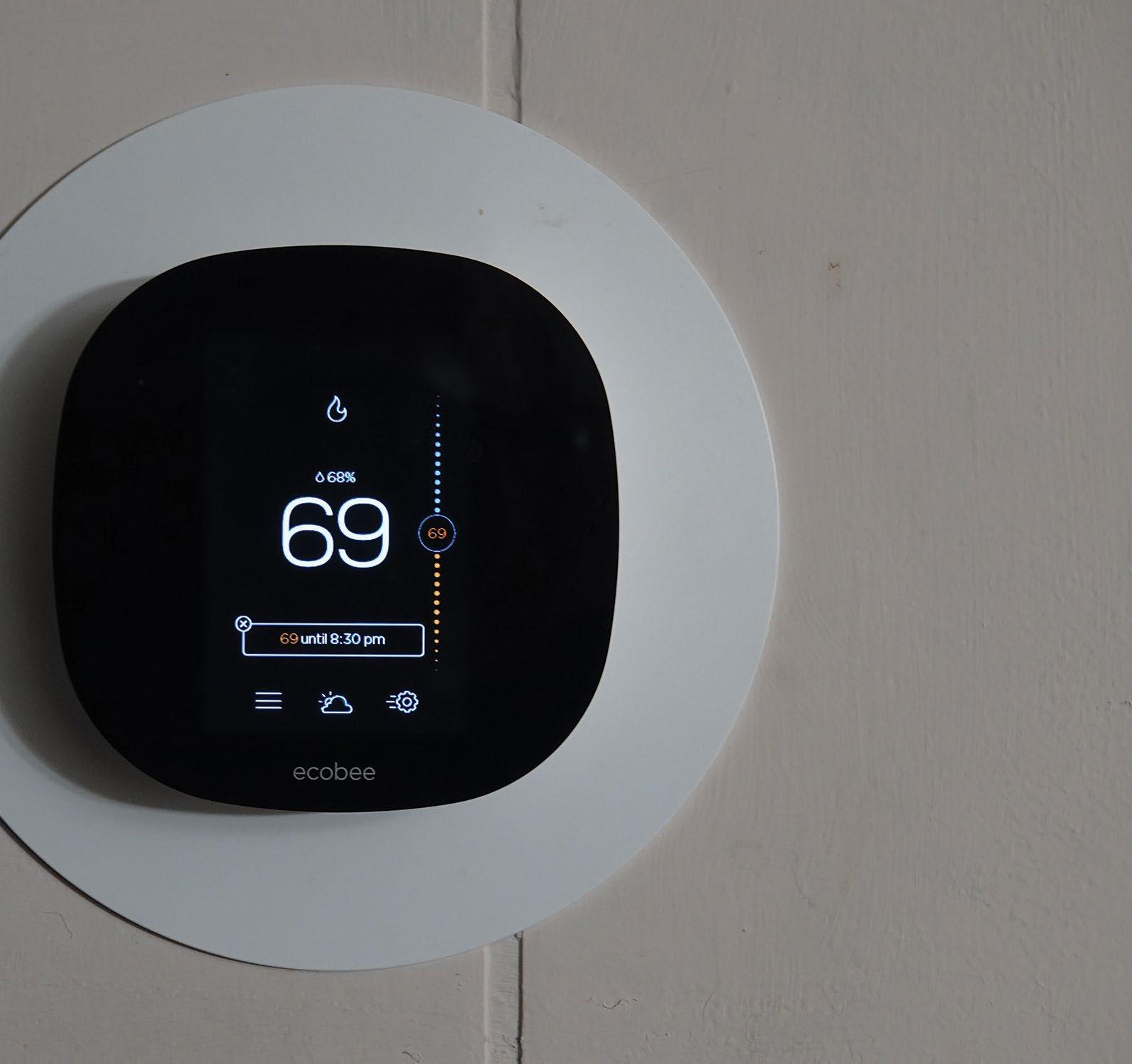
Smart thermostats are a popular choice for managing energy use and reducing energy waste. Heating and cooling systems are typically a home’s biggest source of energy consumption. According to Energy Star, you can see an average of 8% cost savings on heating and cooling with a smart thermostat. Savings depend on your climate, the type of system you have, and how you currently use it.
Most energy savings from a smart thermostat come from automating temperature adjustments while you are sleeping or away from home. If you are already good at manually adjusting your thermostat, you likely won’t see big savings, but you might prefer the convenience of a programmable device you can control on an app.
Smart thermostats make it much easier to program your heating and cooling schedule. Some have geofencing features that automatically adjust settings based on how far your phone is from home.
The second-highest energy user in most homes is the water heater. I like the smart controls on my heat pump water heater. Also called a hybrid water heater, it uses heat pump technology to move heat instead
of using energy to create heat. It is two to three times more efficient than a conventional electric resistance water heater. You can save even more energy with smart heat pump water heaters.
I can monitor energy use, change settings if we need more hot water, and check how much hot water is available before I jump in the shower after my kids have used it. The app notifies me when it’s time to clean the air filter on top of the unit. I can access that information without having to go down to the basement. I can even set it to vacation mode after I’ve left the house for a trip. Not all heat pump water heaters have smart technology, so be sure to check before buying.
Monitoring energy use and making it easier to control your household devices are benefits of smart appliances. Before upgrading, do your research to understand how the features work and whether they benefit your lifestyle. Smart technology can help lower your energy use, but in some cases, you’re better off improving your energy habits with the appliances already in your home.
Miranda Boutelle is the chief operating officer at Efficiency Services Group, a cooperatively owned energy efficiency company. She has more than 20 years of experience helping people save energy at home.
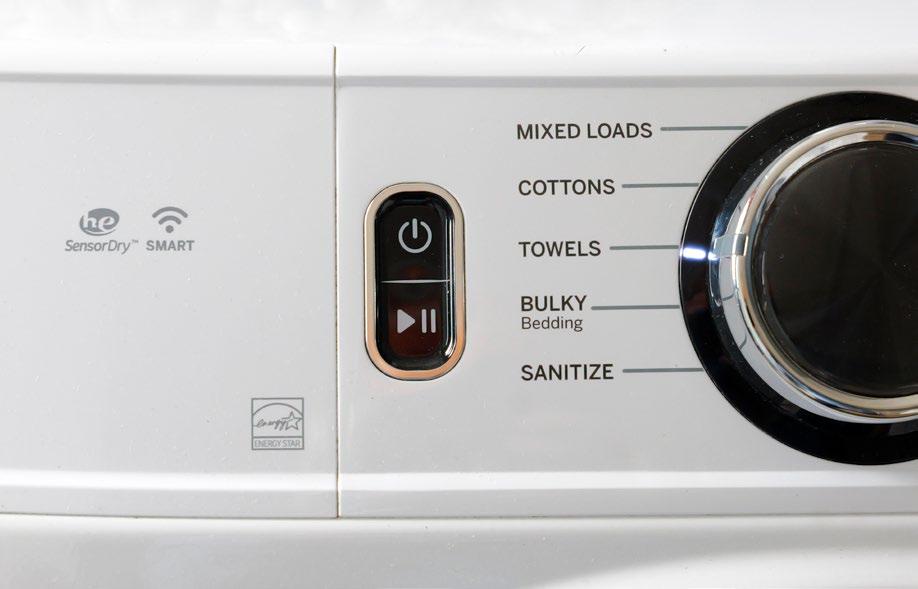
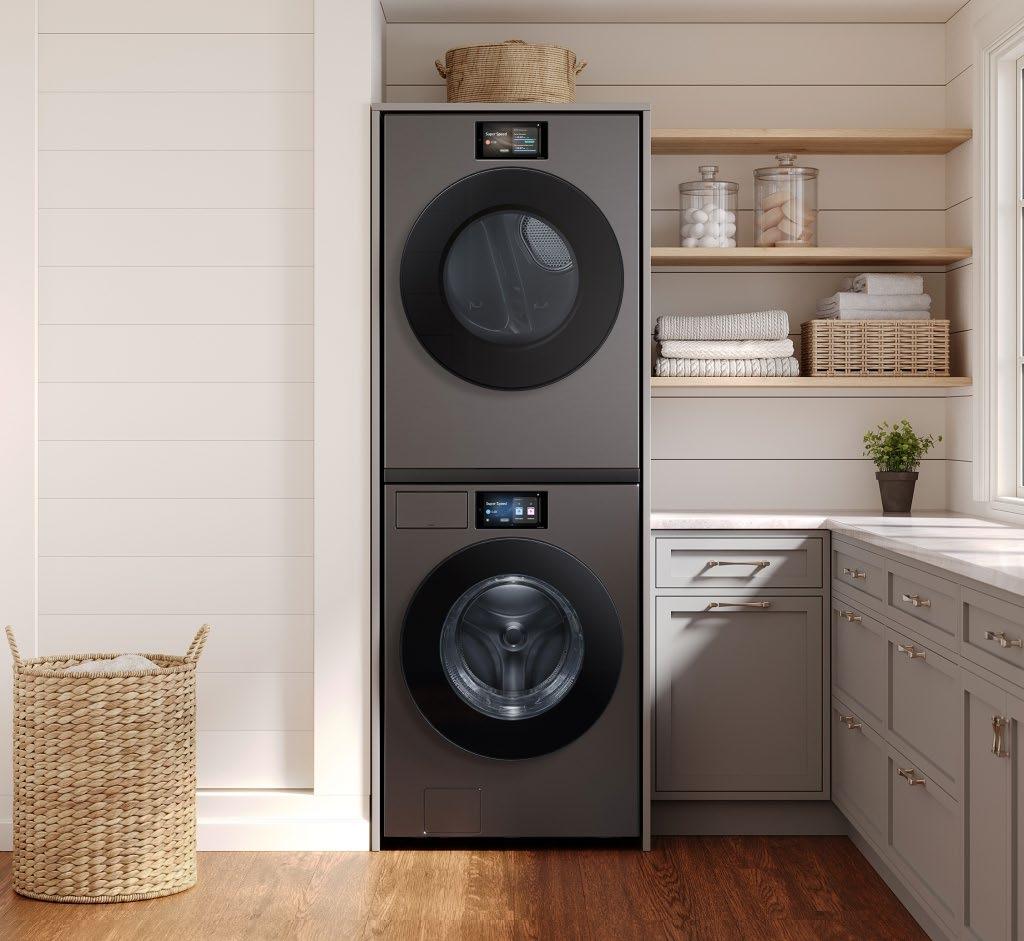
A smart washer/dryer set like this Samsung Bespoke can optimize energy use and add convenience. Photo courtesy of Samsung
KEEP YOUR COOL
Energy-efficient smart appliances are a good starting point as you work to reduce your home’s overall energy use. But before you go for the big-ticket appliance upgrades this spring, begin by installing a smart thermostat and developing a few new HVAC habits for the summer.
Over time, thermostats can become less sensitive, leading to inaccuracies and wasted energy. Installing a smart, programmable thermostat is a cost-effective and easy fix. Choose a model that allows you to adjust temperature settings relative to your use, saving energy and eliminating paying for cooled air when you’re not home.
On summer days when you’re not home, program your system to maintain a temperature 5 to 10 degrees higher than is comfortable when you’re present. Then set your smart thermostat to cool to your preferred temperature approximately 30 minutes or one hour prior to arriving home.
Be sure to check with your local electric cooperative for rebates and programs that may help with any energy efficiency upgrades you are considering.
Find more tips to net big savings in energy efficiency at eLivingtoday.com.
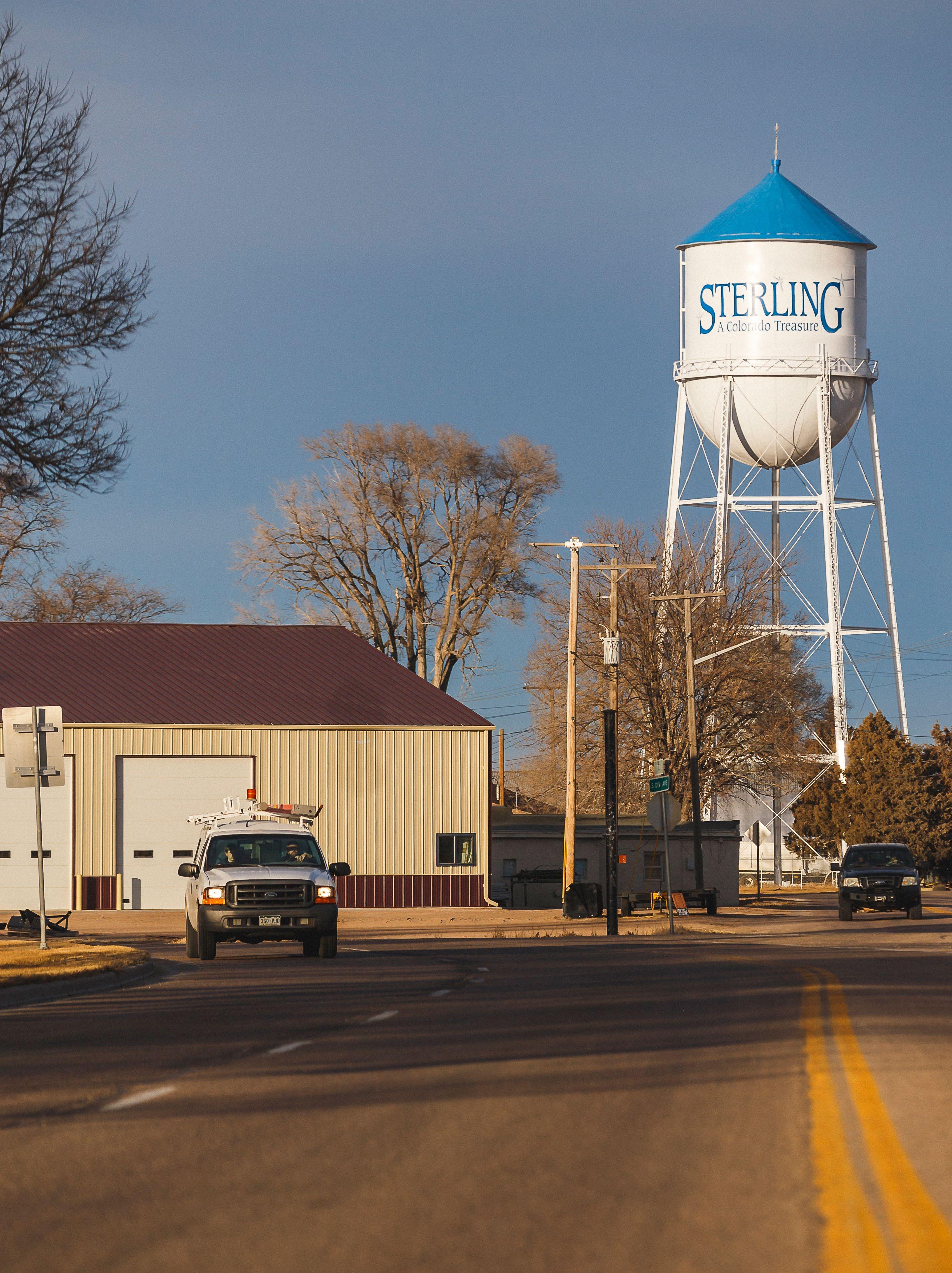
Sterling’s story began in the 1860s and 1870s, when pioneers settled along the South Platte River, drawn both to the fertile river bottomlands and to the chance to claim homesteads. The arrival of the Union Pacific Railroad in 1881 sparked rapid growth and commerce. By 1887, Sterling was incorporated and designated the county seat of Logan County. Today, Sterling is a regional hub and a shining star in northeastern Colorado.
HAVE AN OUTDOOR ADVENTURE
North Sterling State Park is just 11 miles north of town. With 5,000 acres of park and a 3,000-acre reservoir, it’s a perfect getaway for an outdoor adventure, offering about everything you can imagine — boating, fishing, camping, hiking, biking, water skiing, jet skiing, swimming, birding, and stargazing. Learn more online at cpw.state.co.us/state-parks/north-sterling-state-park
TAKE A SCENIC DRIVE
Pawnee Pioneer Trails Scenic Byway is a 128-mile drive through the Great Plains from Sterling to Ault. Highlights include the Pawnee Buttes, which rise 250 feet above the plains, and the Pawnee National Grassland, home to hundreds of bird species, pronghorn antelope, coyotes, and prairie dogs. The route features historic sites and scenic pull-offs. Find more information online at colorado.com/articles/colorado-scenic-byway-pawnee-pioneer-trails
STAY A NIGHT OR TWO
For a charming, locally owned stay in Sterling, The Crest Motel stands out as the town’s only boutique-style hotel, conveniently located in the heart of downtown. Guests can unwind in the outdoor garden and courtyard seating areas and enjoy easy access to nearby restaurants, parks, and downtown Sterling. Book your stay at tinyurl.com/y6smpdfa
GRAB A BITE
Simkins Parlour is a local and traveler favorite. Cozy and welcoming, it’s loved for friendly staff and fresh, made-from-scratch food. Enjoy premium ice cream, coffee drinks, soups, sandwiches, and a customer favorite: a cabbage pocket. Check their Facebook page for hours.
EXPLORE ART & HISTORY
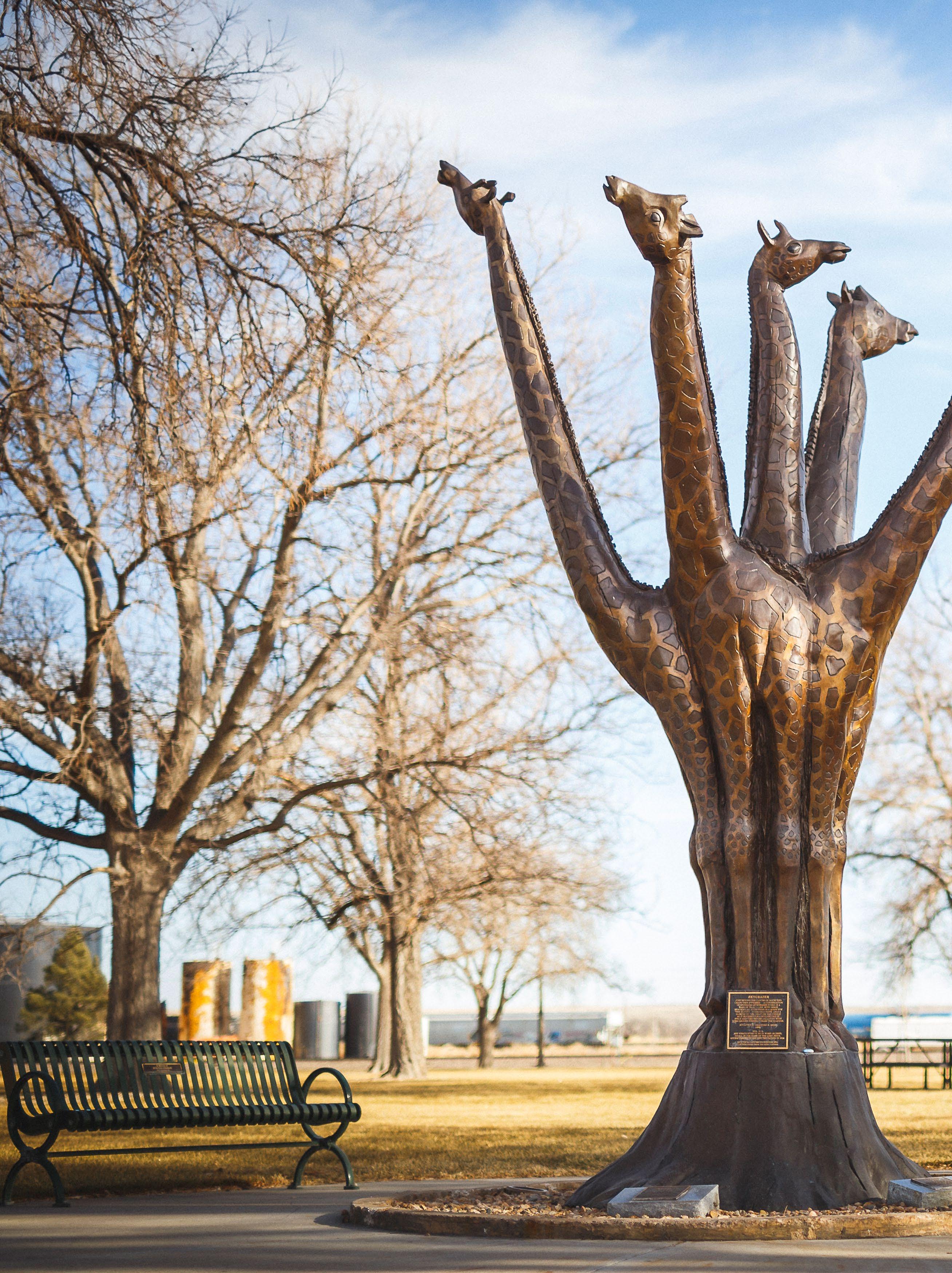
Known as the City of Living Trees, Sterling showcases wood and bronze sculptures throughout downtown and its parks. Explore at your own pace with a quiet scavenger hunt-style art walk, discovering public sculptures tucked among trees and sidewalks. It’s a fun, self-guided way to enjoy local art while strolling through the heart of town. Learn more about artist Bradford Rhea and his tree sculptures at onlyinyourstate.com/experiences/colorado/ coolest-little-known-attraction-co
Sitting along the 19th-century Overland Trail, the Overland Trail Museum lets visitors step back in time. Since 1936, people have enjoyed exhibits that teach about early settlers, Native American History, pioneer life, and early rural electrification. The grounds feature a historic village with a one-room schoolhouse, church, general store, blacksmith shop, filling station, barbershop, barns, and farm machinery. Learn more about the museum at tinyurl.com/OverlandMuseum
Celebrate the Fourth of July at the Overland Trail Museum during the Heritage Festival Enjoy live music, hands-on historical and craft decorations, family-friendly games, and local food vendors. Stroll the grounds, explore pioneer culture, and cap the day with an Independence Day fireworks show. The date may vary yearly. View the schedule at tinyurl.com/sterlingheritagefest.
Grandma Brewer’s Carrot-Orange Cookies
By Kylee Coleman Editor
Family recipes are special, and when they are tied to core memories, they’re even better. This recipe is from my mom’s Grandma Brewer who raised three boys in their farmhouse outside of town.
It was a treat when my mom baked these cookies when I was growing up. I don’t recall eating them too often, but enough to remember the citrus, orangeflavored frosting.
COOKIE DOUGH
3-4 large carrots to make
1 cup mashed
¾ cup butter, softened to room temperature
¾ cup sugar
2 large eggs
2 tsp fresh orange zest
2 cups flour
2 tsp baking powder
½ tsp salt
FROSTING
2½ cups powdered sugar
¼ cup butter, softened to room temperature
1 tbsp fresh orange zest
1½ tbsp orange juice. If you want more of a glaze, add more orange juice and mix thoroughly until you get the consistency you like.
¼ tsp orange extract (optional)
When I made (and ate!) this batch of cookies to photograph, the taste of the orange-flavored frosting transported me to remember light streaming through the windows of my childhood home where I was playing with a blue-and-white, toile-patterned tea set while my mom baked.
I hope you enjoy these cookies as much as I do.
INSTRUCTIONS
1. Peel and slice carrots. Boil until tender, then cool and mash with a fork or food processor. An alternative is to microwave the carrots in a microwave-safe dish. Add about ¼ cup of water to the carrots in the dish, cover, and cook in 3-minute intervals until they are soft enough to mash.
2. Preheat oven to 375°F and either grease cookie sheets or line them with parchment paper.
3. Mix butter and sugar until smooth and creamy.
4. Add eggs, orange zest, and mashed carrots. Beat until smooth.
5. Stir in flour, baking powder, and salt just until flour is moistened.
6. Drop by tablespoonfuls onto prepared cookie sheets.
7. Bake 10-12 minutes or until barely golden brown on the edges and set in the middle.
8. Let cool 3-5 minutes on pan and then transfer cookies to a wire rack to cool completely.
9. Beat frosting ingredients until smooth, adding enough orange juice as needed.
10. After cookies are cool, spread with frosting.
MAKES 2 DOZEN COOKIES
kcoleman@coloradocountrylife.org,
May is Electrical Safety Month
ELECTRICAL SAFETY Checklist
Room by Room
CHECK THESE MONTHLY TO KEEP YOUR HOME AND FAMILY SAFE.
KITCHEN
□ Clean refrigerator coils and allow space for airflow.
□ Store and use appliances away from the sink.
□ Use and test GFCI outlets.
□ Inspect cords for cracks or frays.
□ Keep cords off counters; unplug when not in use.
BEDROOM
□ Place and test smoke and carbon monoxide detectors on every level and near sleeping areas.
□ Keep cords out from under rugs or furniture.
□ Unplug devices and chargers when not in use.
□ Make sure light bulbs are the correct wattage.
□ Plug window AC units into a dedicated circuit.
UTILITY CLOSET
□ Ensure washer and dryer are stable and ventilated. Remove dryer lint after each use.
□ Set water heater to 120 degrees or lower.
□ Have furnace inspected and confirm proper ventilation.
BATHROOM
□ Keep small appliances away from water (sink, toilet, tub, shower).
□ Unplug small appliances when not in use.
□ Use and test GFCI outlets.
LIVING ROOM
□ Use safety caps on unused outlets, especially if children or pets are present.
□ Ensure electronics have space for airflow.
□ Replace cracked light switch or outlet covers.
□ Avoid overloading outlets, power strips, and surge protectors.
GARAGE
□ Use and test GFCI outlets.
□ Inspect cords for cracks or damage.
□ Unplug tools and appliances when not in use.
□ Place garage refrigerators/freezers on dedicated appliance circuits.
Learn more at SafeElectricity.org
We Socks
By Jacey Blue Renner
The long-lasting and sunnier days of spring bring more ways to embrace the Colorado lifestyle. If Coloradans aren’t hiking, biking, or trail running, we’re likely skiing, camping, or outside reveling at one of Colorado’s innumerable outdoor festivals and markets. From enthusiastic to vibrant, mountain-centric to humorous, take a peek at these socks that will cushion any Colorado-based activity you put your feet to.
LAVLEY – DENVER
Designed and created in Denver, Lavley brings Colorado-inspired meaning to fun socks. With colors that are both vibrant and mood lifting, Lavley has all your hobbies in mind, offering hiking, skiing, travel, and even bookish socks. Lavley is a company composed of “passionate and creative dreamers spreading joy through gifting and personality-driven products,” says Kimberly Mallek, head of brand and growth. Choose the “Rise and Climb” or the “I’d Rather Be in the Mountains” pairs for your warm-weather hikes. Visit lavley.com to choose your perfect pair that highlights your favorite Colorado activity. Enter to win two pairs of Lavley socks from CCL, see page 6.
PHOENIX FIBER MILL – OLNEY SPRINGS
Gorgeous and naturally resourced, Phoenix Fiber Mill introduces the coziest way to wear natural fibers. “We manufacture for a lot of small family farms that are rooted in tradition,” says owner Karen Dietrich. Phoenix Fiber Mill, also centered around family and creating playfully unique sock designs, pays close attention to the quality and durability of its small-batch socks. Add the popular “La Sal Mountain” or “Phoenix II” to your cart at phoenixfibermill.com
COLORADO SOCK COMPANY – GOLDEN
Not only does this Colorado family-owned business offer longlasting socks made from renewable Merino wool, but they are carving out a very niche market: the toe sock. Built for your longest runs, hikes, and adventures, the Colorado Sock Company was born from the need to create socks that would live up to both Colorado nature and everyday expectations. Another amazing aspect: They donate surplus socks and new returns to local shelters. Browse their current inventory and reach out at coloradosock.com
Photo by Inna
WESTERN RAIN
By Burton Baldwin
La
Plata Electric Association member
Trumpeting droplets
Across the mesa.
The plowing storm rambles
Toward tomorrow.
Golden-crowned clouds gliding
Over the summit.
Seeds sown in the wetted green. A mare dances
Across the windswept meadow. Suddenly, the heavens open
To a deeper blue. Then, the stars!
HOW WE CAME TO LOVE THE WEST
By Pat Maslowski Poudre Valley REA member
A matinee every Saturday at the Rialto, just nine cents sponsored by the PTA. We wore our jeans and cowboy hats.
“Who are your favorite cowboys,” we asked each other. Mine were Roy Rogers, Rex Allen, and Gene Autry, oh, and Roy’s horse, Trigger. The mythical West, sagebrush, tumbleweeds, canyons, forever skies, hoof beats, horses blowing, riding hard and hollering.
My small Michigan town, so staid and boring — we replayed the movies, sneaking up on each other our cap guns blazing.
Yesterday I met a neighbor, and we compared our memories. Her favorites were Hopalong Cassidy and the Lone Ranger. “Do you suppose we all came West because of those cowboy movies?”
She grinned and nodded yes.
PINYON PINING
By Ben W. Wiley San Isabel Electric member
Oh, my! What a beautiful tree, A hundred feet past the Park gate.
I wish Marie was here to see, Before the dark makes it too late.
Closer now, I relish your shape: Oh, my! What a beautiful tree, Pinyon pine, amidst the landscape,
Fine symmetry engaging me.
Triangular and branching free, Isosceles with rounded peak. Oh, my! What a beautiful tree. You earn a magical critique. And this is what I now behold: You mimic me and my Marie. A foot apart, trunks are twofoldOh, my! What a beautiful tree..
BARBED WIRE
By Joalie Alldredge
Poudre Valley REA member
MORNING
By Janice Walters San Isabel Electric member
The tree-bound starlings loosed their hidden bonds, winging their noisy way into the morning sky.
I was witness to a whisper of wings shuffling air as they passed overhead in a gathering cloud of bodies. A swoop, then they soared in short rhythmic spurts, drawing my eyes to their morning sway.
Choreography never looked better as dark silhouettes settled with precision and grace in a tree just down the hill.
I once stood strong as a barrier between one man’s stock and another. In my youth, I was stretched taut between once-young cedar posts, stapled firmly so I wouldn’t sag. My barbs intended to deter any four legs or even two who dared to cross me.
Over time, large mammals have challenged me trying to clear my four tall strands only to become tangled and thrash through me. The senseless livestock I am intended to contain have minimal respect for me and push through for greener grass on the other side. Time after time — I am stretched and twisted back together to the point of being no longer a twisted couple but a single stray, rusted strand with nary a barb. I am ready to retire and let new strands gather their own timeless stories which only we can tell.
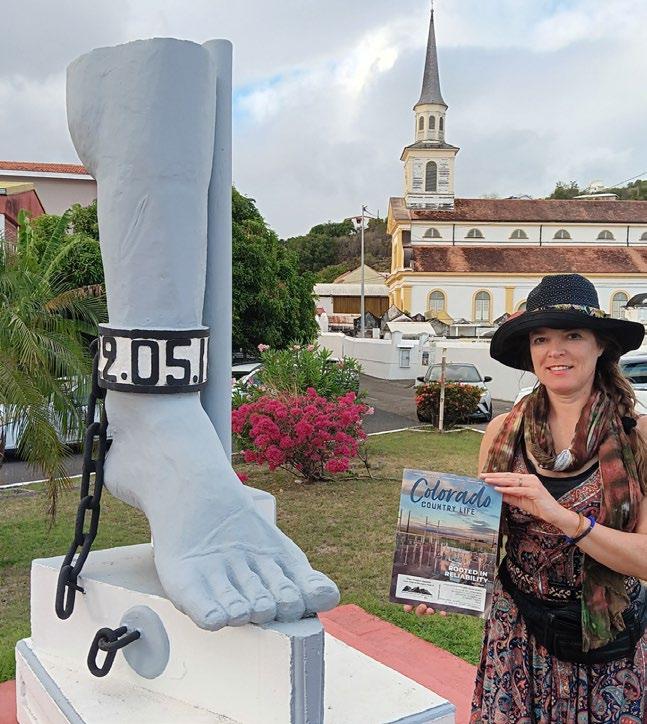
Mountain View Electric Association member Ruslana Damiata sends a hello to Colorado from the island of Martinique at the sculpture to commemorate the end of slavery.
and their
experienced a half-day
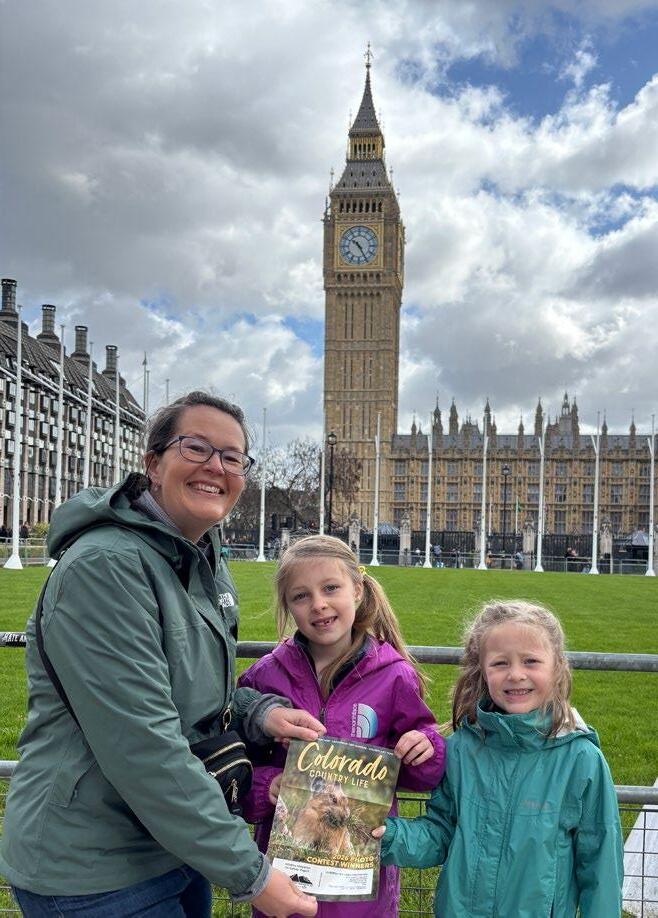
With Andrew behind the camera, Tess, Gianna, and Claire Bussa pose with their copy of CCL at Big Ben in London. The Bussas are members of Mountain View Electric Association.
and
watching
Show us your adventures with the magazine for a chance to win $25.
Upload your photo with CCL at coloradocountrylife.coop. Find more reader photos on Facebook @COCountryLife and Instagram @cocountrylife. PACK.
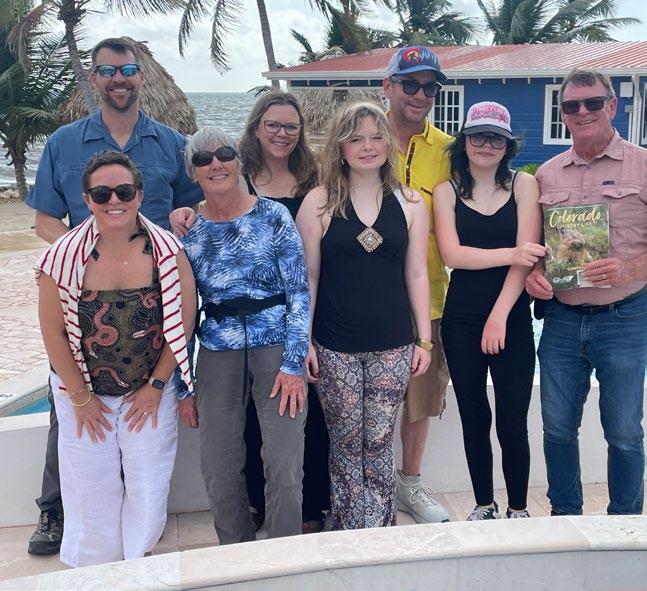
CCL joins the complete Cox family spring break adventure vacation at Beaches & Dreams resort in Hopkins Village, Belize. They are Grand Valley Power members.
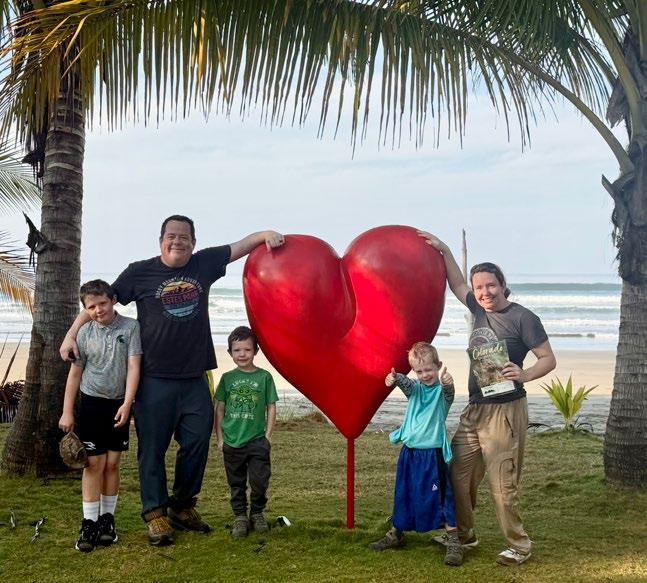
Mountain View Electric Association member Abigail Urish and her family stop for a quick photo with their copy of the magazine during a trip to the Pacific coast of Costa Rica. “We love some CCL!” Abigail said.
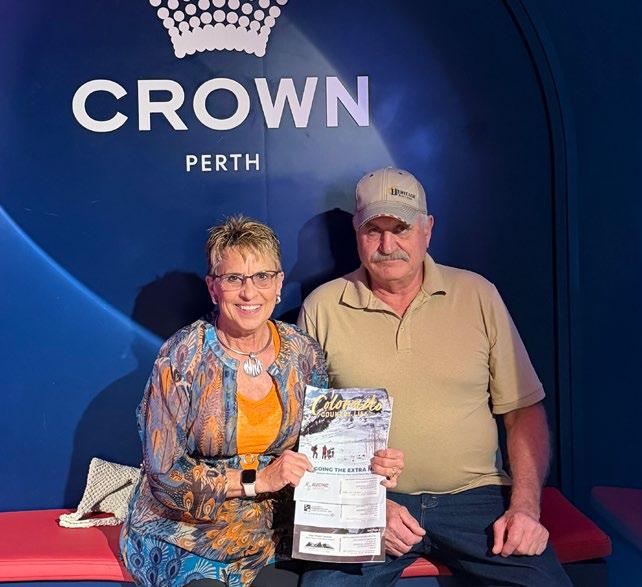
Charles and Lois Schulte take their copies of CCL to Australia where they attended a wedding of their former foreign exchange student, Giovana from Brazil, whom they hosted in their home in 2015. Here they are with their magazines on a train trip from Perth to Sydney. The Schultes are K.C. Electric, Mountain View Electric, and Y.W. Electric members.
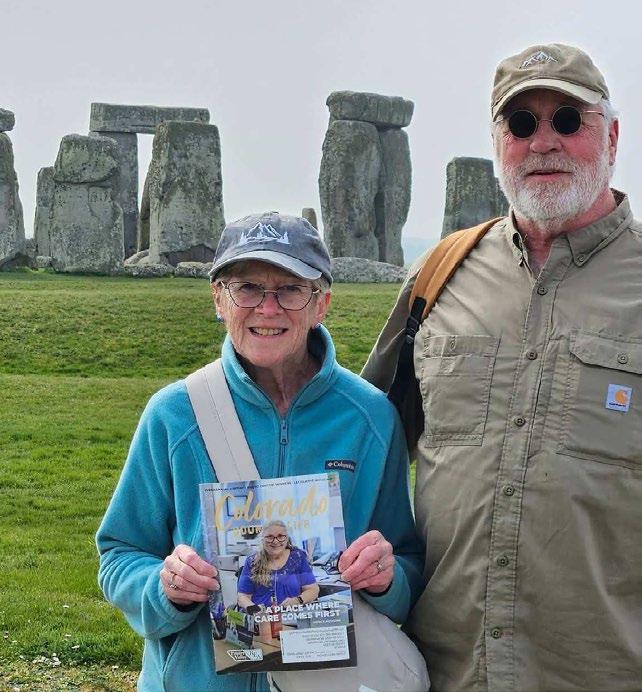
Poudre Valley REA members LeAnn and David Bittler bring their CCL to visit Stonehenge on their trip to the United Kingdom.
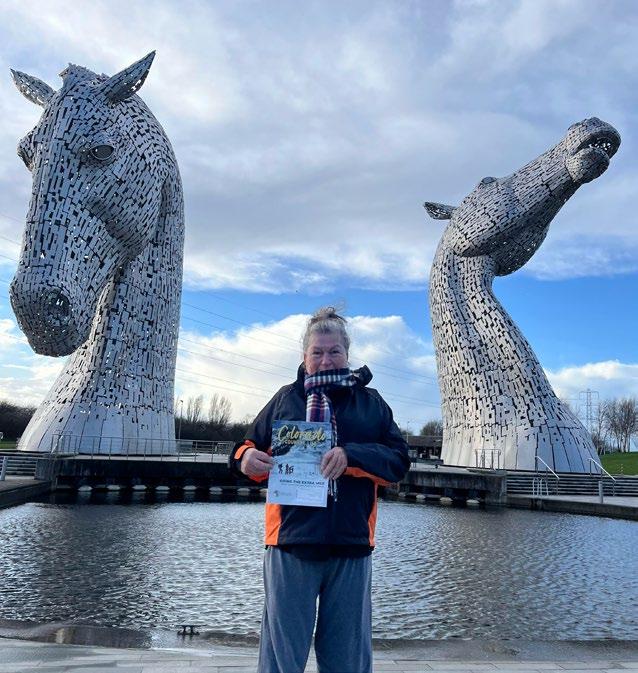
Donna Coltord visits the Kelpies in Falkirk, Scotland, and snaps a photo with her copy of the magazine. Donna is a member of Empire Electric Association.
Wiley
sons Nick
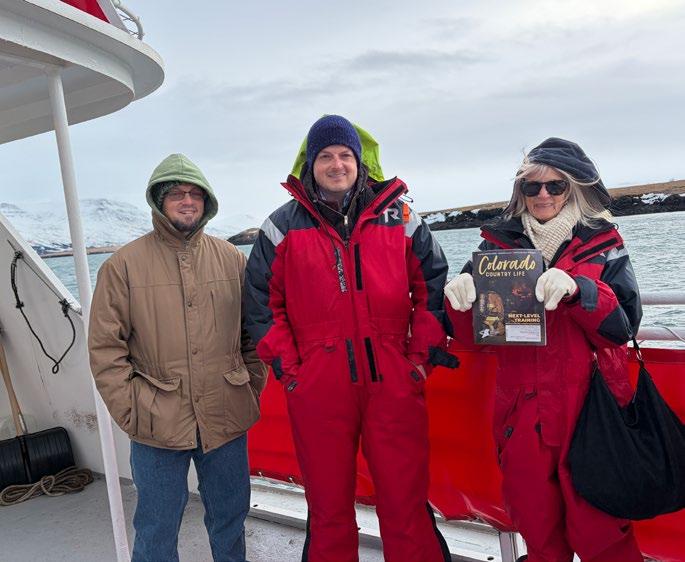
Dan visit Reykjavik, Iceland. While there, they
whale
tour near the island of Engey. The Wileys are San Isabel Electric members.
Colorado Country Life
JUST RELEASED!
No coin embodies the spirit of America more than the Morgan Silver Dollar. From the Comstock Lode discovery that provided millions of ounces of silver to make them, to outlaws robbing stage coaches in the Wild West to pay for their bar tabs and brothel visits, the hefty Morgan Silver Dollar holds a special place in American history.
It’s no wonder collectors and history buffs alike clamor to get their hands on them. That is, if they can get their hands on them.
Prized Last-Year Coins
Collectors love “lasts” as no collection is complete without the last coin struck. Last year coins are often hard to find and always in demand. Little did master engraver George T. Morgan know the legacy he was creating when he designed what has become known as “The King of Silver Dollars” but it came to an end 104 years ago with the last-year 1921 Morgan Silver Dollar, the most beloved coin in American history.
Public Release - Only 832 Coins Available
Rarcoa®, America’s Oldest Coin Company, is announcing the public release of 832 of the very last year 1921 Morgan Silver Dollars, struck at the iconic Philadelphia Mint. Each coin today comes in Brilliant Uncirculated condition, pristine as the day they were struck!
Hold 104 Years of American History
Struck in 1921, each coin is one hundred and four years old. Could Charles Lindbergh have carried your coin in his pocket during his flight across the Atlantic? Or maybe your greatgrandfather carried it while storming the beaches of Normandy during World War II before ending up in a small coin shop in Tuscaloosa, Oklahoma. Each coin has its own unique history and you can hold 104 years of American history when you buy yours today!
A Miracle of Survival
Coin experts estimate that only 15%-20% of Morgans are still surviving today due to multiple mass-meltings over the years. The Pittman Act of 1918 melted over 270,000,000 coins, that’s almost 50% of all coins produced at the time. Untold quantities were melted in the 1980s and 2000s when silver prices rose up to $50 per ounce.
Sold Nationally for as much as $239
This same 1921 Morgan Silver Dollar sells elsewhere for as much as $239. But thanks to Rarcoa’s buying power and numismatic expertise, you can own one for as little as $89.95, in quantity while supplies last. That’s a difference of up to $149!
Because the precious metals market is always active and dynamic, prices may adjust to reflect the latest market opportunities.
BUY MORE AND SAVE!
1921 Morgan Silver Dollar Brilliant Uncirculated
1-4 $99.95 each
5-9 $94.95 each, save $5 each, save up to $45
THE POWER OF WORKING TOGETHER
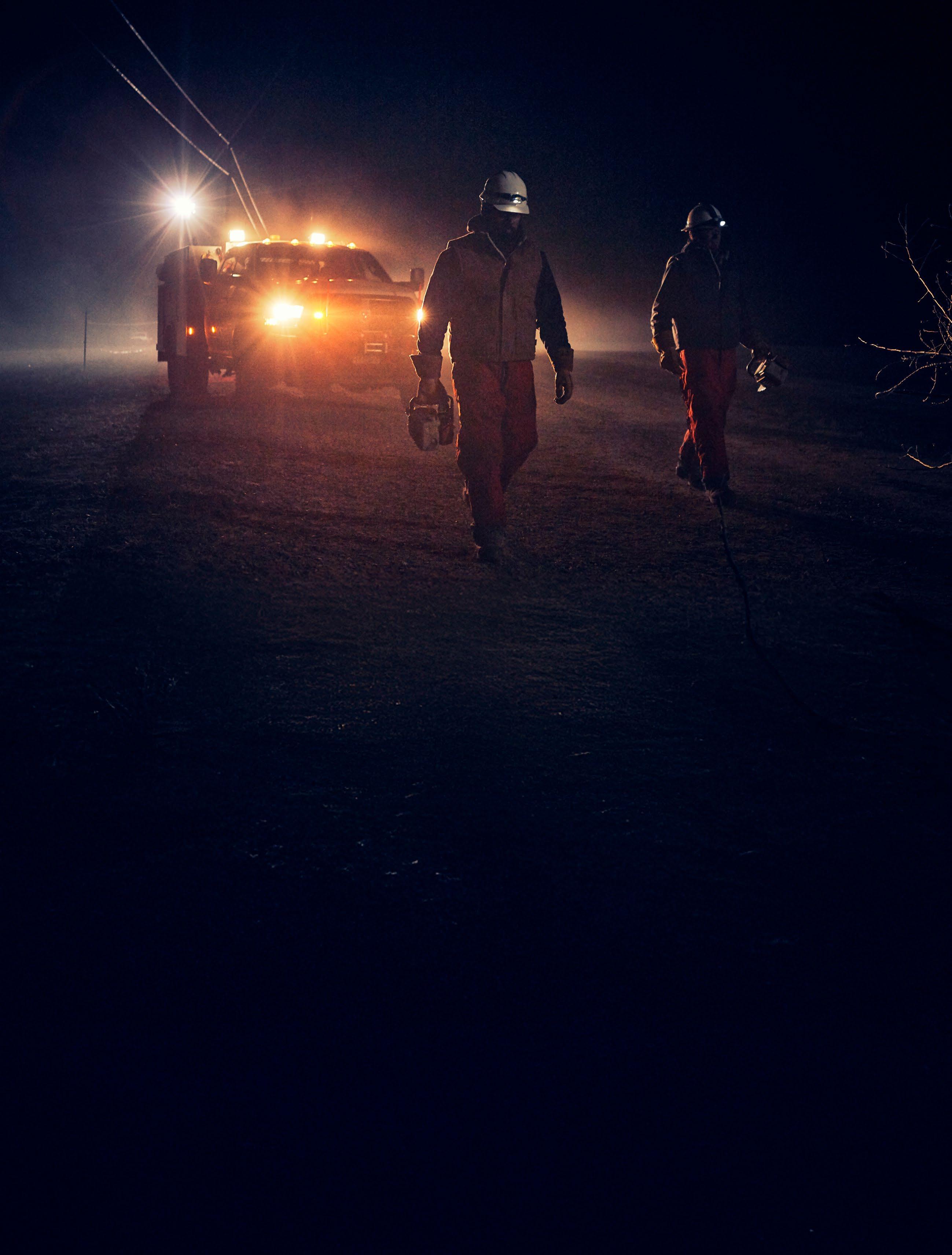
Why do we show up before the sun rises? Plan for tomorrow while keeping today running strong? And stand shoulder to shoulder when the path gets challenging?
Because every community our members serve deserves power they can count on. From energy planning to system reliability, we work as one connected cooperative family—sharing resources, expertise, and the strength that only comes from standing together.
So your co-op can deliver what matters most: reliable, affordable electricity that empowers every moment of life.
Scan to learn more or visit www.tristate.coop/powering-future